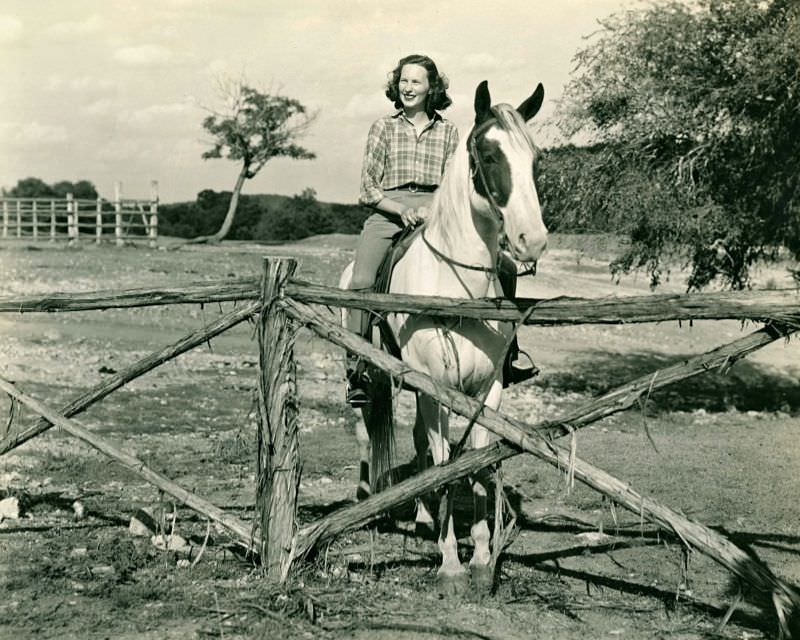
Camp Waldemar opened along the Guadalupe River in Hunt, Texas in 1926, quickly becoming one of the most beloved girls’ summer camps in the American South. By the 1930s, it drew young women from across Texas and beyond for weeks of structured outdoor life. Activities ranged from horseback riding and archery to swimming, boating, and fine arts. These photographs, drawn from a private collection, offer a rare ground-level look at what daily life actually looked like for campers during that decade.
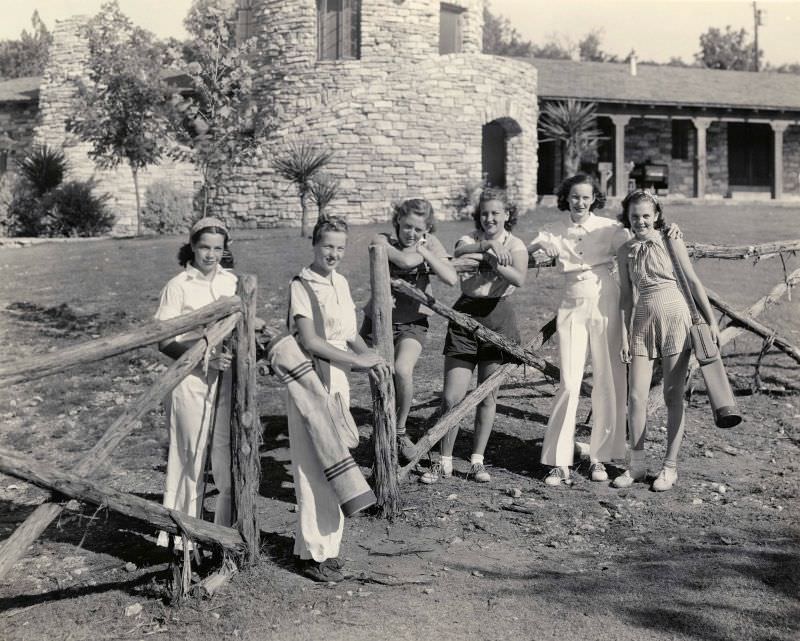
Golf was among the more refined skills on offer at Waldemar, reflecting the camp’s emphasis on well-rounded development. Archery was equally popular, requiring discipline and focus that appealed to both campers and counselors alike.
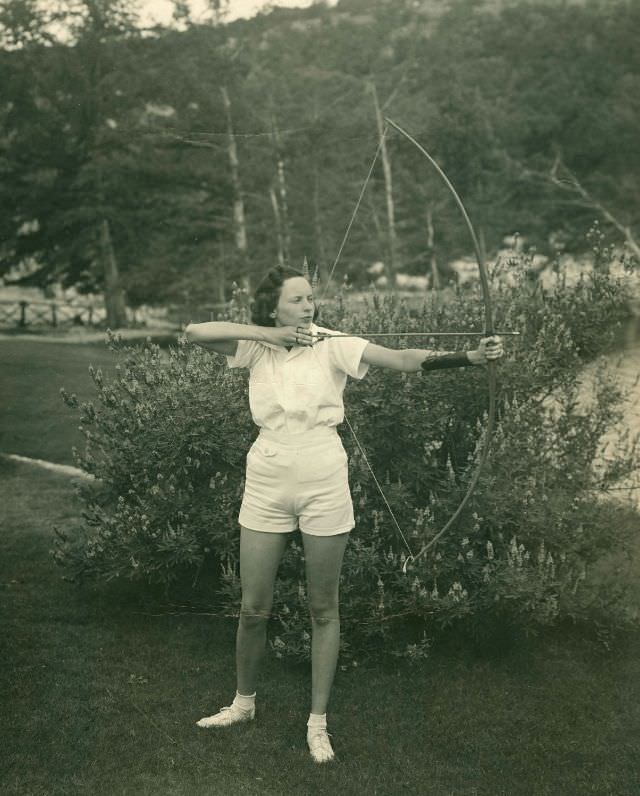
Creative pursuits were built into the program just as firmly as physical ones. The Art Club gave girls dedicated time to sketch, paint, and observe the surrounding Hill Country landscape, which provided no shortage of inspiration.
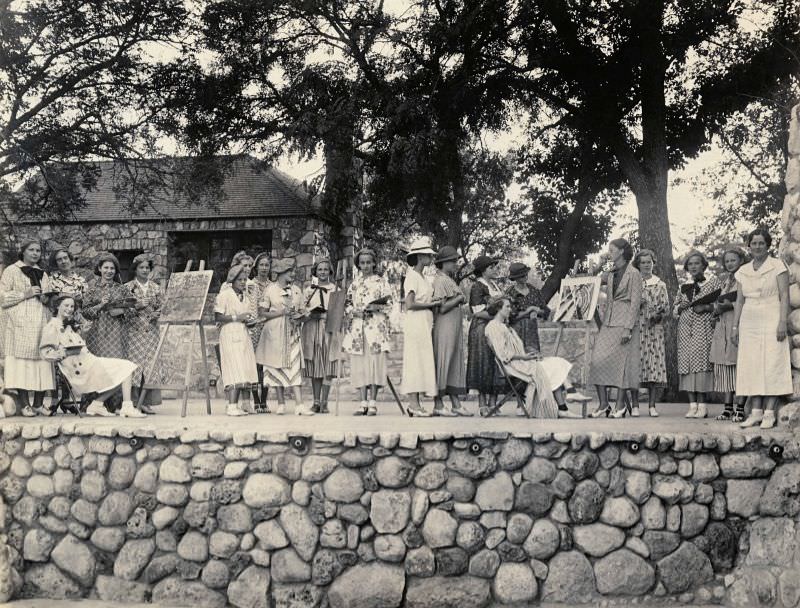
Group life was central to the Waldemar experience. Friendships formed quickly in the close quarters of cabin living, and posed group shots became a ritual way of marking those bonds before the summer ended.
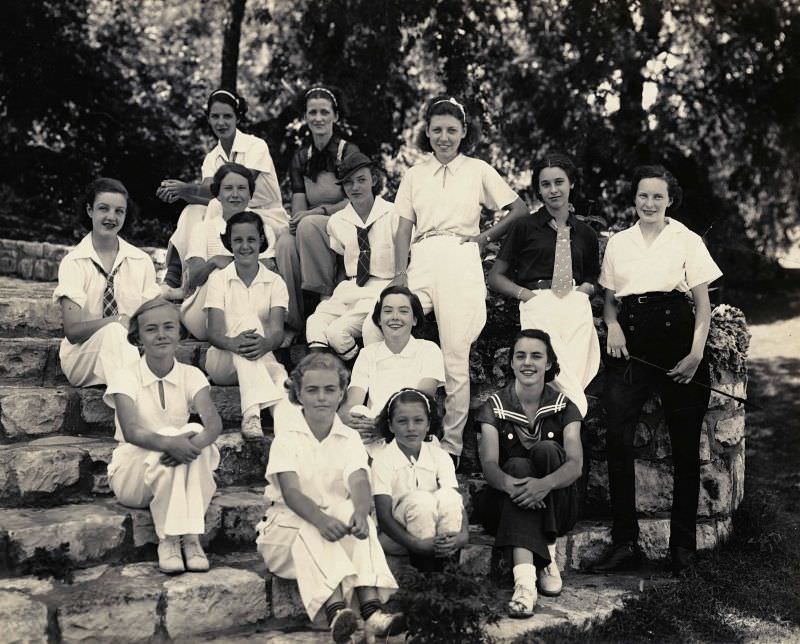
Camp dress codes in the 1930s were practical but still reflected the fashion sensibilities of the era. Shorts, blouses, and lace-up boots were standard issue, designed for activity in the Texas heat.
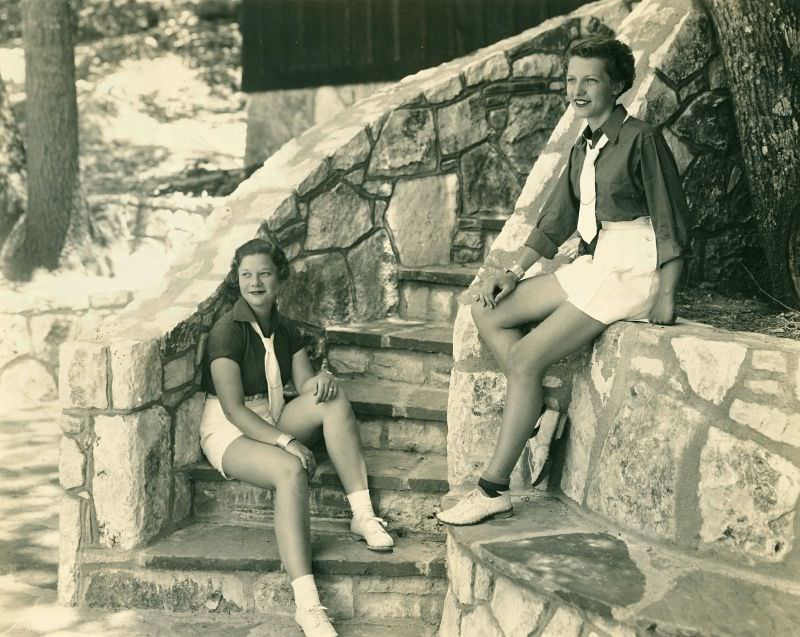
The Guadalupe River running through the property gave campers direct access to the water’s edge. Time spent on the bank — swimming, resting, or simply watching the current — was a defining part of the Waldemar day.
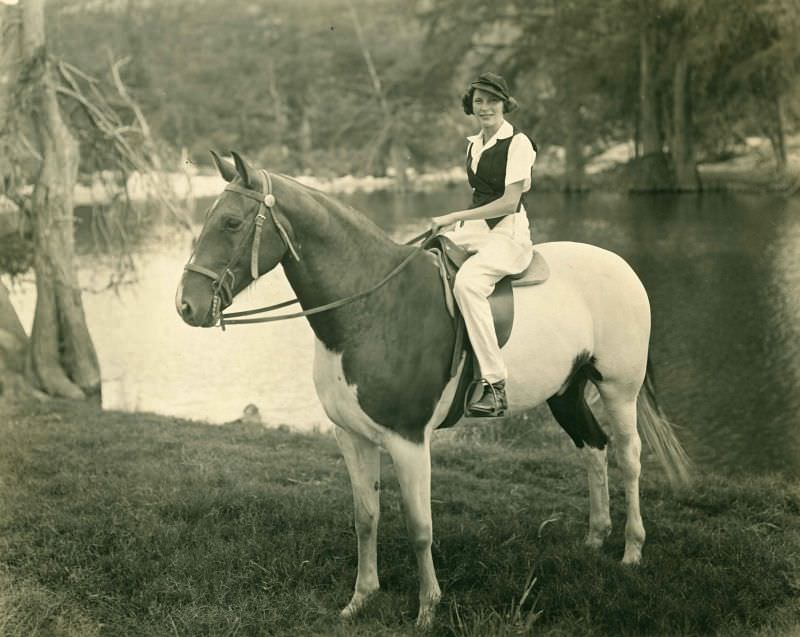
Horsemanship stood at the heart of the Waldemar program. The camp maintained a substantial stable, and riders of all skill levels worked with trained horses across the Texas terrain.