When World War II ended in 1945, Germany was in ruins. Cities were reduced to rubble, the economy had collapsed, and the country was divided into four occupation zones controlled by the United States, the Soviet Union, the United Kingdom, and France. By 1949, those zones had hardened into two separate nations: the Federal Republic of Germany in the West and the German Democratic Republic in the East. The 1950s were the decade that defined what each of those nations would become.
In West Germany, the early years of the decade were defined by hard physical labor. Rubble had to be cleared by hand. Entire city blocks needed to be rebuilt from scratch. Food and materials were scarce, and many families lived in temporary shelters. The United States helped through the Marshall Plan, funneling financial aid and resources into Western Europe to kick-start recovery. Germany used that support aggressively.
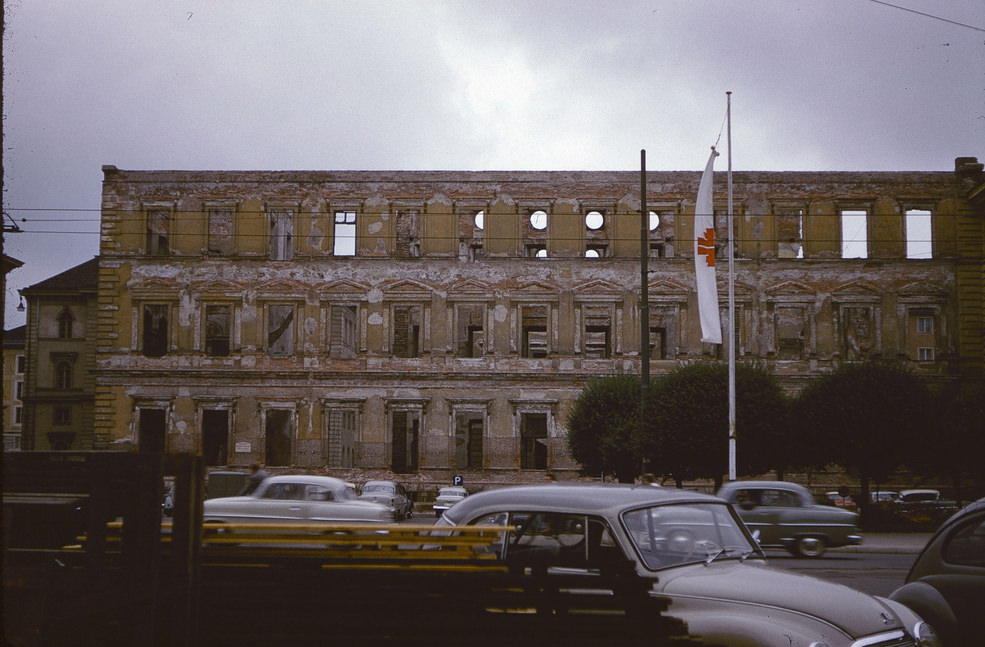
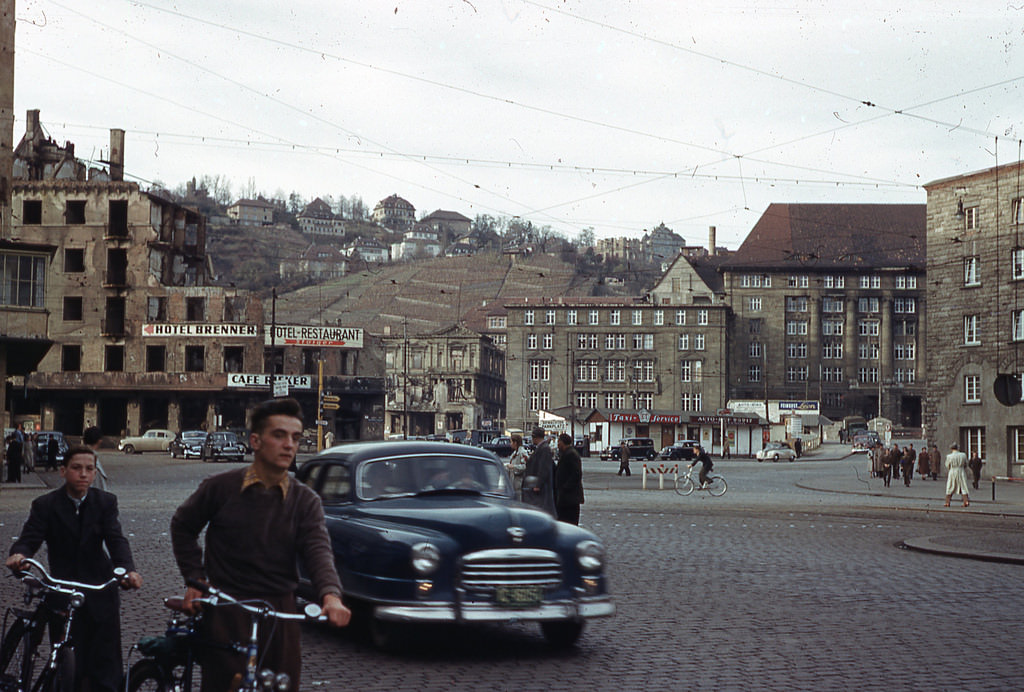
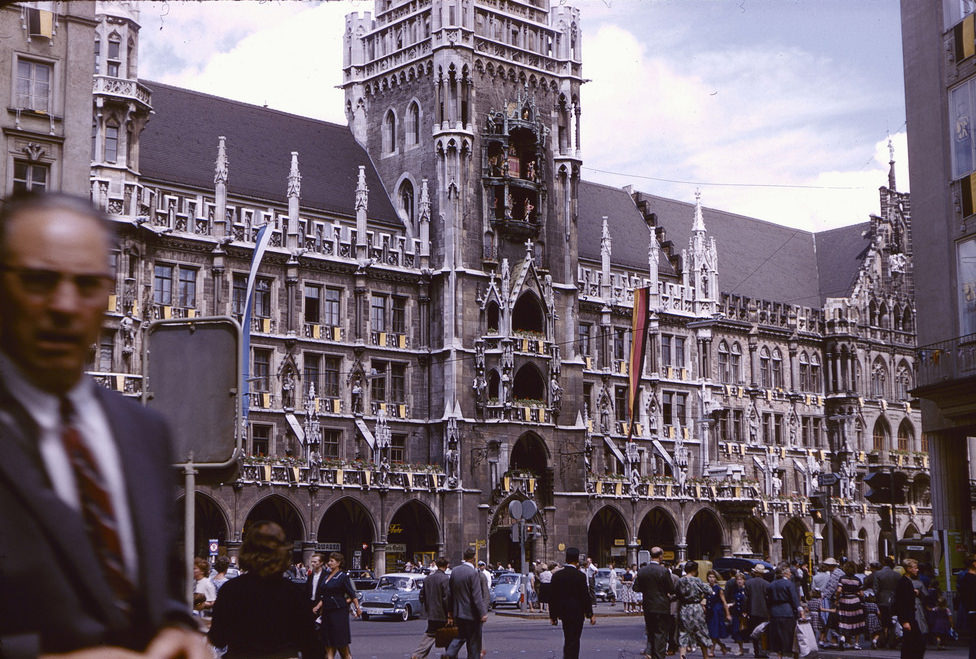
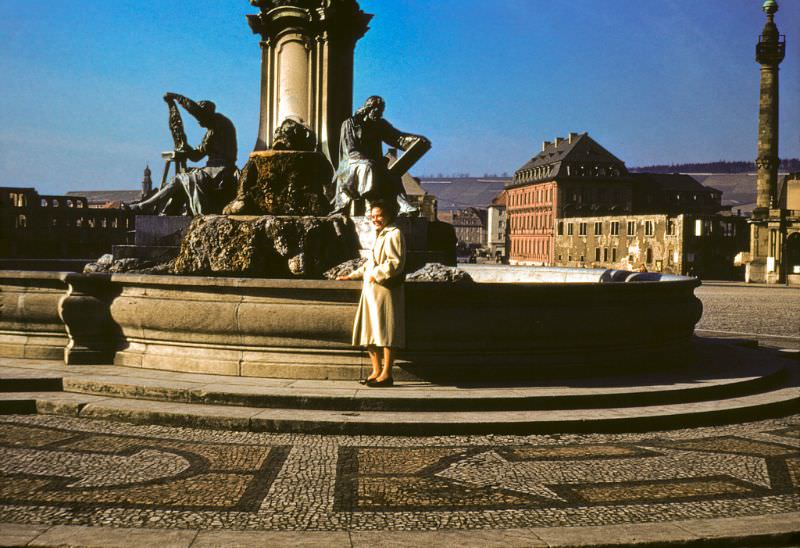
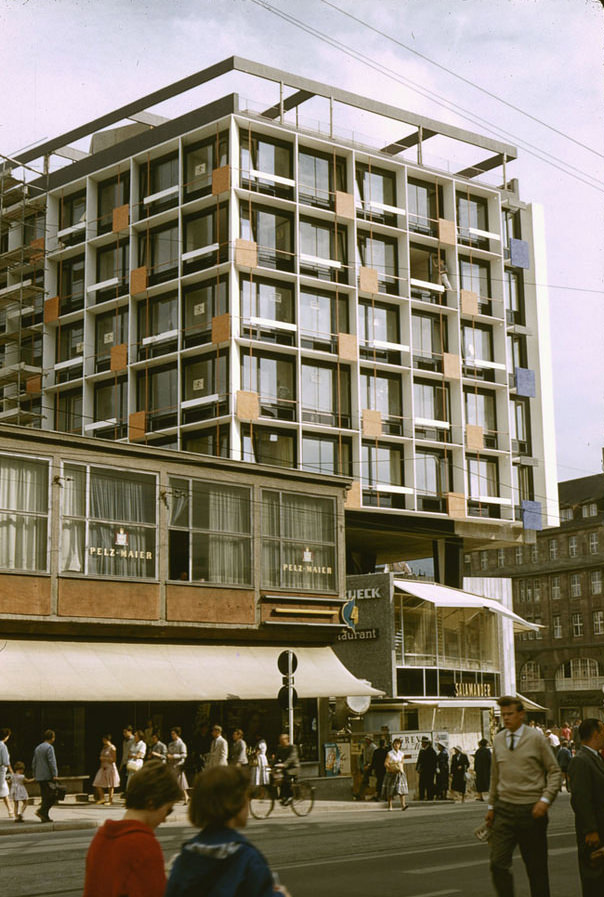
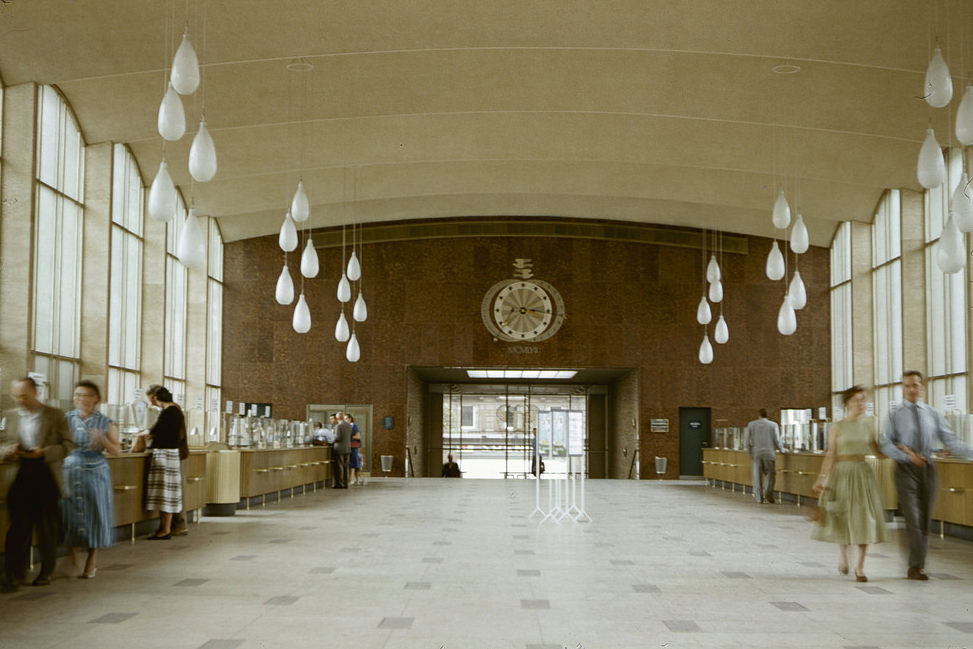
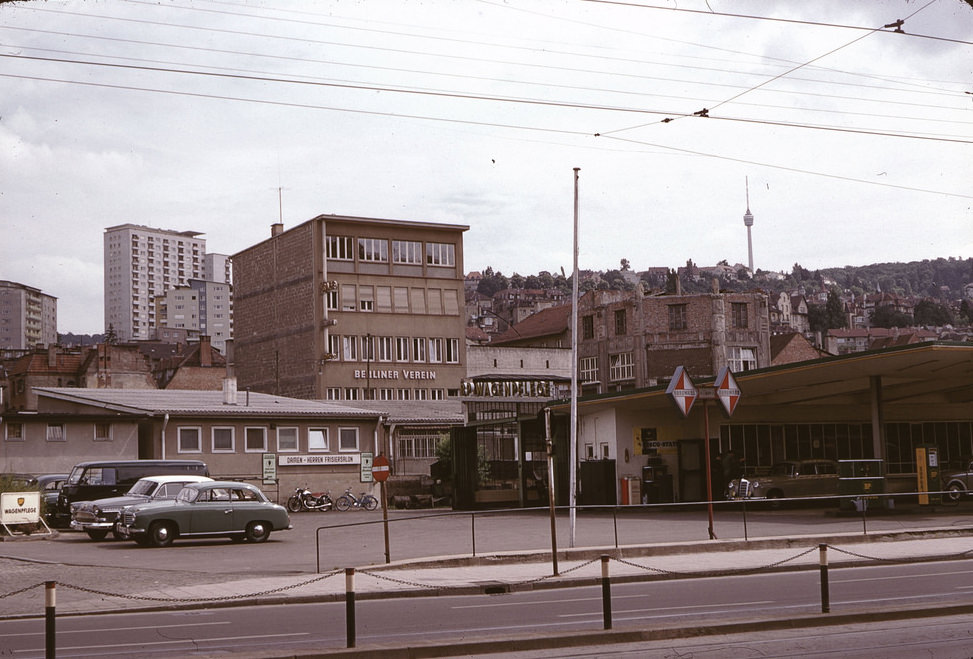
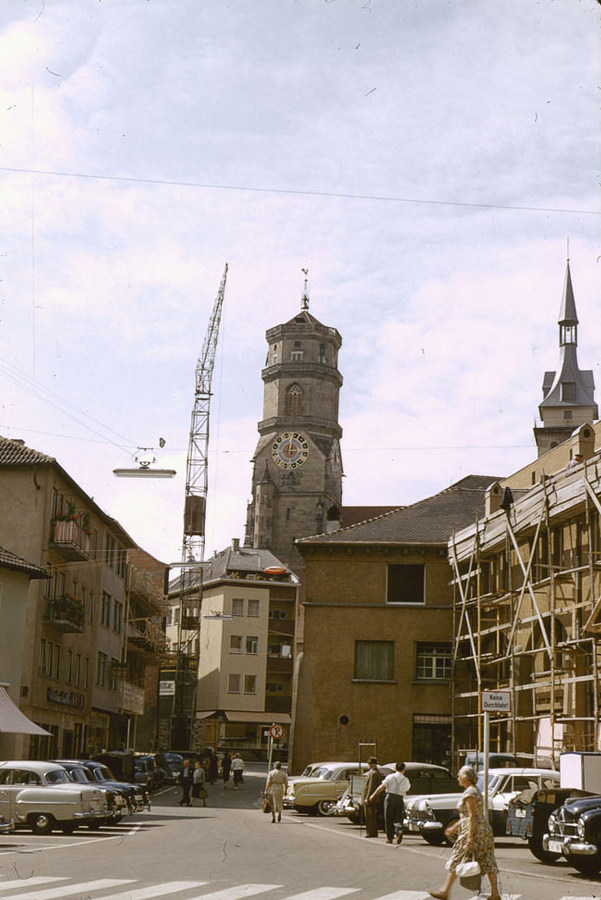
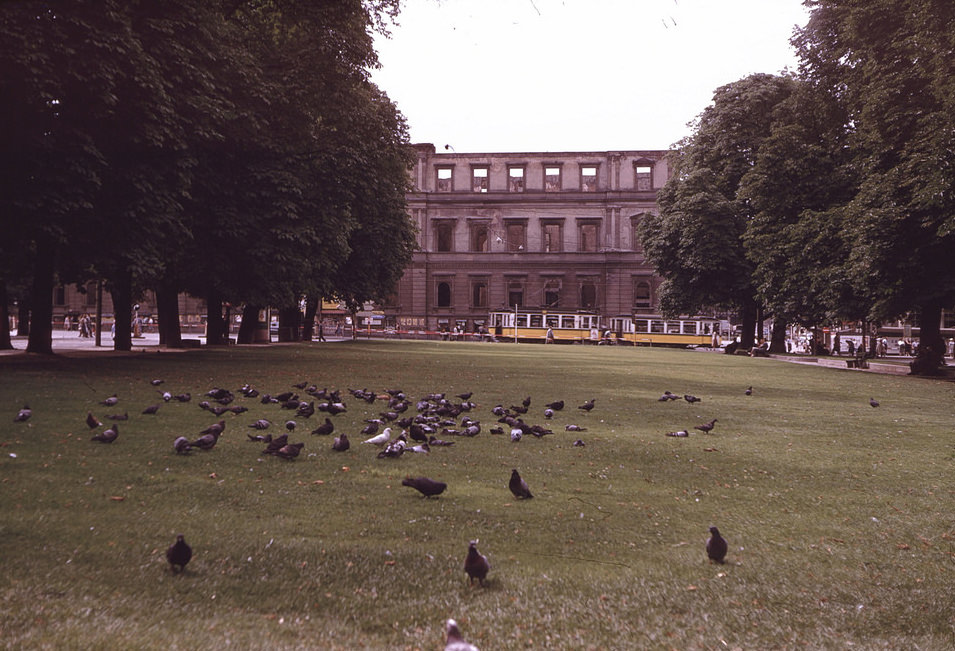
Even by 1958, some bombed-out structures still stood in cities like Munich and Stuttgart — visible reminders of the war. Rebuilding wasn’t instantaneous. But alongside the damage, new construction was rising fast. Stuttgart in particular became a showcase for postwar recovery, with modernist architecture going up next to historic buildings still under repair.
The economic turnaround in West Germany was remarkable. In 1948, economic director Ludwig Erhard introduced the Deutsche Mark to replace the worthless Reichsmark. He paired this with a social market economy — a system that embraced free-market principles while also guaranteeing social welfare programs. The result was the Wirtschaftswunder, or “economic miracle.” By the mid-1950s, West Germany’s economic output had surpassed its pre-war levels. Wages rose, unemployment dropped, and consumer goods became available to ordinary families for the first time in years.
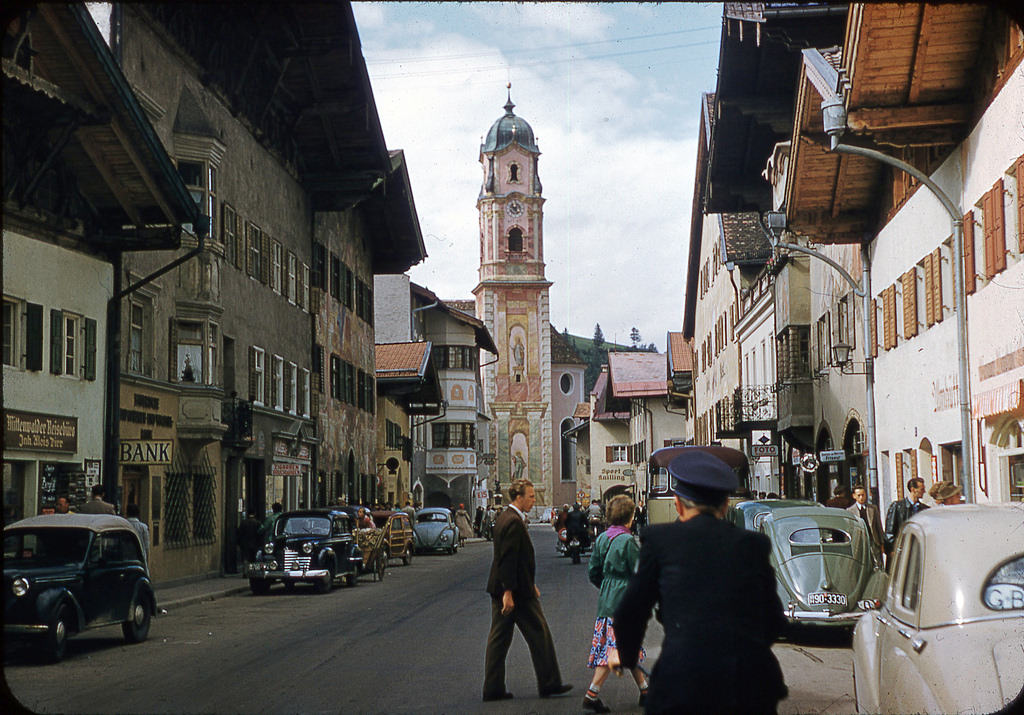
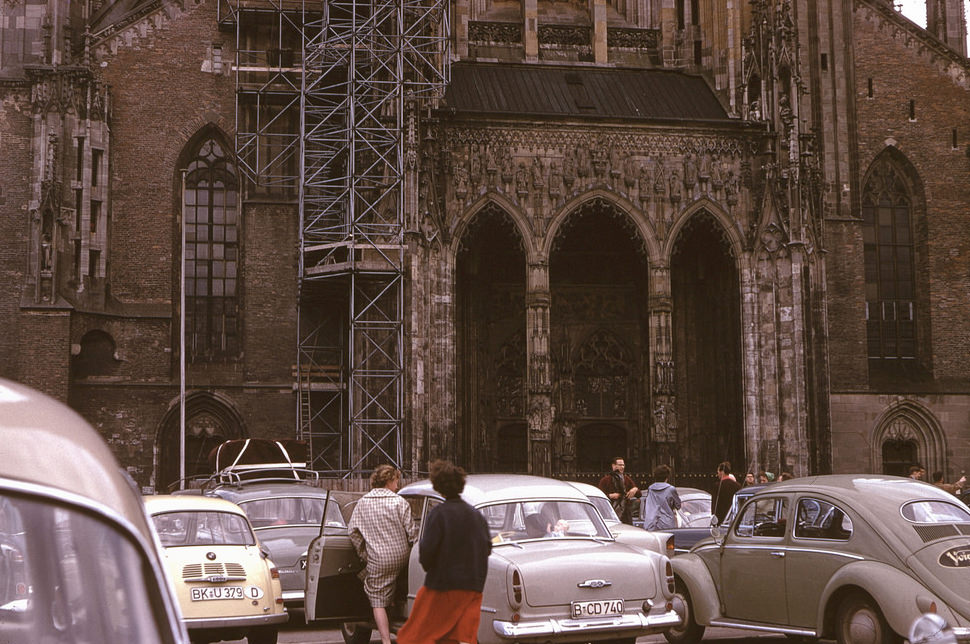
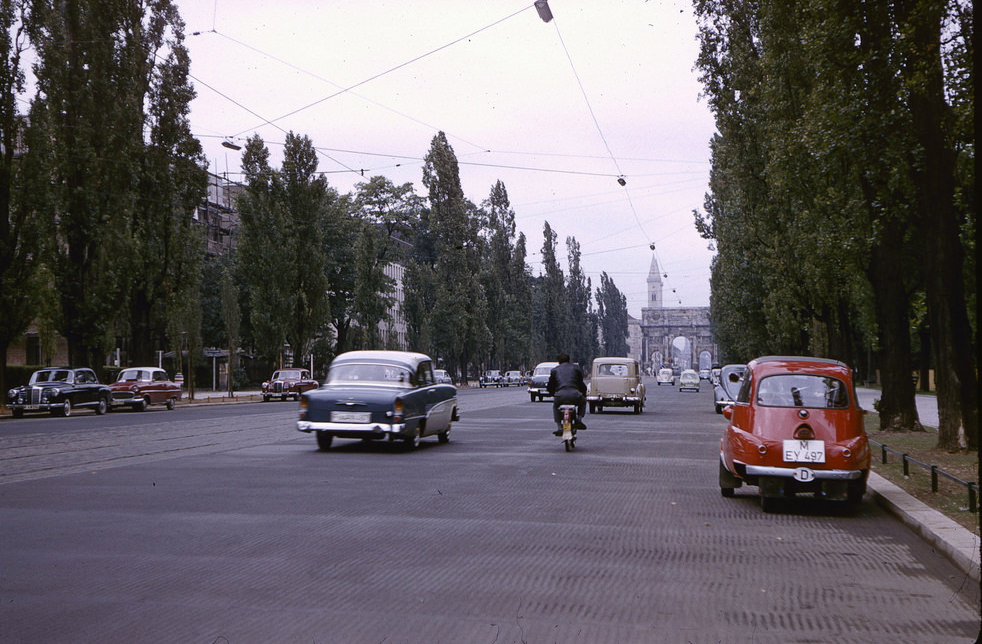
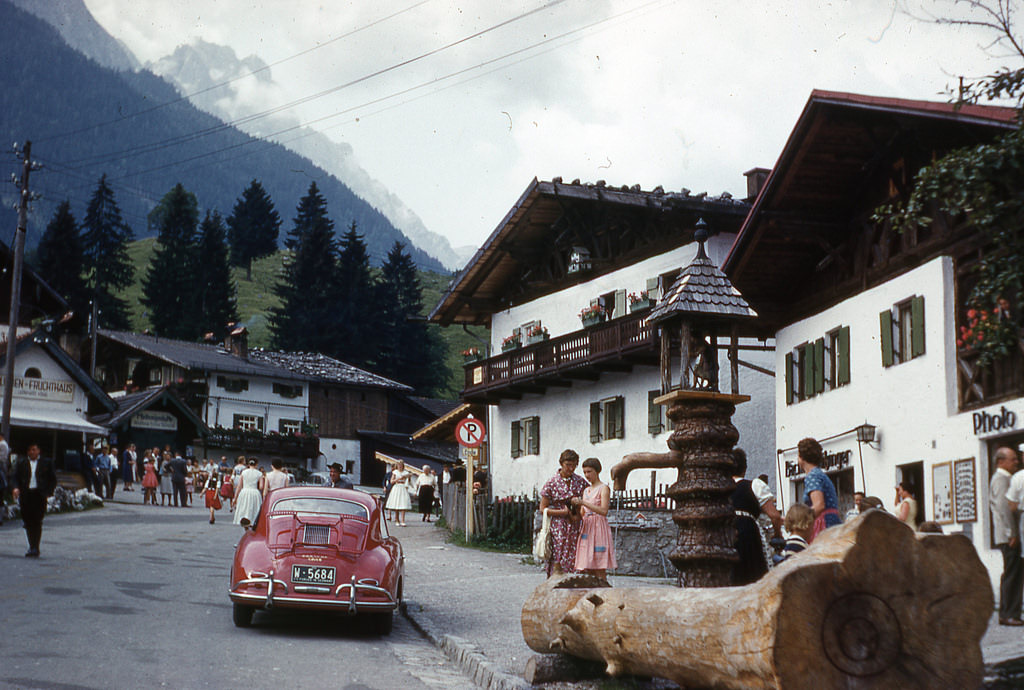
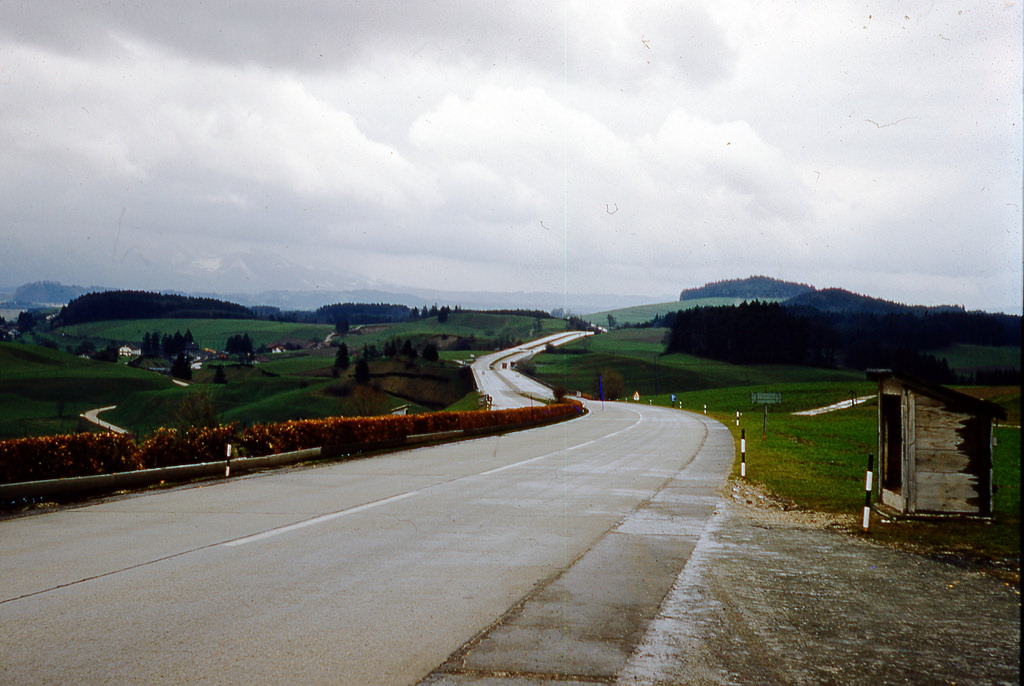
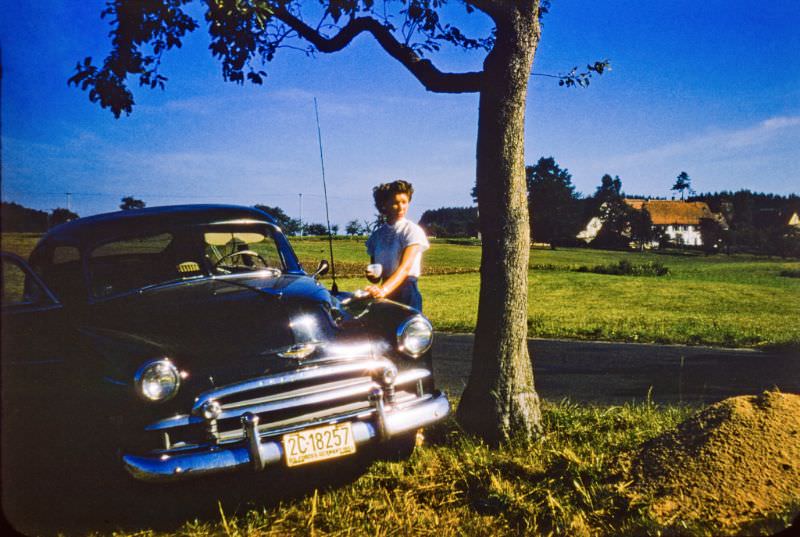
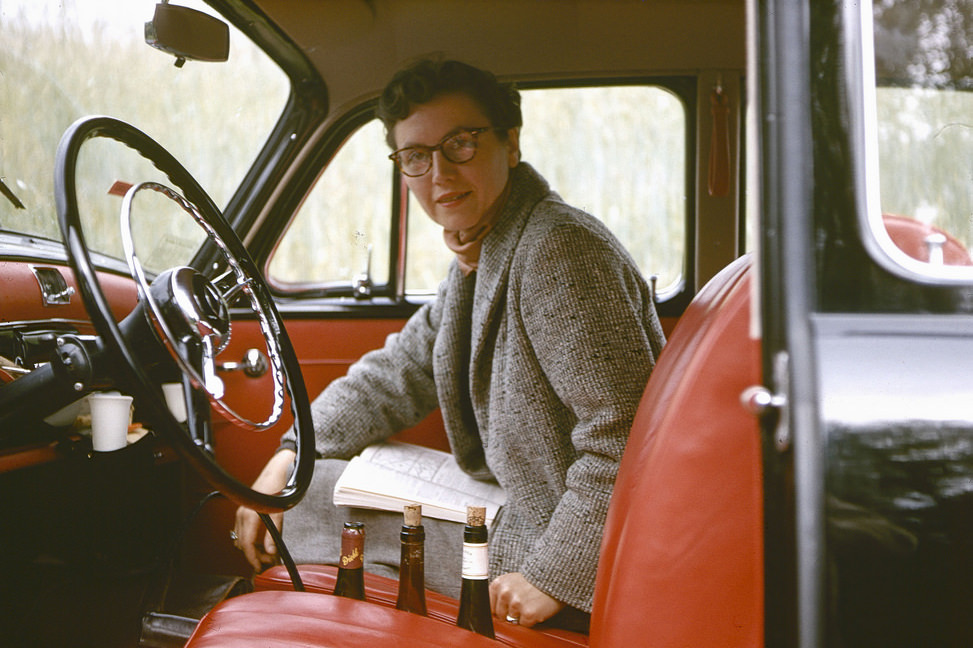
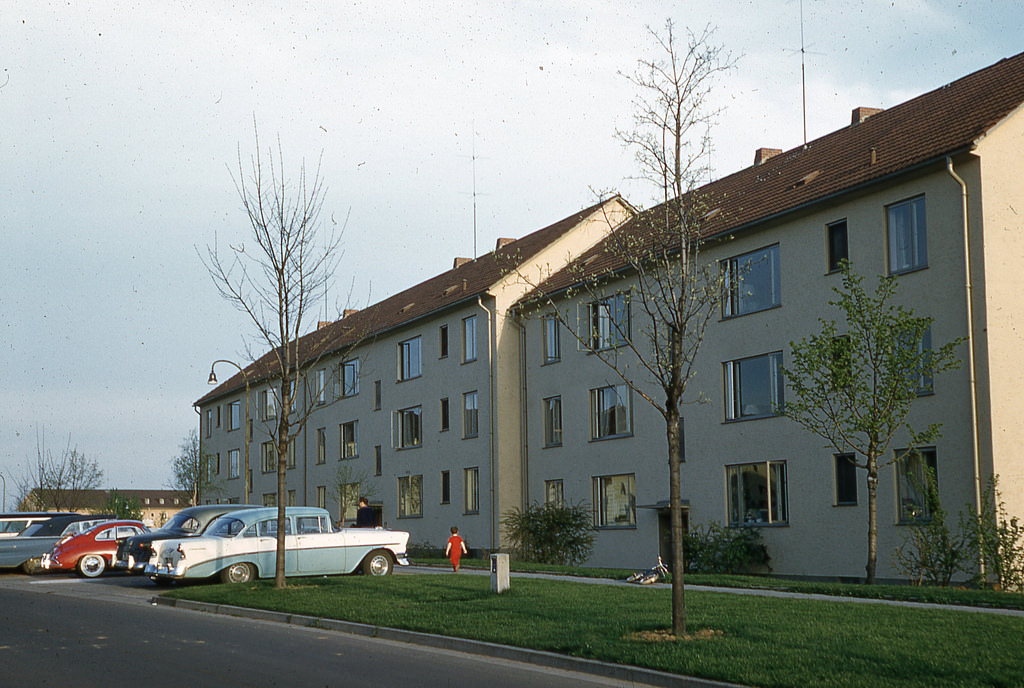
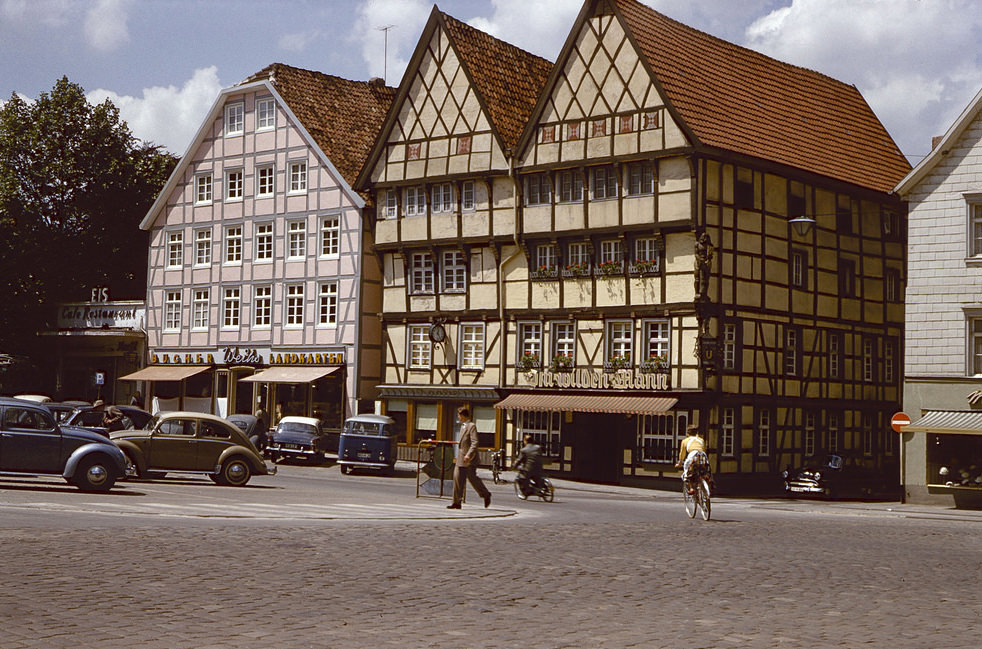
Cars became a powerful symbol of West Germany’s new prosperity. The Volkswagen Beetle was the car of the everyday family, but by the late 1950s, more aspirational vehicles were also on the roads. A Porsche 356, a Borgward Isabella, and even an American Ford Fairlane could all be spotted on German streets. The Autobahn, Germany’s famous highway network, was expanding and handling growing traffic.
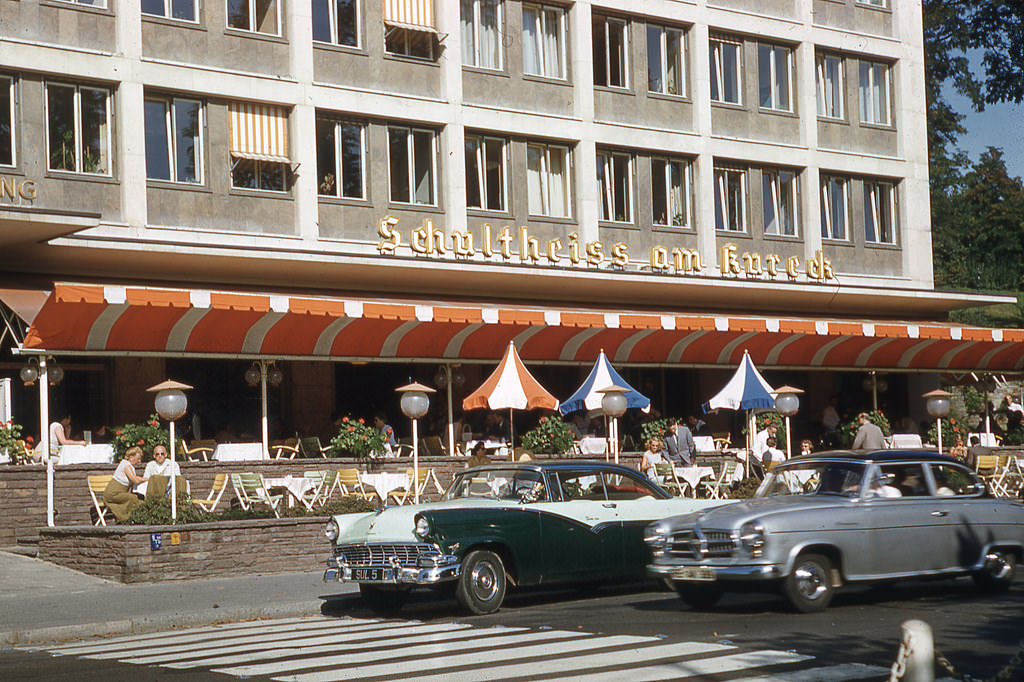
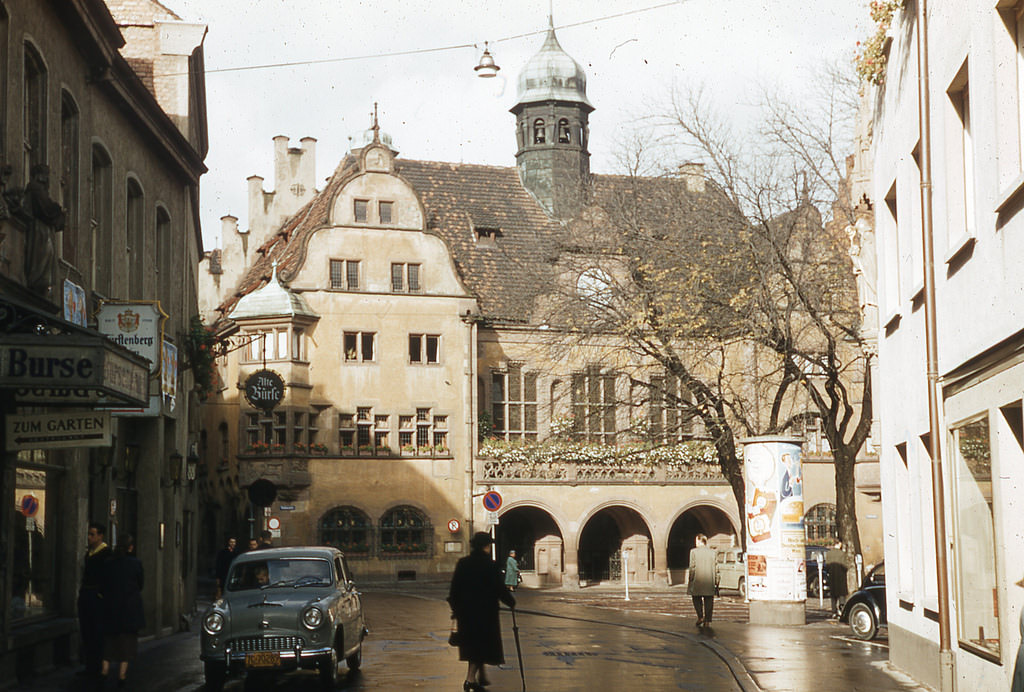
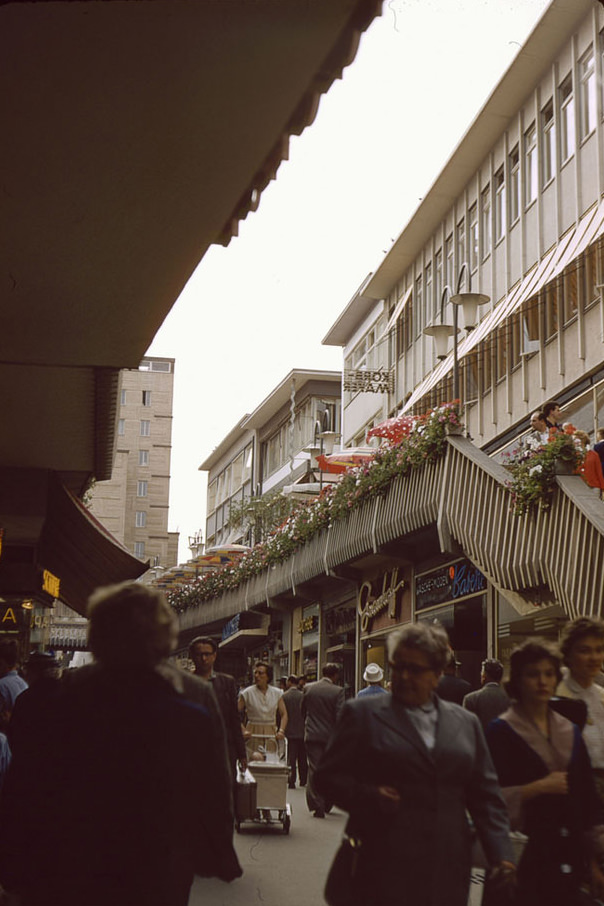
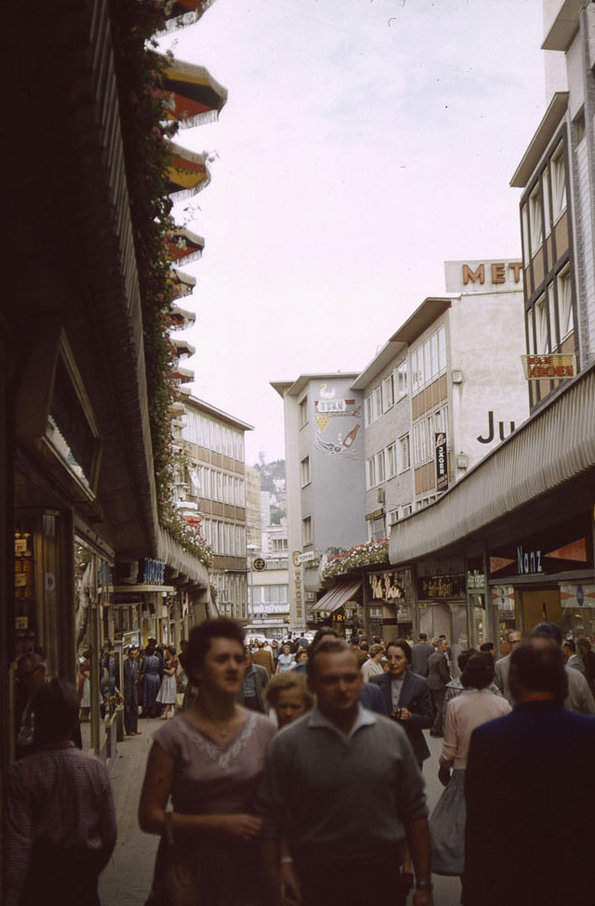
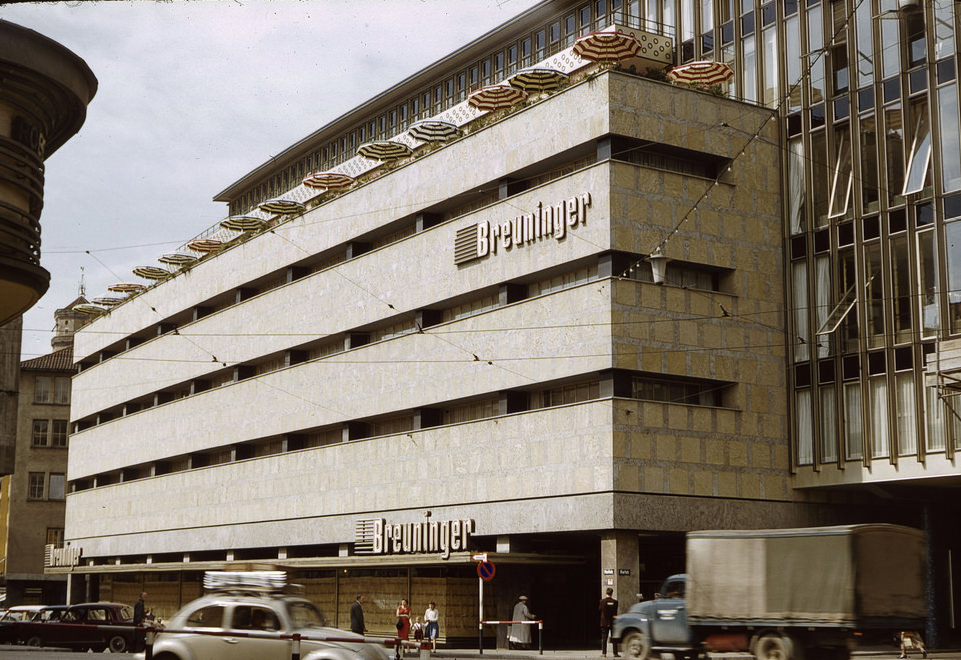
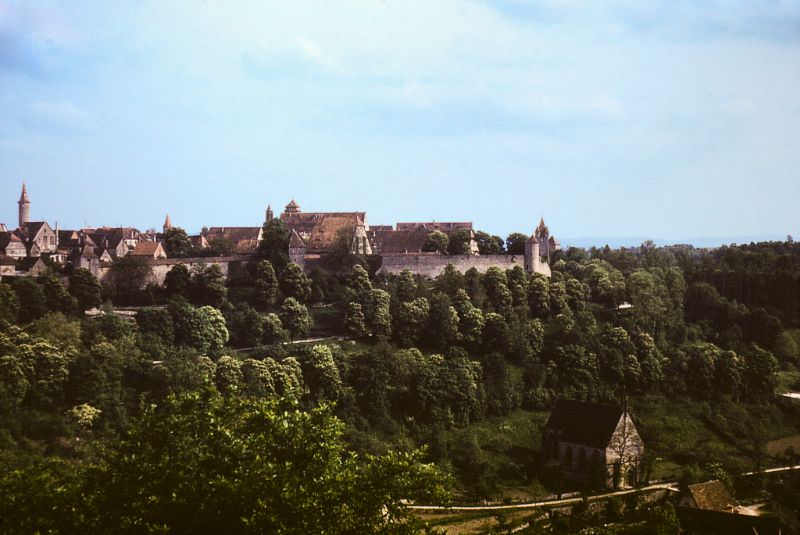
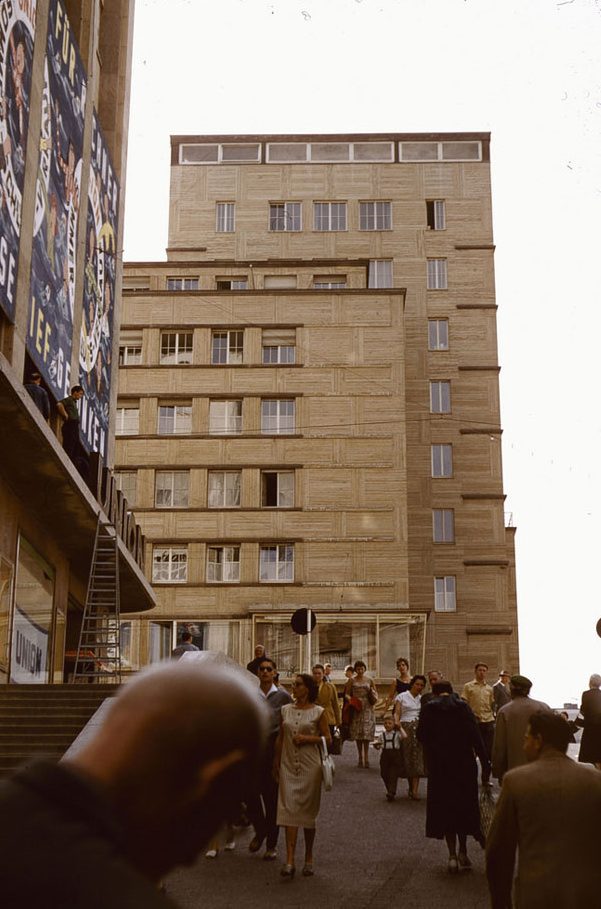
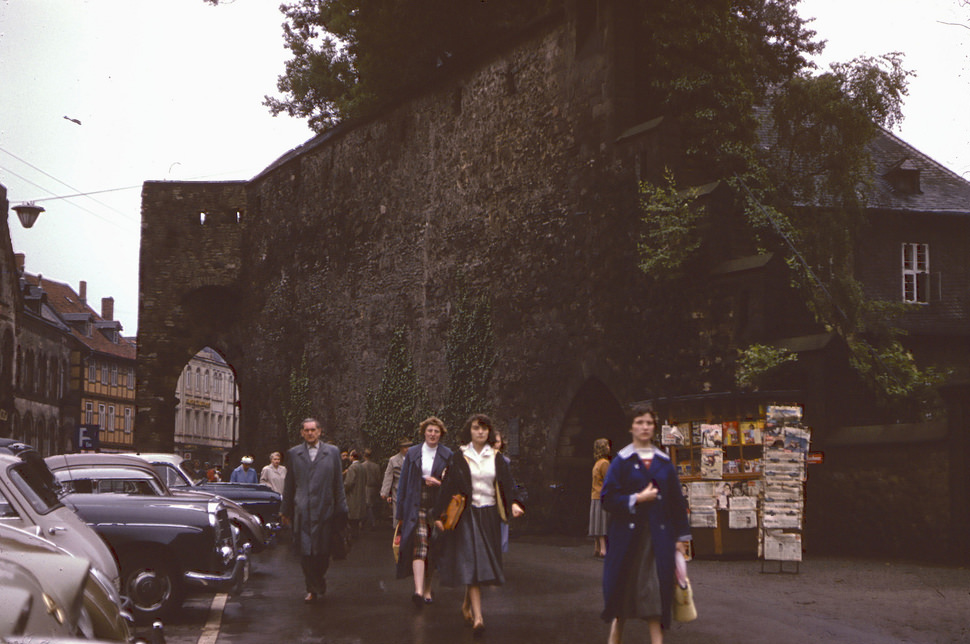
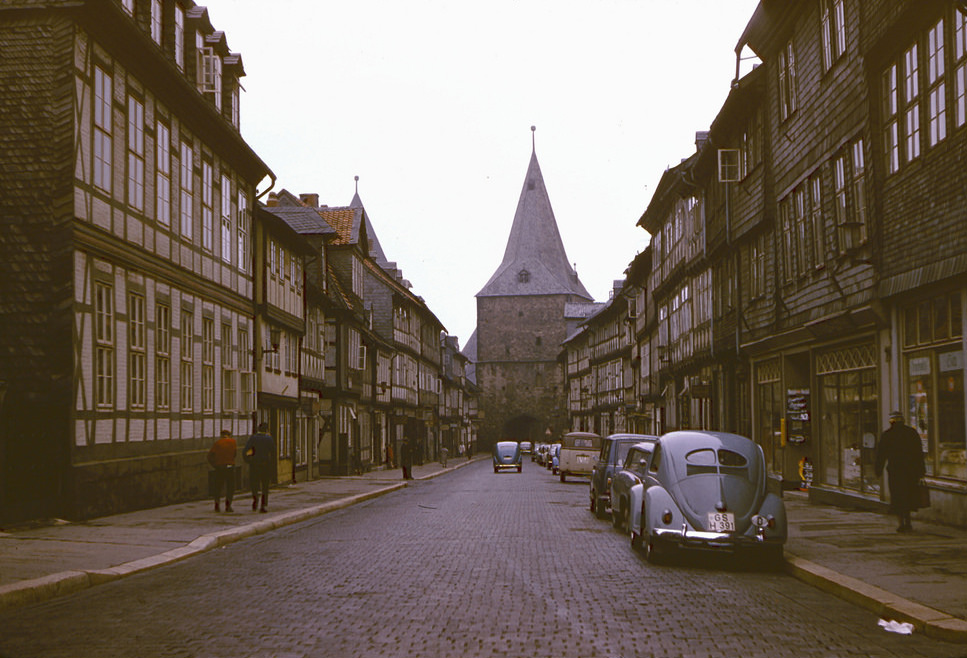
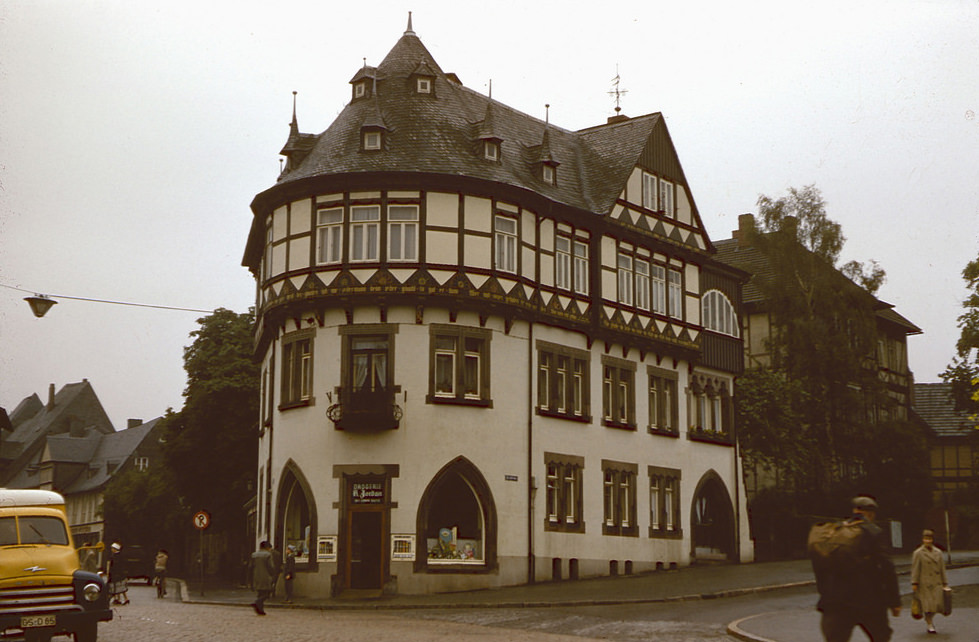
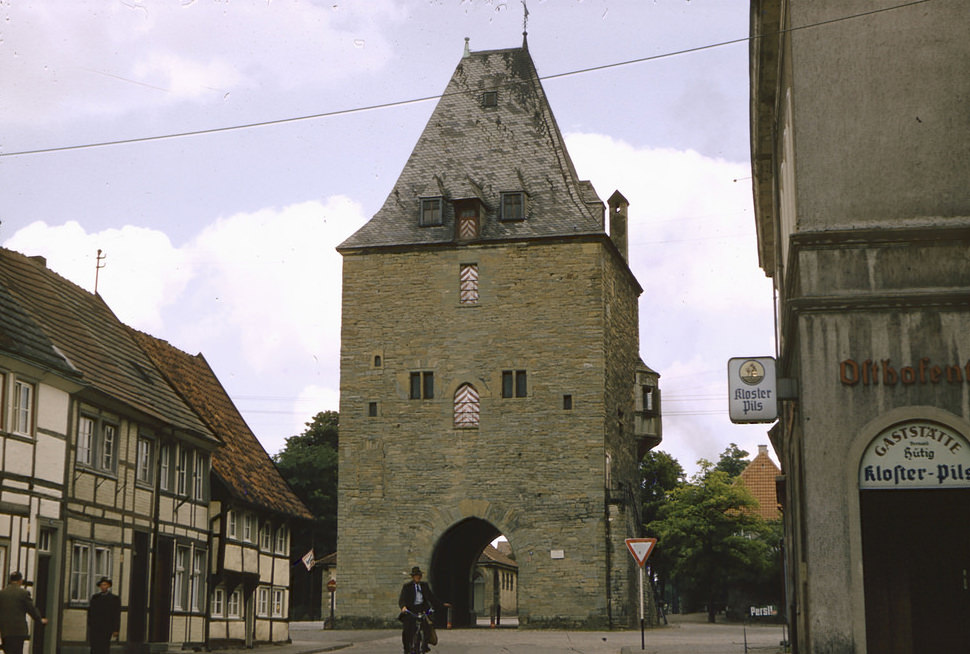
Life in the cities mixed old and new. Stuttgart opened Germany’s first pedestrian shopping zone on Schulstraße, a sign that urban planners were rethinking how cities should work. Department stores like Breuninger drew shoppers, and BP petrol stations appeared on street corners. Meanwhile, towns like Goslar, Soest, and Rothenburg retained their medieval character — half-timbered buildings, stone gates, and market squares still intact.
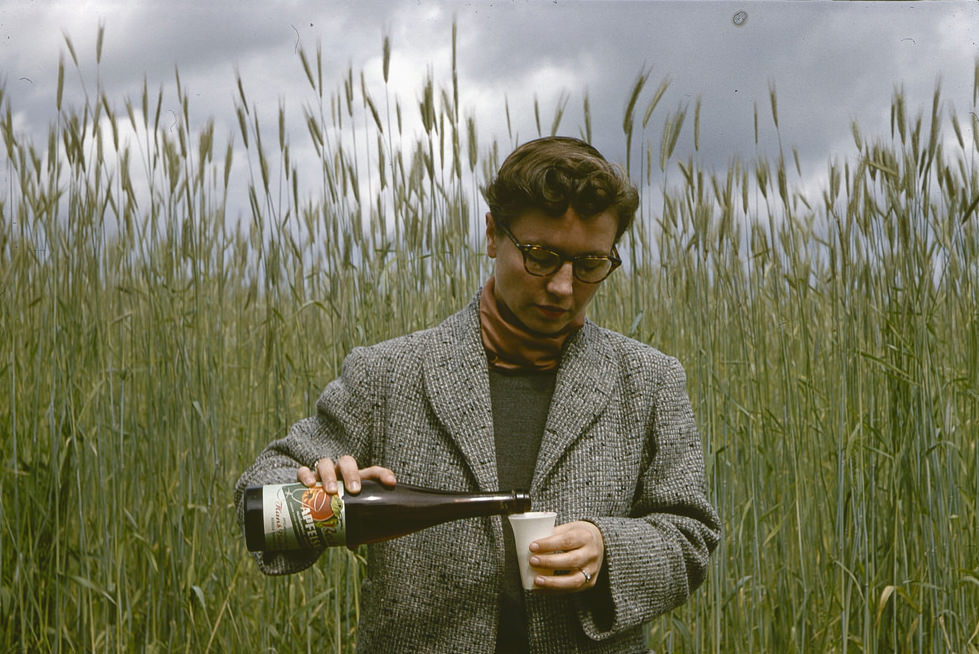
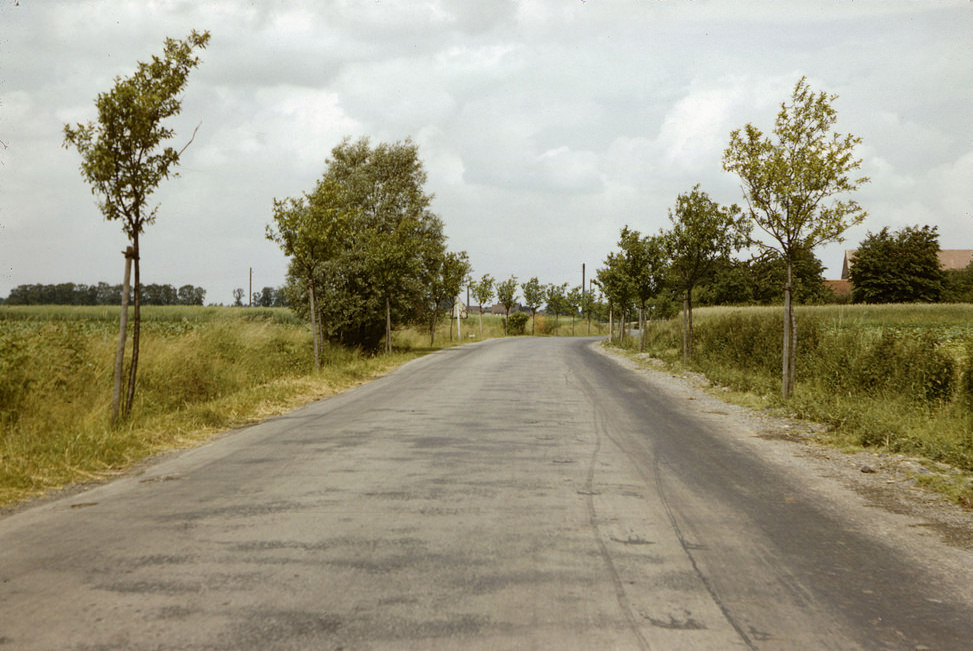
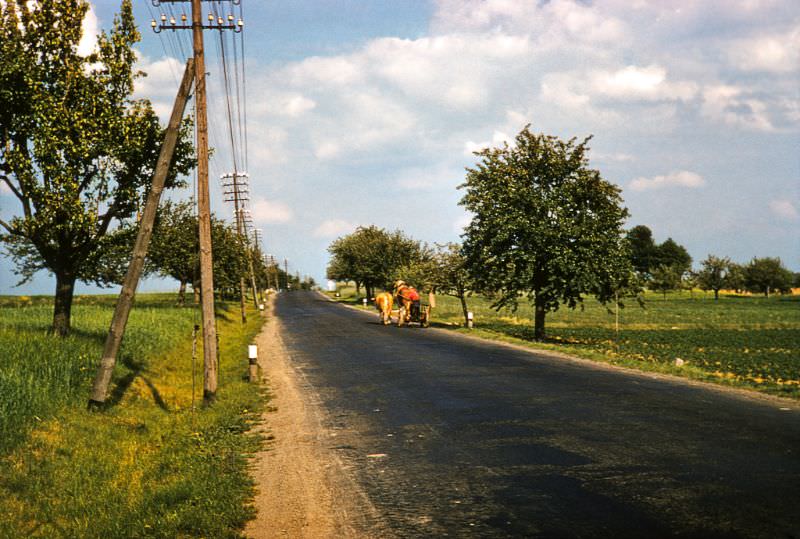
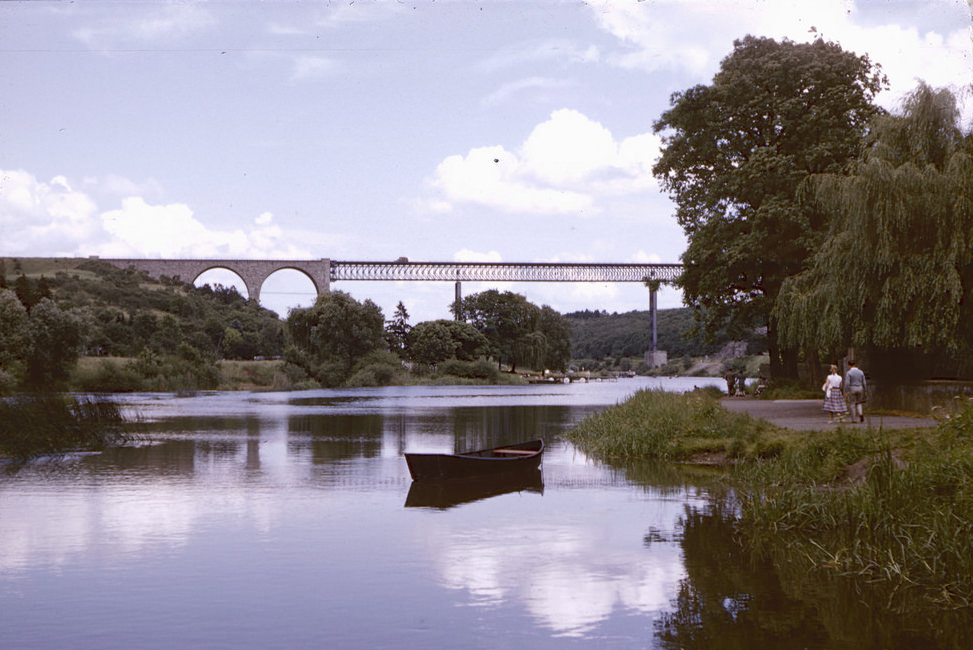
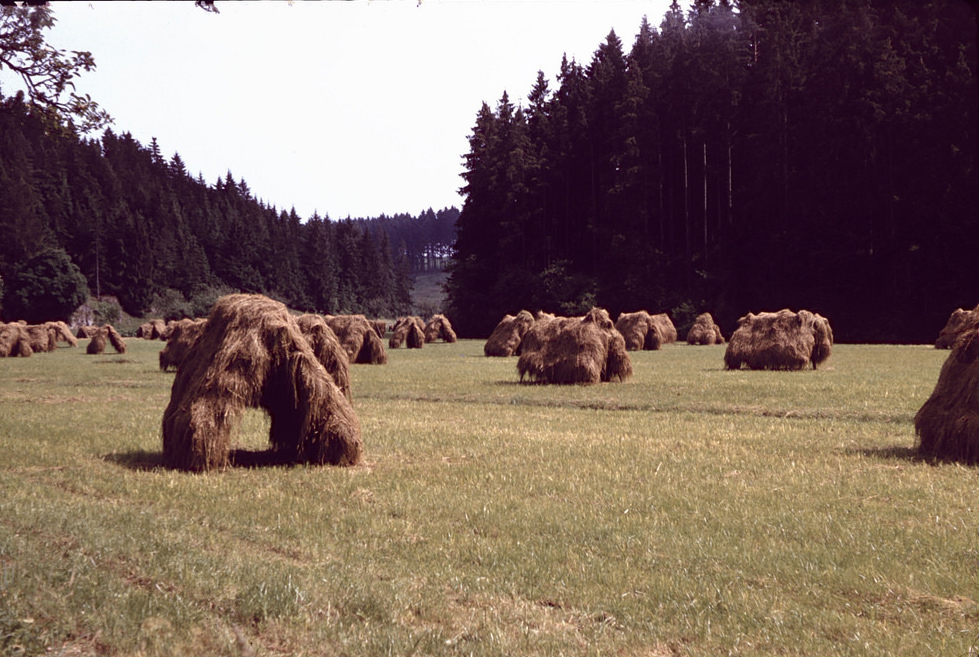
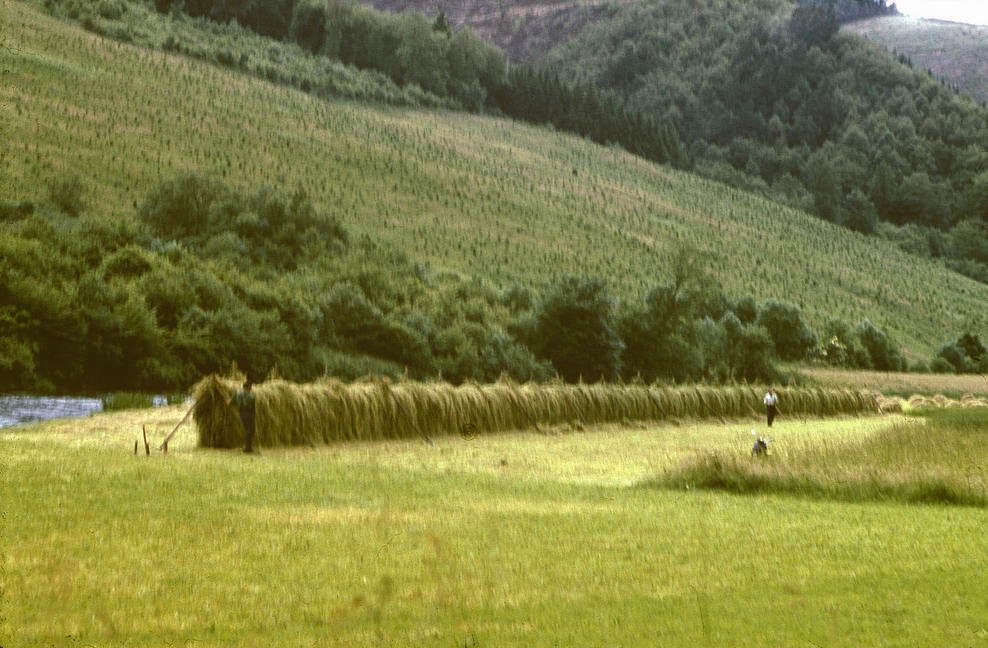
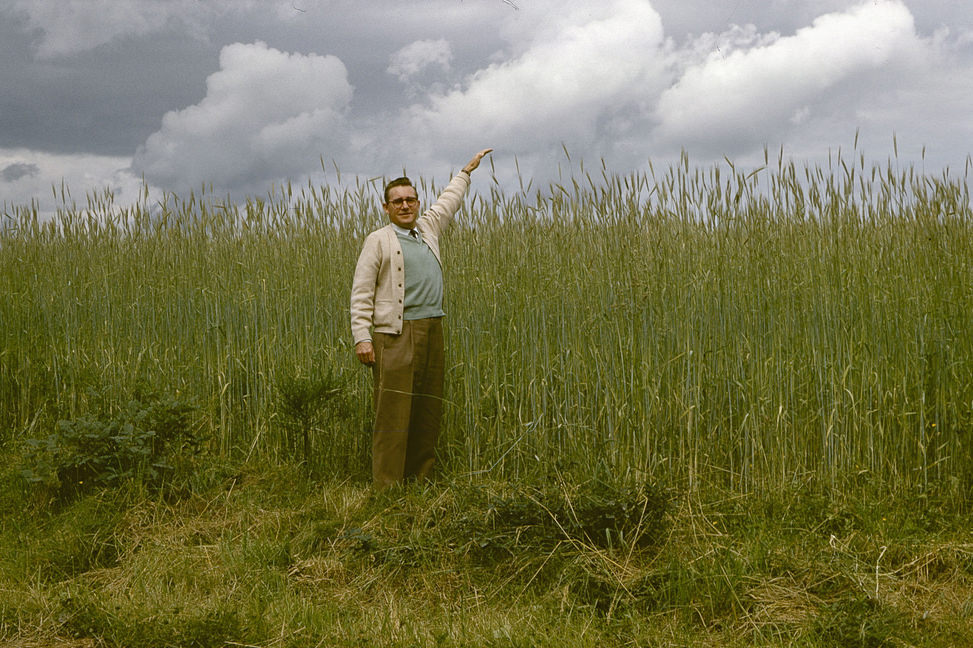
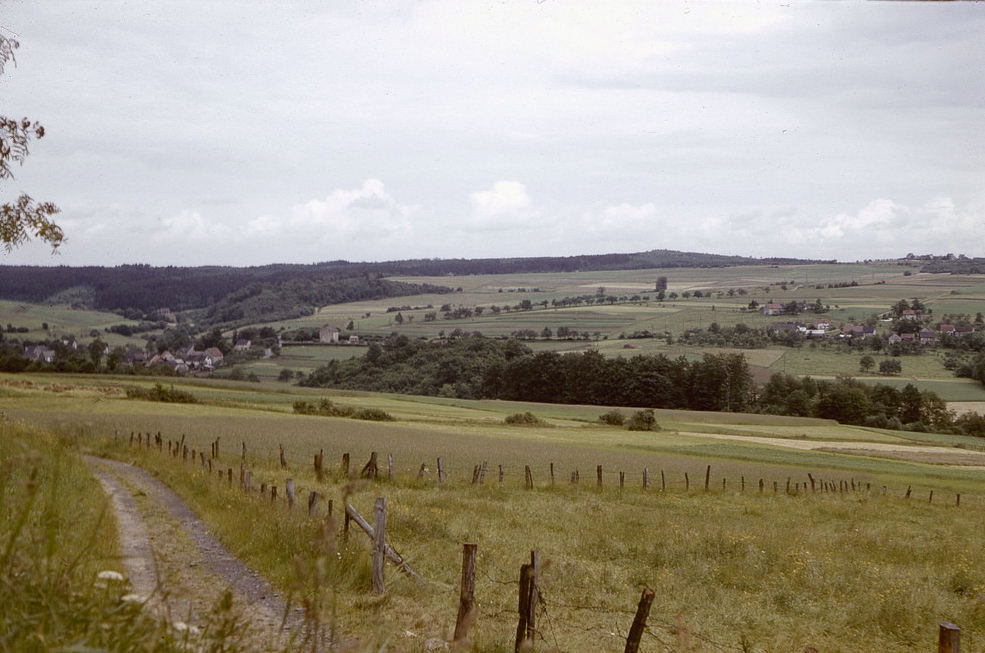
The Rhineland countryside told a different story. Fields of grain stretched across the landscape, farmers still used horse-drawn carts, and haystacks dotted the rural horizon. Life moved at a slower pace outside the cities. These photographs of the Rhineland from June 1958 capture a Germany that hadn’t fully left the agricultural era behind.
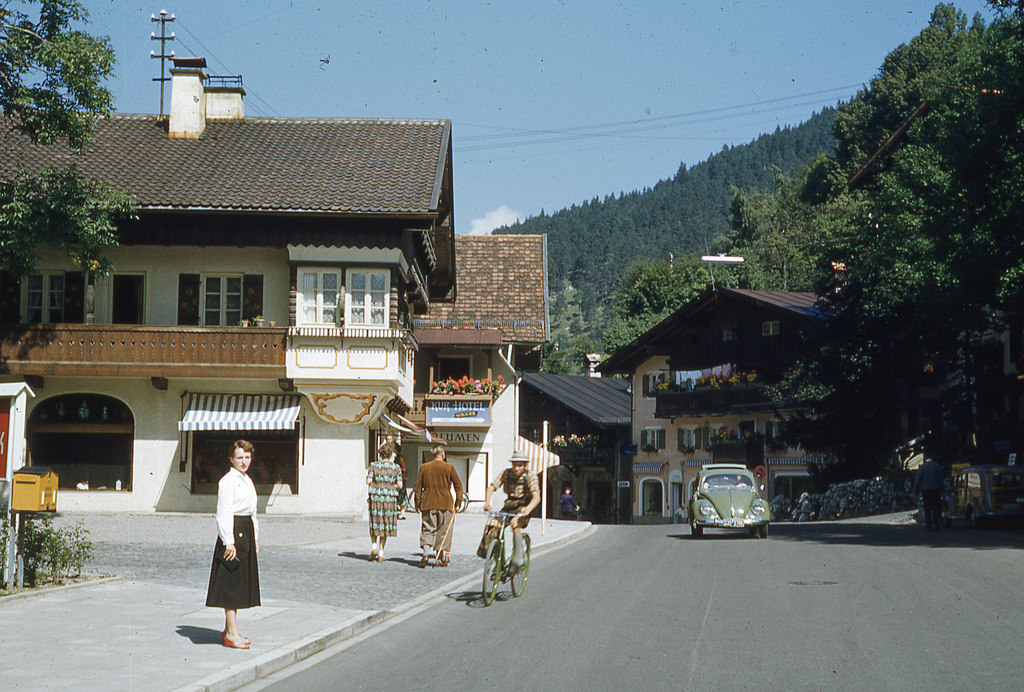
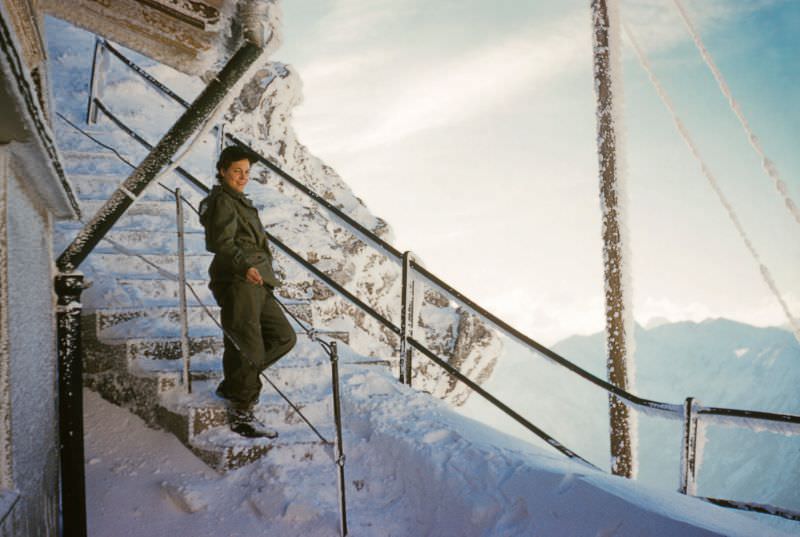
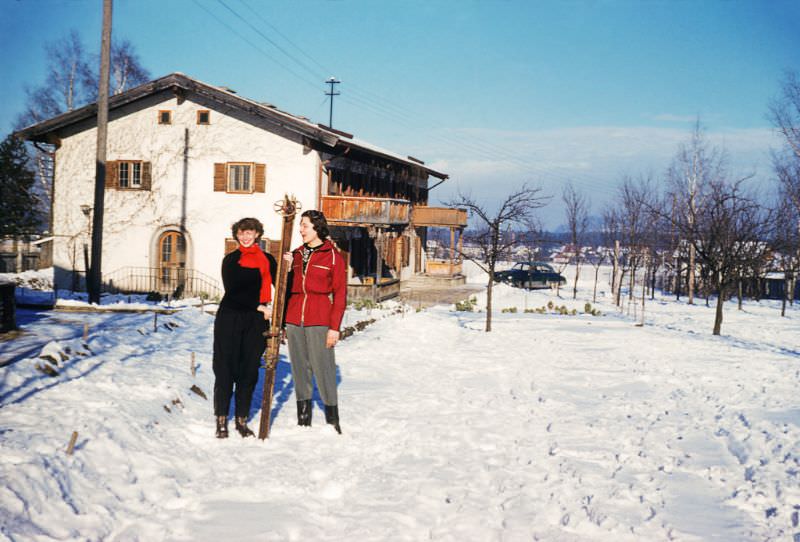
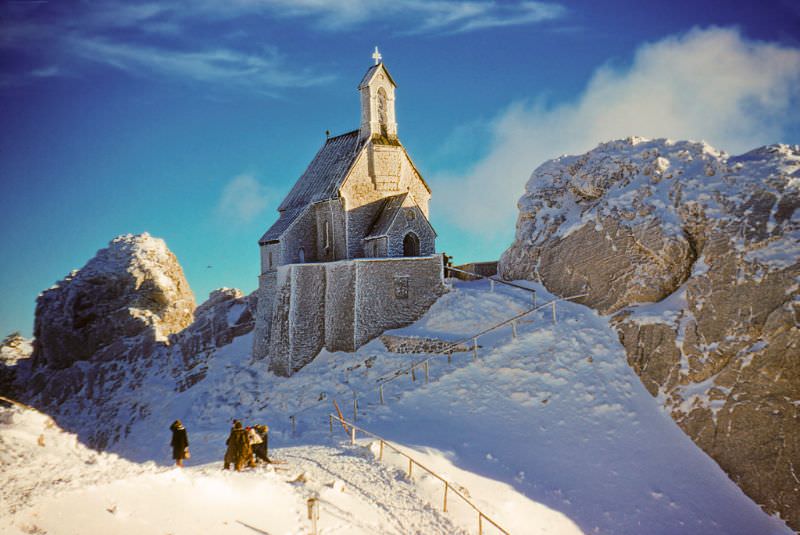
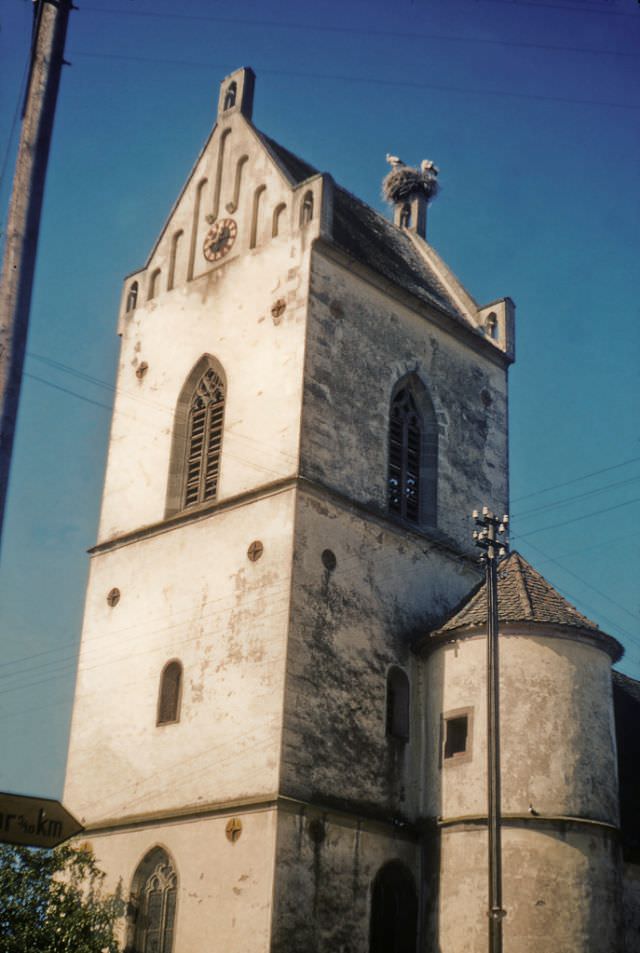
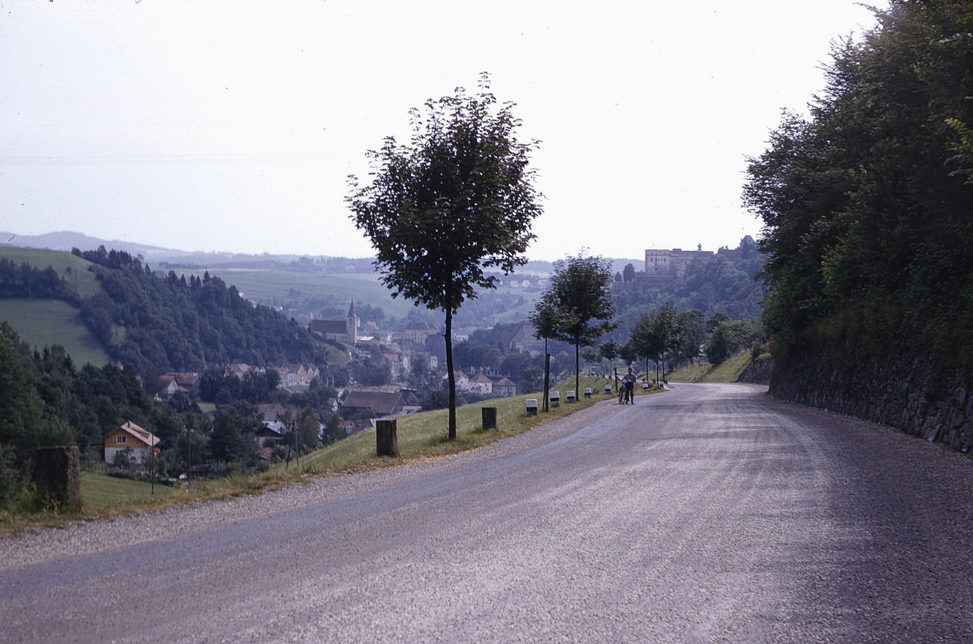
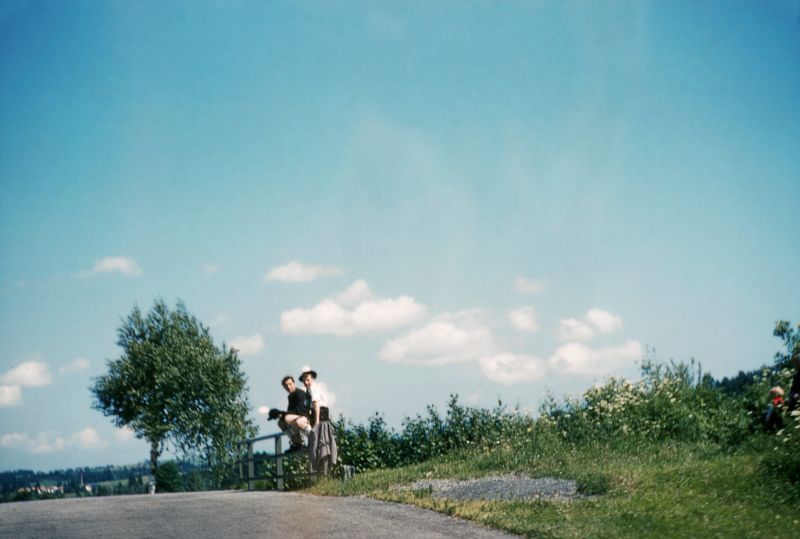
Bavaria was a world of its own. With its alpine backdrop, mountain churches, and deeply rooted traditions, it looked almost unchanged by the modern era happening elsewhere. Skiers took to the slopes, storks nested on church towers, and travelers wound through mountain roads in cars from another decade entirely.
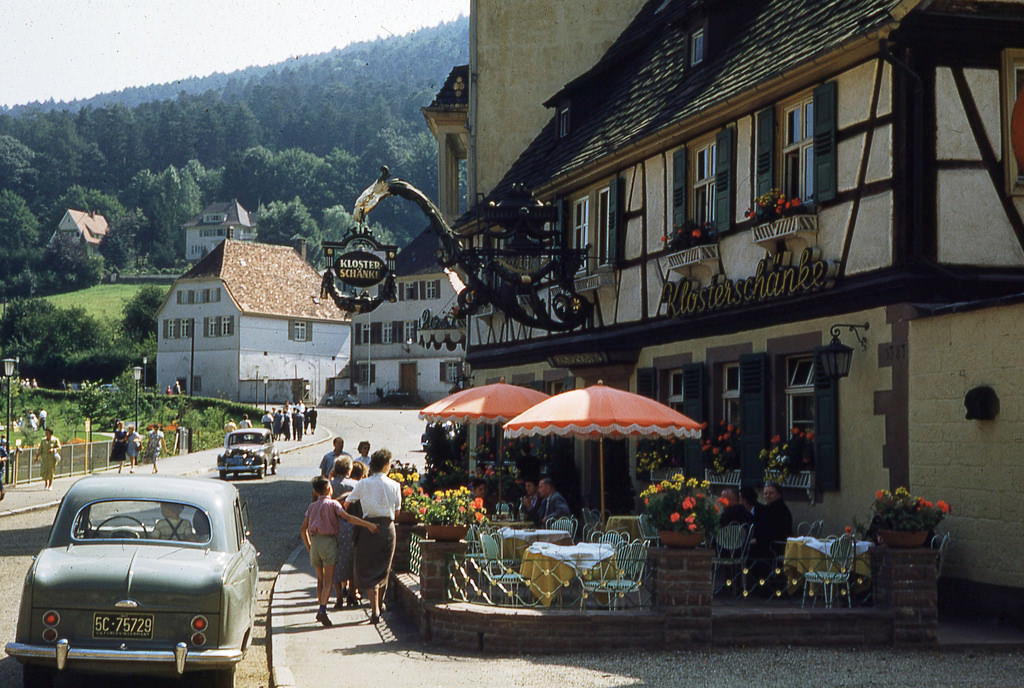
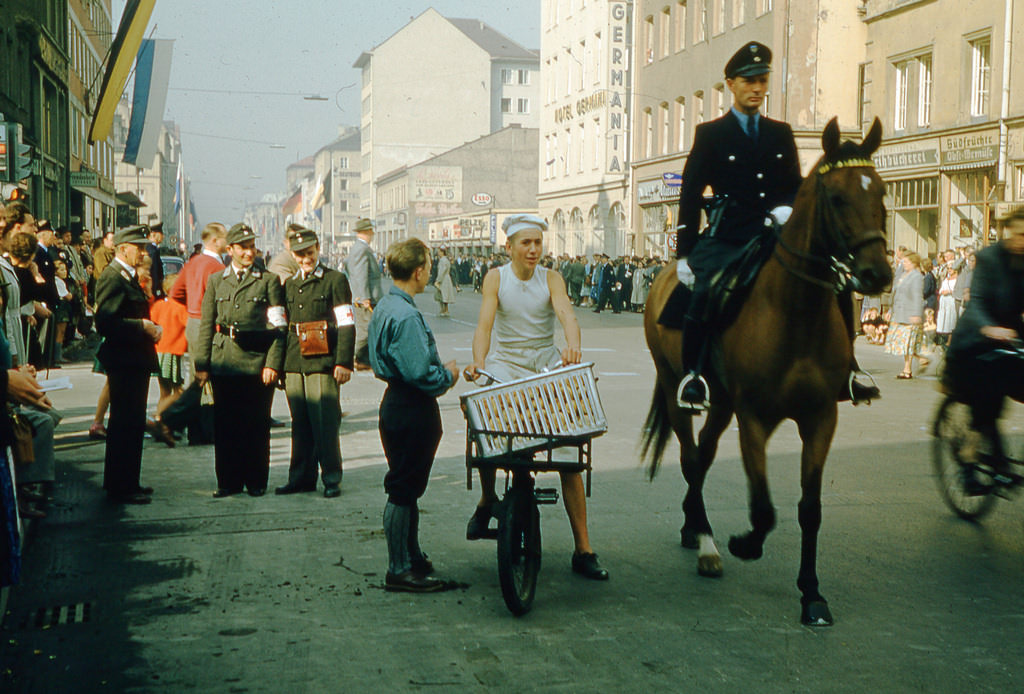
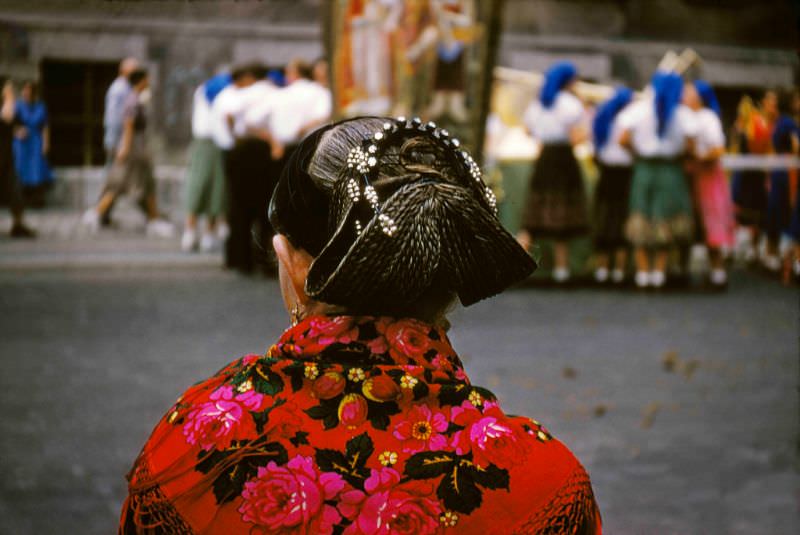
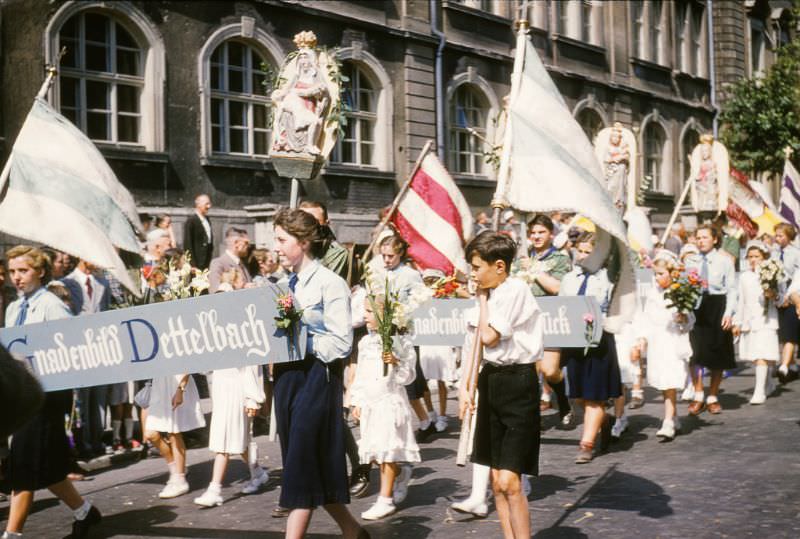
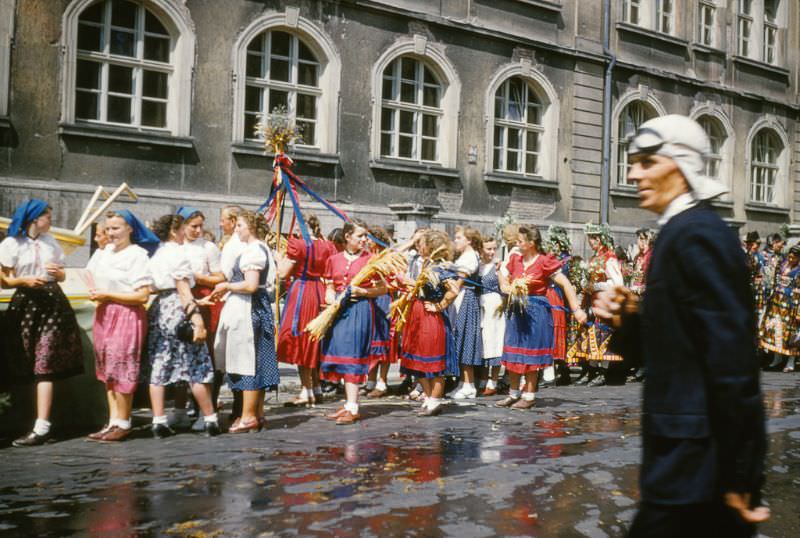
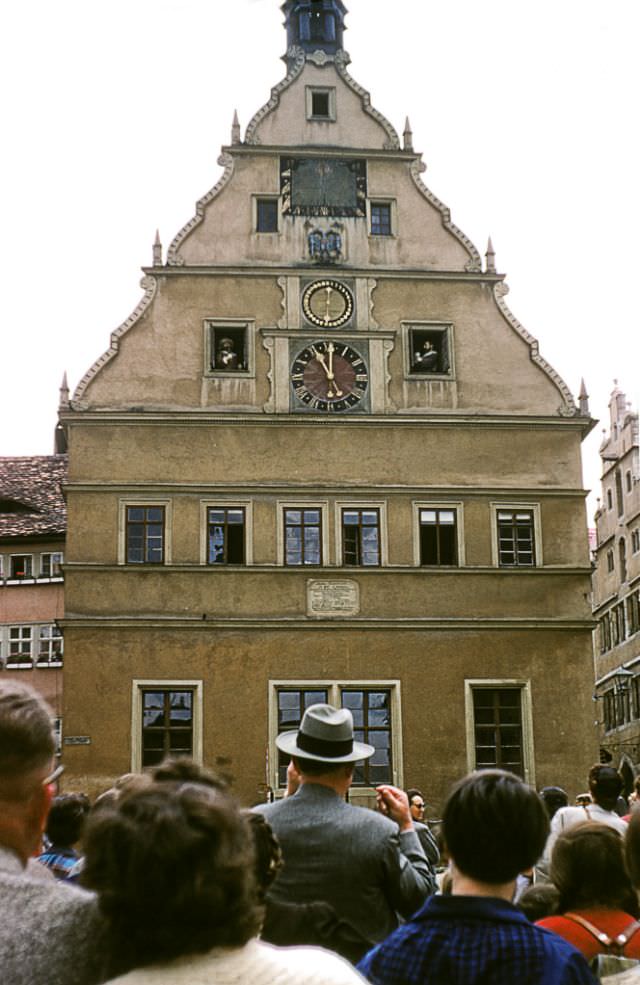
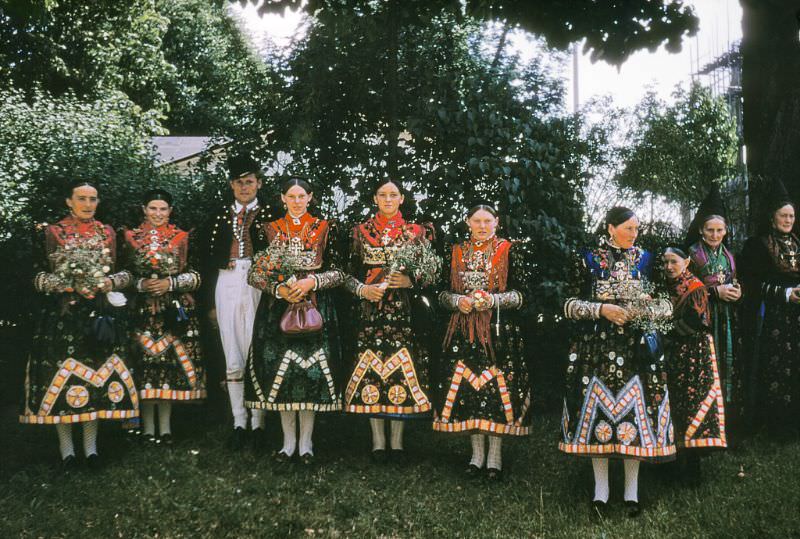
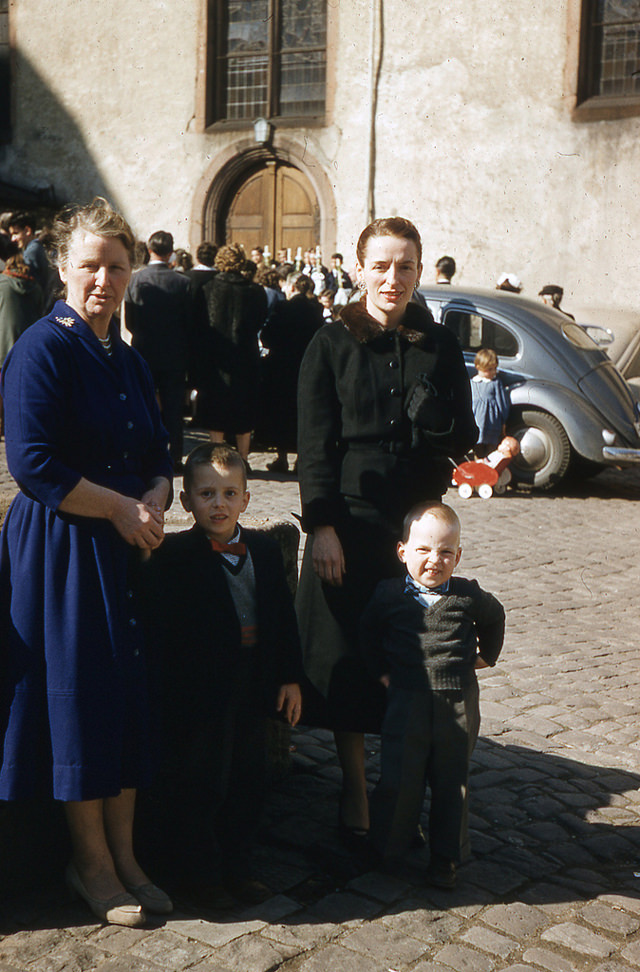
German cultural life bounced back with energy. Festivals drew crowds in cities like Würzburg, where St. Kilian’s Festival was held outside the Röntgen High School. Carnivals like the Munich Fasching parade returned. In Rothenburg, townspeople gathered to watch the mechanical clock strike the hour on the market square. Traditional costumes — Lederhosen, dirndls — remained a real part of community life, not just a tourist display.
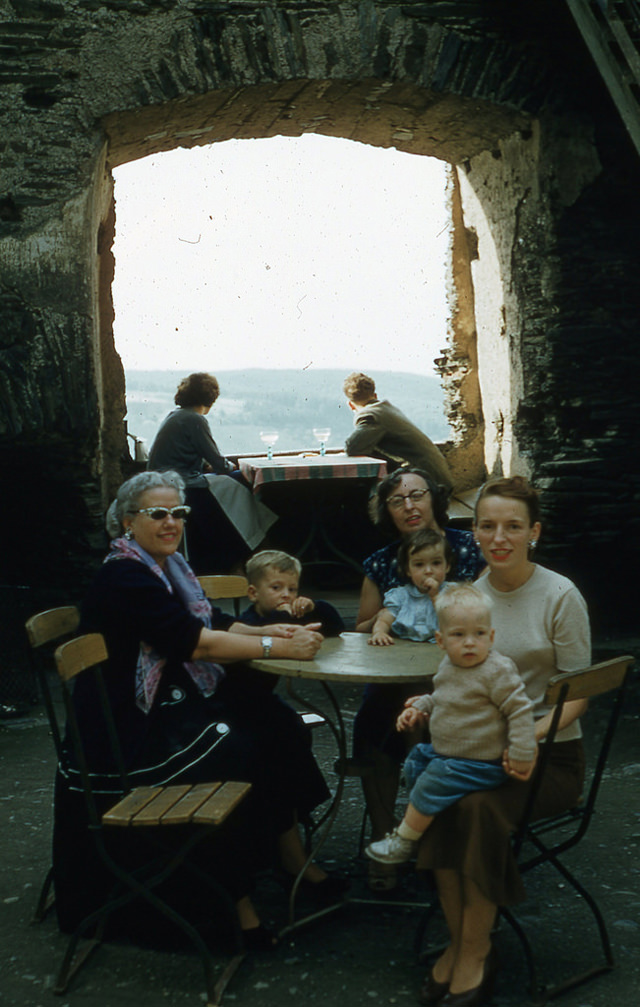
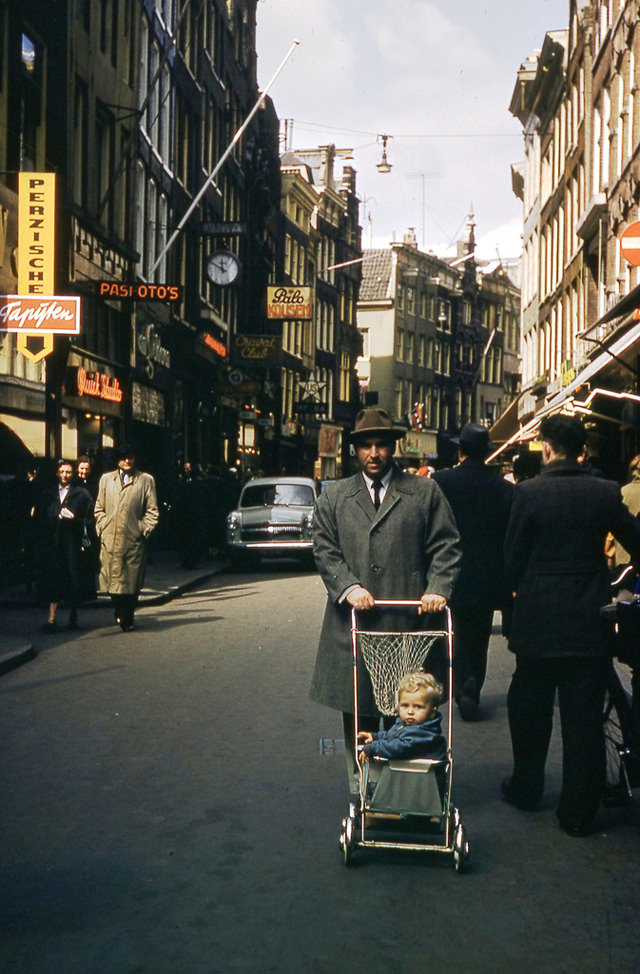
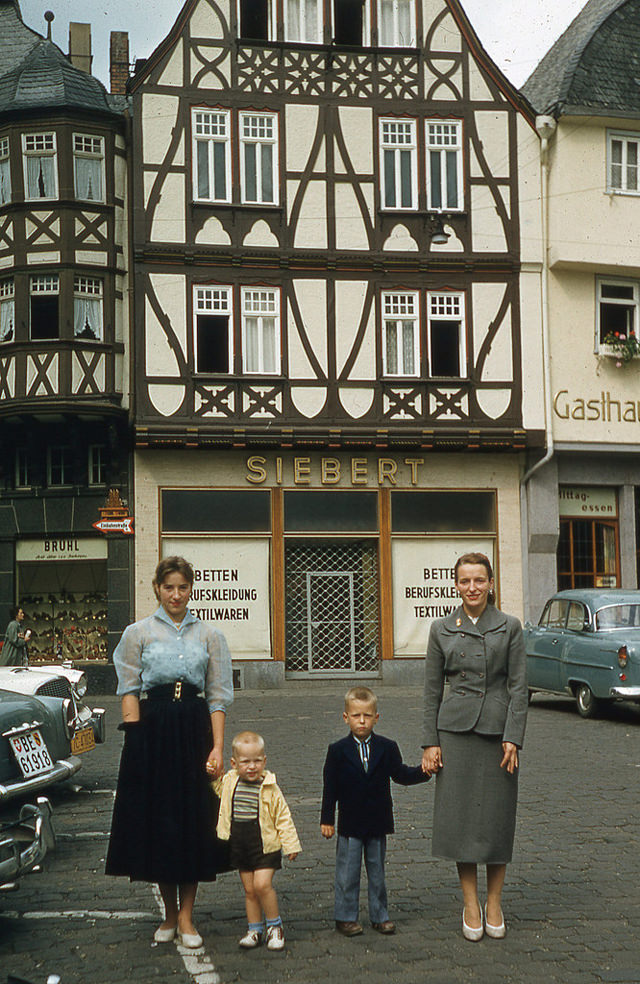
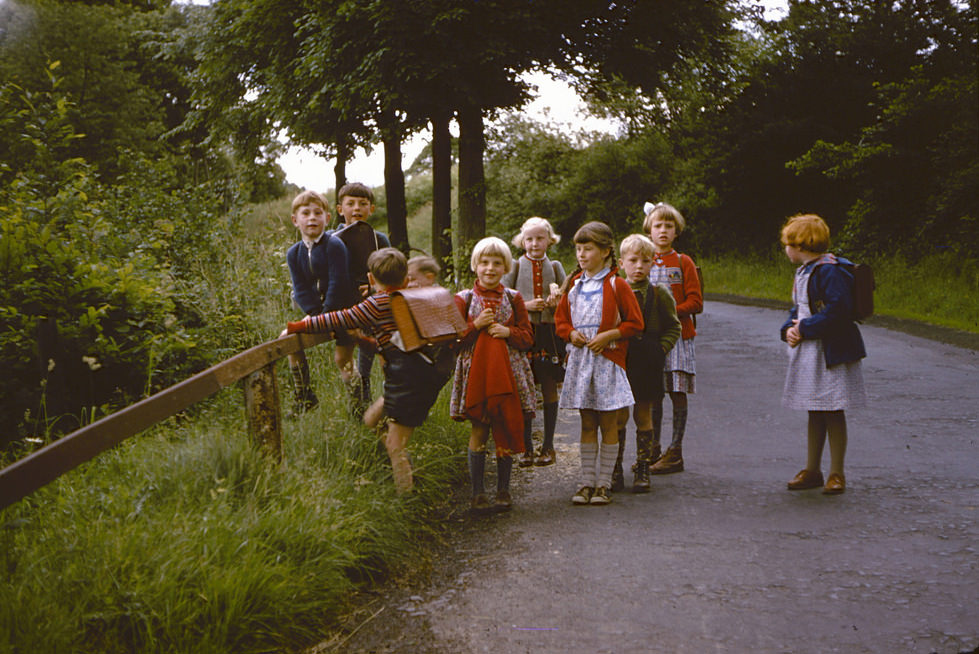
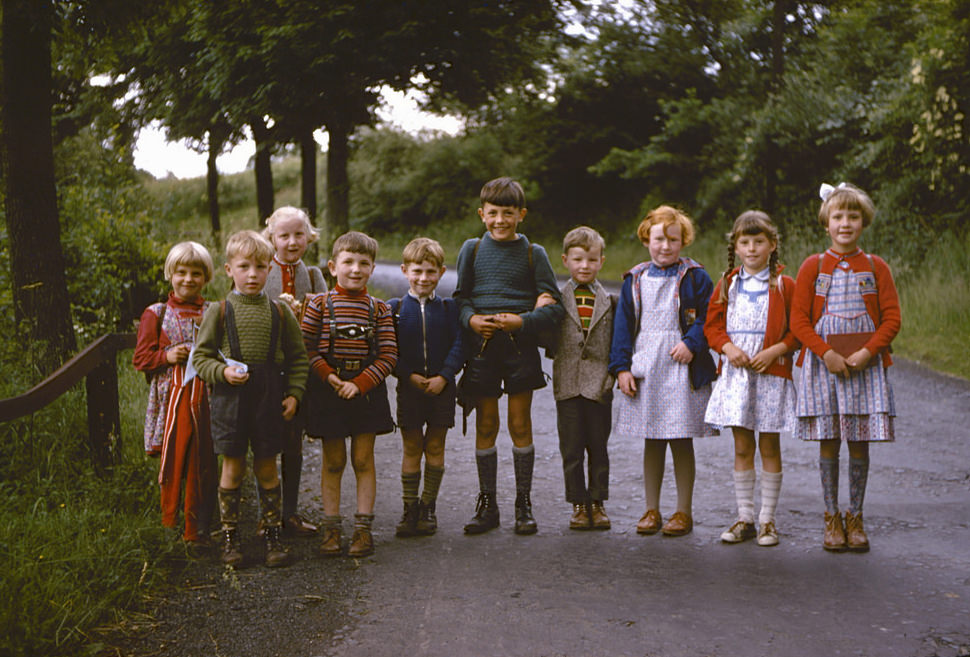
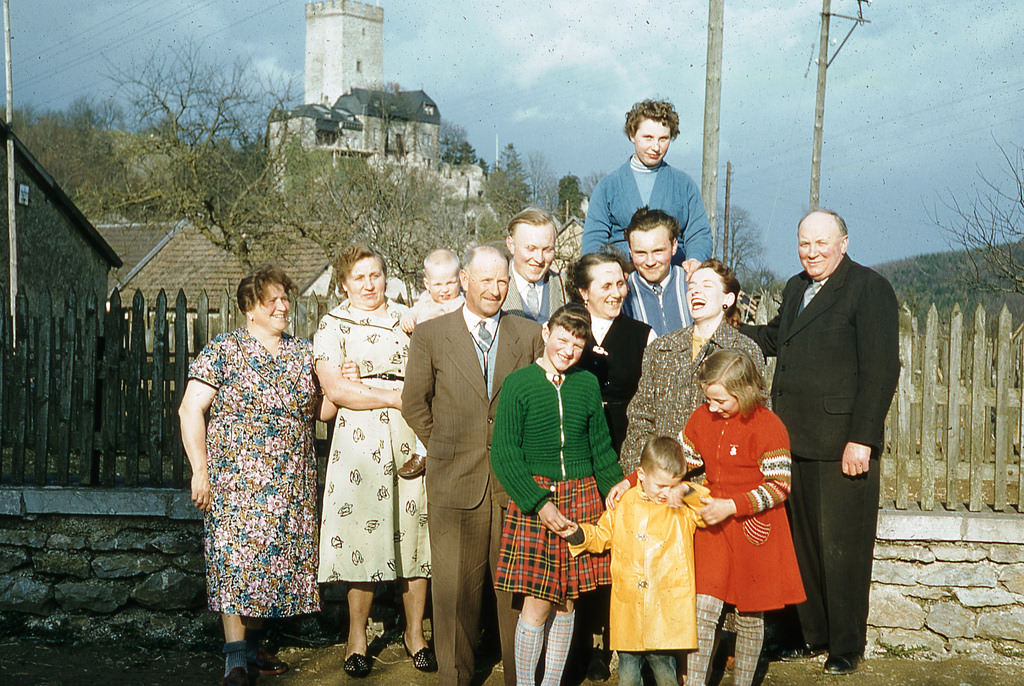
Family life in West Germany was shaped by the improving economy. Parents pushed strollers along streets in Trier. Mothers gathered with children in towns like Bernkastel-Kues. Schoolchildren played in the Rhineland. The rising standard of living meant families could afford to participate in everyday public life in ways that had been impossible just a few years earlier.
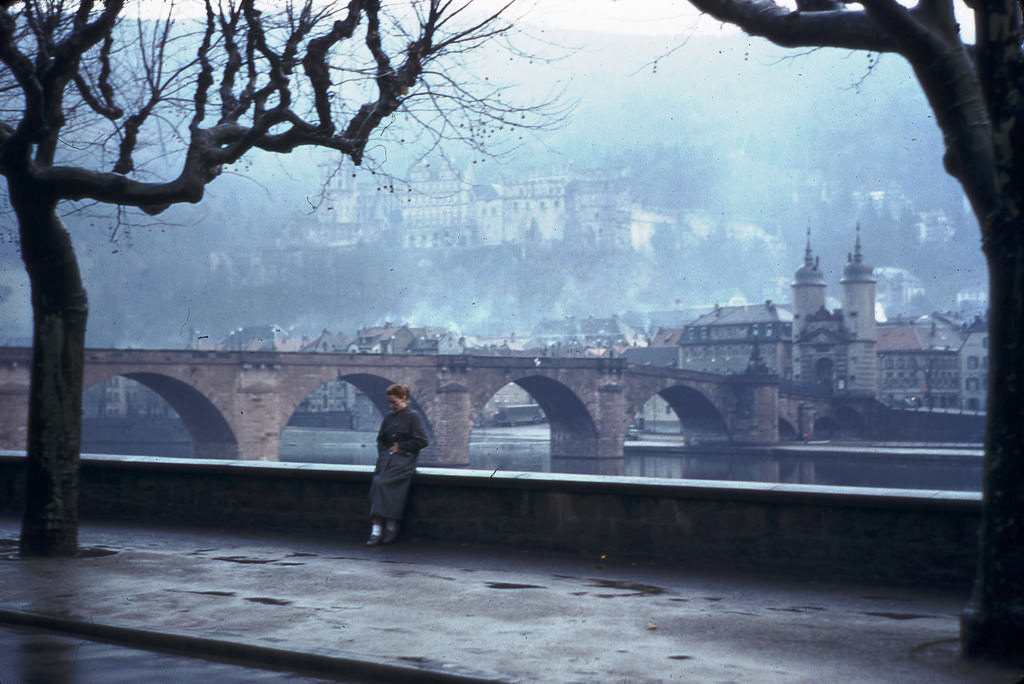
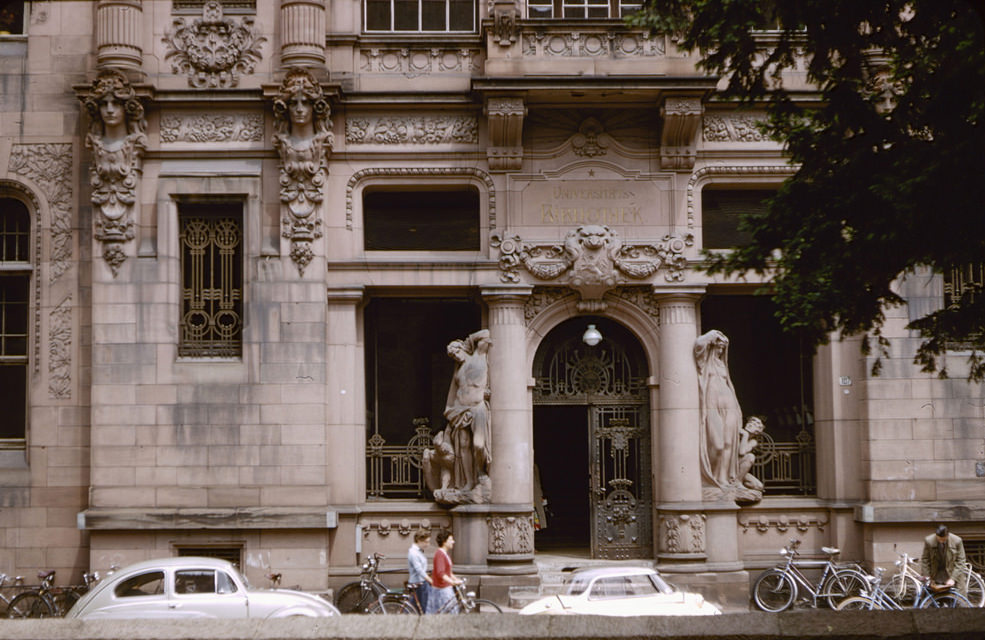
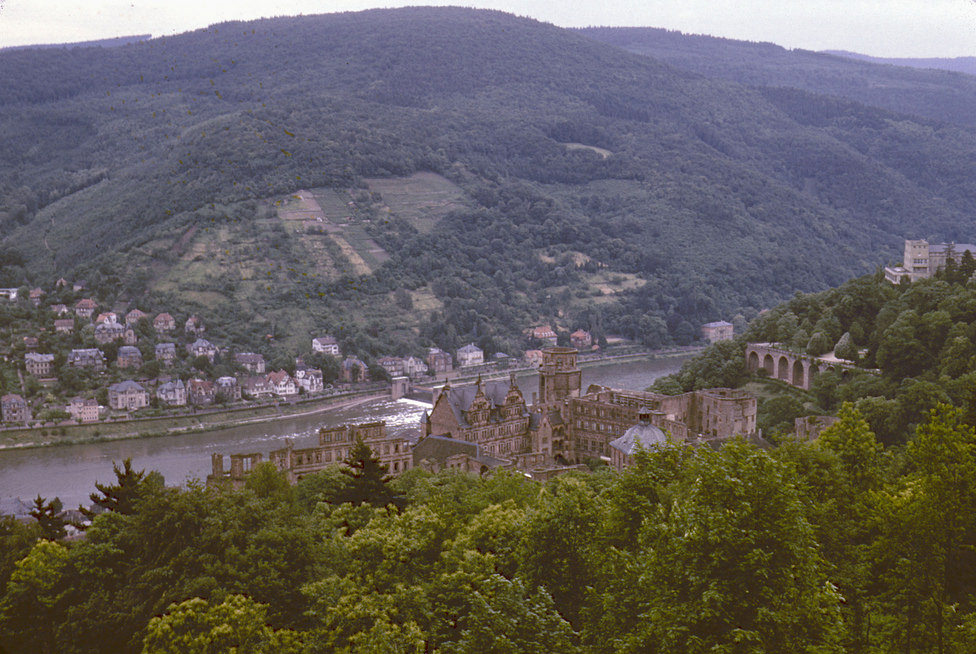
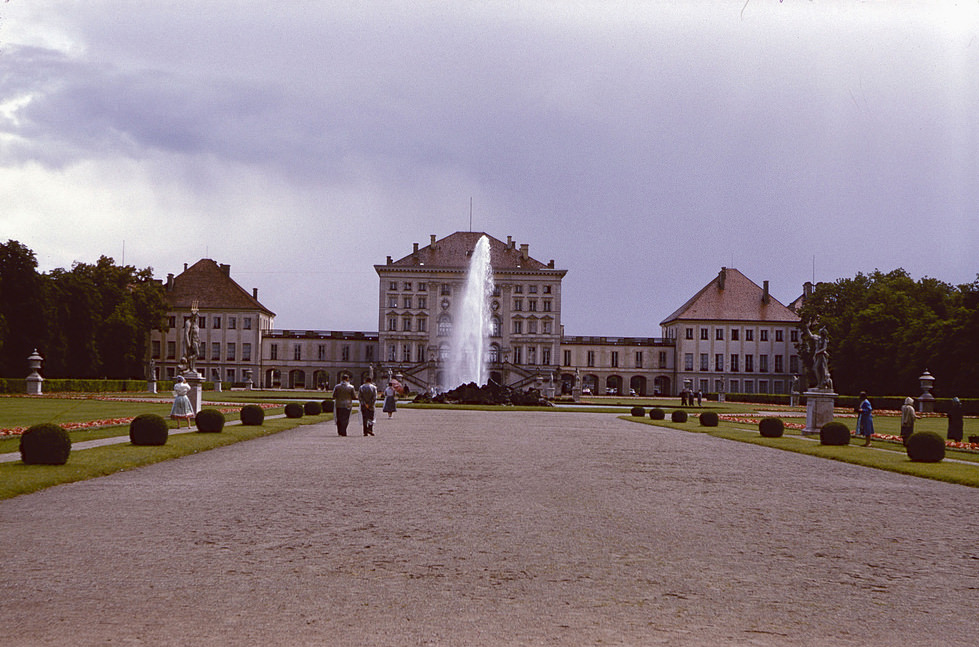
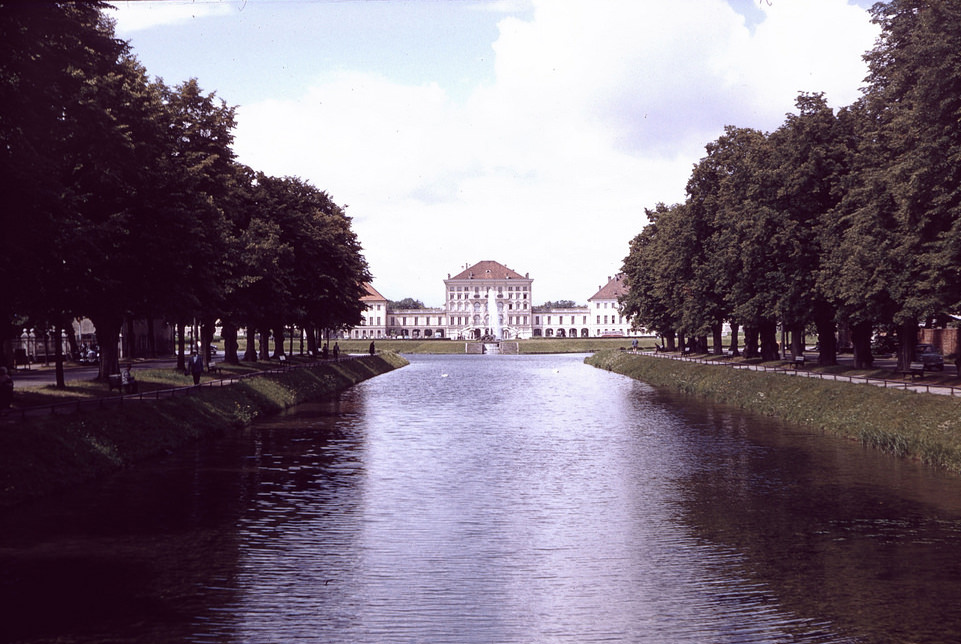
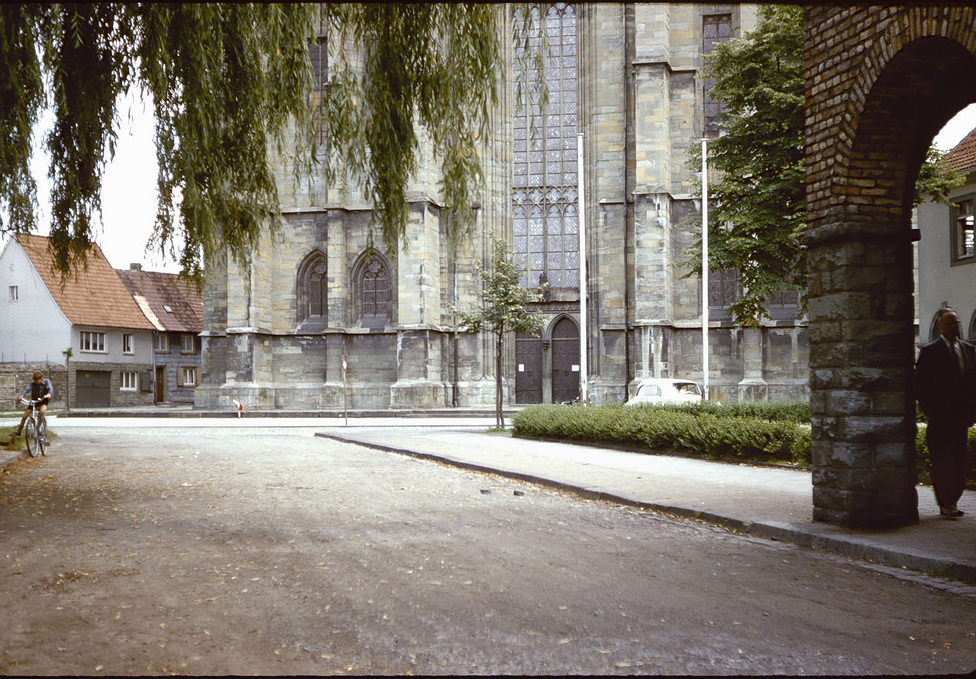
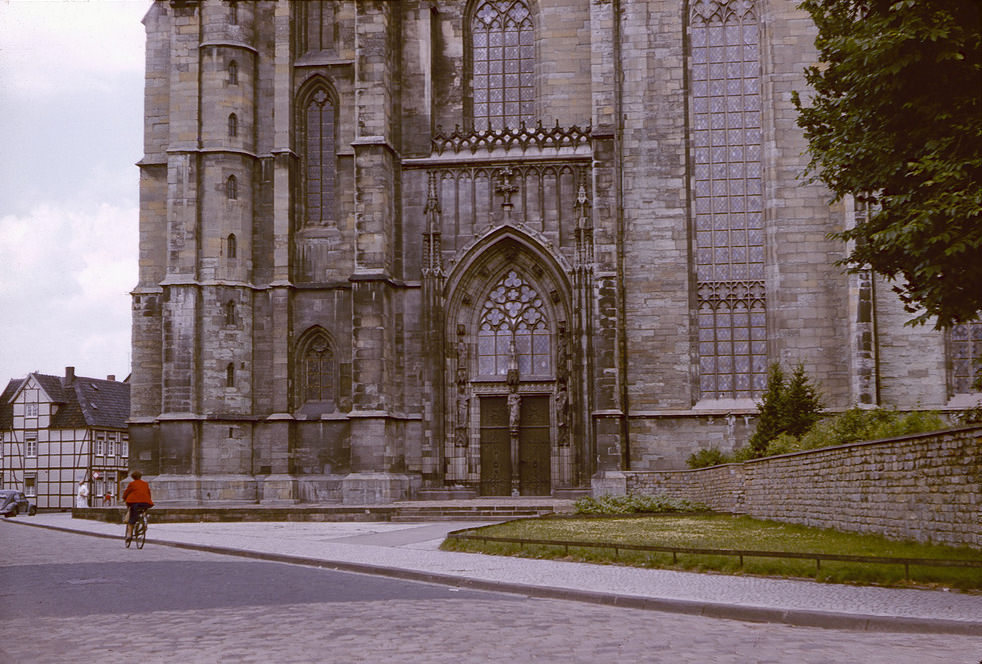
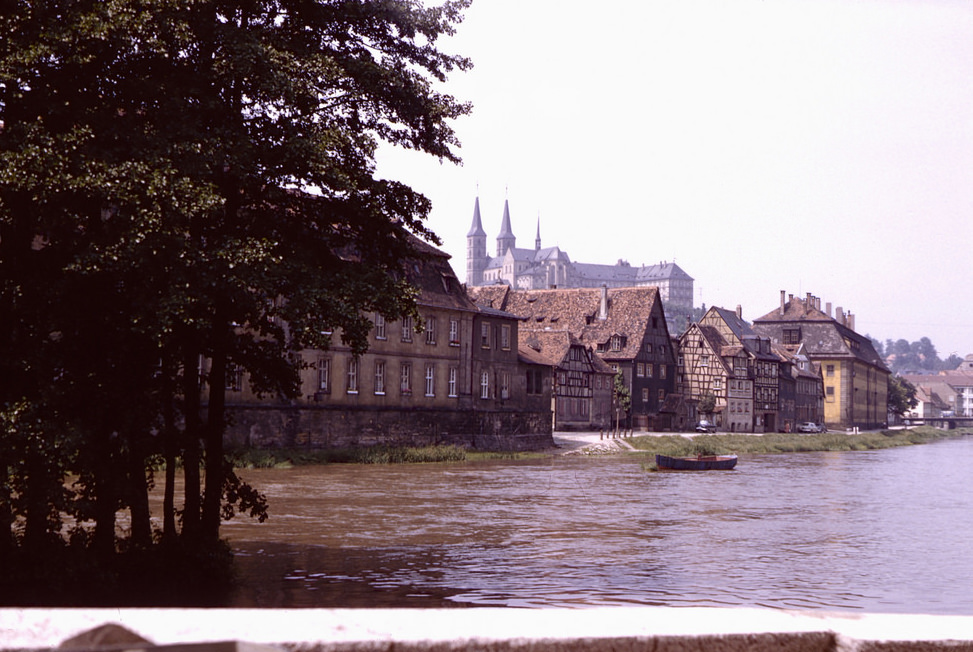
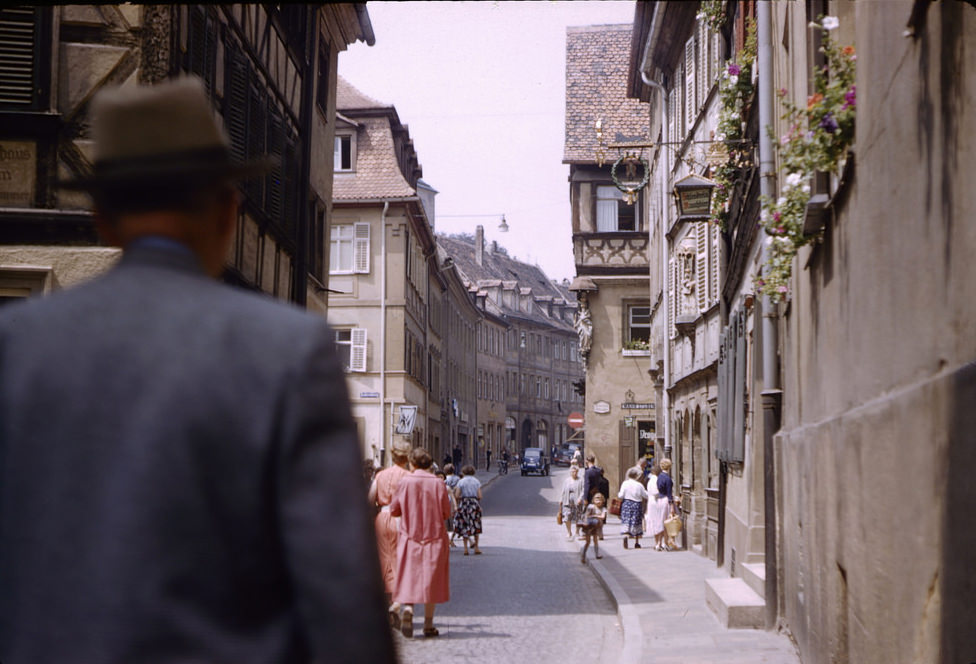
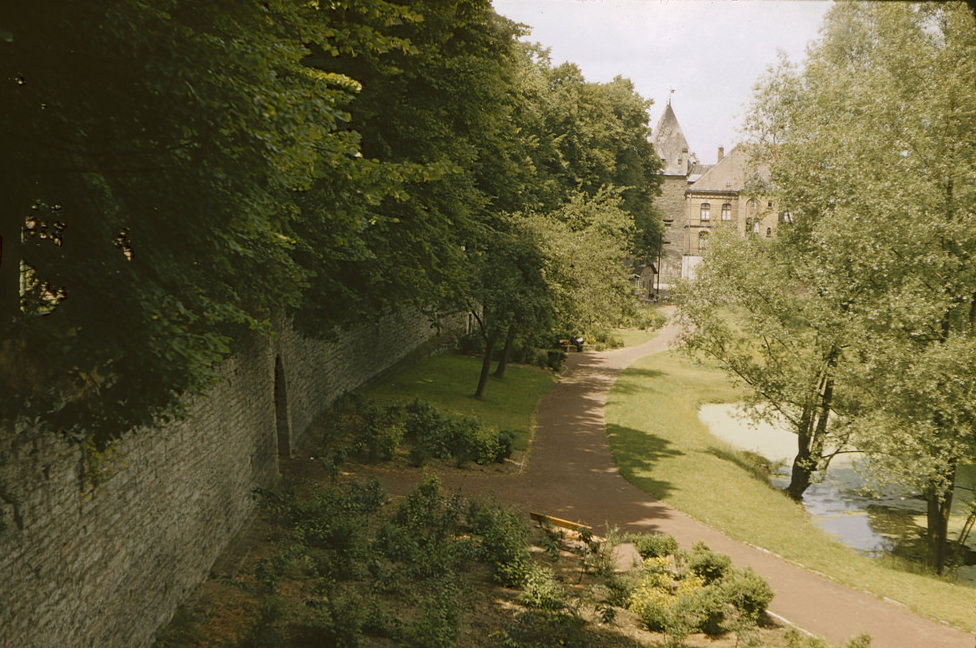
The cities that survived the war largely intact retained their grandeur. Heidelberg’s castle loomed over the Neckar River. Nymphenburg Palace in Munich stood as it always had. The Wiesenkirche in Soest, a 14th-century Gothic church, drew visitors. Bamberg, with its cathedral and medieval streetscape, looked much as it had for centuries. These places grounded Germans in a history that predated the war and its destruction.
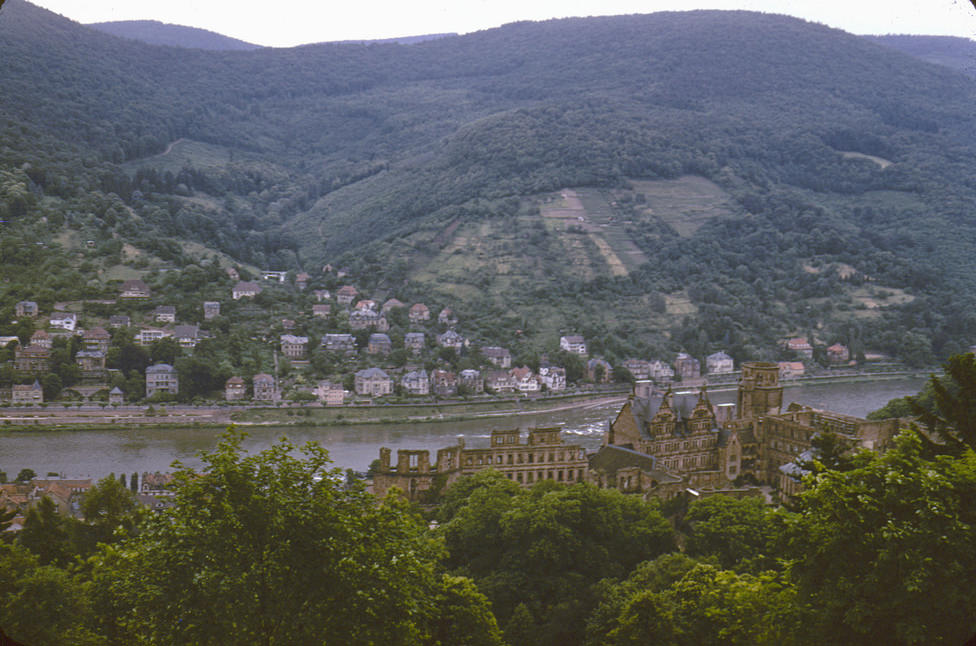
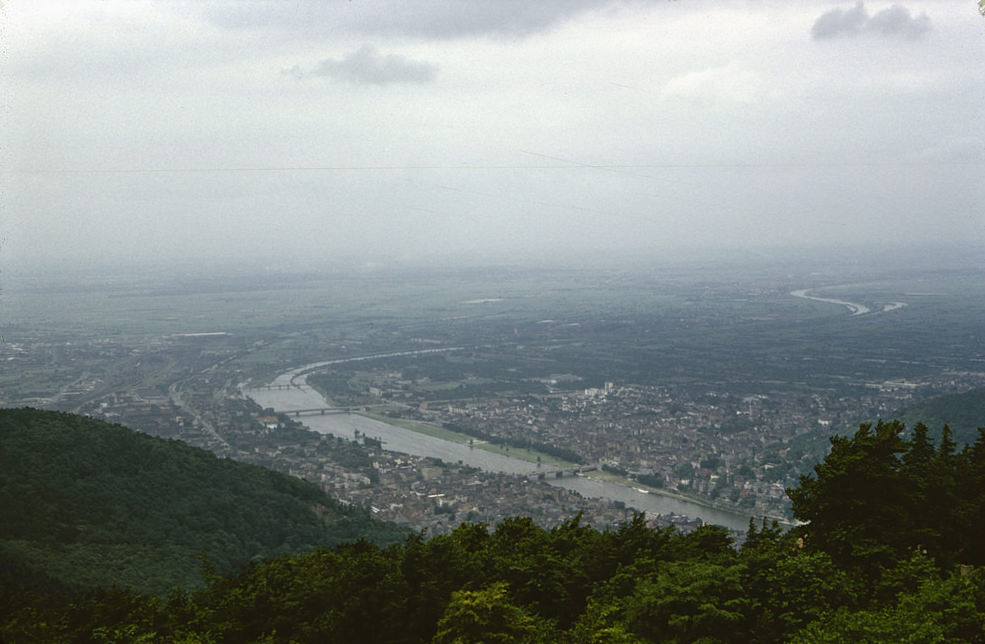
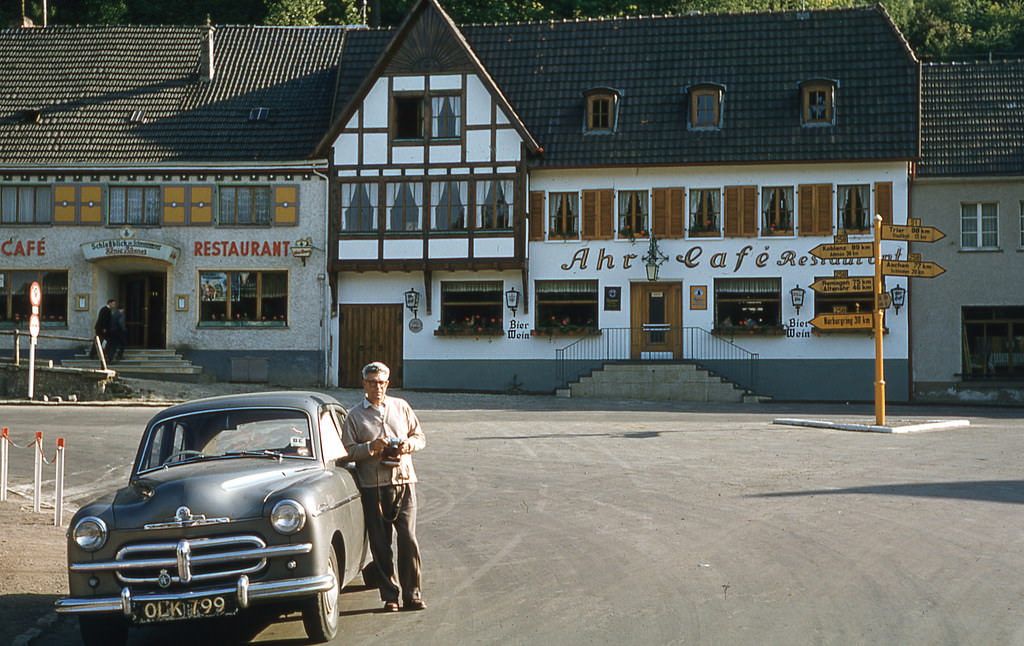
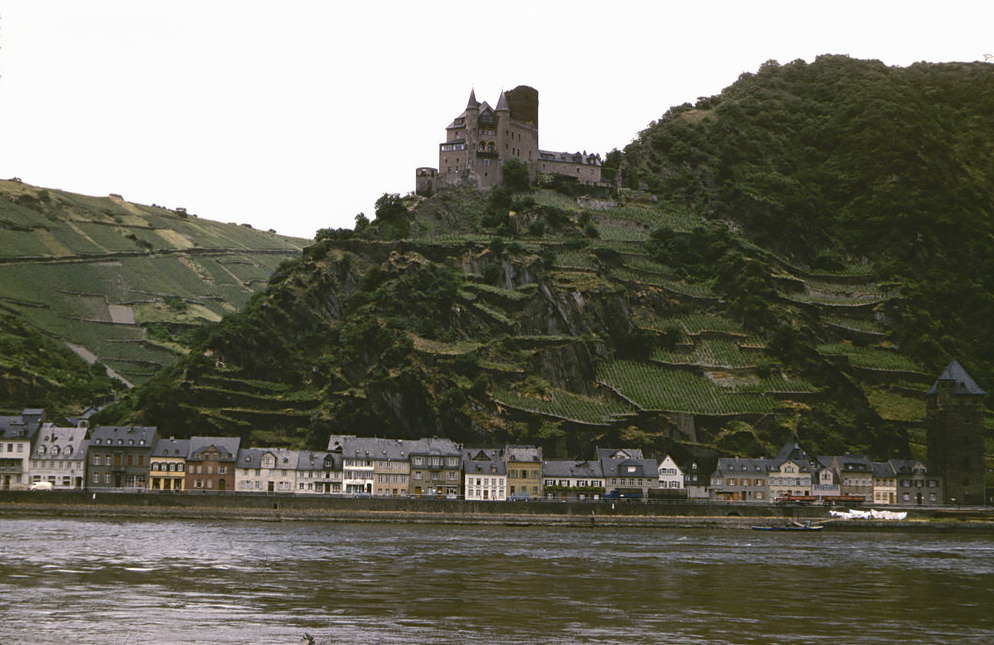
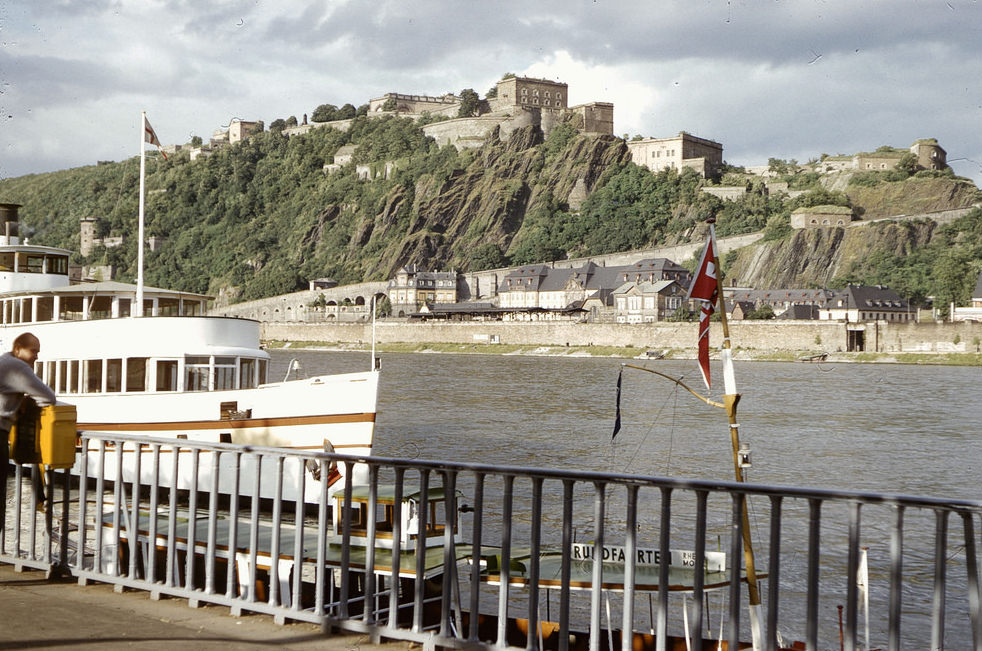
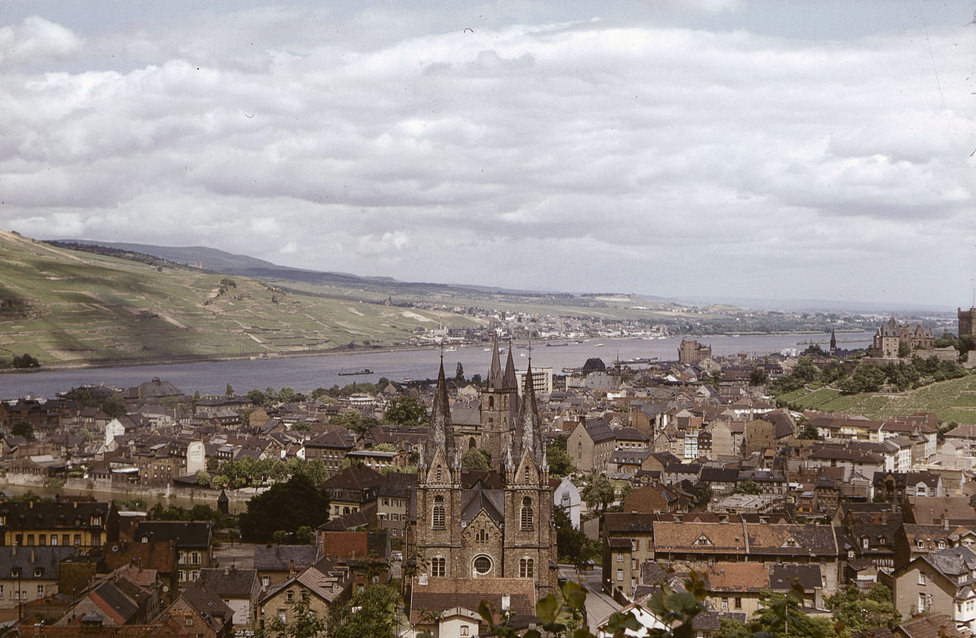
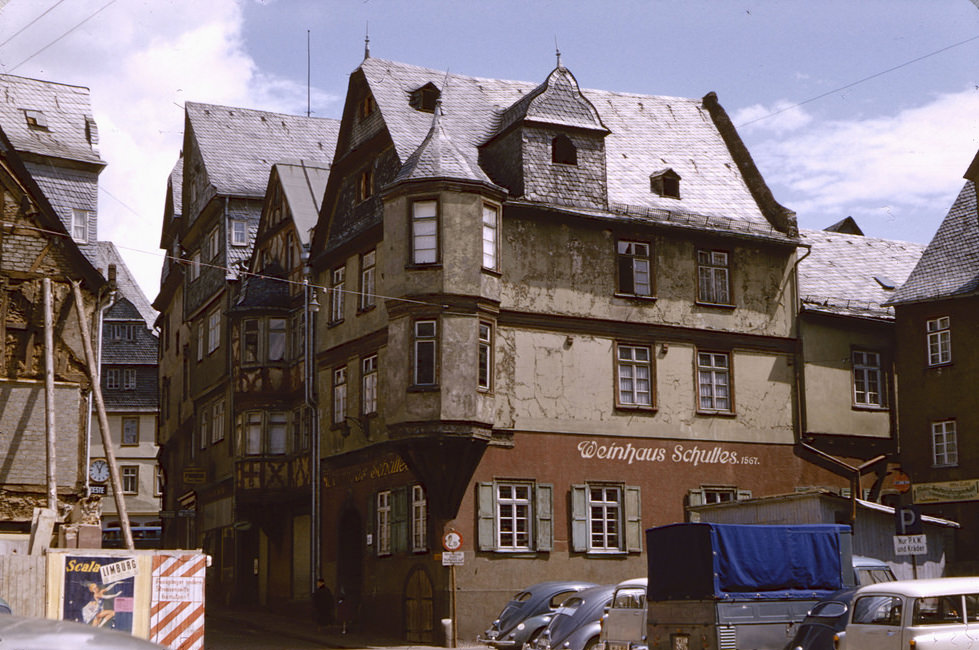
Along the Rhine, the landscape was spectacular. Castles like Burg Katz above St. Goarshausen and Ehrenbreitstein across from Koblenz rose above the river. The Rhine towns — Bingen, Rüdesheim, Limburg — drew travelers from across West Germany and beyond. Wine houses centuries old still operated, like the Weinhaus Schultes in Limburg, dating back to 1657.
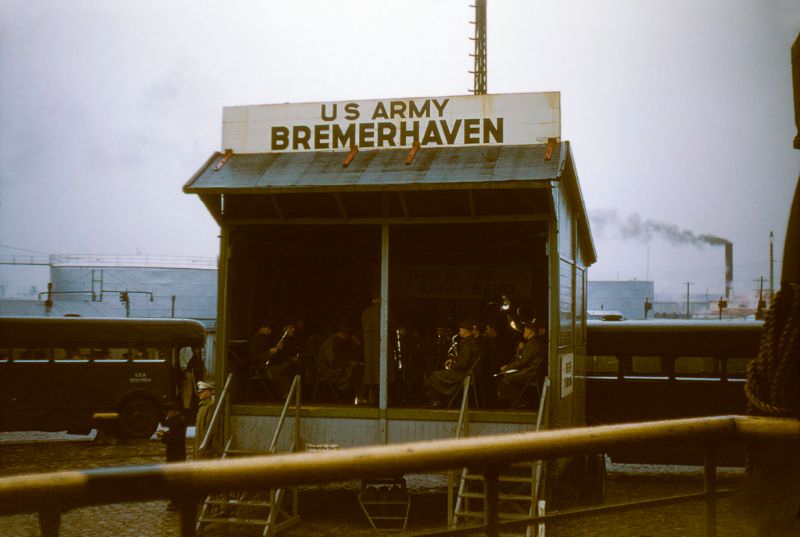
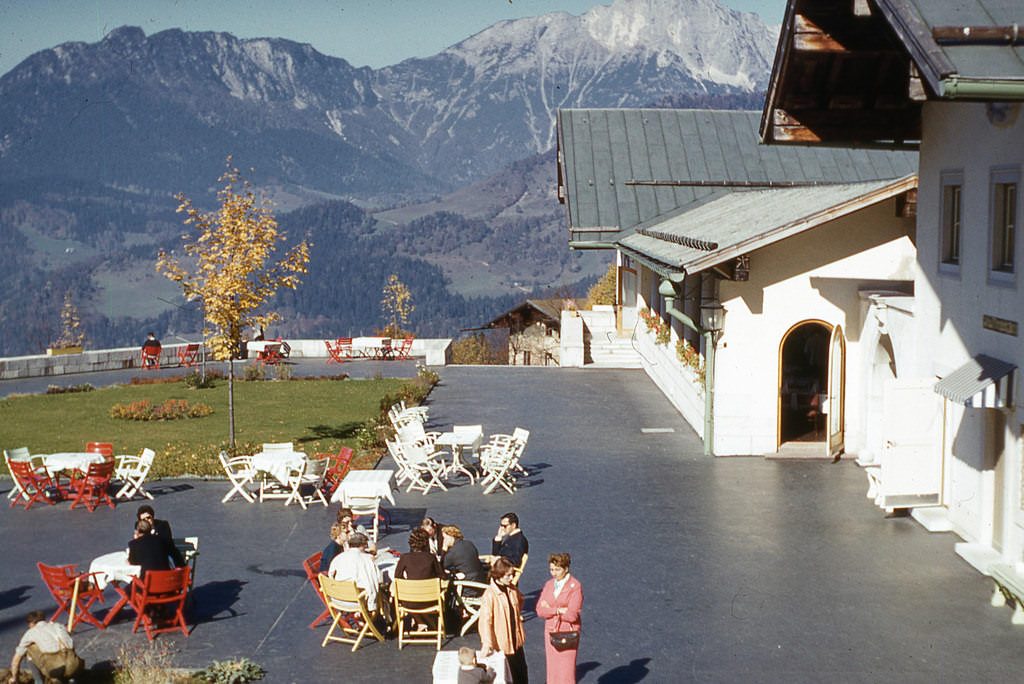
The American military presence in West Germany was a visible part of daily life throughout the decade. The US maintained bases and hospitals, and American soldiers were stationed across the country. The 61st Division US Army Band performed in Bremerhaven. A US general’s terrace at Obersalzberg overlooked the Bavarian mountains. This presence was a direct product of the postwar occupation — and a constant reminder of the Cold War context shaping West Germany’s every move.
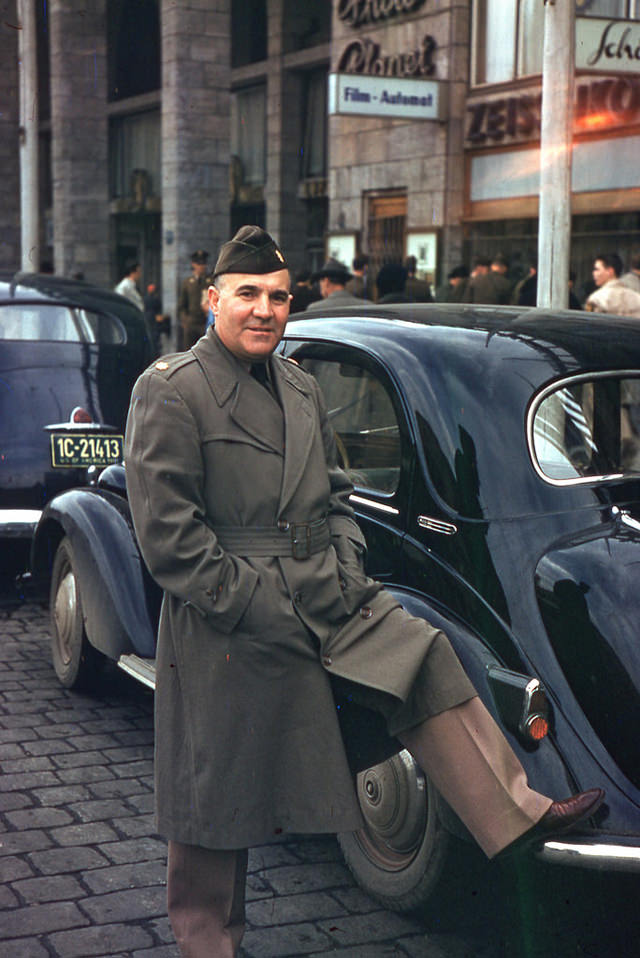
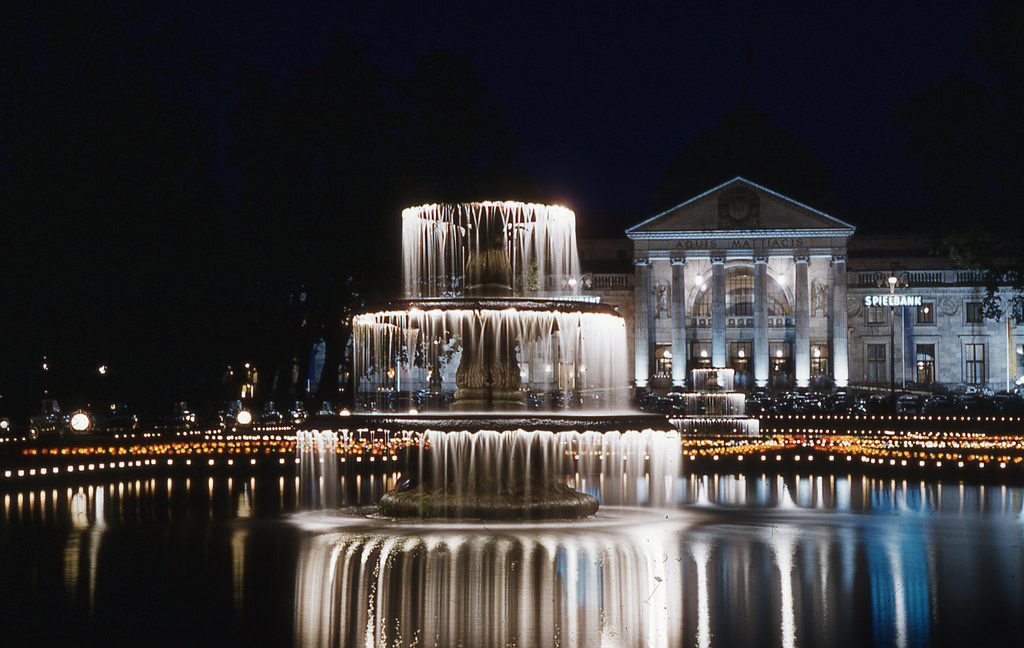
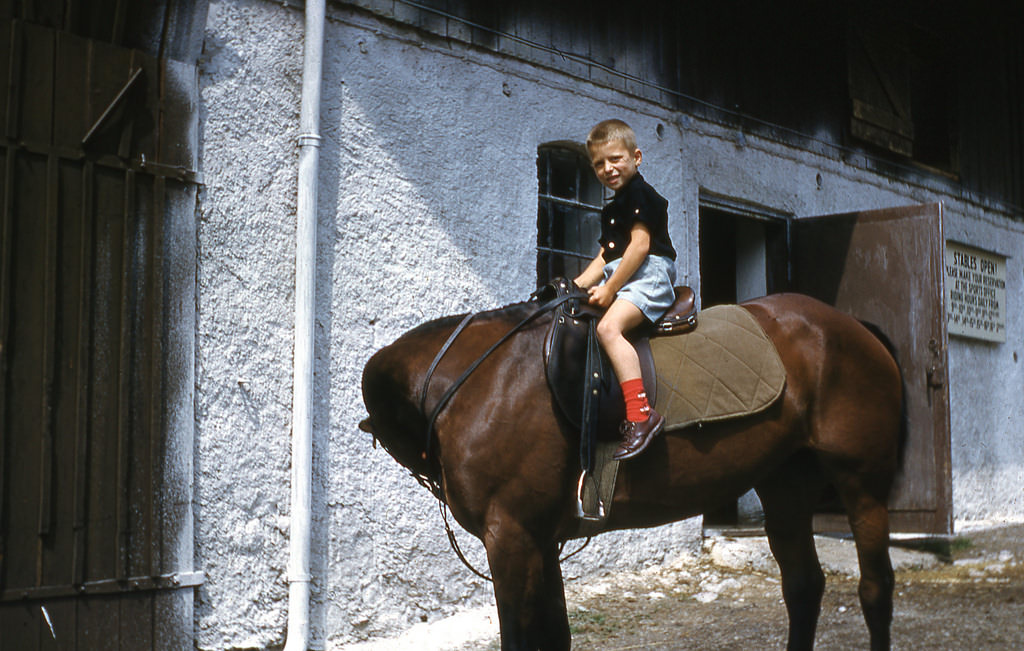
Wiesbaden was one of the most photographed cities of the era. Its Kurhaus — a grand 19th-century hall used for concerts and events — lit up at night. The Tattersal hosted equestrian events. Streets were clean and orderly, with new cars parked along well-maintained pavements. Wiesbaden also hosted a major US Air Force base, making it a hub of American and West German interaction.
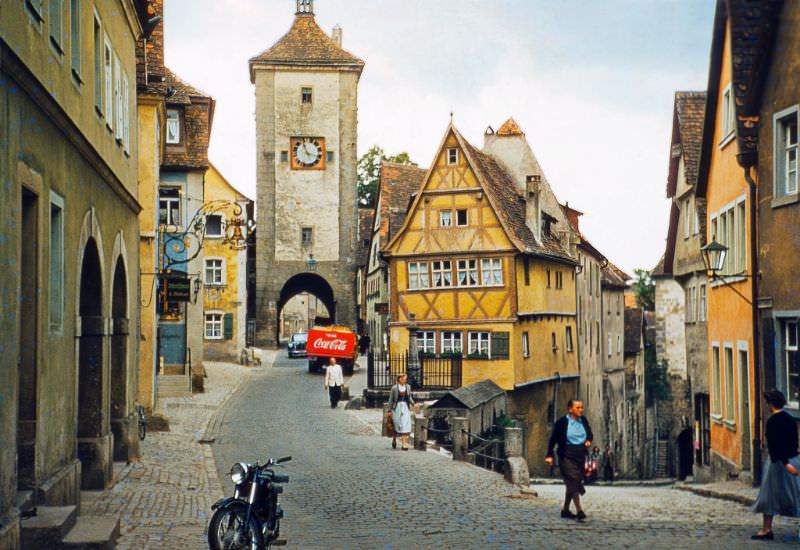
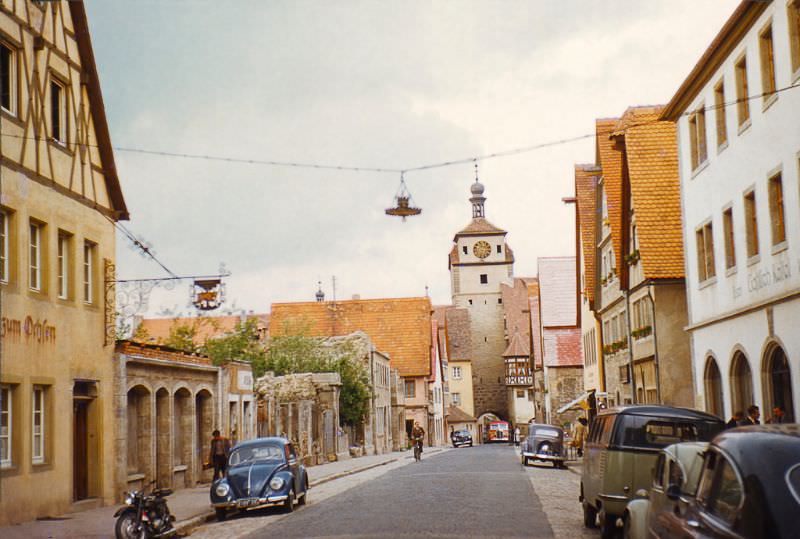
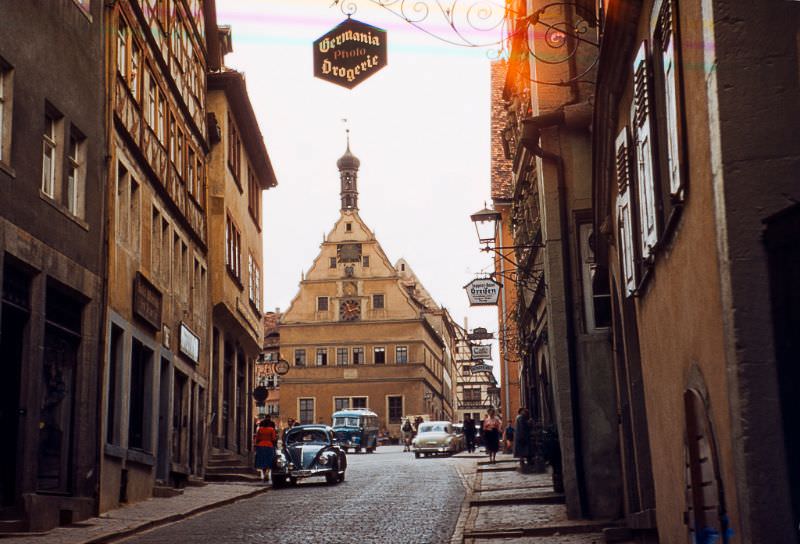
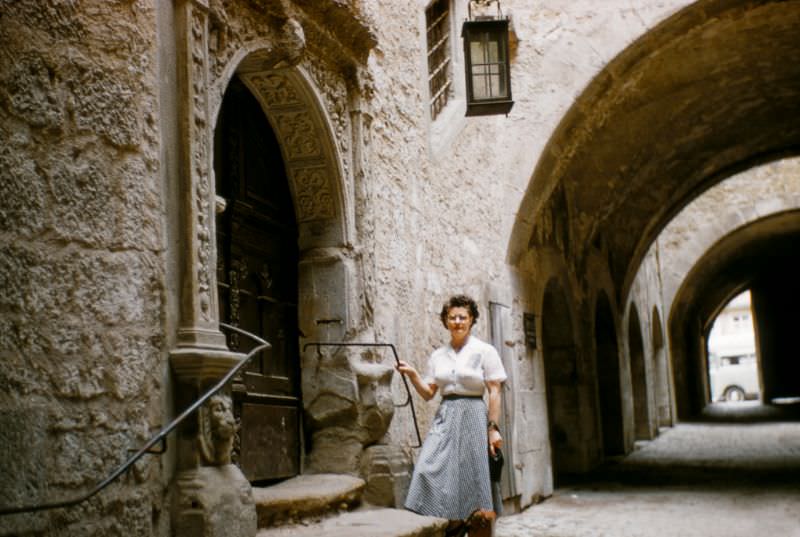
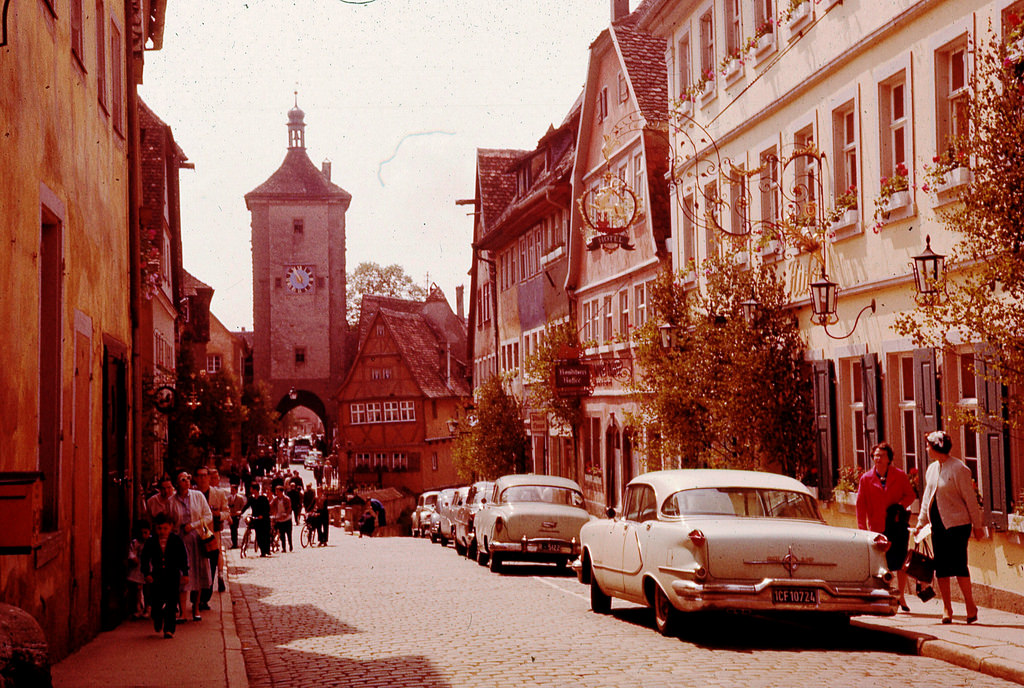
Rothenburg ob der Tauber was one of the best-preserved medieval towns in all of Germany. Its towers, walls, and cobblestone streets had survived the war largely intact. The Siebers Tower, the White Tower, and the Ratstrinkstube clock tower were all landmarks that drew visitors. The covered street beneath the town hall offered a glimpse into an older Germany that the war had not managed to erase.
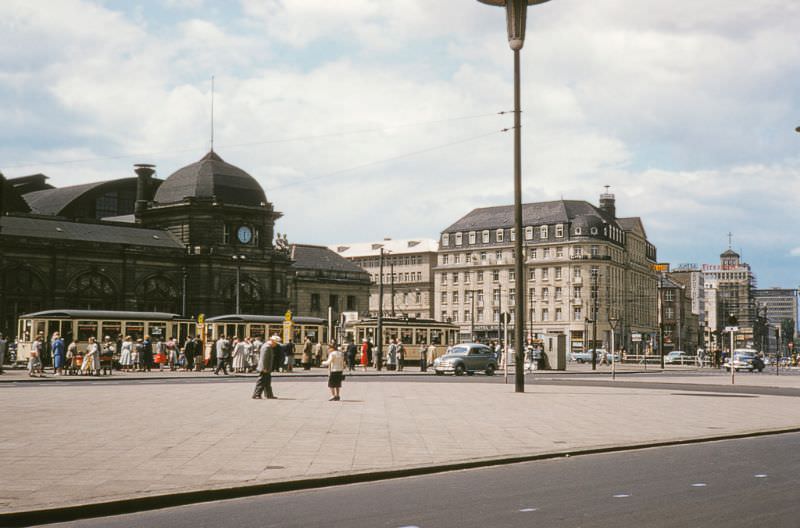
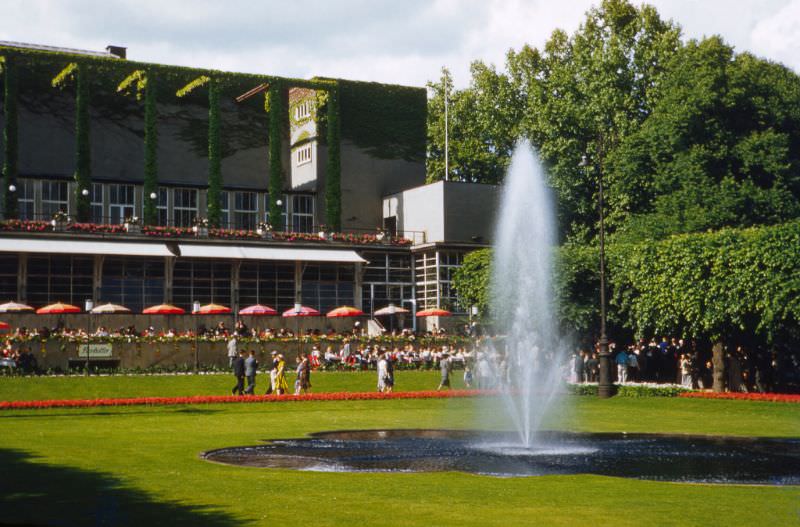
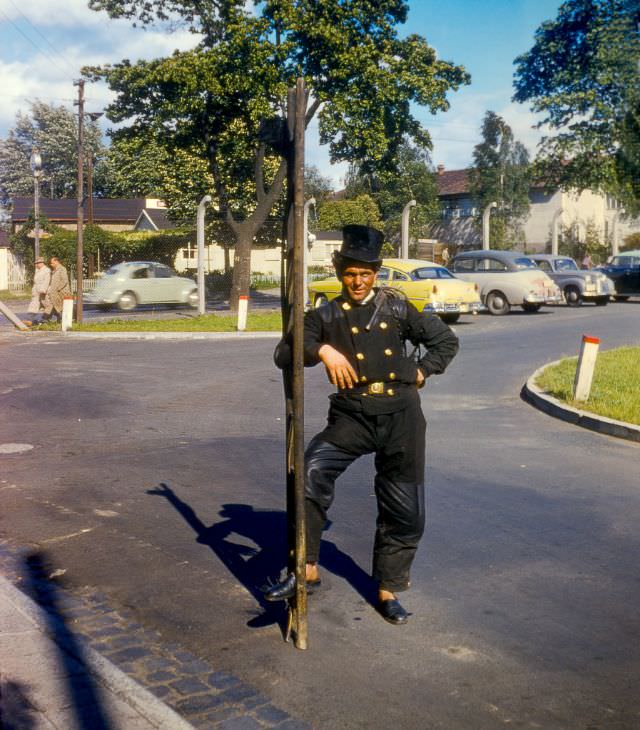
Frankfurt was a major hub of postwar West Germany — home to the railway station, the Kaiserplatz, and key commercial buildings like the one at Hauptwache. The Palmengarten’s Bierkeller drew locals for beer and entertainment. A chimney sweep photographed outside the 97th General Hospital was a common working figure of the era. Frankfurt was being rebuilt aggressively, and by the late 1950s it was functioning as a financial and commercial center.
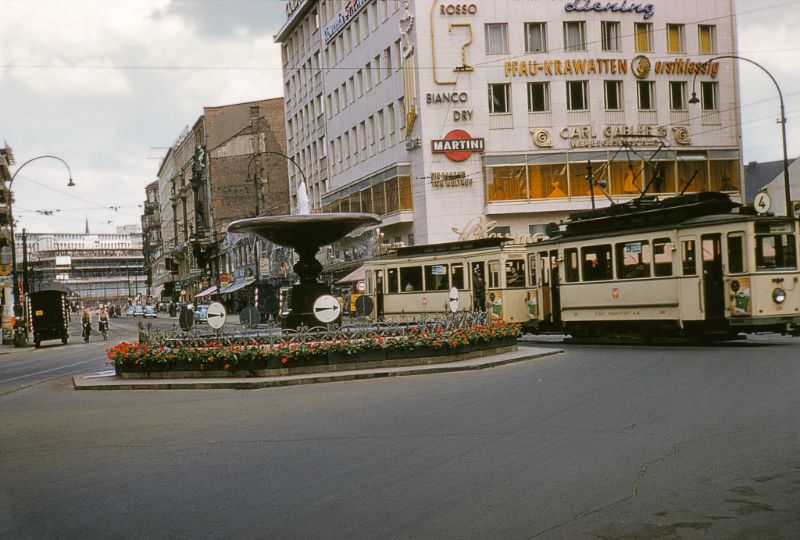
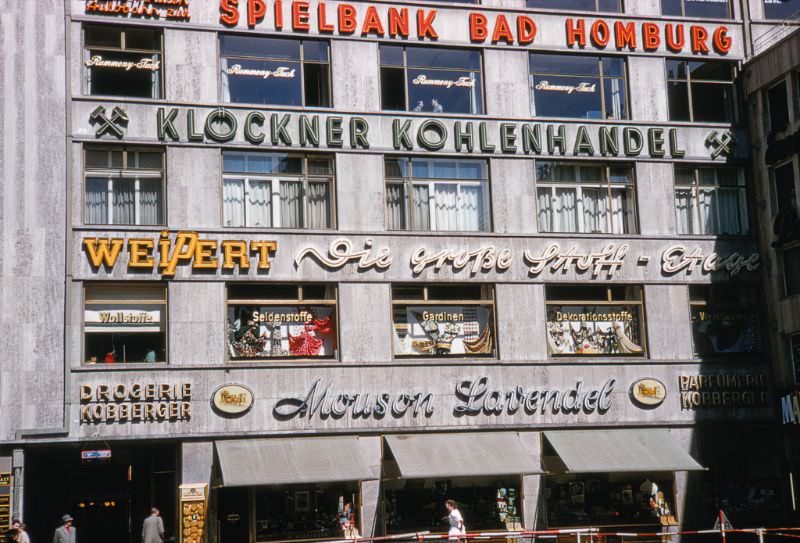
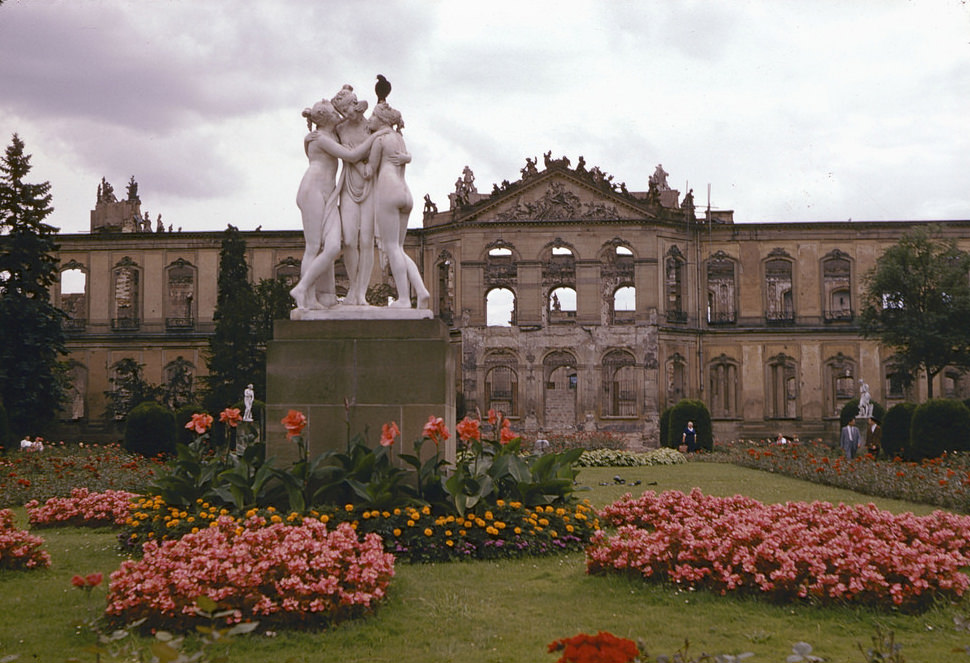
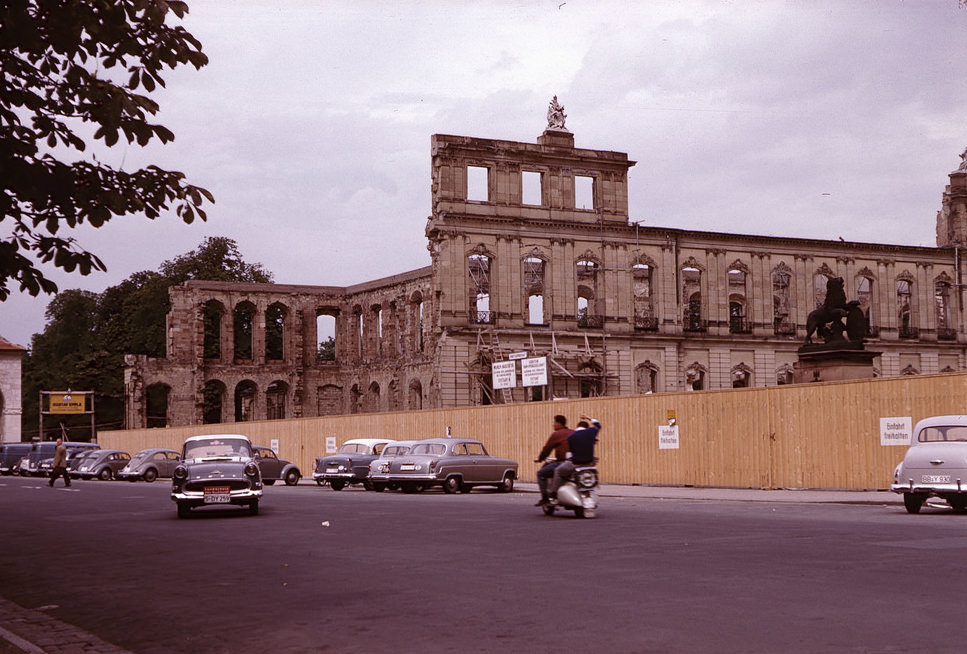
Stuttgart’s reconstruction was one of the most ambitious in Germany. The New Palace, badly damaged during Allied bombing, was being rebuilt throughout the decade. The Collegiate Church stood repaired against the city skyline. New architecture appeared on Königstraße, blending modernist design with the commercial energy of a recovering city. By 1958, Stuttgart felt like a city that had pulled itself out of the rubble and was building something entirely new.
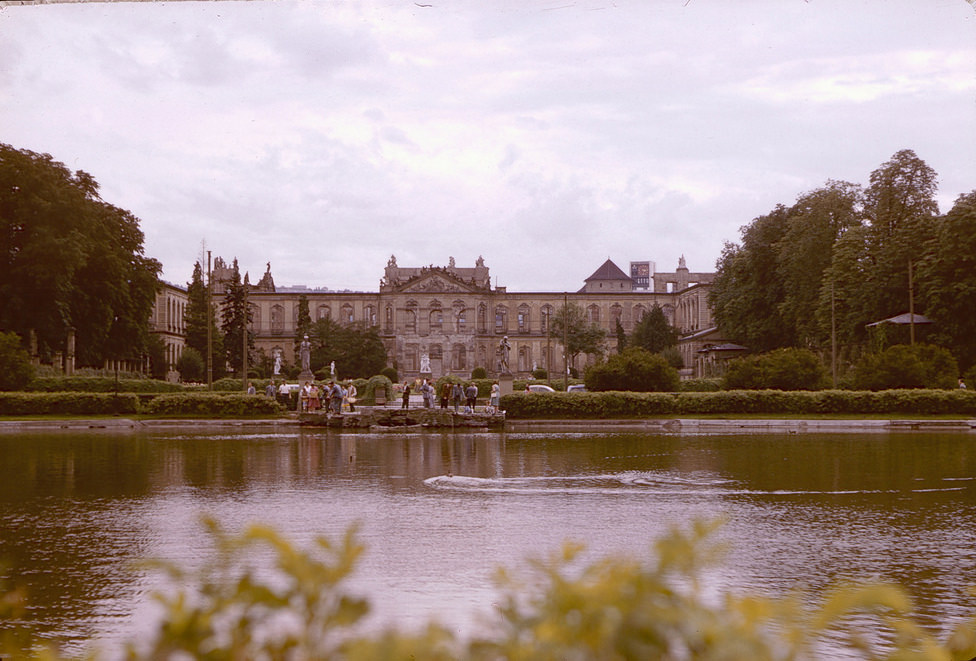
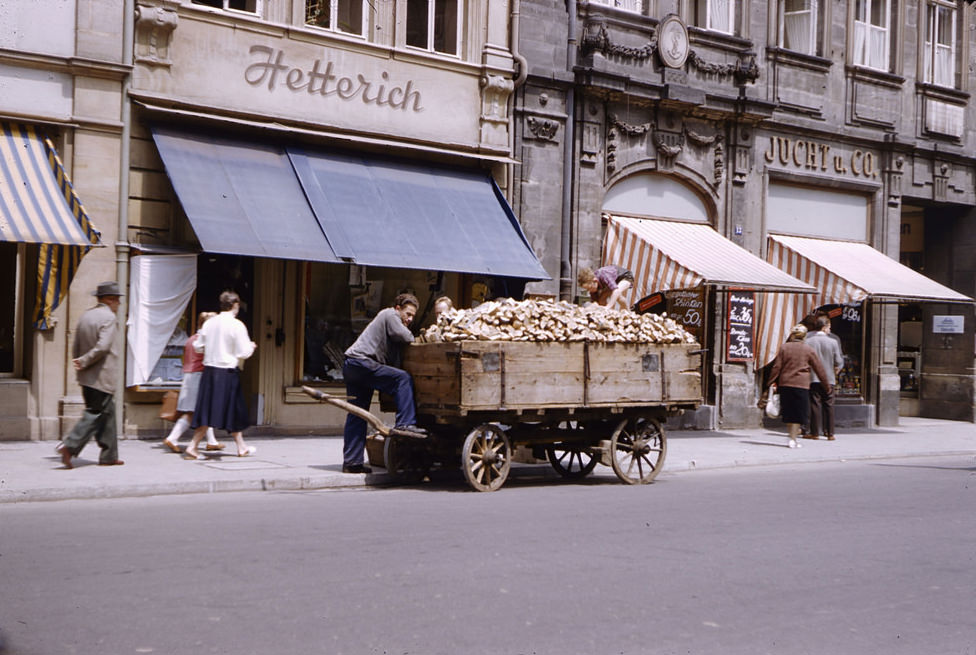
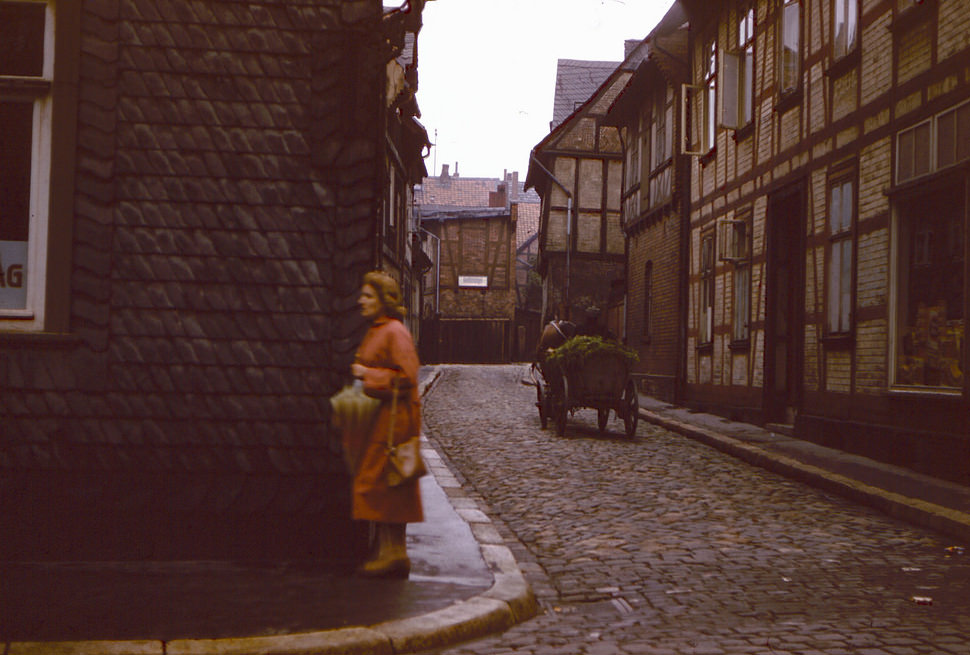
Smaller towns like Soest and Goslar offered a quieter version of 1950s West Germany. In Goslar, pedestrians walked past stone buildings that dated back centuries. In Soest, the East Gate still stood as it had in medieval times. A horse-drawn cart moved through the streets of Goslar — an image that belonged more to the 19th century than to a decade defined by economic growth and modern industry. These towns moved at their own pace.
Across West Germany, the decade produced a country that was simultaneously ancient and brand new. Historic streets ran alongside modern construction sites. Traditional festivals continued in towns that had medieval roots. And ordinary people — families, workers, schoolchildren, farmers — went about their daily lives against a backdrop that was still, in many places, being rebuilt from nothing.