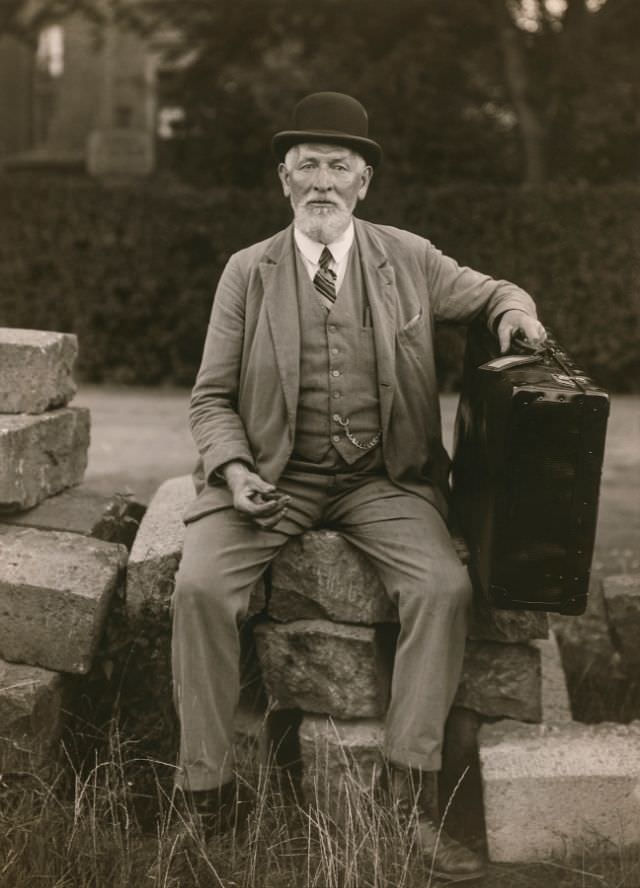
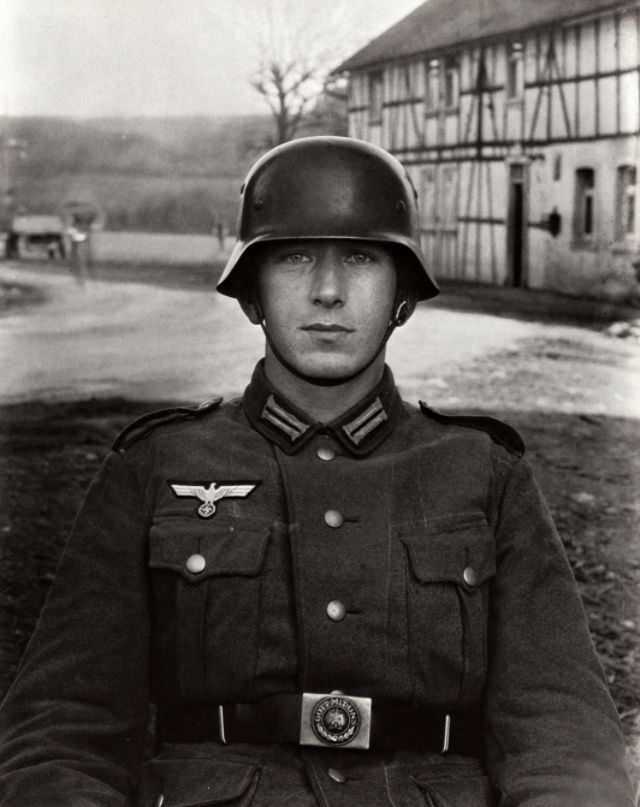
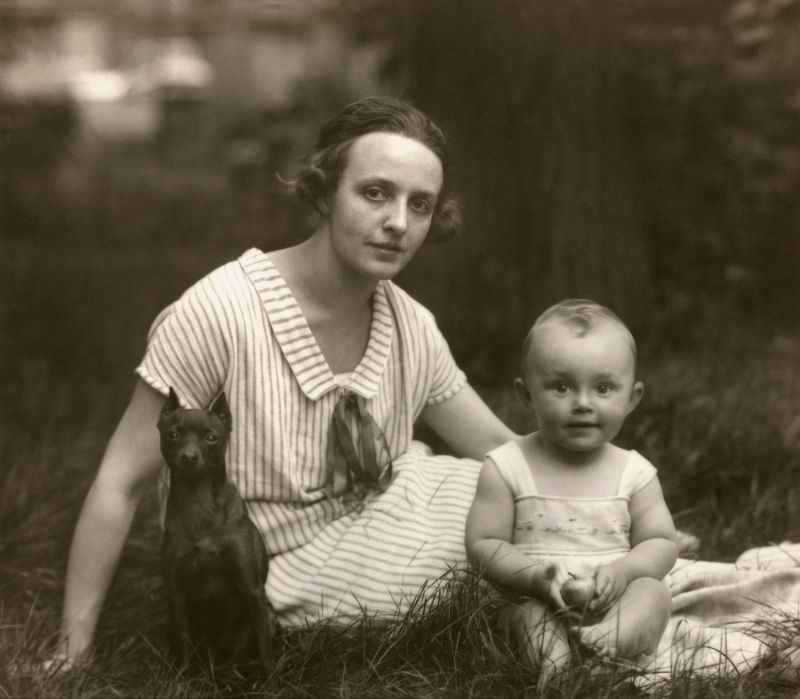
August Sander (1876–1964) is one of Germany’s most important photographers. He spent decades building a vast visual record of German society, capturing farmers, workers, artists, soldiers, and everyone in between. His portraits are direct and unposed in feeling, yet carefully composed. They treat every subject — regardless of class or occupation — with the same level of attention.
Sander first learned photography while assisting a photographer who worked for a mining company. He bought his own equipment and built a darkroom with help from his uncle. During his military service, he worked as a photographer’s assistant, and in the years that followed, he traveled extensively across Germany. By 1901, he was working at a photo studio in Linz. He left at the end of 1909 to open his own studio in Cologne.
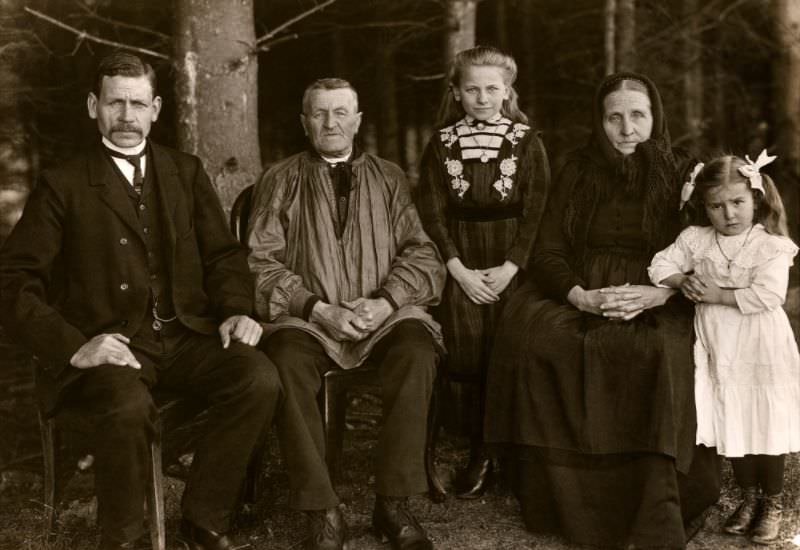
Early in the 1920s, Sander connected with the Cologne Progressives, a radical group of artists tied to the workers’ movement. This relationship sharpened the social and political edge of his work. His most ambitious project, “People of the 20th Century,” aimed to document a complete cross-section of German society during the Weimar Republic. The series is organized into seven sections: The Farmer, The Skilled Tradesman, The Woman, Classes and Professions, The Artists, The City, and The Last People.
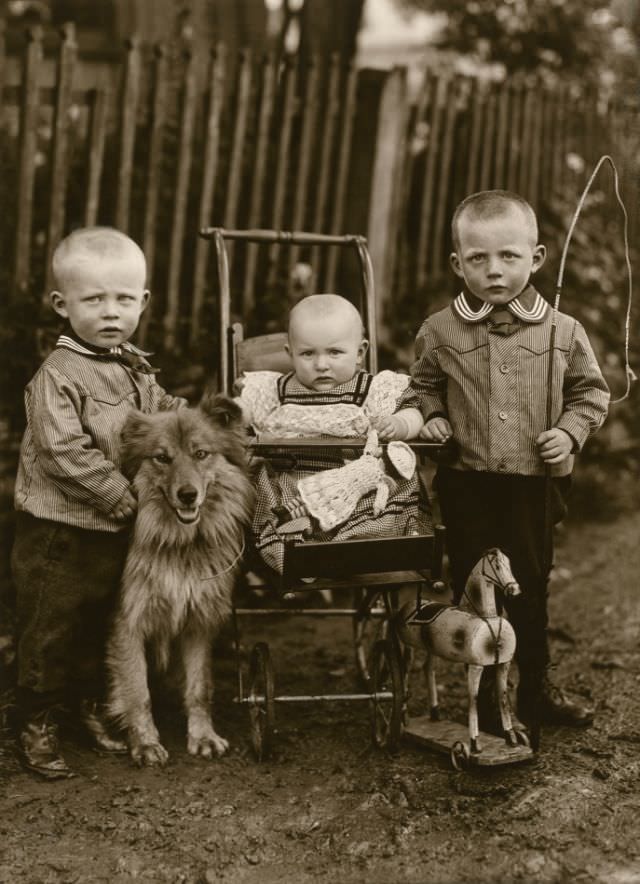
In 1929, Sander published “Face of Our Time,” a book containing 60 portraits drawn from the larger series. It was a rare chance for the public to see his work in print. The book did not survive the political climate that followed. In 1936, the Nazi regime seized the photographic plates and destroyed them. The regime viewed Sander’s unflinching, democratic approach to portraiture as a threat.
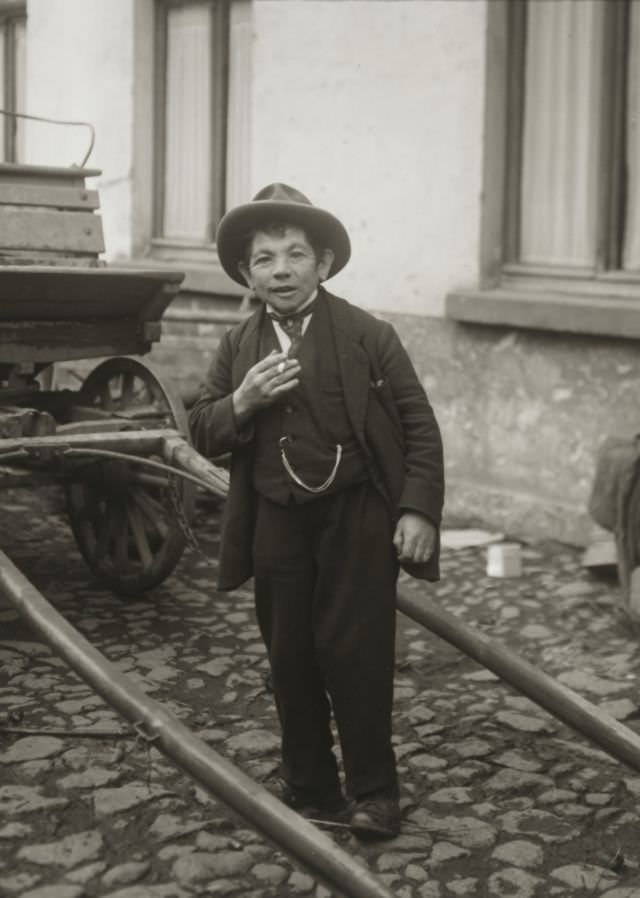
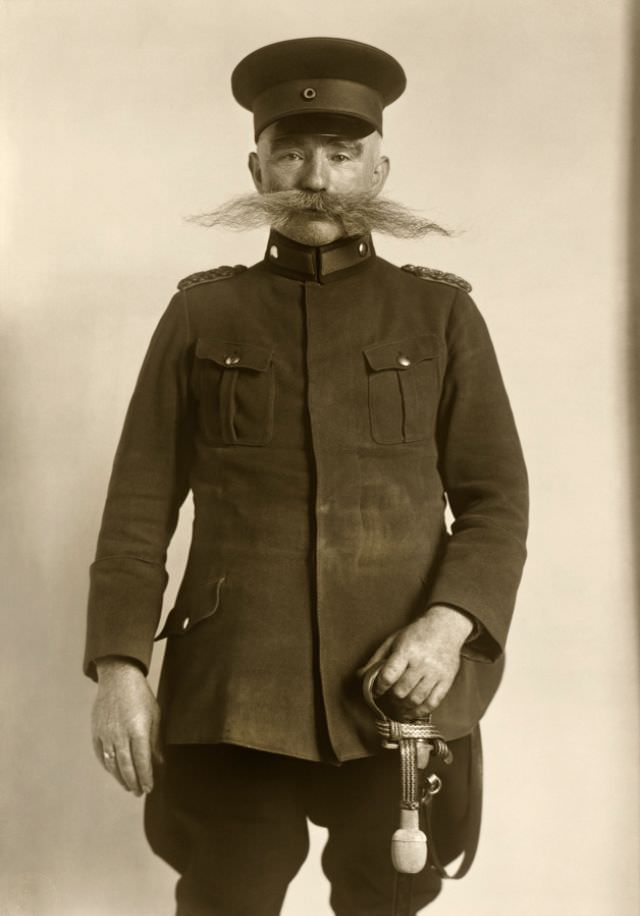
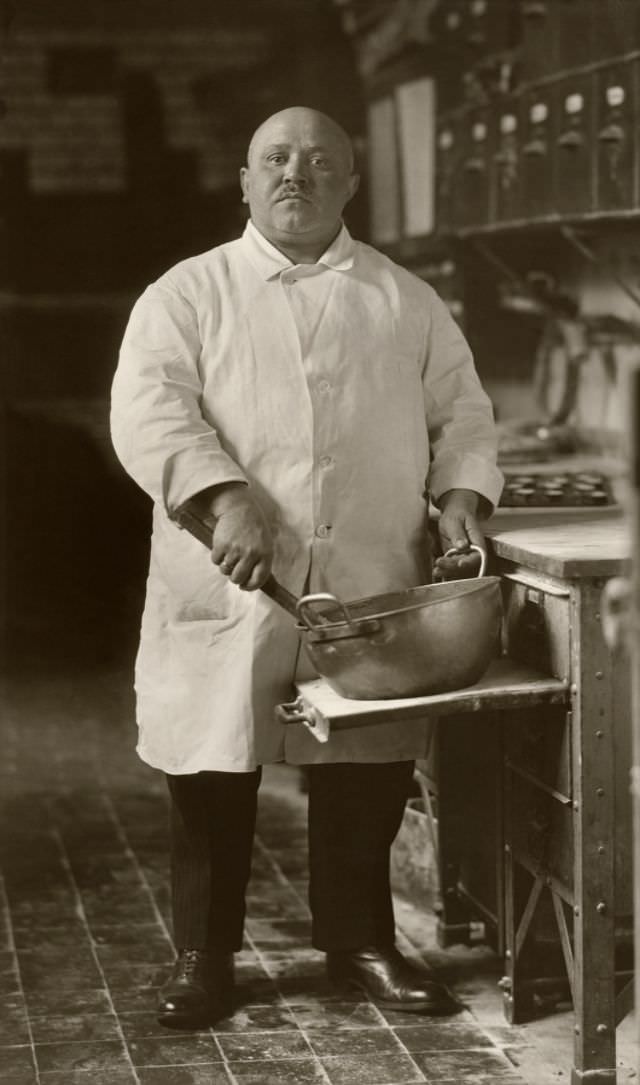
The series covered every corner of German life. Sander photographed rural families, tradespeople, and laborers alongside artists, intellectuals, and city dwellers. No subject was treated as more worthy than another. A pastry cook received the same careful framing as a police officer or a well-known dadaist.
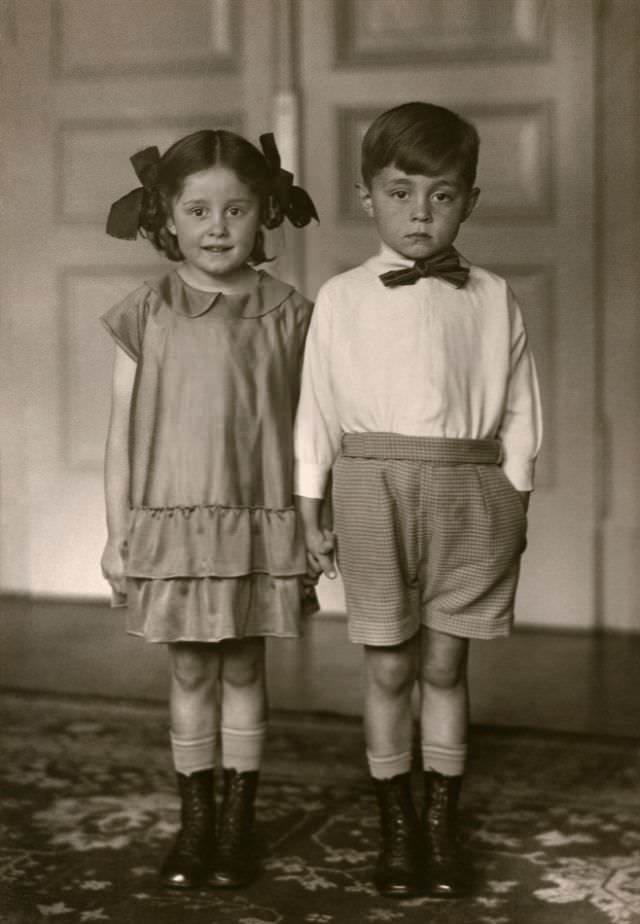
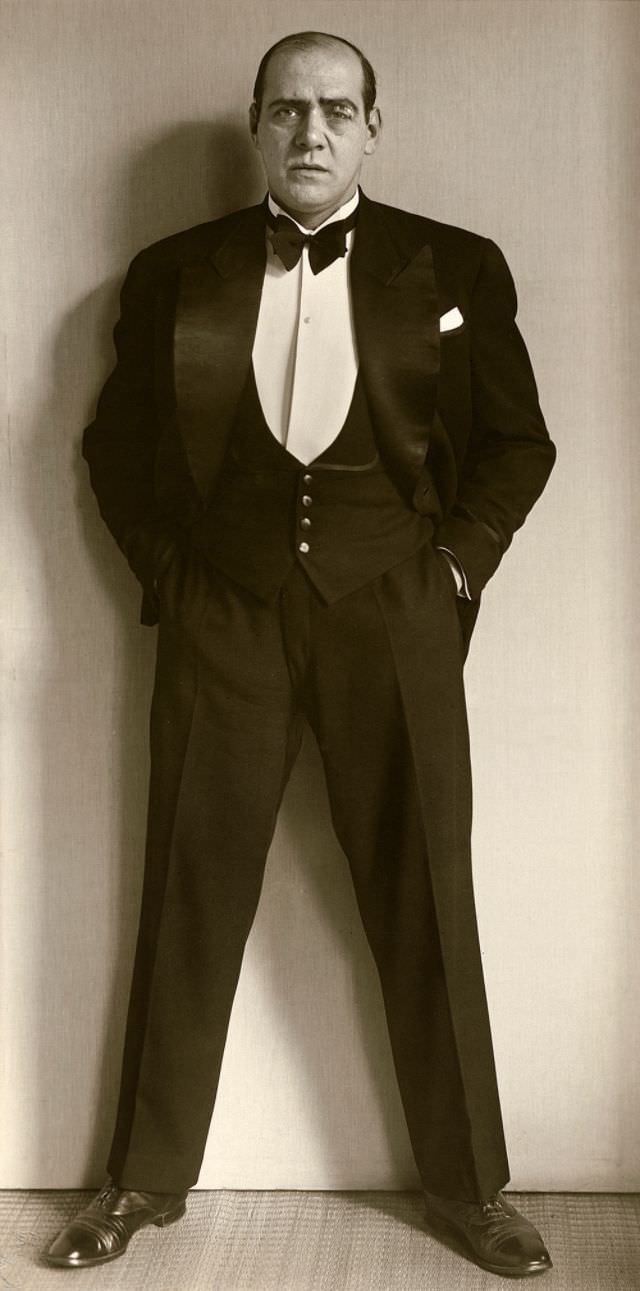
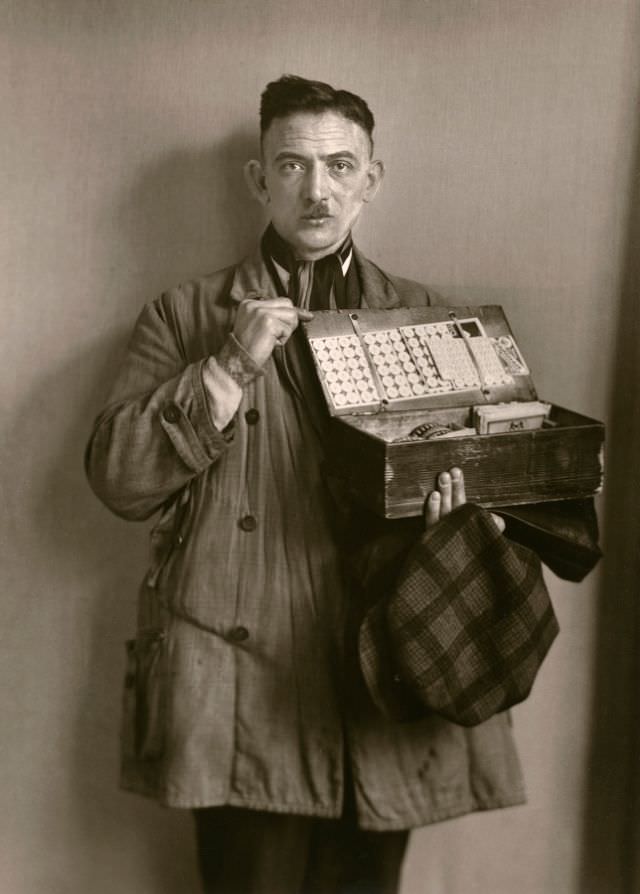
Sander’s lens also turned toward the margins of society — circus workers, fairground performers, and peddlers all appear in the series. These subjects were as central to his vision of Germany as any farmer or civil servant. The variety reflects his core belief that a true portrait of a society must include all of its people.
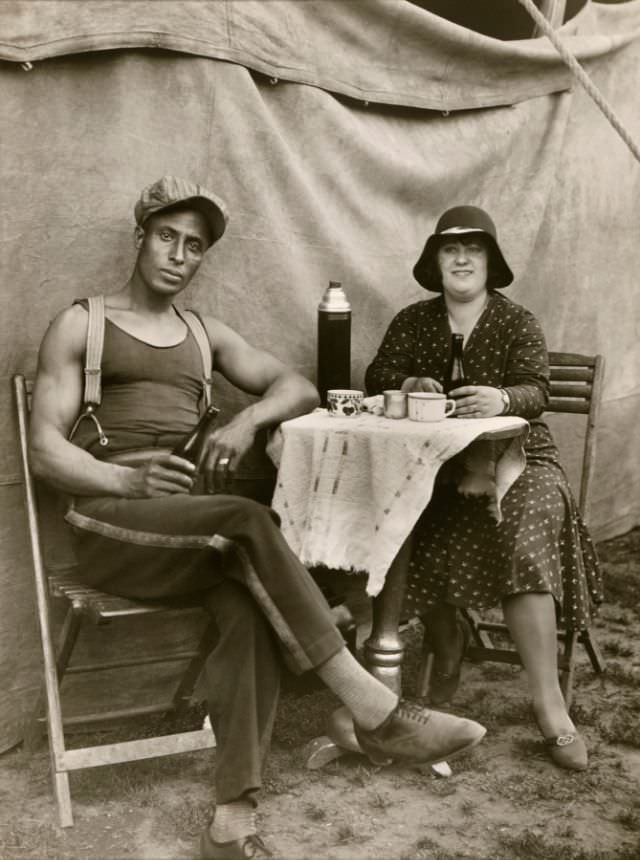
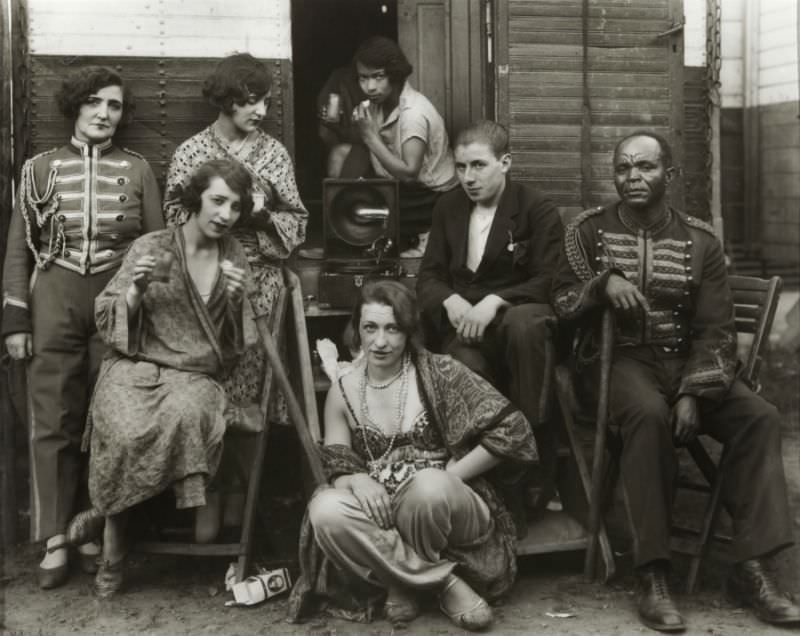
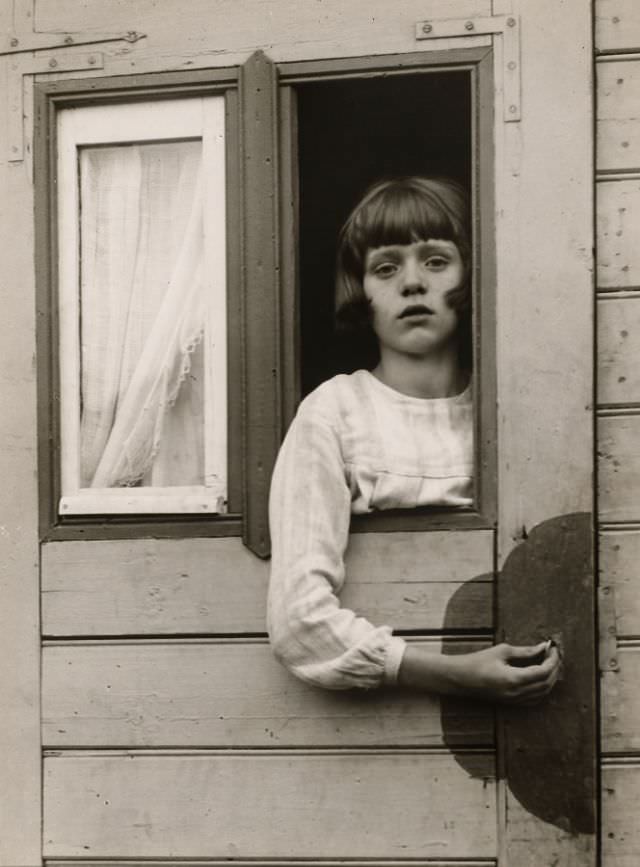
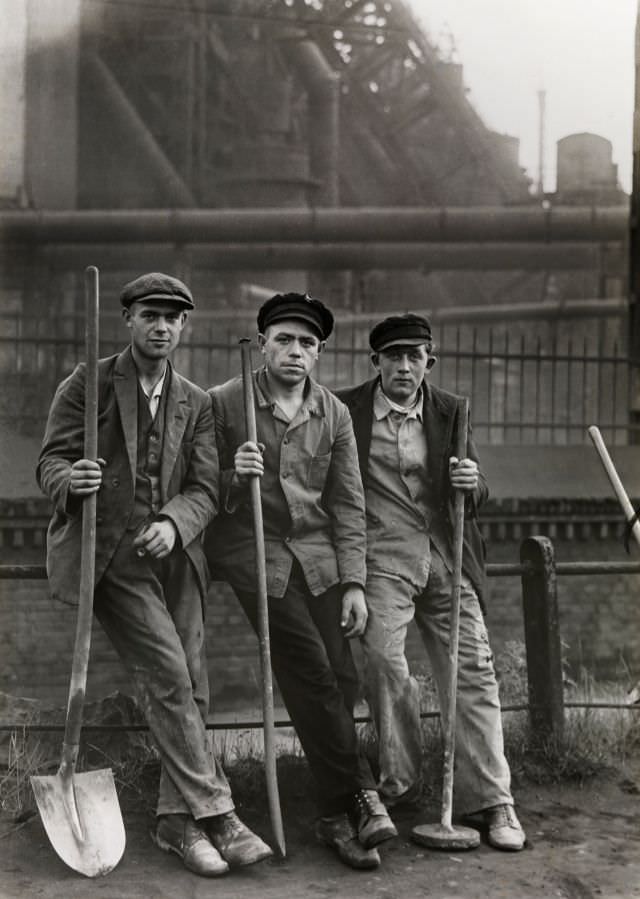
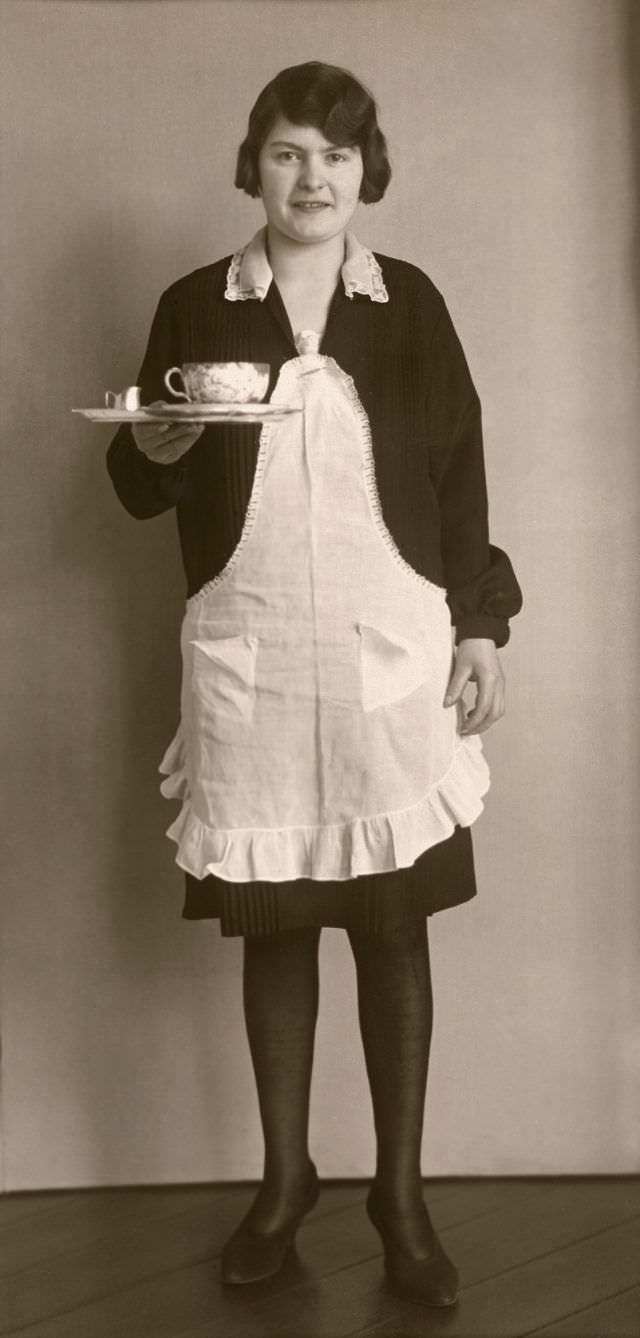
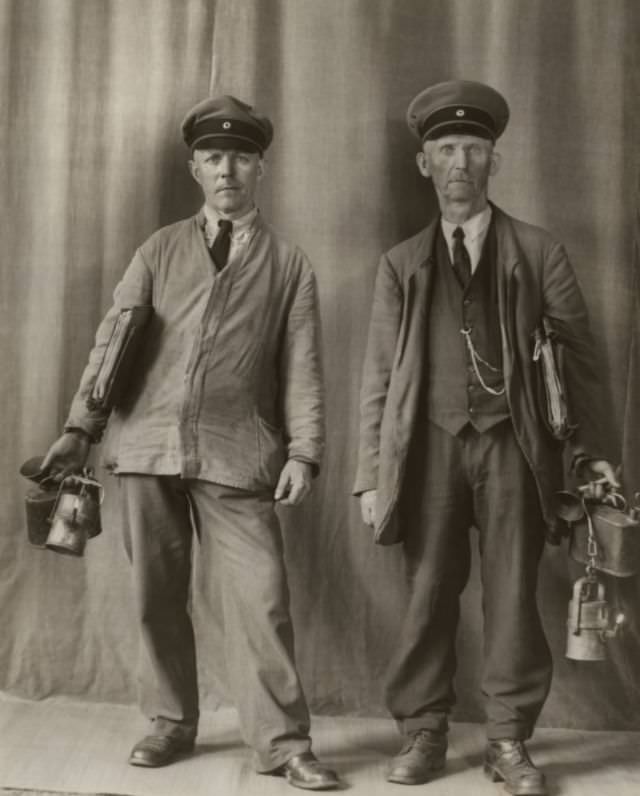
Working-class life is strongly represented throughout the project. Sander documented laborers in the Ruhr region, gasmen, and café waitresses with the same seriousness he brought to portraits of the middle and upper classes. These images preserve the faces of people who rarely appeared in official records or formal portraits of the era.
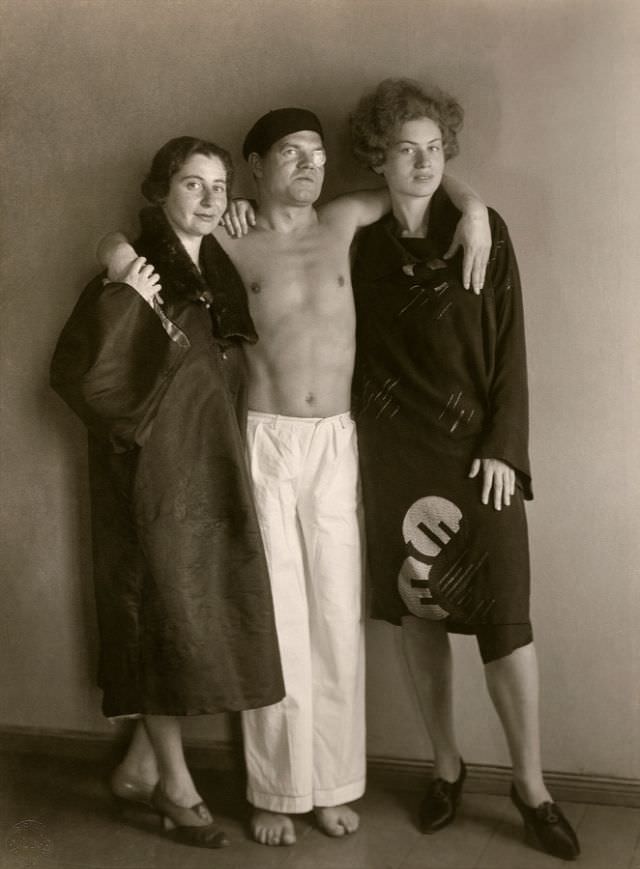
The Artists section of the series brought Sander into contact with prominent cultural figures of the Weimar era. Among them was Raoul Hausmann, a key figure in the Dada movement, photographed alongside Hedwig Mankiewitz and Vera Broïdo. These portraits sit alongside images of compères and showmen, blurring the line between high culture and popular entertainment.
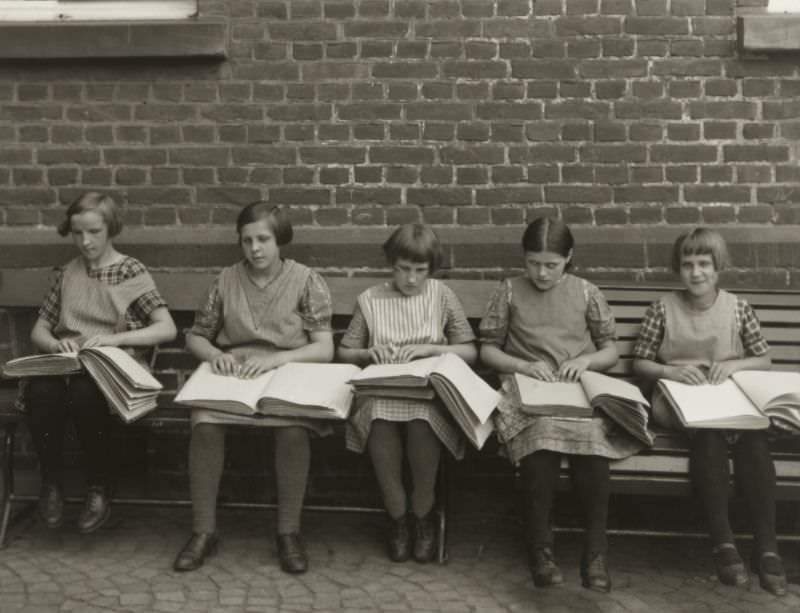
The section titled “The Last People” included individuals placed at the fringes of mainstream Weimar society — among them blind children photographed at their lessons. Sander documented these subjects without sentimentality, presenting them as a factual part of the social landscape he was recording.
Beyond portraiture, Sander’s broader body of work included landscape, nature, architecture, and street photography. But it is his portraits that define his reputation. The “People of the 20th Century” series stands as a systematic, disciplined attempt to capture an entire nation’s face at a single moment in history — before the political upheaval of the 1930s changed everything.