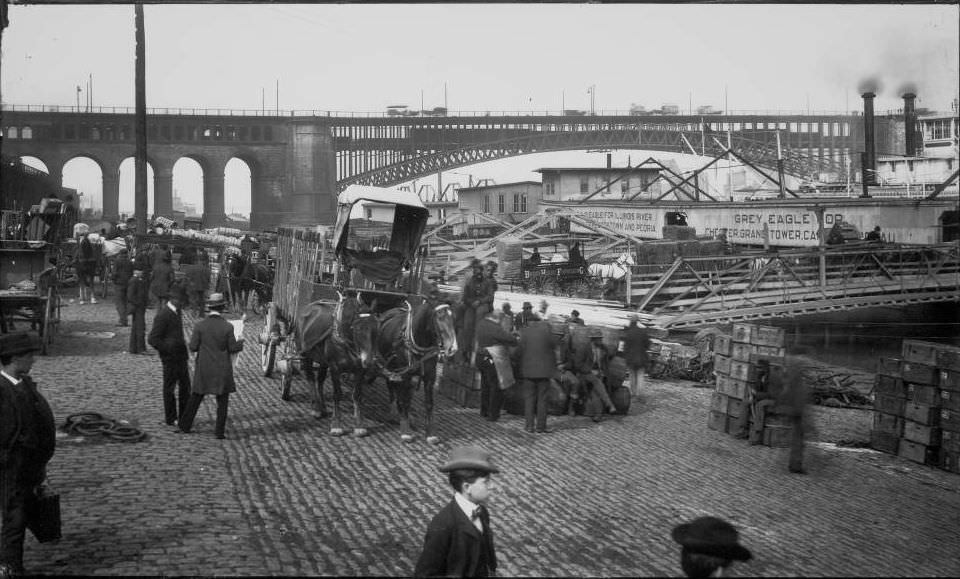
George P. Hall founded his New York City photography studio in 1886. His son, James S. Hall, joined the business, and together they built one of the most detailed visual records of the city during its most dramatic period of growth. Their camera documented everything — grand architecture, busy streets, military vessels, and public figures.
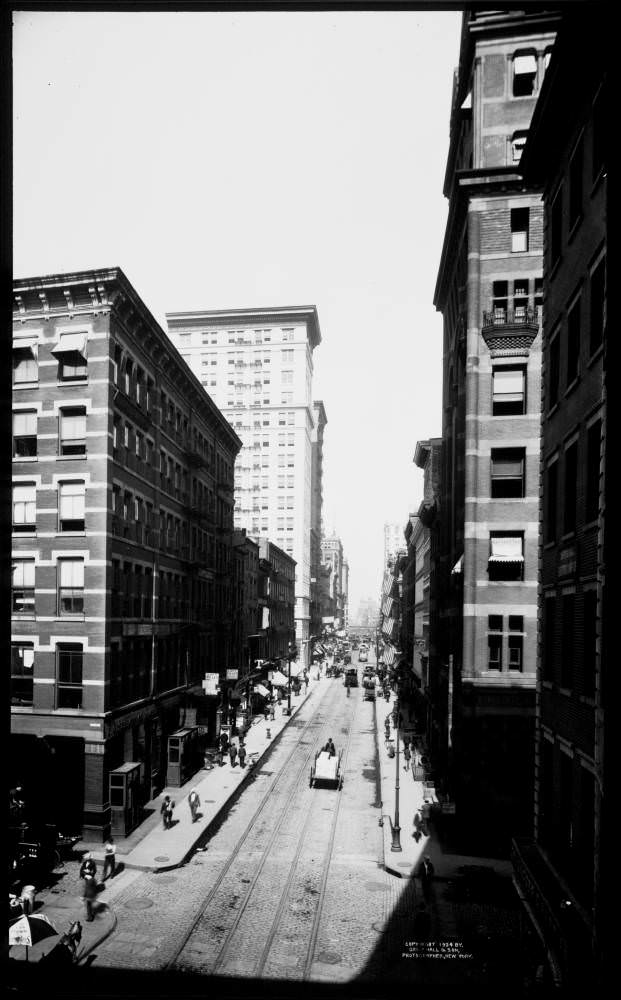
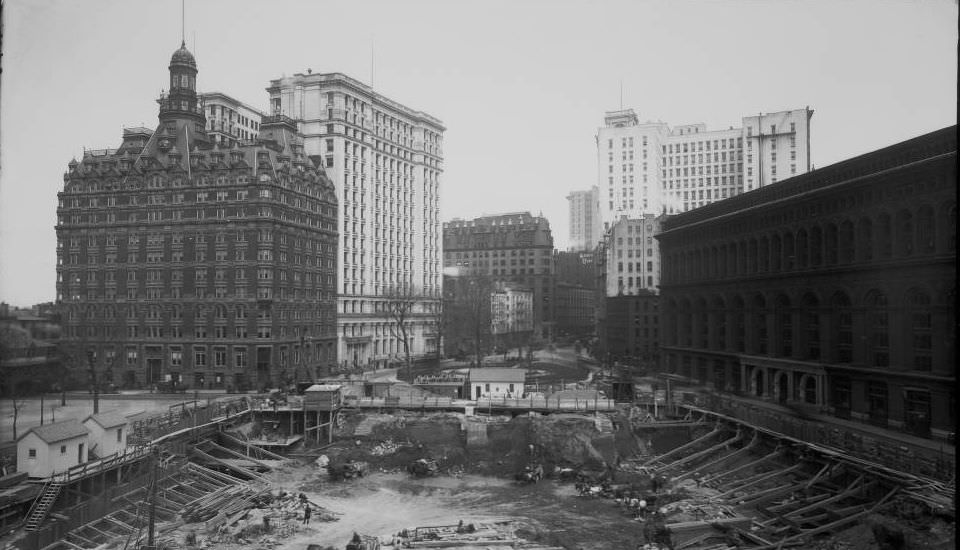
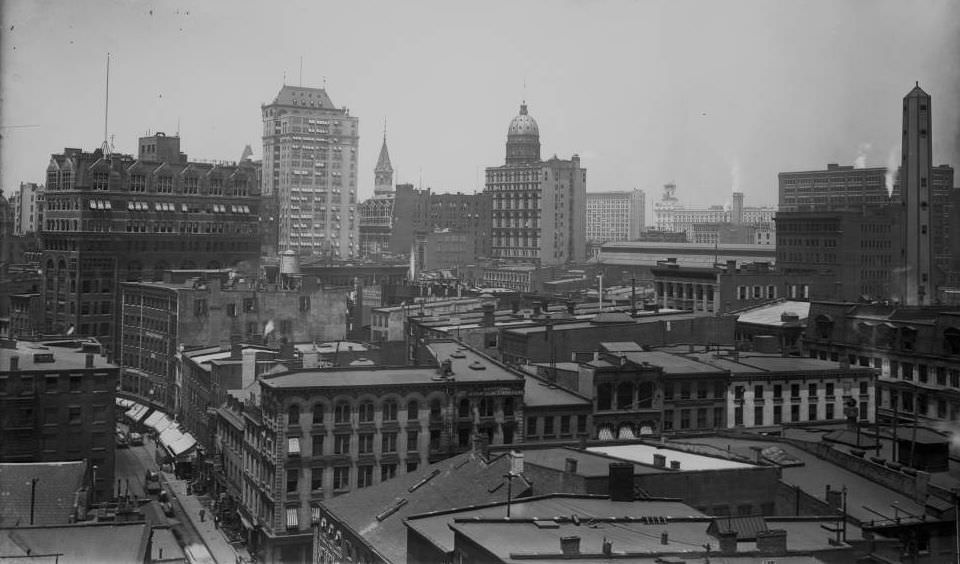
New York City at the turn of the 20th century was in constant motion. Skyscrapers were rising in Lower Manhattan, new infrastructure was being laid, and older neighborhoods were being reshaped. The Halls were there for all of it. Their photographs freeze these fleeting moments in time with sharp, unfiltered detail.
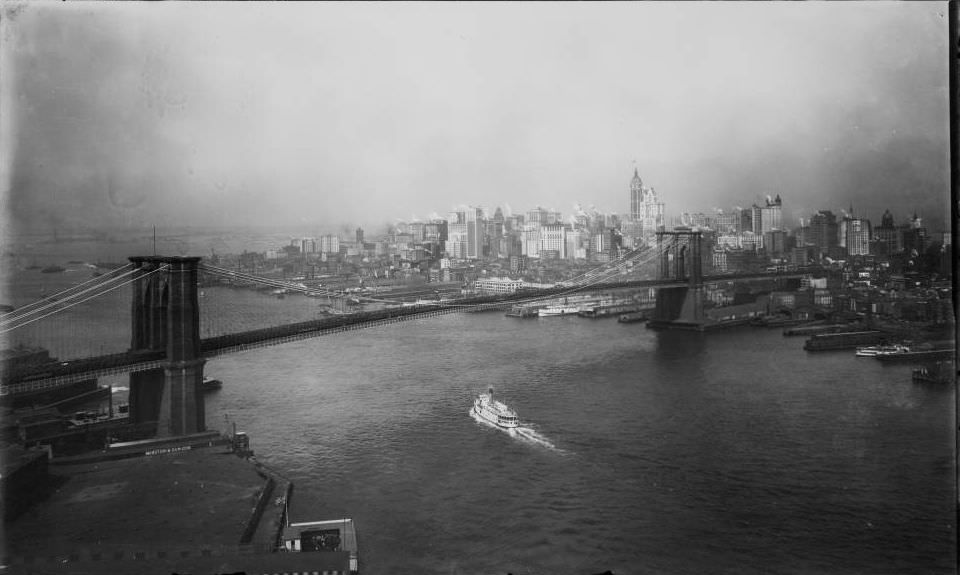
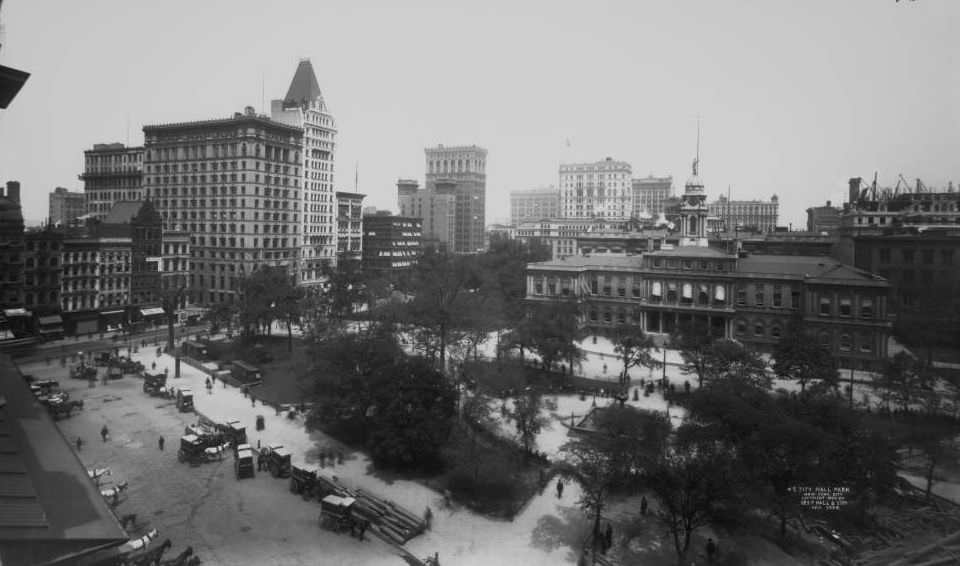
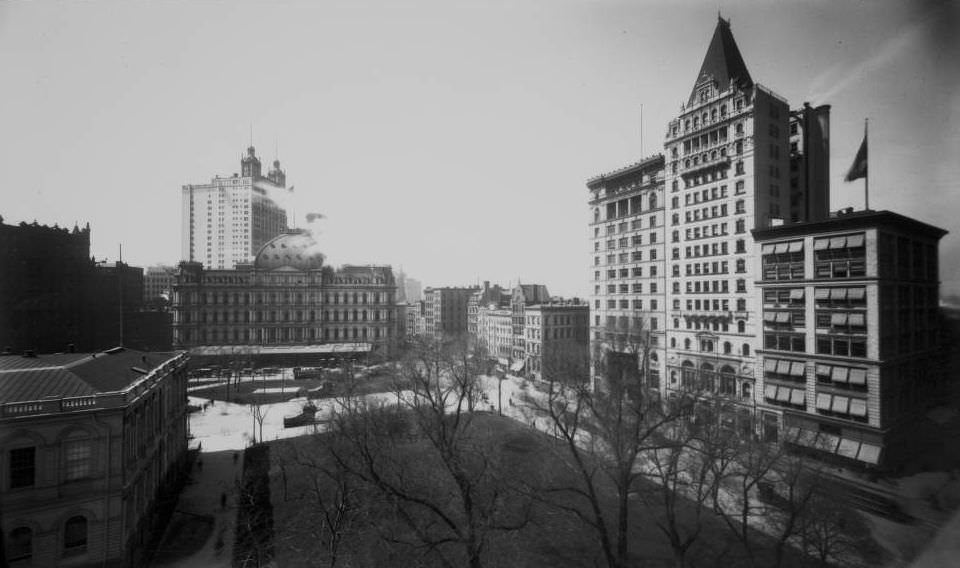
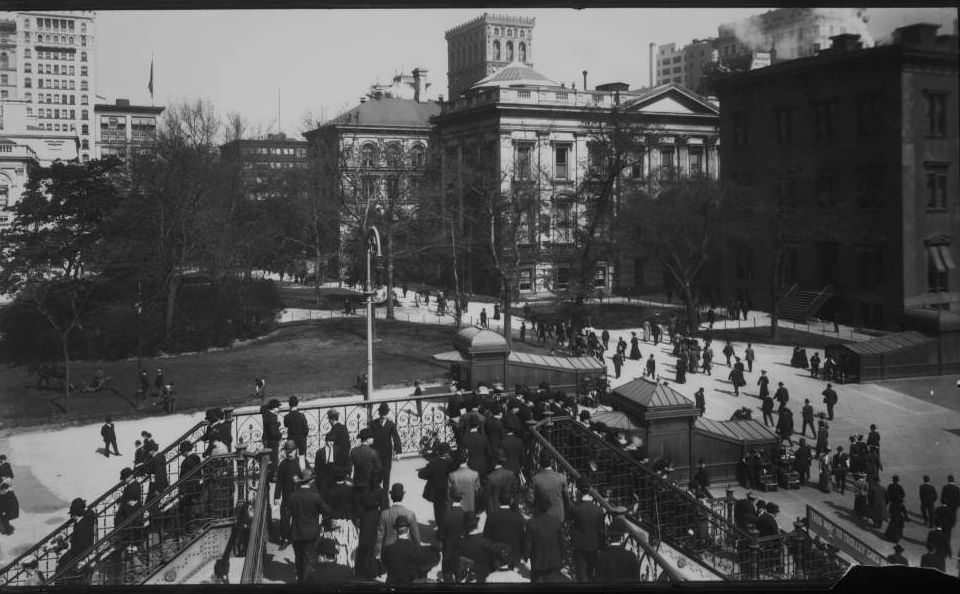
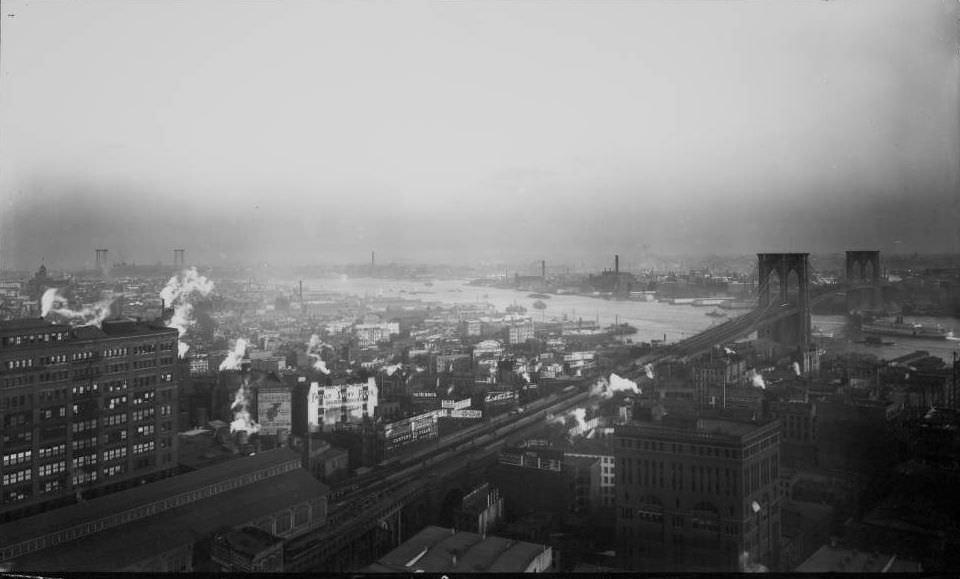
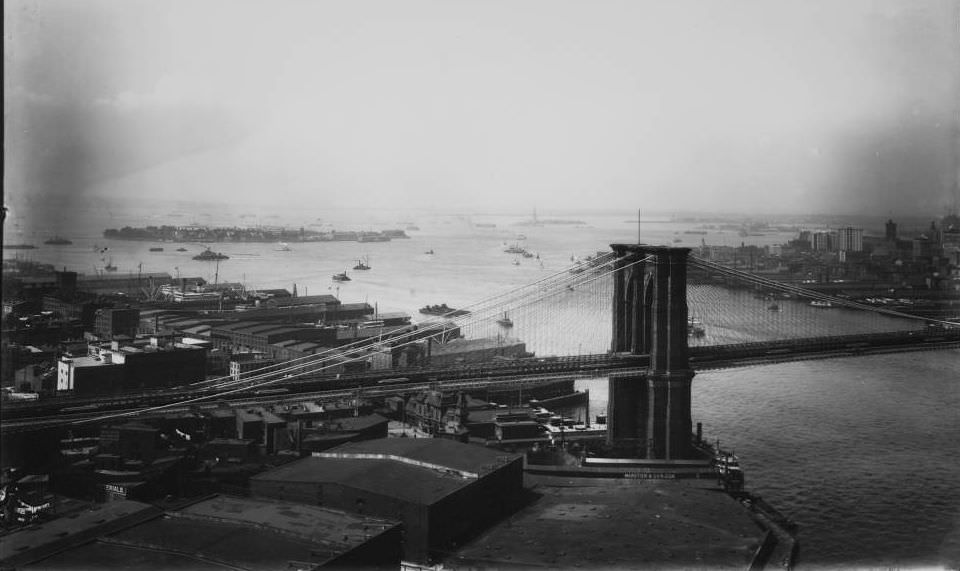
The Brooklyn Bridge was one of the city’s most celebrated landmarks, and the studio returned to it multiple times. City Hall Park, another recurring subject, reflected the civic heart of Manhattan.
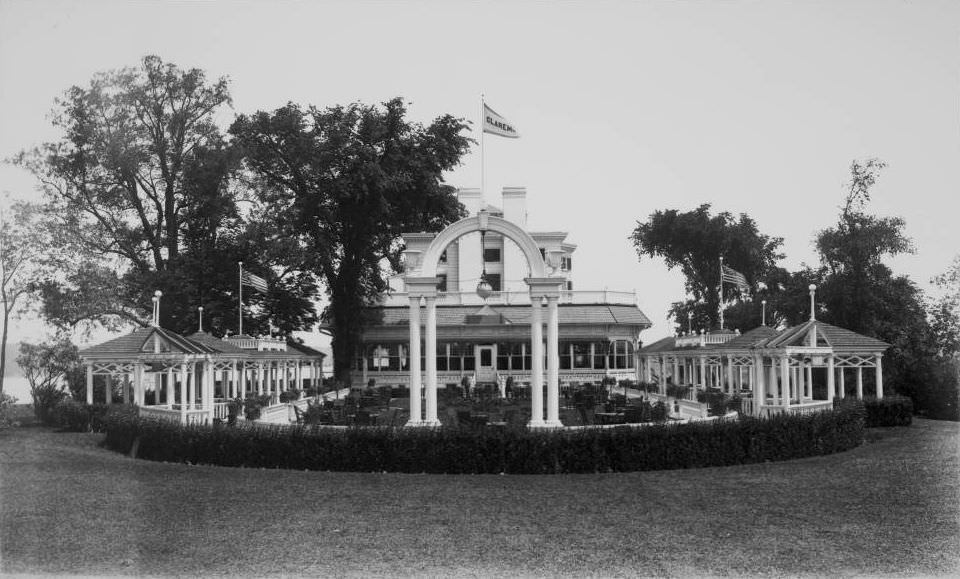
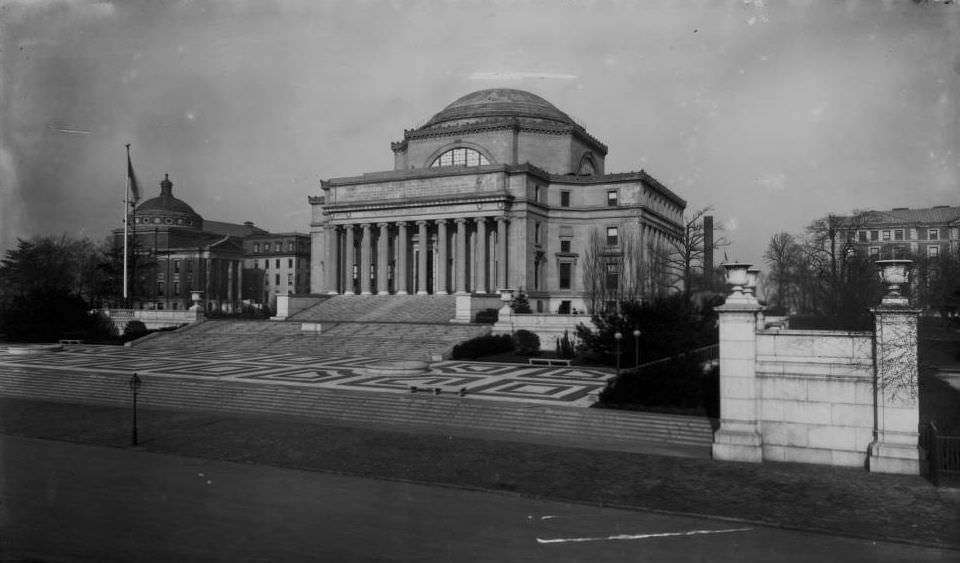
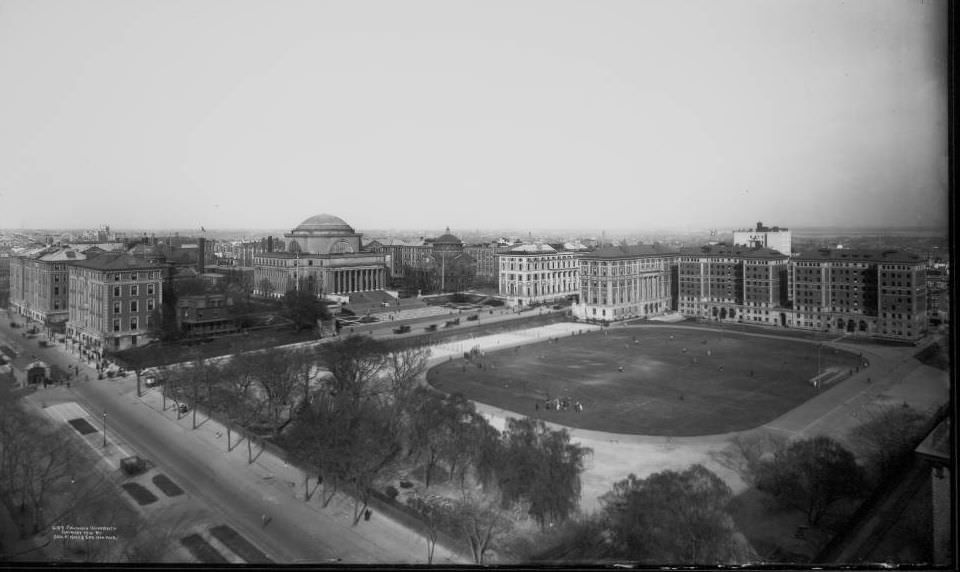
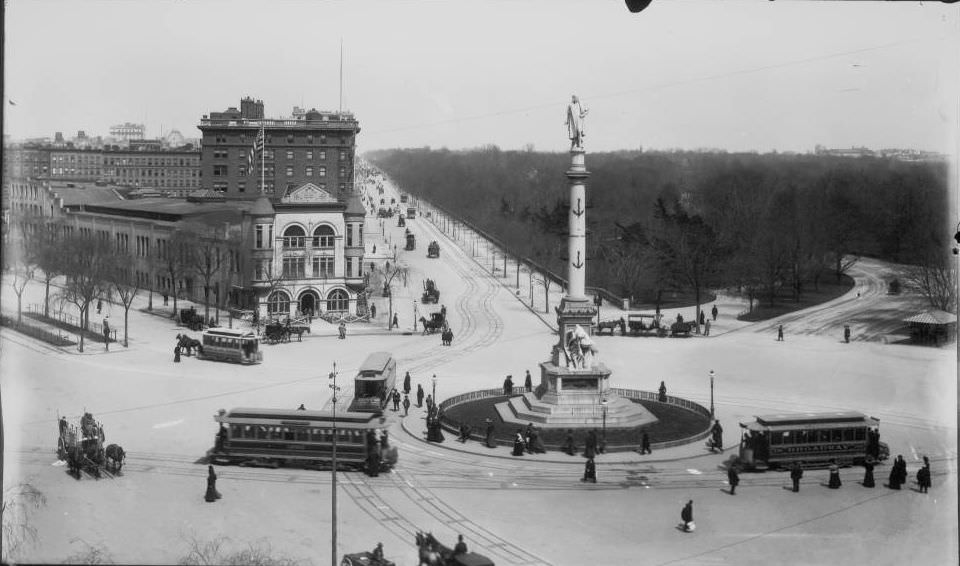
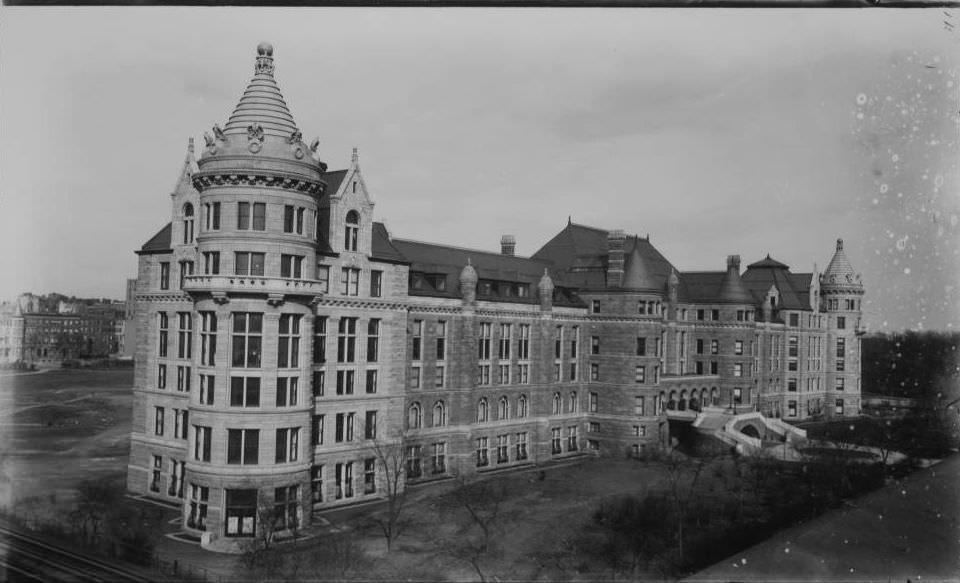
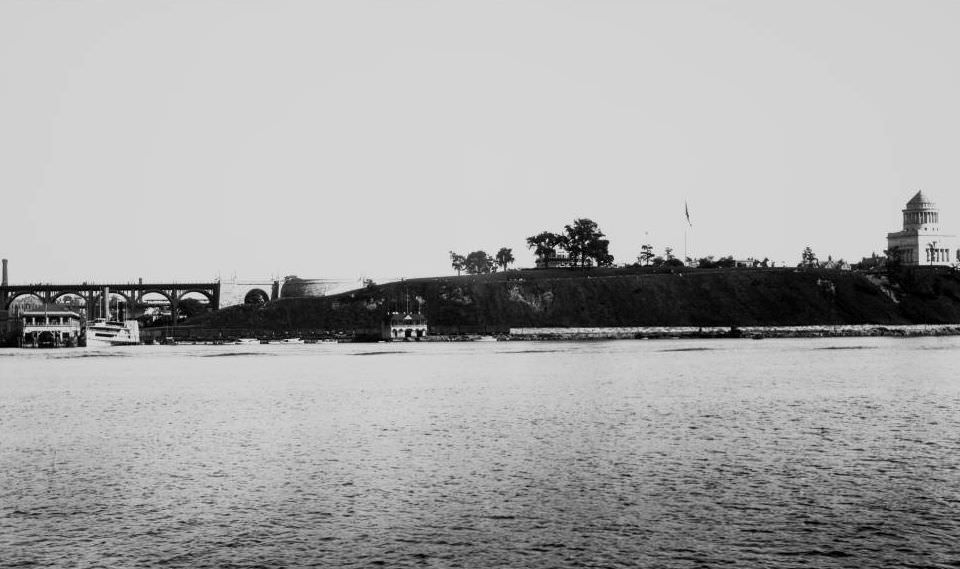
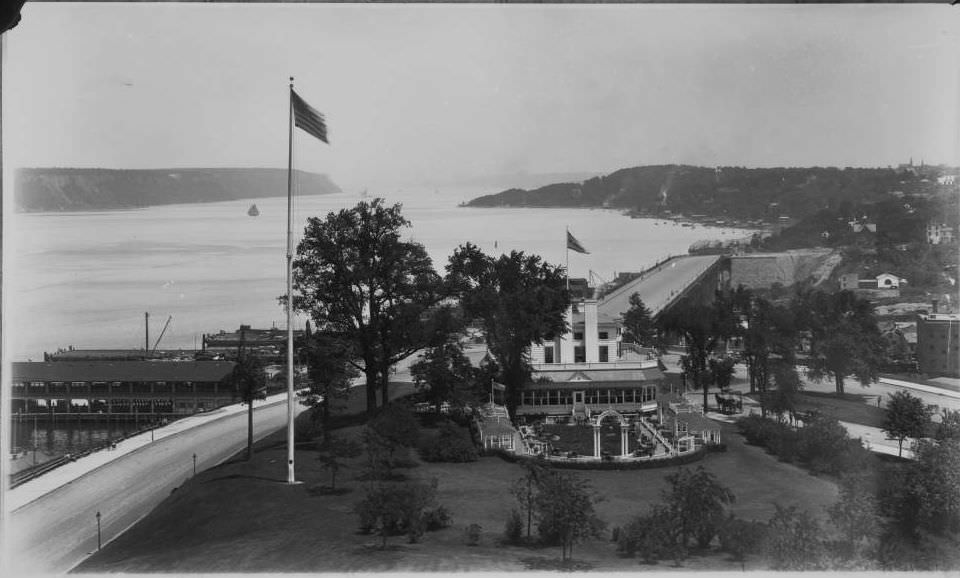
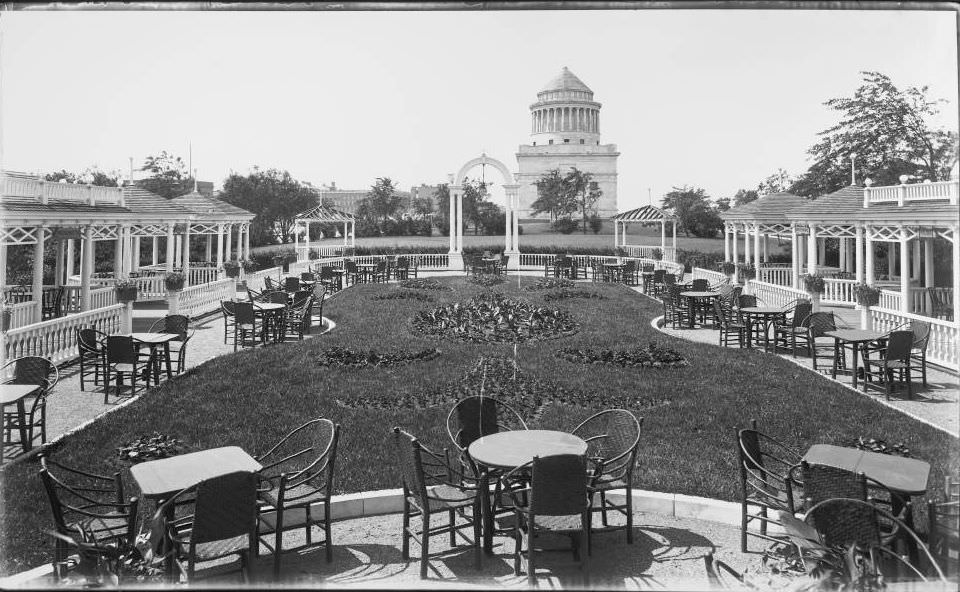
The studio’s range extended far beyond downtown. They photographed the Hudson River shoreline at Claremont, the newly built Columbia University campus, and the emerging Columbus Circle.
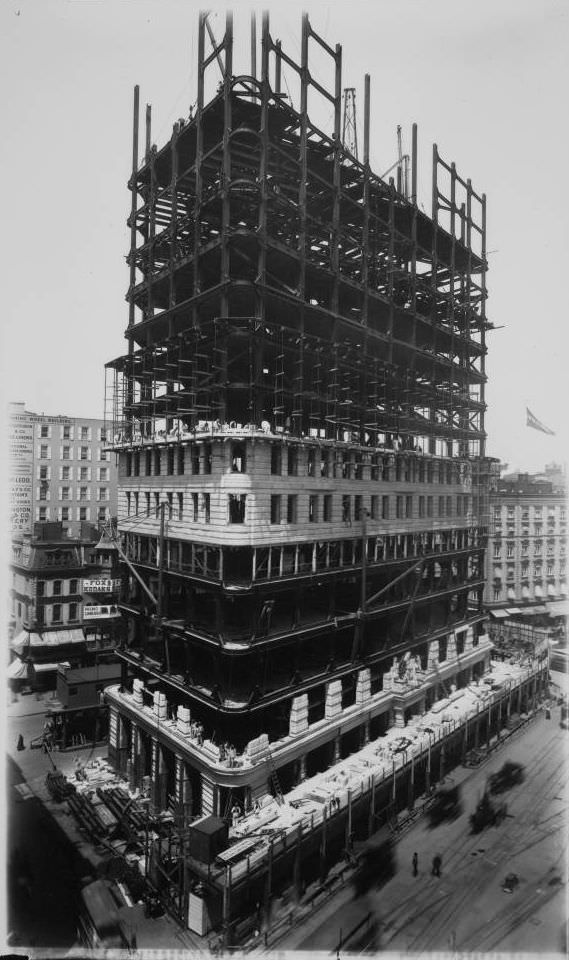
One of the studio’s most striking subjects was the Flatiron Building, captured while still under construction. This image is a direct record of New York’s vertical ambitions taking shape steel beam by steel beam.
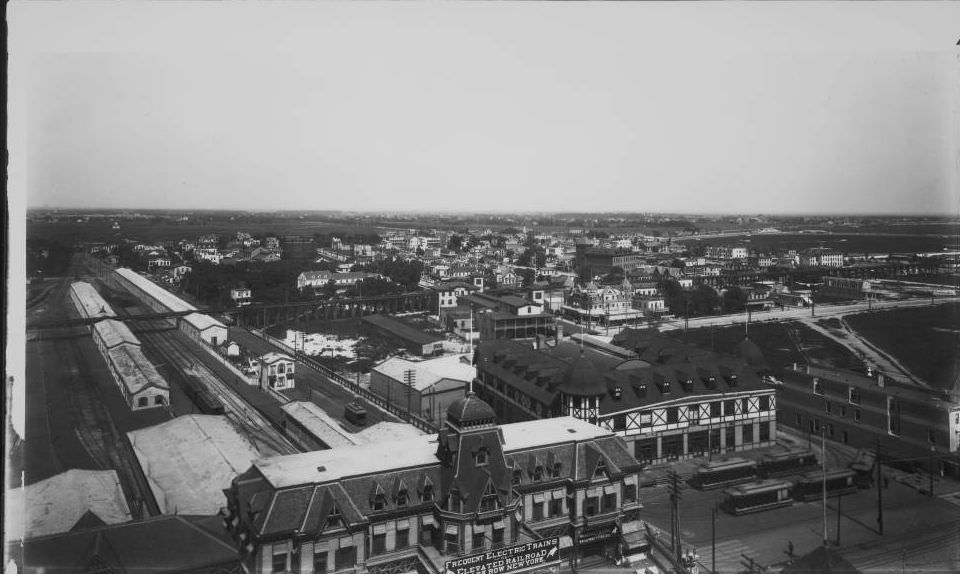
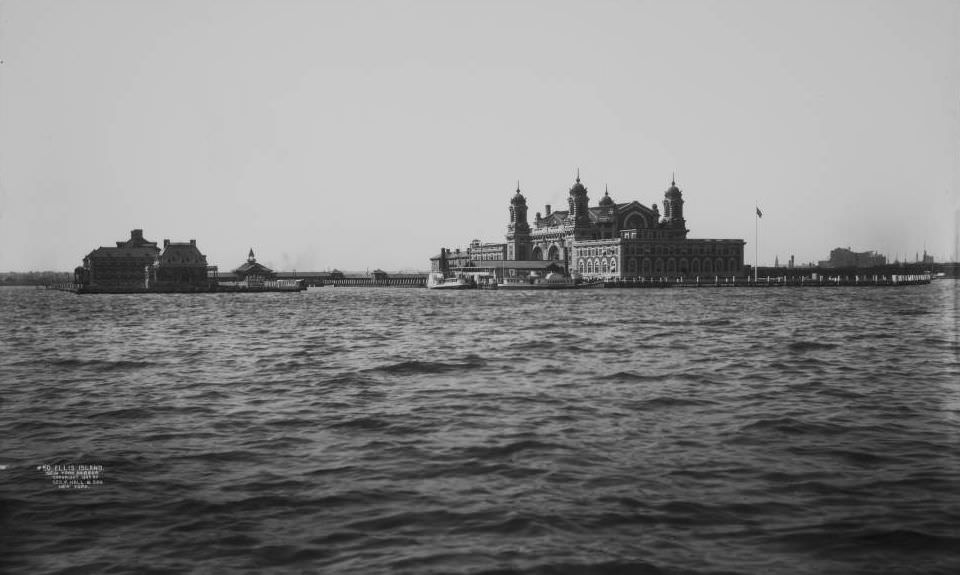
The studio also photographed transportation hubs and transit infrastructure. The Culver Terminal and Ellis Island — the gateway through which millions of immigrants entered the country — both appear in their archive.
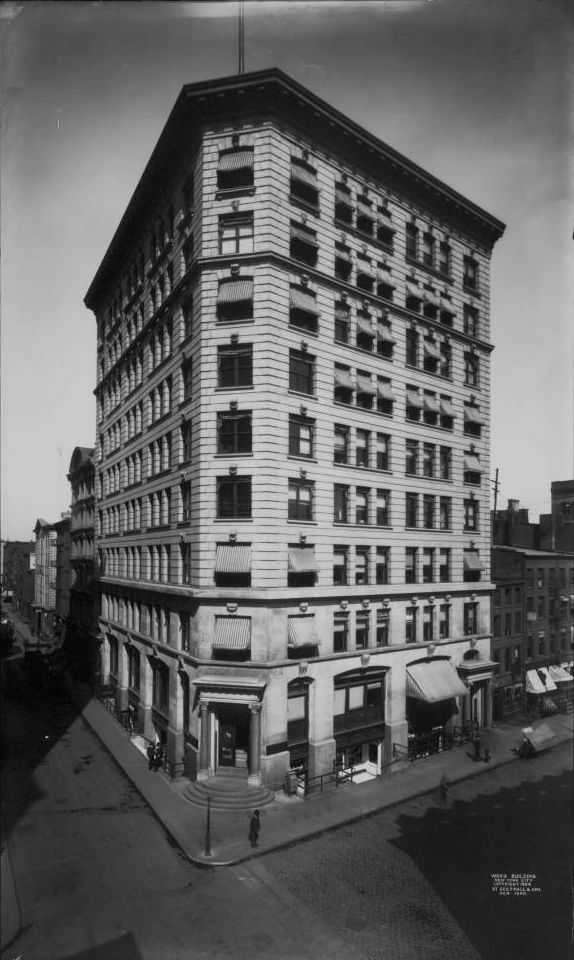
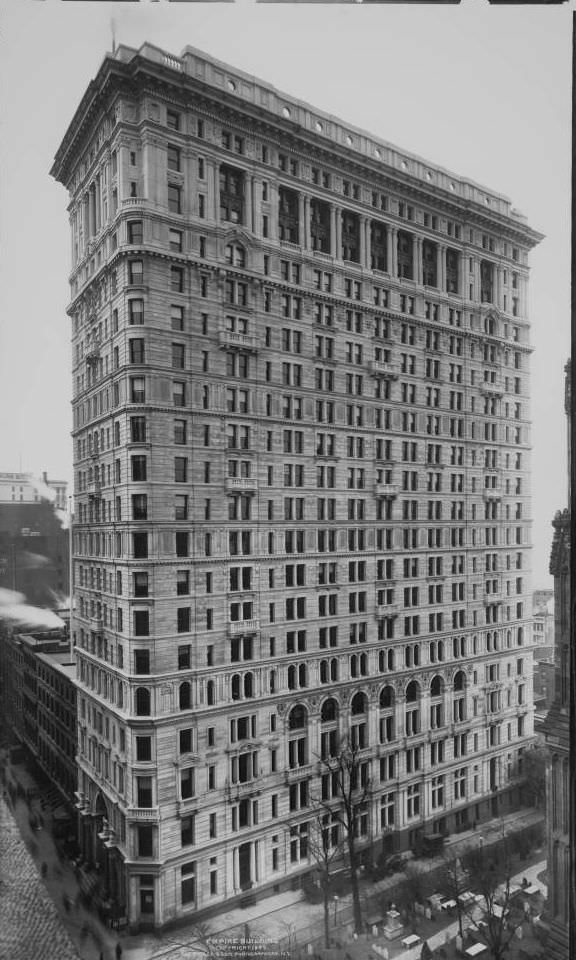
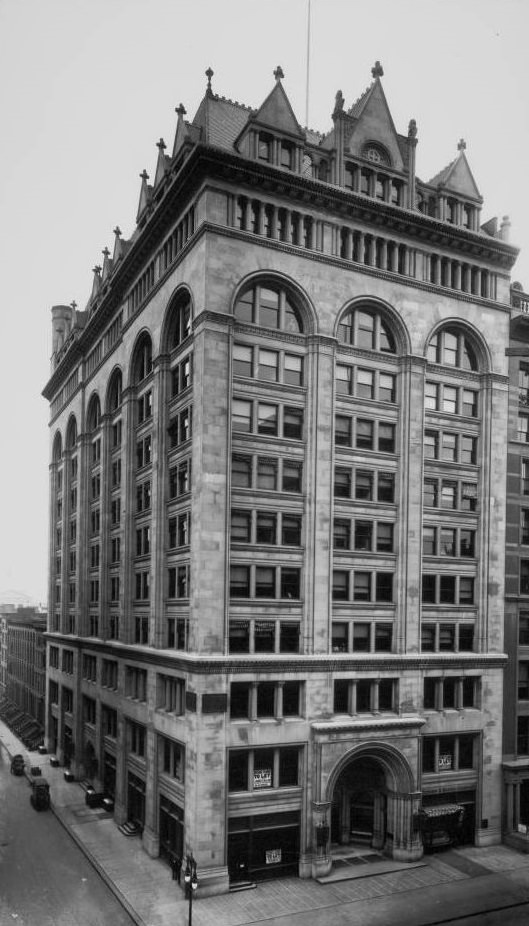
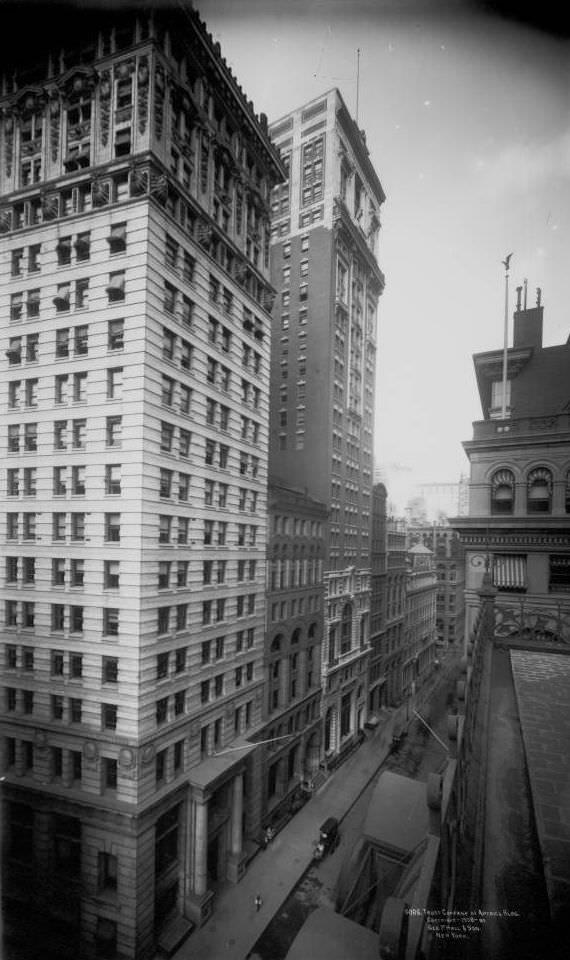
Commercial buildings were a major focus. The Empire Building, the North American Trust Co. Building, and the Trust Company of America Building all show the financial district asserting its dominance over the skyline.
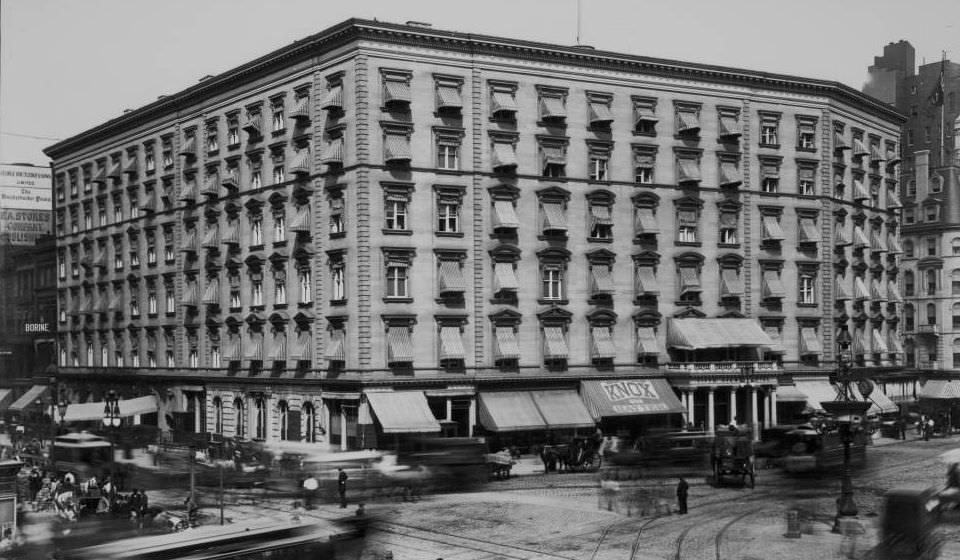
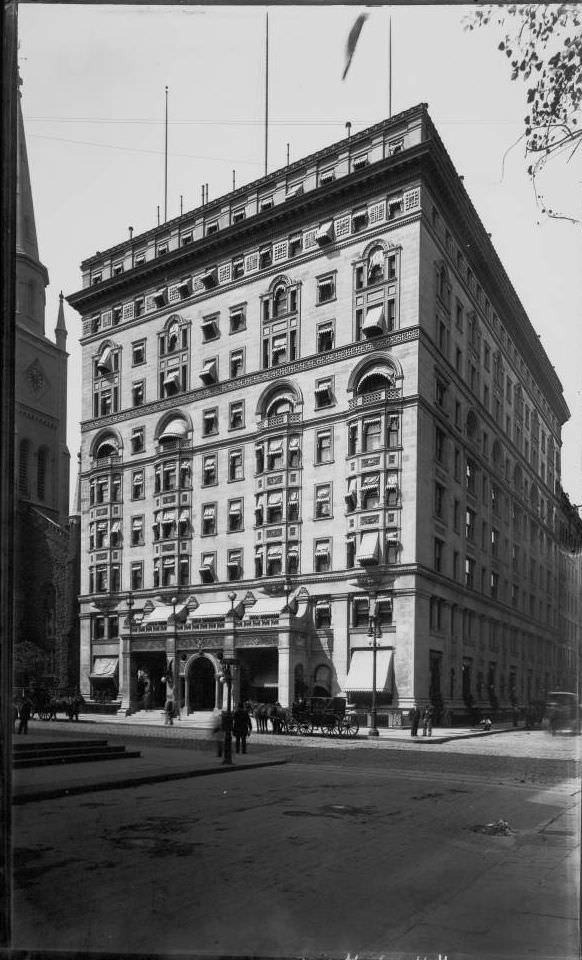
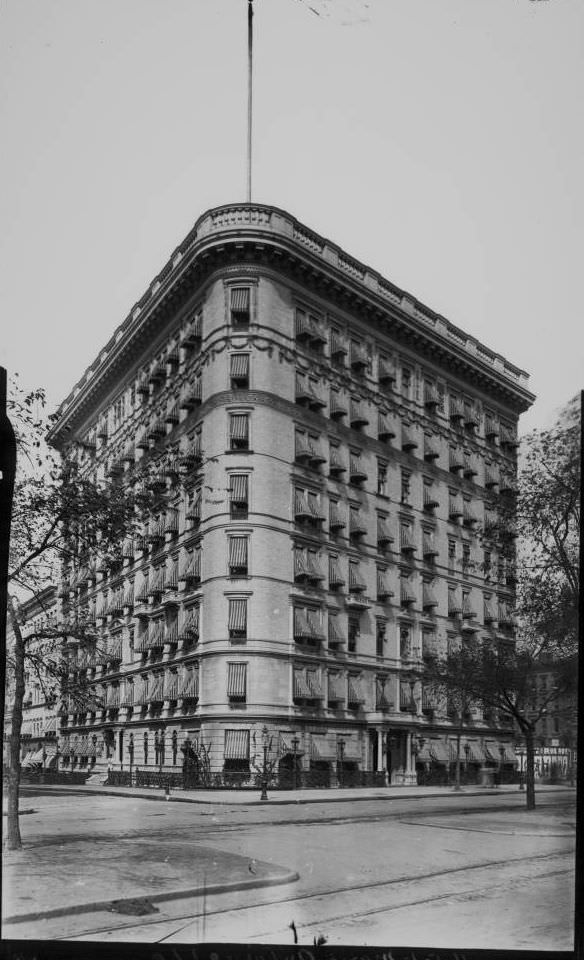
Hotels were a symbol of New York’s social life and prosperity. The studio photographed several of the era’s most prominent establishments, including the Fifth Avenue Hotel, Holland House, and the Hotel Marie Antoinette.
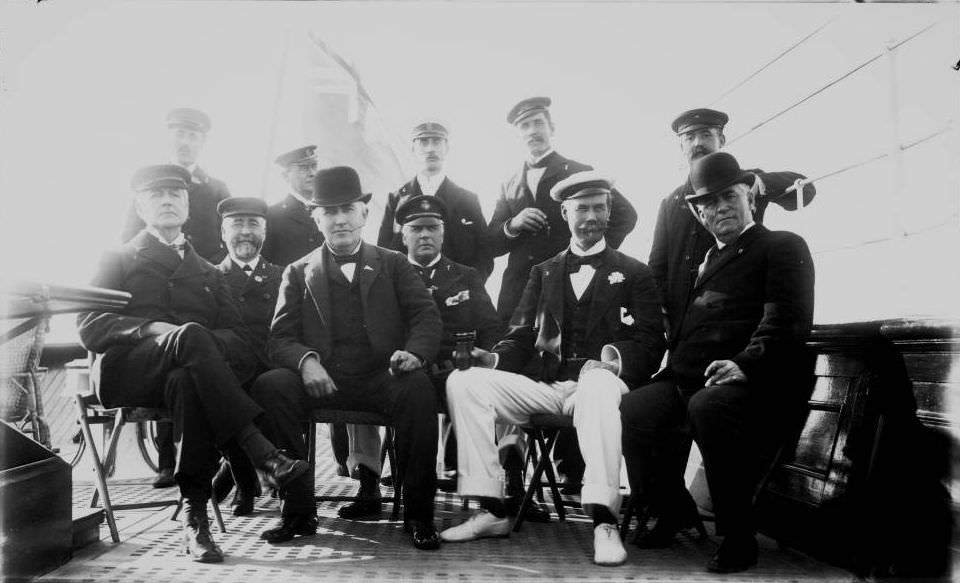
The studio’s portrait work captured notable figures of the era. One photograph documents a group that included both Thomas Alva Edison and Sir Thomas Lipton — two of the most recognized names in American and British public life at the time.
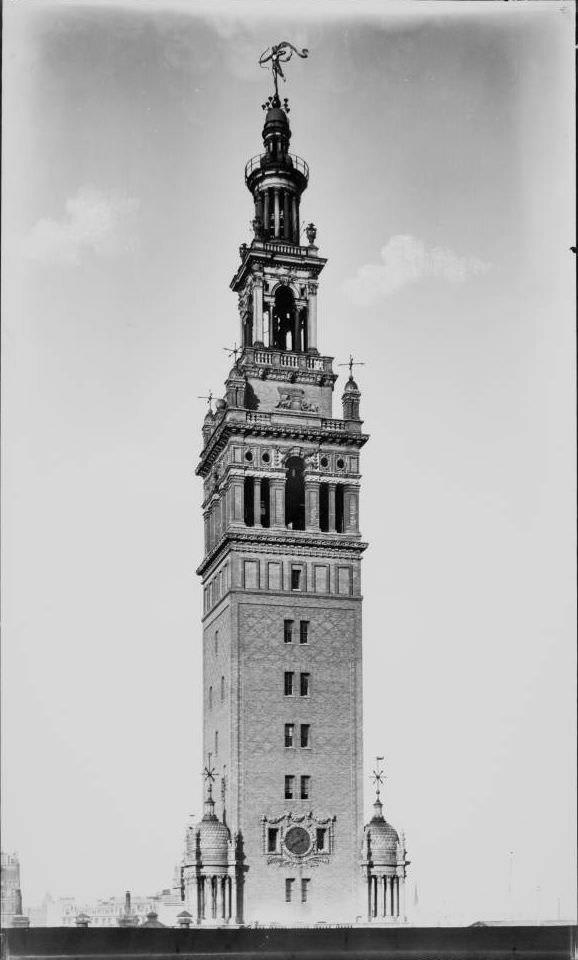
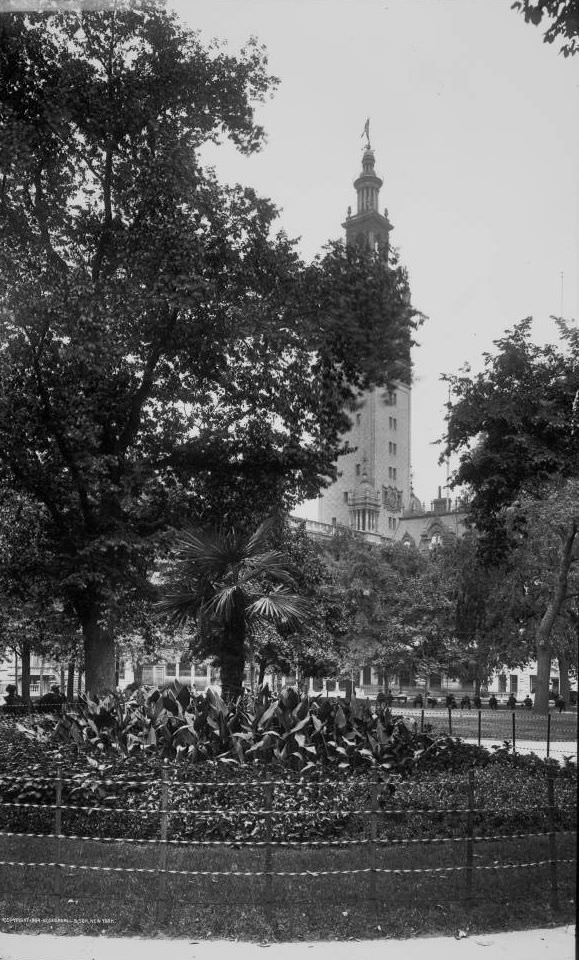
Madison Square was another recurring location. The studio photographed both the famous tower of Madison Square Garden and the park itself, capturing the area’s role as a center of city activity.
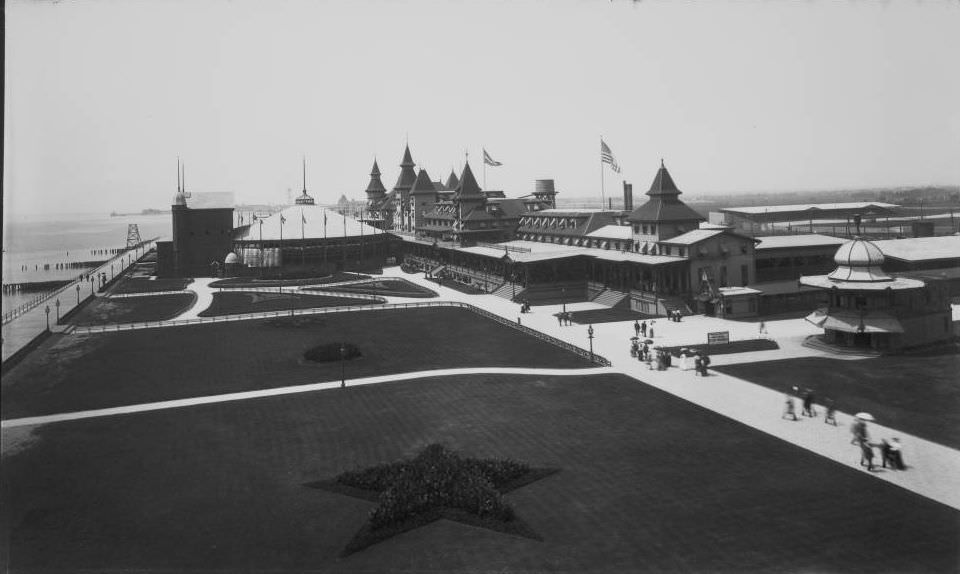
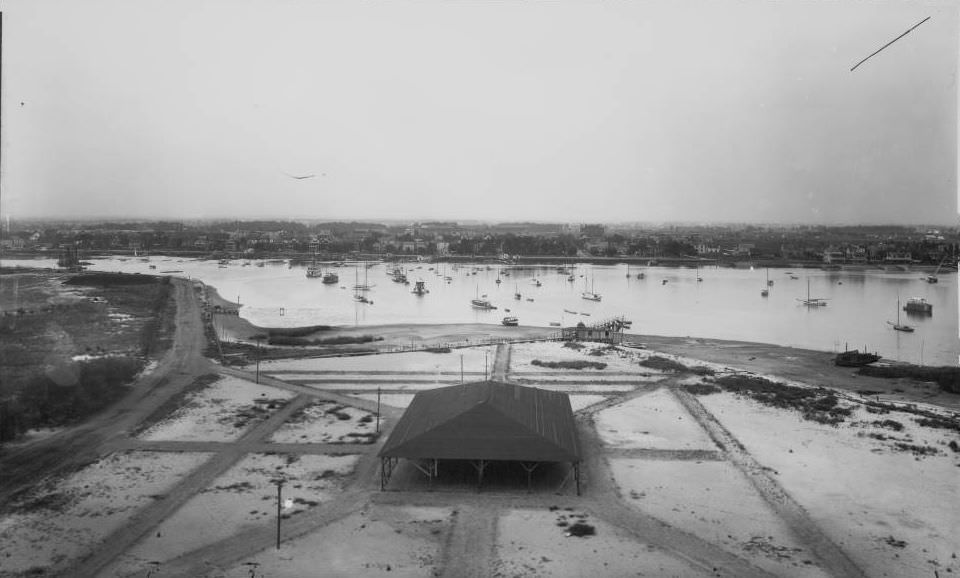
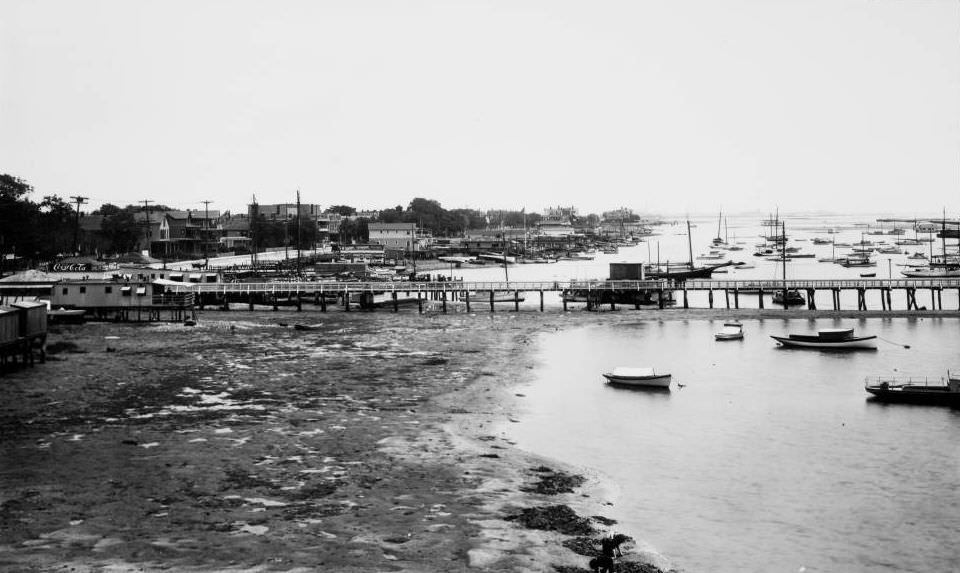
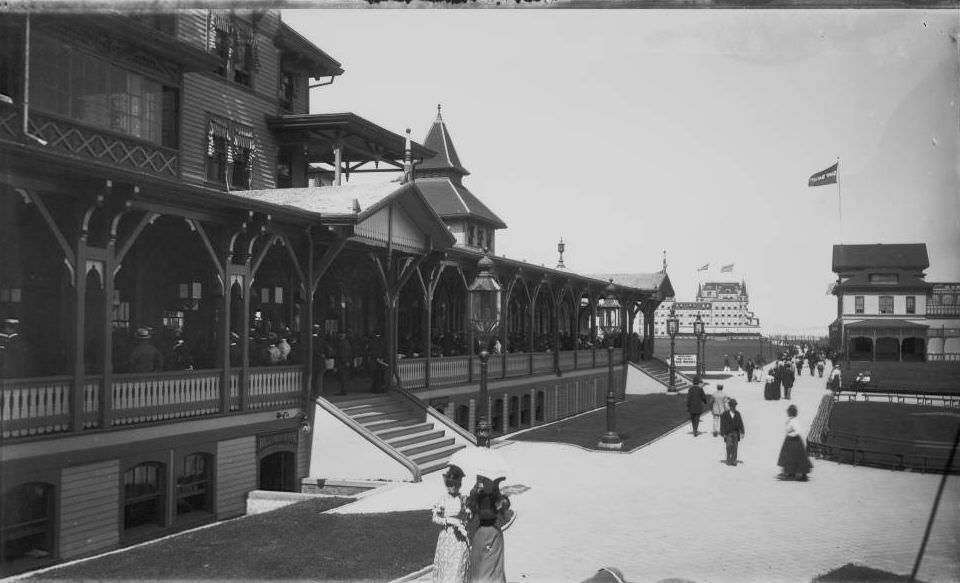
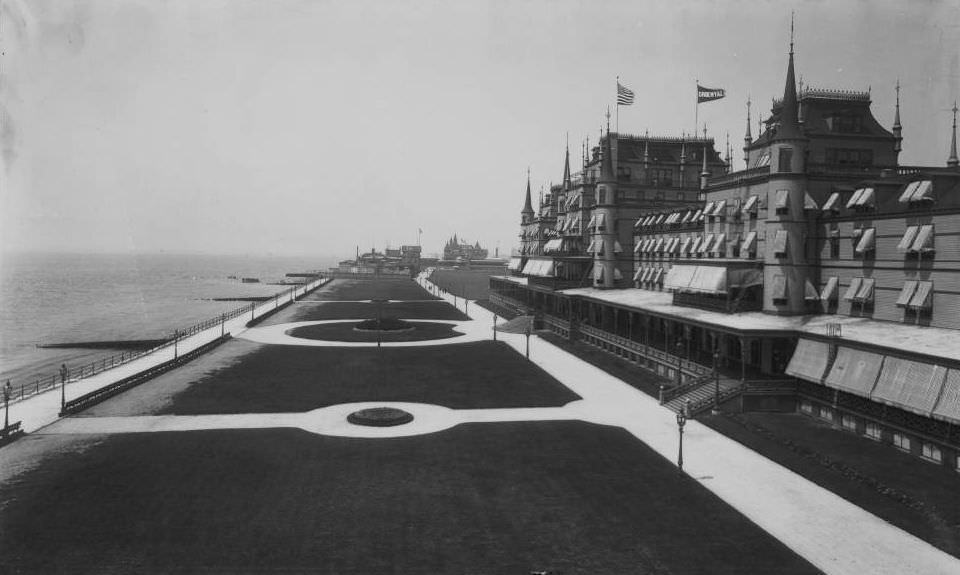
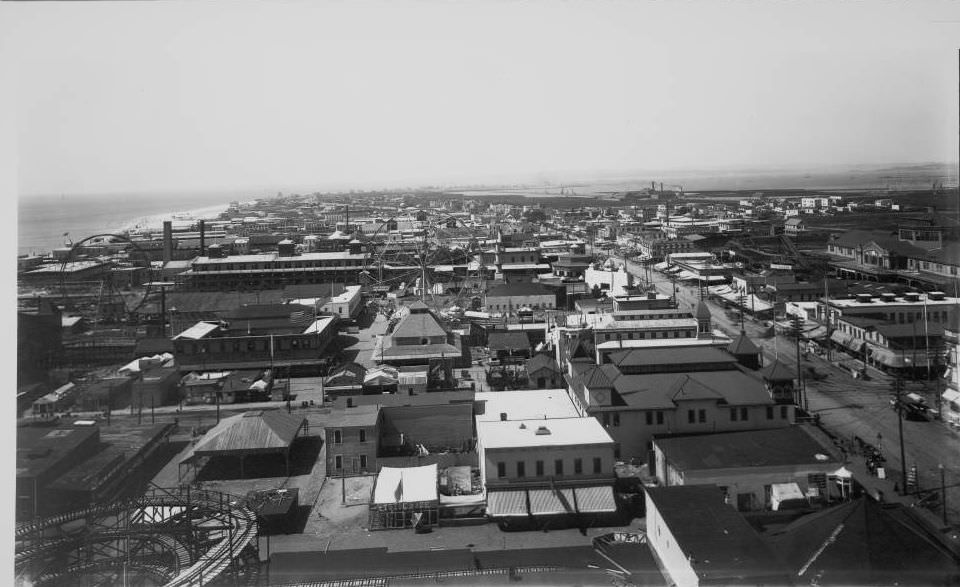
Beyond Manhattan, the Halls documented leisure destinations like Manhattan Beach and Coney Island, where New Yorkers escaped the city’s heat. These resorts were packed during summer months and drew visitors from across the region.
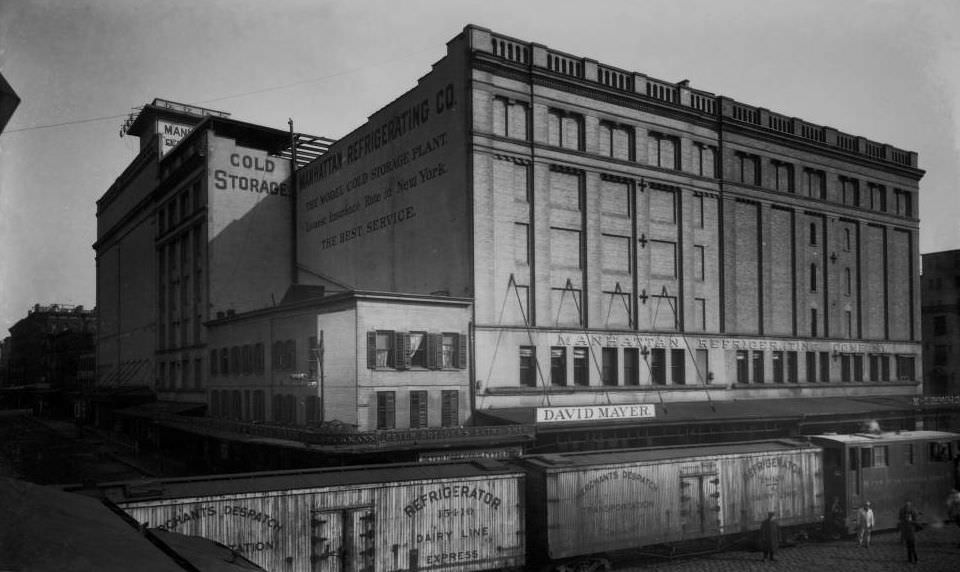
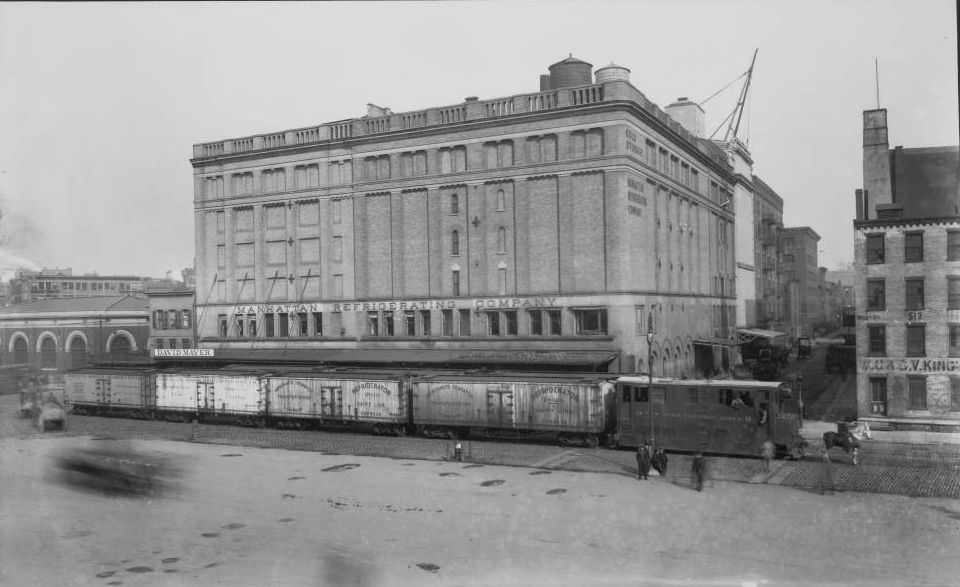
Industrial subjects were not overlooked. The Manhattan Refrigerating Company, a key part of the city’s food supply chain, received careful photographic attention — both its exterior and interior operations.
Street-level life also made it into the archive. Photographs of New York City commuters show the daily rhythm of the city — crowds moving through stations and streets that were growing more congested each year.
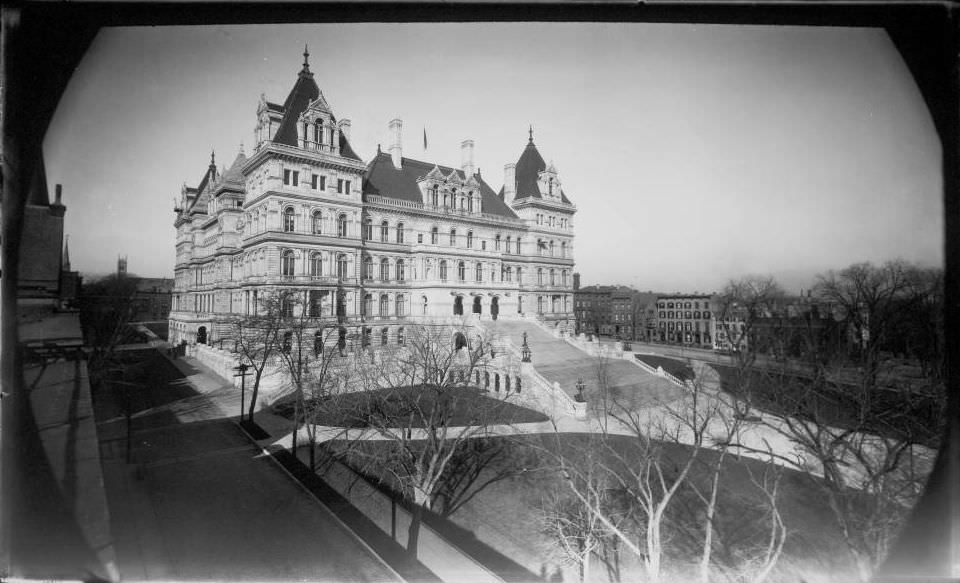
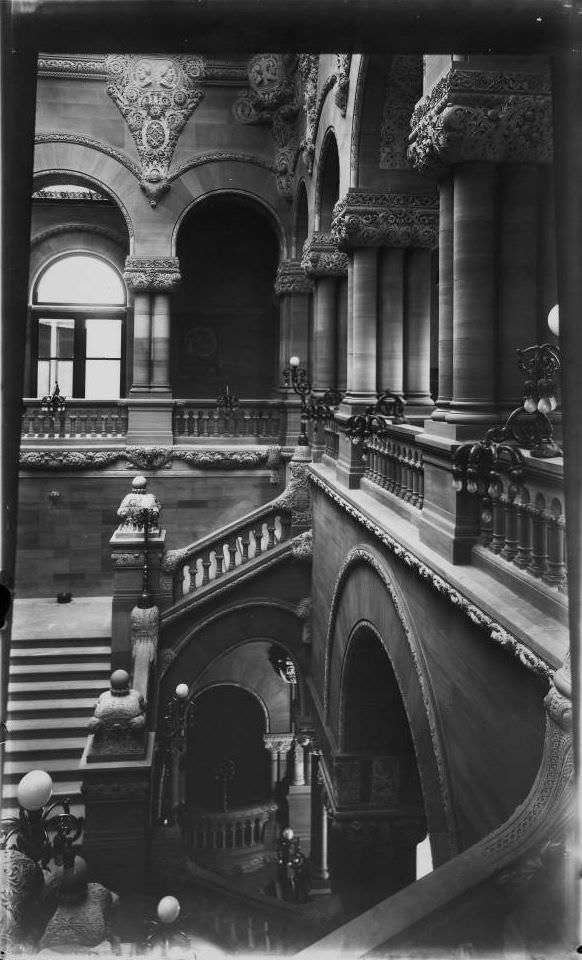
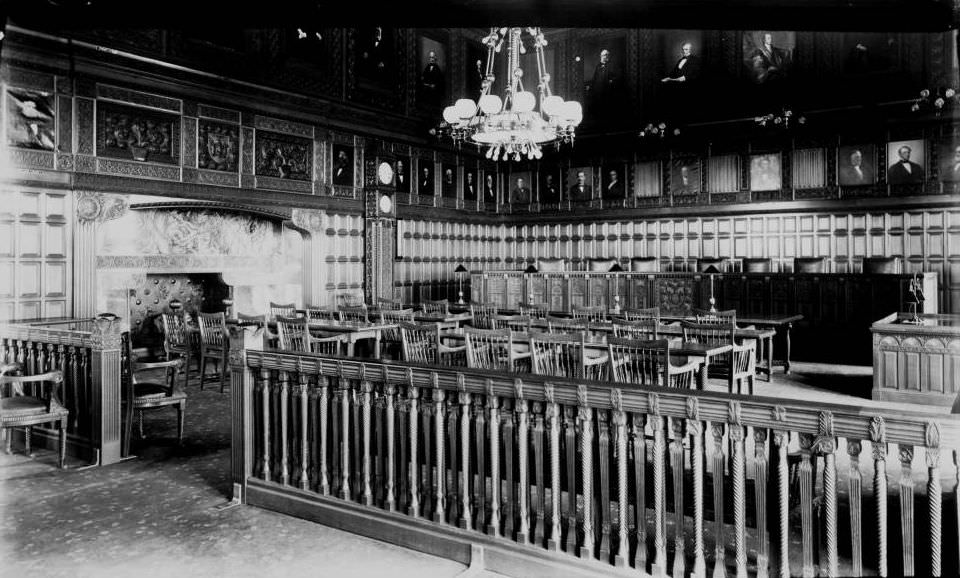
The studio’s work reached beyond New York City. They photographed the New York State Capitol in Albany, capturing both its grand exterior and its ornate interior spaces.
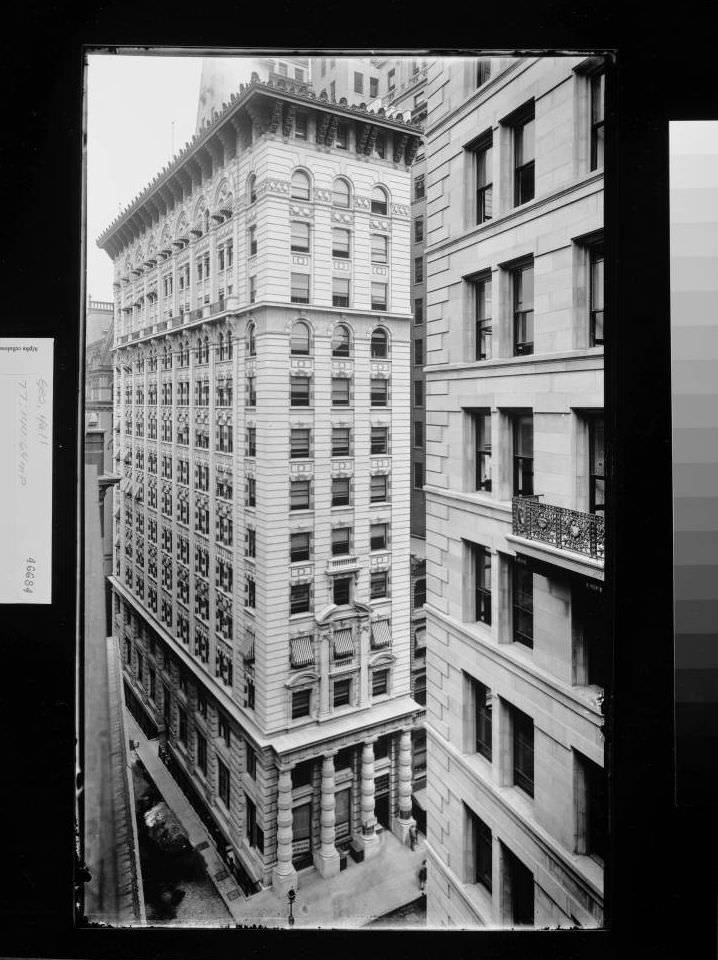
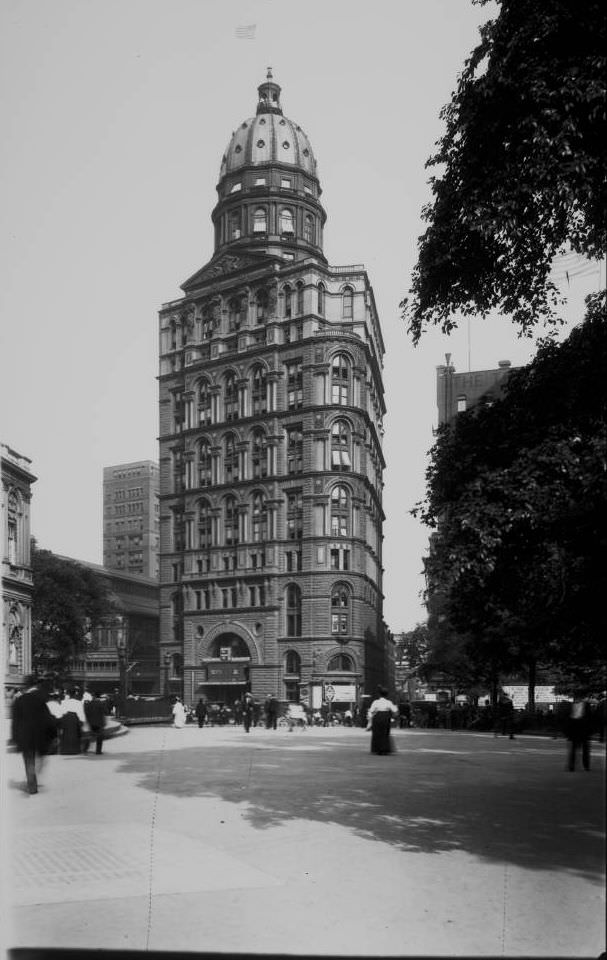
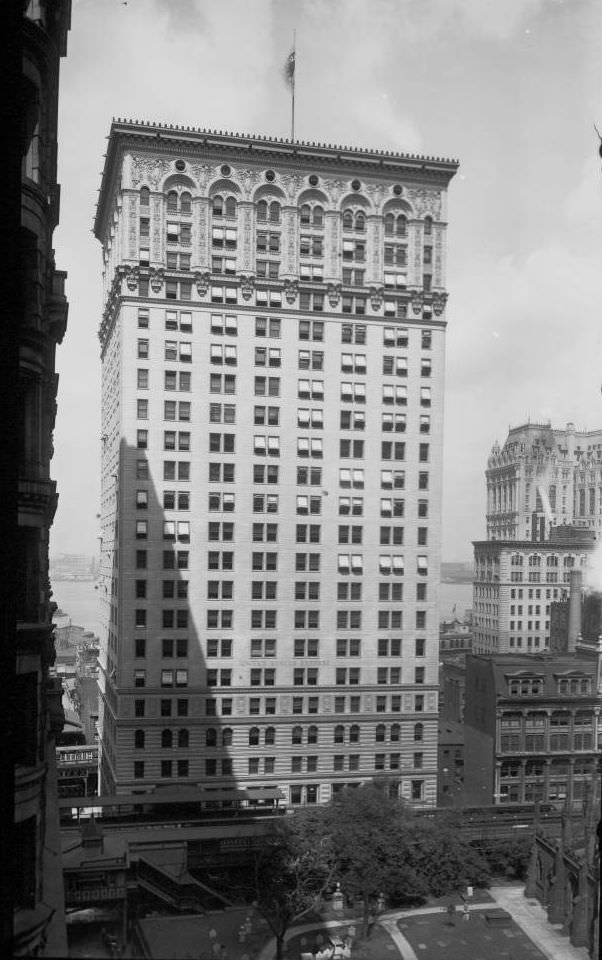
The Pulitzer Building, home to Joseph Pulitzer’s New York World newspaper, stood as one of the tallest structures in the city at the time. The studio captured it alongside other prominent commercial towers like the US Express Building.
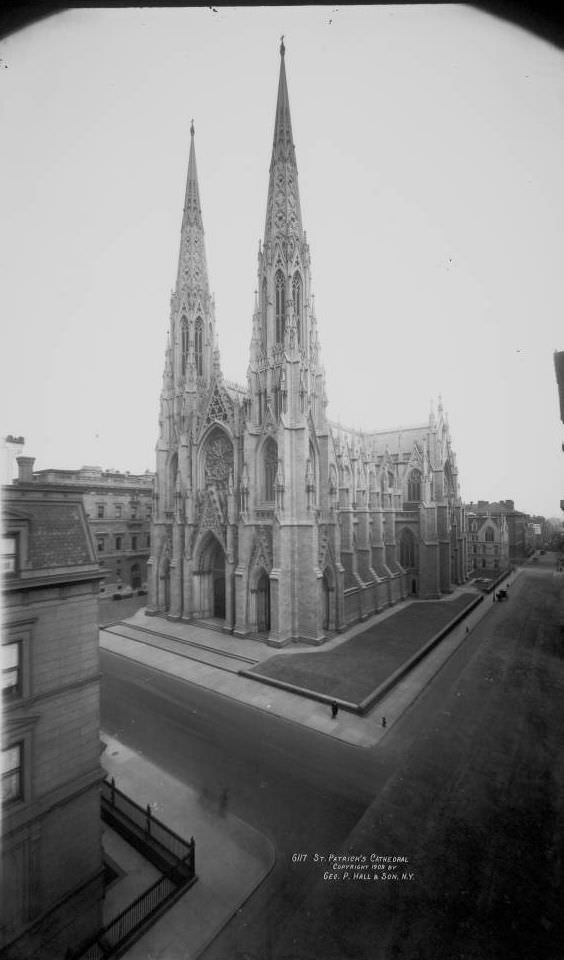
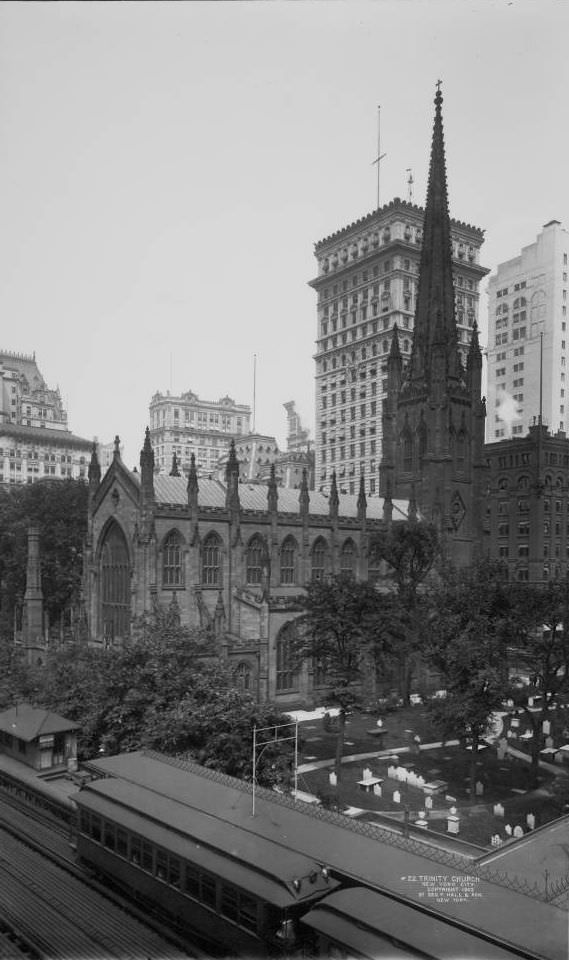
Religious landmarks also featured prominently. St. Patrick’s Cathedral on Fifth Avenue and Trinity Church in Lower Manhattan were two of the city’s most iconic houses of worship, and both appear in the Hall archive.
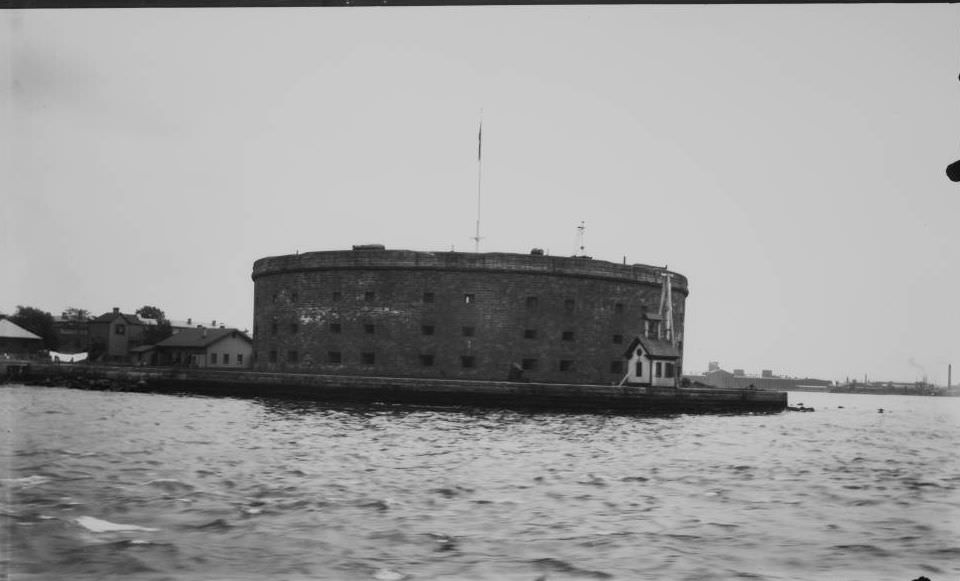
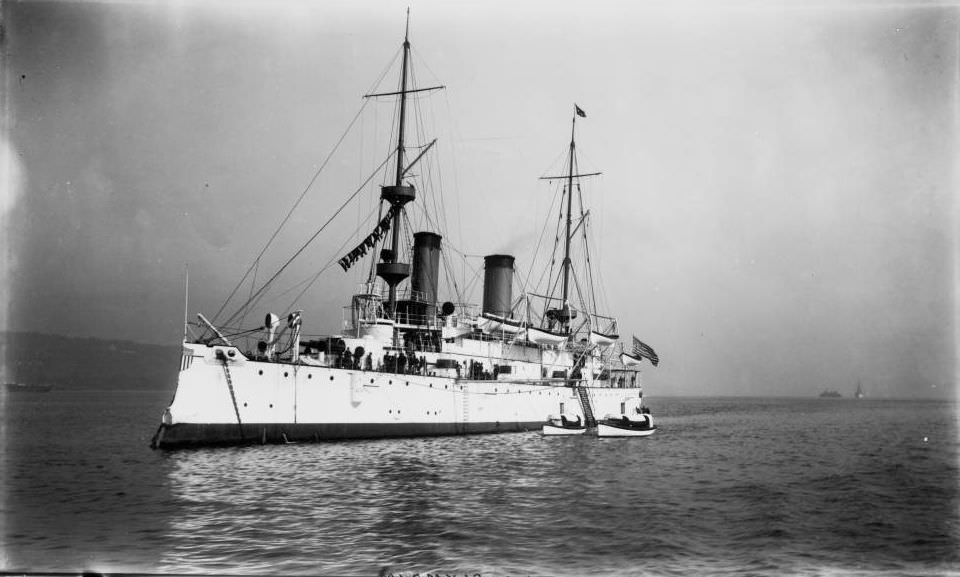
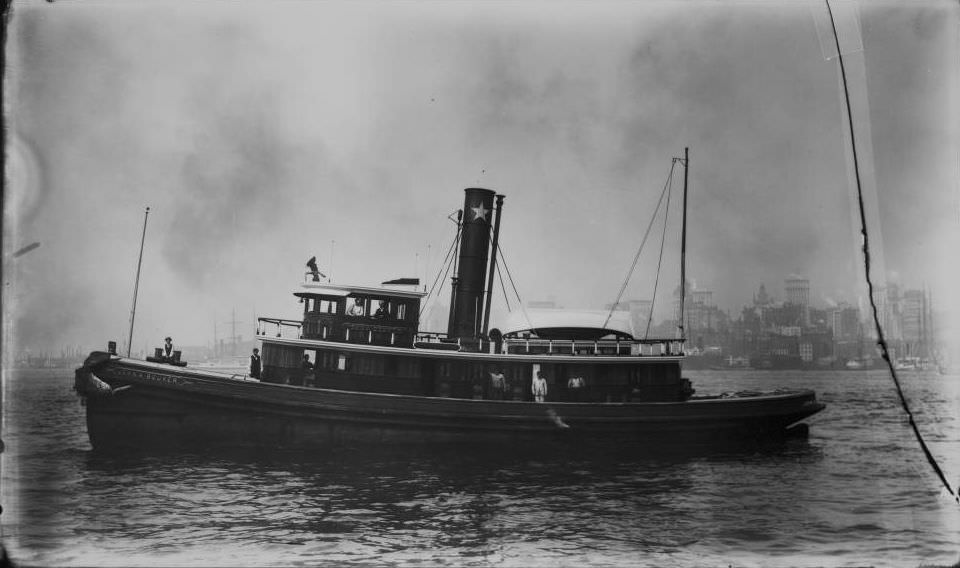
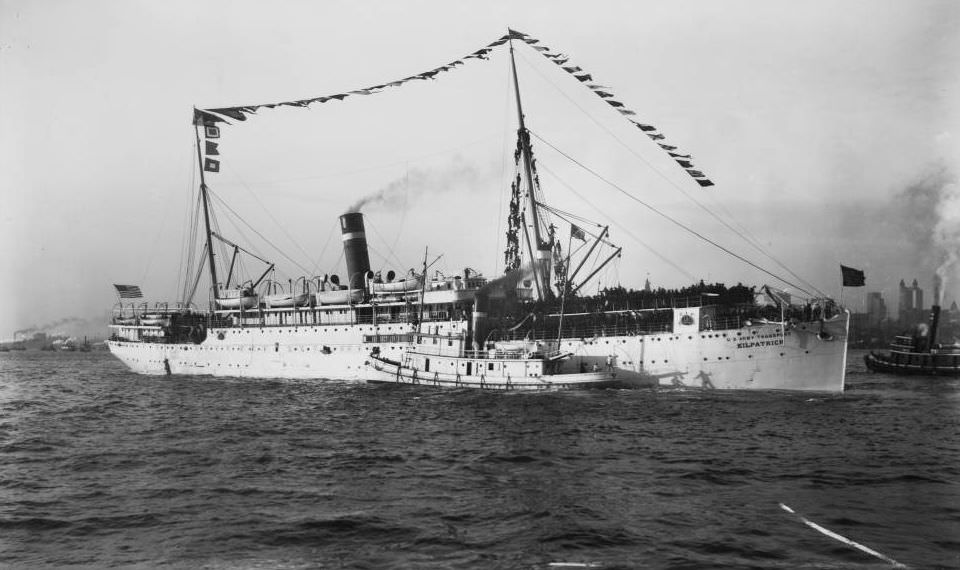
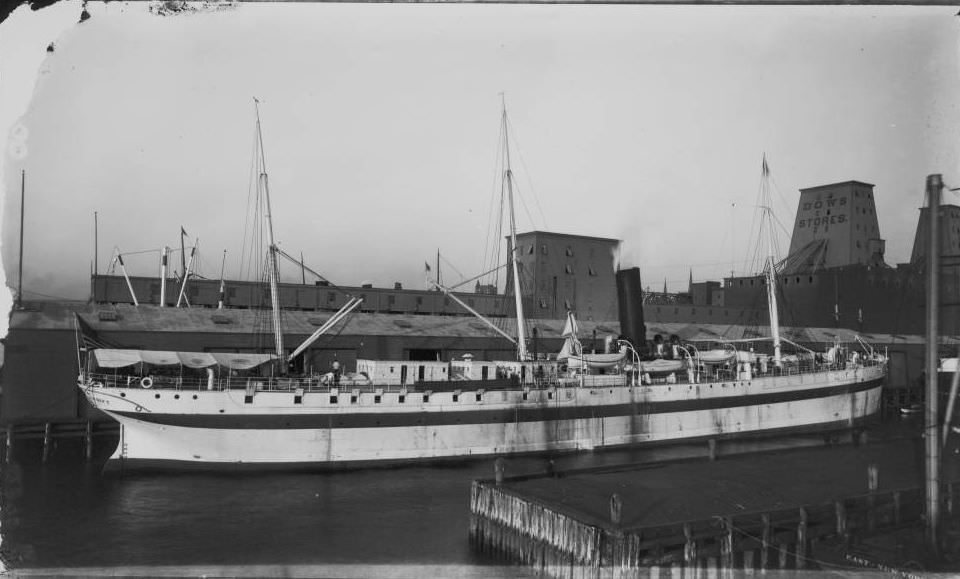
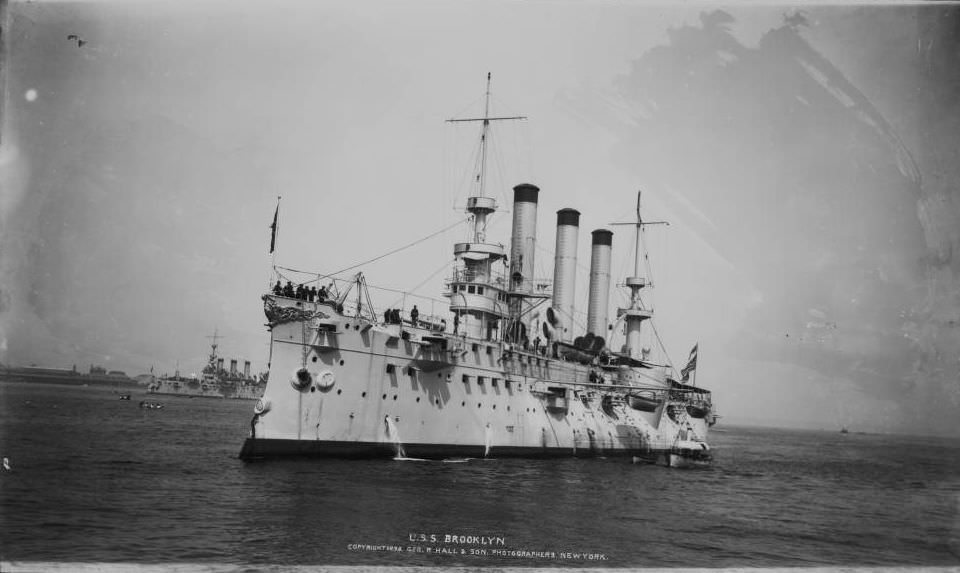
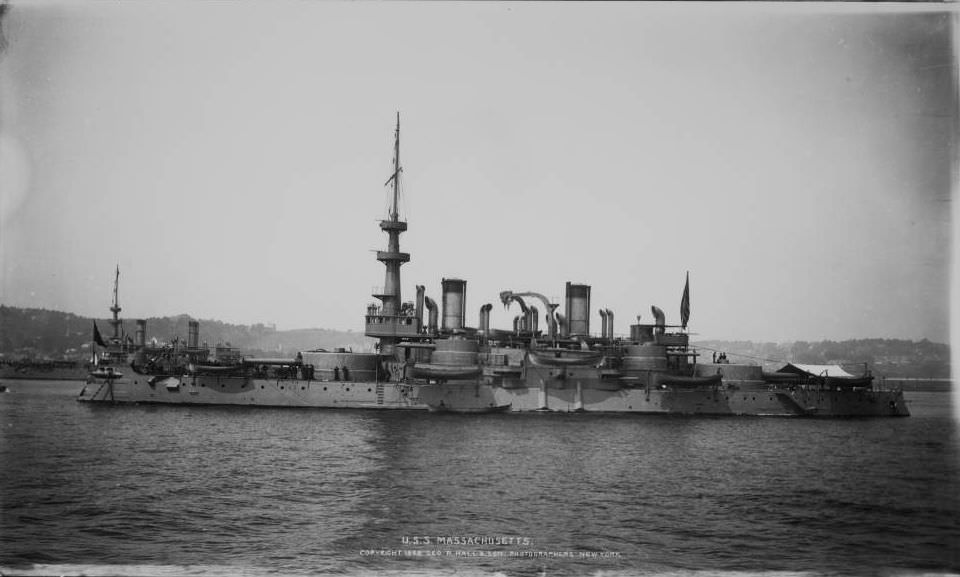
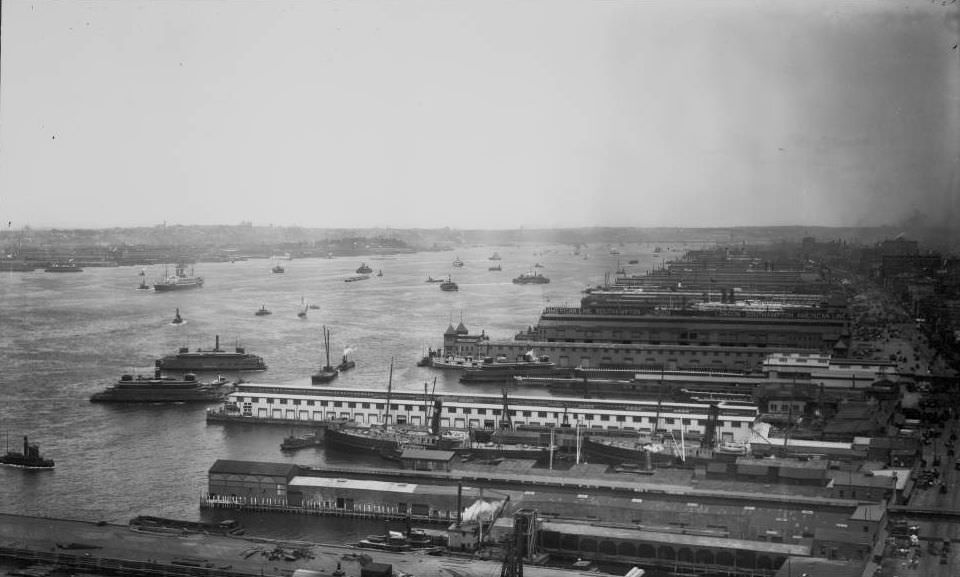
The studio photographed the waterways and vessels that defined New York as a port city. Images of the tugboat John A. Bonker, the USS Brooklyn, the USS Massachusetts, and the US Army Transport Kilpatrick document the military and commercial traffic moving through New York Harbor.
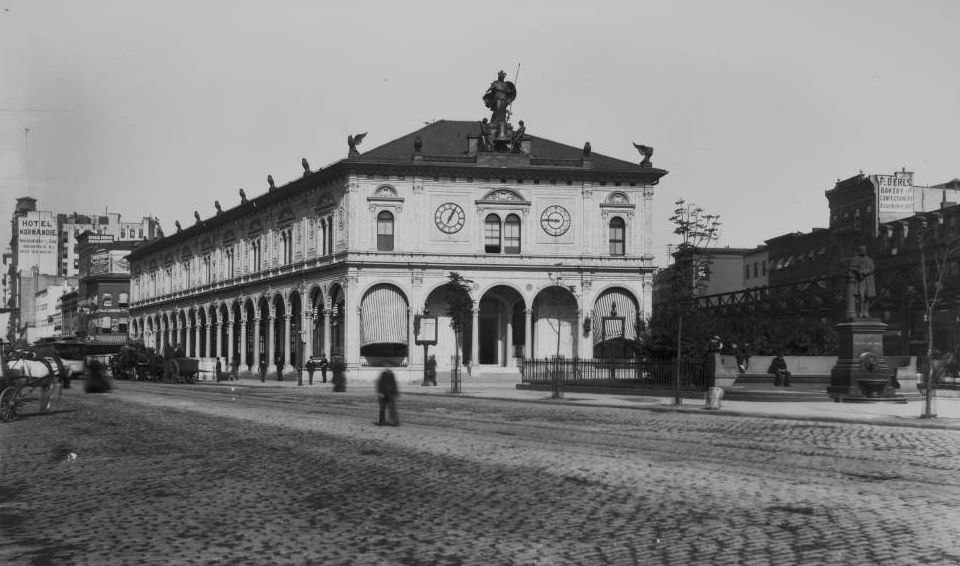
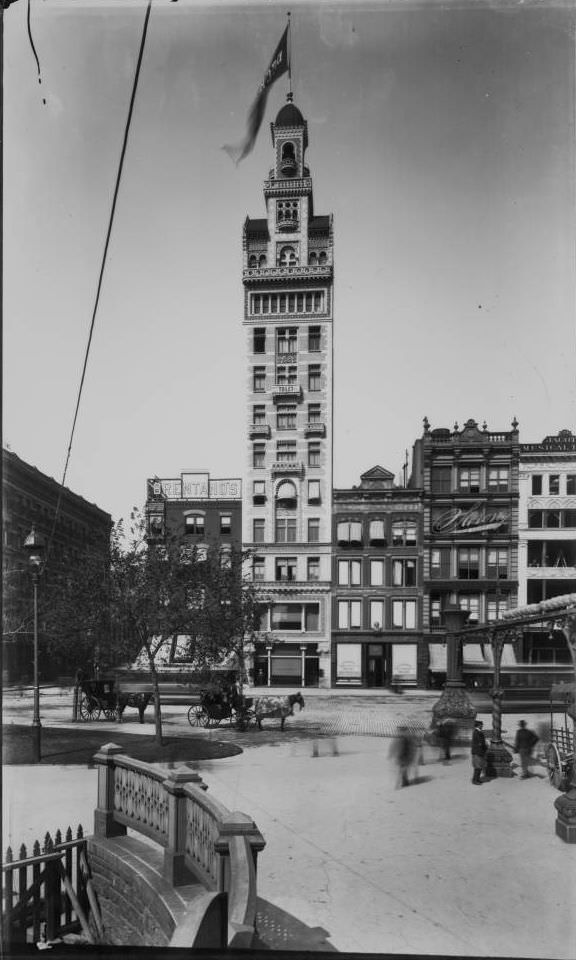
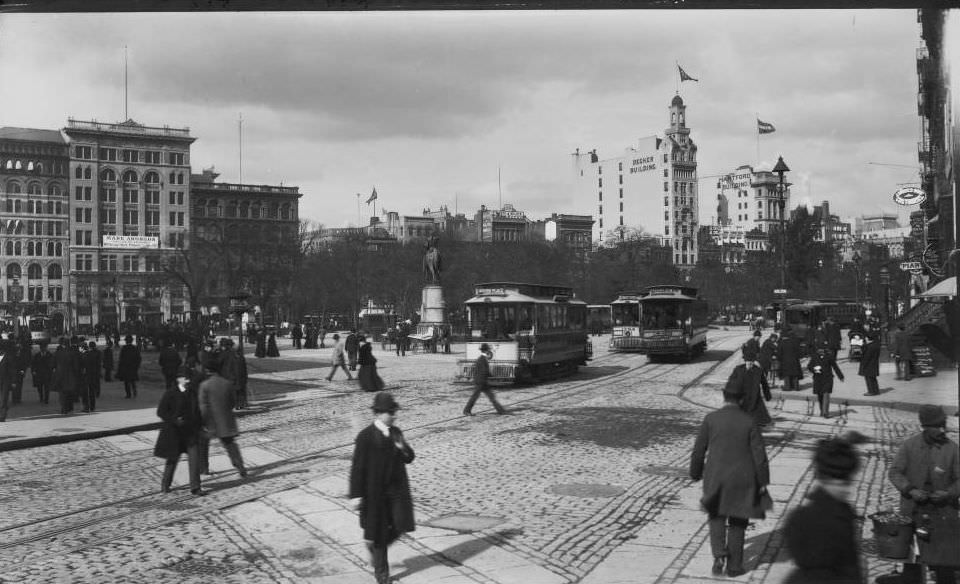
Union Square, a hub of commerce and public gathering, was photographed multiple times, reflecting its central role in the city’s social life.
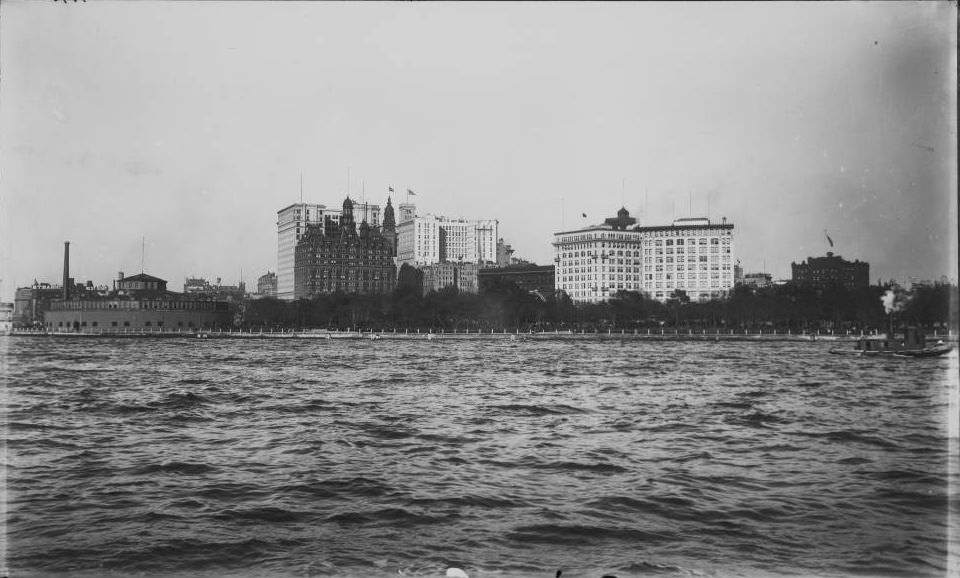
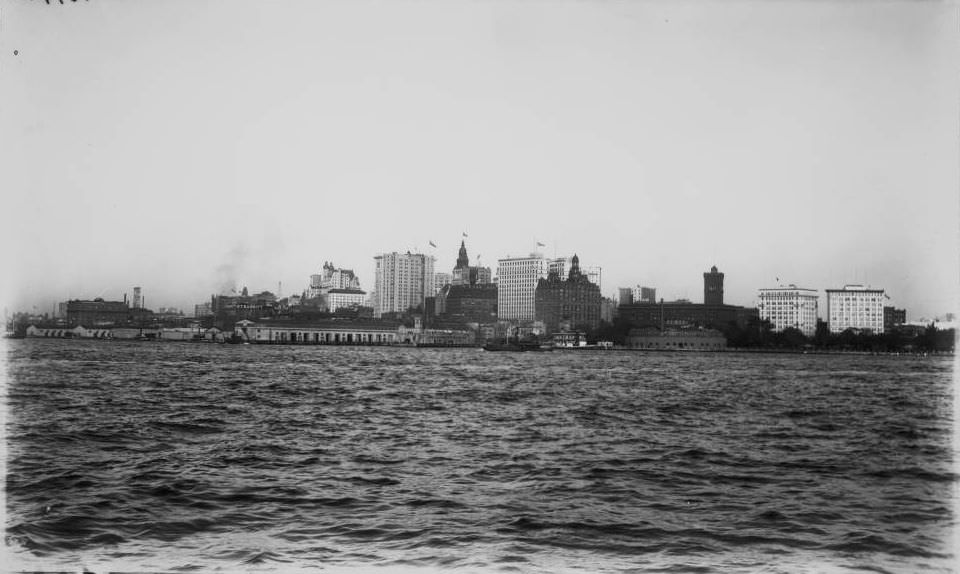
Waterfront views of Battery Park and the Hudson River round out the studio’s coverage of Manhattan’s edges. These images show the shoreline before much of it was reshaped by later development.
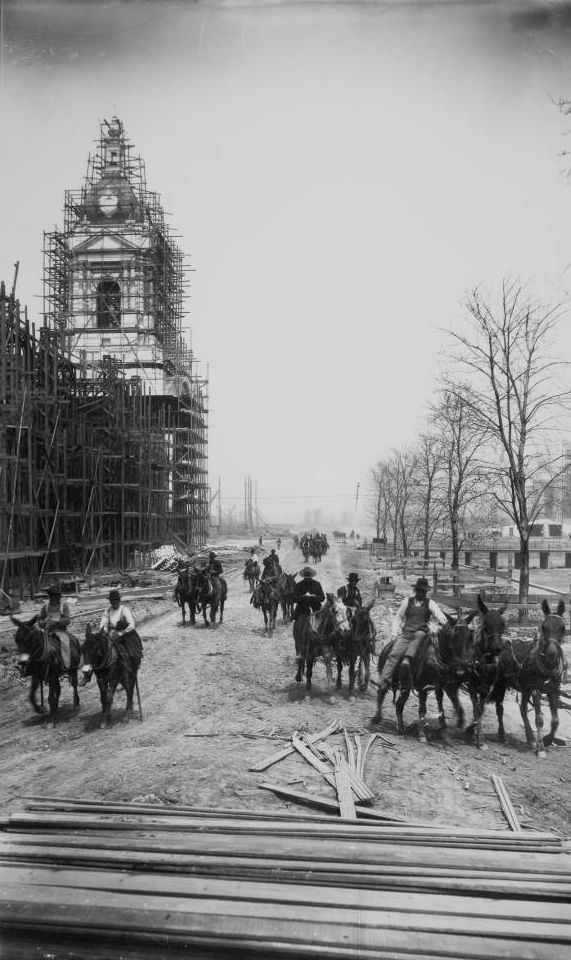
The studio’s reach extended beyond New York entirely. A photograph from the Louisiana Purchase Exposition of 1904 in St. Louis shows the Halls working outside the city when major events warranted it.