Frank Carpenter was born in Mansfield, Ohio, in 1855. He started his career as a newspaper journalist, but it was travel that defined his life’s work. By 1888, he had enough writing assignments to fund his first trip around the world. Over the following decades, he completed three full global journeys, logging staggering distances — in 1898 alone, he covered 25,000 miles across South America. His primary job was to send weekly dispatches to newspaper syndicates and magazines back home, describing everything he saw in vivid detail.
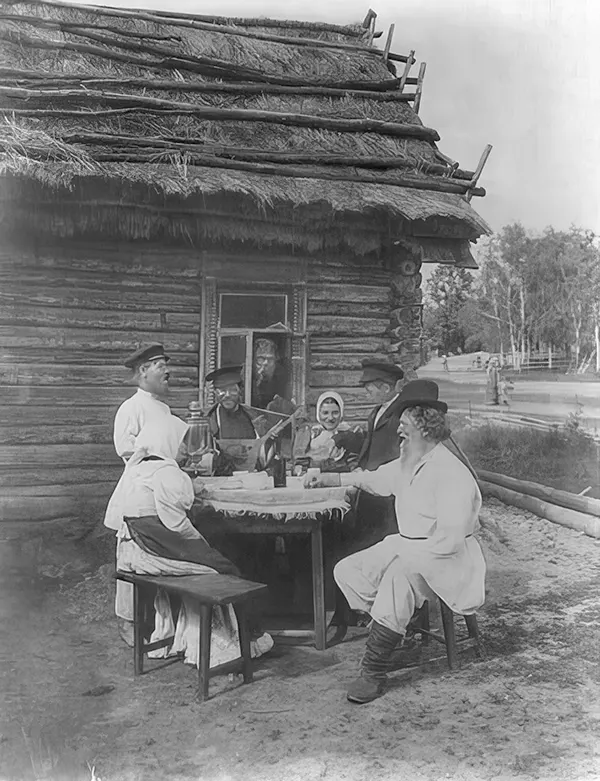
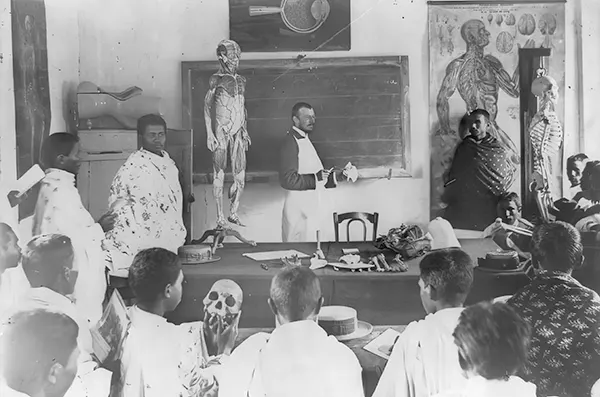
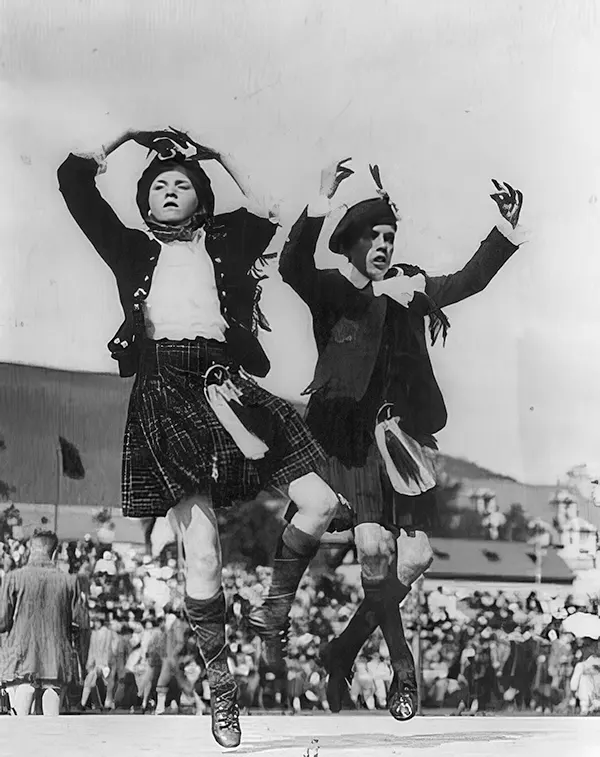
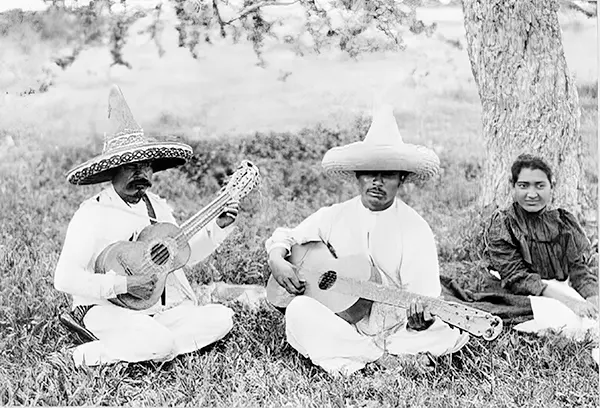
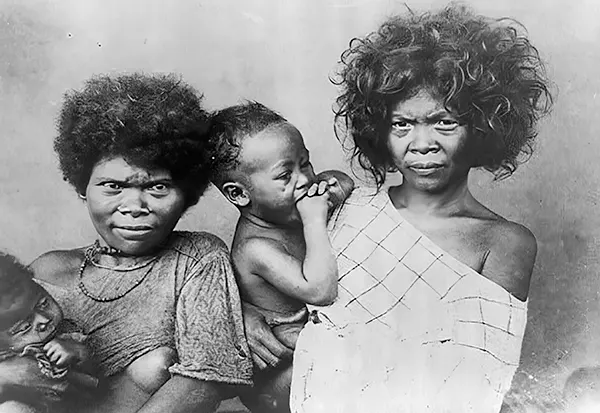
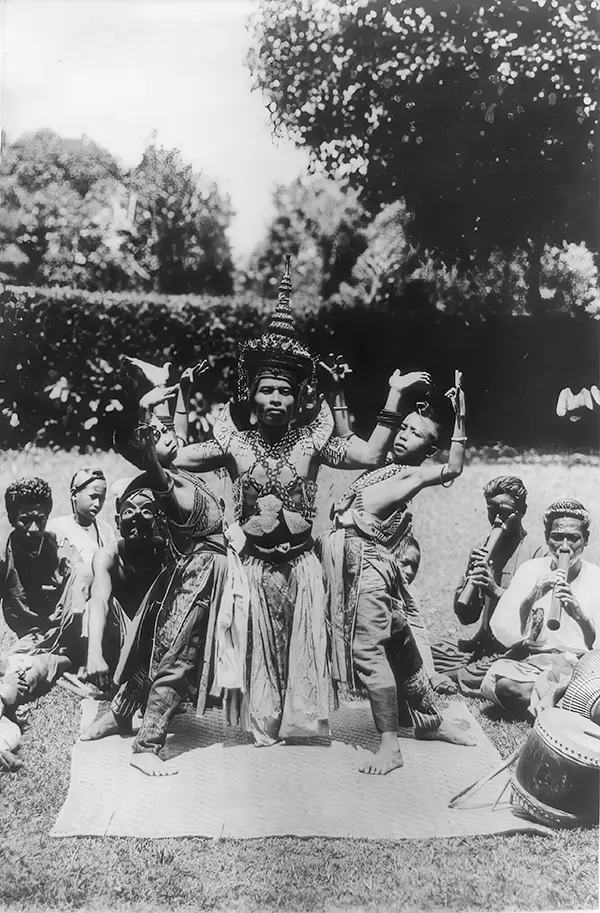
Carpenter brought a camera everywhere he went. He photographed ordinary people going about their daily lives — farmers, merchants, religious figures, street performers, and families. For most Americans at the time, international travel was completely out of reach. Carpenter’s photographs gave them their first real look at the faces and customs of people living in Egypt, Korea, Bolivia, Japan, and dozens of other places. His images weren’t posed studio portraits of the elite. They were street-level, candid, and often strikingly human.
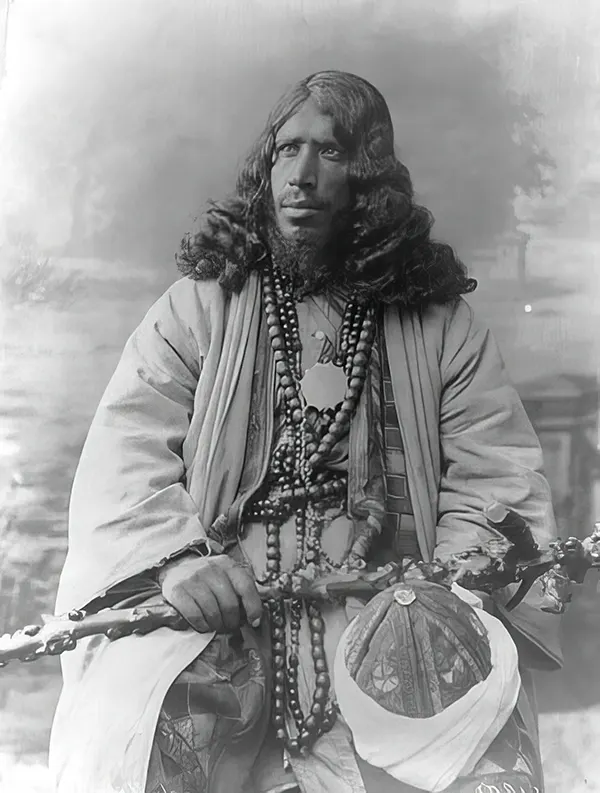
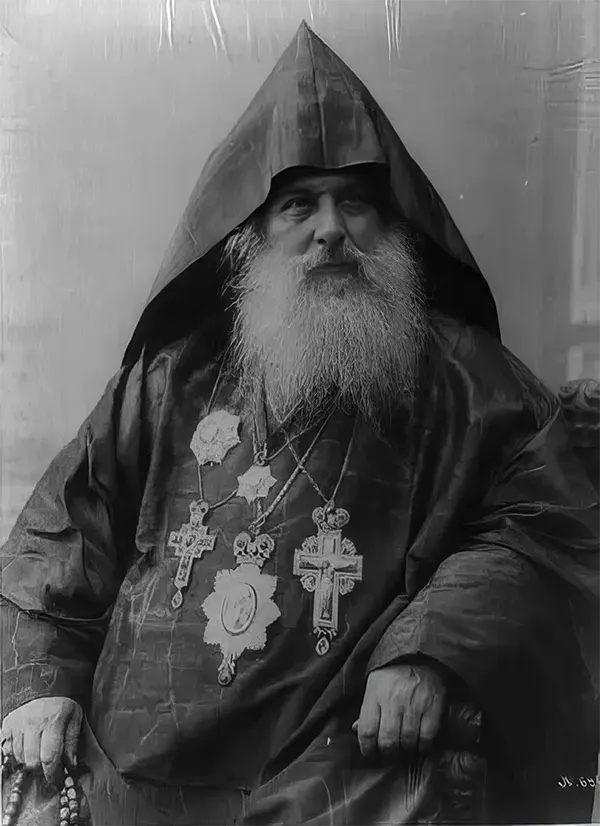
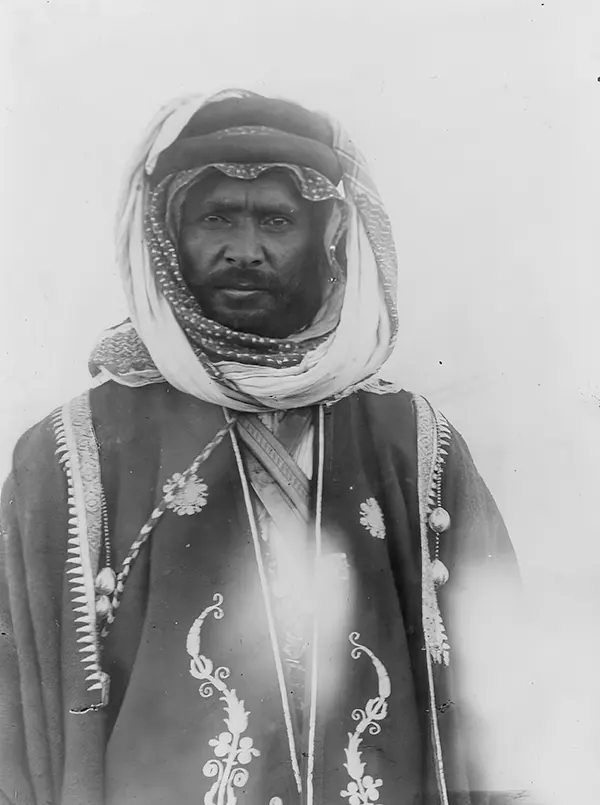
Across the Middle East, Carpenter documented religious leaders, nomadic communities, and everyday working people. He photographed figures of significant spiritual authority alongside desert dwellers whose lives had changed little over centuries.
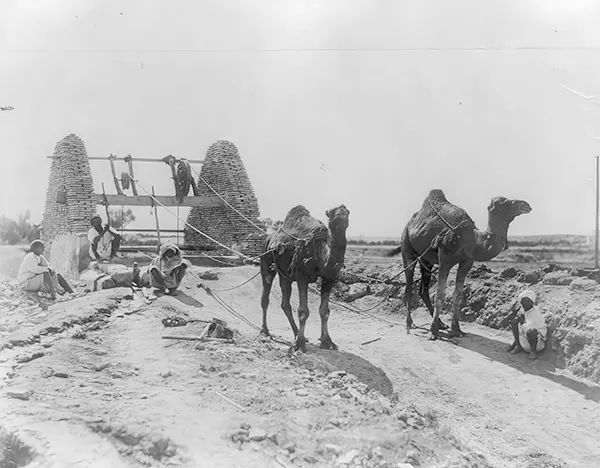
One of his well-known photographs from Egypt, taken in 1905, shows camels being used to draw water from a well. Camels were central to daily life in Egypt — used for transportation, agriculture, and labor. The image captures a practical, working moment rather than a tourist scene, which was typical of Carpenter’s approach.
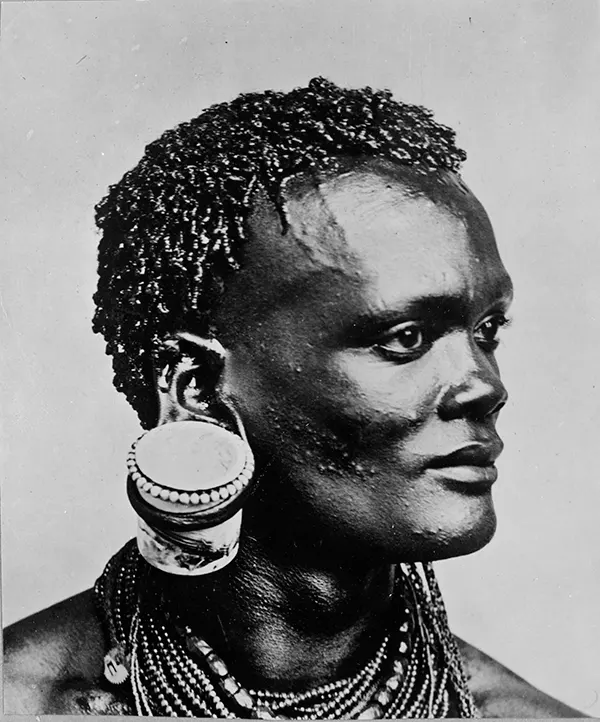
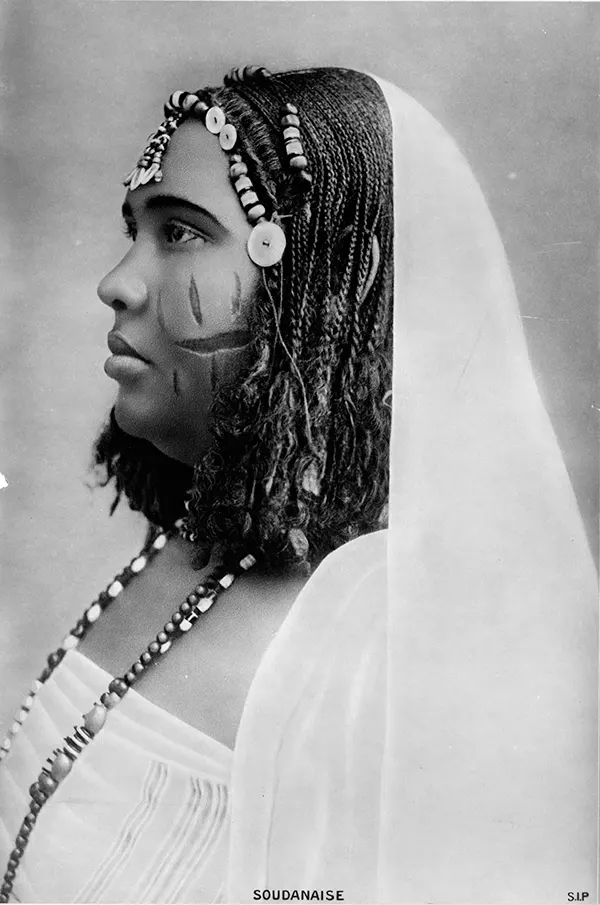
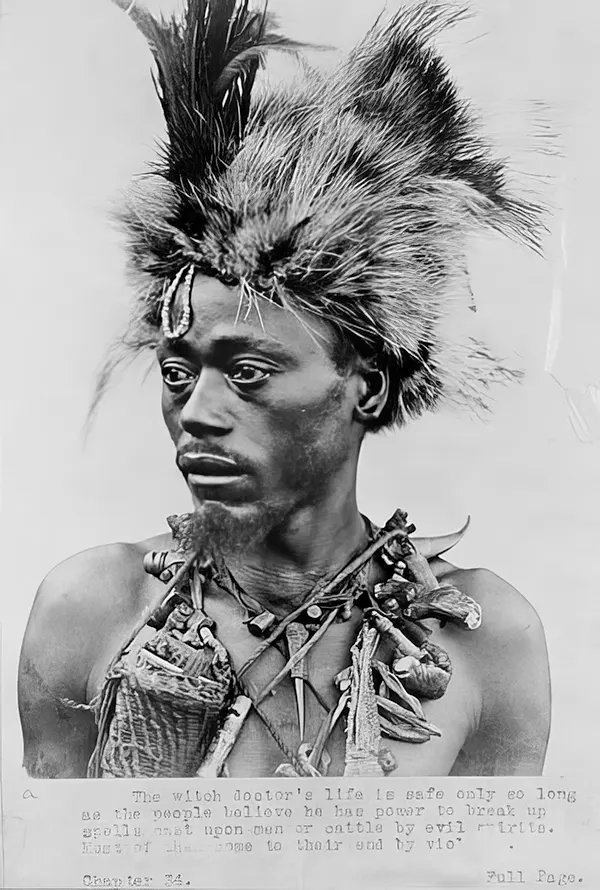
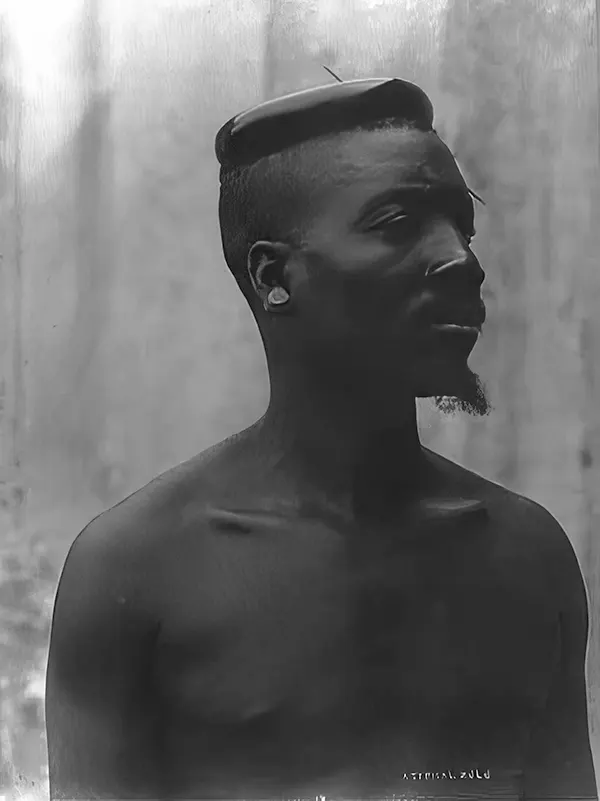
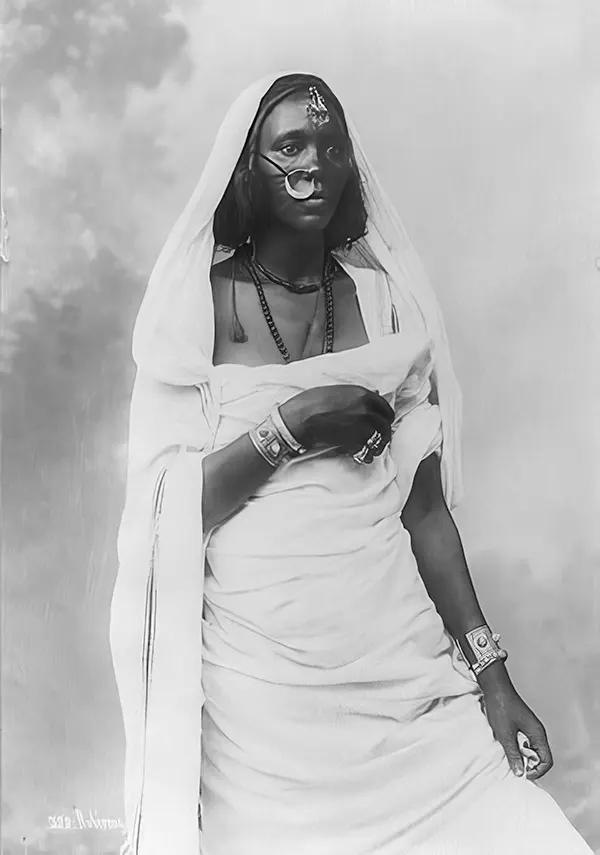
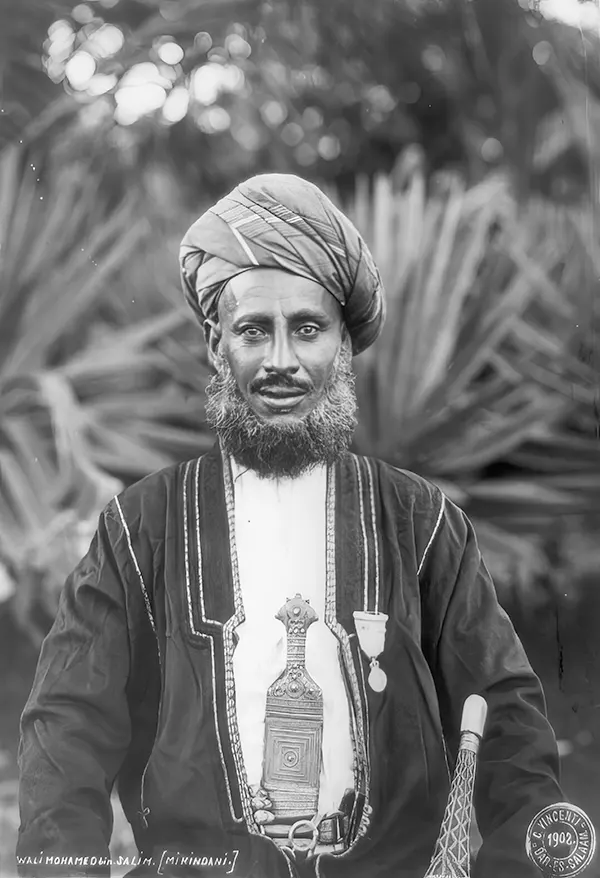
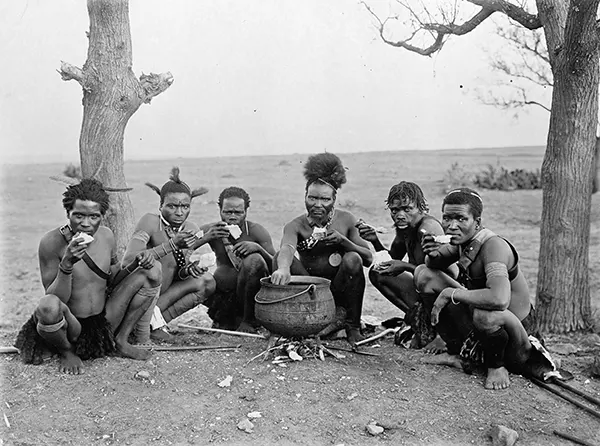
In Africa, his lens captured an enormous range of subjects — from Nubian women in Anglo-Egyptian Sudan to Zulu men in southern Africa, to an East African official who had formerly served as a sultan under German colonial administration in Tanganyika.
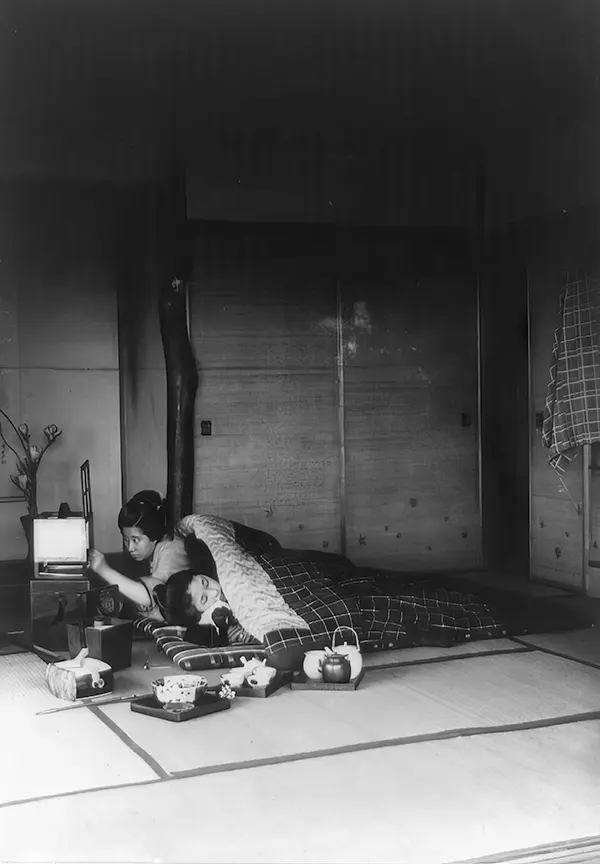
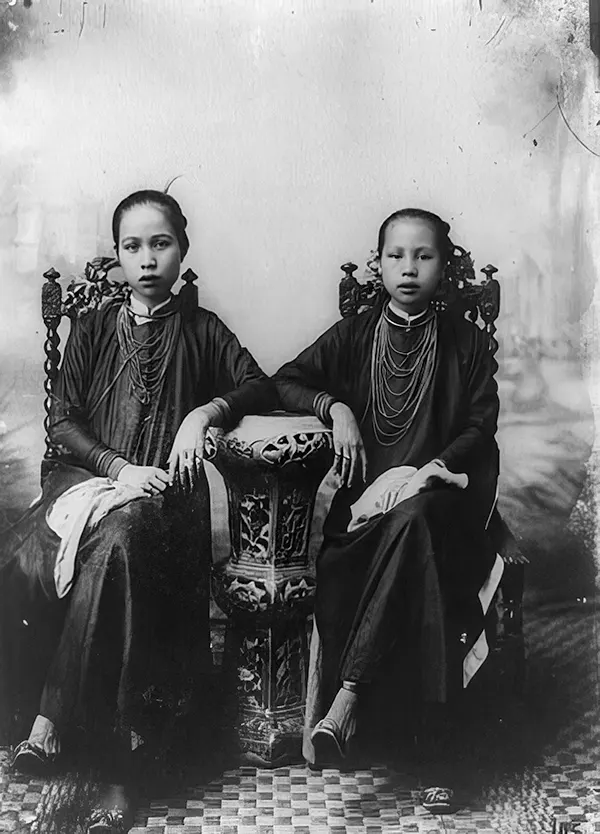
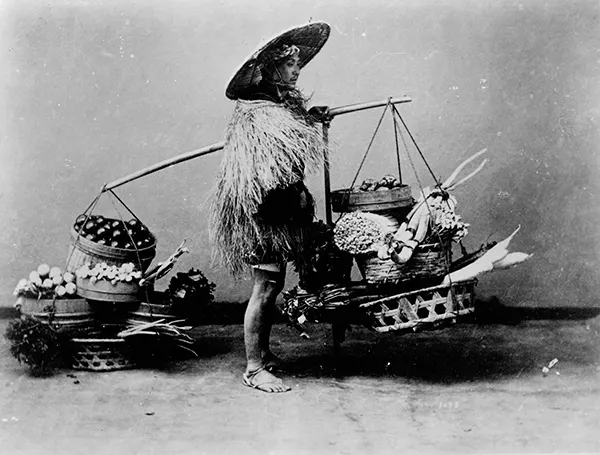
Carpenter’s photographs from Asia are equally striking. In Japan, he photographed street vendors selling vegetables and the spare interiors of Japanese homes, where thick quilts served as beds. In Korea, he photographed Empress Sunmyeong, the first wife of Emperor Sunjong, before her death in 1904 at just 32 years old.

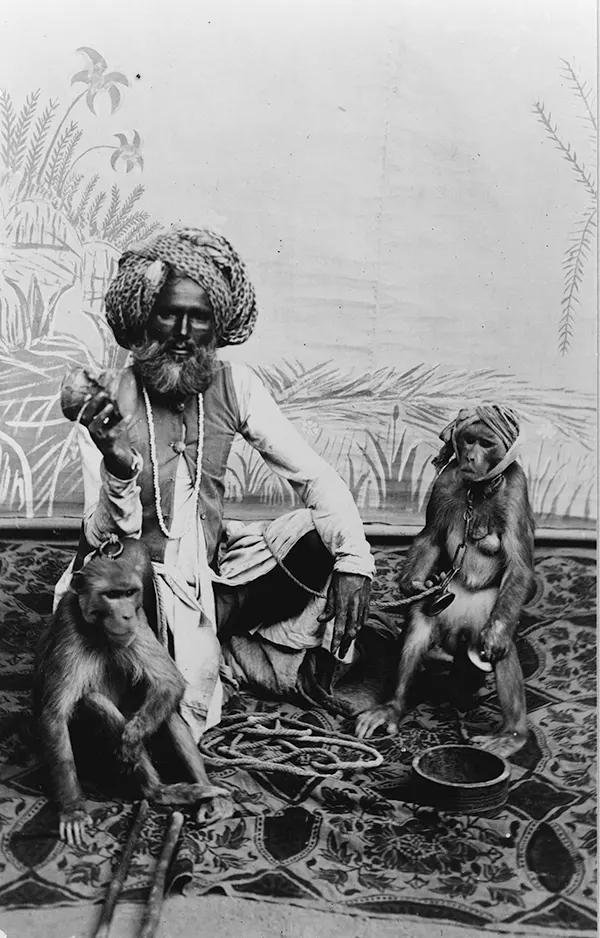
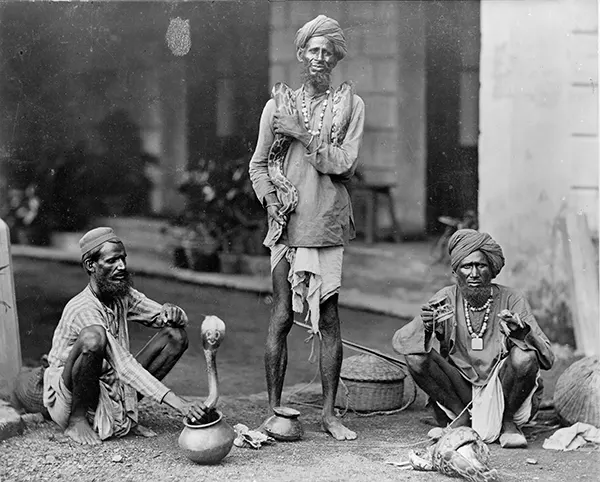
In India, Carpenter captured scenes that were entirely foreign to Western eyes — street fakirs performing with monkeys, and snake charmers at work in public spaces. These weren’t staged exhibitions put on for tourists. They were routine parts of street life that Carpenter happened to photograph.
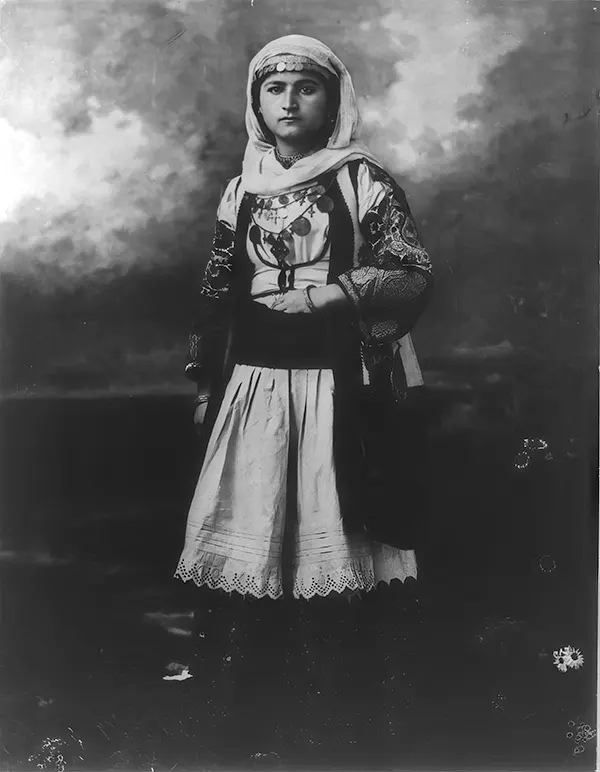
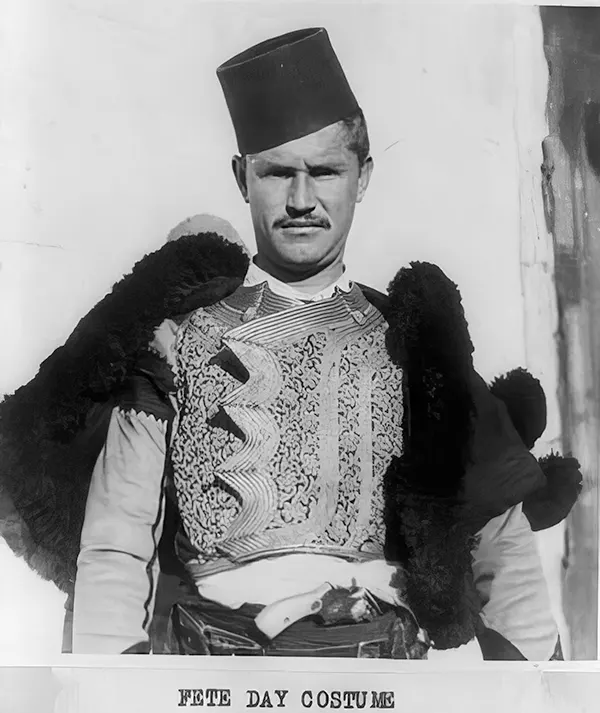
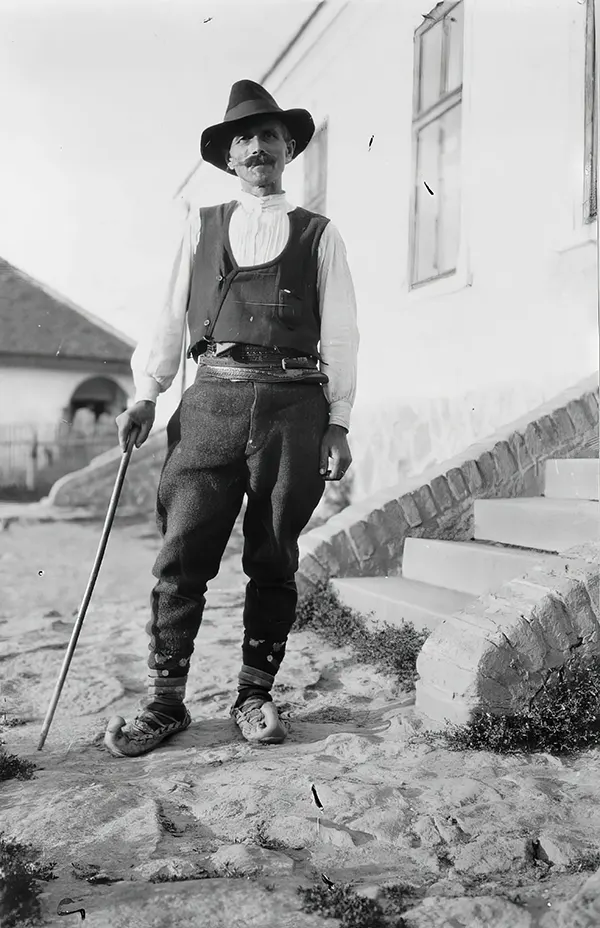
His work in the Balkans and Eastern Europe documented distinctive regional dress and traditions. In Albania, he photographed men in their festive national costumes. In Yugoslavia, a Serbian man stood in full traditional dress — vest, belted pants, and sharply pointed shoes — outside a building, cane in hand.
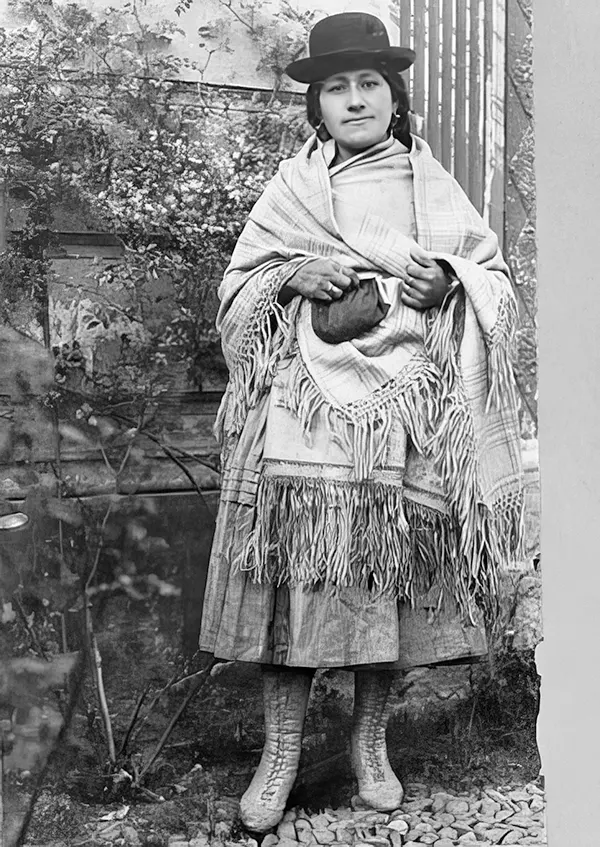
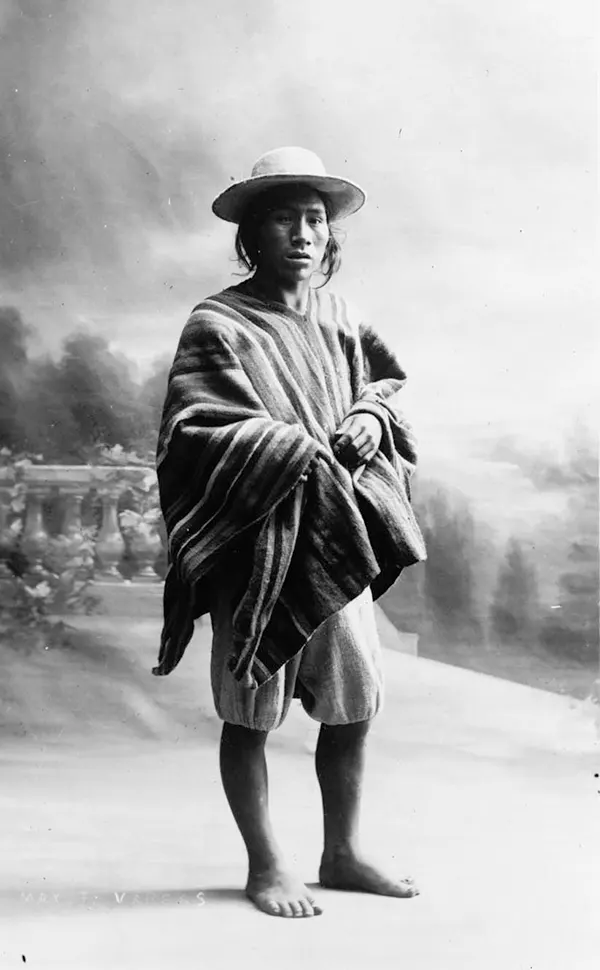
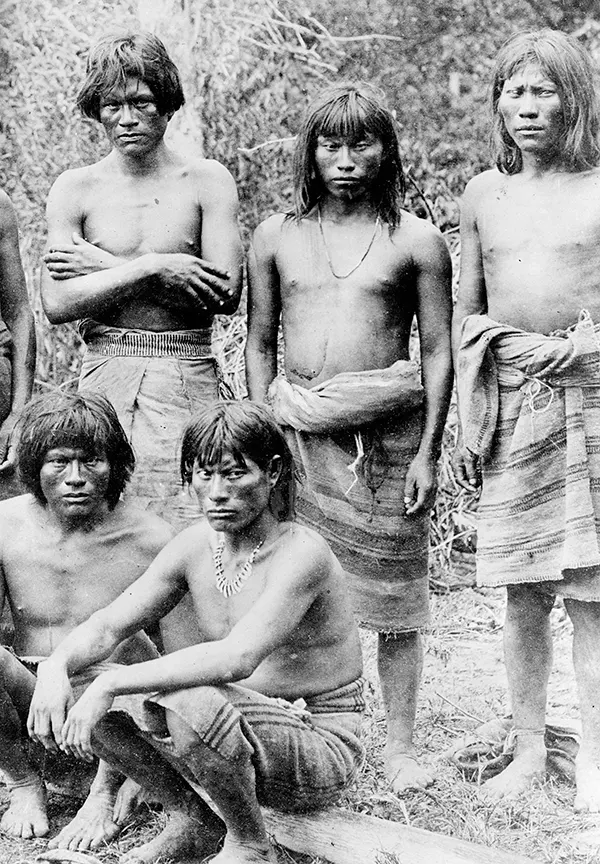
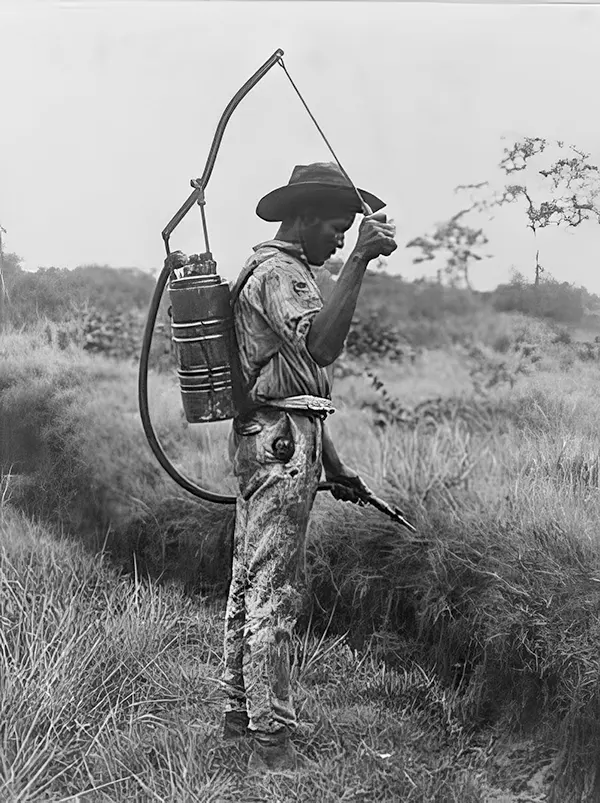
Carpenter documented South America with the same thoroughness. In Bolivia, he photographed an Aymara Indian. In Brazil, he photographed head hunters in the upper Amazon — indigenous groups living far beyond the reach of Western contact. In Panama, he recorded public health workers spraying oil on mosquito breeding grounds, an effort to combat the deadly diseases that plagued construction workers during the building of the Panama Canal.
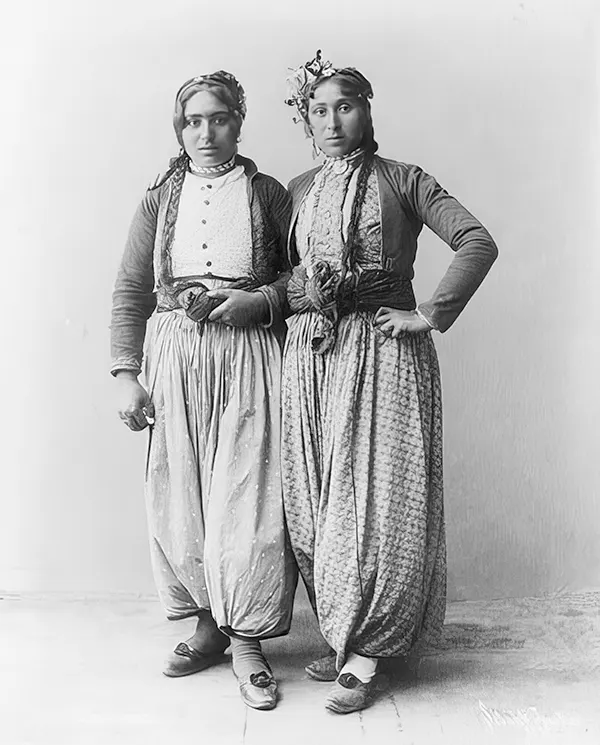
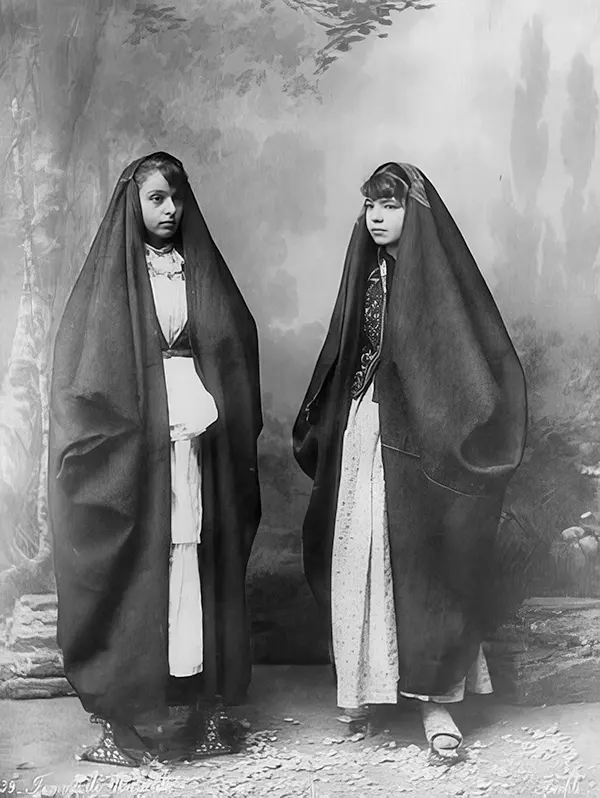
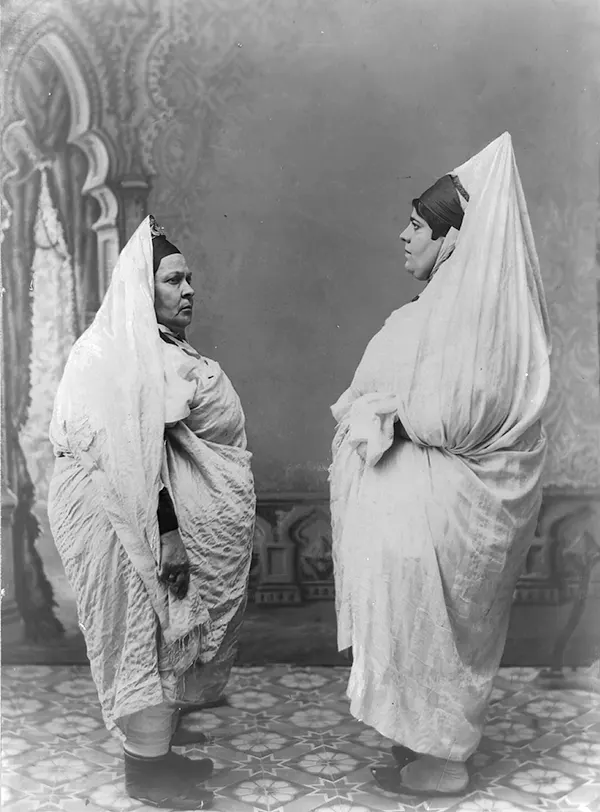
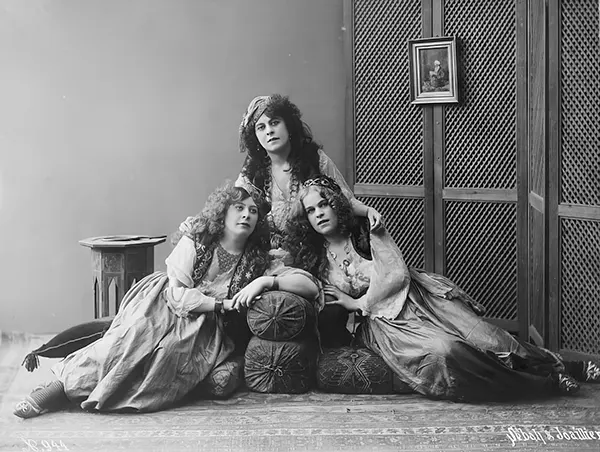
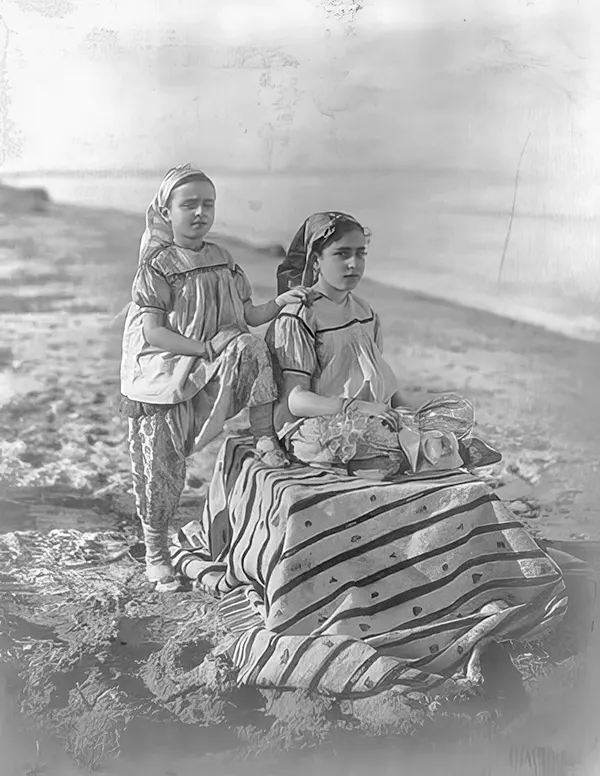
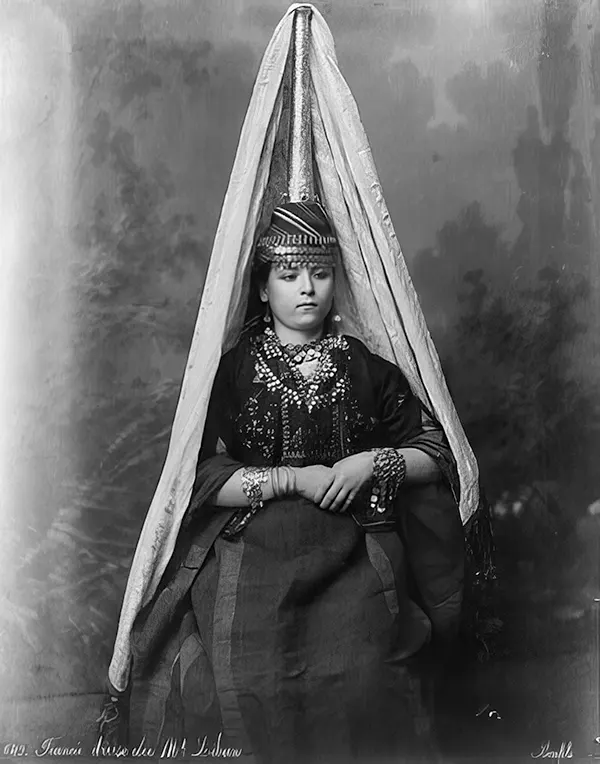
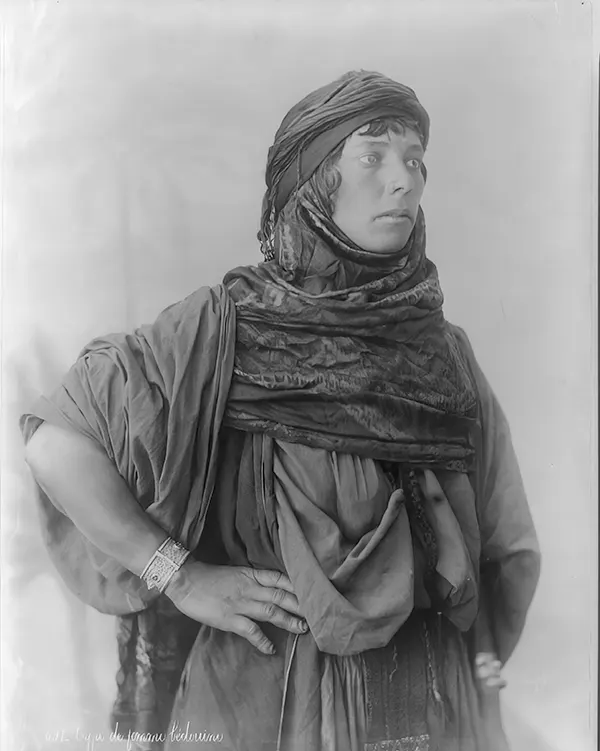
In North Africa and the Levant, Carpenter photographed Jewish women in Tunisia, Bedouin women, gypsy women in Palestine, and a Druse bride from the mountains of Lebanon. Each photograph captured not just a face but a specific cultural context — clothing, posture, setting — that told its own story.
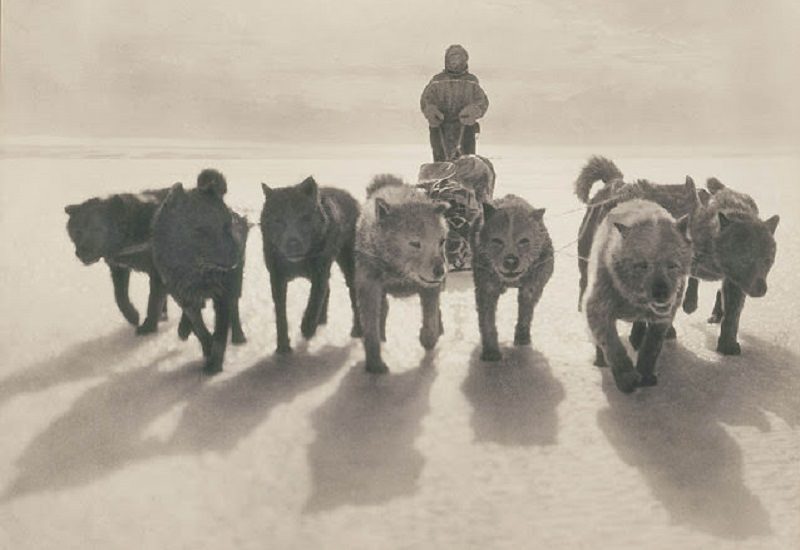
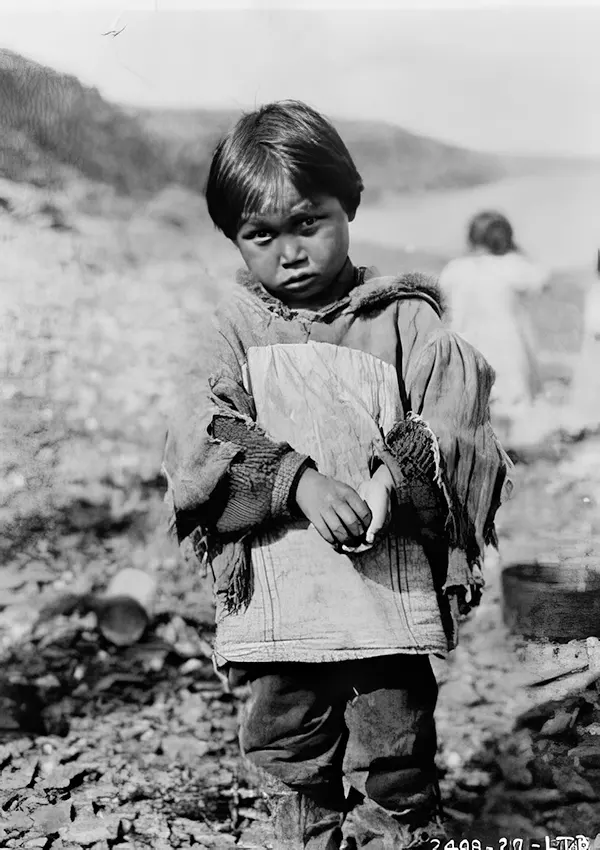
Carpenter’s photographs also reached into the Arctic. On the Belcher Islands in Canada’s Northwest Territories, he photographed an Inuit boy wearing clothing stitched together from flour sacks — a sharp visual record of how colonial trade goods had worked their way into even the most remote communities by 1927.
Carpenter authored nearly 40 books based on his travels, including personal memoirs and a widely used series of “geographical readers” for American geography classes. These texts remained standard in schools for forty years. Beyond journalism, his work helped shape how a generation of American students understood the wider world. The Library of Congress now holds approximately 16,800 of his photographs and around 7,000 negatives, making it one of the most extensive personal documentary collections from that era.