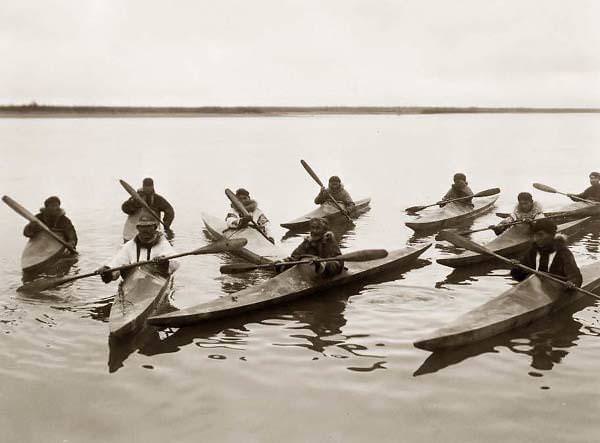
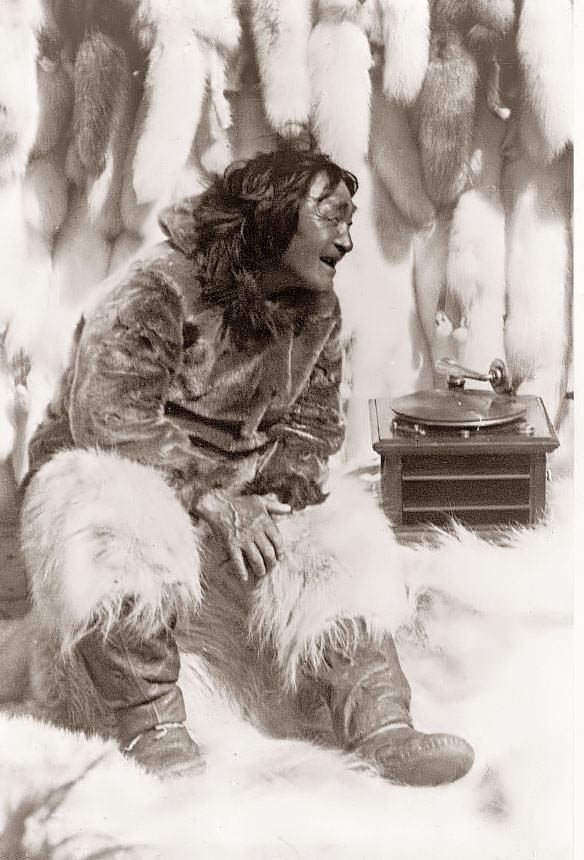
By the early 1900s, Eskimo communities across the Arctic were navigating a world that was slowly changing around them. European explorers and traders had made contact, bringing outside goods and influences. Yet daily life remained deeply rooted in centuries-old traditions. These photographs offer a rare window into that world — one built on skill, endurance, and an intimate knowledge of one of the harshest environments on Earth. Even as outside objects like magazines and record players made their way north, the core rhythms of Arctic life held firm.
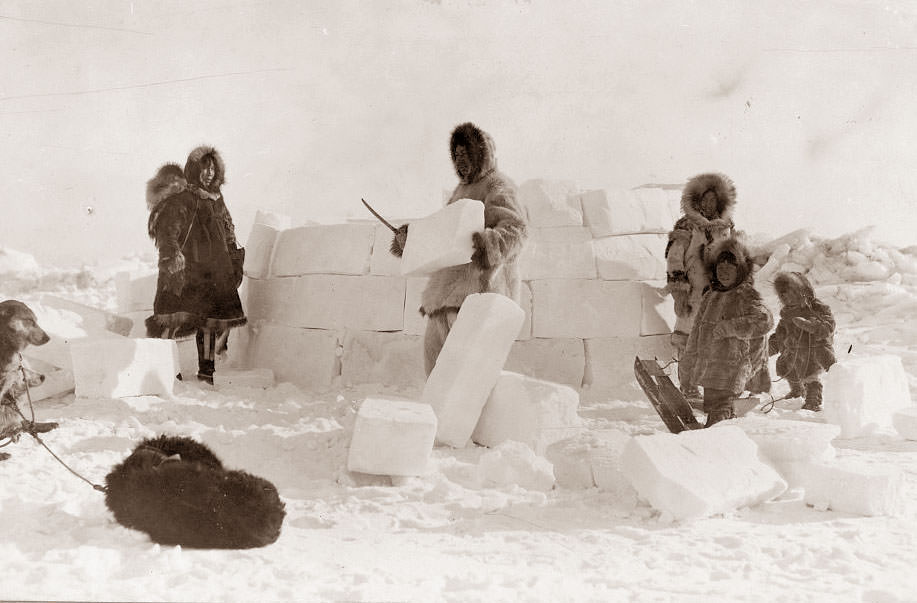
Shelter was a matter of survival. In winter, many families built igloos — dome-shaped structures made entirely from compacted snow blocks. Despite being built from frozen material, igloos trapped body heat effectively, keeping the inside far warmer than the air outside. Construction was a practiced skill, and the whole family took part.
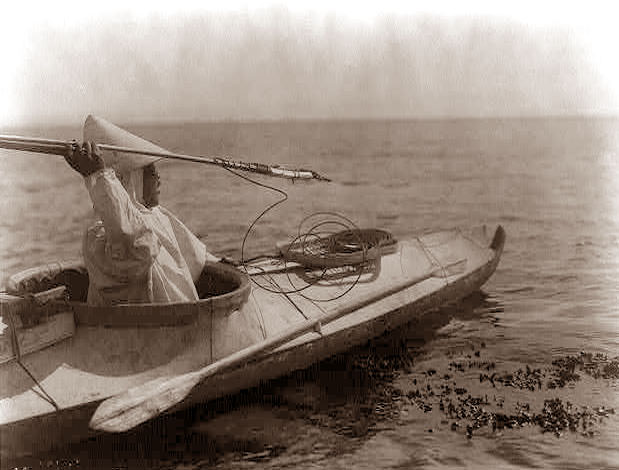
Hunting was the backbone of Arctic life. Seal, caribou, walrus, and whale provided food, fat for fuel, skins for clothing, and bone for tools. Hunters used kayaks — lightweight frames of wood covered in animal skin — to pursue prey in coastal waters. The harpoon was the primary weapon, requiring precision and timing.
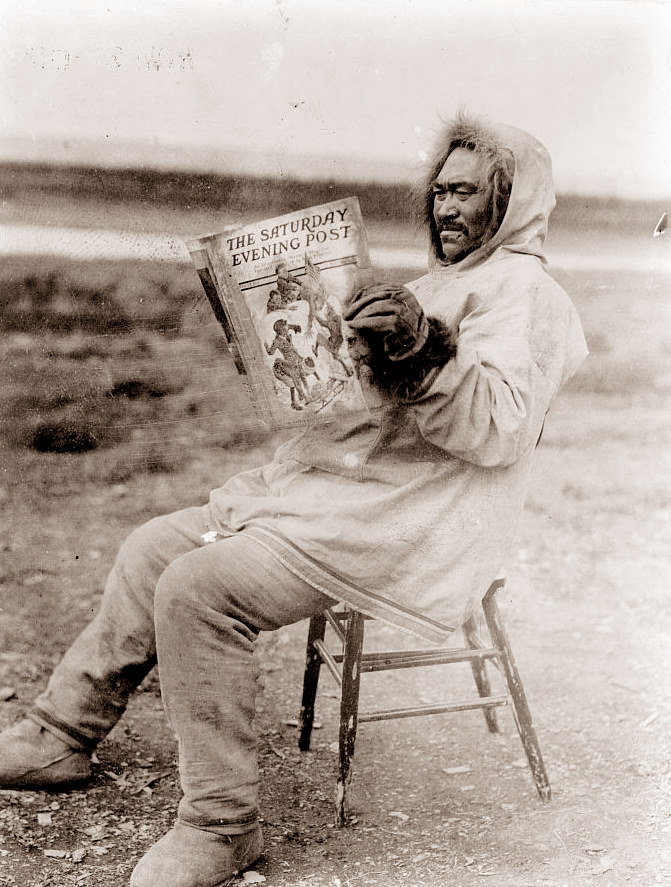
Trade with outsiders gradually introduced new goods into Arctic communities. By the early 1920s, items like record players had reached some settlements, adopted alongside traditional practices without replacing them.
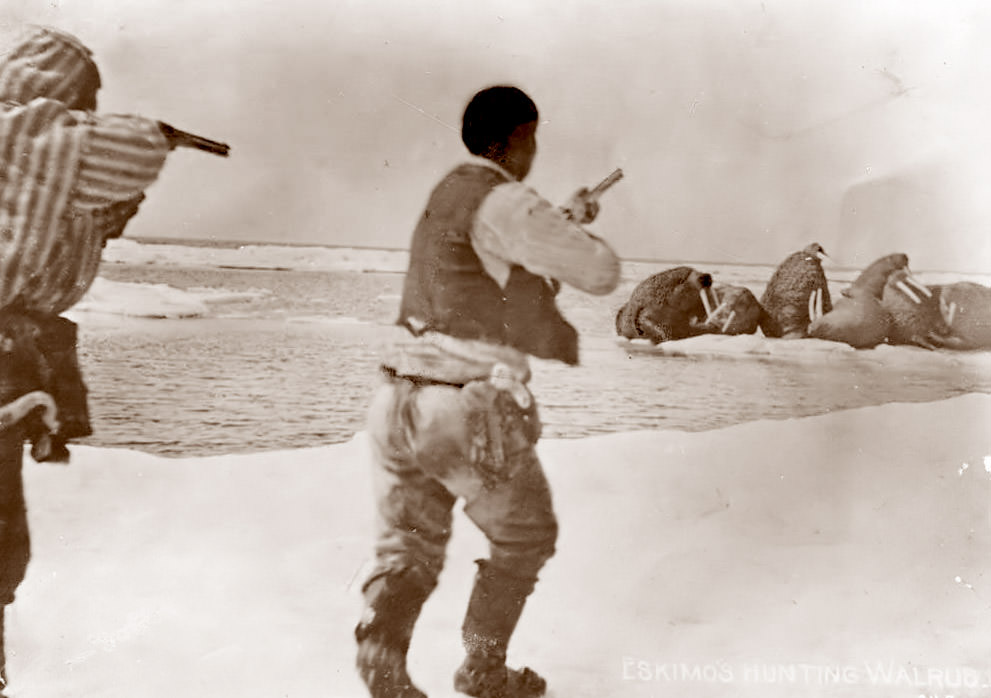
Walrus hunts required teamwork. The animals were large and dangerous, and hunters worked in pairs or small groups, coordinating their approach carefully. Walrus meat fed families for extended periods, and the ivory tusks served as a valuable raw material for carving tools and trade goods.
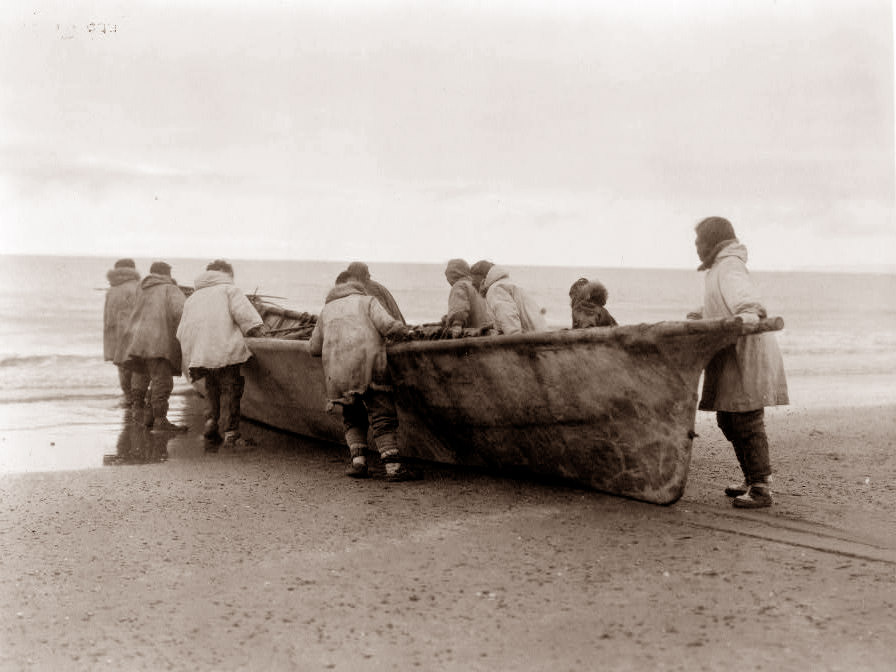
Whaling was among the most demanding and communal of all Arctic hunts. Groups of men worked together from open boats, tracking and harvesting bowhead whales that could weigh tens of thousands of pounds. A single successful whale hunt could sustain an entire community through the winter.
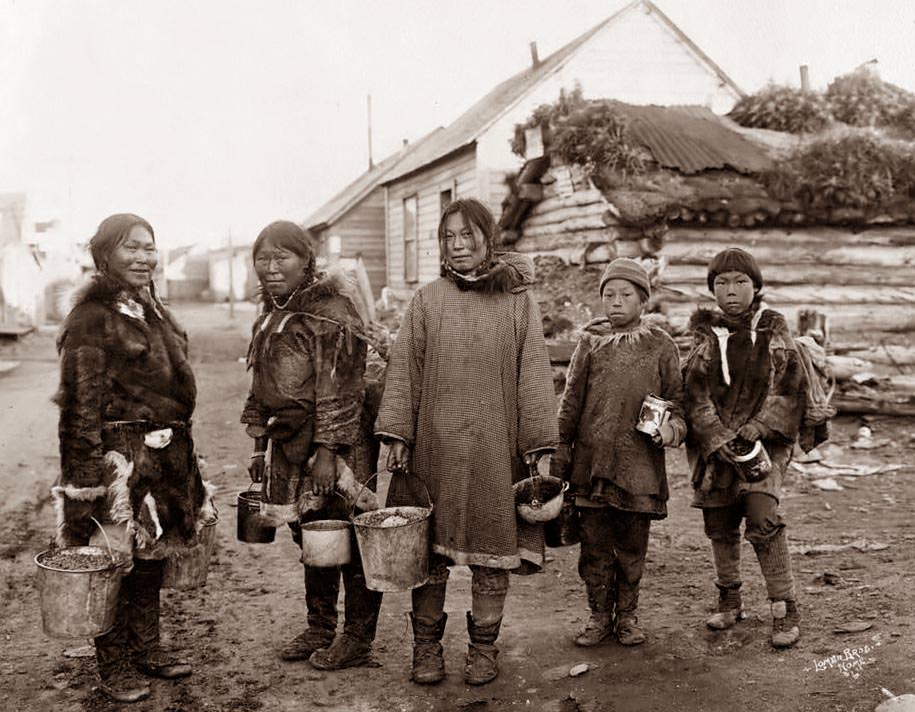
Not all food came from hunting. During the warmer months near places like Nome, Alaska, women and children gathered berries from the tundra. These provided essential nutrients and were preserved for the long winter months ahead.
Elders held a central place in Eskimo communities. They carried generations of knowledge about weather patterns, animal behavior, and survival techniques — knowledge passed down through storytelling and direct teaching rather than written records.
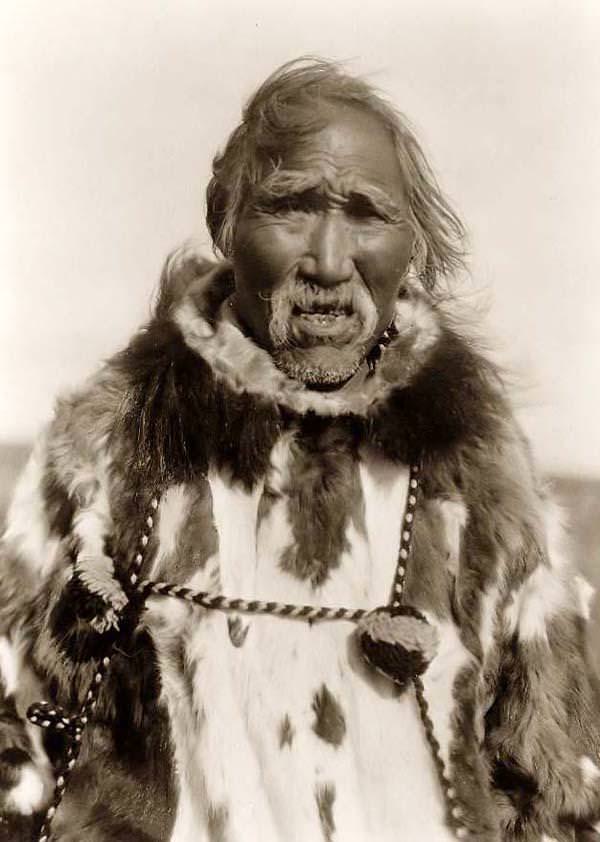
Children grew up immersed in the skills they would need as adults. From an early age, they learned to read the landscape, assist with food preparation, and handle tools. Life in the Arctic left little room for a prolonged childhood removed from practical work.
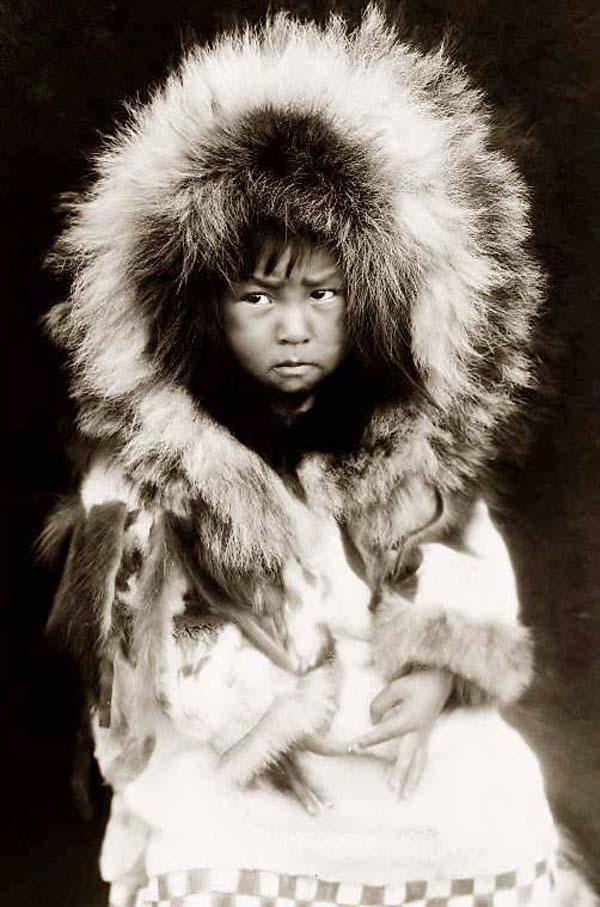
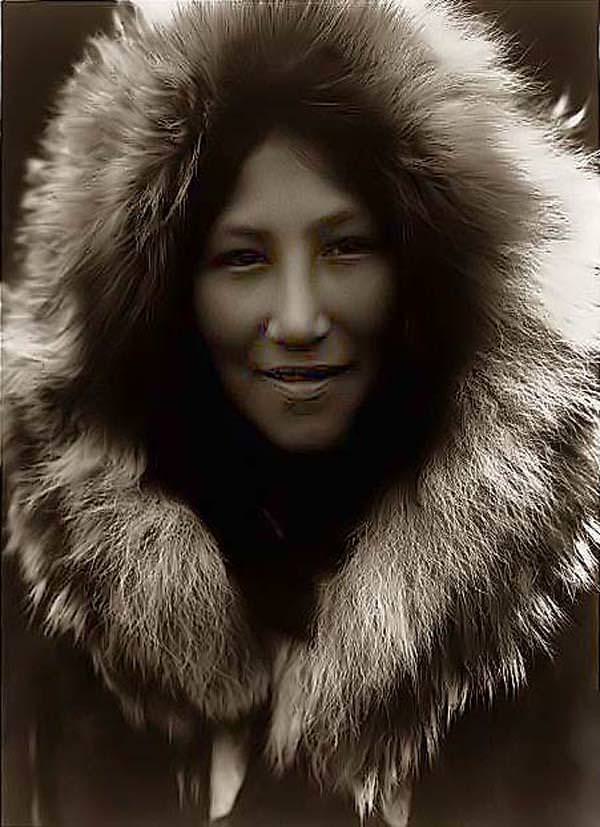
Clothing was engineered for extreme cold. Women were expert seamstresses, stitching together caribou fur parkas and sealskin boots with tight, waterproof seams. The fit and layering of garments could mean the difference between life and death in sub-zero temperatures.
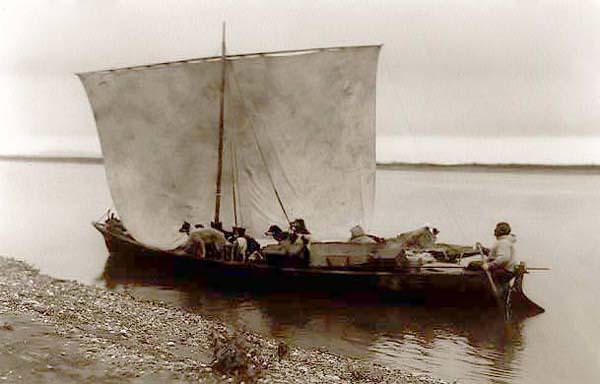
Travel across the Arctic relied on multiple modes of transport depending on the season. Dog teams pulled sleds across snow and ice, while open boats carried people and supplies across open water. Sometimes both were used on the same journey.
Kayaks were a defining technology of Arctic coastal life. Each one was custom-built to fit its owner, making it an extension of the hunter’s body in the water. Groups paddling together could coordinate hunts, navigate ice-filled channels, and cover long distances across frigid Arctic seas.