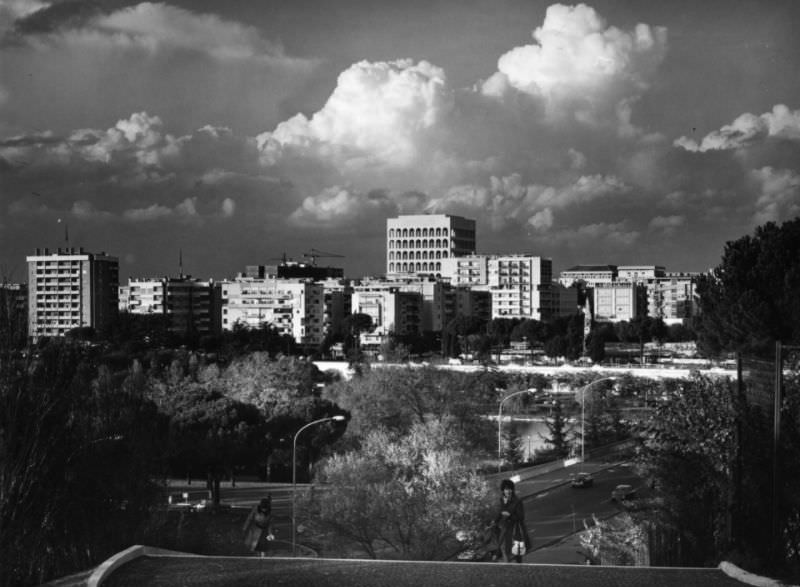
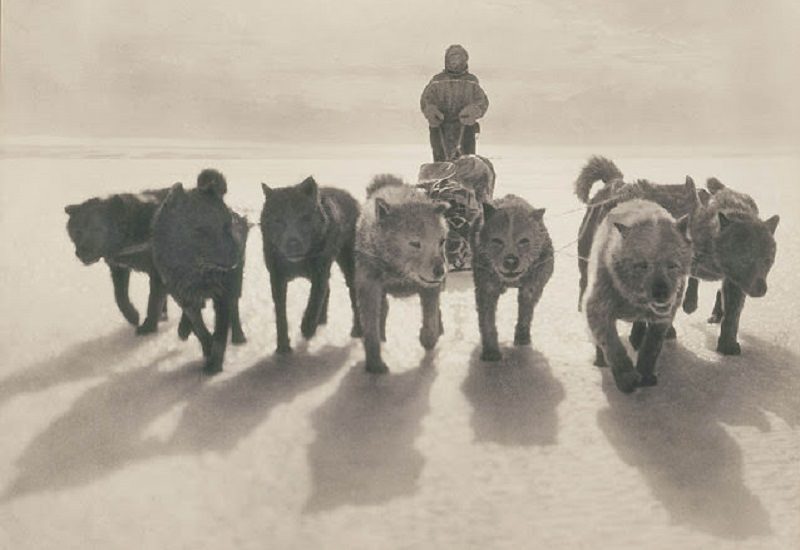
Edwin George Herbert Smith was an English photographer whose career stretched across much of the twentieth century. He is best known for his detailed, atmospheric images of English gardens, landscapes, and historic buildings. Though his name is less prominent today than it once was, the body of work he left behind remains striking in its range and precision. Smith had an eye for the overlooked — the worn stone facade, the backstreet garden, the fish market at full noise — and he treated each subject with the same quiet attention.
Smith briefly worked as a fashion photographer for Vogue in 1935, but that commercial world did not hold him for long. He soon became a freelance photographer and turned his lens toward the subjects that genuinely interested him. These included Ashington, a coal mining community in Northumberland, the working docks of Newcastle, and circuses performing in London. These were not glamorous settings, but Smith found depth and texture in all of them.
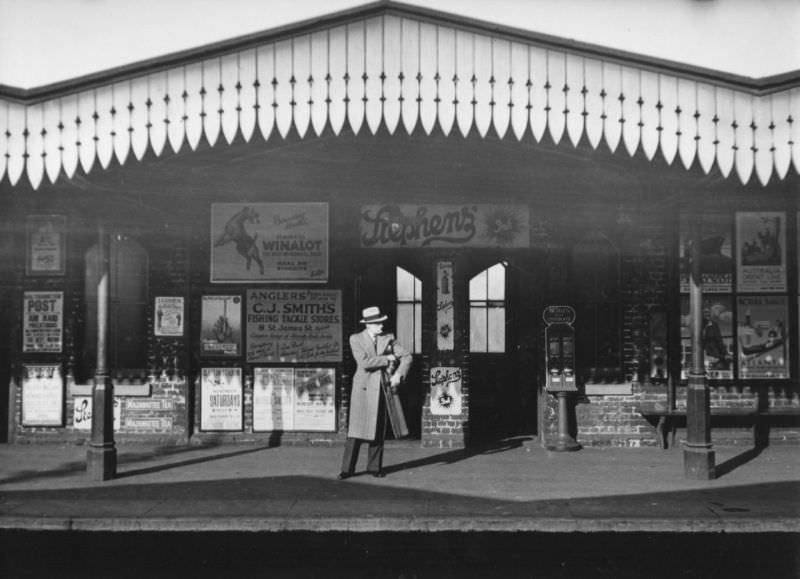
His photographs of urban England show a city that is functional, lived-in, and full of character. London appears throughout his work not as a postcard subject, but as a place where real life happens — at train stations, in markets, on night-shift streets. He captured the mundane with the same care that other photographers reserved for the monumental.
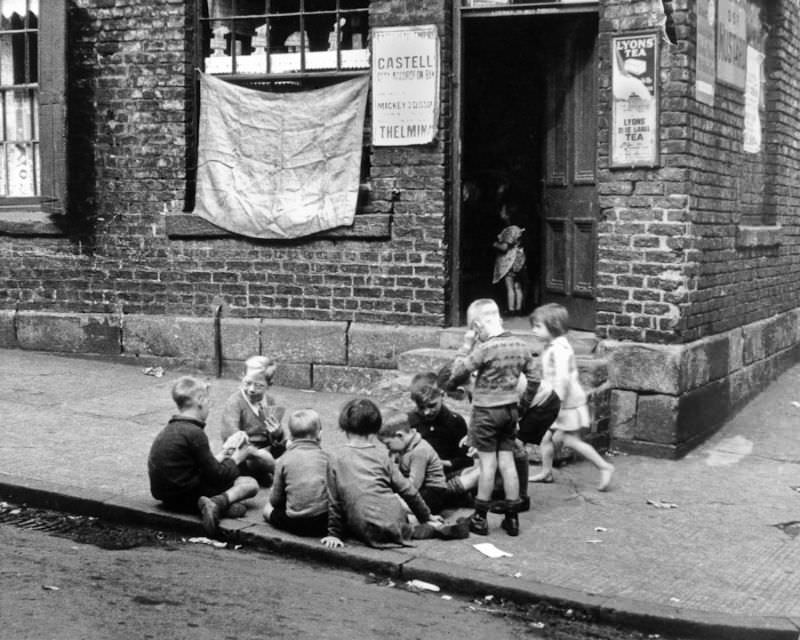
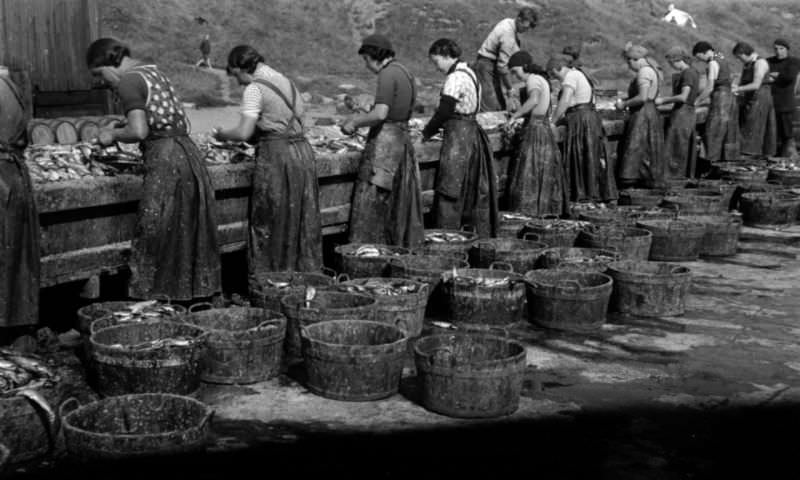
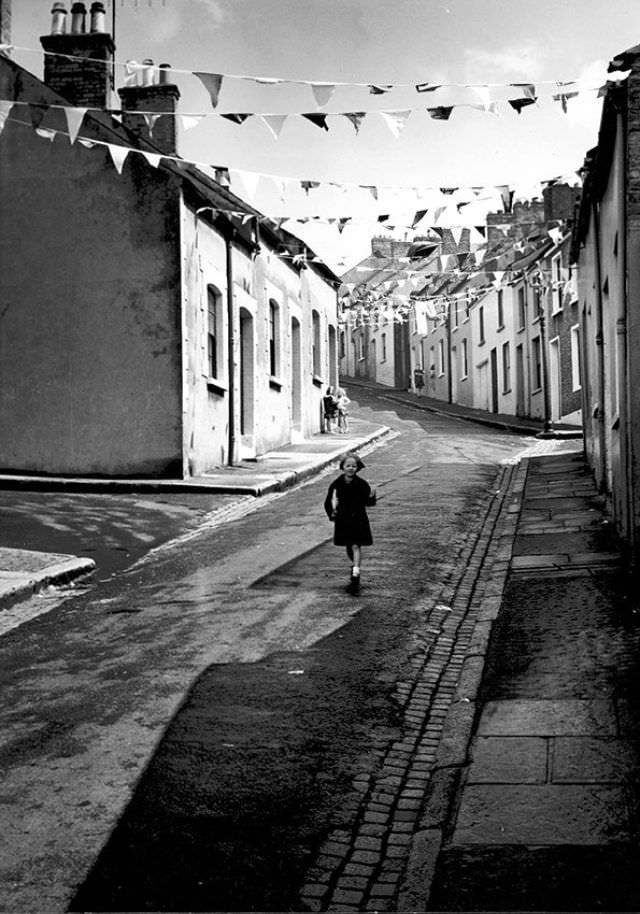
The industrial north of England was a recurring presence in Smith’s photography. Towns like Gateshead and the communities around Newcastle gave him working-class scenes full of grit and energy. He documented the people who kept these places running, including the women who gutted herring on the quayside at North Shields — hard, skilled labor performed in the open air.
Domestic and suburban England also drew Smith’s attention. Ordinary houses, modest streets, and quiet neighborhoods appear in his archive with the same seriousness as cathedrals or country estates. He saw significance in the unremarkable and framed it carefully.
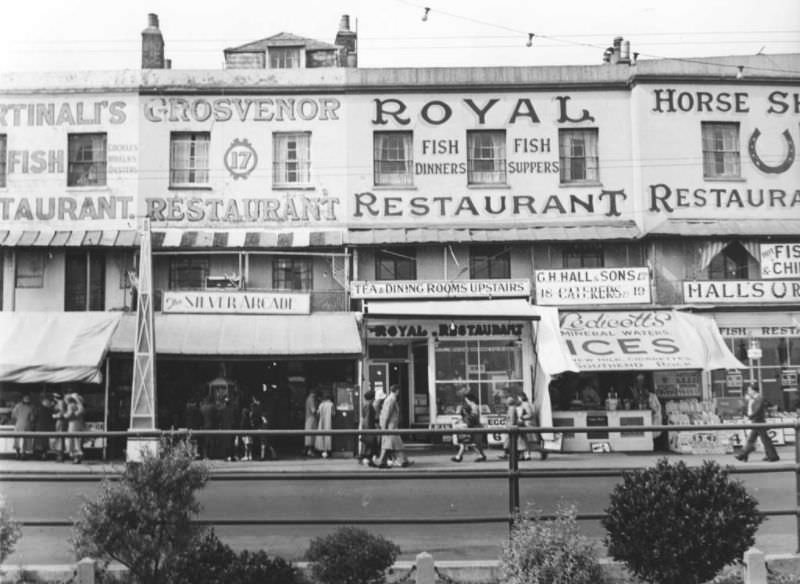
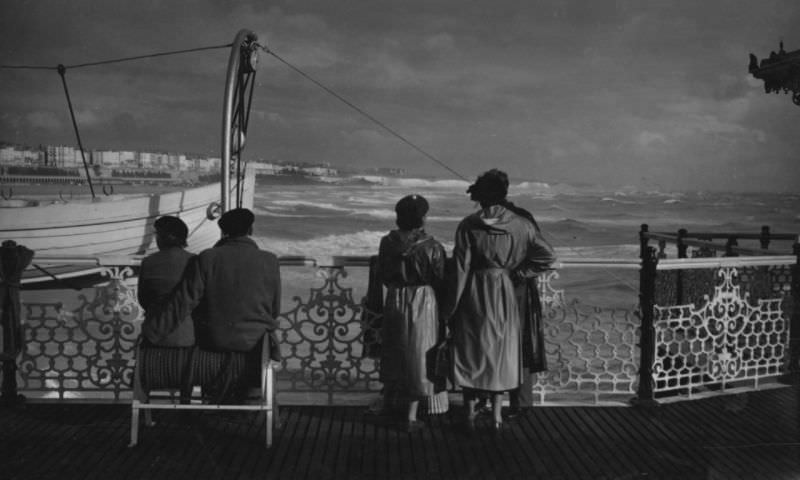
The English seaside was another fertile subject. From the beach crowds at Southend-on-Sea to the ornate structure of Brighton’s Palace Pier, Smith photographed the places where ordinary people went to relax. These images carry a strong sense of time and place — specific enough to feel like documents, beautiful enough to feel like art.
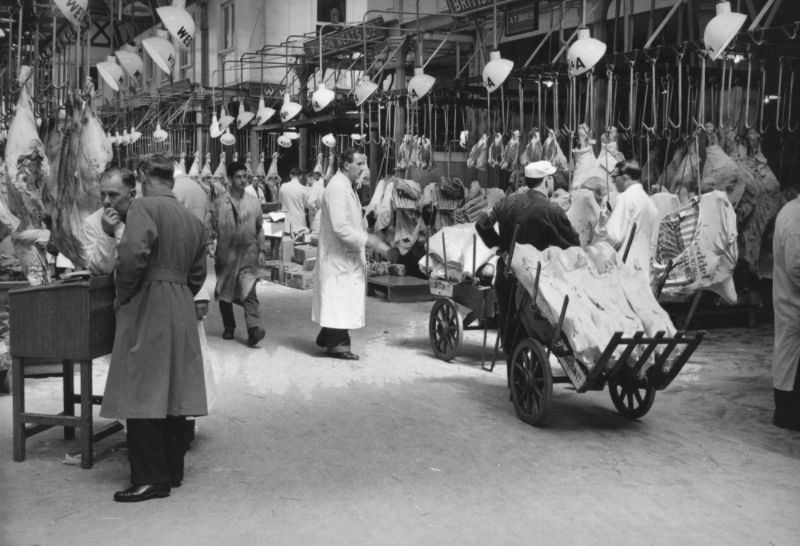
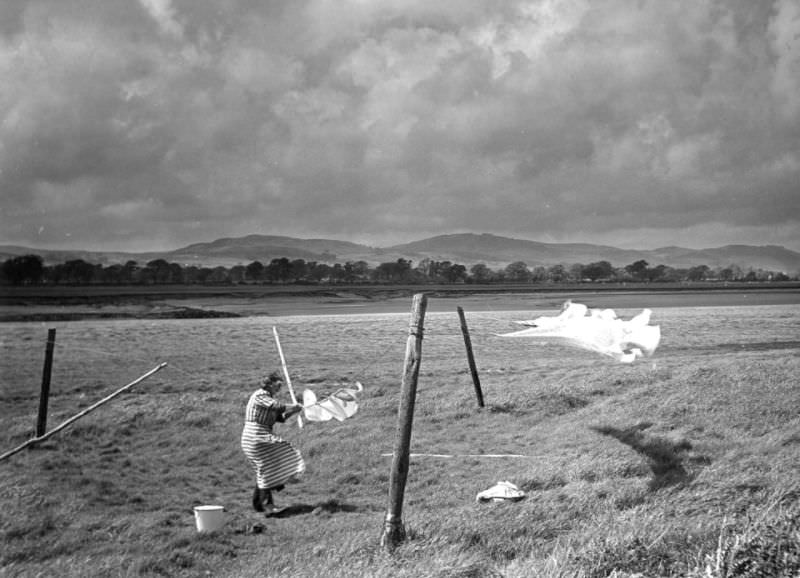
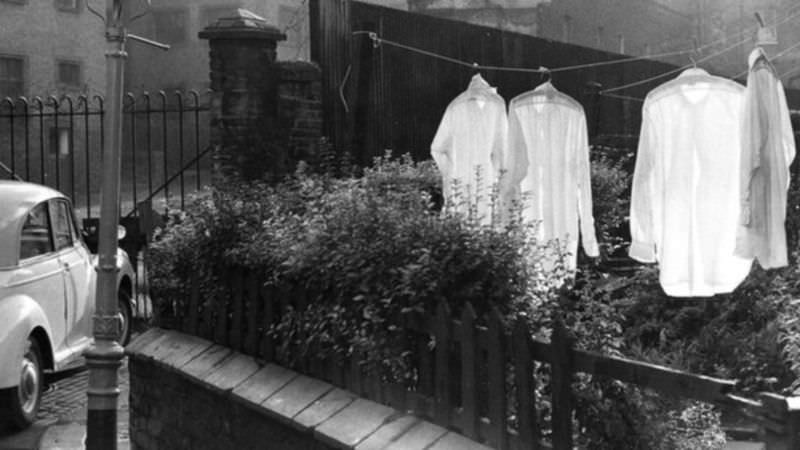
London’s markets, lanes, and late-night streets gave Smith some of his most vivid material. The central markets at West Smithfield pulse with commercial life, while quieter images — a back-street garden in Camden Town, a clothes line photographed in Scotland — slow time down and ask the viewer to look more carefully.
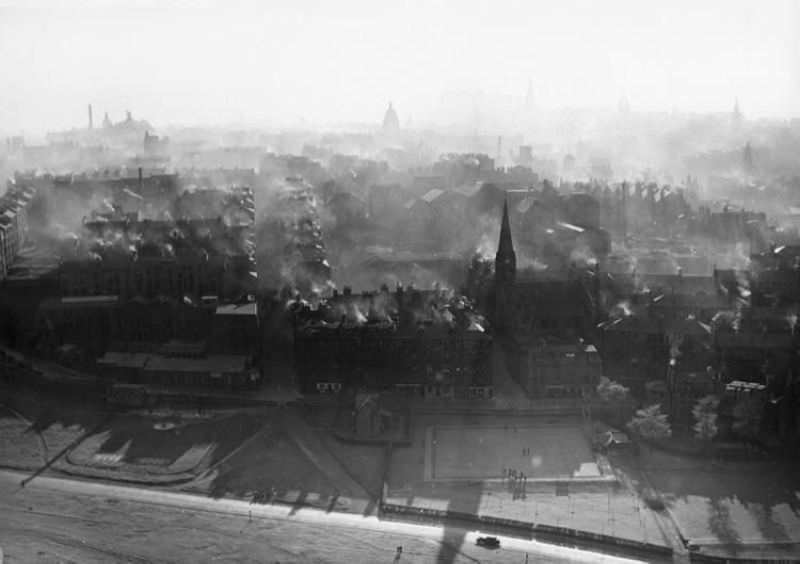
Scotland appears in Smith’s work with the same attentiveness he gave to England. The view of the Dumbiedykes district from Salisbury Crags in Edinburgh frames a densely built urban landscape against dramatic natural rock — a contrast Smith handled with skill. His Scottish work shares the same quality as the rest of his output: composed without feeling staged.
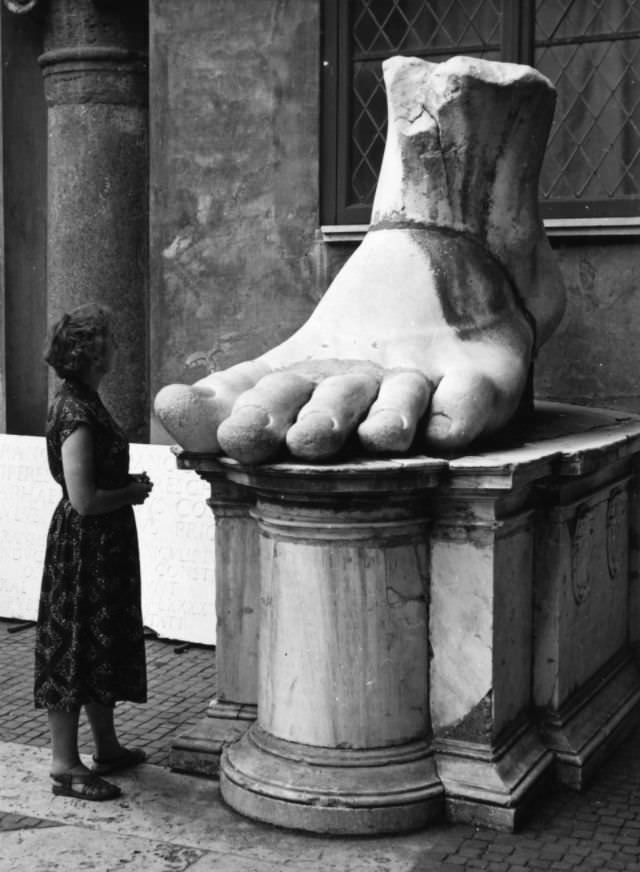
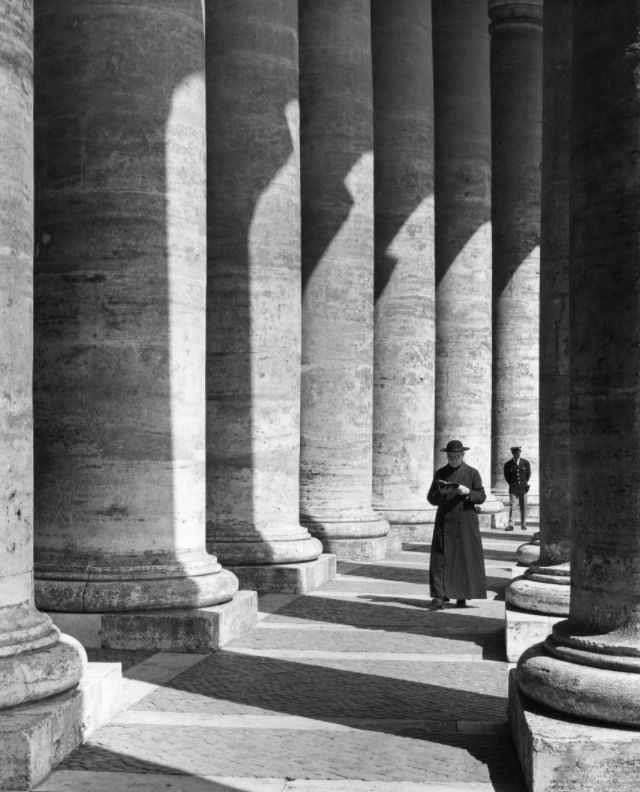
Smith’s reach extended well beyond Britain. He photographed across Europe, bringing the same sharp, thoughtful eye to Rome, Venice, Tuscany, and beyond. A fragment of the colossal statue of Constantine the Great in Rome and the vast colonnade of St. Peter’s Square both appear in his archive, showing his ability to convey scale and weight in a still image.
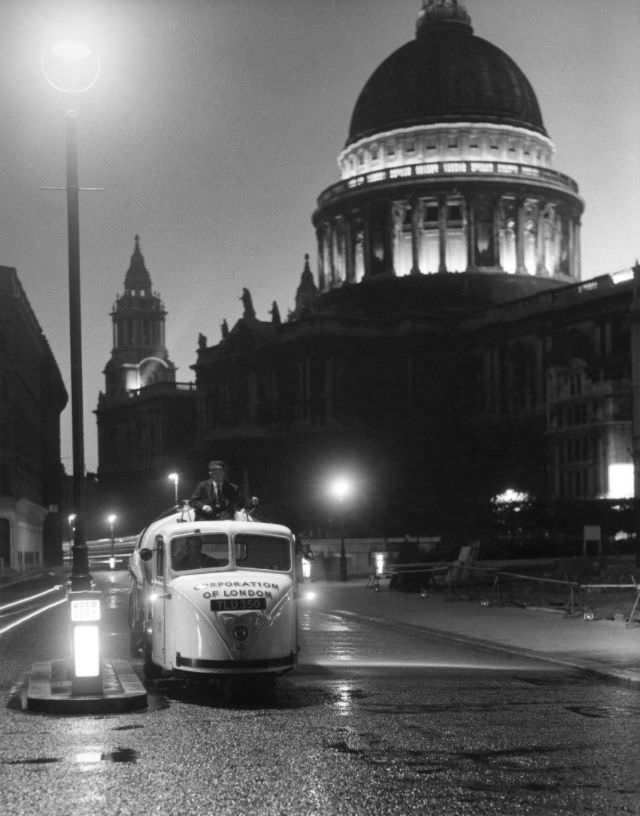
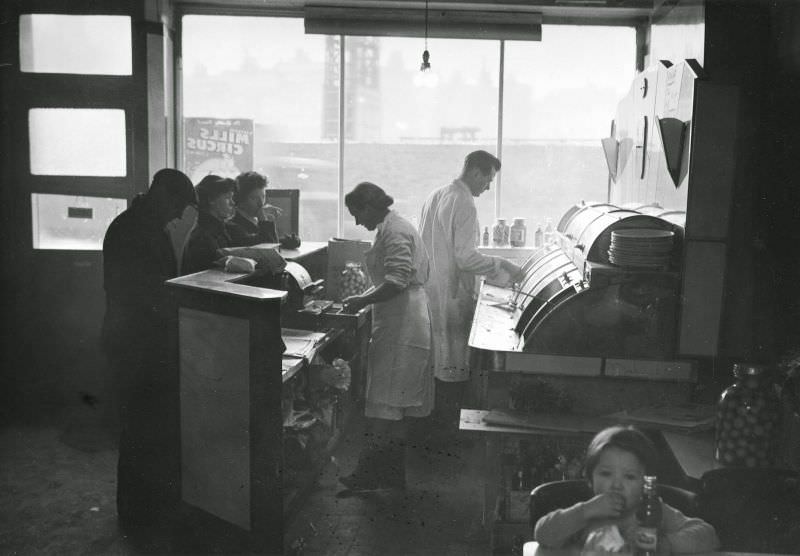
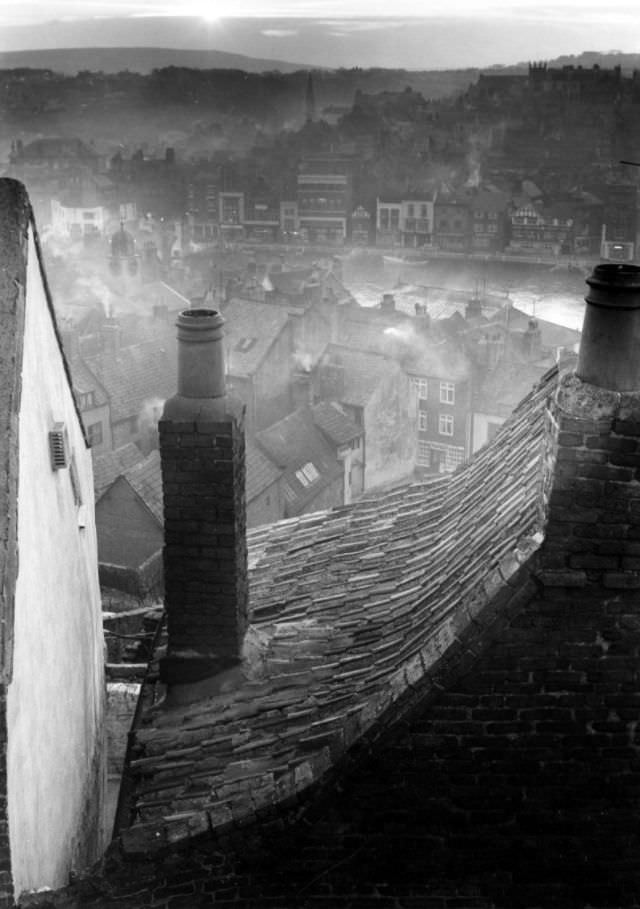
Smith photographed London at all hours. His night image of street cleaning near St. Paul’s Cathedral shows the city from an angle most people never see — empty, echoing, lit by artificial light. Alongside these grand settings, he also recorded the everyday corner of British life, from the local fish and chip shop to roofscapes in North Yorkshire.
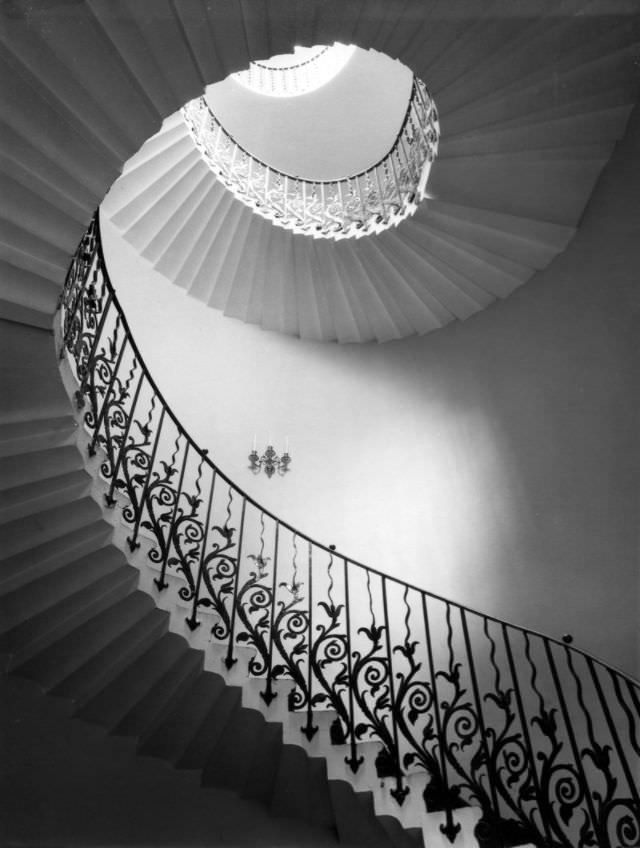
Architecture was one of Smith’s most sustained interests. His photographs of historic buildings in the British Isles earned him wide recognition during his lifetime. He was drawn to the details that other photographers missed — the curve of a staircase, the shadow cast by a column, the way stone absorbs and reflects light.
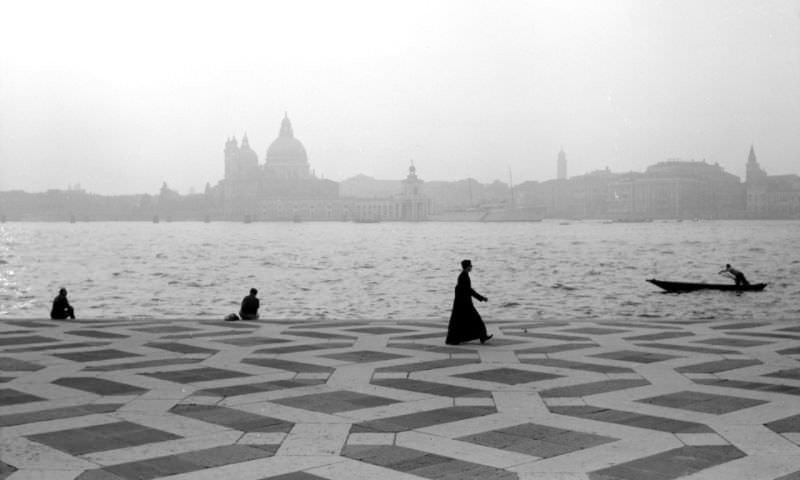
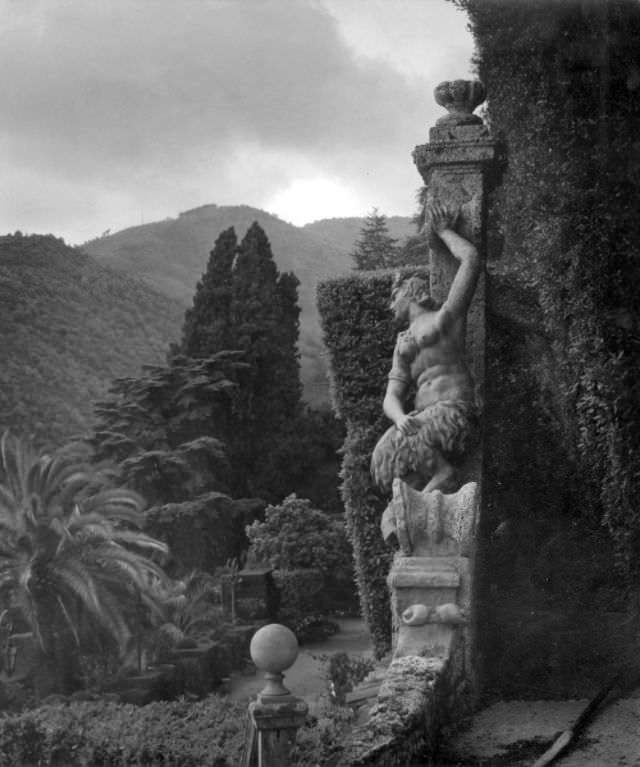
His European travels produced images that sit comfortably alongside his British work. Venice, Rome, and the Tuscan countryside all appear in his archive, photographed with the same respect for built and natural environments that defined his domestic work. A view across Campo San Giorgio Maggiore in Venice and the terraced gardens of Villa Garzoni in Tuscany show just how wide his visual range was.
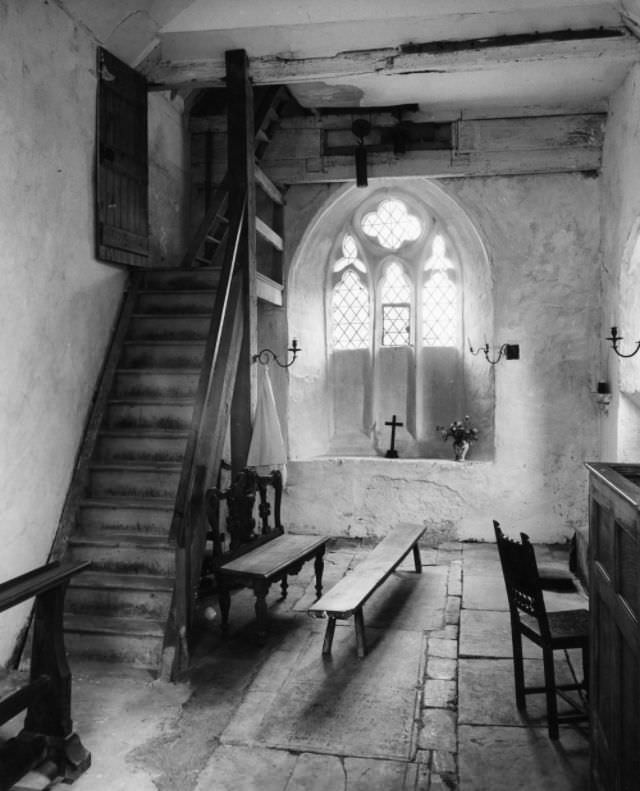
Rural England and its churches also feature prominently. St. Lawrence in Didmarton, Gloucestershire, is one of many historic parish churches Smith documented — modest buildings that carry centuries of local history within plain stone walls. His photographs of these structures treat them as worthy of the same attention as the grandest cathedrals.
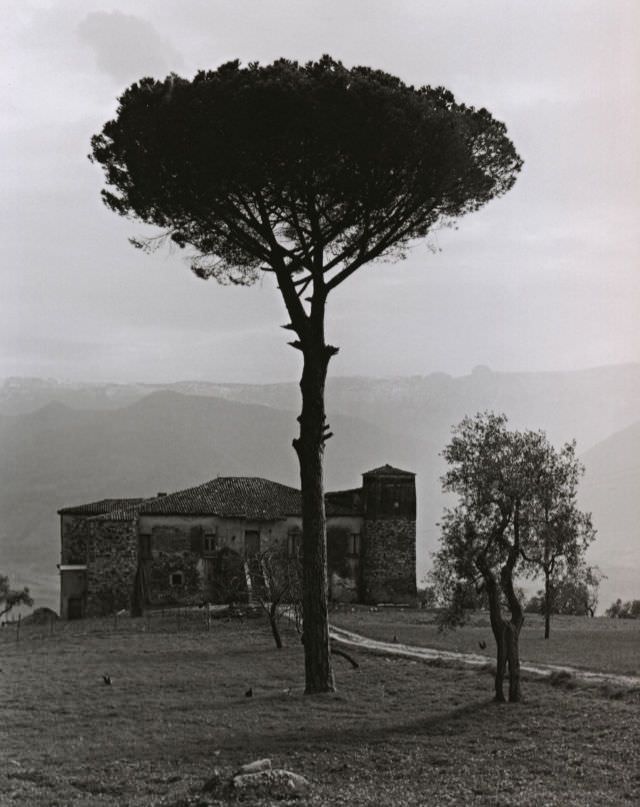
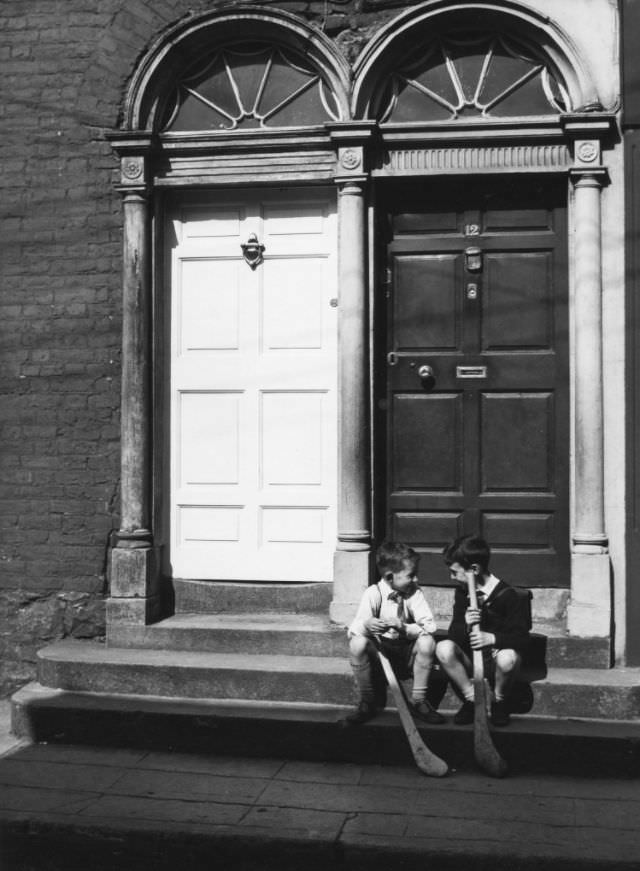
Beyond the major cities of Europe, Smith photographed rural Italy, Ireland, Northern Ireland, and Scandinavia. A farm tucked into the mountains between Auletta and Potenza, Italy, two boys sitting on a doorstep in Kilkenny, Ireland — these images are quiet and direct. They record people and places without embellishment, and that restraint is part of what makes them memorable.
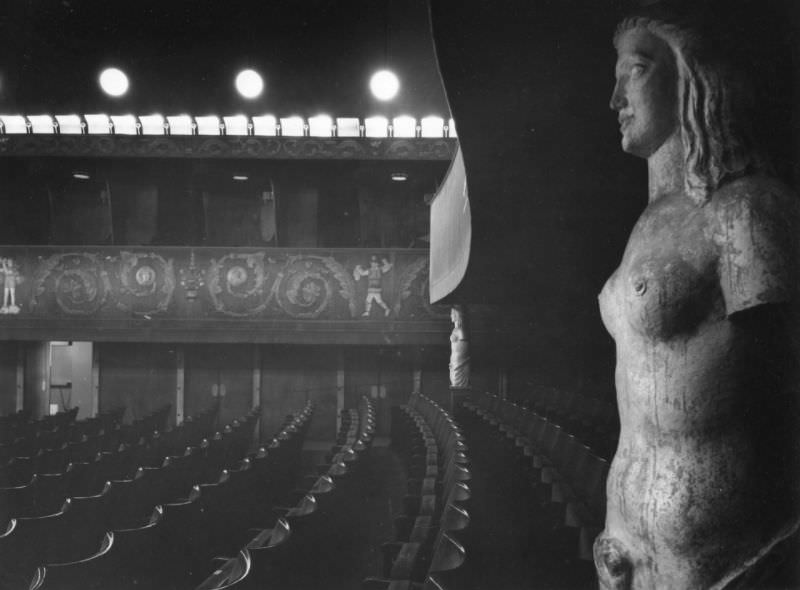
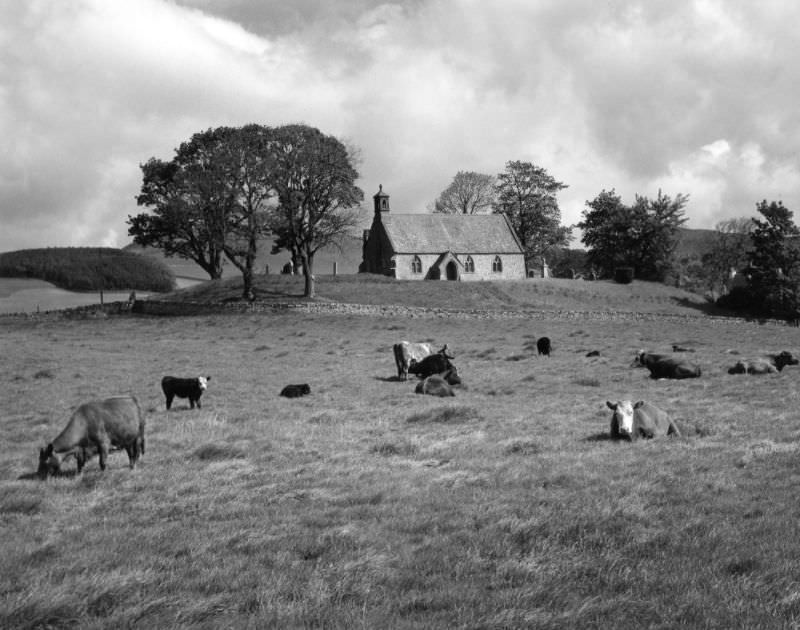
Smith’s archive also includes work from Sweden, where he photographed the interior of the Skandia cinema in Stockholm — a richly decorated art deco space that provided a sharp contrast to the rugged landscapes and plain buildings he often favored. This range, from a gilded cinema to a Scottish hillside church, shows the breadth of his photographic interests.
In 1954, Smith married artist and writer Olive Cook. The two collaborated on several books, and Cook became a devoted champion of his work. After Smith’s death, she donated an archive of 60,000 negatives to the Robert Elwell Photographs Collection at the Royal Institute of British Architects in 2002. That archive preserves one of the most thorough visual records of mid-twentieth-century Britain and Europe produced by a single photographer.
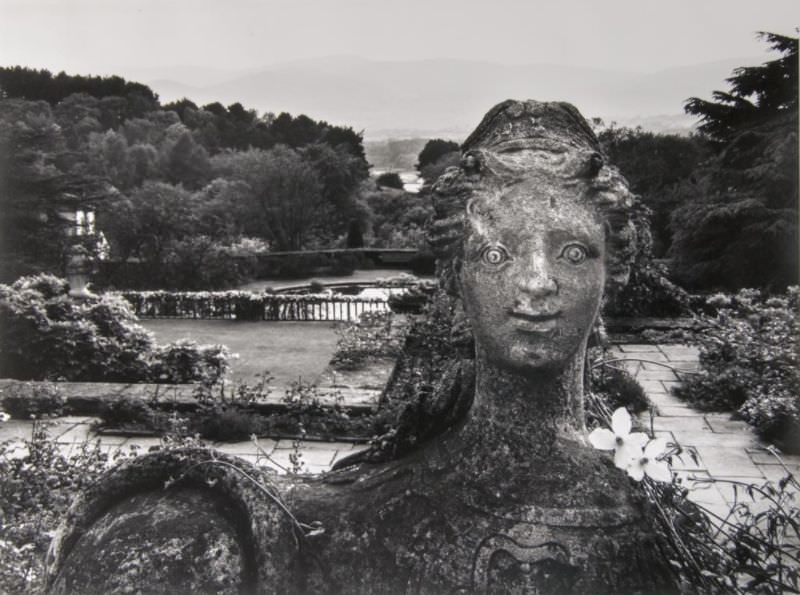
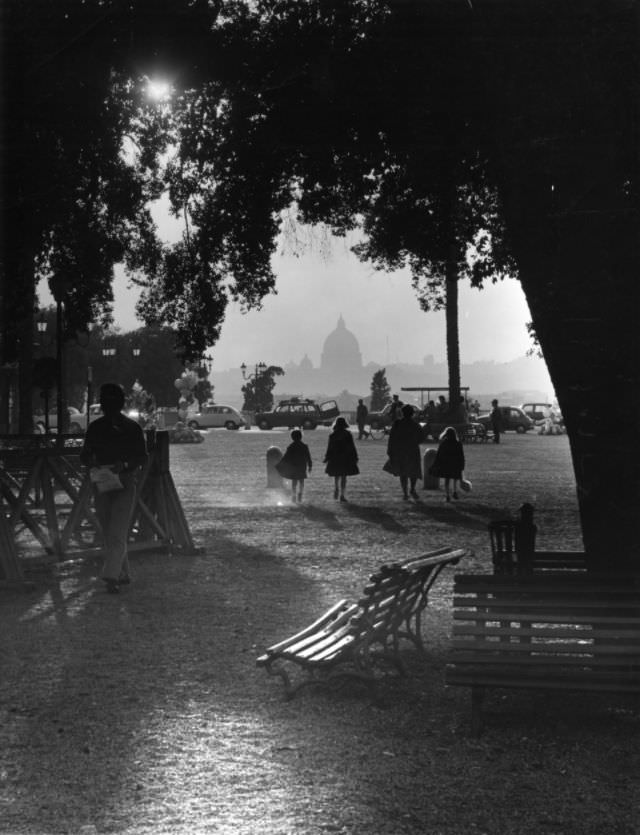
Gardens were among Smith’s most celebrated subjects. From the formal terraces of Bodnant Garden in Wales to the sweeping Pincio gardens above Rome, he photographed cultivated landscapes with the same precision he gave to stonework and street scenes. His garden photography earned him his widest public reputation during his lifetime.