In the early 1900s, getting dressed was anything but casual for a boy. The Edwardian era — roughly 1901 to 1910 — placed enormous value on looking proper, polished, and put-together at every age. For teenage boys, clothing was not simply about covering up. It was a clear signal of where a family stood socially, how educated a boy was, and what kind of future he was expected to have. Every collar, button, and hat brim told a story.
For younger boys just entering their early years, the sailor suit was the go-to outfit. These suits were enormously popular across Britain, Europe, and America during this period. A typical sailor suit included a collared shirt with a round neckline, a pair of shorts, a sailor cap, and a necktie. The style had a strong connection to the navy, which was seen as noble and honorable. Parents dressed their sons this way partly out of admiration for seafaring tradition and partly because the suits were practical and easy to move in.
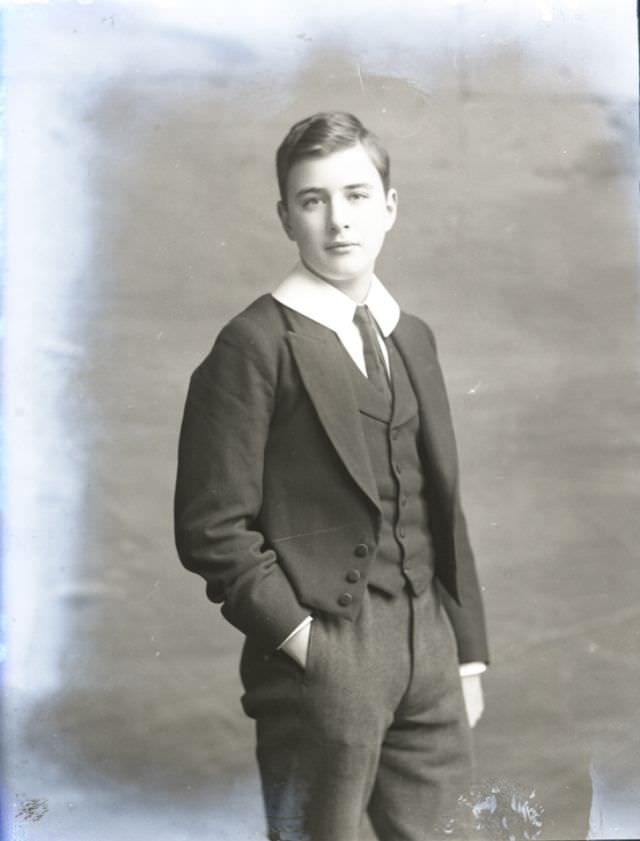
As boys grew older and moved into their teenage years, the sailor suit gave way to something more grown-up. Knickerbockers became the standard choice for everyday wear. These were knee-length pants with a button-front fly, usually worn with knee-high stockings. The style struck a balance — it wasn’t quite the short pants of childhood, but it wasn’t yet the full-length trousers of an adult man. Knickerbockers allowed teens to run, play, and move without restriction, which made them practical for school and outdoor activities alike.
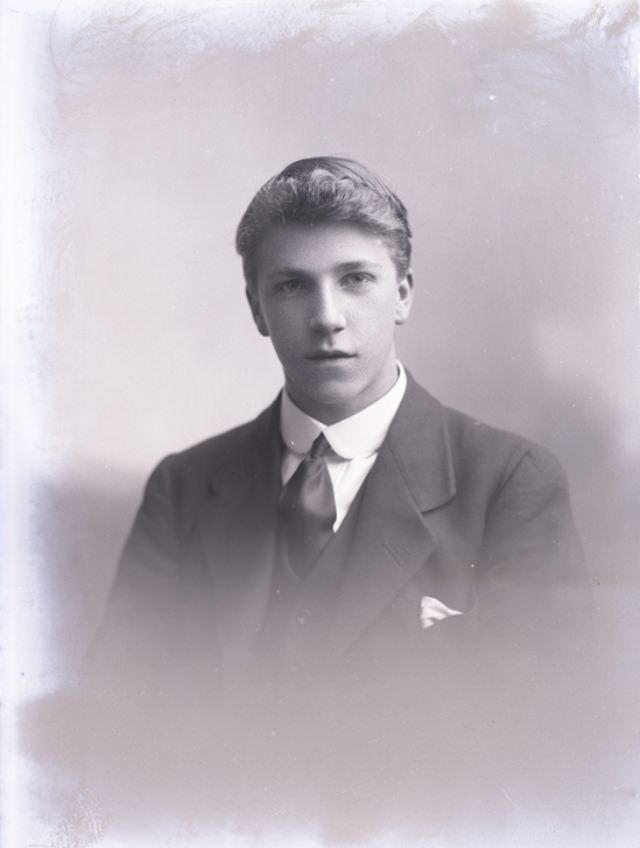
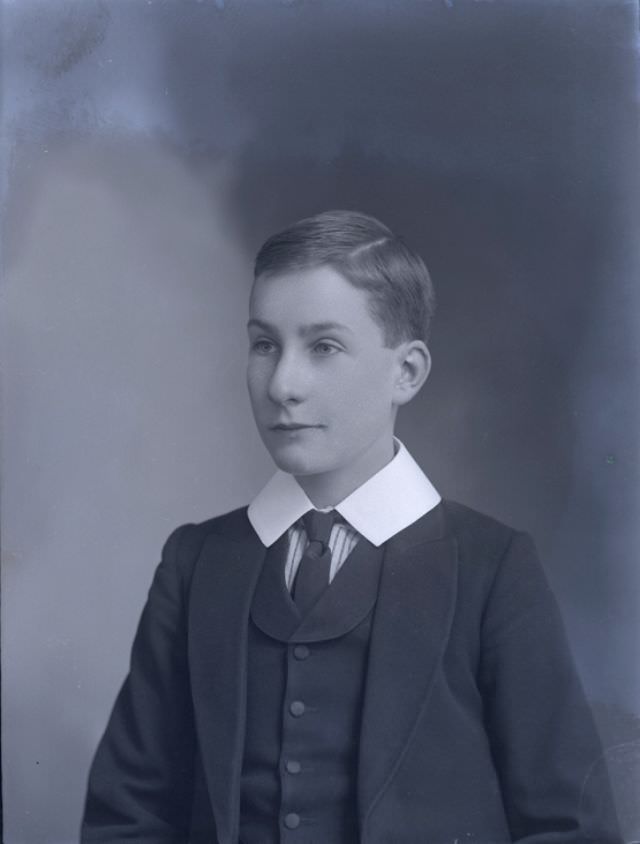
The fabrics used in these everyday outfits were sturdy and built to last. Wool blends were common, chosen for their durability in cooler British weather. Shirts were typically made of cotton or linen, with stiff collars that were meant to hold their shape throughout the day. Even in casual settings, a boy was expected to look neat and presentable. A rumpled shirt or a loose collar was not acceptable in proper Edwardian households.
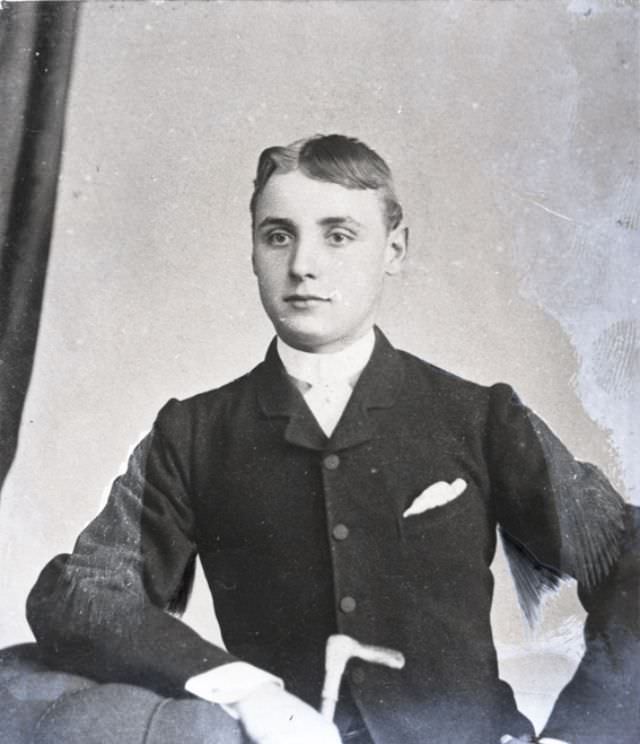
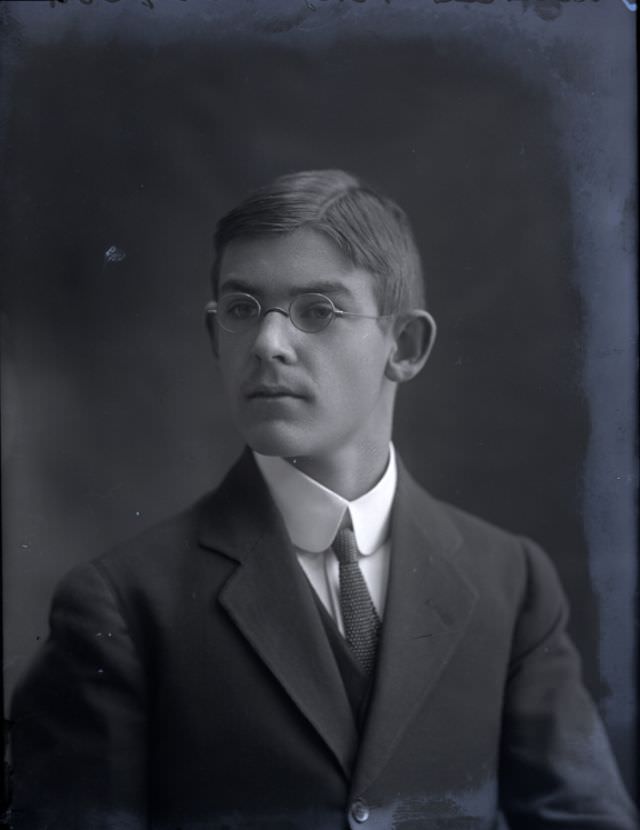
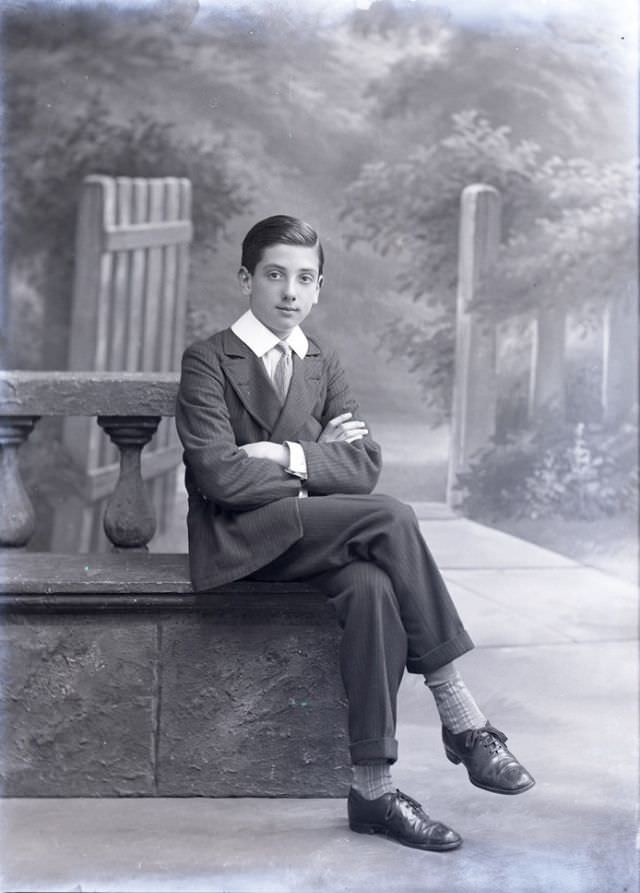
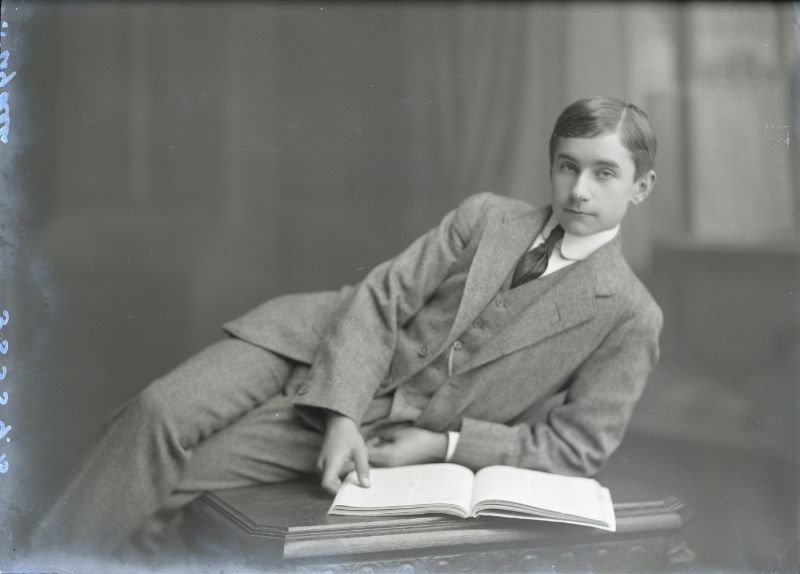
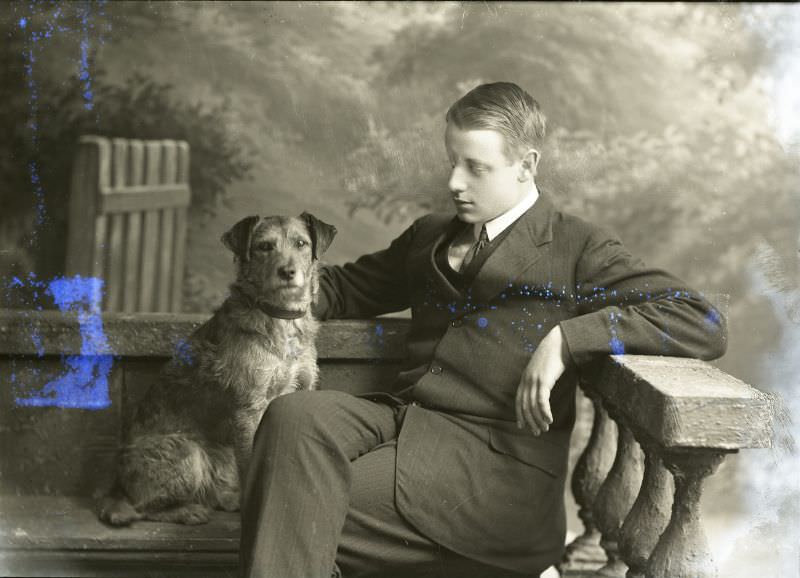
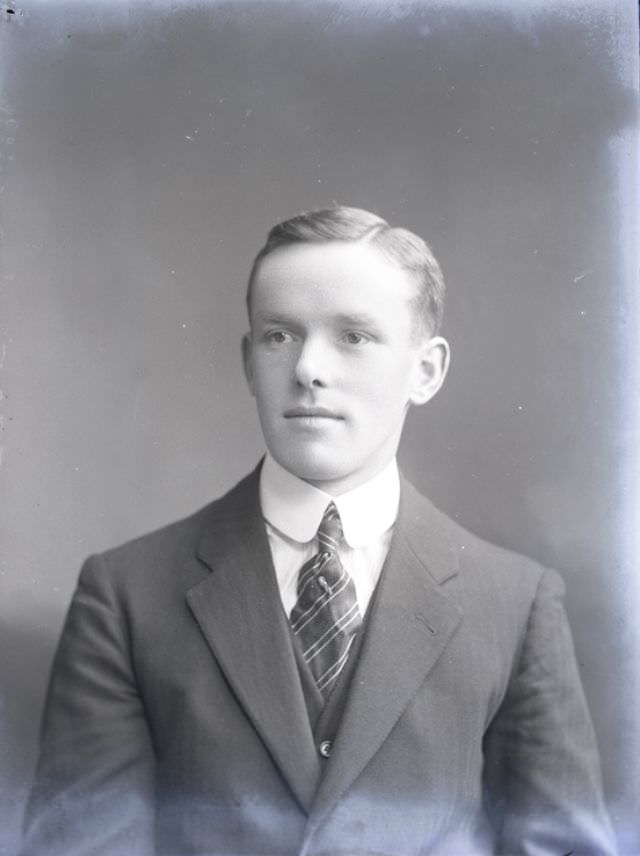
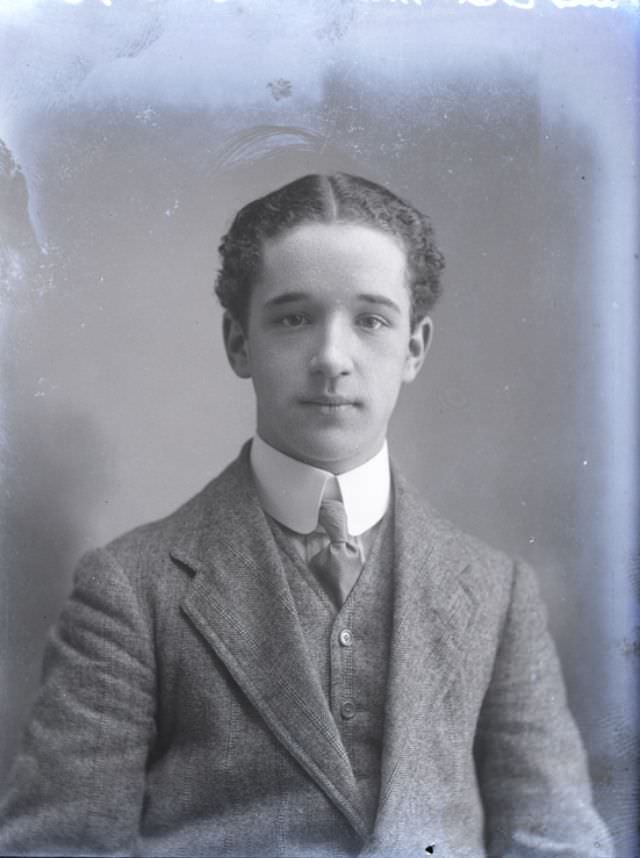
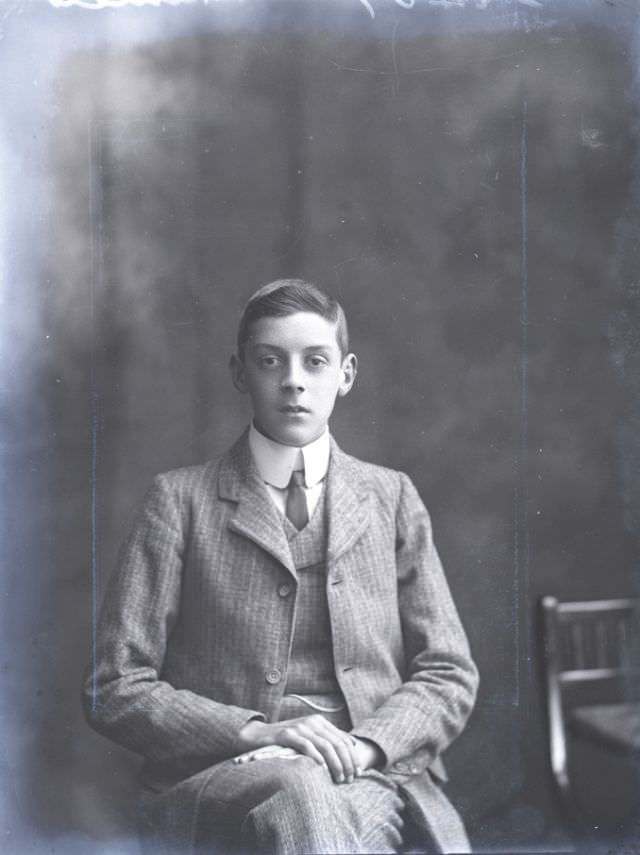
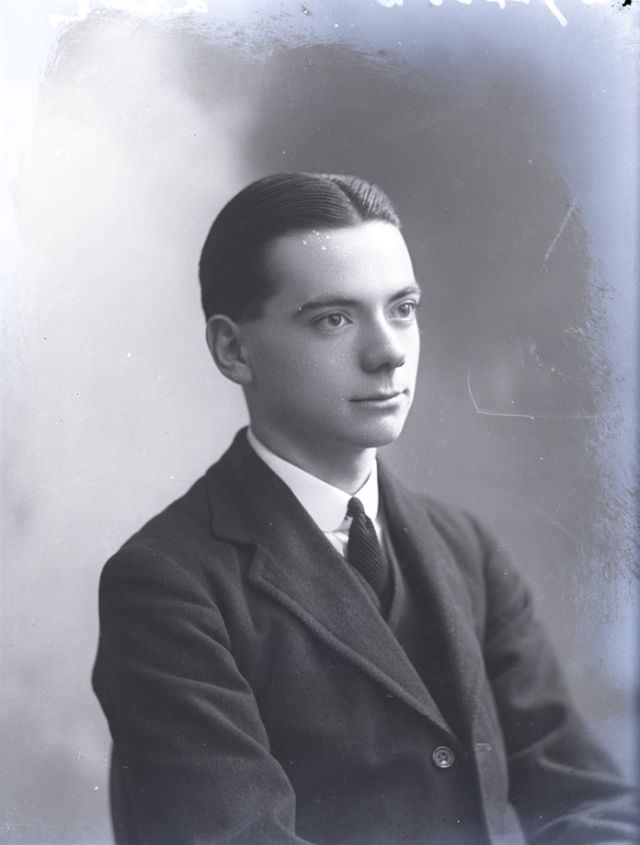
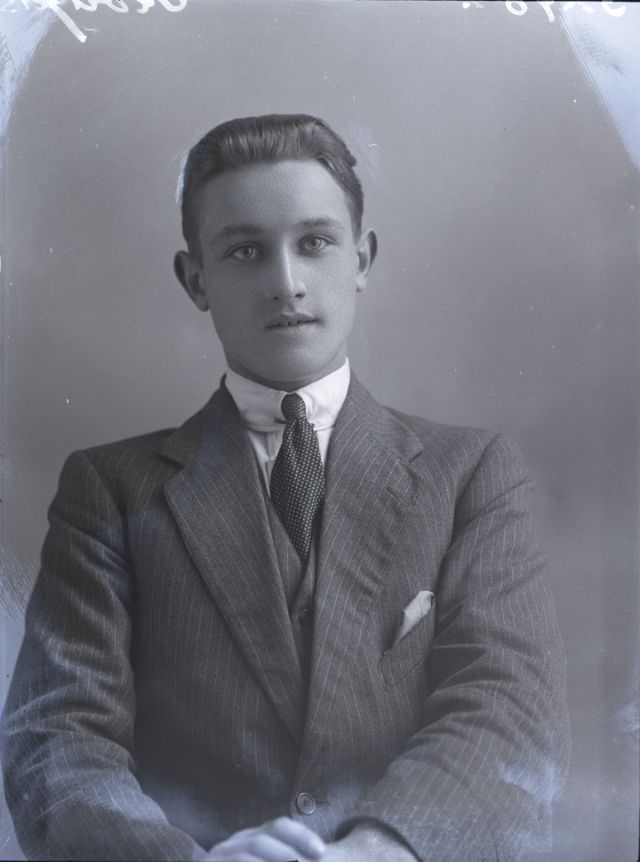
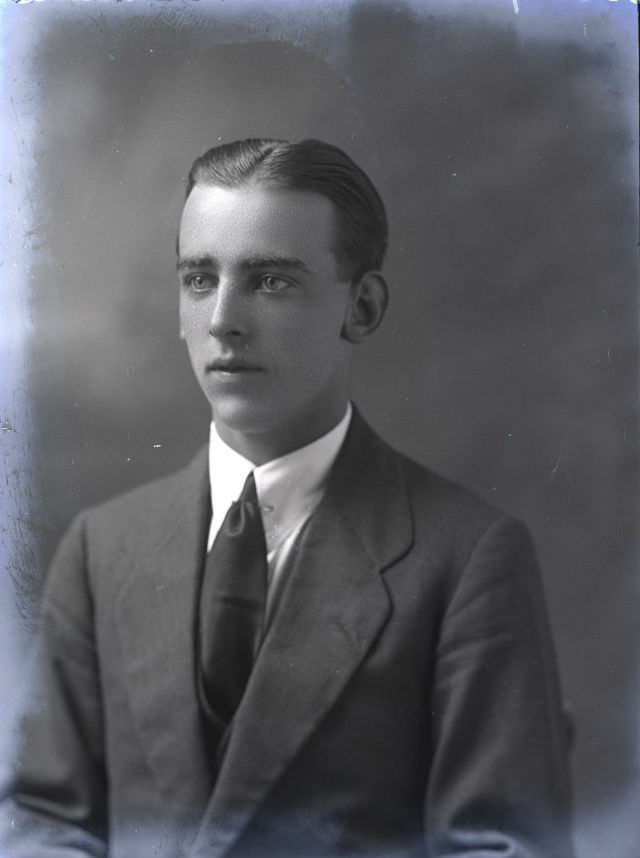
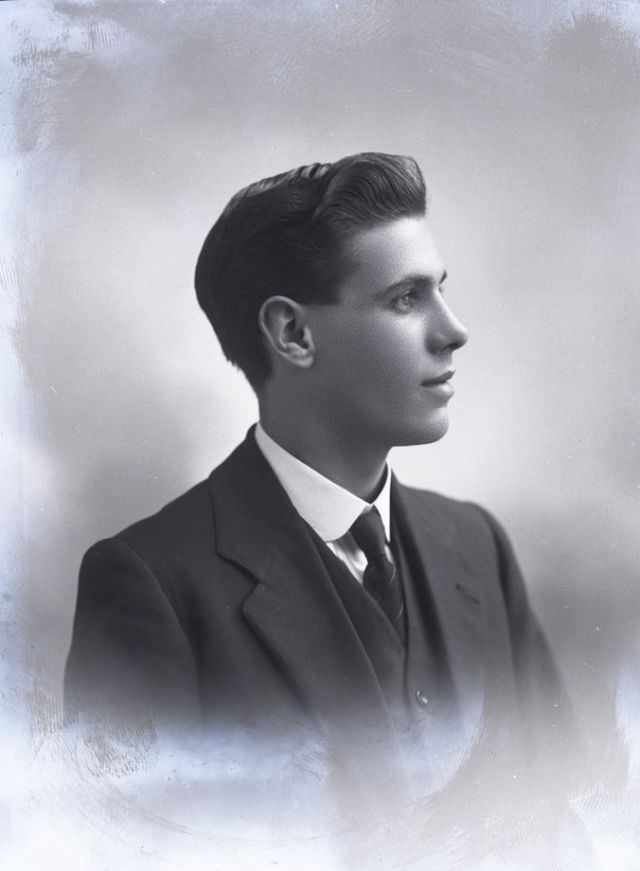
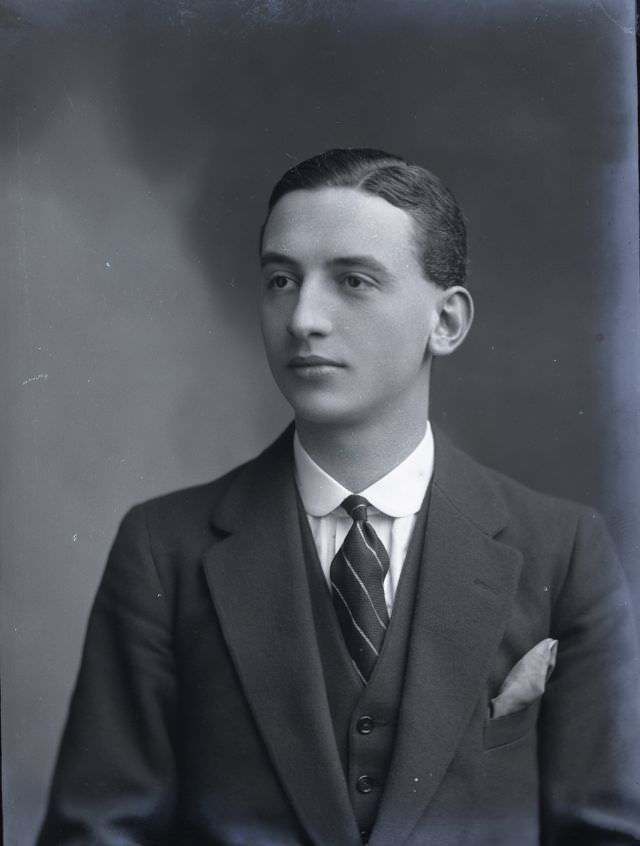
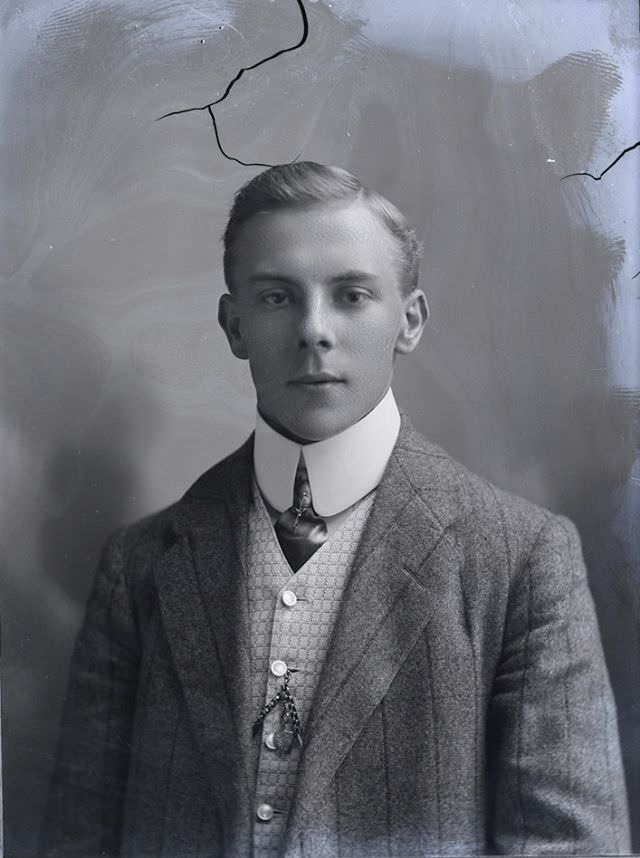
When a special occasion came around — a wedding, a church service, or a formal family gathering — teenage boys stepped up their wardrobe considerably. A full suit was required, and it typically included a single-breasted jacket made from a wool blend, a vest worn underneath, a crisp dress shirt, and a tie. These suits were tailored to fit well, because a sloppy fit was considered just as inappropriate as the wrong outfit entirely. In wealthier families, suits were custom-made by a tailor.
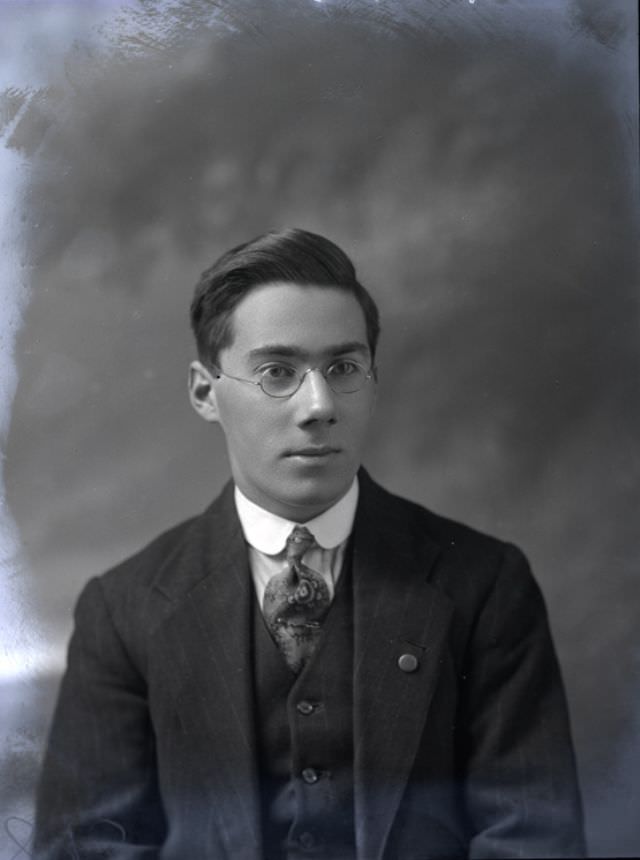
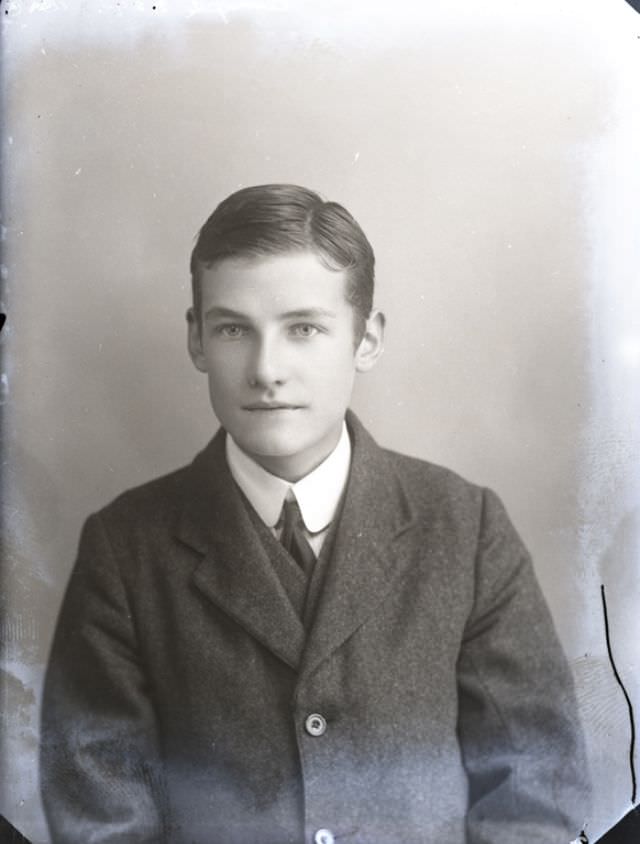
The vest — sometimes called a waistcoat — was a key part of the formal look. It added a layer of structure and formality to any outfit. Boys wore it buttoned up fully, and it was often made from the same fabric as the jacket to create a matching three-piece suit. The tie, usually a narrow knotted style, completed the look. Boys were expected to wear these formal outfits with confidence and composure, as presenting oneself well was considered a sign of good upbringing.
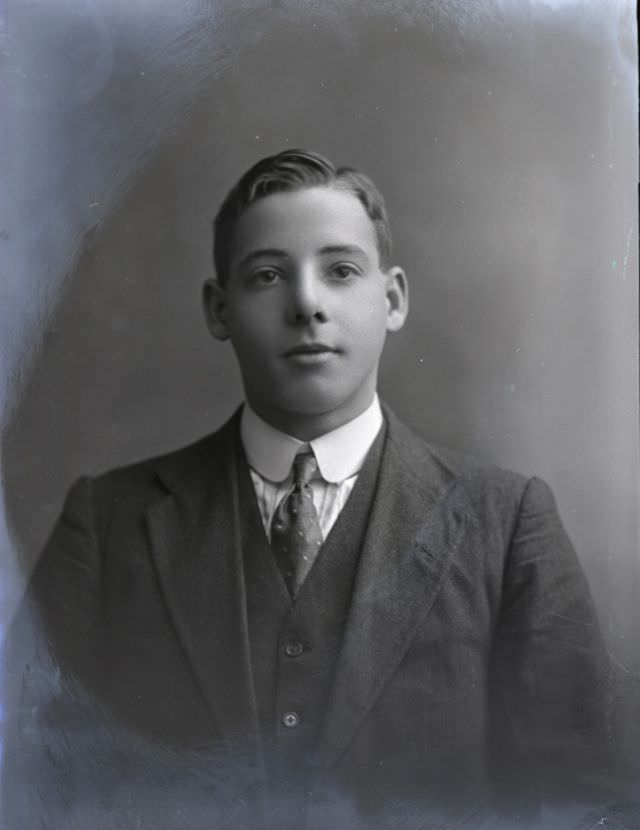
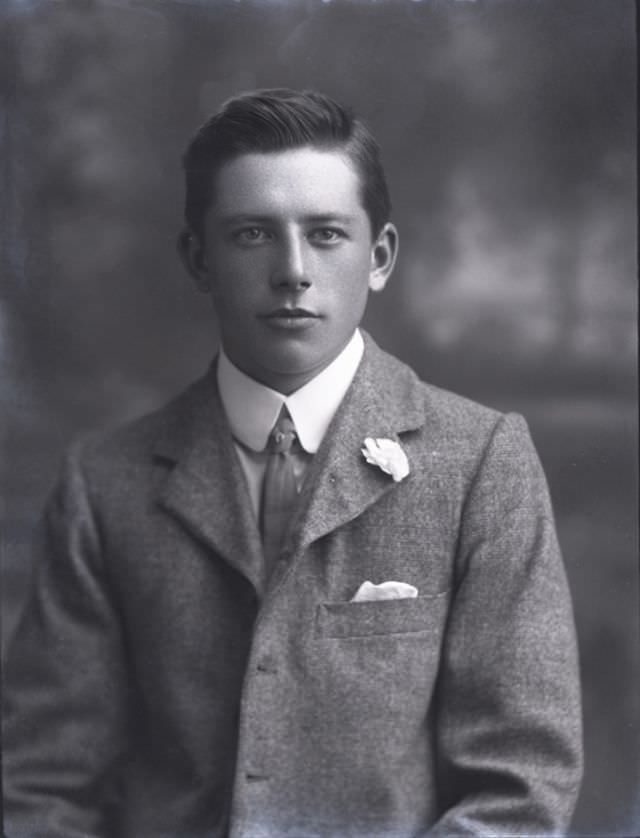
Accessories were just as important as the clothing itself. A teenage boy in the Edwardian era was rarely seen without at least a few key items. The pocket watch was one of the most prized accessories a boy could carry. It was often passed down from a father or grandfather, making it both a practical tool and a sentimental object. Boys would wear the watch tucked into the vest pocket, with a small chain draped across the front.
Gloves and walking canes were also common accessories among teenage boys, particularly those from upper-class families. Gloves were worn outdoors as a matter of etiquette, and a cane added a sense of maturity and elegance. These were not just decorative — they were expected items that showed a boy was being raised with proper manners and social awareness.
No Edwardian outfit was complete without a hat. Hats carried significant meaning during this era. They indicated a person’s class, profession, and level of refinement. For teenage boys, the two most popular choices were the Homburg and the fedora. The Homburg was a felt hat with a wide, stiff brim and a dented crown — sturdy and formal. The fedora was softer, with a center crease running along the top and a more relaxed look overall. Both were considered respectable choices for young men.
Boys from wealthier families had access to a wider range of hat styles and higher-quality materials. But even in middle-class homes, a hat was considered a necessity rather than a luxury. Boys were expected to wear their hats outdoors at all times and to remove them indoors as a sign of respect. The rules around hat etiquette were taken seriously, and failing to follow them was considered rude and embarrassing.
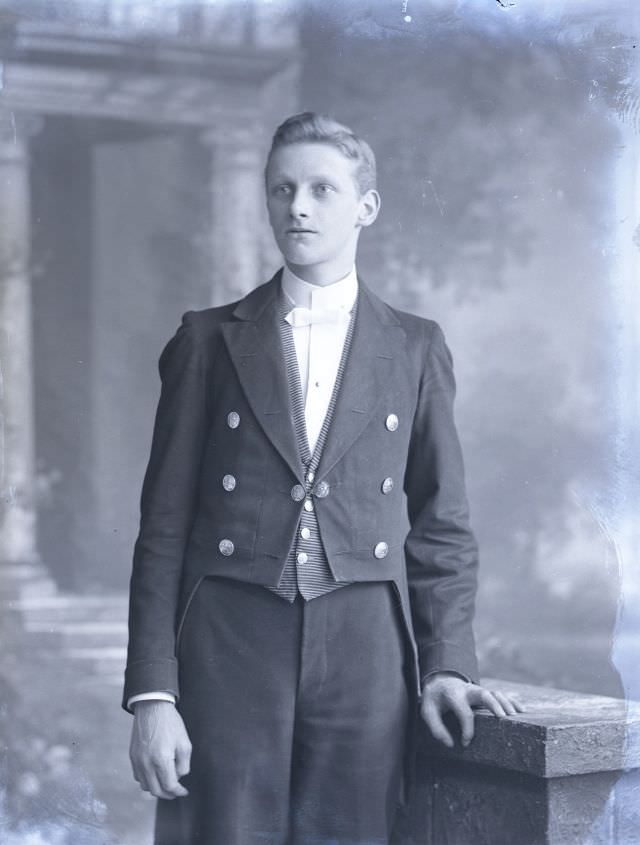
Social class shaped every aspect of Edwardian boys’ fashion. Upper-class boys wore finely tailored suits with premium wool and precise stitching. Middle-class families aimed to match those standards as closely as their budgets allowed. Working-class boys wore simpler, more durable versions of the same styles — knickerbockers and sturdy shoes rather than polished leather boots, and ready-made jackets instead of custom-tailored ones. Across all classes, the expectation to dress well remained constant.
Footwear followed the same rules as the rest of Edwardian fashion — it was chosen for appearance as much as function. Leather boots laced up the front were the most common style for teenage boys. They were polished regularly and expected to remain clean. Shoes were rarely casual. Even for school, boys wore structured leather footwear that matched the formality of their overall outfit.
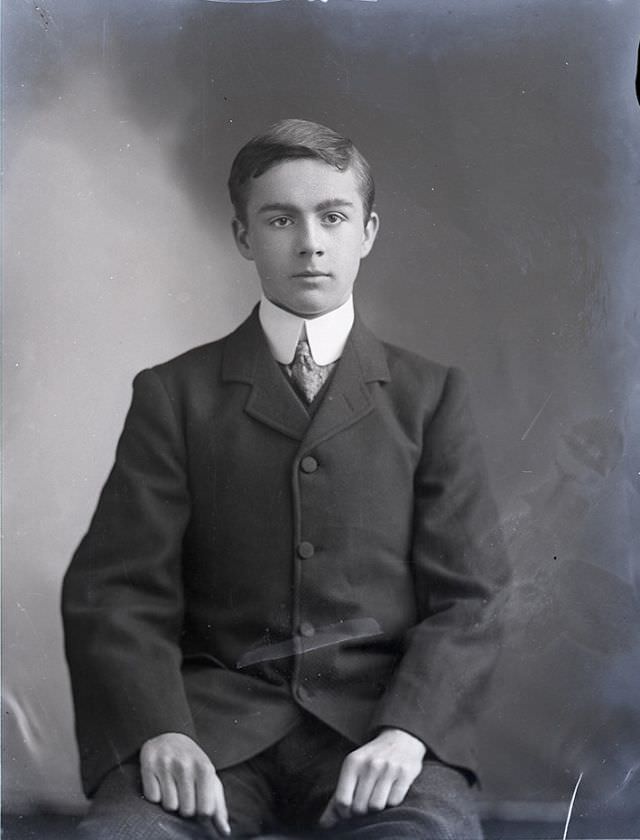
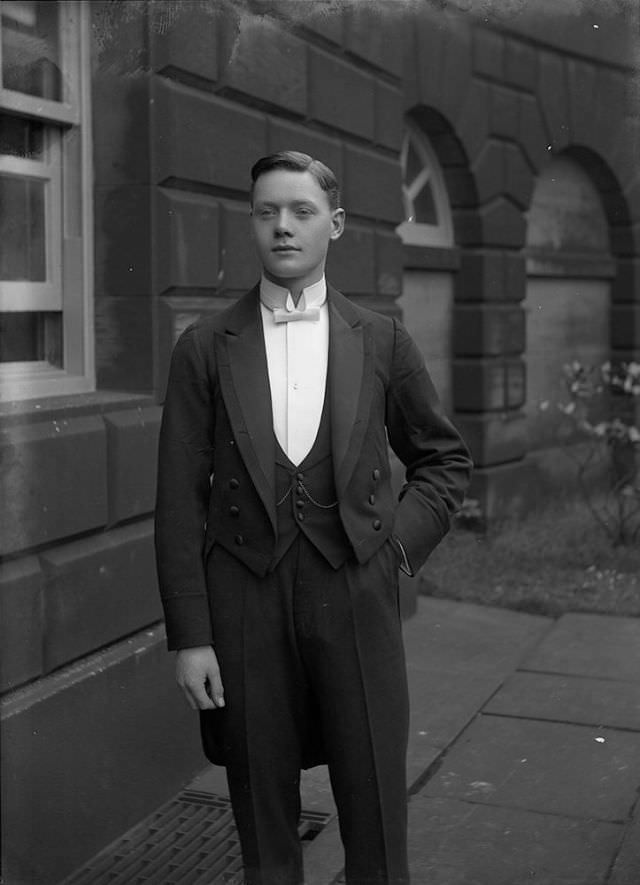
School uniforms reinforced many of these fashion standards. Most schools required boys to wear a specific jacket, tie, and cap as part of their daily uniform. The school cap — a flat, round hat with a small brim — became closely associated with the Edwardian schoolboy. It was worn with pride and served as a marker of the school a boy attended. Wearing the uniform correctly was a point of discipline, and boys who deviated from the dress code faced consequences.
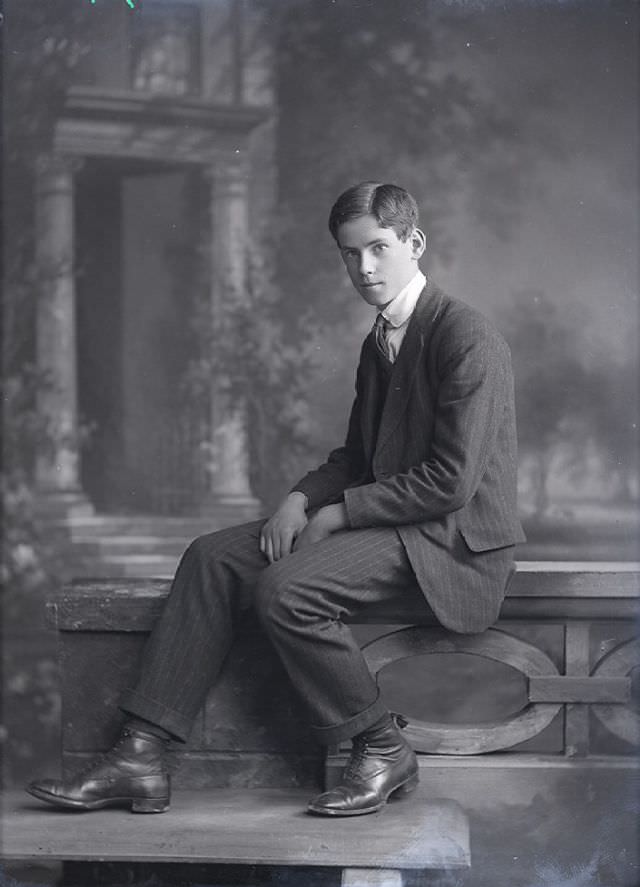
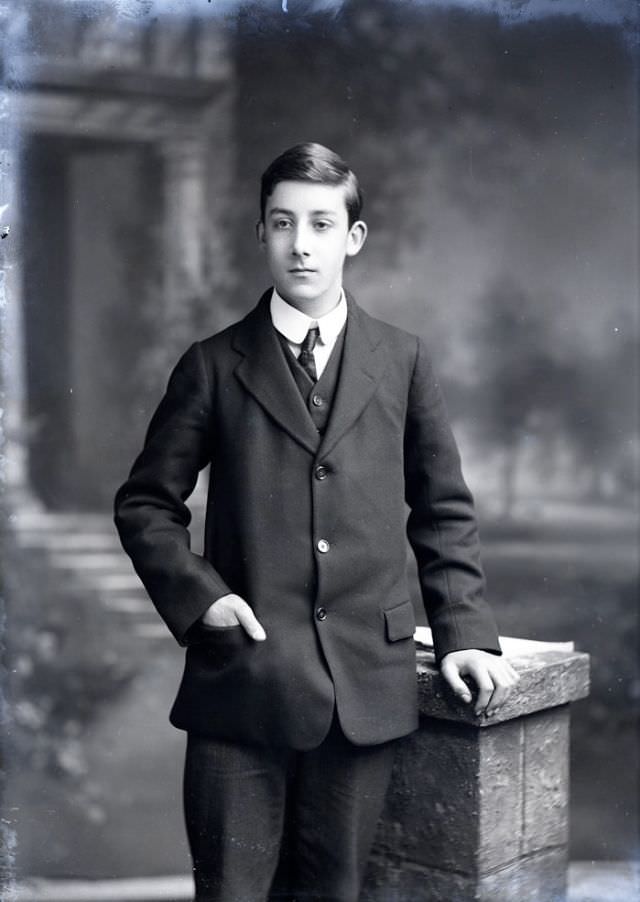
The transition from boyhood to young adulthood in Edwardian fashion was very deliberate. A boy’s first pair of full-length trousers was a milestone — it marked his move out of childhood and into the early stages of manhood. Families often made this transition at around age 14 or 15. The long trousers were worn with a jacket and tie, giving the teenager the appearance of a young gentleman rather than a child.
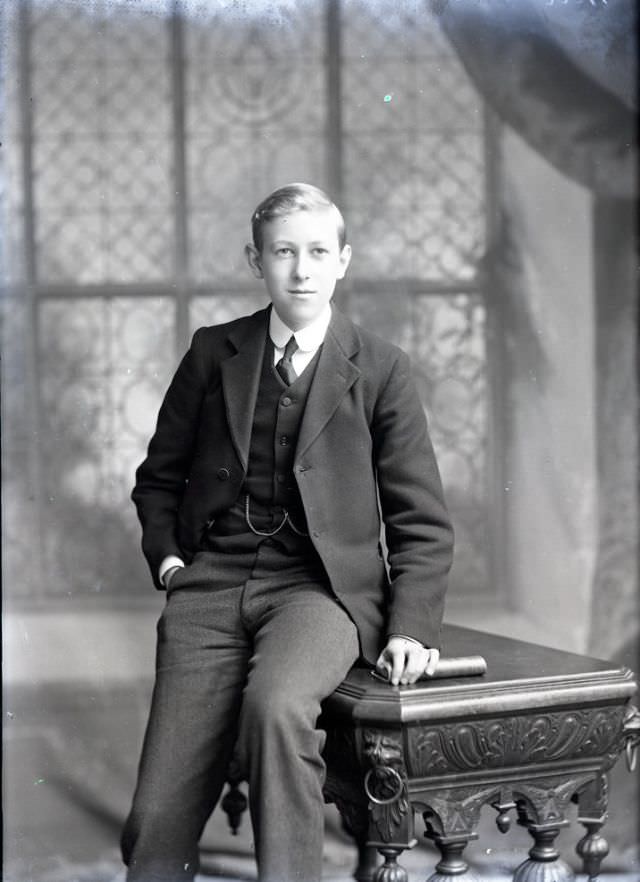
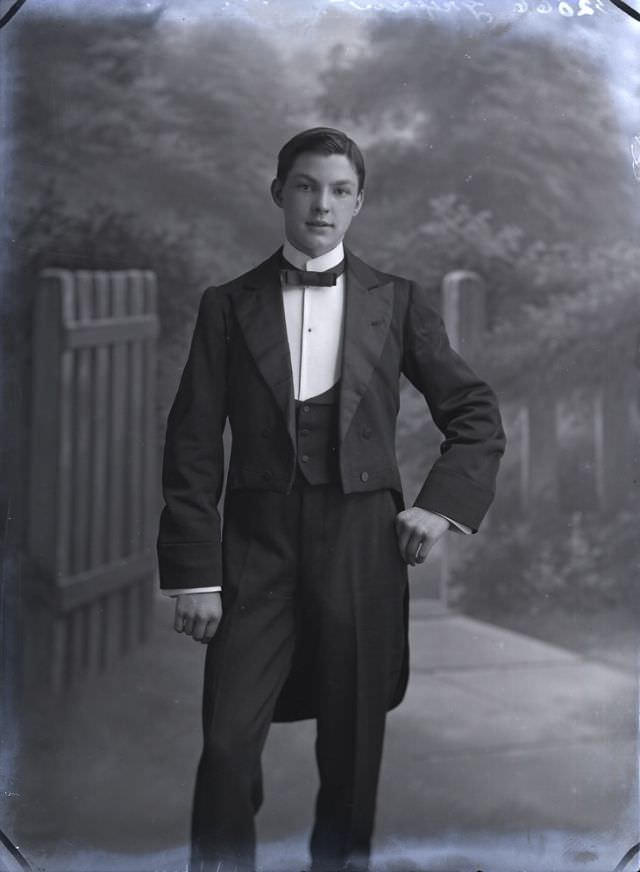
Color choices in Edwardian boys’ fashion were generally conservative. Navy blue, dark grey, brown, and black were the most common tones. Bright colors were rare and considered inappropriate for formal wear. Even casual outfits leaned toward muted, serious shades. White shirts were the standard for dress occasions, and patterns — when used — were subtle, like thin pinstripes or small checks on jacket fabric.
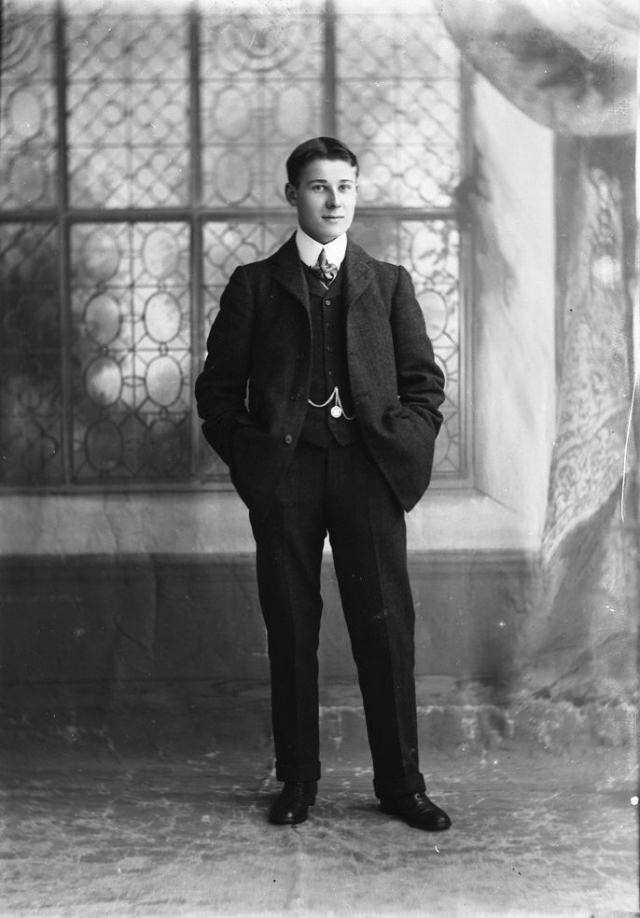
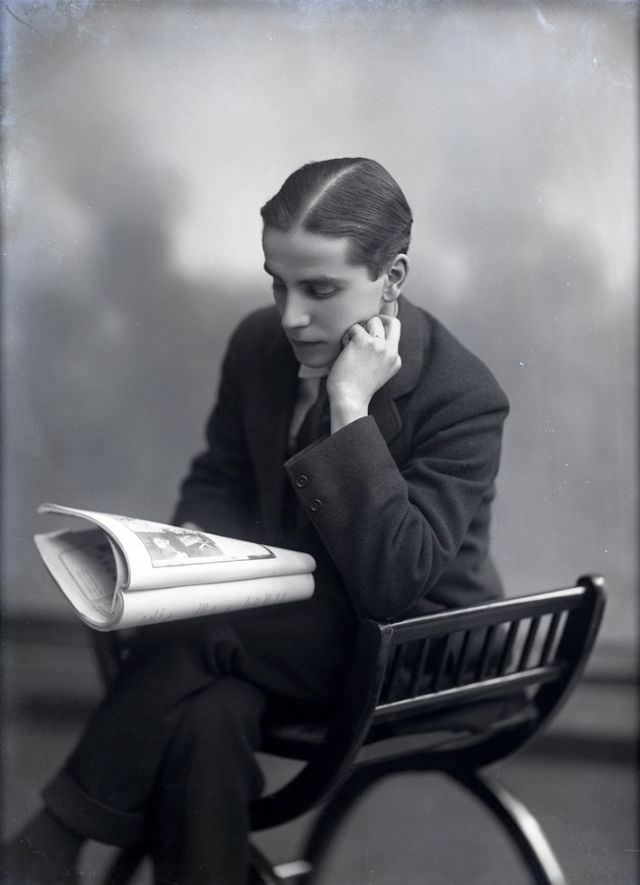
Edwardian teenage boys carried the weight of an entire era’s expectations on their shoulders — sometimes quite literally, given the structured, padded jackets of the time. Every item they wore was chosen with purpose. Clothing communicated respect, readiness, and rank. From the sailor suits of early boyhood to the tailored jackets of the teenage years, fashion in this era was a strict language that every boy was expected to speak fluently.