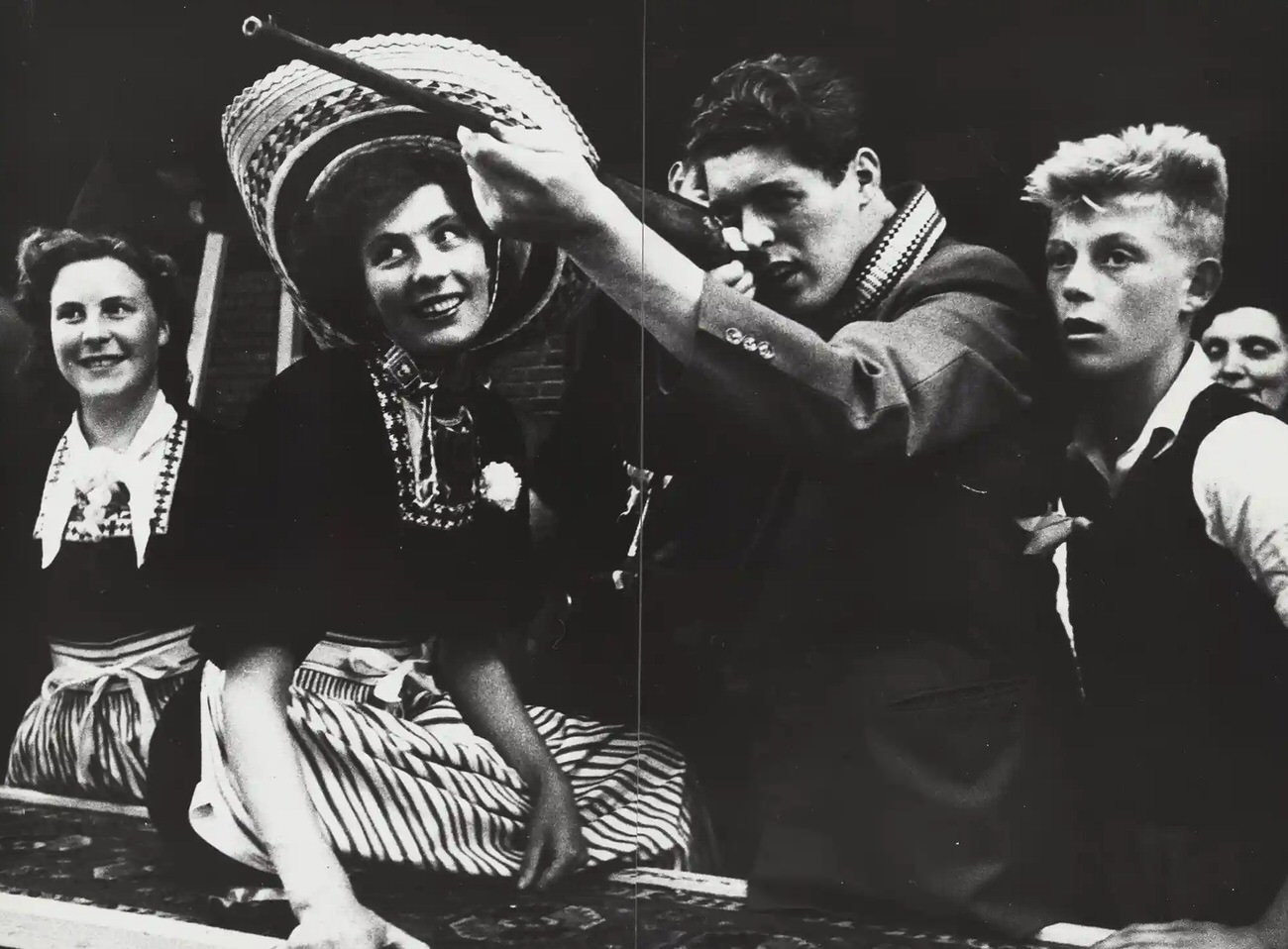
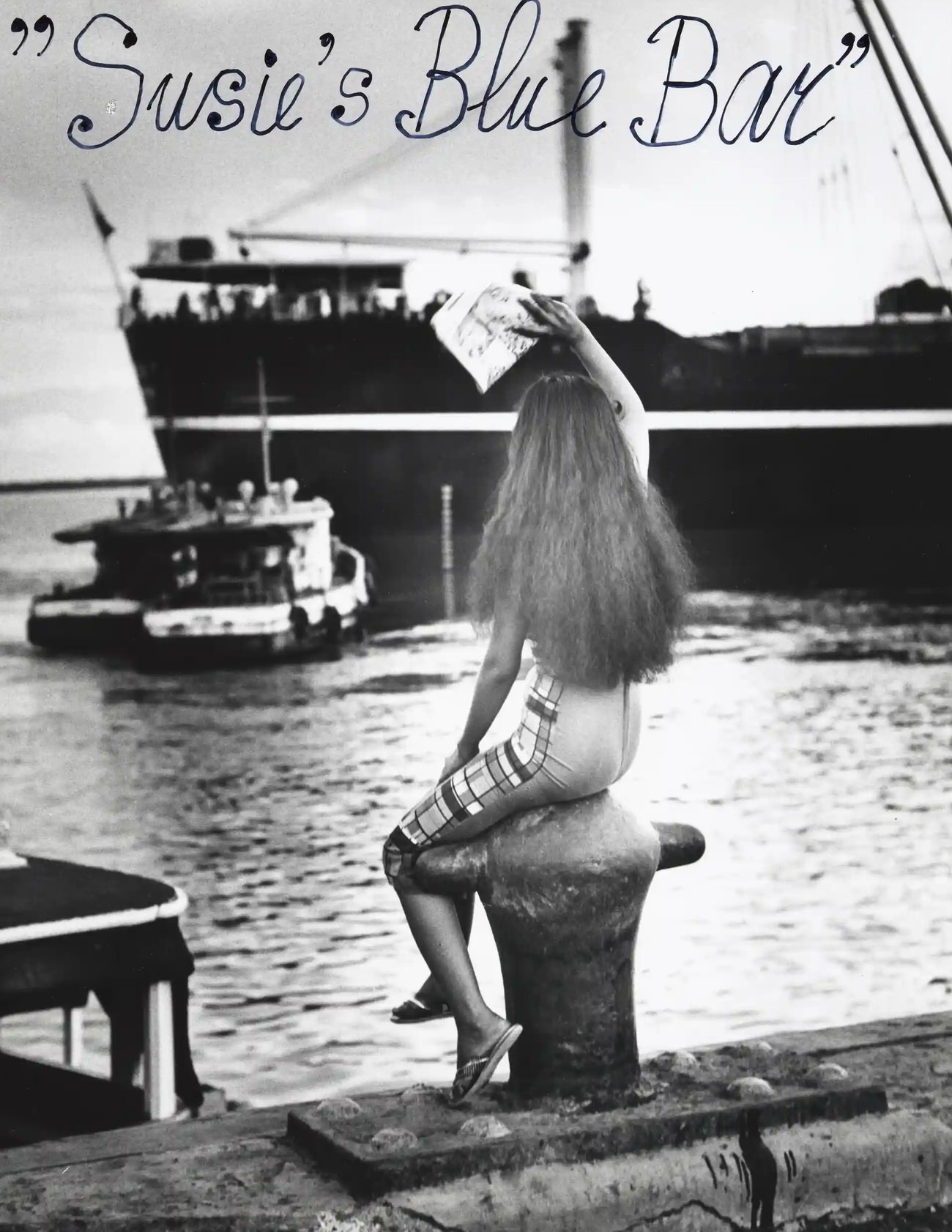
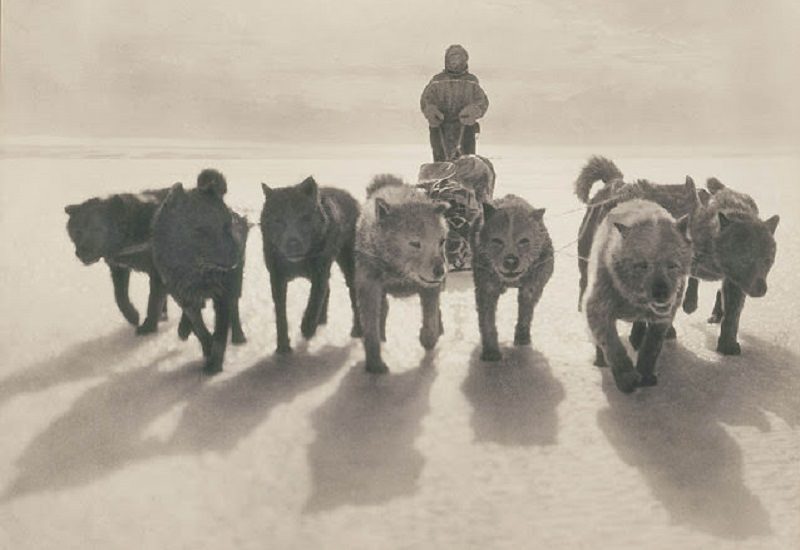
Ed van der Elsken moved through the world like a man allergic to formality. His camera caught people mid-laugh, mid-protest, mid-embrace — rarely posed, always alive. Born in Amsterdam, he spent decades crossing continents, pressing his lens into street fairs, jazz halls, shipyards, and bars.
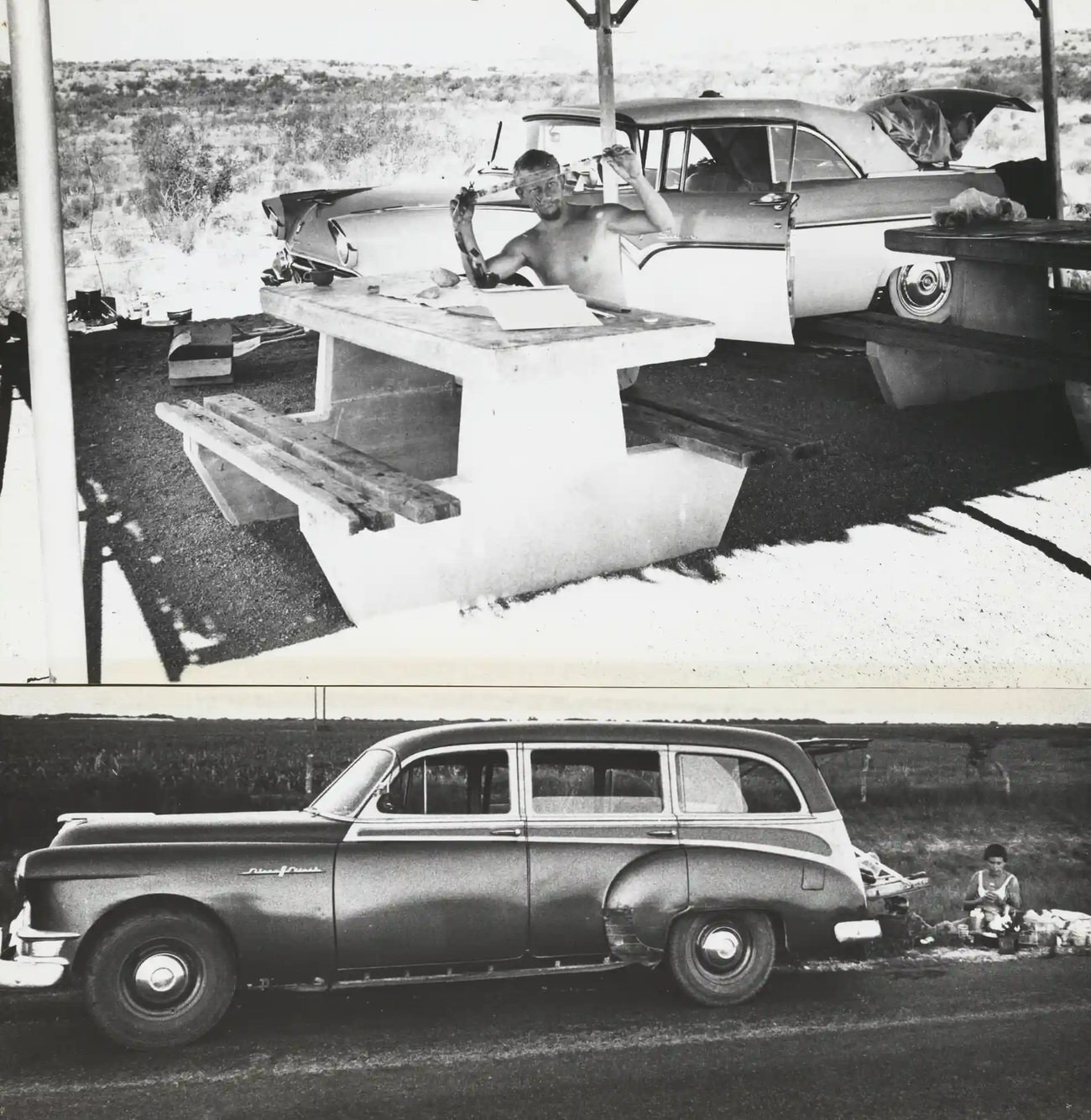
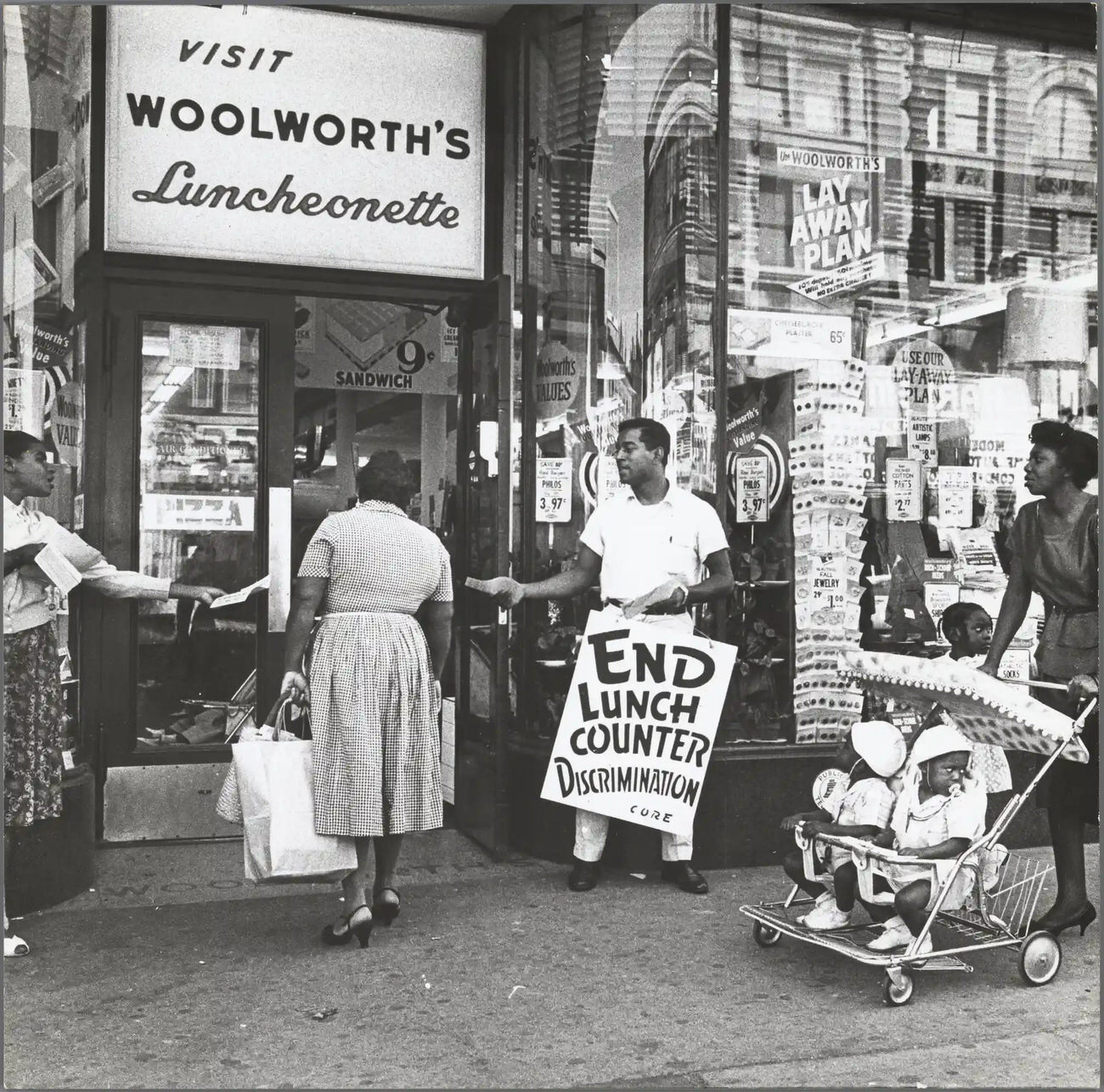
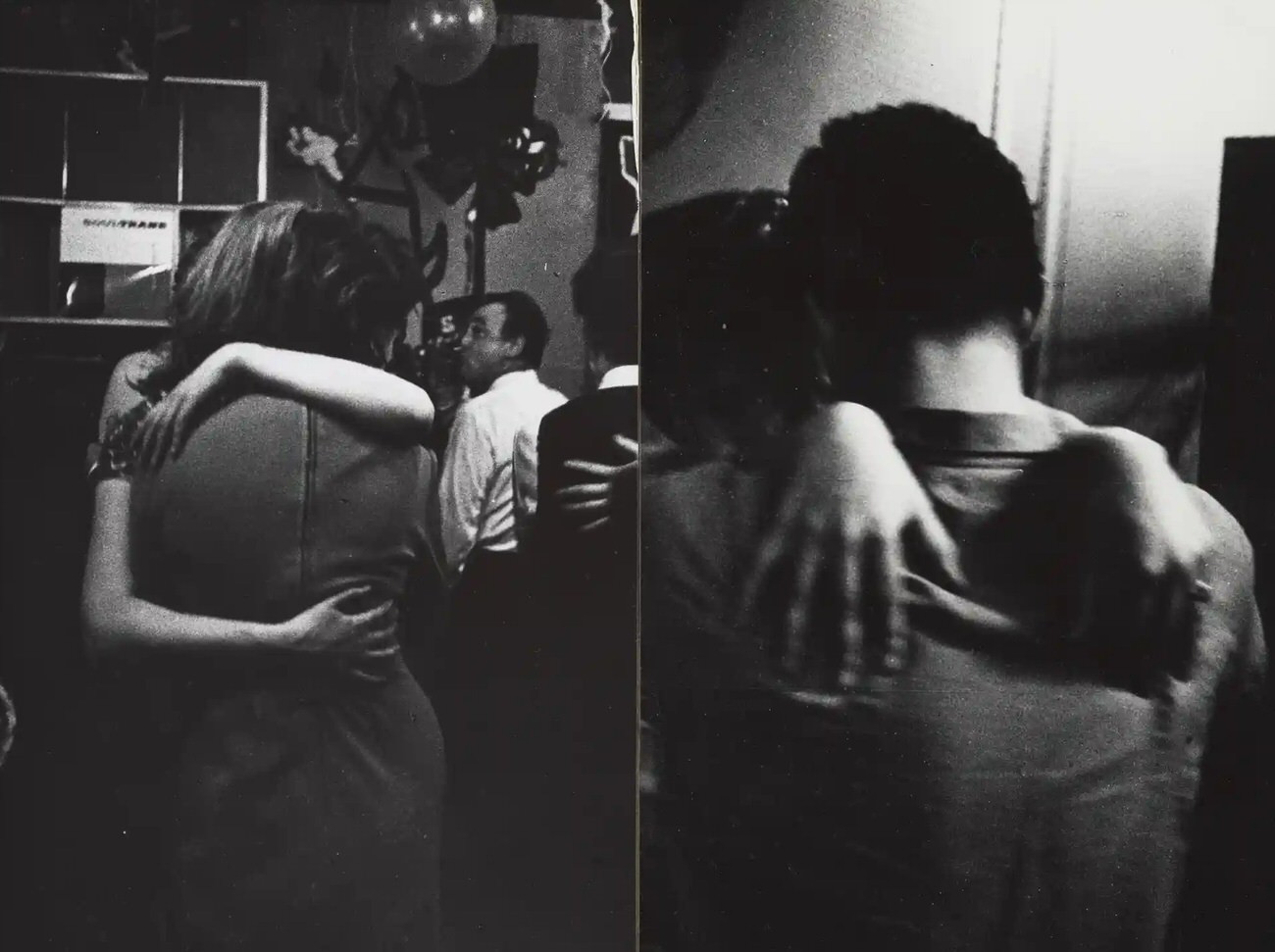
In 1960, van der Elsken documented a civil rights protest outside a Woolworth store in New York. He was just as comfortable photographing political unrest as he was capturing a birthday party for a Flemish writer in Amsterdam.
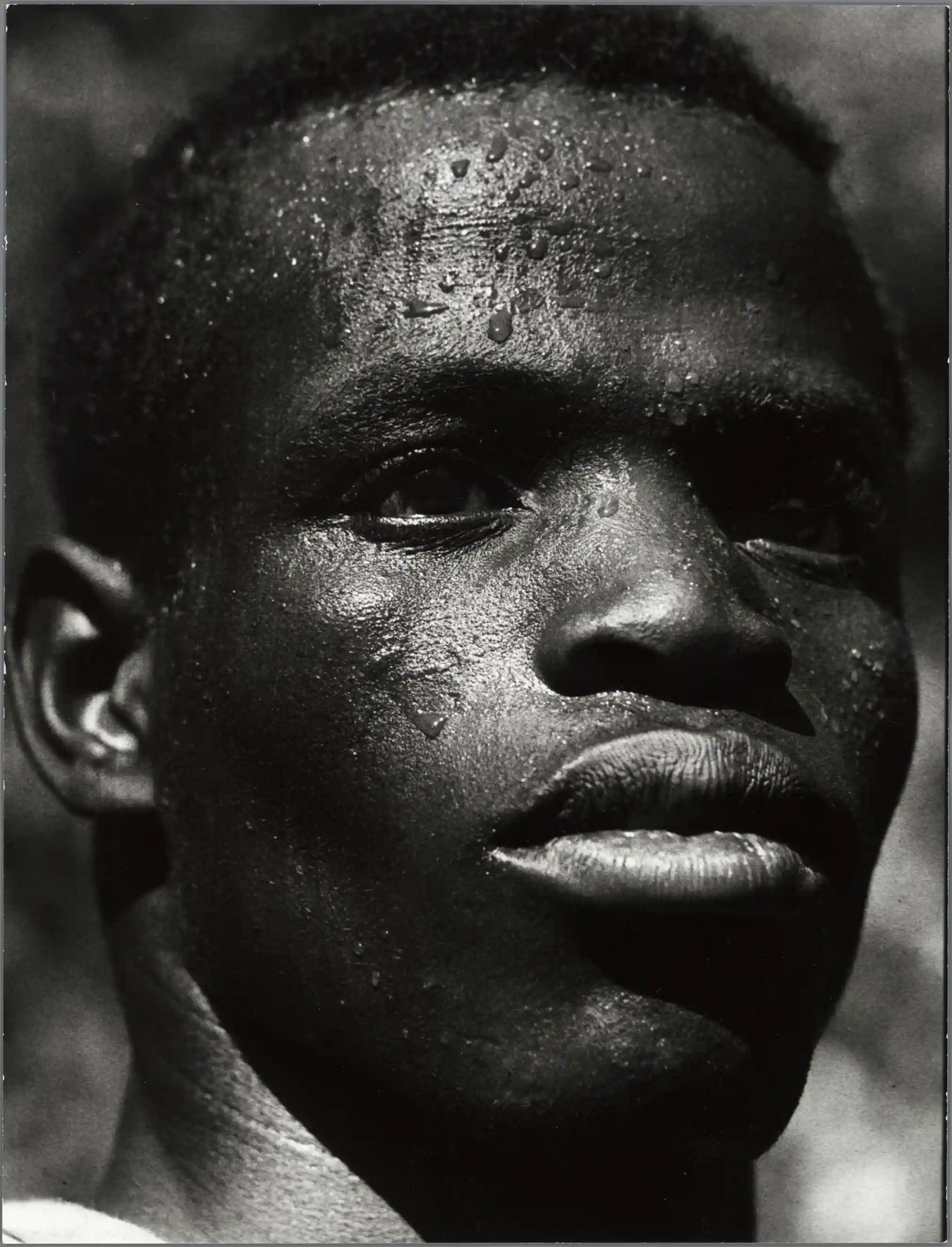
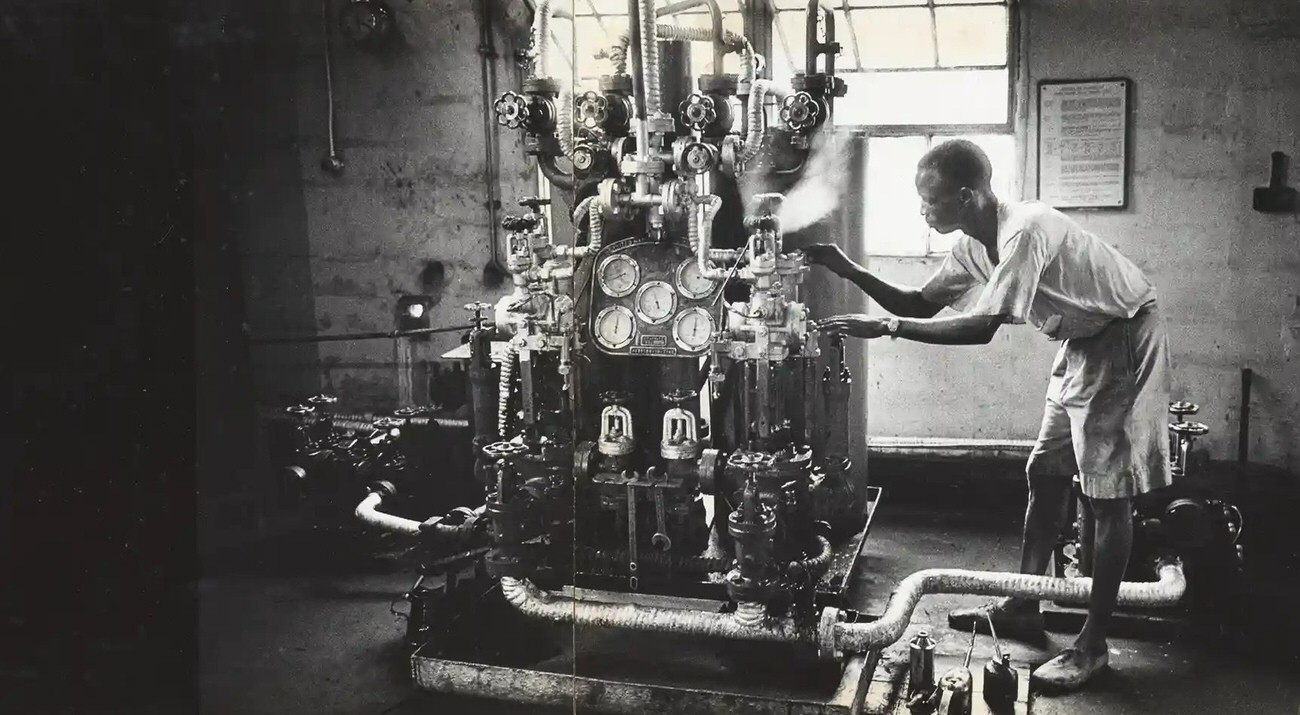
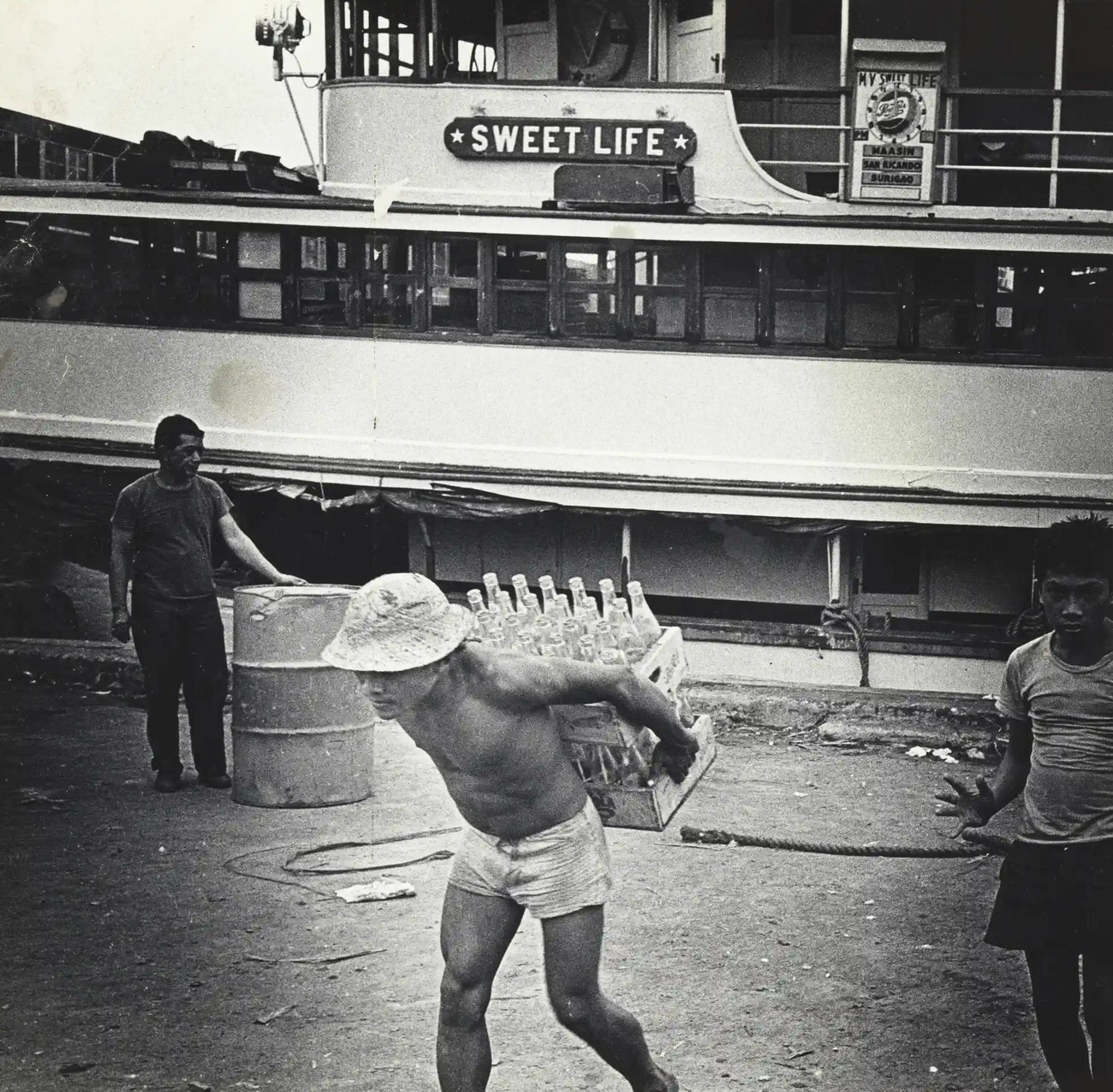
His travels took him far beyond Europe. In 1956–1957, he photographed in Oubangui-Chari — now the Central African Republic — and by 1959 he was working through Nigeria, the Philippines, and Japan.
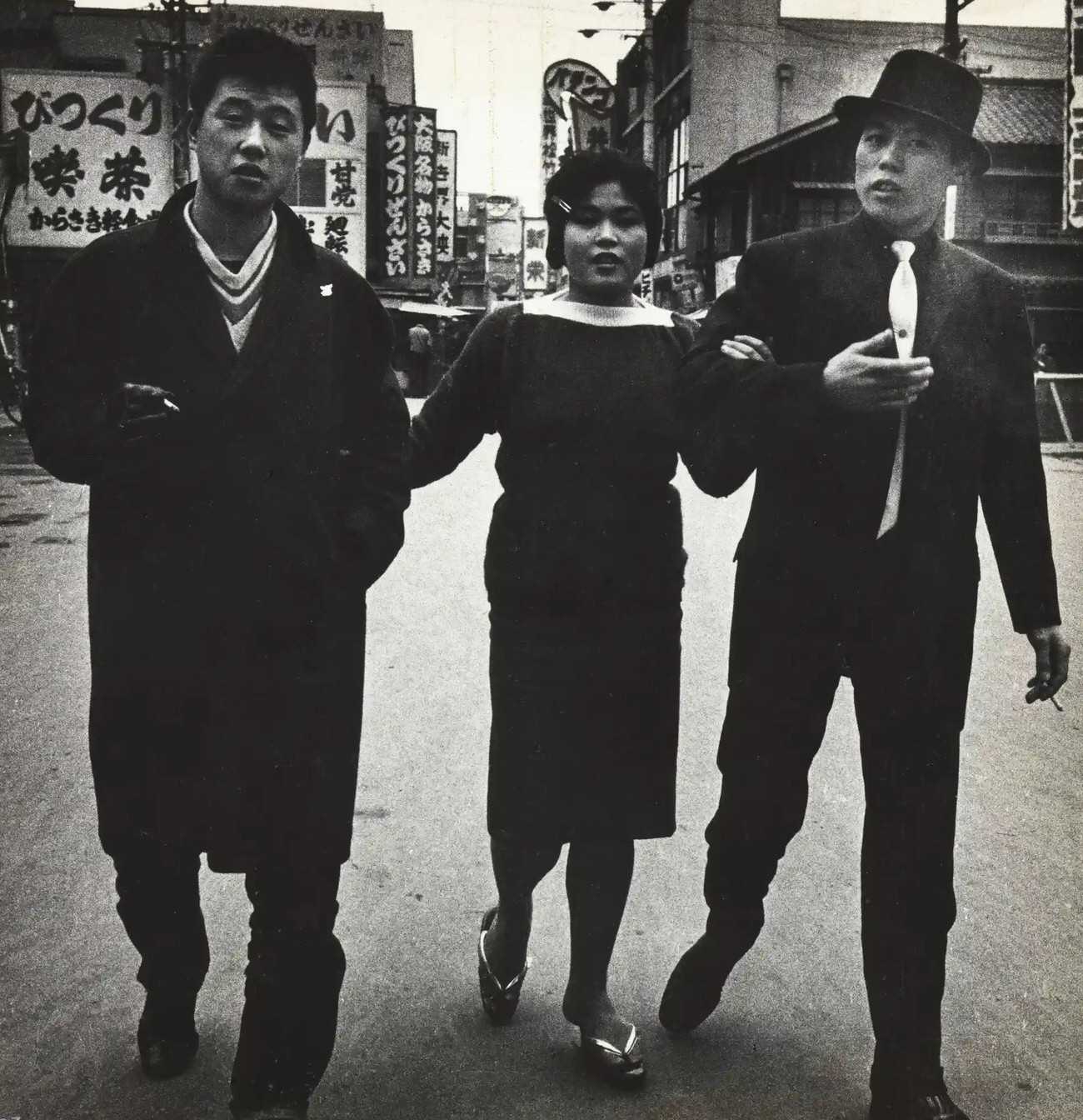
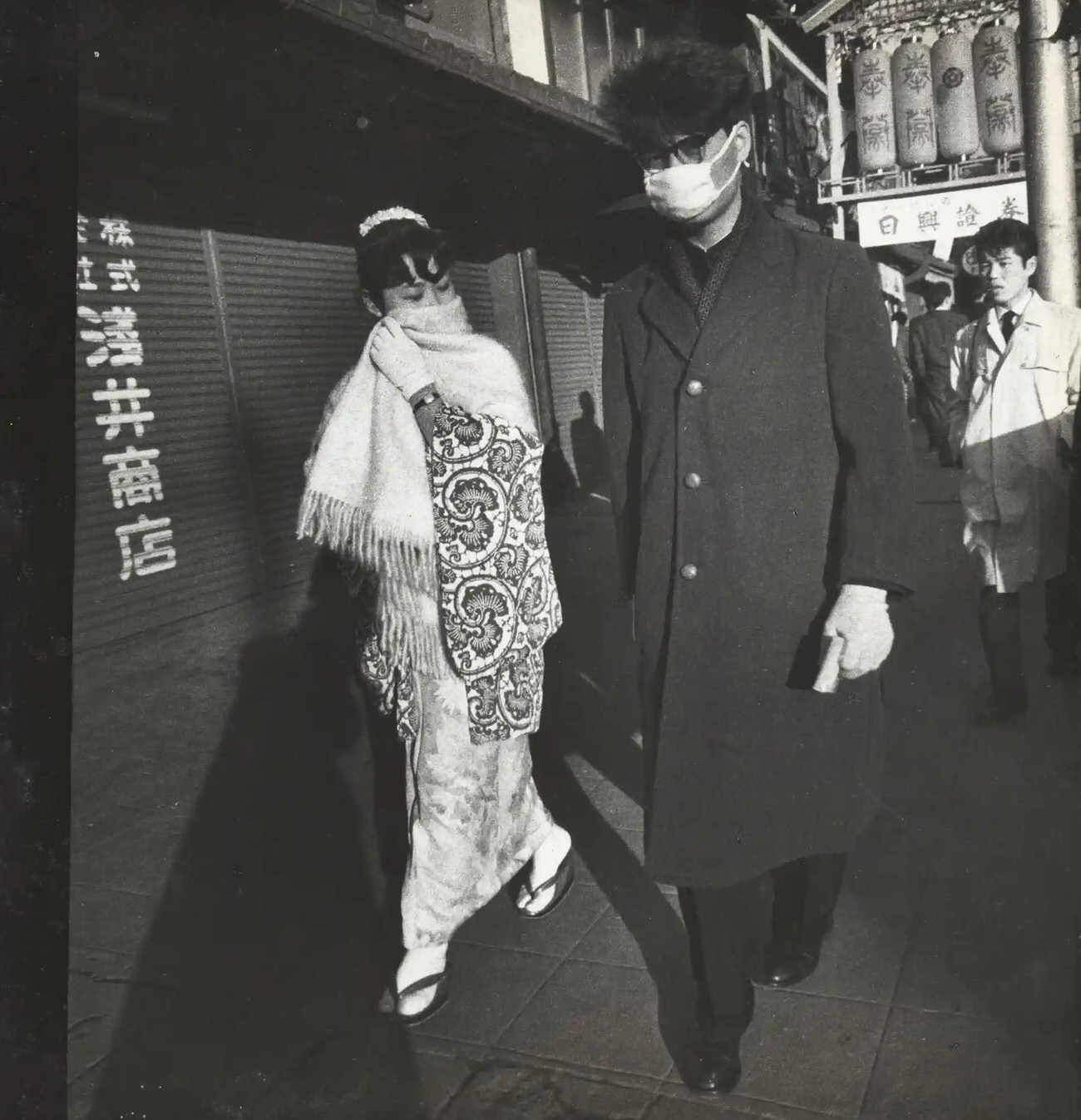
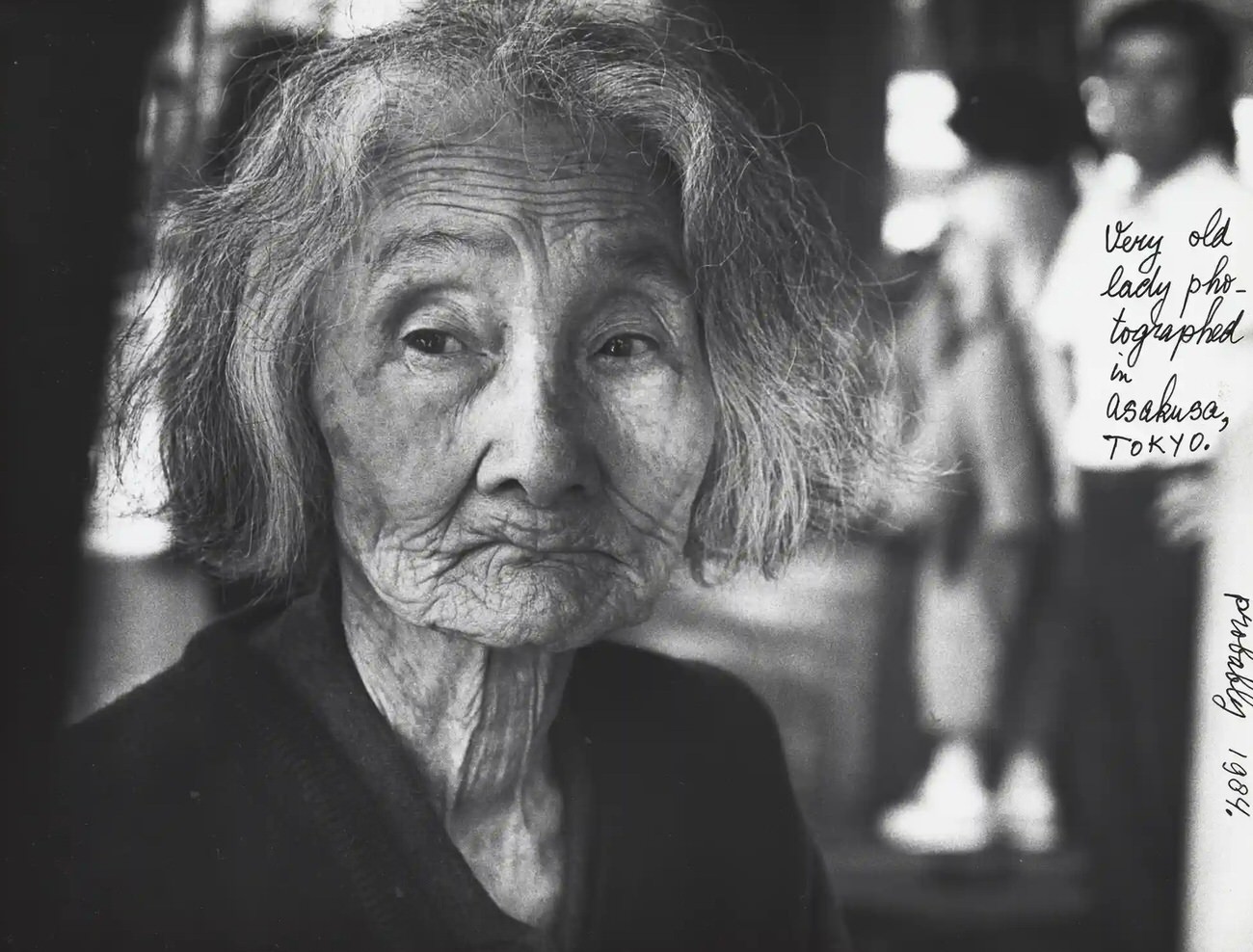
In Japan, he turned his camera on yakuza members in Osaka and elderly women in quiet portraits marked with felt-tip pen annotations — a signature touch that blurred the line between photography and illustration.
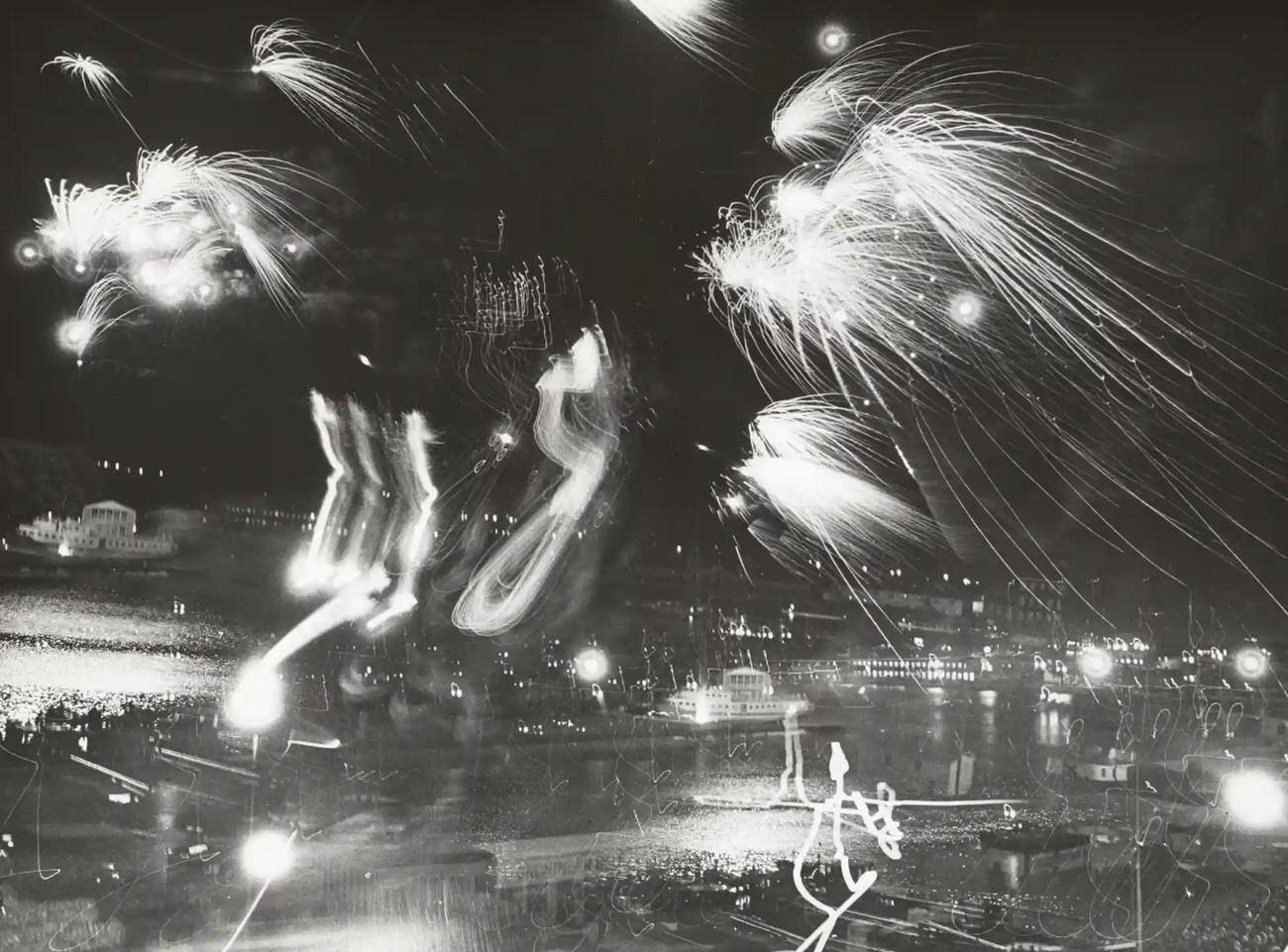
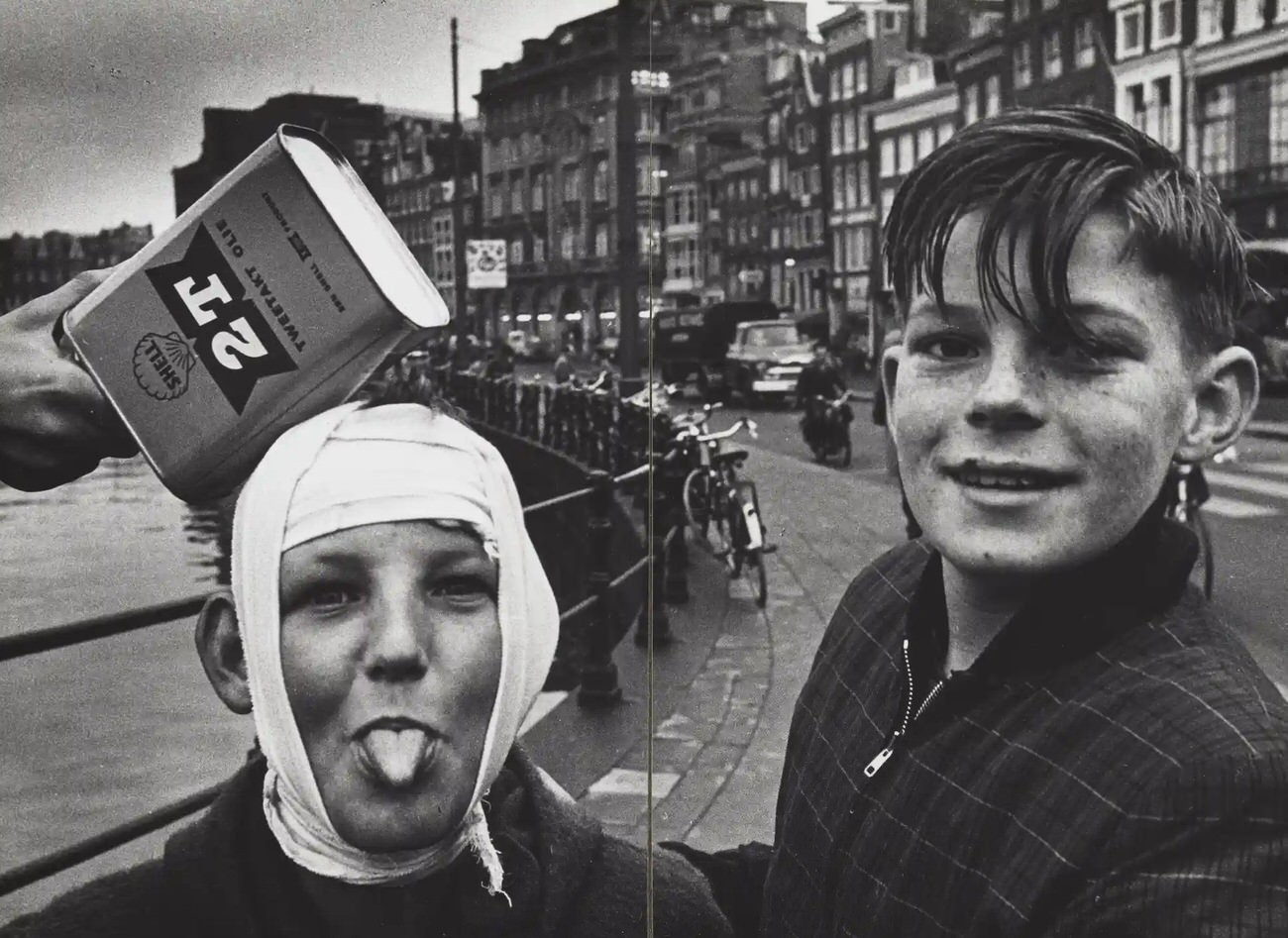
Back in Amsterdam, van der Elsken was a fixture at street fairs, jazz concerts, and local gatherings. He shot the Nieuwmarkt’s annual fair and the Queen’s Day fireworks over the Oosterdok with the same intensity he brought to foreign docks and nightclubs.
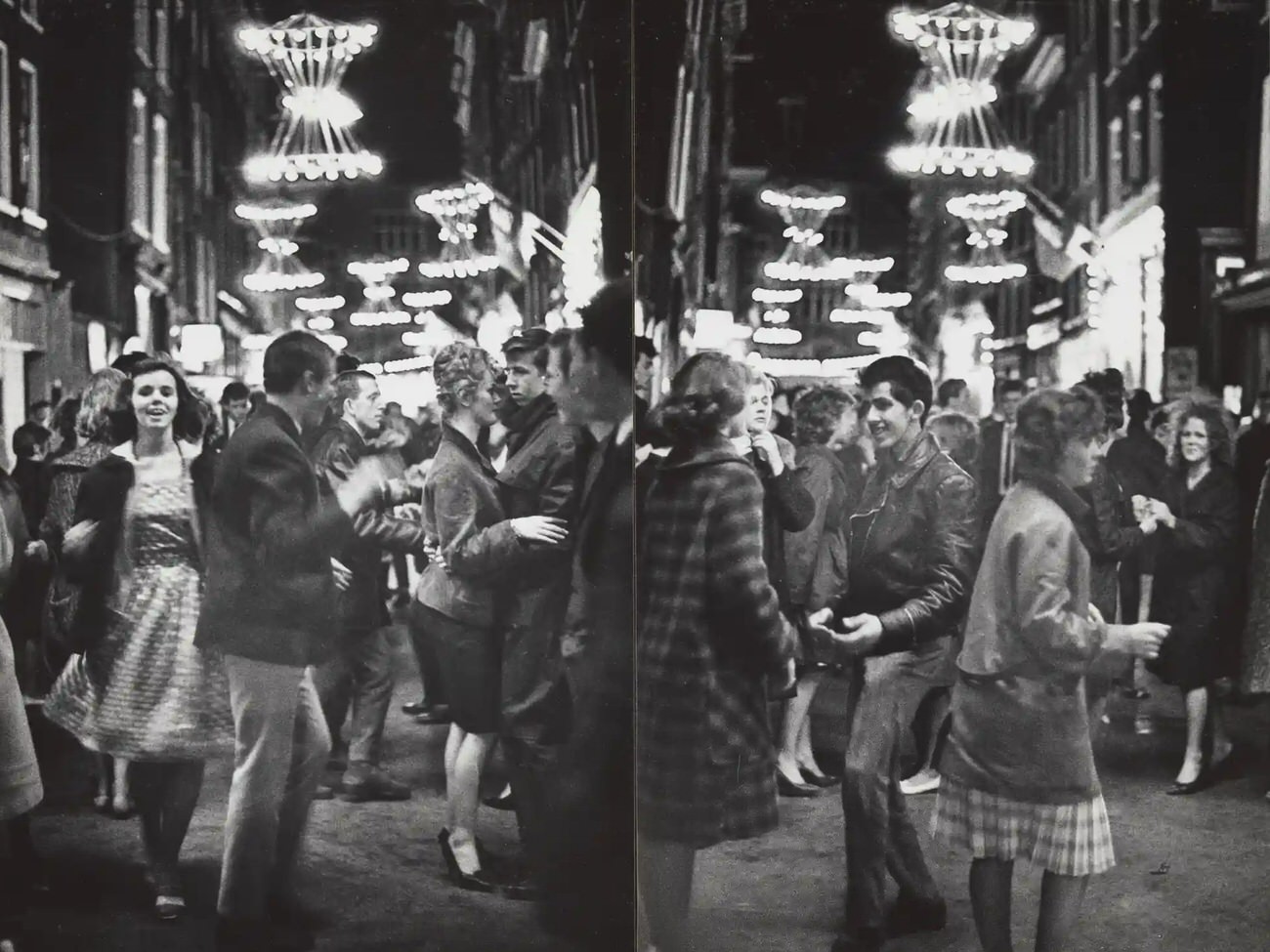
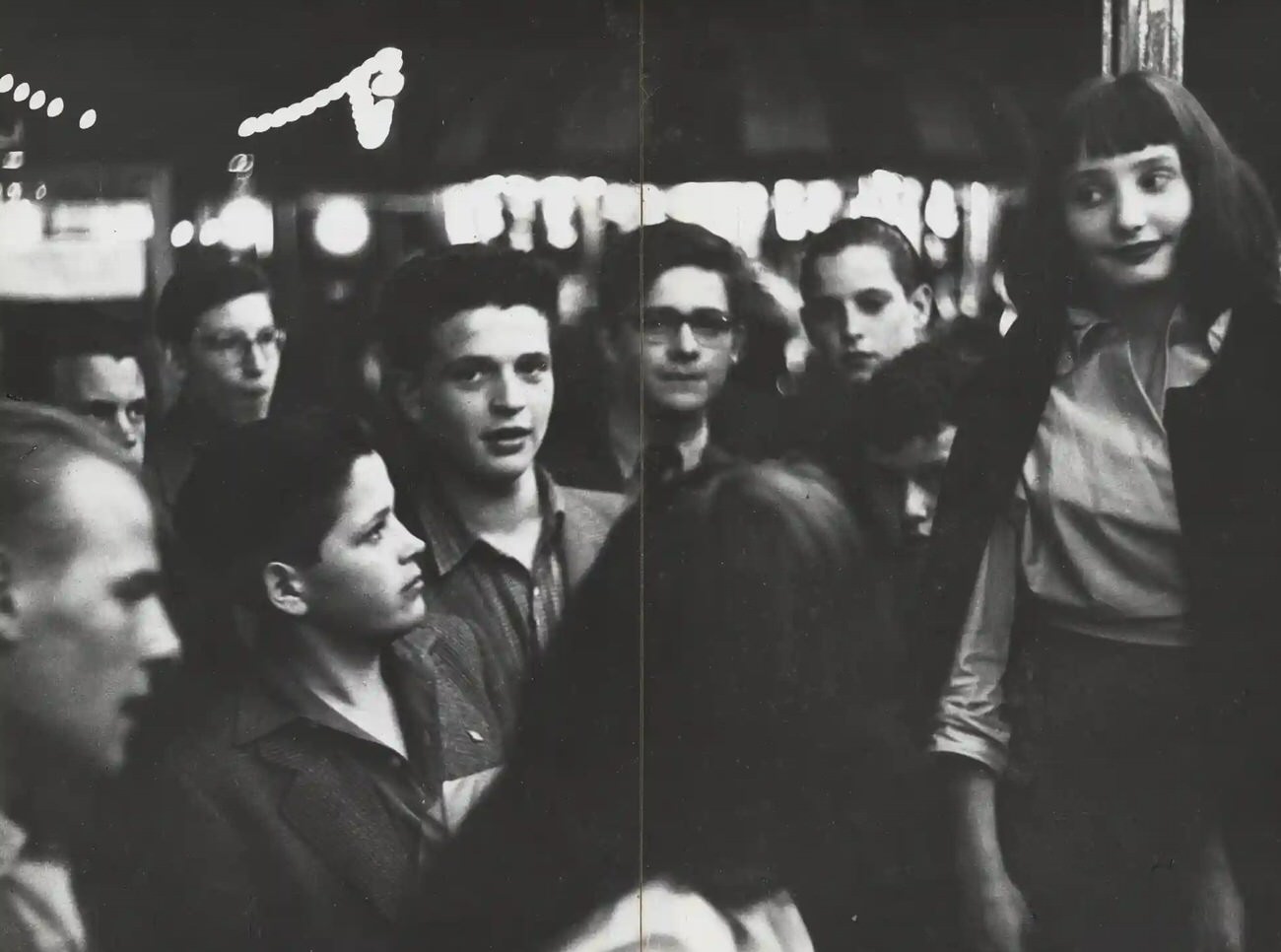
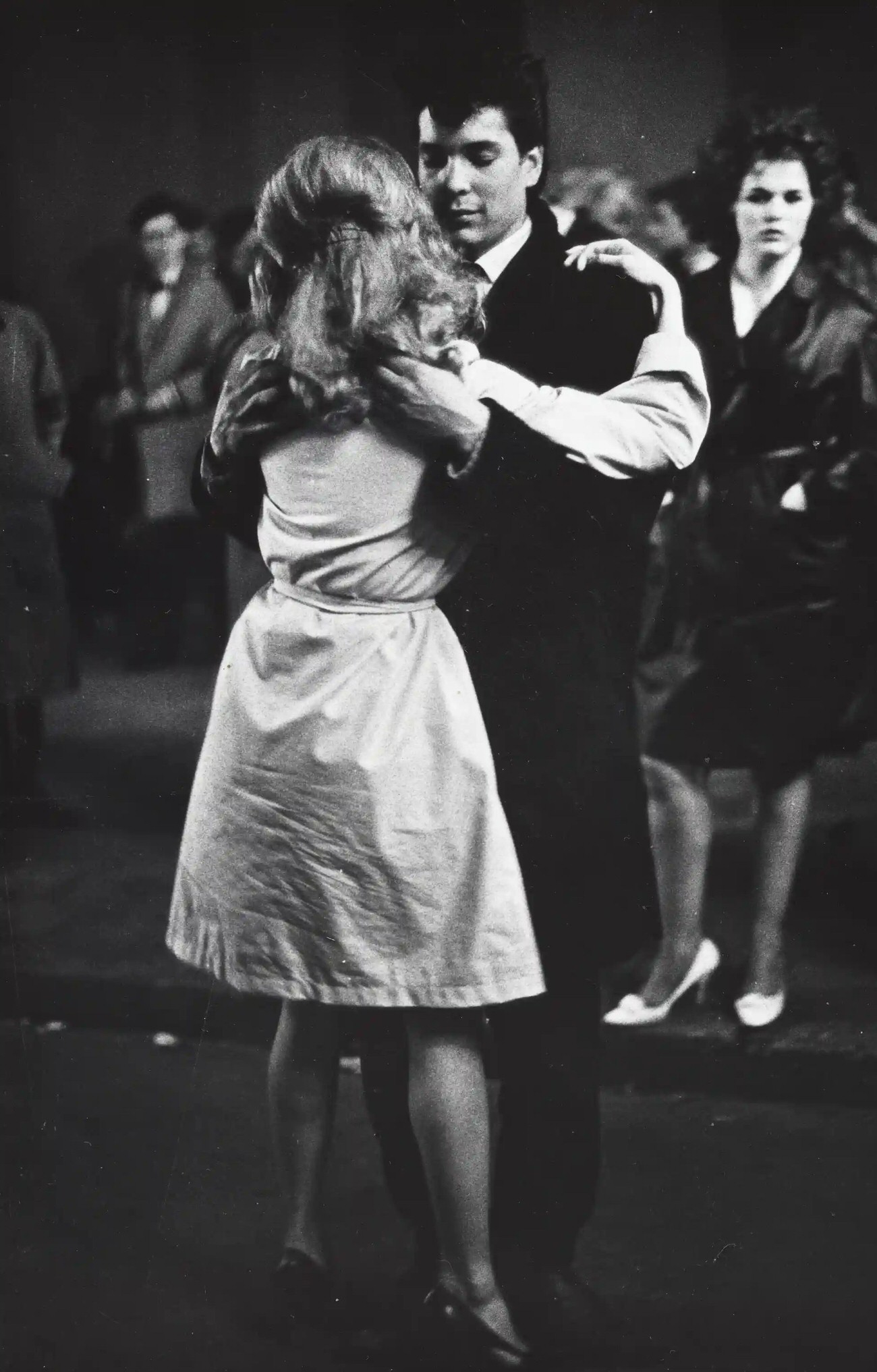
Live music was another of his recurring subjects. He photographed packed crowds at a Louis Armstrong concert in Blokker and Lionel Hampton’s Big Band in The Hague, capturing the physical energy of audiences swept up in sound.
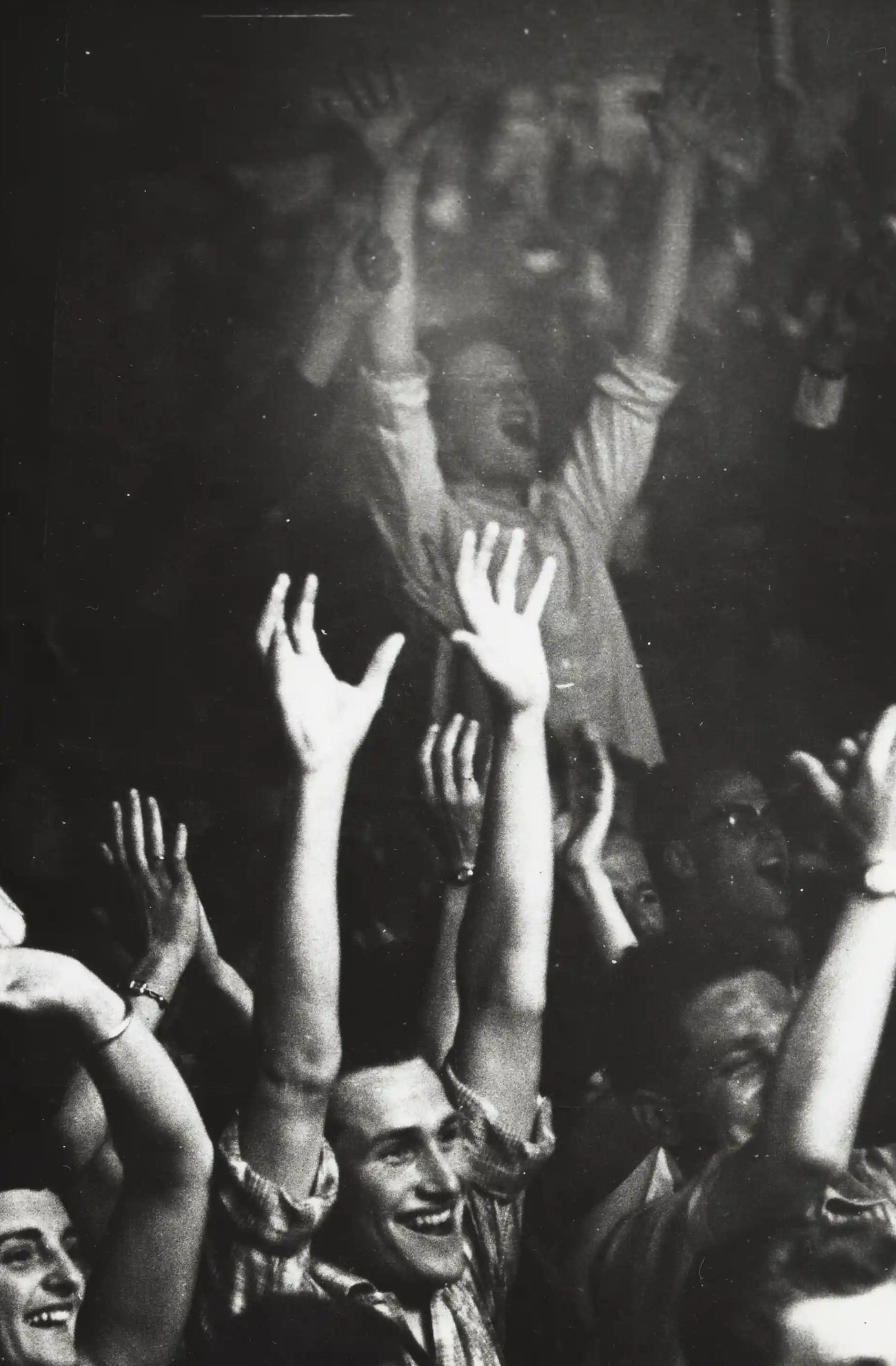
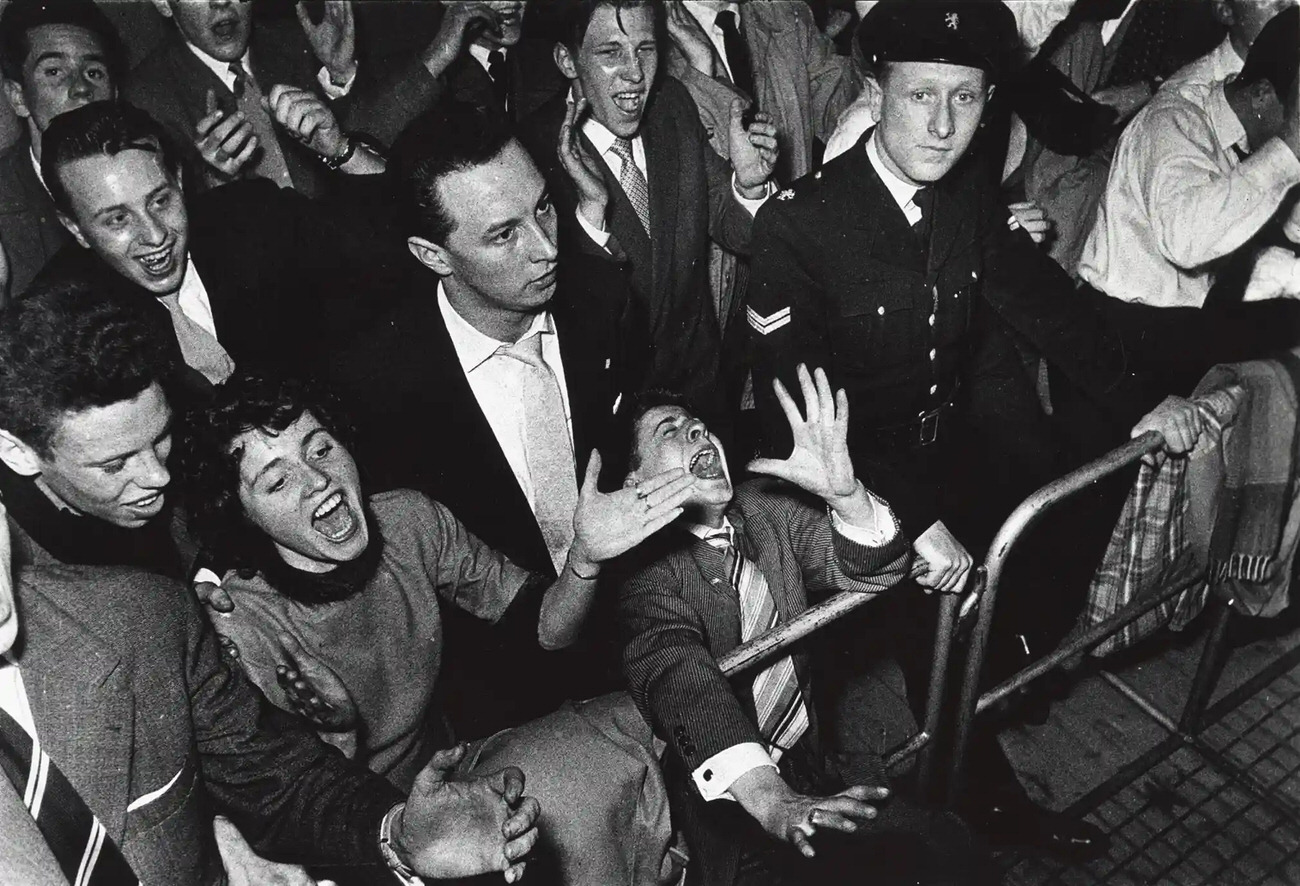
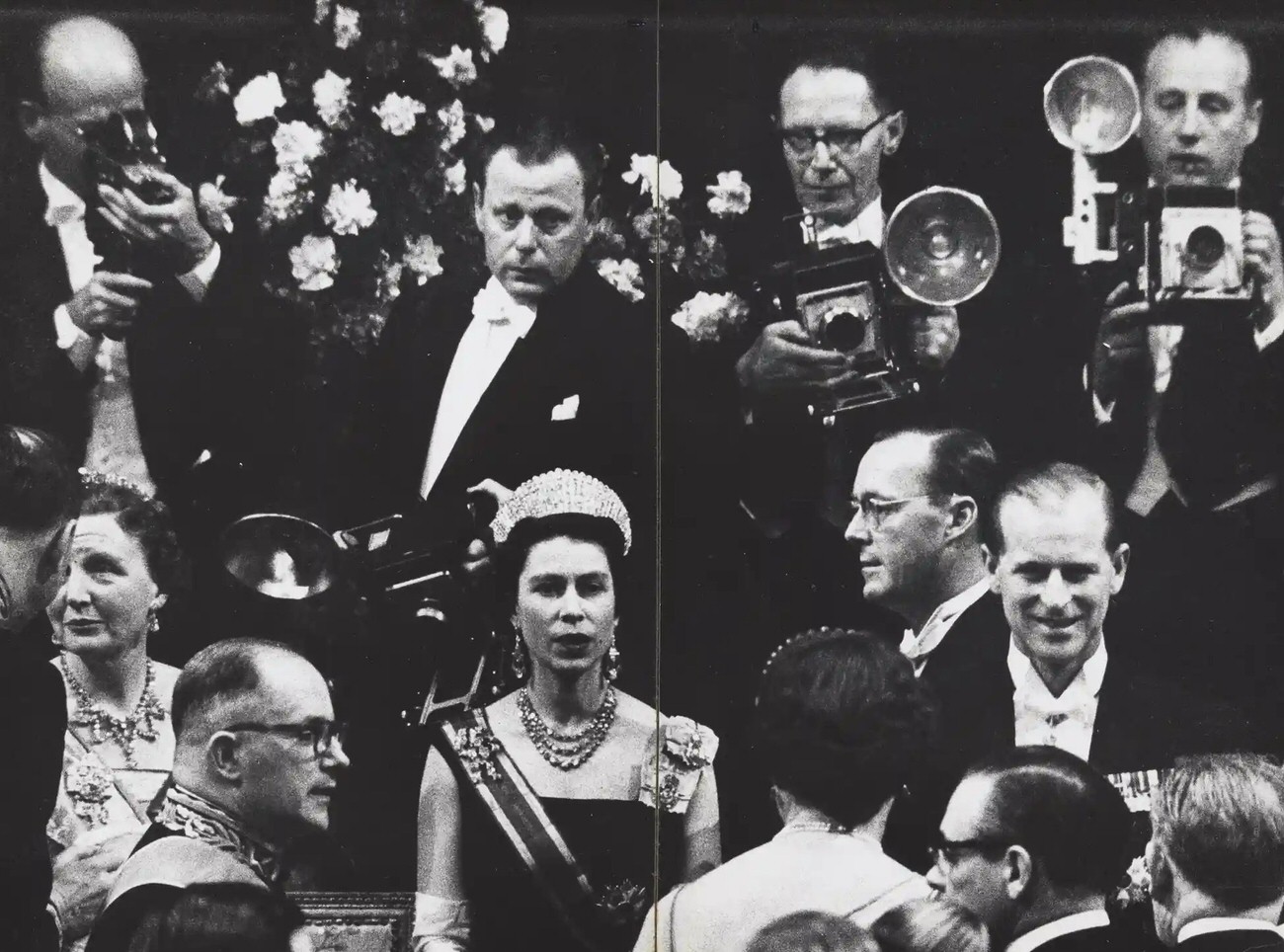
He also documented more formal occasions — including the 1958 state visit of Queen Elizabeth II and Prince Philip to the Netherlands — alongside early street portraits near Amsterdam’s Rokin and candid scenes near Marseille dating back to 1949.
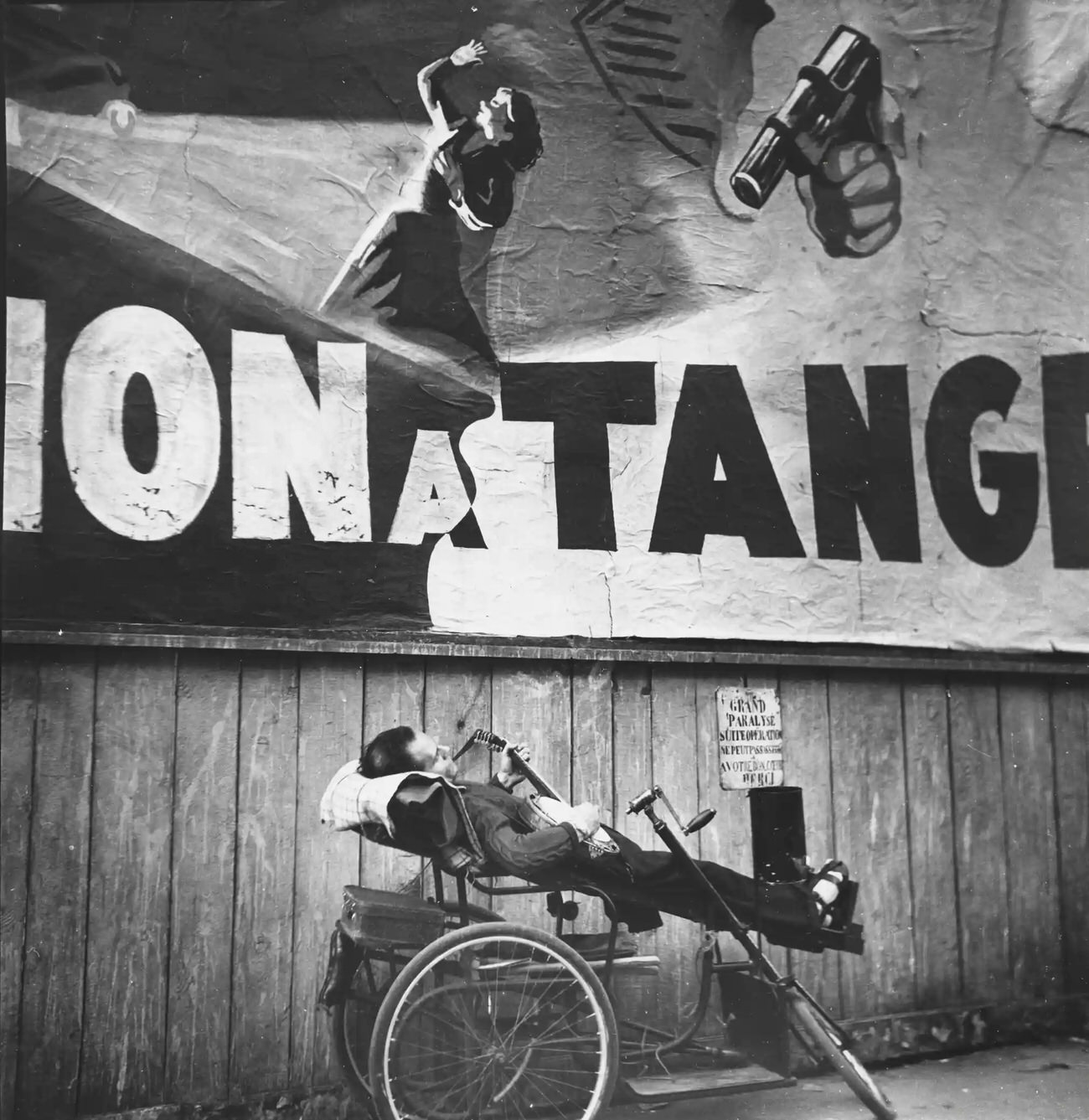
In 2019, the Rijksmuseum and Nederlands Fotomuseum acquired his archive. Their exhibition features over 100 objects — contact sheets, photo book designs, and experimental prints — drawn directly from van der Elsken’s working archive.