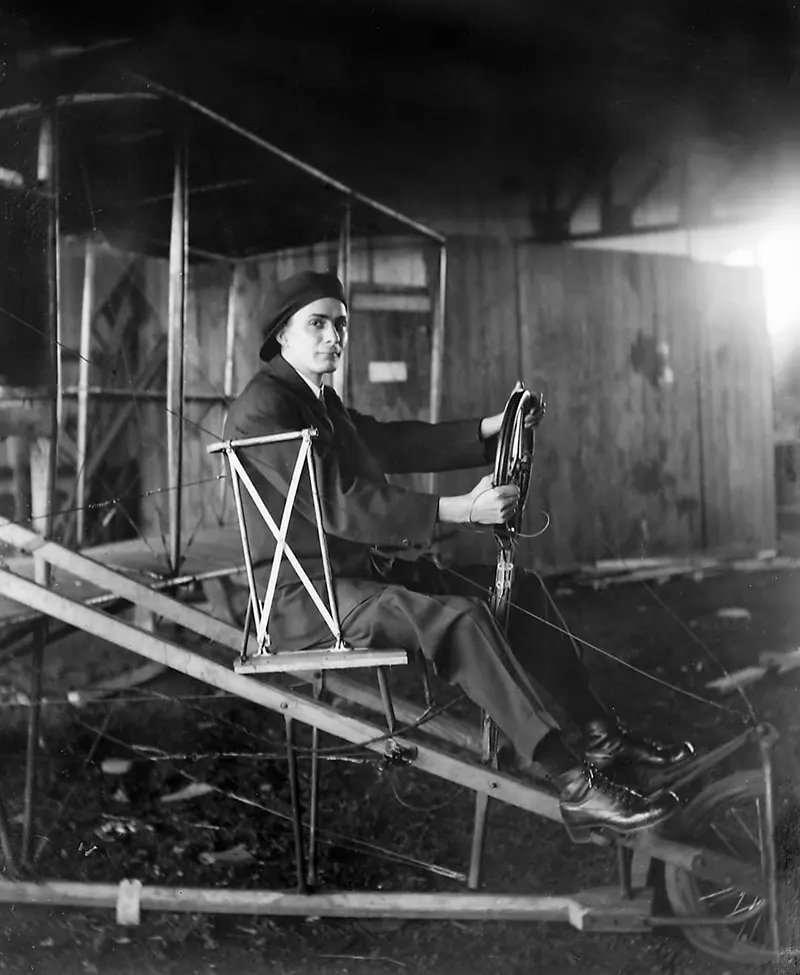
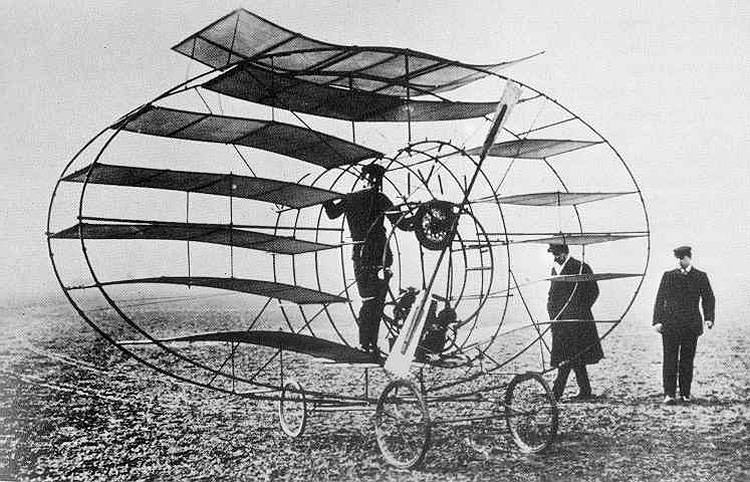
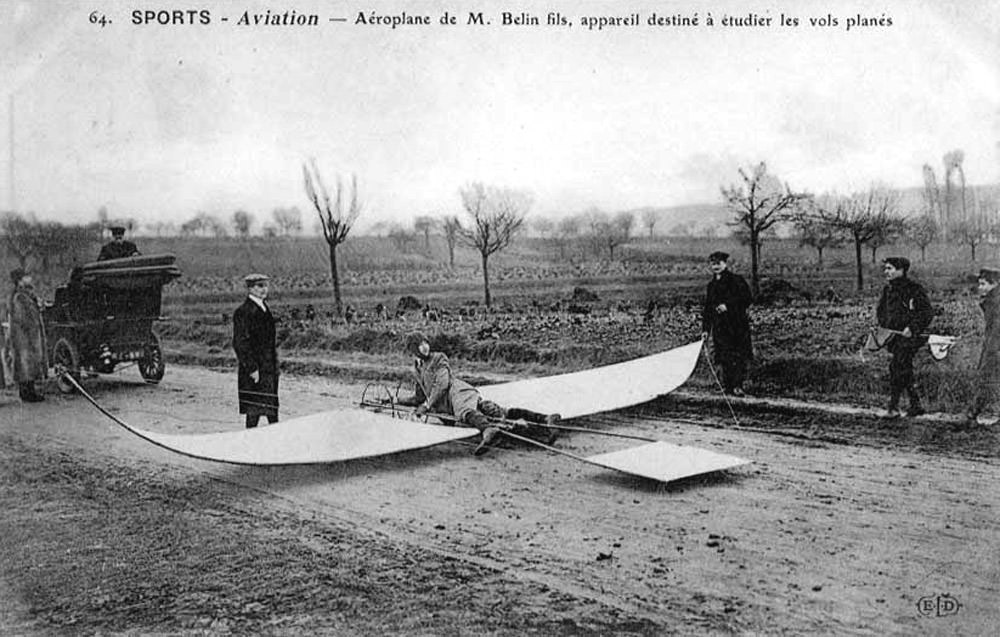
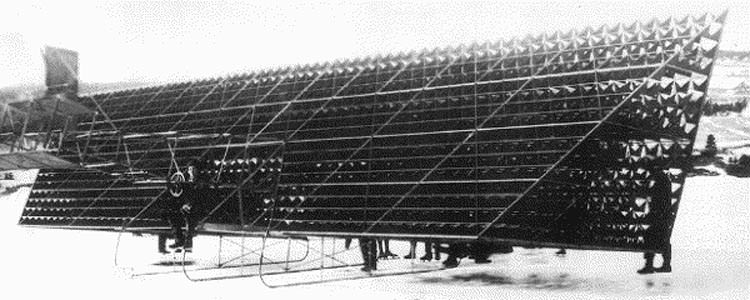
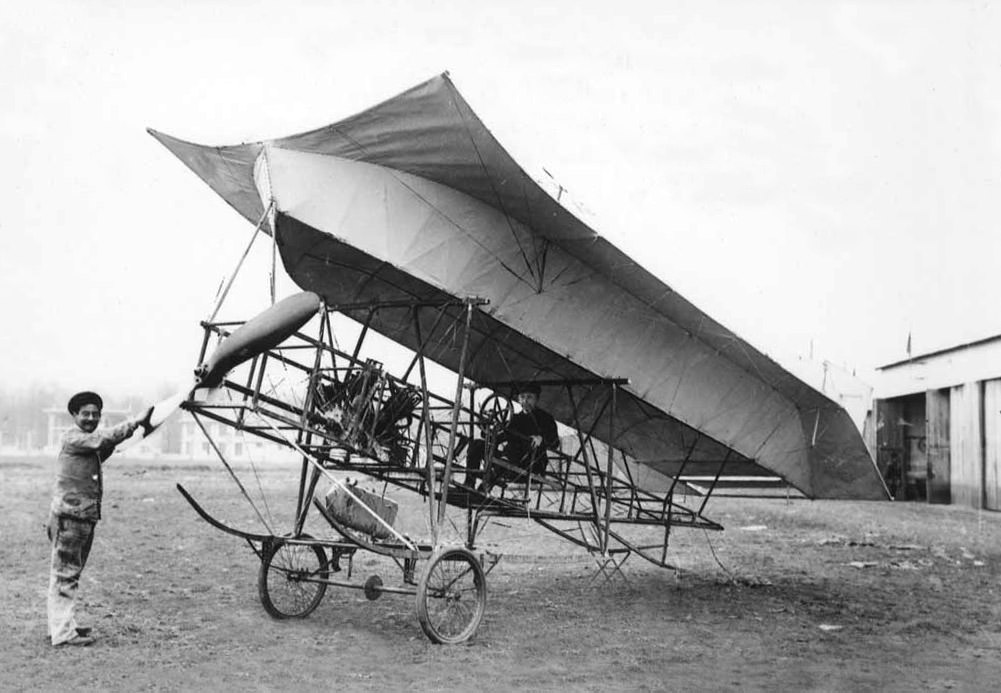
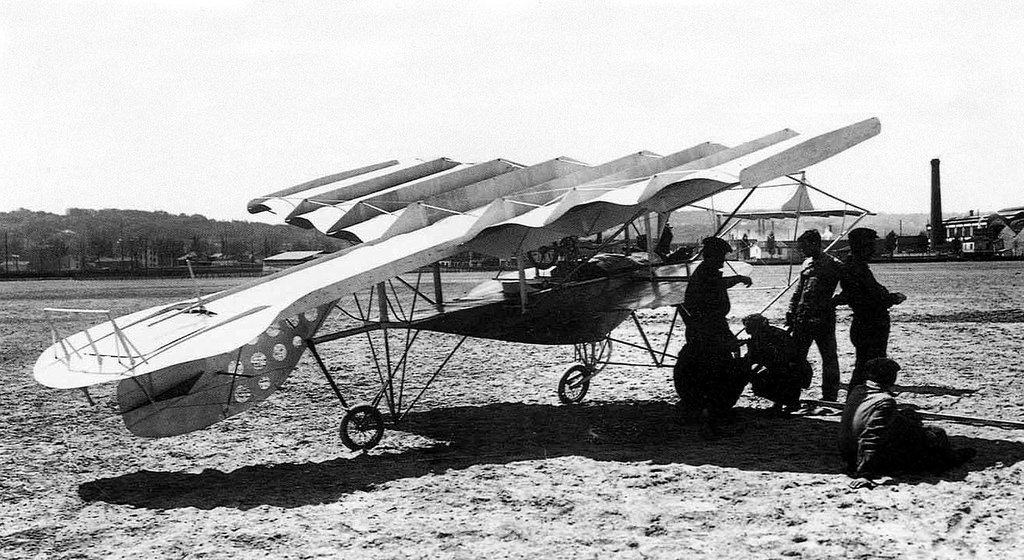
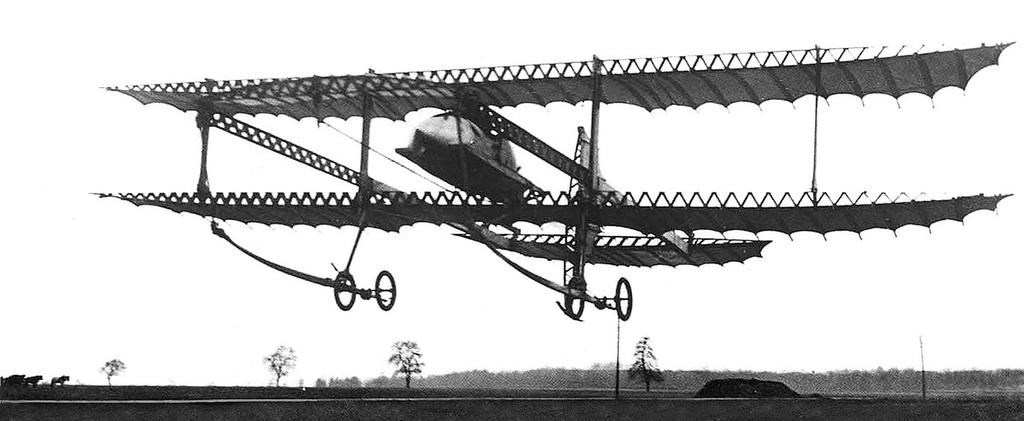
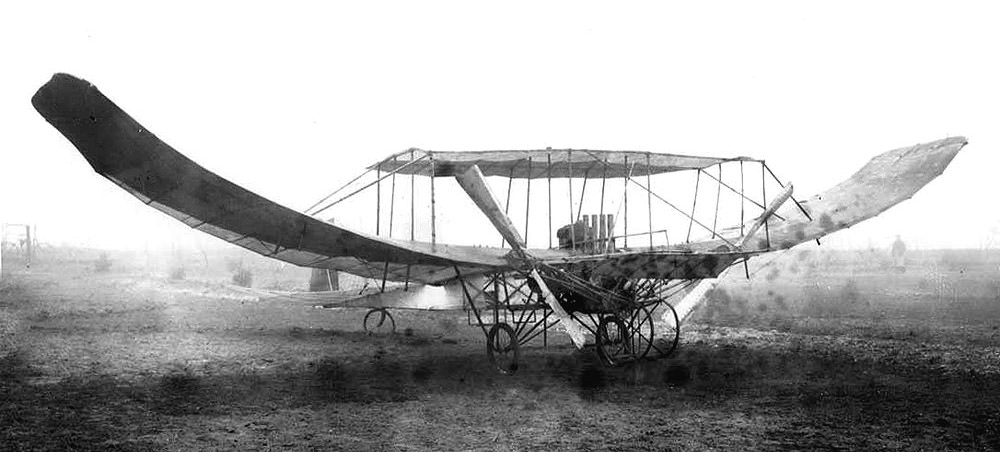
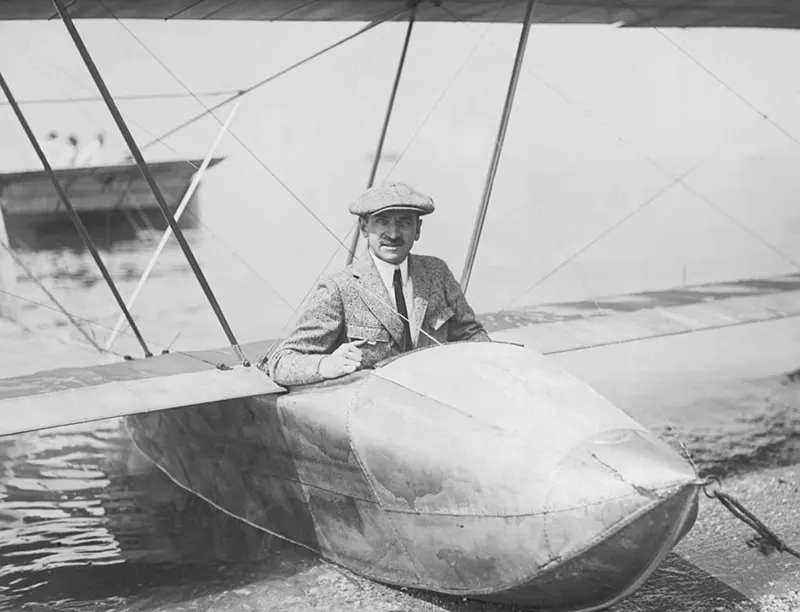
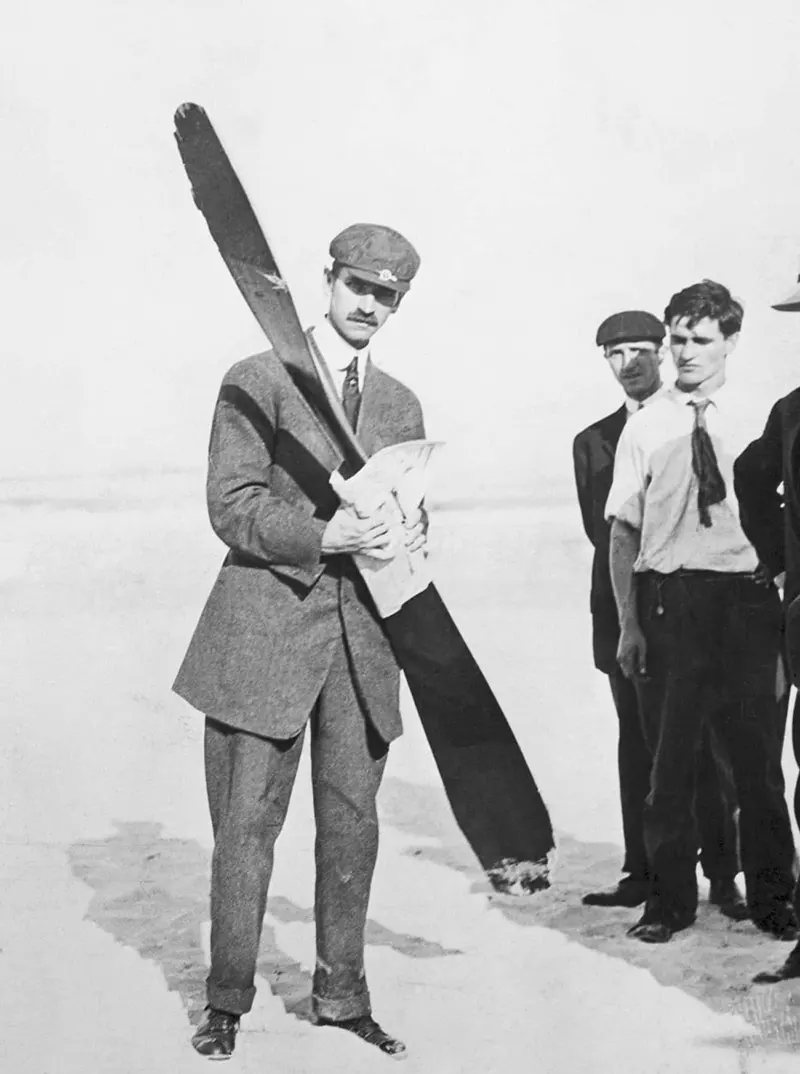
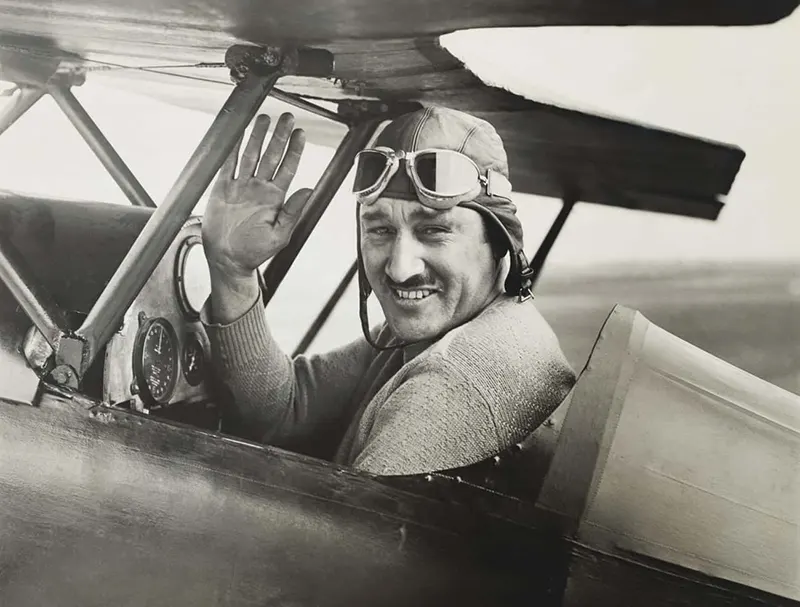
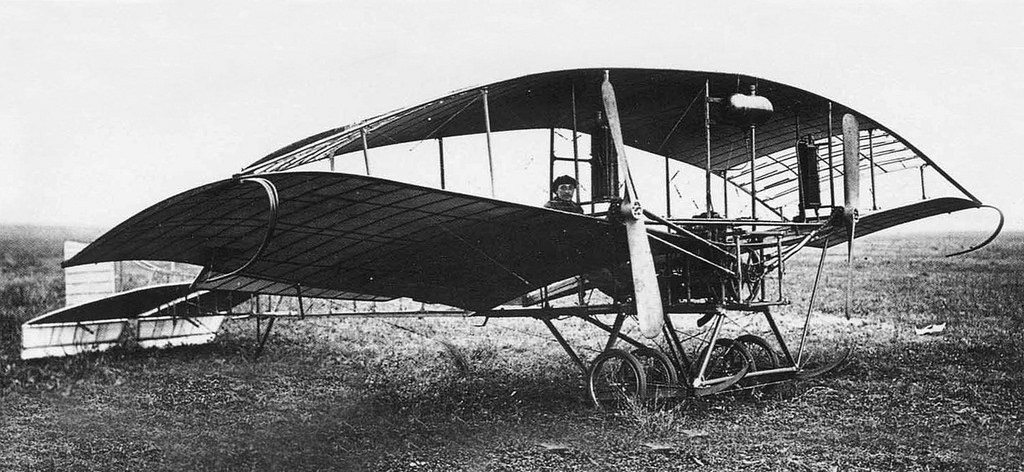
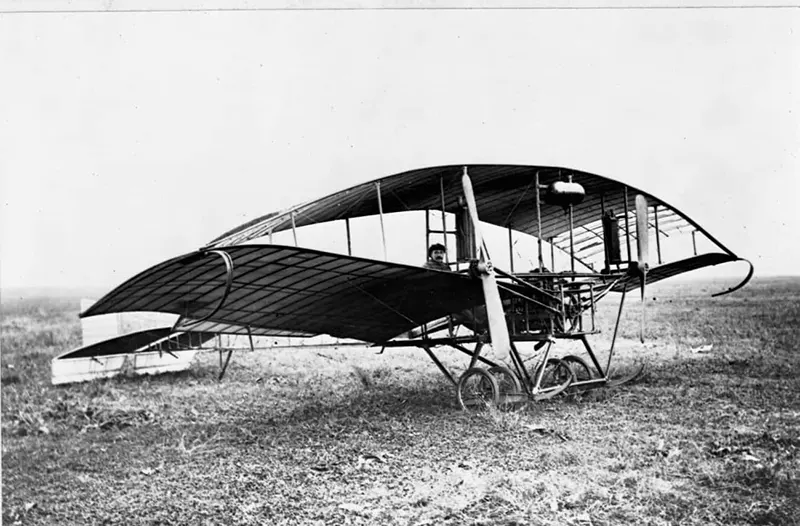
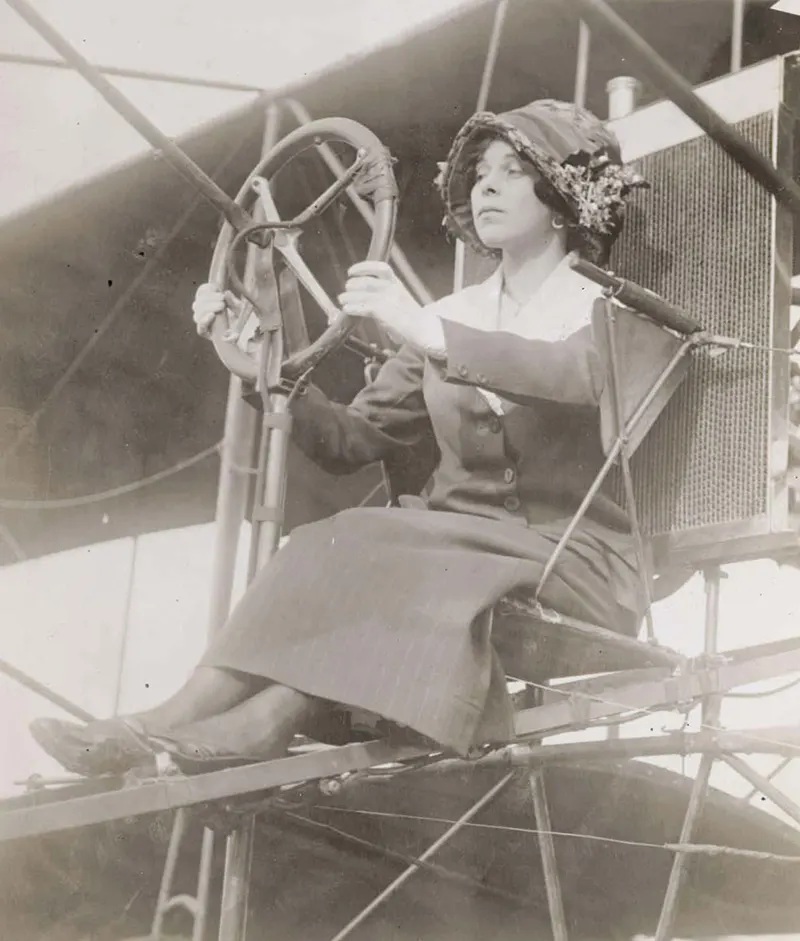
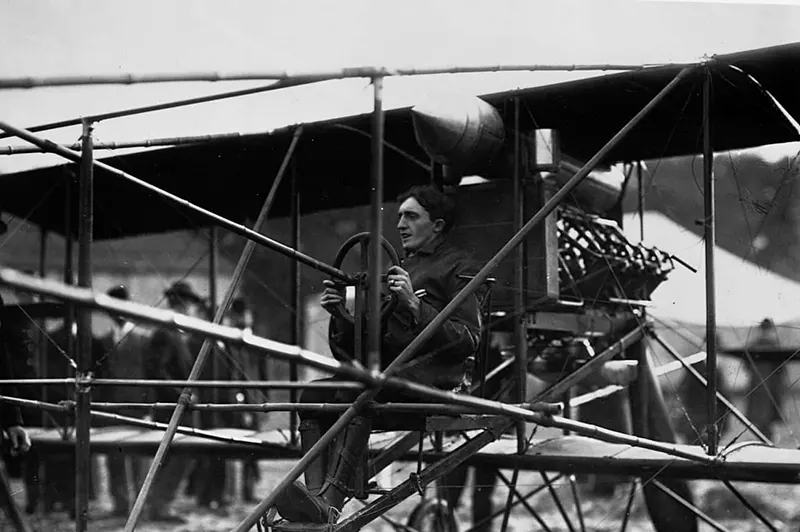
The early days of aviation were marked by audacious experiments, breathtaking breakthroughs, and, quite literally, leaps of faith. From the first glimmers of flight in the 1890s to the technological advancements of the 1930s, the pioneering era of aviation laid the foundation for modern air travel while capturing the imagination of the entire world.
1890s: Dreams of Flight
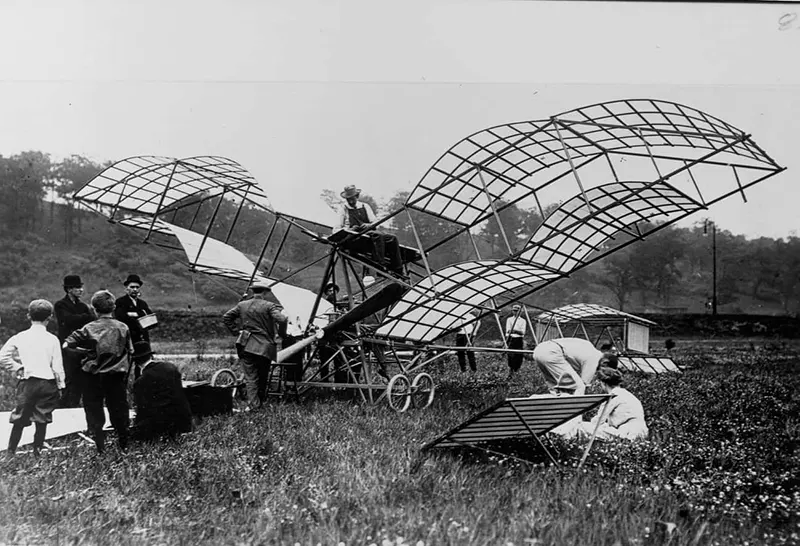
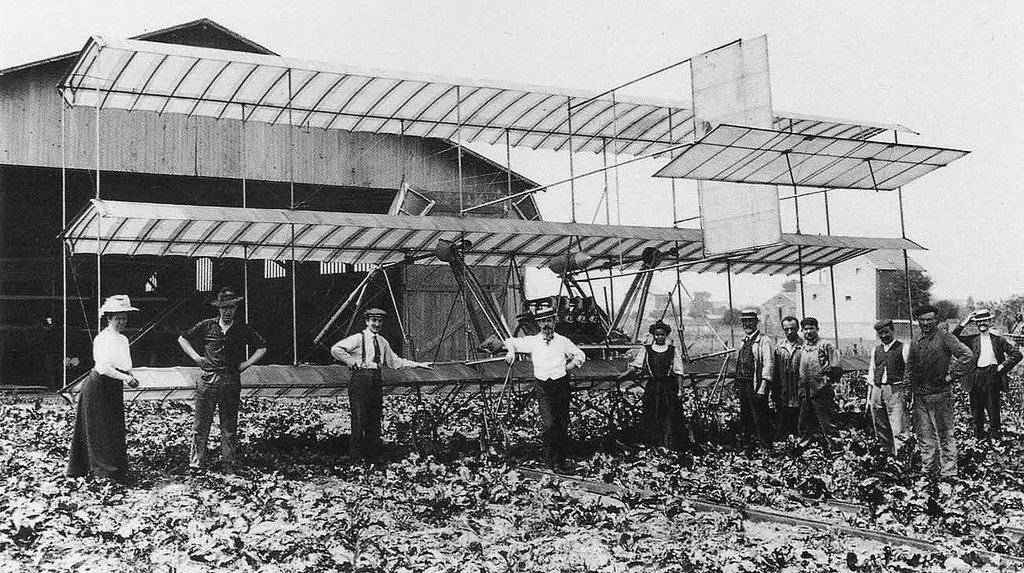
At the edge of the 20th century, flight remained a captivating fantasy. Inspired by the workings of birds and bats, inventors and visionaries designed a variety of flying machines, most of which never left the ground. Among them was German engineer Otto Lilienthal, known as the “Glider King,” who made significant contributions with his experimental glider flights, illustrating the principles of aerodynamics before his untimely death following a flight crash in 1896.
1900s: The Wright Brothers’ Triumph
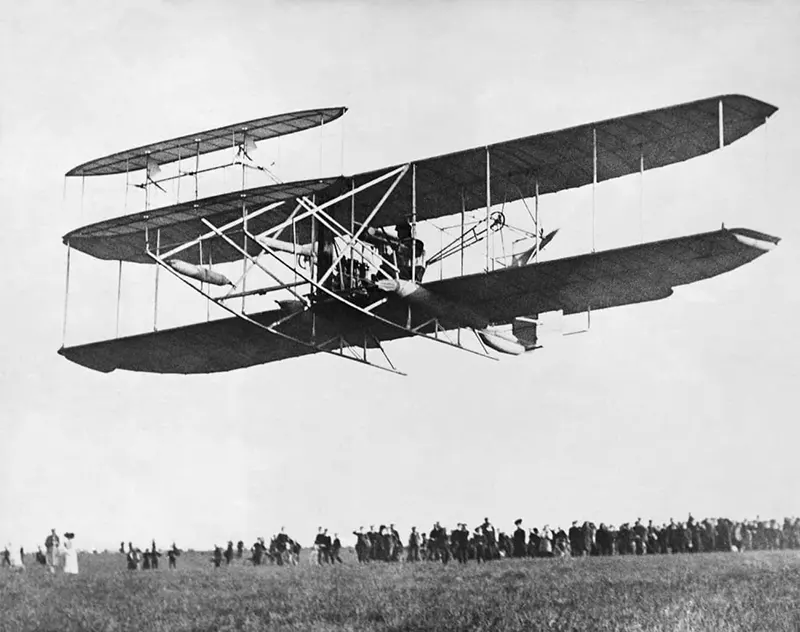
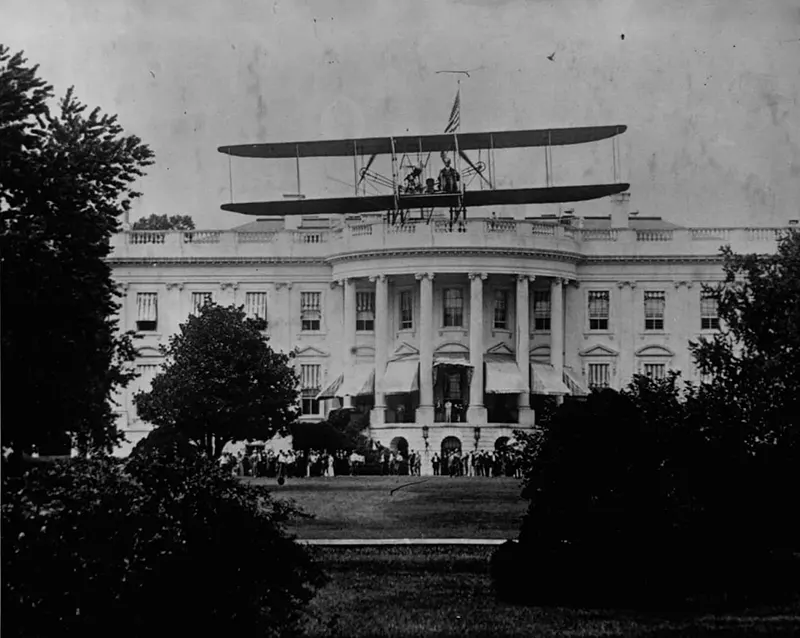
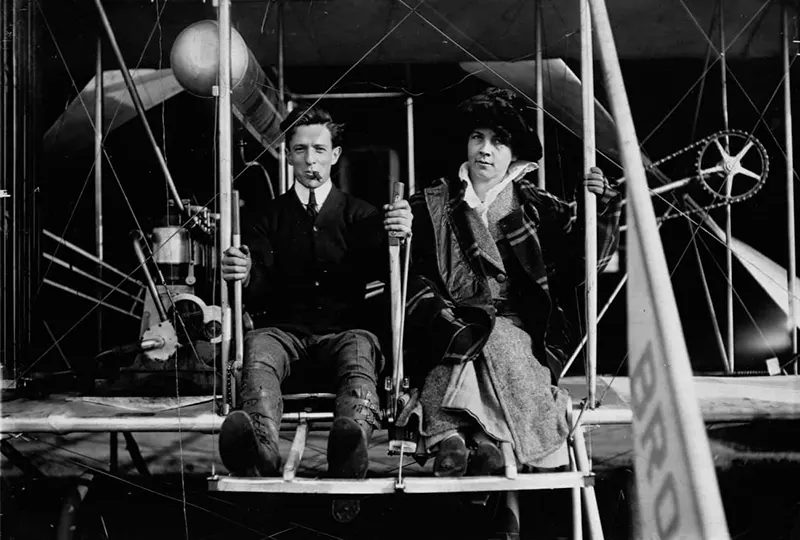
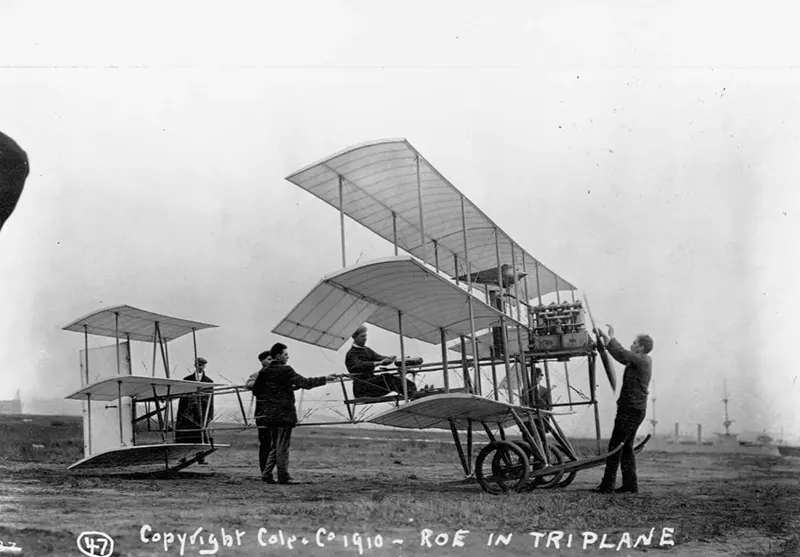
December 17, 1903, marked a definitive turning point when Wilbur and Orville Wright achieved the first sustained, controlled flight of a powered airplane. Their aircraft, the Wright Flyer, soared over the sands of Kitty Hawk, North Carolina, signaling the dawn of a new era. Although the flight lasted just 12 seconds, it reshaped the course of human activity. The Wright brothers’ subsequent achievements, including the first circular flight in 1904 and the formation of the Wright Company in 1909, set significant milestones.
1910s: Advancements and the First World War
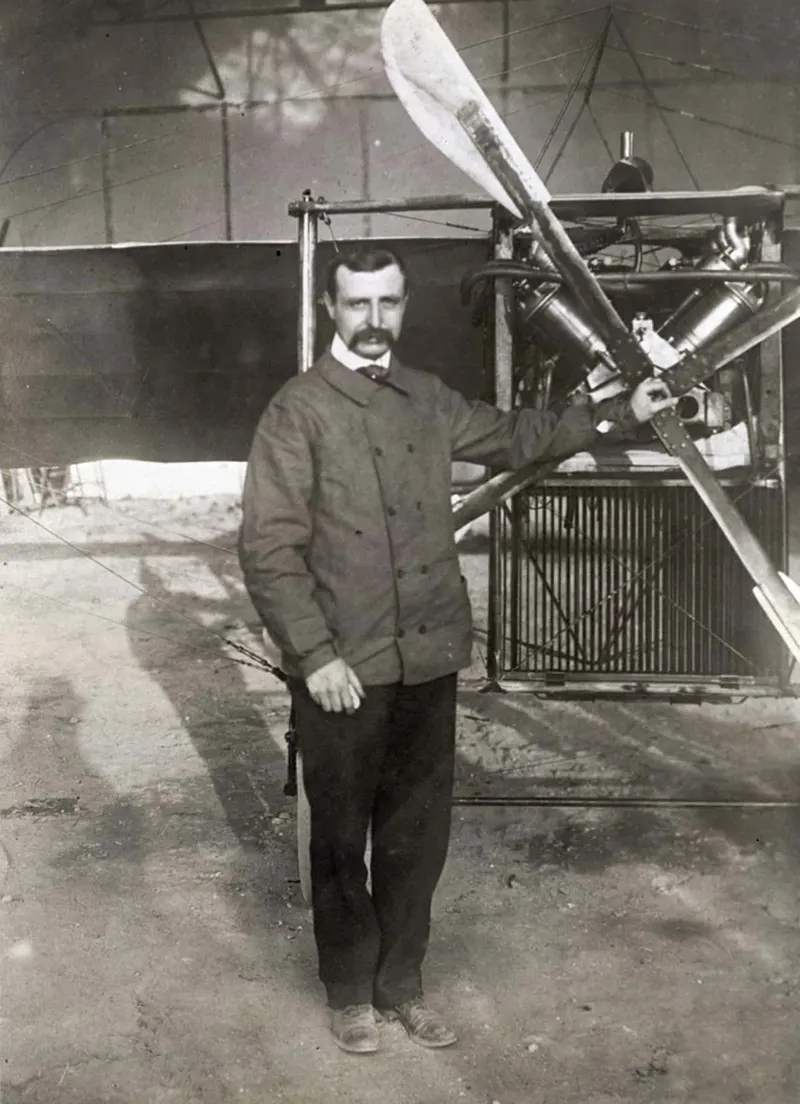
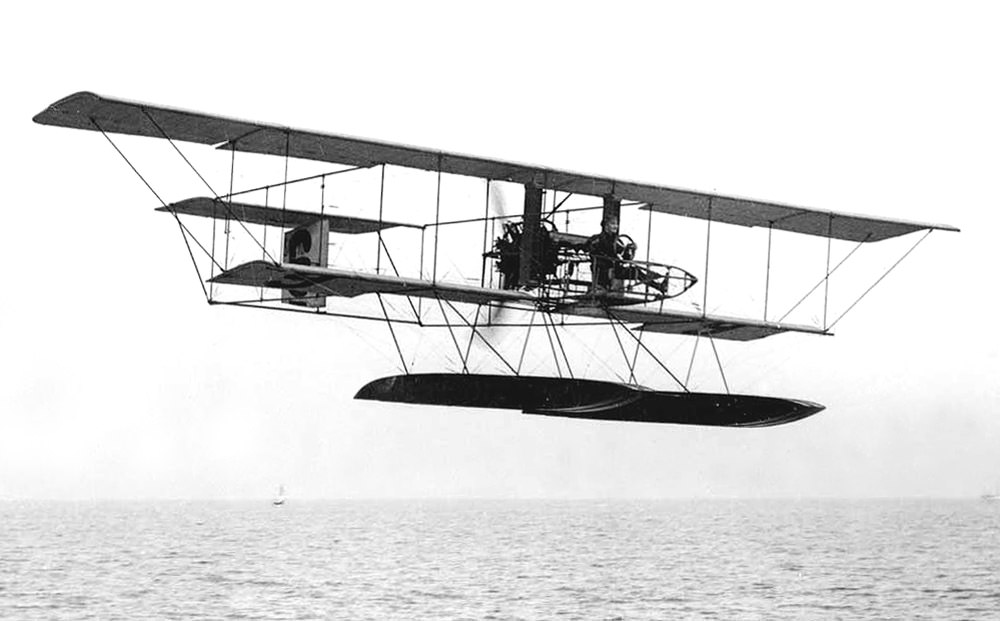
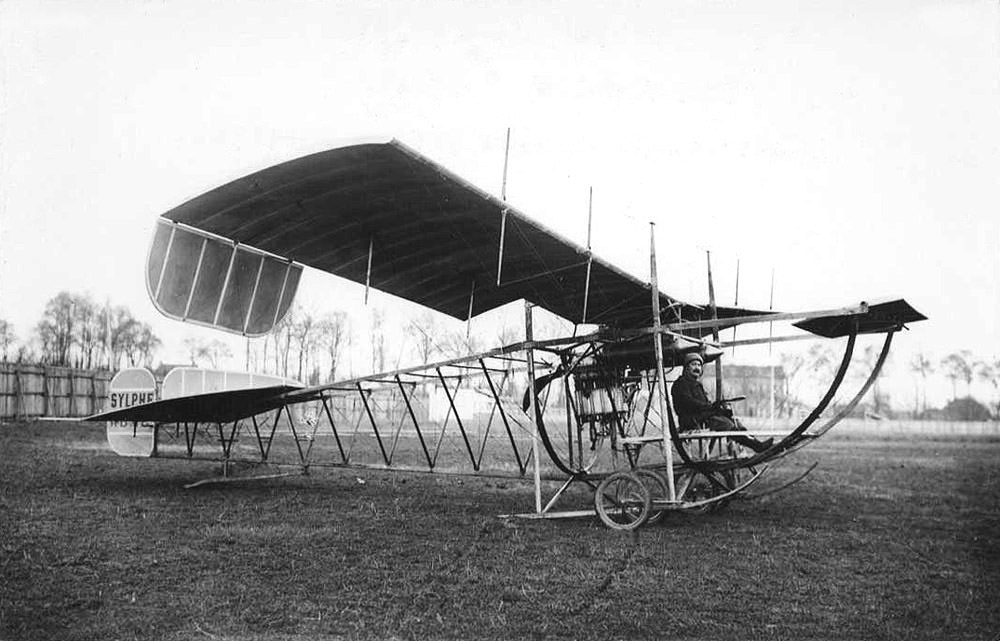
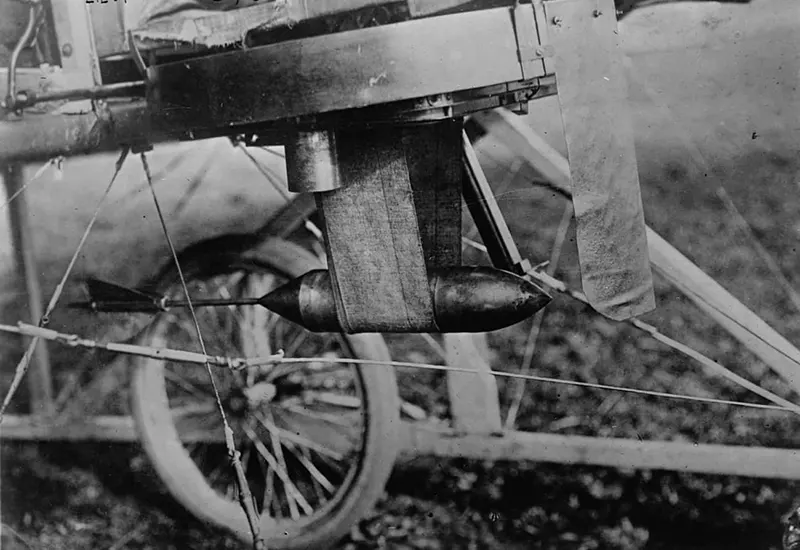
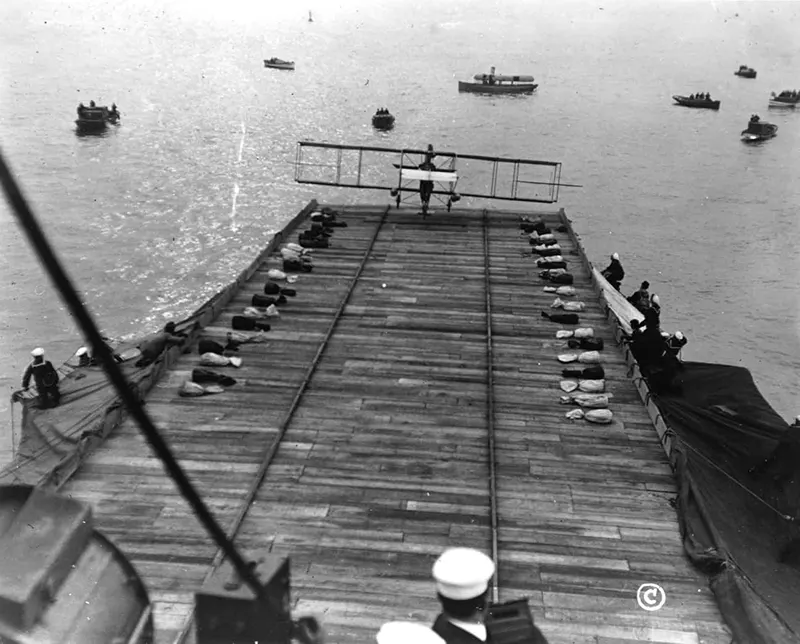
The 1910s witnessed a dramatic expansion in aviation technology and aircraft utility. Pioneers like French aviator Louis Blériot, who completed the first flight across the English Channel in a heavier-than-air aircraft in 1909, showcased the potential of international travel. However, it was the outbreak of World War I that accelerated aeronautical advancements. Aircraft evolved from basic reconnaissance vehicles to fighters and bombers, prompting rapid enhancements in aircraft design, engines, and onboard weapons. This period also saw the emergence of notable figures like Manfred von Richthofen, the infamous “Red Baron,” and the rise of aerial combat tactics.
1920s: The Golden Age of Aviation
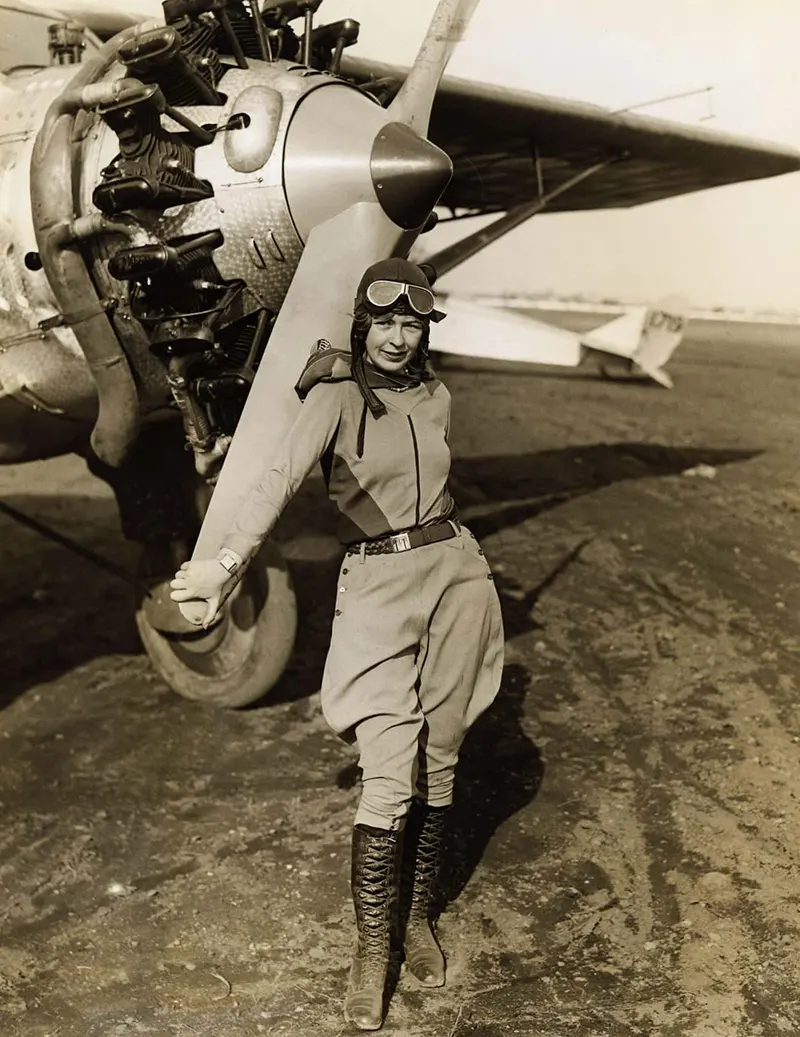
Post-war advancements ushered in the 1920s, often referred to as the “Golden Age of Aviation.” Civilian aviation flourished, with aircraft transitioning from fabric-covered biplanes to streamlined metal monoplanes. Air races and daring feats, such as Charles Lindbergh’s first solo transatlantic flight in 1927, kept the world enthralled. Aviatrixes like Amelia Earhart began to challenge societal norms, setting numerous aviation records.
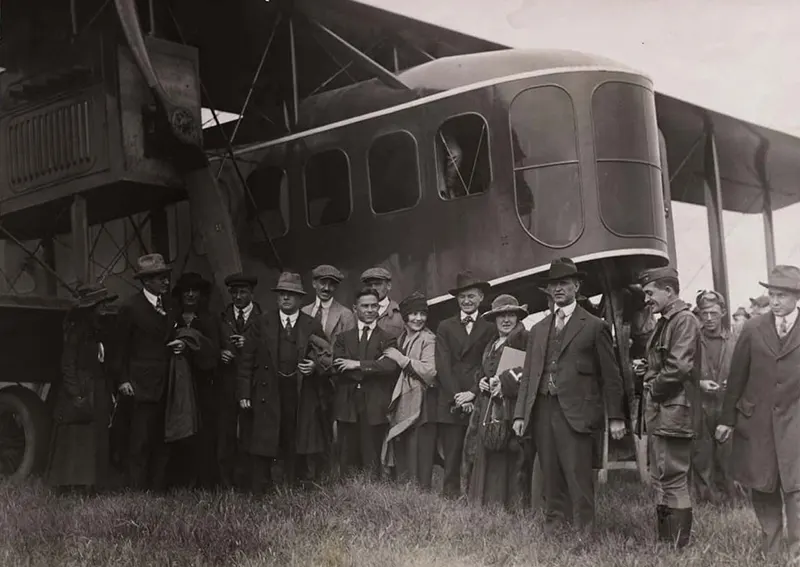
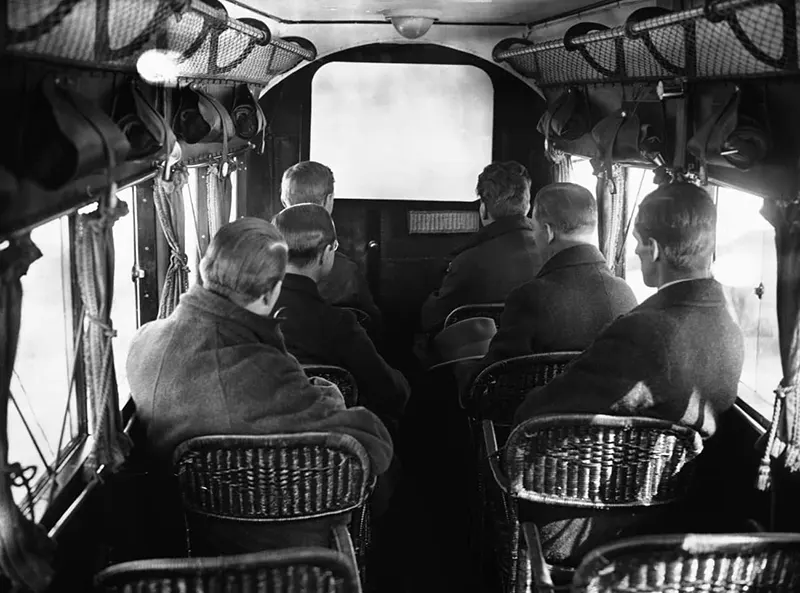
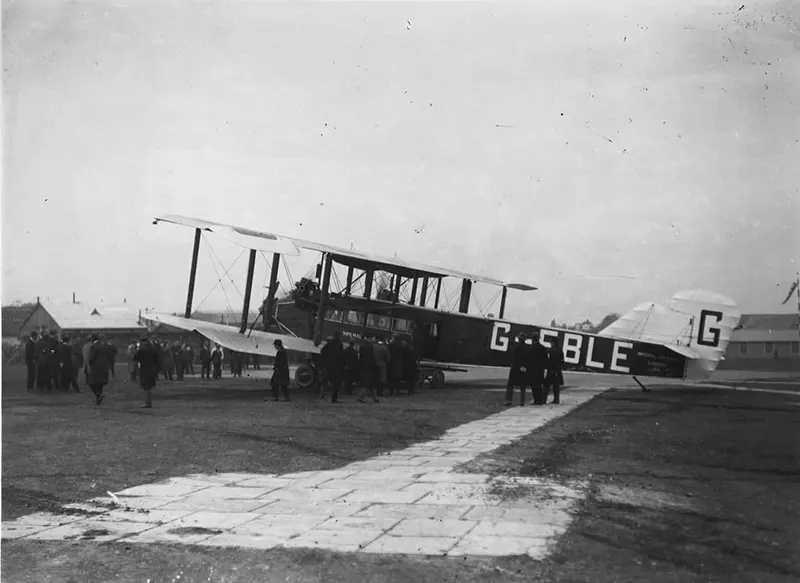
The period also saw the establishment of the first airlines, including KLM, the world’s oldest still operating under its original name, offering passenger services alongside mail deliveries. Airfields became more common, and the concept of comfortable passenger flight began to take shape.
1930s: Innovations Amid Turbulence
The 1930s were characterized by remarkable innovations amid global economic and geopolitical upheaval. Despite the Great Depression, commercial aviation continued to grow, with advancements in radio navigation leading to the first instrument flights. The development of pressurized cabins during this era enabled high-altitude flights, vastly improving long-distance travel efficiency.
However, the dark clouds of World War II were gathering by the end of the 1930s, and many of the era’s advancements in aviation would soon be funneled into military applications, setting the stage for another massive transformation in global aviation during the war years.