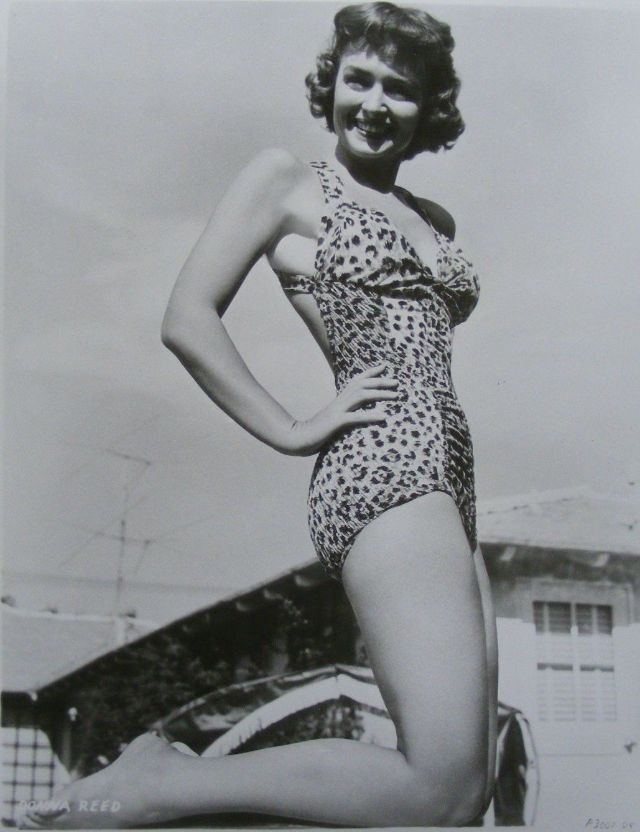
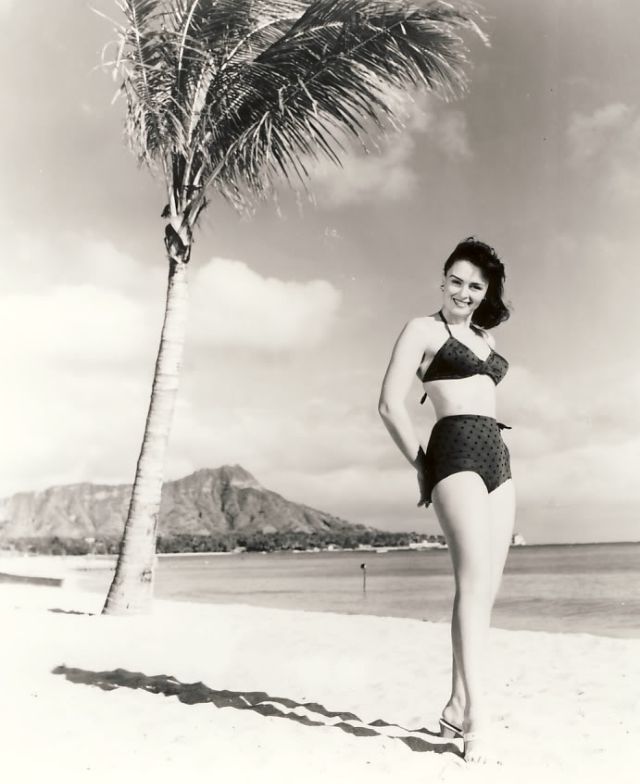
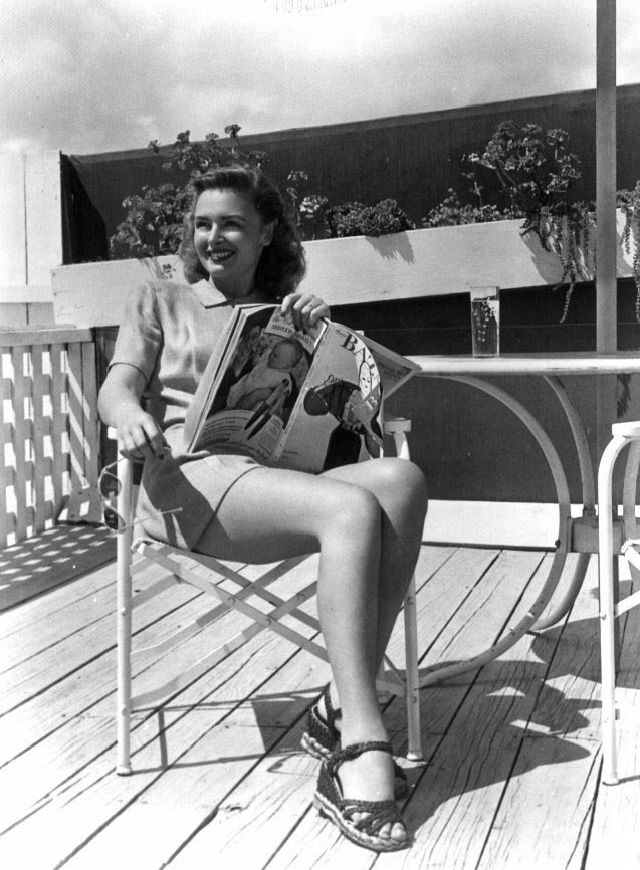
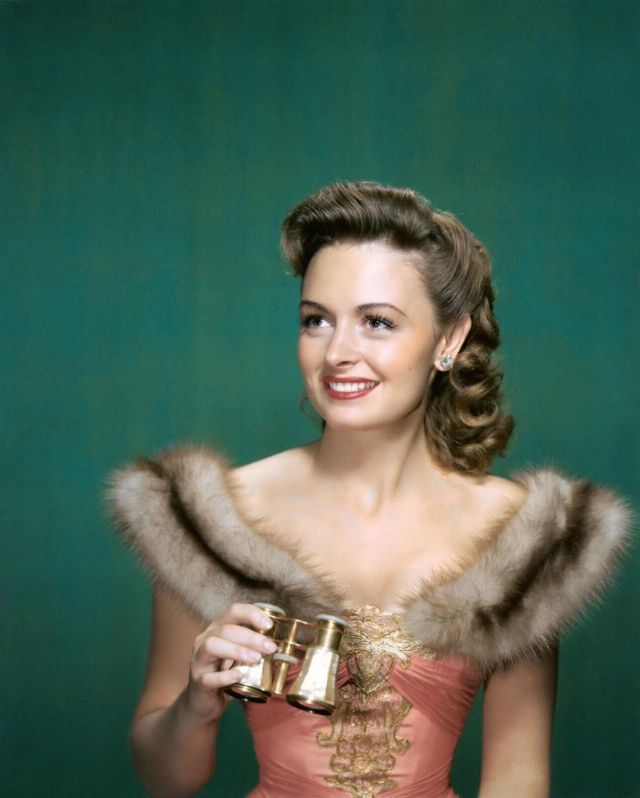
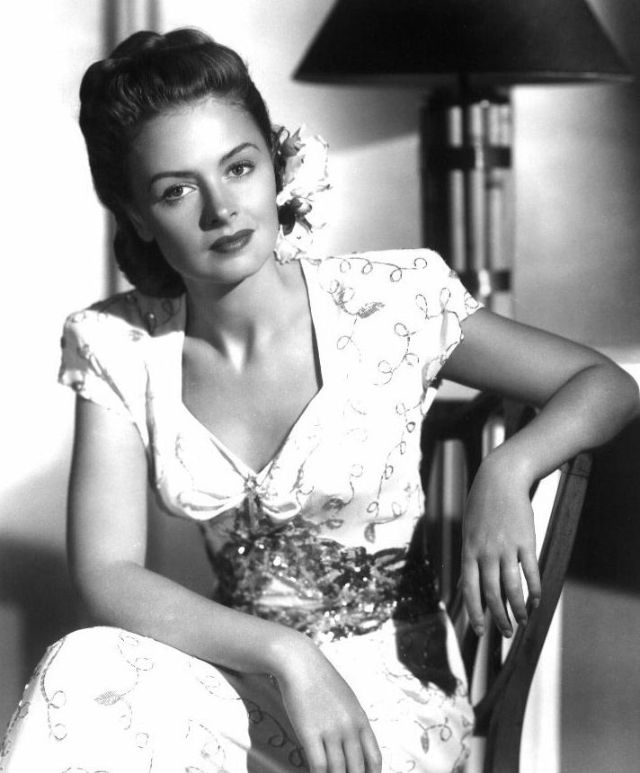
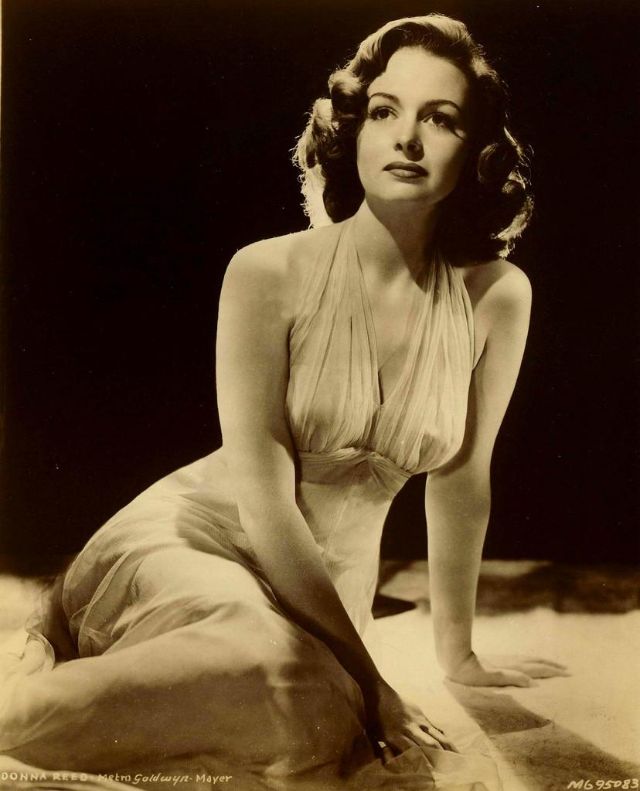
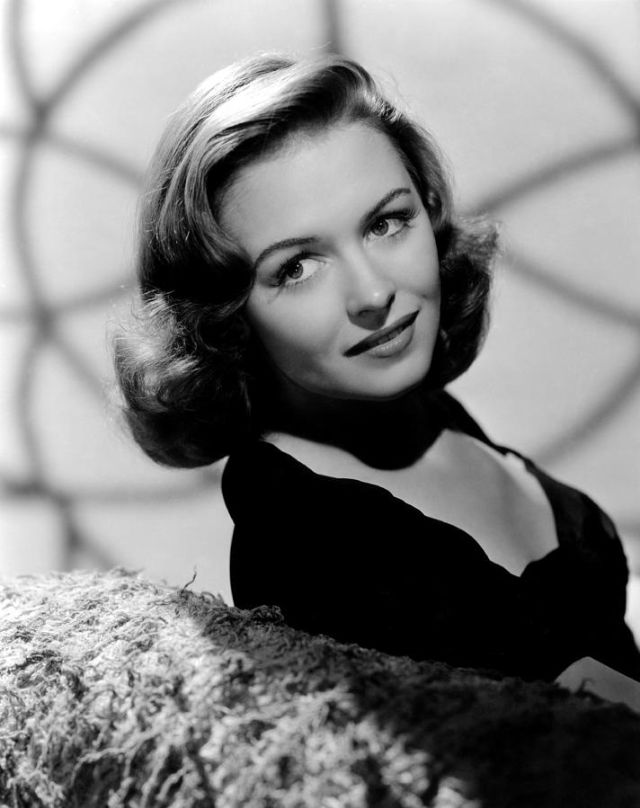
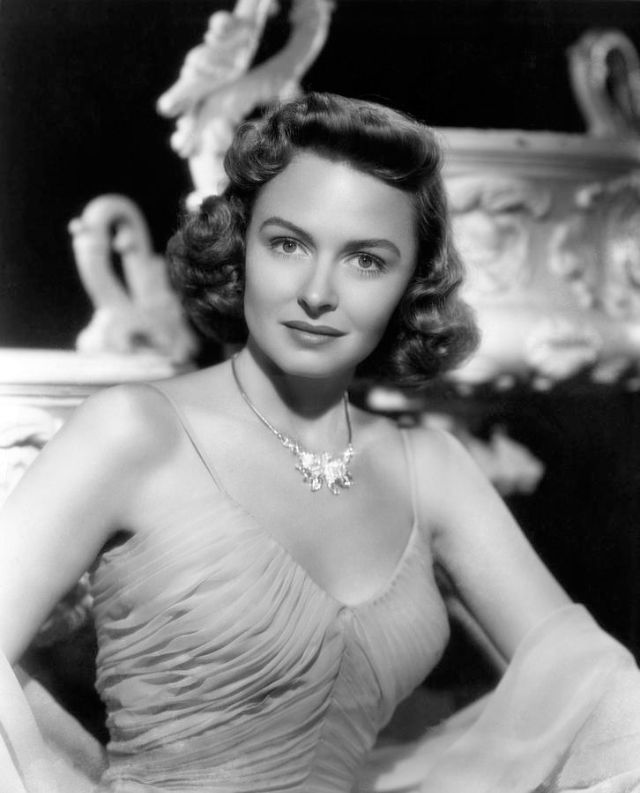
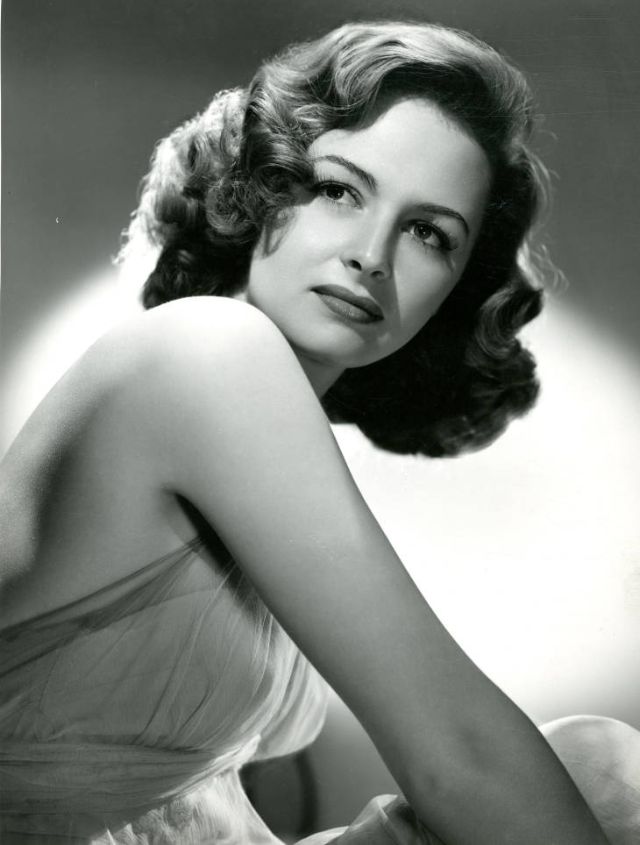
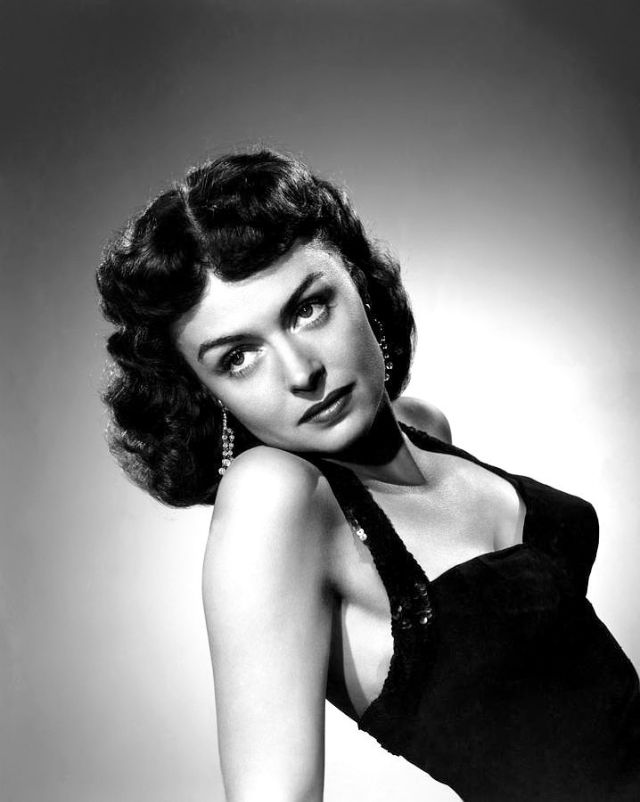
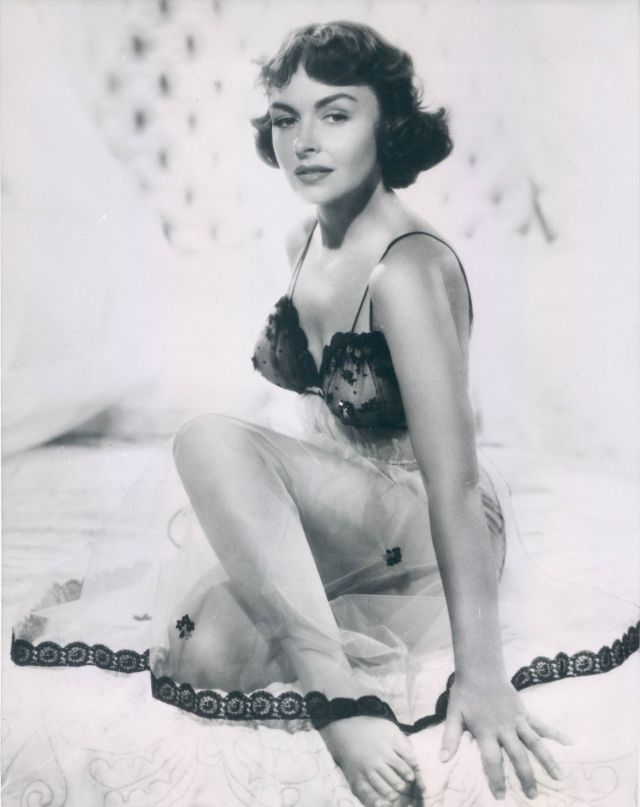
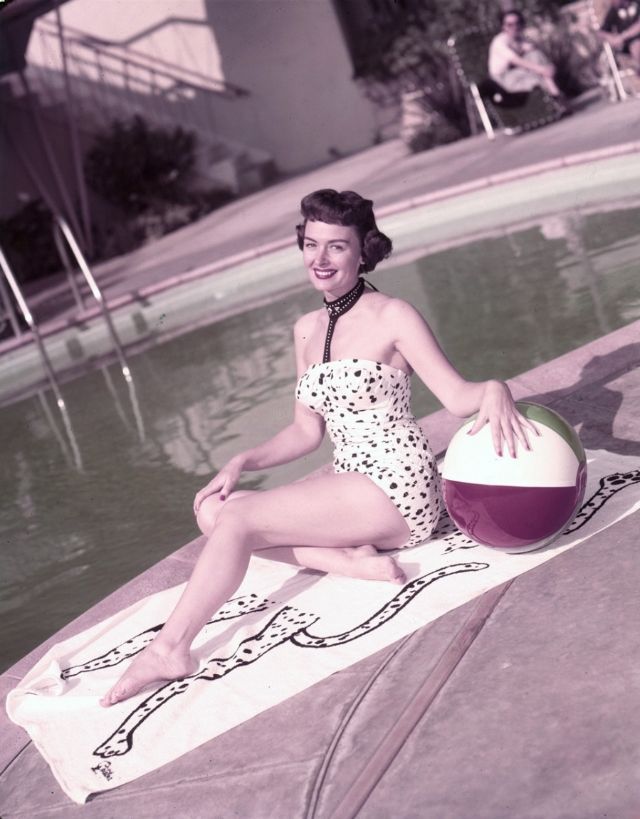
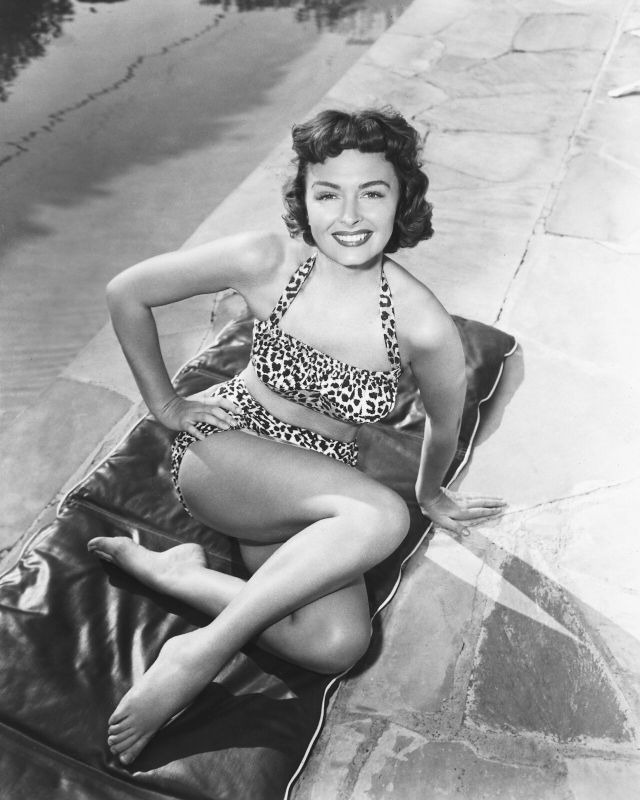
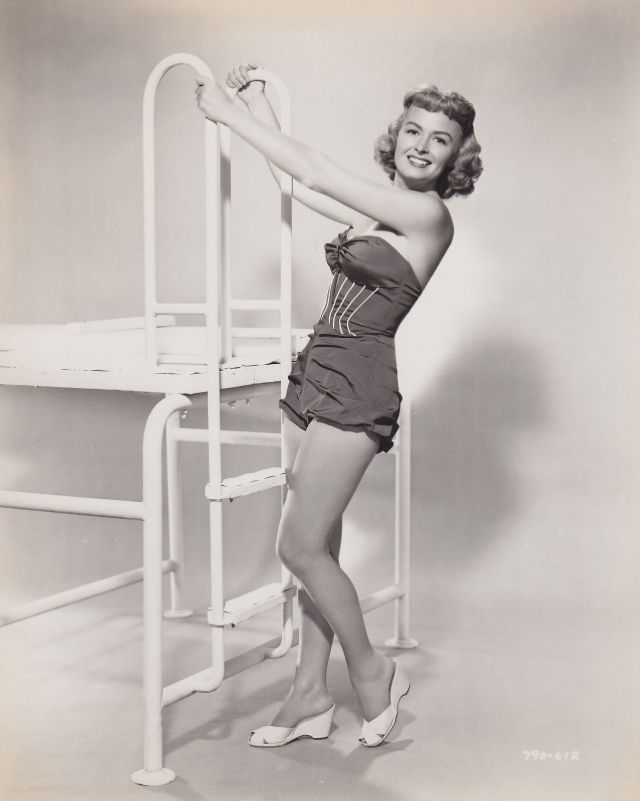
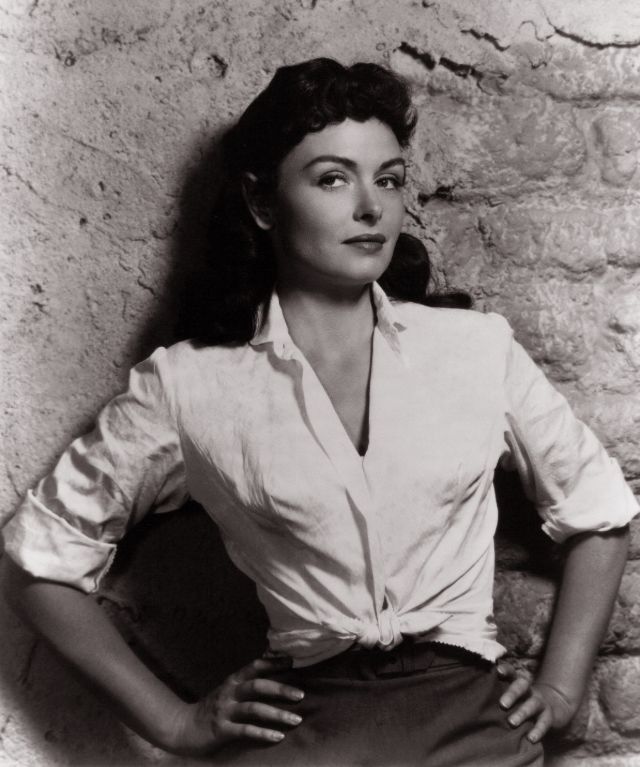
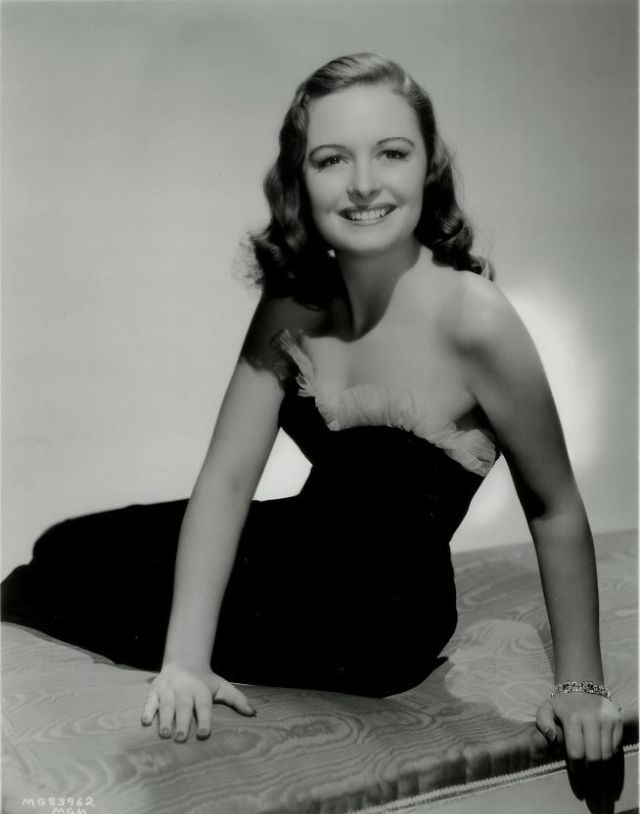
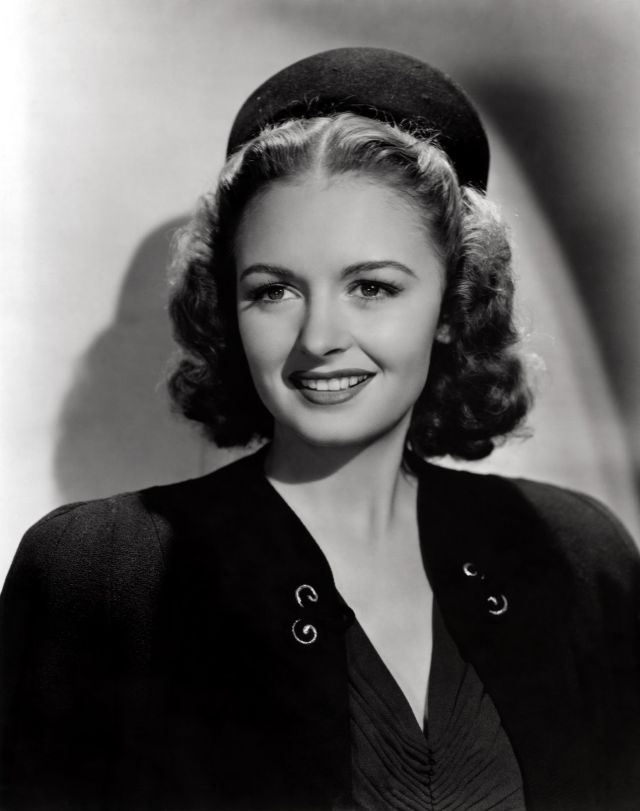
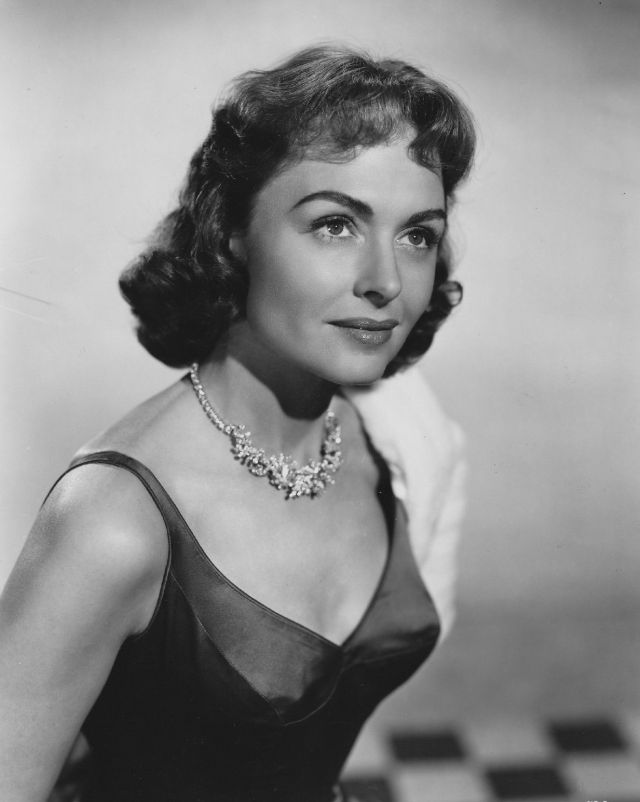
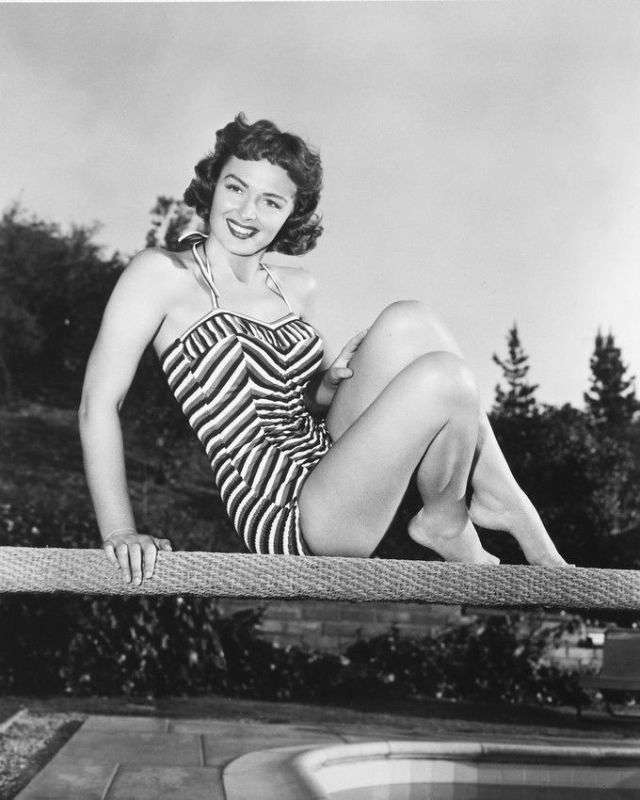
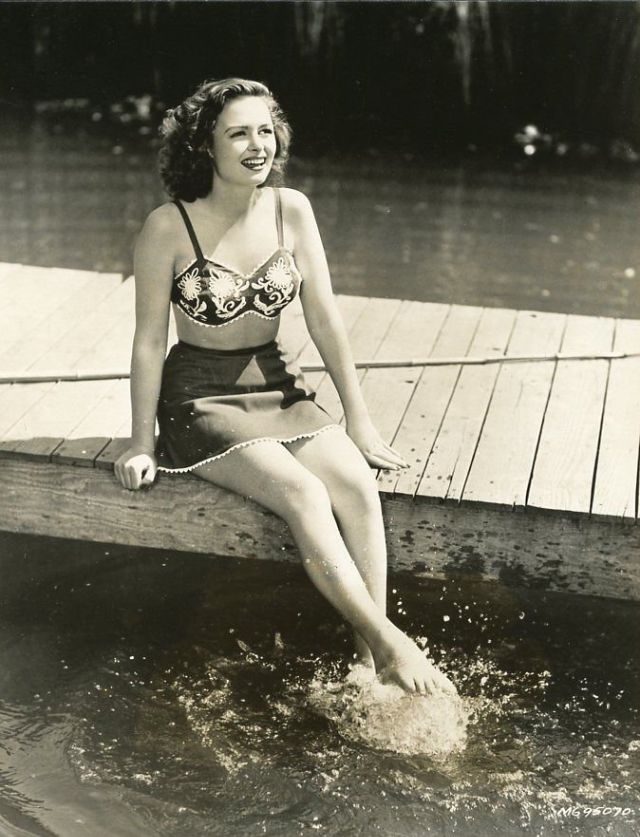
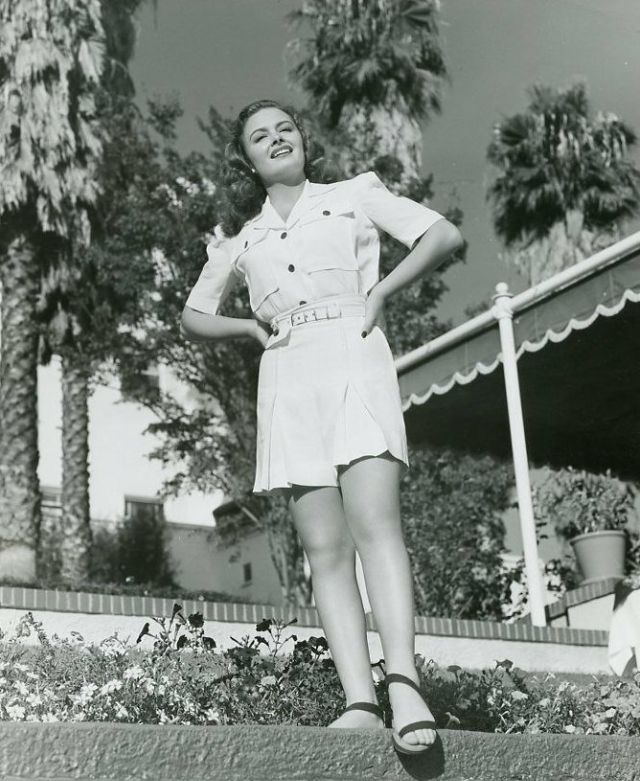
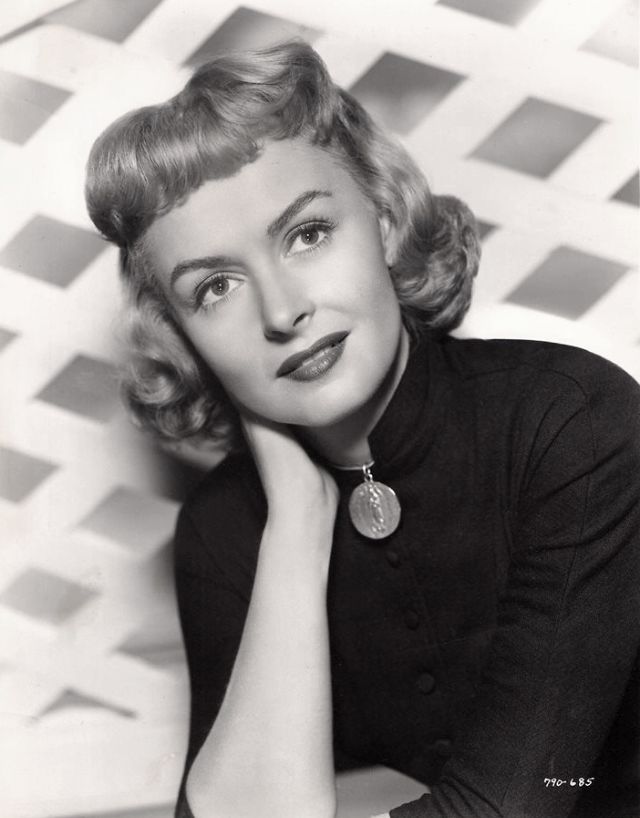
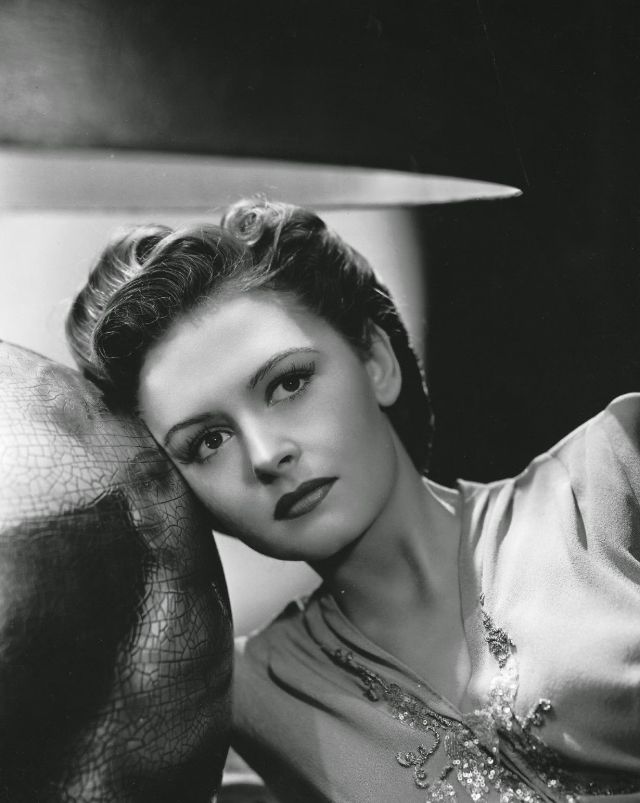
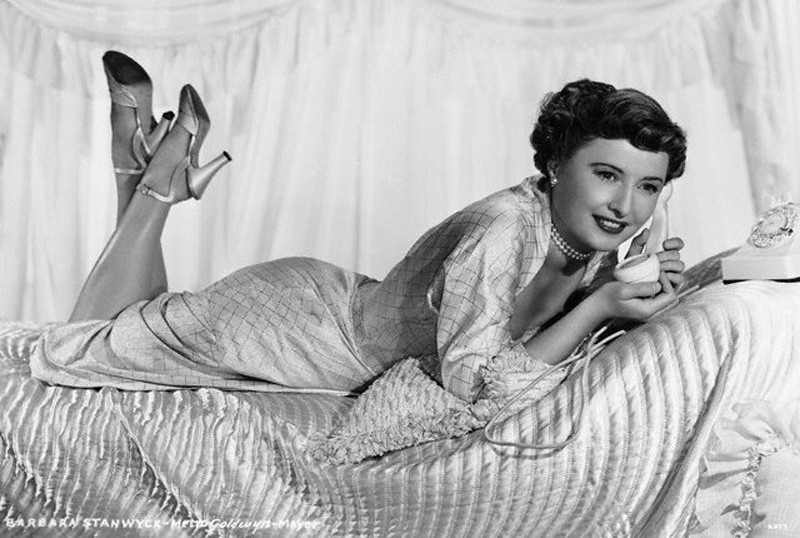
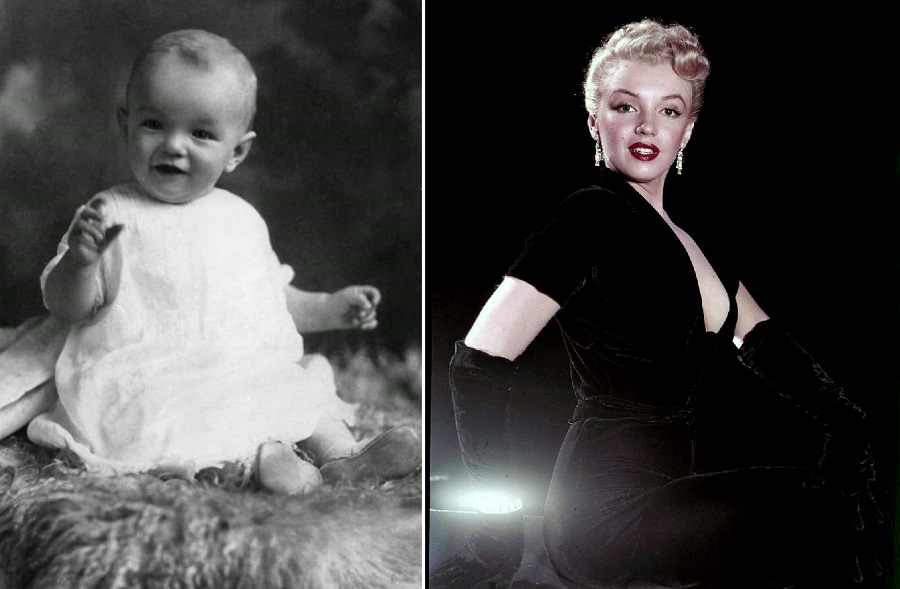
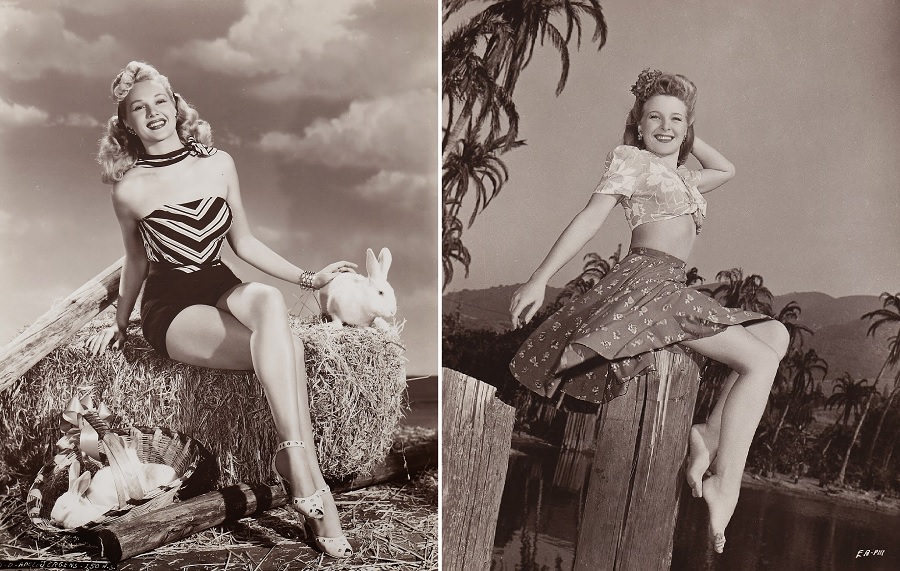
Donna Reed was born Donna Belle Mullenger on January 27, 1921, in Denison, Iowa — a small farming town far removed from the bright lights of Hollywood. Growing up in rural Iowa gave her a grounded, genuine quality that would define her entire career. When she moved to Los Angeles to attend college, talent scouts noticed her almost immediately. Her striking looks and natural charm led to a contract with Metro-Goldwyn-Mayer (MGM) Studios in the early 1940s.
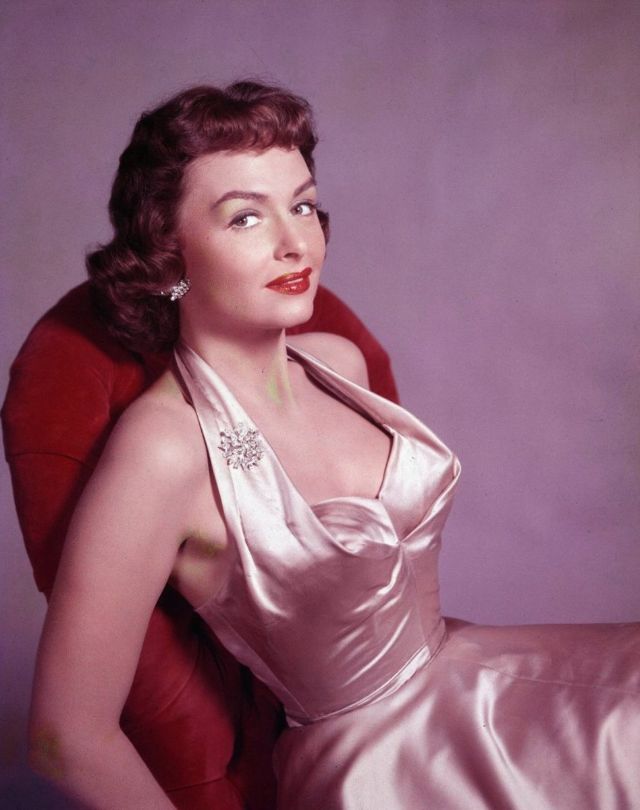
Reed’s film debut came in 1941 with a small part in “The Get-Away.” Her first real brush with stardom followed in 1942 when she starred alongside Mickey Rooney in “The Courtship of Andy Hardy.” Audiences responded to her warmth on screen, and studios quickly recognized she had something rare — a natural ability to make viewers feel at ease.
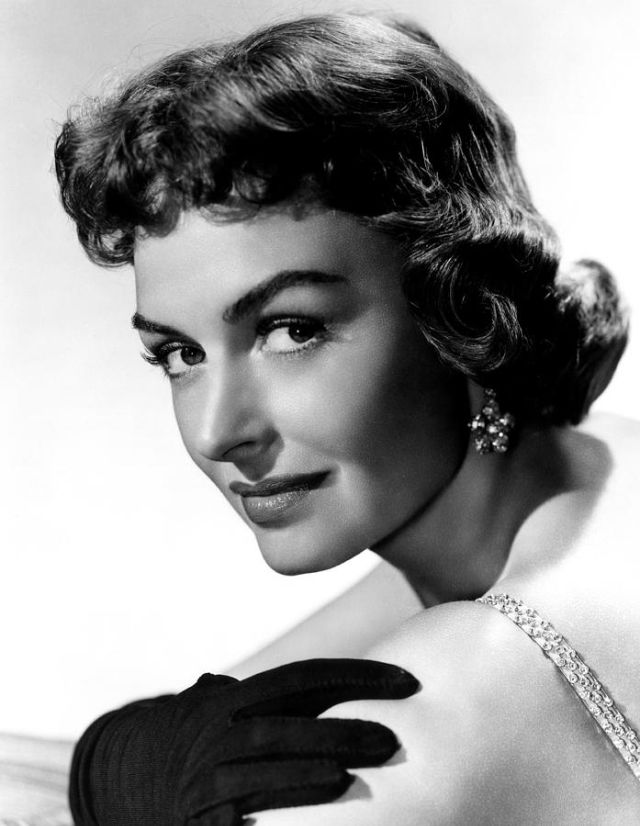
Over the course of her career, Reed appeared in more than 40 films, working alongside some of the biggest names in the industry. She brought depth and sincerity to every role she took on, whether dramatic or light-hearted.
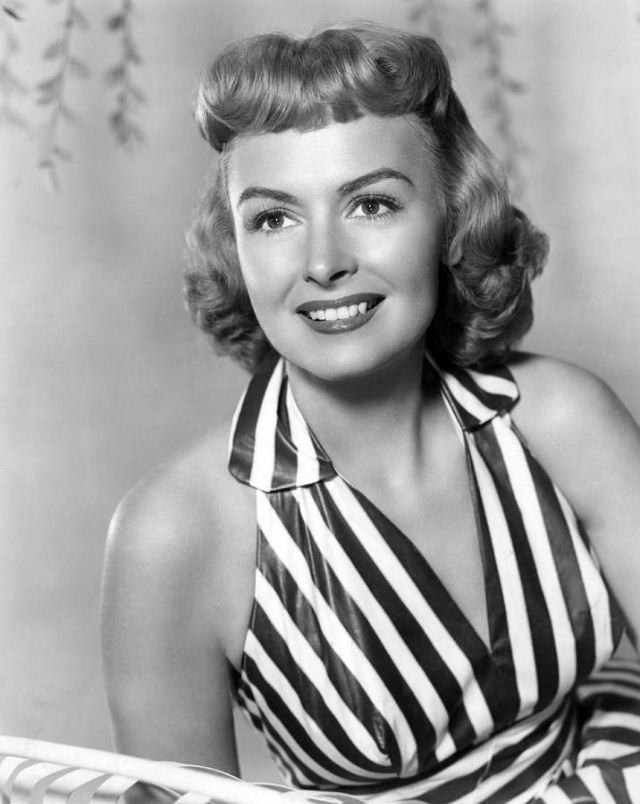
Perhaps her most beloved film role came in 1946. Director Frank Capra cast her as Mary Hatch Bailey in “It’s a Wonderful Life,” opposite James Stewart. Reed played the devoted wife of George Bailey with warmth and conviction, and the film became one of the most celebrated movies in American history. Her performance held the emotional center of the story together.
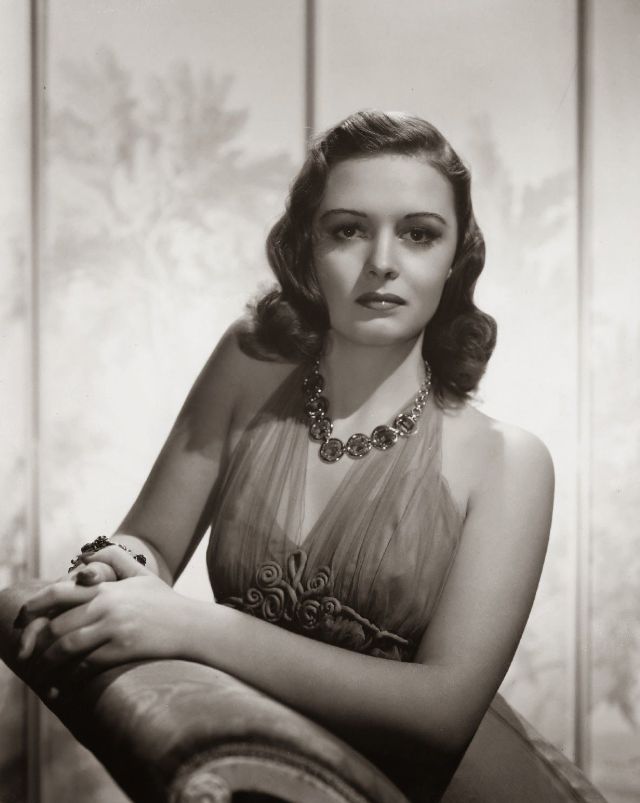
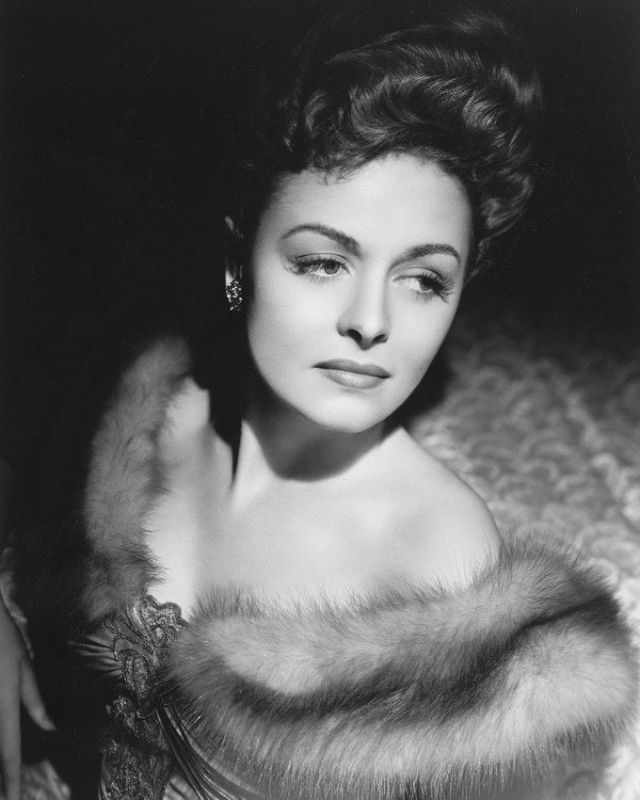
Reed’s range as an actress went far beyond wholesome roles. In 1953, she took on the part of Alma, a dance hall worker, in the wartime drama “From Here to Eternity.” The role was a sharp departure from her usual screen image, and she delivered a performance that was both restrained and powerful. The Academy of Motion Picture Arts and Sciences rewarded her with the Oscar for Best Supporting Actress.
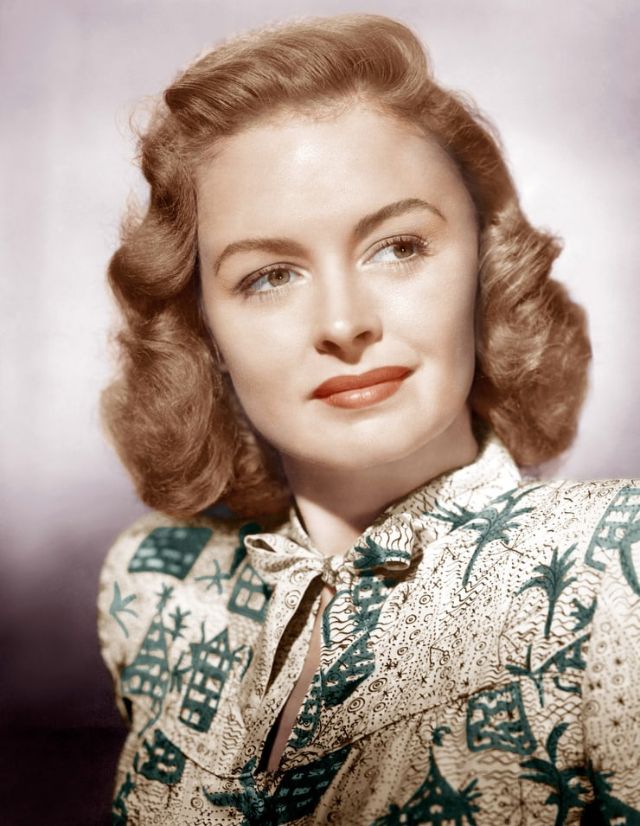
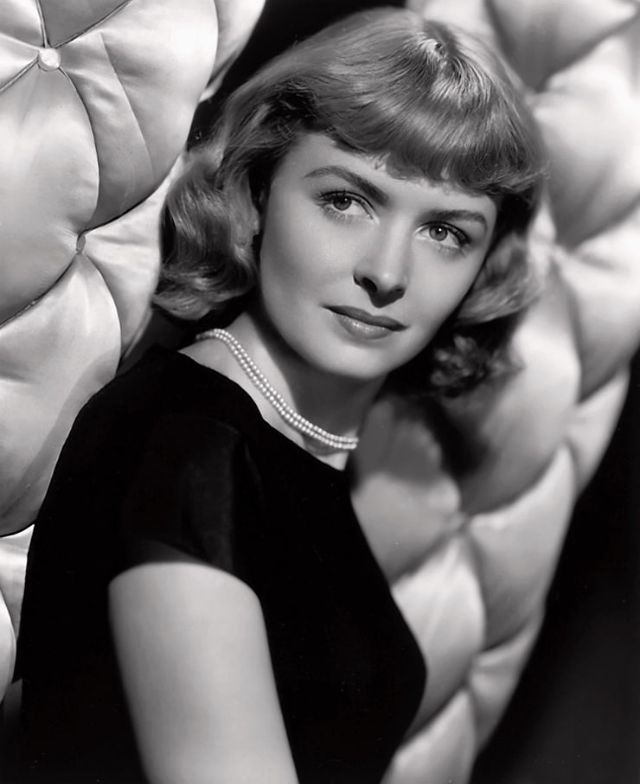
Winning the Academy Award placed Reed firmly among Hollywood’s elite. She had proven she could handle dramatic material just as effectively as the lighter, more approachable roles that first made her famous.
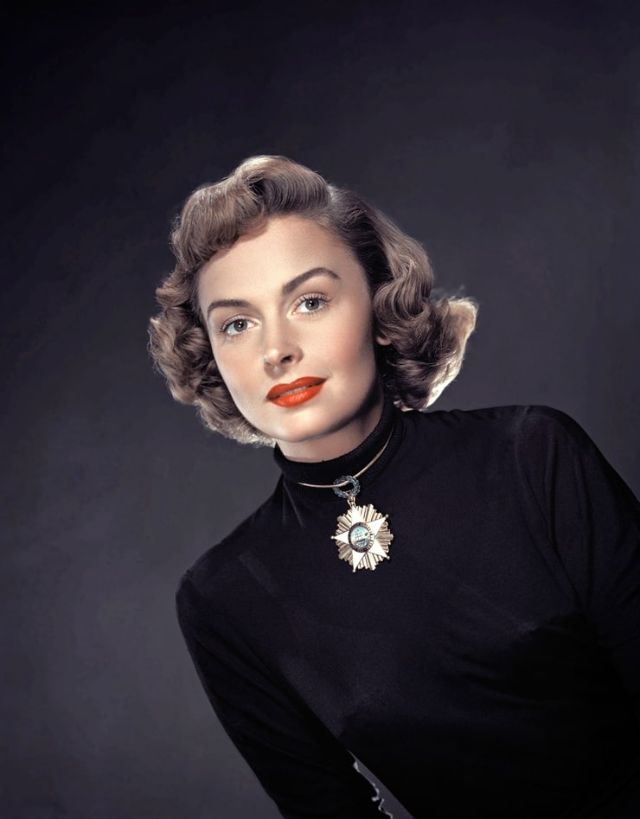
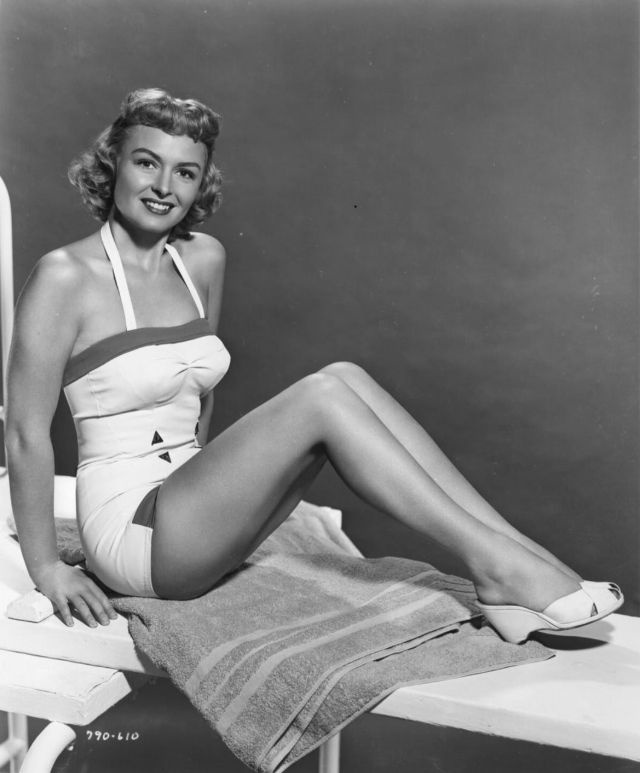
In 1958, Reed made a deliberate move to television. She launched “The Donna Reed Show,” a sitcom in which she played Donna Stone, a capable and caring wife and mother. The show ran for eight full seasons — a remarkable achievement by any standard. Audiences tuned in week after week, and the series earned Reed a Golden Globe Award in 1963 along with four Emmy nominations.
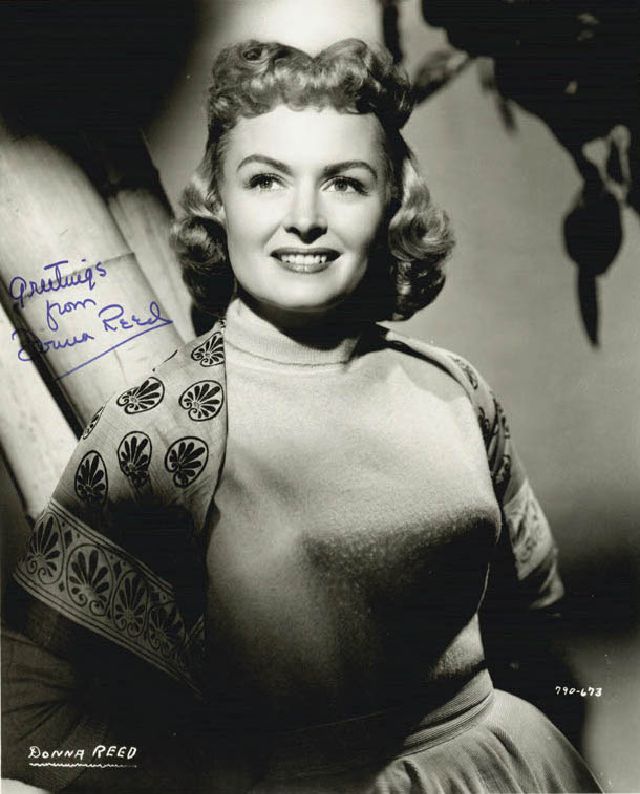
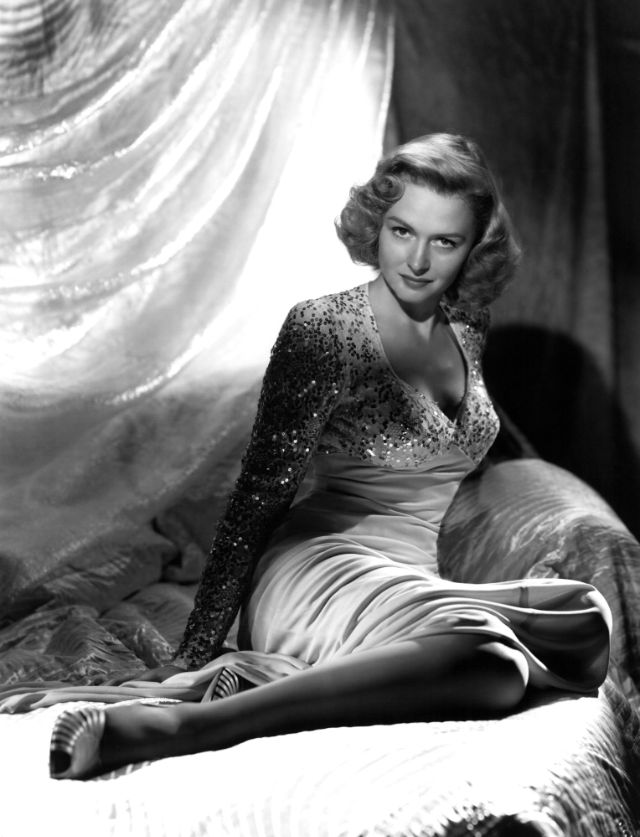
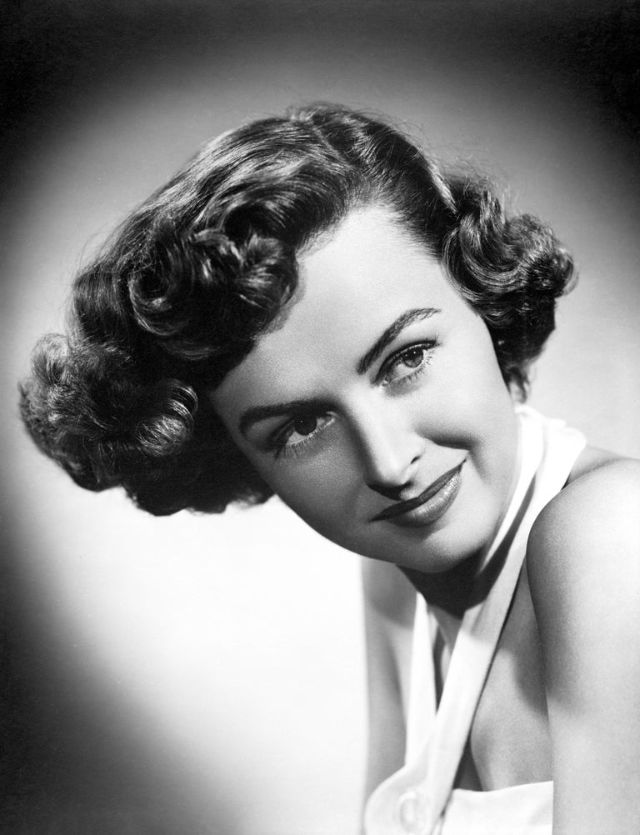
The show’s success was no accident. Reed was deeply involved in its production, and her work behind the scenes gave her significant creative control. She was one of the first actresses in television to serve as a producer on her own series.
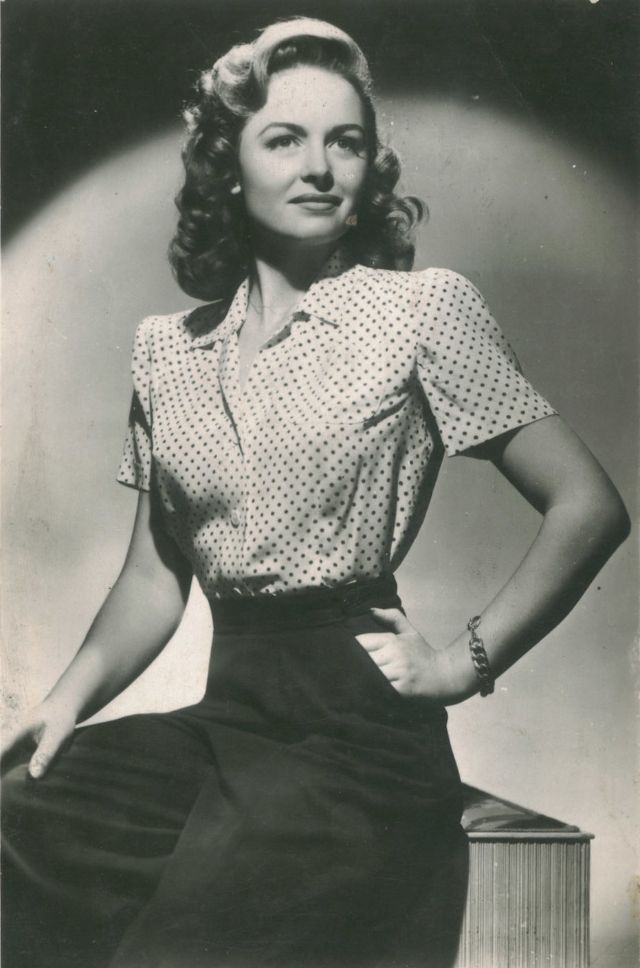
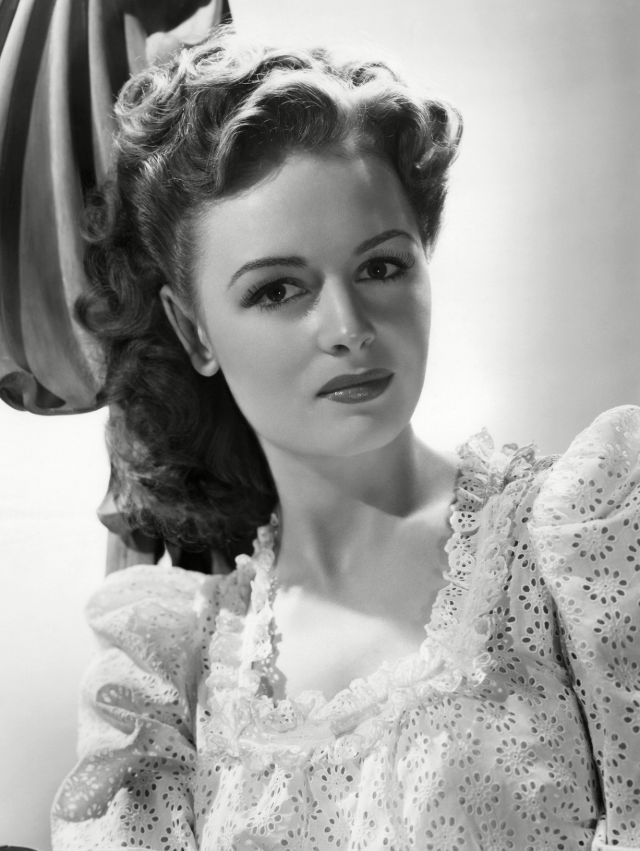
Off-screen, Reed was outspoken on issues she cared about deeply. She was an active participant in the anti-war movement during the Vietnam era and lent her voice to environmental conservation efforts. She used her public profile with intention, not just for personal gain.
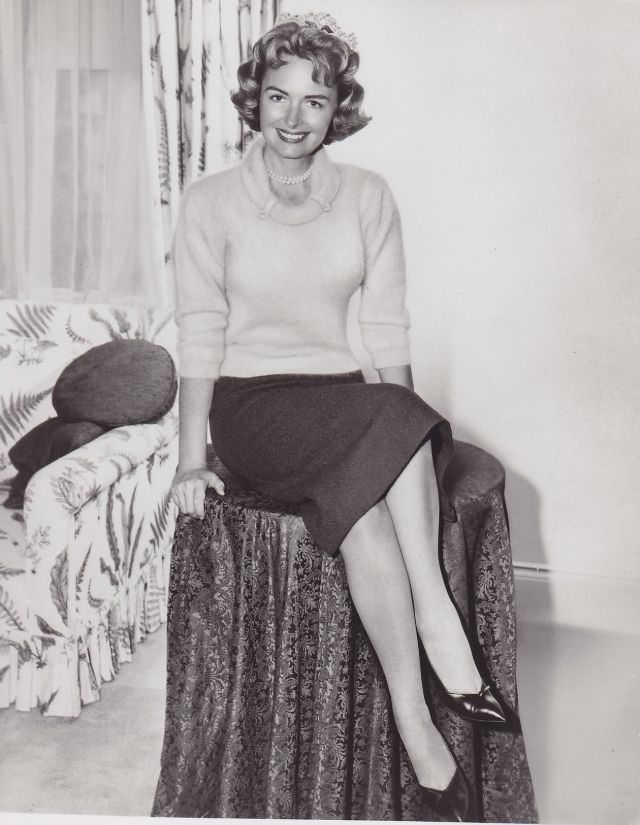
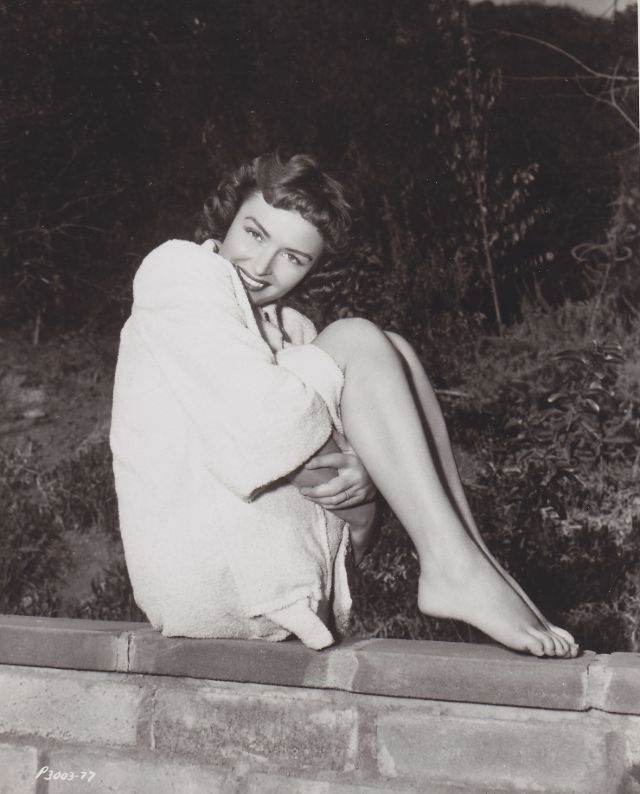

Reed continued to work in television and film through the 1980s. Her ability to adapt across four decades of a rapidly changing entertainment industry speaks to both her talent and her professionalism.
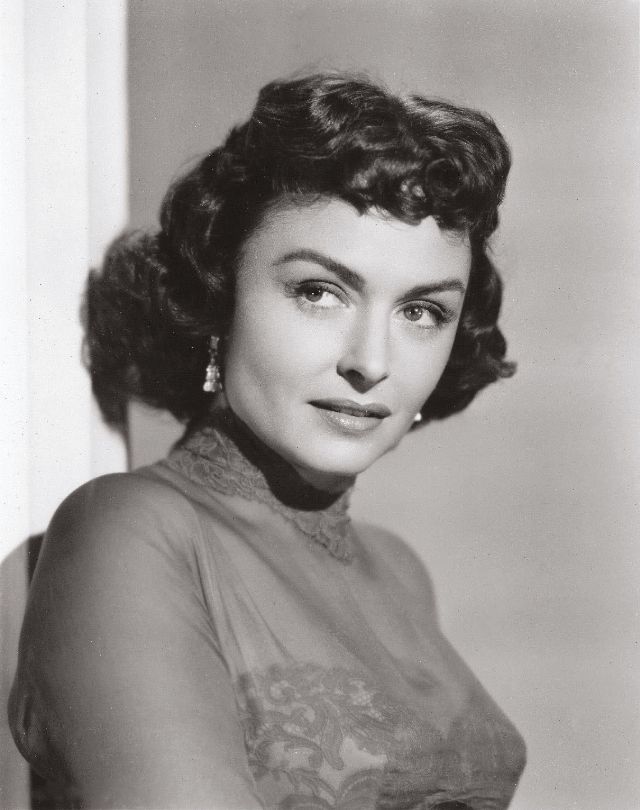
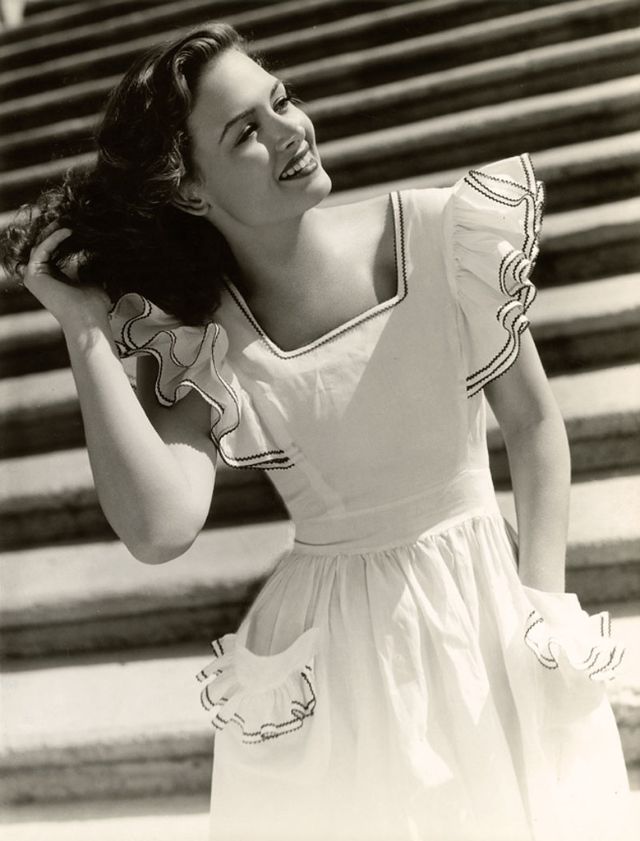
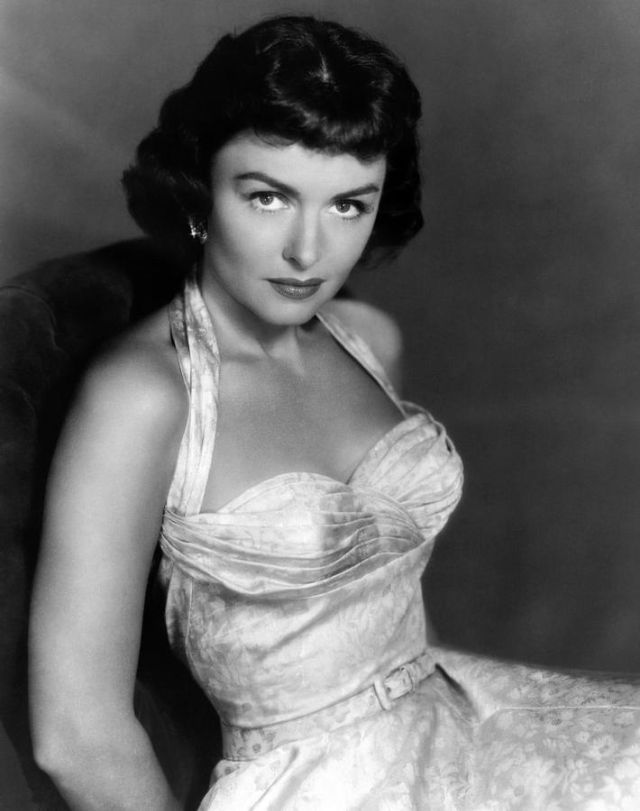
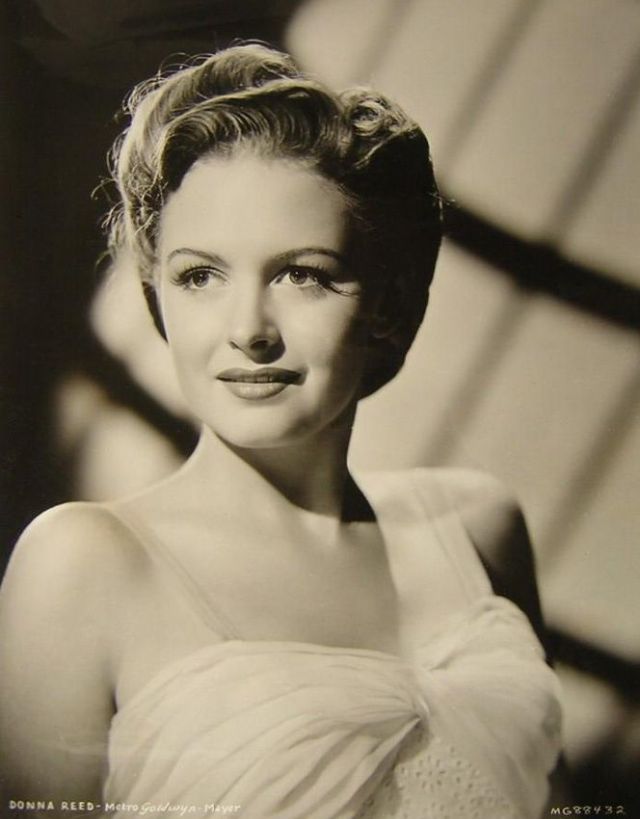
Throughout her career, the characters Reed portrayed shared a common thread — they were strong, caring, and self-possessed women. She brought that same quality to her real life. Whether she was accepting an Oscar, leading a weekly TV series, or speaking at a public rally, Reed carried herself with the same quiet dignity that audiences recognized from her films.