Long before toy stores lined every shopping street, a child’s doll was not something easily replaced. These were cherished objects — carried everywhere, dressed and undressed hundreds of times, tucked into bed each night. When one broke, it wasn’t simply thrown away. It was taken to a doll hospital.
Dolls from the 18th and 19th centuries were crafted from an impressive range of materials — wood, wax, china, cloth, leather, and fabric. Each material had its own vulnerabilities. A china head could crack from a single fall. A wax face could warp near a heat source. A kid leather body stuffed with sawdust or sand could split at the seams after years of tight hugging. These were not cheap novelties. They were often expensive, carefully made objects that families expected to last.
The wear and tear on a well-loved doll told a story. A wig might fall loose or disappear entirely. Glass eyes could crack or pop free from their sockets. A porcelain nose — delicate by design — was often the first thing to chip. After years of carriage rides and rough play, arms and legs cracked at the joints. The clothes, made from thin period fabrics, frayed and tattered with every wash.
Doll hospitals stepped in to fix exactly these problems. They were small, specialized shops where skilled repairers — sometimes called doll doctors — assessed each doll and restored what they could. A new set of glass eyes could be fitted. A cracked porcelain head could be carefully glued or replaced with a matching one. Wigs were re-glued or replaced with period-appropriate hair. Leather bodies were re-stuffed and stitched closed. The work required patience and a detailed knowledge of how each type of doll was originally constructed.
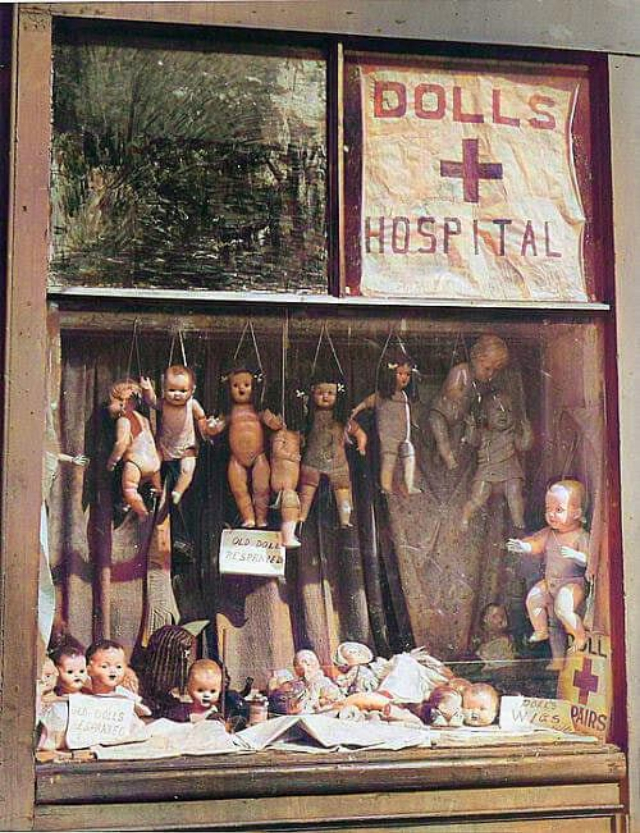
For many families, a doll hospital visit was not a luxury — it was a necessity born out of limited finances. Buying a brand-new doll was simply not an option for most households. A quality doll cost real money, and a family that already owned one was far more likely to repair it than replace it. The doll hospital offered an affordable alternative and kept a beloved toy in a child’s hands.
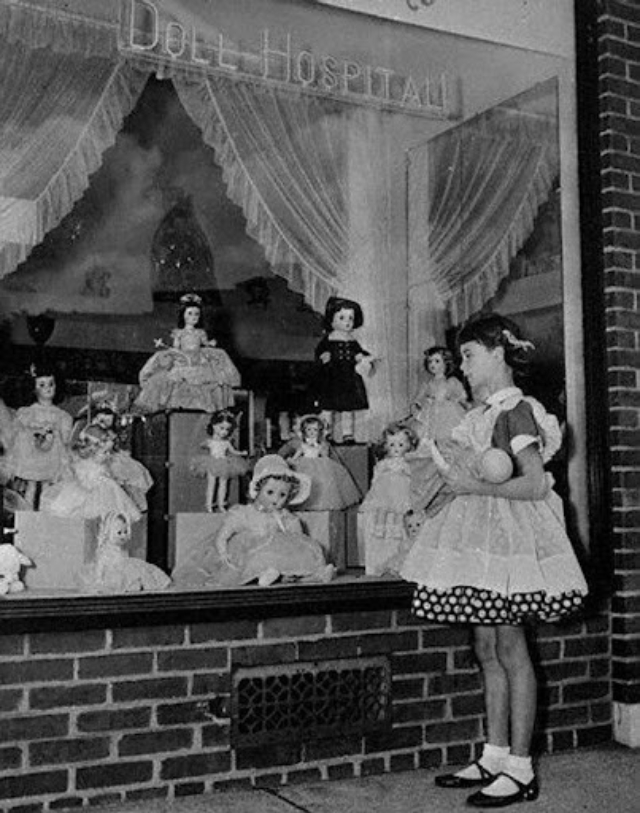
Children themselves often had a strong attachment to a specific doll that no new toy could replace. A brand-new doll, however beautiful, was a stranger. The old one — chipped nose, rewound wig, re-stitched arm and all — was a companion. Parents understood this, and doll hospitals understood it too. The goal was never just to fix an object. It was to return something familiar.
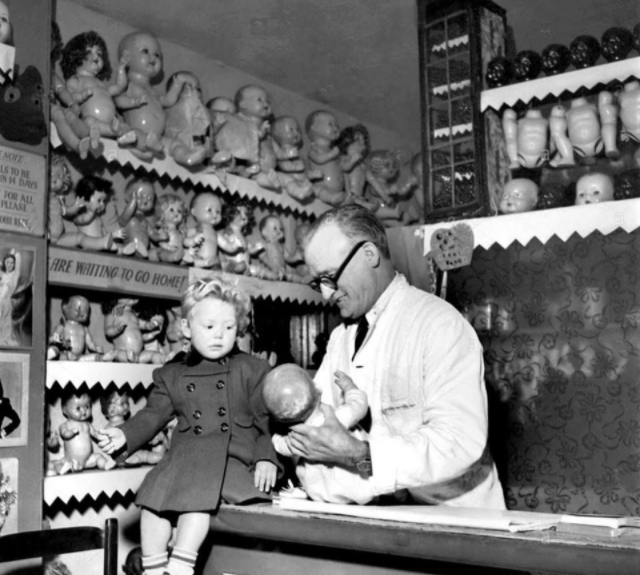
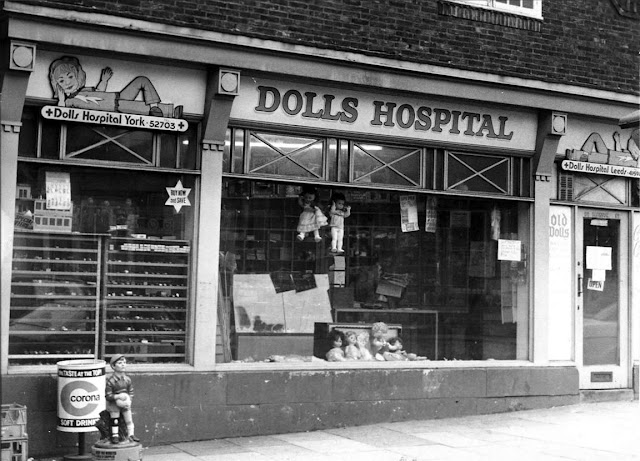
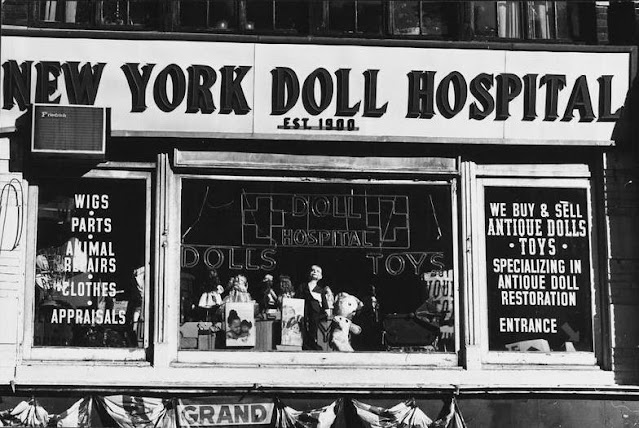
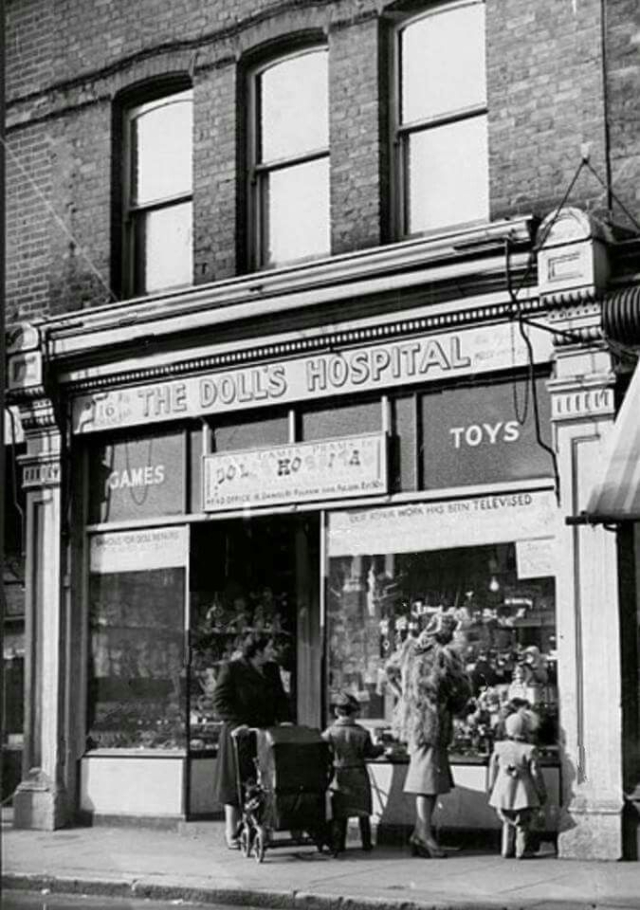
Doll hospitals appeared in cities and towns across Europe and North America throughout the 1800s and into the early 1900s. Some were standalone shops. Others operated as a corner of a larger toy or dry goods store. Advertisements in period newspapers promoted their services, listing repairs for specific doll types — bisque heads, composition bodies, cloth dolls — and sometimes offering to re-dress a doll in fresh clothing while it was in for repair.
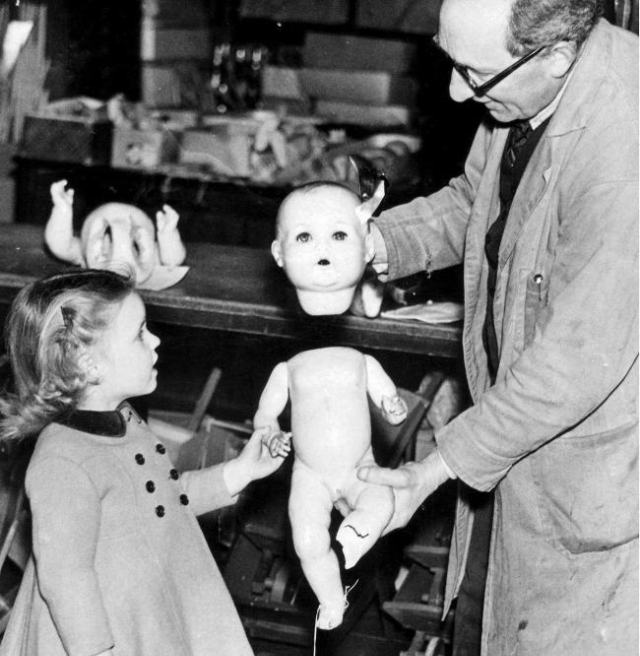
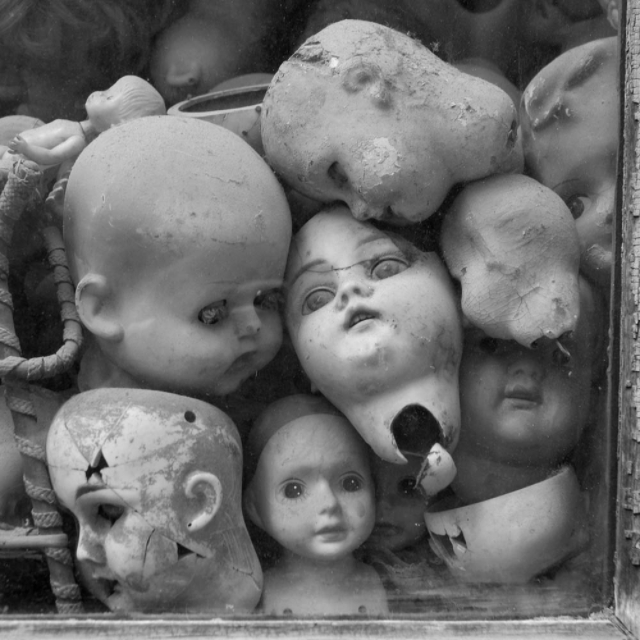
The repair process varied depending on the doll’s construction. Composition dolls — made from a mixture of sawdust, glue, and other materials — were prone to cracking and crazing, especially in humid climates. These required surface repairs and repainting. Bisque porcelain heads needed careful handling; a hairline crack could be stabilized, but a shattered head was harder to save. Sometimes, doll doctors kept a stock of spare parts — loose heads, detached limbs, glass eyes in various sizes and colors — pulled from dolls beyond repair and used to restore others.
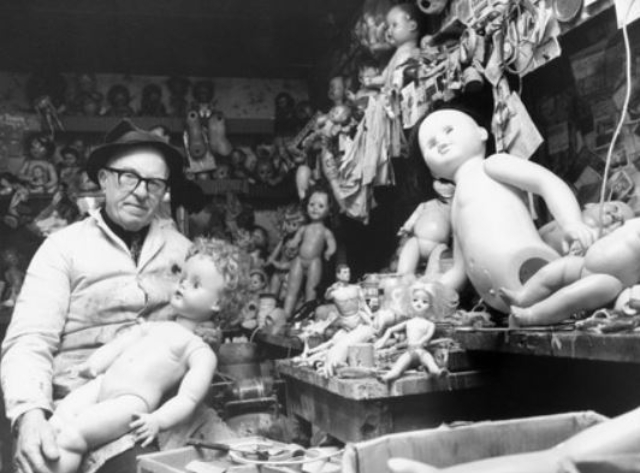
Wax dolls presented their own unique challenges. Popular in the mid-1800s, especially in England, wax dolls had a lifelike quality that made them highly desirable. But wax is fragile. It melts, dents, and discolors with age. Repairing a wax doll required melting new wax to match the original tone and carefully filling cracks or rebuilding damaged features — a delicate skill that not every doll hospital offered.
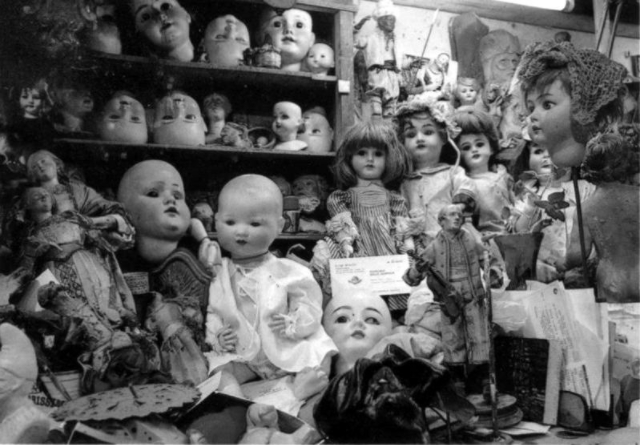
Cloth and fabric dolls were among the easier cases. A torn seam could be resewn. Lost stuffing — whether cotton, wool, sawdust, or sand — could be replaced. Painted features that had faded or rubbed away were touched up by hand. These were the everyday repairs that kept humbler dolls in circulation long past what their construction was built to endure.
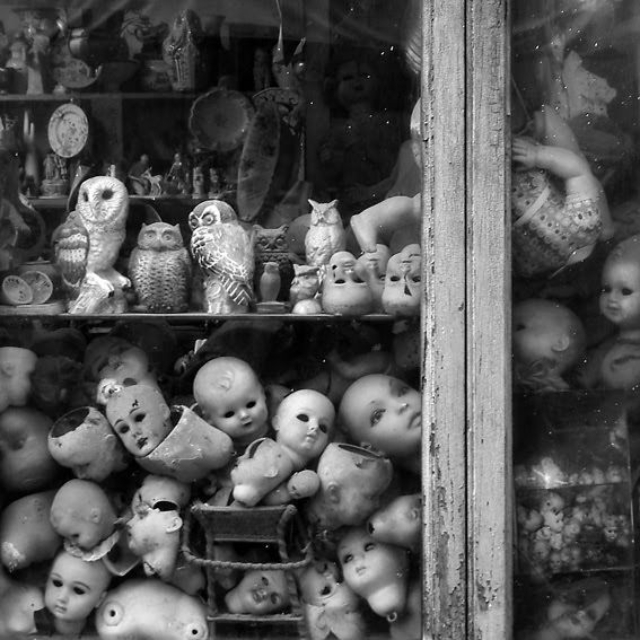
Today, antique dolls more than a century old still carry the evidence of these old repairs — a replacement head that doesn’t quite match the body, glass eyes slightly different from the originals, stitching that doesn’t align with the factory seams. These are the marks left by doll hospitals doing their job. Each mismatch is a record of a child who wasn’t ready to let go, and a family who found a way to hold on a little longer.