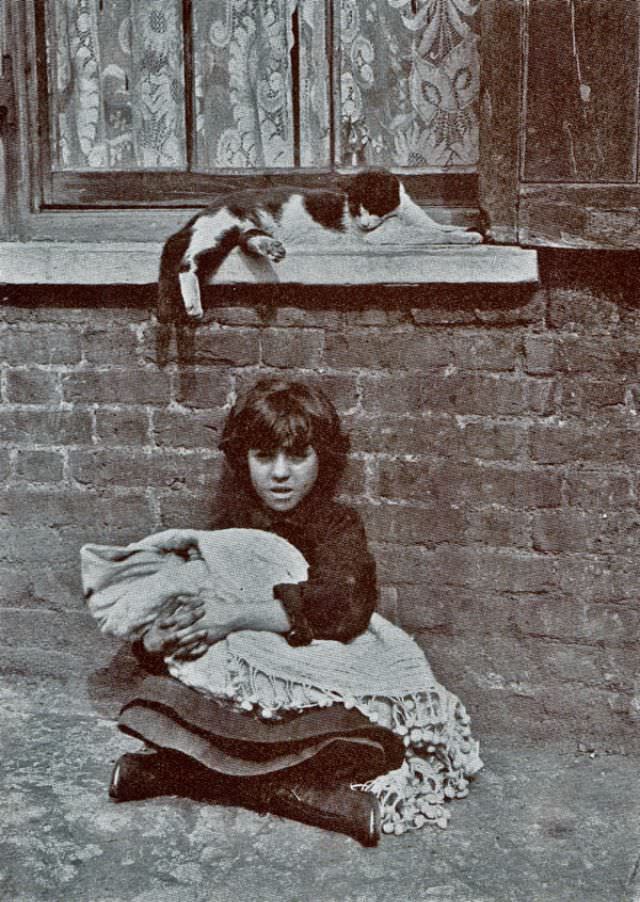
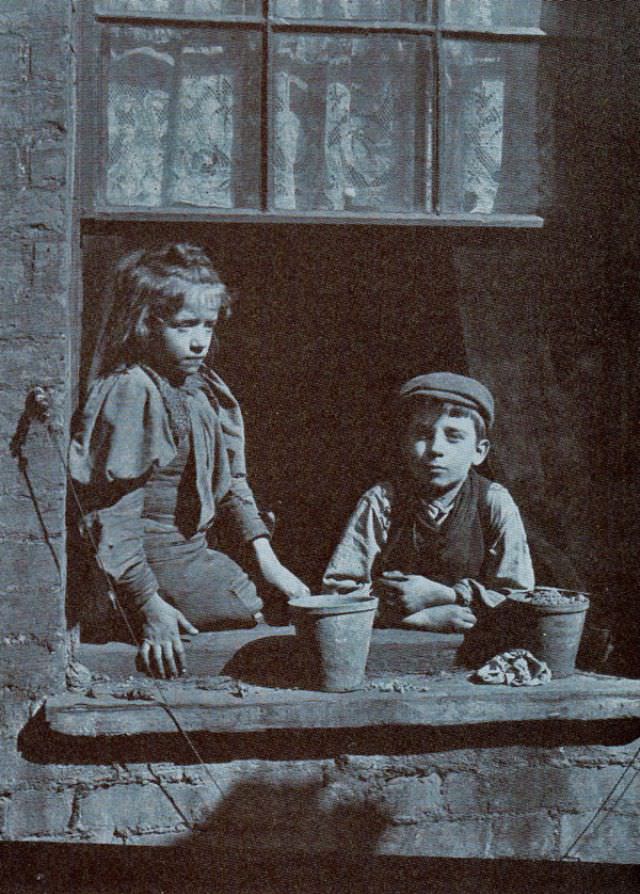
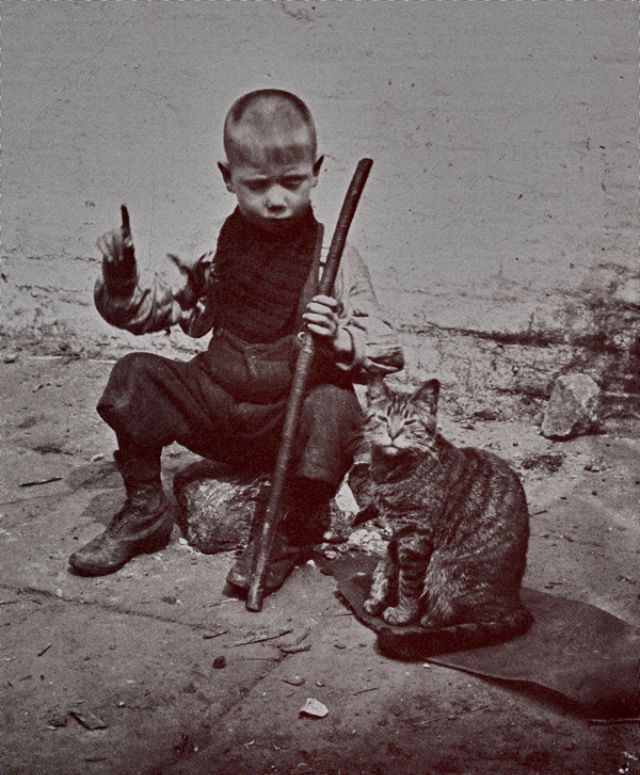
London’s East End in the early 1900s was one of the most overcrowded and impoverished areas in Britain. Nowhere was that poverty more visible than in Spitalfields, where ragged children filled the streets, markets, and cramped tenement doorways.
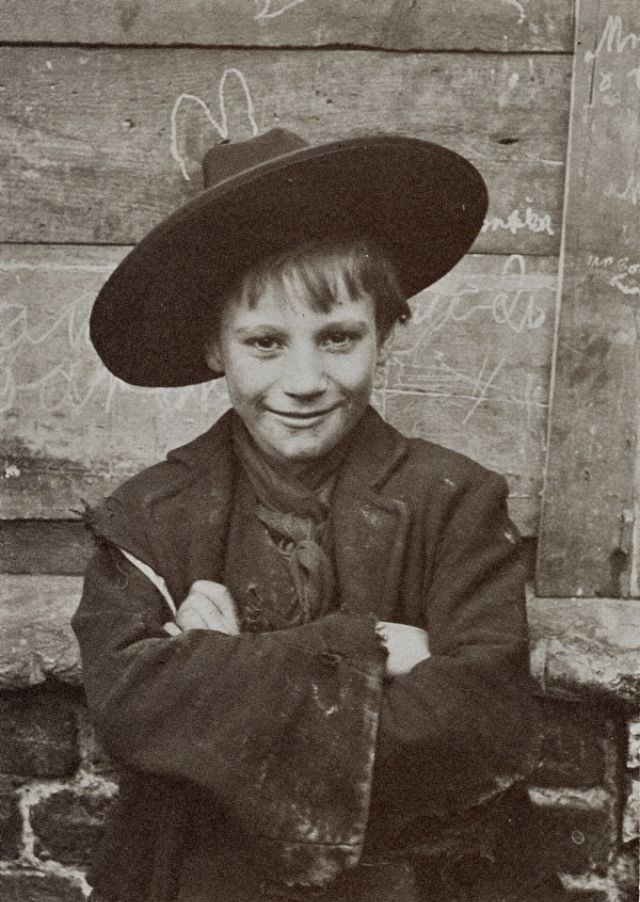
Photographer Horace Warner documented these children in a series of photographs now known as the “Spitalfields Nippers.” His images are a direct, unfiltered record of children living in extreme deprivation in the 1910s.
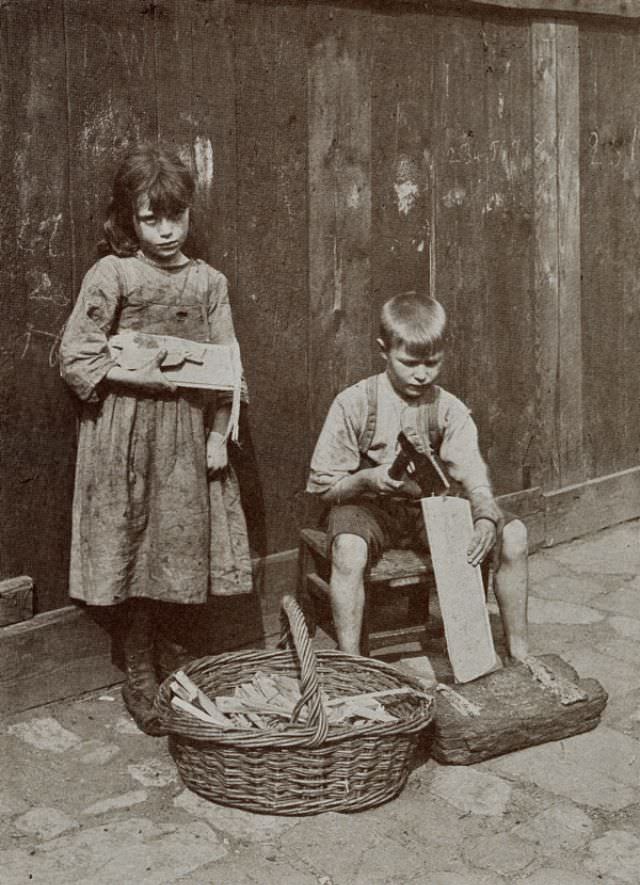
Many of the children Warner photographed were orphans or came from families with no stable income. They lived in single rooms shared by multiple people, with little food and no sanitation.
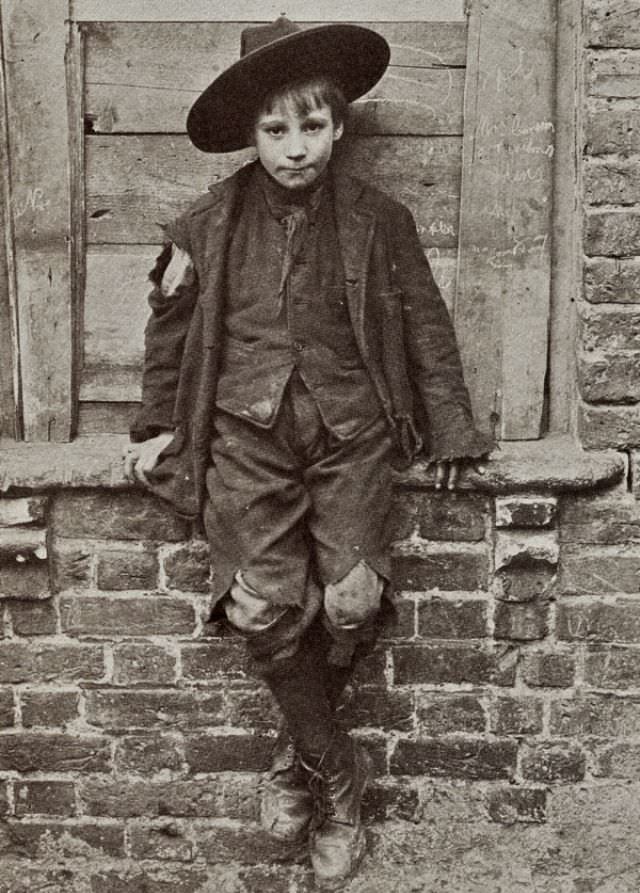
School was not an option for most of these children. Instead, they worked. Boys ran errands, sold newspapers, or swept chimneys. Girls worked as domestic servants or sold flowers on street corners.
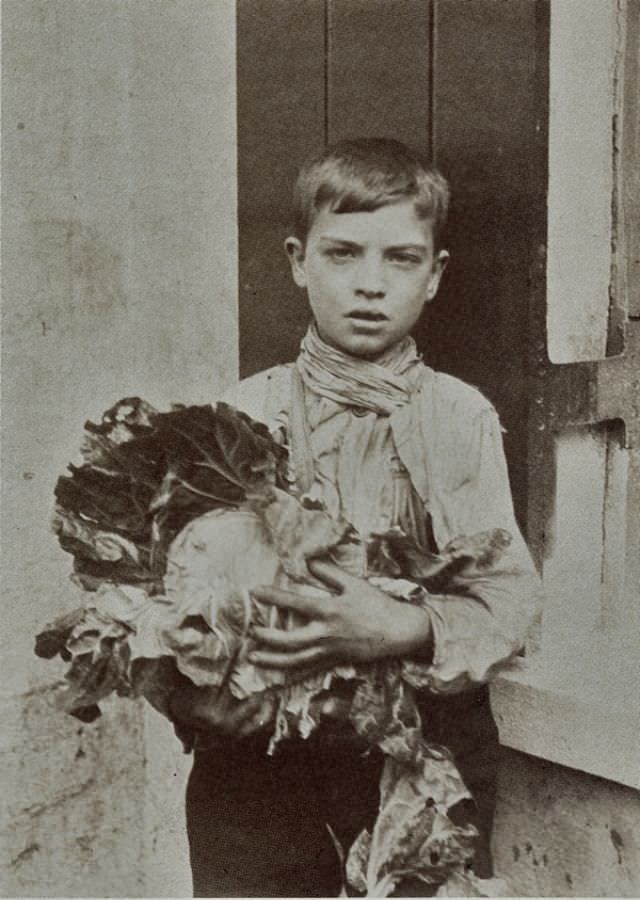
The work was dangerous. Children operated heavy machinery in factories, labored in poorly ventilated sweatshops, and faced daily hazards that adult workers also endured — but for far less pay.
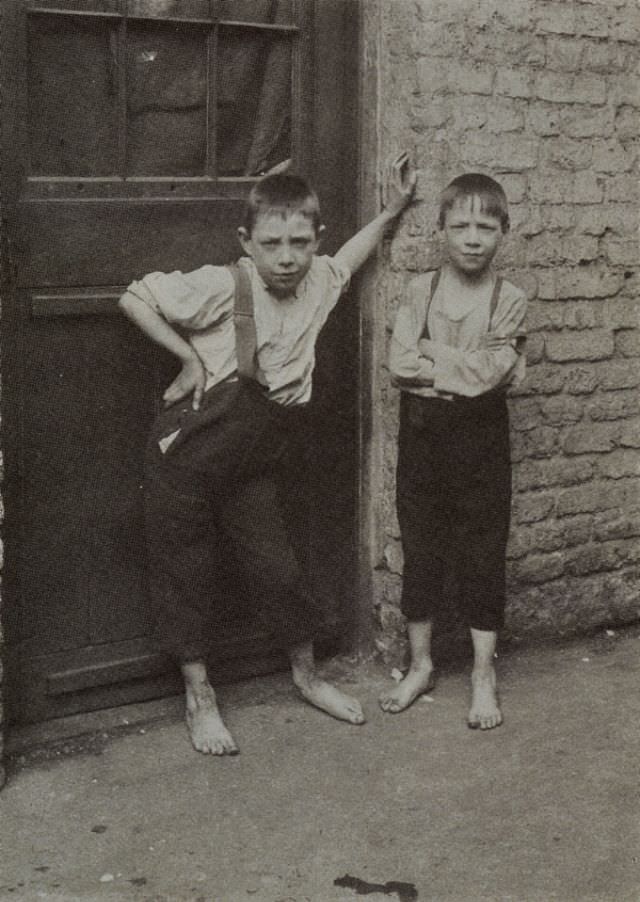
Their wages were not pocket money. For many families, a child’s earnings were the difference between eating and going hungry that day.
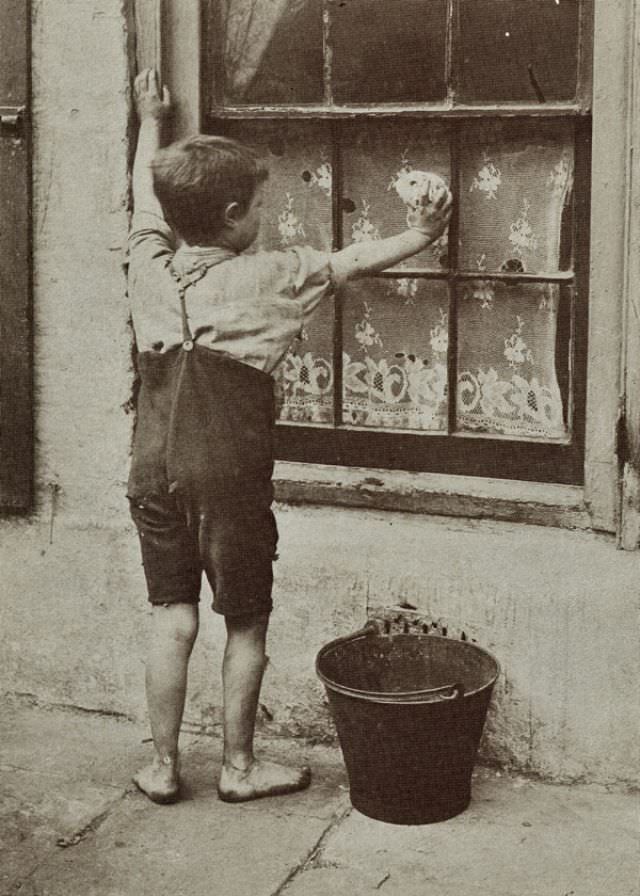
Warner’s photographs show children in torn, ill-fitting clothes. Their expressions carry a seriousness that stands out sharply against their young ages. Some stare directly at the camera with a steadiness that speaks to how accustomed they were to hardship.
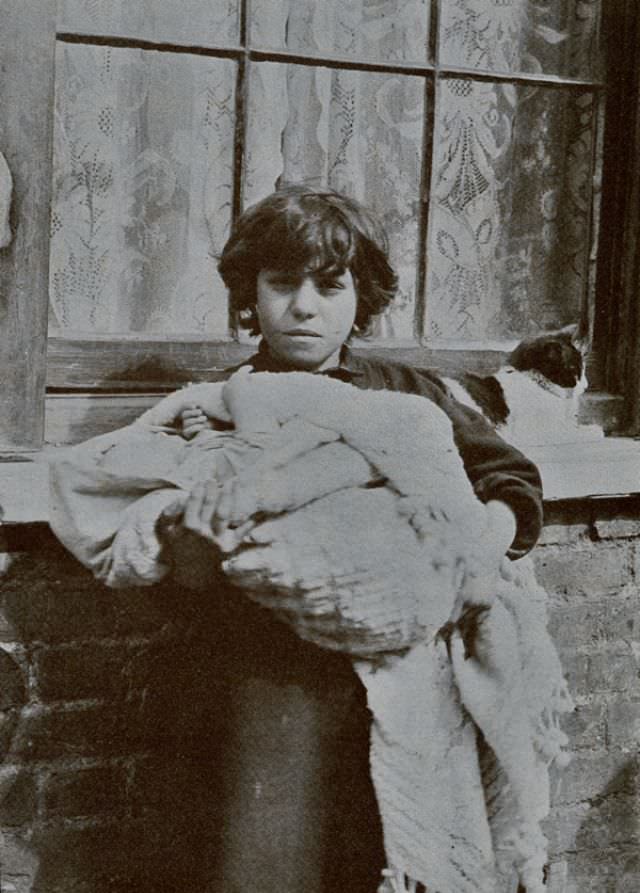
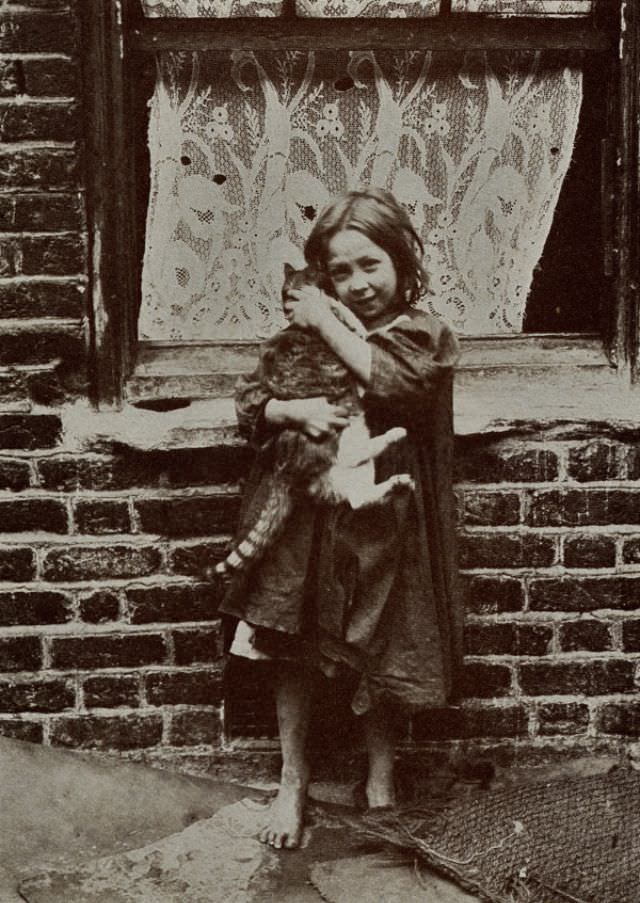
Not every image is grim. Some photographs catch children mid-play, huddled together in the street or laughing with one another. These moments existed alongside the poverty — not separate from it.
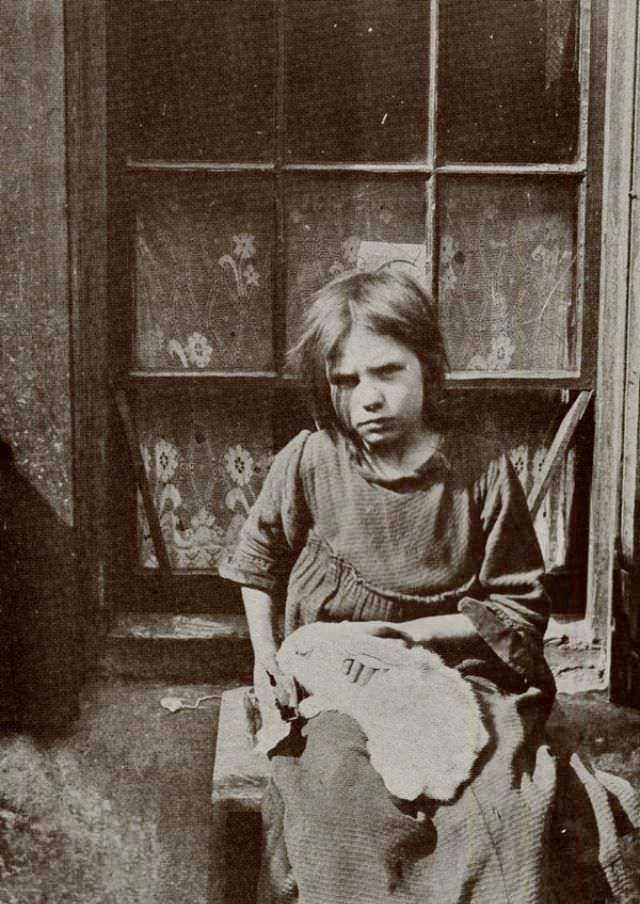
Charitable organizations did operate in Spitalfields during this period. They ran schools, distributed meals, and provided basic shelter to some of the most vulnerable children. Their reach was limited, but real.
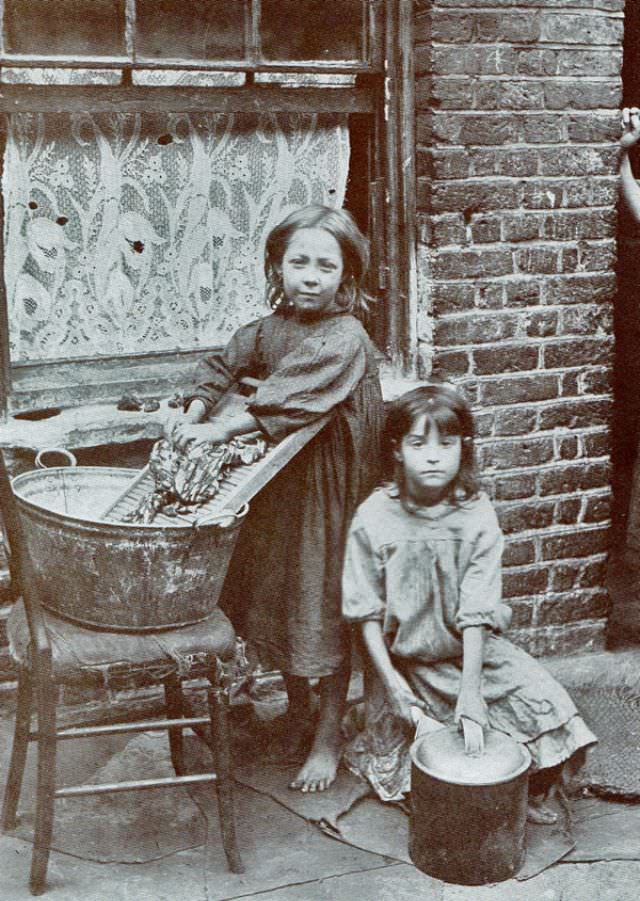
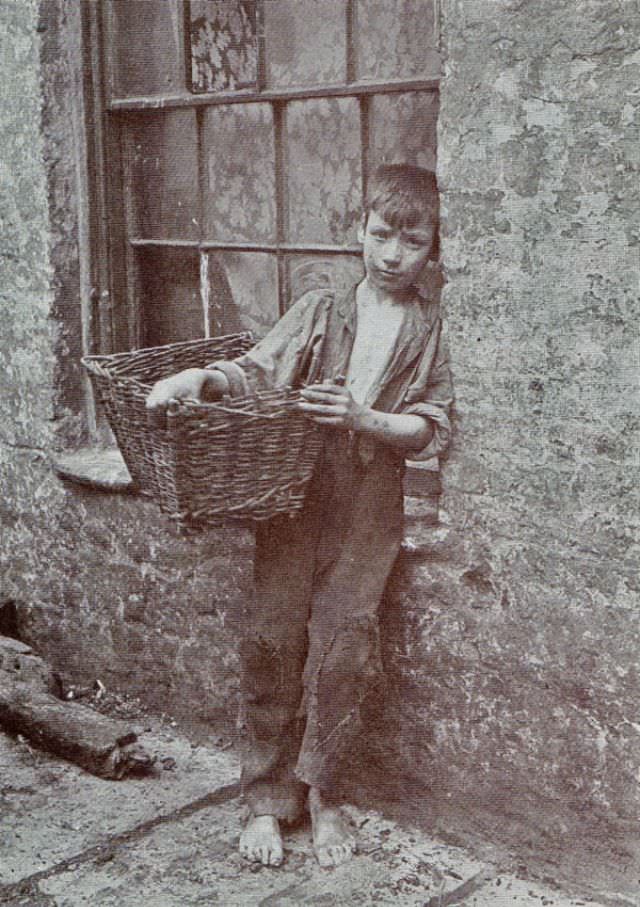
Warner’s work stands as a rare visual record. Few photographers of that era pointed their lens so deliberately at the lives of poor urban children, and fewer still preserved those images for future generations.
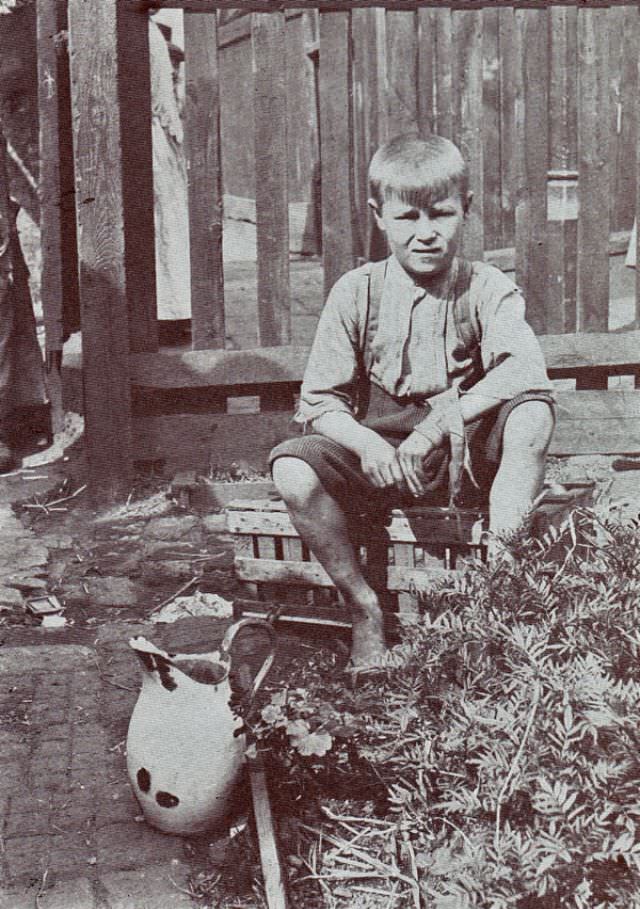
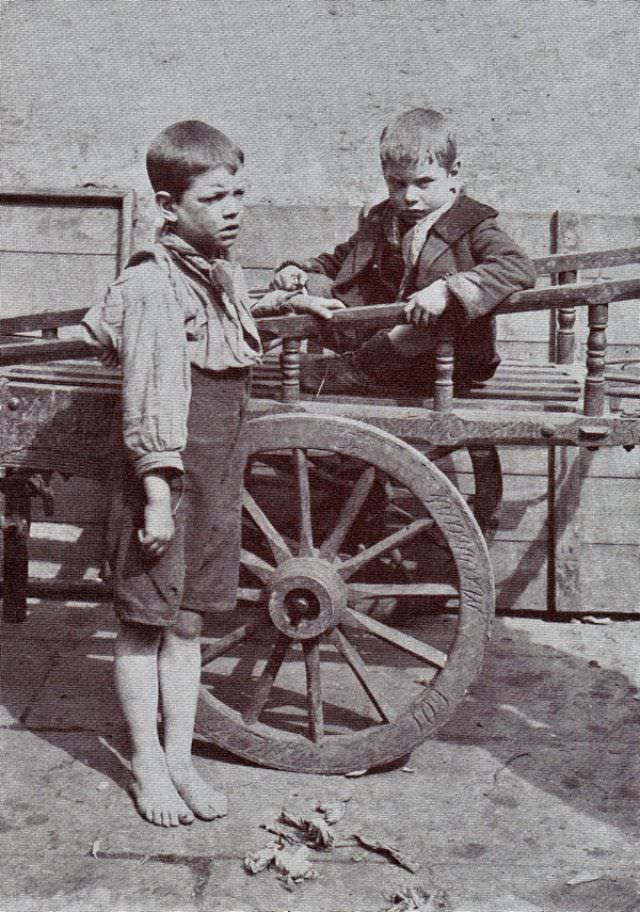
The Spitalfields Nippers were not a curiosity or a symbol — they were real children navigating a system that gave them very little. Warner’s photographs make that impossible to ignore.