
Denver’s story begins in November 1858, when the discovery of gold drew a rush of settlers to the area. The gold dried up fast, but the city didn’t die with it. Instead, Denver reinvented itself as a supply hub for mining operations deeper in the Rocky Mountains. It survived a devastating fire in 1863 and a flash flood the following year that wiped out dozens of buildings, including city hall. Investors regrouped, and by 1870 they had built their own railway connecting Denver to the national rail network.
The 1893 financial panic hit Denver hard. Silver markets collapsed, banks shut their doors, smelters went dark, and men who had built fortunes on silver were left with nothing. But Denver pushed through. By the early 1900s, the city was growing at a fast pace, fueled by better roads, improved rail connections, and the expansion of air travel. New landmarks rose across the skyline — the City Auditorium, the Civic Center, and the Denver Museum of Nature and Science all took shape during this period. The photos below capture Denver during these transformative decades.
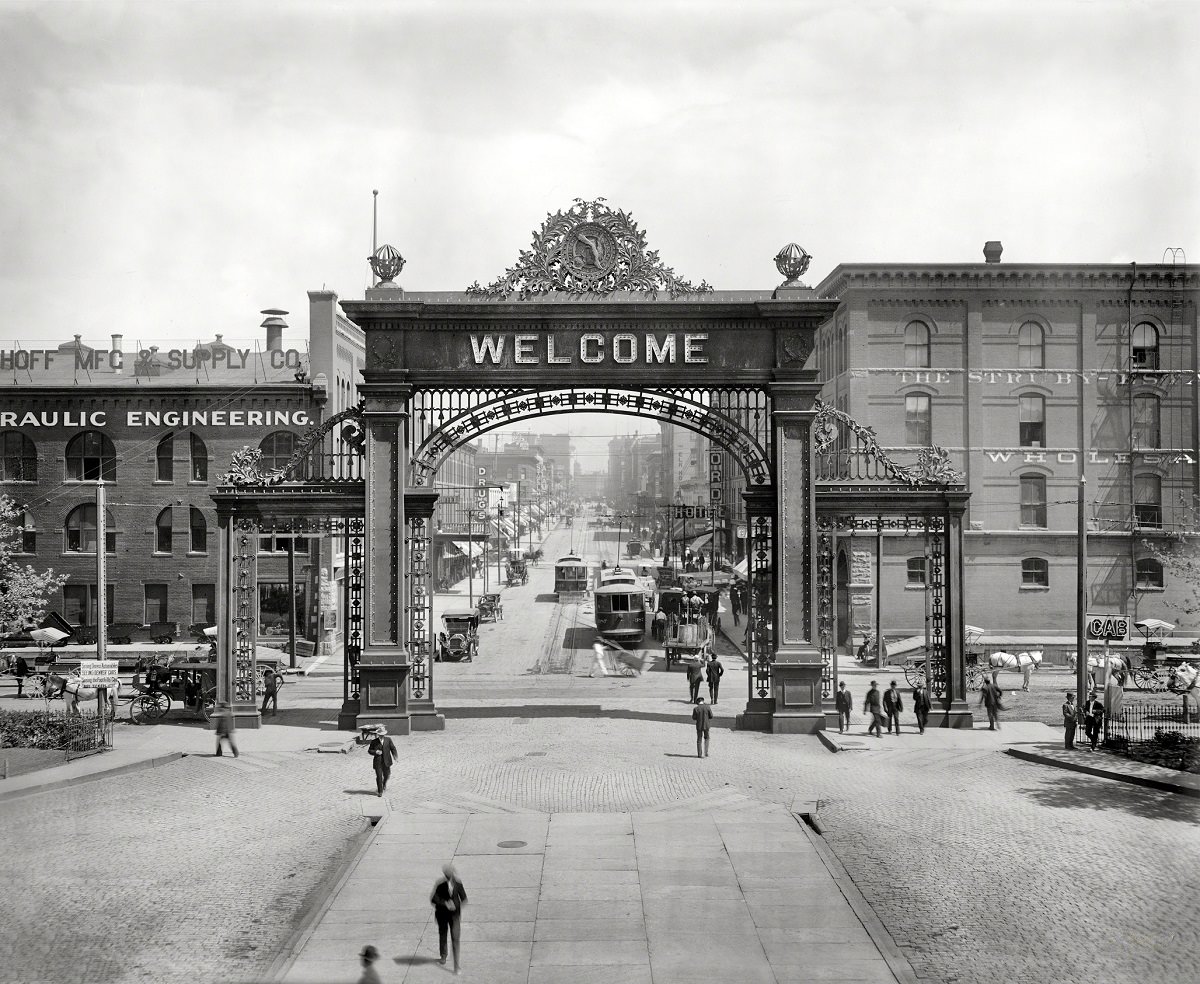
Union Depot was one of Denver’s most important landmarks in the early 1900s. The Welcome Arch stood at its entrance as a grand gateway for travelers arriving by rail. Denver’s railway connections were central to its growth, and the depot served as a daily reminder of how far the city had come since its early mining days.
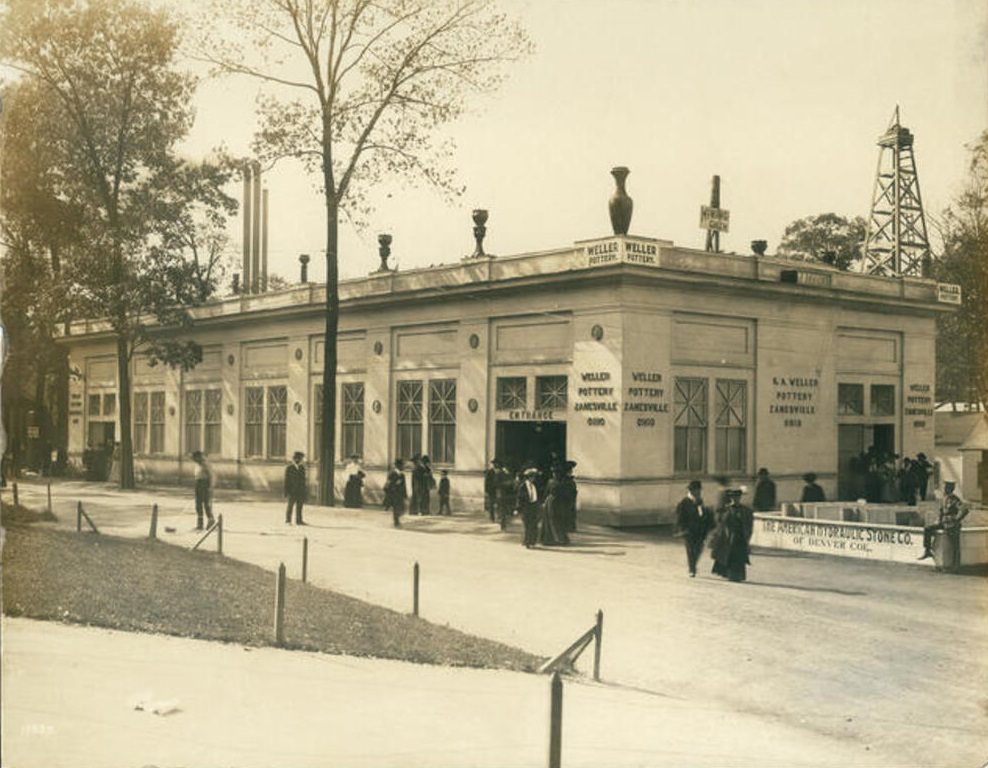
Industry was booming across Denver in the early 1900s. Companies like the American Hydraulic Stone Co. supplied the construction materials needed for the city’s rapid expansion. New buildings were going up across the city, and local manufacturers were right at the center of that growth.
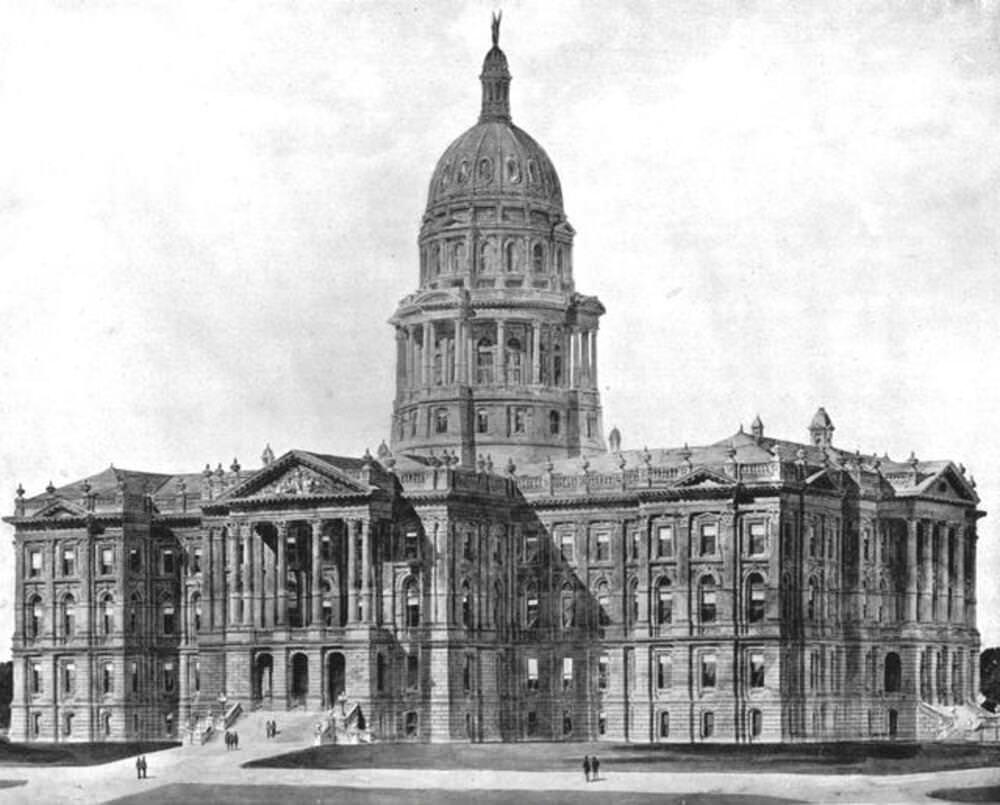
The Colorado State Capitol was a defining feature of Denver’s landscape by 1900. Its gold-covered dome — plated with Colorado gold — made it one of the most recognizable buildings in the West. The State House stood as a symbol of Colorado’s statehood, which had been granted in 1876.
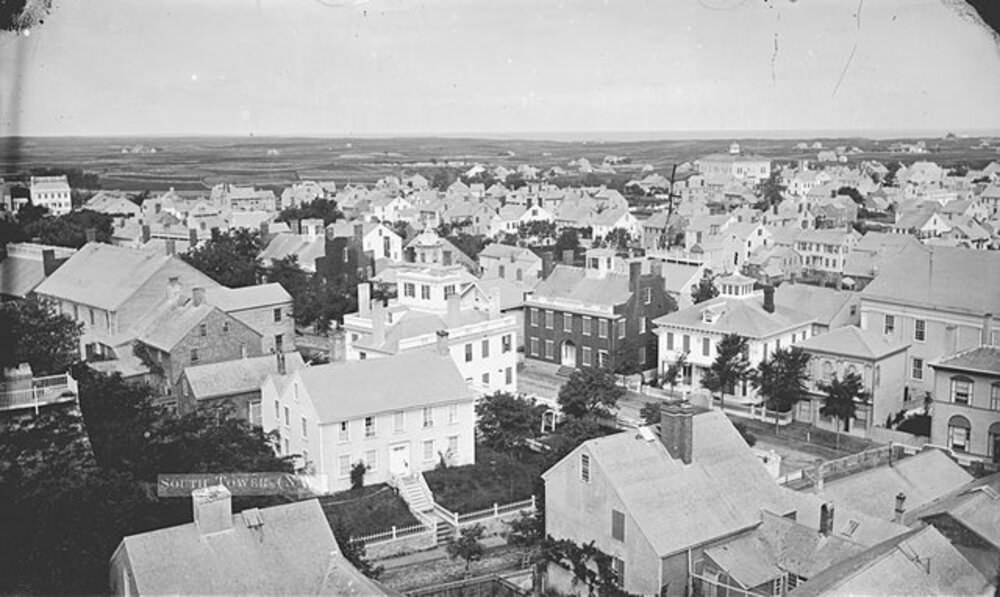
Elevated views of Denver in the early 1900s show a city in mid-transformation. Streets were being laid out, buildings were climbing higher, and the urban grid was spreading outward toward the foothills. It was a city visibly under construction, with ambition written into every block.
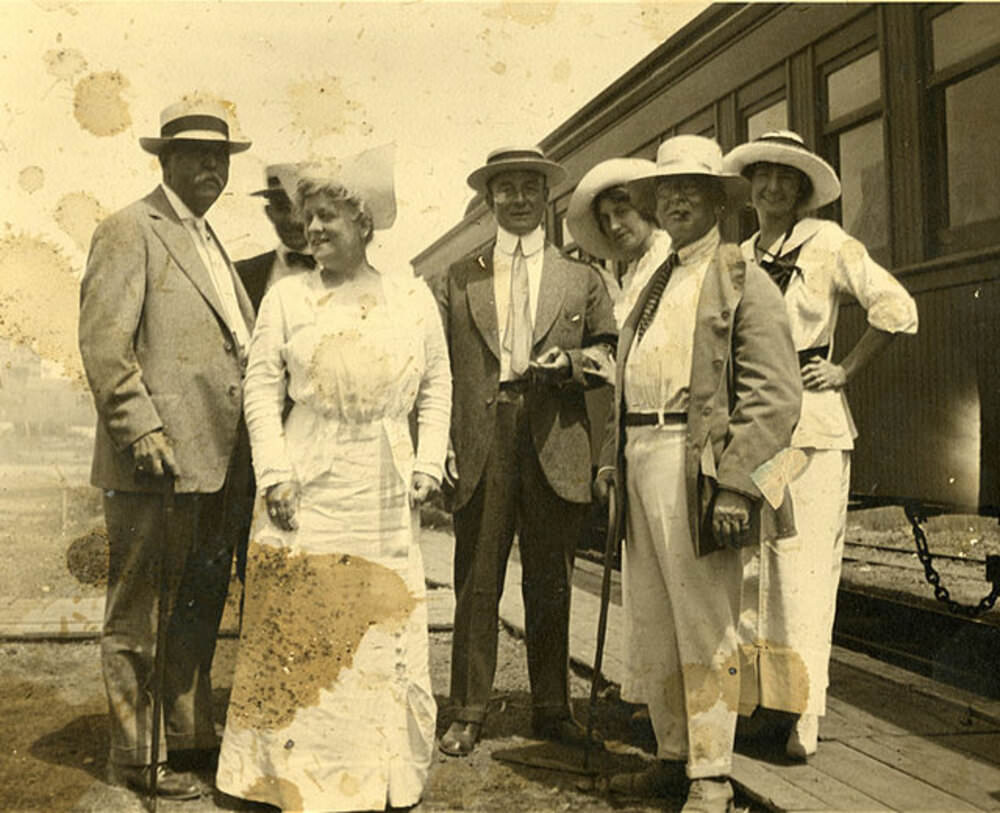
Denver’s train station was a social hub as much as a transit point. Notable visitors passed through regularly, and the arrival of performers, politicians, and public figures at the station often drew a crowd. The railways kept Denver connected to the rest of the country in a way that no other form of transportation could match at the time.
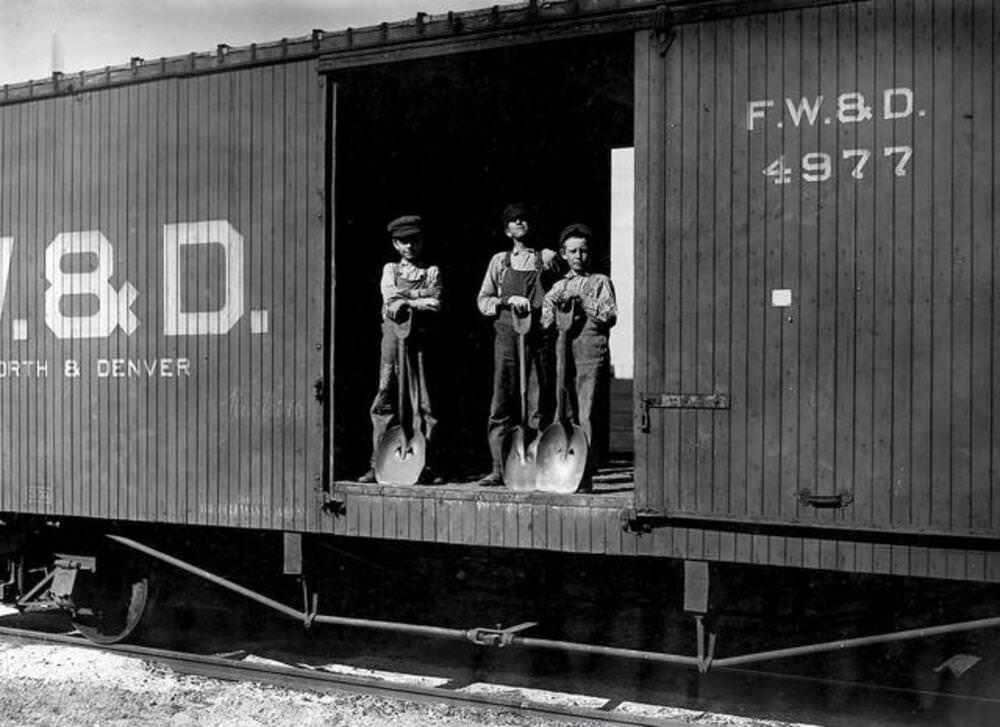
The Fort Worth & Denver Railway was a key artery linking Colorado to Texas and the broader Southern rail network. This 1912 photo of three boys posed with shovels in a train car doorway captures a casual, unguarded moment along one of the West’s busiest rail lines. Children growing up in Denver in this era were surrounded by rail culture — it shaped nearly every aspect of daily life.
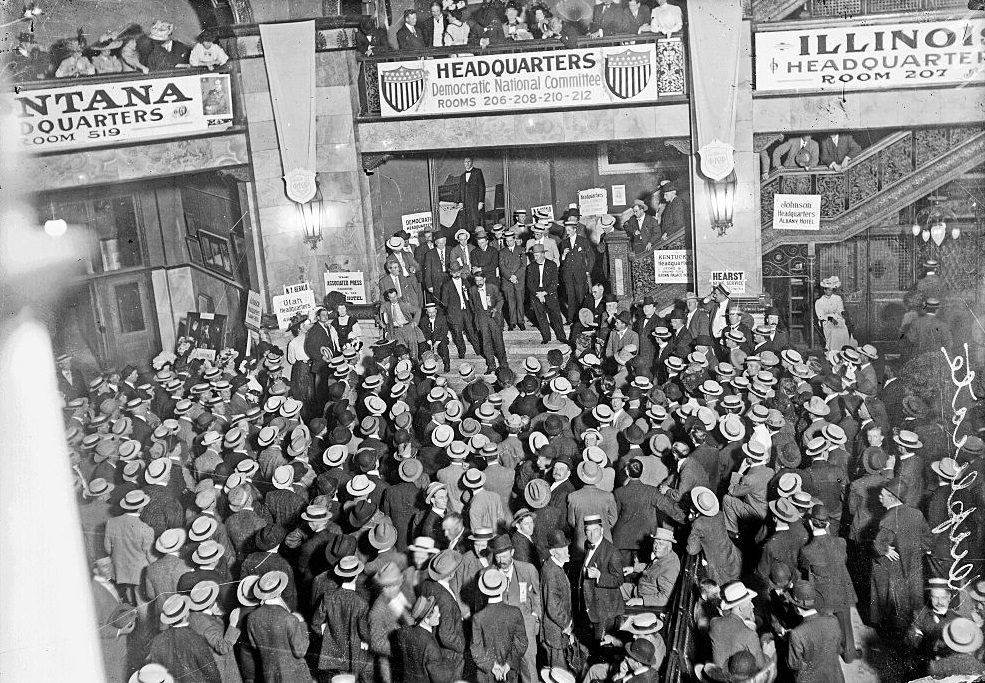
Denver’s Convention Hall was one of the largest public gathering spaces in the American West at the turn of the century. Built in 1908, it hosted political conventions, public events, and major gatherings that drew visitors from across the region. The interior was designed to impress, with a vast open floor capable of holding thousands of people.
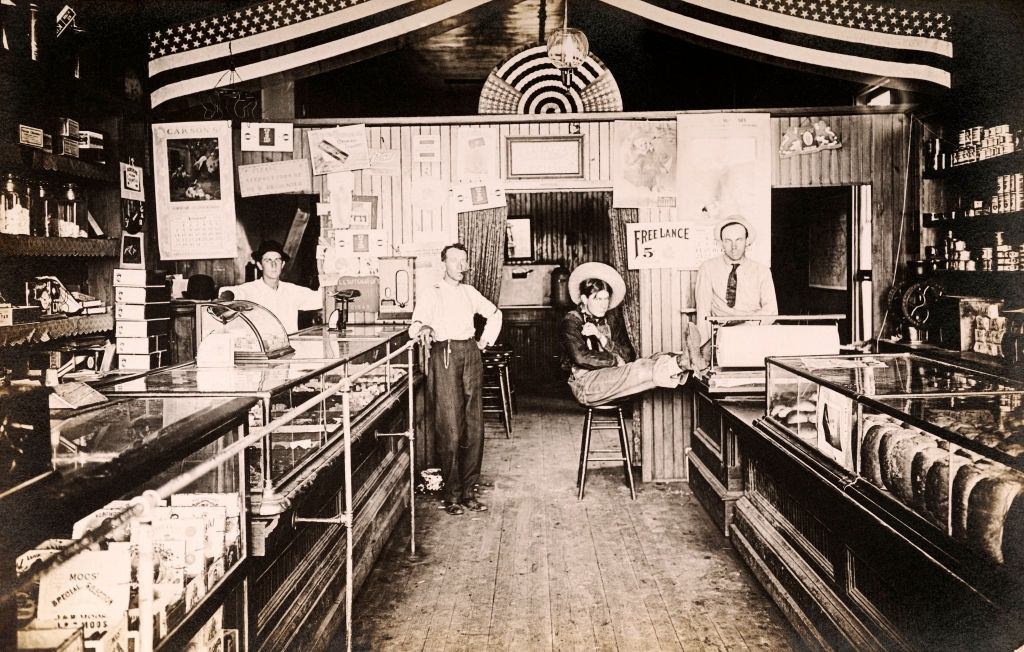
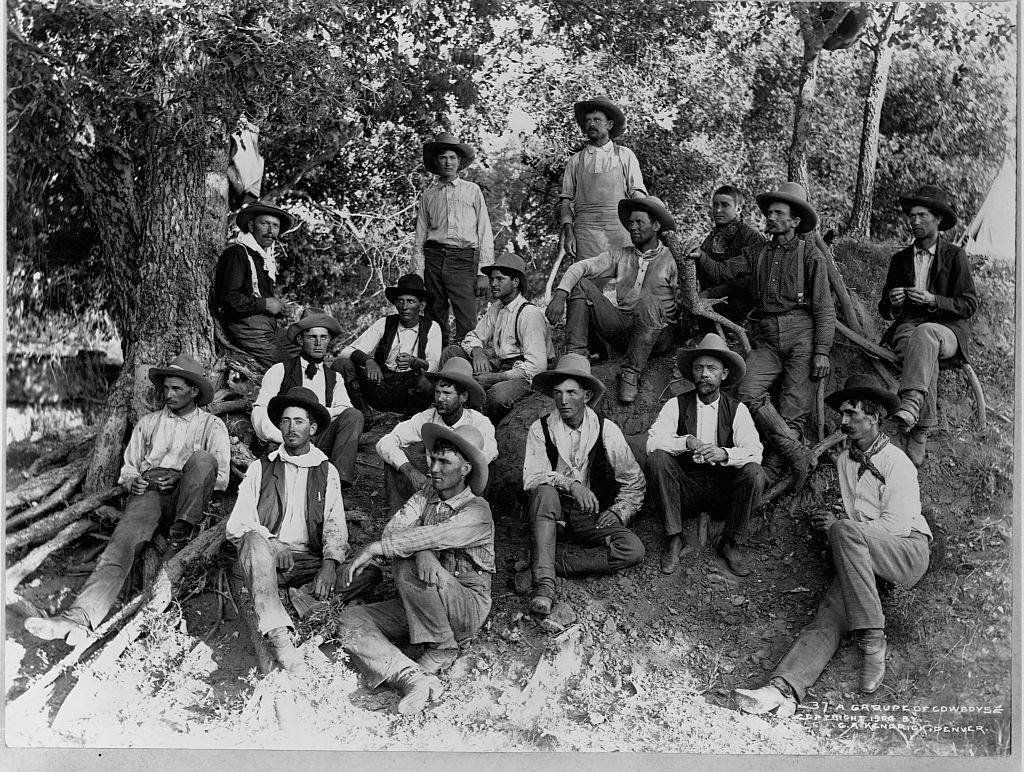
Denver in 1910 still carried a strong Western identity even as it modernized. General stores remained central to everyday commerce, and cowboys were a regular presence on city streets alongside businessmen and tradespeople. This photo captures that mix — the old West and the new city occupying the same space at the same time.
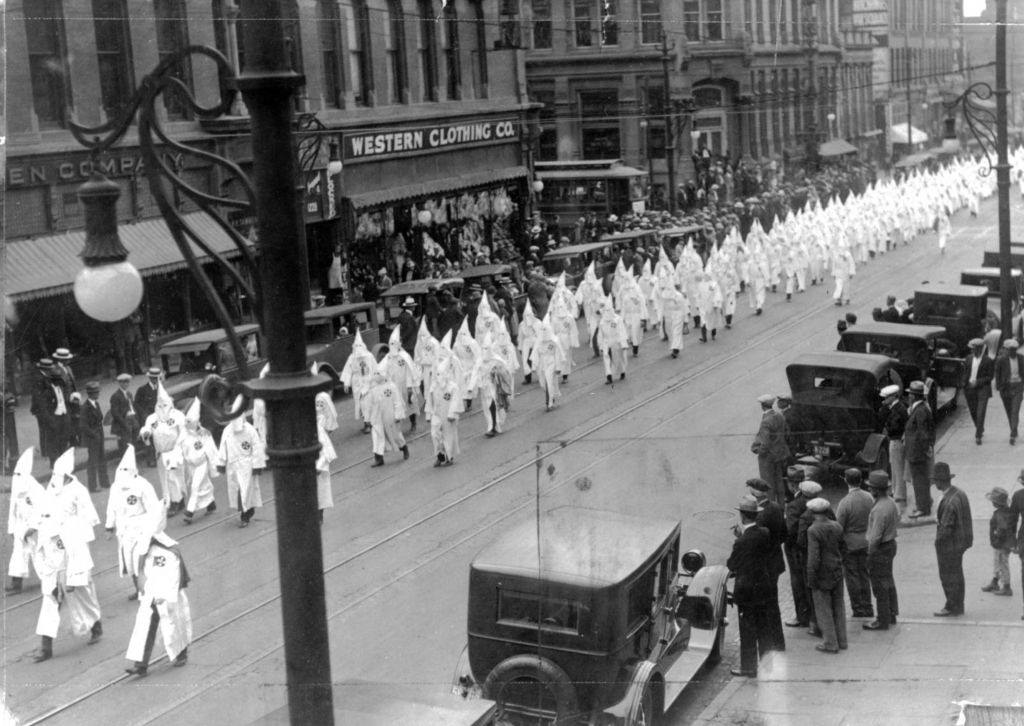
The Ku Klux Klan had a significant and documented presence in Denver during the early 20th century. Klan members marched openly in public parades on Larimer Street and held considerable political influence in Colorado during the 1920s. At its peak, the KKK had an estimated 35,000 members in Colorado, and Denver’s mayor and a U.S. senator were both Klan-backed officials. Their open activities on city streets were not hidden events — they were public demonstrations of organized power.
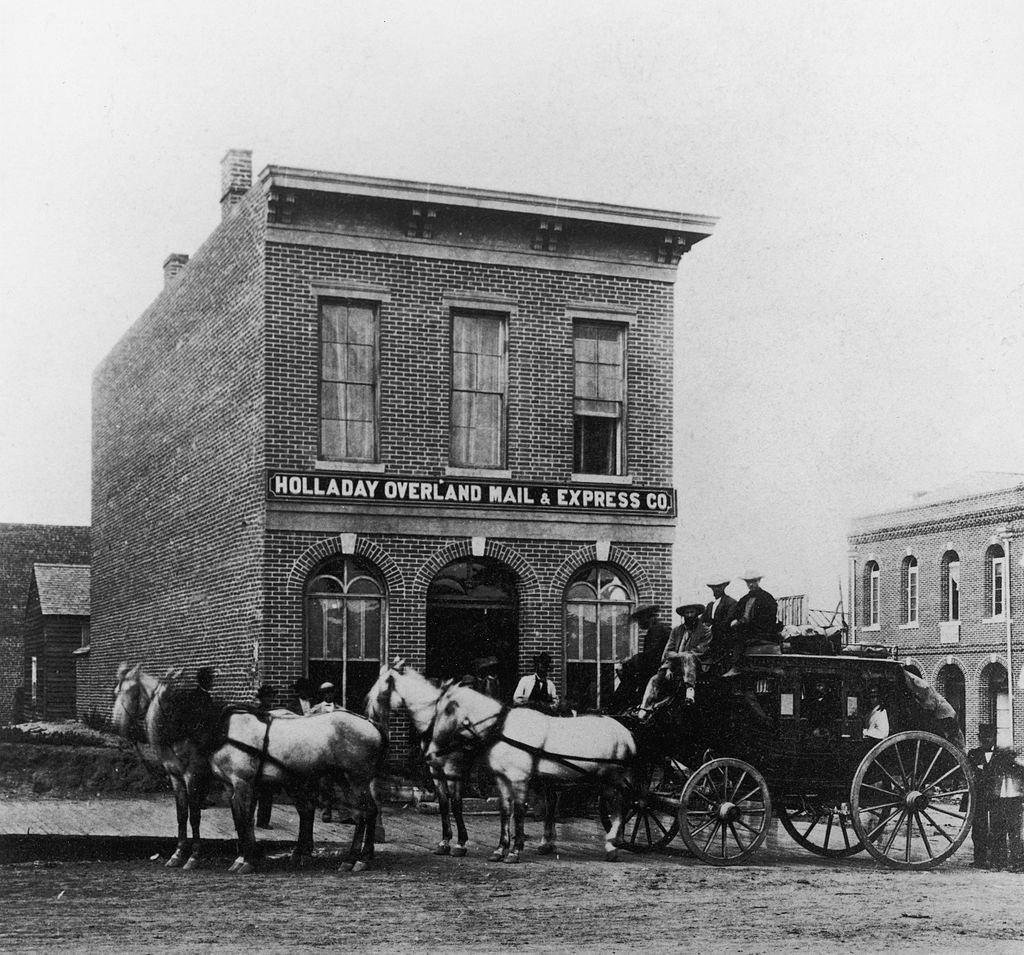
Before motor vehicles took over Denver’s streets, horse-drawn carriages handled freight and passenger transport across the city. The Holladay Overland Mail & Express was part of a wider network of overland services that moved mail and goods across the region. By 1900, these operations were beginning to feel the pressure of expanding rail networks, but they remained essential to local delivery.
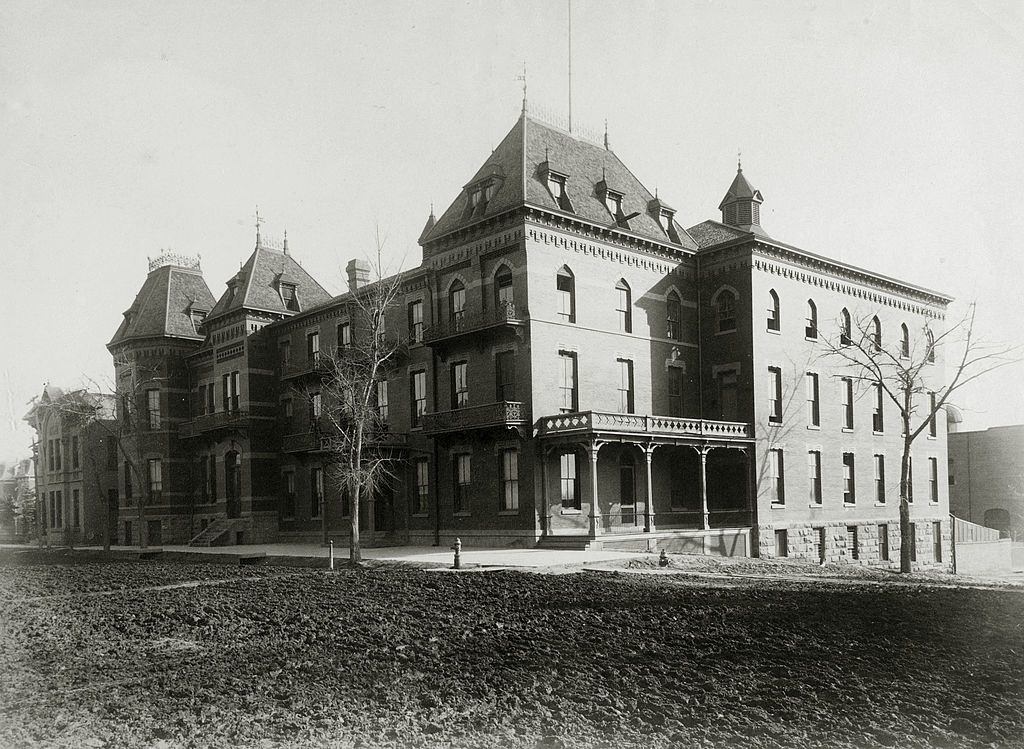
The University of Denver, founded in 1864 by Methodist settlers, was one of the oldest universities in the Rocky Mountain region. By 1902, it had grown into a full campus with a range of academic programs. Its presence made Denver not just a commercial and industrial center, but also a seat of education in the West.
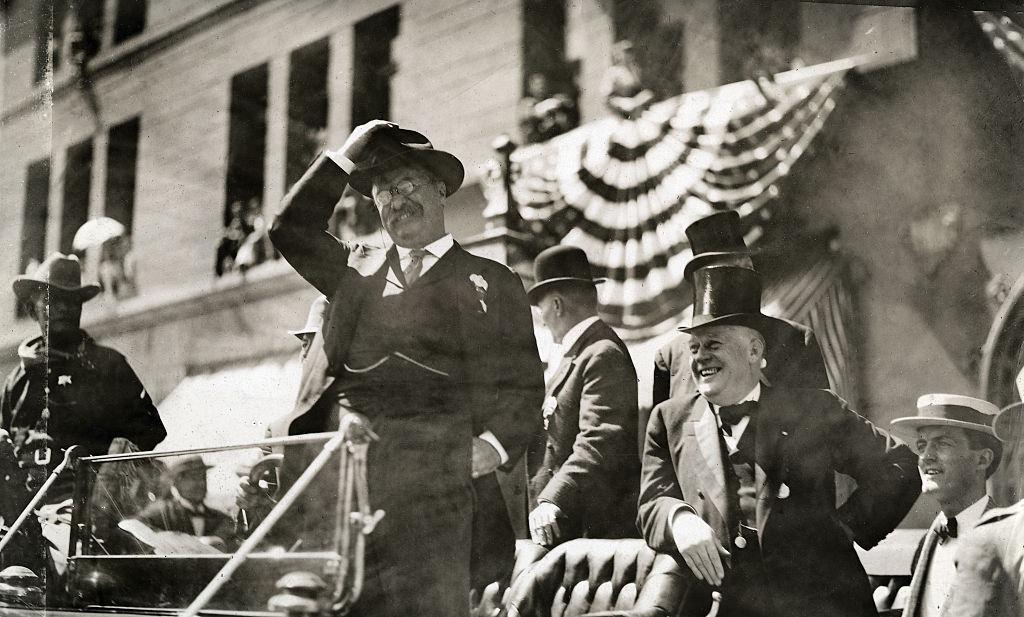
President Theodore Roosevelt visited Denver in 1903 as part of a wider Western tour. Roosevelt was a popular figure in Colorado — his policies on conservation and public land were directly relevant to a state defined by its mountains and natural resources. His visit drew large crowds and reflected Denver’s growing status as a city that national political figures could not afford to ignore.
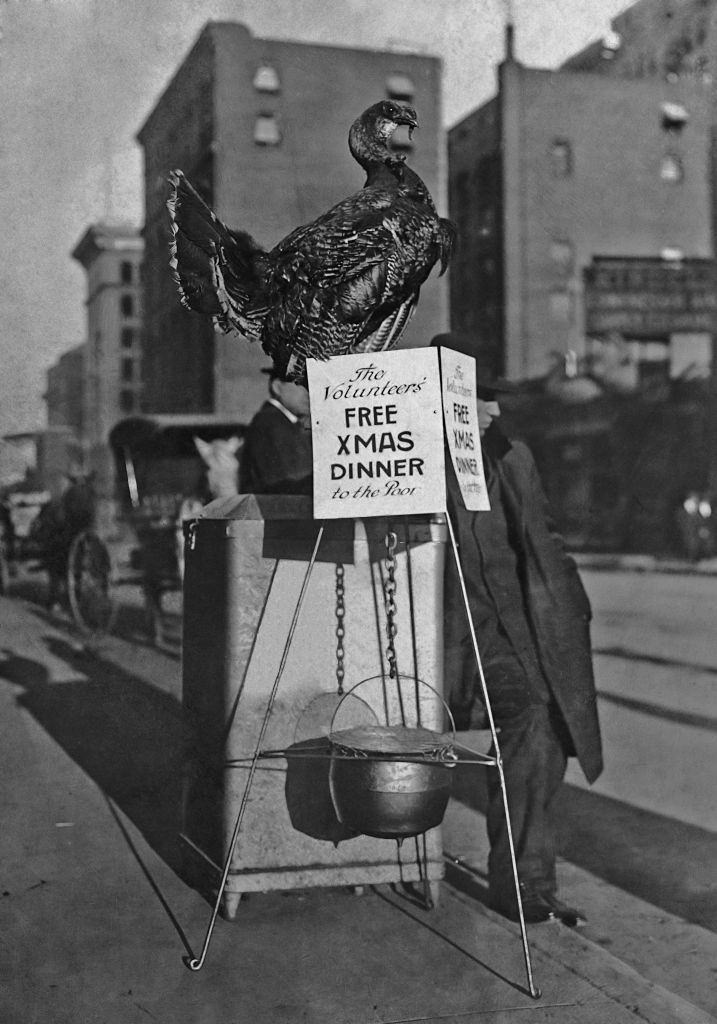
Denver’s rapid growth came with a sharp divide between wealth and poverty. The Volunteers of America, a charitable organization founded in 1896, ran programs across U.S. cities to support those living in poverty. This 1905 photo shows the organization advertising a free Christmas dinner in Denver — a direct response to the economic hardship that persisted even as parts of the city prospered.
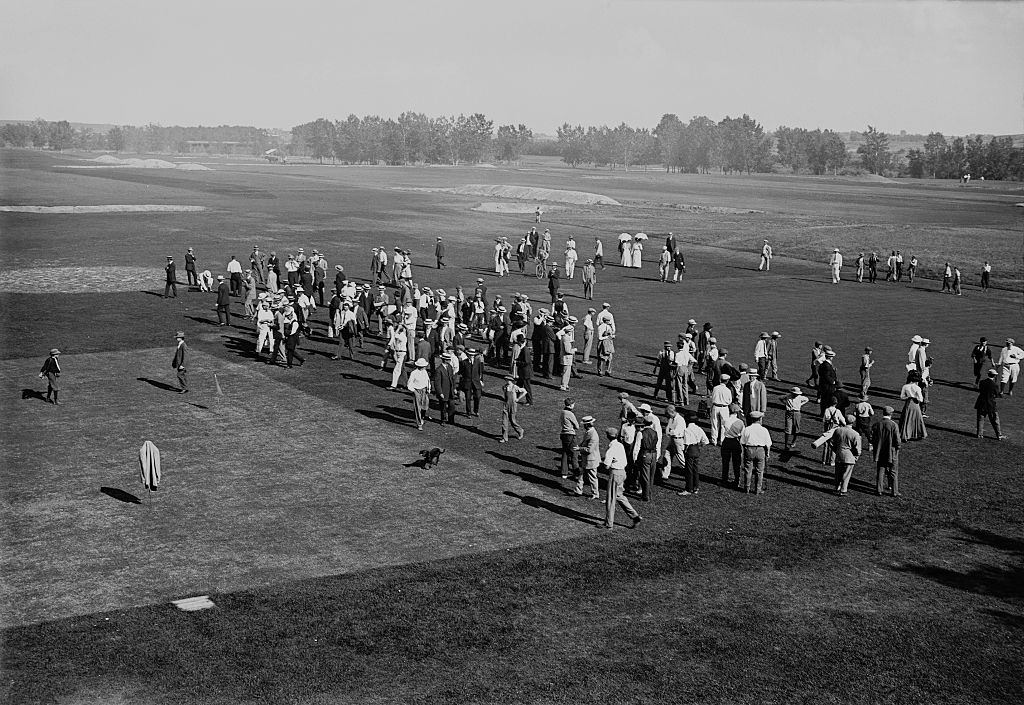
By 1910, Denver’s wealthier residents had access to leisure facilities that mirrored those in major Eastern cities. Golf courses — or links, as they were commonly called — became a fixture for the professional class. Denver’s climate and open land made it well suited for the sport, and several courses were established in and around the city during this period.
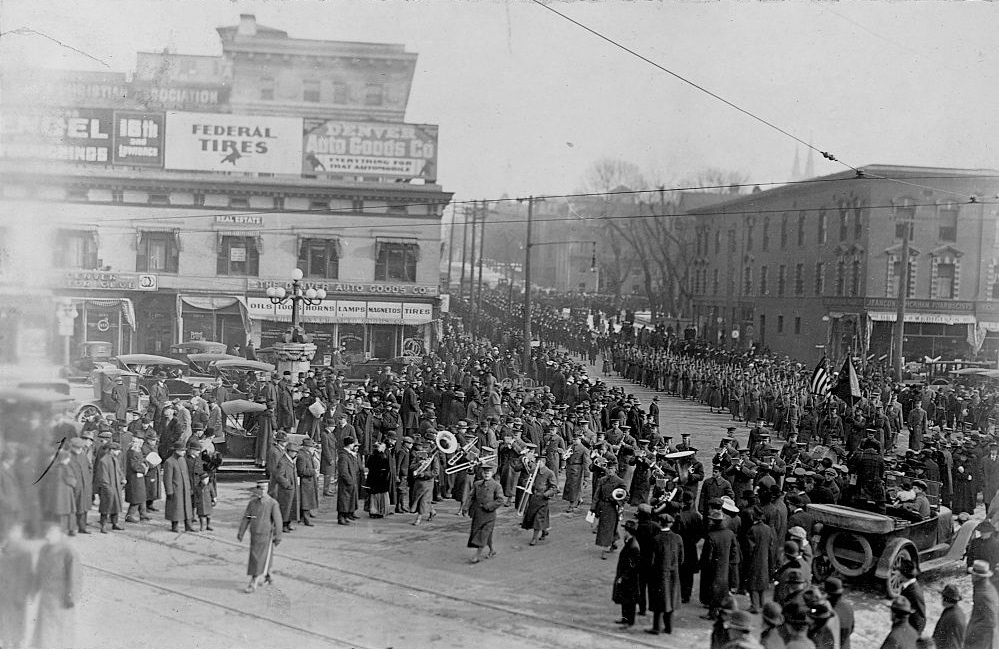
Buffalo Bill Cody — the famous showman, army scout, and icon of the American West — died on January 10, 1917. He was buried on Lookout Mountain just outside Denver, a city he had strong ties to. His funeral procession drew an enormous crowd. A marching band led the procession through Denver’s streets in a public send-off that reflected how deeply Cody was connected to the region’s identity.
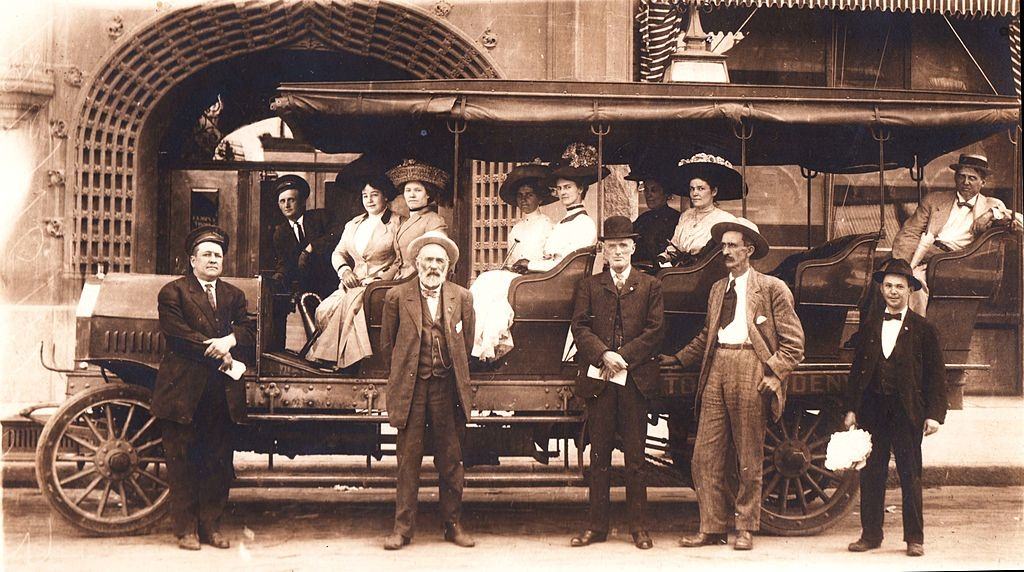
As Denver’s population grew, so did the demand for public transportation. Omnibus services offered regular routes connecting the city to surrounding areas and into the foothills. This 1910s photo of a mountain-bound omnibus shows how Denver residents were increasingly moving beyond the city center, both for work and for recreation in the nearby Rockies.
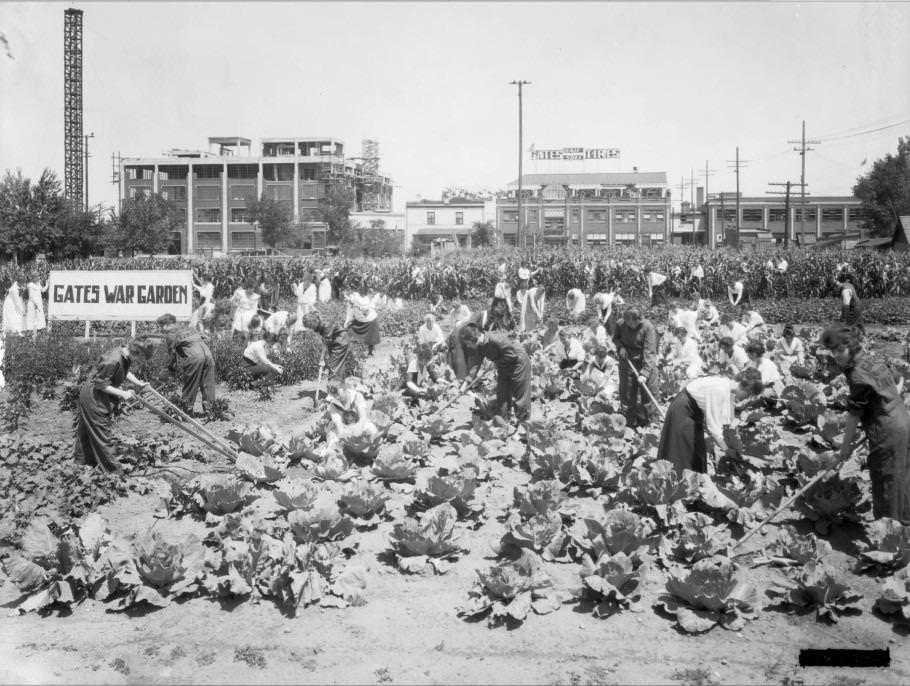
War gardens — small plots where civilians grew food to support the war effort and ease food shortages — appeared across American cities during World War I. Outside the Gates Rubber Factory in Denver, women tended these gardens as part of a national push for civilian participation in the war effort. The Gates Rubber Company itself was a major Denver employer and a key industrial site during the war years.
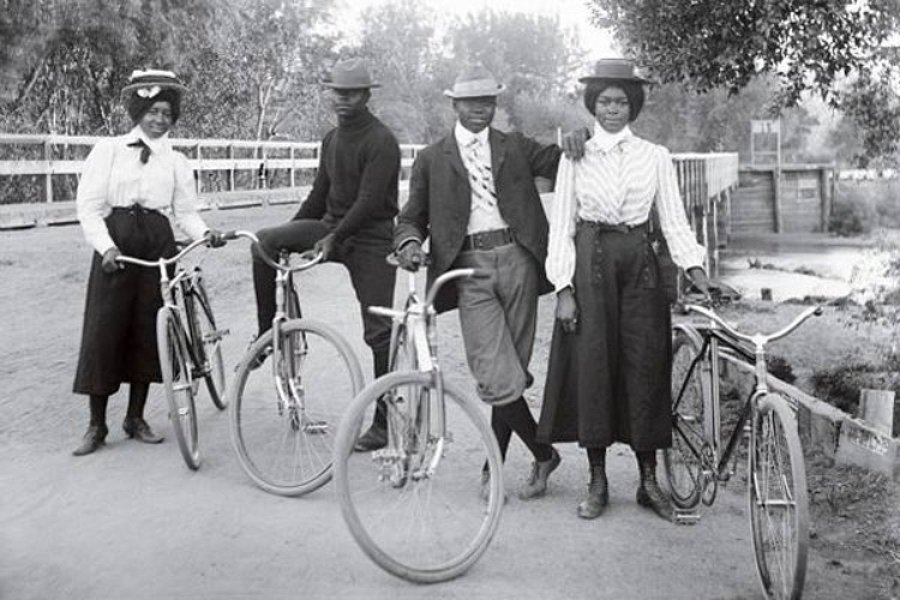
Cycling was a popular pastime in Denver during the early 1900s. Good roads and flat terrain in parts of the city made it accessible for both commuters and recreational riders. The Alameda Avenue Bridge, where these four cyclists paused for a photo in 1905, was a well-traveled route connecting different parts of the city.
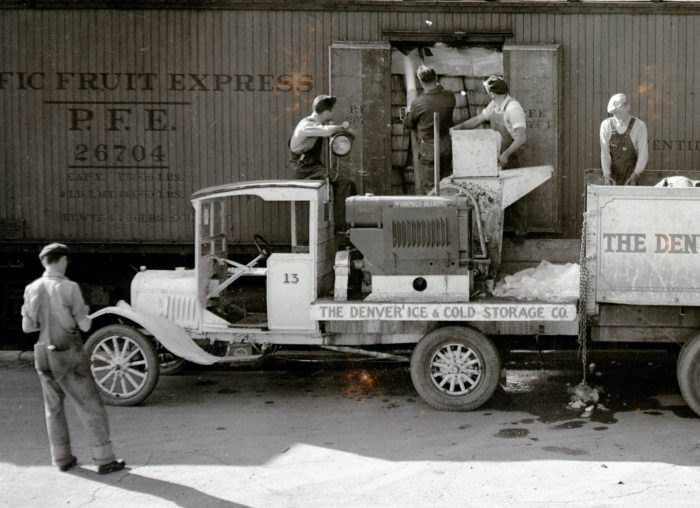
Before mechanical refrigeration became standard in homes and businesses, ice companies were essential to daily life. The Denver Ice and Cold Storage Company supplied ice to households, restaurants, and commercial operations across the city throughout the 1920s. The business of ice storage was a serious industrial operation, with large warehouses and fleets of delivery wagons keeping the city cool.
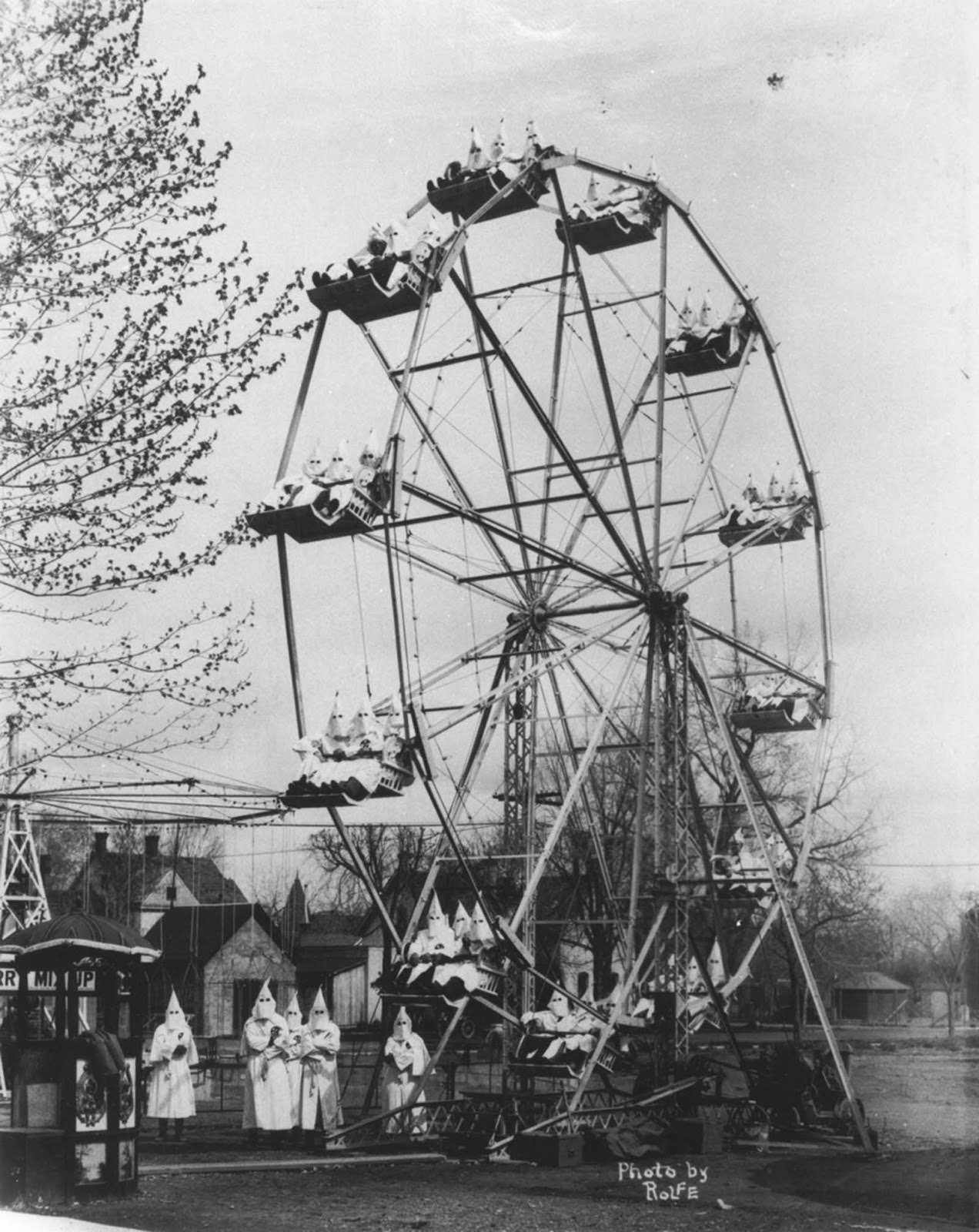
The Klan’s presence in Denver extended beyond formal marches and political campaigns. This 1926 photograph of KKK members on a ferris wheel in full regalia illustrates how normalized their public visibility had become in the city by the mid-1920s. Colorado’s KKK chapter was one of the most politically powerful in the country during this decade, and Denver was its base of operations.
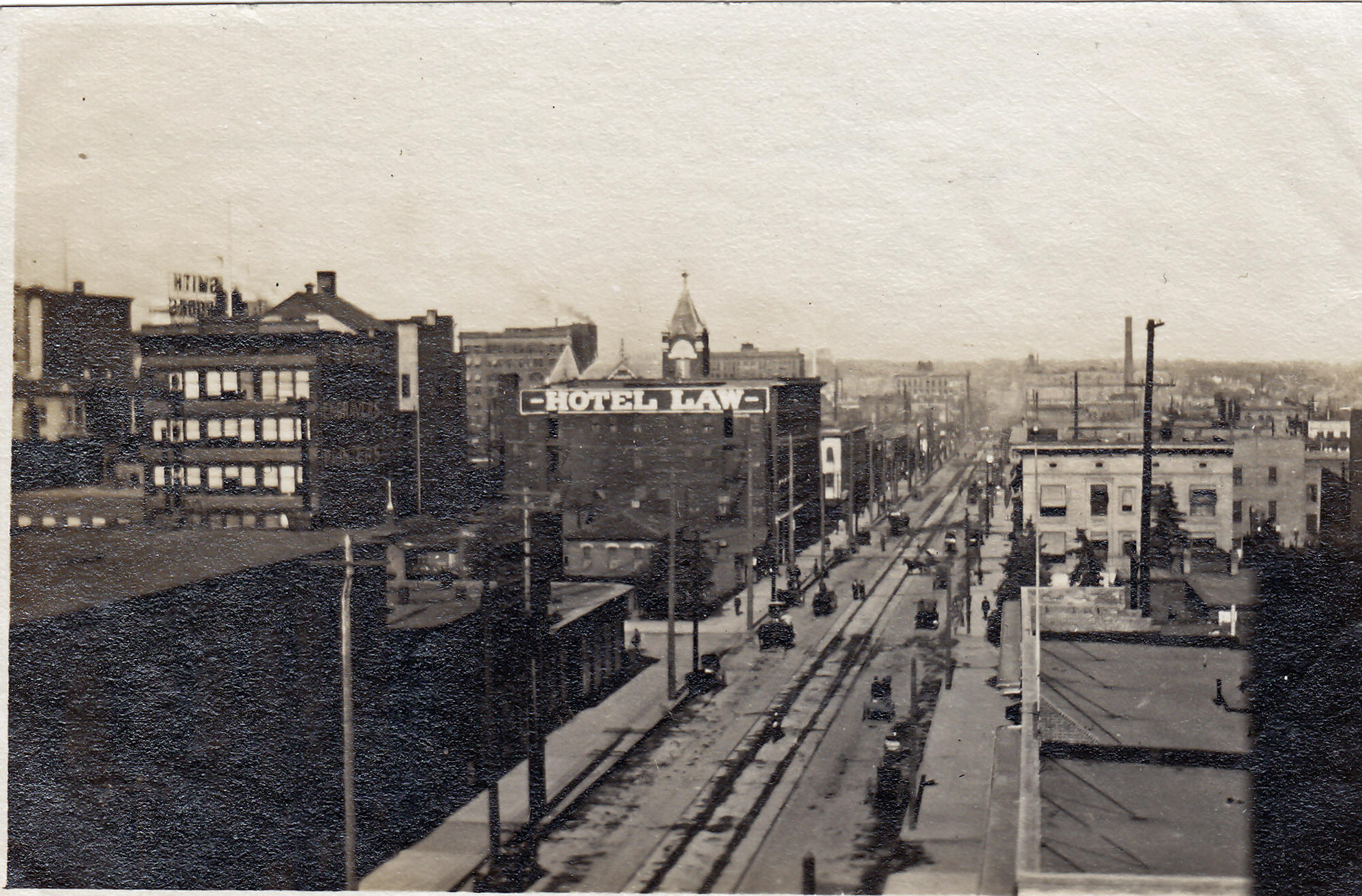
Stout Street in 1909 shows a Denver streetscape that was fully urban — multi-story buildings, street-level commerce, pedestrians, and early street infrastructure all packed into one frame. The city’s downtown core was dense and active, a far cry from the rough mining settlement it had been just fifty years earlier.
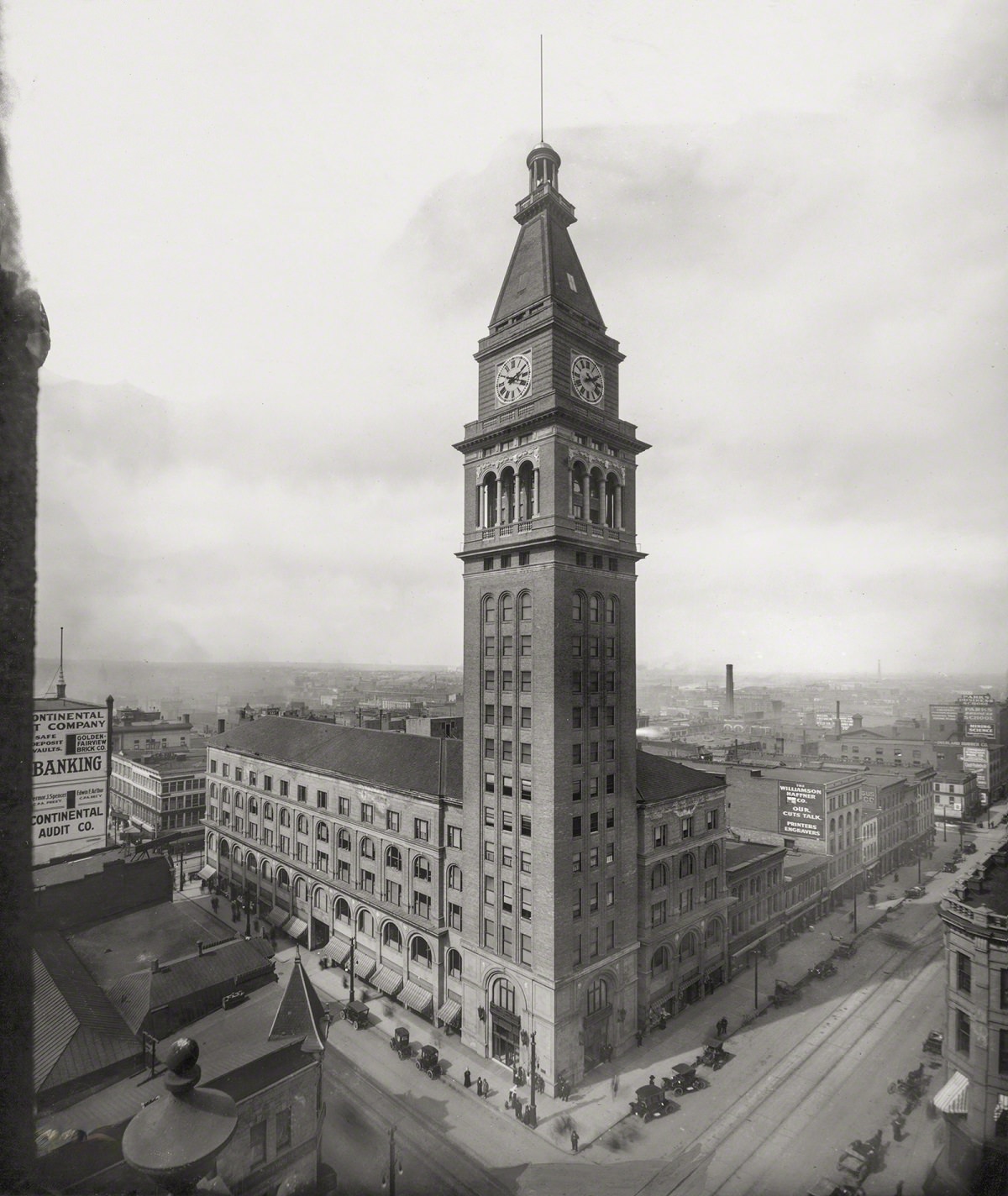
Daniels & Fisher was one of Denver’s premier department stores in the early 20th century. Founded in the 1860s, the store grew into a landmark retail destination by 1910. Its tower, modeled after the Campanile in Venice, became one of Denver’s most recognizable architectural features and dominated the city’s skyline for decades.
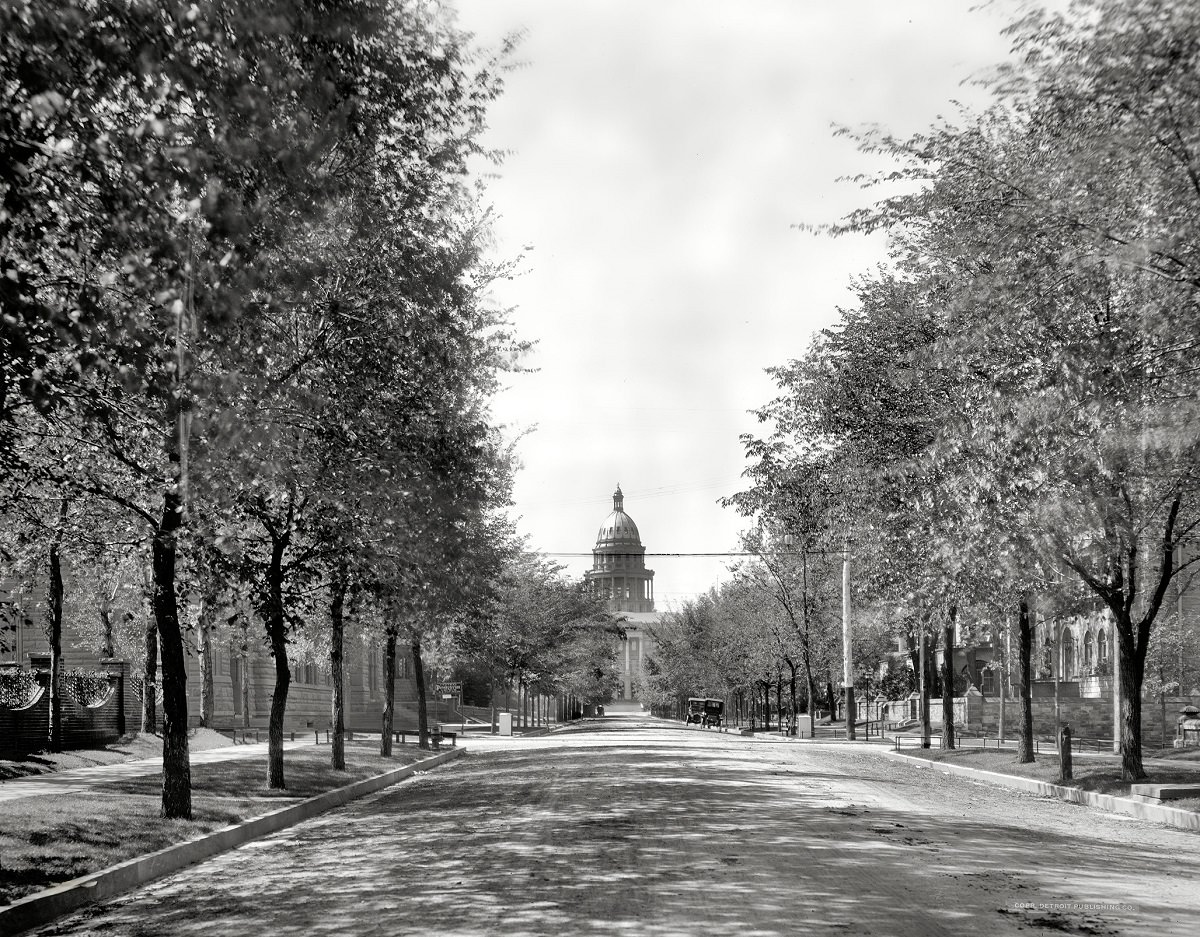
Sherman Avenue offered one of the clearest approaches to the Colorado State Capitol. By 1908, the avenue was lined with trees and well-maintained, reflecting the civic pride that Denver’s leaders invested in the area around the statehouse. The Capitol’s gold dome gleamed above the boulevard, anchoring the city’s political and geographic center.
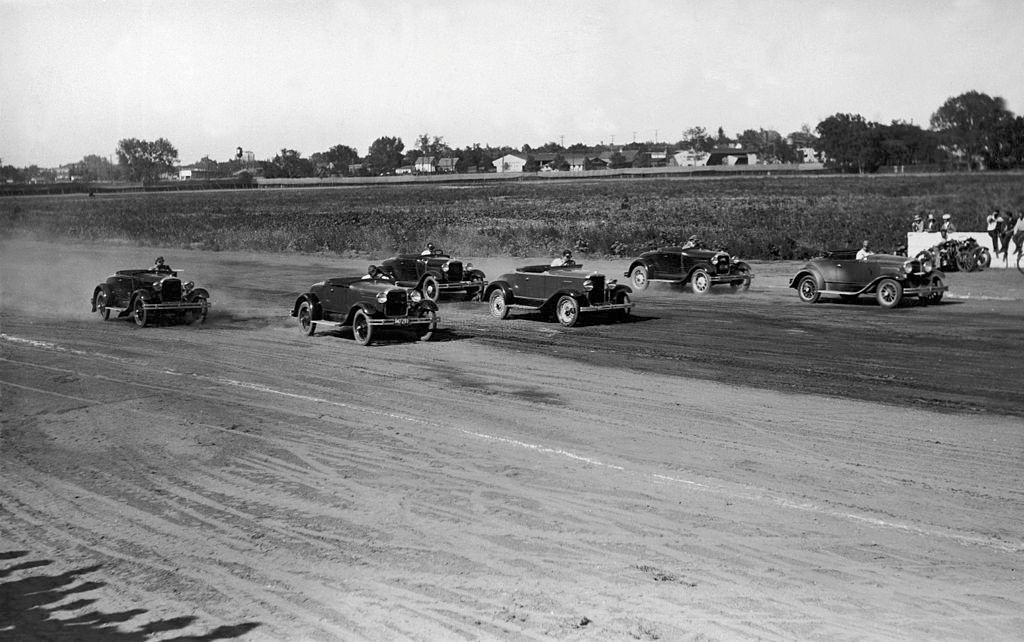
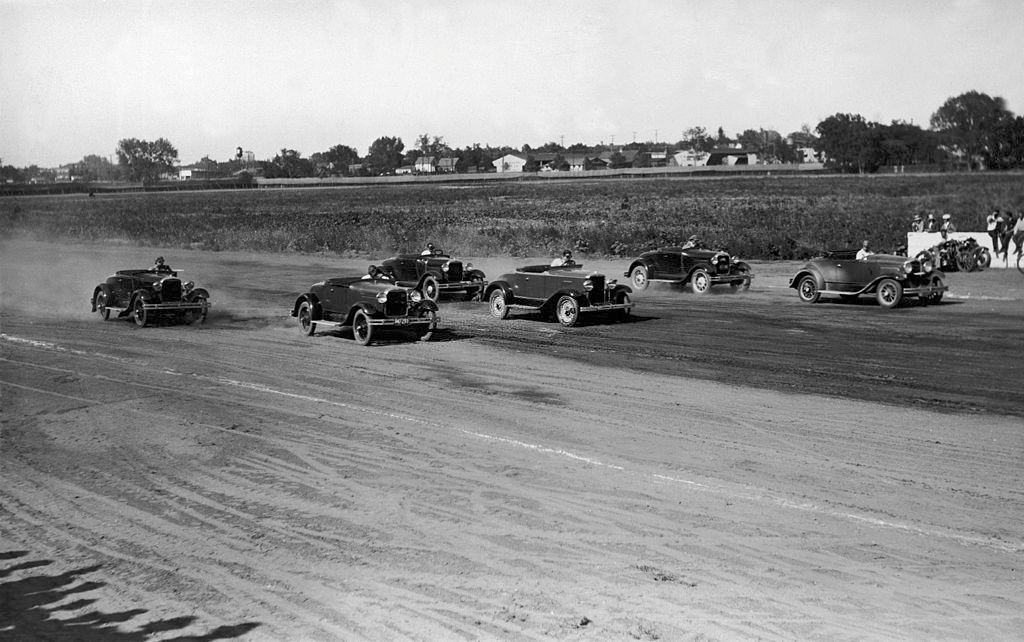
Automobile racing became a popular spectator sport across the United States during the 1920s, and Denver was no exception. As car ownership spread and roads improved, organized races drew large crowds. This photo of a race departure captures the excitement around early motorsport in the city, where speed and technology were drawing public attention in new ways.





KKK on the ferris wheel was new to me. Surreal.
Old Elitches was weird.