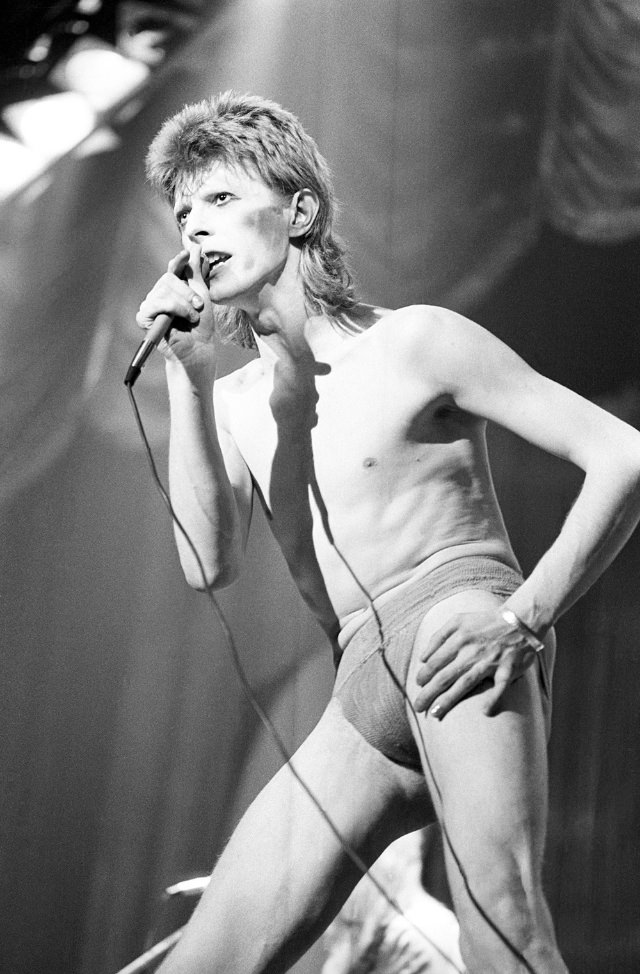
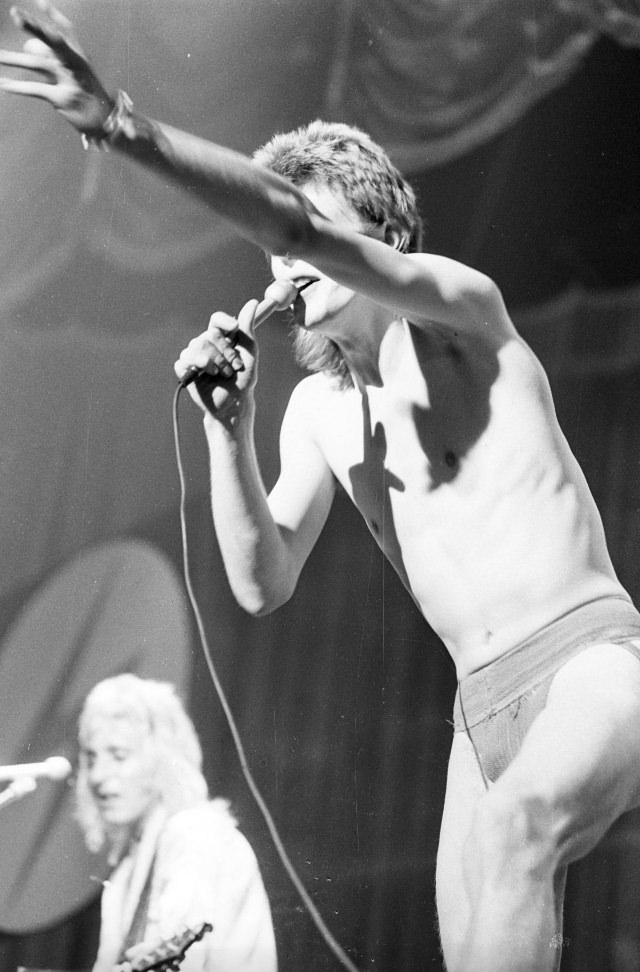
By 1973, David Bowie had done something few rock musicians managed — he had built a character so convincing that audiences weren’t entirely sure where Bowie ended and Ziggy Stardust began. Ziggy had arrived in 1972 alongside the album “The Rise and Fall of Ziggy Stardust and the Spiders from Mars,” and within months the persona had taken on a life of its own. At the center of that illusion was makeup.
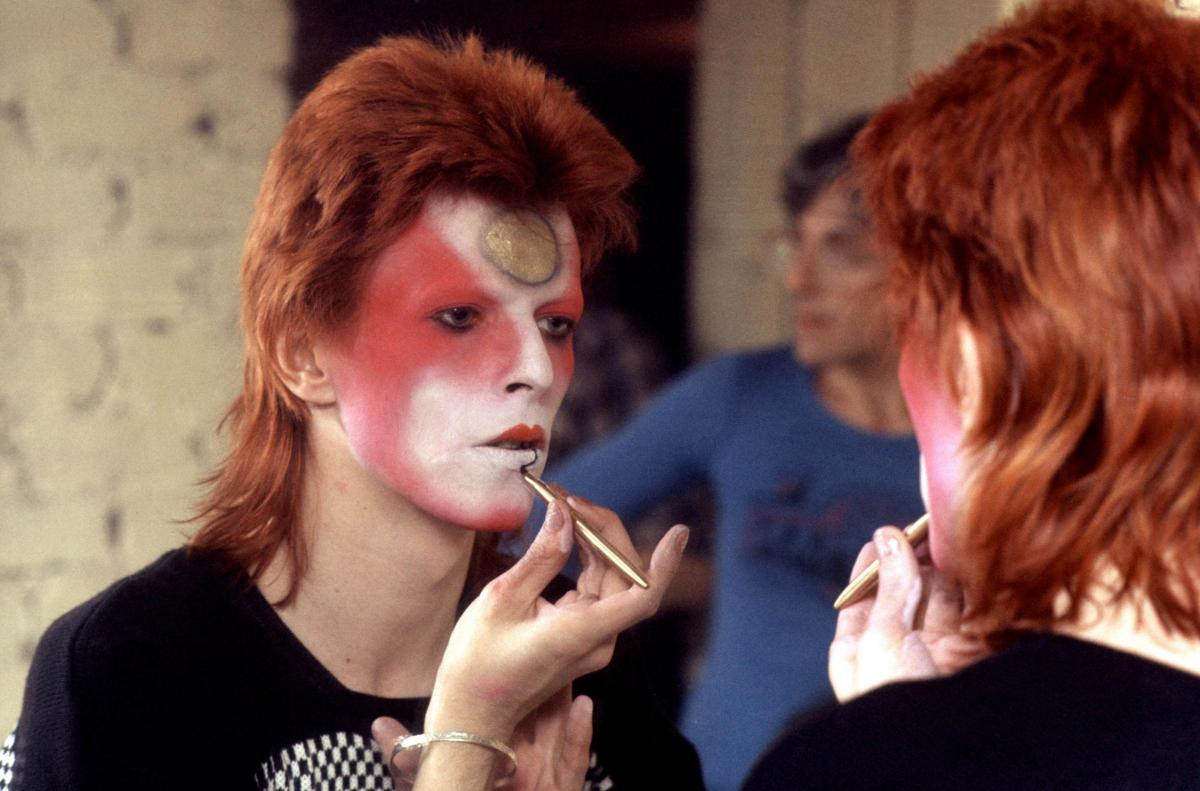
The makeup routine was a deliberate, step-by-step ritual. Before each performance, Bowie sat down and methodically painted his face into something that looked barely human. Bold eyeshadow in shades of blue and green was blended across his lids to create a sharp, almost alien quality. The colors didn’t just decorate — they transformed the entire structure of his face.
His eyebrows were drawn on in a high, exaggerated arch — far removed from their natural shape. This single detail did a great deal of the heavy lifting. It gave his face an otherworldly, theatrical quality that read clearly even from the back of a large concert hall.
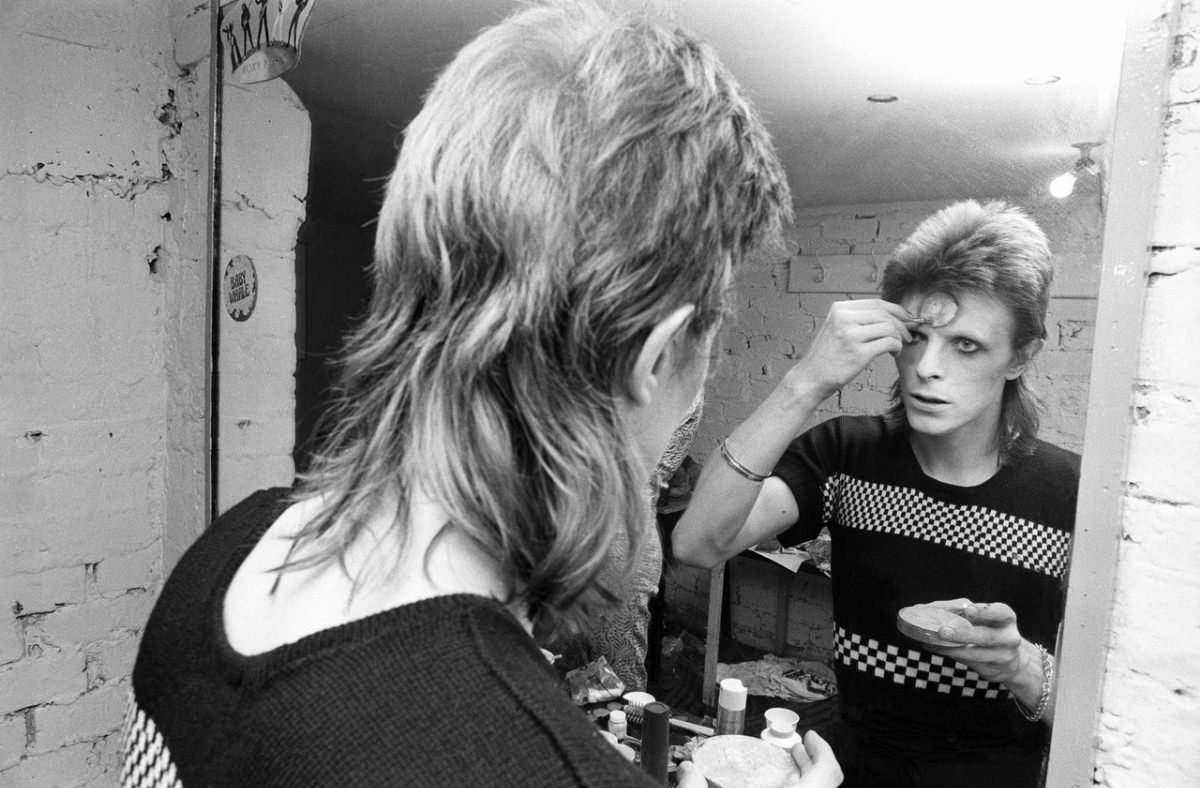
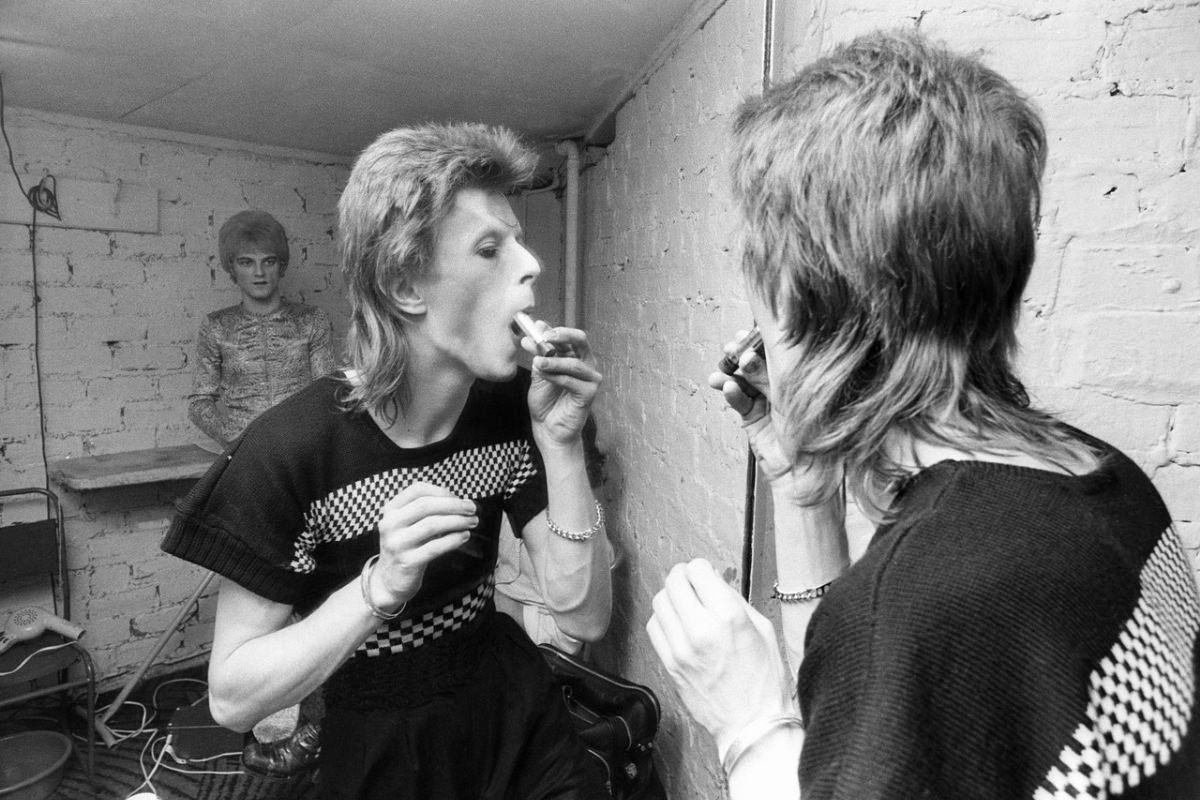
Vibrant lipstick and heavy blush rounded out the look. The blush gave his cheekbones a flushed, glowing quality that caught stage lighting in a striking way. Together, every element of the face was heightened — nothing was subtle, nothing was understated.
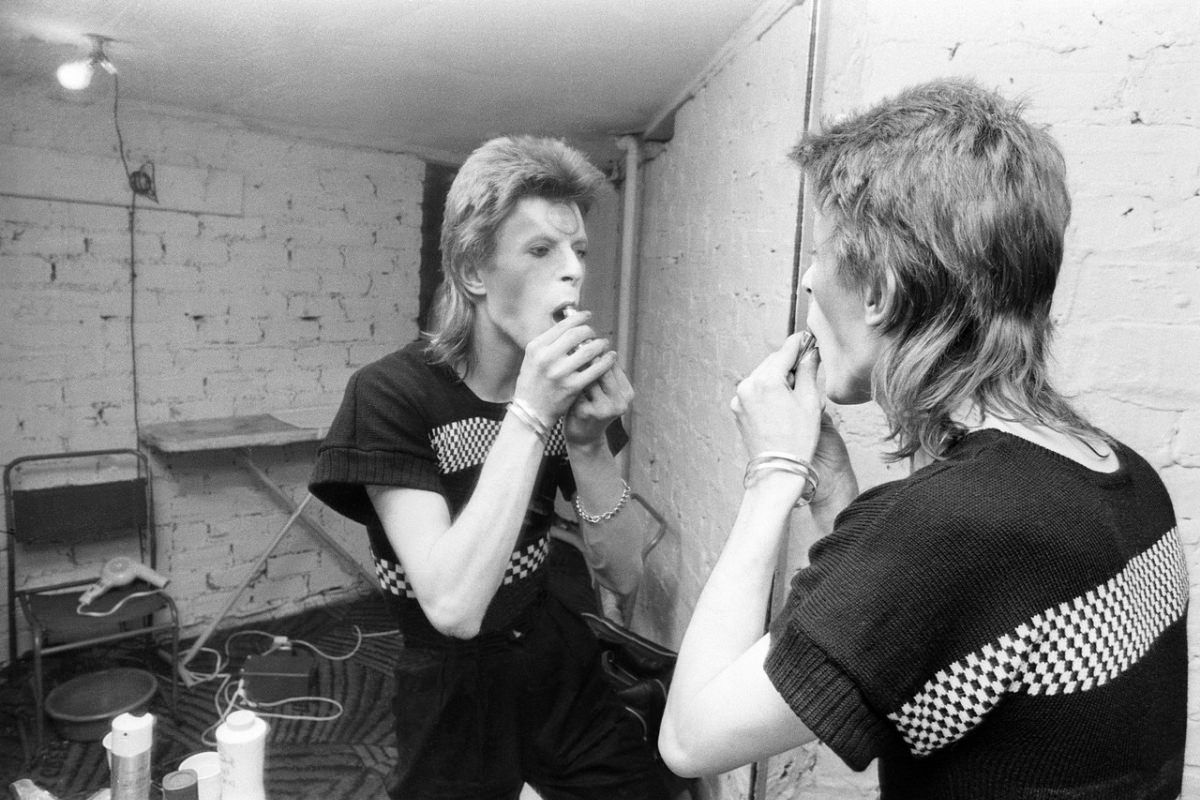
For Bowie, sitting at the mirror wasn’t simply prep time. The act of applying each layer of makeup was how he crossed over mentally into Ziggy. By the time the last stroke of lipstick was finished, he was no longer David Robert Jones from Brixton — he was the glamorous, extraterrestrial rock star his audiences had come to see.
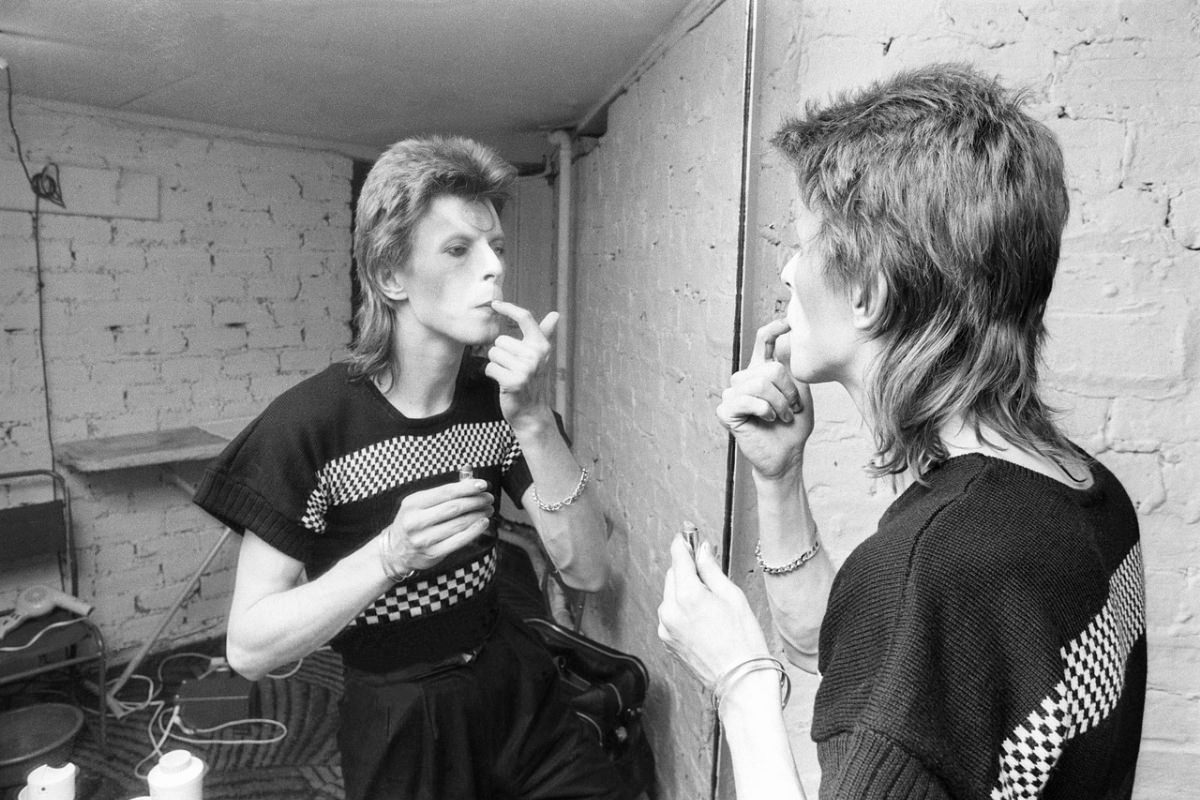
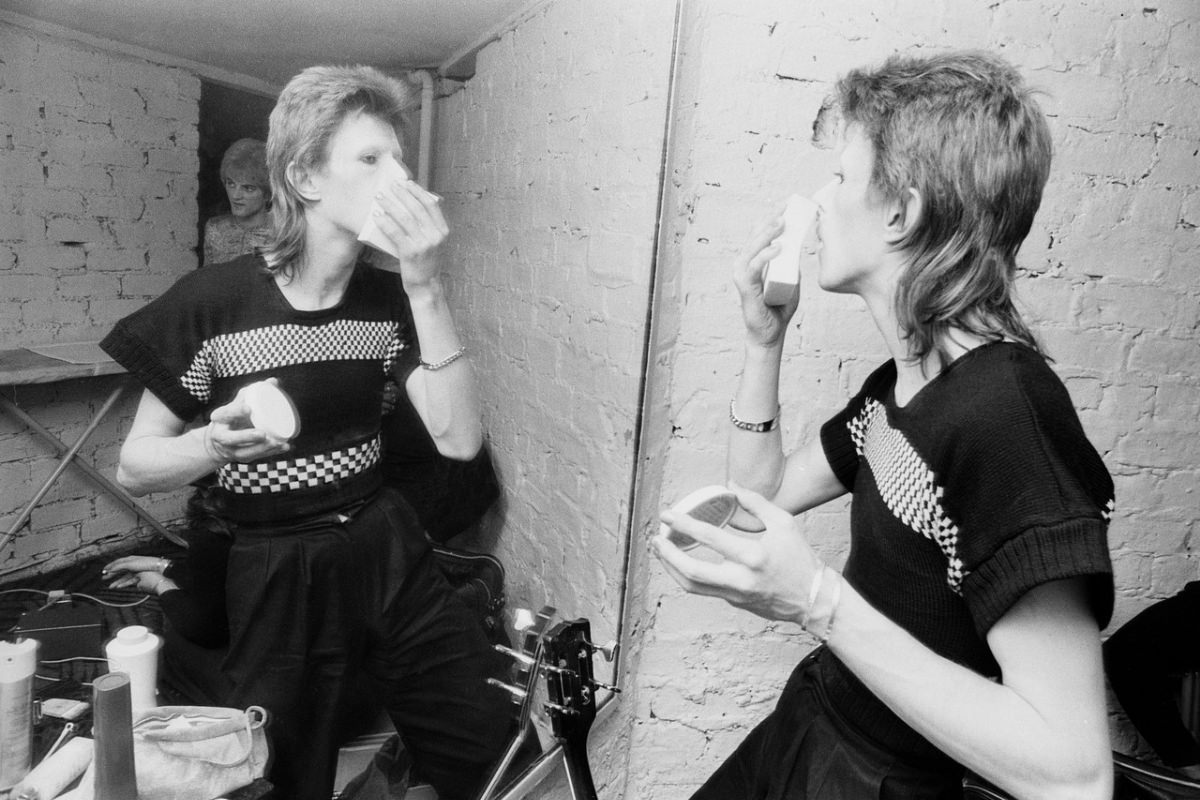
The extravagant fashion that accompanied the makeup — platform boots, jumpsuits, bold prints — amplified the effect. But without the face, the costume alone wouldn’t have achieved the same result. The makeup was the anchor of the entire transformation.
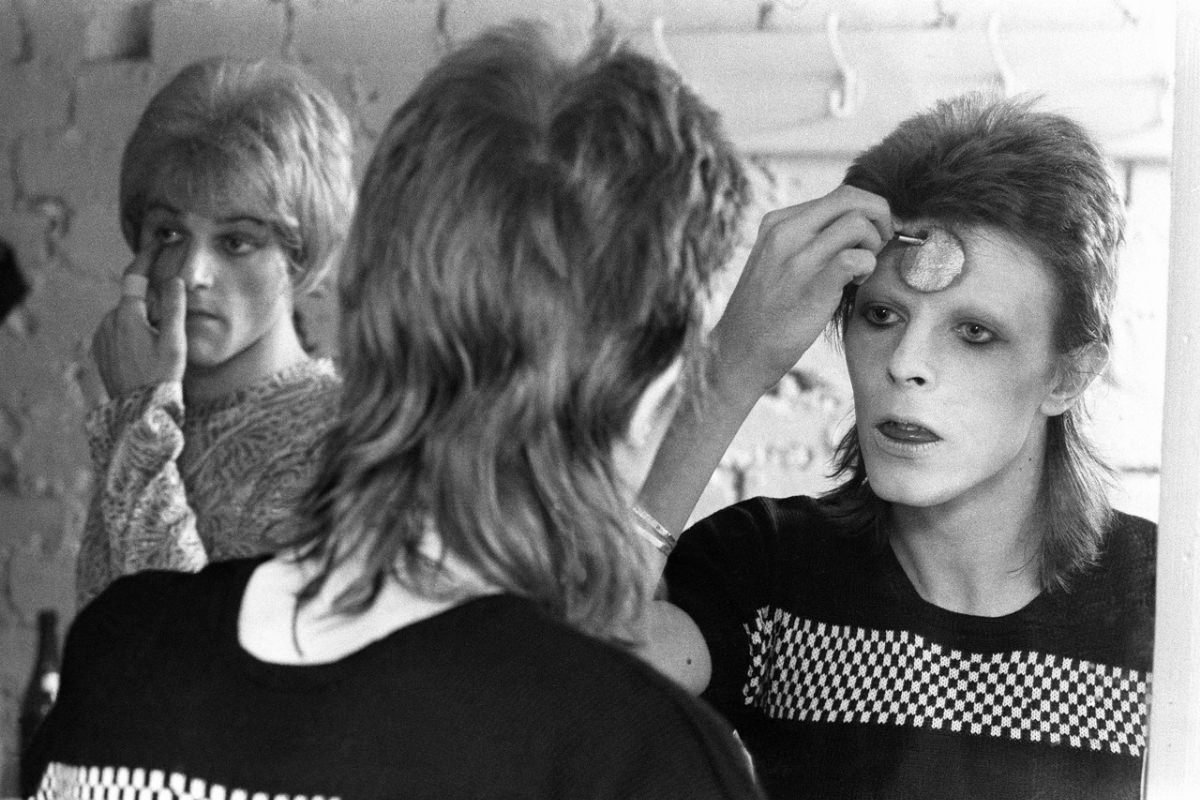
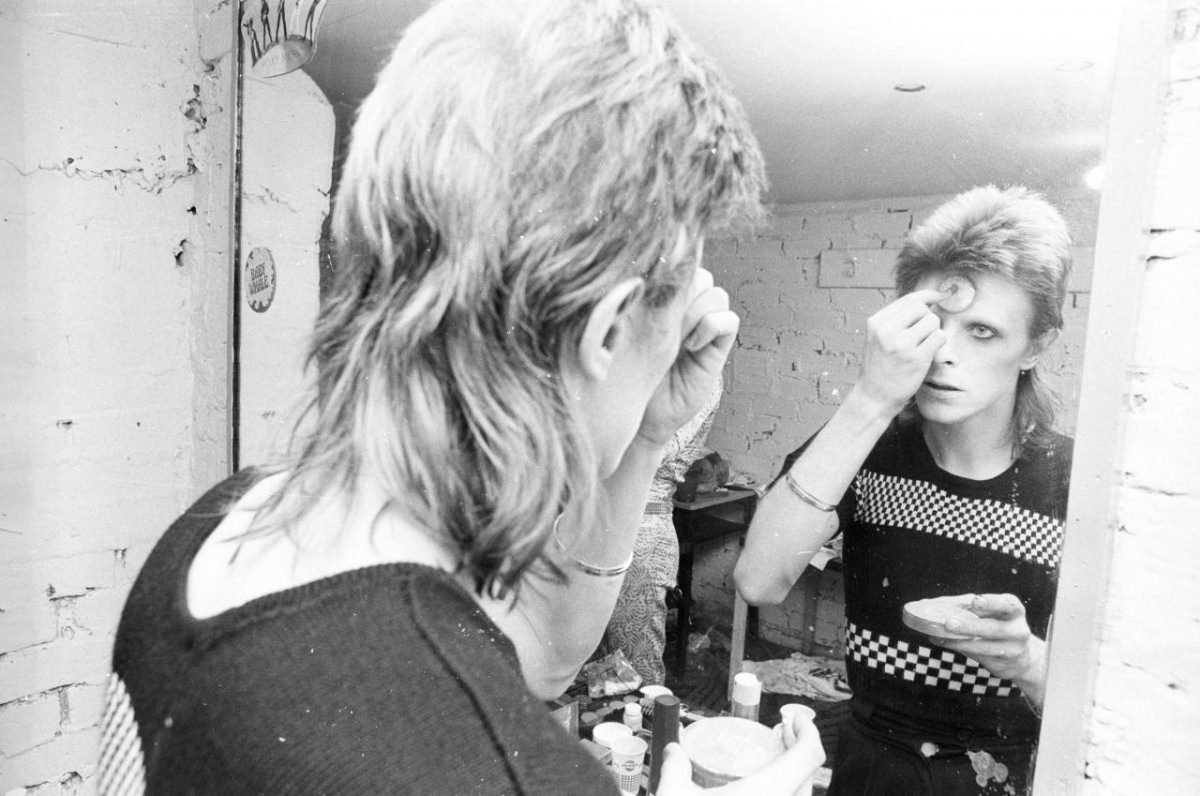
Ziggy Stardust fever was at its absolute peak during the 1973 tour. Crowds packed venues night after night, and the performances were intensely theatrical. Bowie delivered each show with the full weight of the character behind him — the makeup giving him both the look and the mindset to go somewhere onstage that his natural self alone couldn’t reach.
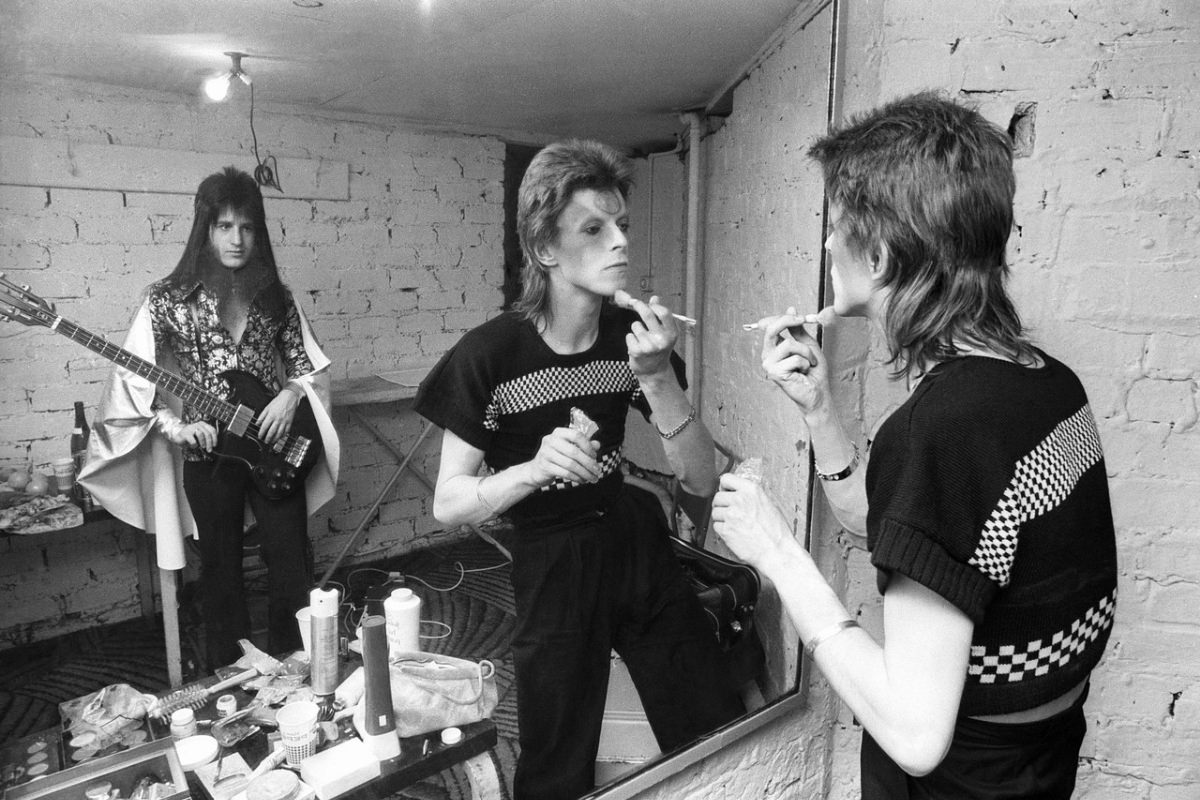
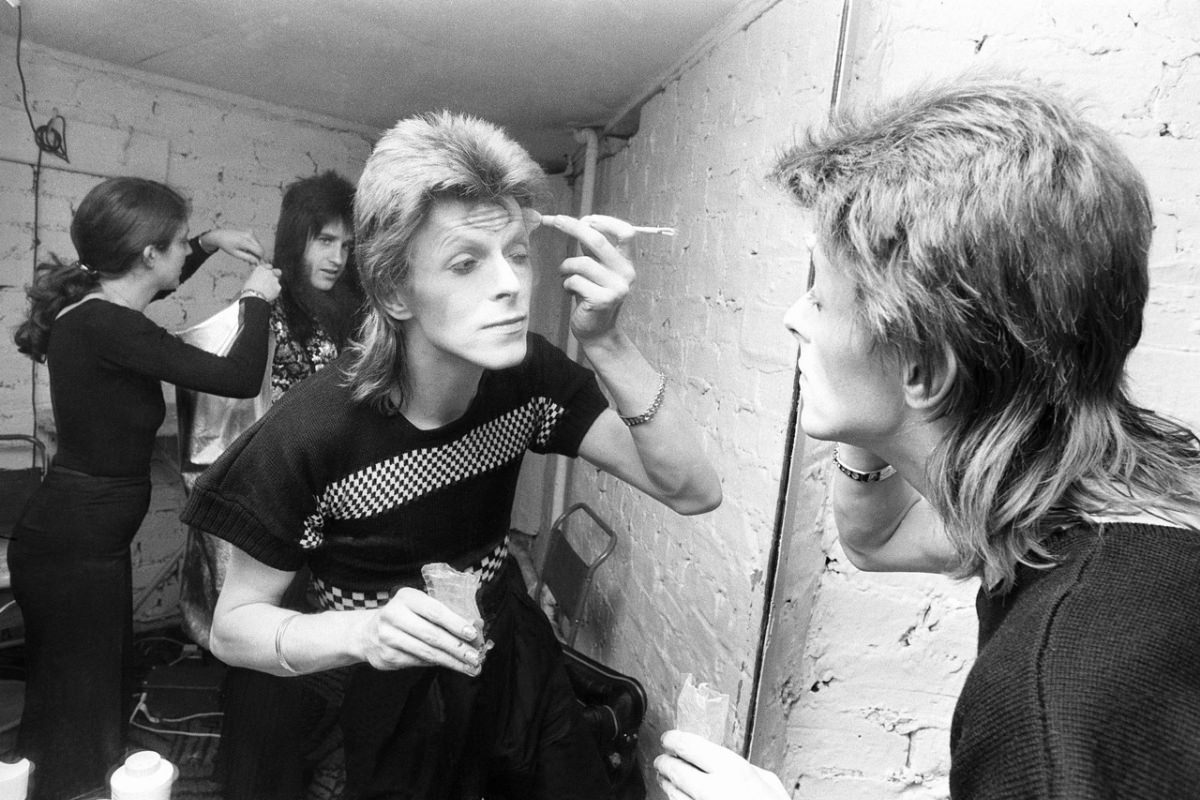
Each concert was a carefully constructed spectacle. The glam rock era valued performance as art, and Bowie took that further than most. Every arch of the brow, every smear of eyeshadow, was part of a larger visual statement made intentionally and precisely.
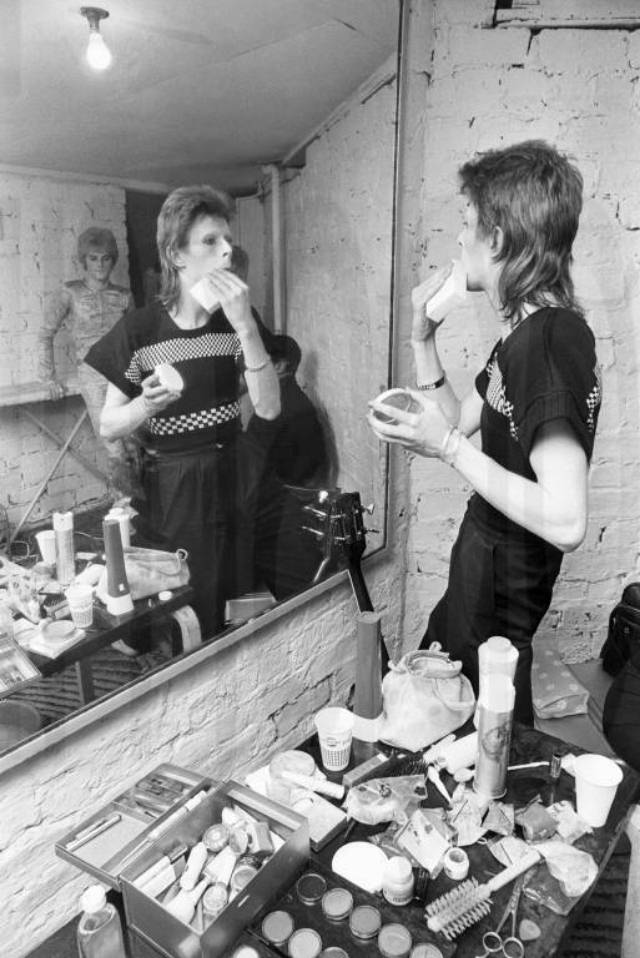
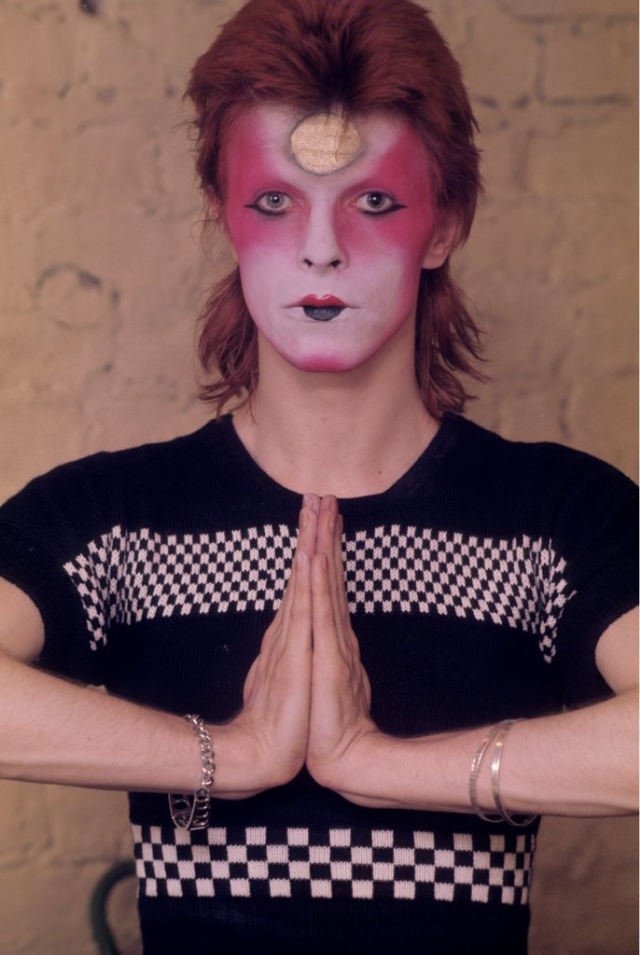
Photographers who captured Bowie during this period documented the makeup process itself as something worth recording. The backstage mirror, the brushes, the gradual appearance of Ziggy on Bowie’s face — these were moments that told the story of the transformation as much as the stage performances did.
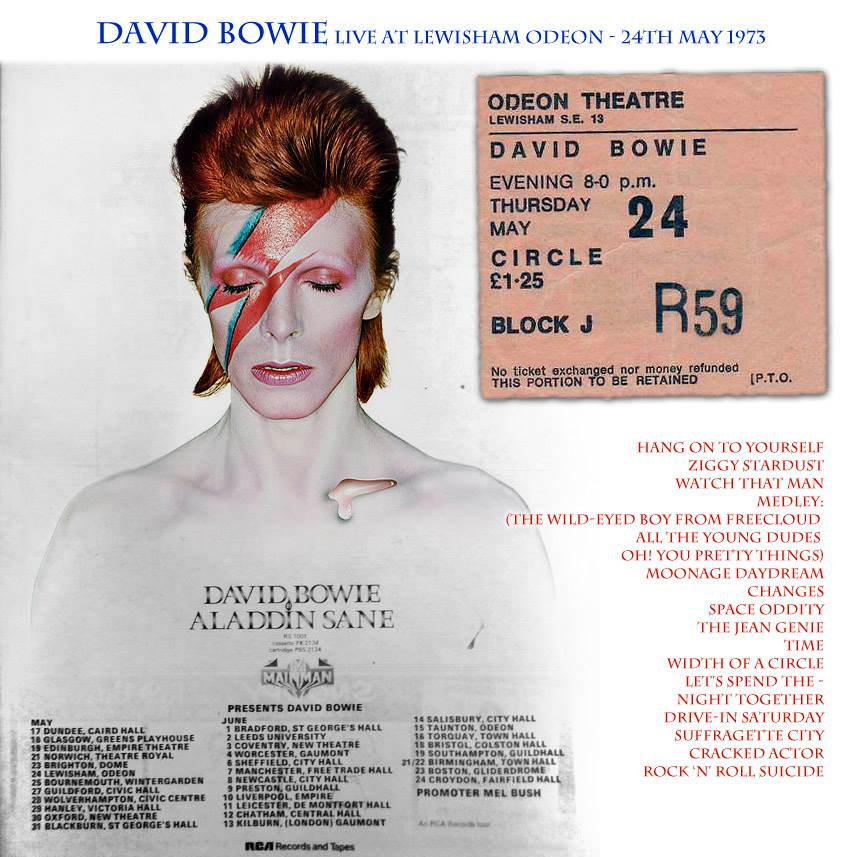
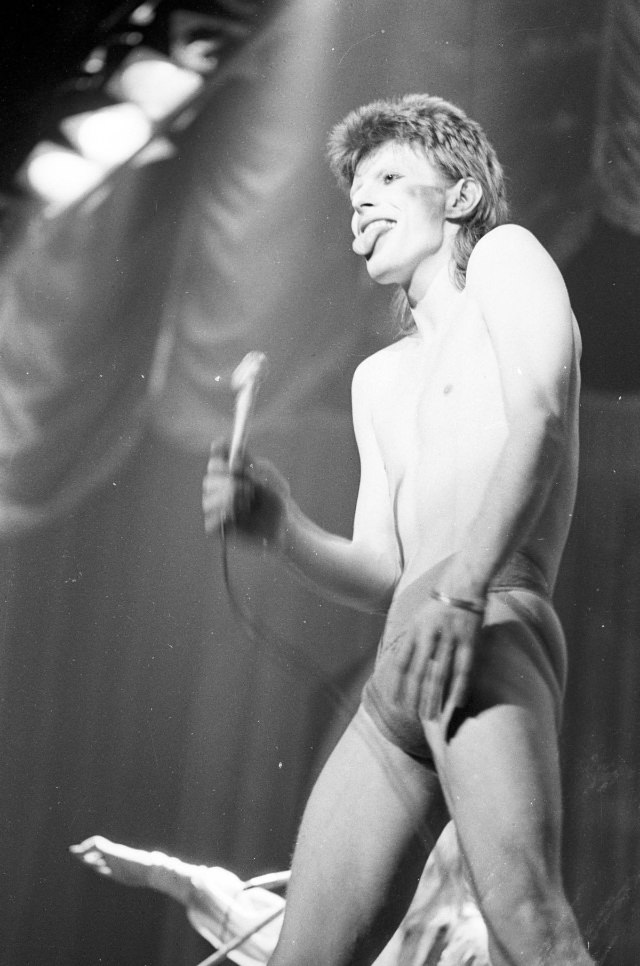
Bowie announced the retirement of Ziggy Stardust on July 3, 1973, at the Hammersmith Odeon in London. The character was deliberately killed off — a final, dramatic act that fit perfectly with the theatrical nature of everything Ziggy had represented. The makeup came off for the last time as Ziggy that night, and a new reinvention was already waiting.