At the start of the 1960s, Dallas, Texas was home to nearly 680,000 people and growing fast. The skyline was climbing. Highways were spreading outward. New buildings, businesses, and institutions were taking shape across the city every year. But beneath that growth, Dallas was also navigating deep social tensions, a national tragedy, and rapid change that would define the entire decade.
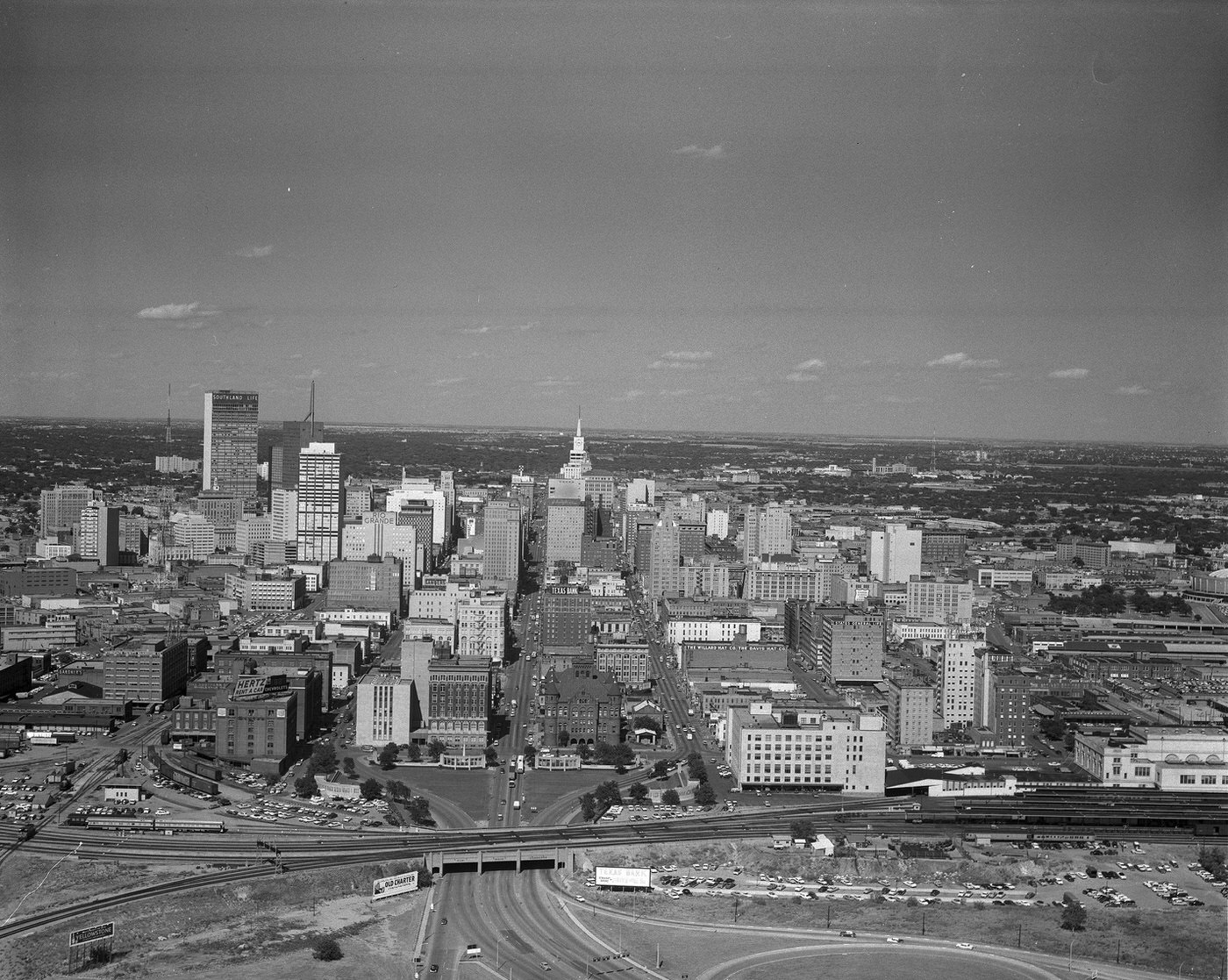
Downtown Dallas, Texas, 1960
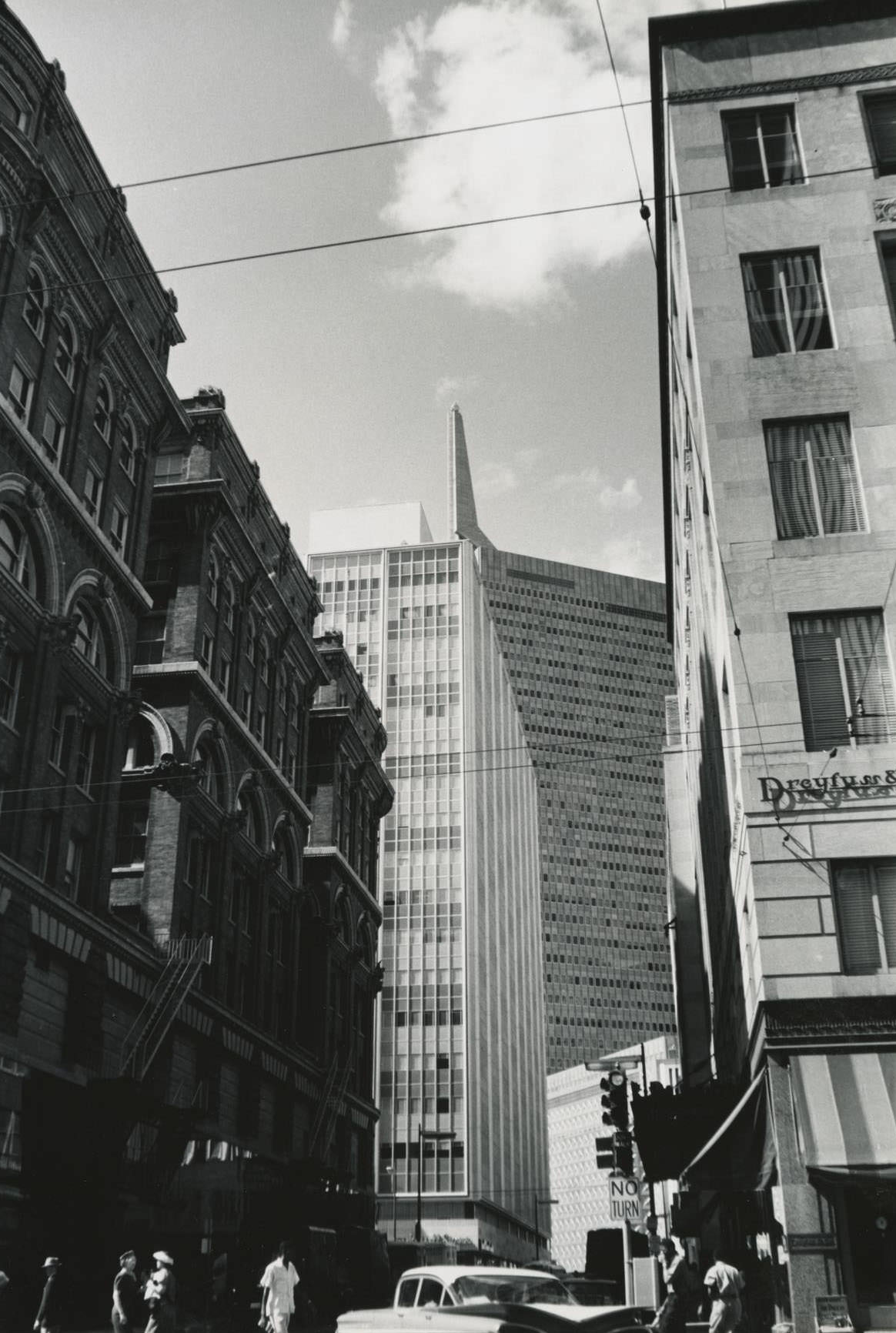
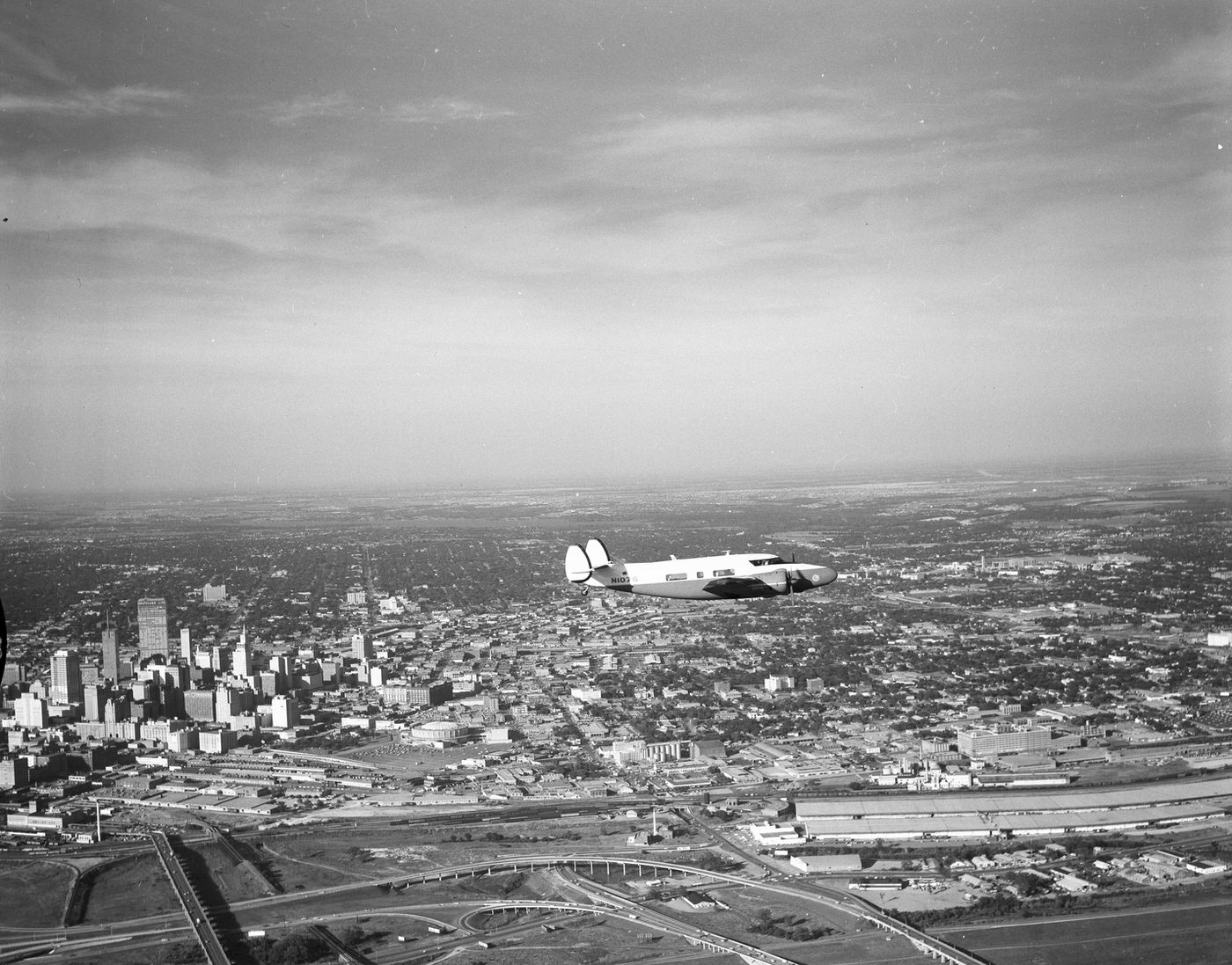
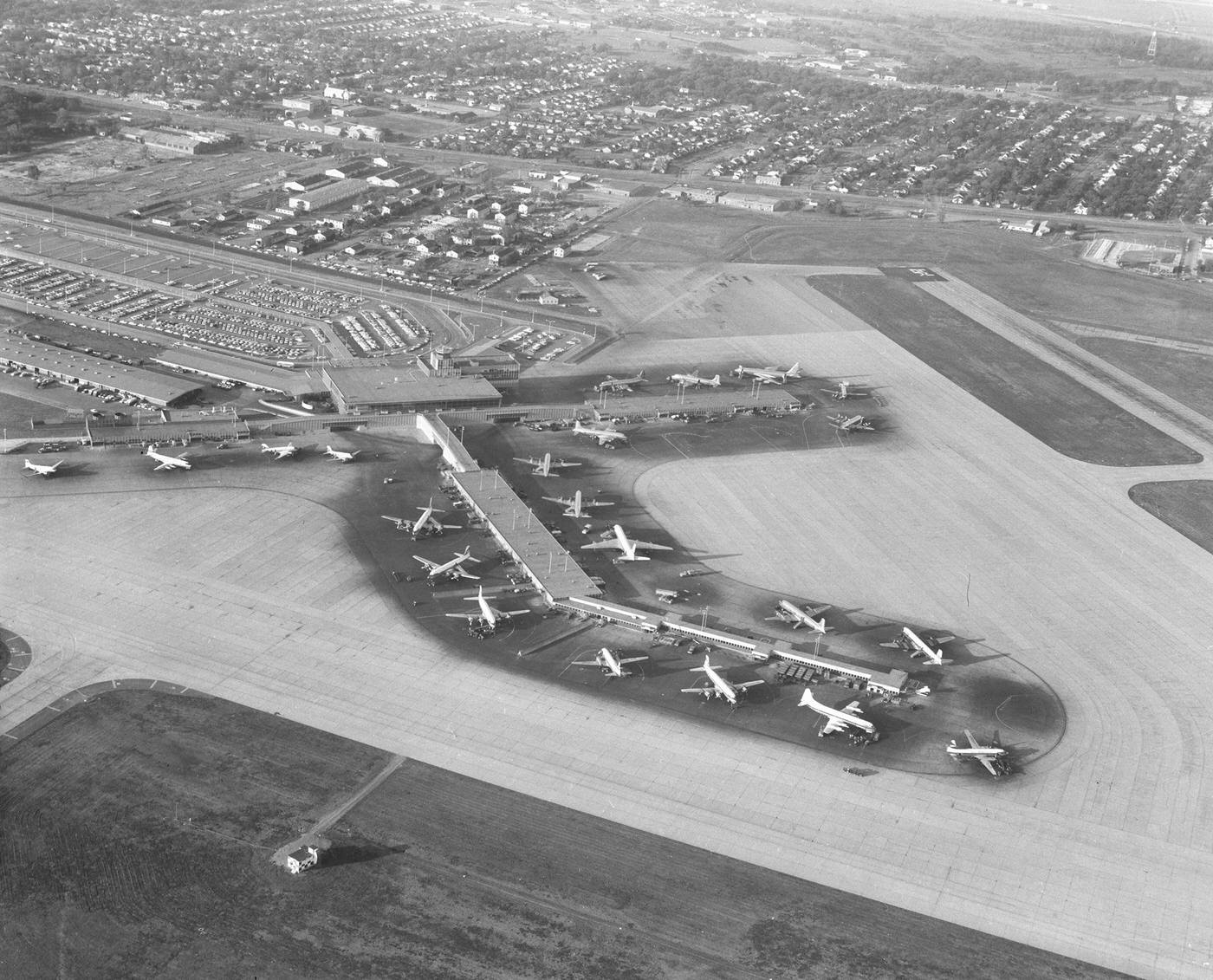
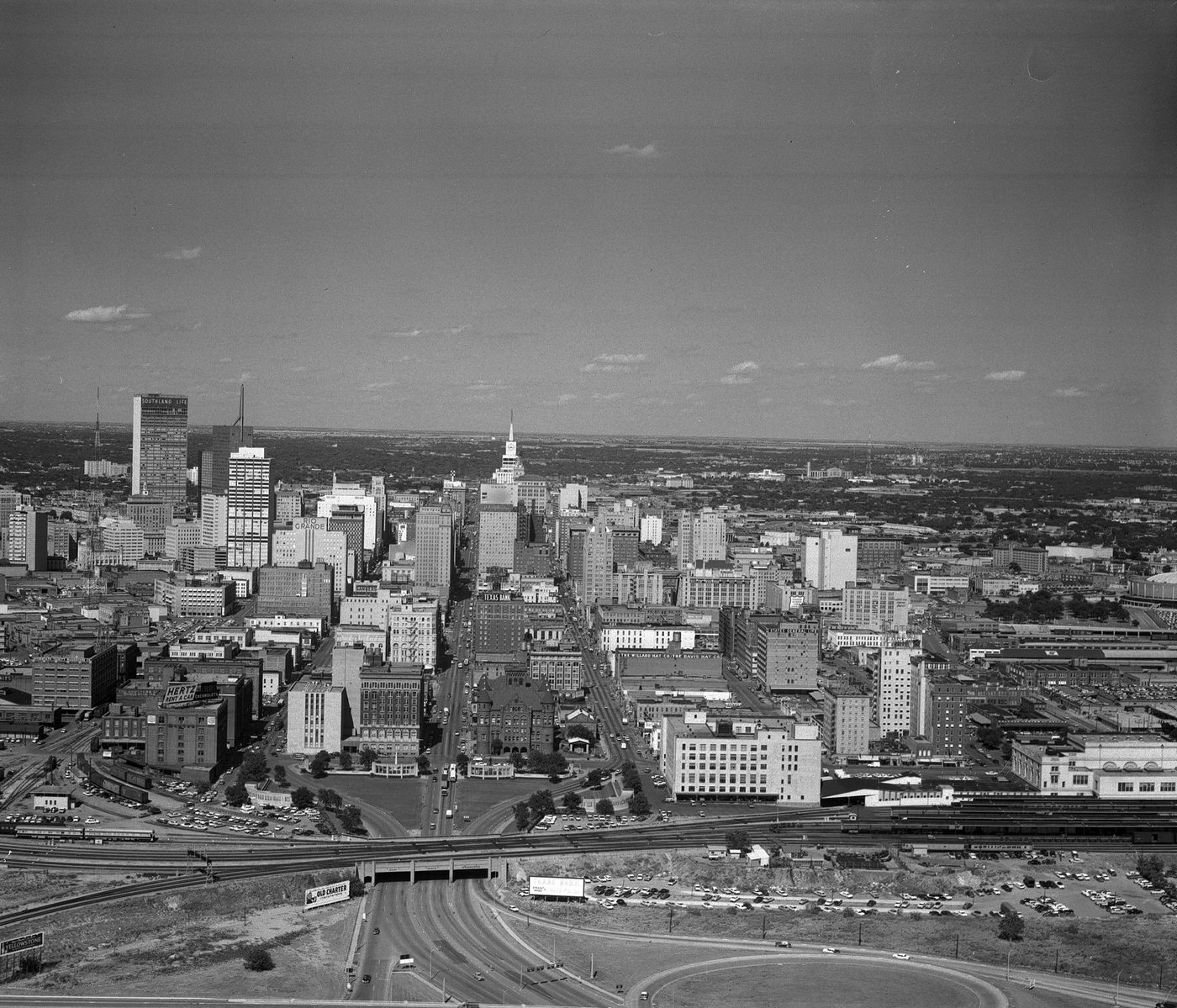
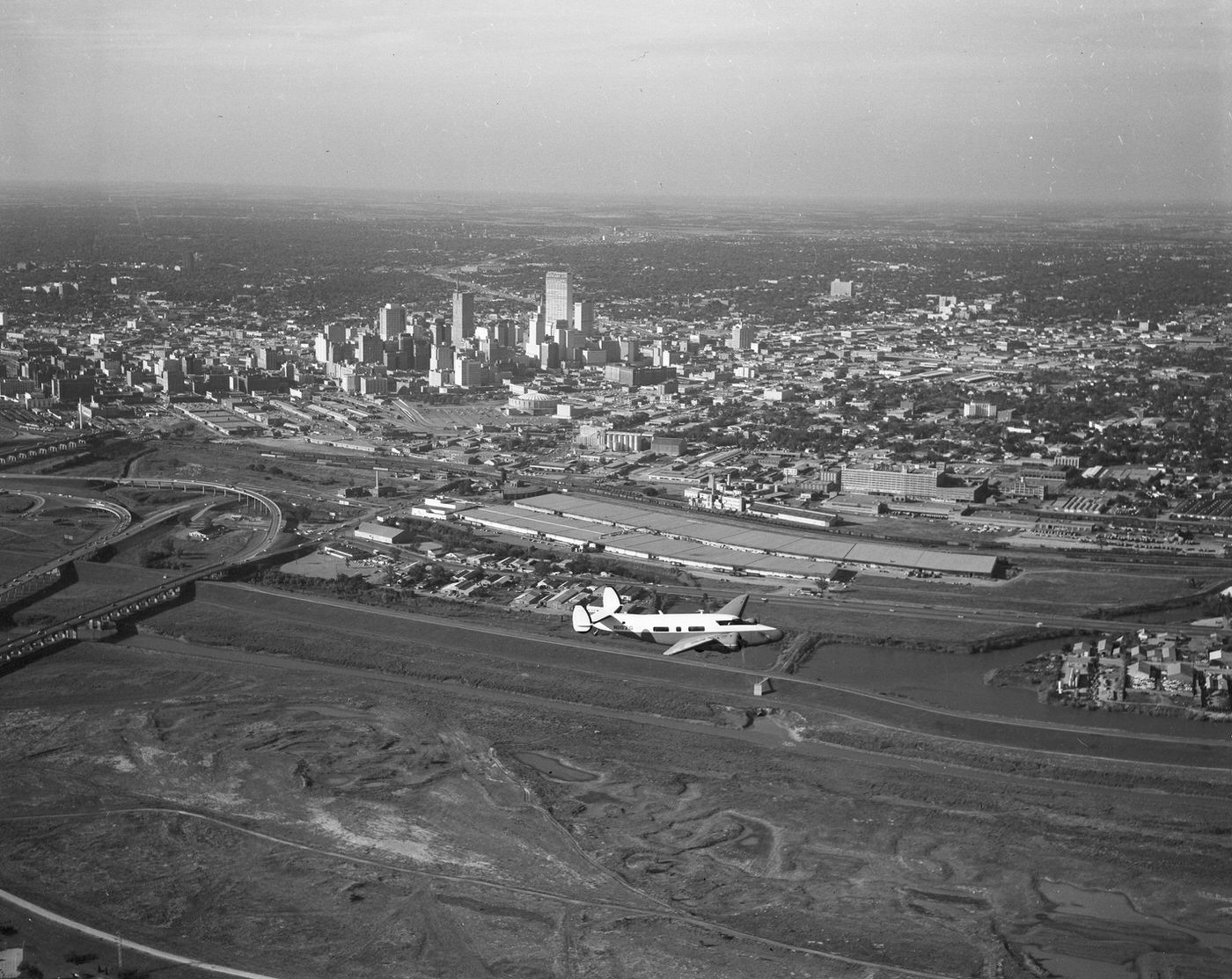
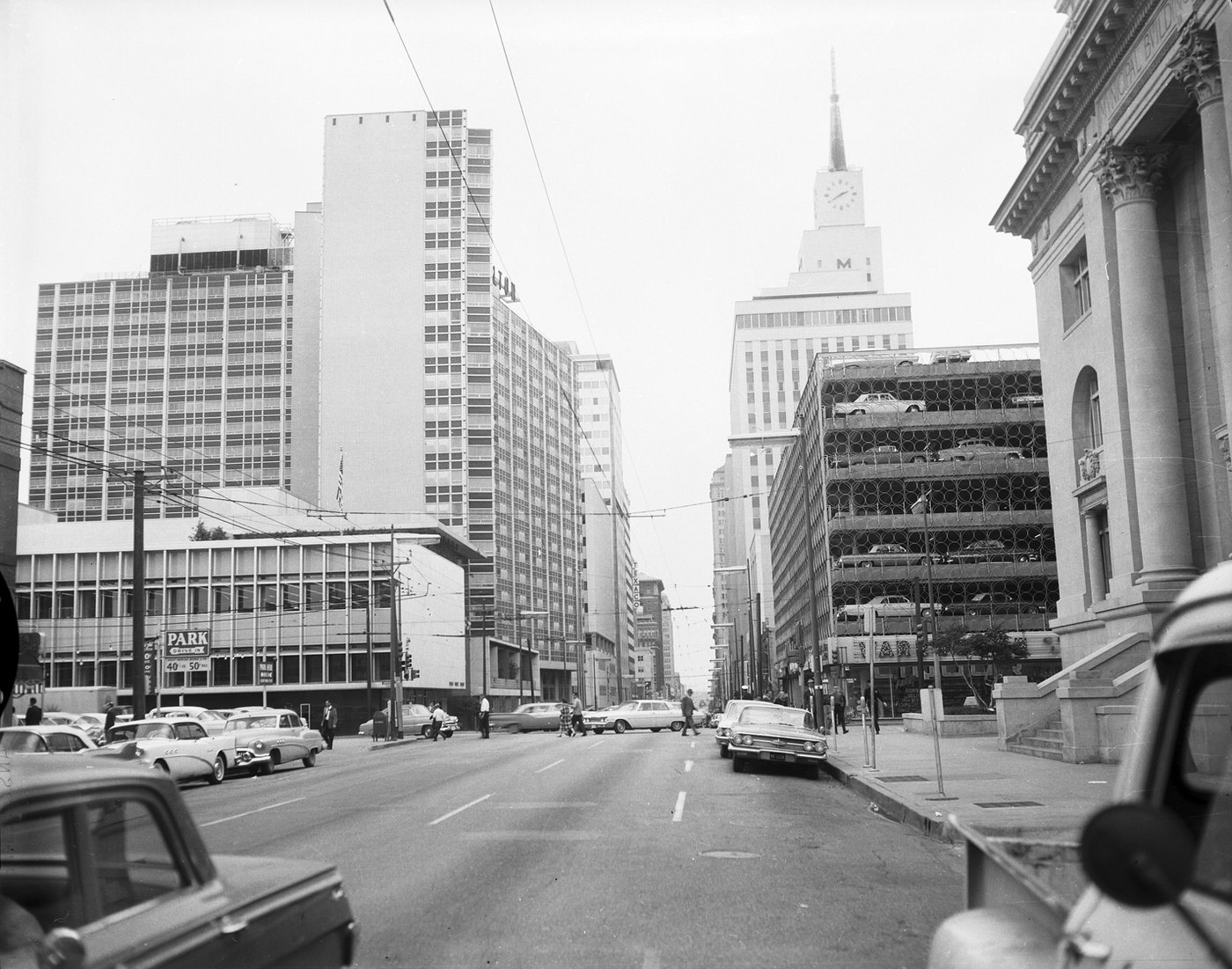
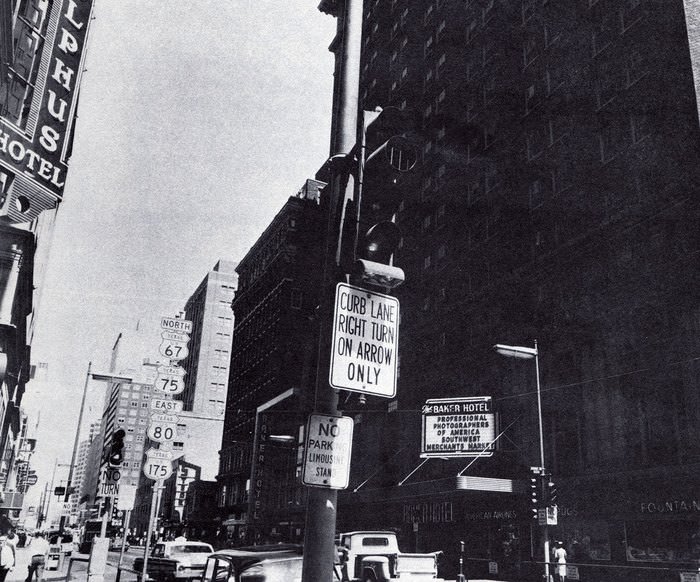
Downtown Dallas in 1960 was a dense, active core of commerce and civic life. Streets were lined with banks, hotels, restaurants, and department stores. The Adolphus Hotel and the Magnolia Building were among the most recognizable landmarks, their facades familiar to anyone who spent time in the city center. Love Field served as the main airport, already handling steady traffic from both commercial and private aircraft.
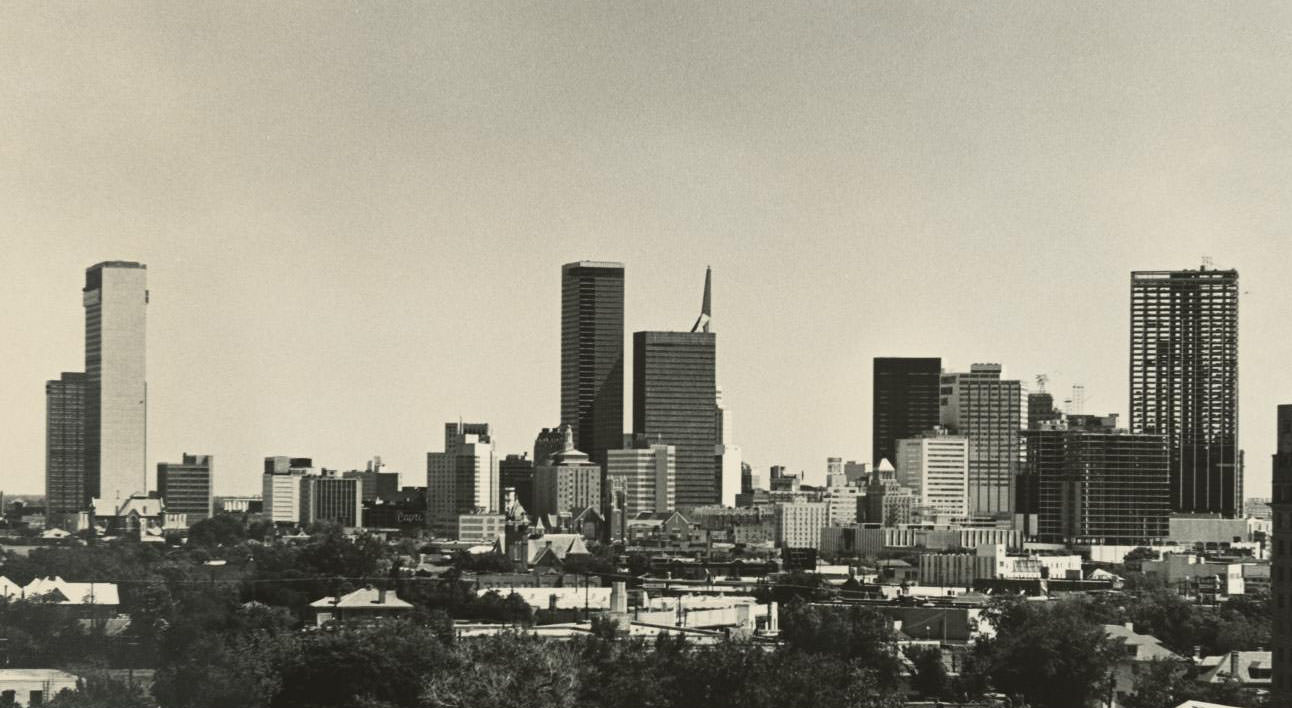
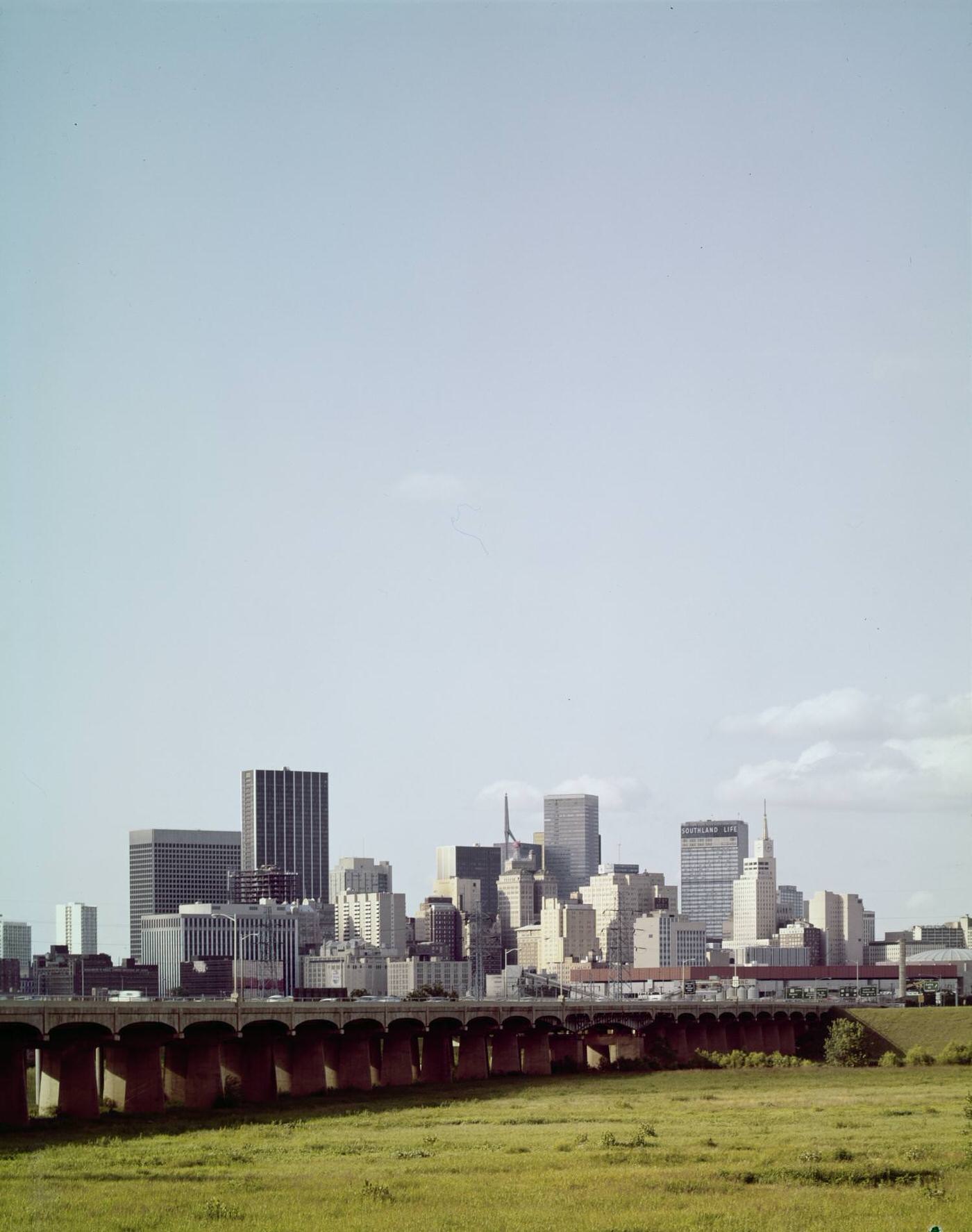
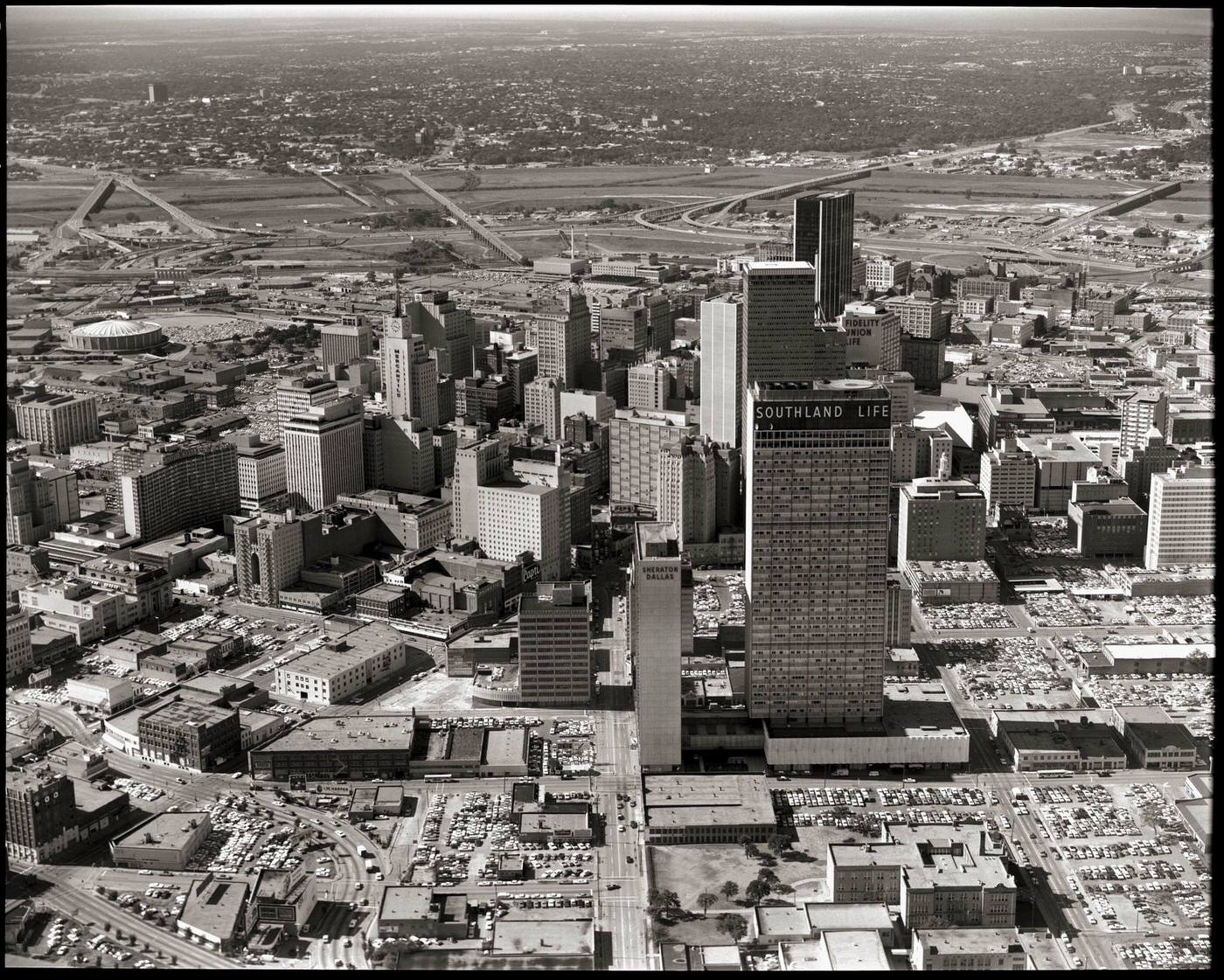
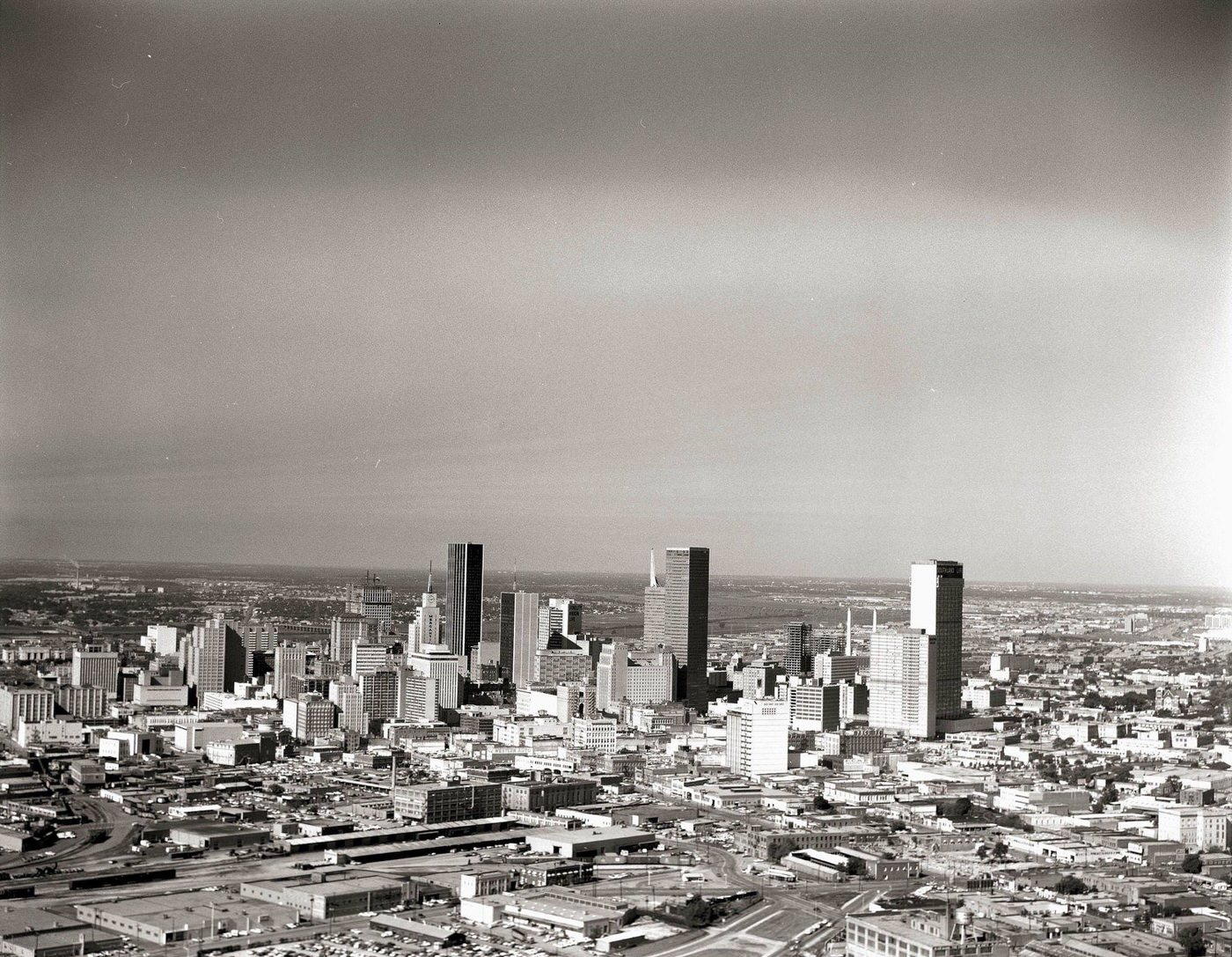
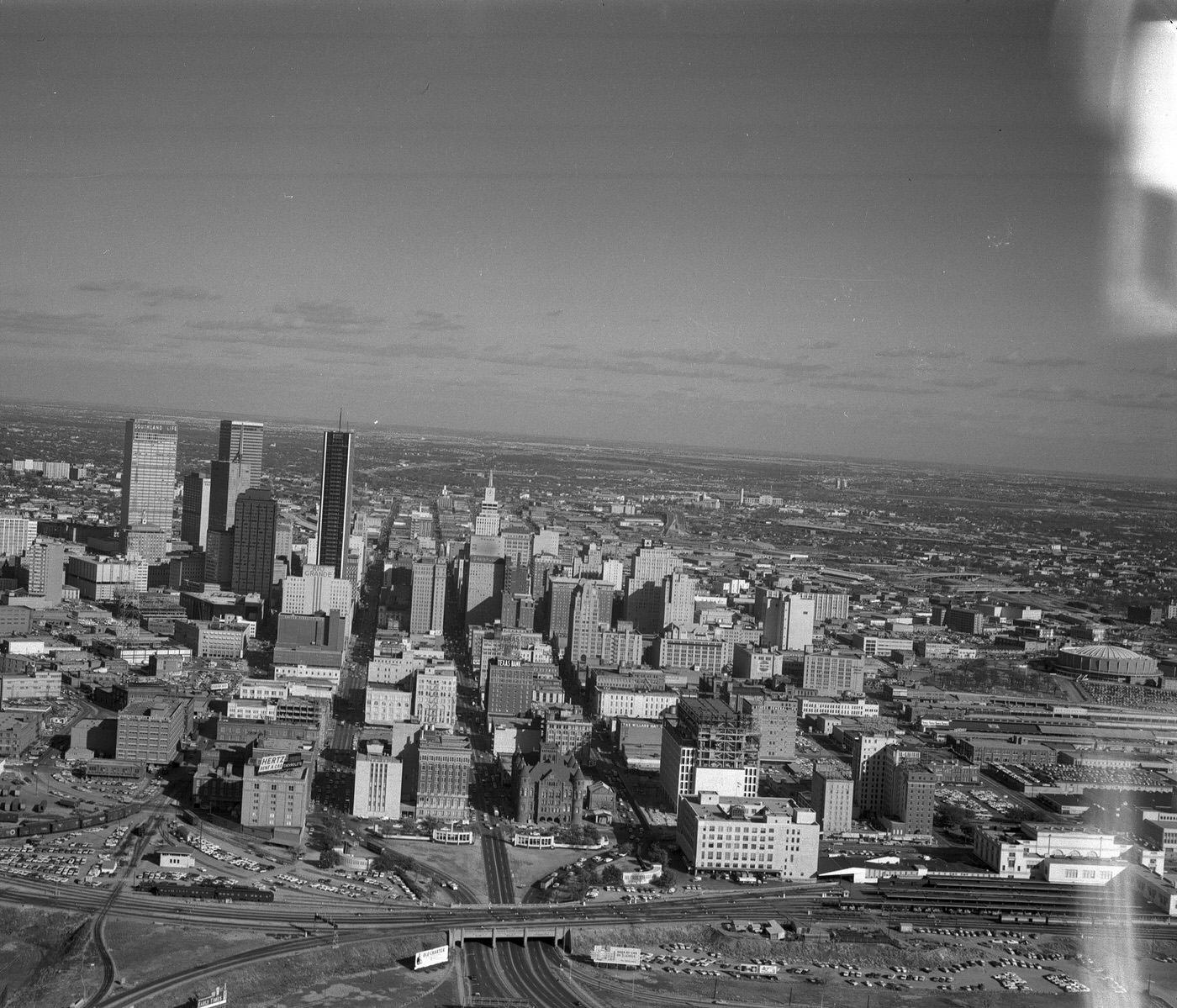
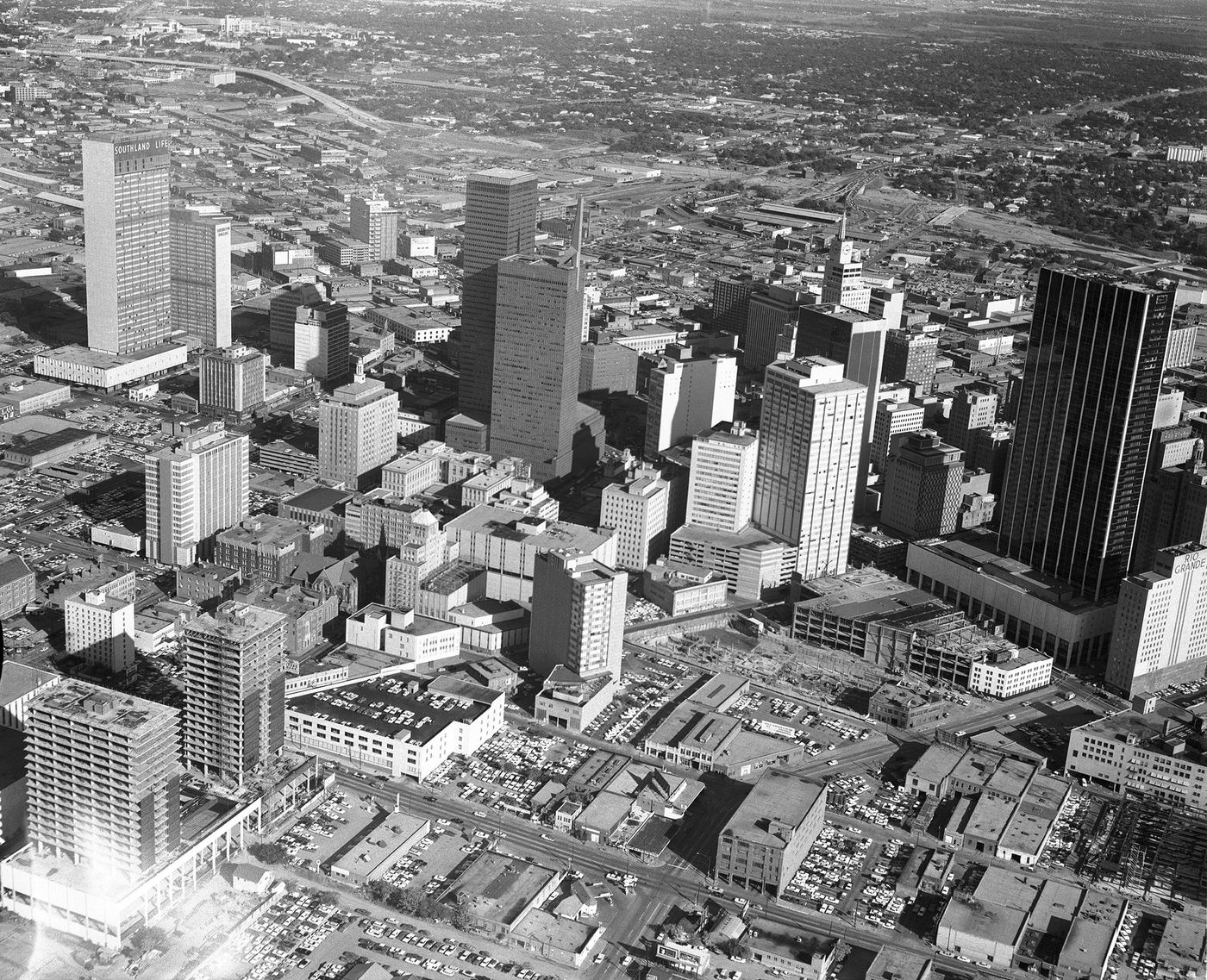
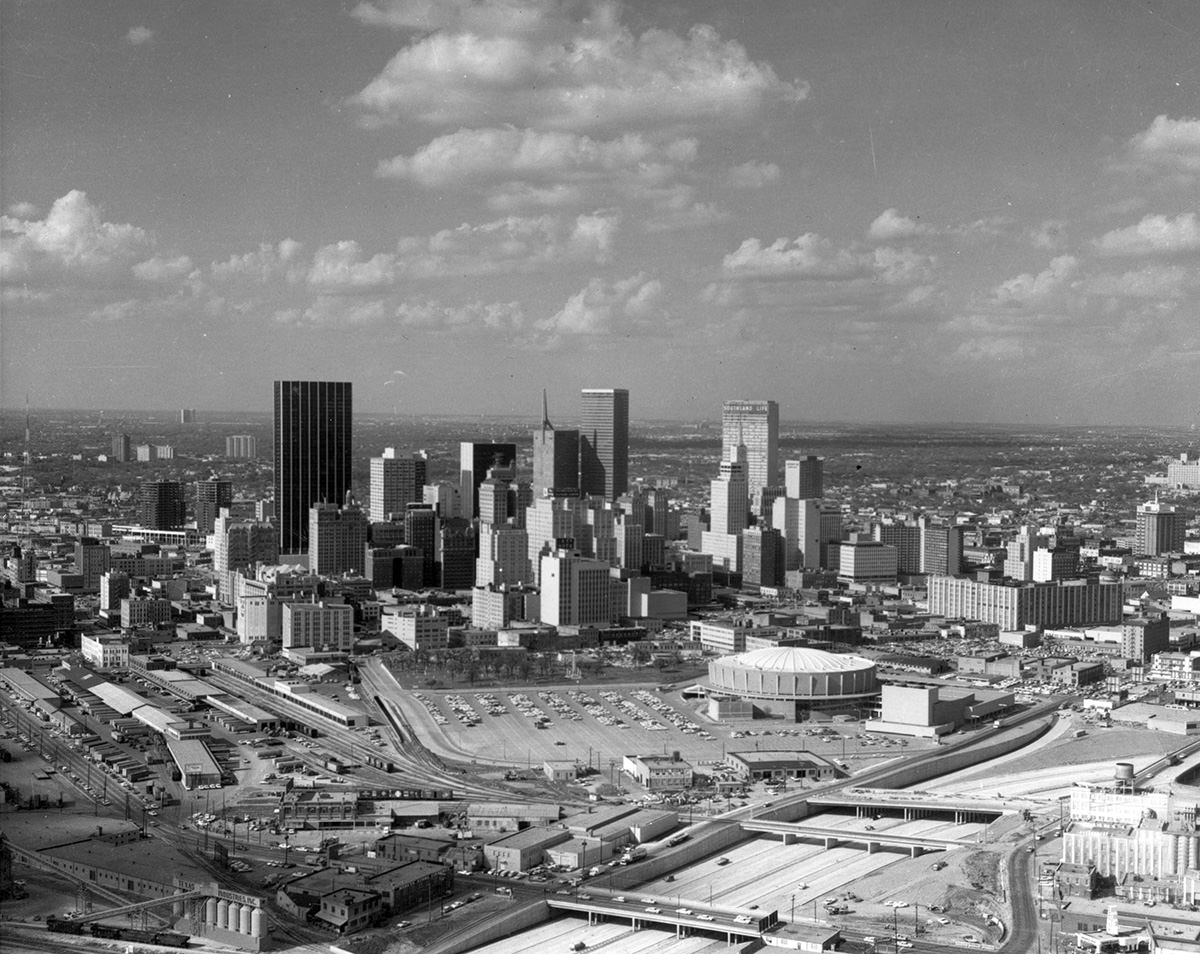
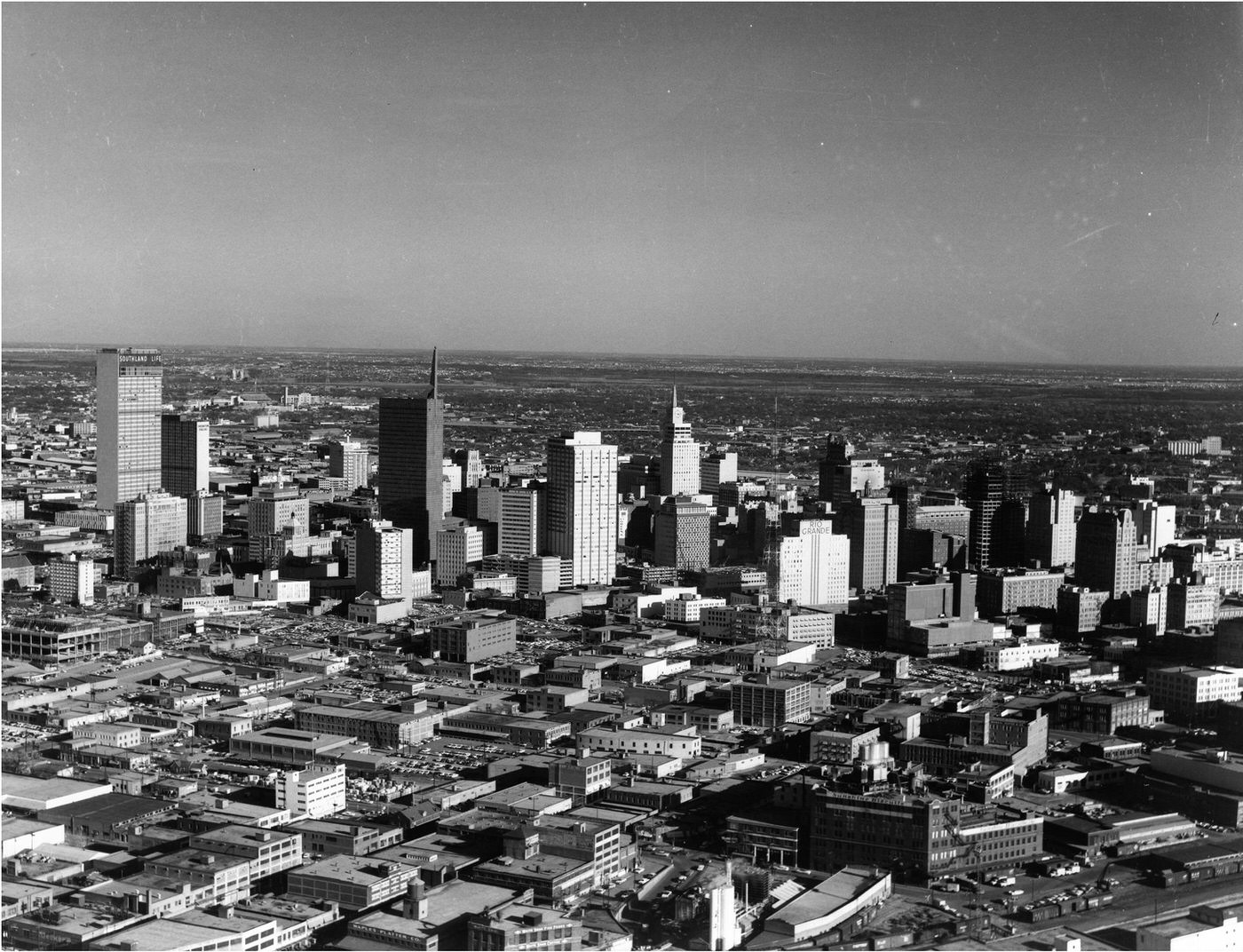
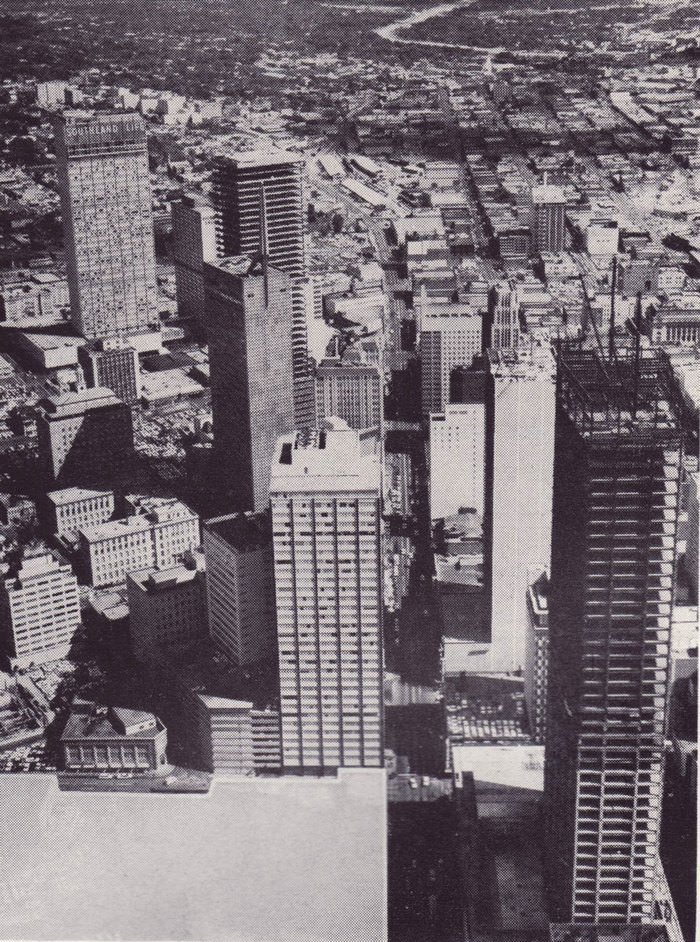
Dallas skyline, 1960s
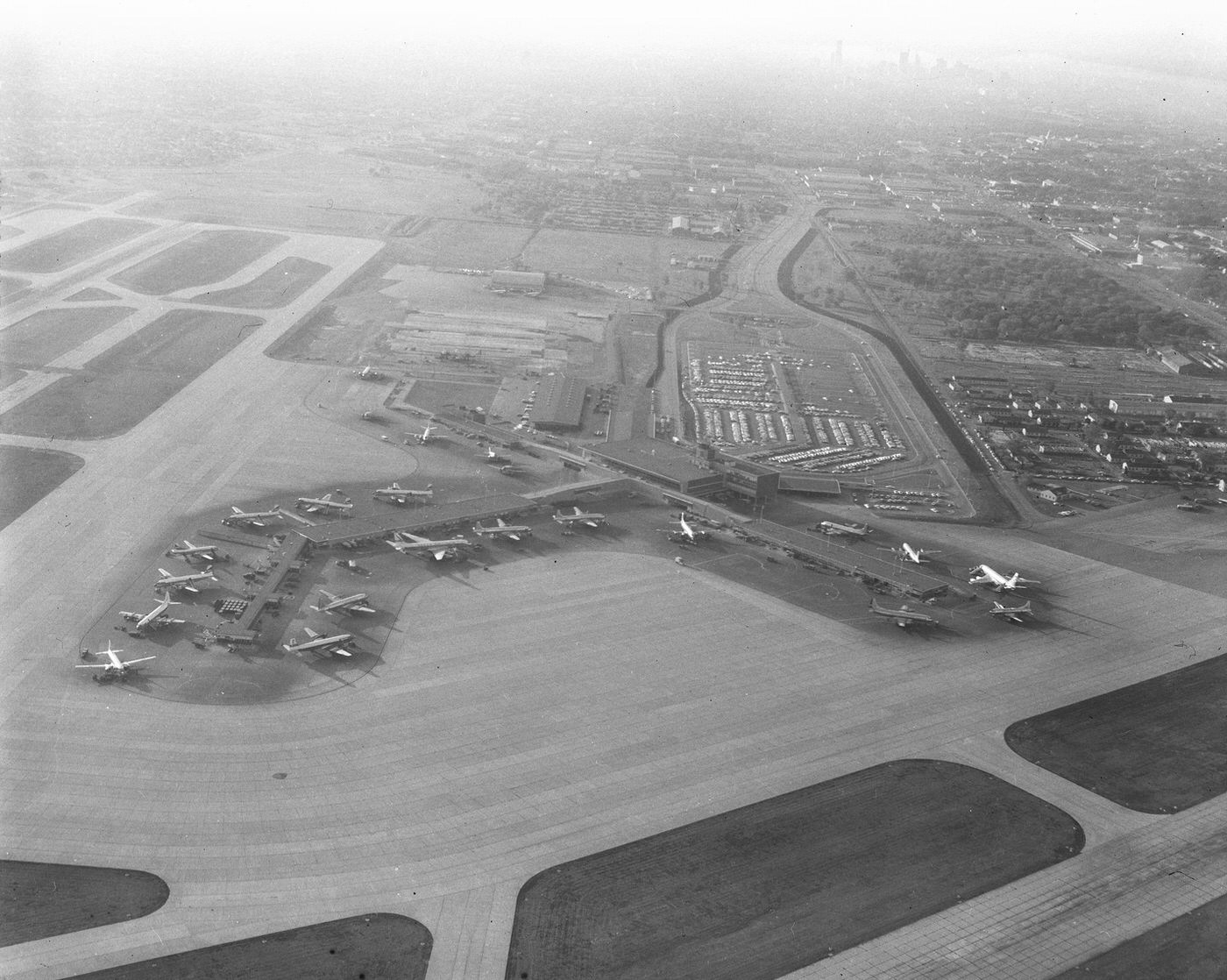
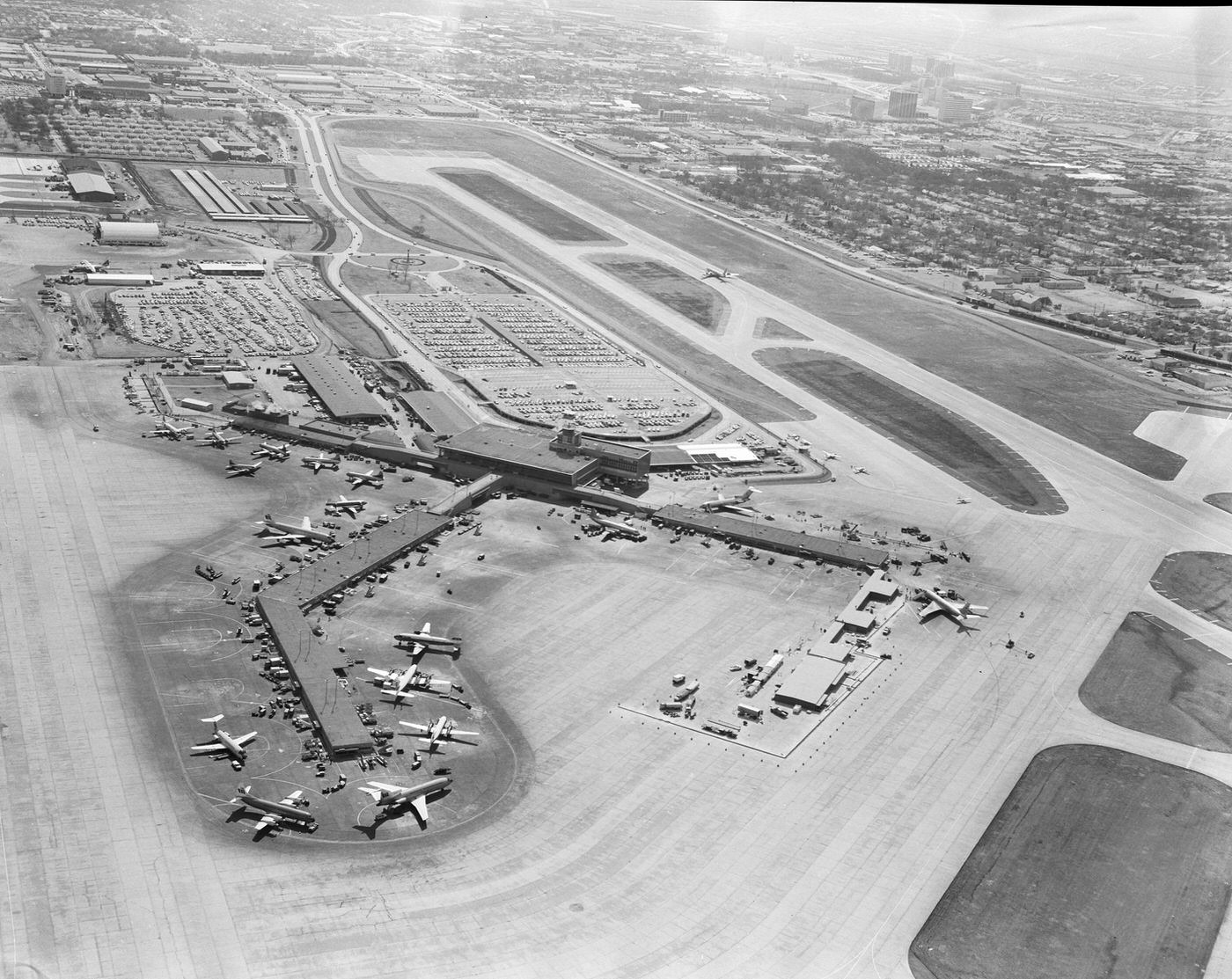
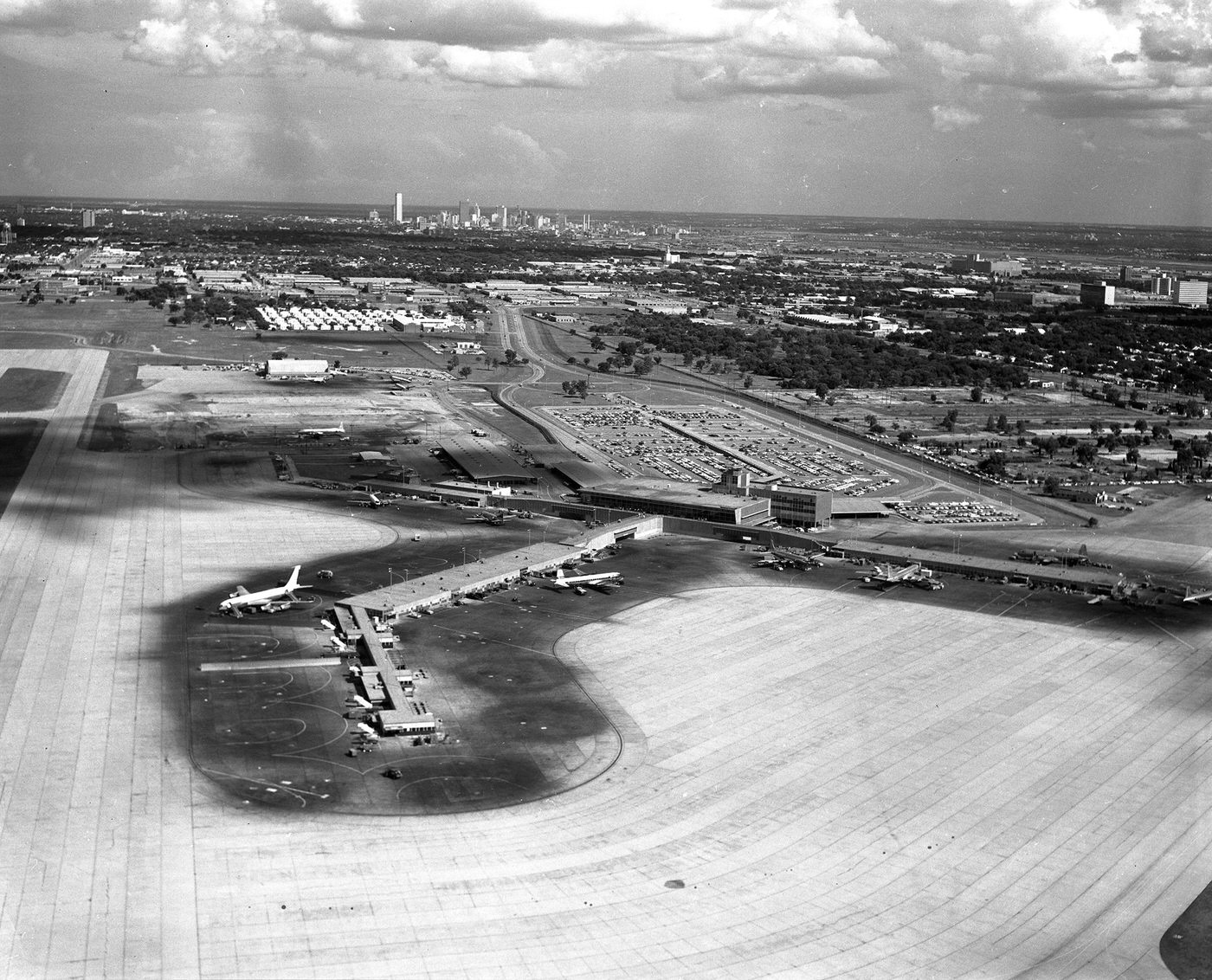
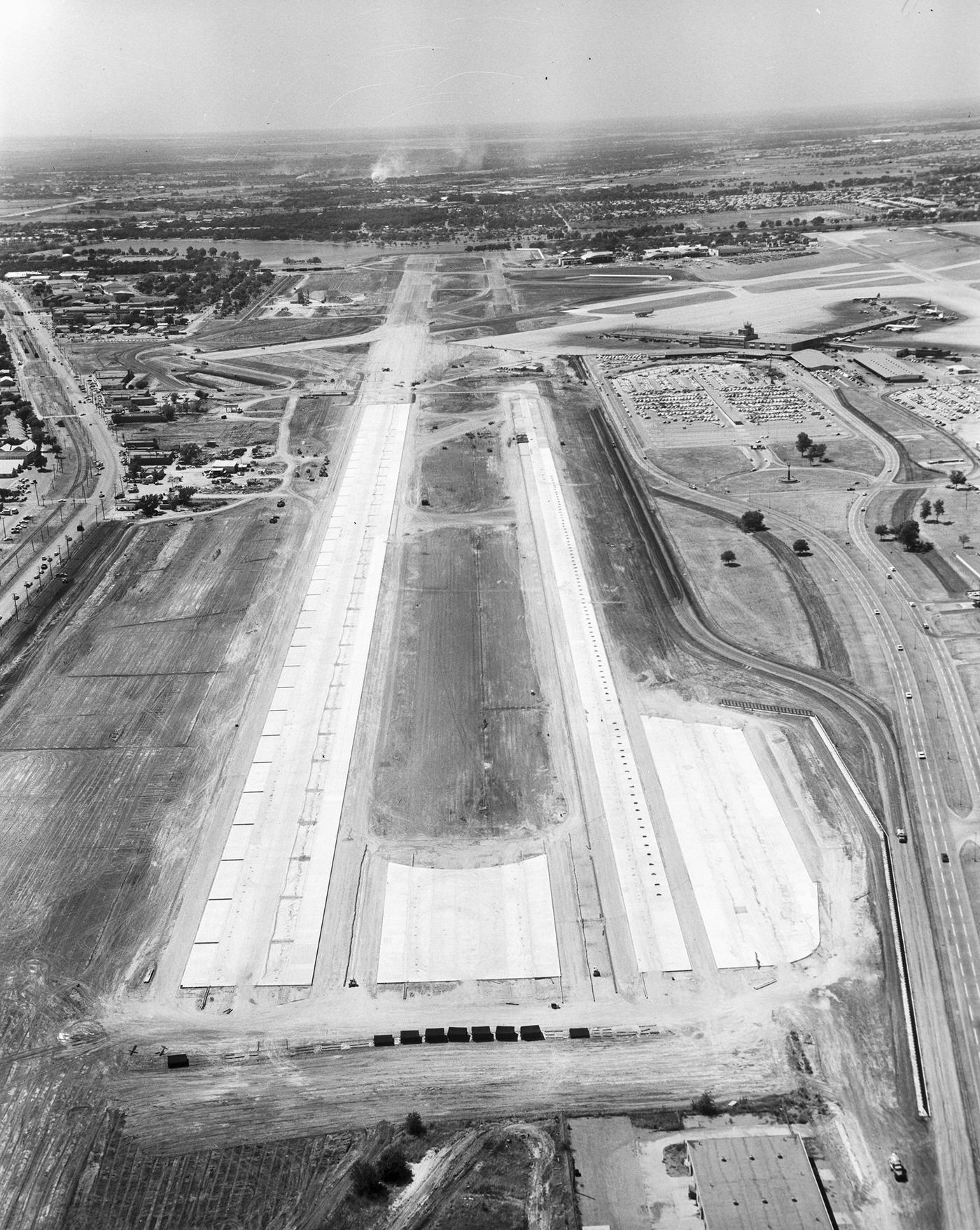
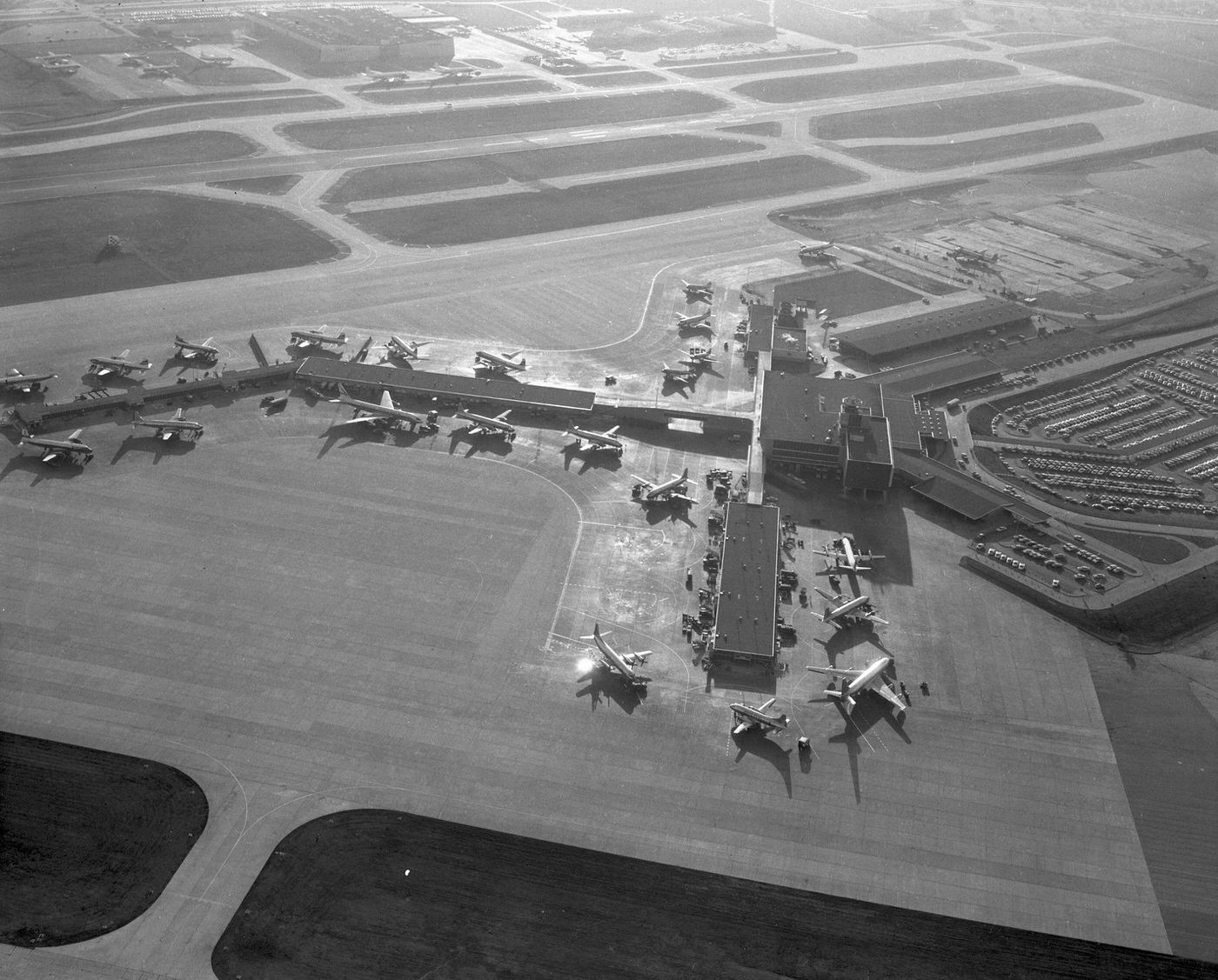
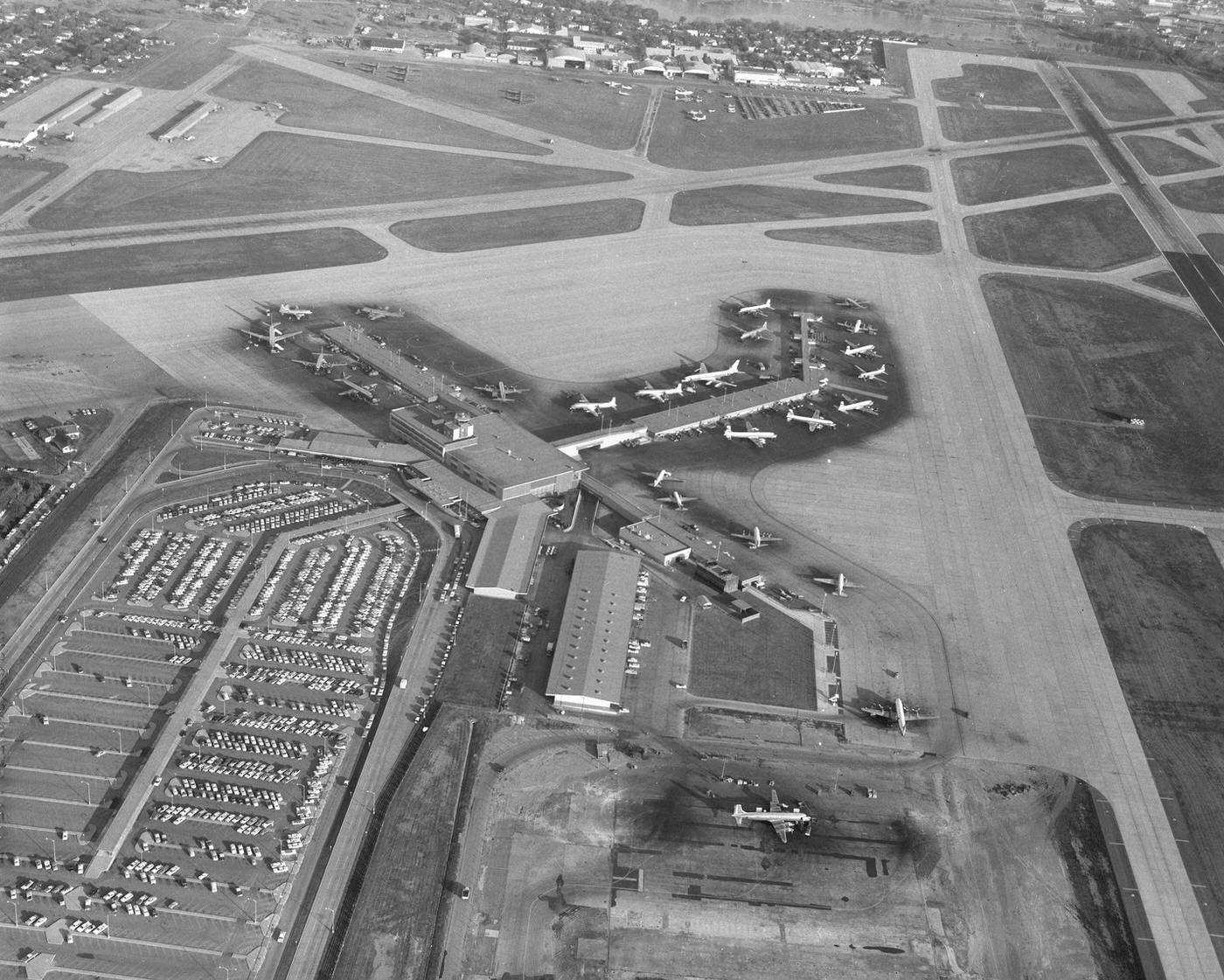
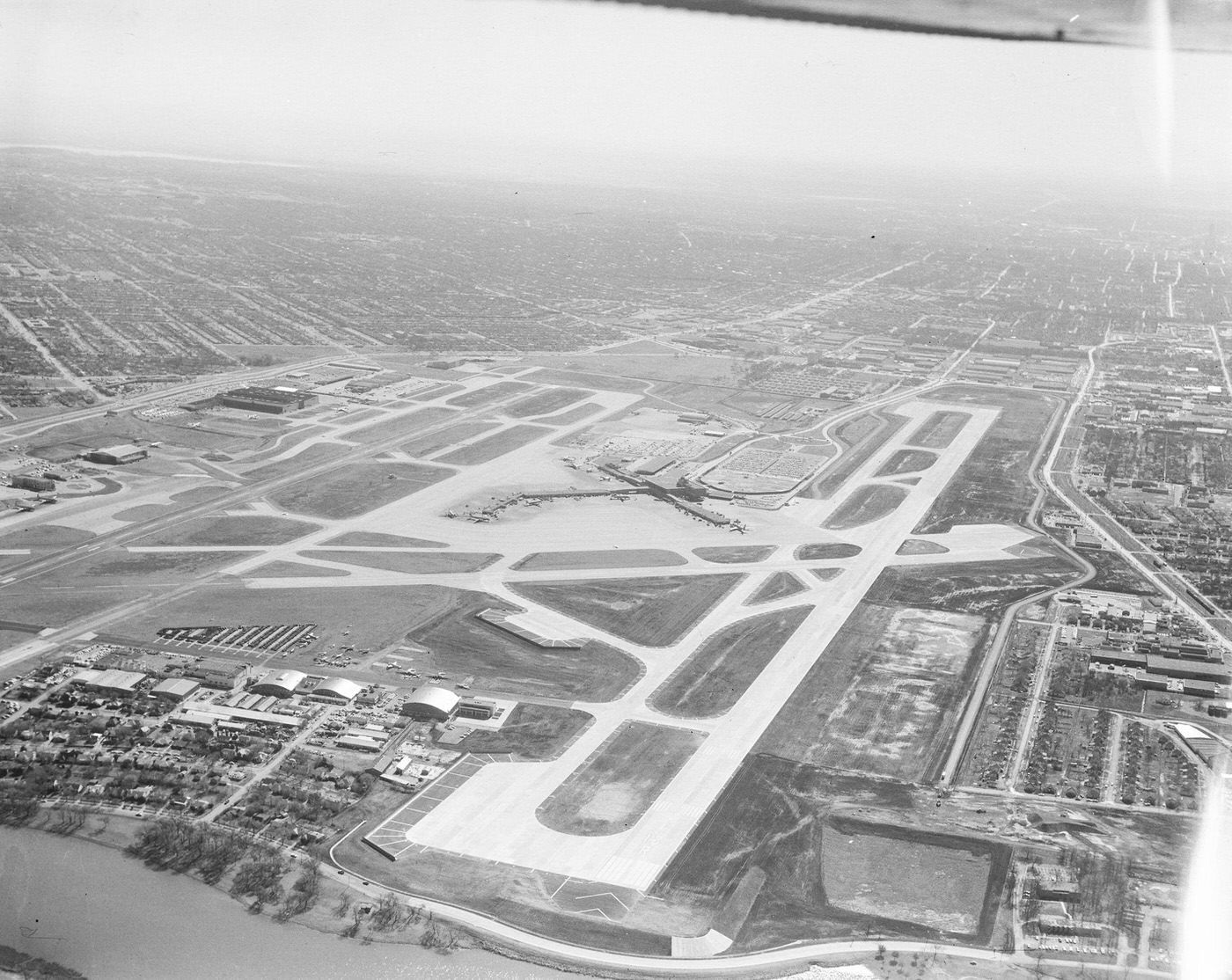
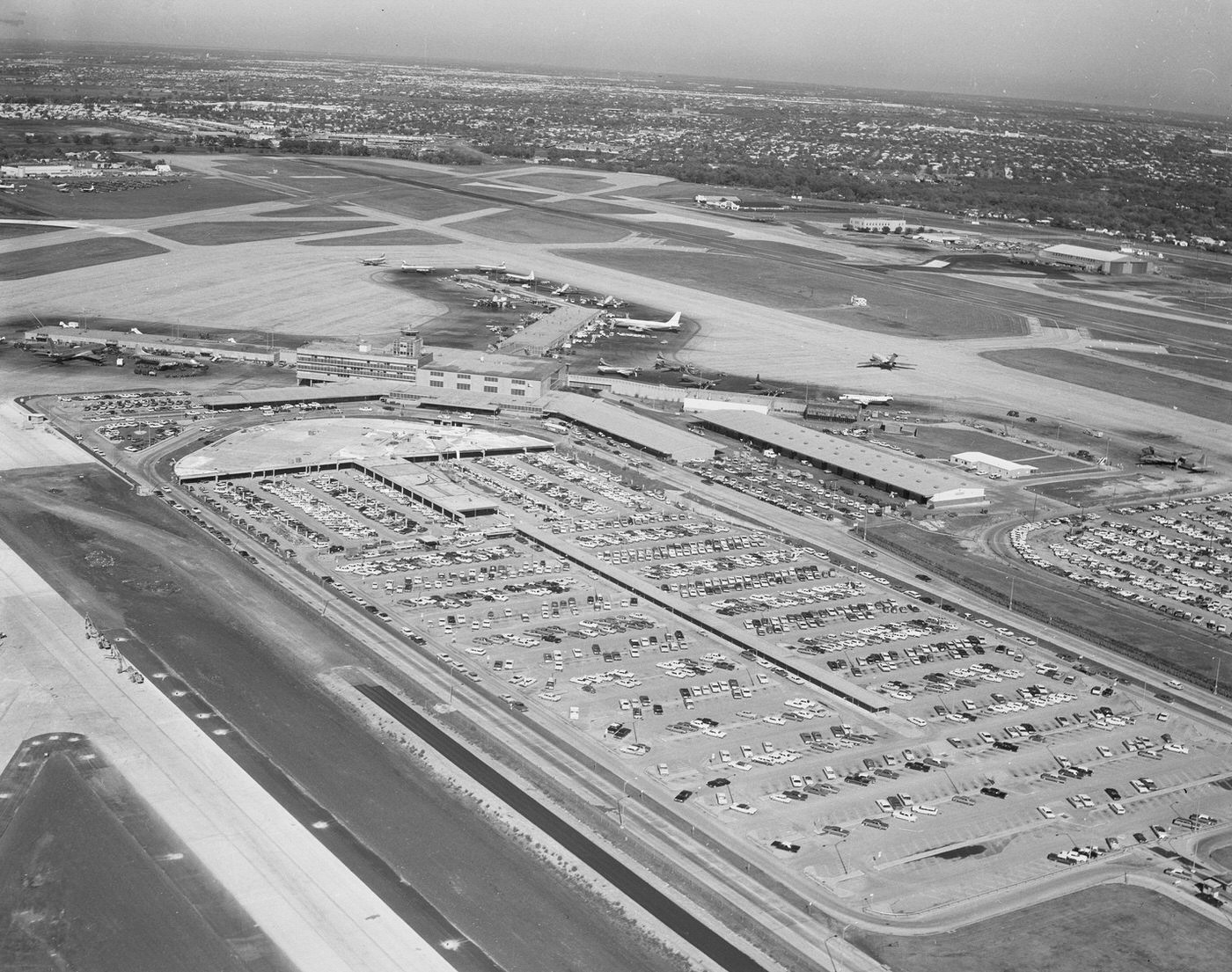
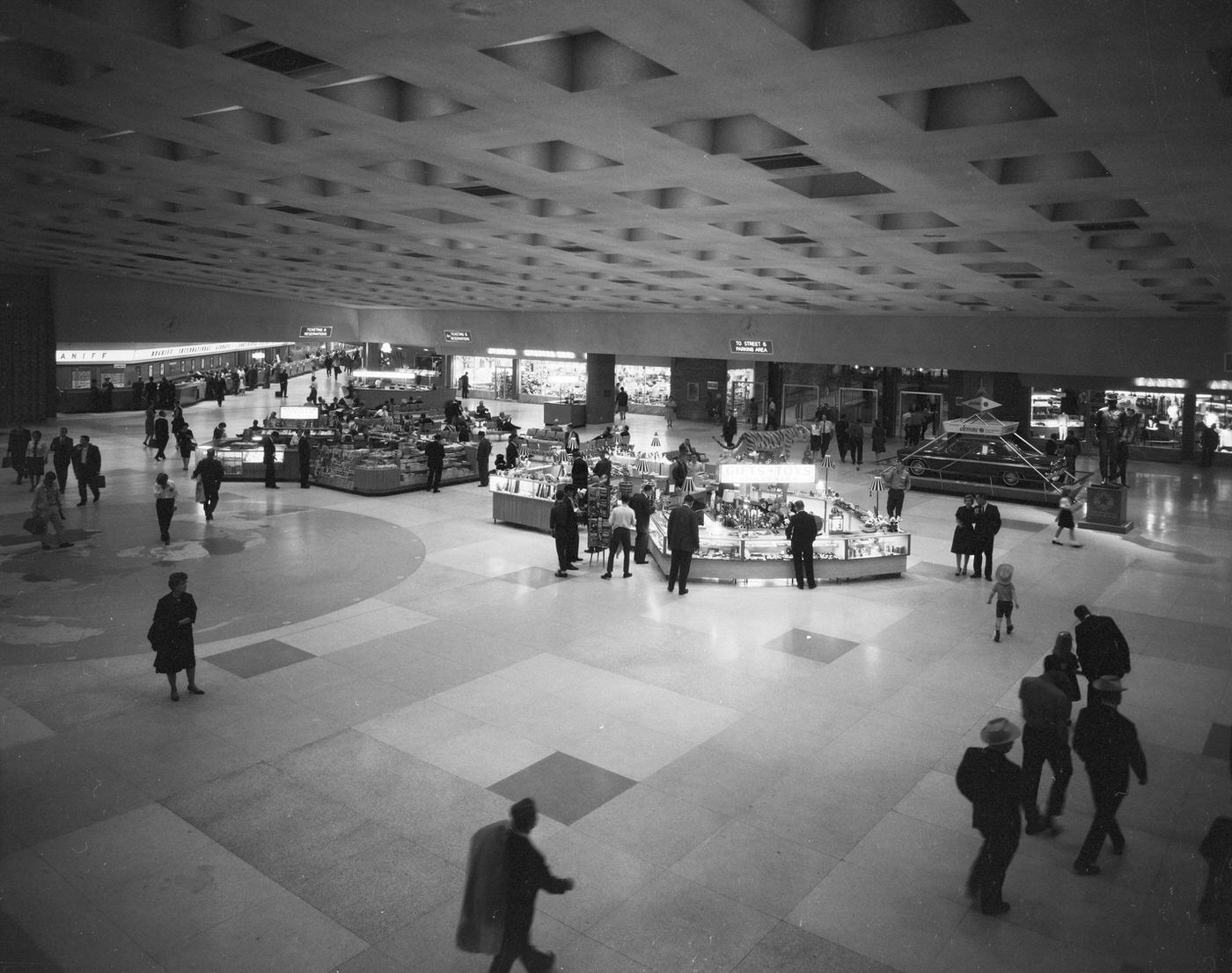
Love Field was more than just a transit point. It was the city’s main connection to the rest of the country, and its runways and terminals were a constant reminder of just how much Dallas had grown since its early days as a frontier settlement. Executive aircraft sat alongside commercial planes on its tarmac early each morning.
Aerial view of planes at Love Field at 7 a.m., Dallas, 1960Love Field terminal, Dallas, 1960
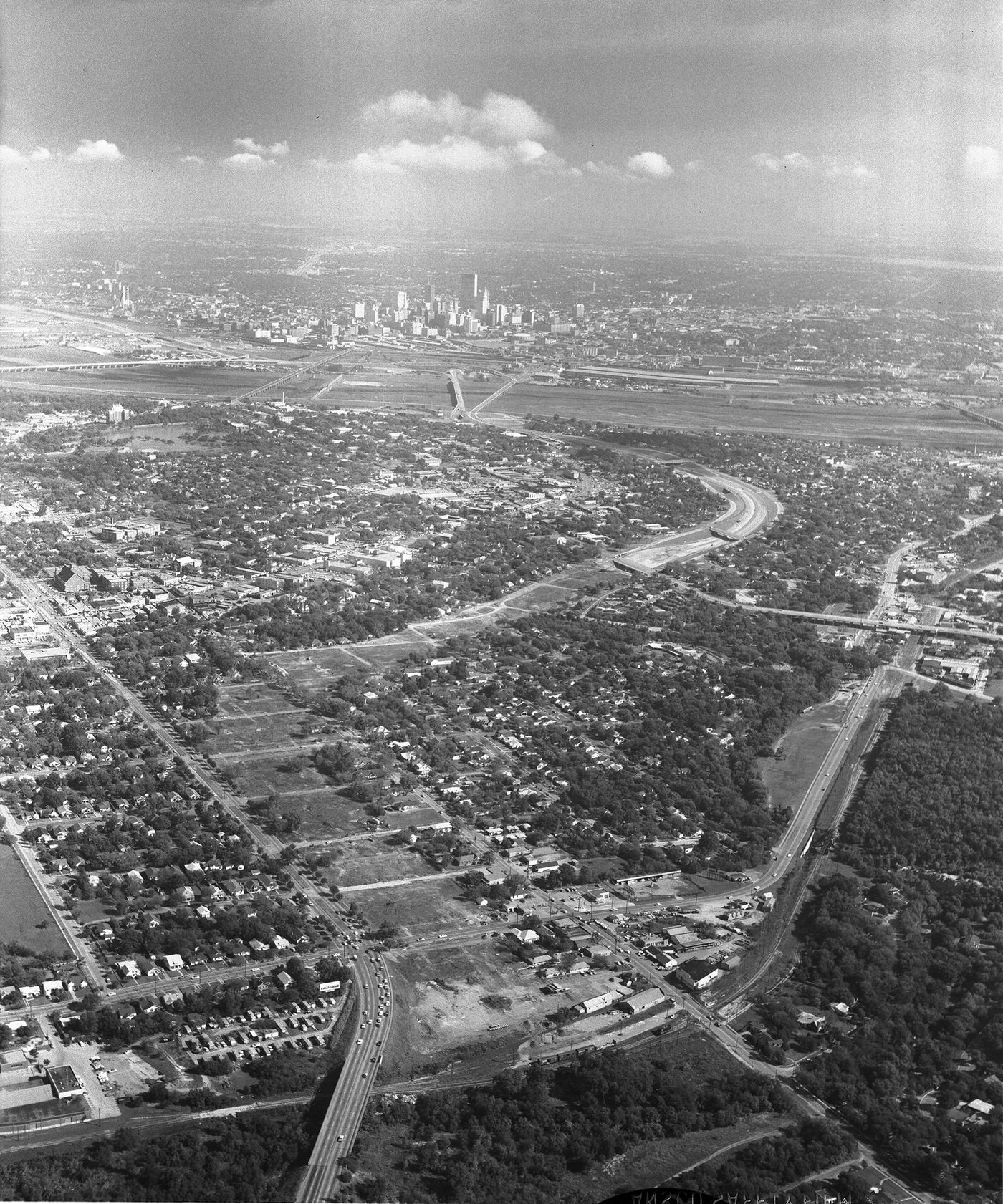
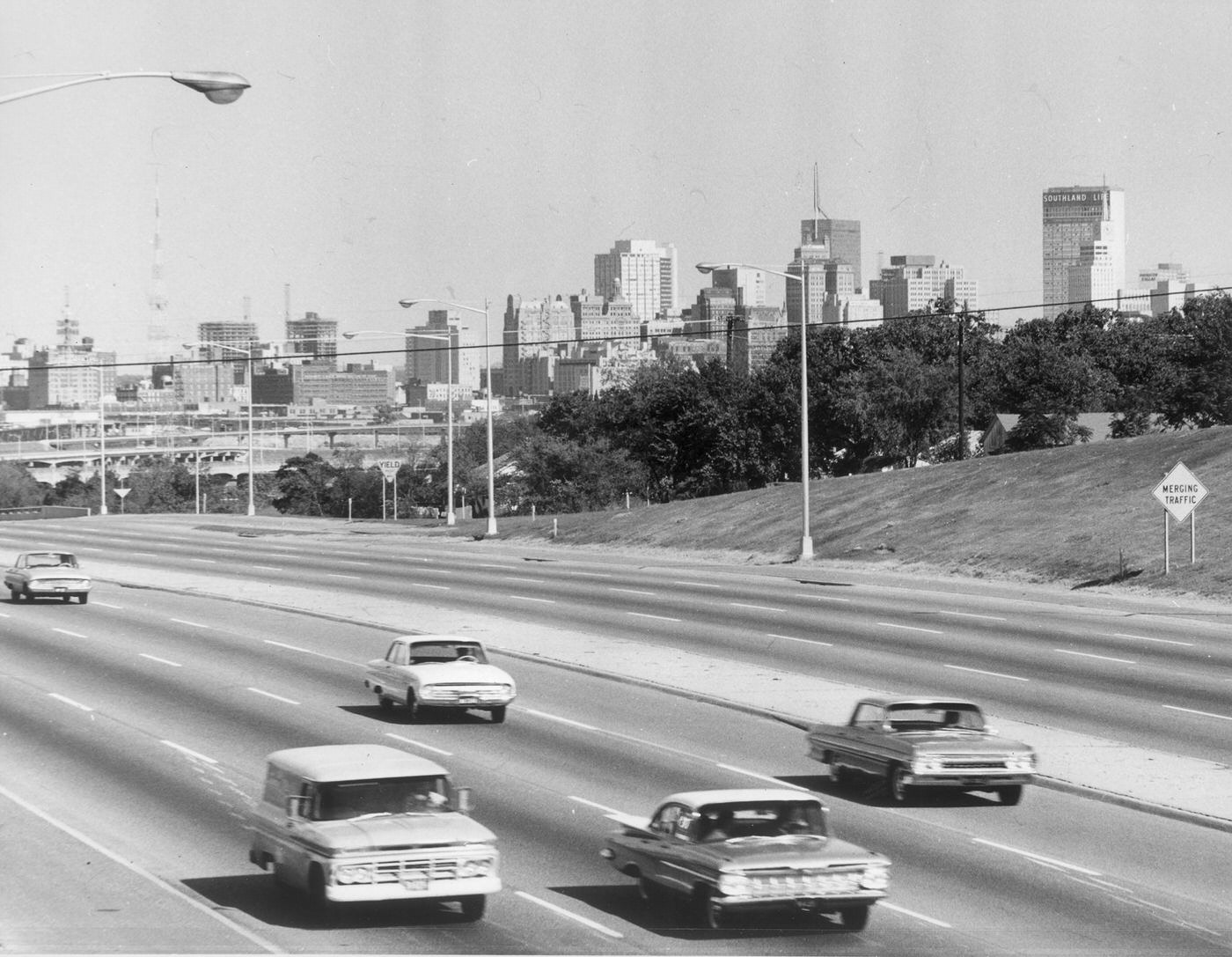
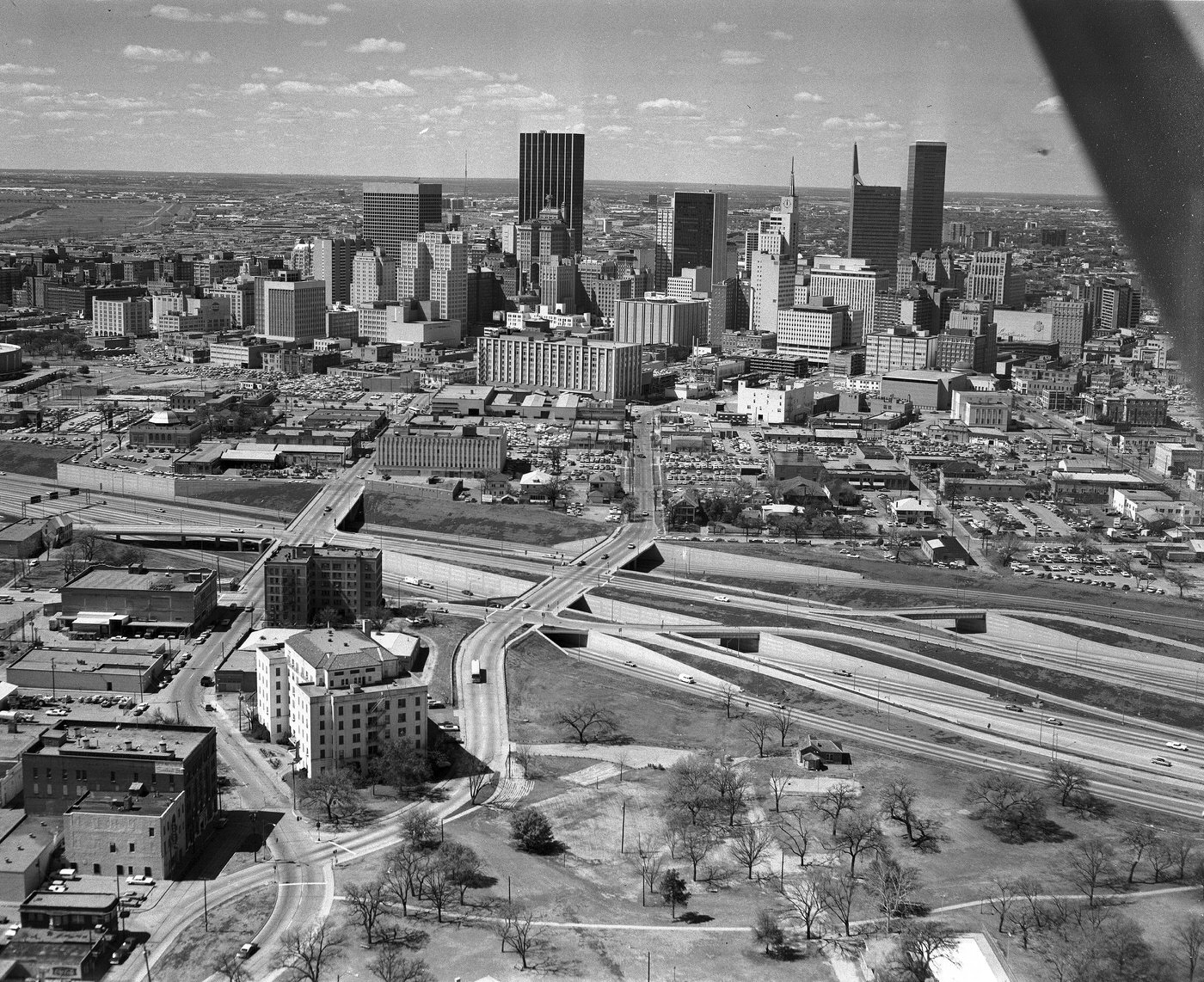
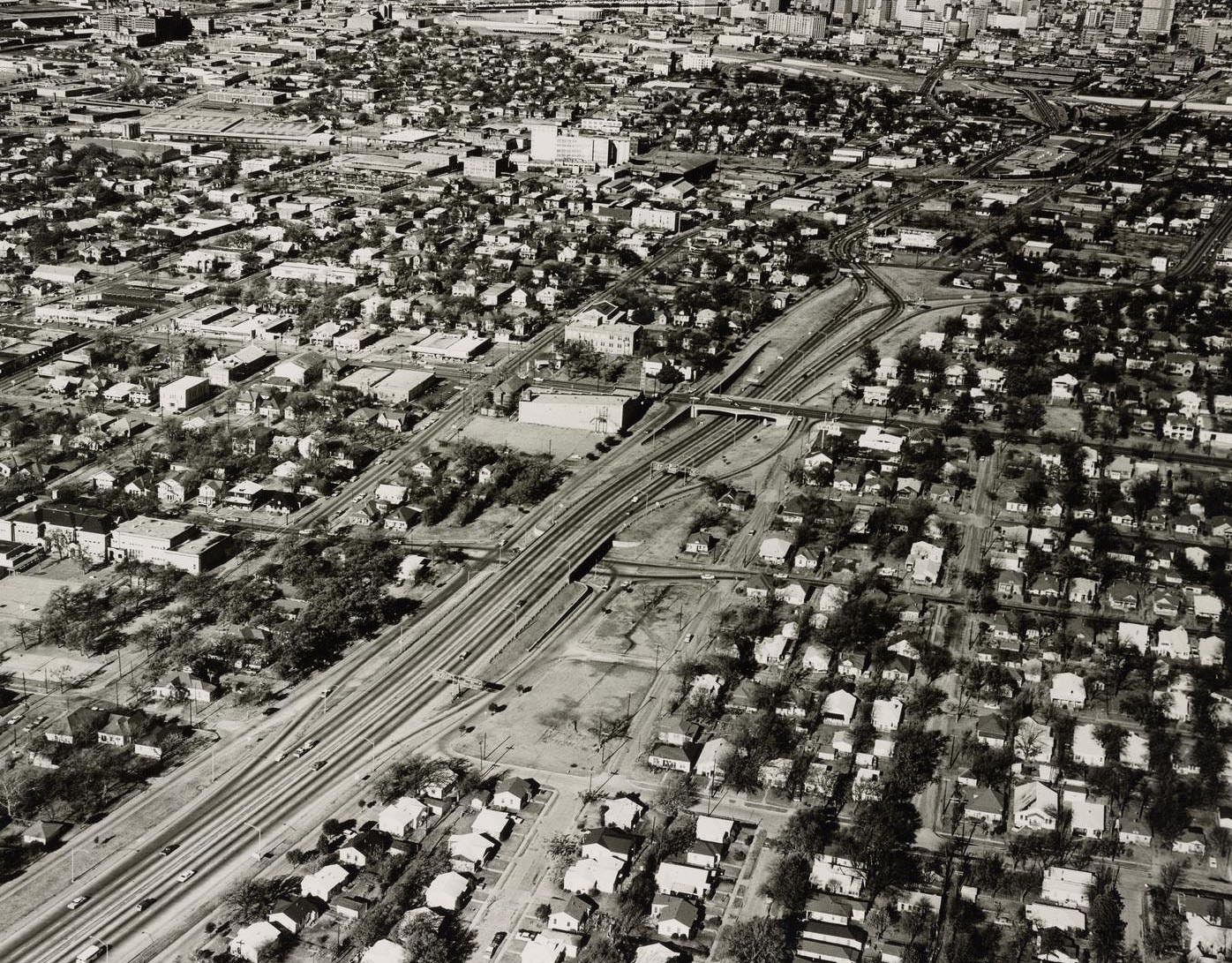
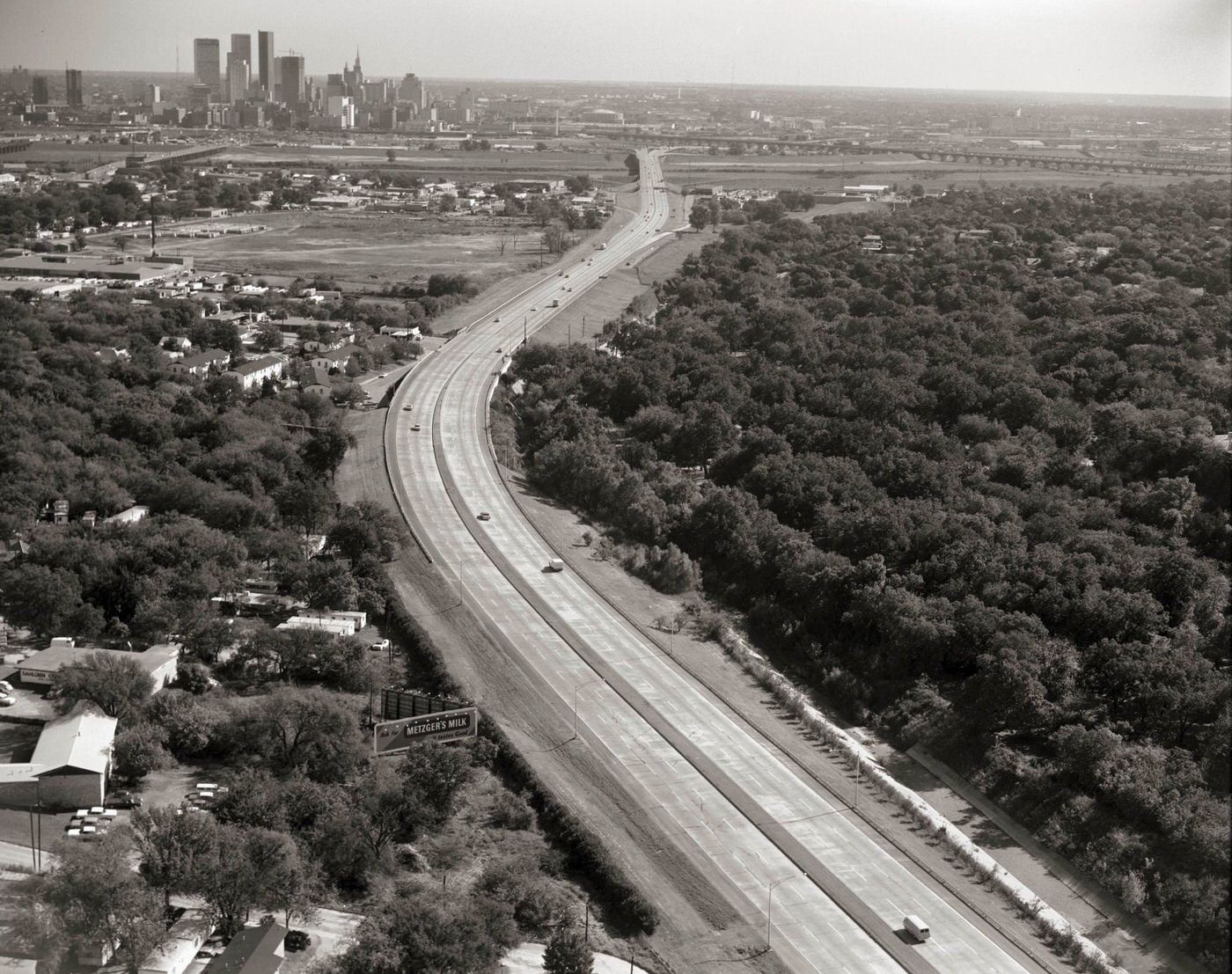
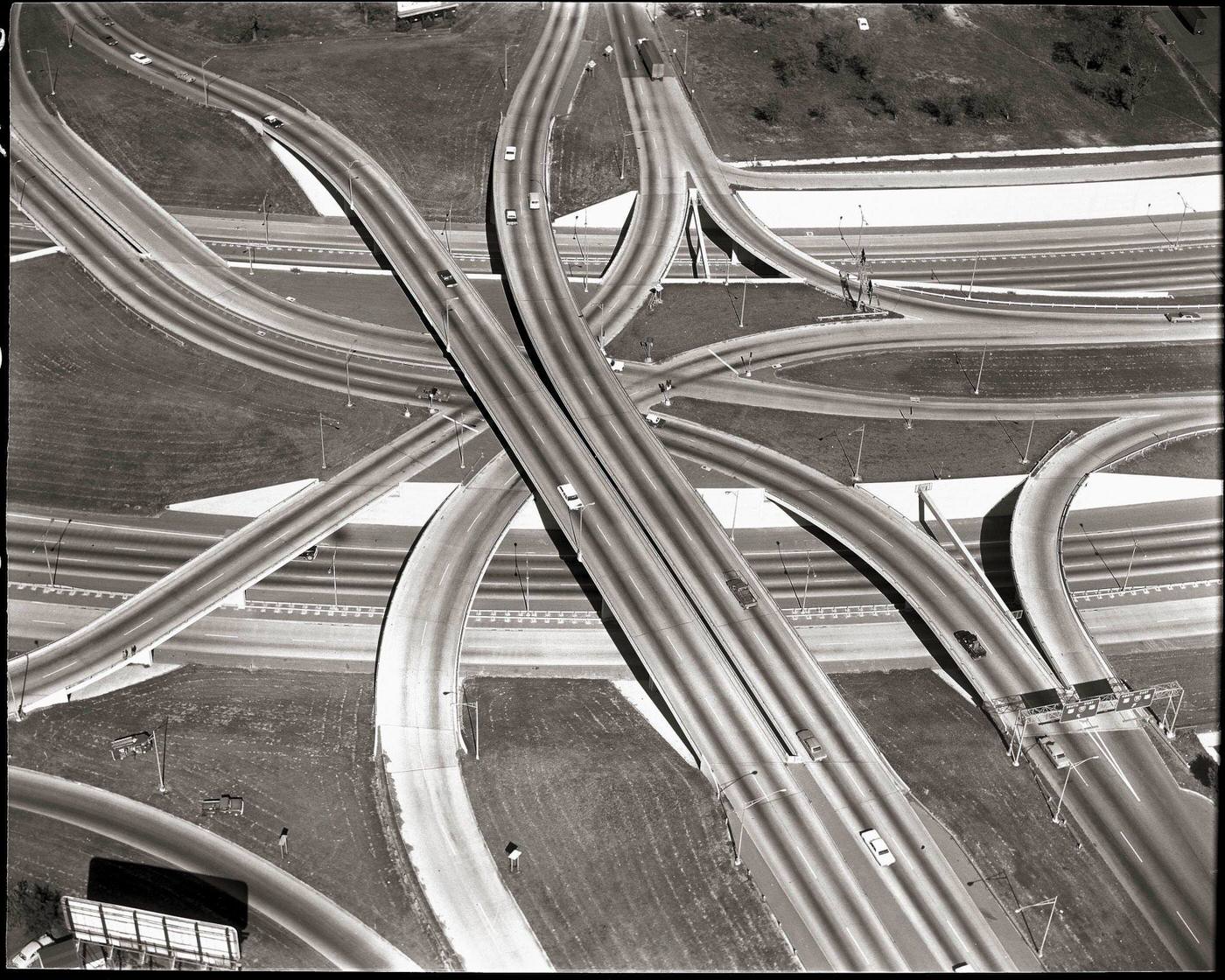
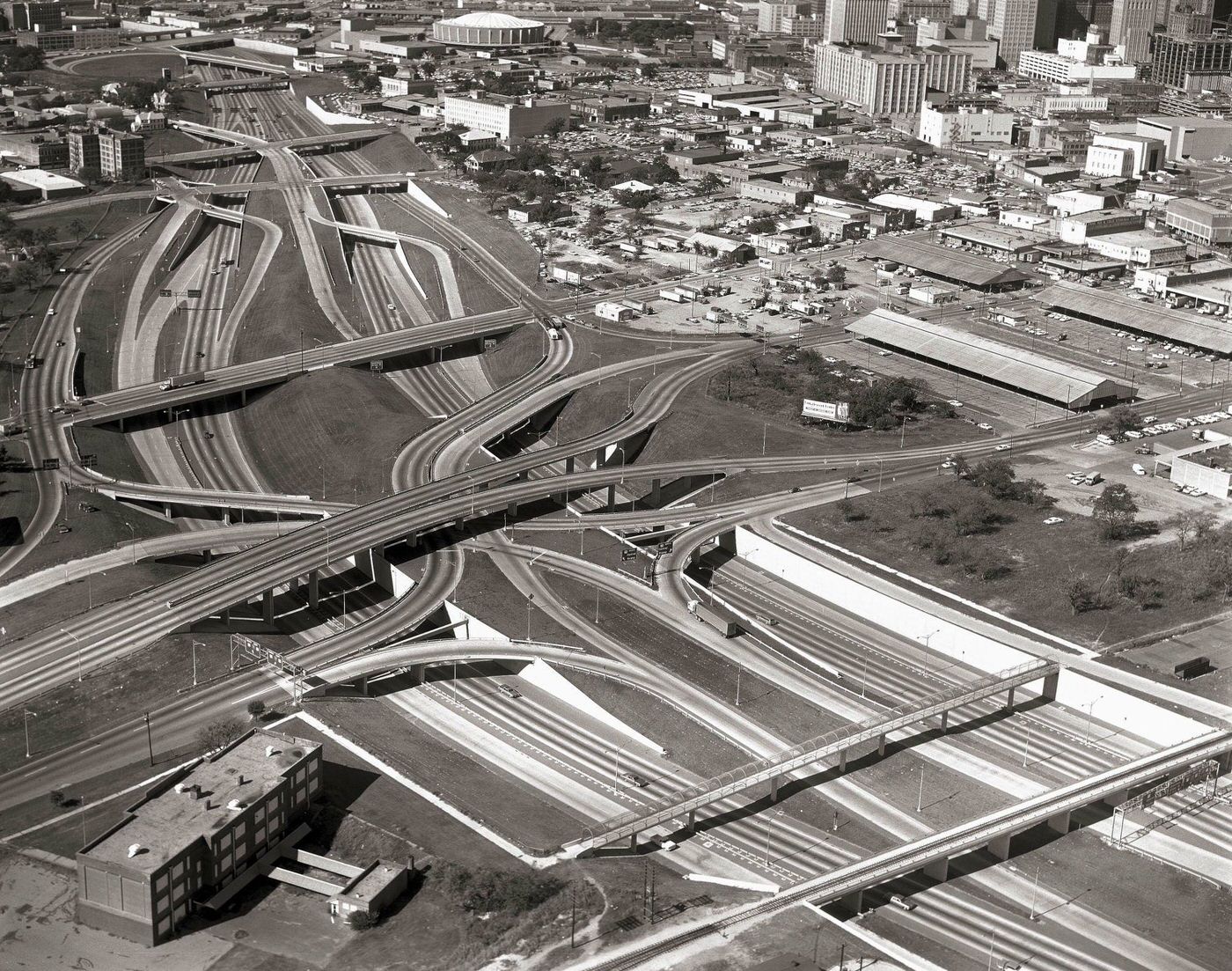
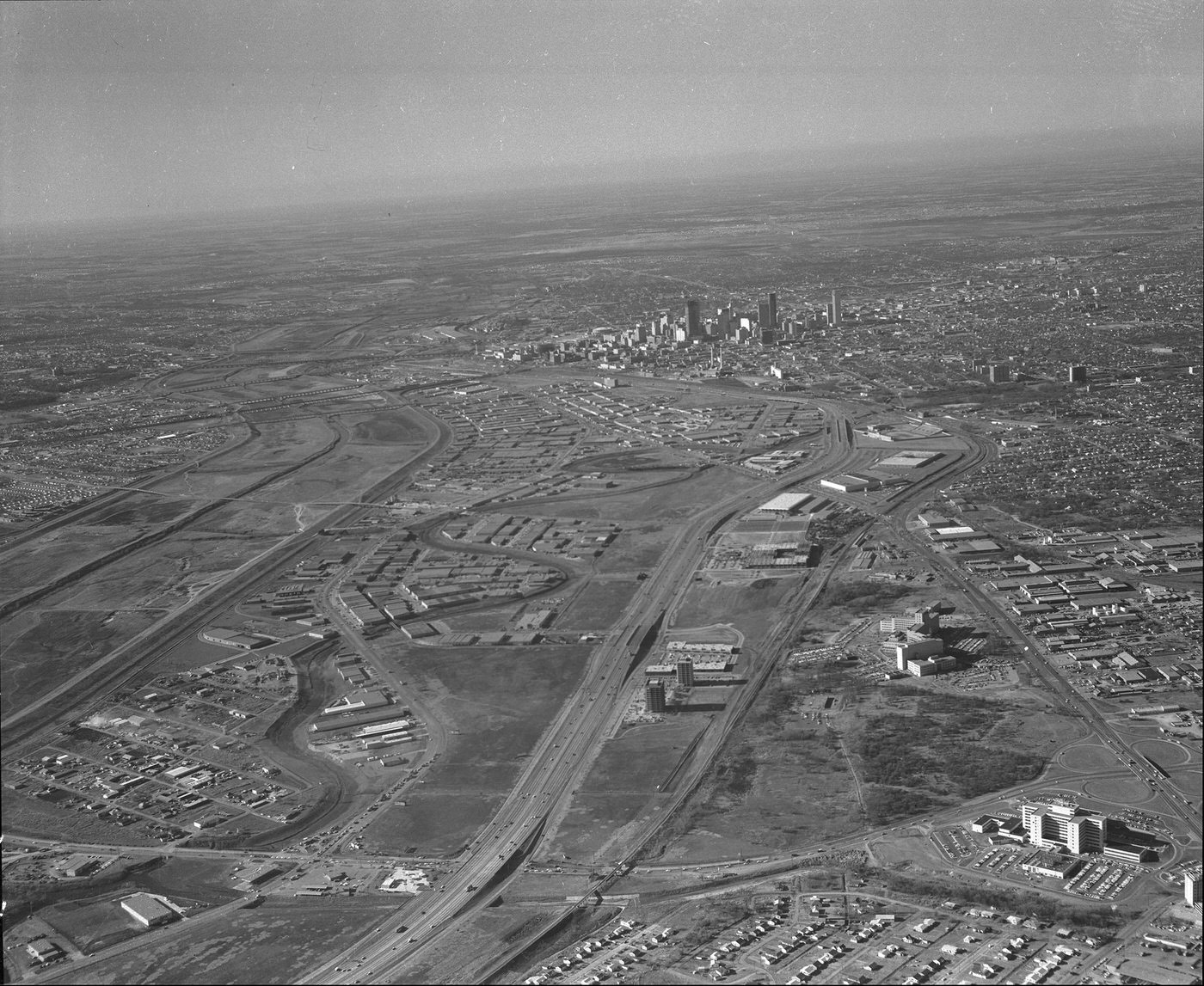
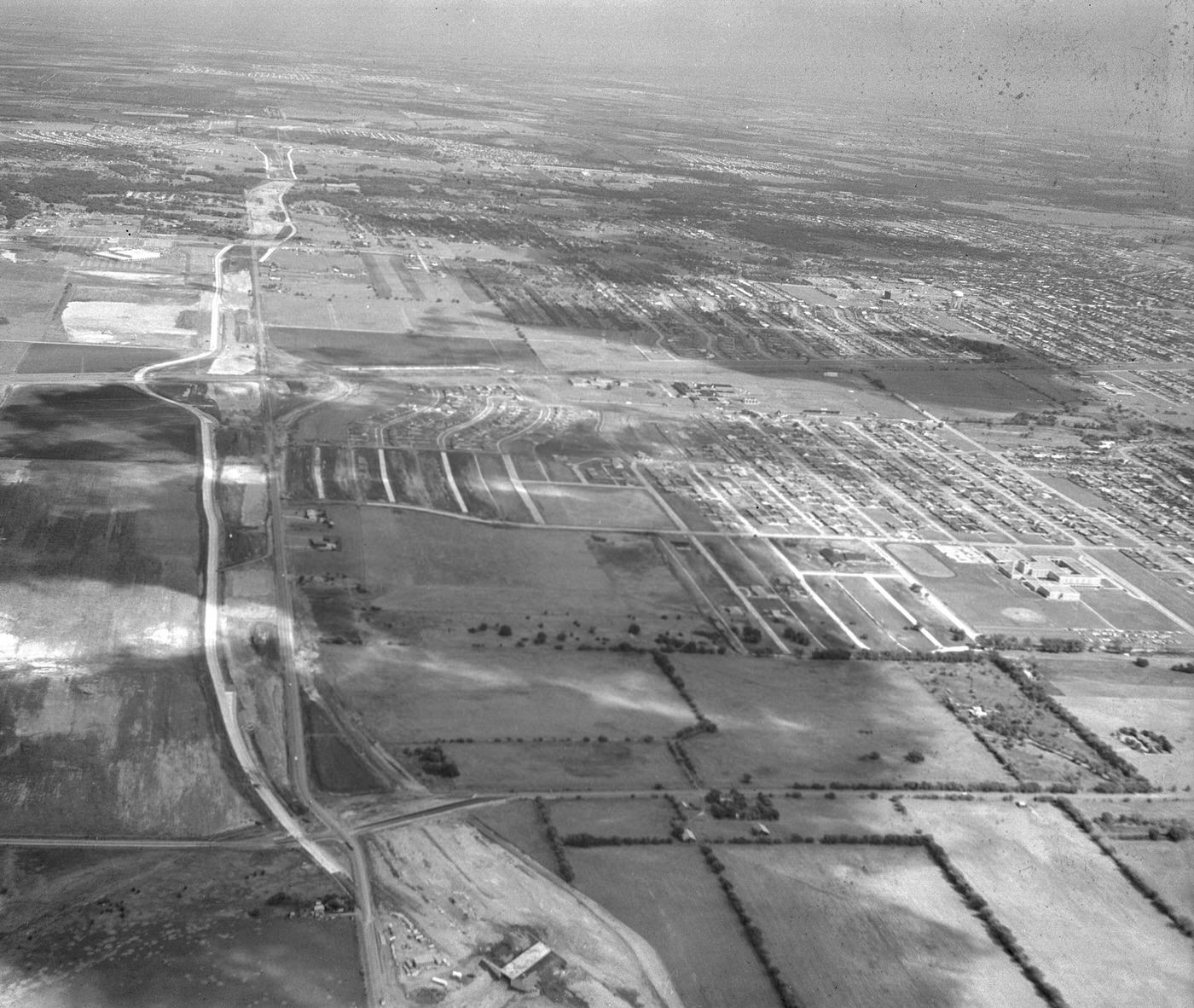
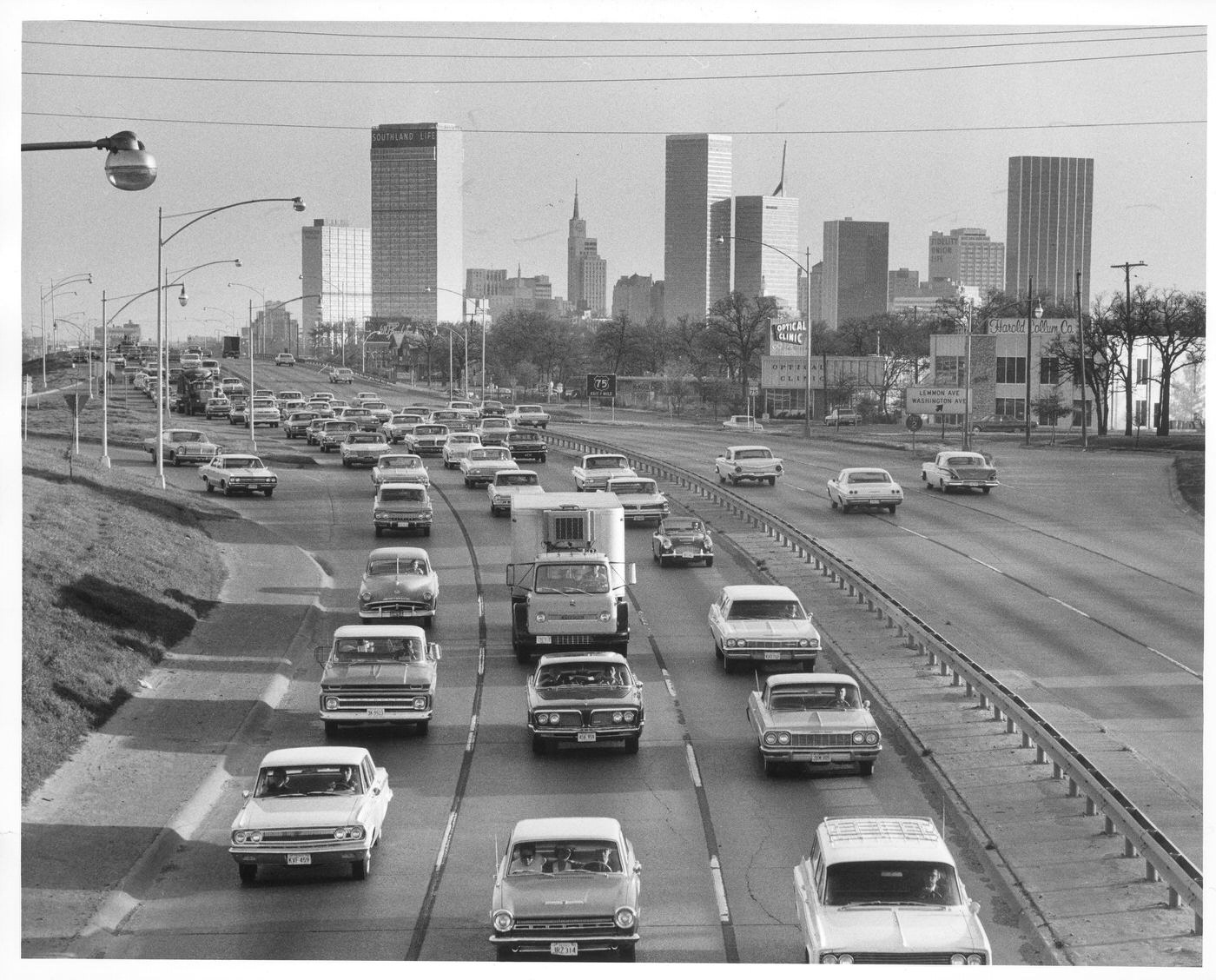
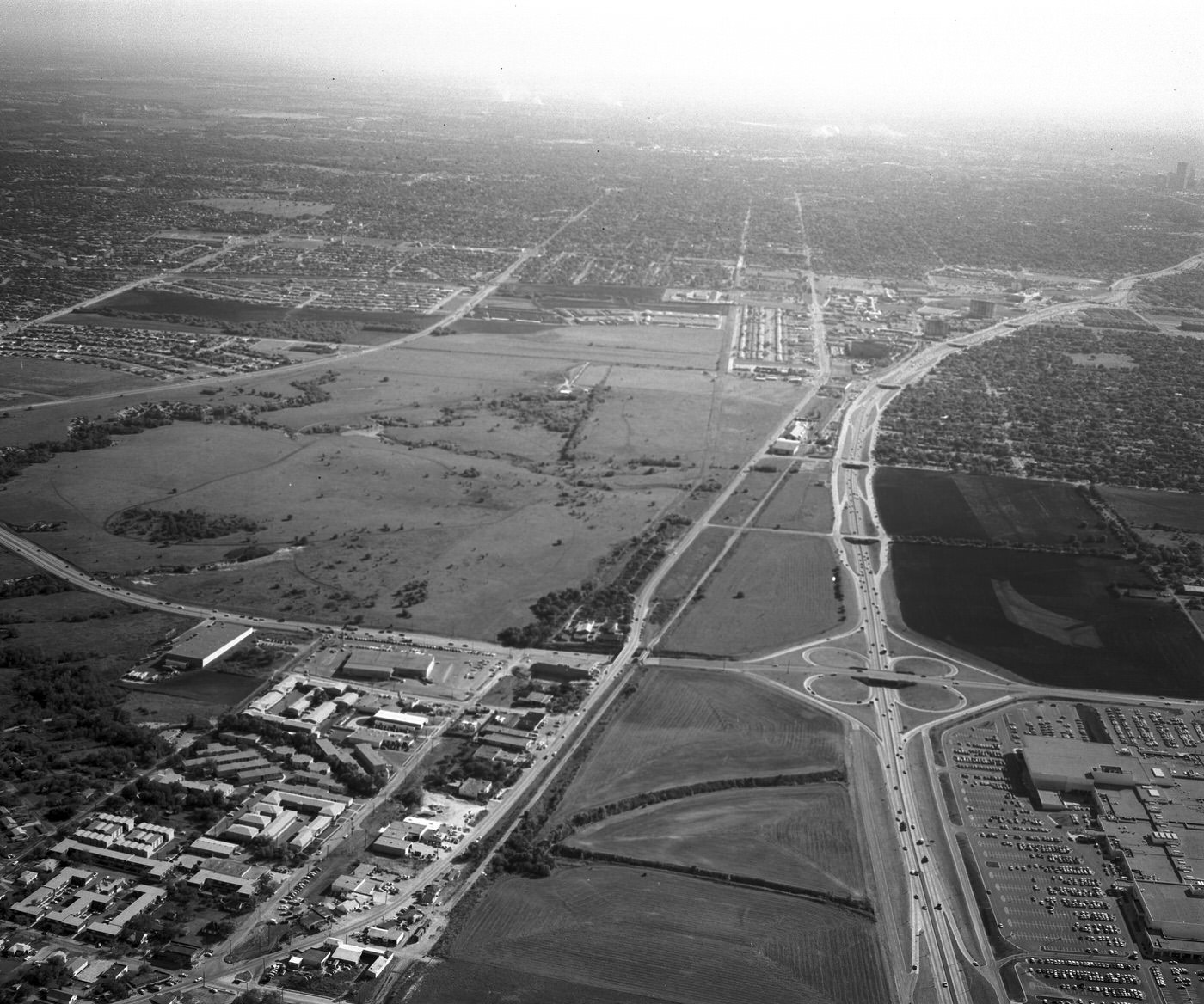
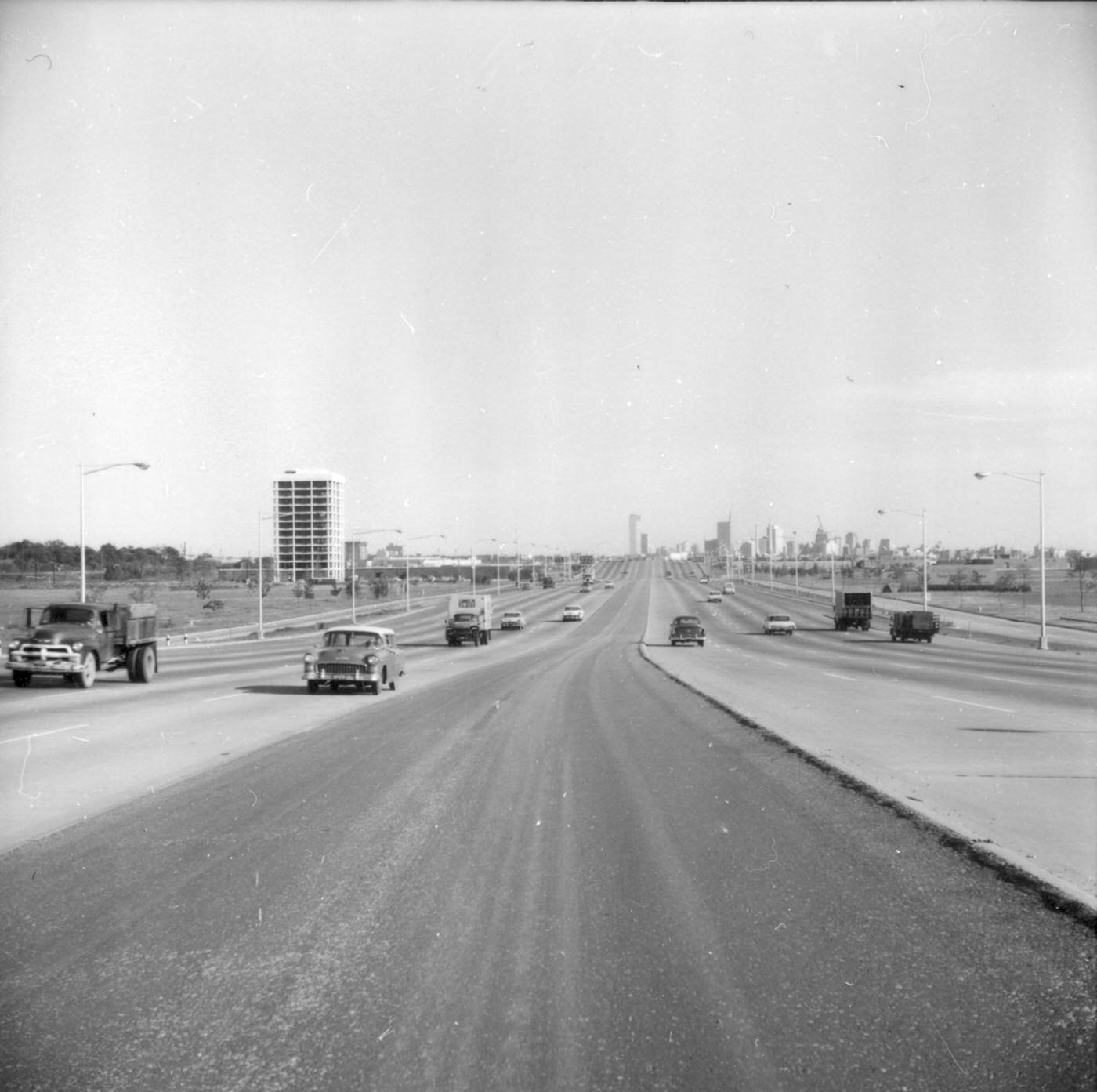
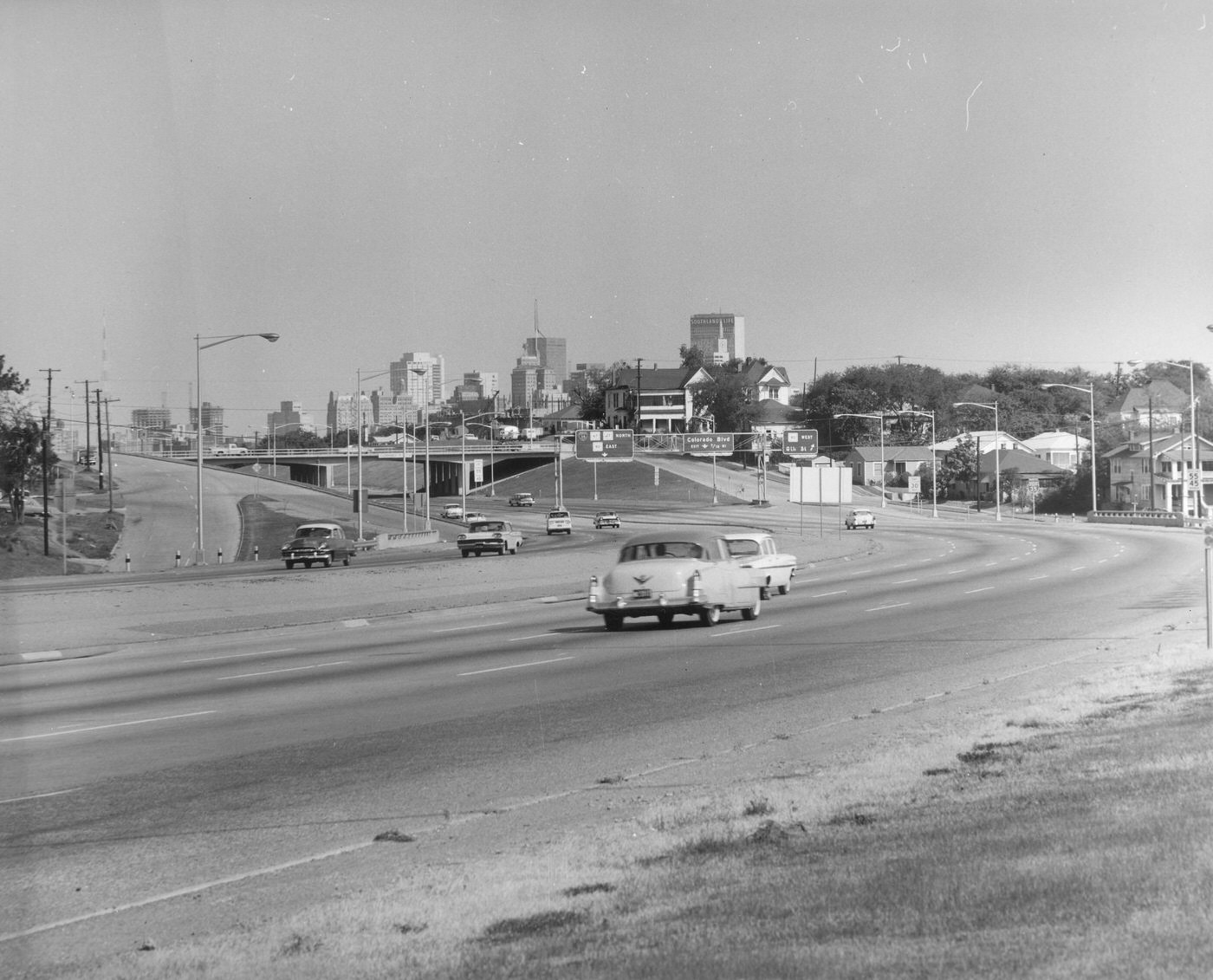
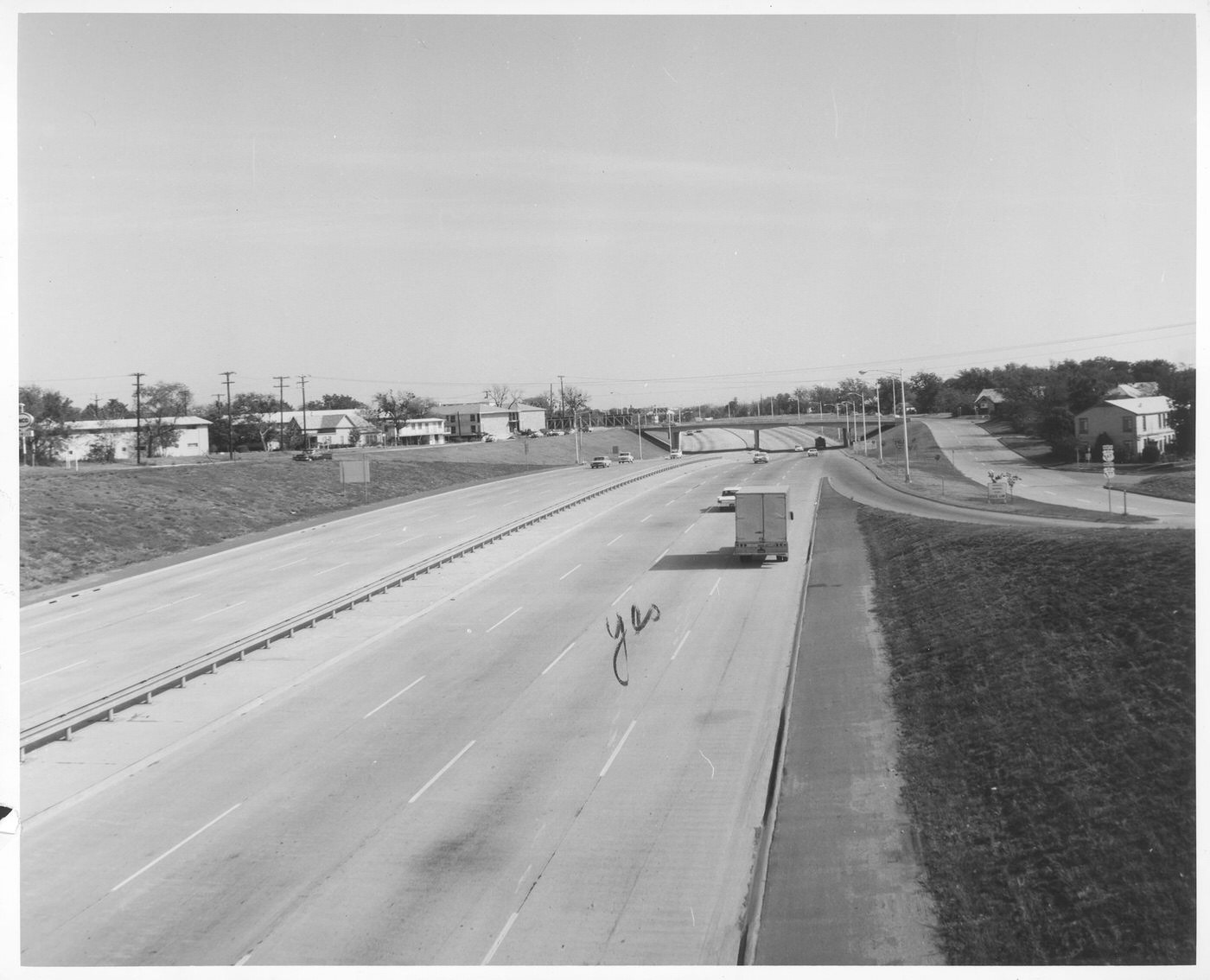
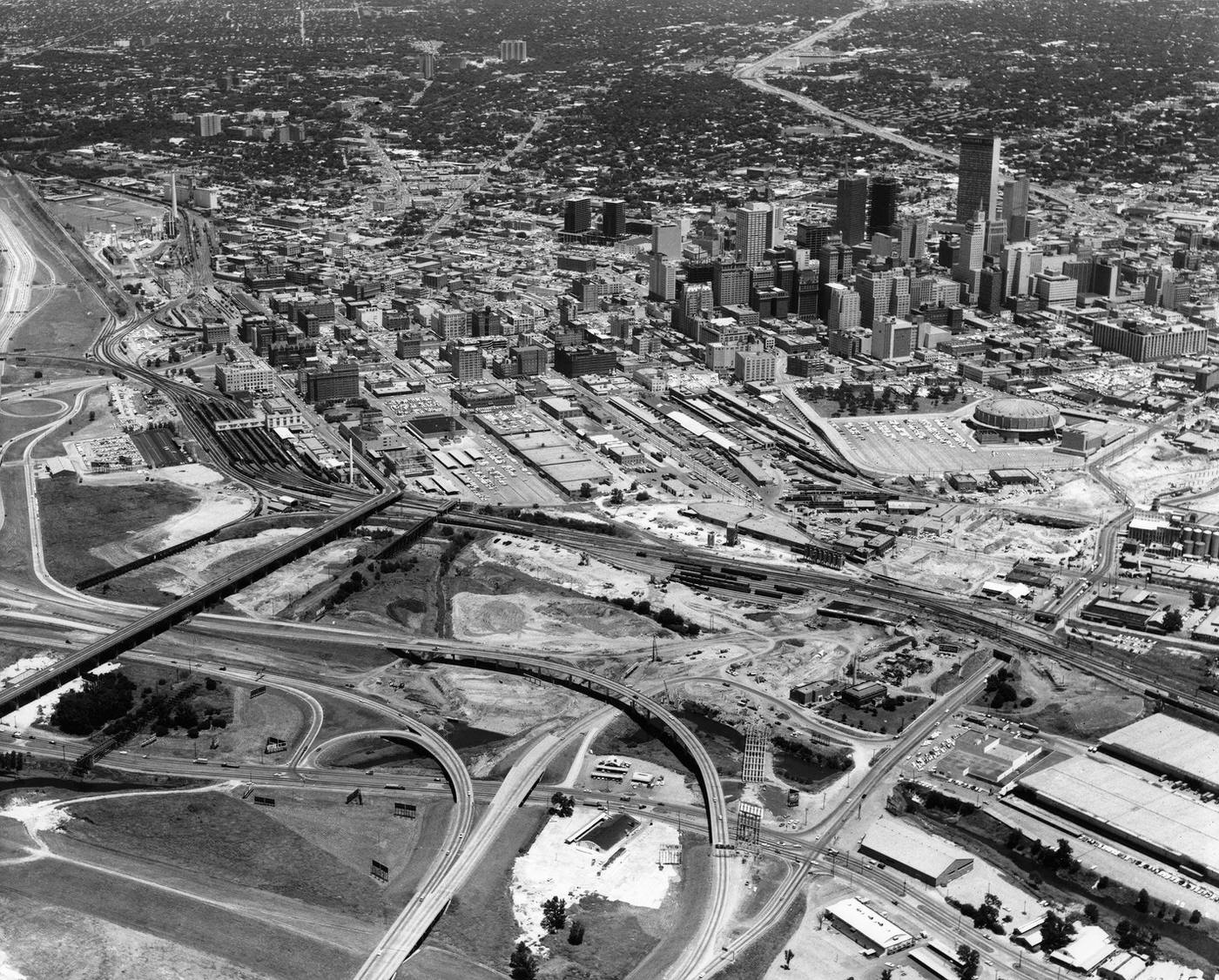
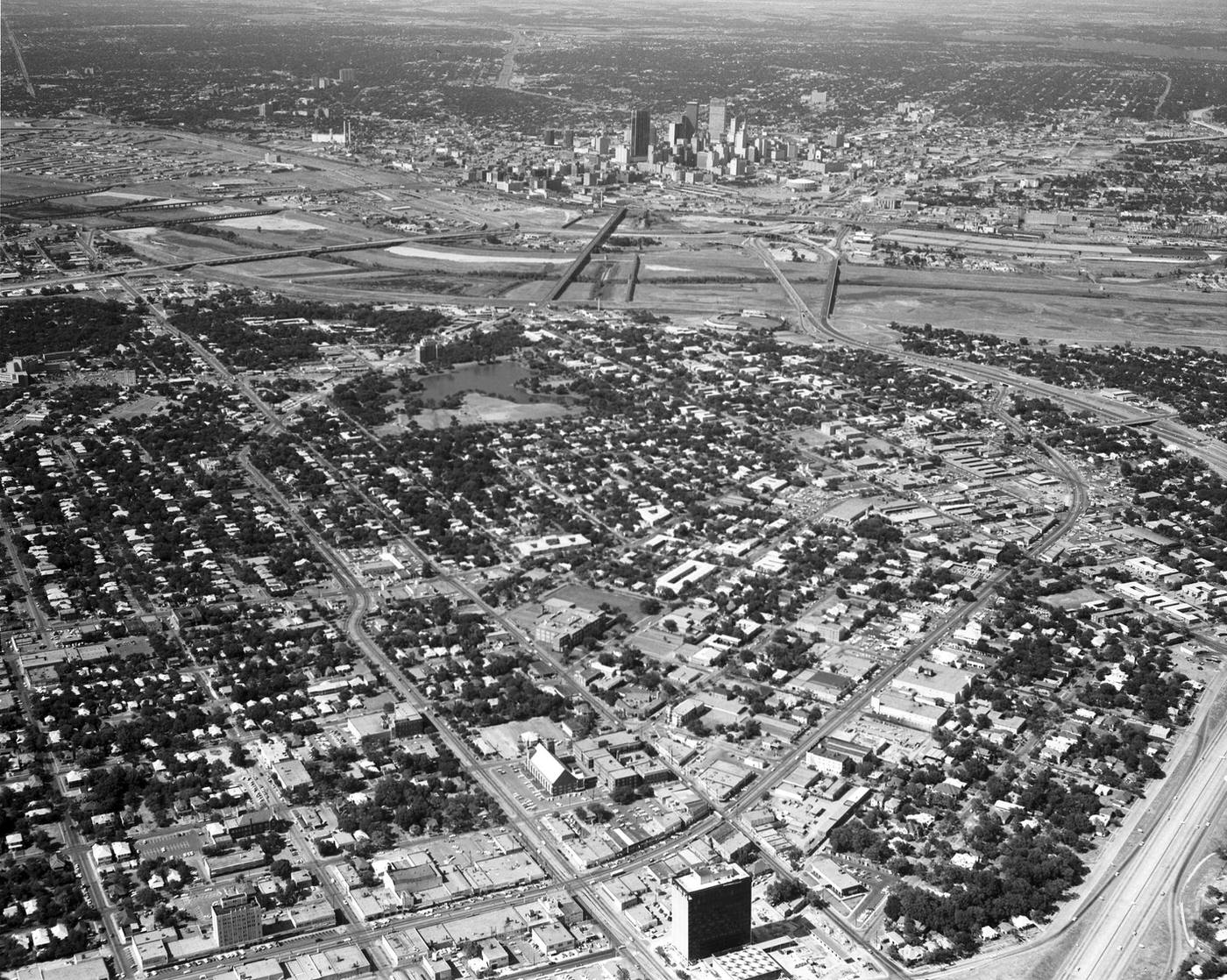
The road network expanding outward from the city center told its own story. By 1960, Dallas was already a city built around the car. Freeways cut through neighborhoods, connecting the urban core to outer areas like Oak Cliff, Highland Park, and beyond. Aerial photographs from the era show just how far the street grid had already stretched.
The Thornton freeway, Beckley and Marsallis area, Dallas, Texas, 1960A Freeway by downtown Dallas, 1960
On August 15, 1961, Dallas took a significant step forward on civil rights. The Dallas and Negro chambers of commerce jointly appointed a biracial committee to coordinate the racial integration of public facilities. African Americans were sent to lunch counters and businesses throughout the city that day, with a publicity campaign already in place to notify business owners ahead of time. The process went forward without incident. Public school integration moved much more slowly, and the district stayed under court supervision for decades.
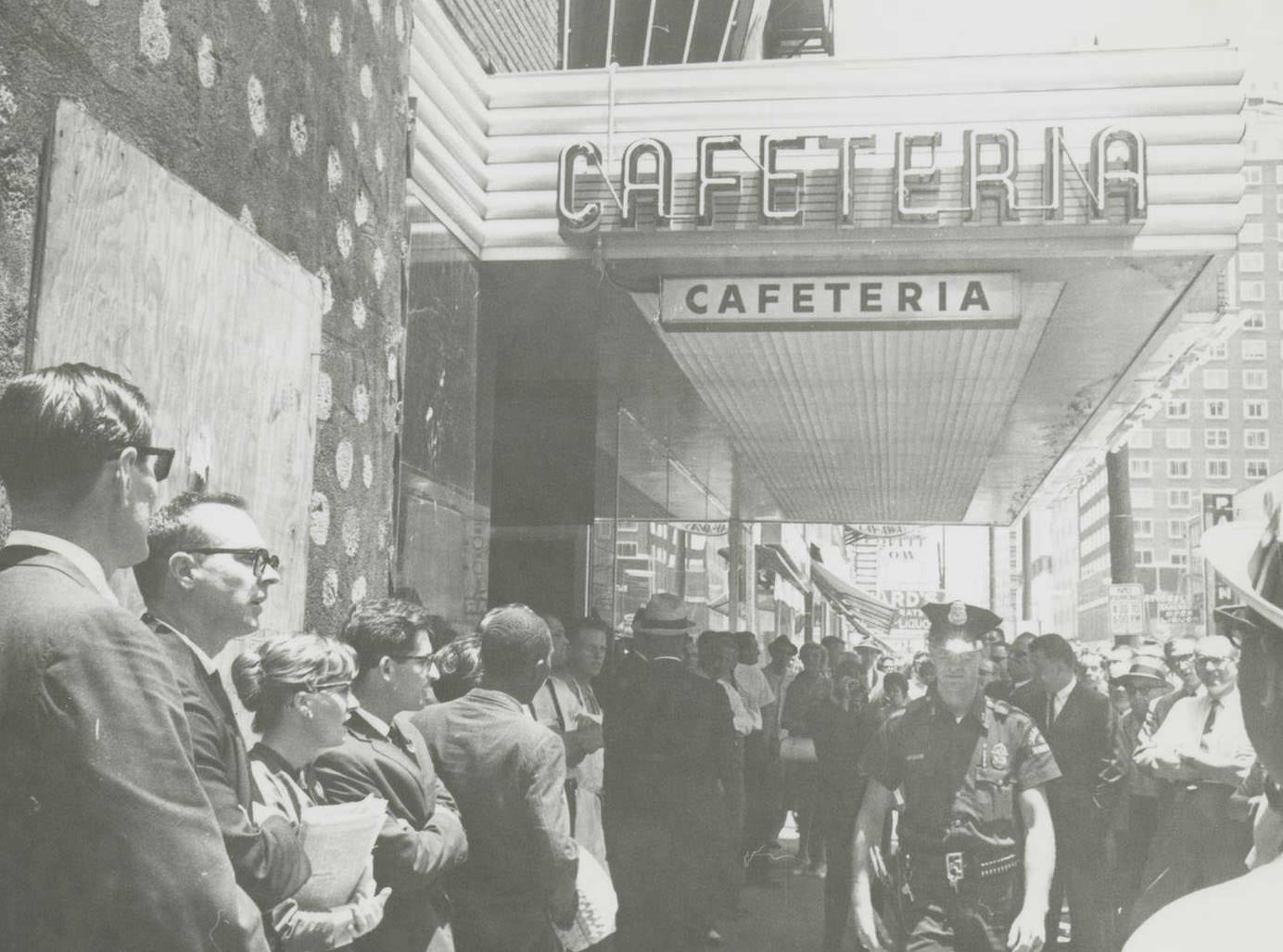
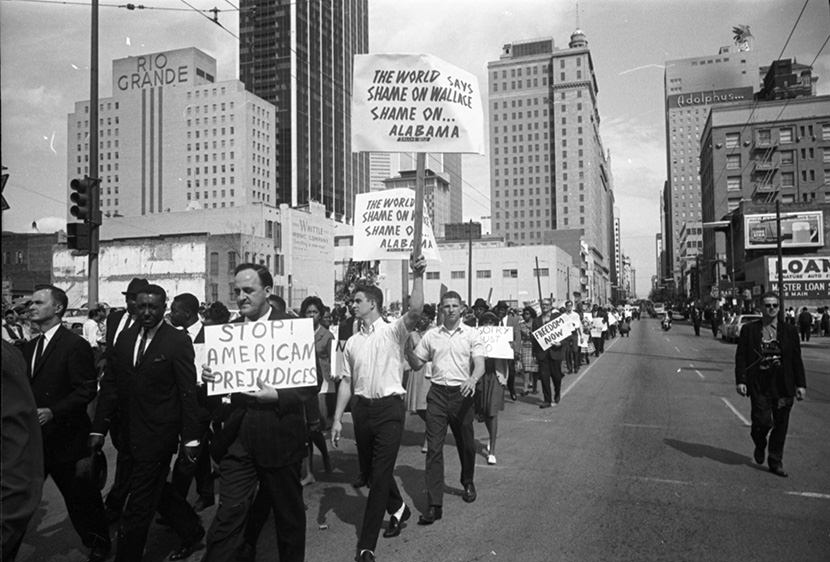
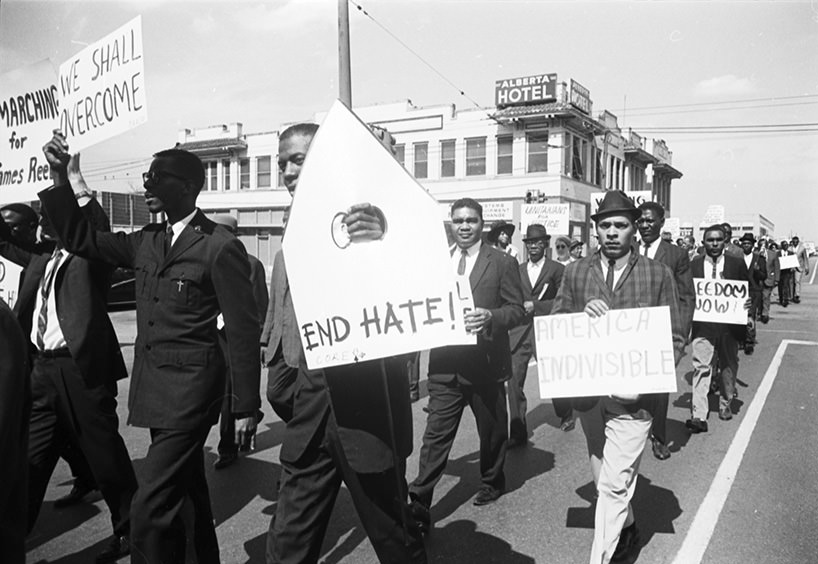
A civil rights protest at Piccadilly Cafeteria in Dallas, 1964Civil rights march in Dallas with 2,500 marchers, supporting African American voter registration and protesting racial atrocities in Selma, Alabama, 1965
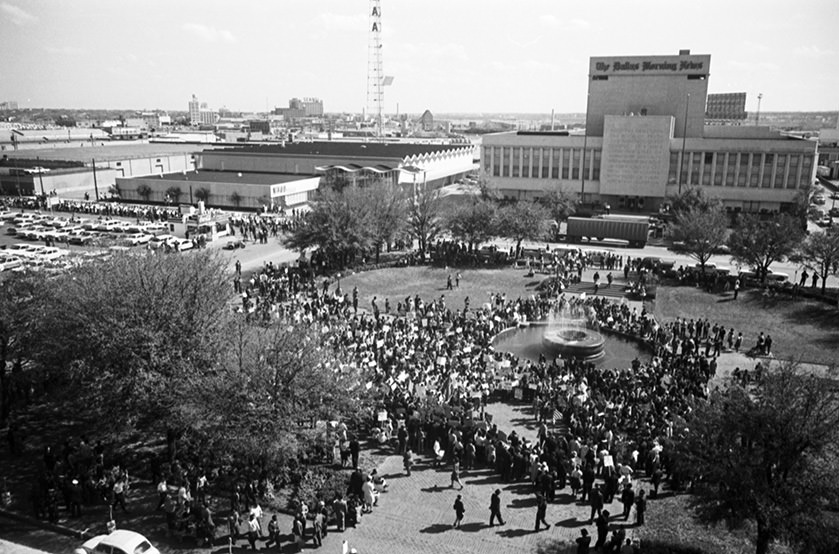
Civil rights activism in Dallas didn’t stop with the 1961 integration effort. In 1964, protesters demonstrated outside the Piccadilly Cafeteria. By 1965, 2,500 marchers took to the streets of Dallas in support of African American voter registration and in protest of racial violence in Selma, Alabama. The marches passed directly in front of the Dallas Morning News building, putting the demonstrations squarely in the public eye.
Civil rights march in Dallas outside Dallas Morning News building, 1965Civil rights march in Dallas outside Dallas Morning News building, 1965
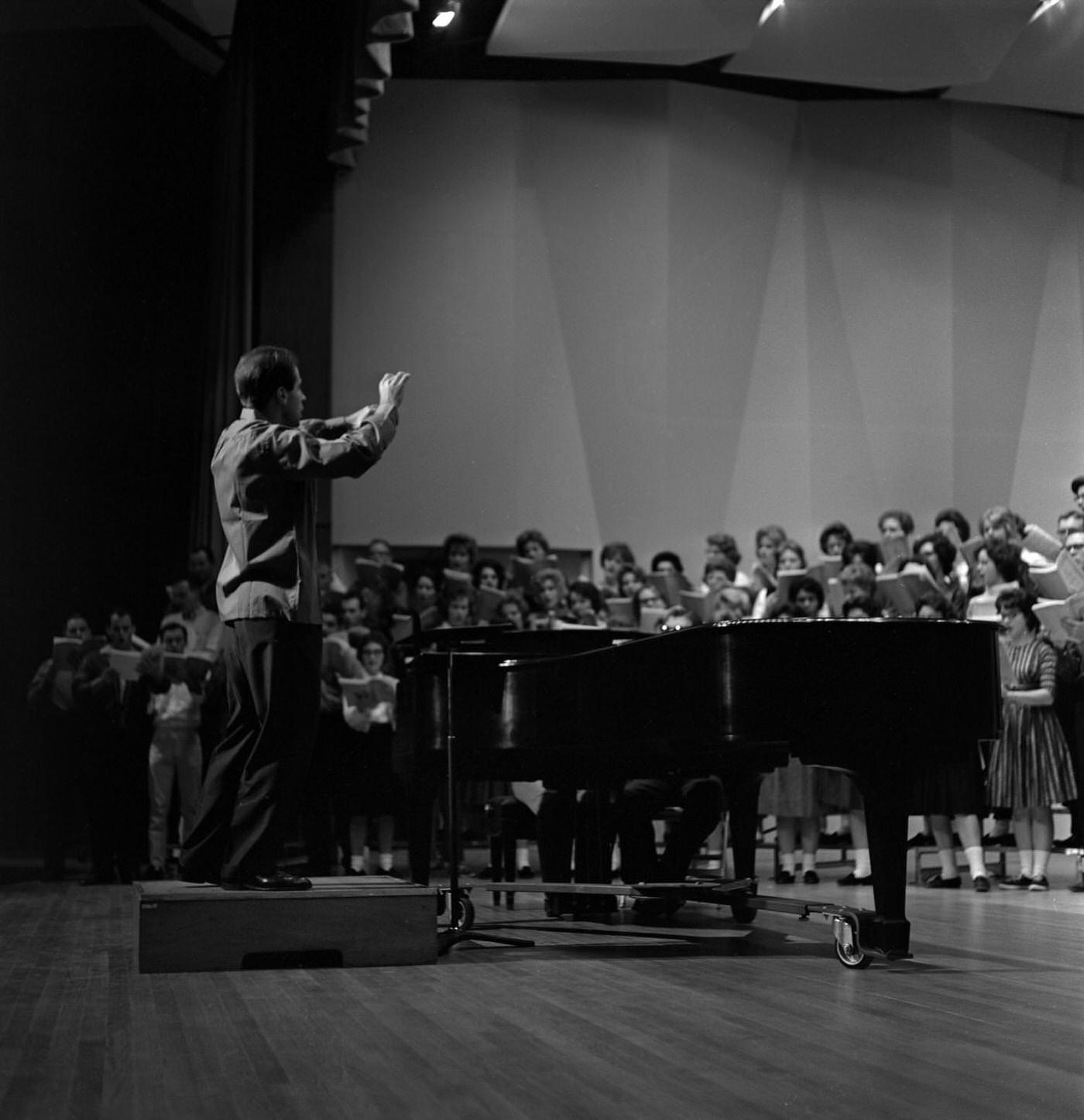
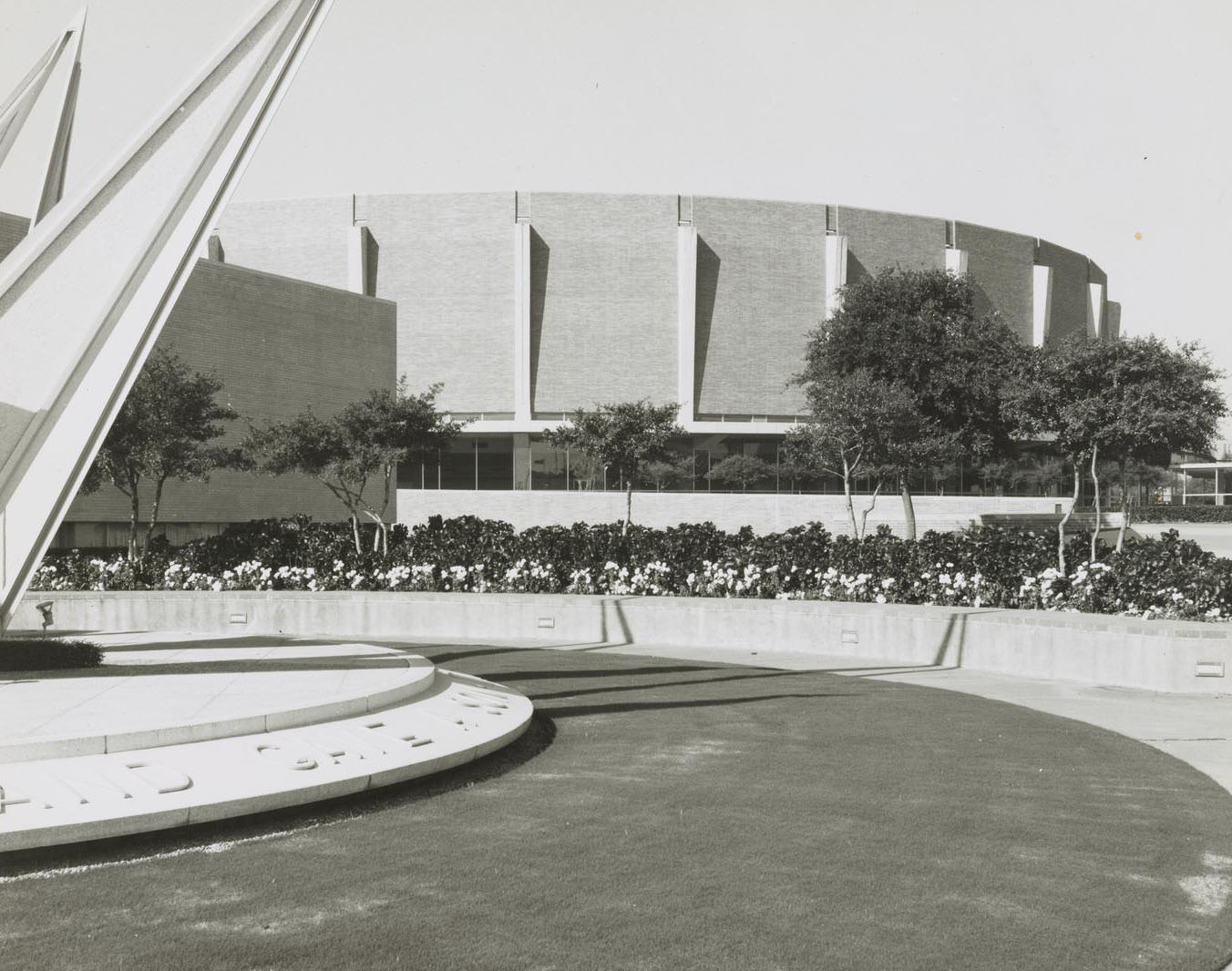
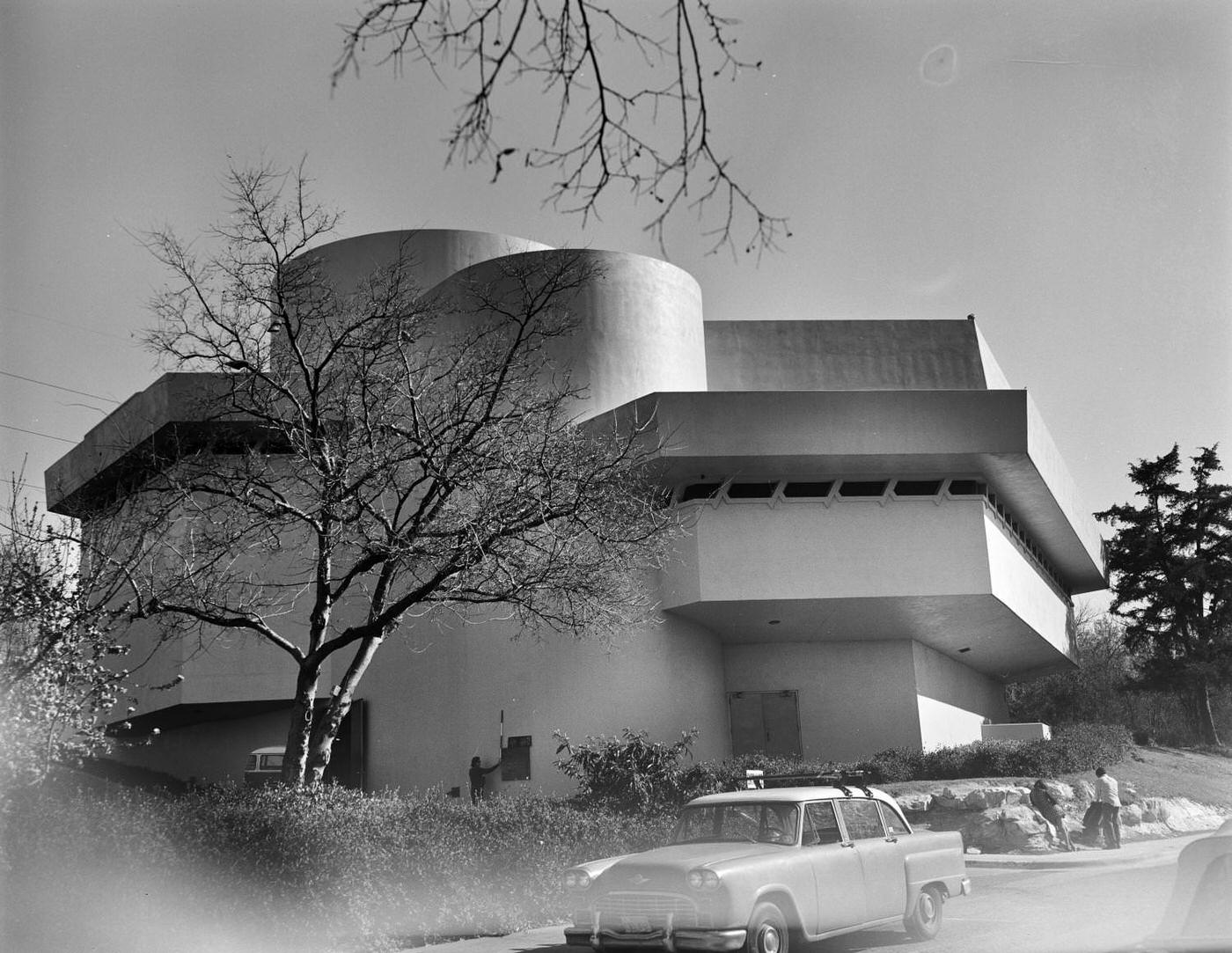
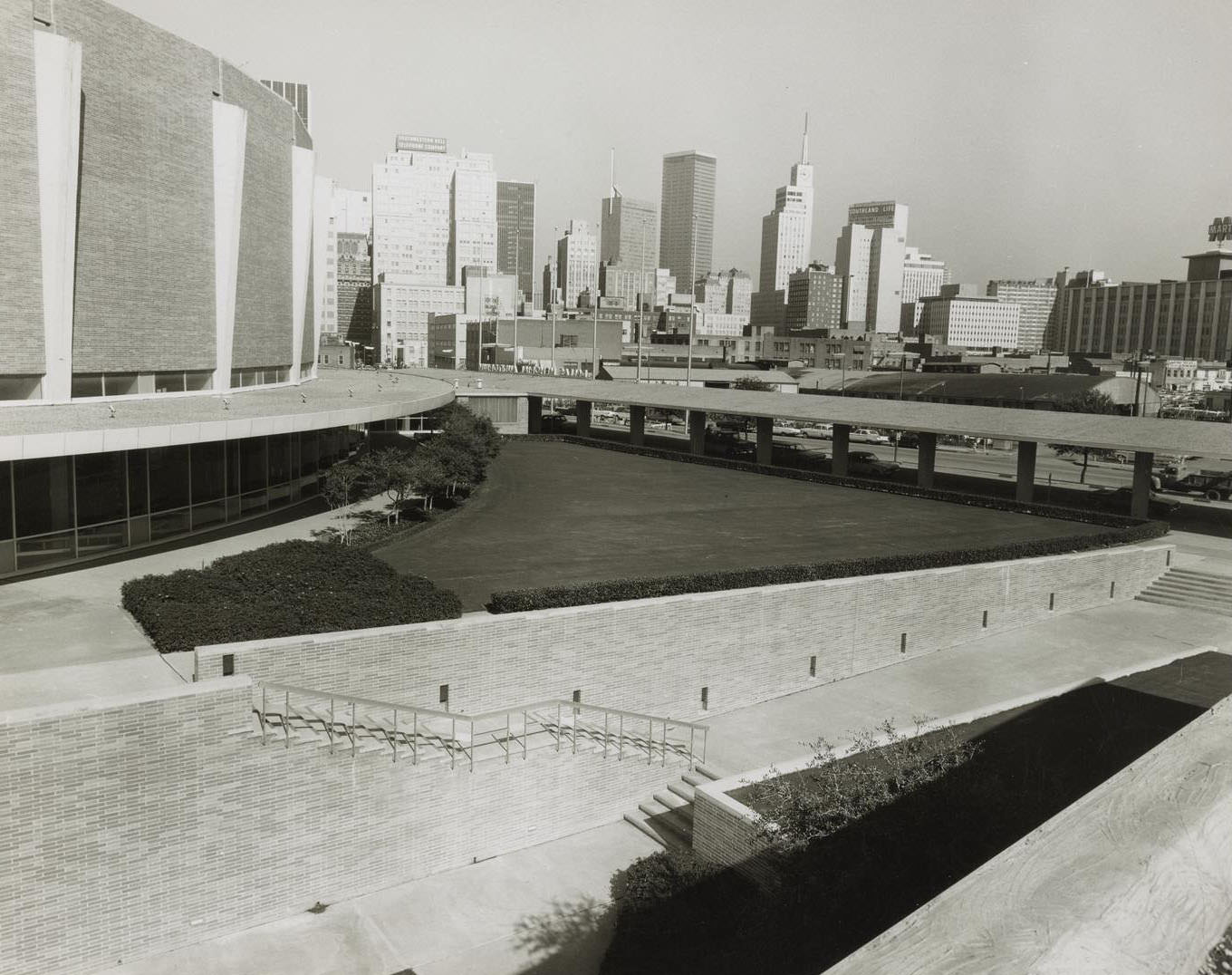
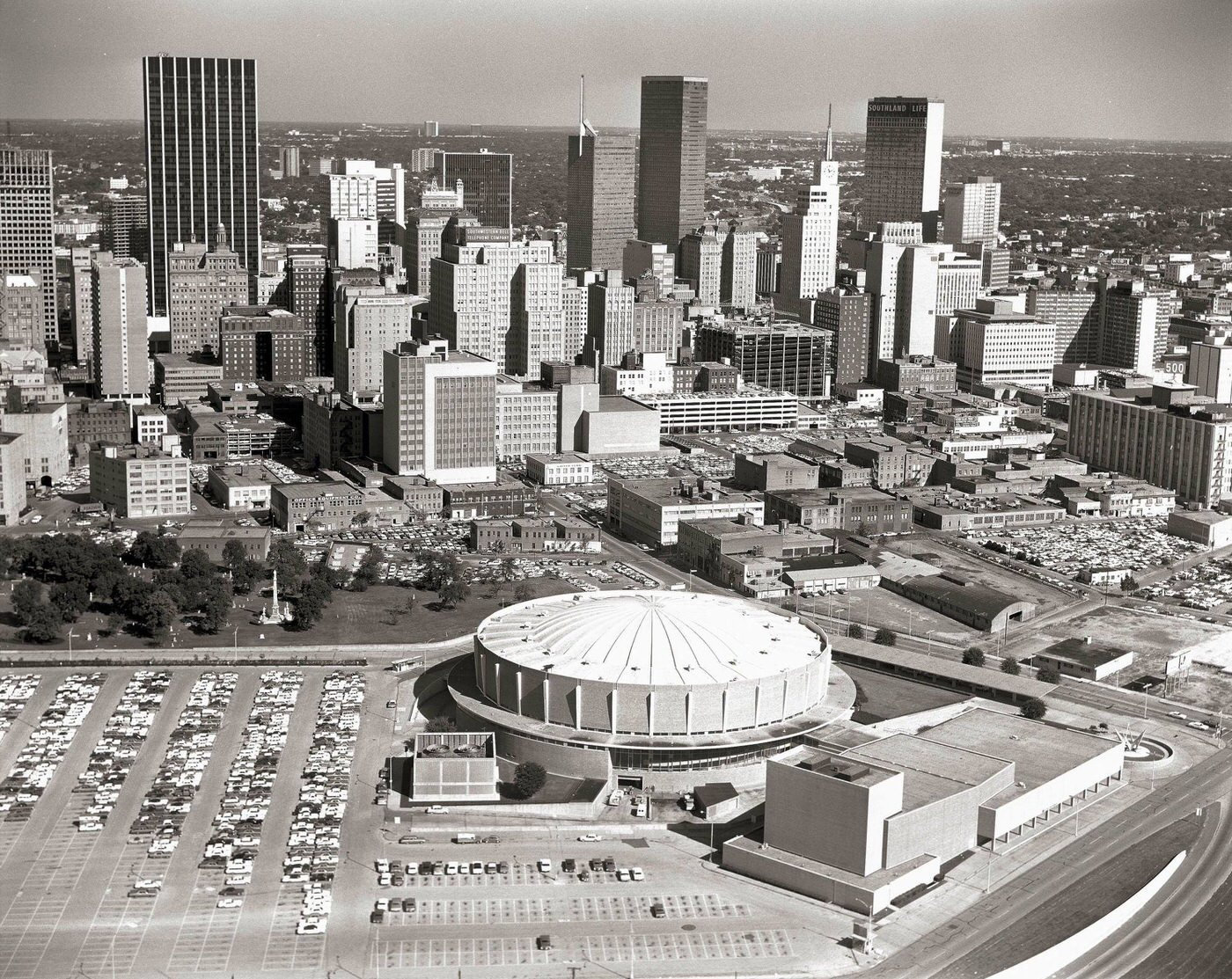
Dallas was also a city that invested in culture and civic spaces. The Dallas Symphony performed to large audiences, and the Dallas Theatre Center at 3636 Turtle Creek offered a dedicated home for the performing arts. The Dallas Memorial Auditorium hosted events ranging from concerts to public gatherings, with a distinctive exterior walkway that became one of its visual trademarks.
Dallas Symphony Director with the Grand Chorus, 1962Modern Art Sculpture in Front of Dallas Memorial Auditorium, 1964
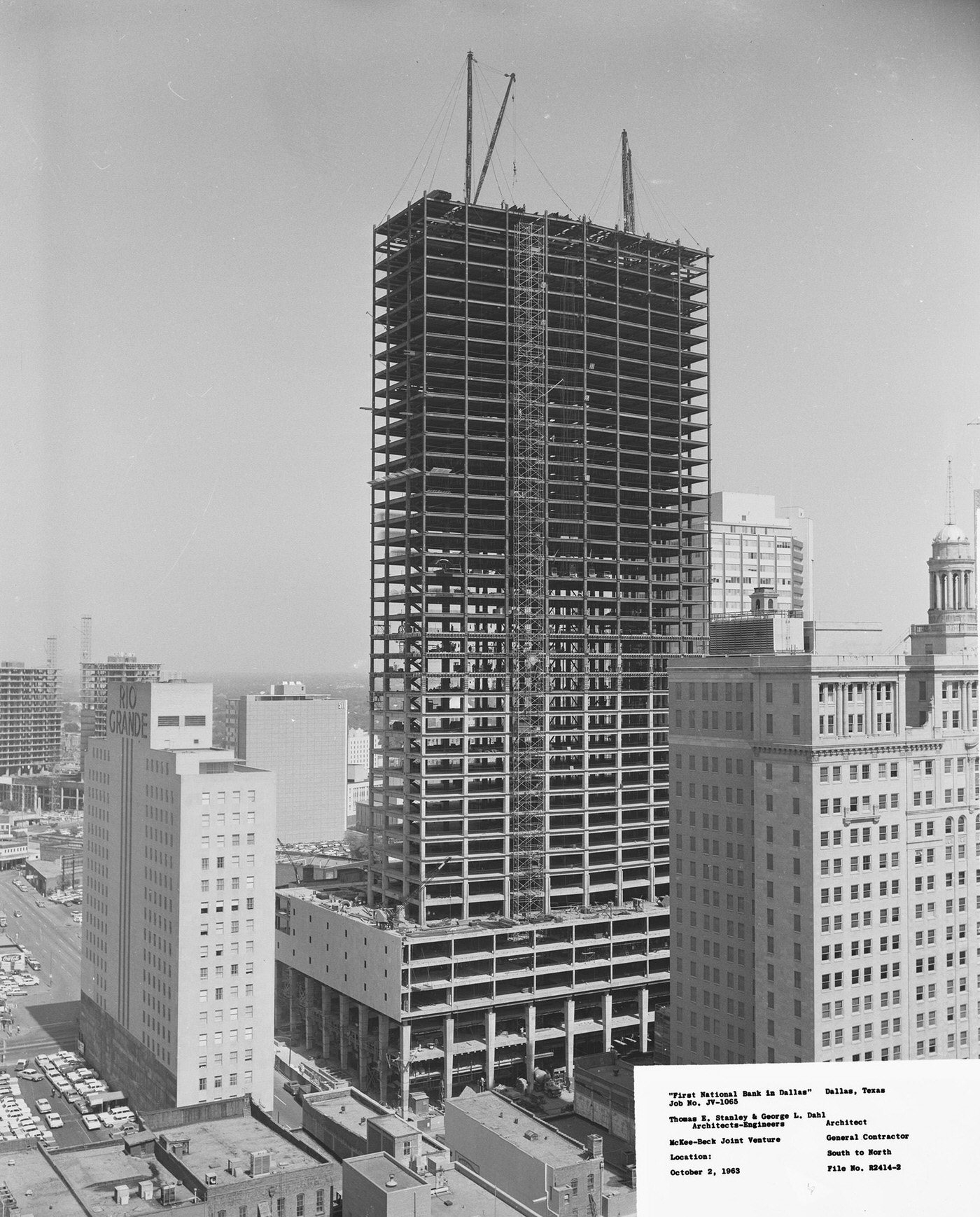
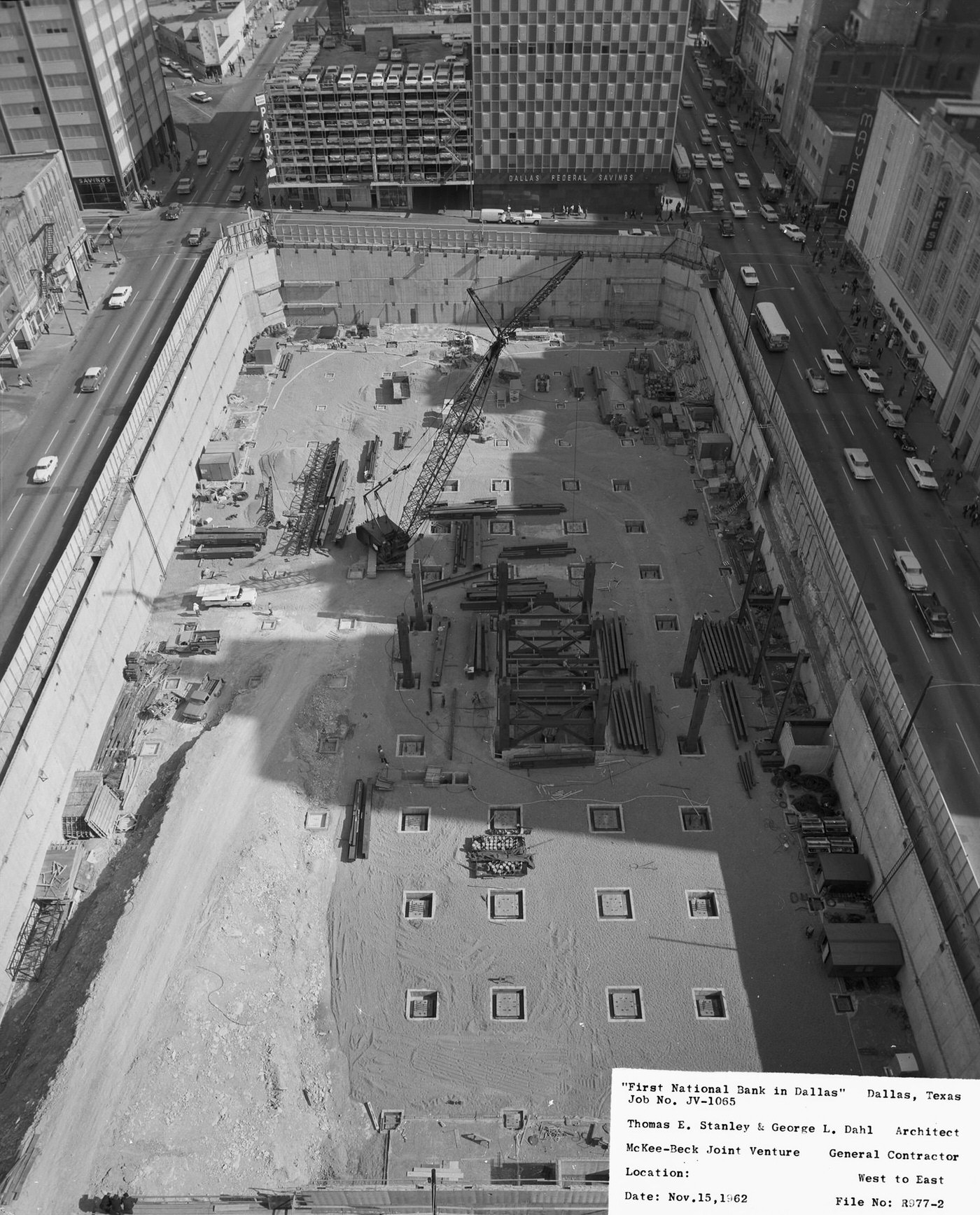
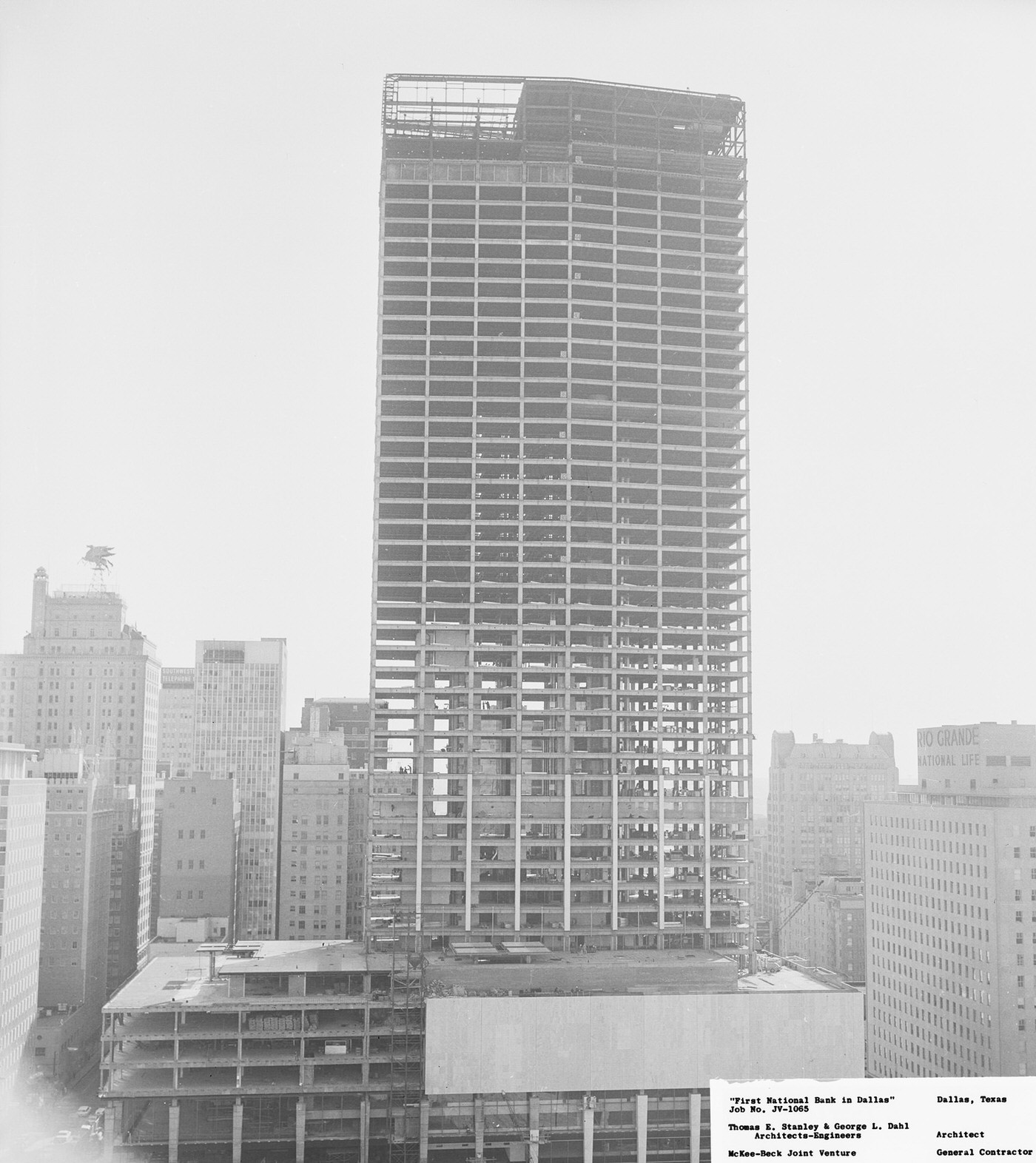
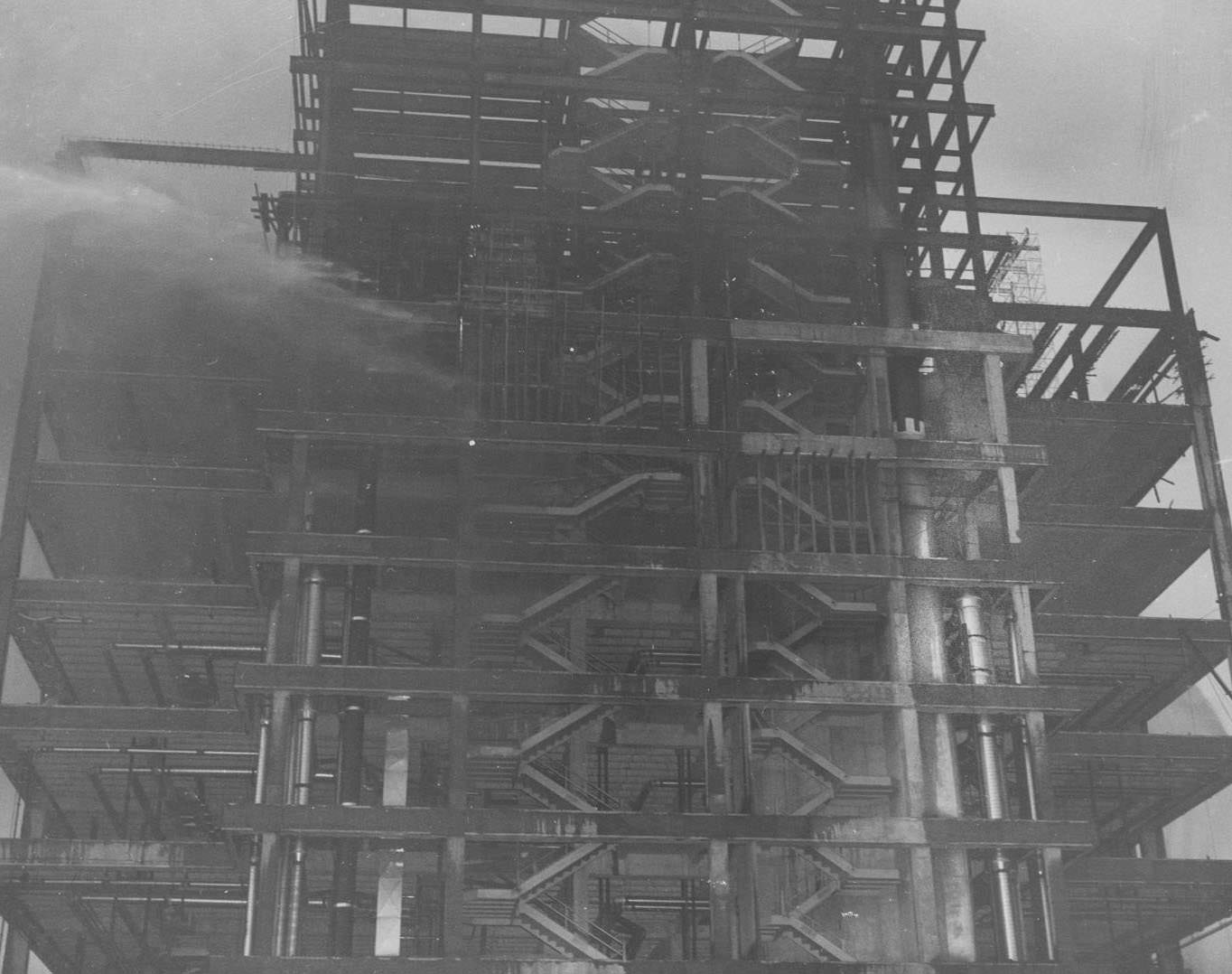
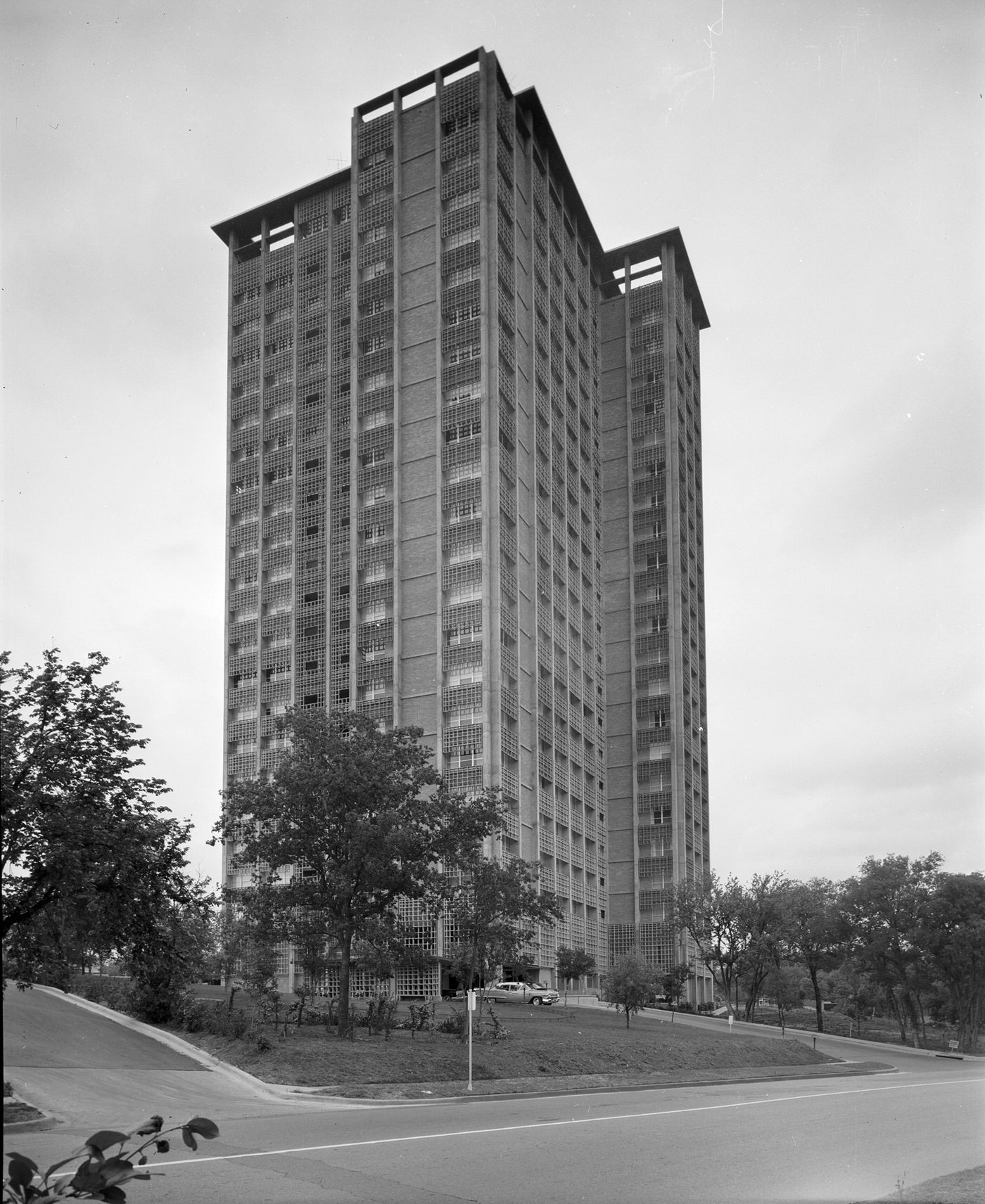
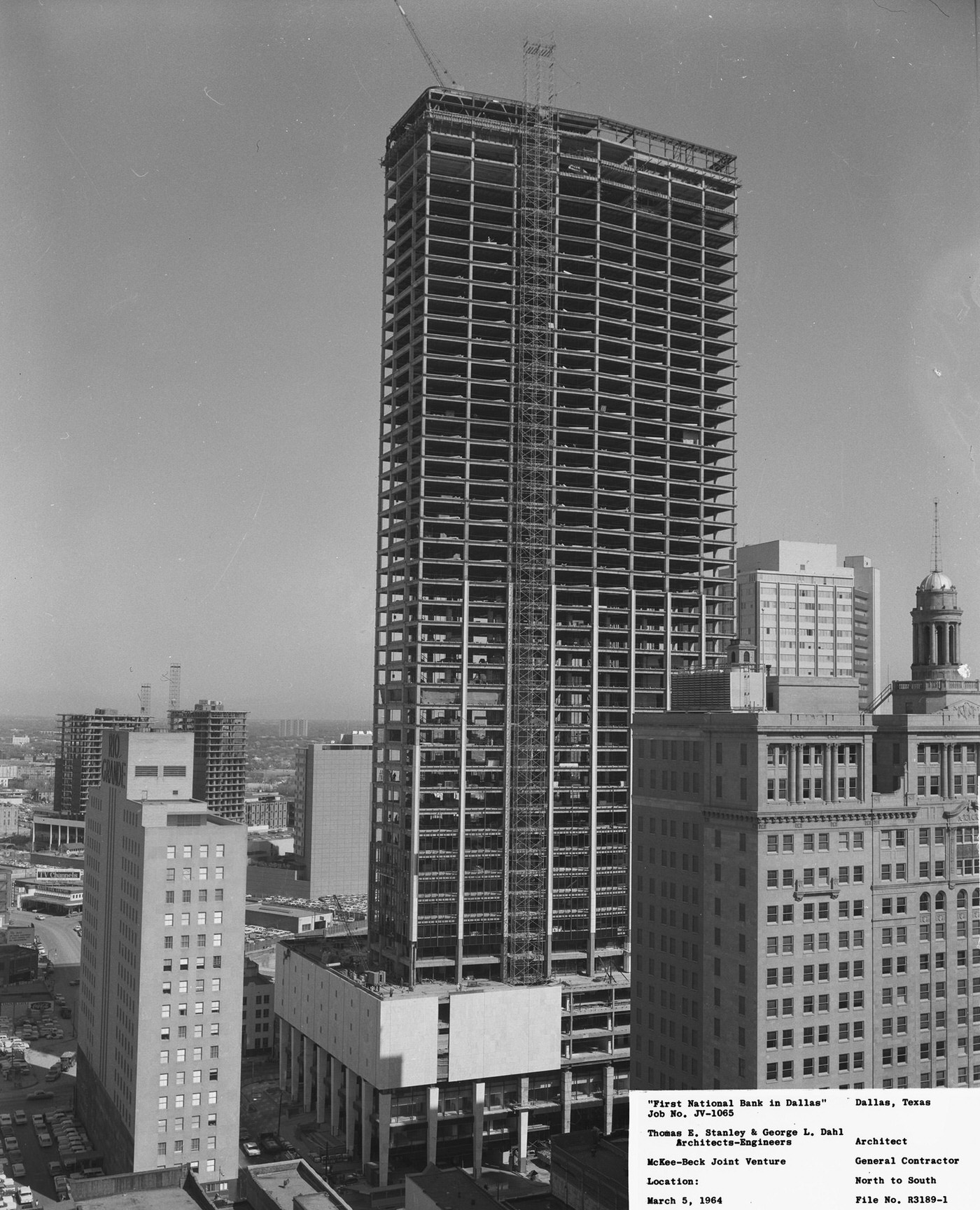
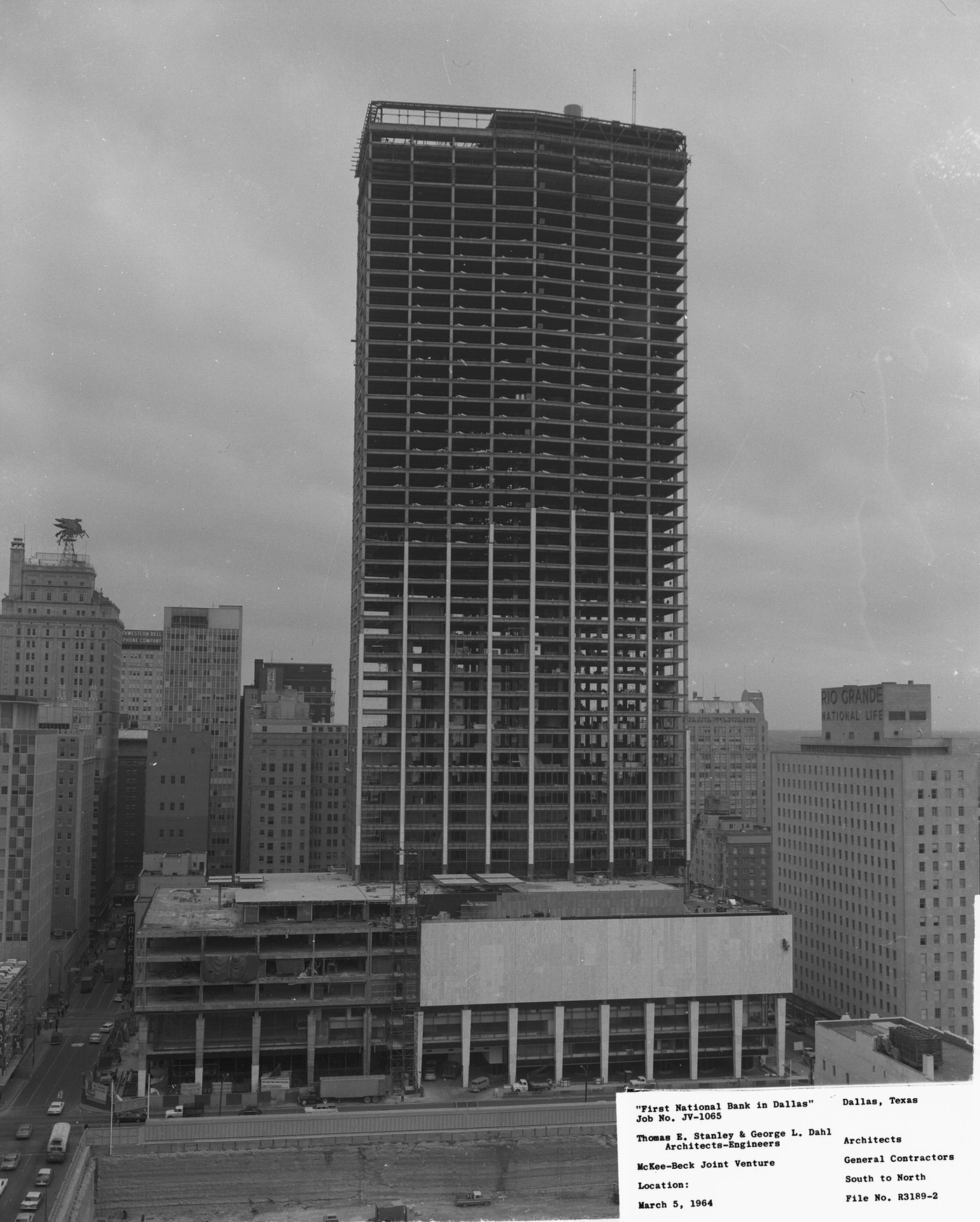
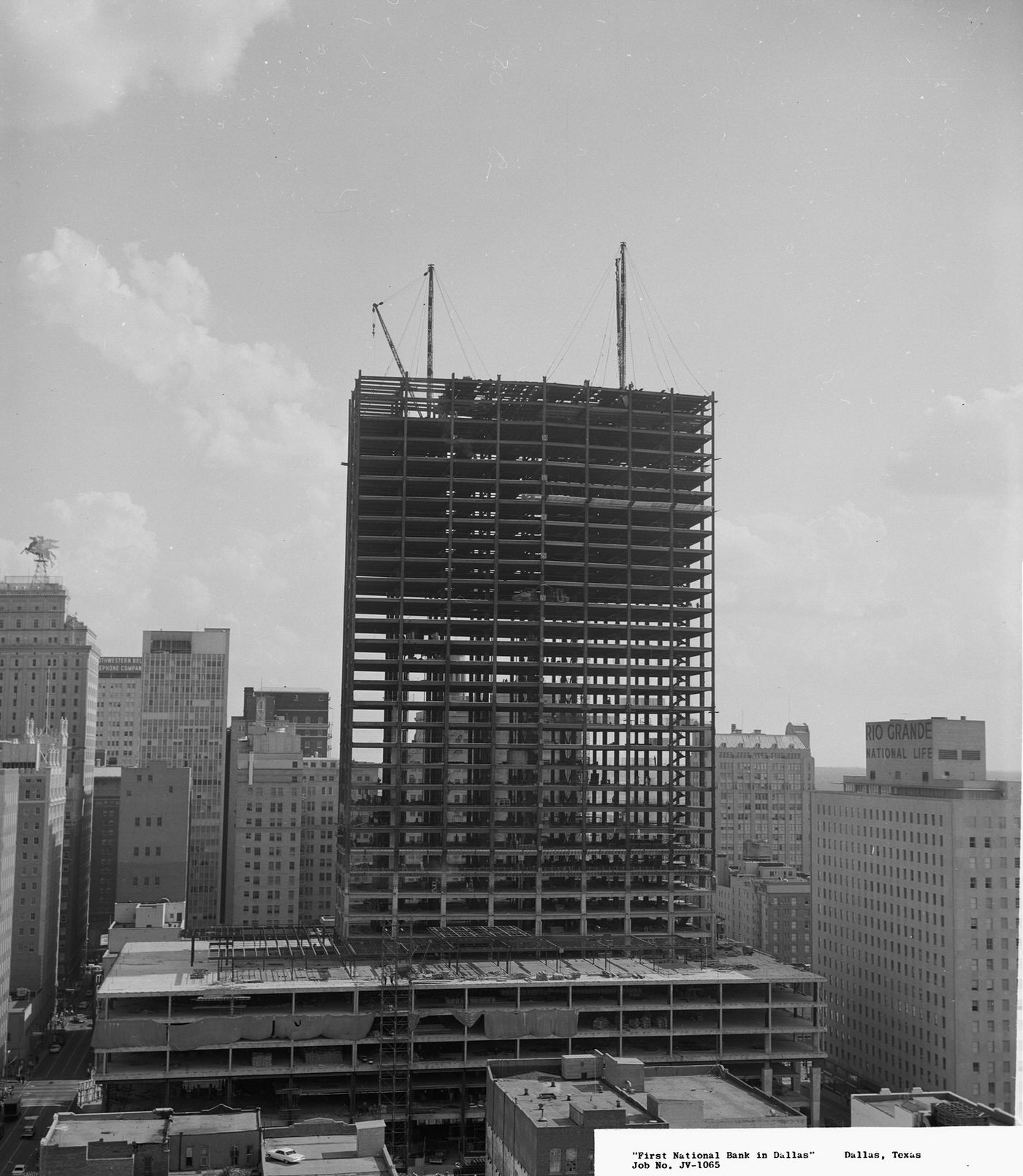
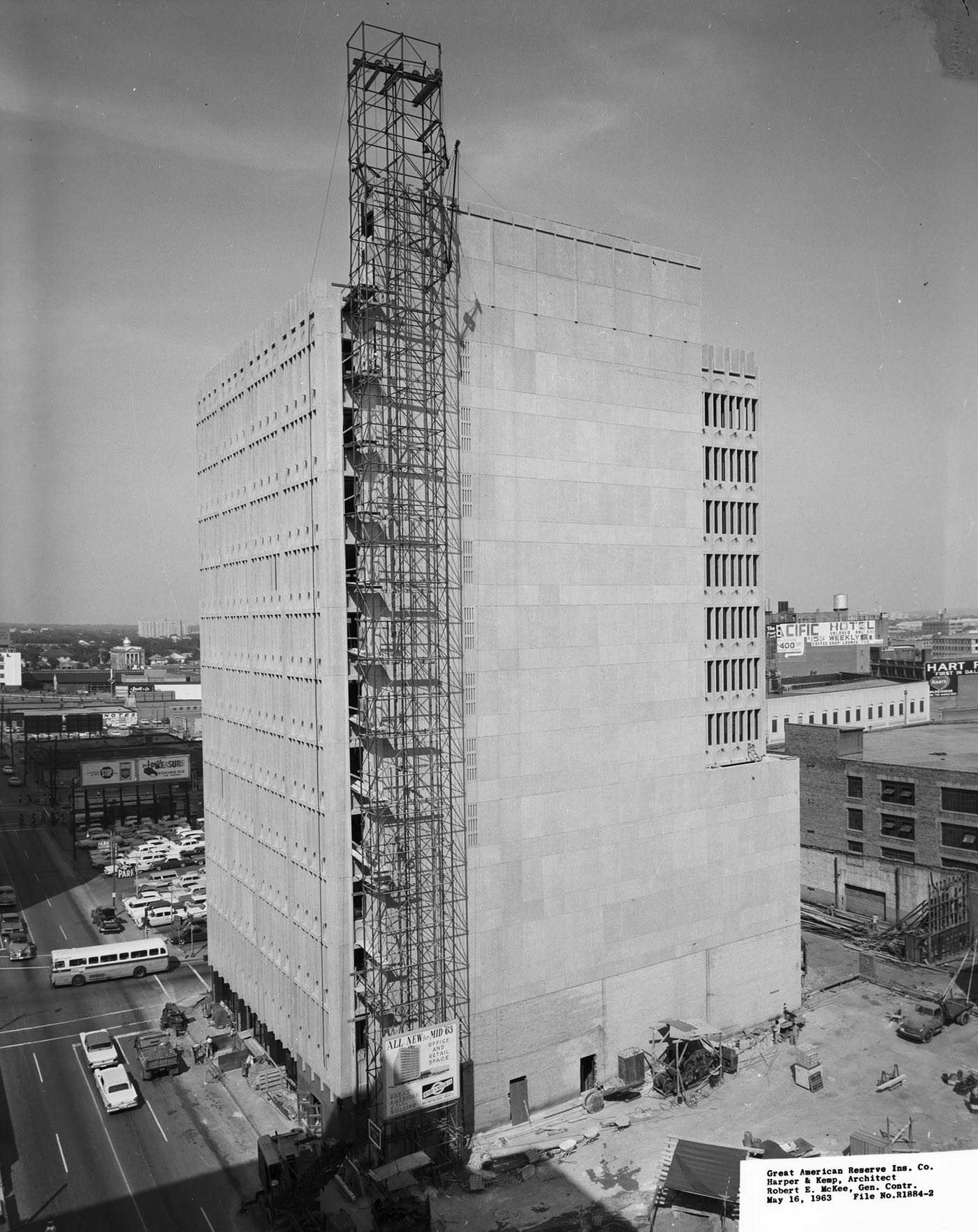
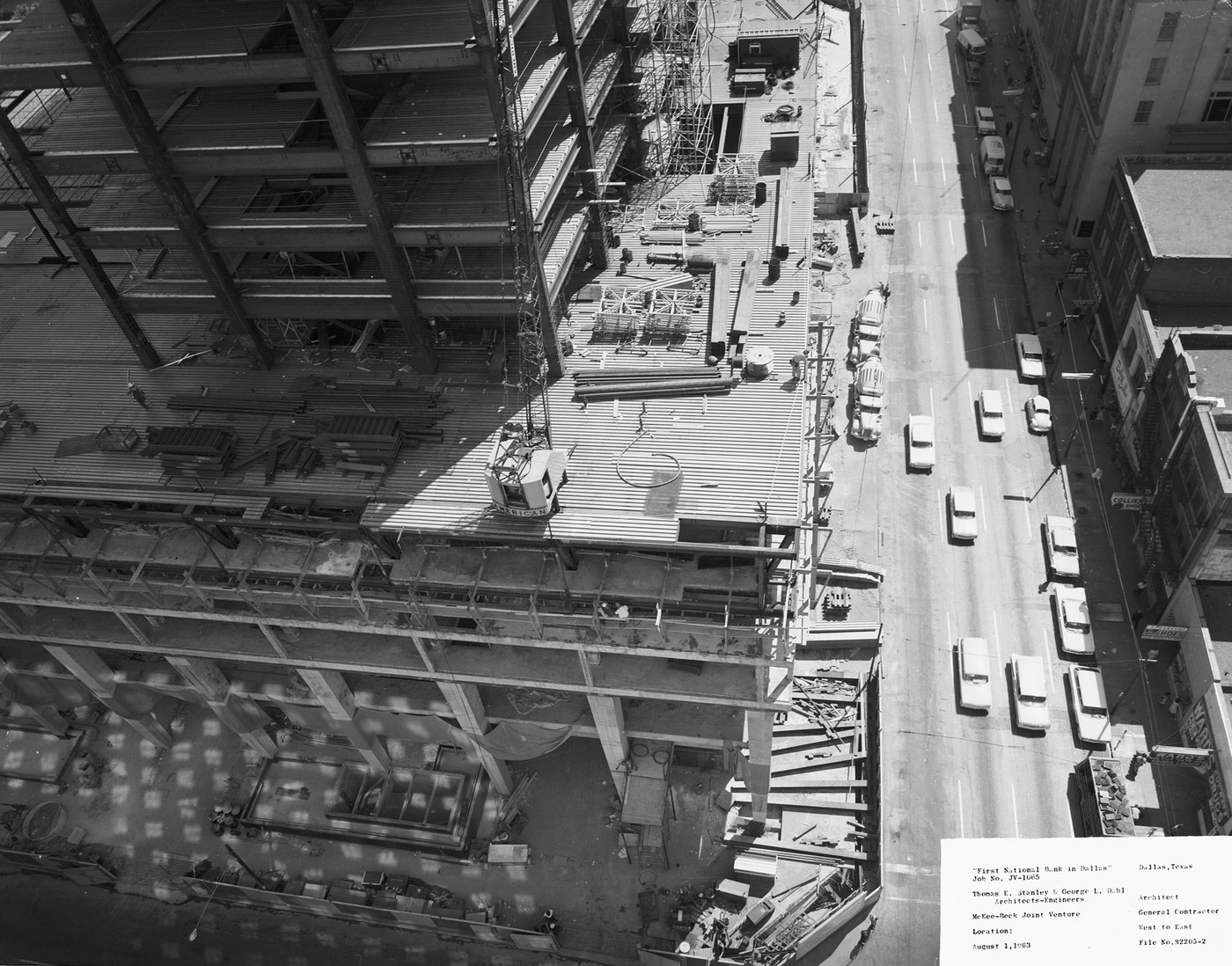
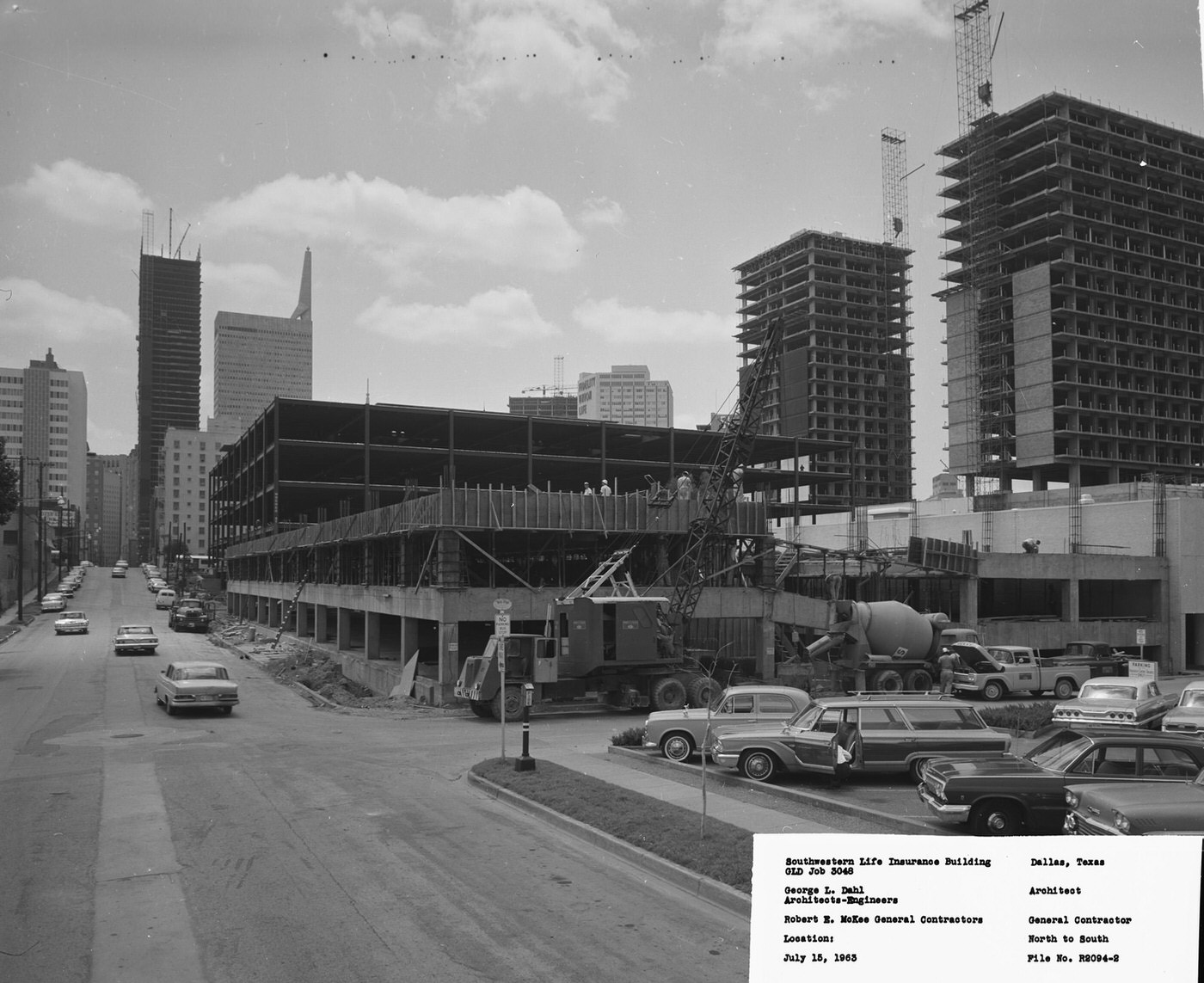
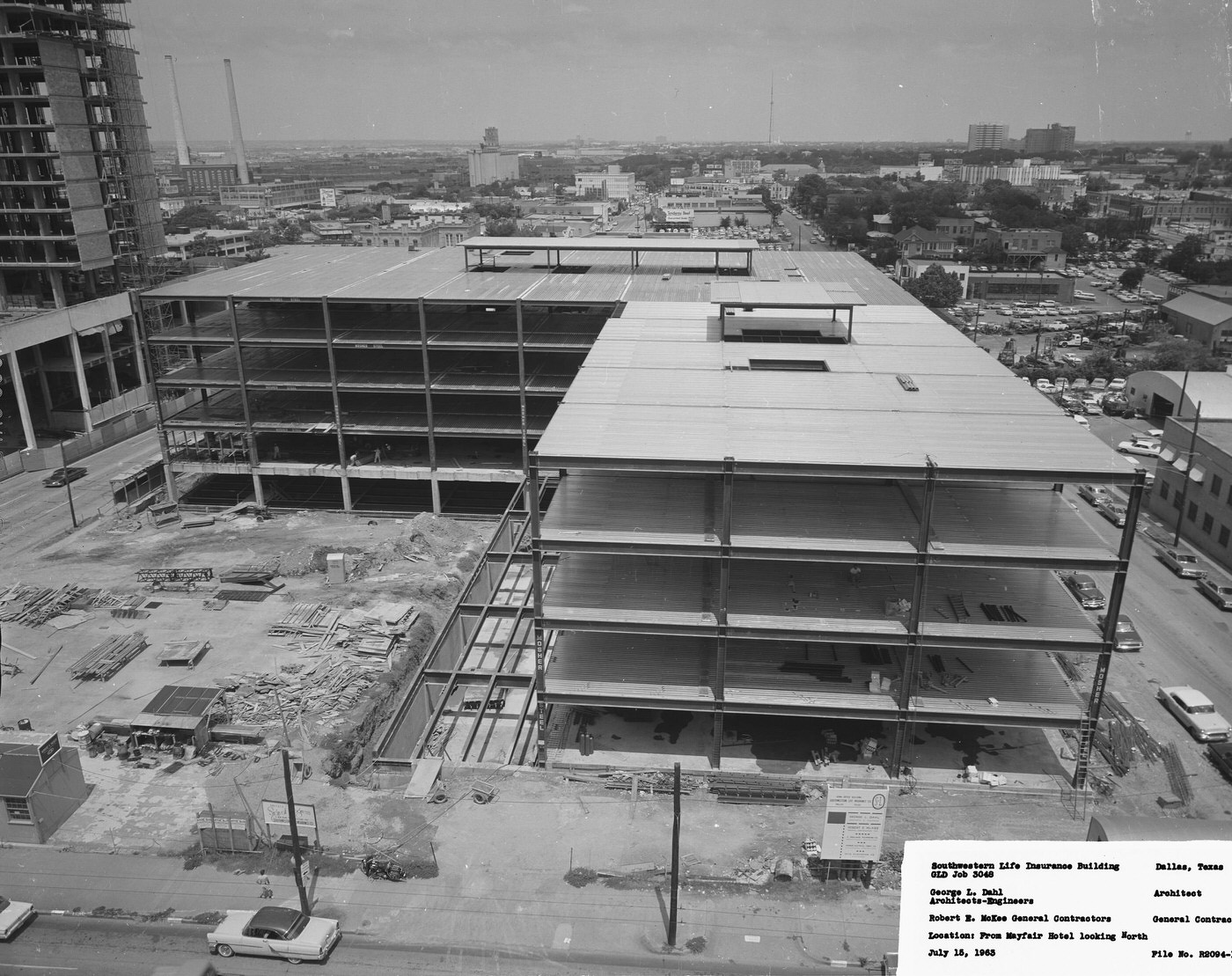
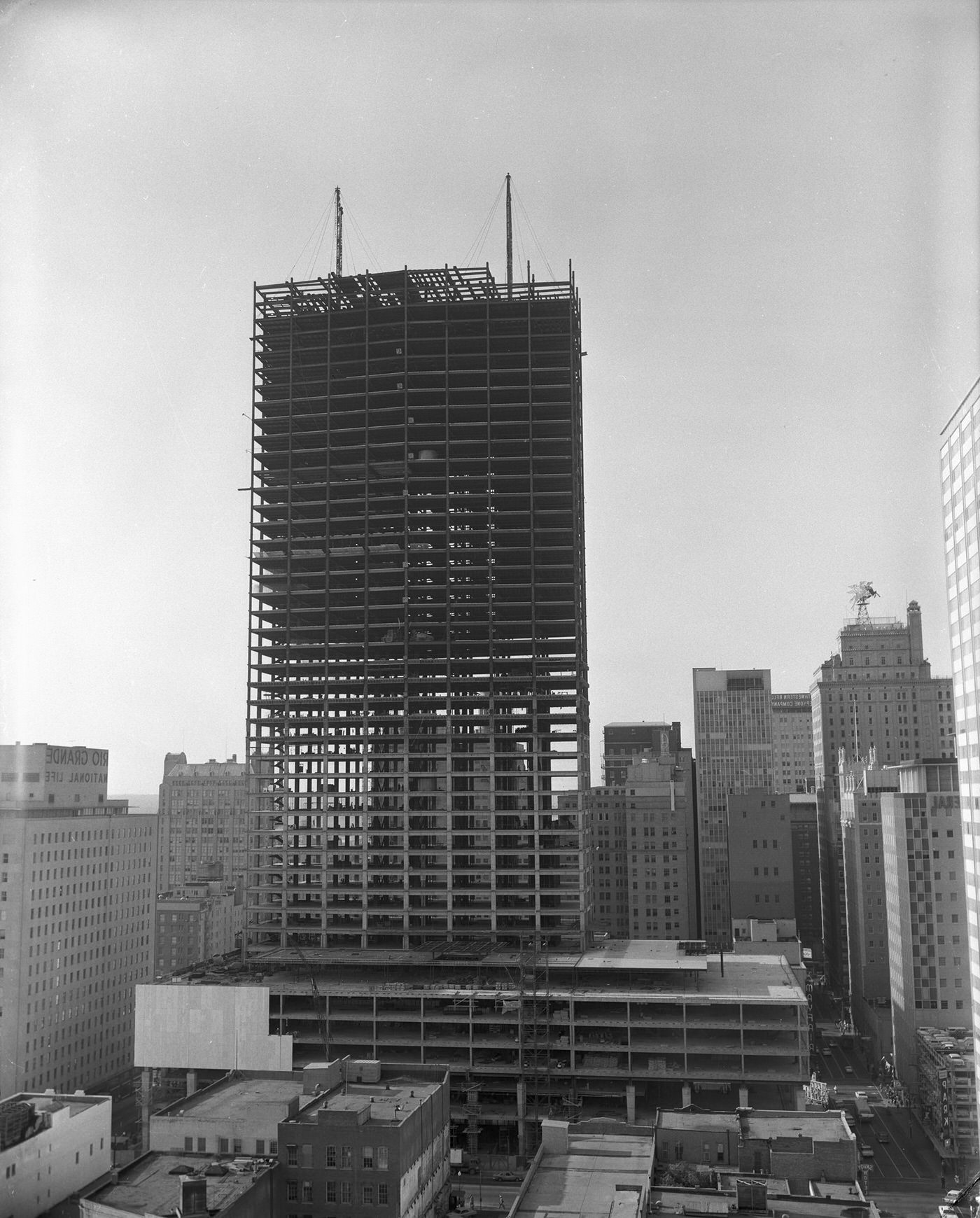
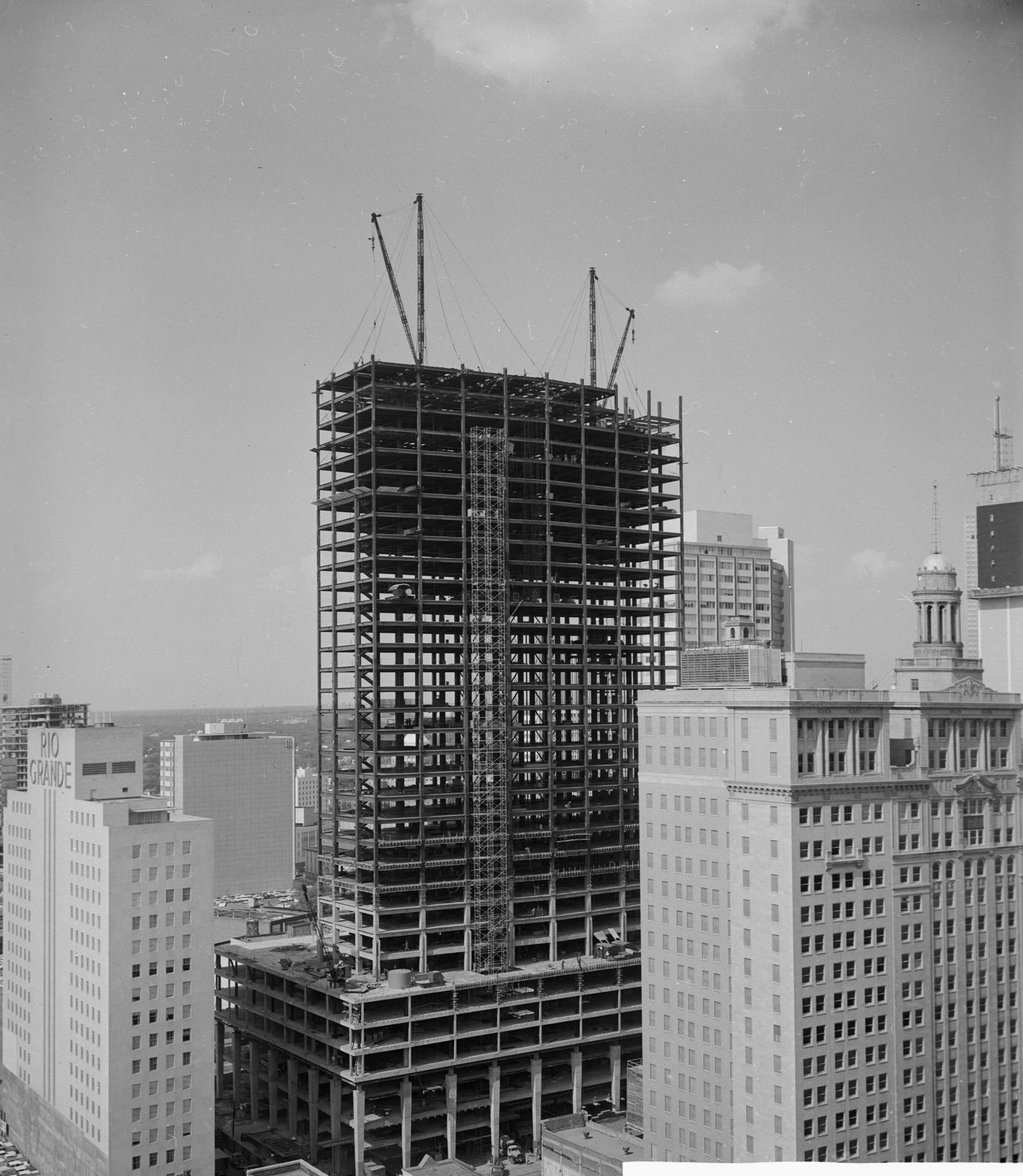
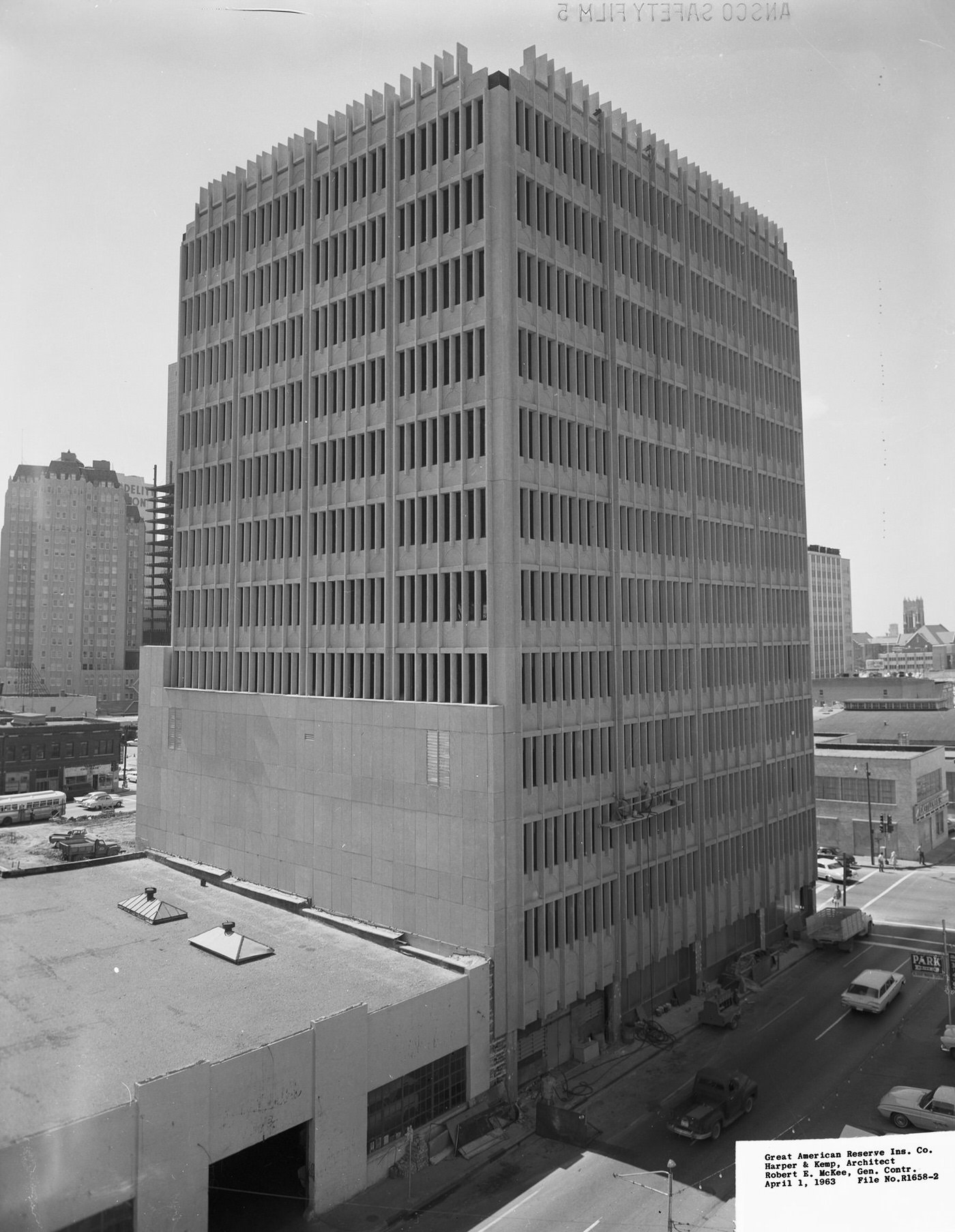
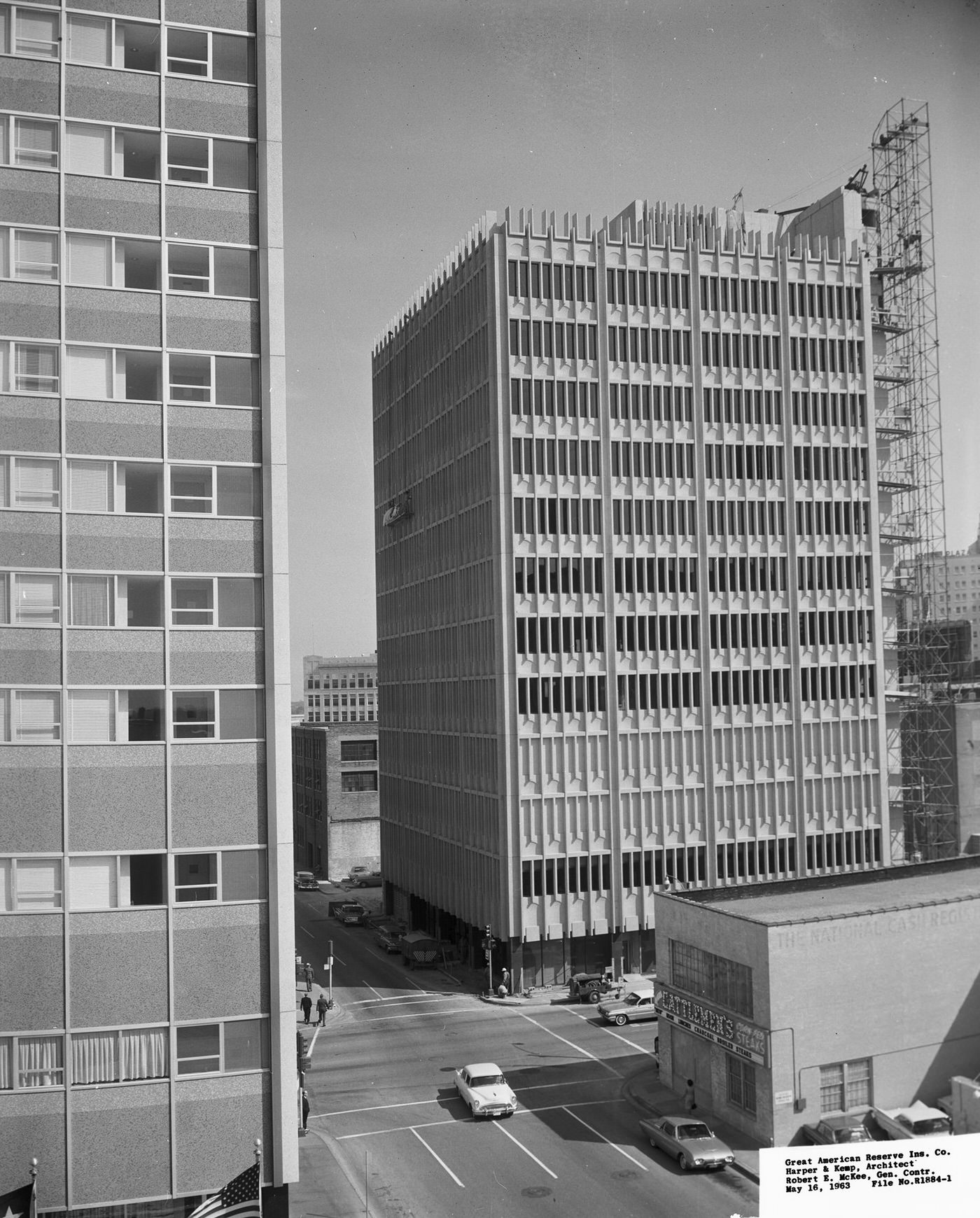
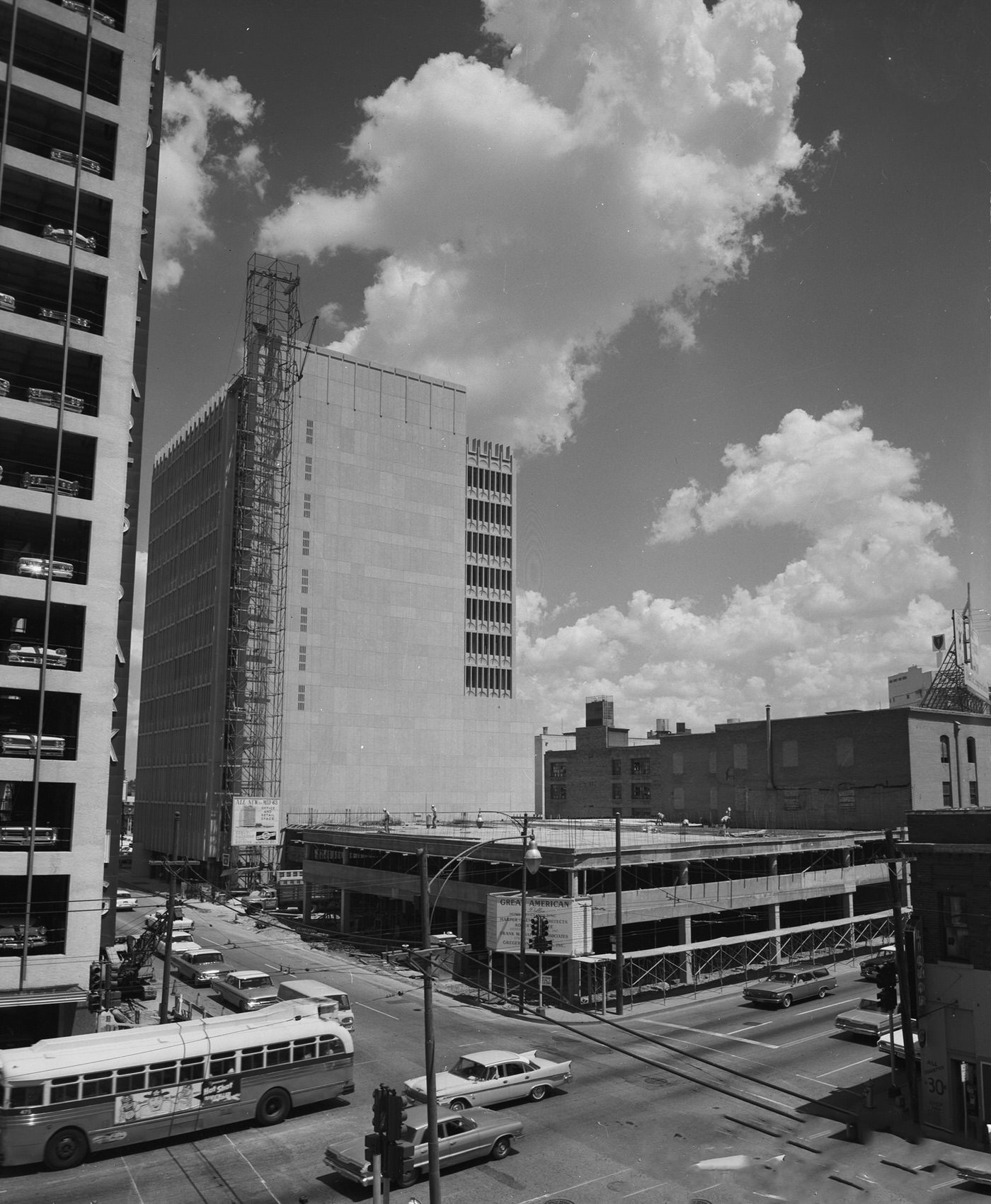
Construction across Dallas in the early 1960s was relentless. The First National Bank building rose from the ground over several years, its steel skeleton documented in photographs from multiple angles. The Great American Reserve Insurance Company building and the Southwestern Life Insurance building also went up during this period, reshaping the downtown skyline piece by piece.
Construction of the First National Bank building, 1963
First National Bank building under construction, downtown Dallas, Texas, 1963
First National Bank building under construction, aerial view, downtown Dallas, 1964
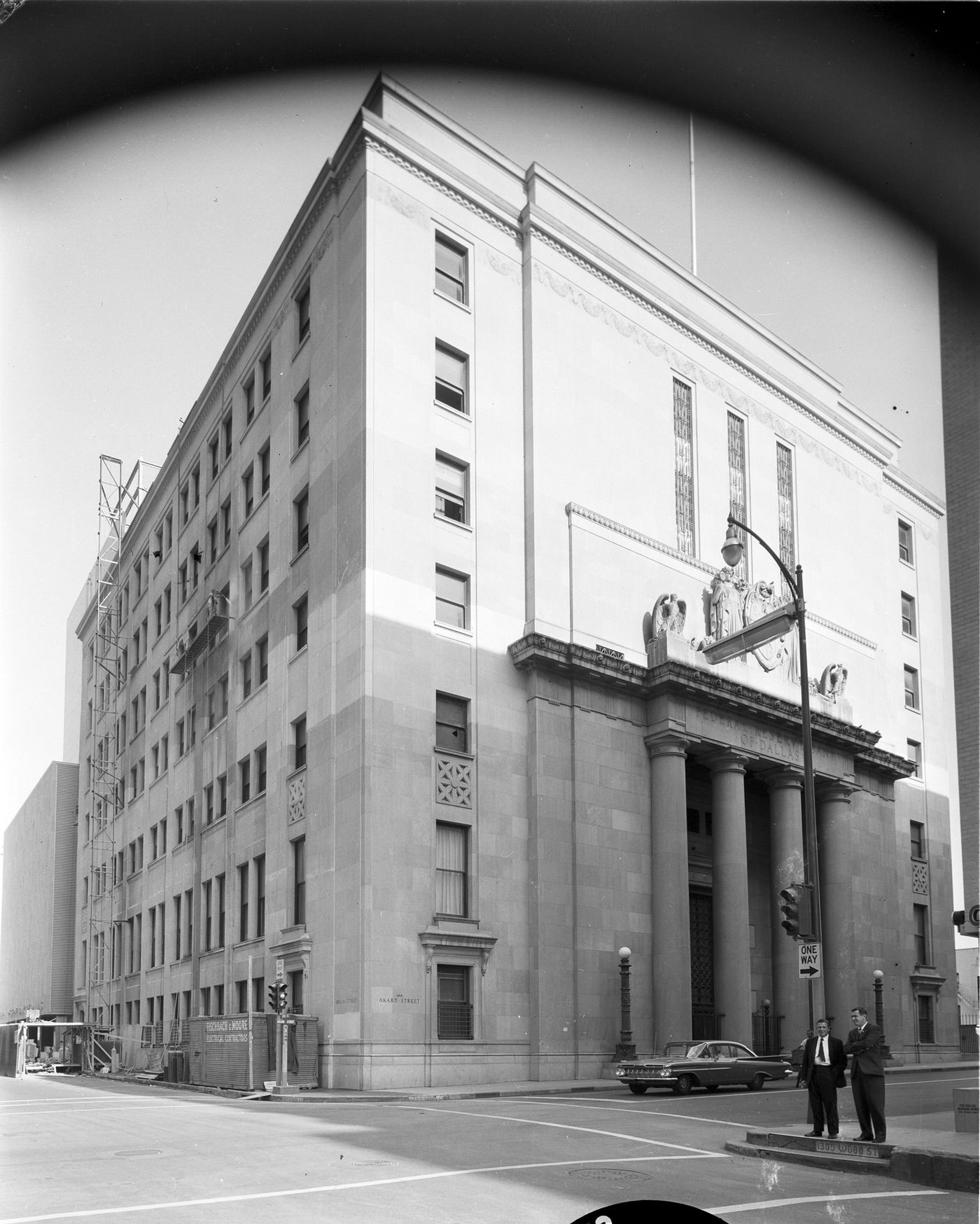
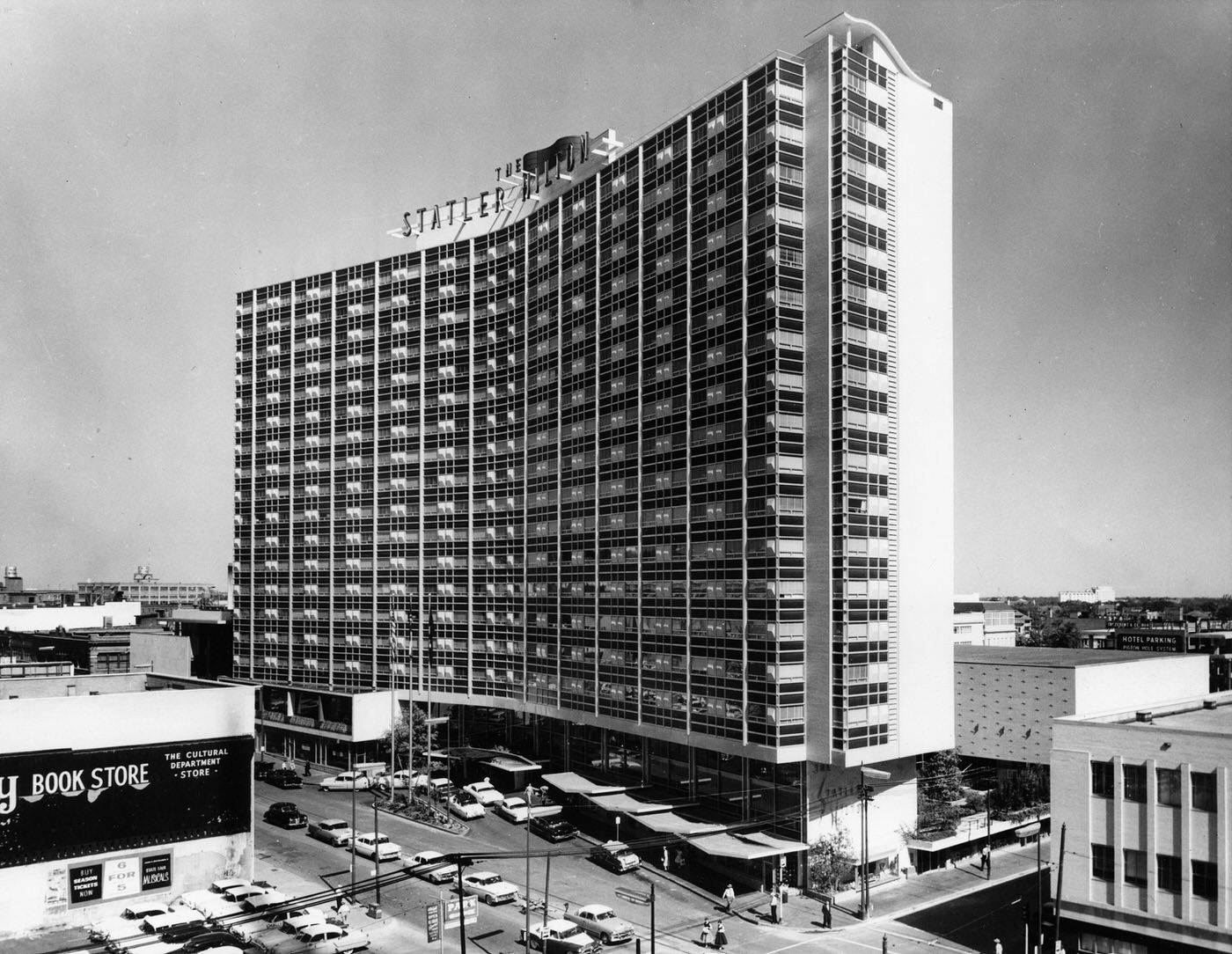
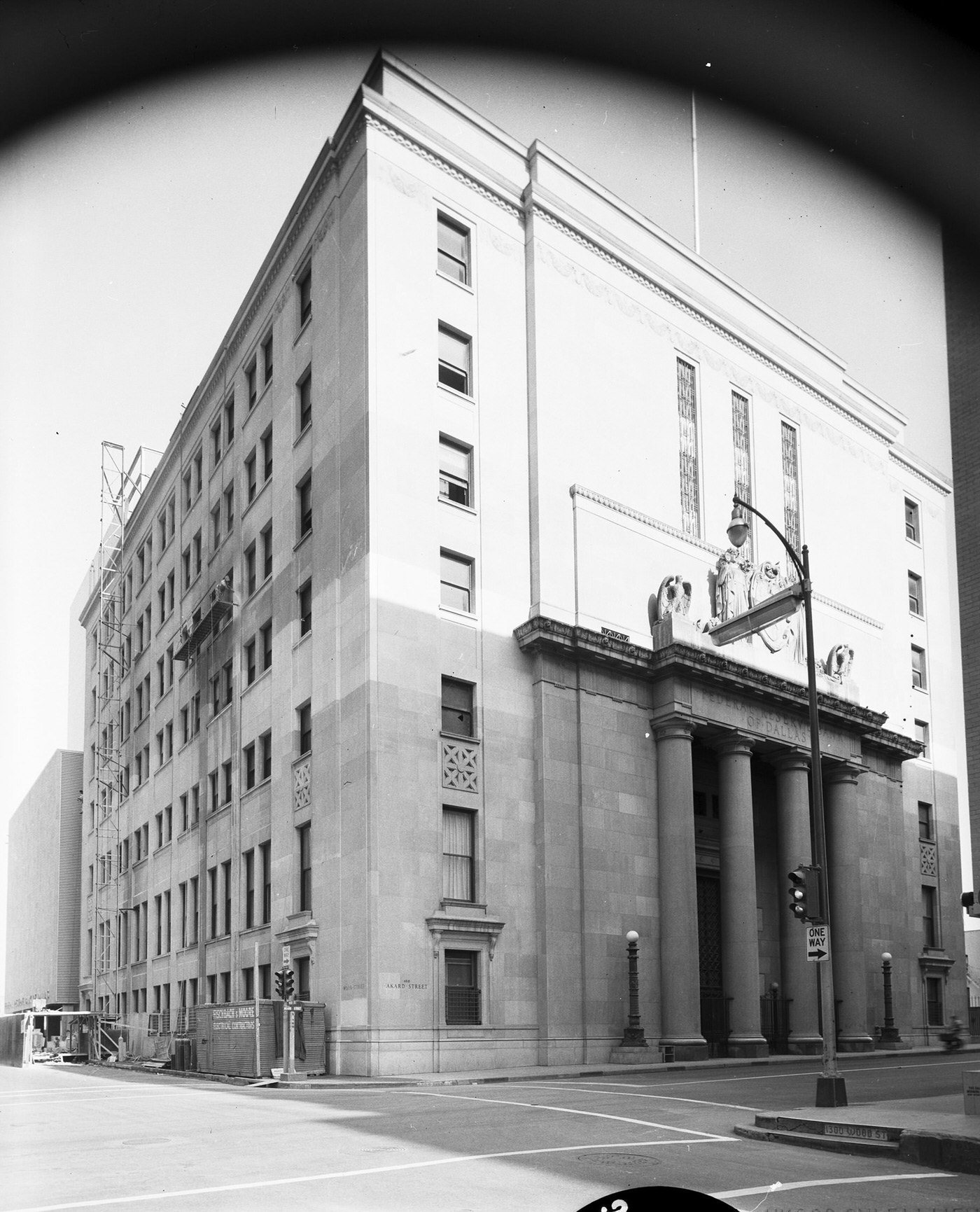
The Federal Reserve Bank stood as one of the most important financial institutions in the city, its building a fixture of the downtown landscape. Nearby, the Terminal Annex Post Office handled the volume of mail flowing in and out of a fast-growing metropolitan area. The Statler Hilton Hotel was another prominent address, regularly hosting business travelers and visitors from across the country.
Federal Reserve Bank, Dallas, Texas, 1960Statler Hilton Hotel, Dallas, Texas, 1960
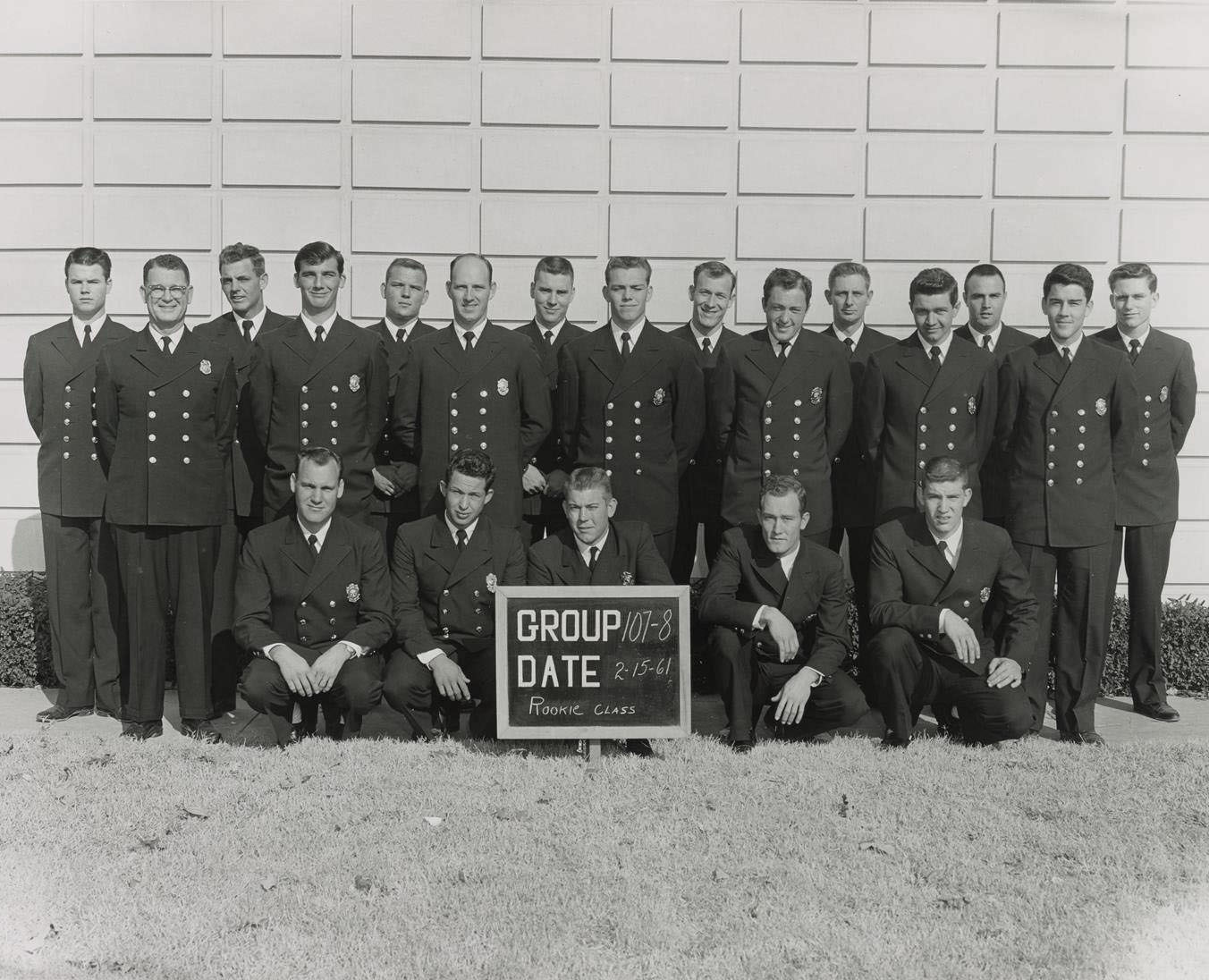
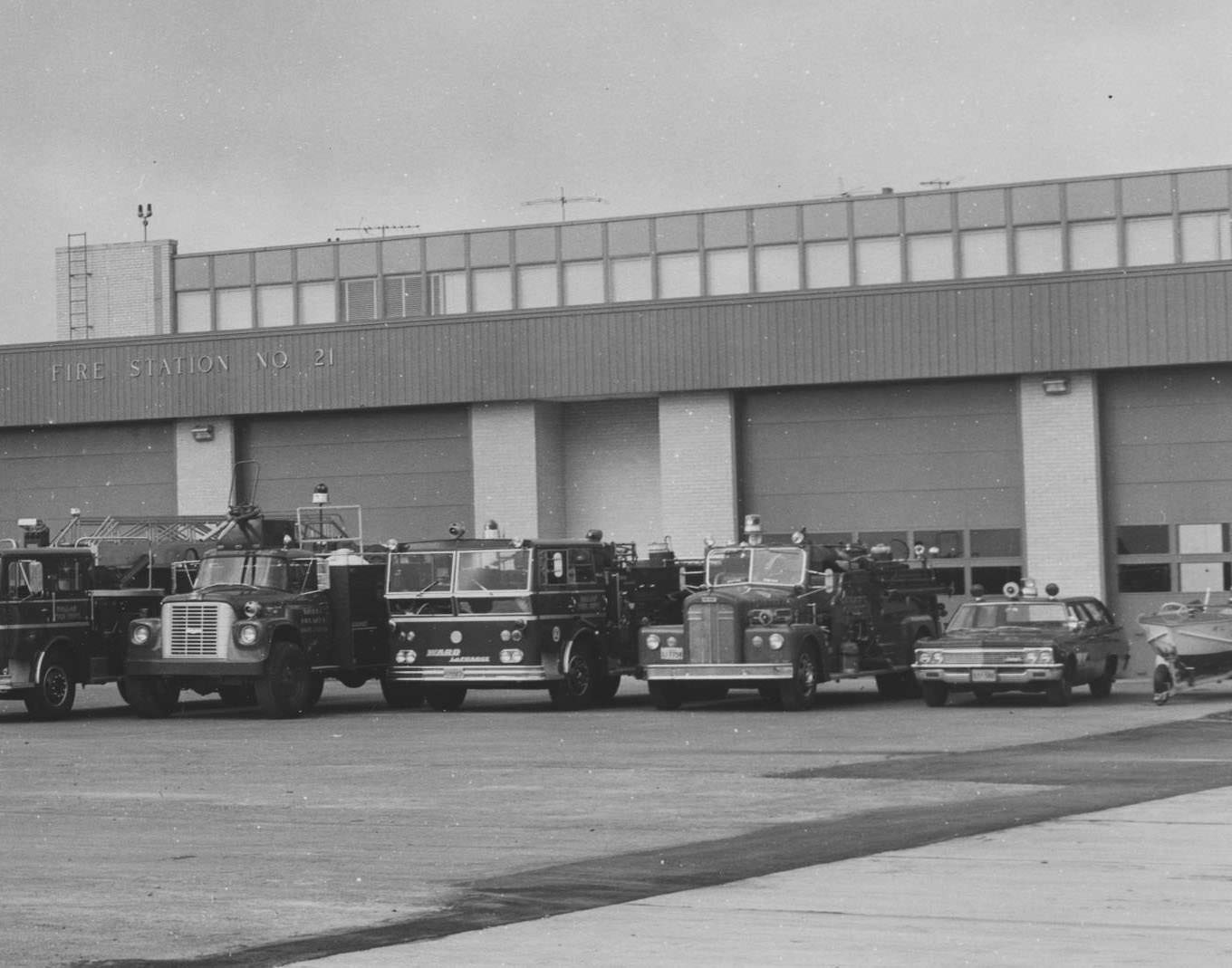
Dallas also had a fire department that was actively expanding and training during the decade. Recruits from classes 107 and 108 were photographed together in formal uniforms in 1967, a chalkboard listing class details positioned at the center of the front row. Fire stations across the city, including Station 1 and Station 21 at Love Field, kept multiple engines and specialized equipment ready at all times.
Dallas Fire recruits from class numbers 107 and 108, posing in three lines, standing and kneeling in front of a concrete edifice with a grid pattern, 1967.Dallas Fire Station 21 at Love Field, 1969
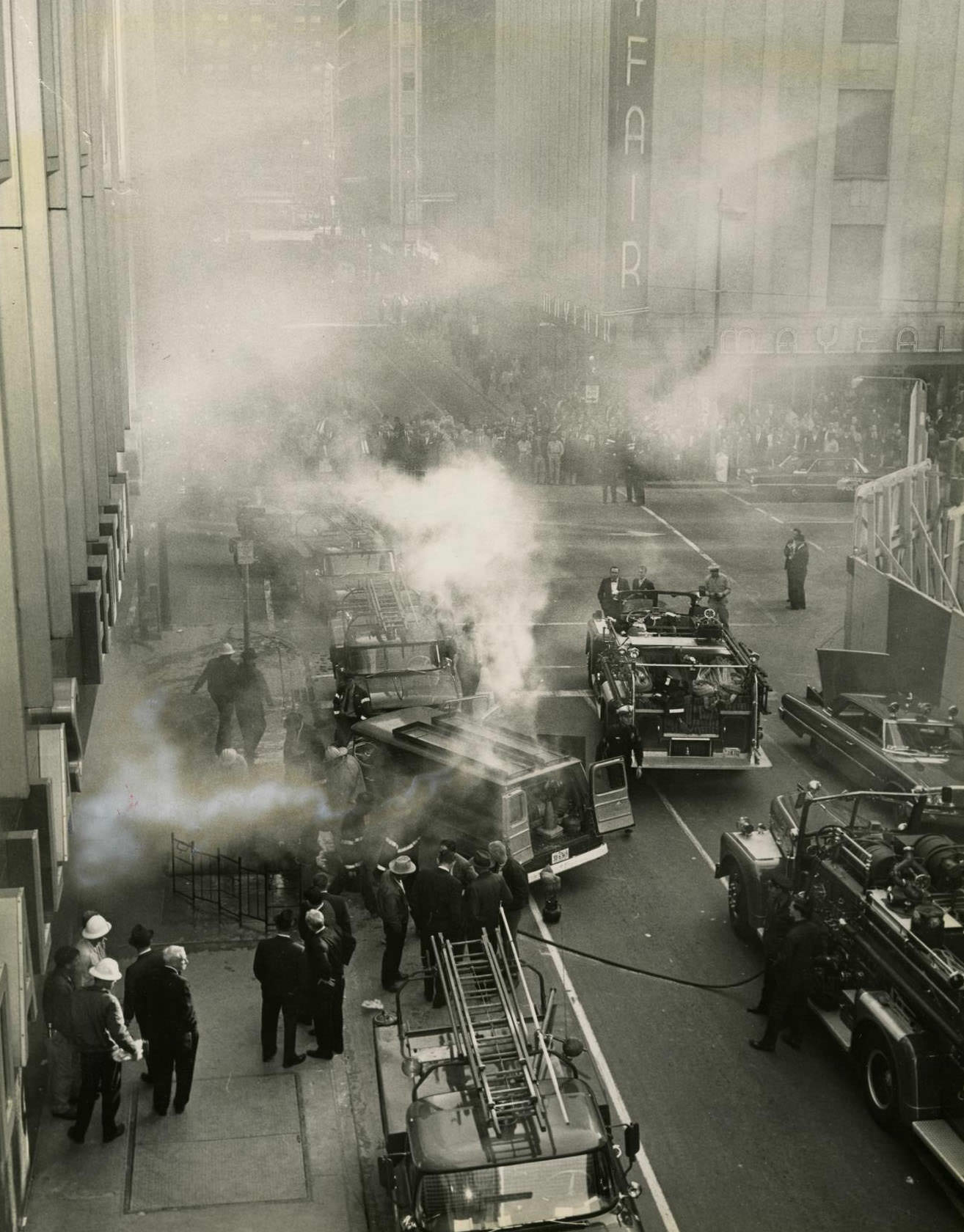
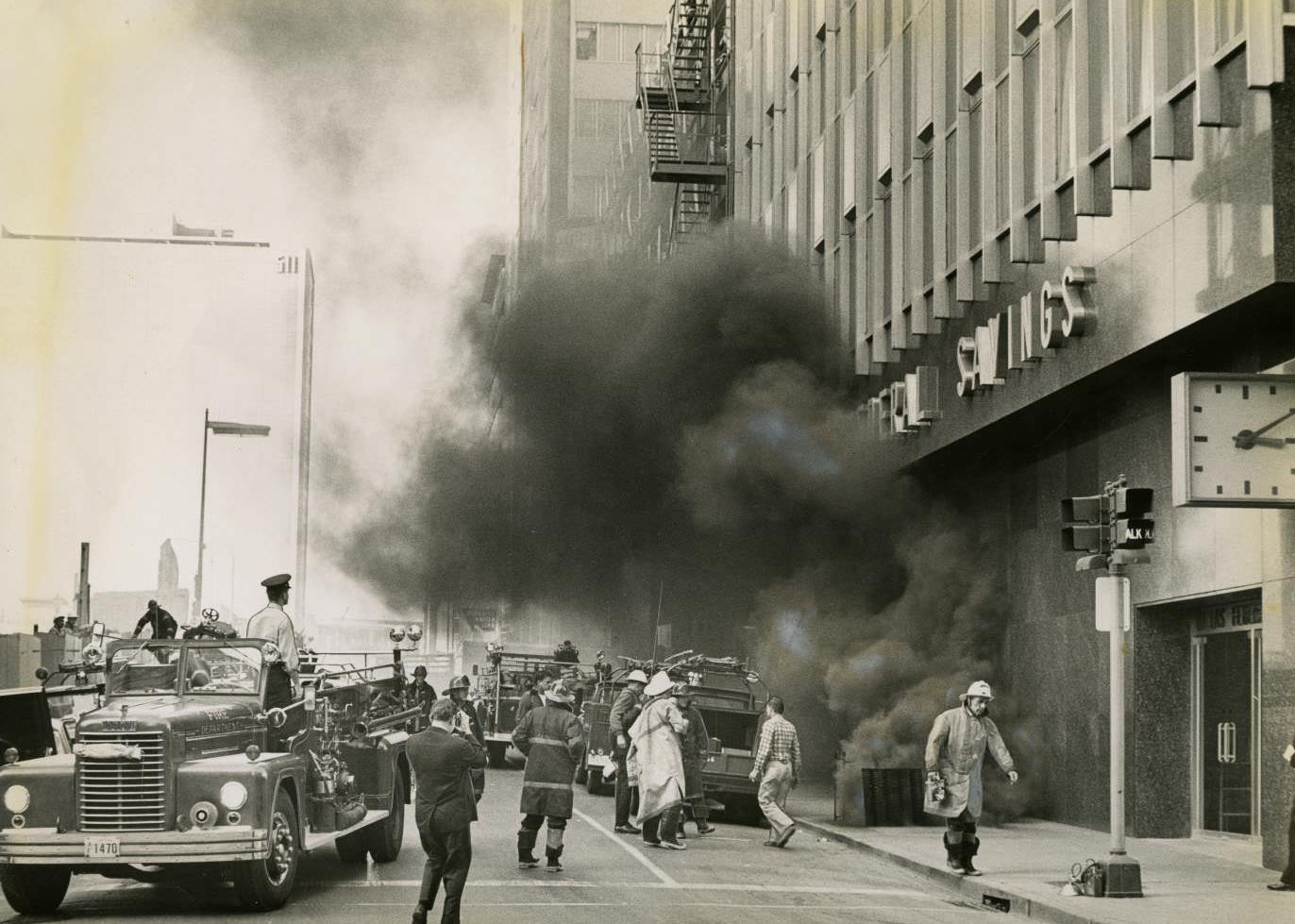
In 1964, a fire broke out at the Dallas Federal Savings and Loan building. Five fire engines, an ambulance, and a police car responded, their vehicles lined up along the street as smoke poured from the structure. Men in white hard hats stood between the building and the emergency vehicles while crowds of civilians watched from down the block, partially obscured by the thick smoke drifting across the scene.
Street Outside Dallas Federal Savings & Loan Fire, 1964Smoke Pours From Dallas Federal Savings & Loan Building, 1964
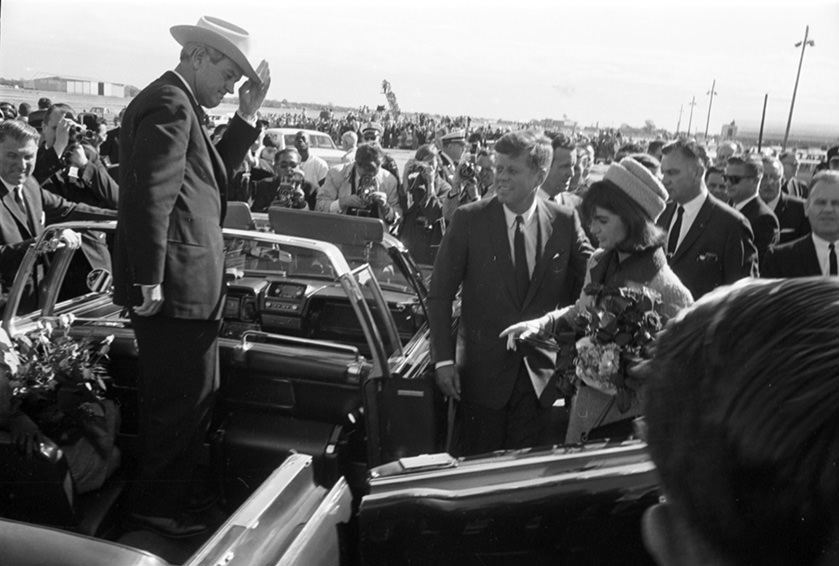
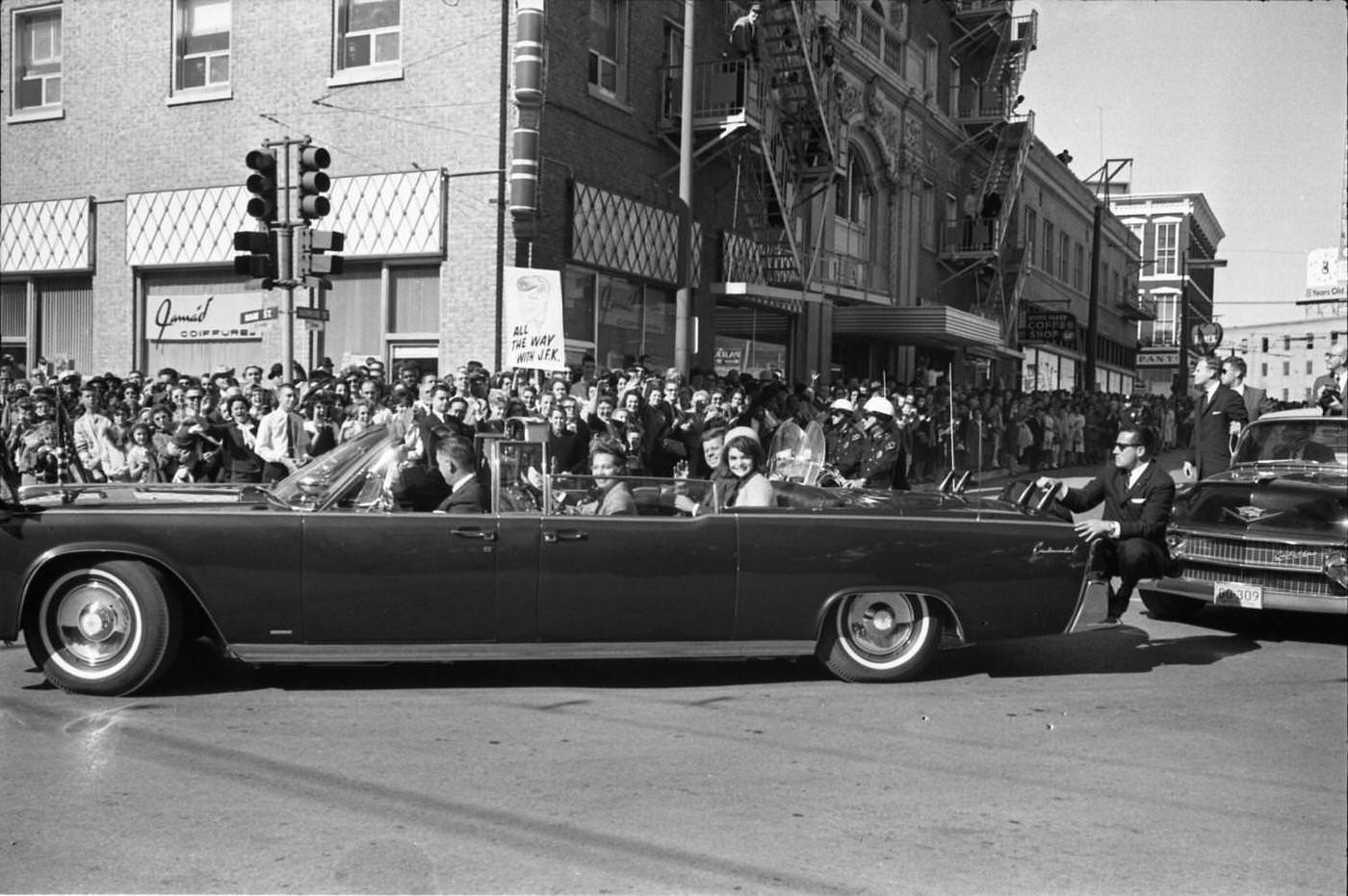
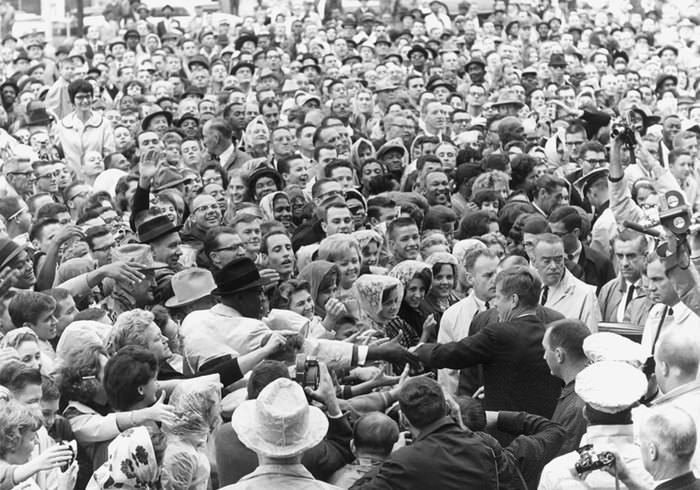
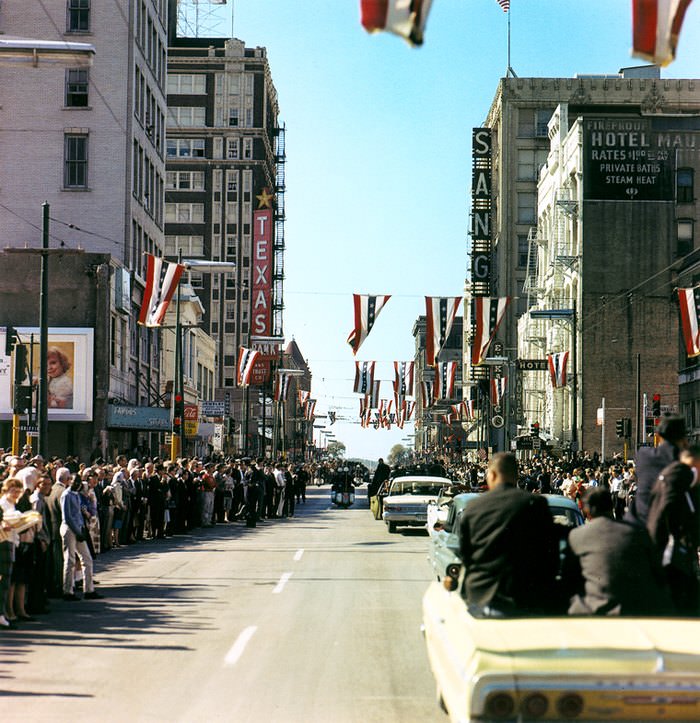
November 22, 1963, stands as the darkest day in Dallas history. President John F. Kennedy arrived at Love Field that morning, stepping into a convertible limousine alongside First Lady Jackie Kennedy. The presidential motorcade moved through downtown Dallas, drawing enormous crowds of people lining the streets for a glimpse of the president and first lady.
President John F. Kennedy and wife Jackie Kennedy as they enter a convertible limousine at Love Field, Dallas, Texas, 1963The presidential limousine turning onto main street in downtown Dallas, 1963
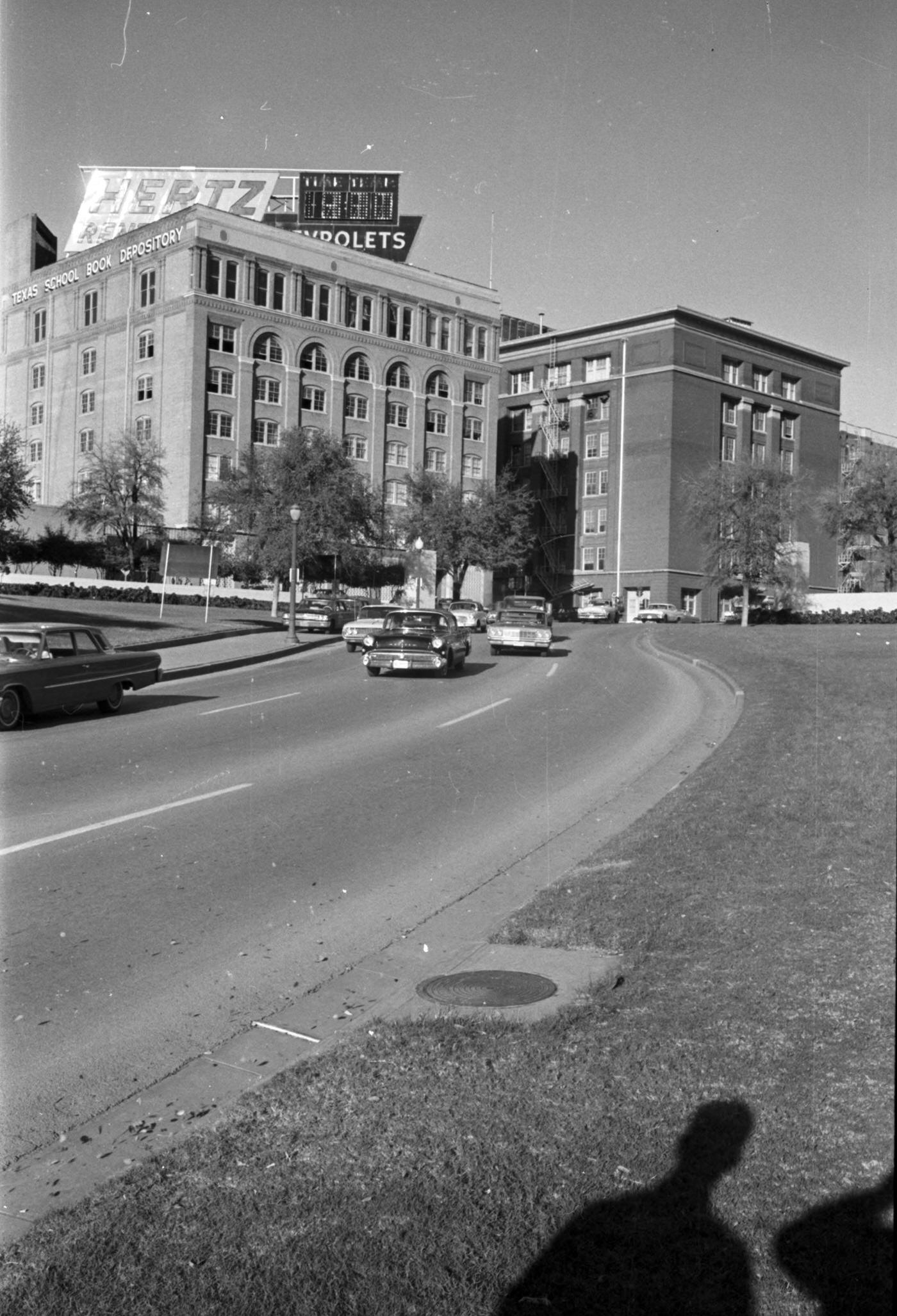
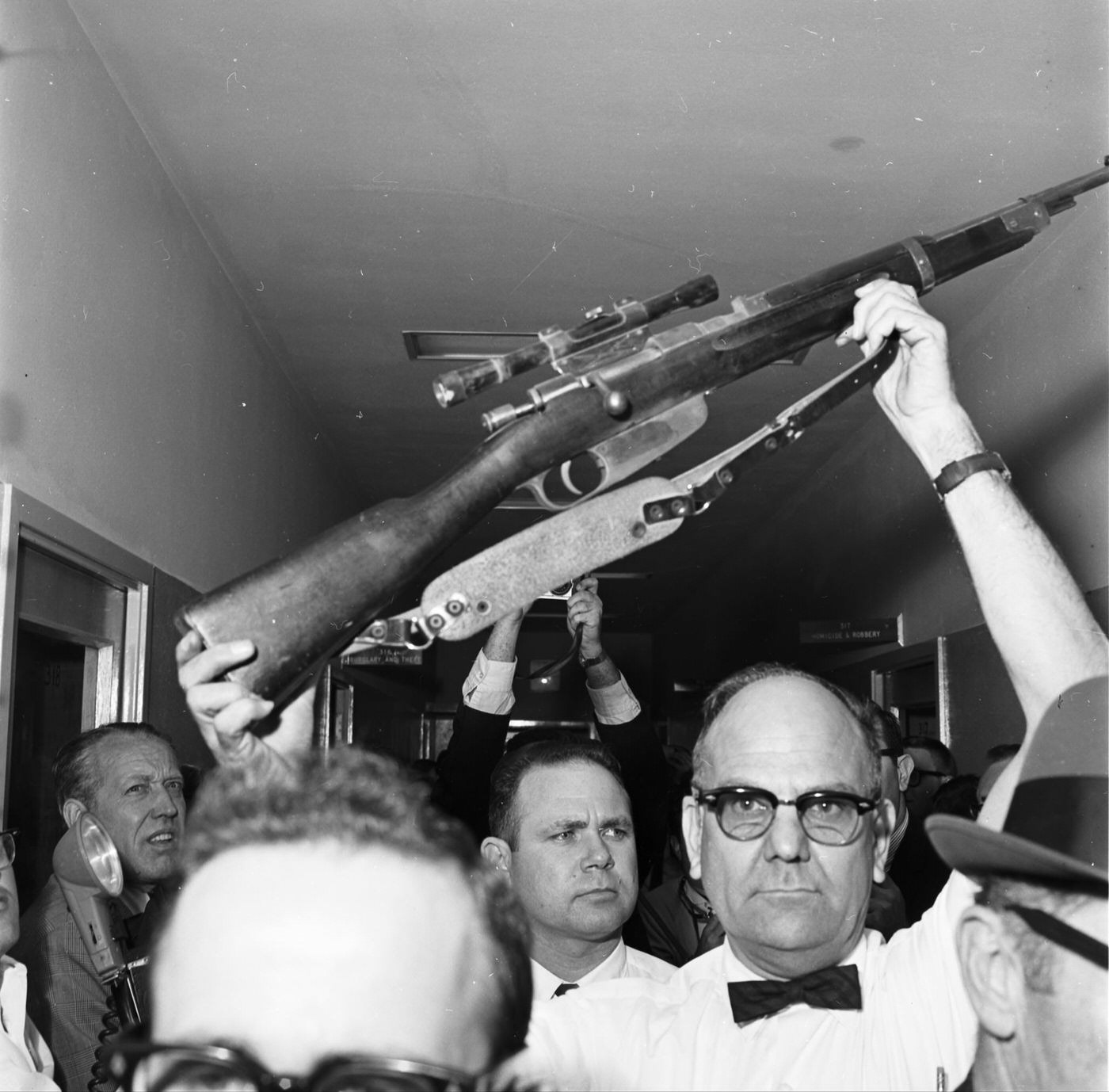
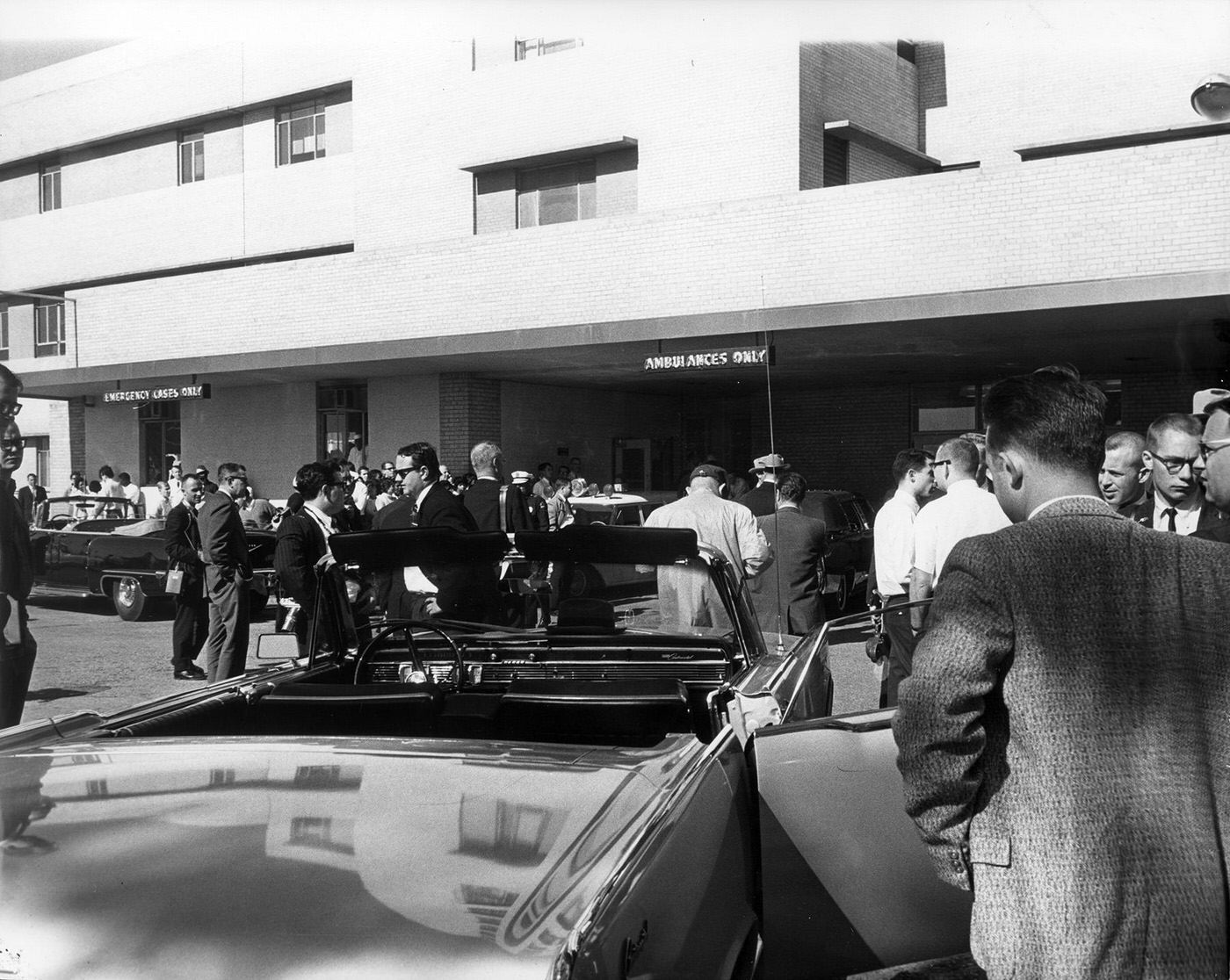
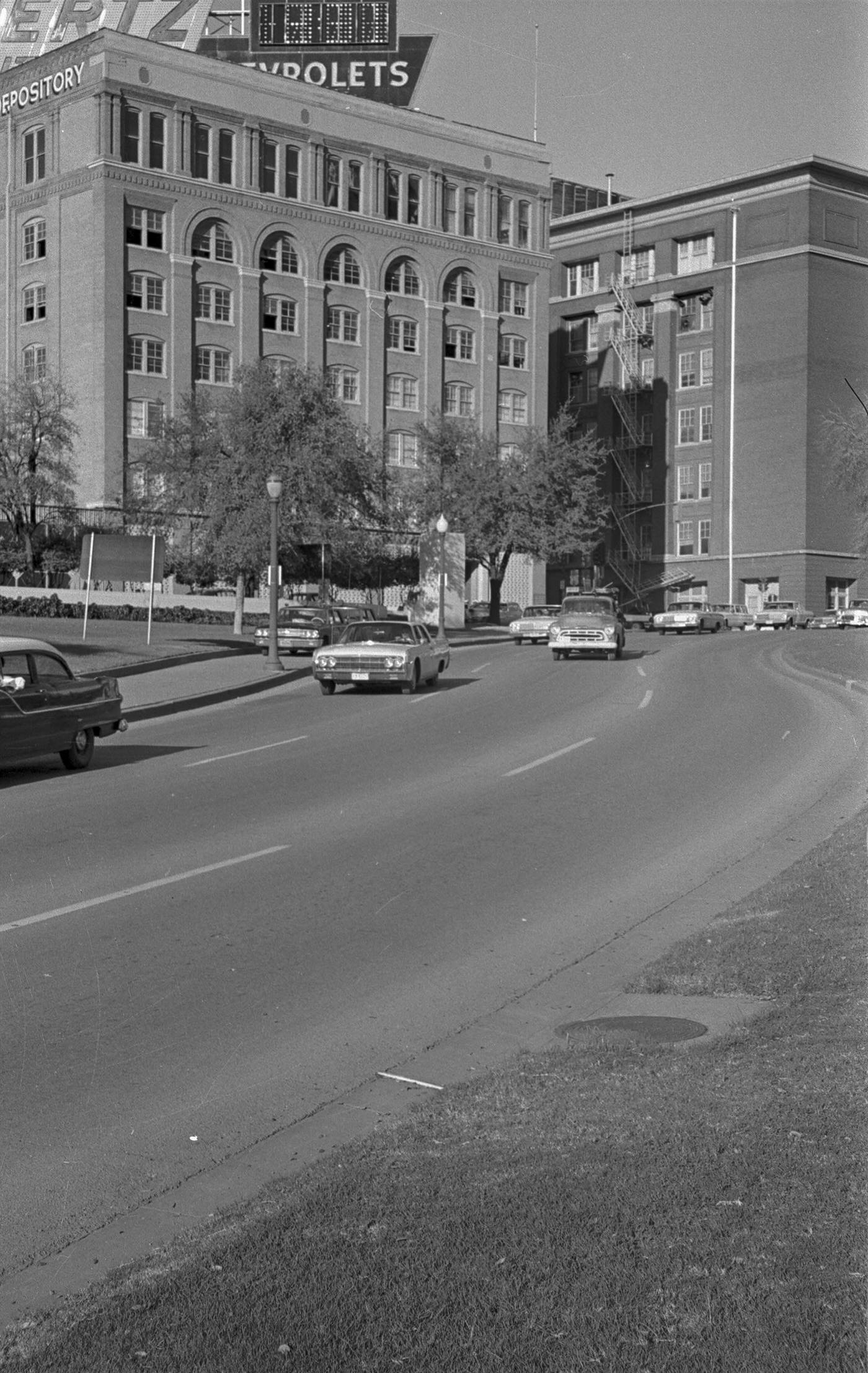
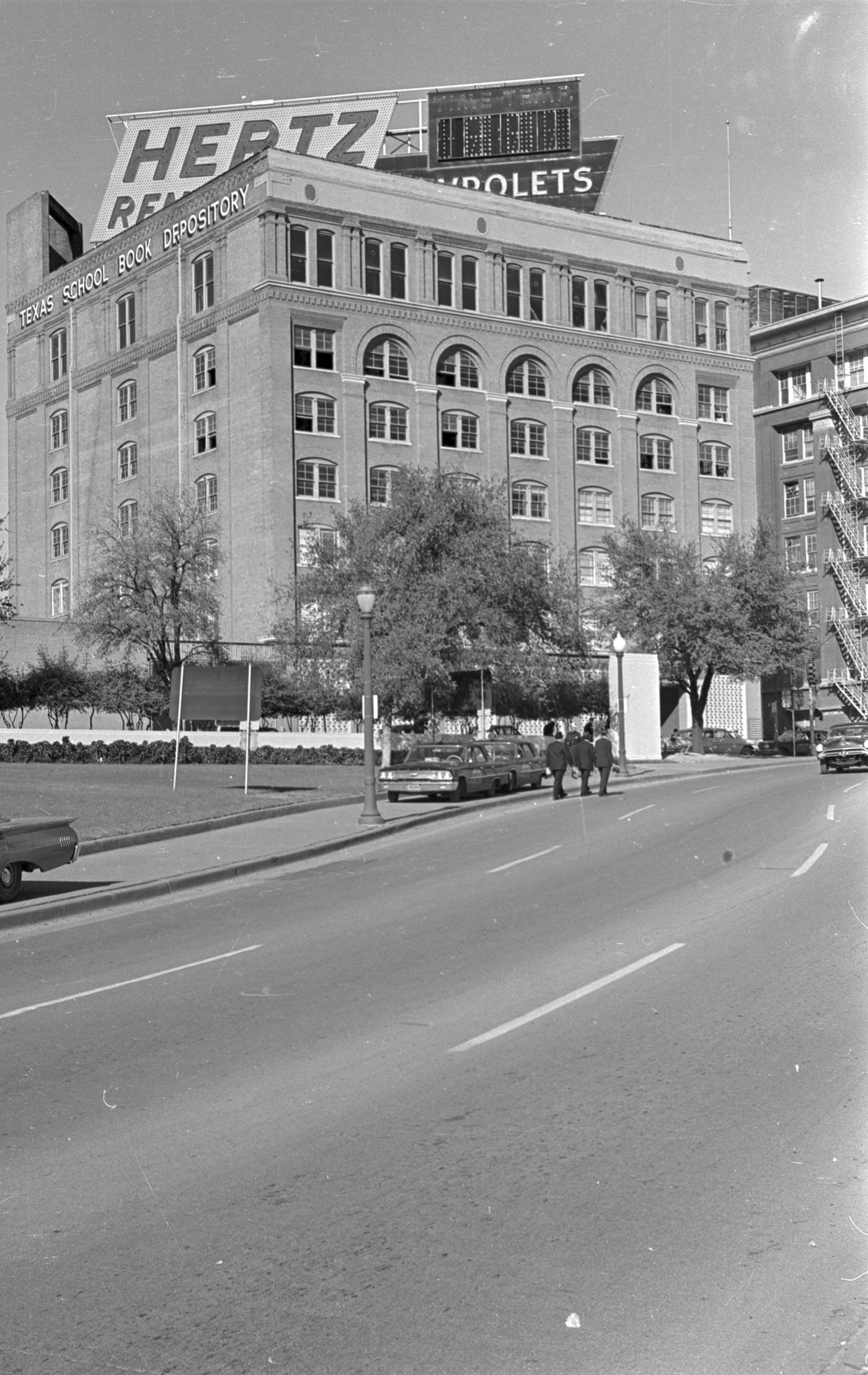
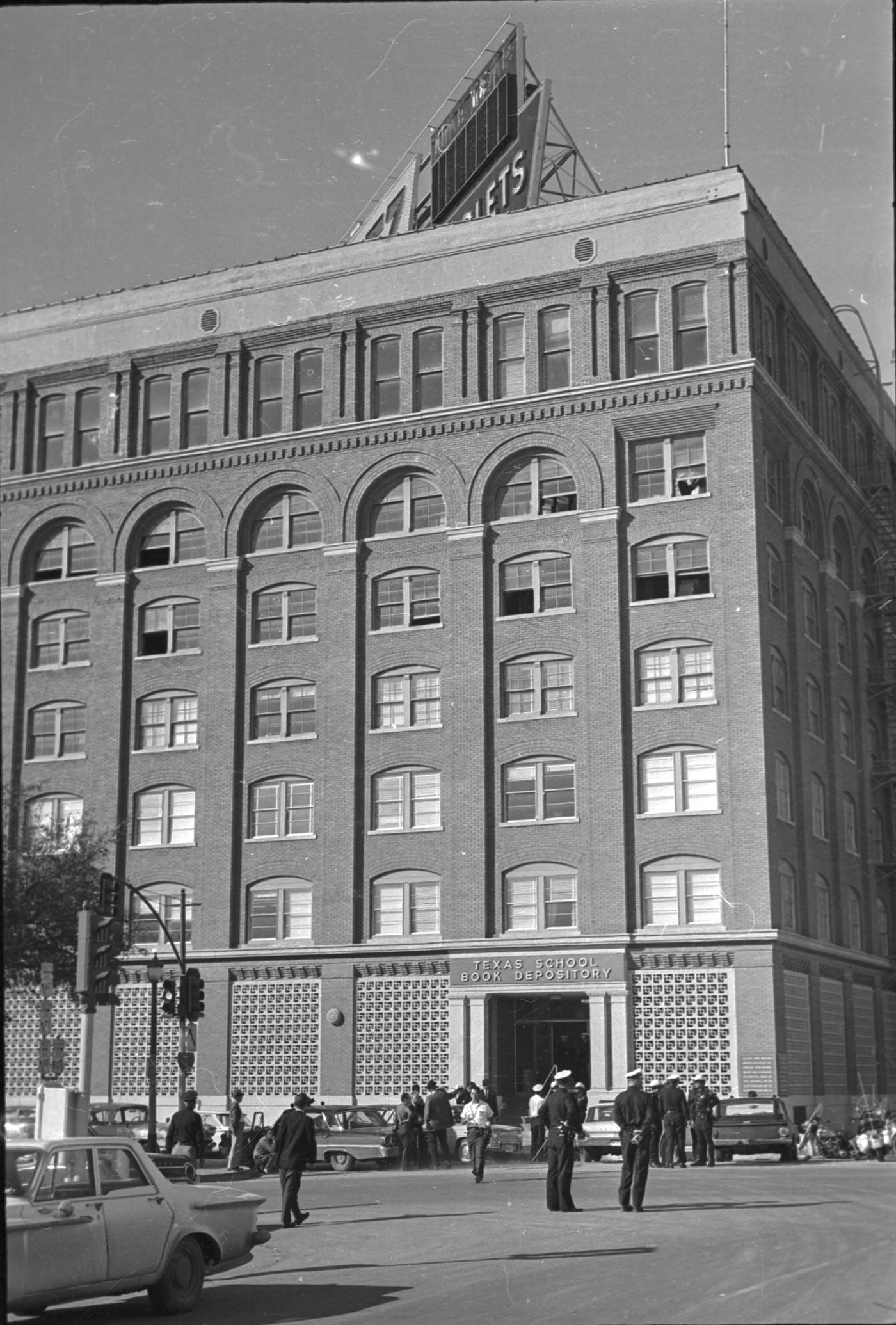
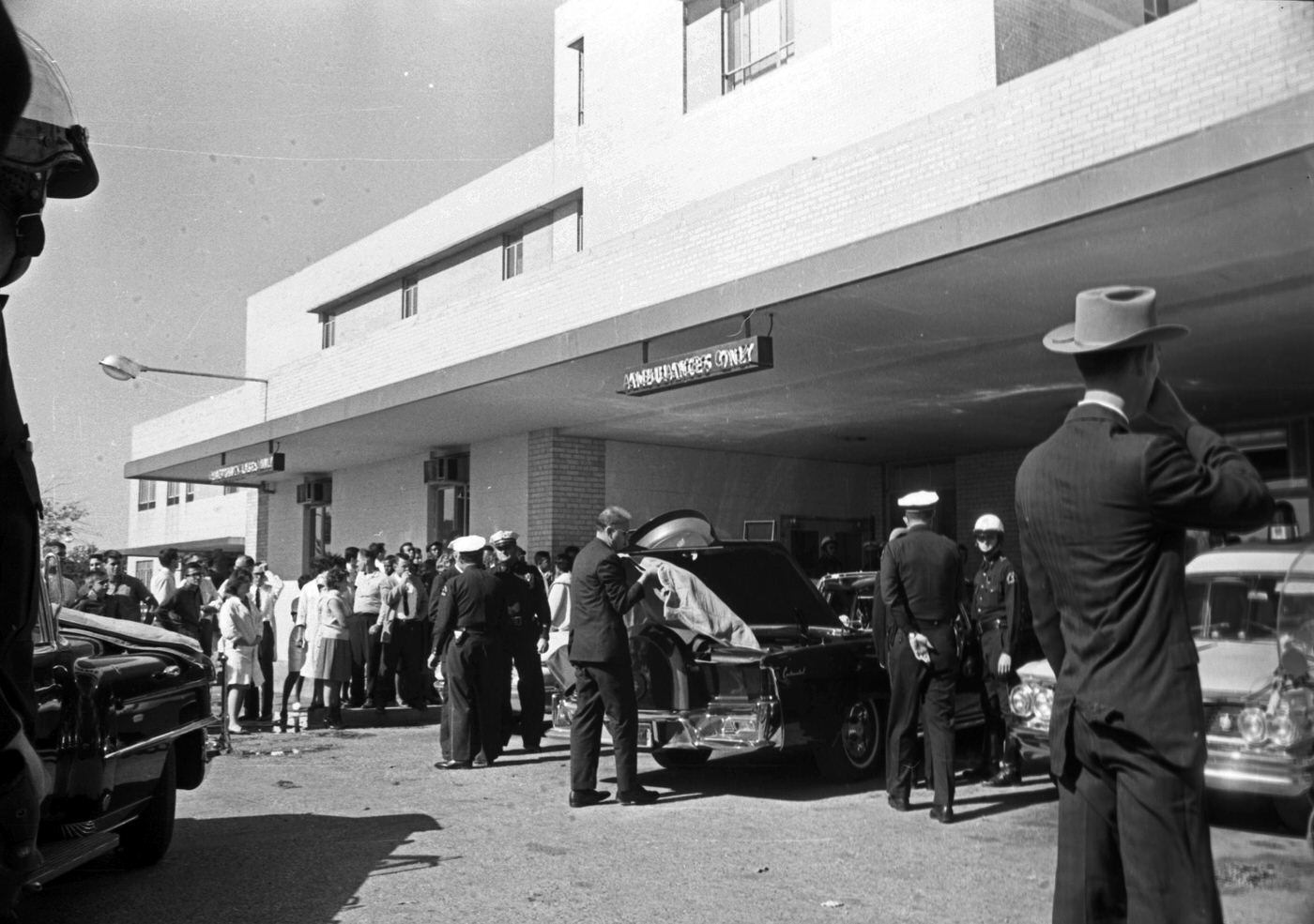
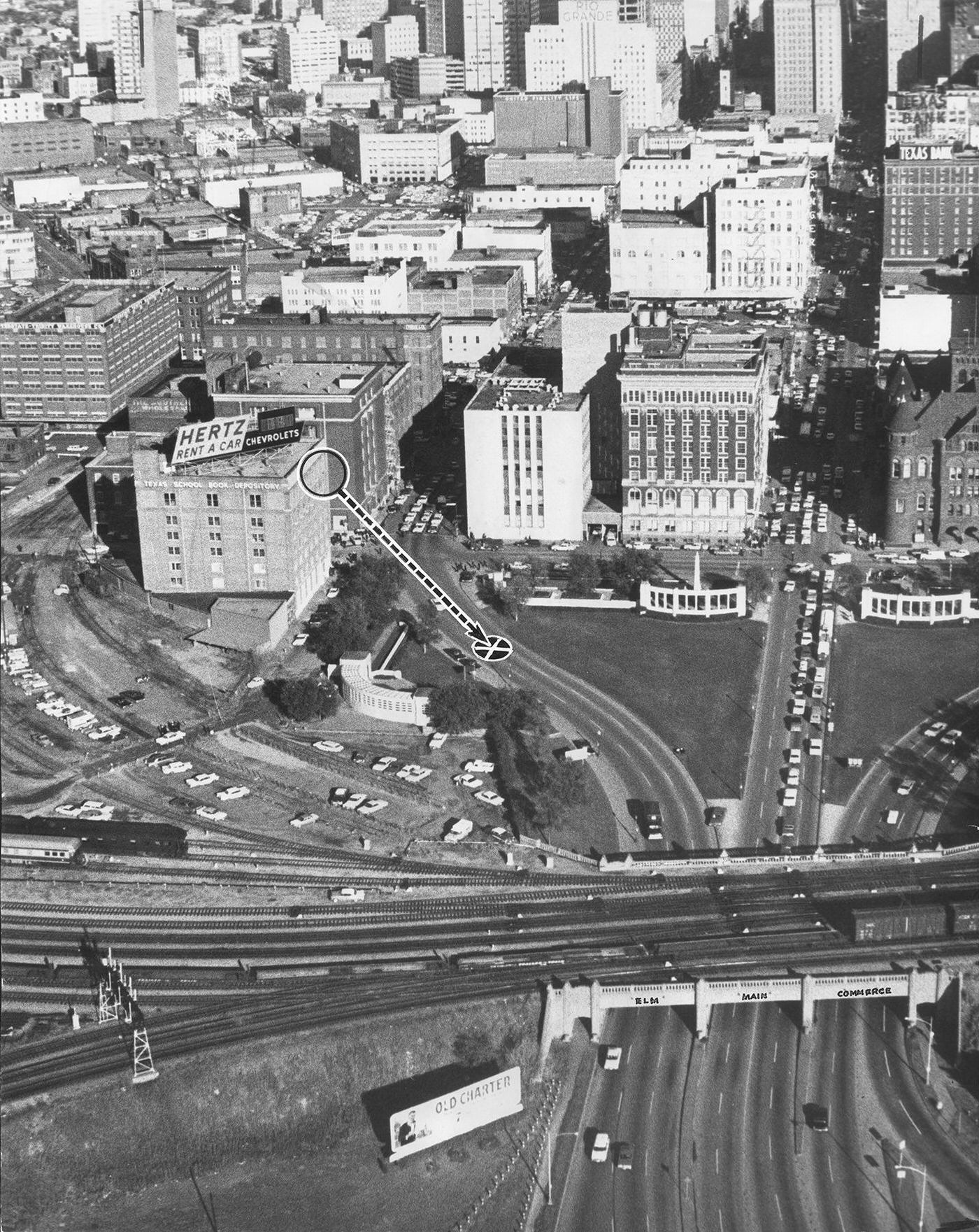
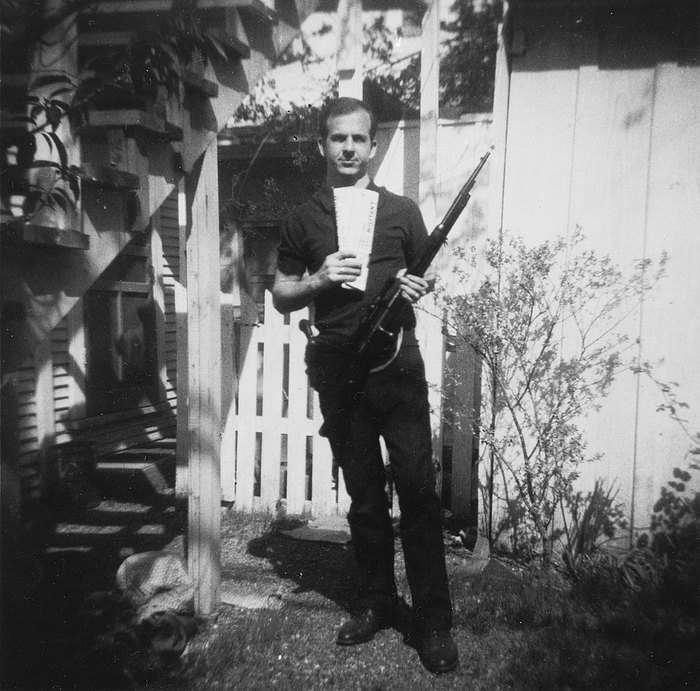
Kennedy was shot as the motorcade passed Dealey Plaza, a few yards from the spot where John Neely Bryan had first settled what would become Dallas back in 1841. The shots came from the sixth floor of the Texas School Book Depository, fired by Lee Harvey Oswald, an employee of the building. Kennedy was rushed to Parkland Memorial Hospital, where he died thirty minutes after the shooting.
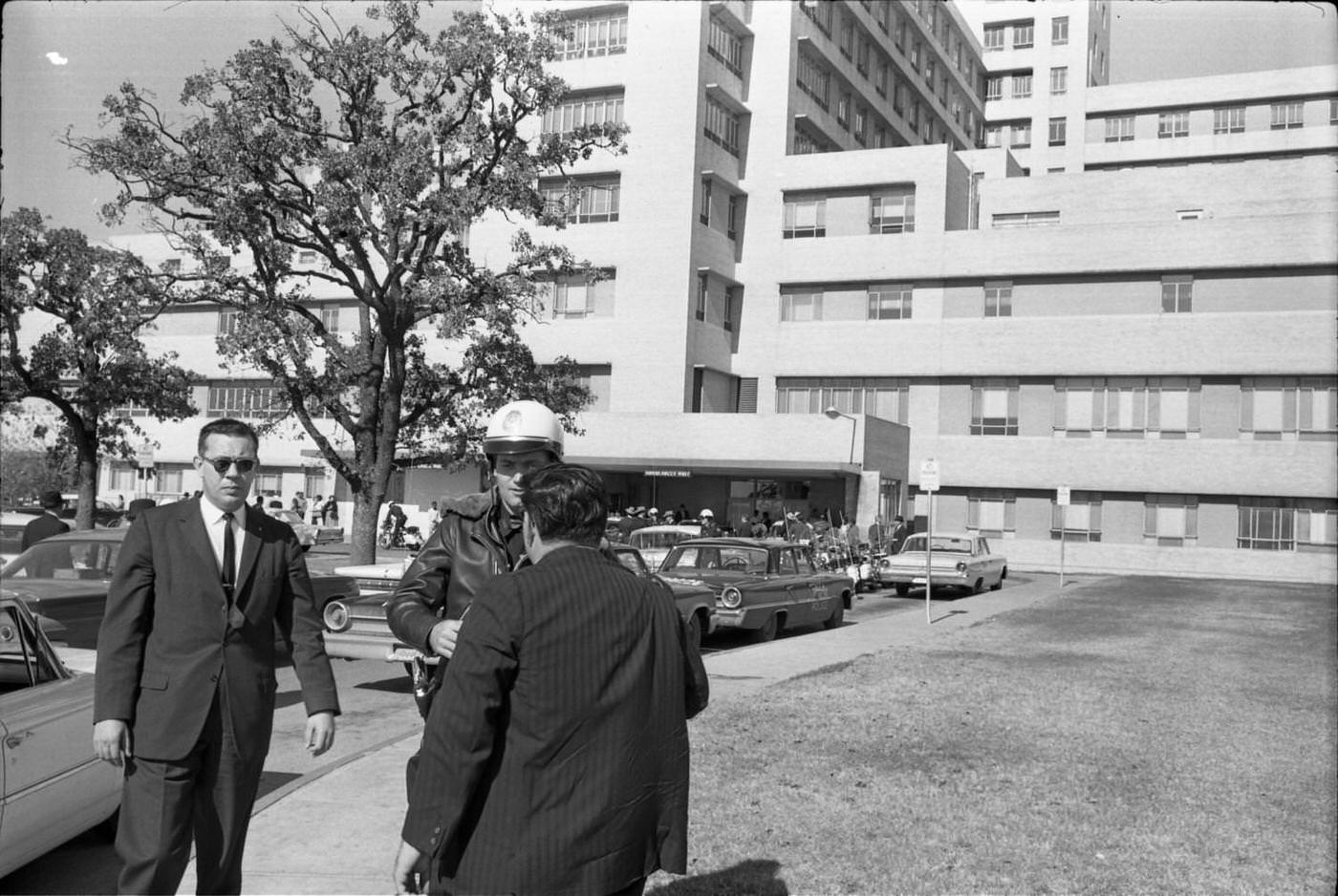
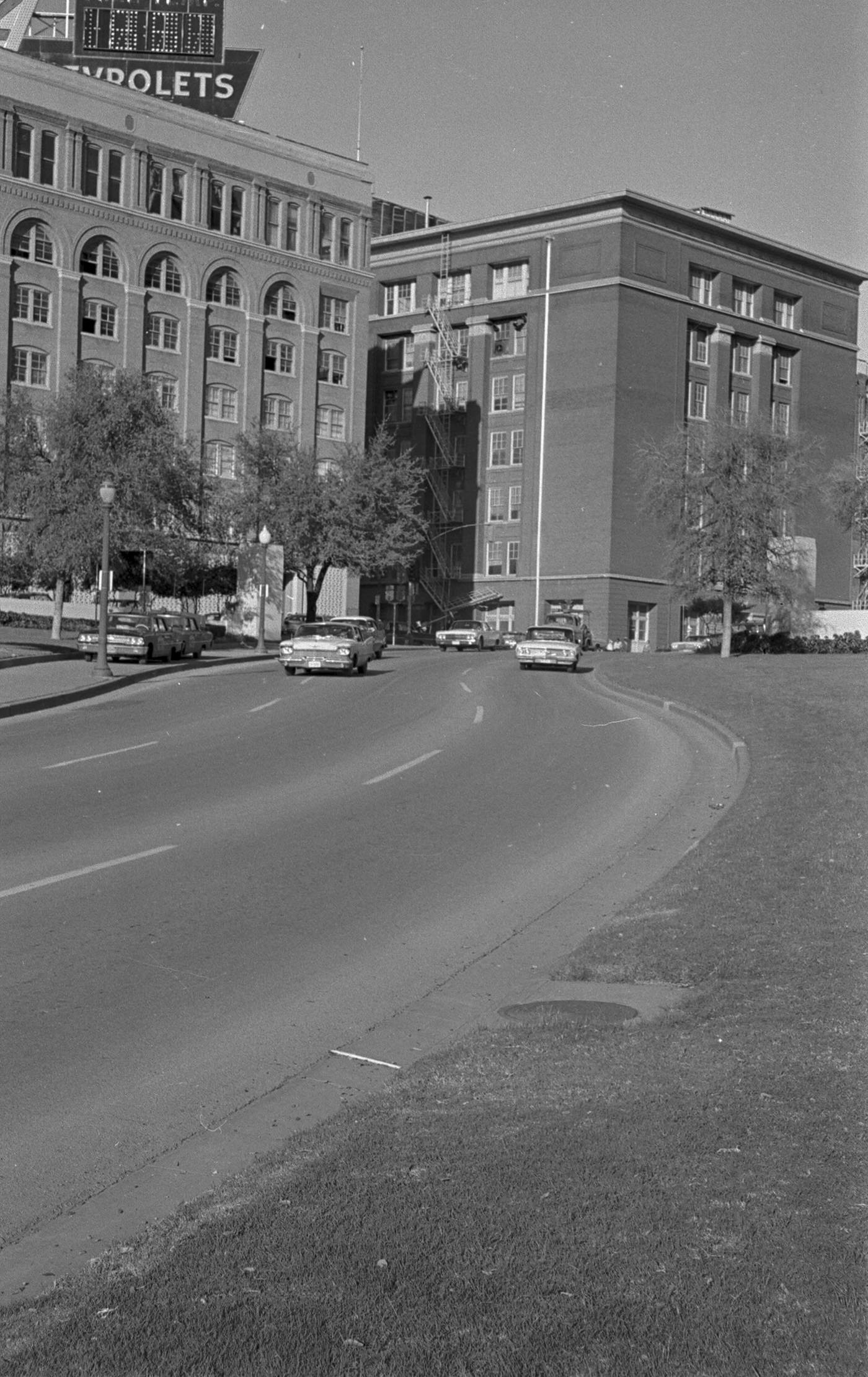
Looking northeast toward the Texas School Book Depository building following assassination of President John F. Kennedy, 1963Rifle found on 6th floor of Texas School Book Depository, 1963Crowd awaiting news outside Emergency Room entrance of Parkland Hospital following assassination of President John F. Kennedy, 1963
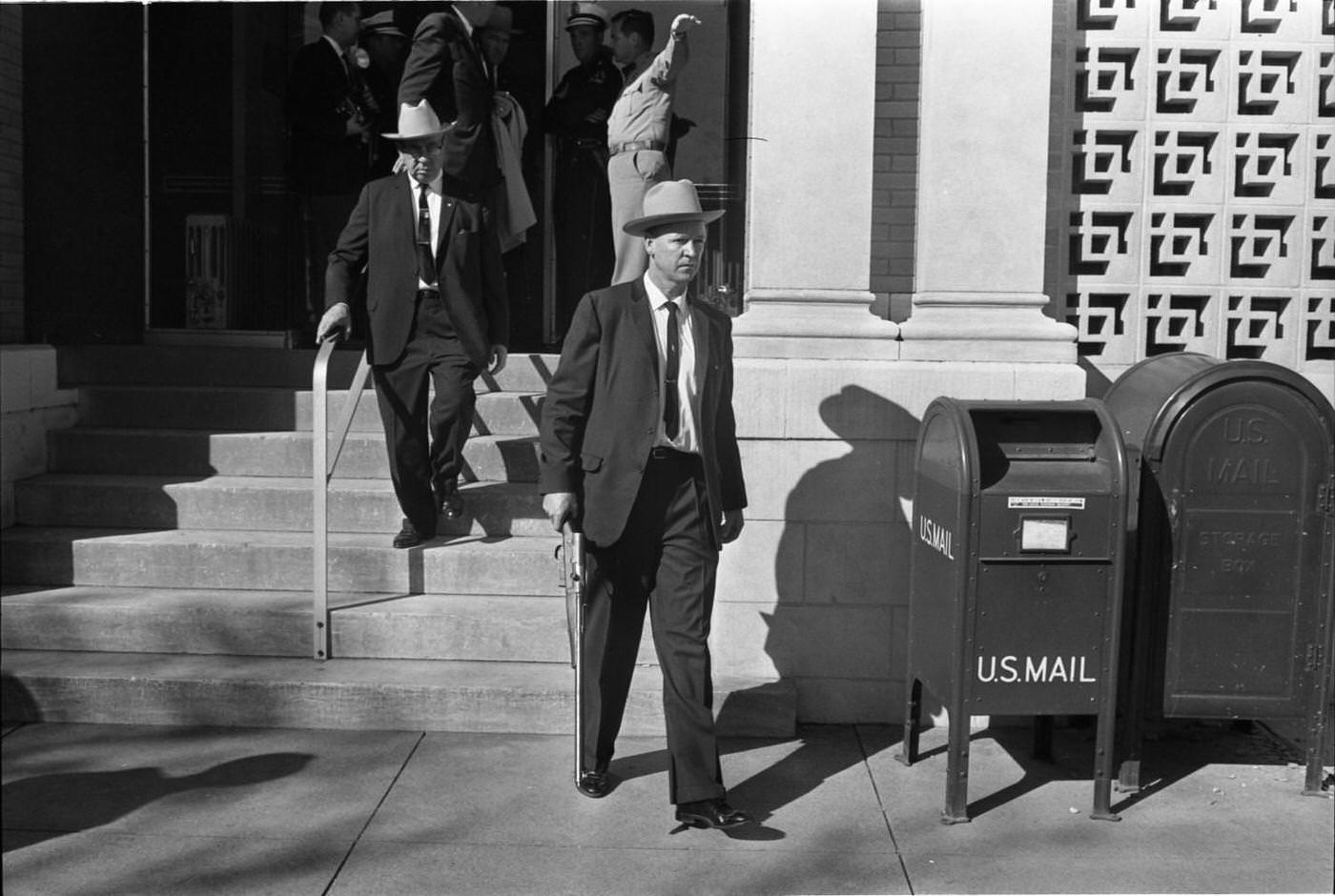
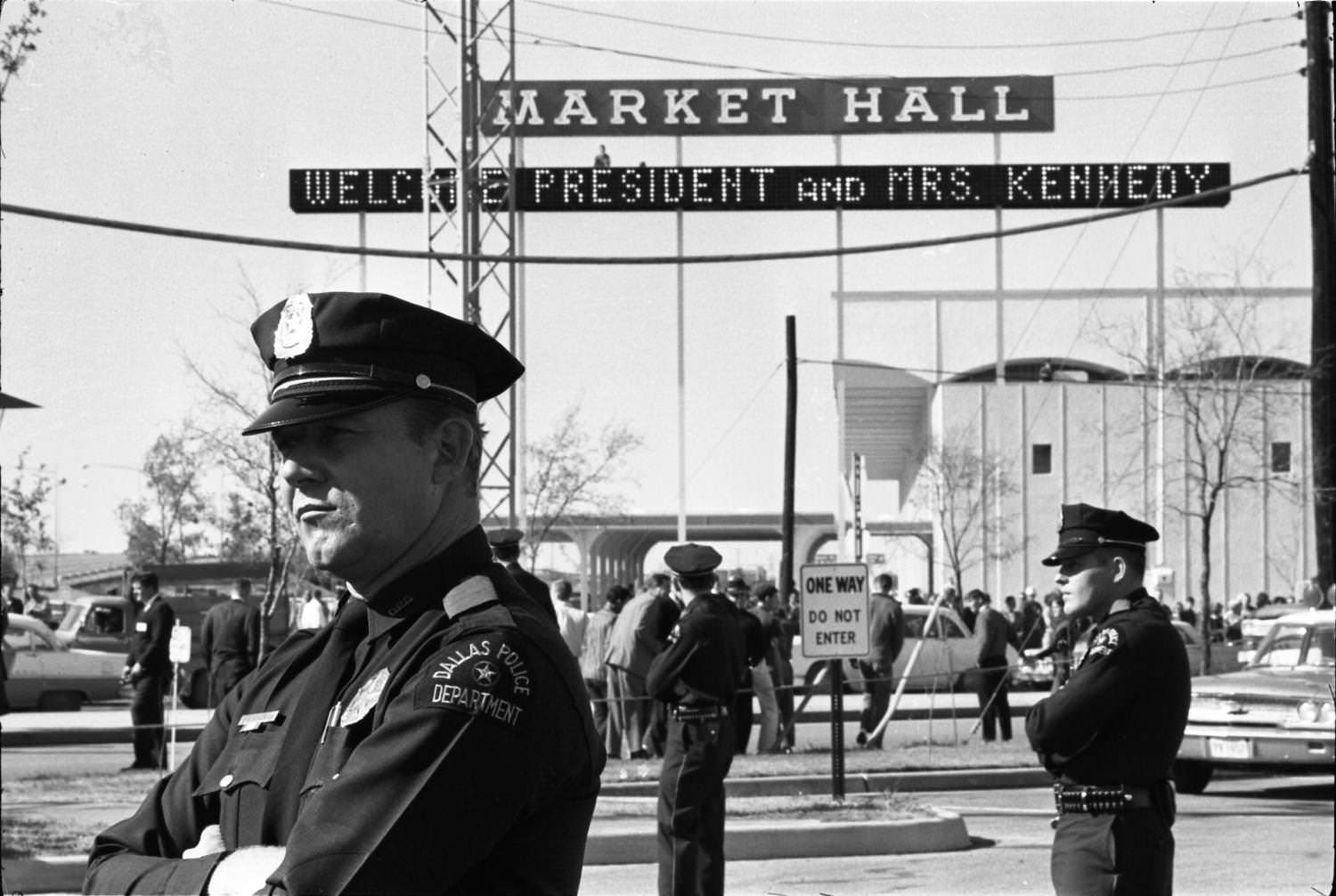
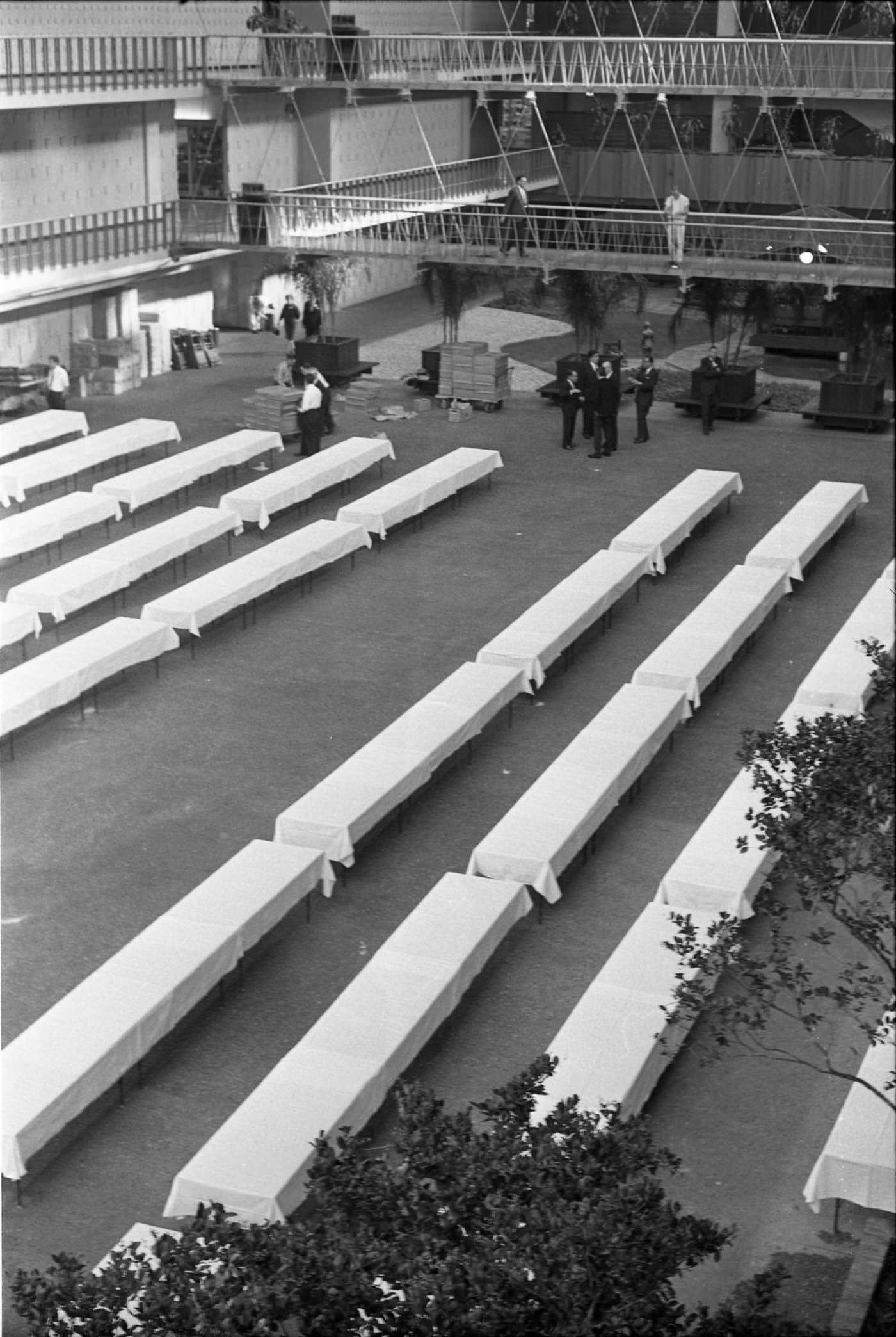
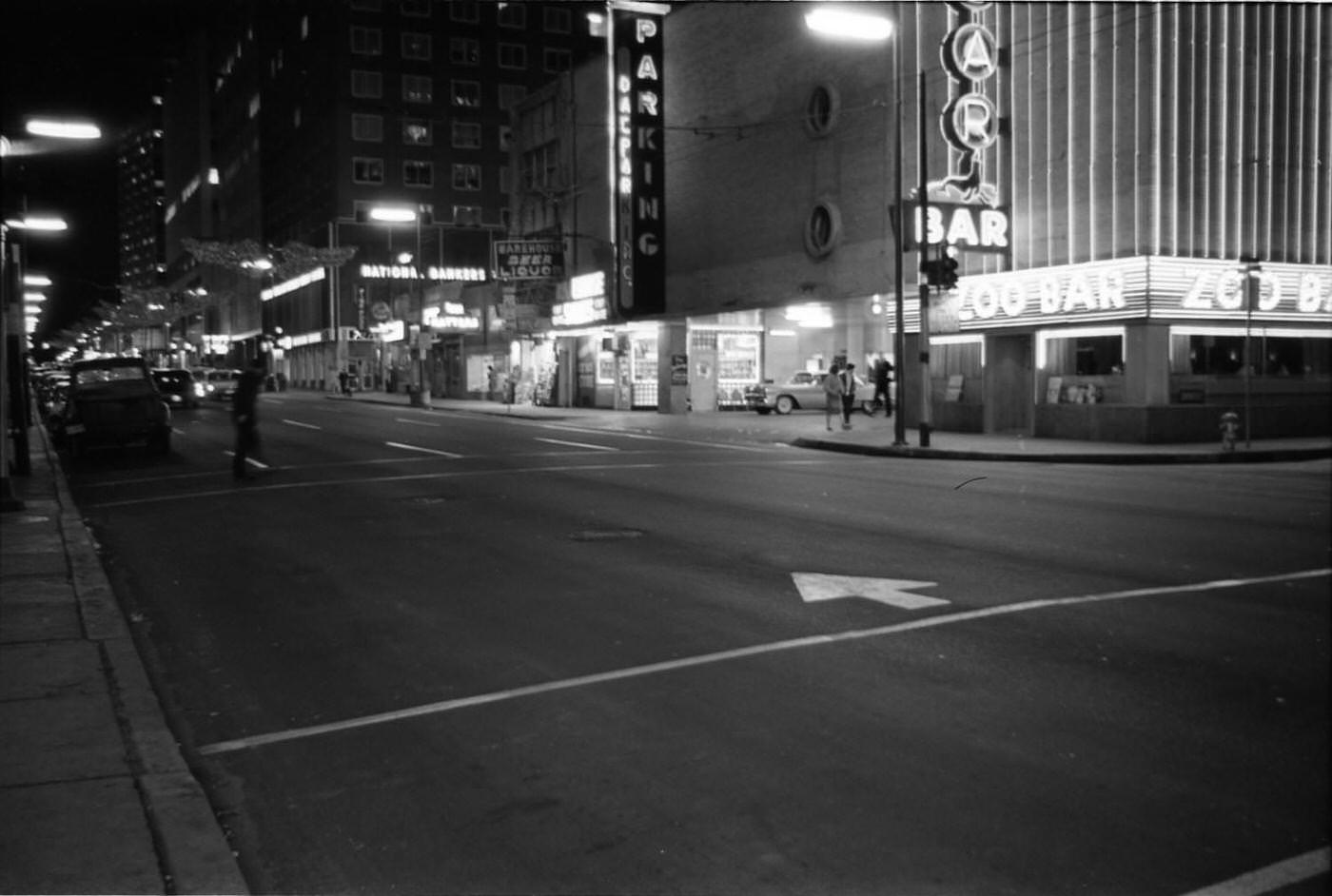
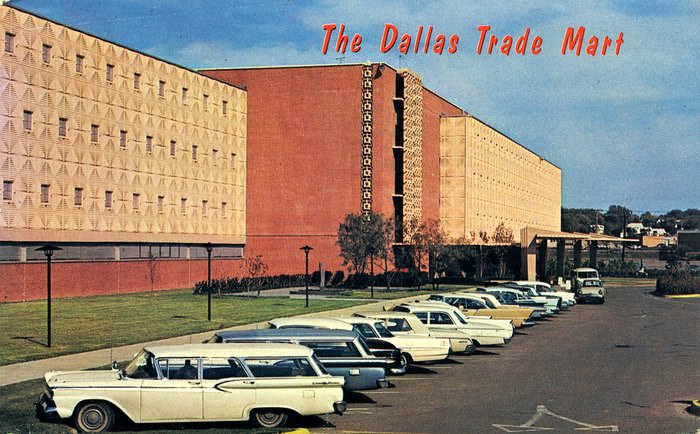
Dealey Plaza was swarmed by law enforcement within minutes. Dallas police officers exited and secured the Texas School Book Depository. Officers stood guard at the Dallas Trade Mart, where Kennedy had been scheduled to speak at a luncheon — the banquet tables had already been set up and were waiting. Commerce Street that evening was quiet in an eerie way, the city in collective shock.
Dallas Police officers exiting the Texas School Book Depository, 1963Dallas Police officers standing guard outside the Dallas Trade Mart, 1963Banquet tables being set up at the Dallas Trade Mart, 1963Commerce Street in downtown Dallas the evening of November 22, 1963
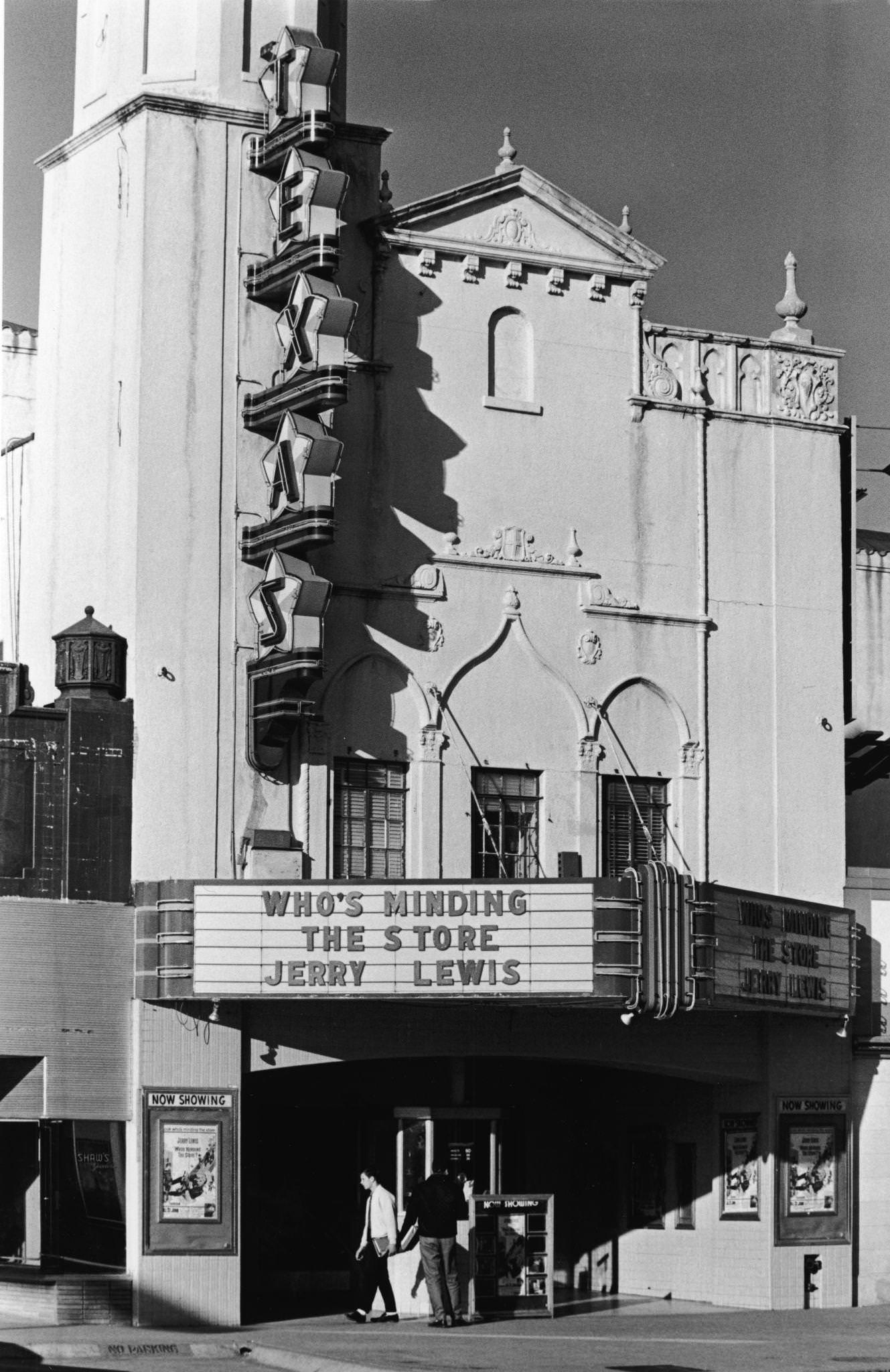
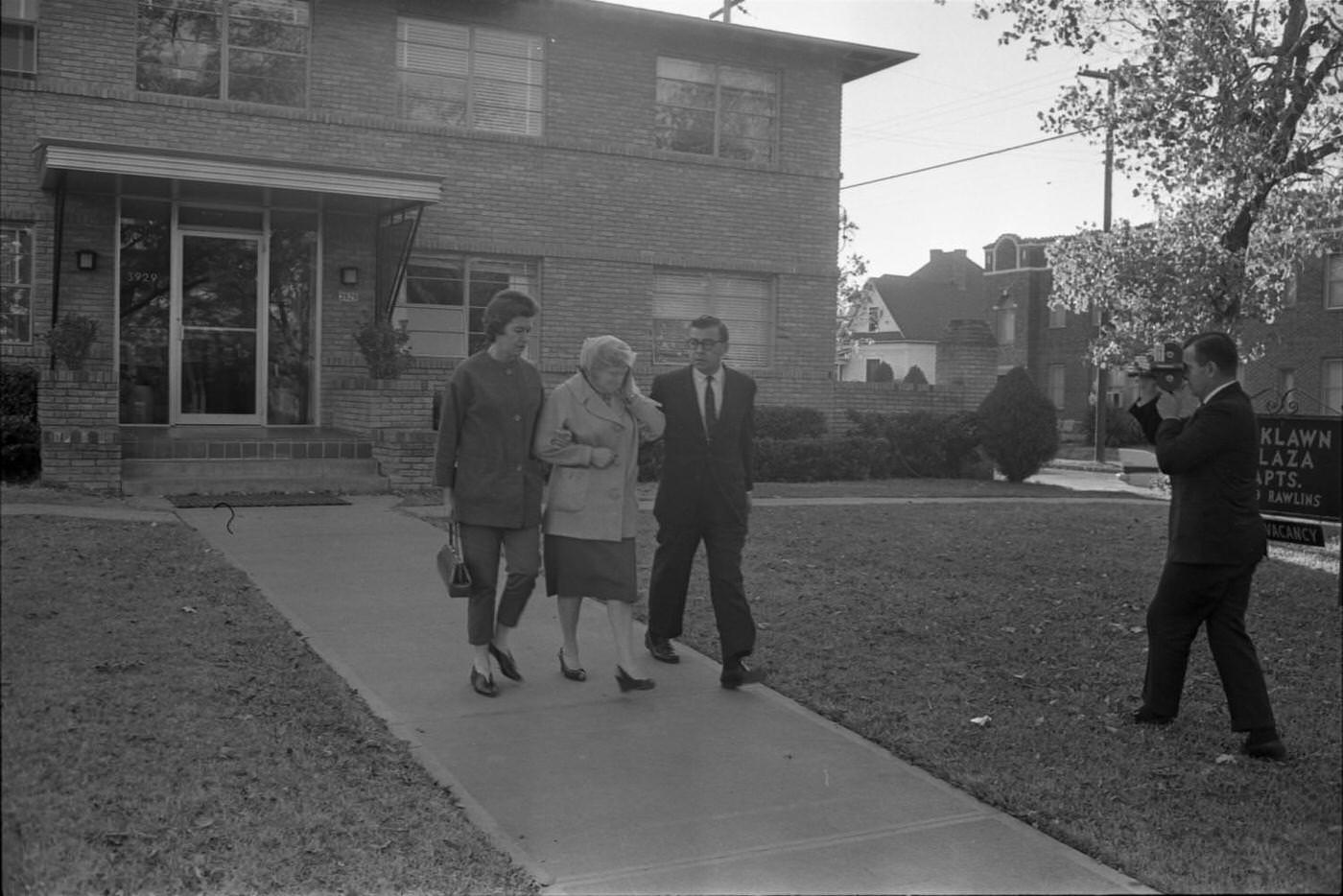
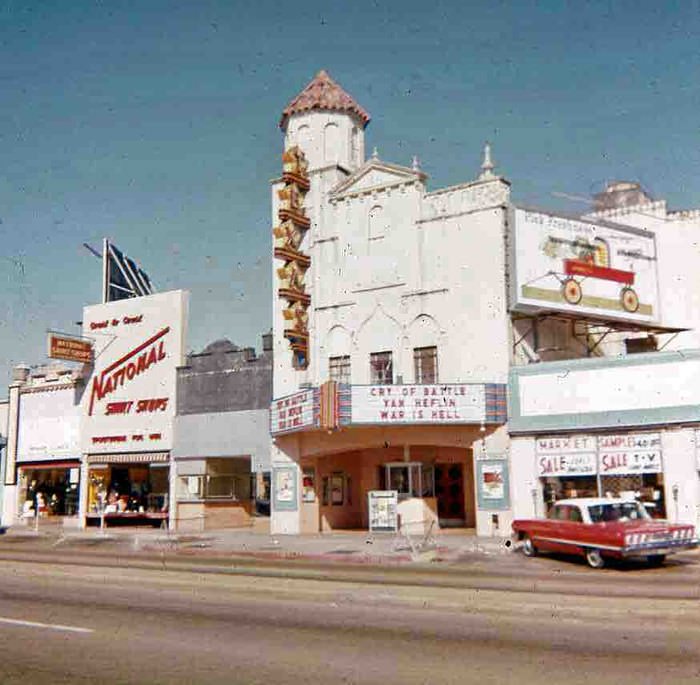
Oswald was arrested at the Texas Theater on West Jefferson Street just thirty minutes after the shooting. The theater’s marquee at the time advertised the Jerry Lewis film “Who’s Minding the Store?” Oswald had slipped into the cinema without paying and was apprehended inside by Dallas police. He was brought to Dallas Police headquarters, where his sister Eva Grant — escorted by her friend Pauline Hall and a Channel 4 reporter — went to the station after news of the arrest spread.
Exterior view of the Texas Theater (built in 1931 by architect W. Scott Dunne), located at 231 W. Jefferson Street, Dallas, Texas, December 1963.Jack Ruby’s sister Eva Grant leaving for the Dallas Police Department, 1963
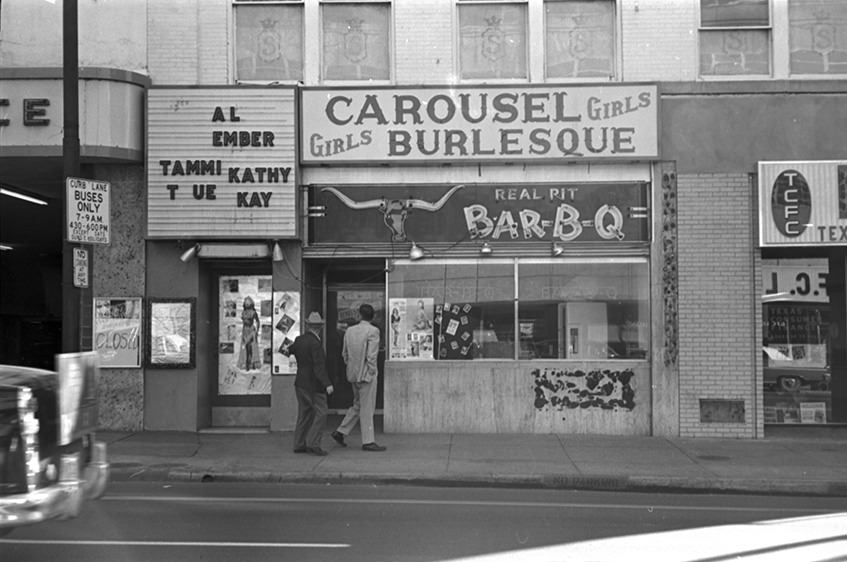
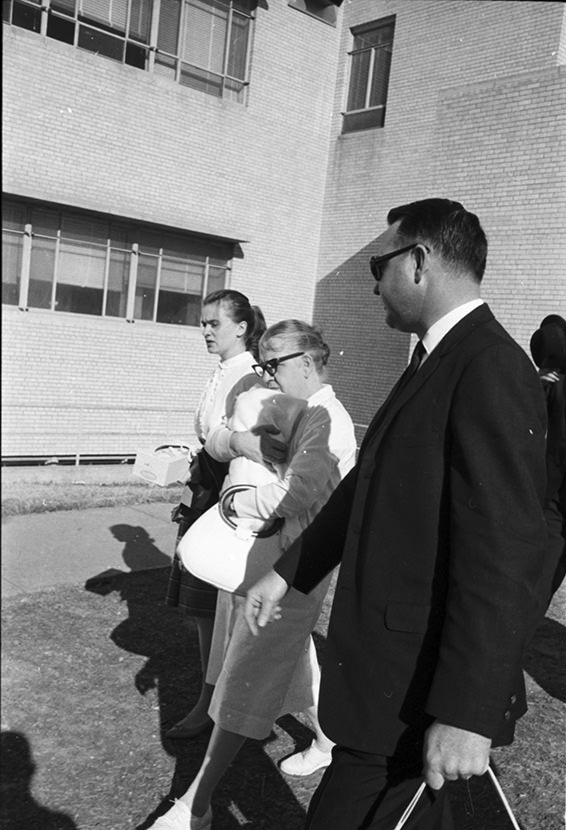
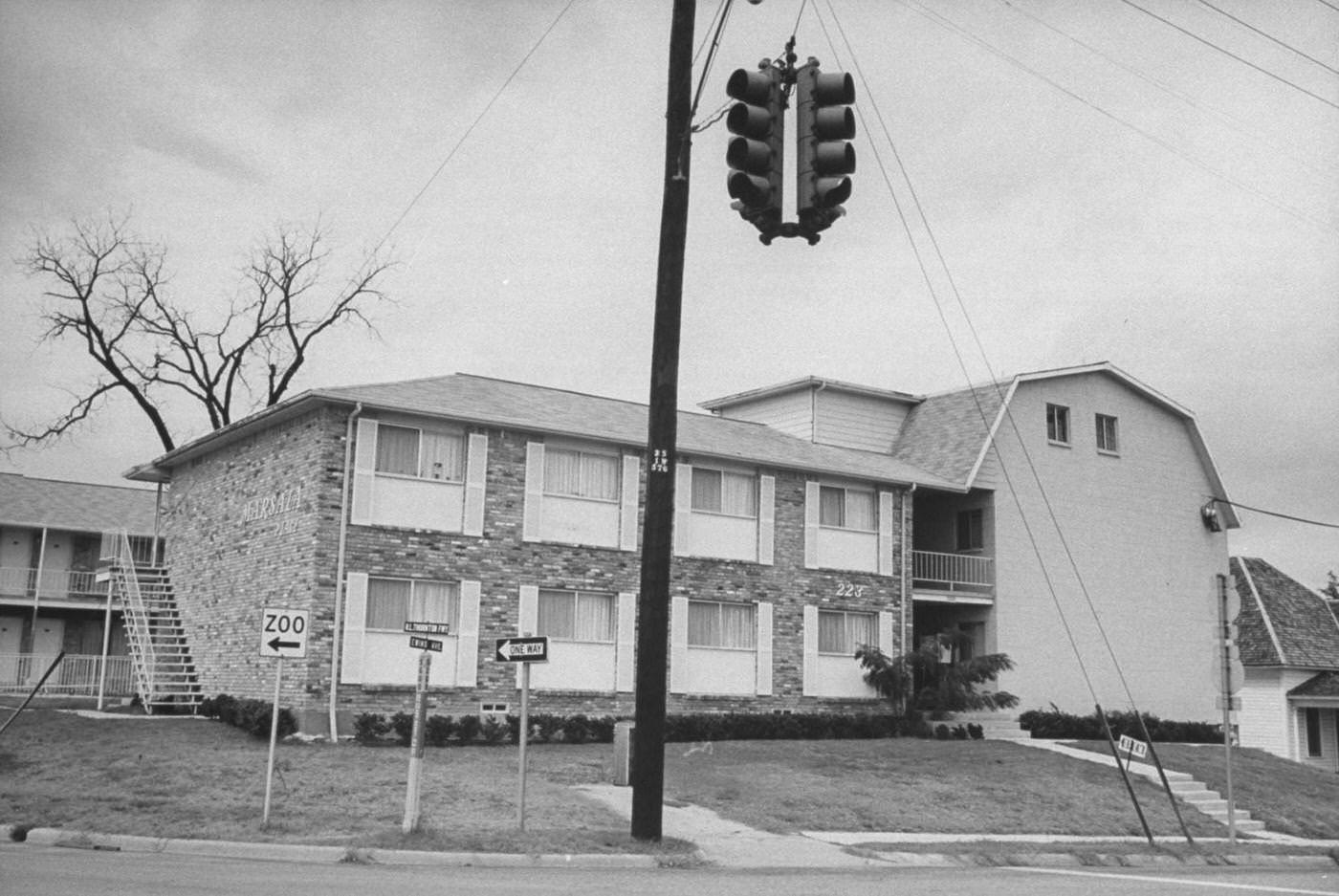
Two days after the assassination, Dallas nightclub owner Jack Ruby shot and killed Lee Harvey Oswald in the basement of Dallas Police headquarters — live on national television. Ruby owned the Carousel Club in Dallas. Oswald’s widow Marina and his mother Marguerite were photographed walking into Parkland Hospital’s morgue following his death. Jack Ruby lived in the Oak Cliff apartments, a building that would afterward become permanently tied to the events of that November weekend.
Carousel Club in Dallas; owned by Jack Ruby, who killed Lee Harvey Oswald, 1963Marina and Marguerite Oswald with Marina’s children walking into Parkland Hospital morgue following Lee Harvey Oswald’s death, 1963Oak Cliff apts. in Dallas where Jack Ruby lived, 1960s
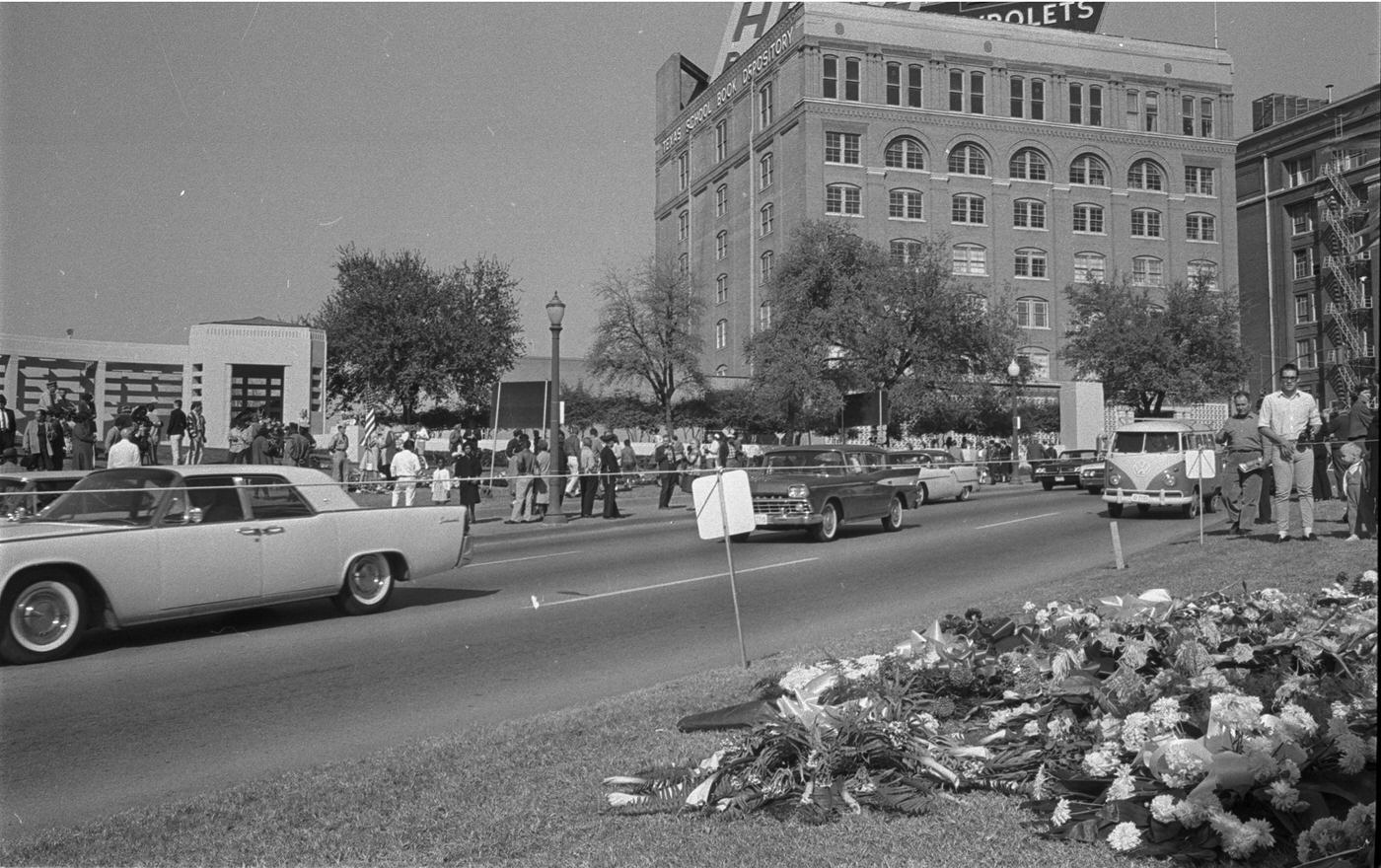
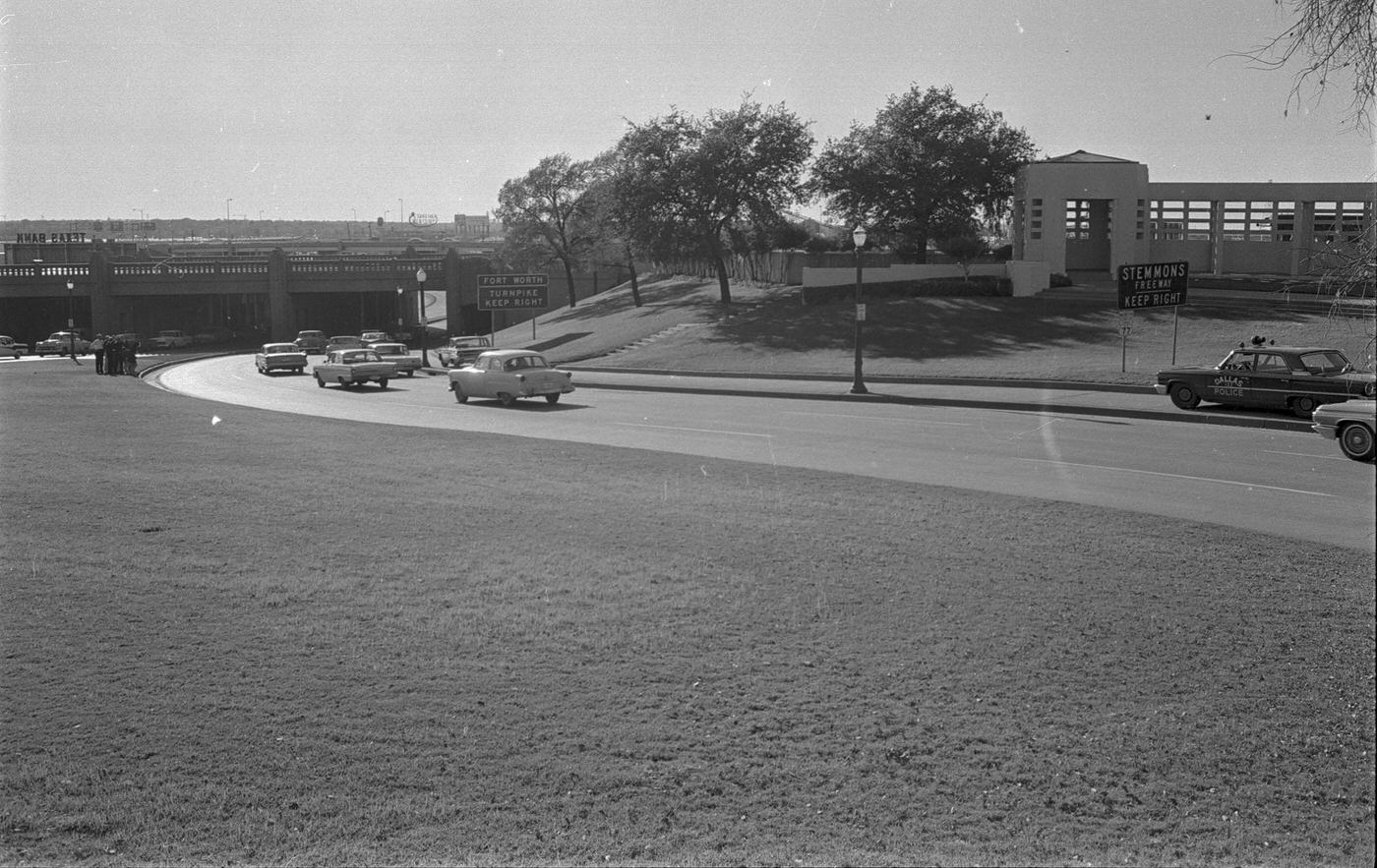
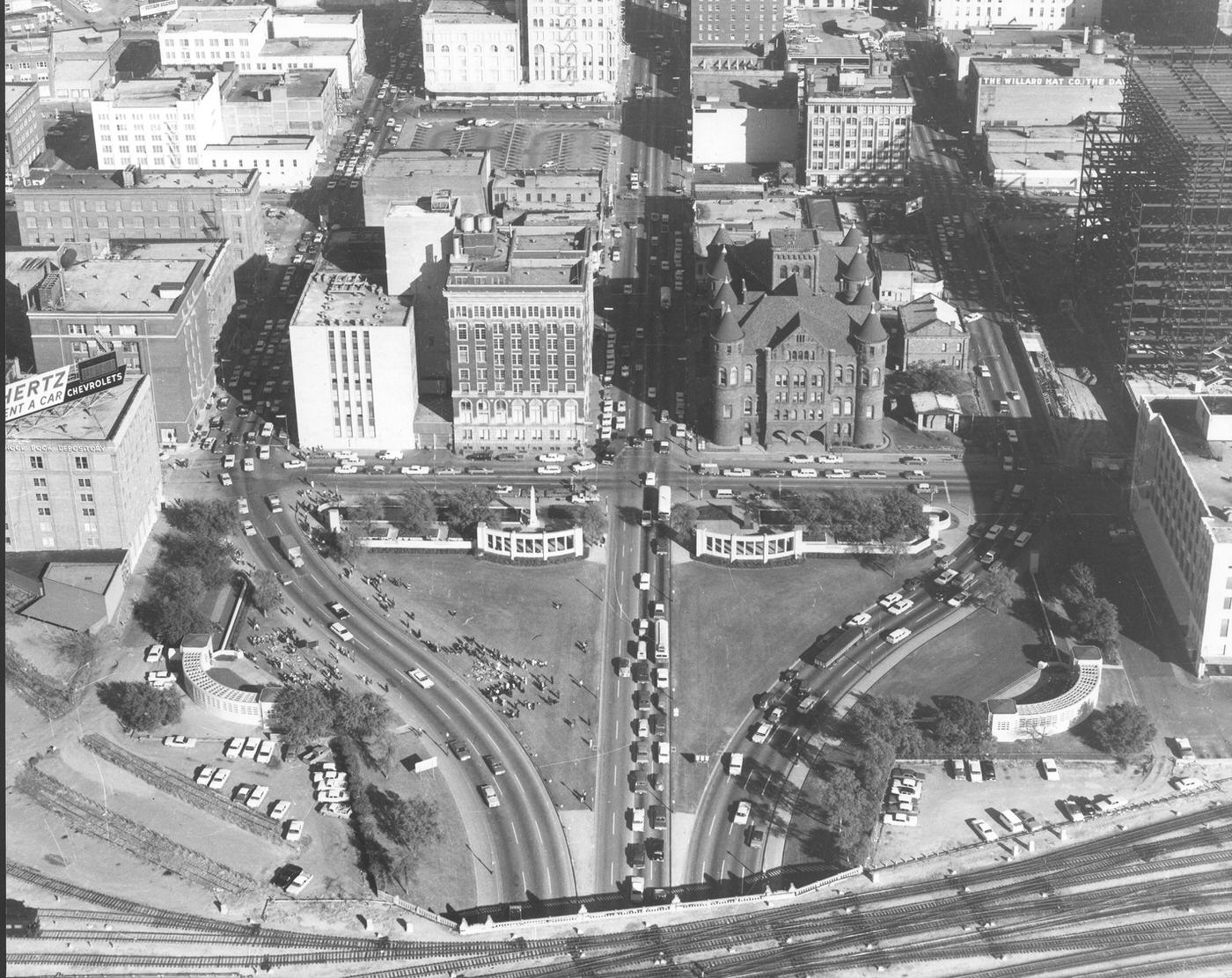
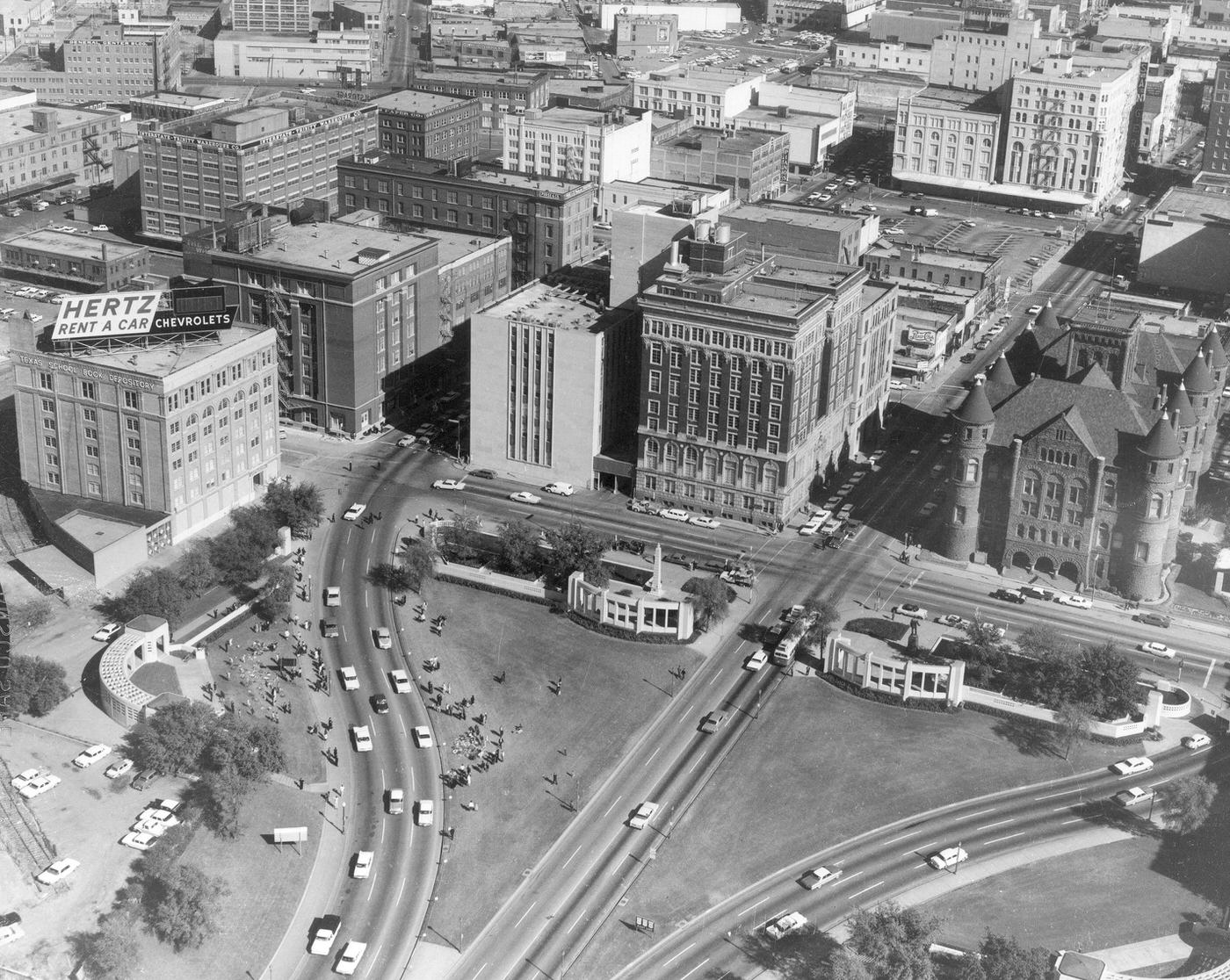
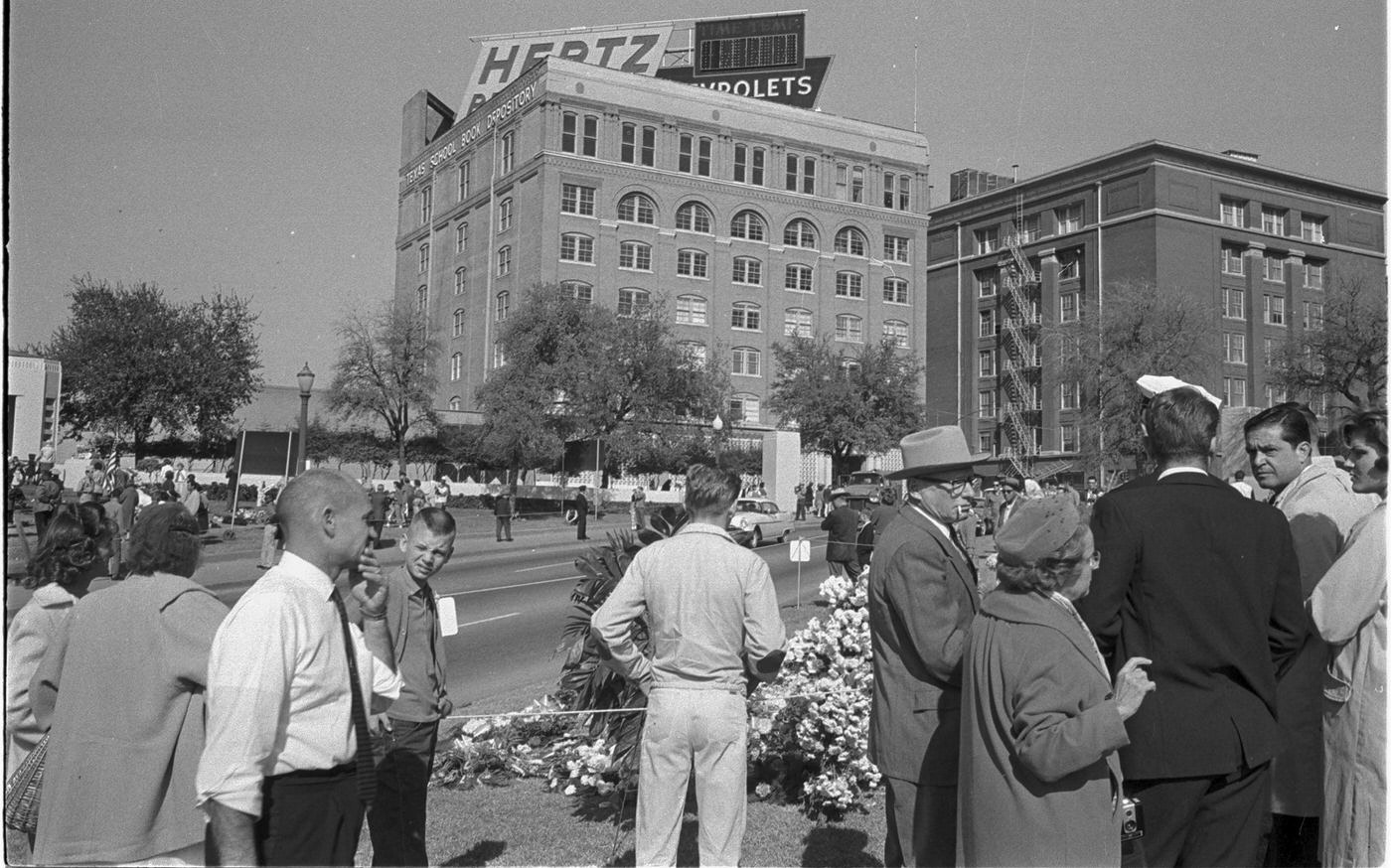
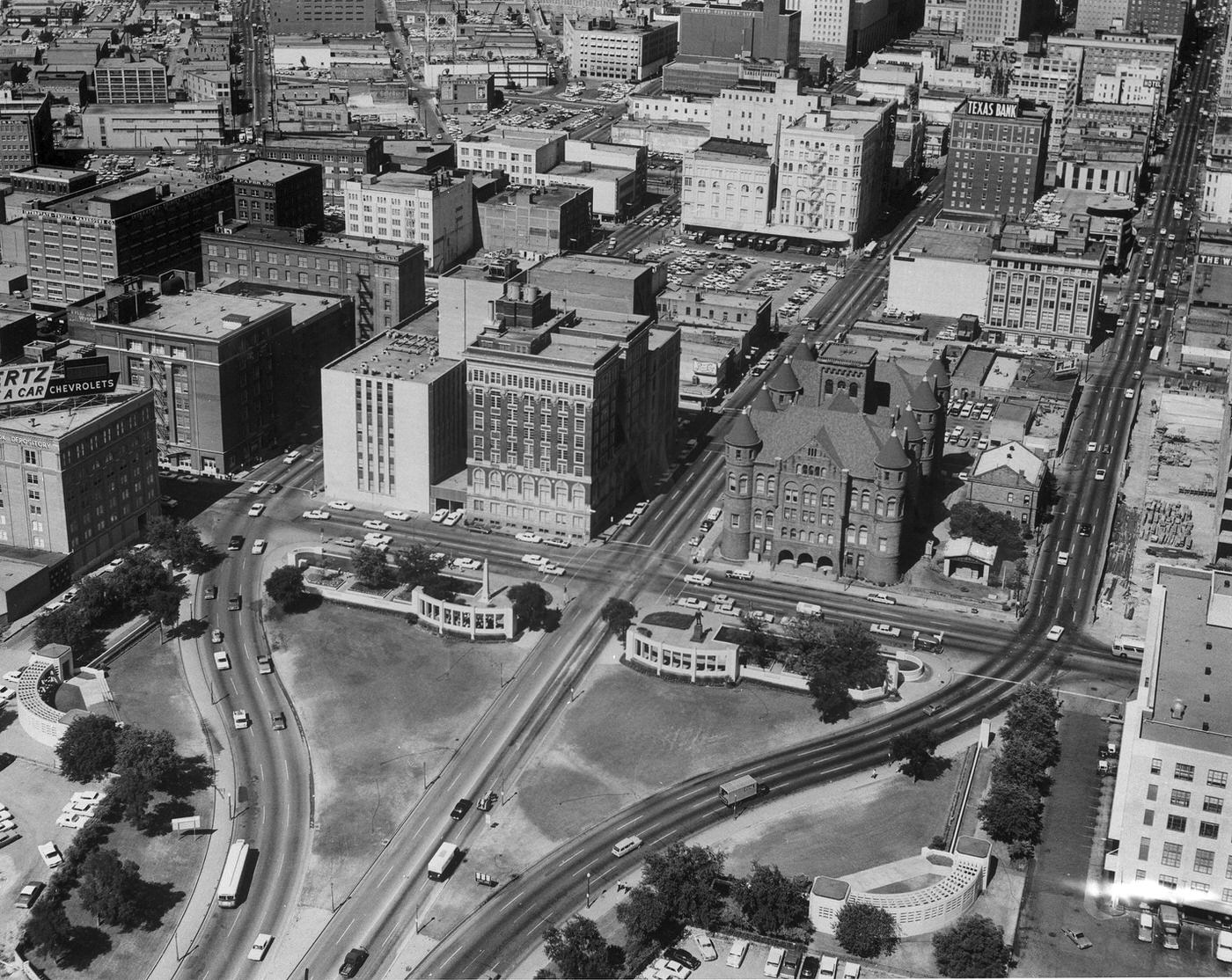
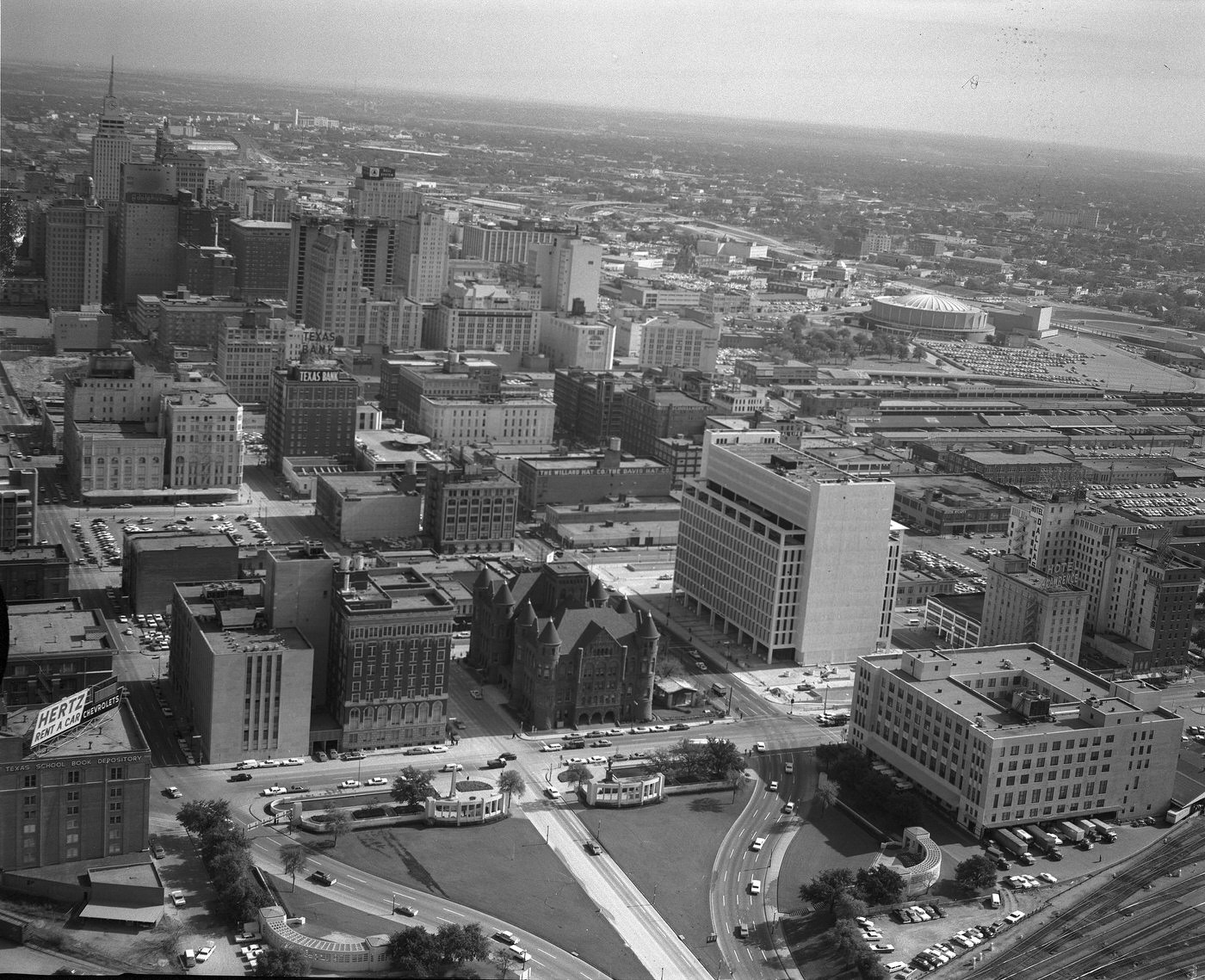
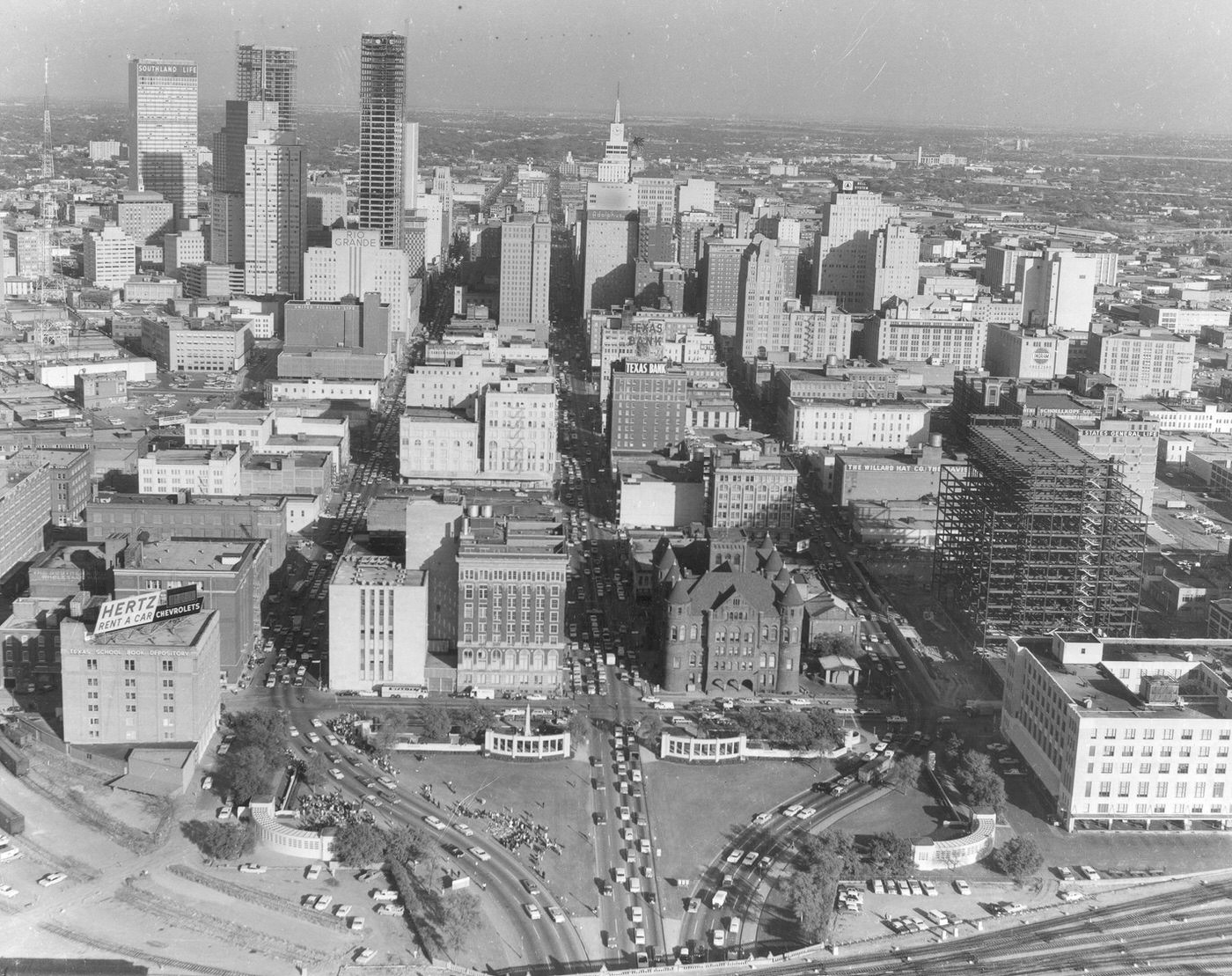
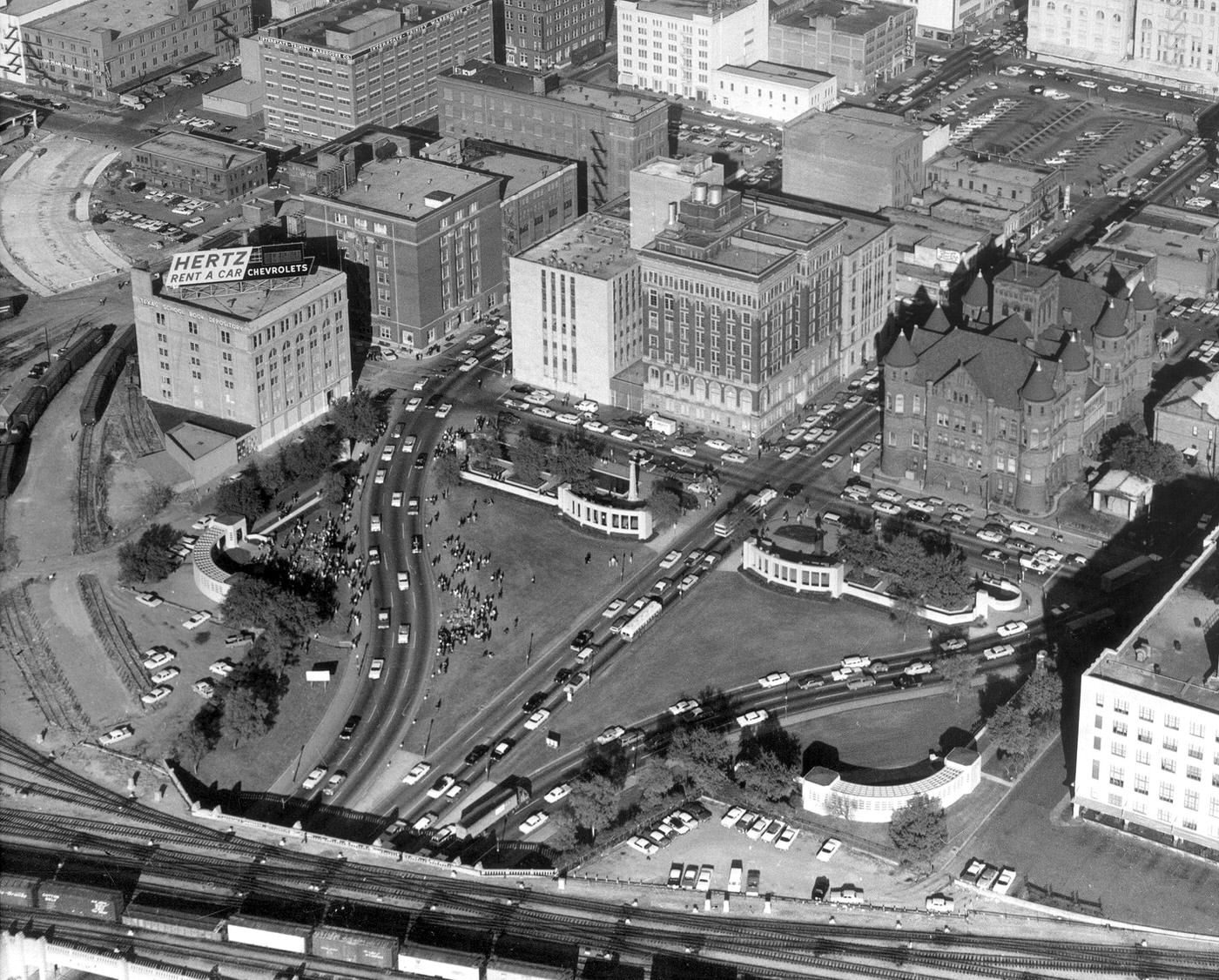
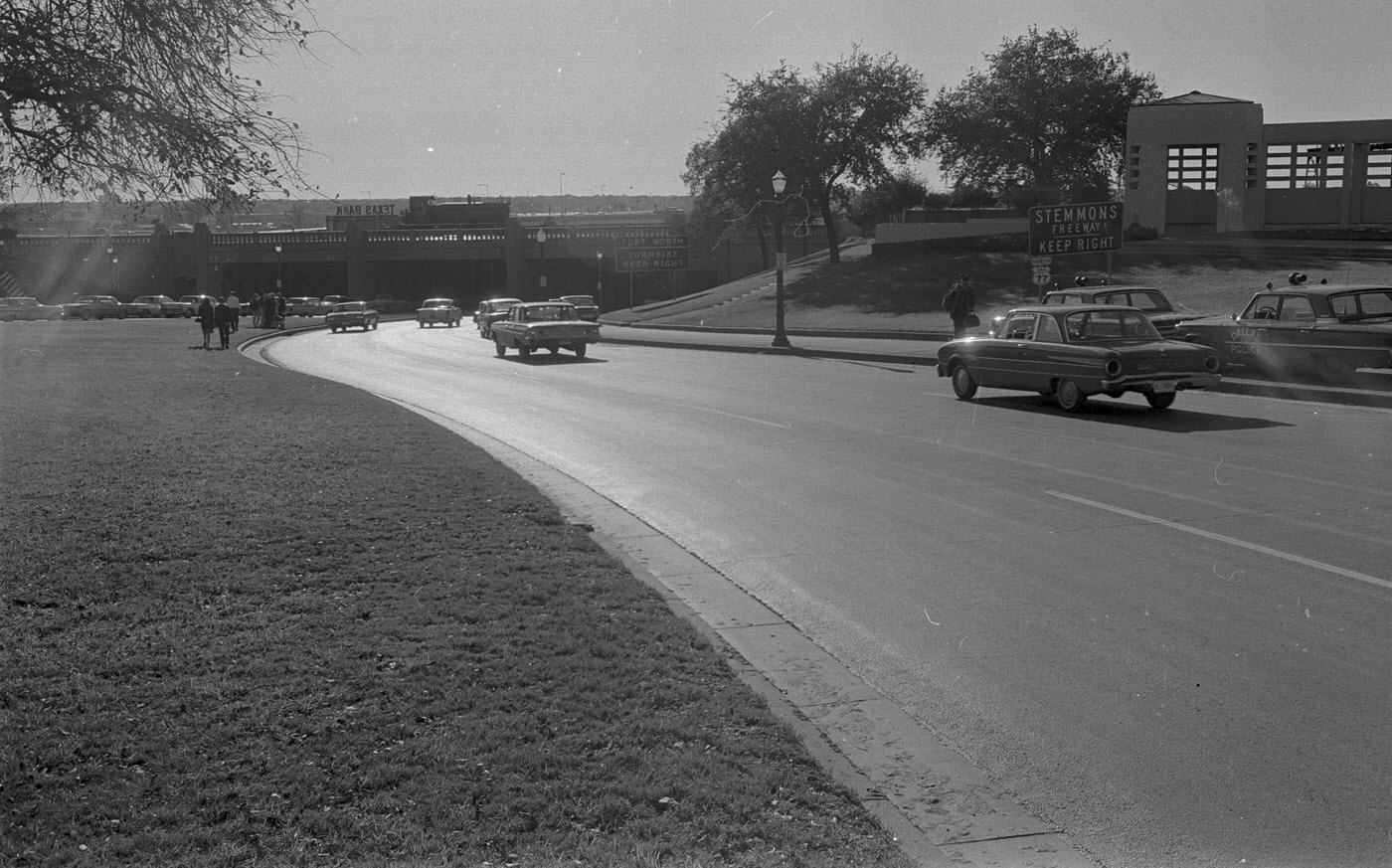
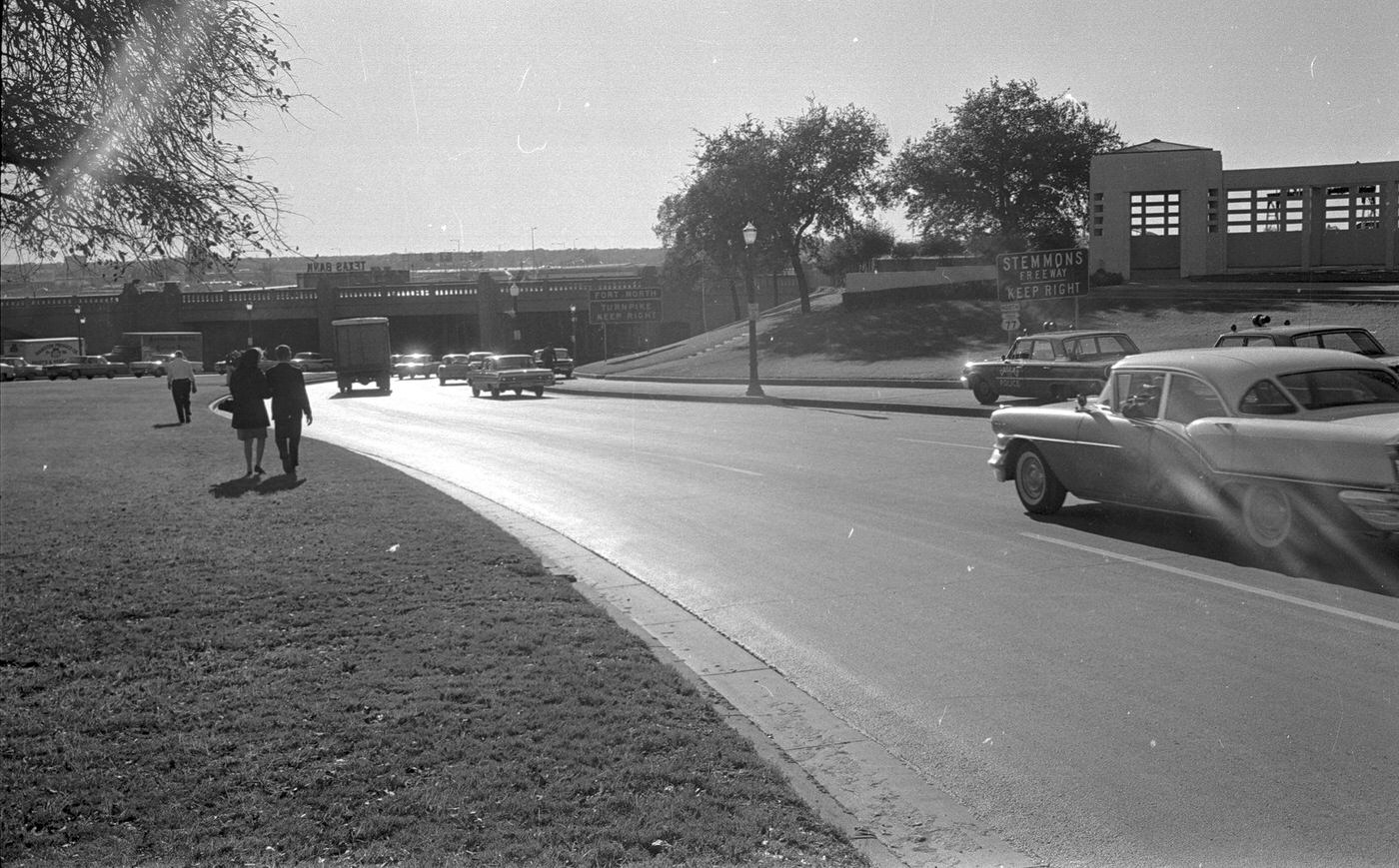
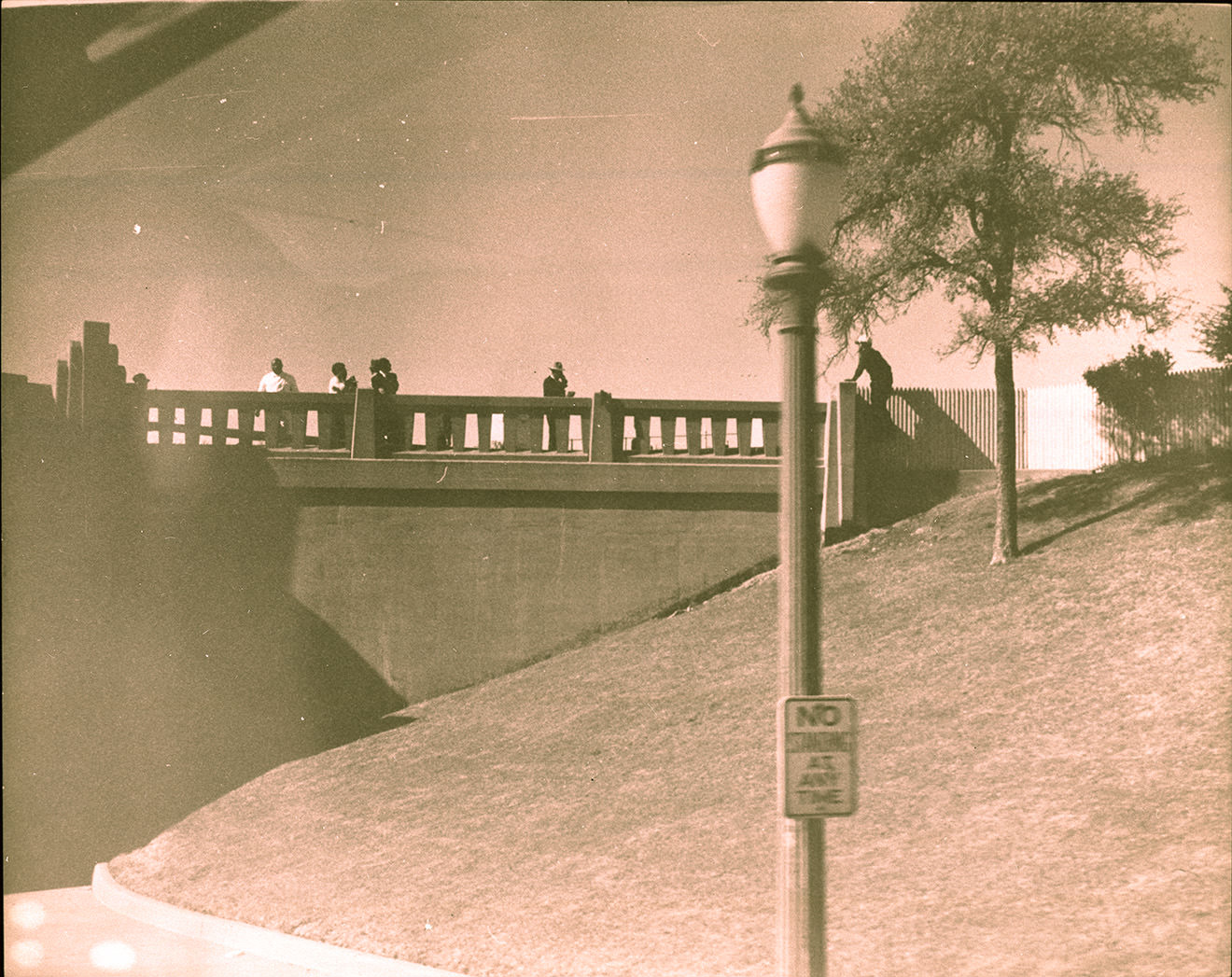
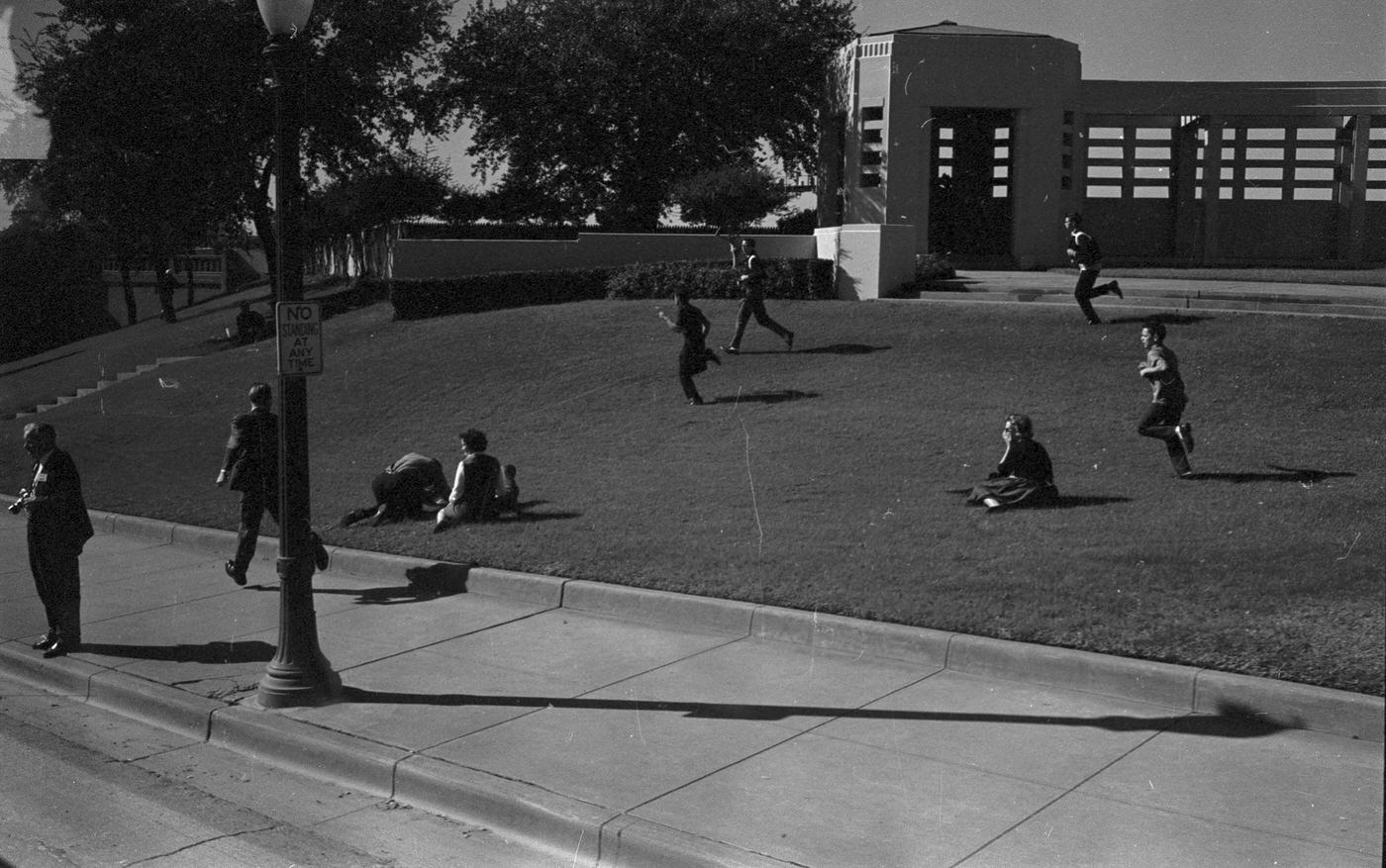
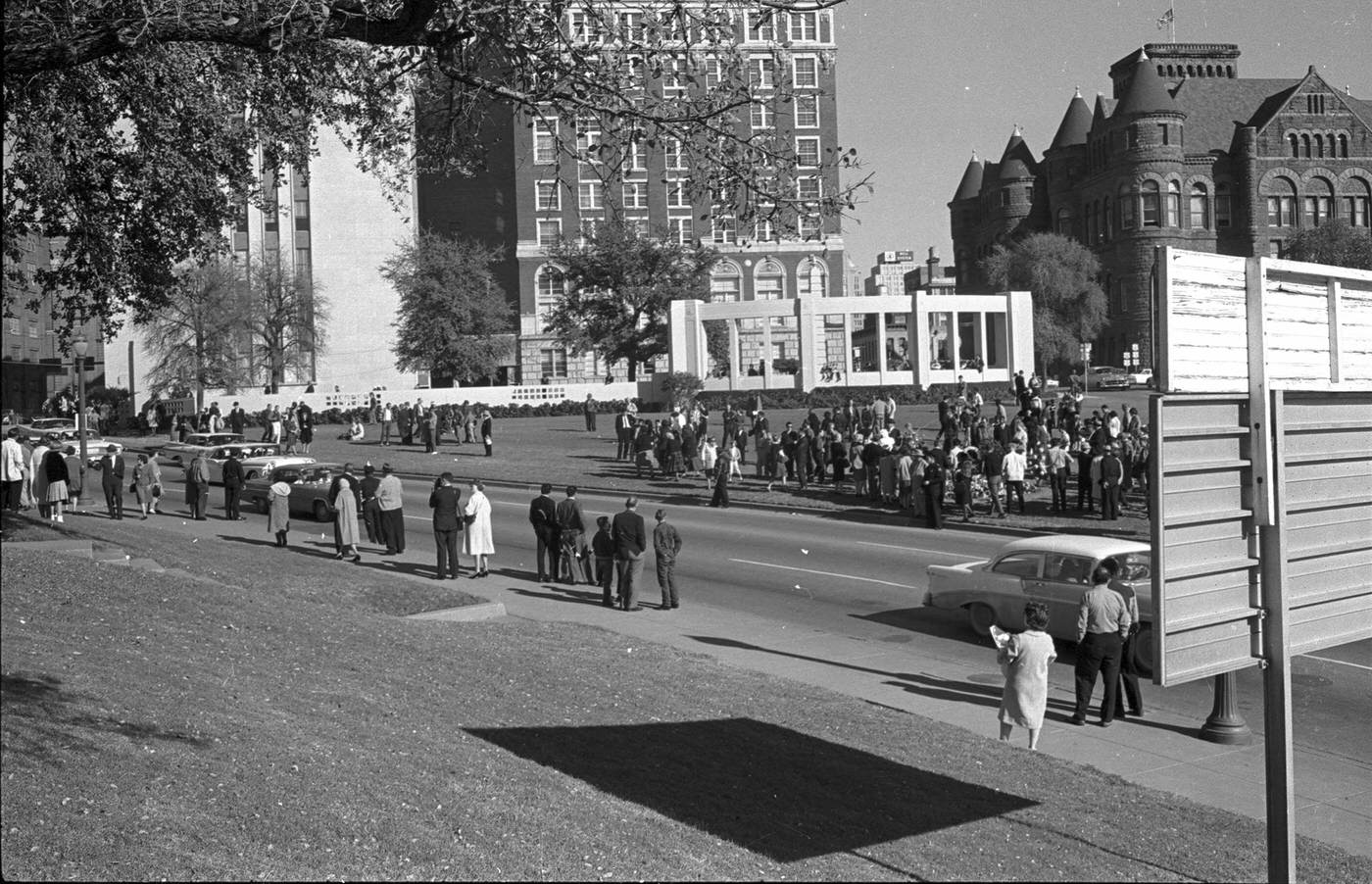
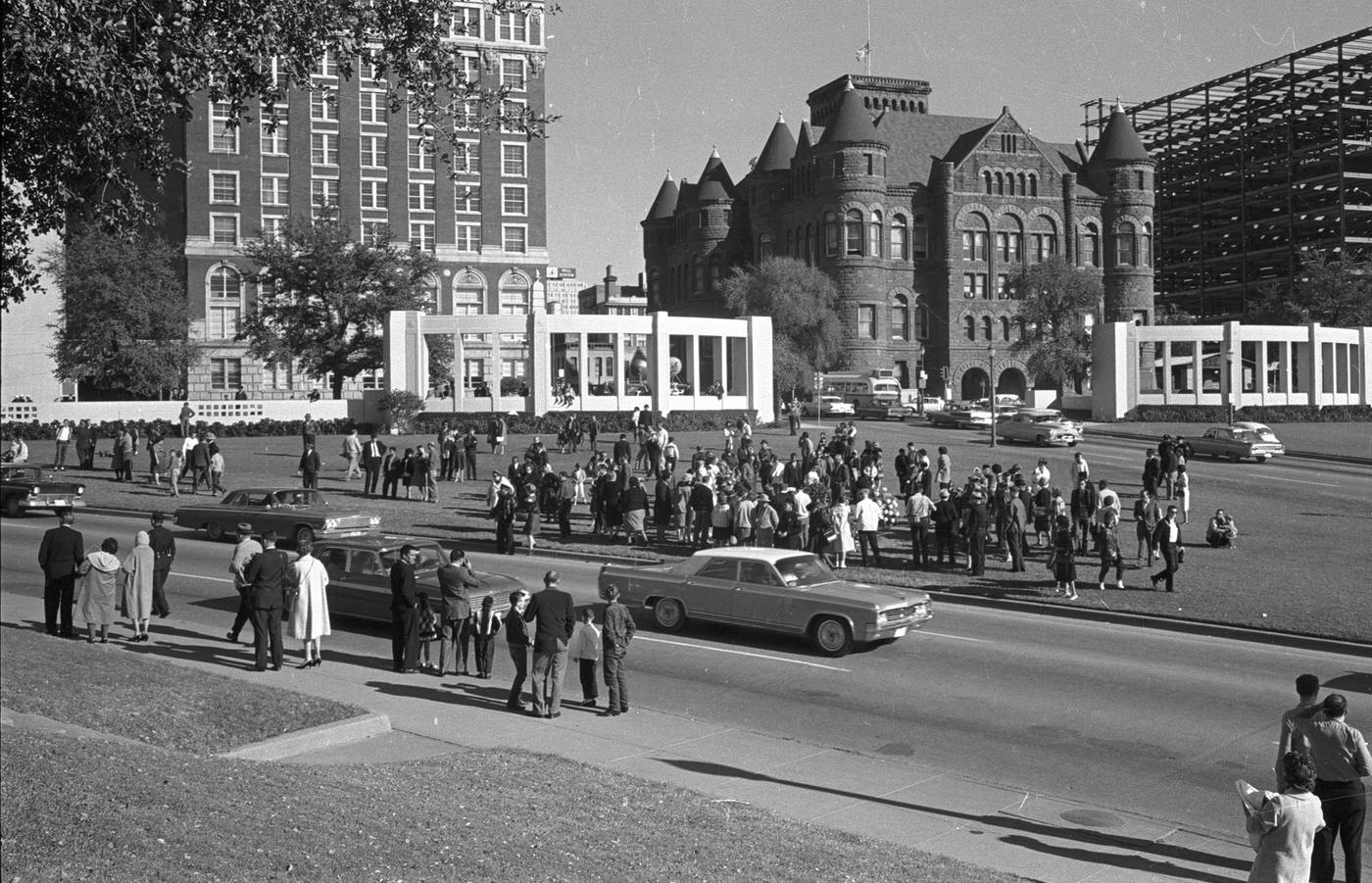
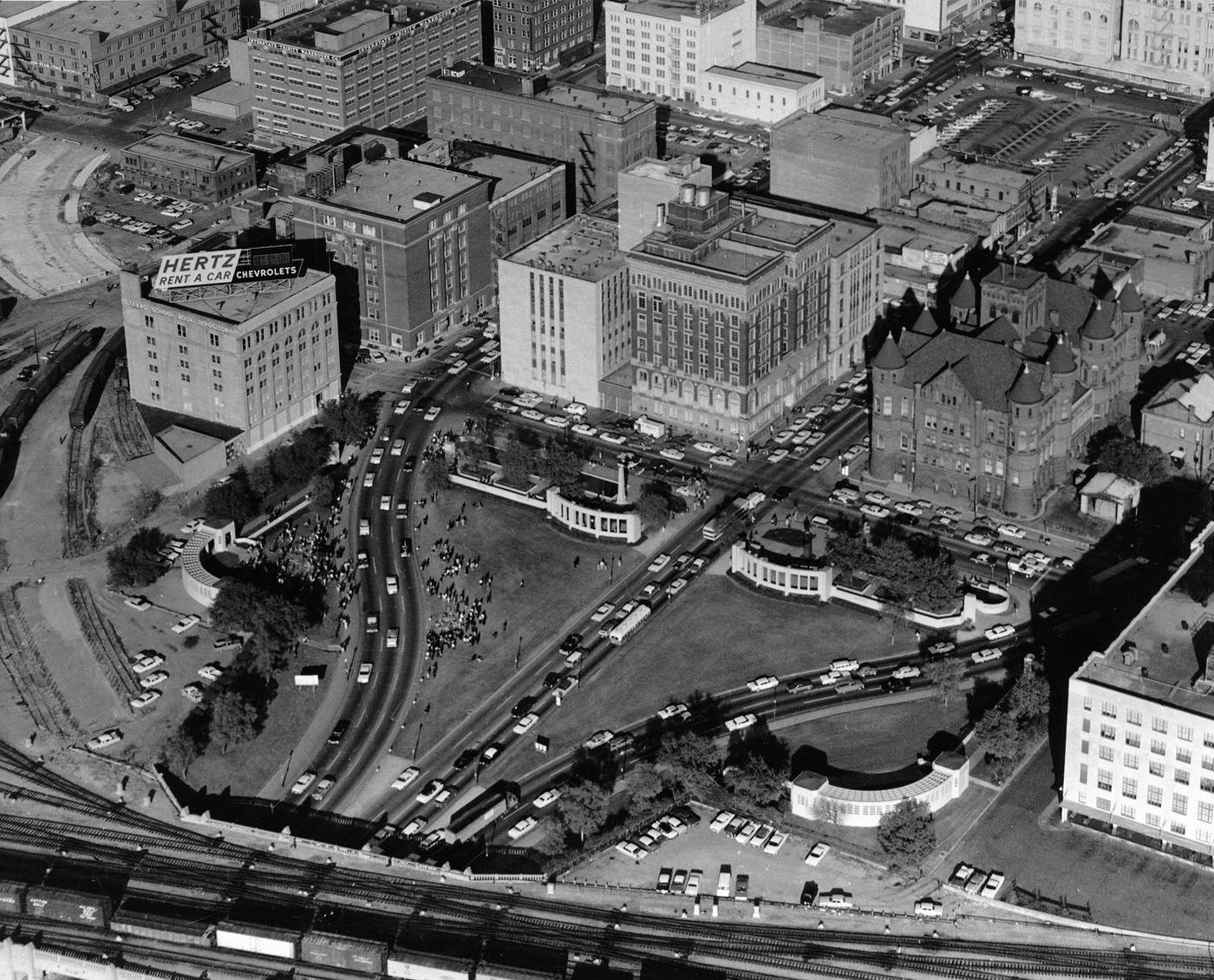
Dealey Plaza was photographed extensively in the days following the assassination. The grassy knoll, the triple underpass, and the Book Depository building all became subjects of intense public scrutiny and media coverage. The area near Elm Street, where the shots had struck, drew investigators, journalists, and curious onlookers alike.
Dealey Plaza, Dallas, Texas, showing area near Texas State Book Depository building following President John F. Kennedy’s assassination, 1963“Grassy Knoll” near Dealey Plaza, Dallas, Texas following President John F. Kennedy’s assassination, 1963An aerial of triple underpass at Dealey Plaza, Dallas, Texas, 1963
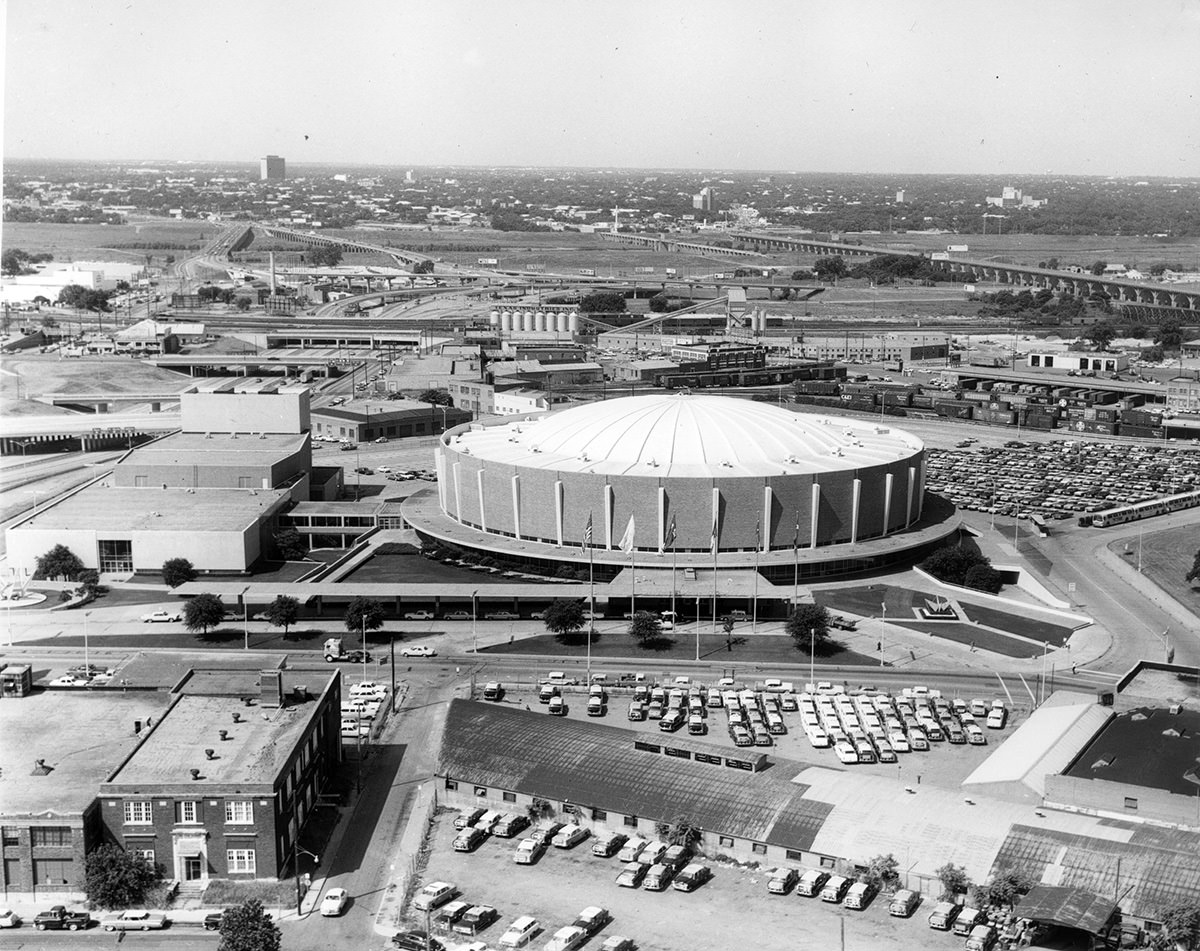
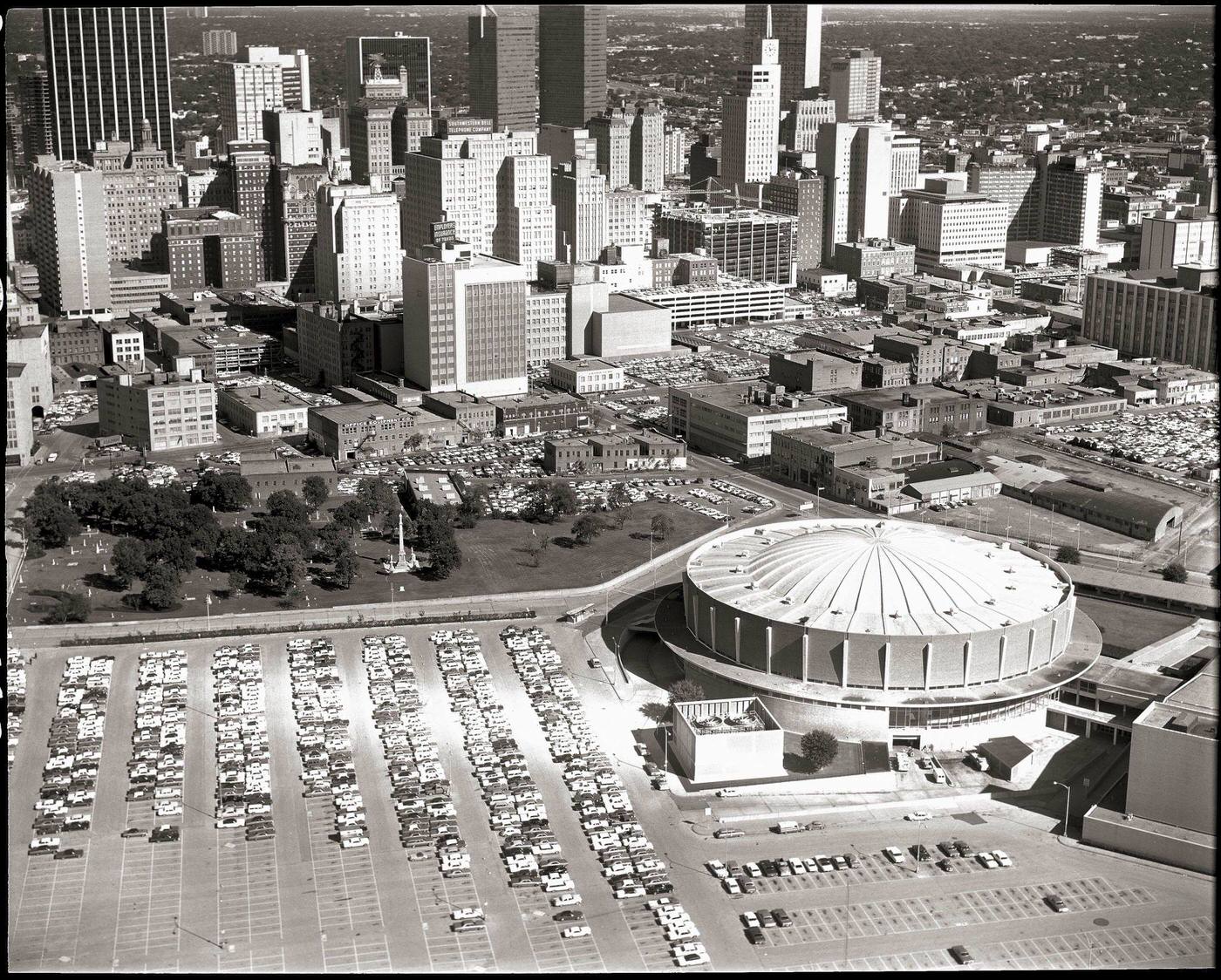
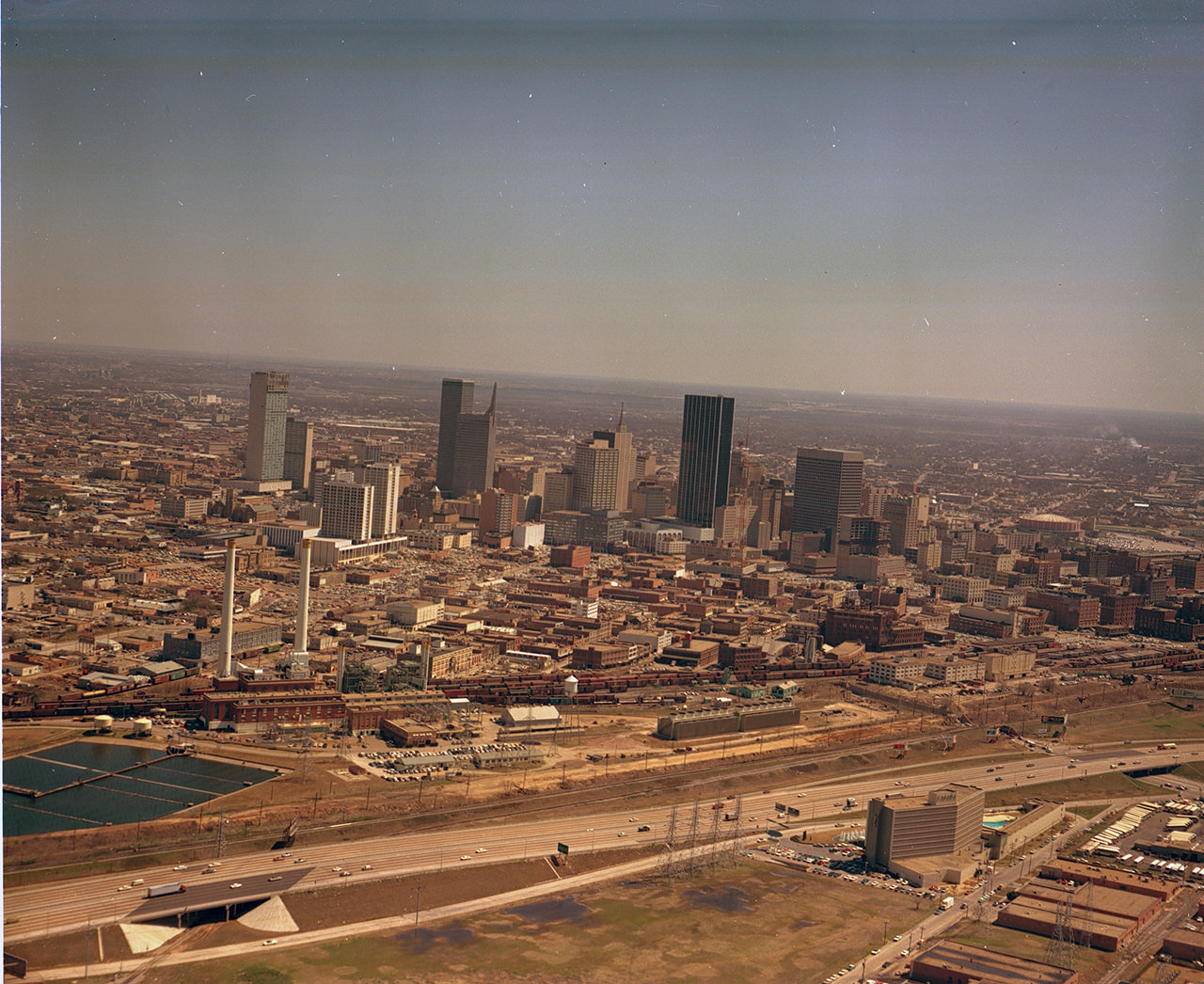
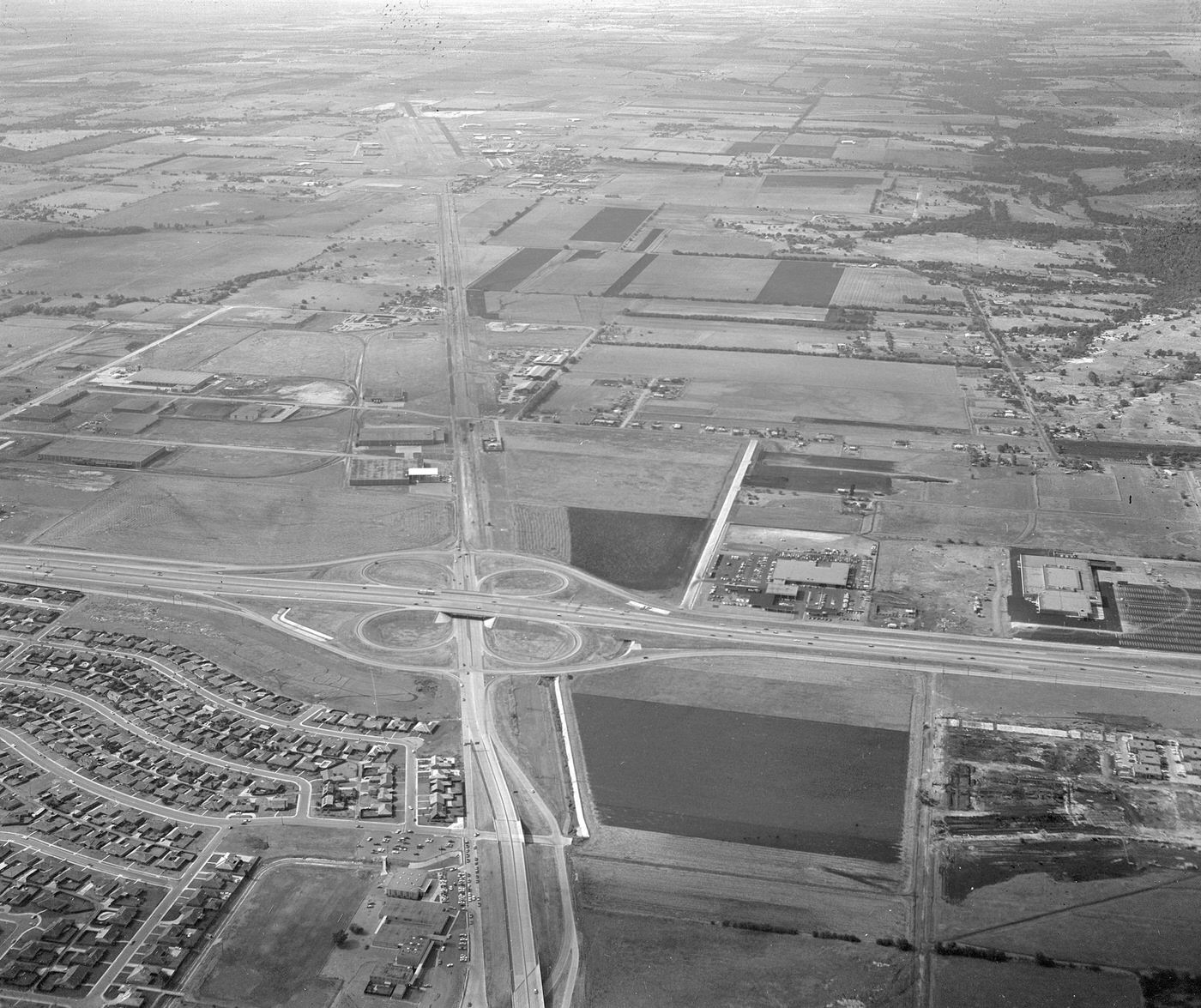
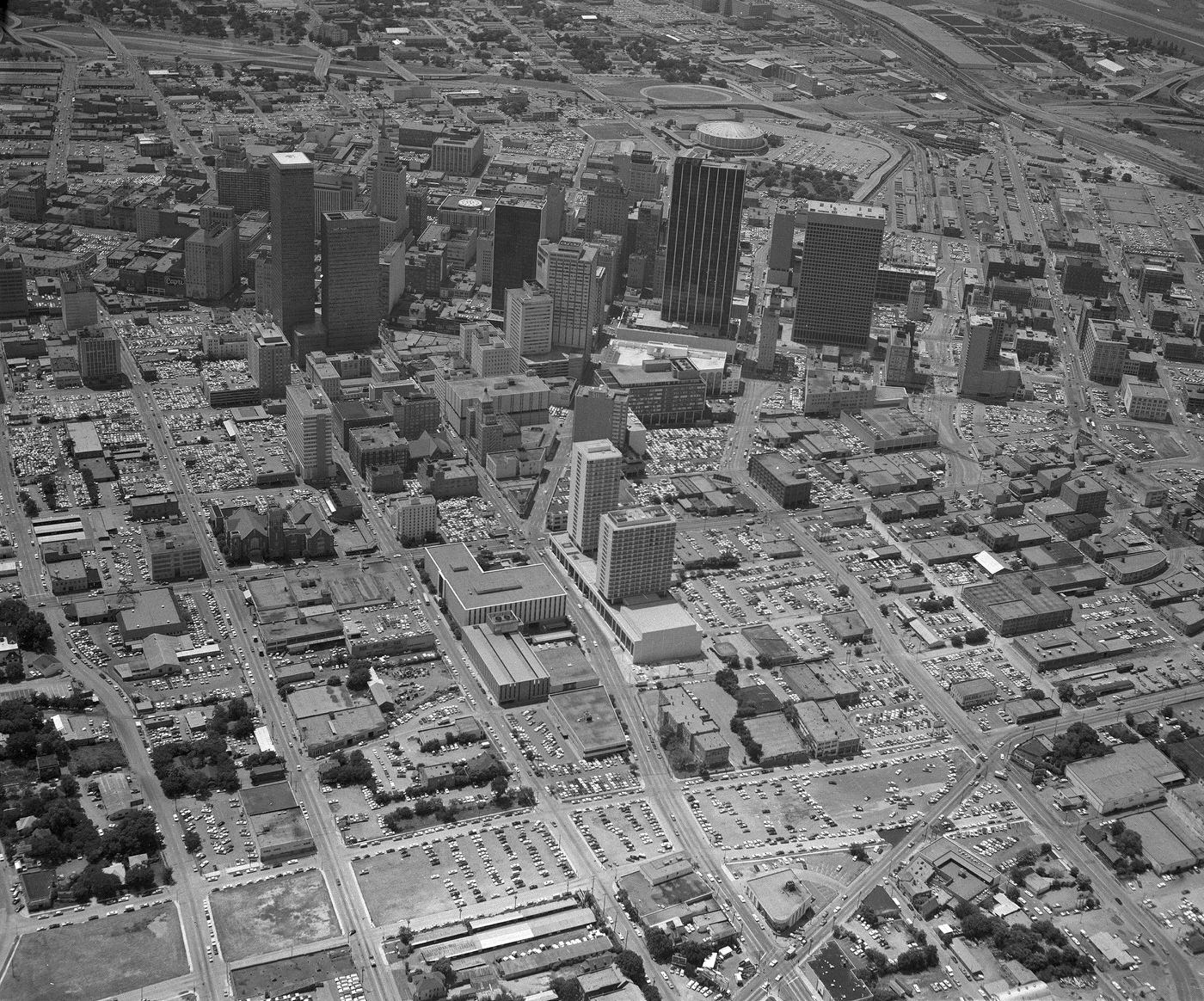
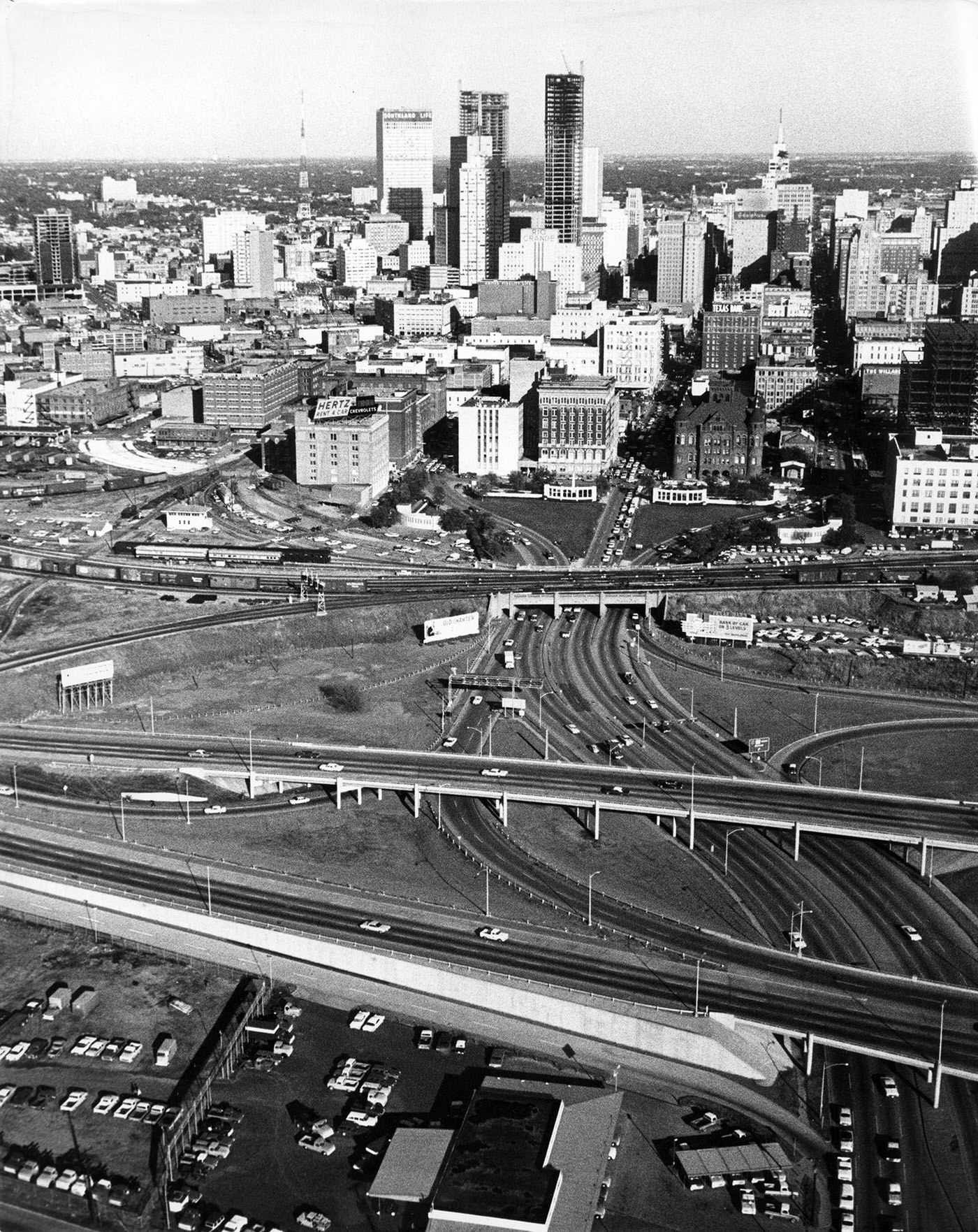
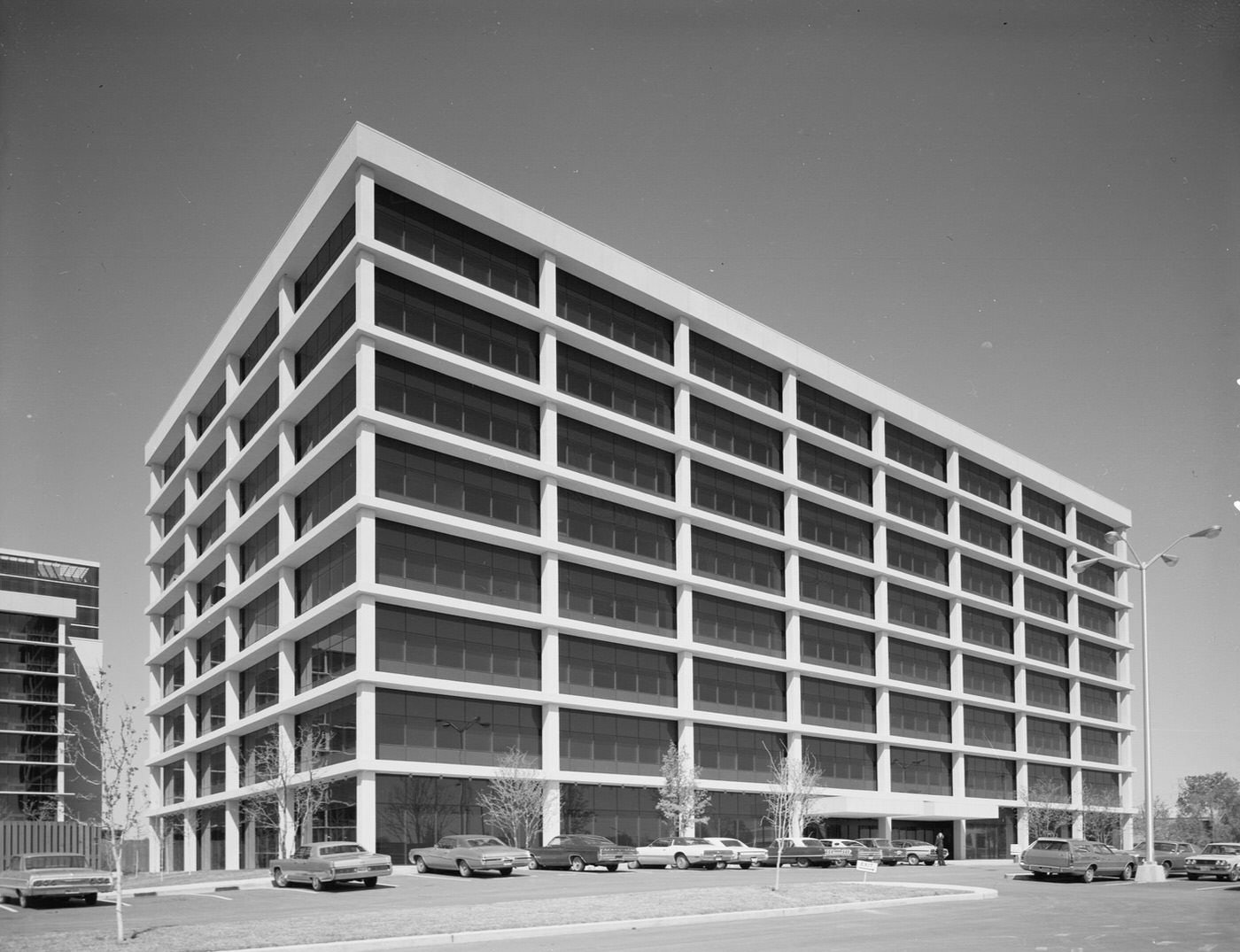
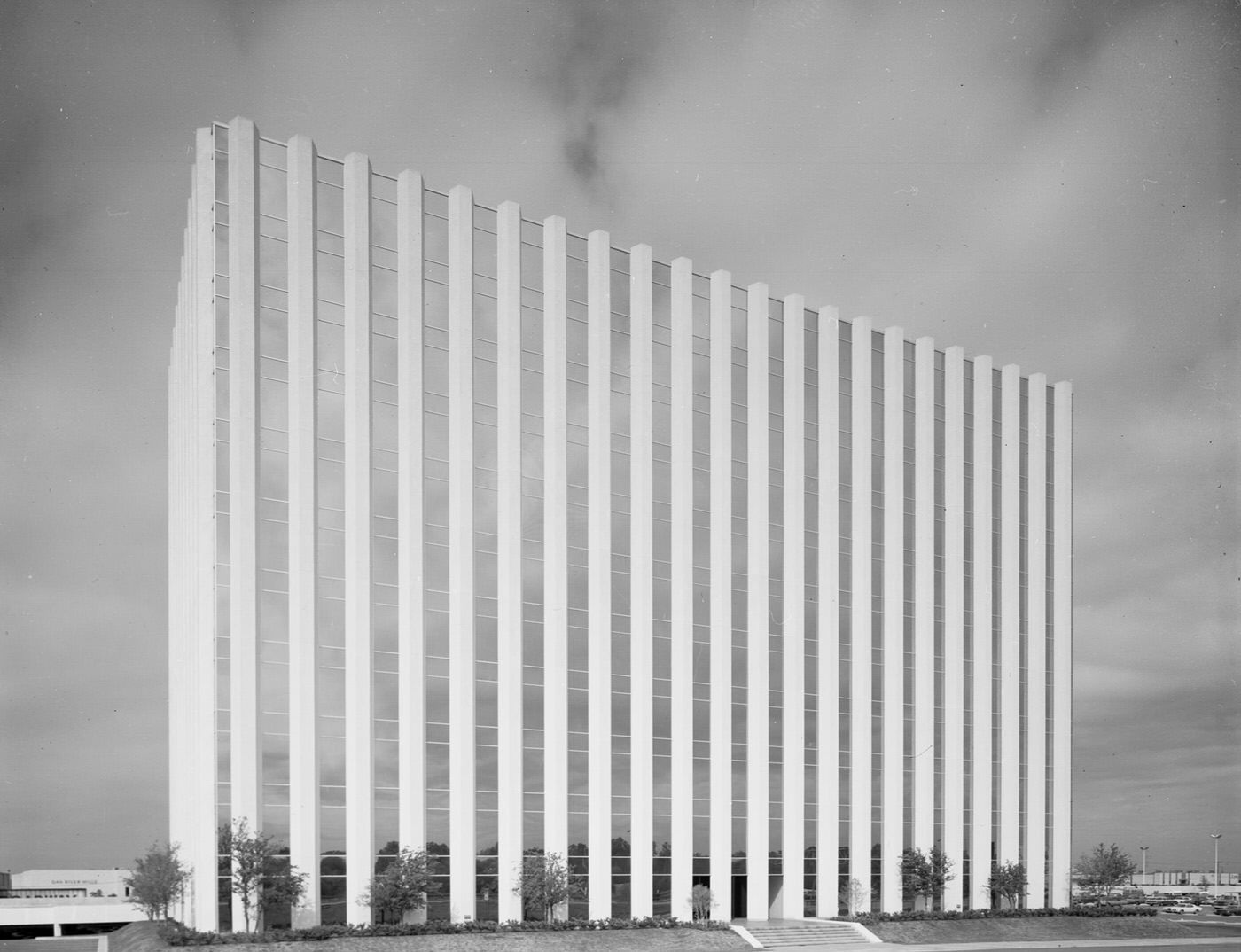
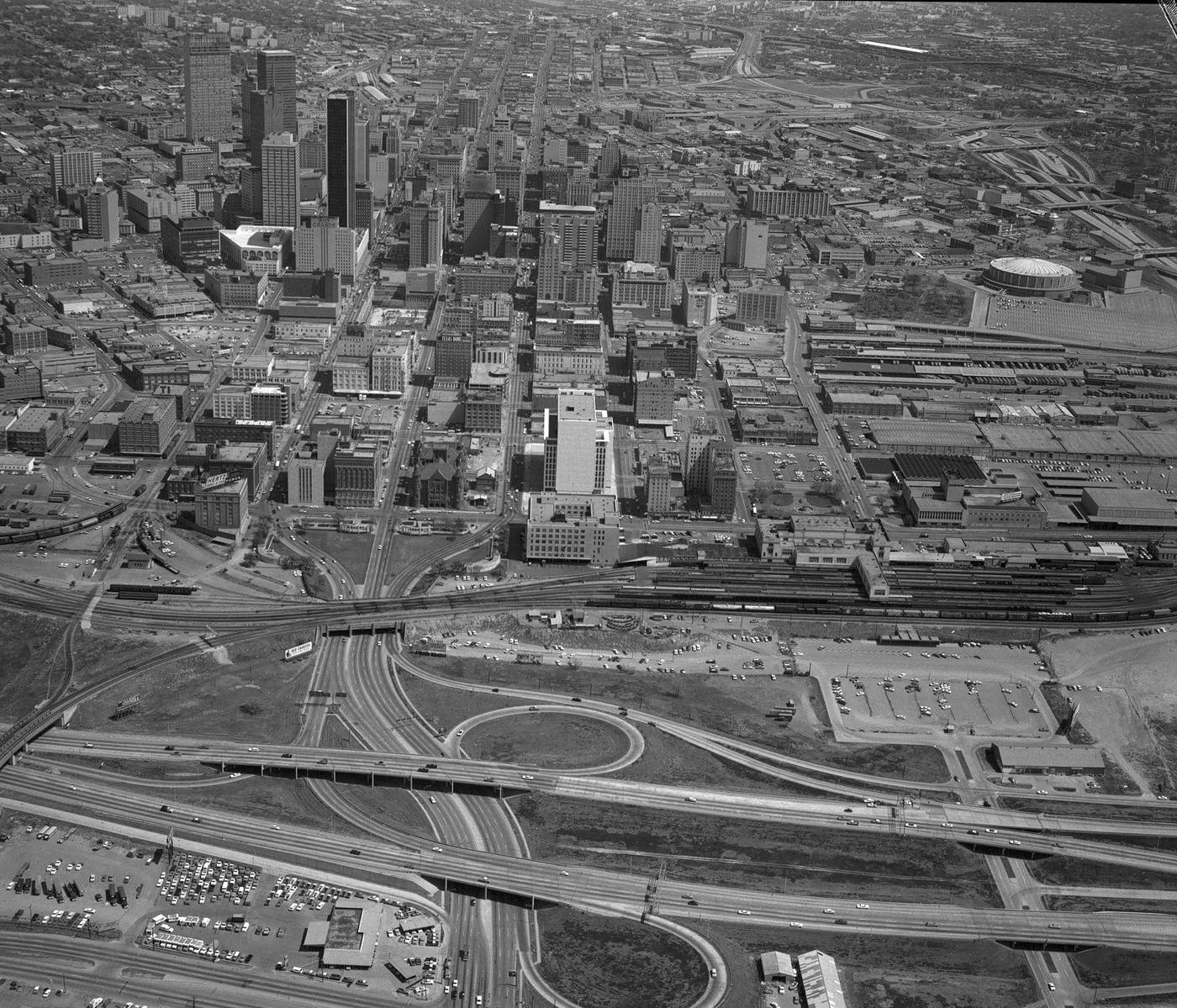
Even as the city processed the weight of what had happened, Dallas continued to build and expand. The Dallas County Courthouse was under construction in 1964. The Dallas Convention Center opened its doors, and new office buildings went up along major expressways including I-35E, Central Expressway, and I-635. The aerial views of the city from the mid-1960s show a metropolis actively filling in its own boundaries.
Dallas County Courthouse Under Construction, 1964Dallas Convention Center, 1966Aerial View of Urban Dallas, 1967
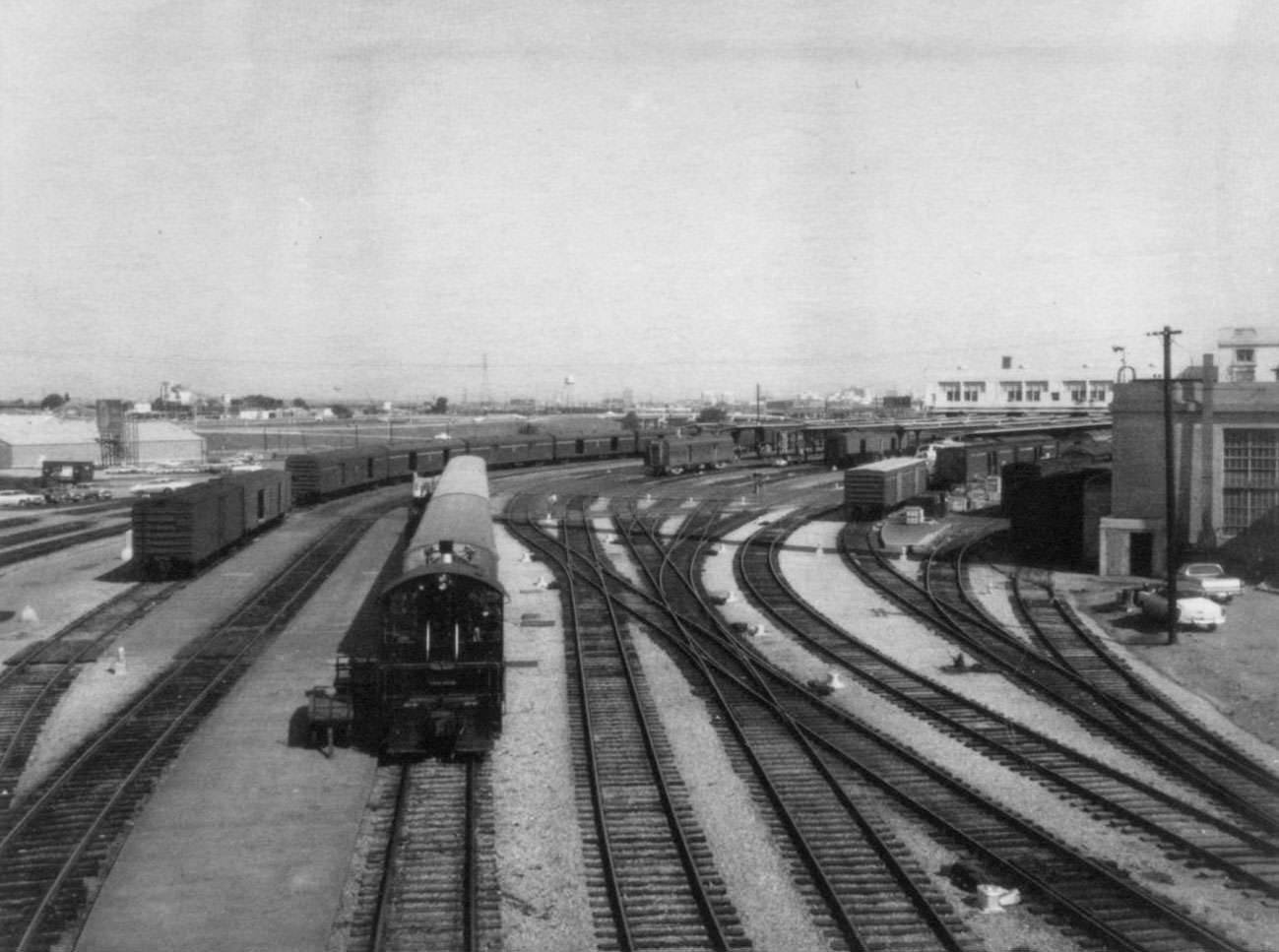
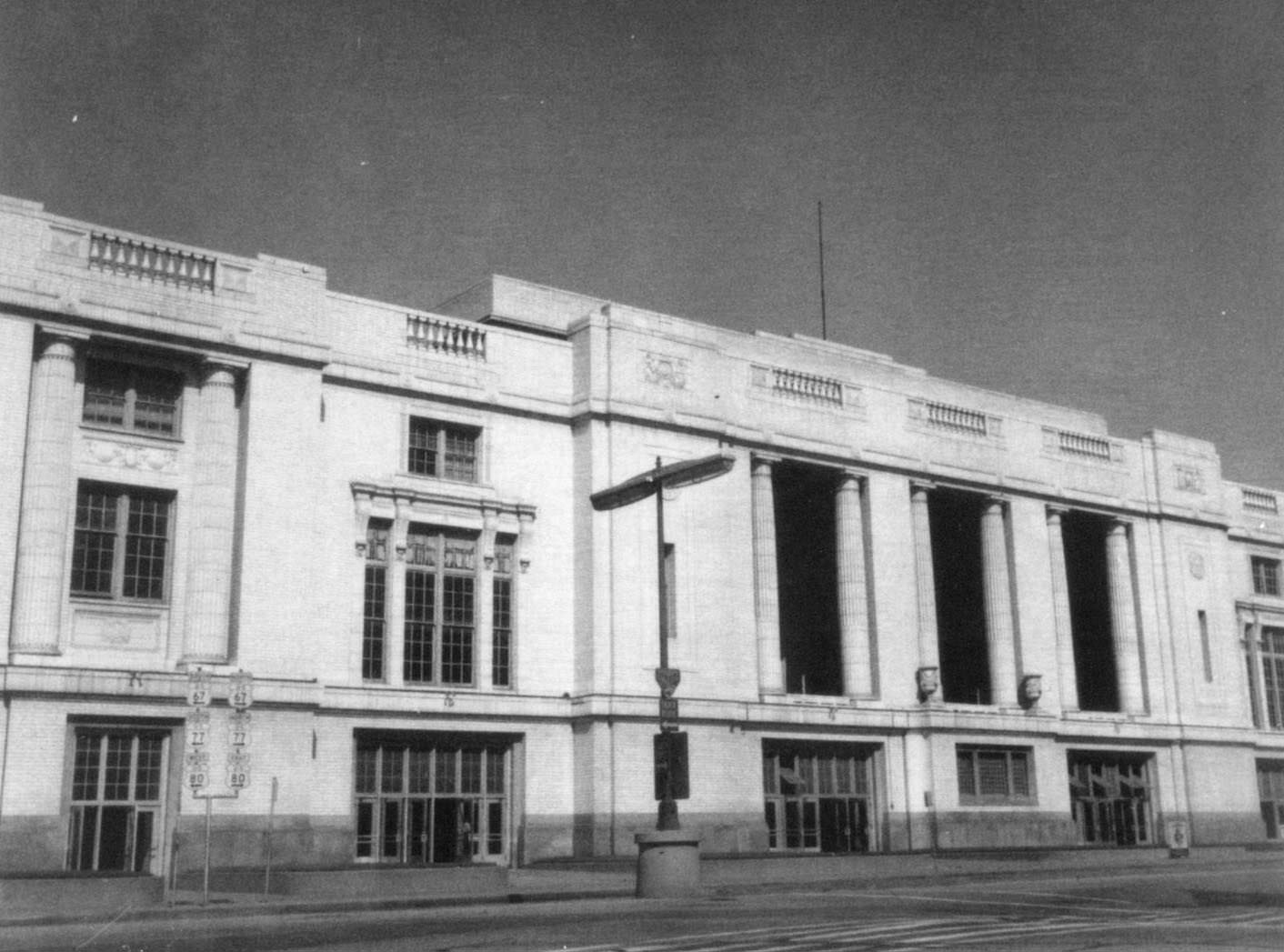
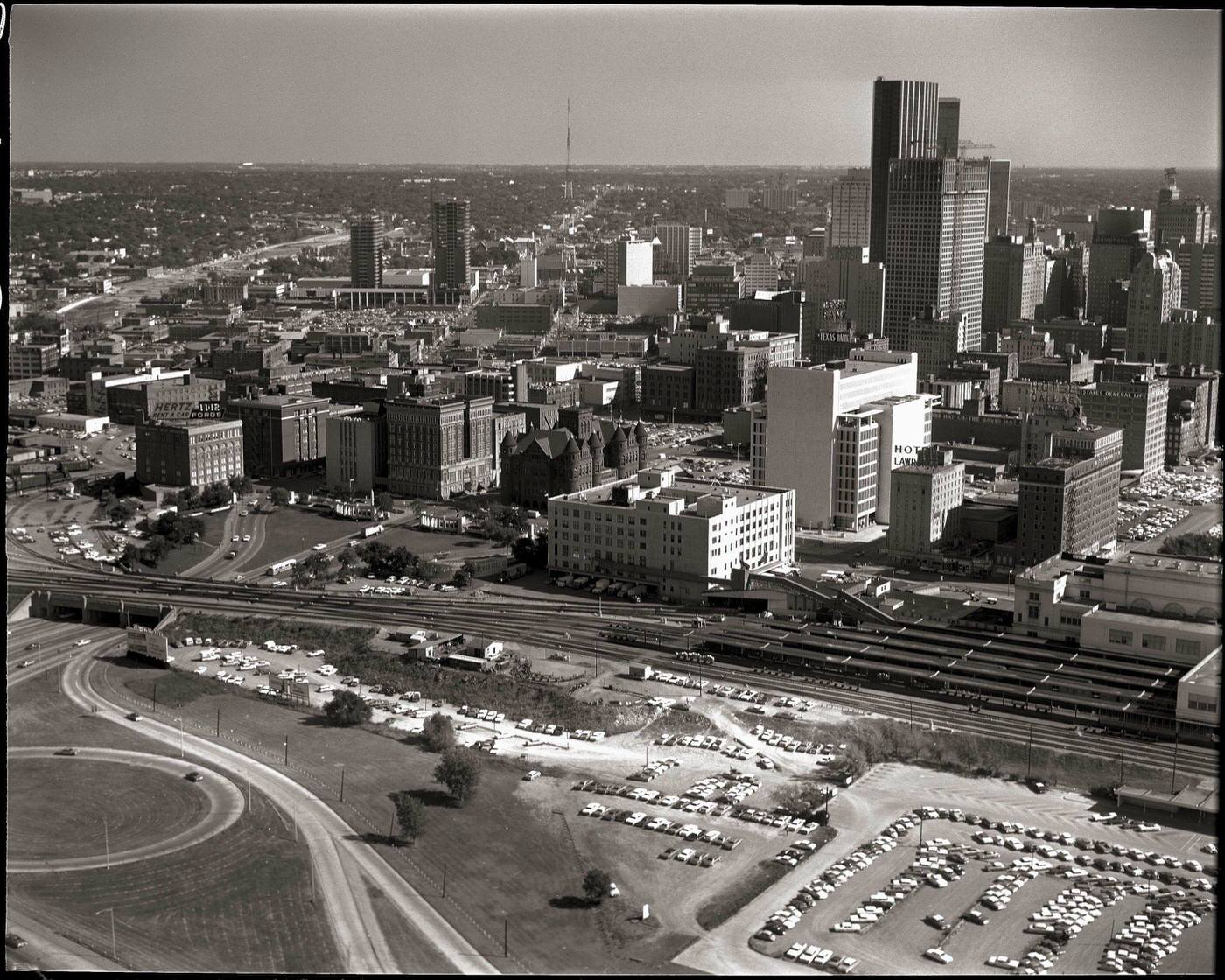
The Dallas Union Station served as the city’s main rail hub throughout the decade. Main rail lines approached it from the south, and the station connected Dallas to a national network of passenger routes. By the late 1960s, it was on the verge of being served by the National Railroad Passenger Corporation — what would become Amtrak — as well as future commuter rail linking Dallas and Fort Worth.
Main rail lines approaching the Dallas Union Station from the south, 1968Union Station in Dallas, 1968
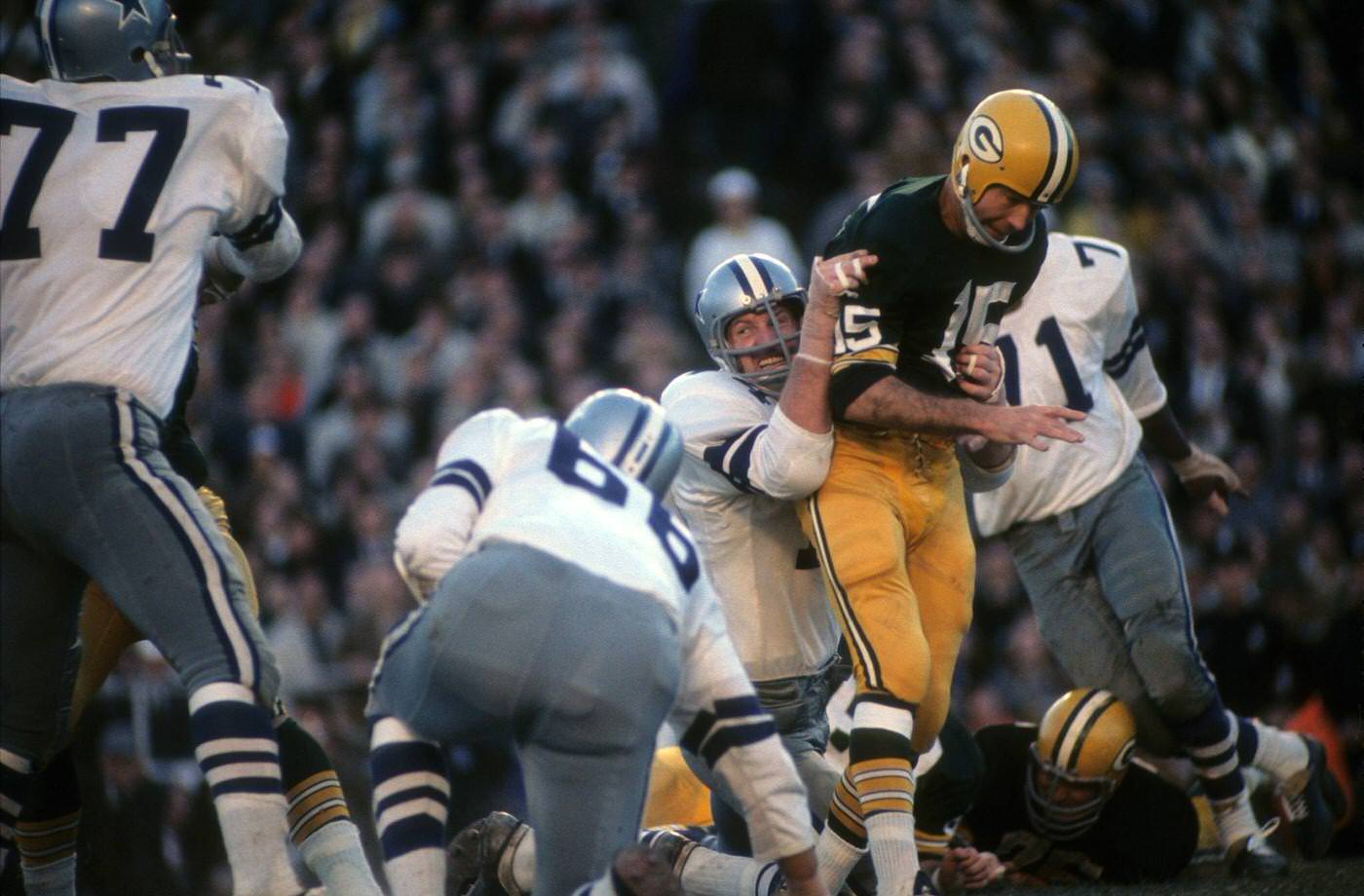
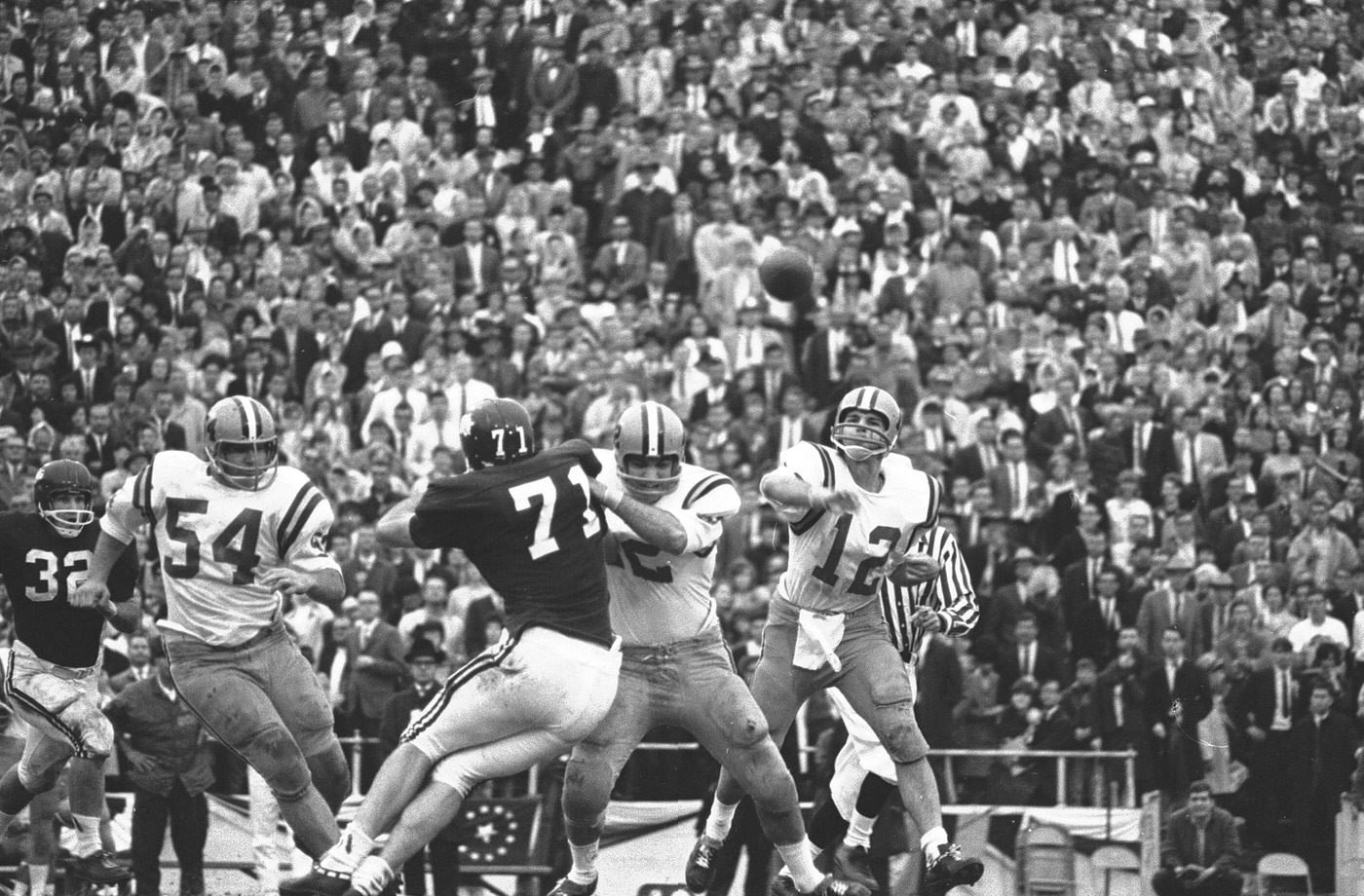
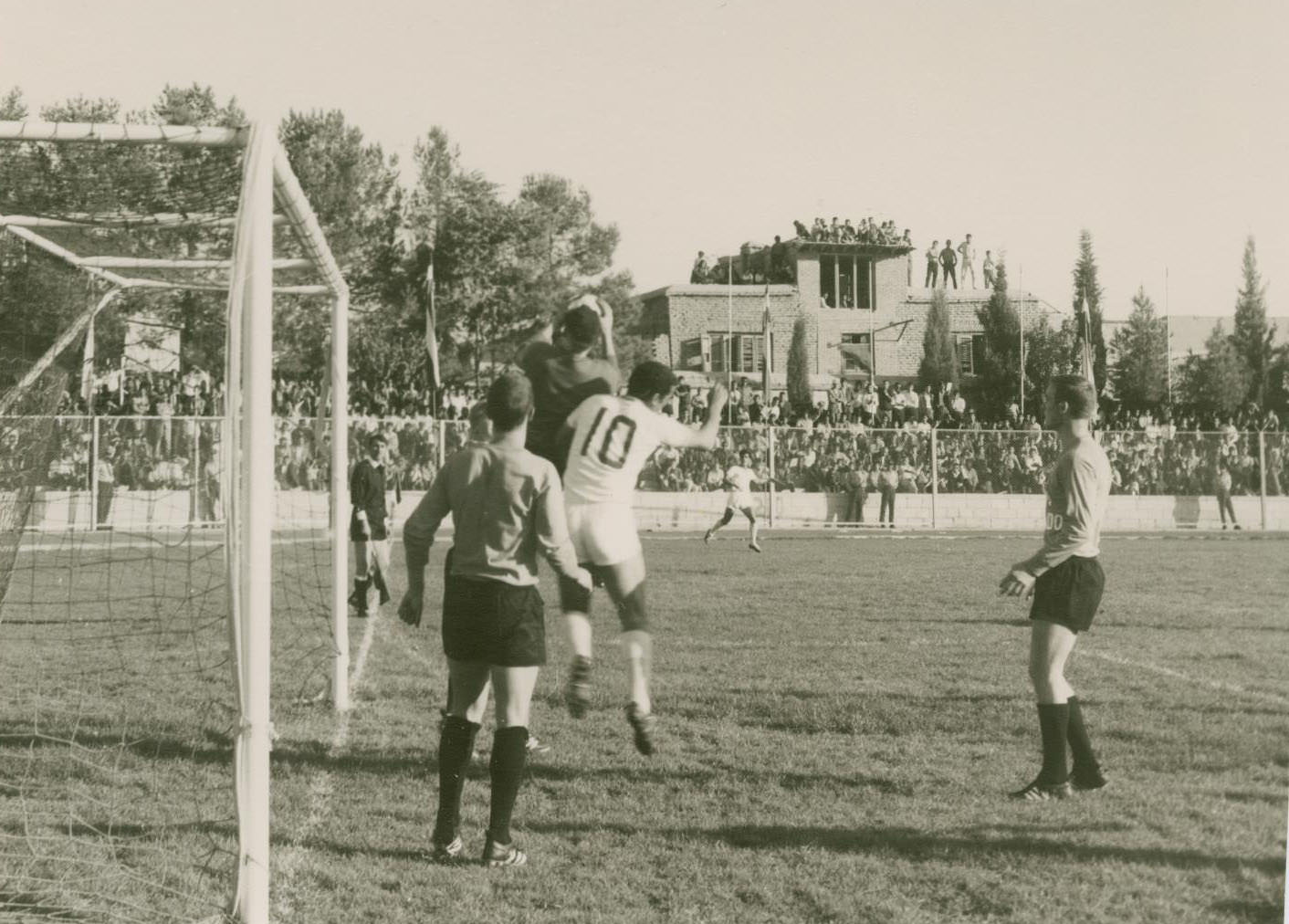
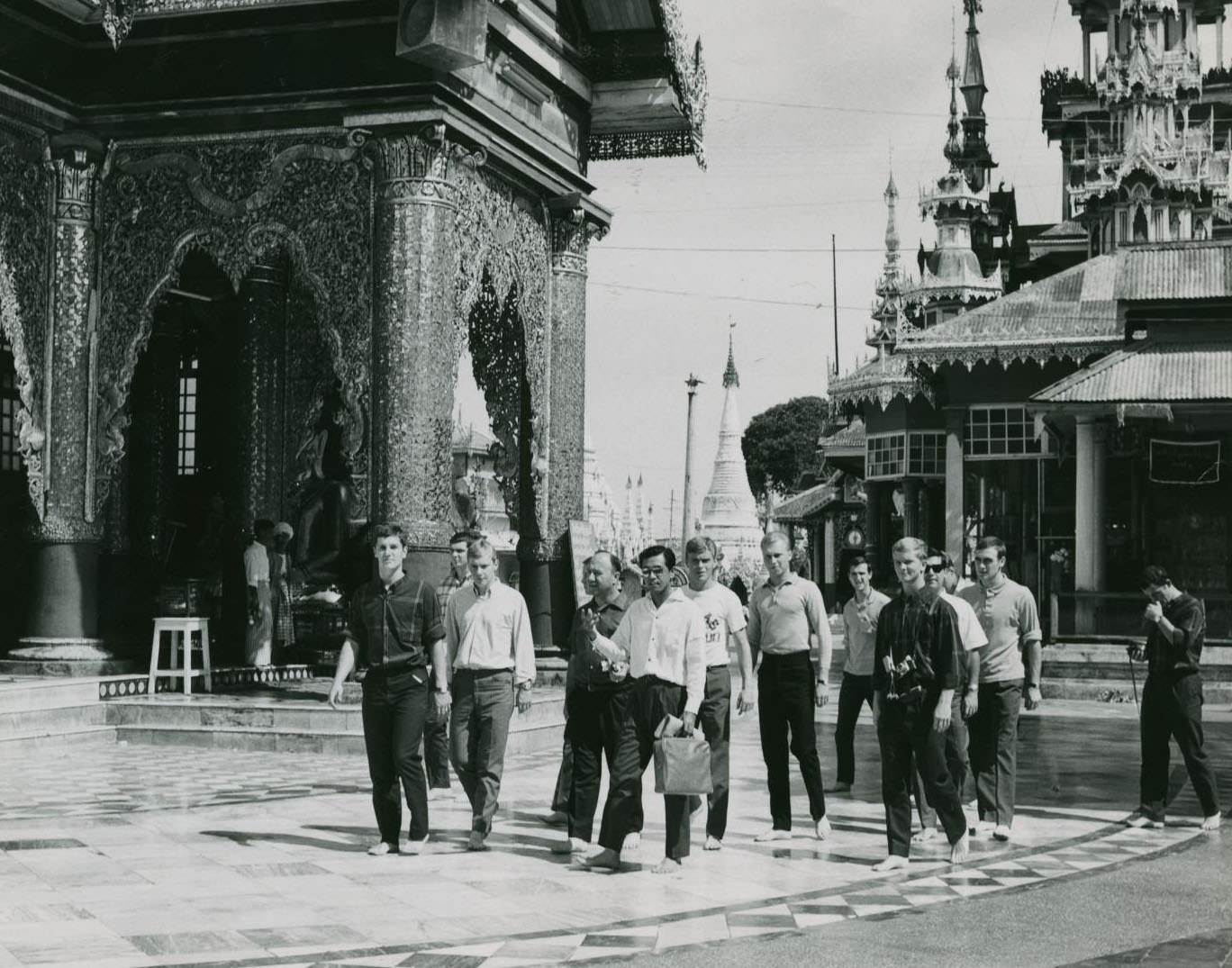
Sports were a major part of Dallas life throughout the decade. The Cotton Bowl at Fair Park hosted college football matchups including the 1965 game between the University of Arkansas and Louisiana State University. The Dallas Cowboys faced the Green Bay Packers in the 1967 NFL Championship. The Dallas Tornado Soccer Club even traveled internationally, playing against an Iranian team in Shiraz and appearing in Rangoon in 1967.
Dallas Cowboys vs Green Bay Packers, 1967 NFL Championship, 1967Cotton Bowl, University of Arkansas vs. Louisiana State University (L. S. U.), 1965A soccer game between the Dallas Tornado Soccer Club and an Iranian team during the club’s tour in Shiraz, 1967
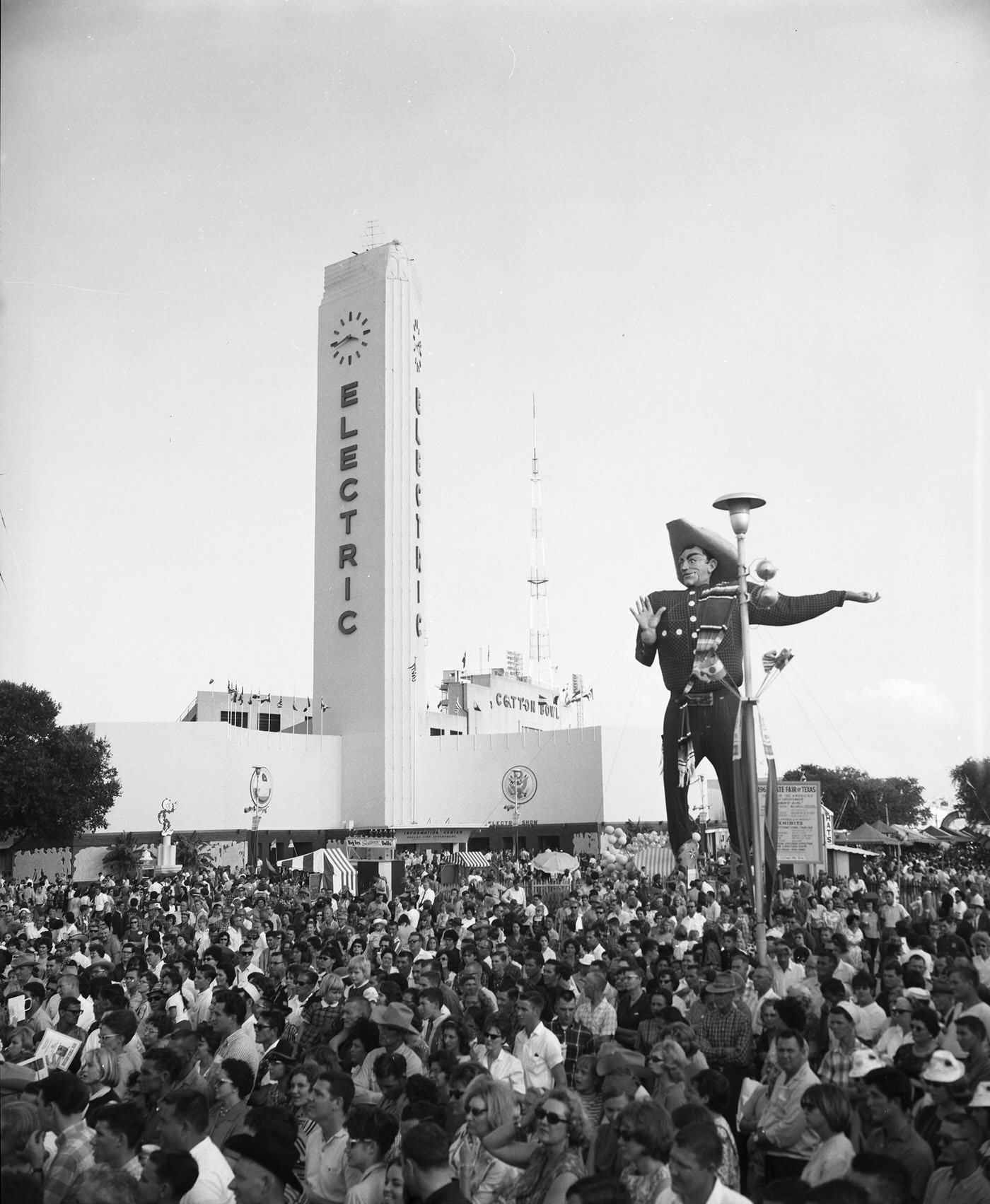
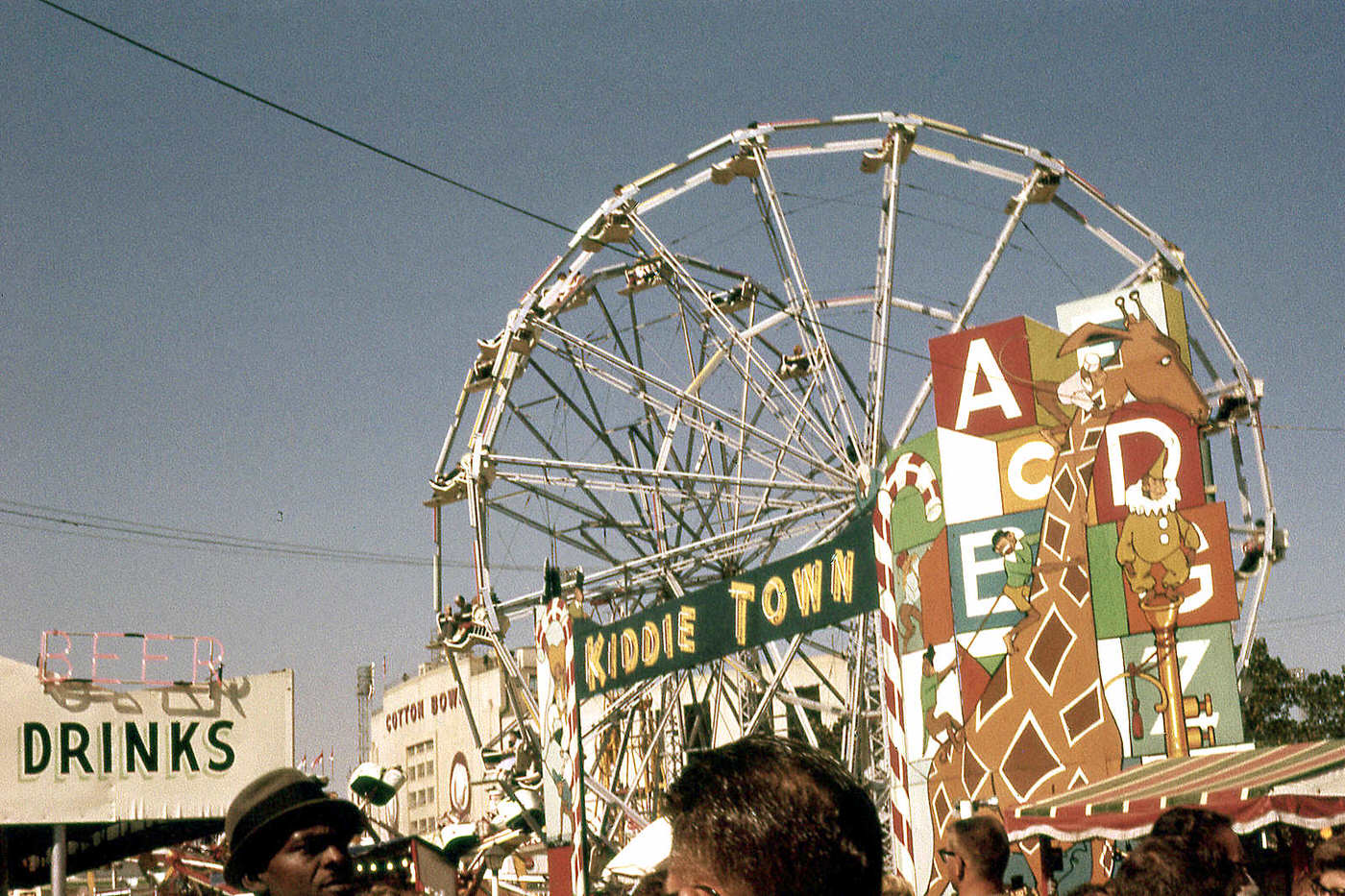
The State Fair of Texas at Fair Park was one of the city’s most beloved annual events. In 1965, Big Tex — the fair’s iconic 60-foot figure — wore a traditional Mexican sarape as part of the year’s theme celebrating North and South American cultures. The fair drew massive crowds each year and reflected the city’s appetite for spectacle, commerce, and community.
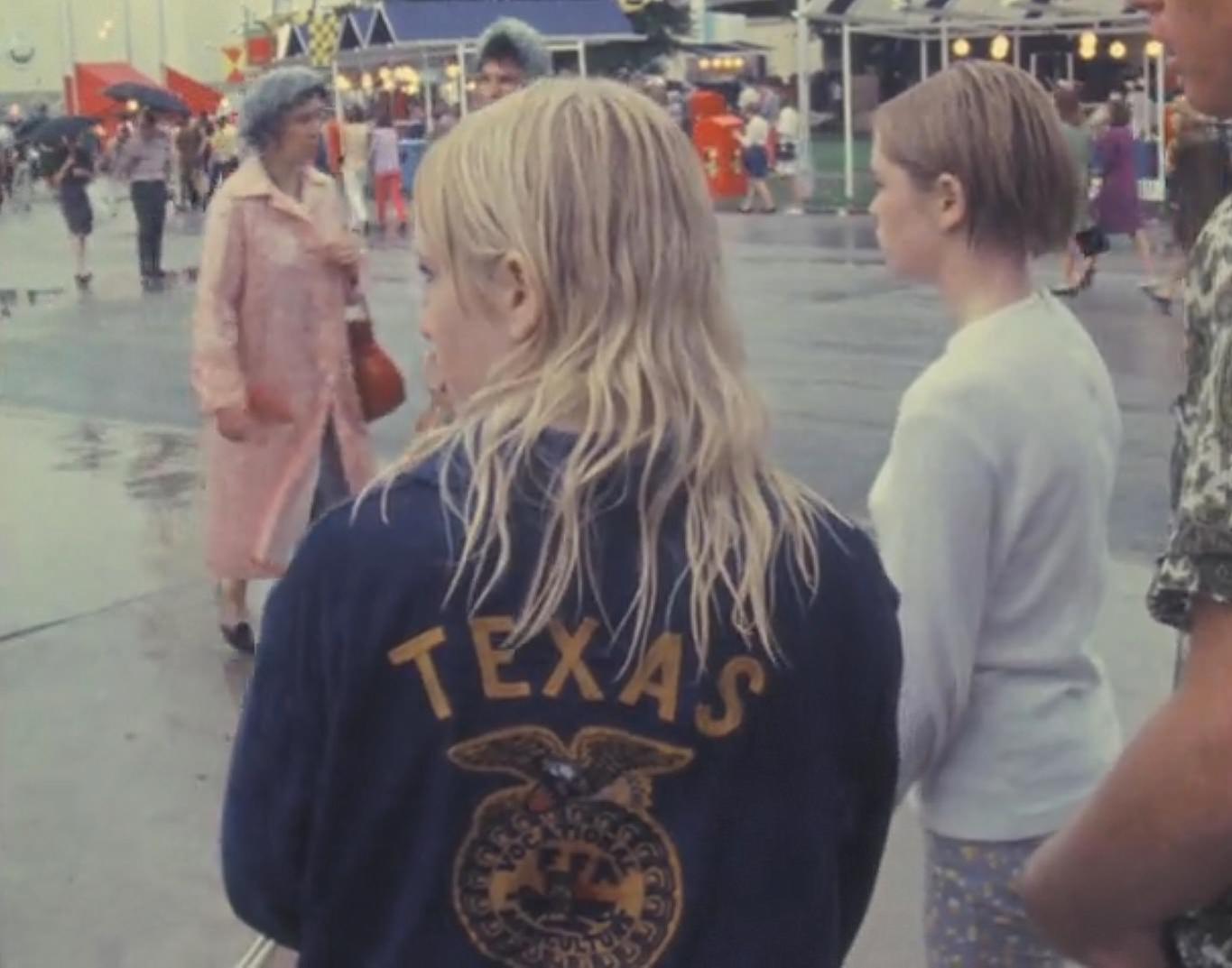
Electric Building and Big Tex, at the State Fair of Texas, Fair Park, Dallas, Texas, 1965A Rainy Opening Day of the State Fair of Texas, 1967
Dallas was also home to technology and industry that helped power the broader economy. Texas Instruments, headquartered in Dallas, employed engineers whose work in semiconductors and electronics placed the company at the center of a national technology boom. The city attracted engineering firms, insurance companies, and financial institutions throughout the decade, reinforcing its role as the commercial capital of North Texas.
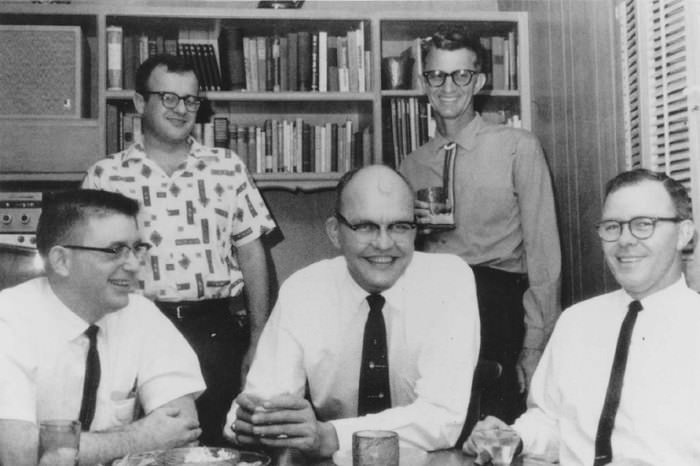
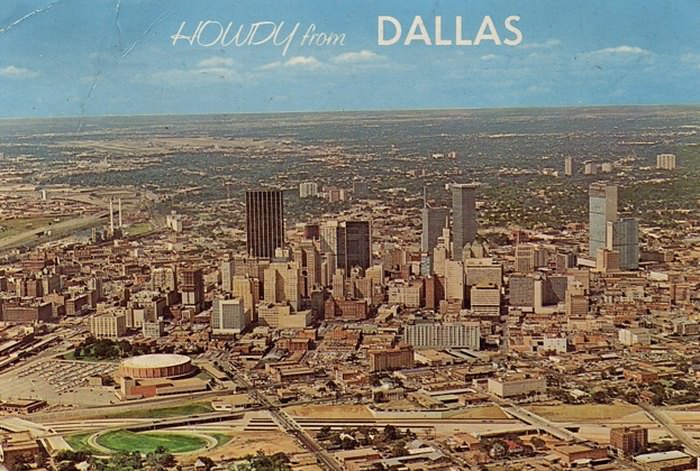
Dallas – Fort Worth was a draw to engineering and technology companies. These engineers worked at Texas Instruments in Dallas in the early 1960s.This aerial shot of Dallas in the 1960s shows how large the city had already become.
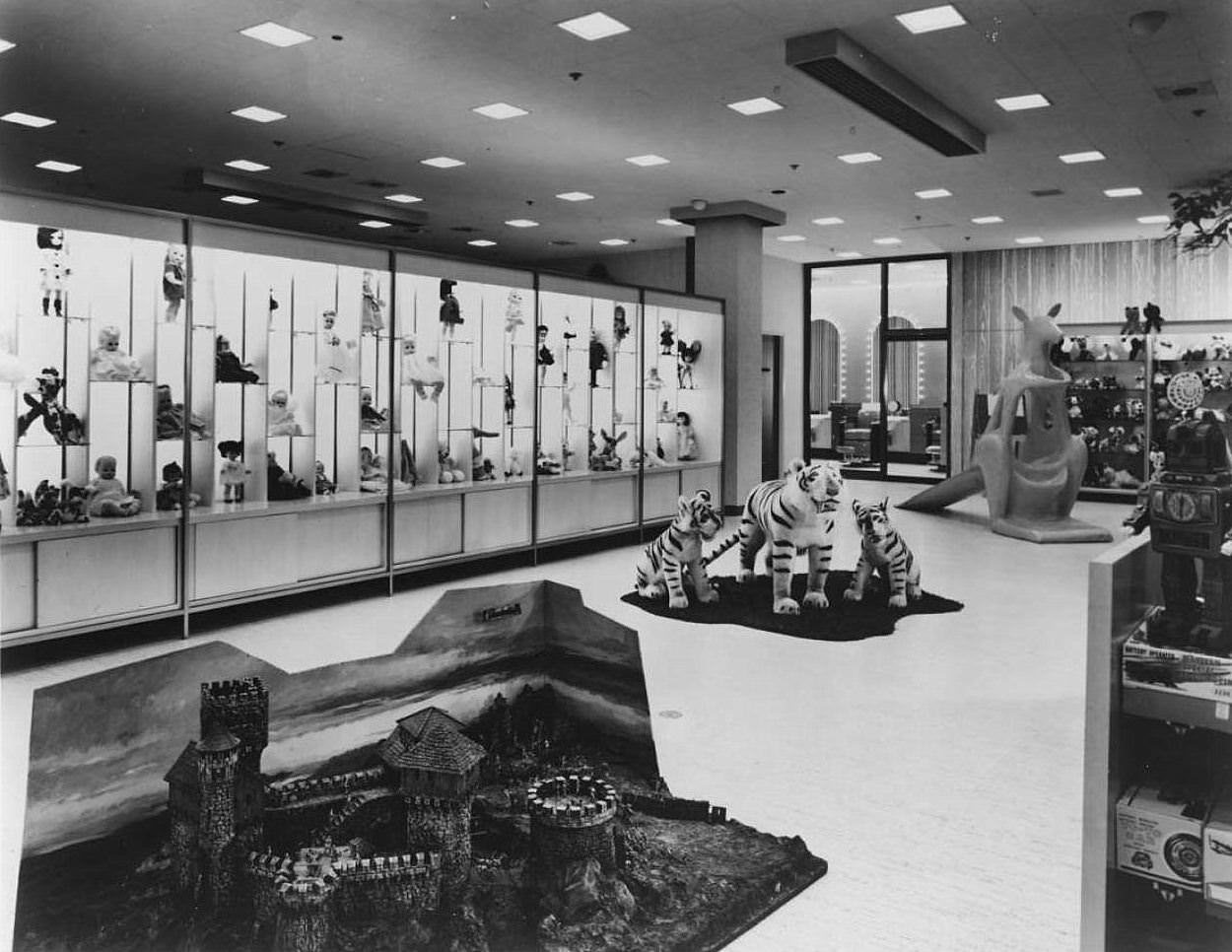
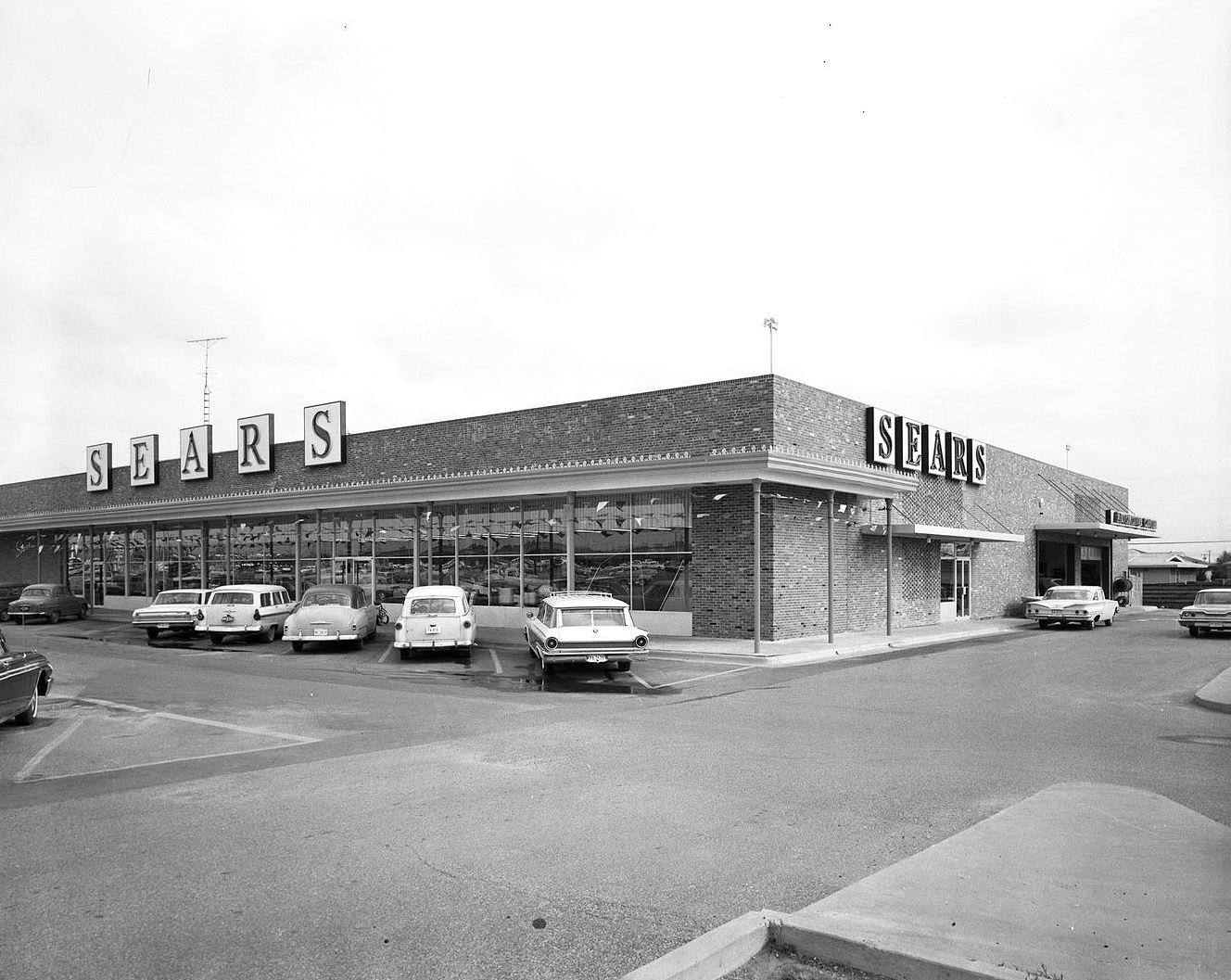
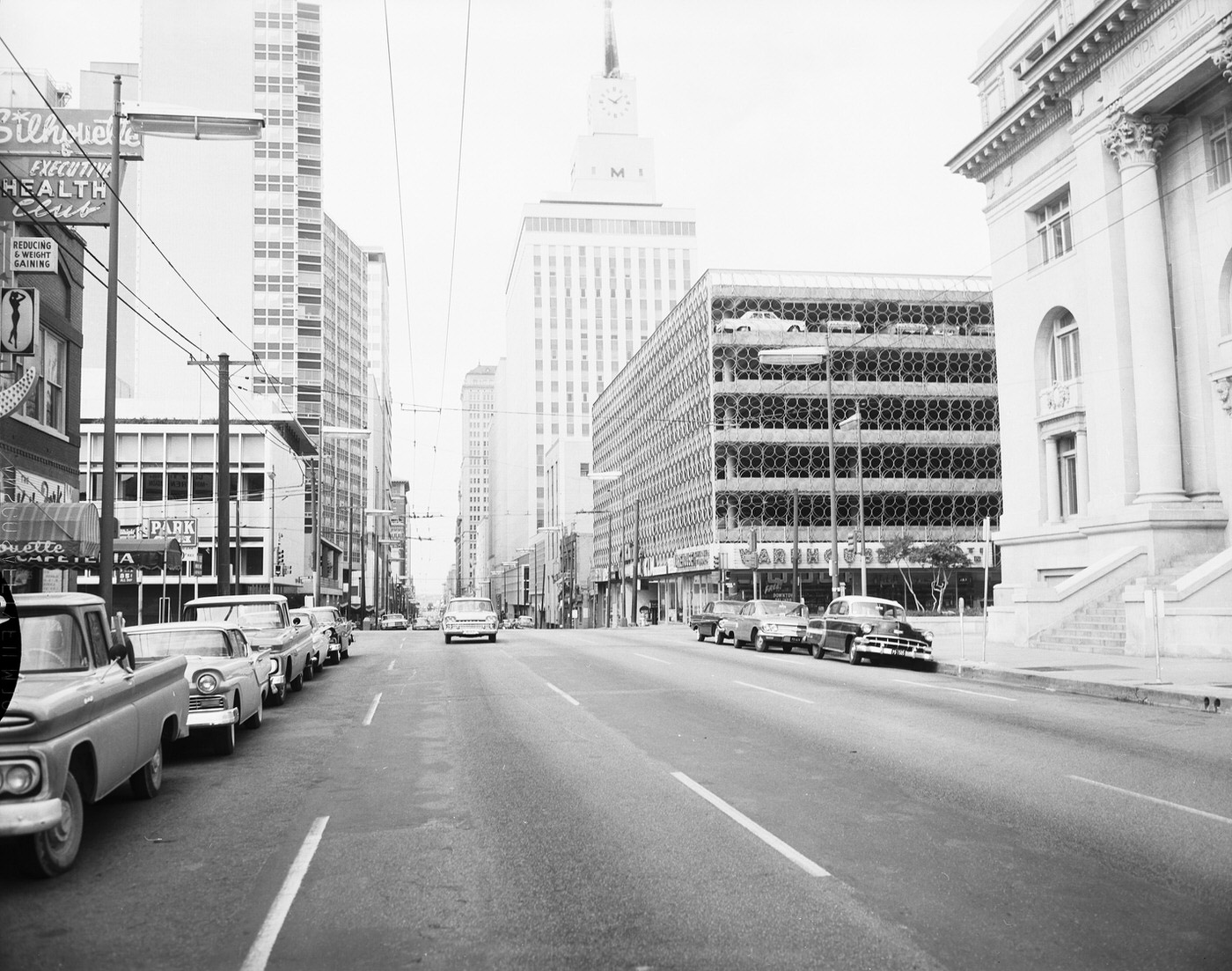
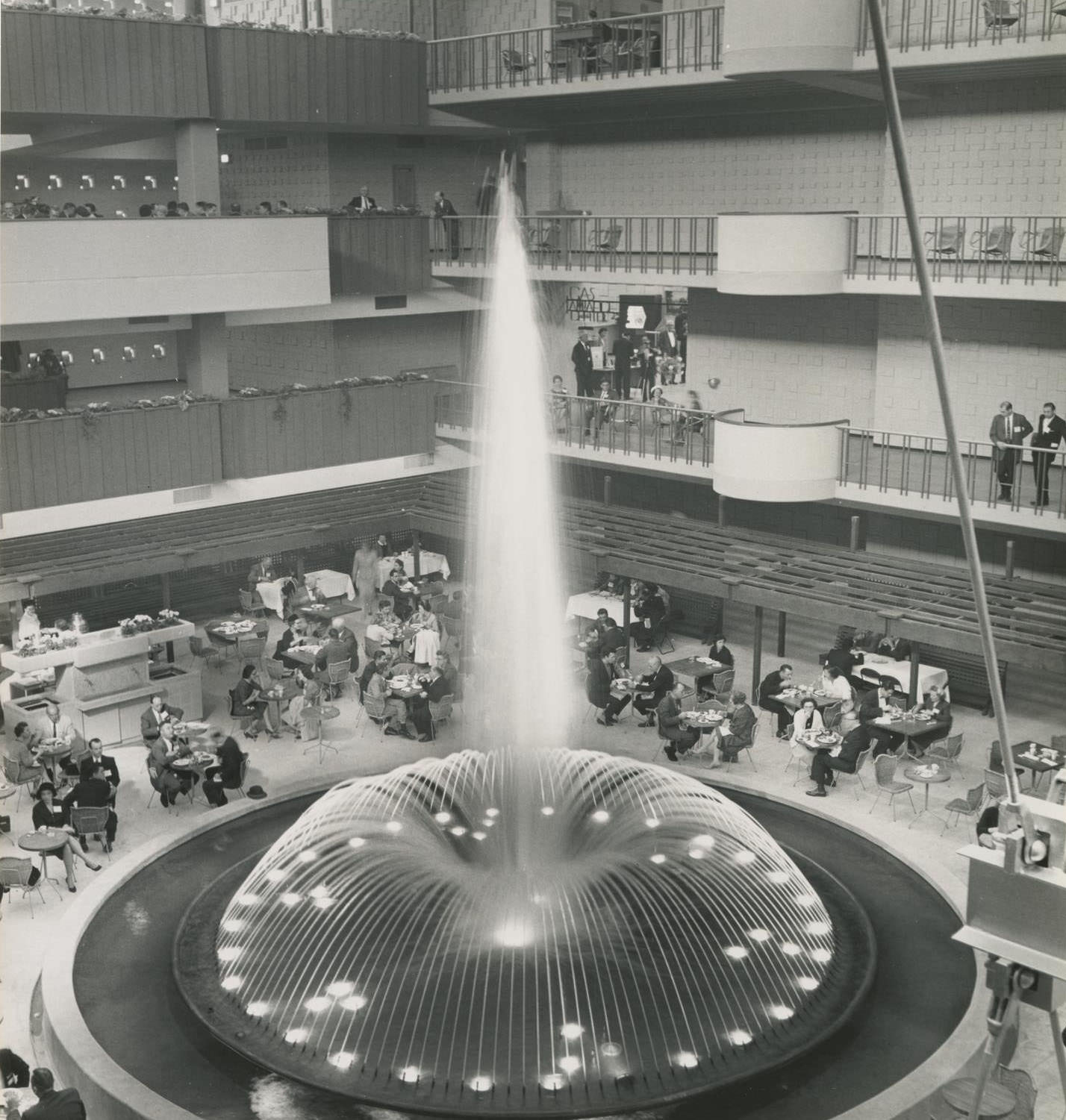
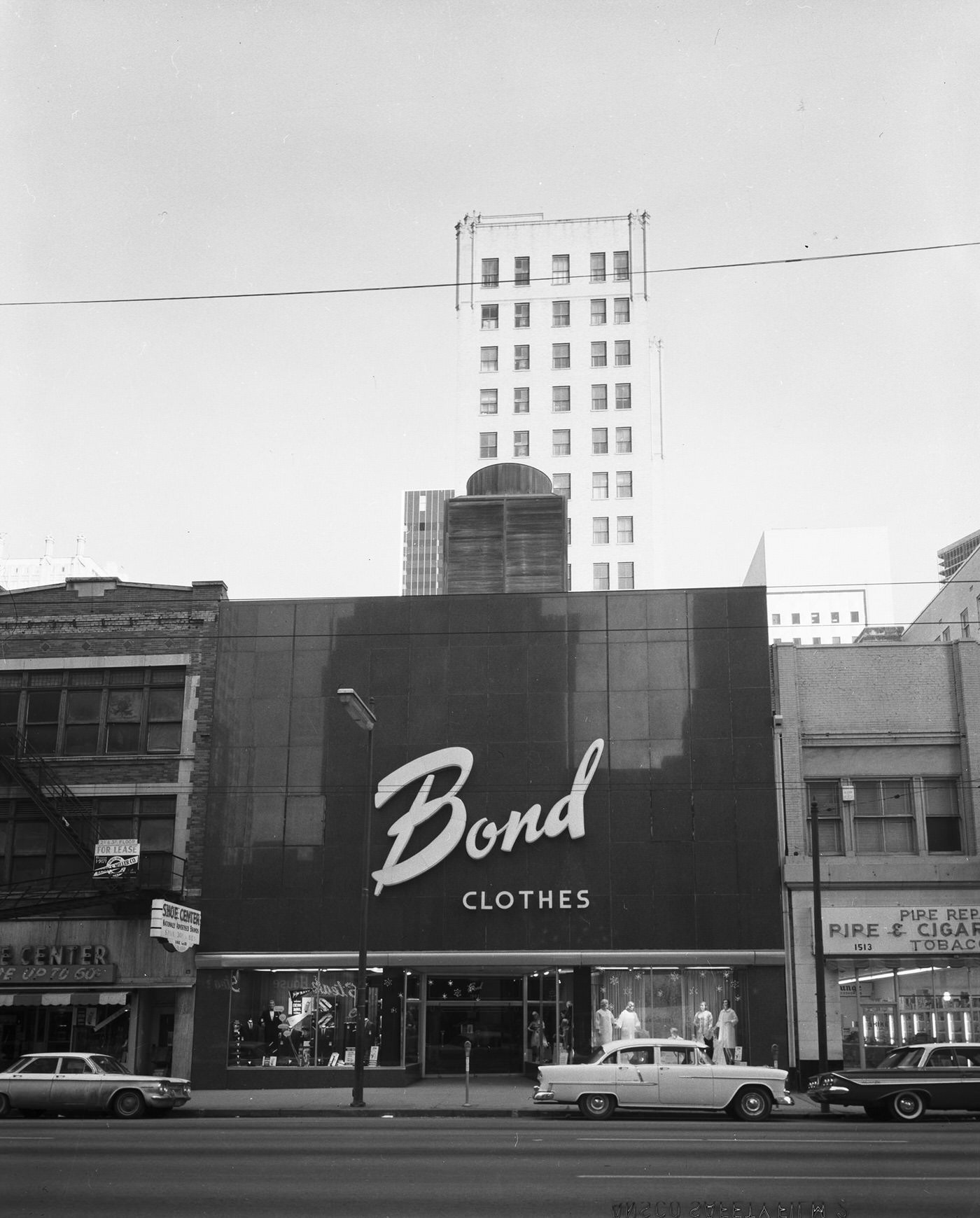
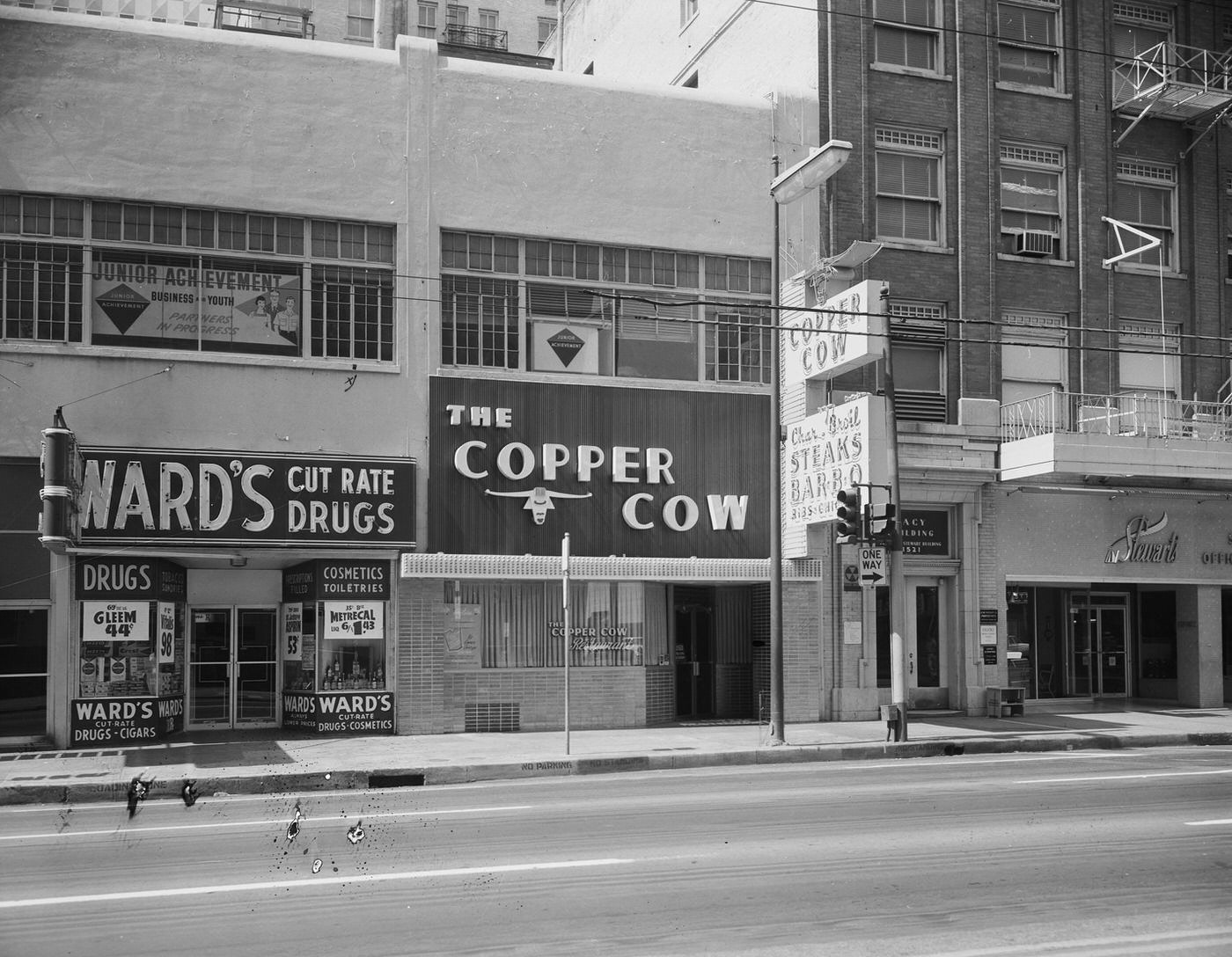
Retail in Dallas was thriving. Neiman-Marcus drew shoppers with its upscale toy department and seasonal displays. Sears stores in neighborhoods like Casa View served working-class and middle-class families. Streets like Commerce and Ervay were lined with storefronts, restaurants, and small businesses that gave each part of the city its own distinct character.
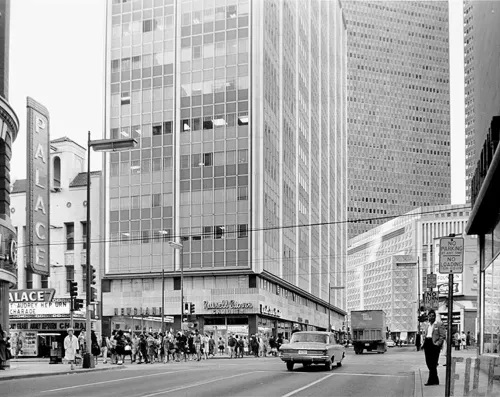
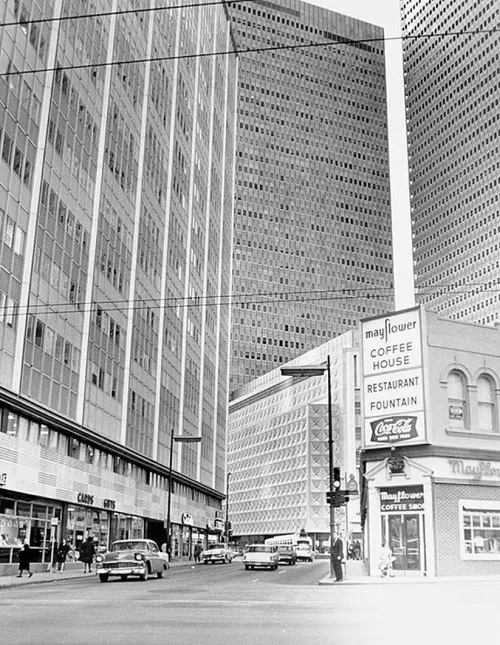
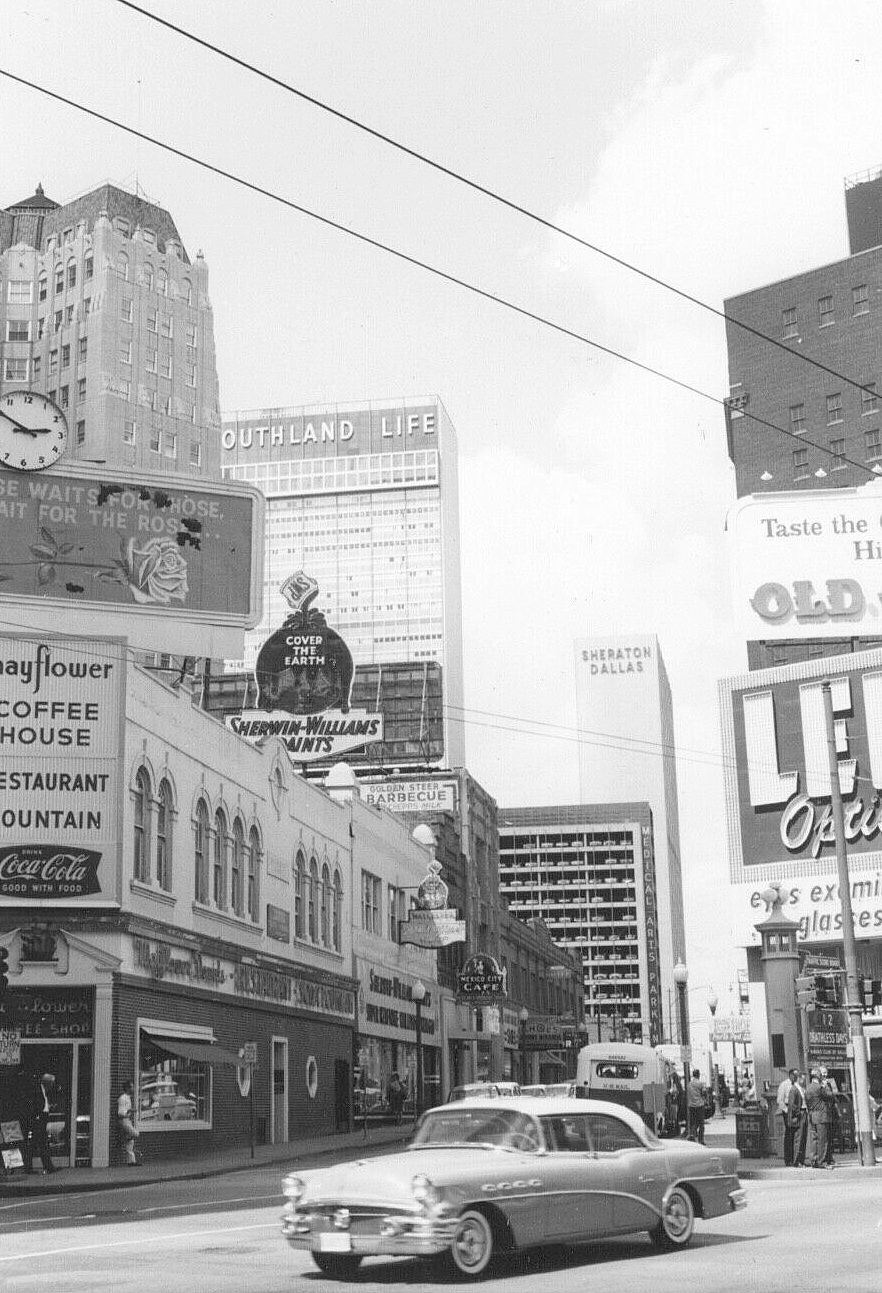
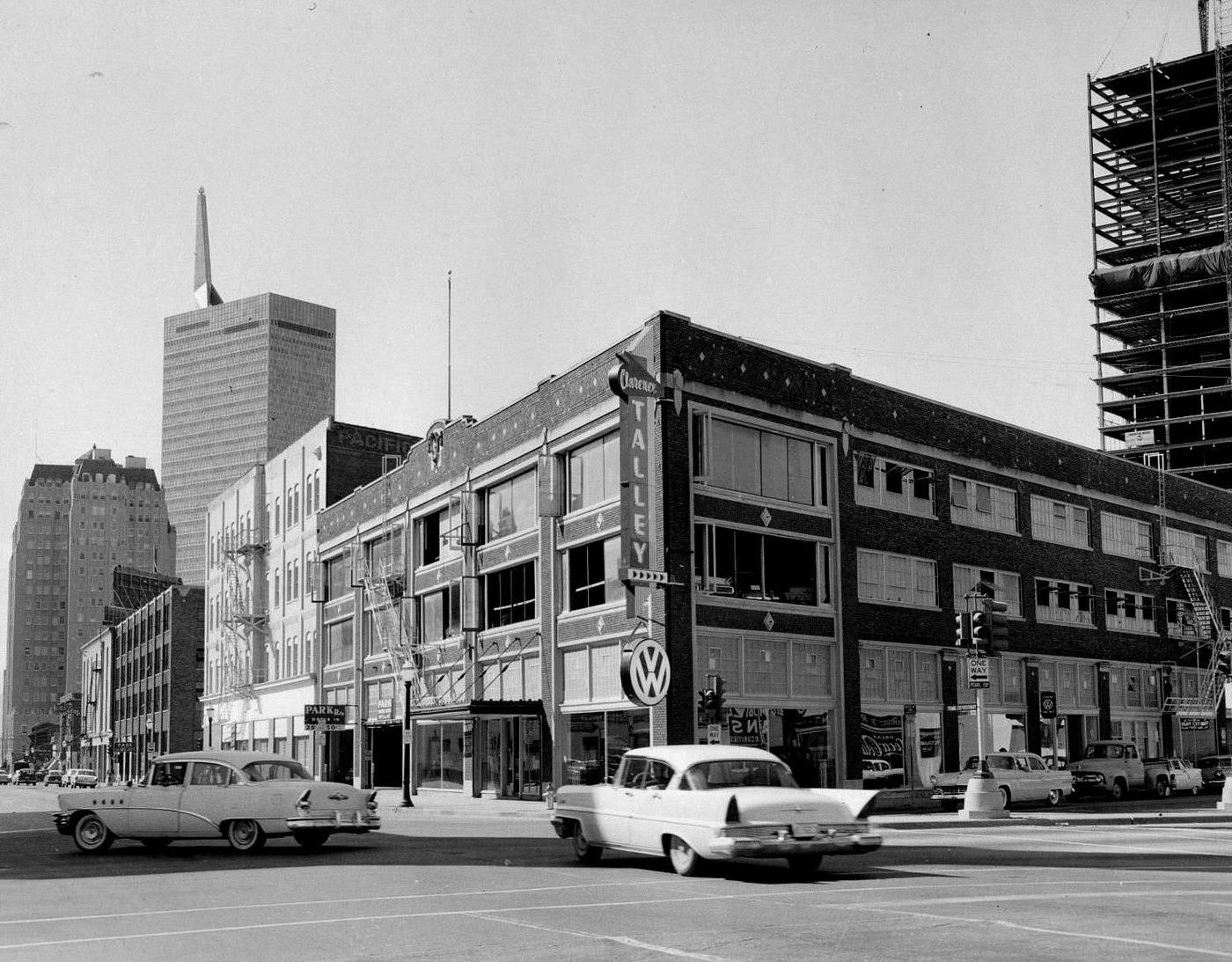
Neiman-Marcus Toy Department, 1965Shopping at Sears in Casa View, 1960sCommerce Street, downtown Dallas, 1962
By the end of the 1960s, Dallas had endured a national tragedy, pushed through social upheaval, and continued its rapid physical expansion. The skyline was dramatically different from what it had been in 1960. New freeways, towers, civic buildings, and institutions had all taken shape within a single decade. These photographs capture a city in constant motion — building, protesting, grieving, and growing all at once.
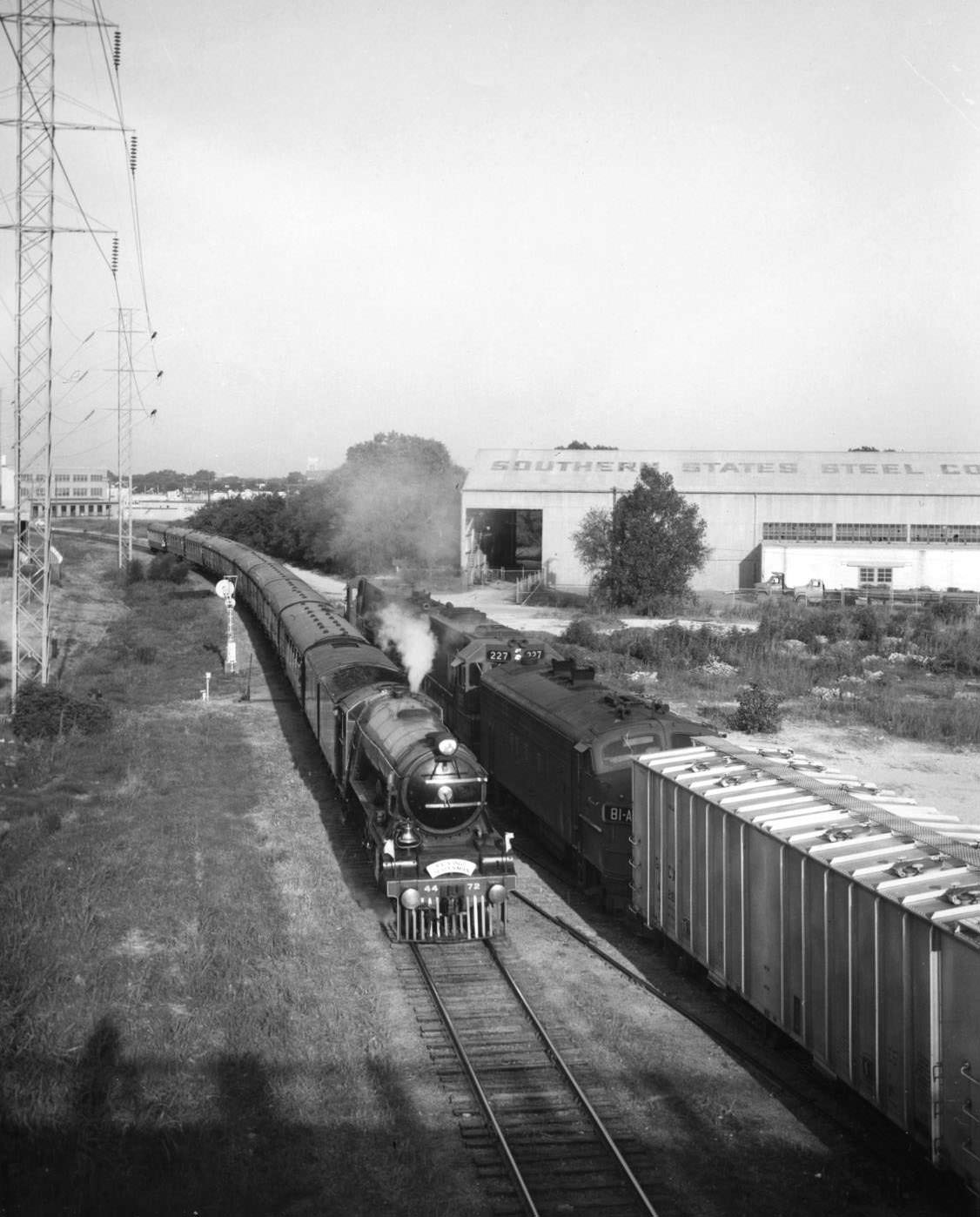
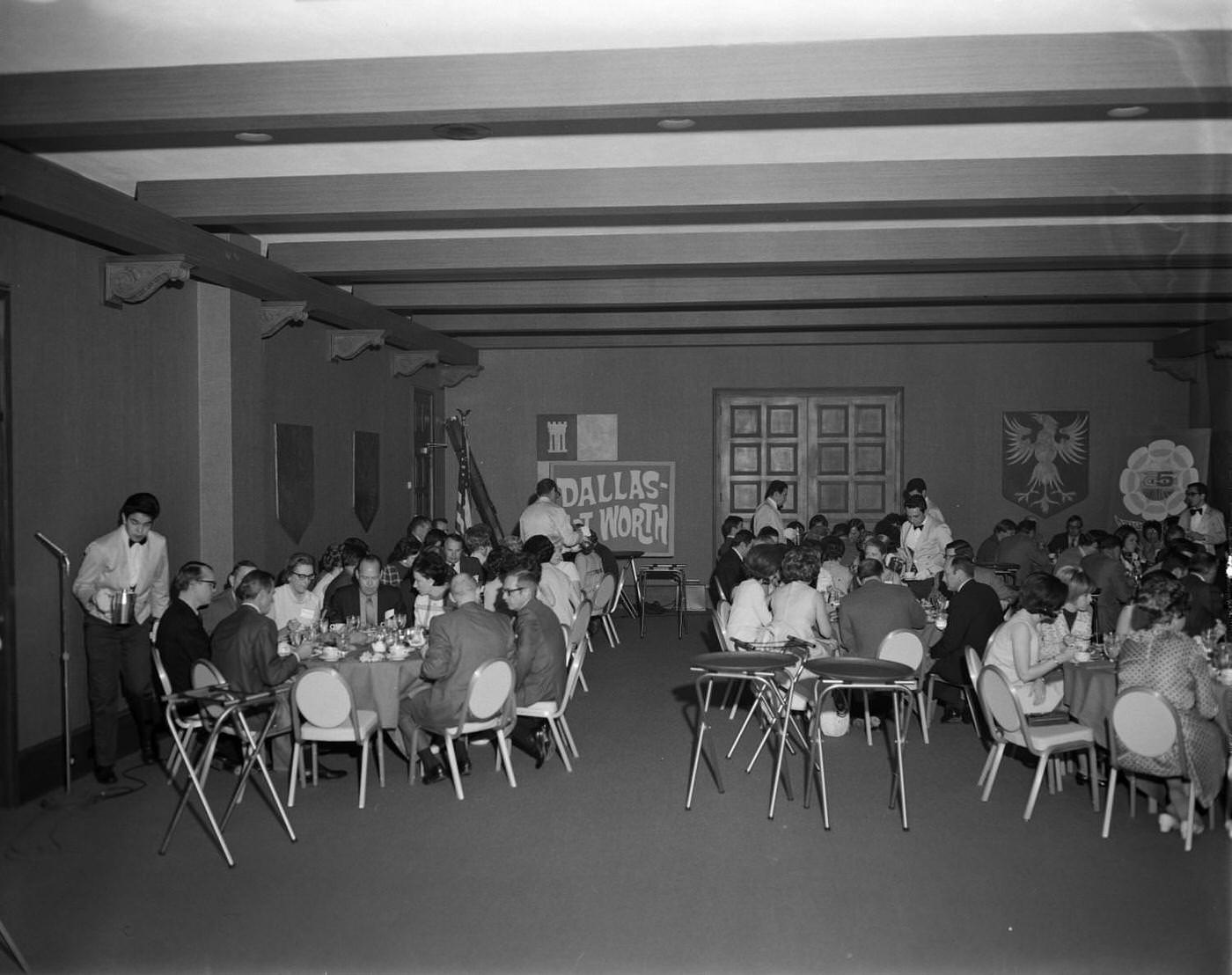
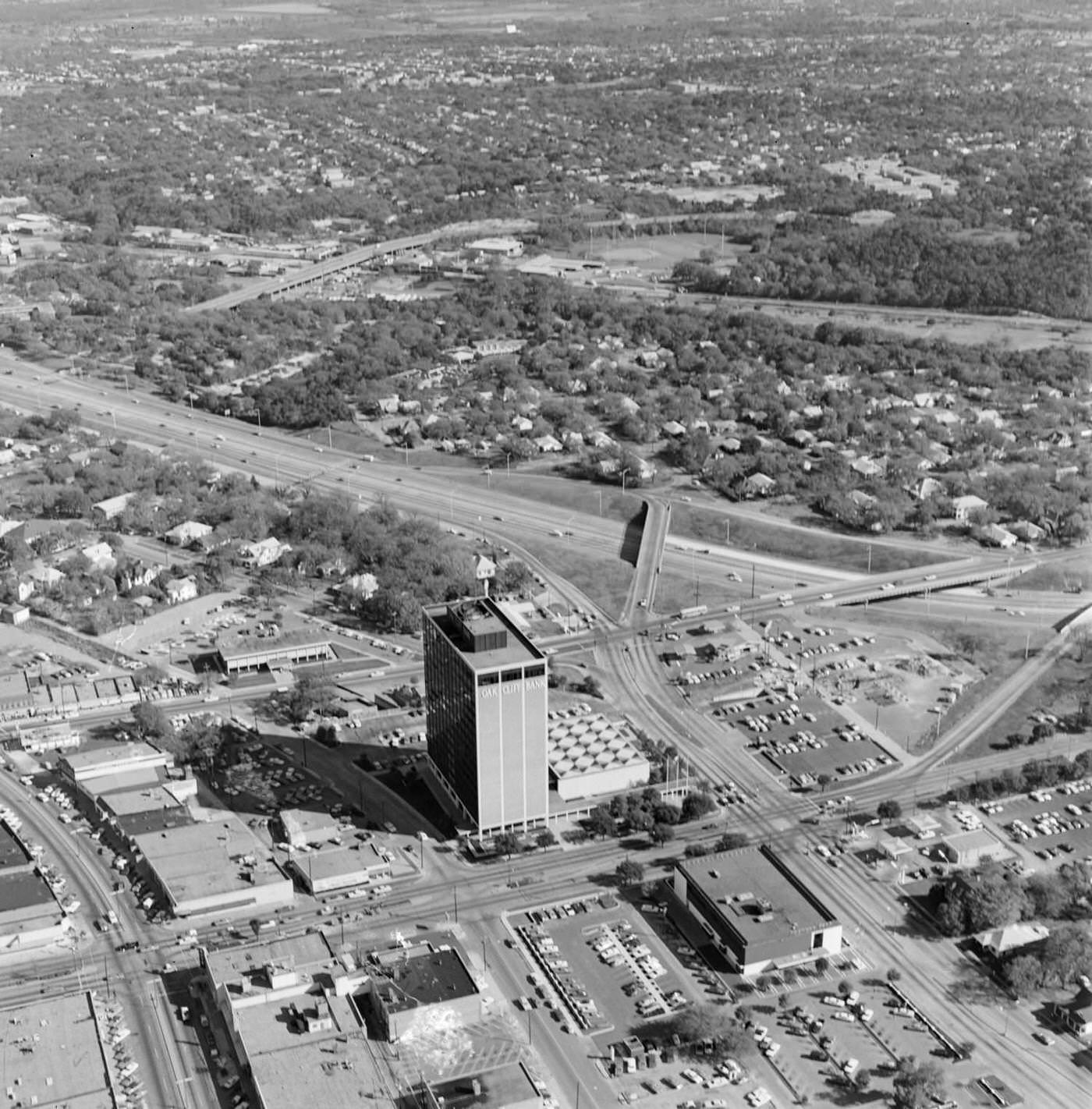
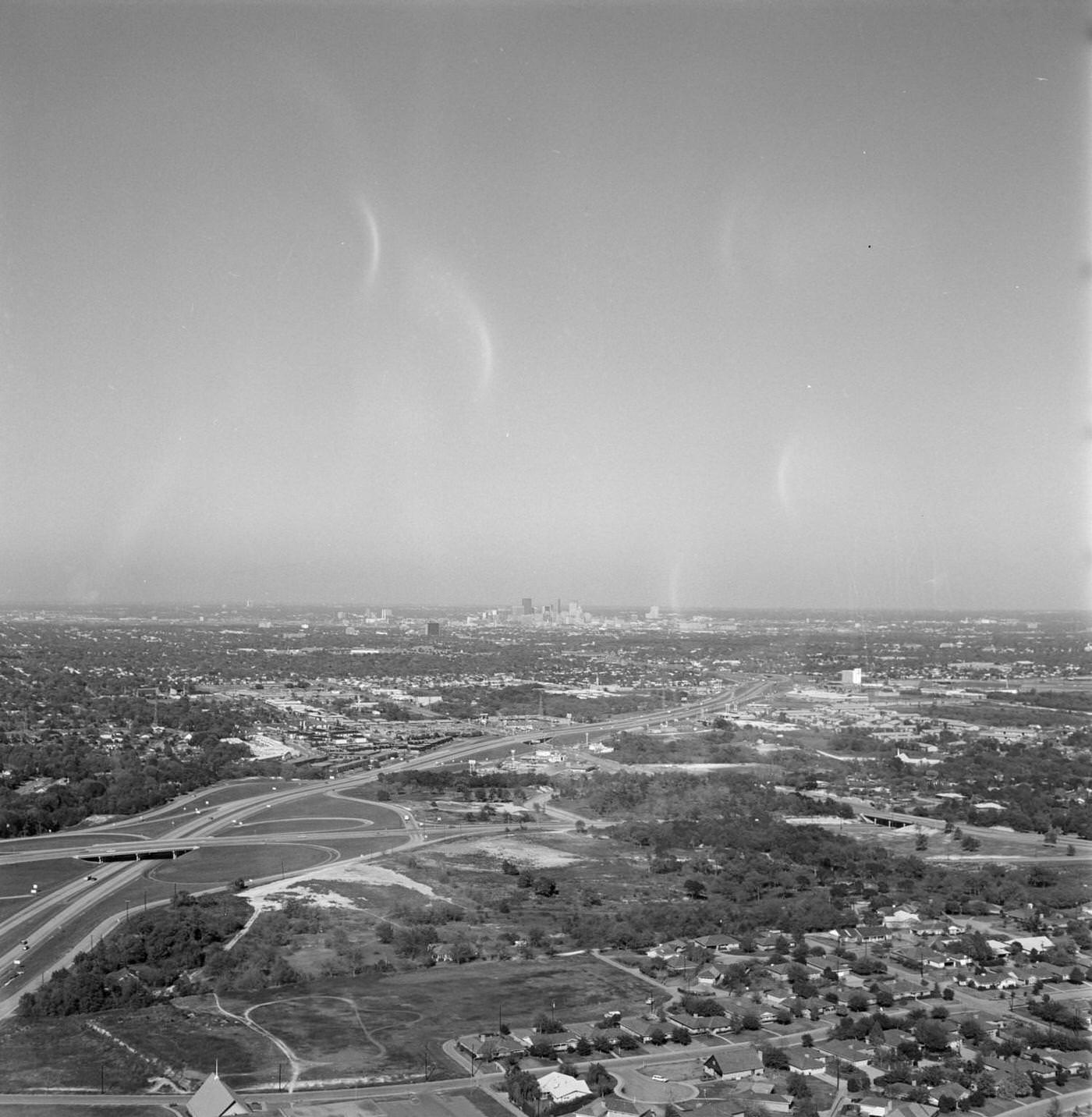
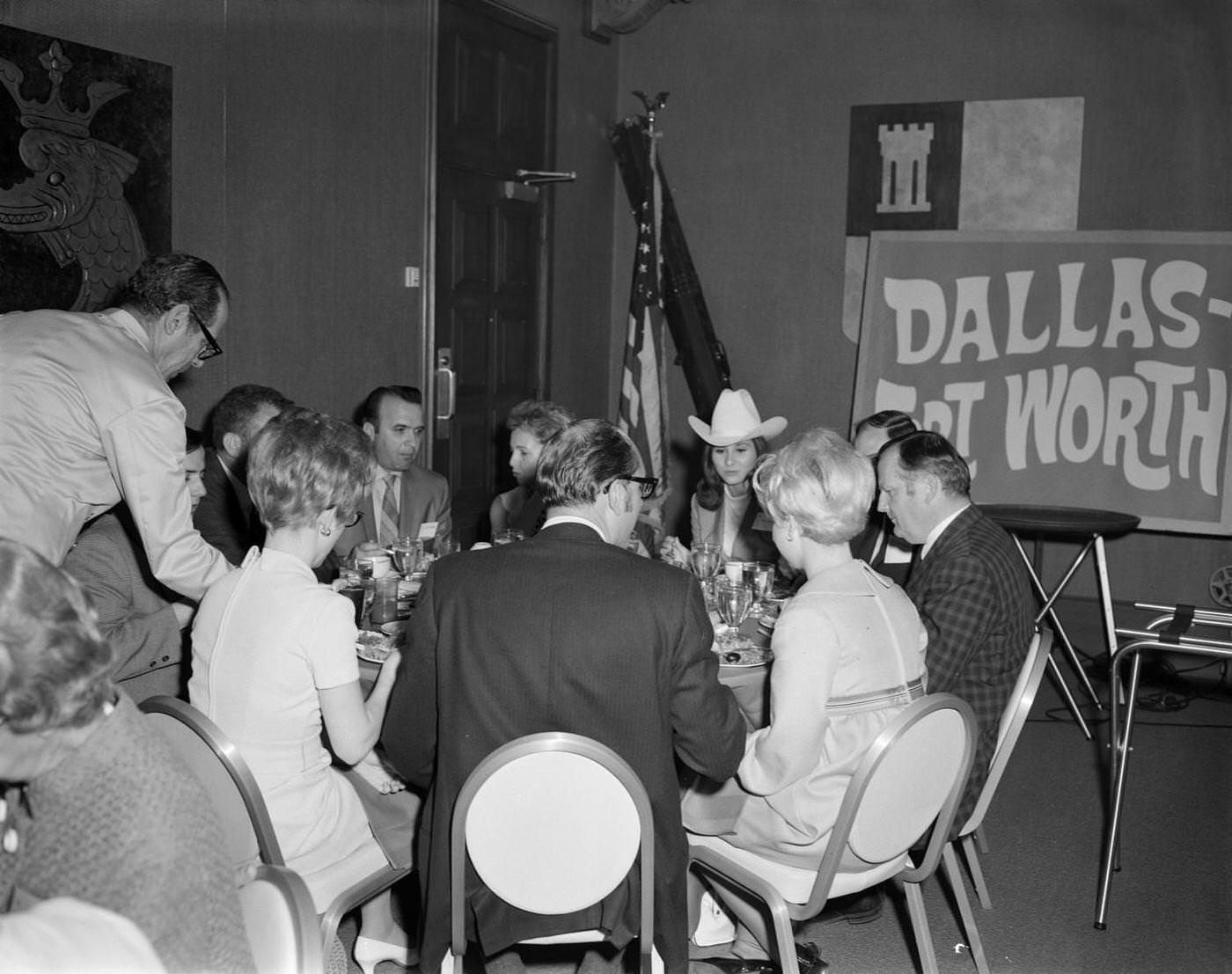
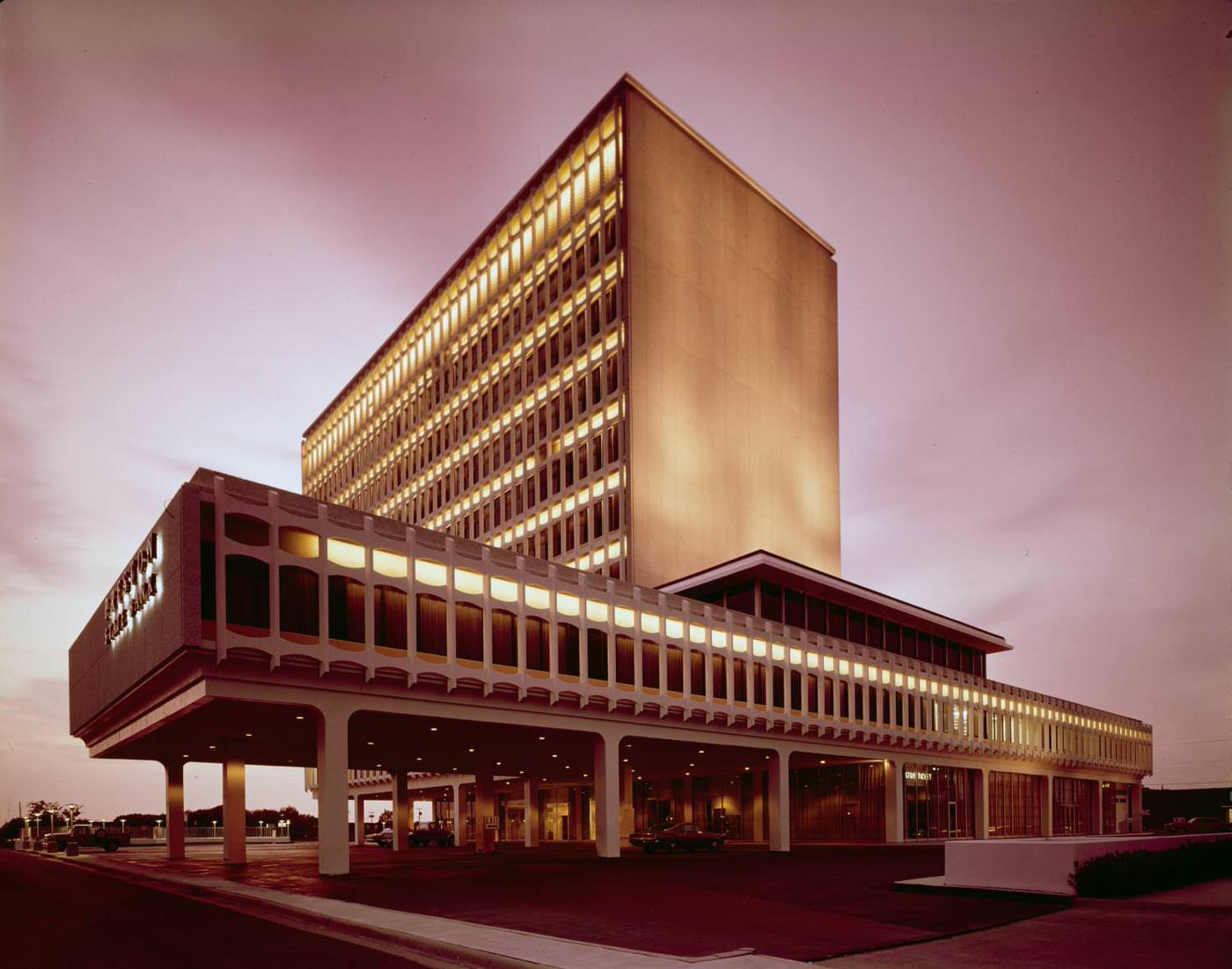
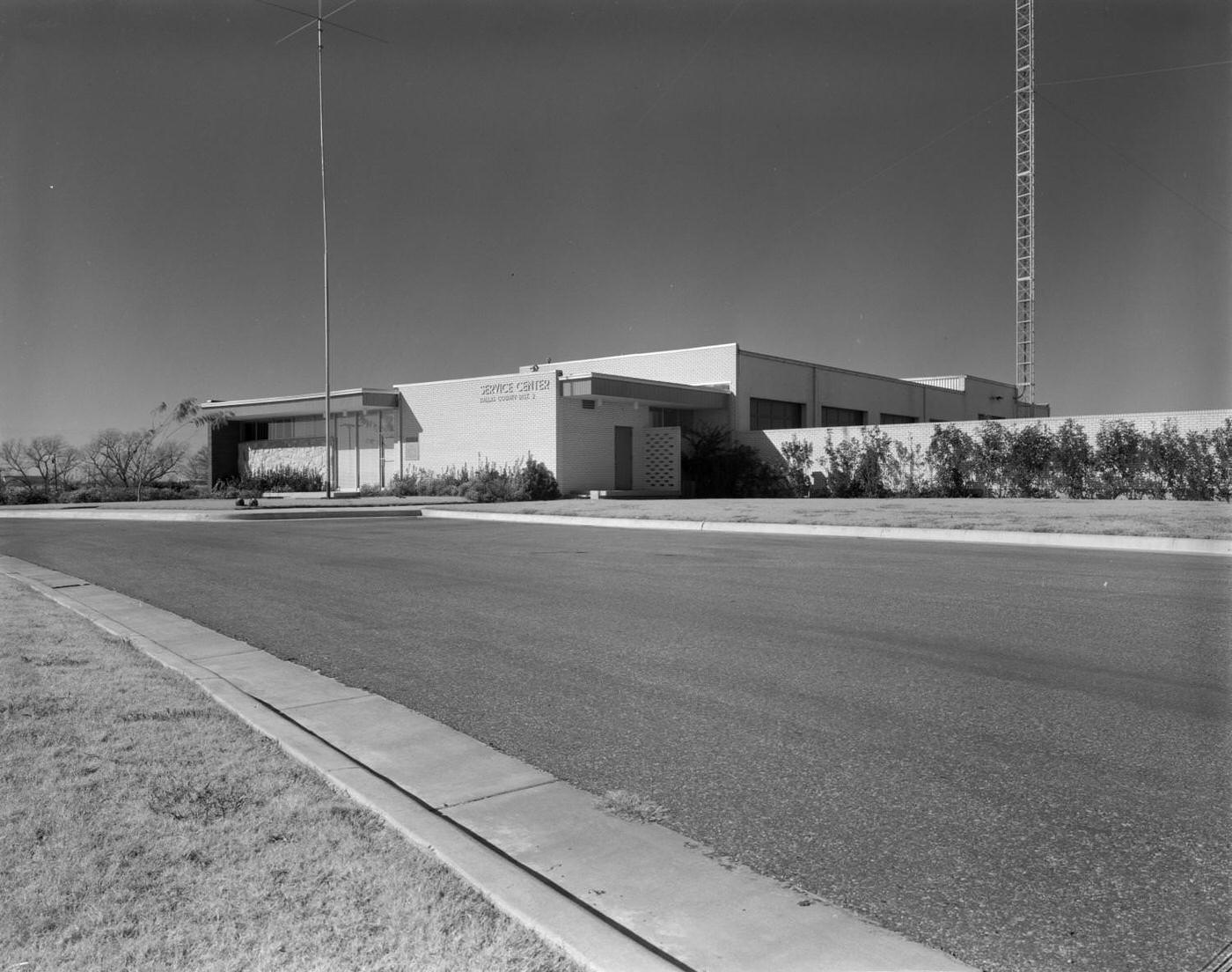
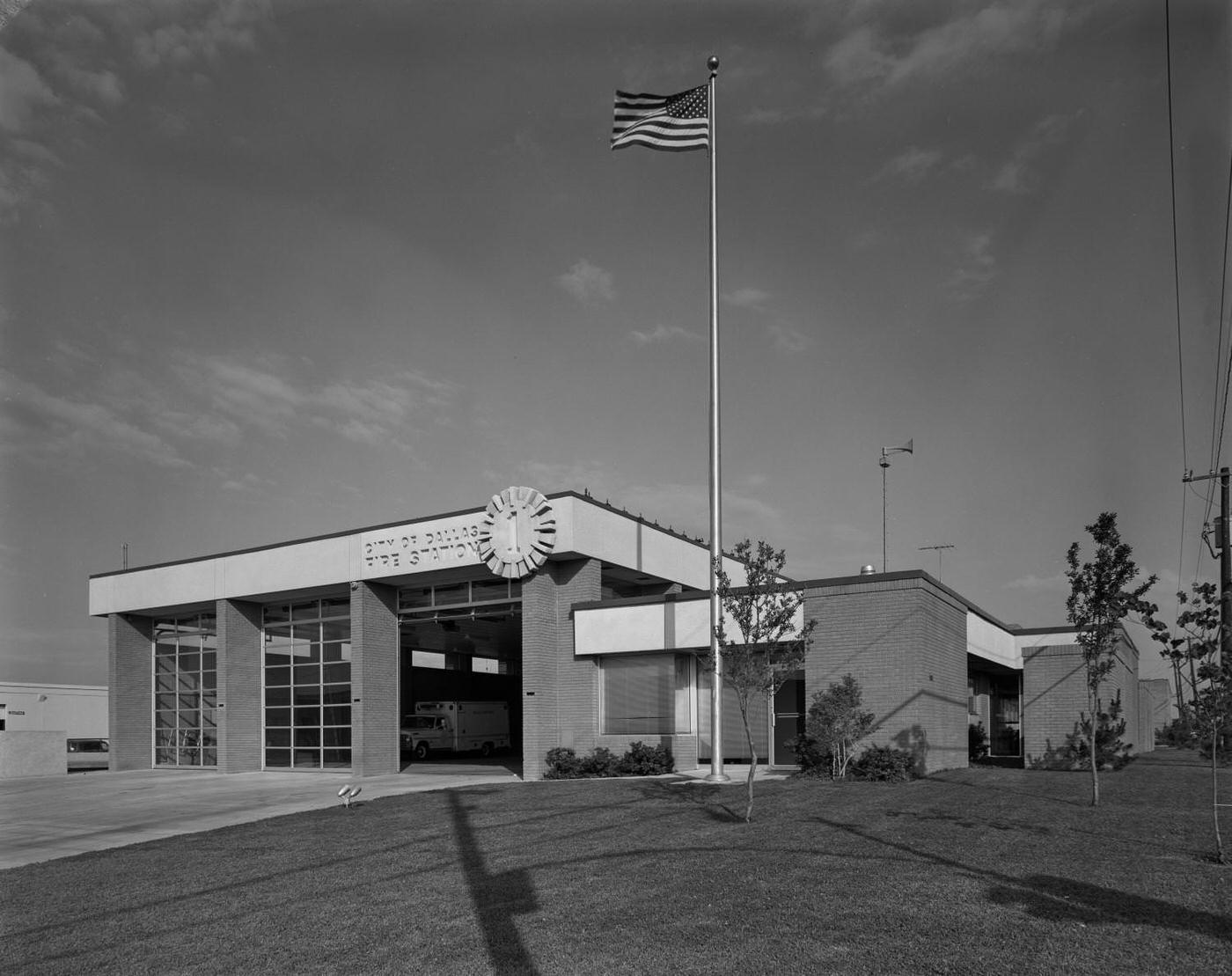
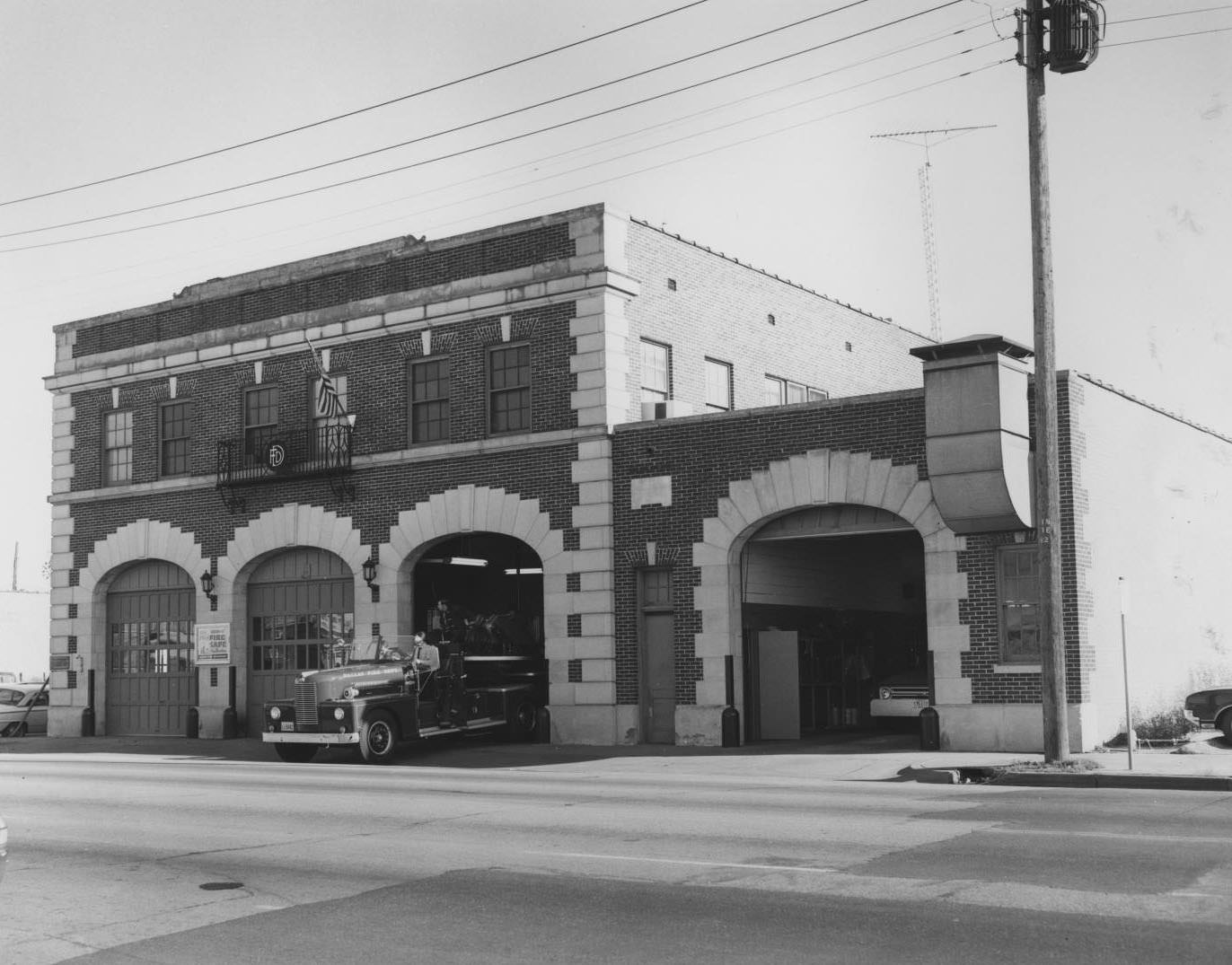
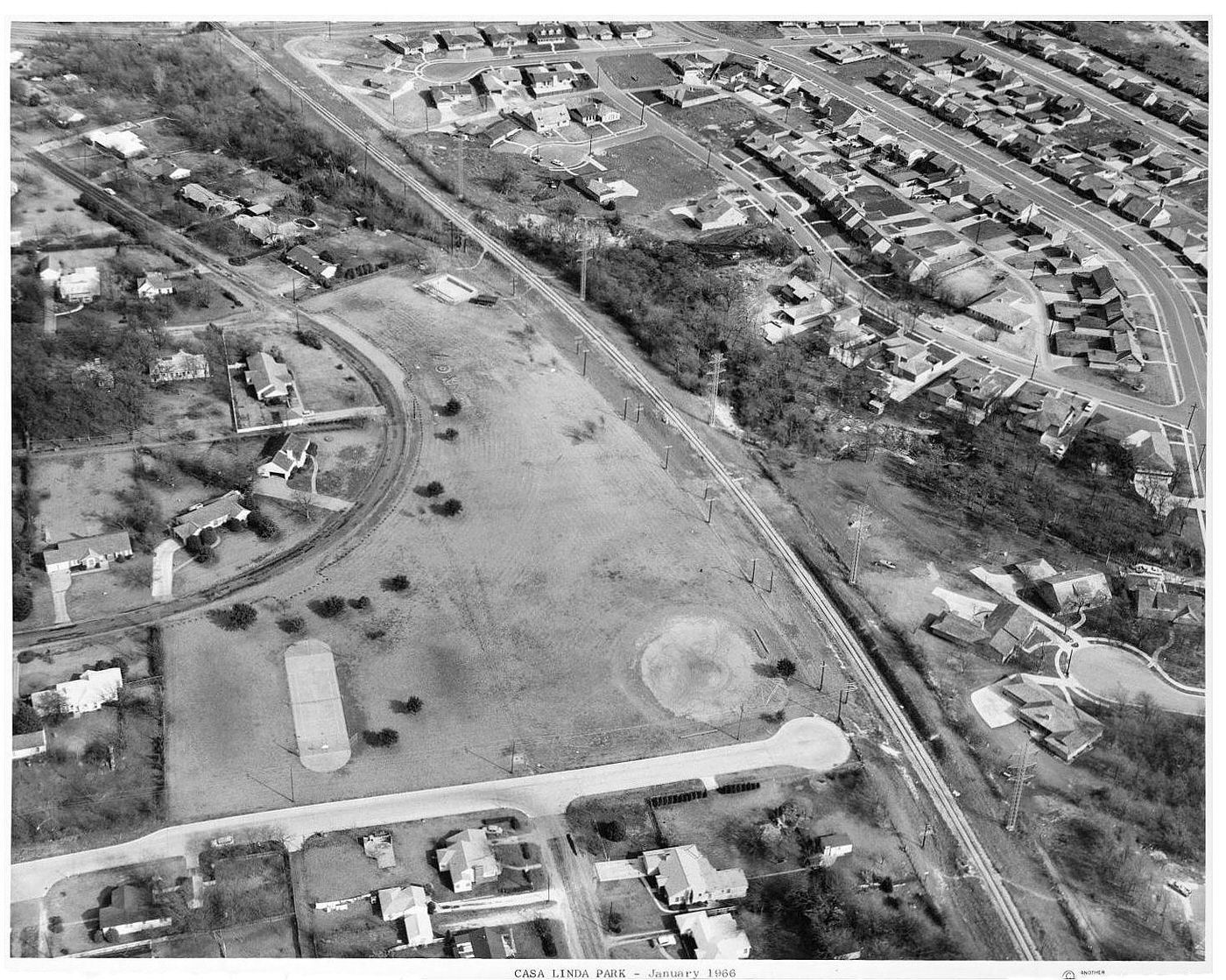
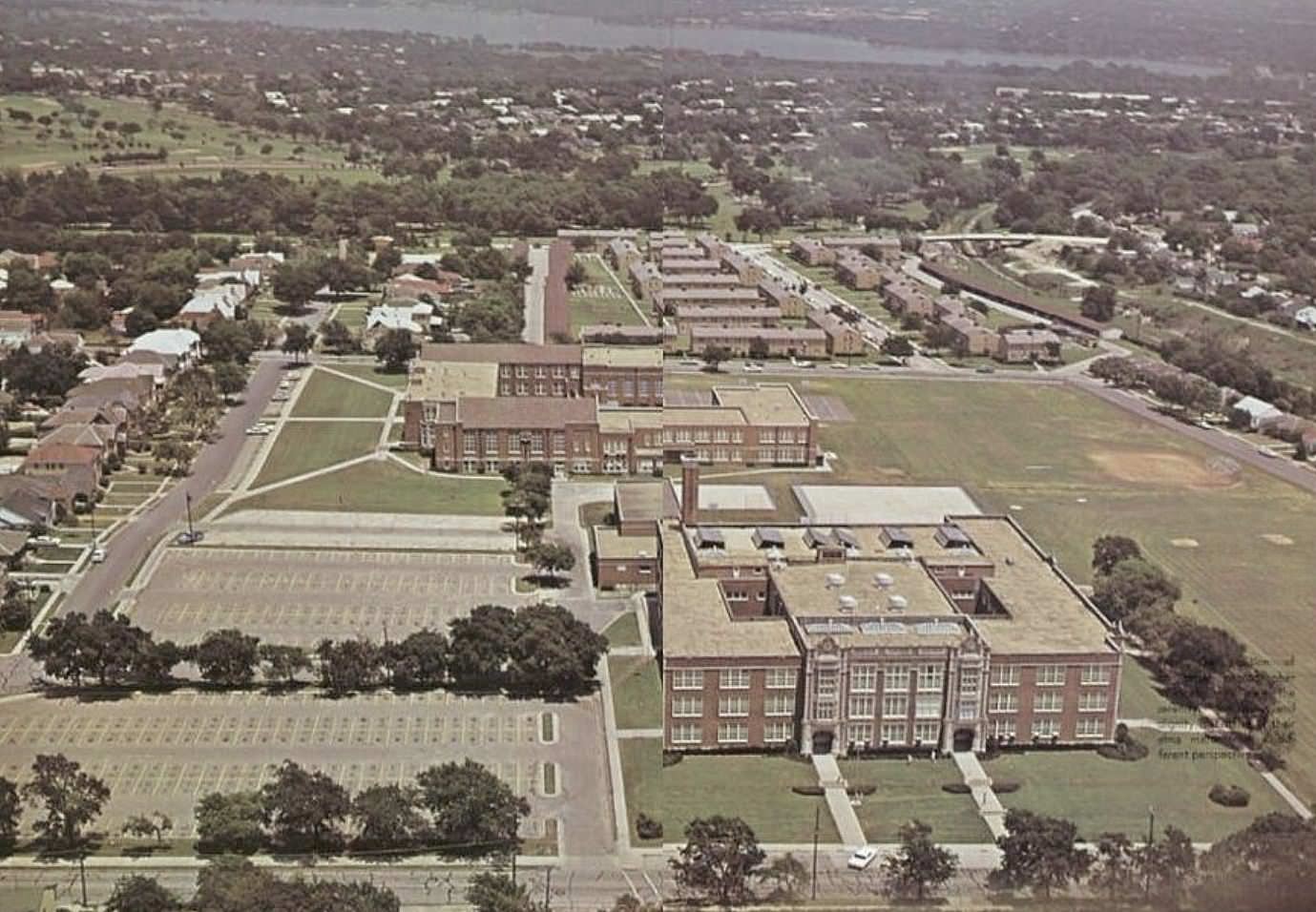
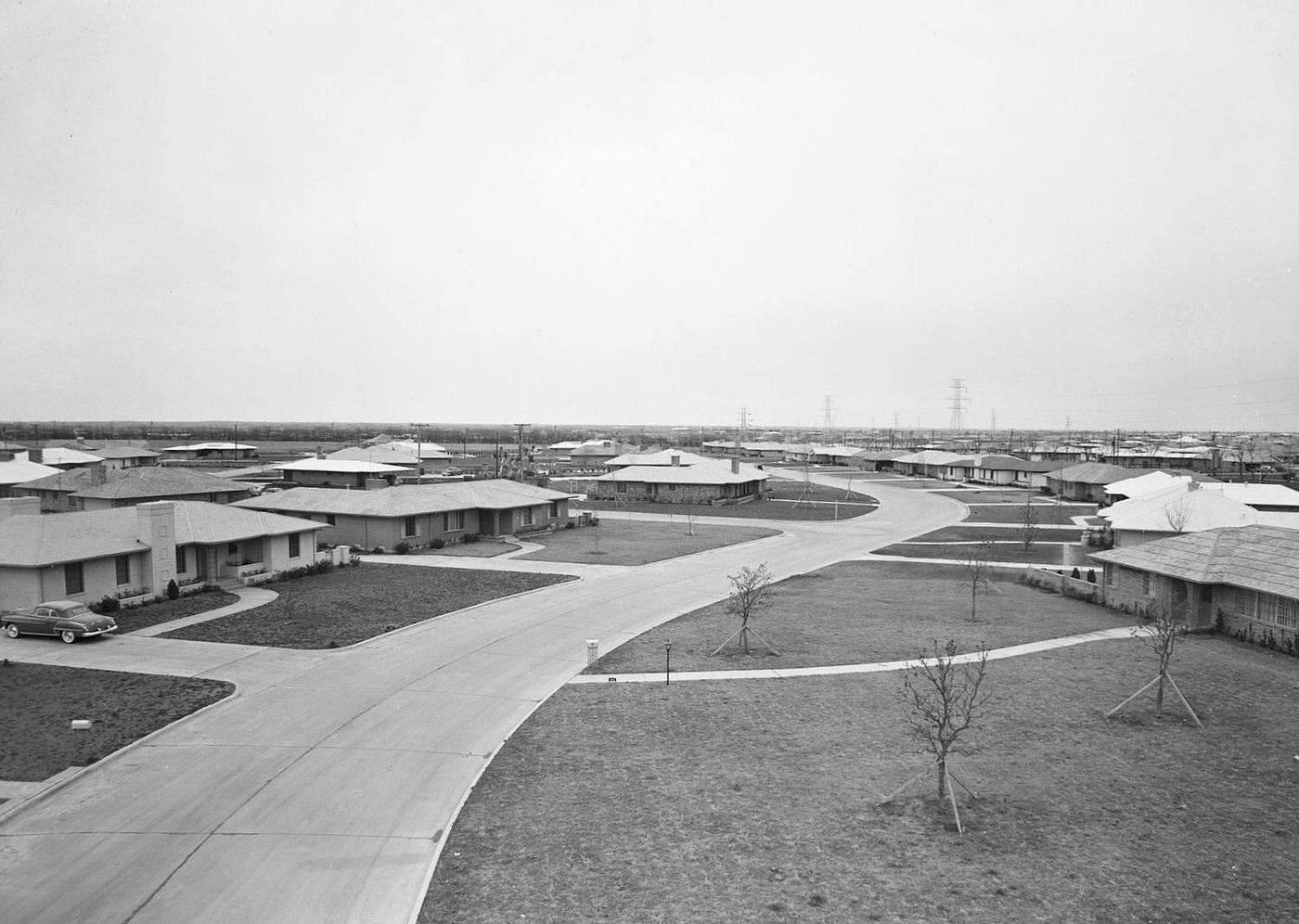
Downtown Dallas aerial, 1969Dallas, Texas skyline, Victory Park area, 1969“The Flying Scotsman” leaving Dallas, 1969Meal at sales meeting in Dallas, 1969Aerial view of Oak Cliff area in Dallas, 1969A distant view of downtown Dallas from a blimp, 1969Men and women sitting around a table, and having a meal together, 1969. They are all dressed in formal attire and having conversations with one another.Dallas soccer club in Rangoon, 1967Skyline of downtown Dallas, 1969Preston State Bank, Dallas, Texas, 1960sDallas Service Center, 1965Various buildings, including the Adolphus Hotel and Magnolia in Downtown, Dallas, 1960sExterior of a Dallas fire station, 1960s
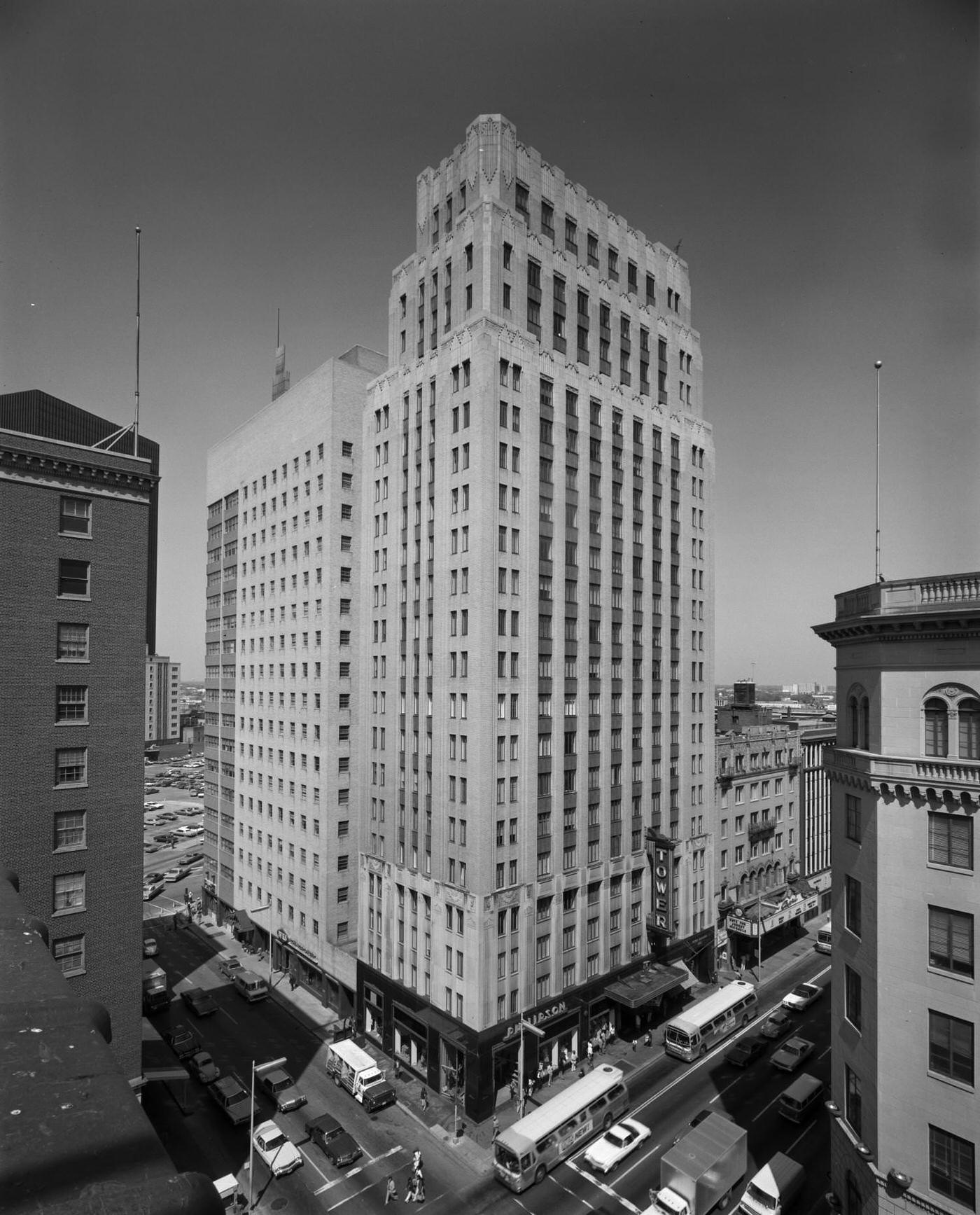
Tower Petroleum building in Dallas, Texas, 1960s
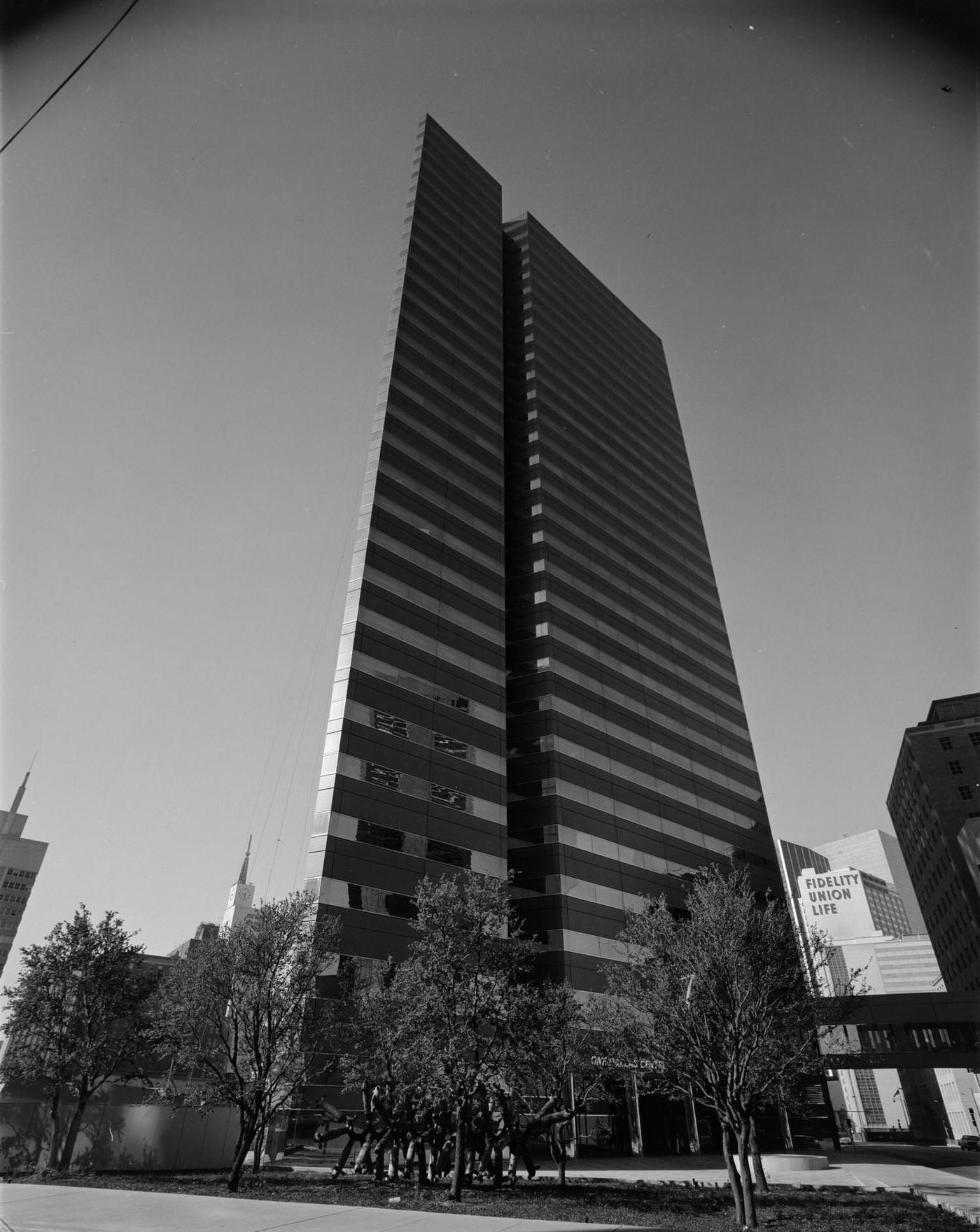
Dallas Centre building, 1960s
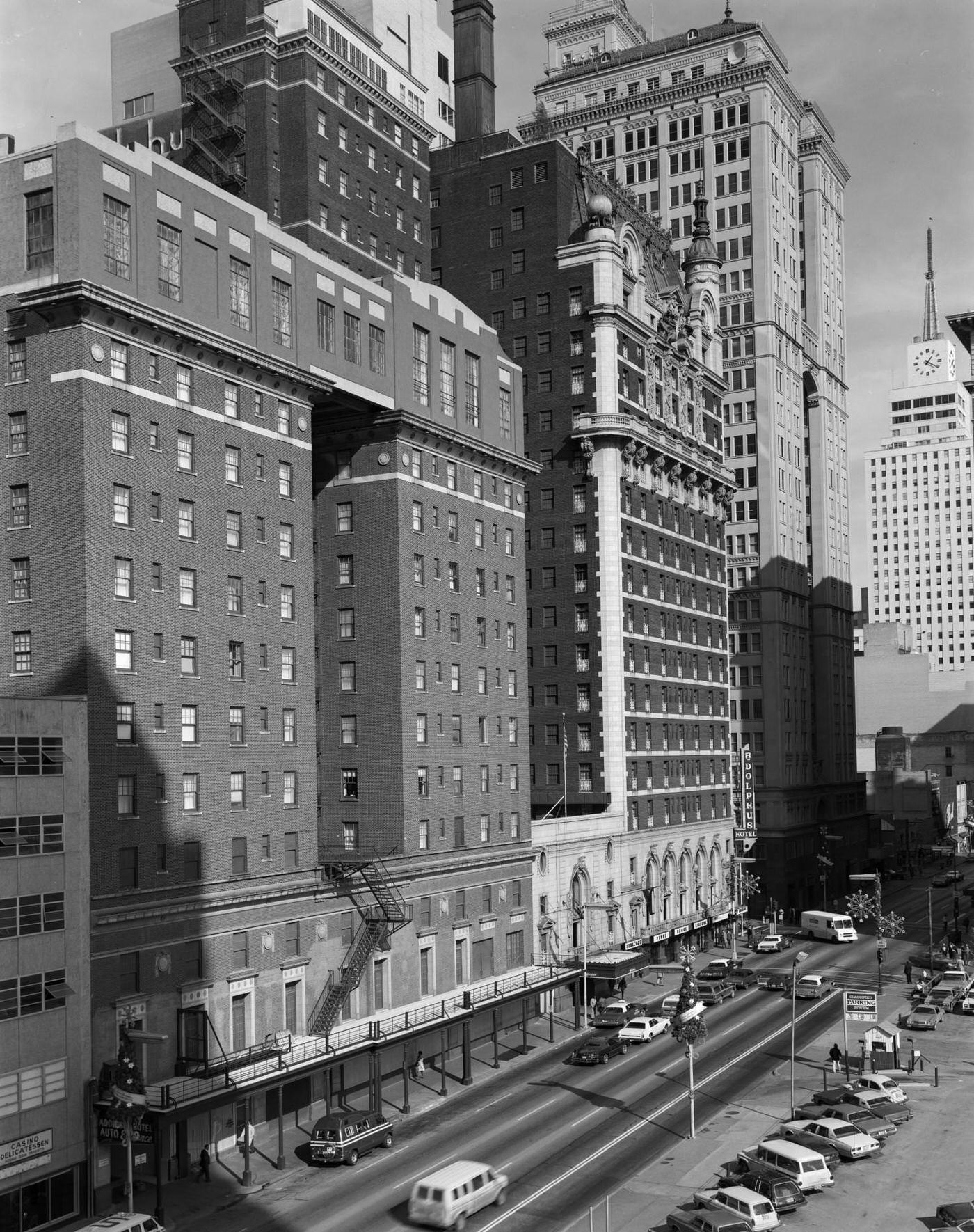
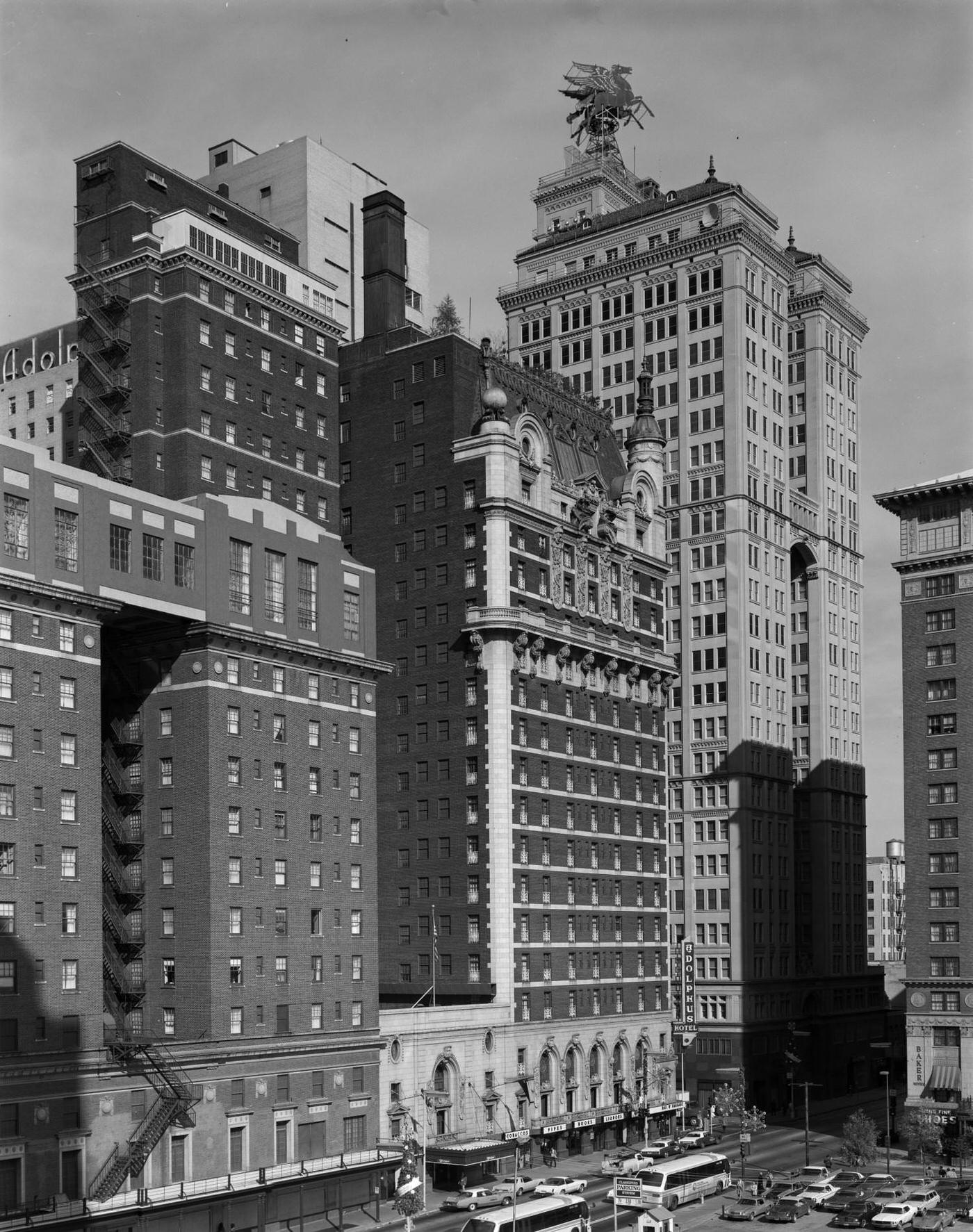
Adolphus Hotel and Magnolia, 1960s
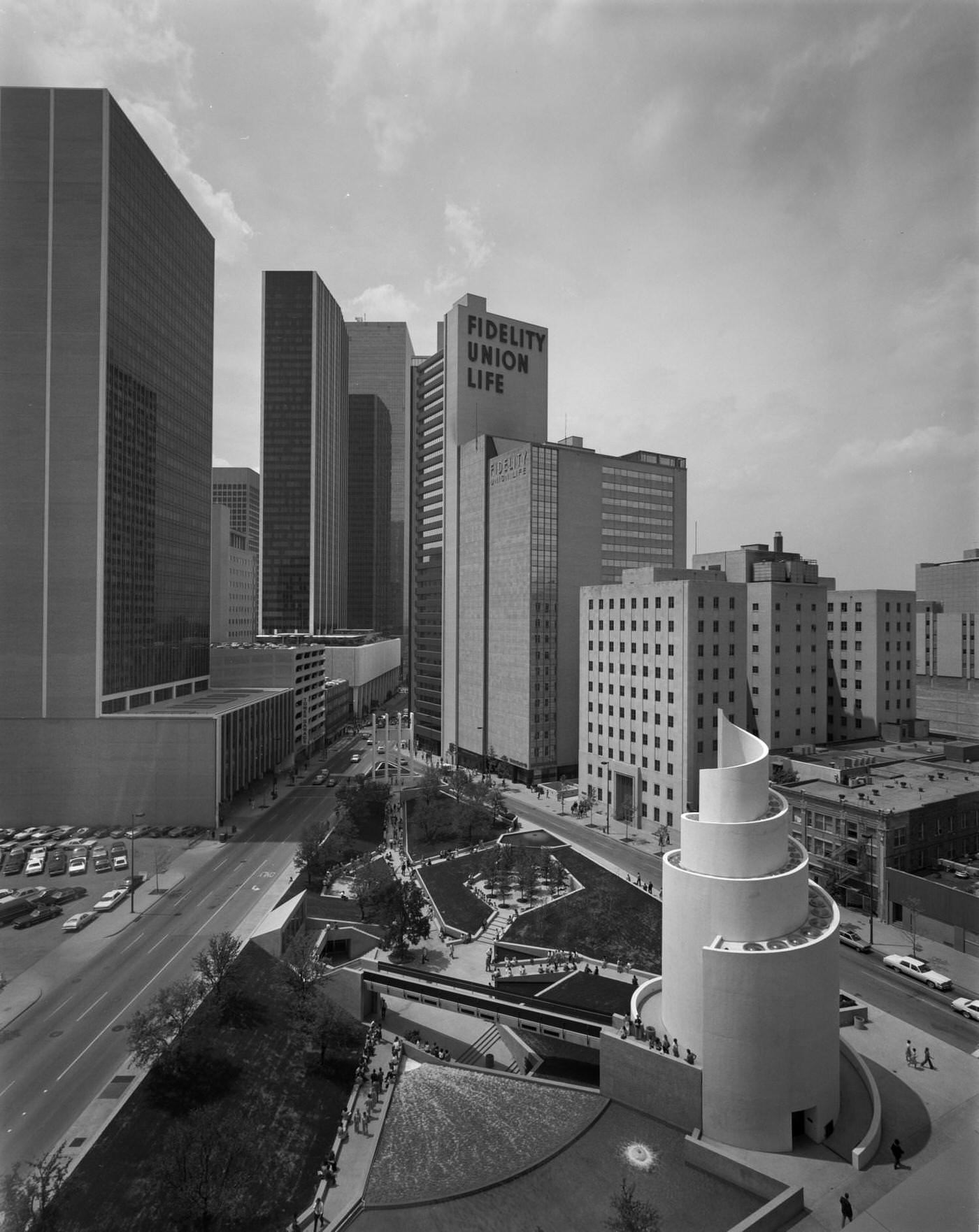
verview of Downtown Dallas, 1960s. The picture includes Thanksgiving Square and the Fidelity Union Life building.
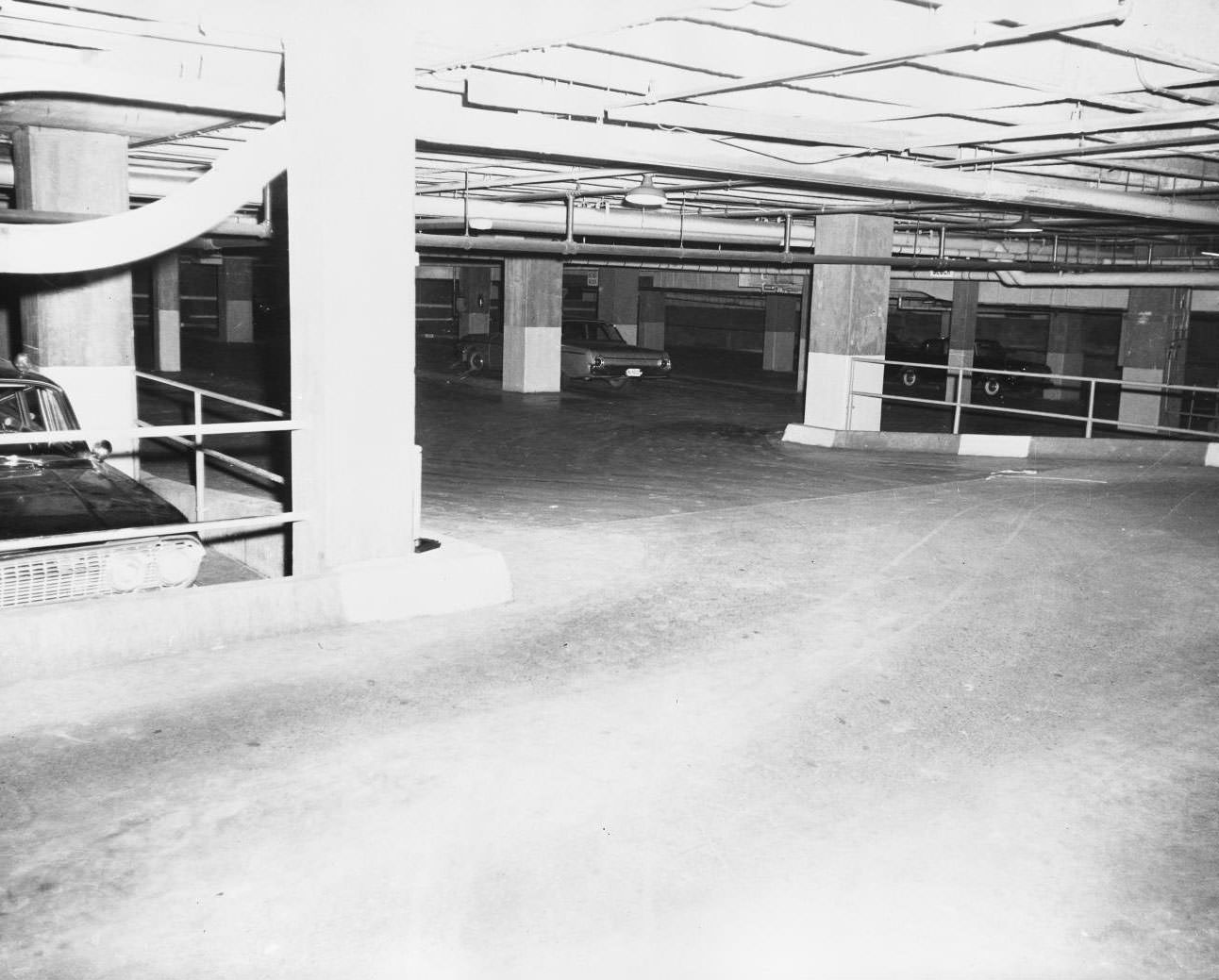
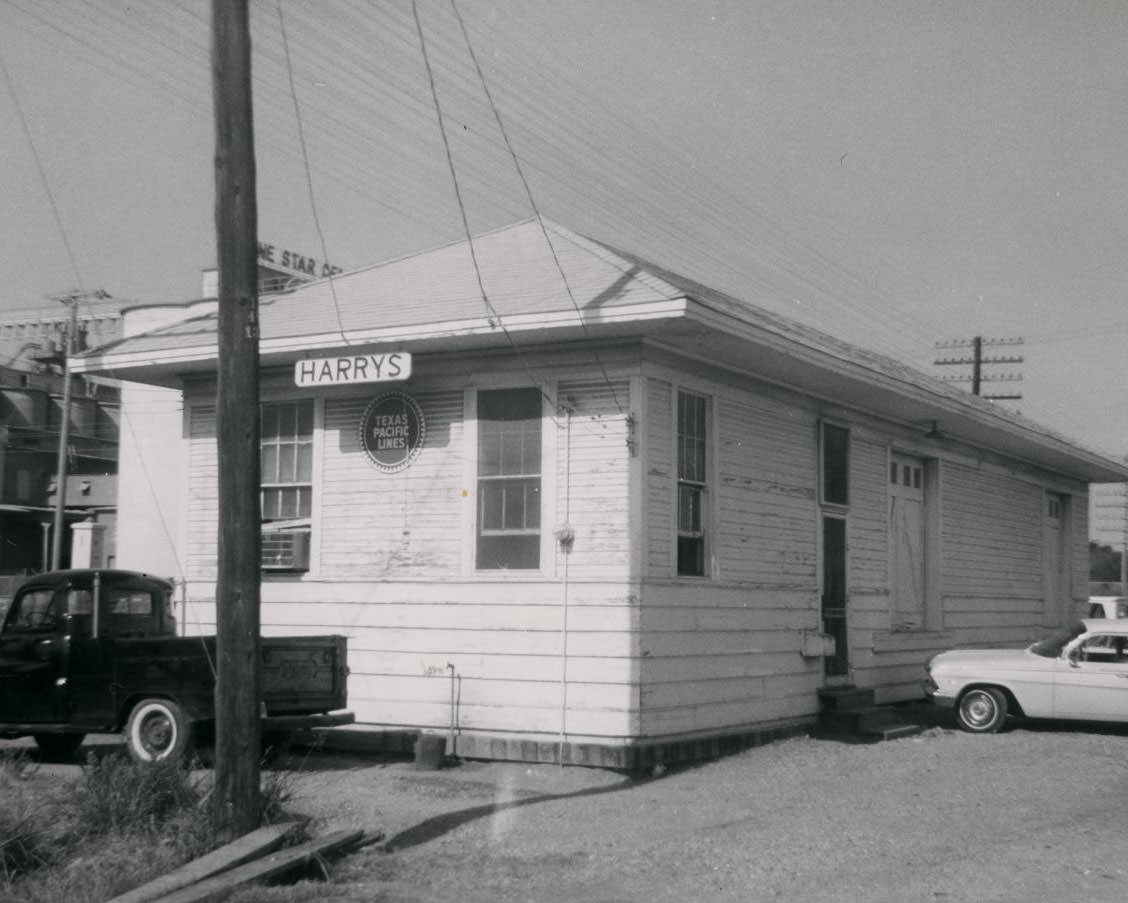
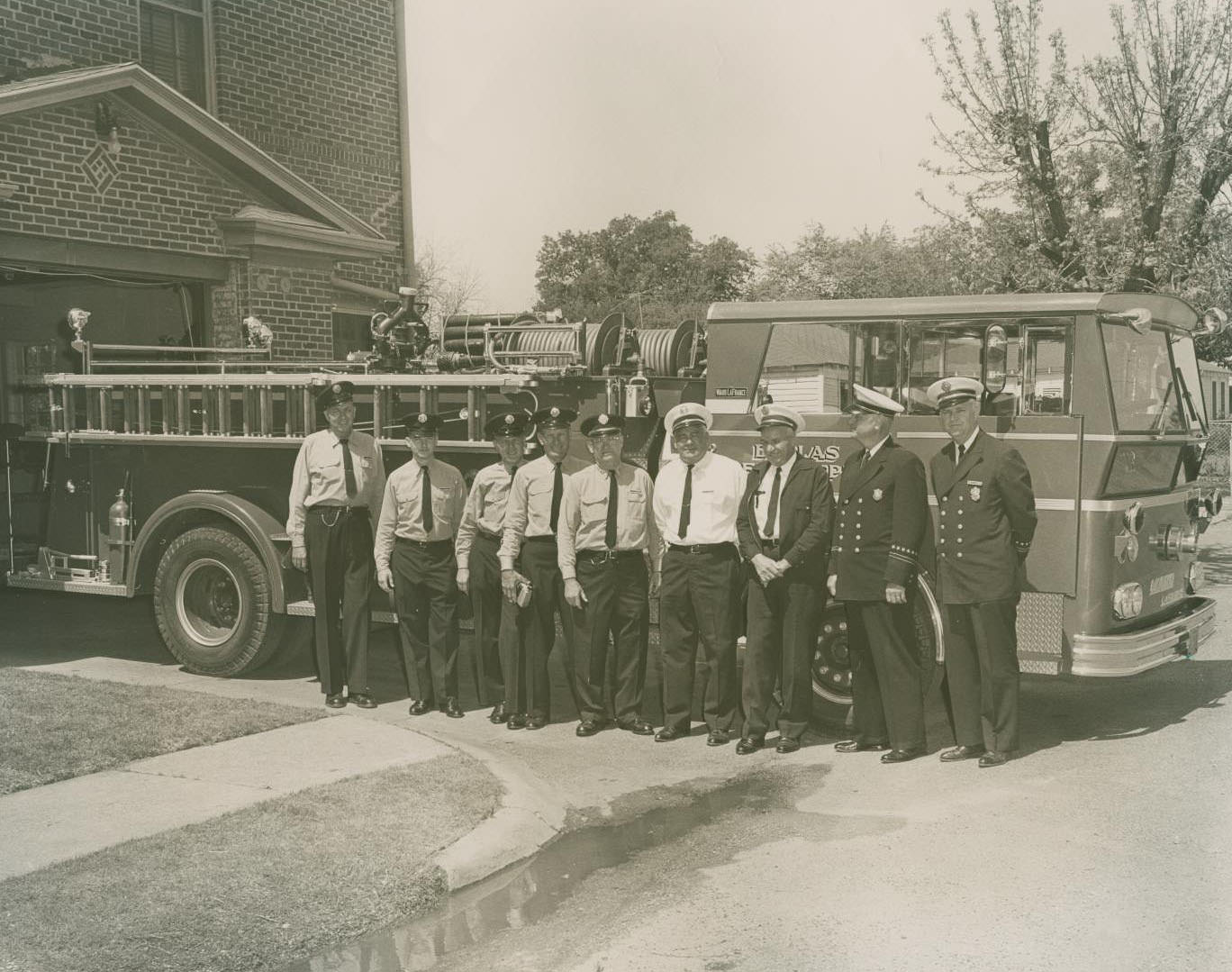
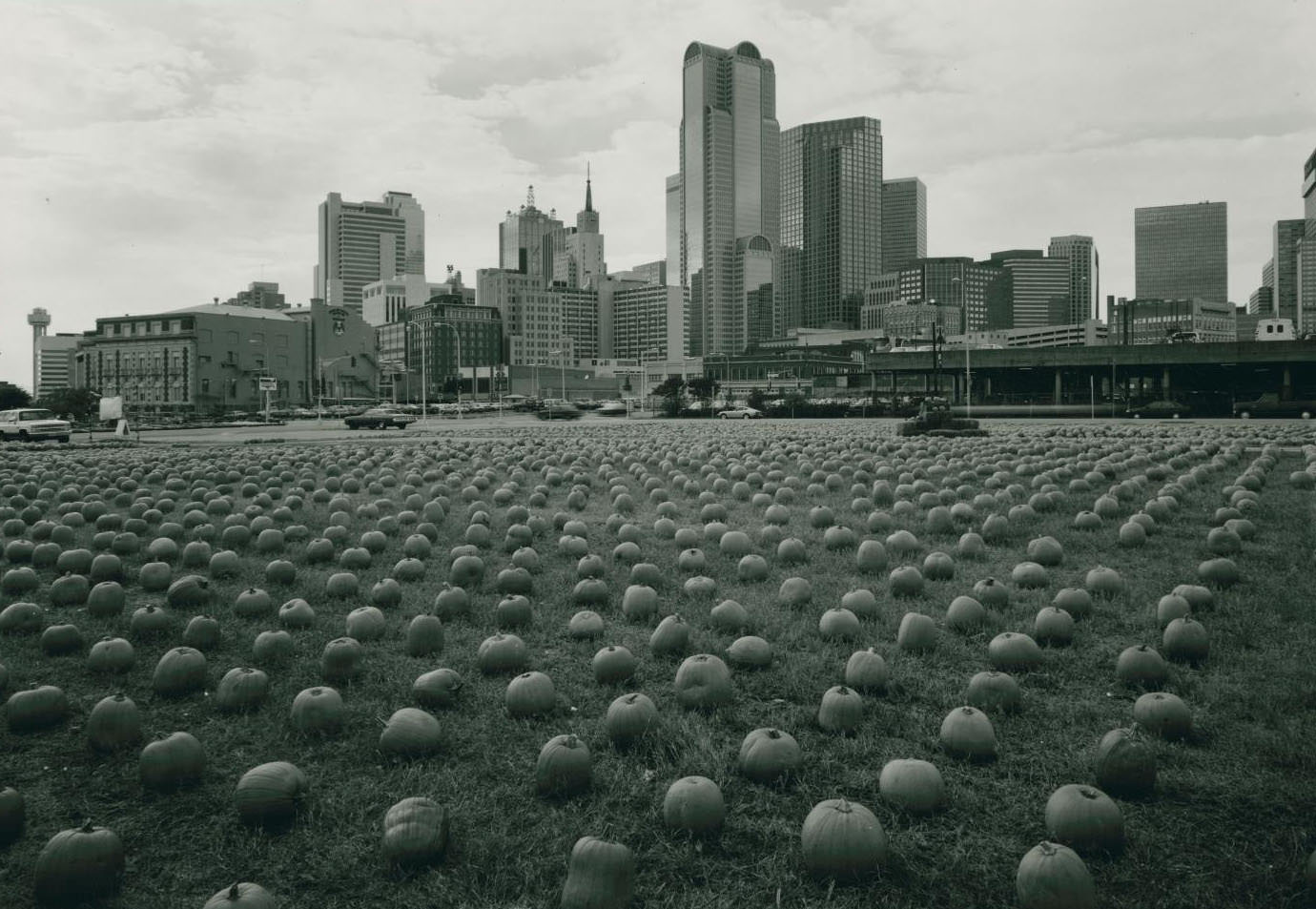
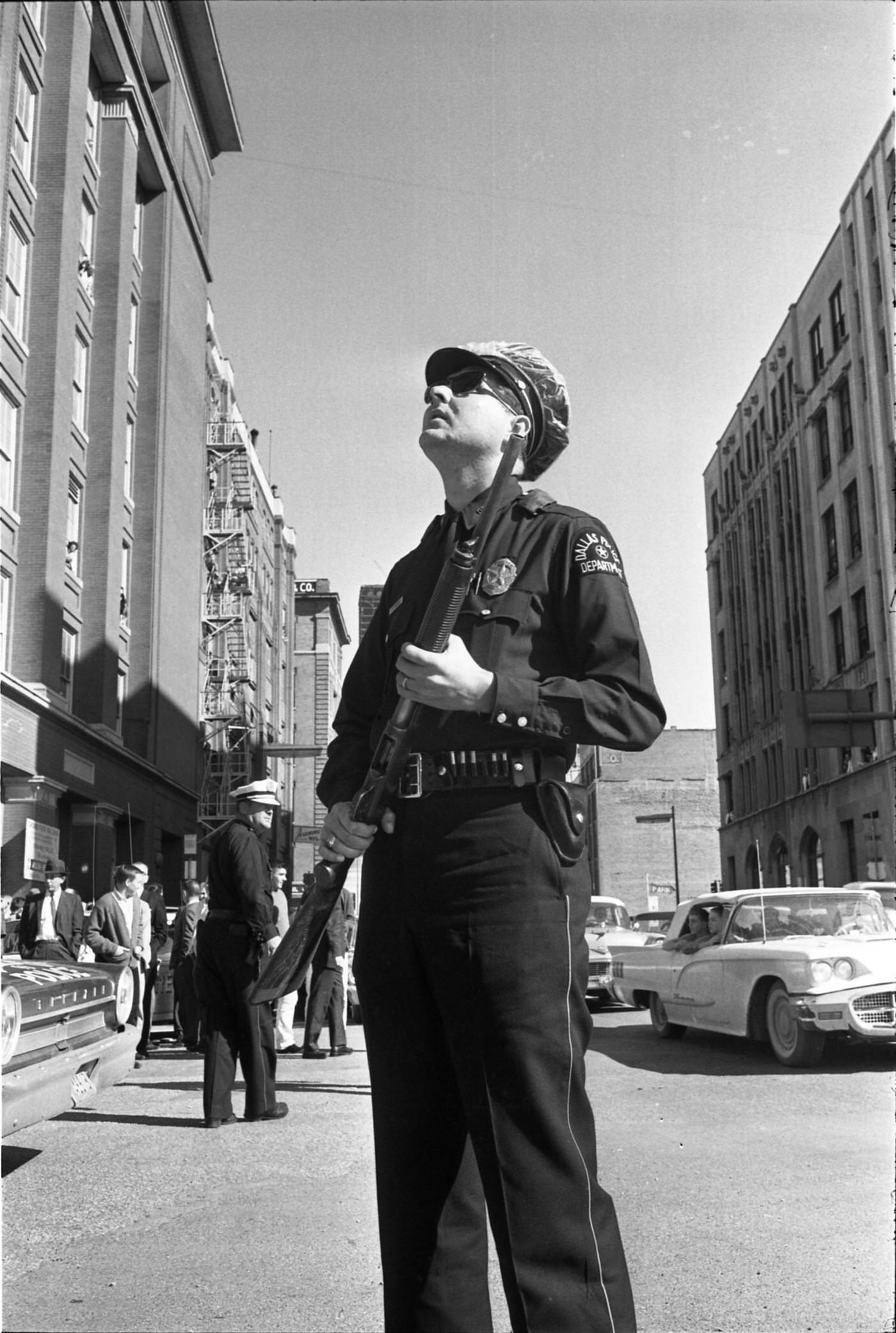
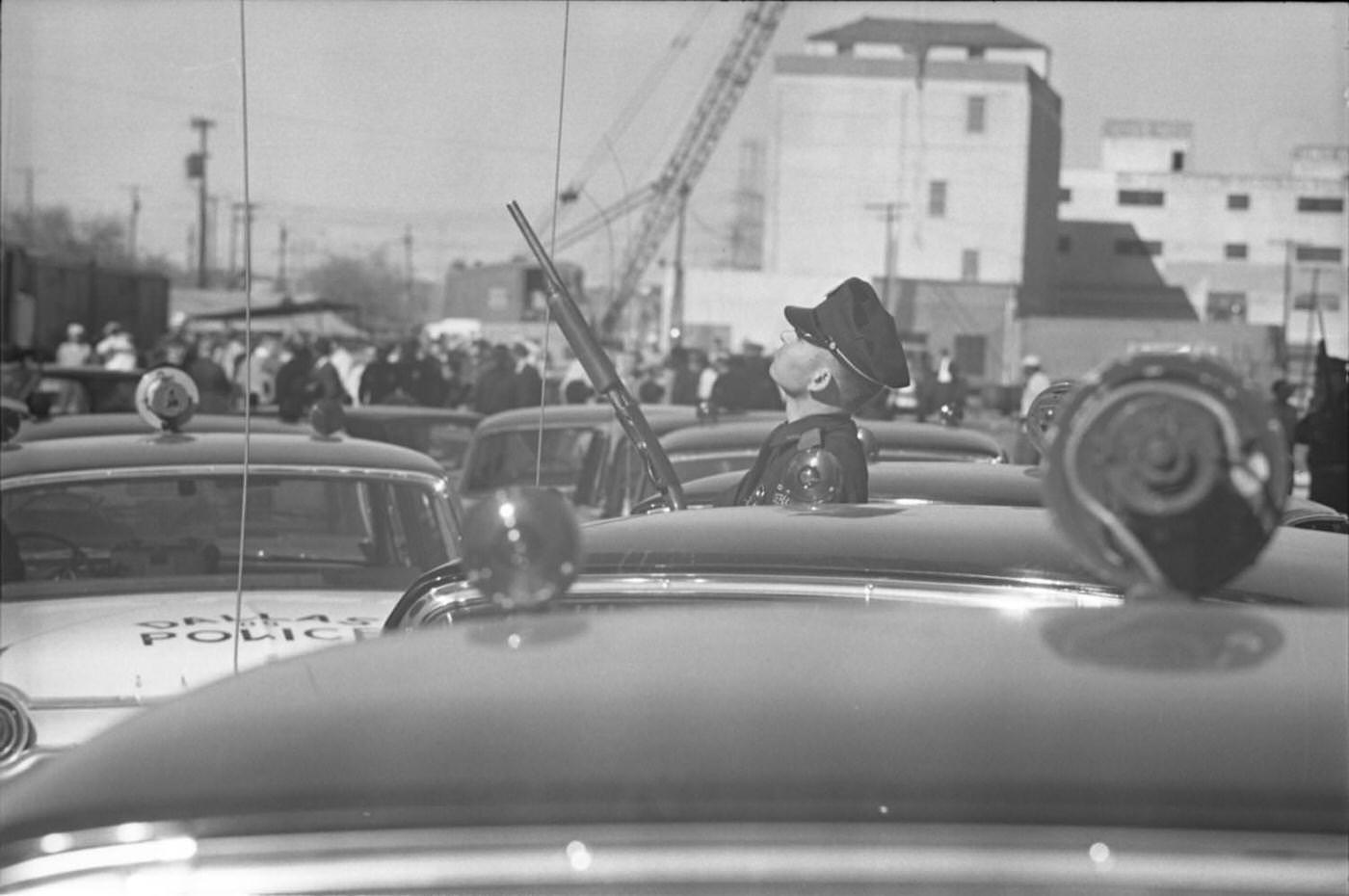
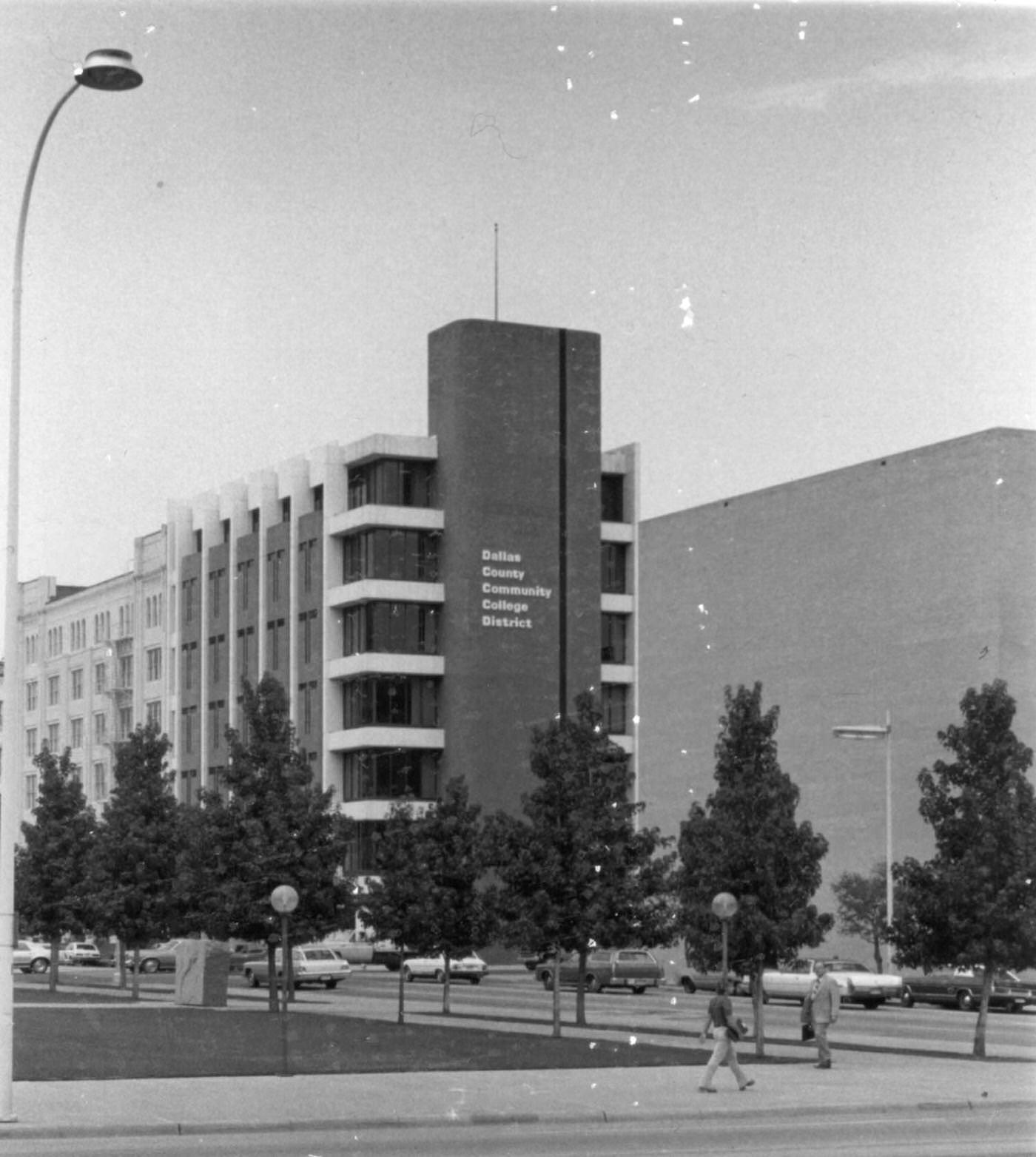
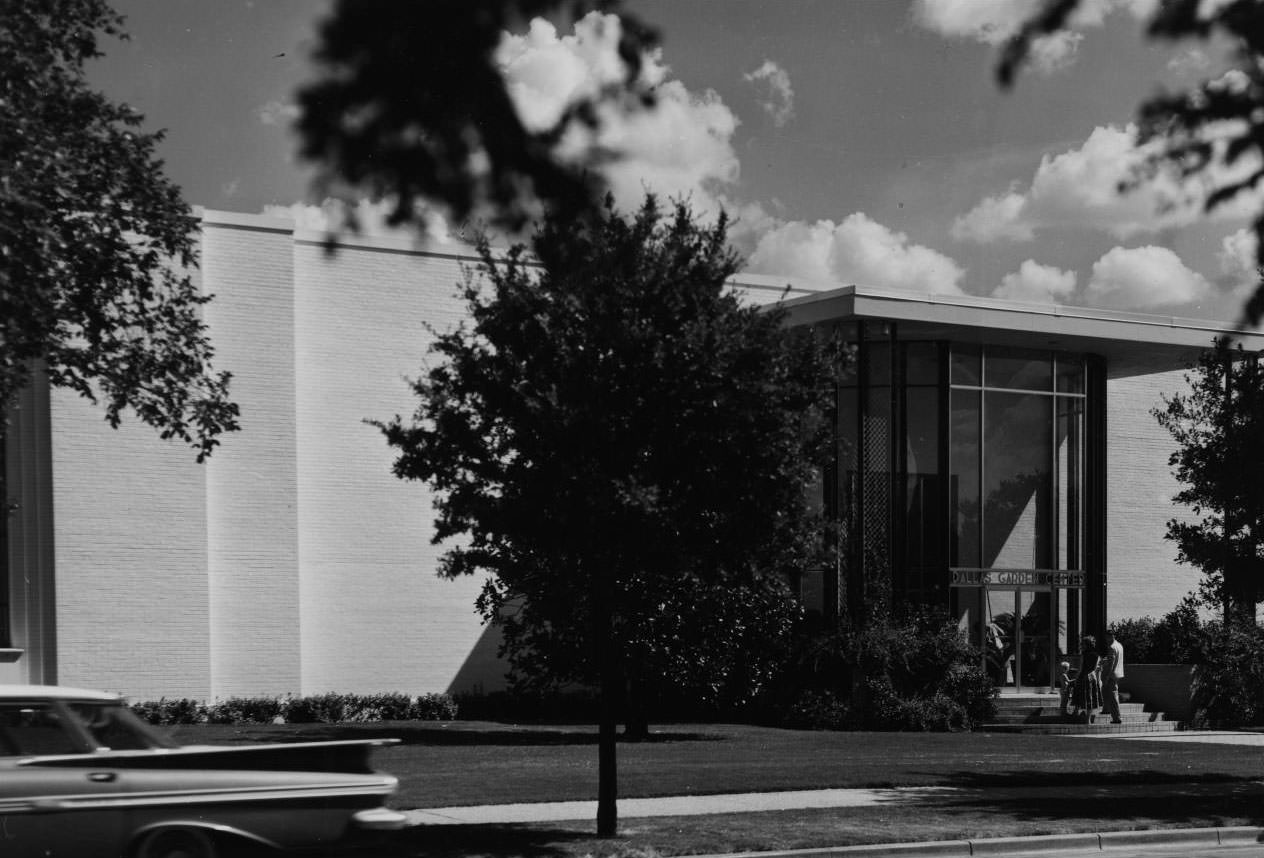
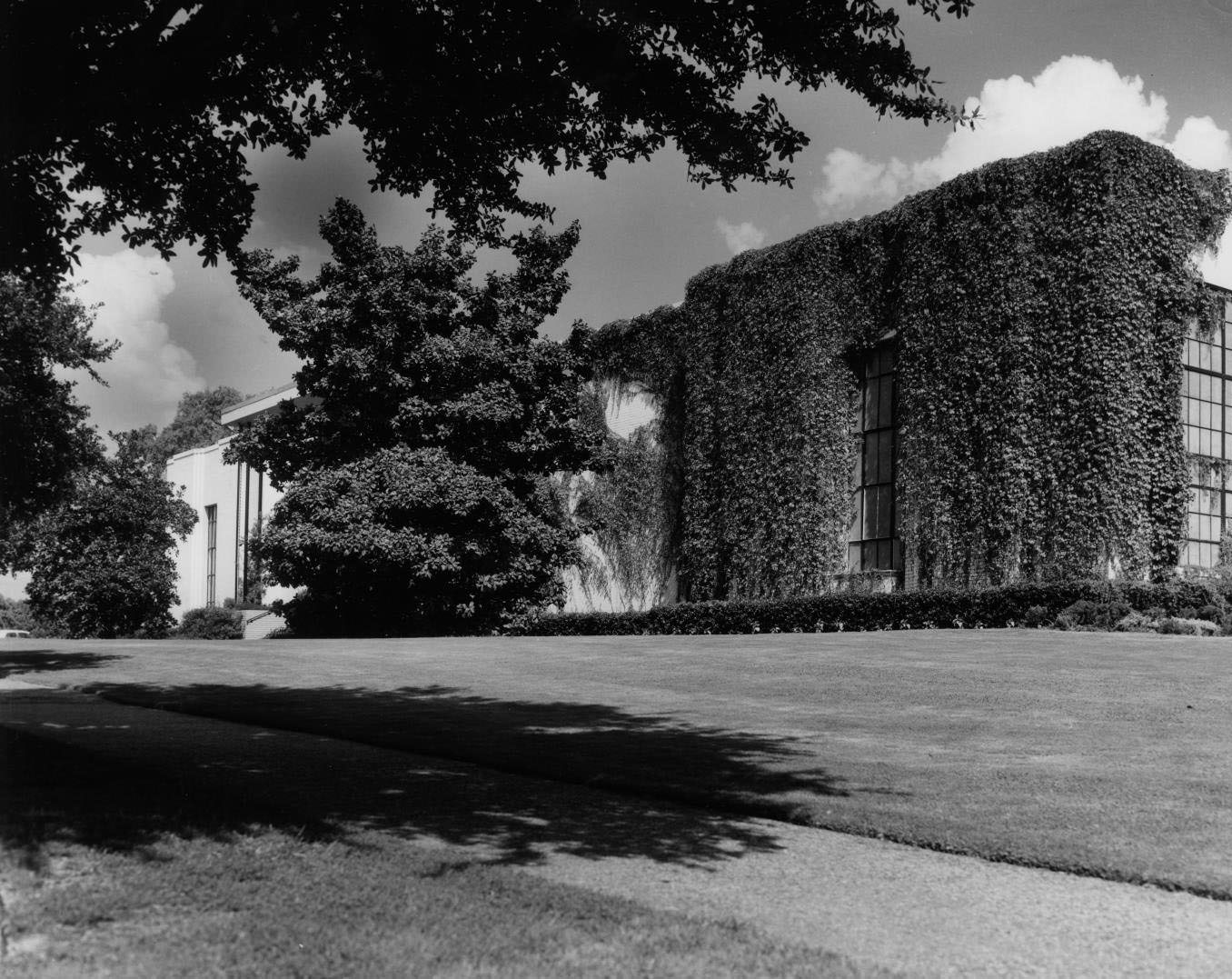
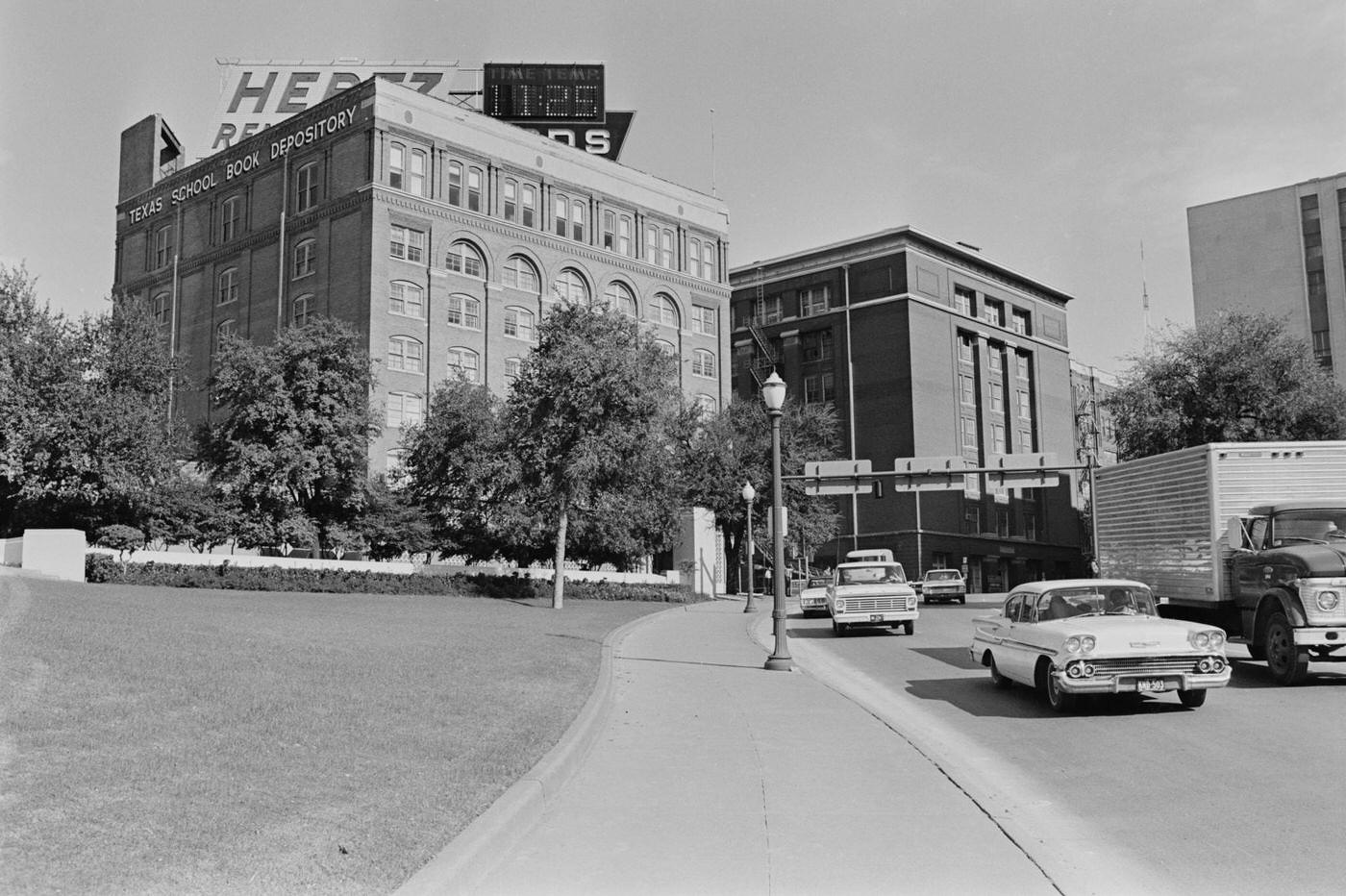
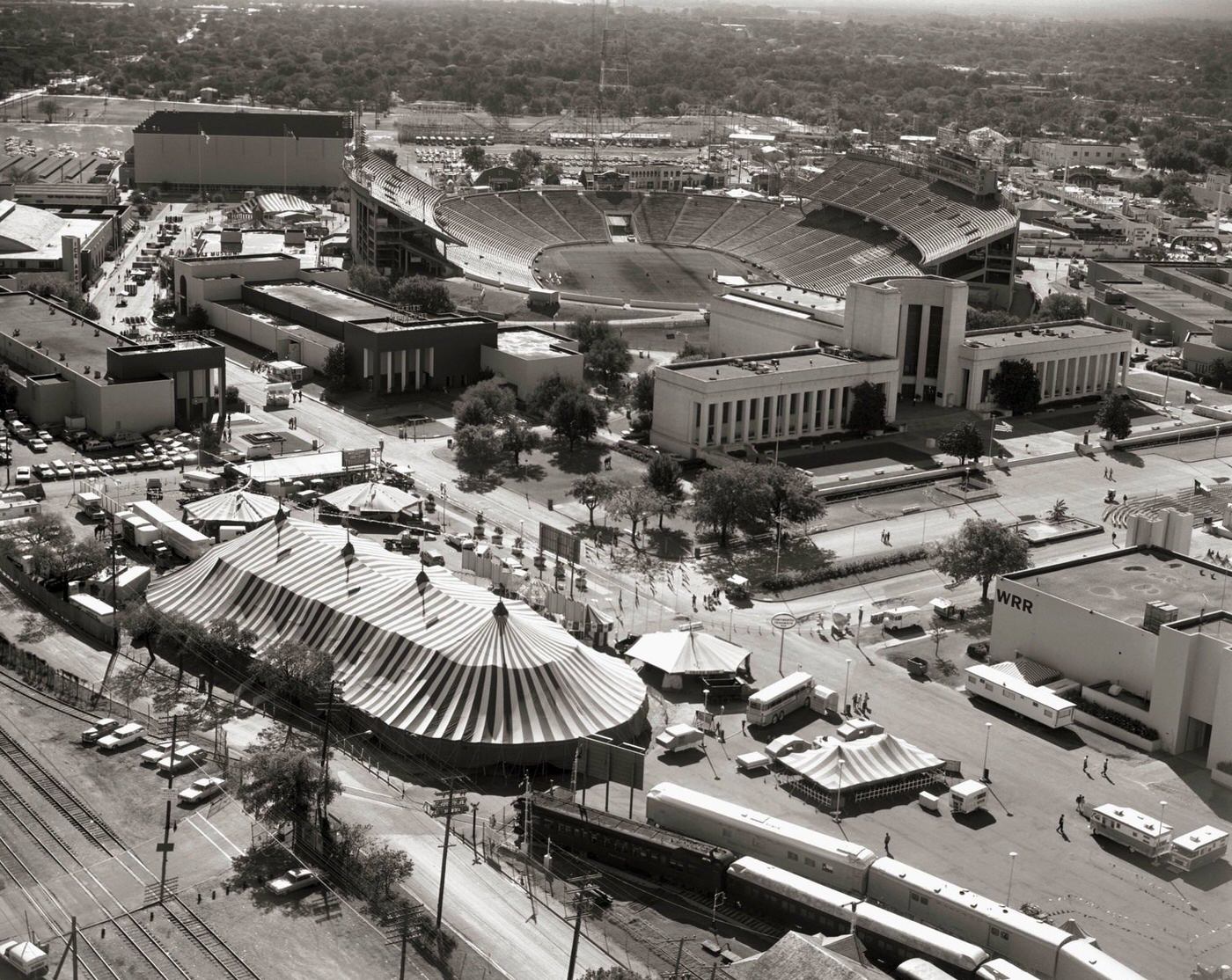
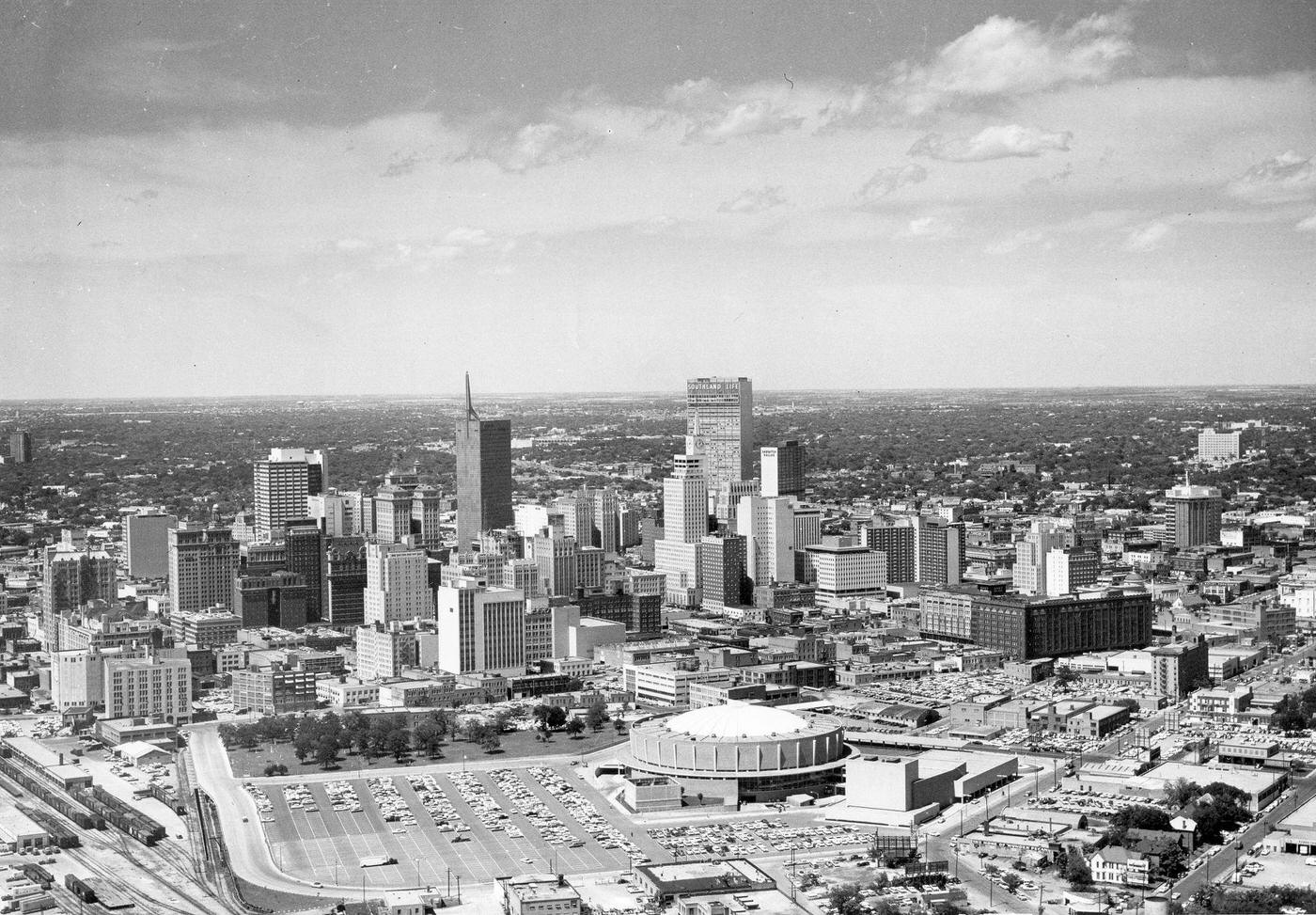
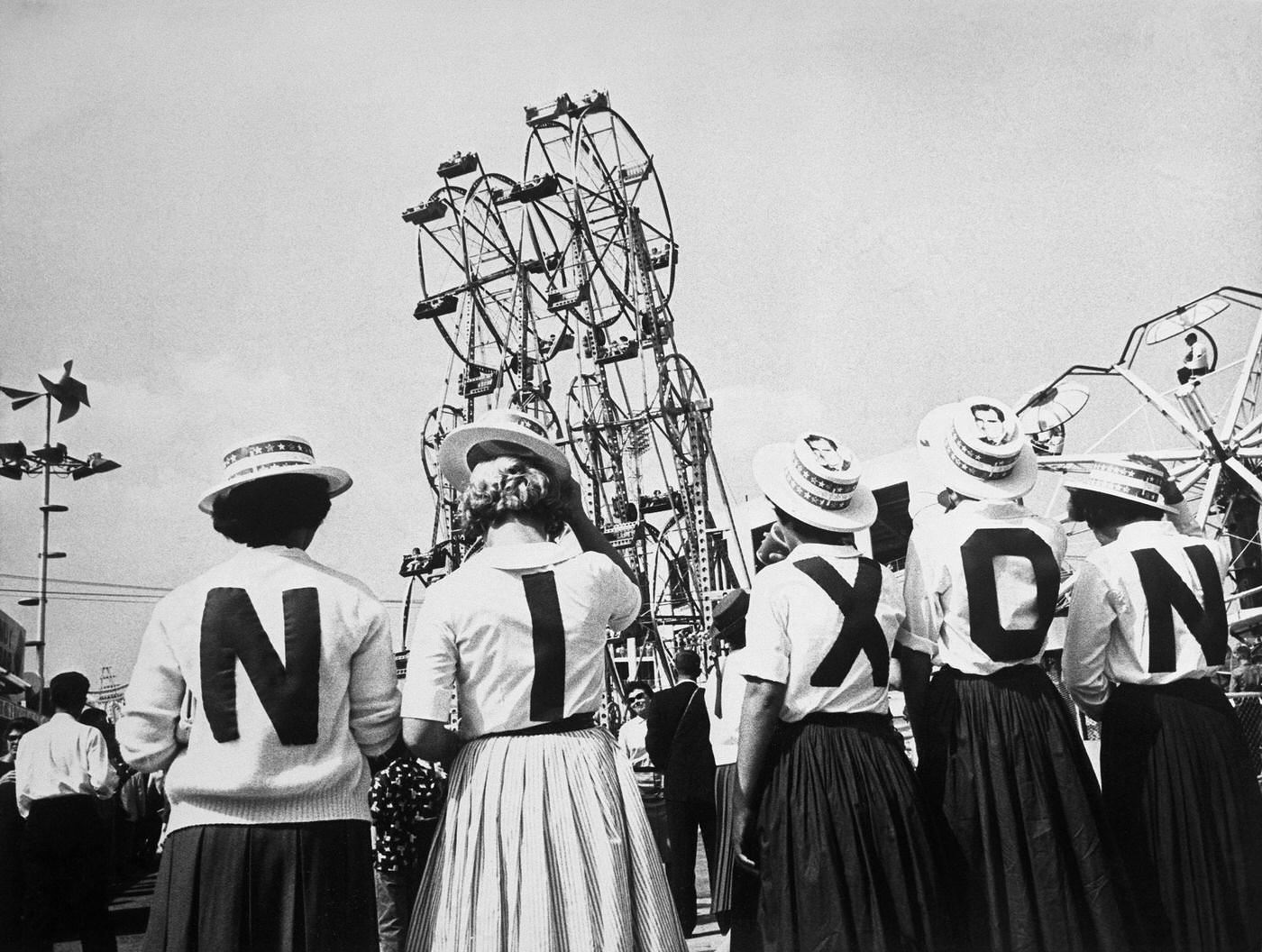
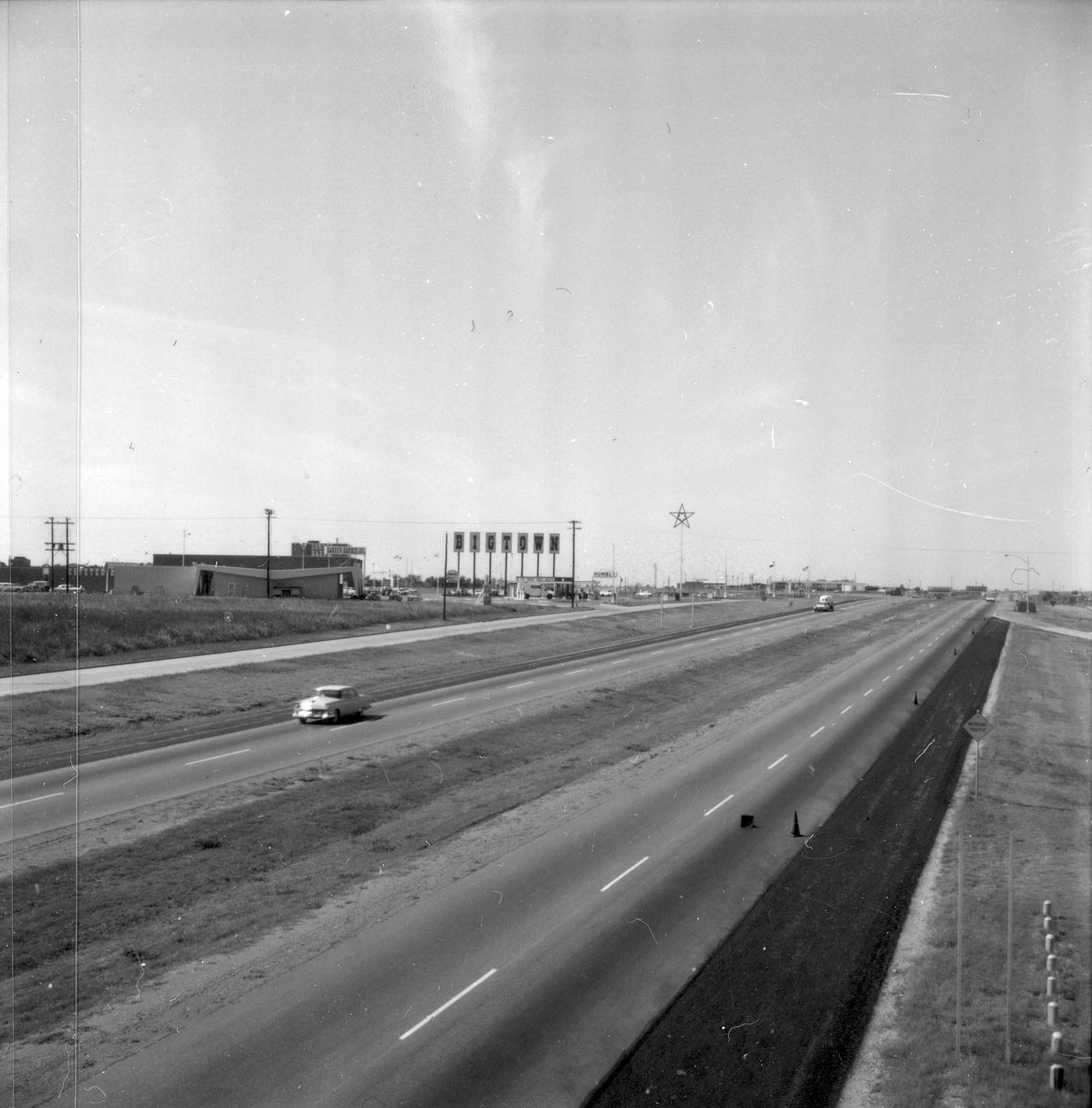
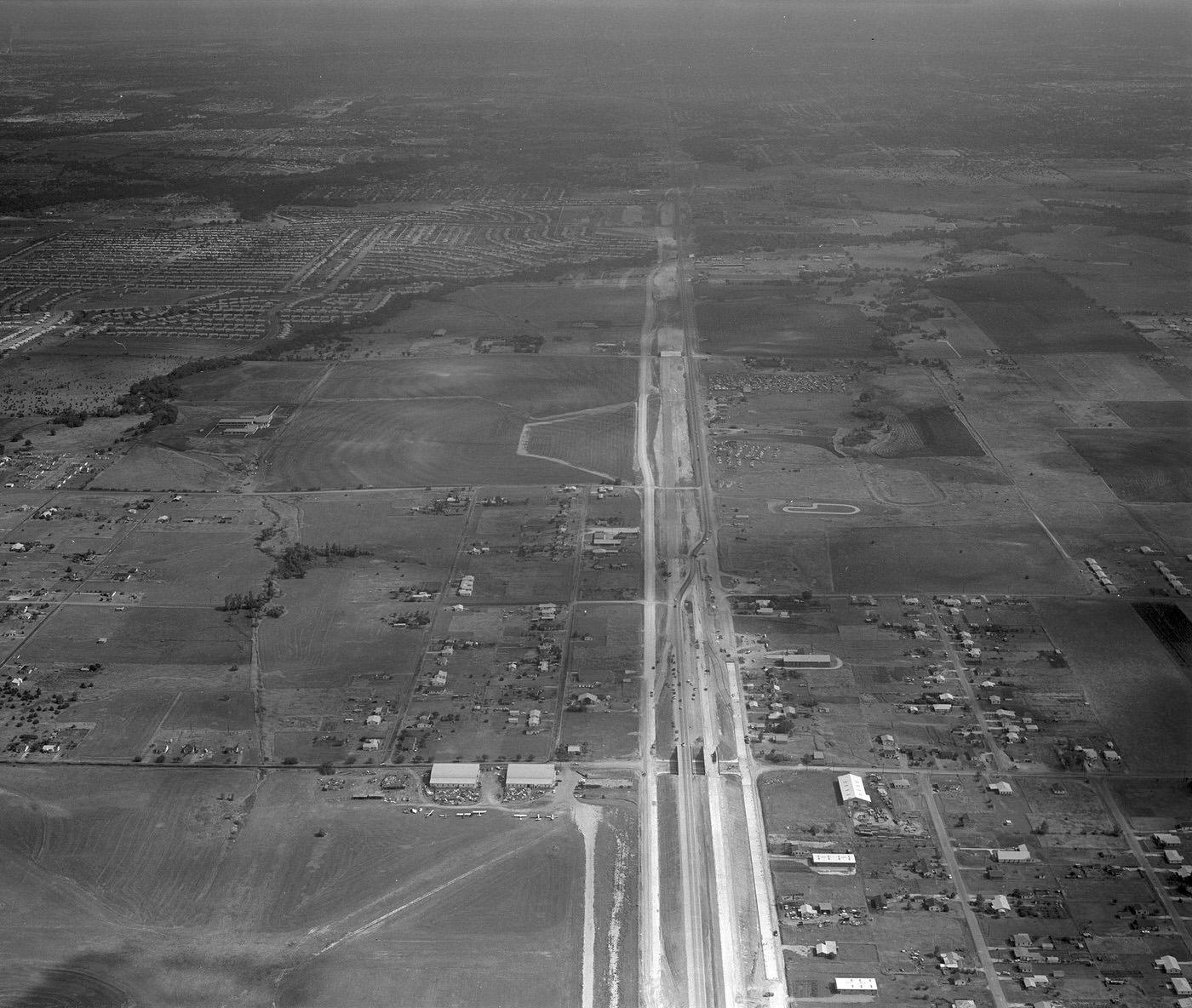
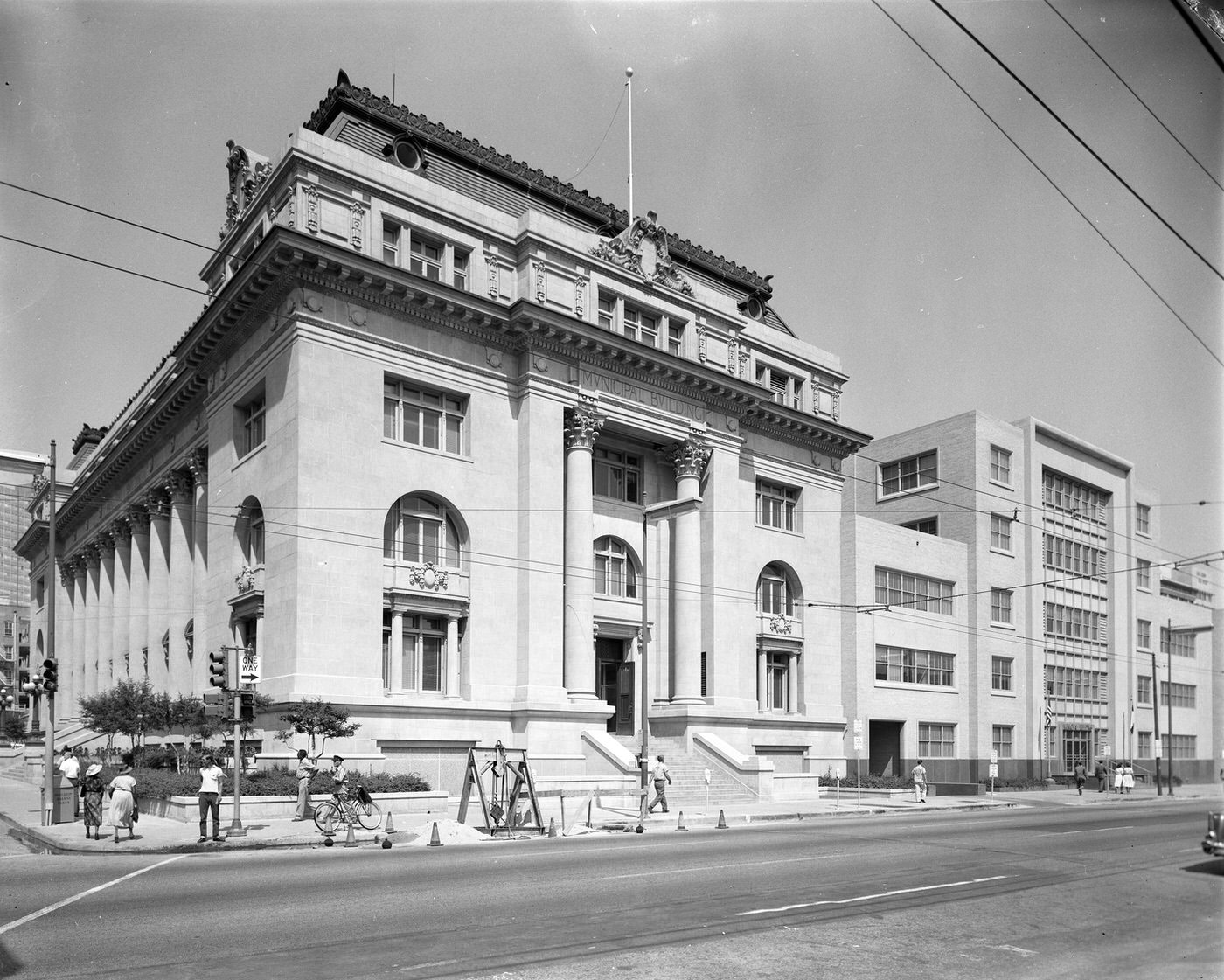
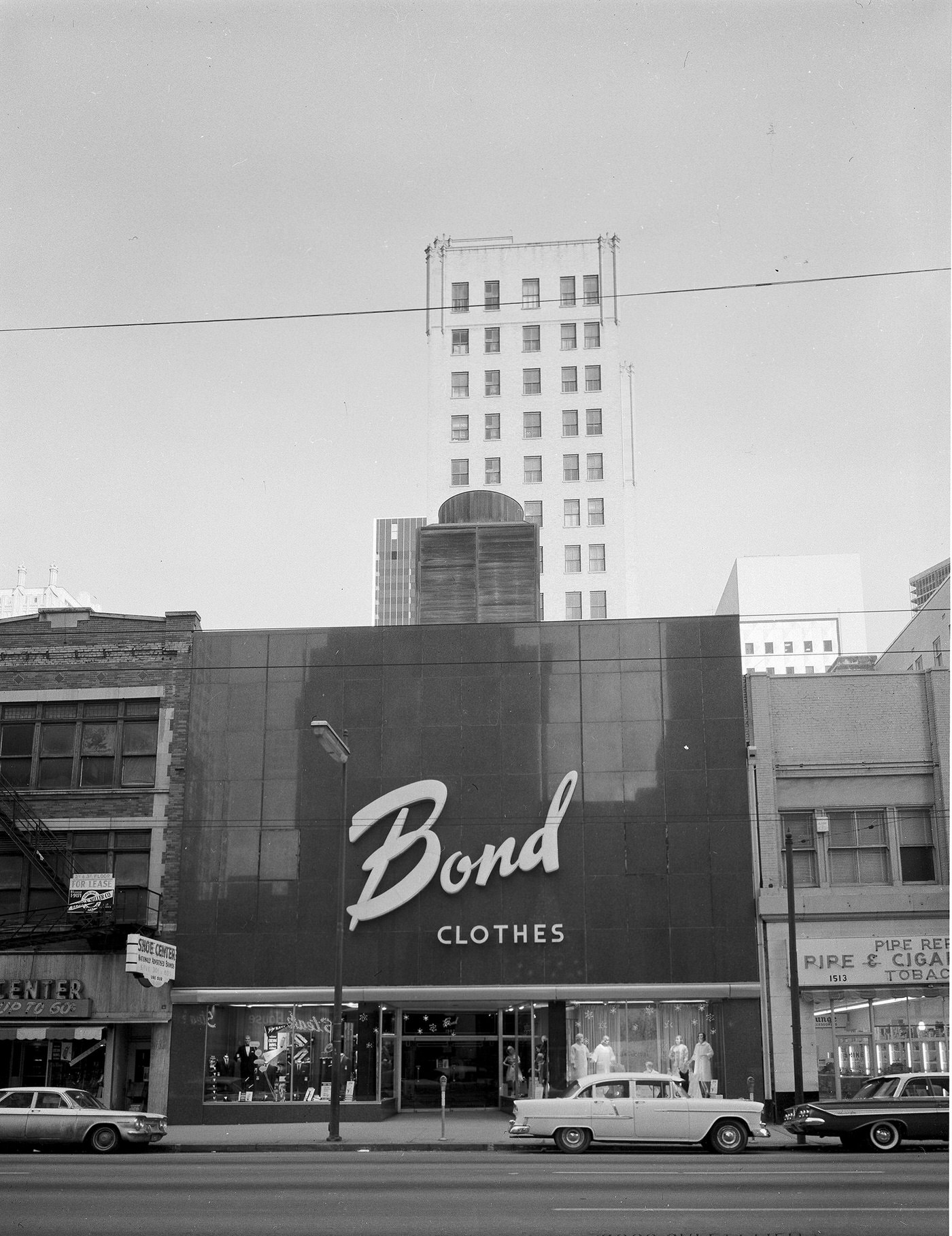
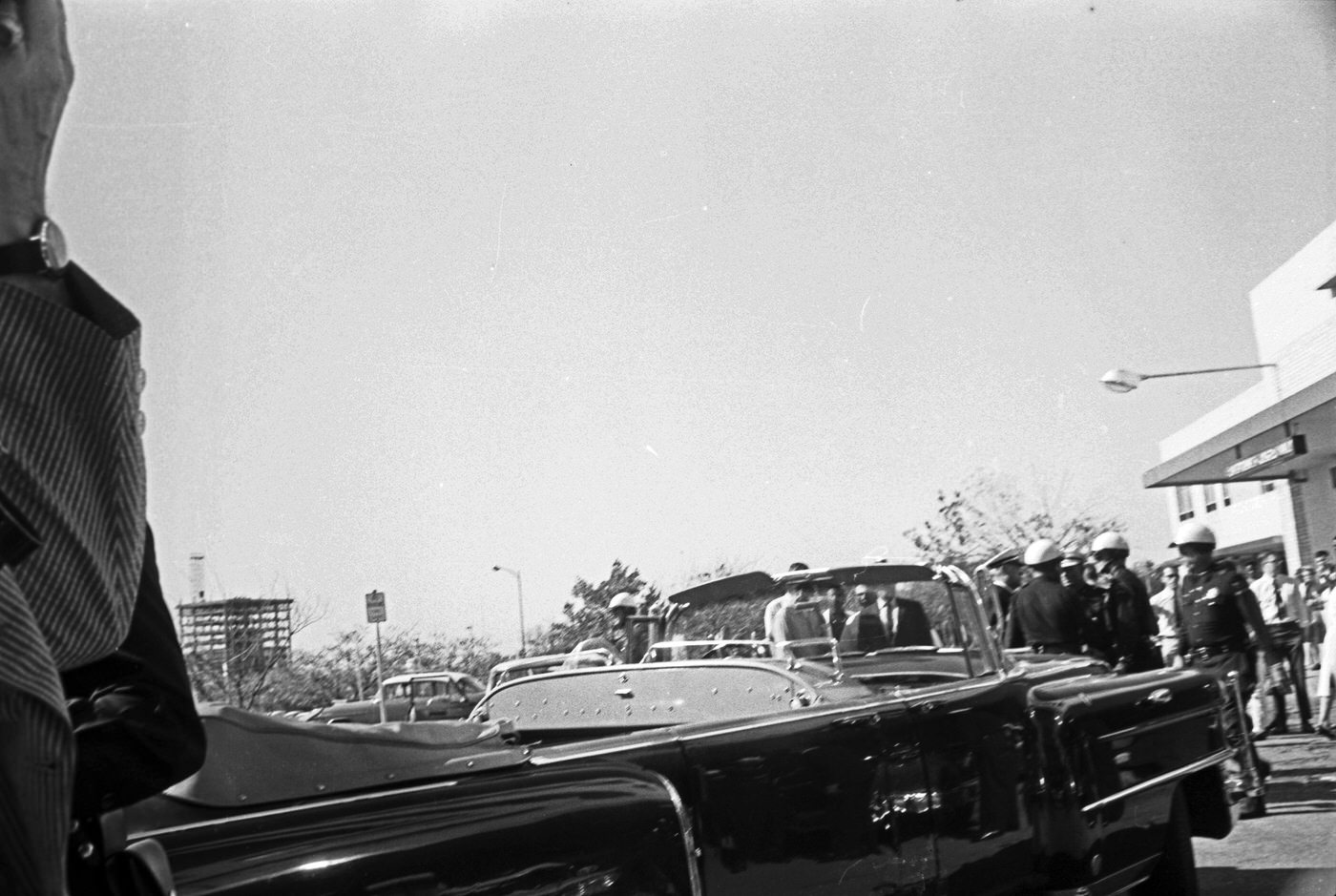
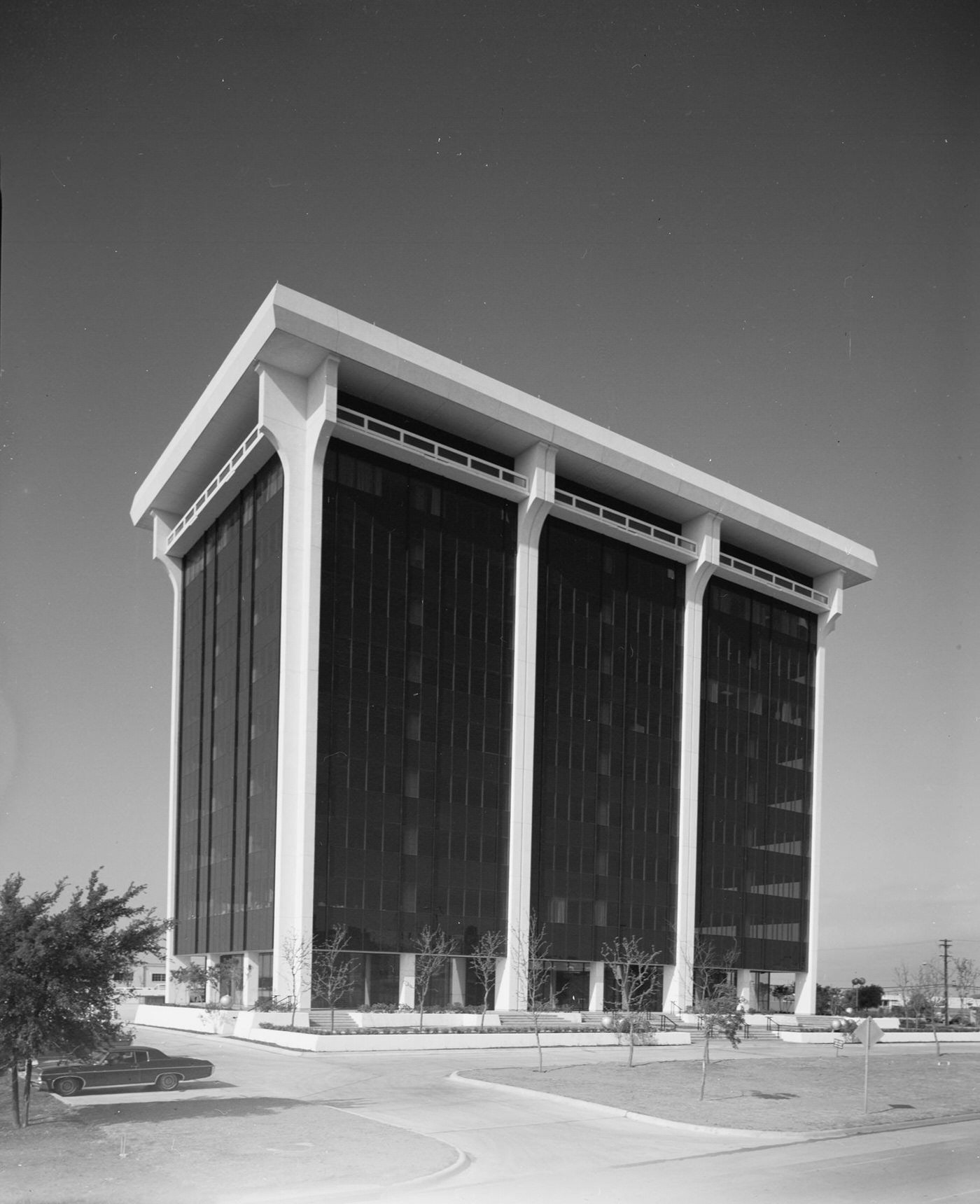
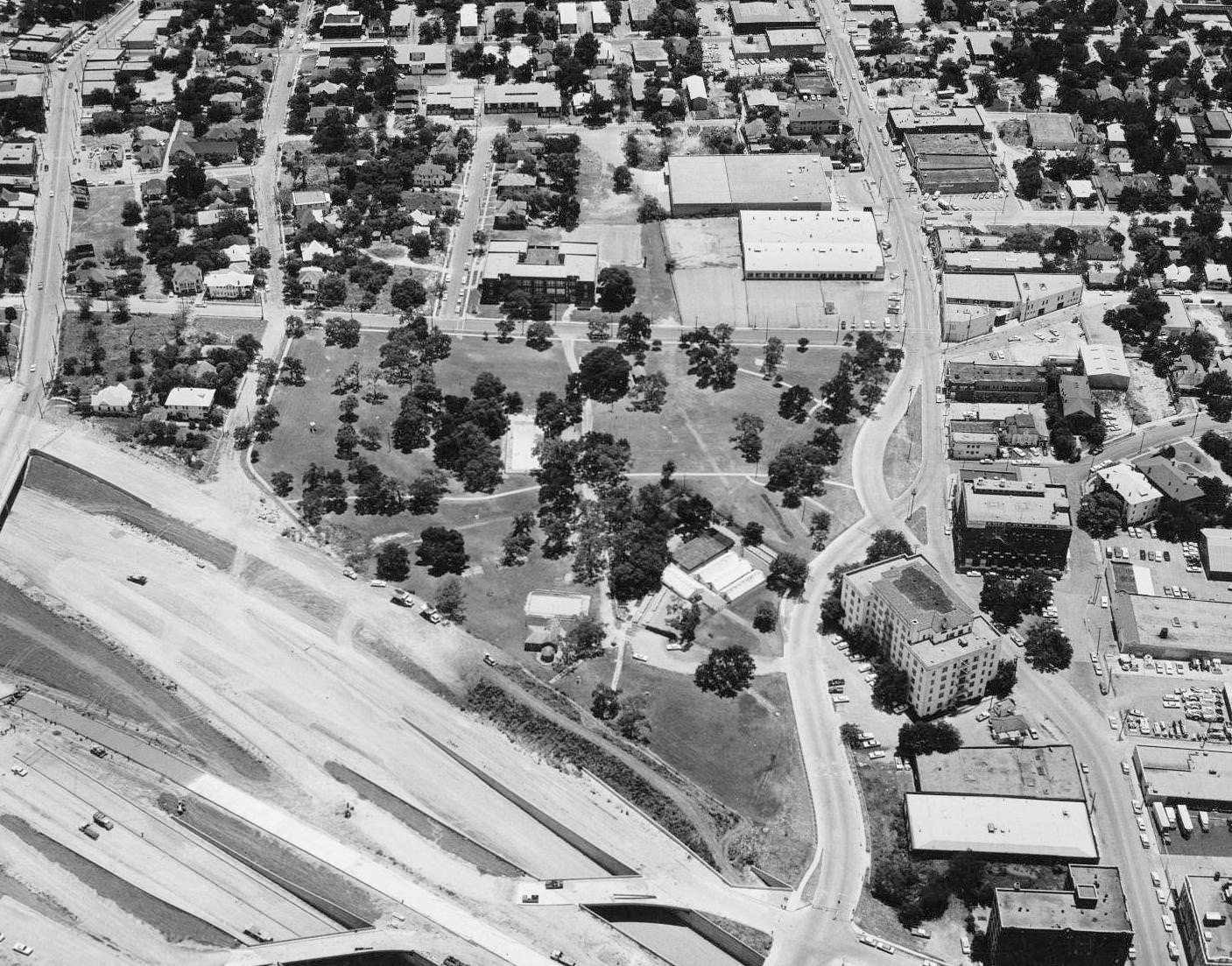
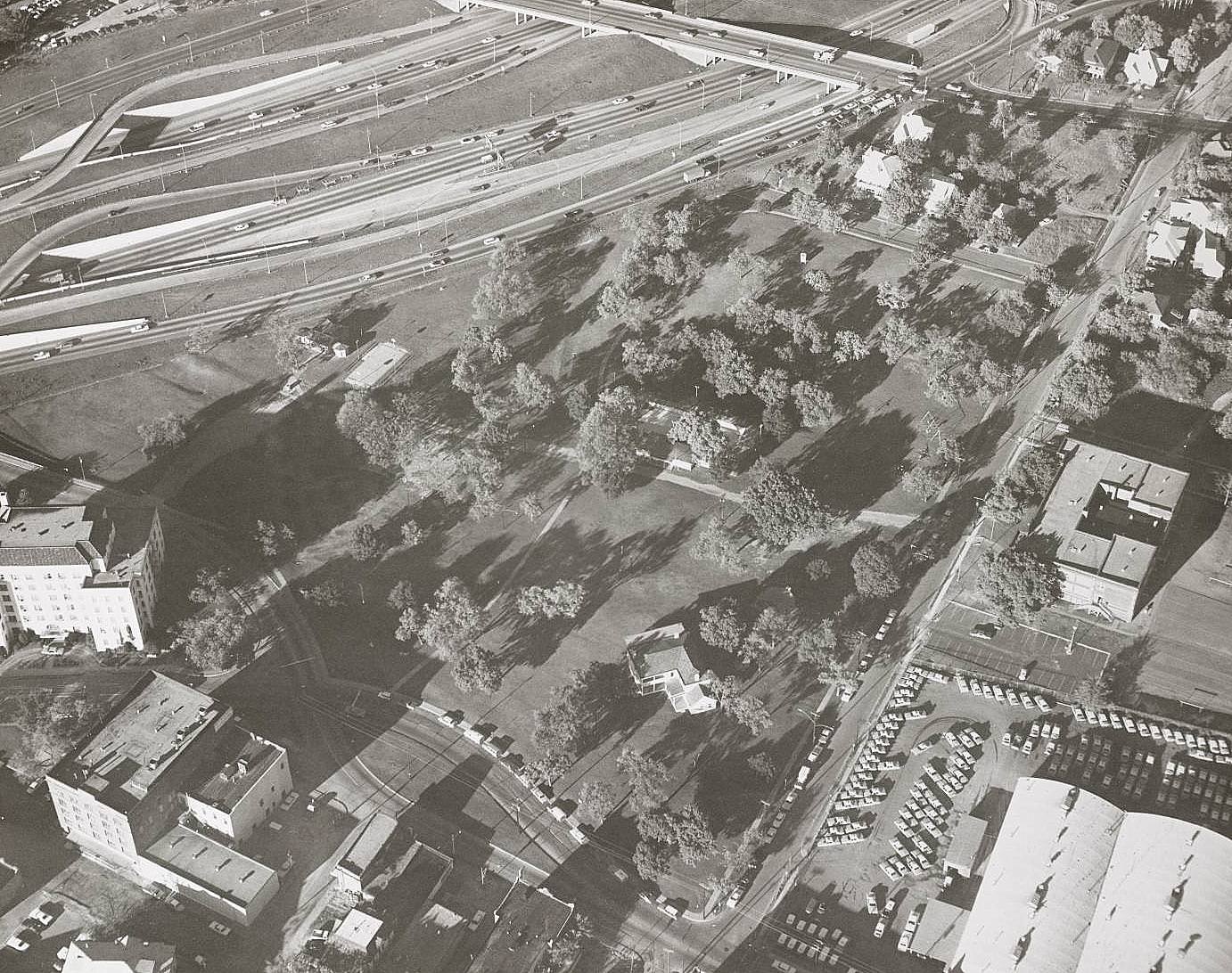
City Hall Basement with Dallas Police Department Vehicle, 1960sHarry’s in Dallas, Texas, 1969Dallas Fire Station 1 and Fire Truck, 1969Dallas Firefighters and Truck, 1964Pumpkin fields in Dallas, 1960sDallas Police Officer H.B. McLain outside of Parkland Hospital, 1963A Dallas Police officer outside the Texas School Book Depository, 1963Dallas Police officer outside the Texas School Book Depository, 1963Dallas Theatre Center (located at 3636 Turtle Creek) in Dallas, Texas, 1960sAf an aerial overview of Kimble Park and the surrounding neighborhoods and downtown Dallas, 1966Dallas Memorial Auditorium Exterior Walkway, 1964Dallas Trade Mart, 1960sLow angle shot photograph from a street view of Downtown Dallas, 1960sDallas Police squad car headed east towards the Tippit crime scene, 1963Office building at 701 Elm Street in Dallas, Texas taken from street, 1960s. The building is marked Dallas County Community College District. This building was also known as the R.L. Thornton building.Tall glass entrance with two doors and a sign above them that reads “Dallas Garden Center’, 1968Vine Covered Dallas Garden Center, 1968Texas School Book Depository, now known as the Dallas County Administration Building, building facing Dealey Plaza in Dallas, Texas, US, 19th November 1968.Cotton Bowl and Surrounding Area, 1967Freeway near Downtown Dallas, 1967Aerial view with the Memorial Auditorium in the center foreground, Dallas, Texas, 1960.Leaving no doubt about their Presidential choice, these girls offer solid backing to GOP nominee Vice President Richard M. Nixon. The gals cast their spell at the State Fair of Texas in Dallas.Downtown Dallas, 1967Aerial view of urban dallas, 1967Aerial View of Roadway Design in Dallas, 1967Aerial View of Urban Dallas, 1967Aerial View of Roadway in Dallas, 1967Skyline of dallas, Dallas is ever expanding with industries, as well as the cultural arts such as theater, music, museums and several major universities, , Dallas, 1967Traintracks in dallas, 1967Street view around Dallas, Texas, 1964.Street view around Dallas, Texas, 1964.Dealey Plaza following President John F. Kennedy’s assassination, Dallas, 1963Dealey Plaza, Dallas, Texas, showing area near Texas State Book Depository building following President John F. Kennedy’s assassination, 1963The Dallas, Texas skyline from Oak Cliff, 1963Executive Aircraft, Love Field, Dallas, 1960An aerial of industrial area, 1964Aerial of Love Field, its terminal and runway, looking south toward downtown Dallas, Texas, 1962Runway at Love Field, Dallas. There are airplanes parked, 1960Midway Road and Highway 635, 1965Aerial view of planes at Love Field at 7 a.m., Dallas, 1960Central Expressway, near Lemmon Avenue and Washington Avenue exit, Dallas, 1960sNorthwest Highway and Shady Brook, Dallas, Texas, 1965The Dallas area highway with Bigtown sign on left, 1960Dallas, Texas skyline and triple underpass, 1965Aerial view of Highway 775 and Danieldale, 1960sFreeway near downtown Dallas, 1962Downtown Dallas aerial, 1964Highway with exit signs “Colorado Blvd” and connections to I-35, Highway. 67 and 77 North and 80 East, and 80 West, Dallas, 1960s3525 Turtle Creek, Dallas, Texas, 1960Inwood and LBJ freeway, Dallas, Texas, 1969Dallas Highways 67 and 77, 19603505 Turtle Creek, Dallas, 1962The Market Hall in Dallas, Texas, 1960sDallas skyline and Convention Center, 1965Dallas City Hall, 106 S. Harwood St., 1960Aerial view of planes at Love Field at 7 a.m., Dallas, 1960A street view of Bond Clothes store, Dallas, Texas, 1963John F. Kennedy’s Secret Service Limousine, 1963Aerial of downtown Dallas, Texas looking toward northeast from southwest, 1963Dallas skyline looking south-east toward Cotton Bowl,1962Aerial view of planes at Love Field at 7 a.m., Dallas, 1960A street view of Bond Clothes store, Dallas, Texas, 1963Aerial of Zang Boulevard, Beckley Avenue, and West Jefferson Street looking northeast towards the downtown Dallas skyline, 1964Aerial of downtown Dallas, Dealey Plaza and triple underpass, 1965Aerial of Dealey Plaza and Triple Underpass, Dallas, 1965Downtown Dallas aerial, 1965Looking toward Texas School Book Depository, Dealey Plaza, following John F. Kennedy assassination, 1963Dealey Plaza following President John F. Kennedy’s assassination, 1963Dealey Plaza following President John F. Kennedy’s assassination, 1963Grassy Knoll, near Dealey Plaza, Dallas, Texas following President John F. Kennedy’s assassination, 1963Grassy Knoll, near Dealey Plaza, Dallas, Texas following President John F. Kennedy’s assassination, 1963Texas School Book Depository, Dealey Plaza, 1963People standing on bridge overlooking grassy knoll, 1963Priscilla Art Club, Dallas, 50th Anniversary, 1961Dallas Federal Reserve Bank building, downtown Dallas, 1960Grassy Knoll, near Dealey Plaza, Dallas, Texas following President John F. Kennedy’s assassination, 1963Runway at Love Field, 1960
Texas School Book Depository building at Dealey Plaza, 1963
Construction of the First National Bank building, downtown Dallas, Texas, 1963
Parking area and runway at Love Field, Dallas, 1960Dealey Plaza after the assassination of President John F. Kennedy, Dallas, Texas, 1963Construction of the First National Bank building, 1963Dealey Plaza after the assassination of President John F. Kennedy, Dallas, Texas, 1963Looking toward Texas School Book Depository, Dealey Plaza, following John F. Kennedy assassination, 1963Dealey Plaza, Dallas, Texas 2 days following assassination of President John F. Kennedy, 1963President John F. Kennedy’s limousin, 1963
Office building on I-635 LBJ Freeway, Dallas, Texas, 1963
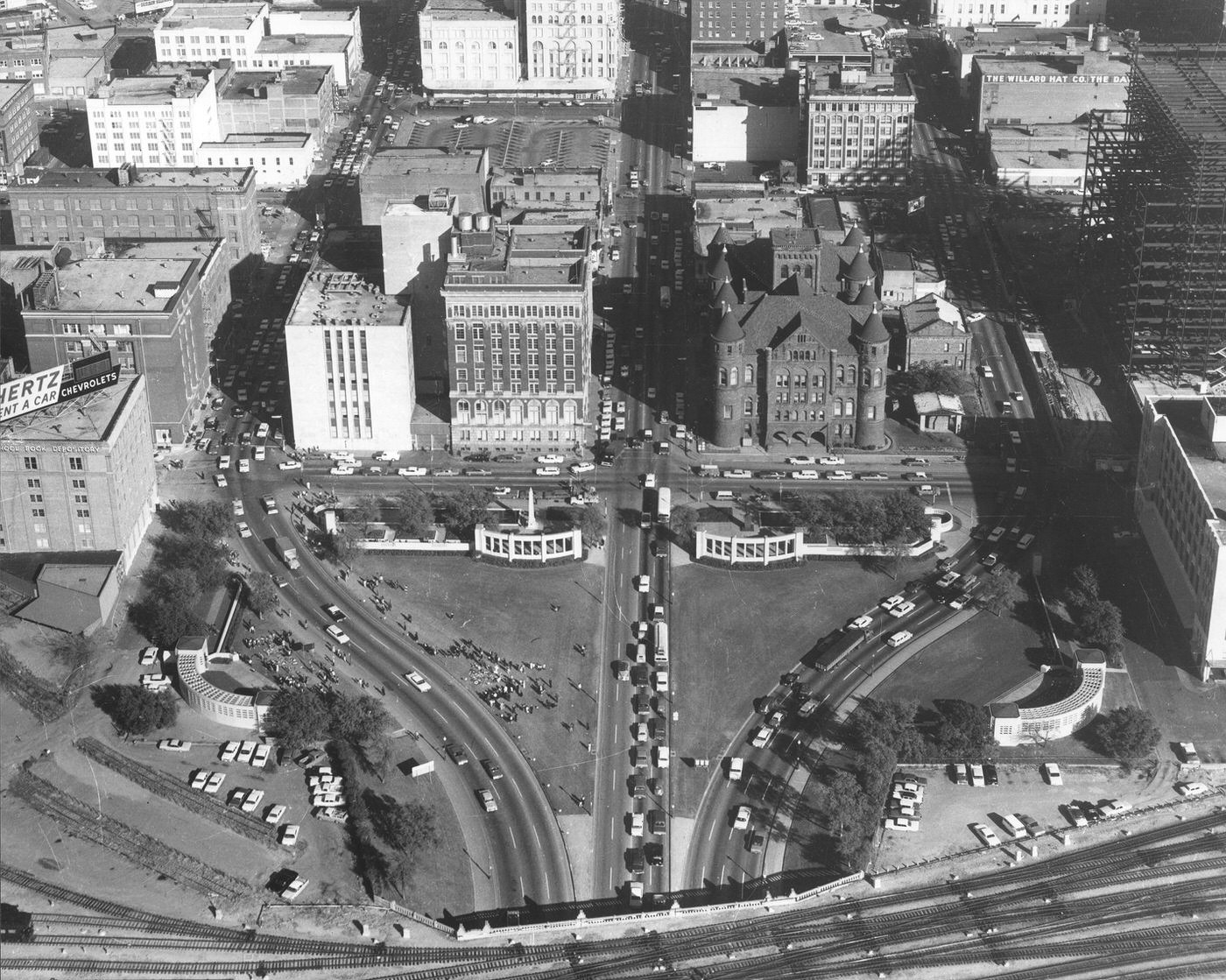
A skyline view of Dallas showing Dealey Plaza, triple underpass, Texas School Book Depository building after assassination of President John F. Kennedy, 1963
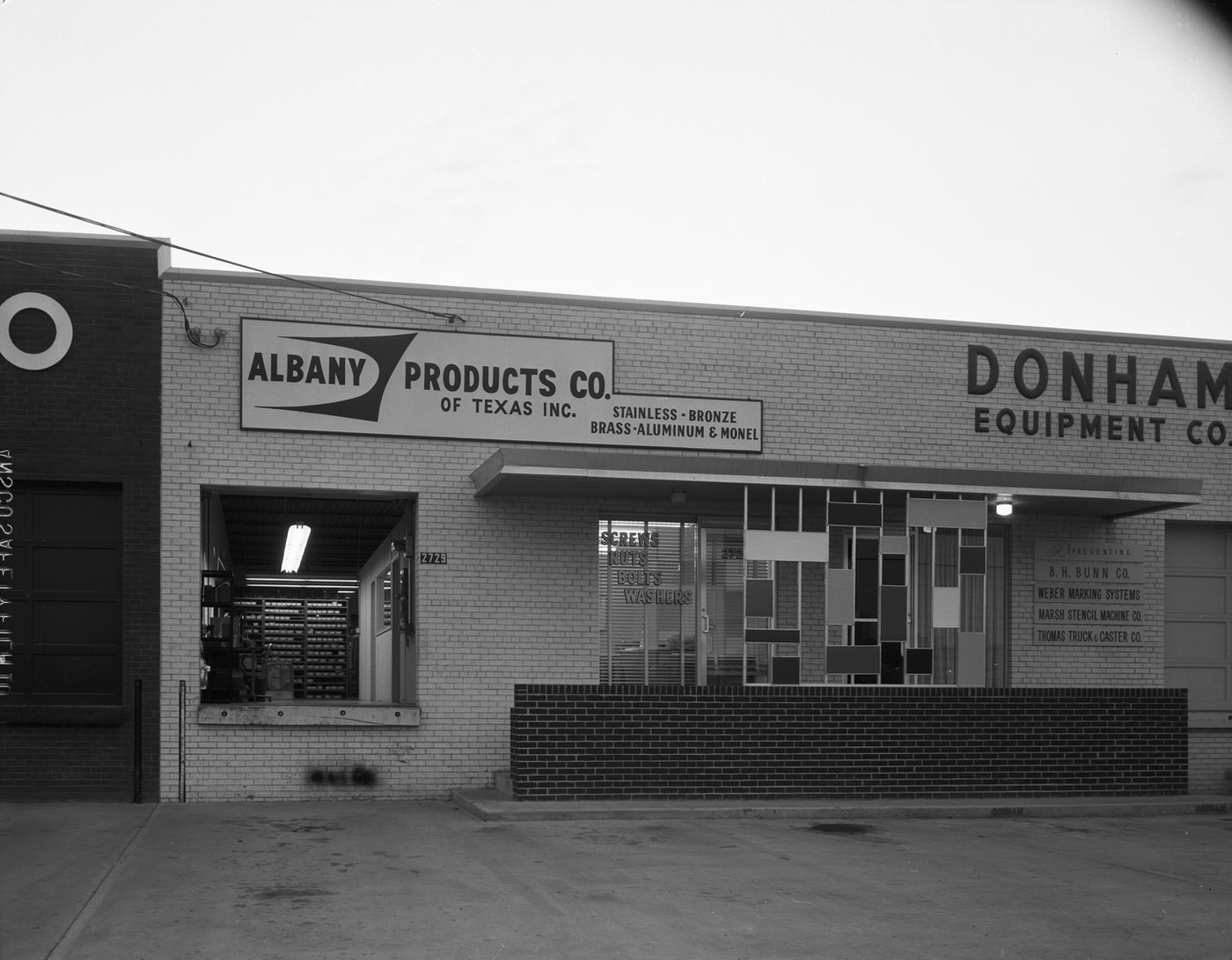
Office building on Central Expressway, Dallas, Texas, 1963Office building on I-35 E, Dallas, Texas, 1963Dealey Plaza and triple underpass, Dallas, Texas, 1963Albany Products, 1963Great American Reserve Insurance Company building under construction in downtown Dallas, Texas, 1963Albany Products, 1963
Airview of Dealey Plaza and Texas School Book Depository following assassination of President John F. Kennedy, 1963
First National Bank building construction, downtown Dallas, Texas, 1960
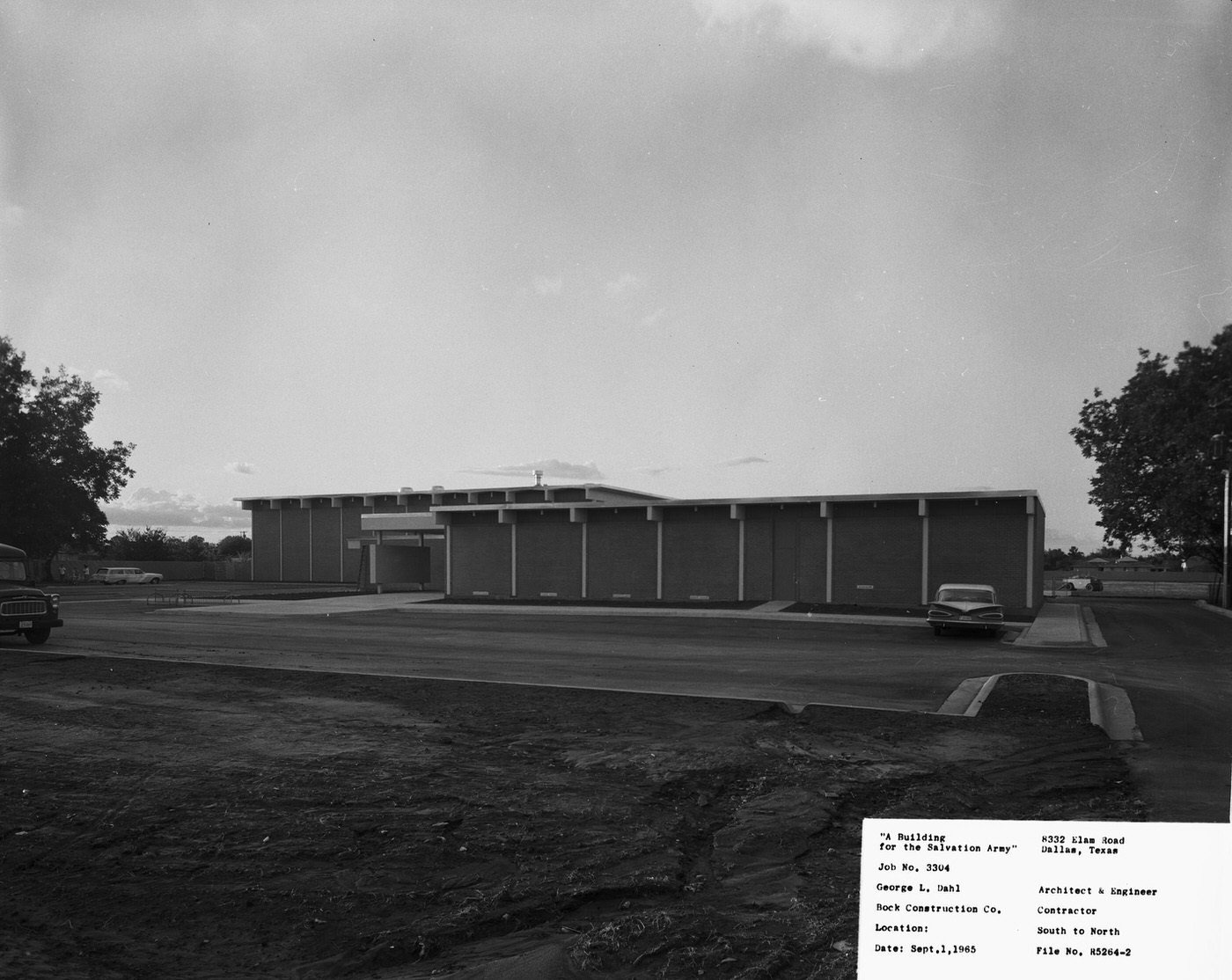
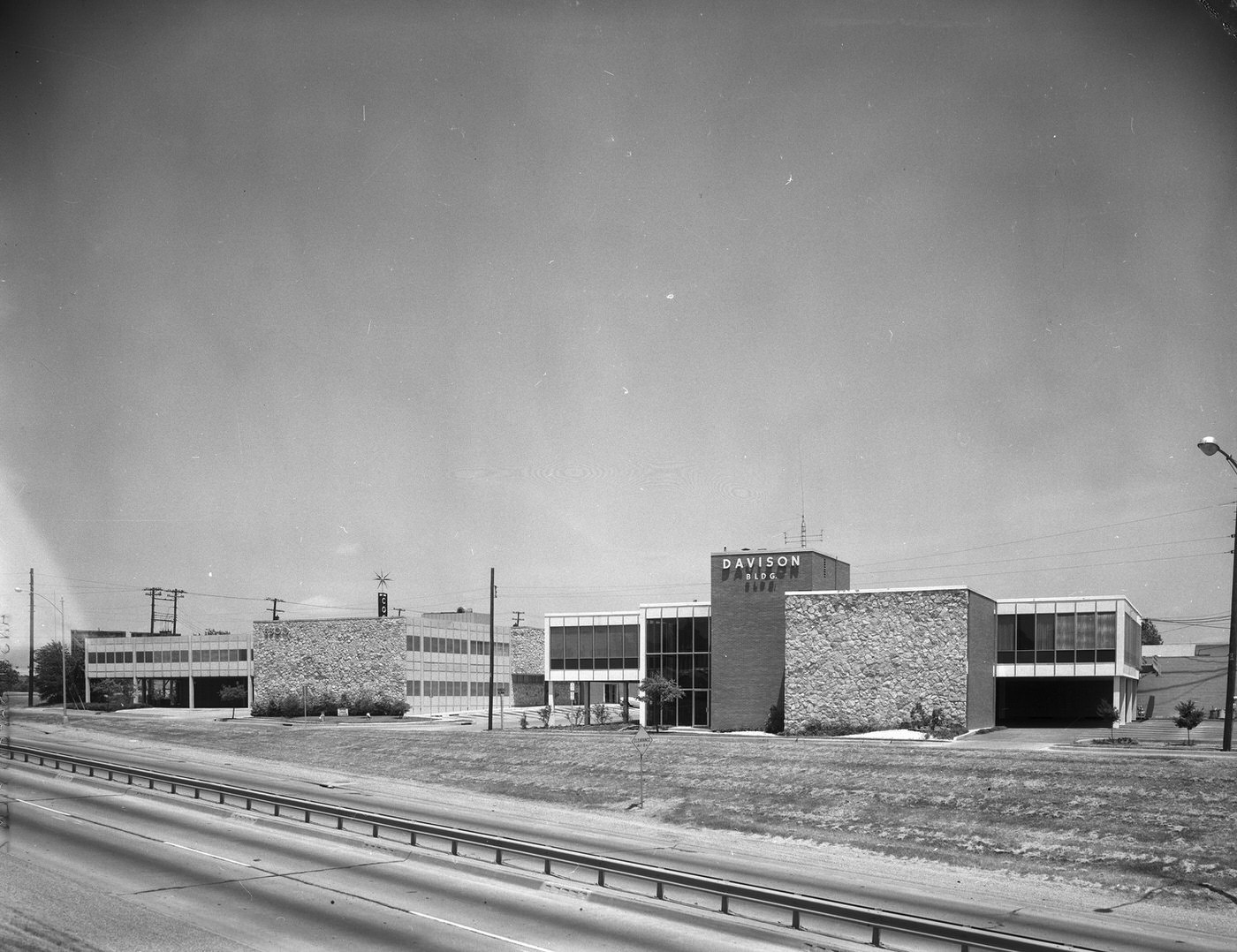
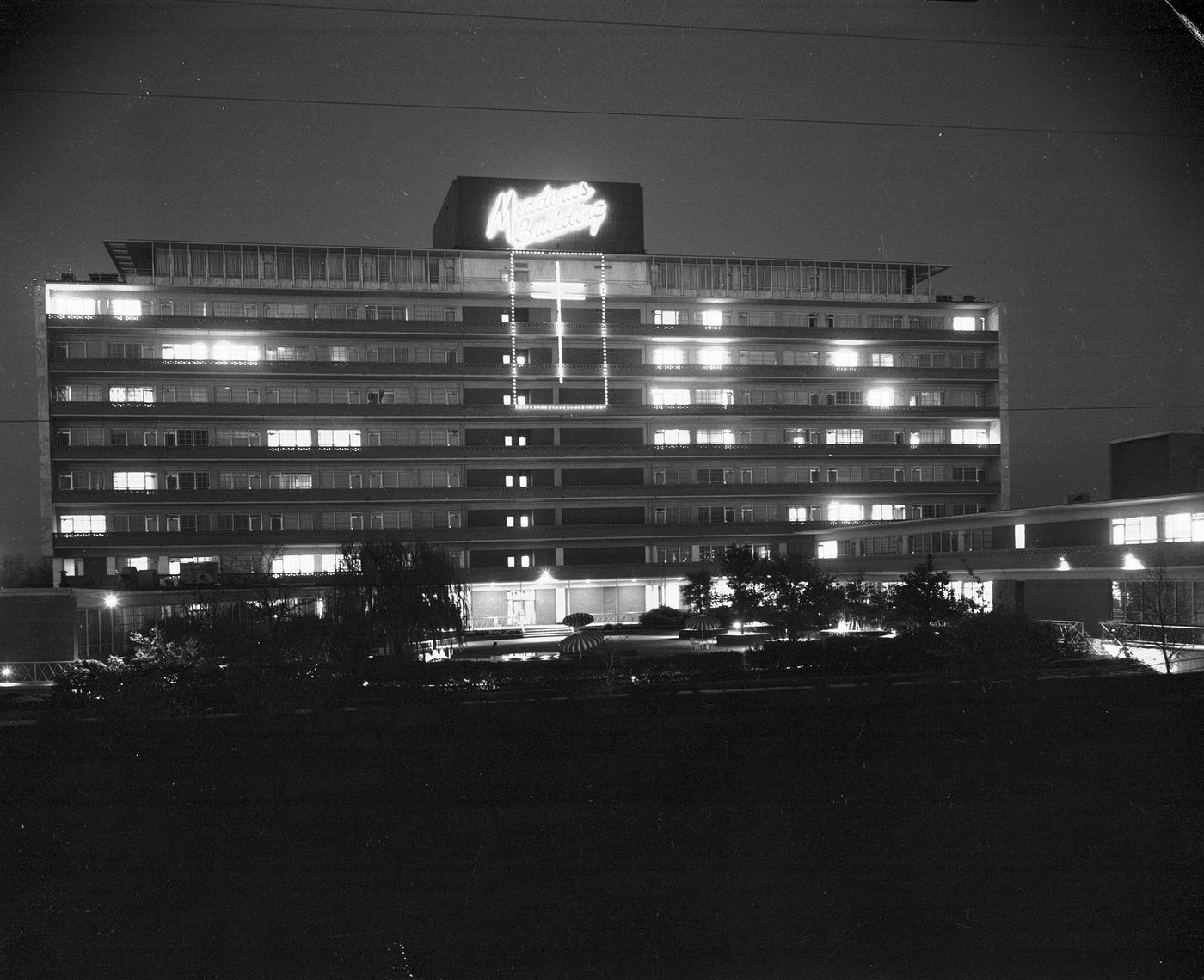
Great American Reserve Insurance Company building under construction in downtown Dallas, Texas, 1963Construction of the First National Bank building, downtown Dallas, Texas, 1983Salvation Army building.1965Southwestern Life Insurance building under construction, downtown Dallas, Texas, 1963Southwestern Life Insurance building under construction, downtown Dallas, Texas.1963Construction of the First National Bank building, downtown Dallas, Texas, 1963Davison Building, 1963Meadows Building, 1961
First National Bank building construction, downtown Dallas, Texas, 1960
Great American Reserve Insurance Company building under construction in downtown Dallas, Texas, 1963
Terminal Annex Post Office, downtown Dallas, Texas, 1963
Great American Reserve Insurance Company building under construction in downtown Dallas, Texas, 1963
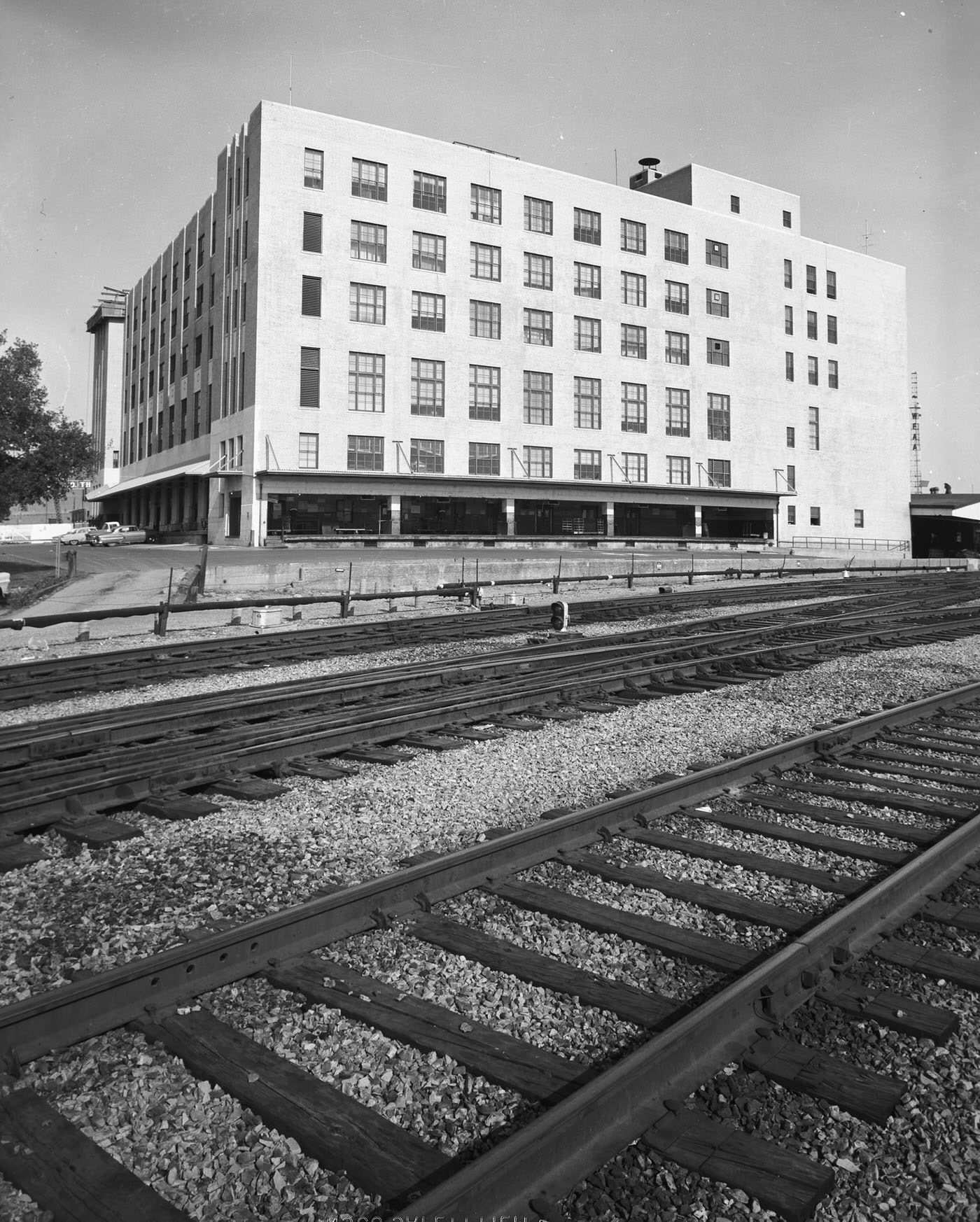
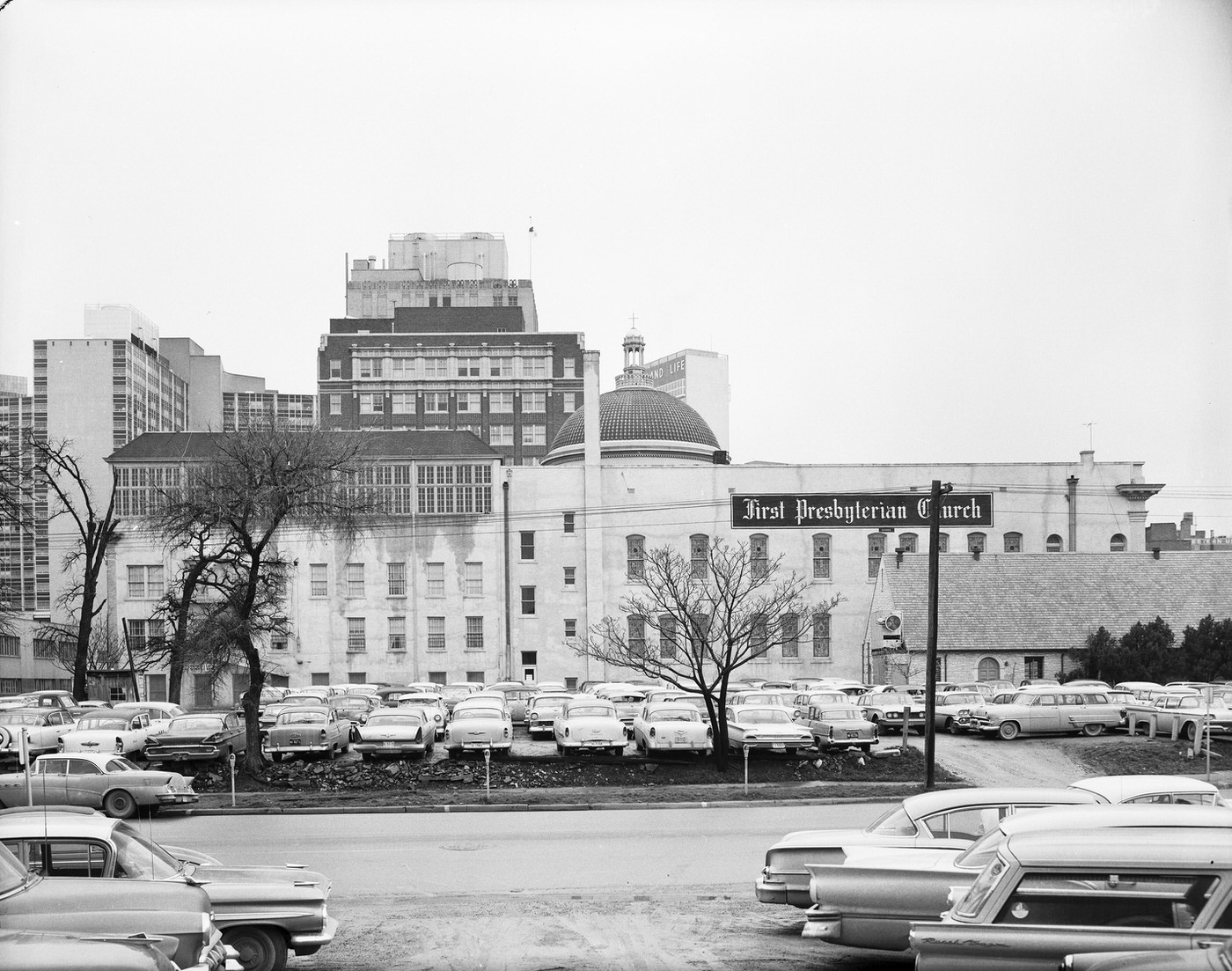
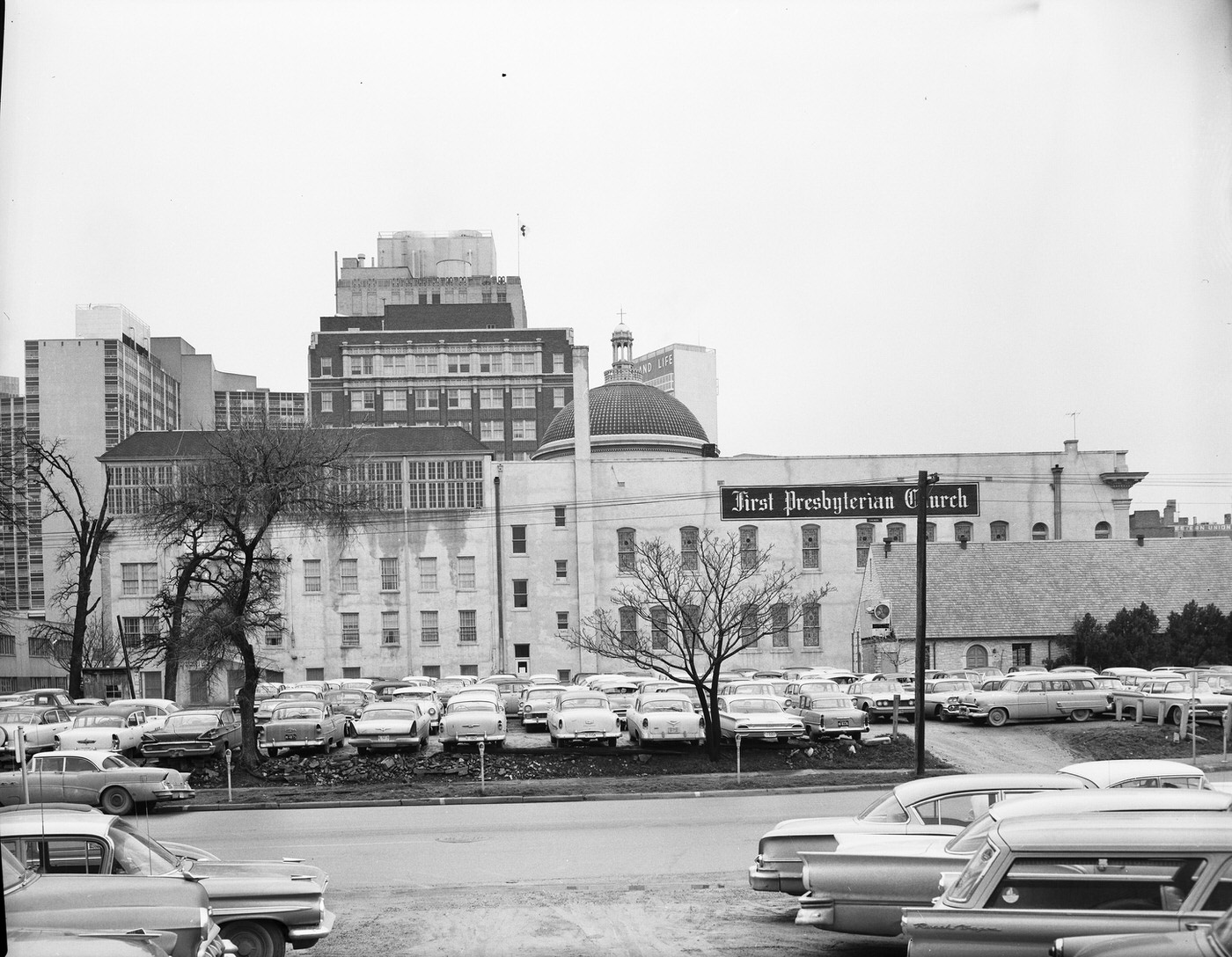
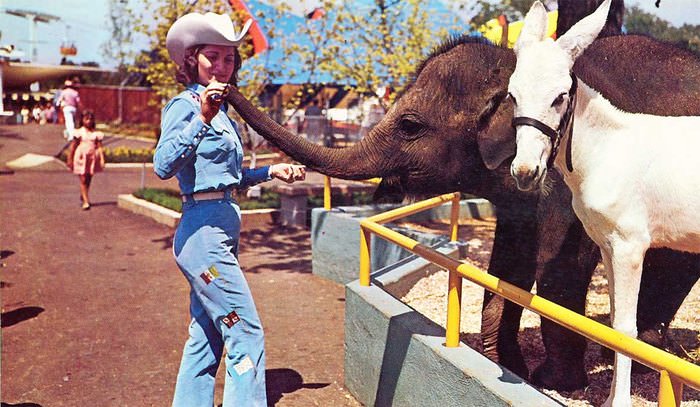
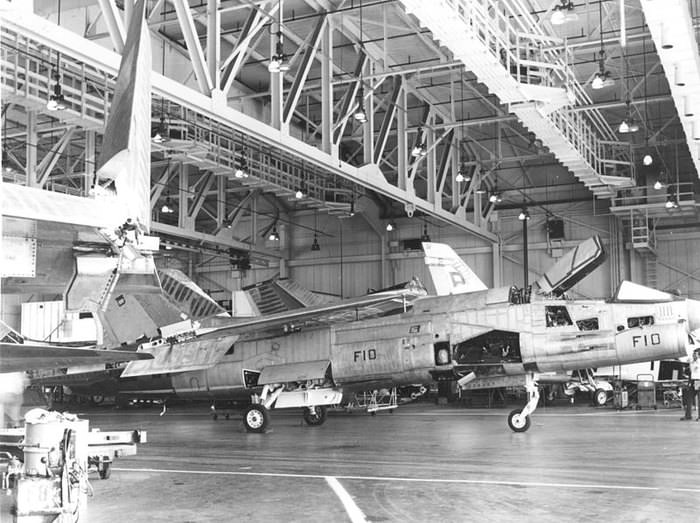
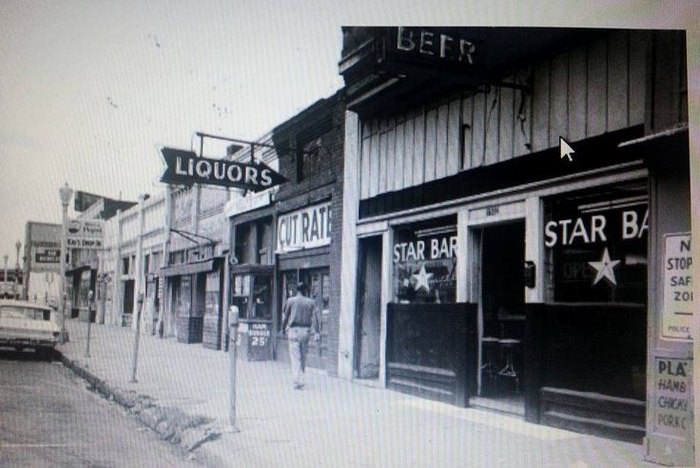
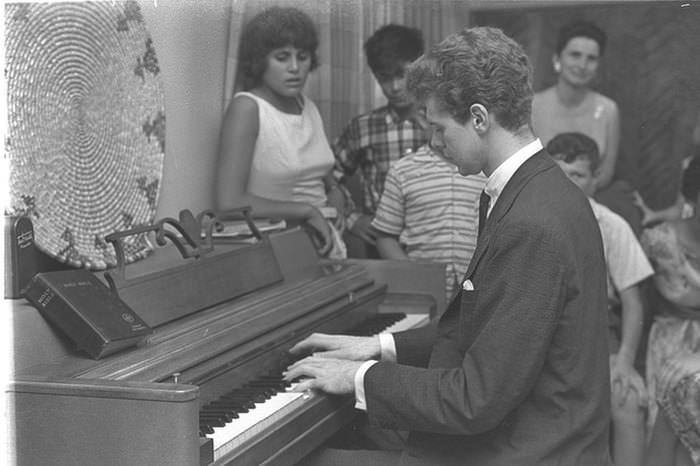
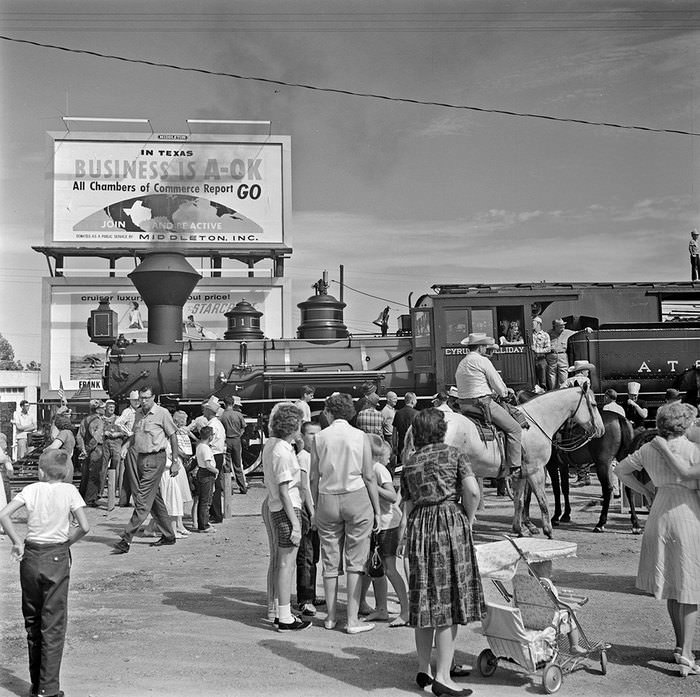
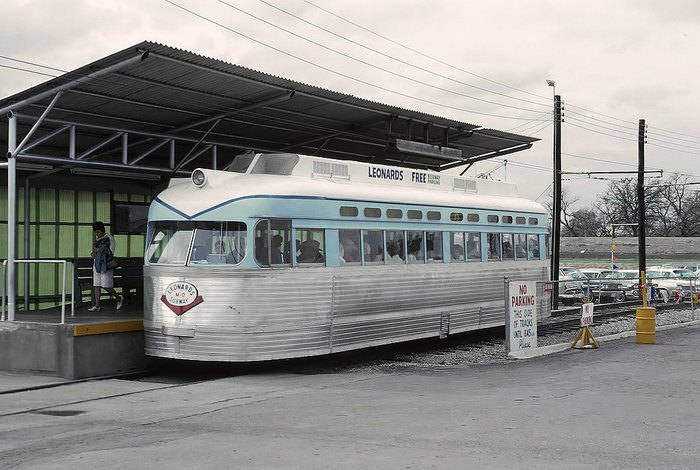
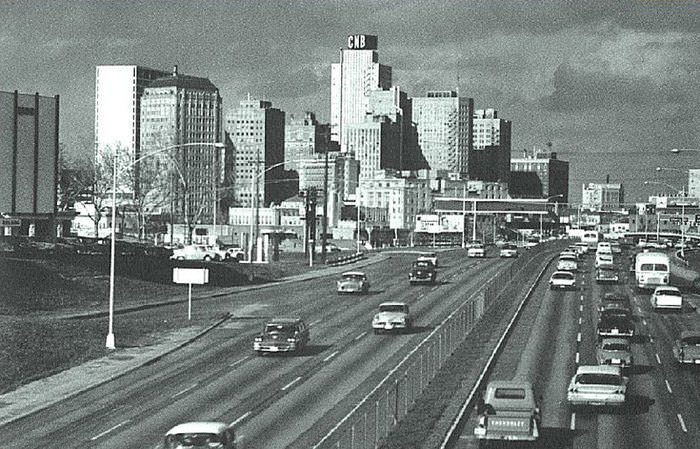
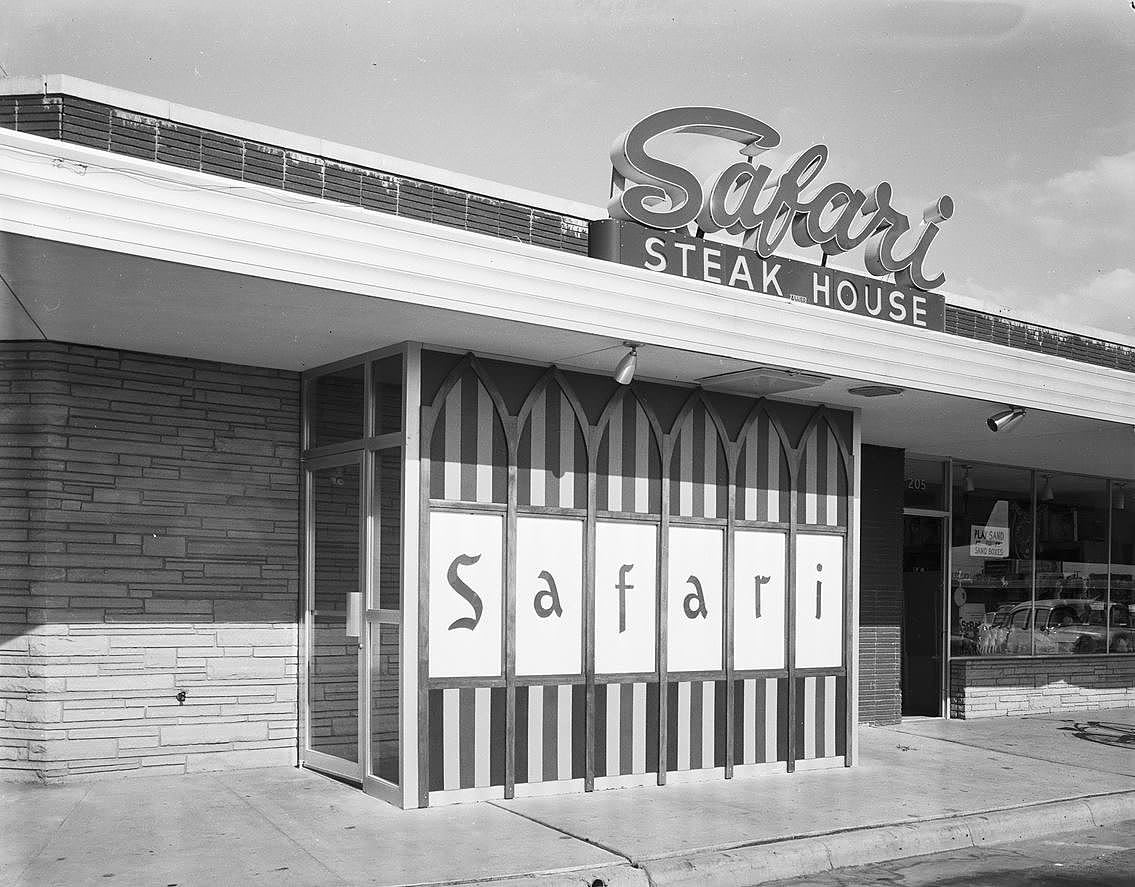
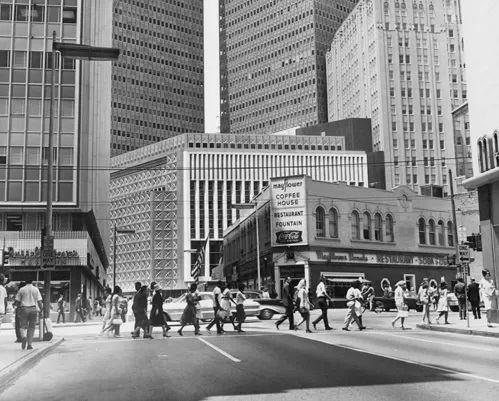
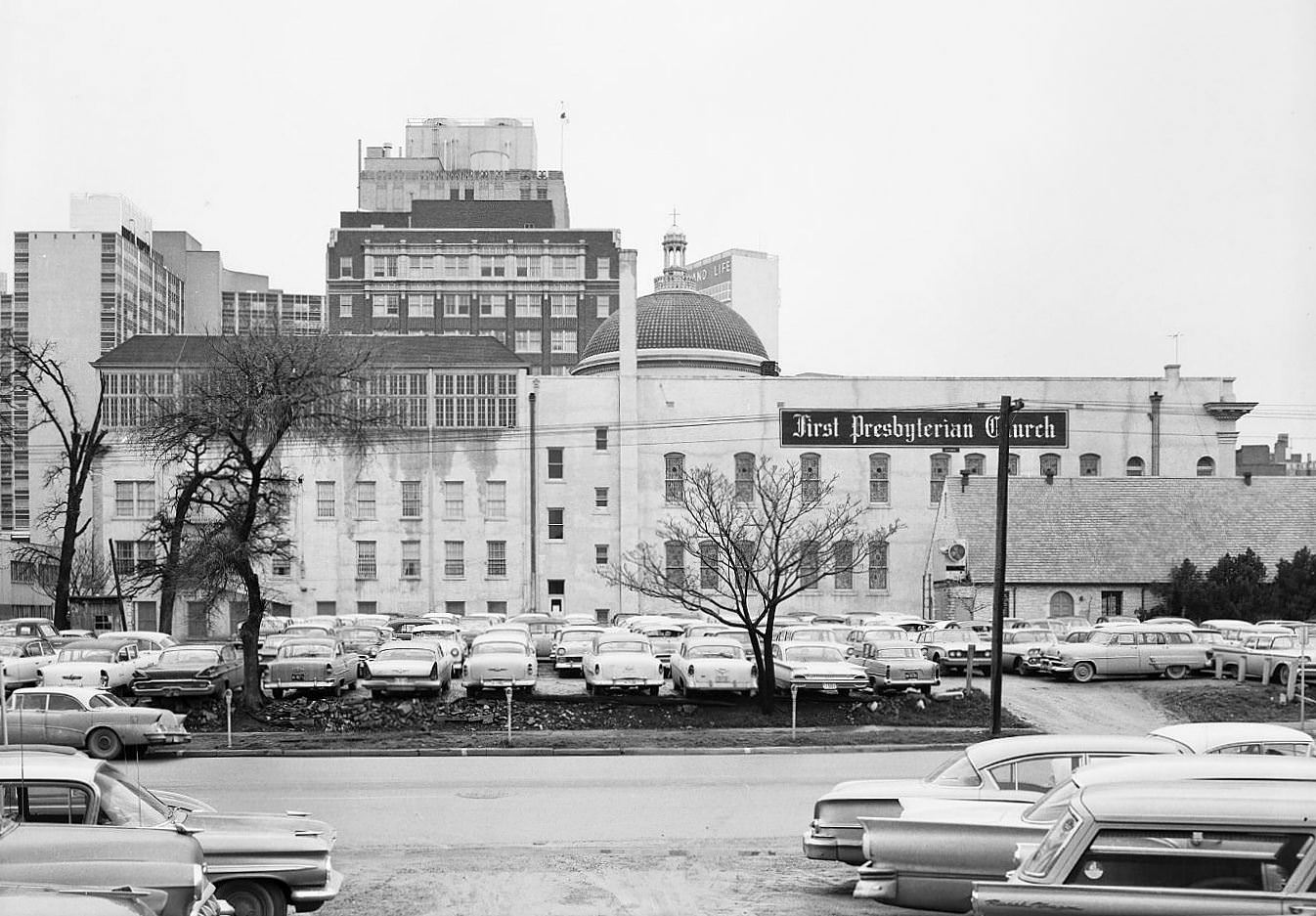
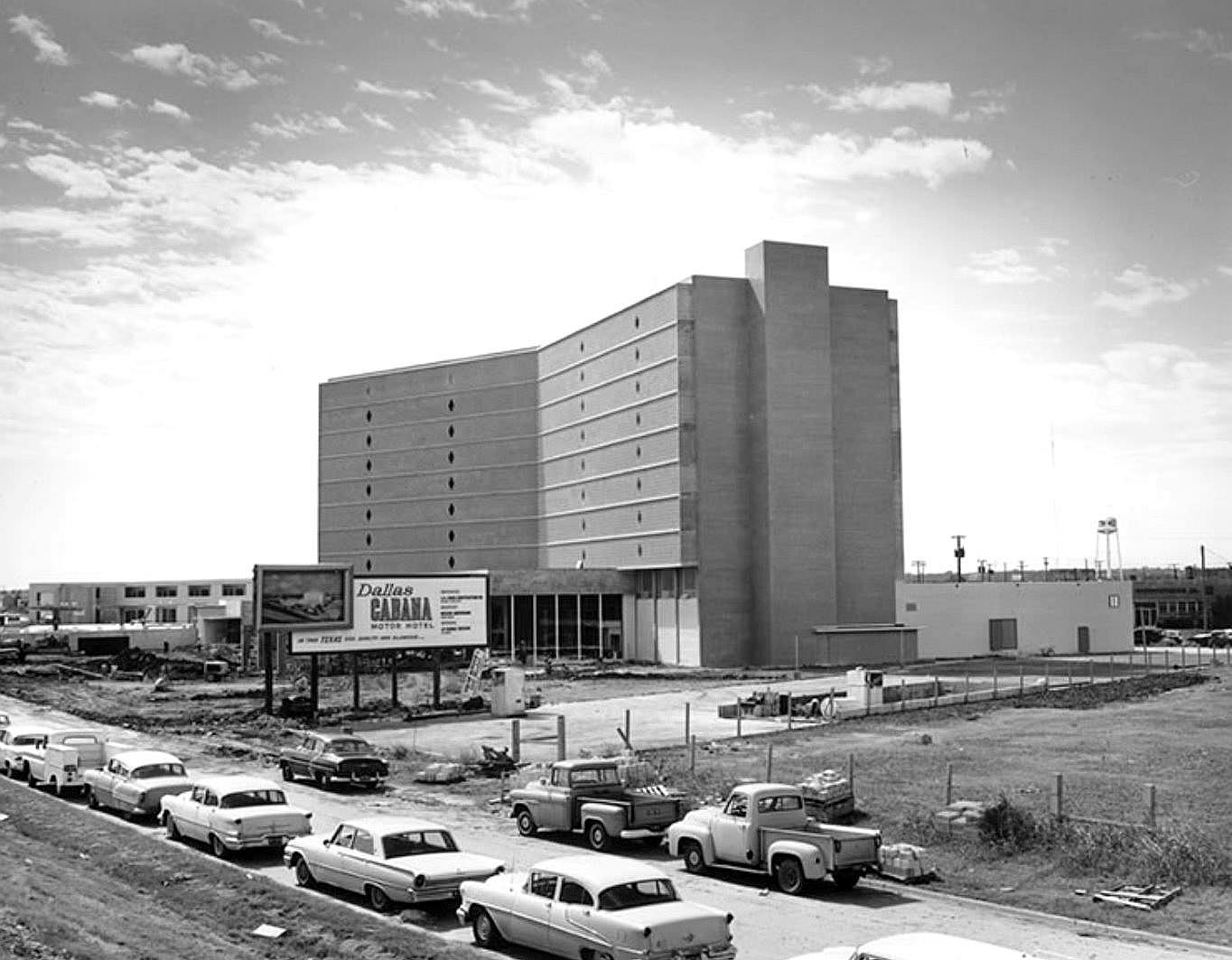
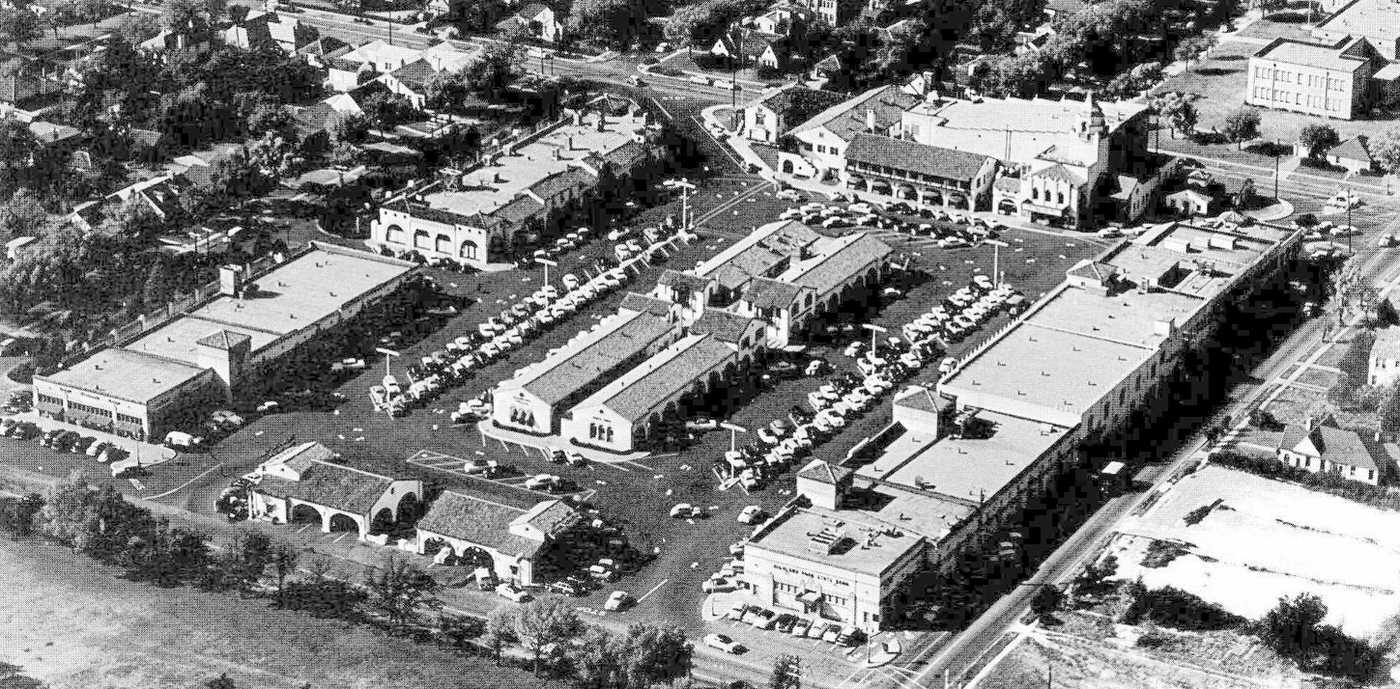
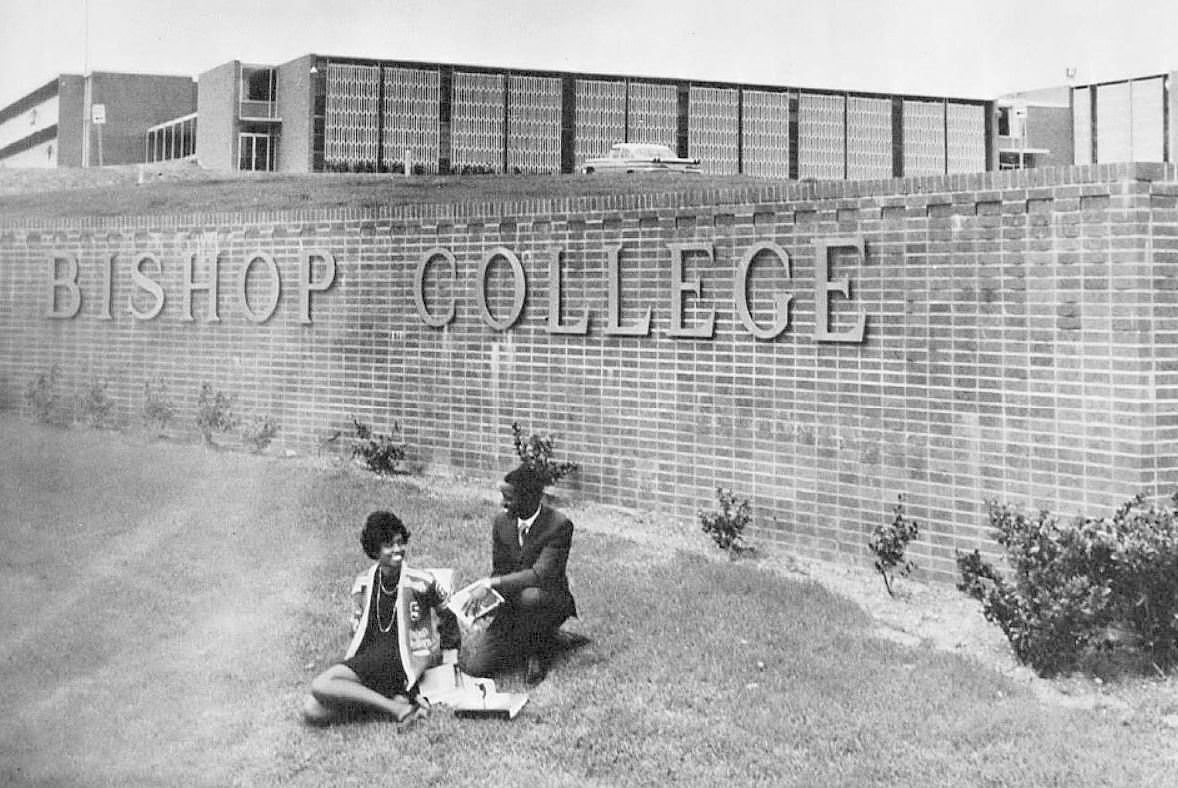
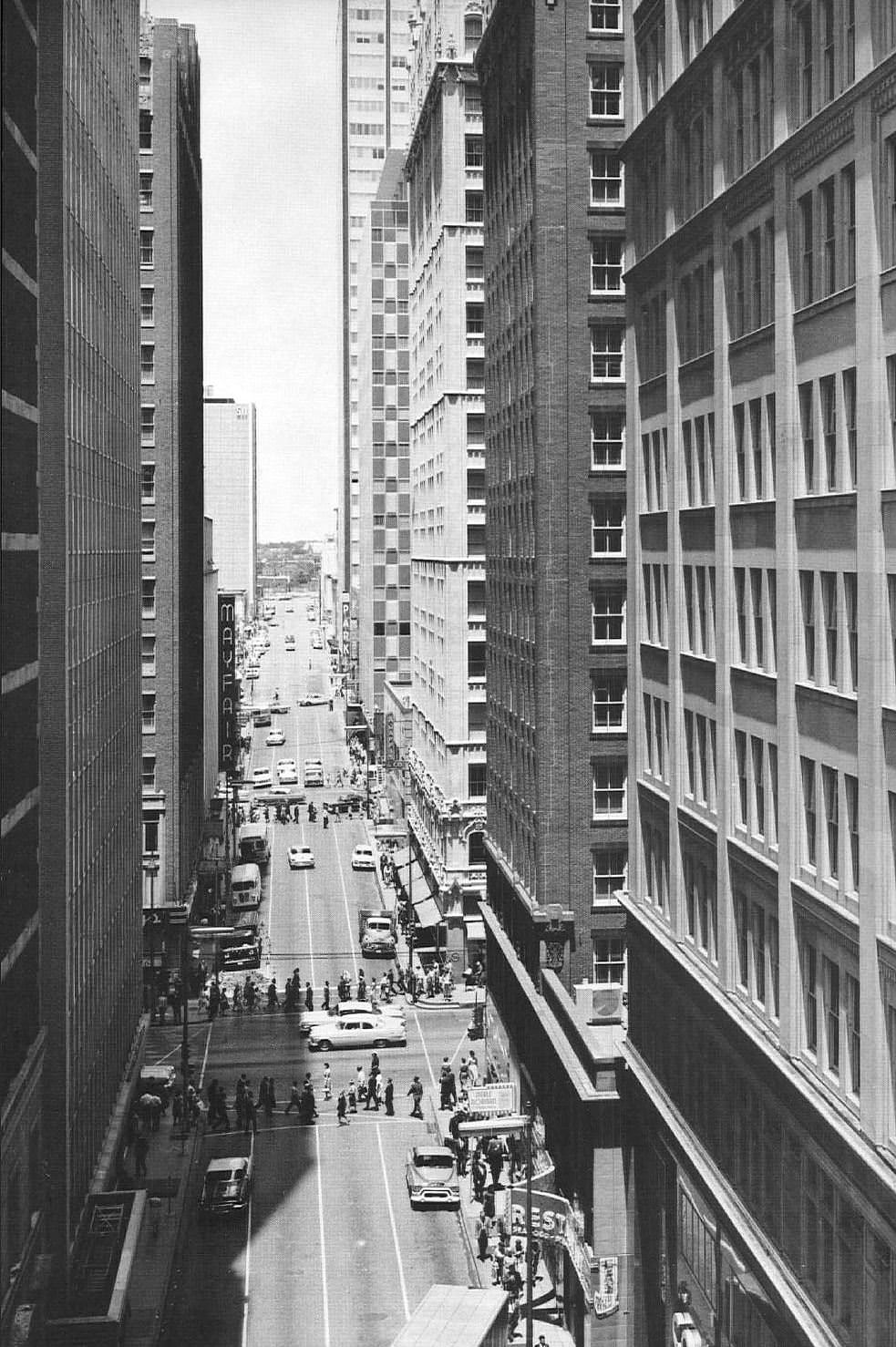
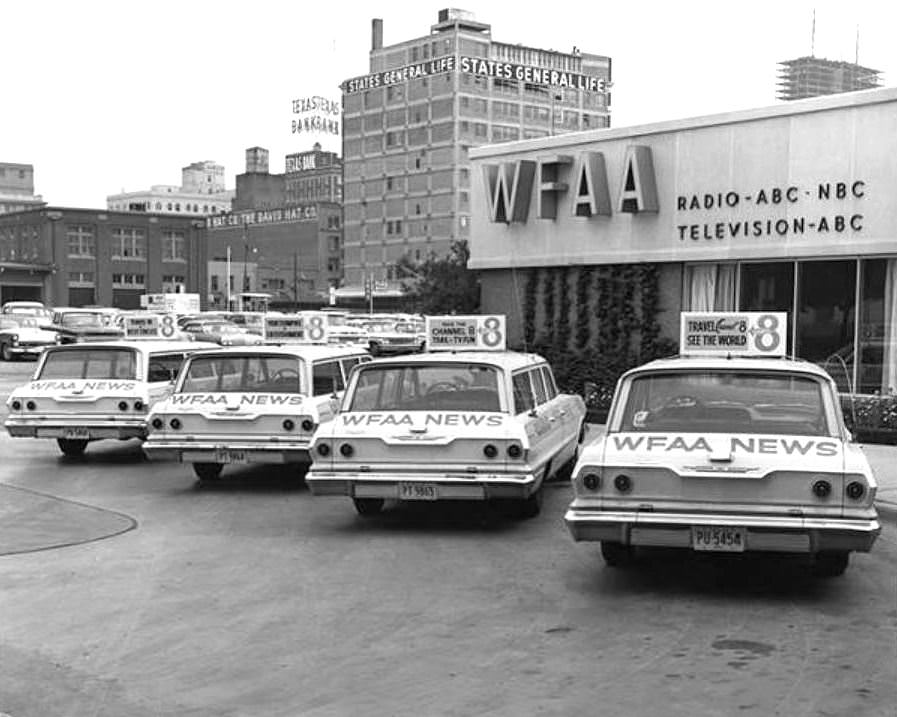
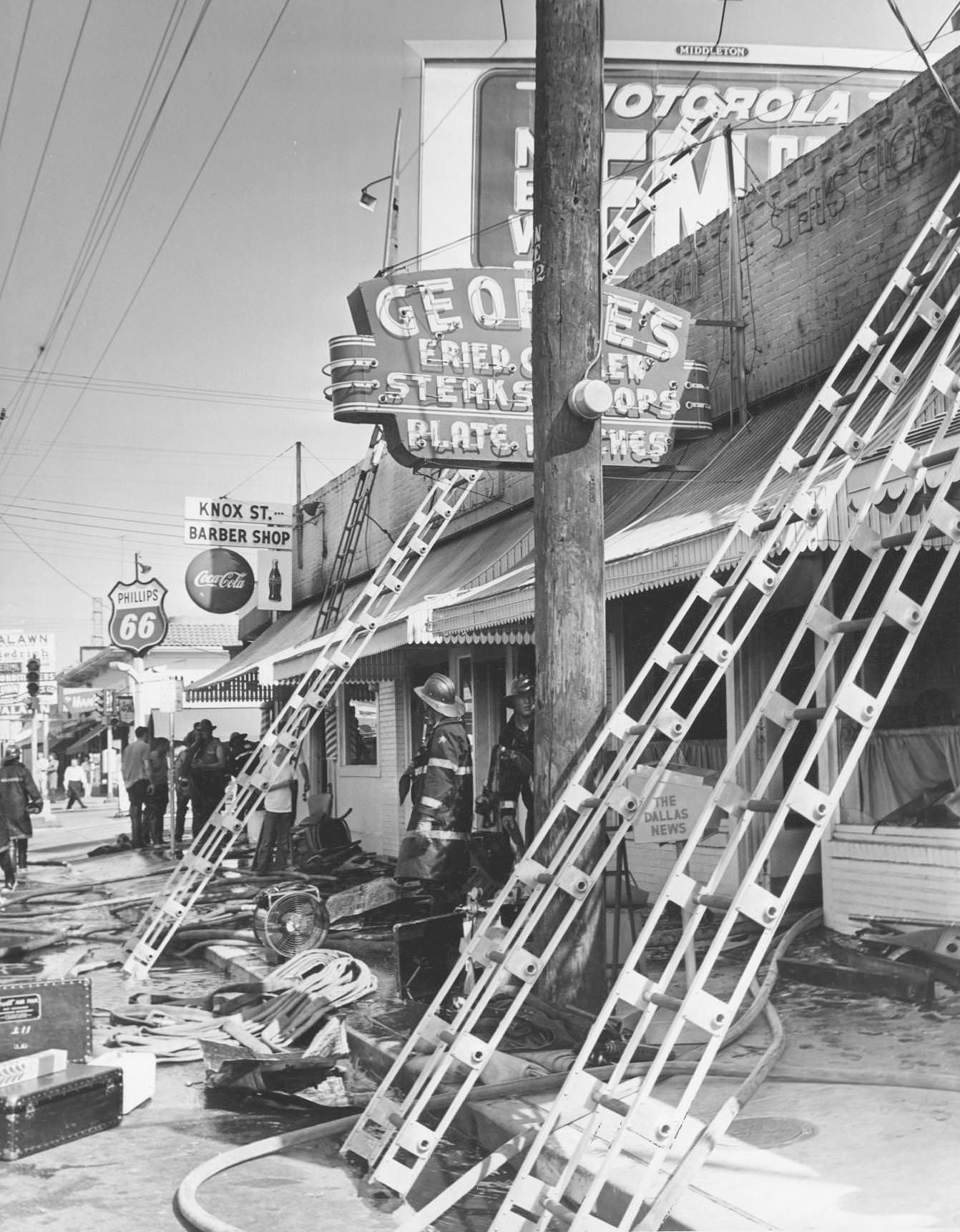
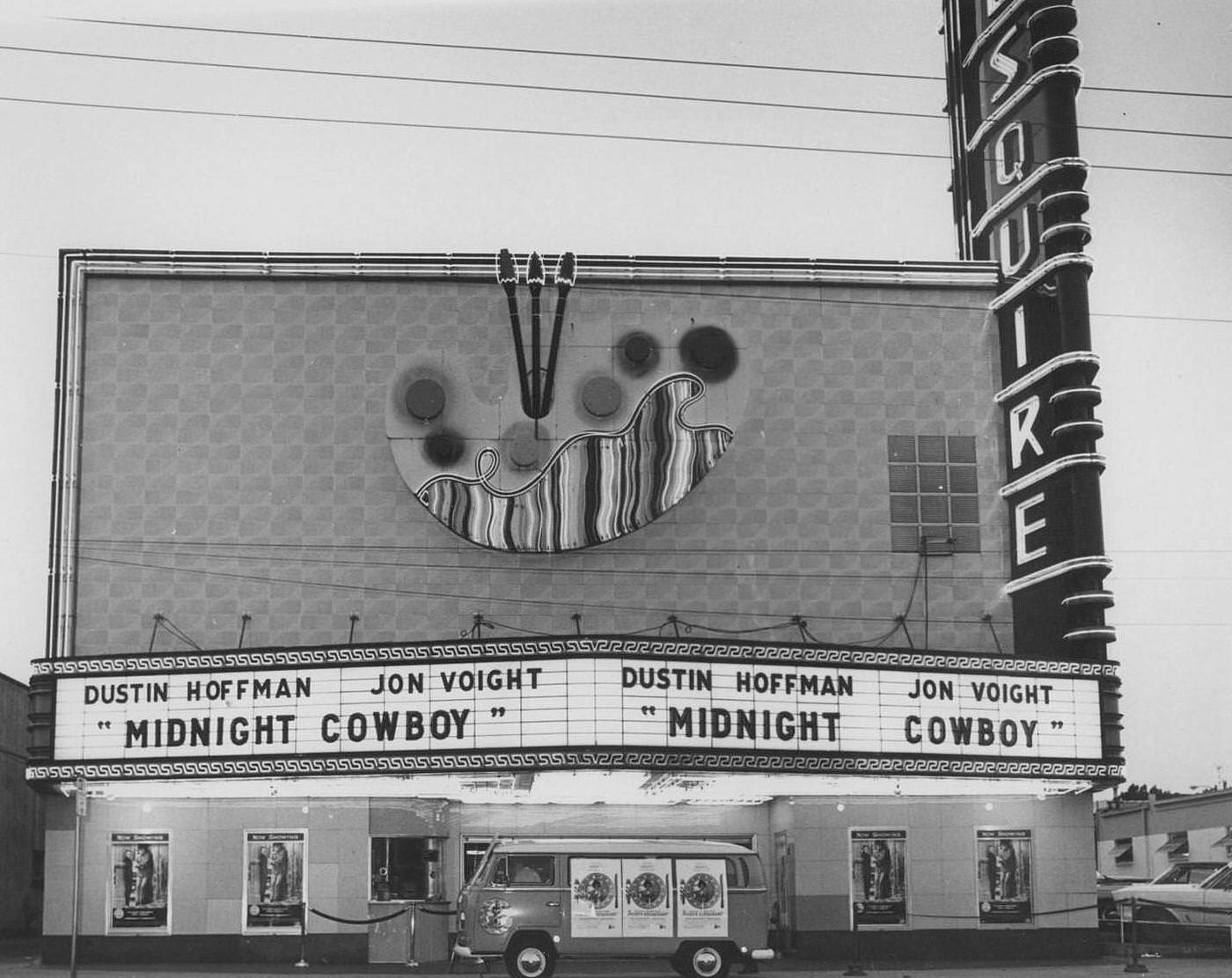
Great American Reserve Insurance Company building under construction in downtown Dallas, Texas, 1963Dallas, Texas skyline and triple underpass, 1966Dallas, Texas skyline and triple underpass, 1960First Presbyterian Church, downtown Dallas, Texas, 1960Terminal Annex Post Office, downtown Dallas, Texas, 1963First Presbyterian Church, downtown Dallas, Texas, 1960Executive Aircraft, Love Field, Dallas, 1960Dallas Love Field, Concourse, Dallas, 1960Copper Cow restaurant, downtown, 1960Street scene, downtown Dallas, 1962Elephants were part of the appeal of newly-opened Six Flags Over Texas in 1961.Both cities featured active military and aircraft plants, 1963Fort Worth’s Northside Main Street looked a lot different in the 1960s.The young Van Cliburn, a Texas pianist protégé, was already well-known and loved in 1962.Dallas resident Lee Harvey Oswald became a household name, 1963President John F. Kennedy’s final day was spent first in Fort Worth and then Dallas on November 22, 1963.Dallas streets were lined up with fans anxious to catch a glimpse of the President and First Lady.This is the site where President F. Kennedy was to speak at a luncheon following the motorcade in downtown Dallas on that tragic day in 1963.Dallas’ Texas Theater was also a popular place in 1963.Despite the tragedy that rocked the entire nation, the Dallas – Fort Worth area persisted and continued to grow throughout the decade.The Atchison, Topeka, & Santa Fe Railroad made a stop in Garland during summer 1965 to an excited crowd.Downtown Dallas was booming in 1965.Fort Worth utilized streetcars for efficient commuter traffic and control, 1967Traffic was already congested on the highway passing through downtown Fort Worth in the 1960s.Safari Steak House, Dallas, 1961View of Downtown Dallas looking north on North Ervay Street, 1961View of Downtown Dallas looking north, 1961View of Downtown Dallas looking north on Ervay Street, 1961Squire Haskins, Dallas, 1966Live Oak, looking northeast, 1960sSquire Haskins, Dallas, 1966Knox Street Fire, 1961First Presbyterian Church, 1960SFOT midway, 1961Squire Haskins, Dallas, 1969Stemmons Tower, Downtown, 1963Dallas 1960sThe Cabana Motor Hotel of Dallas, 1960sHighland Park Village From Above, 1960sBishop College, 1969Looking north toward Main, 1962The WFAA Studios, 1961Long and Woodrow from Above, 1960sShopping at Sears in Casa View, 1960sWynnewood North, residential street, 1961Esquire Theater, 1969
I arrived in Dallas, fresh out of UT, to begin working for the City in the summer of 1964, when Dallas was still reverberating from the assassination. I must have walked up and down Commerce a thousand times between City Hall and the old red Courthouse — and later, the new courthouse, which I watched them build — so those downtown shots really bring back memories.
Anyone else here remember Sol’s Turf Bar, next to the Commerce Street Newsstand? Ate lots of great pizzas and pastrami sandwiches there.
I worked for the City until I retired at the turn of the century, by the way. But then I fled to south Louisiana.
I remember Sol’s.
I used to run into Stanley Marcus there sometimes. Sol’s was his favorite lunch place at work and he’d nip in there from the store, which was only a block away.
You misspelled t.u.
Well, my brother’s an Aggie, but no family’s perfect.
Two things I noted: 1. No traffic 😂 2. We had some big-gun toting cops
It was during the time where if you were tweaking two dudes in white pull up in a van and tell you to try on this sweater. Can’t have ya out here scaring folks.
Share this Post 🥺
Please take a moment to share this content. Your support is greatly appreciated! 🙌🙏






I’m the same vintage as some of those photos. Thanks for making me feel ancient.
I’d like to know what the Dallas Service Center was
https://www.google.com/maps/@32.8501561,-96.5904018,3a,31.3y,270.26h,88.06t/data=!3m7!1e1!3m5!1s0BMtrcIq56XtJVpiDNjjgw!2e0!5s20160701T000000!7i13312!8i6656?entry=ttu
I arrived in Dallas, fresh out of UT, to begin working for the City in the summer of 1964, when Dallas was still reverberating from the assassination. I must have walked up and down Commerce a thousand times between City Hall and the old red Courthouse — and later, the new courthouse, which I watched them build — so those downtown shots really bring back memories.
Anyone else here remember Sol’s Turf Bar, next to the Commerce Street Newsstand? Ate lots of great pizzas and pastrami sandwiches there.
I worked for the City until I retired at the turn of the century, by the way. But then I fled to south Louisiana.
I remember Sol’s.
I used to run into Stanley Marcus there sometimes. Sol’s was his favorite lunch place at work and he’d nip in there from the store, which was only a block away.
You misspelled t.u.
Well, my brother’s an Aggie, but no family’s perfect.
Two things I noted: 1. No traffic 😂 2. We had some big-gun toting cops
It was during the time where if you were tweaking two dudes in white pull up in a van and tell you to try on this sweater. Can’t have ya out here scaring folks.