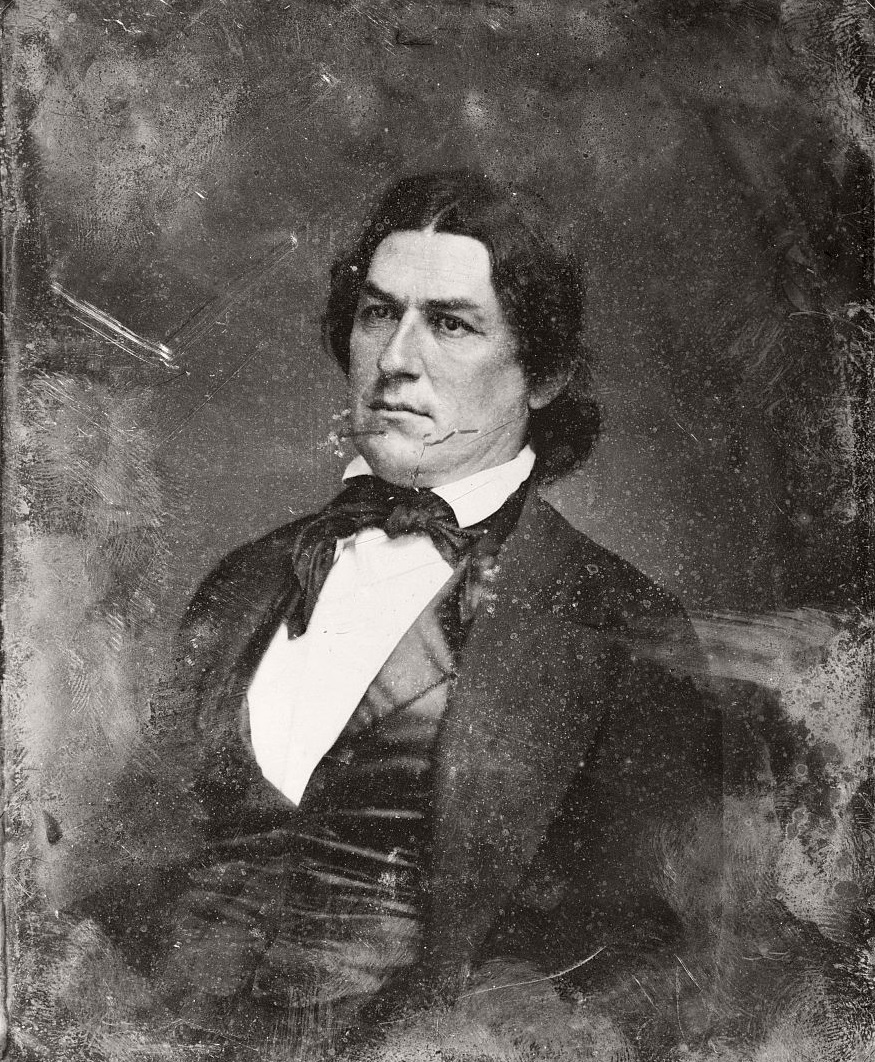
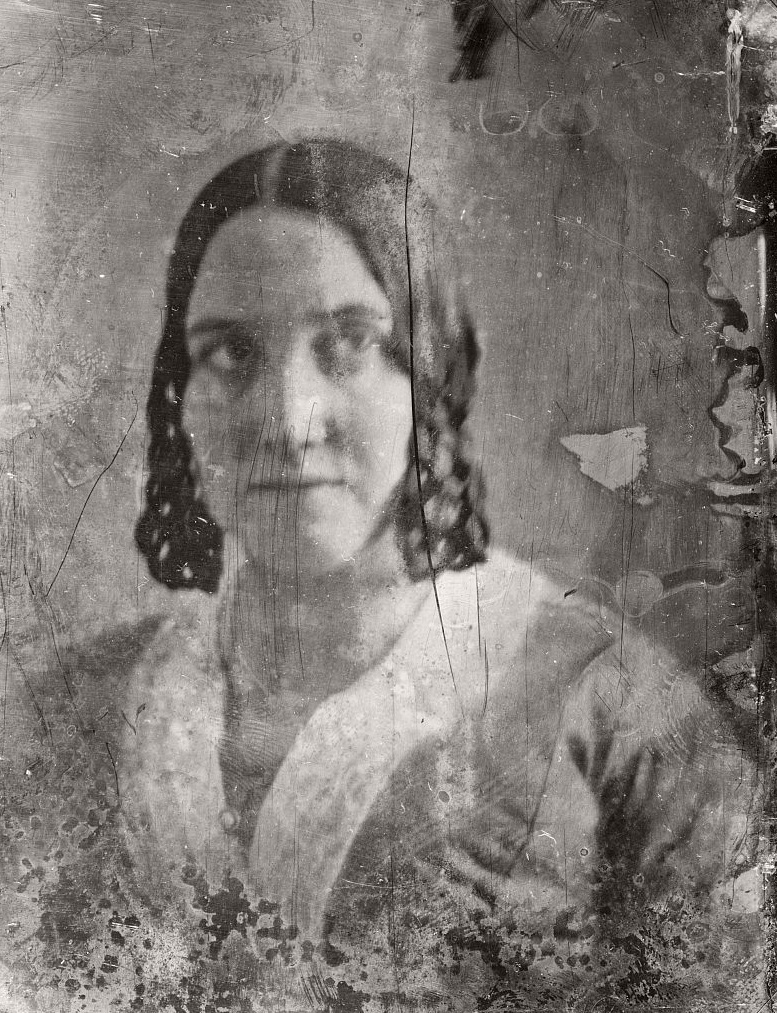
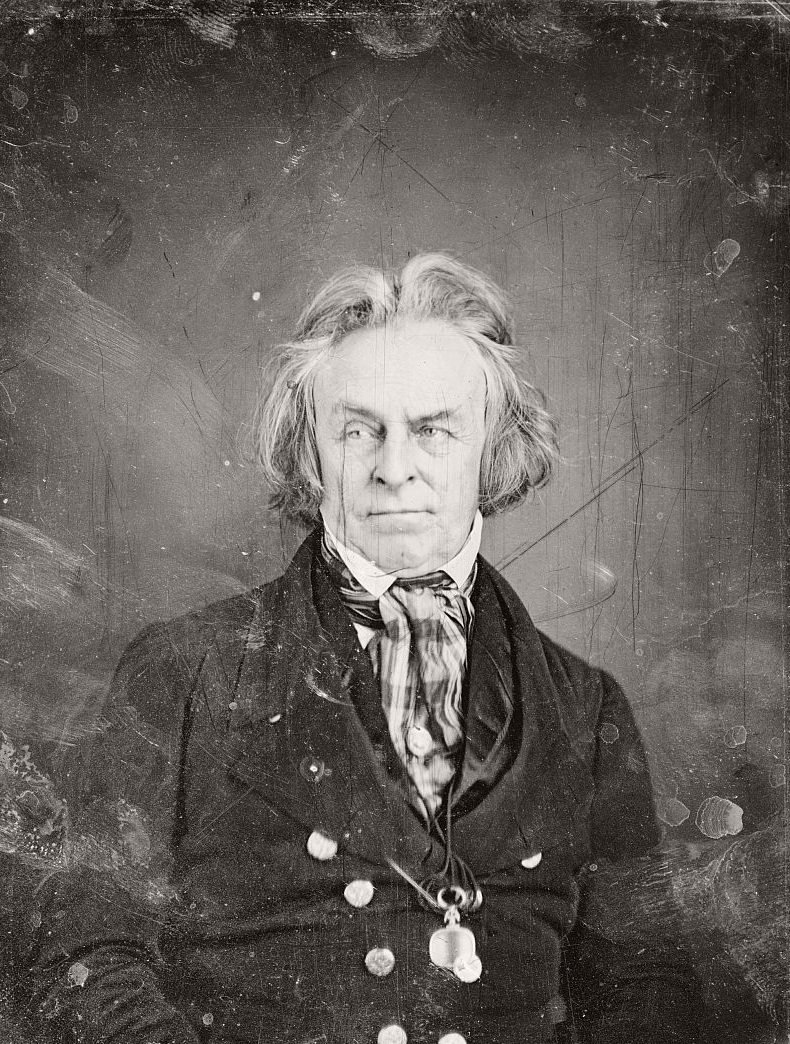
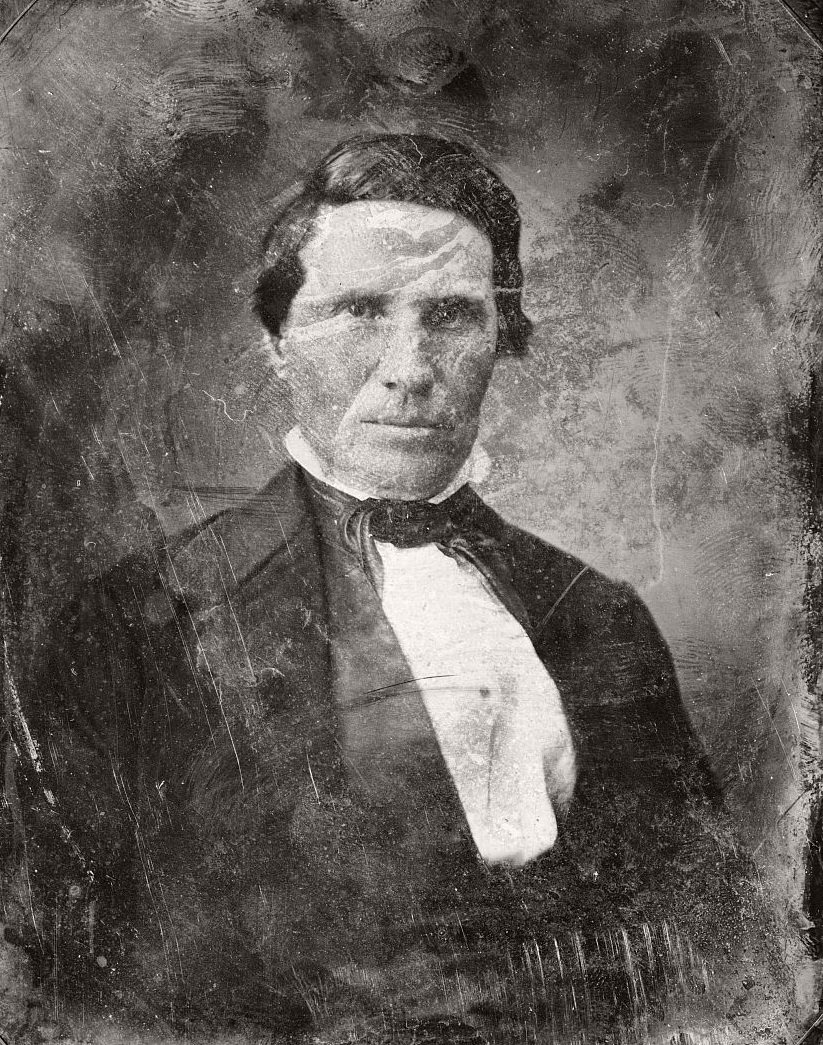
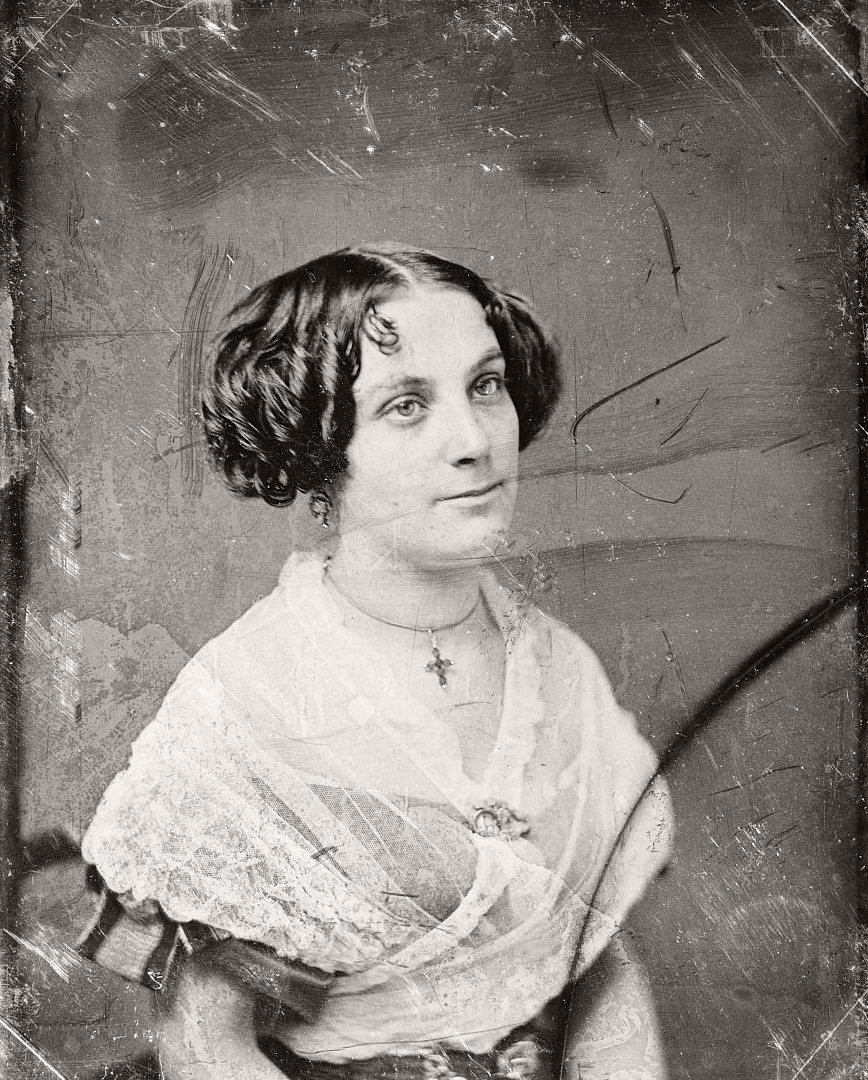
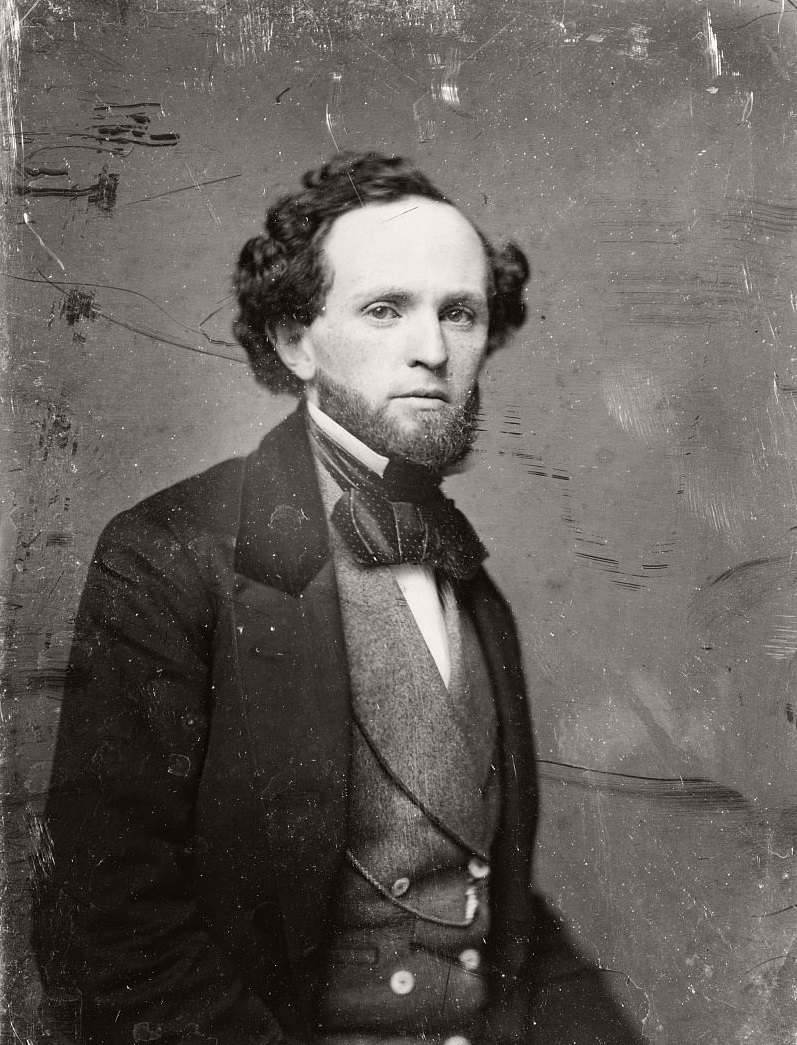
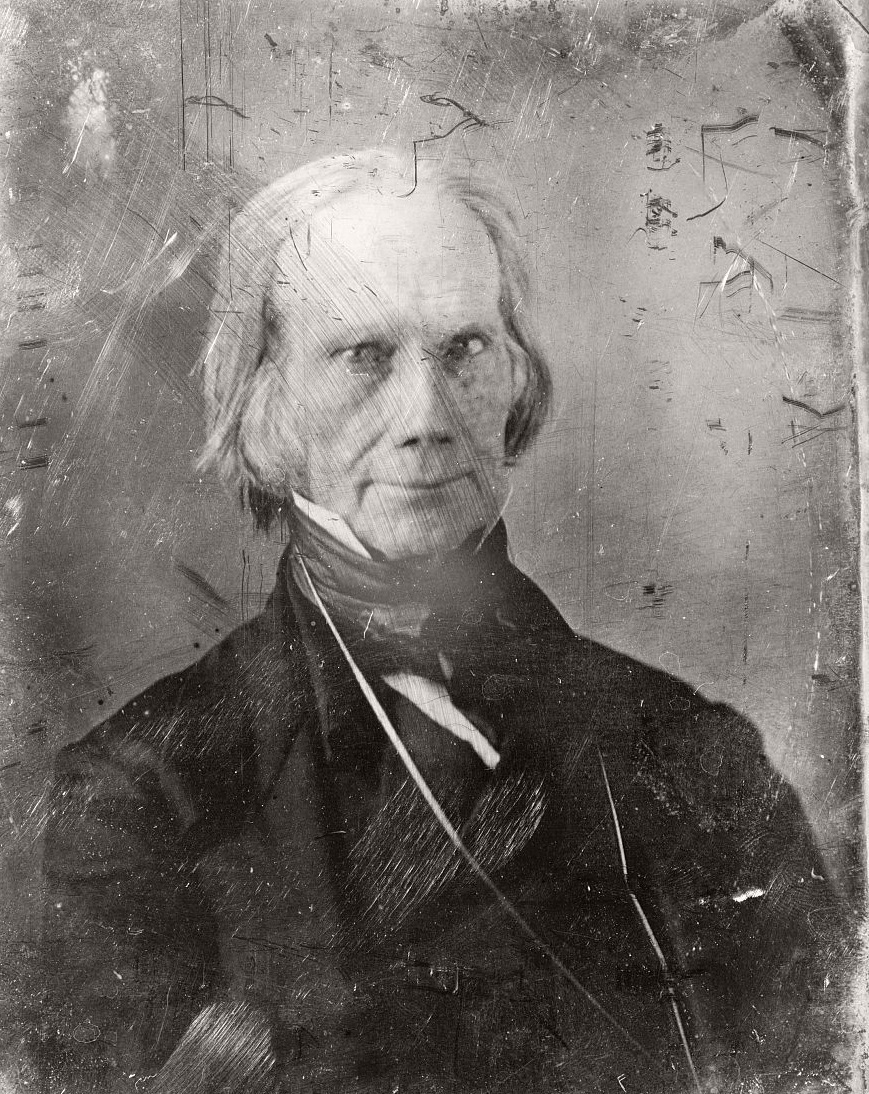
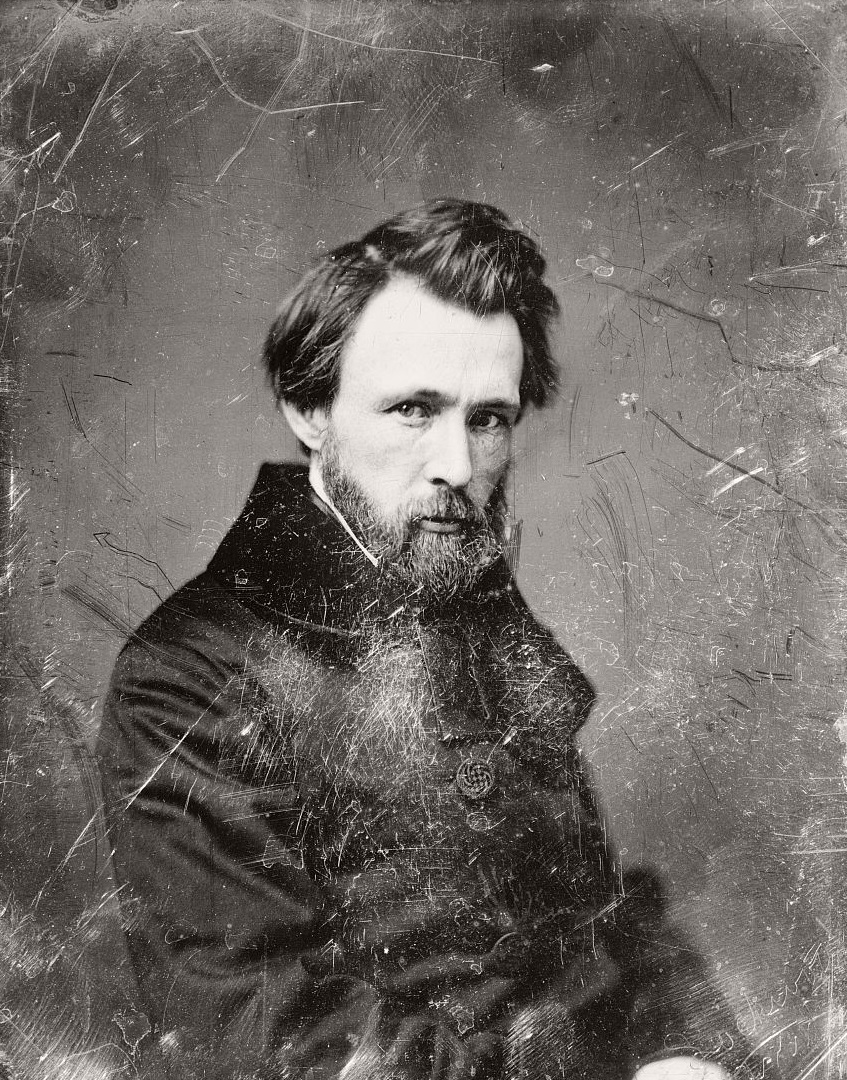
Between 1844 and 1860, Mathew Brady’s Broadway studio in New York City produced some of the most striking daguerreotypes of the 19th century. Brady had trained under Samuel F. B. Morse, one of America’s earliest champions of the daguerreotype, and he quickly became the most sought-after portrait photographer in the country.
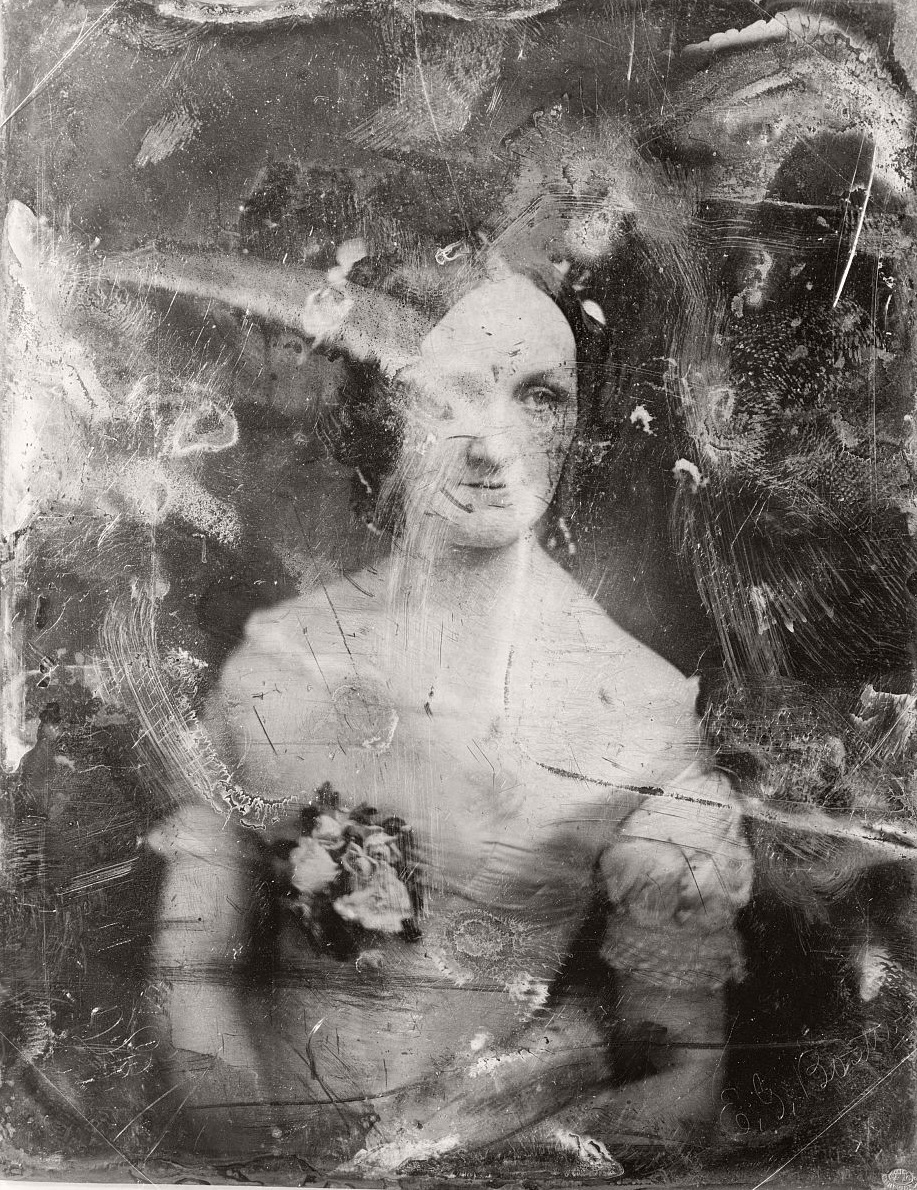
The daguerreotype process was demanding. Each image was formed on a polished silver plate treated with light-sensitive chemicals. The subject had to hold perfectly still for several minutes during exposure. The plate was then developed with mercury vapor and sealed under glass to stop it from tarnishing.
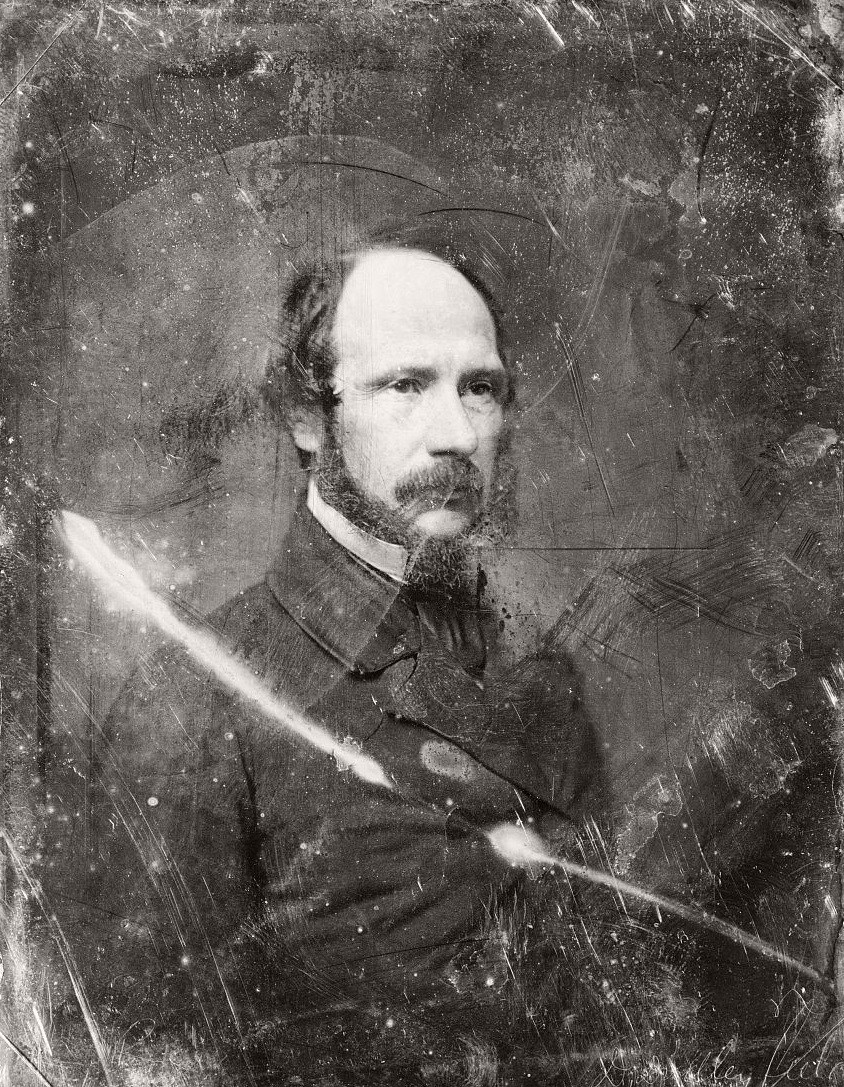
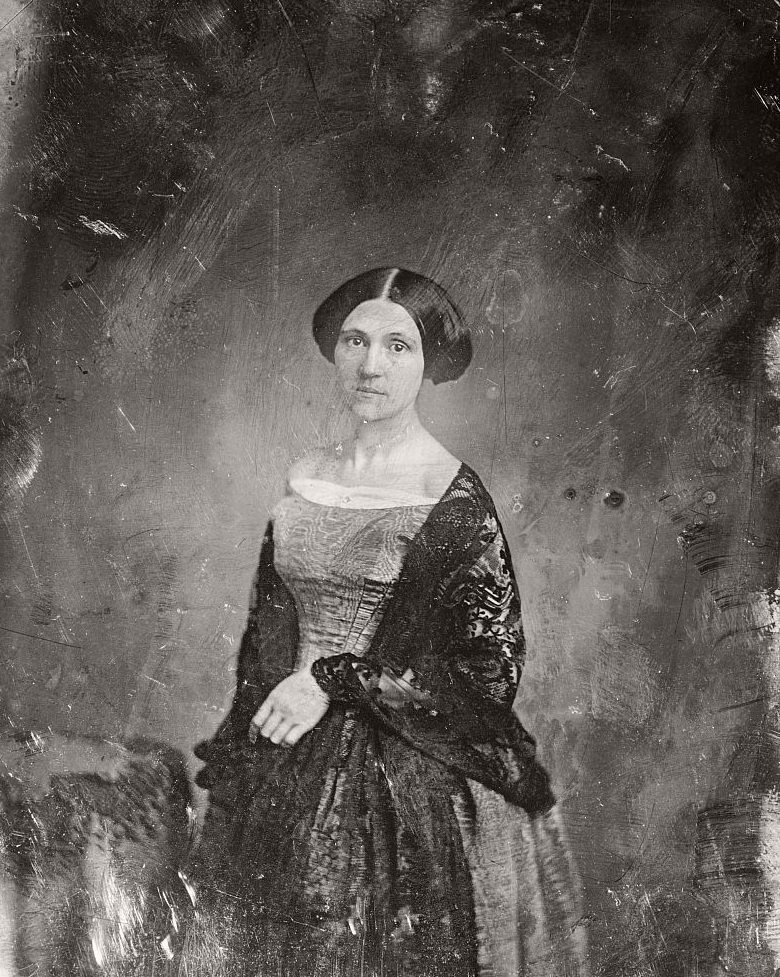
The finished product was a mirror-like image of extraordinary detail — every wrinkle, every hair, every button on a coat recorded with sharp precision. Unlike painted portraits, daguerreotypes offered no flattery. They showed people exactly as they were.
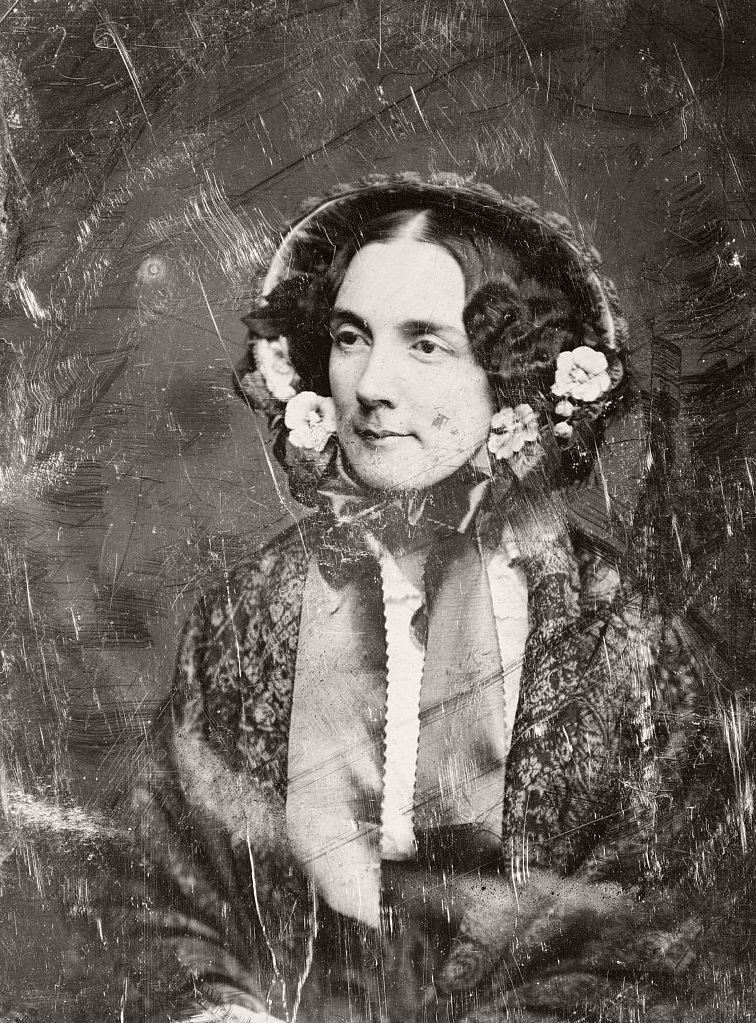
Among Brady’s earliest notable subjects was Andrew Jackson, the seventh U.S. president. Jackson was frail and in poor health at the time, yet Brady’s daguerreotype captured his strong features and commanding presence. Brady also photographed John Quincy Adams, cementing his reputation as New York’s leading portrait photographer.
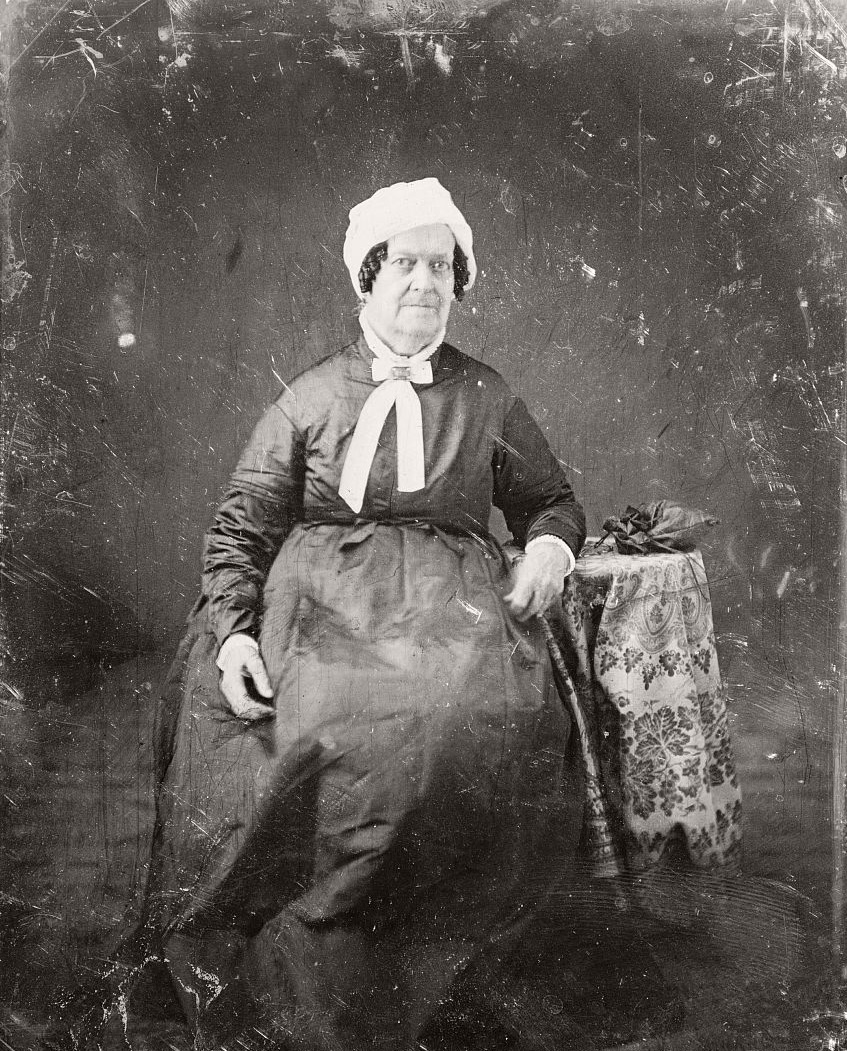
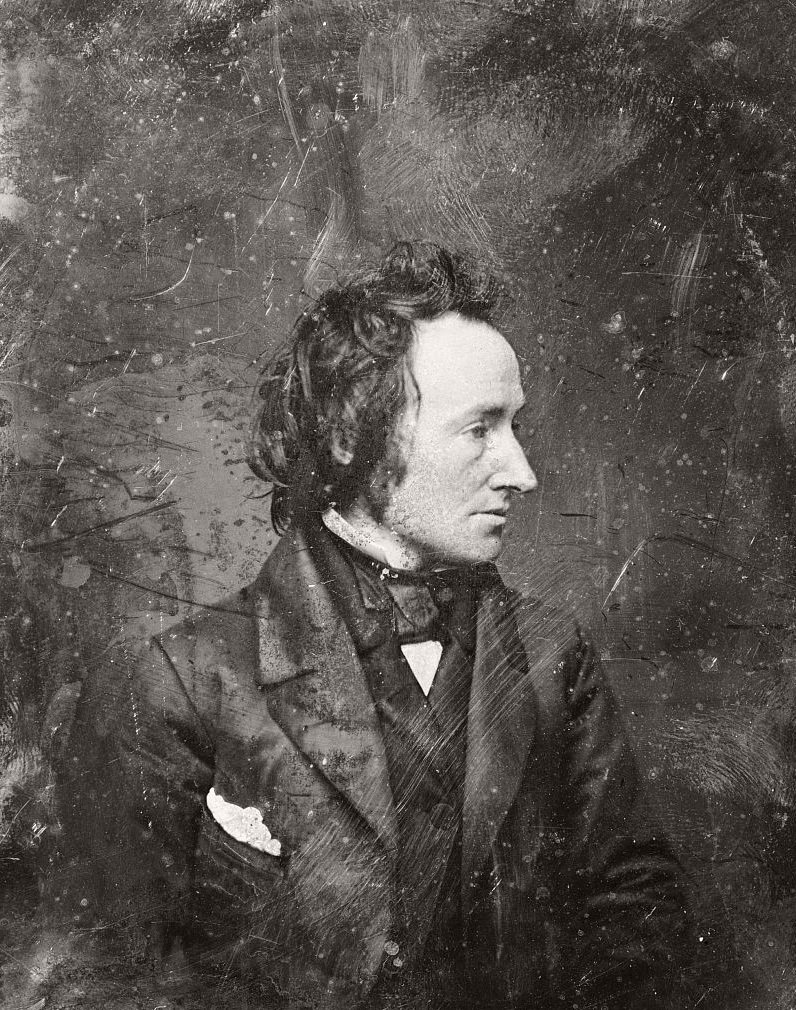
Brady’s studio drew politicians, generals, actors, and writers. His Broadway location was elegantly decorated to appeal to upper-class clientele. Clients sat before simple backdrops in their finest clothes while Brady carefully adjusted the lighting for each shot.
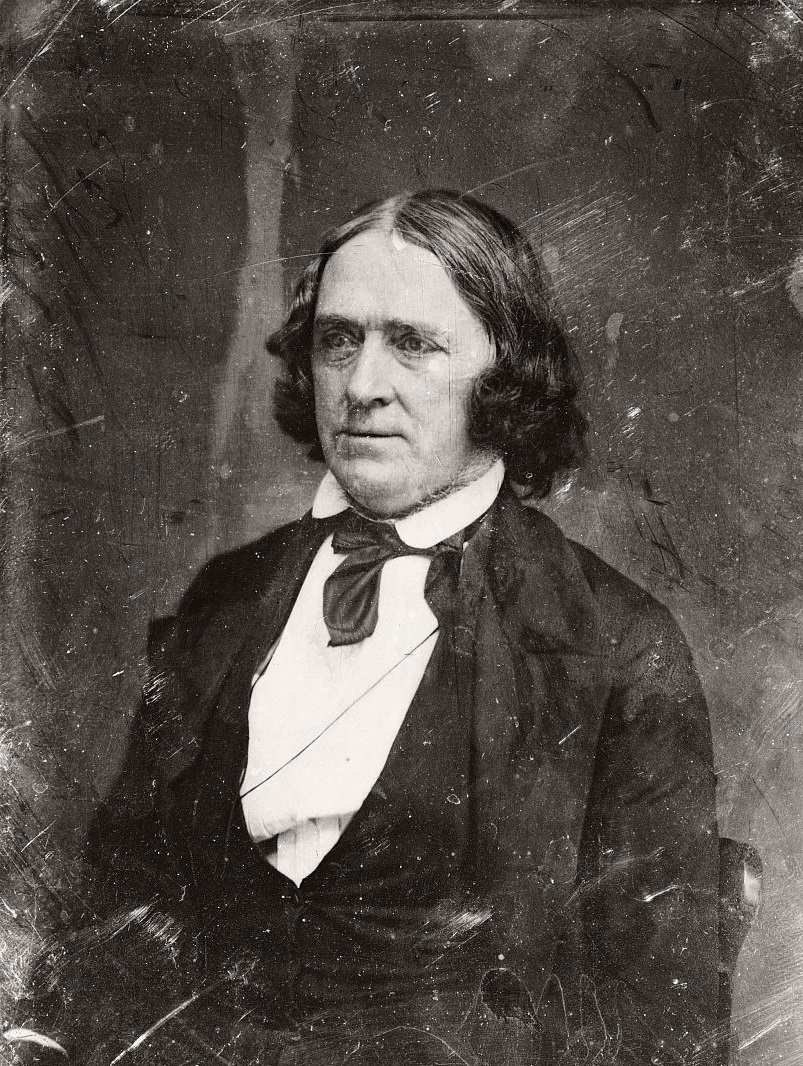

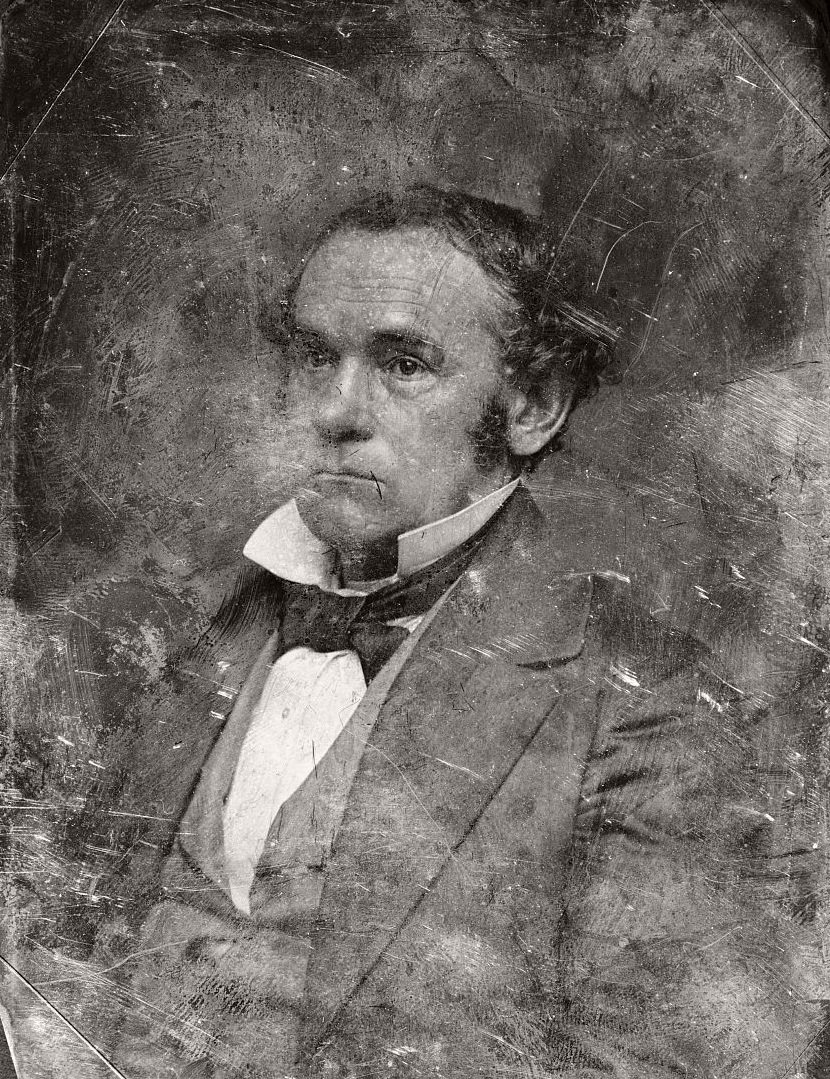
His ability to put subjects at ease was as important as his technical skill. Every portrait was carefully composed, with attention paid to posture, expression, and light. The results were small but powerful images — ones that could survive for centuries with proper care.