
The 19th century was a time of bold engineering ideas, and most of them were built on land. But in 1896, a British engineer named Magnus Volk built something no one had ever seen before — a railway that walked through the sea. It ran along the coastline of Brighton, England, wading through the shallow waters of the English Channel on tall stilted legs. People called it the ‘Daddy Long-Legs.’ Others called it the ‘Spider.’ Its official name was the Brighton and Rottingdean Seashore Electric Railway, but the nicknames stuck.
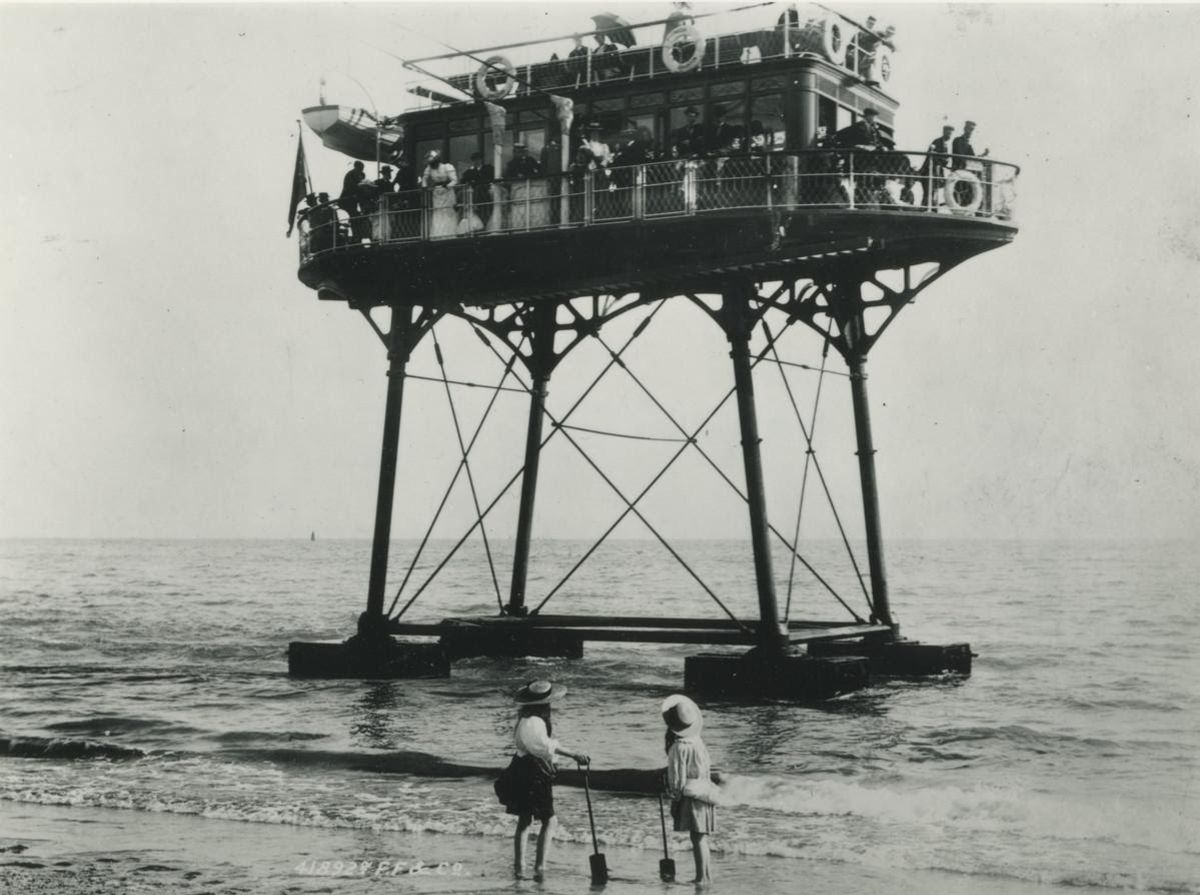
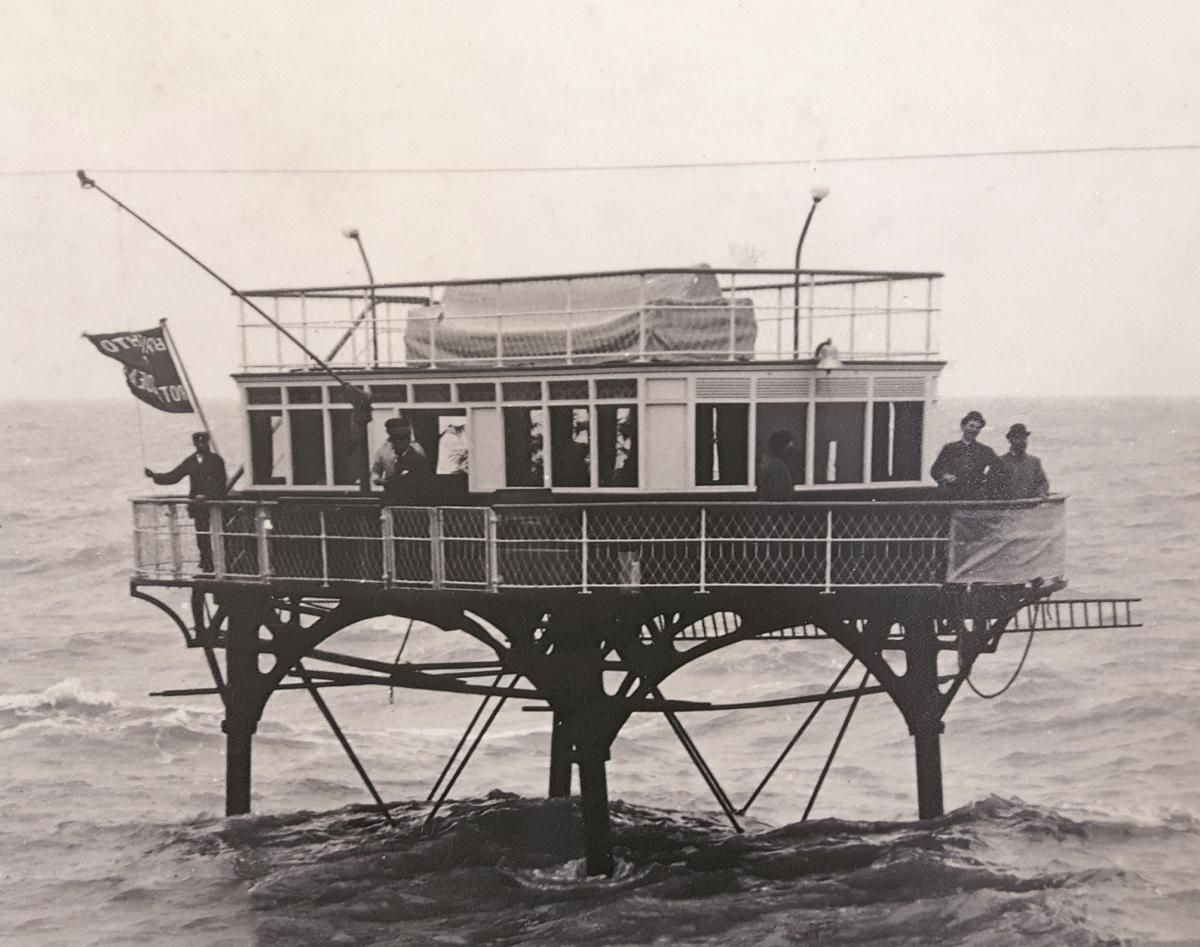
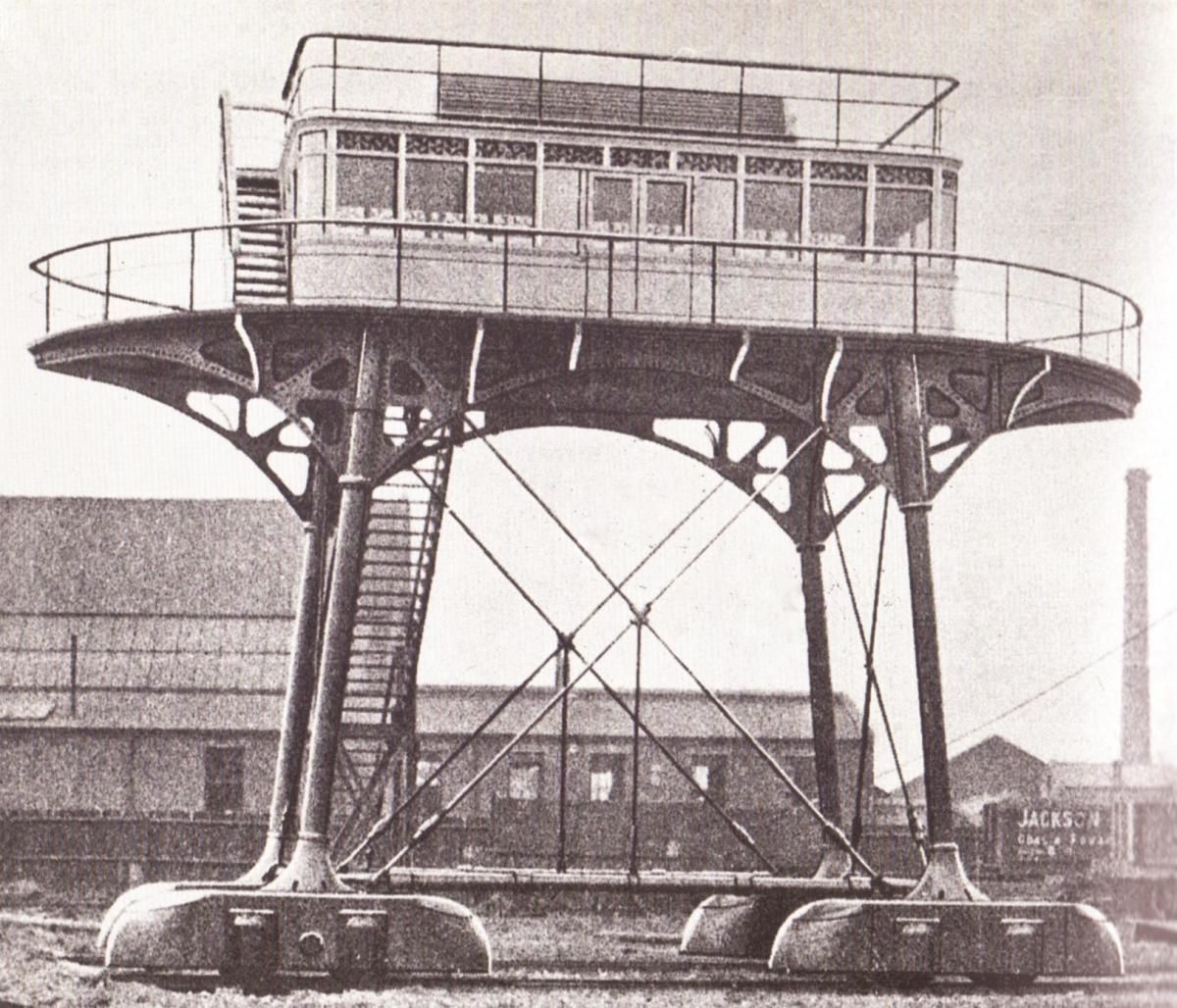
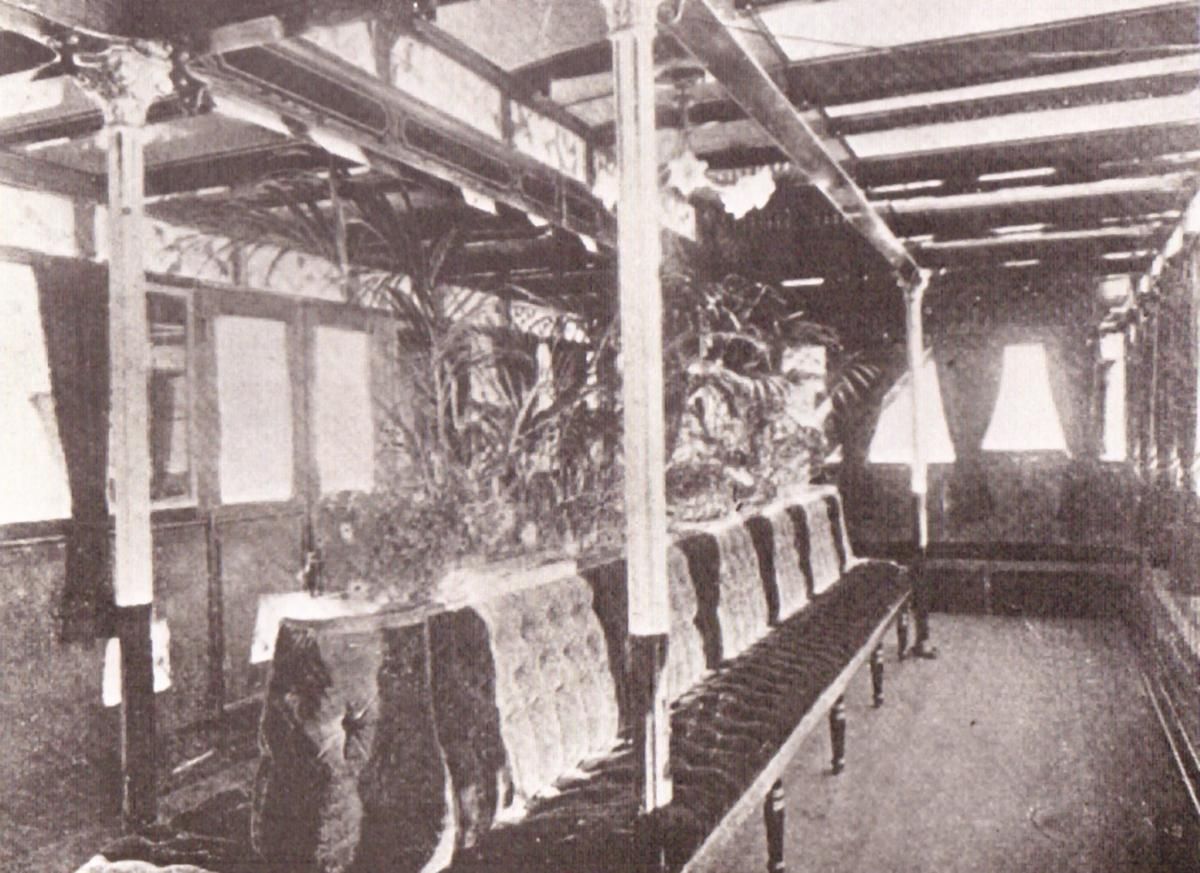
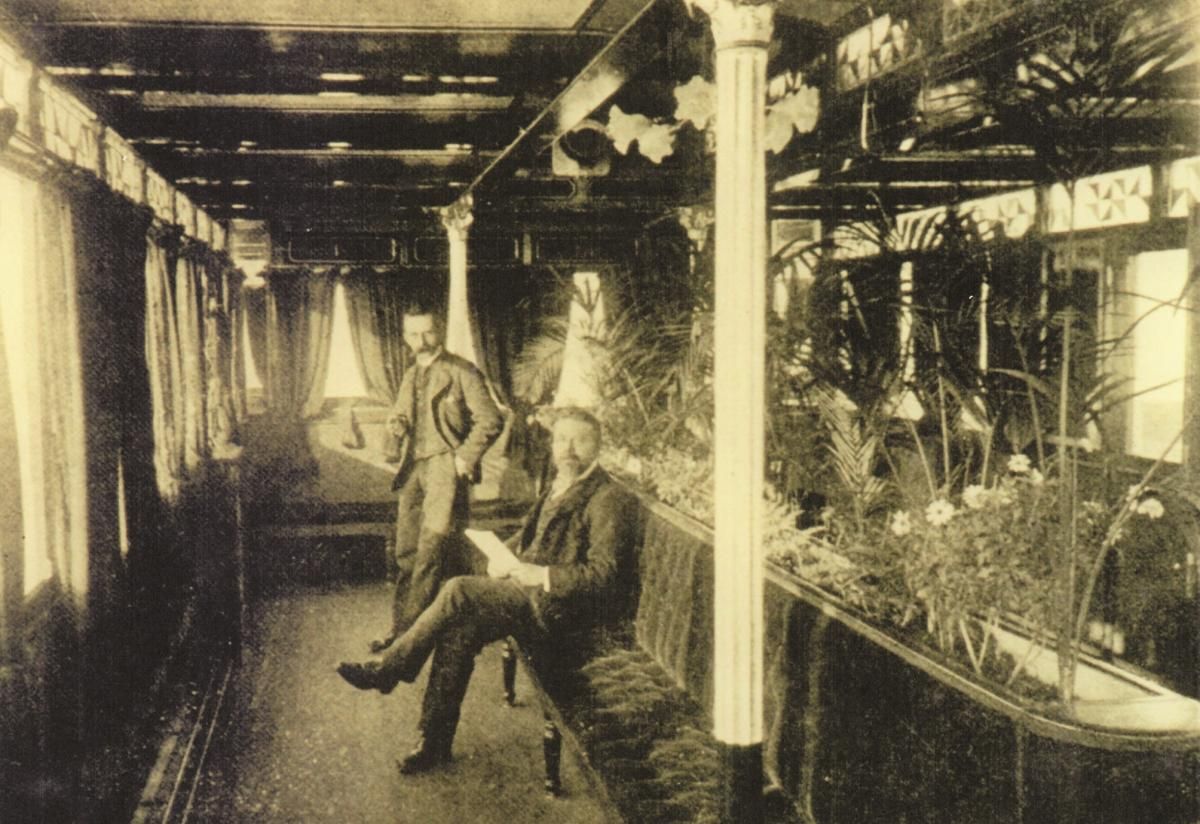
The engineering behind it was genuinely remarkable. The railway car sat on a platform raised 24 feet above the seabed, supported by four long iron legs that rolled along tracks fixed to the ocean floor. At high tide, those legs stood in up to 15 feet of water. The car itself, named ‘Pioneer,’ was built to look almost like a ship’s deck fitted to a house — complete with a saloon interior and open-air railings. Passengers rode above the waves while the sea churned below them.
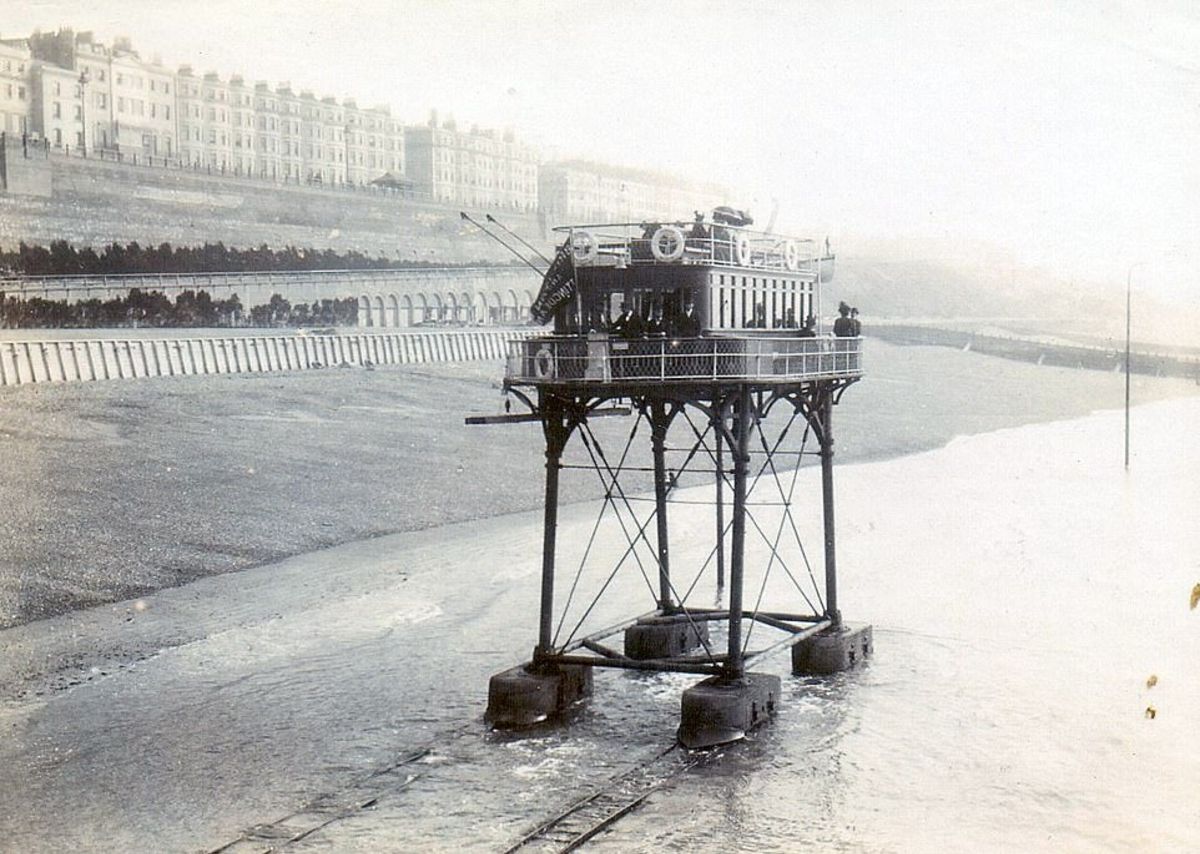
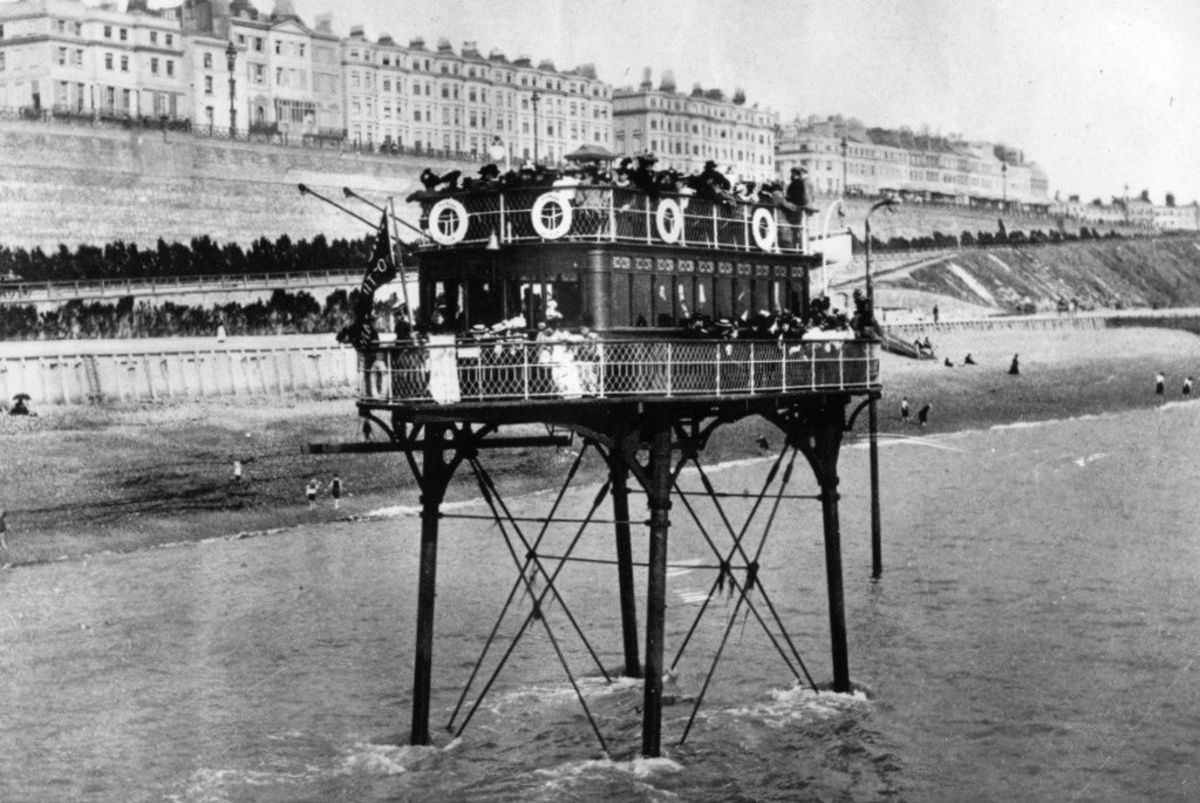
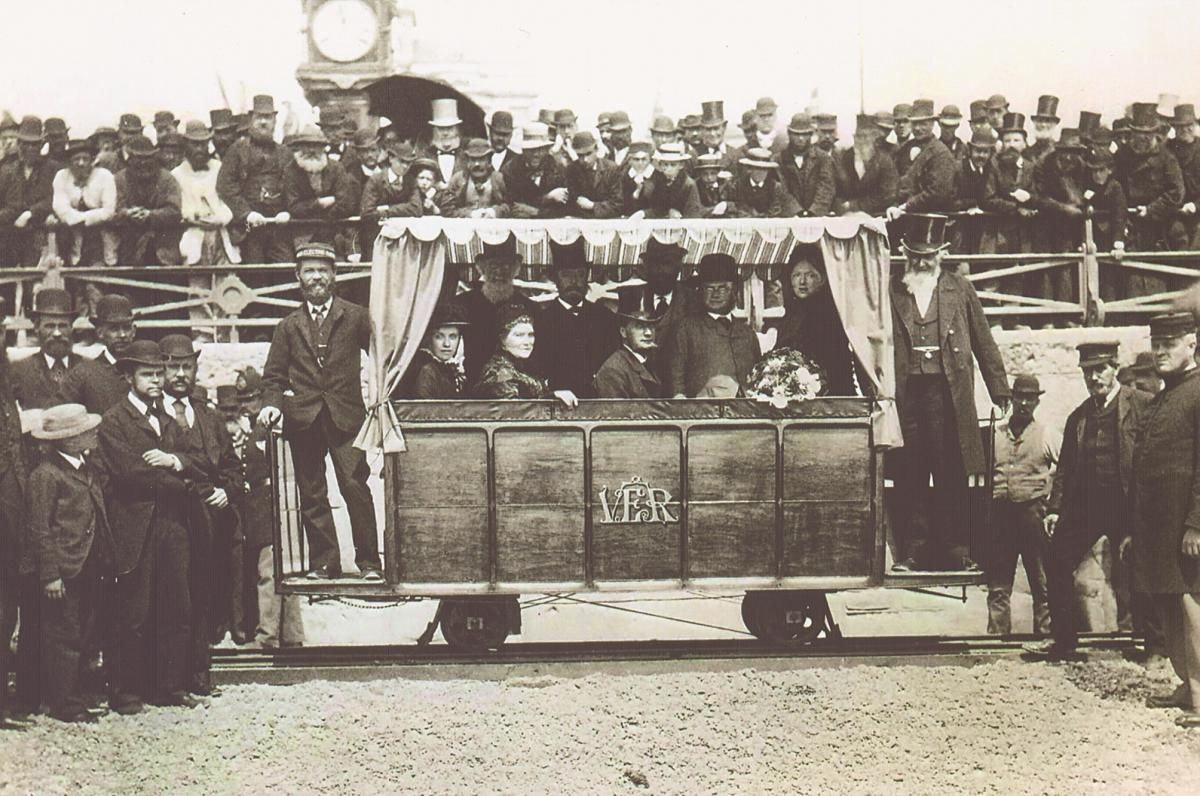
When it opened in November 1896, crowds lined up to buy a ticket. The sight of a full-sized railway carriage creeping through the English Channel drew enormous public curiosity. For a brief moment, it looked like Volk had pulled off something historic. Then, just six days after opening, a powerful gale tore through the coastline. The storm wrecked the Pioneer and damaged the pier structure badly enough that the entire service had to shut down.
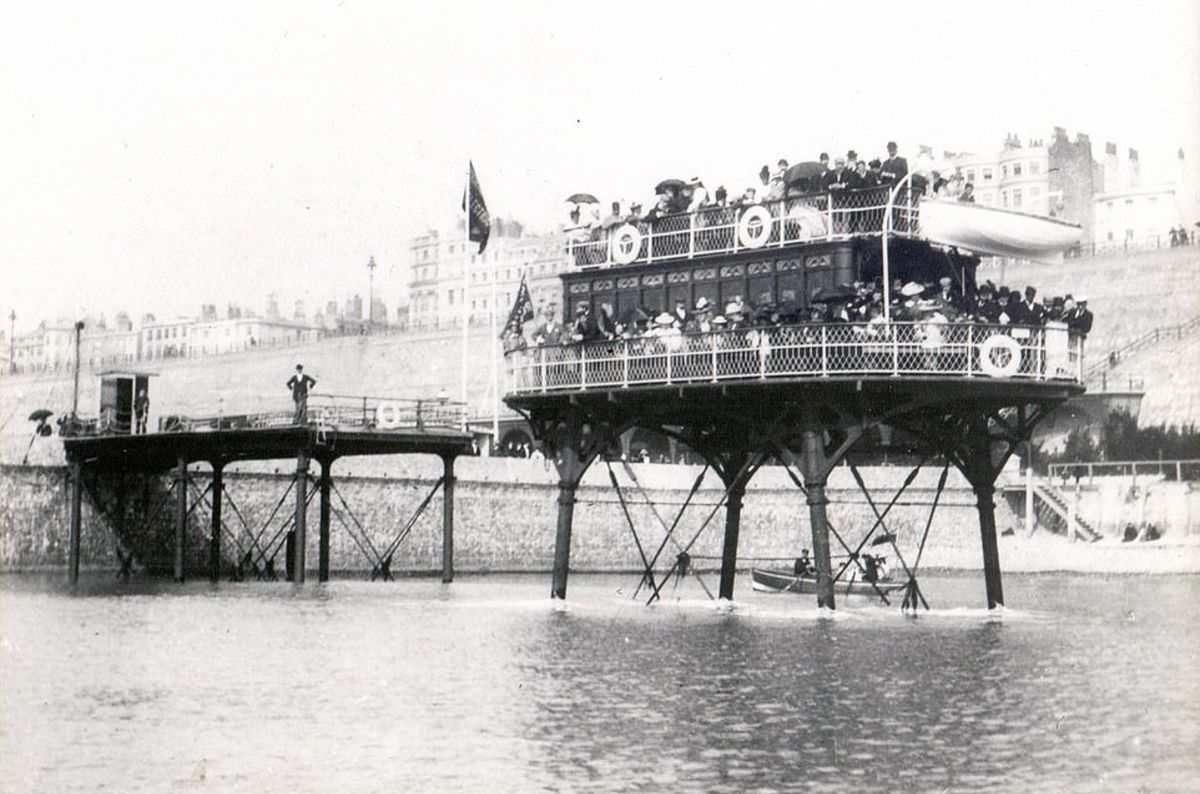
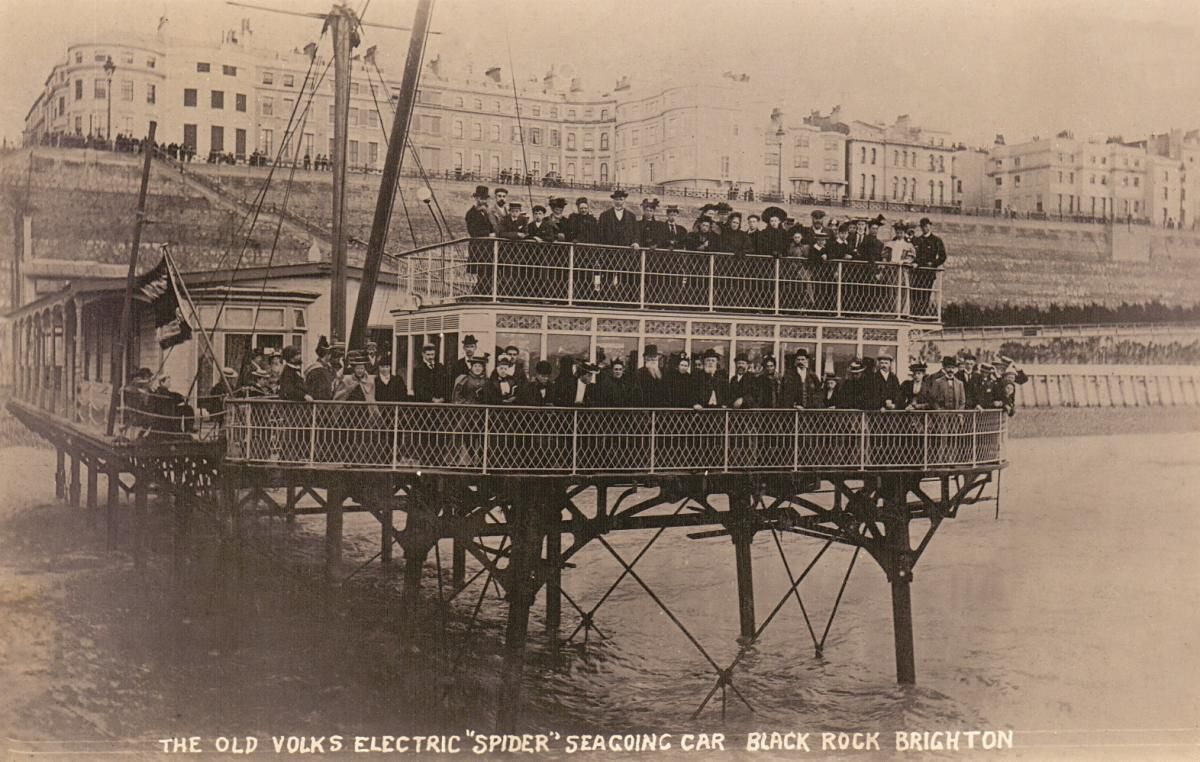
Volk spent eight months repairing and rebuilding. The service reopened on July 20, 1897, and this time the occasion attracted a high-profile passenger — the Prince of Wales rode the Pioneer shortly after it returned to service. For a time, the buzz returned. But the problems that would ultimately doom the railway were already present.
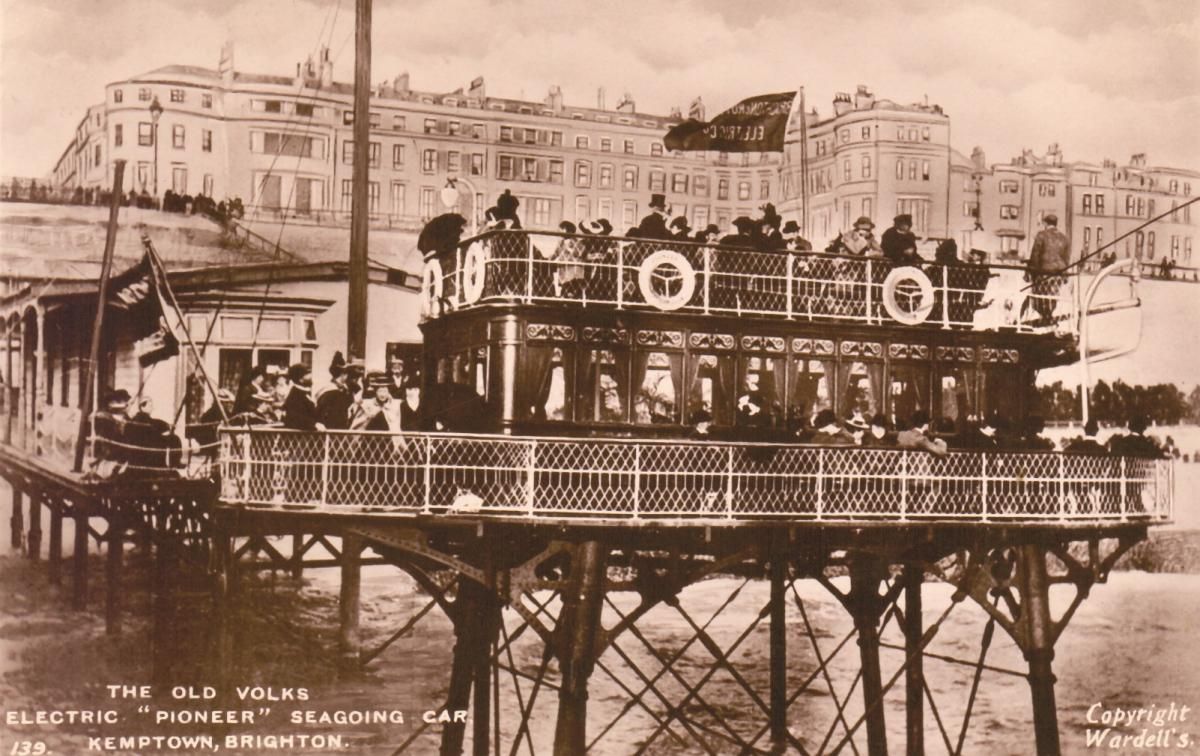
The train moved at only six miles per hour. Passengers paid sixpence for the ride — a fare that felt steep for a slow, short trip along the coast. High tide regularly slowed the car further, and mechanical breakdowns were frequent. When the Pioneer broke down, the service could be suspended for weeks at a time, making it impossible to run a reliable timetable. Locals who had been curious at first quickly lost patience.
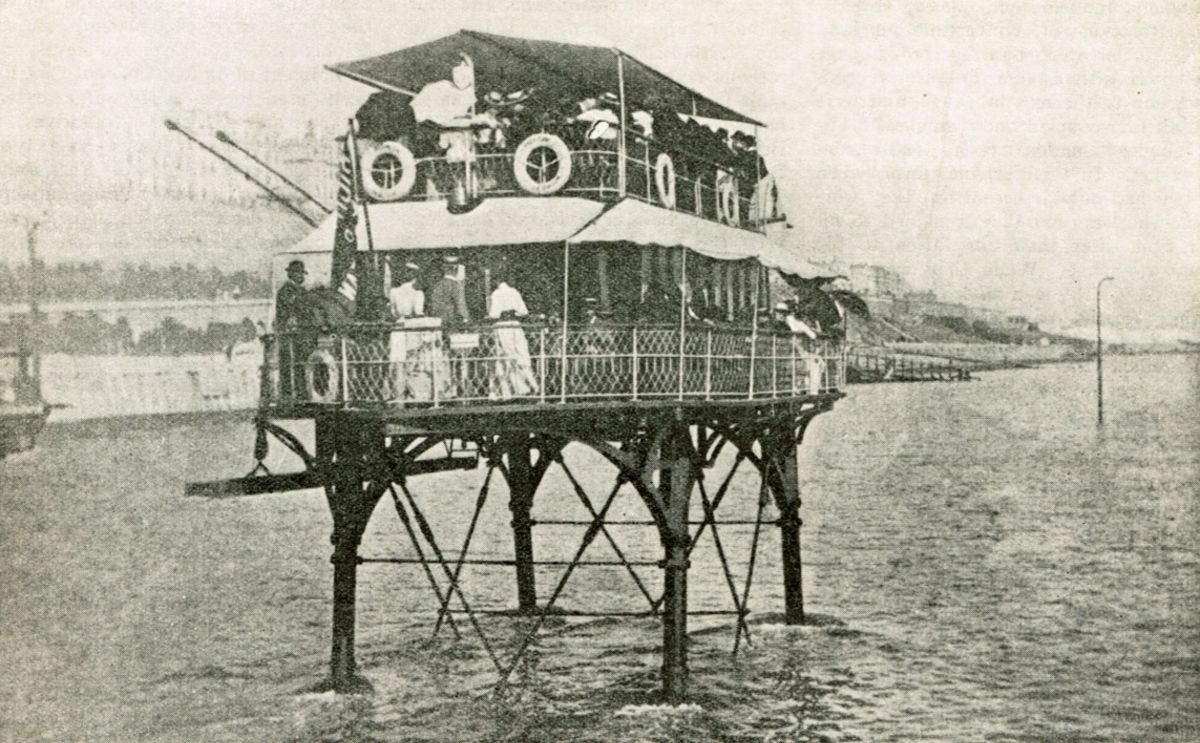
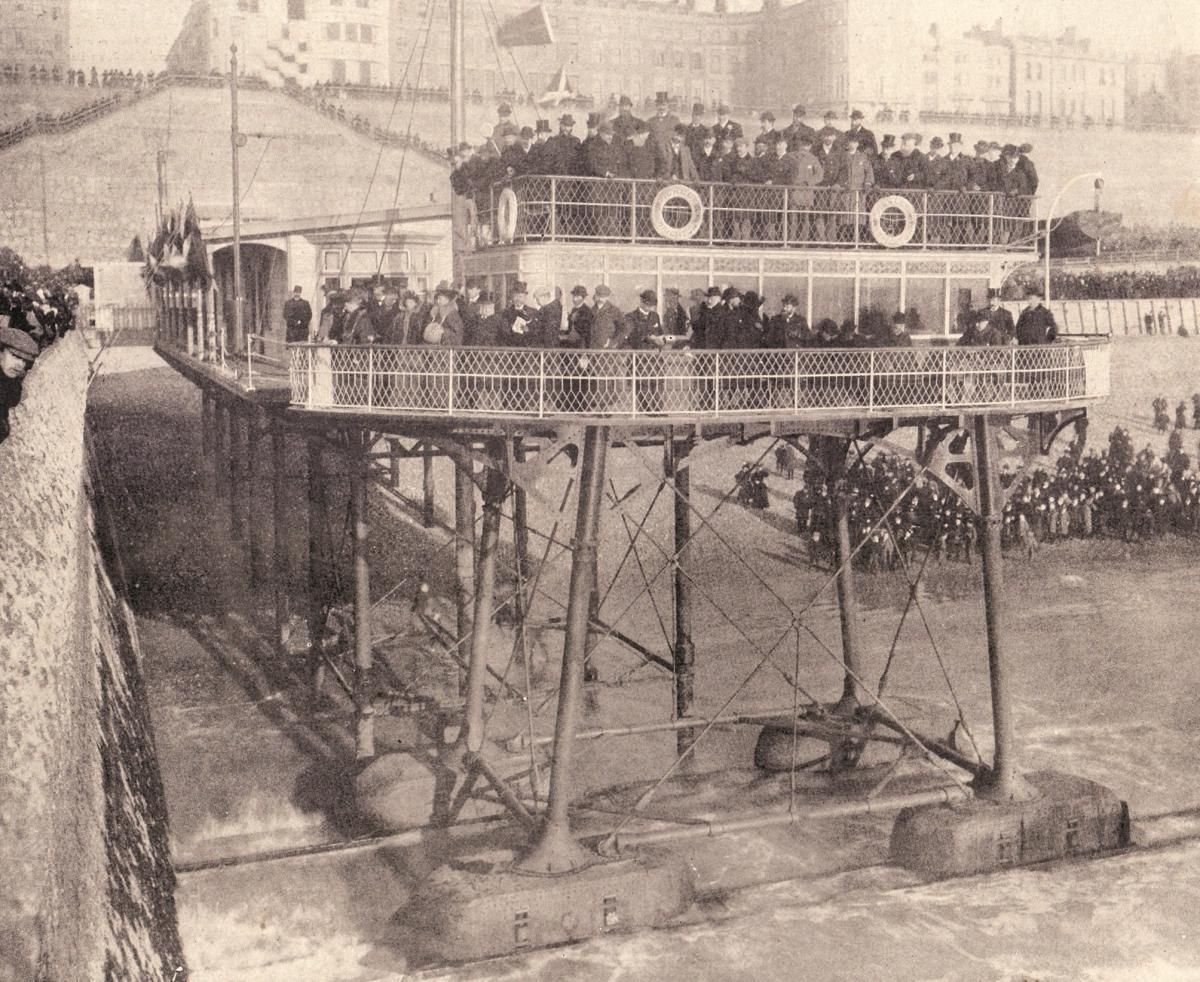
By 1900, the railway’s days were numbered — and not only because of its own failings. On September 1, 1900, Brighton Corporation issued Volk a formal two-month notice. The town needed to extend its coastal groynes — the barriers built to prevent beach erosion — and the railway’s track was in the way. Volk appealed the decision, but the appeal was rejected.
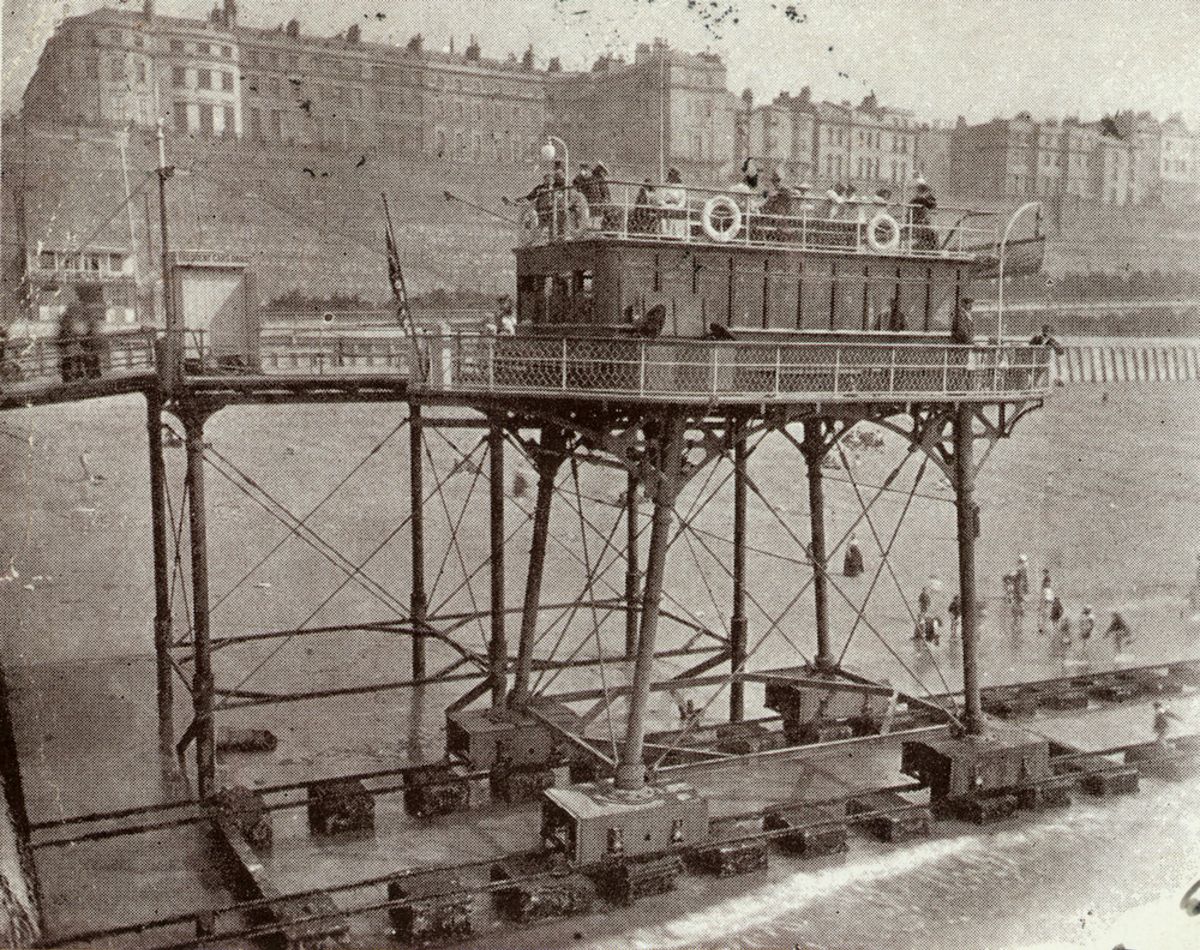
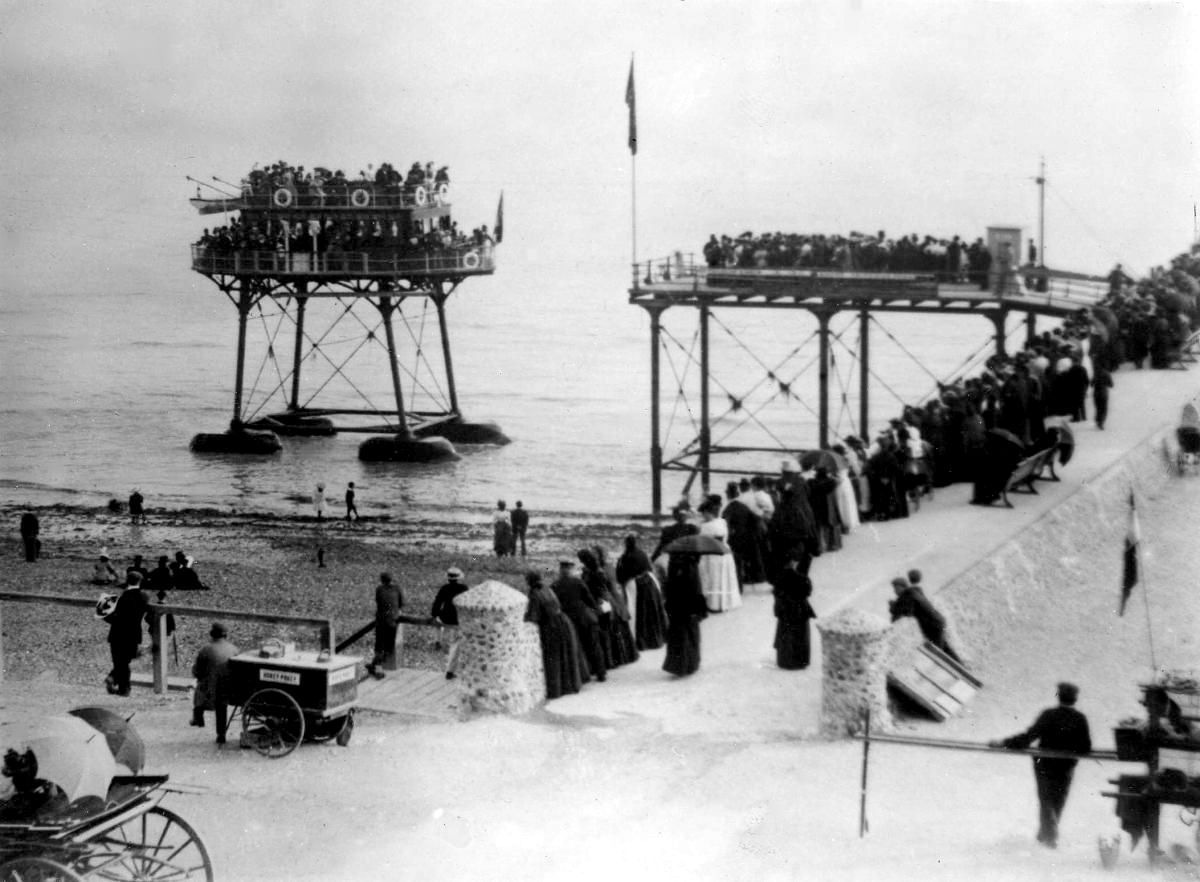
In February 1901, Brighton’s Borough Surveyor physically removed a section of the track, and the service was suspended immediately. The railway was officially abandoned in 1902. The Pioneer, which had once drawn enormous crowds, was towed to the Ovingdean landing stage and left there. It sat tied up and slowly rusting for nearly a decade. In early 1910, it was broken up for scrap.
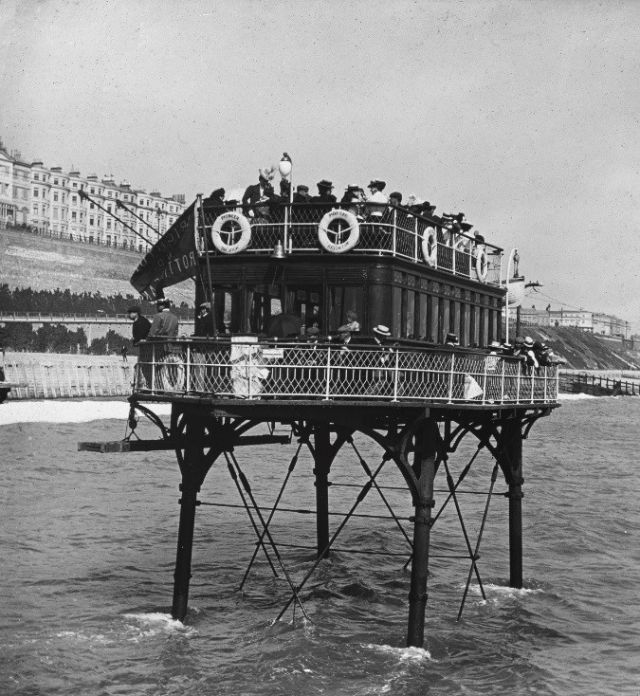
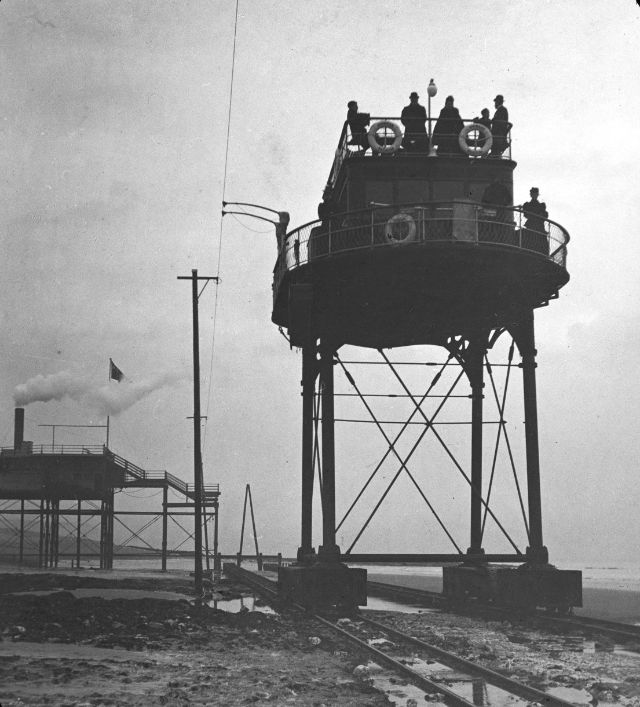
The railway’s short life — just a few years of real operation between 1896 and 1901 — tells a story that was common in the age of early industrial invention. Engineers pushed ideas far beyond what was practical, and the public came to watch. The Daddy Long-Legs was not a commercial success. It was slow, unreliable, expensive to maintain, and ultimately removed by order of the local government. But as a feat of sheer invention, it had no equal on the British coastline.
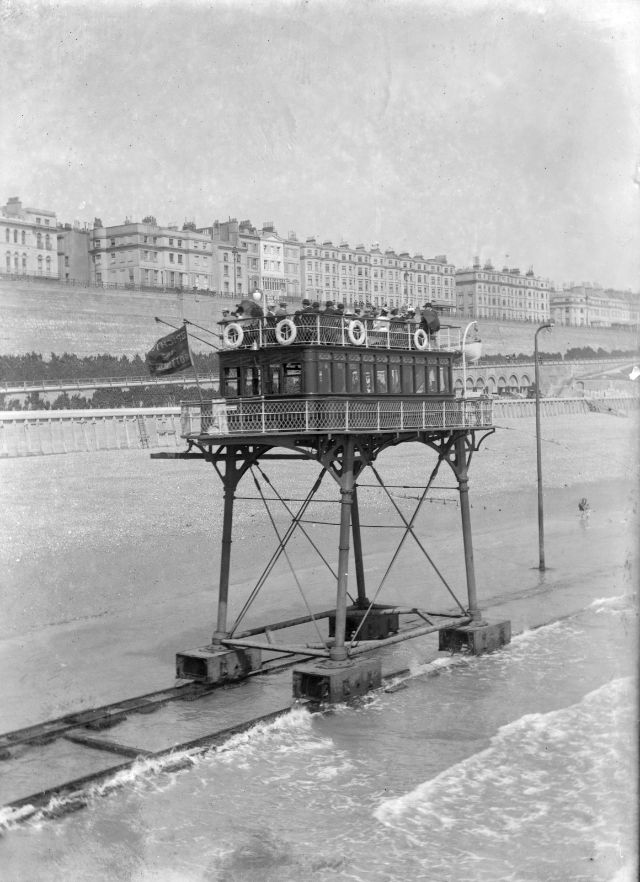
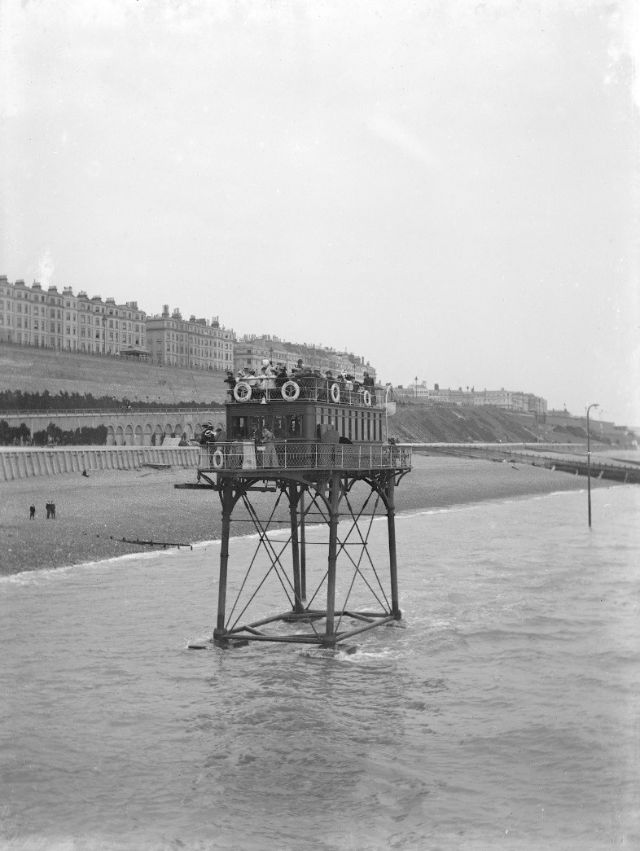
The photographs that survive from the Brighton and Rottingdean Seashore Electric Railway are some of the strangest images in Victorian railway history. They show a large passenger car perched on spindly iron legs, surrounded by open sea, with the Sussex cliffs visible in the distance. Nothing before or after it looked quite like the Daddy Long-Legs.
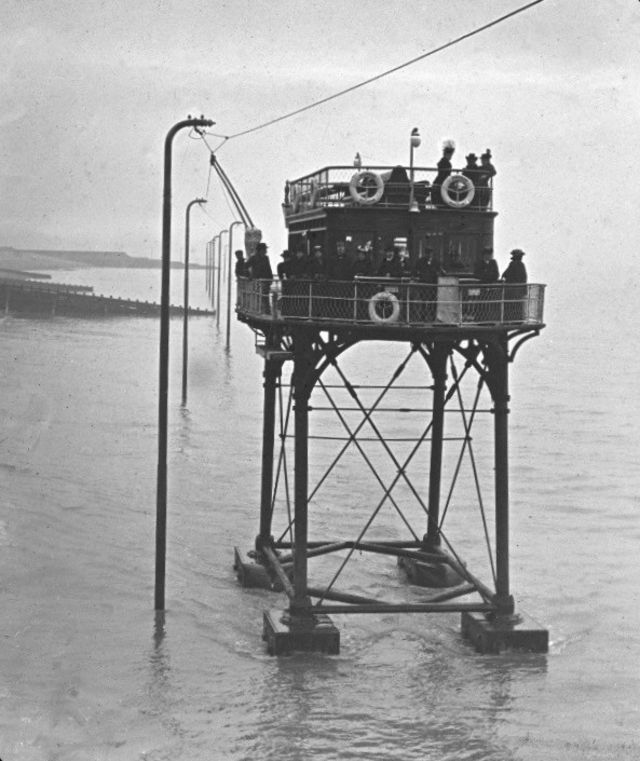


I always think that ‘Magnus Volk’ is the best name for a Victorian inventor; you couldn’t make that up.