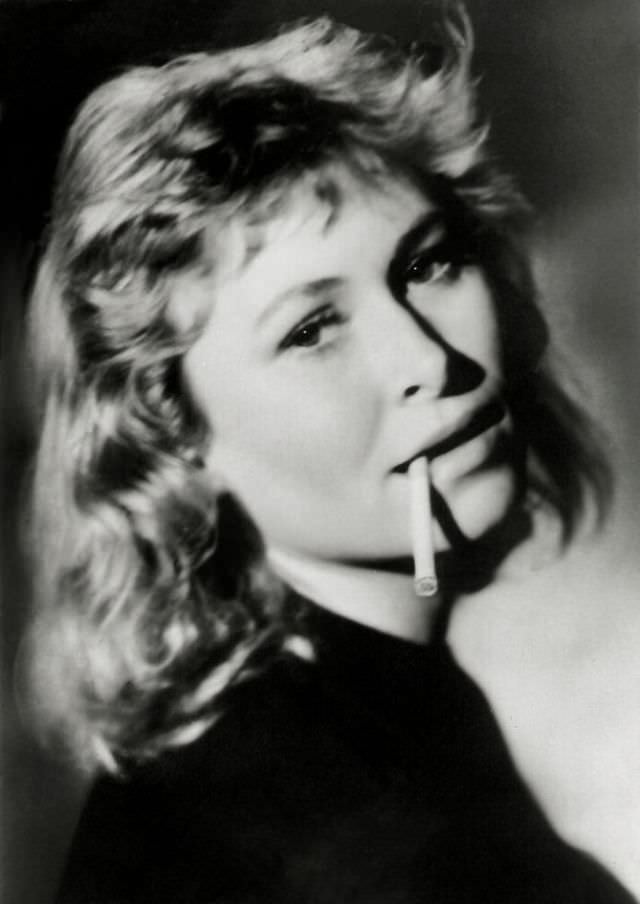
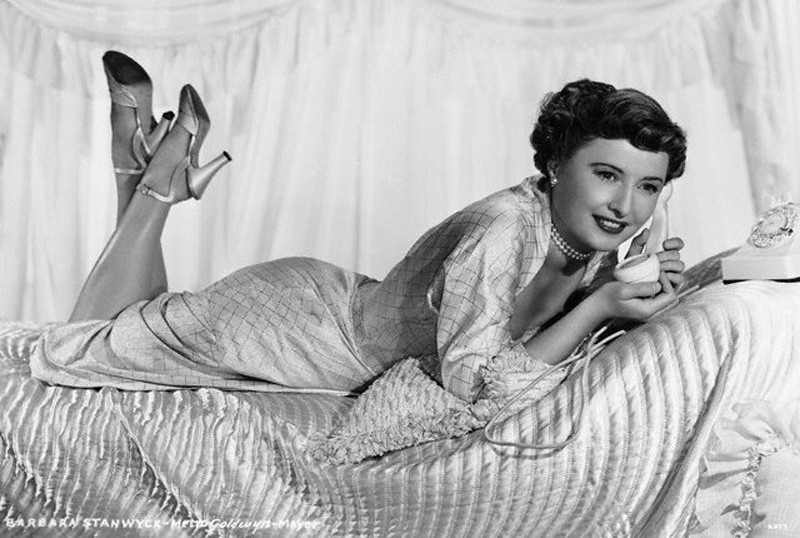
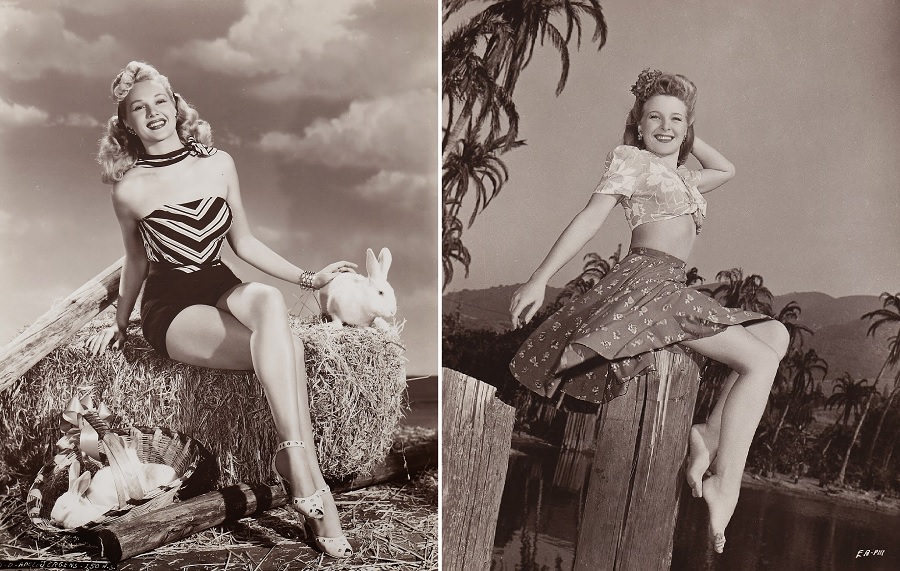
From the silent film era through the golden age of Hollywood and postwar European cinema, cigarettes were a constant fixture in the hands of the screen’s biggest stars. These weren’t accidental props. Studios, photographers, and tobacco companies all understood the power of the image — a famous actress with a cigarette conveyed confidence, independence, and a certain careless glamour that audiences found magnetic.
Tobacco companies actively recruited celebrities to endorse their products throughout the mid-20th century. Print ads, radio spots, and publicity photographs placed cigarettes directly in the hands of the most recognized faces of the day. The logic was simple: if audiences wanted to look and feel like their favorite star, they would buy what that star was seen using. Smoking wasn’t framed as a vice — it was sold as a lifestyle.
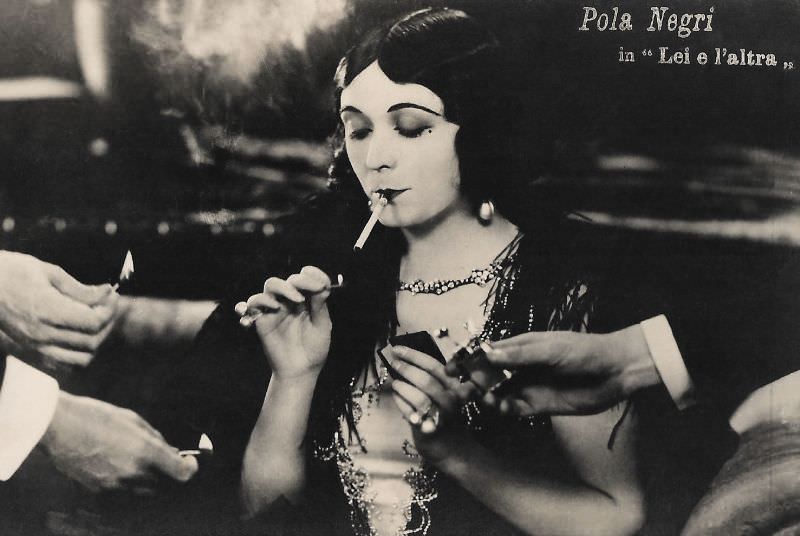
Polish-born silent film star Pola Negri was one of the first major international actresses to conquer Hollywood, arriving in the early 1920s with a dramatic persona that made her a natural fit for the smoldering cigarette photograph. Her off-screen reputation for intensity matched every frame she appeared in.
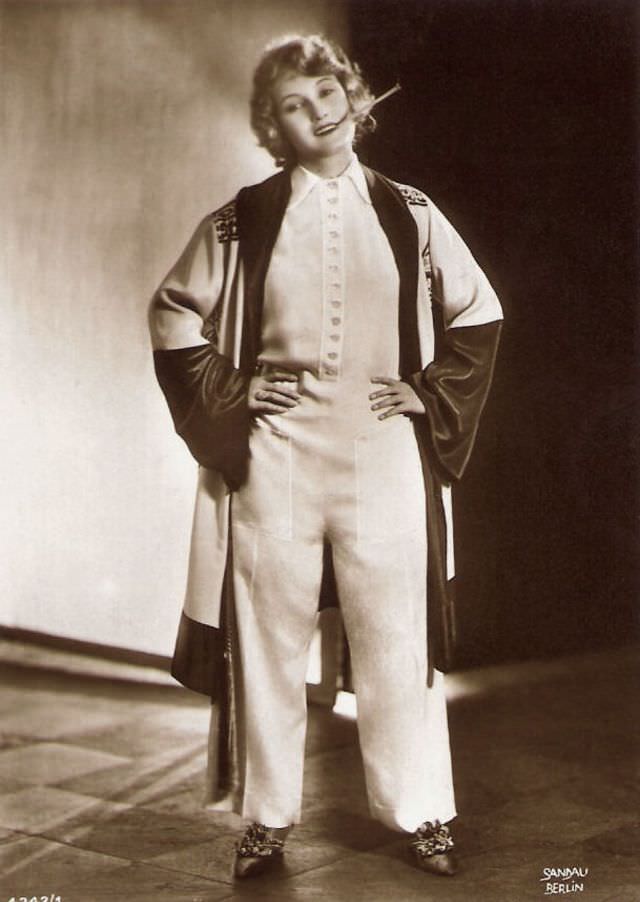
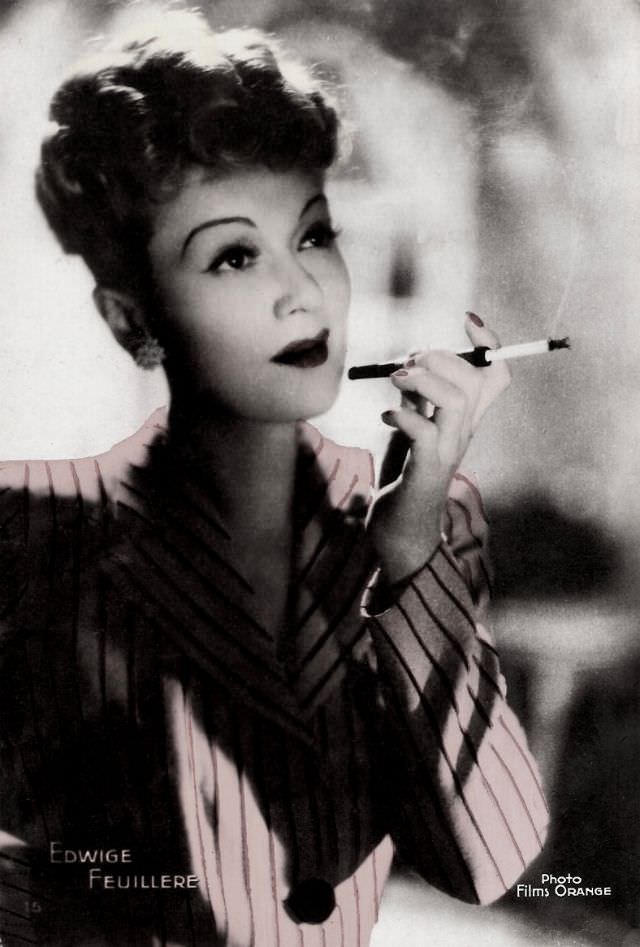
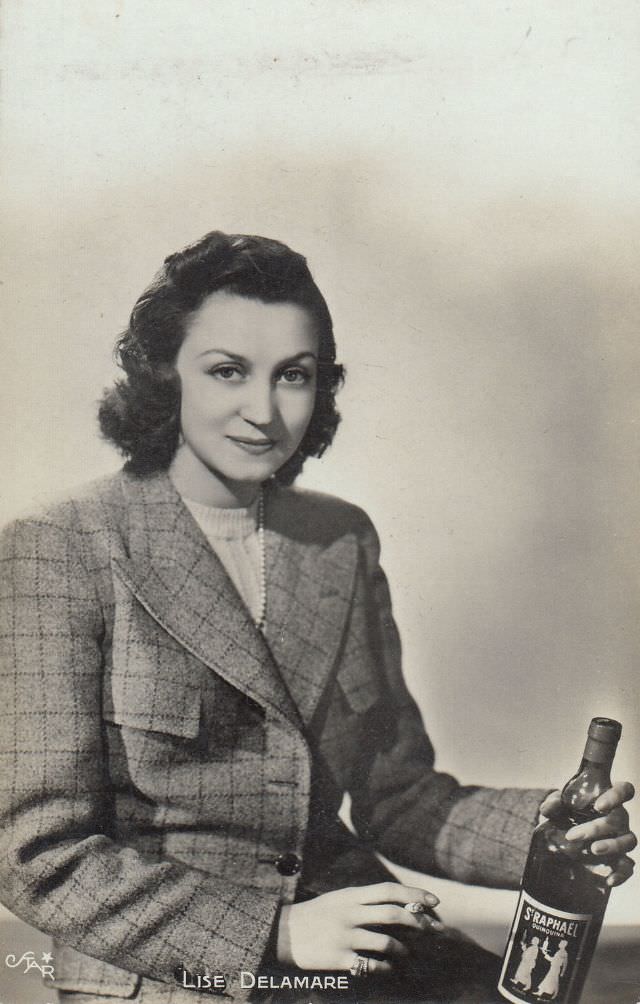
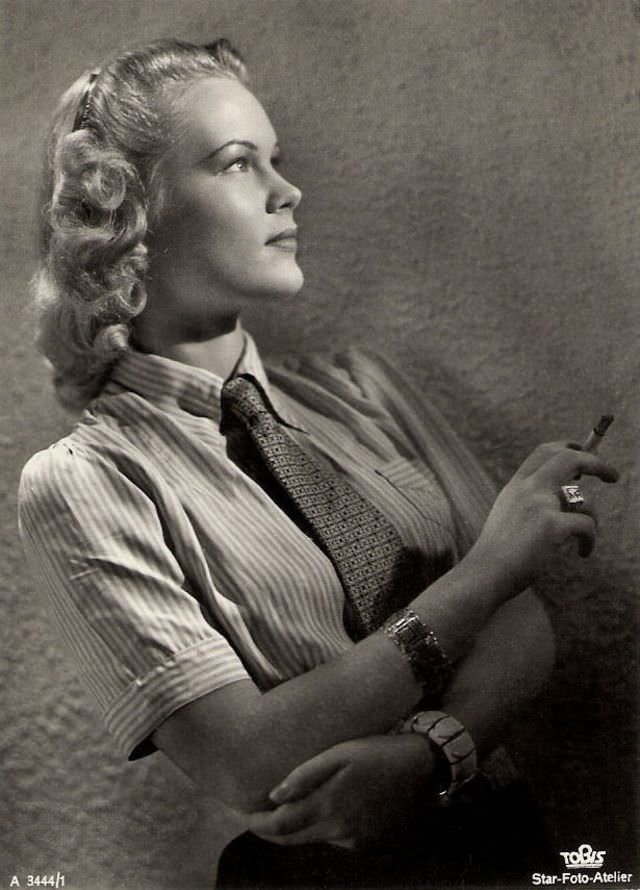
For many European actresses of the 1930s and 1940s, smoking in photographs was simply part of the professional portrait session. It was treated no differently than holding a fan or a glass of wine — a compositional element that added a layer of sophistication to the shot.
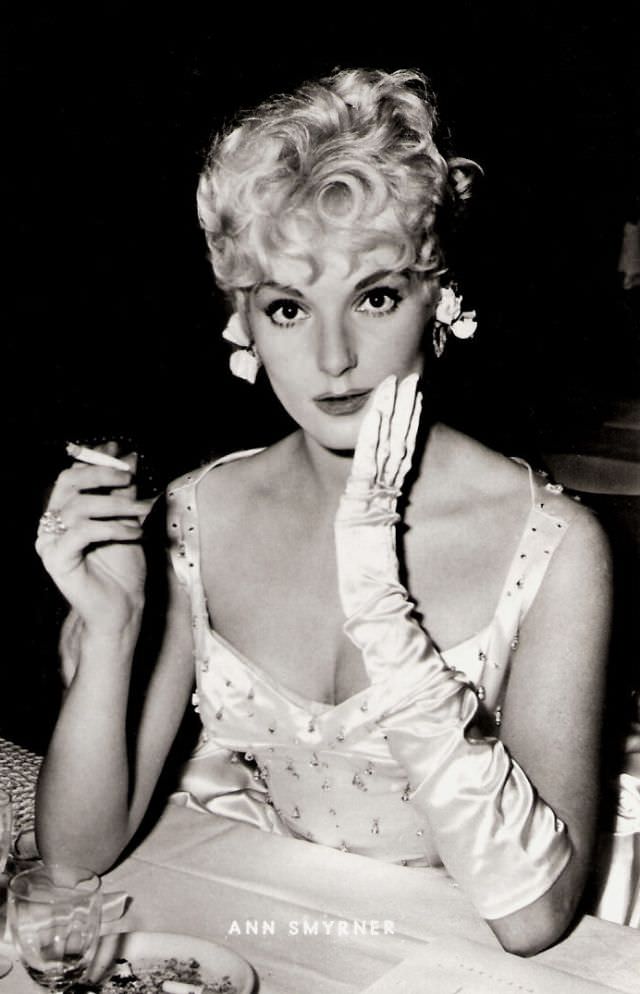
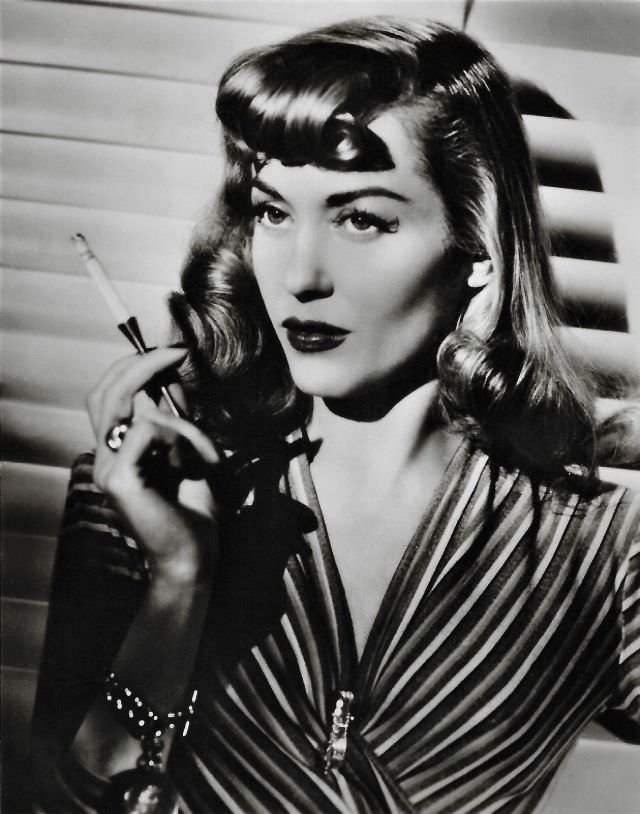
French actress Barbara Laage, known for her work in postwar French cinema, embodied the sharp, modern style that defined Parisian screen actresses of the late 1940s and 1950s. French cinema of that era cultivated an image of intellectual cool, and the cigarette was central to that aesthetic.
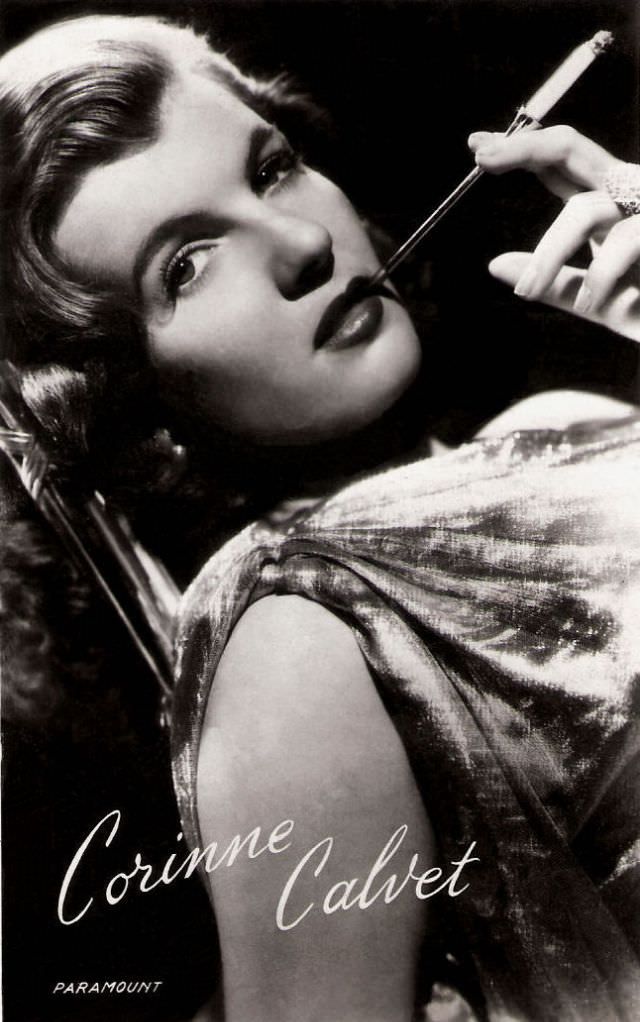
Corinne Calvet made the jump from French films to Hollywood in the late 1940s, where she appeared opposite major stars. Her European background gave her a screen presence that American studios marketed as exotic and worldly — qualities that cigarette imagery only reinforced.
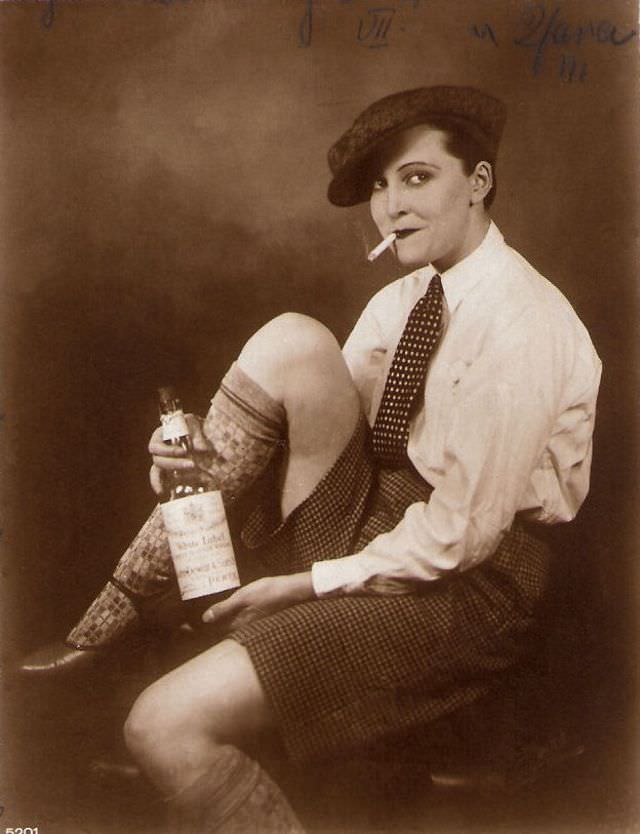
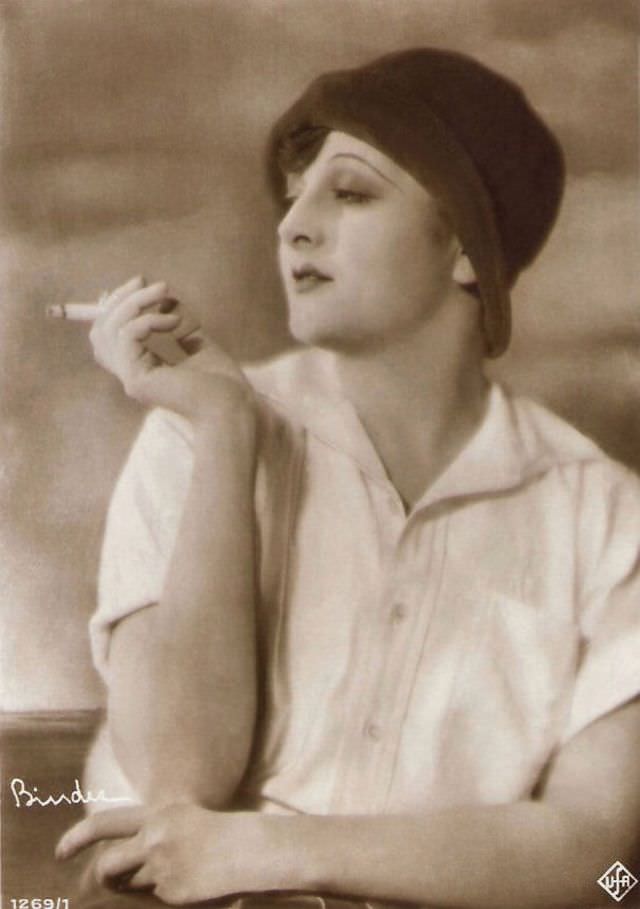
German cinema produced a remarkable number of distinctive actresses during the Weimar Republic years and into the 1930s. Many of them, including Elga Brink and Elisabeth Bergner, appeared in publicity photographs where cigarettes were a standard accessory — a reflection of Berlin’s reputation as one of Europe’s most modern and permissive cultural capitals.
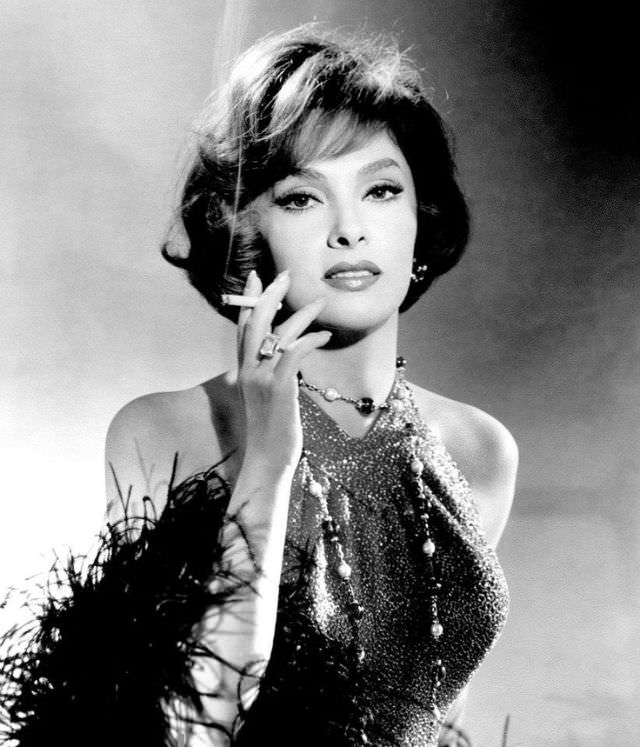
Italian screen icon Gina Lollobrigida rose to international fame in the early 1950s, becoming one of the most photographed women in the world. Her image was reproduced constantly — in film stills, magazine spreads, and promotional portraits. A photograph of Lollobrigida with a cigarette carried the same visual weight as any of her most famous glamour shots.
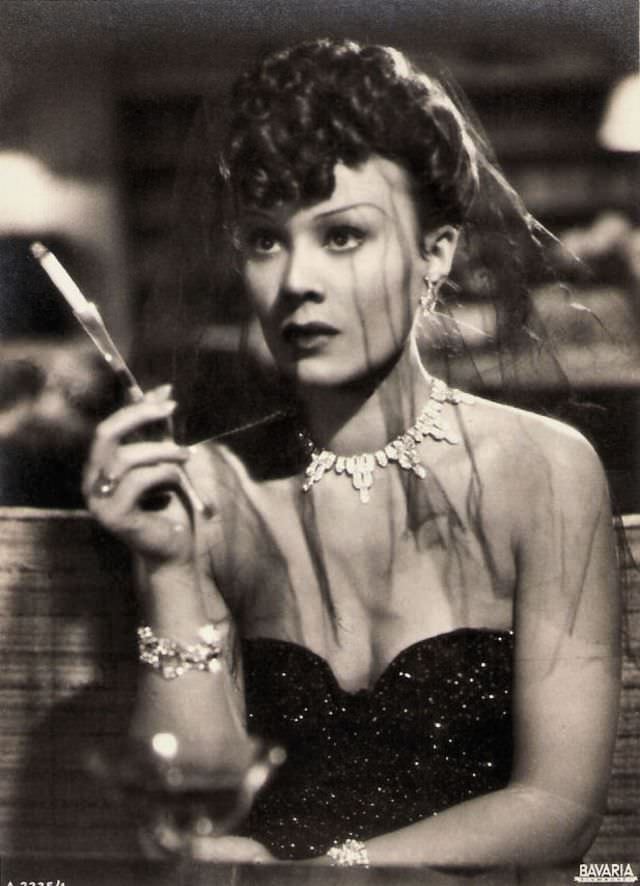
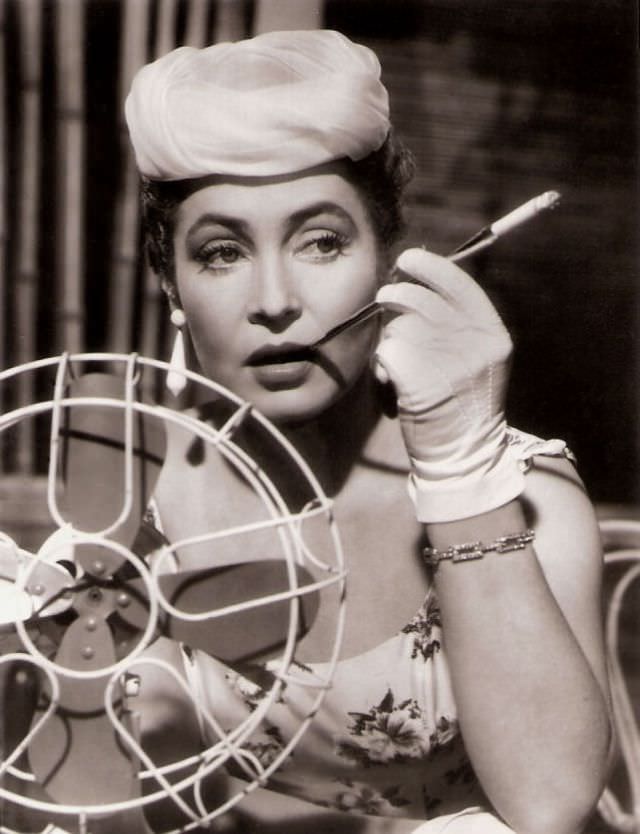
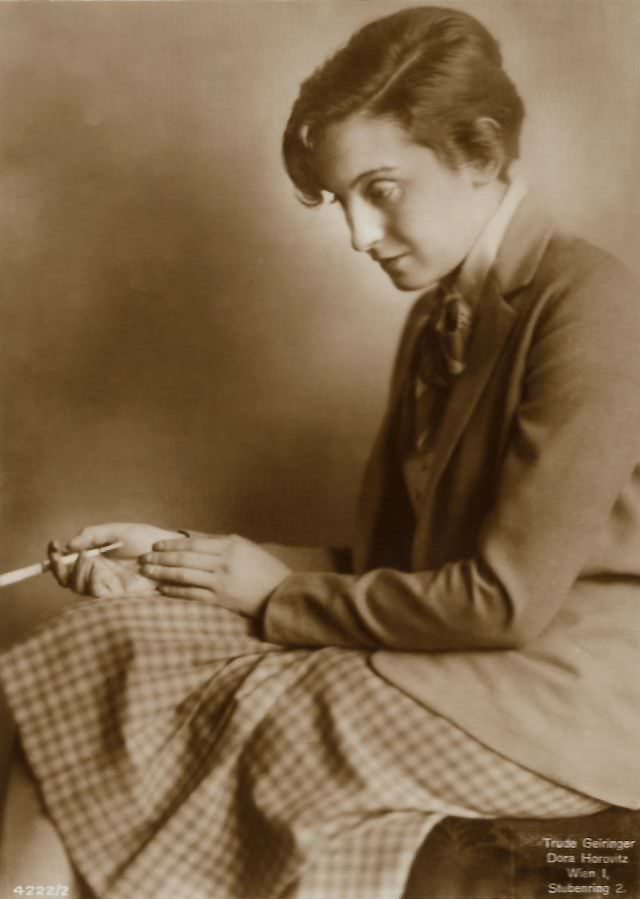
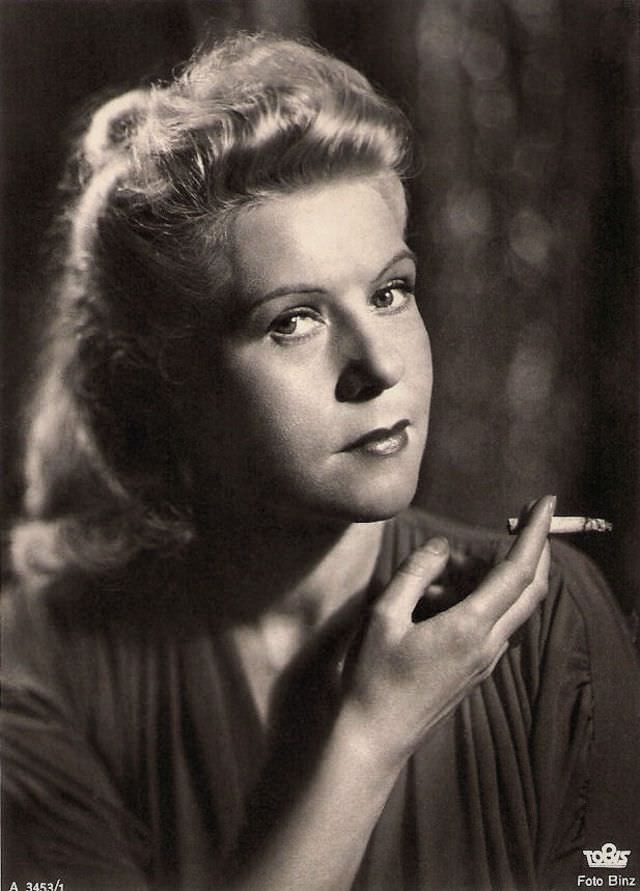
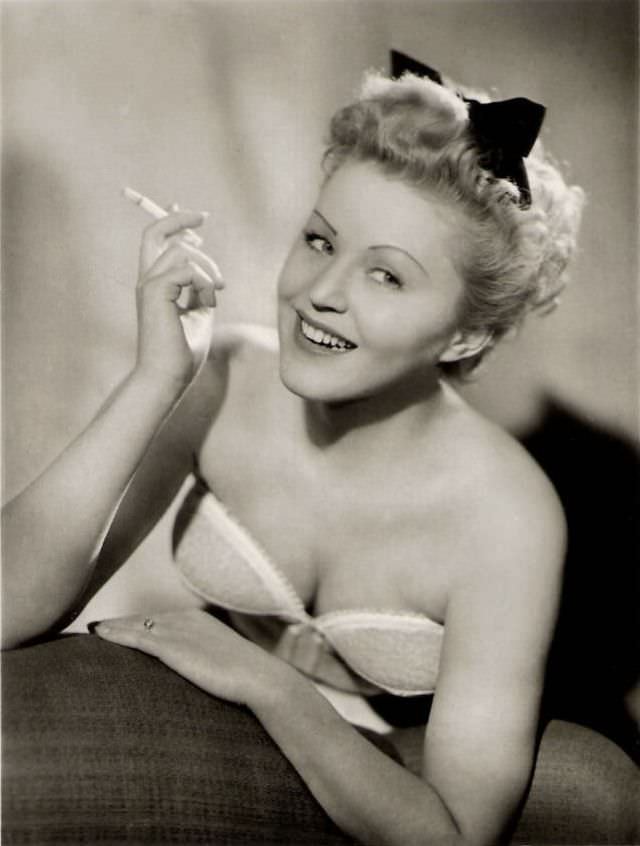
Austrian and German actresses like Gusti Huber, Hannelore Schroth, Hanni Weisse, and Inge Egger were central figures in the German-language film industry across several decades. Their portraits reflect the photographic style of the era — high contrast, carefully lit, with the cigarette serving as a deliberate compositional choice rather than an afterthought.
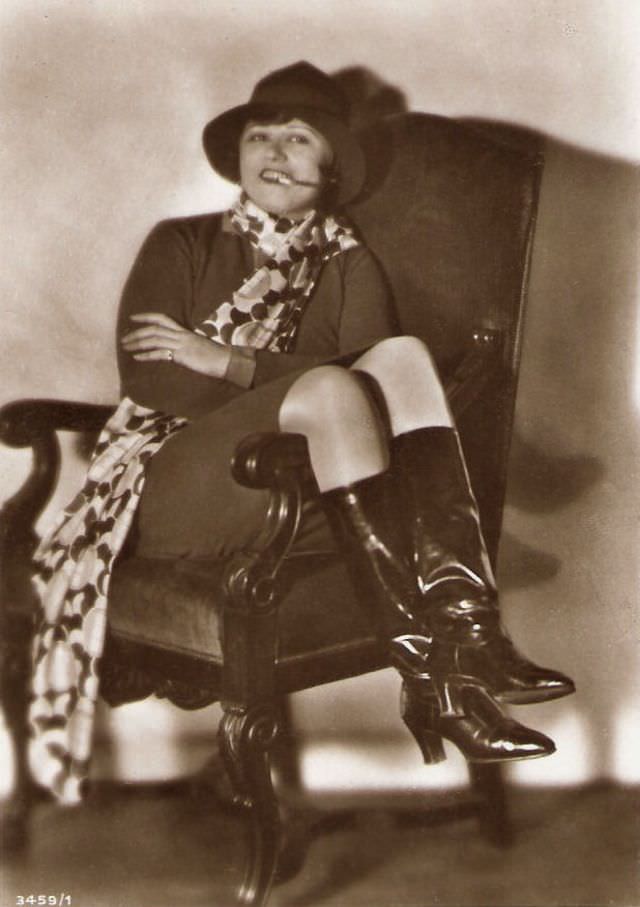
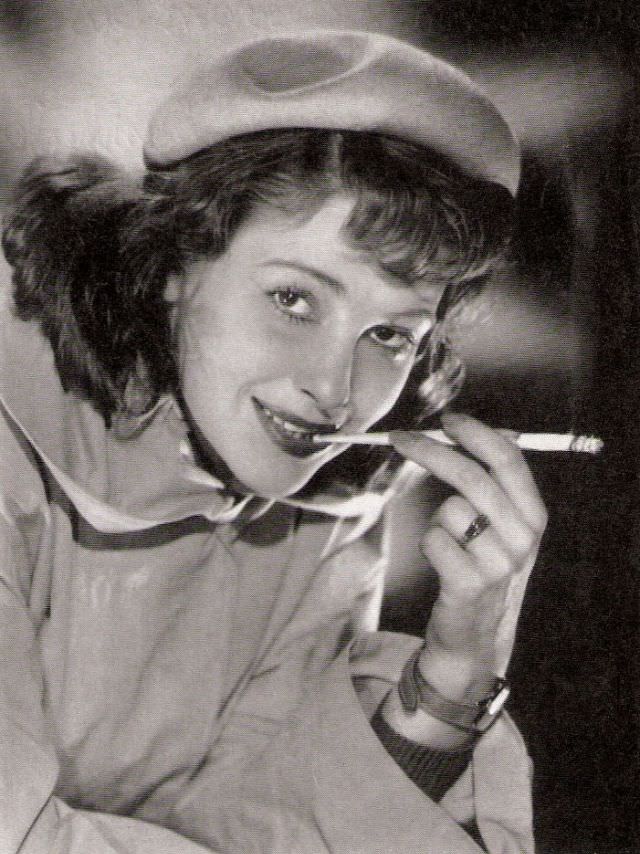
American actress Joan Bennett had a long career spanning silent films through the 1970s, but her most celebrated period came in the 1940s when she starred in a string of film noir classics. Noir as a genre practically required the cigarette — it was part of the visual language of moral ambiguity and urban tension that defined the style.
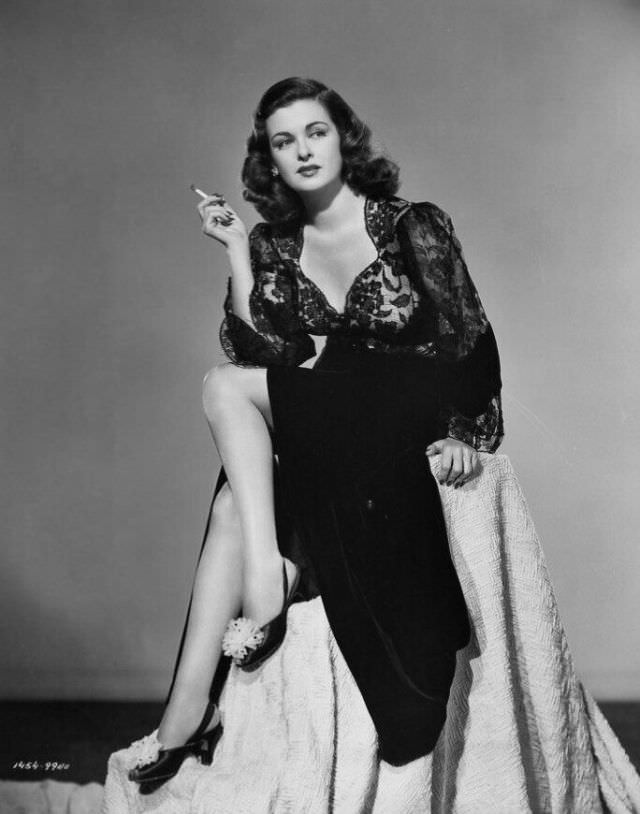
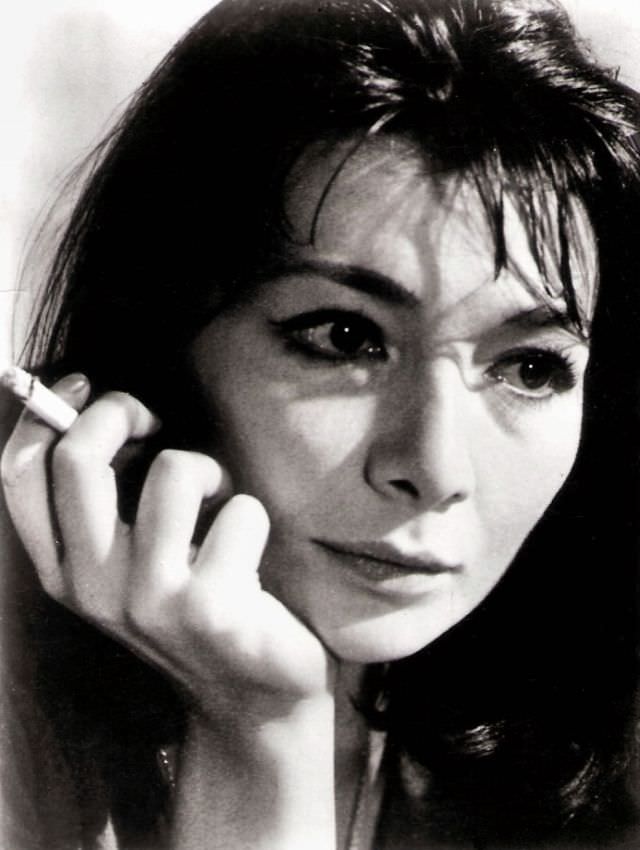
French singer and actress Juliette Gréco became a symbol of the Saint-Germain-des-Prés existentialist scene in postwar Paris. Associated with Jean-Paul Sartre and the Left Bank intellectual crowd, Gréco’s image was inseparable from cigarettes, dark clothing, and a studied indifference to convention.
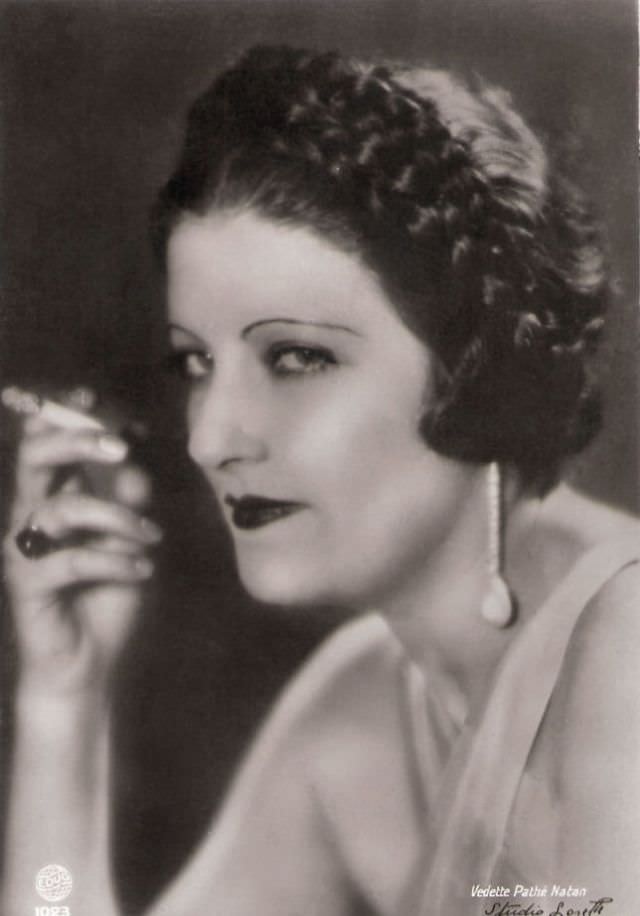
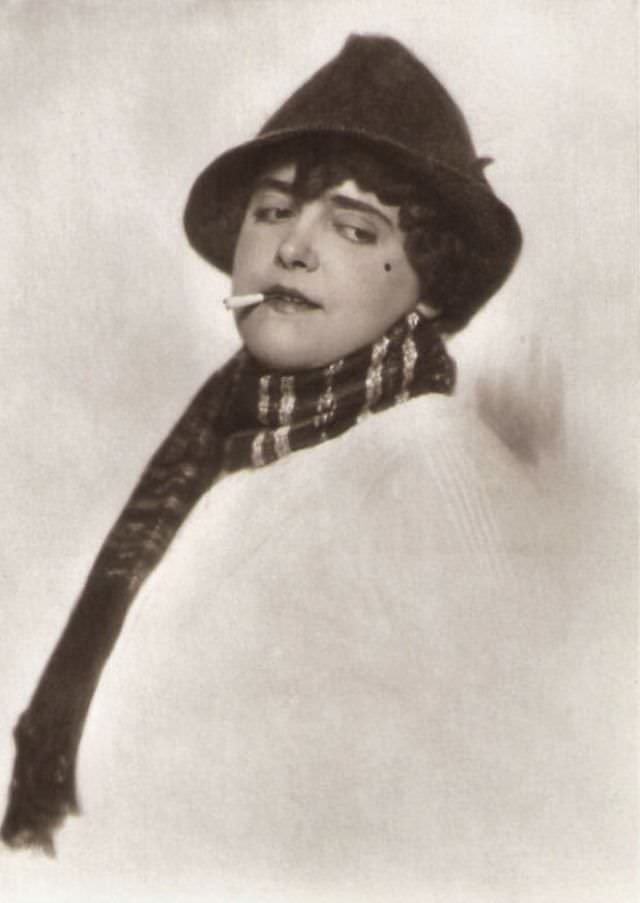
Hungarian-born Lya de Putti was a major star of German silent cinema in the 1920s before moving to Hollywood. Her career arc — from Weimar-era Berlin to American studios — was a path taken by several European actresses of her generation, and her photographs carry the dramatic, heavily stylized aesthetic of 1920s silent film publicity.
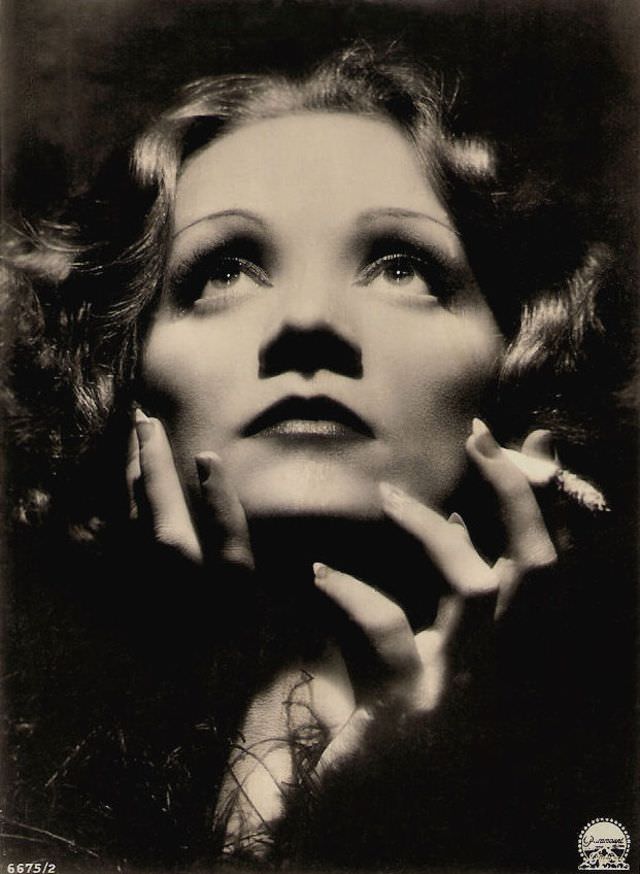
No name is more closely associated with the glamorous cigarette photograph than Marlene Dietrich. The German-American actress and singer built an entire screen persona around androgynous cool — tuxedos, top hats, and invariably, a cigarette. Her 1930 breakthrough in ‘The Blue Angel’ launched one of cinema’s most iconic careers, and her photographs from that decade remain among the most reproduced images in entertainment history.
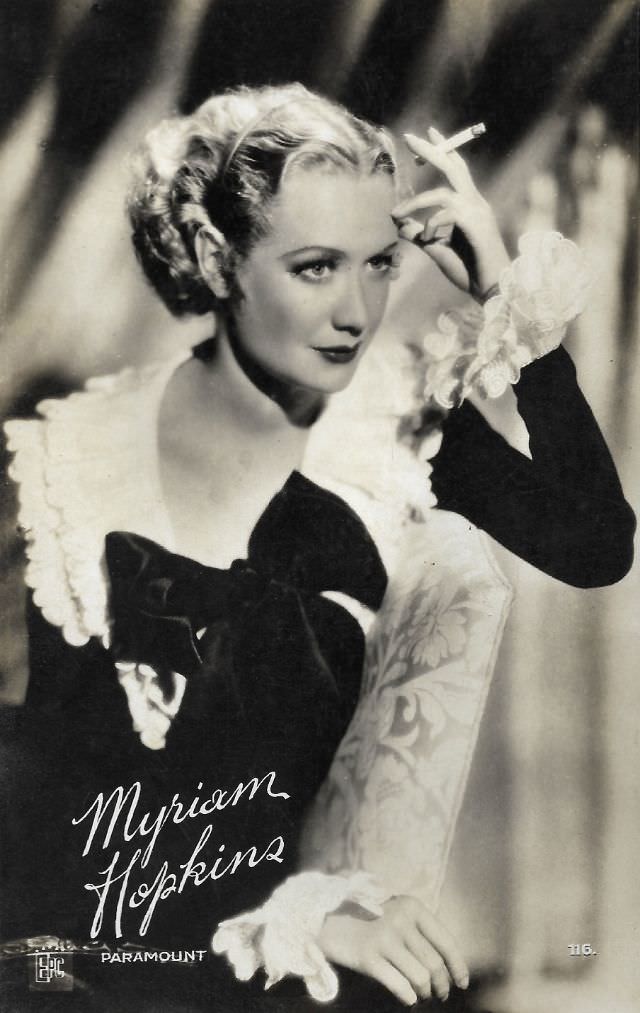
American actress Miriam Hopkins was one of Paramount’s biggest stars in the early 1930s, known for sharp, witty performances in Pre-Code Hollywood films. The Pre-Code era, before the strict enforcement of the Motion Picture Production Code in 1934, allowed for far more frank depictions of smoking, drinking, and sexuality on screen — and the publicity photographs of the period reflect that openness.
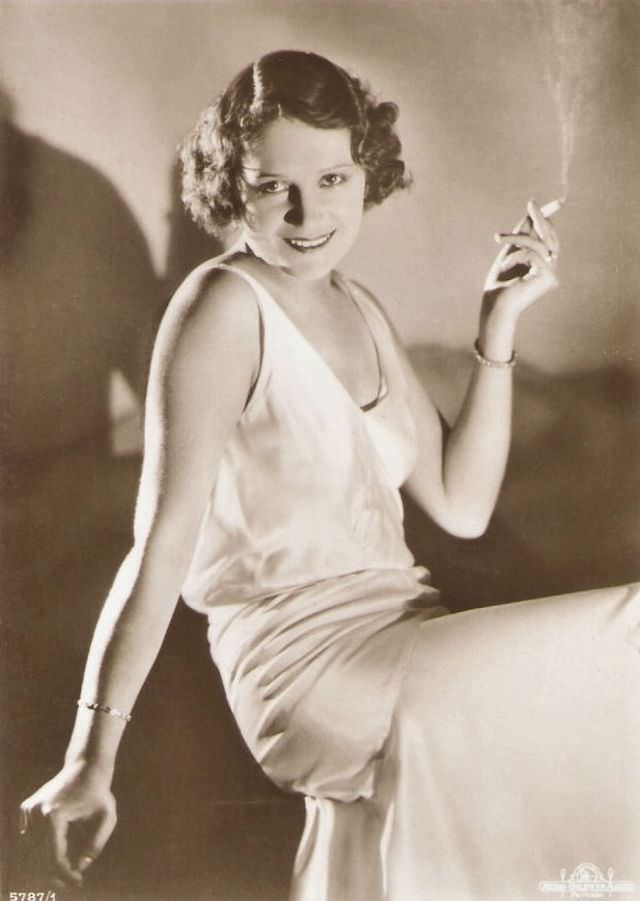
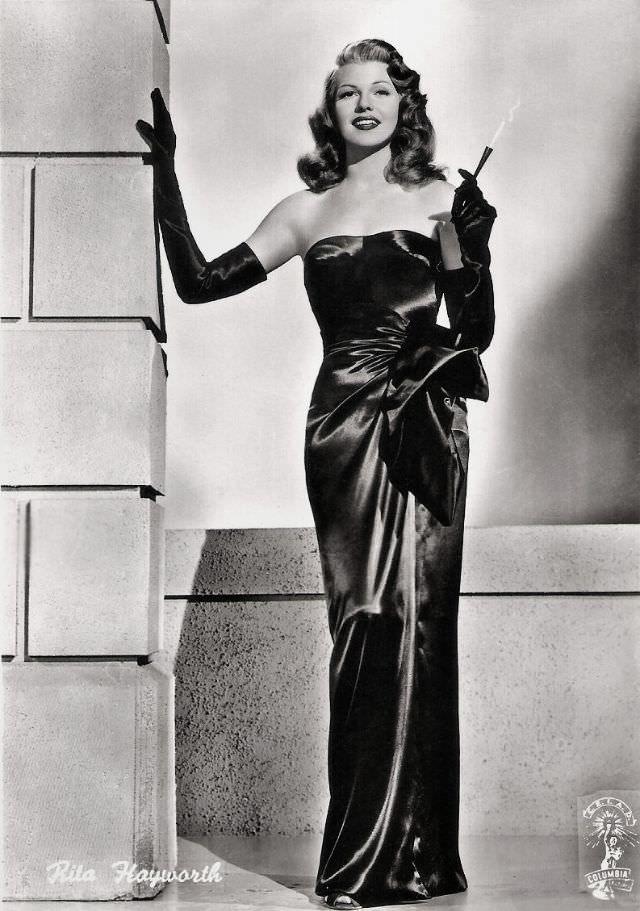
Rita Hayworth was Columbia Pictures’ biggest star through the 1940s and one of the definitive pin-up figures of World War II. Her photograph was famously attached to the atomic bomb dropped on Bikini Atoll in 1946 by the crew that detonated it. Photographs of Hayworth were everywhere during this period, and the cigarette appeared in many of her more candid and behind-the-scenes shots.
Italian actress Silvana Pampanini was a major star in Italian cinema of the late 1940s and 1950s, often compared to contemporaries like Lollobrigida and Sophia Loren. Like many Italian actresses of her era, her photographs blended Hollywood-style glamour with a distinctly Mediterranean aesthetic.
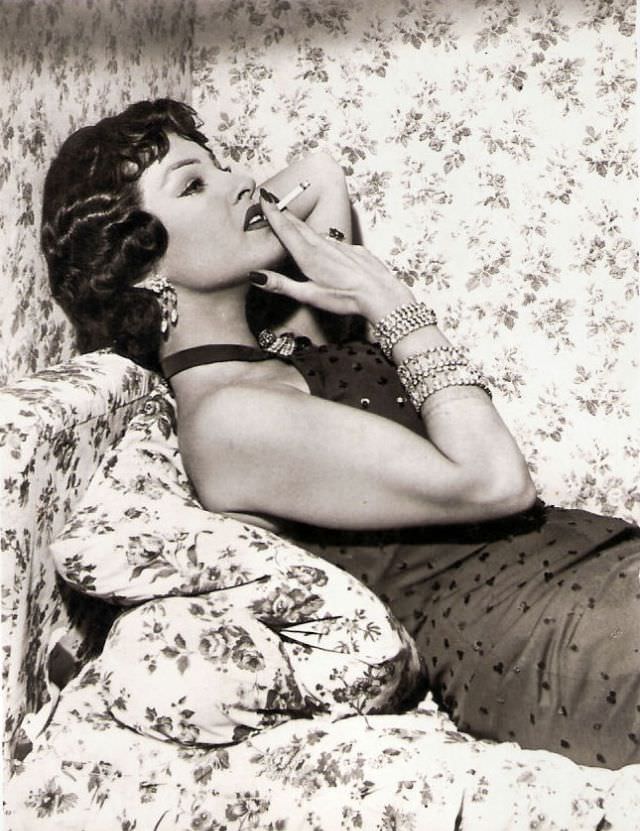
What these photographs share — across decades, countries, and film industries — is a common visual grammar. The cigarette in a studio portrait was a prop chosen deliberately, by photographers and publicists who understood exactly what it communicated. It projected ease, experience, and a woman who operated entirely on her own terms. These images are a direct record of how female stardom was constructed and sold to audiences across the middle decades of the 20th century.