Christian Krohg was born in Oslo, Norway, on August 13, 1852. He was one of five children born to Georg Anton Krohg and Sophie Amalia Holst. His family had deep roots in public life — his grandfather was a prominent politician, and his father served as both a civil servant and a writer. Talent ran through the household, but Krohg’s path to greatness was anything but straight.
Krohg’s mother died in 1861, when he was just nine years old. His aunt stepped in to manage the household. He was enrolled at the Hartvig Nissen School, where he received a solid education. His father had one firm demand: Christian would study law and become a lawyer. Krohg honored that wish and earned his law degree.
But law was never where his heart lived. Krohg’s true ambition was painting. Once he fulfilled his obligation to his father, he turned toward art and never looked back. He traveled across Europe, studying under masters and sharpening his technique. He also wrote news articles and stories alongside his painting — a combination that made him unusually sharp at capturing real human experience on canvas.
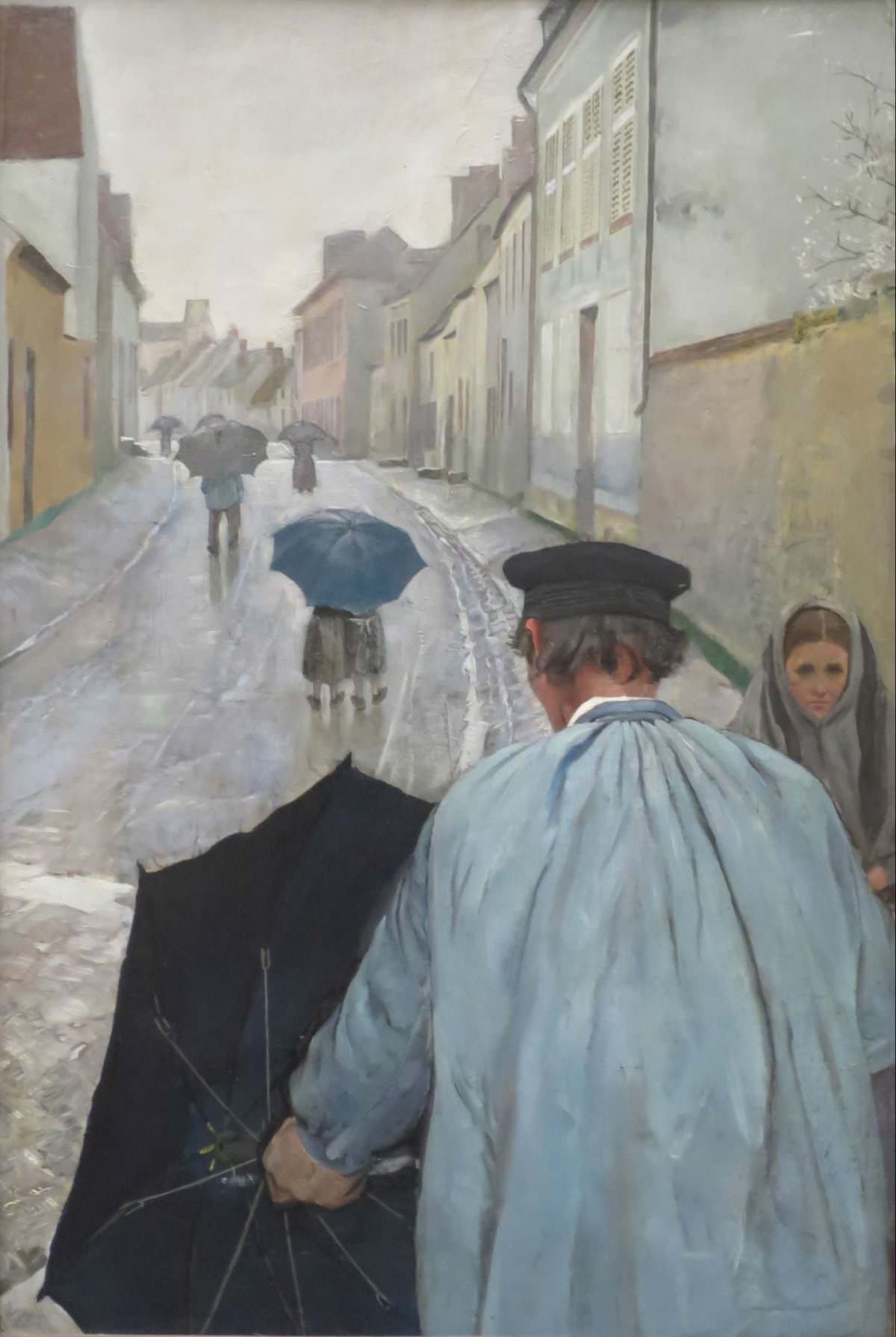
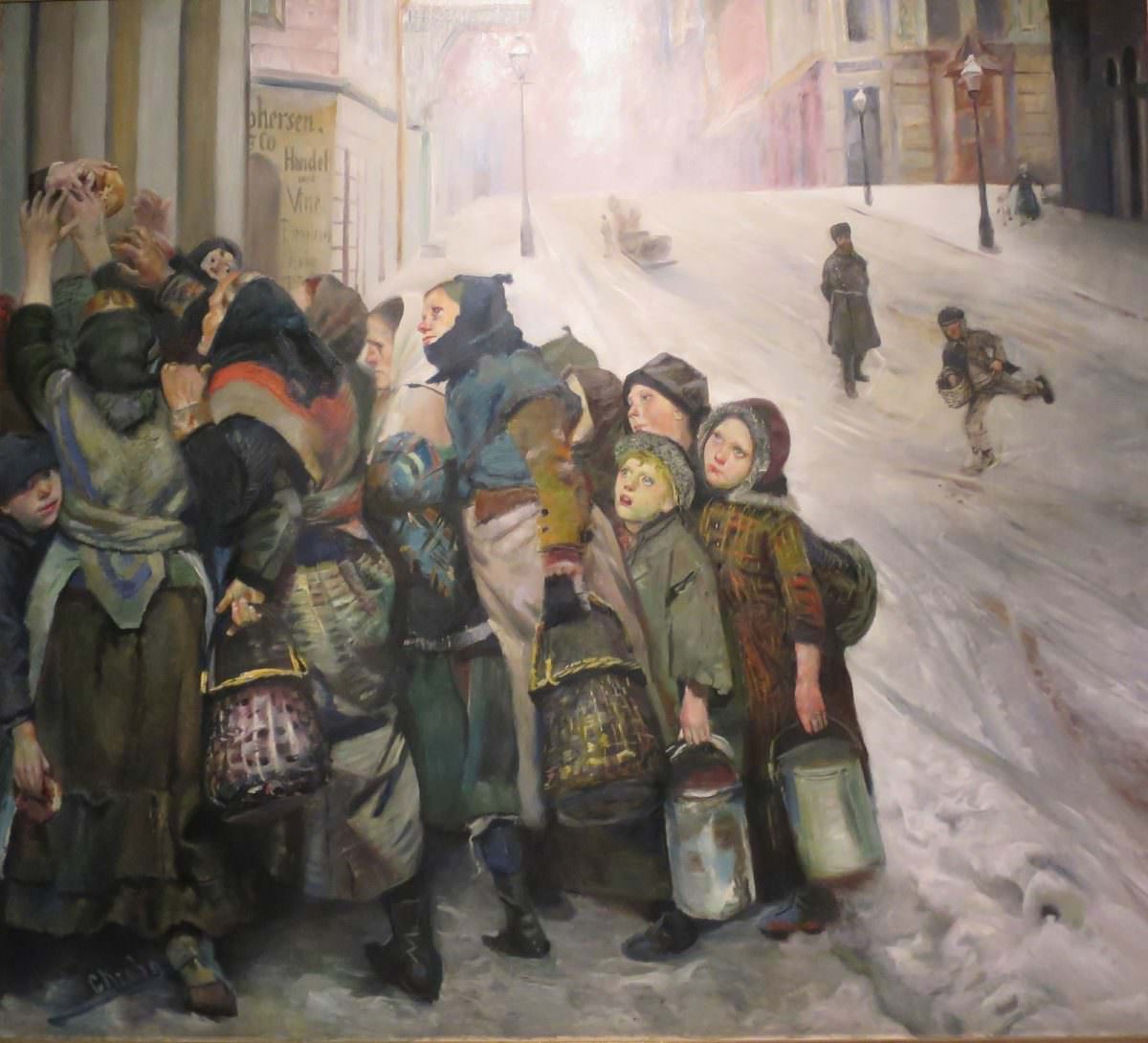
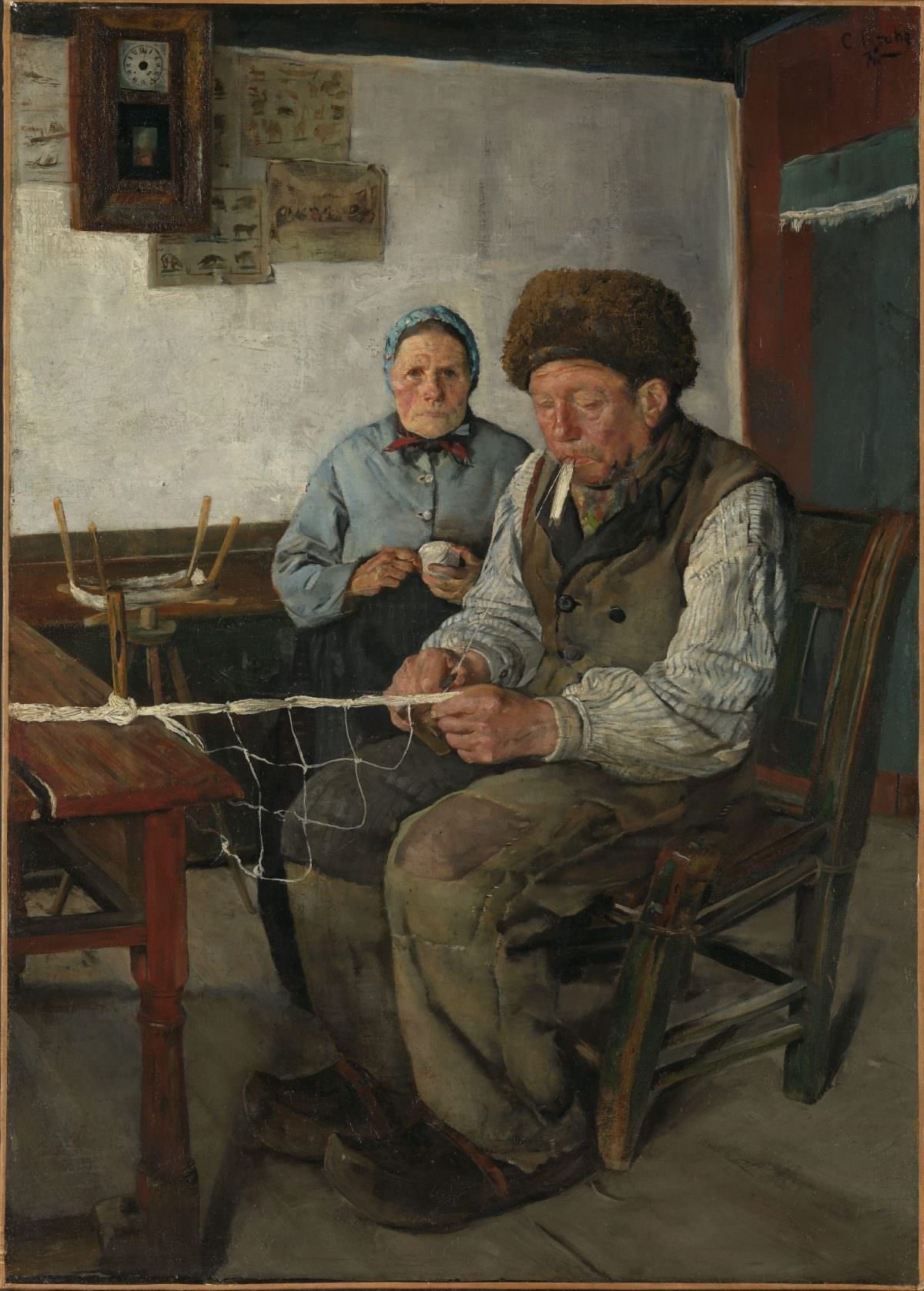
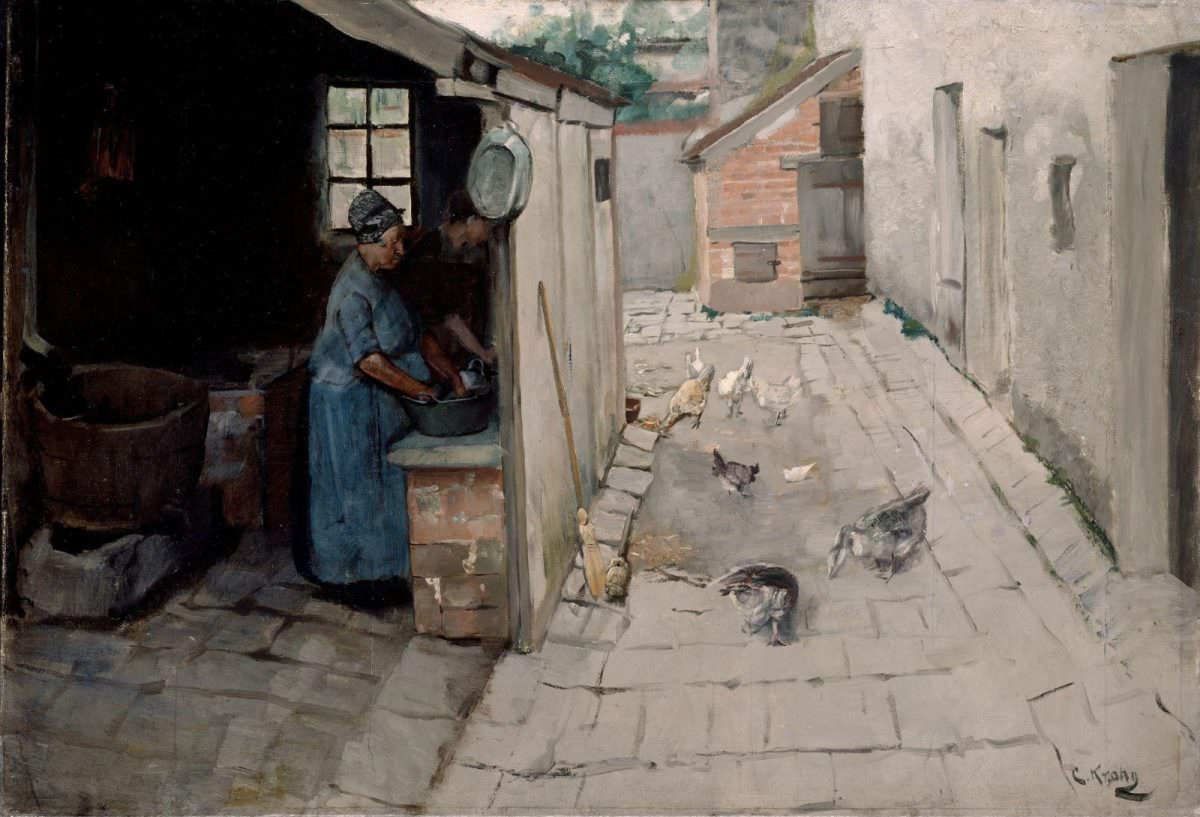
Krohg painted what he knew. He moved away from Romanticism — the idealized, dramatic style that dominated earlier 19th-century art — and embraced Realism. His subjects were ordinary men and women going about their daily lives: fishermen fighting rough seas, seamstresses working by candlelight, mothers sitting at their children’s bedsides.
His early works from the 1870s and 1880s show a painter already confident in his sense of composition. A Farewell, painted in 1876, demonstrates a quiet emotional weight that would become a hallmark of his style.
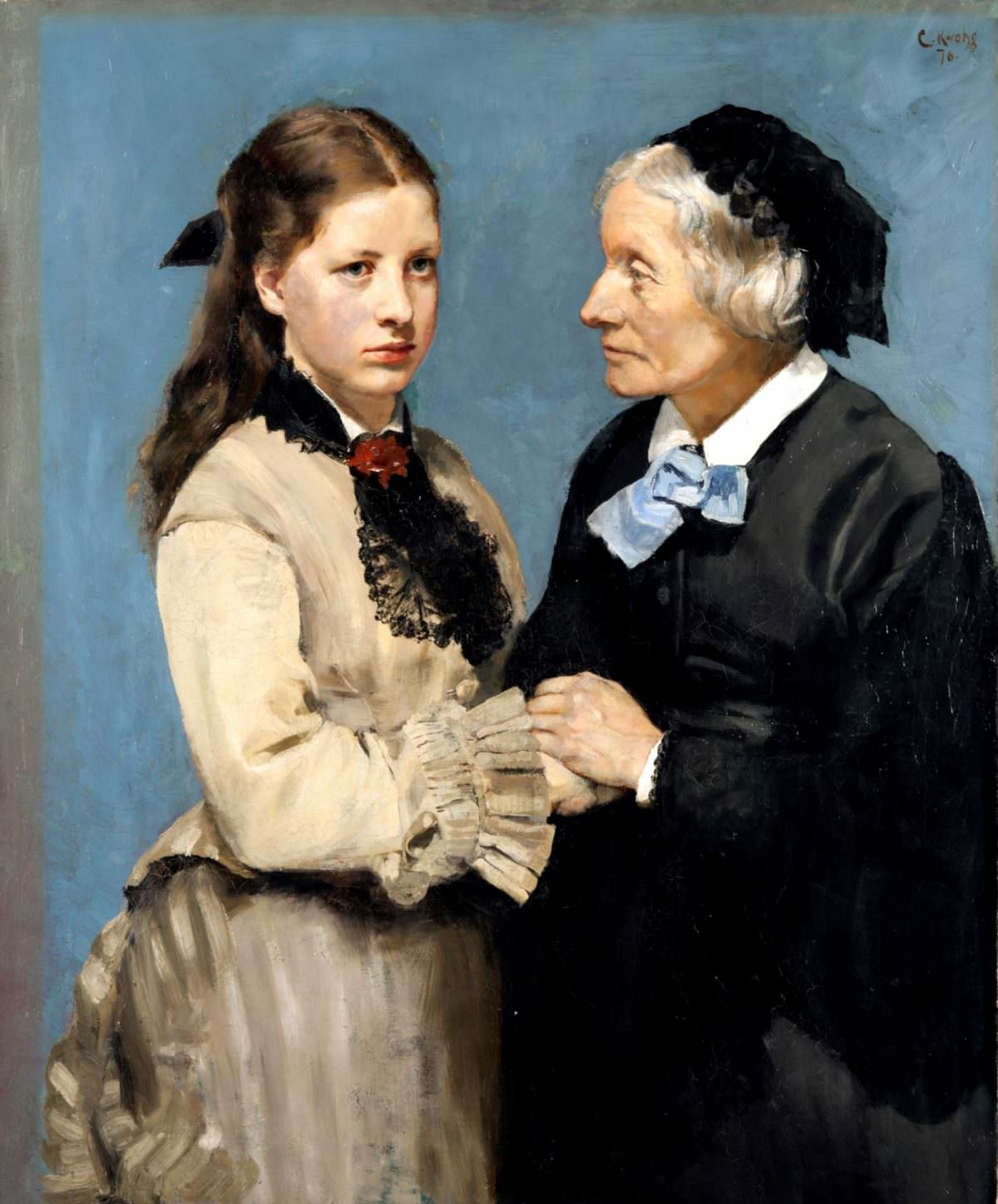
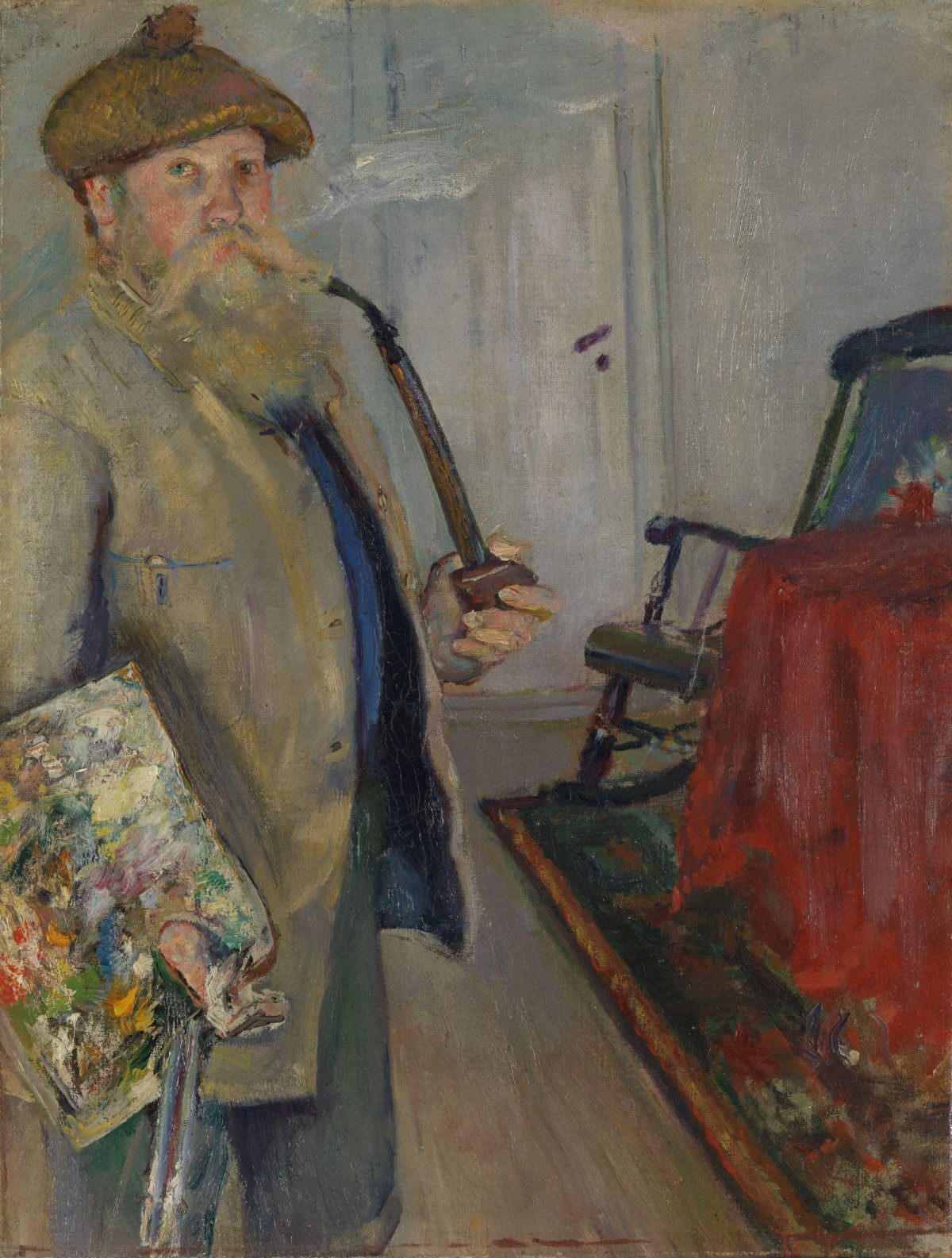
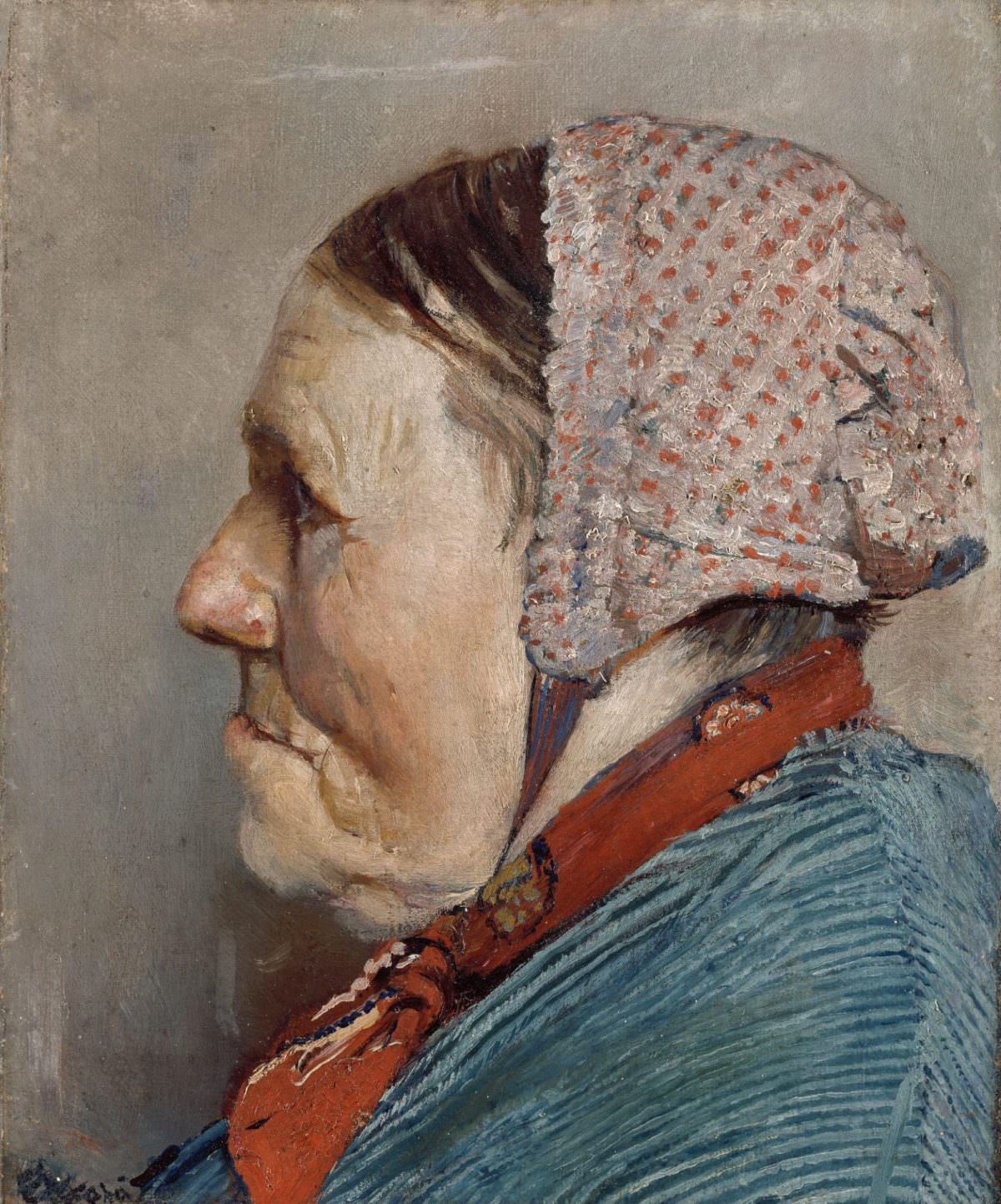
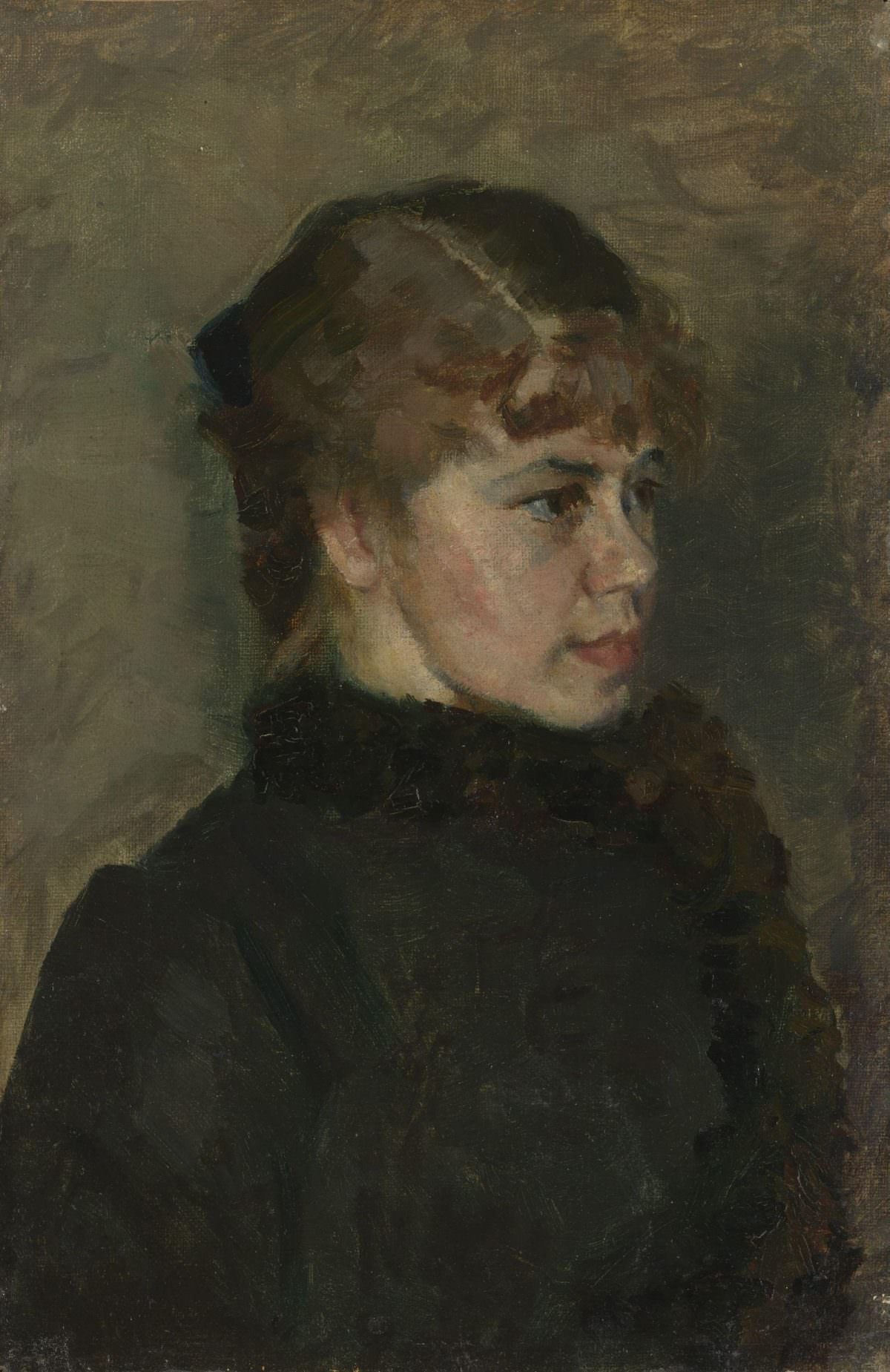
Krohg had a gift for portraiture. He painted real people with honesty, not flattery. His portraits carry a directness that makes the subjects feel present rather than posed.
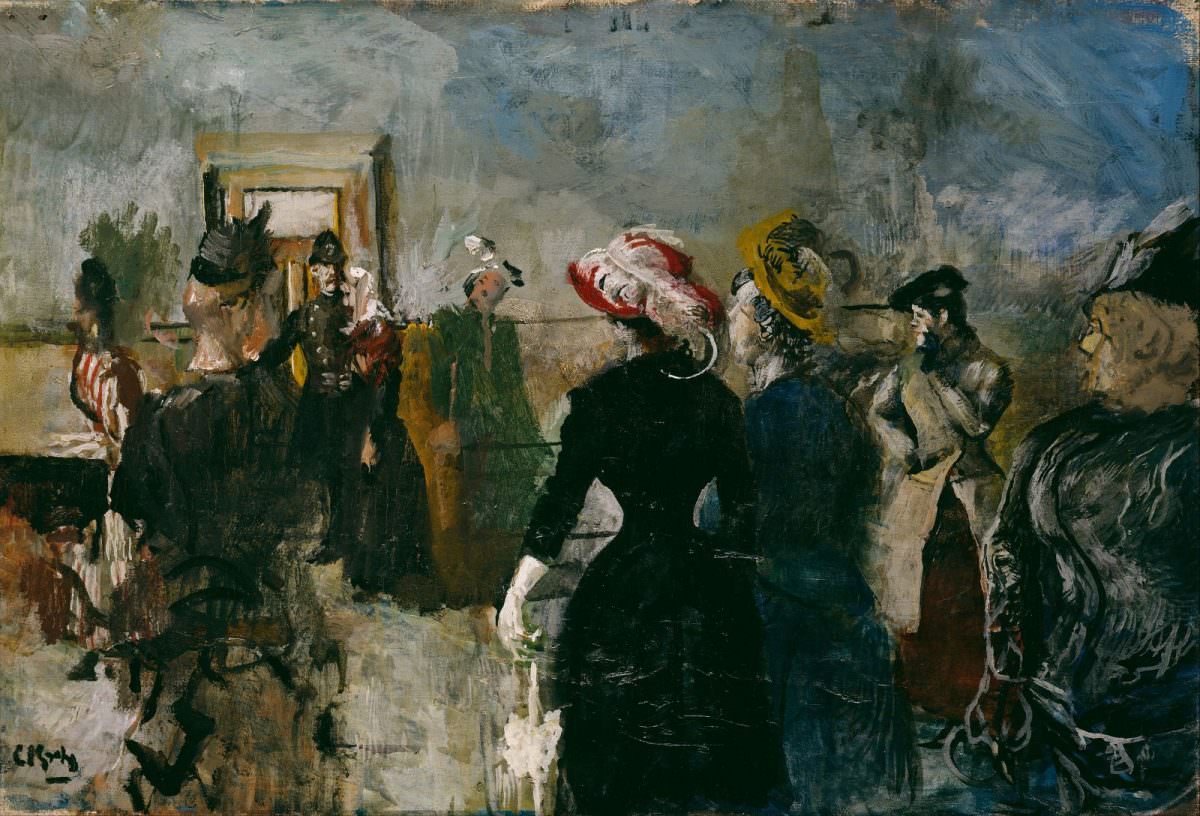
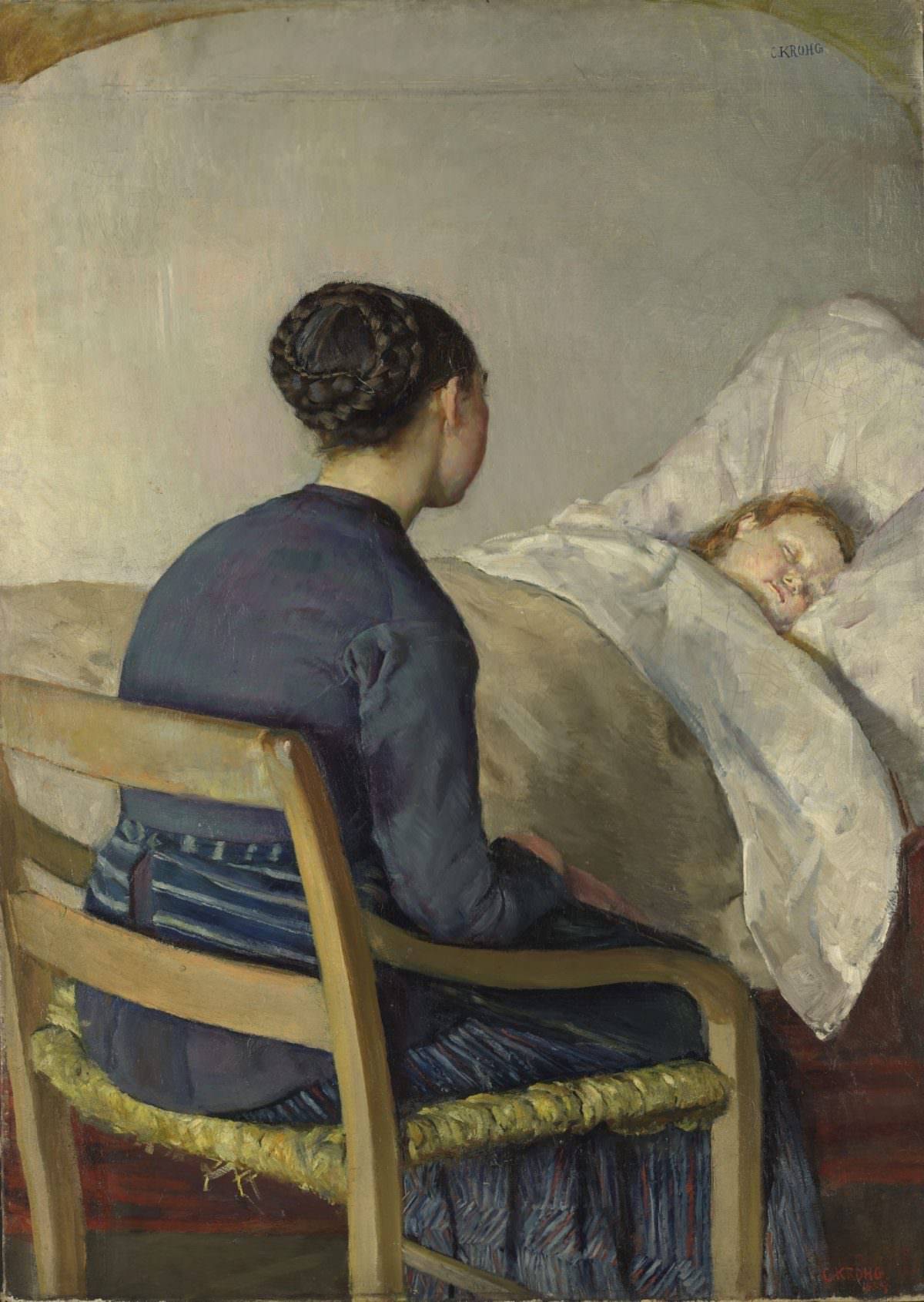
Some of his most powerful paintings are intimate domestic scenes. Mother at her Child’s Bed, completed in 1884, captures a moment of quiet vigil — a mother watching over a sick child with no drama, only raw presence.
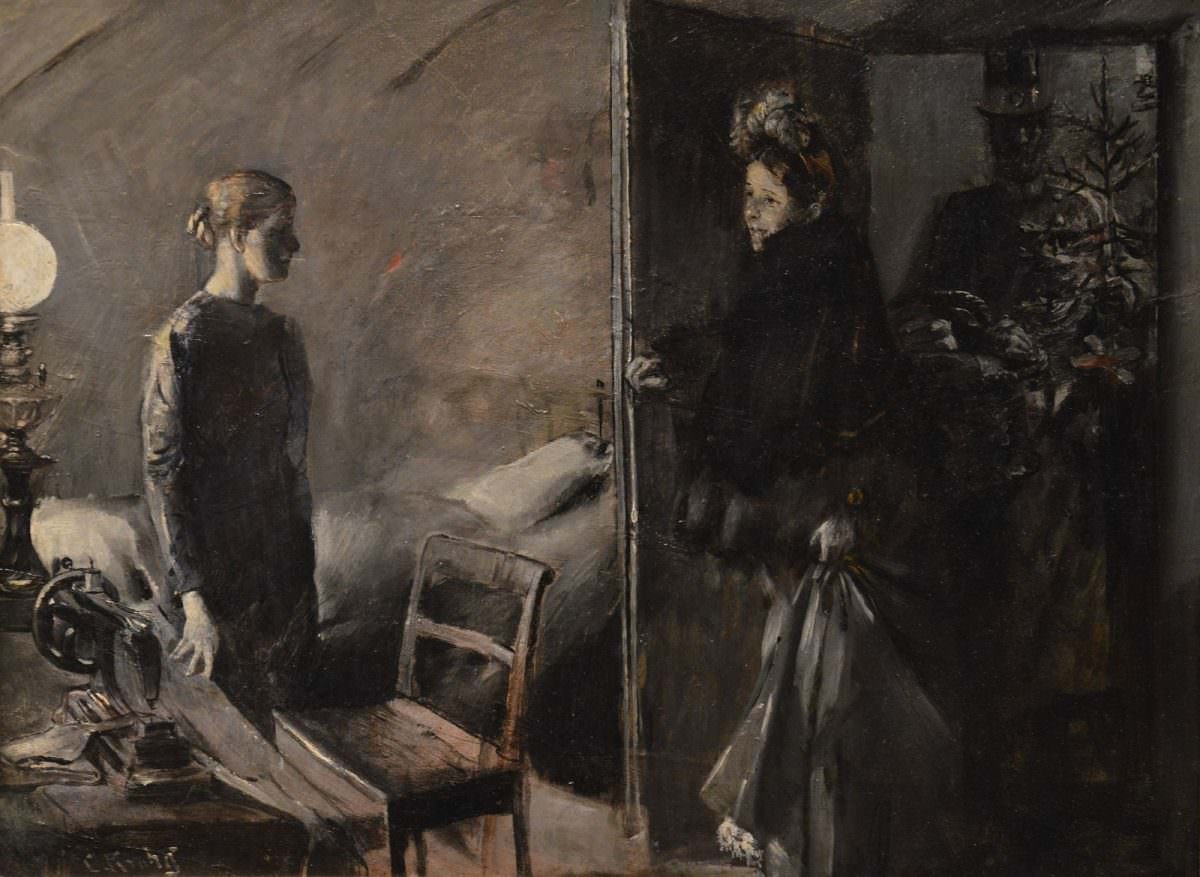
Working-class life appears again and again in Krohg’s work. Seamstress’ Christmas Eve, painted in 1893, places a lone woman at her work table during a holiday that most people spend with family. The contrast is quiet but deliberate. Krohg didn’t need grand gestures to make a point.
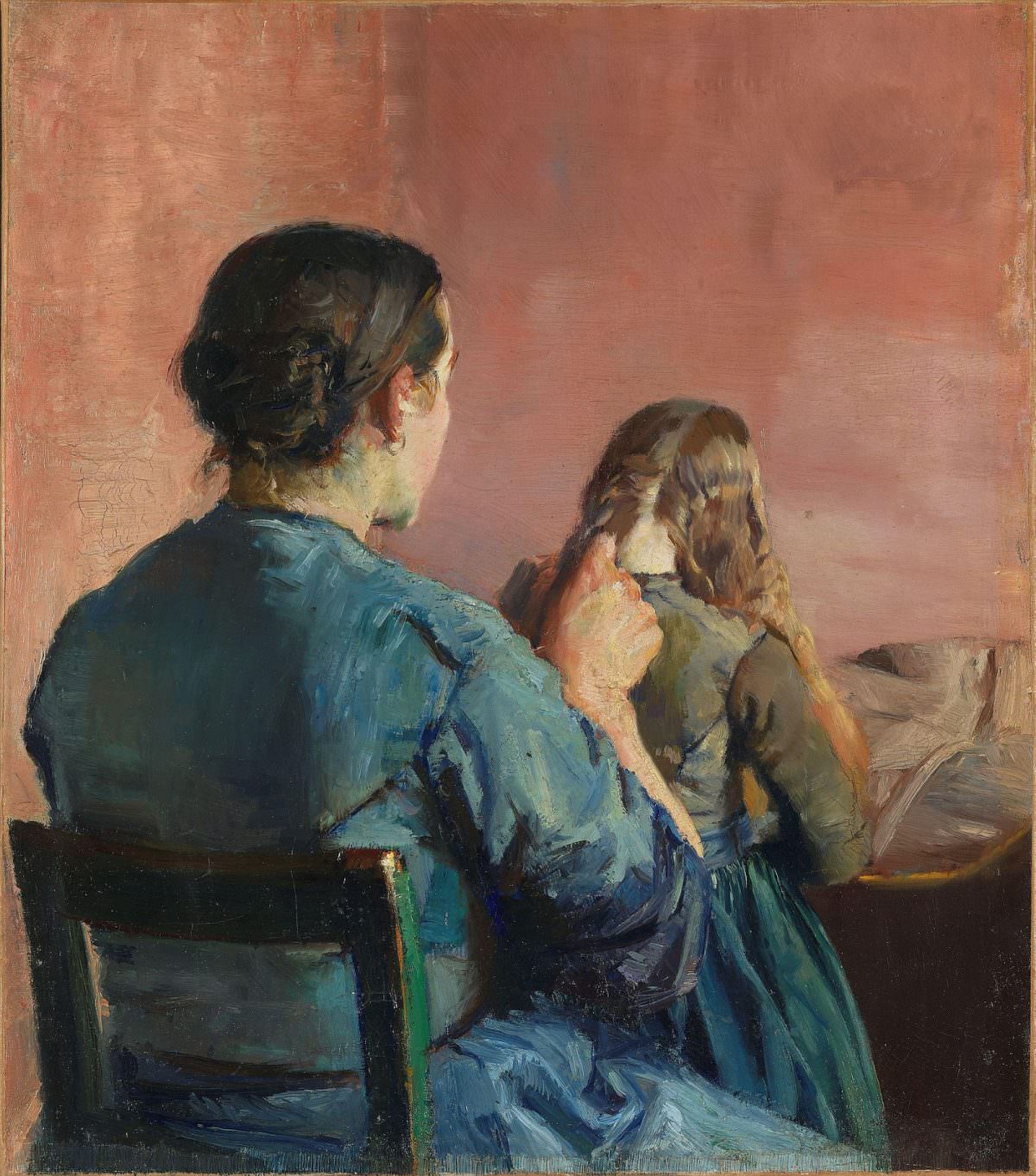
Krohg also painted women in private, unguarded moments — braiding hair, resting, or simply existing without performance. These works treat femininity not as an artistic ideal but as lived reality.
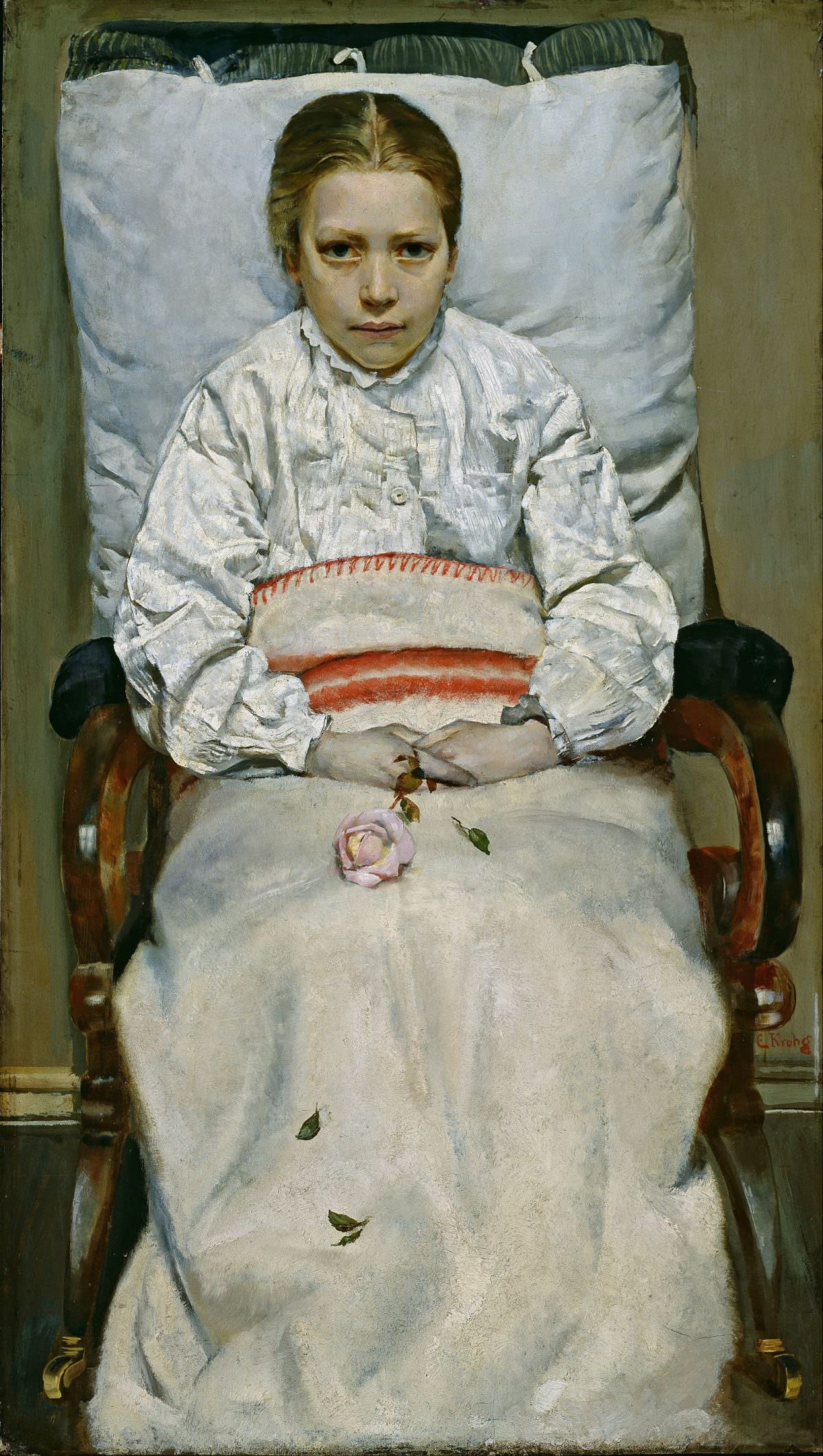
Sick Girl, painted between 1880 and 1881, stands as one of his most recognized works. The painting shows a young girl sitting upright in a chair, pale and clearly ill, with all the weight of her condition visible in her posture and expression. Krohg makes no attempt to comfort the viewer.
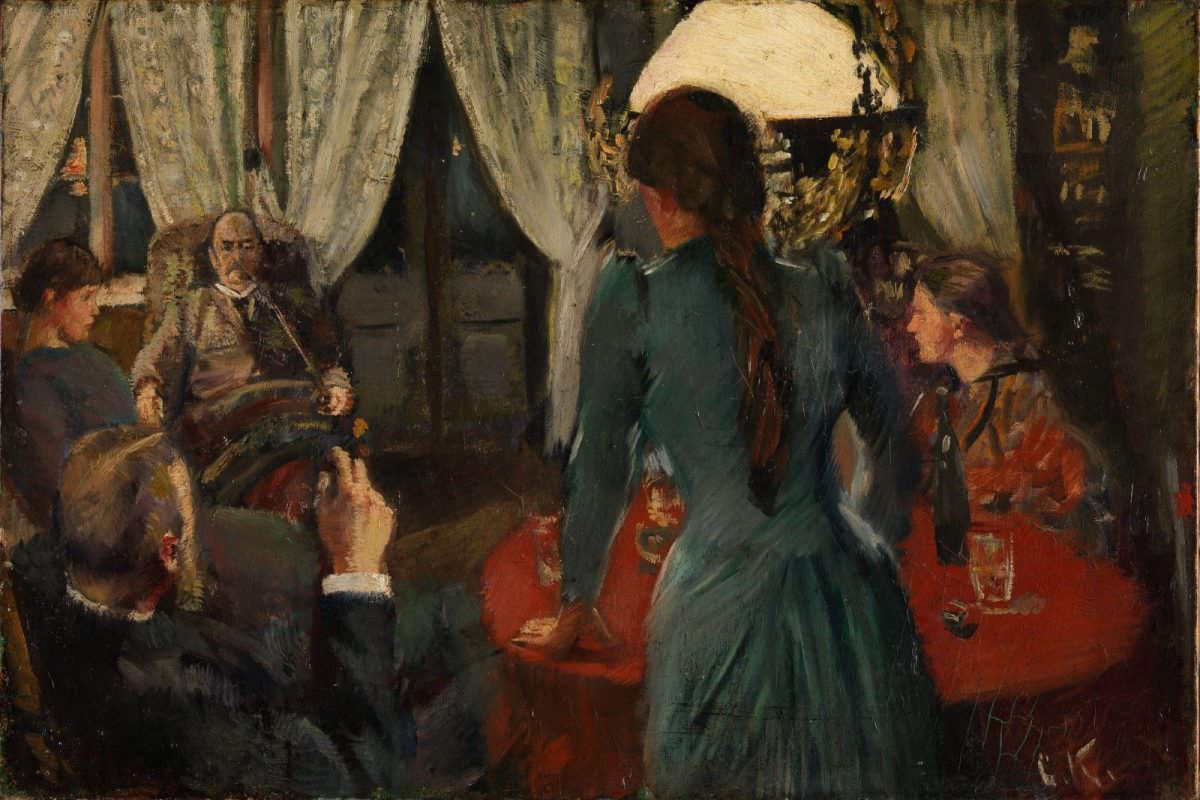
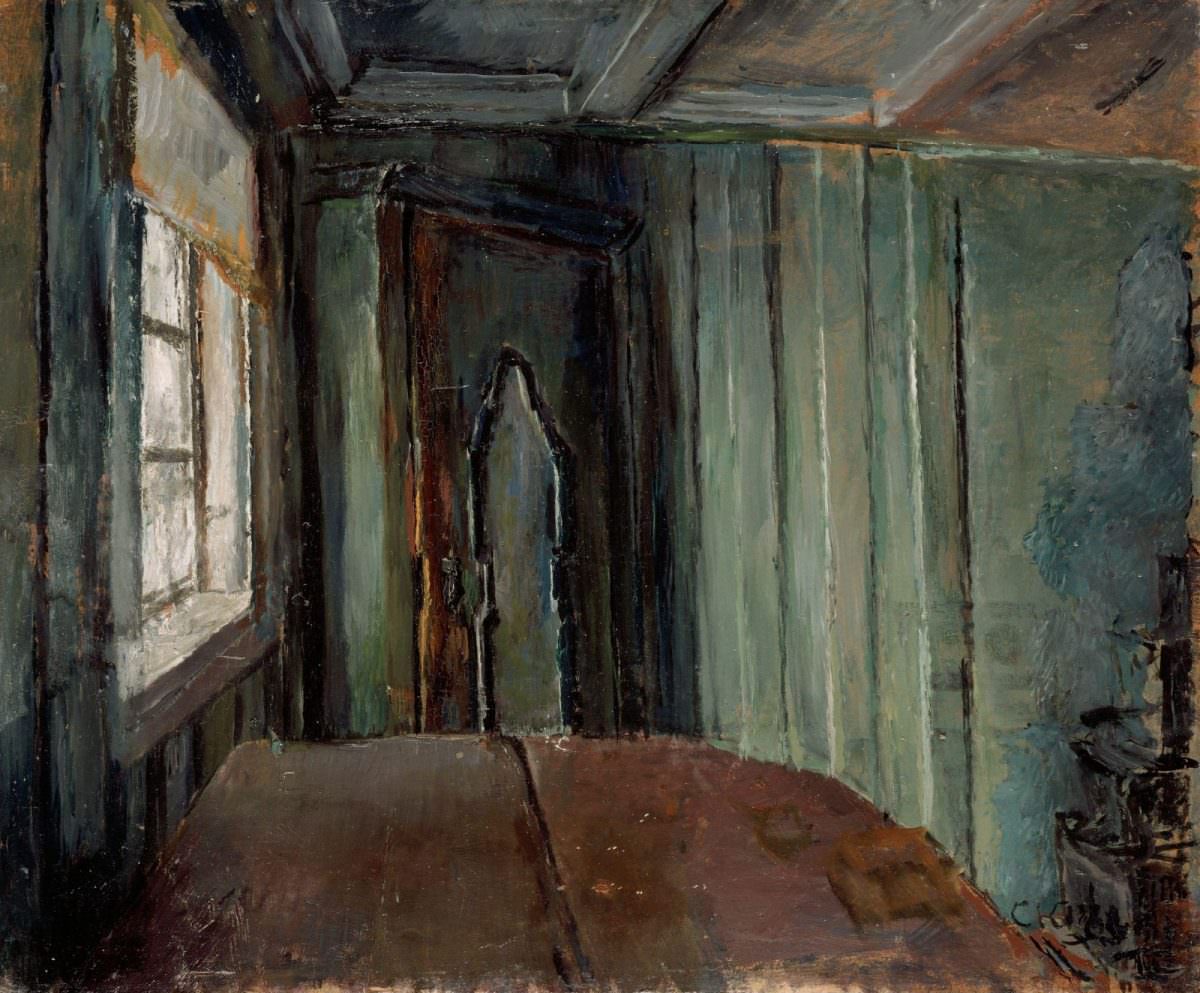
Into the 20th century, Krohg continued producing work that showed both range and consistency. The Green Room, completed in 1920, reflects a painter still in command of color, light, and interior space well into his later years.
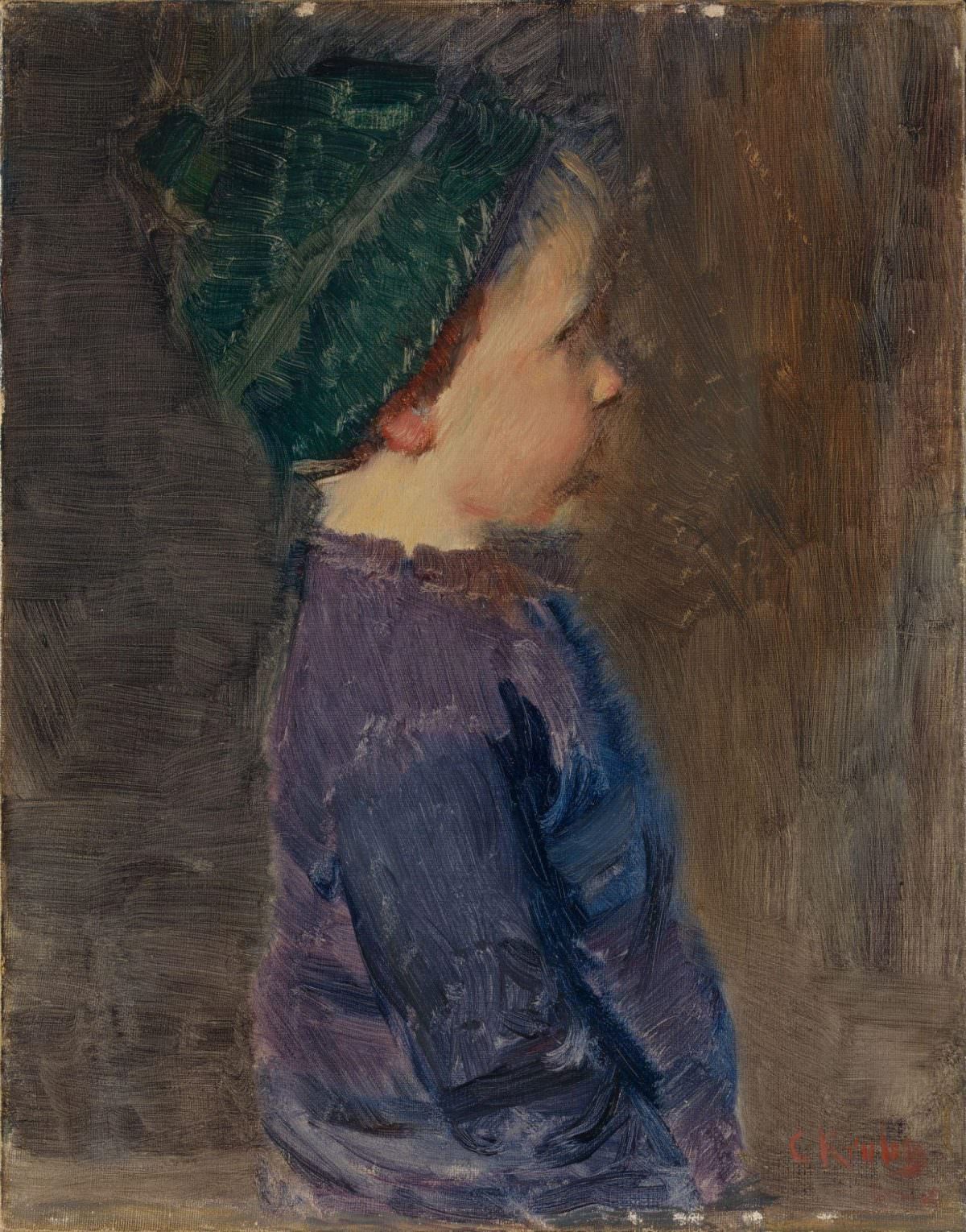
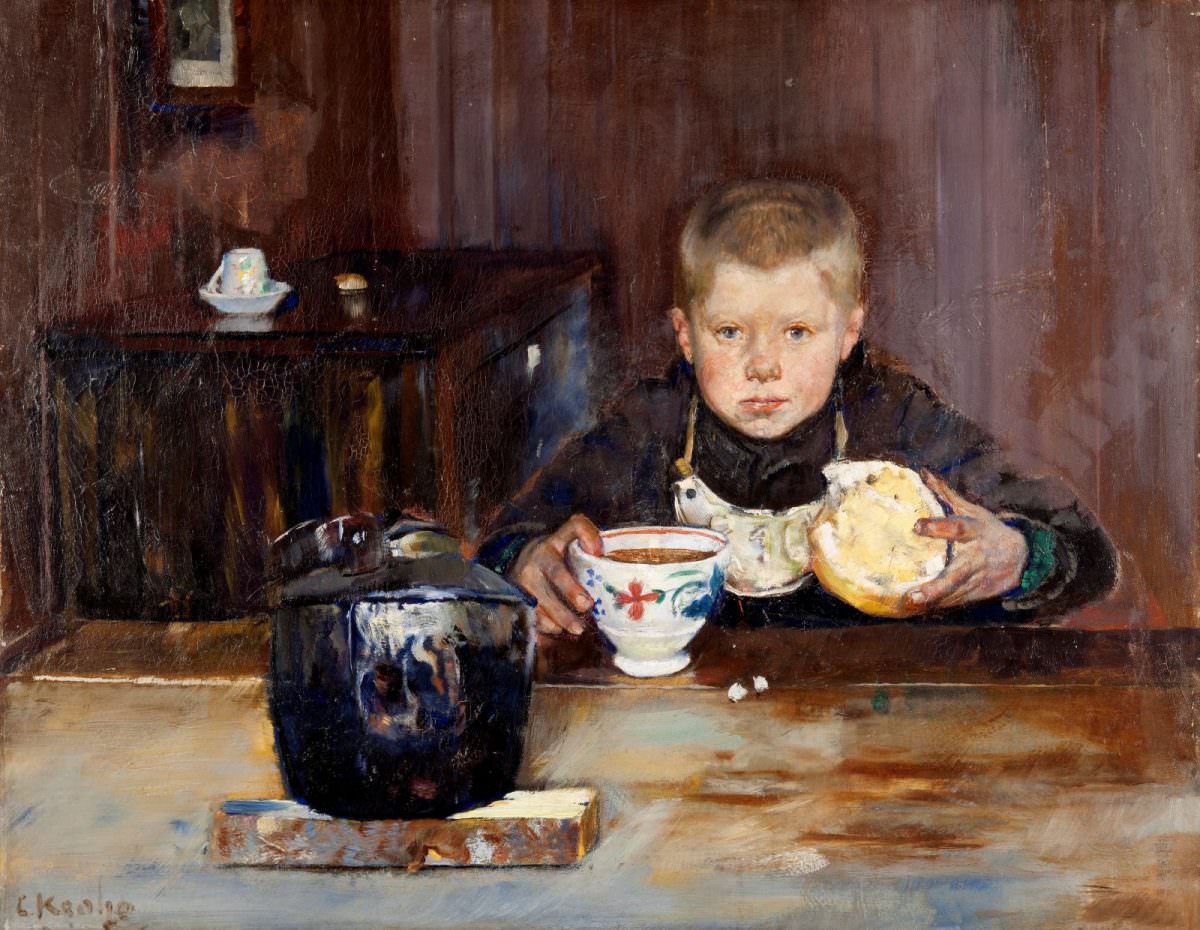
Krohg painted errand boys, sailors, and working men with the same attention he gave to formal portraits. Errand Boy Drinking Coffee from 1885 and A French Sailor from 1897 show his commitment to subjects that other painters of his era routinely ignored.
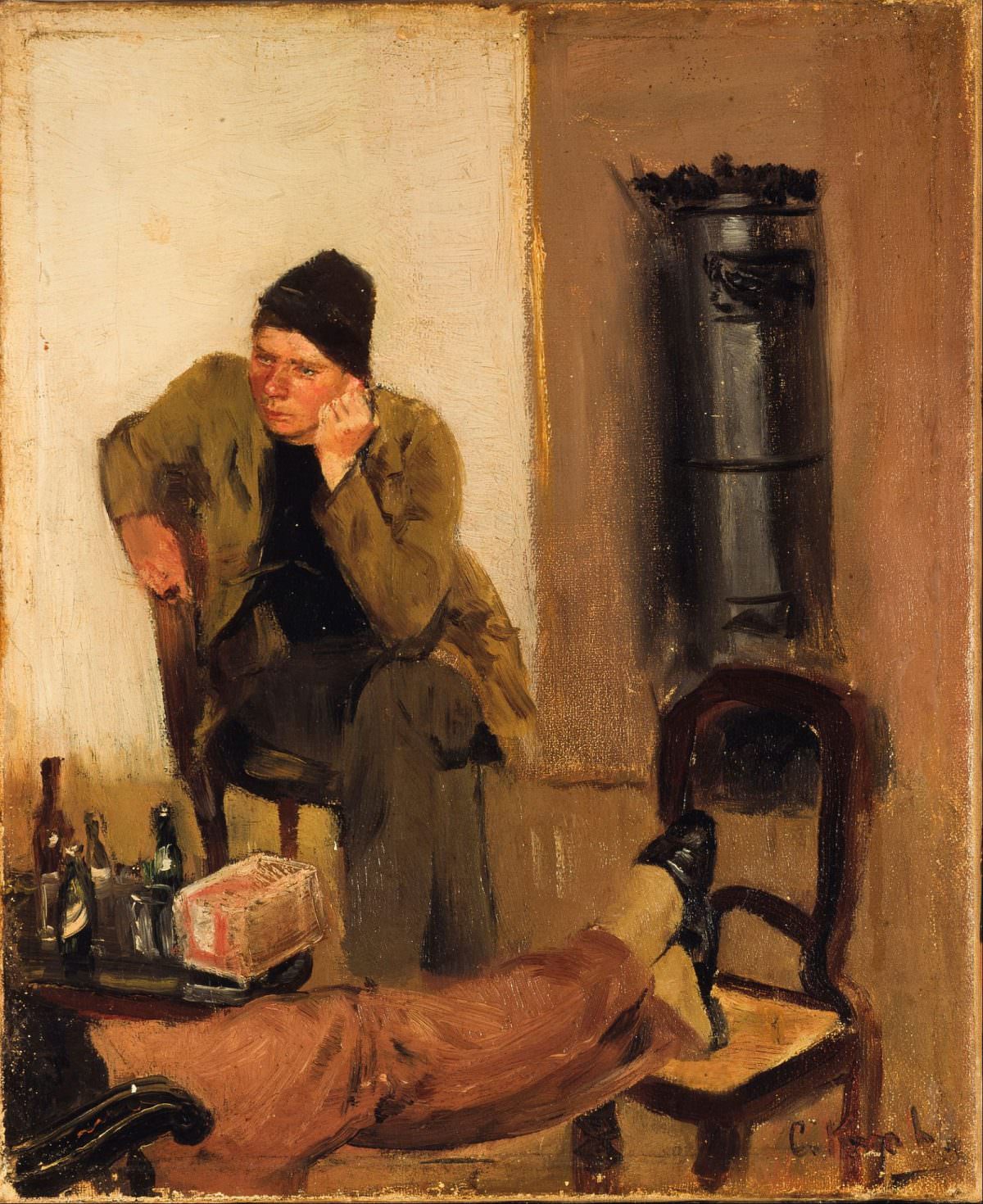
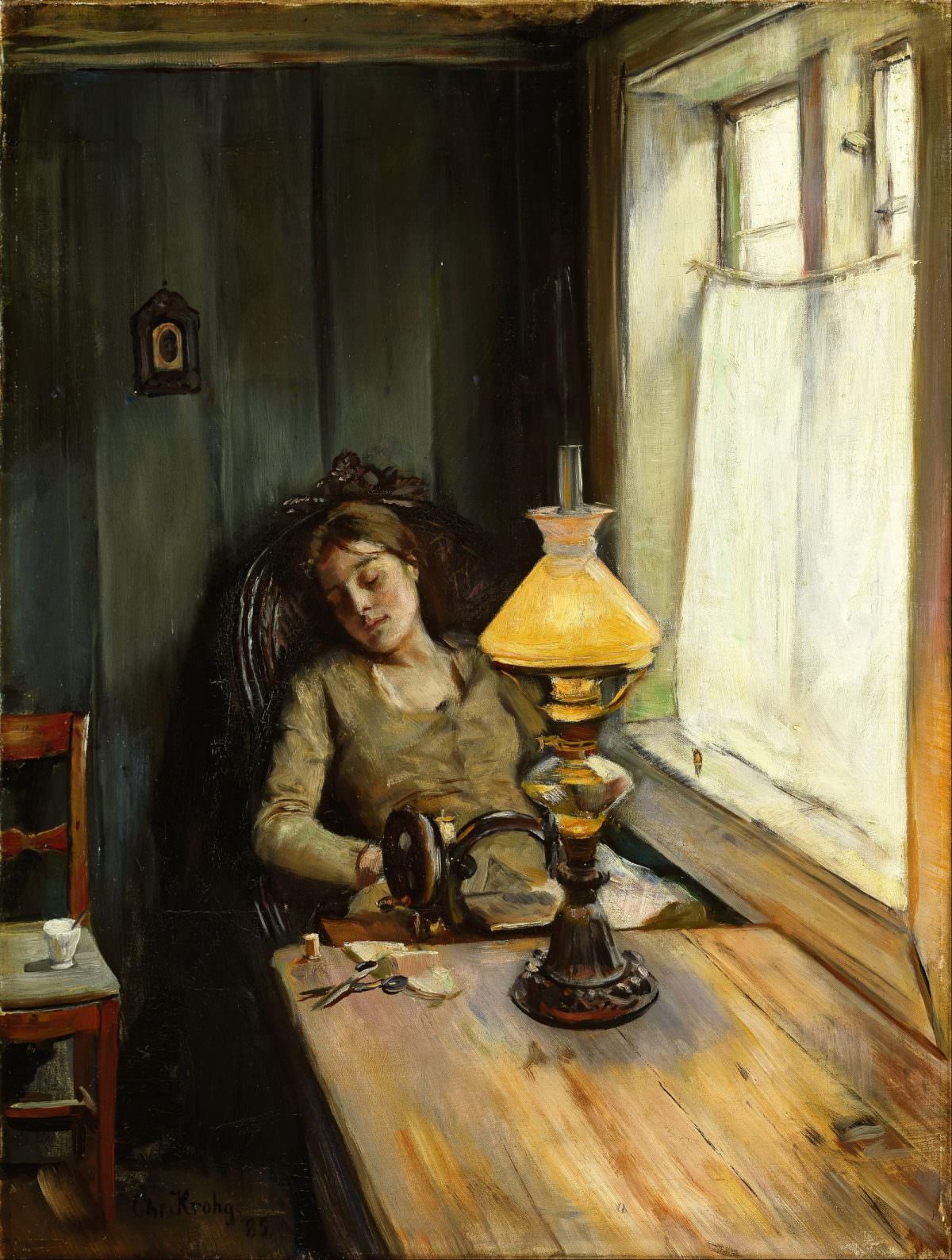
His painting Tired, from 1885, captures exhaustion without exaggeration. The figure needs no context or explanation — the body says everything. This is exactly the kind of truth Krohg chased across his entire career.
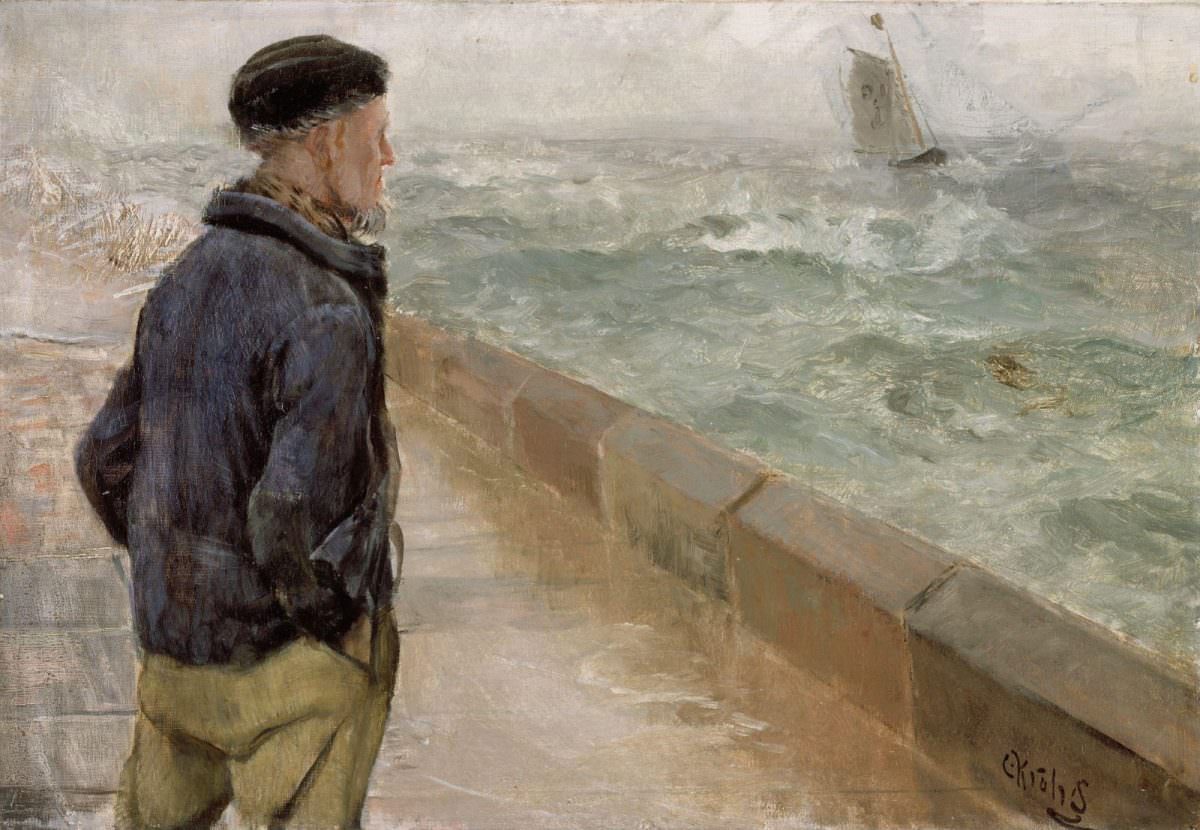
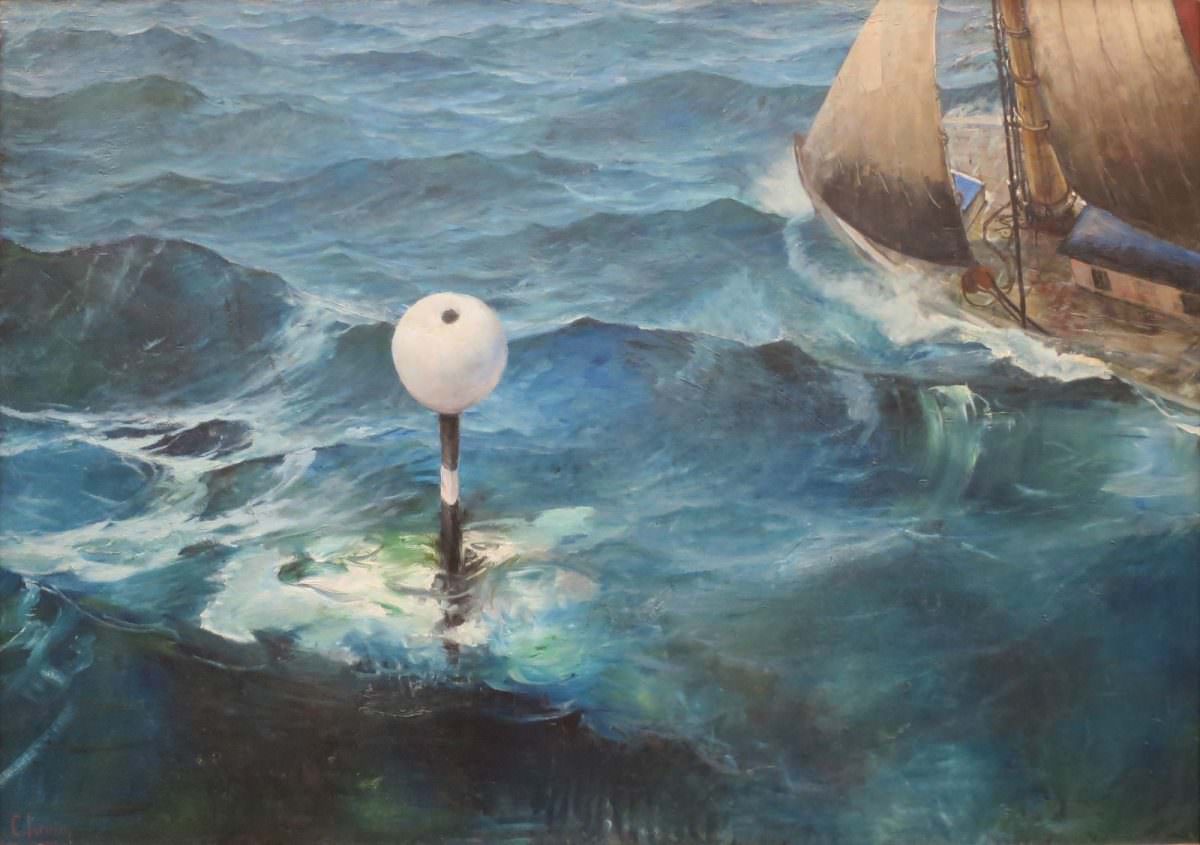
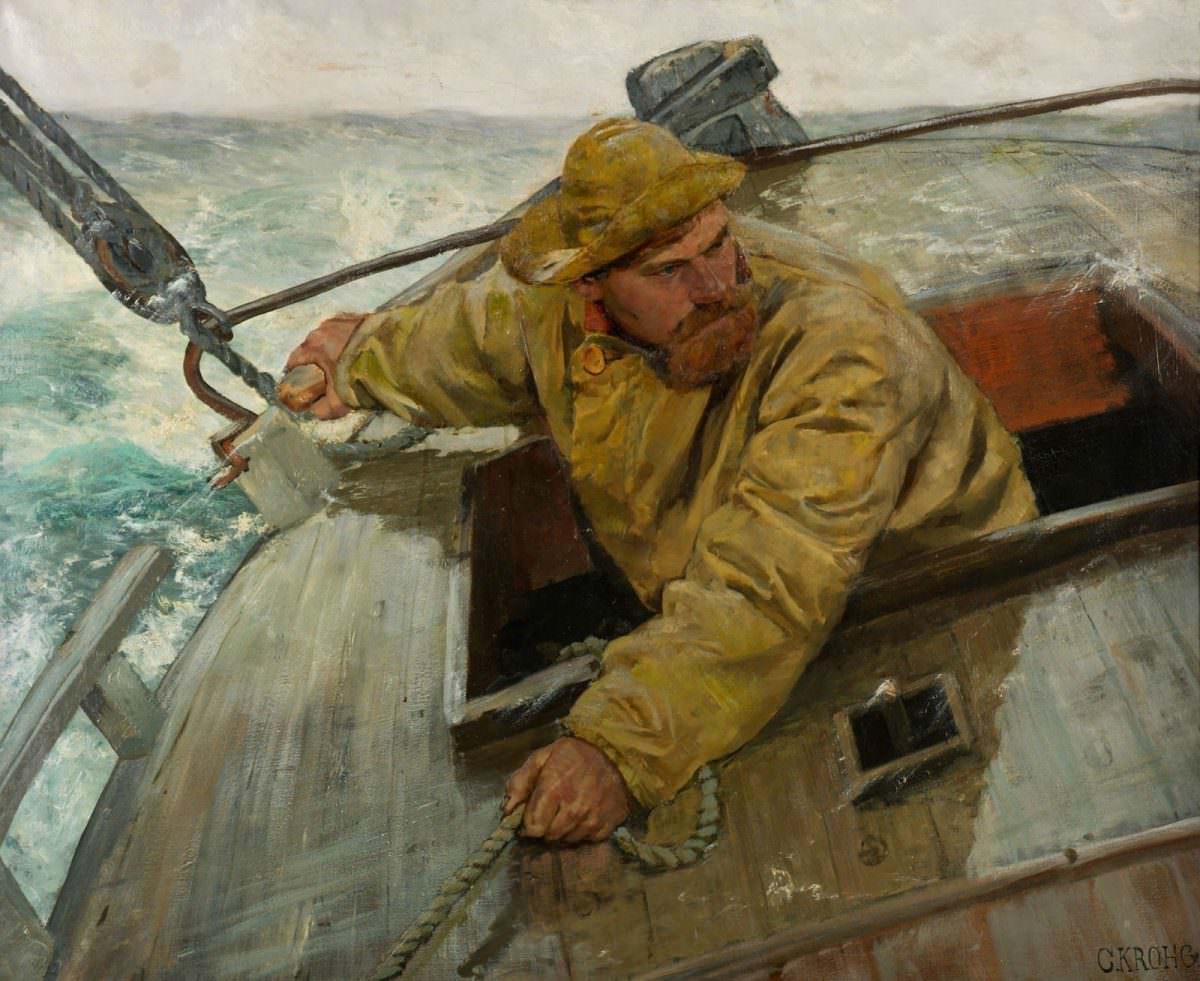
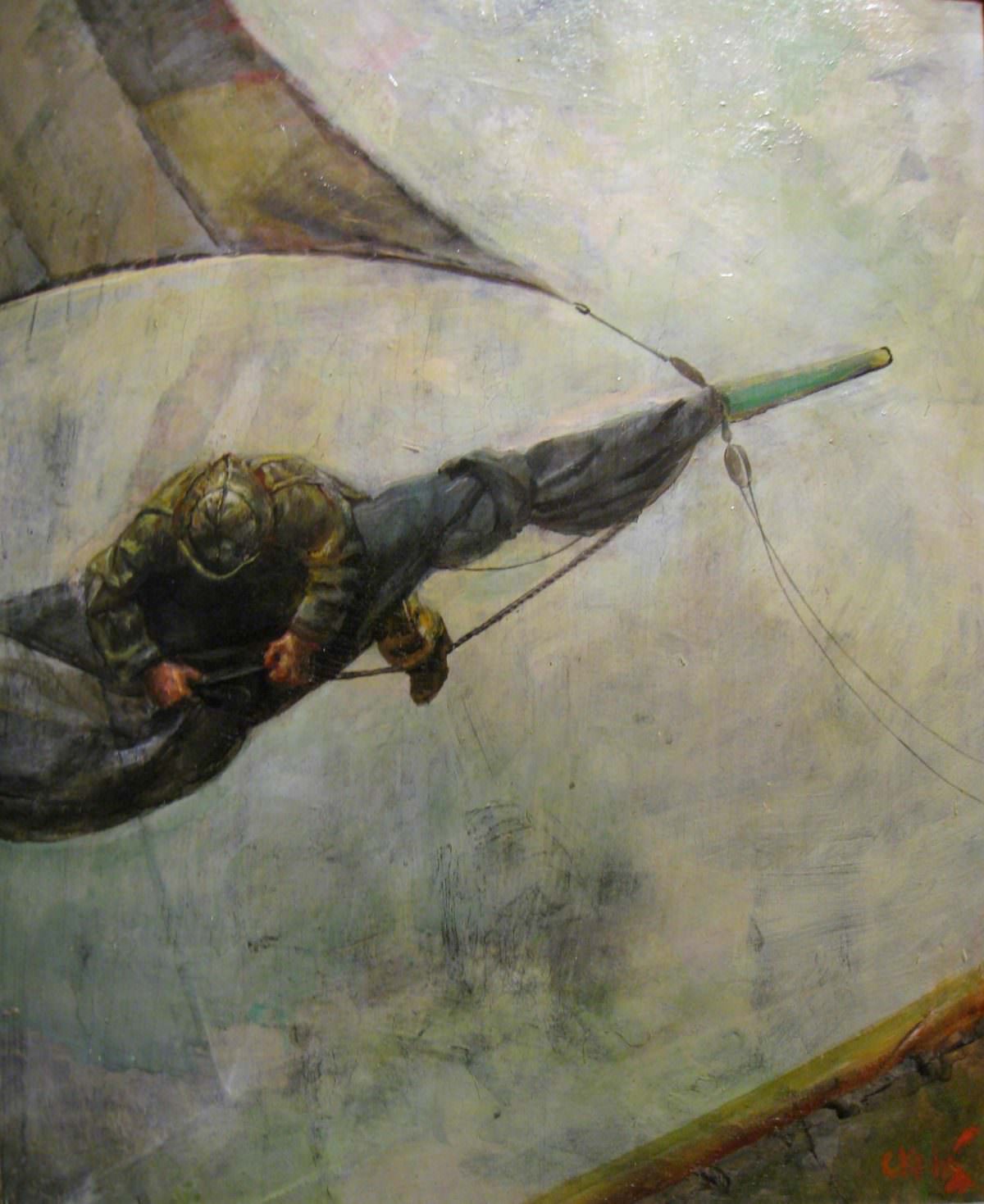
The sea was a constant subject for Krohg. Growing up in Norway, maritime life was woven into the national fabric. North Wind from 1887 and Difficult Waters from 1890 both show his mastery of painting men against nature — the sky threatening, the waves active, the sailors focused and grim.
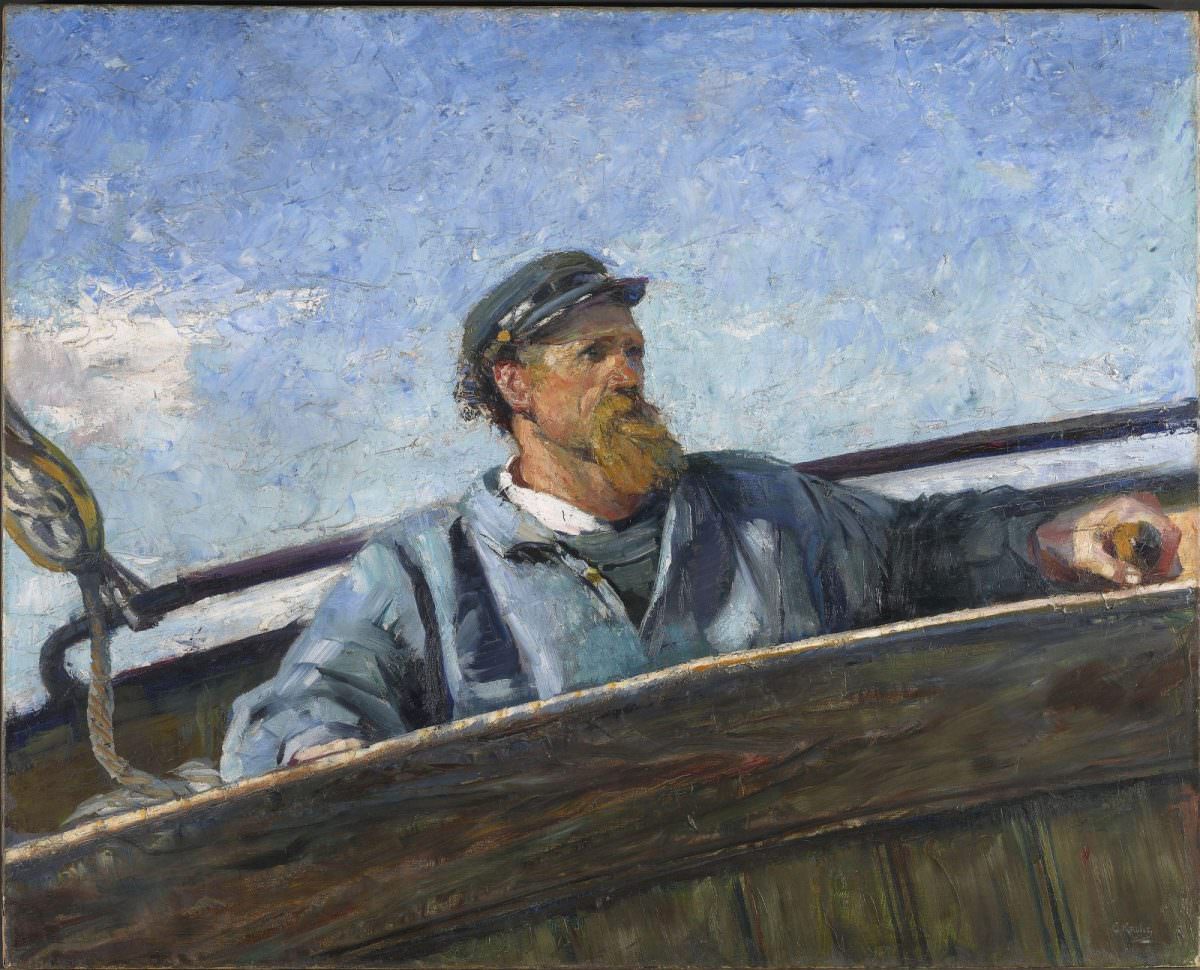
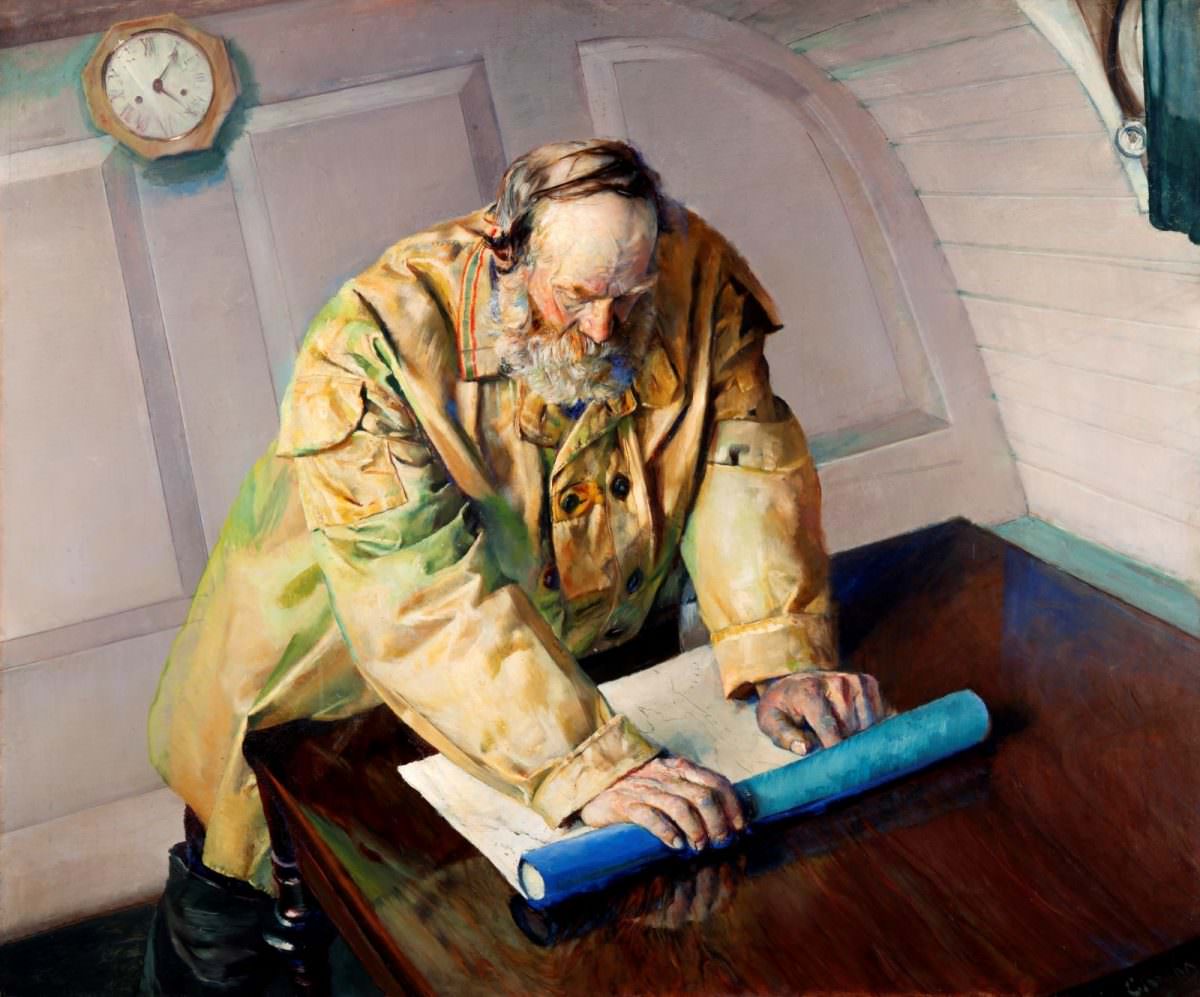
The Shoal, completed in 1898, carries that same tension. A group of fishermen navigate dangerous, shallow waters with concentration written across every figure. Krohg understood the sea not as a backdrop but as a force with stakes.