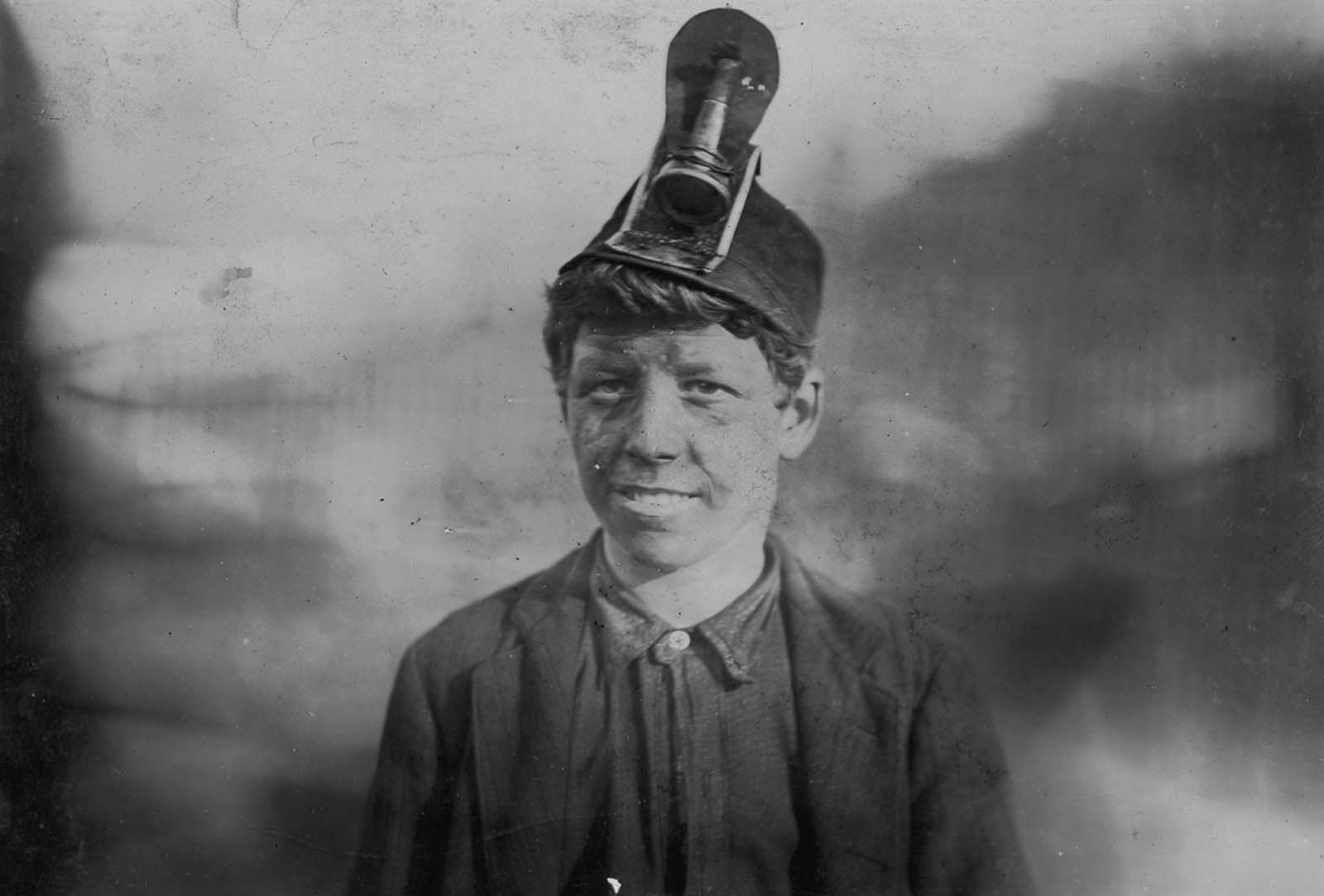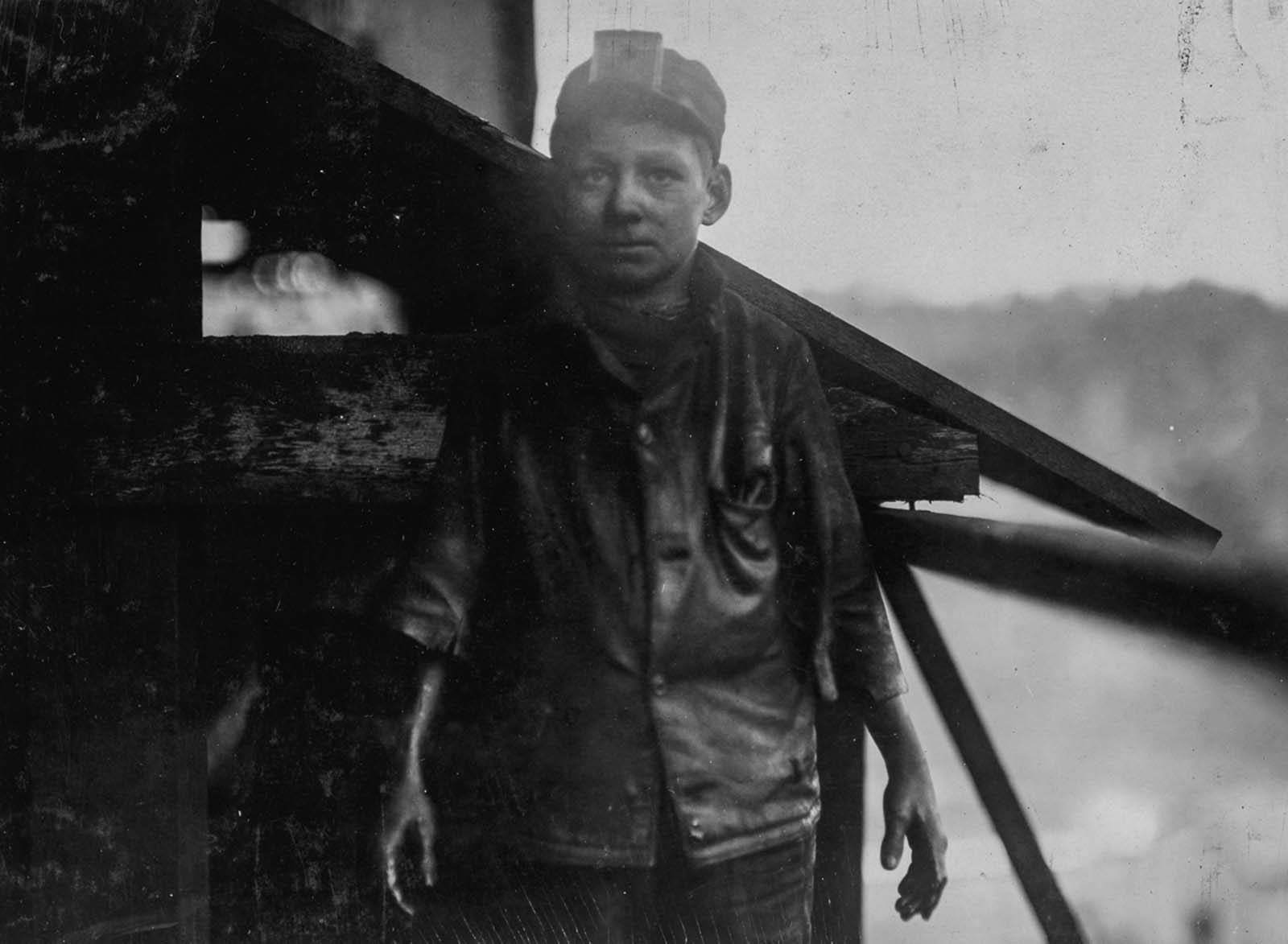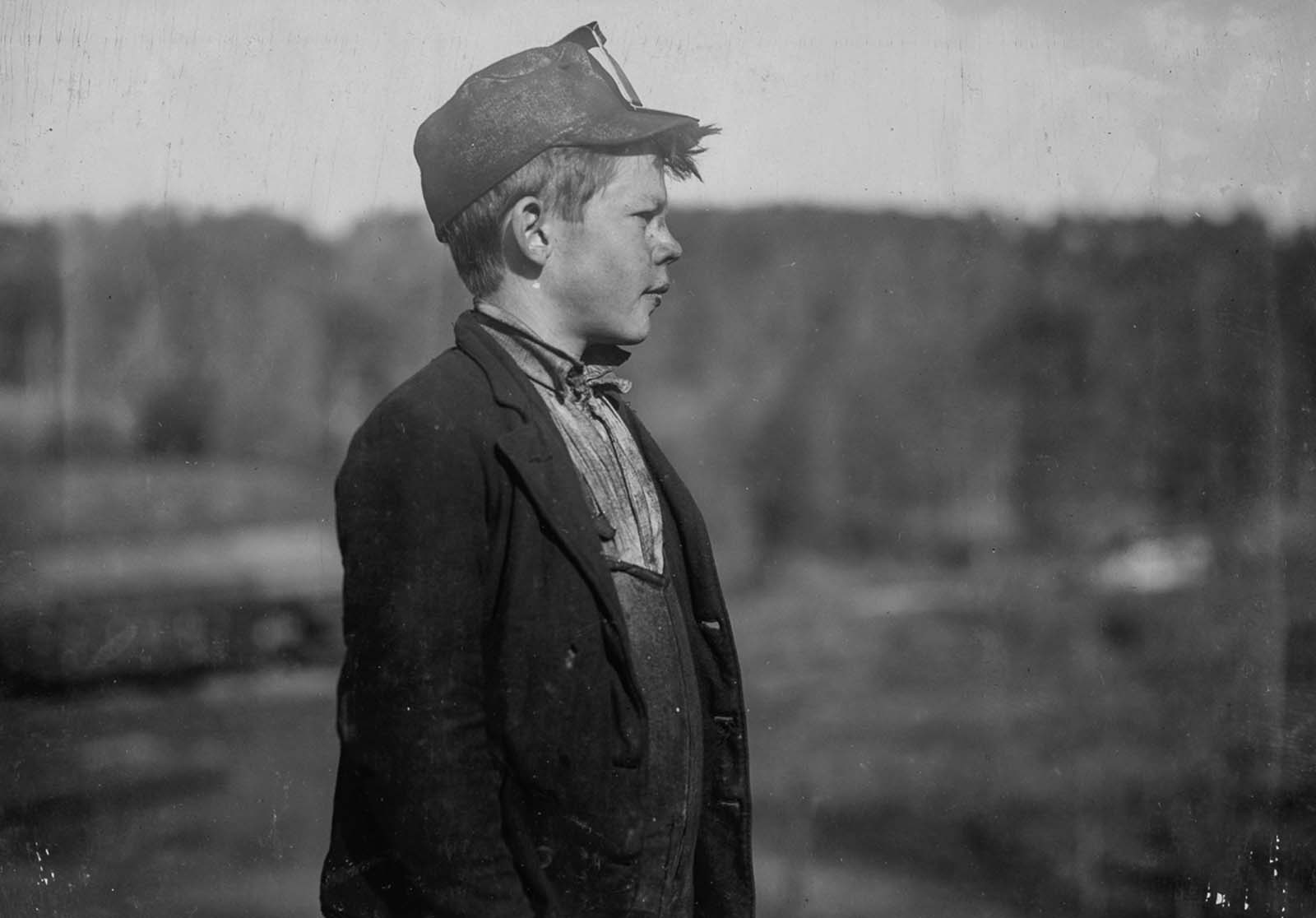

At the turn of the 20th century, tens of thousands of American children went to work instead of school. They labored in cotton mills, glass factories, and deep underground in coal mines. The U.S. coal industry was almost entirely dependent on human hands — and many of those hands belonged to boys as young as eight years old. The National Child Labor Committee (NCLC) was determined to change that. To document what was happening, they hired a sociologist and photographer named Lewis Hine, whose camera would expose a world most Americans never saw.

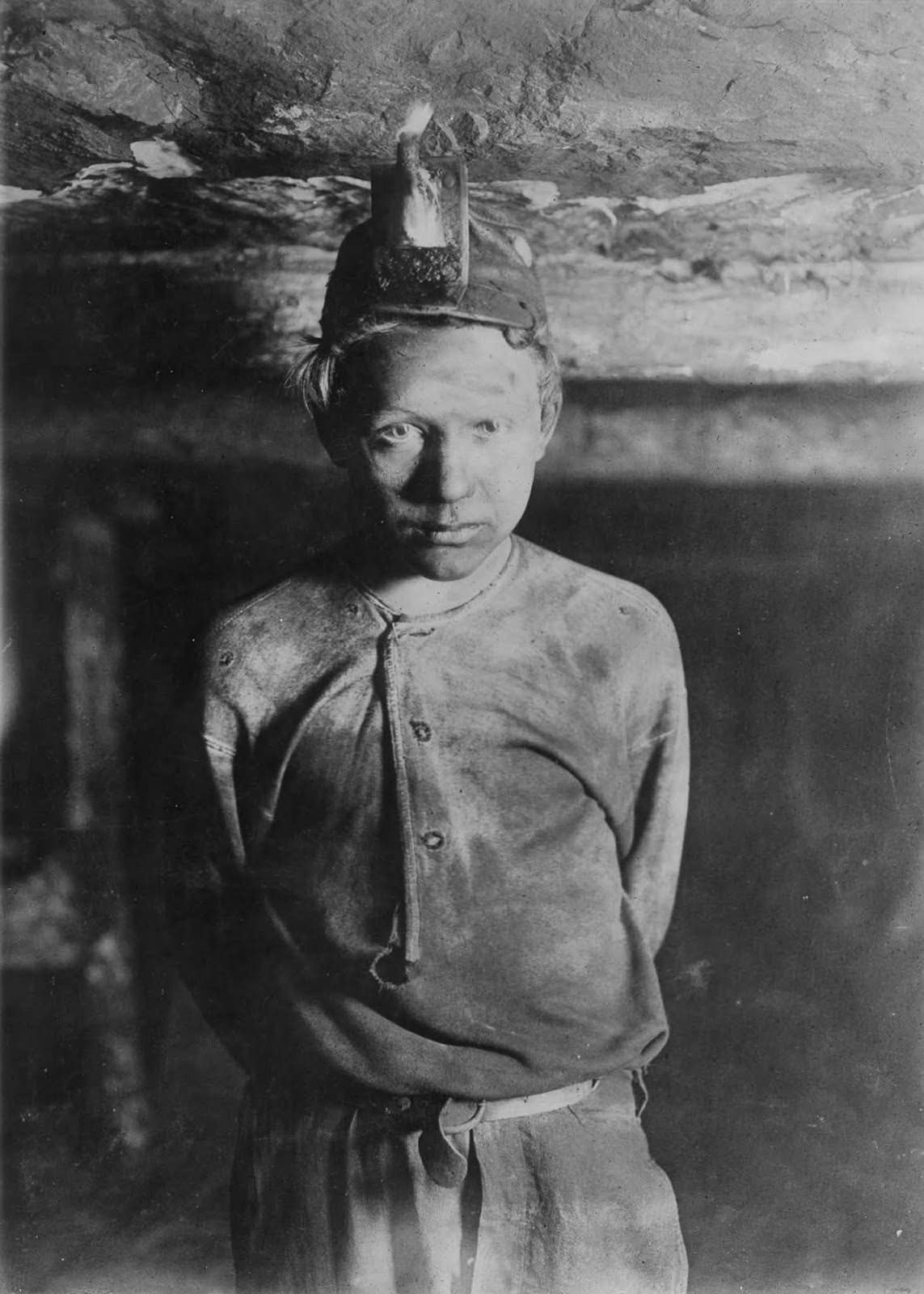
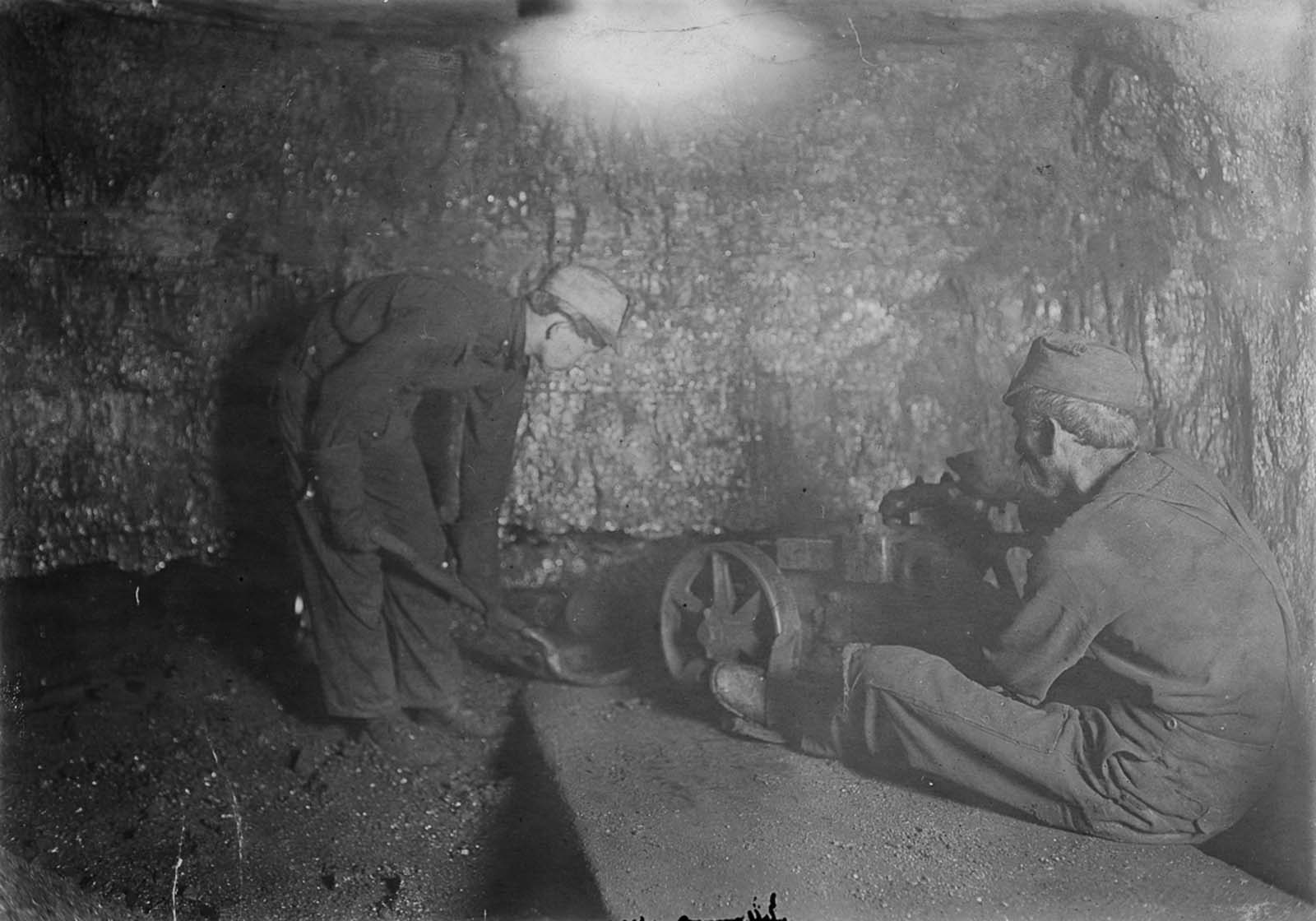
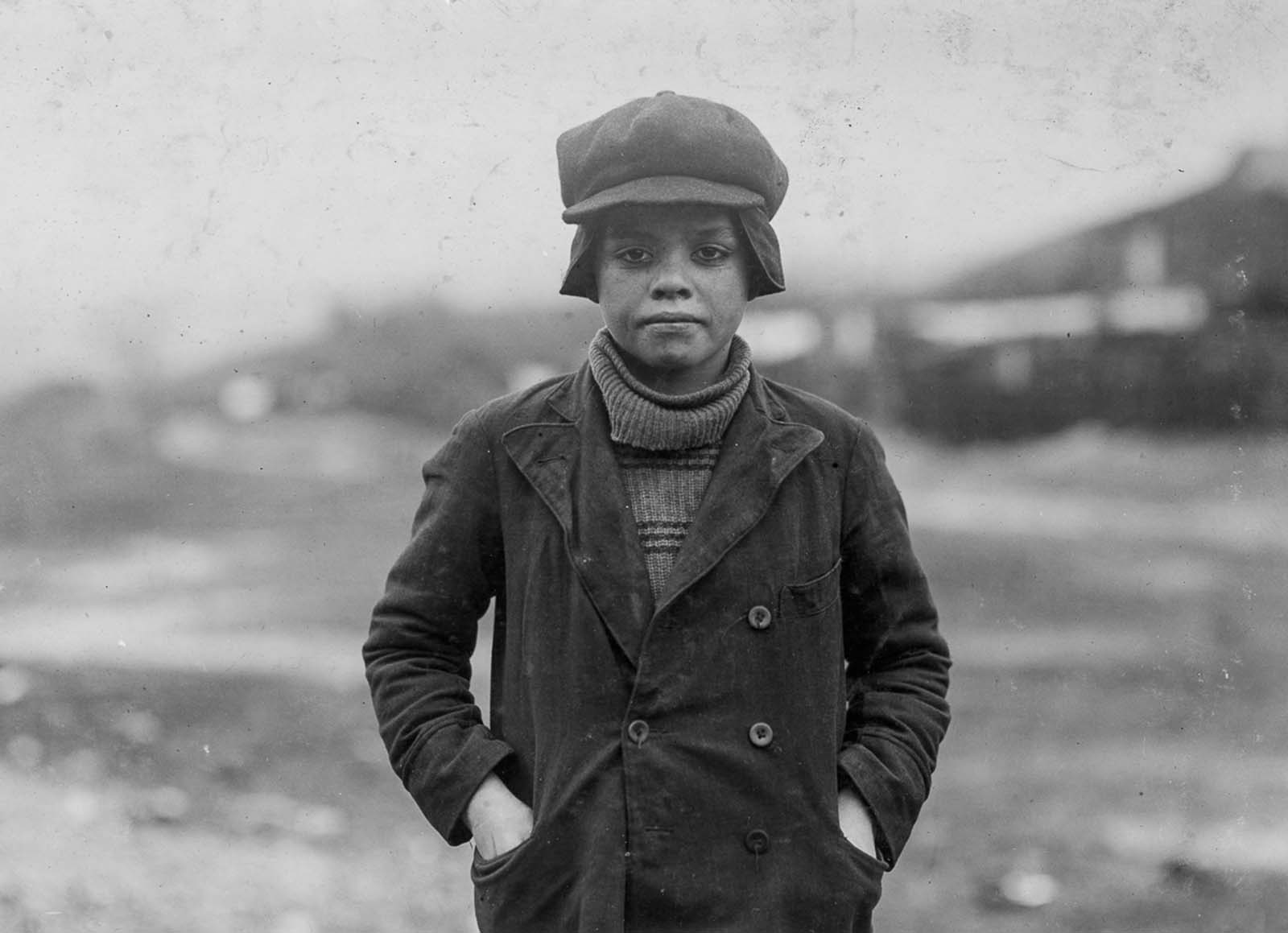
Inside the mines, boys called “trapper boys” sat alone in the dark for hours, opening and closing ventilation doors to let coal cars pass through. They worked in near-total darkness, often a mile or more underground, with nothing but a small lamp for light. The job sounds simple, but the isolation, the dust, and the danger made it anything but.

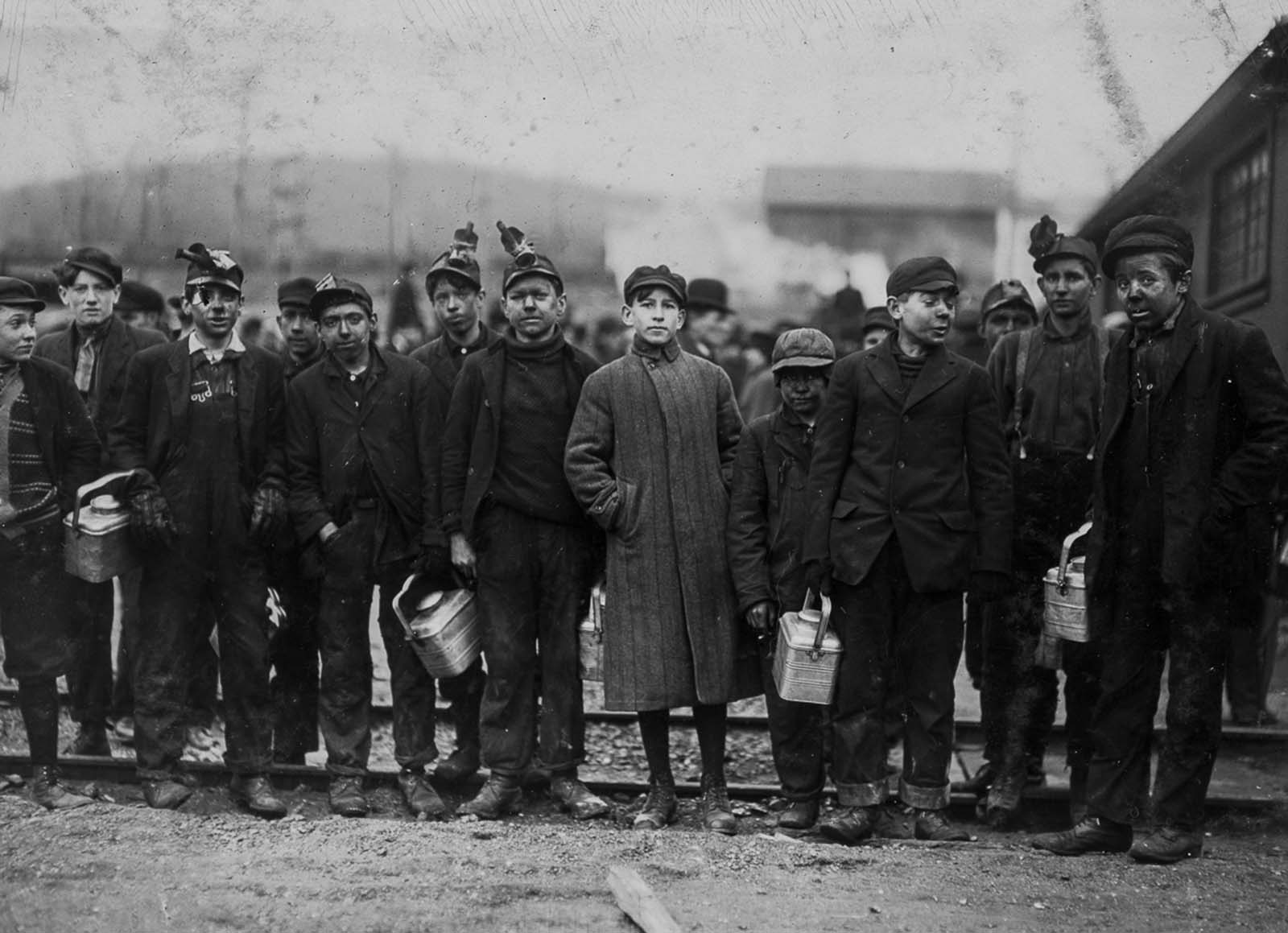
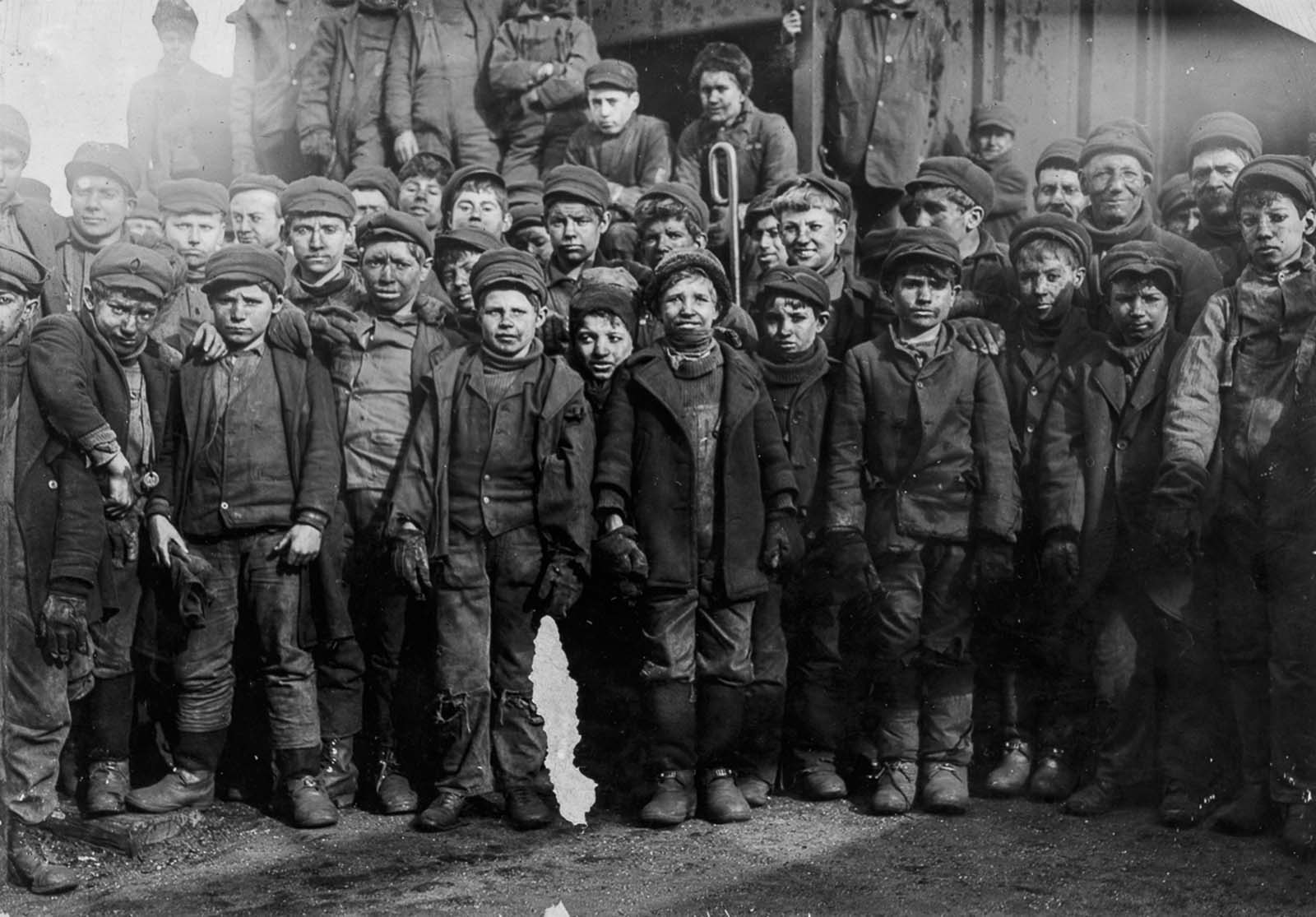
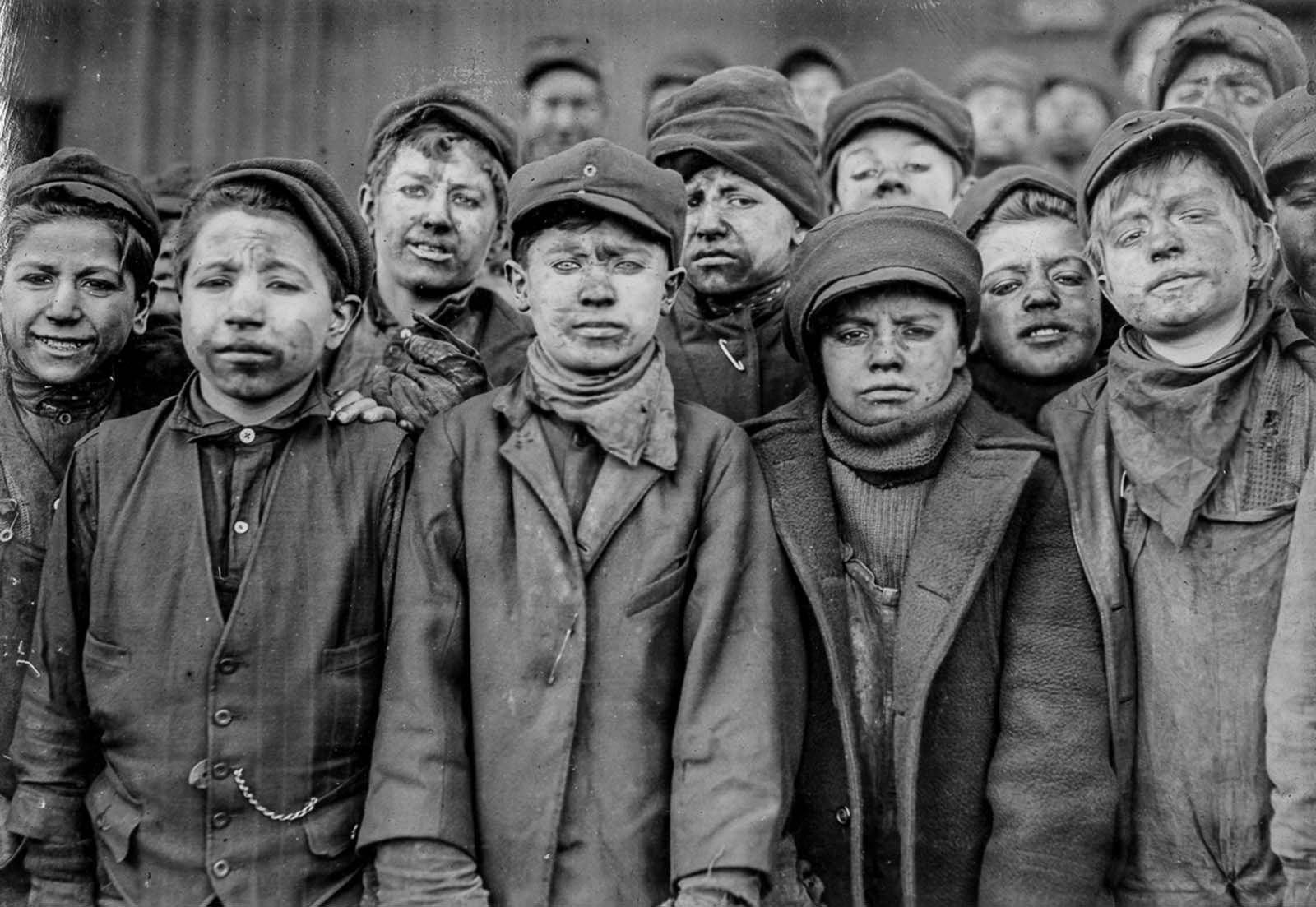
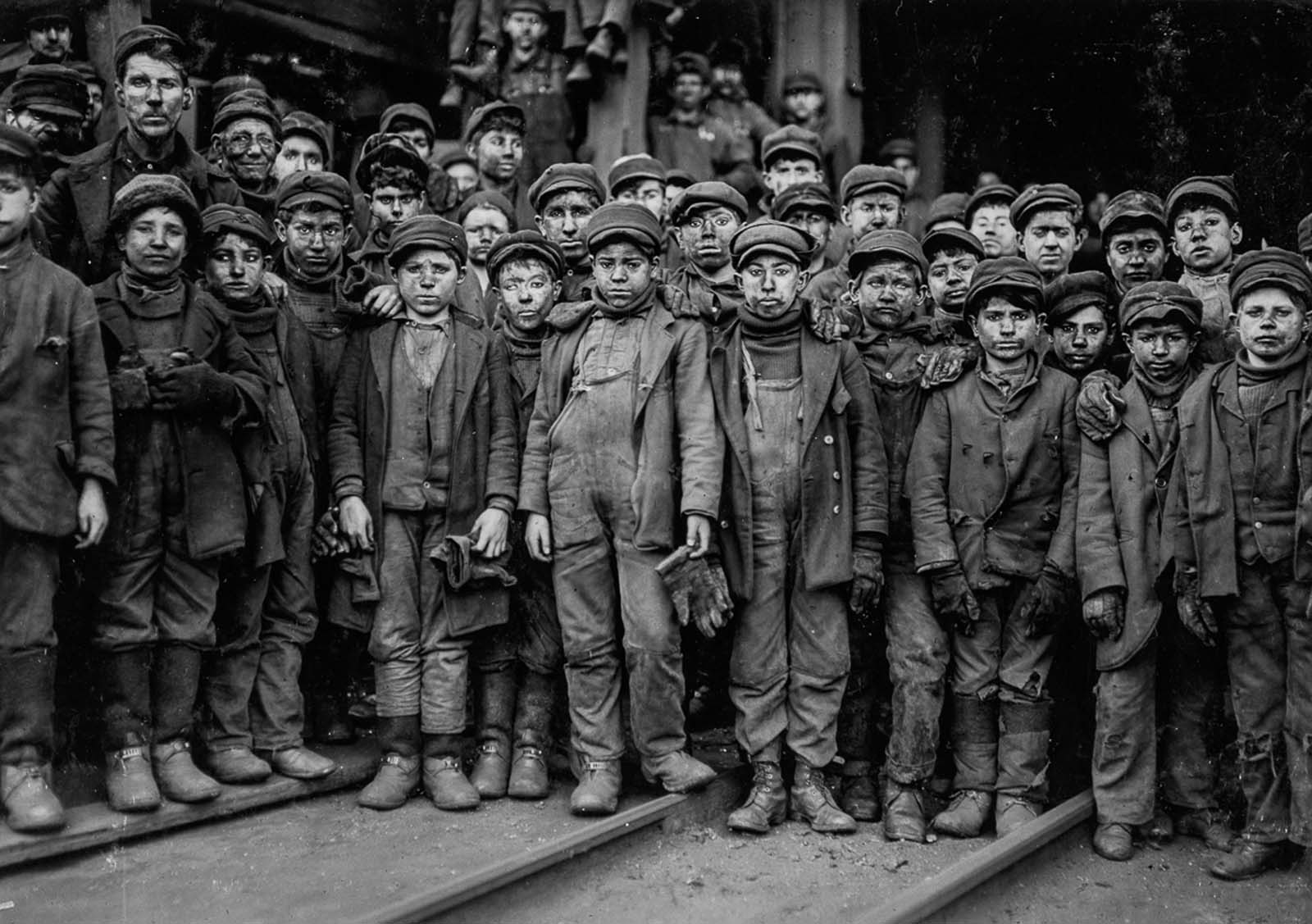
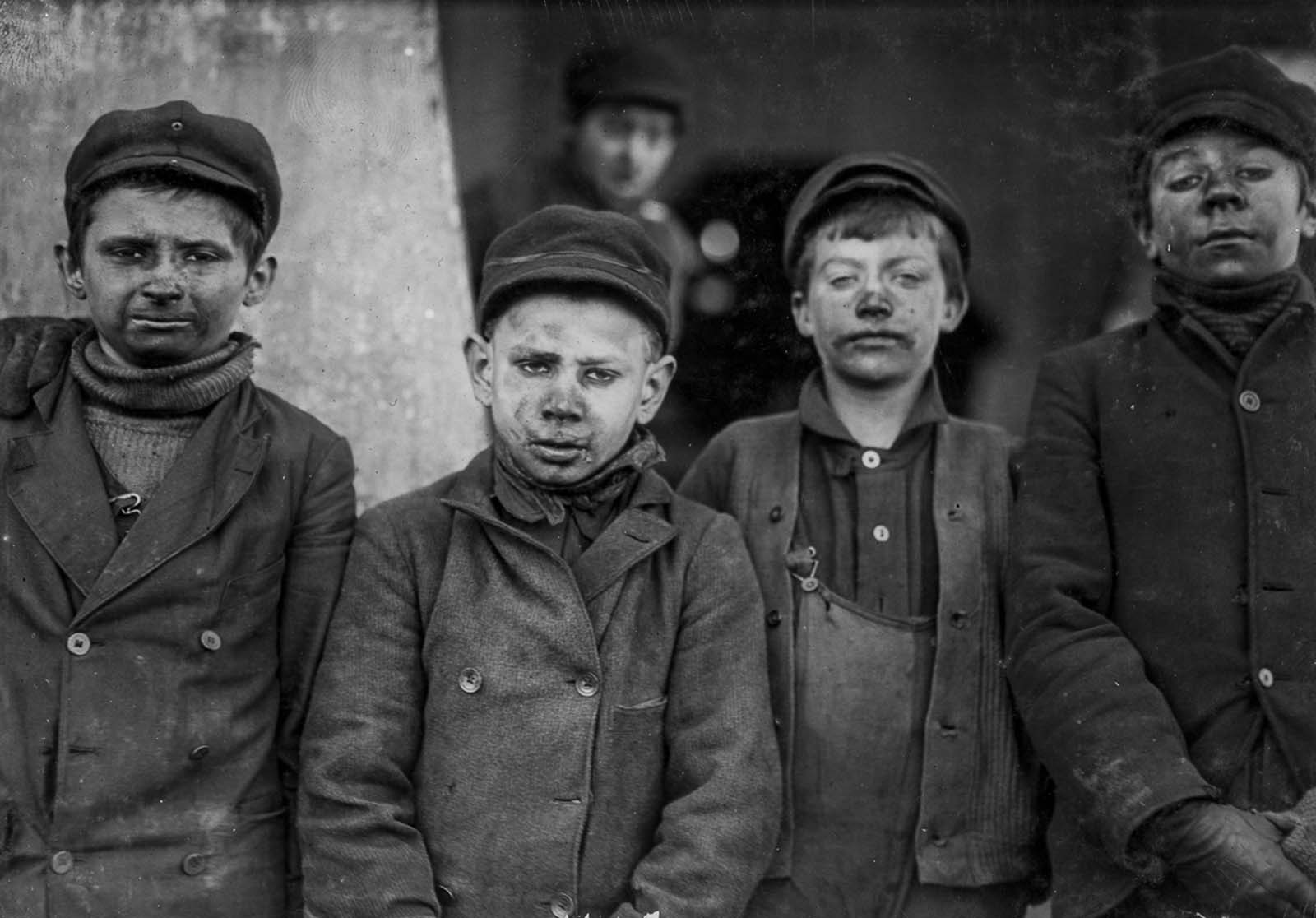
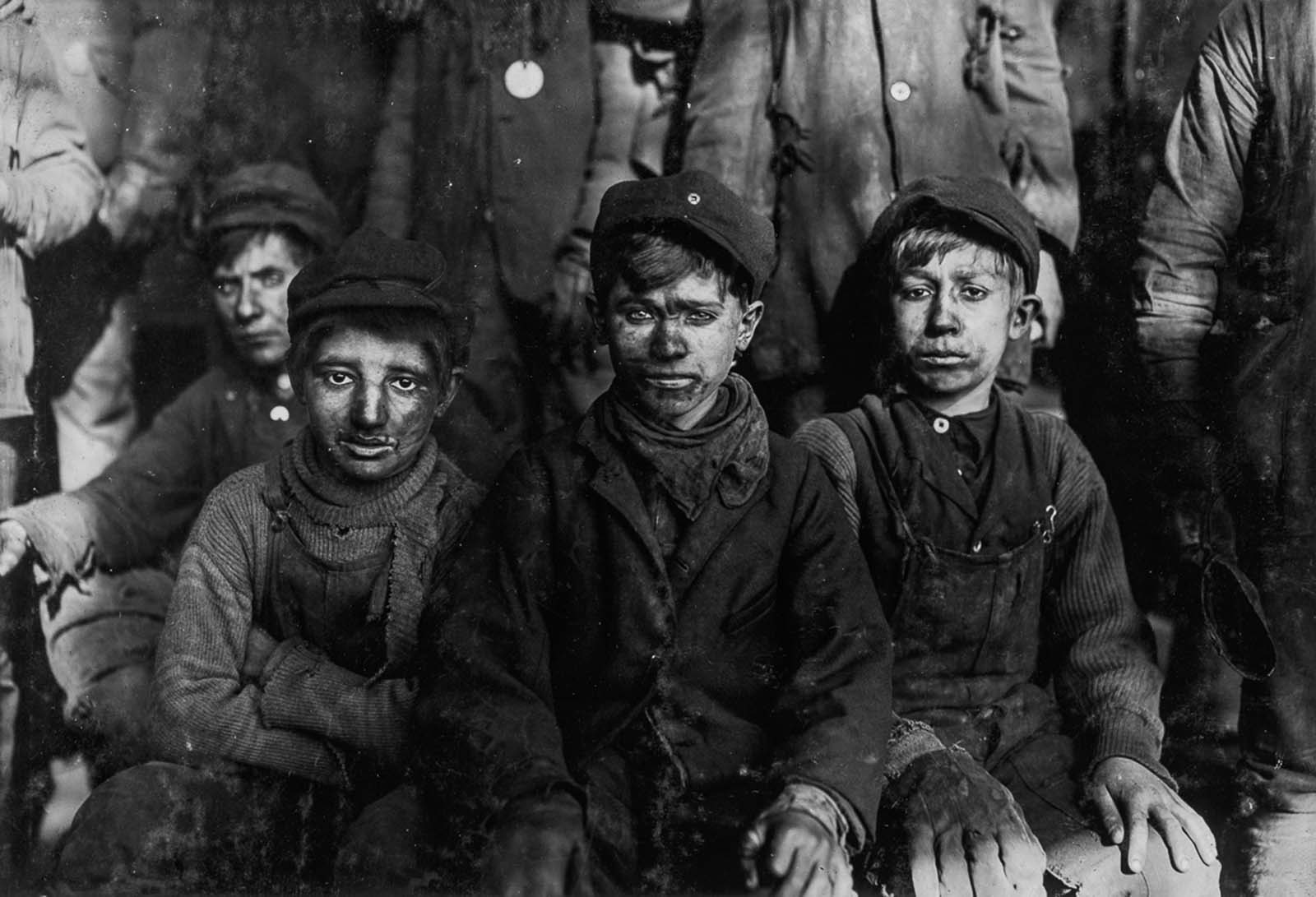
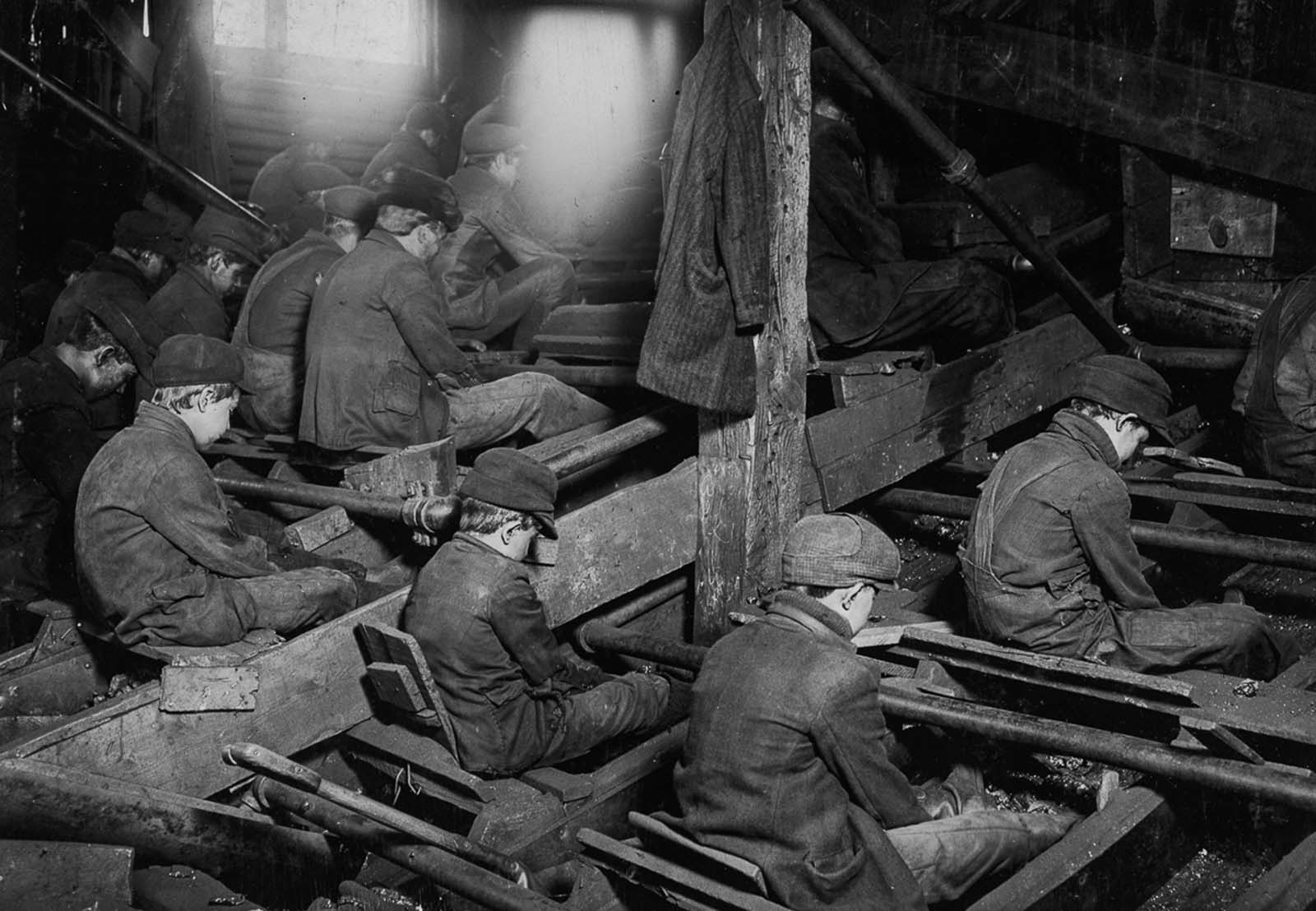
Above ground, the coal industry relied on a different class of child worker: the breaker boy. The practice of employing breaker boys began around 1866. These boys — typically between the ages of eight and twelve — sat perched over chutes and conveyor belts, sorting through the raw coal as it flowed beneath them. Their job was to pull out slate and other impurities by hand. They were not allowed to wear gloves. Management believed bare hands gave them better grip on the slick coal, but the slate was razor-sharp. Most boys finished their shifts with cut, bleeding fingers.

Breaker boys worked ten hours a day, six days a week. To stop the flow of coal long enough to pick out impurities, they shoved their boots into the moving stream. Some sat inside horizontal chutes, cleaning the fuel before it dropped into bins for “clean” coal. The conveyor belts moved fast, and distraction — or simple bad luck — could cost a boy his fingers. Amputations were not rare. Boys who wandered too close to the gears of the machinery could be pulled in entirely. Supervisors sometimes did not retrieve the bodies until the end of the working day.

The physical dangers went far beyond cuts and amputations. In dry mines, coal dust filled the air so thickly that breaker boys had to wear lamps just to see the coal in front of them. Breathing that dust every day led to asthma and black lung disease. When coal was washed to remove impurities, the process created sulfuric acid — and that acid burned the boys’ bare hands as they worked.

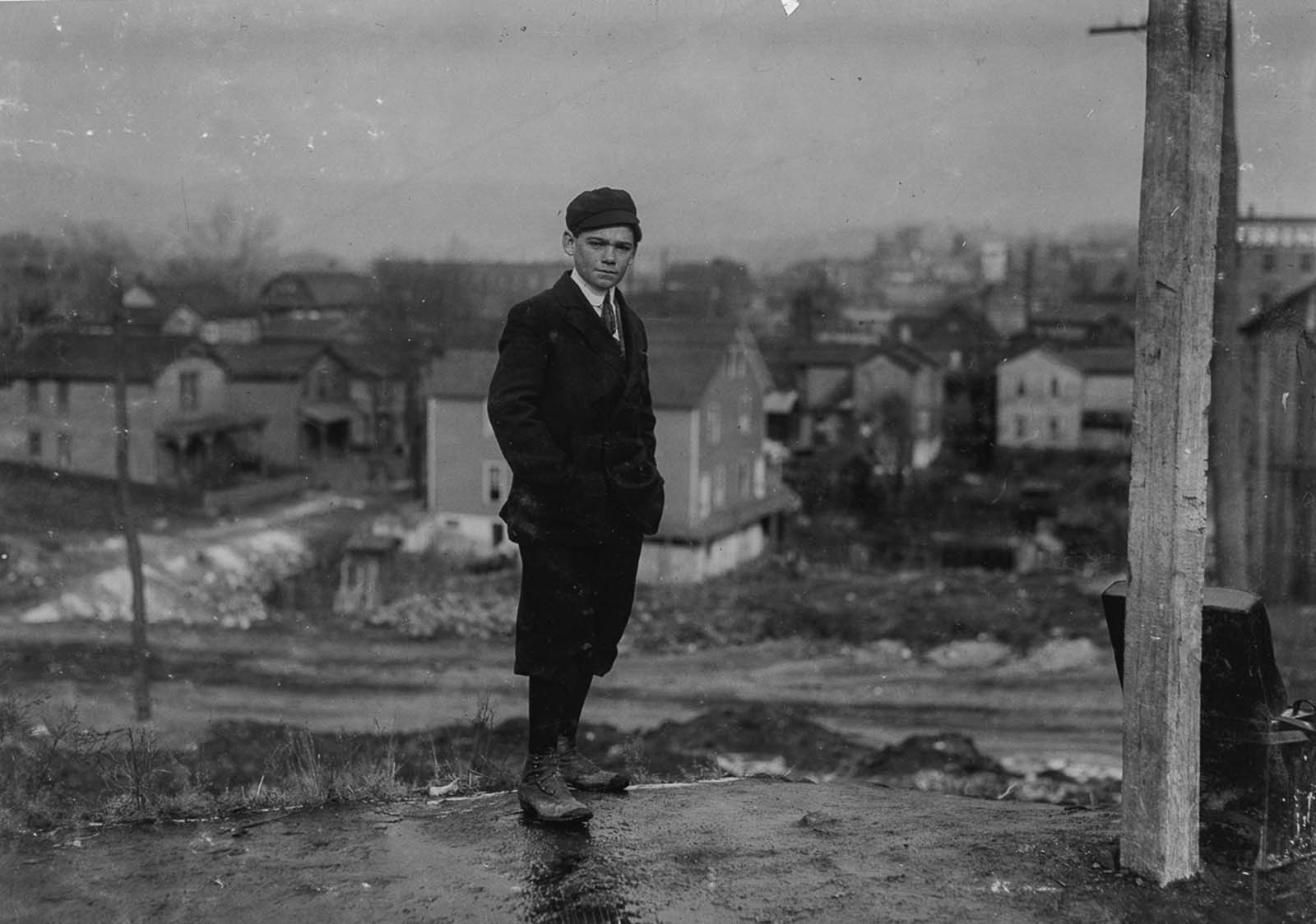
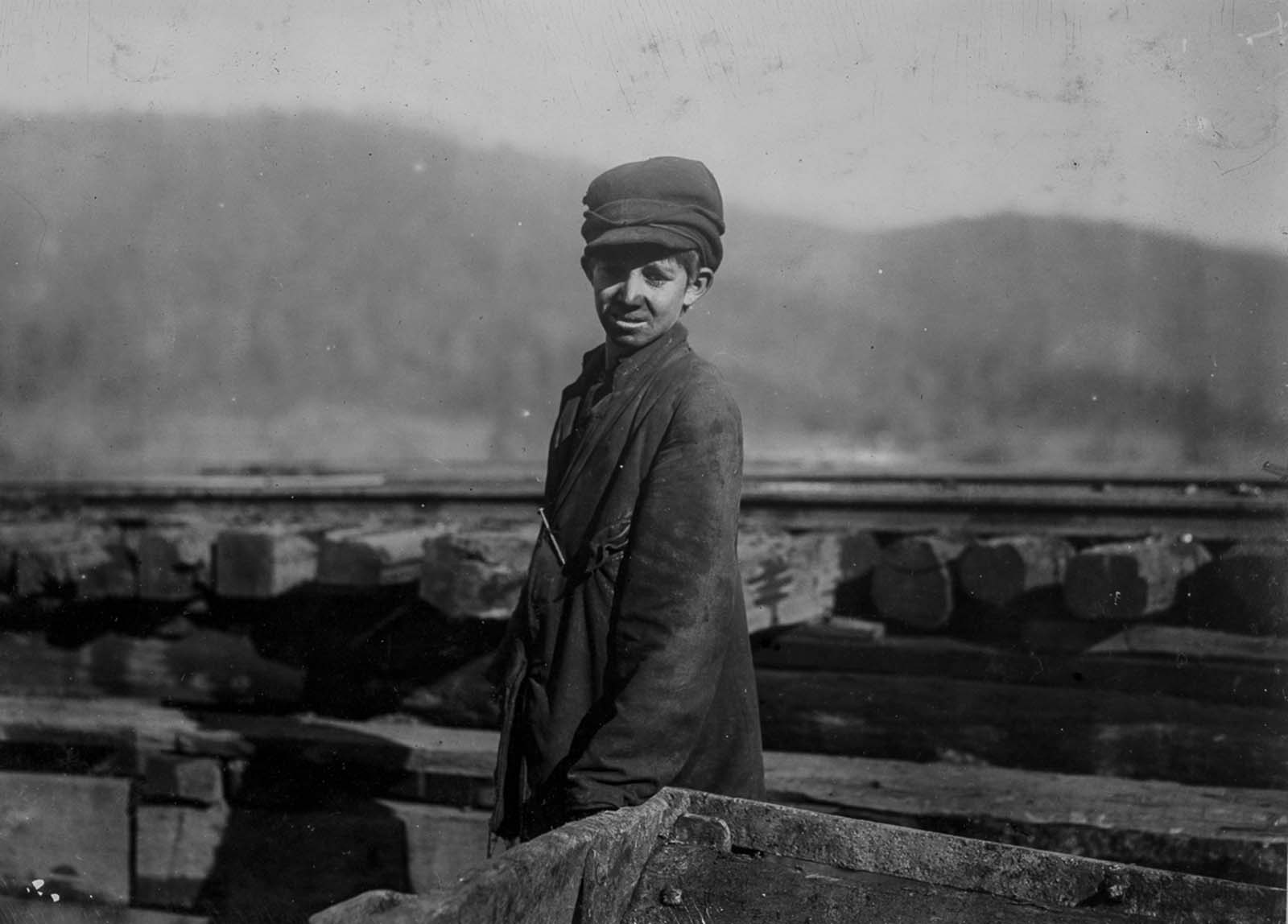
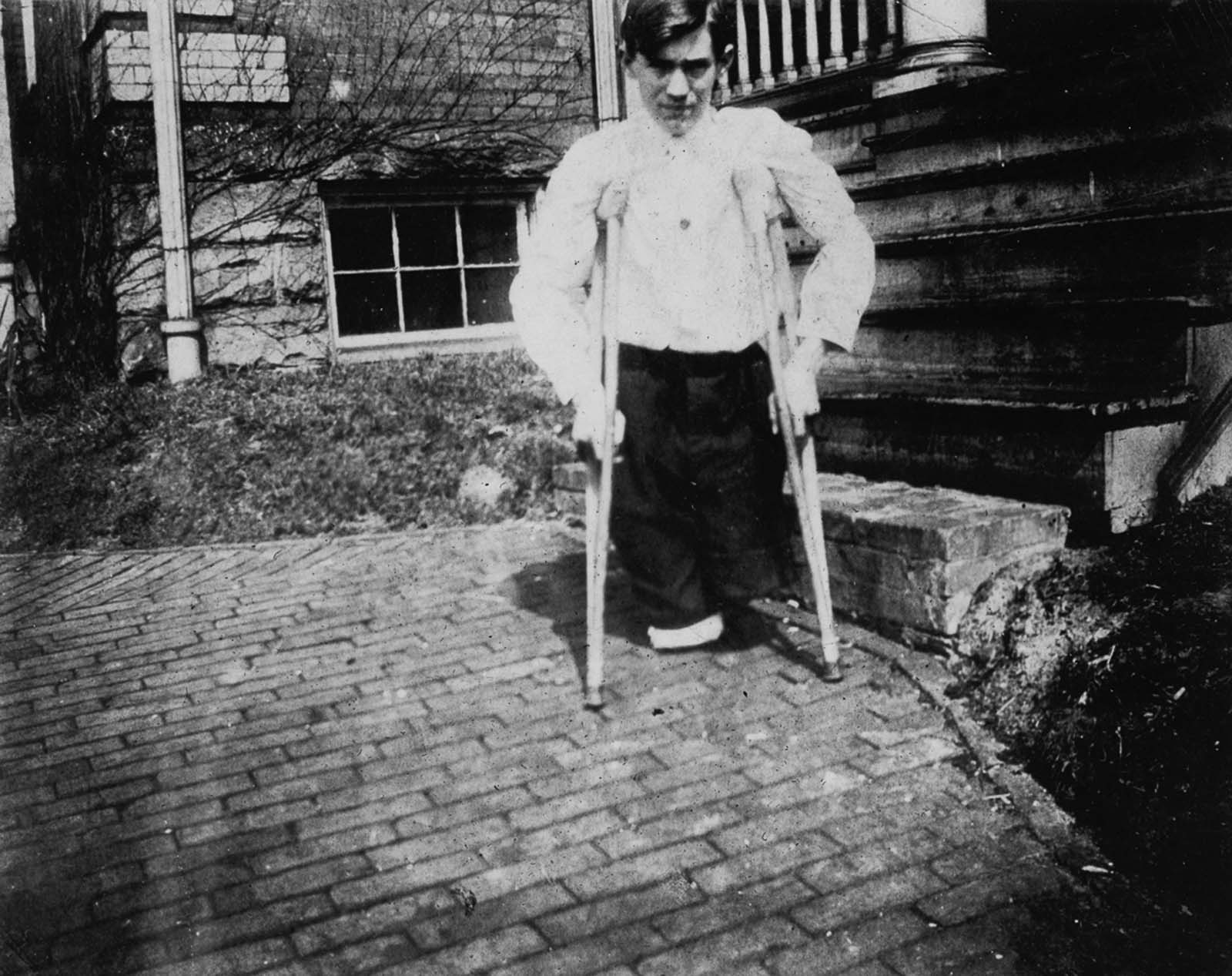
Frank was fourteen when Lewis Hine photographed him in 1906. He had started working in the mine at eleven. By the time Hine found him, Frank had already spent a year in a hospital after a coal car crushed his leg. He was one of many. Boys were smothered by sudden rushes of coal, crushed by heavy equipment, and buried under rock falls. The mines treated child workers with the same indifference as any other piece of machinery.


Lewis Hine traveled across the Appalachian coalfields and beyond, photographing children at mines in West Virginia, Pennsylvania, Alabama, Tennessee, and Missouri. He recorded not just their faces, but their names, their ages, and what had happened to them. Those details transformed his photographs from images into evidence.


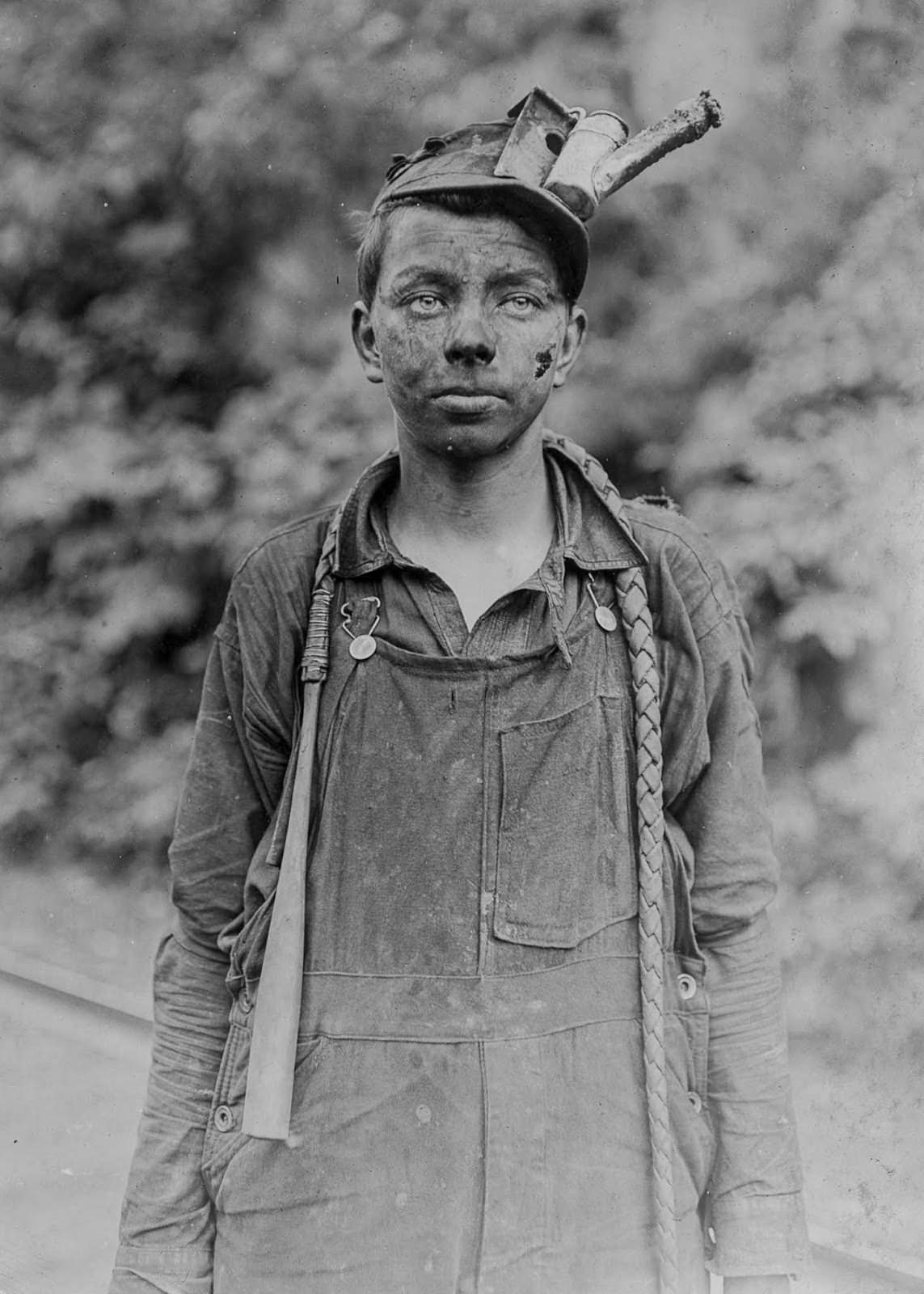
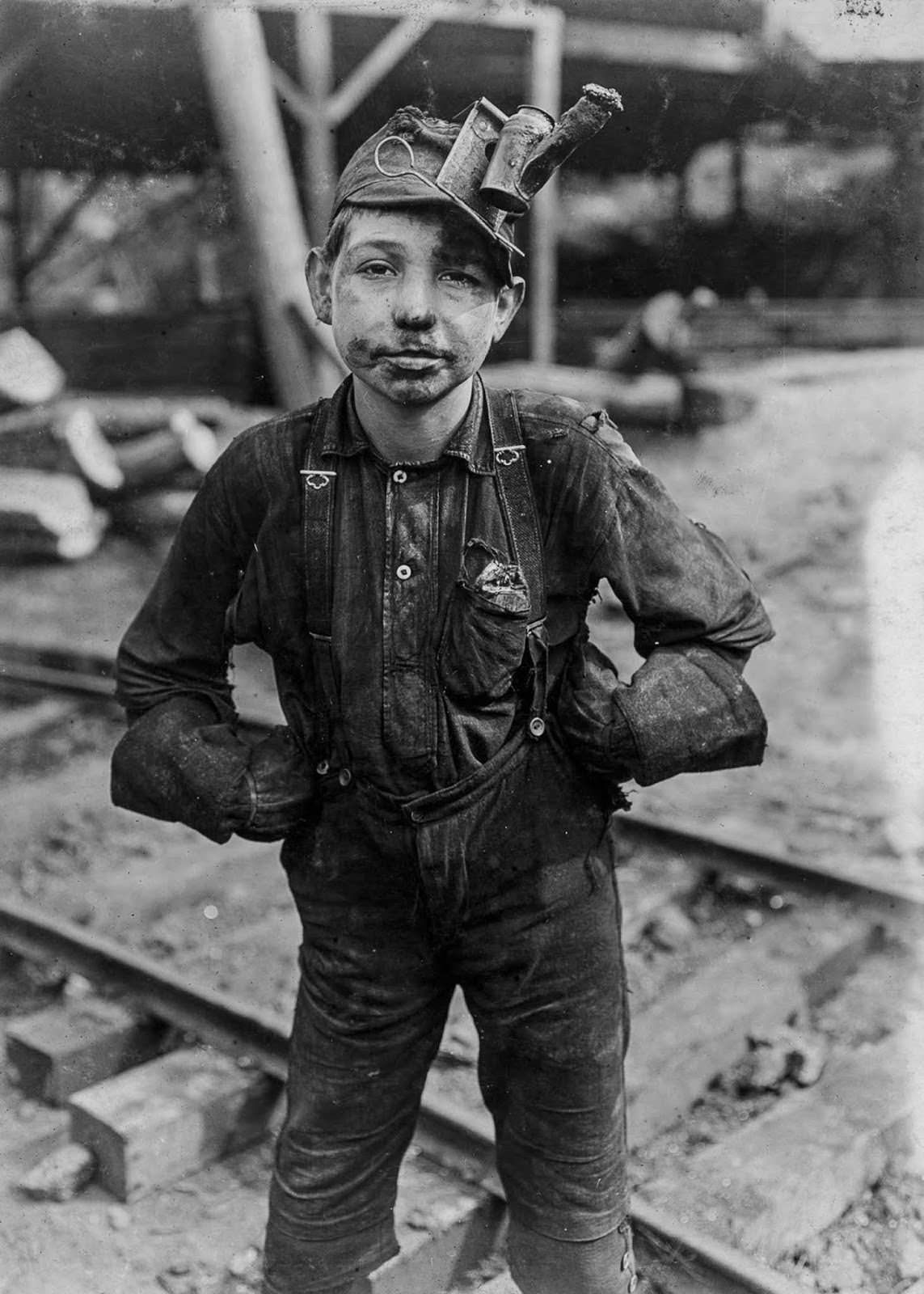
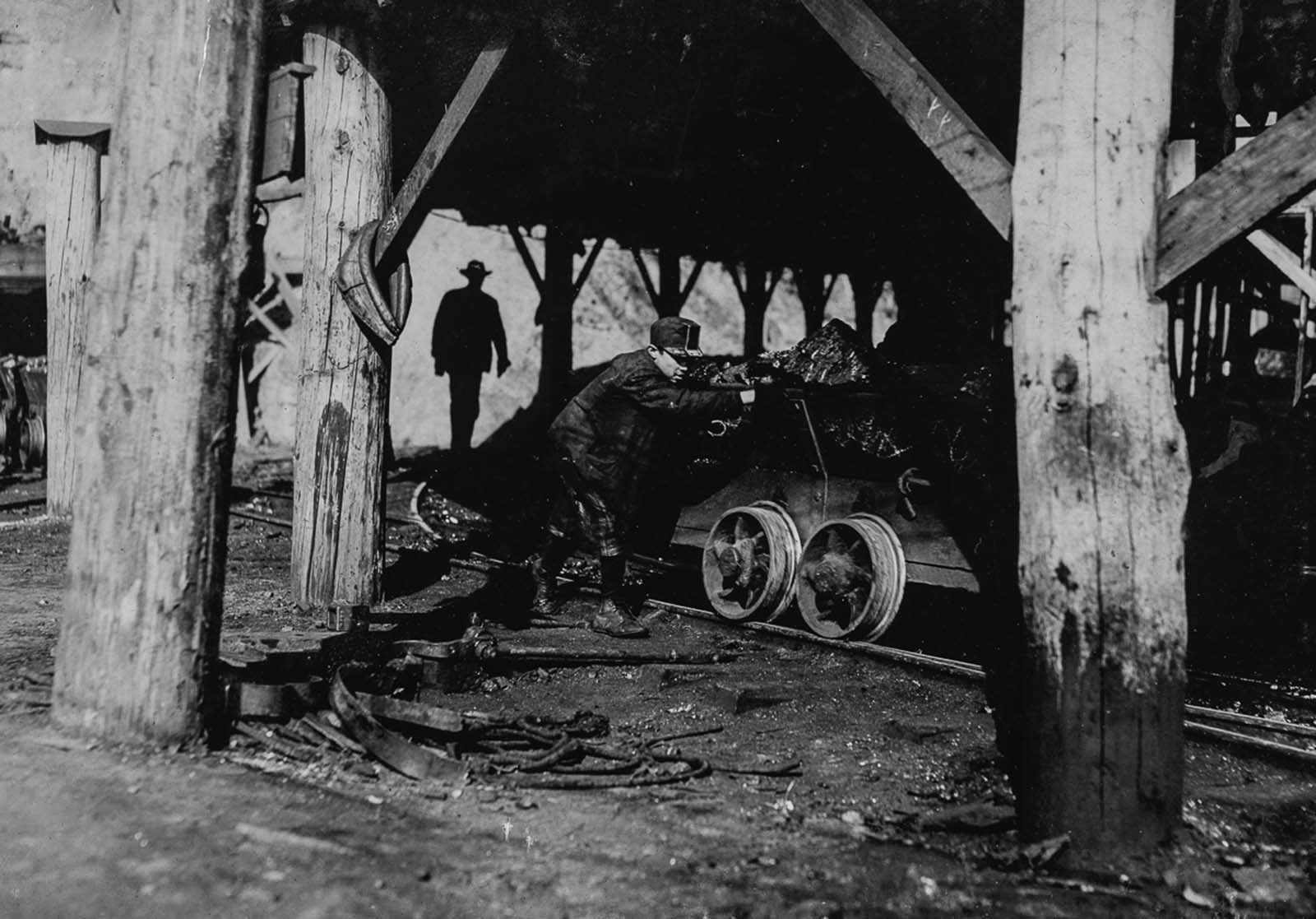
Boys took on a wide range of roles inside and around the mines. Some pushed or drove coal carts along underground tracks. Others shoveled loose rock or worked the tipple — the structure used to load coal into rail cars. Each job carried its own specific risks, but all of them shared one thing: they were performed by children who had no meaningful choice in the matter.


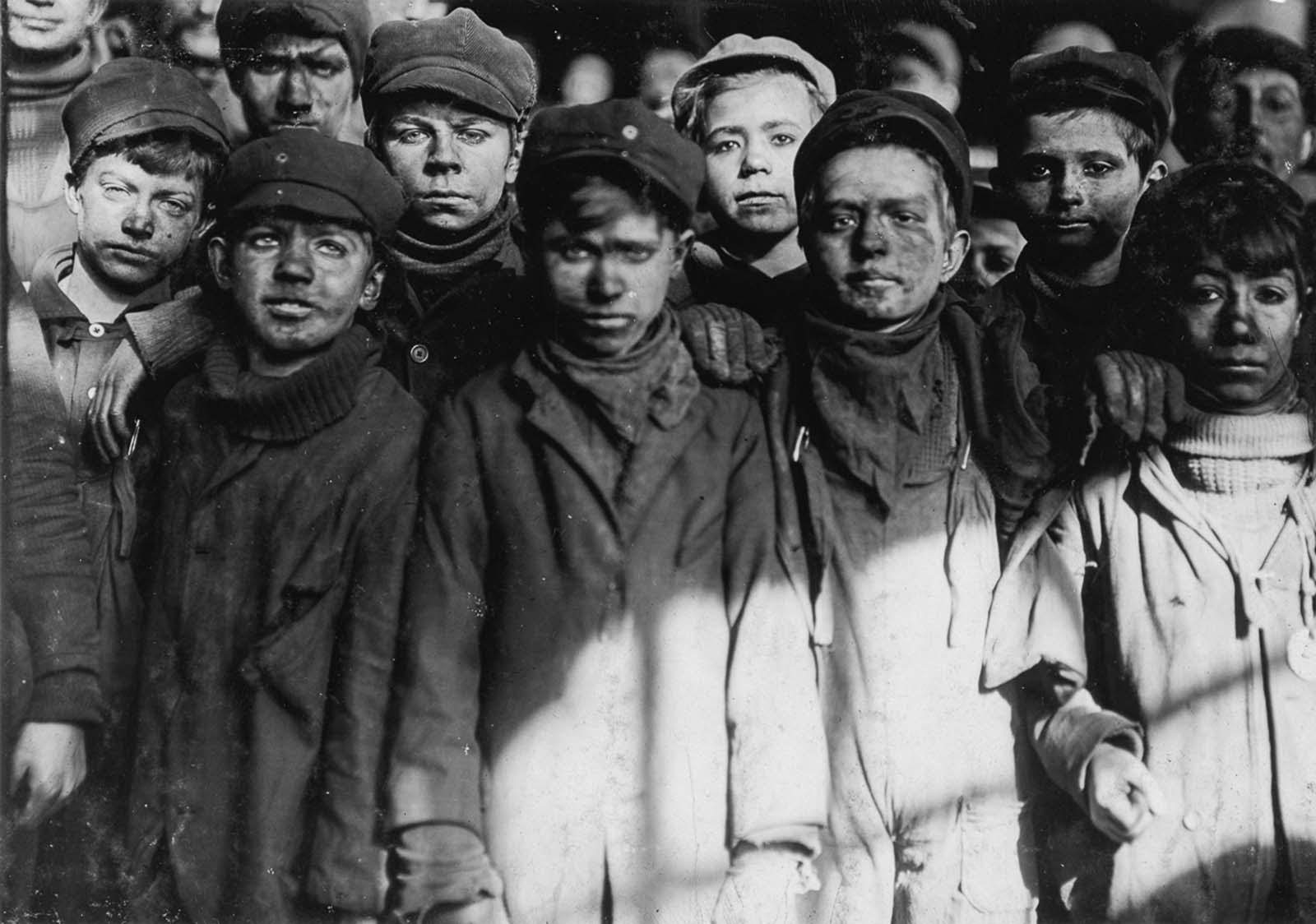
Pennsylvania’s coal companies were among the largest employers of child labor in the country. Hine photographed breaker boys at the Pennsylvania Coal Company on multiple visits. The images show boys of every size — some clearly no older than eight or nine — hunched over their work, faces blackened with coal dust, staring into the camera with expressions that range from exhaustion to defiance.


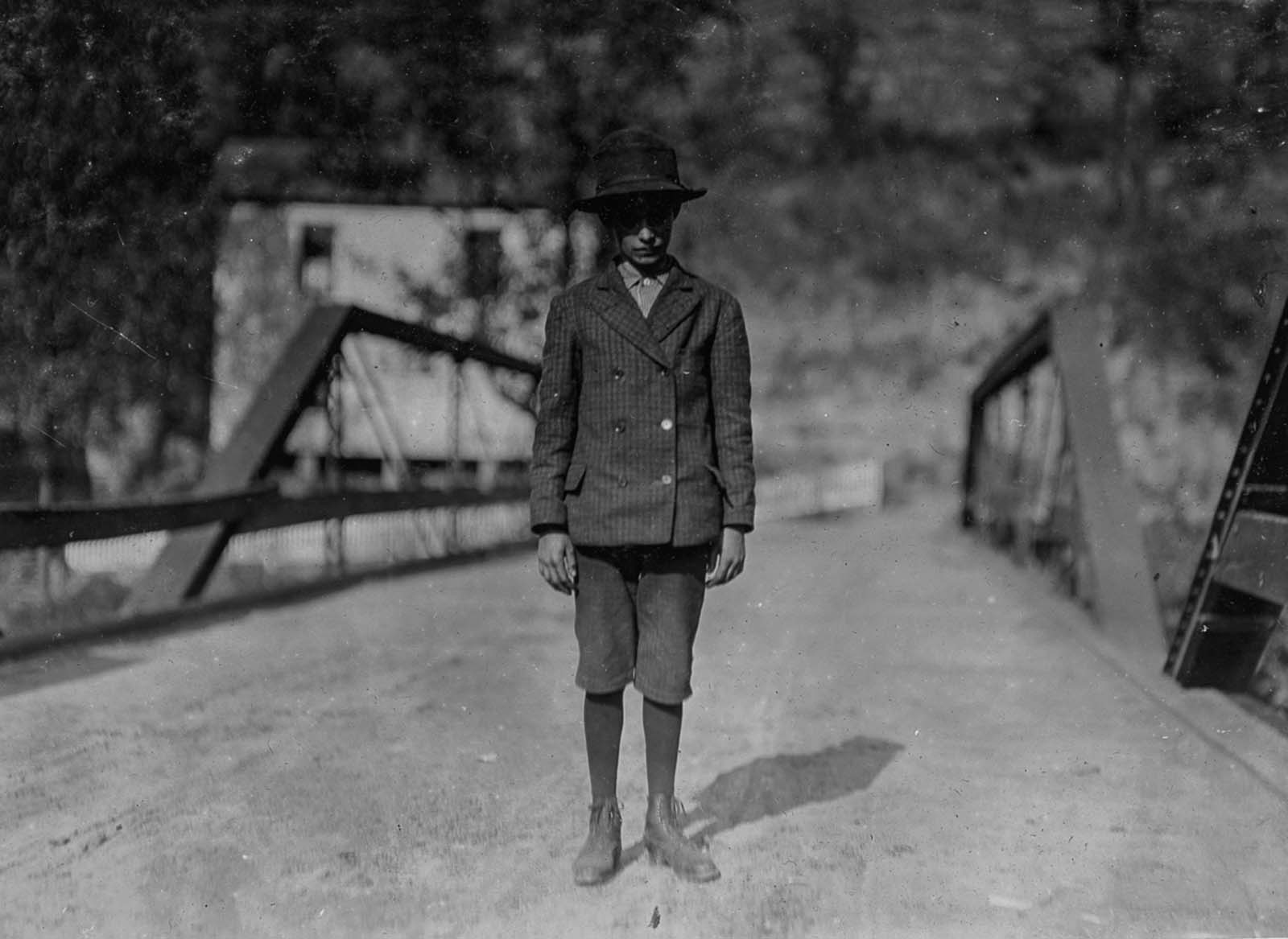
Mine owners frequently lied about the ages of their workers to avoid scrutiny. When Hine photographed Angelo Ross in 1911, the boy claimed to be thirteen. Hine noted in his records that Ross was almost certainly younger. Age fraud was common — both by employers who needed cheap labor and by families desperate for income.


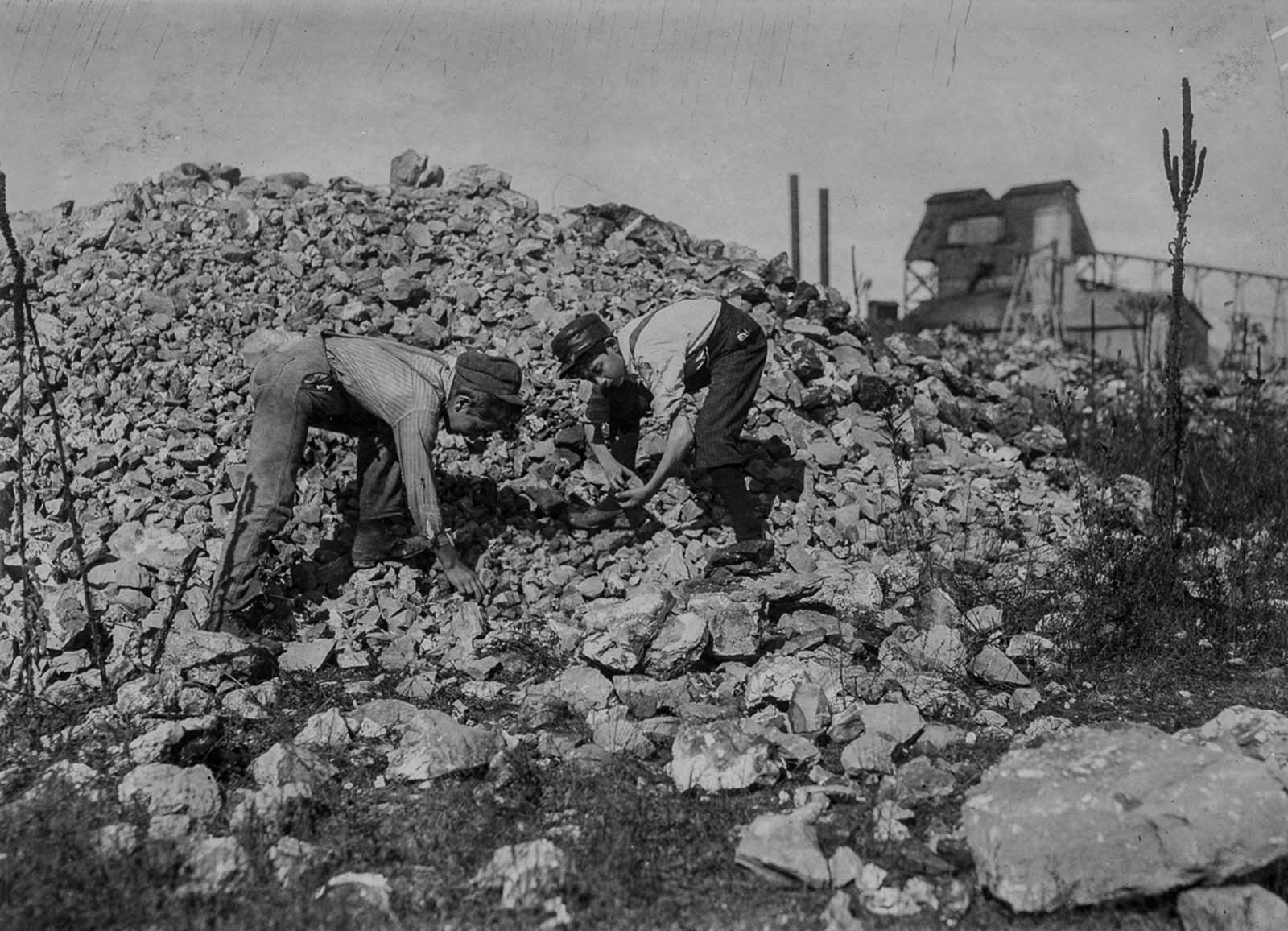
Children worked in mines across the South as well. Harley Bruce worked at Indian Mountain Mine in Tennessee. Shorpy Higginbotham was photographed at Bessie Mine in Alabama. In Missouri, twelve-year-olds Basil Roberts and James Hopper spent their days picking through waste rock from a zinc mine. The mining of coal was not the only industry pulling children underground or into toxic environments.


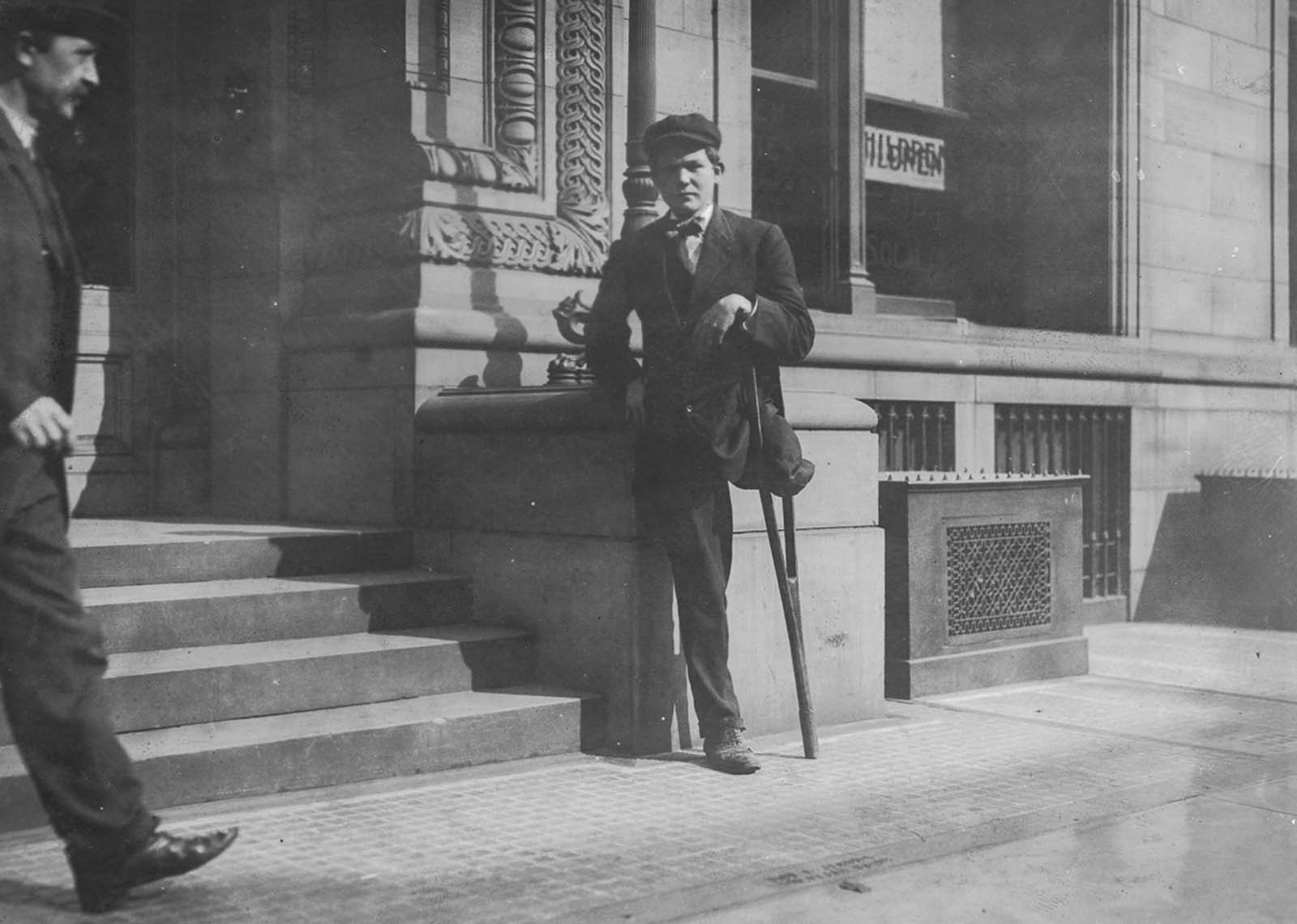
The permanent injuries Hine documented were among the most sobering parts of his record. Nola McKinney was fourteen when a motor car in a West Virginia coal mine ran over his legs, taking both of them. Neil Gallagher lost his leg in a Pennsylvania mine at thirteen. These were not isolated accidents — they were the predictable results of placing small children inside industrial machinery with no safety protections.


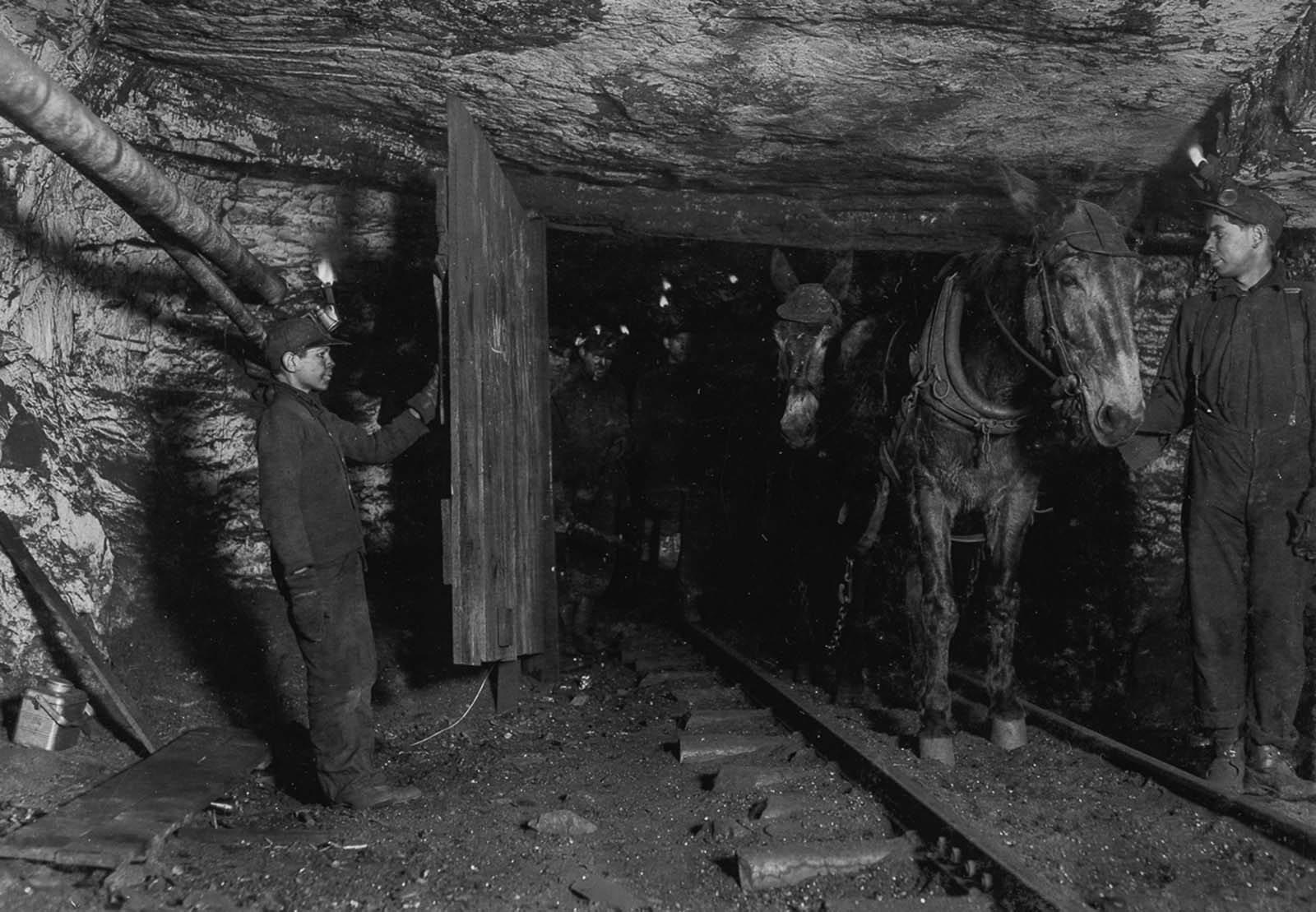
Not every child worked in the depths of the mine. Some, like Willie Bryden, worked at access points — holding doors open for mule carts moving through the tunnels. Bryden was fourteen when Hine photographed him in a Pennsylvania mine in 1911. The job kept him near the surface, but he was still part of the same system that swallowed so many of his peers.


One of the most striking details about breaker boy work was the dust. The photograph of breaker boys at work in 1911 captures it directly — thick clouds of coal dust hanging in the air around the workers, settling into their lungs with every breath. Black lung disease did not announce itself immediately. It built slowly, quietly, over years of breathing in that dust, often not showing its full effects until decades later.


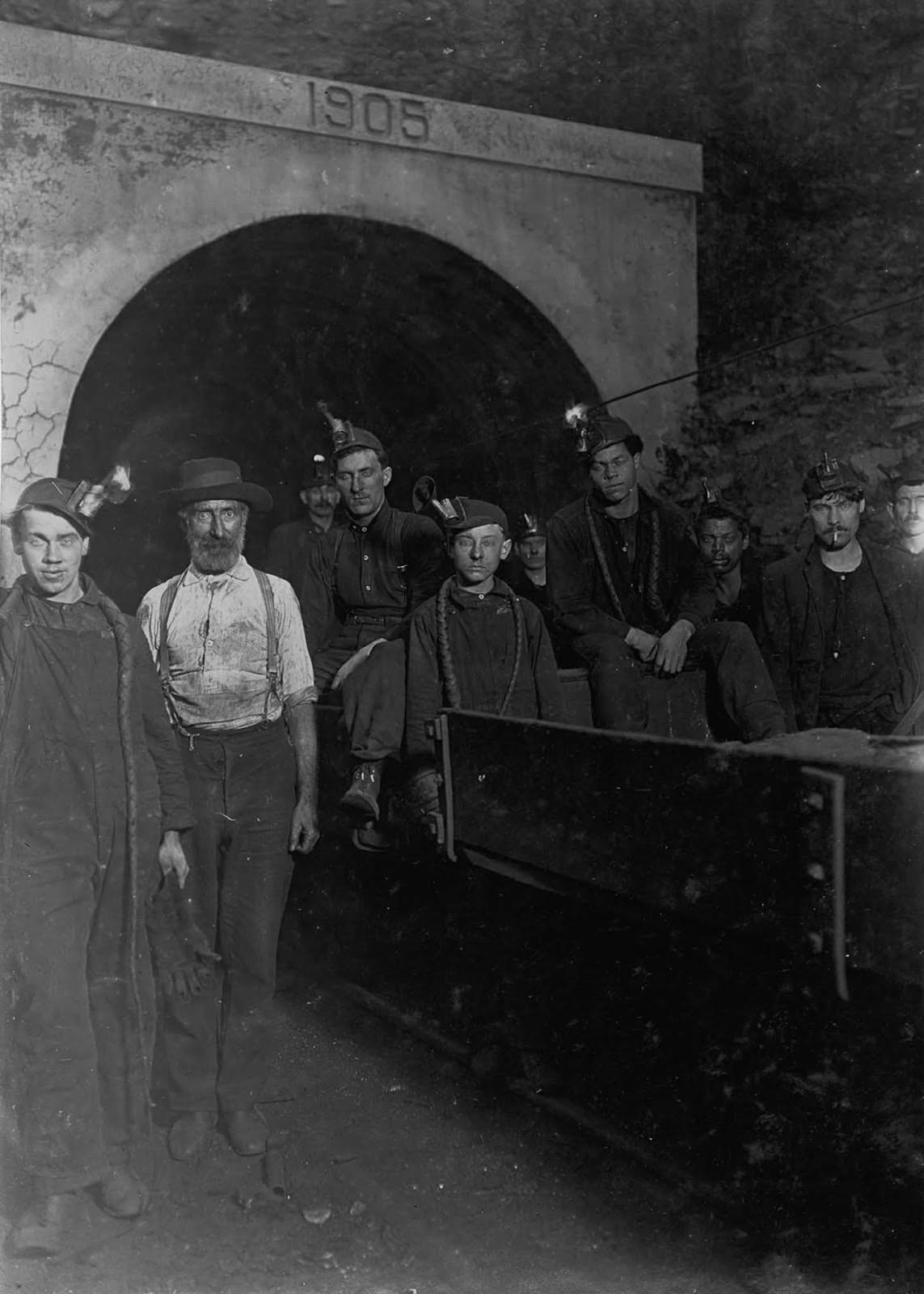
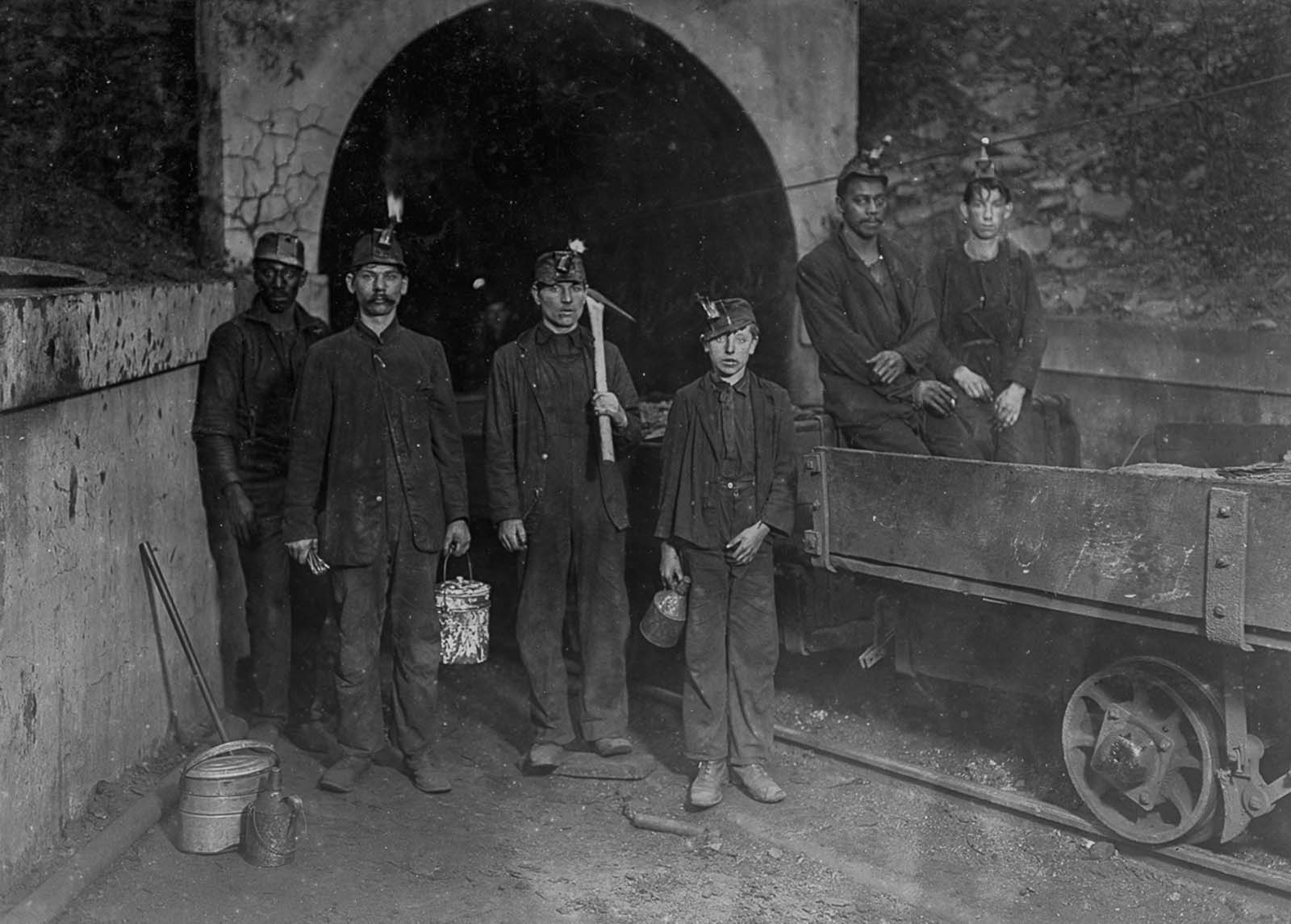
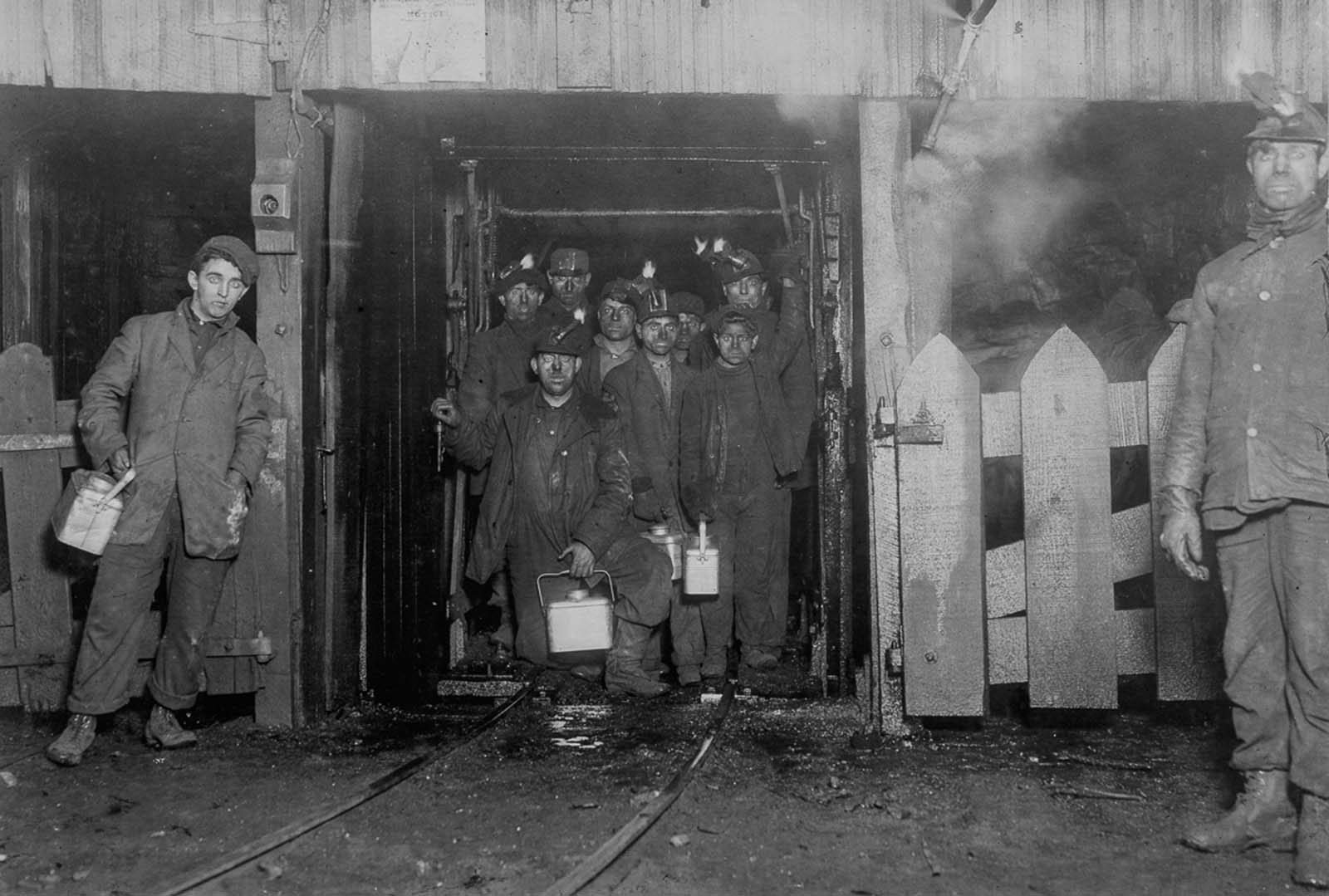
By the 1910s, the number of breaker boys had begun to fall. New machinery reduced the need for hand-sorting. Stricter child labor laws made it harder — though not impossible — for mine operators to hire the youngest workers. Compulsory education laws pulled more children into classrooms. The practice of employing children in coal breakers came to an end in the 1920s. But for the boys Hine photographed, the damage was already done. The photograph of workers waiting for the cage to carry them back to the surface at the end of the day captures something essential about their lives — the long wait to be released from the dark, one more time.