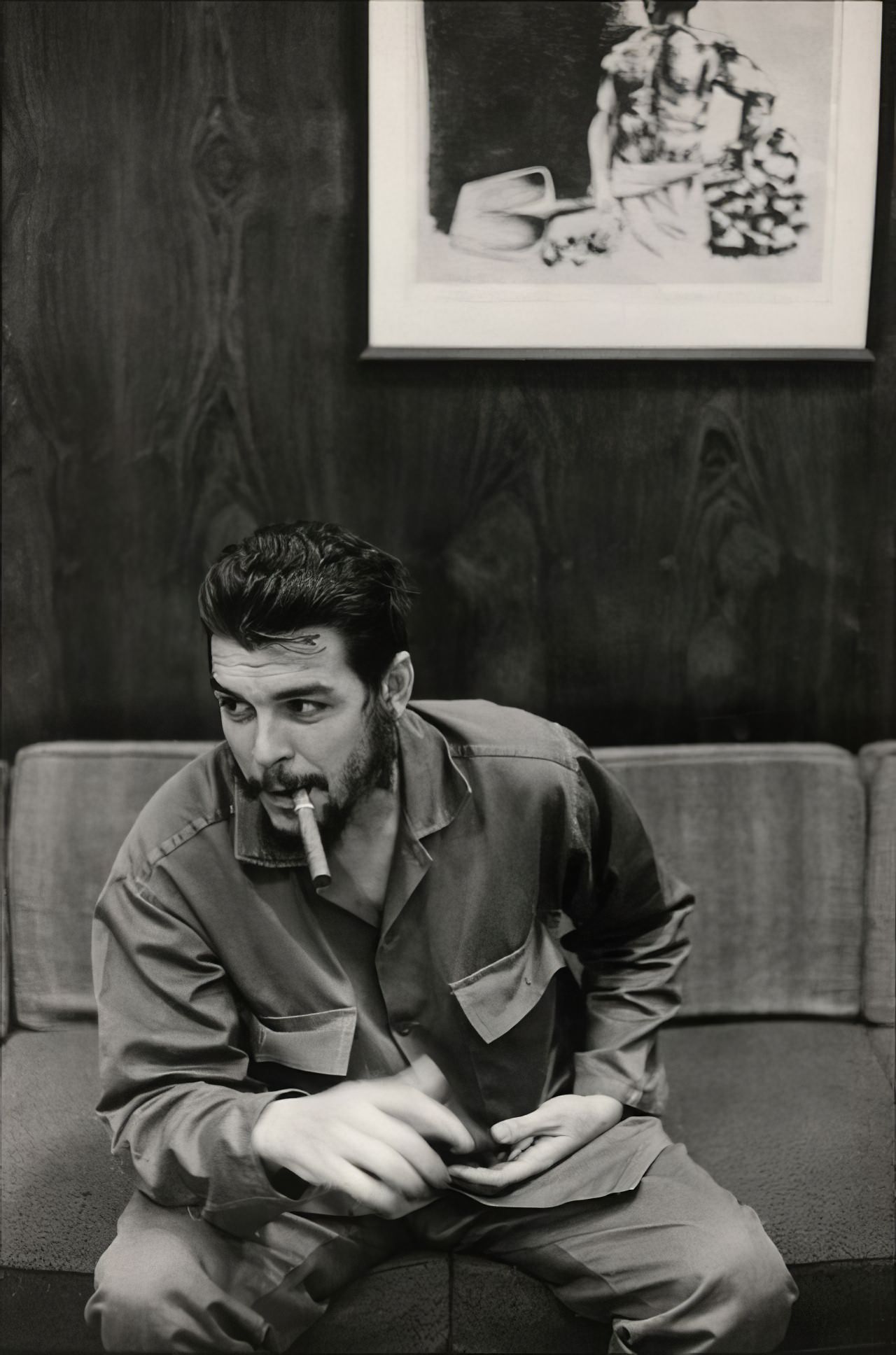
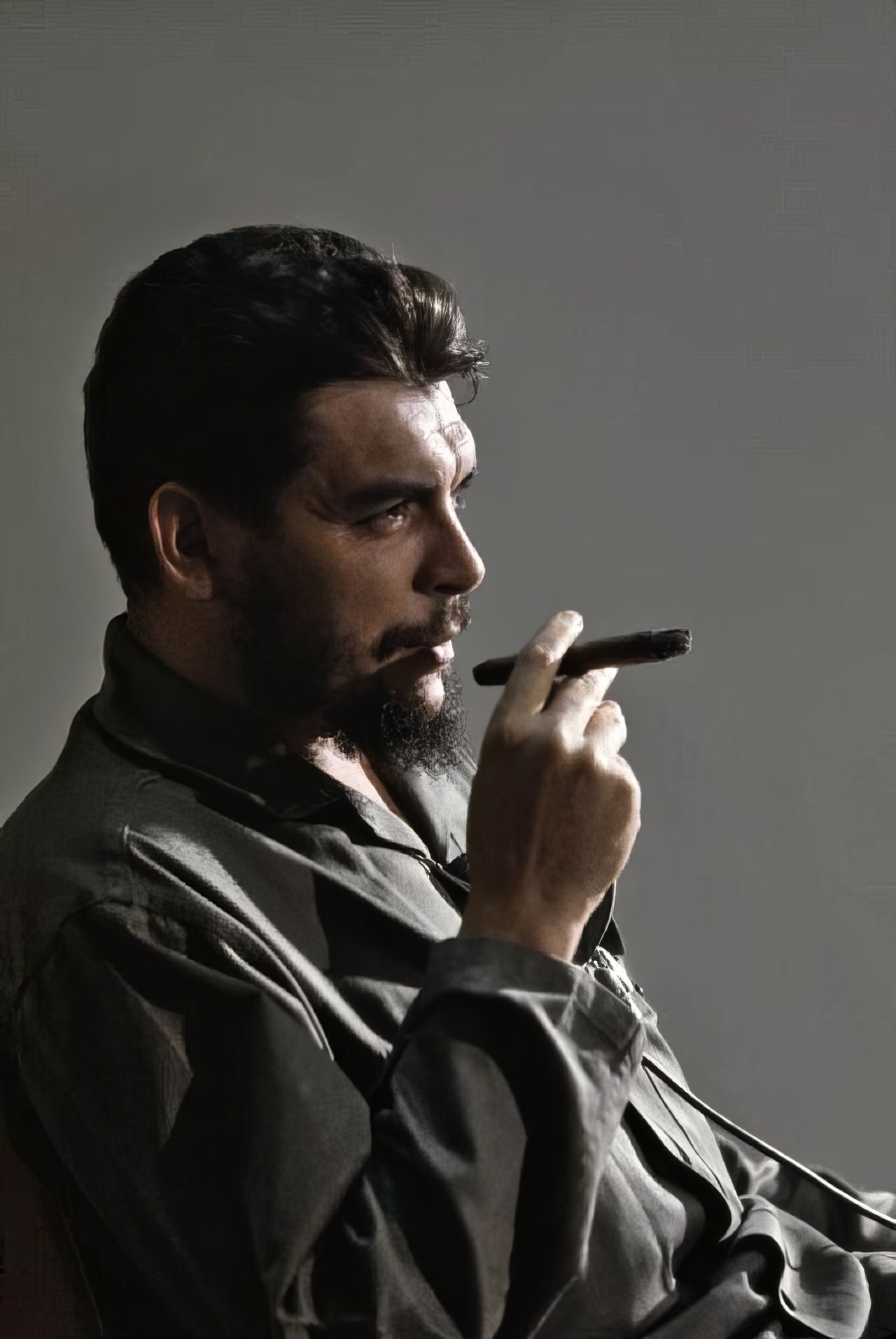
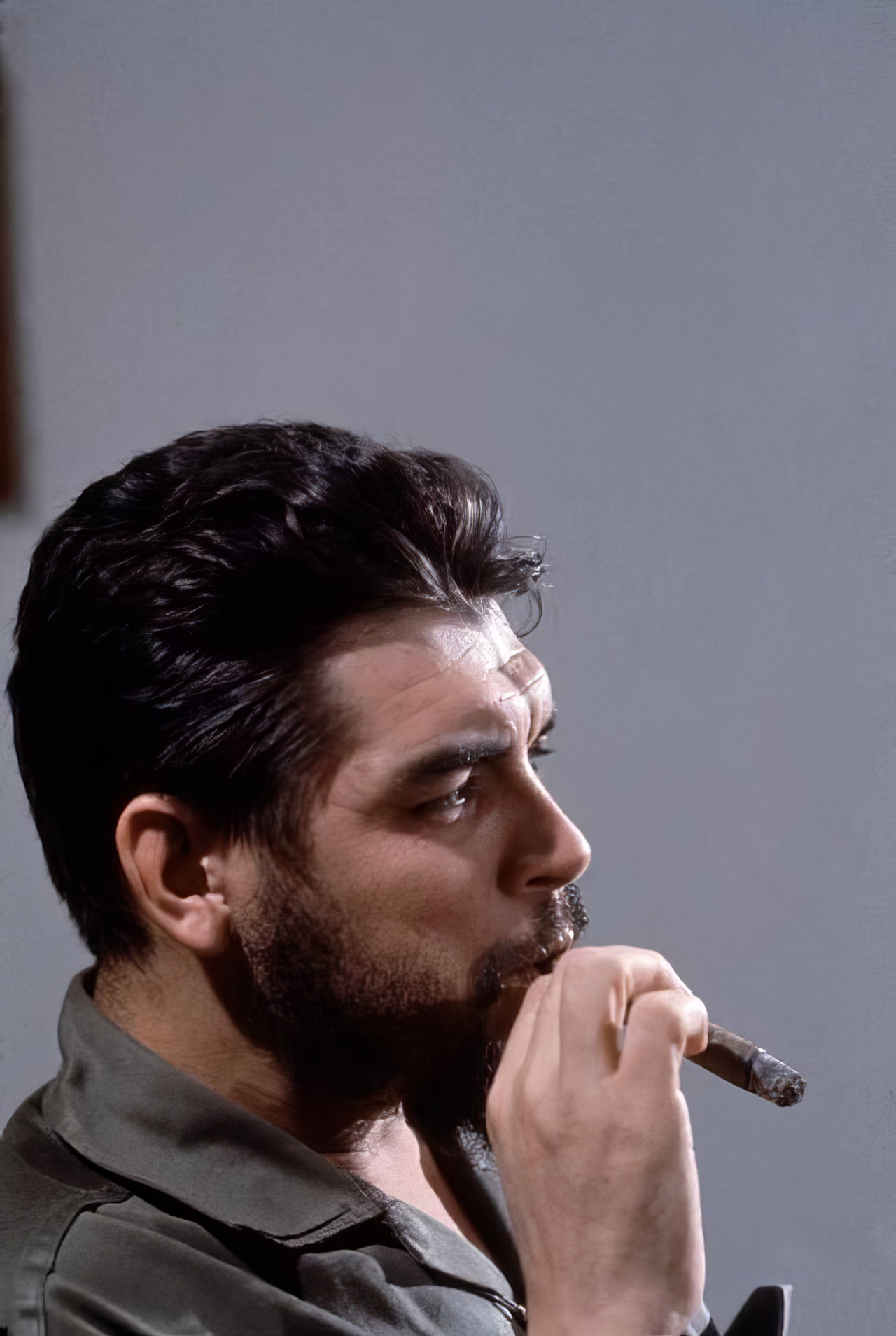
In 1964, American photographer Elliott Erwitt traveled to Cuba, five years after Fidel Castro’s 1959 revolution had reshaped the country entirely. Erwitt was already well known for finding the human truth inside a single frame, and Cuba — still electric with revolutionary energy — gave him rare access to its most recognizable figure: Ernesto “Che” Guevara.

Guevara was an Argentine Marxist revolutionary who had been central to the Cuban Revolution. By 1964, he held government posts in Castro’s Cuba and was one of the most talked-about political figures in the world. Erwitt arrived with his camera during a period when Guevara was still an active presence in Havana.
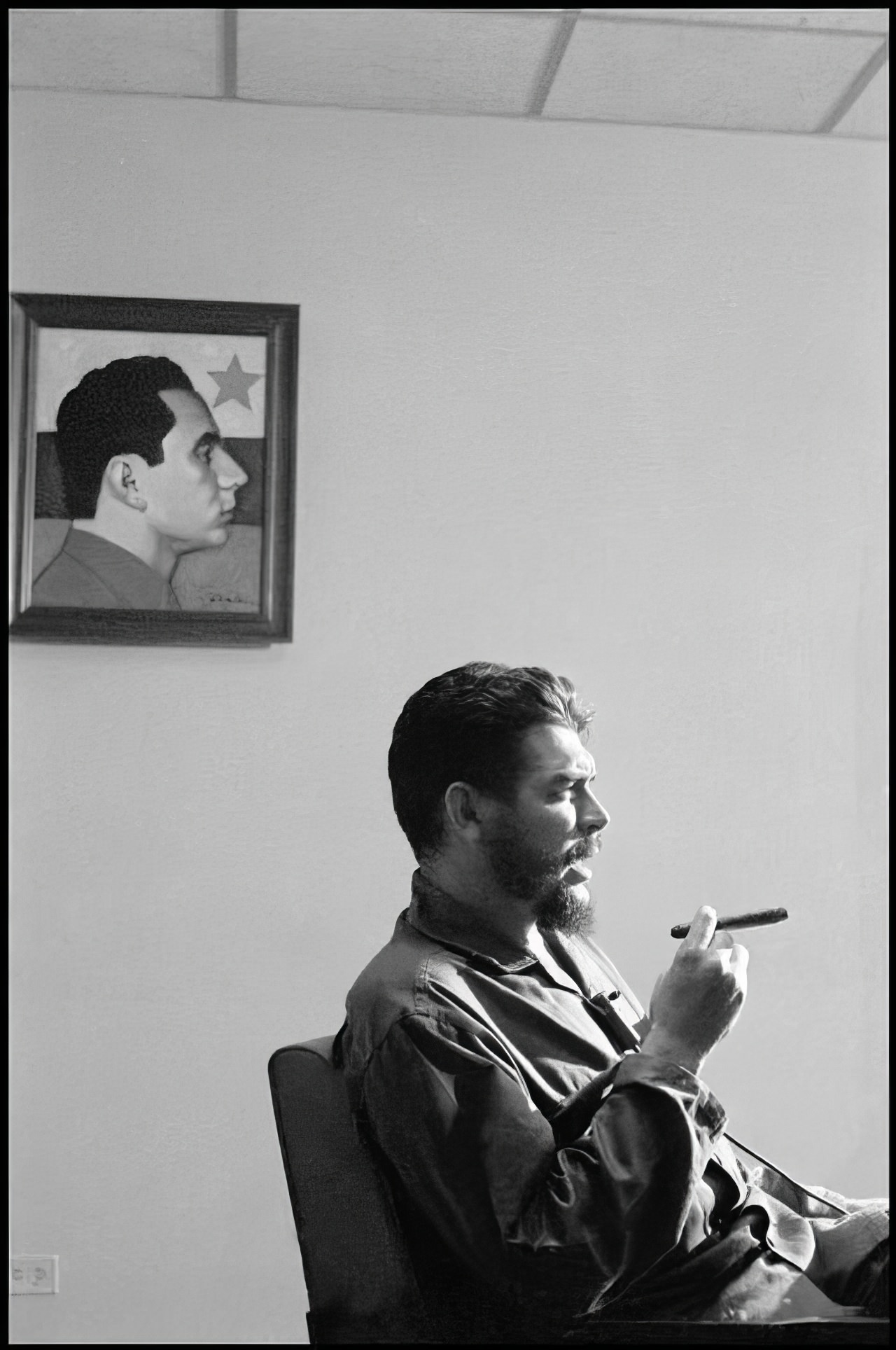
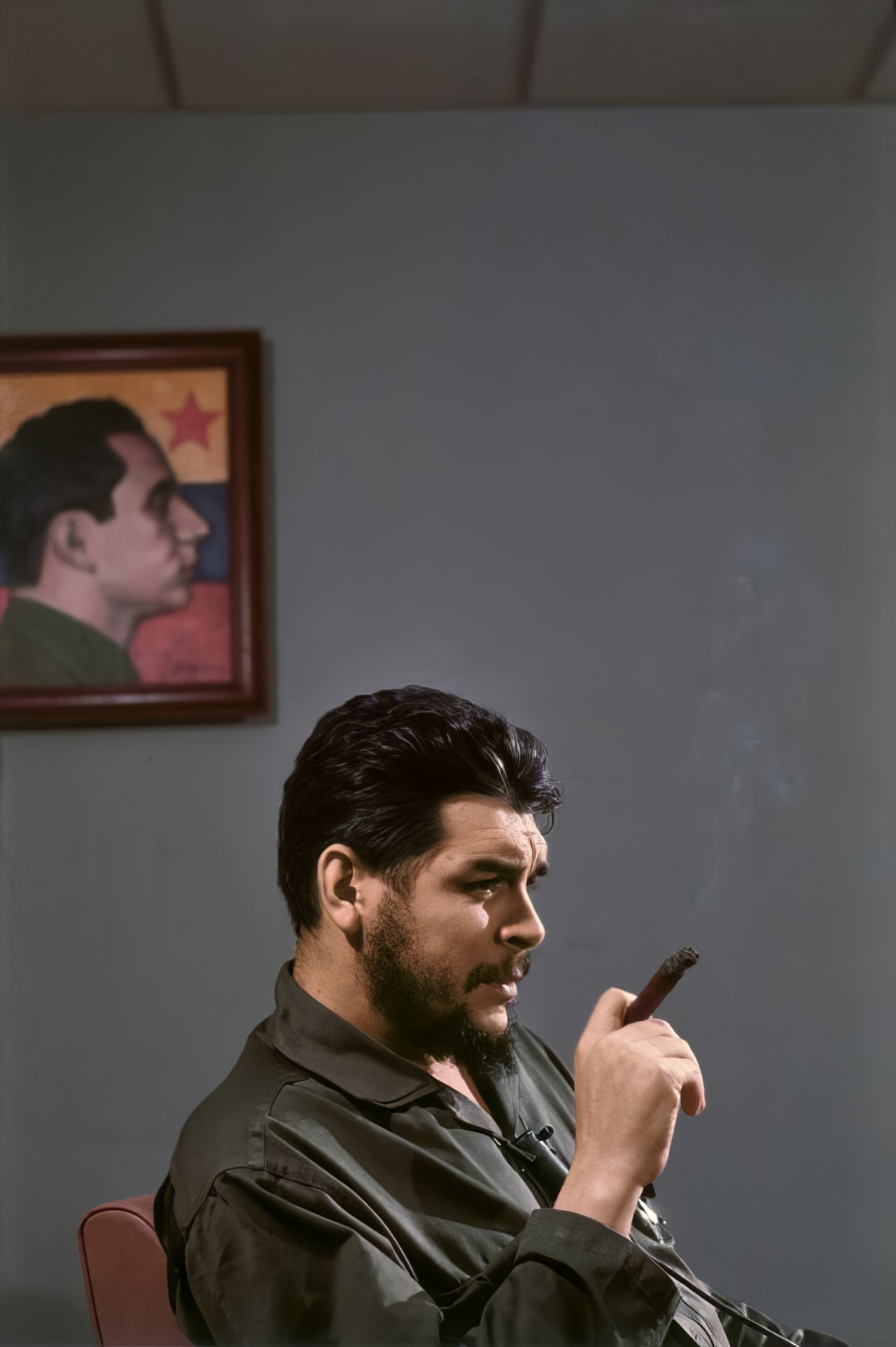
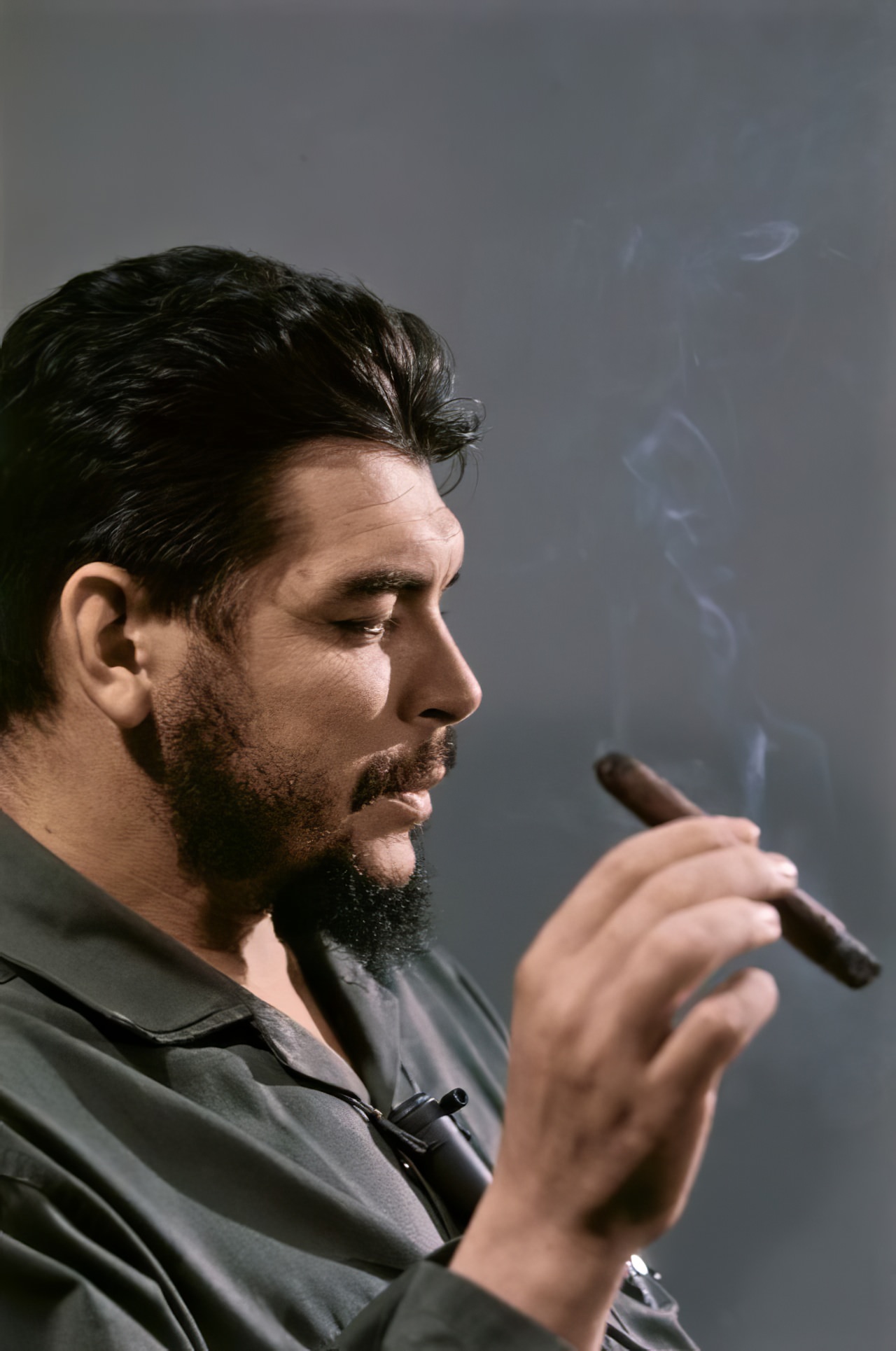
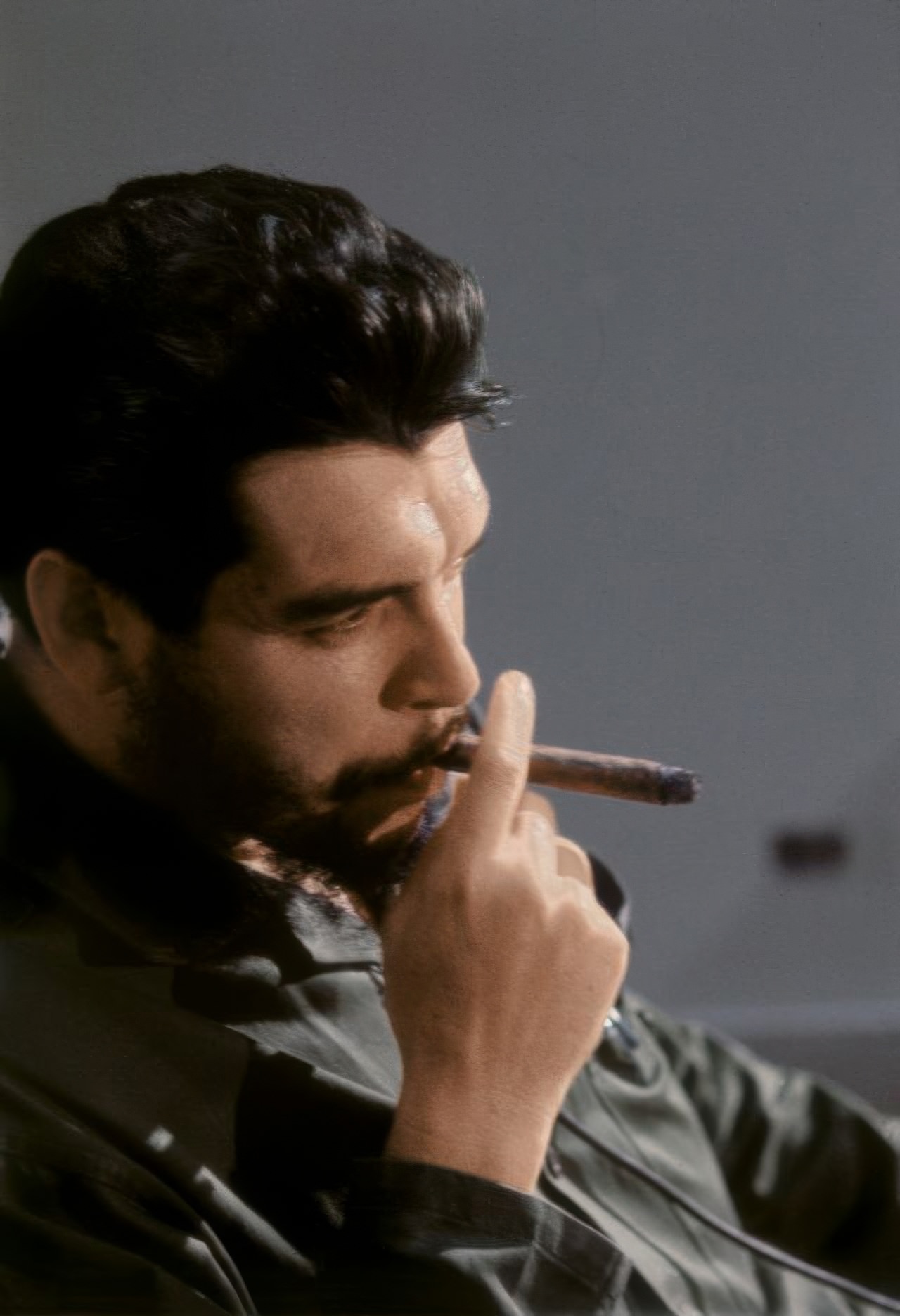
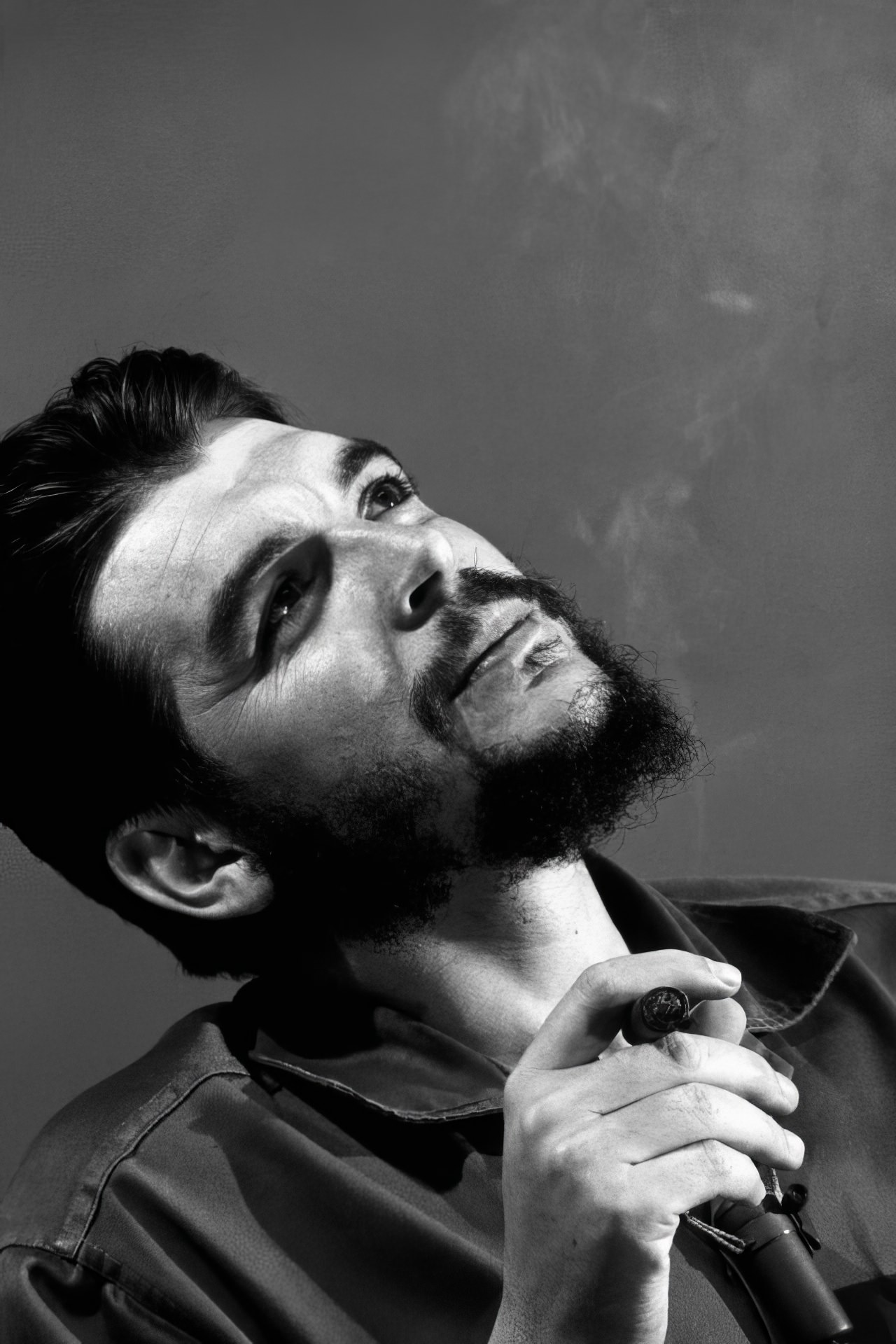
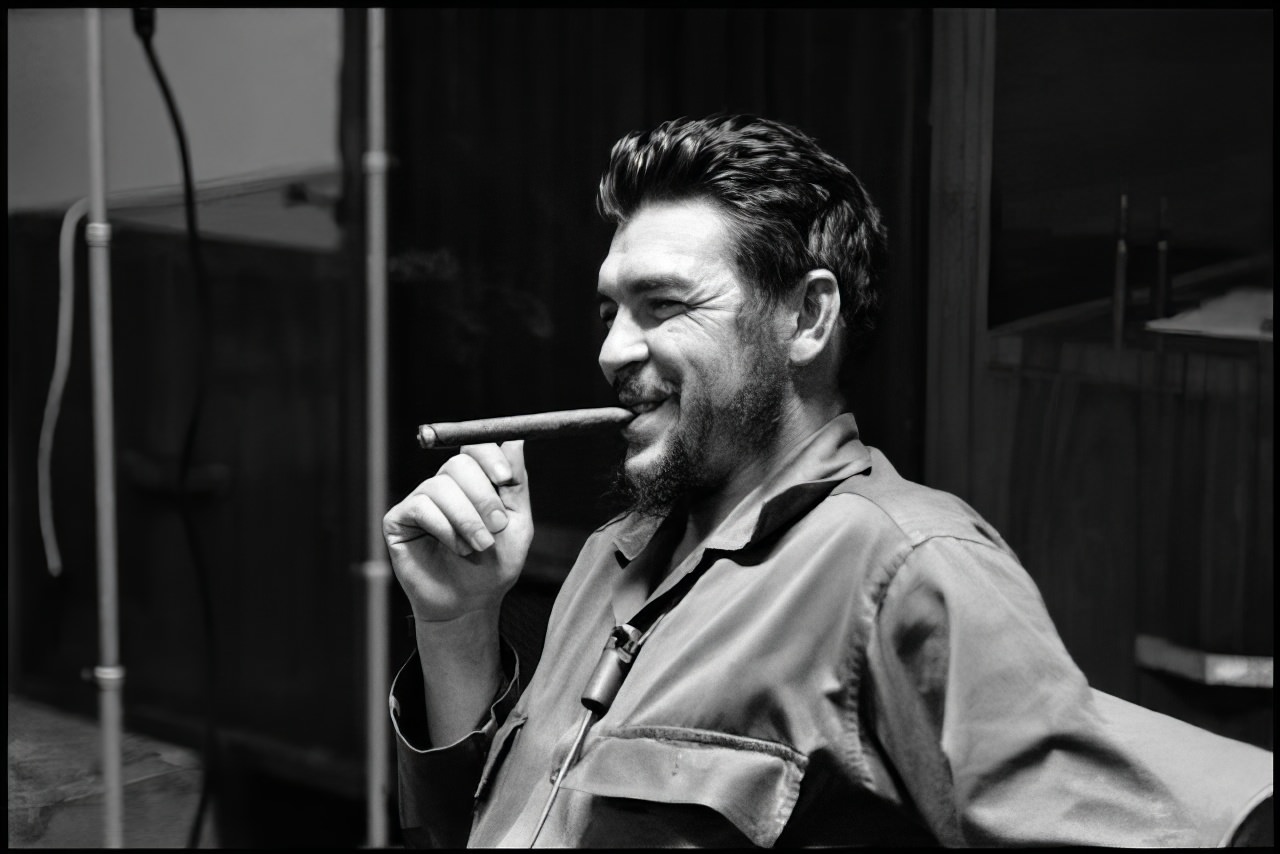
One of the best-known images from the series shows Guevara smoking a cigar, his gaze direct and steady. Smoke drifts across his face as he stares into the lens without flinching. The photograph is a straightforward document of the man — no staging, no softening.
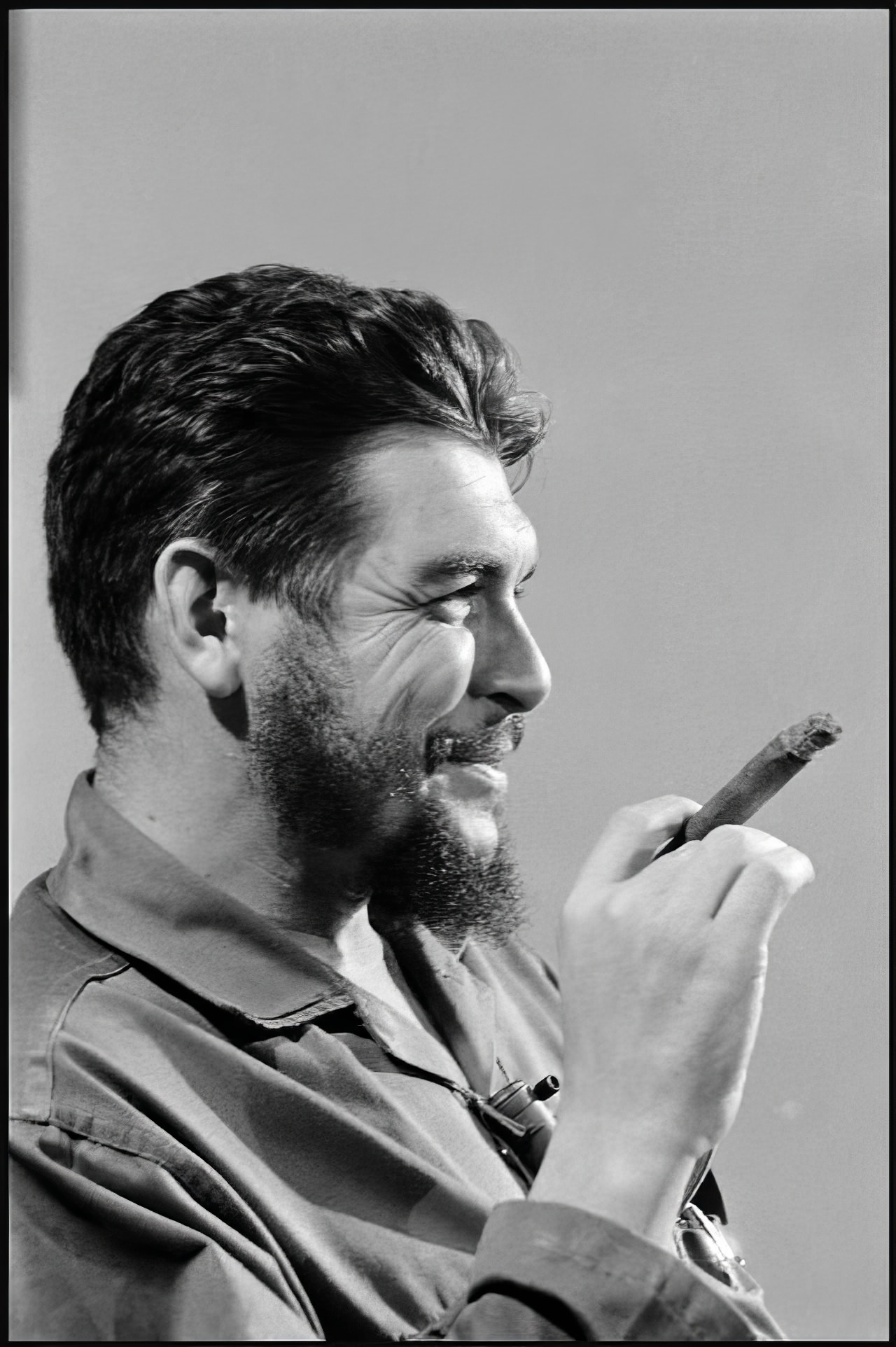
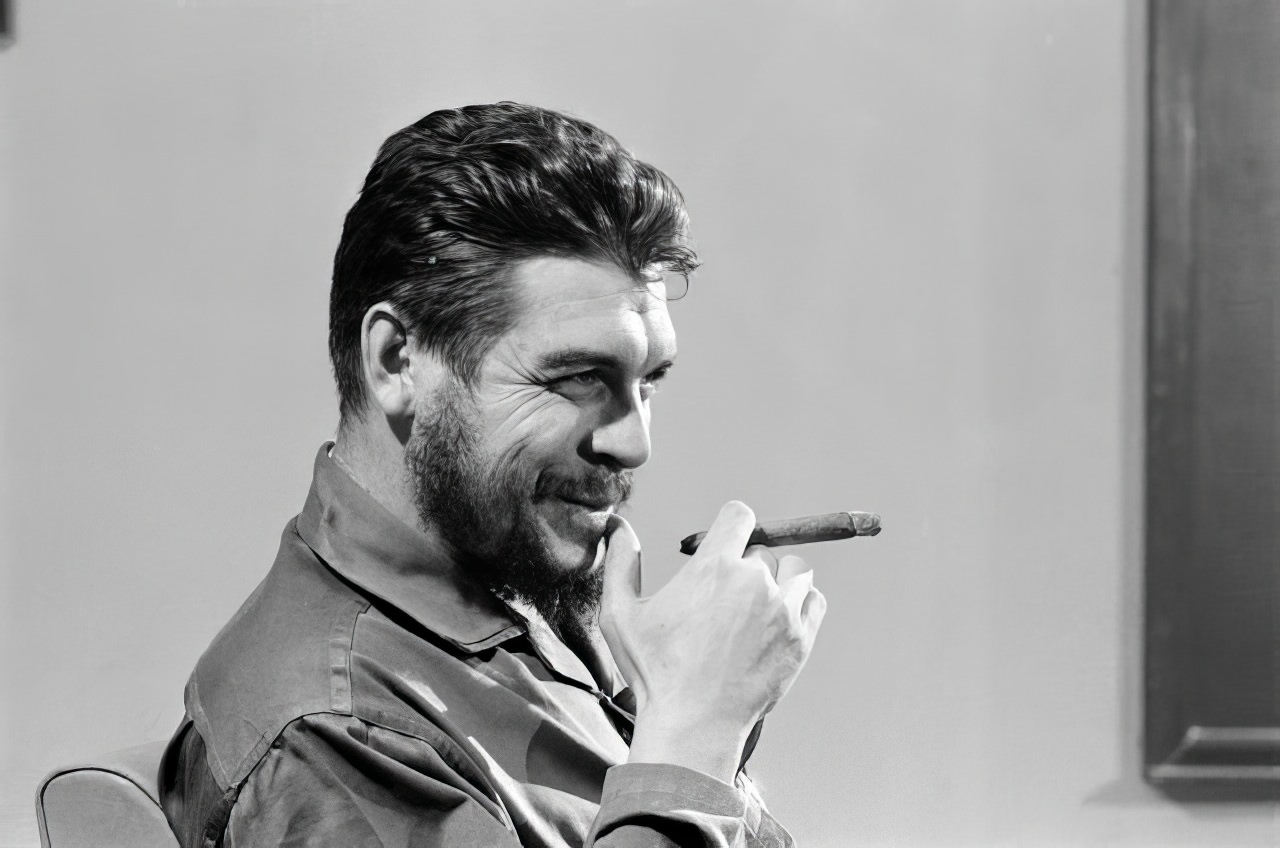
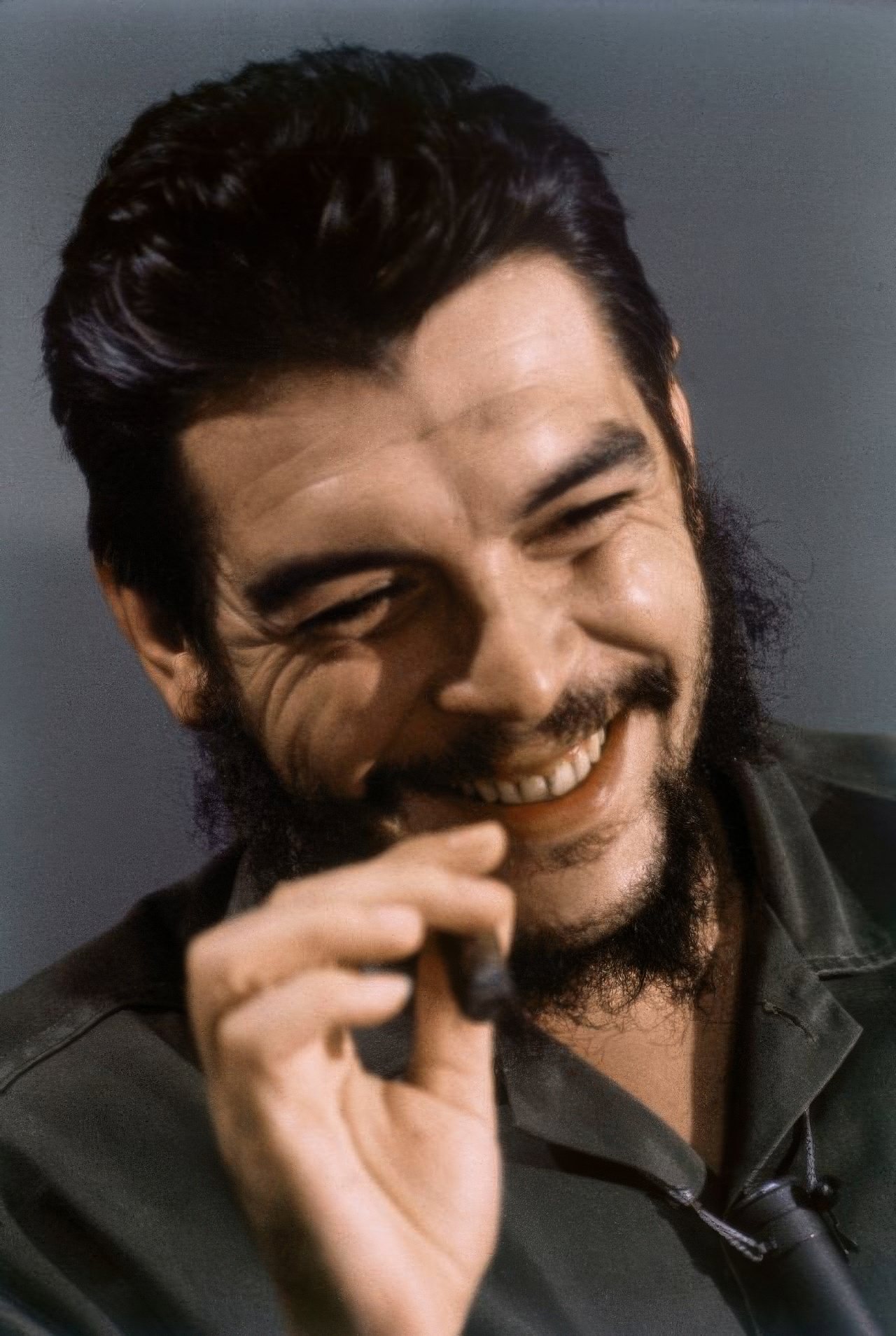
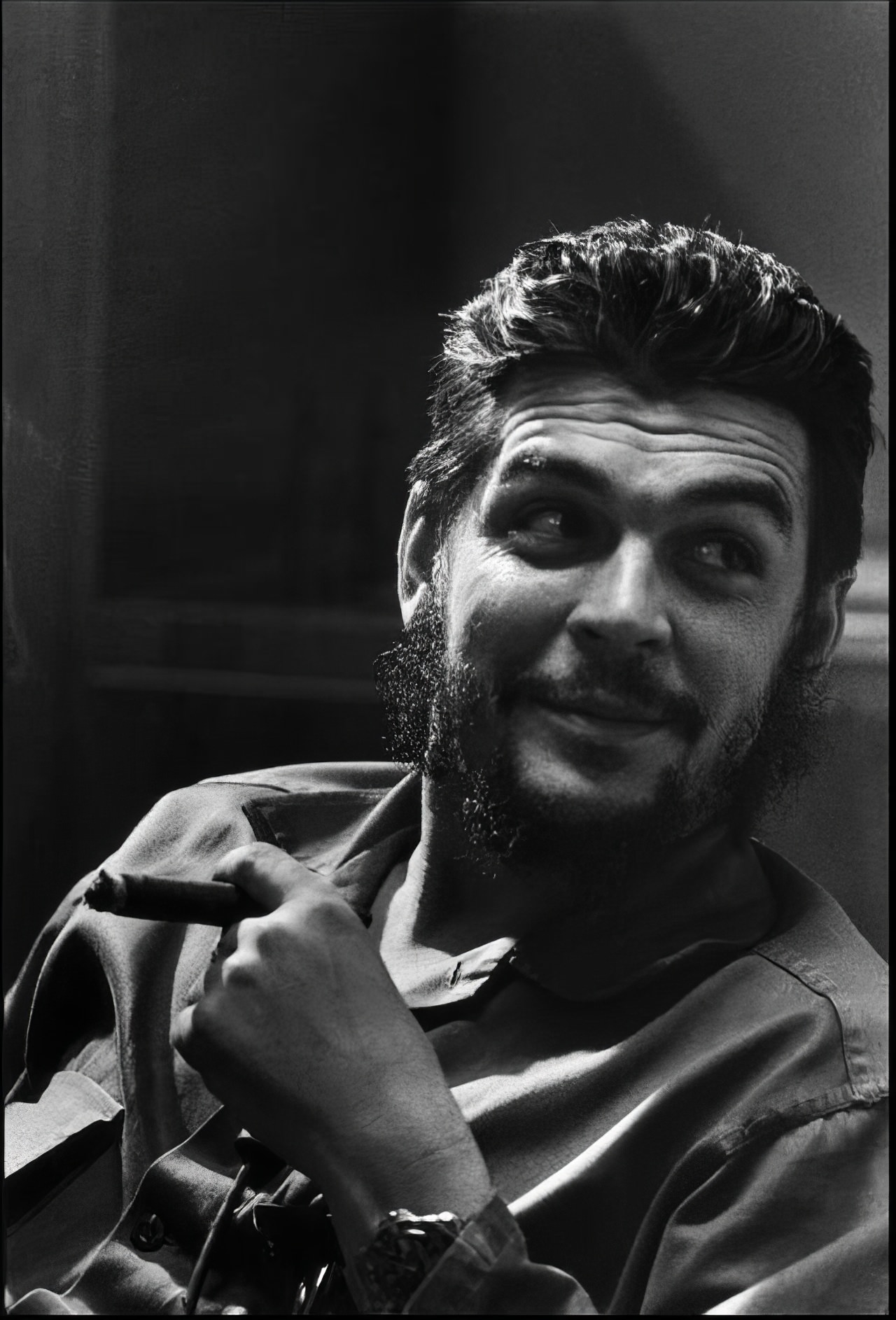
Erwitt also captured Guevara laughing openly among his comrades — a sharp contrast to the stern, iconic image most people associate with him. These quieter moments show a man at ease with the people around him, relaxed in a way that formal portraits rarely allow.
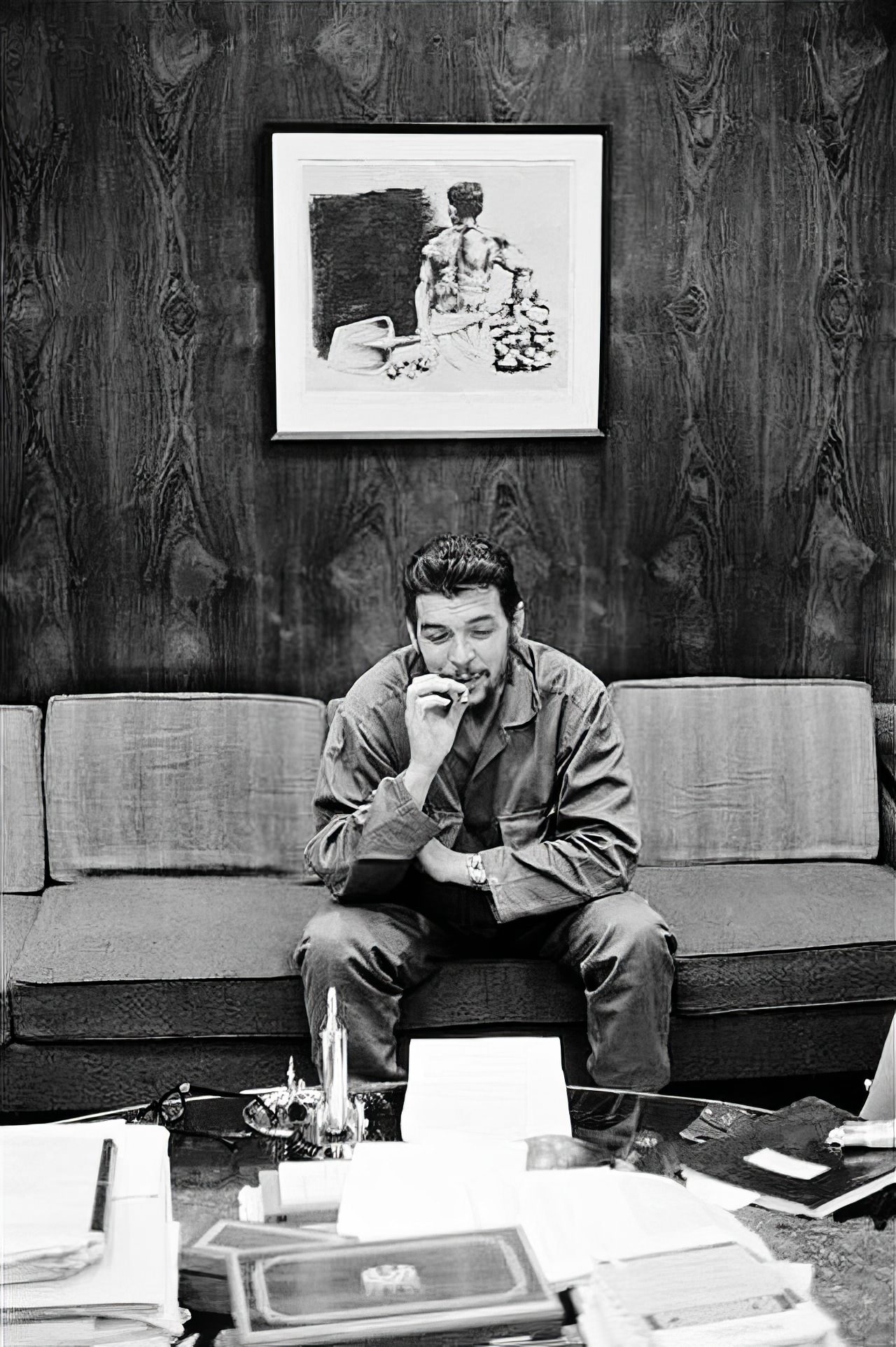
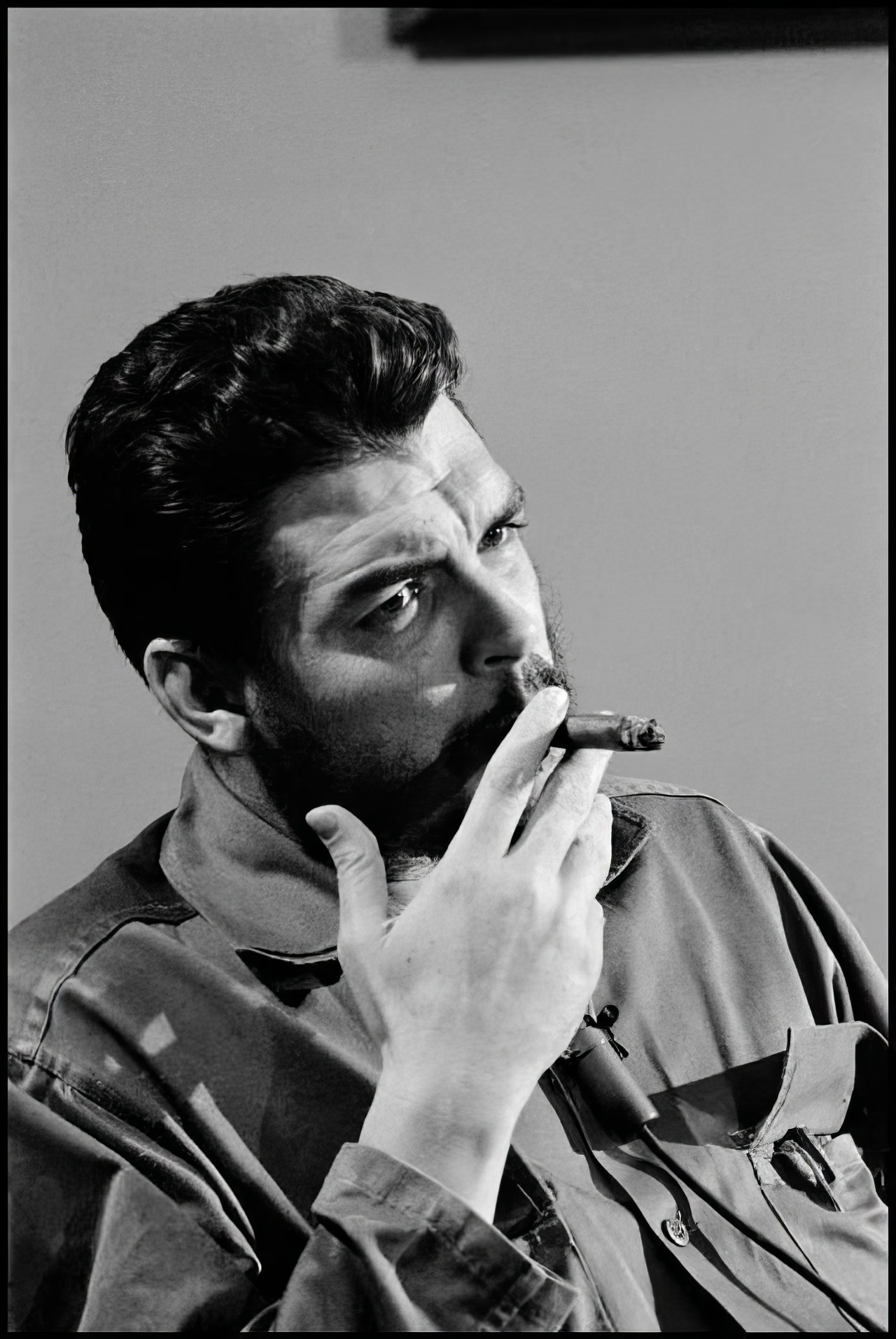
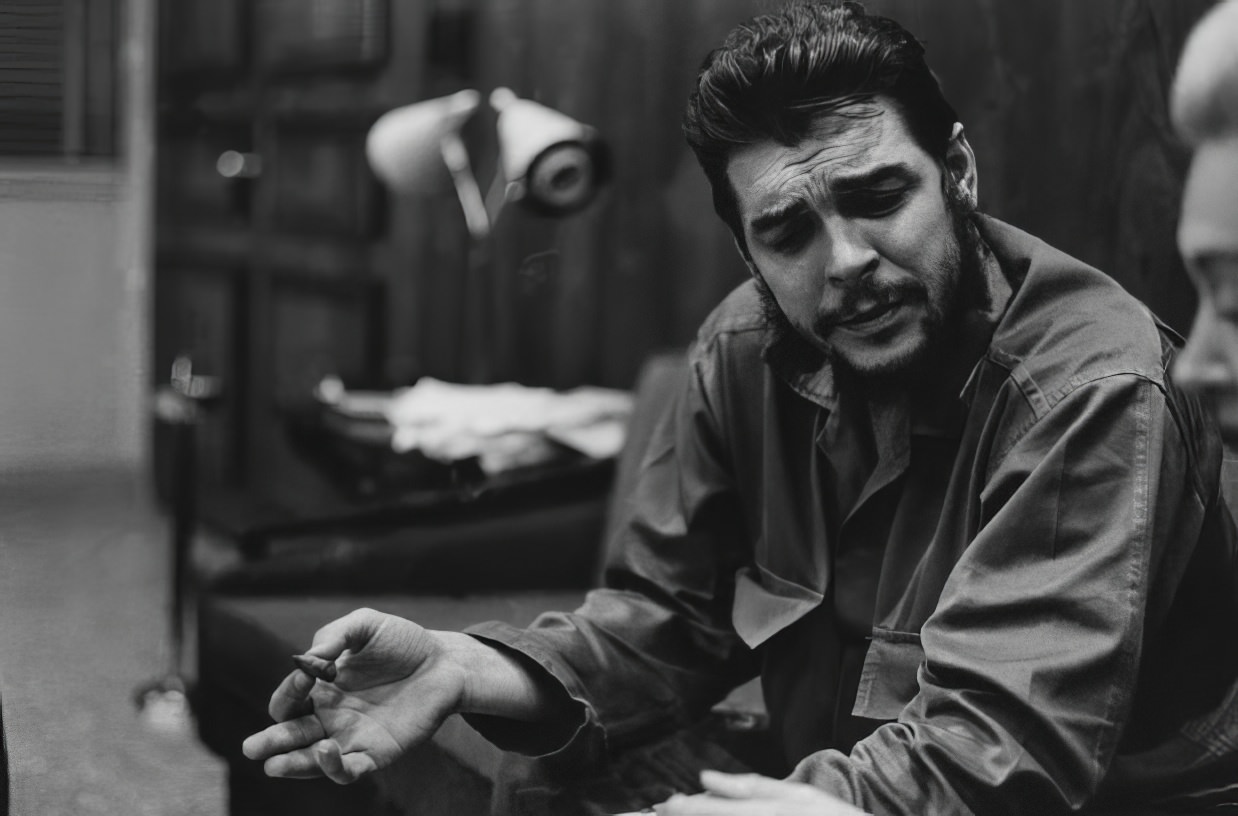
Erwitt moved through the session the way he always worked — observing, waiting, and shooting without disrupting the natural flow of a scene. His approach gave the portraits an unguarded quality that set them apart from official state photography of the era.
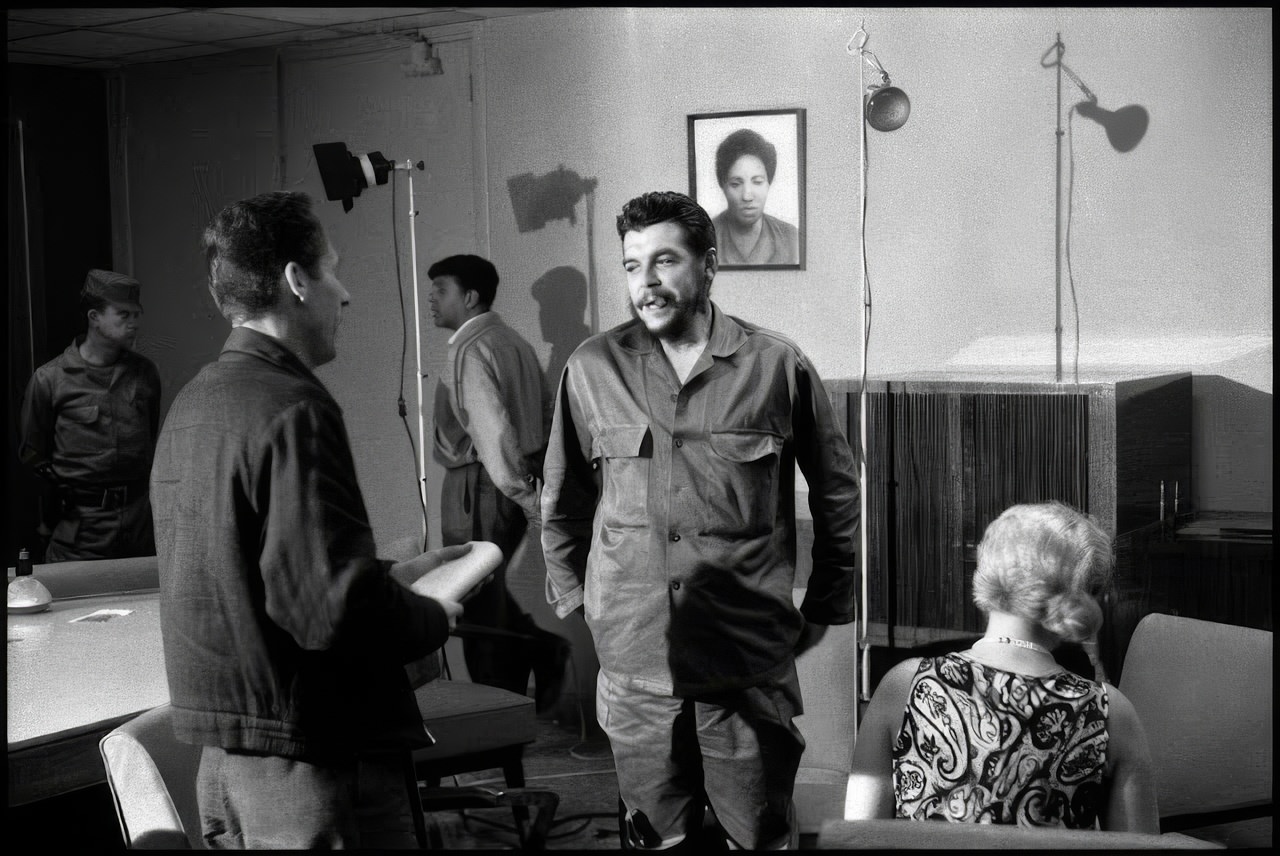
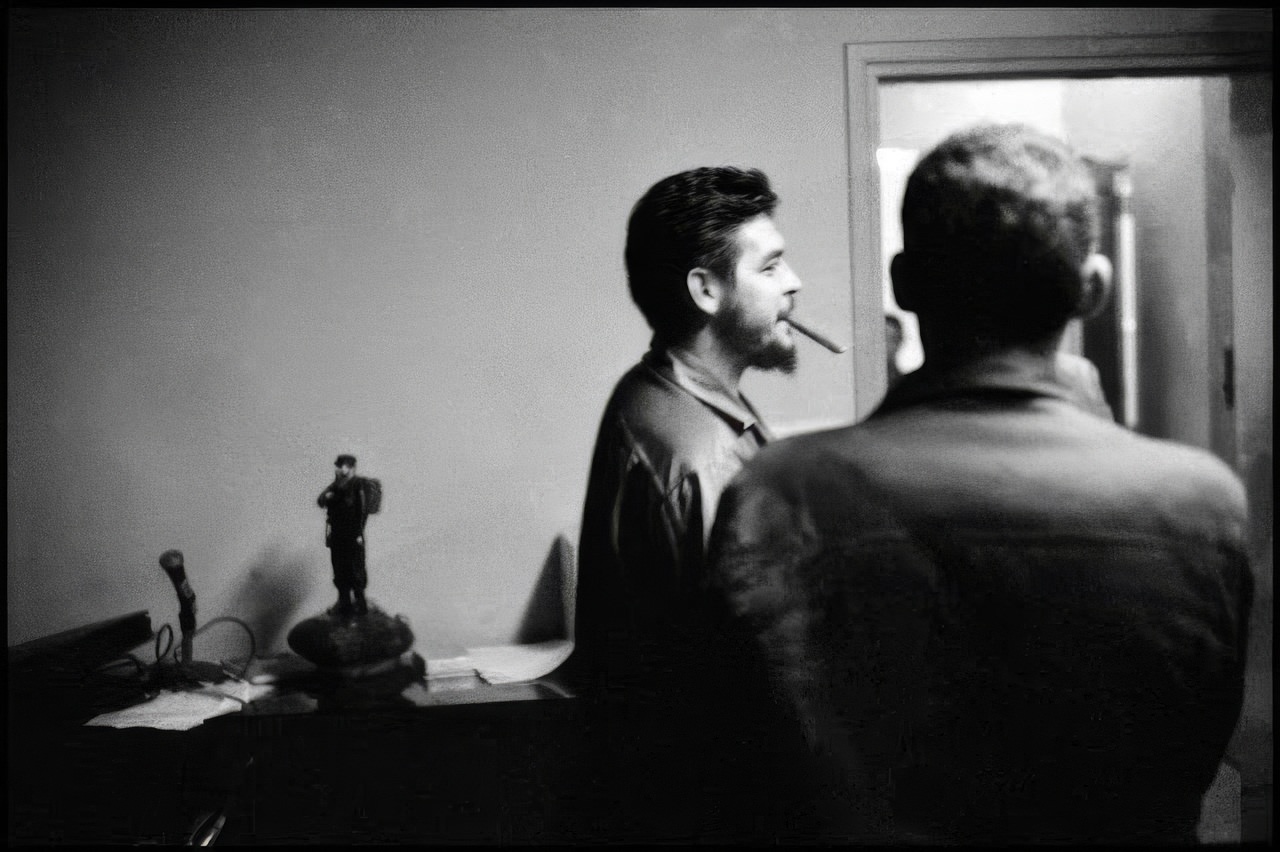
Cuba in 1964 was a country still defining what its revolution meant in practice. Rationing, reorganized institutions, and Cold War tensions all shaped daily life on the island. Erwitt photographed within that context, with Guevara as both subject and symbol of everything the moment represented.
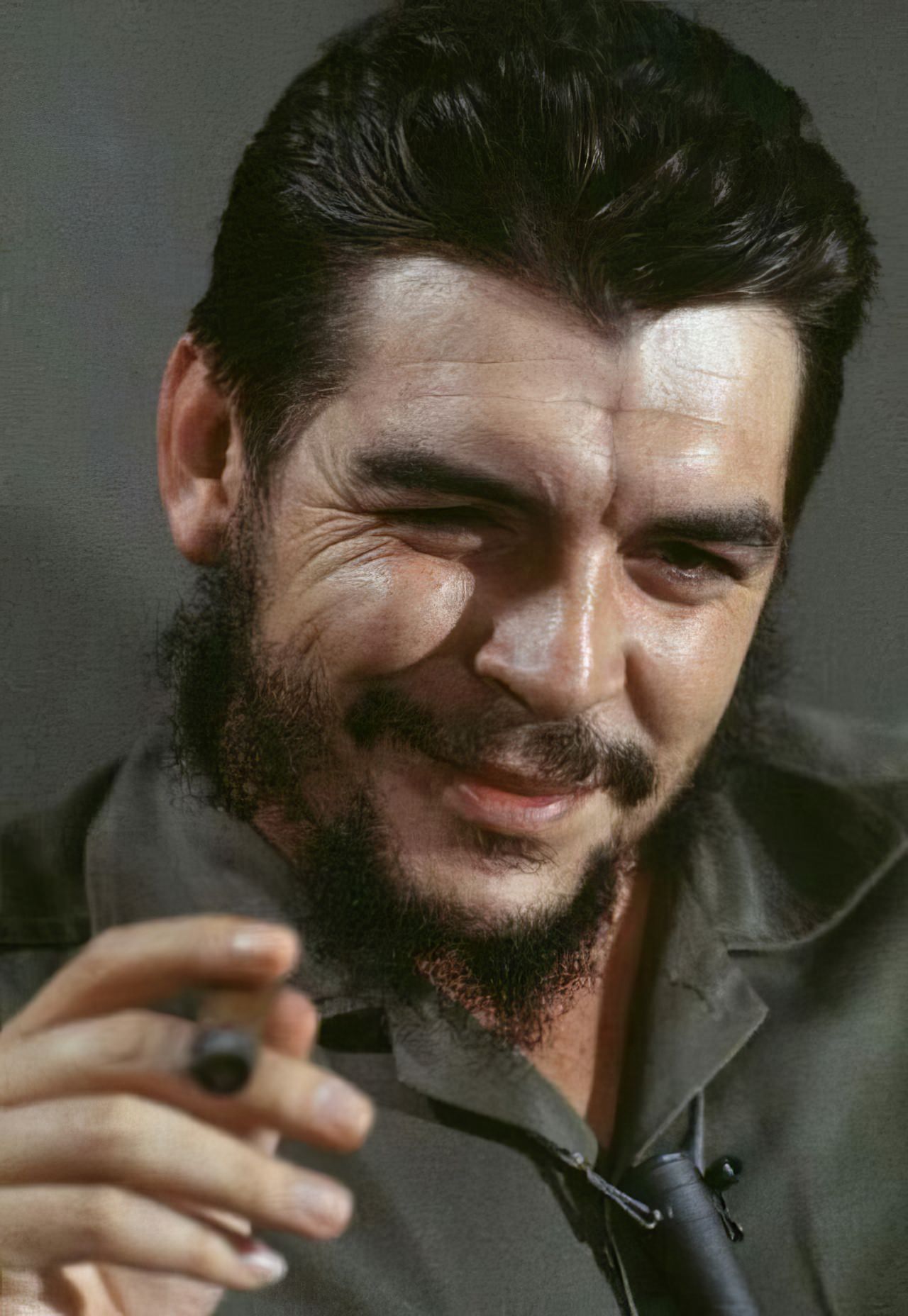
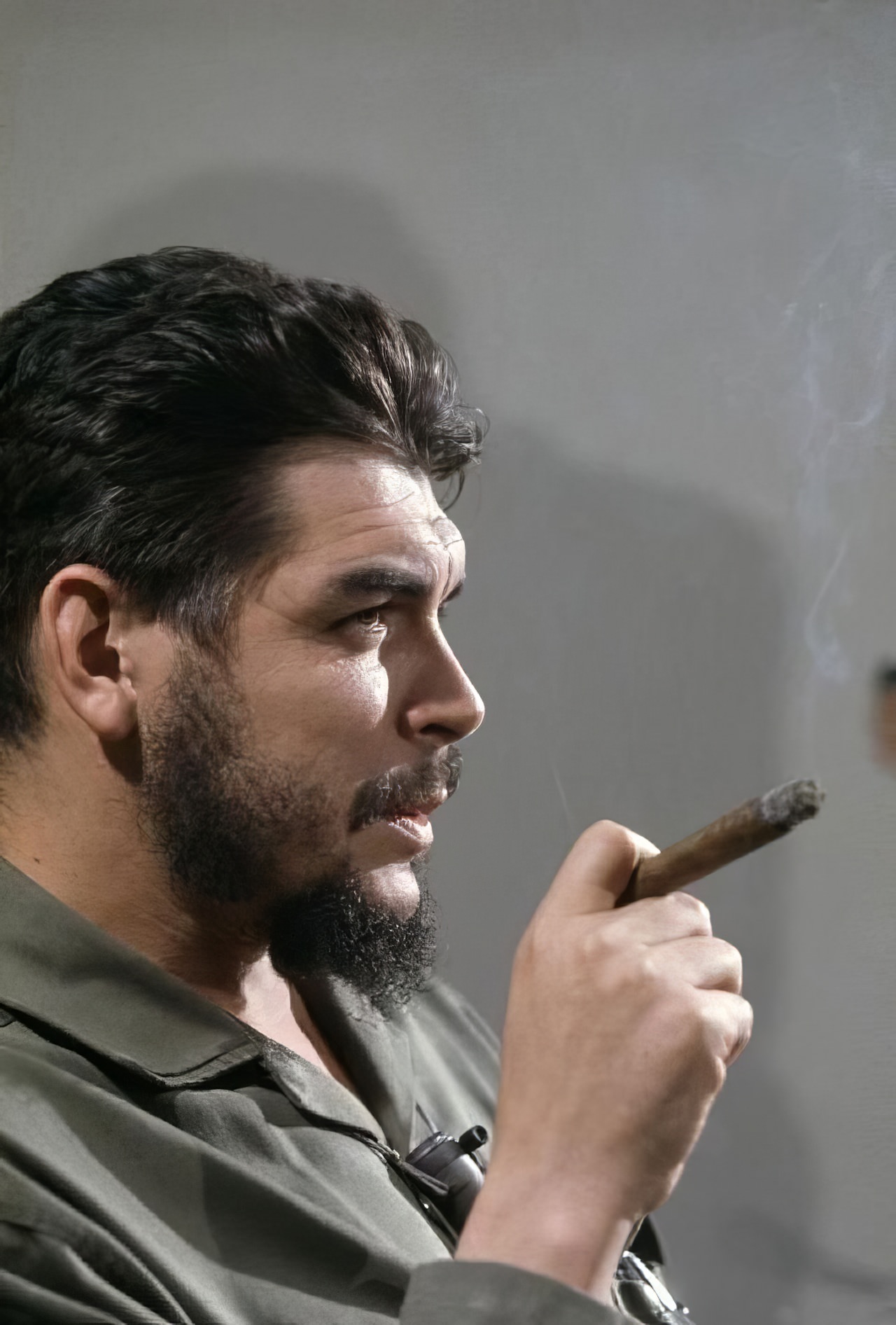
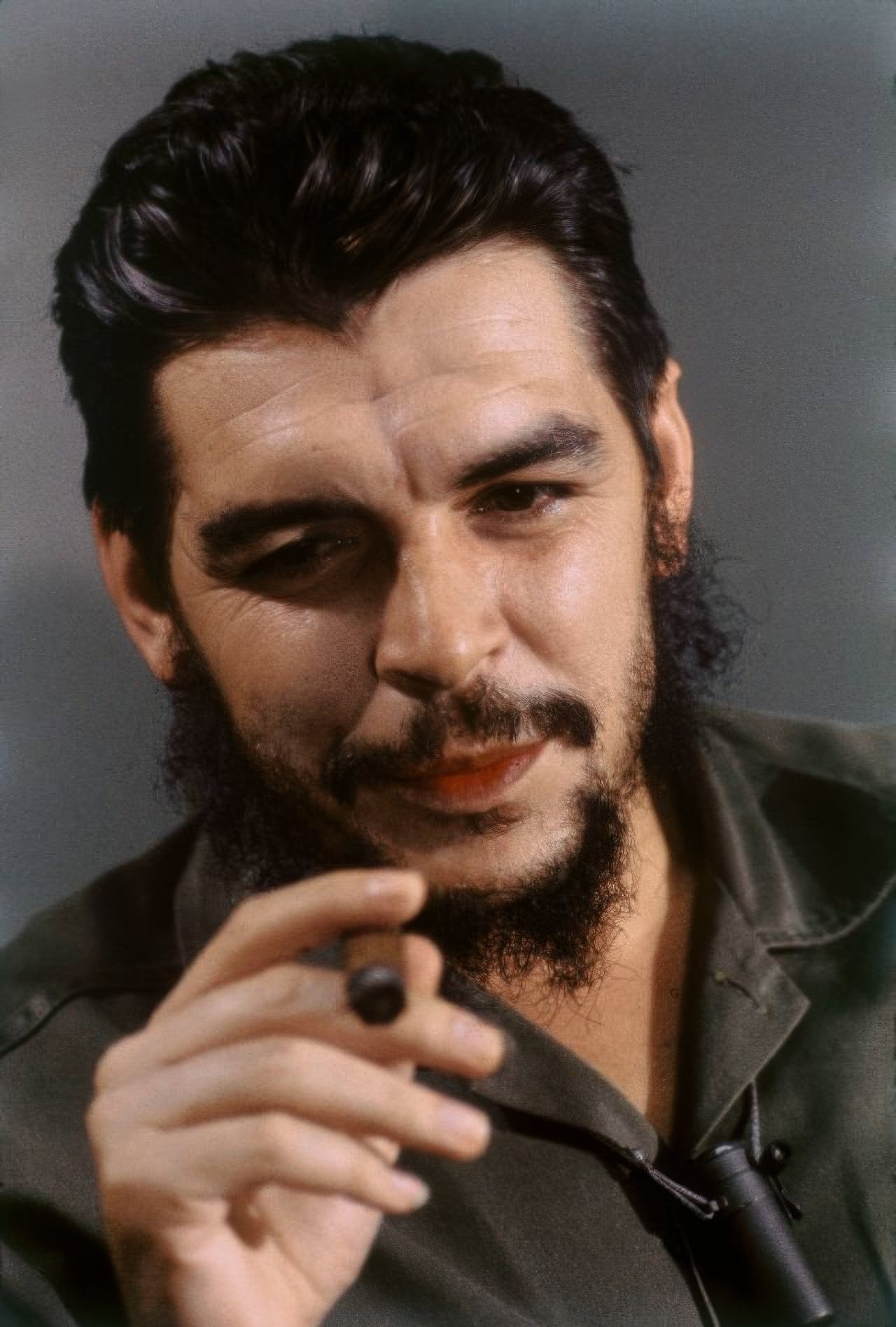
The full series spans multiple frames and moods, from focused and intense to candid and warm. Taken together, they form one of the most complete photographic records of Guevara as a living, working person — not yet a poster, not yet a myth.