
The 1940s were one of the most turbulent decades in modern history, and Cape Town felt every tremor. Thousands of miles from the battlefields of Europe, the city was still deeply shaped by World War II. Its harbor became one of the busiest Allied staging points in the southern hemisphere, with convoys of military and merchant ships passing through Table Bay on their way across the Atlantic. Soldiers, sailors, and airmen from dozens of countries moved through Cape Town’s streets, filling its hotels, canteens, and coffee shops with languages and stories from across the globe.
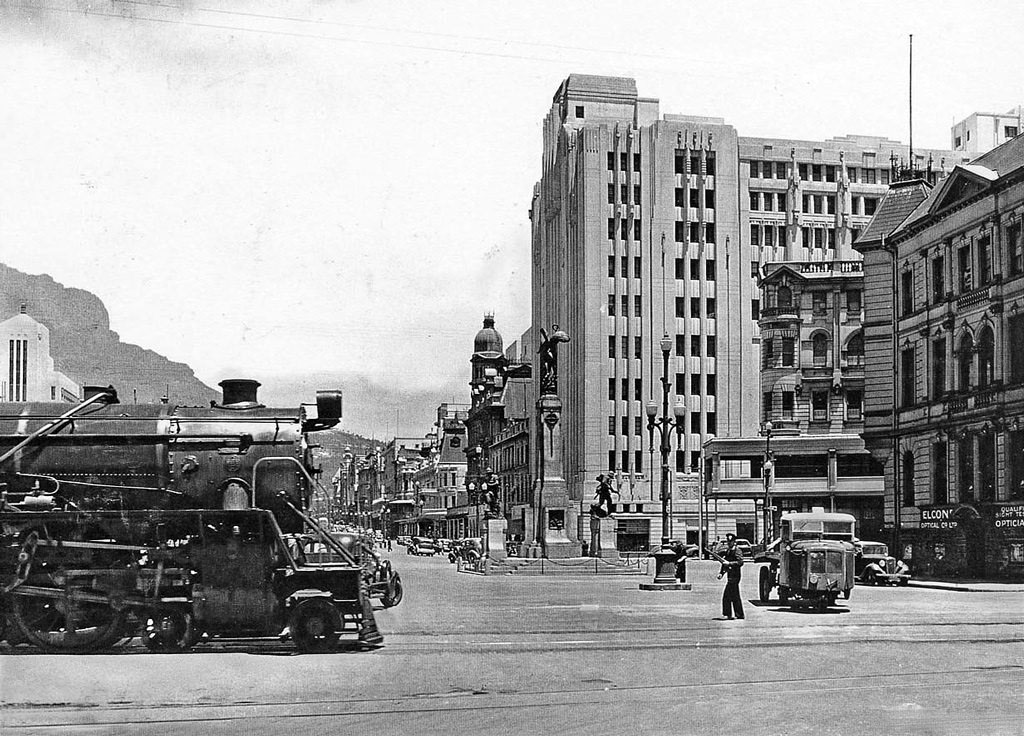
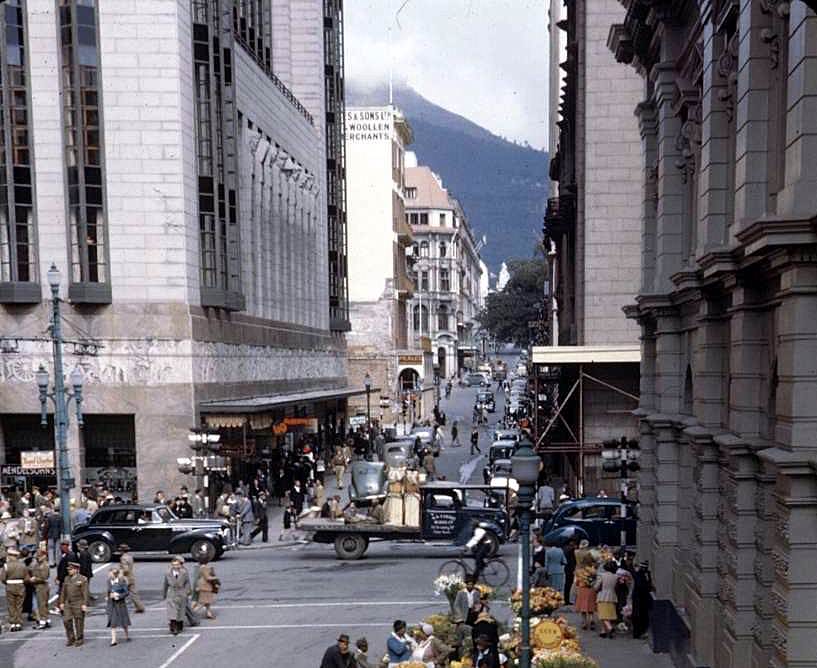
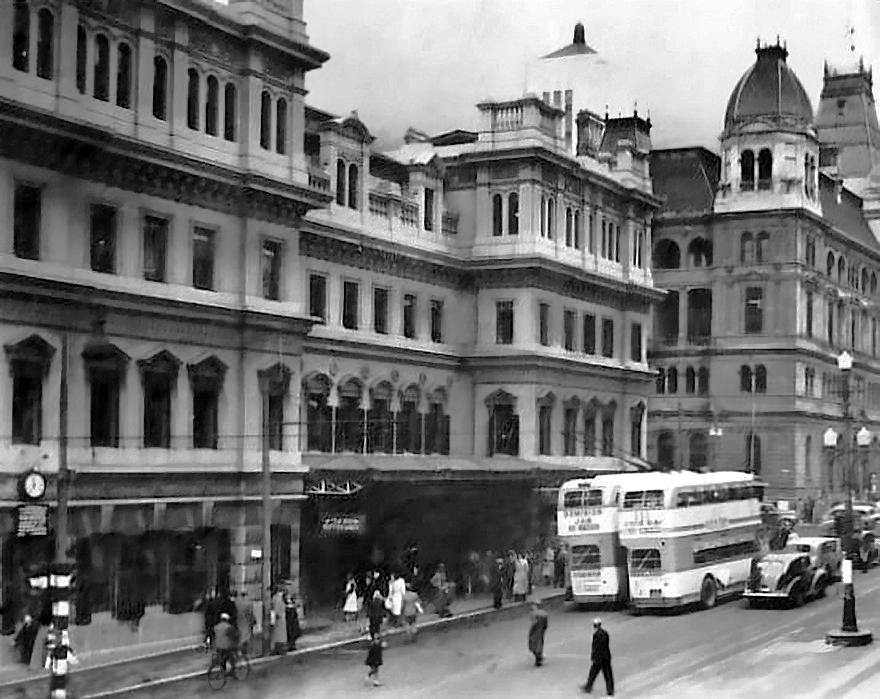
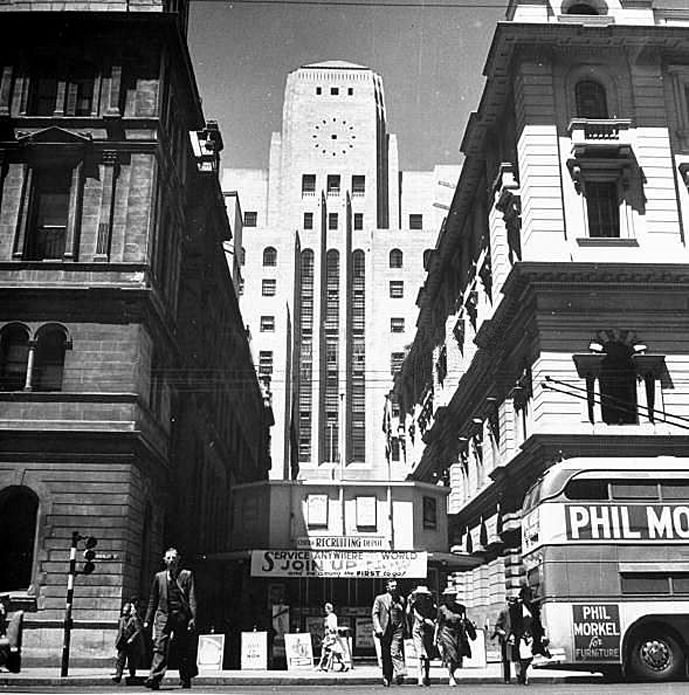
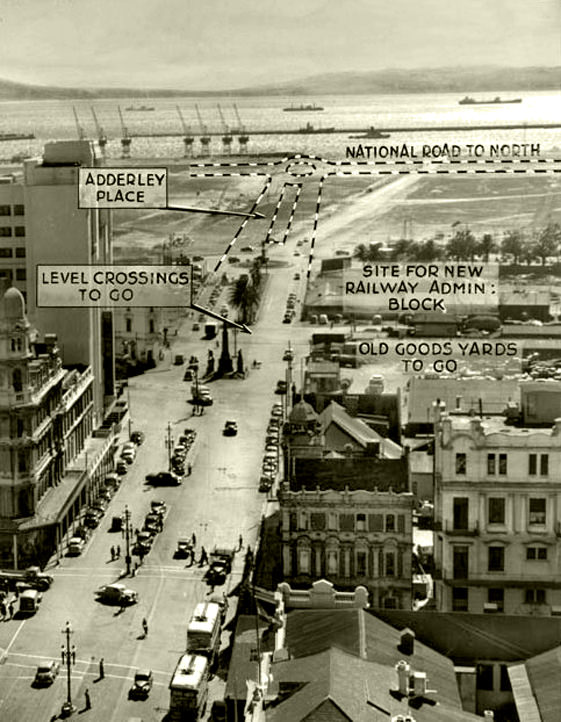
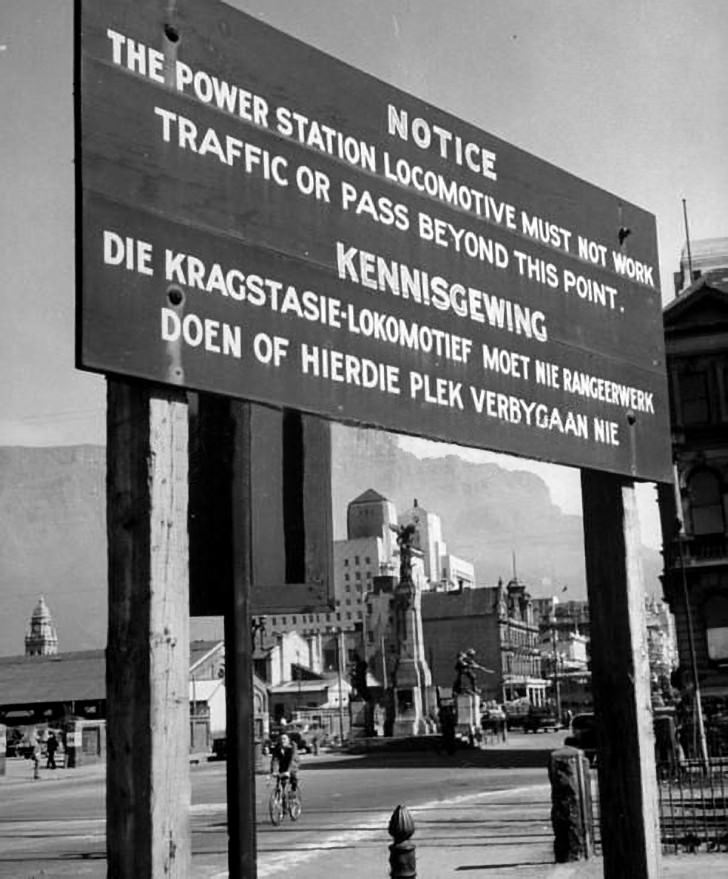
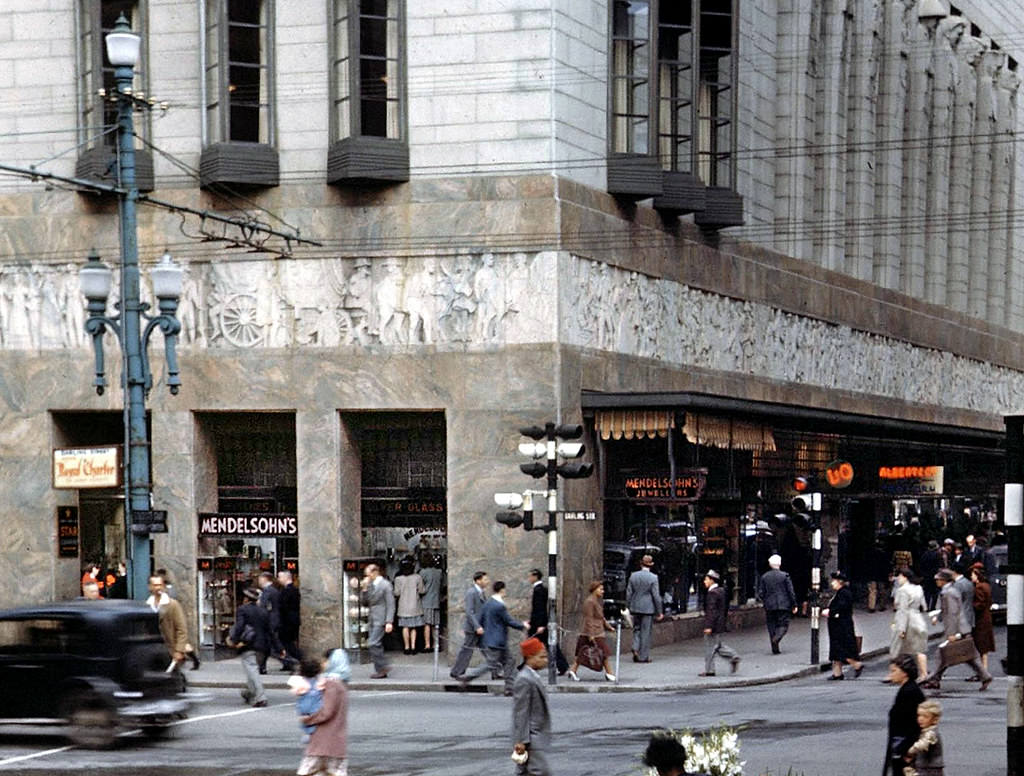
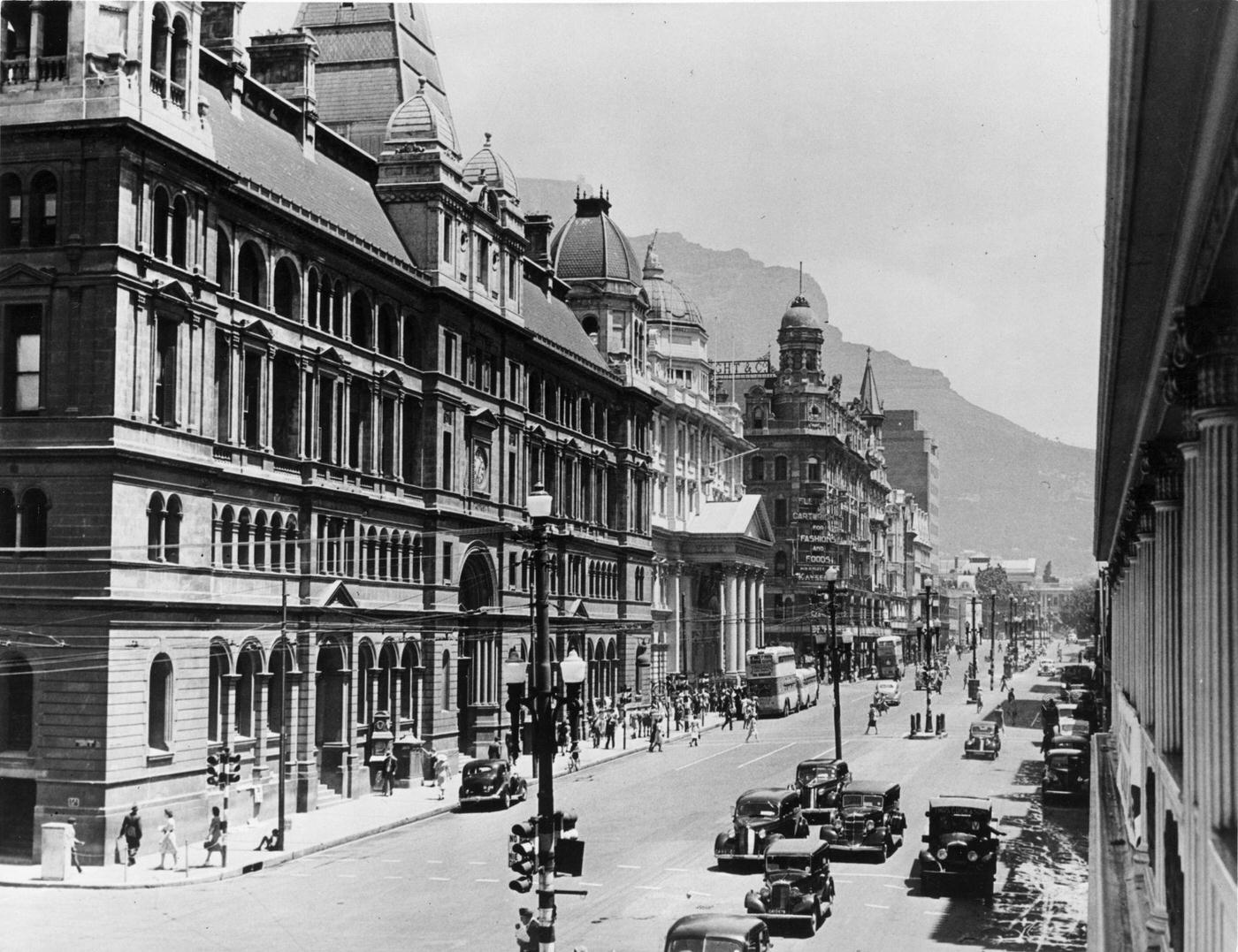
As the war got underway, Cape Town’s streets took on a new energy. Military uniforms were a common sight, and the city’s landmarks served as backdrops to a life shaped by both civilian routine and wartime urgency. Adderley Street, the city’s main commercial artery, remained busy with shoppers, trams, and pedestrians even as the wider world was at war.
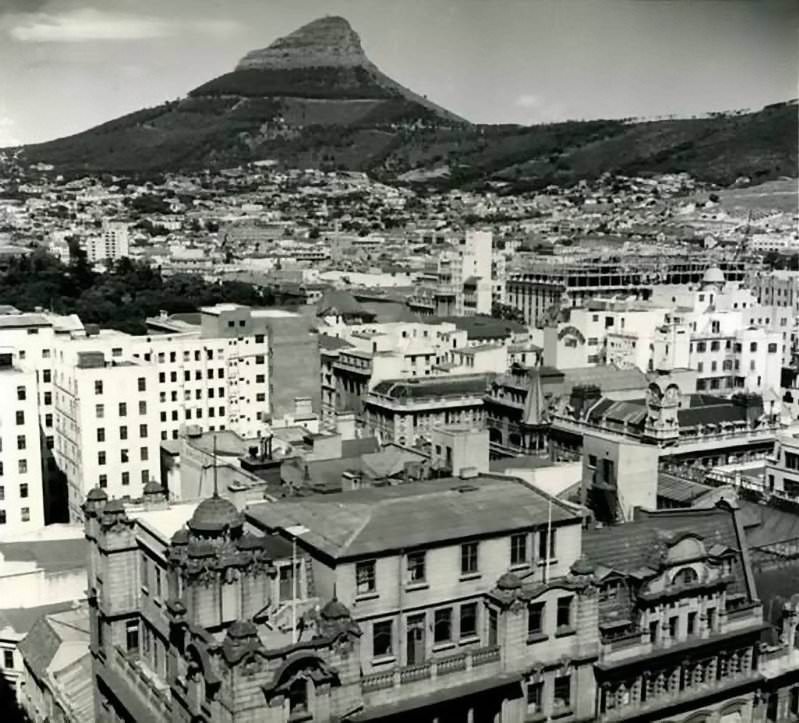
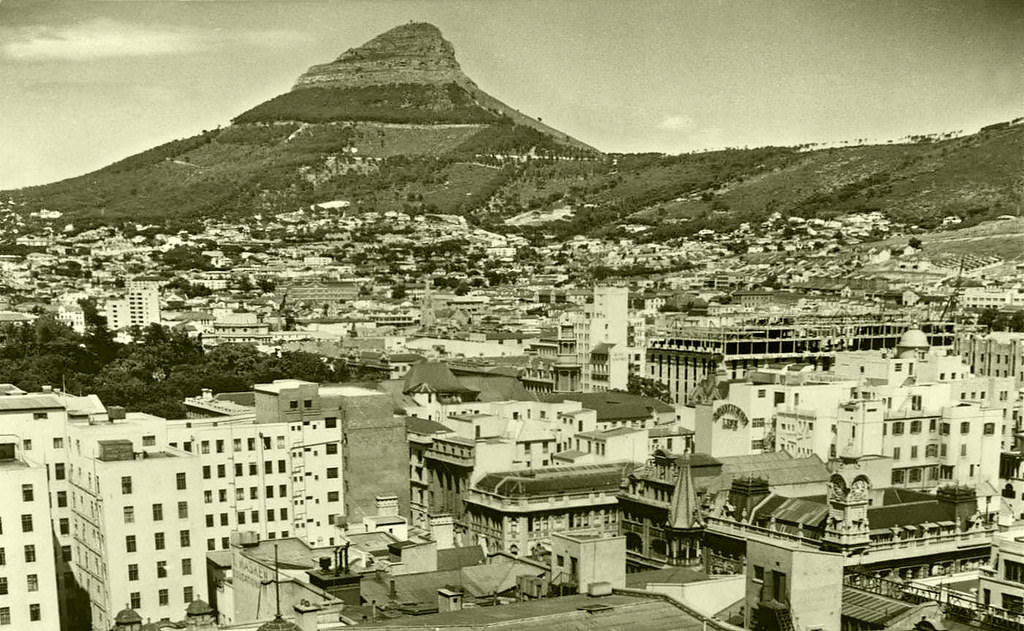
By 1942, construction activity was still visible across the city even under wartime conditions. New administrative buildings were rising in Wale Street, and the urban fabric of Cape Town continued to expand and shift.
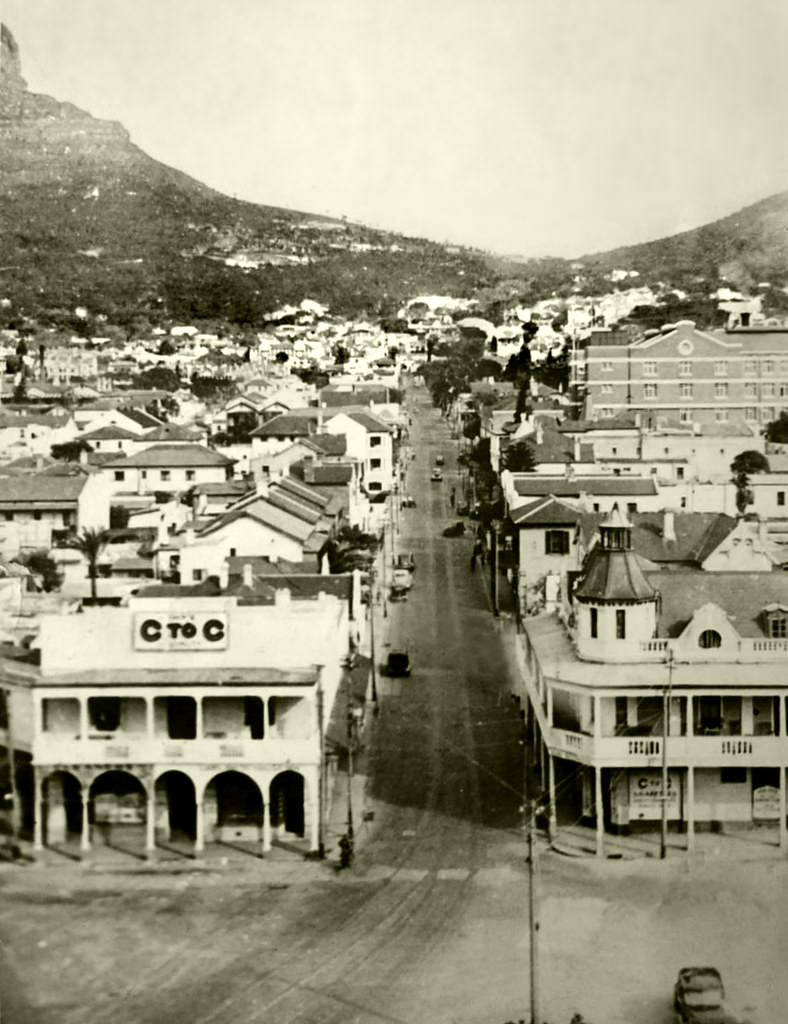
The war touched everyday life in ways both large and small. At noon each day, the noon gun was fired from Signal Hill, and the people of Cape Town stopped for two minutes of silence to remember those who had died in the conflict. It was a collective, daily act of grief and solidarity that connected the city to the front lines.
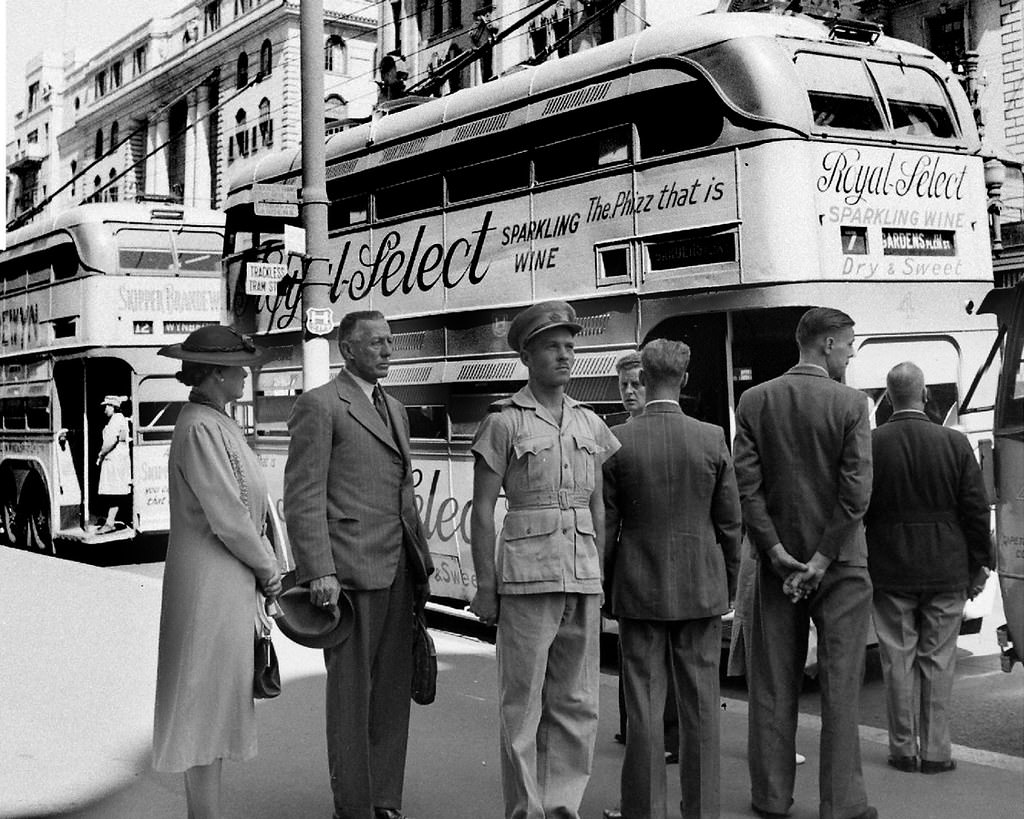
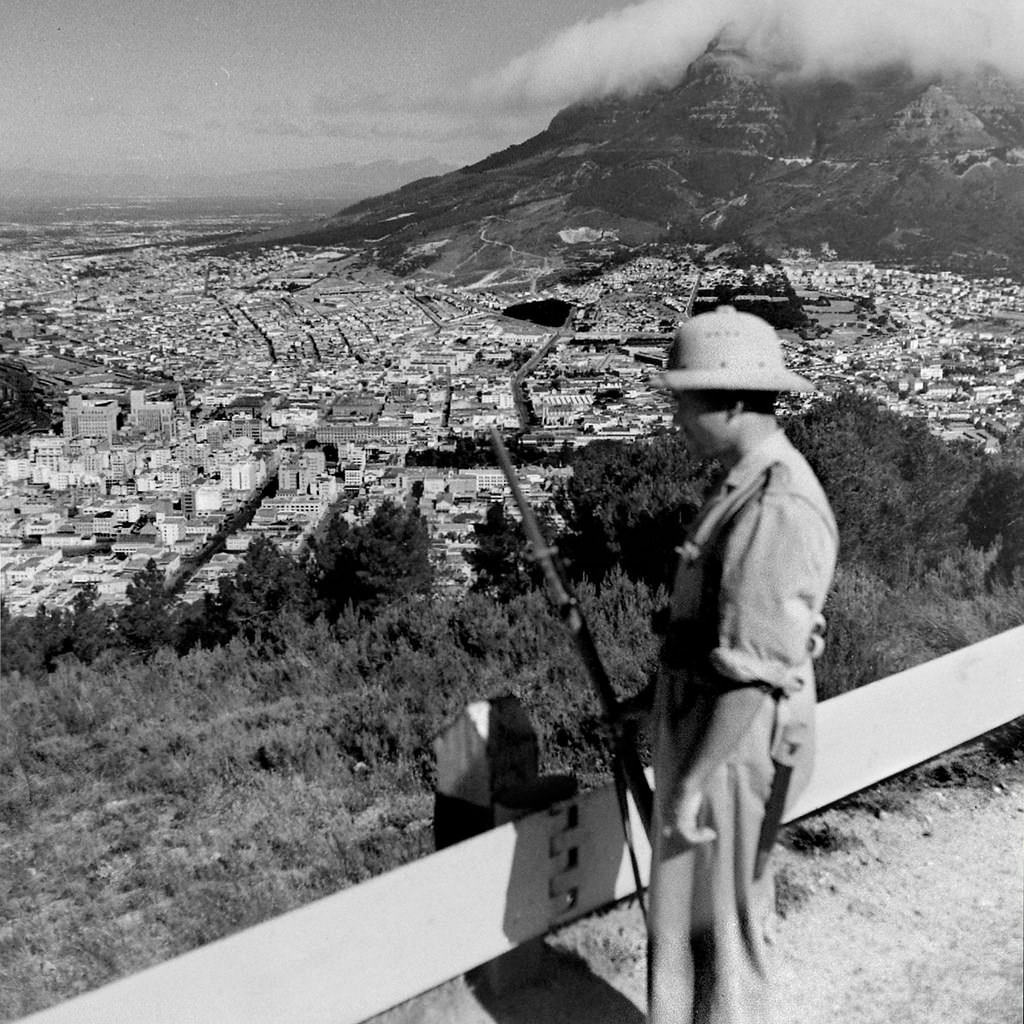
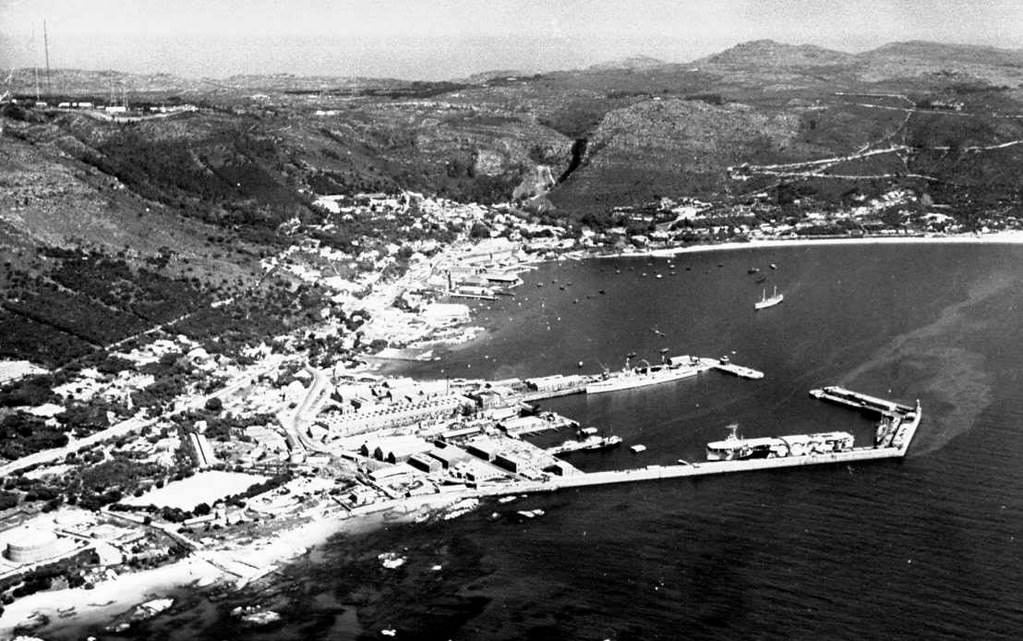
Military presence extended beyond the city center. A sentry stood watch on Signal Hill, and the naval base at Simonstown was a hive of activity throughout the war years. Simonstown served as a key base for Allied naval operations along the South African coast, and its signallers’ canteen gave sailors a rare moment of rest amid the demands of wartime service.
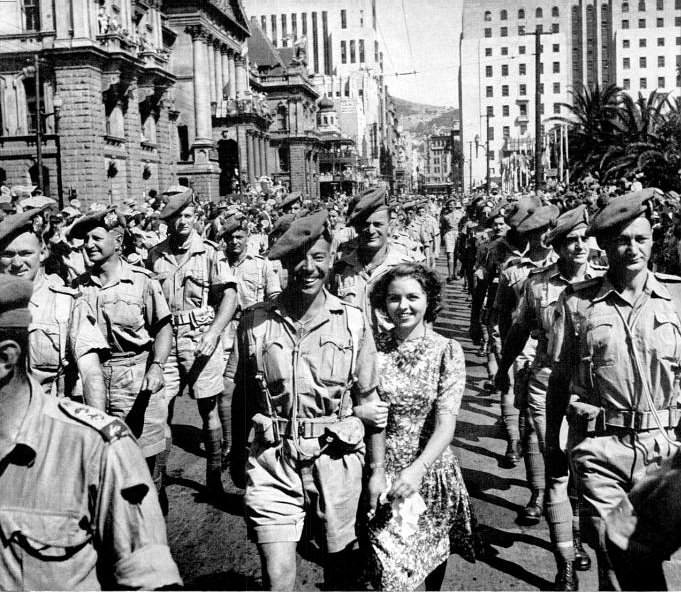
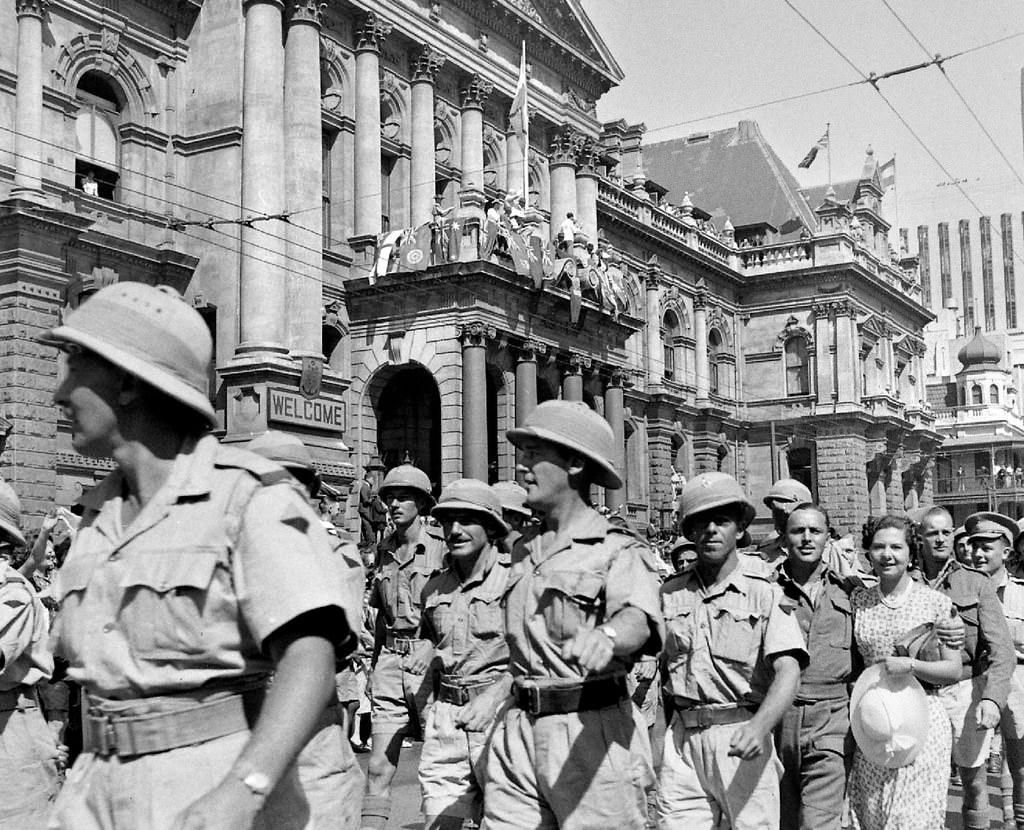
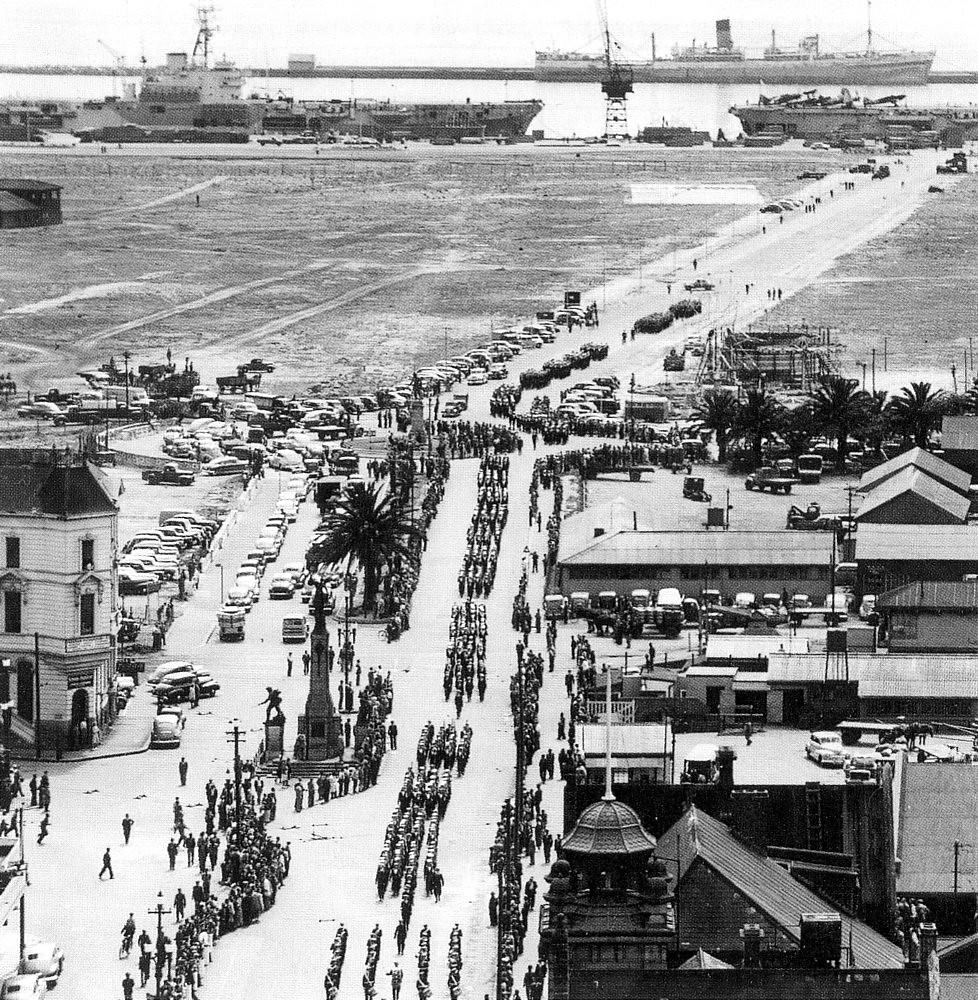
Down in the streets, soldiers marched through the city center. Darling Street saw columns of men heading toward the Castle, one of South Africa’s oldest military fortifications. The Grand Parade nearby served as a major public gathering space, as it had for centuries.
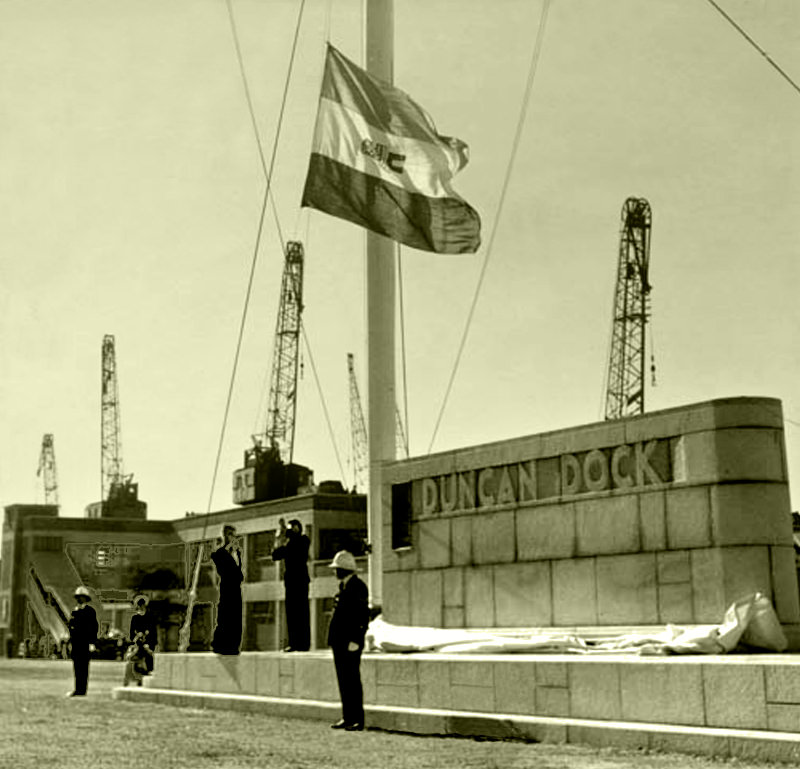
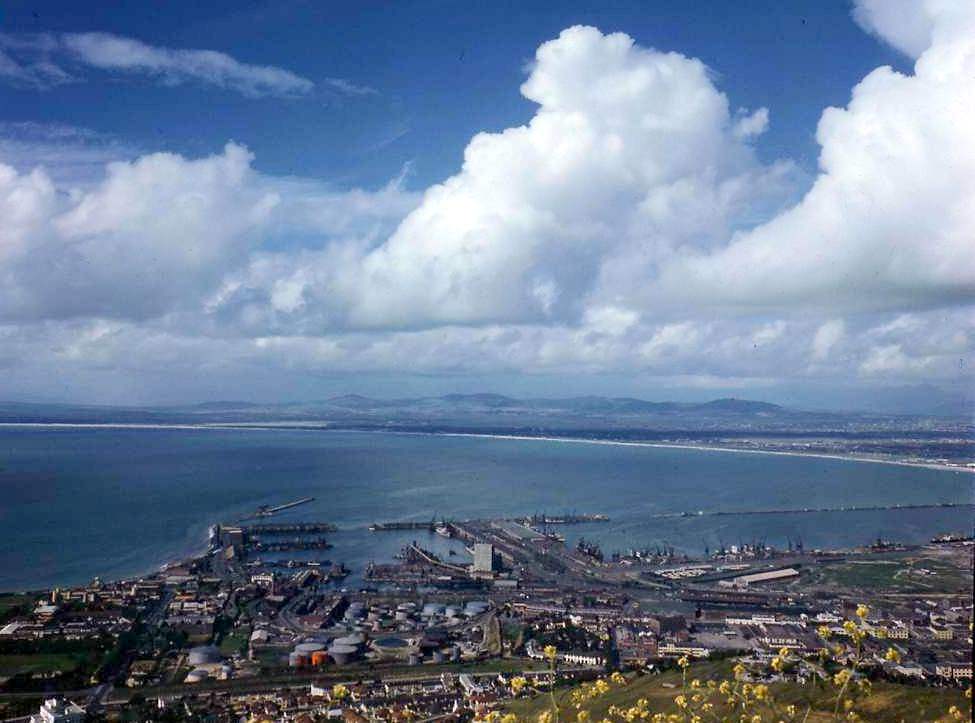
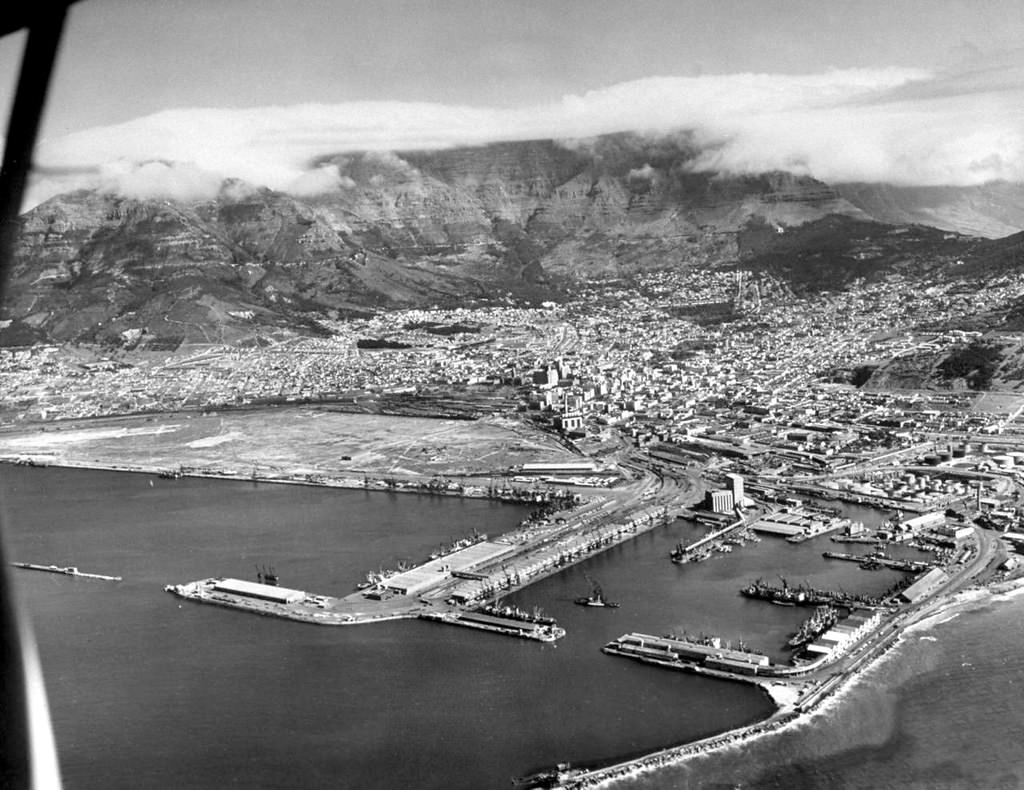
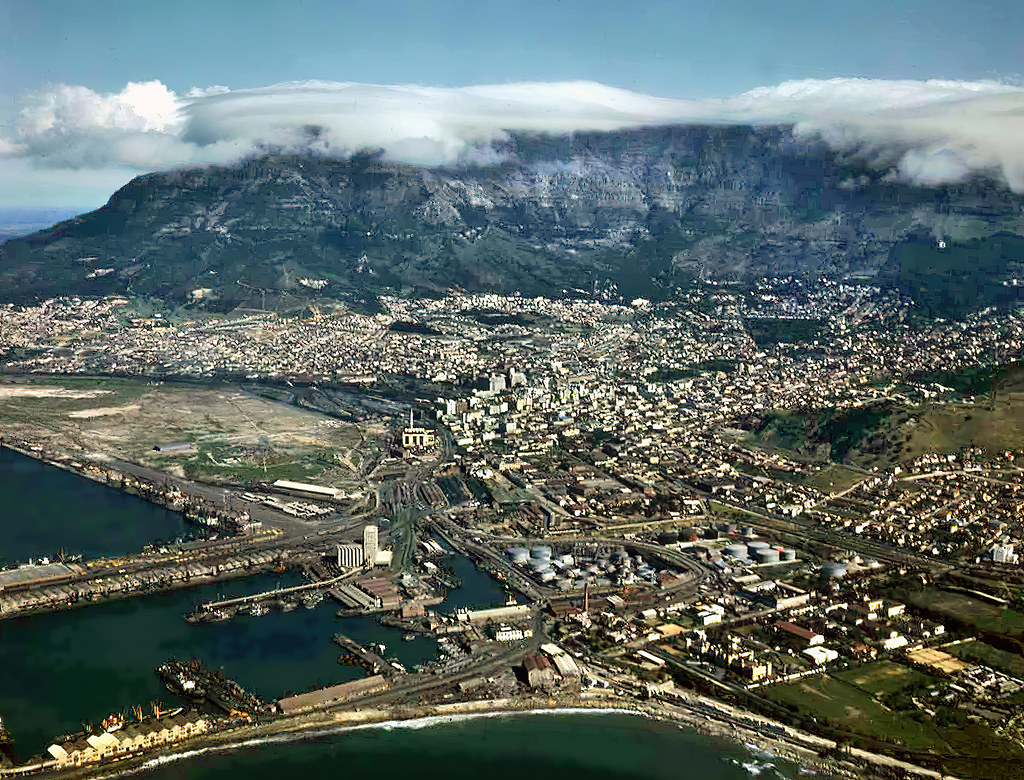
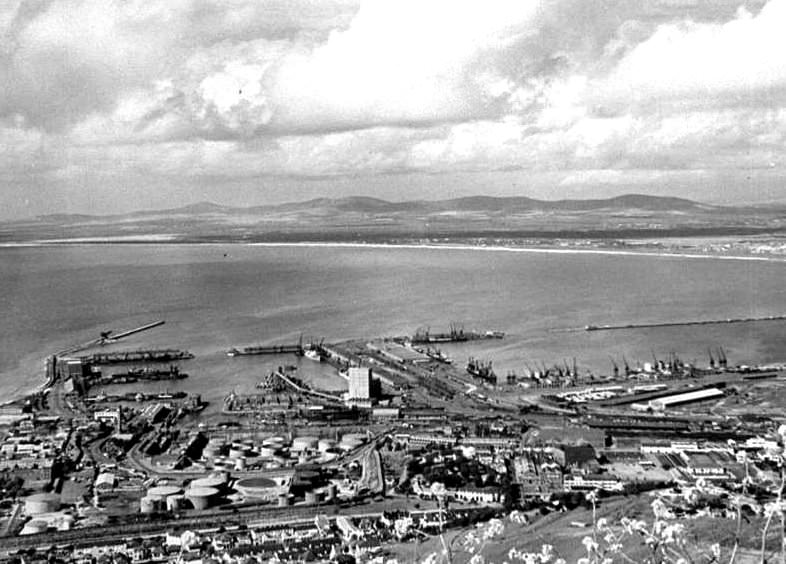
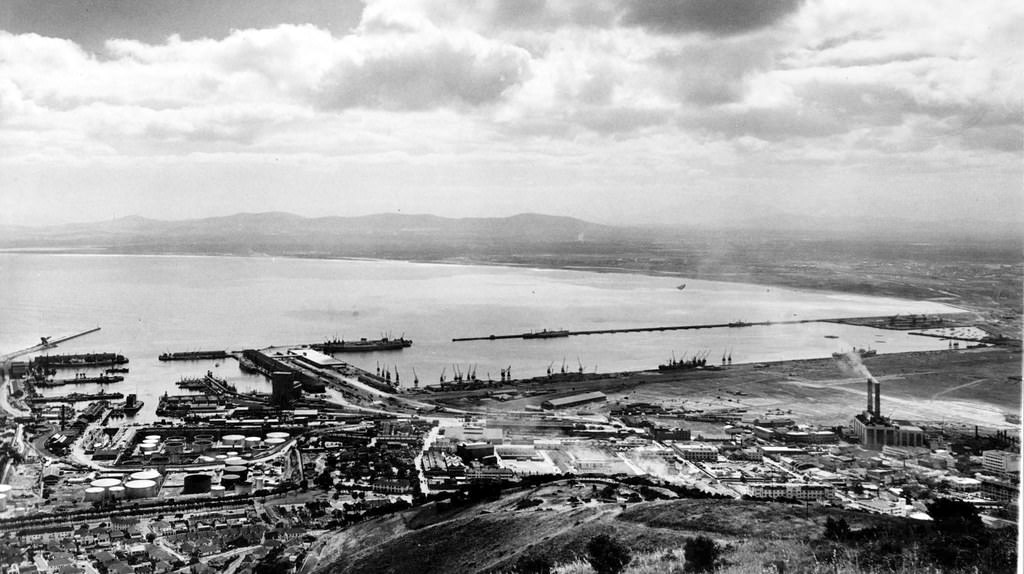
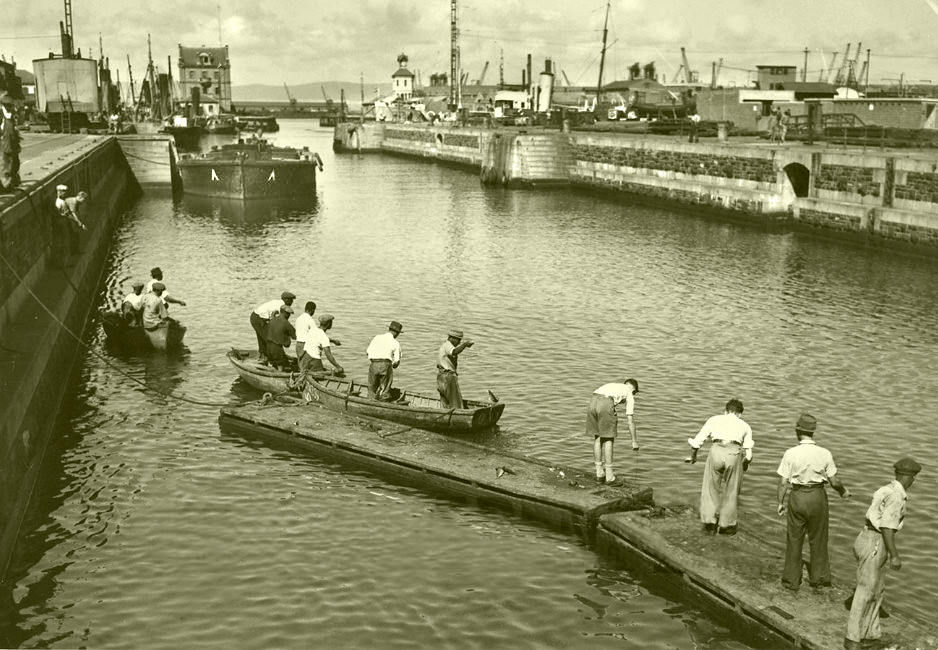
Cape Town’s harbor was the city’s lifeline during the war. Duncan Dock, completed in 1945, was one of the largest dry docks in the southern hemisphere and handled an enormous volume of shipping traffic. The waterfront area stayed active day and night, loading and unloading vessels that connected South Africa to the Allied war effort.
When the war ended in 1945, Cape Town’s streets filled with returning troops. Darling Street saw crowds welcoming soldiers home, closing a chapter that had defined the first half of the decade. But the city did not simply return to what it had been before.
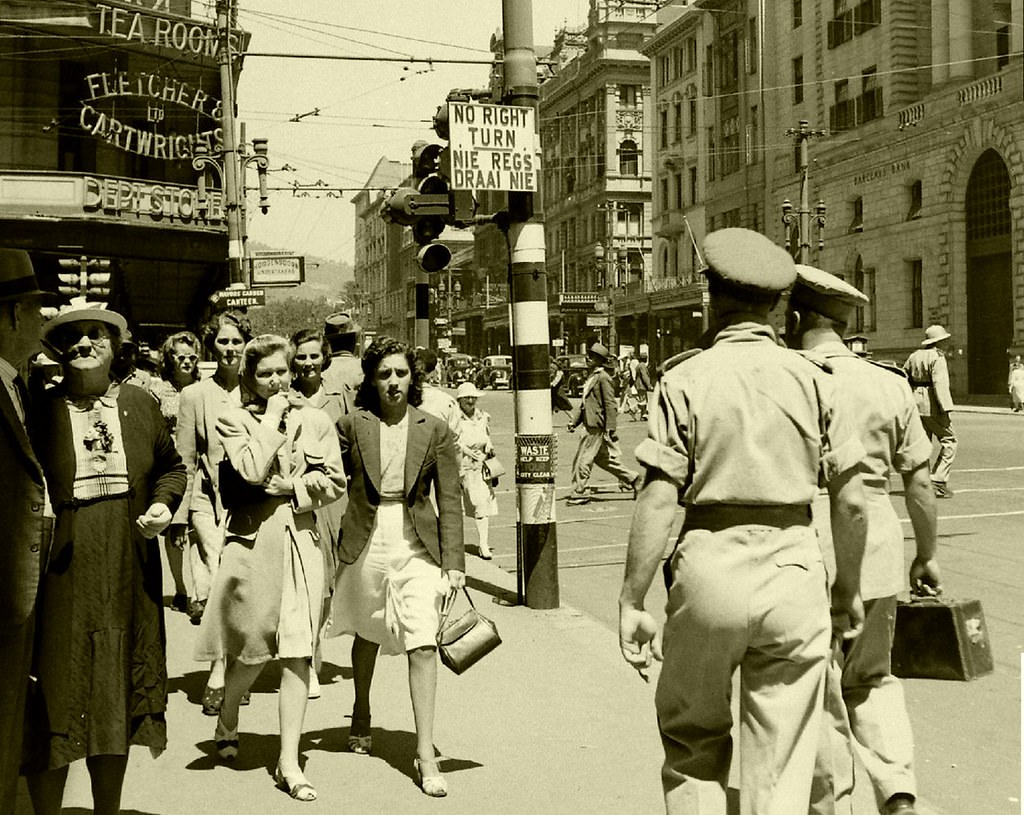
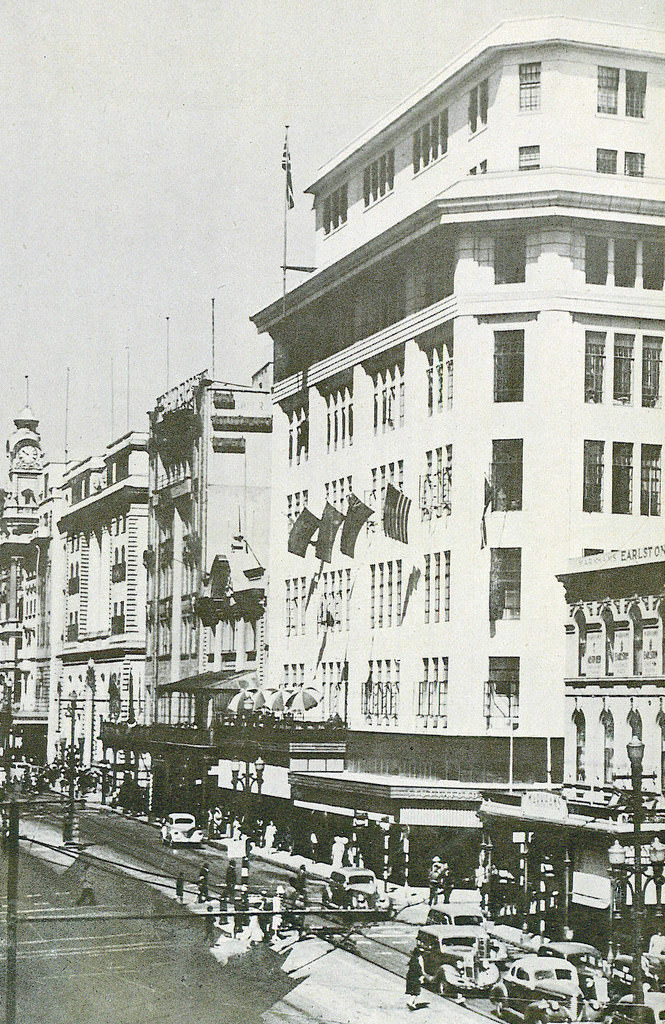
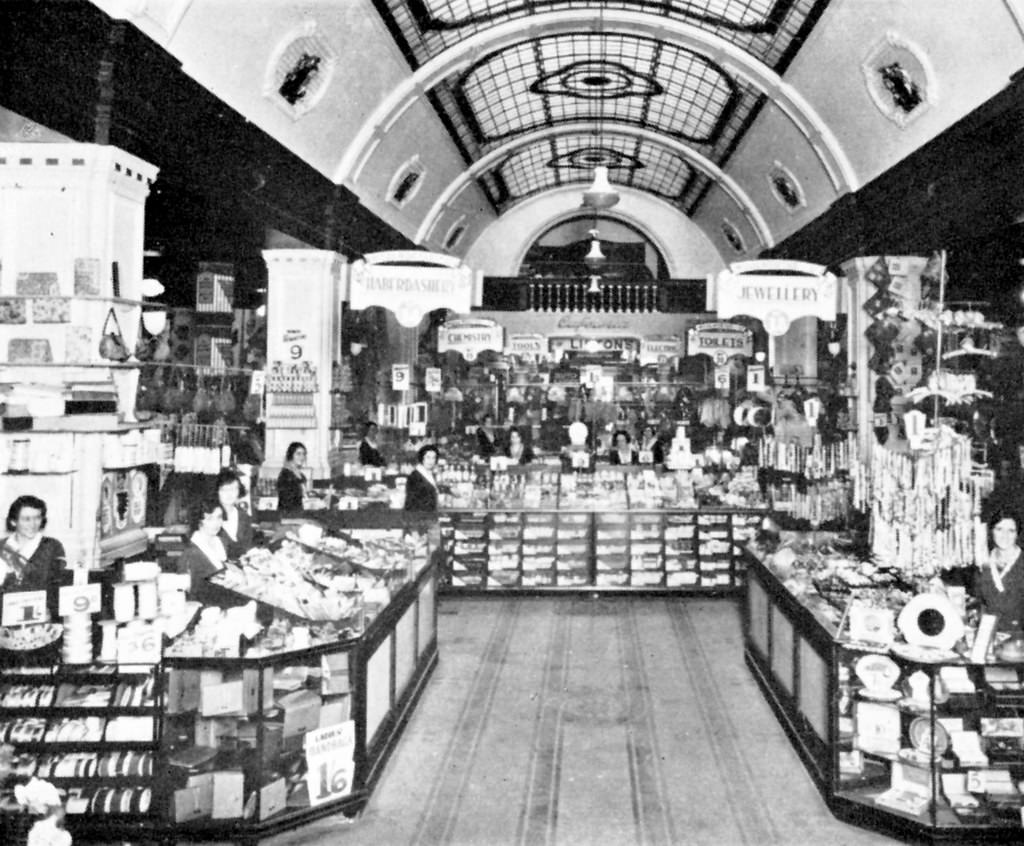
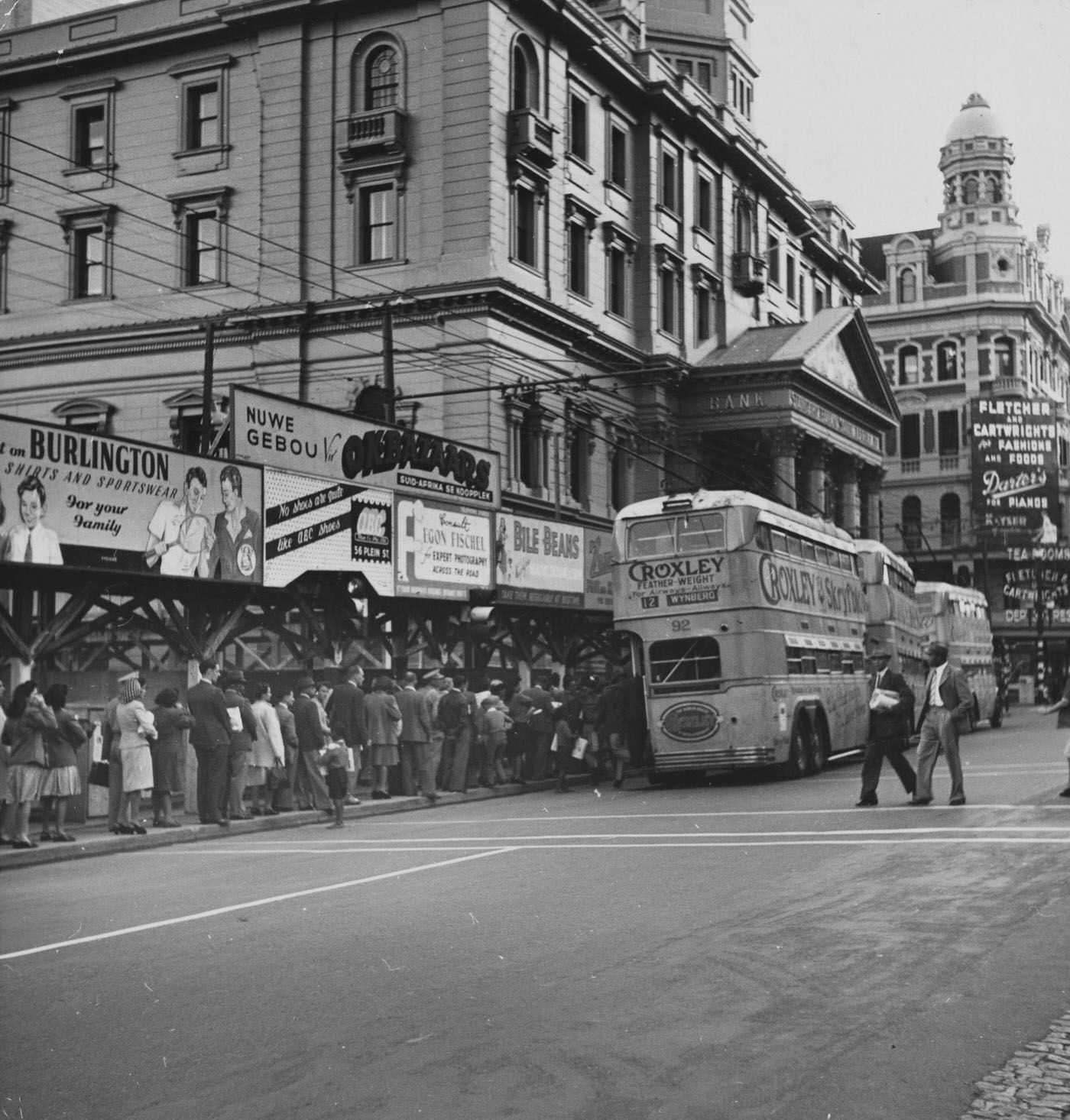
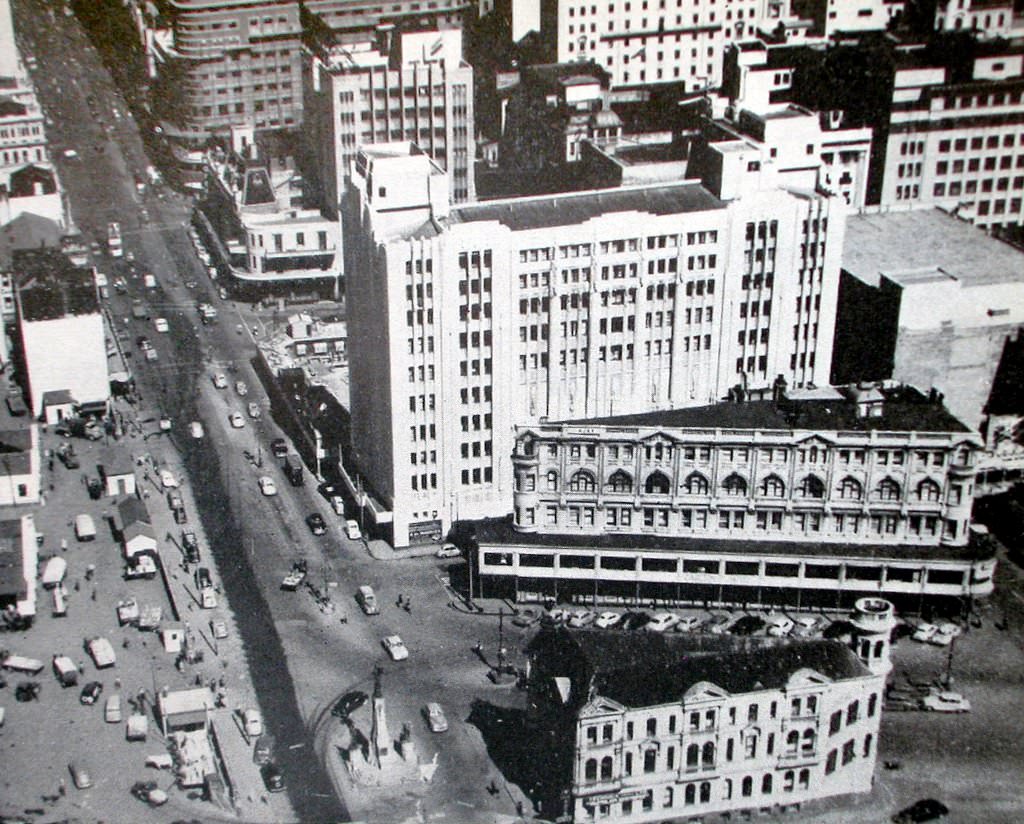
The postwar years brought renewed activity to the city’s commercial heart. Adderley Street and the surrounding blocks showed a city rebuilding its peacetime identity. Shops like Stuttafords, Woolworths on Plein Street, and the O.K. Bazaars catered to a growing urban population. New buildings were going up, and familiar landmarks were being redeveloped.
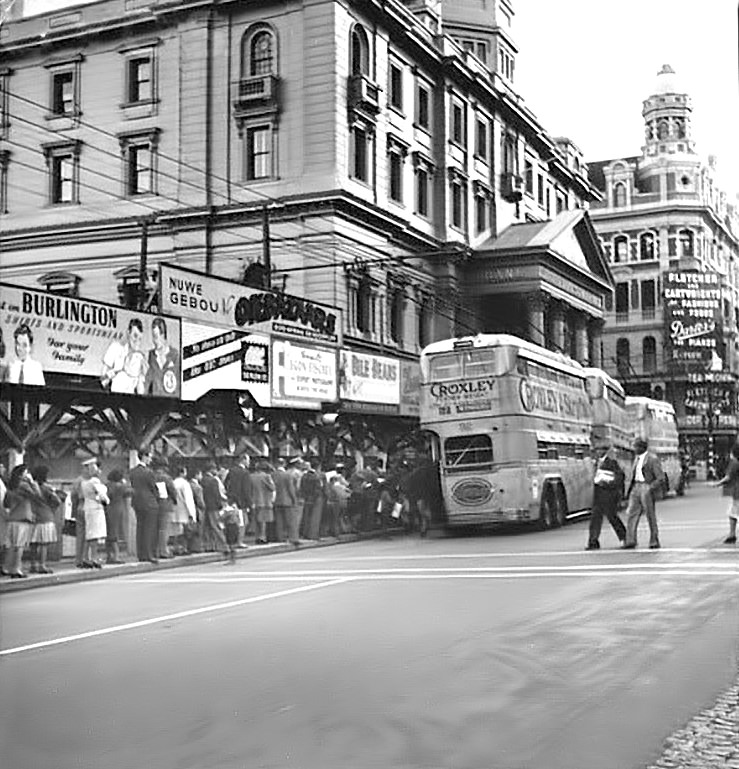
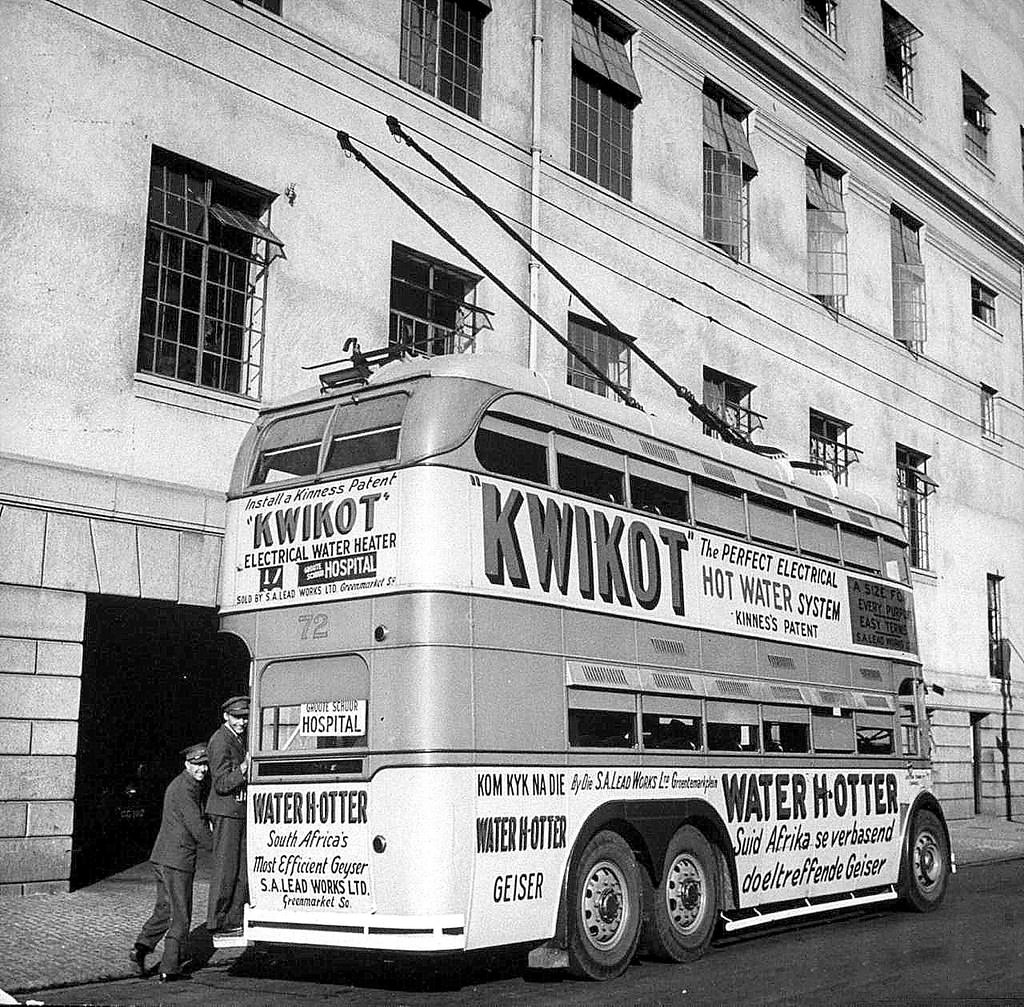
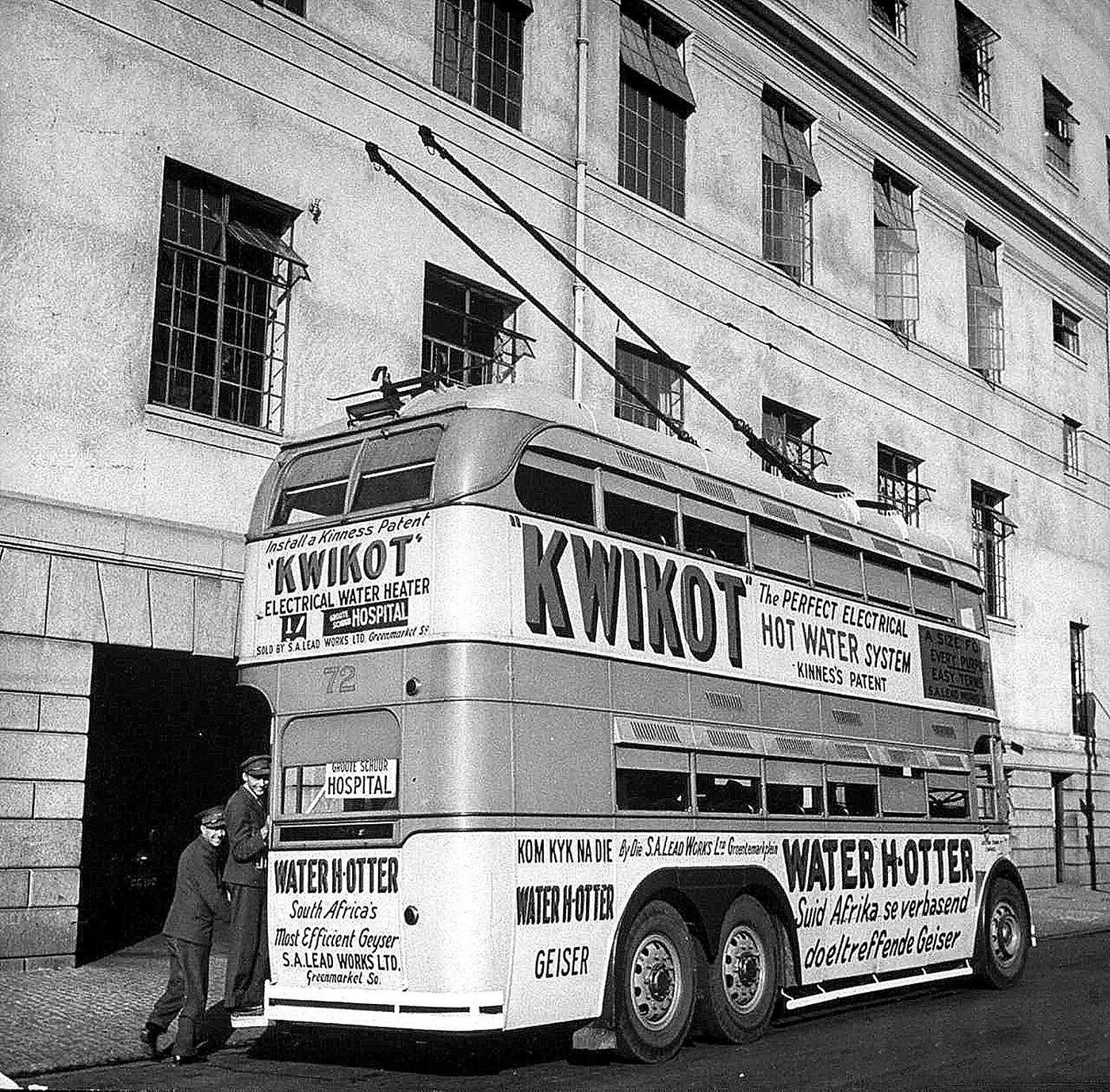
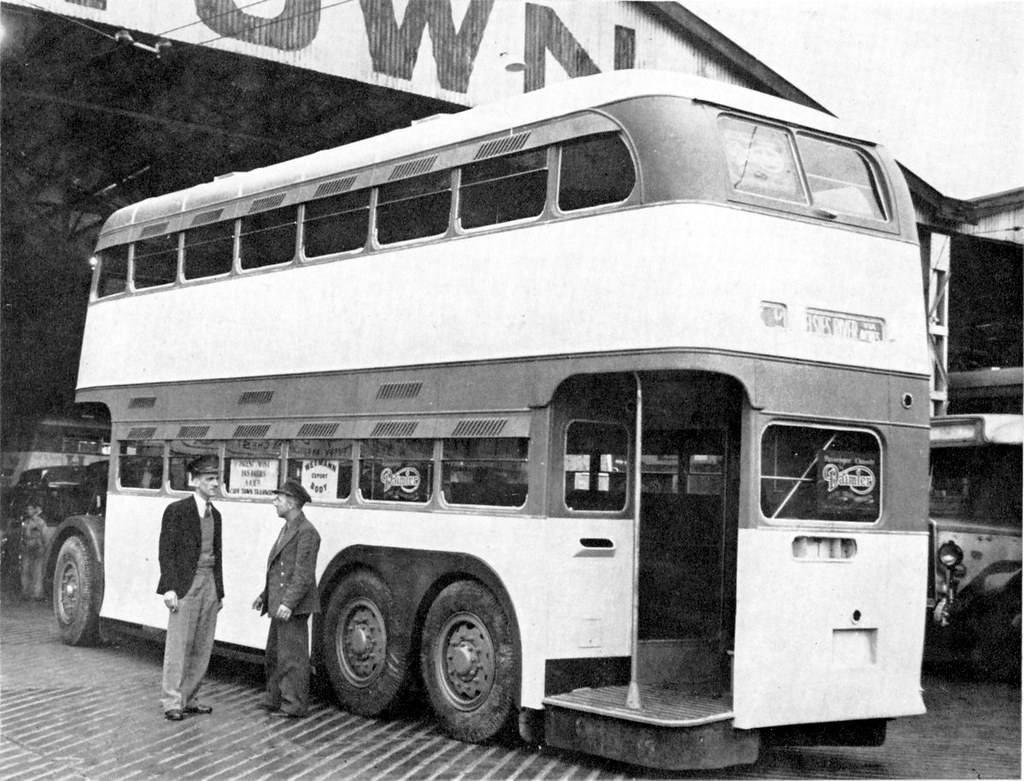
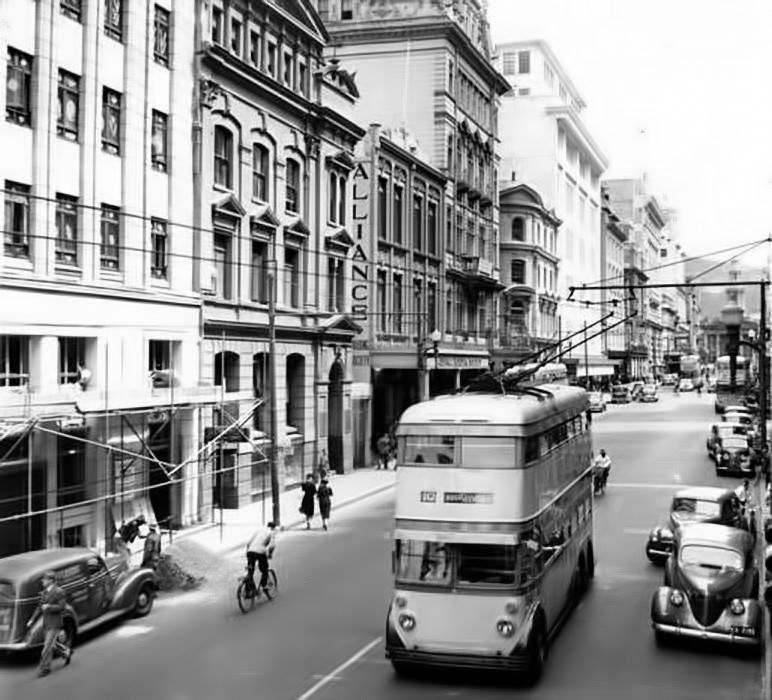
Public transport was a key part of city life, and Cape Town’s trolleybus fleet became one of the most recognizable features of its streets. The Sunbeam MS2 electric trolleybuses, imported from the United Kingdom, ran on overhead wires and were well regarded by residents. Three-axle models like trolleybus no. 72 became a common sight by 1943, and new Daimler buses were still being delivered as late as 1949.
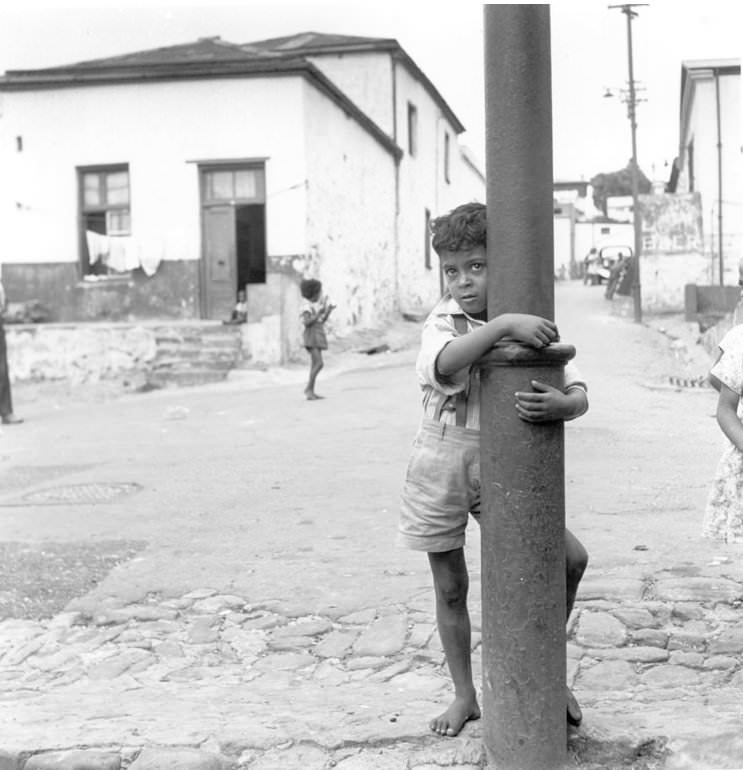
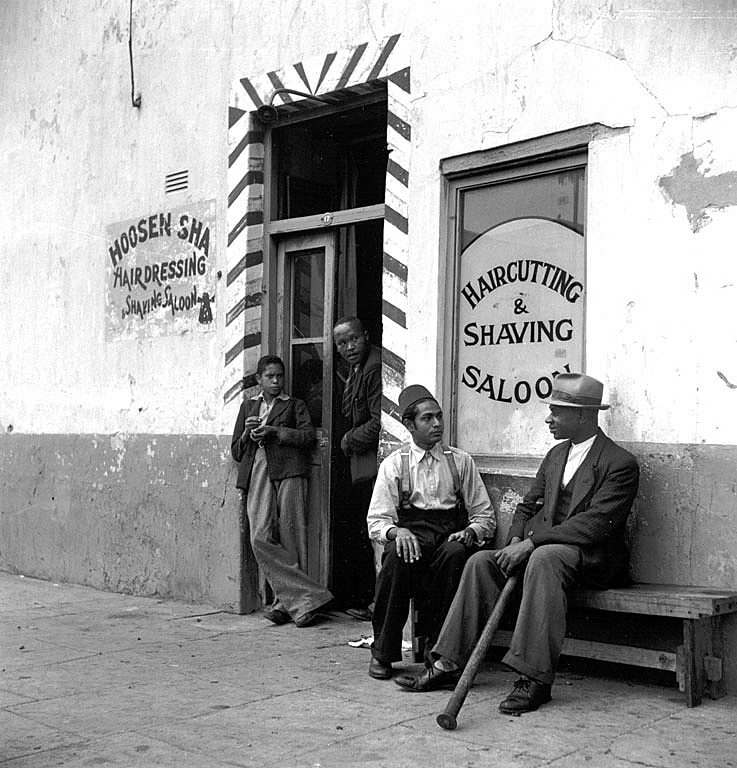
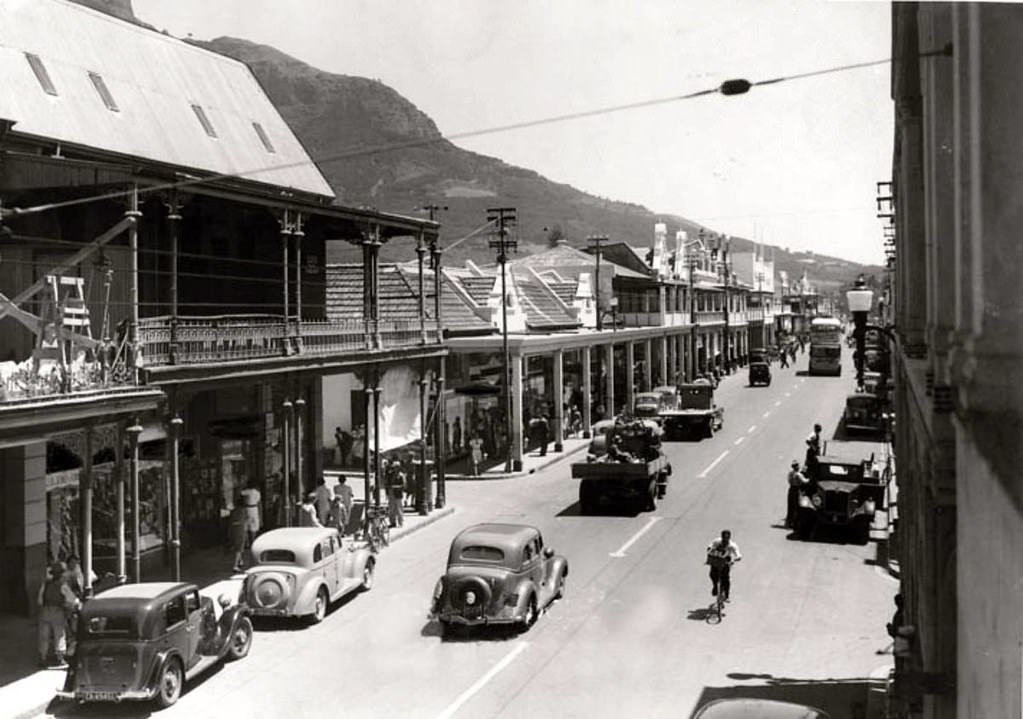
The city’s neighborhoods each had their own distinct character. The Bo-Kaap, perched on the slopes of Signal Hill, was home to Cape Town’s Cape Malay community. Its narrow streets held barbershops, mosques, and tightly knit households that had been there for generations.
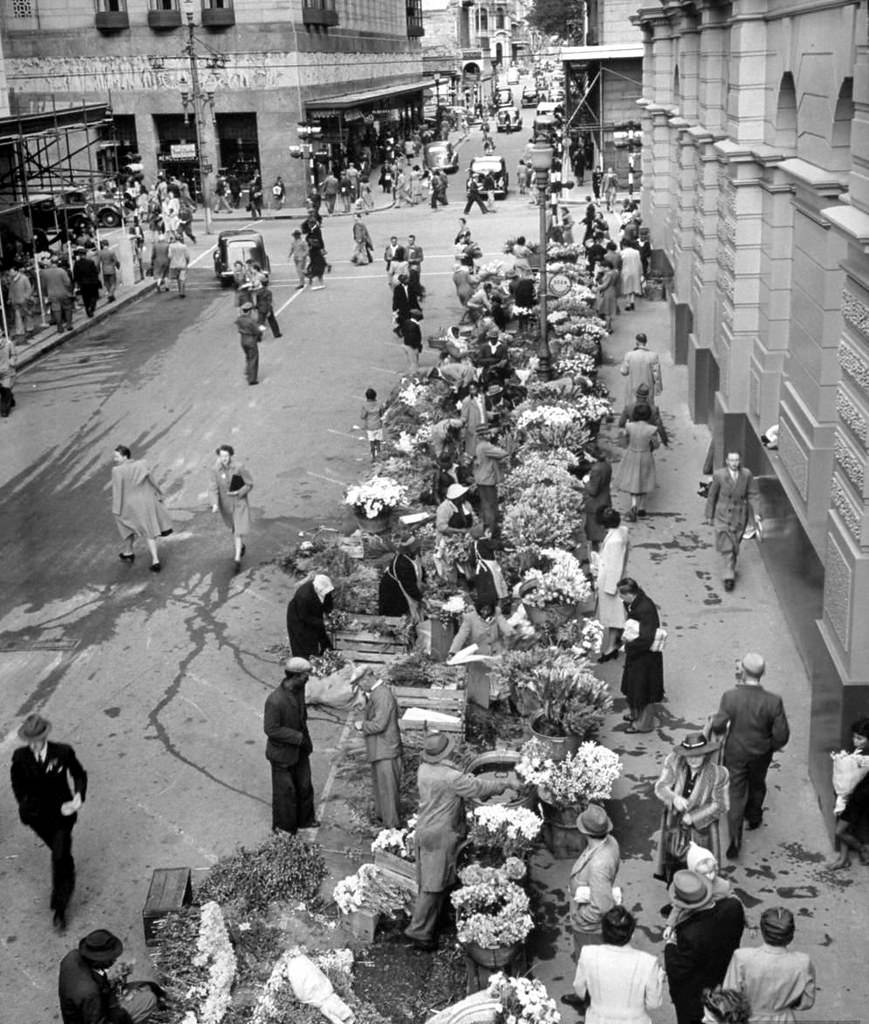
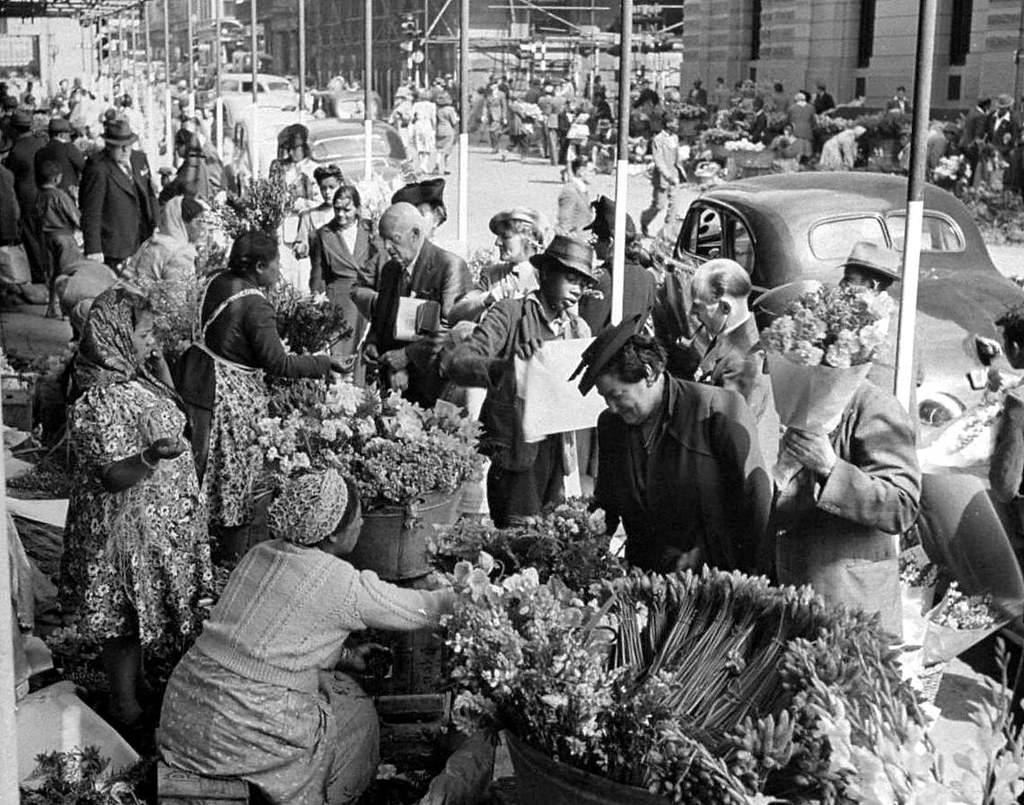
Parliament Street was a hub of informal trade. Flower sellers set up along its pavements, selling blooms in front of the Standard Bank’s back wall — a scene that played out daily throughout the decade.
Politically, the decade was charged. The National Party under D.F. Malan was building support across South Africa on a platform of apartheid — a system of enforced racial segregation. The 1948 general election brought the National Party to power, a moment that would reshape the country for decades. In Cape Town’s multicultural communities, especially in areas like District Six and the Bo-Kaap, the implications were deeply felt.
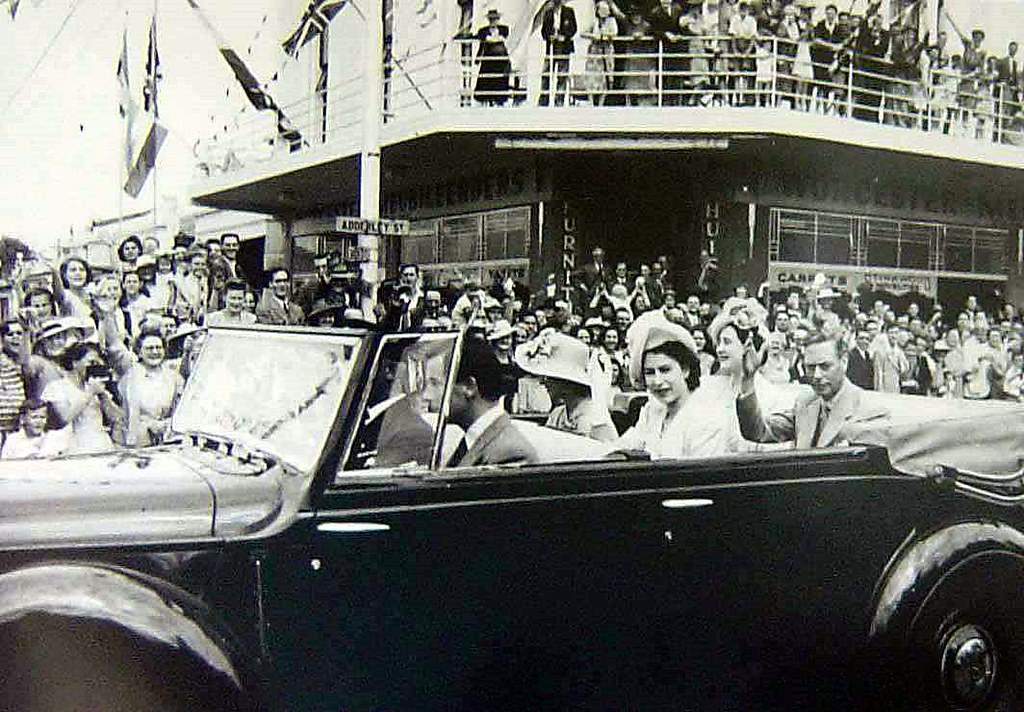
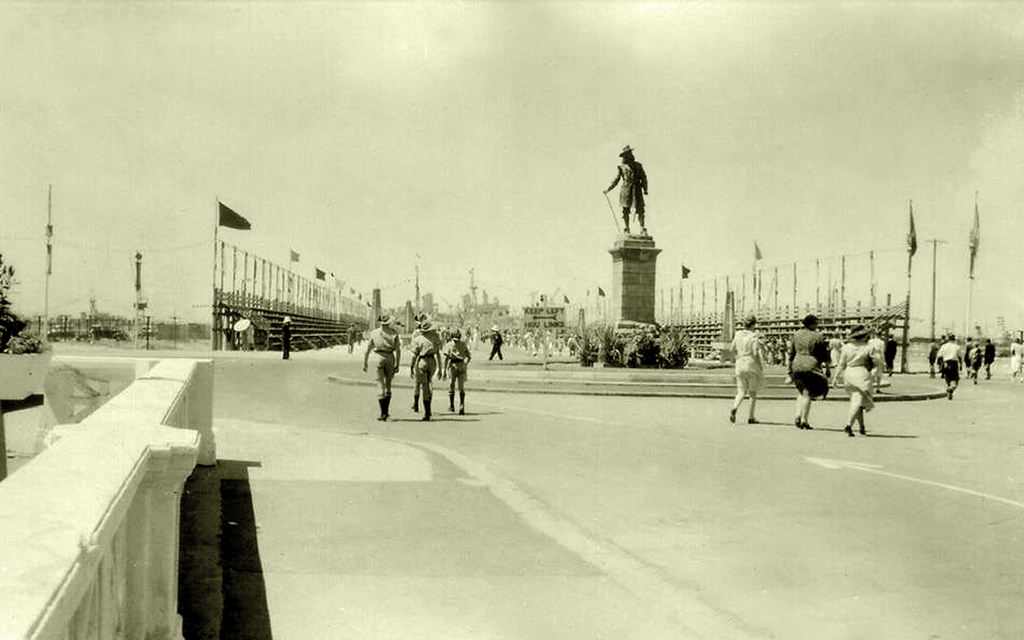
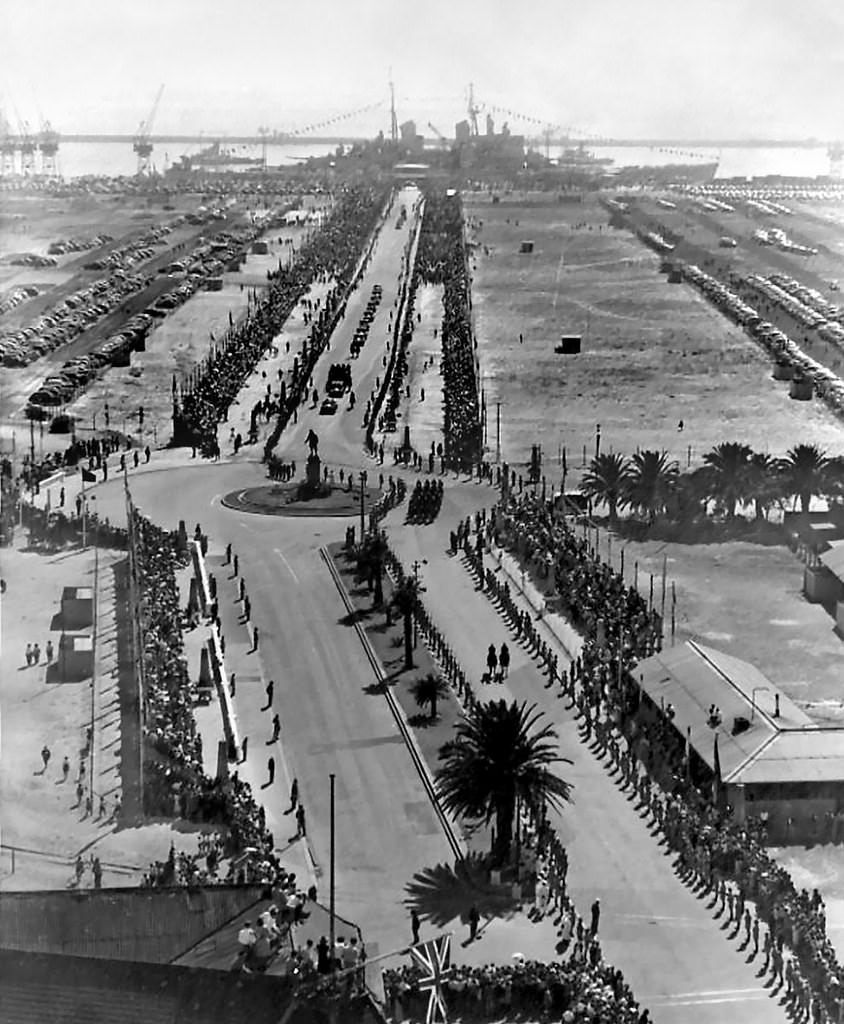
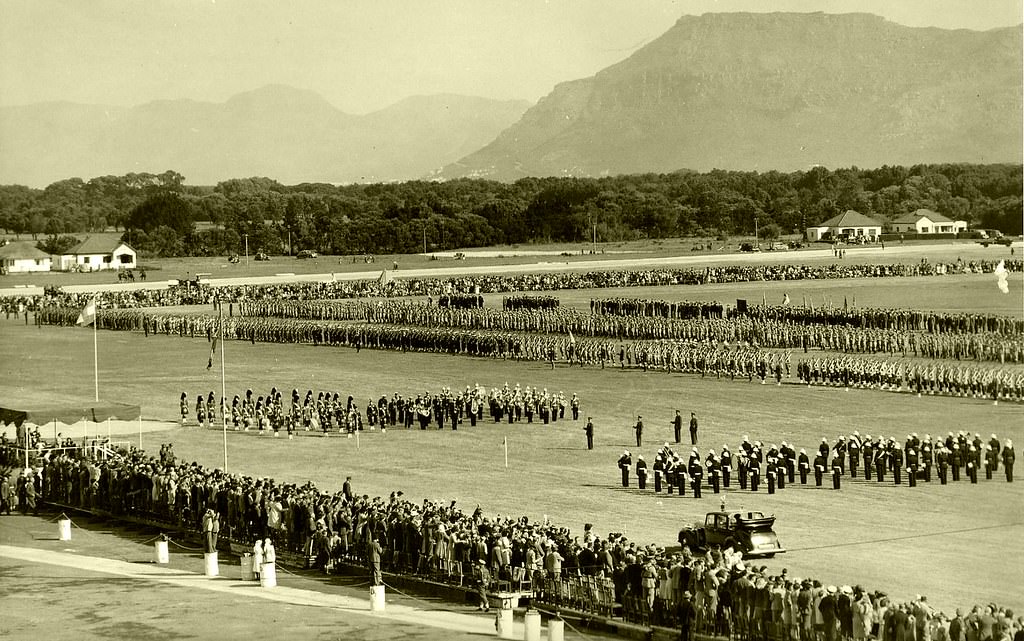
The most high-profile event of the postwar years was the Royal Tour of February 1947. King George VI arrived in Cape Town aboard the battleship HMS Vanguard with Queen Elizabeth and their daughters, Princess Elizabeth and Princess Margaret. It was the first visit by a reigning British monarch to South Africa. Officials gathered at the docks to receive the ship, with two Daimler cars kept covered in the shade to protect them from the February heat.
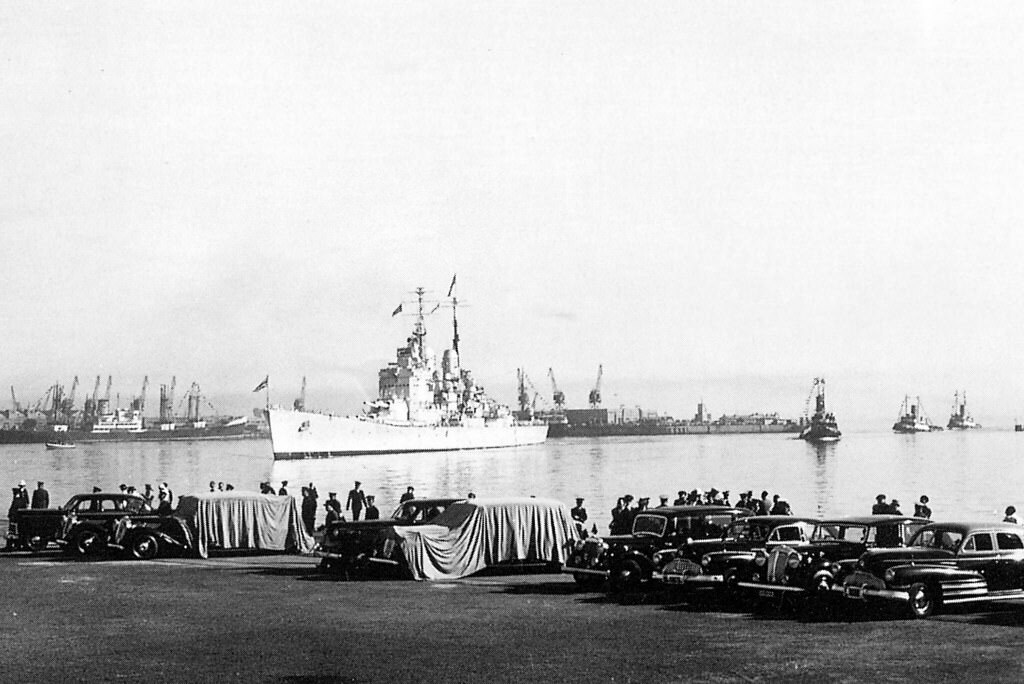
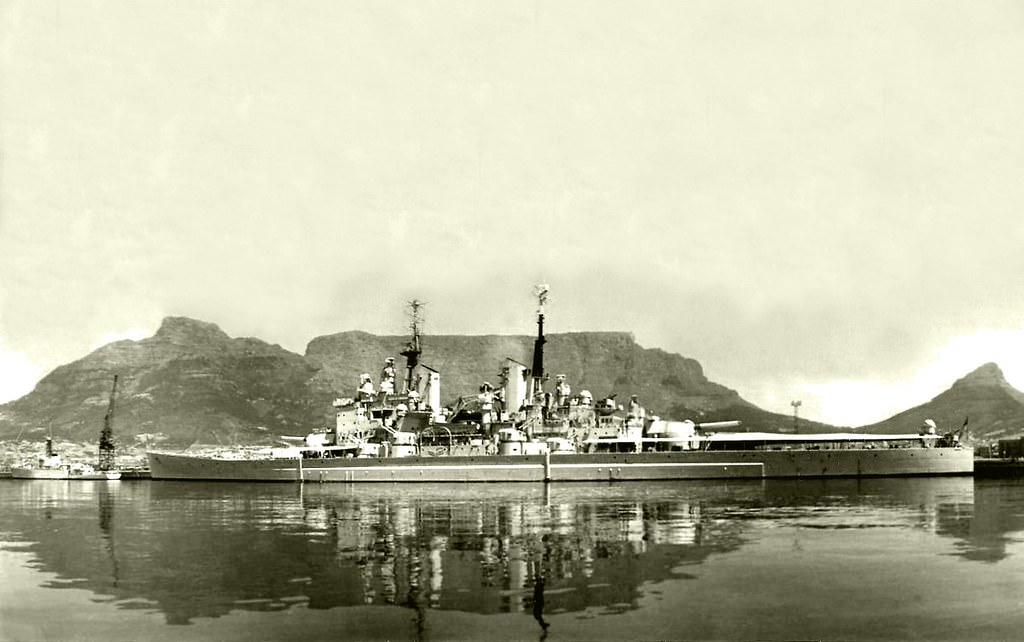
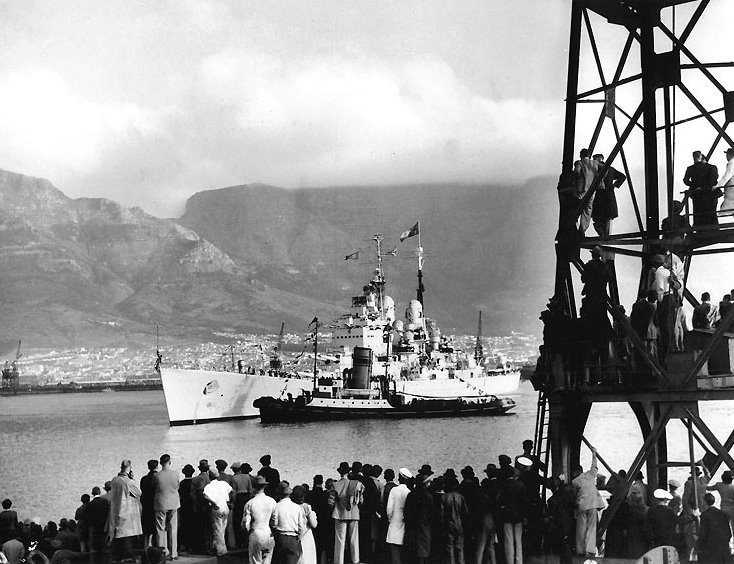
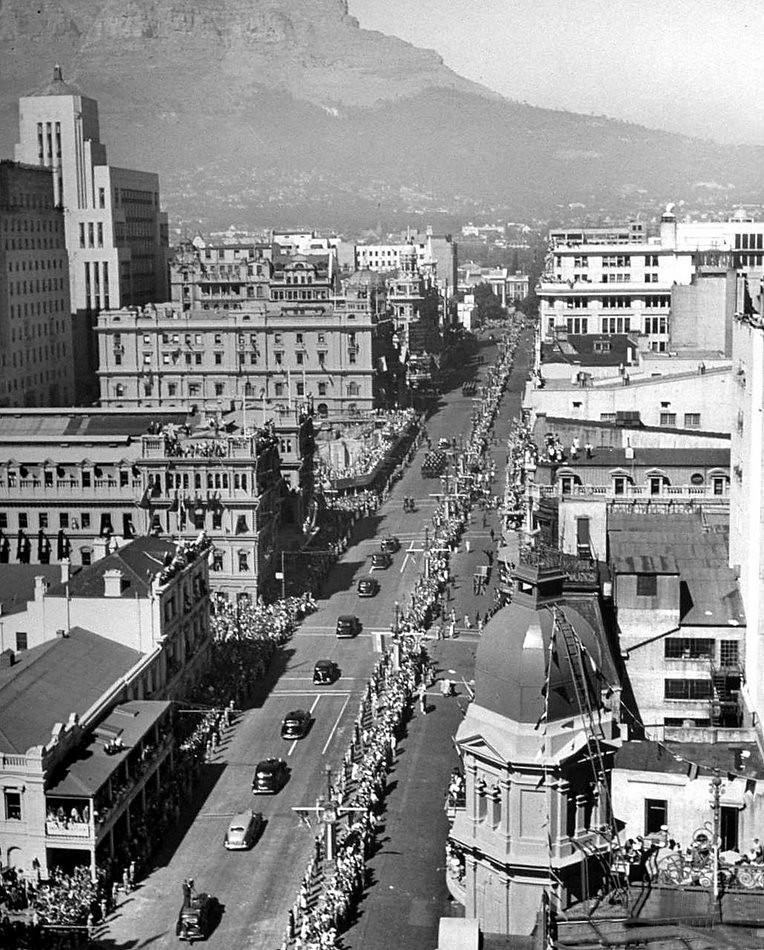
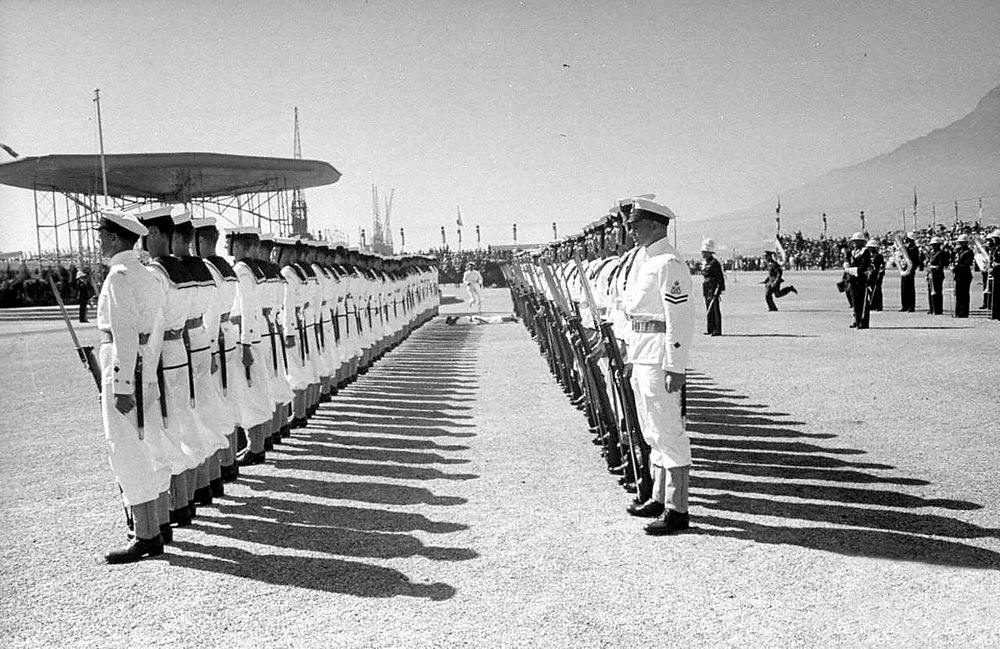
Cape Town turned out in force to see the Royal Family. Crowds lined Adderley Street as the motorcade made its way from the docks to City Hall, with the O.K. Bazaars building visibly under construction on the left side of the street. The heat was intense, and at least one sailor collapsed during the ceremonies.
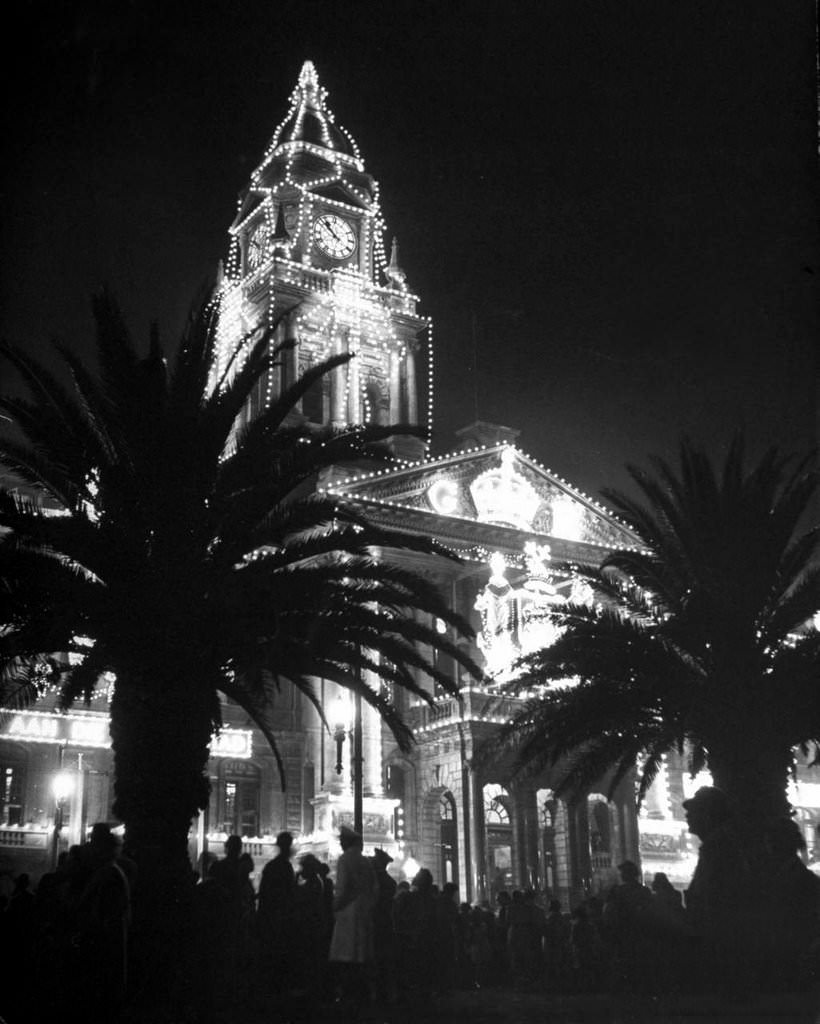
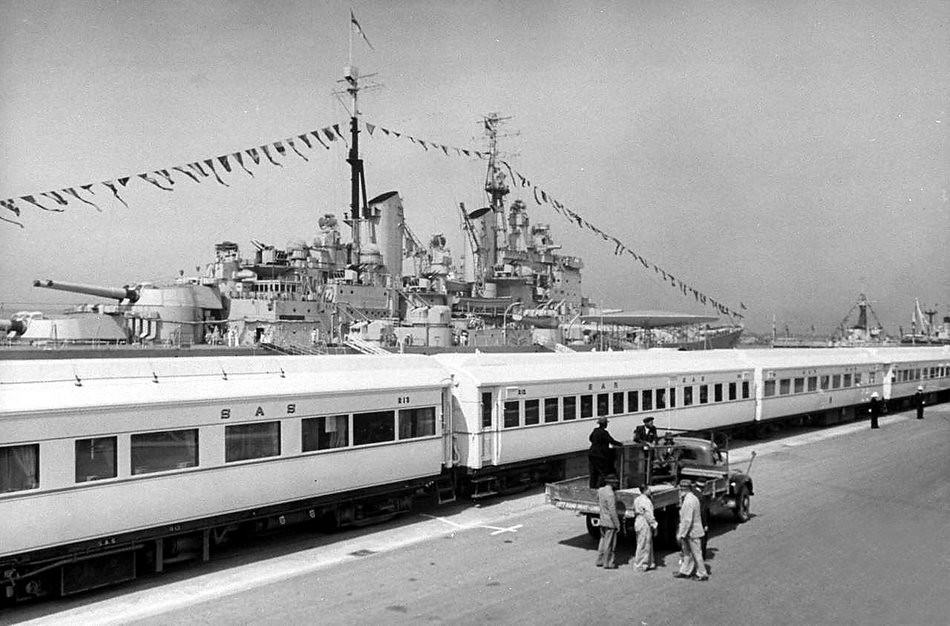
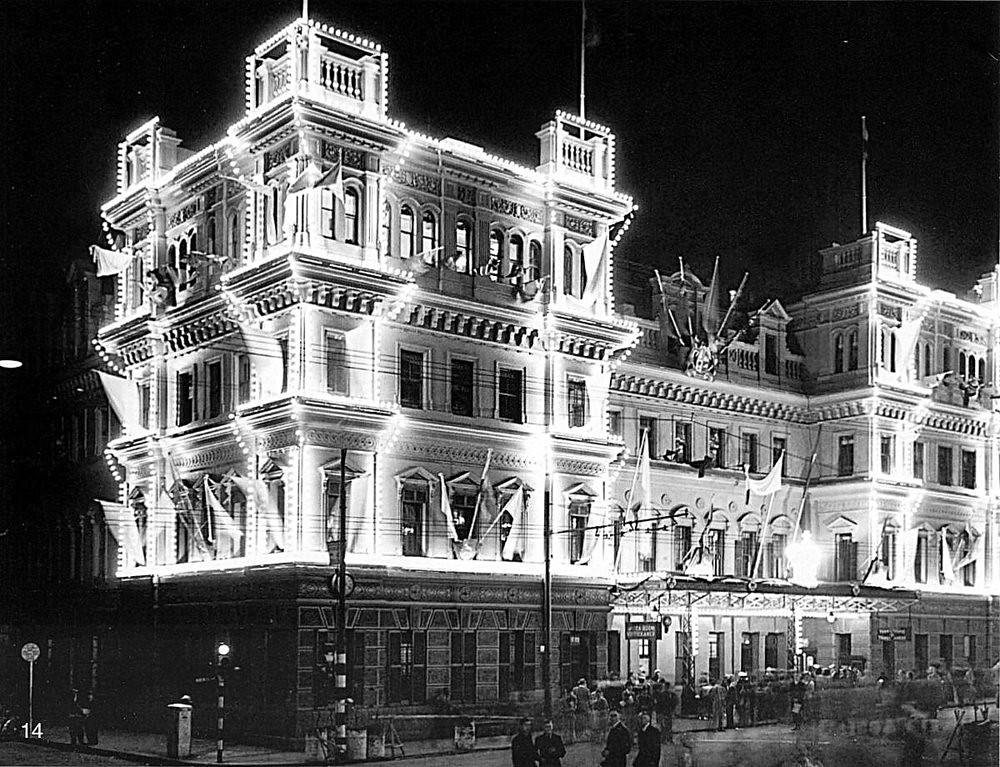
City Hall was a focal point of the Royal Tour, draped and decorated for the occasion. After the formal proceedings, HMS Vanguard formed a striking backdrop to the White Train, the specially outfitted rail convoy that would carry the Royal Family on their tour through the Union of South Africa.
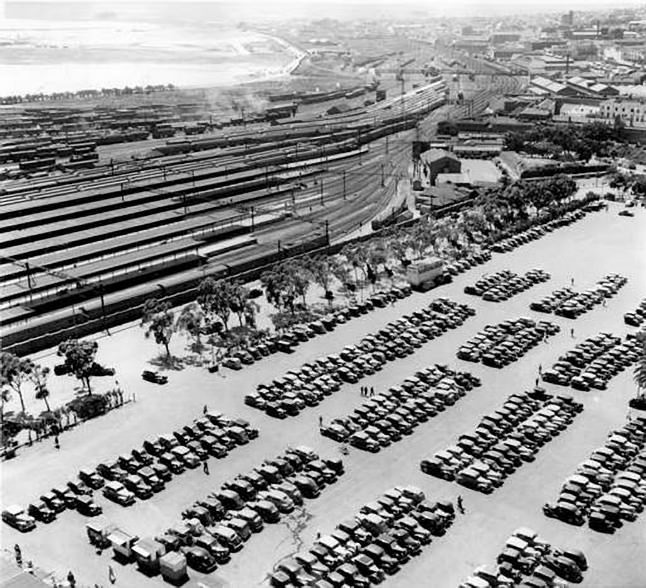
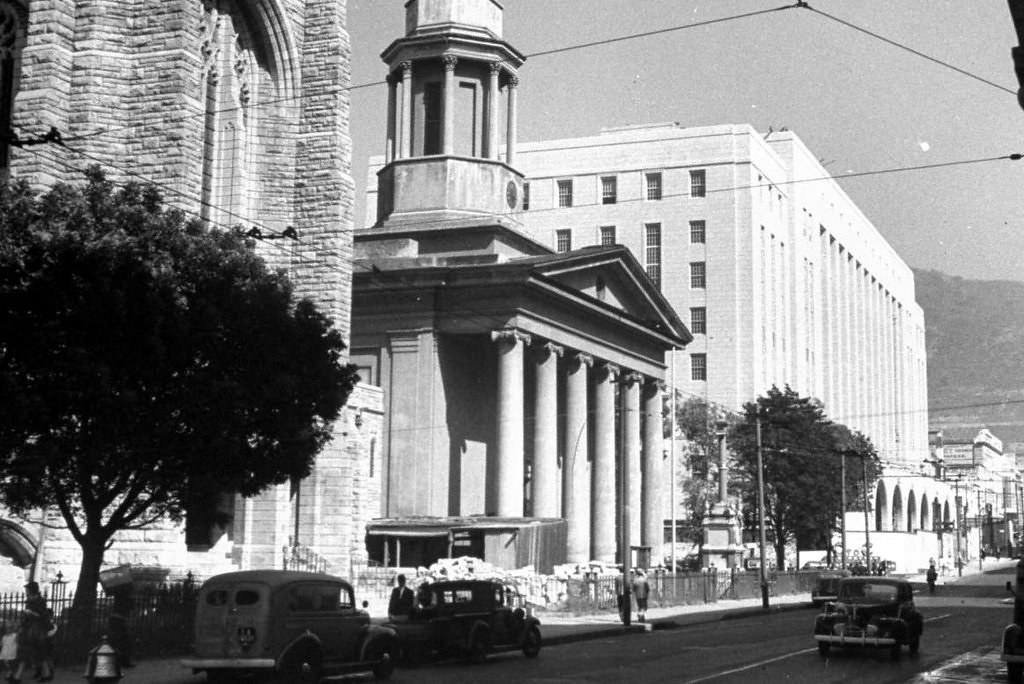
Beyond the Royal Tour, Cape Town’s streets and public spaces recorded the rhythms of ordinary postwar life. The railway station handled a steady flow of passengers moving between the city and the wider country, while the post office on St. George’s Street remained a central point for communication in a city still reliant on written correspondence.
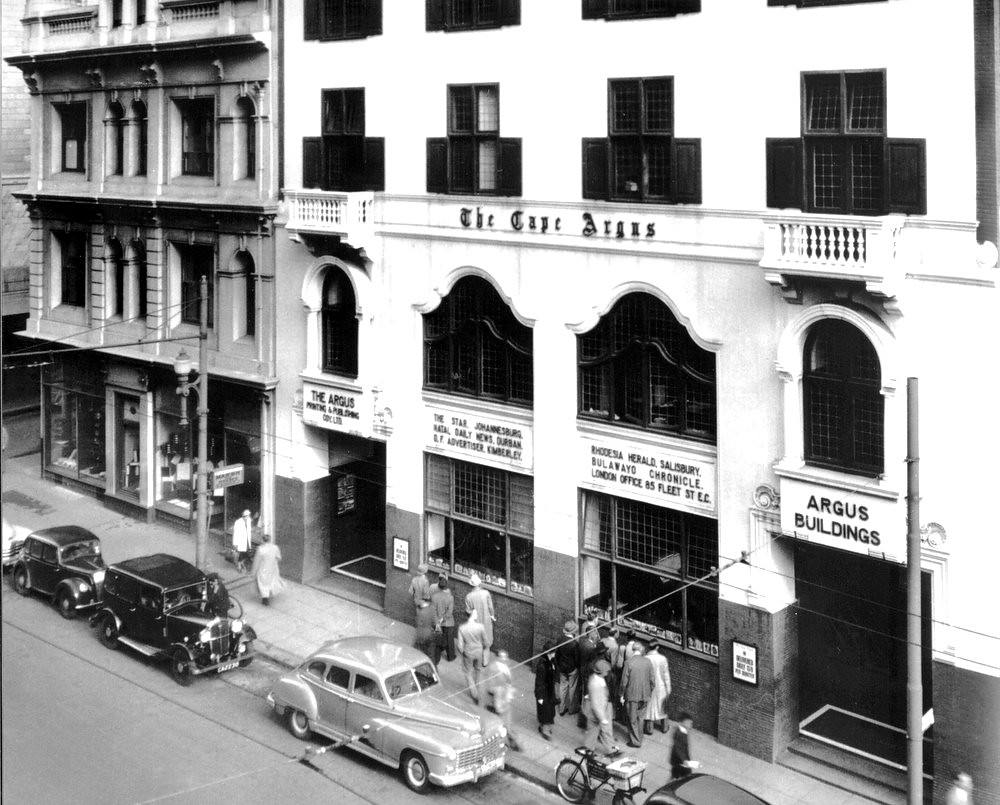
St. George’s Street itself was one of Cape Town’s busiest corridors. The Argus building, home to one of South Africa’s major newspapers, stood as a fixture of the street’s commercial and media landscape through the decade.
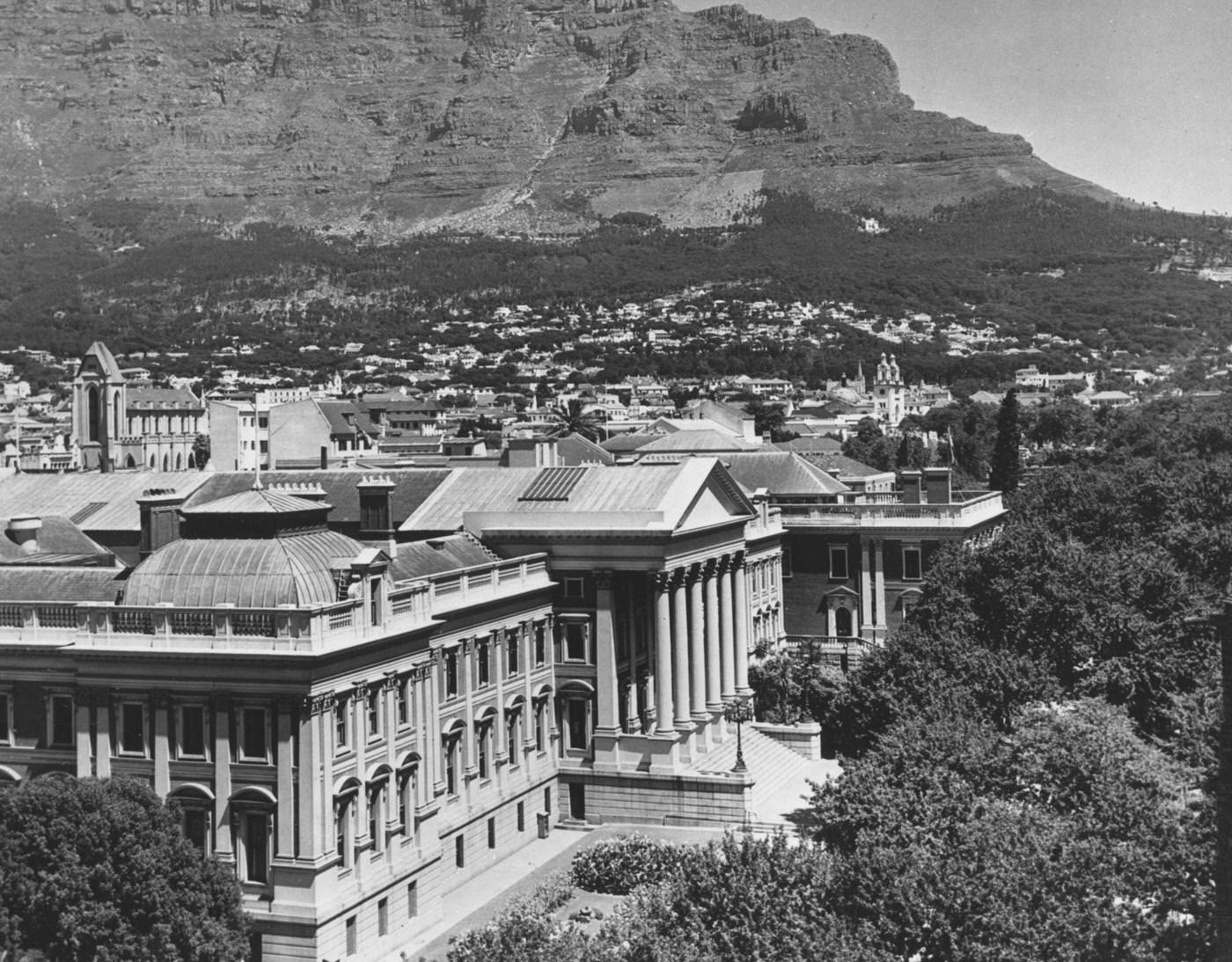
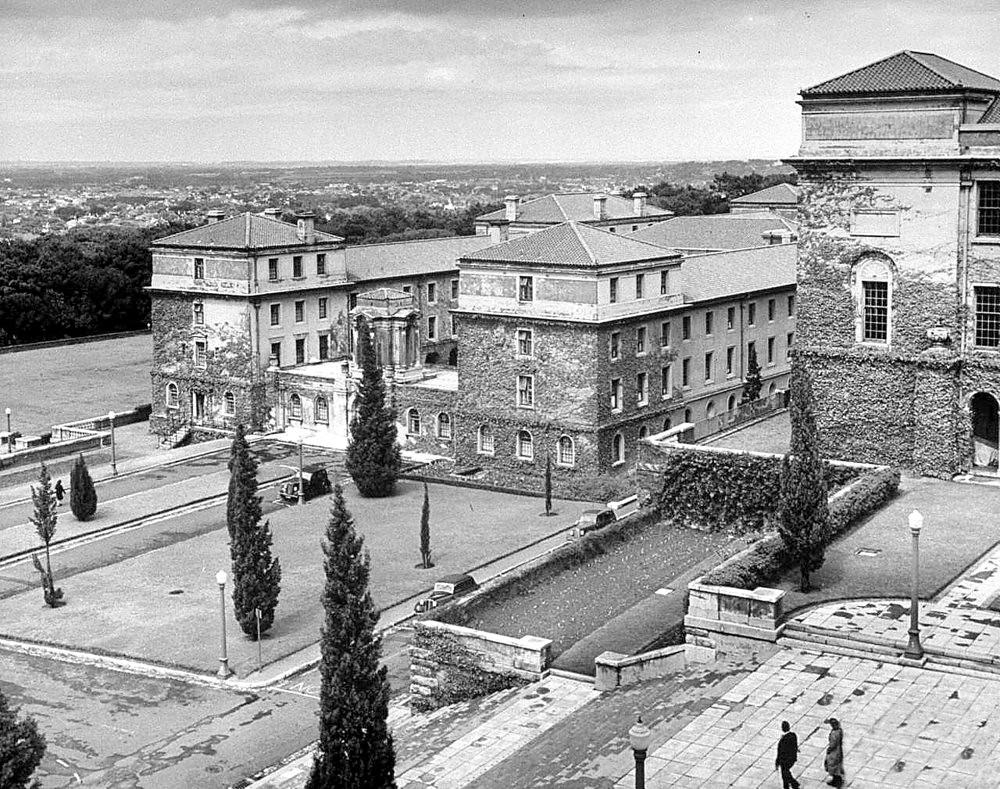
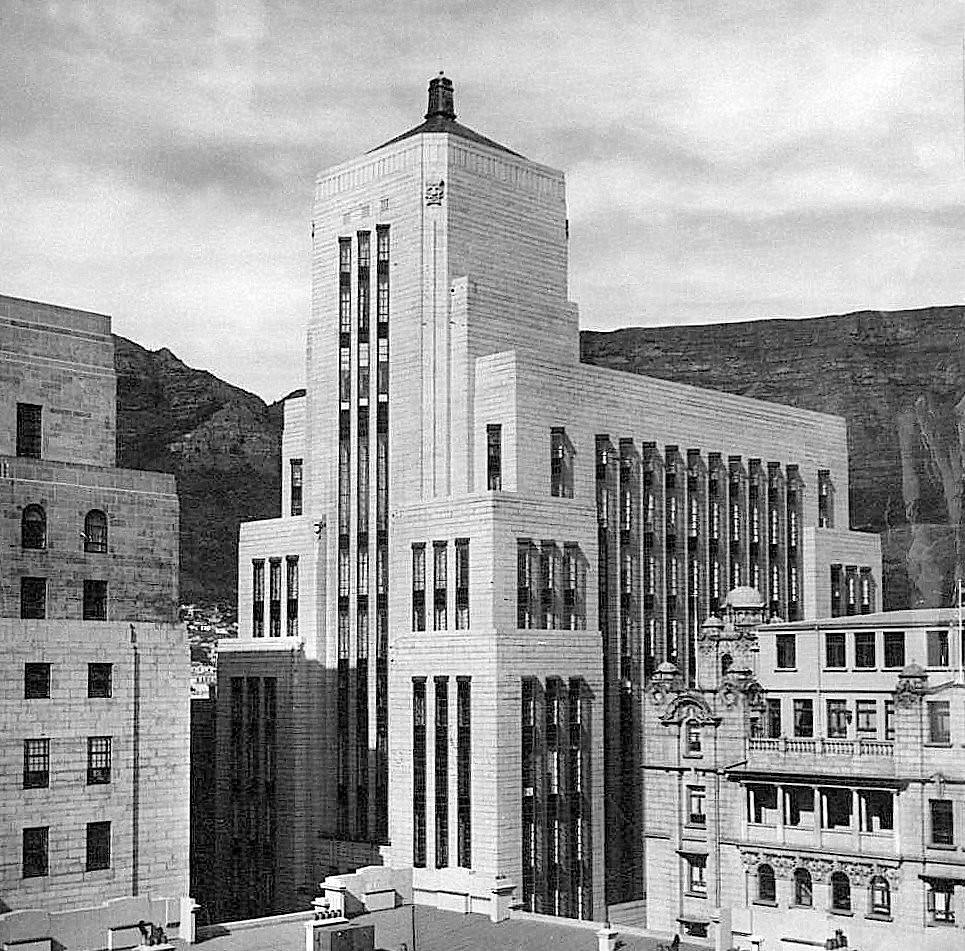
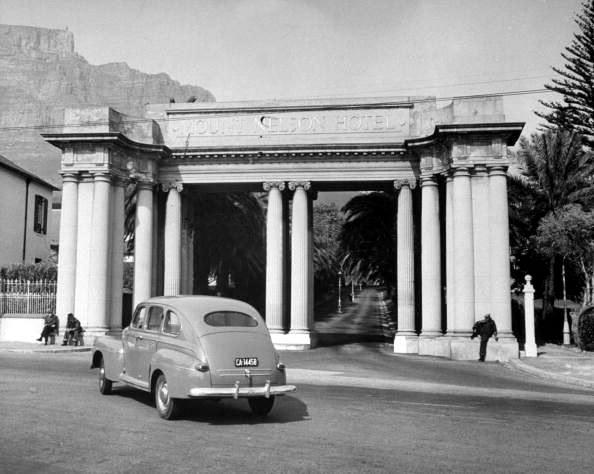
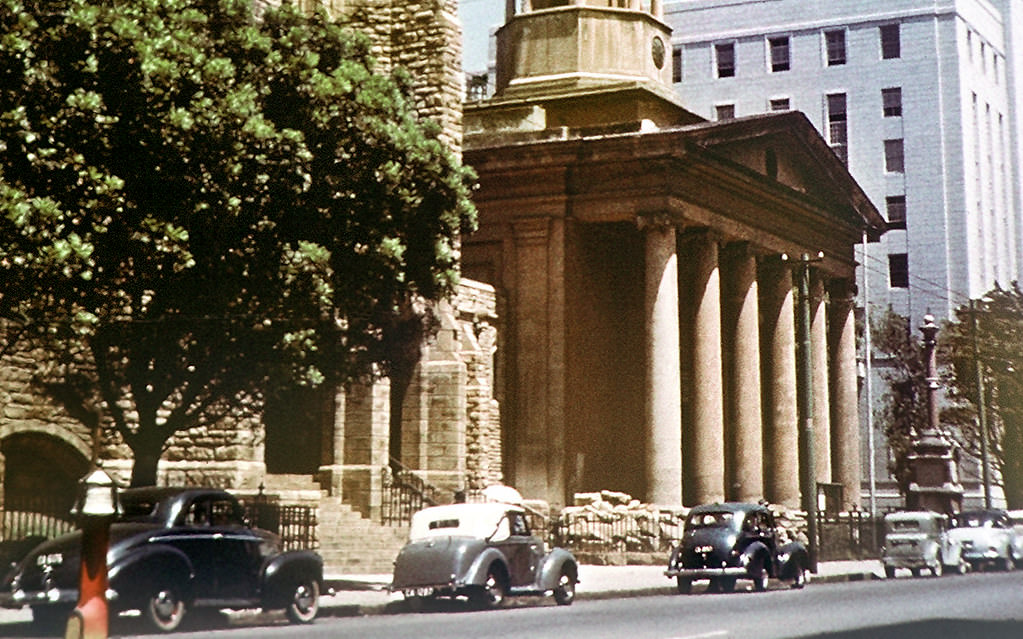
The University of Cape Town, set against the slopes of Devil’s Peak, continued to operate through the war years and into the postwar period. The Old Mutual Building and the Mount Nelson Hotel represented Cape Town’s financial and hospitality sectors — two institutions that anchored the city’s civic identity.
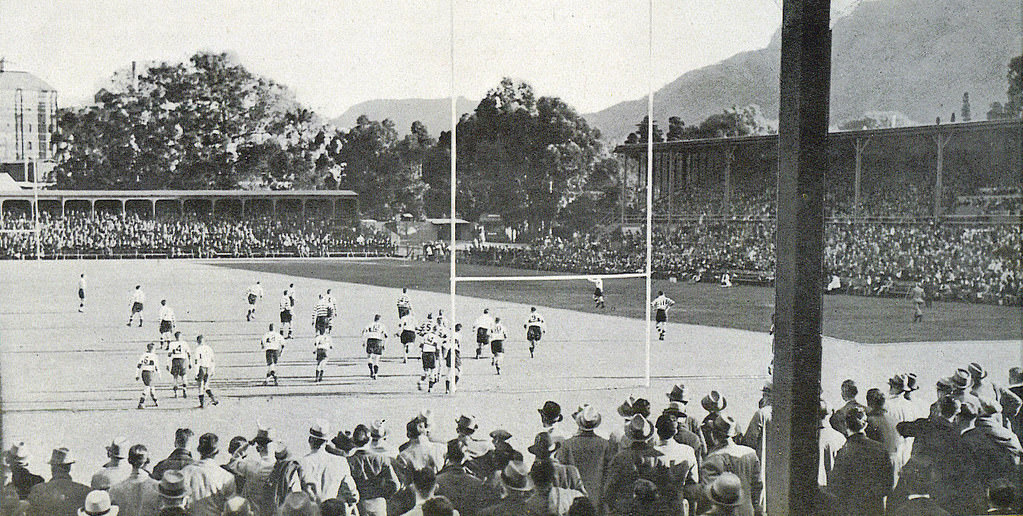
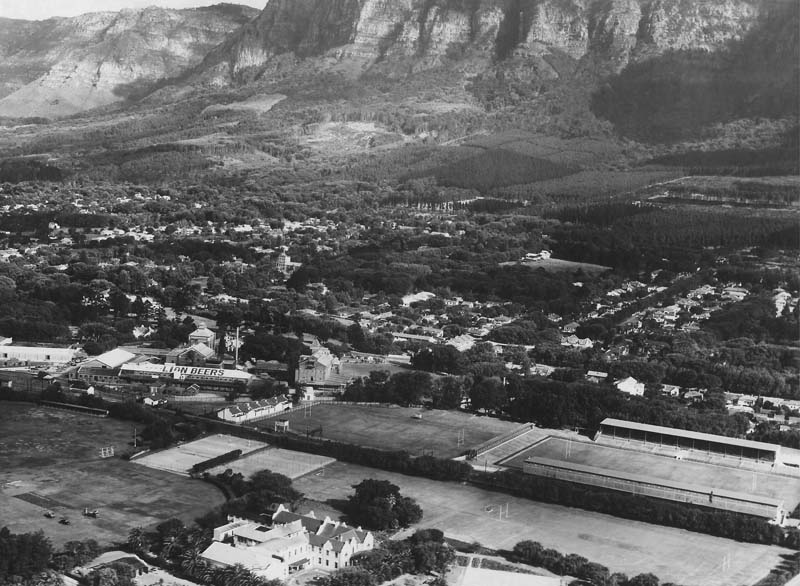
Sport remained a central part of Cape Town life throughout the decade. Newlands Rugby Ground hosted matches between Province and Transvaal in the postwar years, with the South Stand and Main Stand framing the field. The Rosebank Show drew crowds from across the region, offering a reminder that civilian life continued even at the height of wartime.
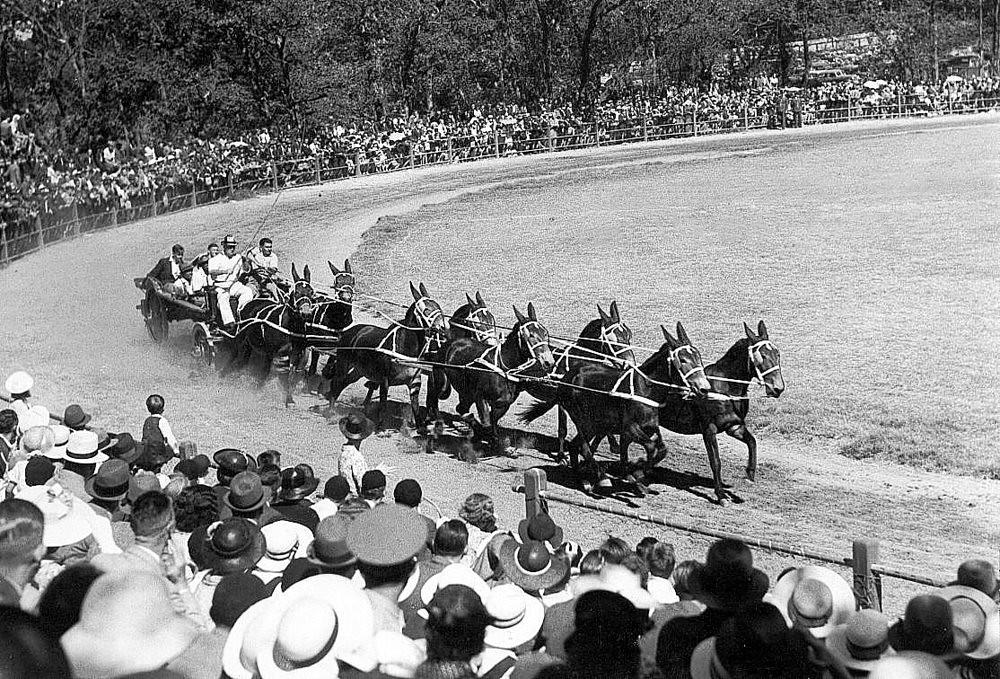
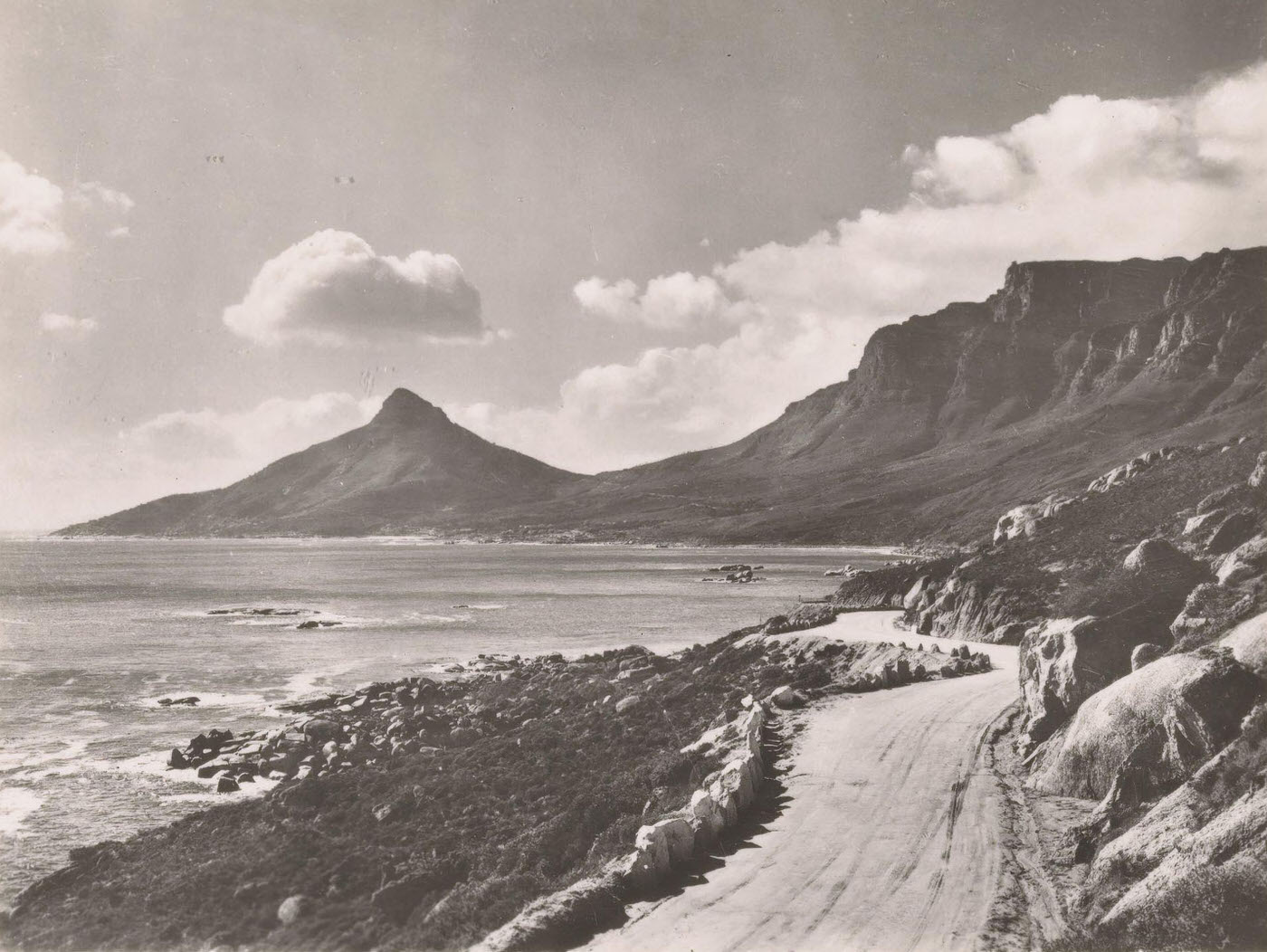
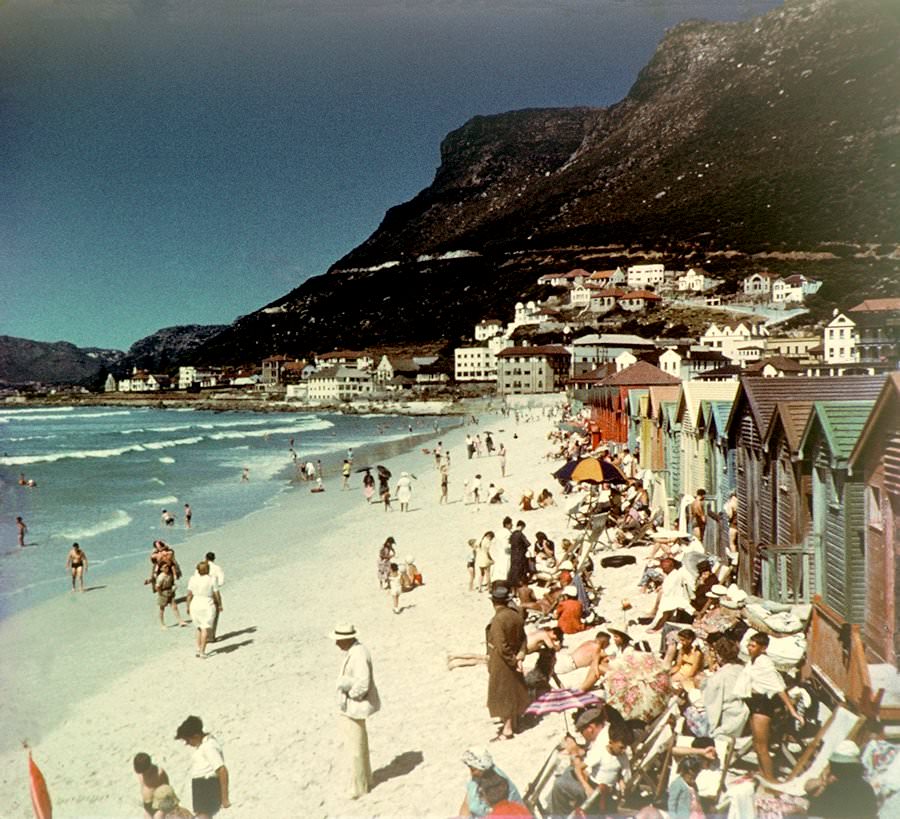
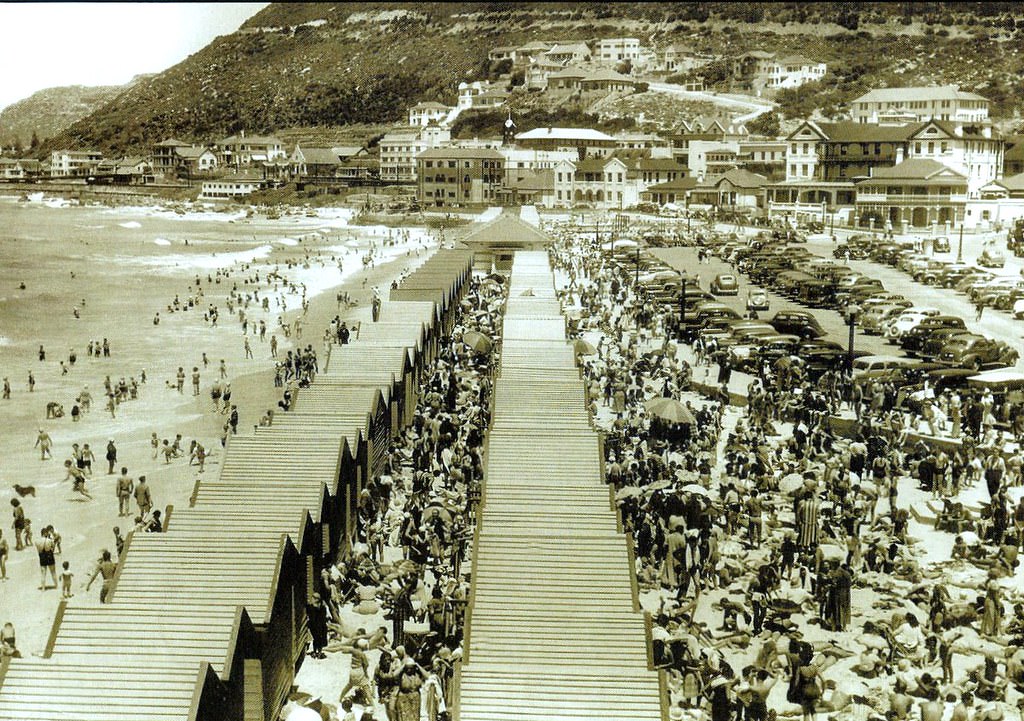
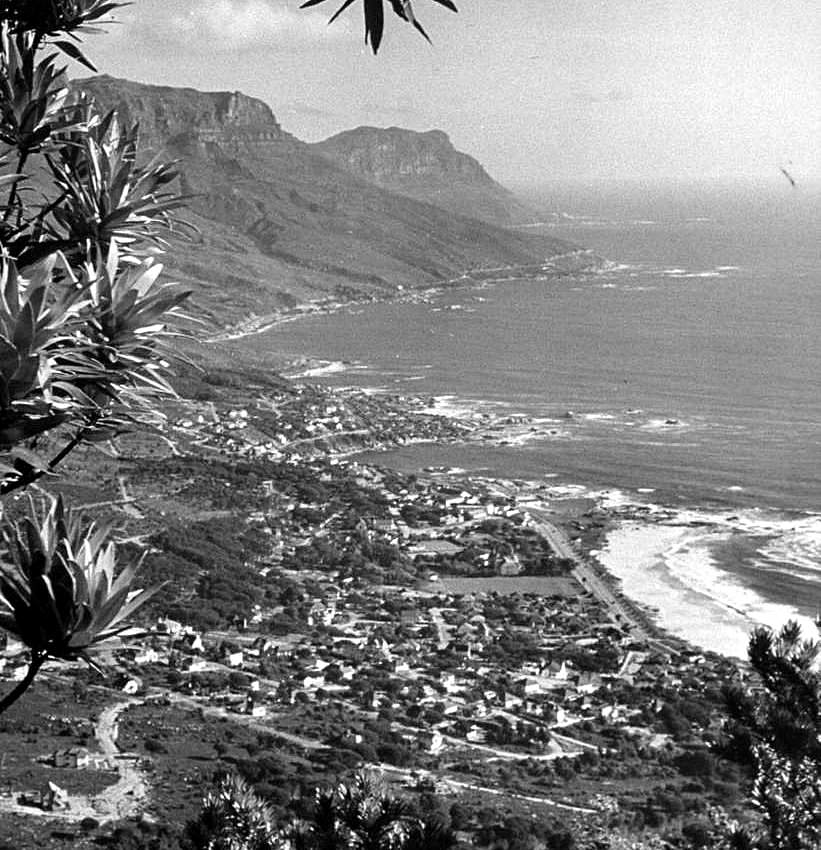
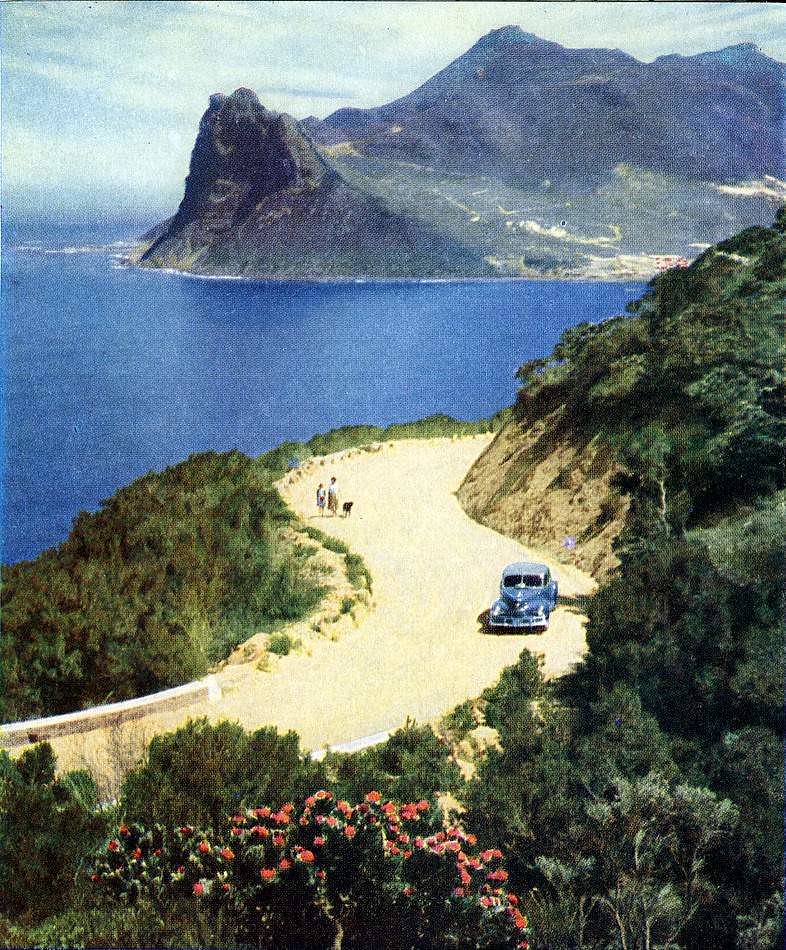
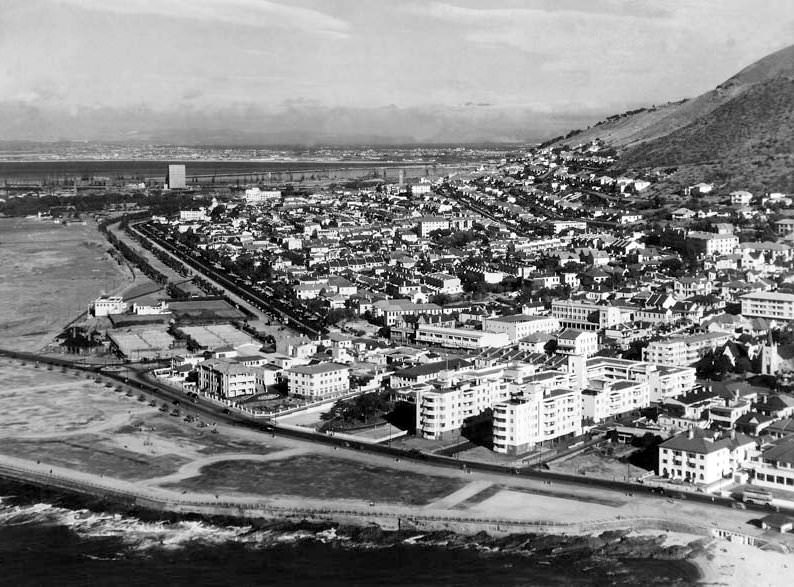
The beaches and natural surroundings of Cape Town gave residents a break from city pressures. Muizenberg on the False Bay coast was a popular resort, drawing families to its wide sandy beach. Camps Bay on the Atlantic side offered cooler water and dramatic mountain backdrops. Chapman’s Peak Drive, the winding coastal road completed in 1922, remained a scenic route connecting the Peninsula’s communities.
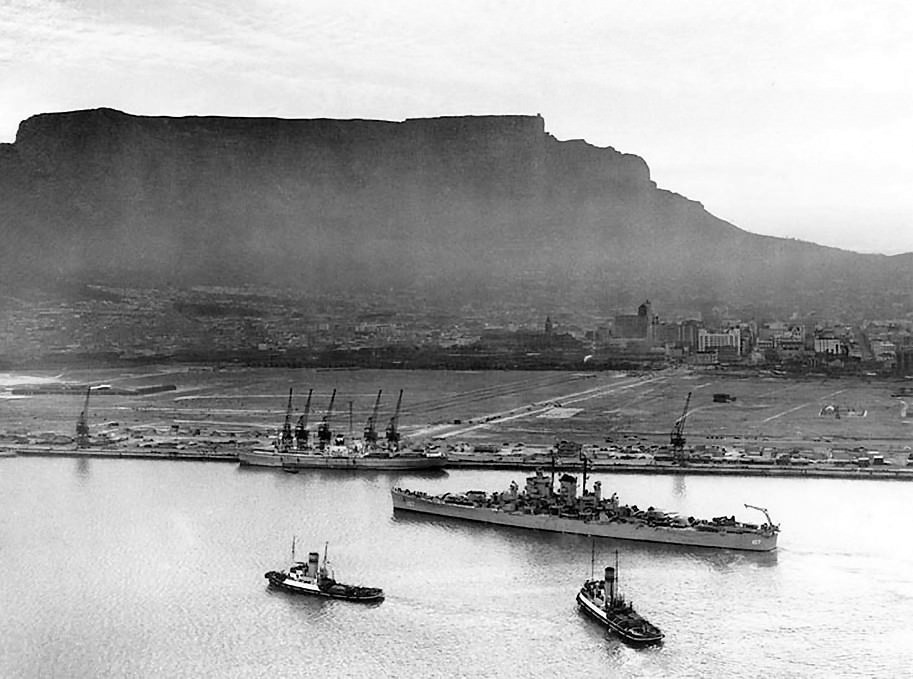
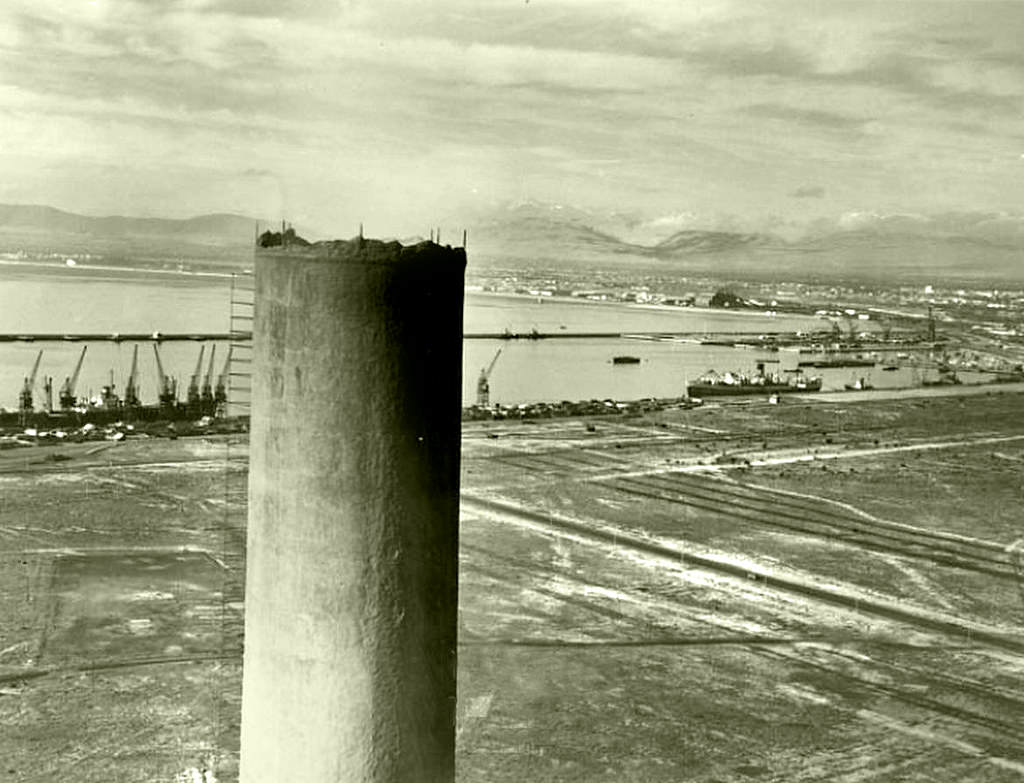
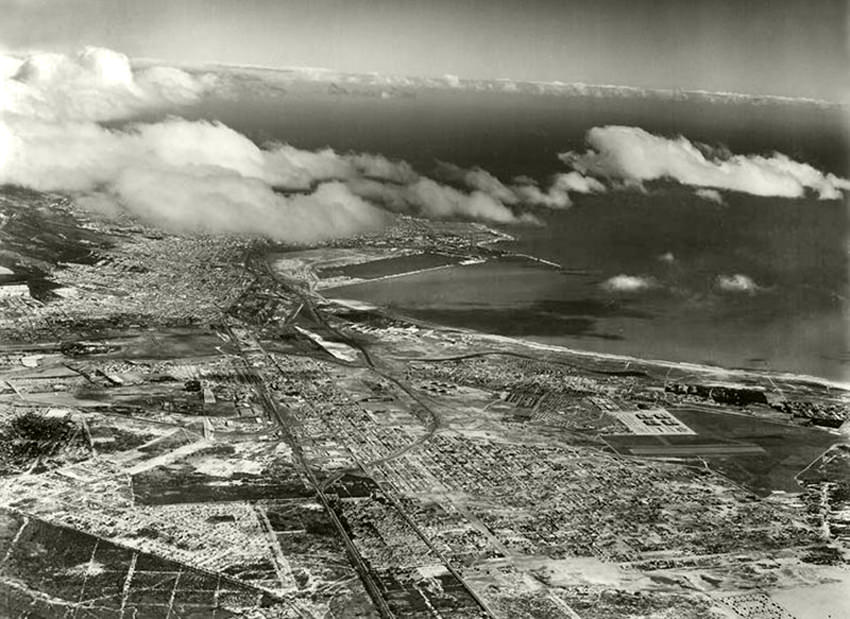
The foreshore area north of the city center was still largely undeveloped by the late 1940s. When the USS Huntington arrived on October 15, 1948, it was greeted by a bare and open foreshore — a stretch of reclaimed land that had not yet seen the development that would come in later decades. By 1949, photographs still showed the same desolate expanse.
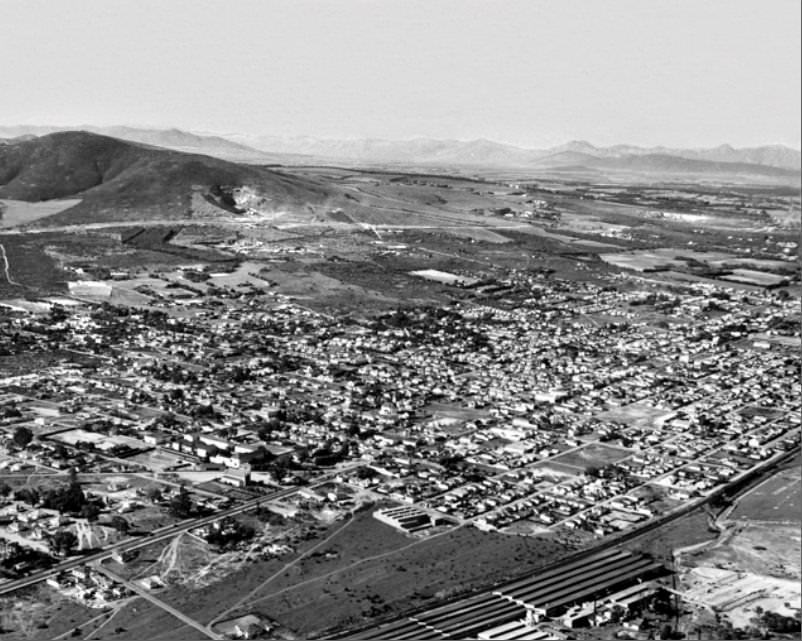
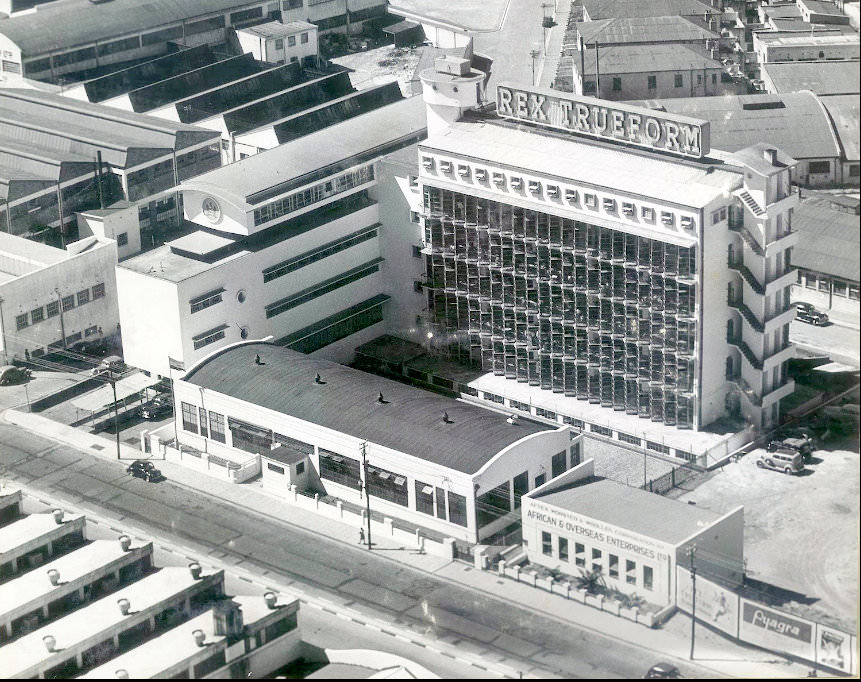
Infrastructure was expanding in other parts of the region. The N1 road was under construction along the slopes of the Tygerberg Hills in 1949, laying the groundwork for the highway network that would eventually connect Cape Town to the rest of South Africa. Closer to the city, new commercial buildings were going up, including the Rex Trueform building in 1948.
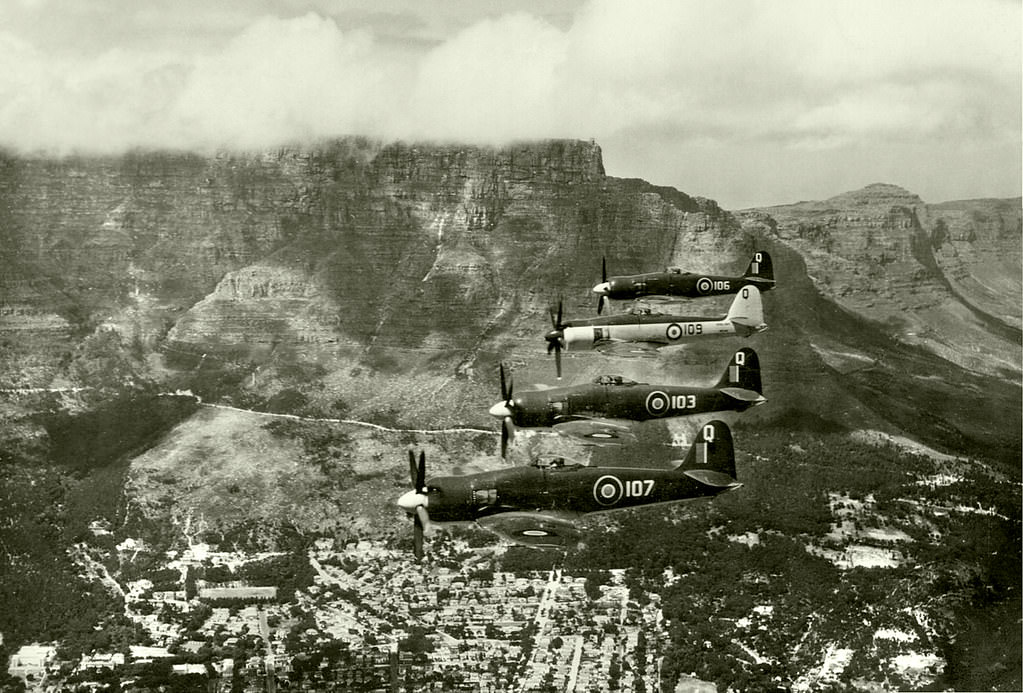
Aviation was also becoming part of the city’s story. A formation of Sea Fury aircraft over Cape Town in 1948 was a sign of South Africa’s growing postwar military capability. The South African Air Force had expanded significantly during World War II, and its presence remained visible in the skies above the city.
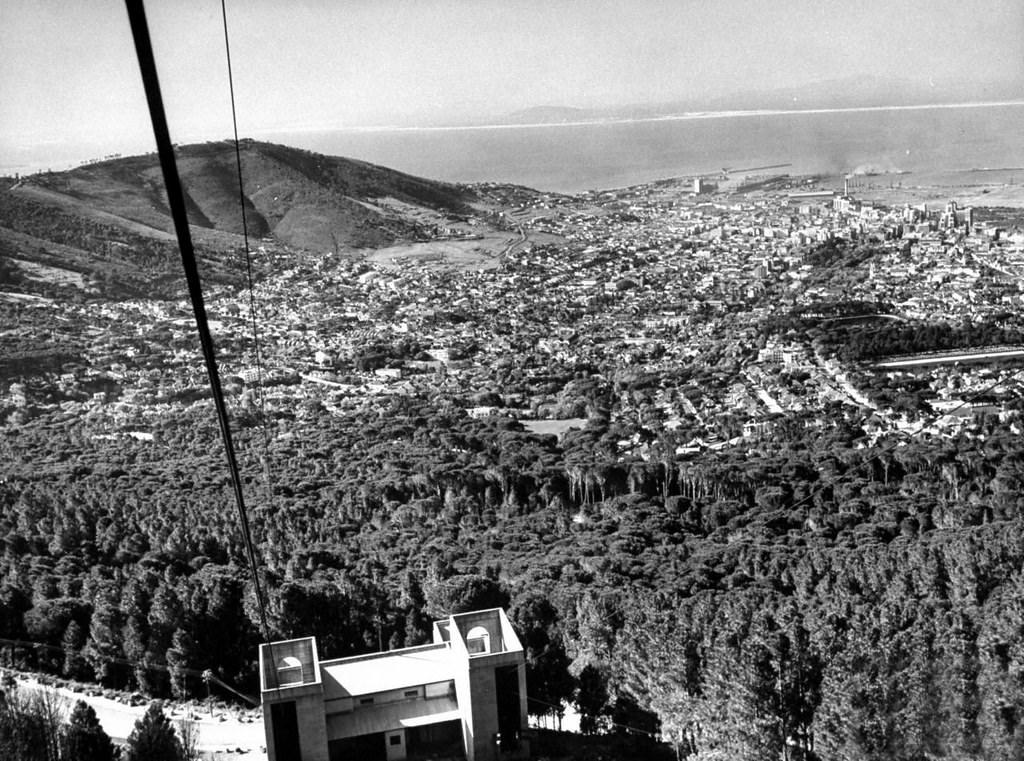
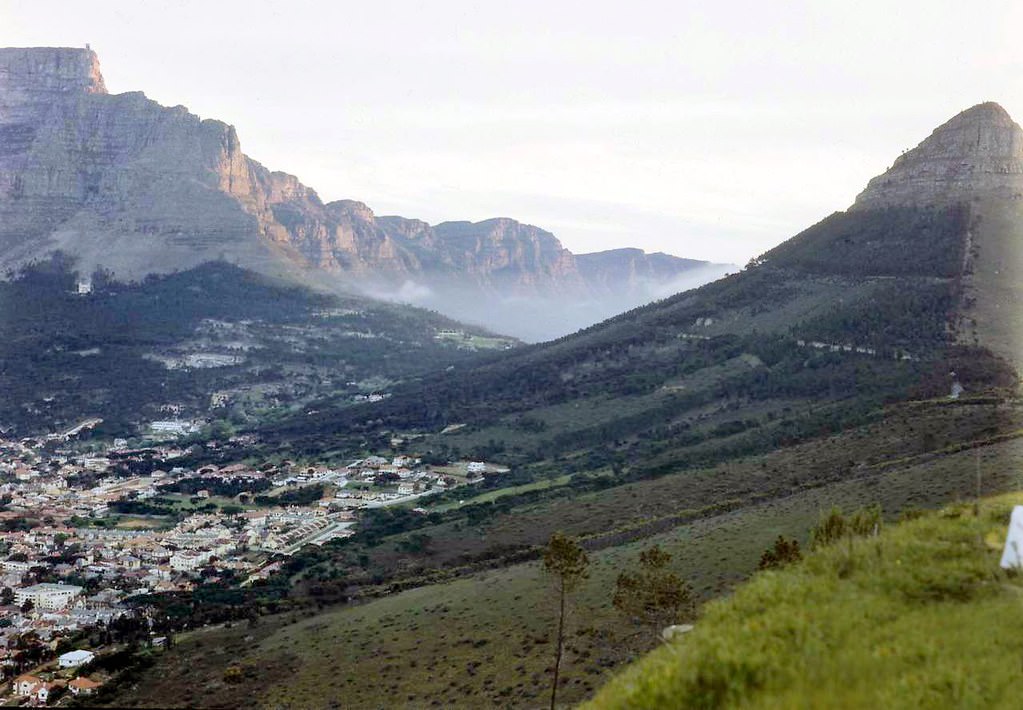
By the end of the decade, Cape Town looked outwardly much as it had at the start — Table Mountain still dominated the skyline, the harbor still defined the city’s economy, and Adderley Street was still the pulse of daily commerce. But underneath, almost everything had changed. The war had reshaped the population, the economy, and the city’s relationship to the wider world. The 1948 election had set South Africa on a new and deeply contested political path. These photographs from the 1940s capture a city in the middle of all of it — busy, resilient, and always in motion.





Didn’t expect to see such a built up city in the 40s especially that there was more or at least seemed like more modern era buildings
The whole city looks insanely different when you look at the pictures and the places now – especially the present day Waterfront
Thanks for this its nice to see what our country used to look like ages ago , the beauty and the ugly