Before push-up bras and padded cups took over lingerie drawers, there was the bullet bra. It arrived in the late 1940s, hit its peak popularity through the 1950s, and then disappeared almost as quickly as it had come. For roughly a decade, it was one of the most recognizable silhouettes in women’s fashion — bold, structured, and completely unmistakable.
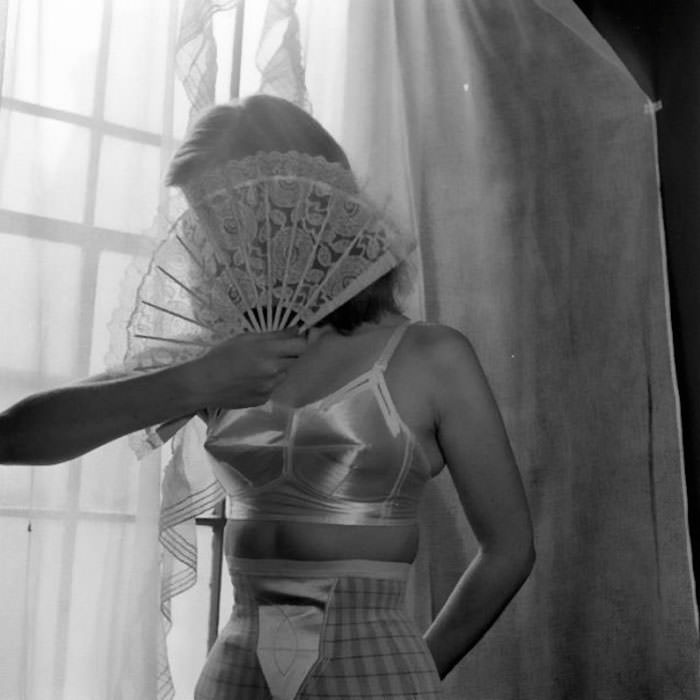
The bullet bra is a full-coverage bra with cups shaped like a paraboloid — a cone that tapers to a sharp, rounded point. The cups sit with their axis running straight outward, perpendicular to the chest. The most distinctive feature is the decorative stitching: concentric circles or spirals sewn directly onto the fabric, radiating outward from the center of each cup. That stitching gave the bra its rigid shape and its name.
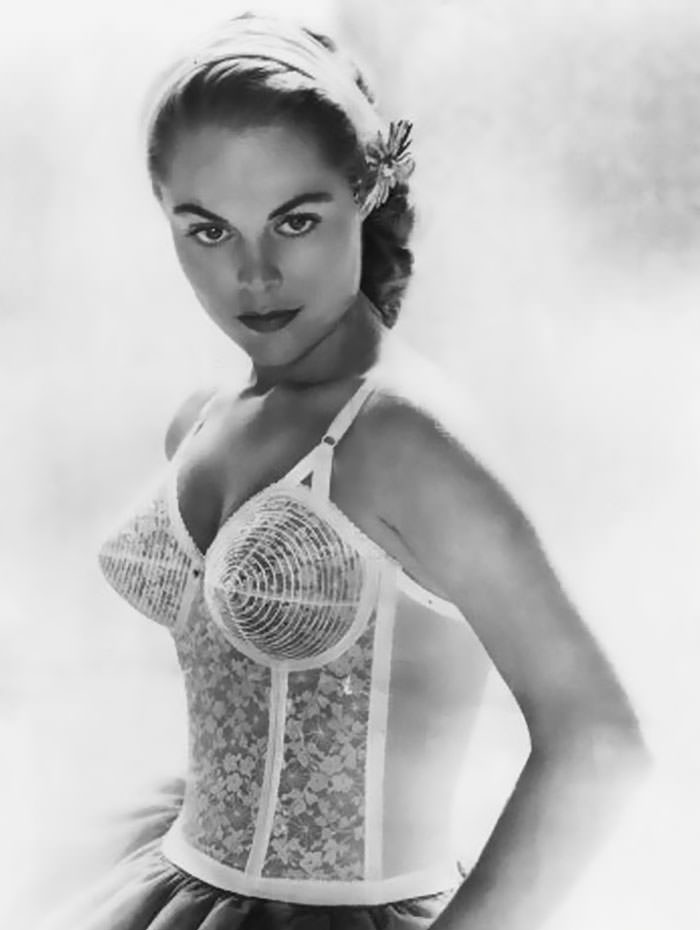
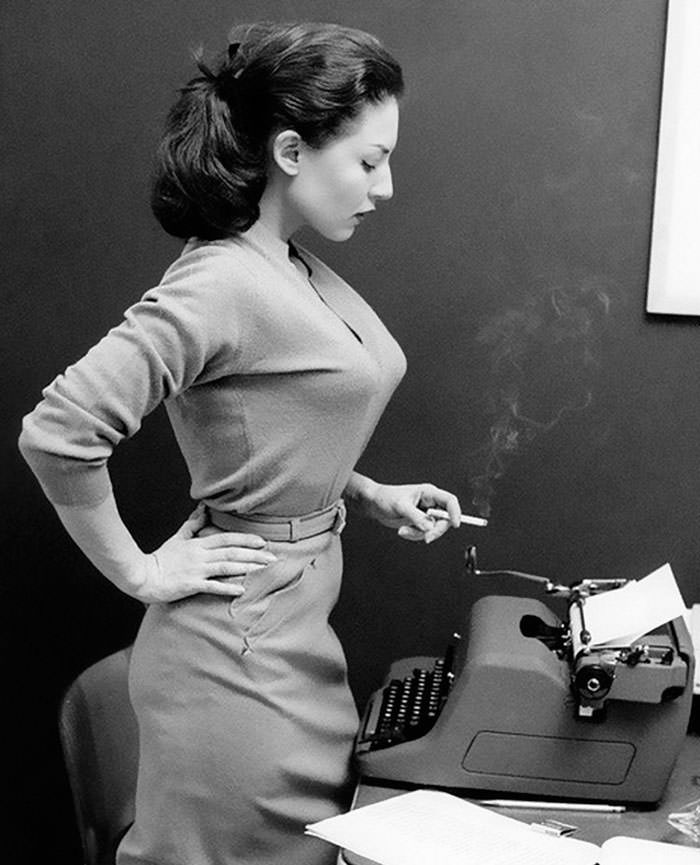
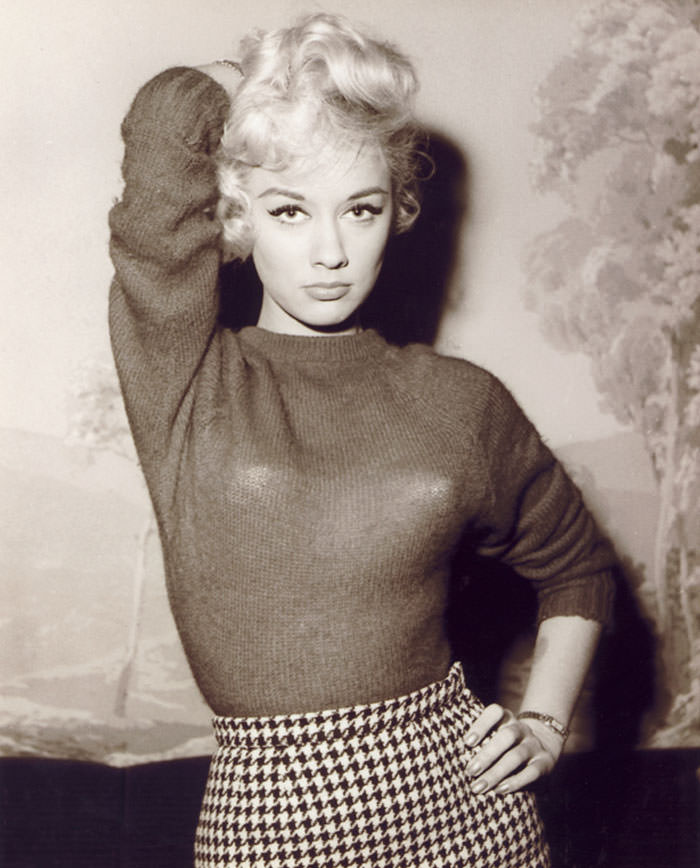
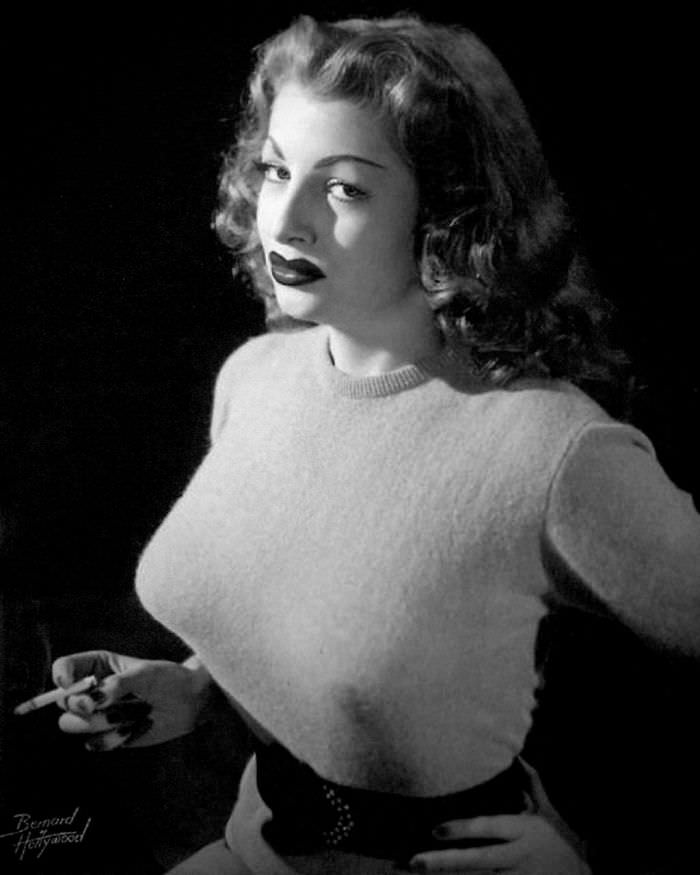
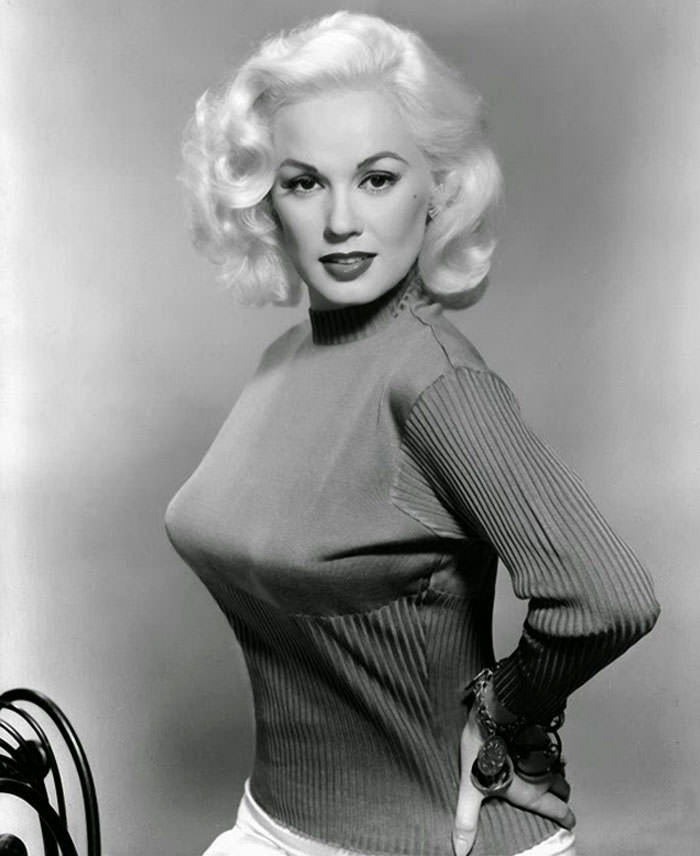
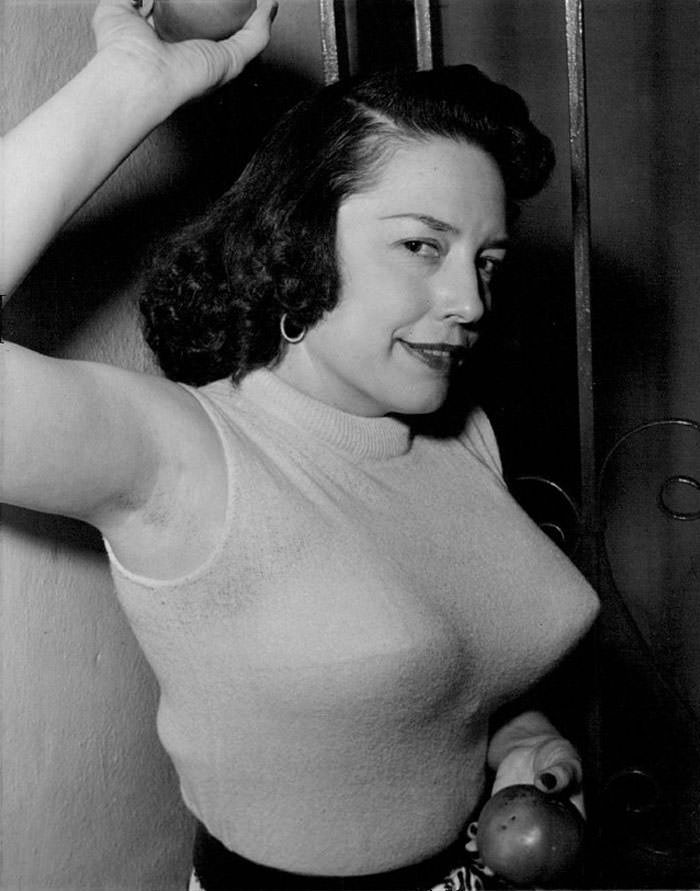
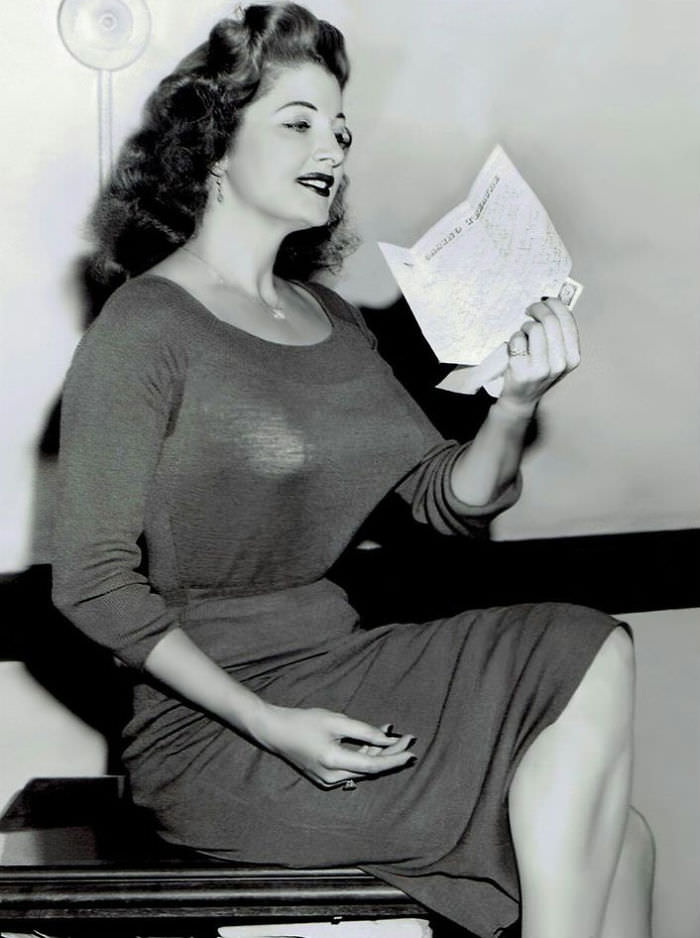
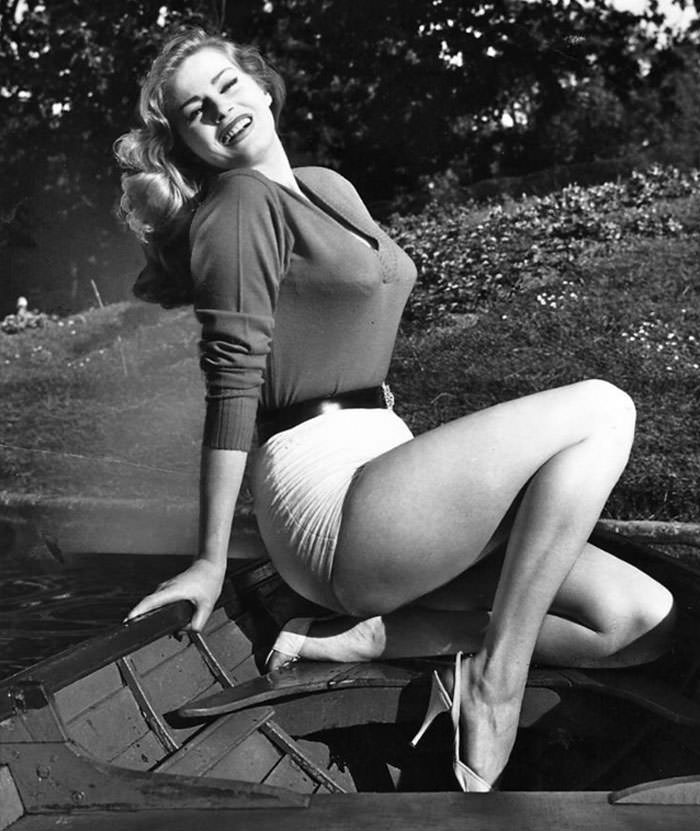
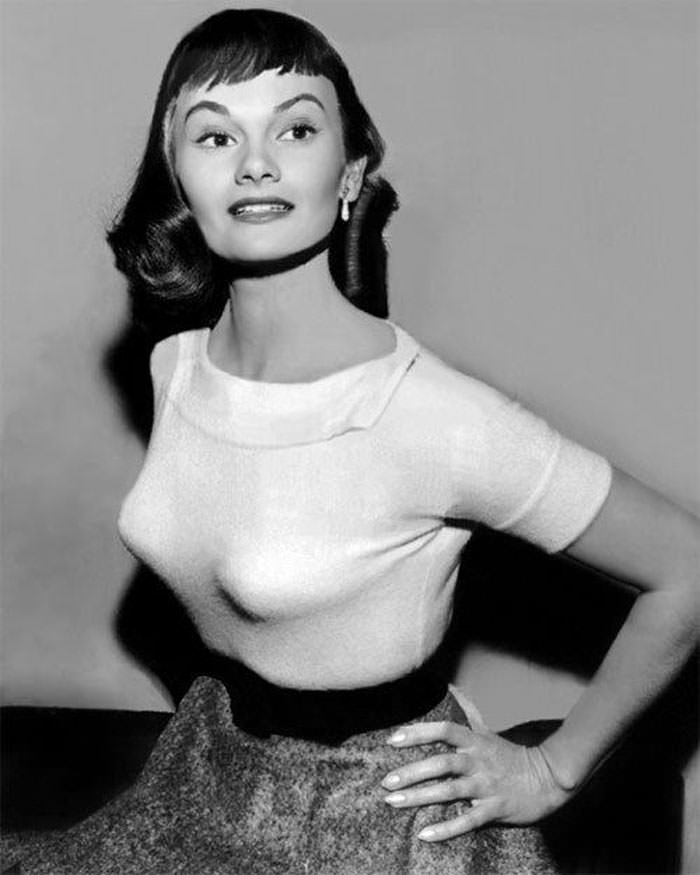
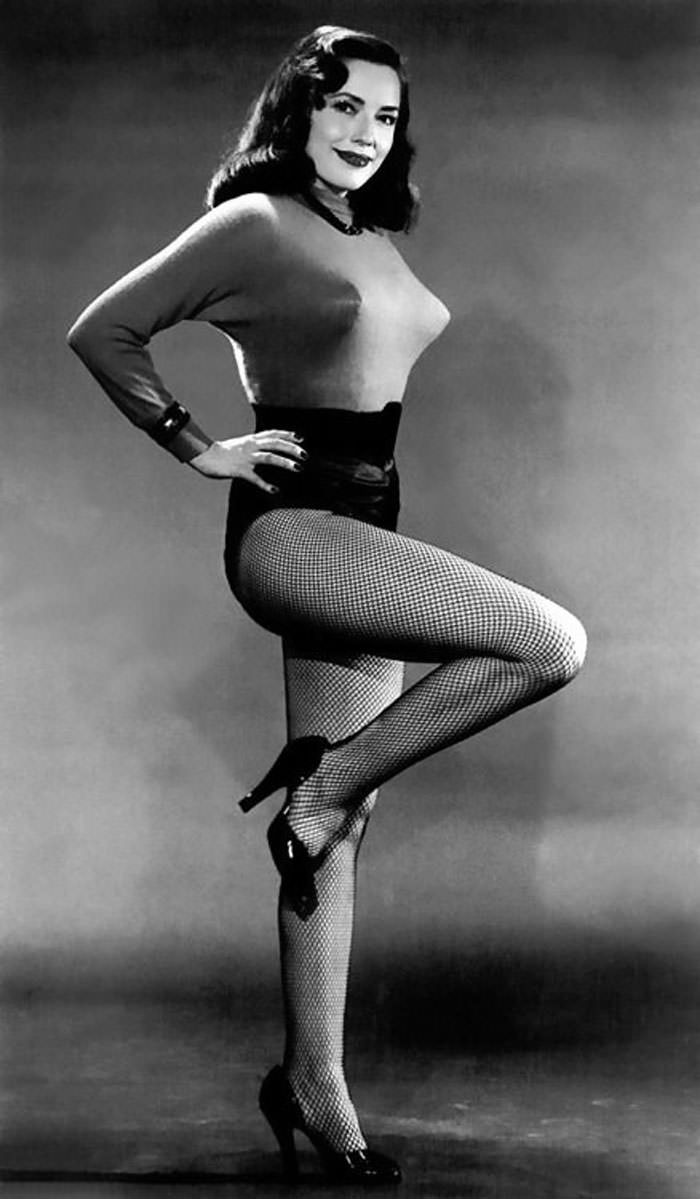
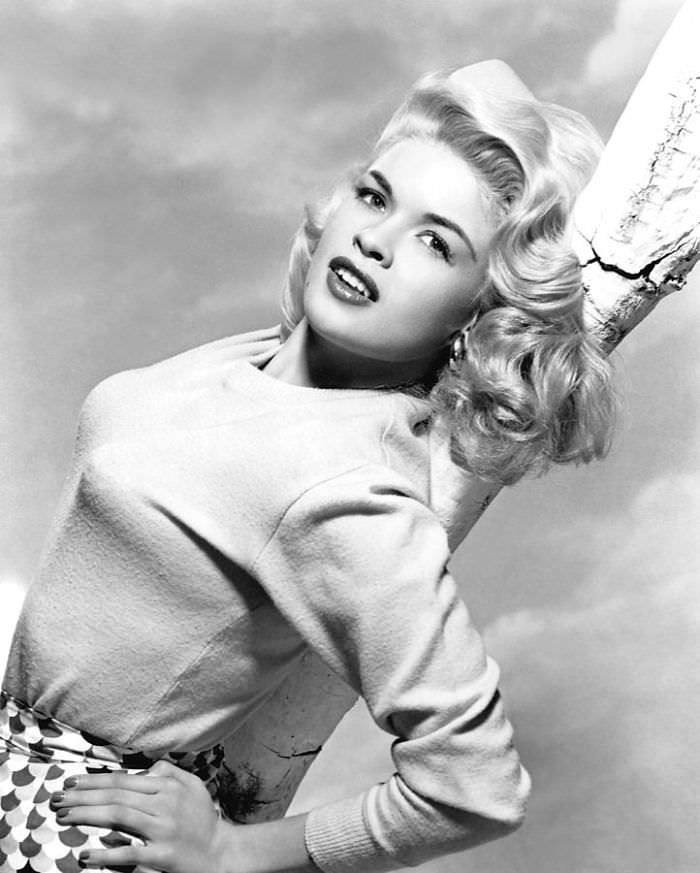
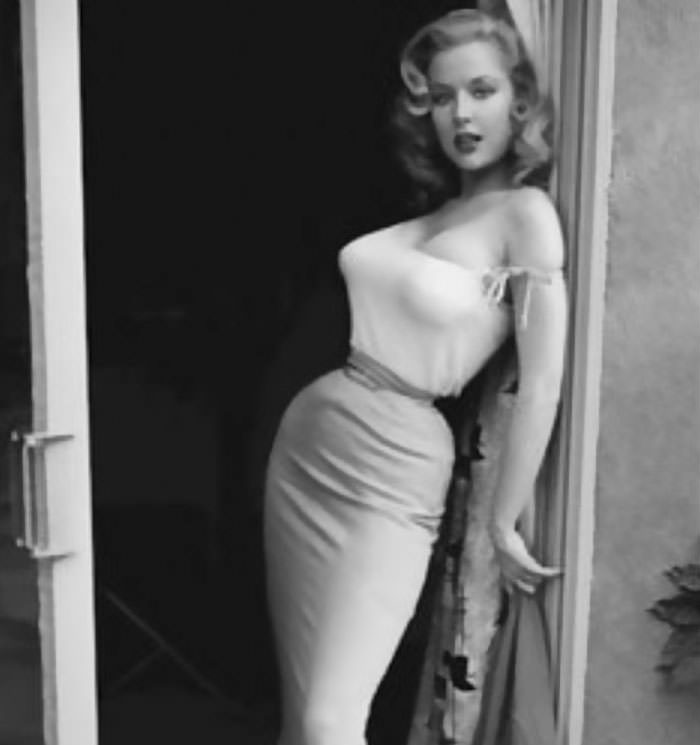
The look was not subtle. Wearing a bullet bra under a tight sweater or a form-fitting dress created sharp, pointed curves that projected outward in a way no natural silhouette could replicate. That was entirely the point. The postwar era placed enormous value on exaggerated, hourglass-shaped figures, and the bullet bra delivered exactly that — artificially enhanced, sharply defined curves.
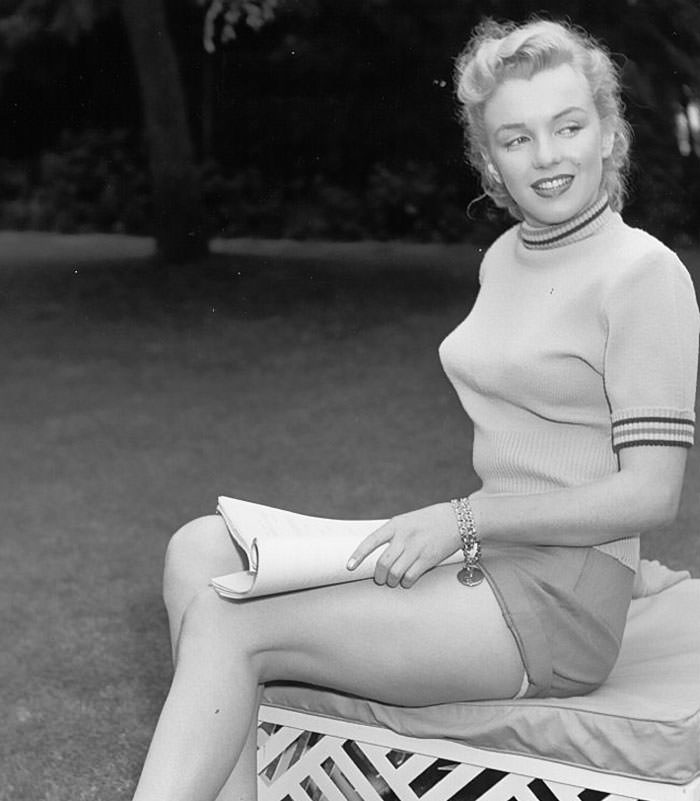
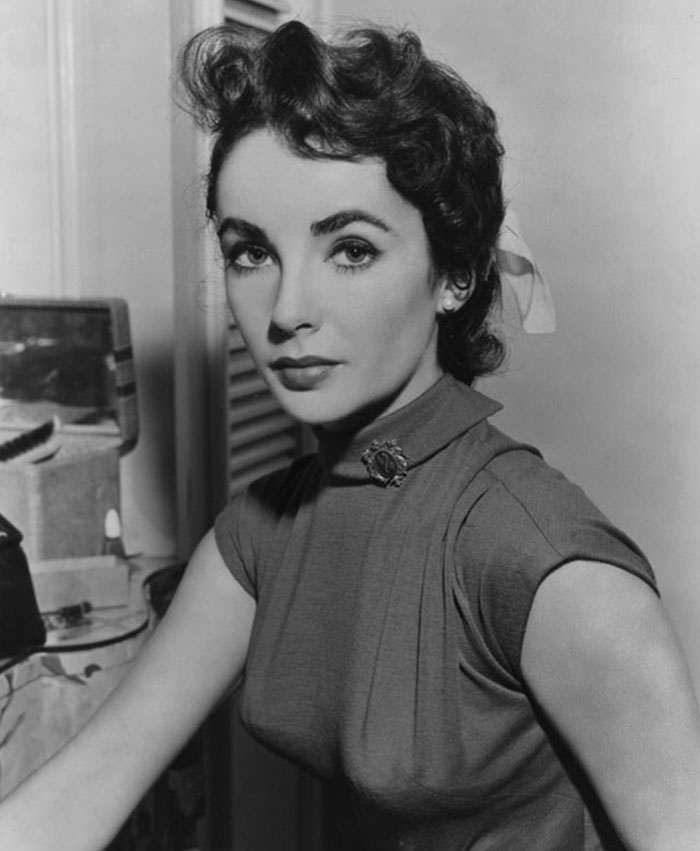
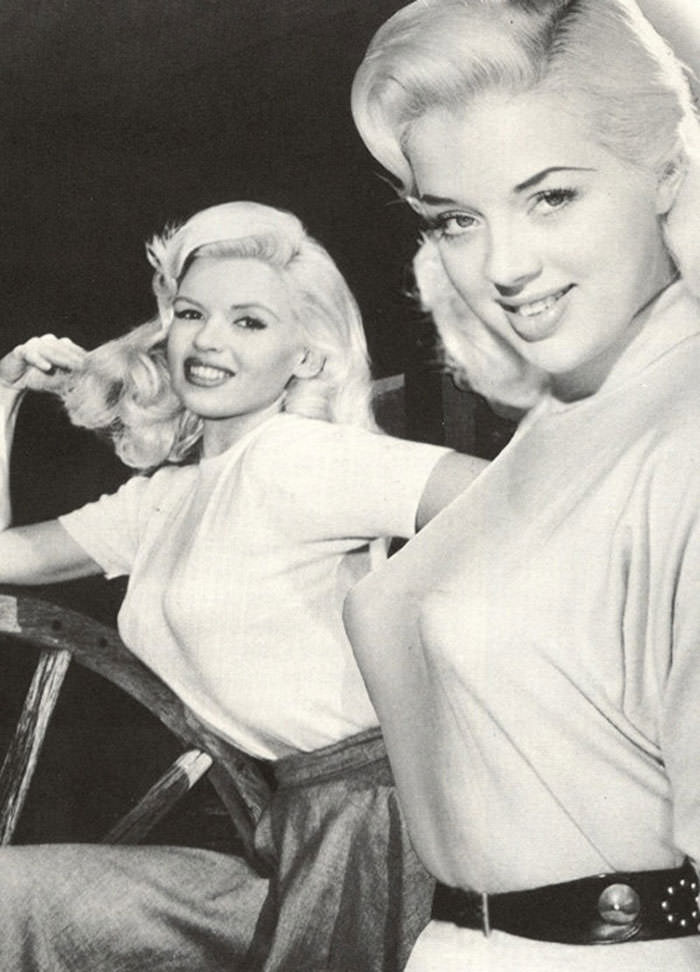
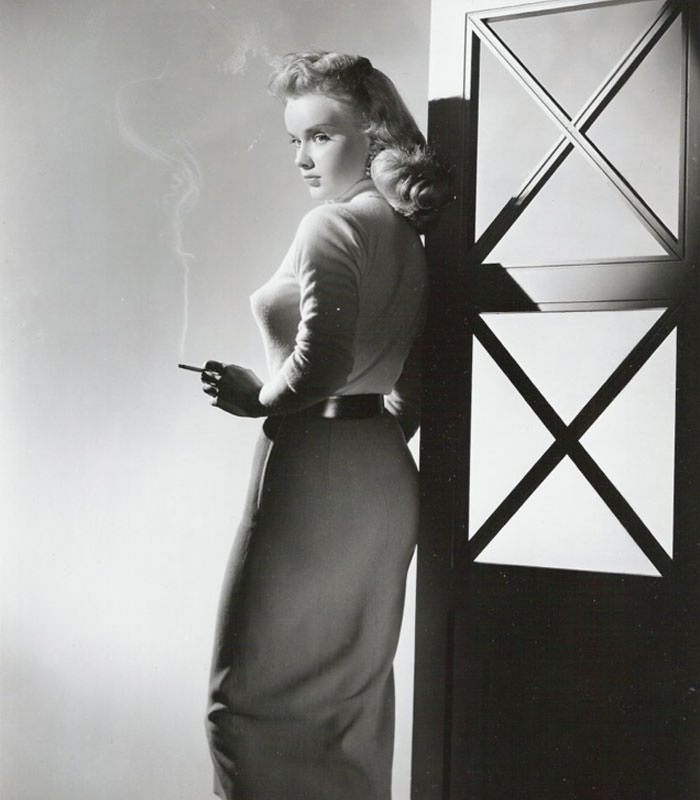
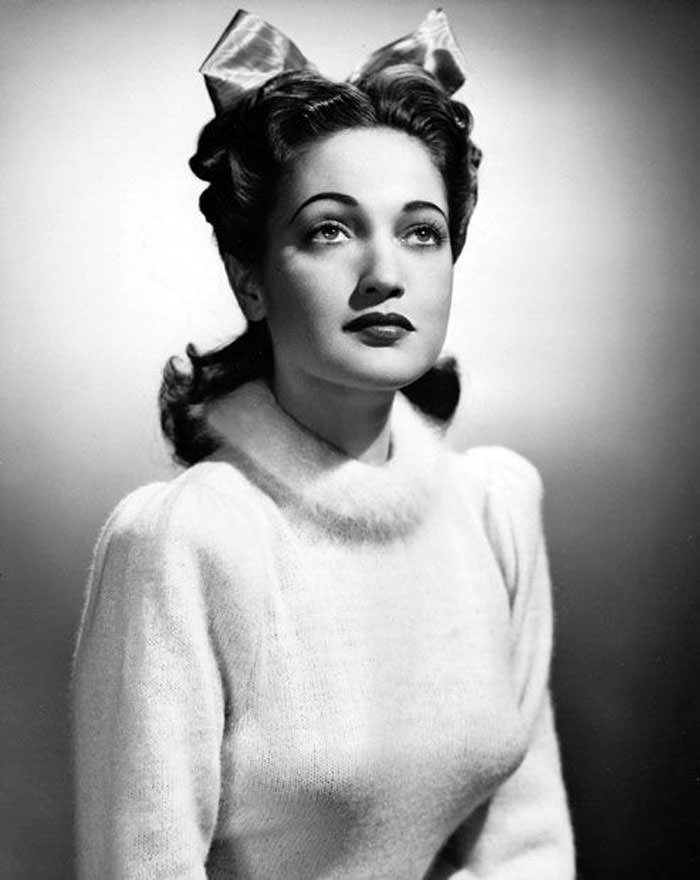
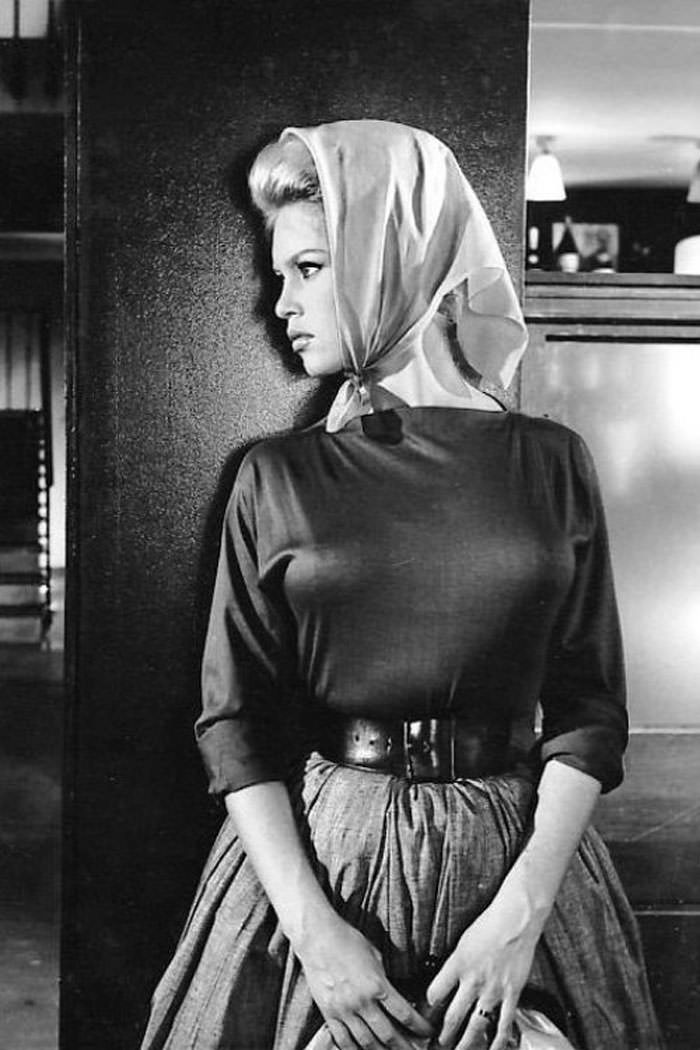
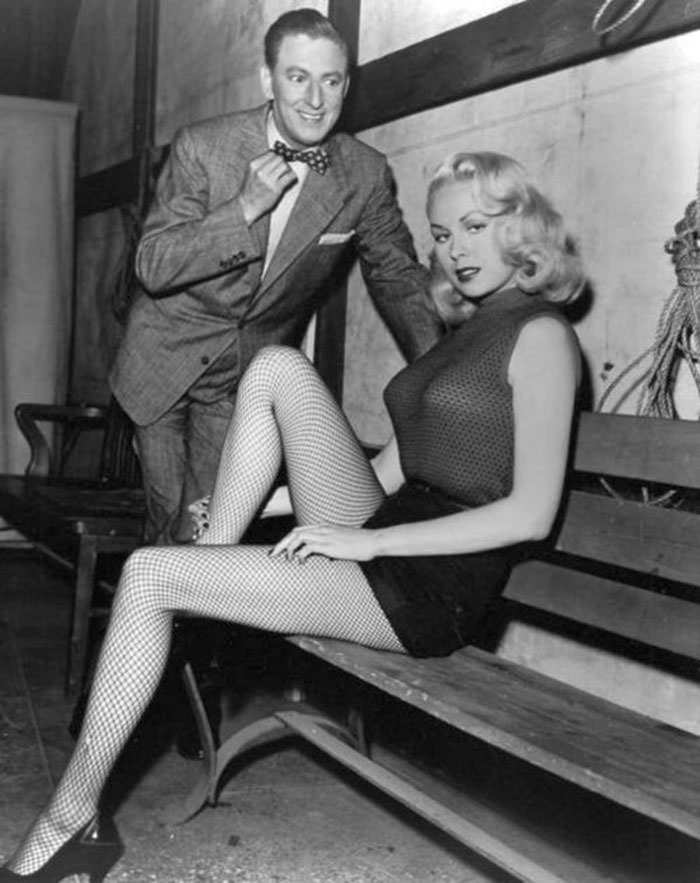
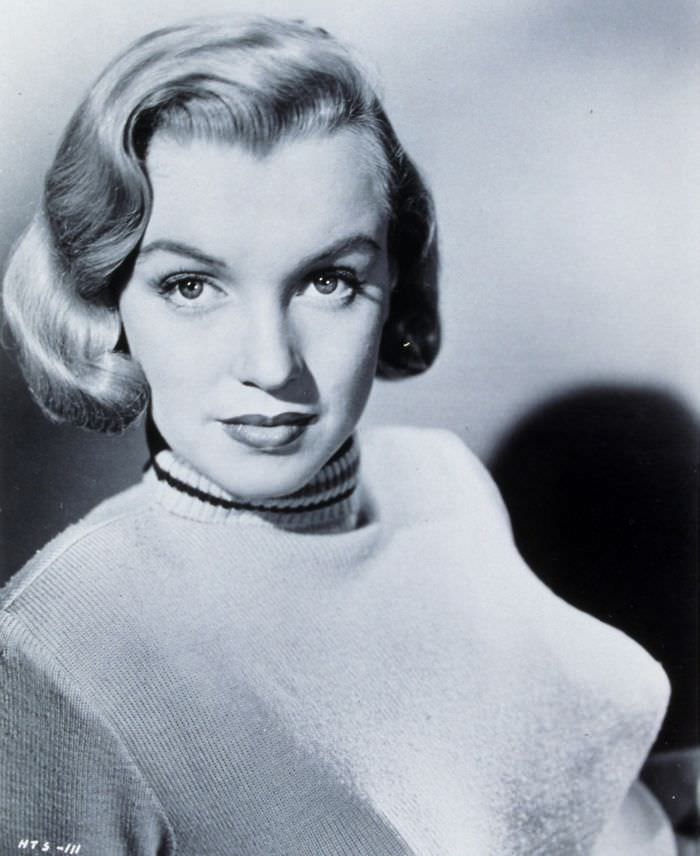
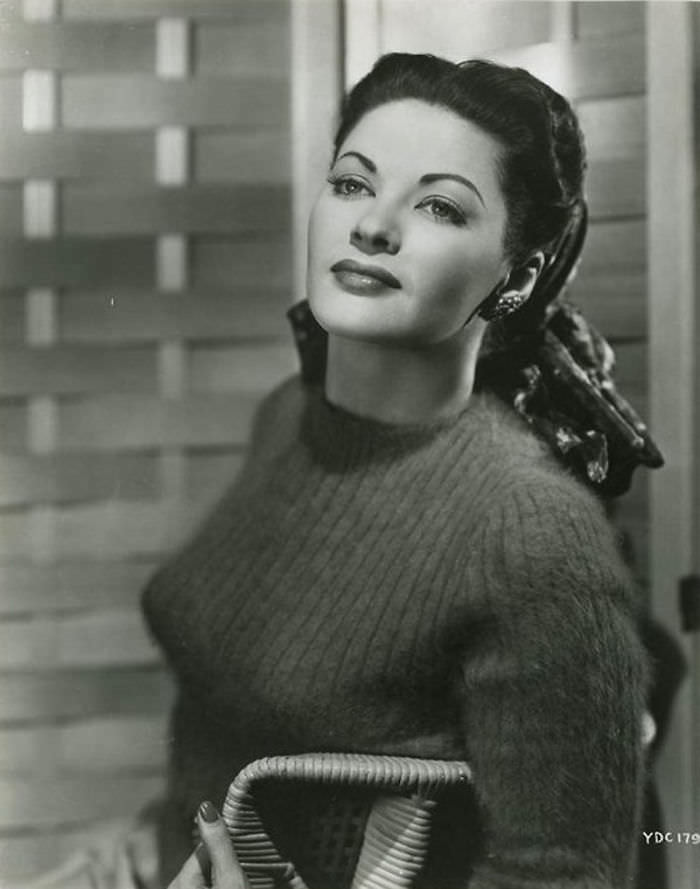
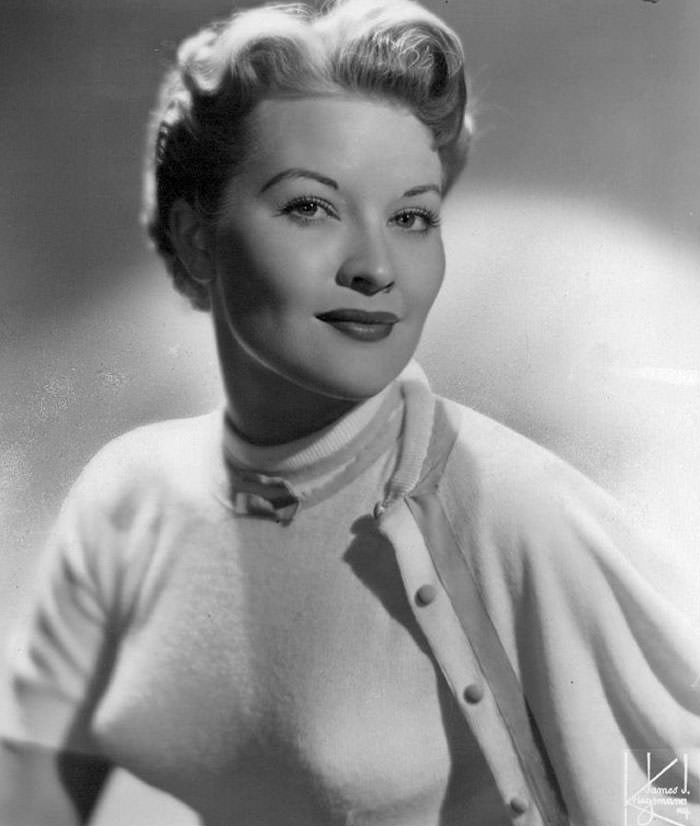
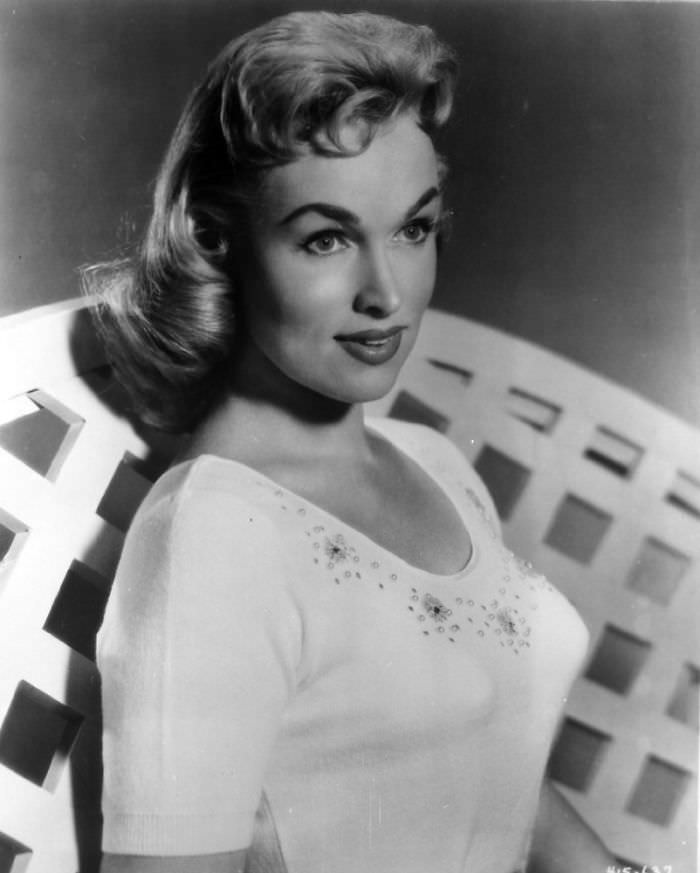
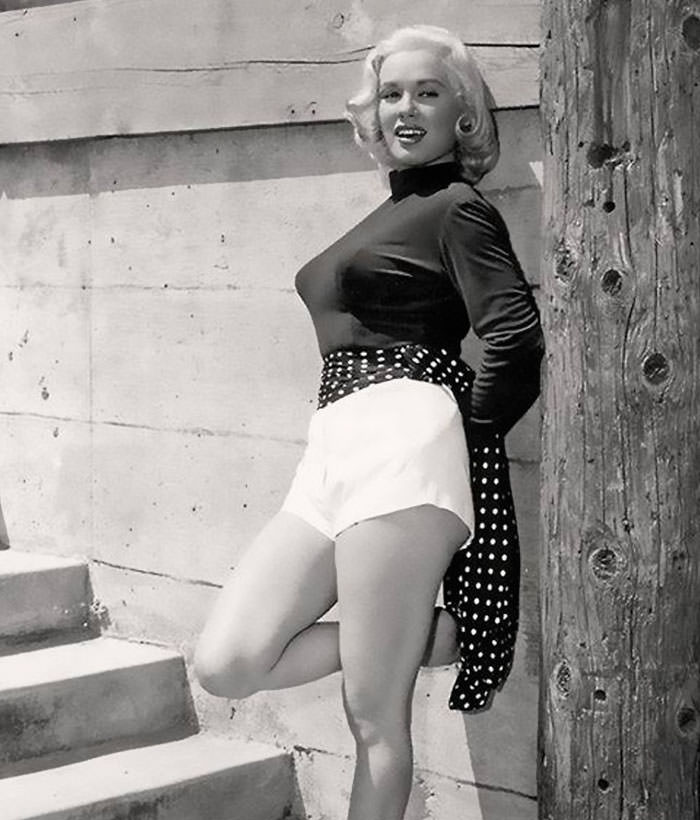
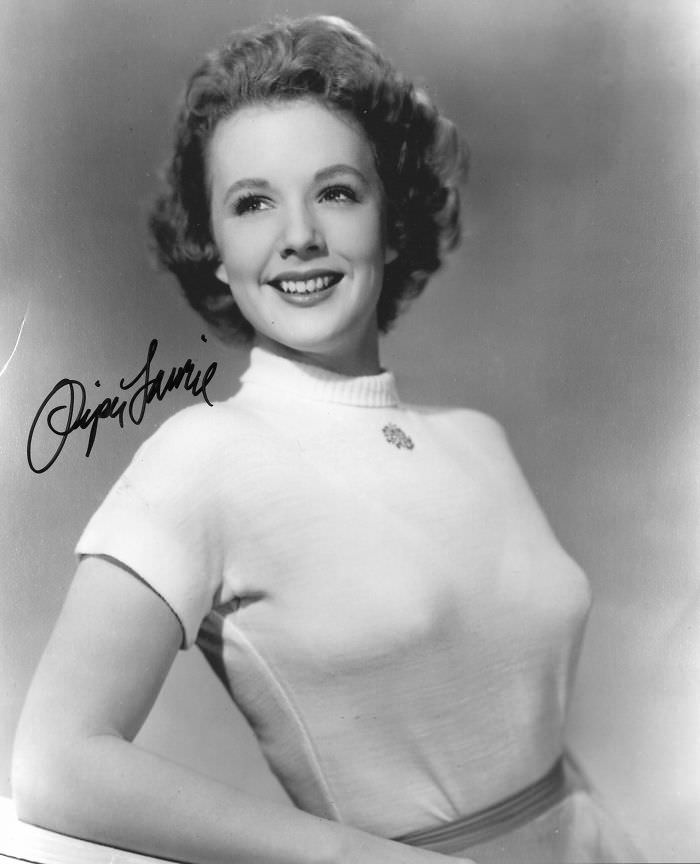
Hollywood actresses helped drive the trend. Stars who wore tight-fitting costumes on screen — or who cultivated a specific glamorous image off it — were frequently photographed in garments that made the bullet bra’s silhouette obvious. The look became tied to a particular kind of postwar femininity: polished, curvaceous, and very deliberately constructed.
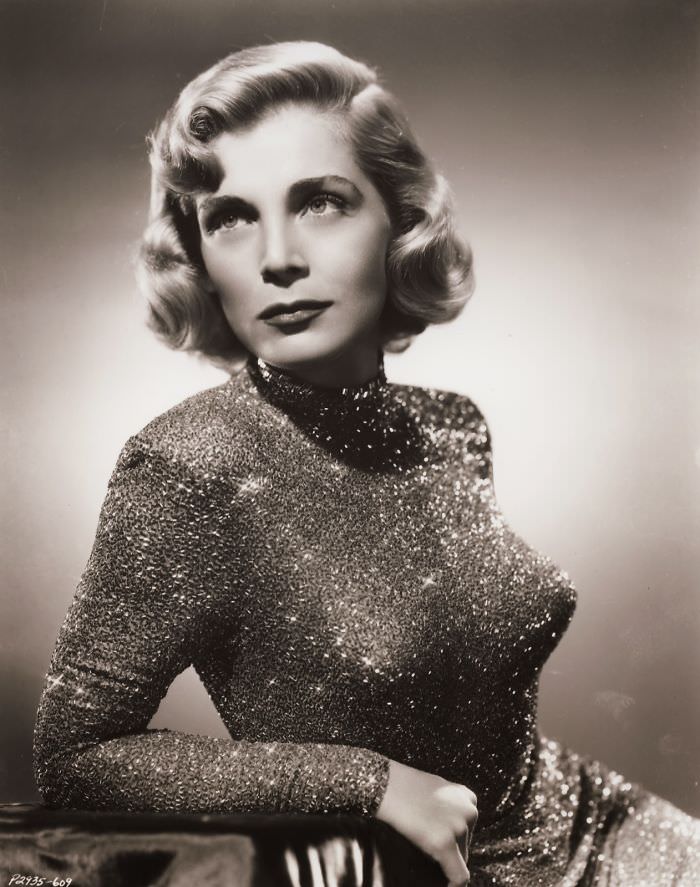
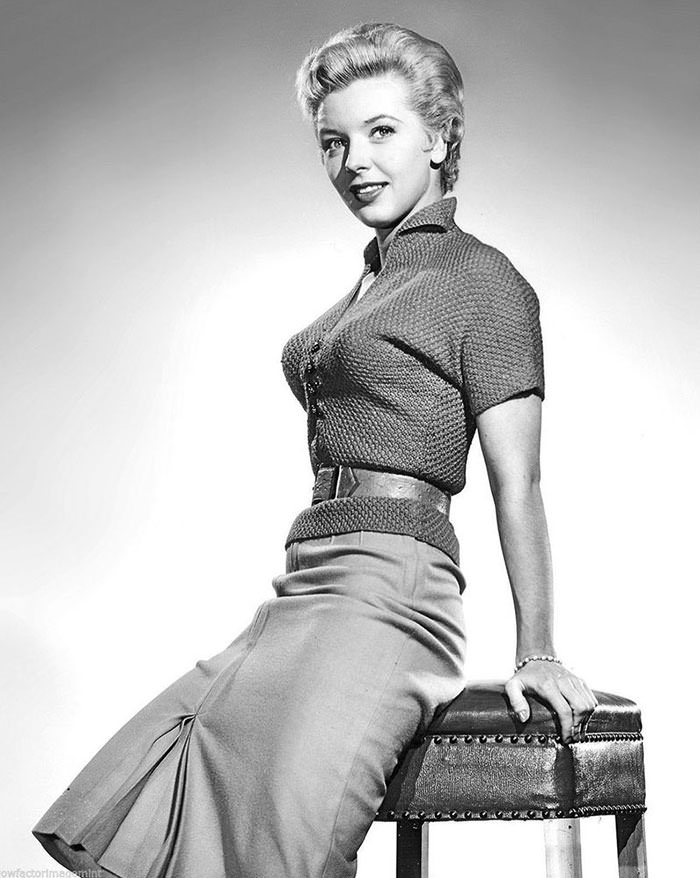
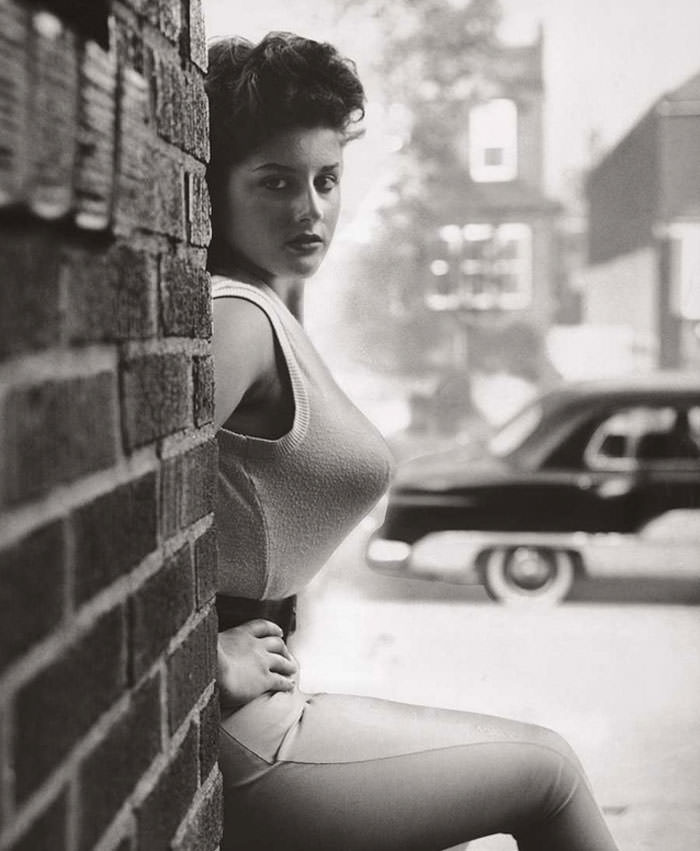
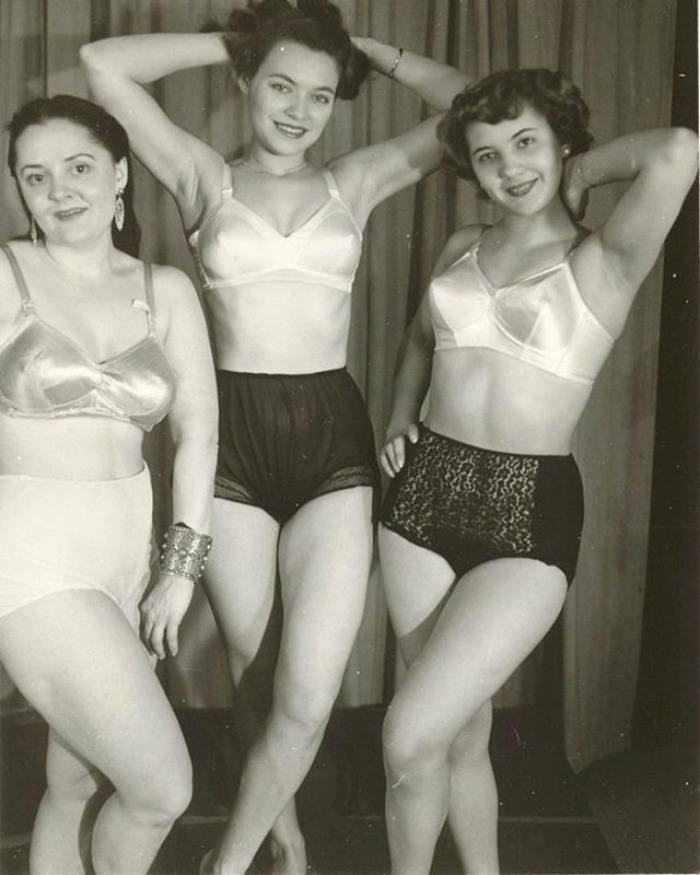
The bullet bra did not stand alone. It was part of a broader system of foundation garments that women wore throughout the 1940s and 1950s to shape their bodies to match the era’s fashion ideal. Corsets pulled in the waist. Girdles smoothed the hips and thighs. Cone bras offered a softer version of the pointed silhouette. Together, these undergarments acted as a kind of structural framework worn beneath everyday clothing.
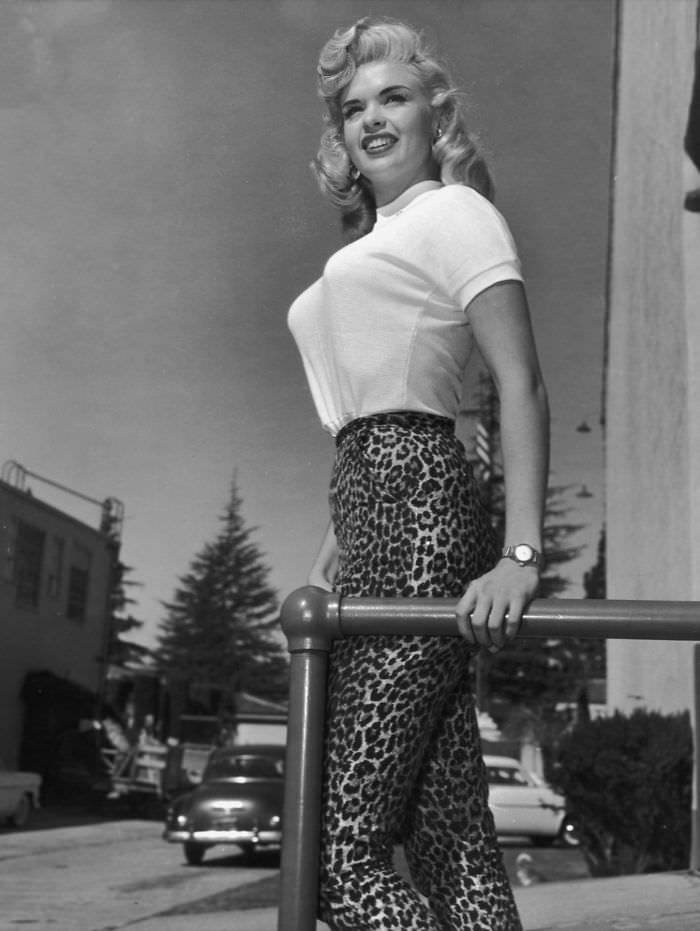
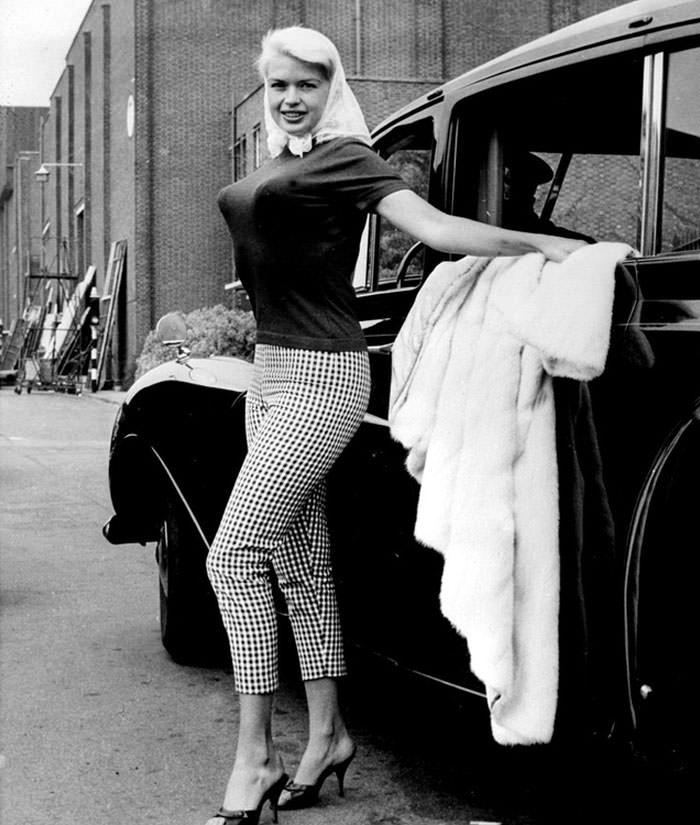
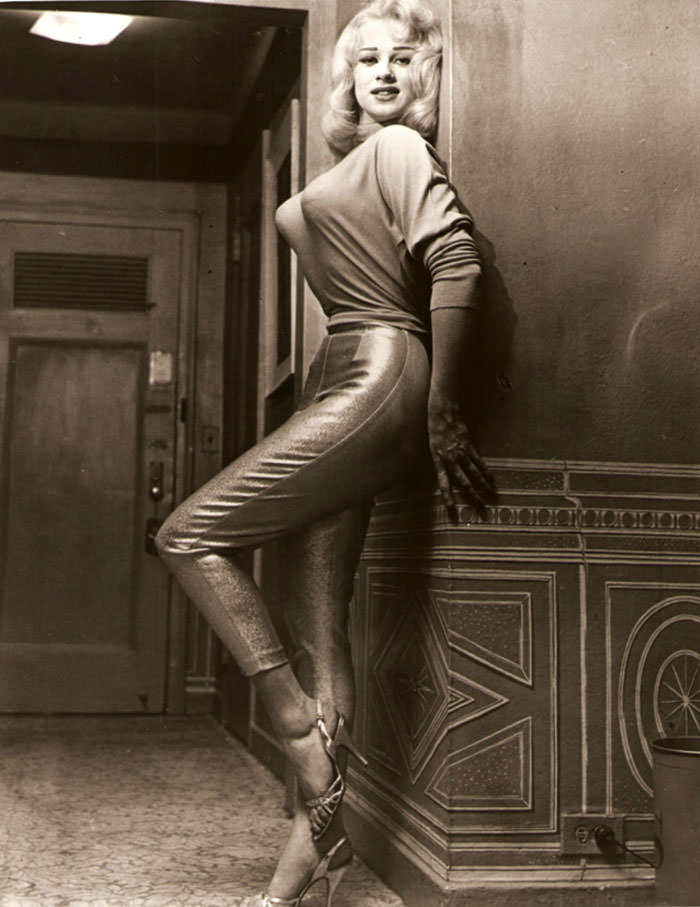
Comfort was not a priority. The rigid stitching that gave bullet bras their shape made them stiff and unyielding. Women wore them because the silhouette was fashionable, not because the bra itself was pleasant to wear. This was common across the category of foundation garments — corsets and girdles were equally restrictive, and women accepted that as part of dressing well.
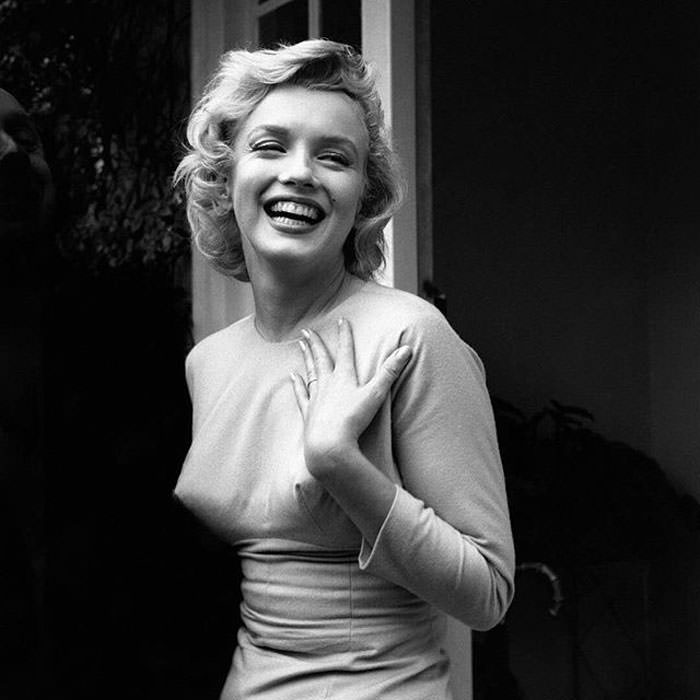

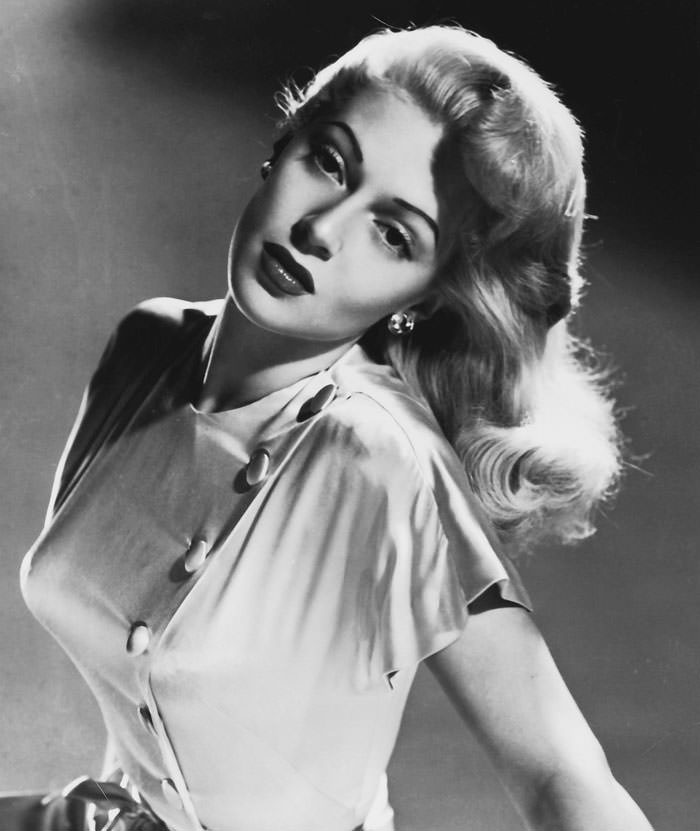
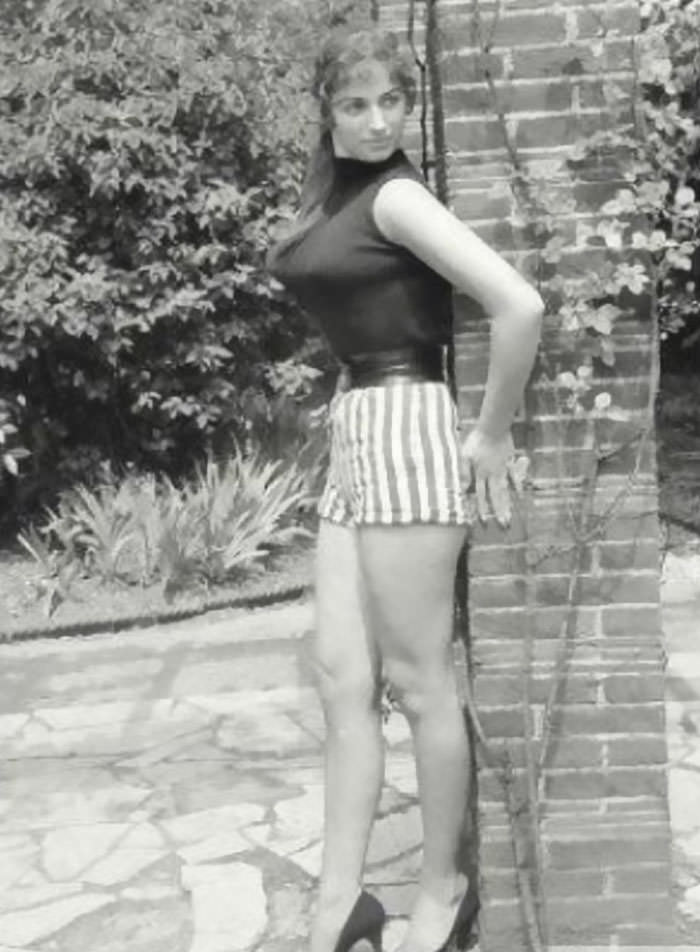
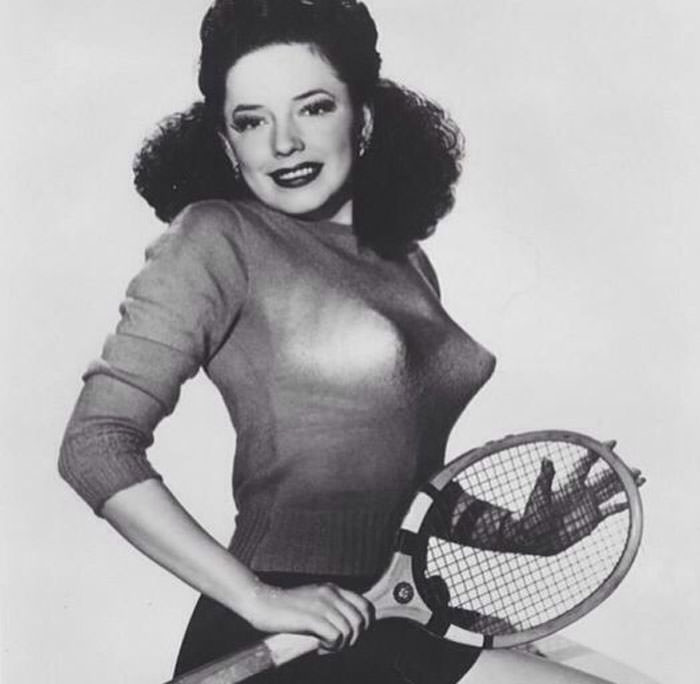
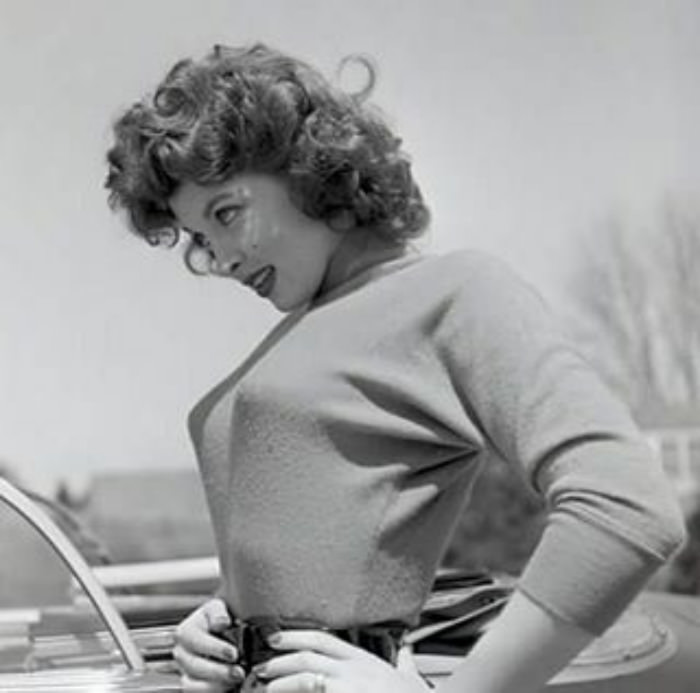
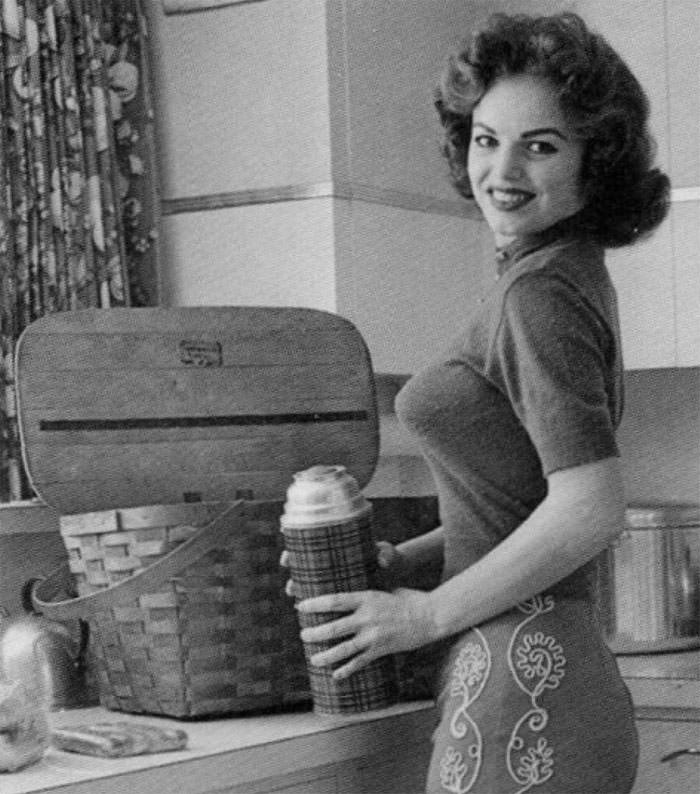
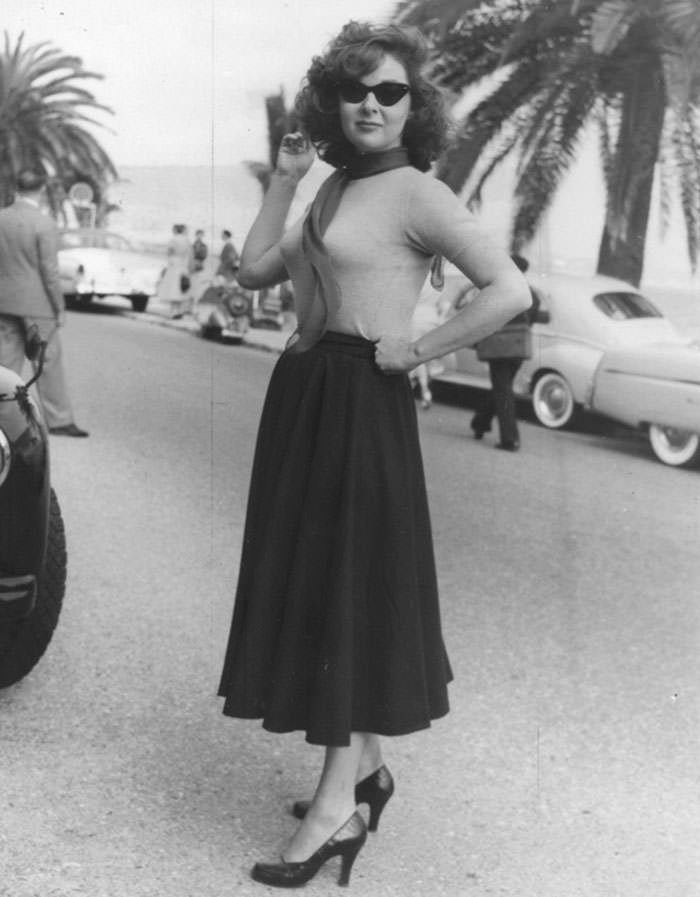
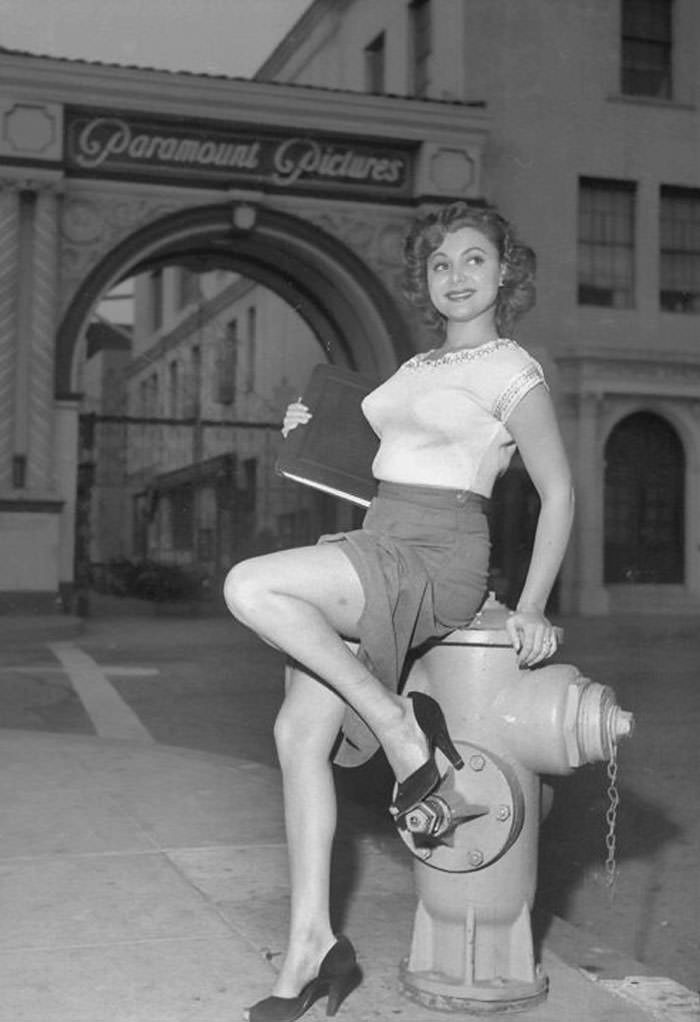
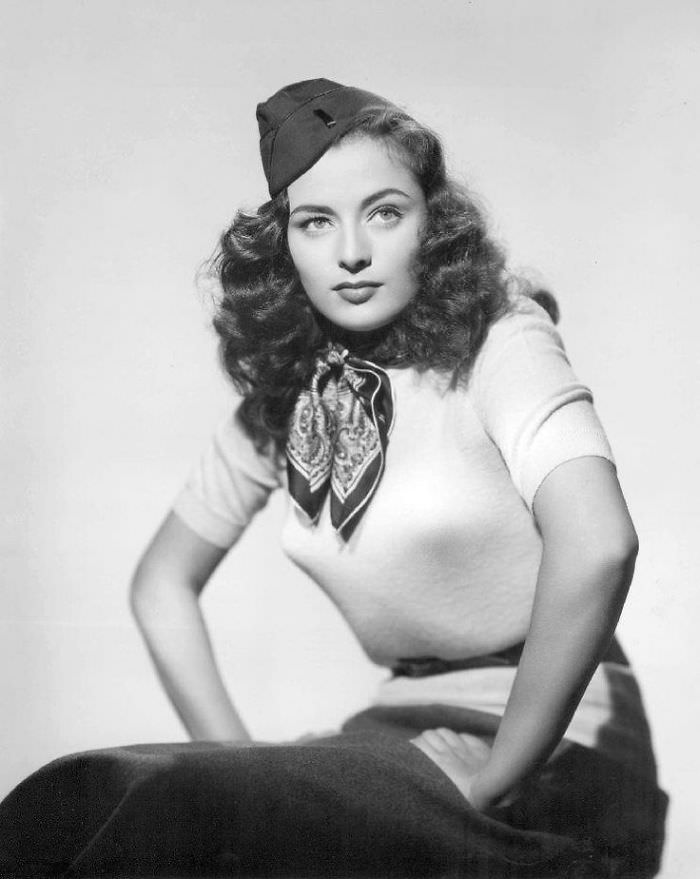
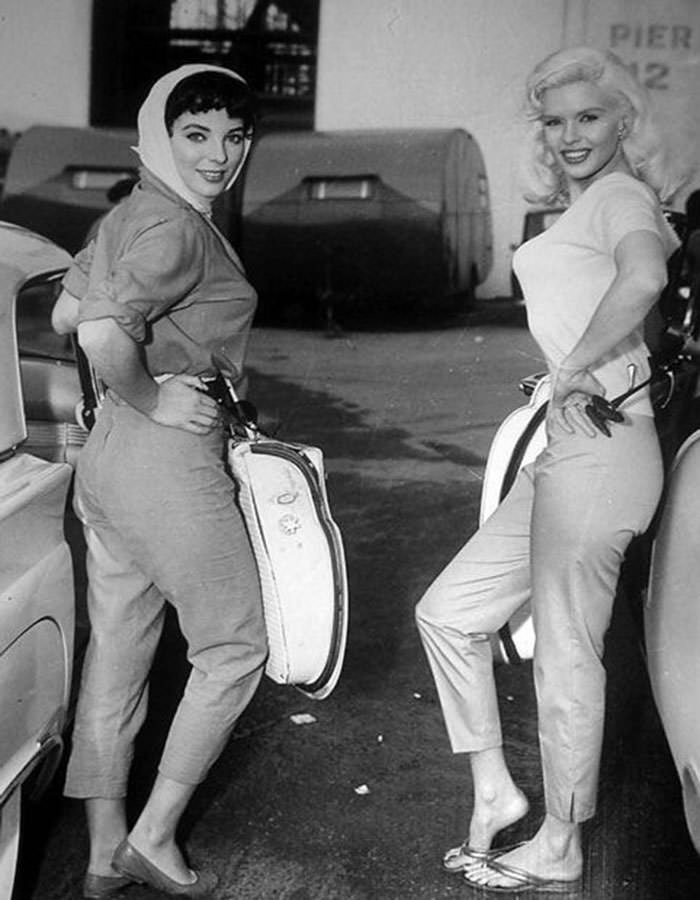
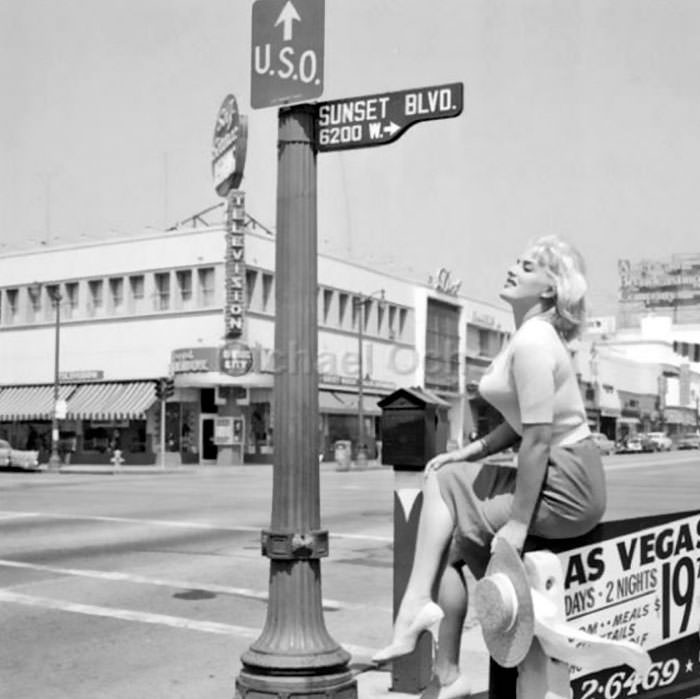
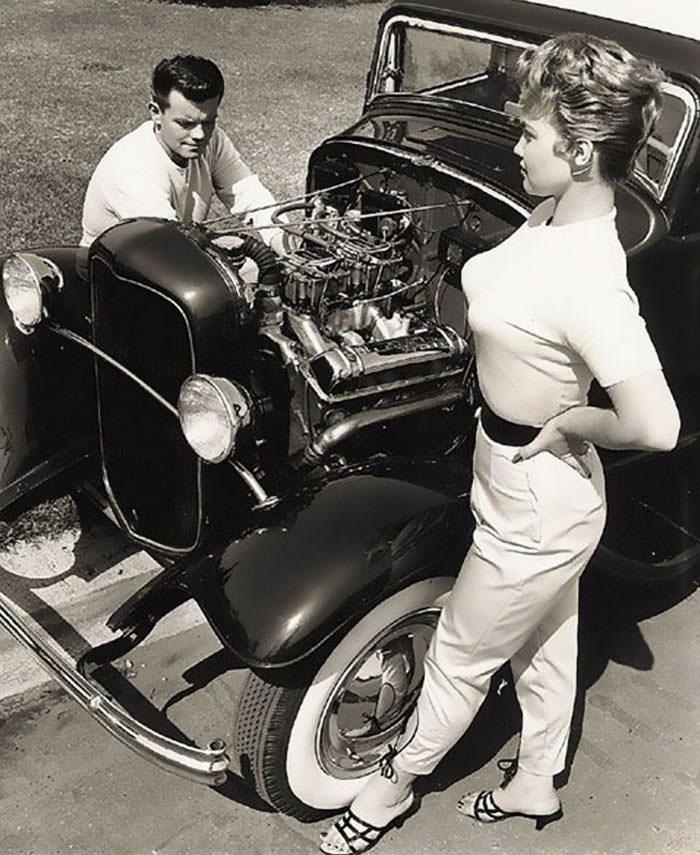
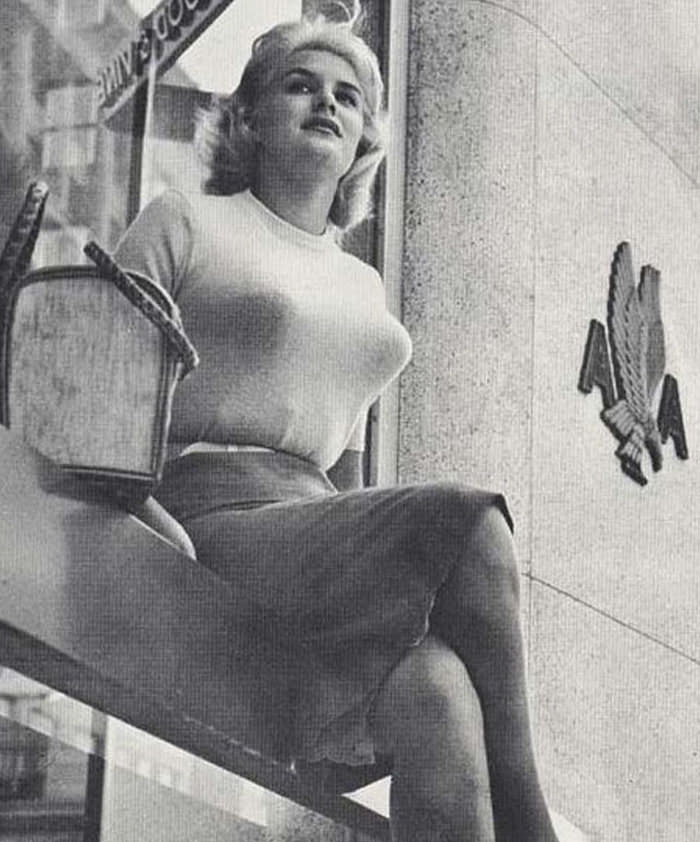
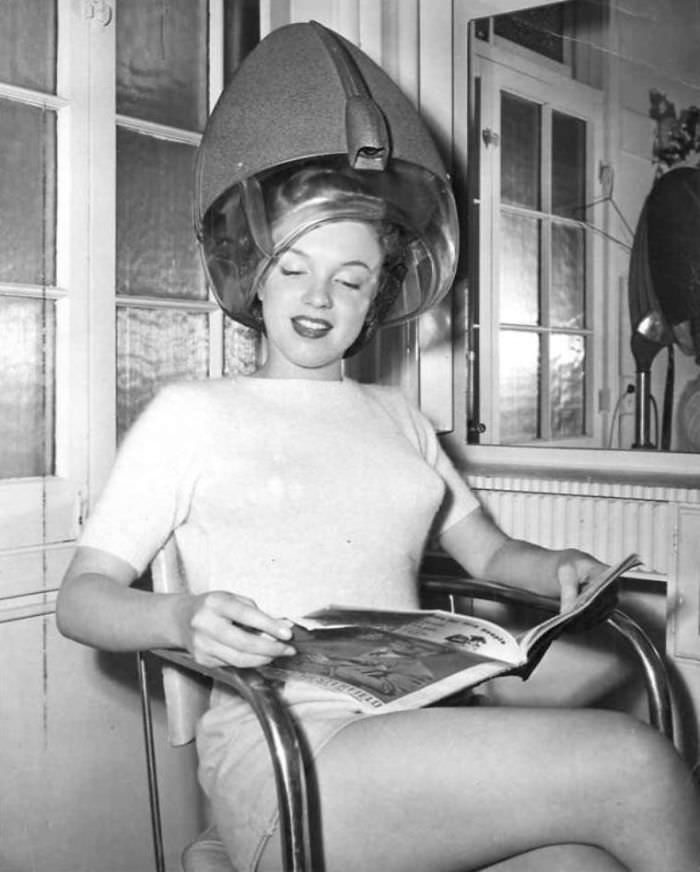
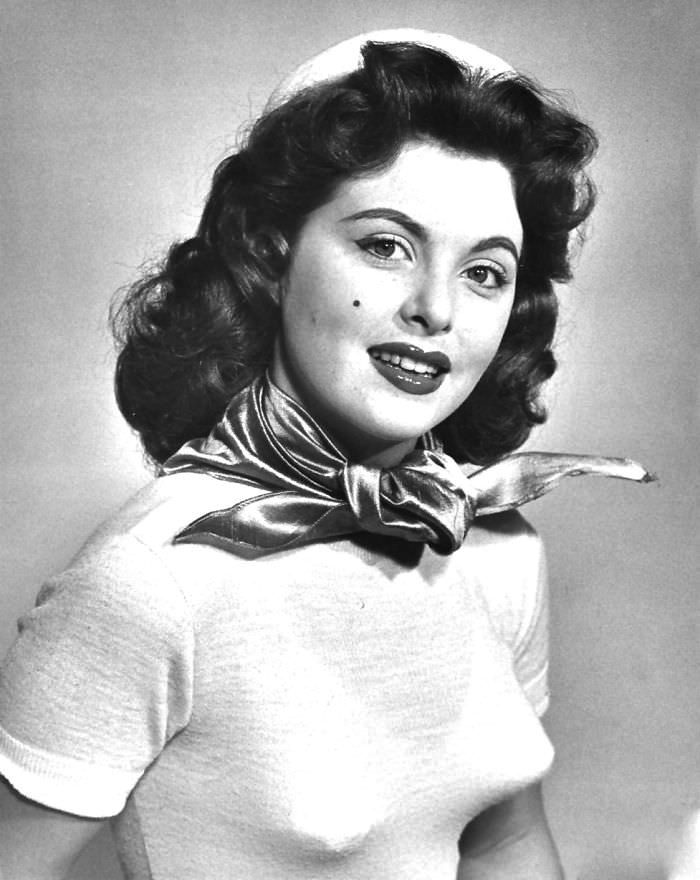
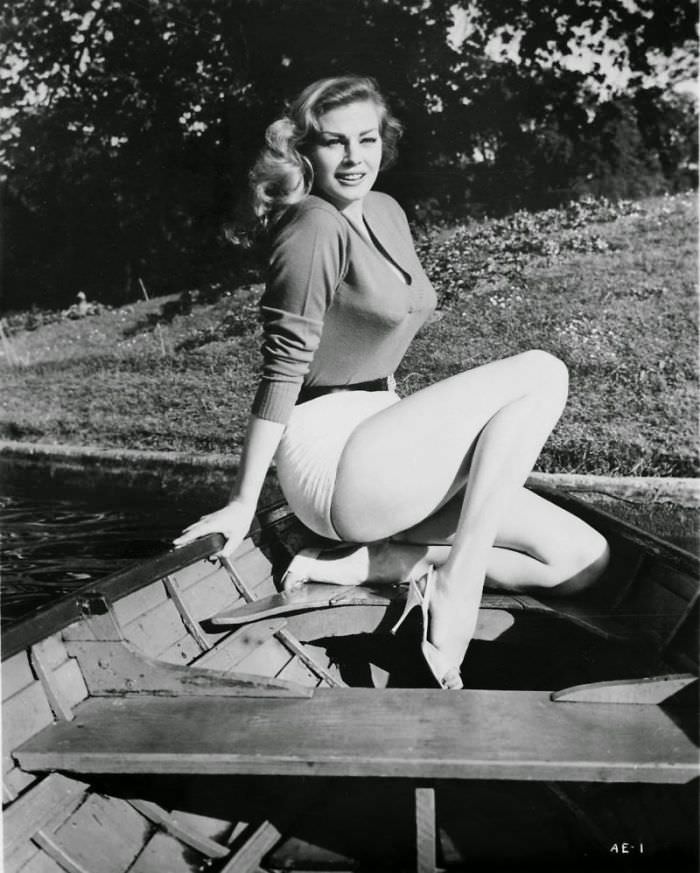
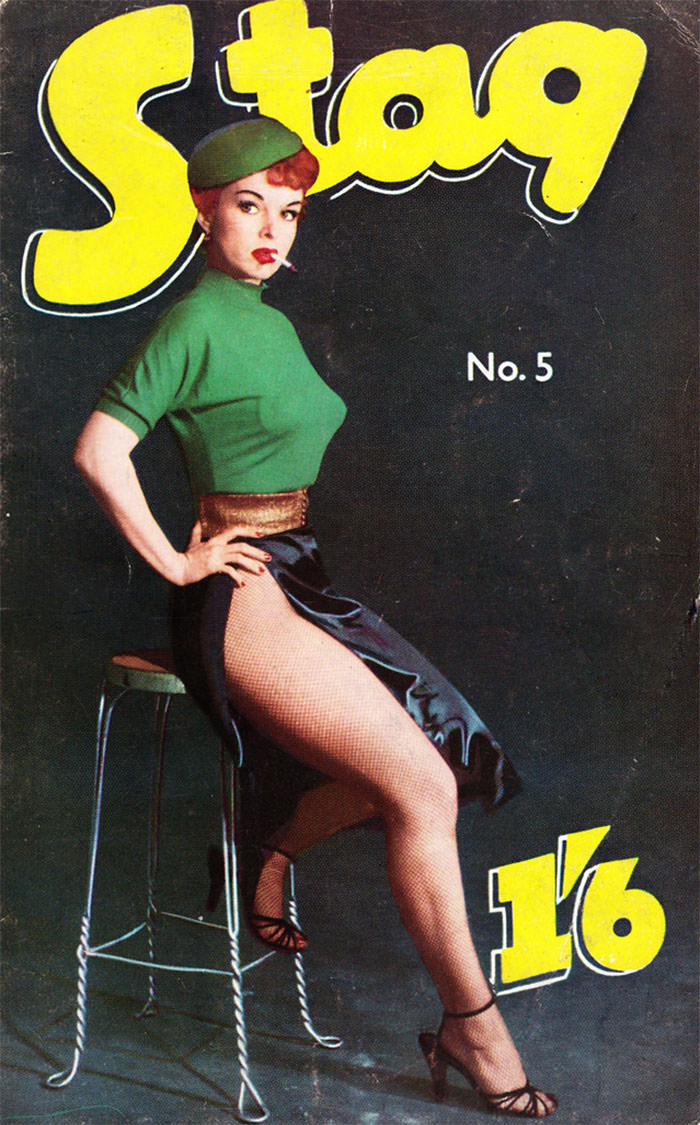
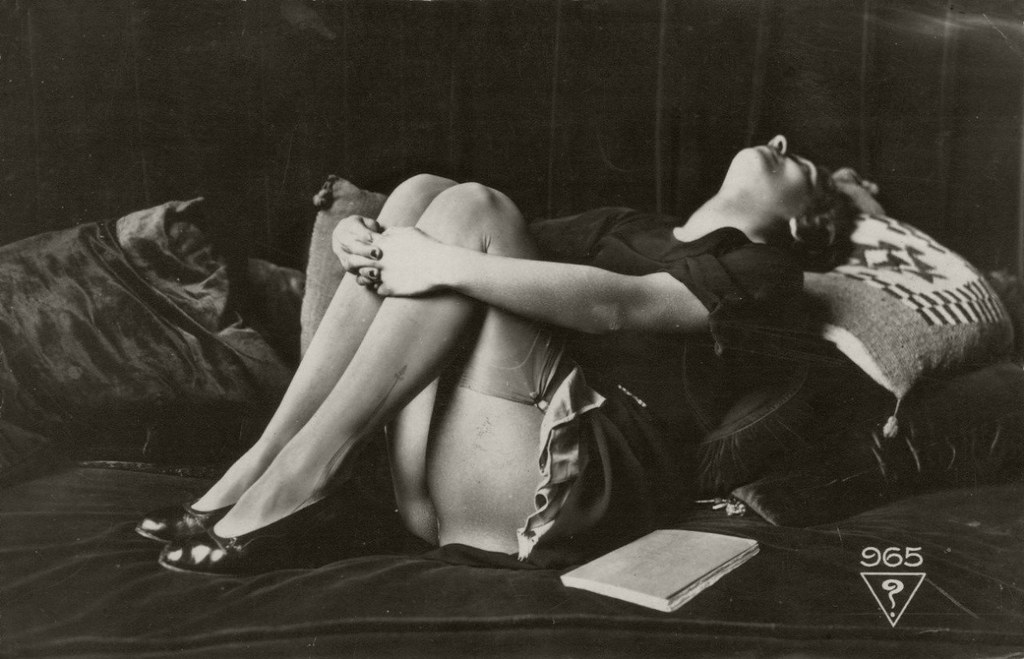
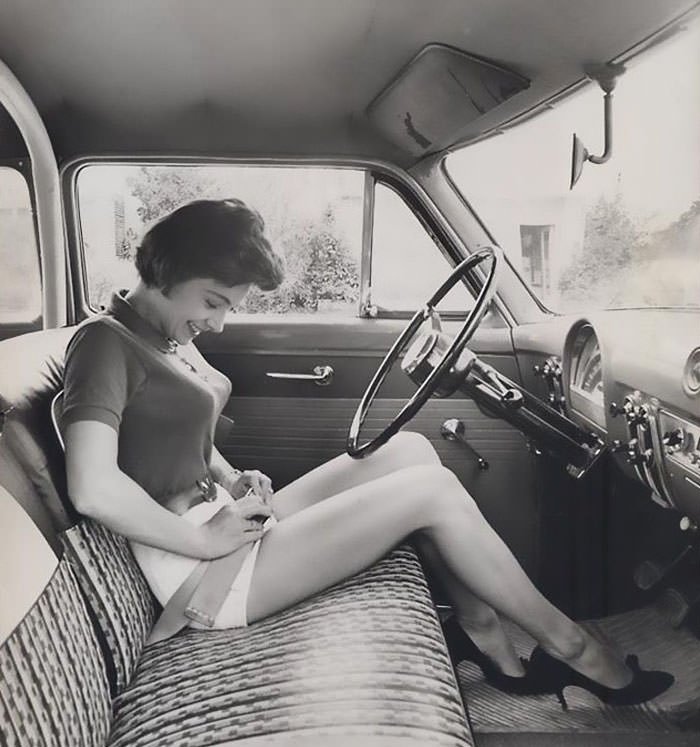
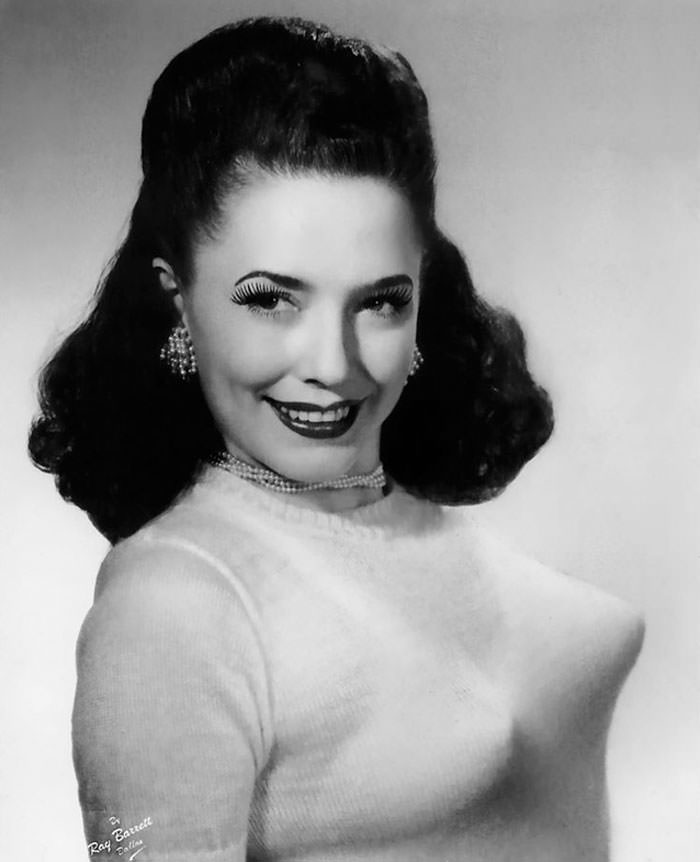
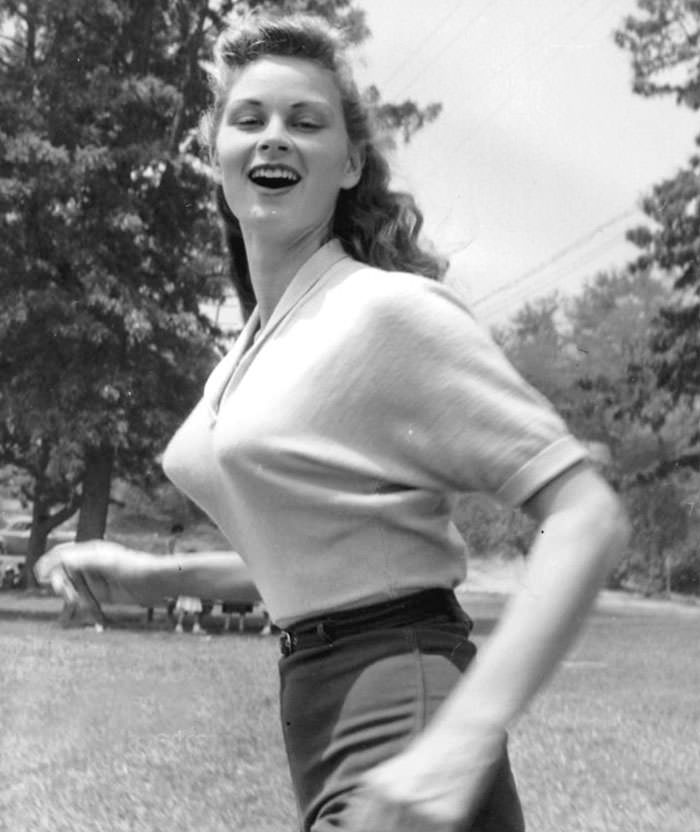
The photographs from this era show just how widely the style was worn. It was not limited to film stars or fashion models. Everyday women in the 1940s and 1950s wore bullet bras under their blouses, sweaters, and dresses as a normal part of getting dressed. The pointed silhouette shows up in casual snapshots, professional portraits, and promotional photos alike.

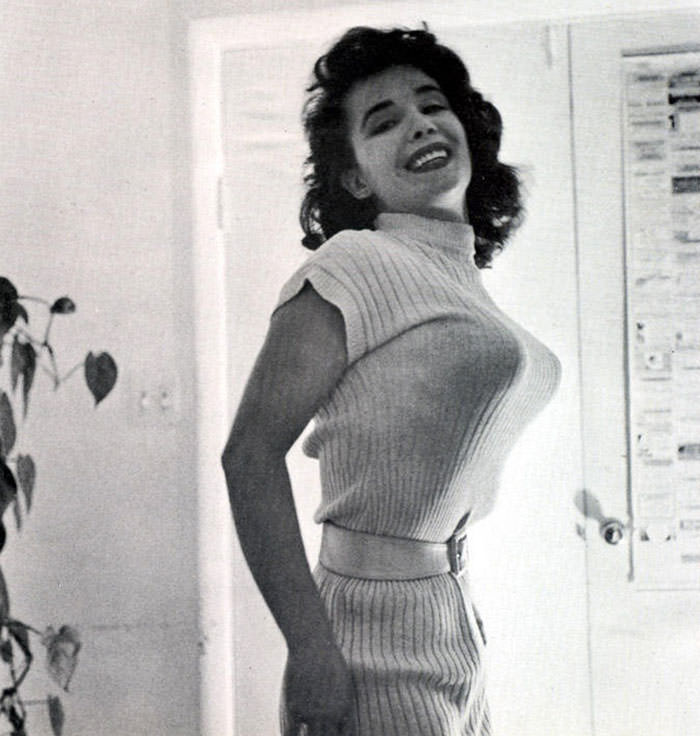
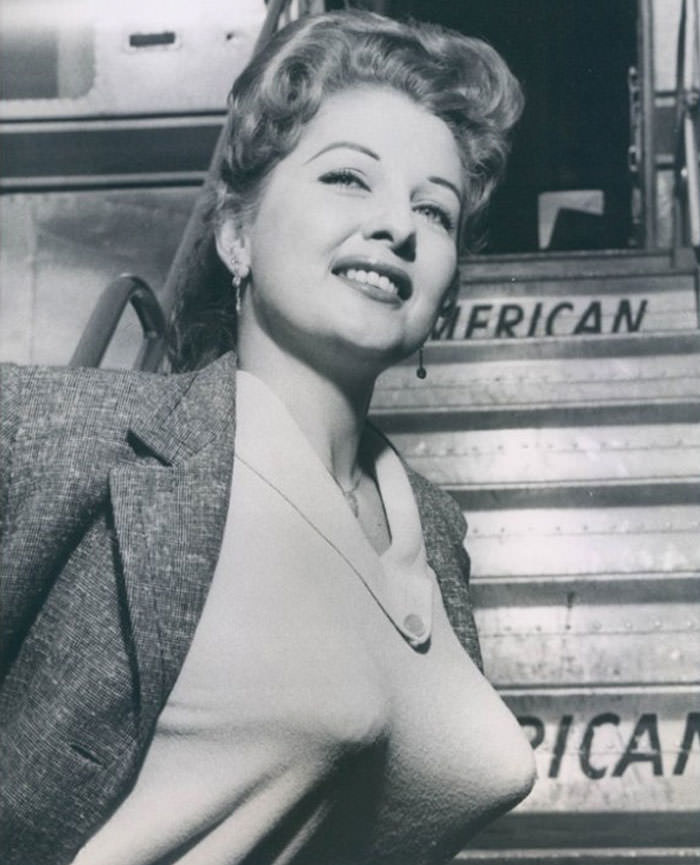
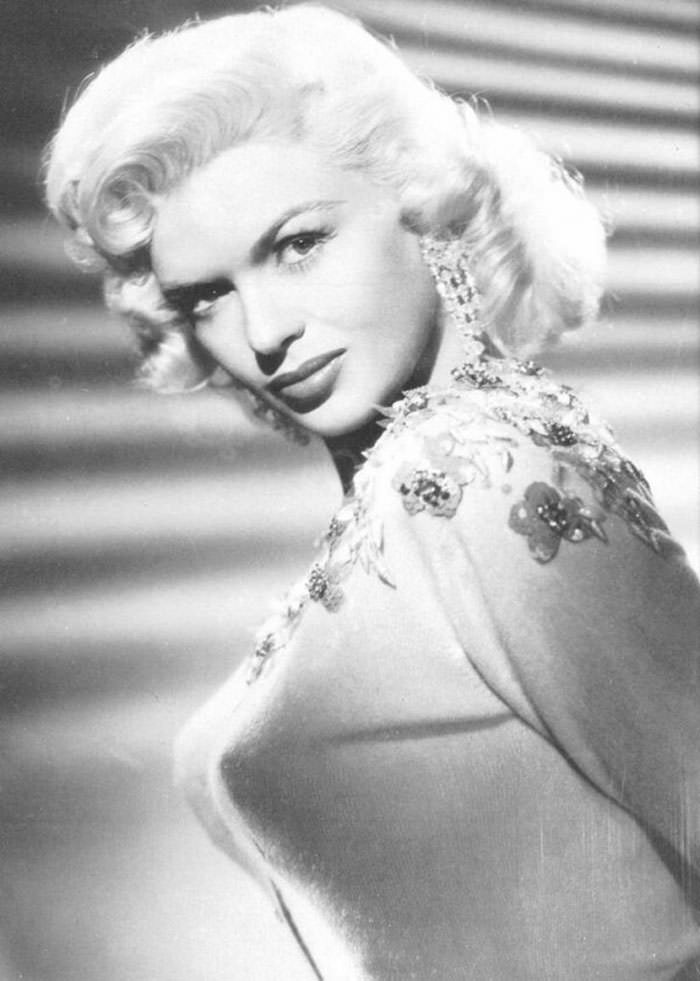
Sweater girls — a term used in the 1940s and 1950s for women who wore tight knit sweaters — became one of the most visible showcases for the bullet bra look. The snug fabric of a fitted sweater left no question about the shape underneath, and the pointed cups created a sharp outline that photographers, advertisers, and filmmakers frequently used in their work.
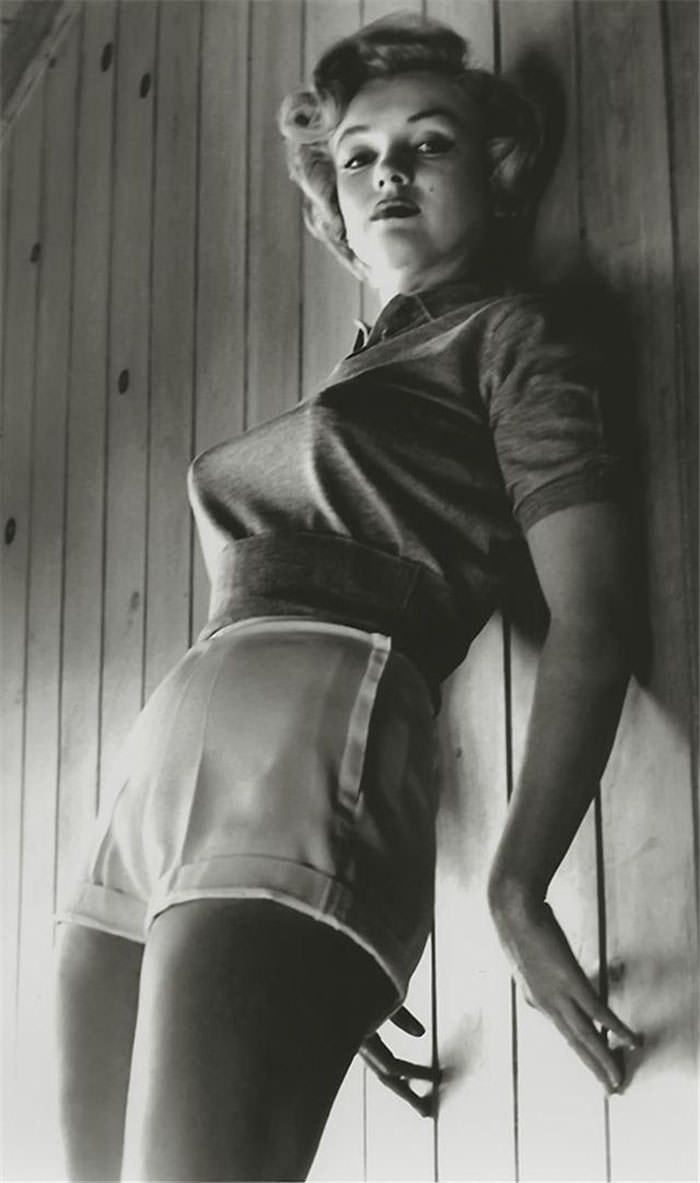

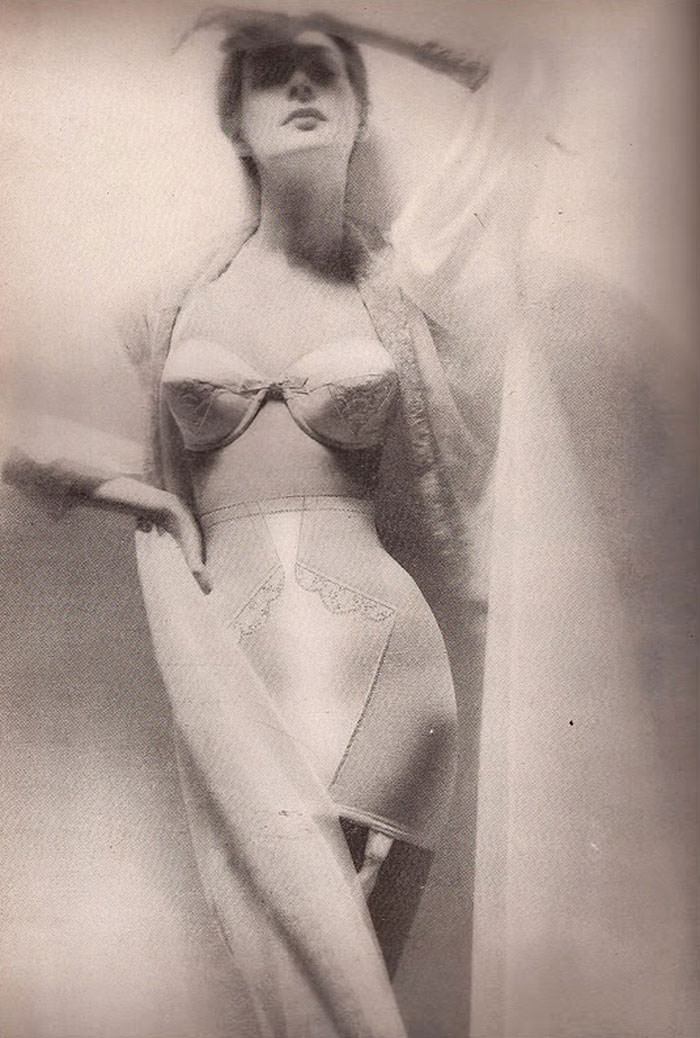
Lingerie manufacturers produced bullet bras in a range of materials — cotton, nylon, satin, and lace. Some were plain and purely functional. Others were elaborately decorated, designed to be seen as much as worn. Advertisements from the period promoted them as a way to achieve the ideal feminine figure, and department stores dedicated significant shelf space to the style throughout the 1950s.

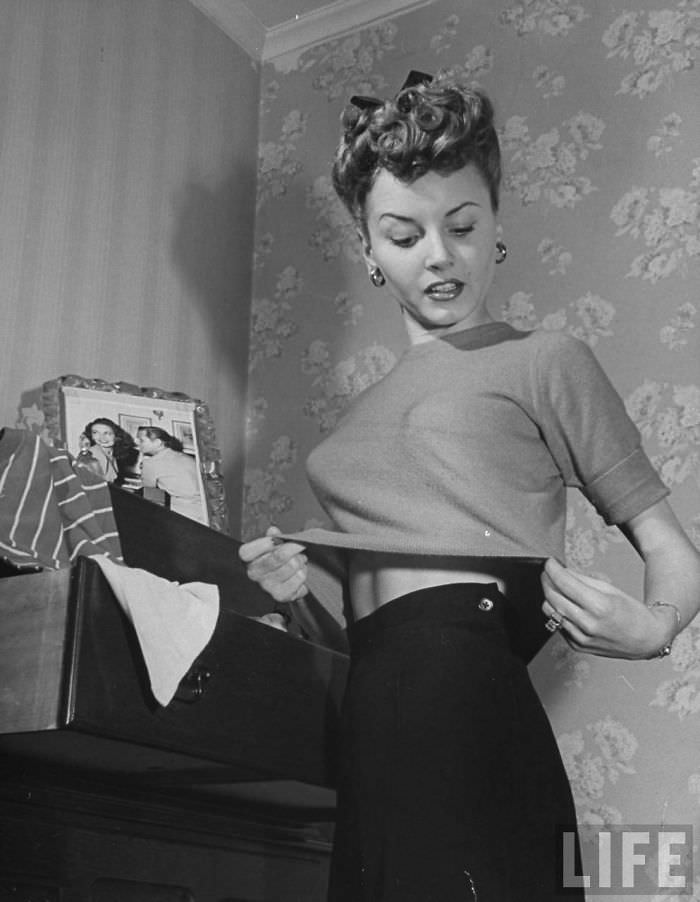
The spiral stitching that defined the cups was both decorative and structural. Each row of stitching added stiffness, helping the cup hold its pointed shape even without a body inside it. Manufacturers used different patterns — some bras had tight, closely spaced circles; others had wider spirals that gave the cup a slightly softer point. The stitching pattern was often a selling point listed in advertisements and catalog descriptions.

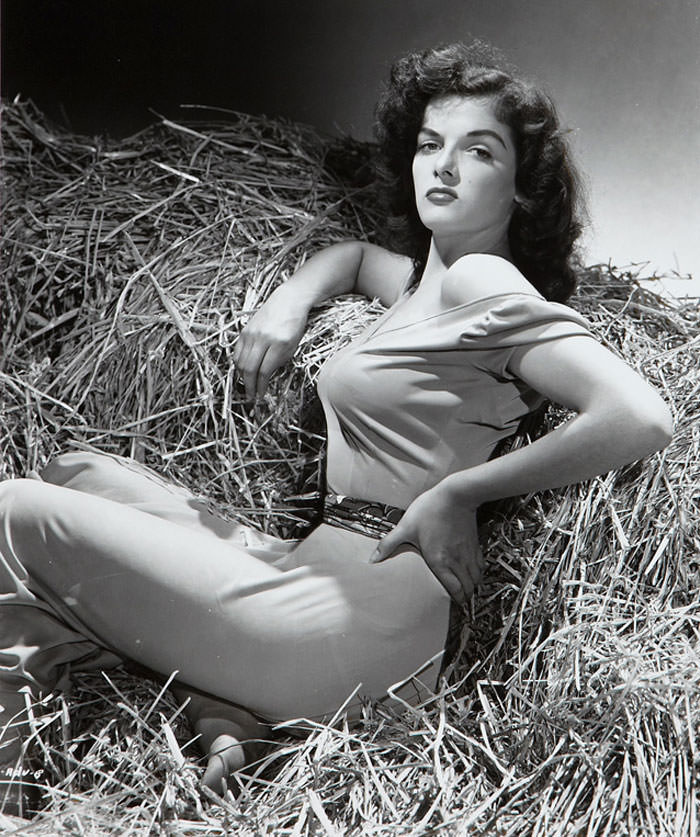
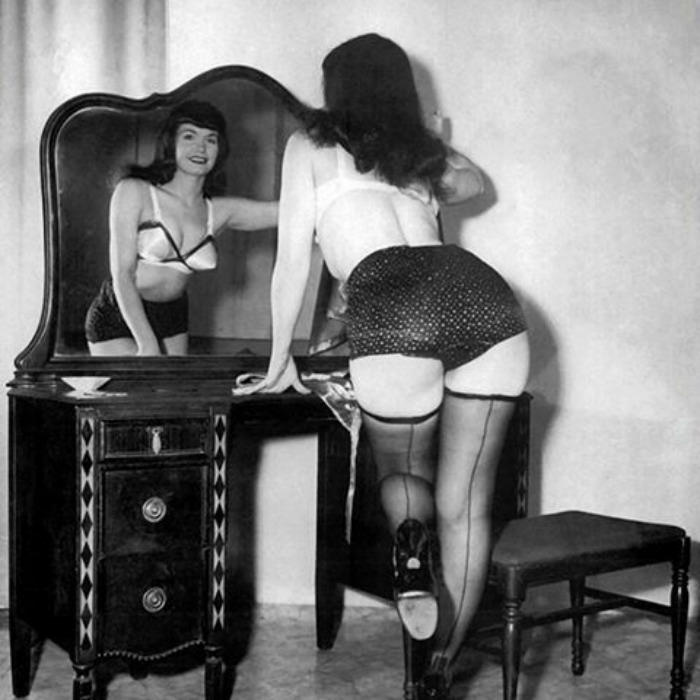
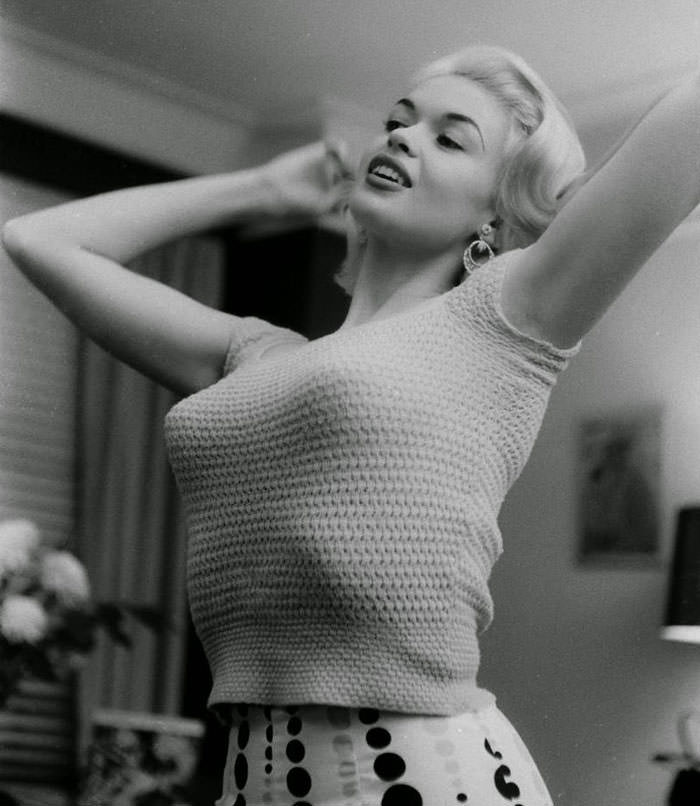
By the early 1960s, fashion tastes shifted. The rigid, engineered silhouette of the 1950s gave way to softer, more natural shapes. The bullet bra’s extreme pointed look suddenly seemed dated. Padded bras and softer underwired styles offered lift and shape without the sharp cone projection, and women moved on quickly. Within a few years, the bullet bra had gone from a wardrobe staple to a relic of the previous decade.