Nicholas DeWolf was born in Philadelphia in 1928 and spent much of his adult life as a Bostonian. He went on to co-found Teradyne Corporation, one of Boston’s most recognized technology companies, and later pursued a career designing fountains. But running alongside all of it was a lifelong passion for photography. DeWolf shot film from the 1950s onward, building a vast archive of candid, pre-digital images that captured everyday life with a sharp and curious eye.
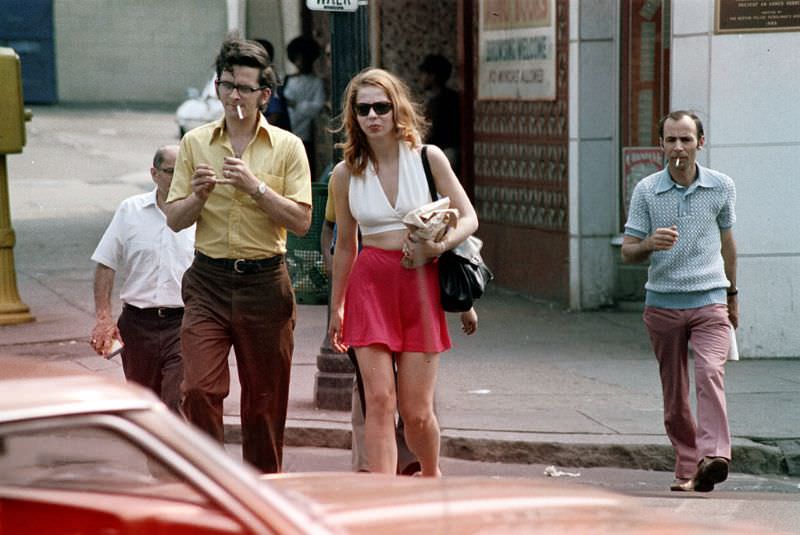
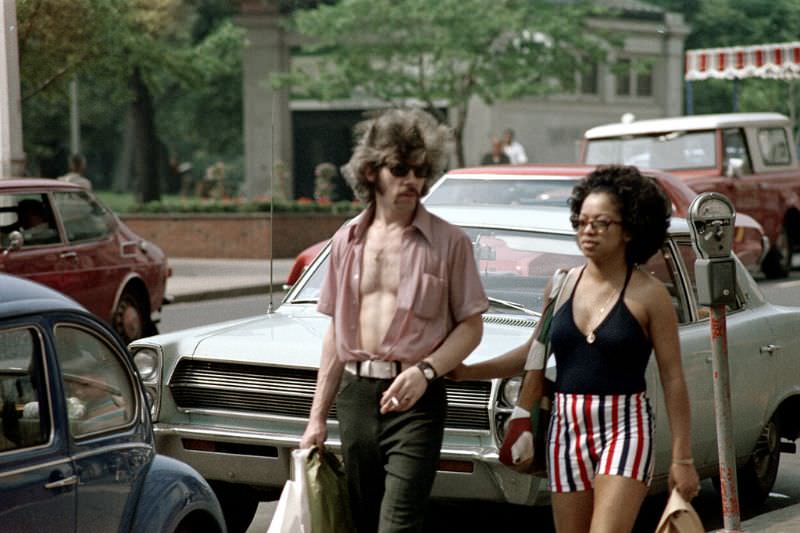
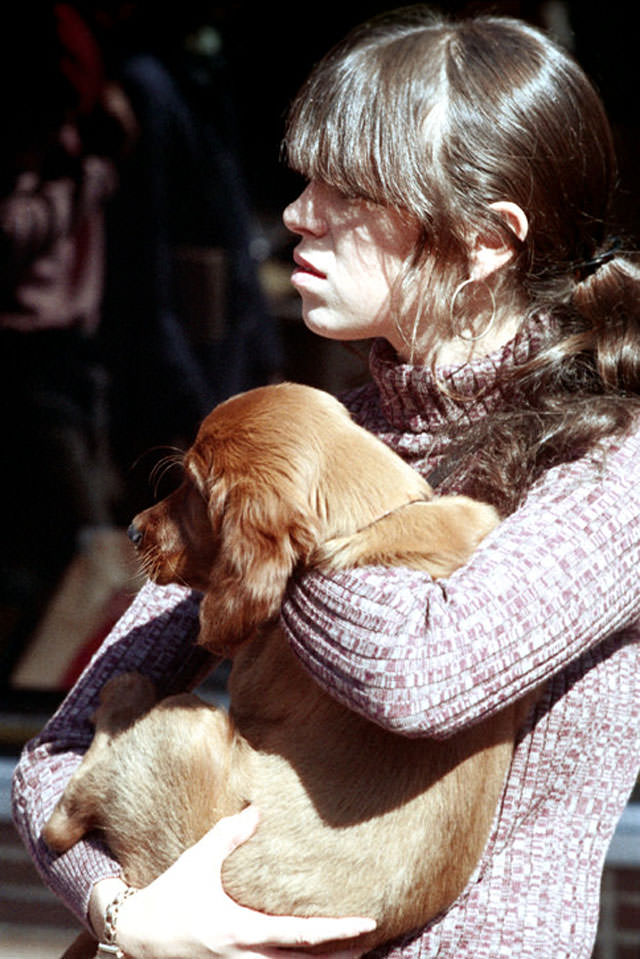
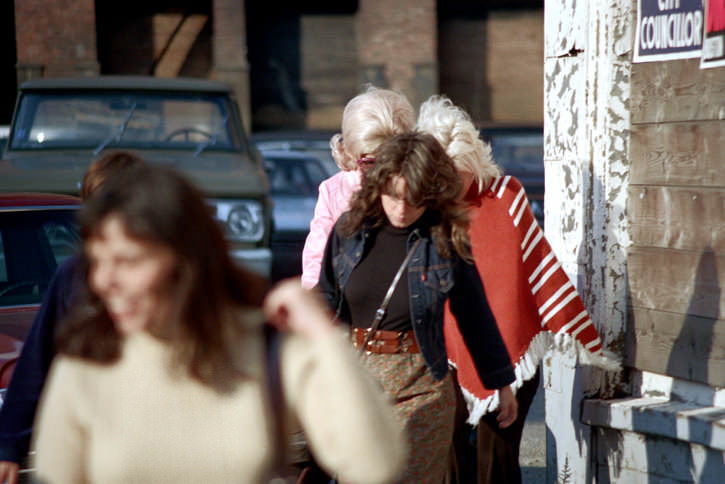
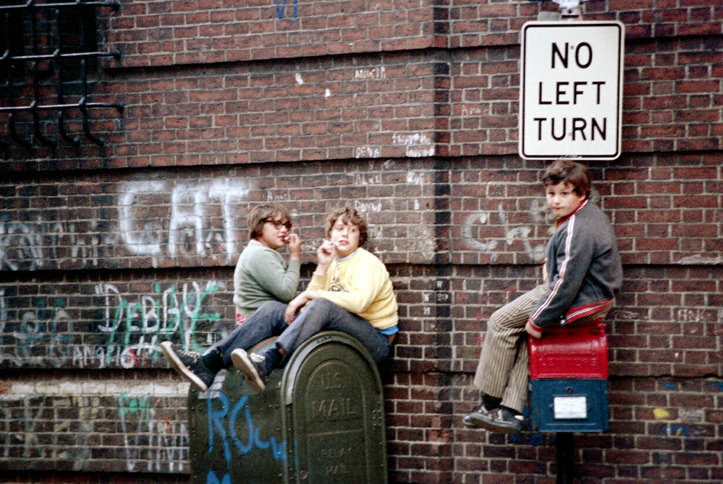
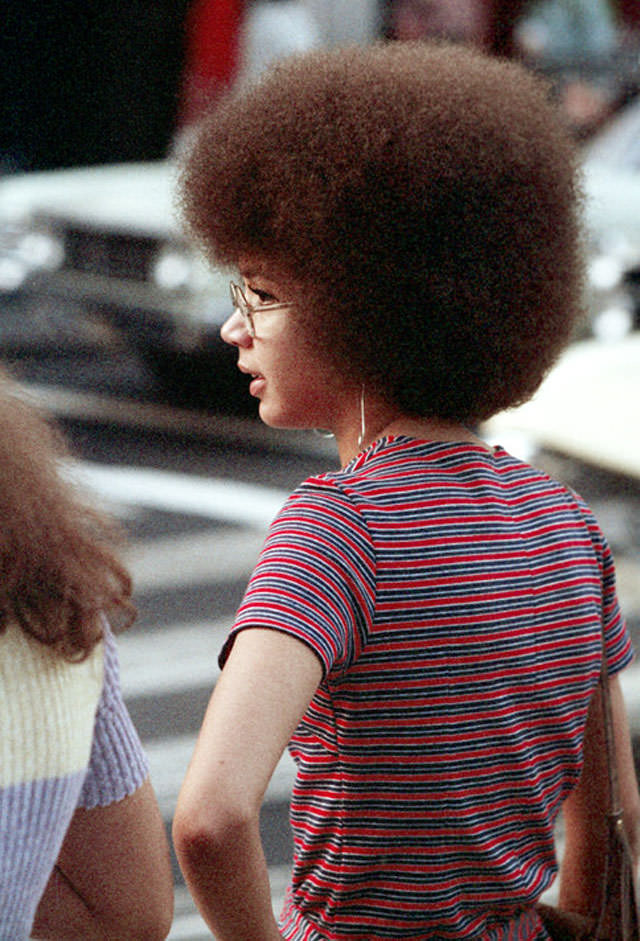
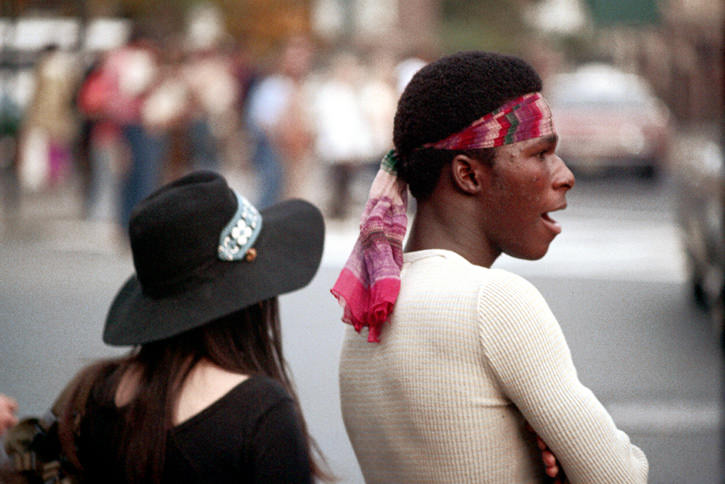
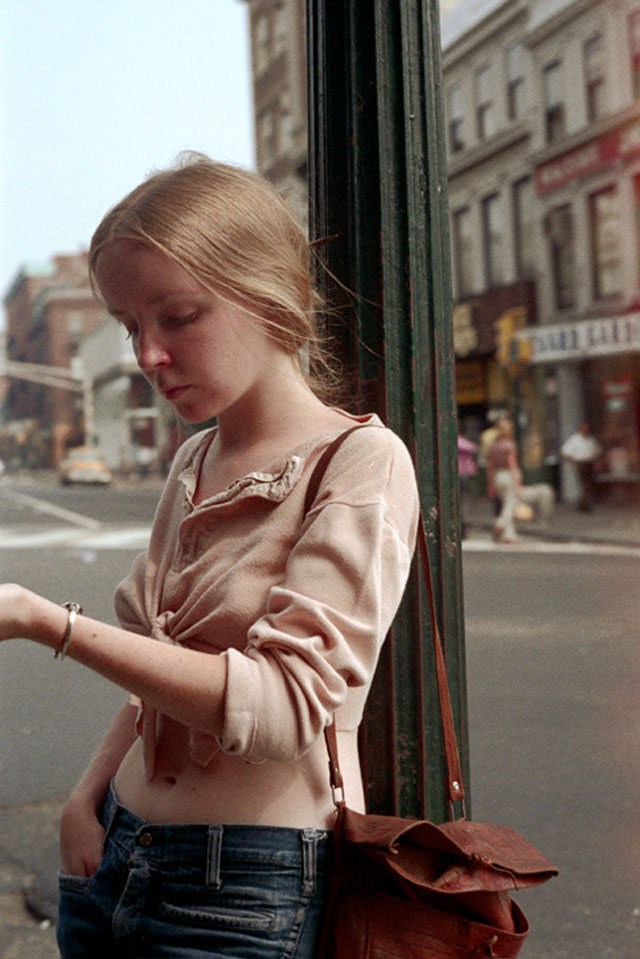
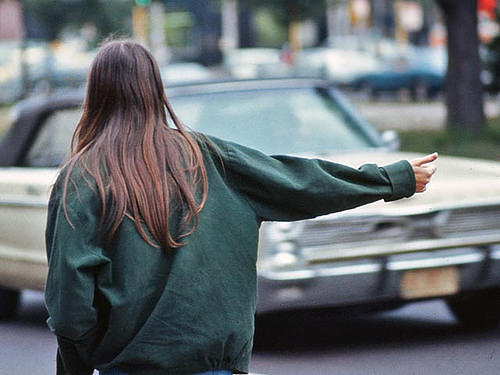
What made DeWolf stand out was his genuine interest in people. He didn’t set up shoots or pose his subjects. He stepped onto the street with his camera and documented what was already there — the way people dressed, moved, and existed in public space. His early 1970s photos of Boston are a direct result of that approach.
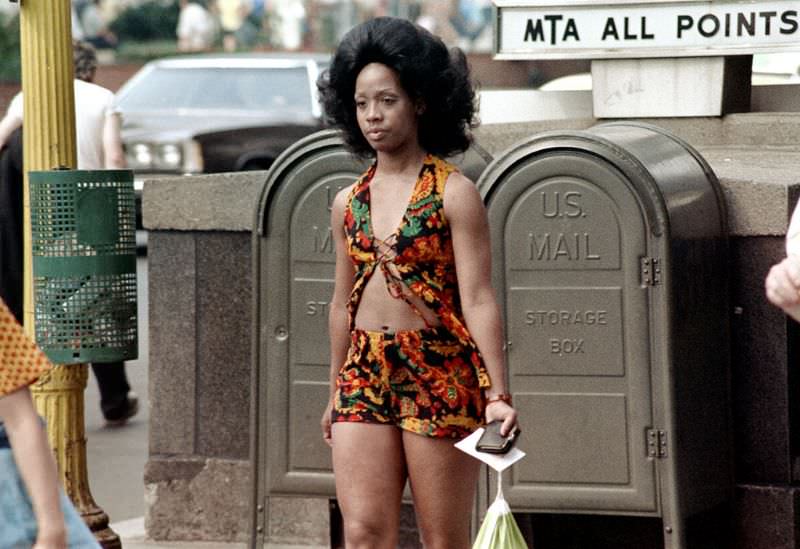
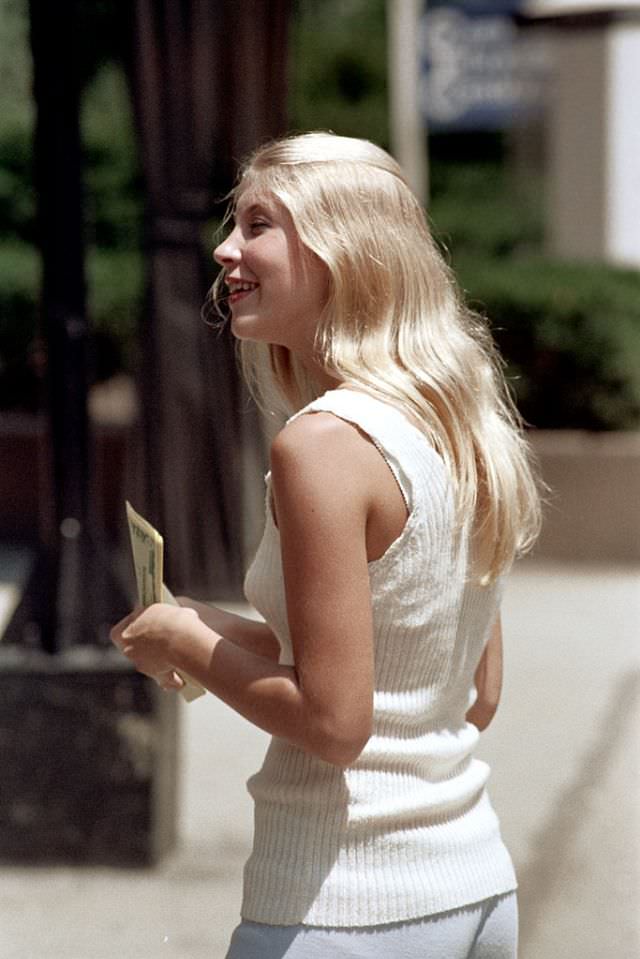
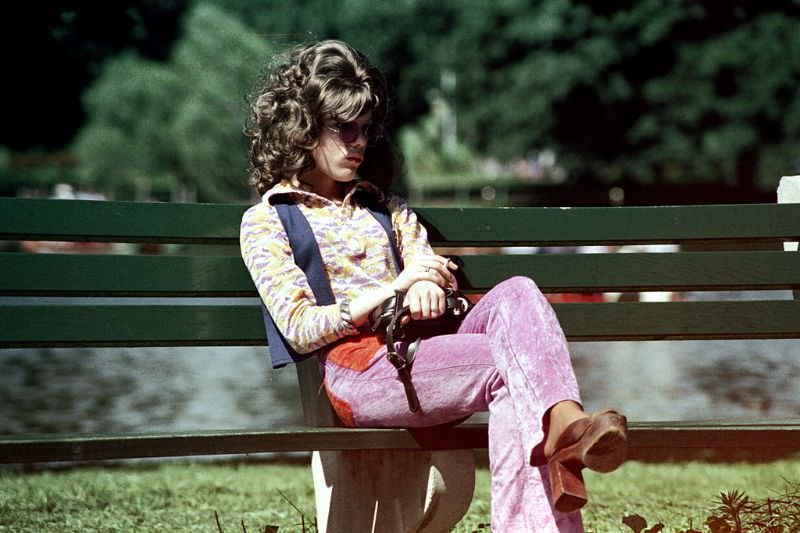
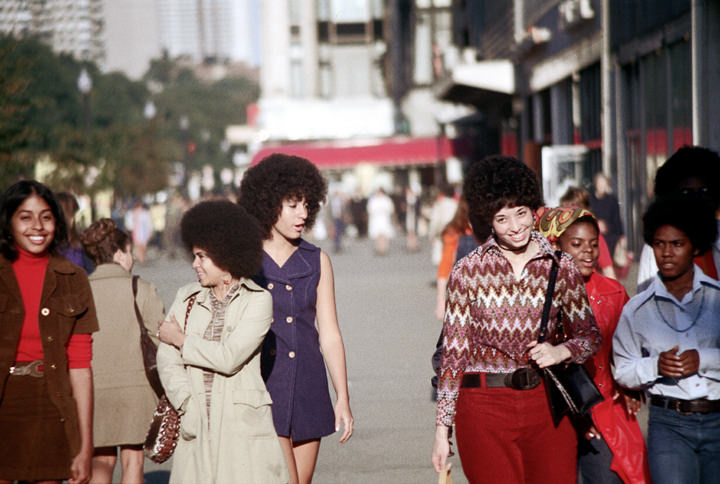
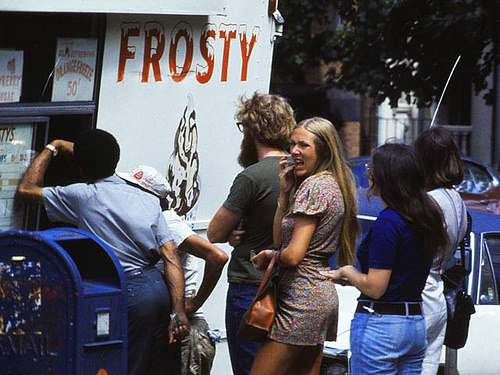
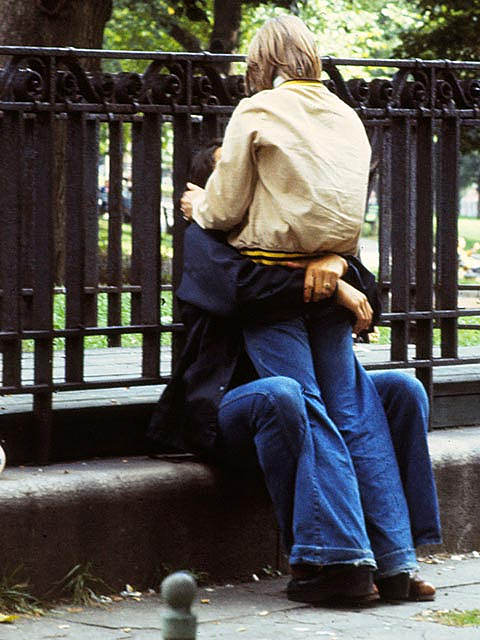
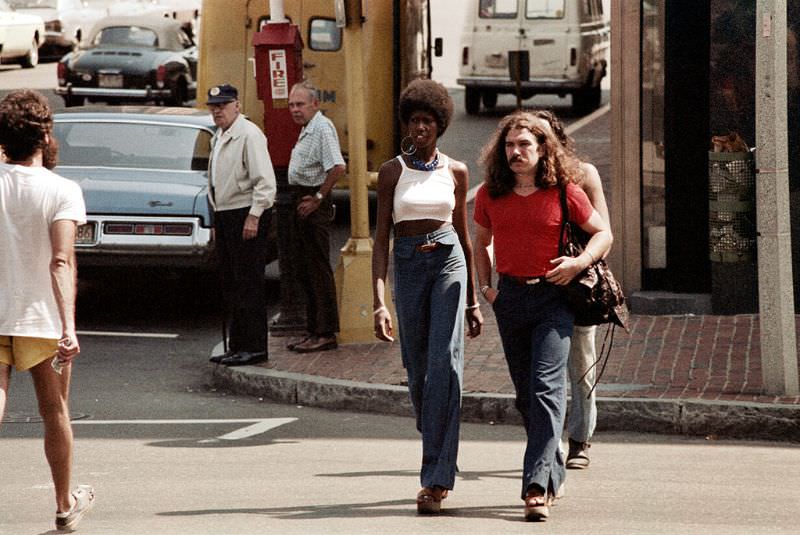
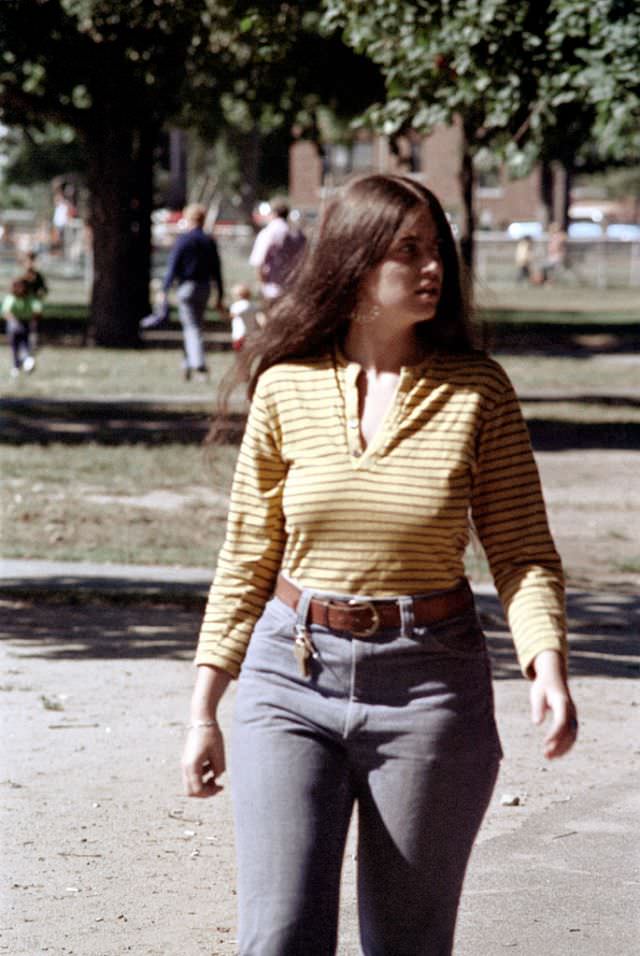
The early 1970s were a vivid time for fashion. The stiff styles of the 1960s were giving way to something looser and more personal. Bell-bottom trousers, wide collars, platform shoes, and bold prints were showing up on sidewalks and in parks across the country. Boston’s streets were no different.
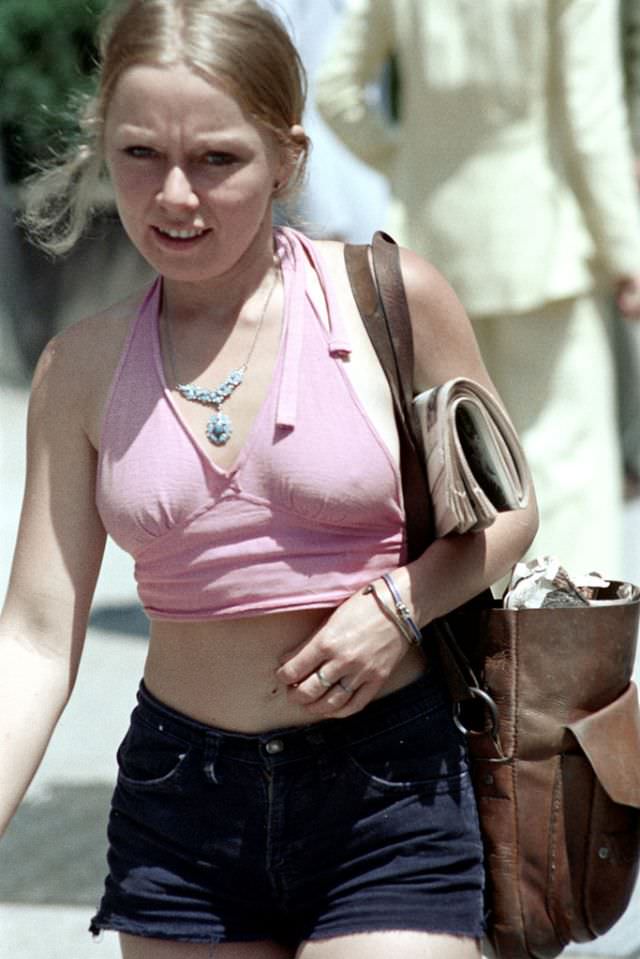
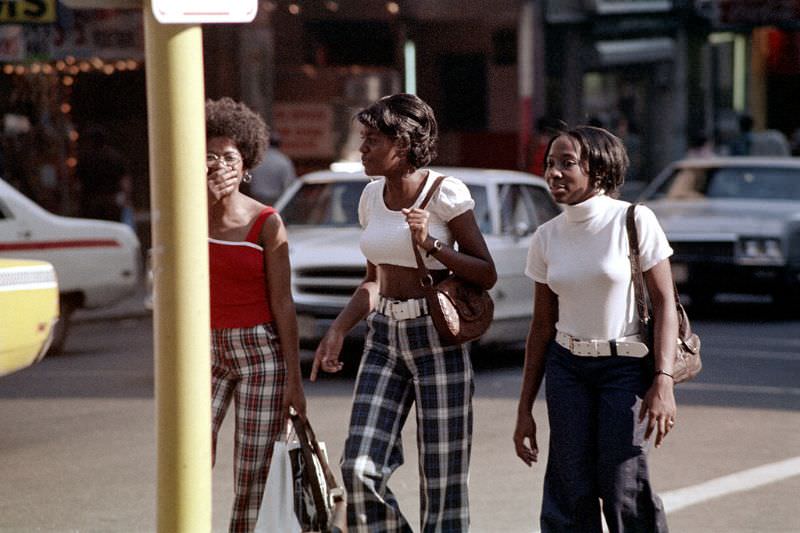
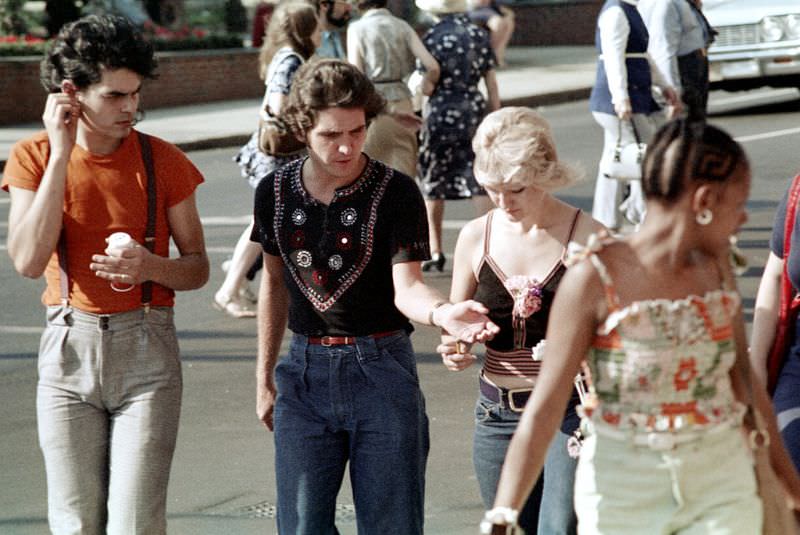
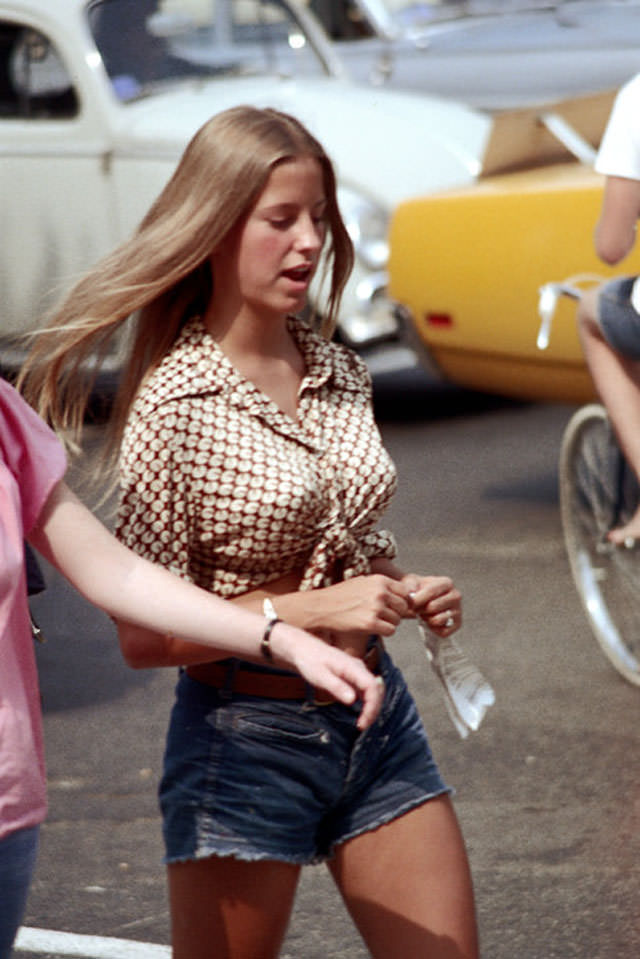
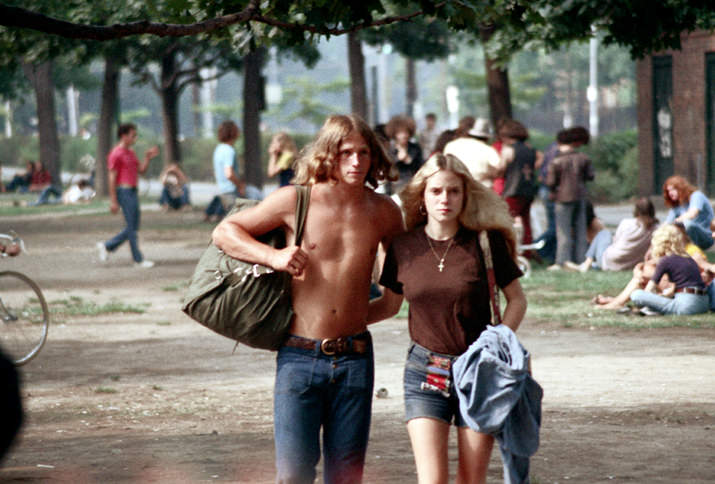
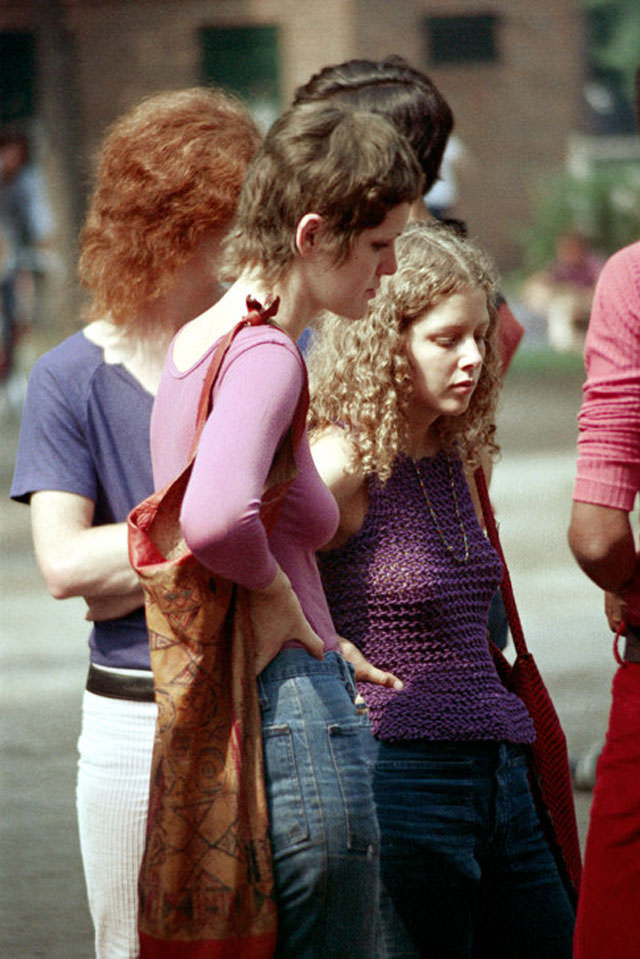
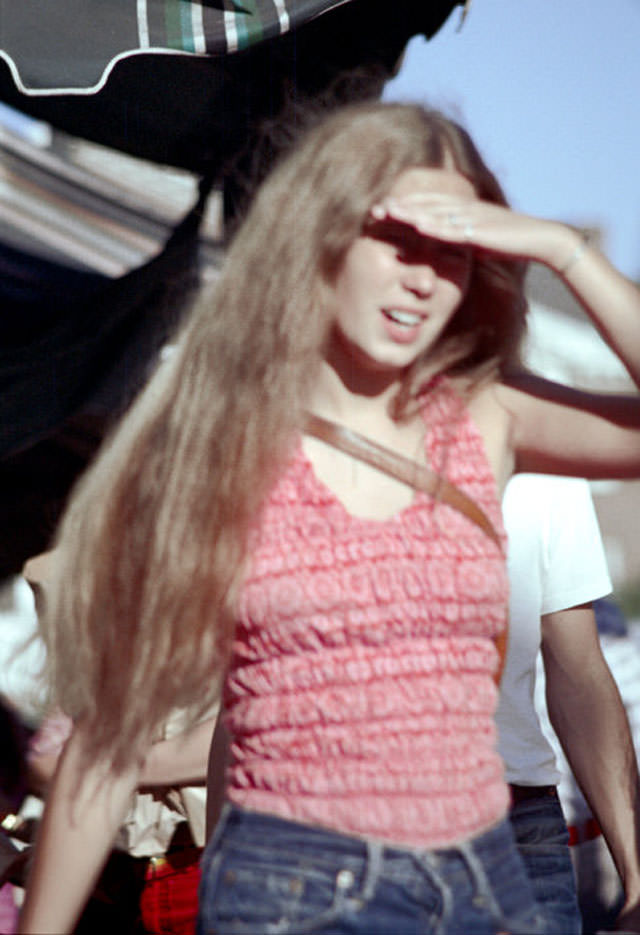
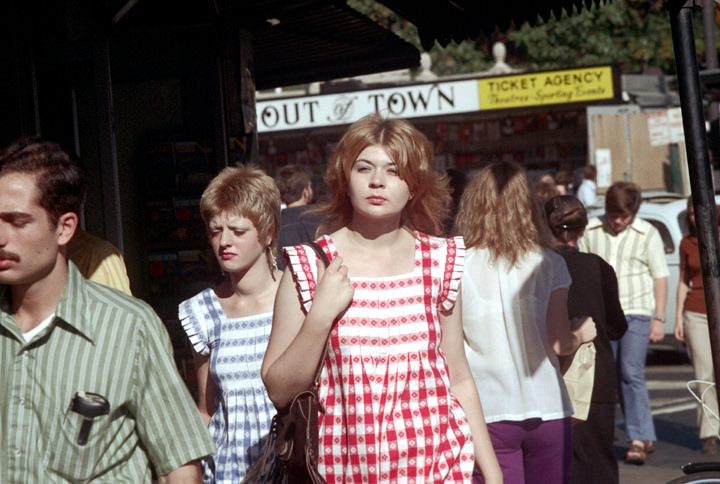
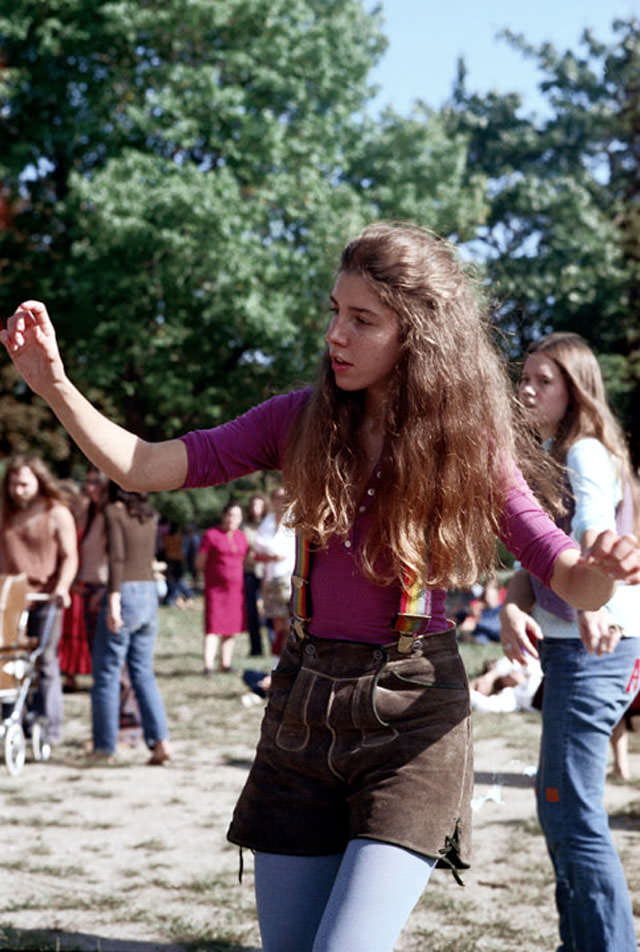
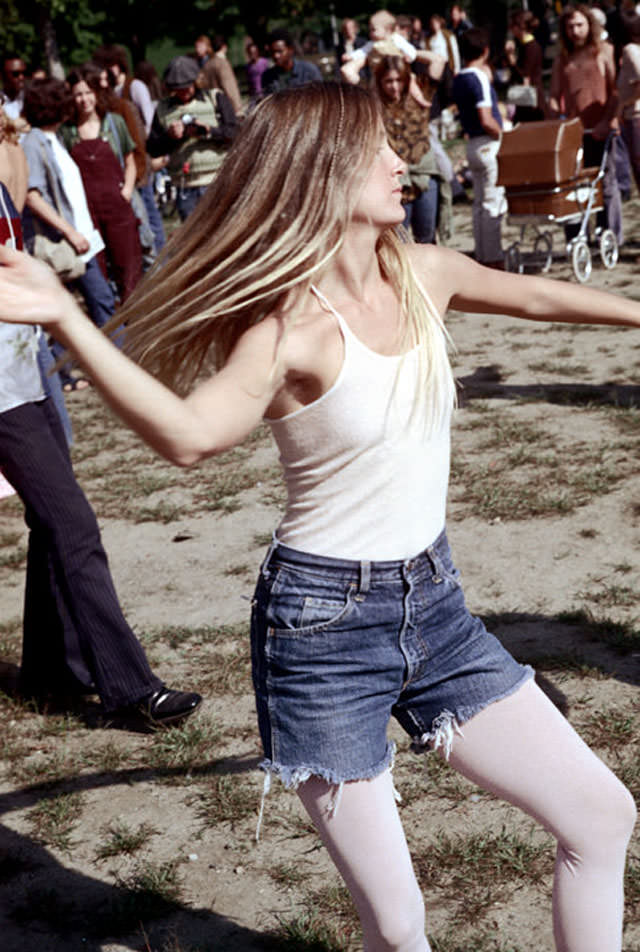
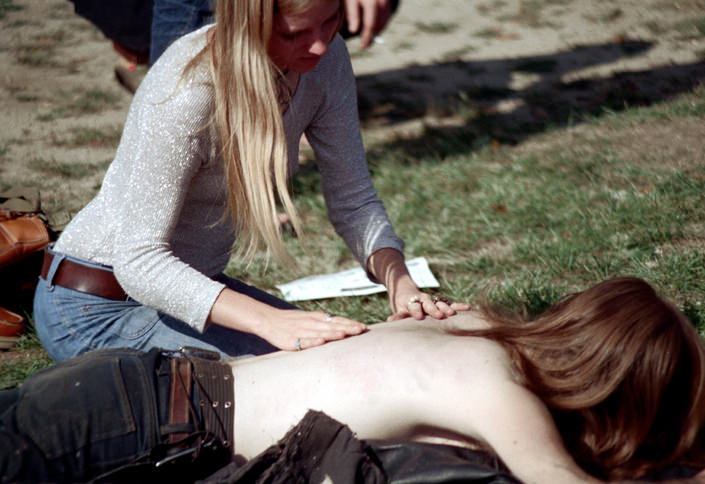
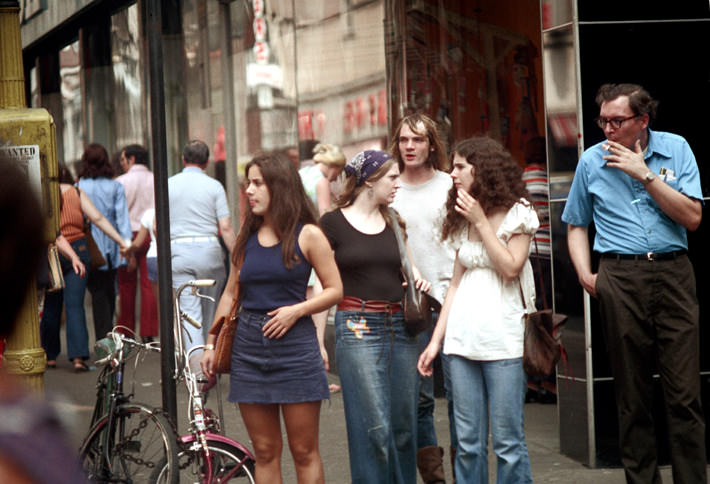
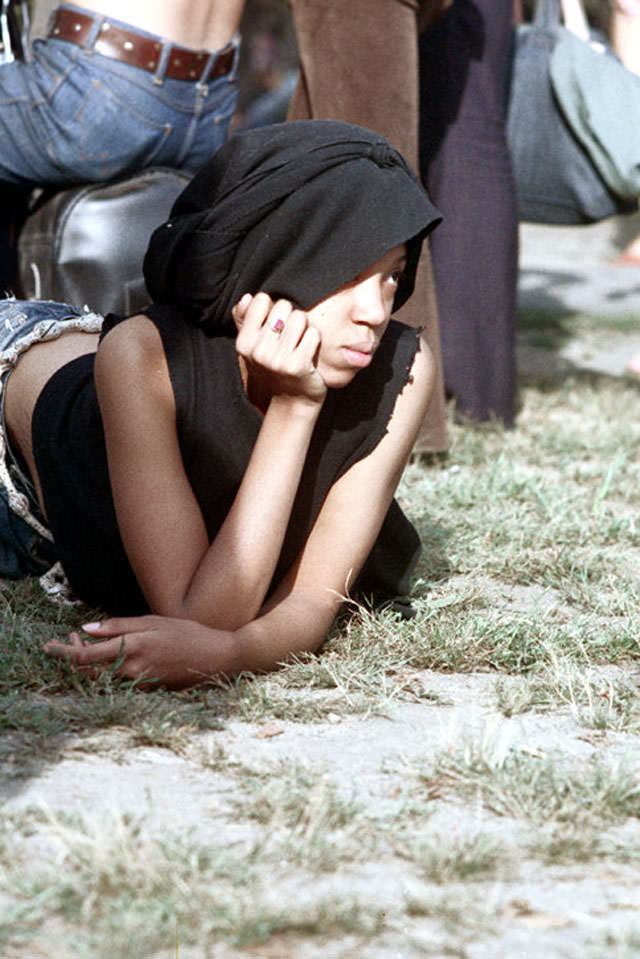
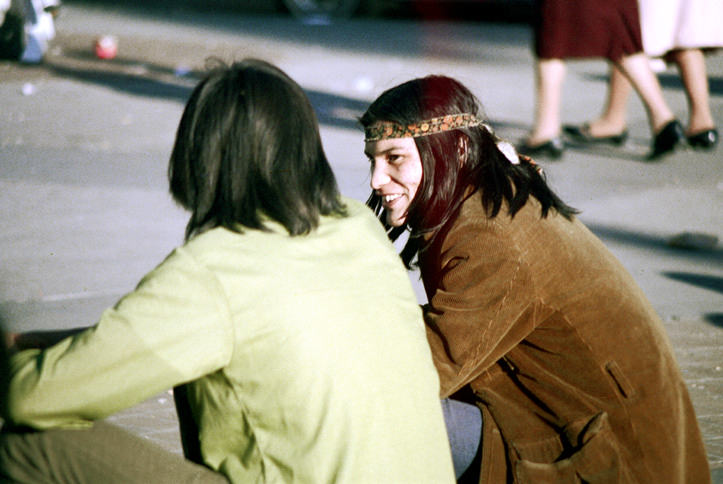
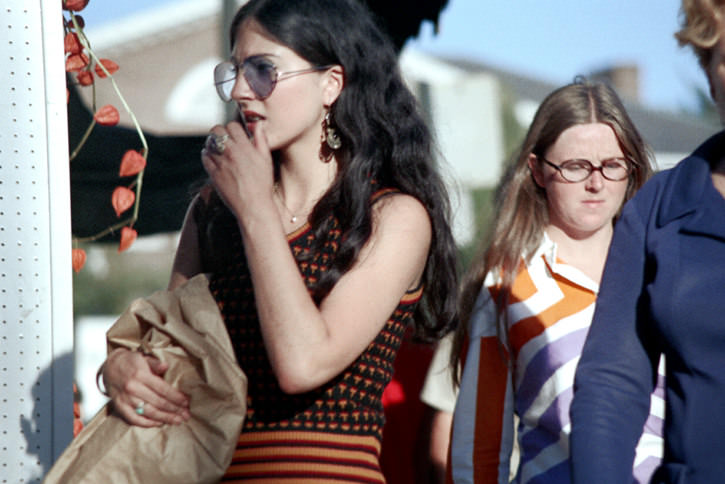
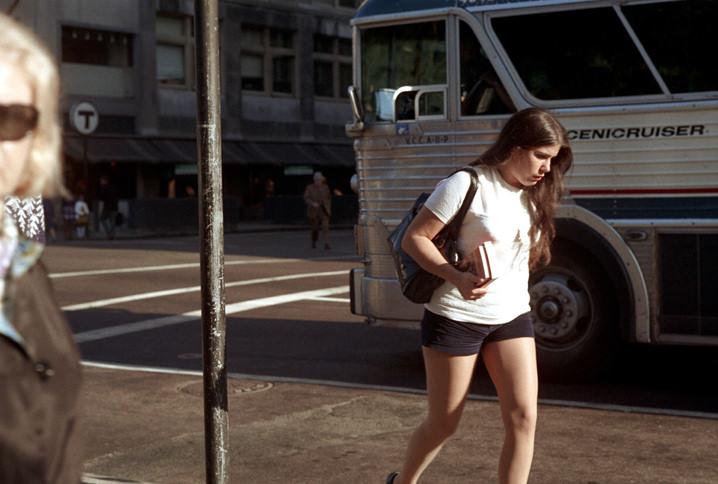
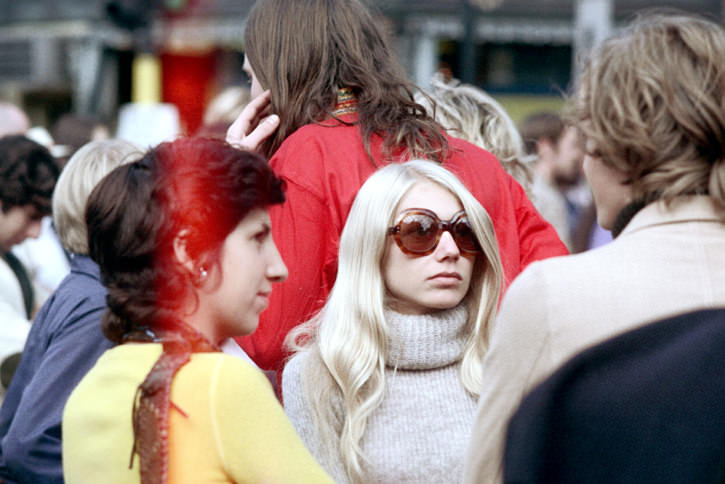
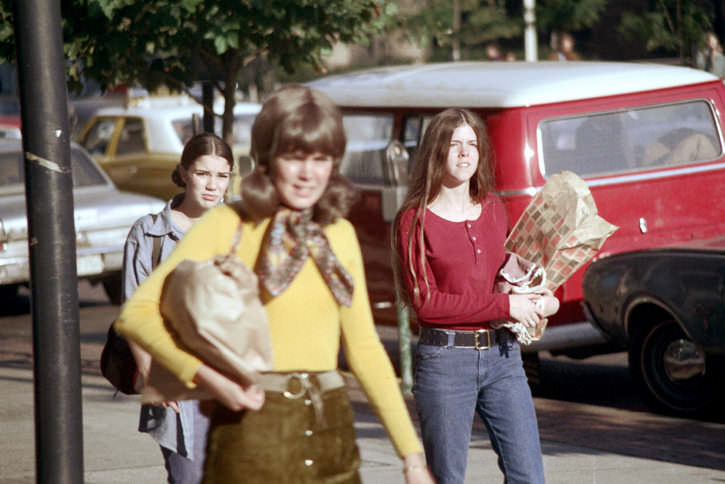
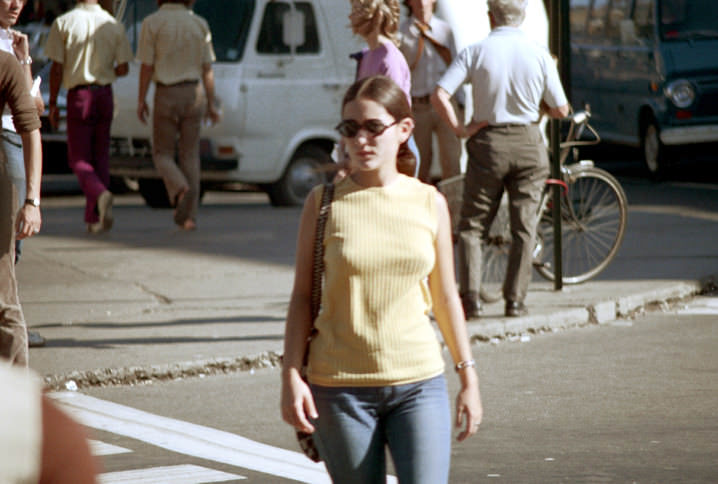
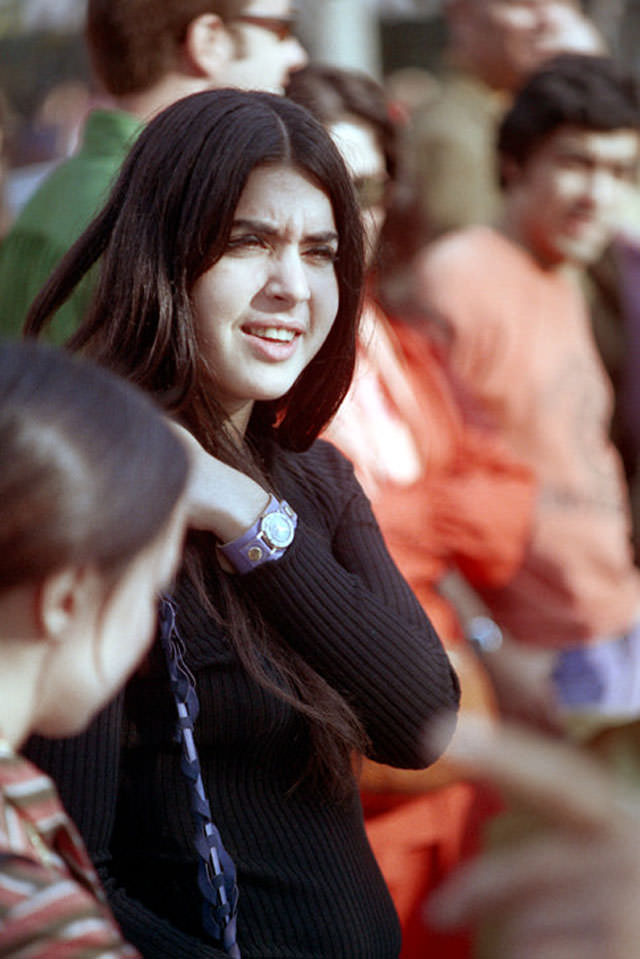
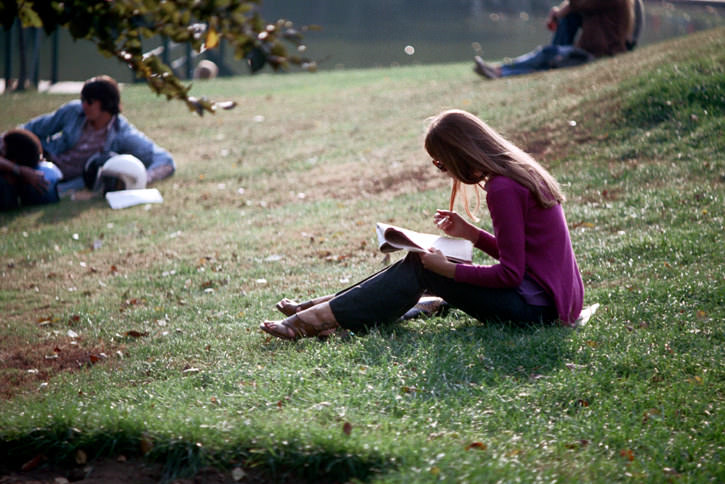
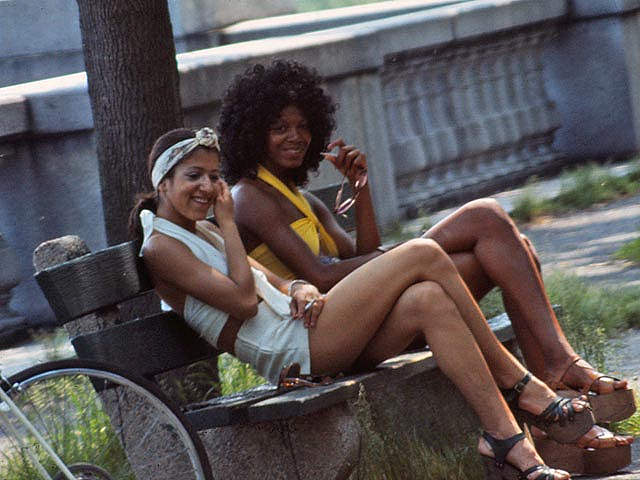
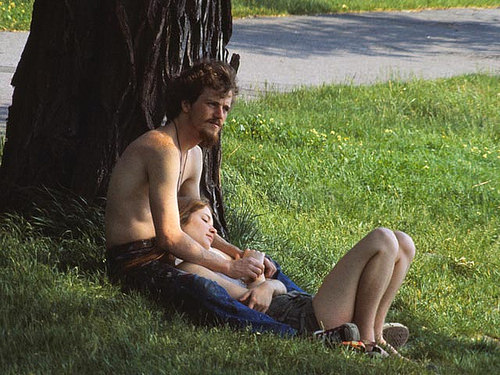
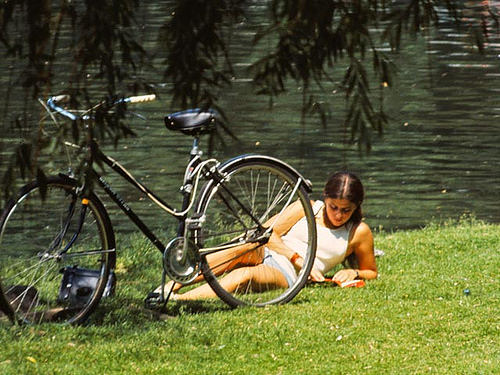
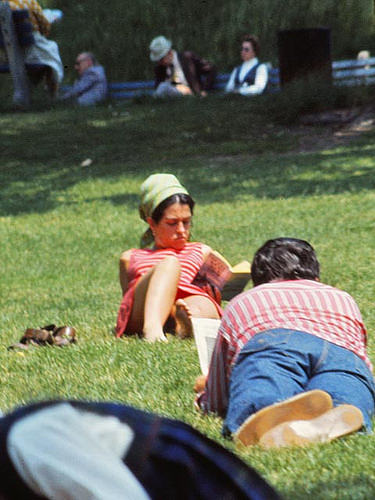
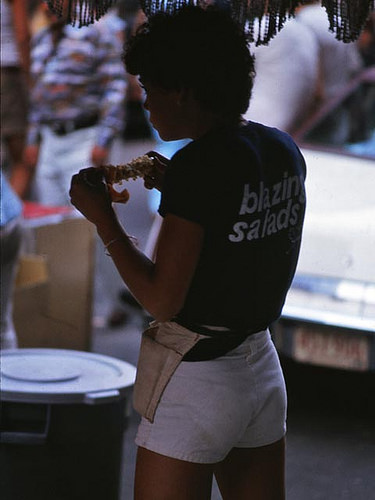
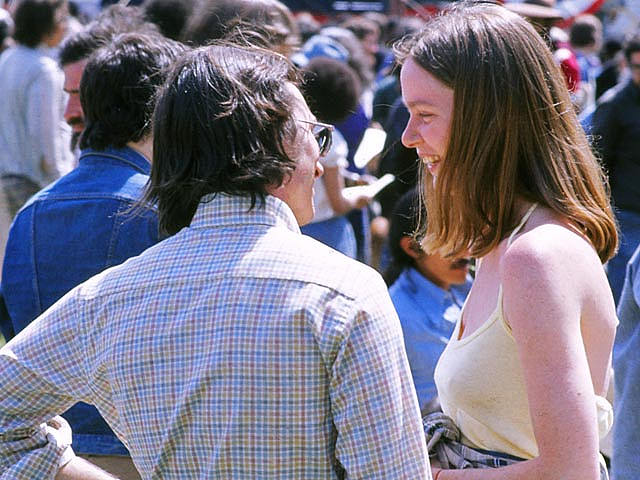
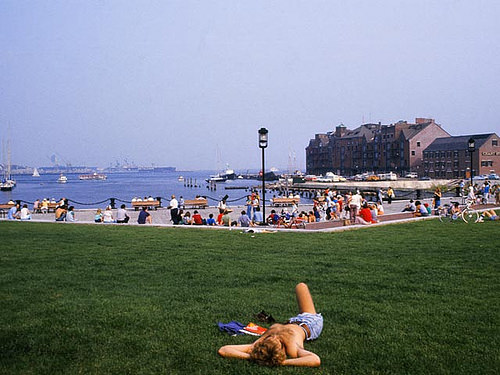
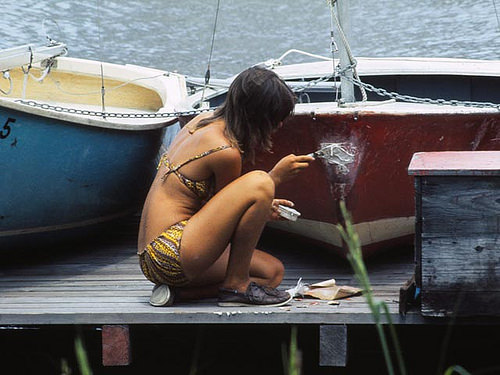
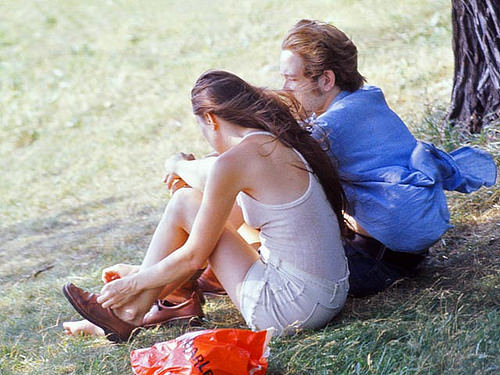
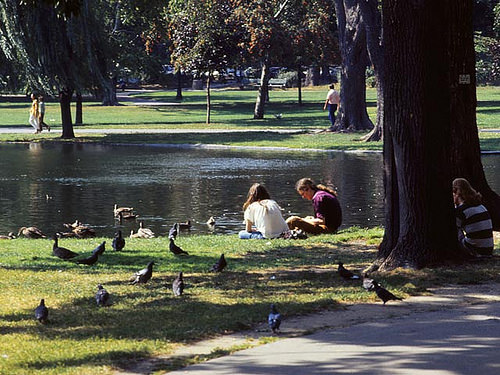
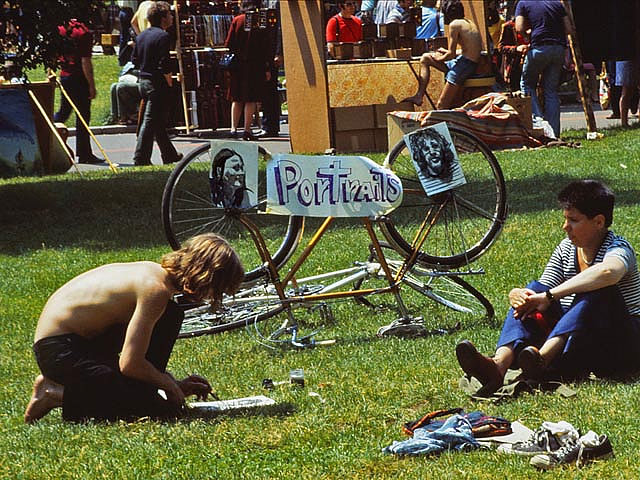
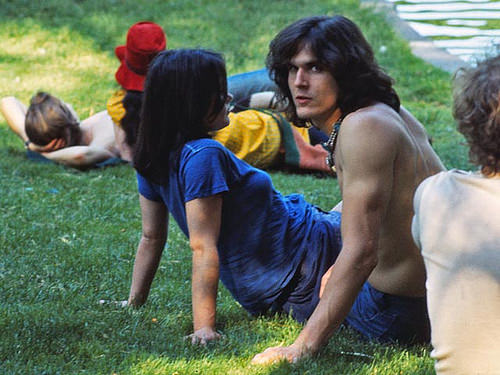
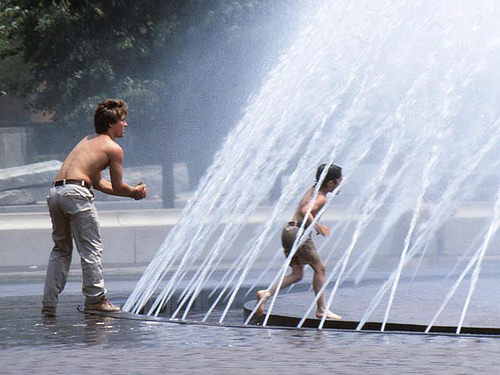
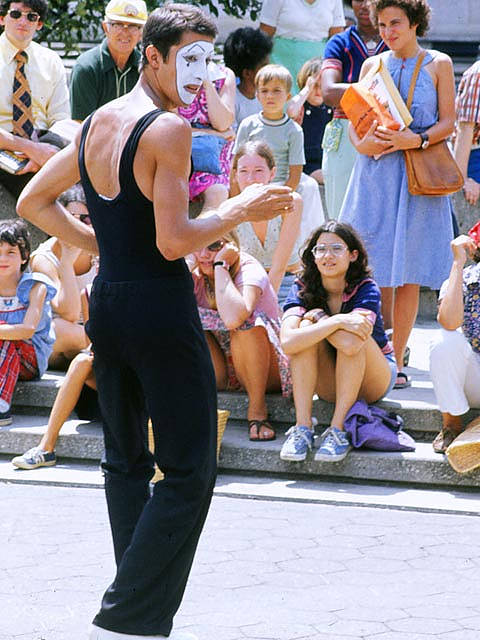
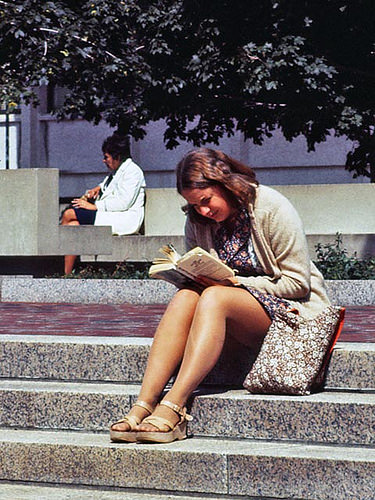
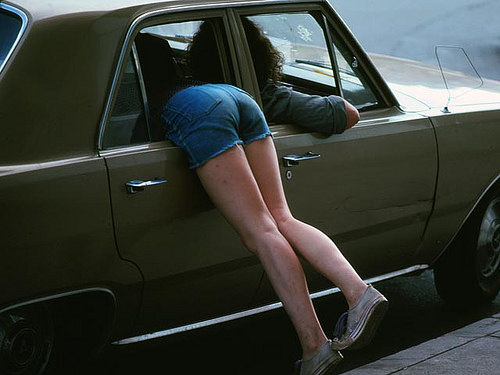
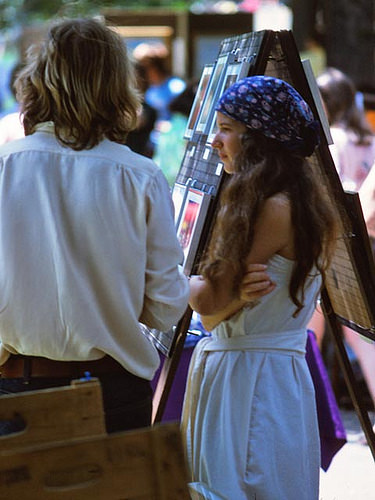
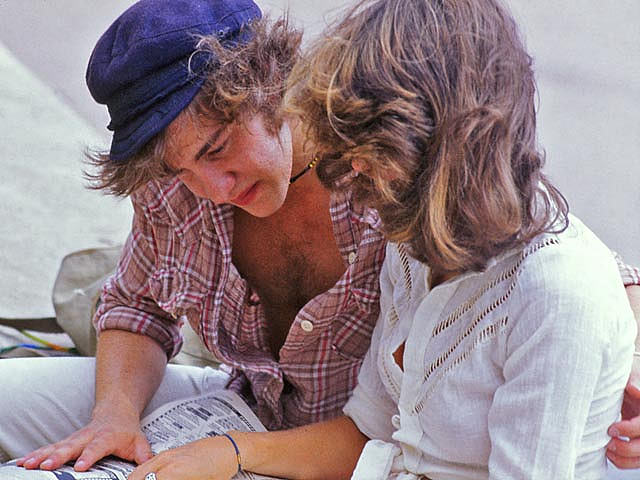
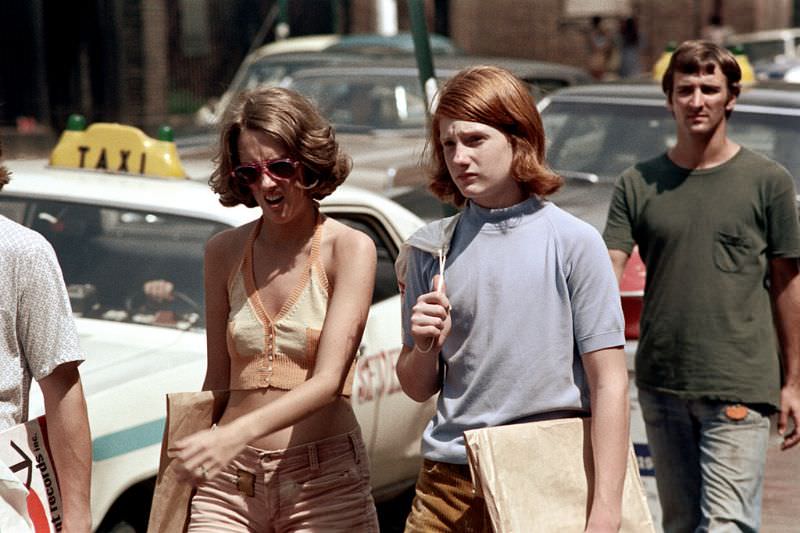
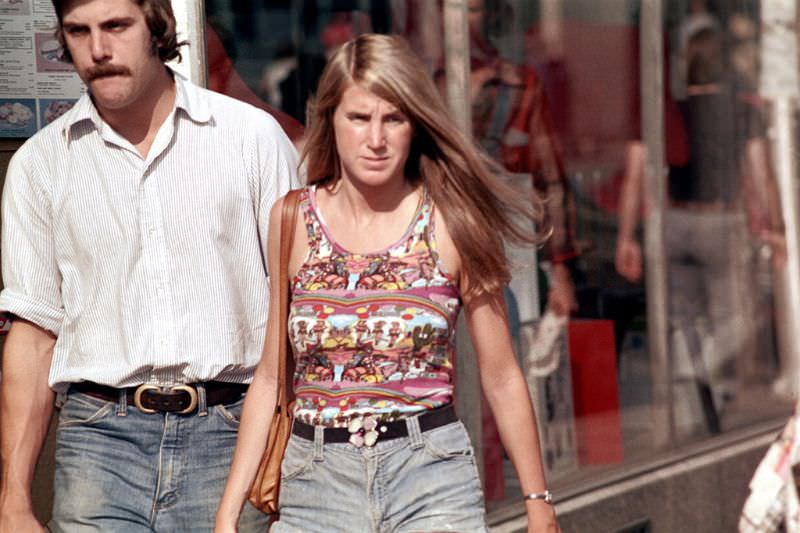
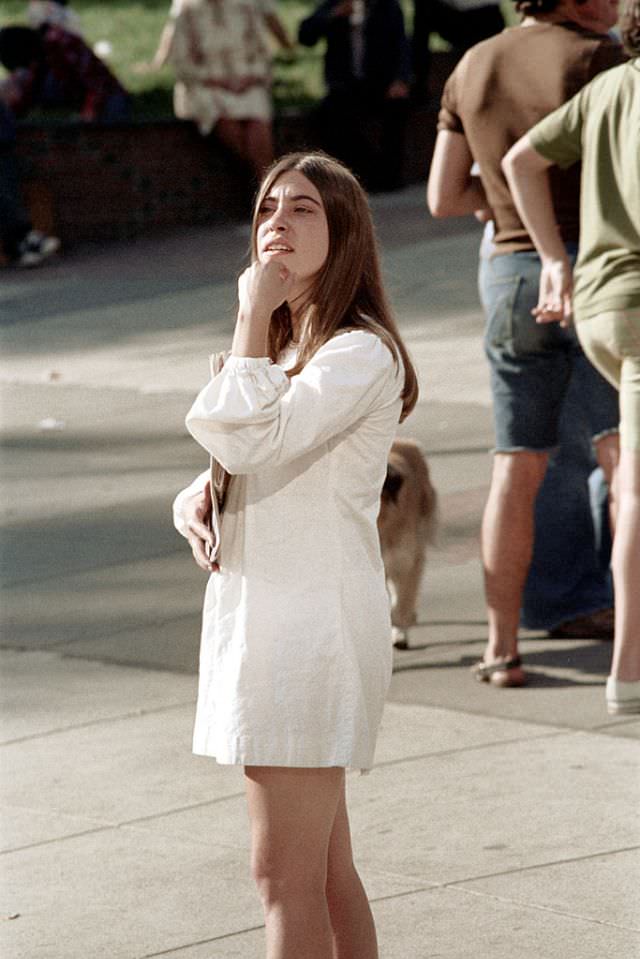
DeWolf’s summer photos catch Bostonians during the warmer months, when layers came off and personal style became harder to hide. Miniskirts, halter tops, short shorts, and lightweight fabrics fill the frames. Men wore fitted shirts open at the collar, often tucked into high-waisted pants.
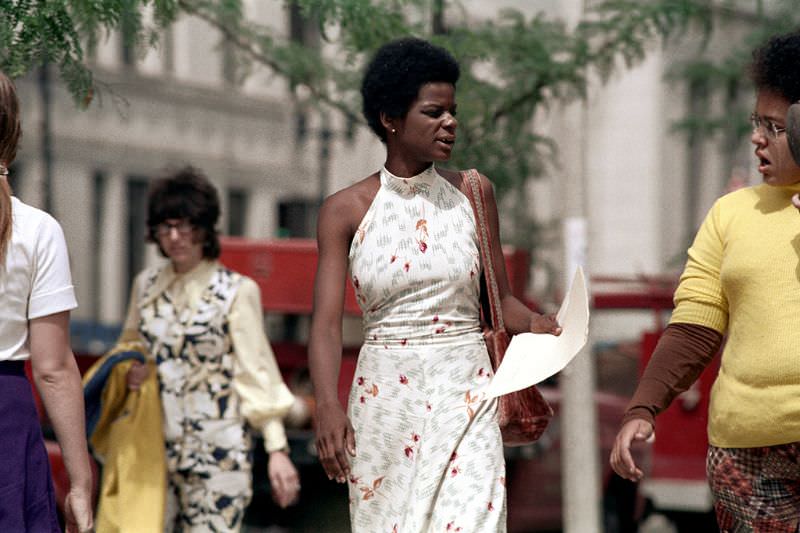
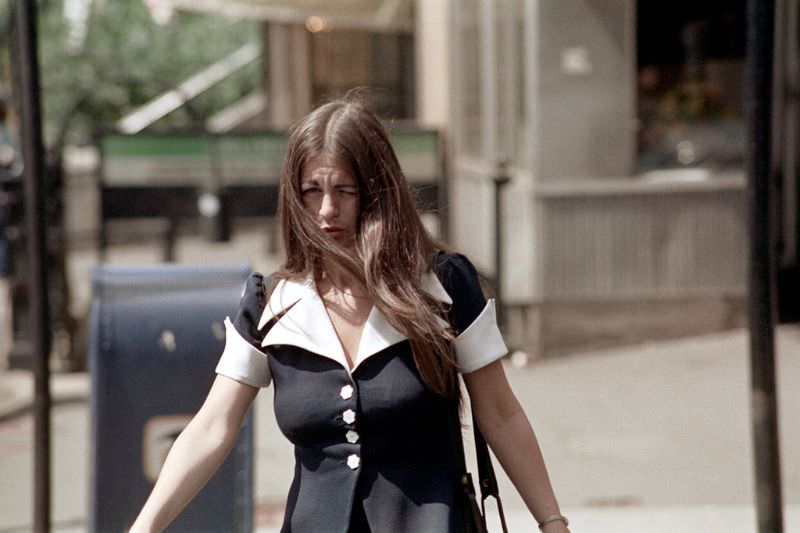
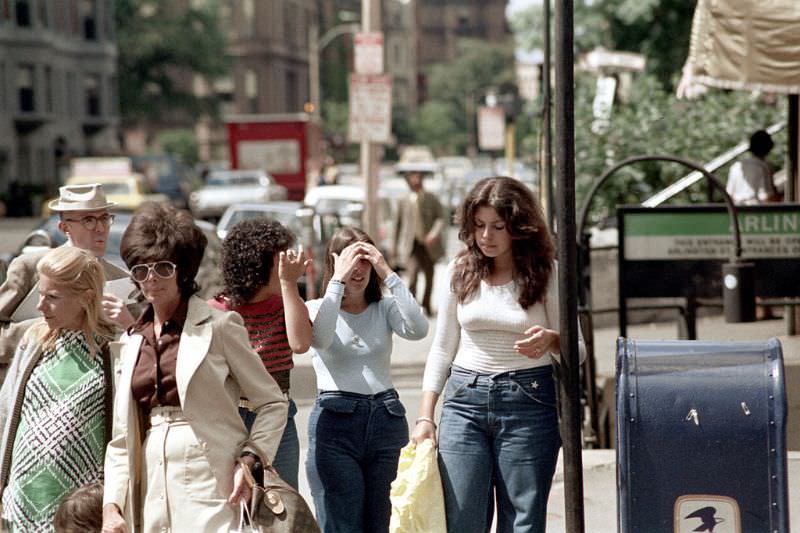
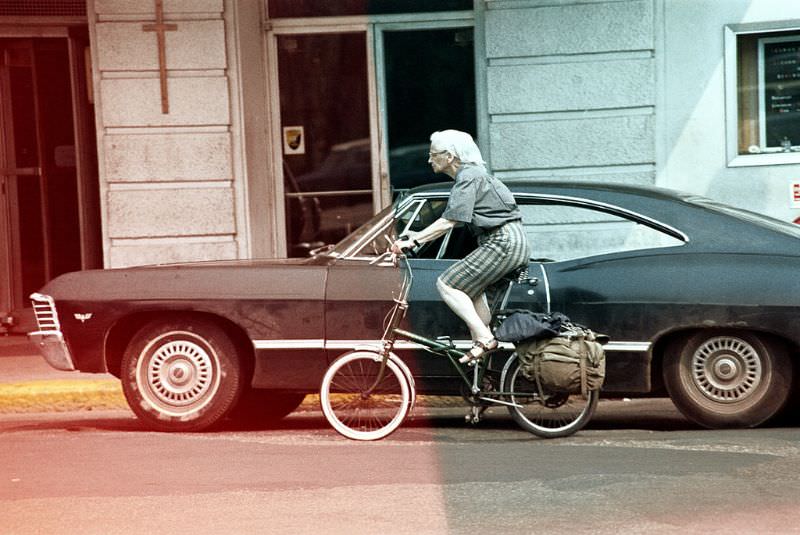
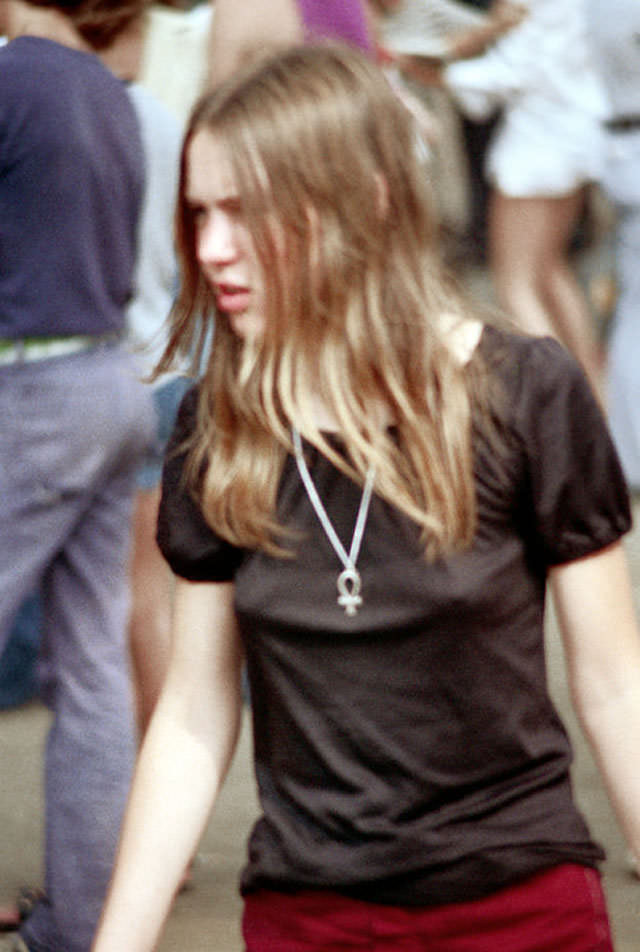
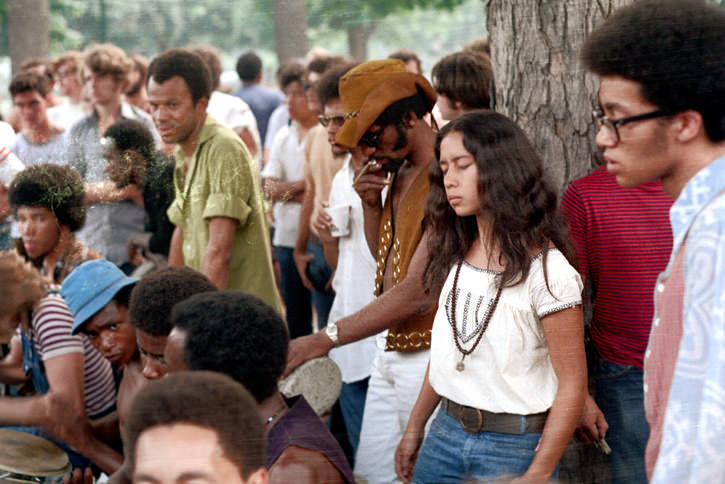
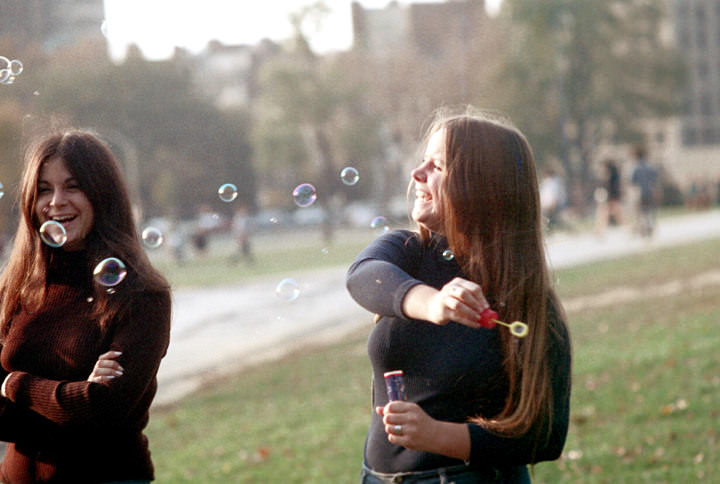
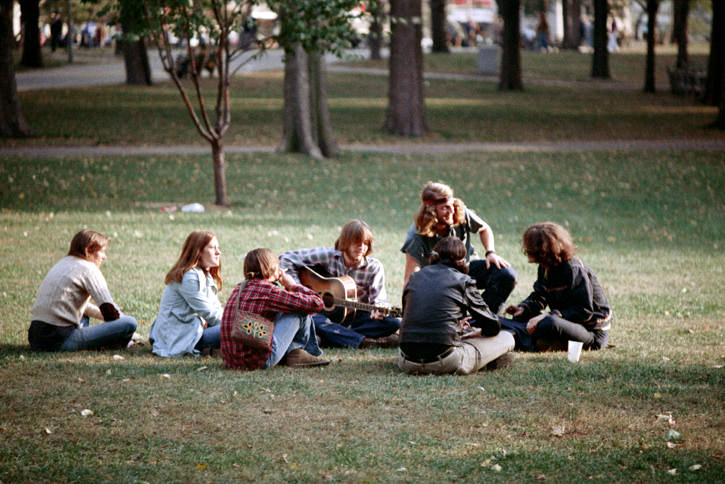
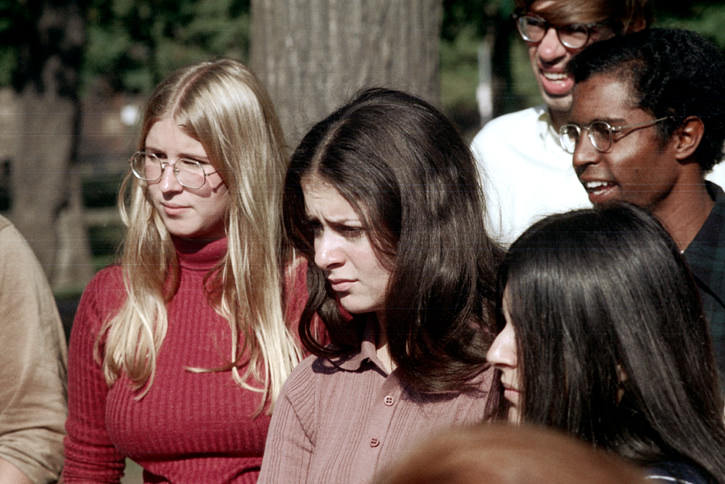
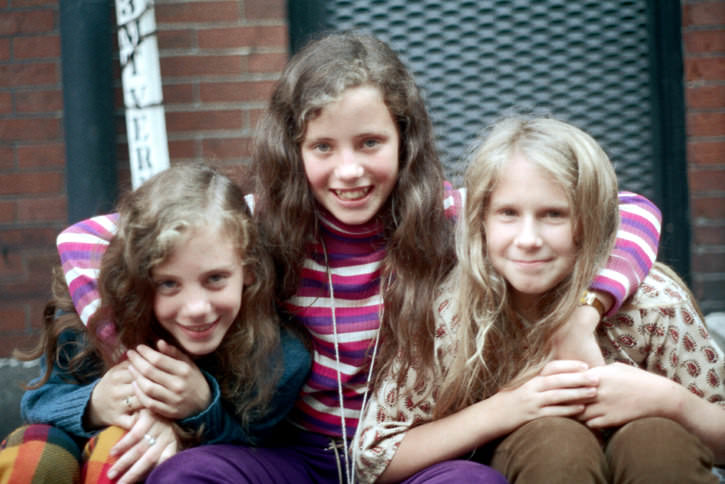
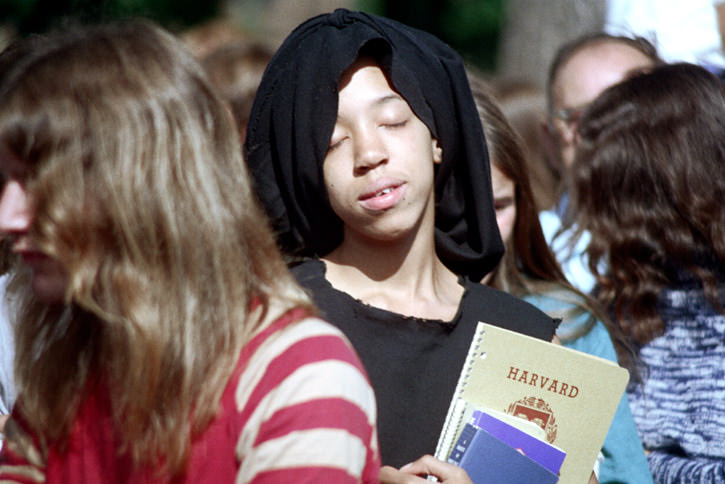
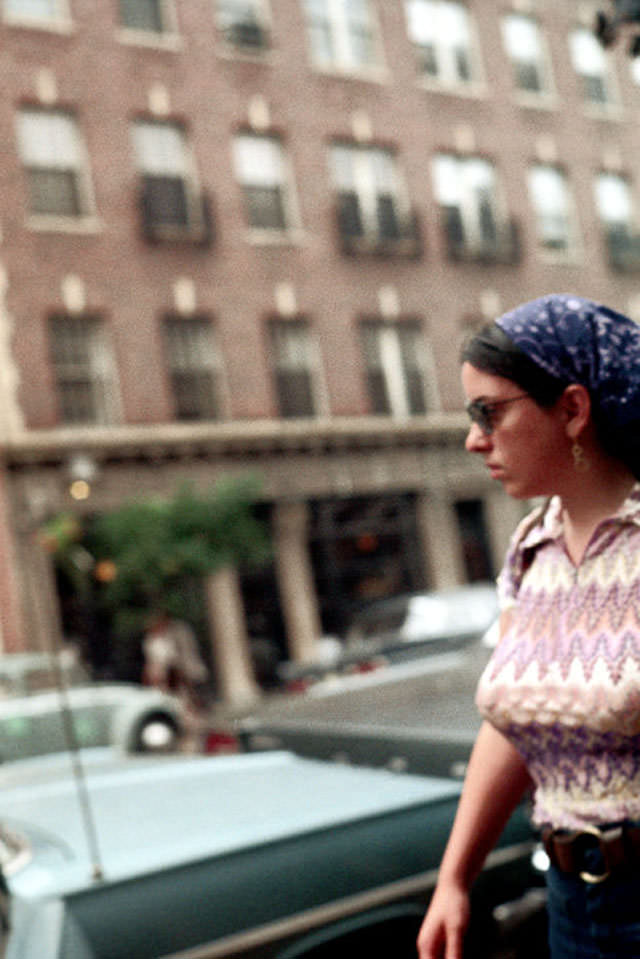
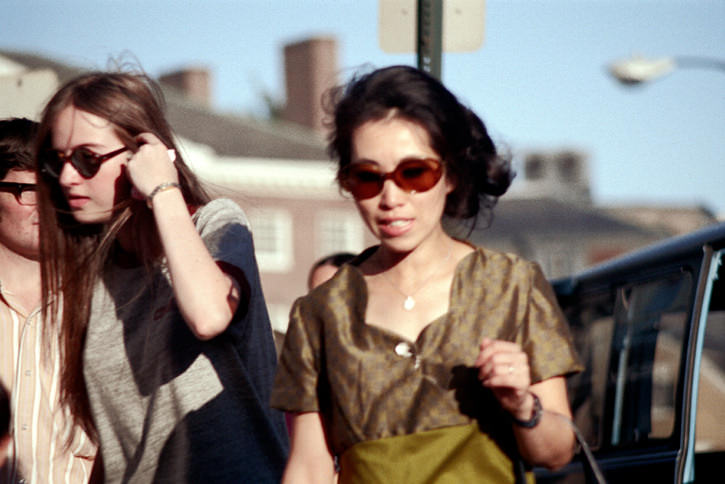
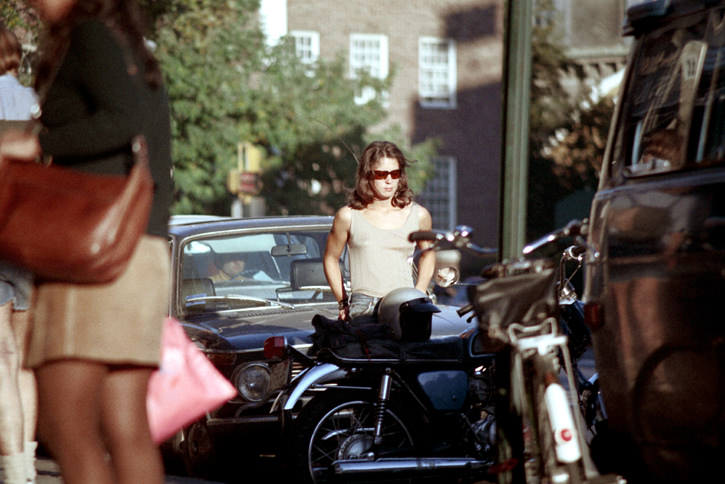
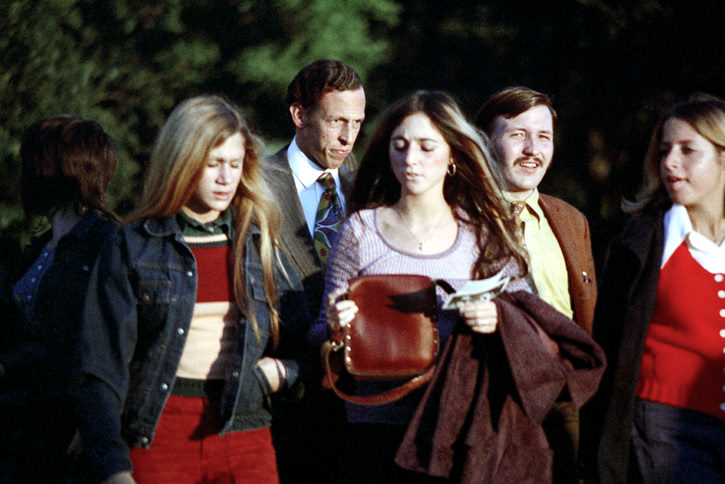
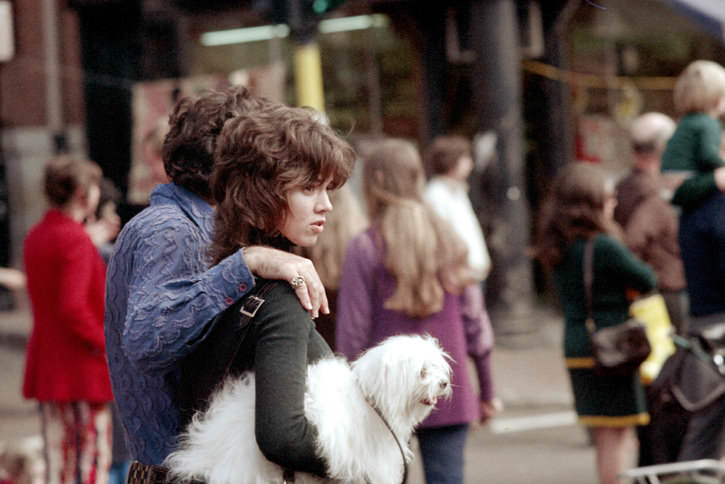
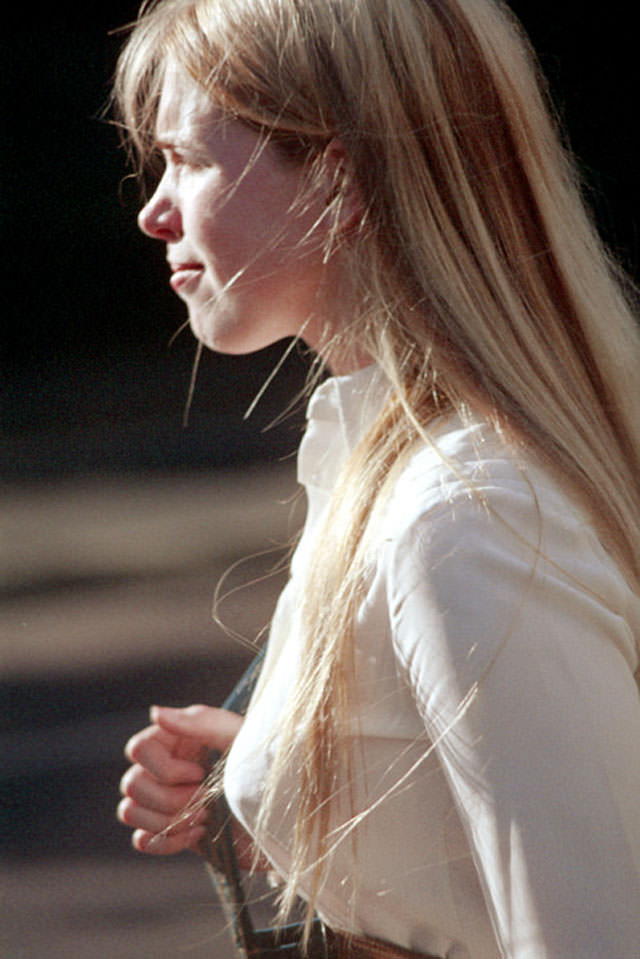
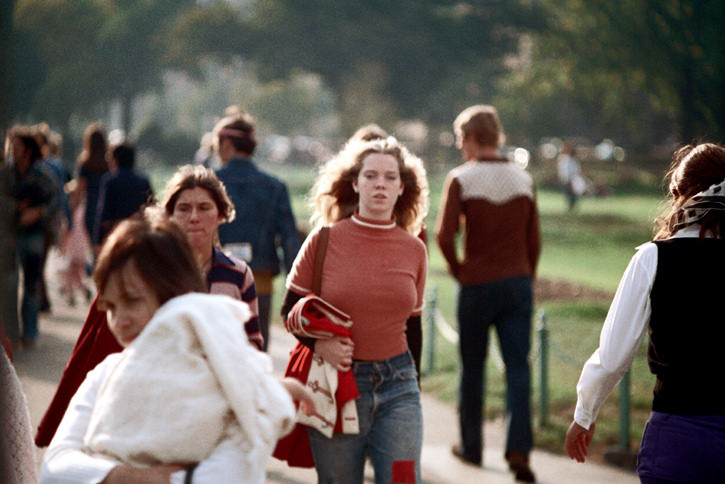
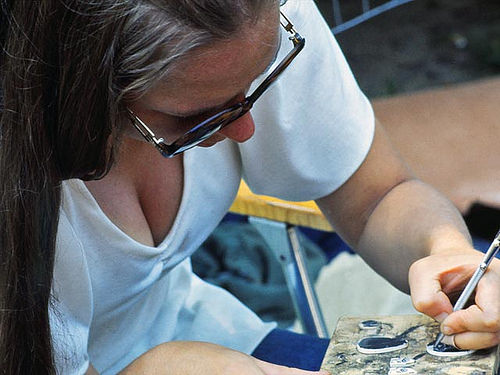
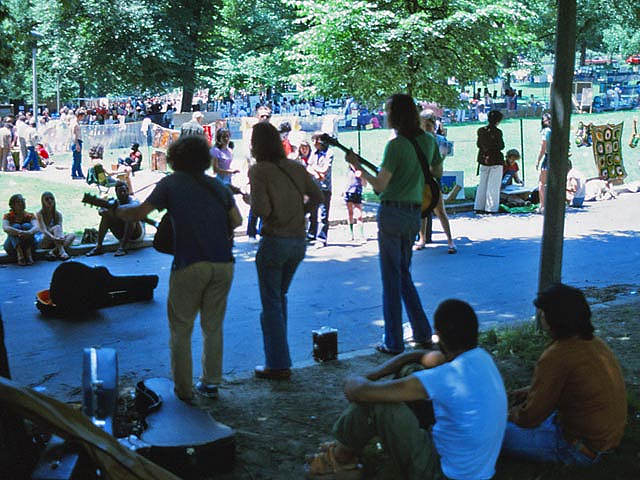
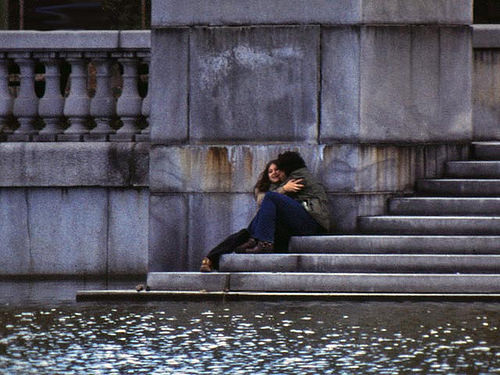
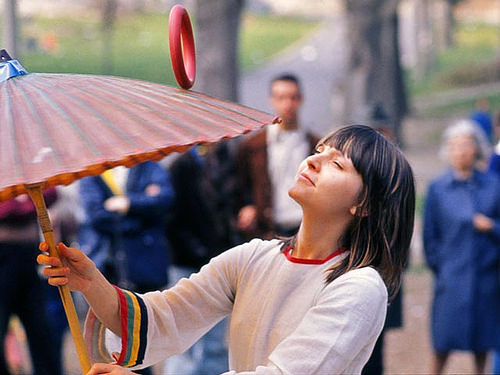
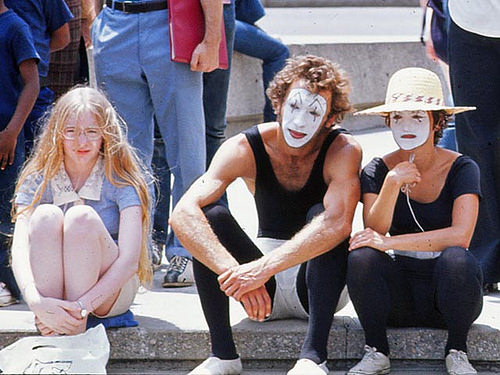
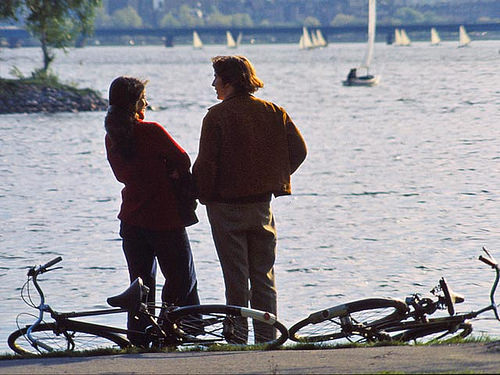
The photos don’t just document clothing — they document attitude. Some subjects seem fully aware of the camera. Others are caught mid-stride, mid-conversation, or mid-laugh. Together, they add up to a genuine record of how ordinary people in Boston dressed and carried themselves in the early part of the decade.
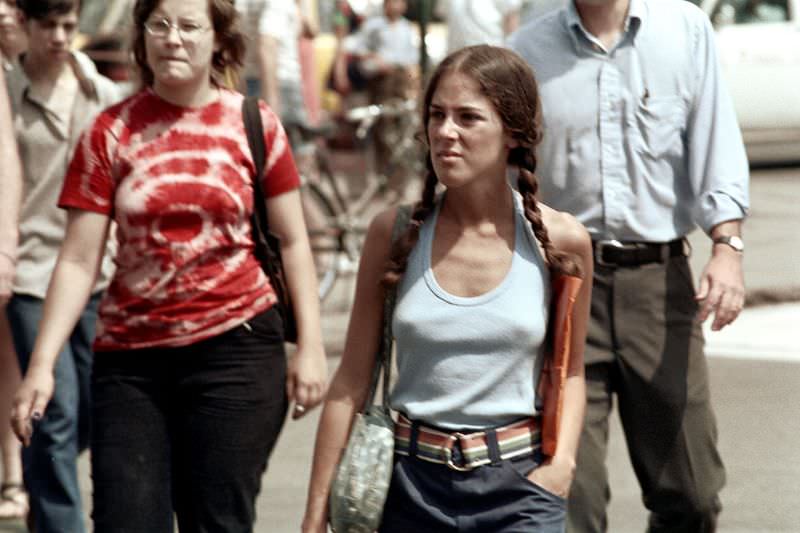
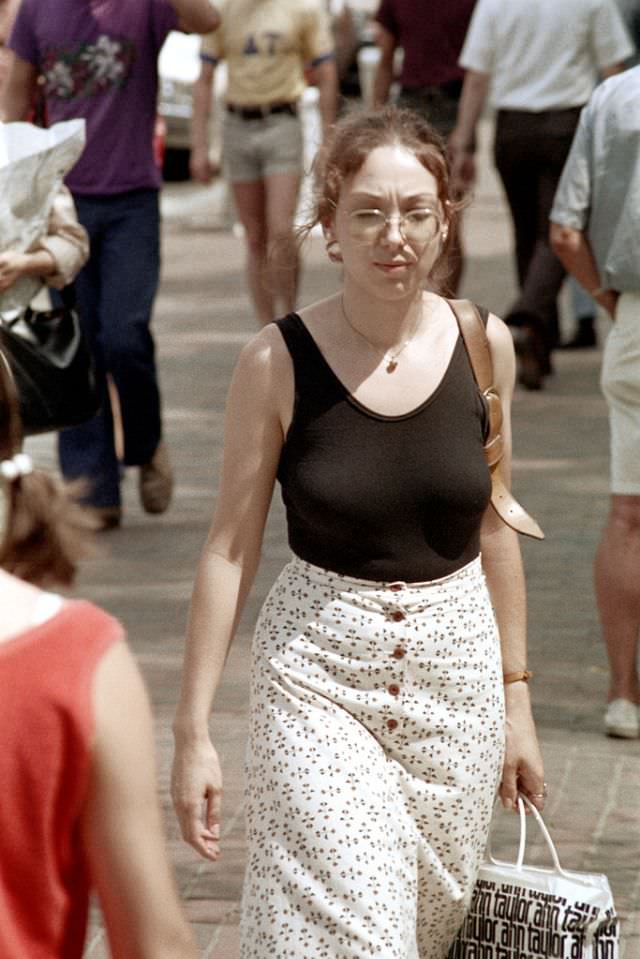
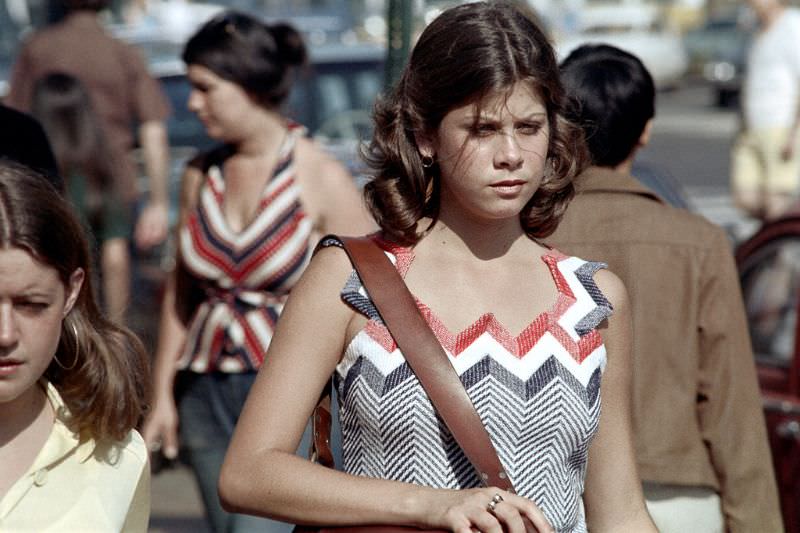
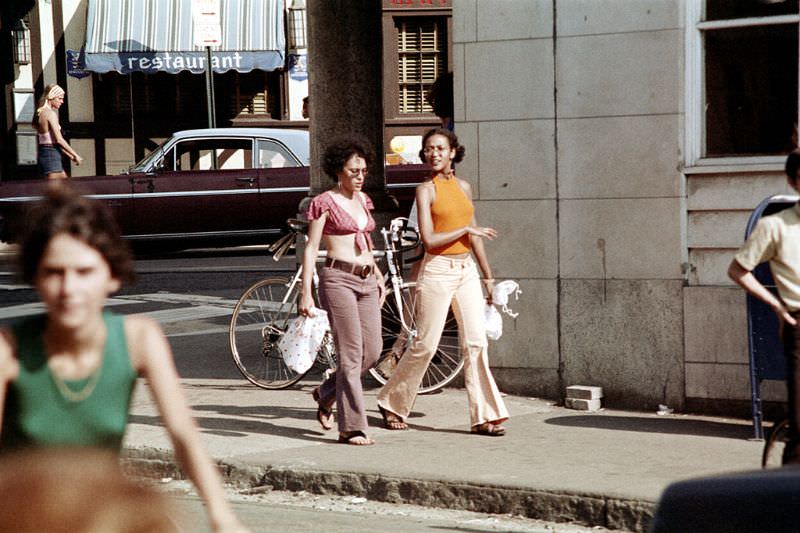
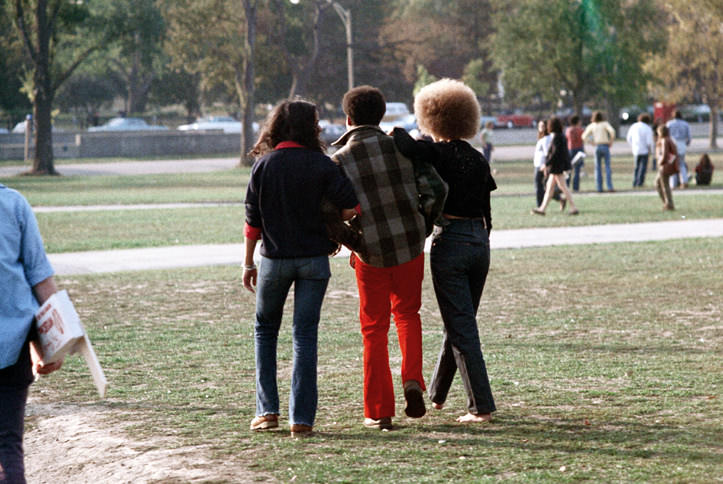
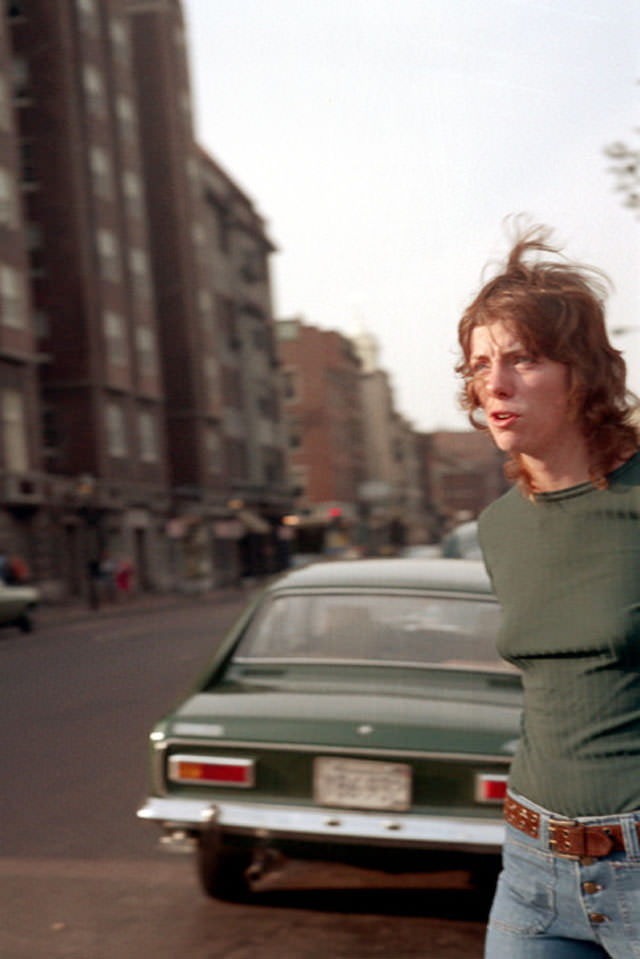
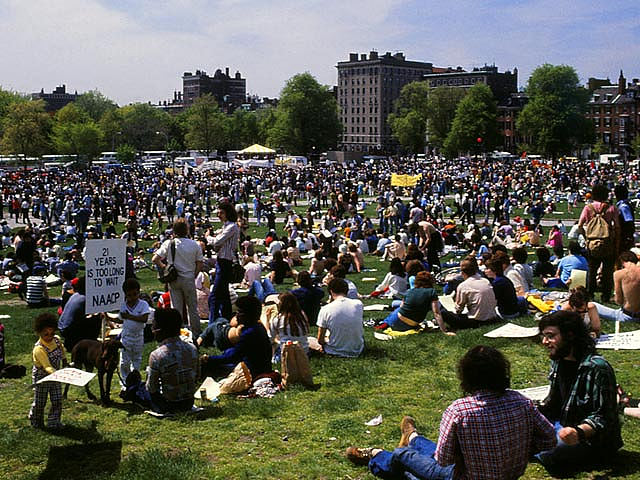
DeWolf shot across different neighborhoods and settings. Some photos show busy commercial streets. Others catch quieter moments — a person waiting, someone sitting on steps, a couple walking side by side. The variety of settings reflects the range of his curiosity.
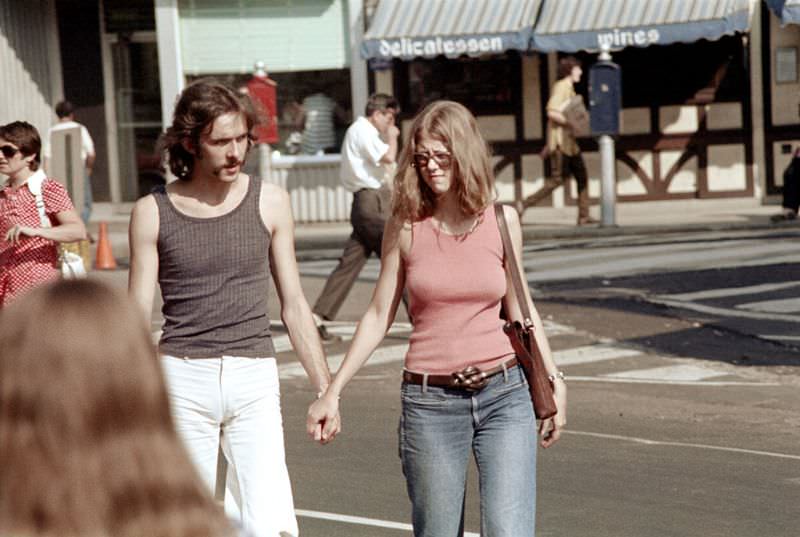
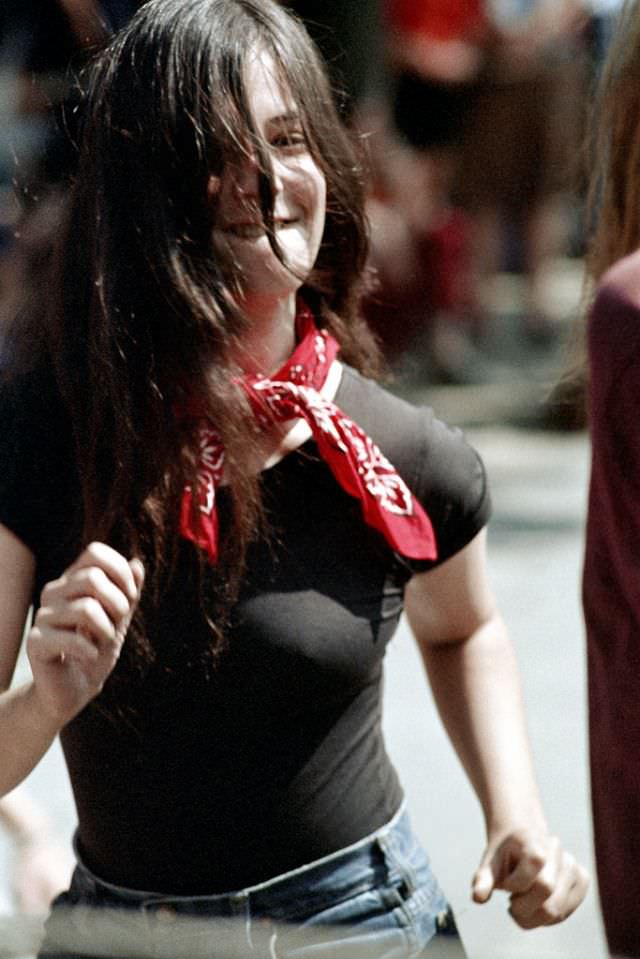
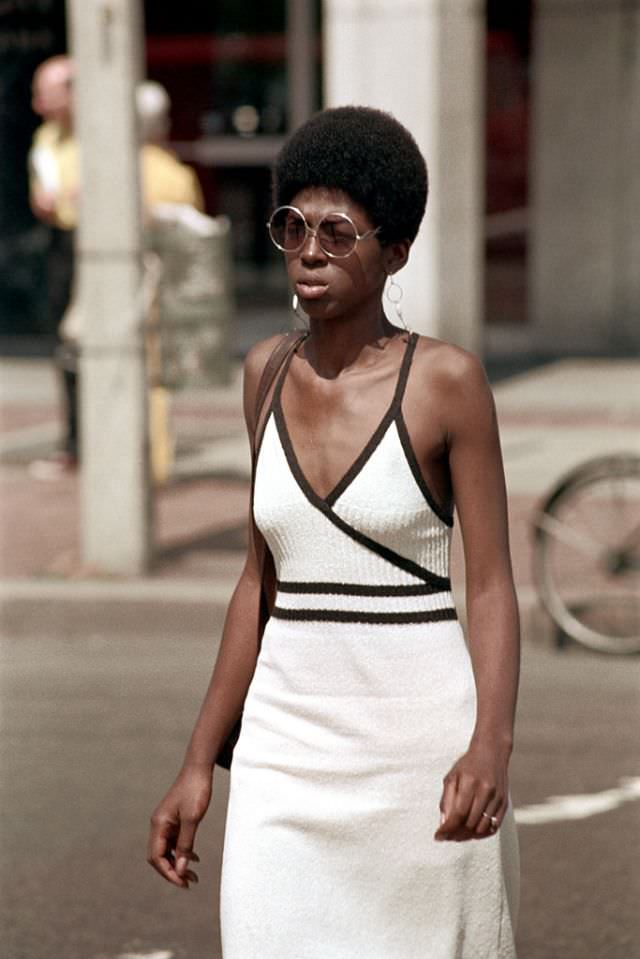
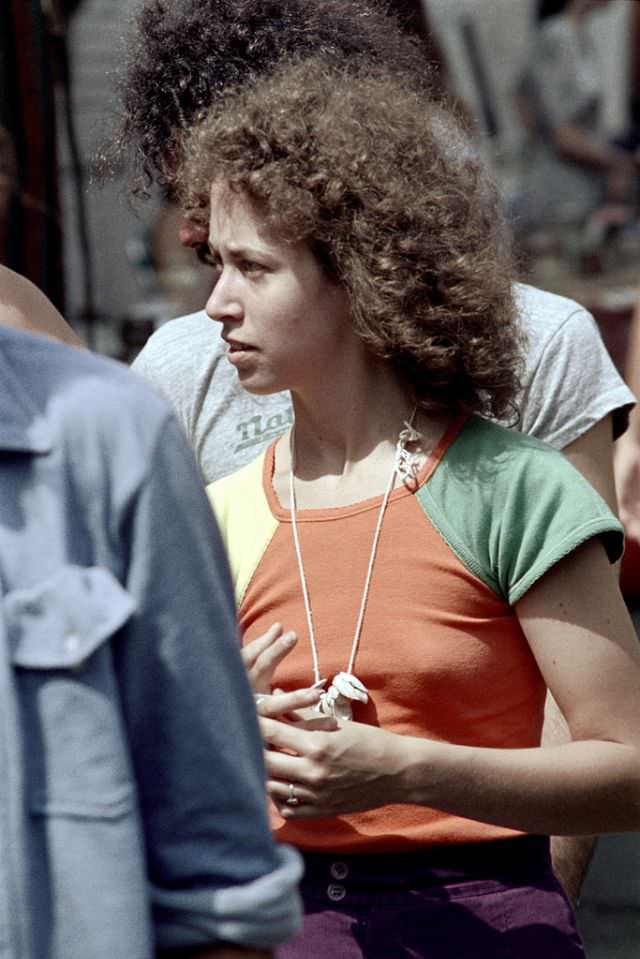
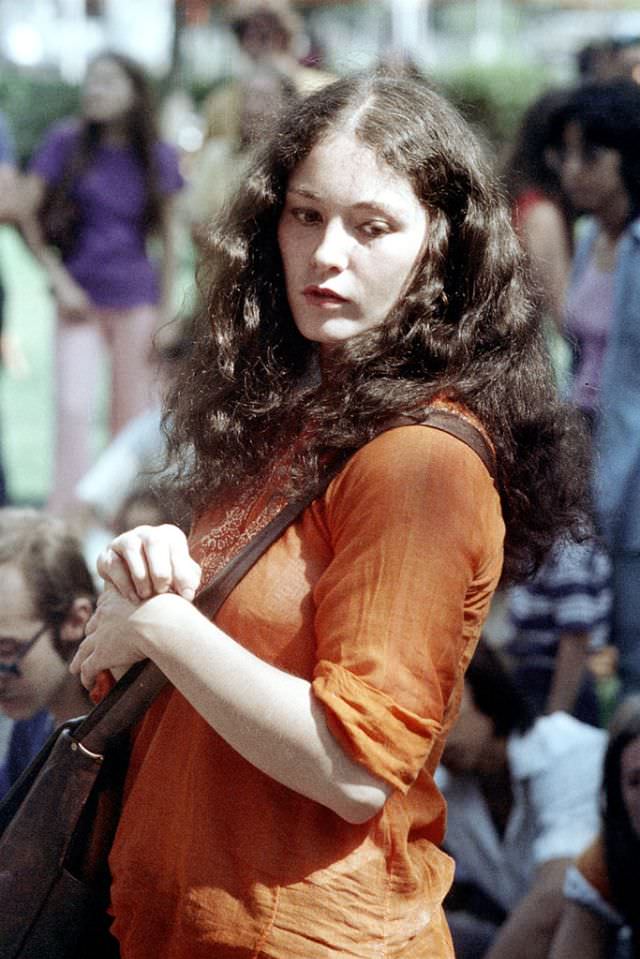
Color plays a major role in what the images communicate. The early 1970s embraced earth tones — burnt orange, mustard yellow, olive green, and deep brown — alongside brighter accent colors. DeWolf’s film captures these tones faithfully, giving the photos a warmth that feels true to the era.
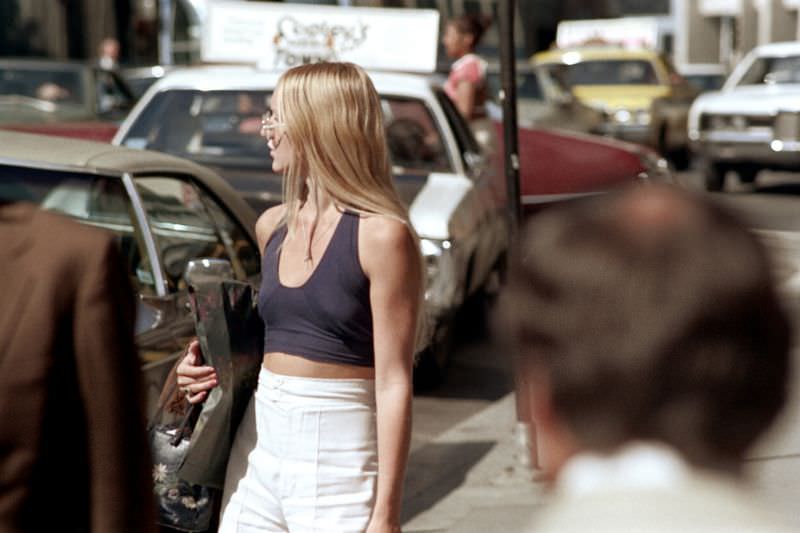
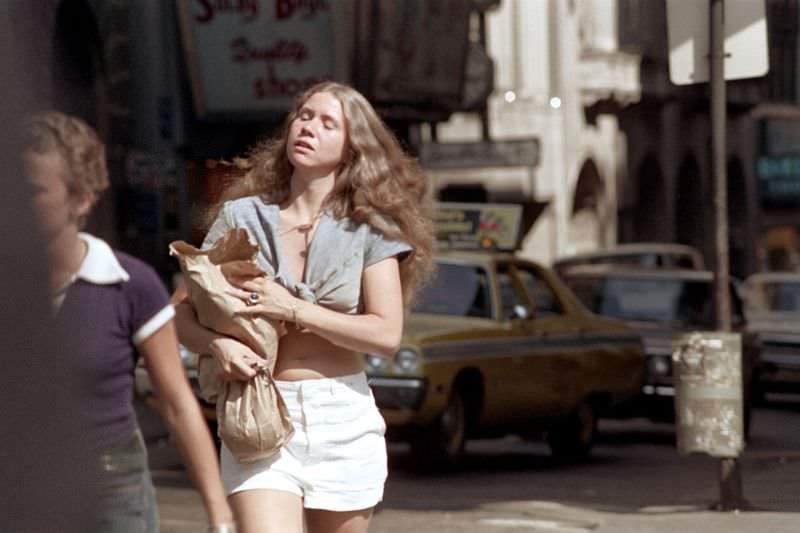
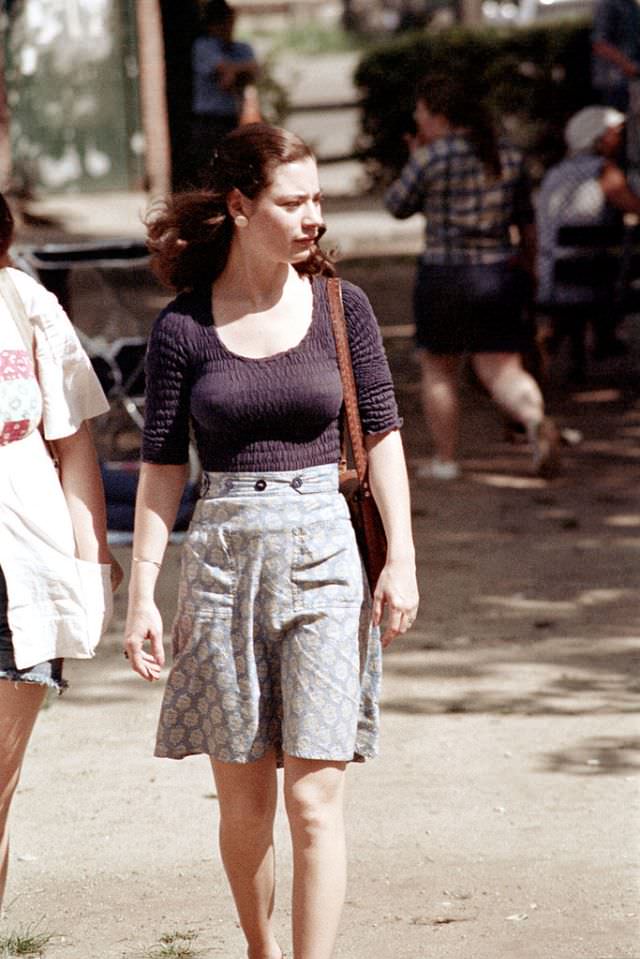
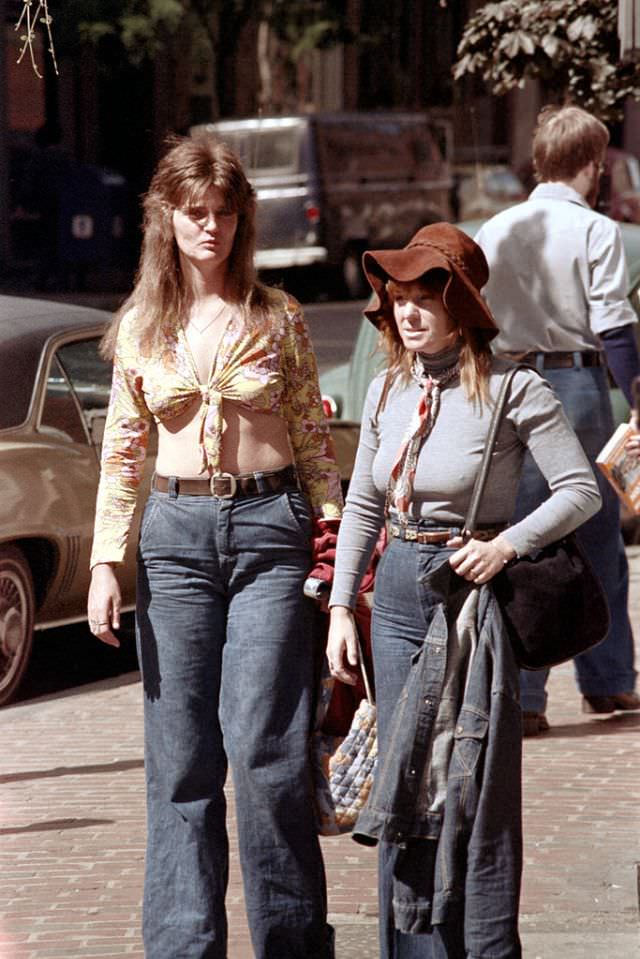
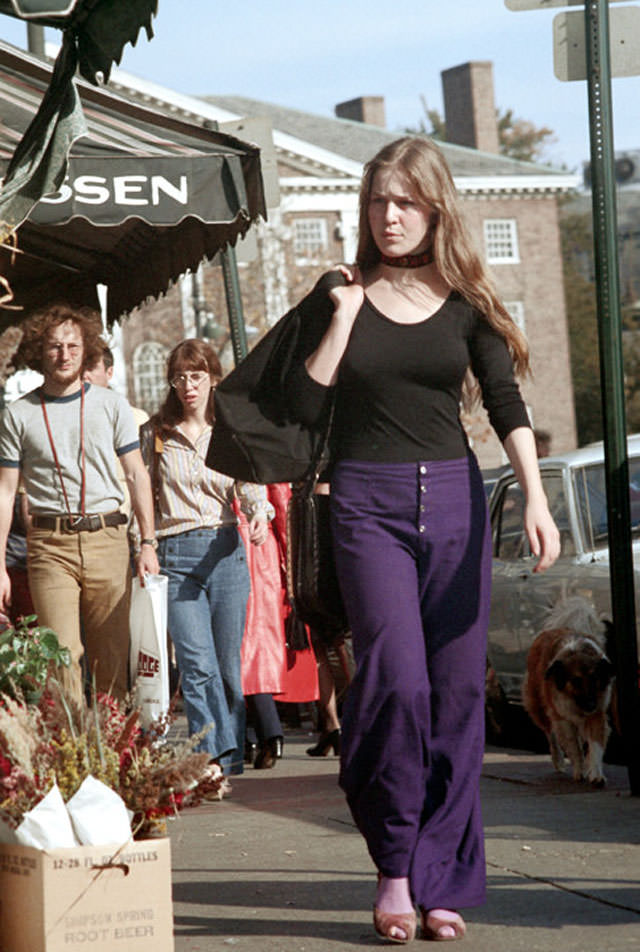
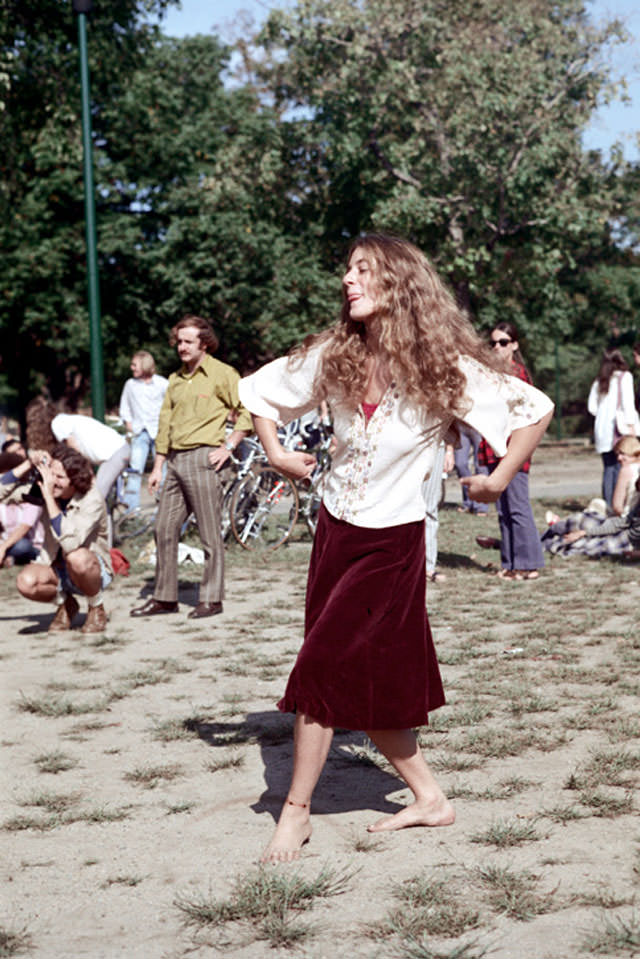
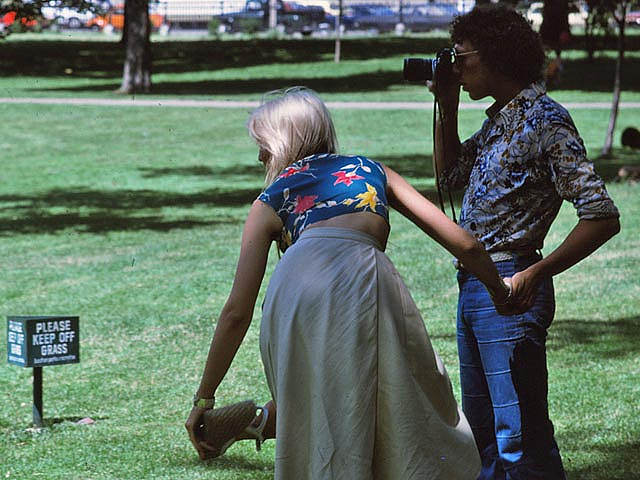
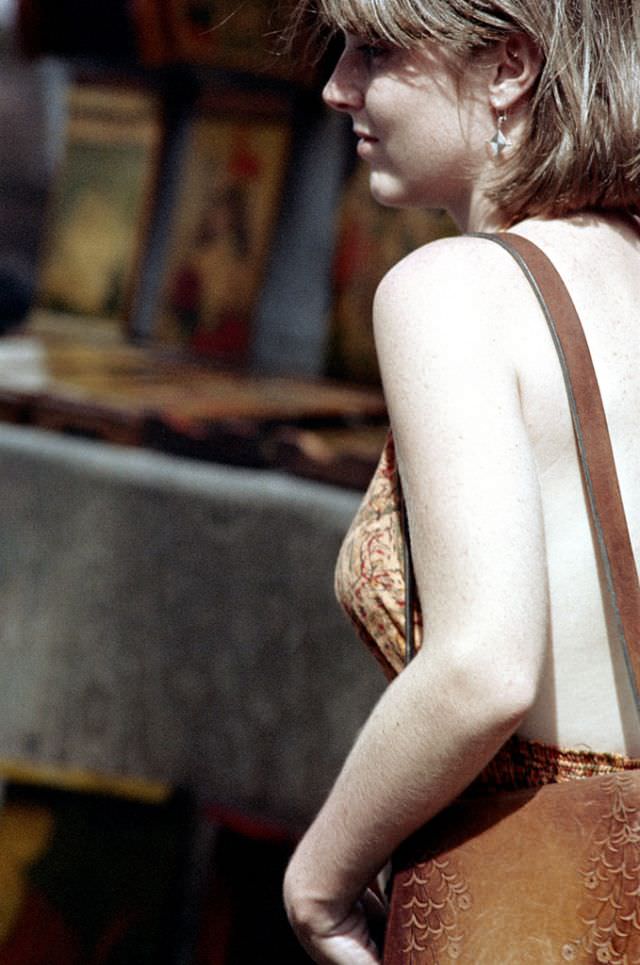
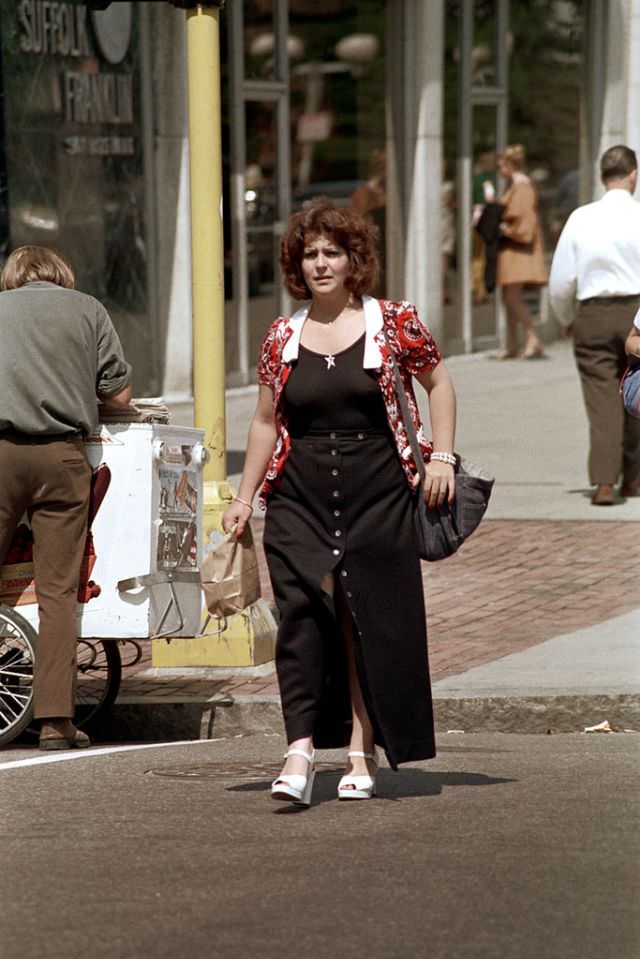
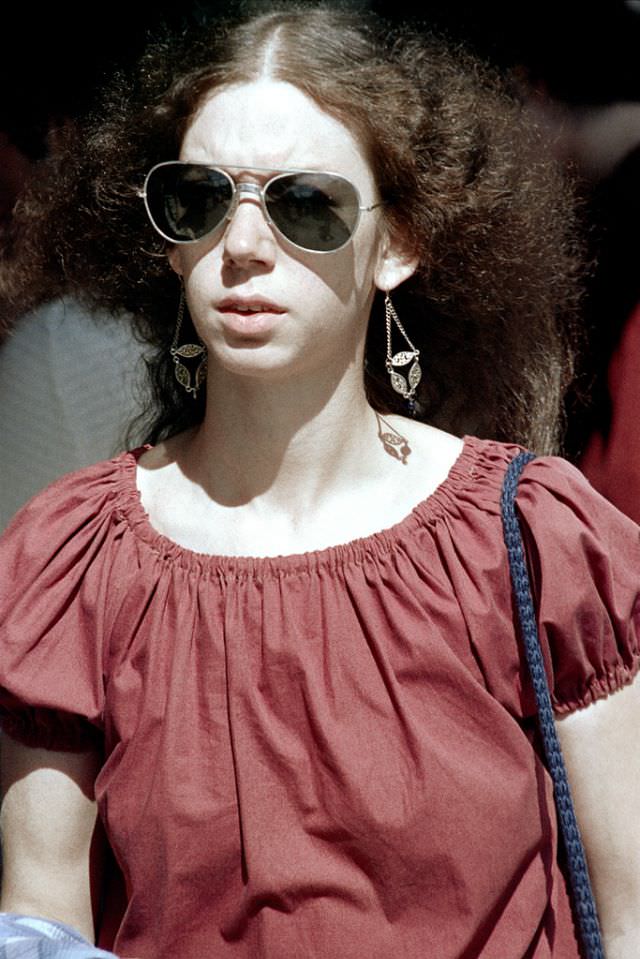
Women’s fashion in these photos reflects the freedom that defined early-70s style. Hemlines varied widely from person to person. Long maxi skirts appeared on the same block as short cutoffs. Sunglasses were large and bold. Bags were oversized and worn across the body.
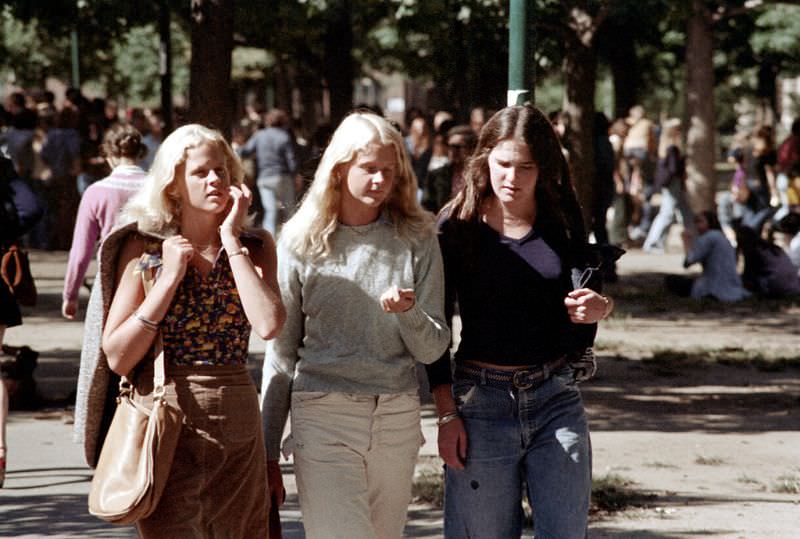
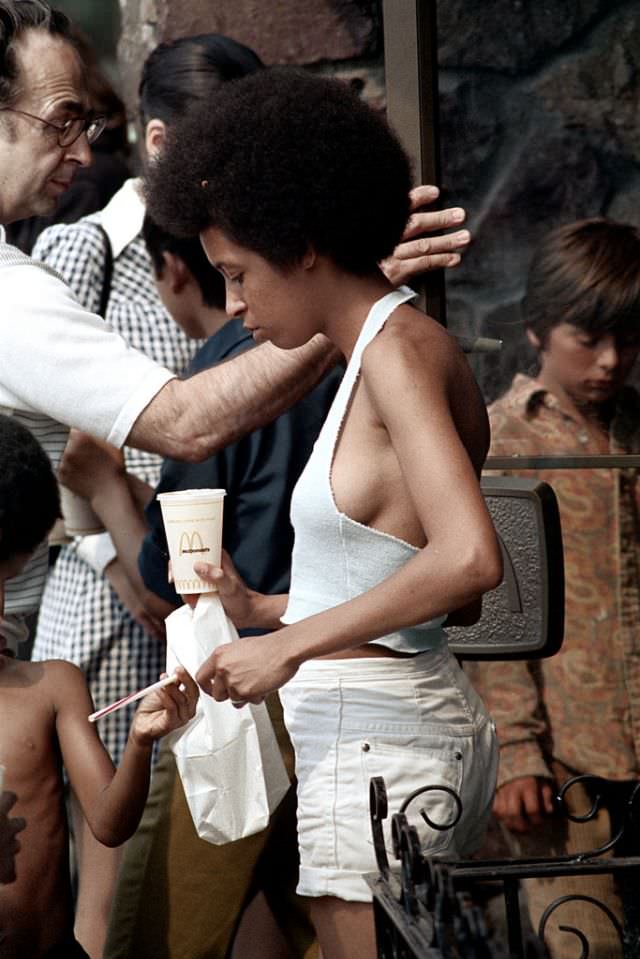
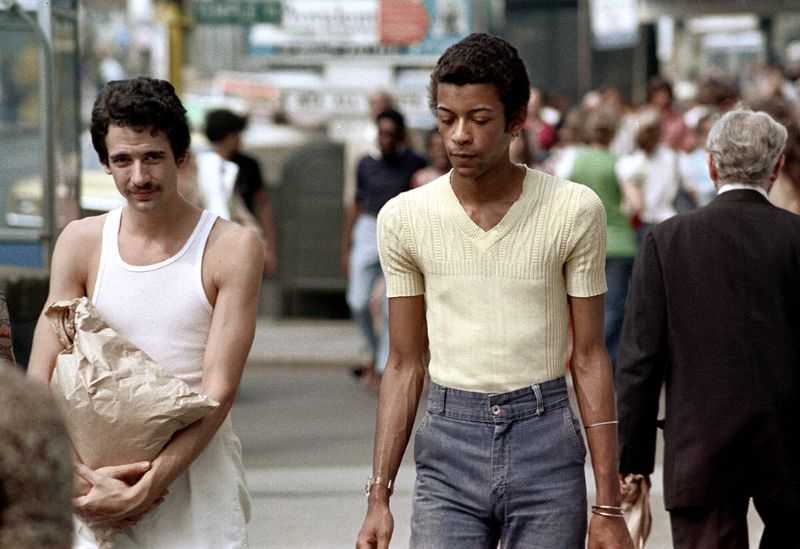
Men’s fashion had its own distinct character during this period. Sideburns were long. Hair touched the collar. Shirts with wide, pointed collars were common, and trousers flared noticeably at the ankle. The overall silhouette was relaxed compared to the decade before.
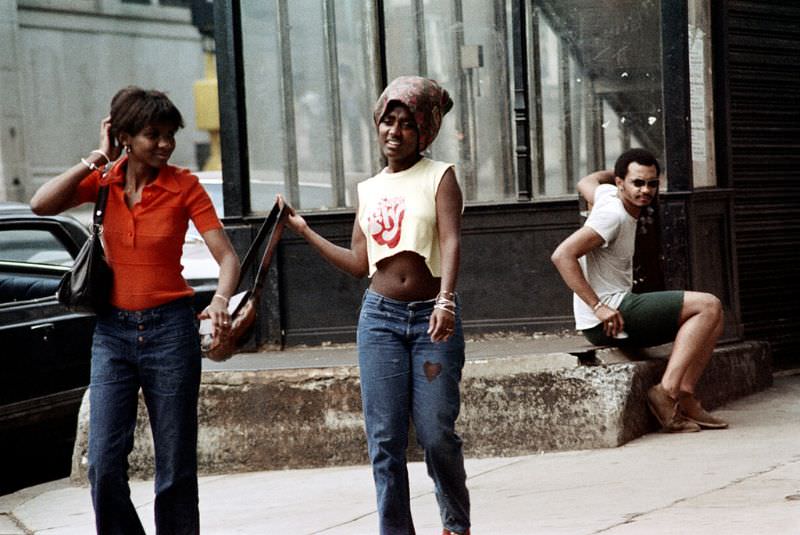
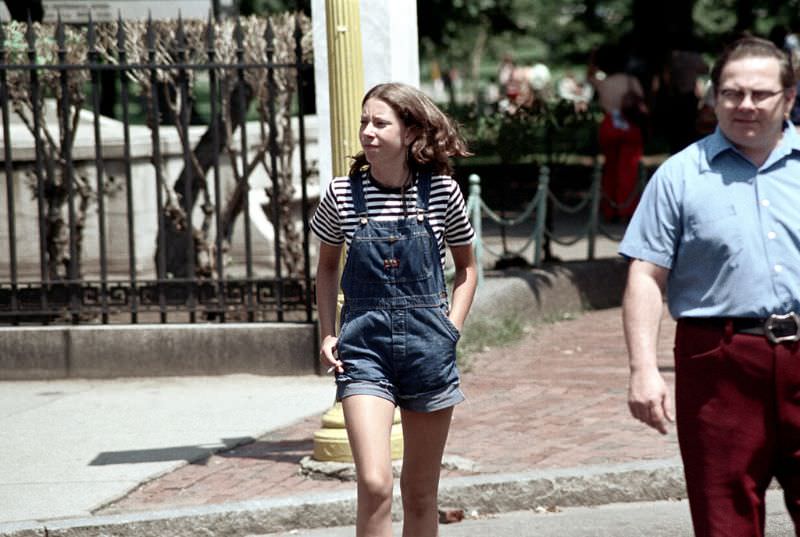
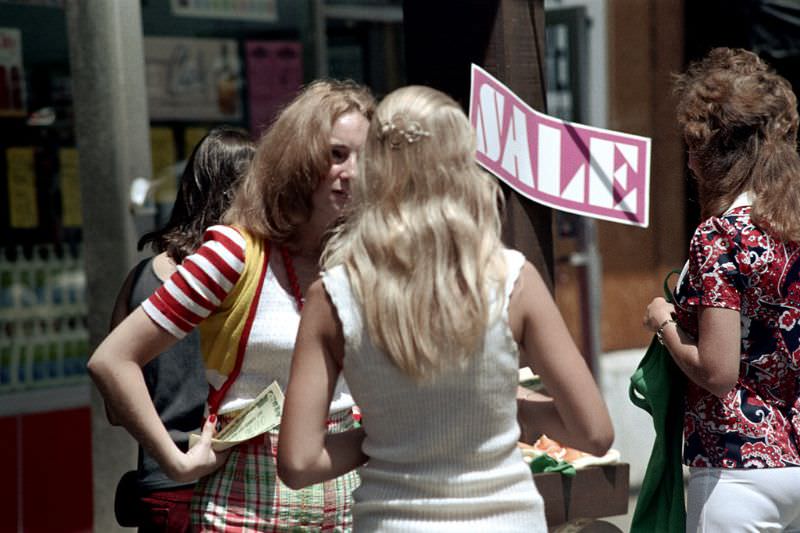
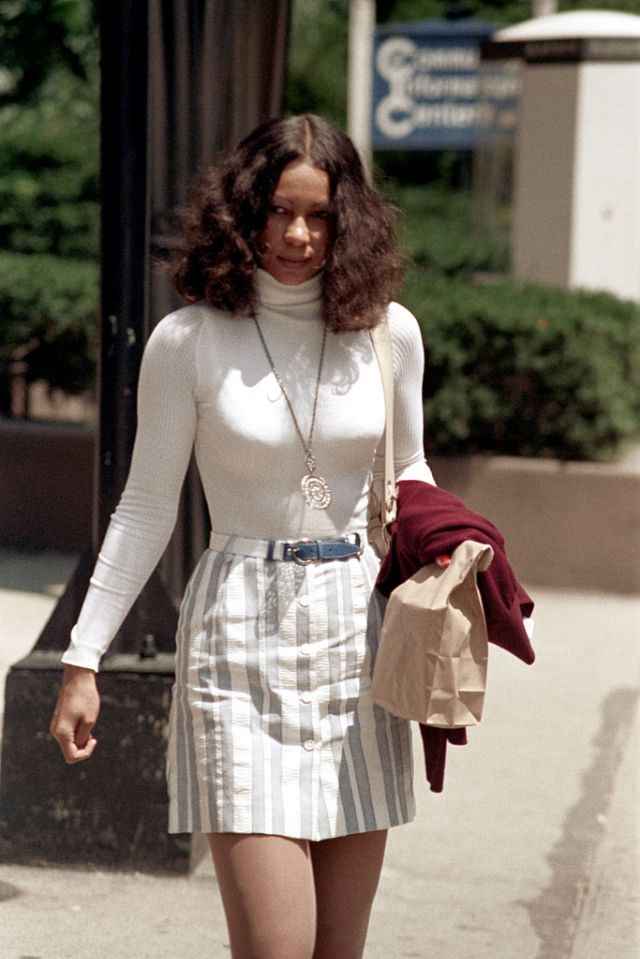
DeWolf had a talent for framing. He didn’t clutter his shots with unnecessary background. The person — and what they were wearing — stayed at the center. That focus makes the photos useful as historical documents, not just as art.
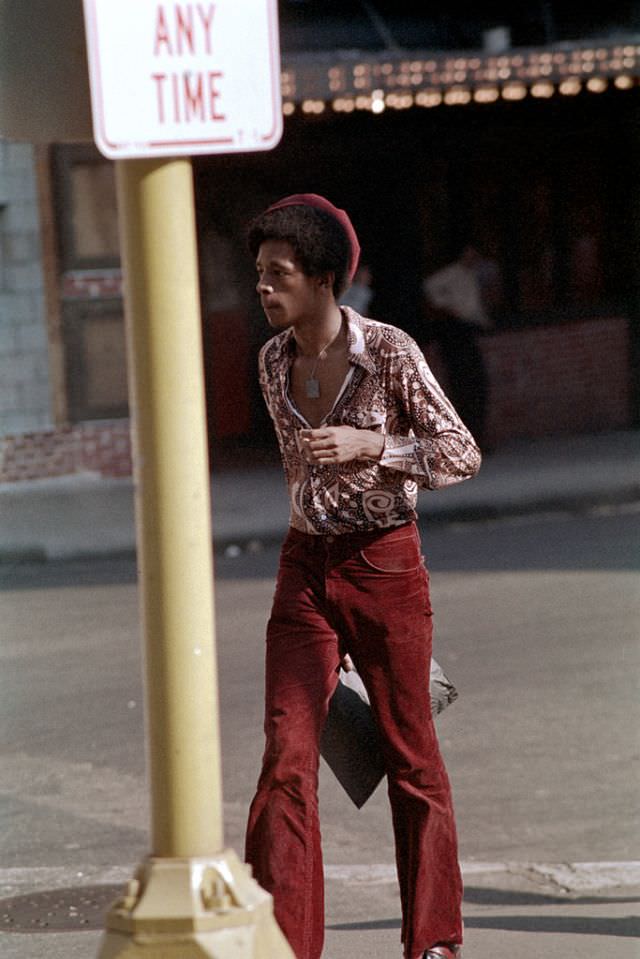
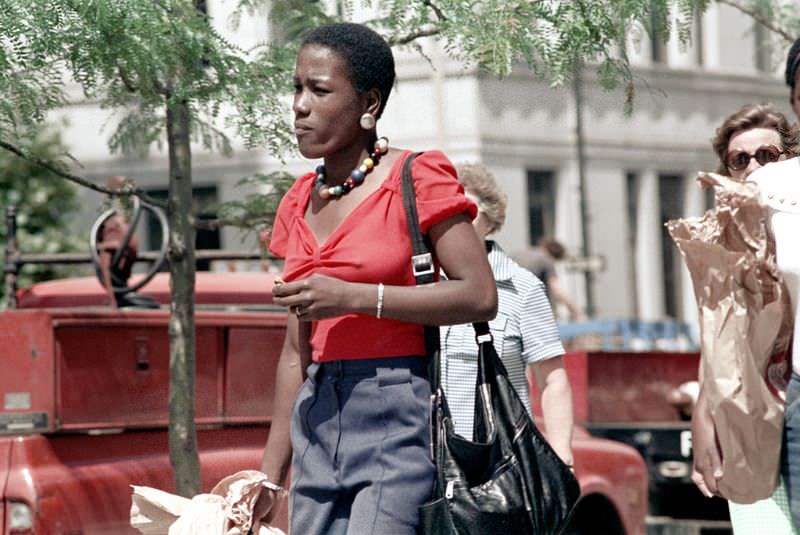
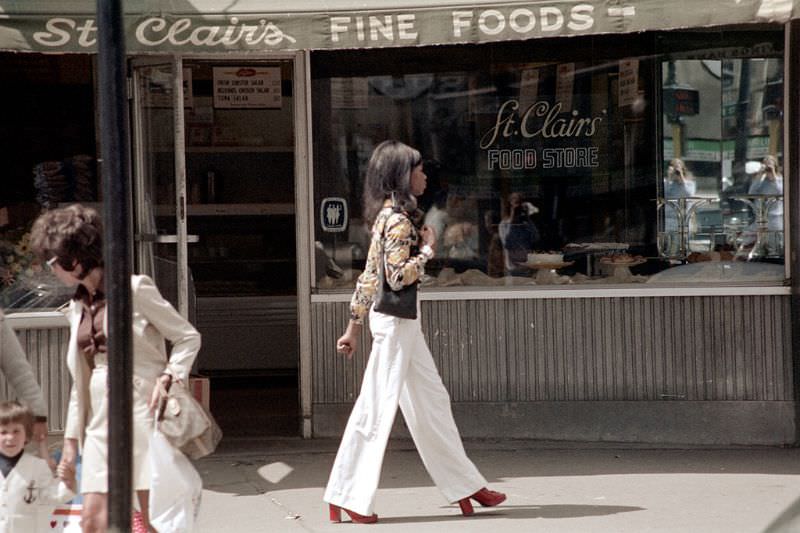
Boston in the early 1970s was a city going through real change — politically, culturally, and socially. The fashion that appeared on its streets reflected some of that shift. Clothing was becoming a way for people to signal who they were, not just cover themselves. DeWolf’s camera caught that transition in real time.
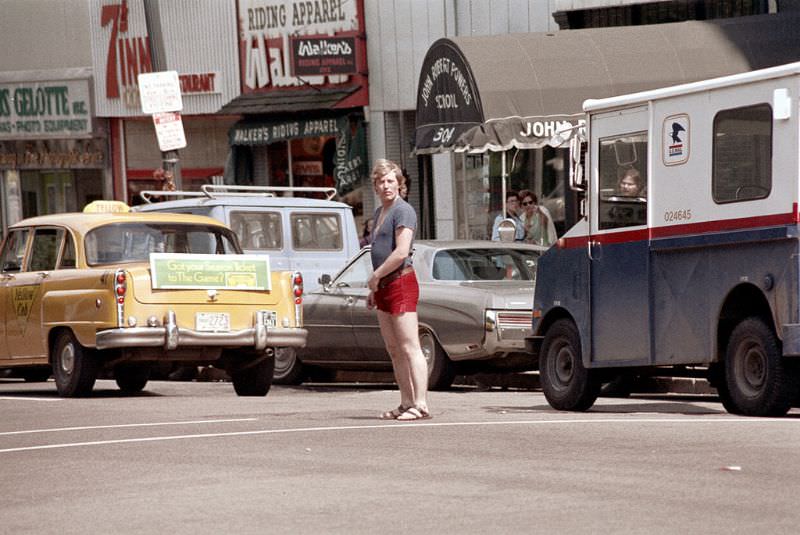
Footwear deserves its own mention. Platform shoes and chunky heels were widespread among women. Men wore boots or wide-soled leather shoes. Sandals appeared frequently in the summer heat. Every shoe choice in these frames fits neatly into what the early 1970s looked like from the ground up.
DeWolf was not a detached observer. He was genuinely drawn to the people he photographed. That interest comes through in the images — there’s a warmth to the framing, a closeness that never feels invasive. He photographed strangers the way someone might photograph friends.
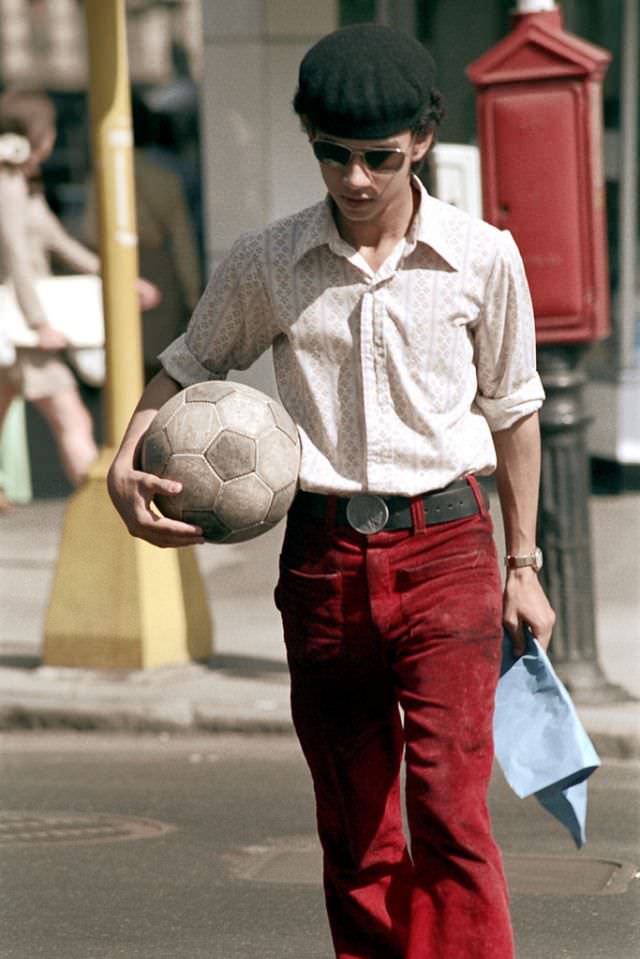
The sheer number of photos DeWolf took over his lifetime points to how seriously he took the work. Photography wasn’t a side project for him — it was a constant practice that ran parallel to everything else he did. These Boston street photos are one piece of a much larger archive.
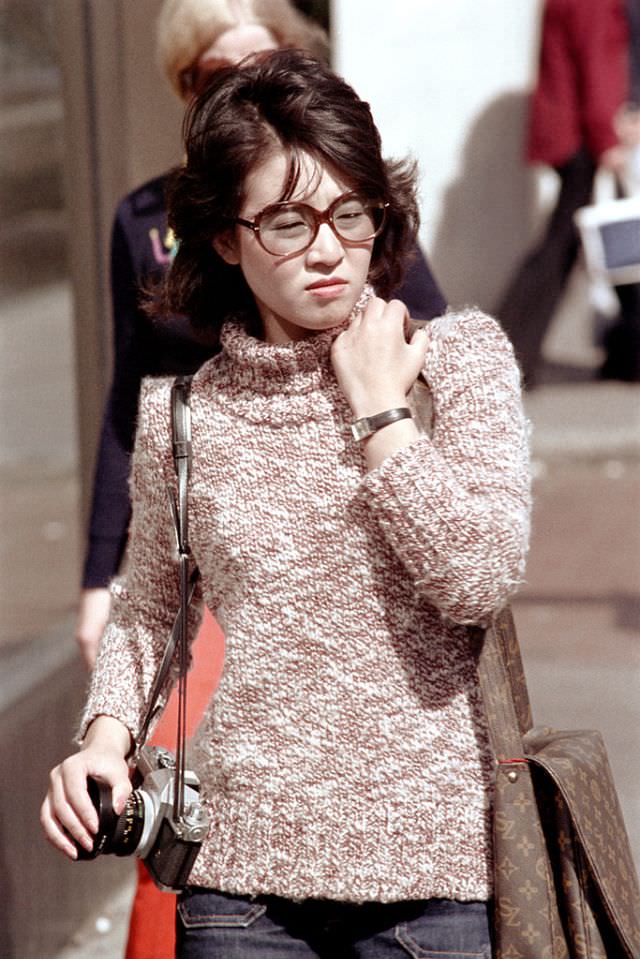
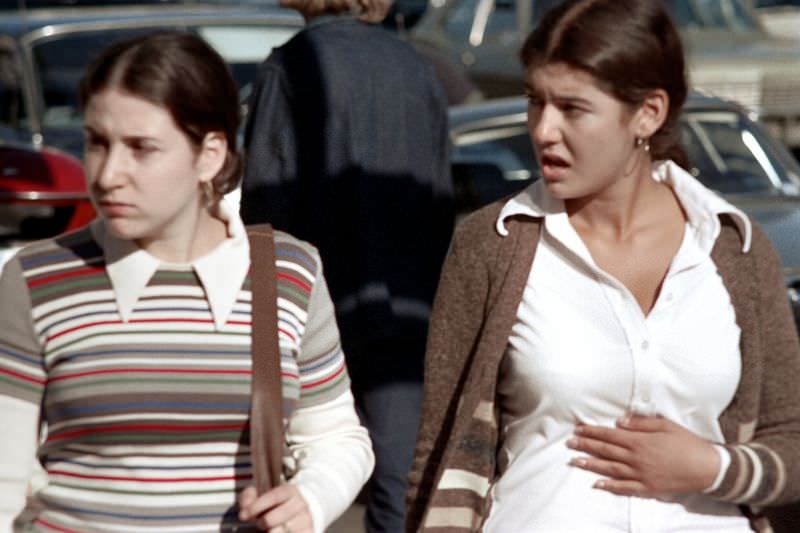
Looking at these images together, what stands out is how specific they are to their moment. The early 1970s had a look that didn’t last long before the mid-decade shift changed things again. DeWolf caught Boston right in the middle of that particular window.