The 1970s were a golden age of bad fitness ideas. Vibrating platforms, sweat suits, and motorized contraptions flooded the market, each promising an effortless path to a slimmer body. None of them worked. Some of these devices shook your whole body, convinced that vibration alone would dissolve fat. It didn’t. Others trapped you in rubber suits to make you sweat more, based on the false belief that sweat equals fat loss.
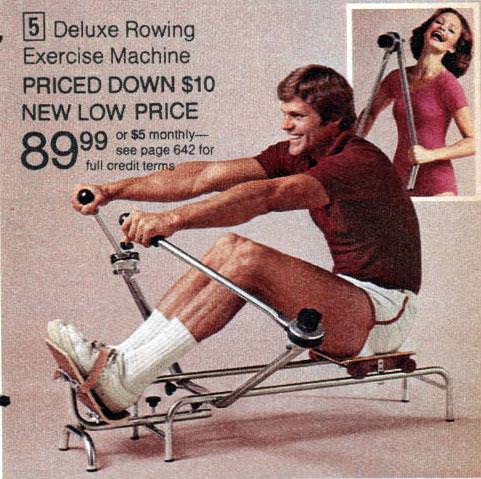
Fitness equipment in this era often blurred the line between workout gear and something far more questionable. Rowing machines, exercise bikes, and handheld devices were marketed as serious tools for weight loss — yet their designs told a very different story.
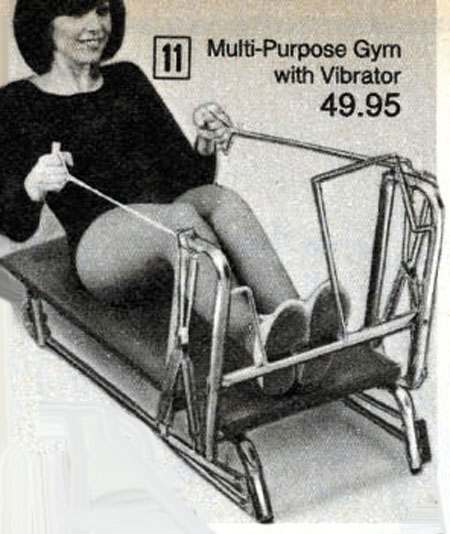
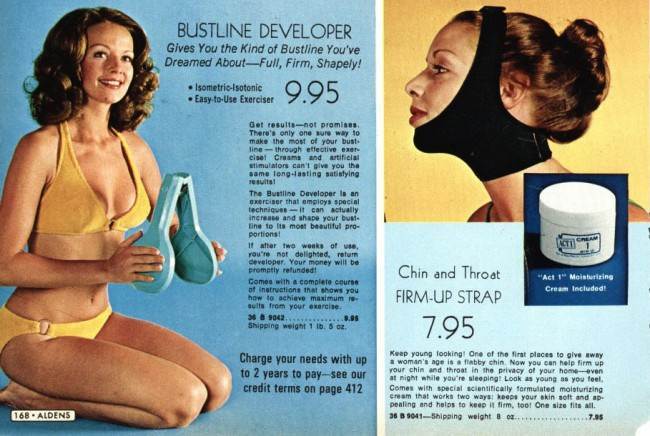
Breast-enhancing squeeze devices and chin-strap creams were sold as legitimate body-shaping solutions. Plastic squeezers were supposed to build chest size. Creams rubbed onto chin straps promised to melt neck fat. Neither claim had any basis in science.
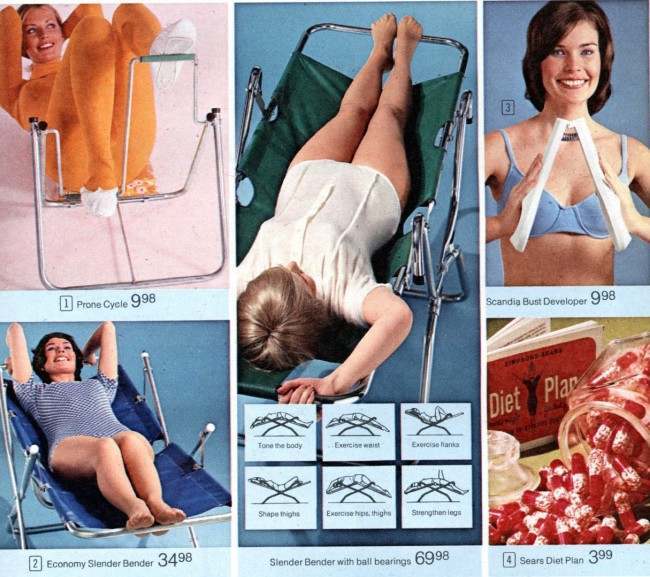
When gadgets failed, some companies took a simpler approach: just eat less. The Sears Diet Plan stood alongside machines like the Prone-Cycle and the Economy Slender Bender as a reminder that not every 70s fitness solution involved motors or rubber.
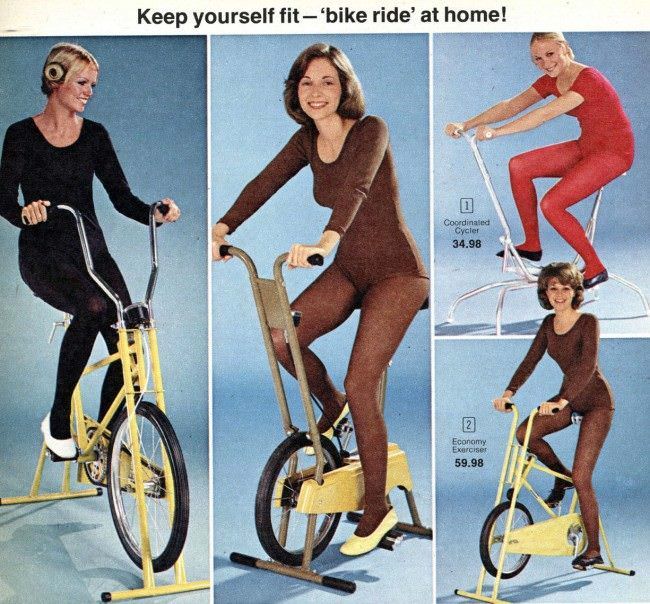
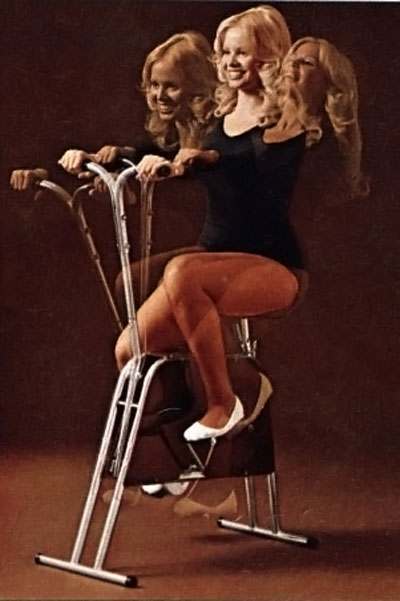
The stationary bike was one of the few genuinely useful pieces of home fitness equipment from this period — but it earned a reputation less for fitness and more for collecting laundry.
Sweat suits and rubberized wraps were among the most widely sold products of the decade. The logic was simple and completely wrong: if you sweat more, you lose more fat. Sweat is water loss, not fat loss. The weight returns the moment you drink anything.
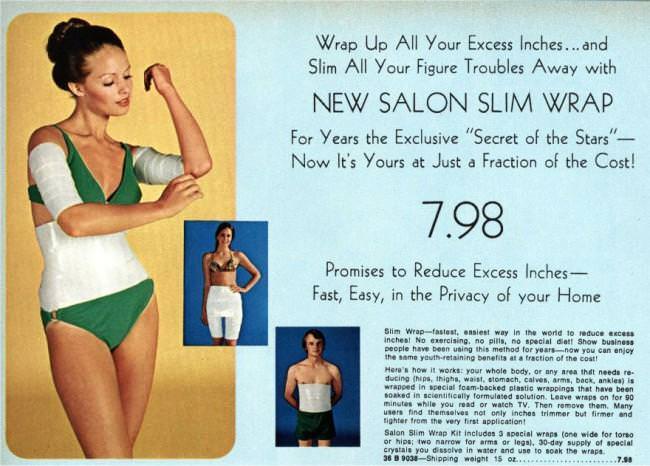
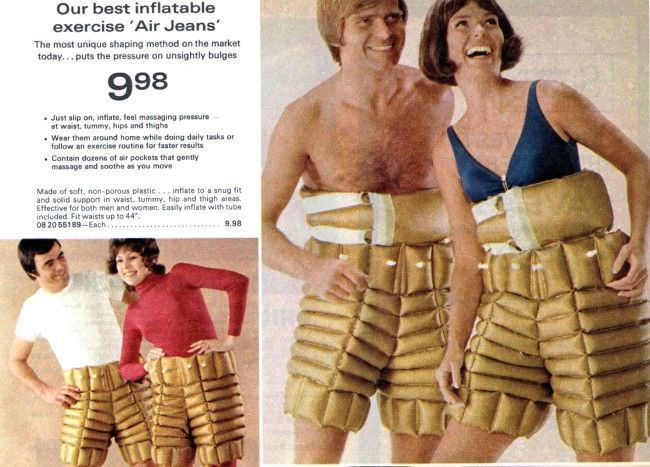
“Air jeans,” “sauna suits,” and “trim jeans” were surprisingly popular. They looked absurd, felt worse, and delivered no lasting results — yet advertisements sold them by the thousands.
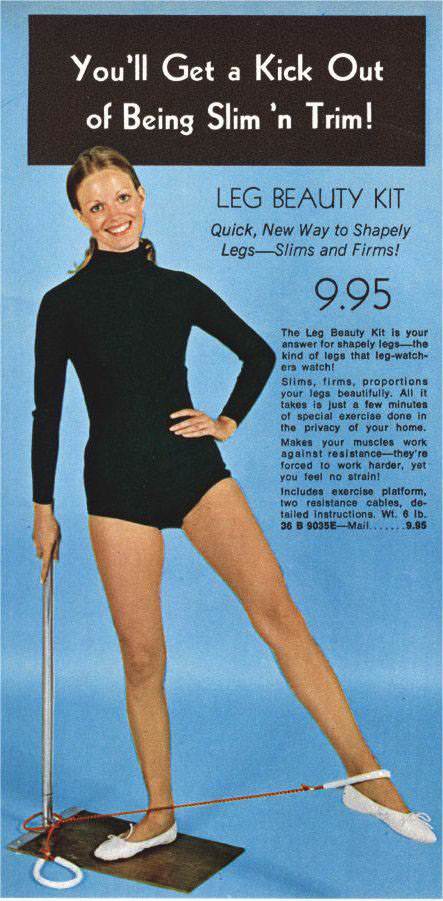
Leg beauty kits added yet another layer of absurdity. Marketed at women, these sets included rollers, creams, and straps that promised slimmer, toned legs with minimal effort.
Ridiculous fitness products are not exclusively a 70s problem. Modern infomercials continue to peddle gadgets that make equally bold and unproven claims.
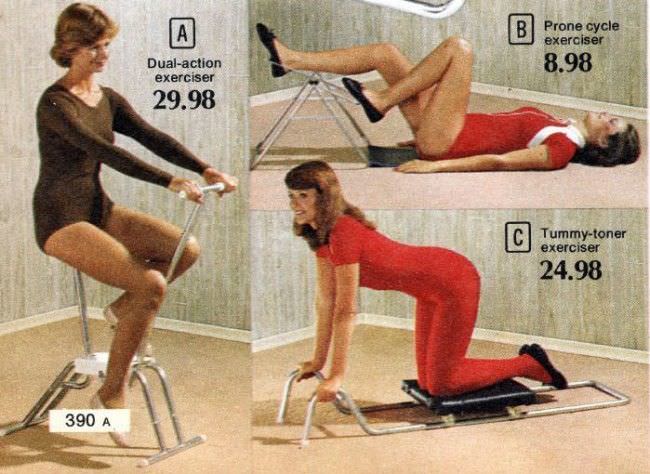
Some devices from this era are genuinely difficult to categorize. Multiple-exposure photography was frequently used in ads to show a product “in action,” making even the most useless contraptions look dynamic and scientific.
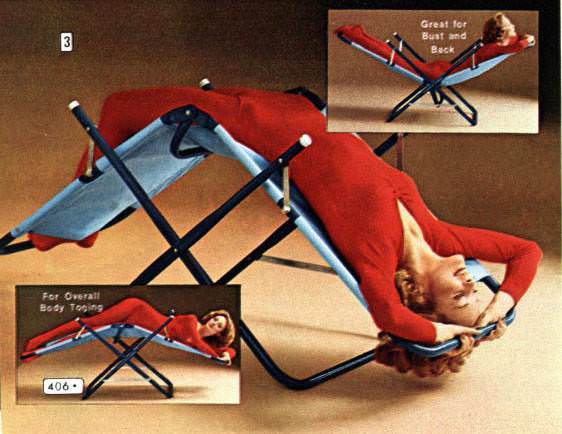
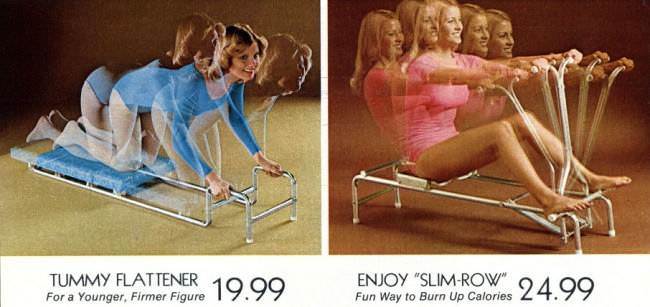
Exercise bikes received particularly creative marketing upgrades. Extra attachments and accessories were bolted on, transforming a straightforward piece of equipment into something far stranger.
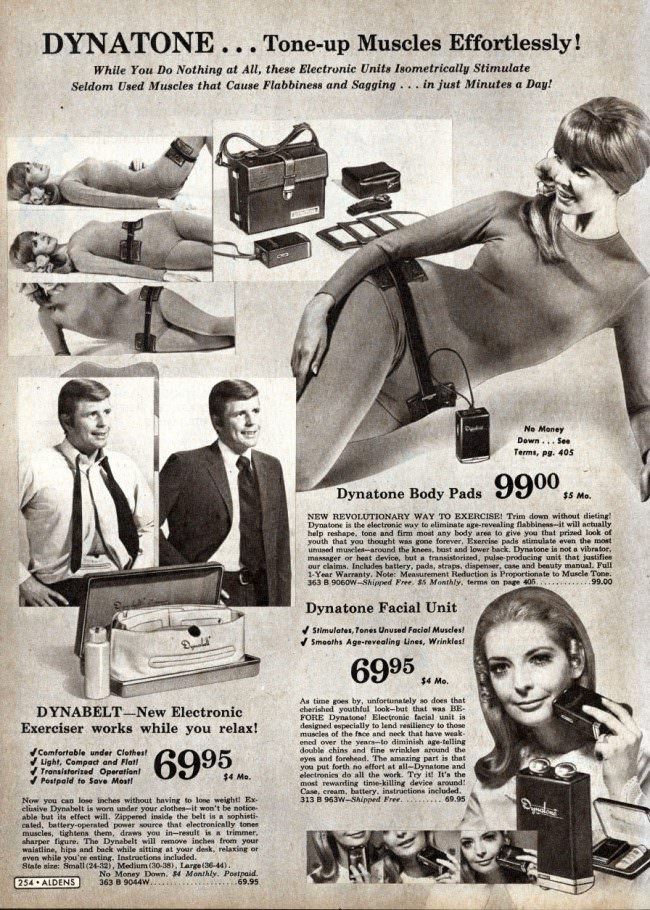
The Dynatone was a motorized muscle stimulation device sold as a hands-free toning solution. Buyers paid a premium for a product that produced no measurable fitness results.
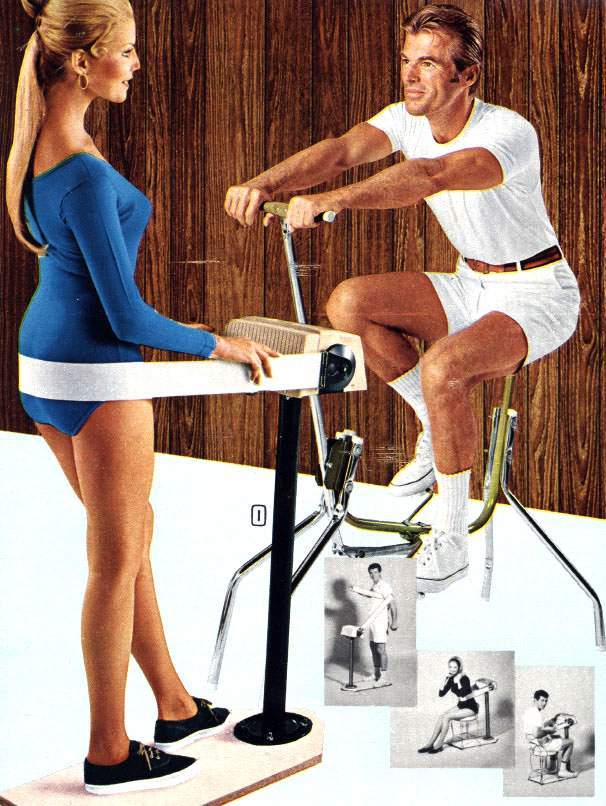
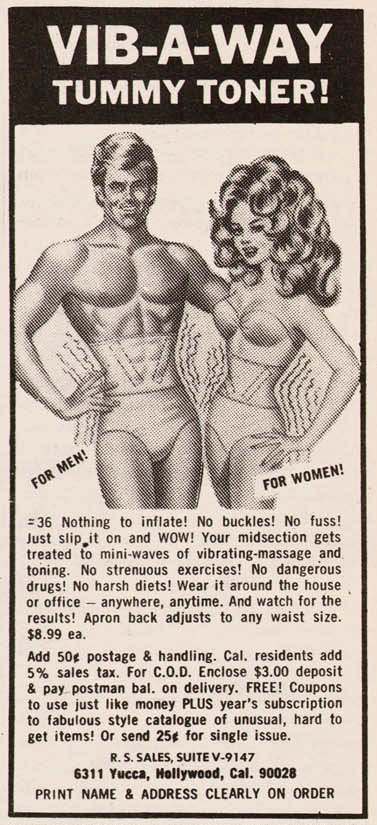
Many 70s fitness ads featured restraints, straps, and full-body wraps that looked nothing like exercise and everything like something else entirely.
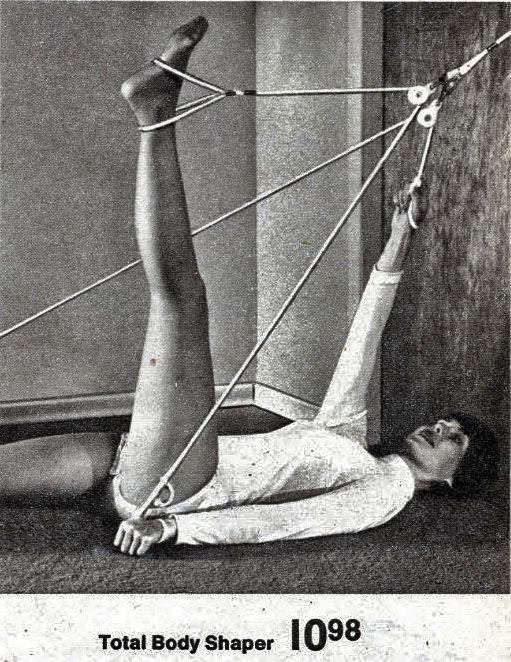
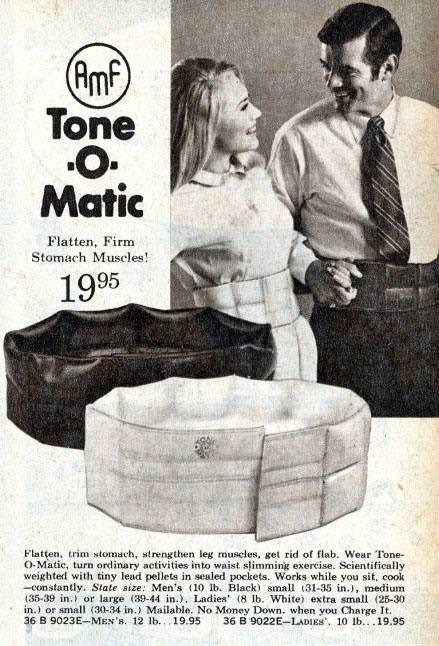
The Tone-O-Matic, paired with sauna shorts, chin straps, and salon wraps, represents the full spectrum of 70s fitness culture. People wore all of it in public, apparently without a second thought.