
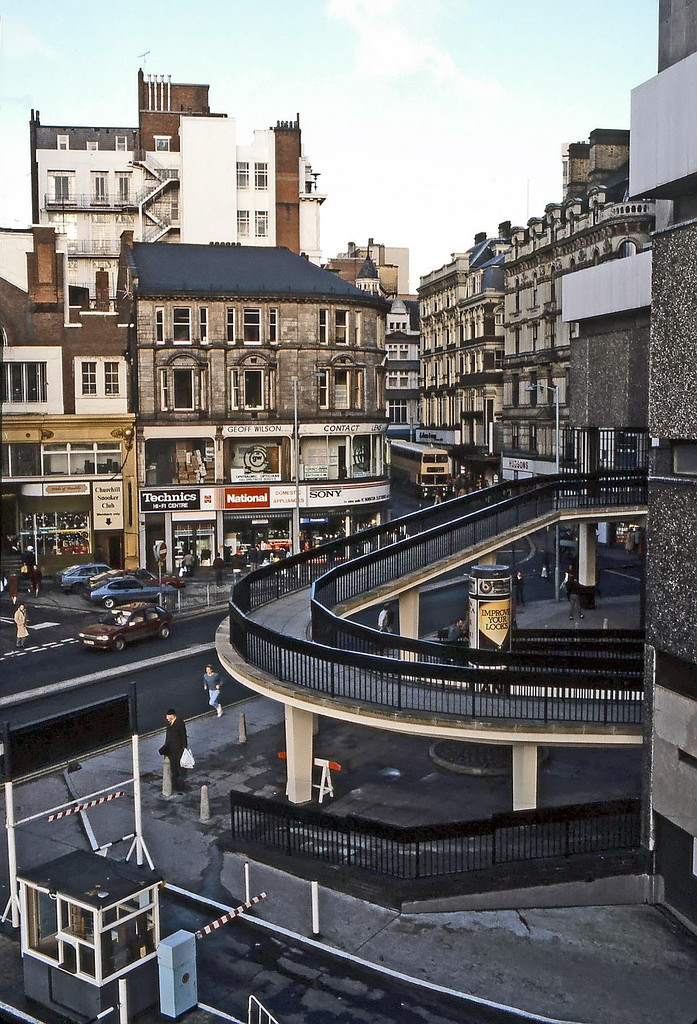
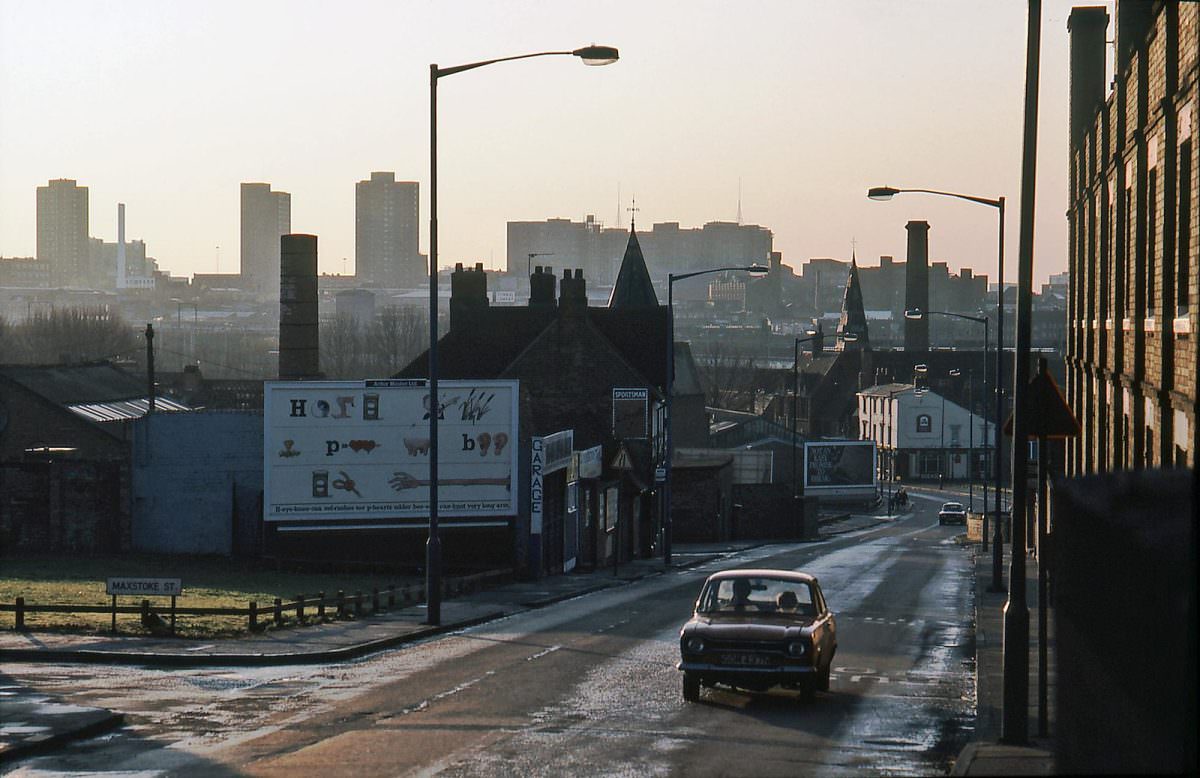
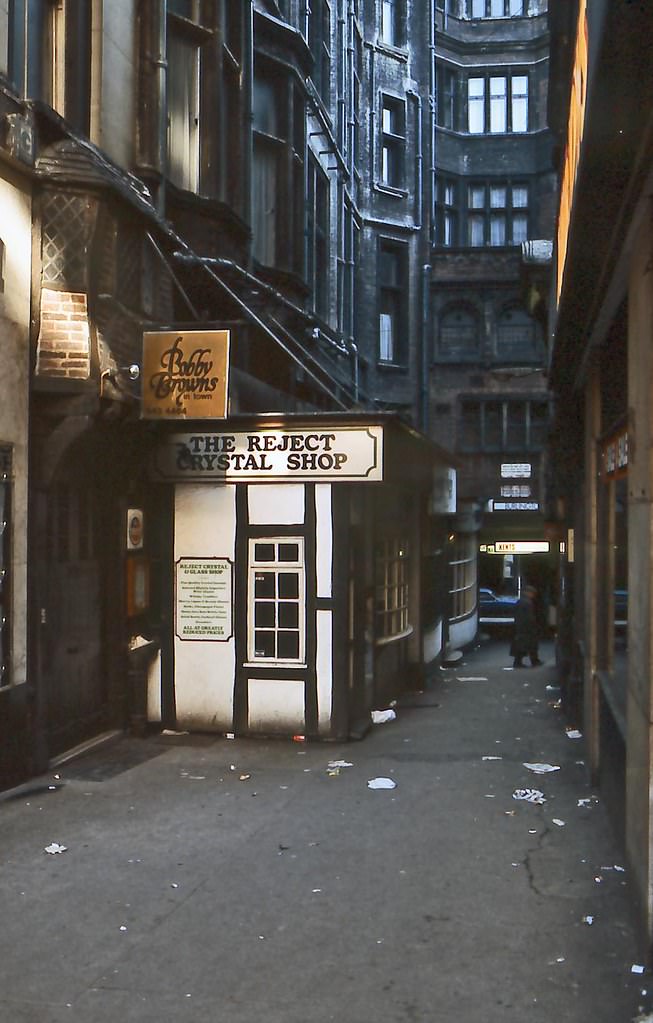
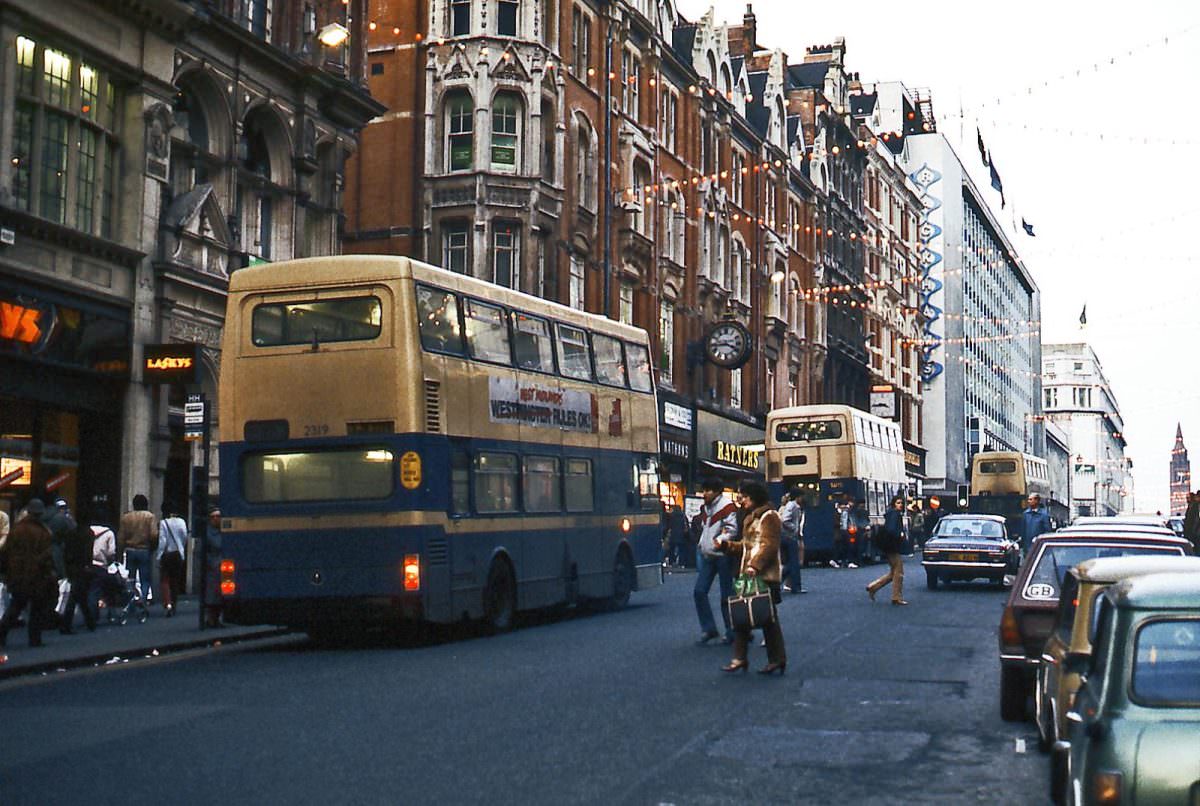
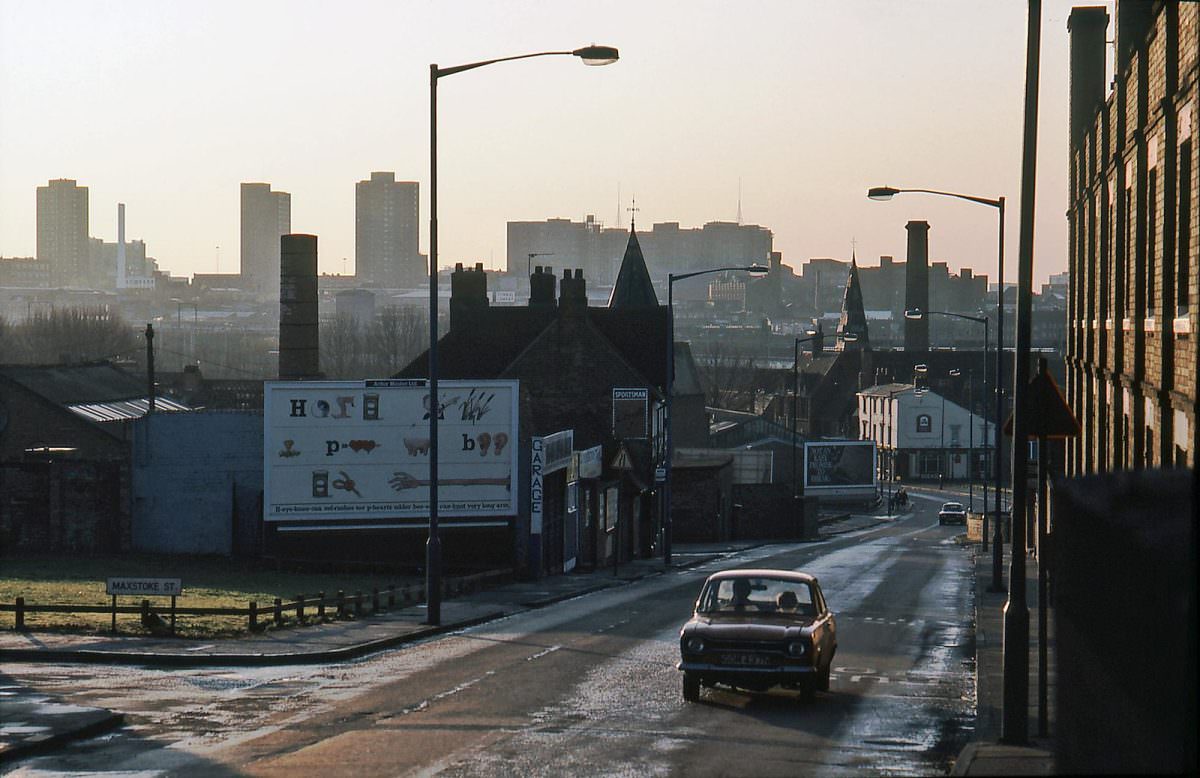
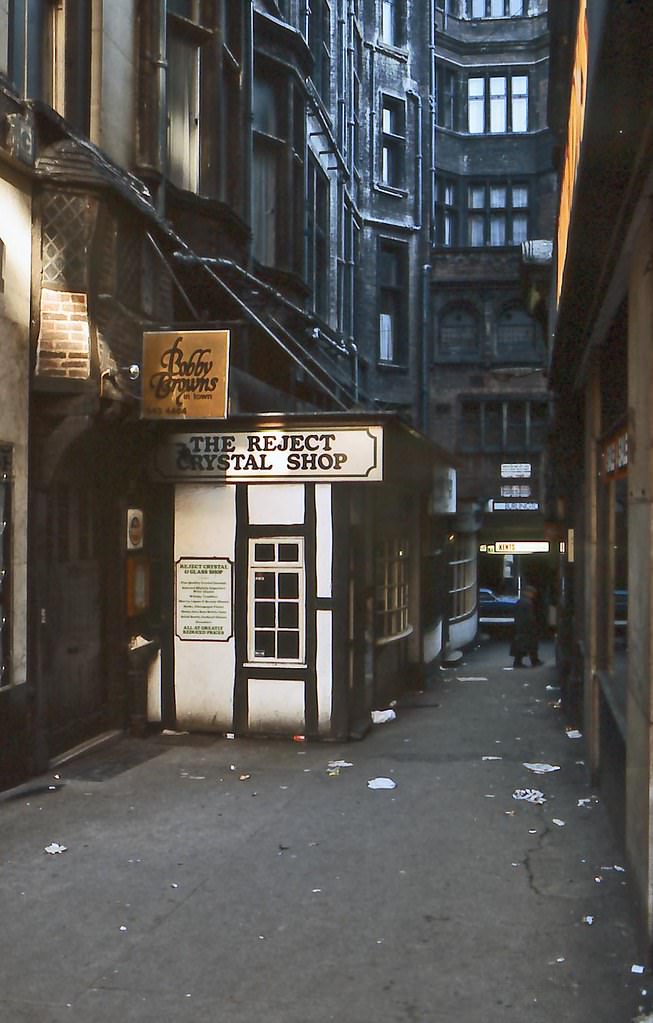
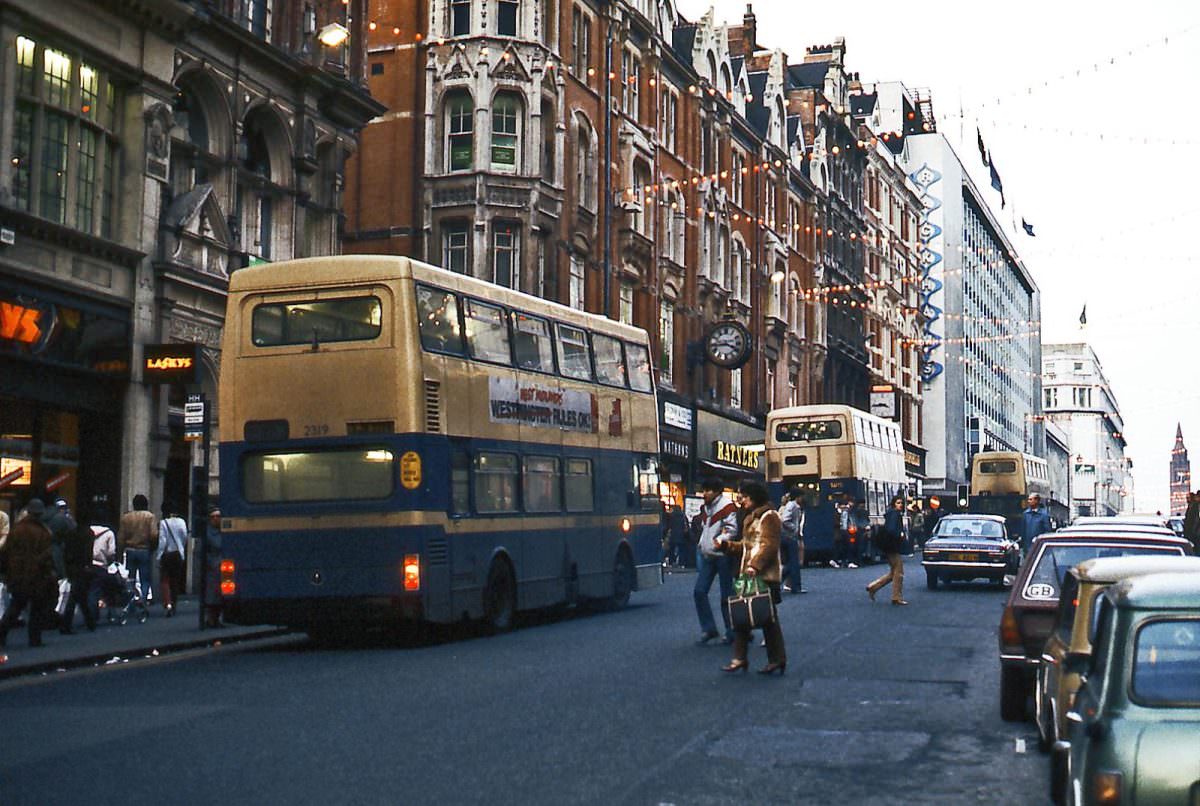
Birmingham in the 1980s was a city under enormous pressure. England’s second-largest city was being hit hard by the national recession, and the effects were visible on every street corner. Unemployment rates were high, and outbreaks of social unrest in inner-city districts became a regular feature of life. There was no gleaming Bullring shopping centre, no Selfridges or Harvey Nichols. In their place were subway shops and underground pedestrian passages — dimly lit, well-worn, and part of the daily routine for anyone moving through the city centre.
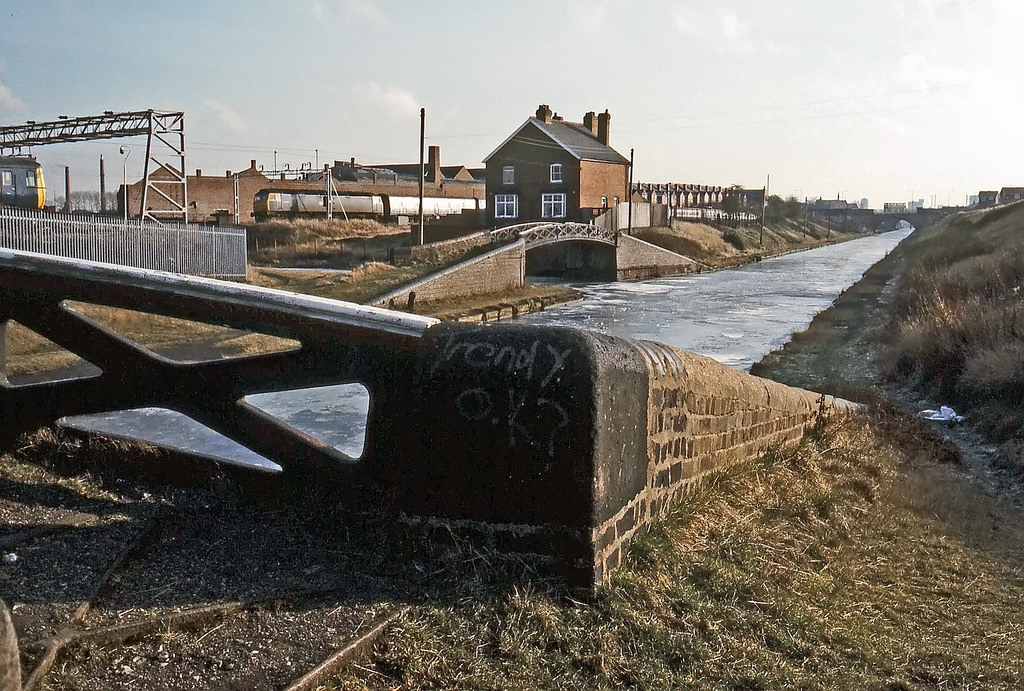
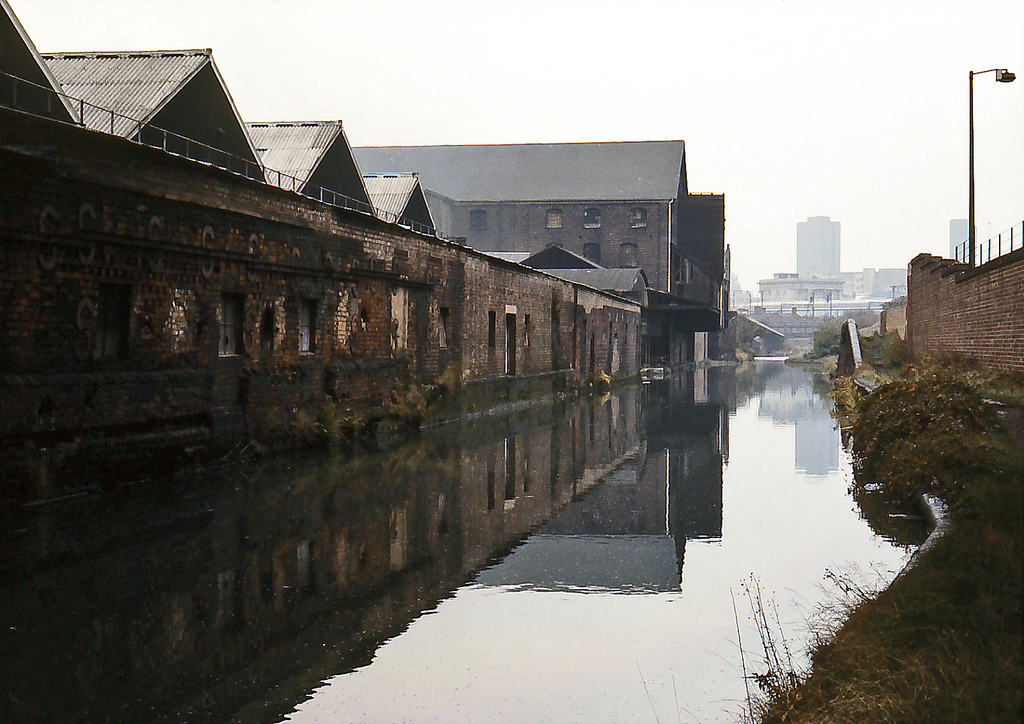
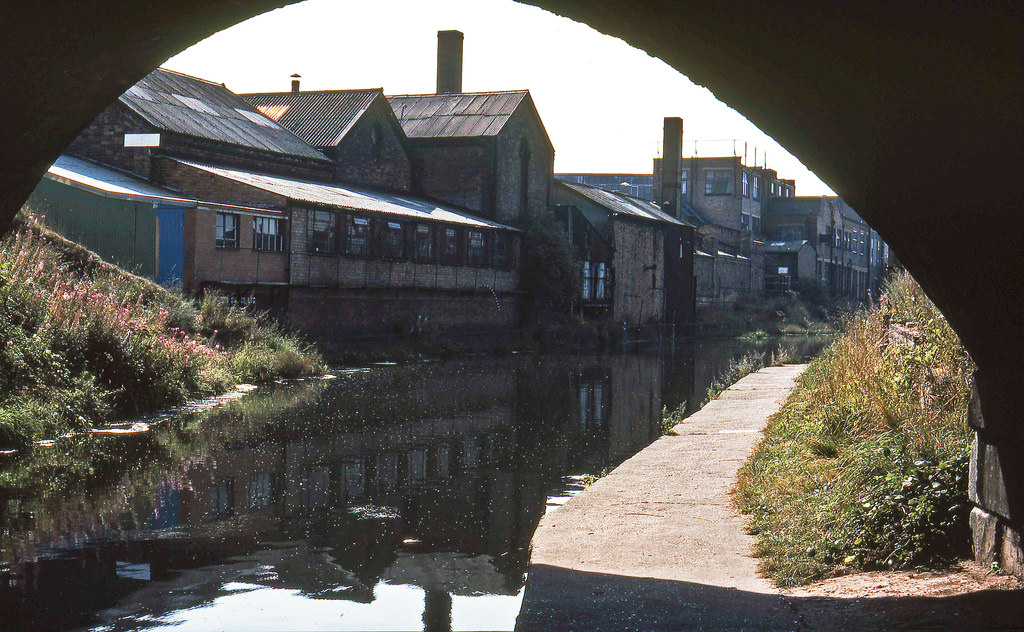
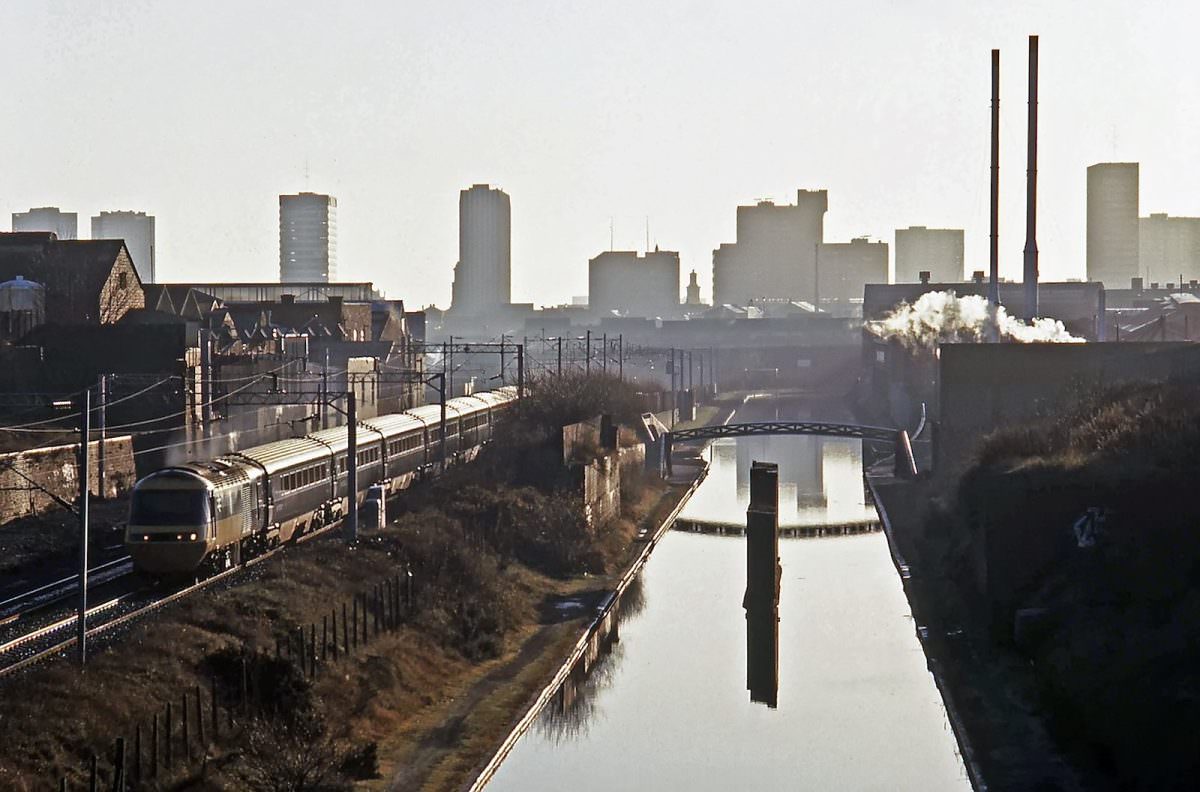
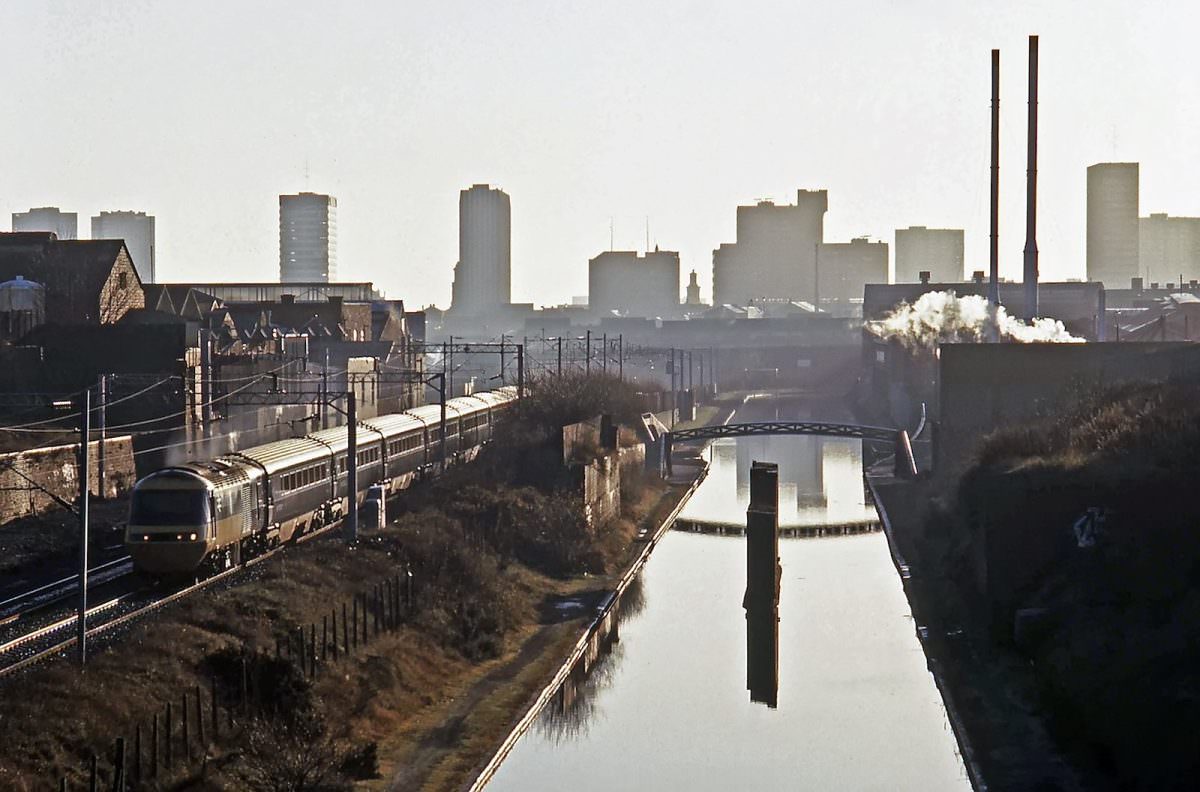
The city’s canal network ran quietly through the urban landscape, largely overlooked at a time when industry was shrinking. The Birmingham Main Line Canal and the Digbeth Branch Canal were not yet the leisure destinations they would later become. They were working waterways in various states of neglect, framed by old brick walls and factory backs.
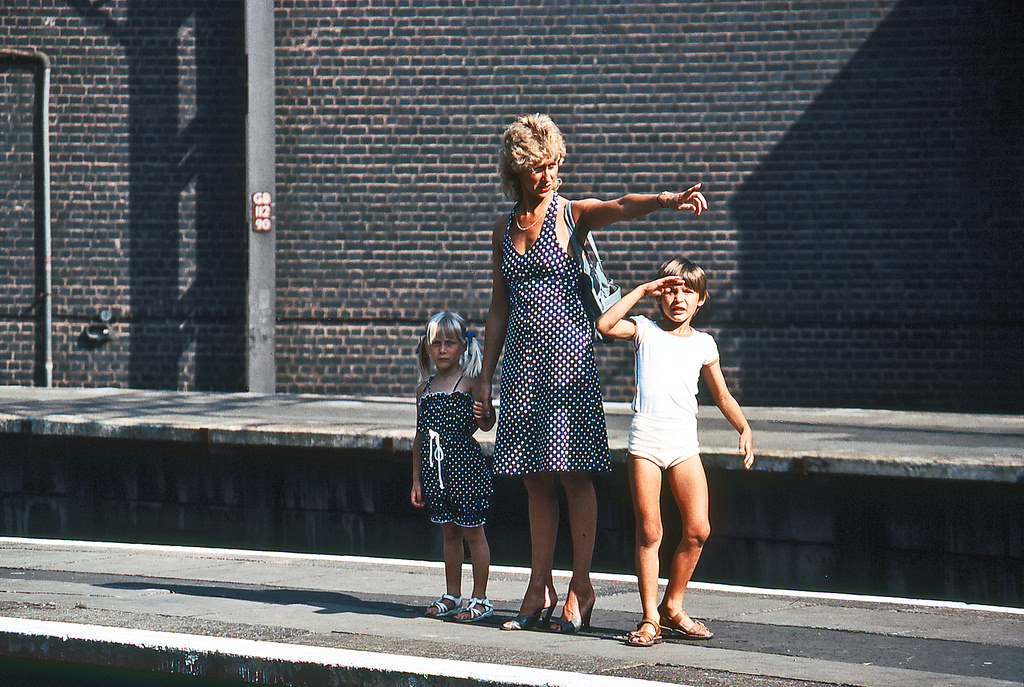
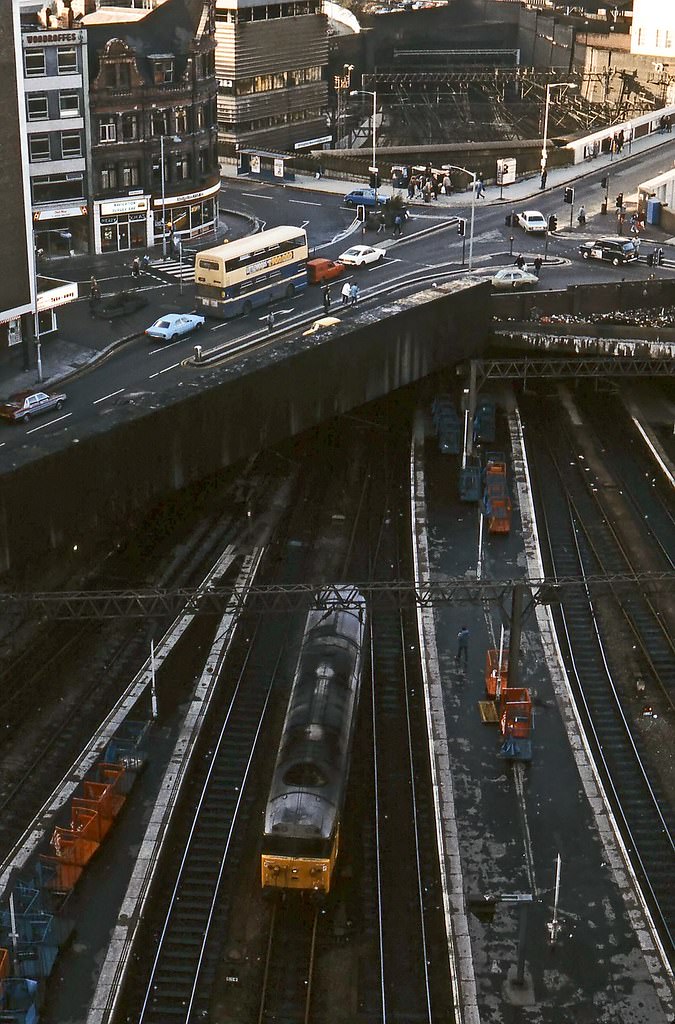
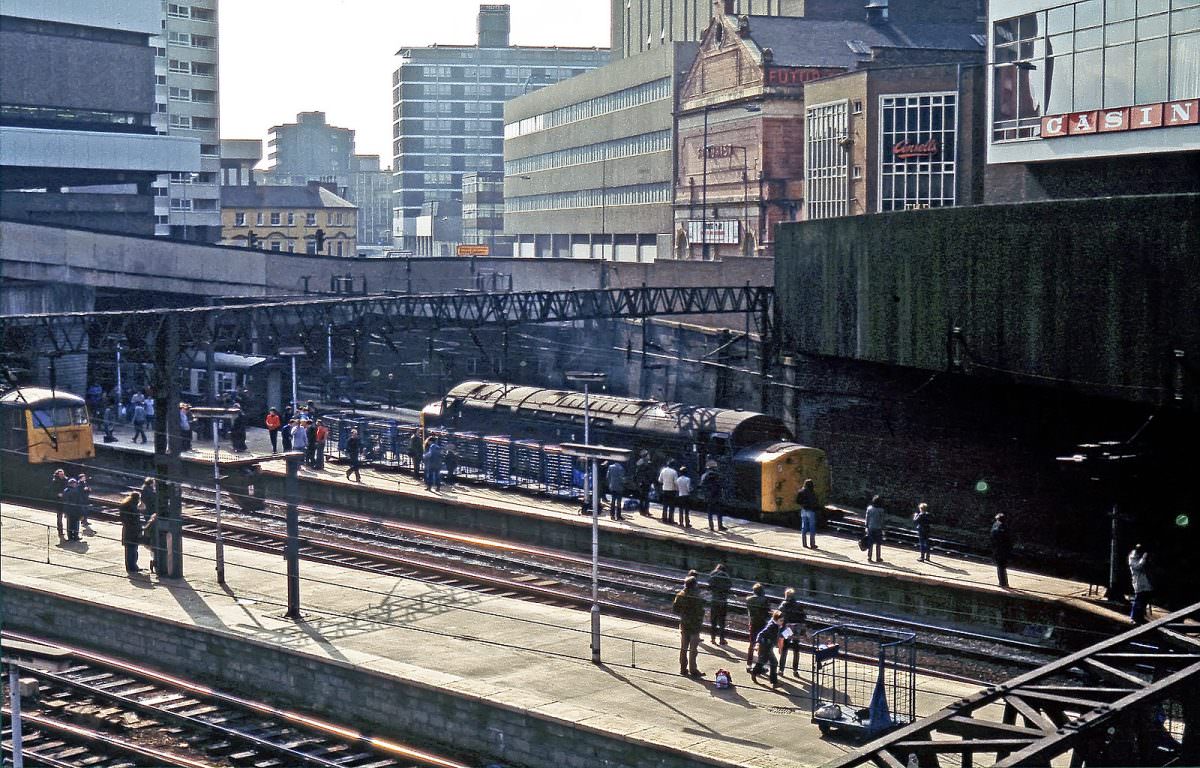
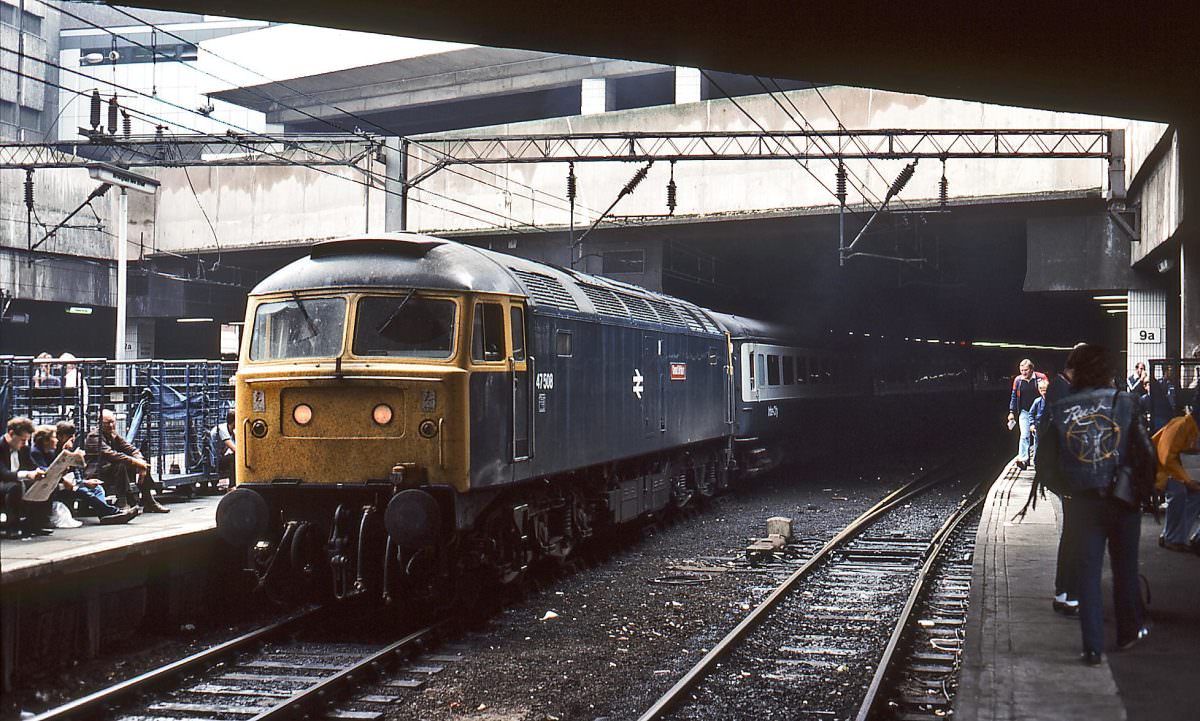
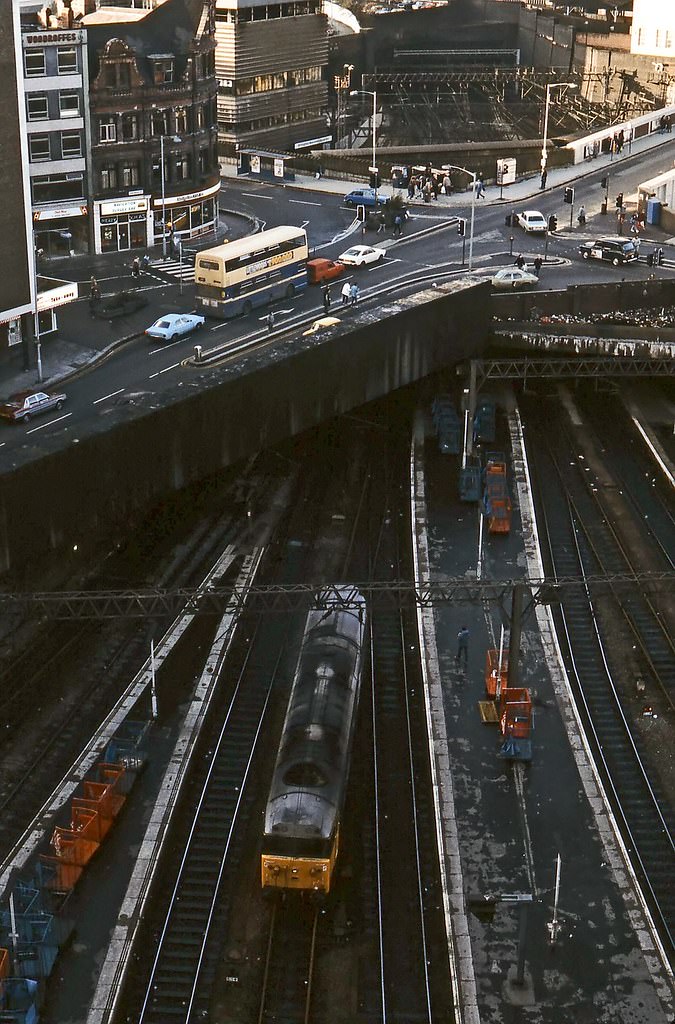
The railway infrastructure of the city was also in transition. Birmingham New Street’s signal box stood as a reminder of an older era of rail operations, while Snow Hill station had already faced the wrecking ball in the late 1970s. Its demolition in May 1977 marked one of the more dramatic losses of Birmingham’s Victorian-era transport heritage.
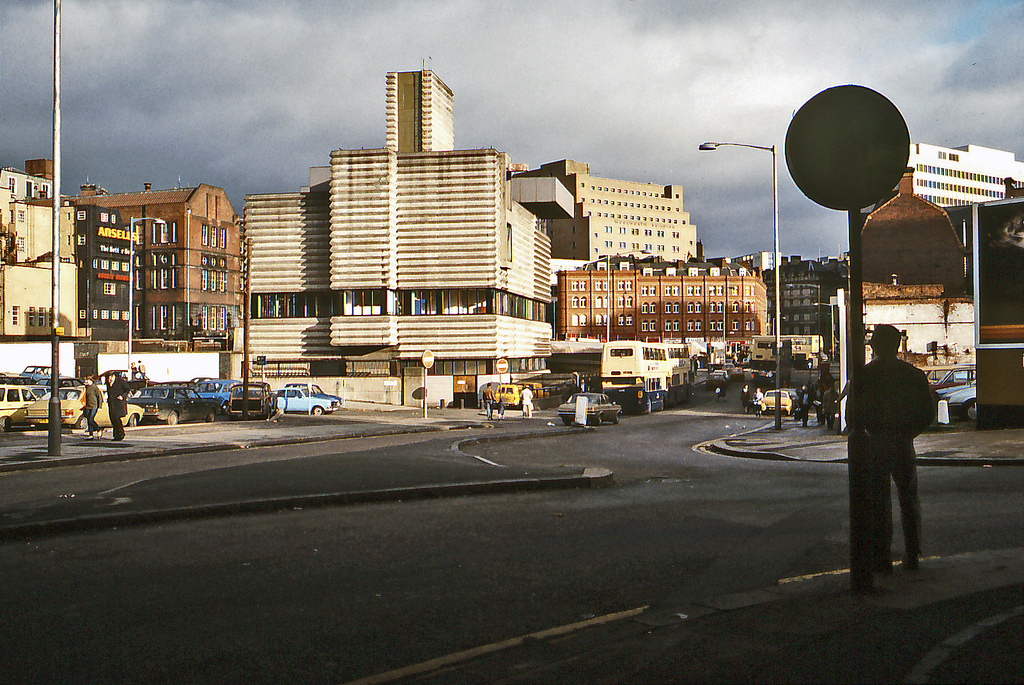
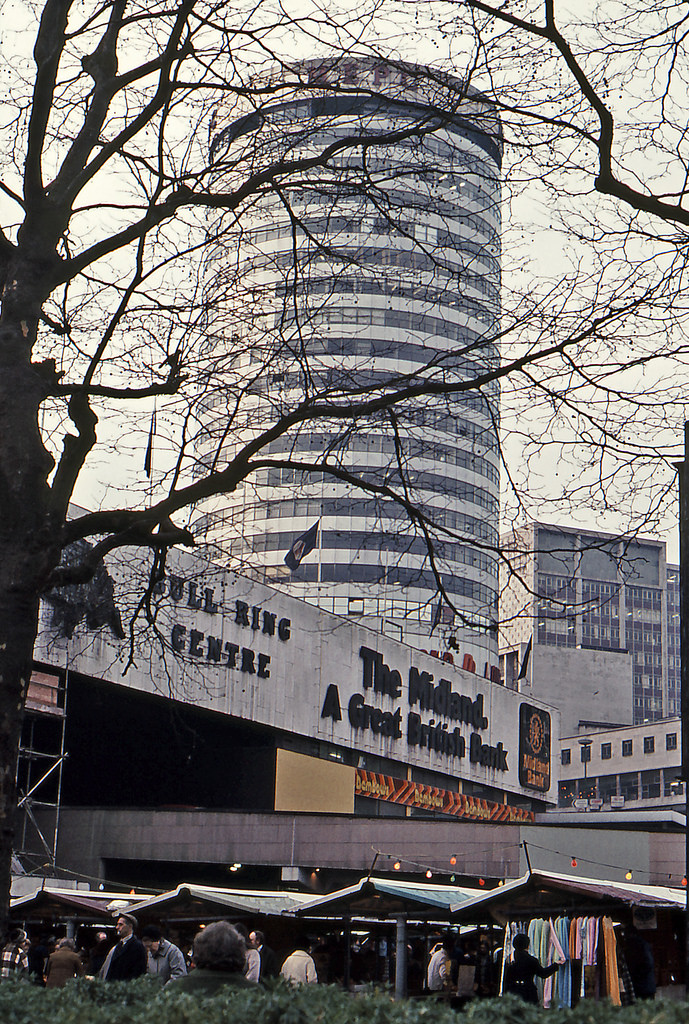
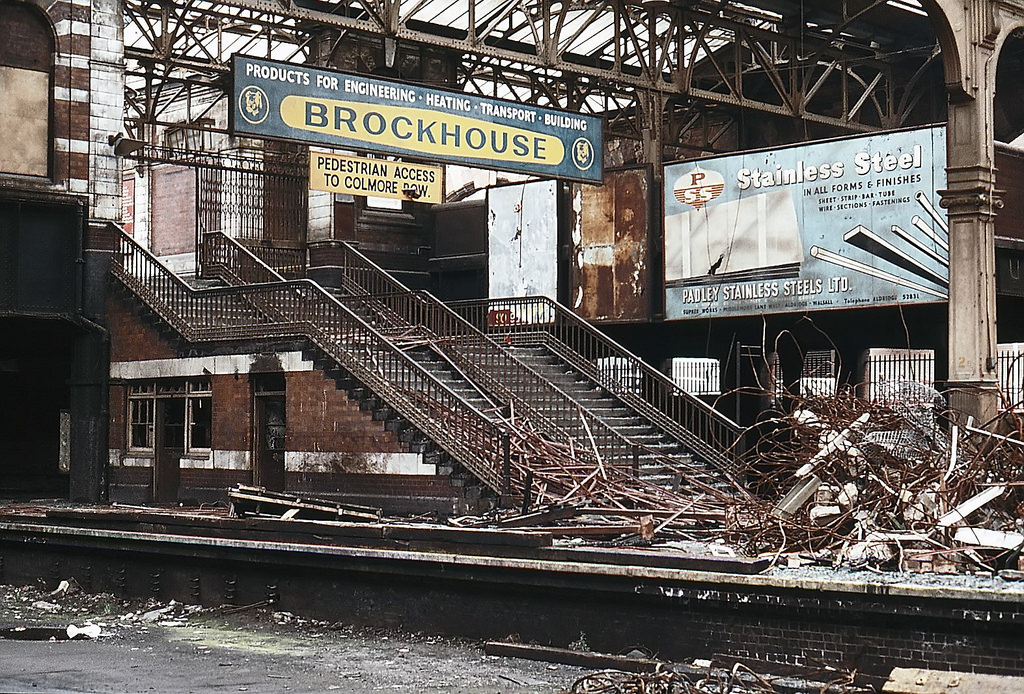
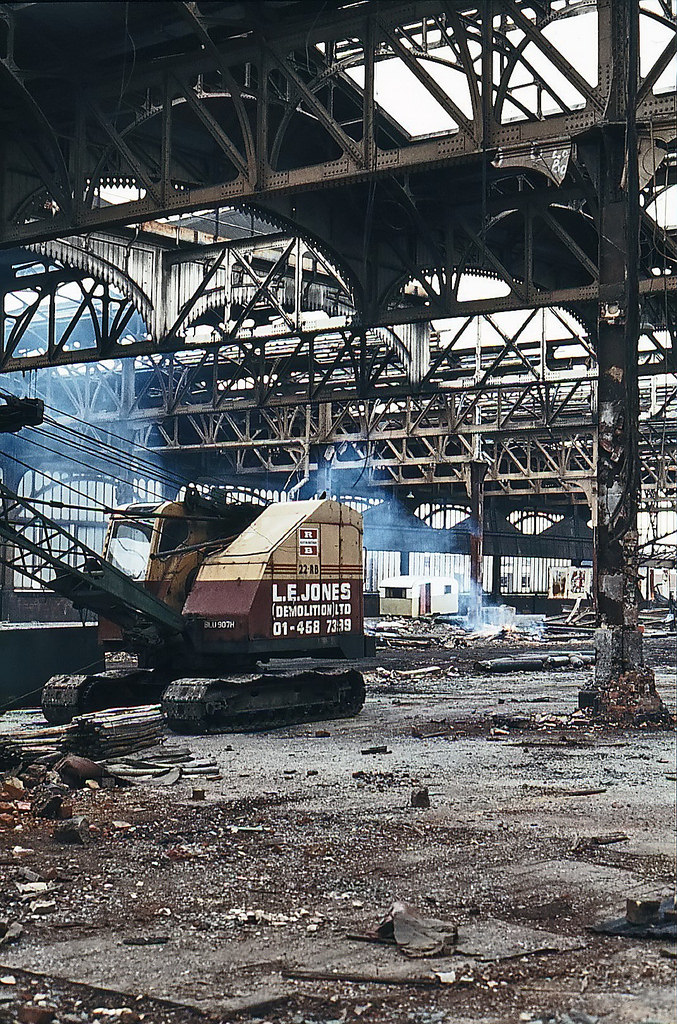
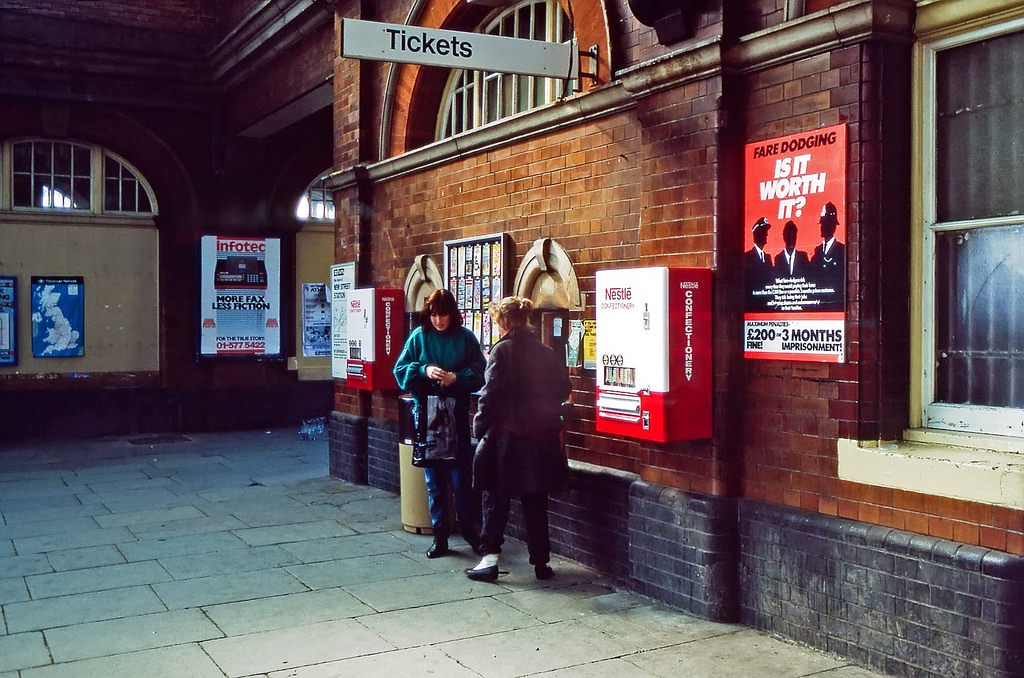
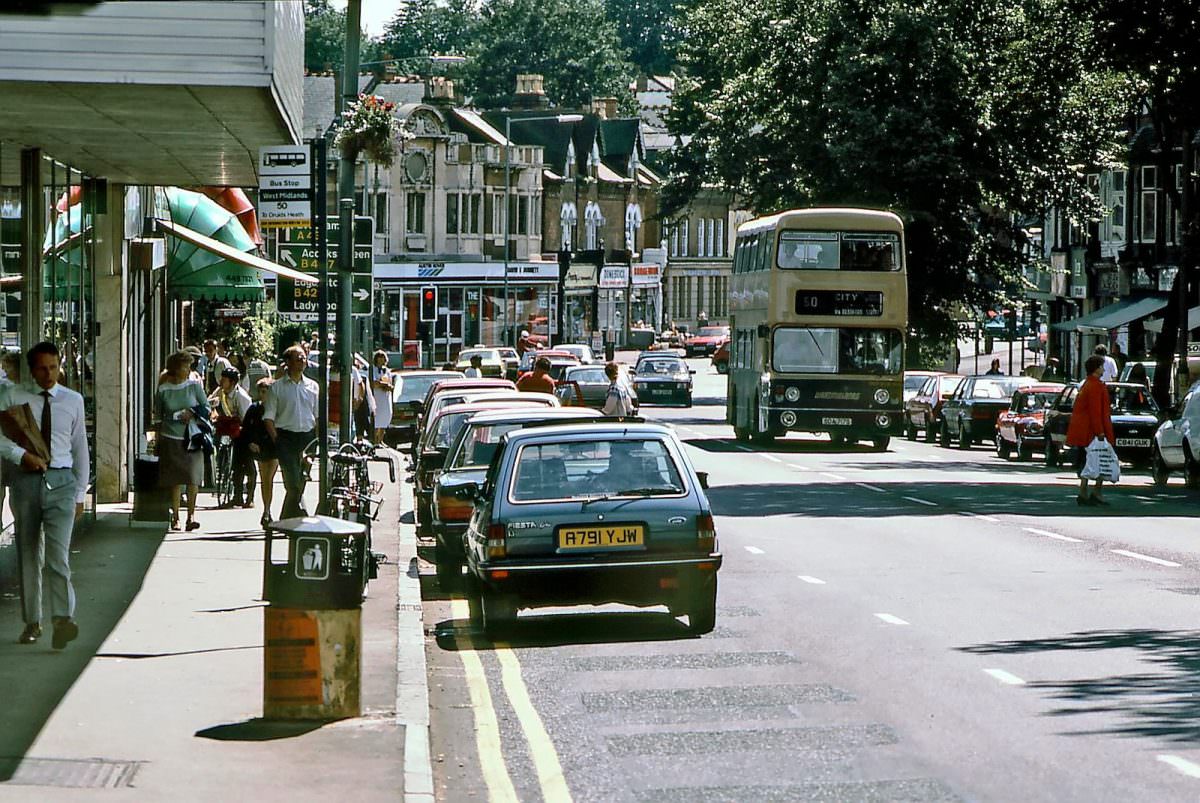
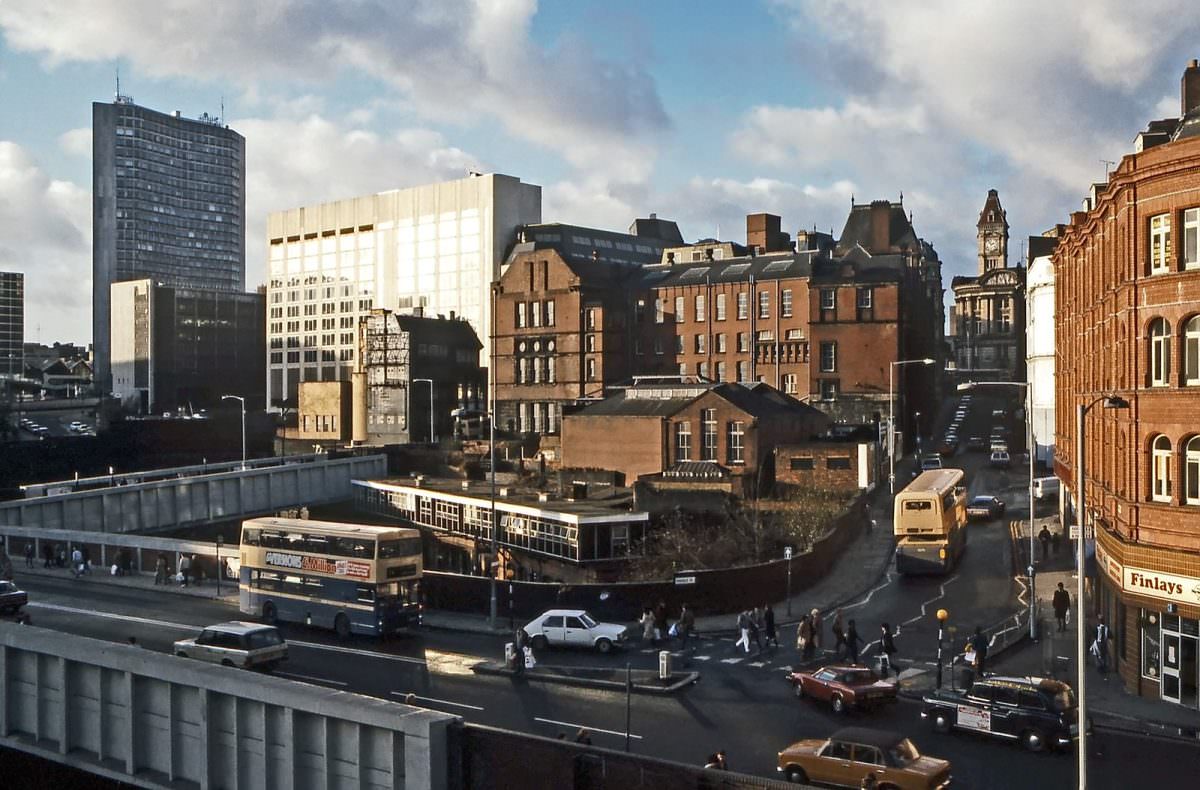
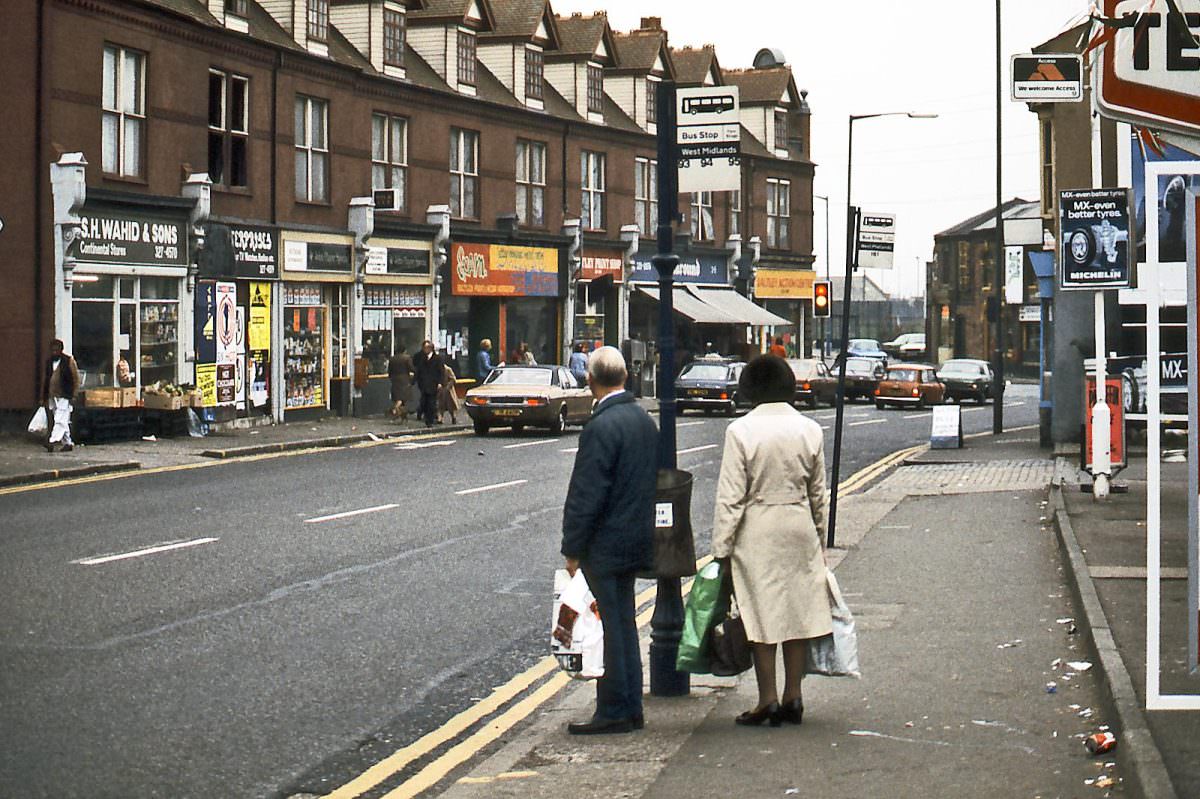
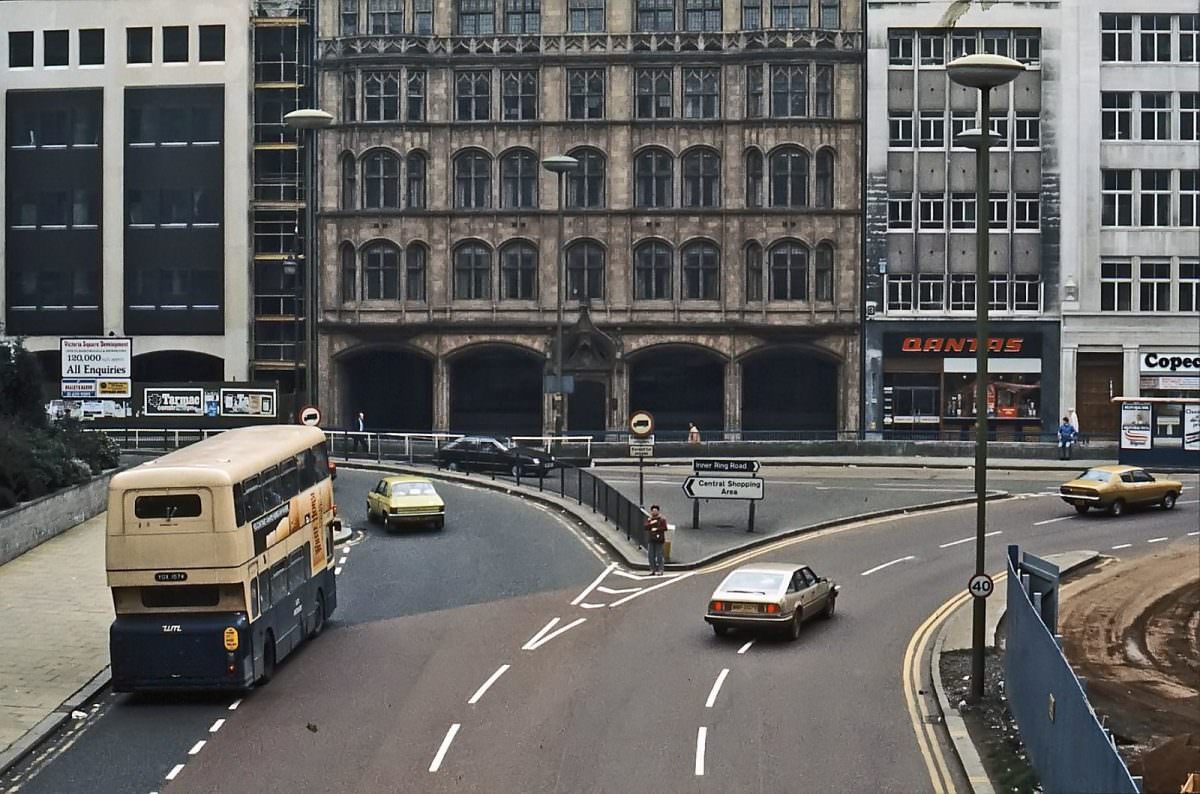
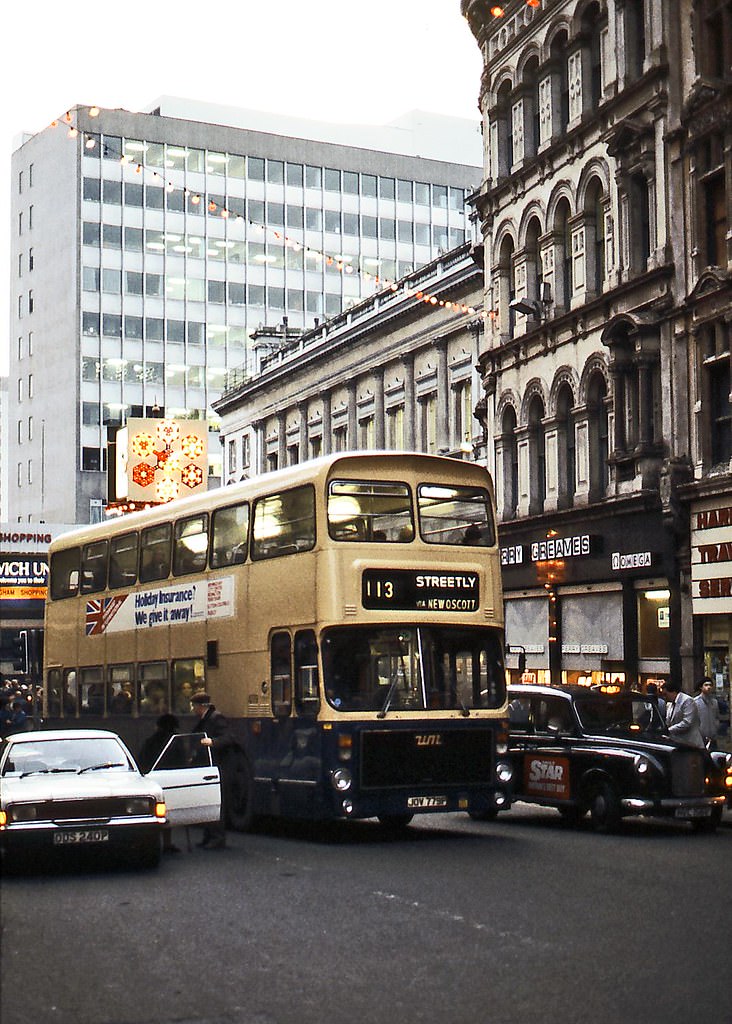
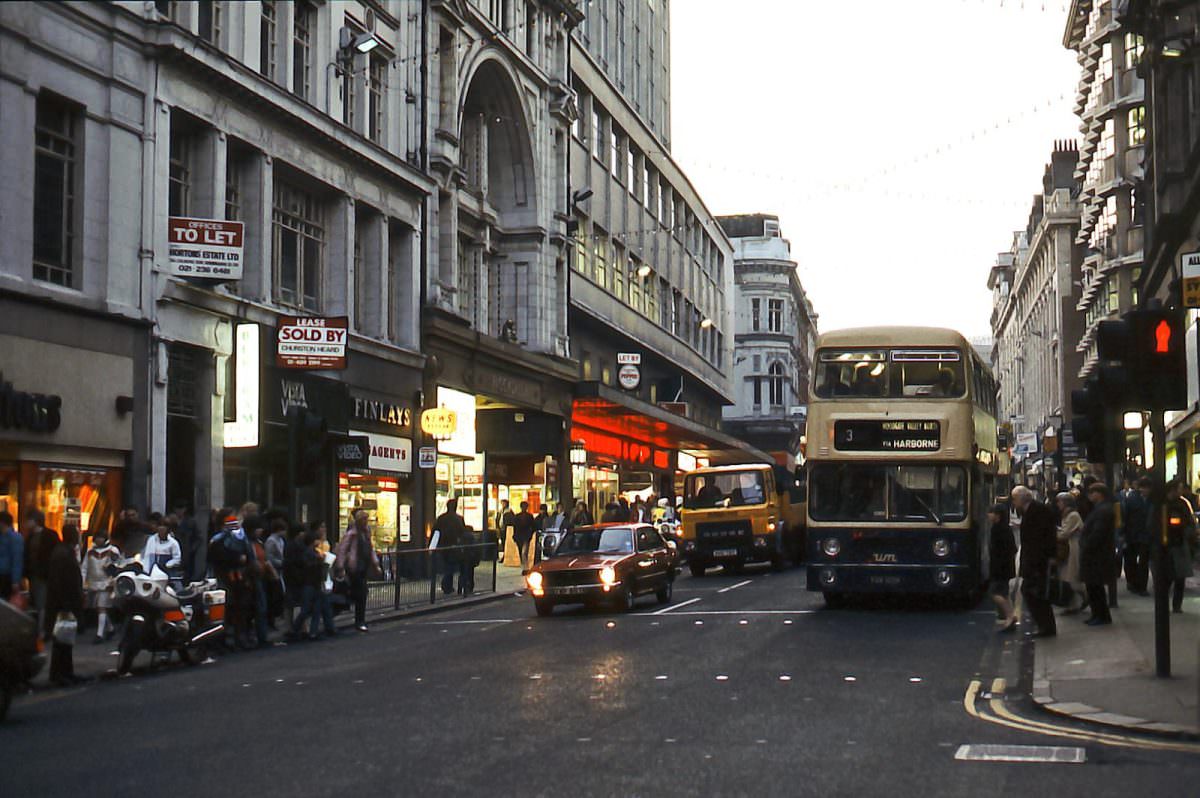
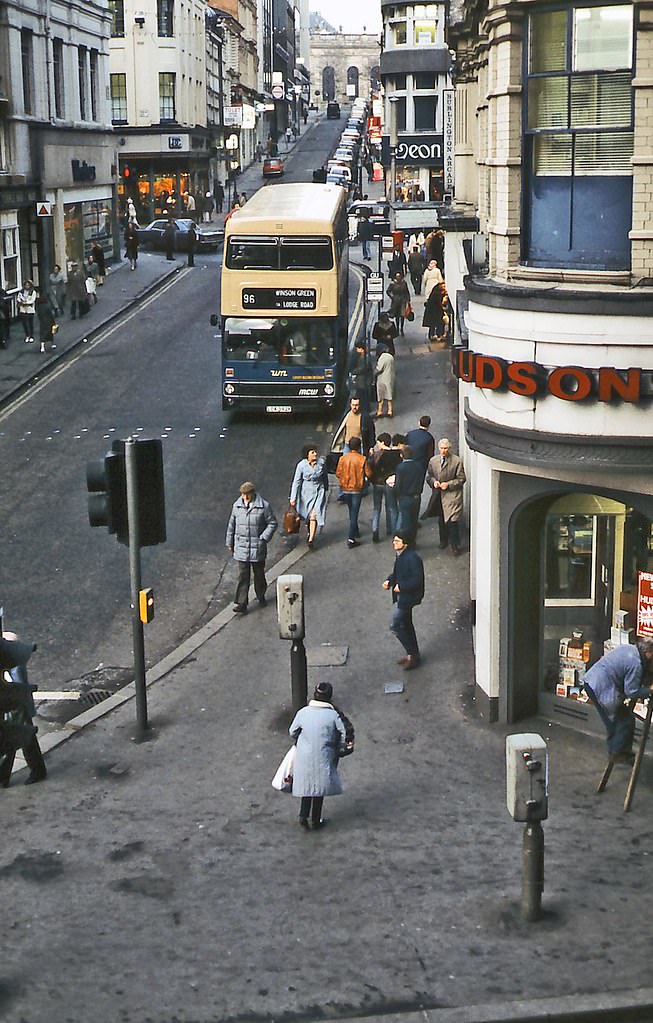
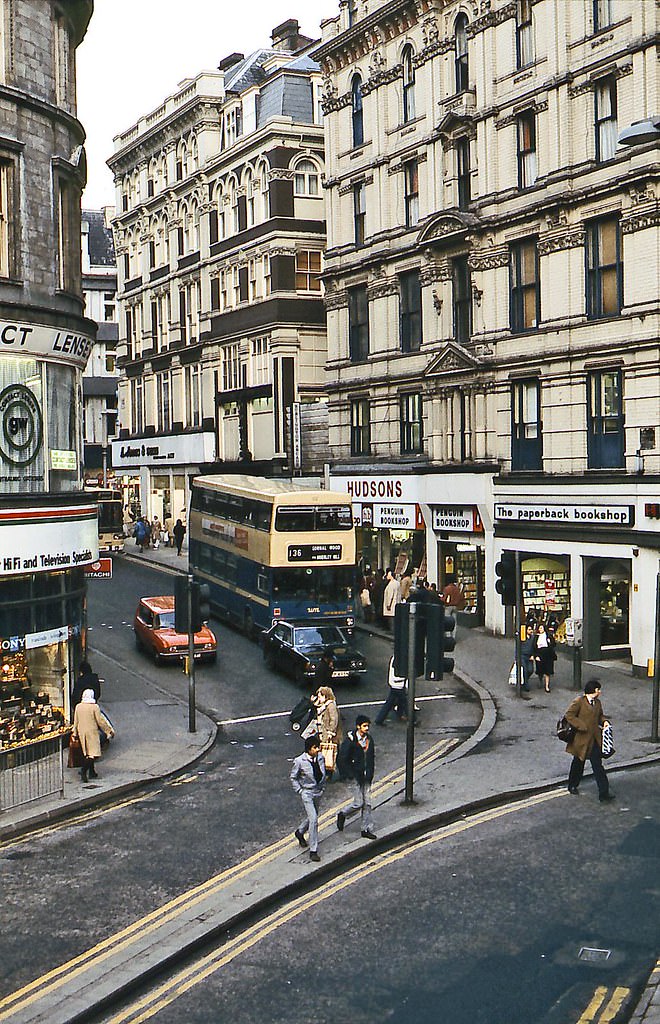
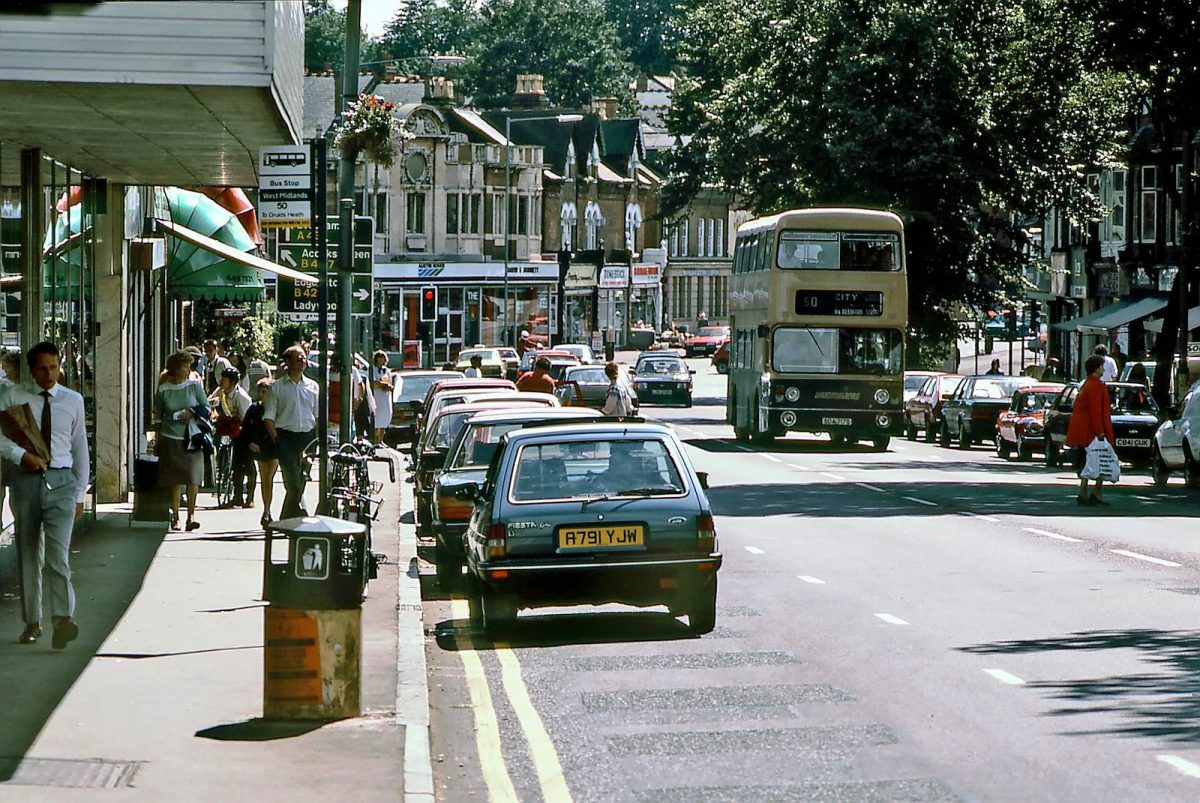
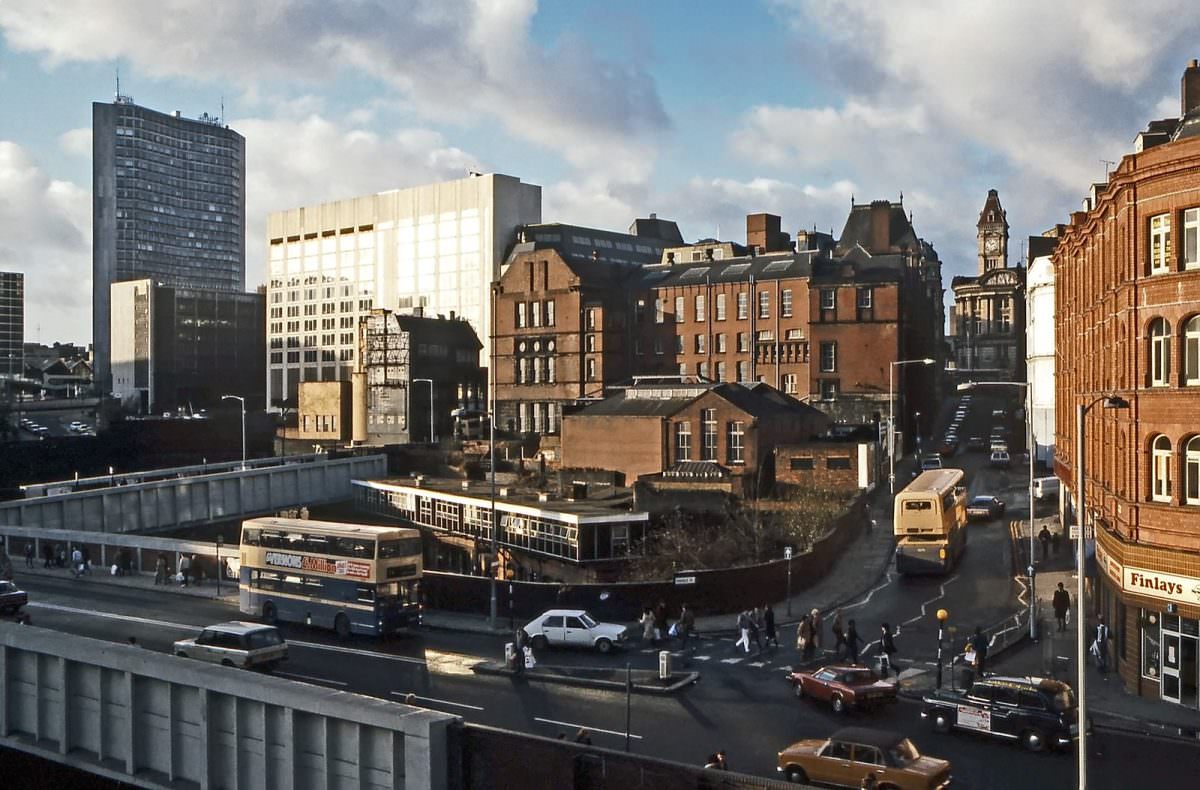
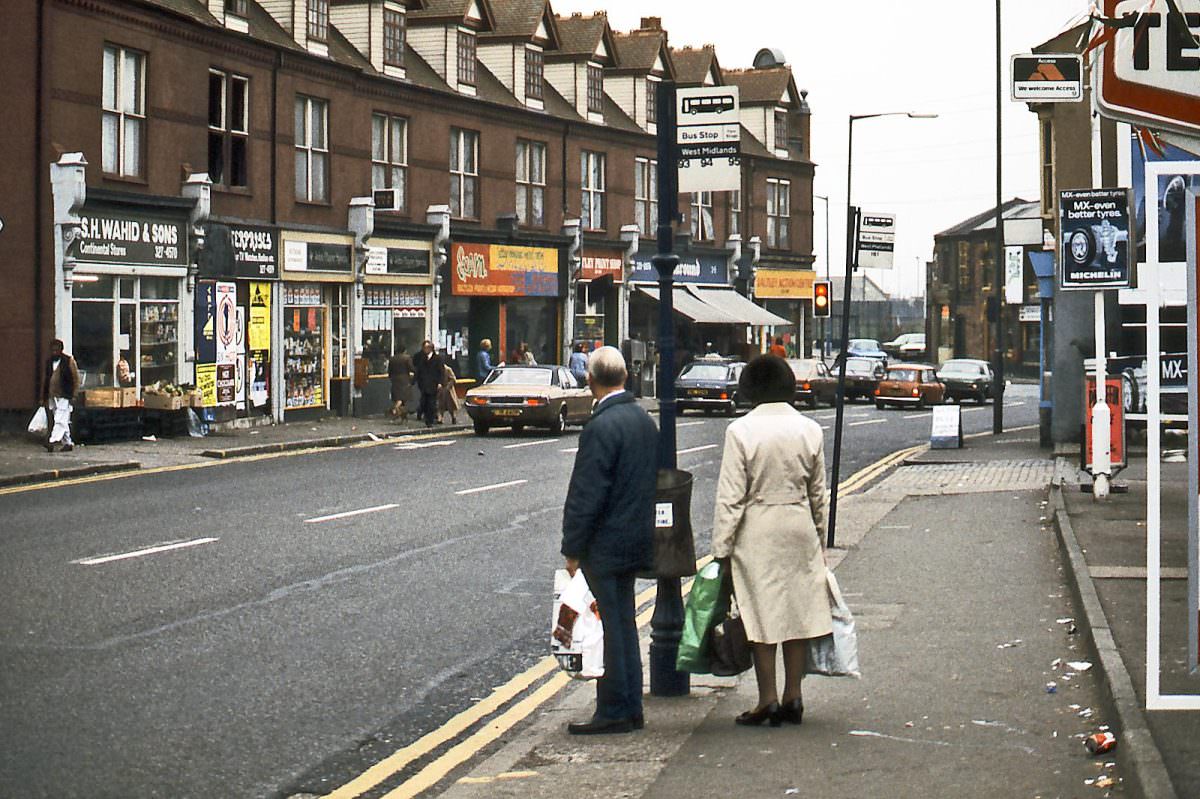
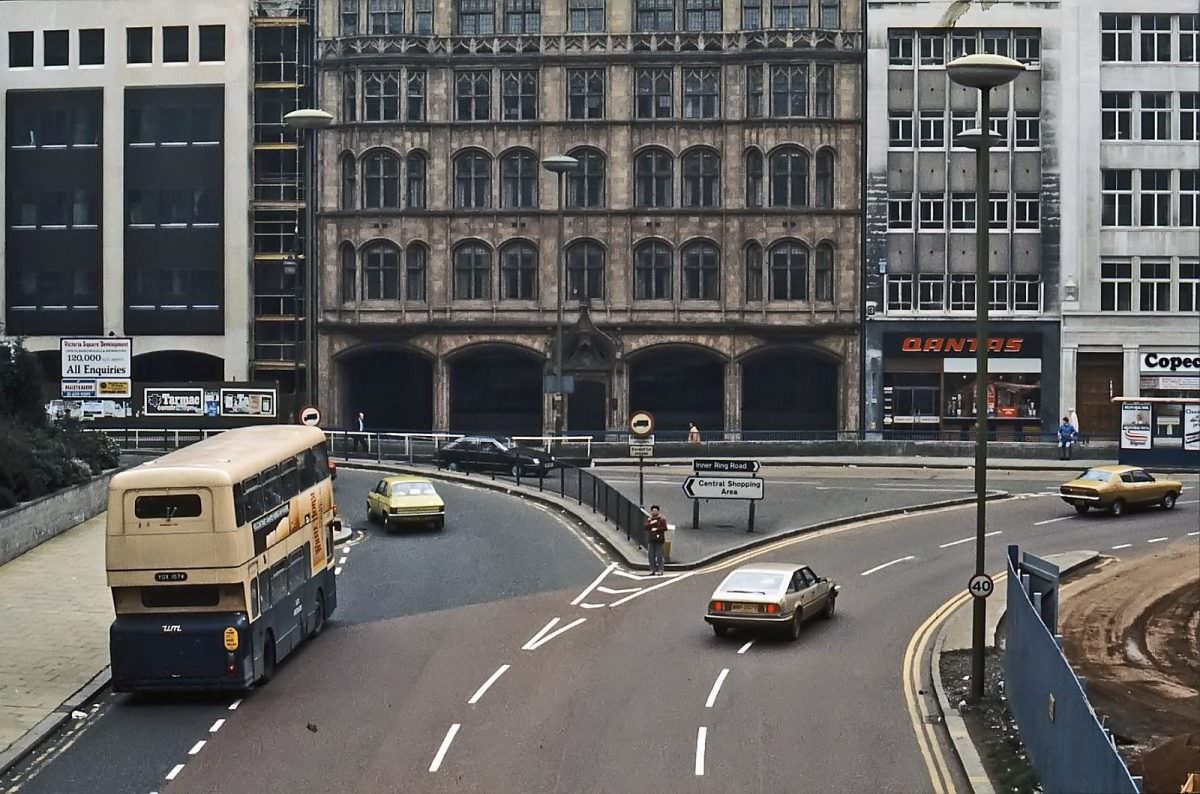
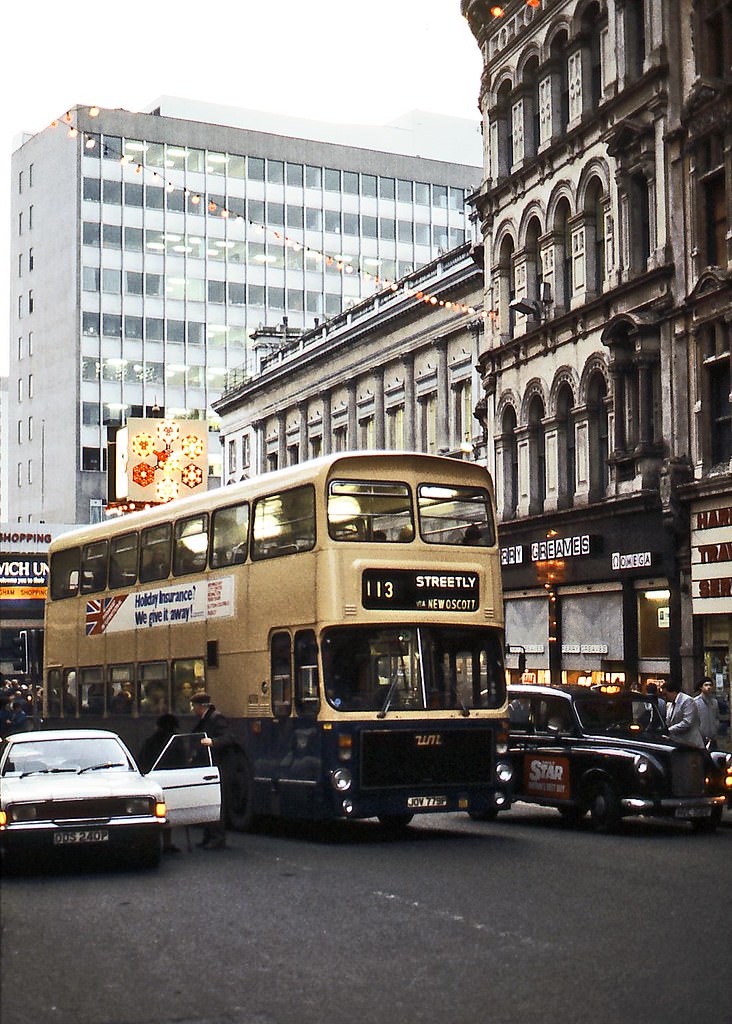
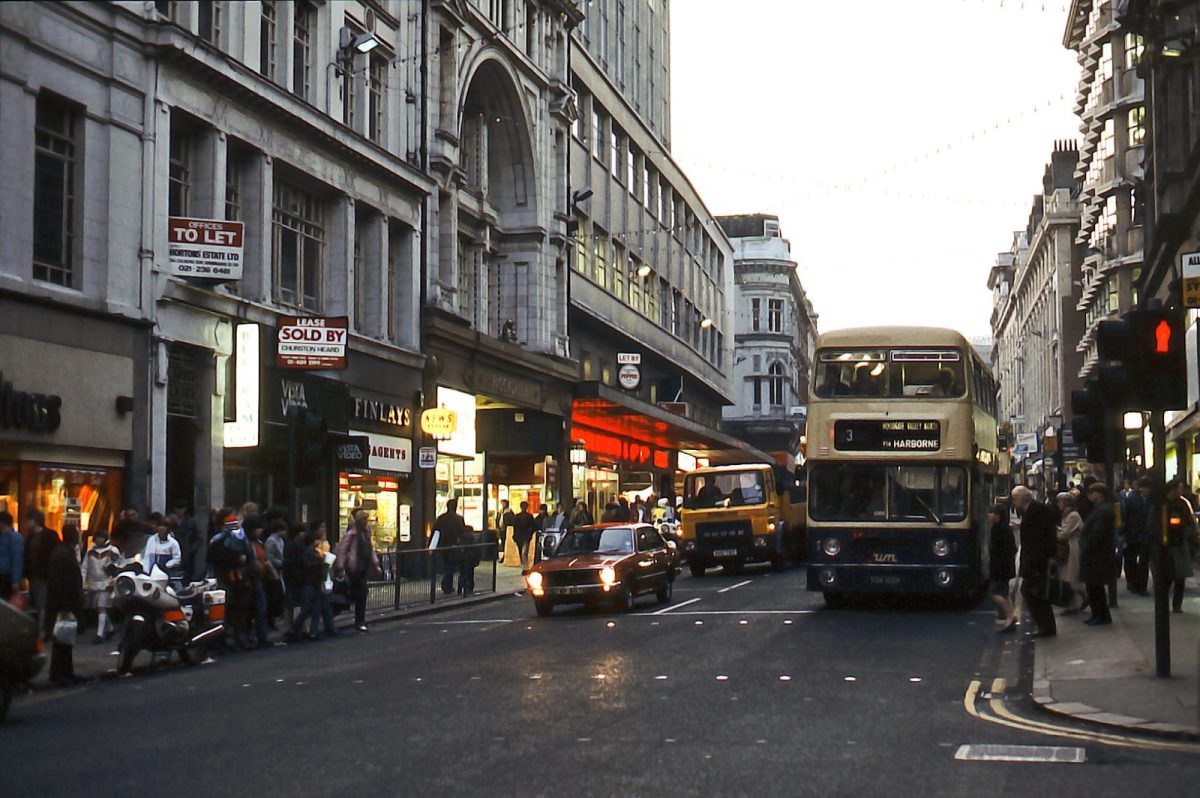
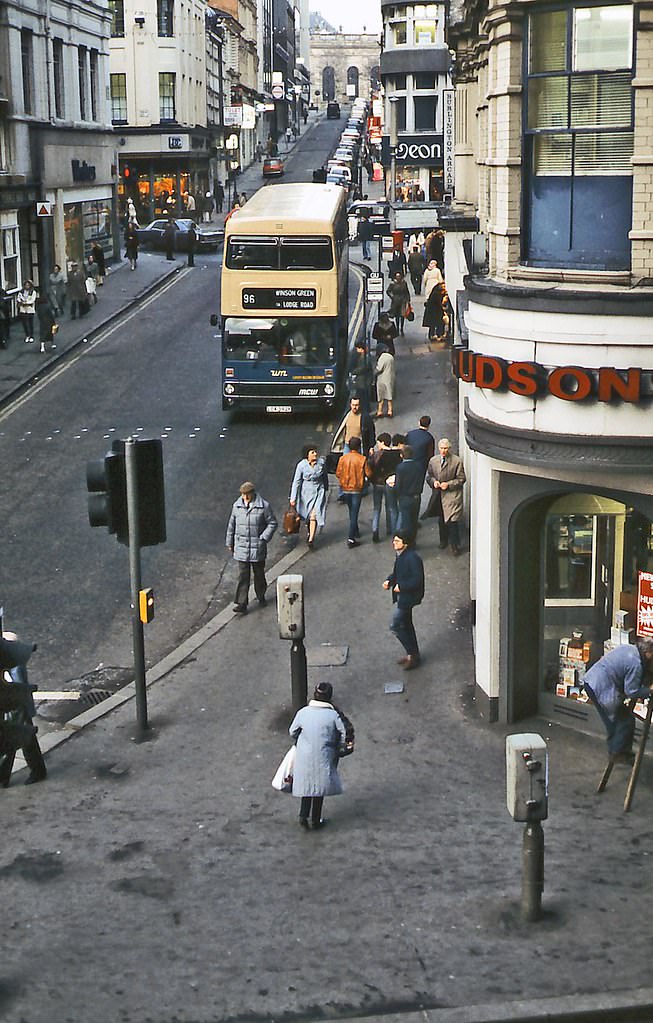
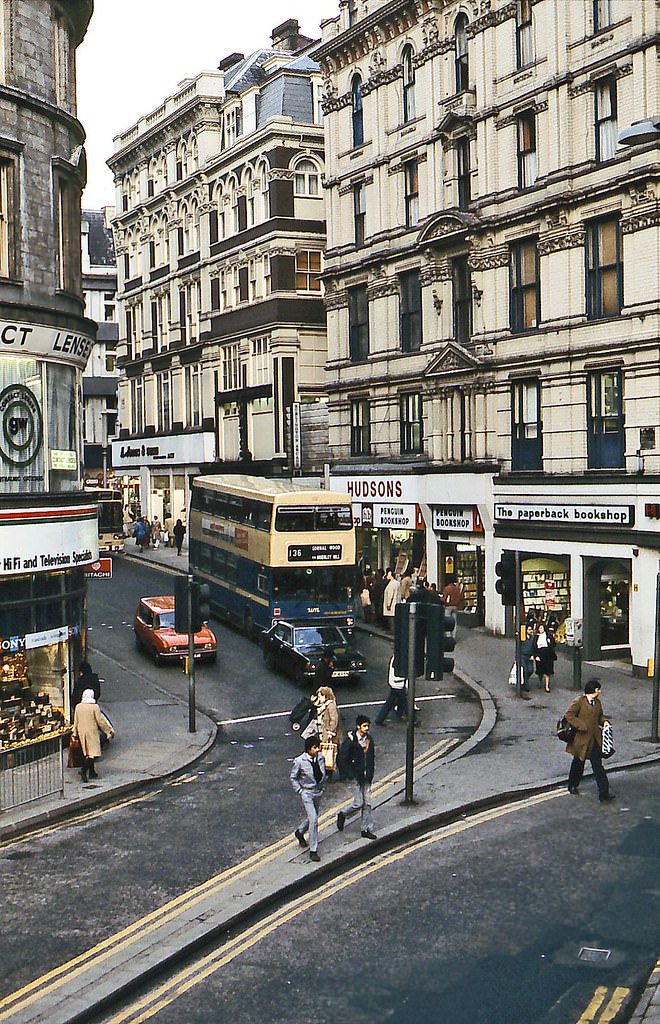
Street-level Birmingham in the late 1970s and early 1980s had a character all its own. Corporation Street was lined with independent shops, including shoe retailers that drew steady foot traffic on weekday afternoons. The streets were busy but had none of the large-scale retail developments that would come in later decades.
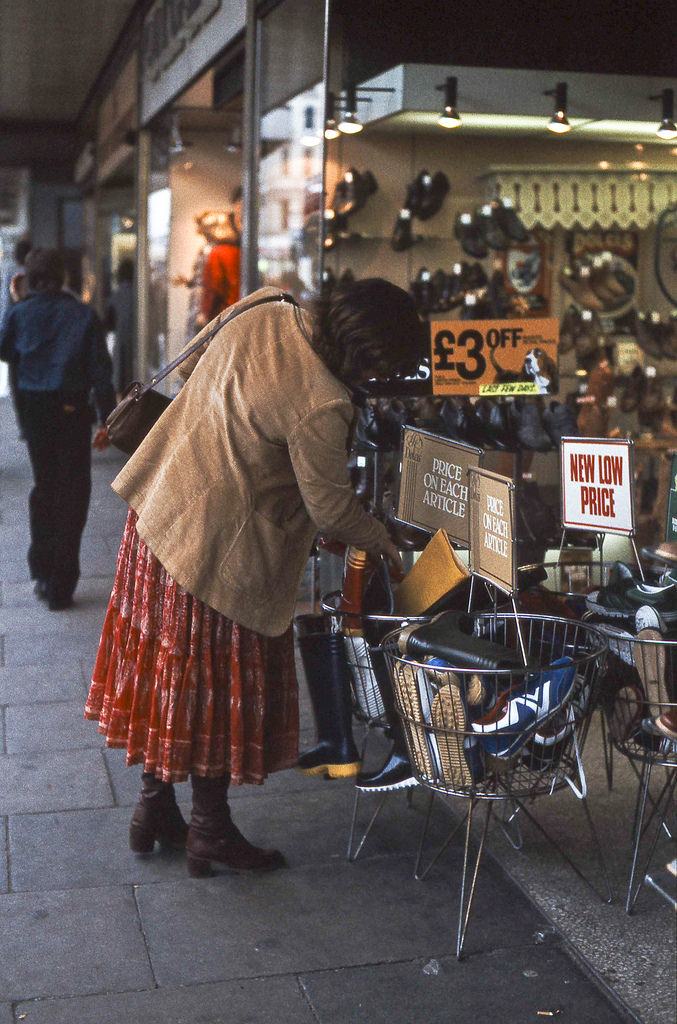
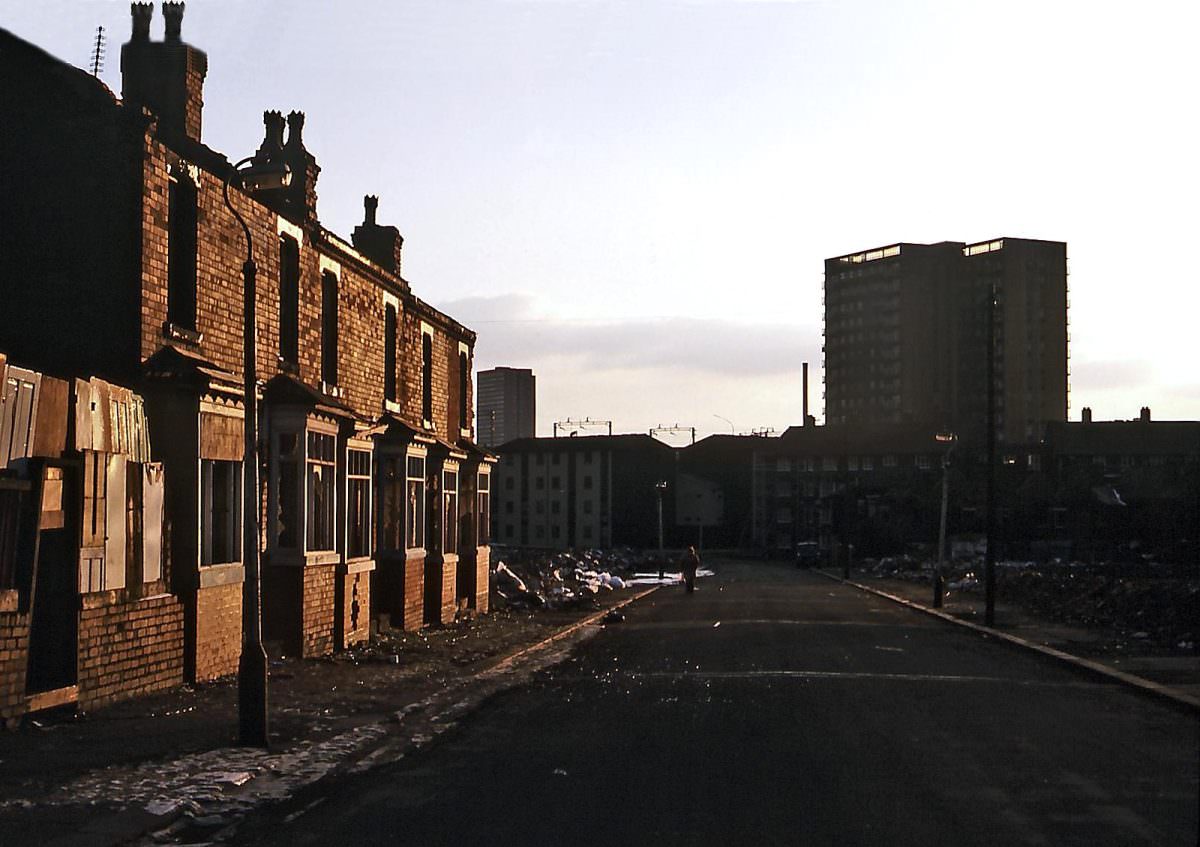
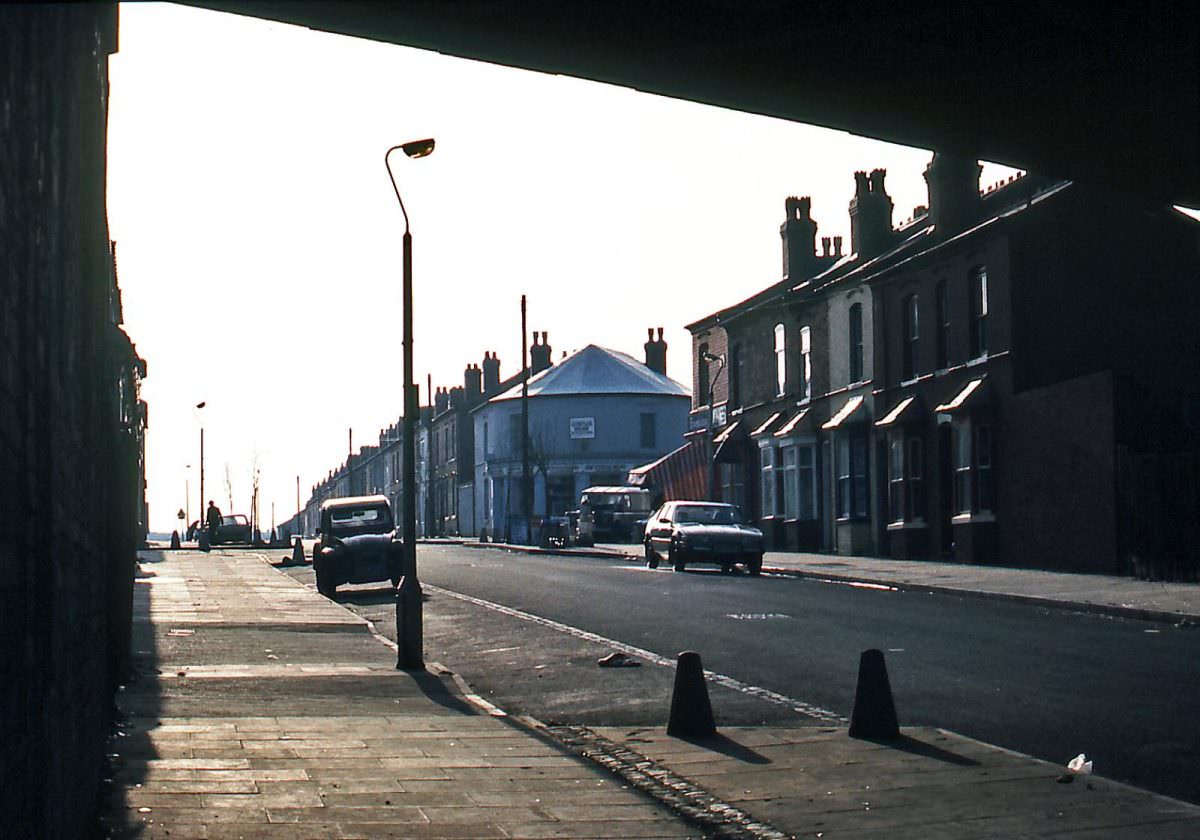
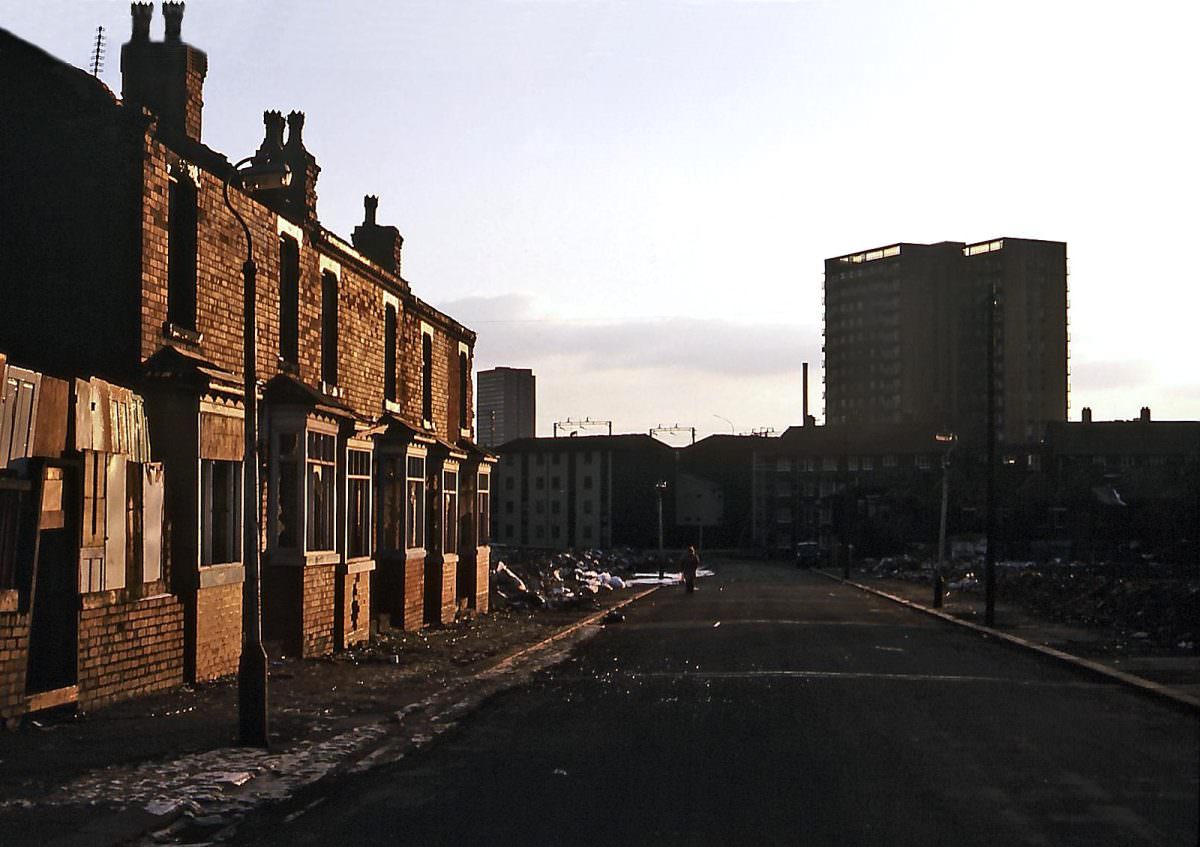
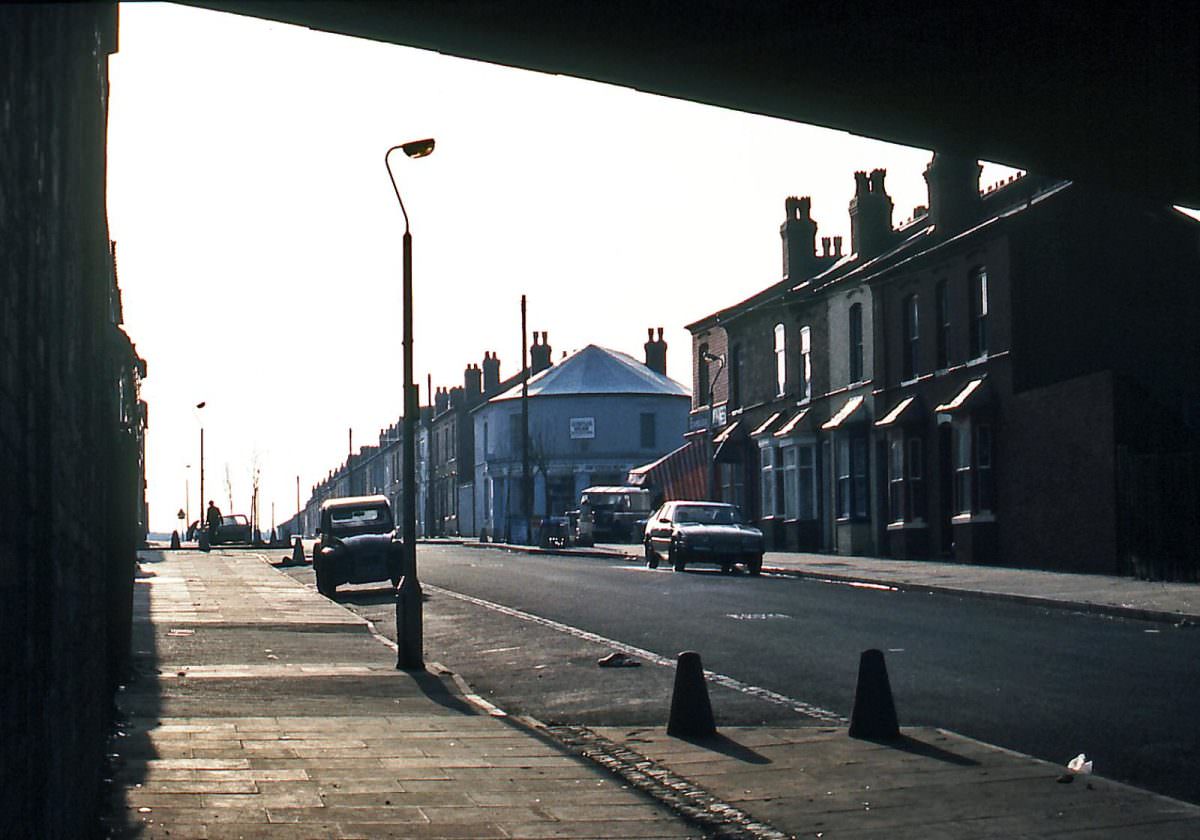
Away from the city centre, residential neighbourhoods like Selly Oak and the inner suburbs told a different story. Streets like Heeley Road and Gough Street showed the quieter side of Birmingham — rows of terraced houses, corner shops, and tight-knit communities living through the economic strain of the period.
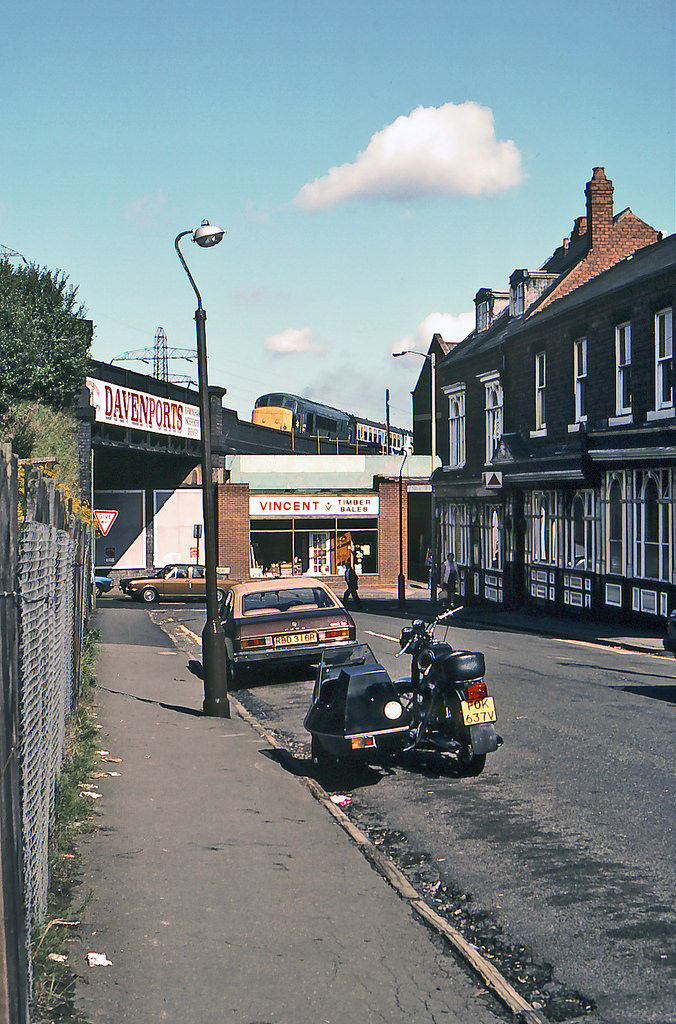
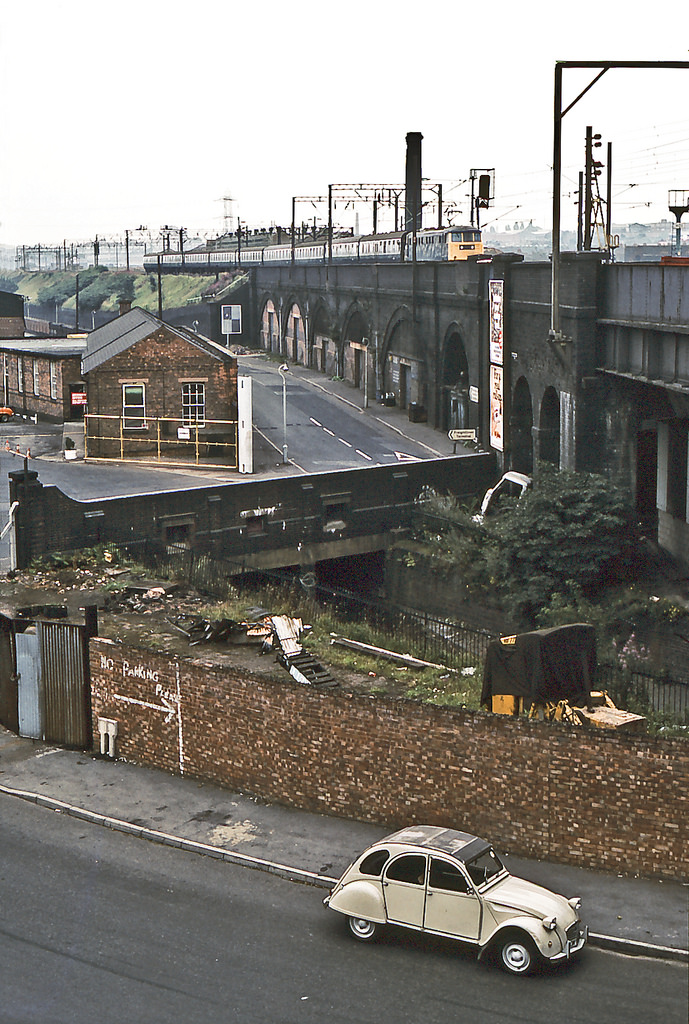
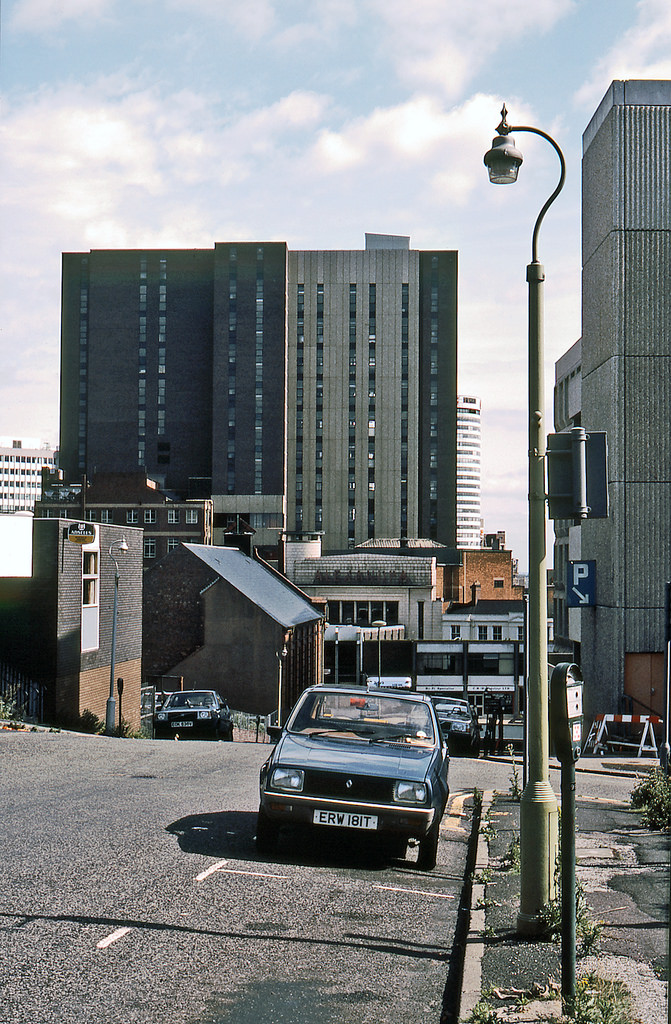
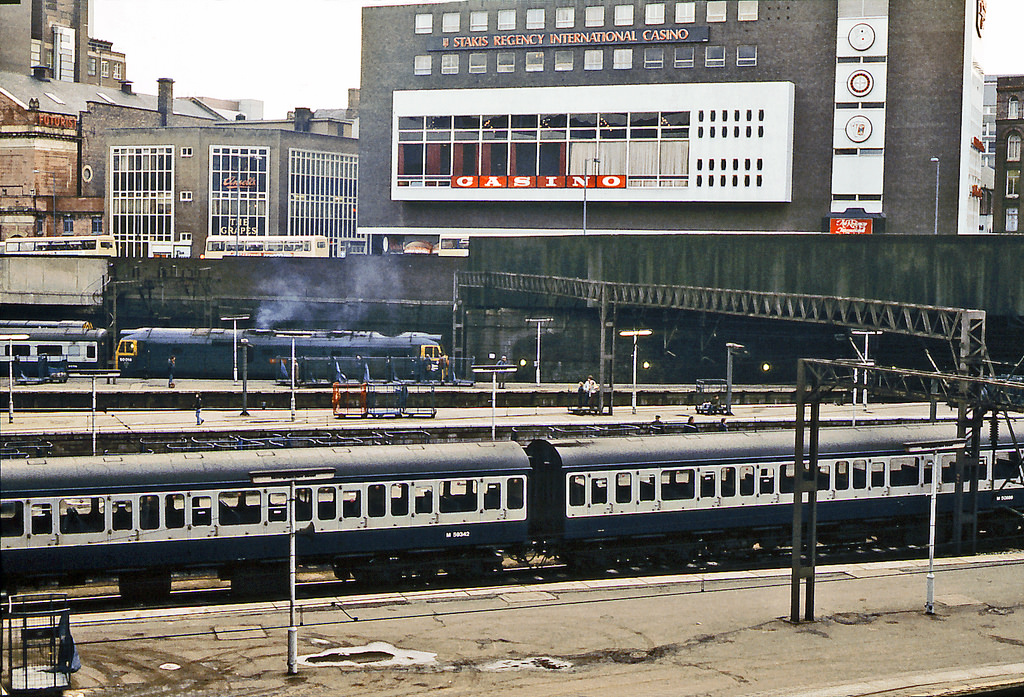
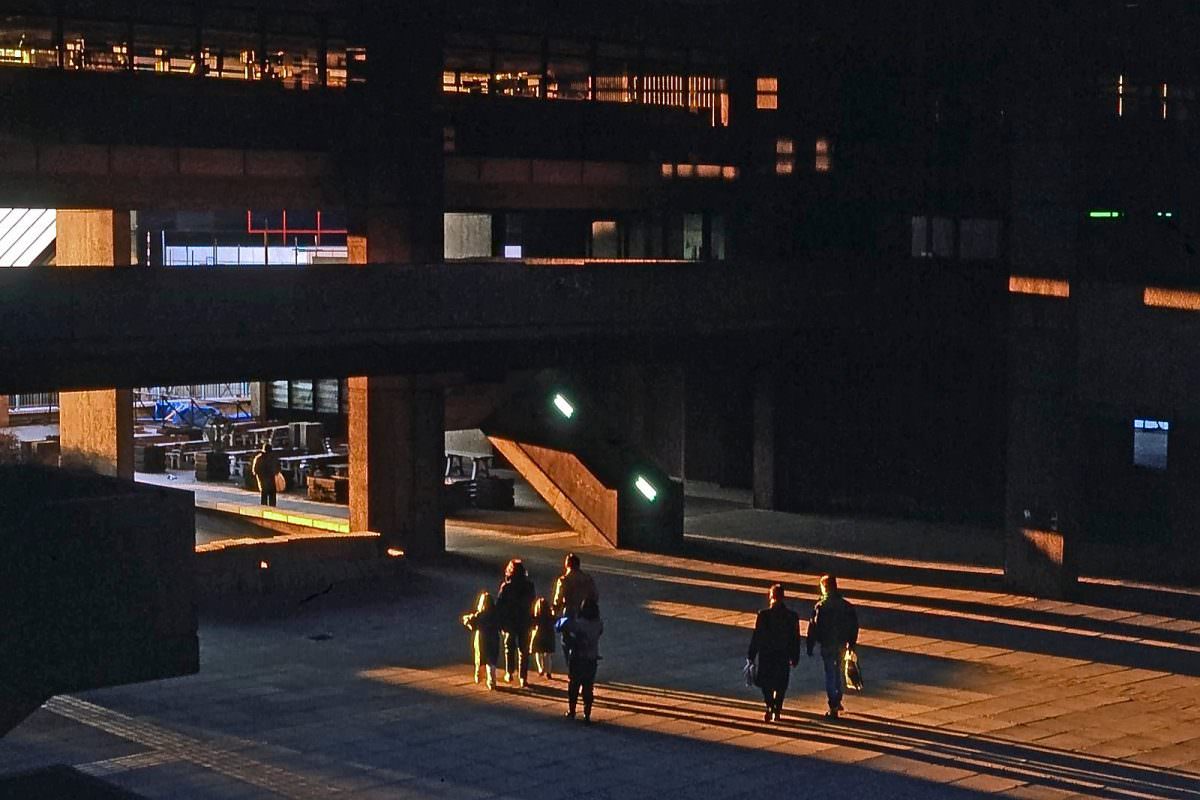
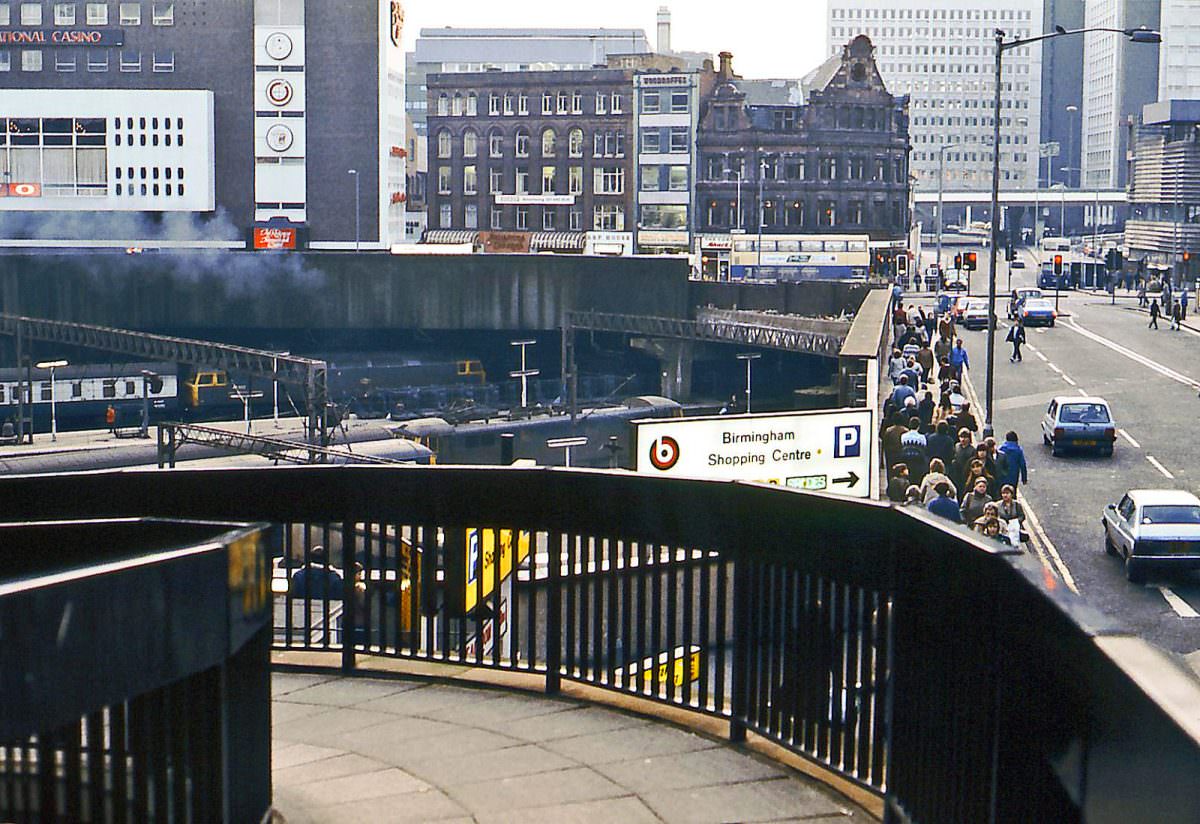
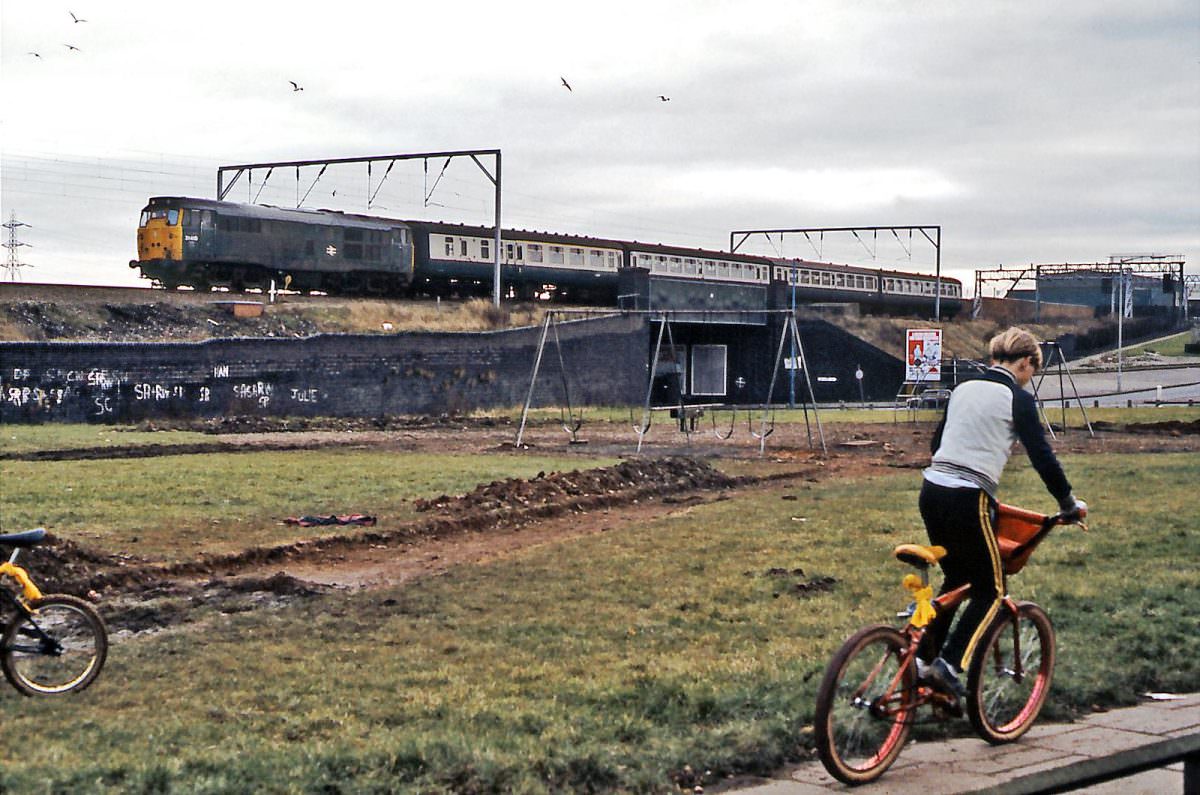
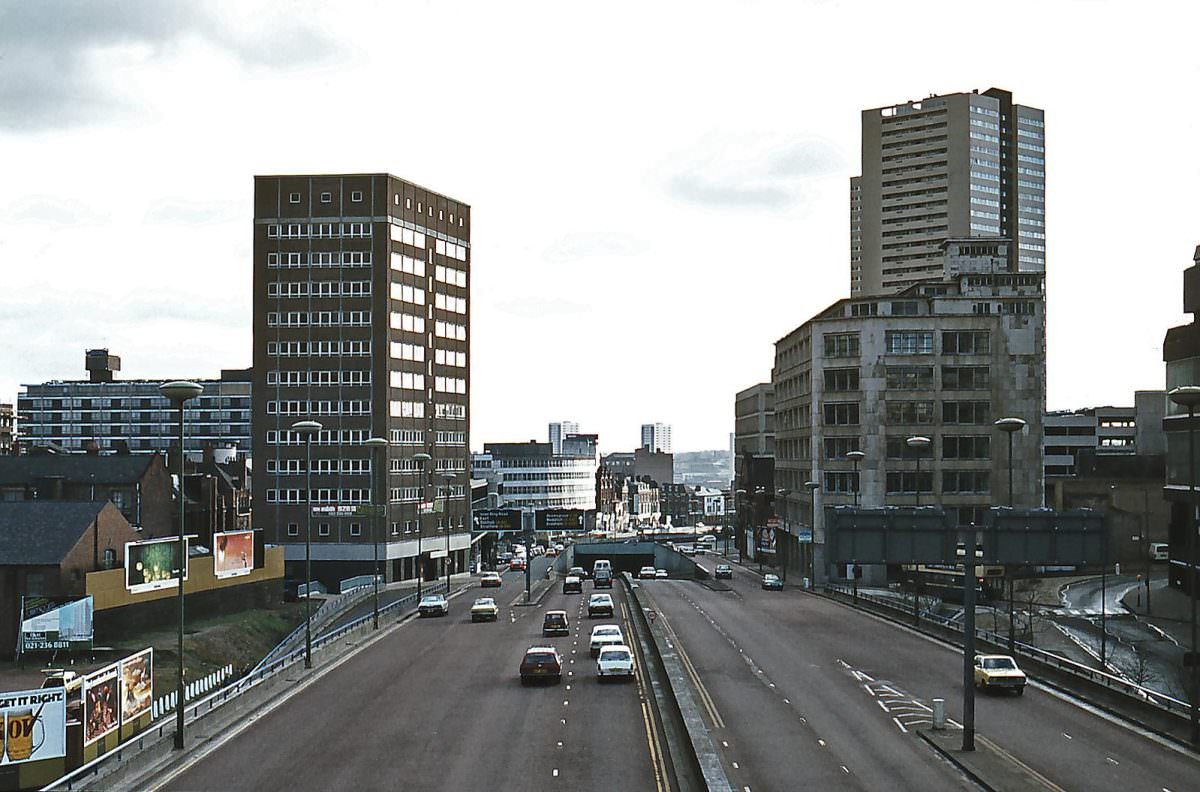
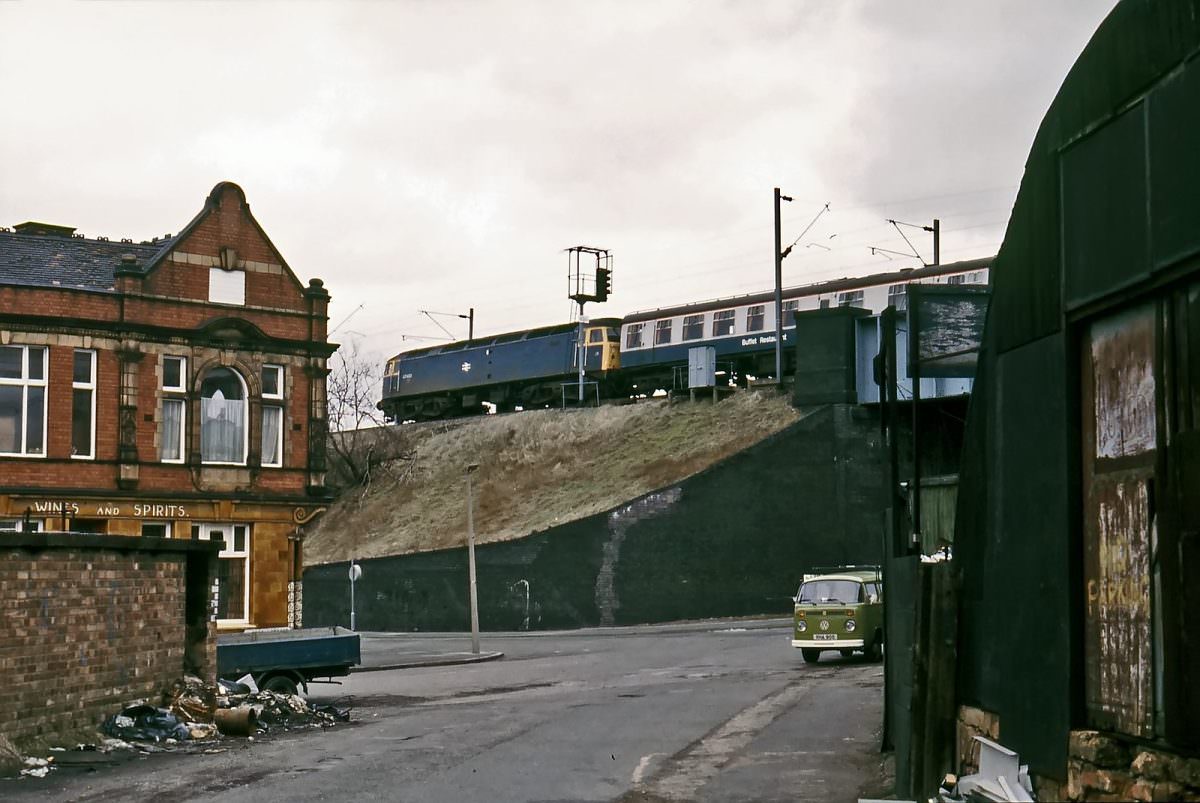
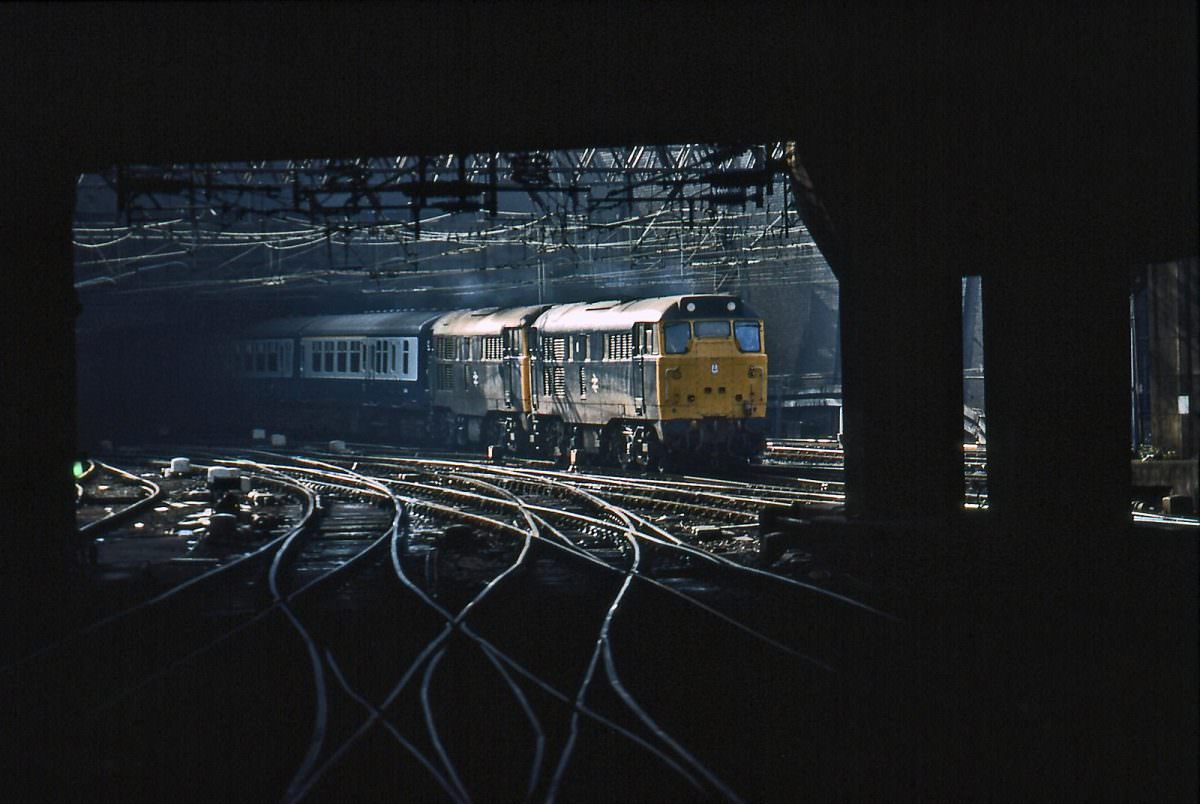
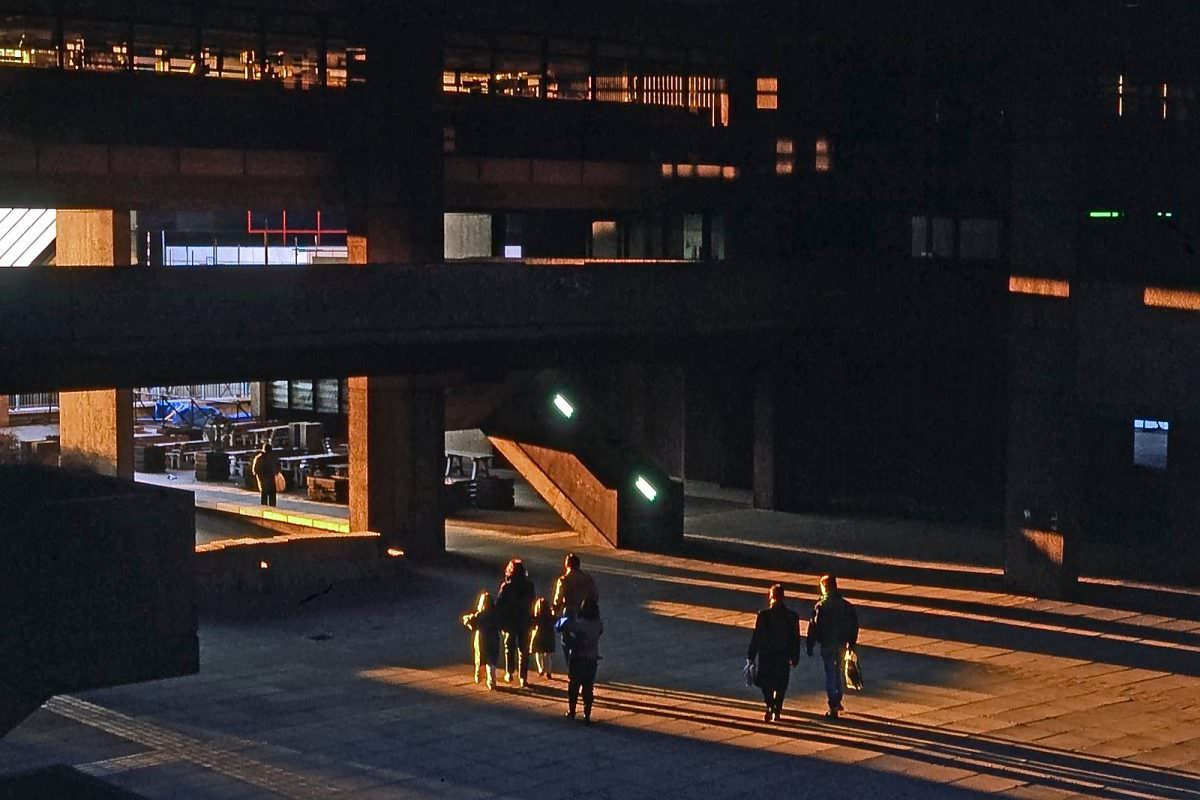
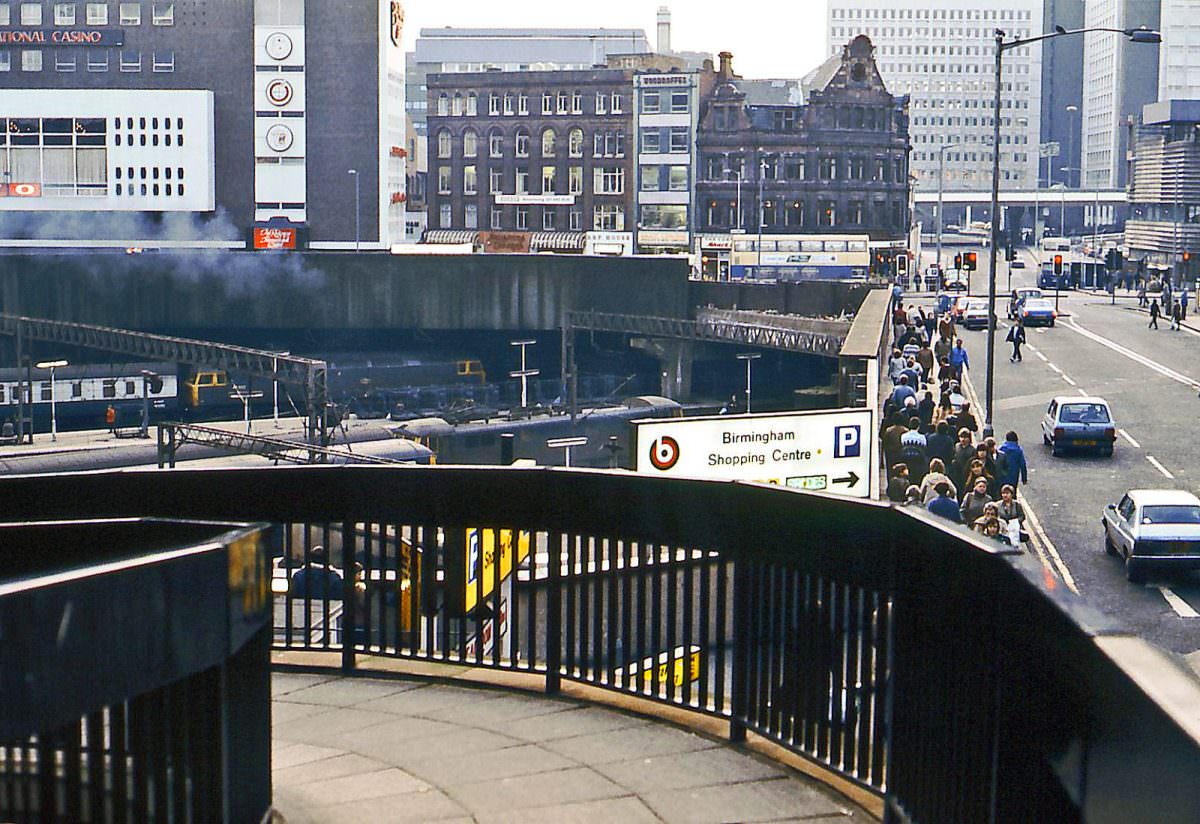
Golden Hillock Road and Bordesley reflected the industrial fringe of the city — areas where manufacturing had long defined daily life but was now contracting. New Street Station, one of the city’s key transit hubs, carried on through the decade with its brutalist concrete shell, a structure as utilitarian as the era itself.
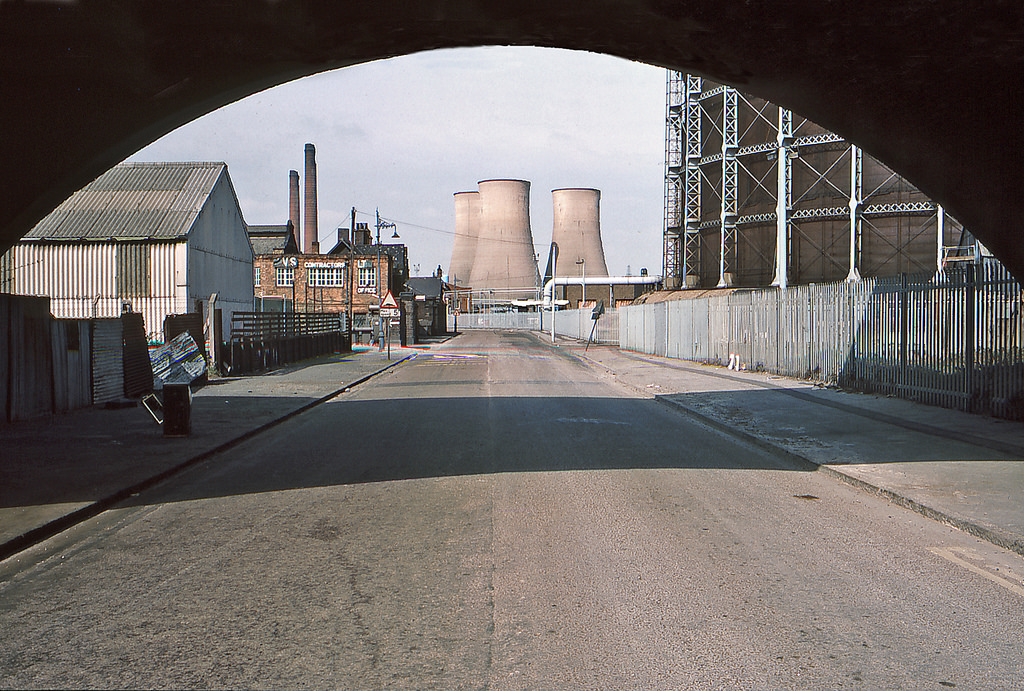
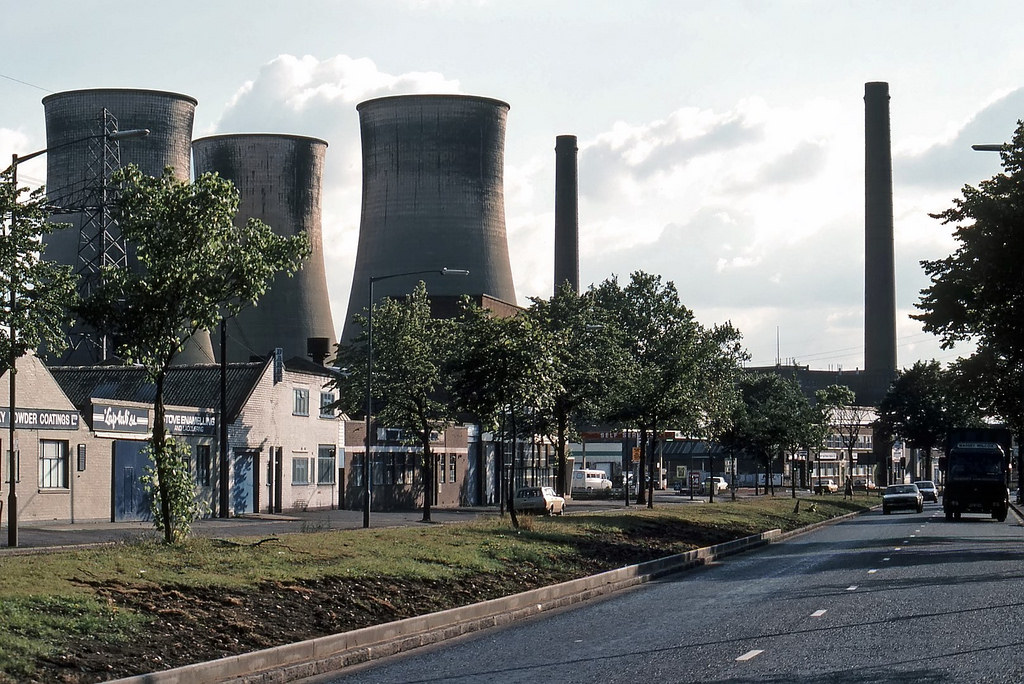
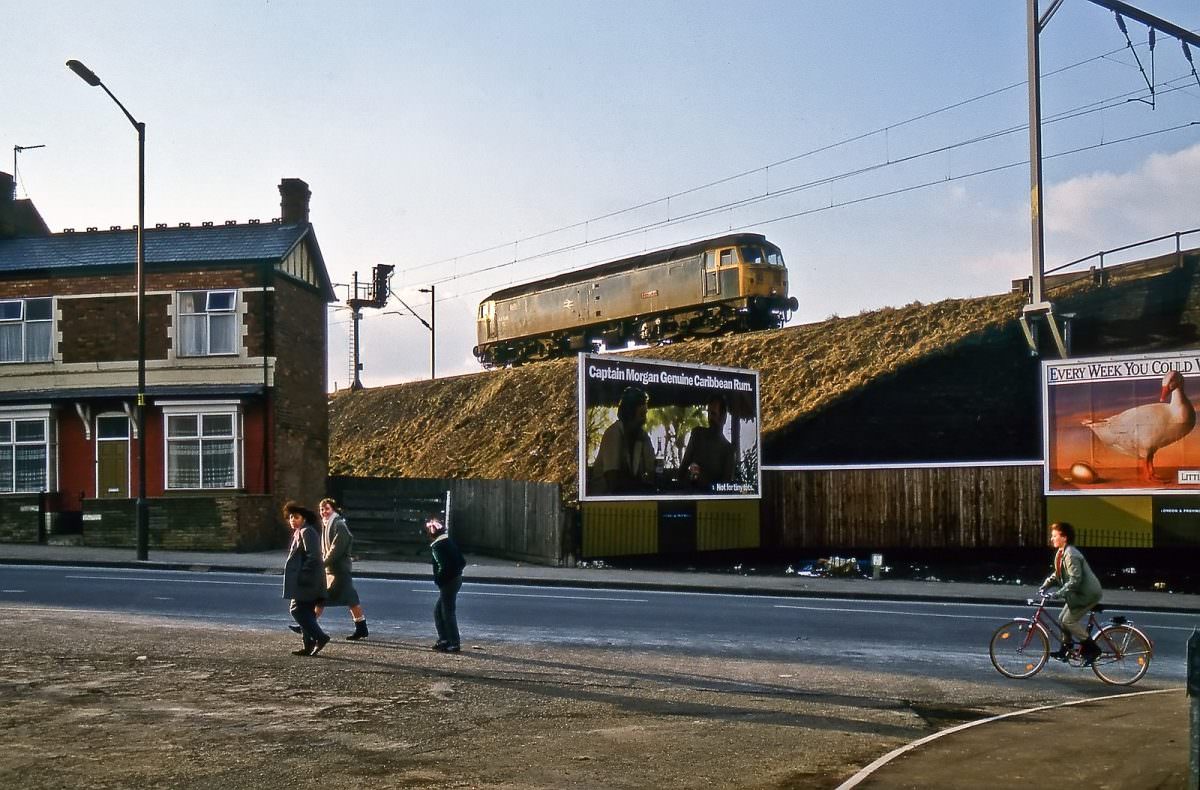
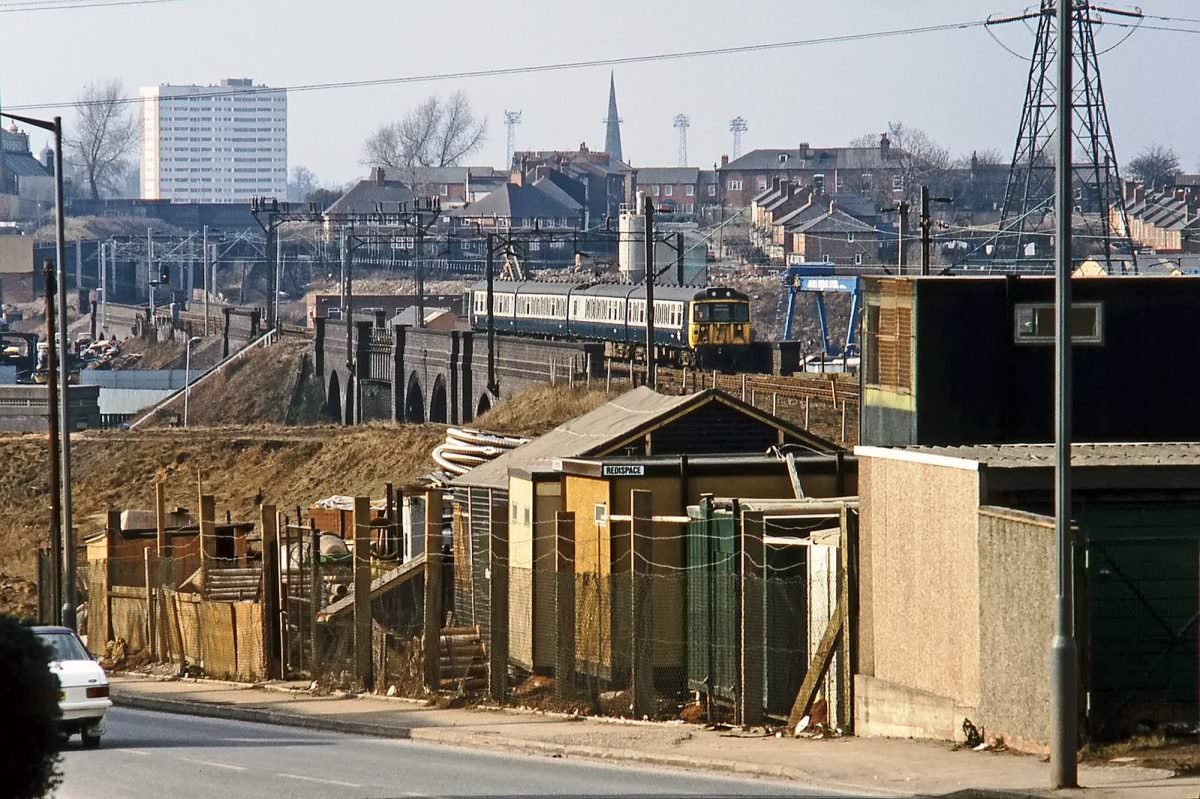
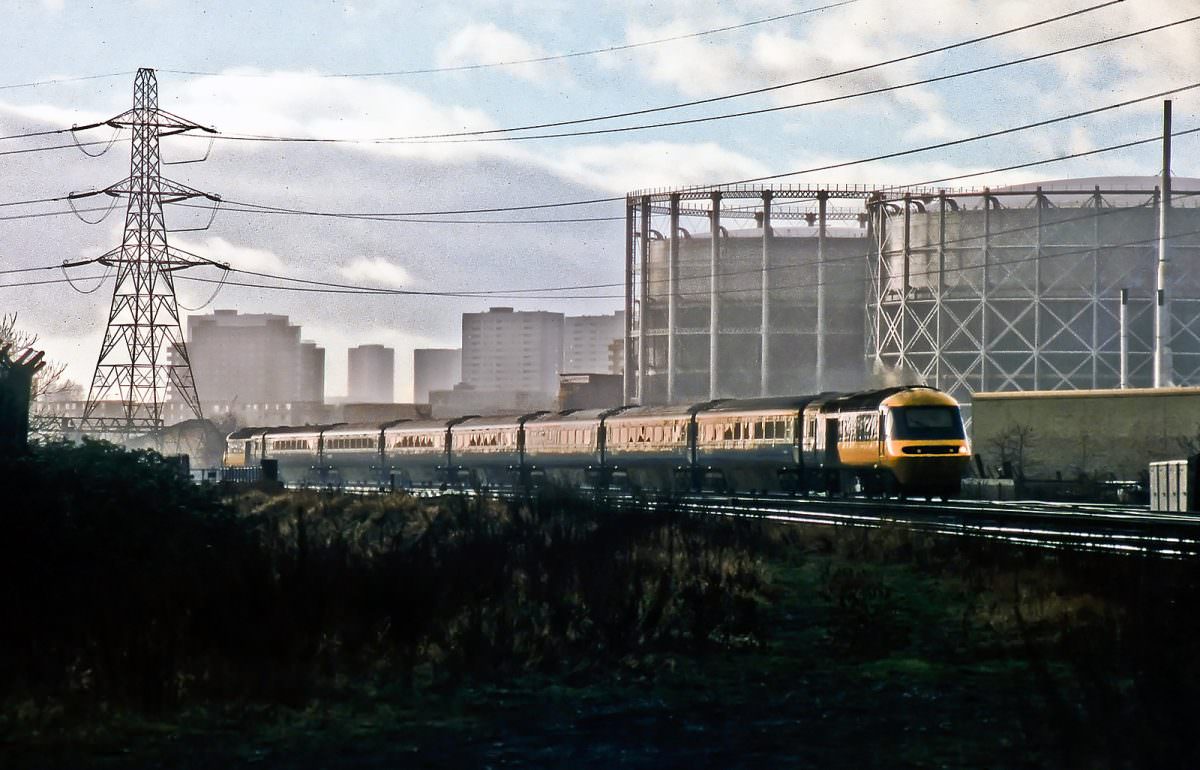
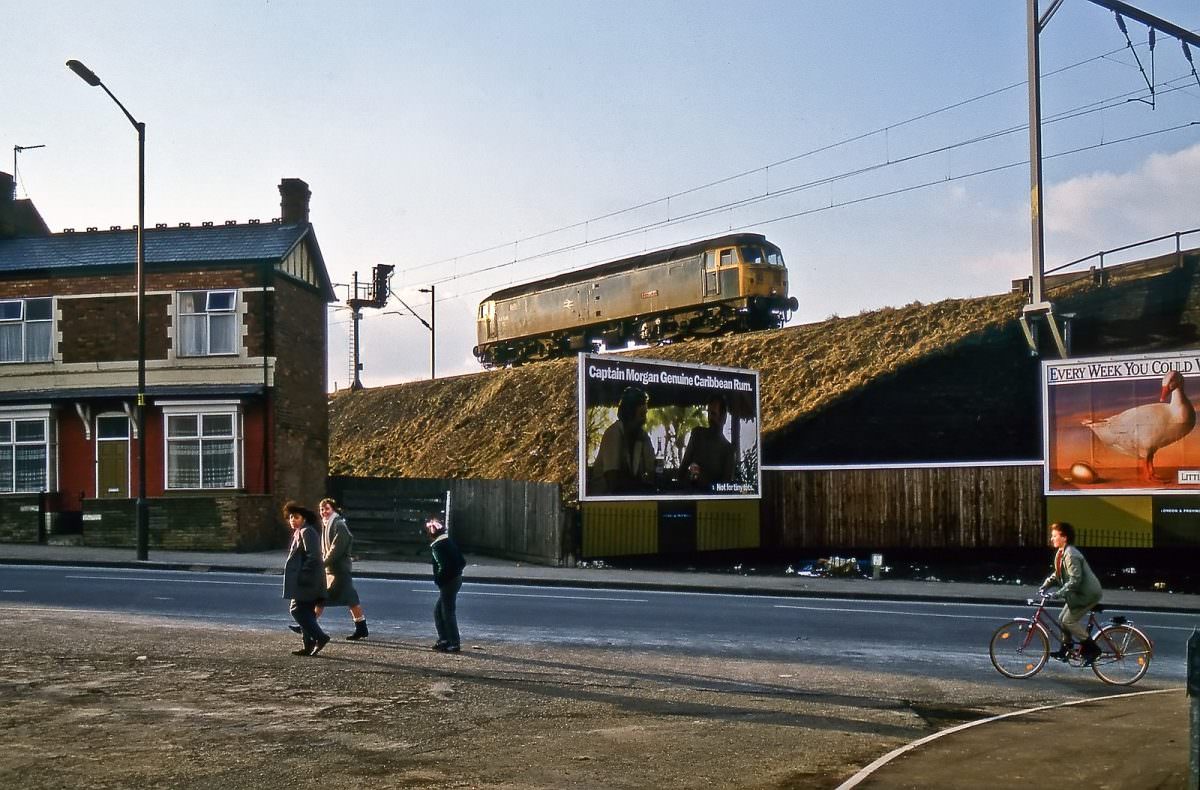
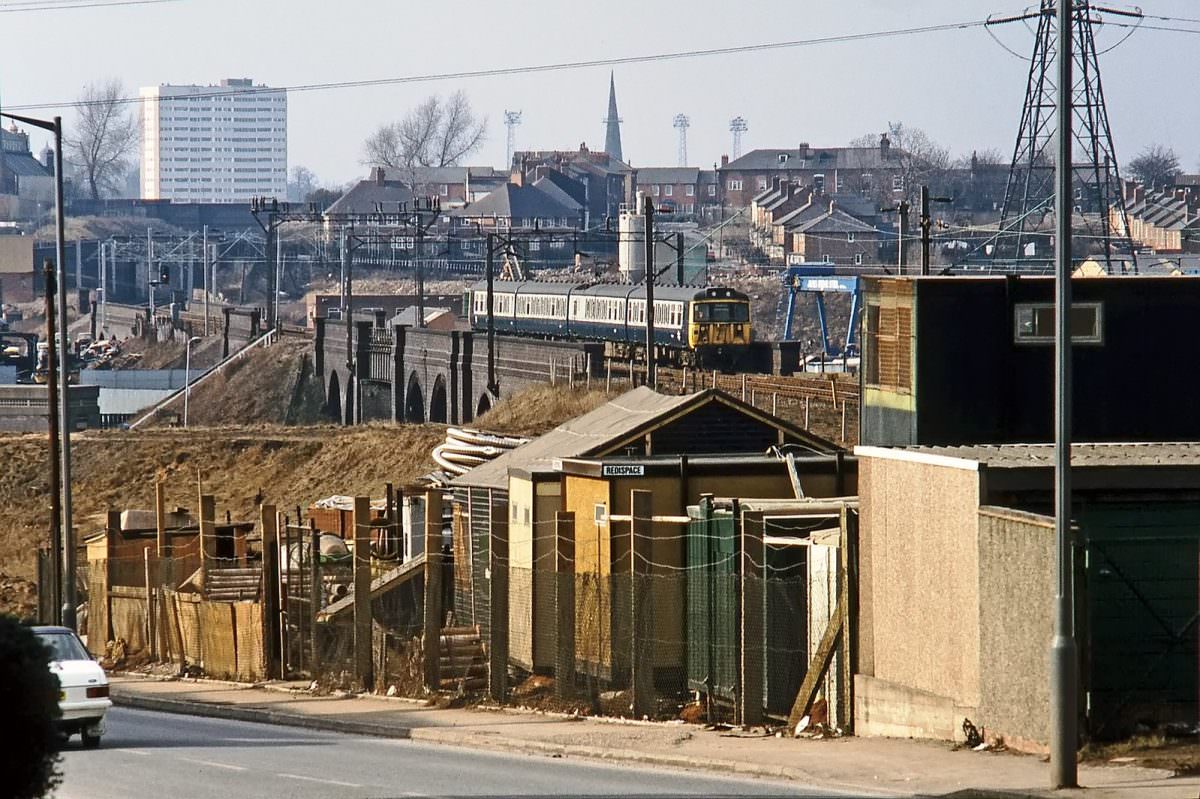
Nechells Power Station was one of the most prominent industrial landmarks visible from multiple points across the city. Its cooling towers and chimneys could be seen from Tyburn Road and from beneath the bridge carrying the Aston to Stechford railway line over the Midland line near Washwood Heath. The power station closed in 1982, and these photographs from 1984 capture it standing idle — a hulking reminder of what the city had lost.
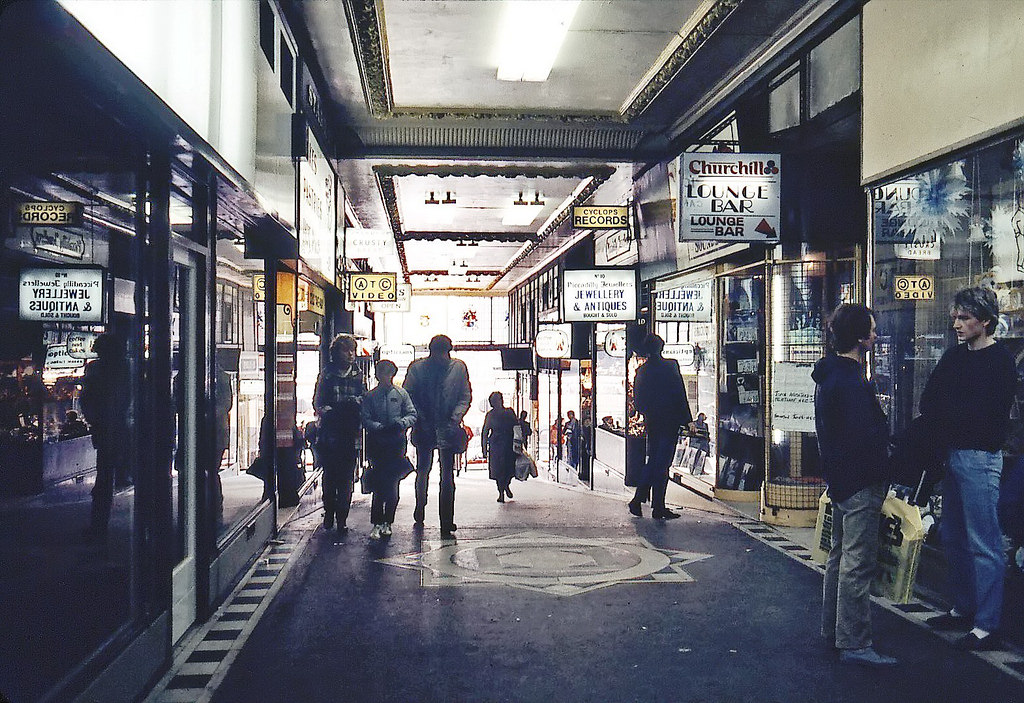
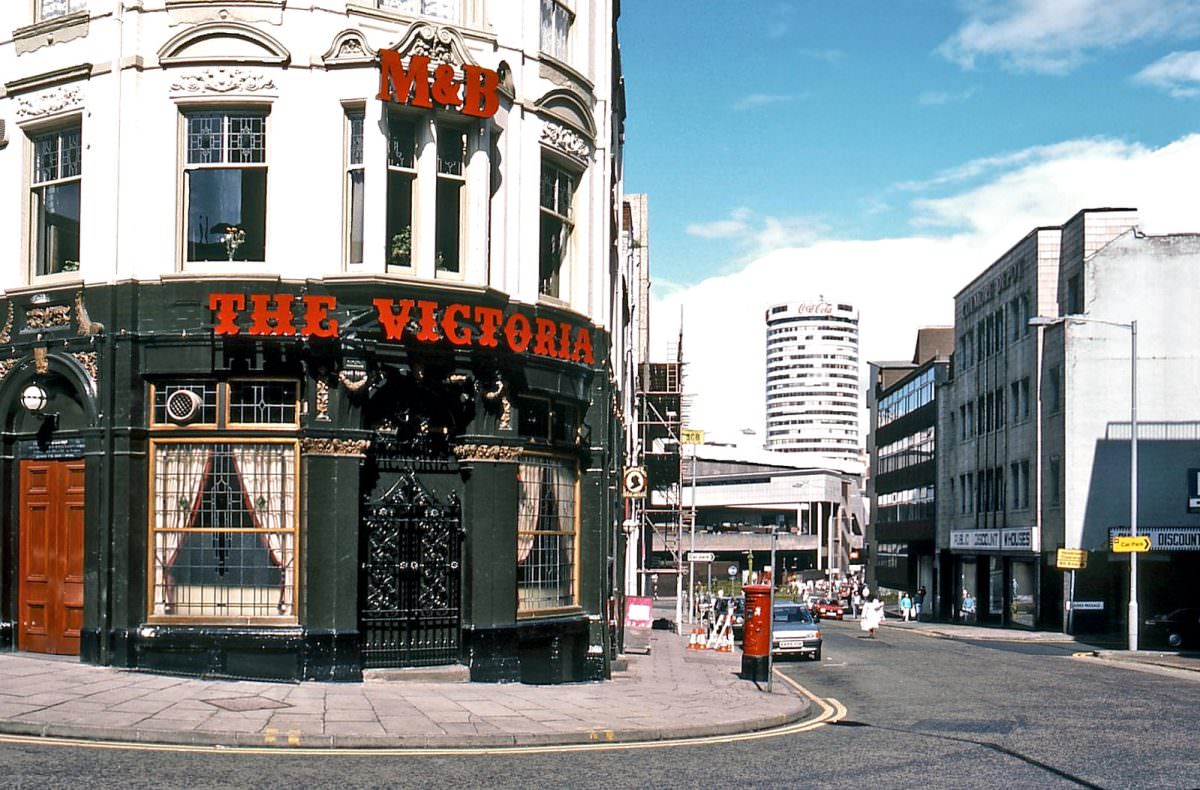
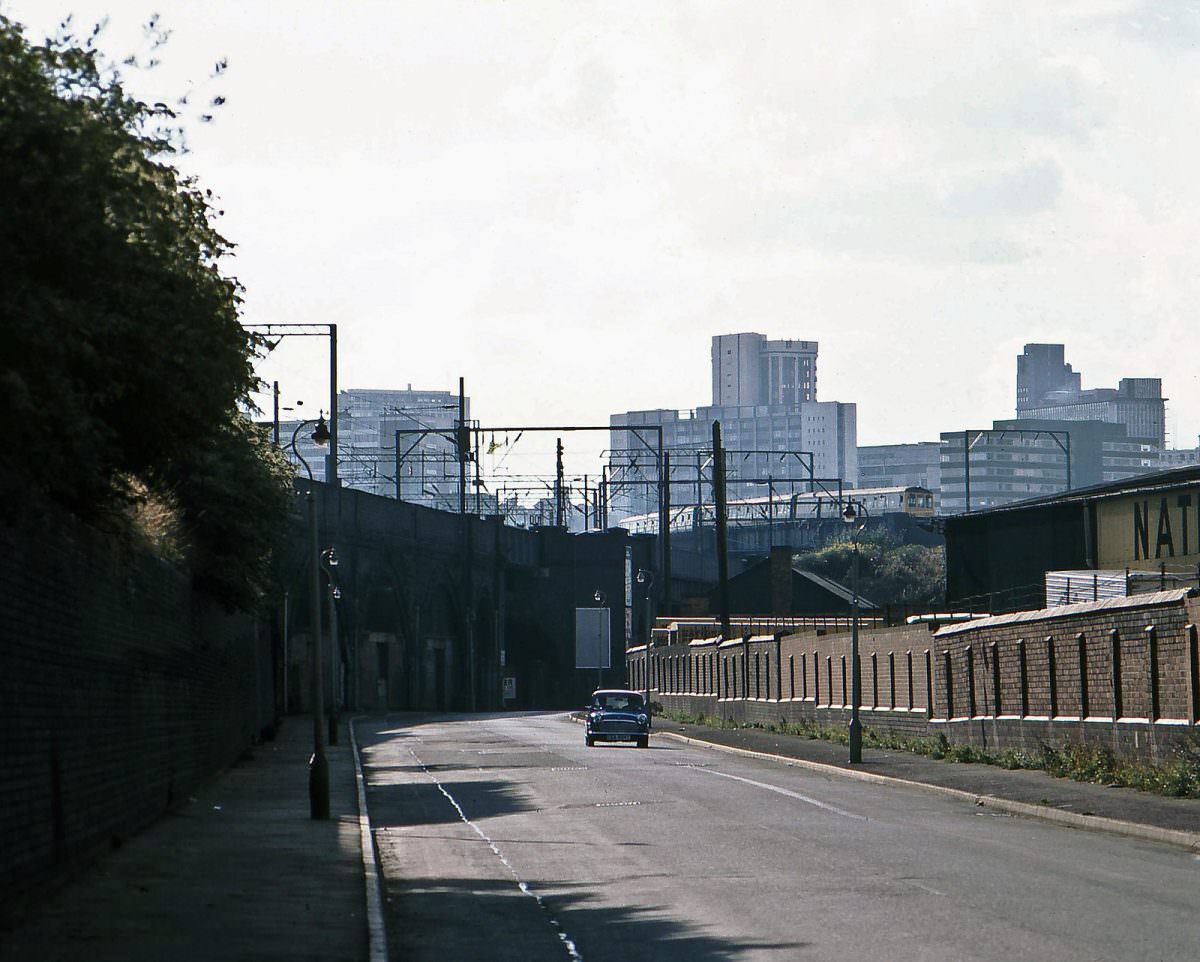
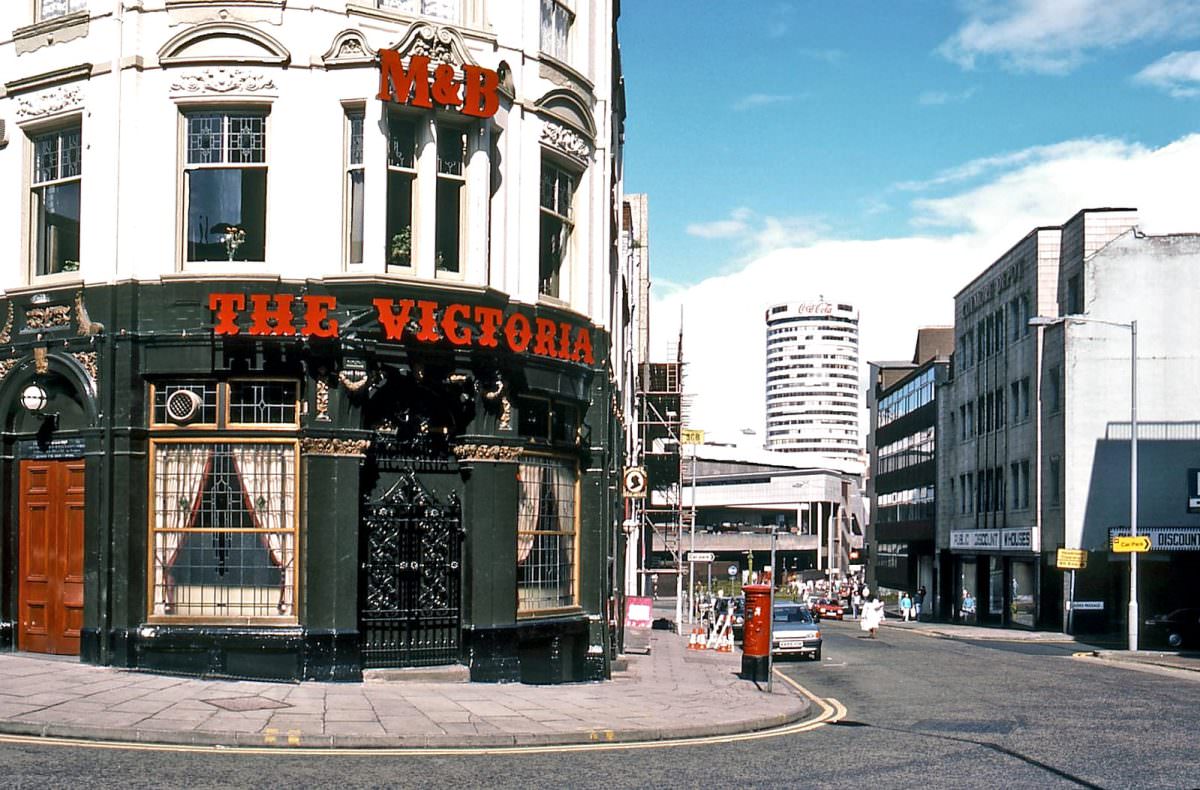
By the mid-1980s, certain corners of Birmingham still retained a sense of everyday commercial life. Deritend’s High Street offered a direct sightline toward the city centre, while areas like Moseley and Winson Green held their own distinct identities. Pubs like The Victoria on John Bright Street and The Railway in Winson Green were neighbourhood fixtures.
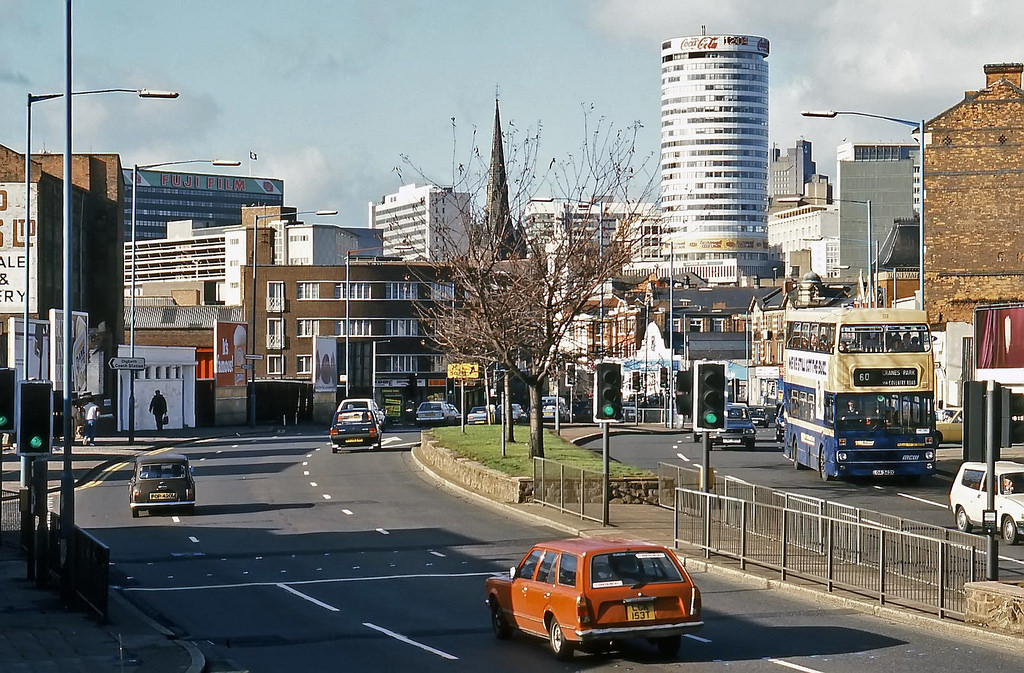
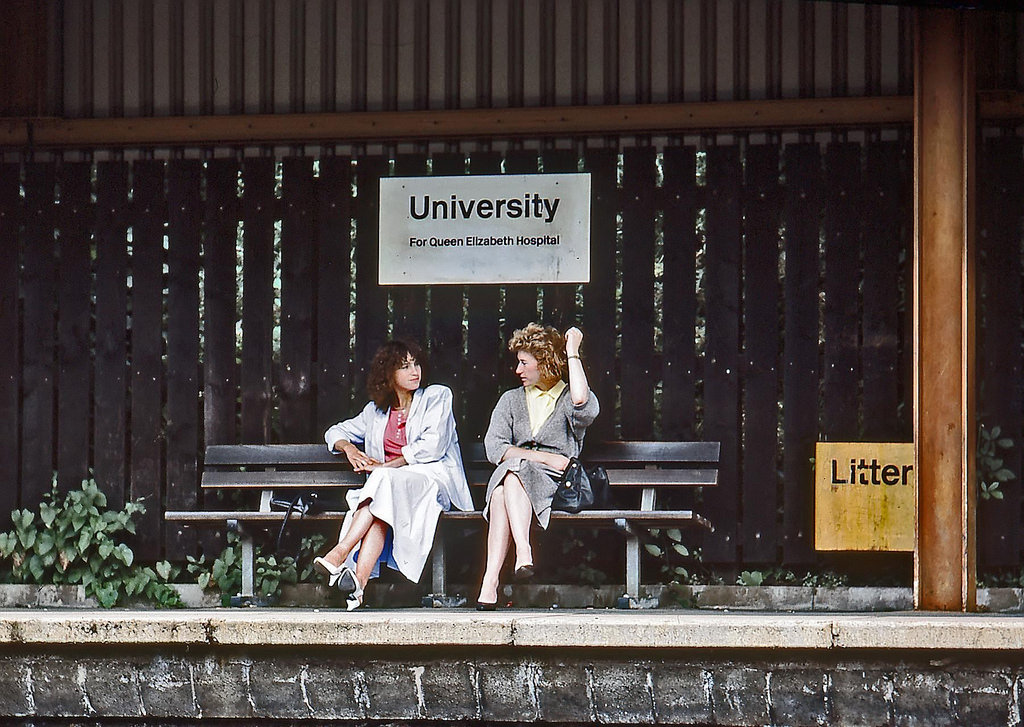
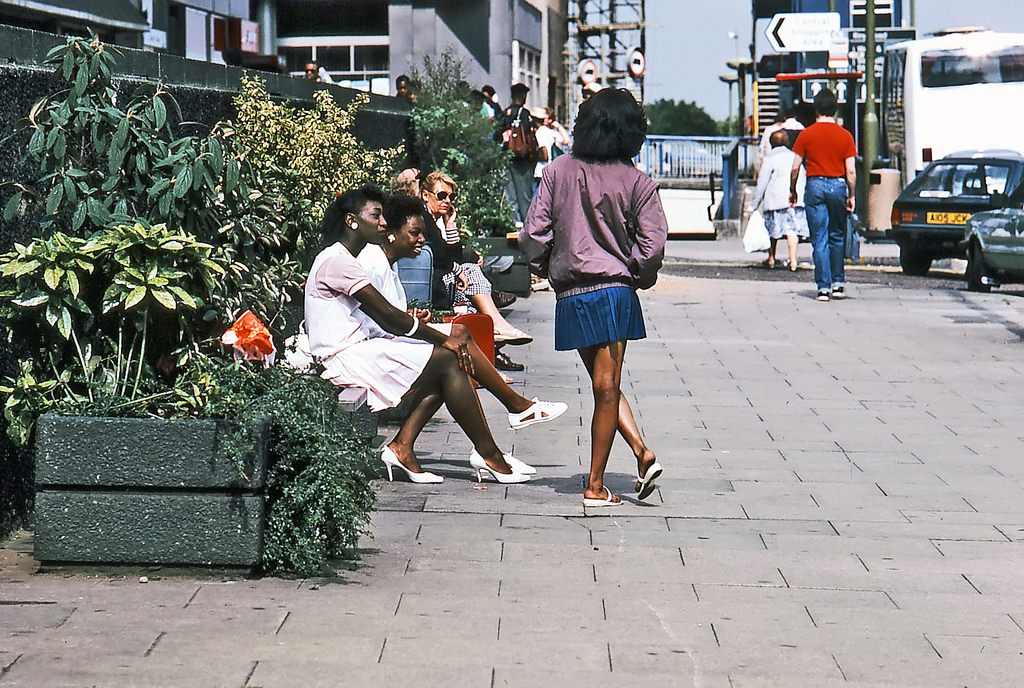
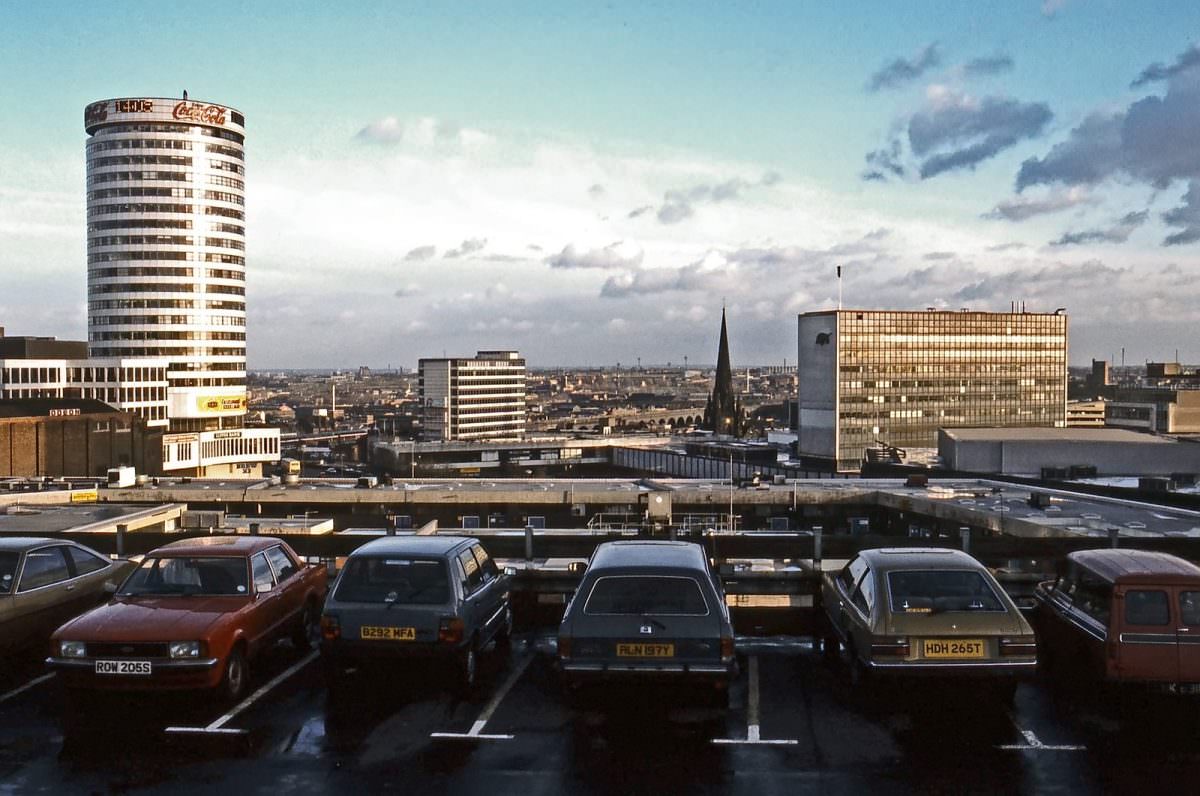
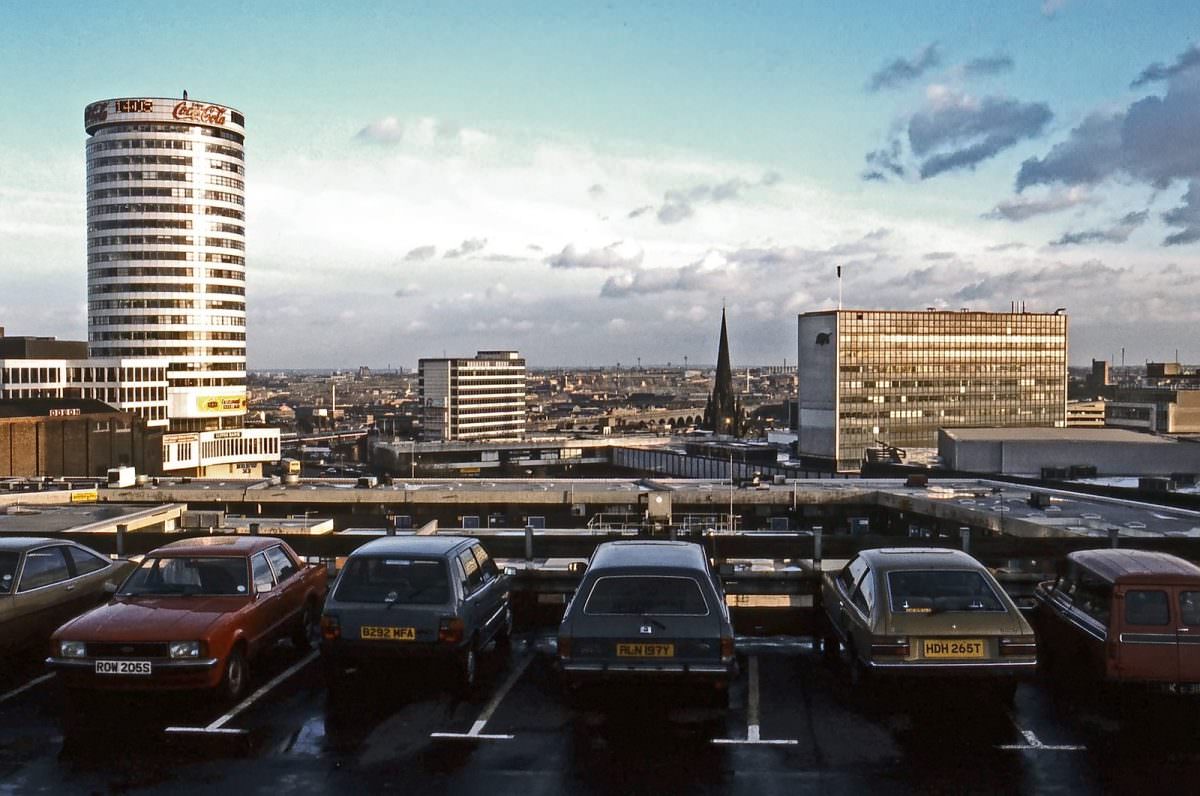
St. Martin’s Circus on a summer Sunday in July 1987 captured a more relaxed side of city life. The bridge spanning the eastern end of New Street station was a gathering point, with the Rotunda looming in the background — one of the few 1960s landmarks that remained a constant in an otherwise shifting skyline.





My team of Network Rail contractors and I once went into the arches under Moor Street to try to find the original bull from the Bull Ring sign. It had been down there for some time after the redevelopment.
After unbricking a few walls to look into sealed areas, we could not find it. It was probably mangled and skipped at some point.
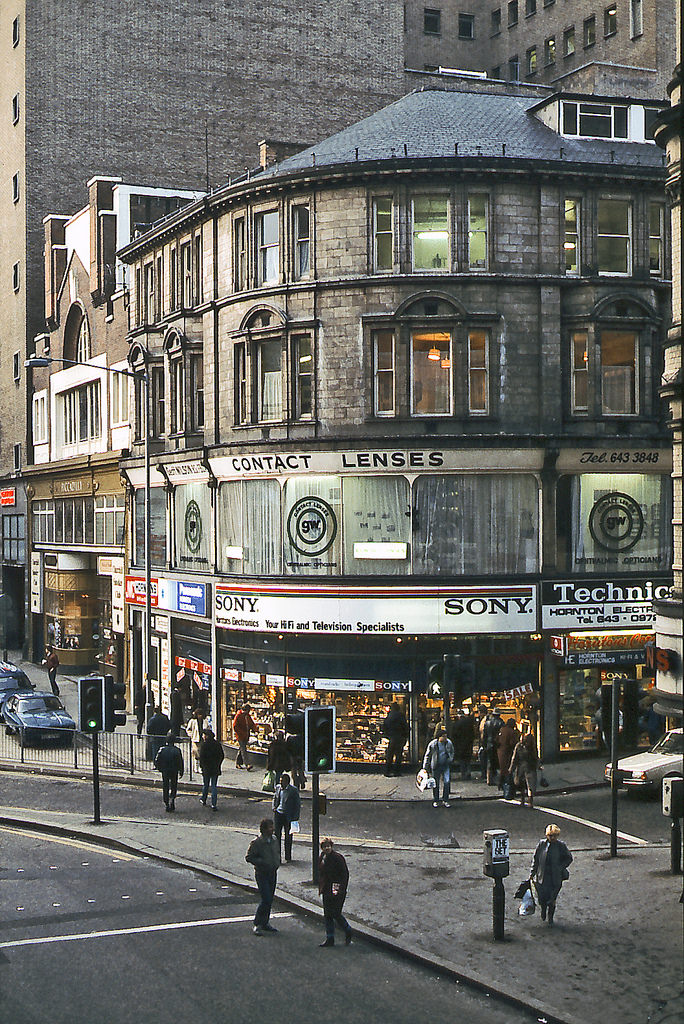
Are the contact lenses placed on Stephenson Street in the 80s still there above the Cafe Nero?
Moor Street station looks the same.
Forty years ago, the New Street Signal Box looked just as horrendous as it does today.
Why was a power station built within a city? The buildings are so dirty. It could film/camera technology, but air pollution is more likely.
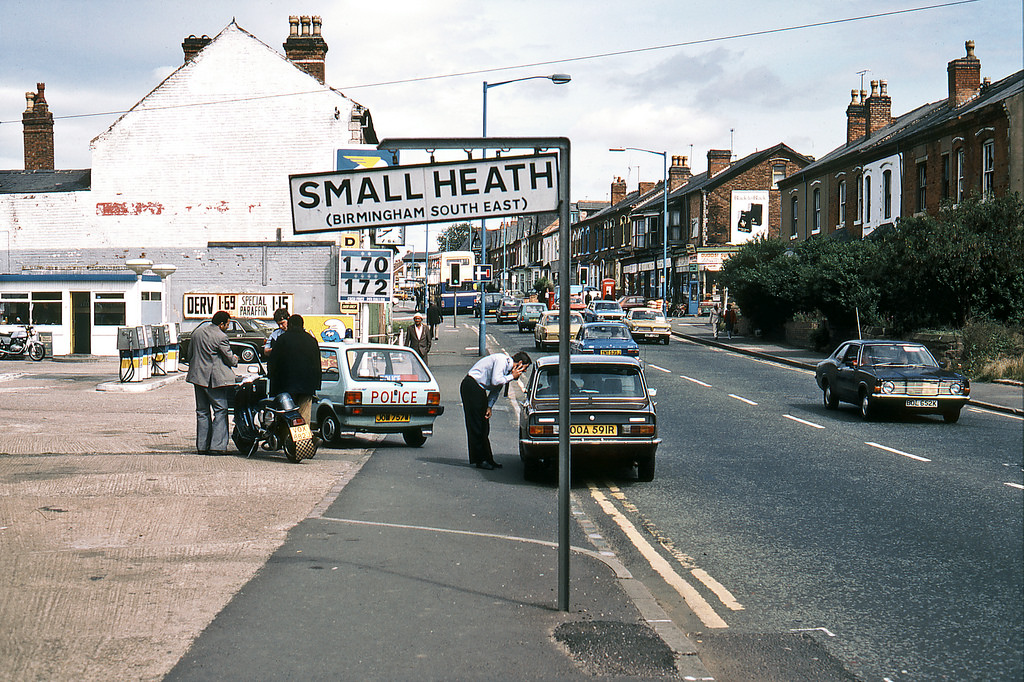
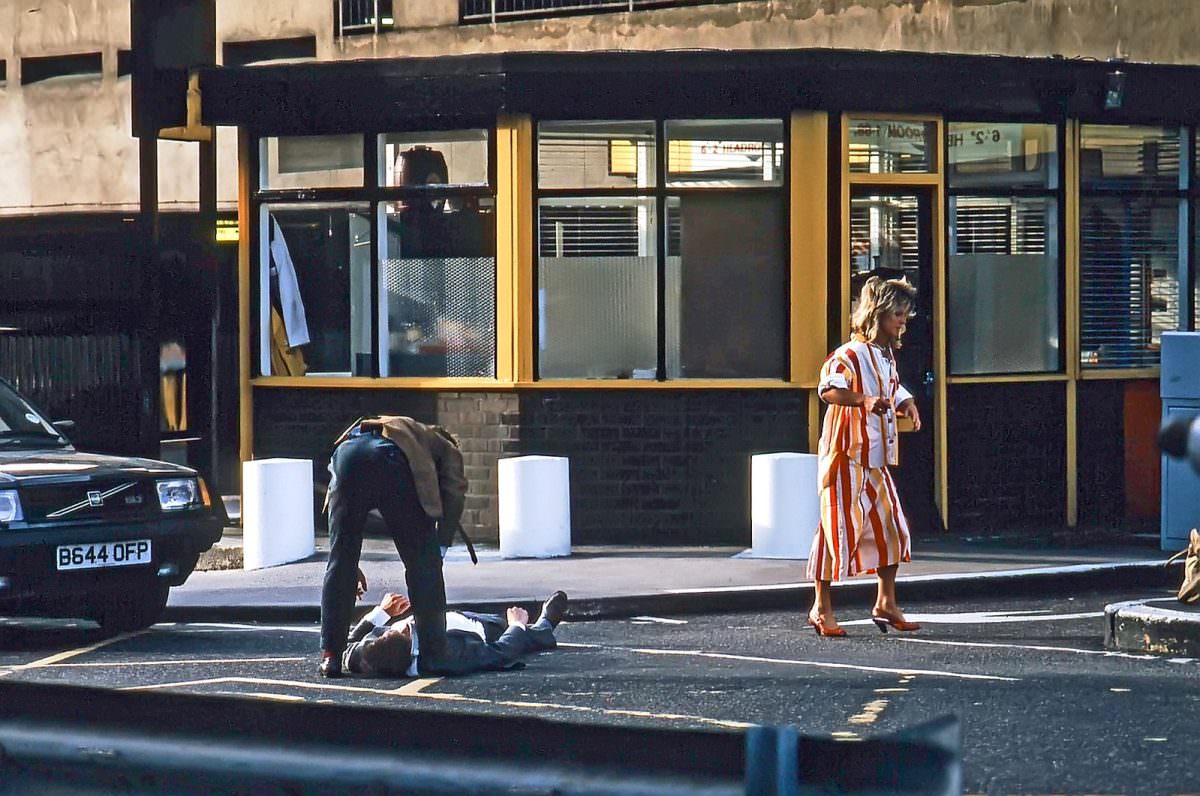
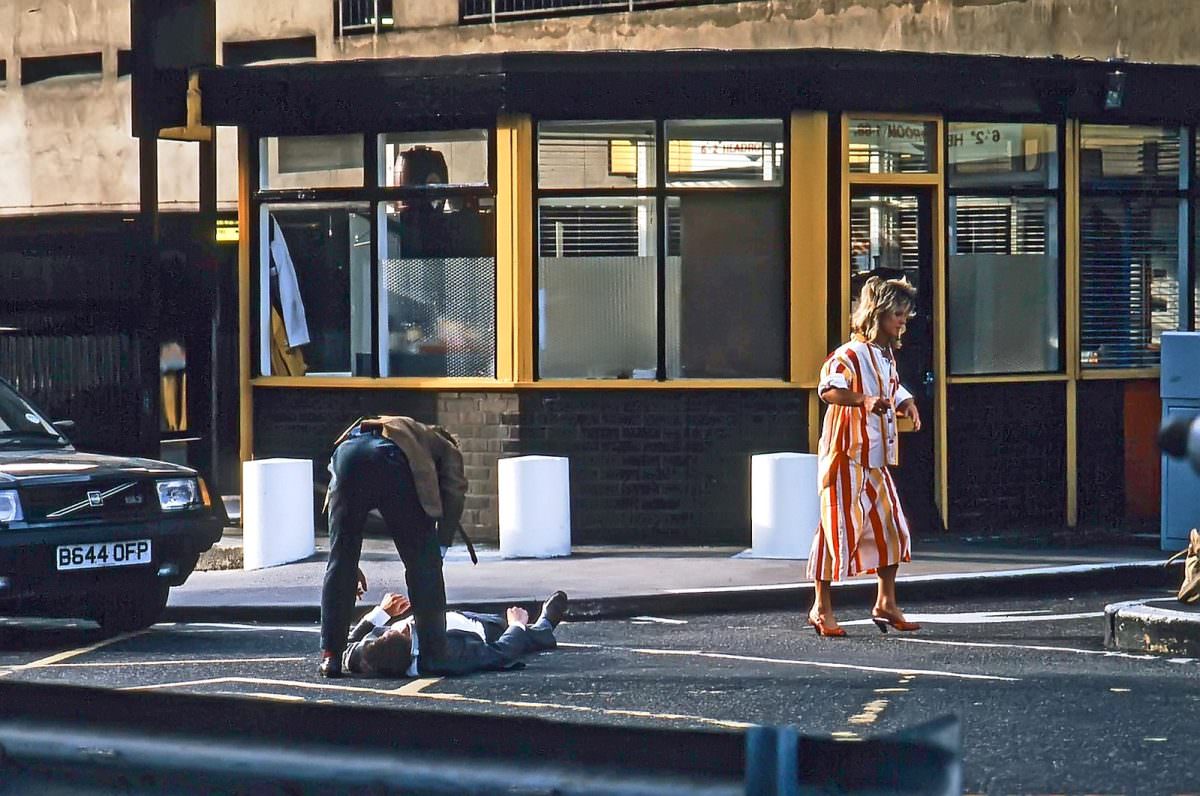
A police car on Golden Hillock Road, it’s nice to see things haven’t changed much.
A much worse city.. no doubt if this on FB the boomers would decry anything gone as loved etc see any Birmingham mail article .. The city now looks just so much better and every year getting better
I strongly agree. The only thing that could make anyone believe it was better back then was nostalgia
It is there .. the bull ring appears to be too posh, etc, and given that the city is young, the new developments attract younger people, and boomers don’t like it.
There is still a lot of this stuff around. Pubs and shops may have different names, but they look the same.
People love to talk about the old days, but IMO I think it looks a lot better now. Due to the lack of cars, the roads look wider, and because there are fewer of them, there are fewer potholes. My only observation is that there doesn’t seem to be as much rubbish on the streets as there was back then. Now it’s bad.
Birmingham in the late 1950s and early 1960s was more appealing to me. There was less litter and things were cleaner. Many of the old buildings were demolished and replaced with concrete monstrosities. Unlike today’s confusing station, New Street Station was easy to navigate.
Perfectly reasonable and sensible
To me it looks bad and dirty in the past too
When I lived on Cadbury’s Bournville Estate, they kept the pavements clean, removed weeds from between the pavement slabs, and replaced cracked slabs promptly. The pavements were also swept of dead leaves. It’s not like that anymore. We also saw hardly any litter and if a child dropped litter, their parents slapped them and made them pick it up.
Do u have any pics of late 50s bham? Would be good to see
Sadly, I don’t have any. My old photos were digitised and stored on a PC hard drive that failed. Perhaps the Birmingham Mail has some in its archives.
I miss the old library, the new is relatively hideous
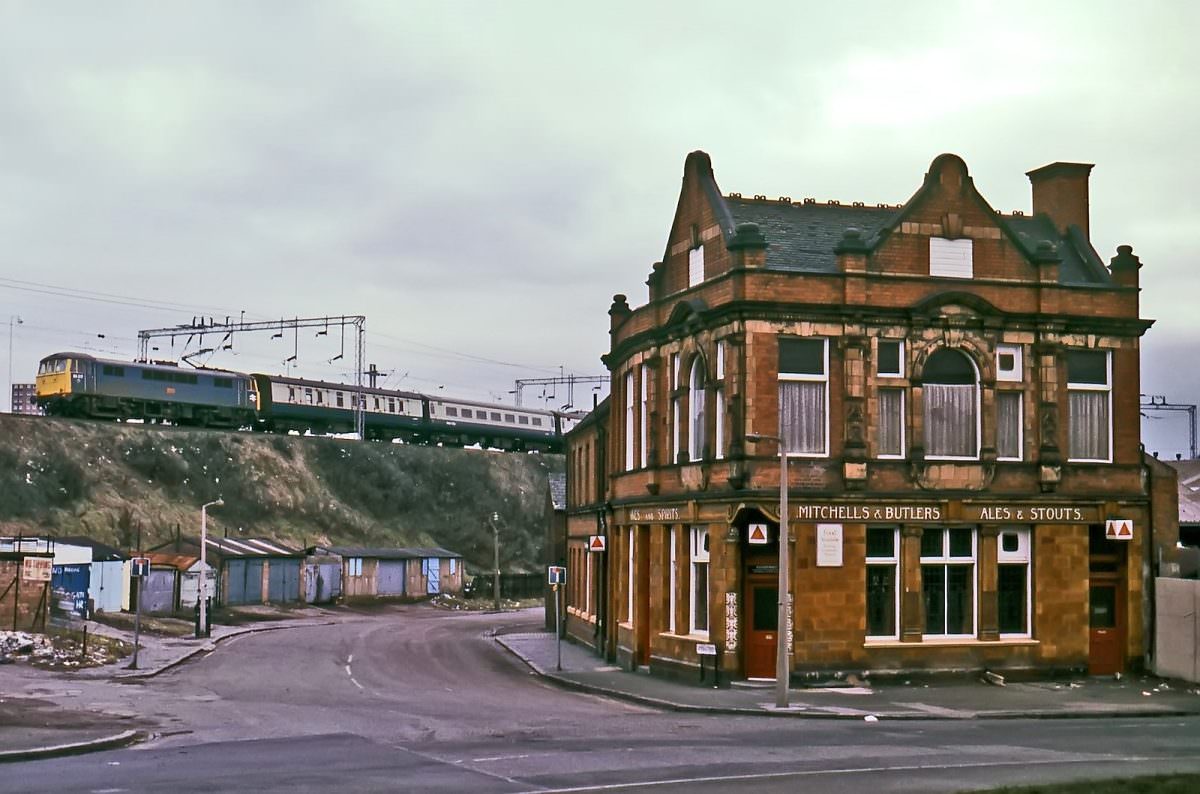
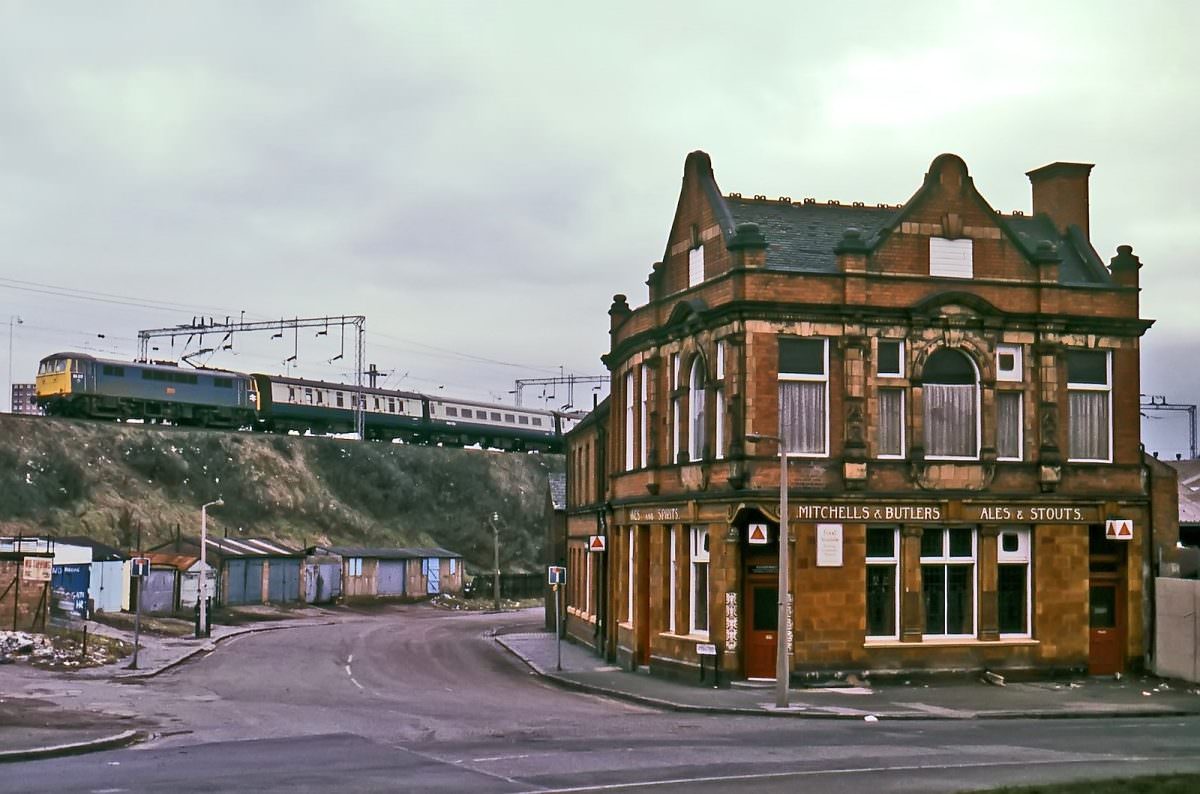
Thanks for the trip down memory lane. Vincent Timbers, Selly Oak. Check out that train hauling away!
Pulling in isn’t it? I think the picture was taken next to the Pear?
Had a mate who worked at Vincent timbers in the 80’s
Oh man. When I was a teenager in Birmingham in the 1980s, my school bus pass got me everywhere I wanted to go. (I went to Five Ways so had to get the 11 and then 23 to school)
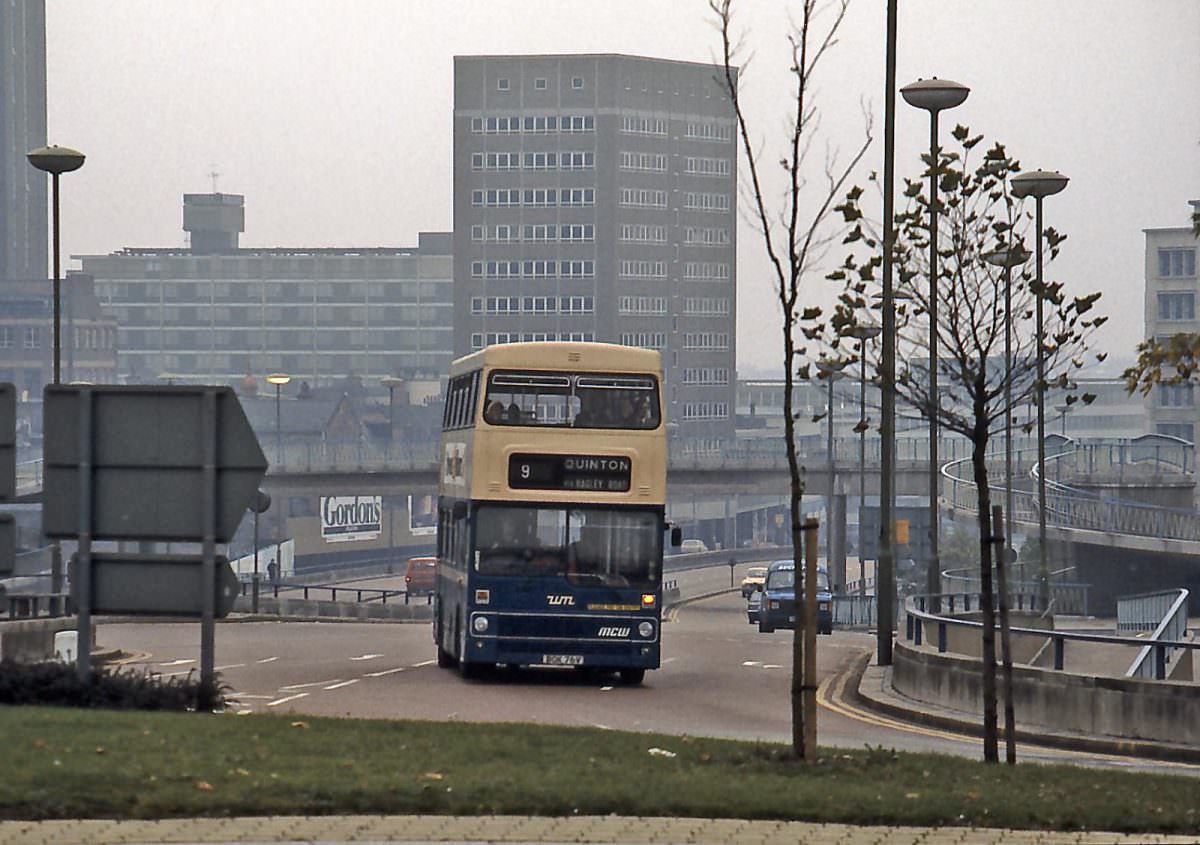
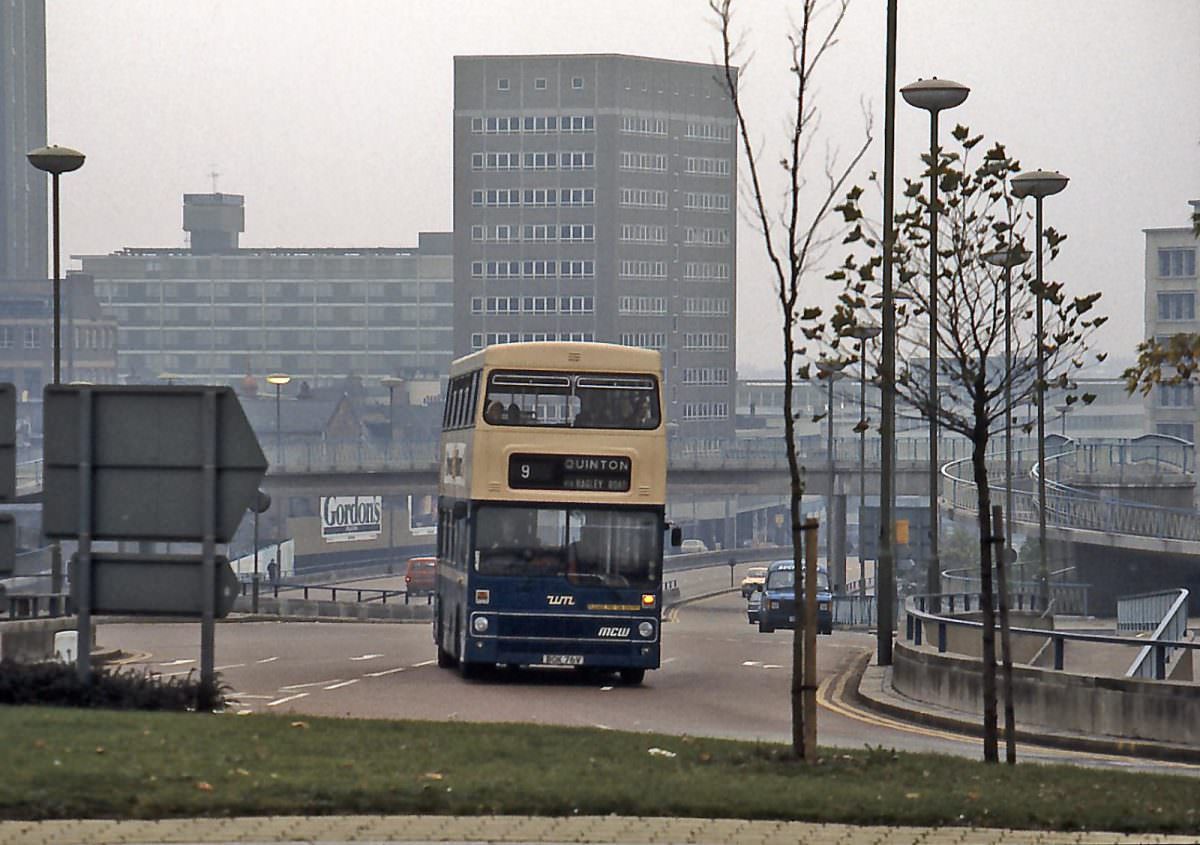
So I used to get the #9 from Quinton to town, and then go and stare in the window of Hornton Electronics which was on the corner of Lower Temple Street (where Archie’s is now) and lust after the new Hifi. (It’s in a couple of those pictures).
I also used to wander down Newhall St to the Science Museum, which used to be down by the canal near the BT Tower before it moved to Millennium Point.
It was a sign you were near home when you saw the ‘milk bottles’ at Nechells power station and the HP Sauce building at Spaghetti Junction. Nechells’ cooling towers were knocked down, too.
Anyone remember the BRMB Walkathon? One lap around the 11 outer circles route was equivalent to a marathon – 26 miles. At Lordswood School, I started and finished it one year in the 80’s.
There are so many memories in those photos of exactly how I remember Brum (I moved to Yorkshire 27 years ago).
I did the walkathon too.
Was a great experience and I seem to recall brought everyone together wandering round the 11 route.
Sure it’d be a faff to organise nowadays.
These pics are great. I used to get random busses round Brum on the way from Handsworth to Sutton.
I’m roughly the same age as you. I remember it the same way as you.
Birmingham was much better then. It’s declined immensely since the 80s.
Did that walkathon and run the world love brum back in the day
All about silver blades, town misses that kind of place where kids congregated from all areas and had pure fun
I remember that. Full of all sorts of people and great arcades too. Skating followed by some video games with your mates. Then a quick meal in Chinatown after.
When Smallheath was a nicer place
Look at it now…👀
I walked along golden hillock road to school, in the late forties. Has living close in Osborn rd. At the time.
Can we not judge please.
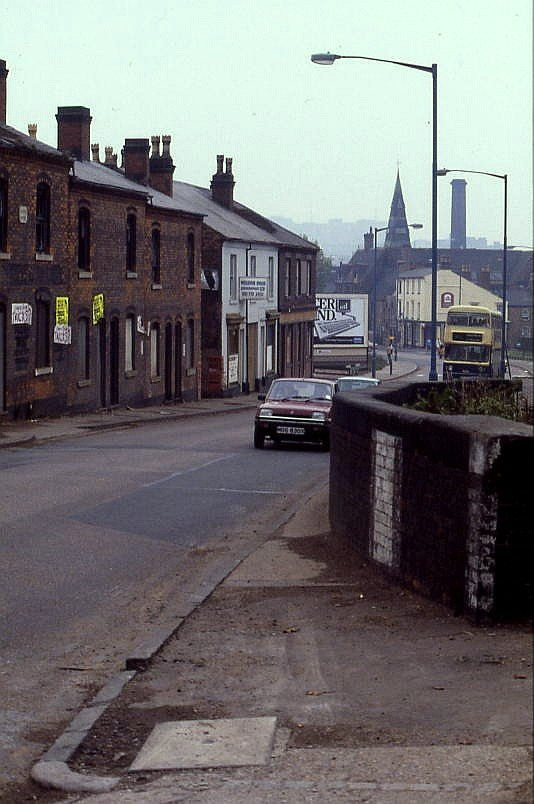
Golden Hillock Road looking towards the junction of Bolton and Byron Road just before work started on the bypass