
Hey There! Before You Go. 😧
Get the best vintage content straight into your inbox!

Don't worry, we don't spam

Historic Photos of Beaver Brook, Worcester's Community of Color by William Bullard

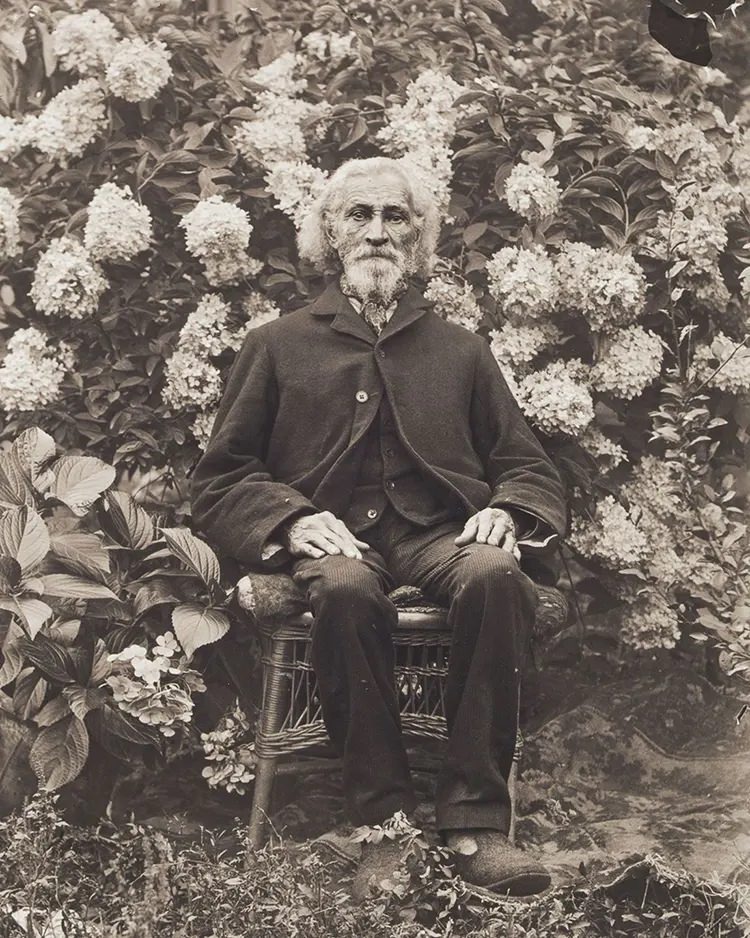
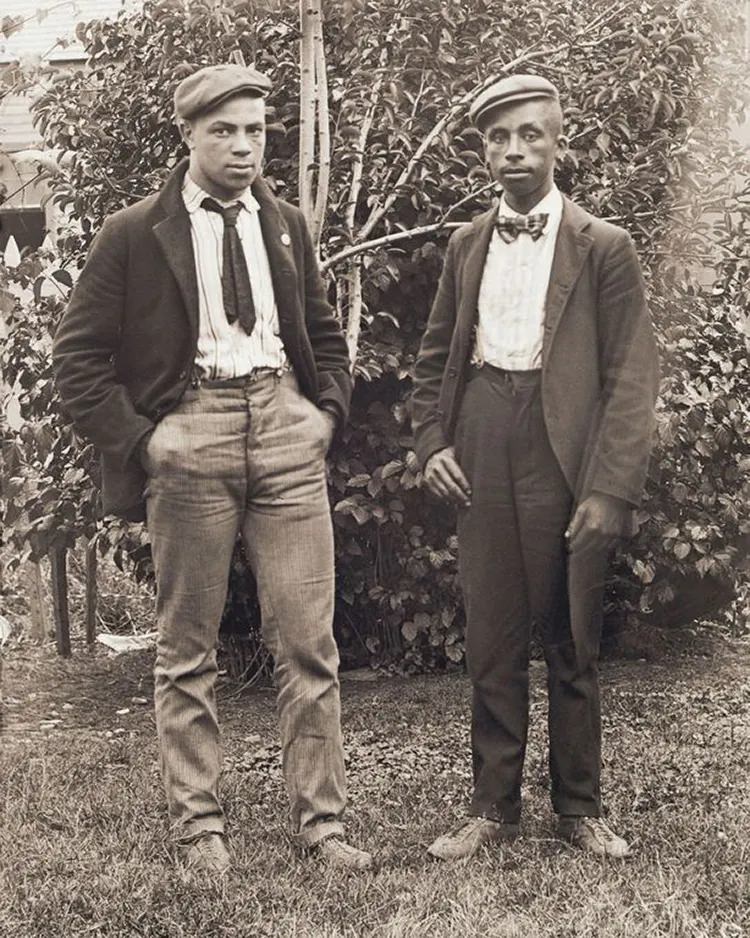
William Bullard was among the first African American photographers in Worcester, Massachusetts. He opened his photography studio in the early 1890s and ran it until his death in 1917. During those years, he built a body of work that stands today as one of the most detailed visual records of Black life in New England at the turn of the century. His lens focused heavily on Beaver Brook, a Worcester neighborhood home to African American families and immigrants who rarely appeared in mainstream photography of the era.

Many of Bullard’s subjects were migrants from the American South, the Caribbean, and Canada — people who brought their cultures, trades, and family ties with them. His photographs include formal portraits, candid outdoor scenes, working people, and children at play. Together, they document a community that was vibrant, rooted, and remarkably diverse. The families he photographed came from Virginia, South Carolina, North Carolina, New Orleans, and even New Brunswick, Canada.

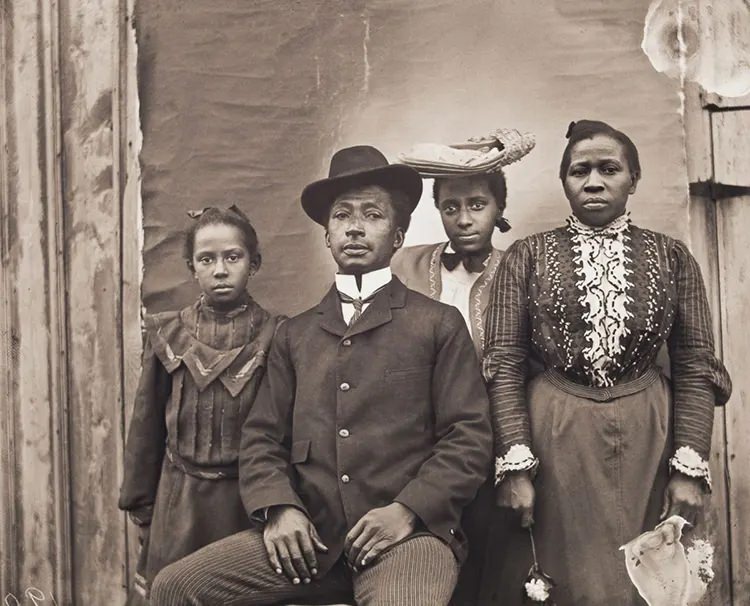
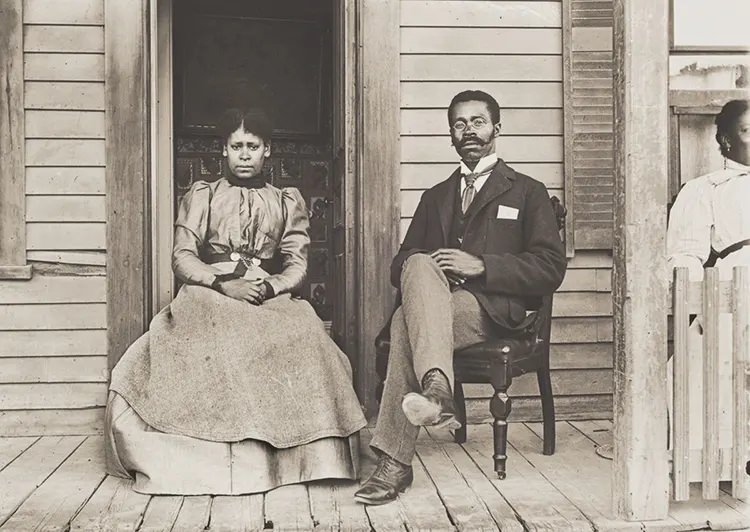
Thomas A. and Margaret Dillon Family. Virginia-born coachman Thomas A. Dillon and his wife, Margaret, a domestic servant and native of Newton, Massachusetts

The Dillon family portrait is a strong example of how Bullard captured working-class dignity. Thomas Dillon earned his living as a coachman, while Margaret worked as a domestic servant. Their formal pose reflects the pride many families brought to sitting for a photograph — an event that carried real social weight at the time.

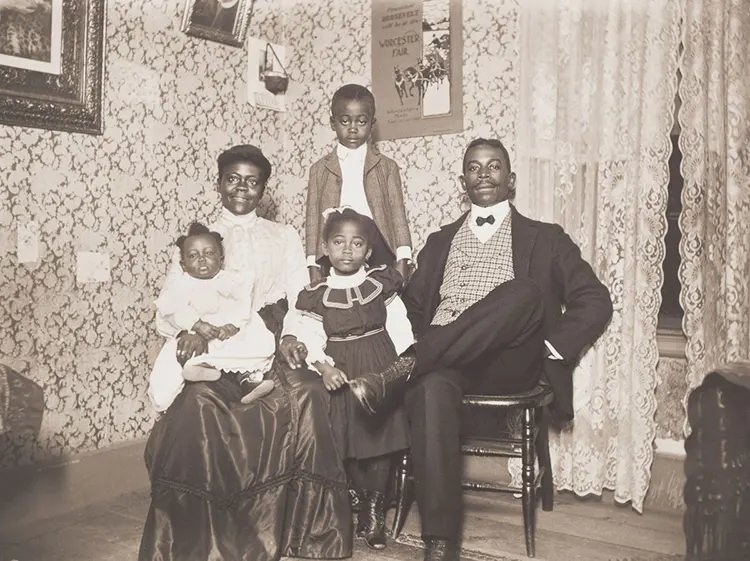
James J. and Jennie Bradley Johnson Family. James J. Johnson, of Nipmuc, Narragansett, and African American descent, and Jennie Bradley Johnson, a migrant from Charleston, South Carolina, pose with their daughters Jennie and May.

The Johnson family portrait reflects the complex heritage that characterized many Beaver Brook residents. James J. Johnson carried Nipmuc, Narragansett, and African American ancestry, while his wife Jennie had traveled north from Charleston, South Carolina. Their daughters Jennie and May represent a generation born into the Worcester community their parents helped build.

Mrs. Louden's Relative, 1901.
Mrs. Louden’s Relative, 1901.
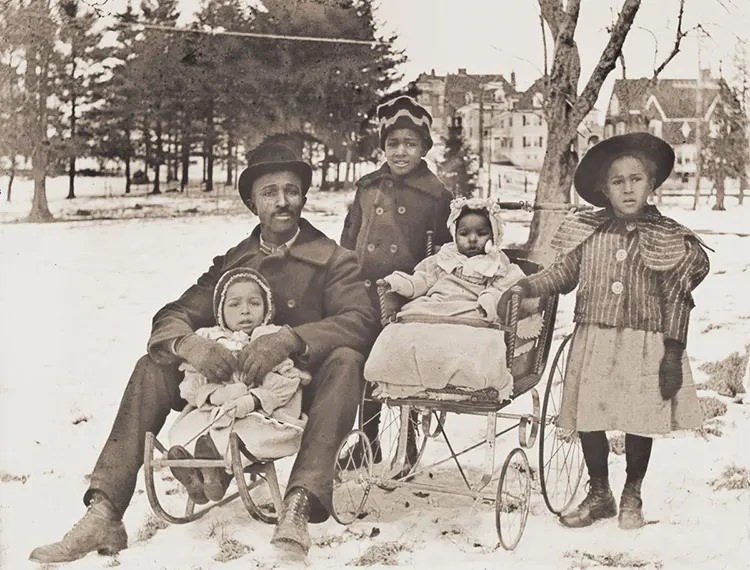
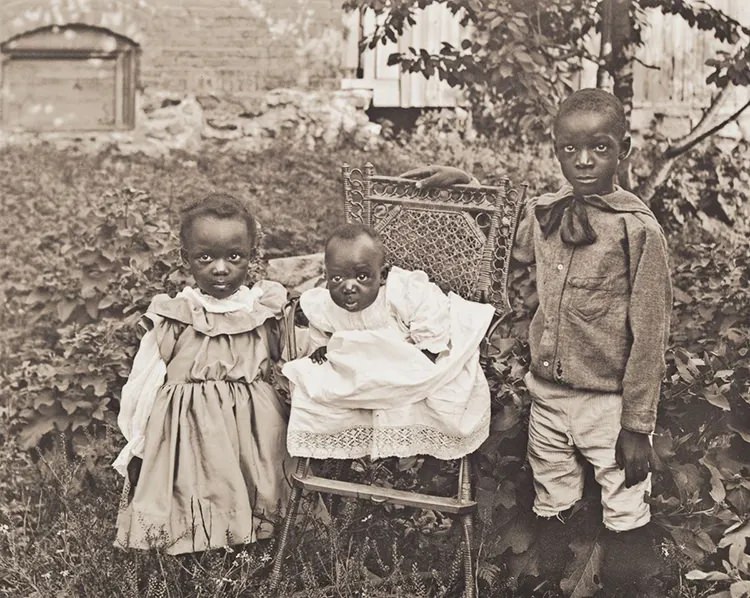
Raymond Schuyler and his Children, Ethel, Stephen, Beatrice, and Dorothea.

Bullard photographed families across a wide range of circumstances. Raymond Schuyler posed with his four children — Ethel, Stephen, Beatrice, and Dorothea — in a family portrait that records not just faces but the structure of everyday life in the neighborhood. These images were often the only formal records a family would have of themselves.

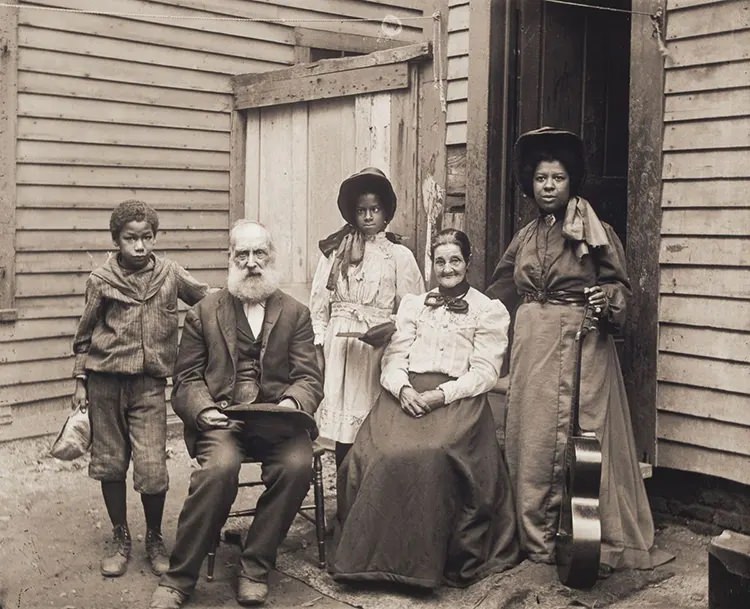
Mixed-Race Group, Including a Woman With a Guitar. This group may have been entertainers at an Old Home Days celebration, a popular event at the turn of the century held to commemorate the area's rural past, 1906.
Mixed-Race Group, Including a Woman With a Guitar. This group may have been entertainers at an Old Home Days celebration, a popular event at the turn of the century held to commemorate the area’s rural past, 1906.

Not every photograph was a formal portrait. This 1906 image captures a mixed-race group, likely performers at an Old Home Days celebration — a popular event held to honor the region’s rural traditions. The woman with a guitar anchors the scene. Photographs like this show that Bullard moved easily between studio work and documenting community life as it actually unfolded.

Hattie, James Harold, and Clarence Ward. Hattie, Louis, Clarence, and James Harold Ward were the children of Mary Elizabeth Ward Wilson, a migrant from New Bern.
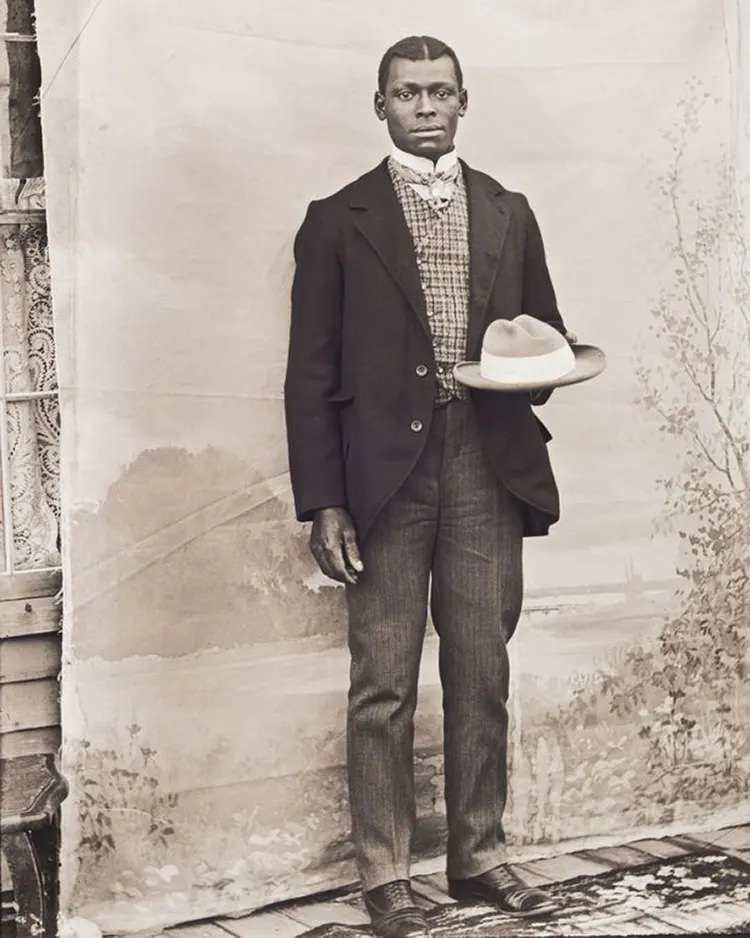
Richard G. Brown. Richard G. Brown was born in Virginia and worked as a laborer in a Worcester broom factory.


Richard G. Brown’s portrait is a direct record of the working-class men who powered Worcester’s industries. Born in Virginia, Brown found employment at a local broom factory — one of many Southern migrants who took on industrial labor after arriving in New England. Bullard treated subjects like Brown with the same care he extended to more prominent families.

Martha (Patsy) Perkins, 1901.

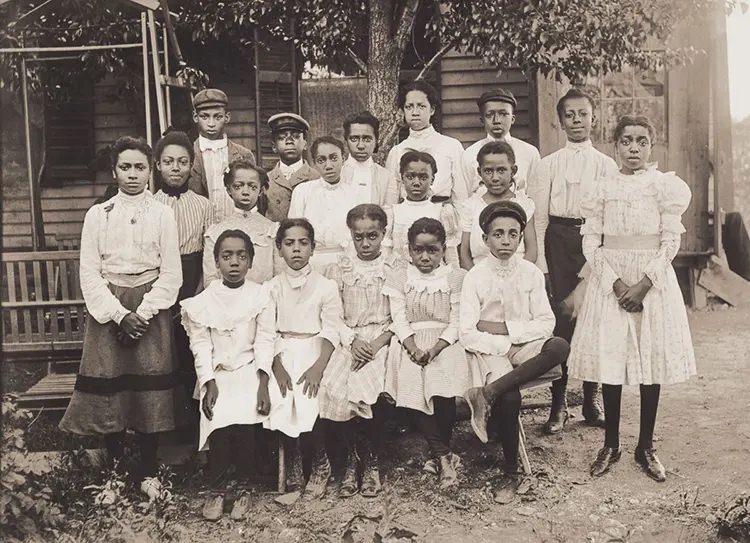
Among Bullard’s most striking photographs are those taken at Bethel AME Church. The 1901 image of Sunday School students dressed in black and white for a monthly communion service captures religious life as a central pillar of the Beaver Brook community. The tradition of dressing formally for communion at Bethel AME continued well beyond Bullard’s lifetime.

Eighteen Girls and Boys at Sunday School. These girls and boys are probably Sunday School students from Bethel AME Church, dressed in black and white for the communion service held once a month, a tradition that continues to this day. 1901.
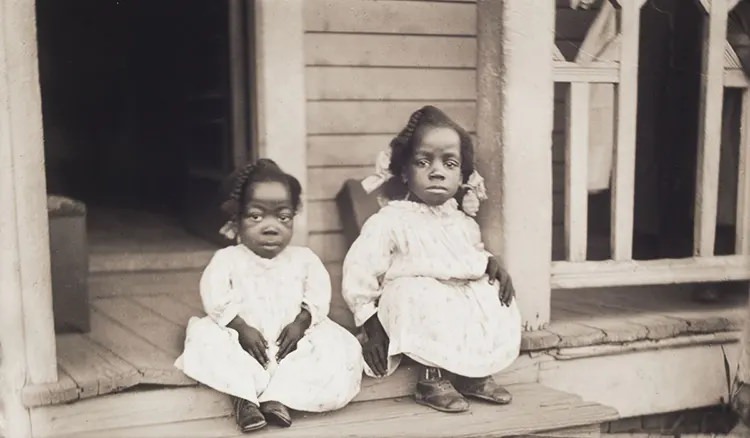
Louise and Martha Harra. Fondly remembered by many present-day residents of Worcester, "Weezy" and "Marty" were the children of Herbert and Mary E. Price Harra and resided for many years on Mason Street
Louise and Martha Harra. Fondly remembered by many present-day residents of Worcester, “Weezy” and “Marty” were the children of Herbert and Mary E. Price Harra and resided for many years on Mason Street

Louise and Martha Harra — known affectionately as “Weezy” and “Marty” — were the daughters of Herbert and Mary E. Price Harra, longtime residents of Mason Street. Their photograph is one of many that Worcester residents have recognized across generations, underscoring how deeply Bullard’s images are woven into the community’s memory.

Betty and Willis Coles. Posing on the porch of their home on Park Avenue, these Virginia migrants arrived in Massachusetts in the 1890s.
Mary E. Price Harra, 1912.
Alonzo Shannon and George Ringels, 1900.

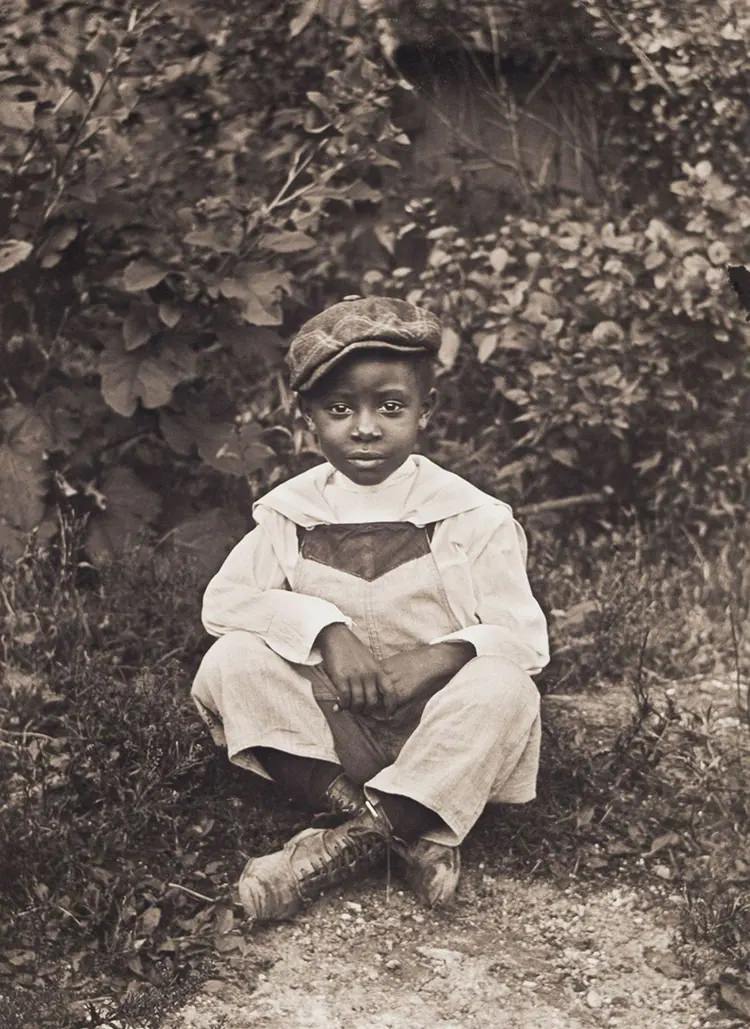
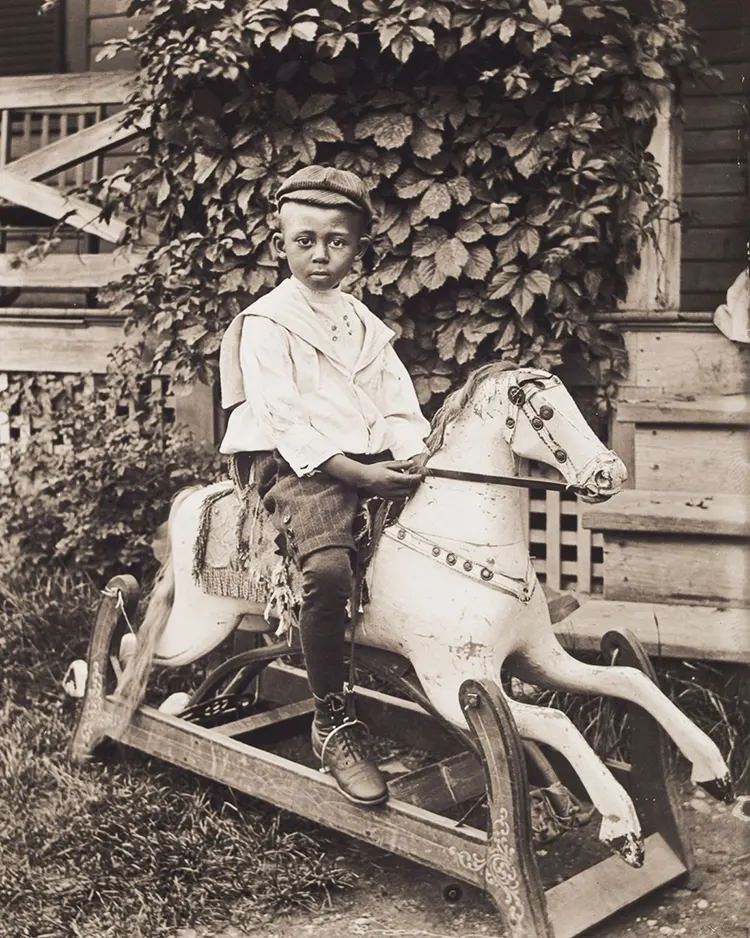
Children appear throughout Bullard’s work — seated on grass, mounted on rocking horses, and posed in gardens. These images are not incidental. They document a generation growing up in Beaver Brook, often the children or grandchildren of people who had migrated north in search of better lives. Bullard photographed them with the same seriousness he gave adults.

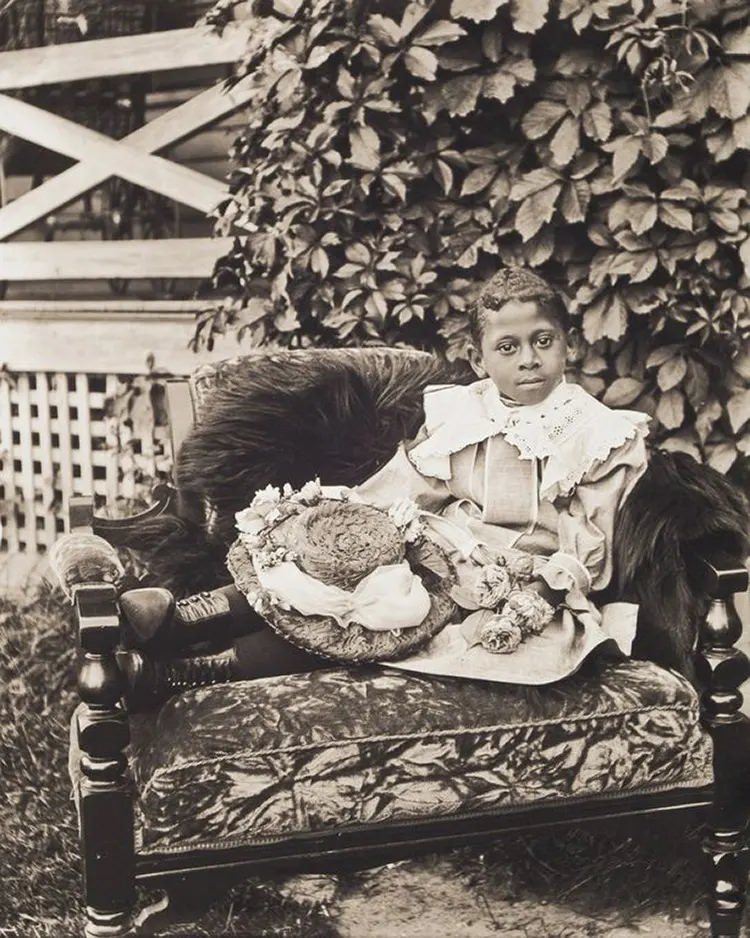
Boy Sitting on Grass, 1904.
Claude Clark on a Rocking Horse, 1902.
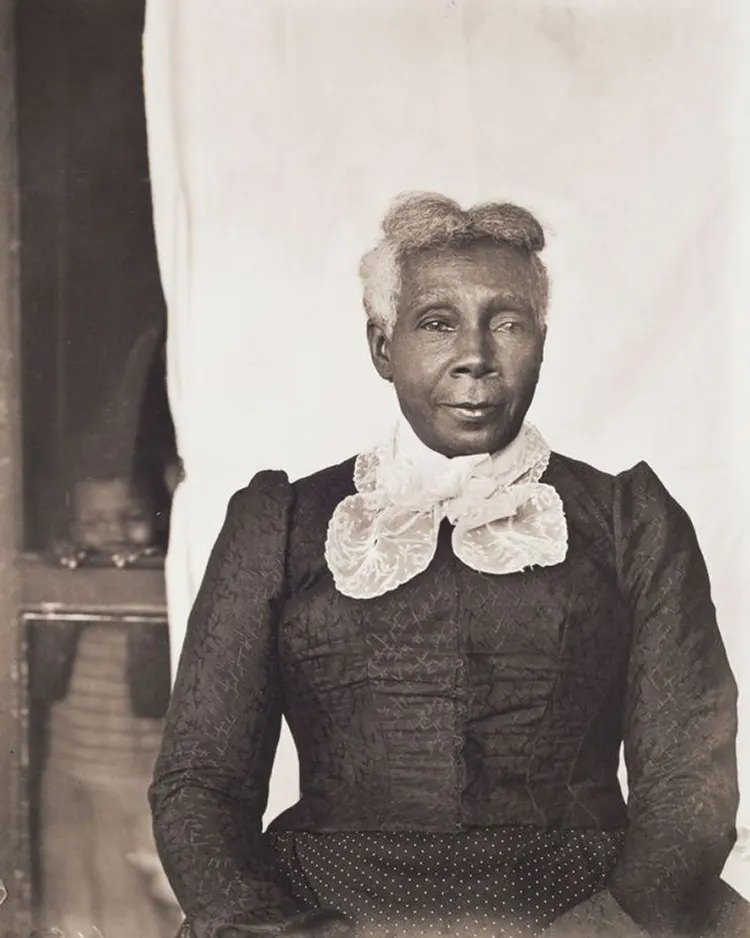
Anna Lovett Latham's Mother, 1901.
Anna Lovett Latham’s Mother, 1901.
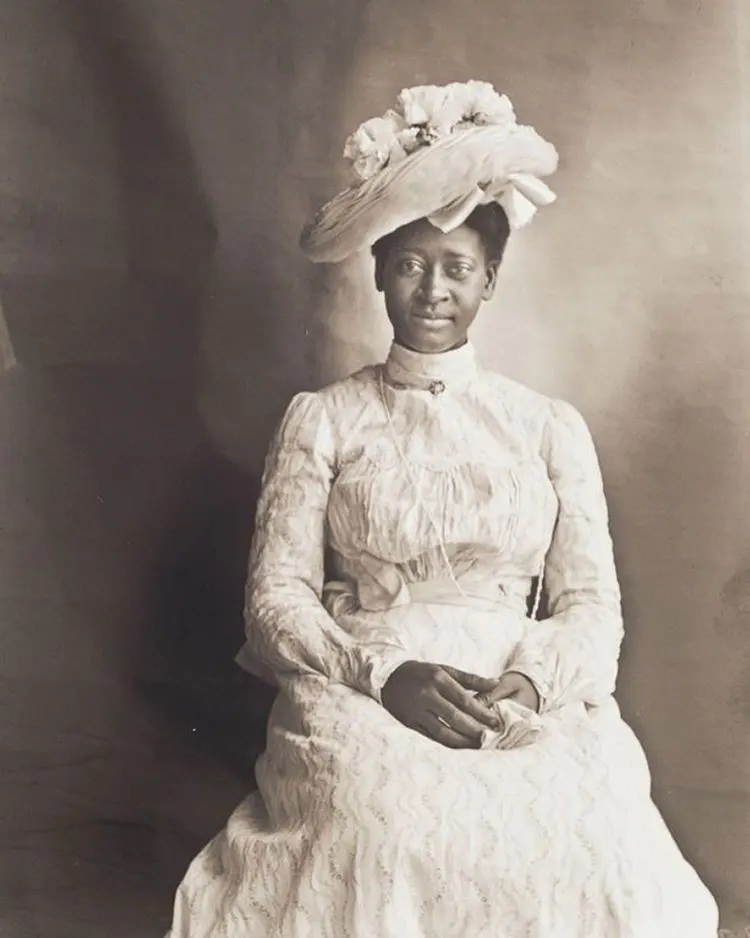
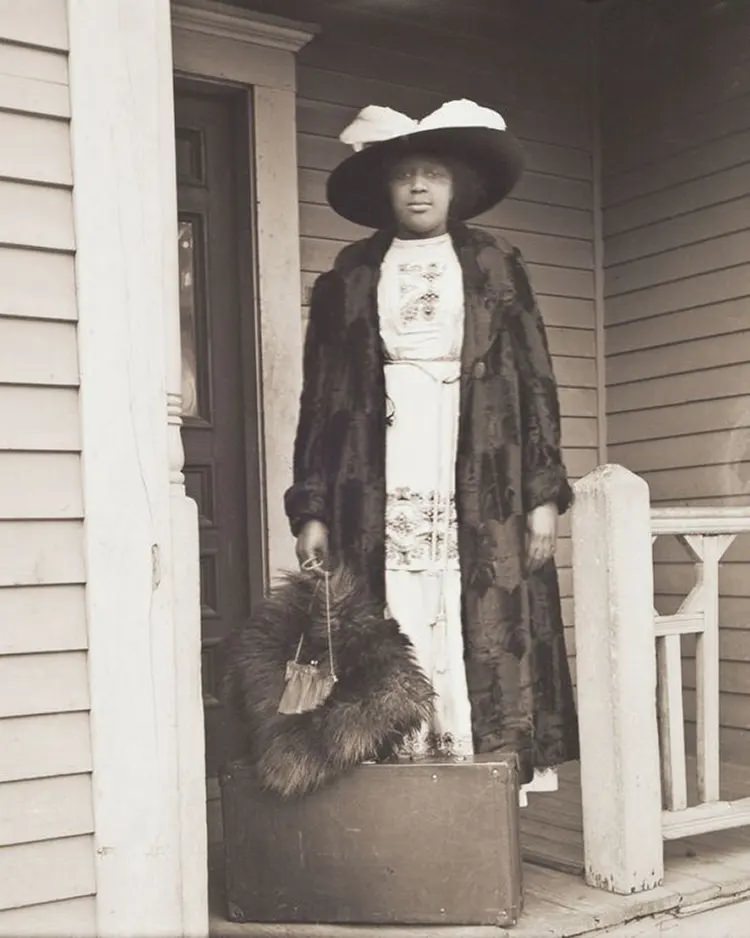
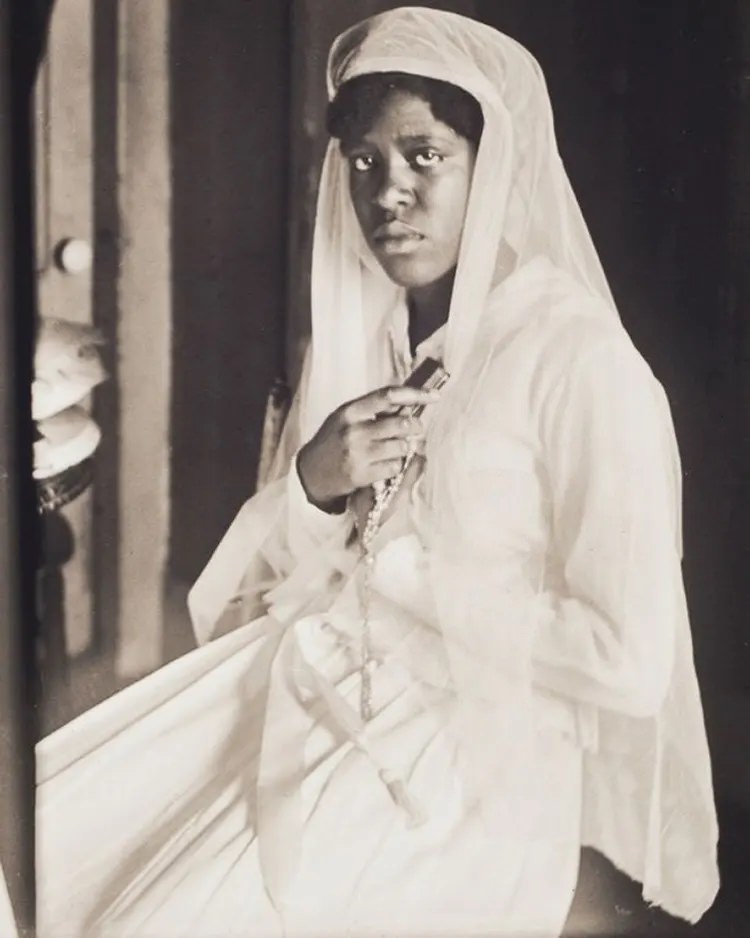
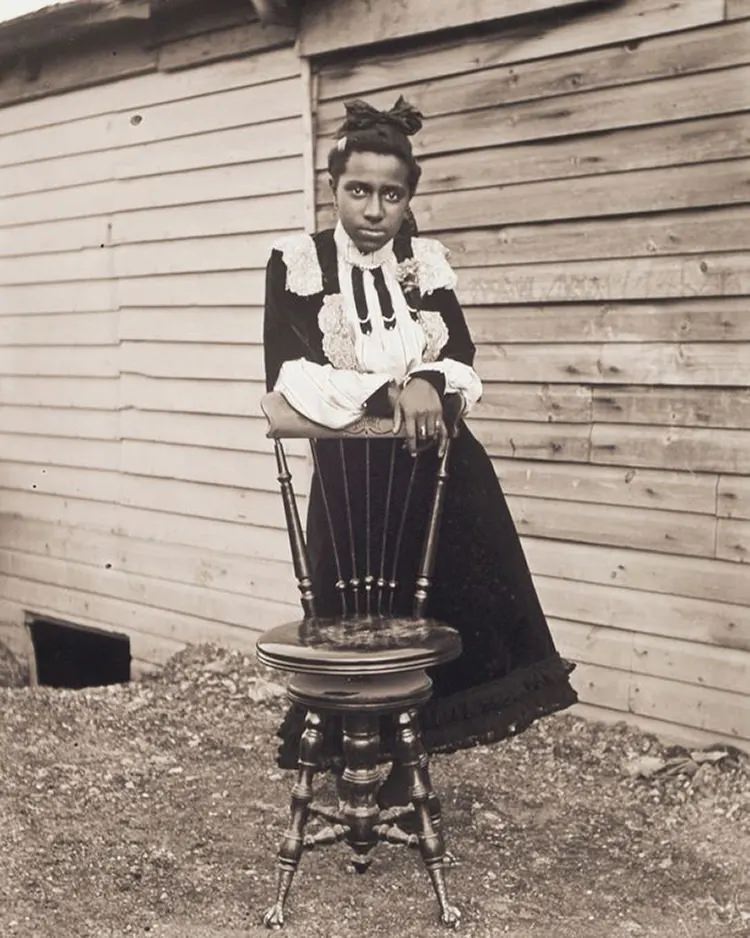
Woman in Confirmation Attire, 1908.

Sandy Morris, a barber who had migrated from New Orleans, and his wife Susie — who was of Narragansett descent — are represented in Bullard’s collection through portraits of their children, Susie Idella and Harry Clinton. The Morris family is one of several in Bullard’s logbook that reflect the layered Native American, African American, and Southern heritage present in Beaver Brook.

Susie Idella Morris and Harry Clinton Morris. Susie and Harry Morris were the children of barber Sandy Morris, a migrant from New Orleans, and Susie Arkless Morris, of Narragansett descent.
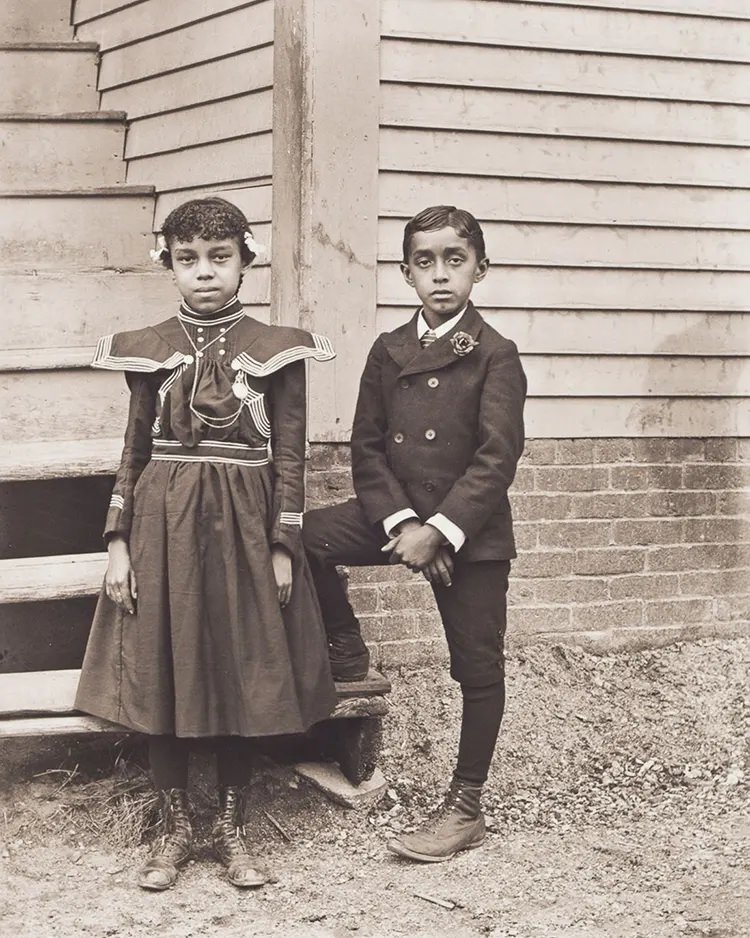
Zenobia Clark. Claude and Zenobia Clark were the children of barber Joseph C. Clark, a migrant from South Carolina, and Laurie Harden Clark, born in Georgia, 1902.

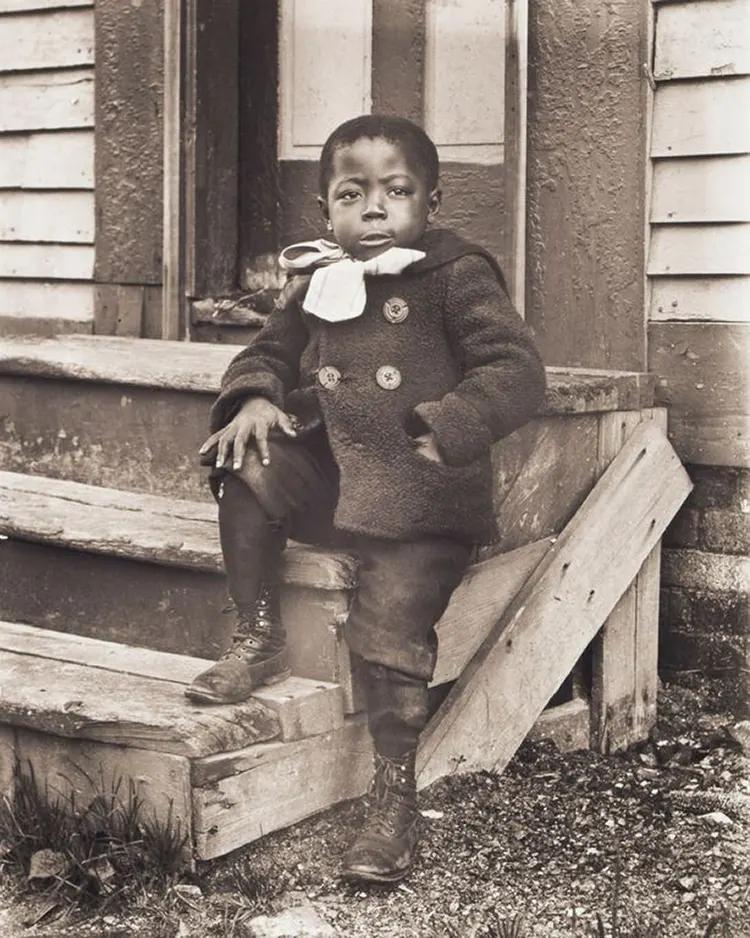
Ralph Mendis was photographed around age five, just a few years after his birth in 1897. His mother Frances was part of the well-documented migration from New Bern, North Carolina, to Worcester — a movement that brought dozens of families to the city and shaped the character of Beaver Brook for decades.

Ralph Mendis. Ralph Mendis was born in 1897 and is seen here at about age five. His mother, Frances, was part of the New Bern, North Carolina, migration to Worcester.
Rose Mabel (May) Johnson, 1900.
Thomas A. Dillon, 1903.

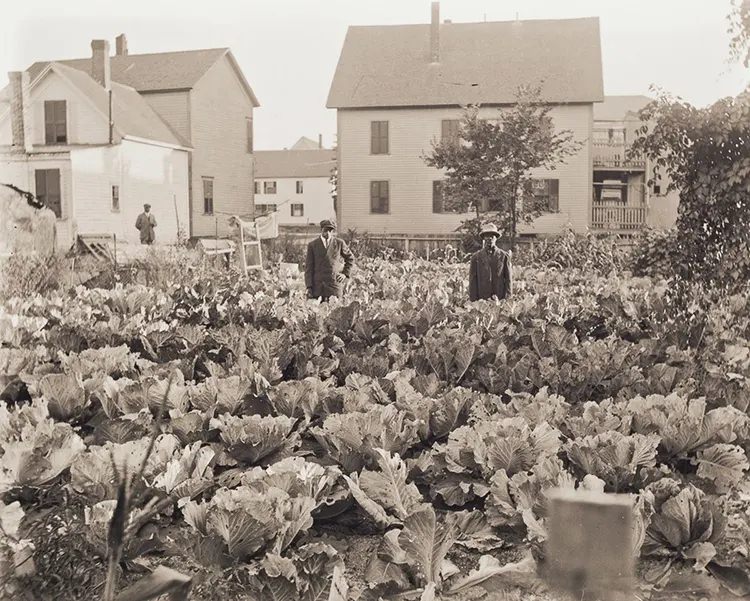
One of the most evocative outdoor photographs in Bullard’s collection shows Edward Perkins of Camden posed in his garden of collard greens in Beaver Brook. The image is a direct visual record of Southern foodways transplanted to the North — a migrant tending a crop that connected him to his roots long after he had left them behind.

Edward Perkins in His Garden. Camden migrant Edward Perkins poses in his lush garden of collard greens in the Beaver Brook neighborhood, demonstrating the literal transplantation of Southern culture to the North, 1902.
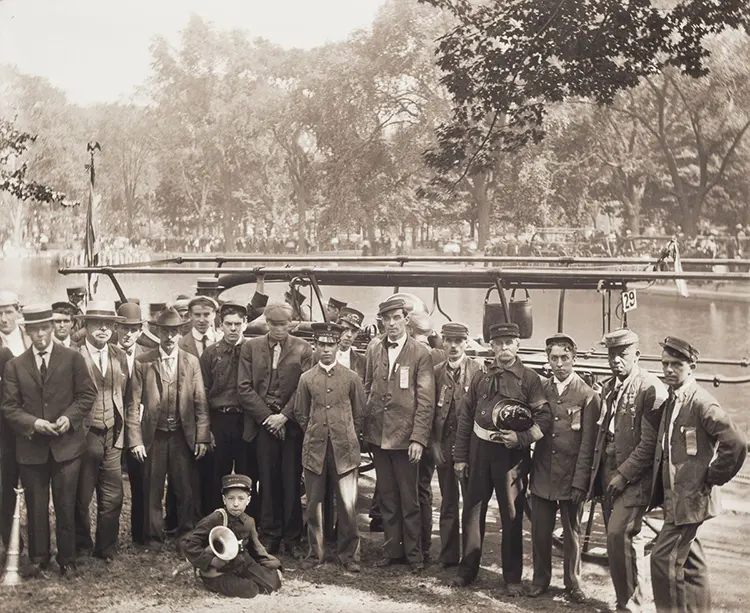
Members of the Worcester Veterans Firemen's Association.
Members of the Worcester Veterans Firemen’s Association.

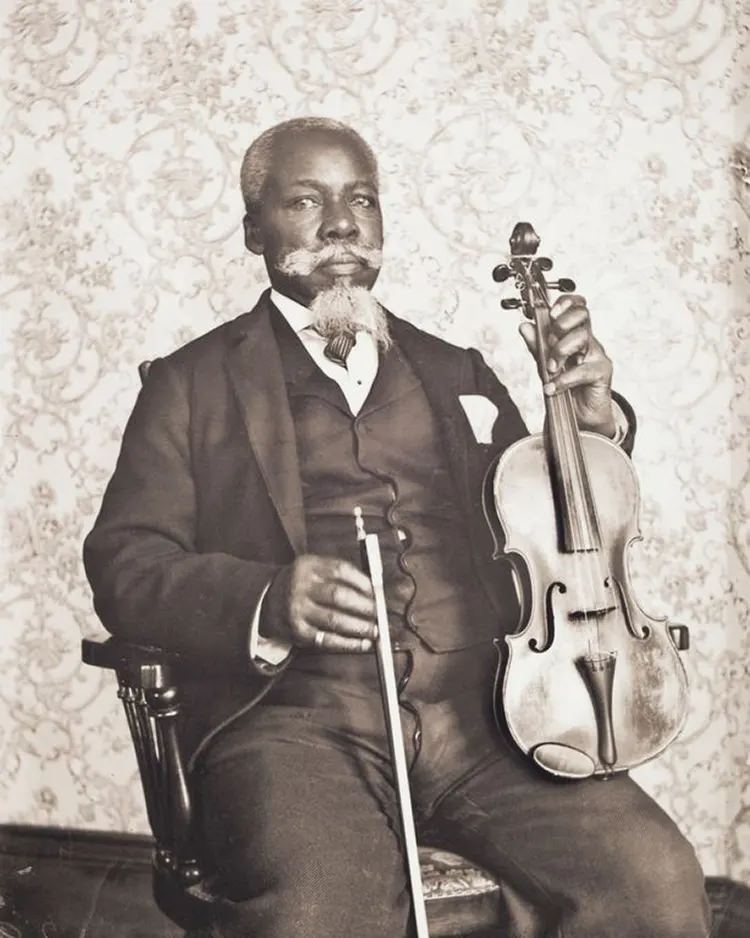
David T. Oswell’s portrait with his viola stands out as a record of cultural life beyond work and church. Oswell was born in Boston and had emigrated from St. John’s, New Brunswick, Canada, to Worcester in 1877. His portrait with an instrument signals that music was part of how the Beaver Brook community expressed itself and gathered together.

David T. Oswell with His Viola. David Oswell, born in Boston, emigrated from St. John's, New Brunswick, Canada, to Worcester in 1877.
David T. Oswell with His Viola. David Oswell, born in Boston, emigrated from St. John’s, New Brunswick, Canada, to Worcester in 1877.
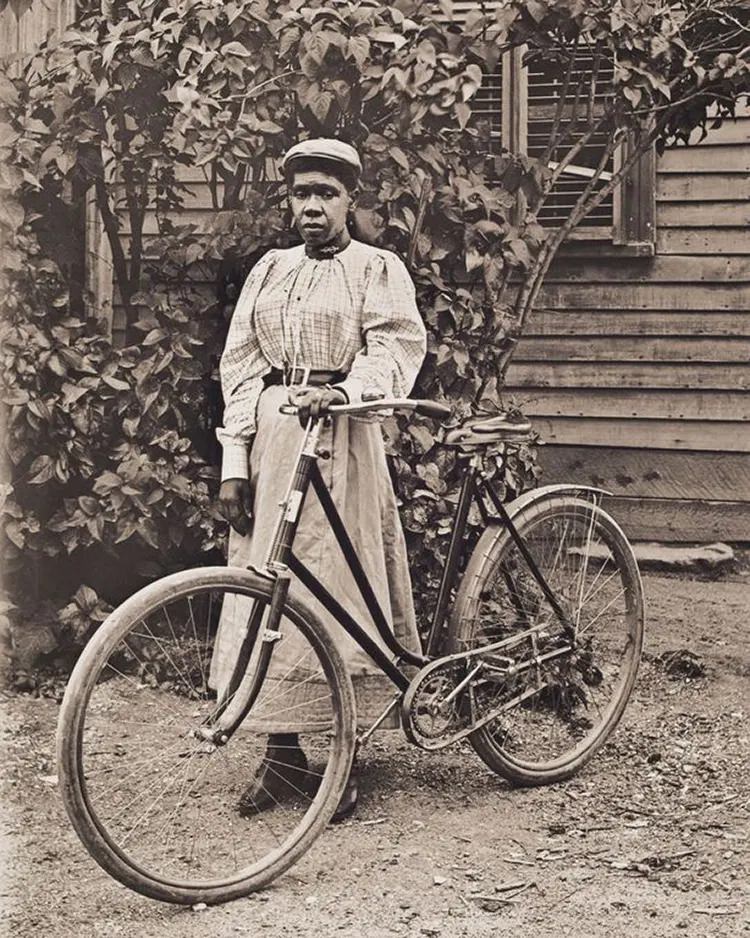
Rose Perkins Posing with Her Bicycle, 1900.
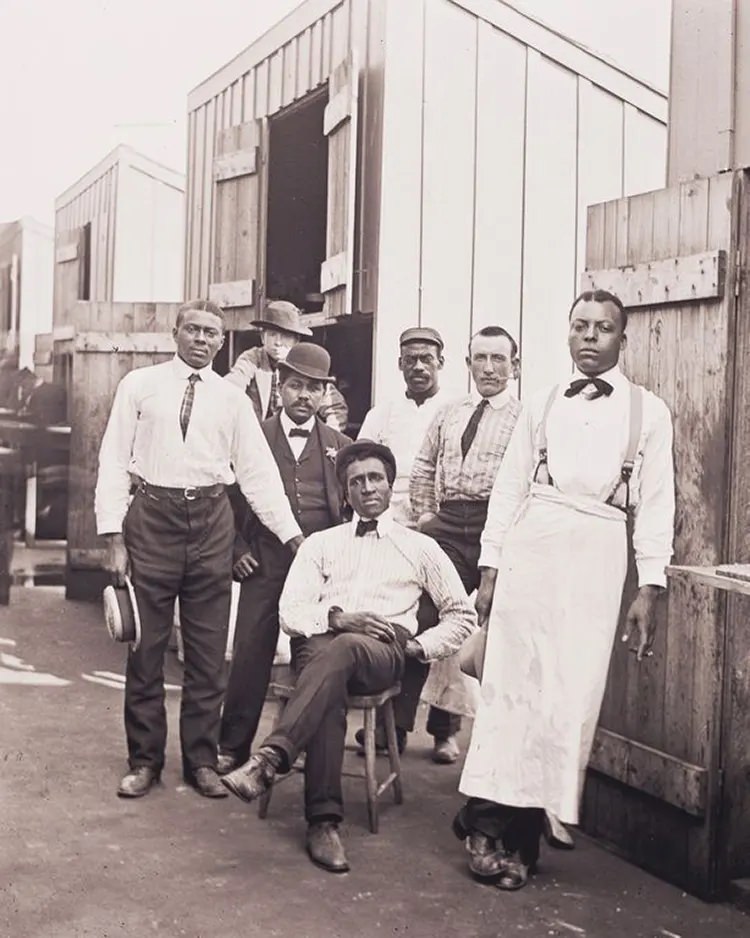
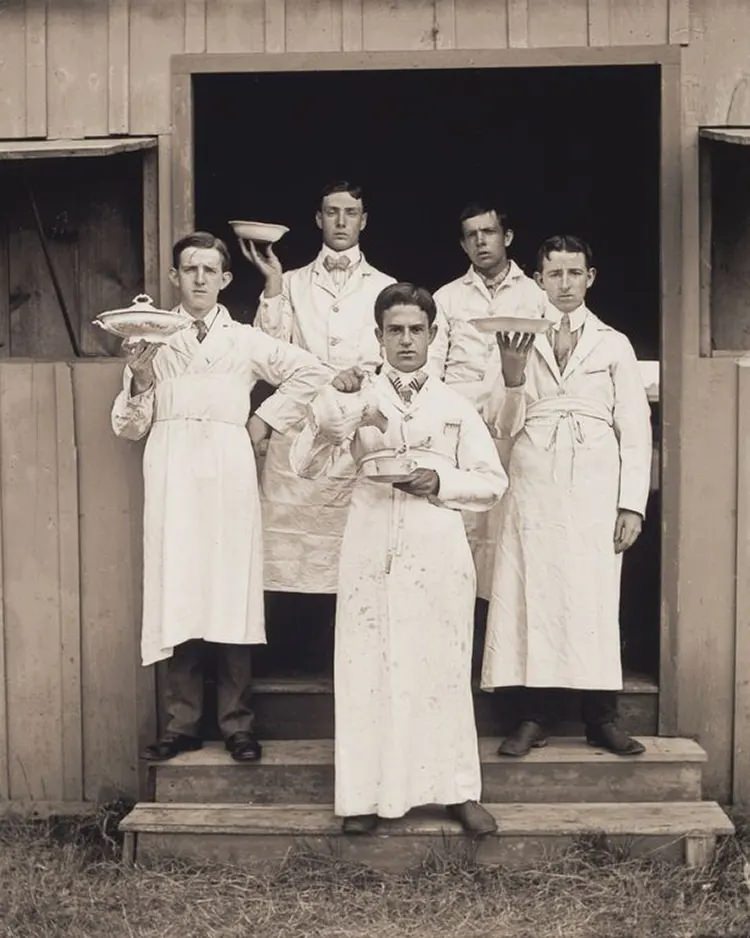
Waiters at Green Hill, 1904.

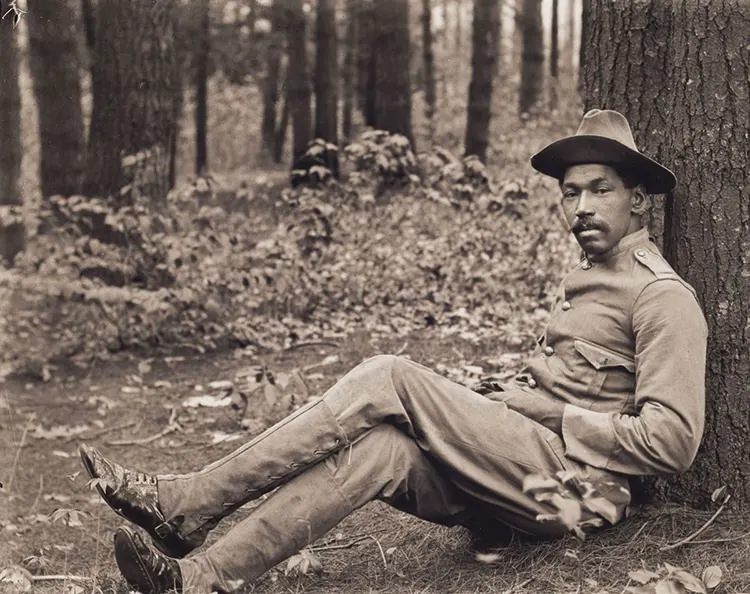
Green Hill appears in Bullard’s collection in two distinct contexts: once as a workplace, where Black waiters are photographed on the job in 1904, and again in 1905 during military training for the Wellington Rifles. These images together show how Black men in Worcester occupied multiple roles — service workers, community members, and armed soldiers training for civic duty.

Green Hill during Training for the Wellington Rifles, 1905.
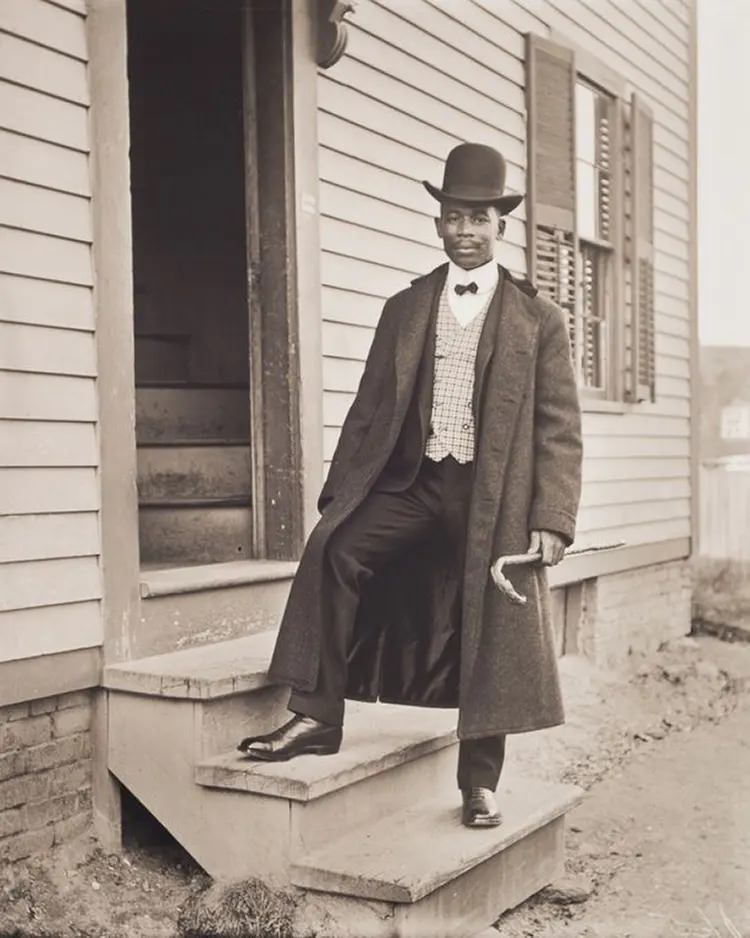
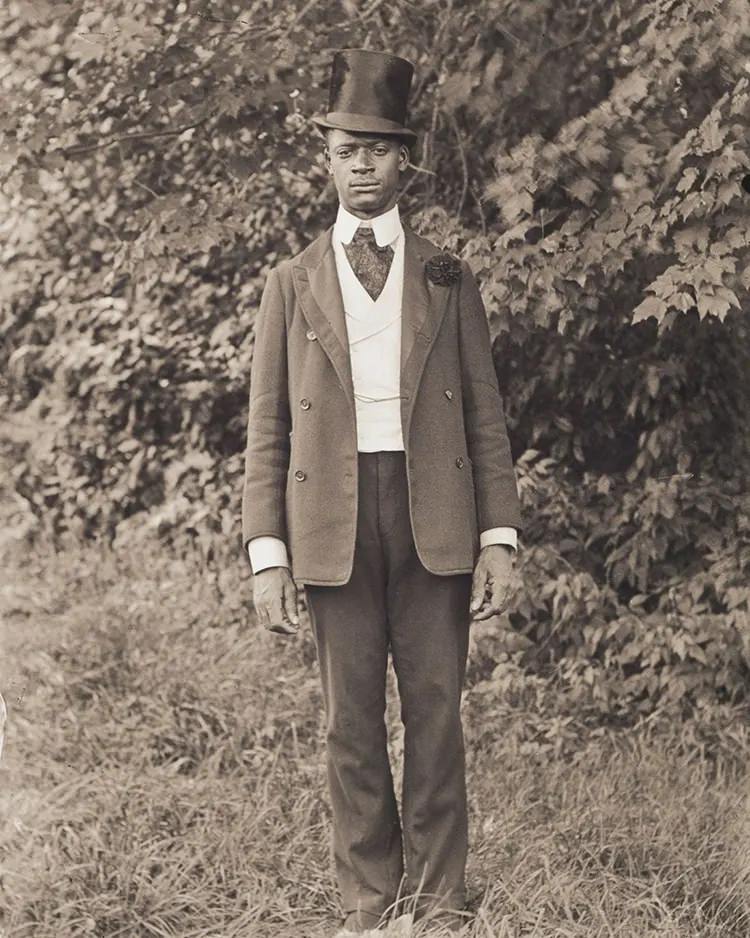
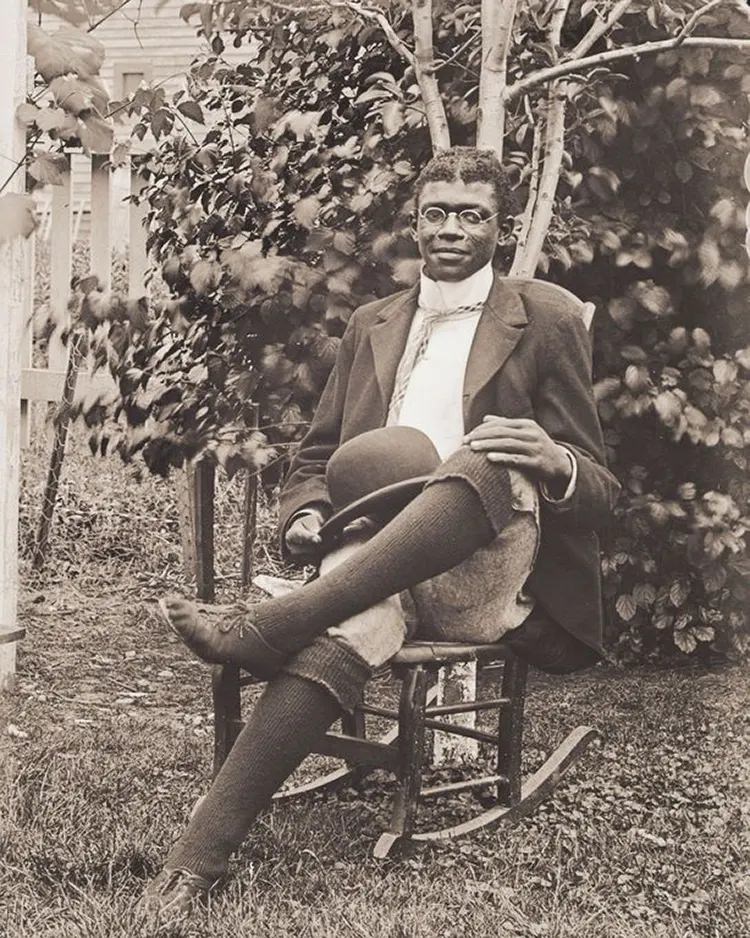
Isaac (Ike) Perkins Wearing a Top Hat. Ike Perkins was a member of the Improved Benevolent Order of Elks of the World and posed for Bullard informal wear, worn by Elks for special ceremonies.

Fraternal organizations were an important part of life in Beaver Brook, and Bullard documented them. Ike Perkins, a member of the Improved Benevolent Order of Elks of the World, posed in the ceremonial attire worn by Elks at special events. These organizations provided community members with mutual aid, social structure, and a sense of shared identity.

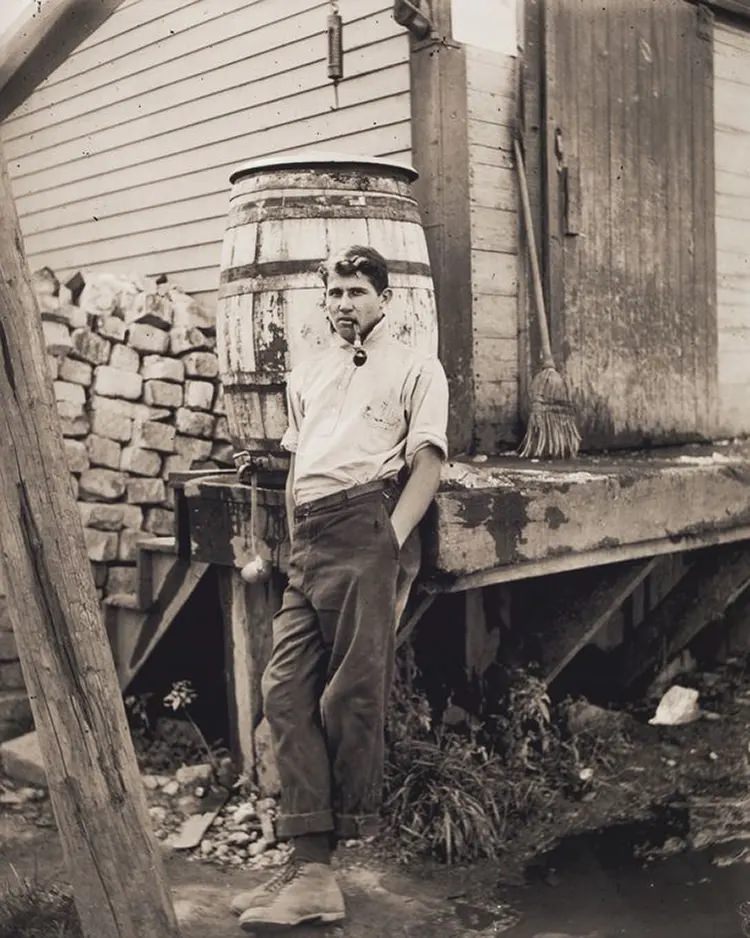
Lon Edwards. Though Bullard lacked a professional photography studio, his logbook indicates payment for some of his neighborhood photographs.
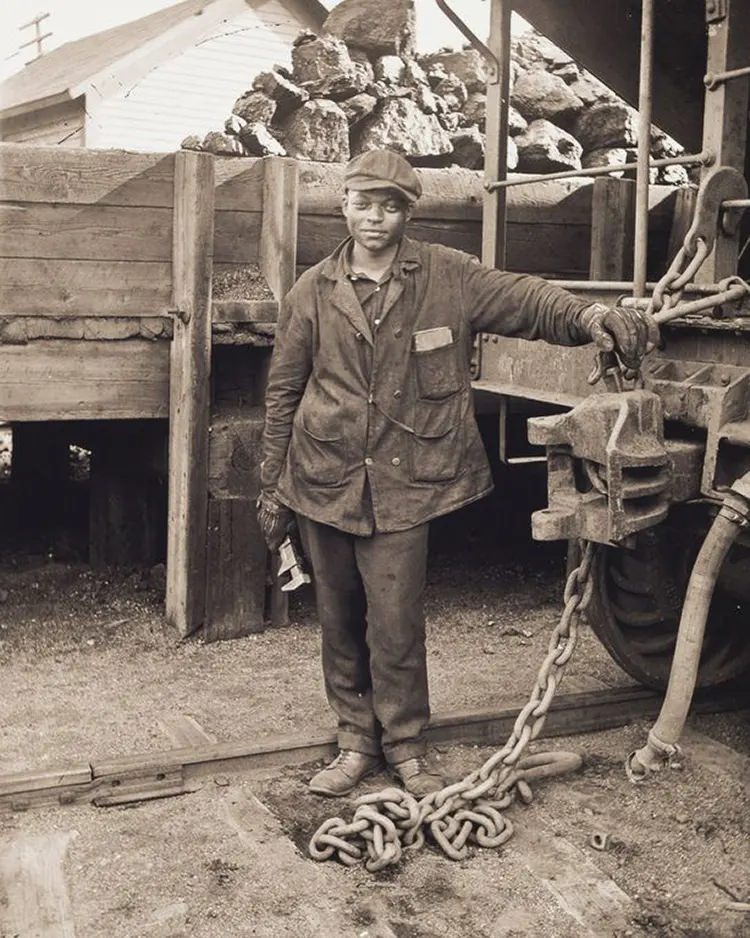
Thomas Doughton, Jr., Working on the Railroad, 1916.

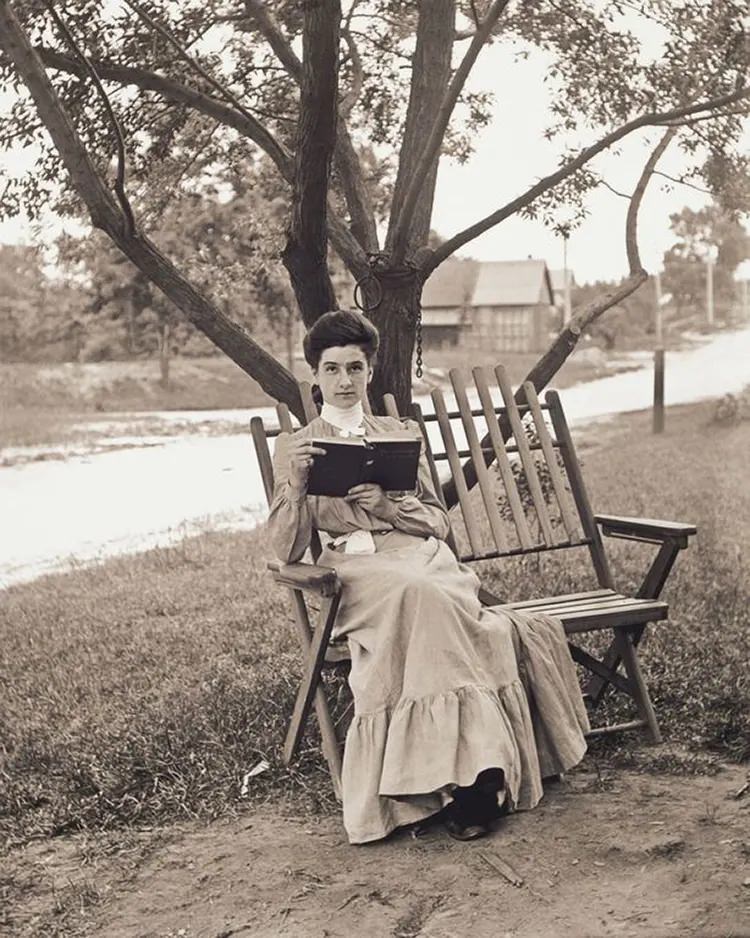
Grace Stevens, photographed in 1904 reading a book, represents the quieter, domestic moments Bullard captured between formal sittings. William Ward, born in New Bern, North Carolina, in 1880, came from an extended family that had been migrating to Worcester since shortly after the Civil War. His portrait connects personal biography to the longer history of Black migration into New England.

Grace Stevens Reading a Book, 1904.
William Ward. Born in New Bern, North Carolina, in 1880, William Ward was part of an extended family that began migrating to Worcester soon after the Civil War.
Reuben Griffin Seated against a Tree, 1901.
Enjoyed this post? Get new ones in your inbox.

Leave a Comment

Your email address will not be published. Required fields are marked *

Share this Post 🥺

Please take a moment to share this content. Your support is greatly appreciated! 🙌🙏

Share this Post 🥺

Please take a moment to share this content. Your support is greatly appreciated! 🙌🙏
Scroll to Top
 
Hey Friend, Before You Go.. Please like & follow for more interesting content