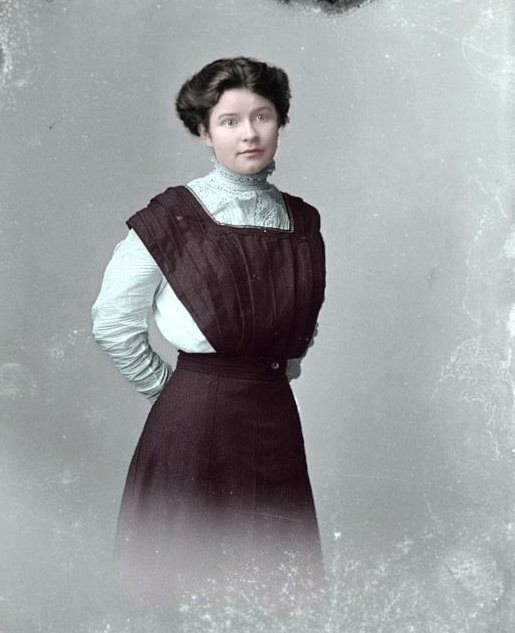
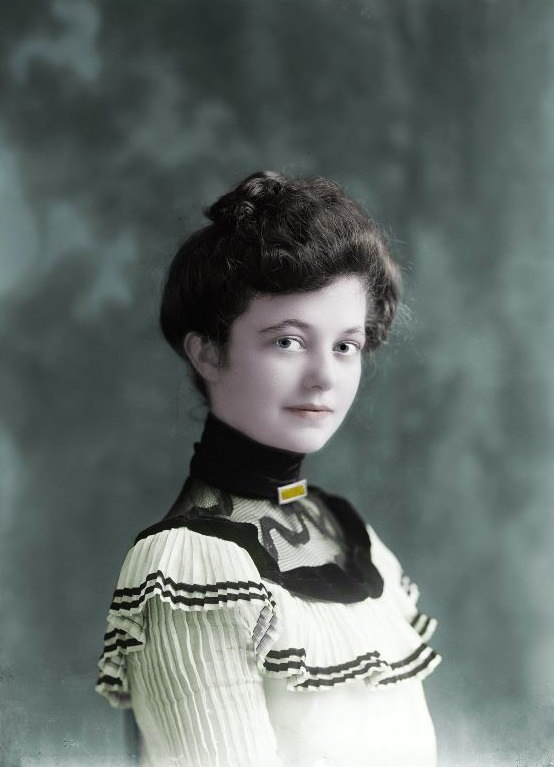
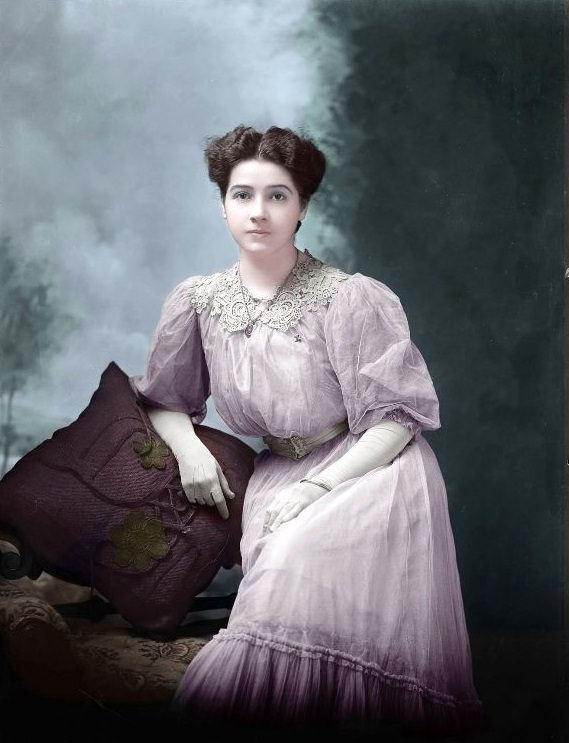
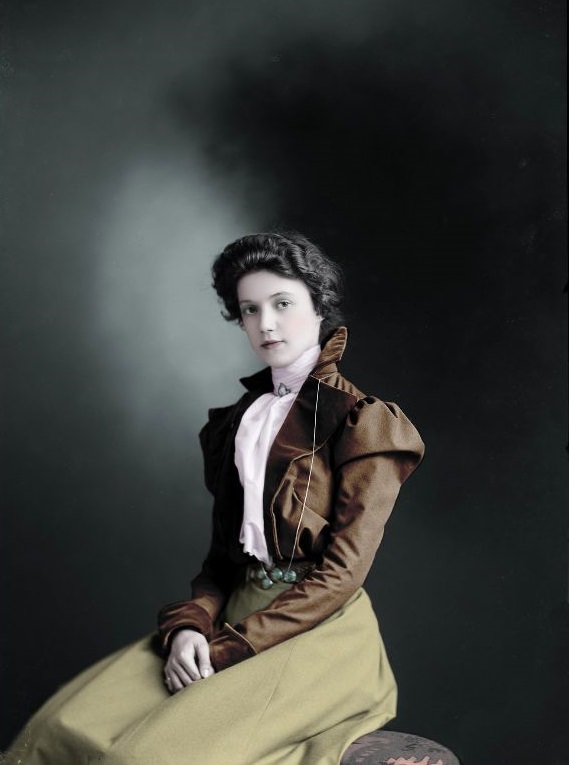
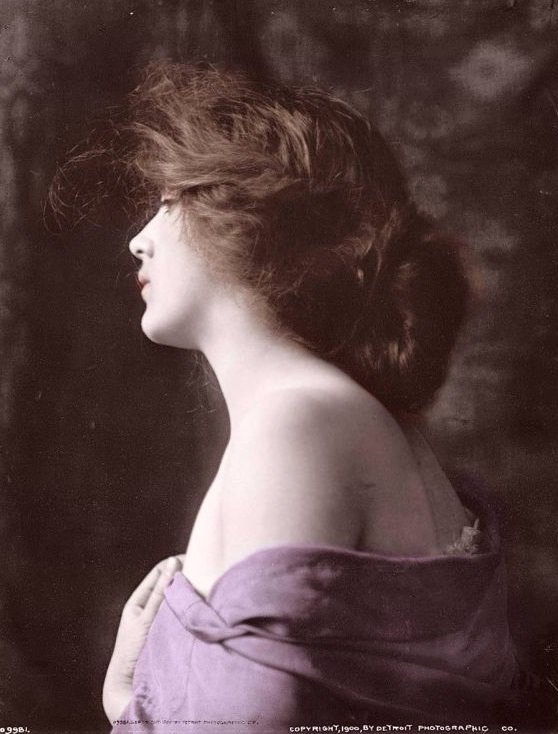
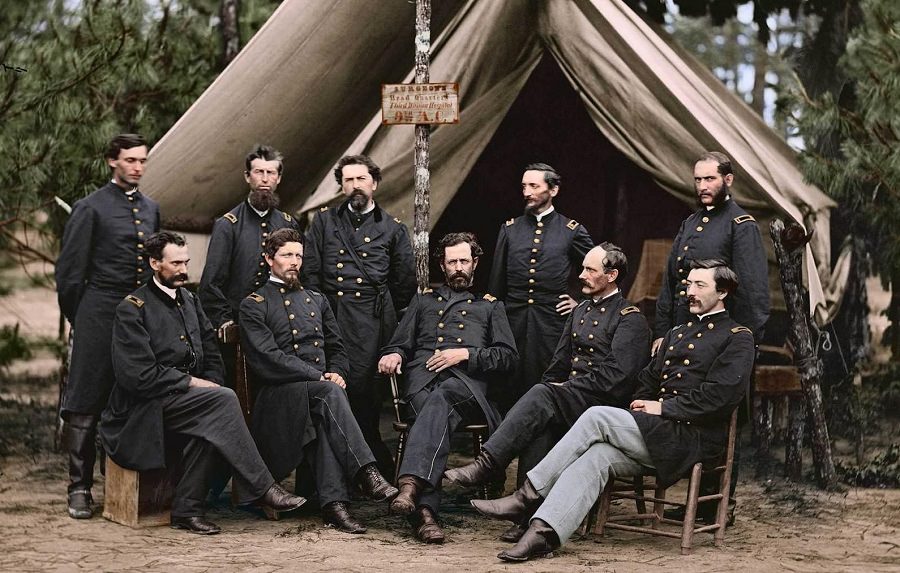
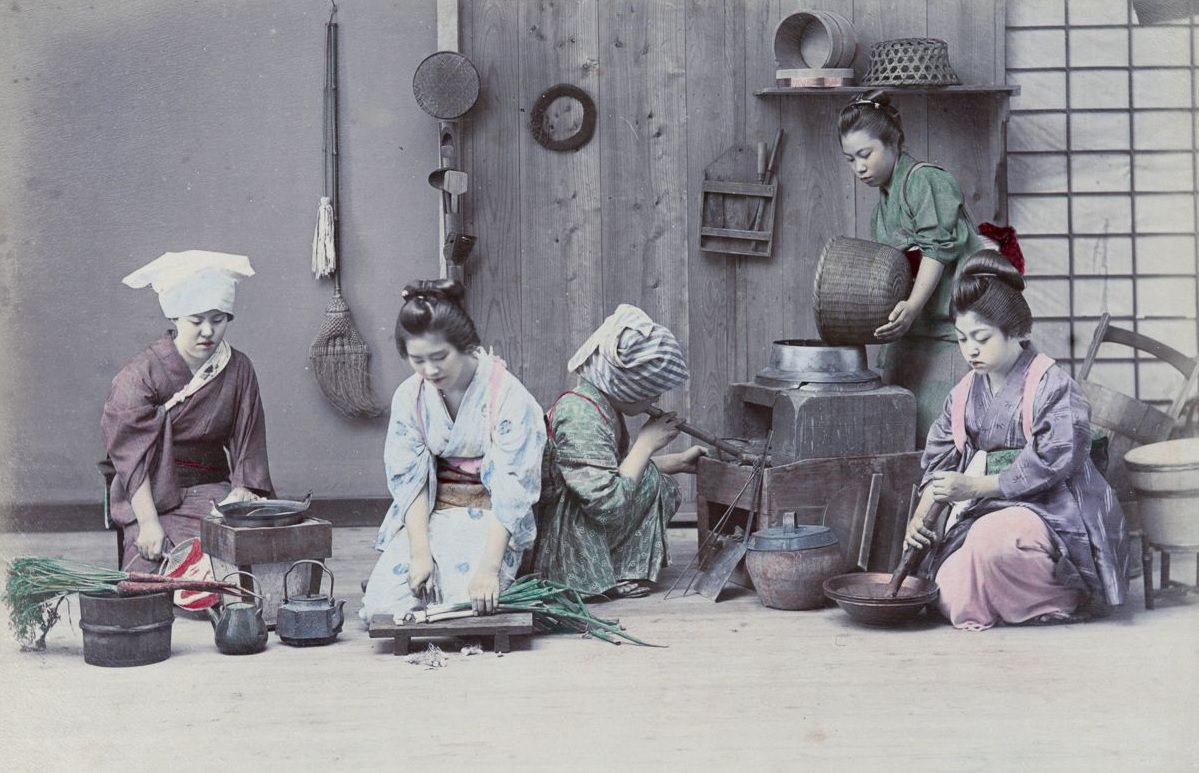
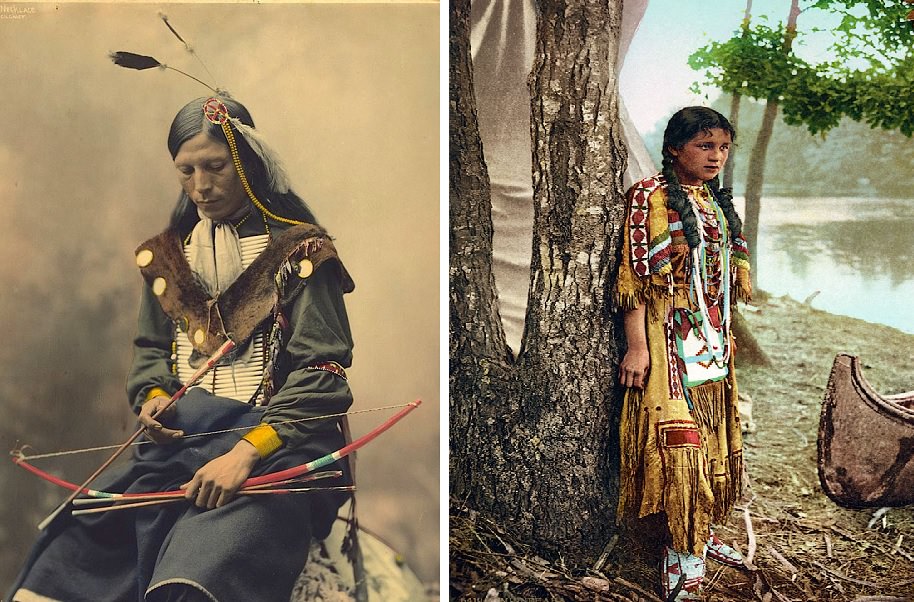
Black and white photographs tell a story, but color makes that story feel real. When you add color to an old photo, the subject stops feeling like a distant figure from history and starts looking like someone you could have known. That shift is powerful — and it’s exactly what colorist Rob van den Berg has achieved with this remarkable collection of portraits from the early 1900s.
These images were originally captured in an era when photography was still a formal, deliberate process. Having your portrait taken was an event. Women dressed carefully, styled their hair, and sat for photographers in studios across the country. The results were sharp, detailed black and white prints that preserved faces with striking clarity — but stripped them of the warmth and personality that color provides.
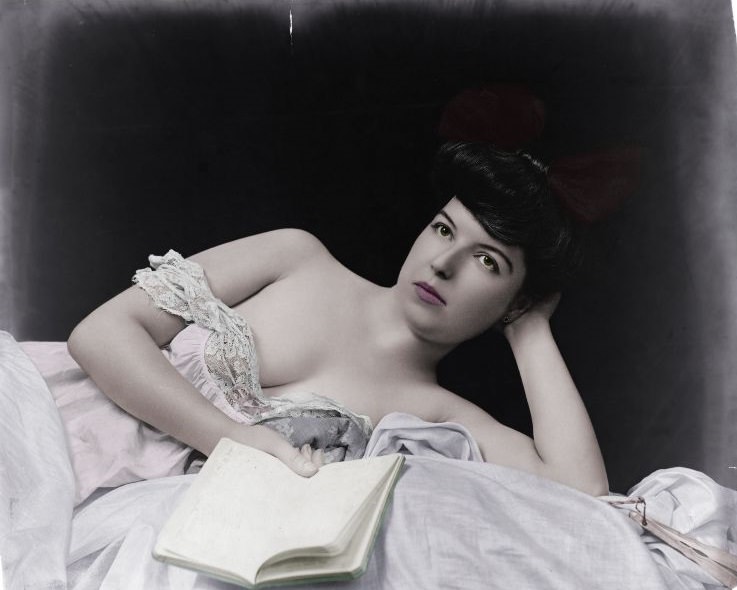
Rob van den Berg’s colorization work breathes new life into these portraits. Using digital tools and careful research into period-accurate clothing, skin tones, and environments, he restores a dimension that time had taken away. The women in these photos — some identified by full name, others by only a surname or initials, and some not at all — suddenly feel present.
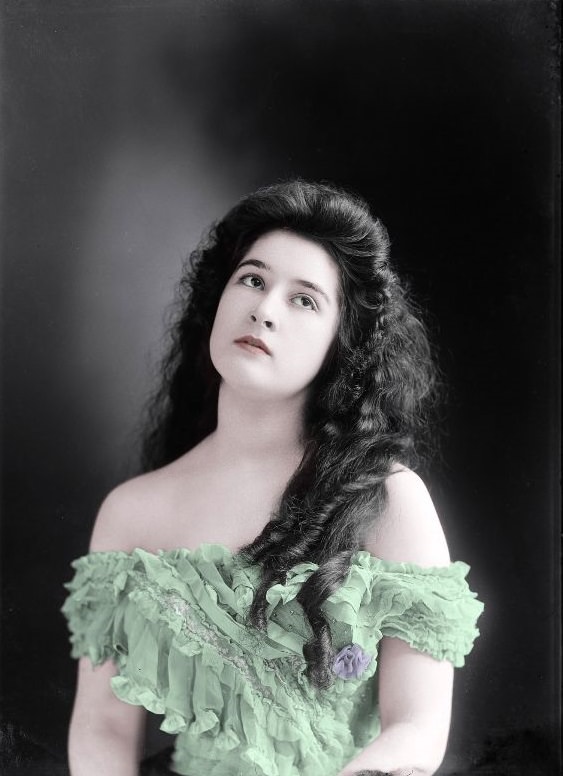
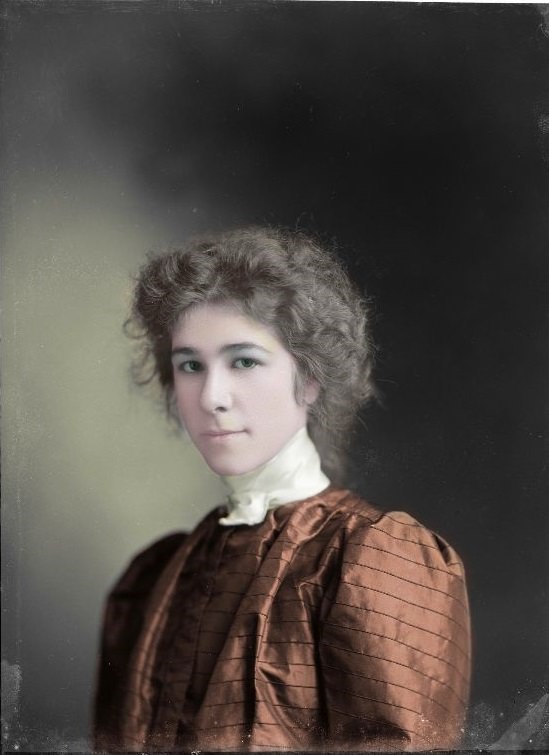
The naming conventions visible across this collection reflect the social customs of the time. Married women were often identified by their husband’s name — “Mrs. T.M. Heffner” or “Mrs. H. Dean” — while unmarried women carried the title “Miss” before their surname. Some women appear in records only by last name and an initial, a common shorthand of the era.
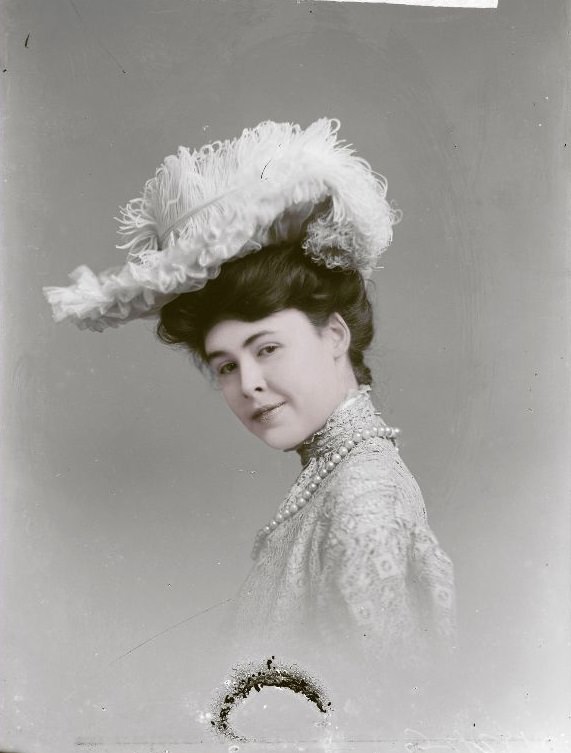
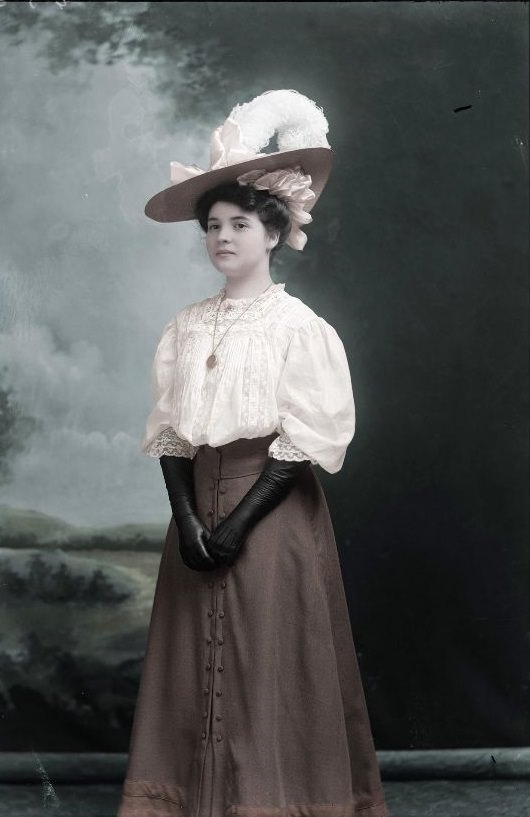
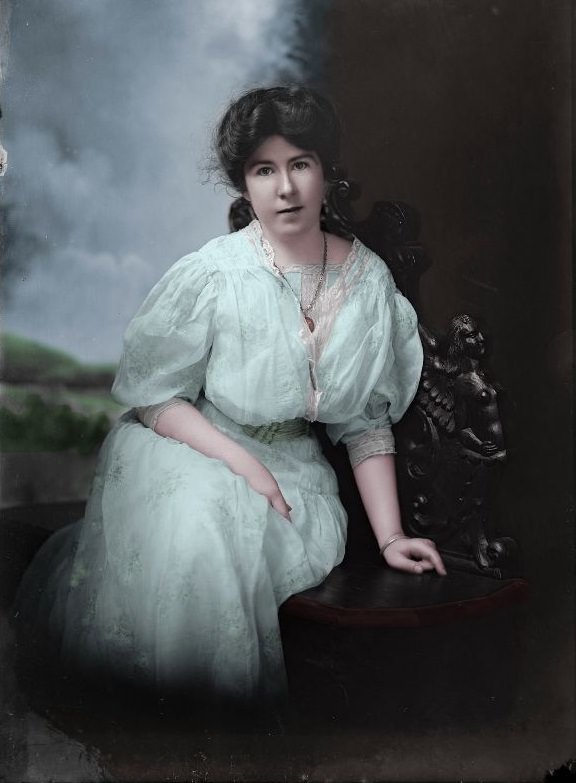
Fashion in the early 1900s was highly structured. Women wore high collars, pinned hair, corseted waists, and layered fabrics. Even in more relaxed studio poses, the clothing is formal by modern standards. Colorization highlights these details — the blush of a fabric, the depth of a dark jacket, the shine of pinned hair — in ways that black and white photography simply could not.
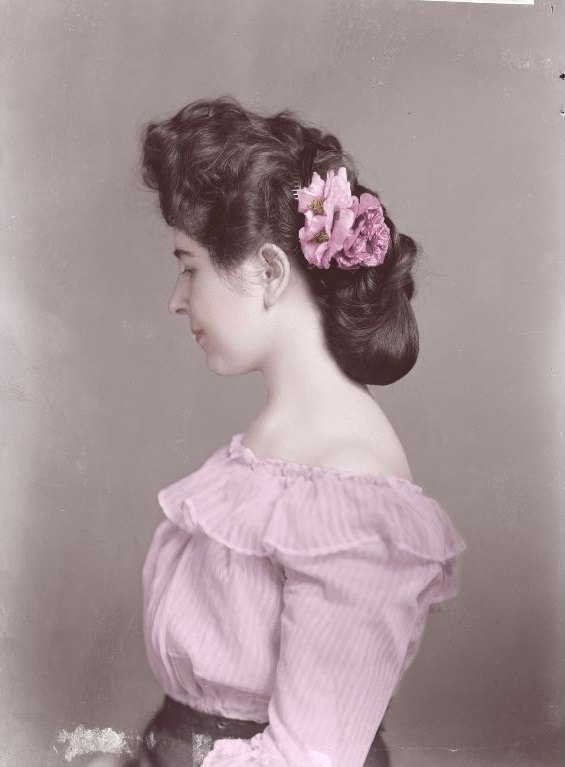
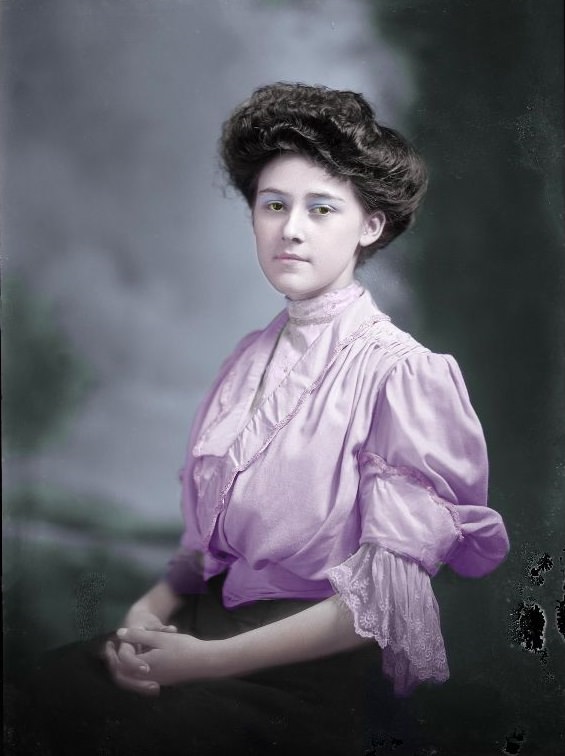
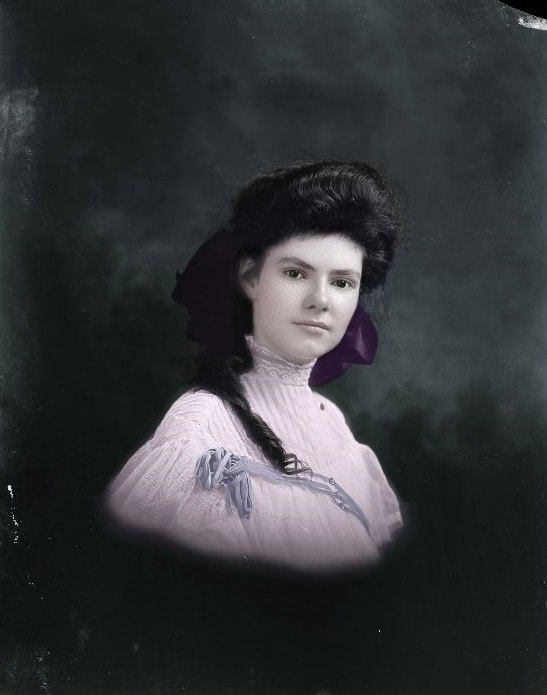
Studio photography of this period relied heavily on painted backdrops, careful lighting, and posed arrangements. Photographers guided their subjects into positions that showed them at their best. The results are composed and deliberate — more like painted portraits than the casual snapshots we take today.
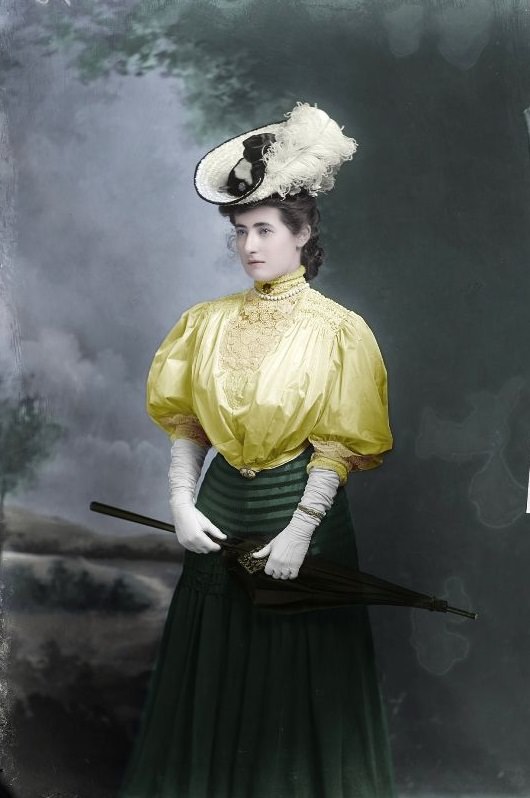
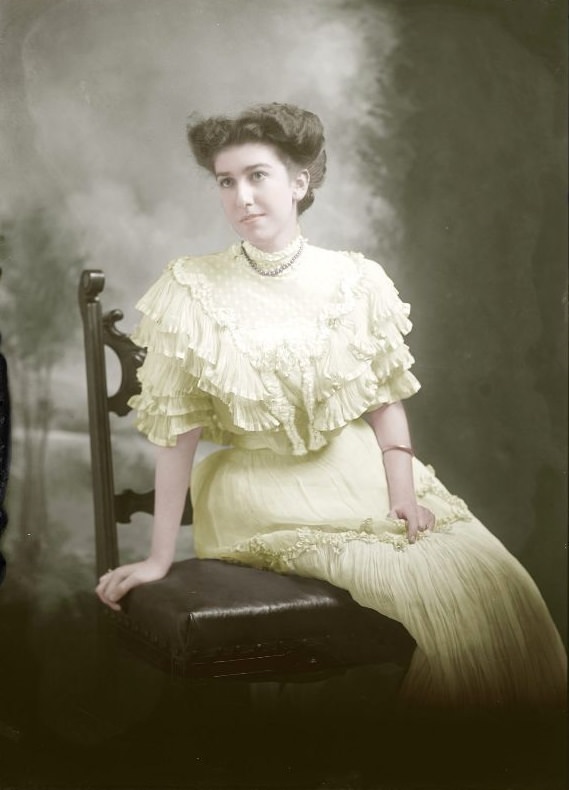
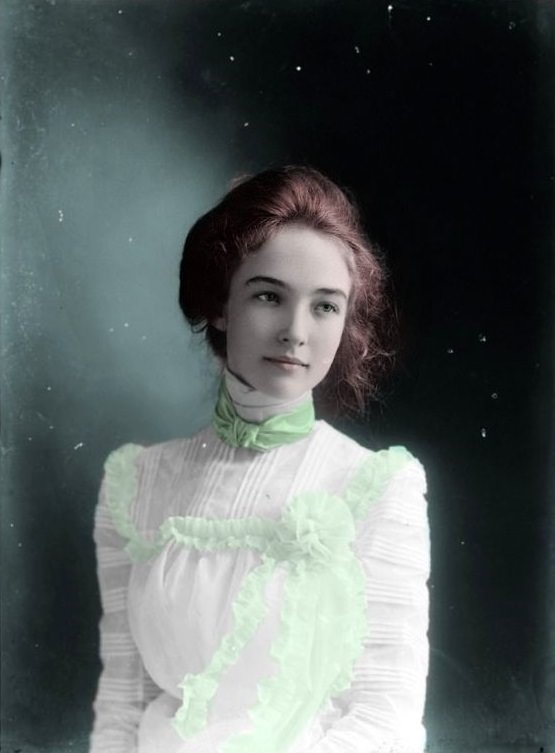
Some of the women in this collection were likely models or performers, photographed for promotional or commercial purposes. Others were private individuals who simply sat for a portrait — a common practice among middle and upper-class families of the era. Either way, each face carries its own distinct character.
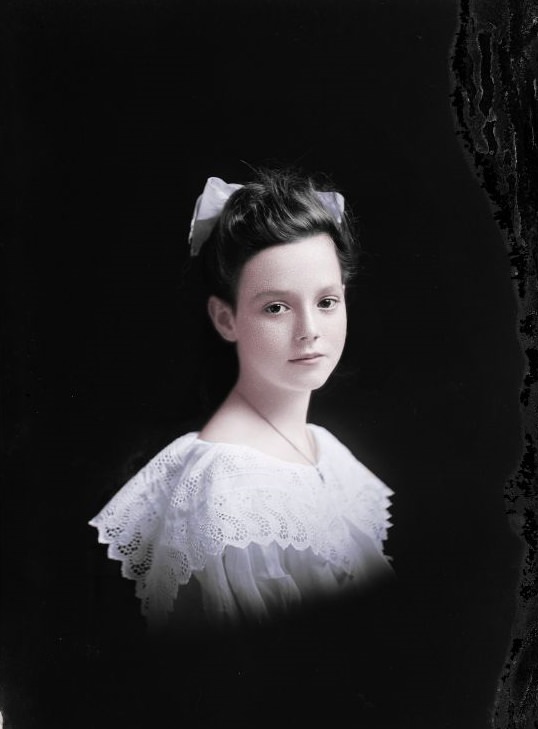
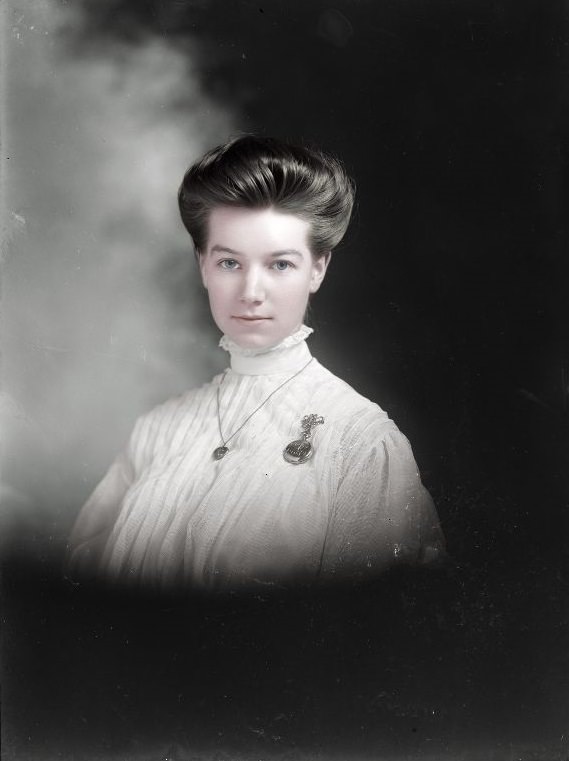
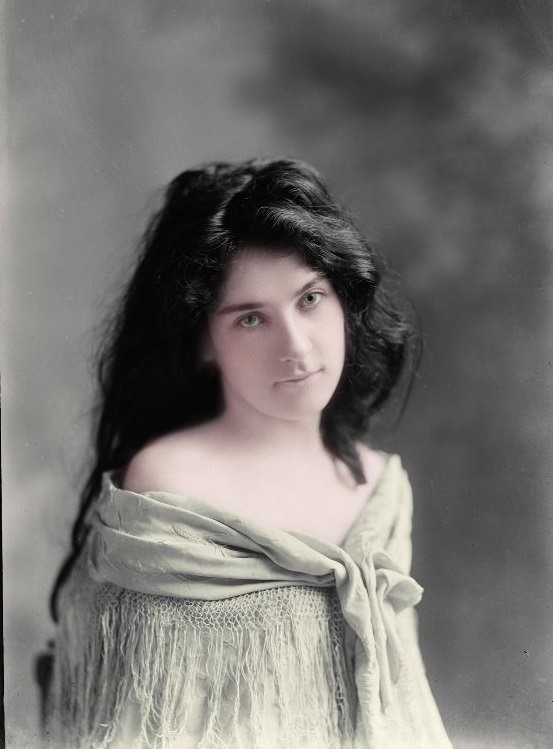
What’s striking about viewing these portraits in color is how individual each woman appears. Without color, the eye tends to group old photographs together as a single gray mass of history. With color restored, each portrait becomes a distinct person with her own look, her own style, and her own moment in front of the camera.
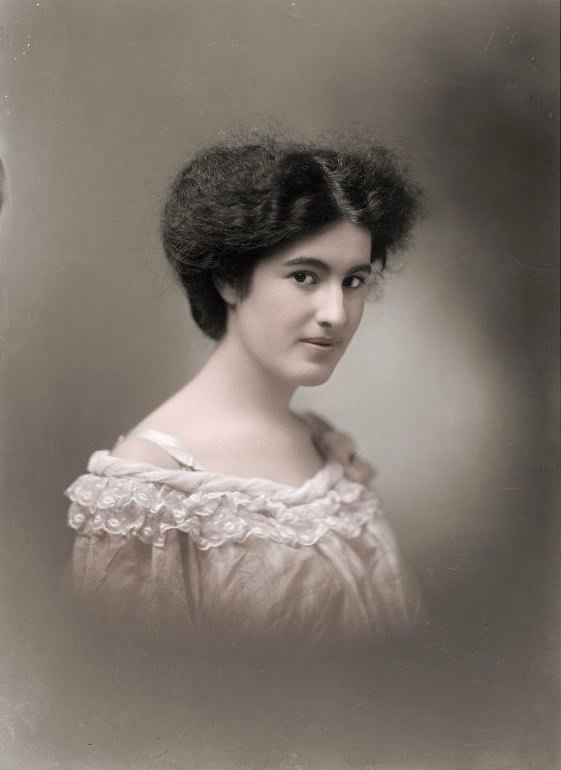
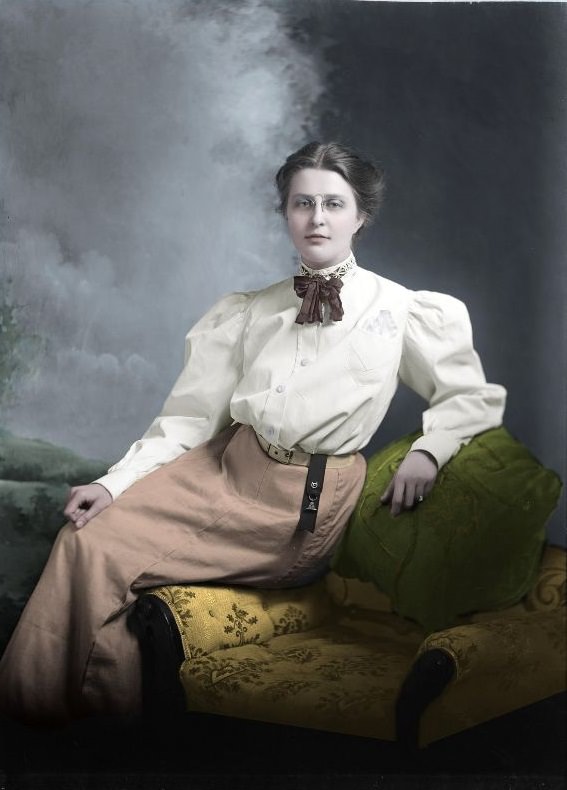
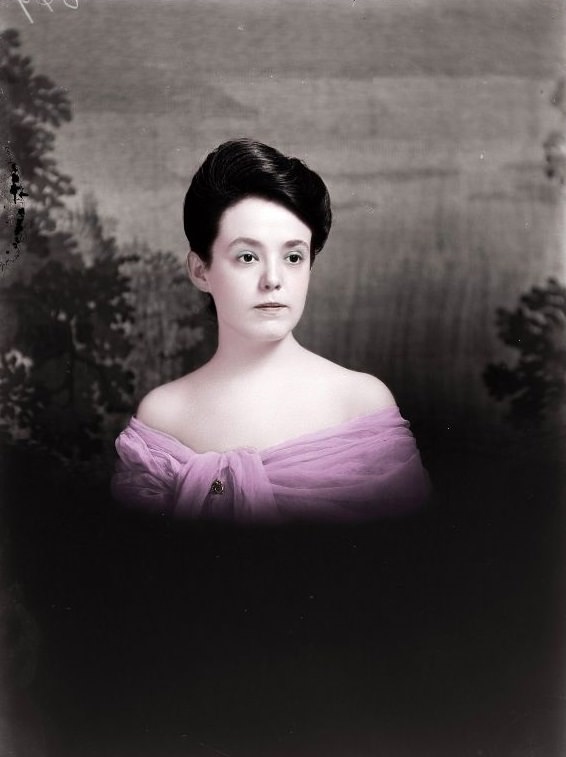
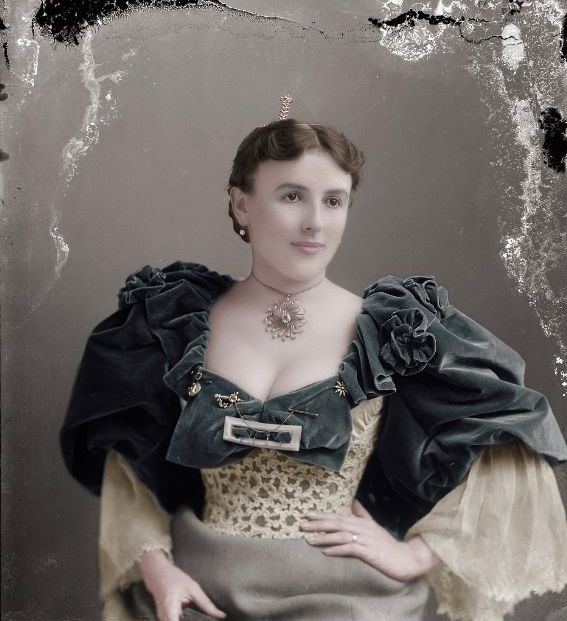
The range of expressions captured across these portraits is wide. Some women gaze directly into the lens with confidence. Others look slightly to the side, composed and thoughtful. A few have a softness in their expression that suggests they were at ease with the photographer. Each pose was deliberate — movement during a long exposure would blur the image, so stillness was essential.
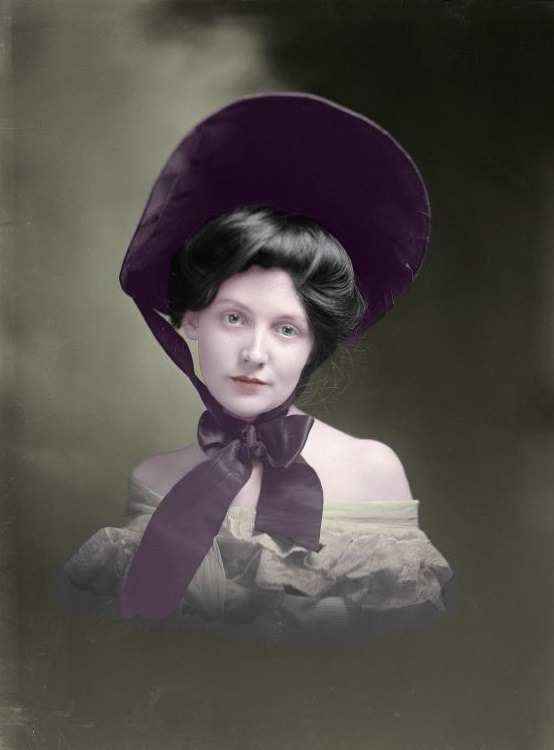
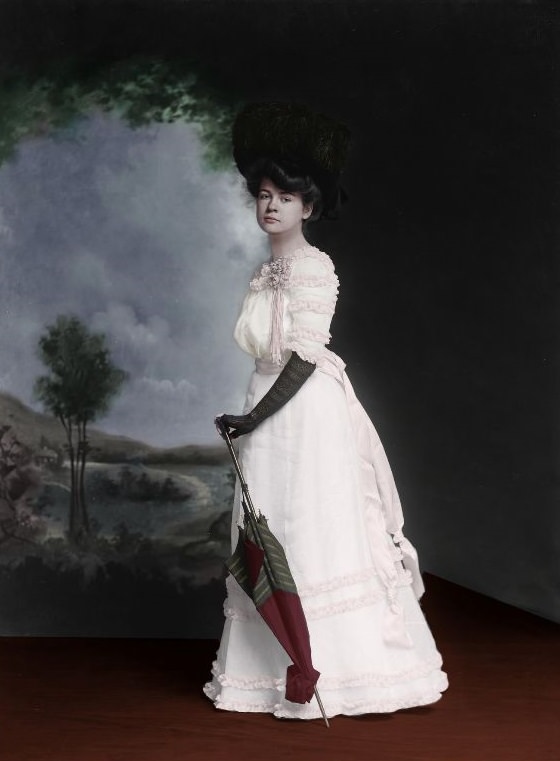
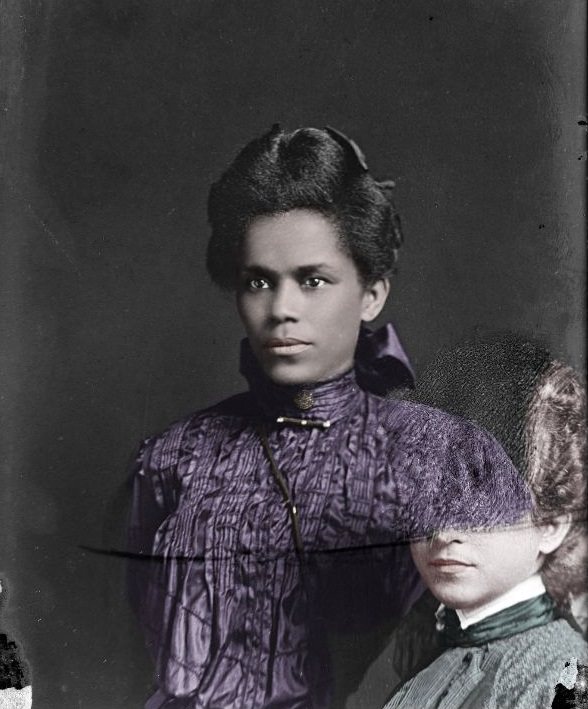
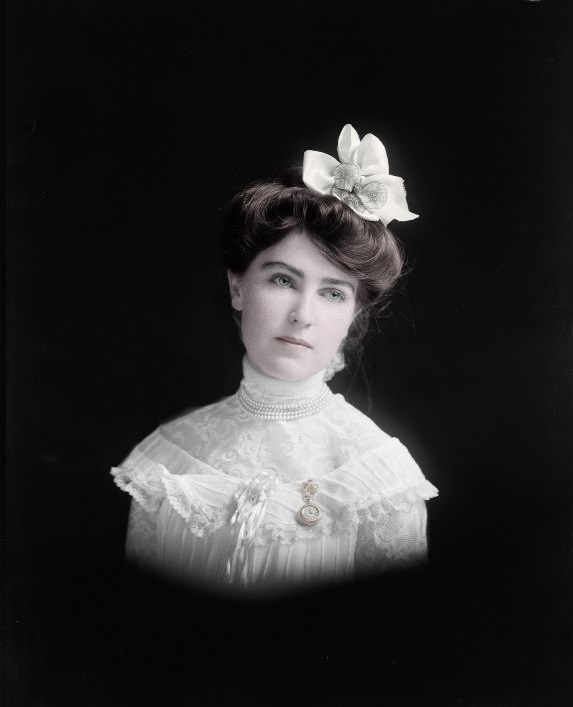
Hair styling in this period was an art in itself. The Gibson Girl look — named after illustrator Charles Dana Gibson’s idealized drawings of American women — dominated the early 1900s. It featured voluminous hair swept up and pinned at the top, a style that required both skill and time. You can see variations of this look across many of these portraits.
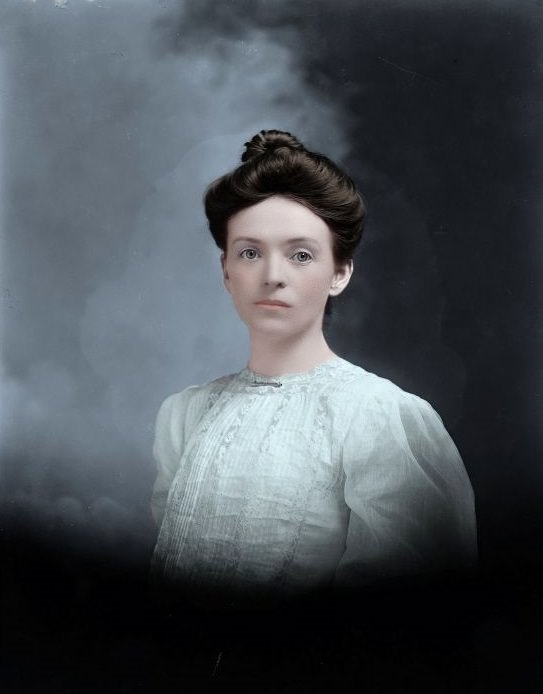
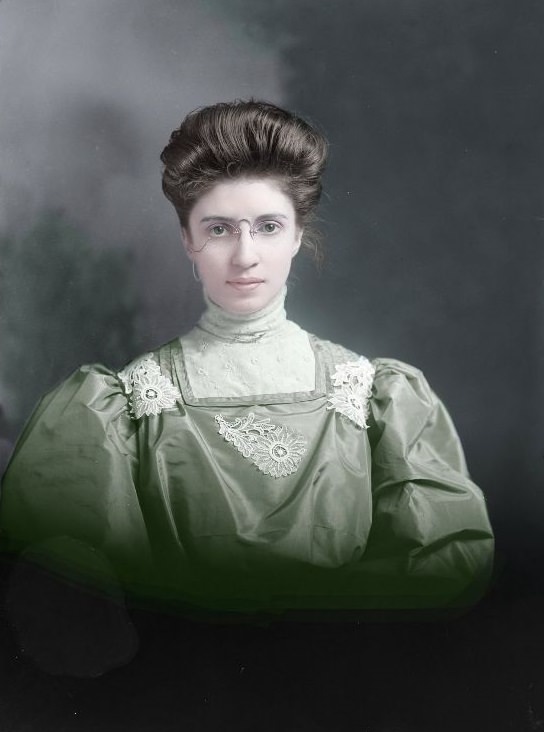
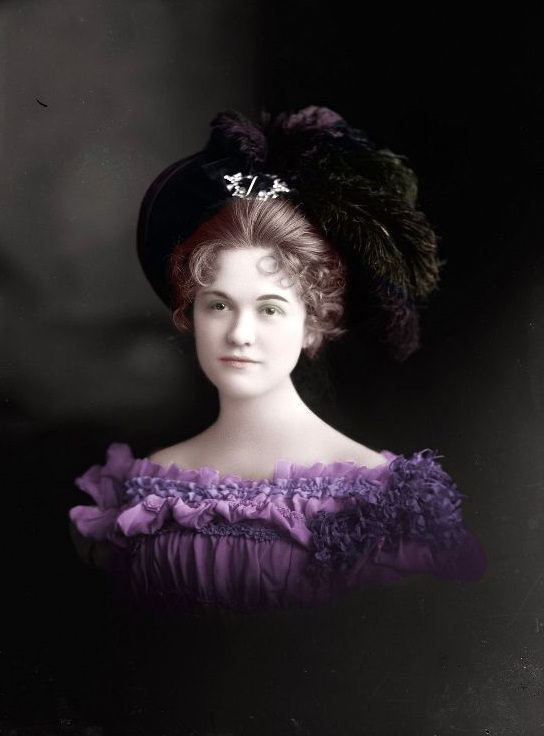
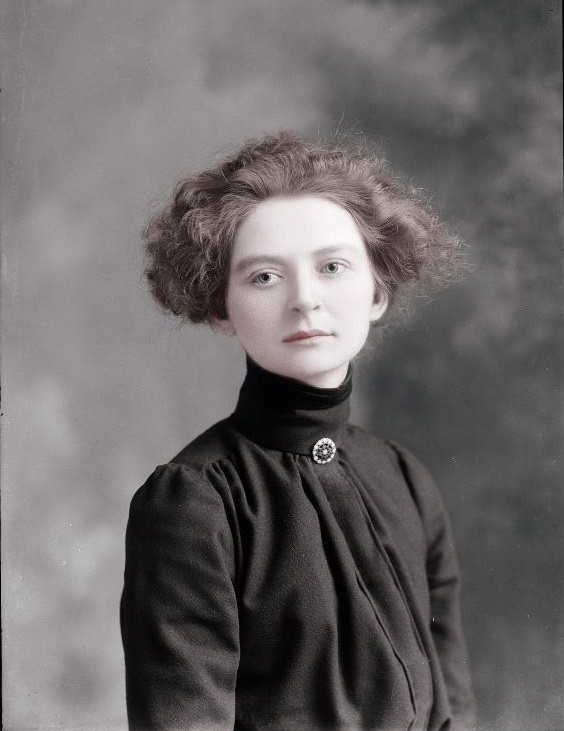
Color also reveals details about fabric and texture. The difference between a satin blouse and a cotton shirtwaist, barely visible in black and white, becomes clear once color is applied. Van den Berg’s attention to these details is part of what makes this collection so compelling — each choice reflects careful research into how people actually dressed during this period.
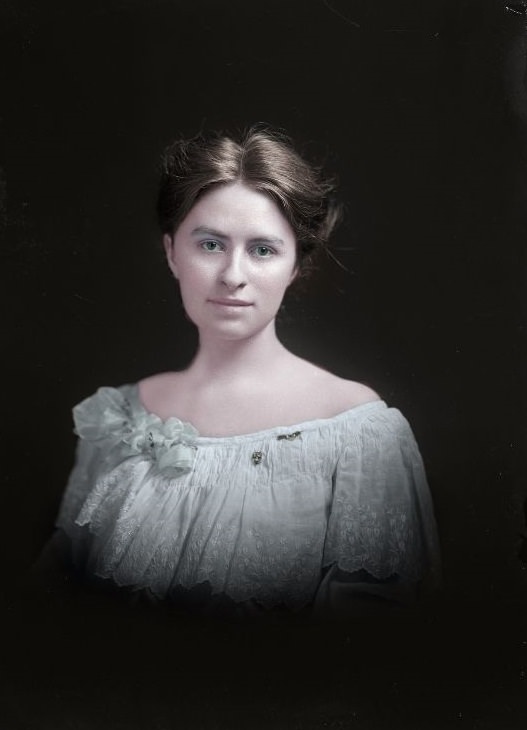
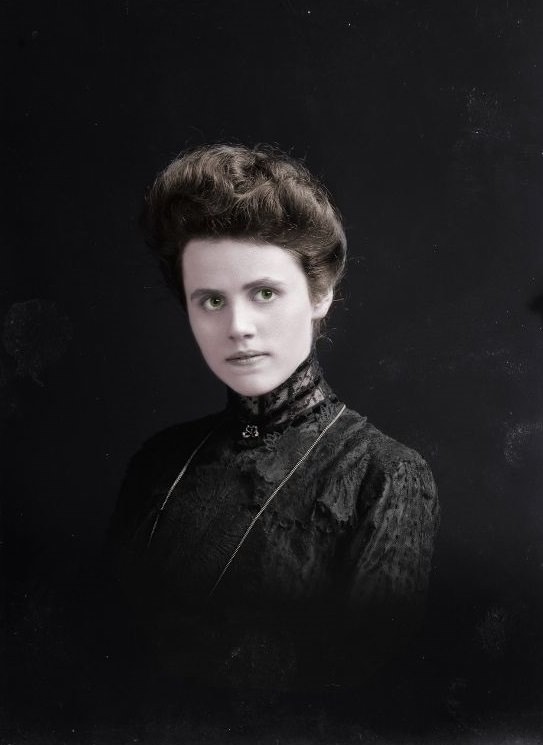
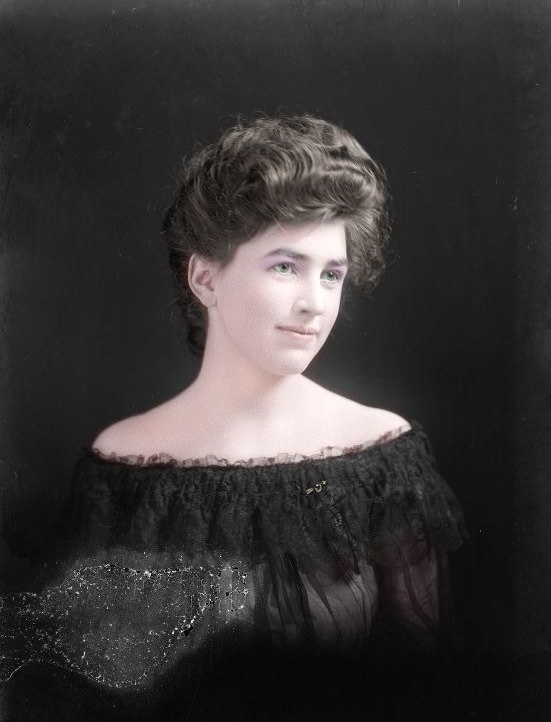
For many of the women pictured here, a studio portrait was a rare and meaningful event. Cameras were not personal devices. Photography required a professional setup, equipment, and expertise. The decision to have a portrait taken meant something — it marked a moment in a person’s life worth preserving.
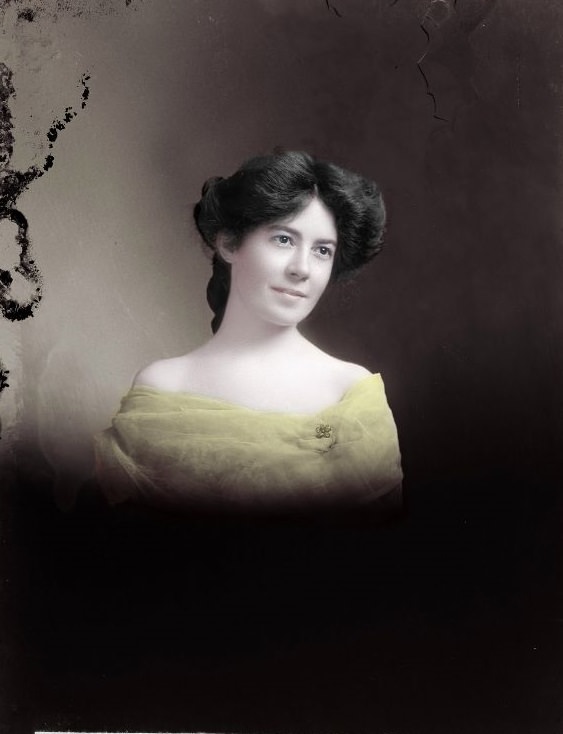
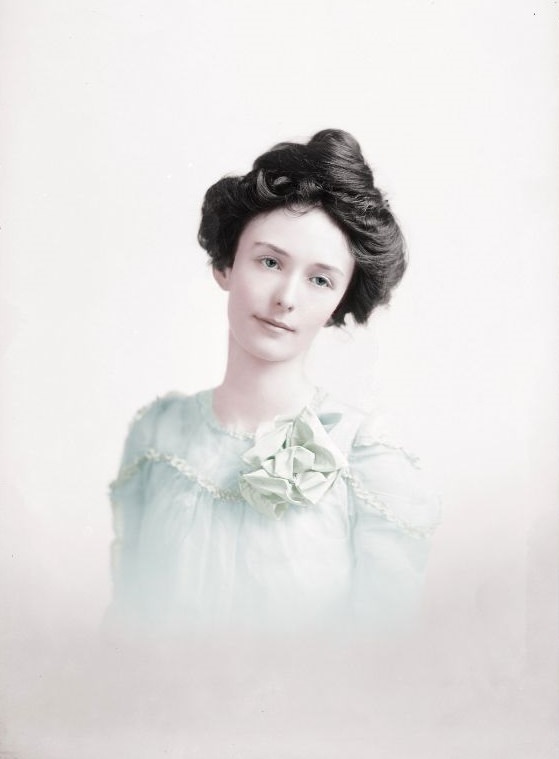
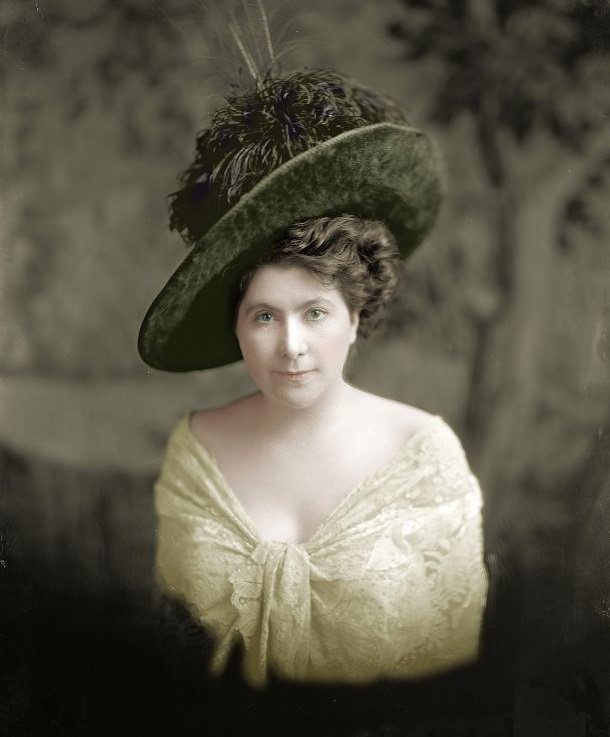
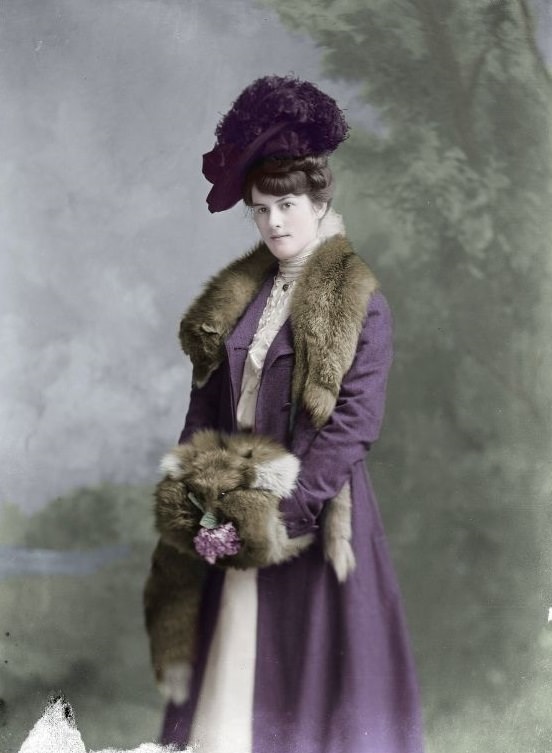
Some portraits in this collection carry small details that reward close attention. A piece of jewelry, the trim on a collar, the arrangement of a brooch — these are the kinds of details that get lost in black and white but stand out clearly once color is restored. They speak to personal taste and the small choices that defined how a woman wanted to be seen.
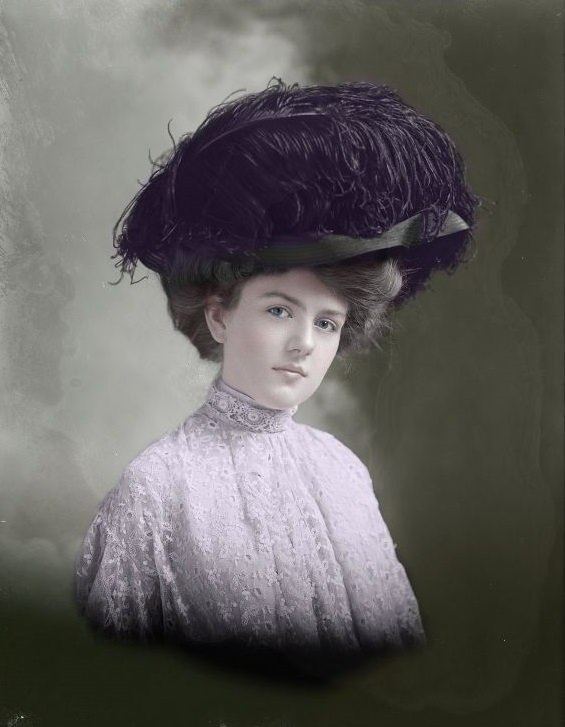
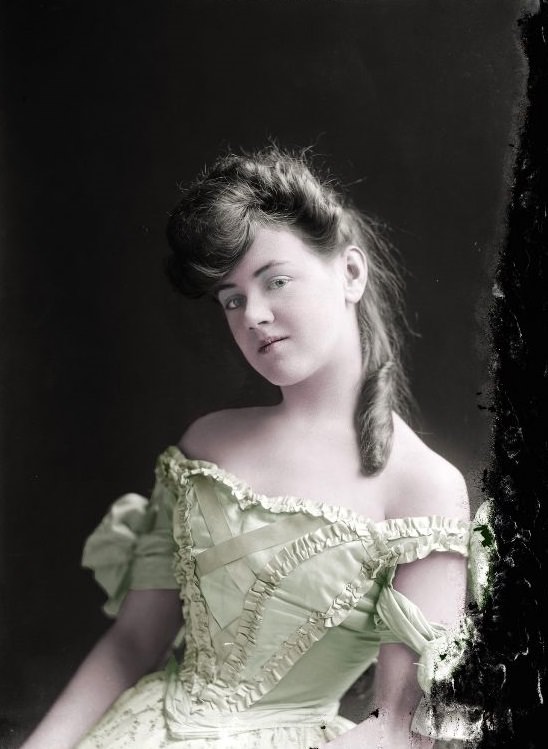
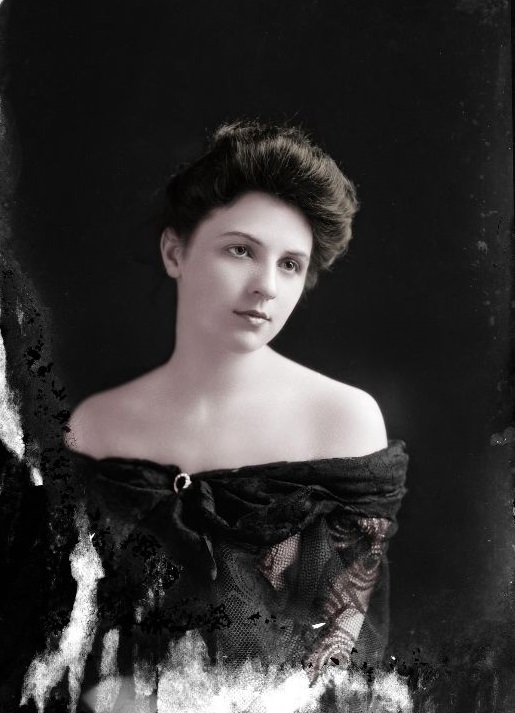
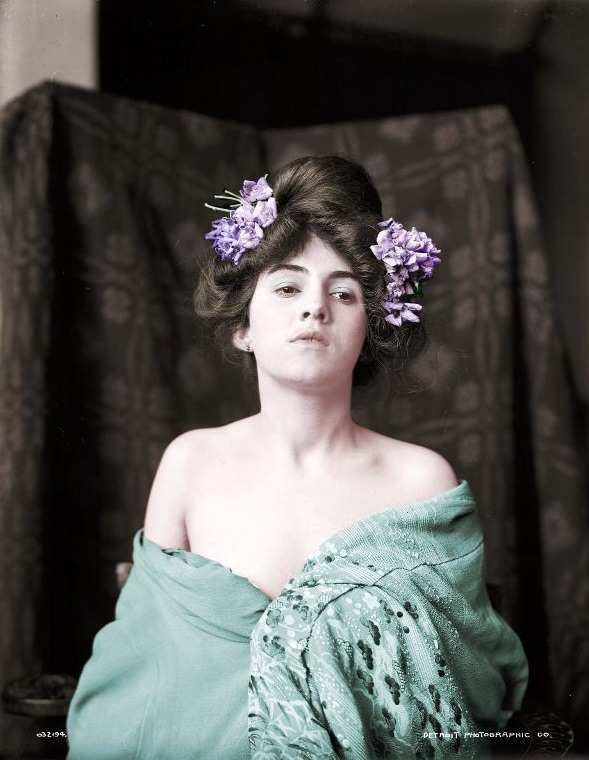
Not every subject in this collection is identified. Several portraits are labeled simply as “Unidentified woman” — their names lost to time. But their faces remain. Color makes their anonymity feel more poignant. These were real people with real lives, and even without names, their portraits carry weight.
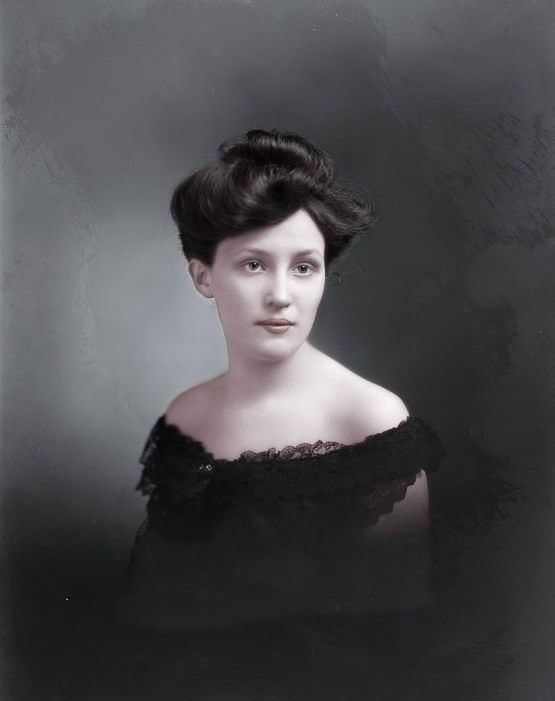
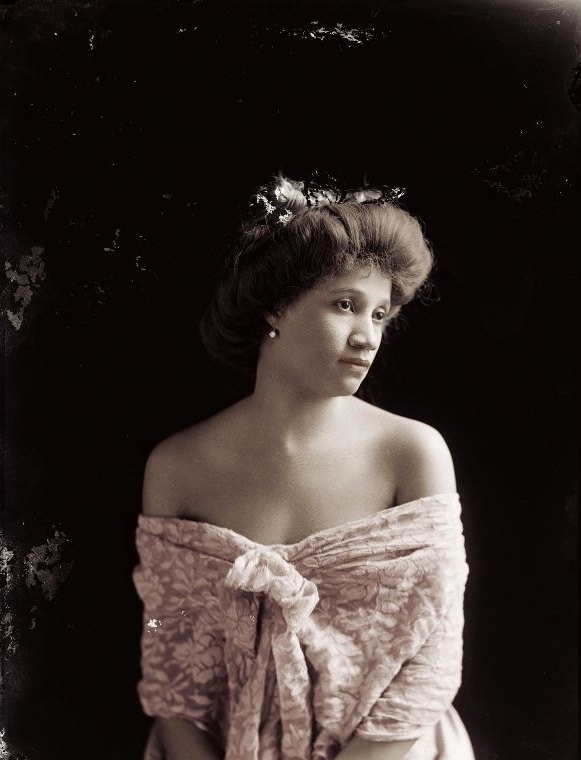
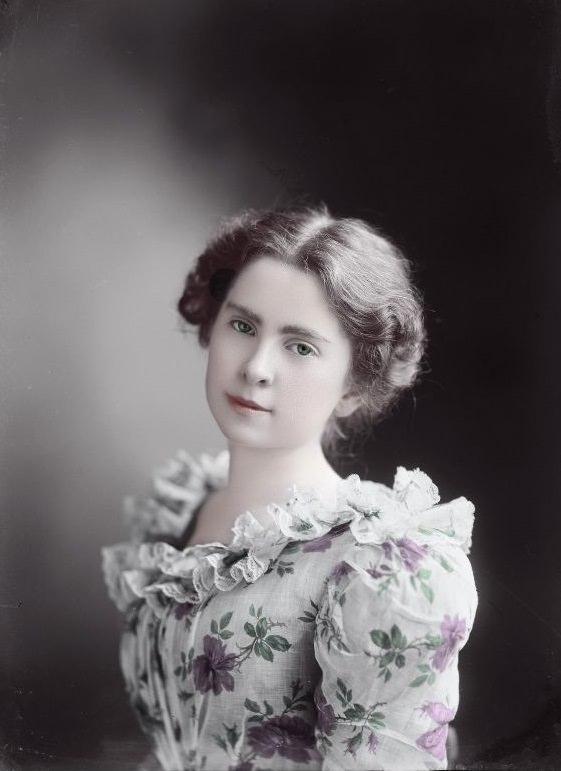
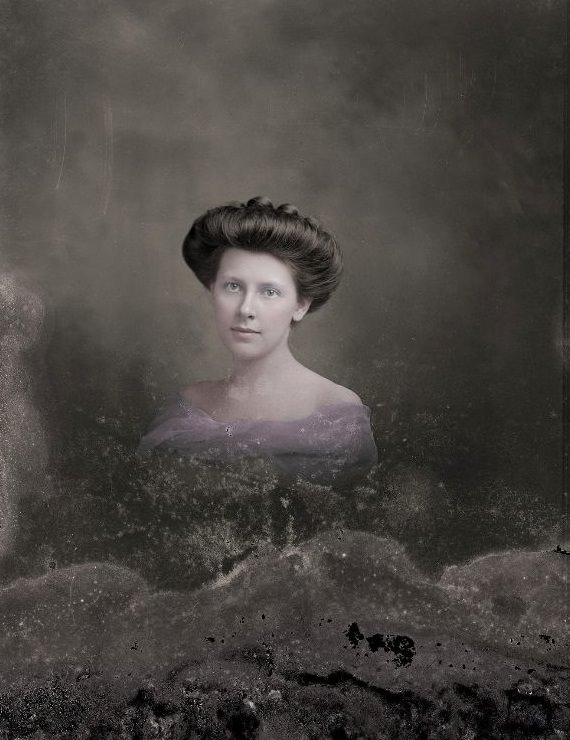
The early 1900s was a period of significant change for women in the United States and around the world. The suffrage movement was gaining strength, women were entering the workforce in greater numbers, and the roles available to them were slowly expanding. The women in these portraits lived through that shifting era, even if their photographs give no direct sign of it.
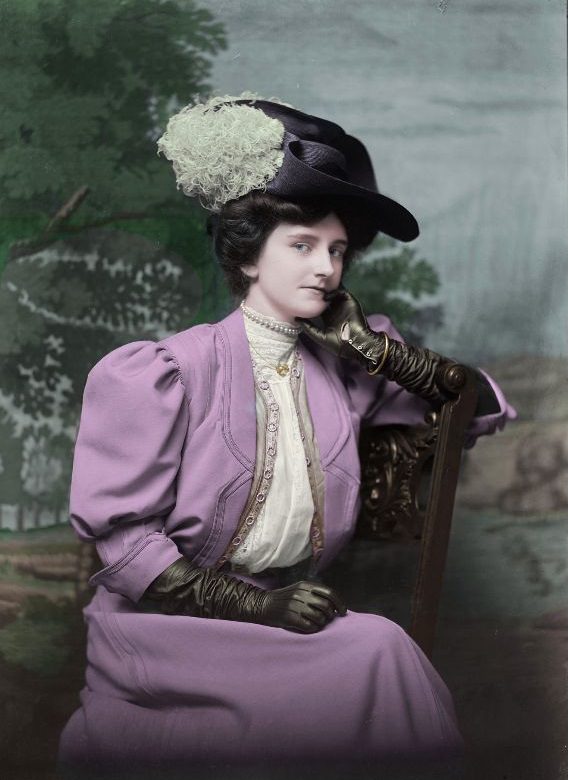
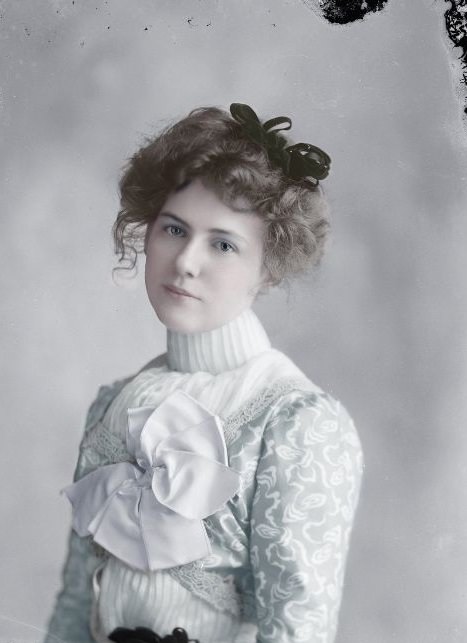
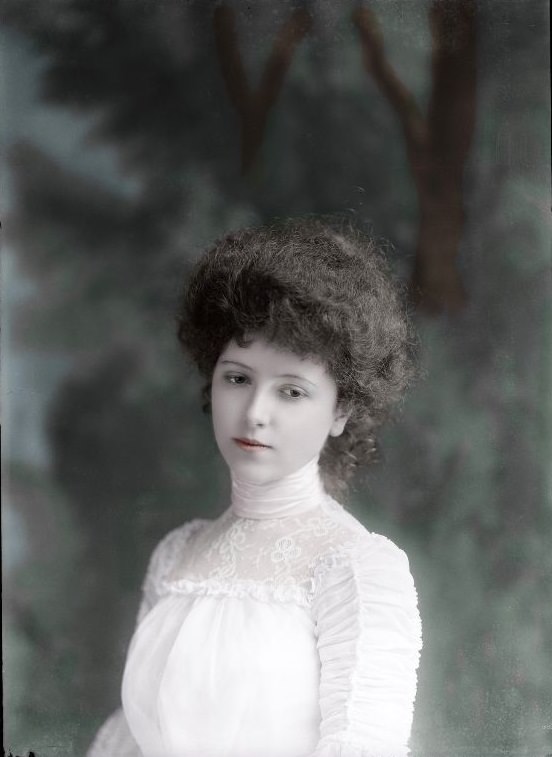
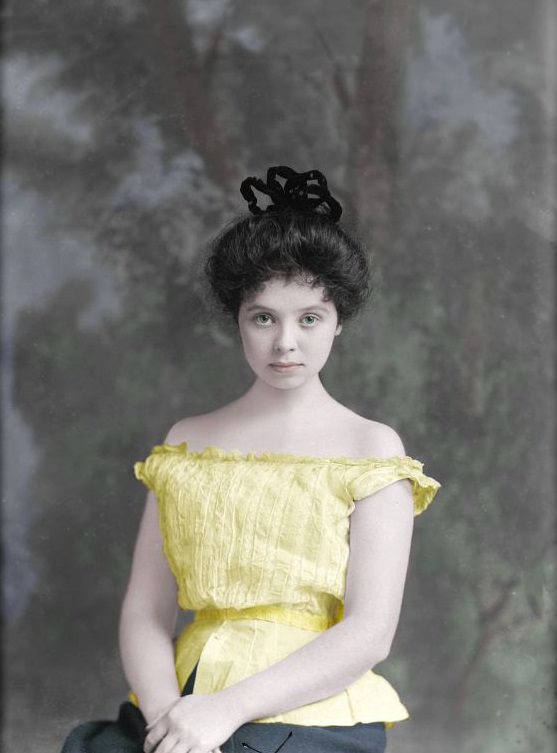
Van den Berg’s colorization process involves more than simply filling in hues. Each image requires decisions about lighting, shadow, and the specific tones that would have been present in the original scene. Skin tones, in particular, require careful handling to look natural rather than artificial. The best colorizations — like the ones in this collection — are nearly seamless.
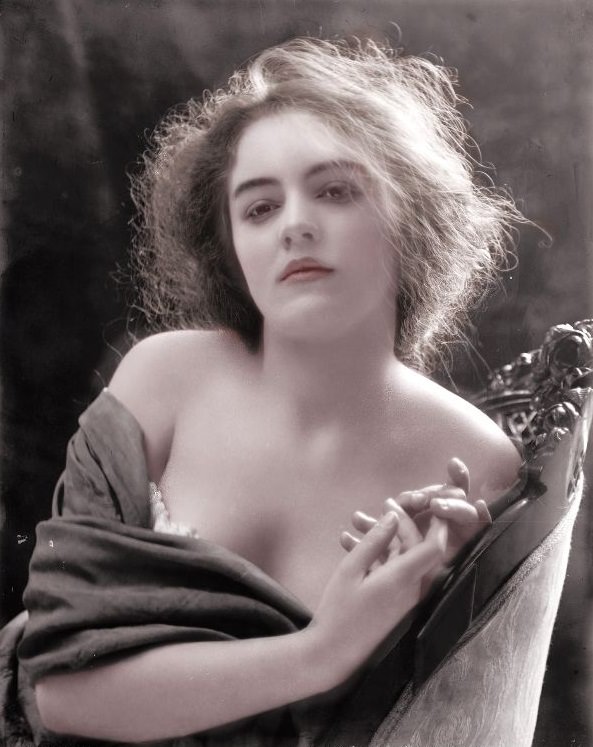
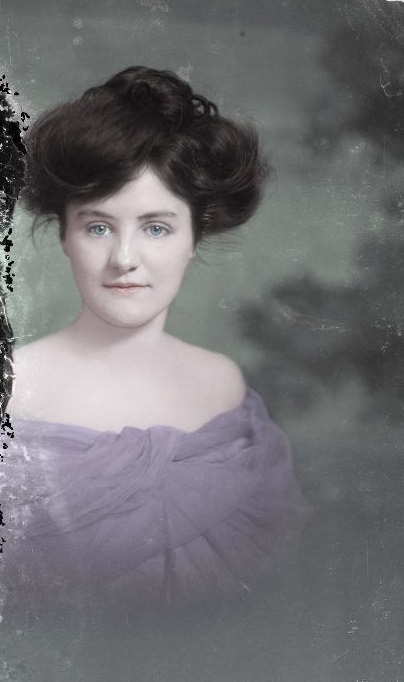
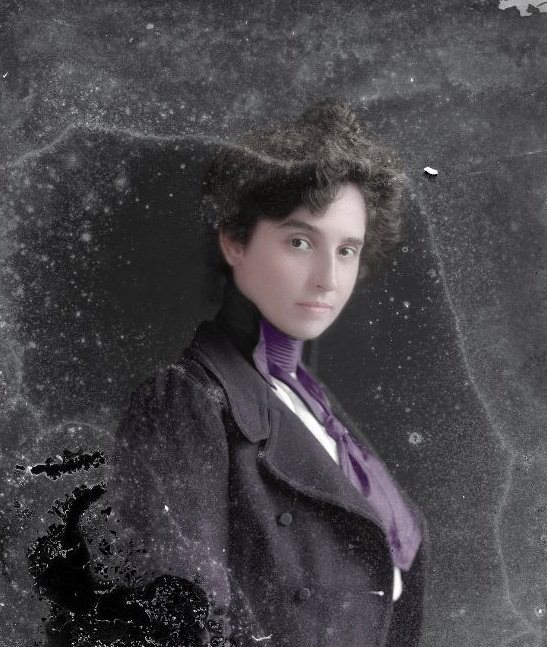
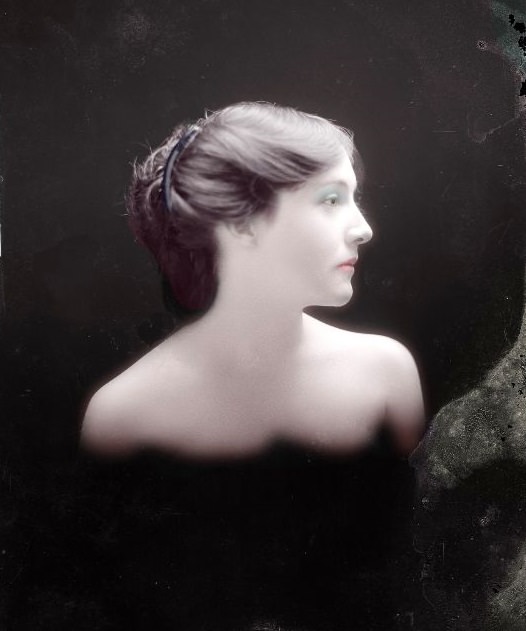
Taken together, these 55 portraits form a vivid cross-section of women from the early twentieth century. Their names — where known — are a roll call of ordinary life: Bessie, Edna, Lottie, Louise, Clara, Rita. Women who sat in front of a camera more than a hundred years ago and are now visible again in full color.