
Porfirio Díaz held power in Mexico for 31 years, from 1877 to 1911. His grip on the country was iron-tight, but by his final years, opposition had grown into open armed revolt. The Mexican Revolution erupted in 1910, and one of its most decisive early clashes took place the following spring — the Battle of Ciudad Juárez in May 1911. That battle ended with the humiliating surrender of federal forces and cracked the foundation of Díaz’s long rule.
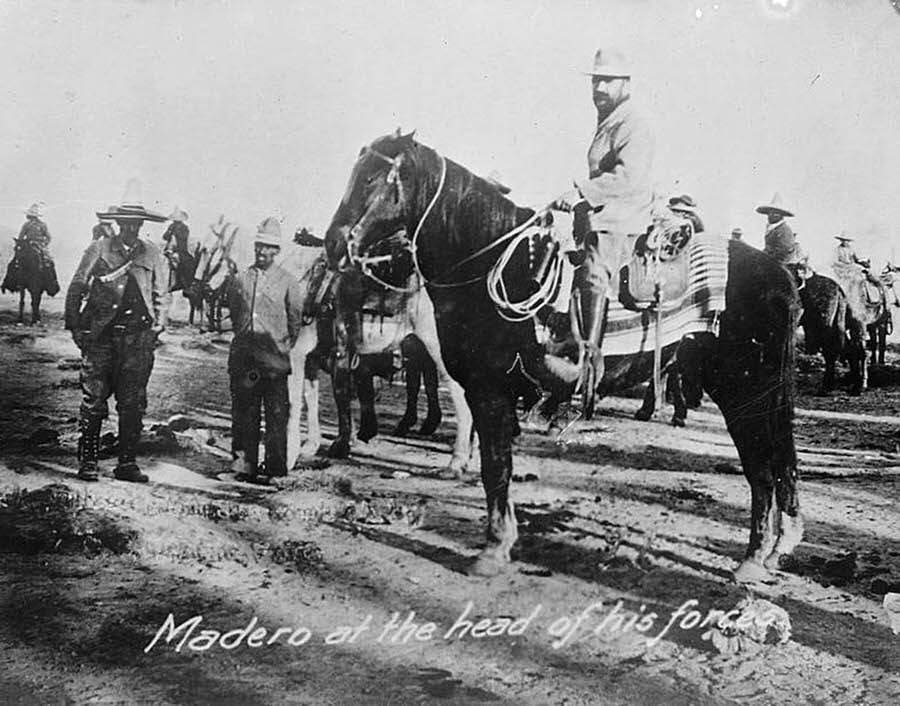
Francisco Madero was the political face of the revolution. Forced into exile by Díaz, he led the charge to reclaim Mexico through both words and arms. Two commanders stood beside him in the field: Pancho Villa and Pascual Orozco. Together, they assembled a rebel force of roughly 2,500 men. Their target was Ciudad Juárez, a border city sitting directly across from El Paso, Texas. Holding it meant controlling a vital crossing point into the United States — and cutting off one of the federal army’s key supply lines.
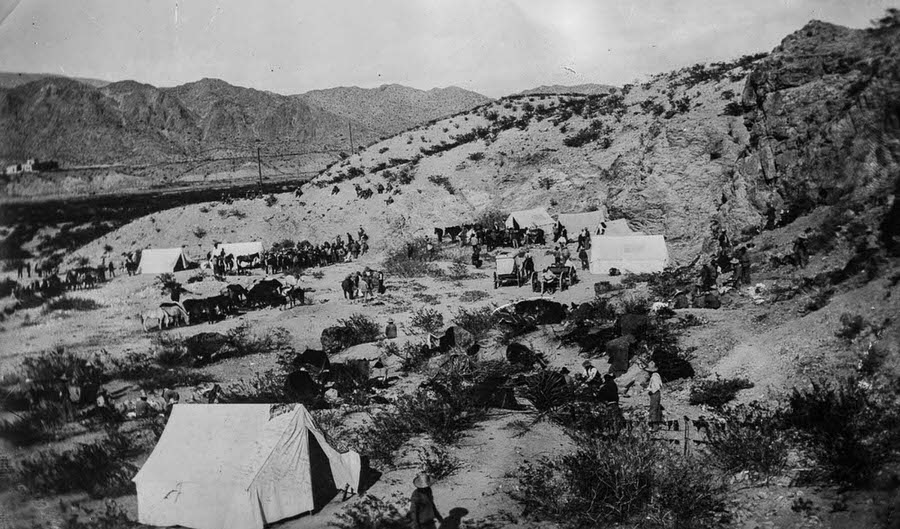
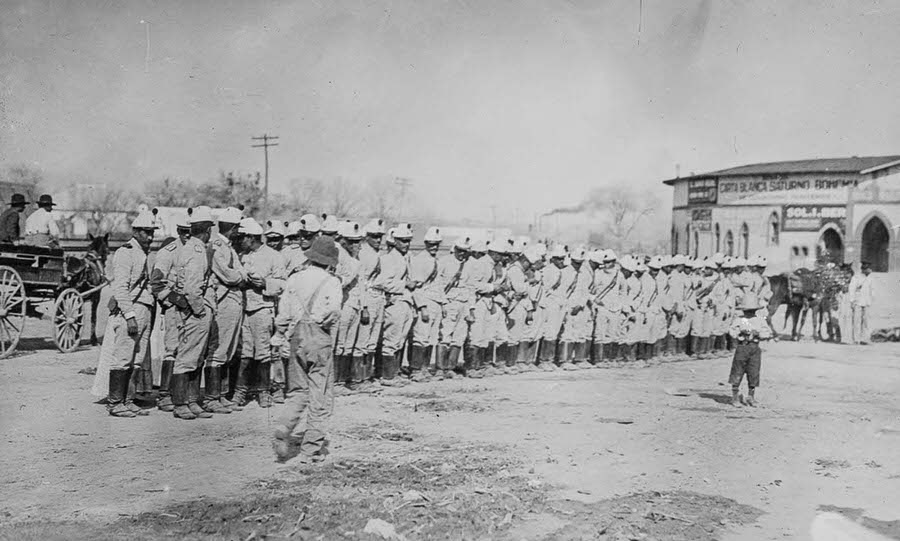
Defending the city was General Juan Navarro with approximately 700 federal soldiers. Navarro was experienced and methodical. He set up barricades across key streets and positioned machine guns to cover approaches into the city center. A second line of defenses was constructed deeper in, ready to hold if the outer positions fell. On paper, his setup was strong. The rebels, however, had no intention of fighting on his terms.
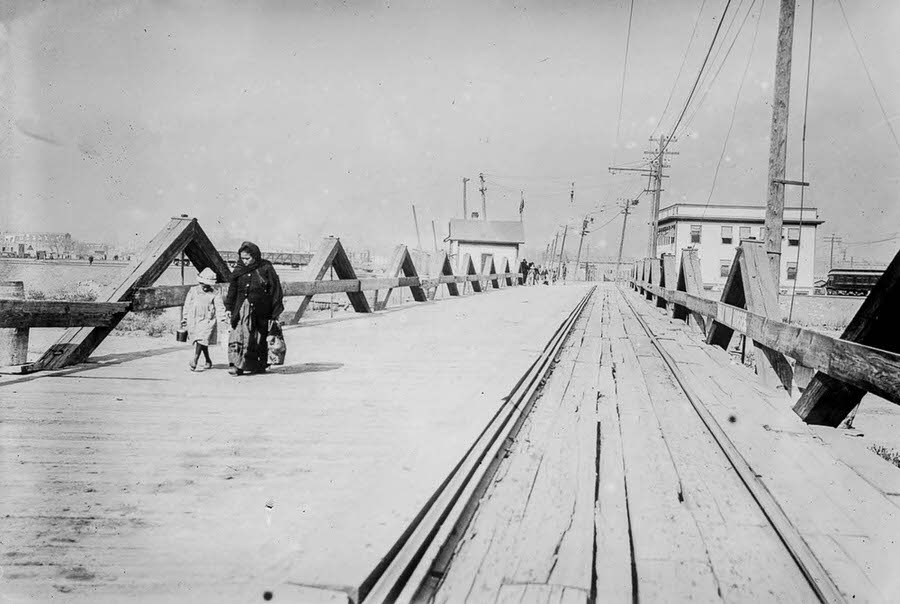
The rebel attack began on April 7. Within the first day of fighting, they seized the bridges connecting Ciudad Juárez to the U.S. border, shutting off Navarro’s ability to receive outside support. They also cut the city’s electricity and telegraph lines, leaving the federal garrison isolated. The rebels captured the bullring and pushed to the outskirts of the city center, pressing right up against that second line of defenses Navarro had prepared.
What made the rebel advance so effective was its unconventional approach. Two key figures helped shape the strategy: Ben Viljoen, a veteran of the Second Boer War, and Giuseppe Garibaldi II, grandson of the famous Italian revolutionary. Rather than charging down open streets into Navarro’s machine-gun fire, the rebels turned the city’s own architecture against the defenders. Adobe houses in Ciudad Juárez were built packed tightly together, sharing walls. The rebels used dynamite to blow holes through those walls, moving from building to building without ever stepping into the open street.
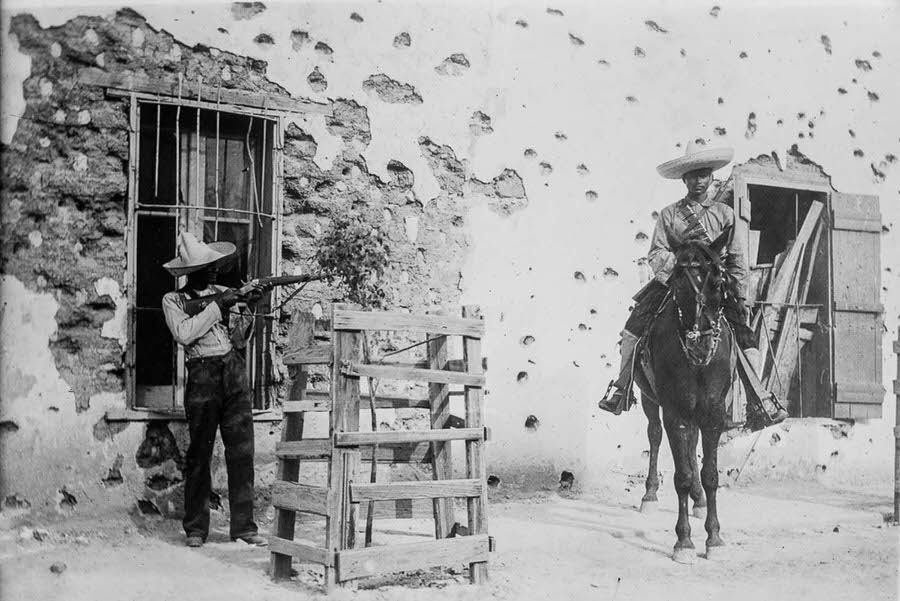
This tactic rendered Navarro’s barricades and machine-gun nests far less effective. The rebels simply bypassed them, room by room and house by house, closing the distance while staying under cover. Federal troops manning the street positions found themselves outflanked without ever seeing the enemy coming through the front door.
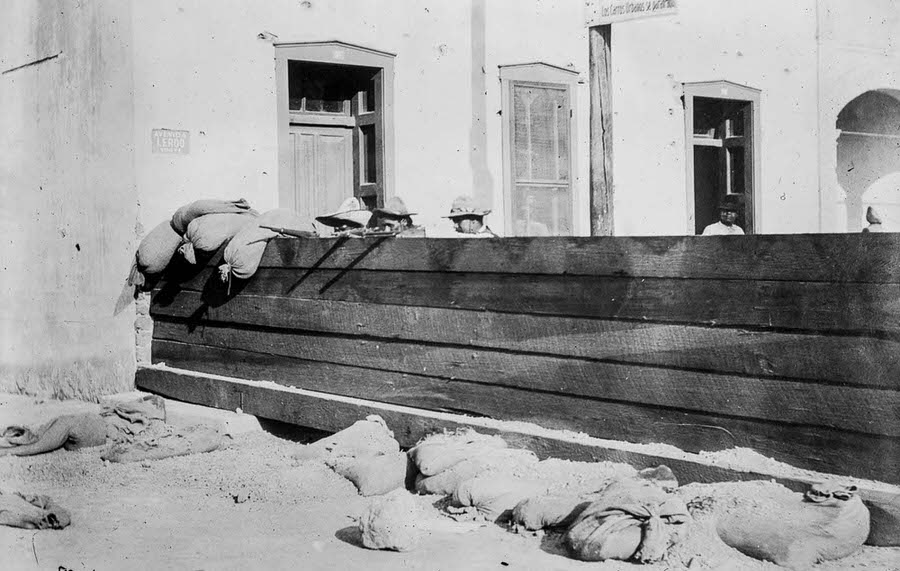
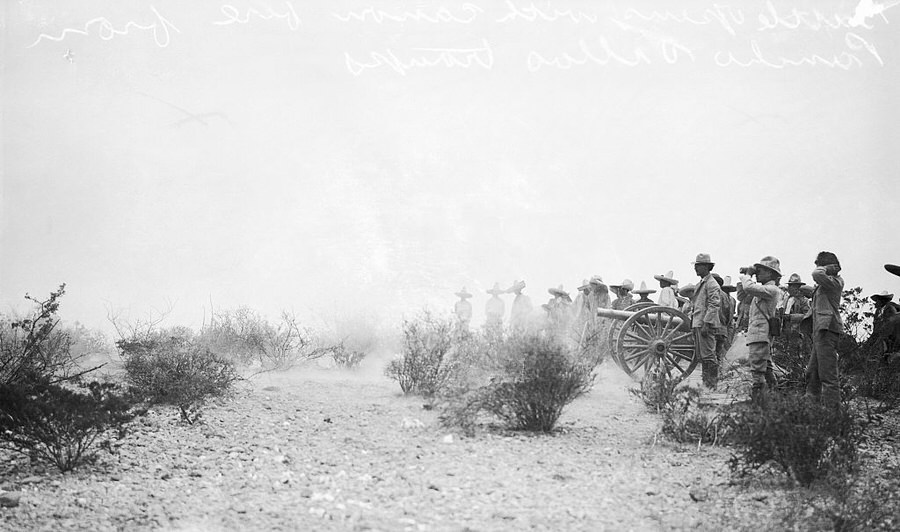
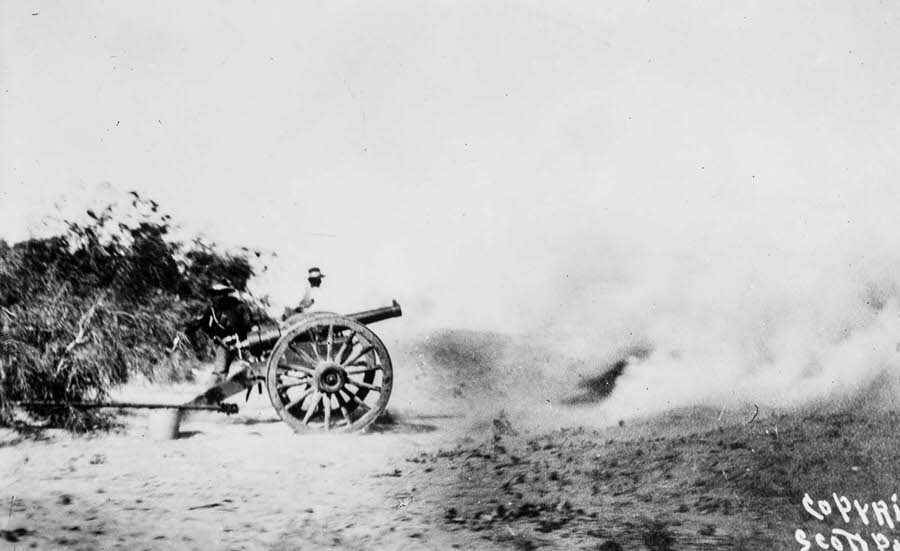
Rebel artillery added pressure from outside the city. Cannon fire softened federal positions as infantry fighters worked their way through the urban maze. Pancho Villa commanded troops in the thick of the street fighting, keeping up the attack on multiple fronts.
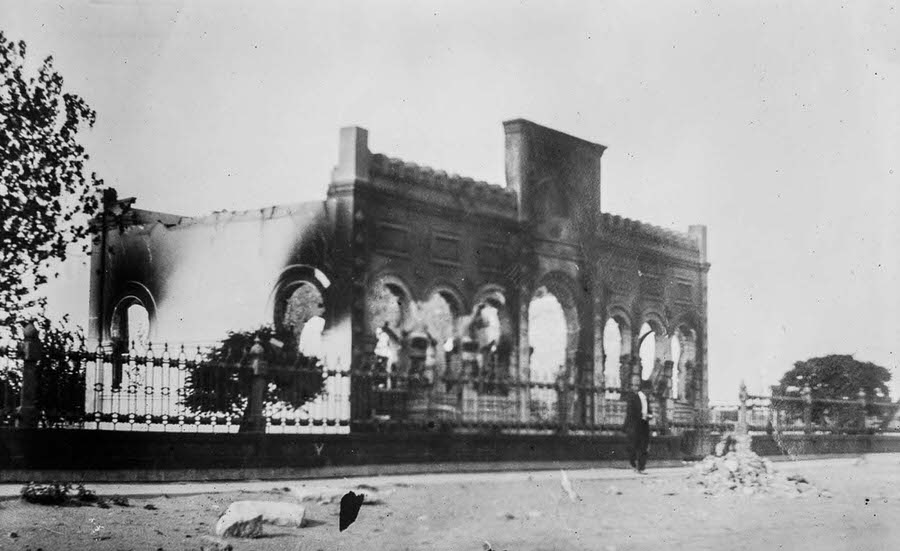
The urban combat was brutal. Rebel fighters crossed open ground under fire, took positions in ditches, and fought through the rubble of damaged buildings. The city took heavy punishment. Streets were torn apart, homes were destroyed by grenades and gunfire, and civilian structures including a library were caught in the crossfire.
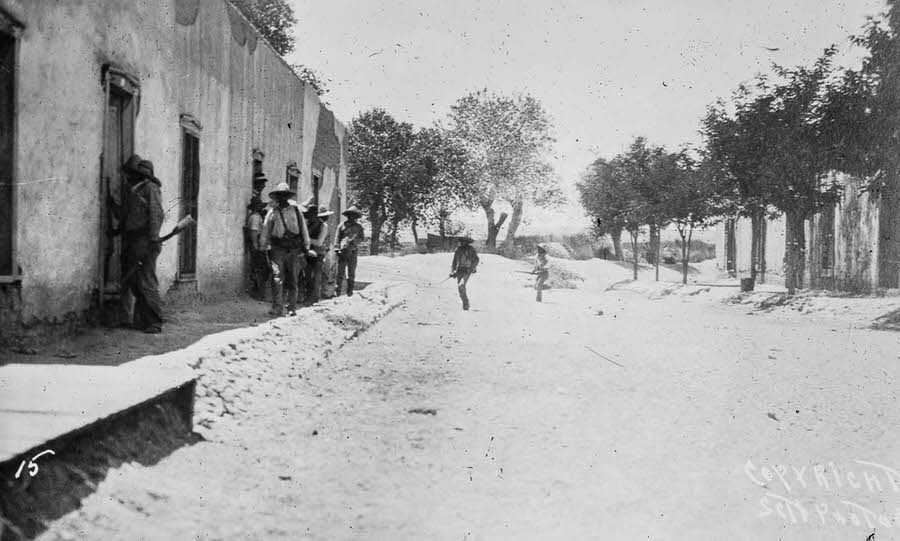
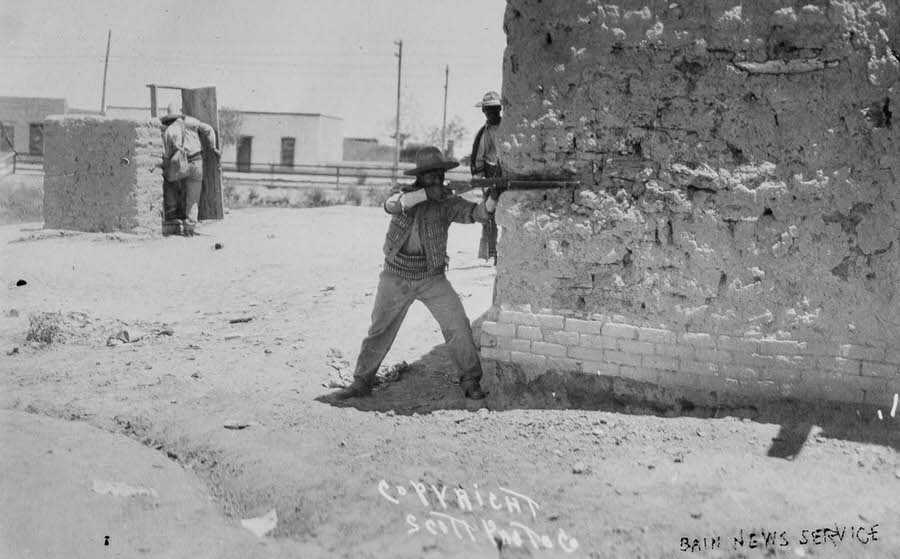
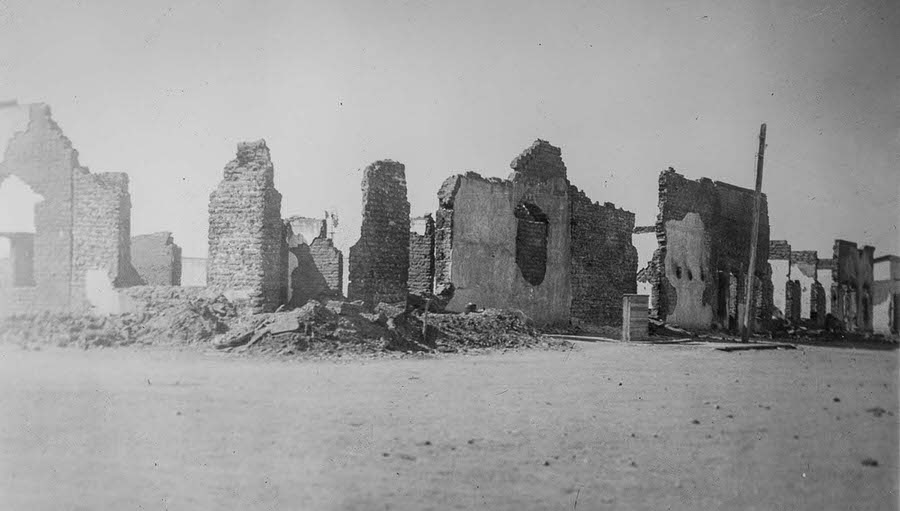
Rebel forces also put captured federal equipment to use. A cannon that federal troops had taken from the rebels earlier was turned around and used against Navarro’s own men. Meanwhile, rebels maintained firing positions throughout the city, holding ground they had taken block by block.
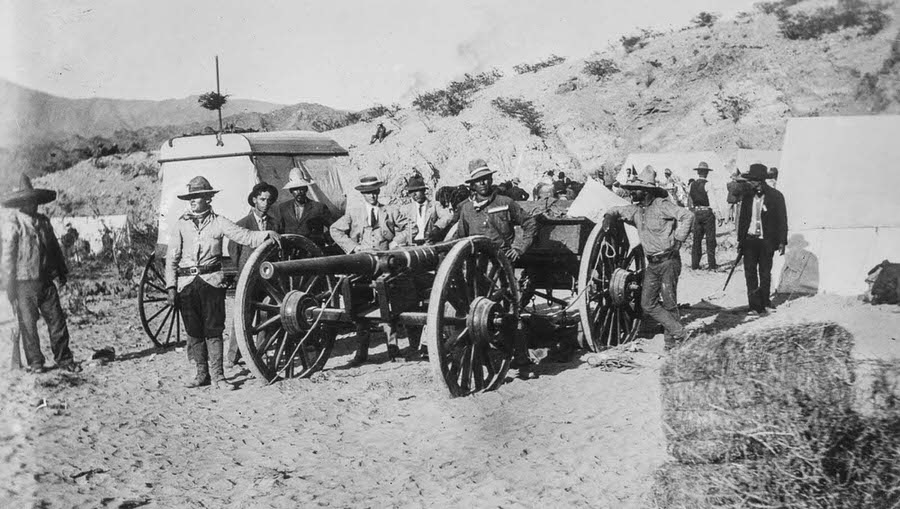
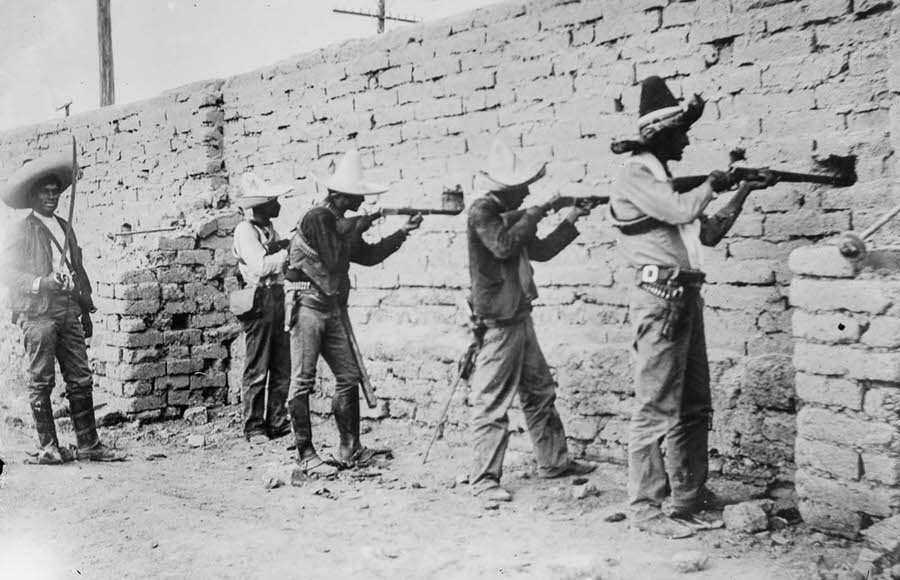
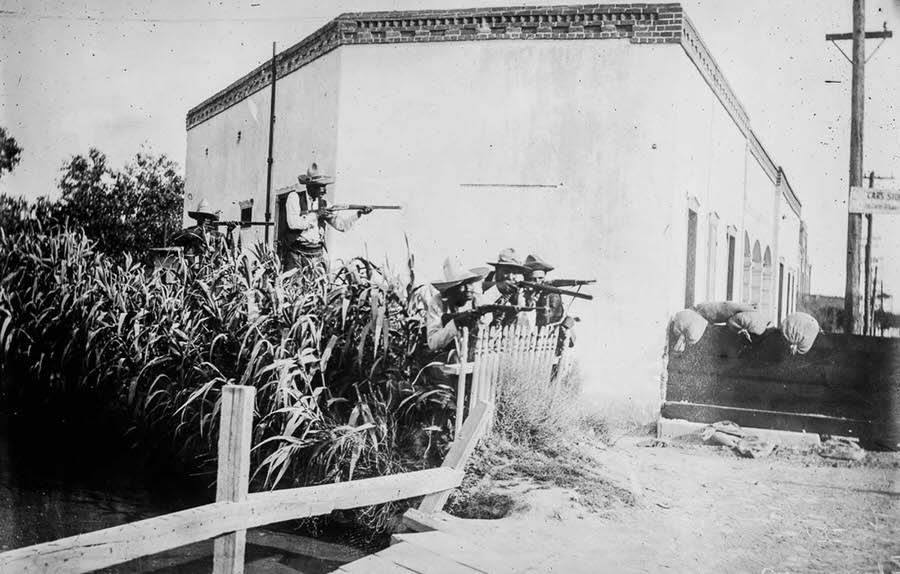
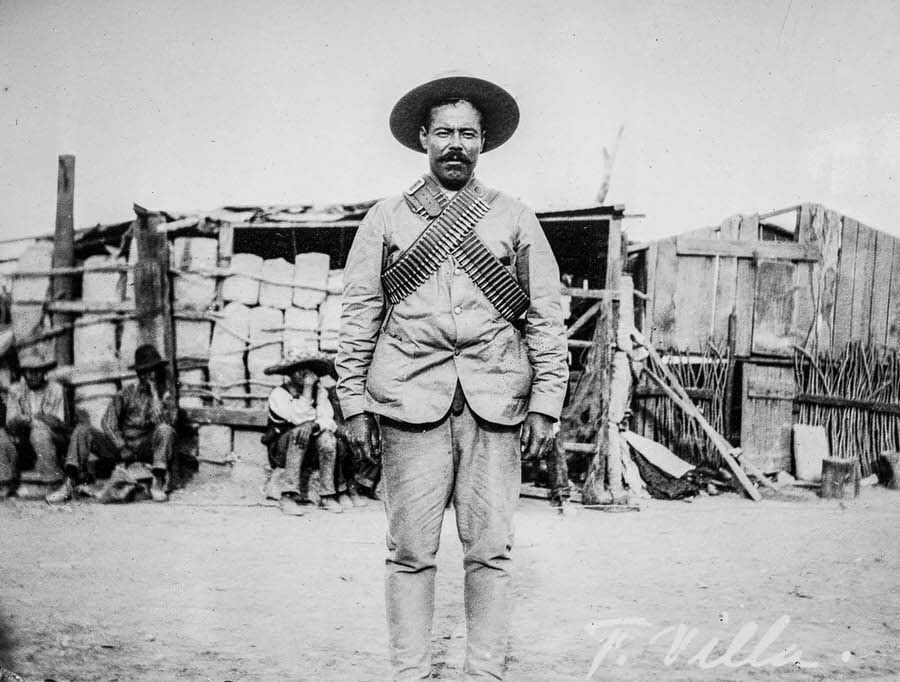
Pancho Villa was central to the rebel effort throughout. His aggressive leadership kept the pressure constant and his fighters moving forward even as federal resistance stiffened in the city center.
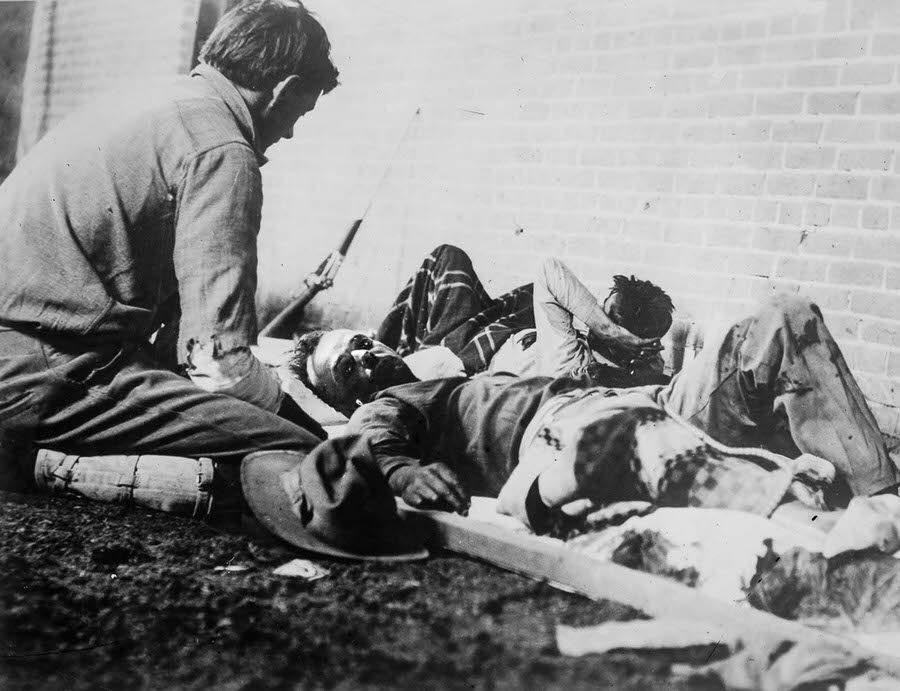
The cost of the battle was real and visible. Wounded fighters were pulled from the streets and treated in the field. The dead were collected from where they had fallen. Bodies lay in the streets in the aftermath of the heaviest fighting, and crews moved through the city to identify the fallen.
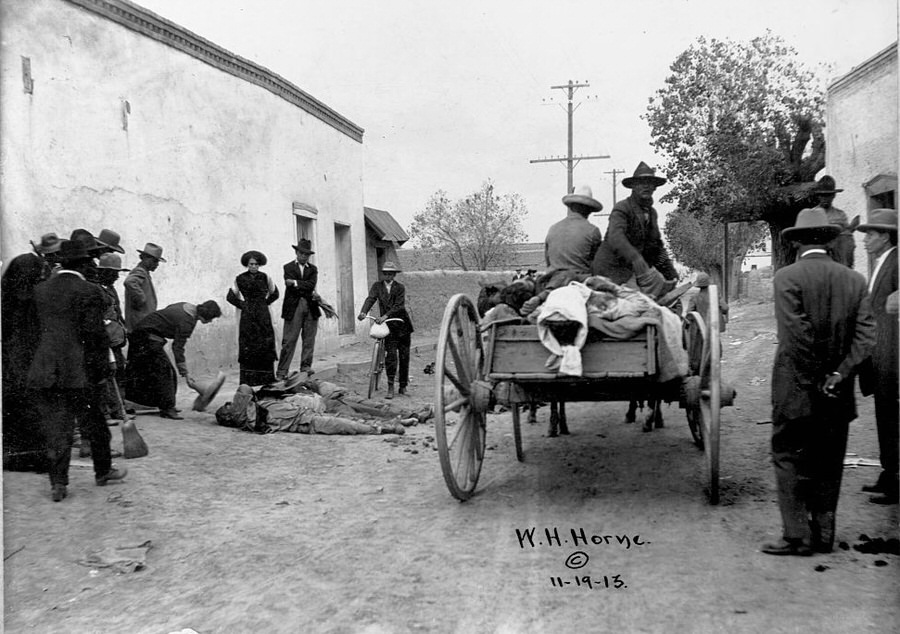
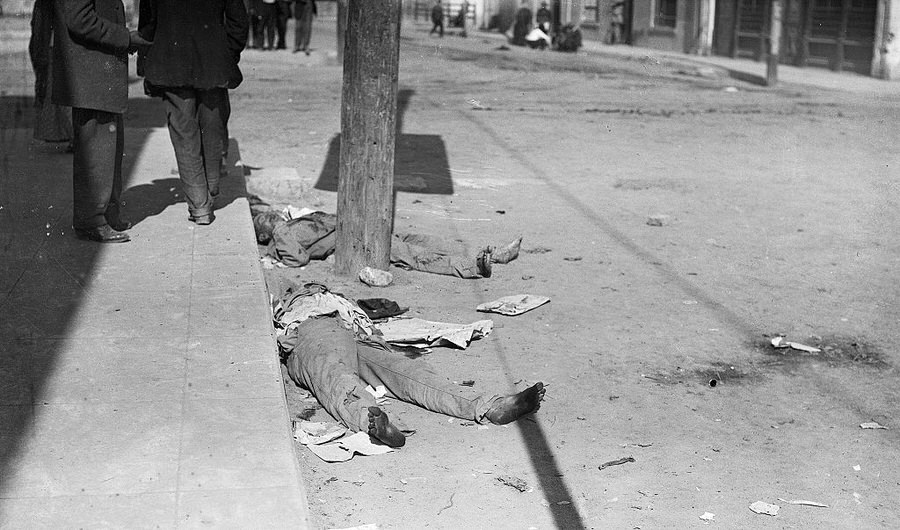
With supplies cut off and the rebel advance closing in from every direction, General Navarro’s position became untenable. His men ran out of the resources needed to sustain the defense, and Navarro surrendered. The federal garrison at Ciudad Juárez was finished.
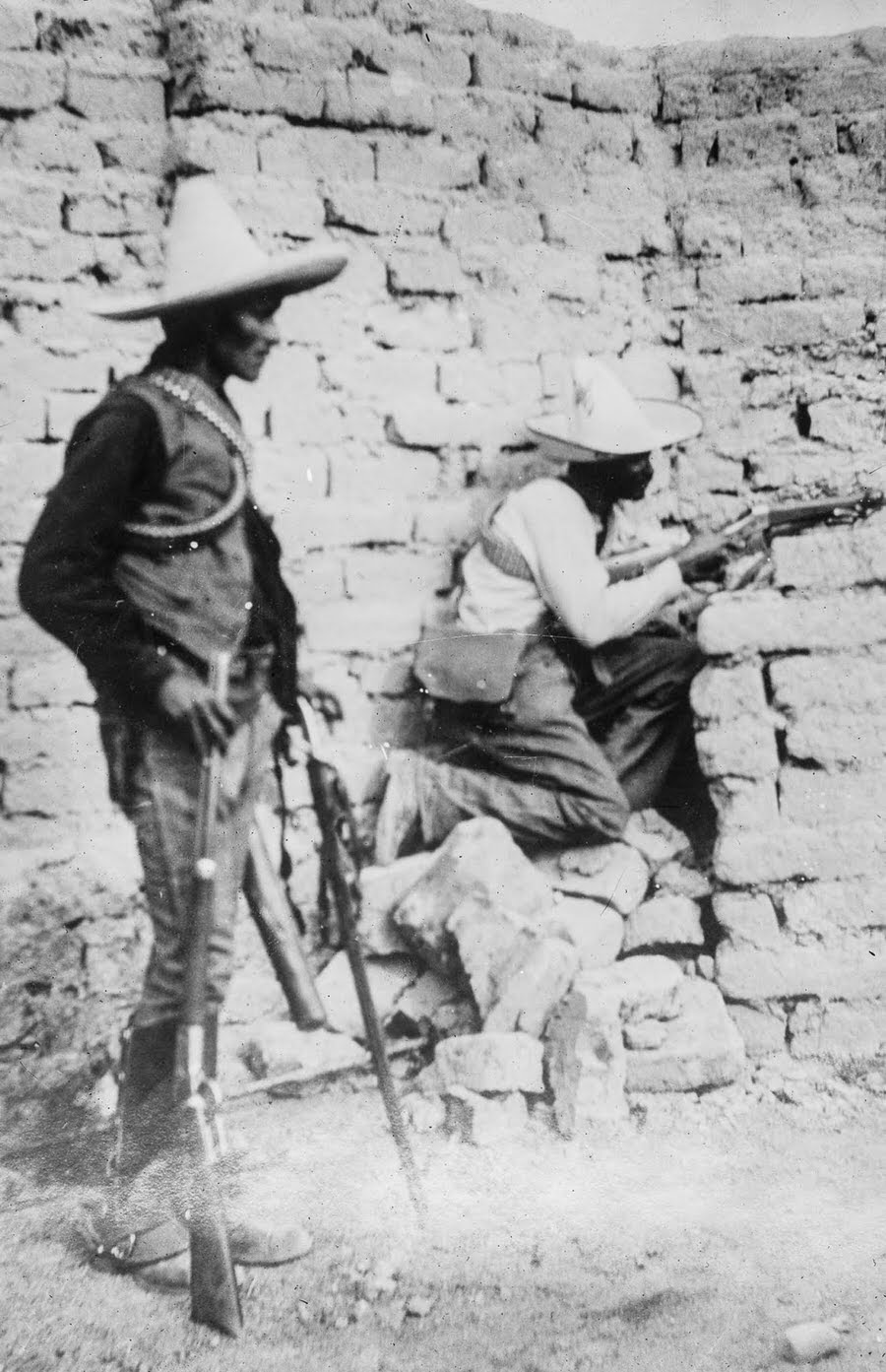
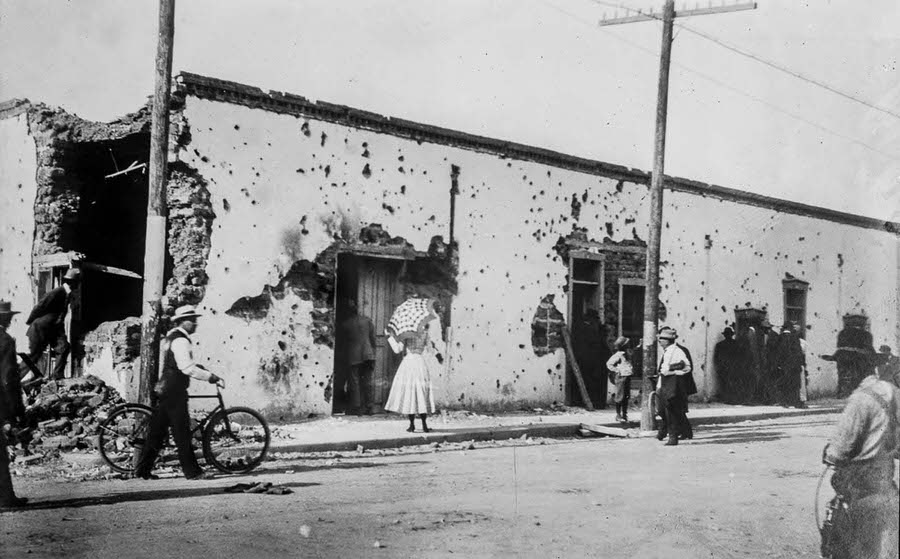
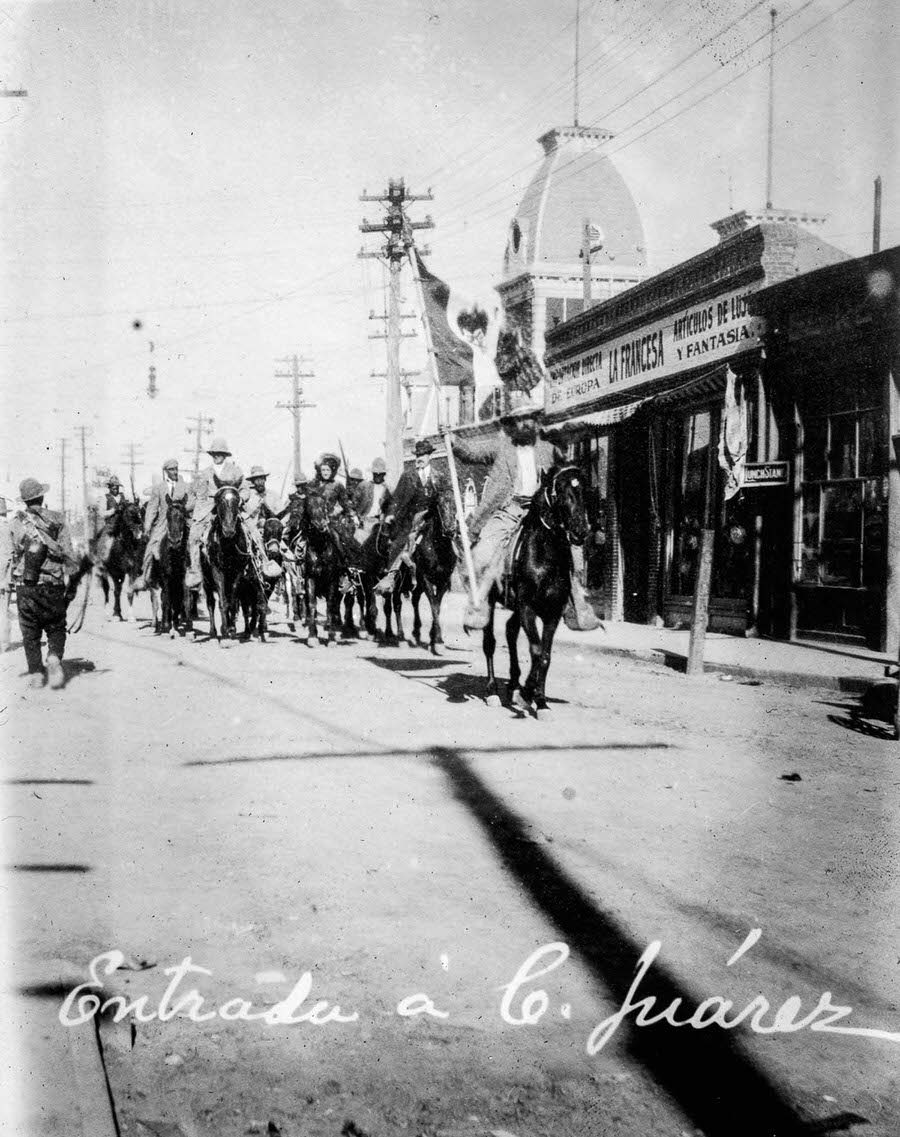
Revolutionary forces marched into the city following the surrender. Along with the concurrent Battle of Cuautla, the fall of Ciudad Juárez applied fatal pressure on Díaz’s government. He resigned shortly after, ending his 31-year hold on Mexico and opening the path for Francisco Madero to take power.

Never forget your ancestors and their sacrifices. Brave men, salute them forever.
Well said.
A few days later, Porfirio Díaz fled from Mexico, understanding that despite the distance his eventual defeat was inevitable and wanted in part to reduce the bloodshed.