Released on May 25, 1967, Barefoot in the Park became one of the most beloved romantic comedies of its decade. Directed by Gene Saks and adapted from Neil Simon’s hit Broadway play of the same name, the film paired two of Hollywood’s brightest rising stars — Robert Redford and Jane Fonda — and let them loose on a script full of sharp wit and perfectly timed humor.
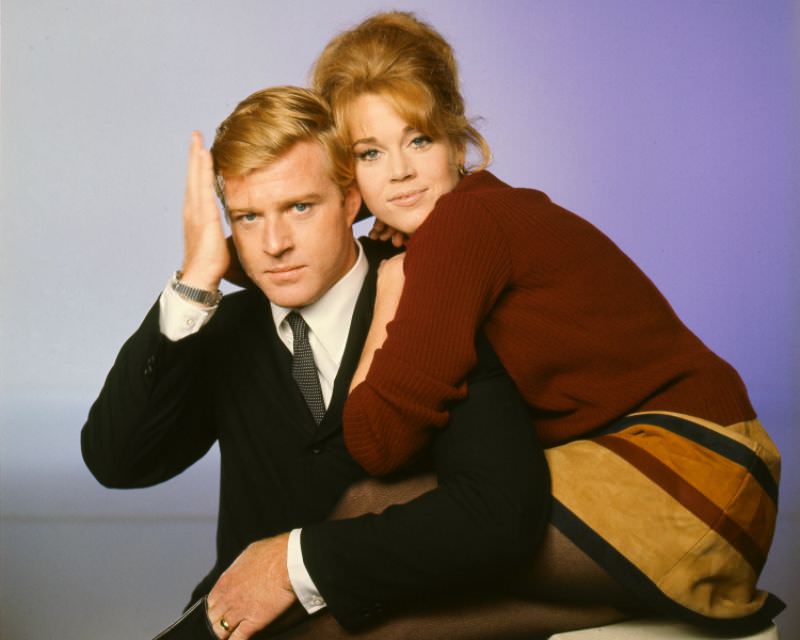
The story centers on Paul and Corie Bratter, newlyweds who move into a cramped New York City apartment. The place is far from ideal. There’s a hole in the skylight, no heat, and five long flights of stairs to climb just to reach the front door. For many couples, that would be a dealbreaker. For Corie, it’s an adventure.
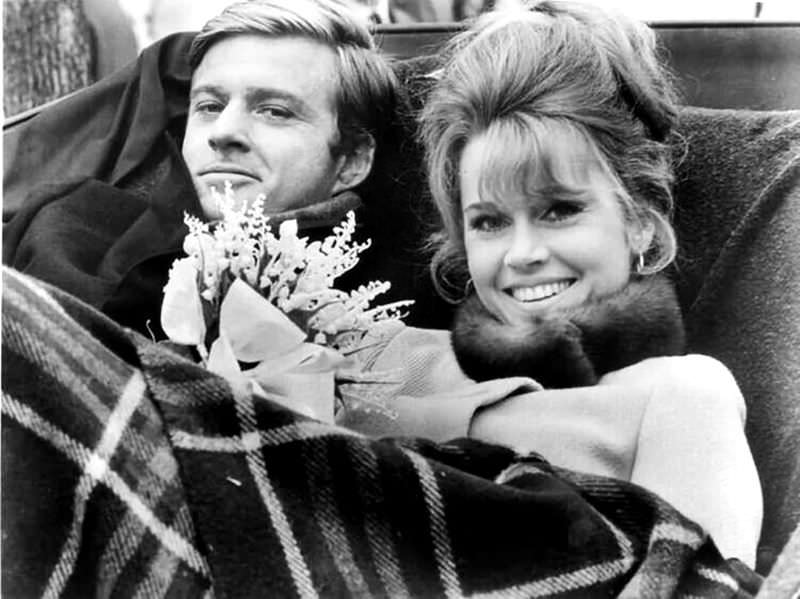
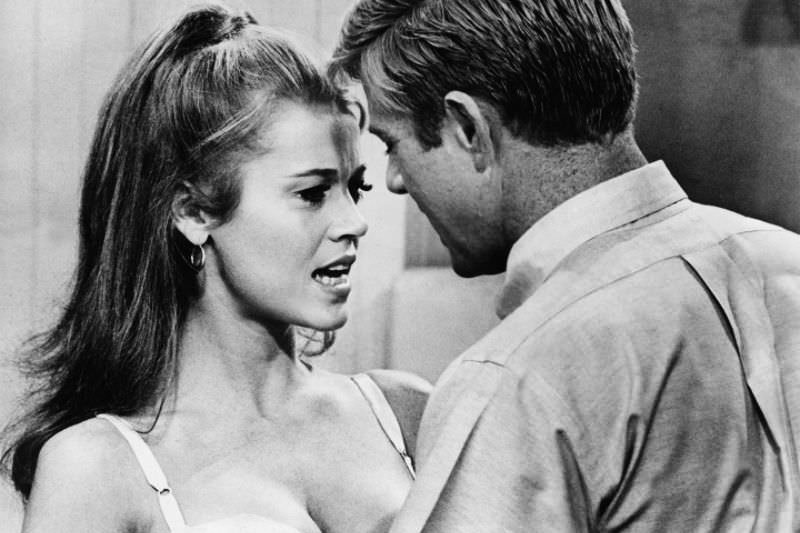
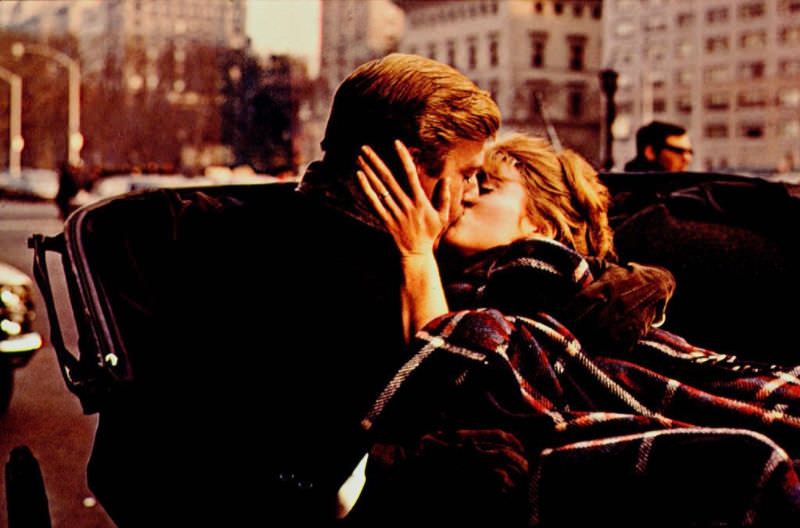
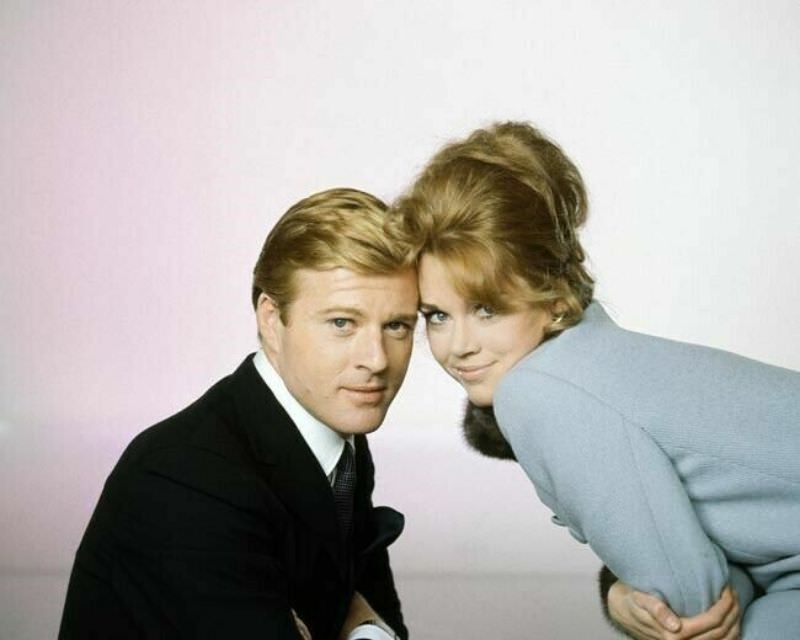
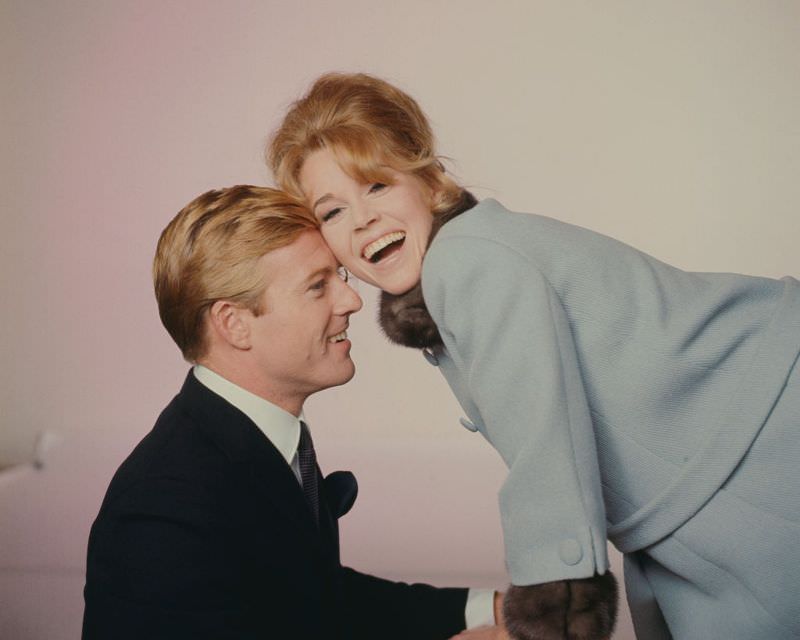
Fonda played Corie as bubbly, spontaneous, and endlessly optimistic. Redford’s Paul was her opposite — cautious, buttoned-up, and more than a little rigid. That tension between their personalities drives the film’s humor. Their clashes feel genuine rather than forced, and the chemistry between the two actors made every scene crackle.
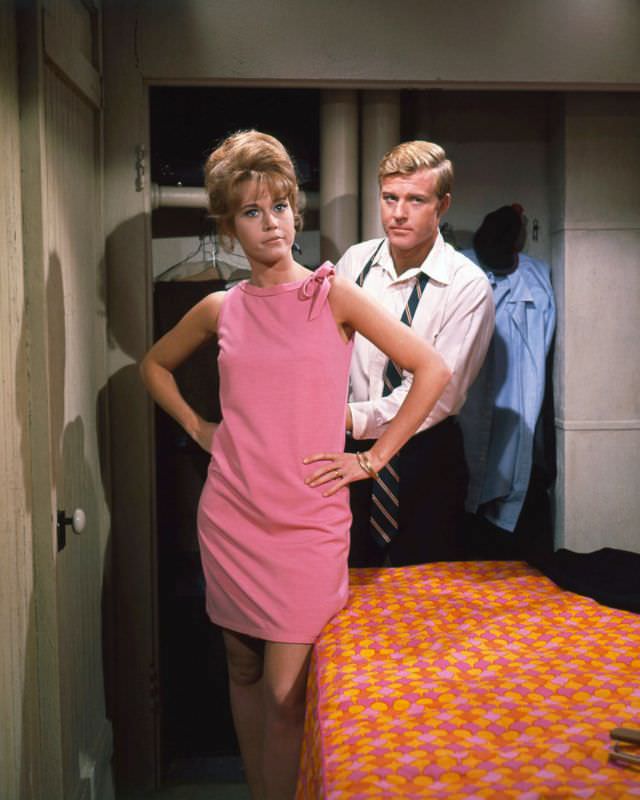
Neil Simon’s dialogue was the film’s backbone. The script was clever and fast-moving, giving both leads plenty to work with. Simon had a gift for writing characters who felt real even while the situations around them leaned comedic, and the Bratters were no exception. Their arguments were funny precisely because the frustrations behind them were so recognizable.
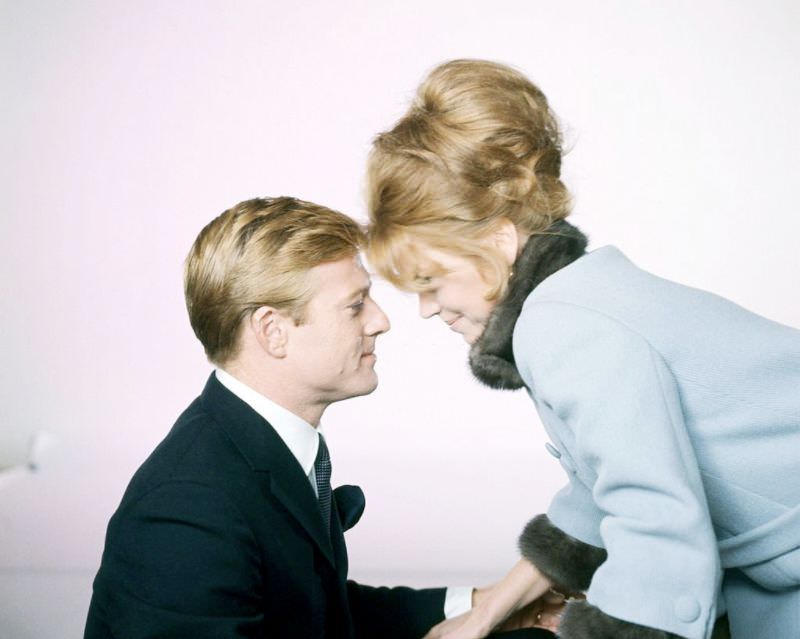
The supporting cast added another layer to the film. Mildred Natwick played Corie’s mother, Ethel Banks, and earned an Academy Award nomination for Best Supporting Actress for her performance. Jane Fonda was also nominated for a Golden Globe for her role as Corie. Both nominations reflected how seriously the performances were taken despite the film’s light-hearted tone.
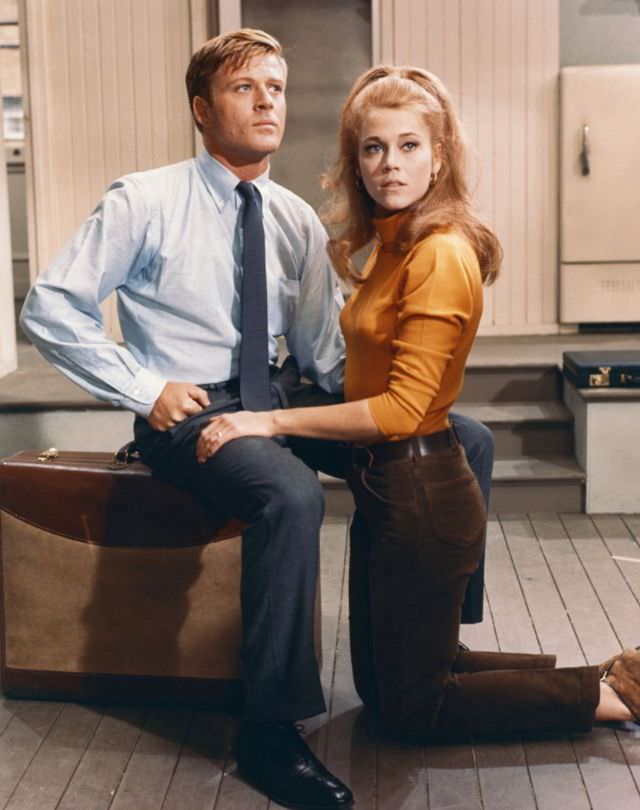
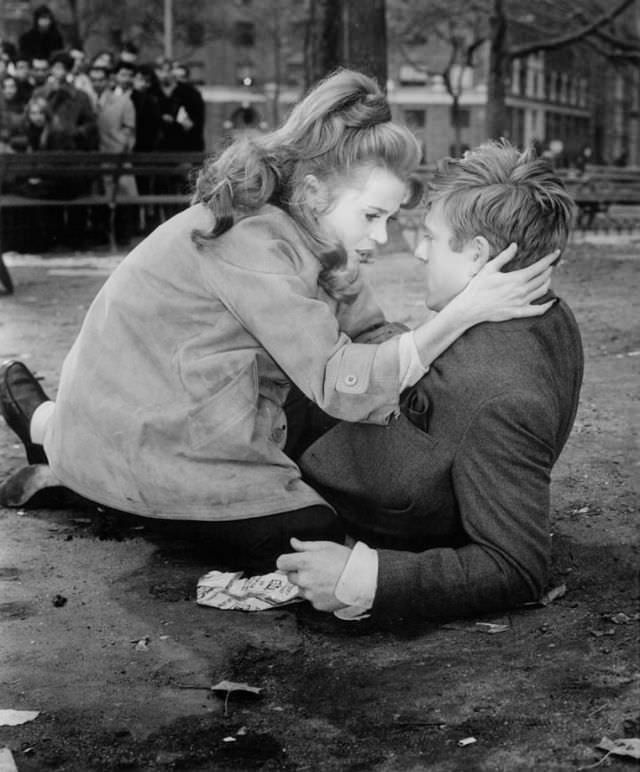
Redford had originated the role of Paul Bratter on Broadway in 1963, so by the time filming began, he knew the character inside and out. His comfort in the role showed. He played Paul’s stiffness with just enough self-awareness to keep the character likable, even when Paul was being difficult.
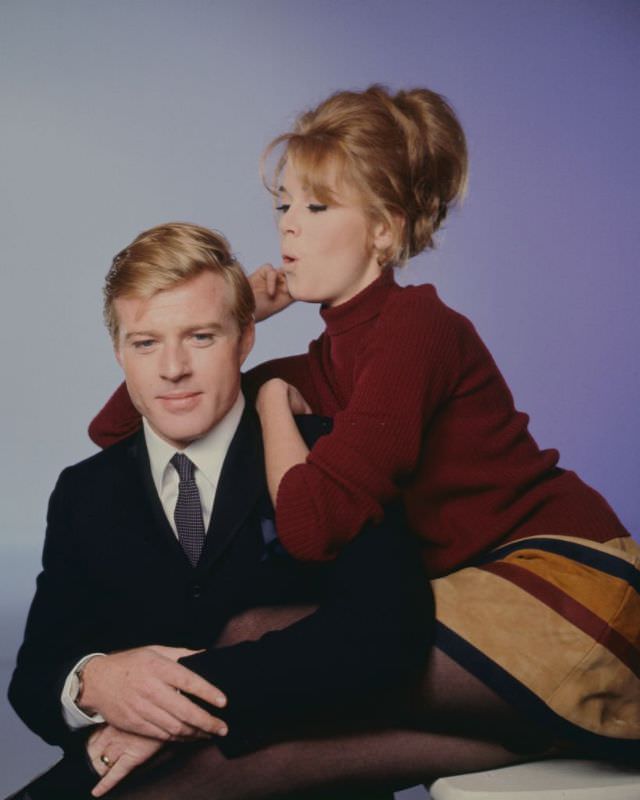
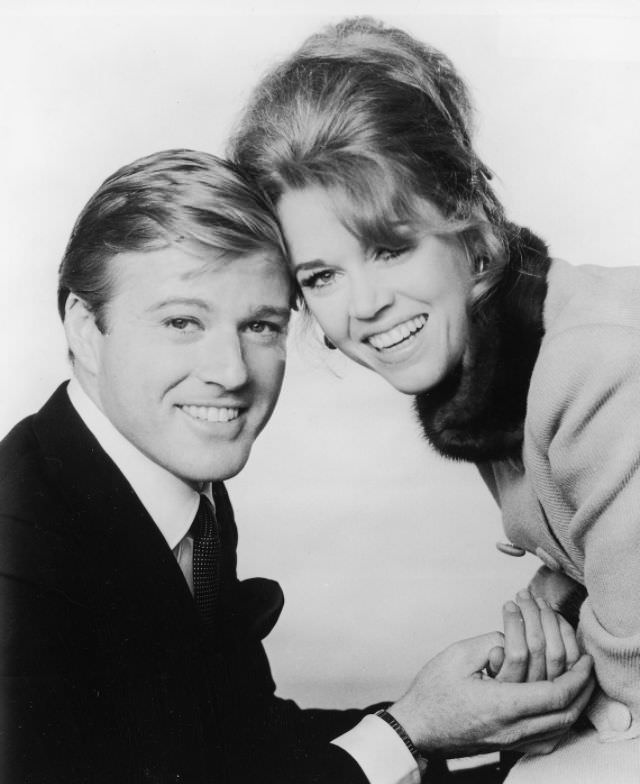
The film was shot with a budget of just $2 million. Despite that modest figure, it went on to gross $30 million worldwide — a remarkable return that made it one of the year’s biggest commercial hits. Critics responded just as warmly, praising the film’s tone, its performances, and Simon’s screenplay.
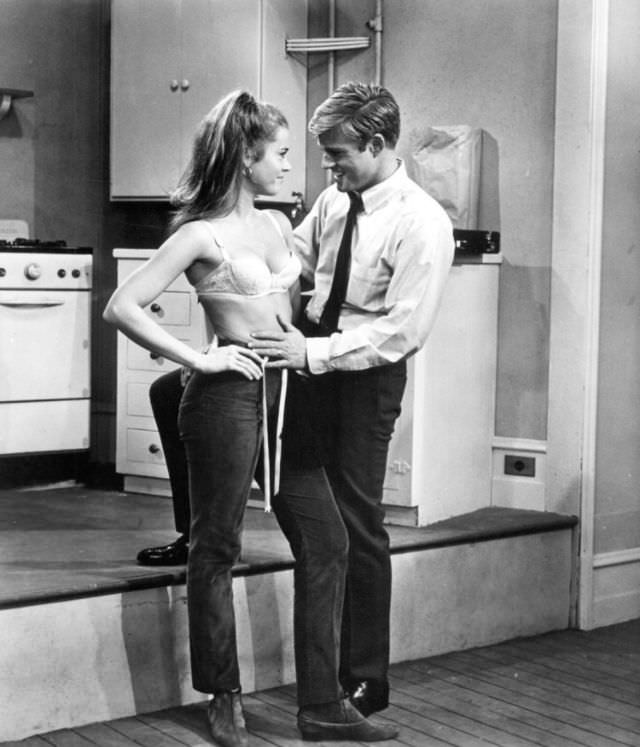
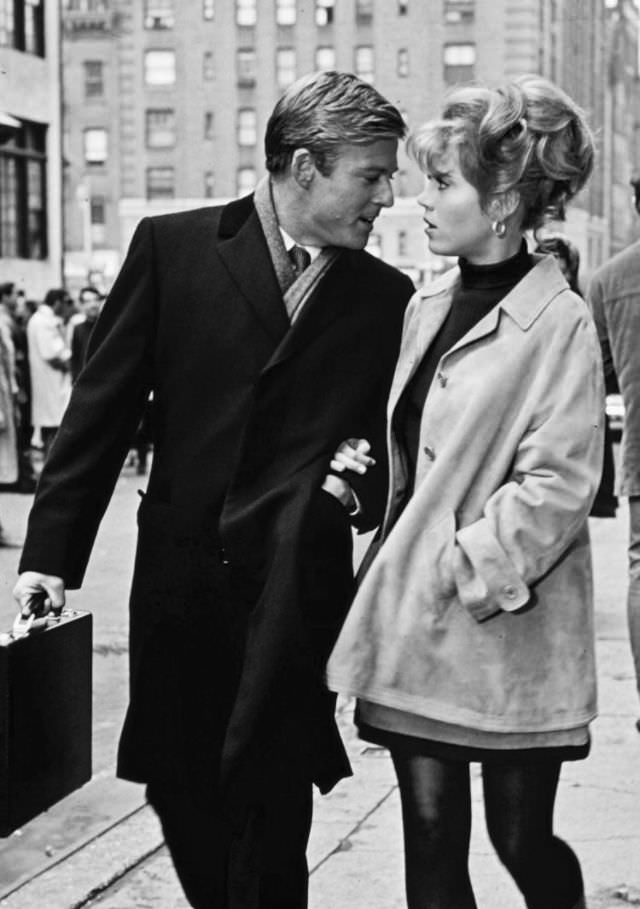
Behind the scenes, Redford and Fonda worked well together. Their on-screen ease didn’t happen by accident — both actors brought professionalism and preparation to set. The photos from the production show two performers clearly engaged with their work, whether running lines between takes or relaxing in costume.
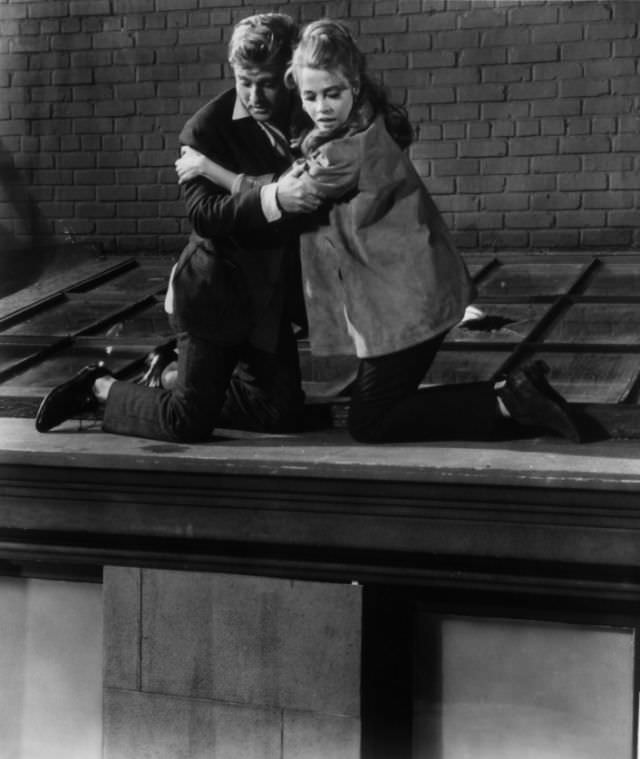
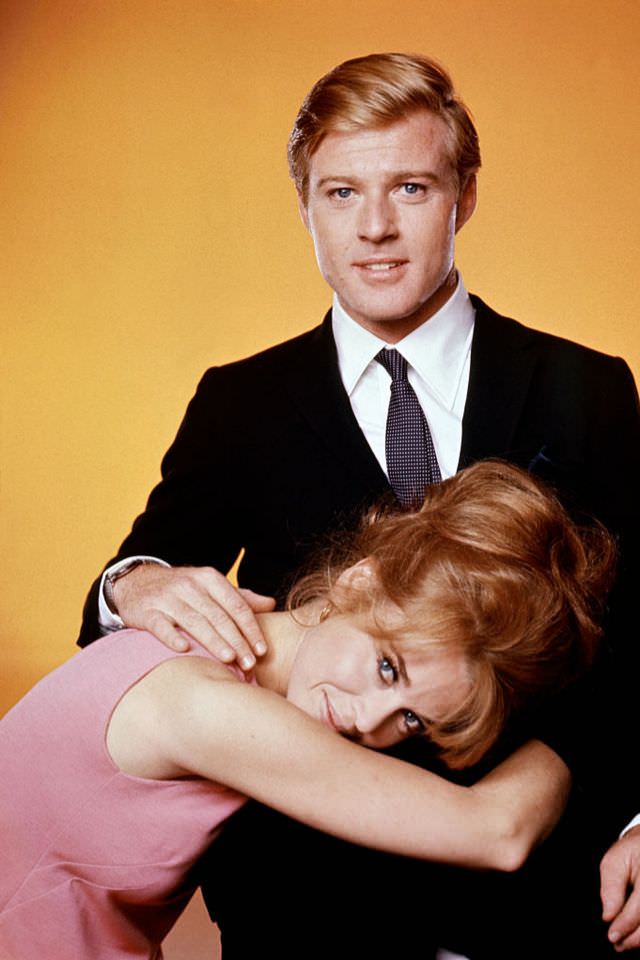
Fonda, at this point in her career, was already earning a reputation as a versatile actress. Barefoot in the Park showed she could carry a comedy with the same commitment she brought to dramatic roles. Her Corie was warm and funny without ever feeling like a caricature.
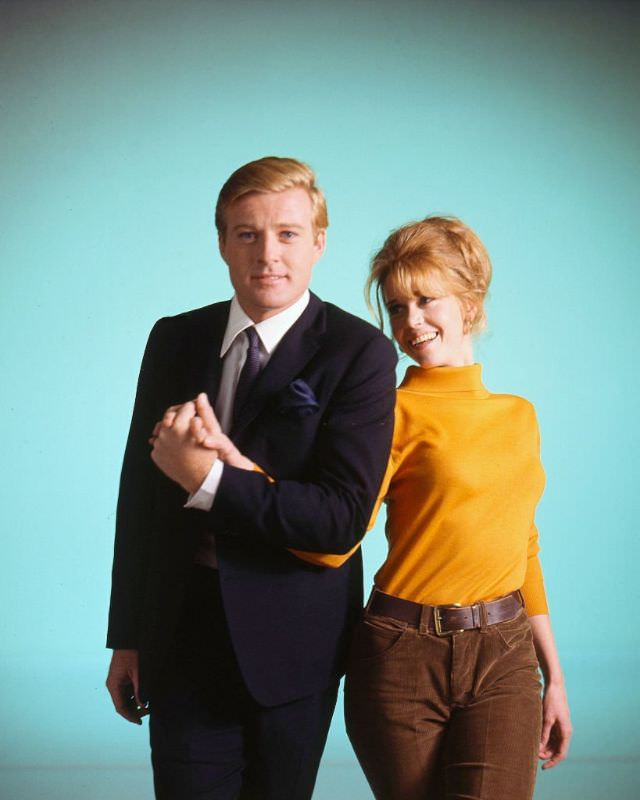
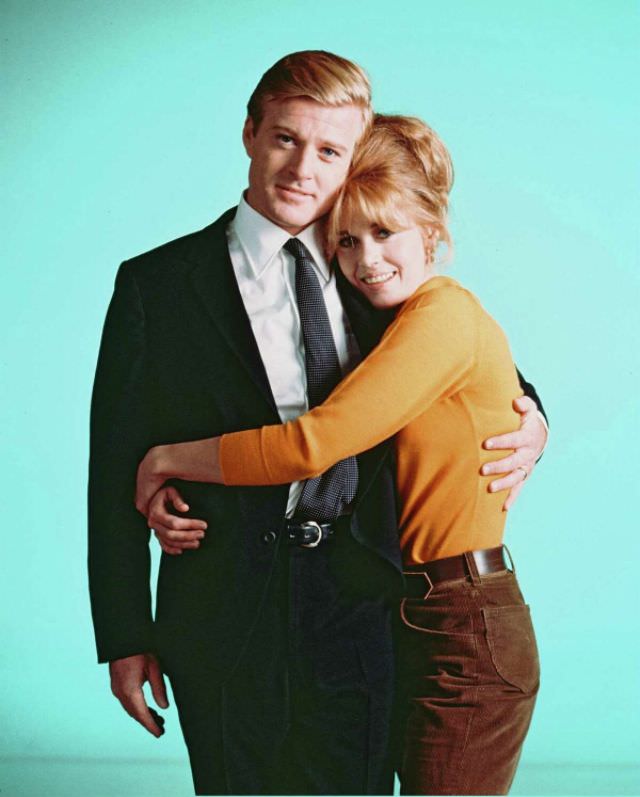
For Redford, the film was a significant step in his Hollywood journey. He had proven himself on stage, and now he translated that same role to the screen without missing a beat. His Paul Bratter was uptight in all the right ways — a character audiences laughed at and quietly rooted for at the same time.
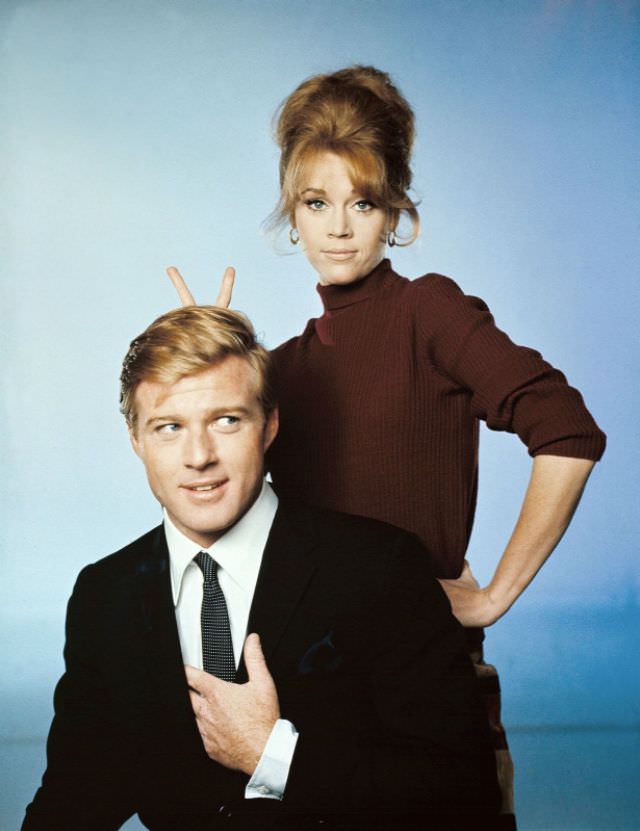
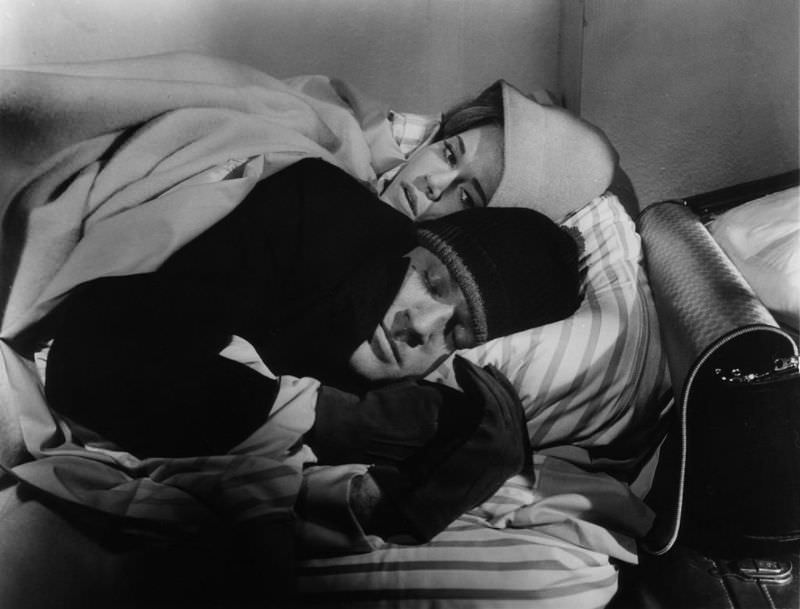
The apartment itself almost functioned as a third character. Its absurd inconveniences — the endless stairs, the cold, the leaky skylight — became running gags that tied the story together. Every time someone new had to climb those five flights, the joke landed fresh.
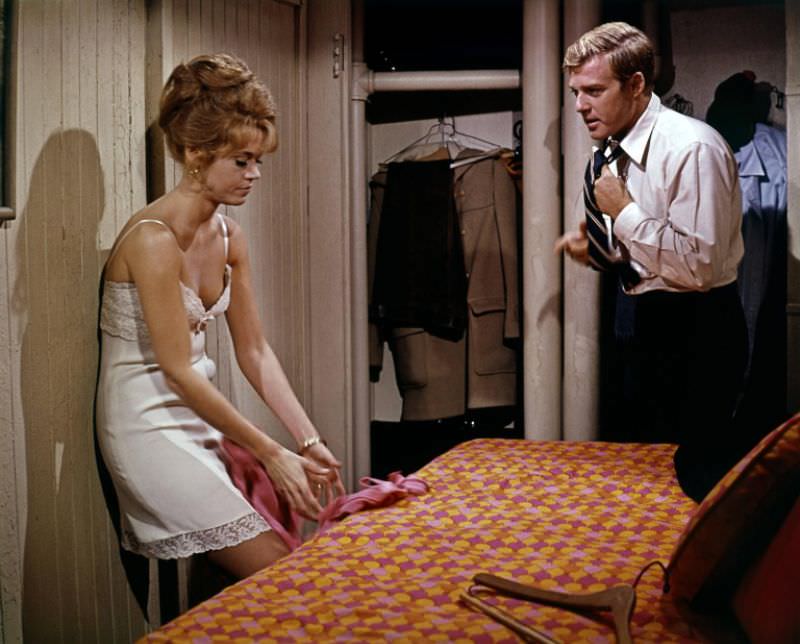
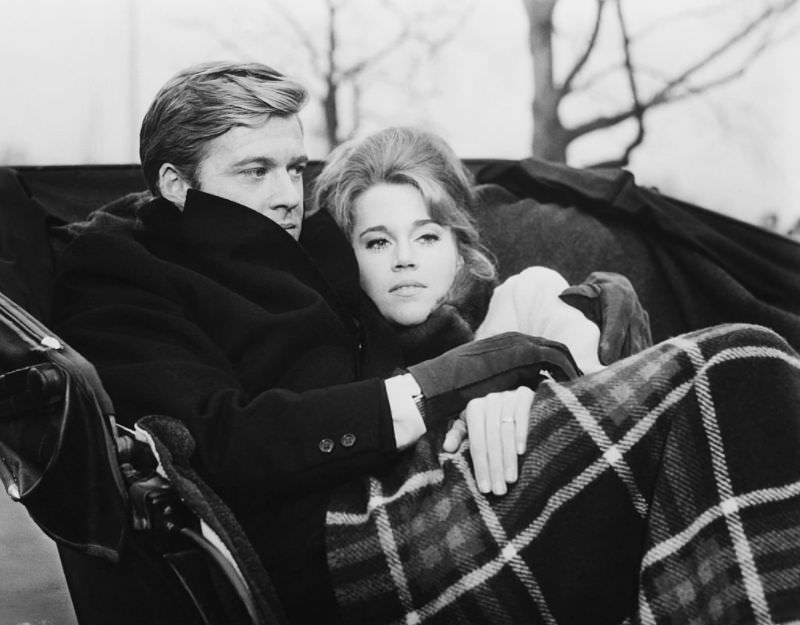
The film also featured Charles Boyer as Victor Velasco, the Bratters’ eccentric upstairs neighbor. His character added a touch of old-world charm and helped push the story’s more outlandish moments forward. The entire cast worked together with a natural ease that made the film feel effortless — even though, like any production, it was anything but.