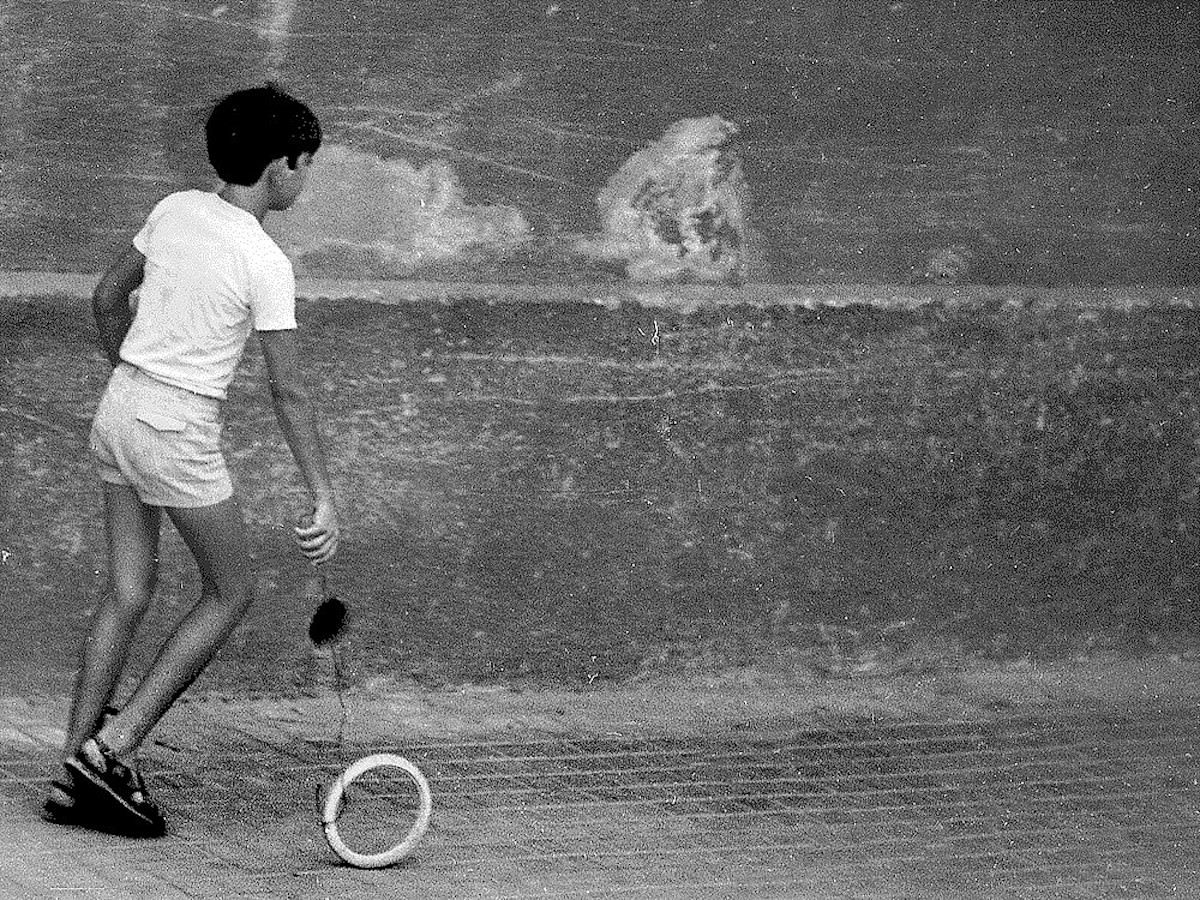
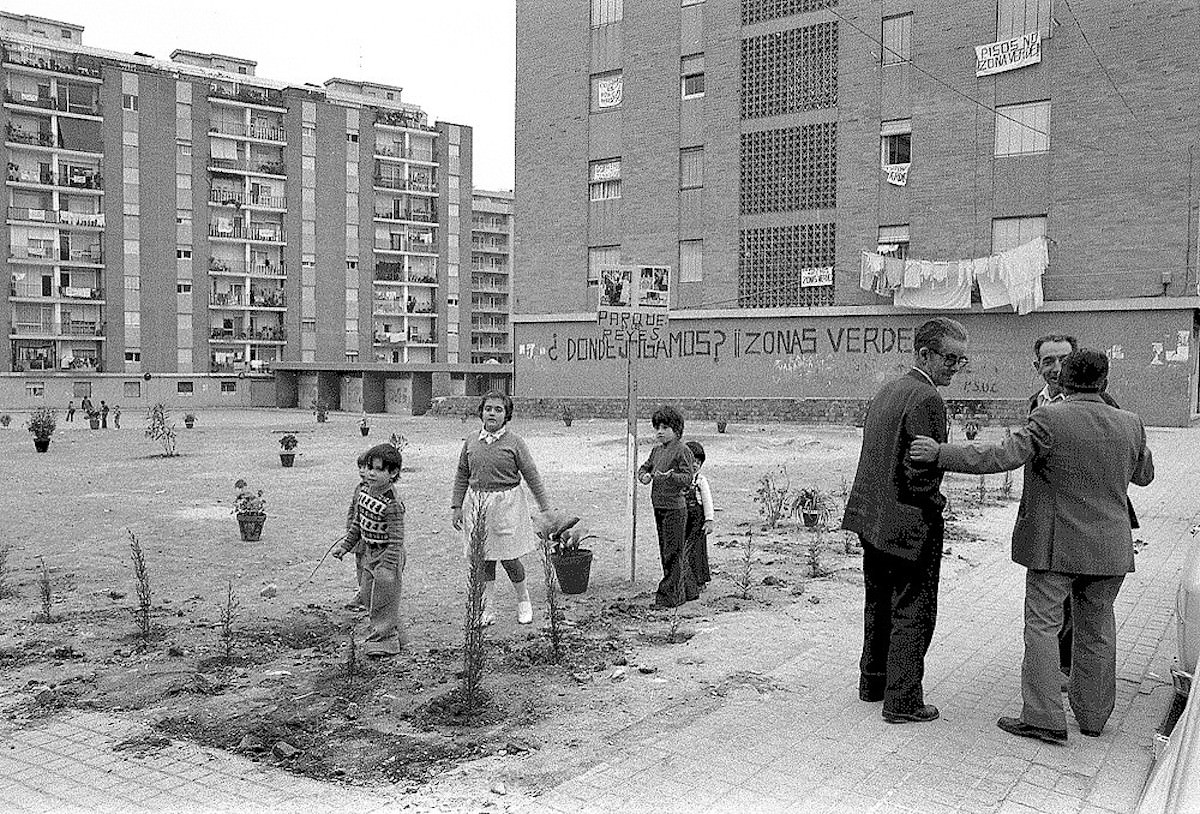
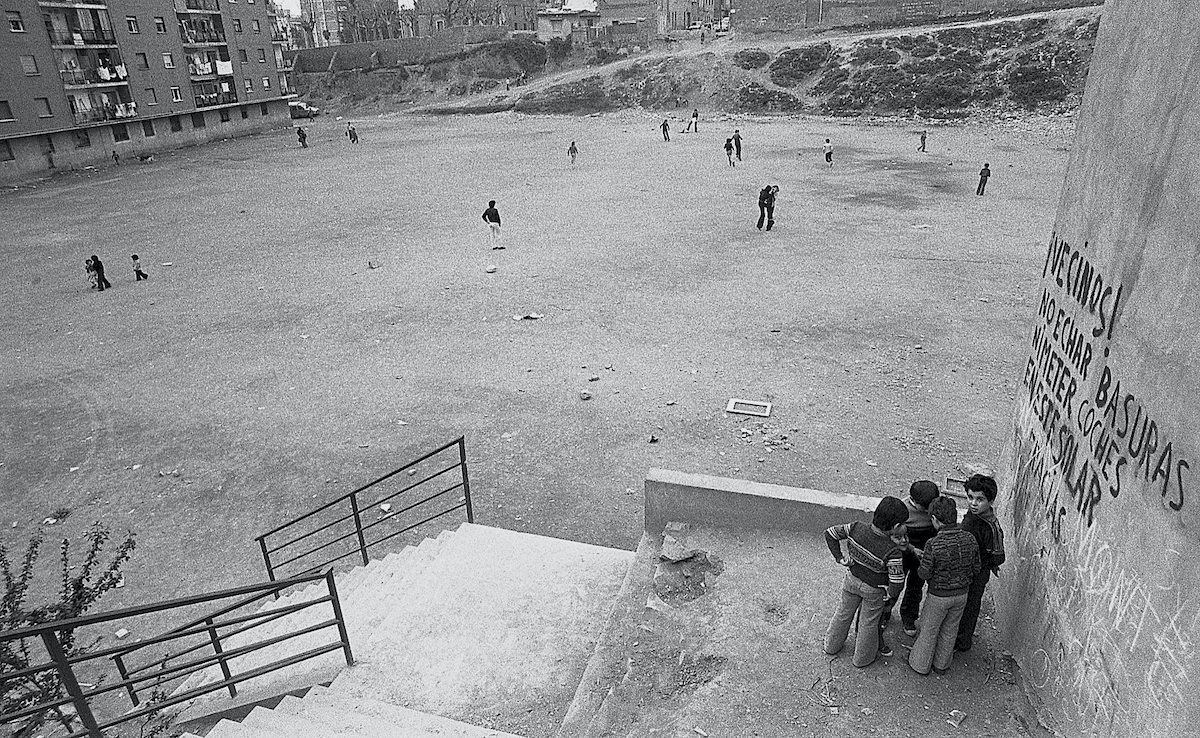
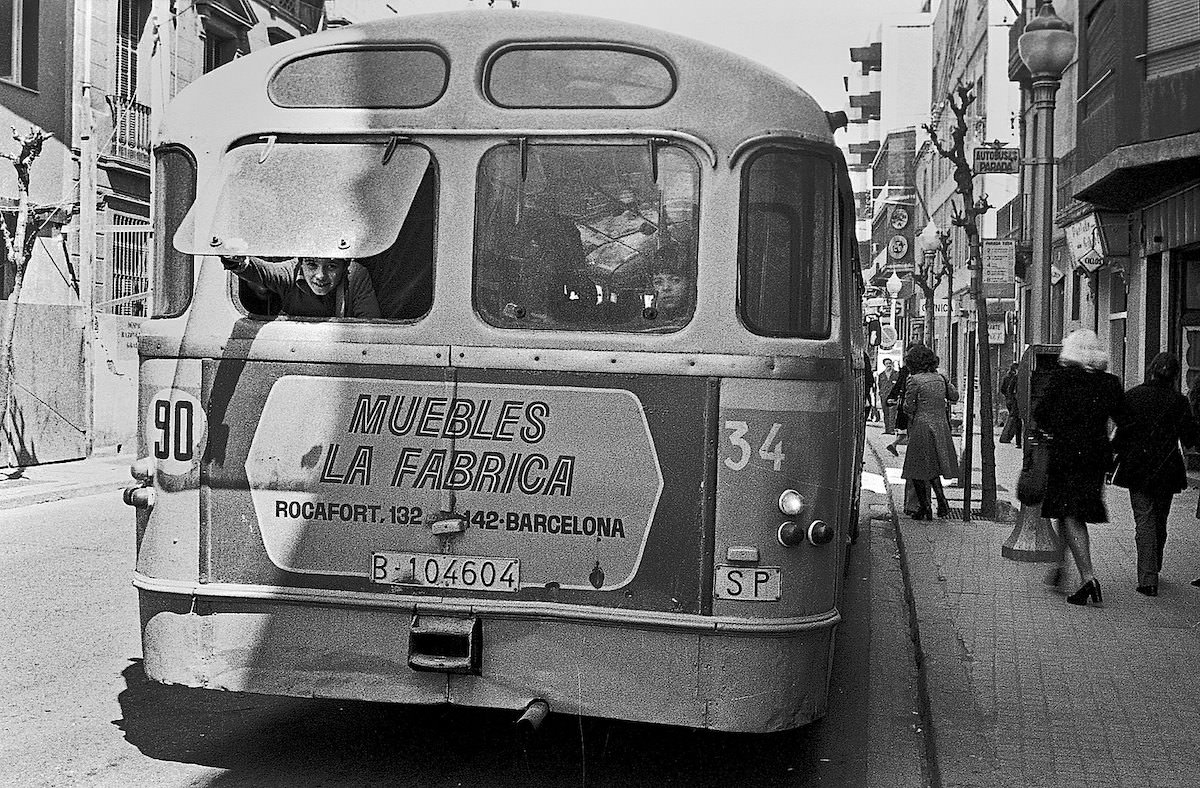
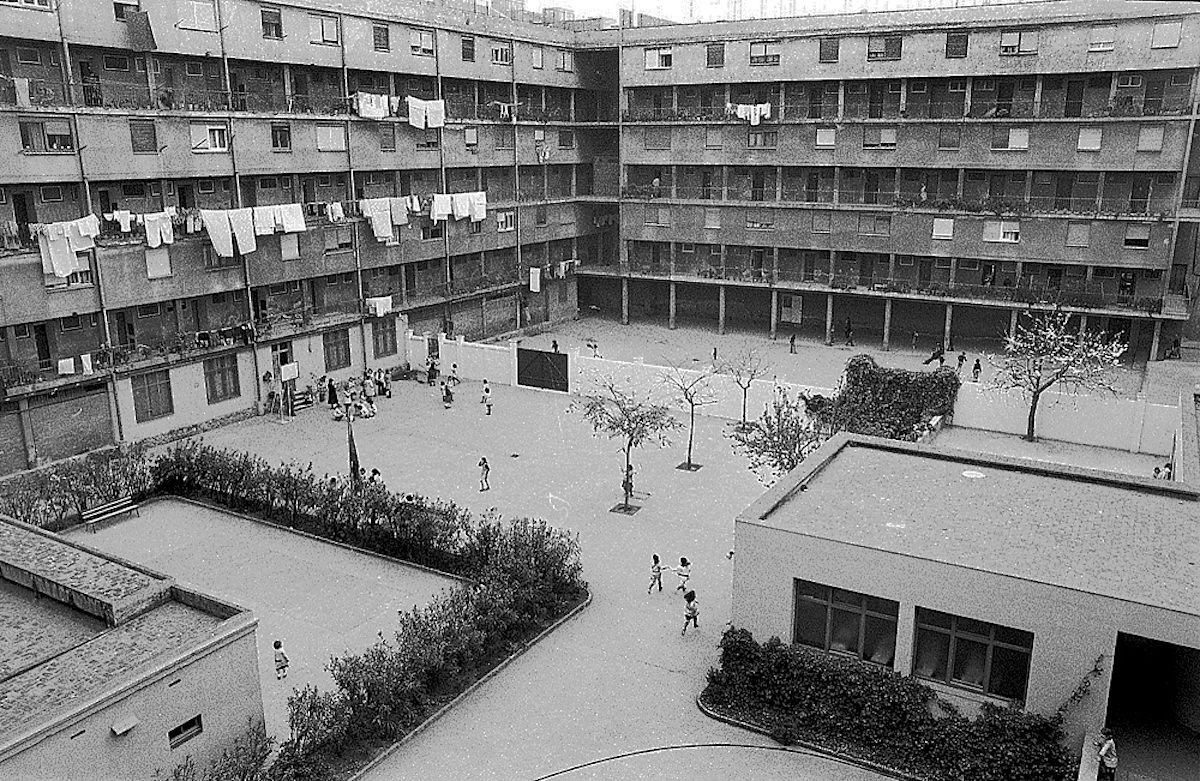
Barcelona in the 1970s was a city carrying a heavy load. Decades of industrial growth had drawn workers from all across Spain into its neighborhoods, and the population had swelled far beyond what the city’s housing could handle. Overcrowded apartment blocks and run-down streets defined many of its districts. Poverty was widespread in the outlying barrios, where families squeezed into poorly built homes and children made the streets their own. Yet amid all of that hardship, the energy of childhood found a way through. Spanish photographer Manel Armengol walked those streets and captured it all on film.
Barcelona had long been Spain’s industrial powerhouse. It hosted the country’s first railway line back in 1848, and that industrial identity shaped the city’s layout for over a century — drawing in labor, building up dense working-class neighborhoods, and leaving marks that were still very visible by the 1970s. These were not polished, tourist-facing streets. They were places where people lived hard lives, and where kids played football in alleyways, climbed walls, and ran through courtyards with no supervision and no concern for the camera.
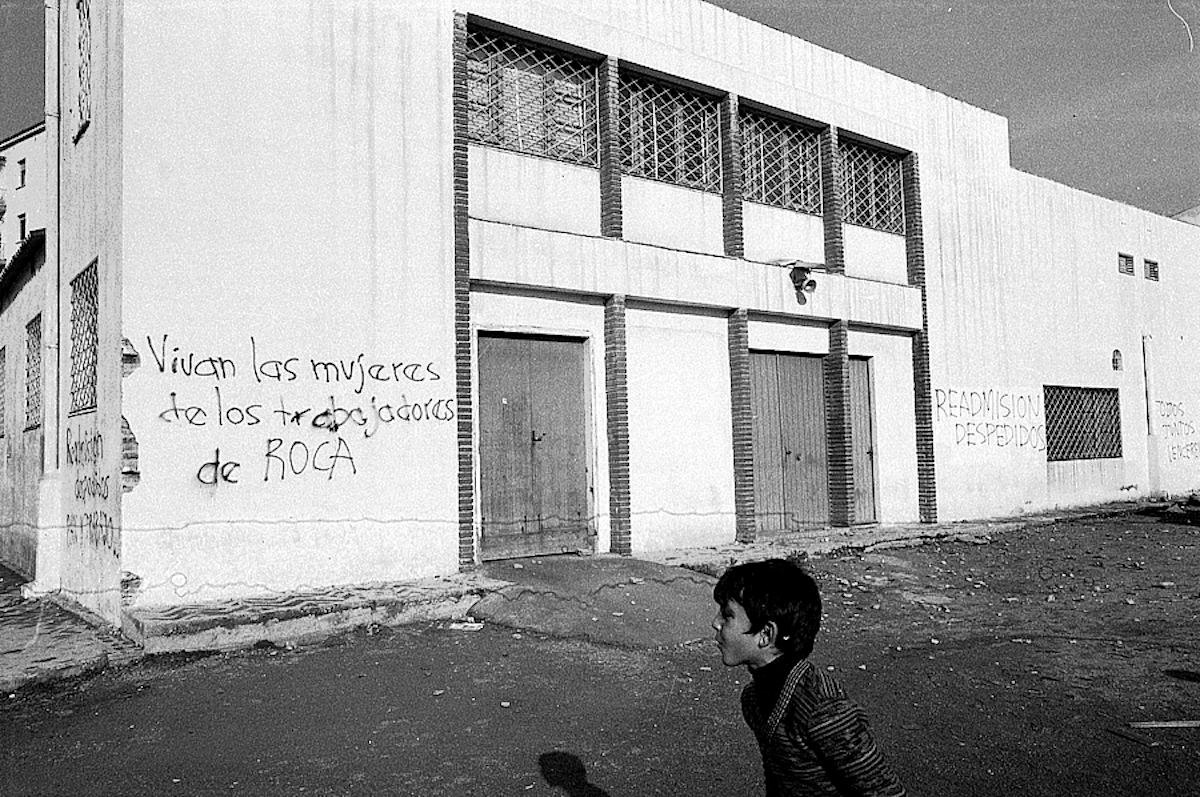
The political backdrop to these images is impossible to ignore. Spain had been under Francisco Franco’s dictatorship since the end of the Spanish Civil War in 1939. Catalonia, as a region with its own language, culture, and deep sense of identity, had suffered particularly under his rule. The Generalitat — Catalonia’s own governing body — had been forced into exile. Public use of the Catalan language was suppressed. By the time Armengol was photographing children in the streets, Franco’s grip on Spain was entering its final chapter.
Franco died in November 1975, and the pressure for change that had been building for years immediately became louder and more visible. In 1976, demonstrators took to the streets calling for democratic reform and the restoration of Catalan autonomy. The armed Civil Guard stood by as crowds gathered, a tense reminder of how recently state power had been used to crush dissent. The will of the people ultimately moved faster than the institutions. The Generalitat was restored in 1977, even before a new Spanish constitution had been formally adopted.
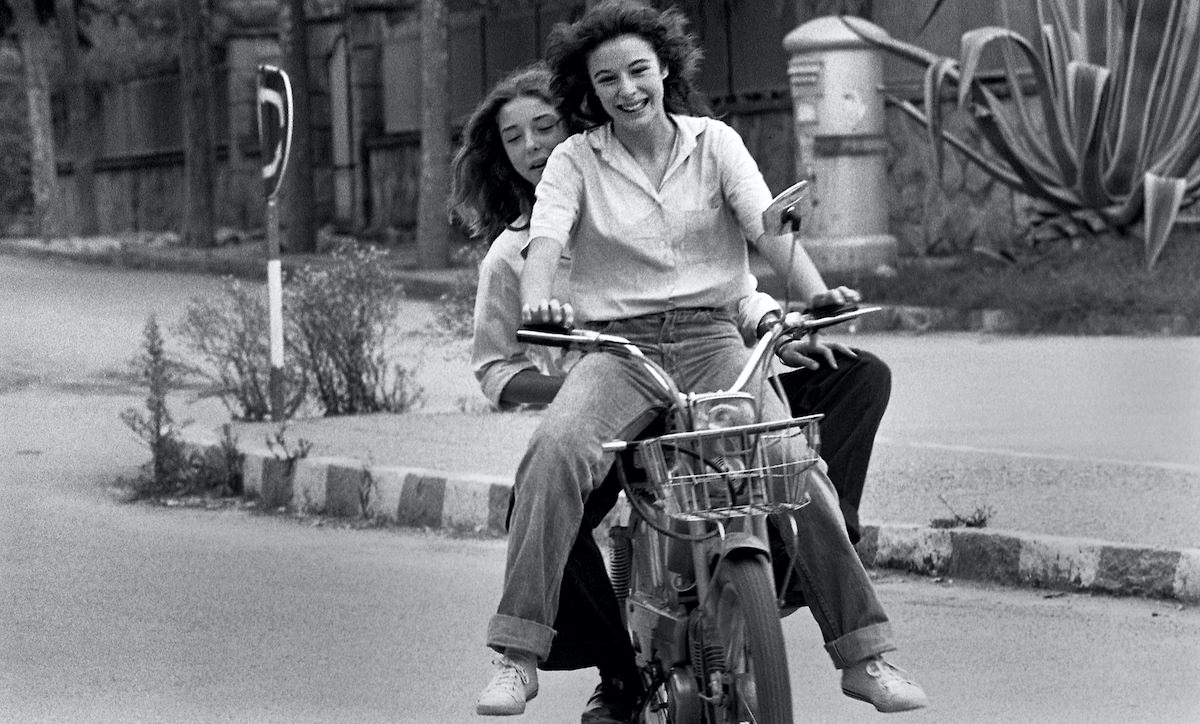
In 1978, Spain adopted a democratic constitution that formally recognized Catalonia’s political and cultural autonomy. The following year, Catalonia passed its own Statute of Autonomy, cementing a new chapter in the region’s history. These were seismic shifts happening at the very same time that Armengol was out in the barrios with his camera. The children in his photographs were growing up inside one of the most turbulent political transitions in modern Spanish history, though none of that is visible on their faces.
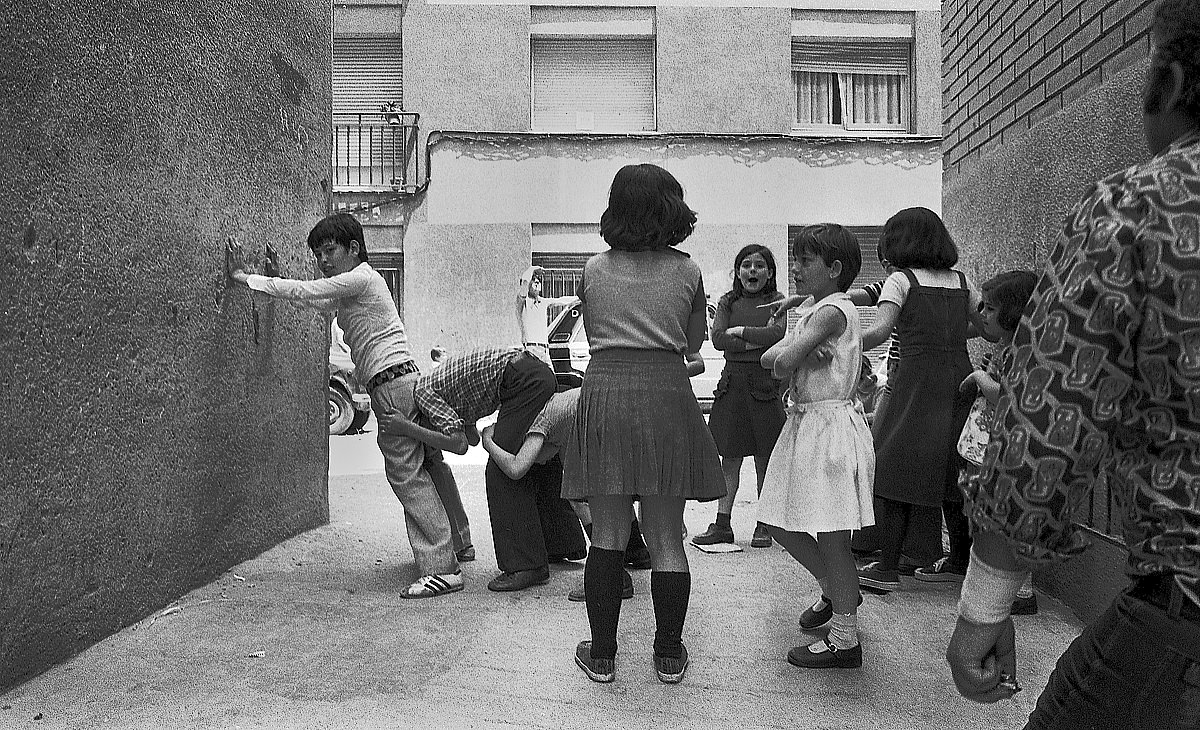
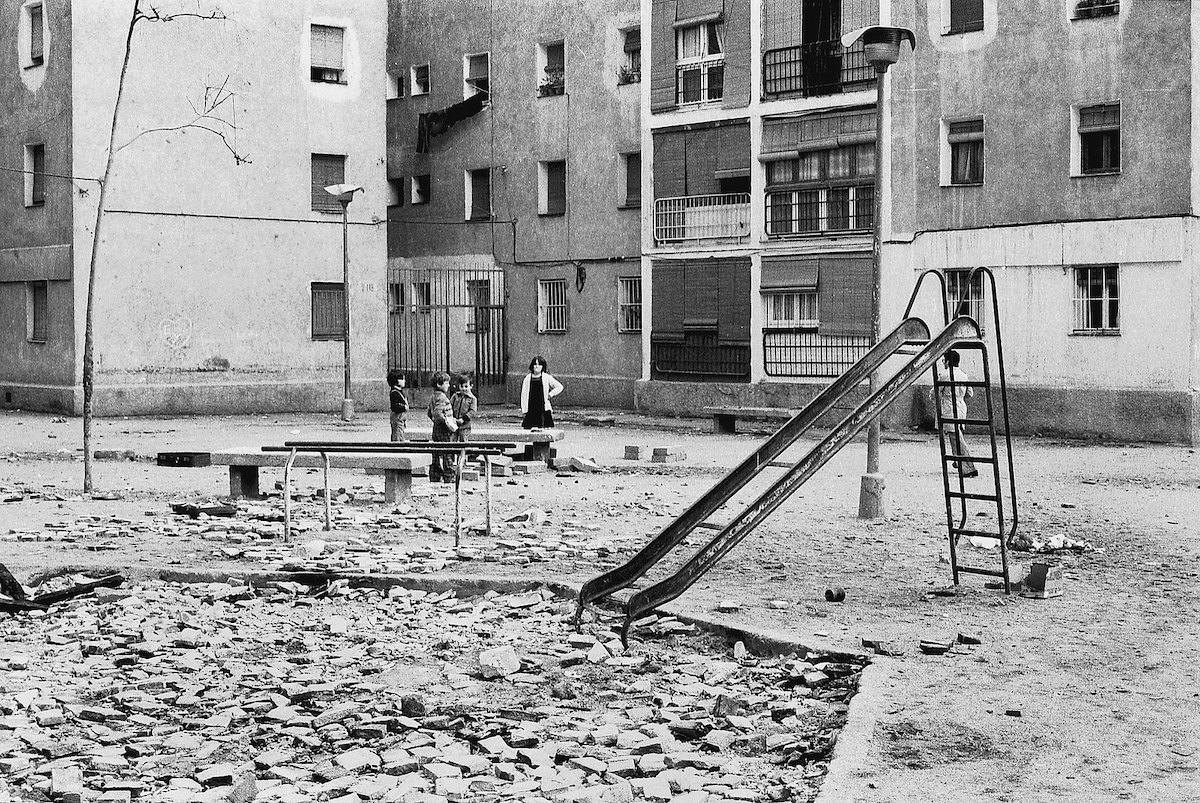
Many of Armengol’s photos were taken in specific neighborhoods that had become known for their poverty and neglect — places like El Carmel, Badalona’s Sant Roc, and Barri de Bufală. These were areas where migrants from southern Spain had settled in large numbers during the 1950s and 1960s, often in hastily built housing blocks with minimal infrastructure. The streets in Armengol’s frames reflect this: uneven pavement, bare concrete walls, open lots repurposed as playgrounds. The children dressed simply and played with whatever was at hand.
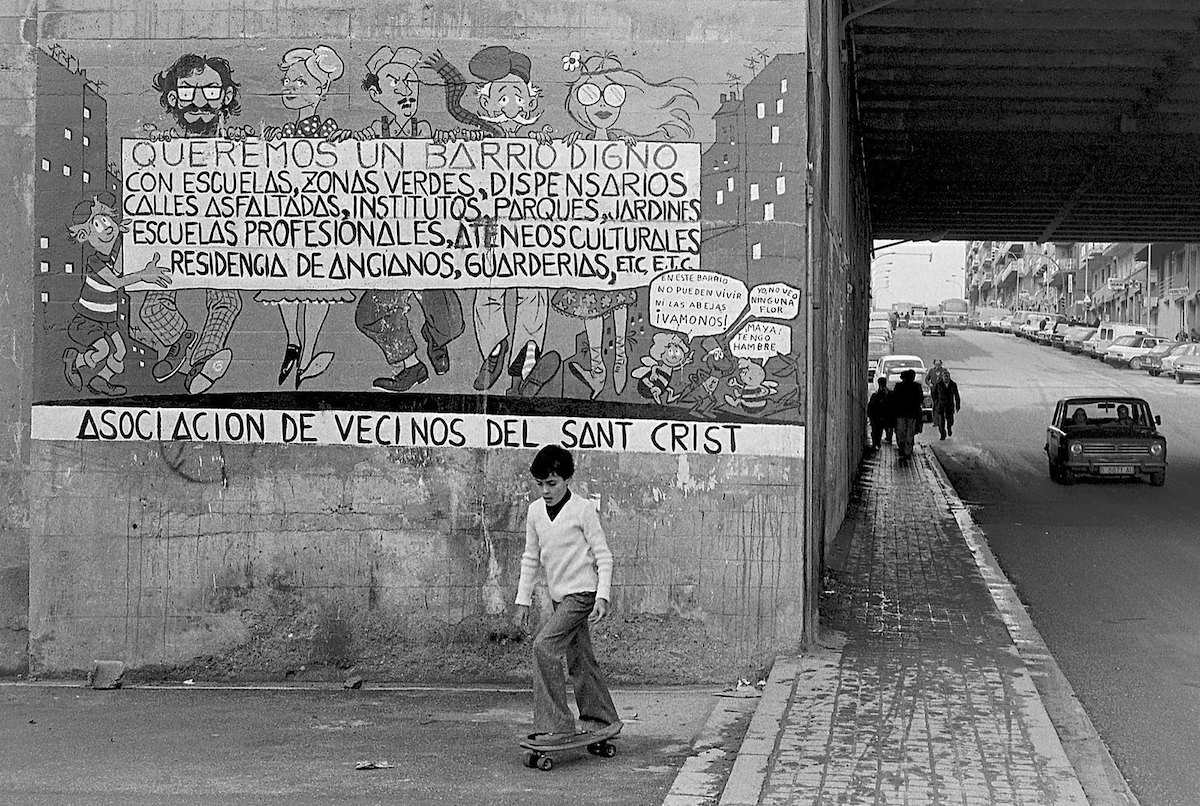
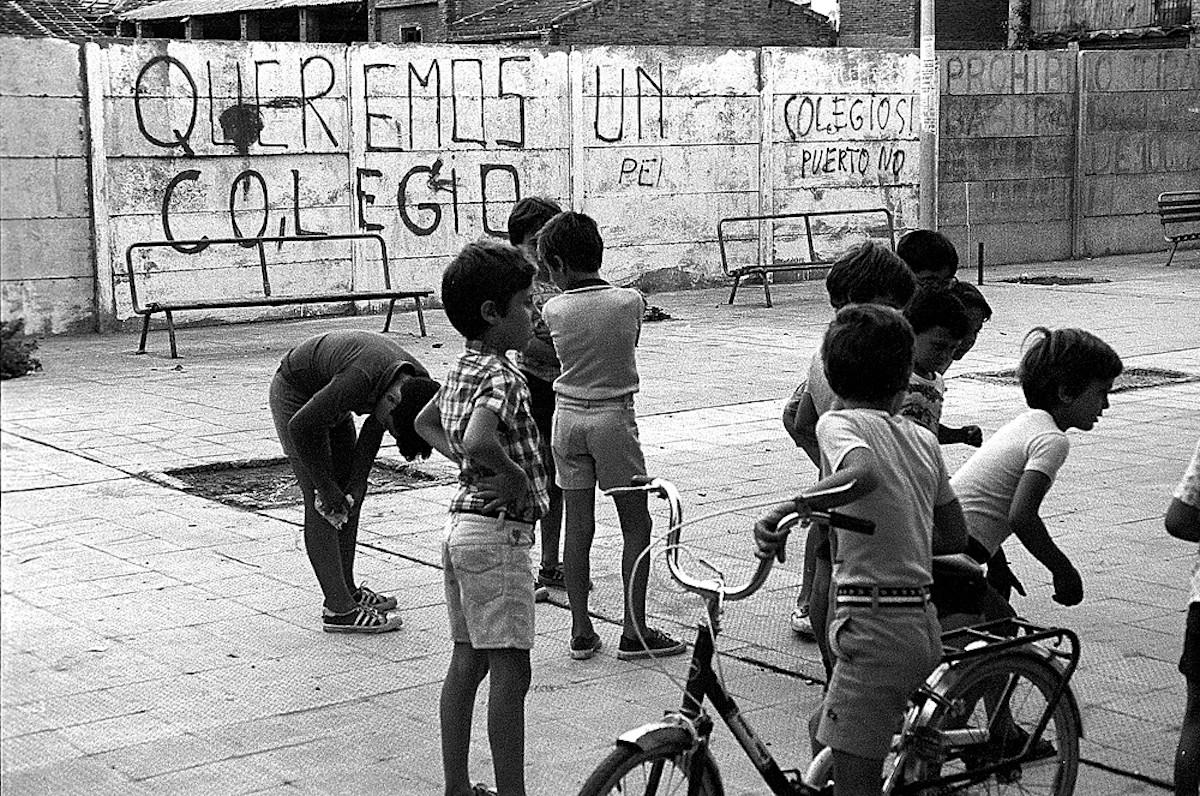
What Armengol documented was not staged or sanitized. His approach was direct and observational. He moved through neighborhoods like Gràcia, Sant Andreu, Mirasol, and Badalona’s Barri de Llefiá, photographing children in the middle of whatever they were doing. Groups of boys roughhousing in an alley. Girls sitting on doorsteps. Kids staring straight into the lens with a confidence that belongs entirely to childhood. The photographs carry an intimacy that comes from spending real time in a place, not passing through it.
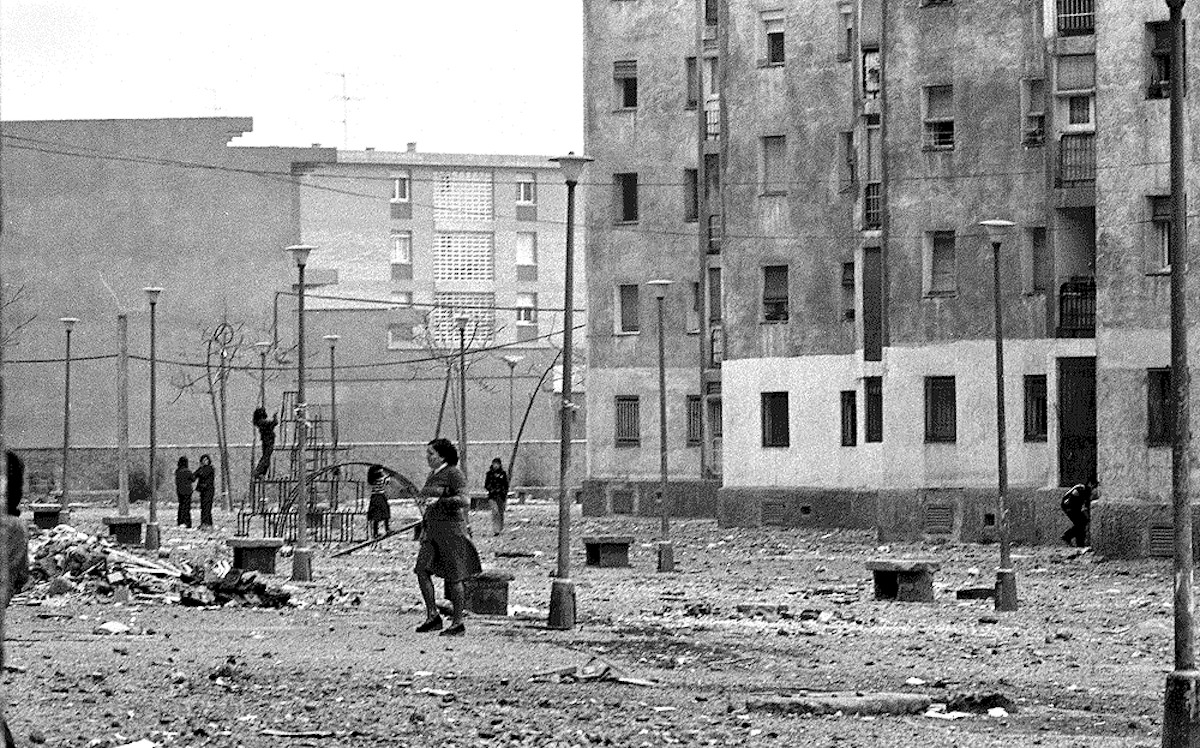
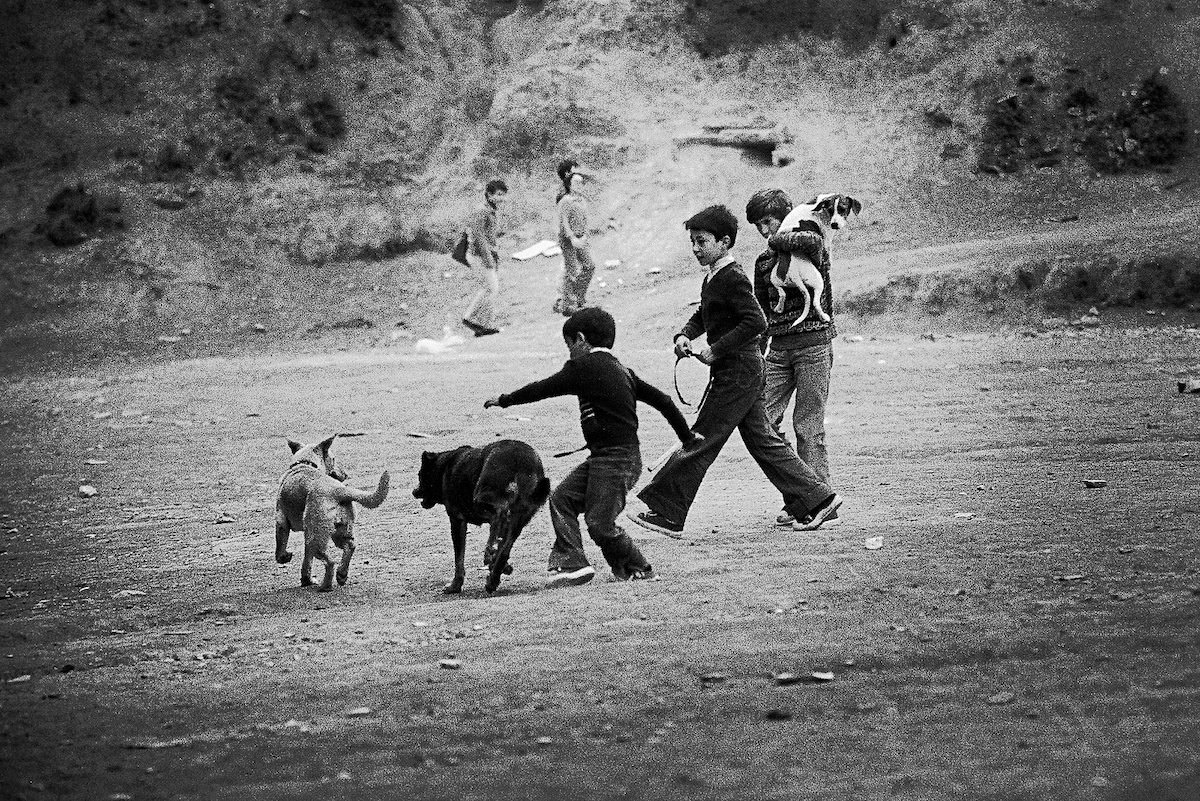
Barcelona was never a single, unified experience. La Rambla and the beaches of La Barceloneta existed in the same city as the crumbling housing blocks of the outer barrios, but they might as well have been different worlds. Armengol’s lens stayed firmly in the latter. His work from this decade builds a portrait of urban working-class life that official city imagery rarely chose to show. The geography matters — each neighborhood name attached to his photos functions like a small act of documentation, placing a specific community on the historical record.
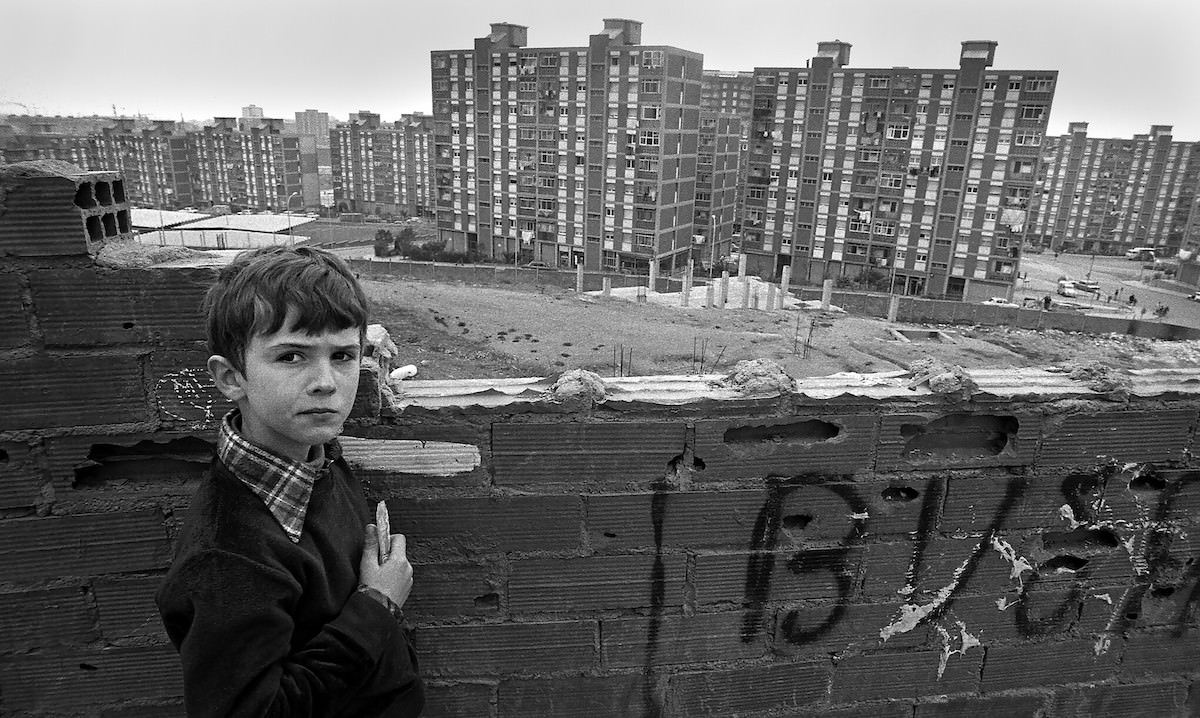
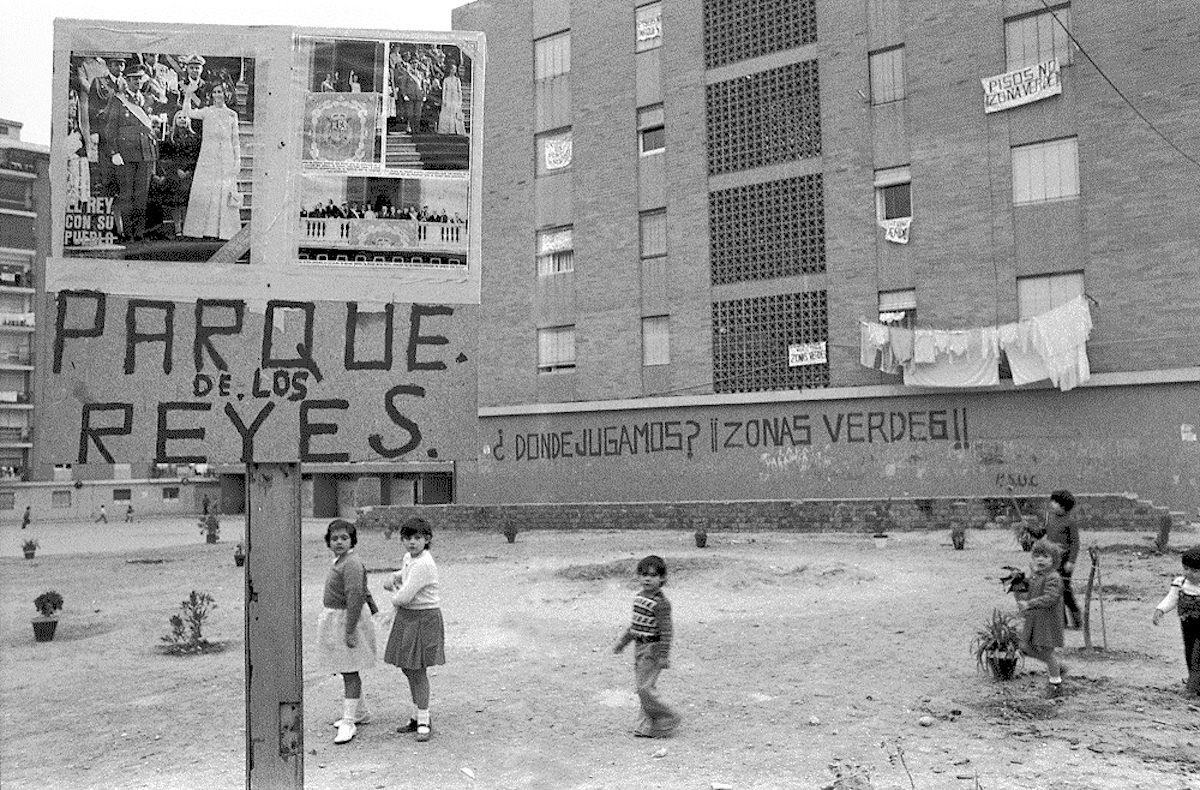
The span of Armengol’s photos stretches from 1972 to 1979, covering the final years of the Franco era and the early years of Spain’s democratic transition. That seven-year window holds enormous historical weight. Yet the photographs themselves resist being reduced to political symbols. They are, at their core, pictures of children being children — loud, physical, unselfconscious, and fully absorbed in the moment. The politics exist in the background, in the condition of the streets and the walls, in the cramped spaces these kids called home.
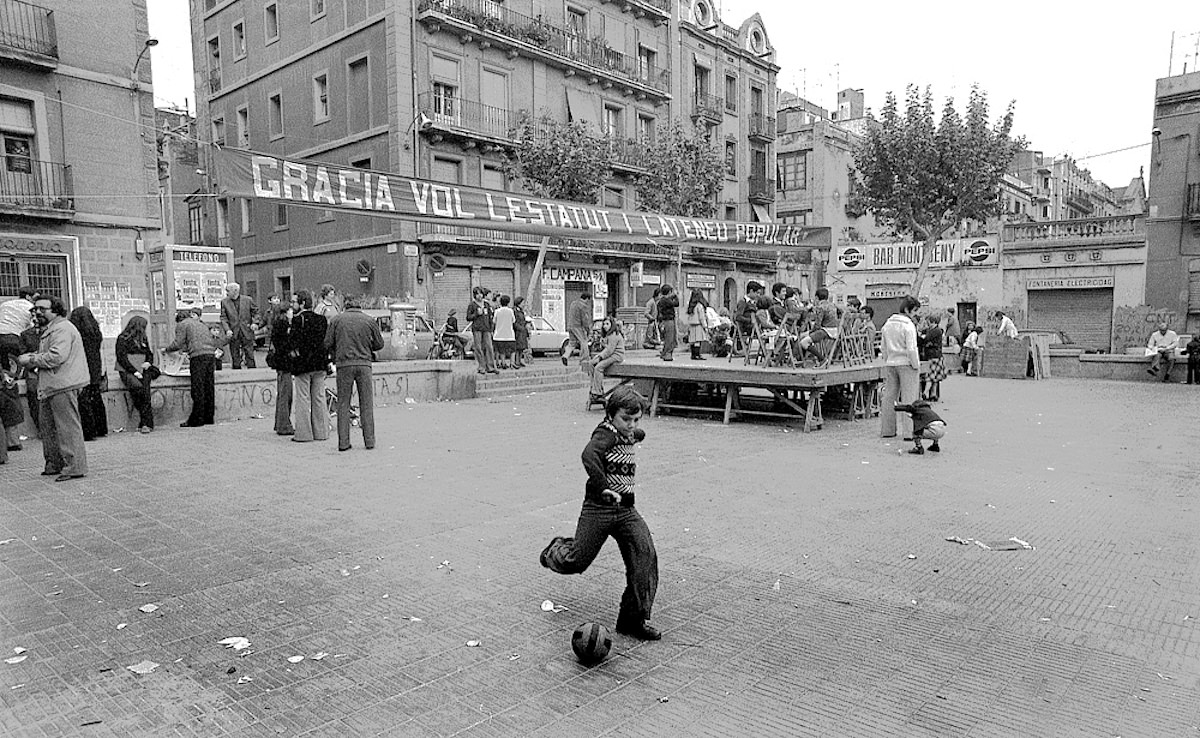
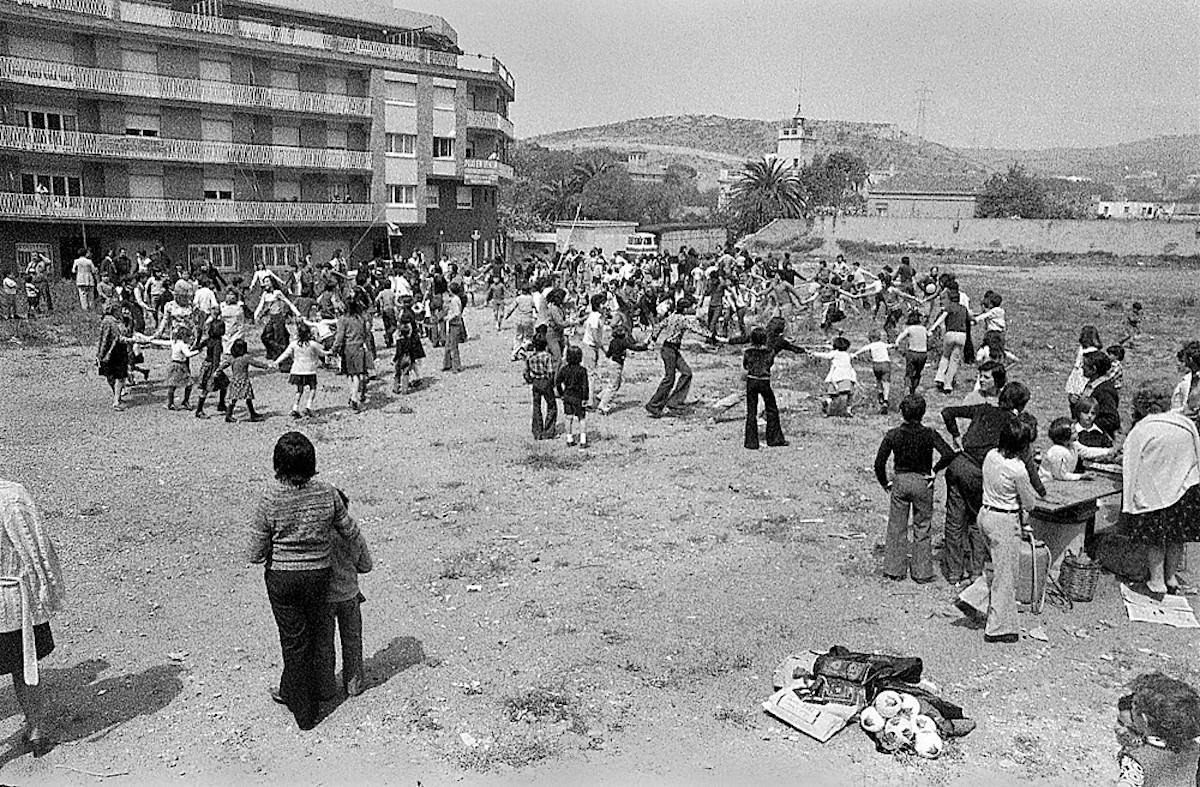
Even the earliest images in the series, shot in 1972 when Franco still held power, show children who appear unbothered by the world’s weight. A city can be politically repressed and economically strained while its youngest residents are still figuring out how to make a go-kart from scrap wood or argue over the rules of a street game. Armengol understood that. He gave these neighborhoods and their kids the kind of sustained, respectful attention that transforms documentary photography into something closer to a social archive.