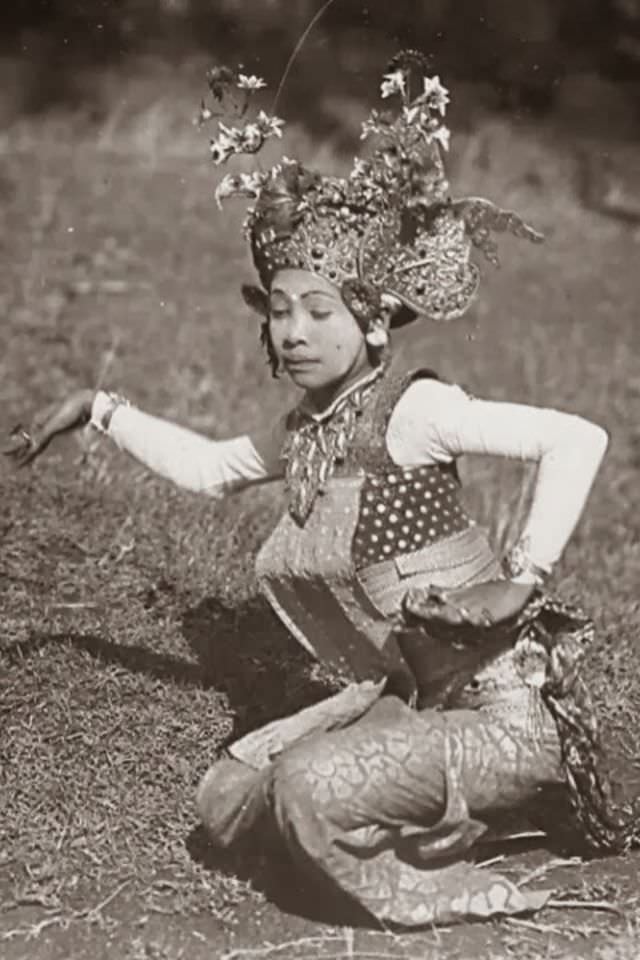
Long before cameras arrived on the island, Balinese dance was already one of the most refined art forms in the world. Rooted in Hindu ritual and ancient folklore, these dances were not performances in the modern sense — they were acts of devotion. Dancers trained for years to master the precise finger positions, eye movements, and angular postures that gave each dance its meaning.
Before Hinduism reached Bali, the island’s people already used dance as a spiritual tool. Communities performed ritual dances specifically to drive away evil spirits. When Hindu traditions arrived, they layered on top of these existing practices, blending mythology with local belief. The result was a dance culture unlike anything else in Southeast Asia.
Among the most sacred dances is the Sanghyang Dedari. Performers enter a trance state during this ritual, believed to invite benevolent Hyang spirits into their bodies. The dance serves a protective purpose for the community and is treated with deep religious seriousness. It is not staged for entertainment — it is a ceremony.
Two of the most recognizable figures in Balinese dance are Rangda and Barong. Rangda is the witch — a fearsome, powerful character representing darkness and chaos. Barong is her counterpart, a lion-like creature symbolizing protection and good. Dances featuring these two characters act out the eternal struggle between opposing forces, drawing audiences into a story told entirely through movement and costume.
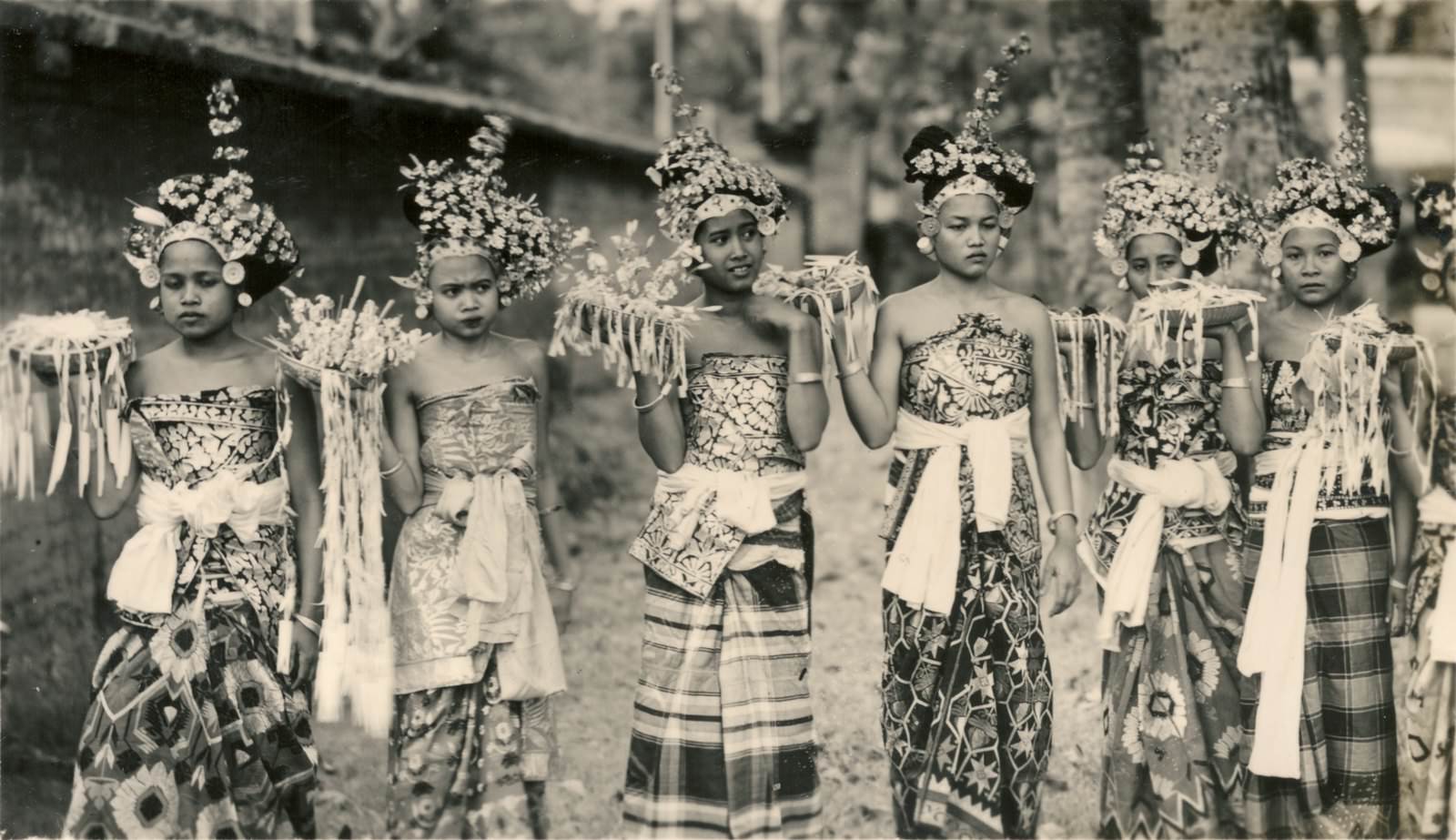
Not every Balinese dance carries sacred weight. The Pendet and Baris are welcoming dances, performed to greet guests or mark the opening of a celebration. The Joged is a social dance, lively and interactive, meant purely for the enjoyment of the crowd. These forms show that Balinese dance culture covers the full range of human experience — from the spiritual to the celebratory.
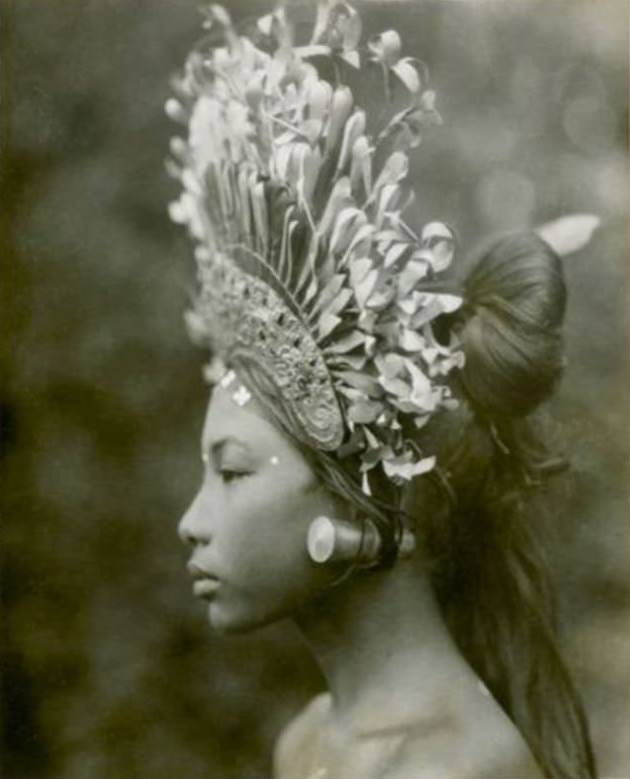
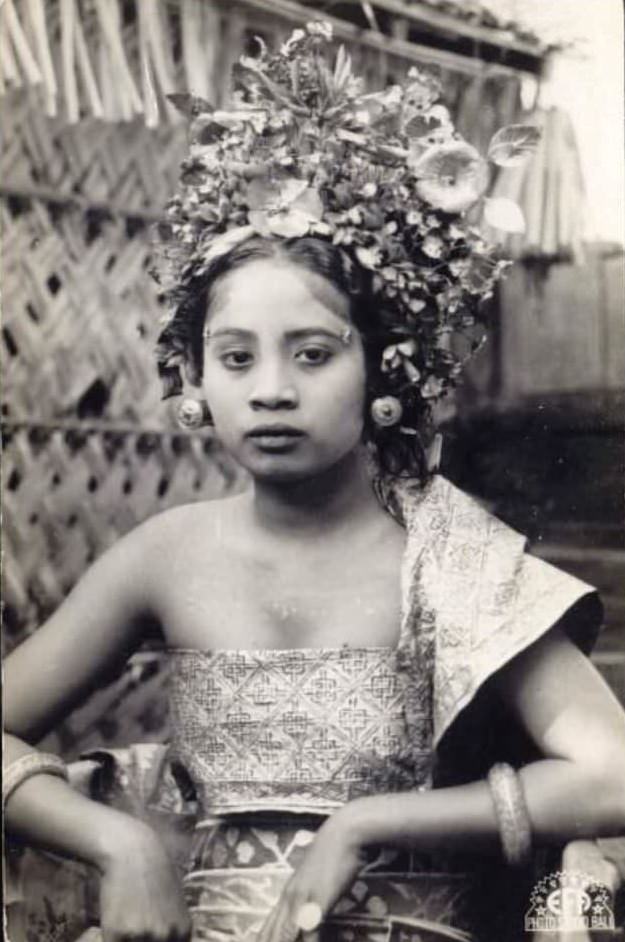
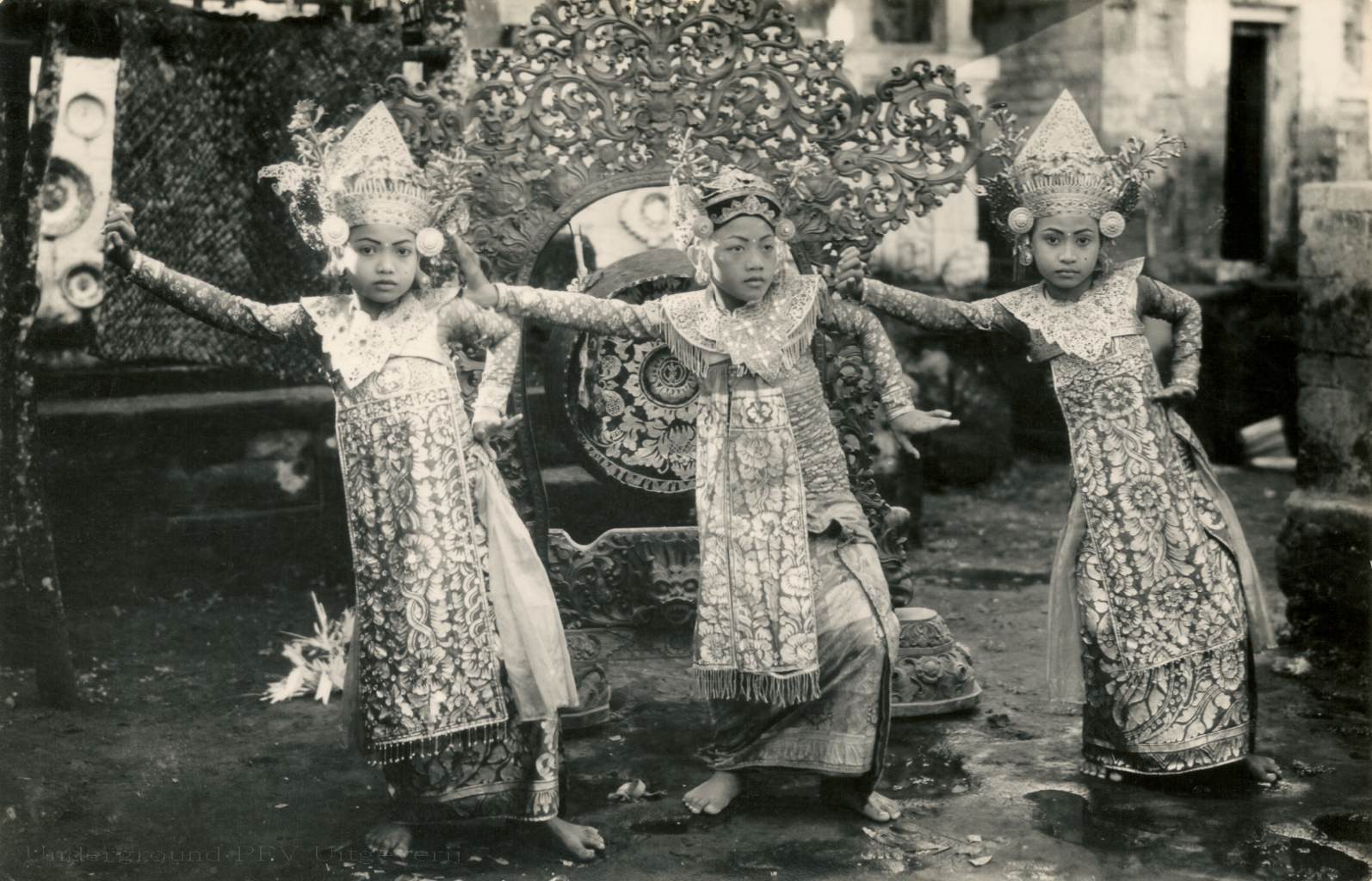
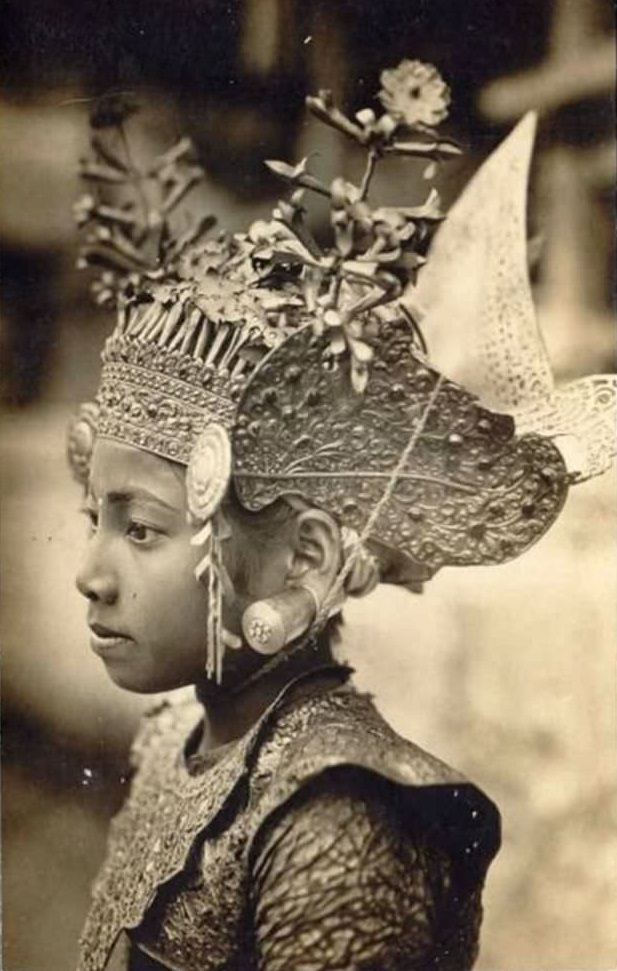
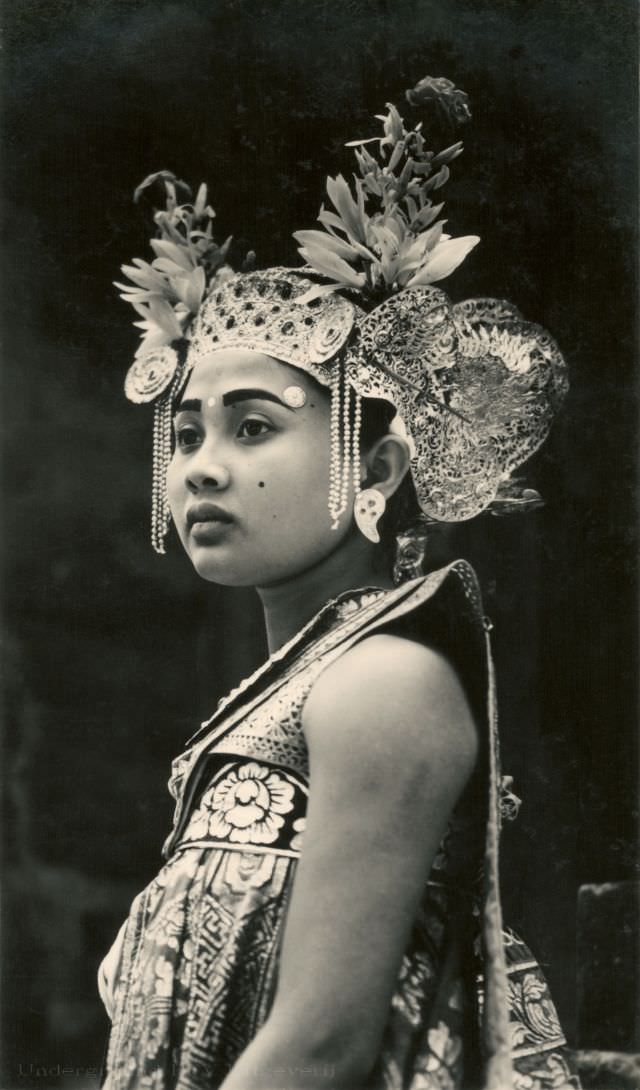
The Legong dance is one of the most technically demanding forms. Young girls, sometimes beginning training as early as age five, learned the intricate footwork and facial expressions required to perform it correctly. The costume alone — layered gold fabric, elaborate headdresses adorned with frangipani flowers — took significant time to assemble before each performance.
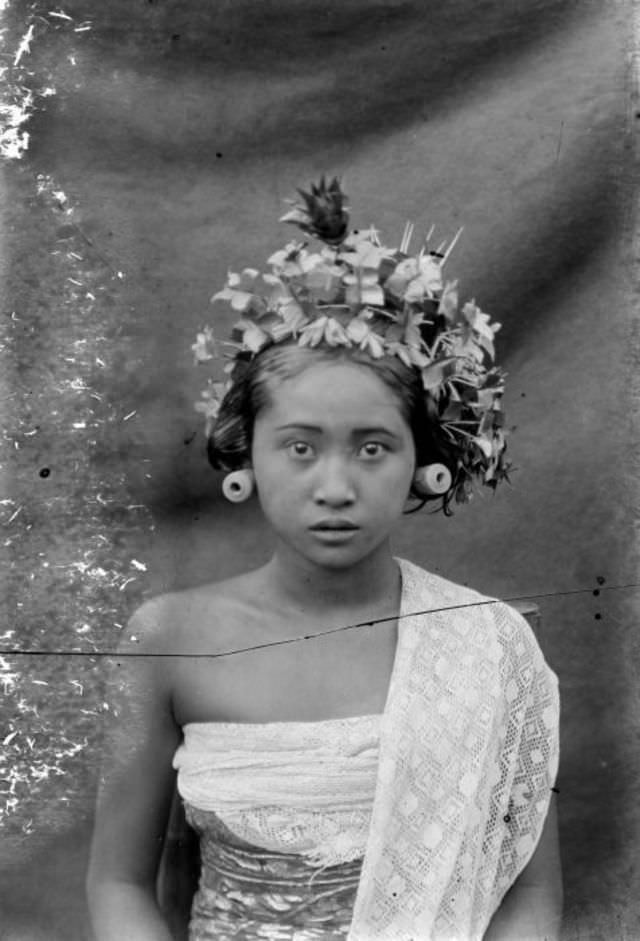
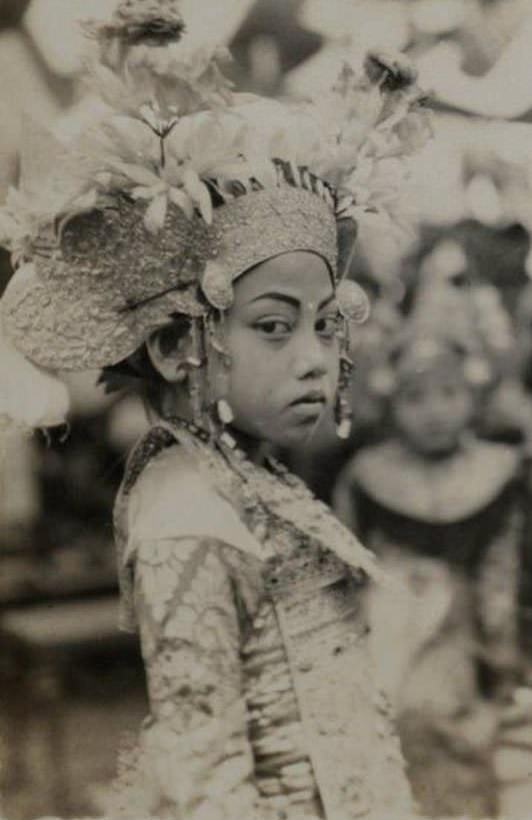
The Kecak dance stands apart from most others because it uses no musical instruments. Instead, a large chorus of men chants a rhythmic “cak” sound while performers act out scenes from the Hindu epic Ramayana. The chanting itself becomes the orchestra. Early photographs of this dance capture the scale of the performance — dozens of bare-chested men seated in concentric circles around a central flame.
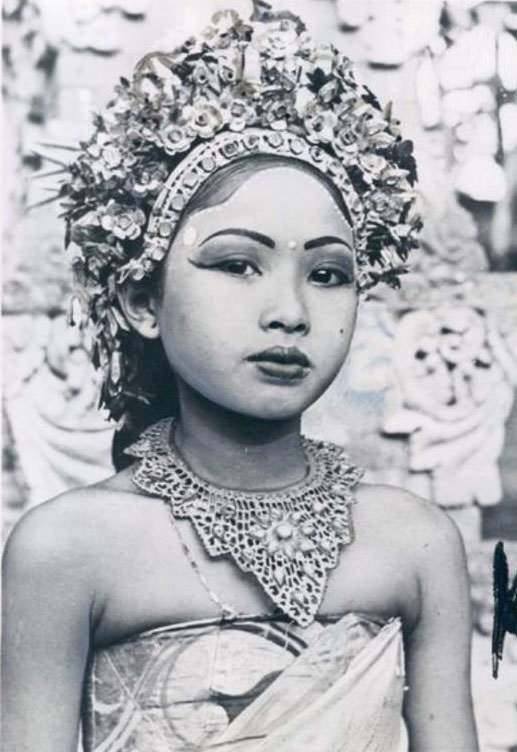
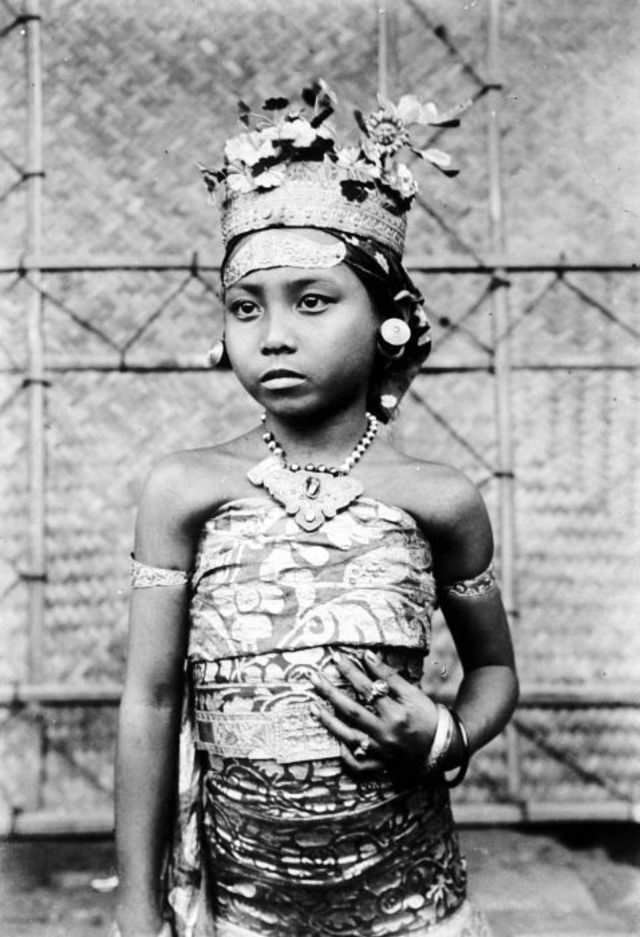
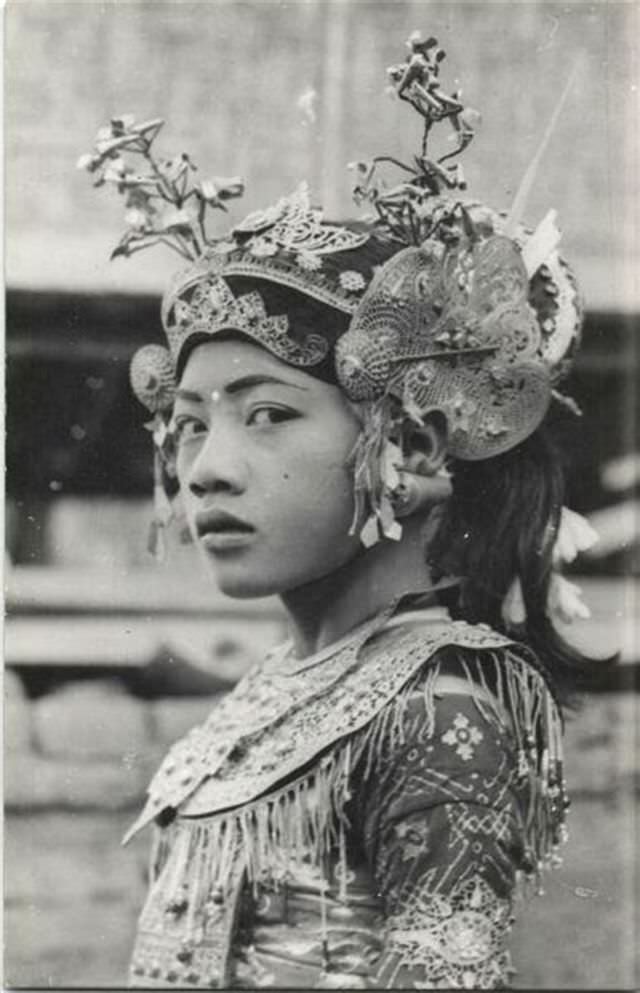
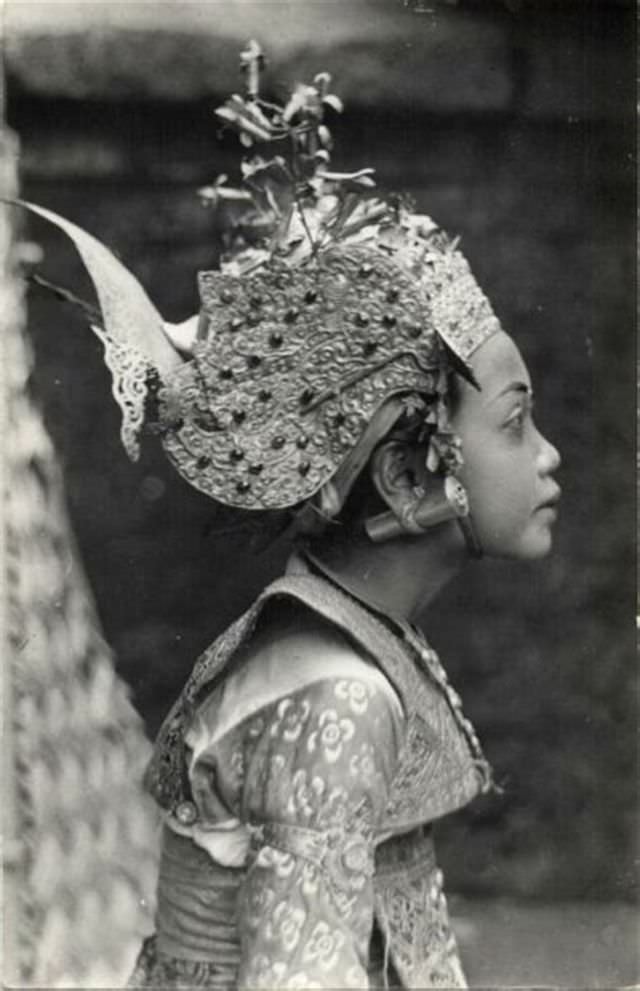
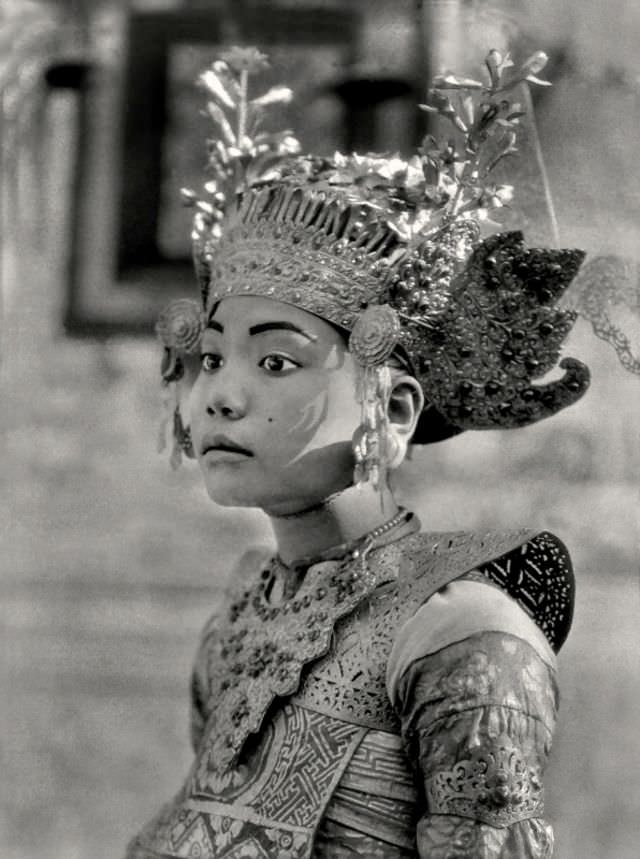
Early 20th century photographers who documented these dances were capturing something that most of the Western world had never seen. The detail in each image — the stacked rings on the fingers, the painted eyes, the golden headdresses — reflects how seriously Balinese performers took their craft. Every element of costume and movement carried symbolic meaning.
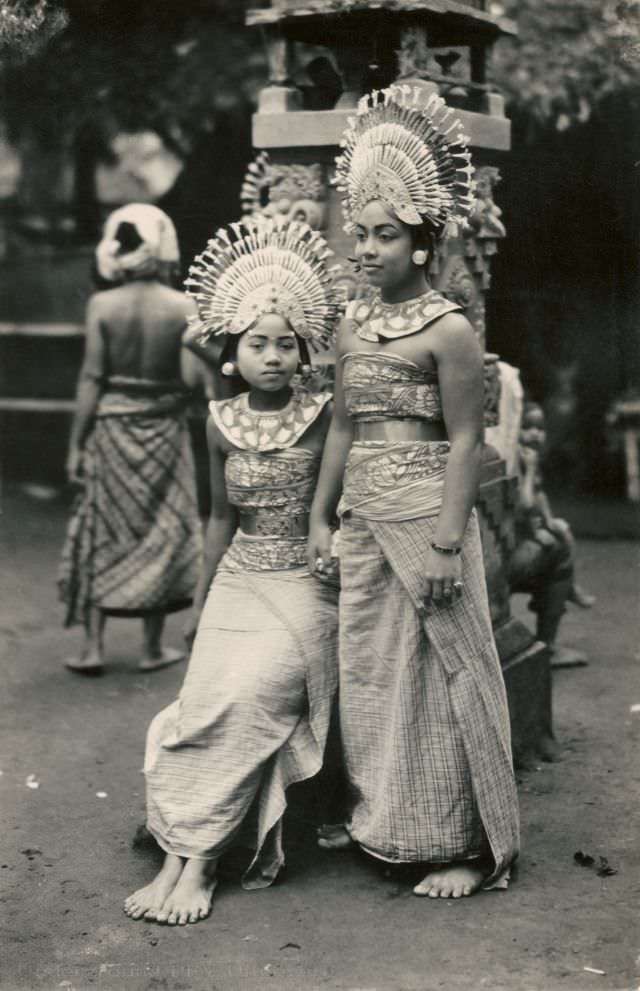
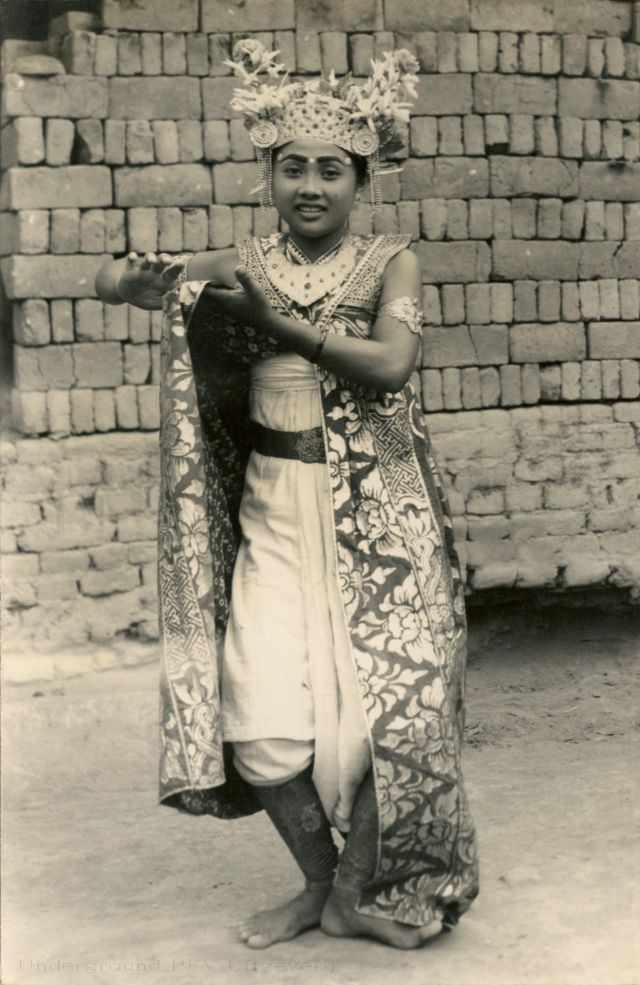
Weddings, temple anniversaries, and seasonal festivals all called for specific dances. The type of performance depended entirely on the occasion. Sacred dances were reserved for temple events. Welcoming dances appeared at the start of ceremonies. Social dances followed after the formal rituals ended. This structure kept each dance form tied to a clear purpose within the community.
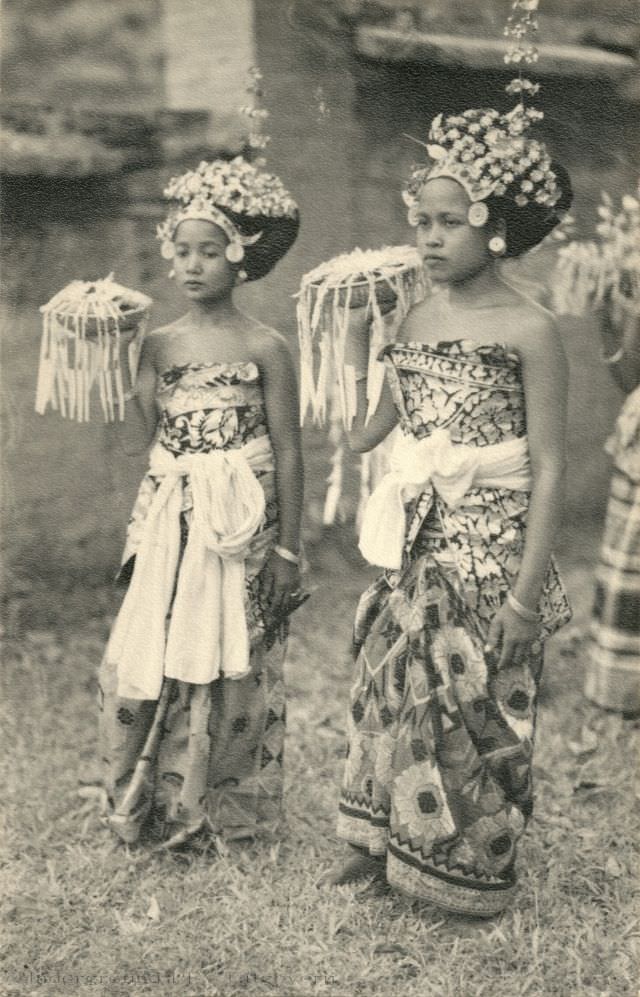
The gamelan orchestra — a collection of percussion instruments including metallophones, gongs, and drums — accompanied most Balinese dances. Musicians and dancers rehearsed together closely, since the rhythm of the gamelan directly controlled the speed and intensity of each movement. A change in tempo signaled a change in the dancer’s expression and gesture.
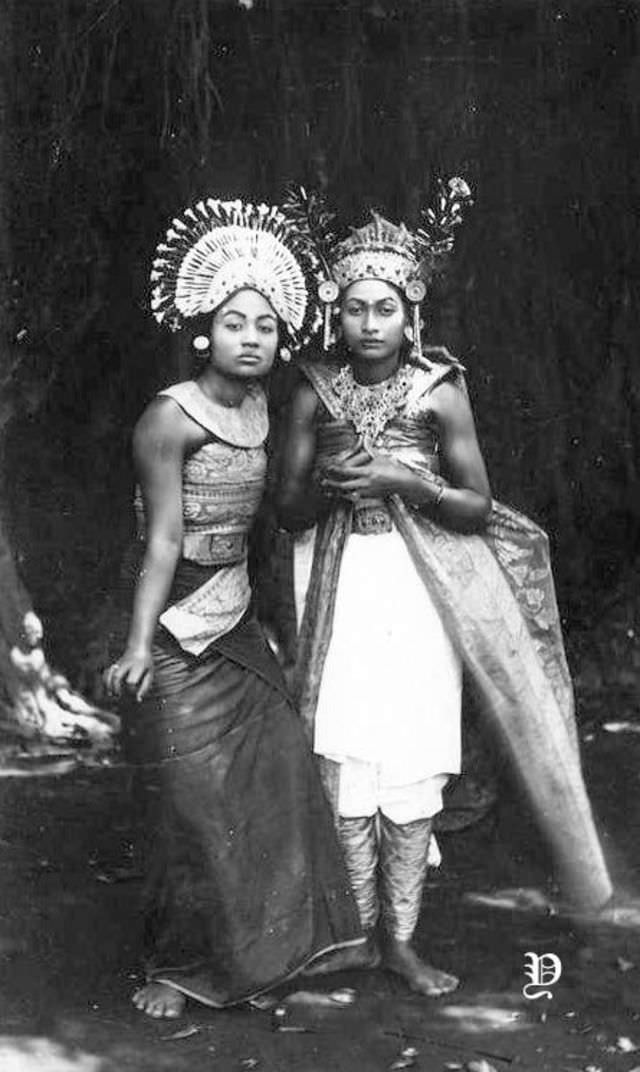
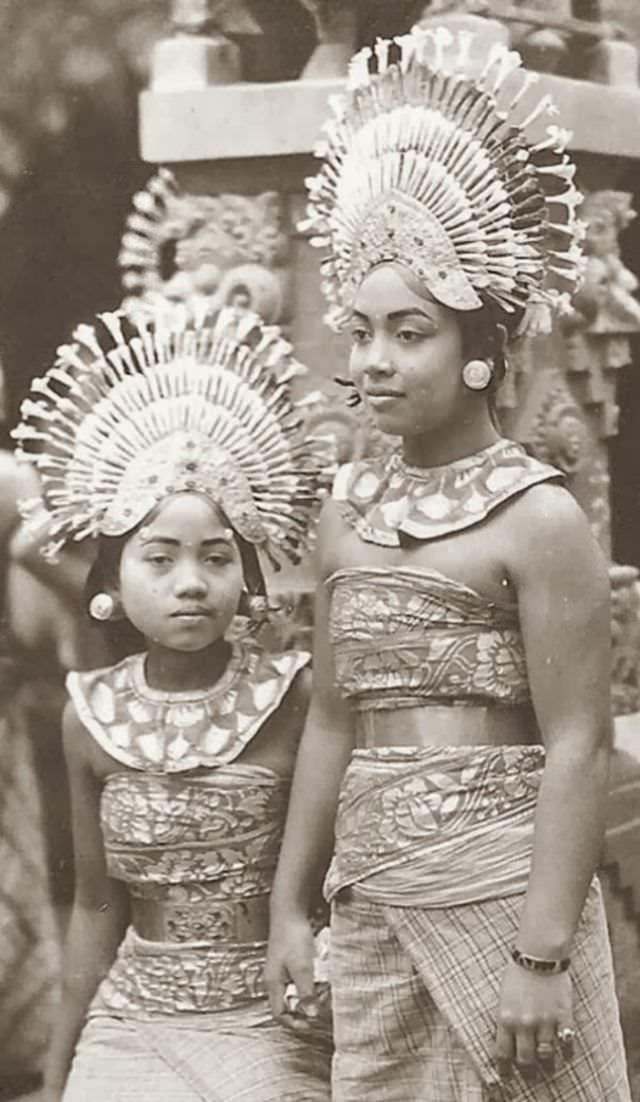
Historical photographs show male dancers in elaborate warrior costumes for the Baris dance, which mimics the movements and spirit of a soldier preparing for battle. The Baris is one of the oldest dance forms in Bali, and the stiff, angular posture of the performer communicates strength and readiness. The dancer’s eyes shift rapidly — a technique called seledet — which remains one of the most difficult skills to master.
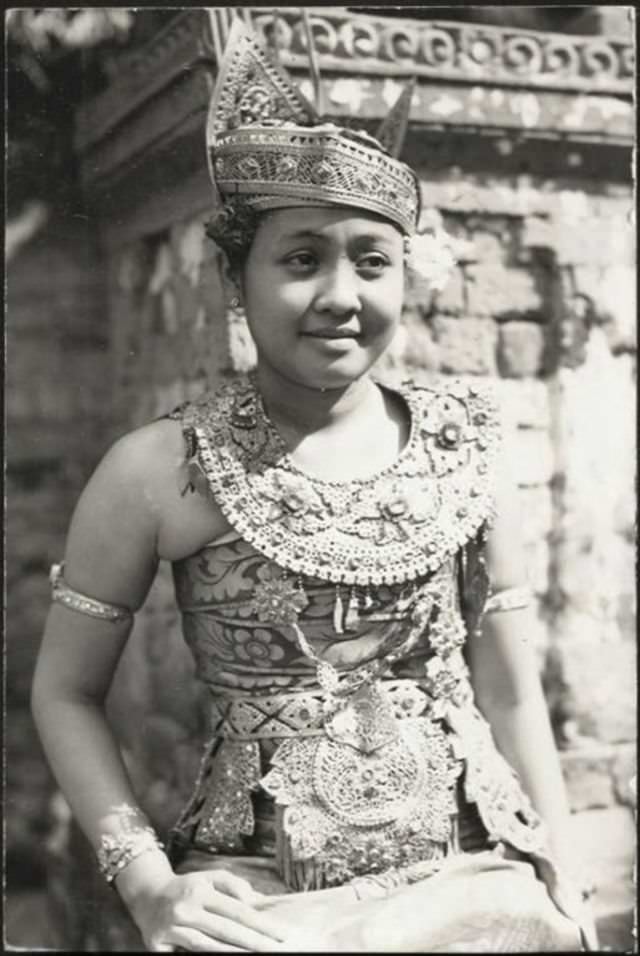
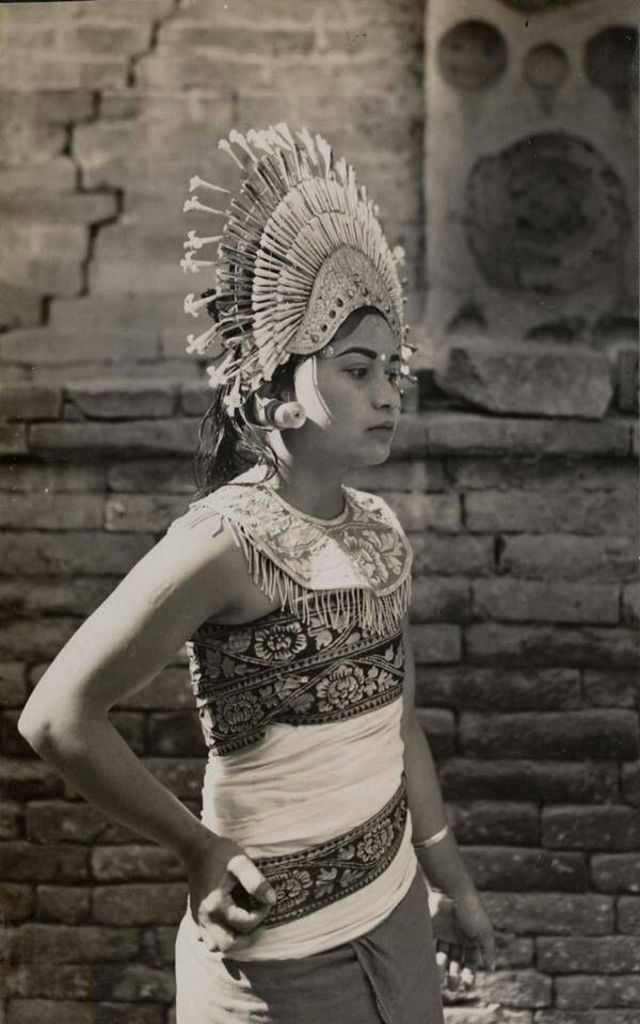
Many of the dances documented in early photographs were performed in open-air temple courtyards, not on raised stages. The audience surrounded the performers, making the experience immersive rather than purely observational. Torchlight and oil lamps provided the only illumination during night performances, casting dramatic shadows across the dancers’ costumes and faces.
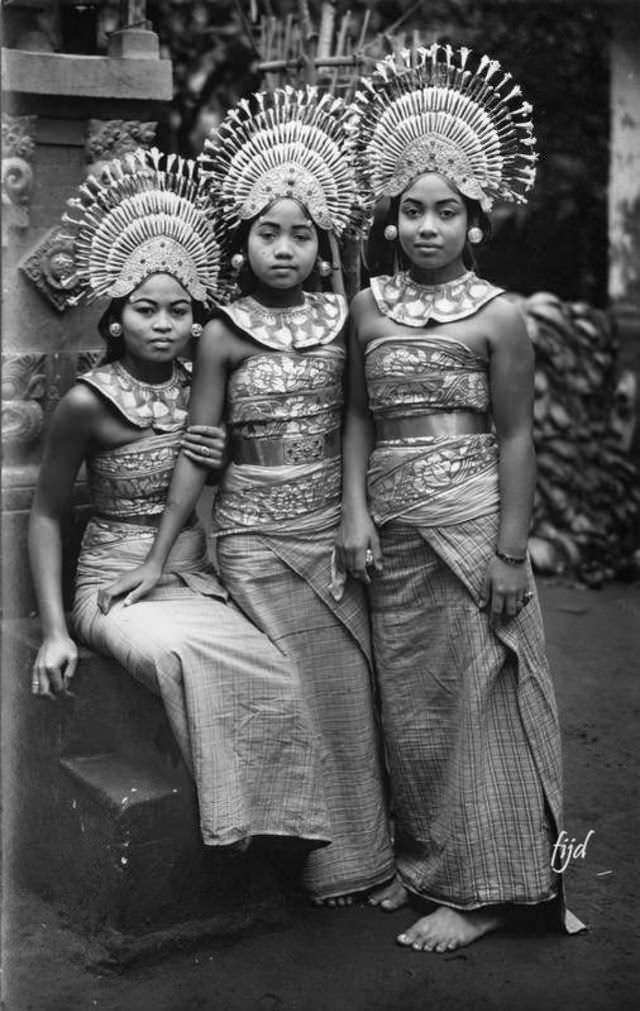
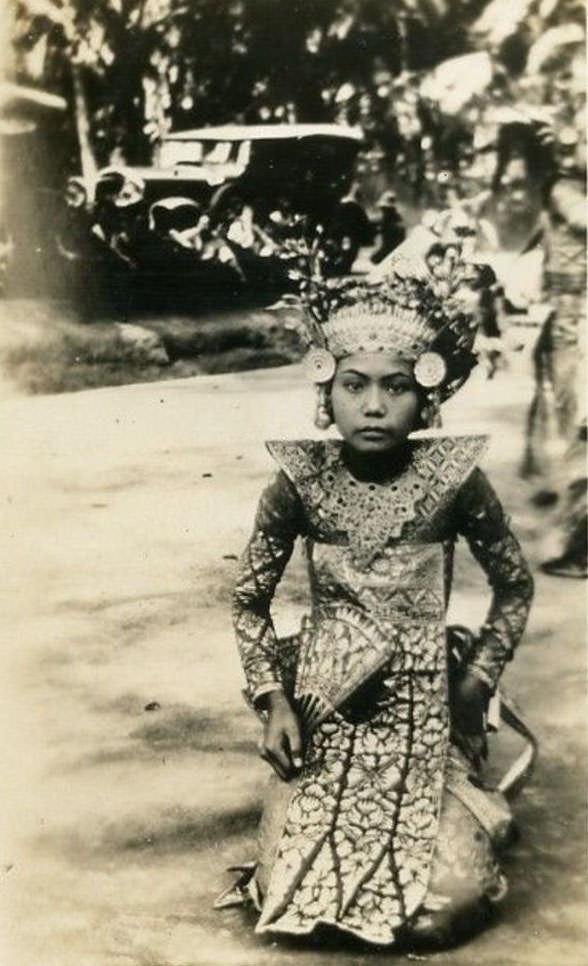
The expressive faces of Balinese dancers were not accidental. Facial expression was a studied skill. Eyebrow movement, the direction of the gaze, and the tension in the jaw all communicated specific emotions and narrative moments. A dancer telling a story of sorrow moved differently — even in the face — than one portraying a warrior or a spirit.
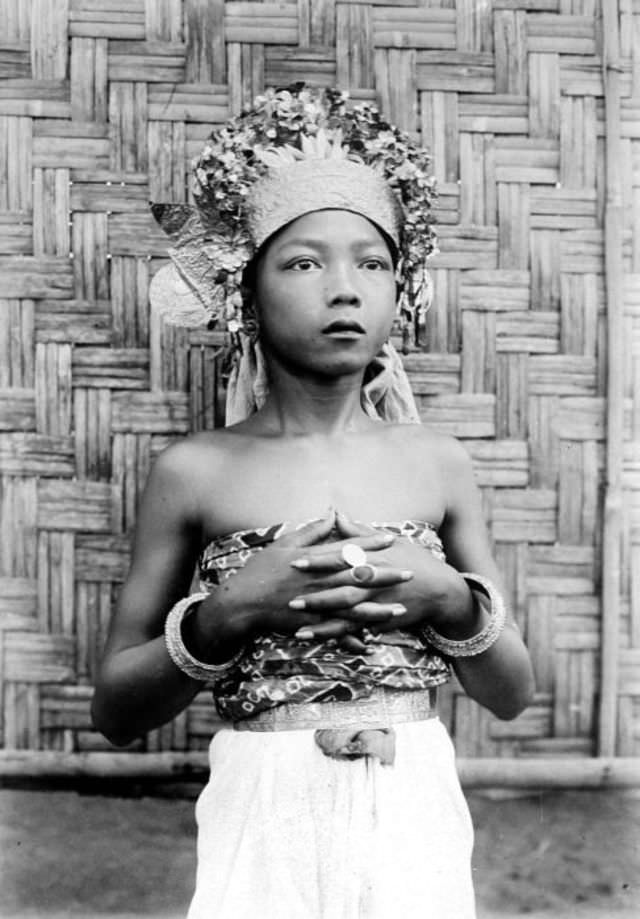
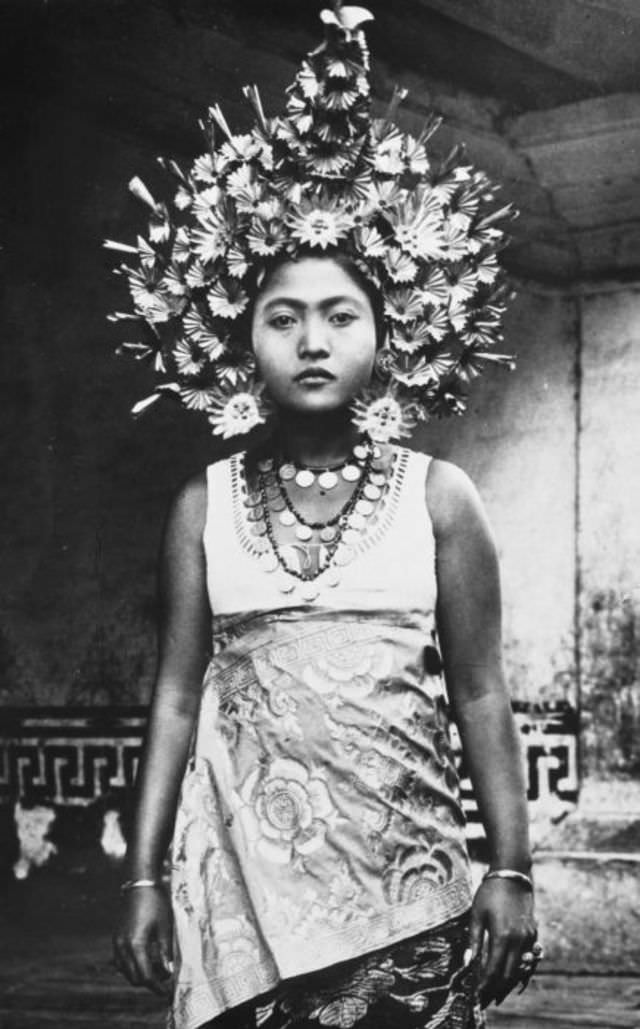
These early photographs preserve a version of Balinese dance culture that existed before mass tourism changed the island. The performers photographed in the early 1900s were dancing for their communities and their gods, not for outside audiences. Each image is a direct record of a living tradition at a specific moment in time.