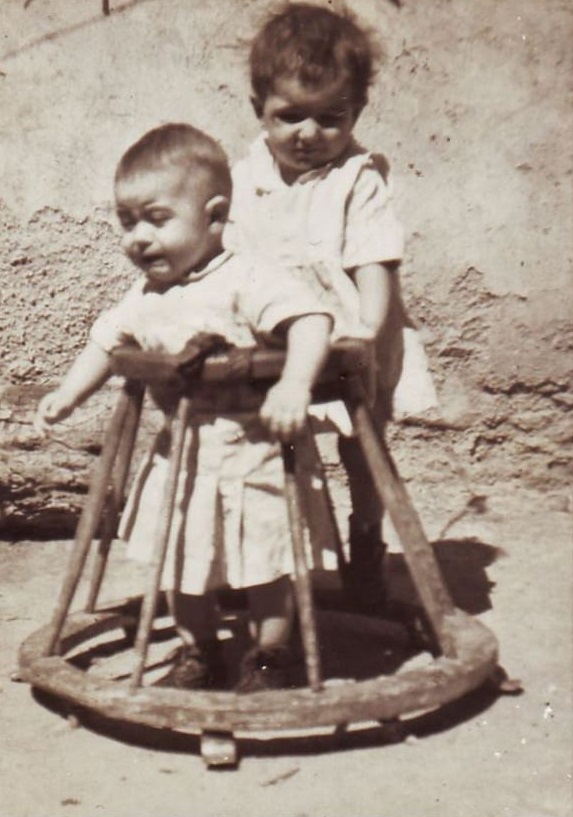
Long before plastic playpens and modern baby gear, parents in the early 1900s relied on handcrafted wicker frames to help their infants take their first steps. These unwheeled devices were built to support a baby’s body weight while allowing some movement across the floor. They were not toys. They were tools — designed with a specific purpose in mind.
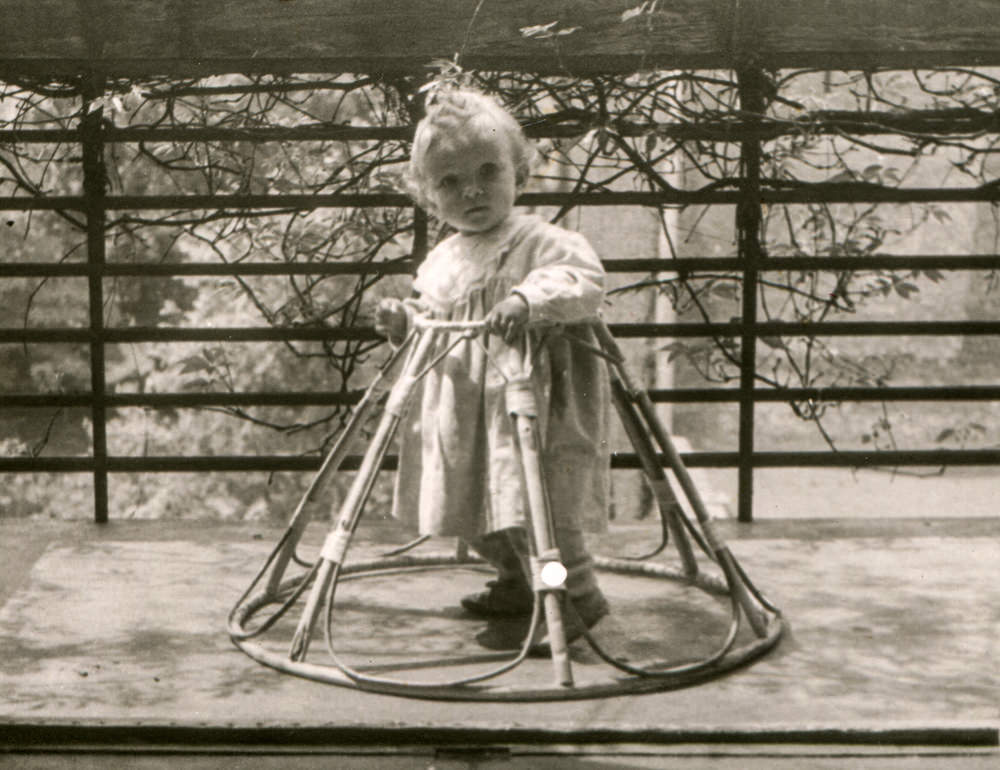
The history of baby walkers stretches back much further than most people realize. The earliest known examples appeared in Europe during the 15th century. By the 16th century, a medical writer named Ferrarius was actively recommending them as a method for training infants to walk. He saw them as a practical aid in physical development, not just a convenience for parents.
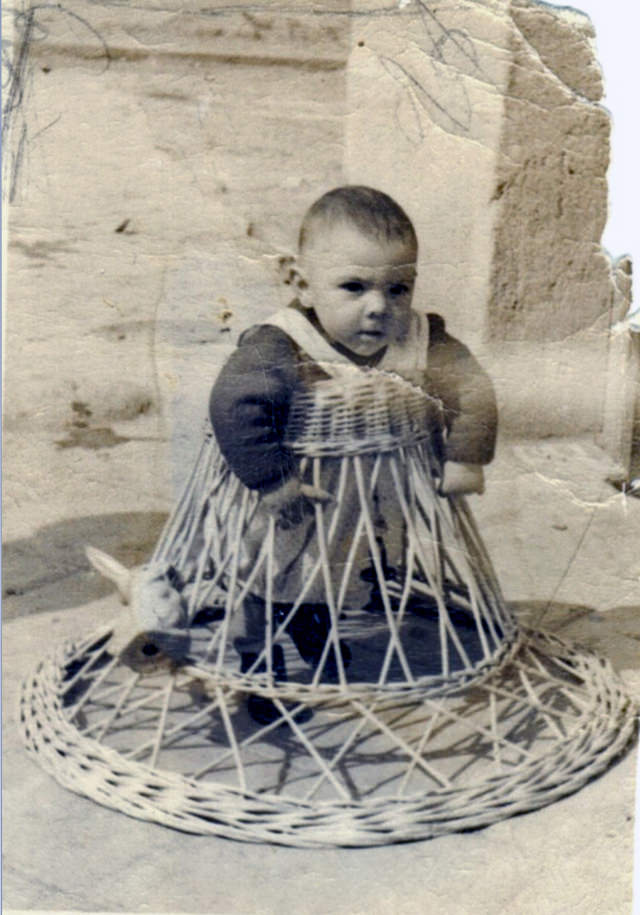
During the 17th century, walking frames took on a broader meaning in society. They became symbols of mastering a skill through steady, repeated practice. Some parents and thinkers of the era connected a child standing upright with moral virtue — the idea that physical uprightness reflected good character. This gave the simple wooden or wicker frame a surprisingly deep cultural weight.
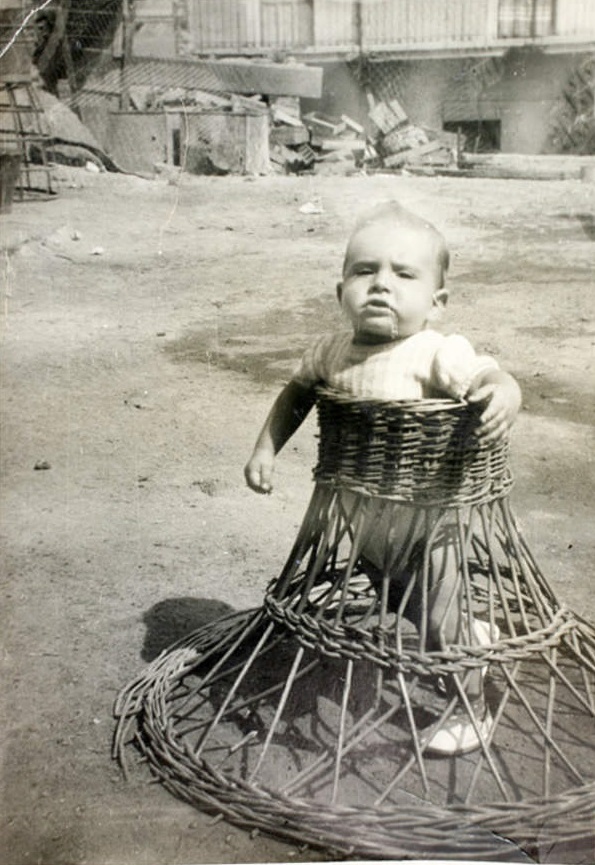
The wheeled version of the walker had its own name: the go-cart. This term, now associated with small racing vehicles, originally described a wheeled frame that a baby could push or be guided in. The go-cart allowed more movement than the stationary wicker frame, though it came with its own limitations in terms of control and safety.
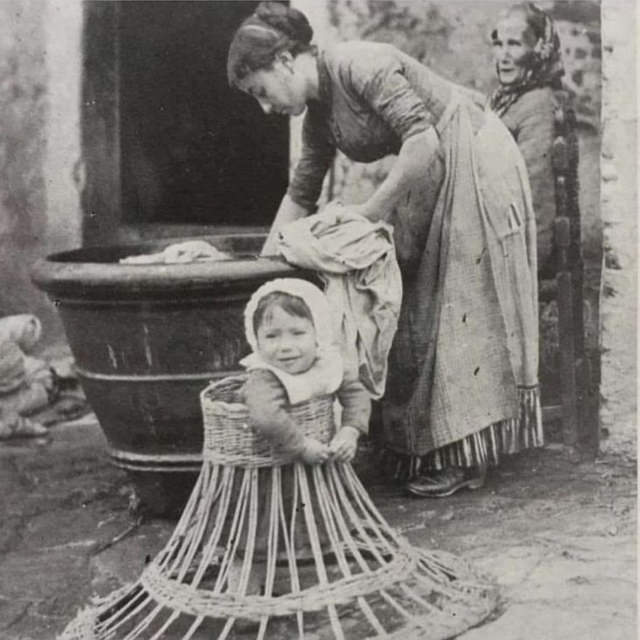
Not every family used a walker or go-cart. Another option was the baby runner — a wooden ring attached to a vertical pole fixed at the baby’s waist height. The ring sat at the infant’s abdomen, allowing the child to walk in a circle around the pole. It was a simple but effective design. One major advantage was safety: the circular range of motion kept babies away from hazards like open hearth ovens, which were a very real danger in most homes of that era.
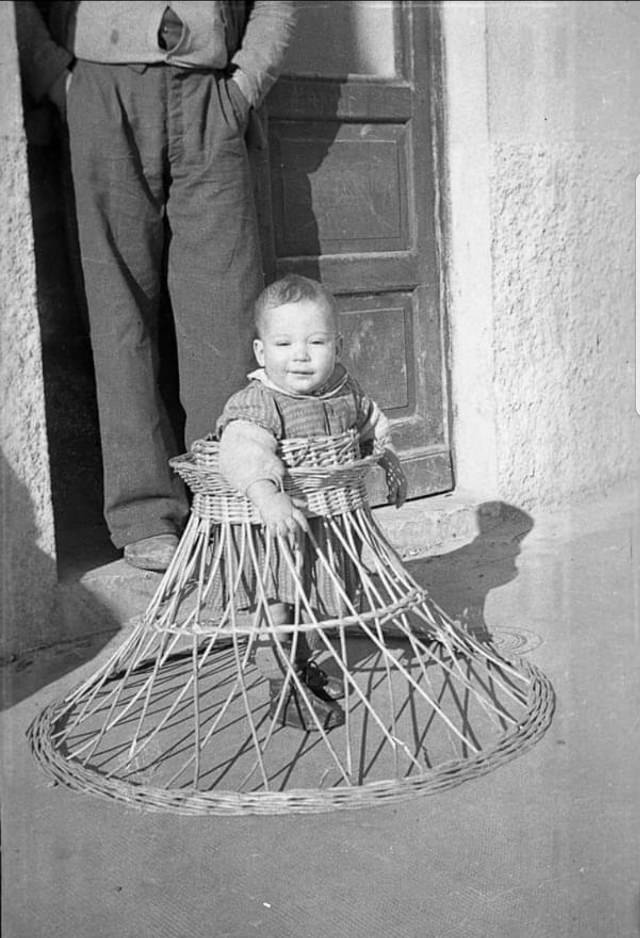
The wicker walkers seen in these early 1900s photographs are both sturdy and compact. The natural material made them relatively lightweight, and the open weave design meant parents could keep an eye on the baby’s feet and posture. Whether they genuinely helped infants learn to walk faster or simply kept them contained and upright is a question parents of the time had their own answers to — and the debate over walker usefulness has never fully gone away.