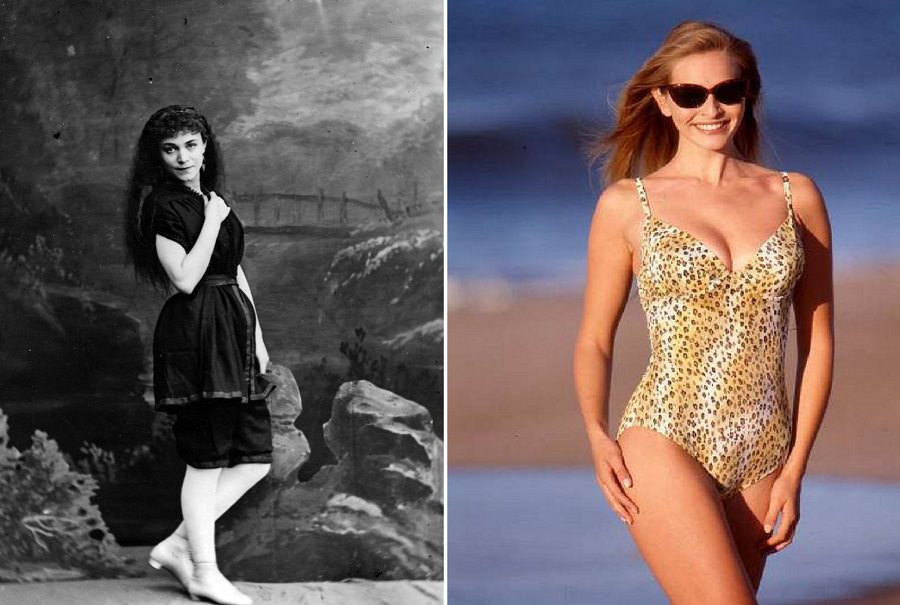
Few names in American social history carry as much glamour as Babe Paley. Born Barbara Cushing in 1915, she grew up in a wealthy family where style, ambition, and social grace were simply part of life. She would go on to become one of the most photographed and admired women of the twentieth century — a constant presence in Vogue, a muse to fashion designers, and a fixture at the top of the best-dressed lists that society followed like gospel. Her rise from a well-connected Boston debutante to a global style icon is a story worth telling in full.
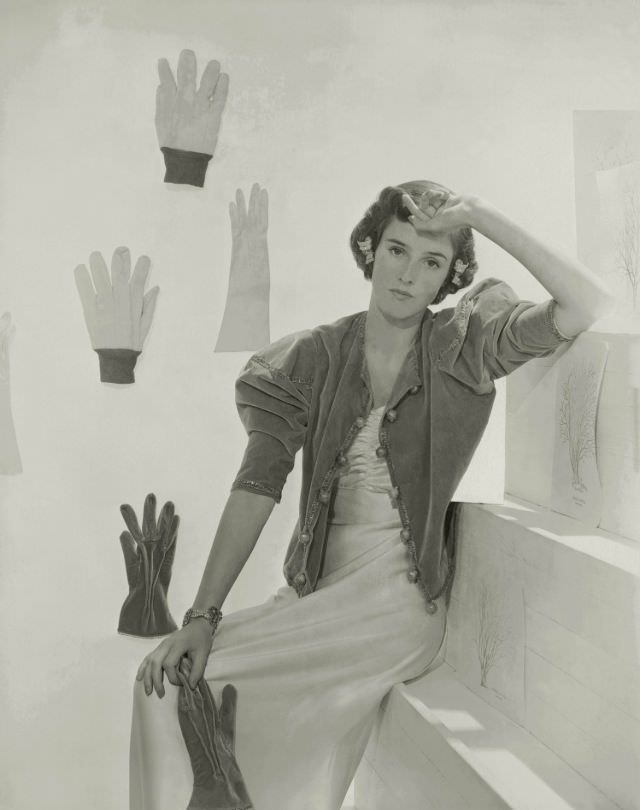
Babe graduated from the Westover School in 1933. The following year, her sister Betsey hosted her debutante dinner dance at the Ritz-Carlton in Boston, drawing 400 guests. That evening marked Babe’s formal entry into New York’s social world, and she took to it immediately. Debutante parties, evenings out, and the constant movement of Manhattan’s elite became her new rhythm. Then, in 1934, a severe automobile accident on Long Island knocked out her front teeth and required extensive jaw reconstruction and dental bridgework. She handled it without public complaint and moved forward without missing a step.
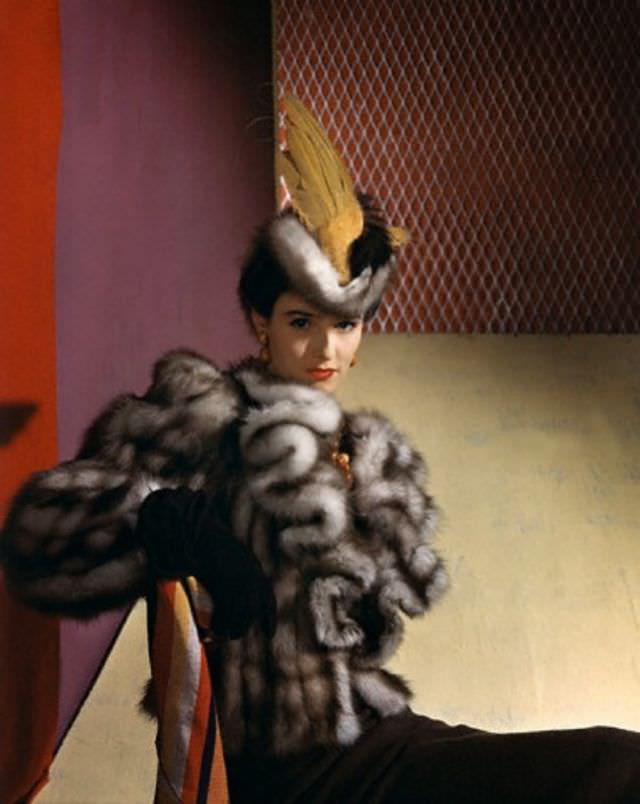
Her first job in fashion came at Glamour magazine, taken largely to be near her sisters Minnie and Betsey in Manhattan. But her real break came when she joined Vogue’s fashion department from 1939 to 1941, working under two of the most formidable editors in the industry — Edna Woolman Chase and Carmel Snow. The job gave her access to designer clothes, which were often given to her directly in exchange for her high-profile visibility. She wore them well. In 1941, Time magazine ranked her the second-best dressed woman in the world, placing her behind Wallis Simpson and ahead of Aimée de Heeren.
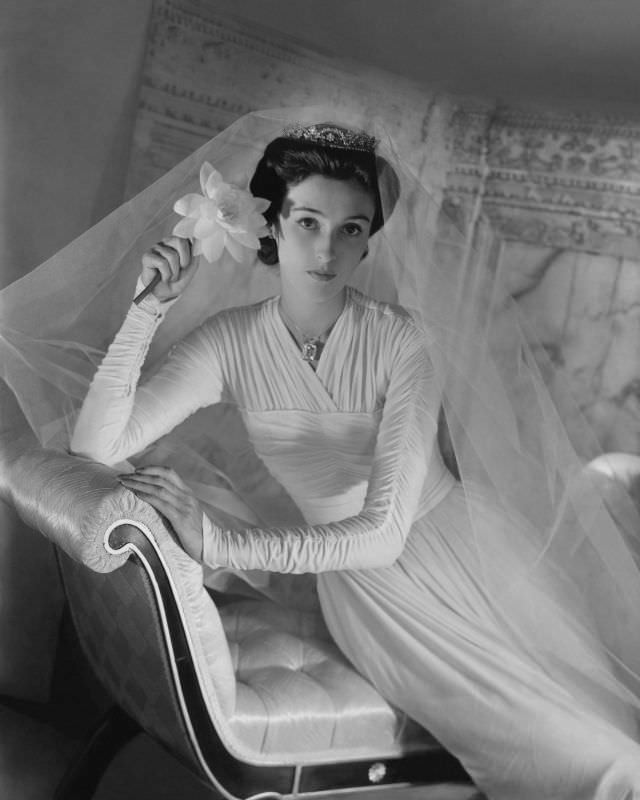
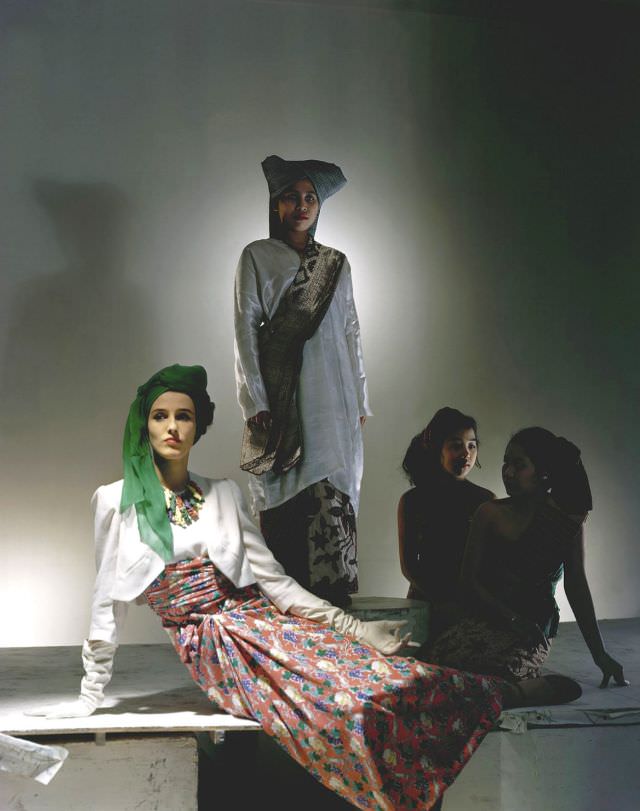
While at Vogue, Babe met Stanley Grafton Mortimer Jr., an oil heir who moved in the same social circles. They married on September 21, 1940, at the East Hampton home of Babe’s mother, Kate Cushing. The wedding was one of the most talked-about social events of the season. The couple settled into a triplex apartment on Manhattan’s East Side, and Babe stepped back from her Vogue career. She had a son, Stanley III — known as Tony — in 1942, and a daughter, Amanda, in 1943.
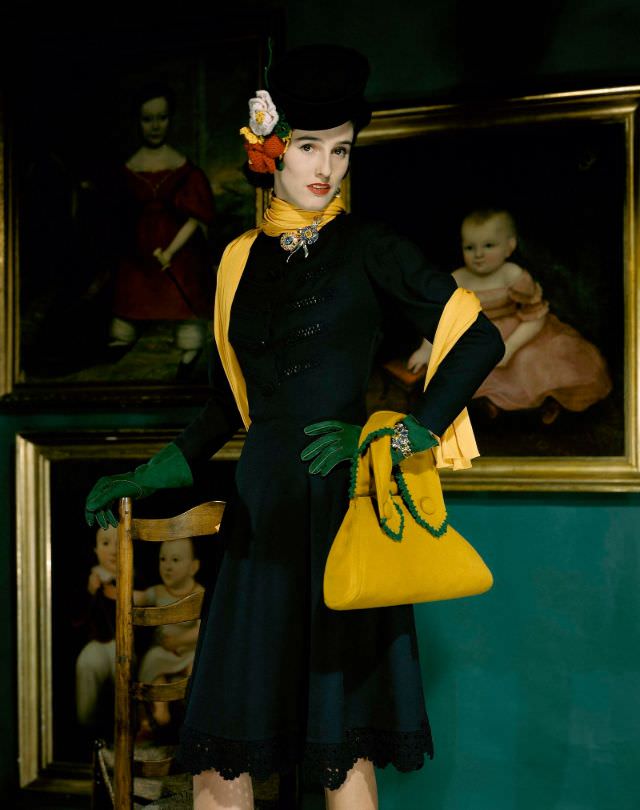
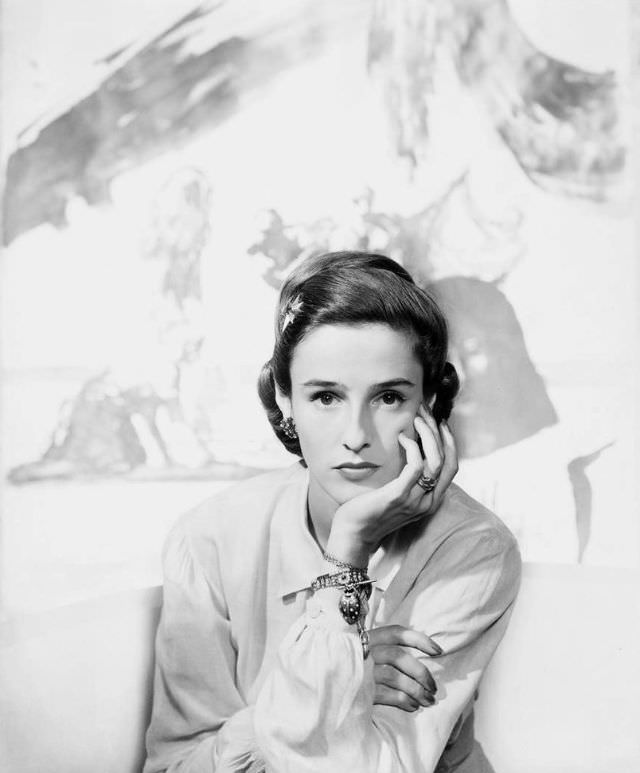
Stanley Mortimer enlisted in the navy in 1943 and served in the Pacific. When he returned in 1945, he was a different man. He drank heavily and suffered from volatile mood swings. The marriage did not survive it. The couple divorced on May 29, 1946, with Babe receiving a trust fund of $40,000. She raised her two children after the split, though her daughter Amanda later described their relationship as “virtually nonexistent,” stating plainly that “the distance was her choice, not mine.”
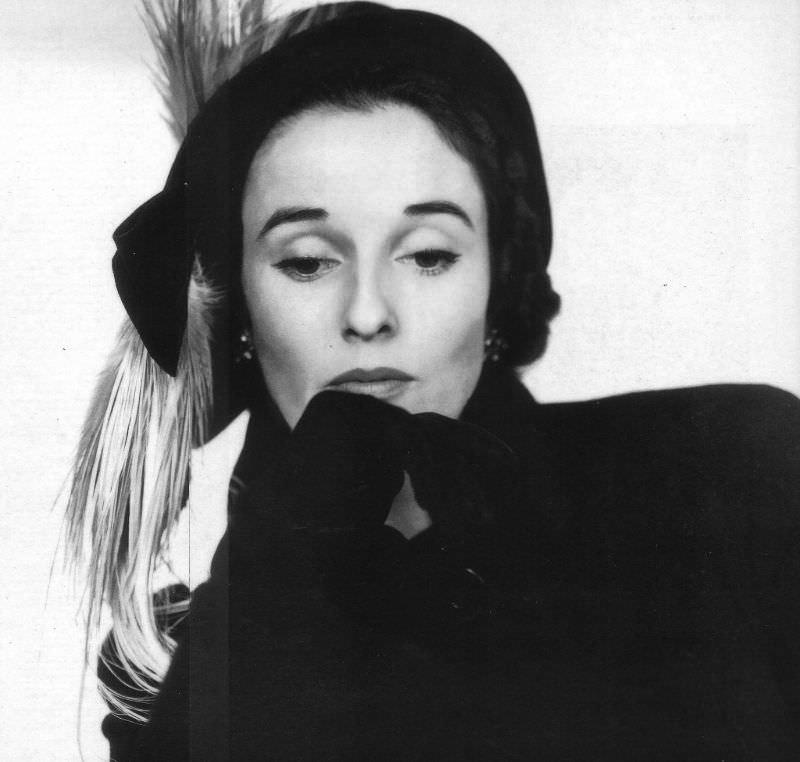
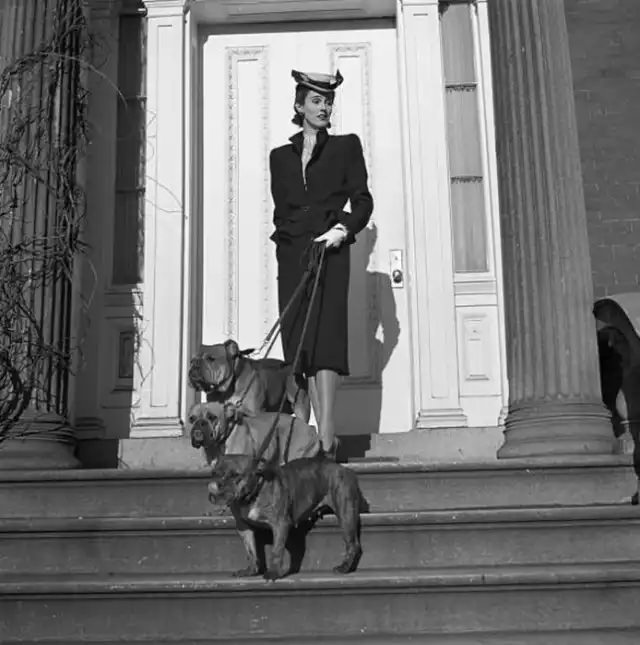
The year 1946 was a turning point. Even as her first marriage collapsed, Babe appeared repeatedly in the pages of Vogue, dressed in designs by some of the era’s most celebrated names — Norman Norell, Balmain, Paquin, and Digby Morton. She was named to the best-dressed list in both 1945 and 1946. Her face and figure had become fixtures of the fashion press, and her taste in costume jewelry, particularly her bold, layered approach to accessories, inspired designers including Charles James and Valentino.
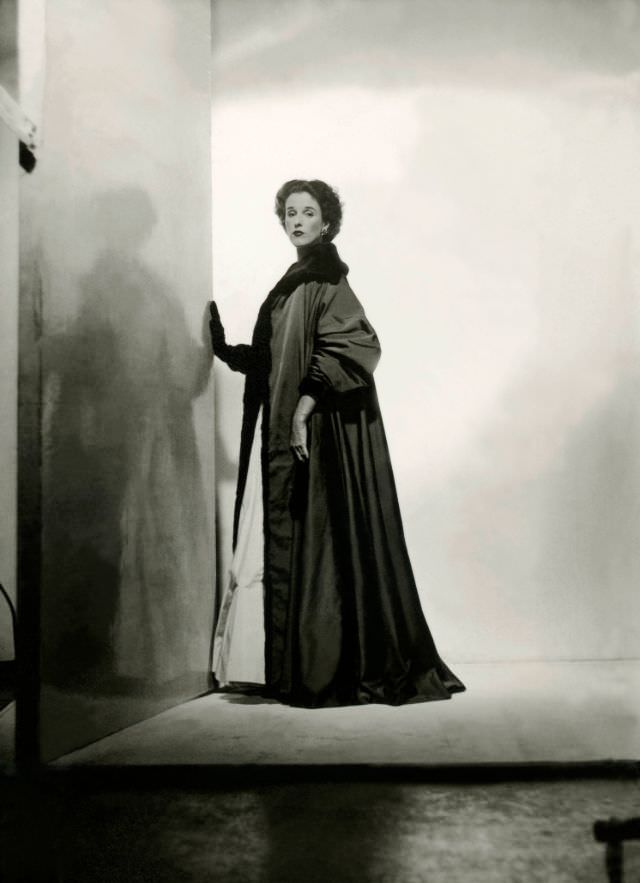
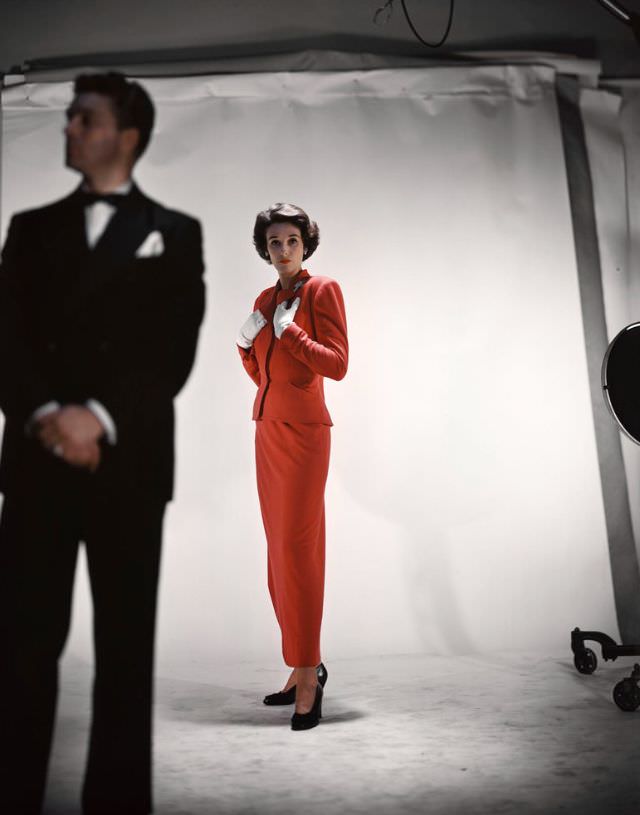
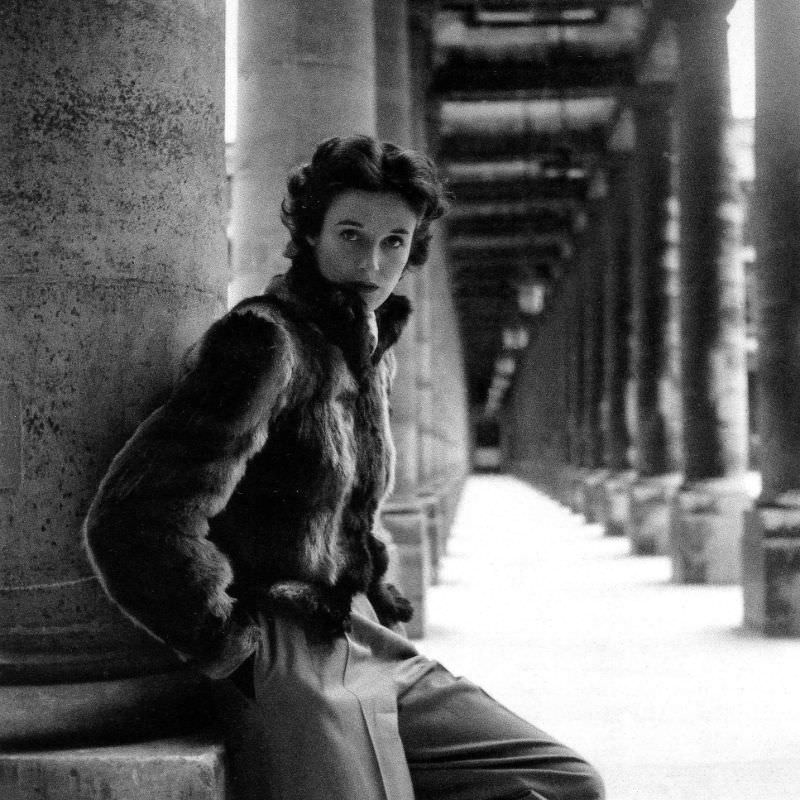
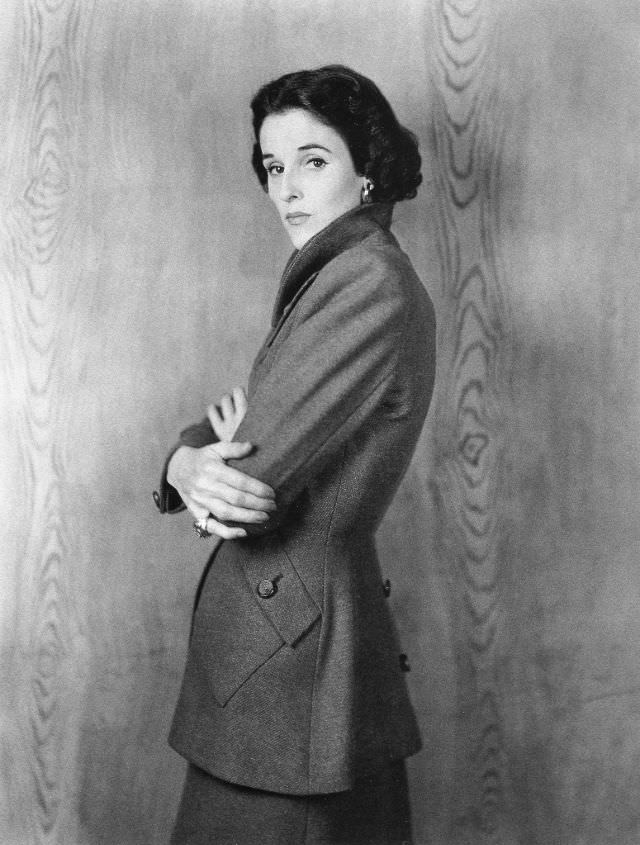
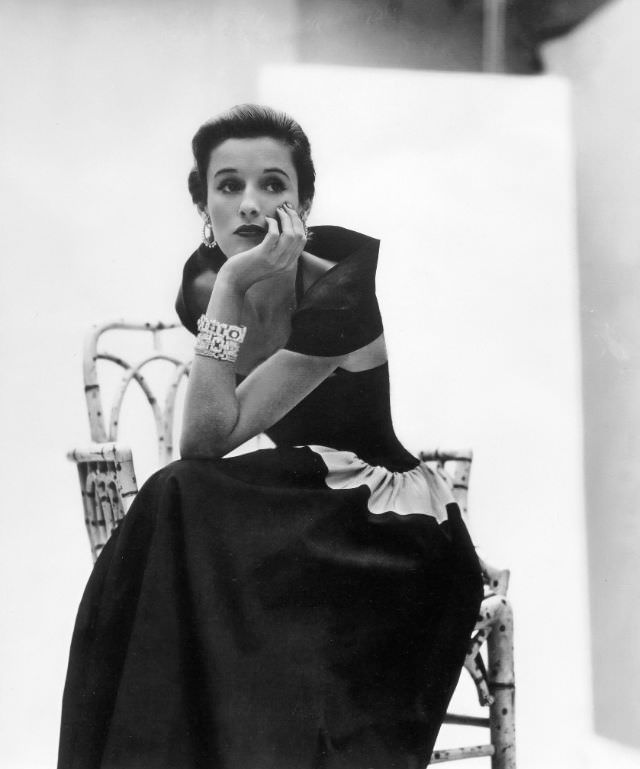
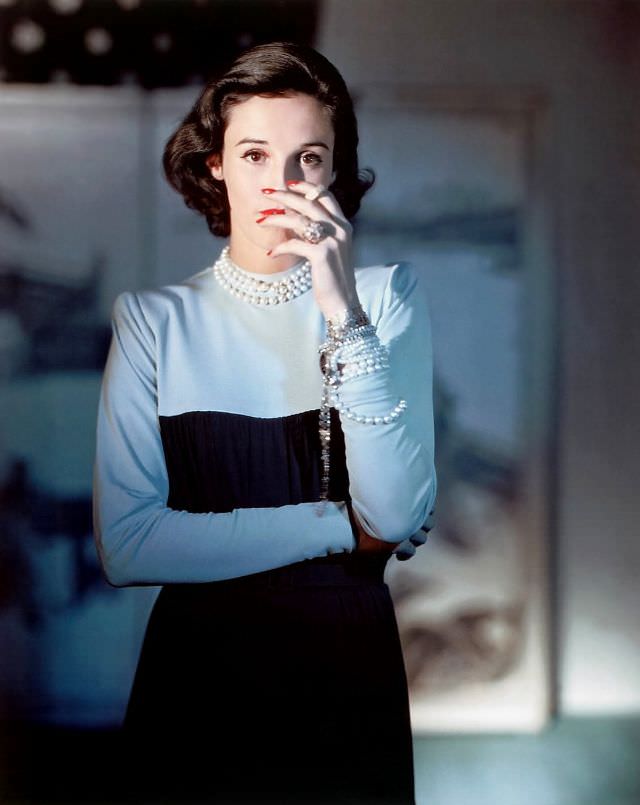
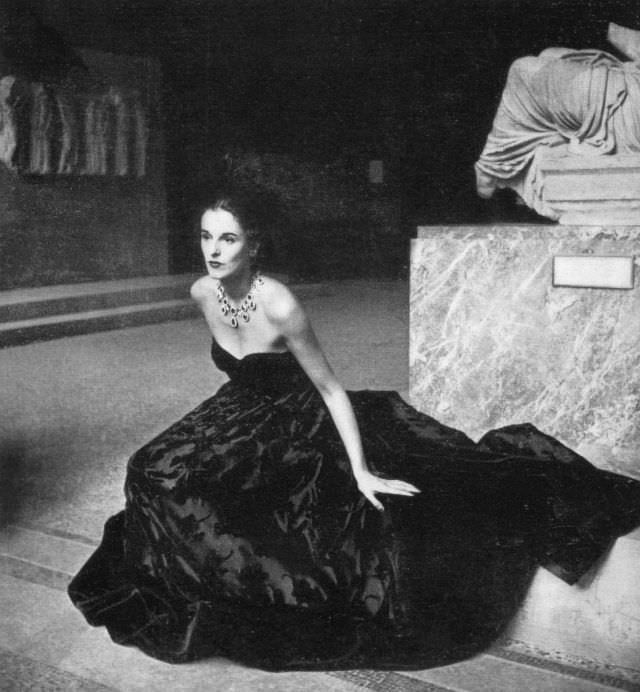
After her divorce from Mortimer, Babe entered the orbit of William Samuel Paley, the powerful founder of CBS. He pursued her with elaborate attentiveness. Babe was flattered, though her mother remained skeptical of his intentions. They married nonetheless, and on March 30, 1948, Babe gave birth to their first child, William Cushing Paley. The couple moved into Kiluna Farm in Manhasset, Long Island, which became one of their primary homes and a backdrop for many of the photographs that defined her image in the late 1940s and early 1950s.
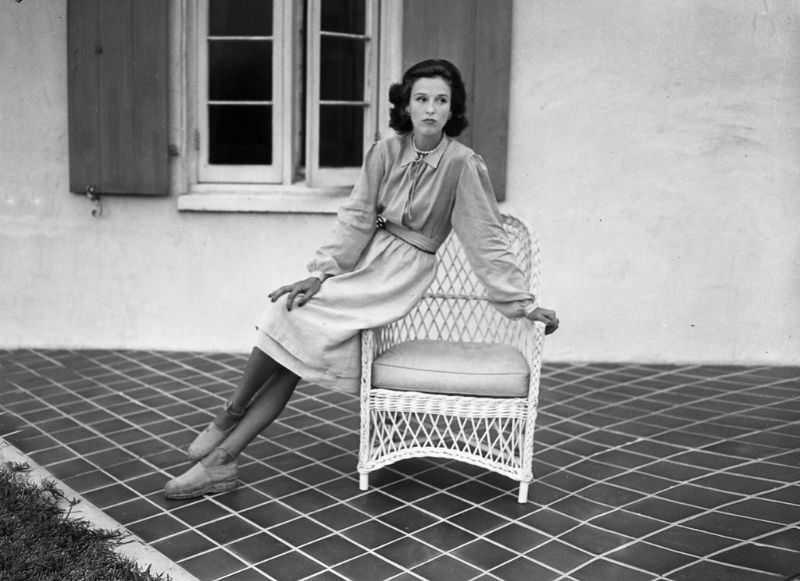
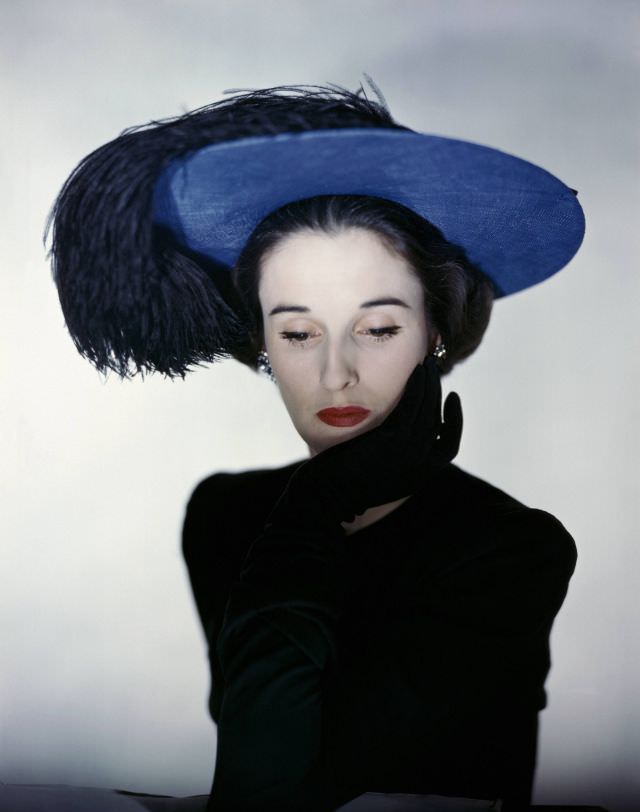
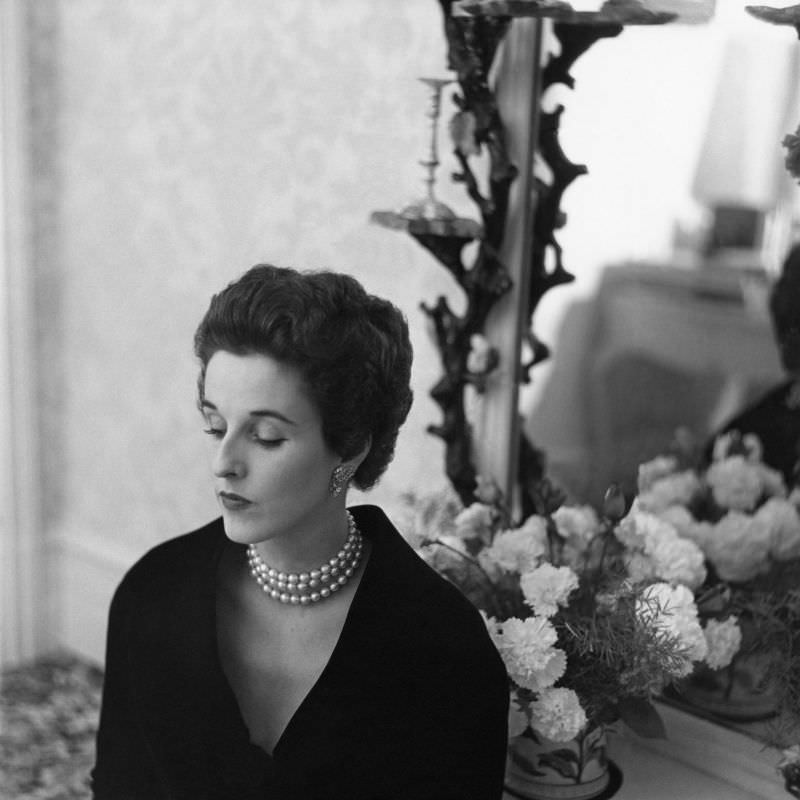
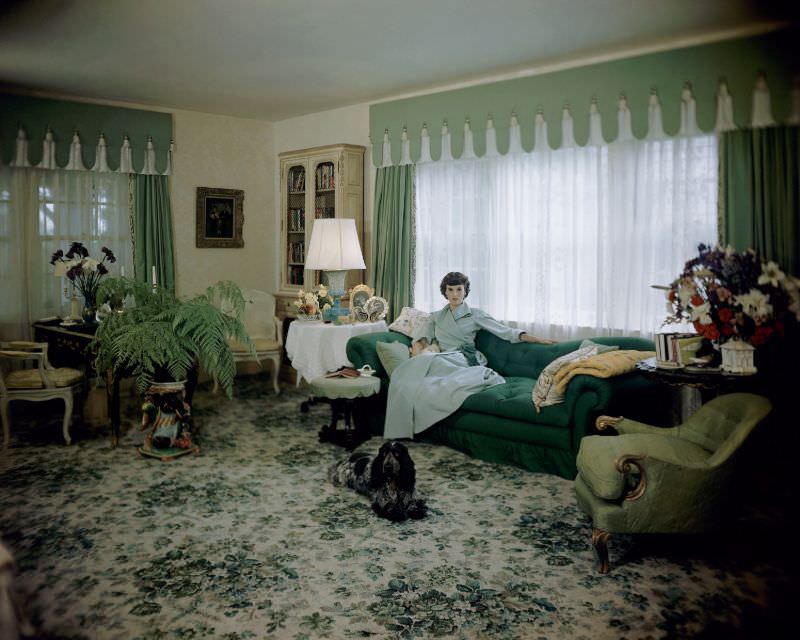
Through the late 1940s and into the 1950s, Babe’s public profile only grew. She appeared in Vogue and Harper’s Bazaar wearing custom gowns from Hattie Carnegie in azure silk chiffon, Mainbocher evening dresses, and pale blue tweed jackets paired with navy skirts. Each photograph was a lesson in composure and proportion. She was not simply wearing clothes — she was showing exactly how they were meant to be worn. Her choices were precise, never accidental, and photographers and editors sought her out specifically because of it.
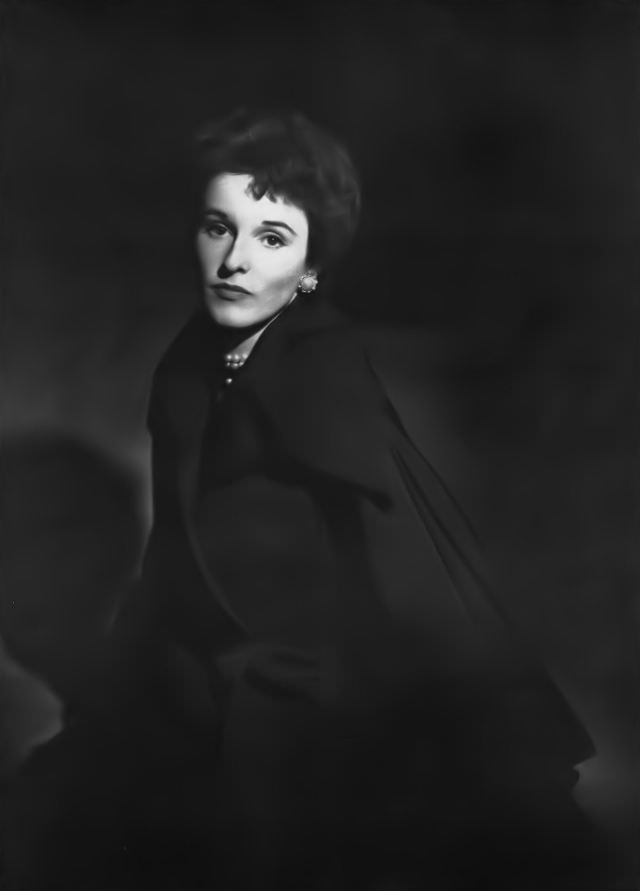
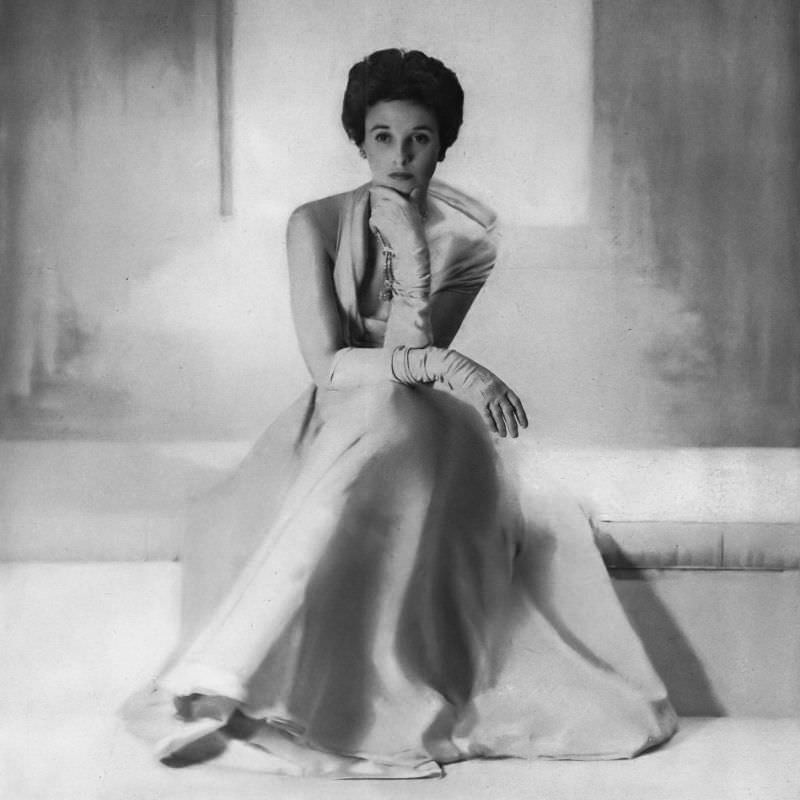
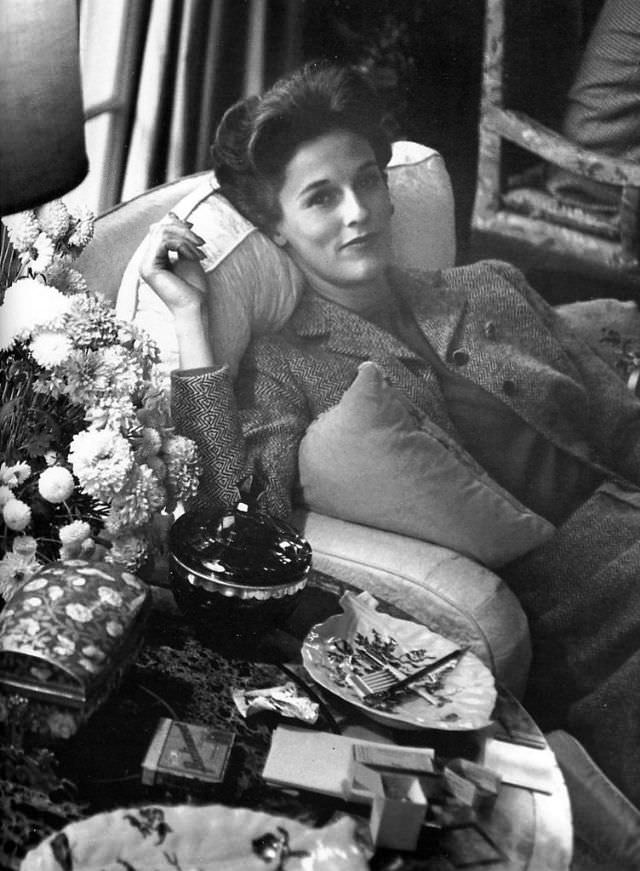
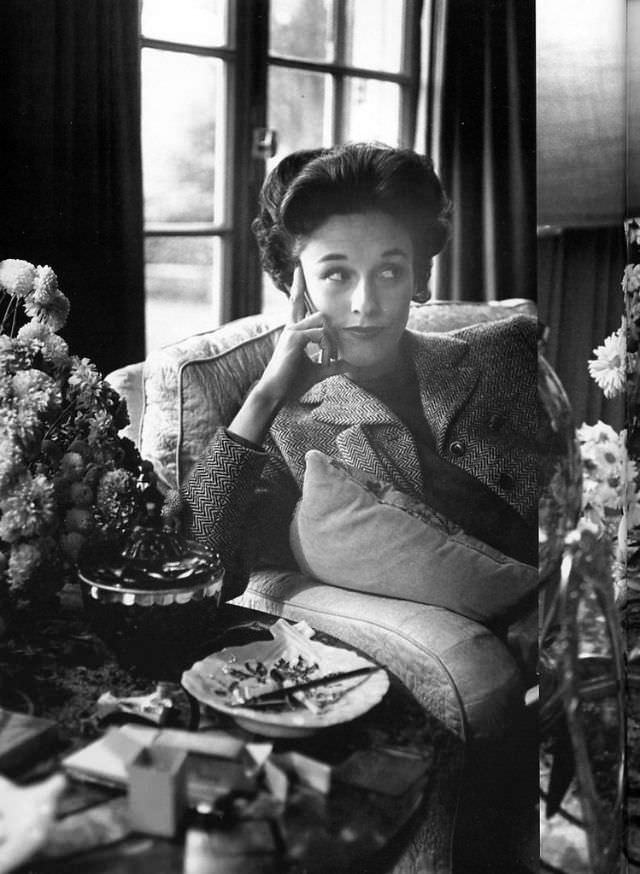
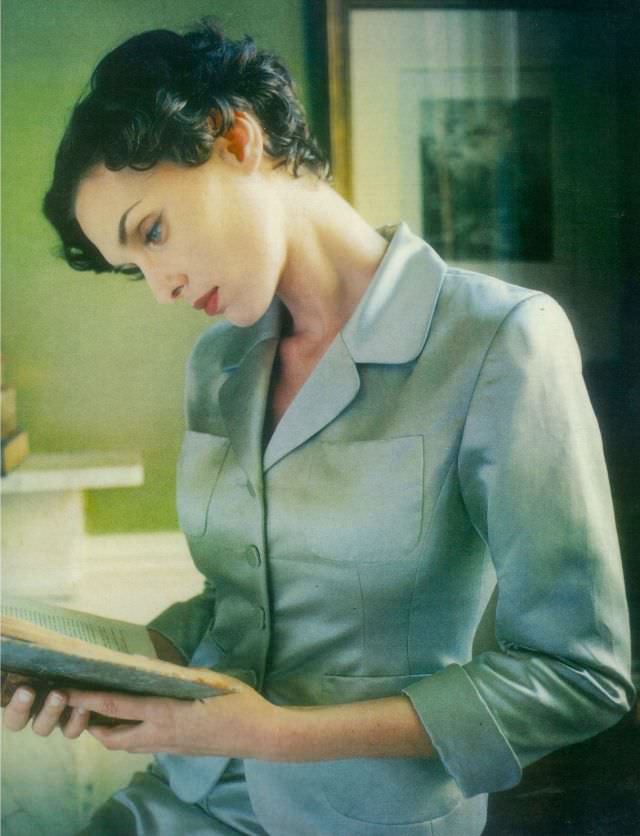
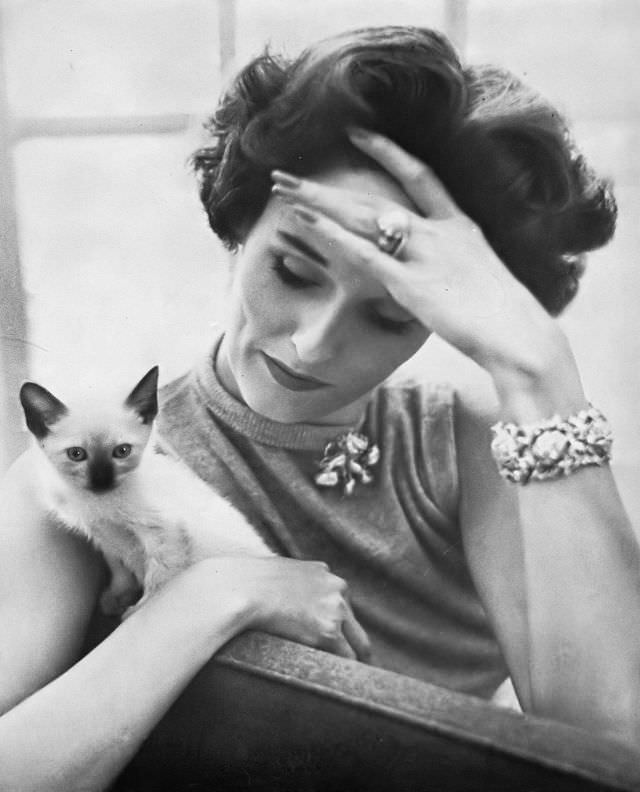
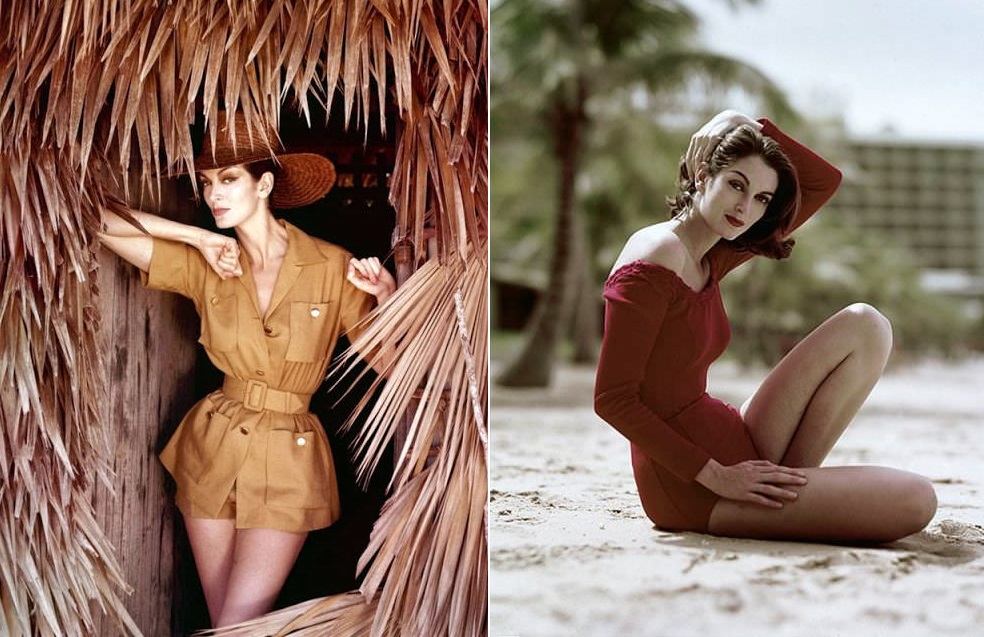
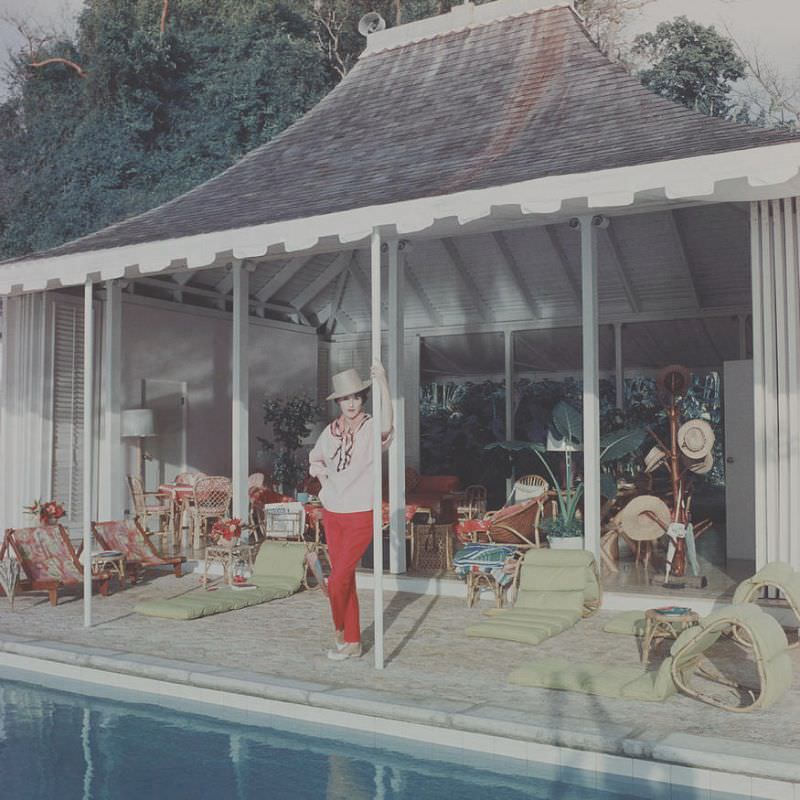
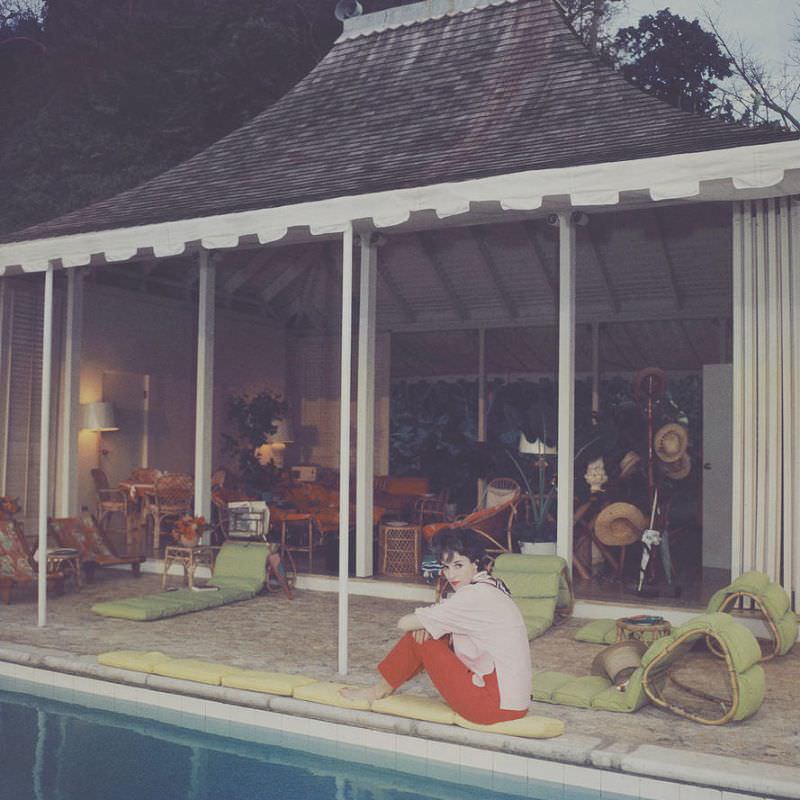
The Paleys lived a life that most people only read about. They kept a cottage at Round Hill in Jamaica, where Babe was photographed beside the pool in the kind of effortless, sun-warmed ease that defined her off-duty style just as clearly as her Vogue covers defined her formal one. She wore Mainbocher at home on Long Island for a December evening. She wore Givenchy Boutique shirts and pants at a villa on the outskirts of Paris in August. Whether in Jamaica, New York, or France, the setting changed but the standard never dropped.
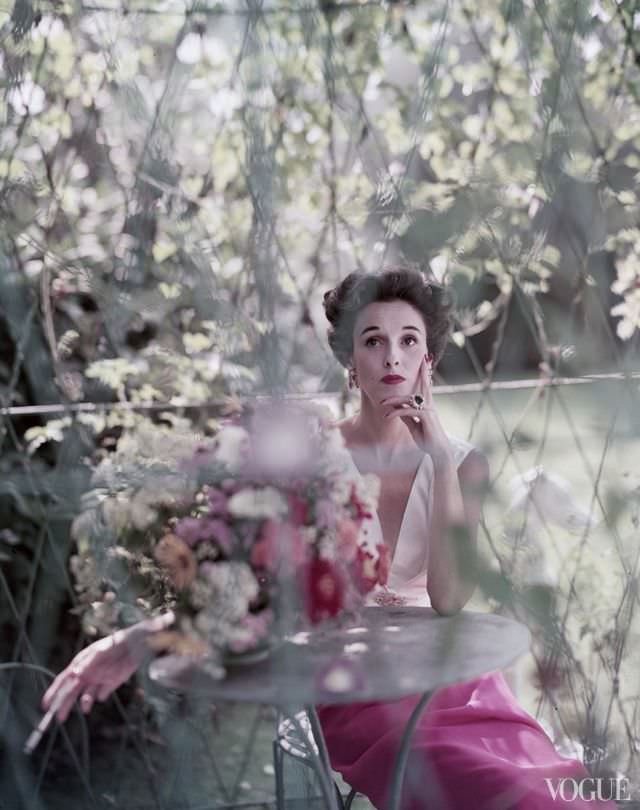
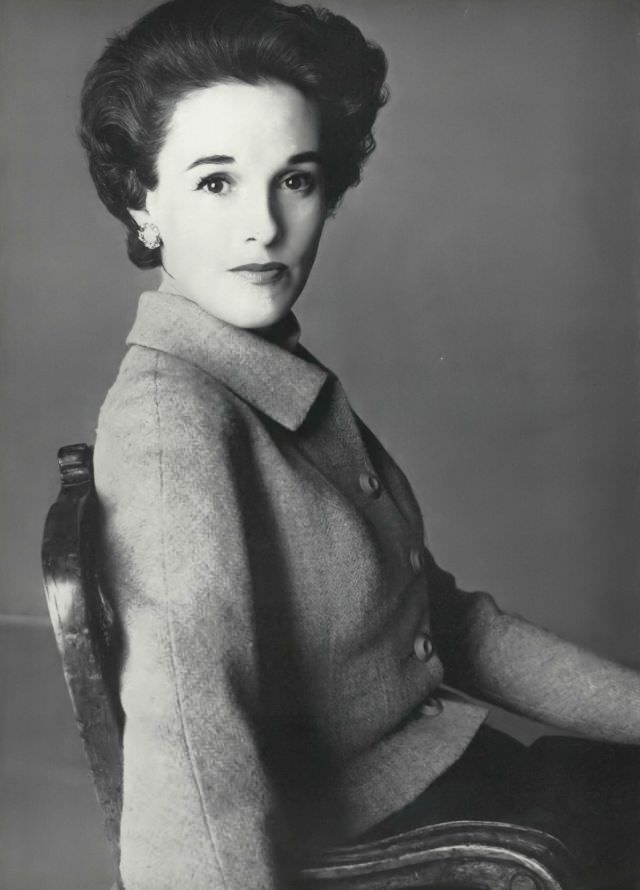
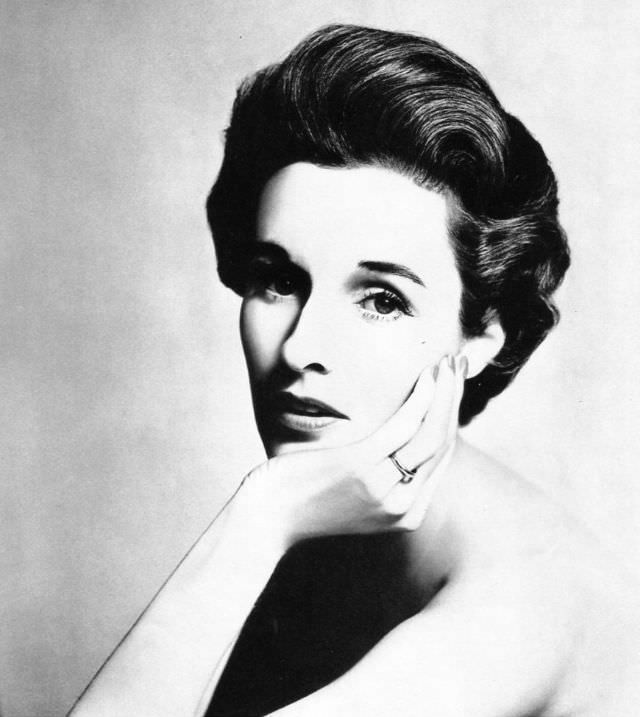
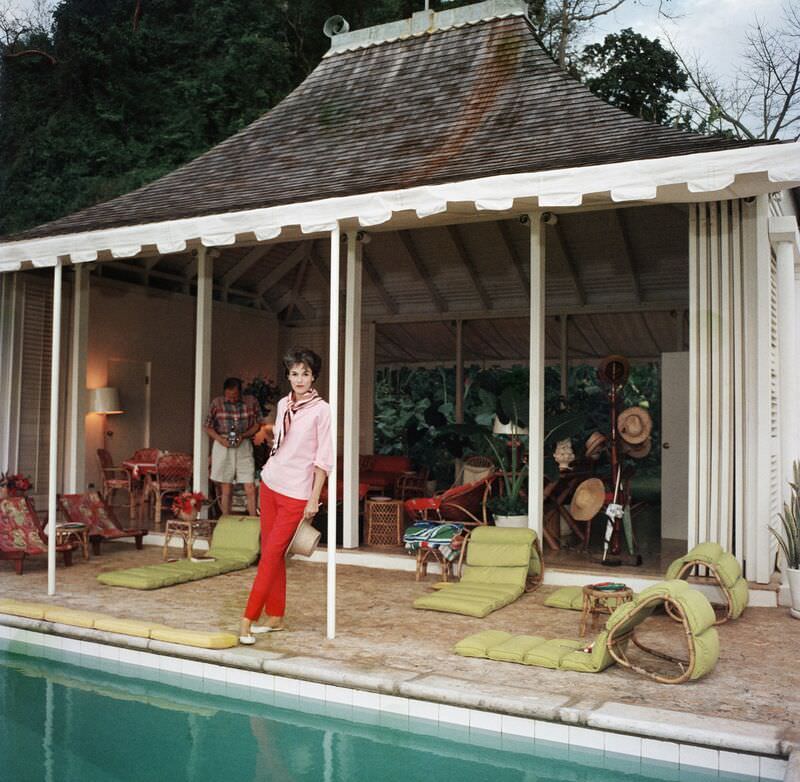
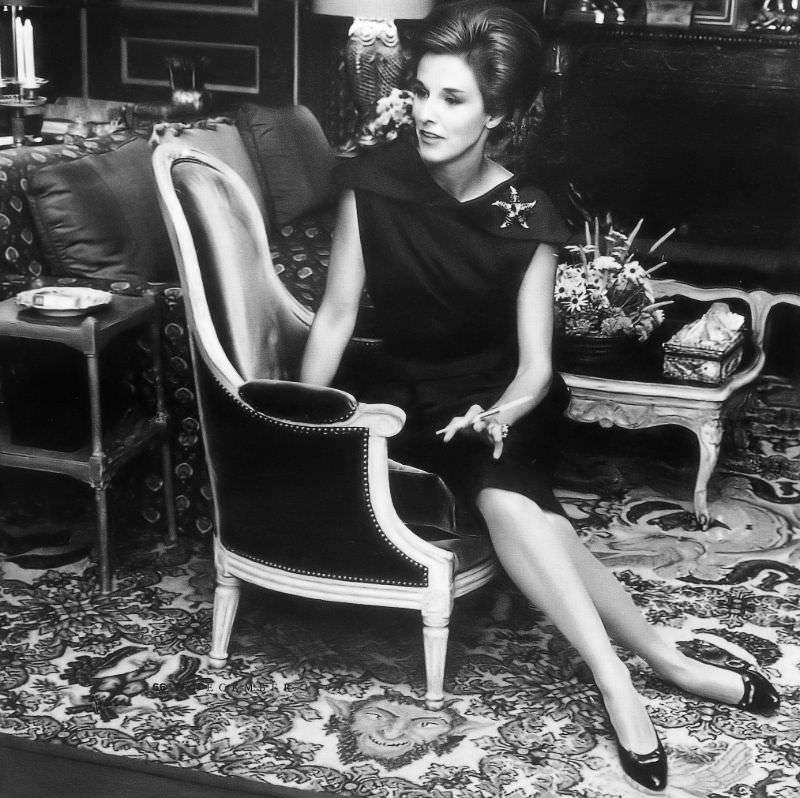
Her jewelry was as carefully chosen as her clothes. In 1963, Women’s Wear Daily photographed her wearing Jean Schlumberger’s iconic “Starfish” brooch — a piece that perfectly captured her approach to accessories: bold, sculptural, and memorable without being loud. Her costume jewelry collection, which she curated over decades, directly inspired the work of designers who studied how she combined pieces and wore them with conviction.
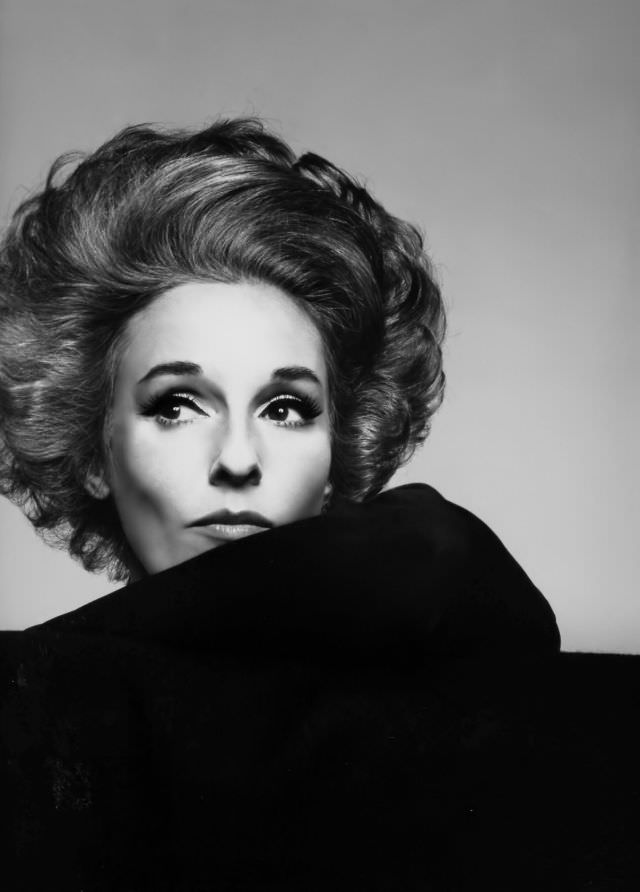
In 1974, Babe was diagnosed with lung cancer after a lifetime of heavy smoking. She faced the diagnosis with the same methodical composure she had brought to everything else. She planned her own funeral in detail — selecting the food and wine to be served at the luncheon, dividing her jewelry collection and personal belongings among friends and family, wrapping each item in colorful paper, and creating a complete filing system with instructions for distributing them after her death. Babe Paley died on July 6, 1978, the day after her 63rd birthday. She is buried at the Memorial Cemetery of St. John’s Church in Cold Spring Harbor, New York.