Released in 1963, 55 Days at Peking is a sweeping historical war film set during the Boxer Rebellion of 1900. The story centers on the 55-day siege of the foreign legation quarter in Peking, a real and brutal conflict that drew in soldiers and civilians from multiple nations. The film starred Charlton Heston as a no-nonsense U.S. Marine major, David Niven as the cool-headed British ambassador, and Ava Gardner as the glamorous Russian baroness Natasha Ivanoff. Gardner’s role brought elegance and emotional depth to a film otherwise dominated by military action.
Director Nicholas Ray took on the ambitious project, filming on a massive recreation of Peking built in Spain. The set was one of the largest ever constructed for a Hollywood production at that time. Ray fell seriously ill during production, and directors Guy Green and Andrew Marton quietly stepped in to finish the film. Neither received a screen credit for their work.
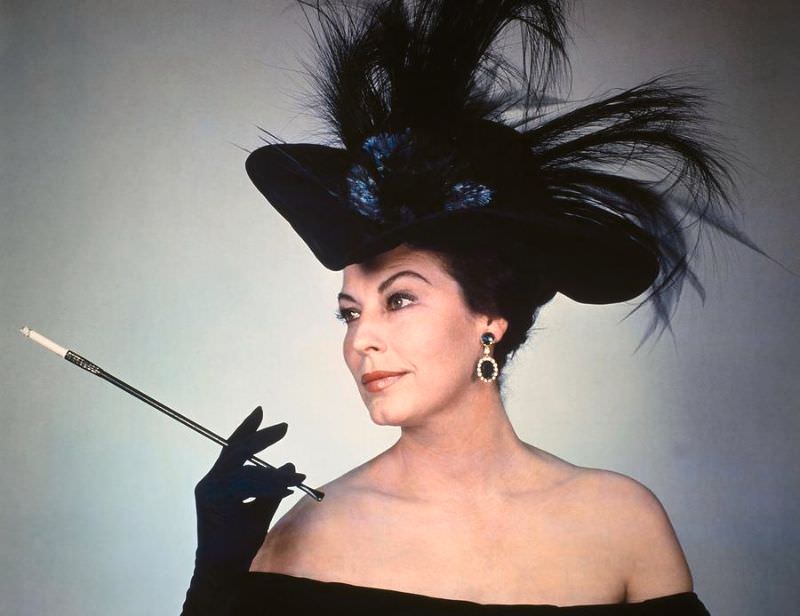
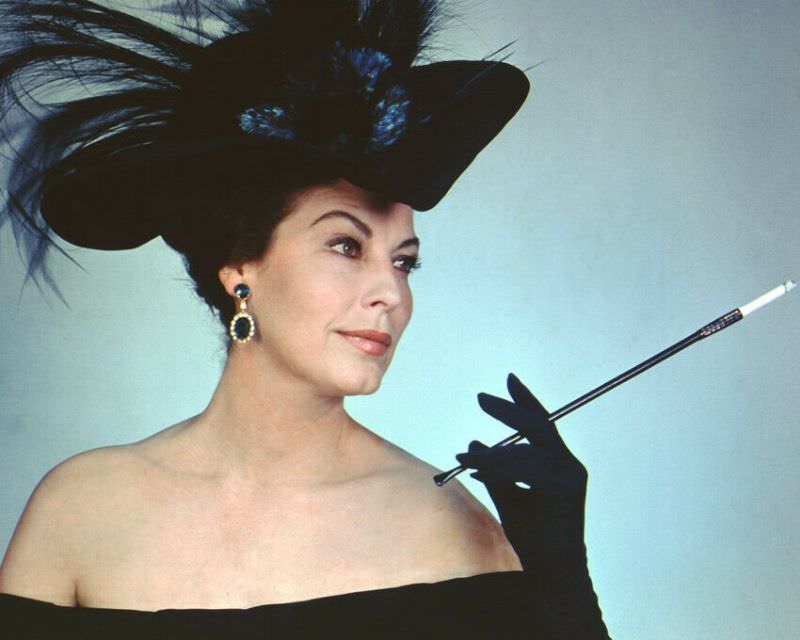
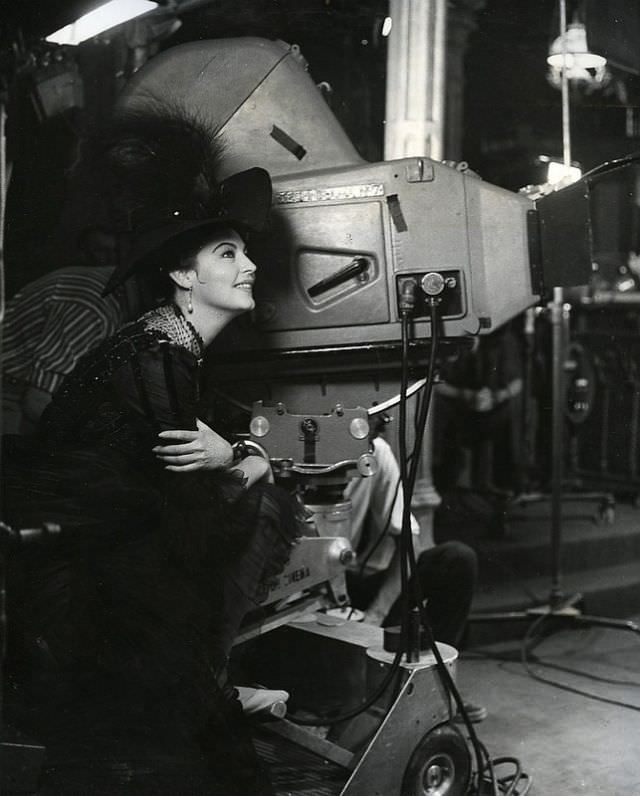
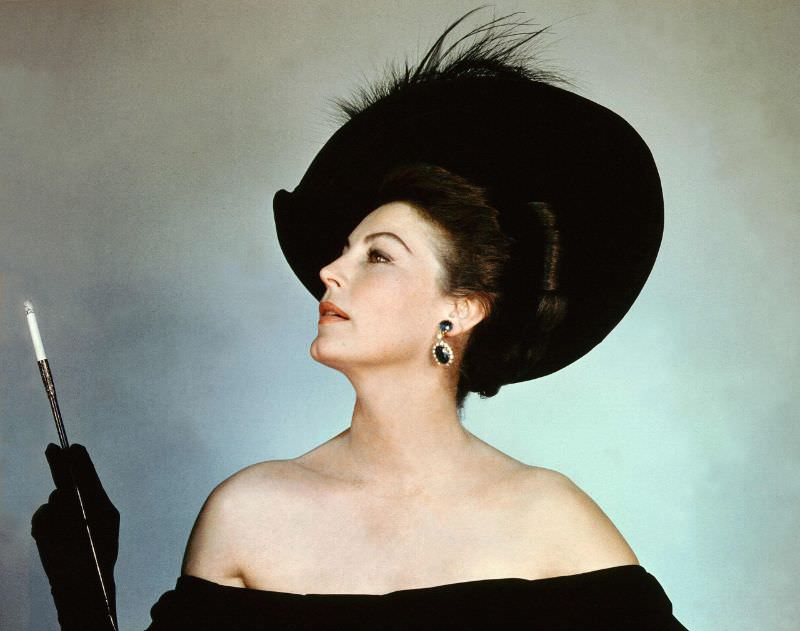
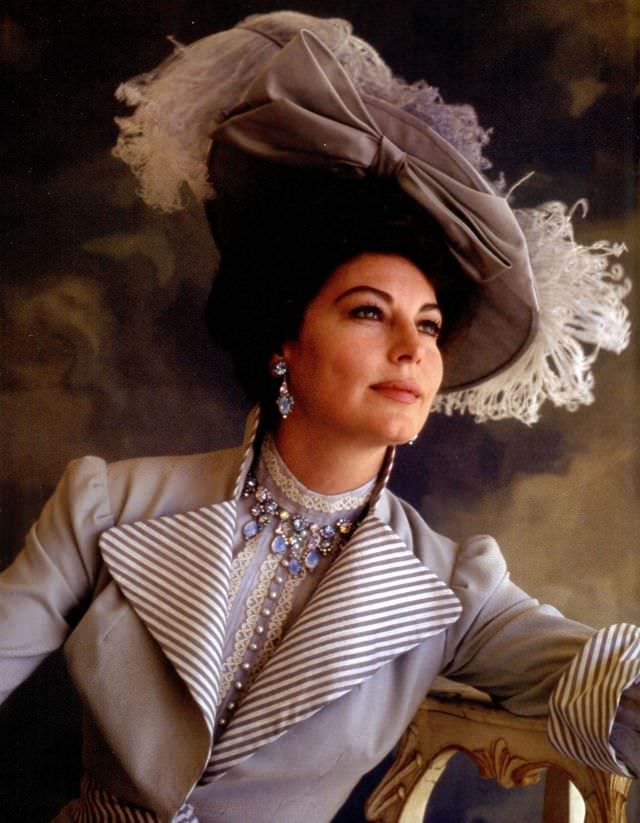
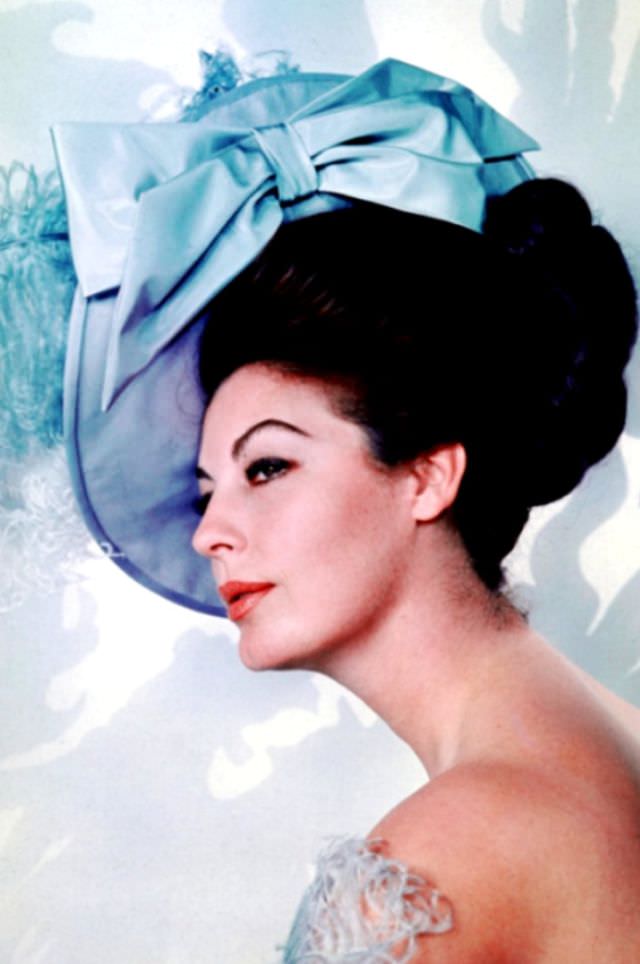
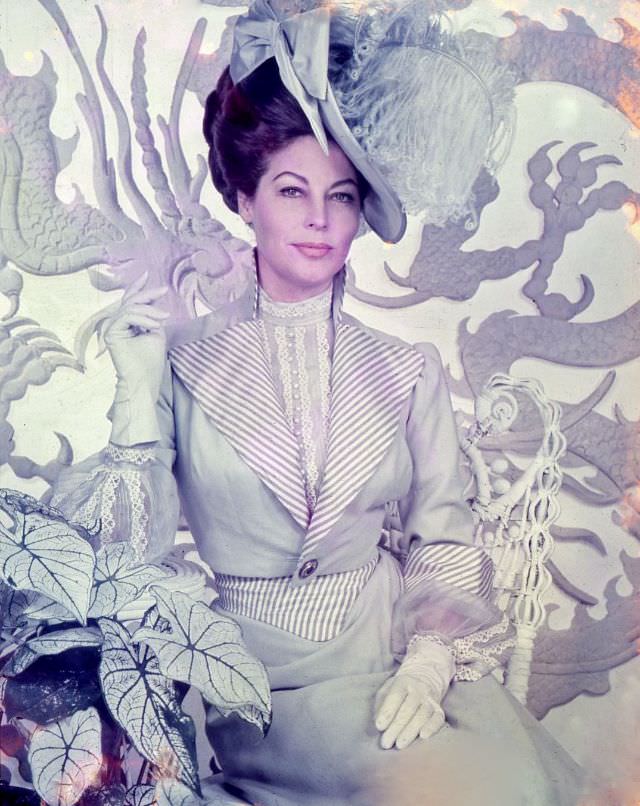
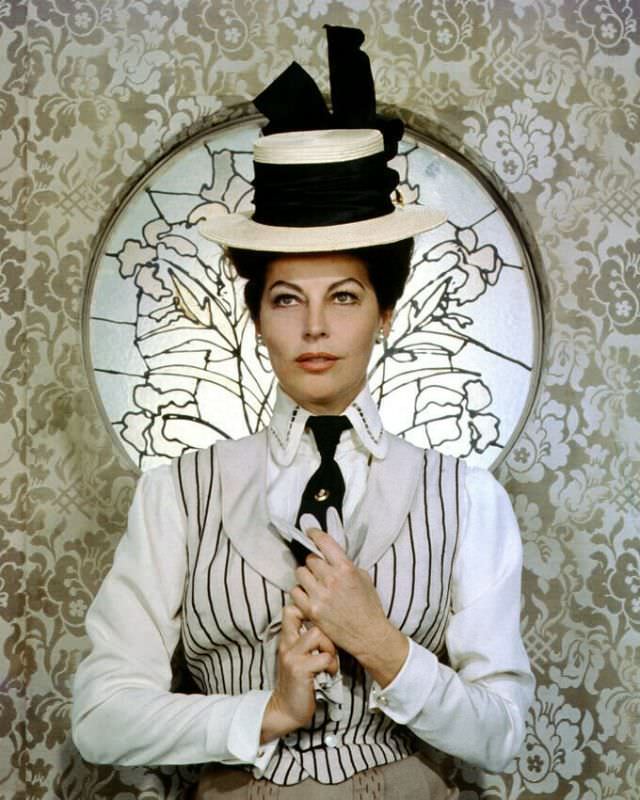
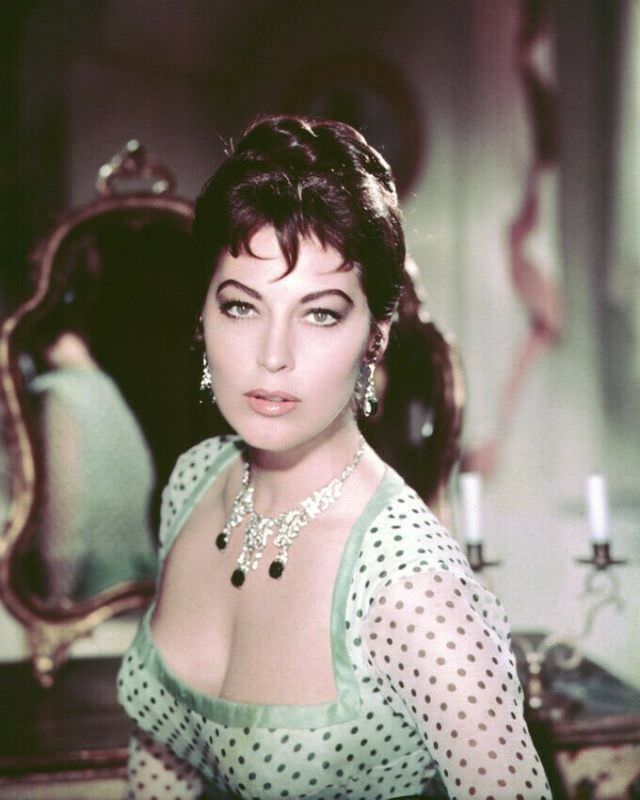
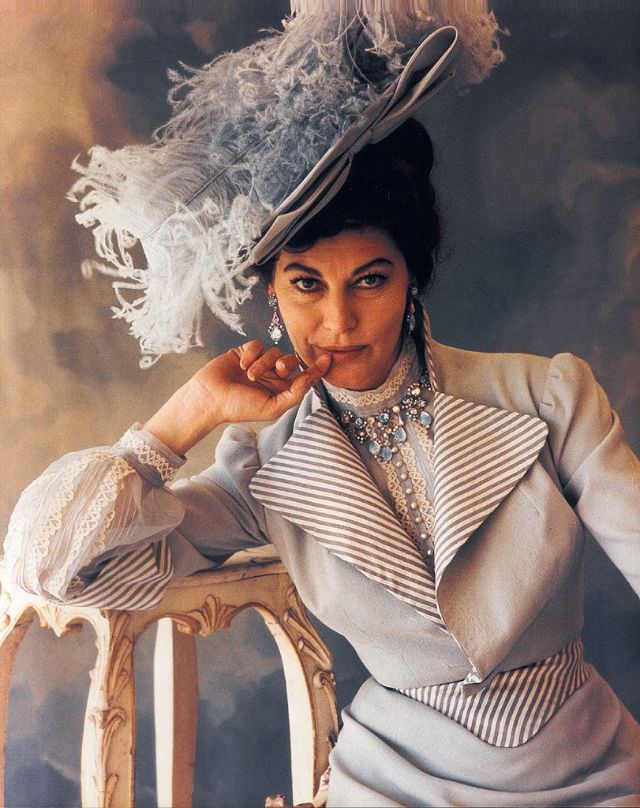
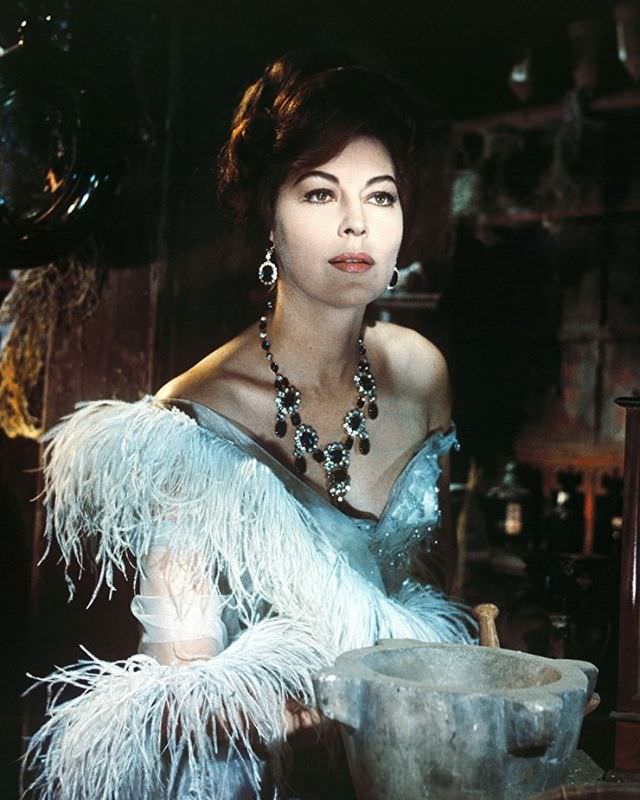
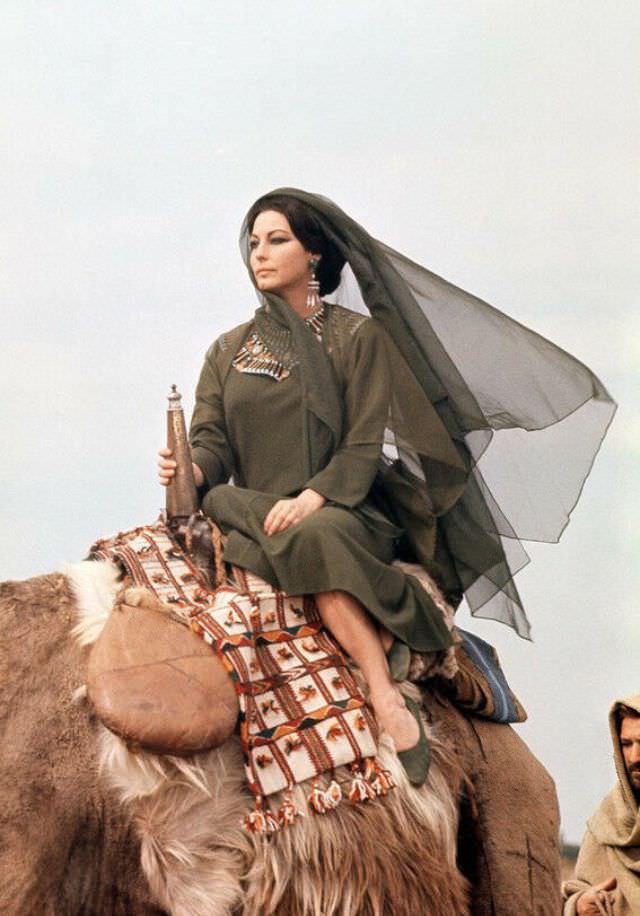
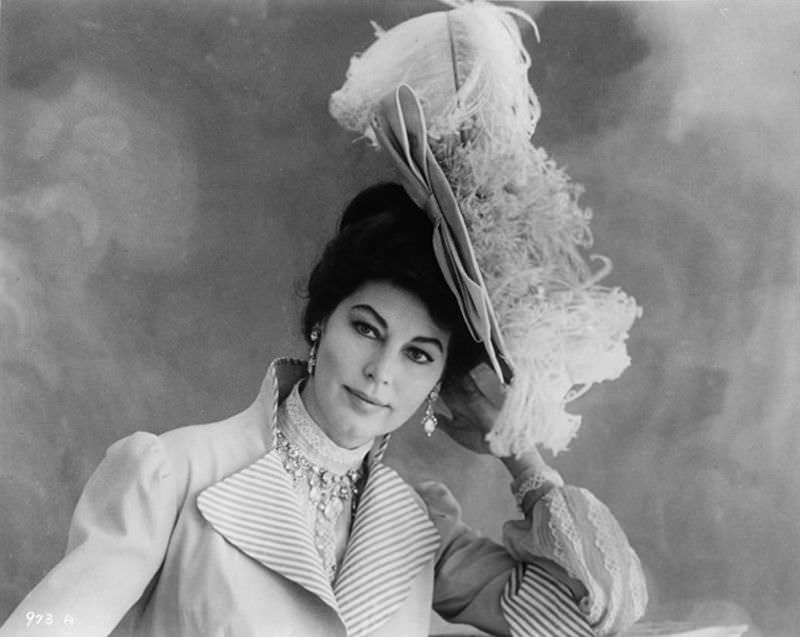
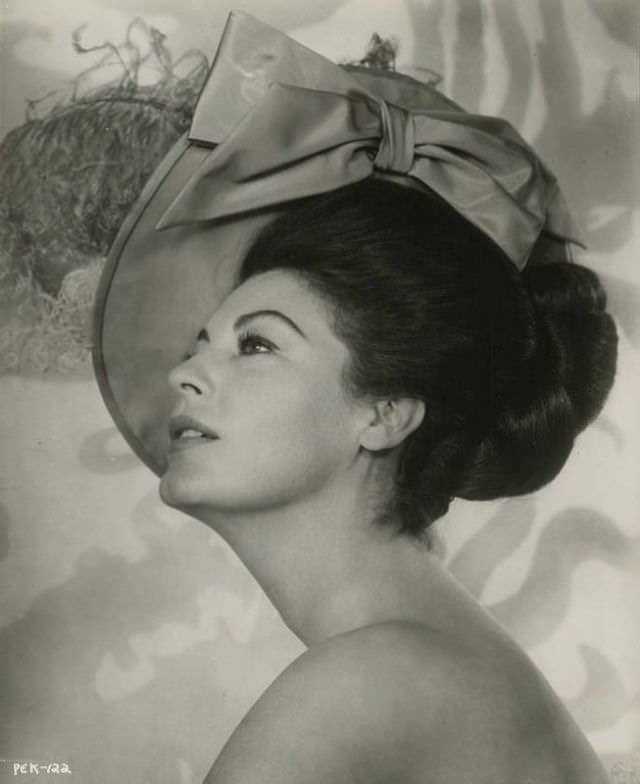
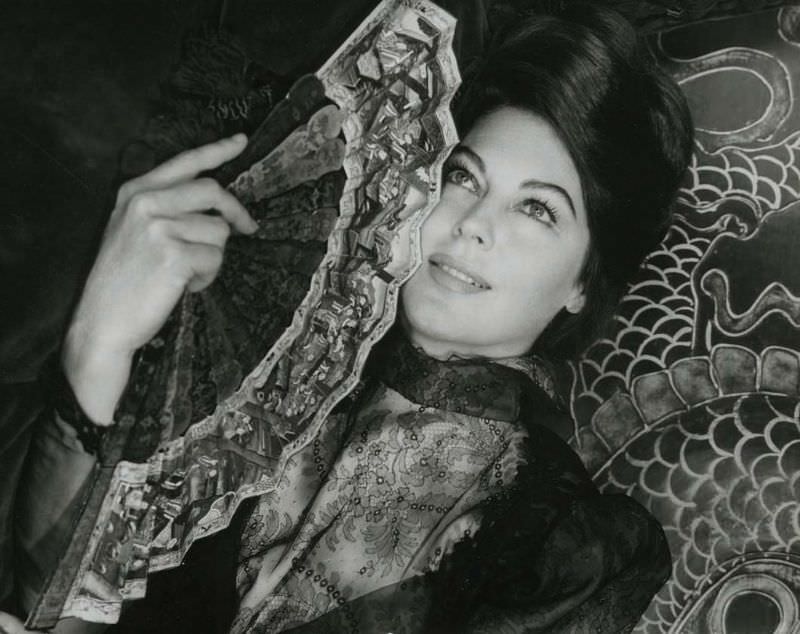
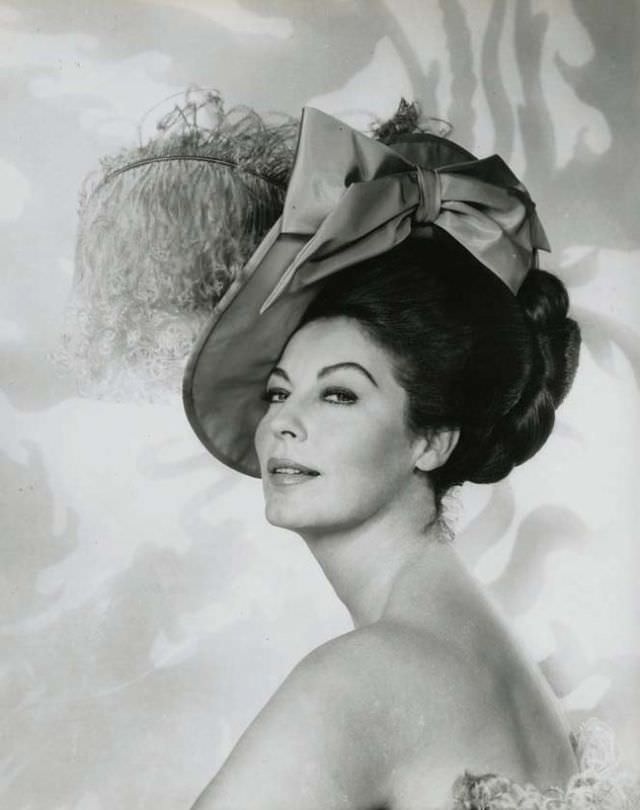
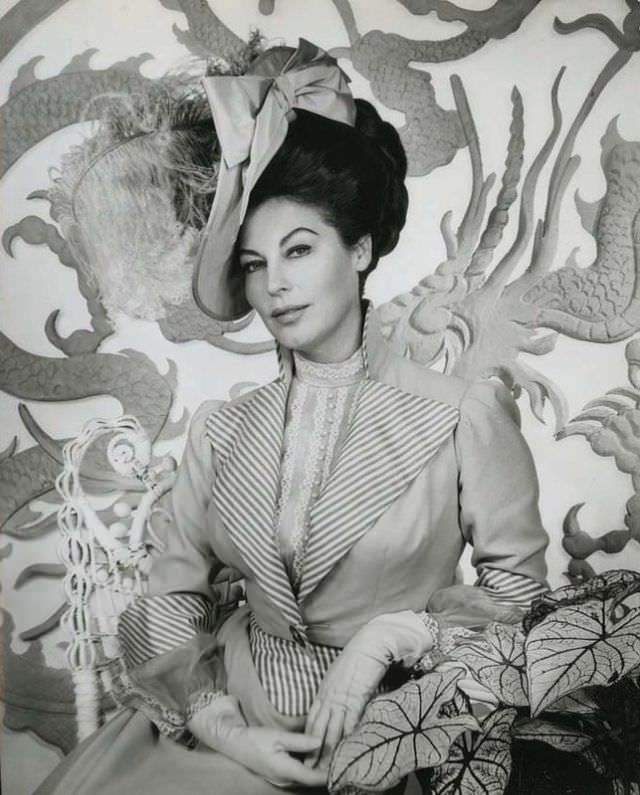
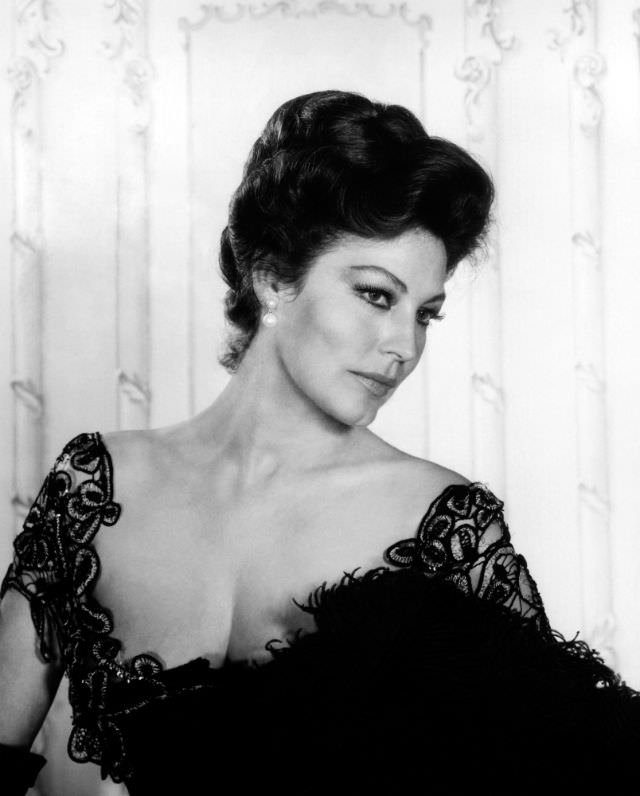
Gardner’s costumes in the film were a standout element of her performance. Dressed in rich, detailed period clothing that reflected her character’s aristocratic Russian background, she commanded the screen in every scene. The costume design helped bring her character to life as someone caught between survival and personal loss during the siege.
The supporting cast added considerable weight to the film. Flora Robson played the Empress Dowager Cixi, the Chinese ruler who aligned with the Boxer rebels. John Ireland, Leo Genn, Robert Helpmann, Harry Andrews, and Kurt Kasznar all appeared in key supporting roles, giving the ensemble a strong depth of talent from both Hollywood and British cinema.
Despite mixed reviews, the film earned praise for its acting, large-scale action sequences, and production design. Dimitri Tiomkin composed the score, which went on to win an Academy Award for Best Original Score. The title song also received an Oscar nomination. The film’s visual and musical achievements were widely recognized even by critics who were lukewarm on the overall picture.
At the box office, the film brought in around $10 million against a budget of the same amount, making it a financial wash for producers Samuel Bronston and others involved. It was an expensive, high-stakes production that just barely broke even. Still, it remained a notable entry in the cycle of grand-scale historical epics that defined Hollywood in the late 1950s and early 1960s.
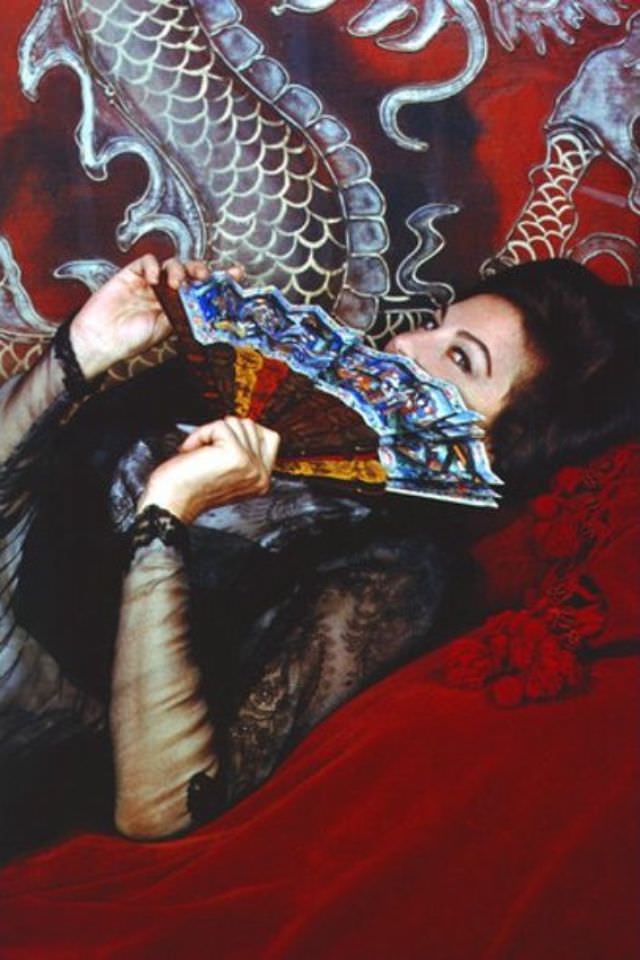
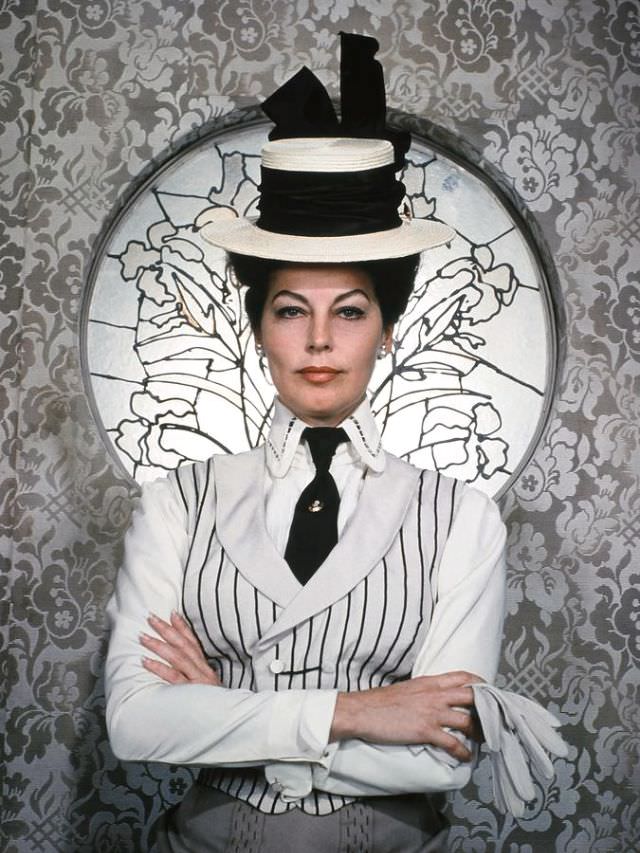
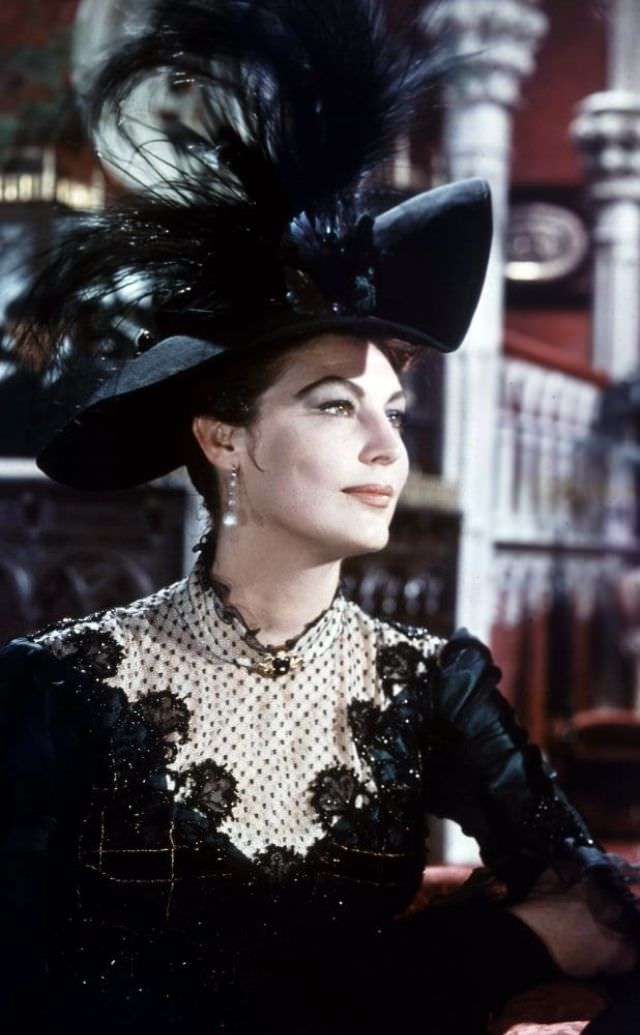
Ava Gardner was at the peak of her screen presence during this period. Her role in 55 Days at Peking gave her the chance to play a complex, emotionally layered character. Baroness Natasha was not a simple romantic lead — she was a woman navigating war, loss, and her feelings for Heston’s character with equal parts strength and vulnerability.
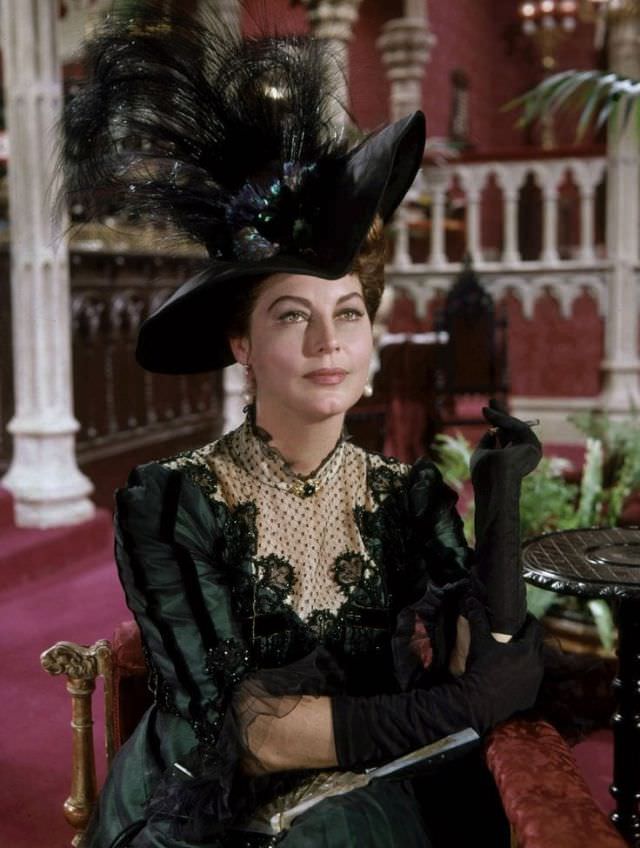
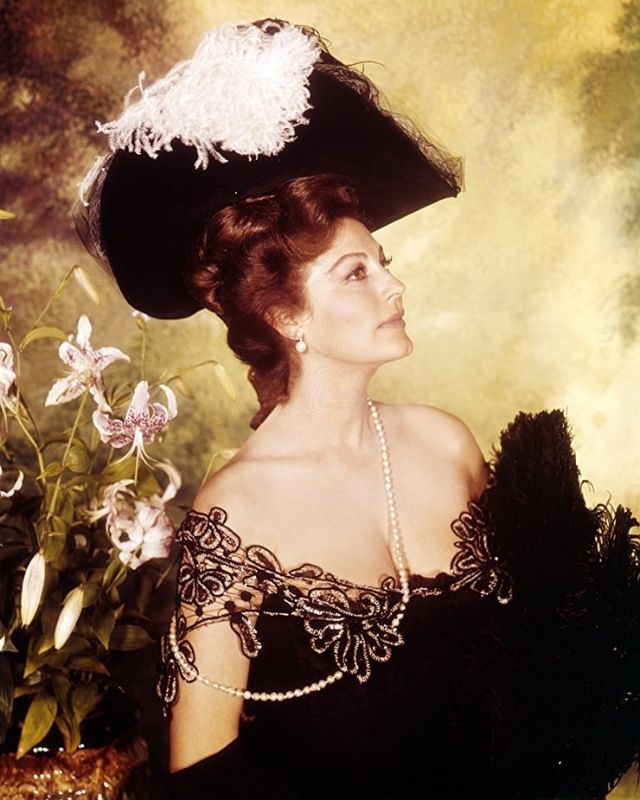
The film’s costumes reflected the cultural clash at the heart of the story. Western-style dresses and military uniforms stood against the elaborate robes of Chinese imperial court figures. For Gardner, each outfit was carefully crafted to signal her character’s wealth and social standing while remaining functional within the world of the film.
Behind the scenes, the production was not without its tensions. Gardner and director Nicholas Ray reportedly clashed at times on set. Ray’s deteriorating health added further stress to the shoot. Yet despite those difficulties, the finished film held together well enough to earn its two Academy Awards and remain a recognizable title in the historical epic genre.
The Boxer Rebellion itself was a violent and politically complex uprising. Chinese nationalists, known as Boxers, sought to drive out foreign powers and Christian missionaries from China. The 55-day siege of the legations in Peking became one of the most dramatic episodes of the conflict. The film uses this real historical backdrop to anchor its fictional characters in genuine stakes.
Gardner’s screen chemistry with Charlton Heston gave the film one of its most compelling threads. Their scenes together balanced the spectacle of the war story with a quieter, more personal tension. Heston’s rigid military demeanor played directly against Gardner’s warmth and unpredictability, making for a believable and watchable pairing.
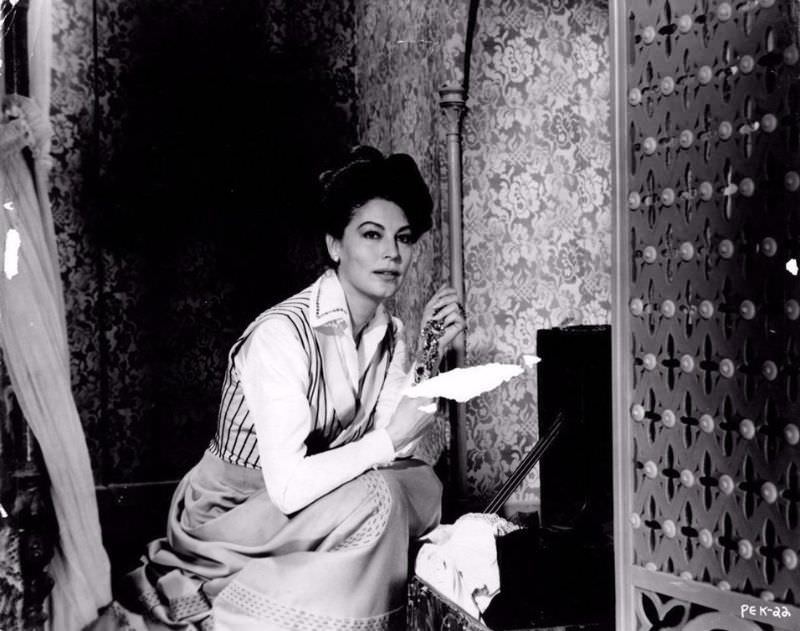
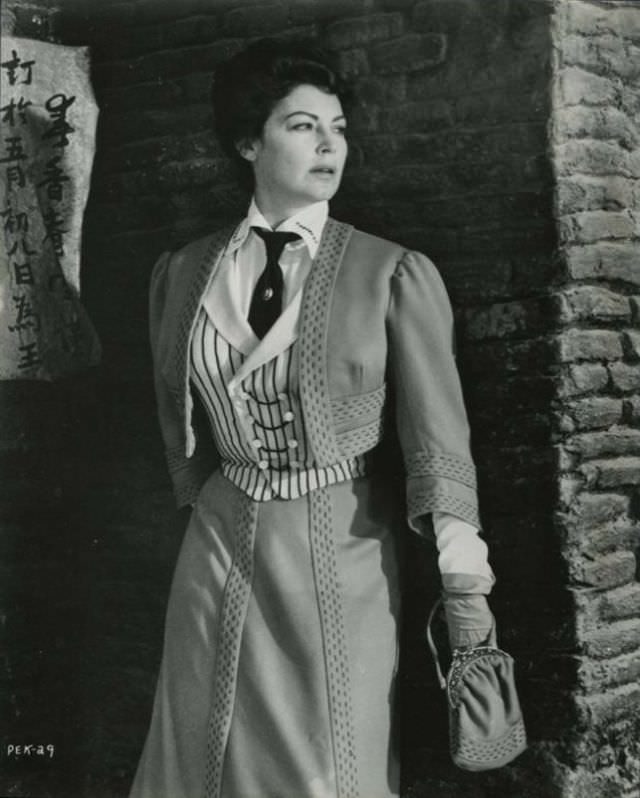
The sheer scale of the production made it one of the most ambitious films of its era. Thousands of extras were used in battle sequences. The recreation of Peking’s gates, streets, and legation buildings stretched across the Spanish landscape in a way that still impresses when seen on screen today.
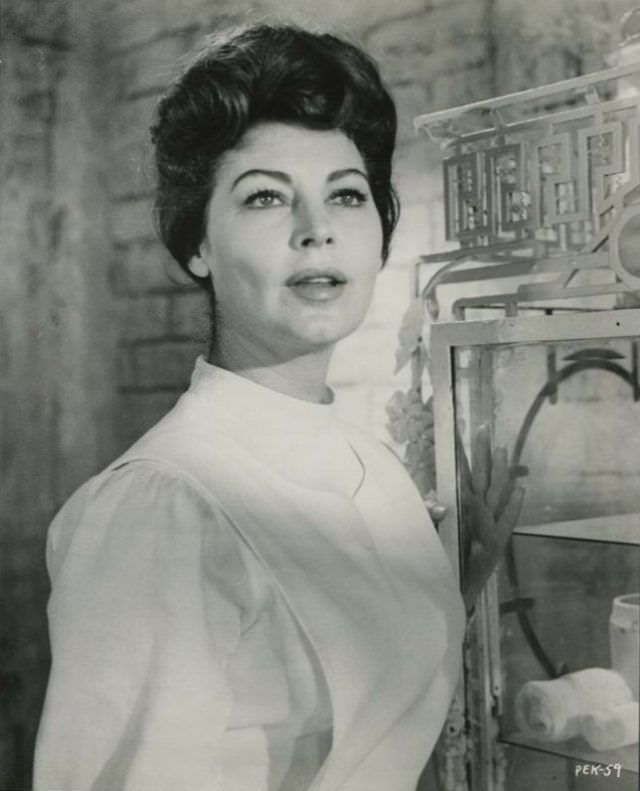
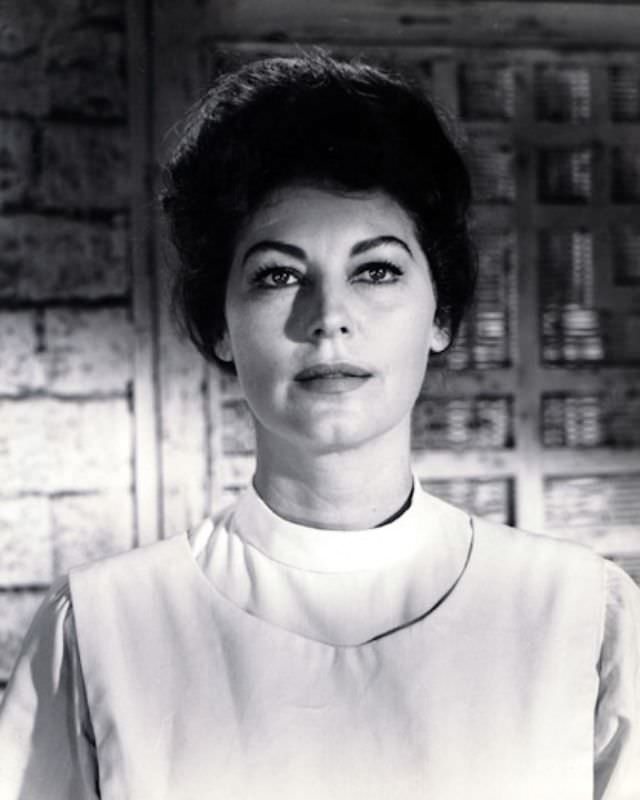
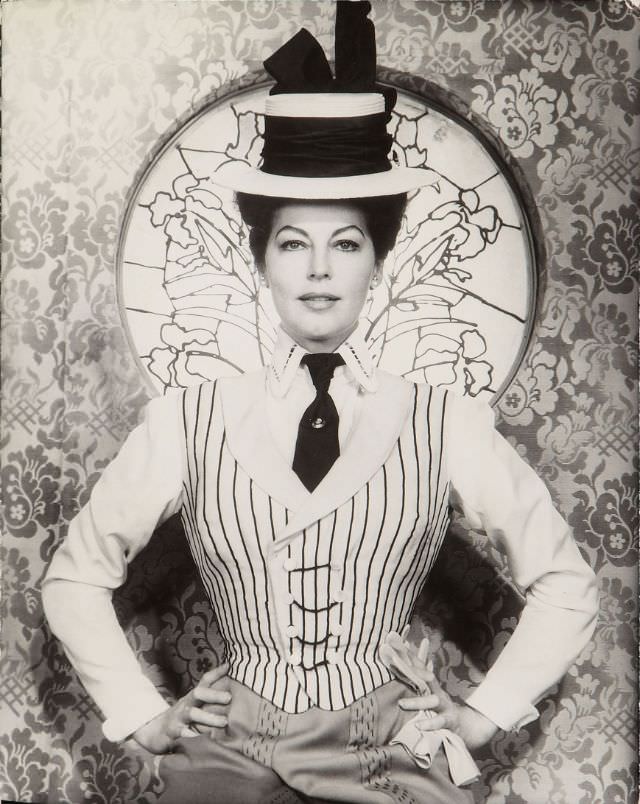
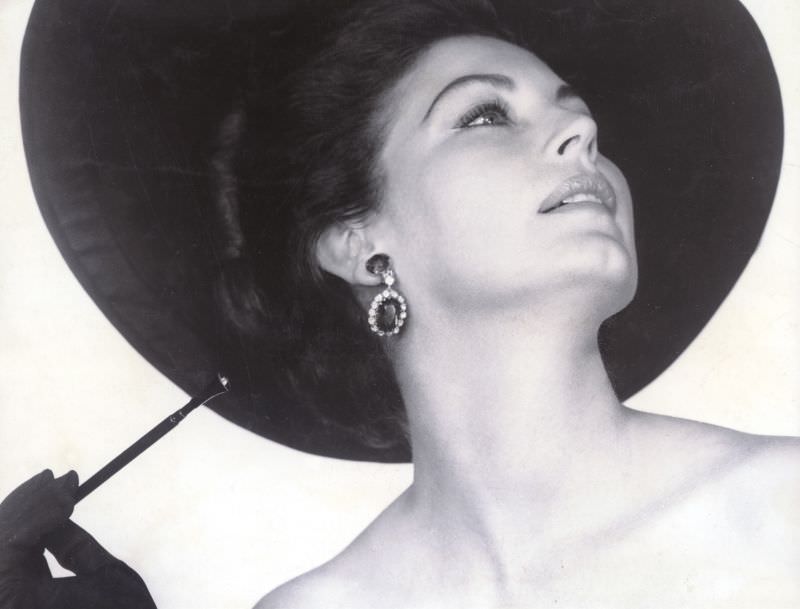
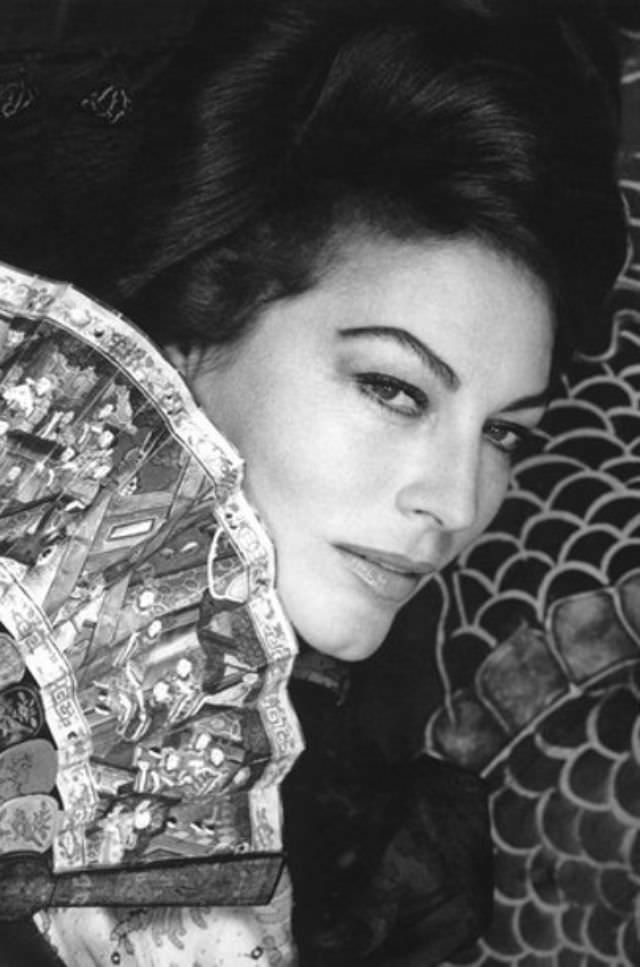
These photos capture Ava Gardner at her most striking — dressed in beautifully detailed period costumes that reflect both the era and her character’s world. Each image offers a glimpse into the care and artistry that went into the film’s visual design, and into Gardner’s own magnetic screen presence throughout the production.