Australia’s postal history stretches back further than the nation itself. The first post office opened in Sydney in the mid-1700s, operated by private contractors who handled mail distribution for the growing colonial population. That changed in 1809, when the first official postmaster was appointed, and the postal network began spreading to other parts of the continent. By the mid-1800s, post offices were appearing in towns large and small, serving as critical hubs for communication across vast distances.
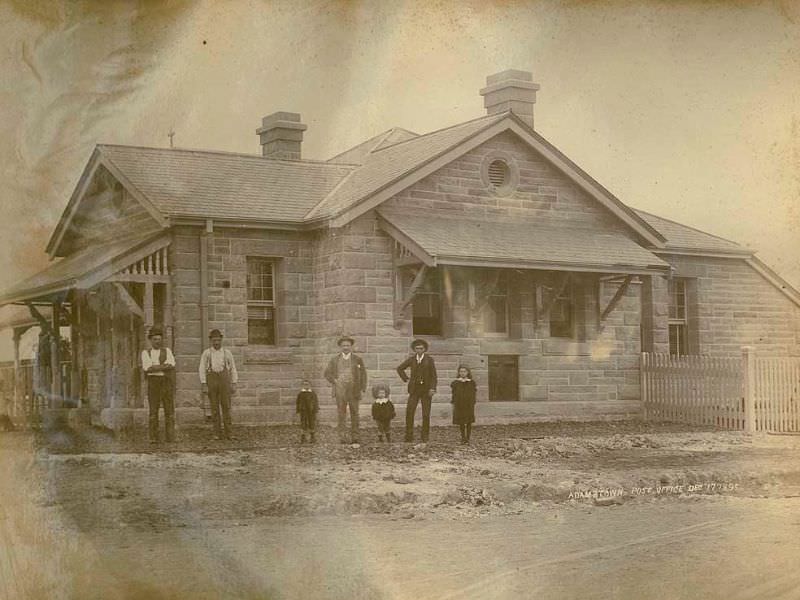
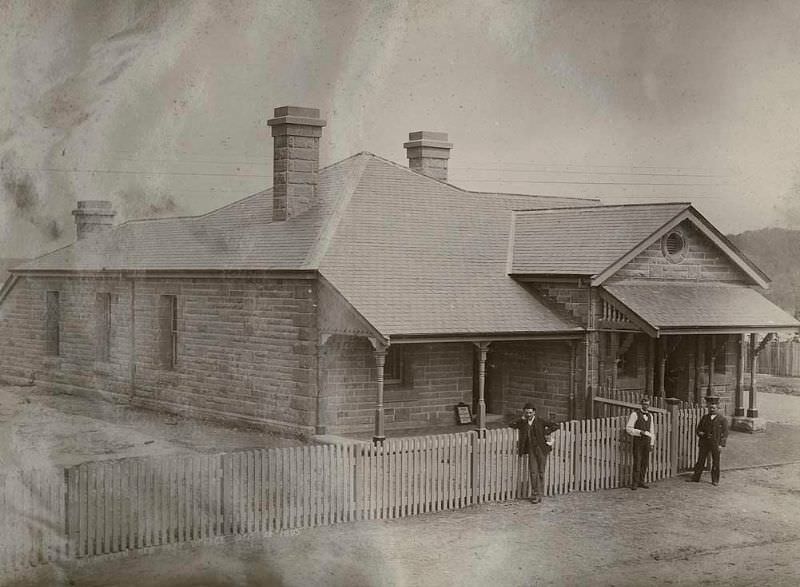
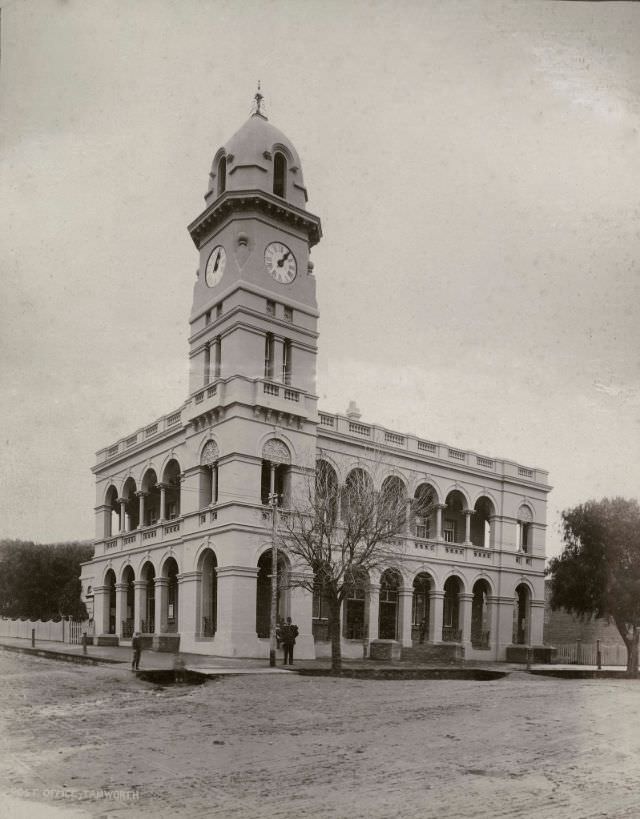
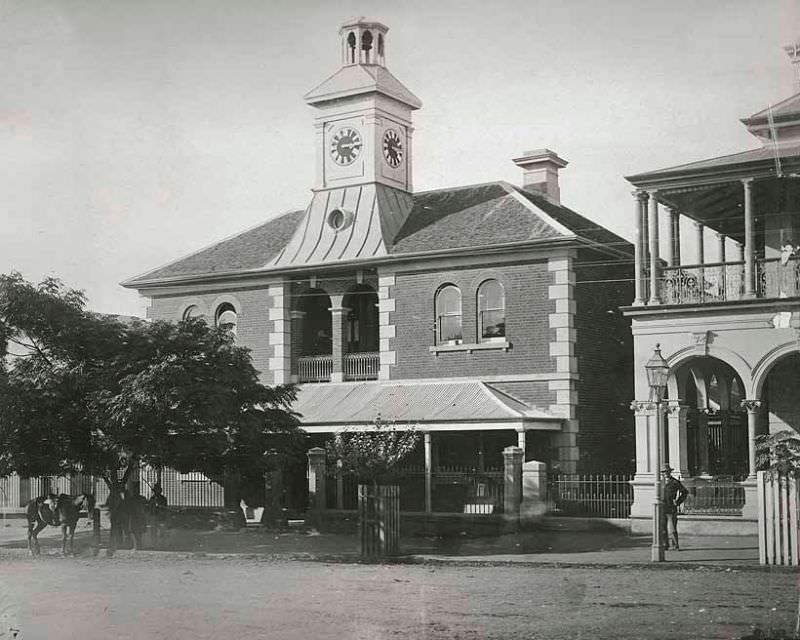
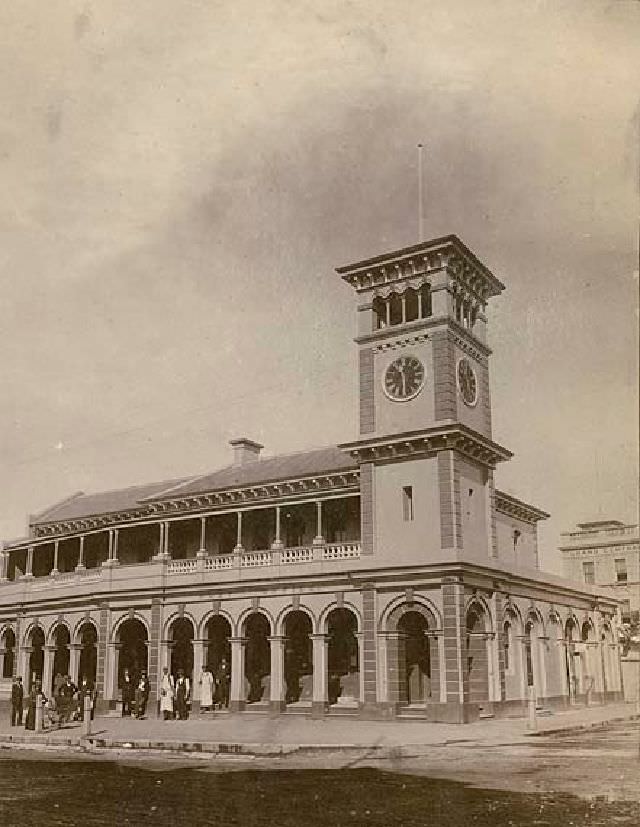
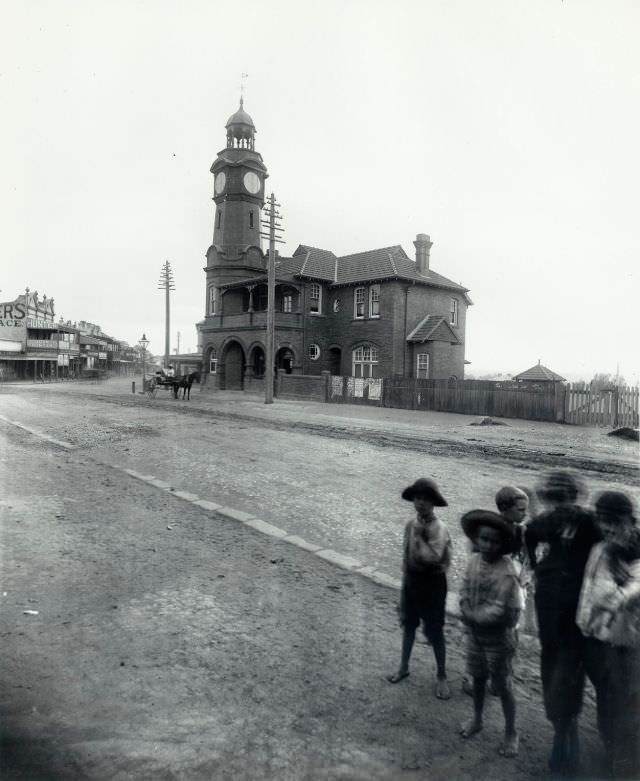
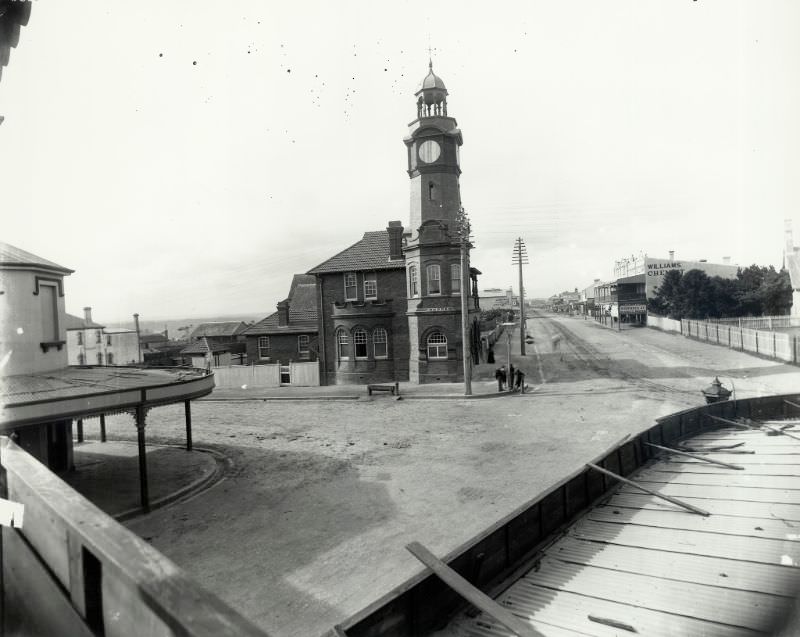
Throughout the 19th century, the postal system expanded steadily into rural and remote Australia. These were not simple mail drops — post offices served as anchors for their communities, often sharing buildings with telegraph offices, courthouses, and land survey offices. The architecture reflected civic pride. Stone facades, arched windows, and clock towers signalled that a town had arrived. Many of these buildings still stand today as heritage landmarks.
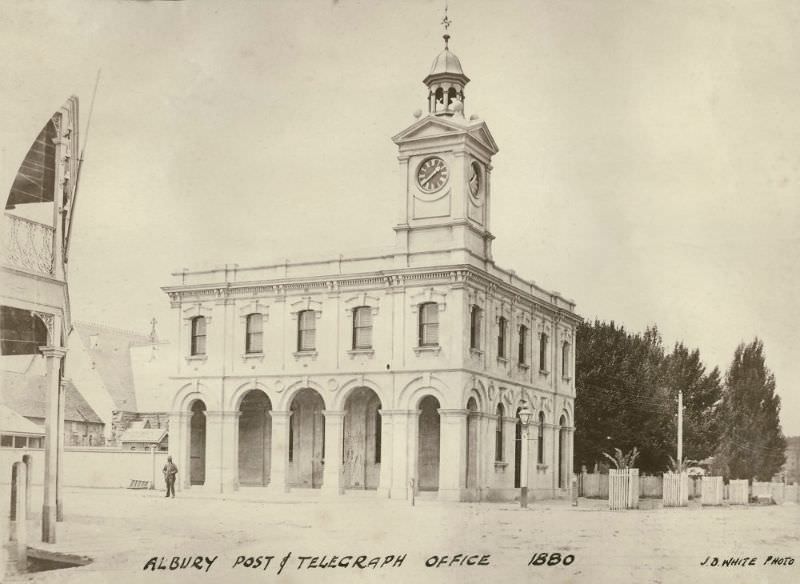
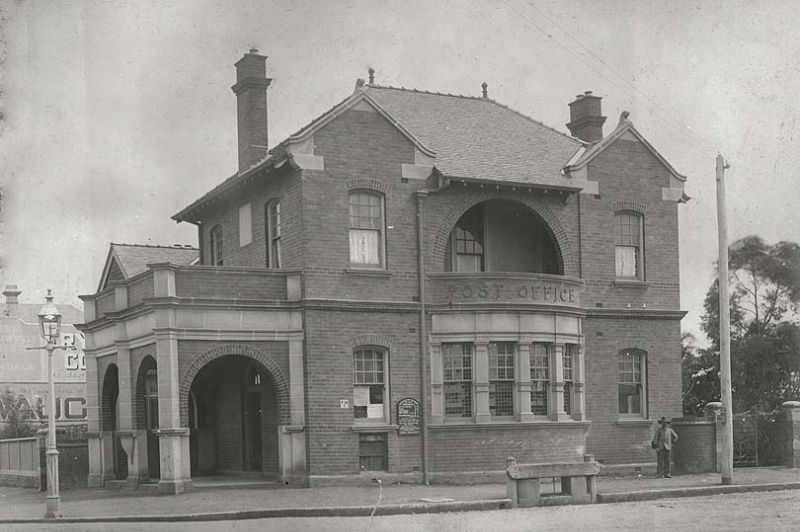
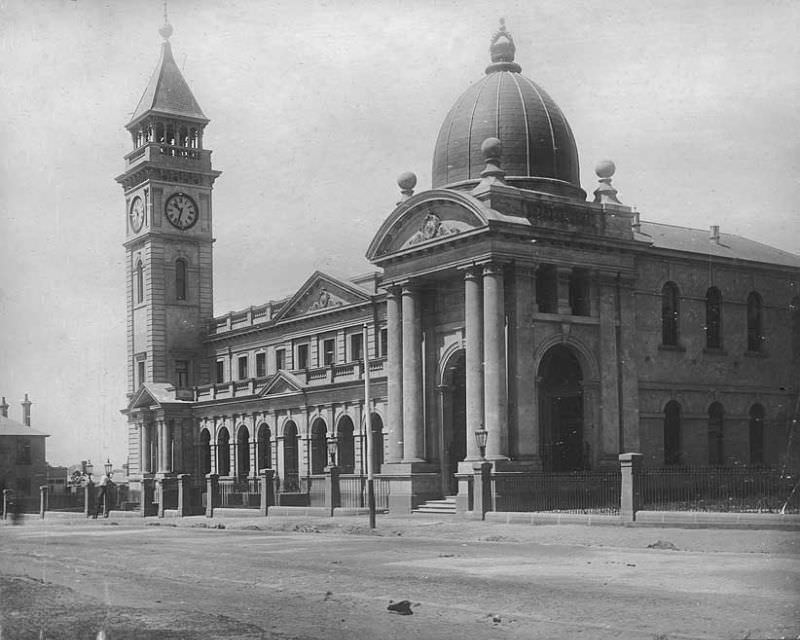
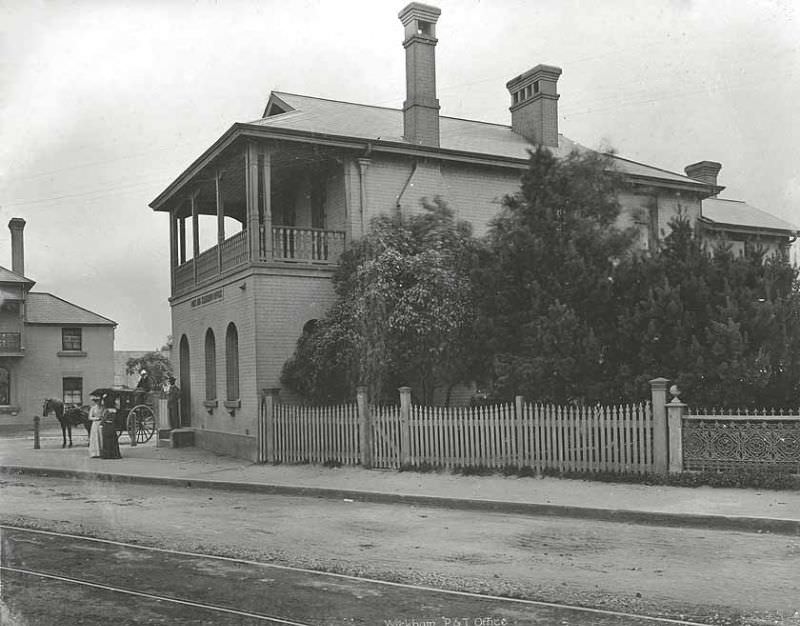
The combination of post and telegraph functions under one roof was common by the latter half of the 1800s. The telegraph transformed long-distance communication in Australia the same way the railways transformed travel — suddenly, a message could cross the country in minutes rather than weeks. Post and Telegraph Offices became the nerve centres of regional towns, processing everything from personal letters to urgent government dispatches.
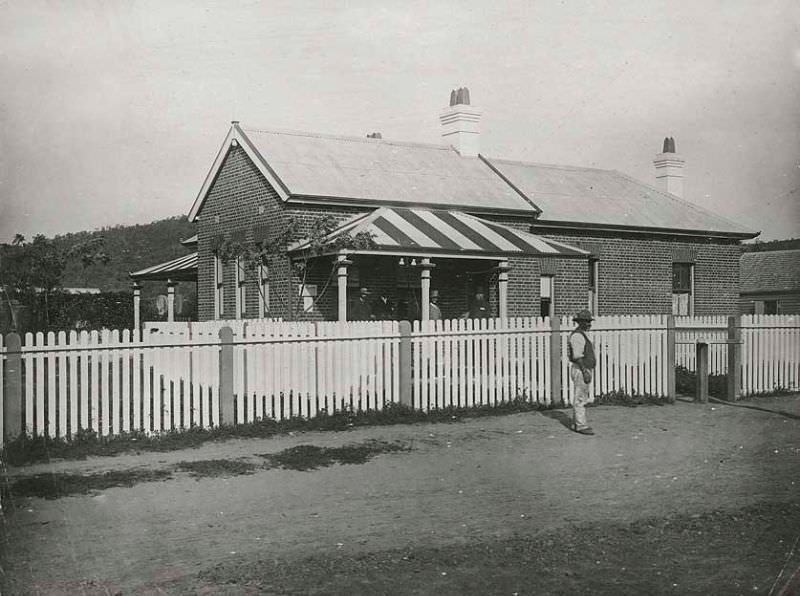
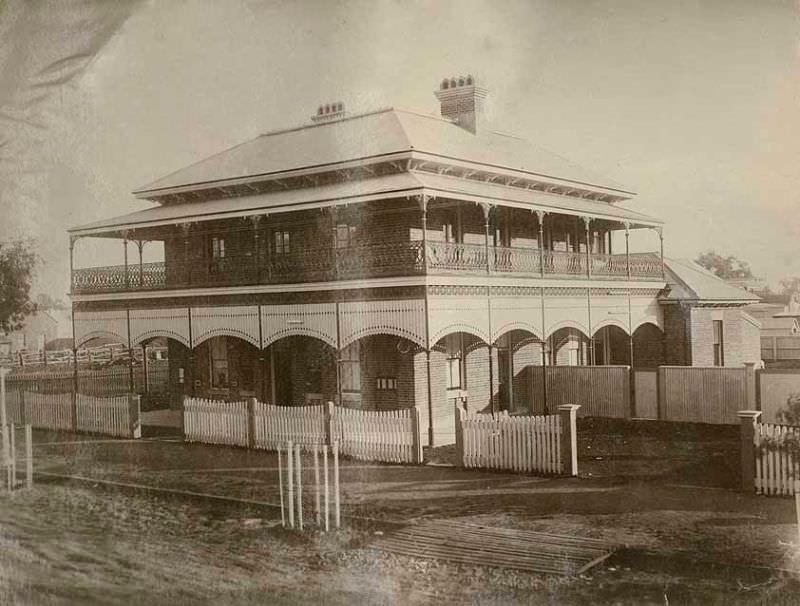
When the Commonwealth of Australia was formed in 1901, the postal service was folded into a federal government department. This unified what had previously been a patchwork of colonial systems operating under different rules and rates. Standardisation brought new services — parcel post and money orders arrived in the early 1900s, making the post office even more central to daily life in both cities and the bush.
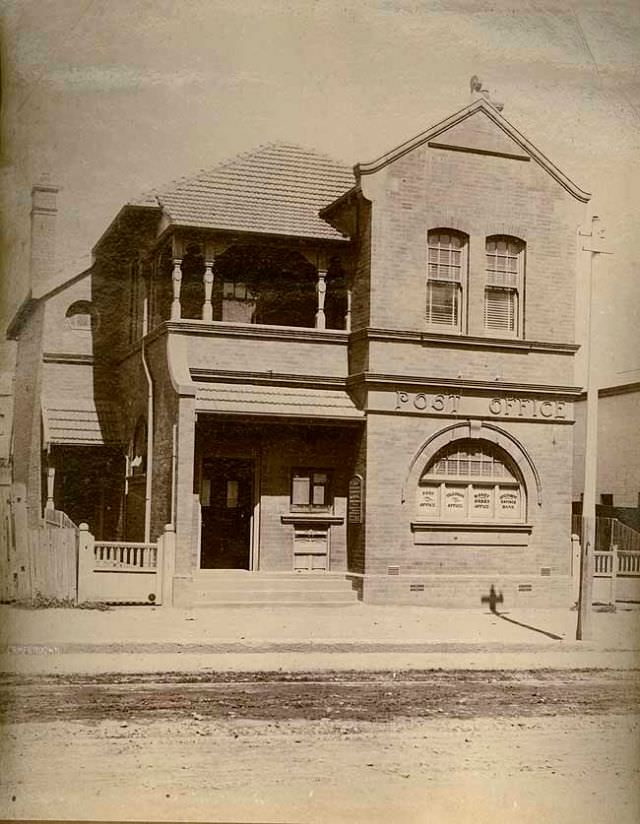
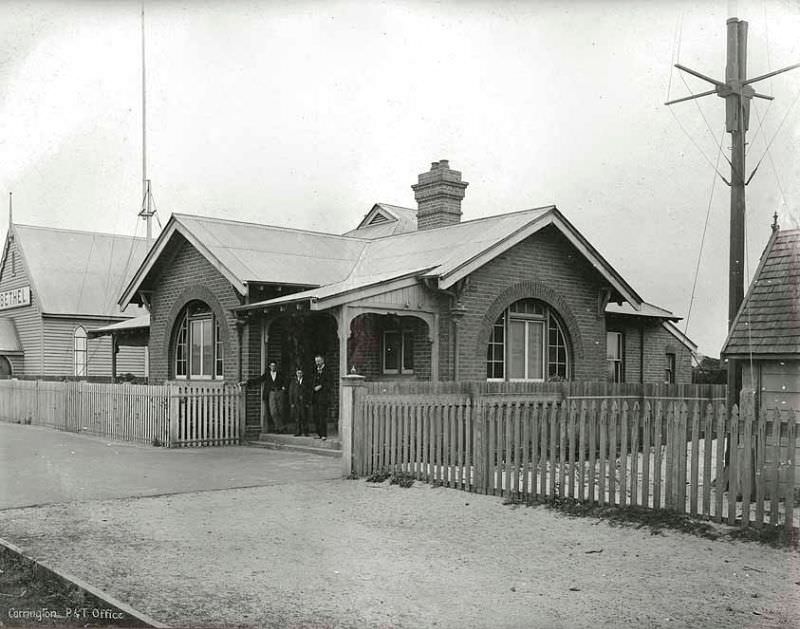
Sydney’s General Post Office was the showpiece of the entire network. Construction and expansion work on the building reflected the ambitions of a rapidly growing colonial capital eager to display its modernity and institutional weight. Regional GPOs in cities like Goulburn, Tamworth, Newcastle, and Wagga Wagga followed similar design principles — imposing, permanent, and built to last.
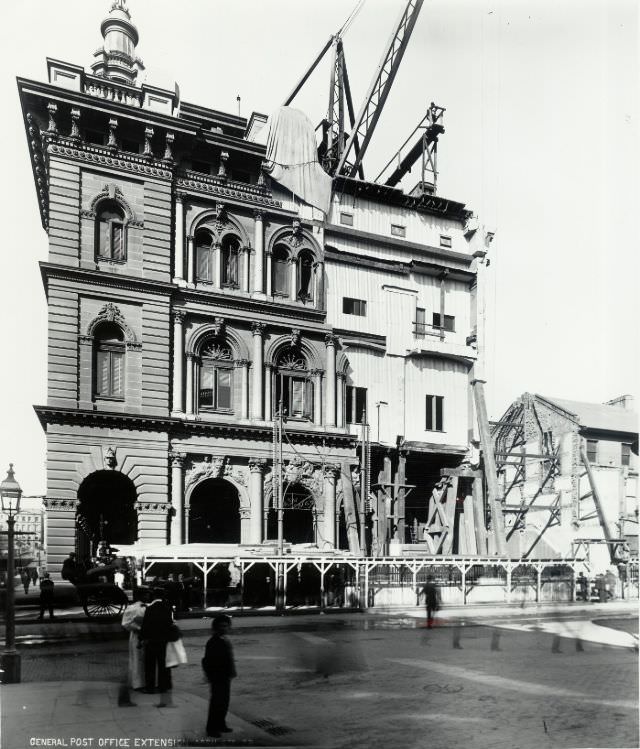
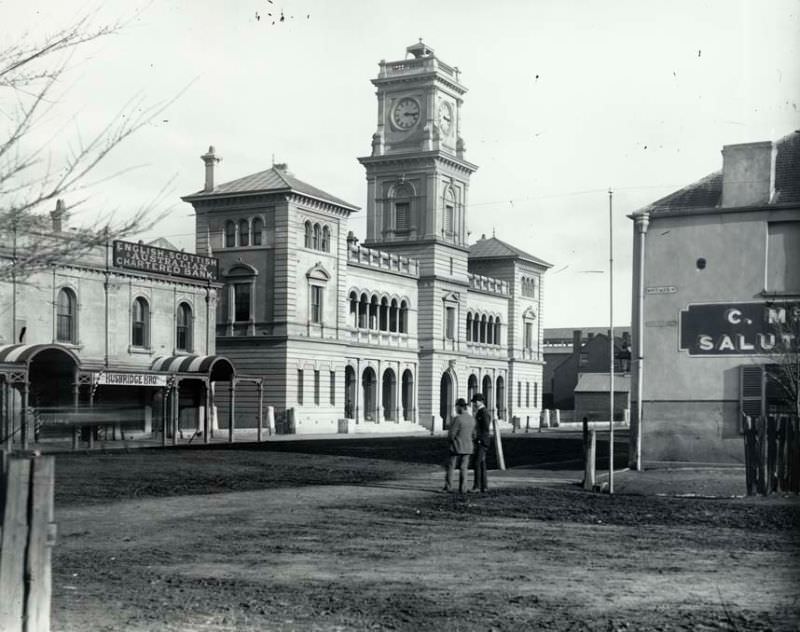
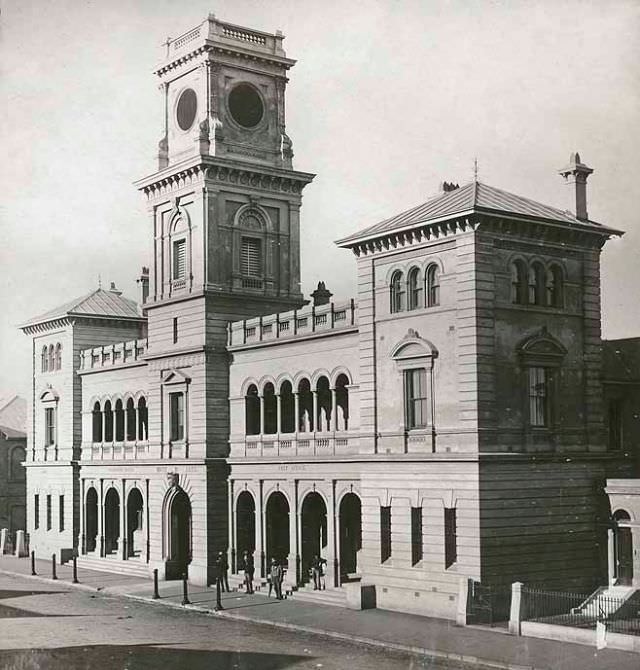
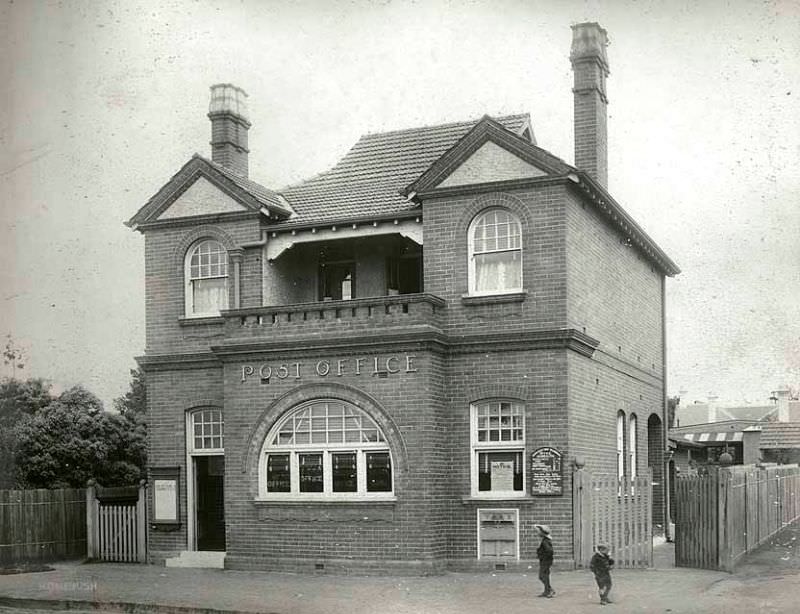
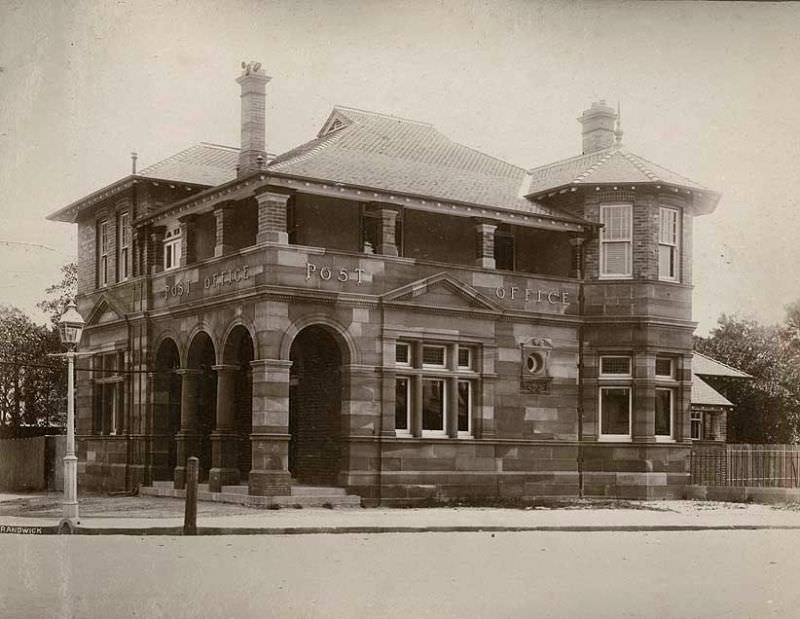
Smaller suburban offices like those at Homebush, Annandale, Newtown, and Randwick served the outer edges of expanding cities. As Sydney and other urban centres grew through the late 1800s and early 1900s, post offices followed. Each new suburb needed its own branch, and the buildings constructed during this period form a consistent visual record of colonial and federation-era architecture across New South Wales.
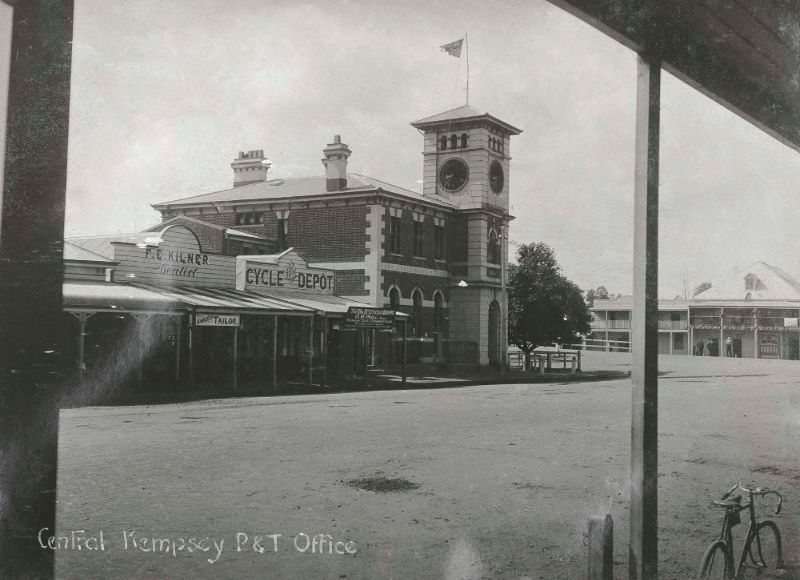
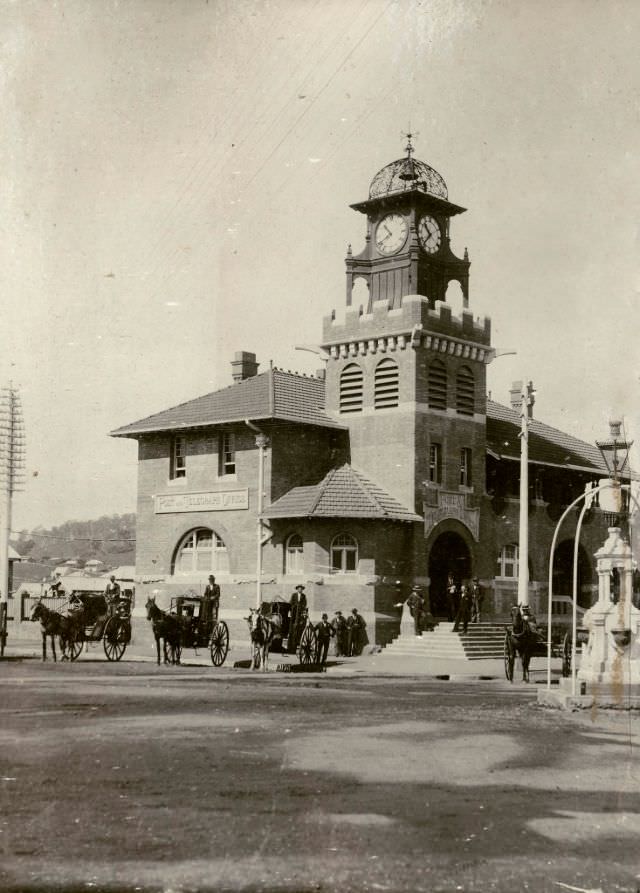
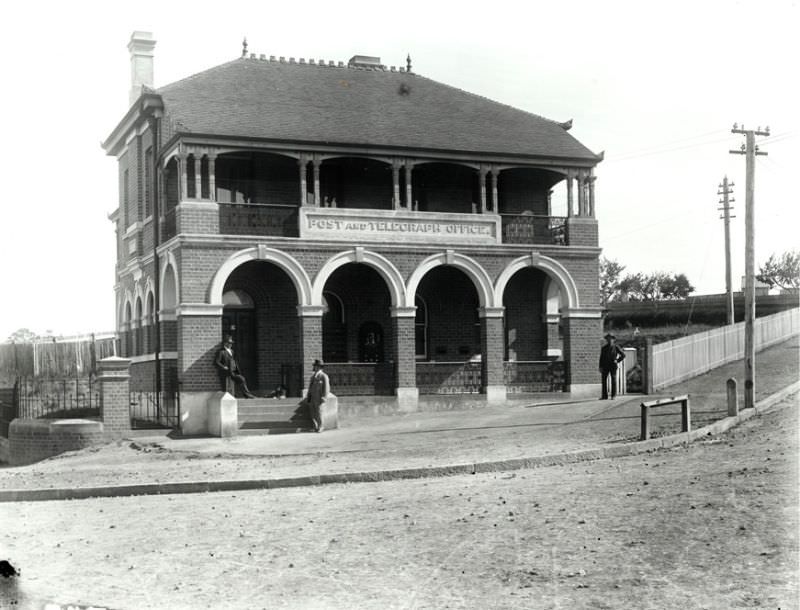
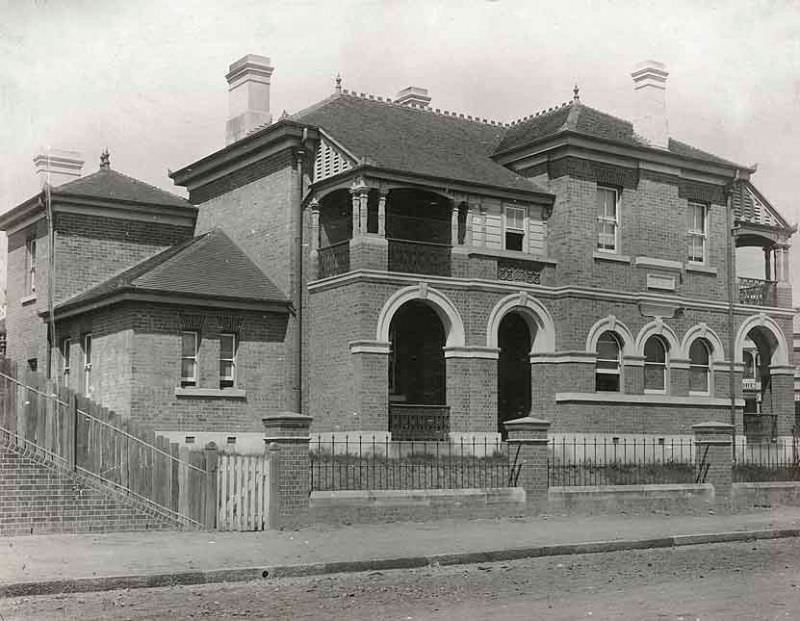
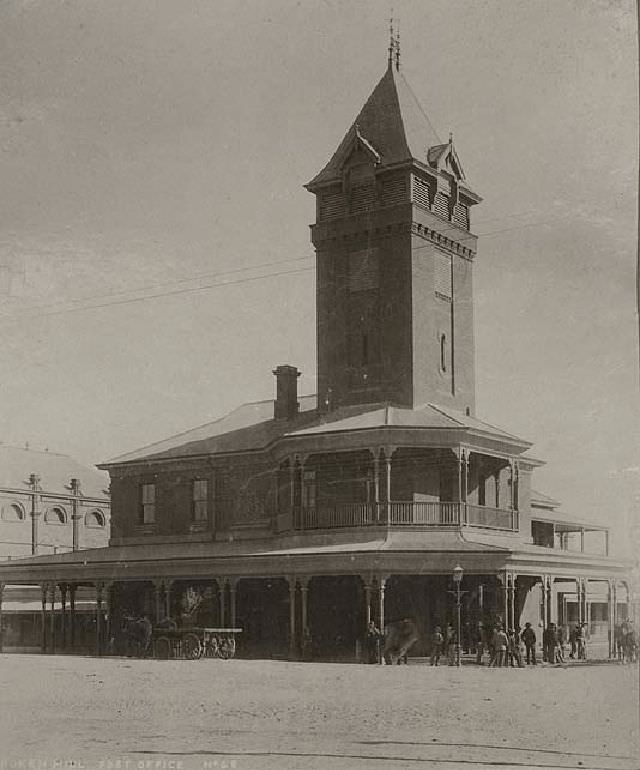
The photographs in this collection capture post offices across a wide range of towns — from coastal hubs to inland mining centres. Broken Hill’s post office served a booming silver-mining population. Bourke, deep in outback New South Wales, had its own solid post office building despite its remote location. These images document not just architecture, but the reach of a system that connected even the most isolated Australians to the wider world.
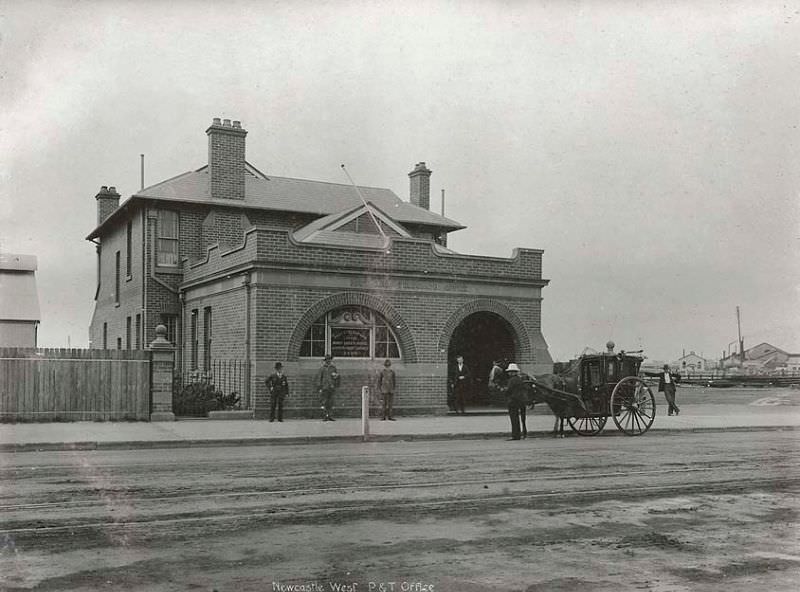
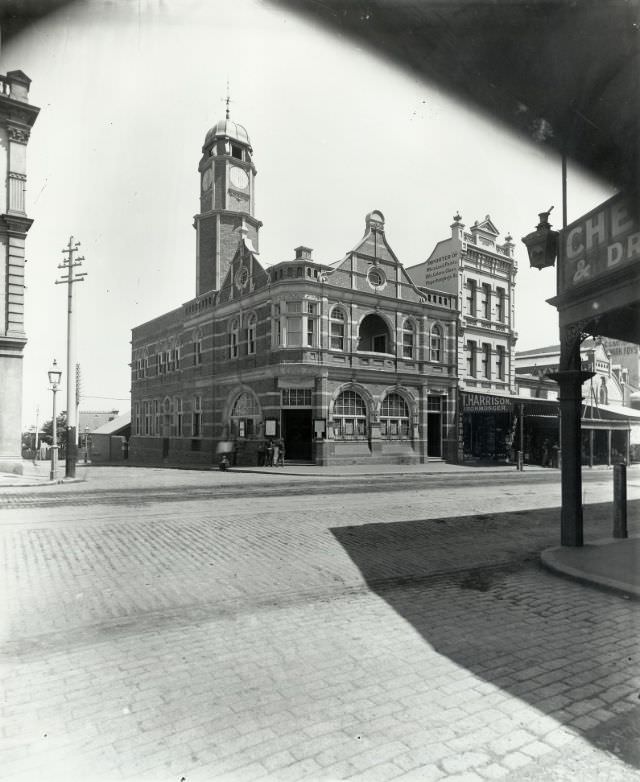
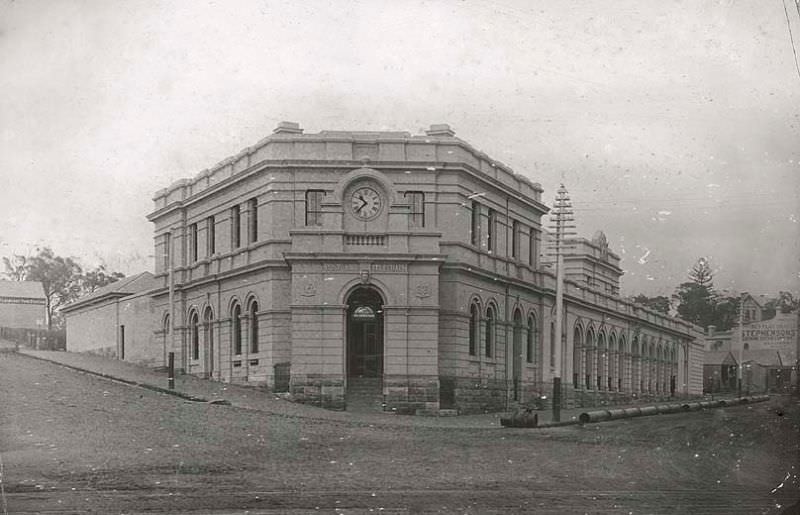
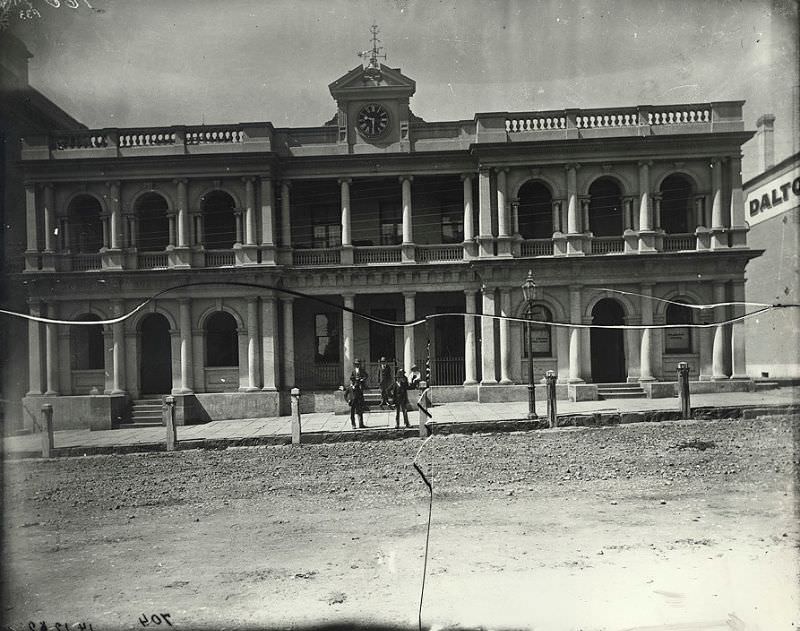
The pairing of post offices with other government functions — land survey offices, courthouses — was a deliberate administrative choice. Colonial and early federal governments concentrated civic services in single precincts, making it easier for residents to handle multiple dealings in one visit. The Redfern streetscape, which captured the courthouse and post office together, and the Orange building that housed both the post office and land survey office, are clear examples of this approach.
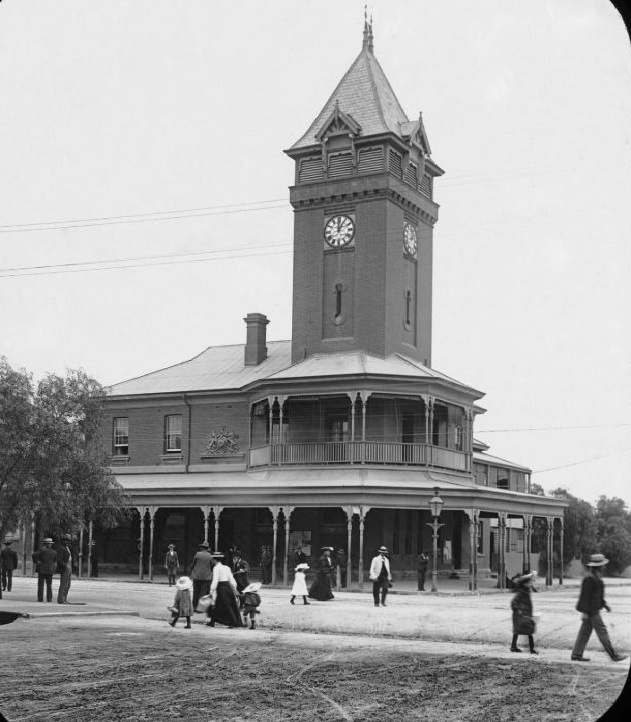
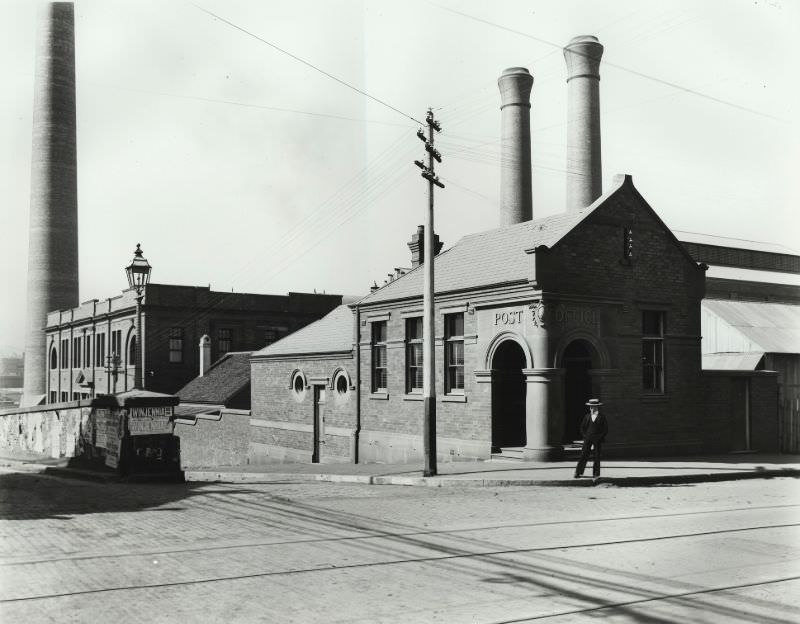
By the early 20th century, airmail services were being introduced, connecting Australia to international postal routes for the first time. The post office was no longer just a local institution — it was a gateway to the world. The buildings photographed here represent the physical foundation of that network, constructed during decades when mail was the primary means of keeping families, businesses, and governments connected across a continent of enormous distances.