Born in Sydney, Australia in 1887, Annette Kellerman grew up to become one of the most extraordinary athletes of the early 20th century. She mastered long-distance swimming at a young age and quickly earned the titles “Queen of the Sea” and “Diving Venus” — names that followed her across continents and into the headlines of newspapers around the world.
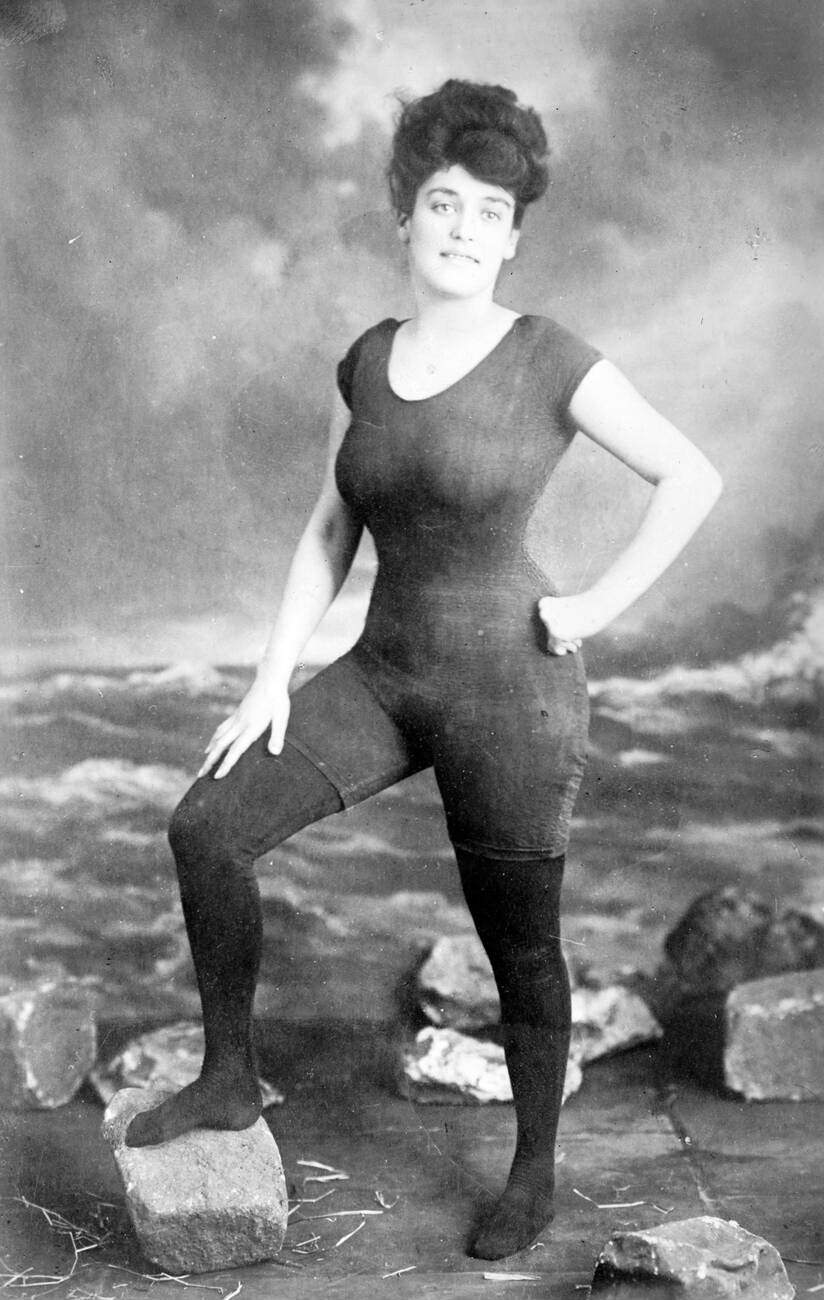
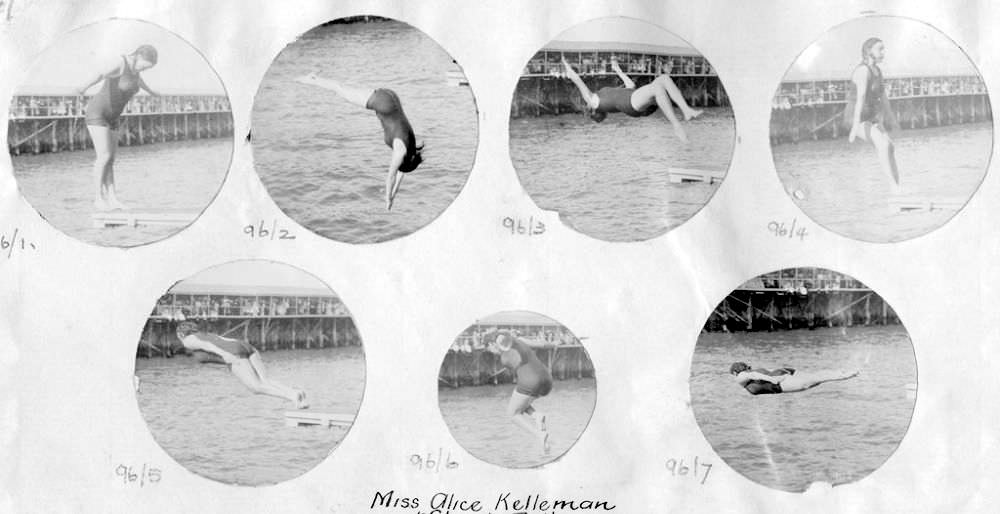
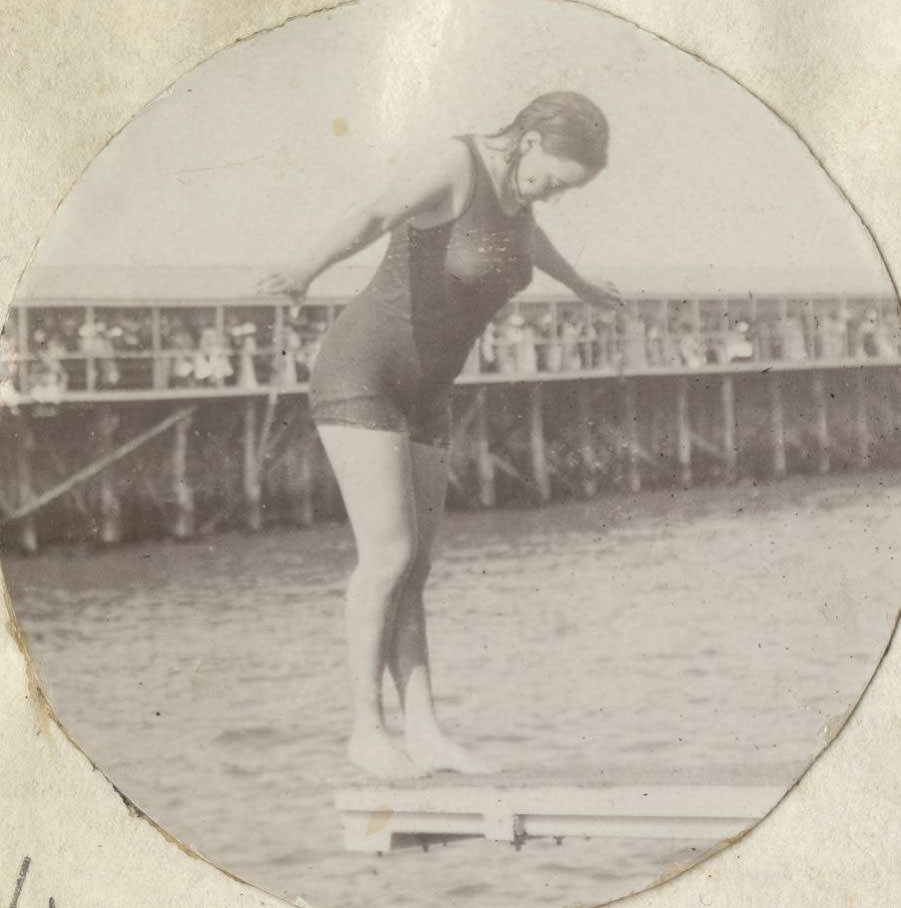
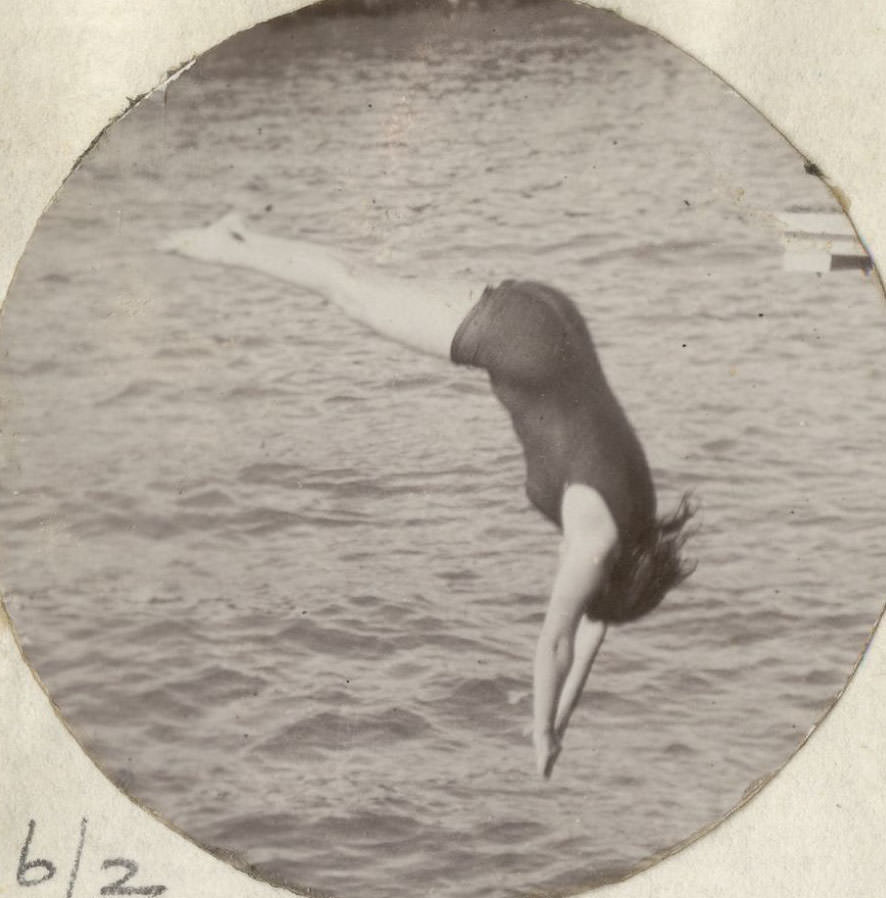
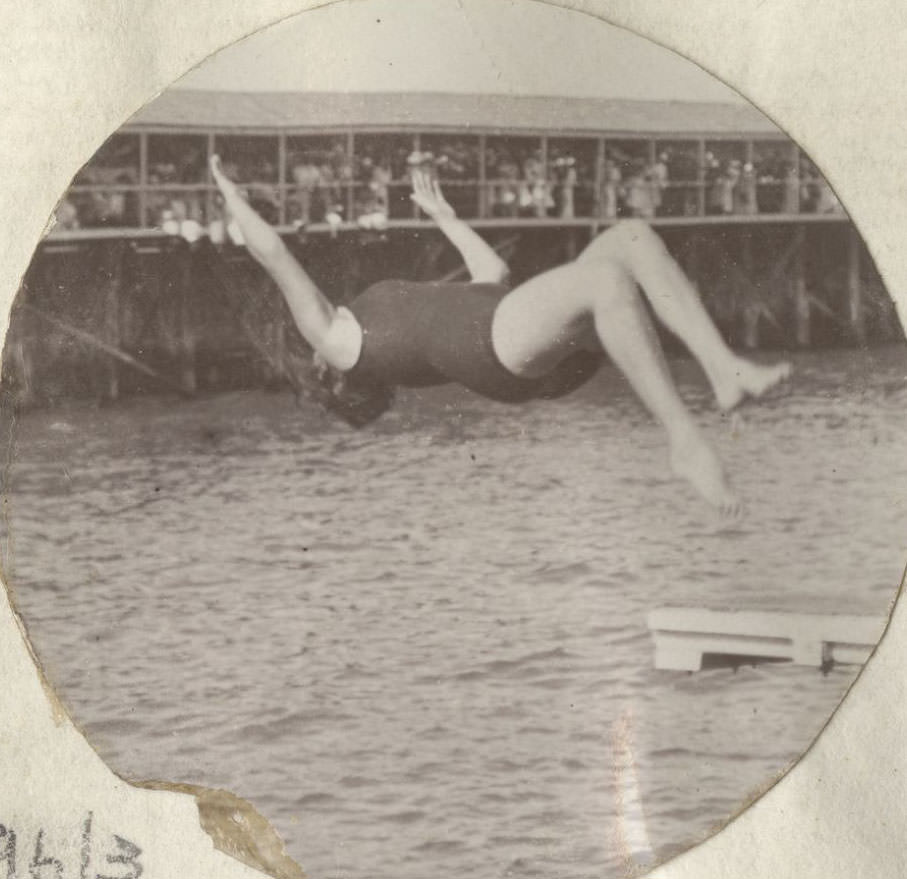
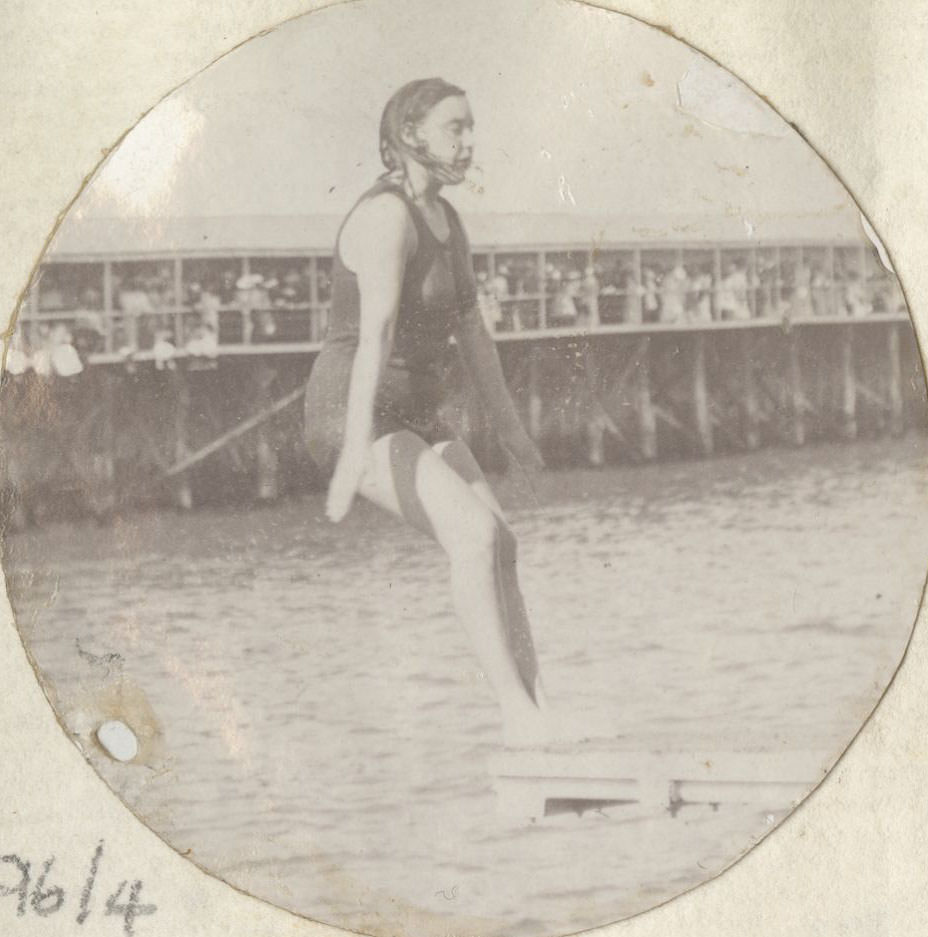
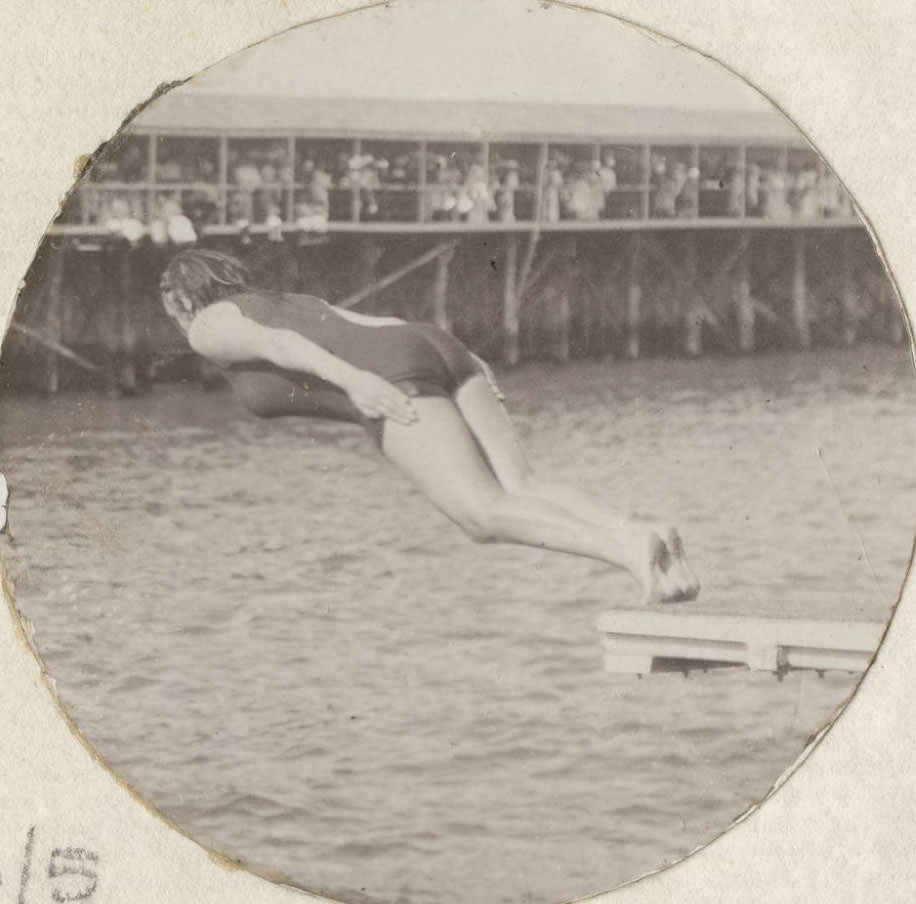
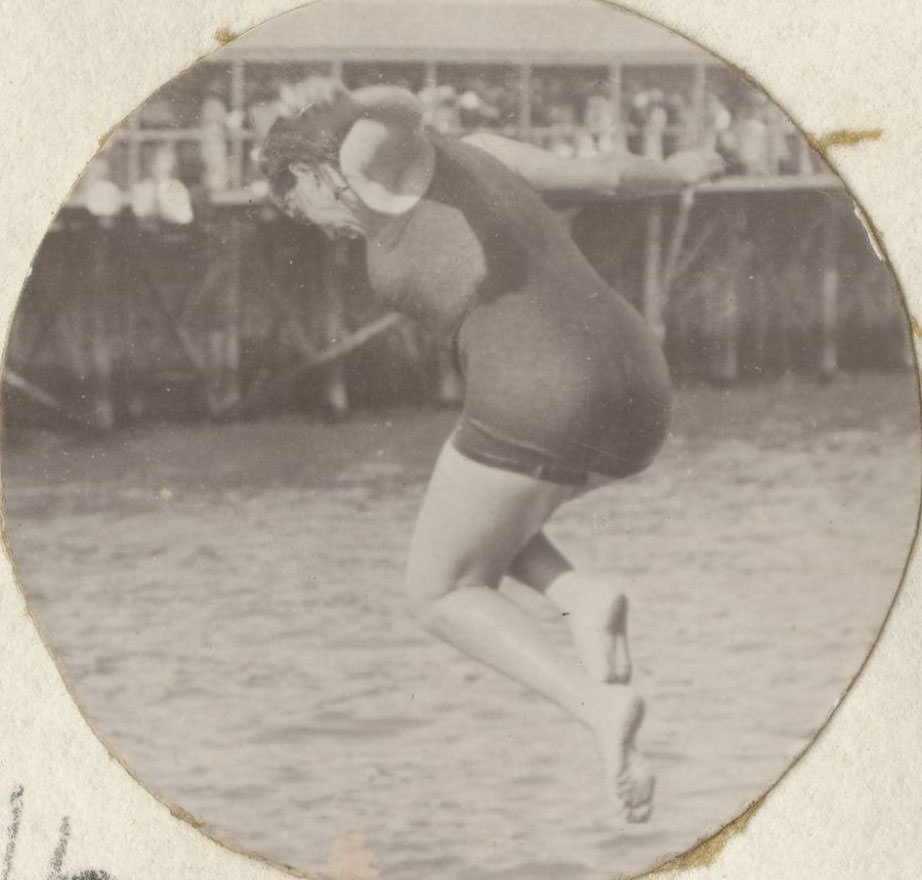
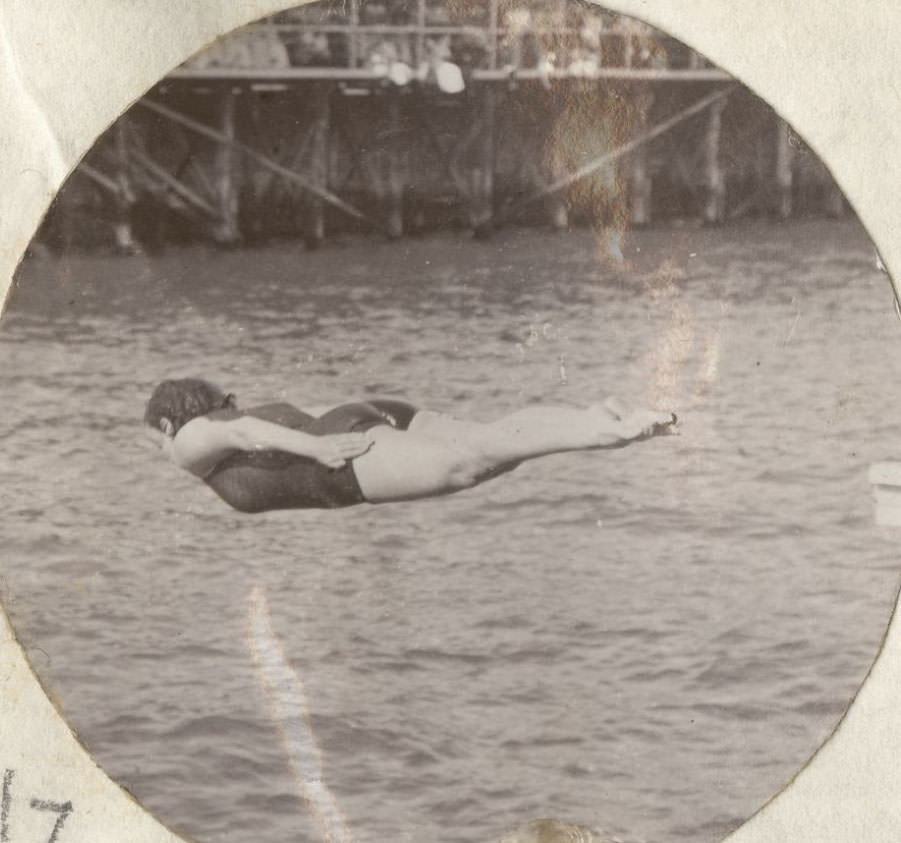
Kellerman’s reputation as a diver was built on genuine daring. In 1905, she performed at the Glenelg Baths in Adelaide, drawing enormous crowds with her precise acrobatics and a breathtaking dive from 10 meters above the water. Audiences who came expecting a novelty act left having witnessed a true athlete at the peak of her abilities.
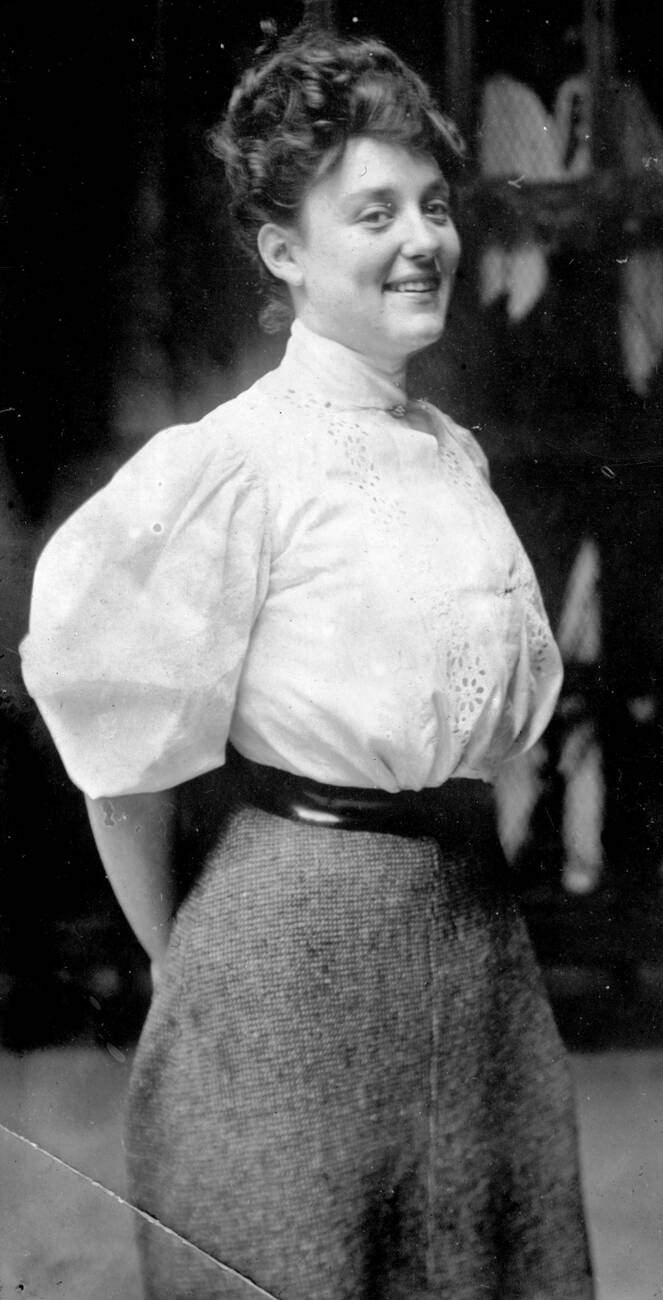
Her diving suits were as deliberate as her performances. Kellerman designed them specifically to allow maximum movement and flexibility in the water — a sharp contrast to the heavy, layered garments women were expected to wear at the time. She also wore a one-piece swimsuit, a choice that many considered scandalous but that she refused to abandon.
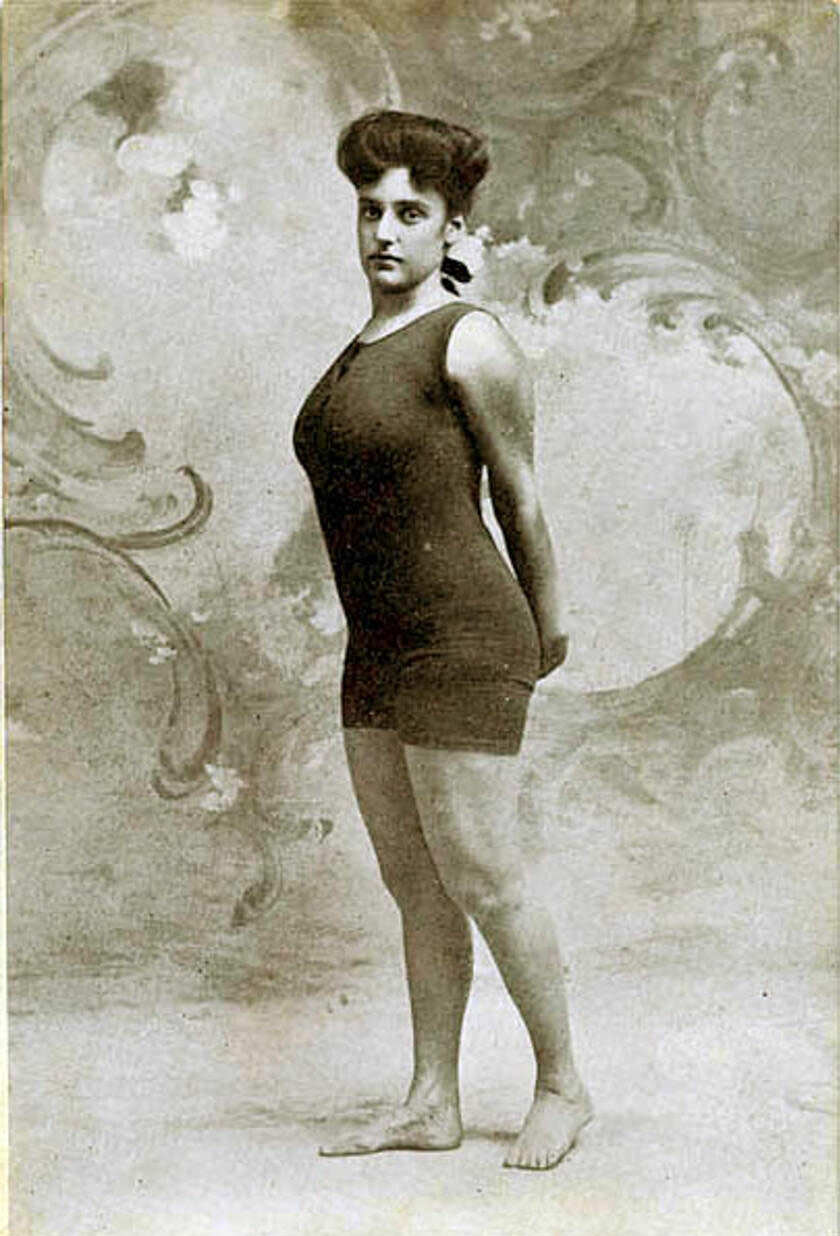
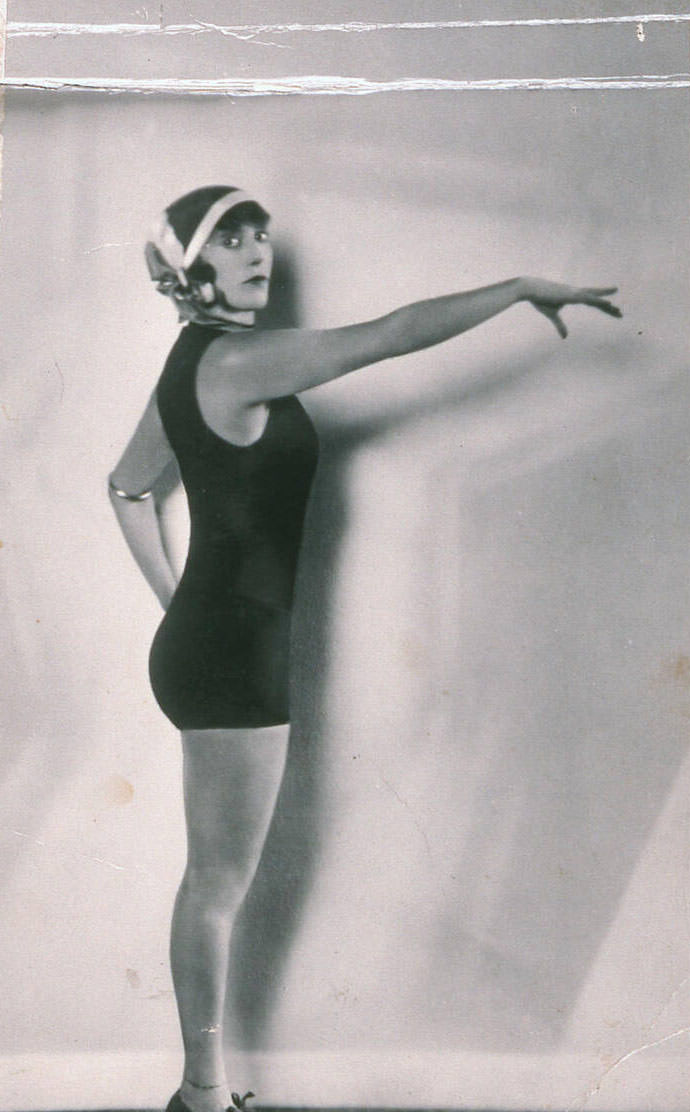
That one-piece swimsuit became a symbol far beyond the pool. Kellerman wore it openly and publicly at a time when women’s athletic clothing was expected to conceal the body entirely. Her stance on the matter was a direct challenge to the social norms of the era, and it placed her at the center of debates about women’s rights and physical freedom.
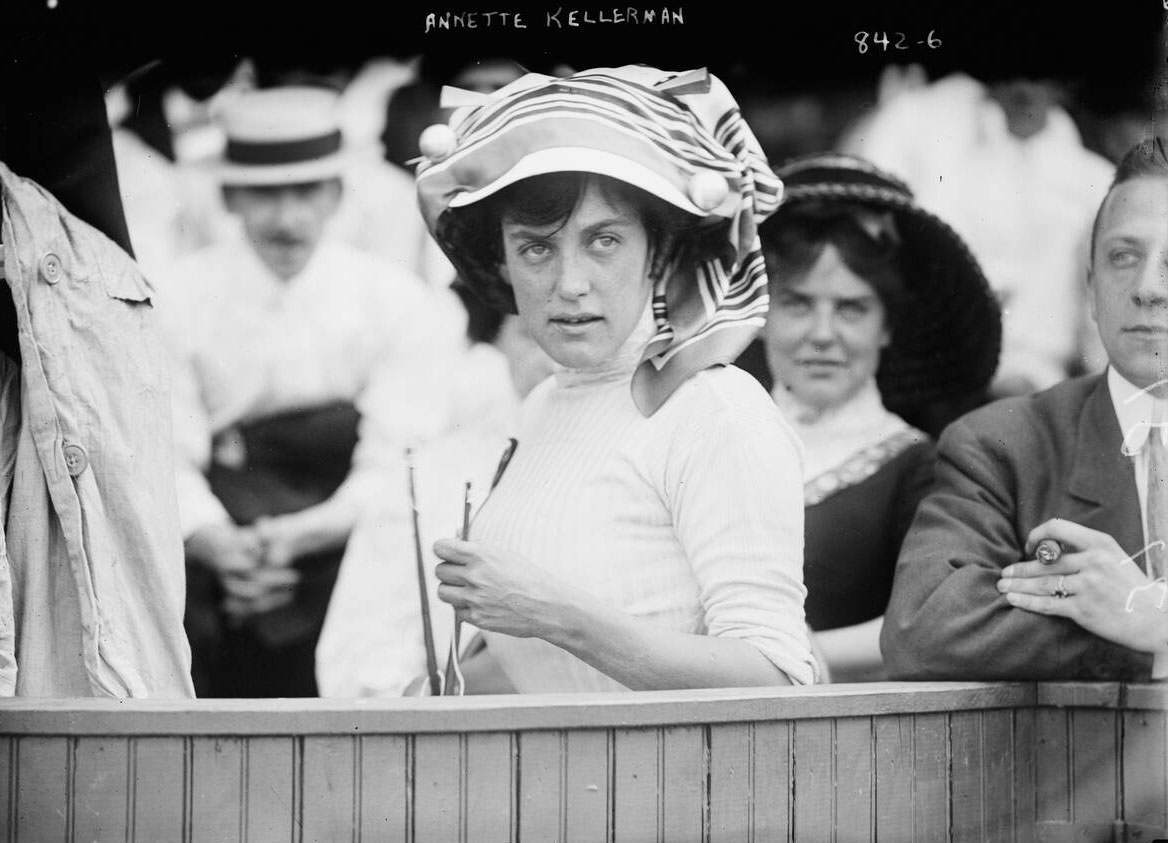
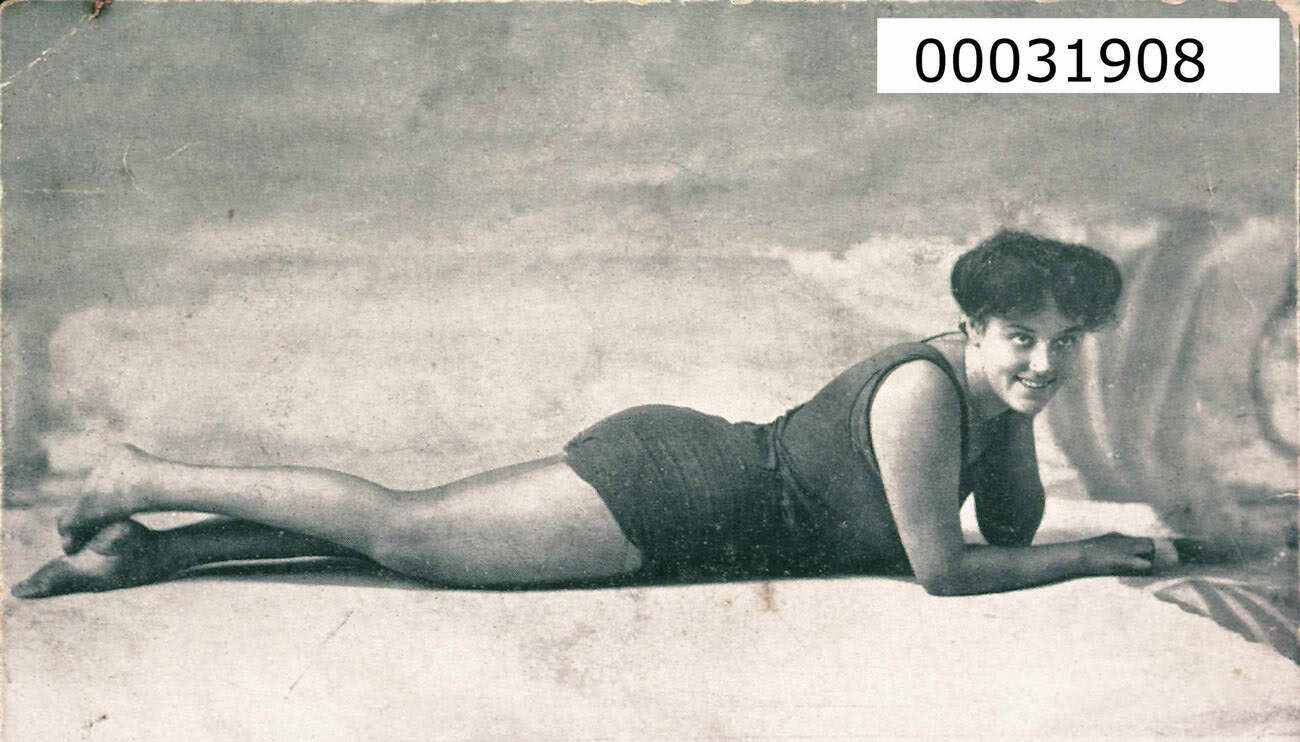
Her fame carried her well beyond Australia. Kellerman toured internationally, performing her swimming and diving feats for audiences across Europe and the United States. Wherever she appeared, she attracted large crowds fascinated by her skill and her willingness to push the boundaries of what a female athlete could do publicly.
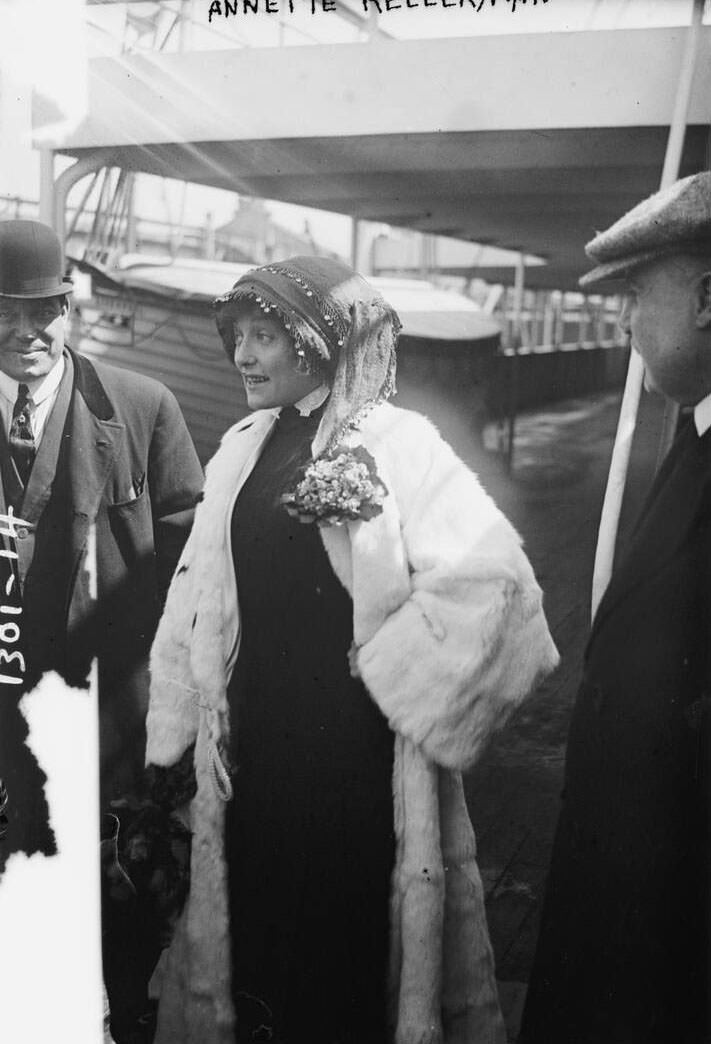

Kellerman eventually transitioned into silent films in the United States, bringing her athletic talents to a new medium. Her screen presence was built on the same physicality that defined her aquatic performances, and she became a recognizable figure in early American cinema.

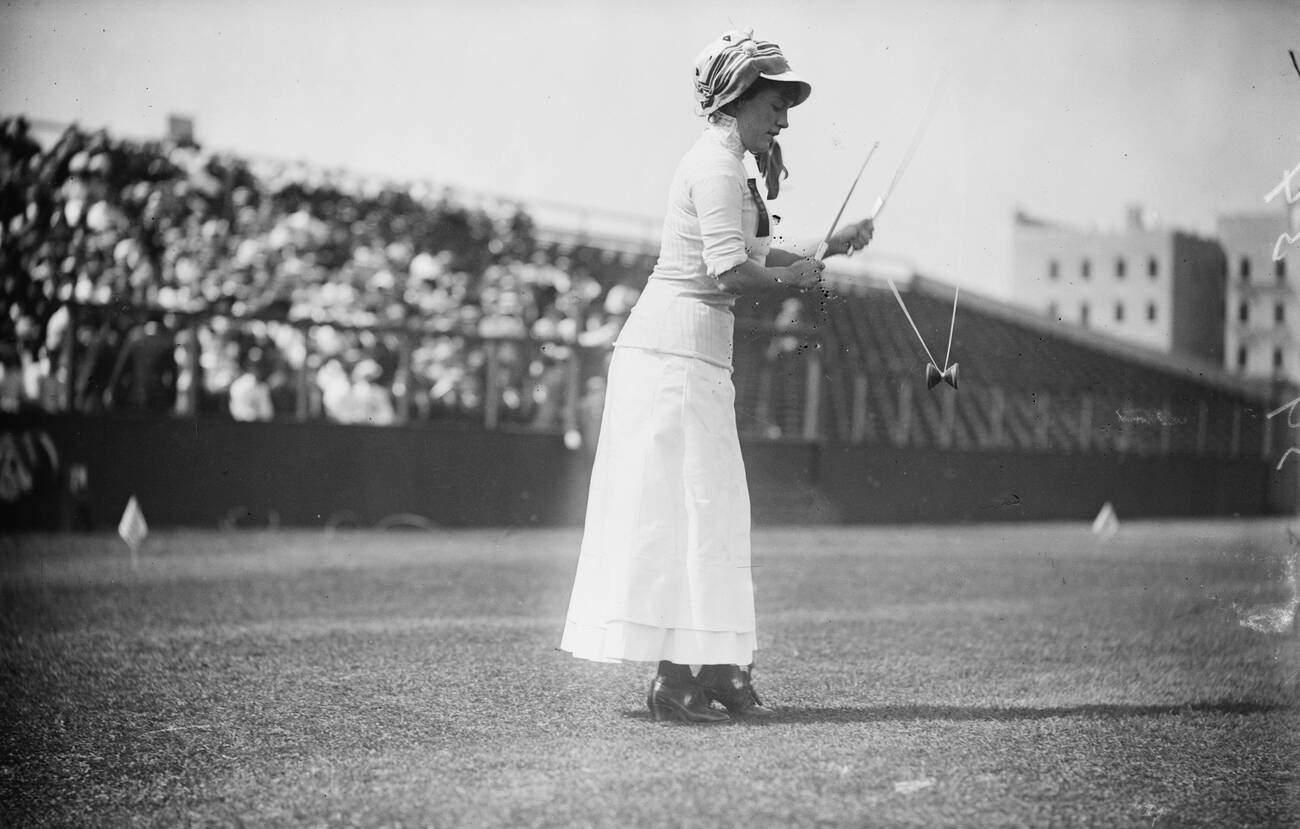
Away from the water and the camera, Kellerman was a committed advocate for physical education and women’s health. She authored several books on health and fitness, using her platform to argue that physical strength and activity were just as important for women as for men — a message that was far from mainstream at the time.
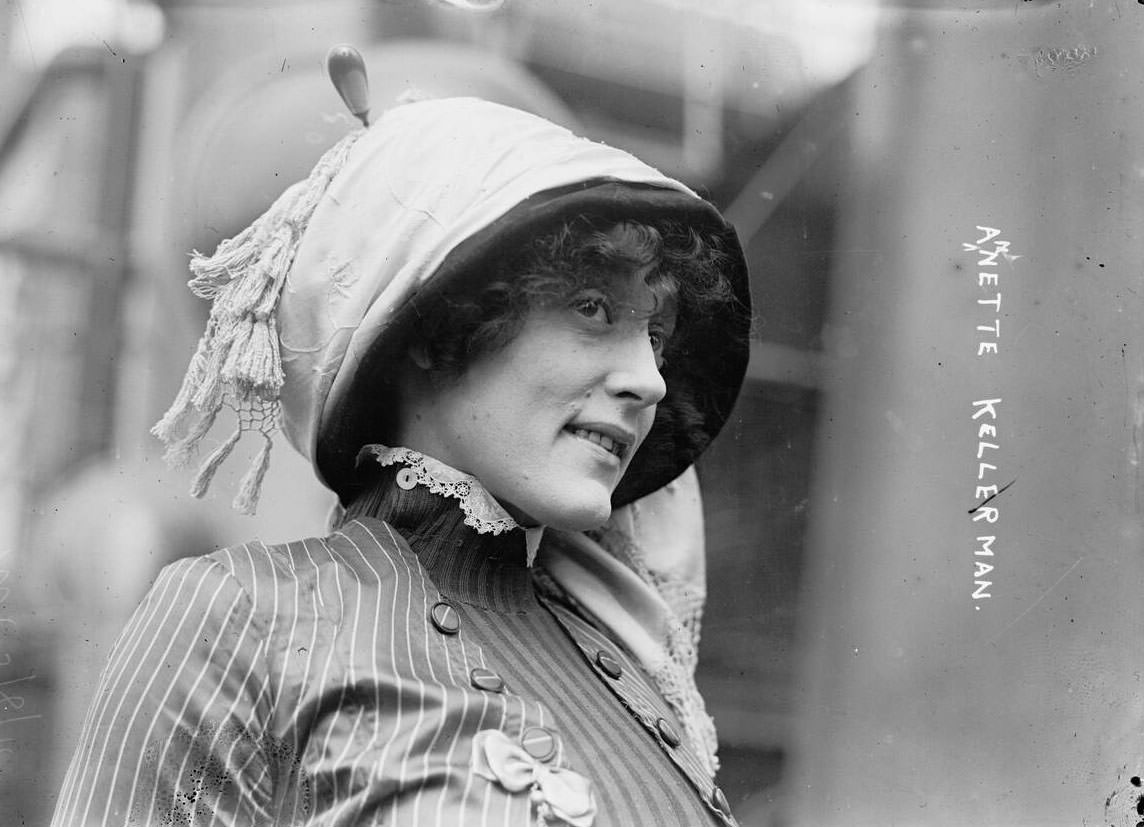
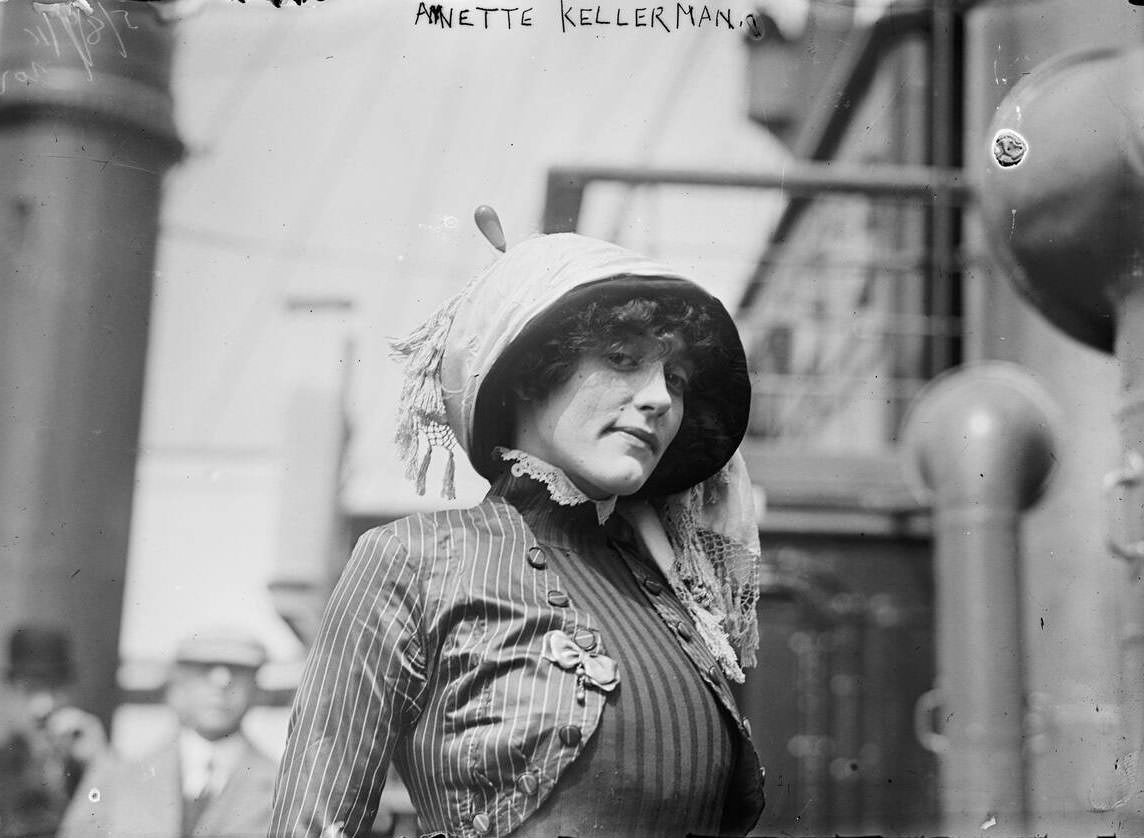
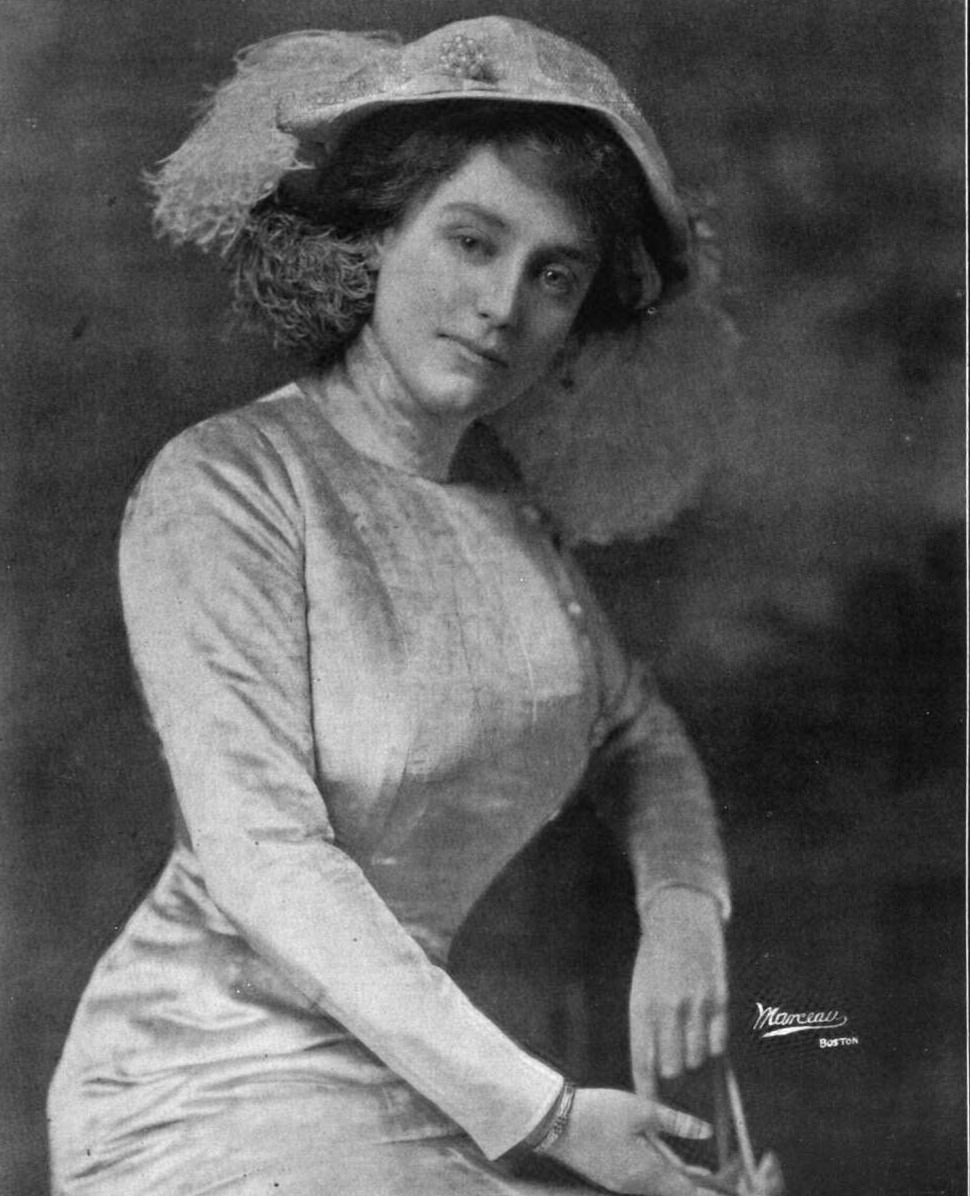
Photographs from 1907 and 1908 capture Kellerman at the height of her early fame — composed, confident, and clearly aware of the attention she commanded. Studio portraits from the period show a woman who understood her public image and used it deliberately.
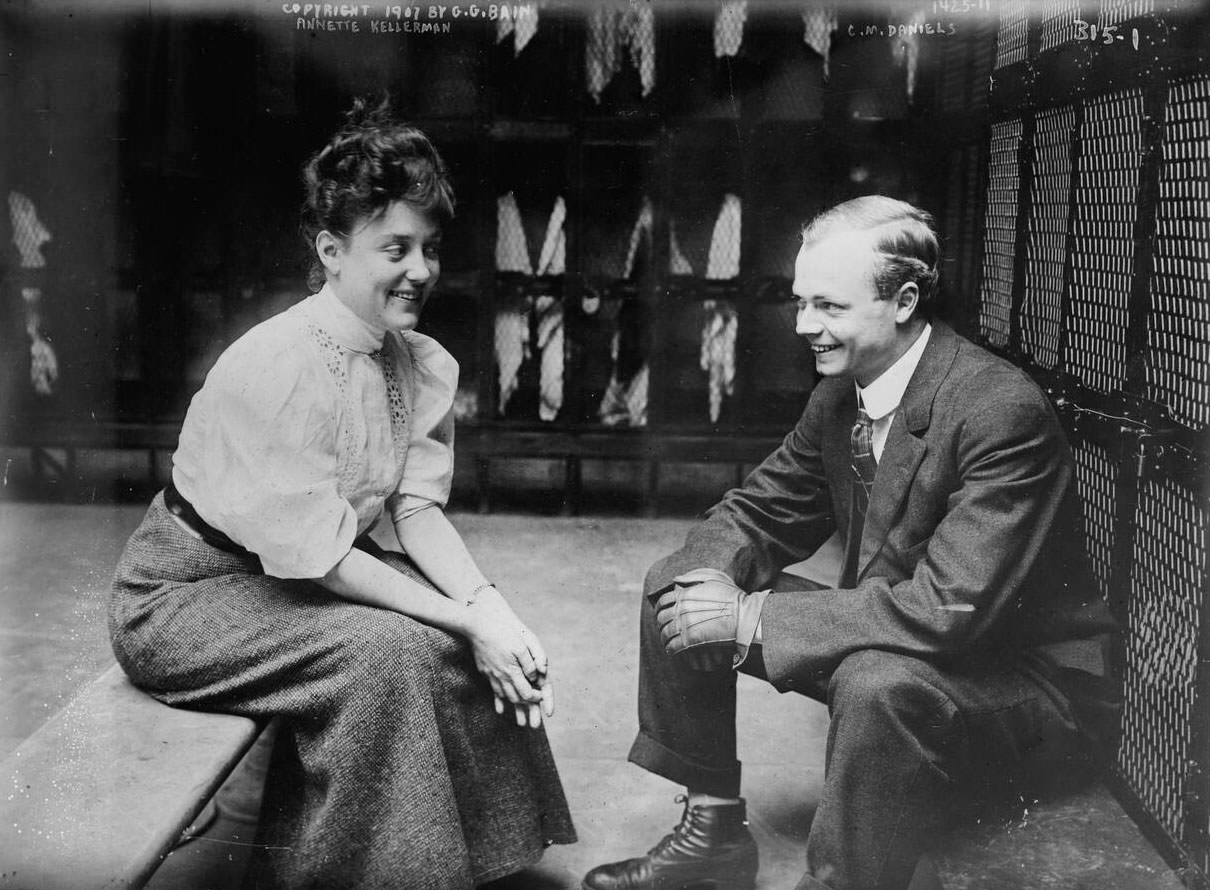
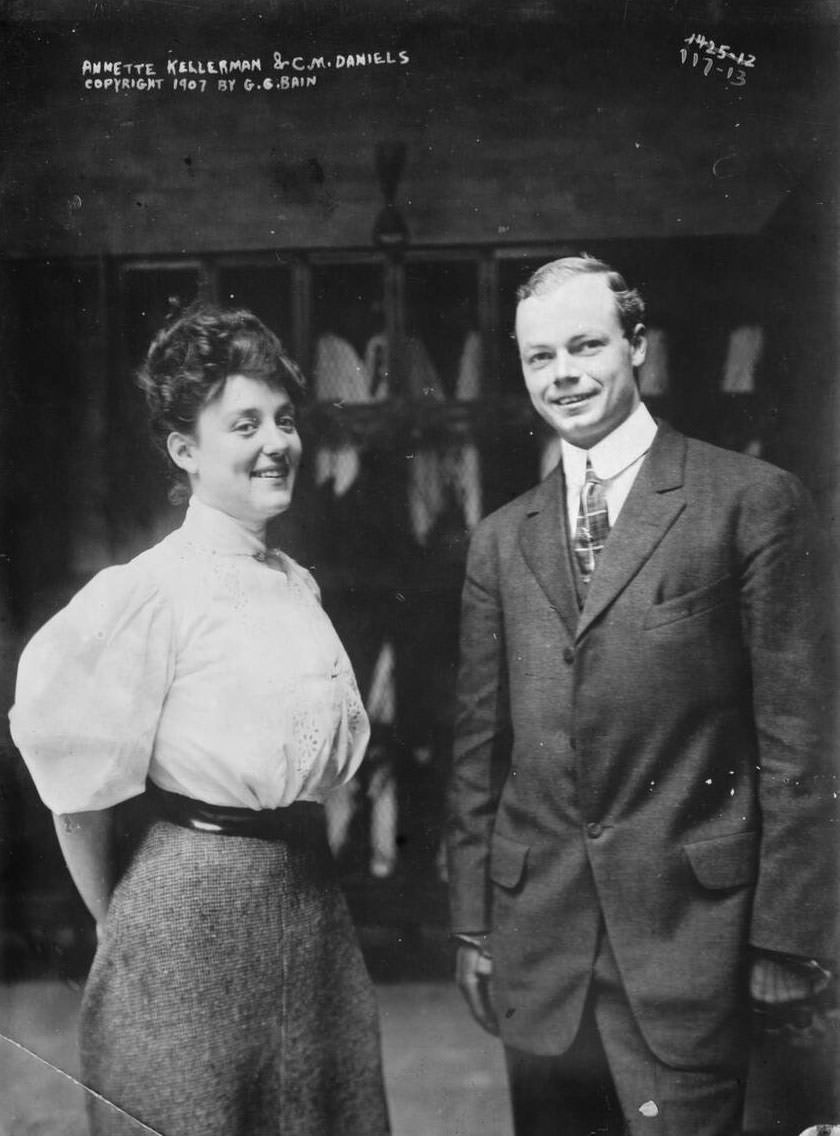
Kellerman also moved in elite athletic circles. Images of her alongside C.M. Daniels — the celebrated American swimmer who dominated competitive racing in the same era — reflect just how central she was to the sporting world of the early 1900s. She was not on the periphery of that world; she was one of its main figures.
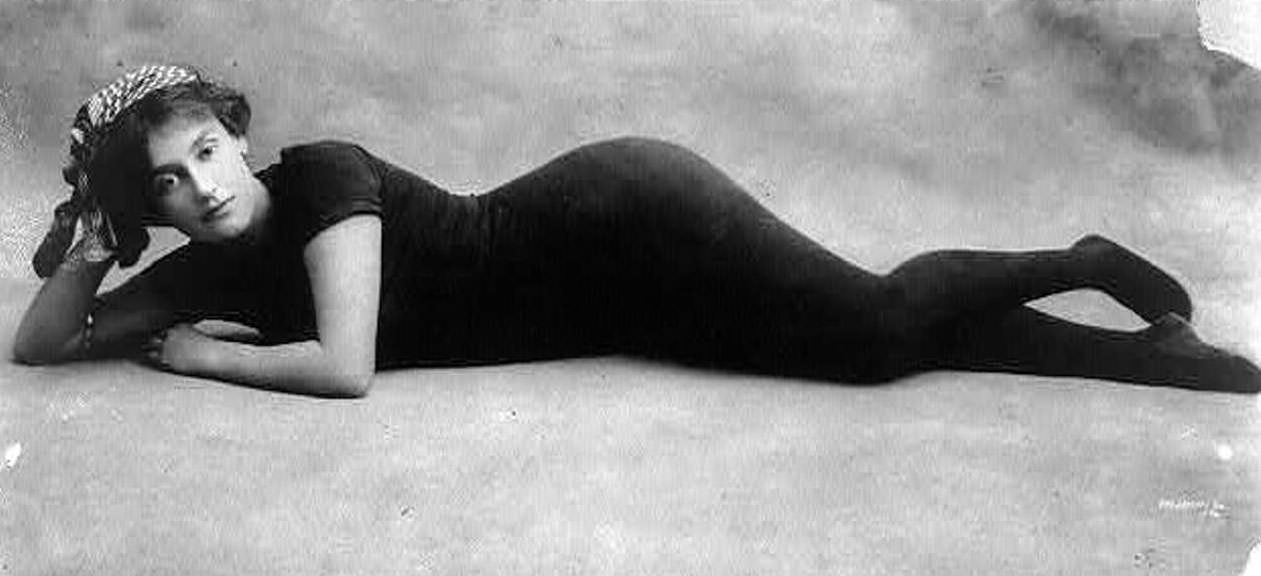
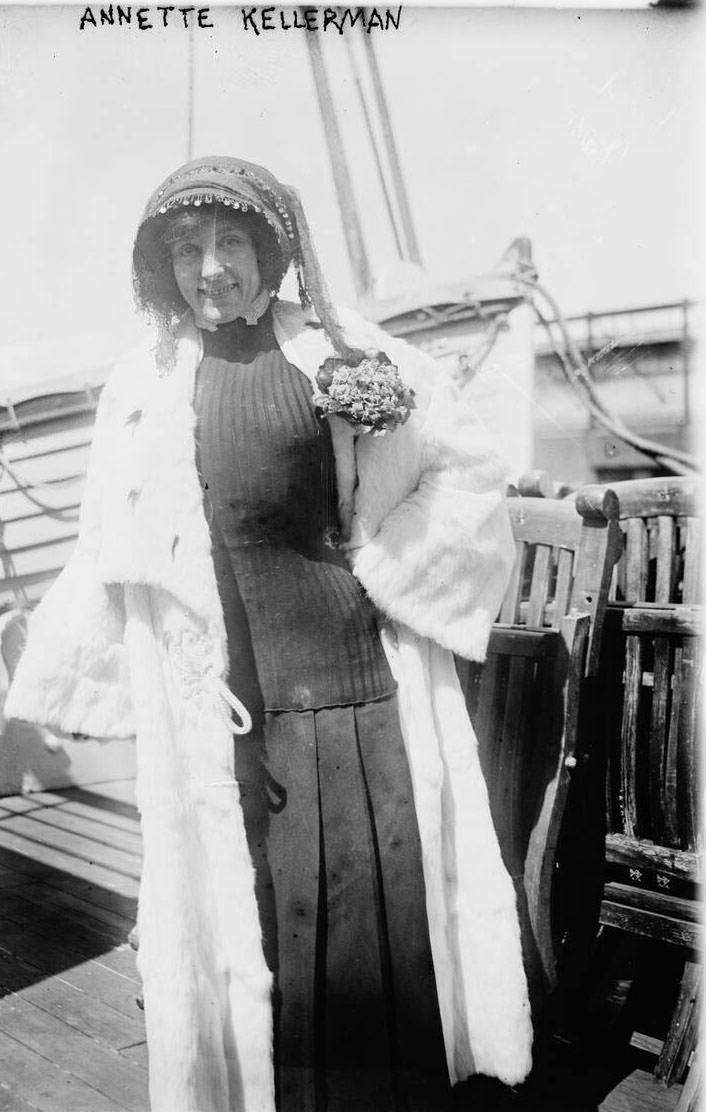
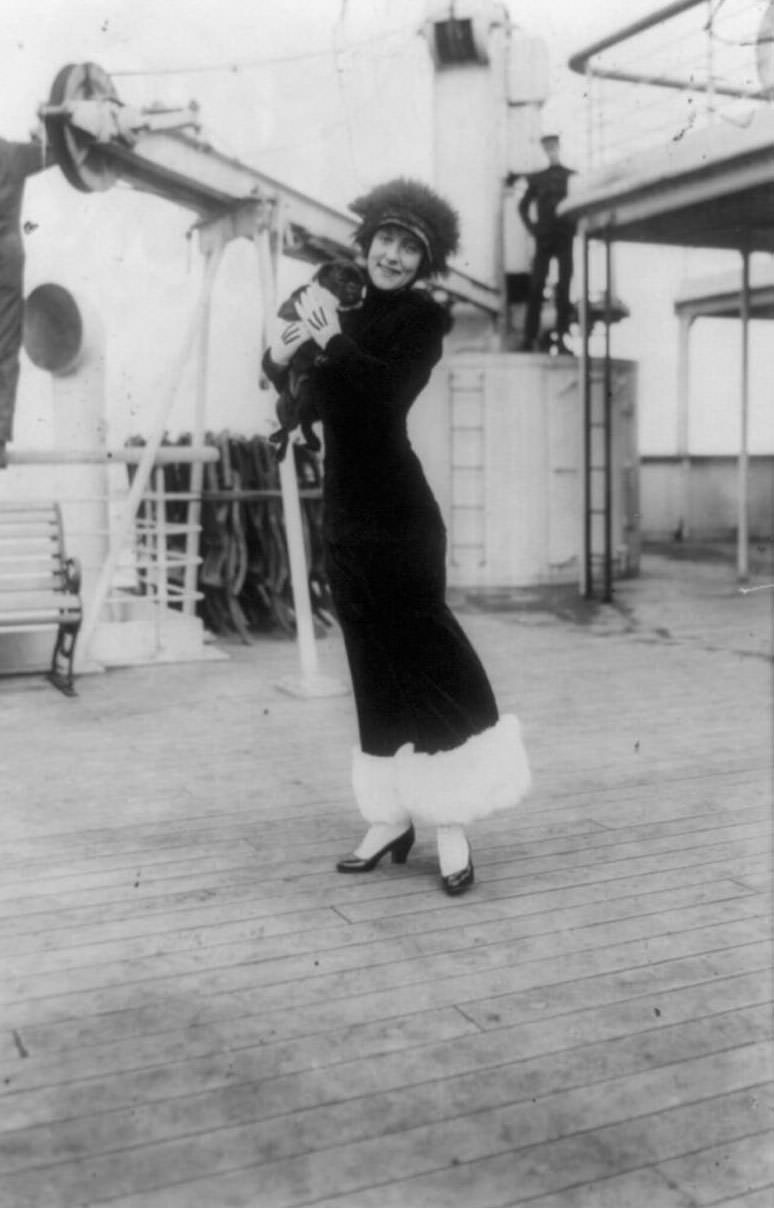
Whether photographed on the deck of a ship with her black pug or performing a 10-meter dive before a packed crowd, Kellerman projected the same certainty. She was an Australian swimmer who turned her sport into a platform — for athleticism, for women’s rights, and for the idea that a woman’s physical capabilities deserved to be seen.