Amsterdam in the 1970s was a city in the middle of a major shift. For most of its modern history, it had been one of the poorer cities in the Netherlands. By the end of the decade, that had changed. The economy was moving away from industry and toward services — banking, trade, and tourism — and Amsterdam was growing richer because of it.
That economic change brought new people and new tensions. Immigration from Suriname rose sharply after Suriname gained independence from the Netherlands in 1975. Large numbers of people also arrived from Turkey and Morocco, many of them guest workers who had come in the 1960s and chose to stay. Amsterdam’s population became more diverse during this decade than at any previous point in its history.
Not everyone stayed in the city center. As Amsterdam’s population grew, many residents — especially young families — moved out to what were called “growth cities.” Places like Purmerend and Almere were built up quickly to handle the overflow. Almere didn’t even exist as a municipality until 1984, but its development started in the 1970s on reclaimed land.
Back in the city, older working-class neighborhoods began to change character. The Jordaan, a dense district of narrow streets and canal houses west of the city center, had long been home to laborers and tradespeople. In the 1970s, students and young professionals started moving in, drawn by cheap rents and the area’s tight-knit feel. The same thing happened in De Pijp, south of the city center.
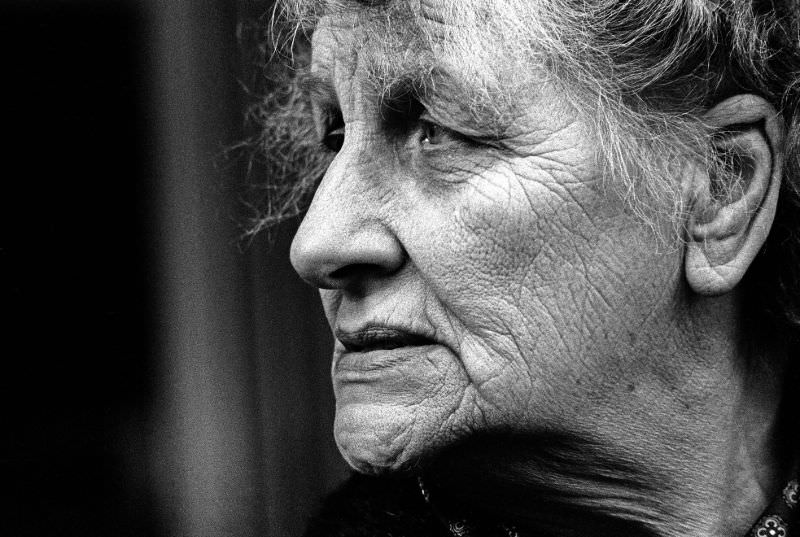
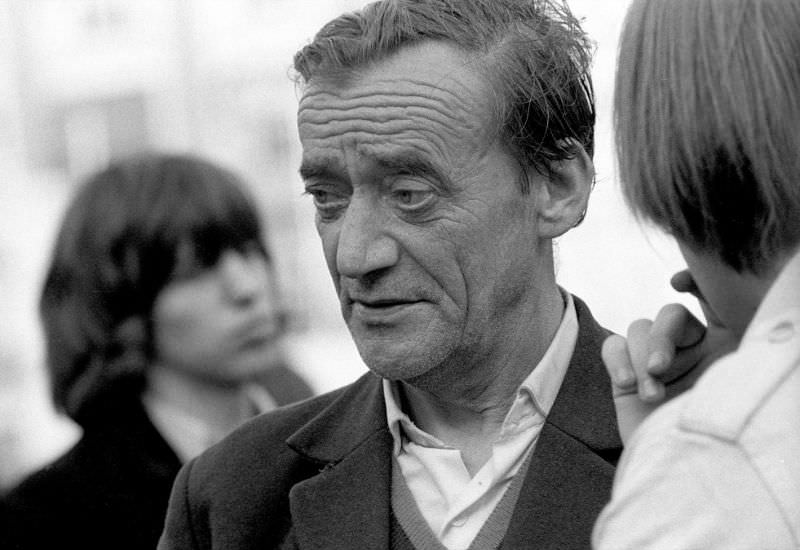
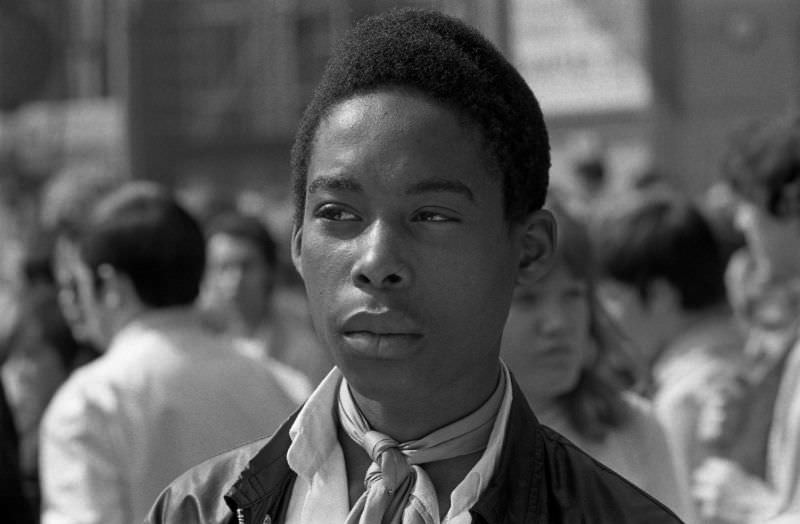
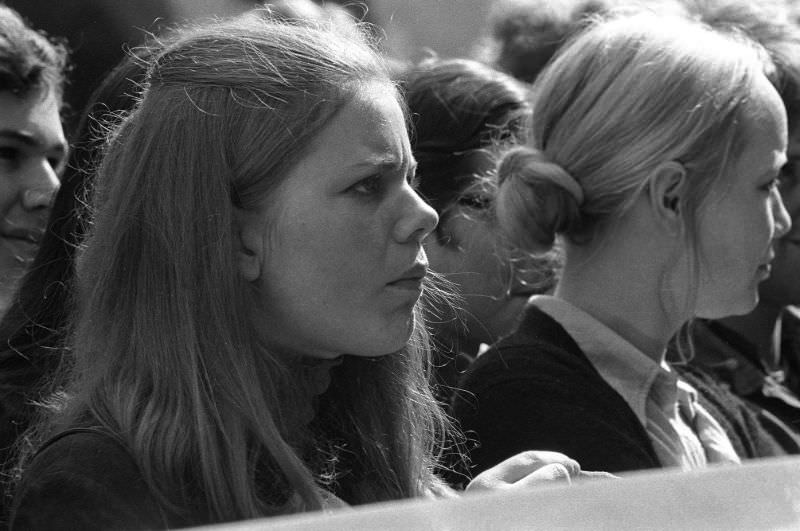
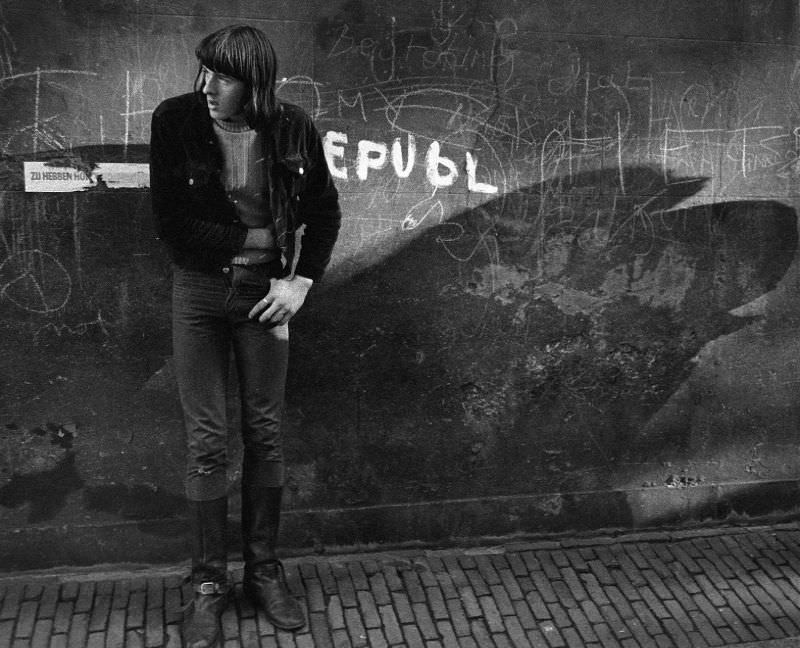
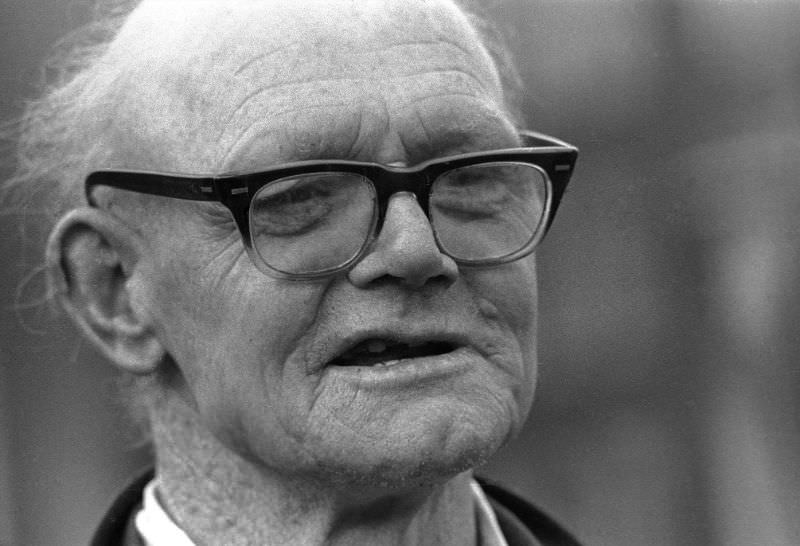
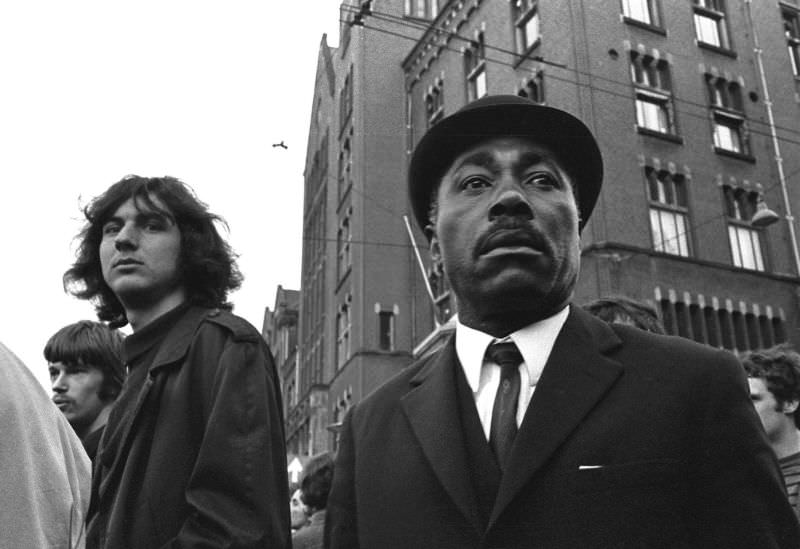
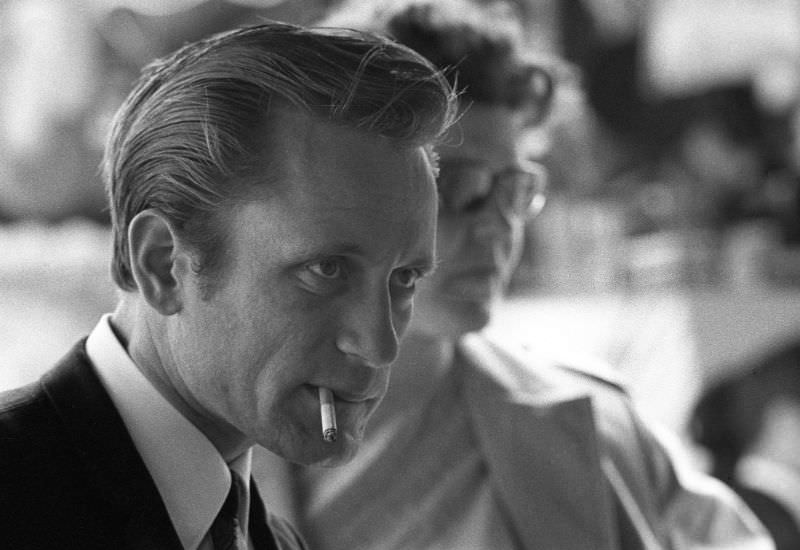
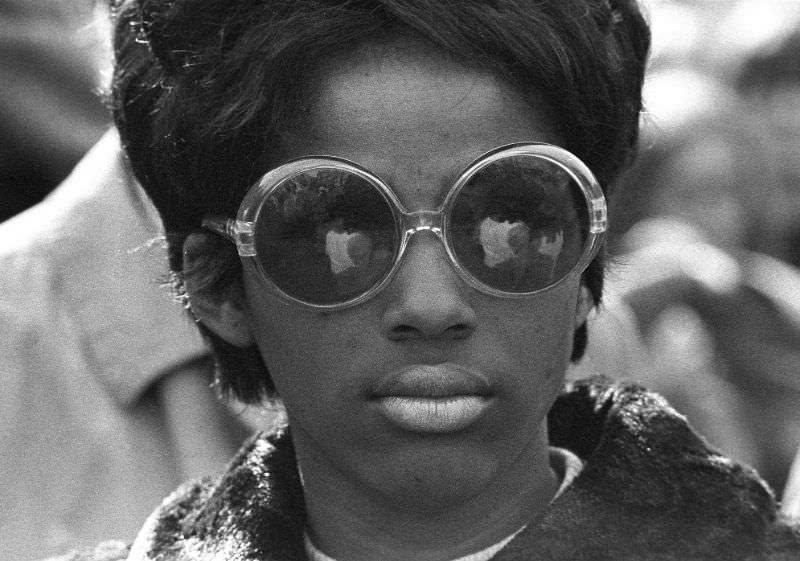
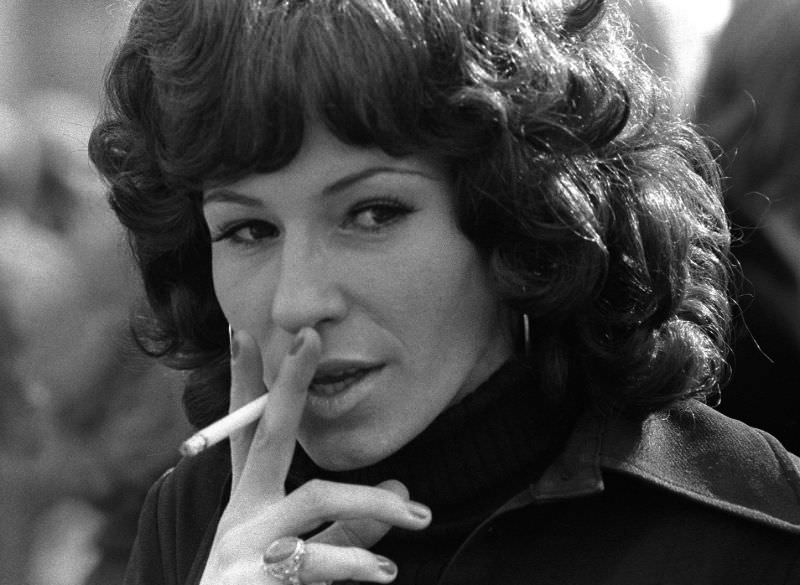
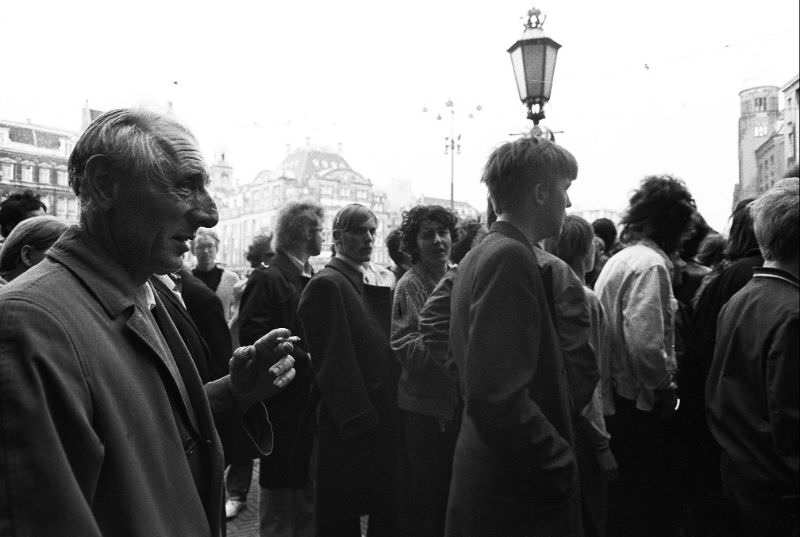
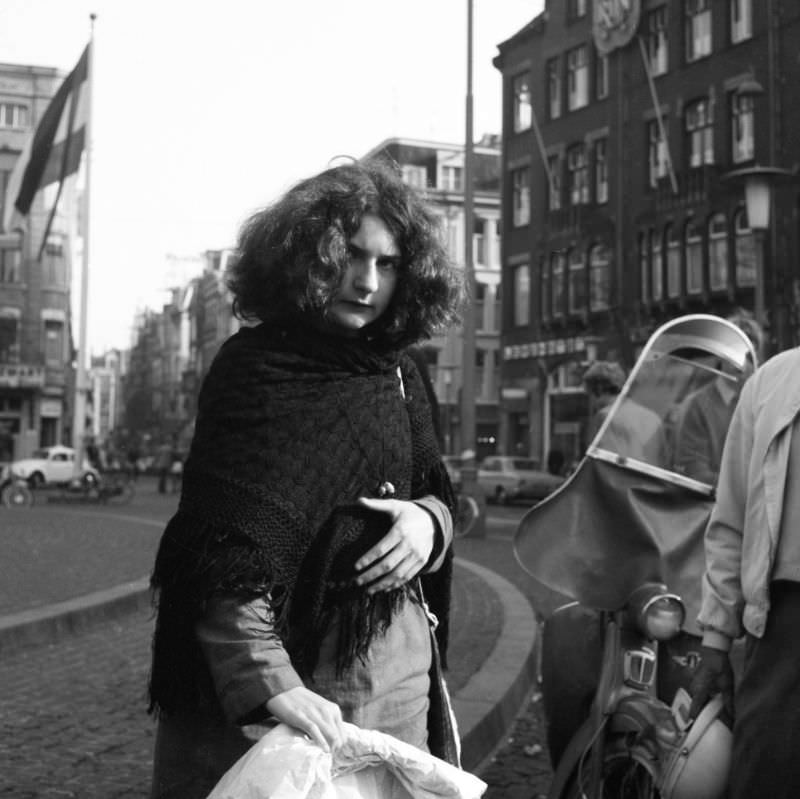
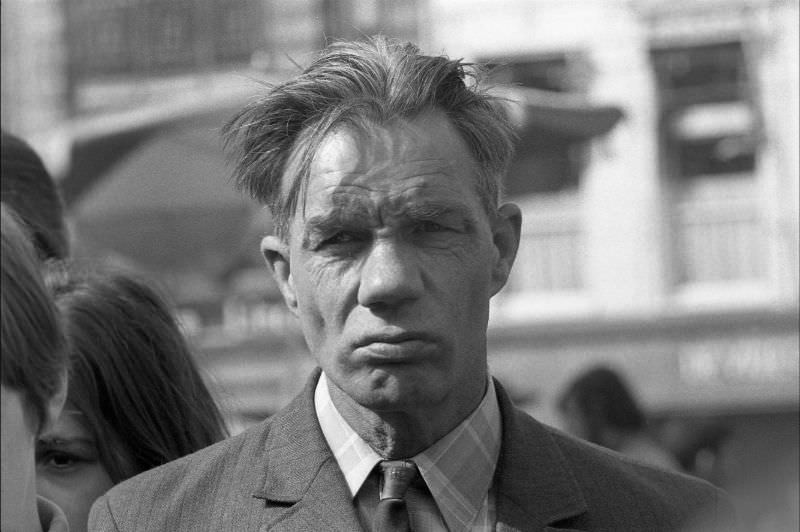
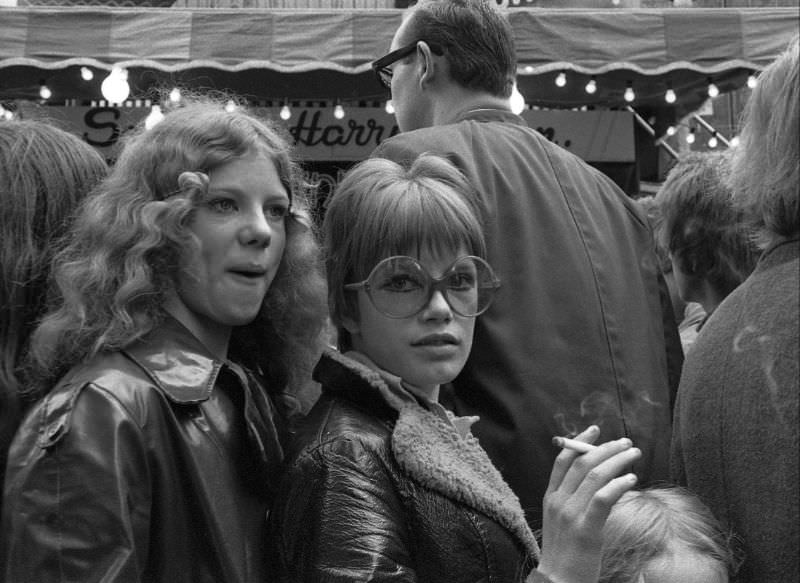
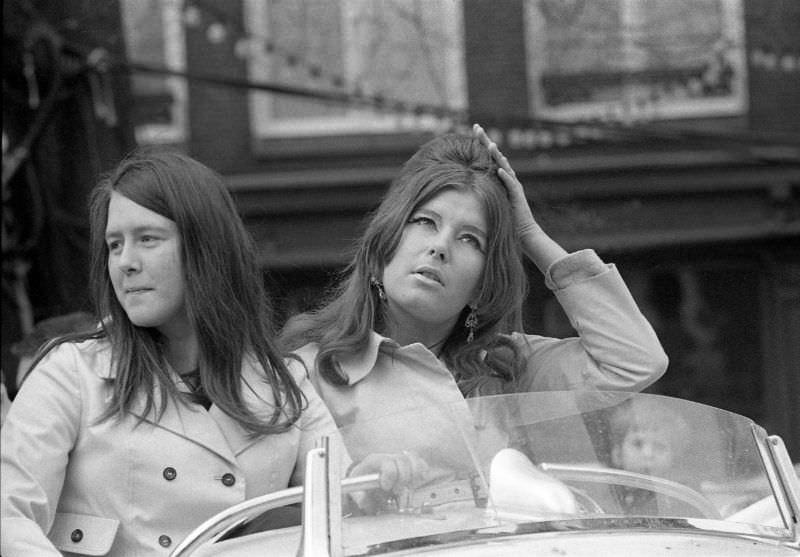
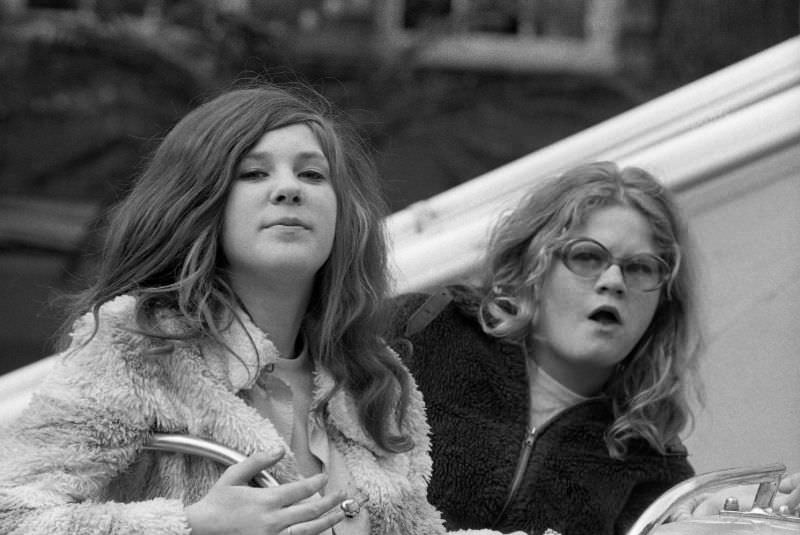
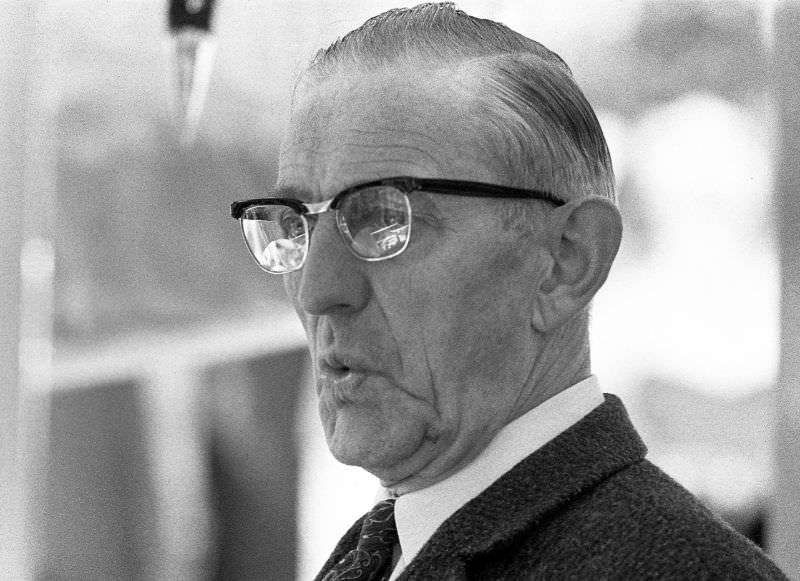
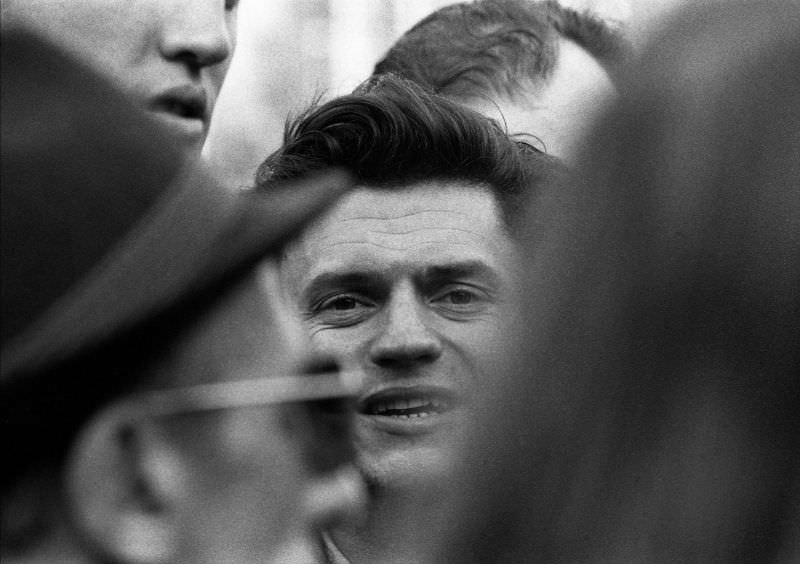
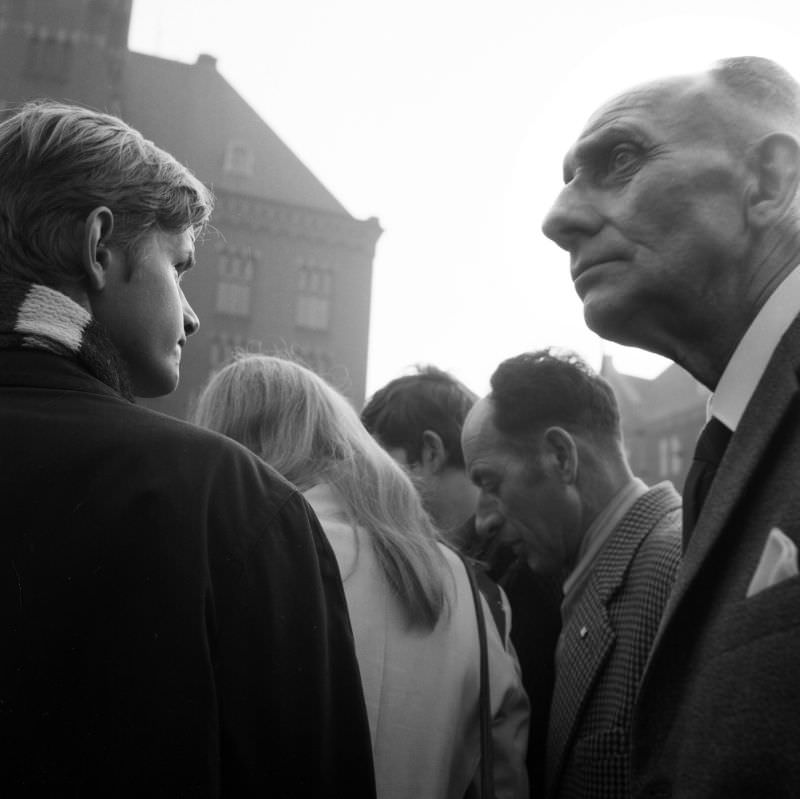
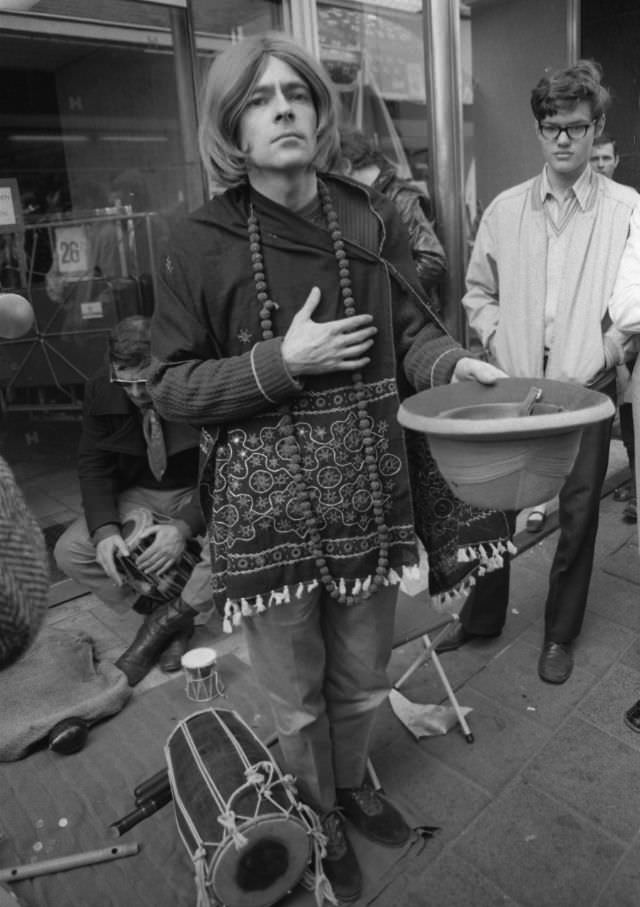
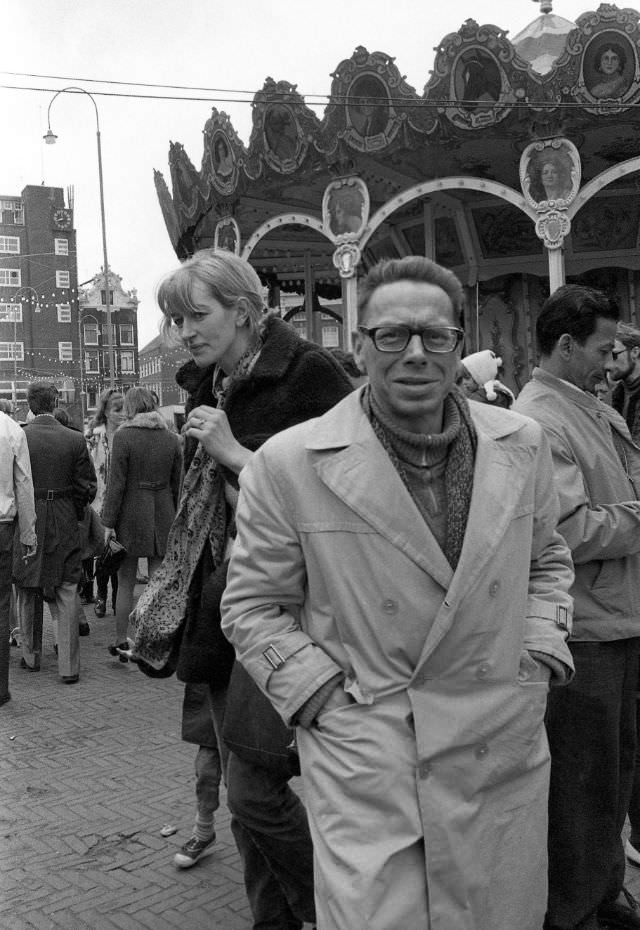
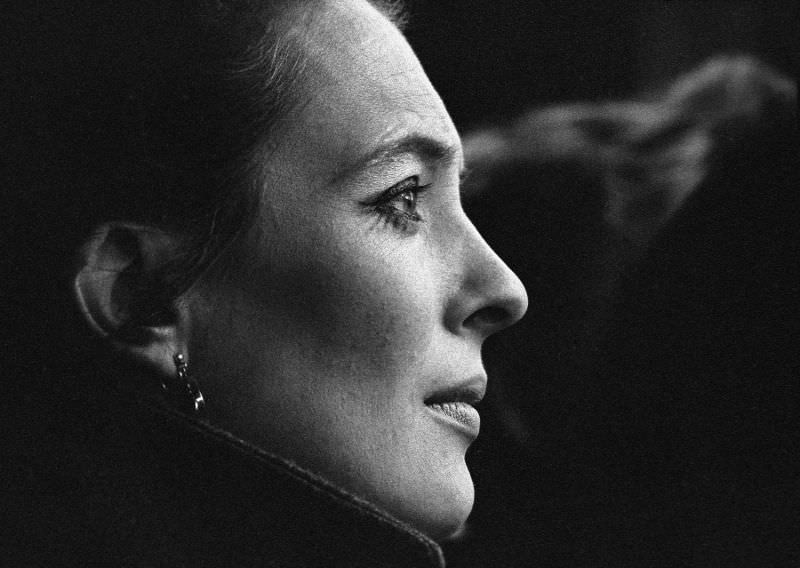
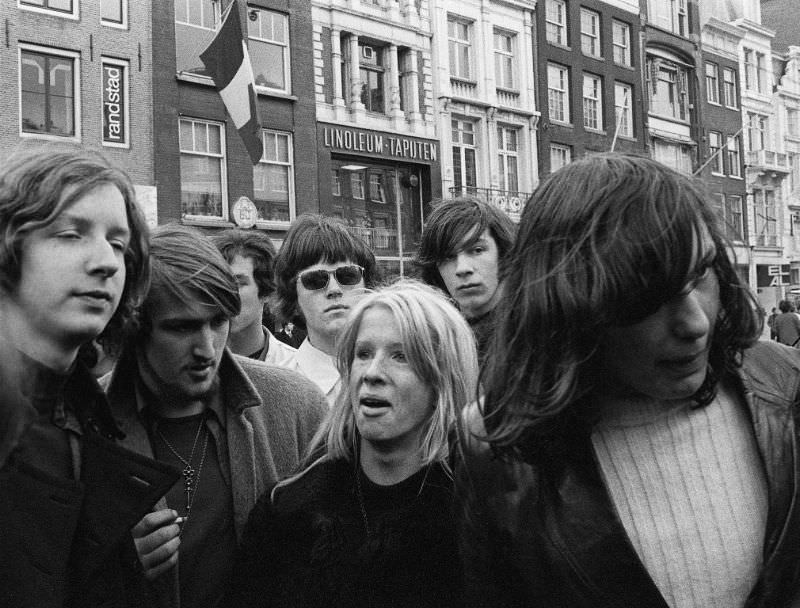
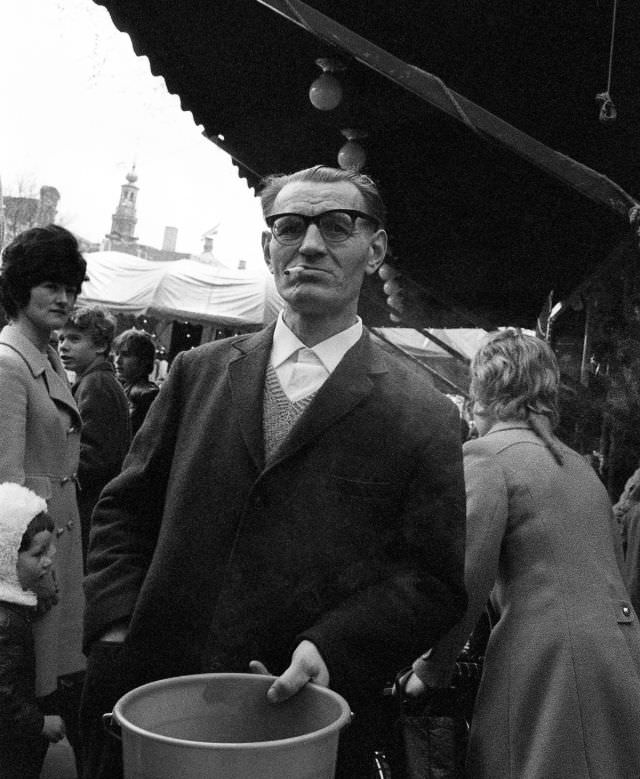
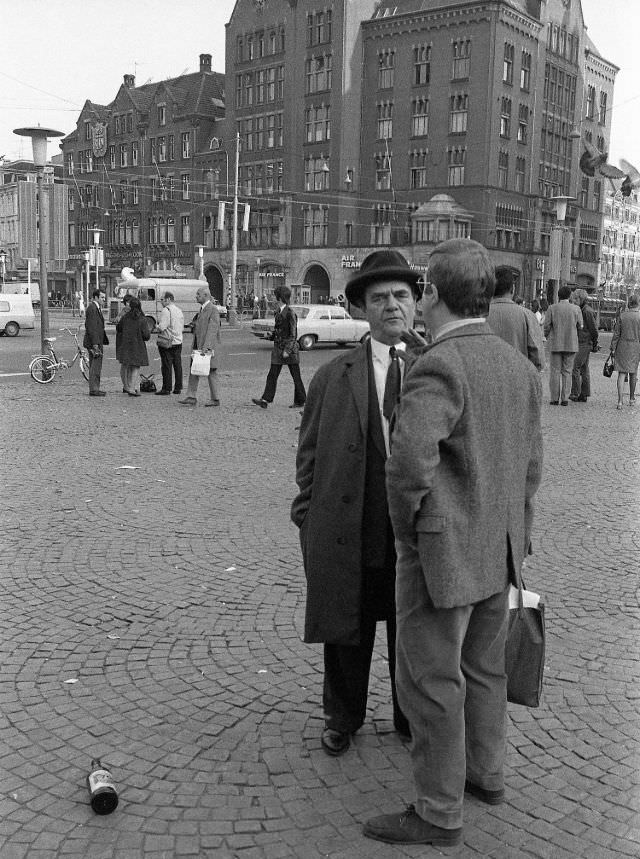
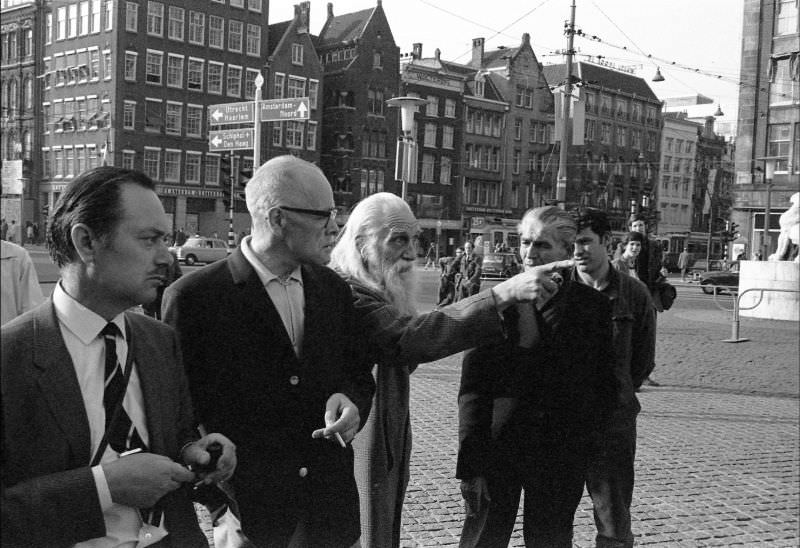
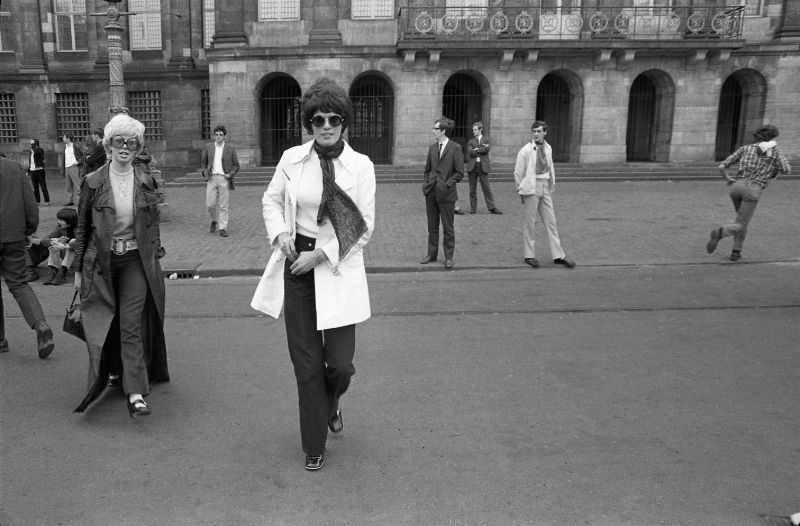
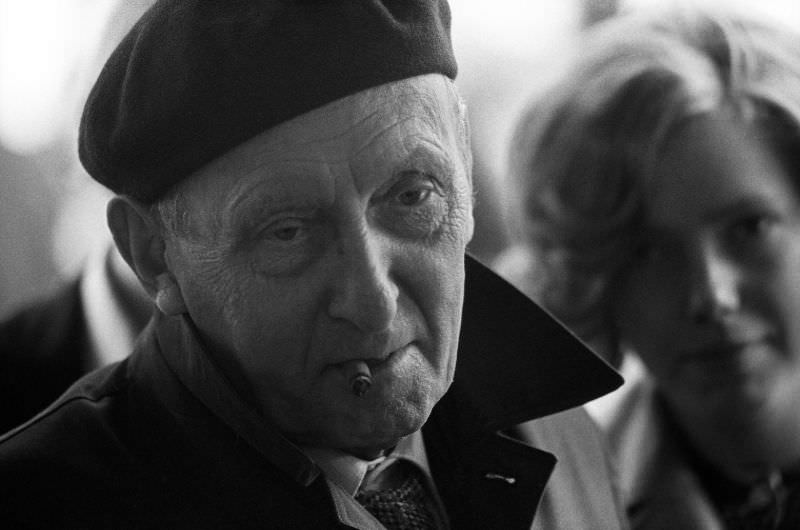
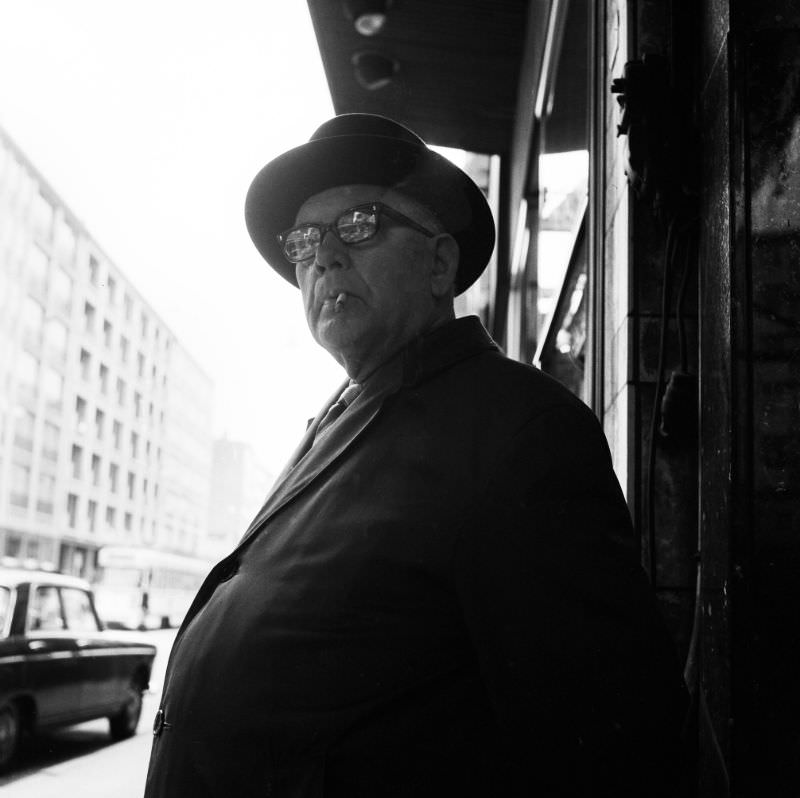
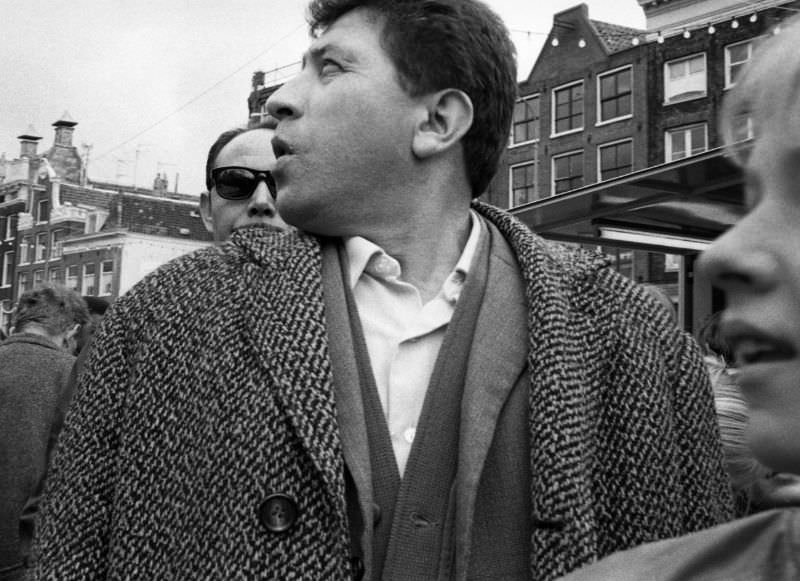
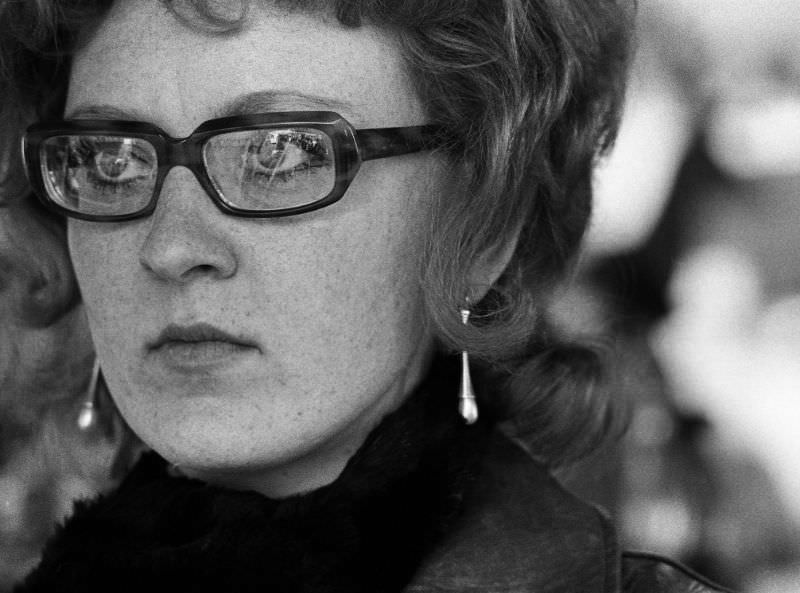
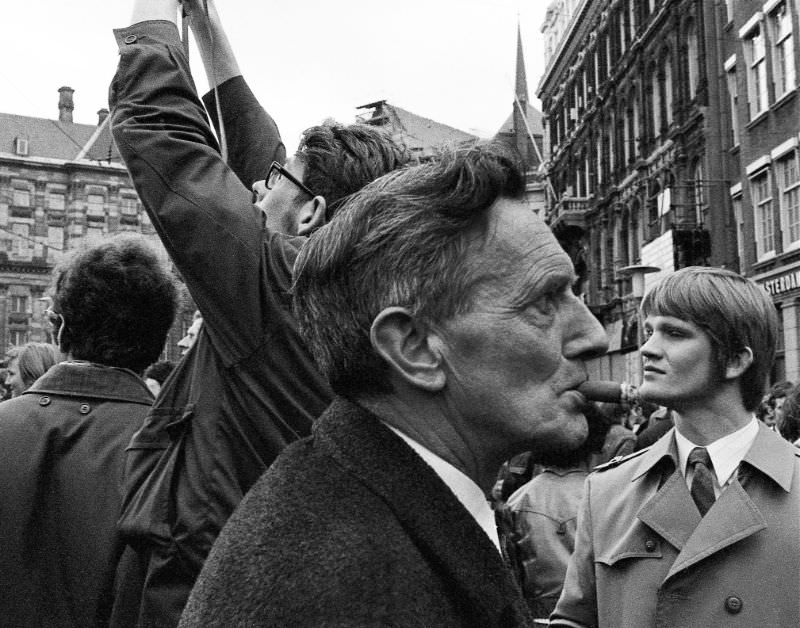
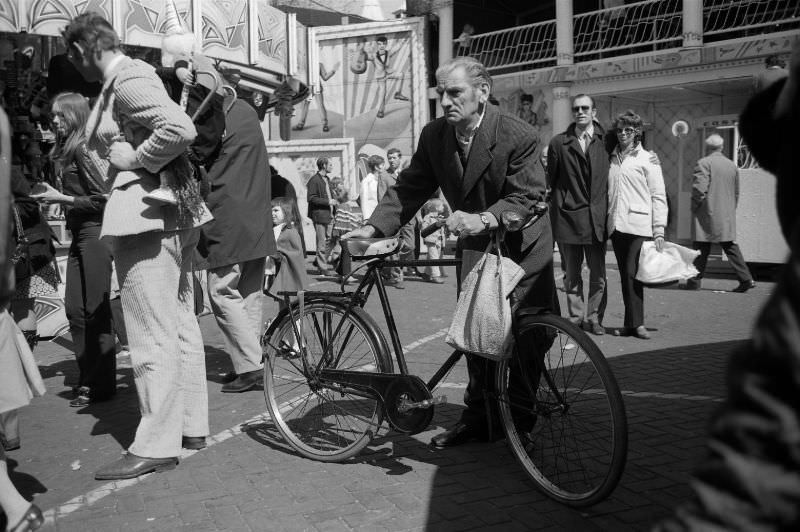
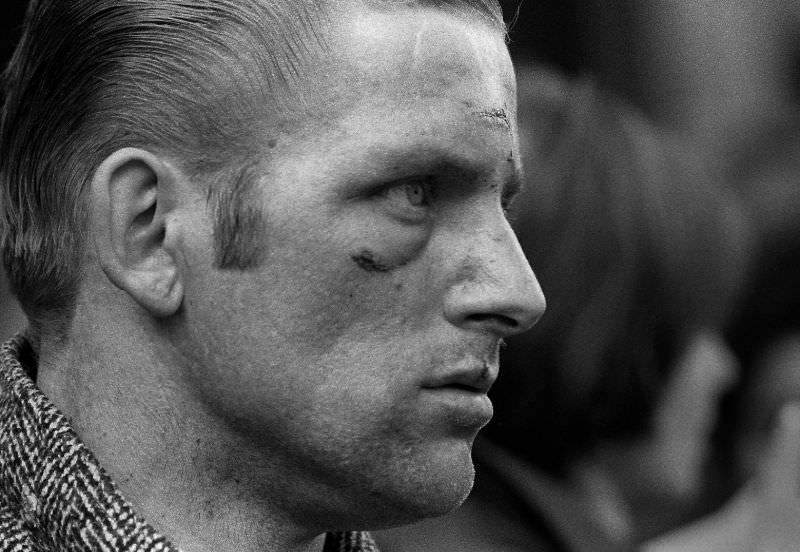
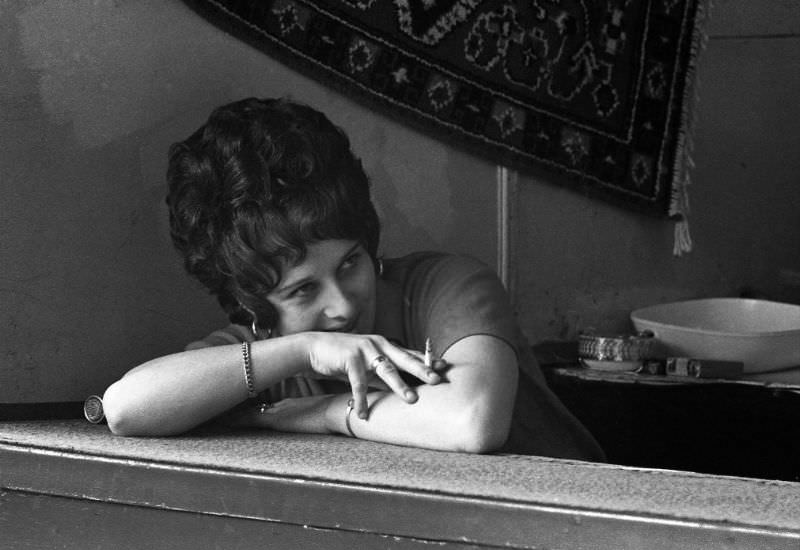
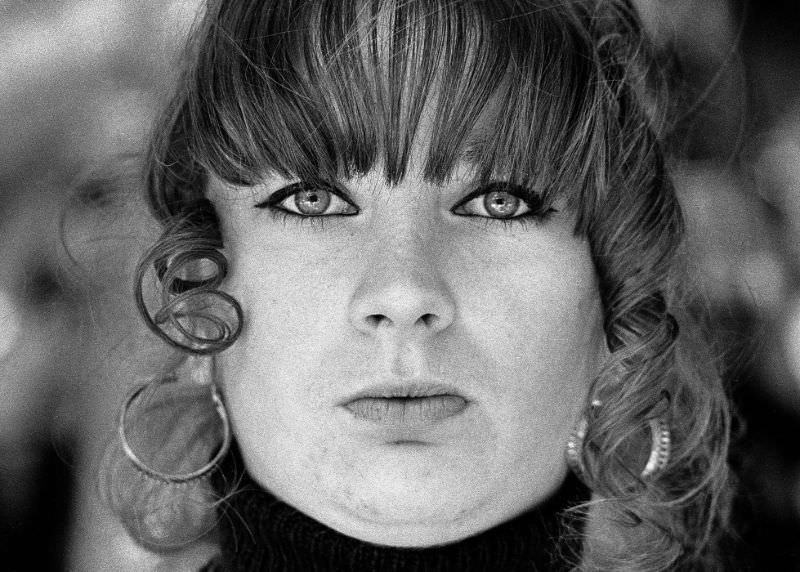
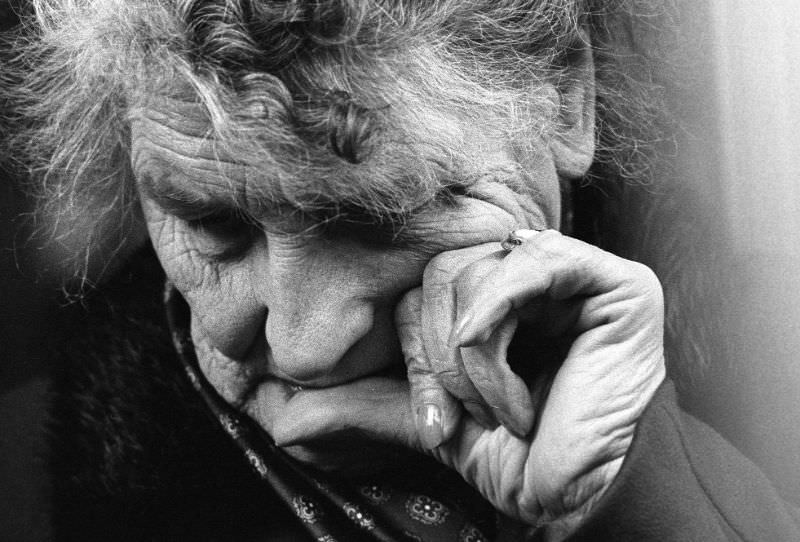
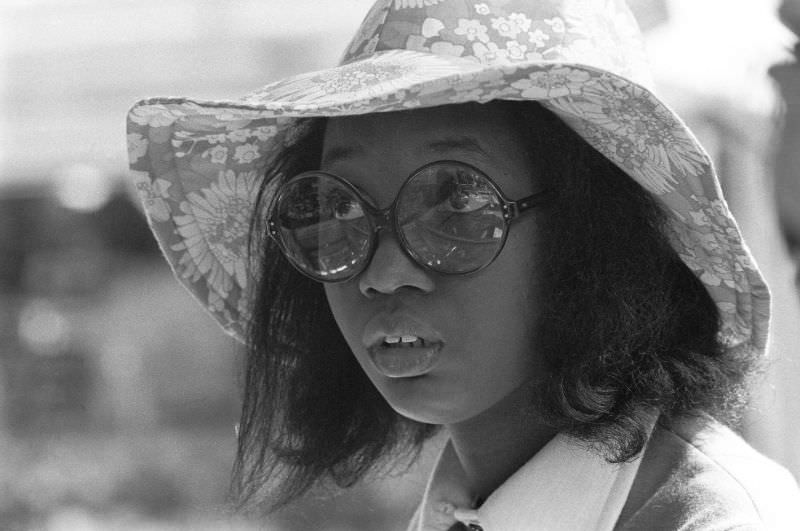
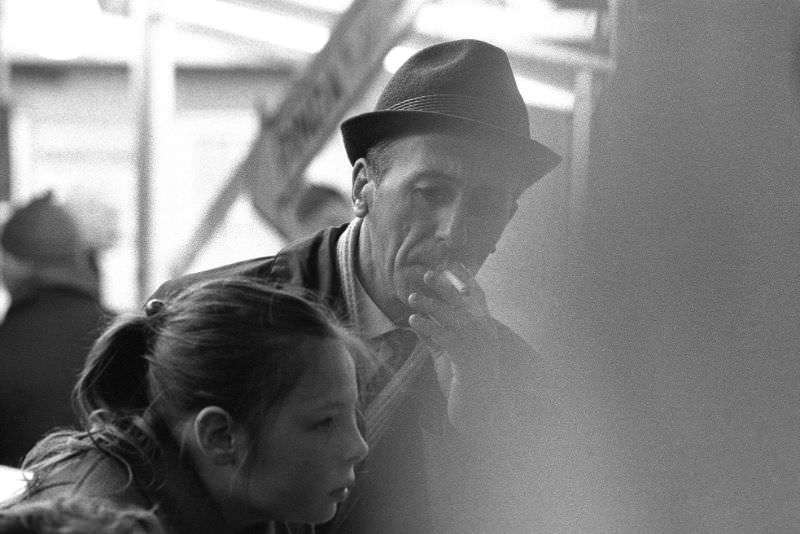
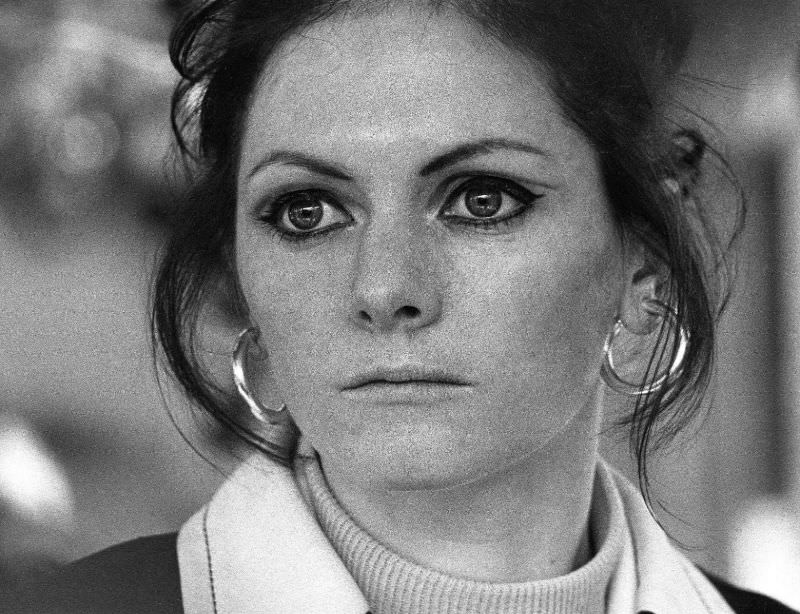
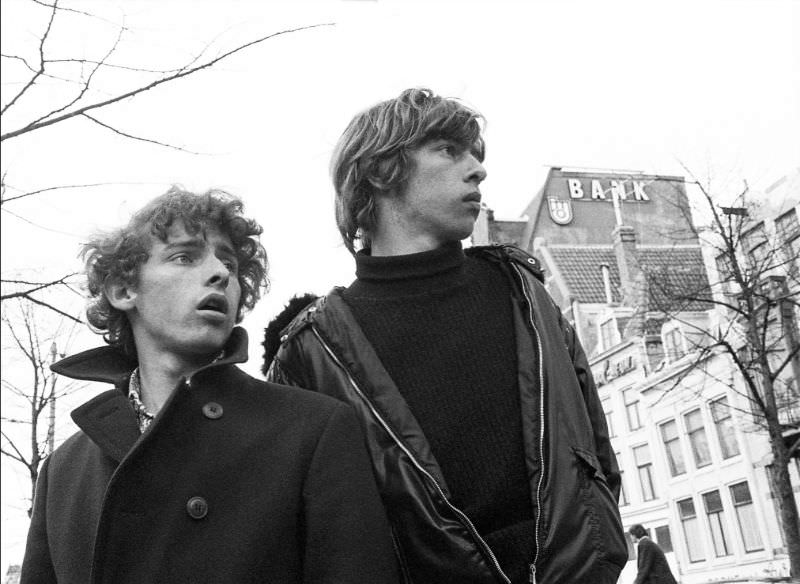
It was against this backdrop that the photographers at WOMEN & WORLD took to the streets with their cameras. The collection below is a series of black and white portraits shot across Amsterdam during this decade. The photos don’t focus on landmarks or events — they focus on people. Ordinary Amsterdammers caught in everyday moments on sidewalks, in markets, and along the canals.
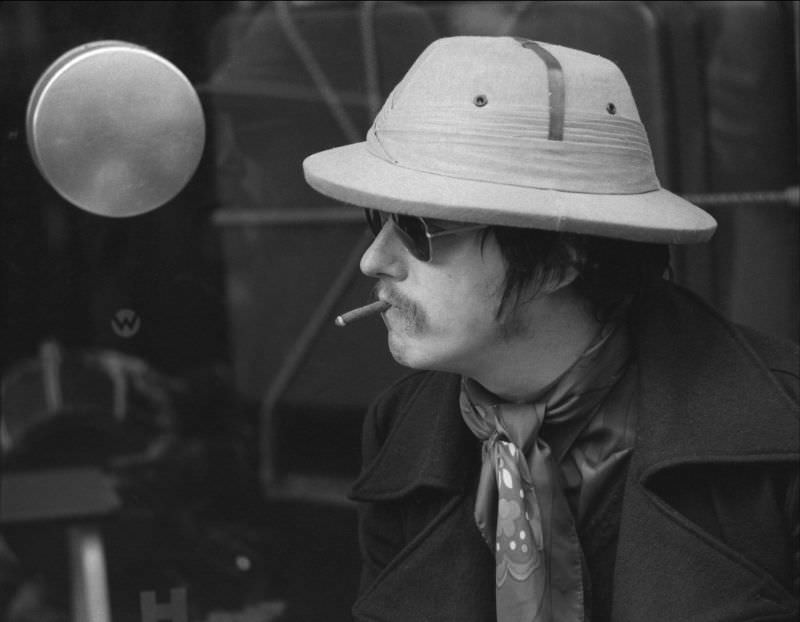
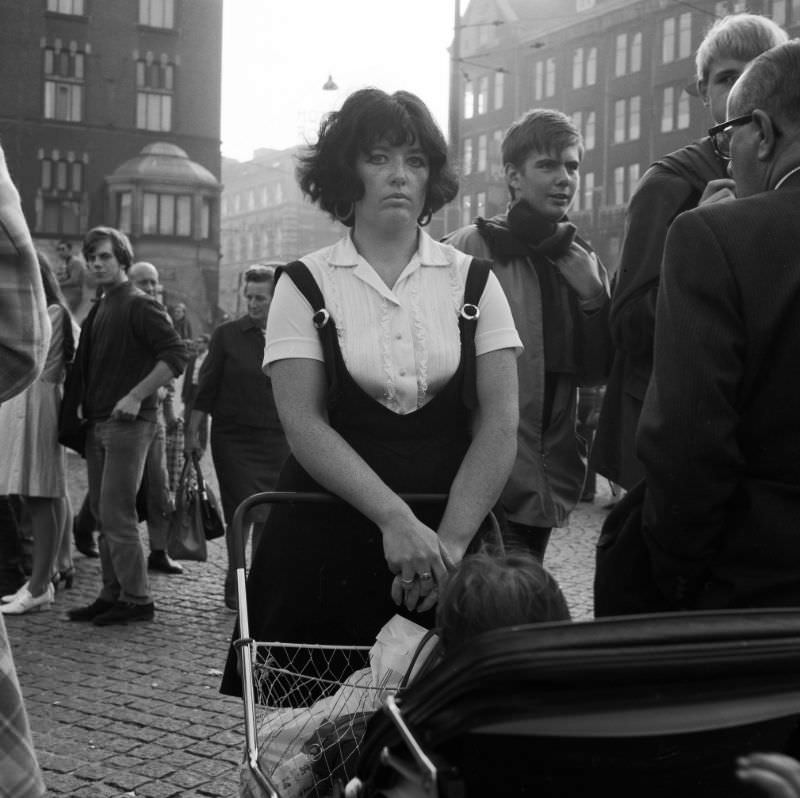
Black and white photography strips away color and forces attention onto faces, posture, light, and shadow. These images do exactly that. You see the texture of a coat, the weight of a bag, the way a person holds themselves on a busy street. The decade’s fashions — wide lapels, long coats, headscarves — mark the time clearly.
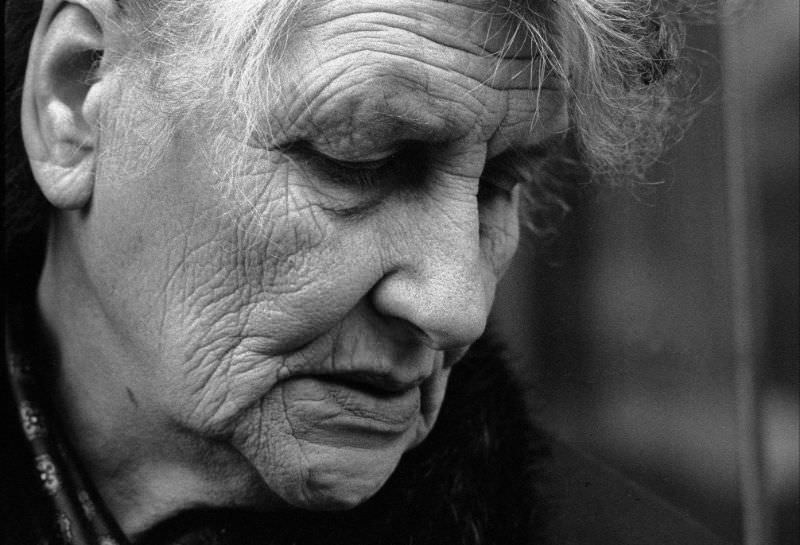
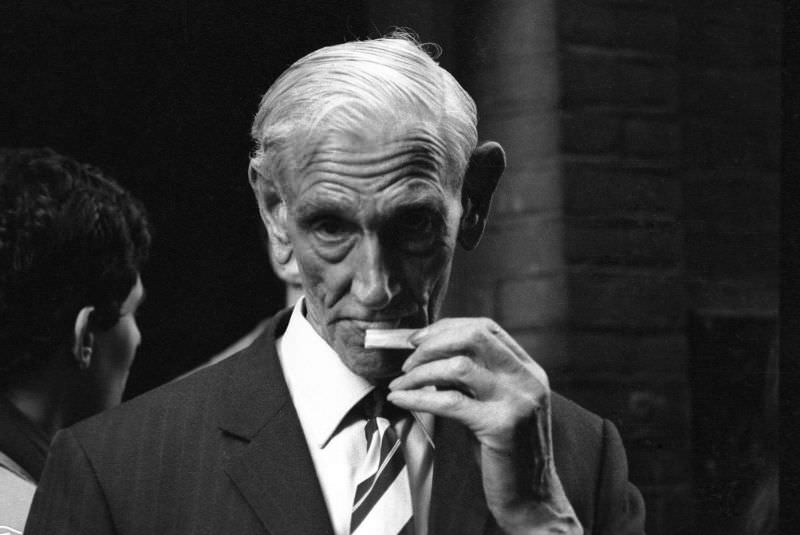
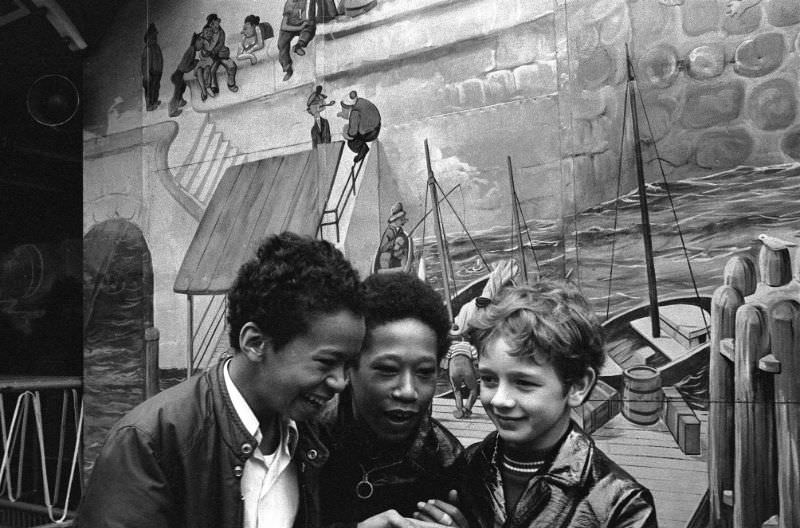
Street photography like this is a historical document. It shows who was actually in Amsterdam during those years — not just the famous or the powerful, but the shopkeeper, the child on a bike, the elderly man at a café. These are the people who lived through the city’s transformation firsthand.
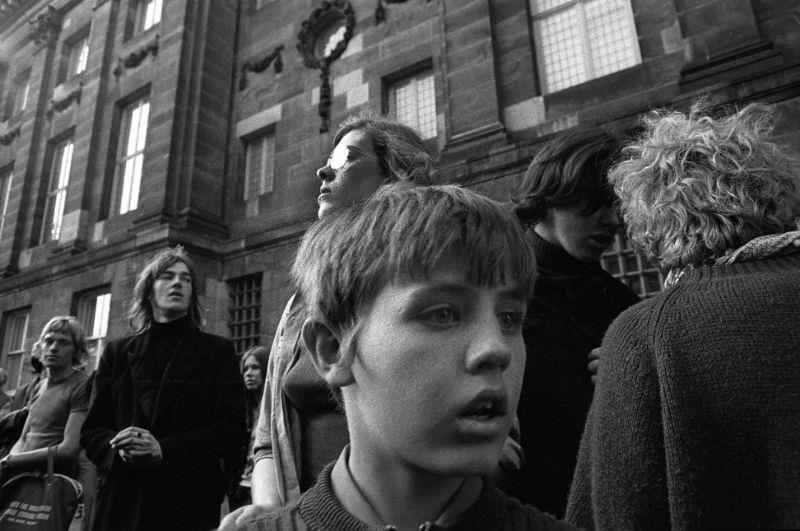
The 1970s also saw significant political activity in Amsterdam. Squatter movements occupied empty buildings, protesting housing shortages. Protests against urban renewal plans — especially around the Nieuwmarkt area, where homes were demolished to build a metro line — turned confrontational. The city was alive with debate about who it belonged to and who it was being built for.
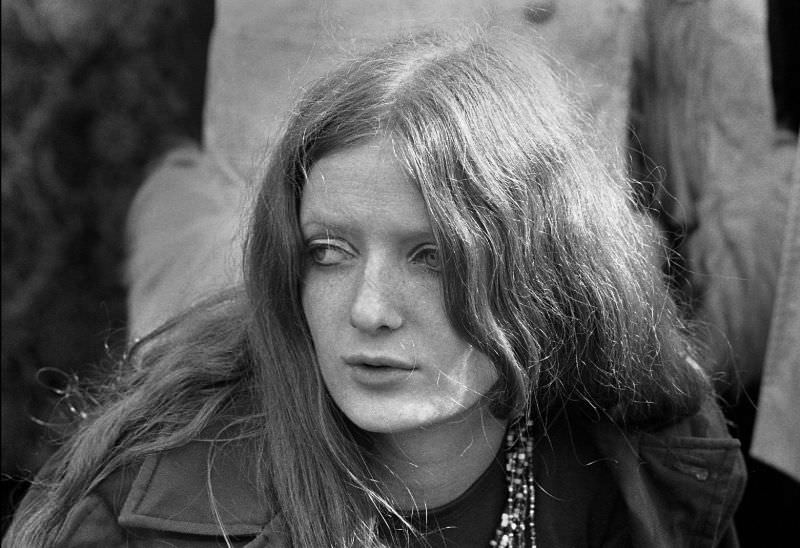
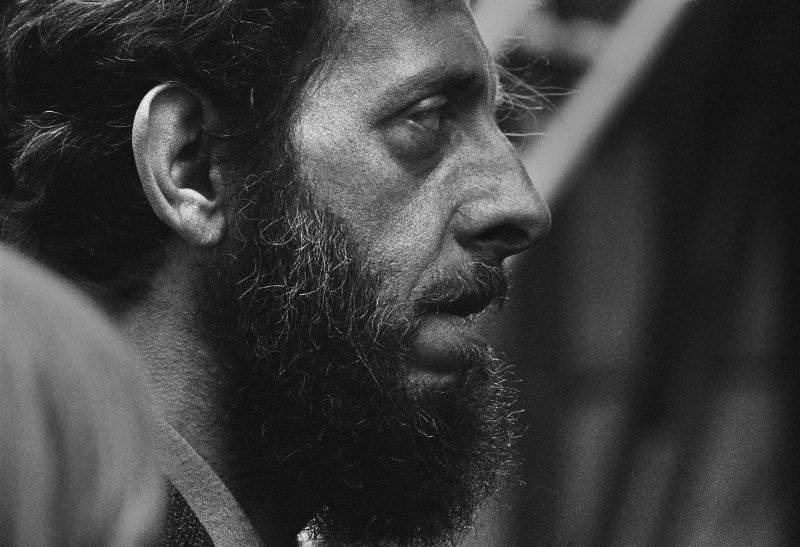
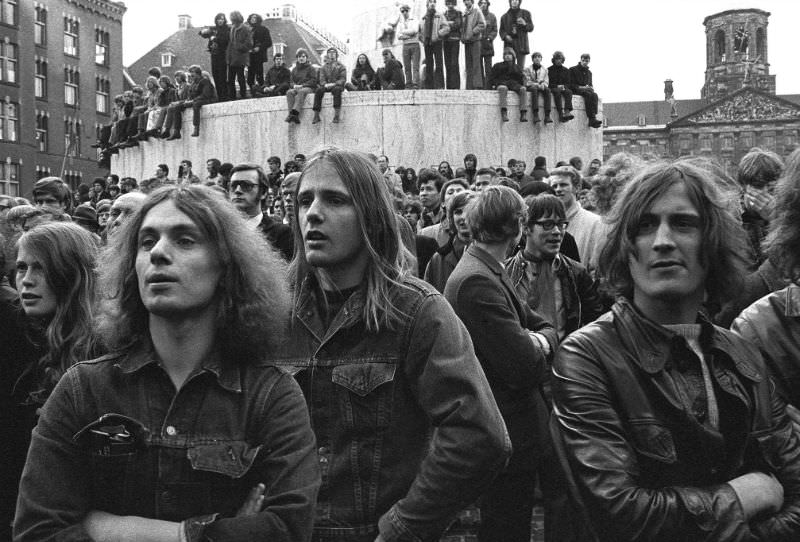
None of that conflict shows on every face, of course. Many of these portraits simply capture a quiet moment — a glance toward the camera, a conversation mid-sentence, a person walking past without noticing the lens at all. That mix of the candid and the composed is part of what makes the collection so compelling.