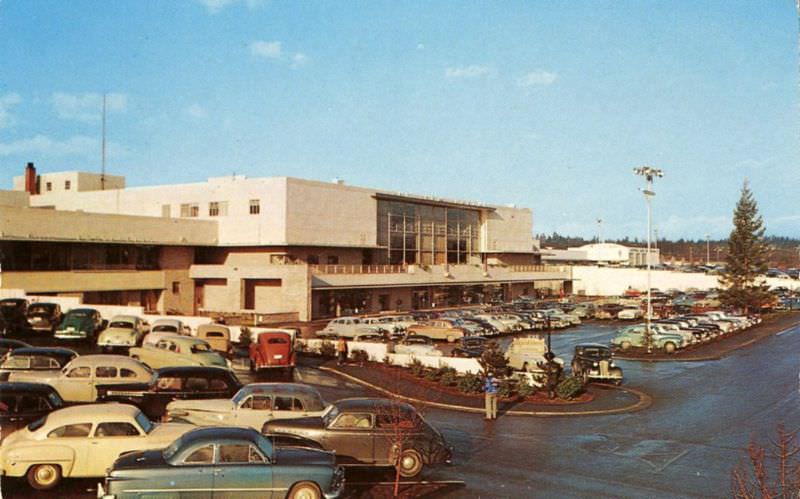
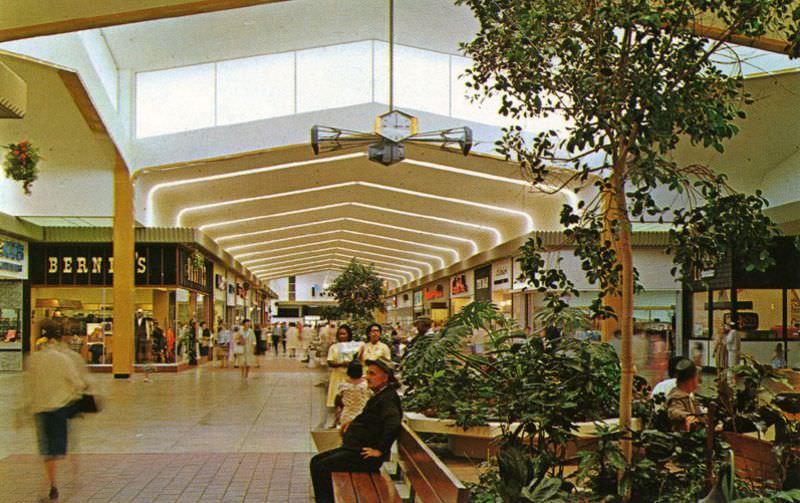
After World War II, America changed fast. Soldiers came home, families grew, and millions of people moved out of cities into new suburban neighborhoods. With that shift came a brand-new question: where do all these people shop? The answer reshaped American life for decades — the shopping mall.
Before malls, shopping meant driving to a busy downtown strip, hunting for parking, and walking from store to store in the heat, rain, or cold. Malls eliminated all of that. Everything a family needed — clothing, food, housewares, entertainment — sat under one roof. Parking lots were wide, paved, and free. For a car-loving country, it was a perfect match.
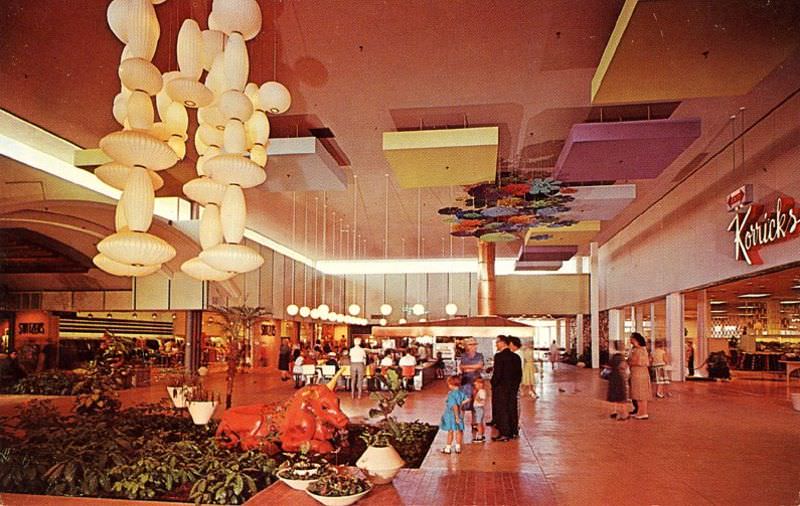
The mall that set the standard for everything that followed opened in 1956 in Edina, Minnesota. Southdale Center, designed by Austrian-born architect Victor Gruen, was the first fully enclosed, climate-controlled shopping mall in the United States. Its two-story layout brought together dozens of retailers anchored by large department stores, all connected by wide, comfortable corridors. Shoppers in Minnesota no longer had to brave brutal winters to run errands. That simple idea — protection from the weather — turned out to be revolutionary.
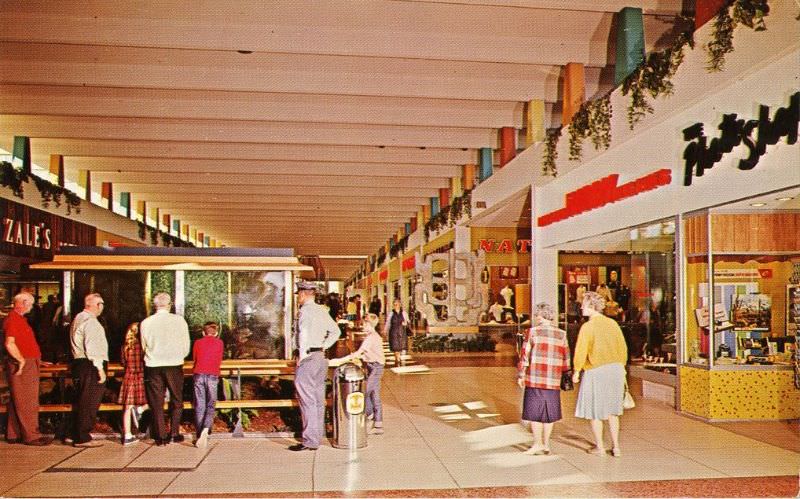
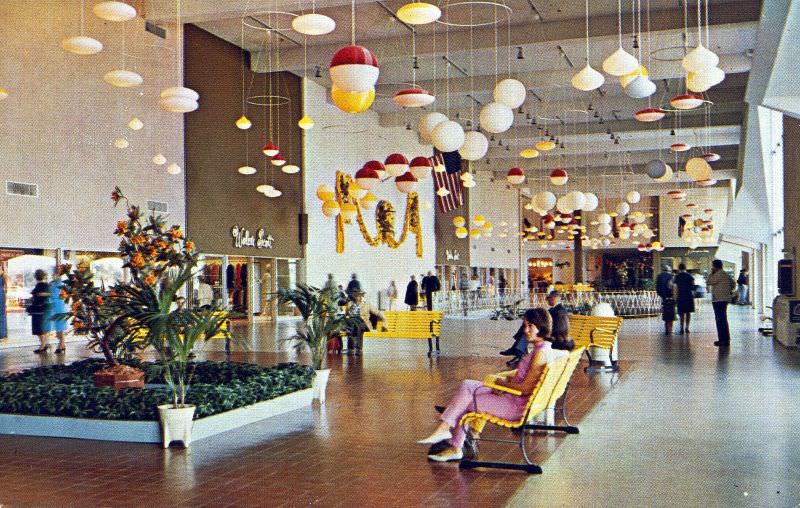
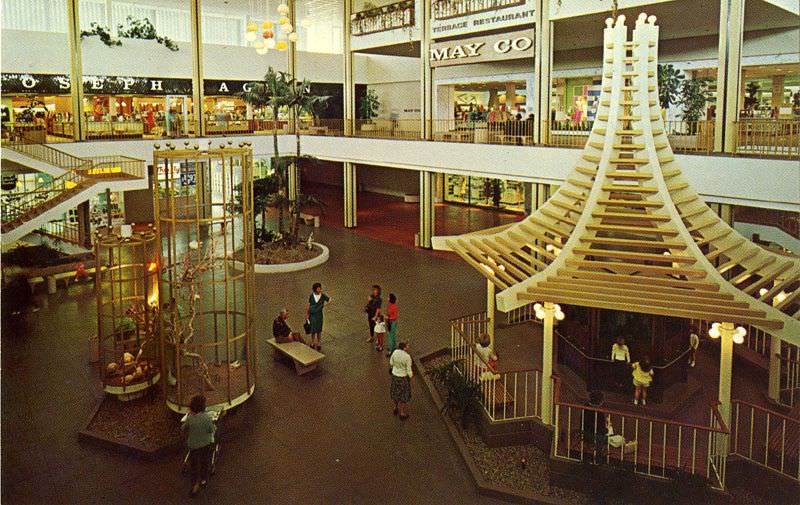
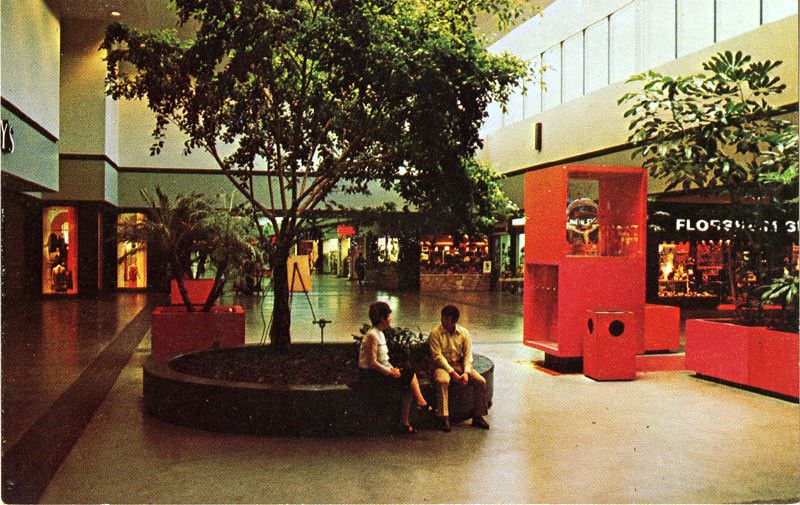
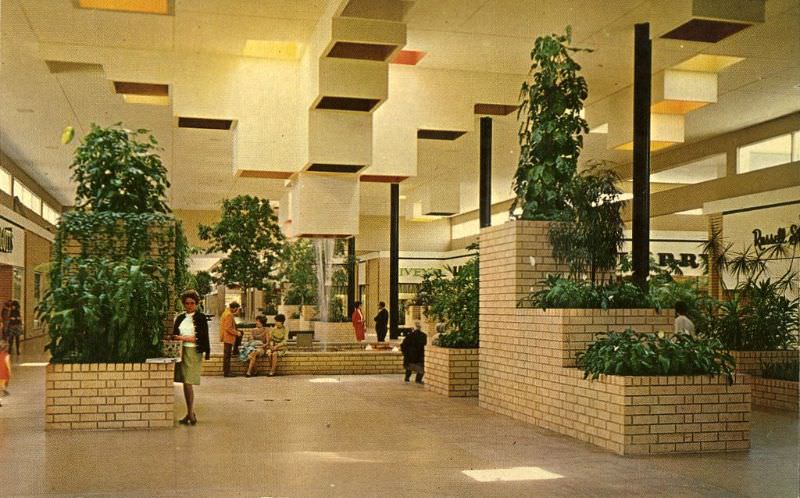
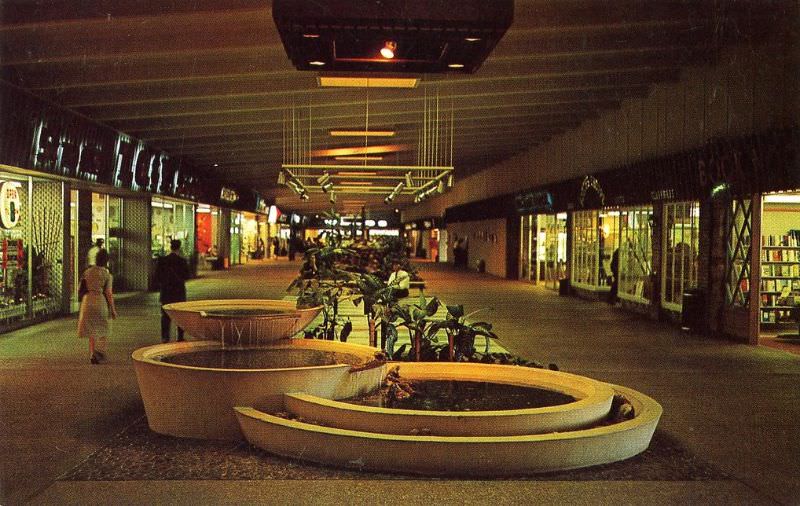
Gruen’s design wasn’t just practical — it was carefully crafted to keep people inside longer. He included fountains, potted plants, benches, and open gathering spaces. Natural light poured in through large glass windows. The goal was to replicate the feeling of a European town square, a place where people lingered rather than rushed. It worked. Shoppers didn’t just come to buy things; they came to spend time.
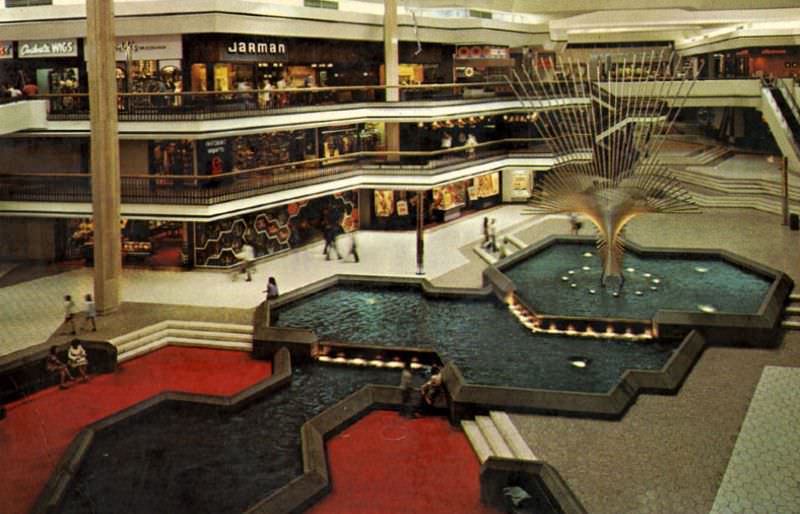
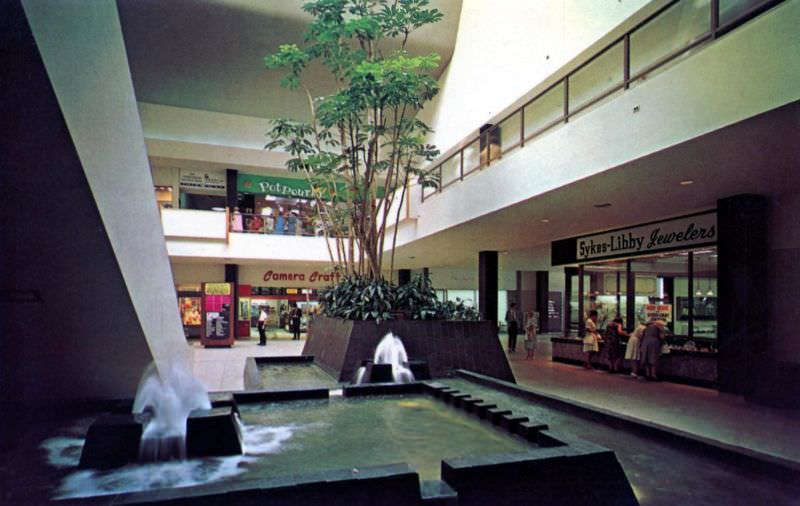
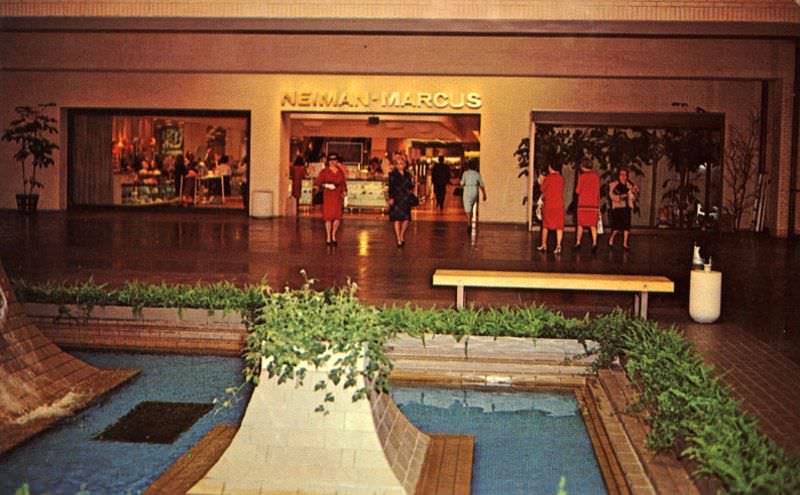
Fountains became one of the most recognizable features of mid-century malls. They gave interiors a sense of elegance and provided a natural gathering point. Kids dragged parents over to toss in coins. Teenagers met friends beside them. They weren’t just decorative — they were social anchors.
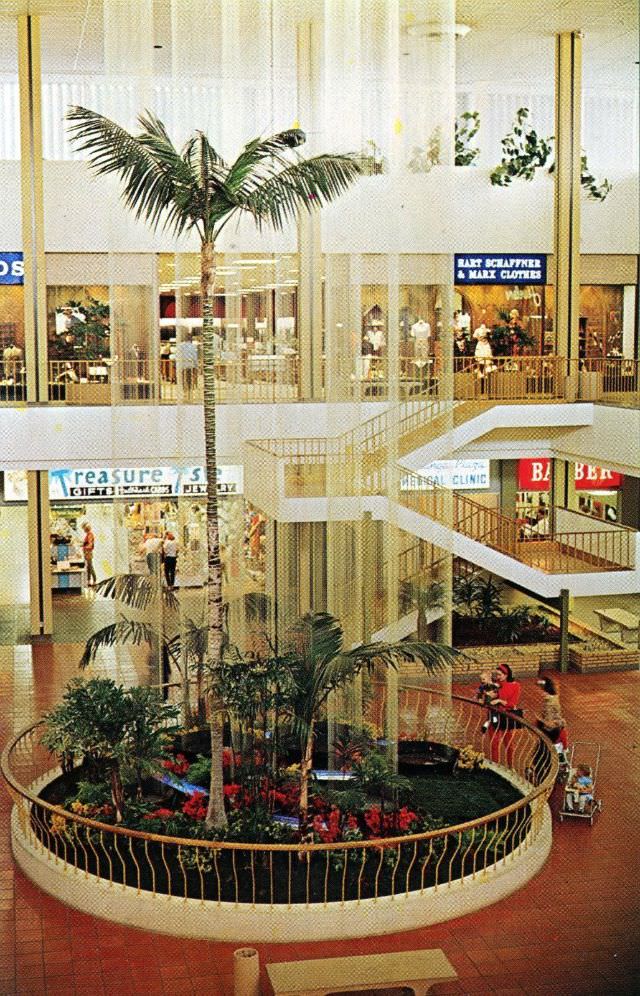
Malls spread quickly across the country throughout the 1950s. Developers followed the suburban population, planting new retail centers in growing communities from California to Connecticut. Each region gave its malls a slightly different character, but the core formula stayed the same: anchor department stores at either end, specialty shops filling the corridors between them, and plenty of common space in the middle.
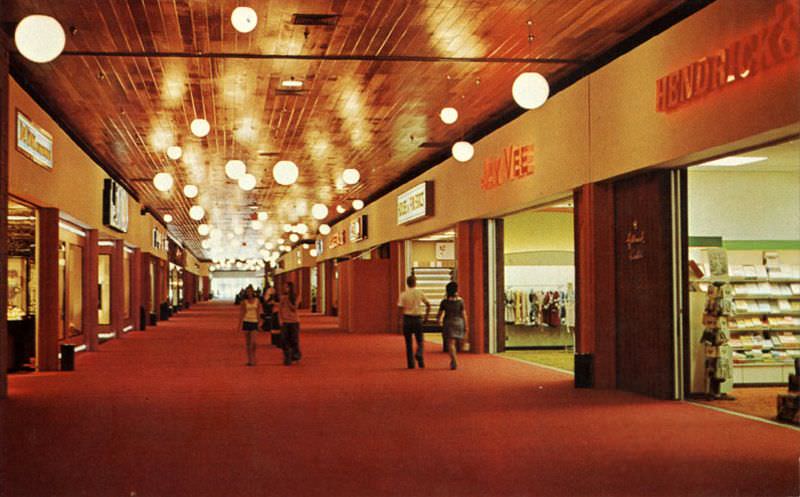
Not all early malls were fully enclosed. Some were open-air shopping centers with covered walkways connecting stores arranged around a central courtyard or parking area. These were especially common in warmer climates like Florida, Arizona, and Southern California, where year-round mild weather made full enclosure less necessary. They still offered the same convenience — multiple stores, one location — just with a breeze running through.
Florida became a hotbed for mall development in the 1950s. The state’s postwar population boom mirrored what was happening across the Sun Belt, and developers raced to build retail centers that could serve rapidly expanding communities. Towns like St. Petersburg, Jacksonville, Tampa, and Daytona Beach each got their own malls, each one a new community landmark.
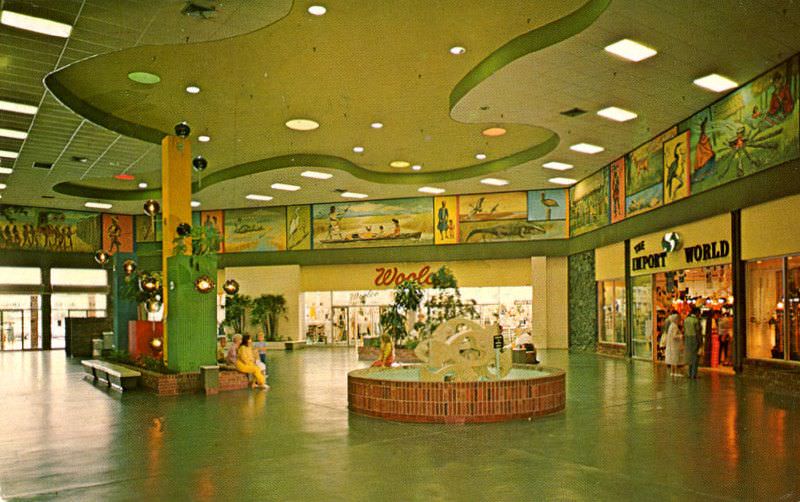
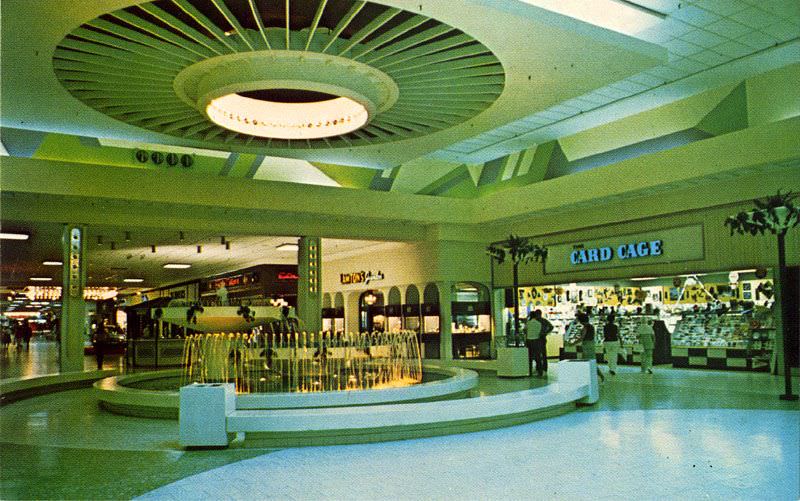
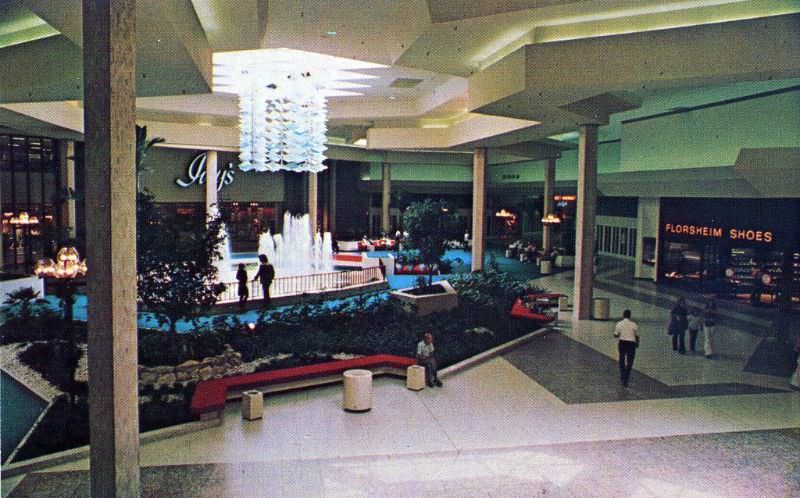
Beyond retail, malls served as genuine community spaces. Local events, seasonal celebrations, and holiday displays filled their common areas throughout the year. A shopping trip in December meant walking past Christmas trees, live music, and Santa Claus setups. Easter brought egg hunts. Back-to-school season brought fashion shows. The mall calendar matched the community calendar.
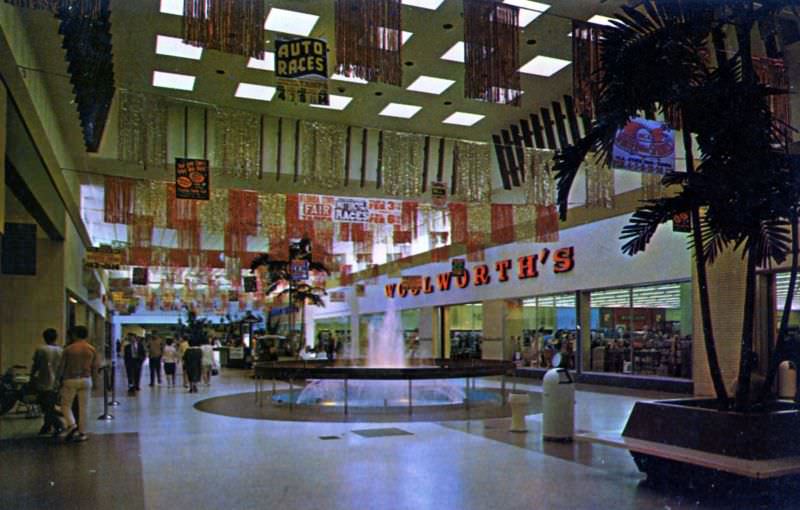
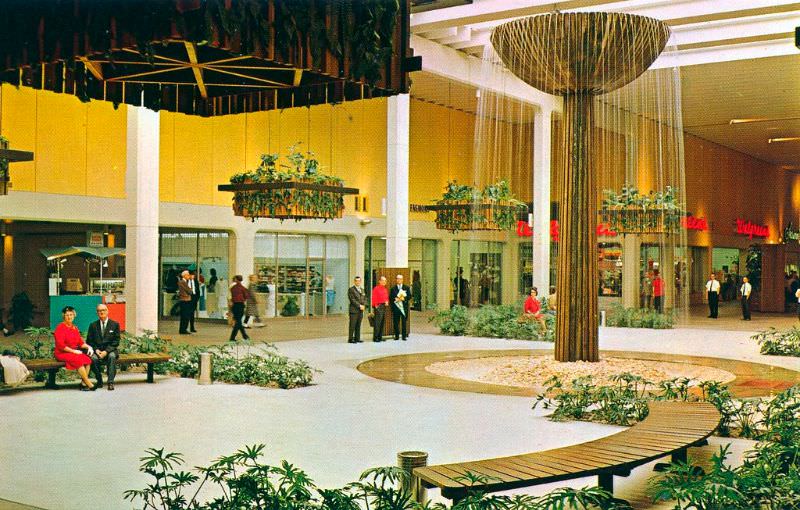
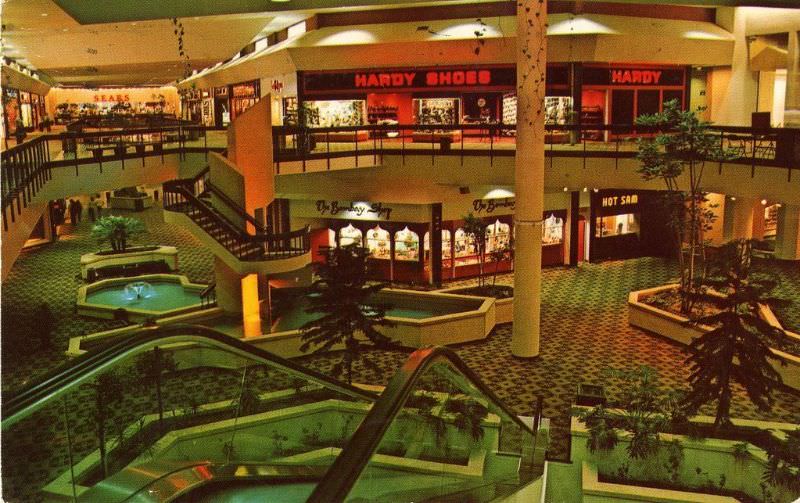
In the Midwest, malls took on a particularly important role. Cities like Chicago anchored massive retail centers that served dense urban populations, while smaller Illinois towns built their own scaled-down versions. The Old Orchard Shopping Center in Skokie, Illinois opened in 1956 — the same year as Southdale — and became one of the most admired open-air mall designs in the country.
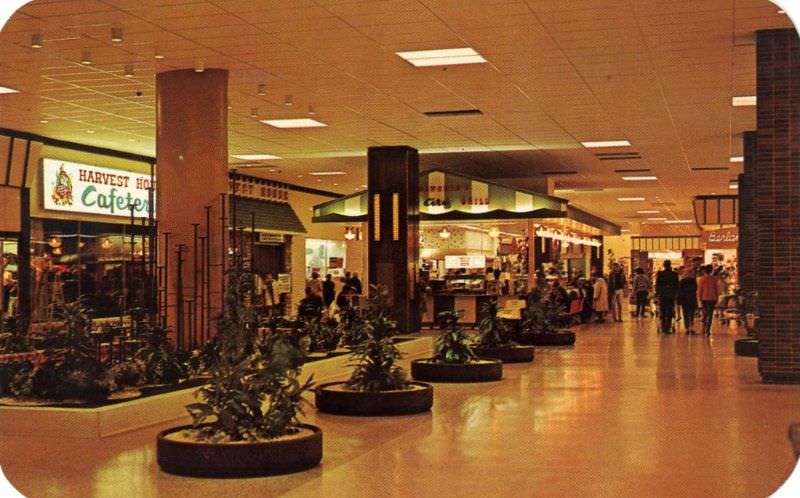
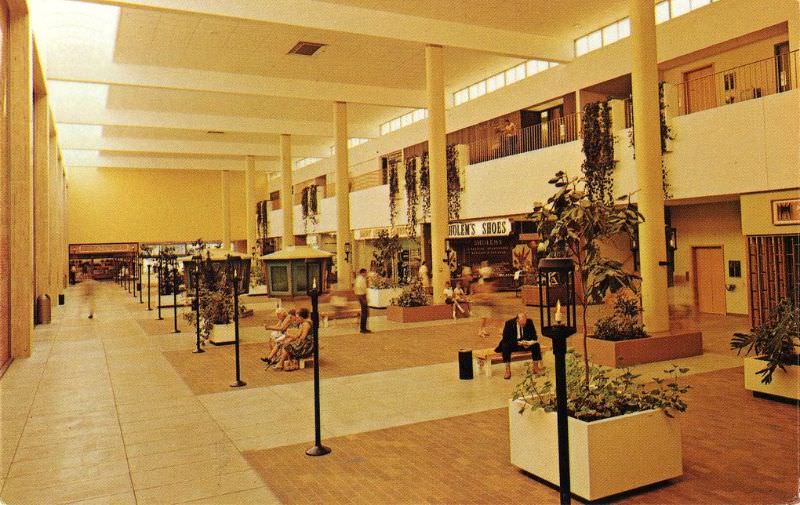
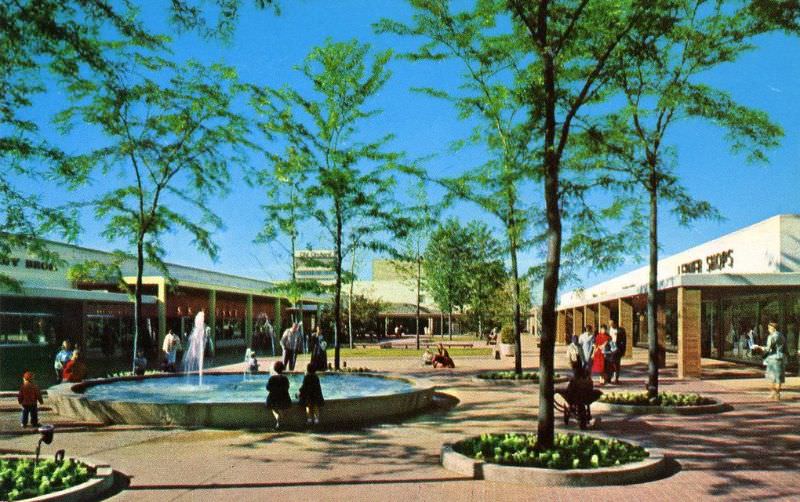
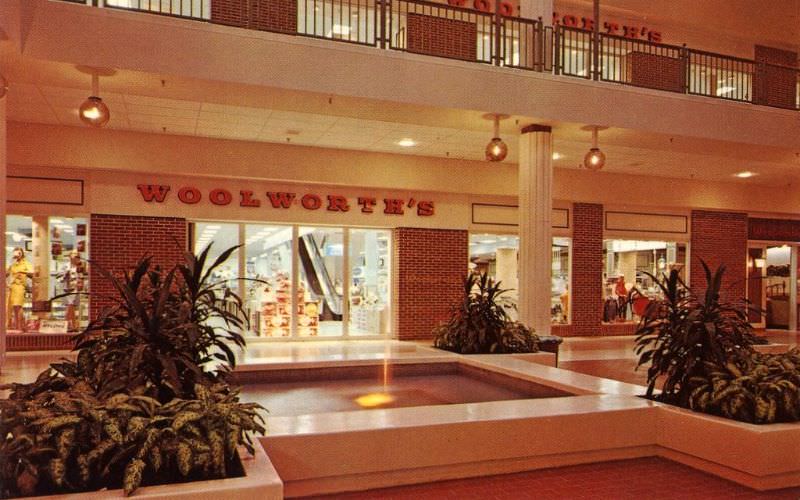
Water features appeared in malls from Iowa to Michigan, signaling that these were spaces meant to impress. Architects and developers understood that aesthetics mattered. A beautiful interior made people feel good, and people who felt good stayed longer and spent more.
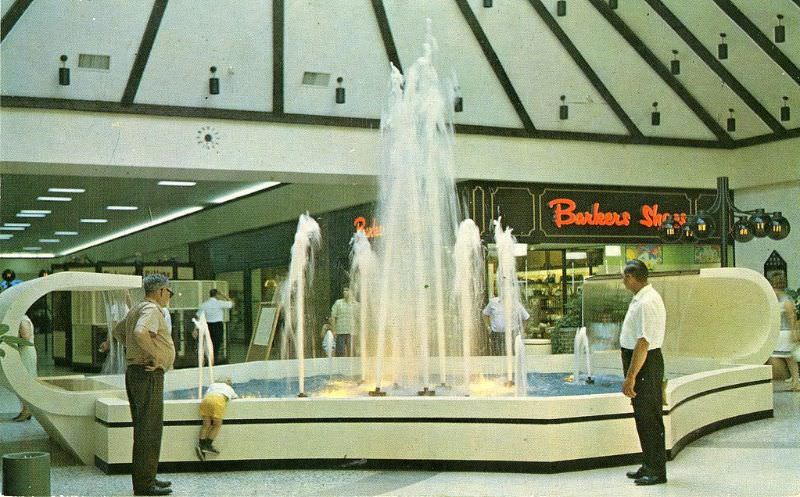
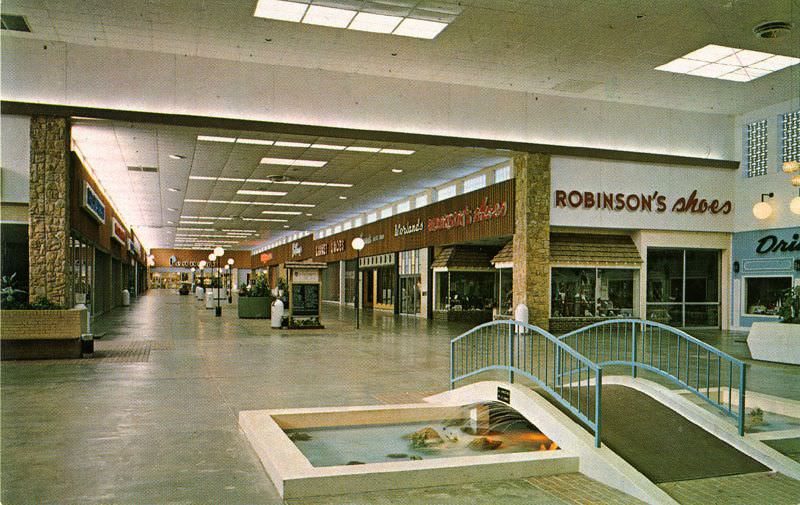
New England embraced the mall format just as enthusiastically. Massachusetts, in particular, saw several major shopping centers open across its growing suburban belt — from Burlington to Springfield to Danvers. Each one pulled shoppers away from older downtown districts and cemented the suburban mall as the dominant retail model for decades to come.
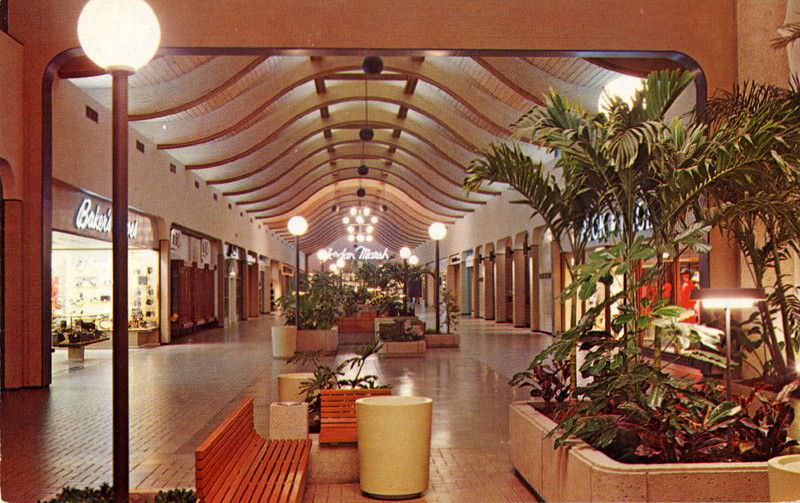
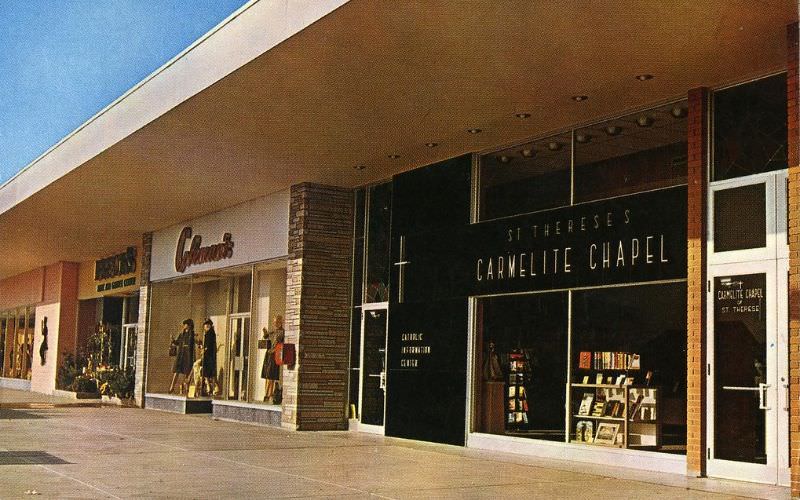
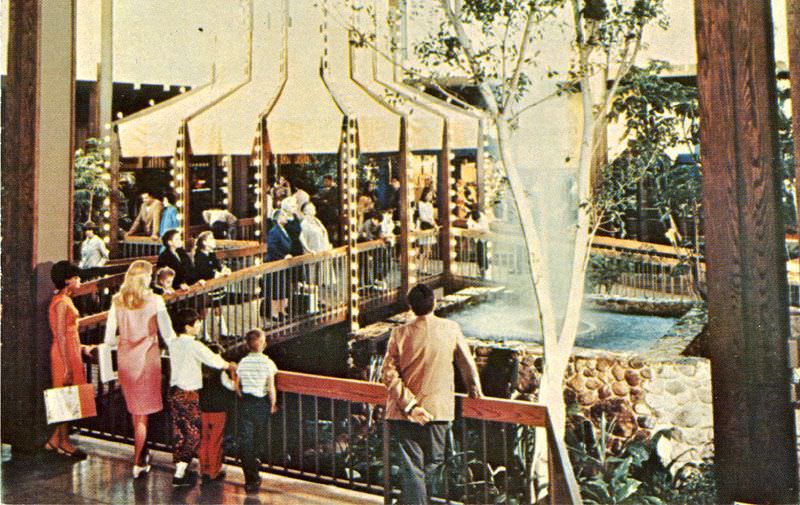
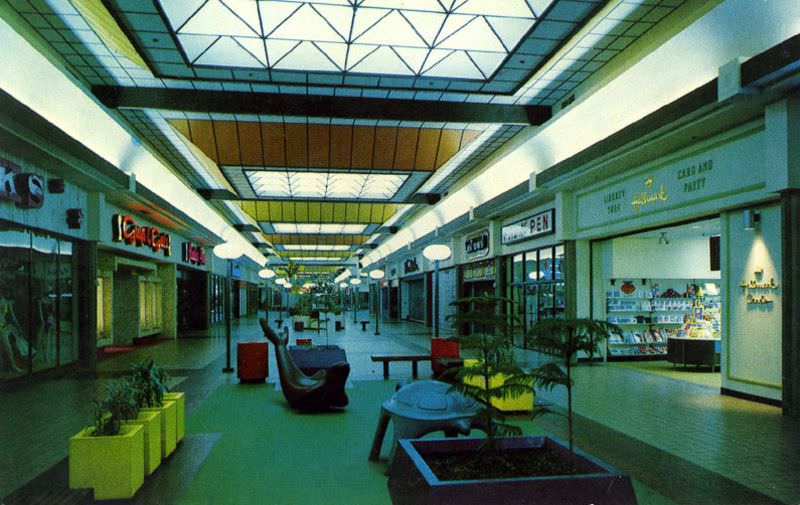
Michigan produced some of the most architecturally distinctive malls of the era. Northland Center in Southfield, designed by Victor Gruen and opened in 1954, was actually one of Gruen’s earlier large-scale projects and served as a direct prototype for Southdale. Eastland Center in Harper Woods followed in 1957, complete with bold sculpture and dramatic interior design that reflected the optimism of the postwar period.
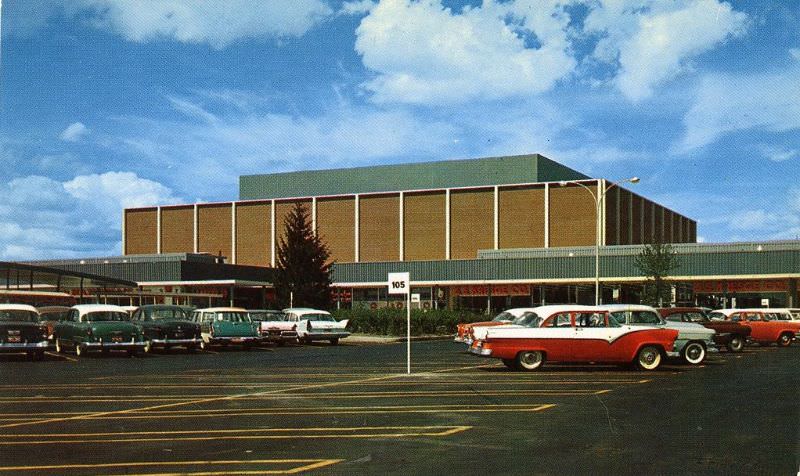
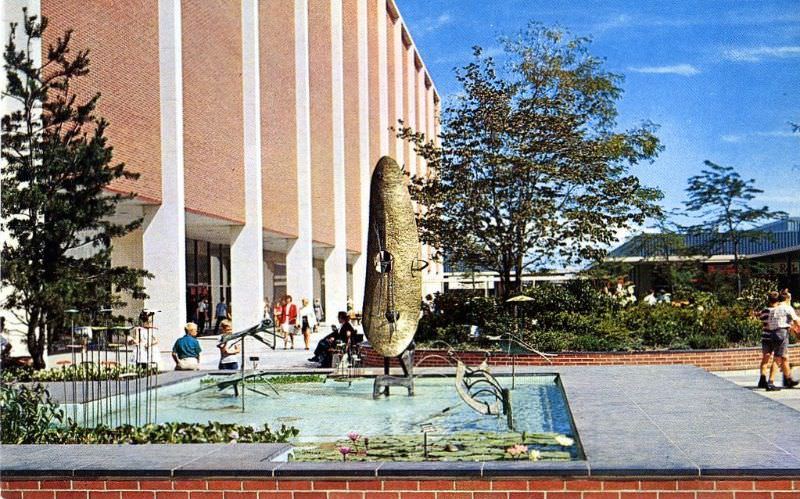
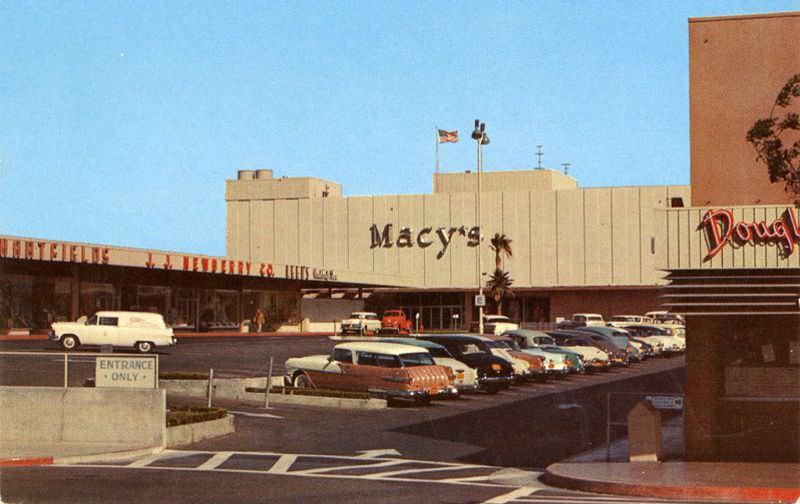
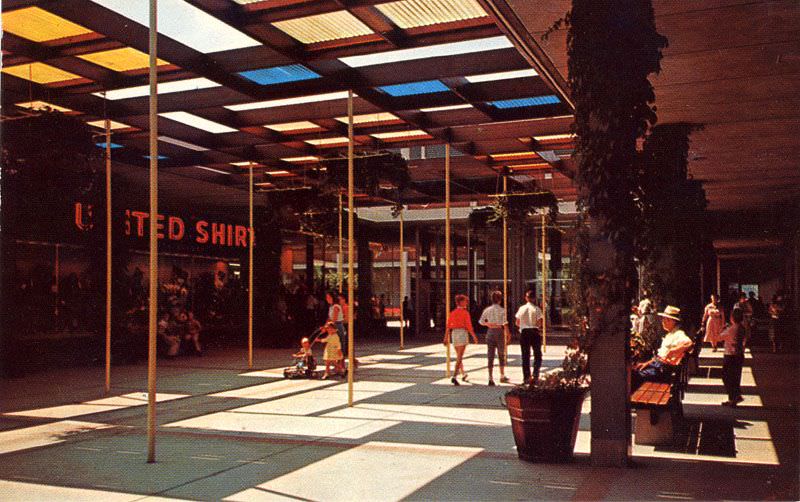
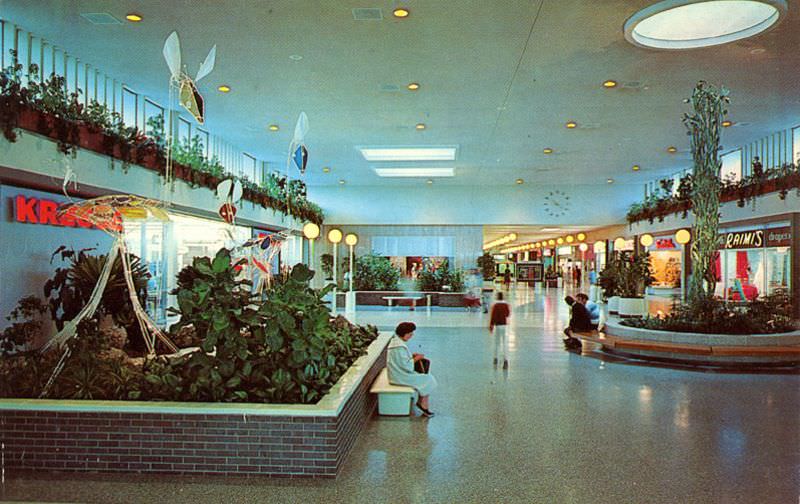
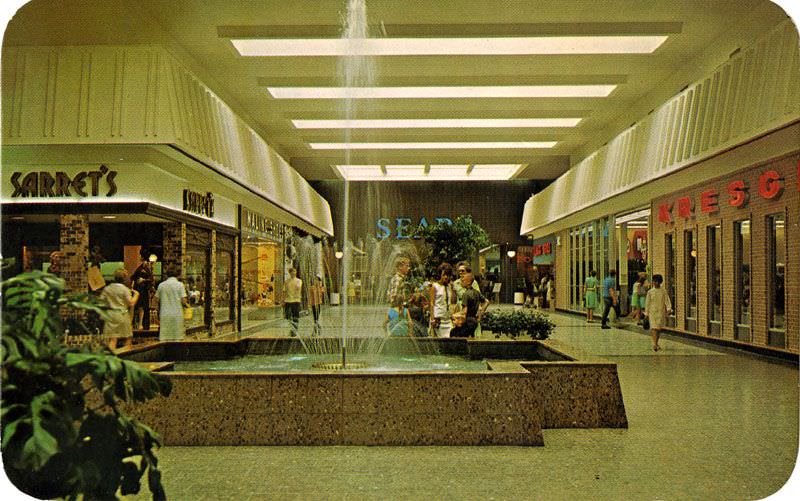
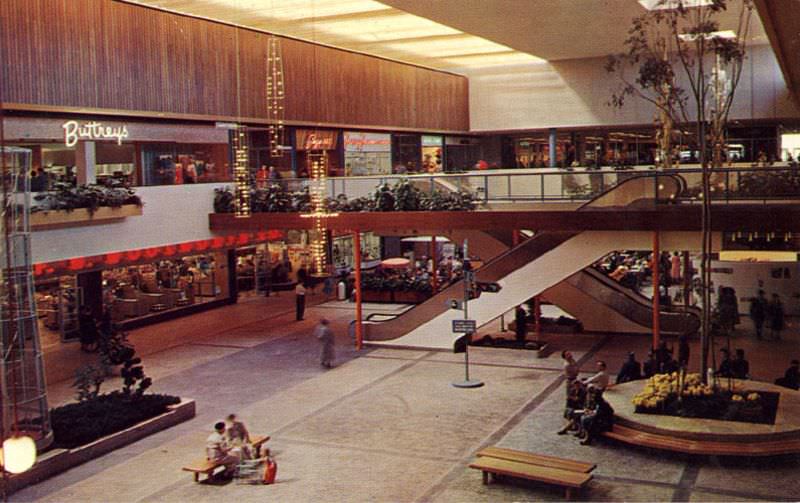
New York State brought its own character to the mall format. The Midtown Plaza in Rochester, which opened in 1962, was built directly into the downtown core — a deliberate attempt to revitalize an urban center rather than abandon it for the suburbs. It stood apart from the typical suburban model and showed that the mall concept was flexible enough to adapt to different settings.
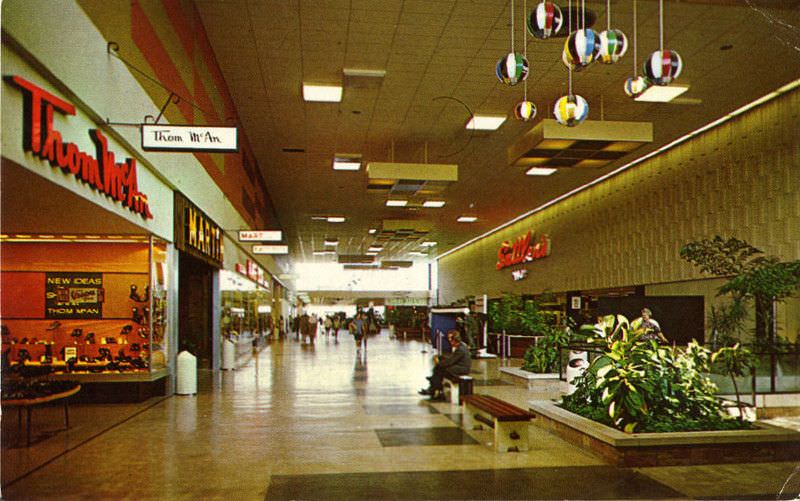
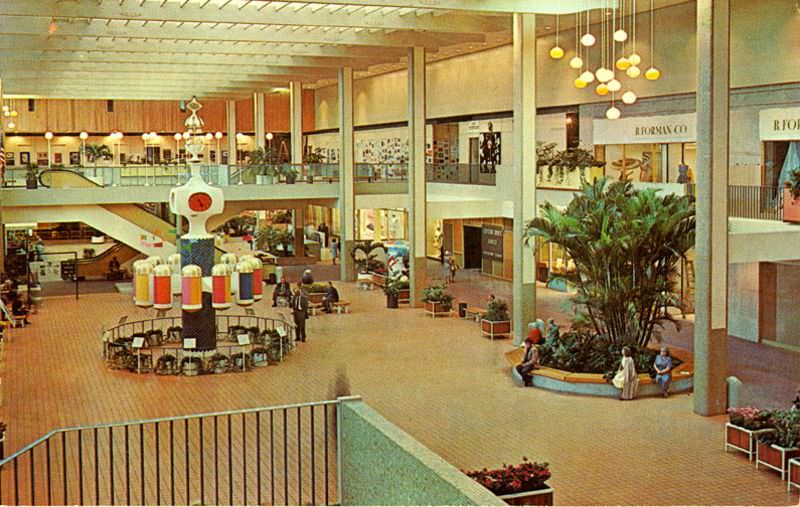
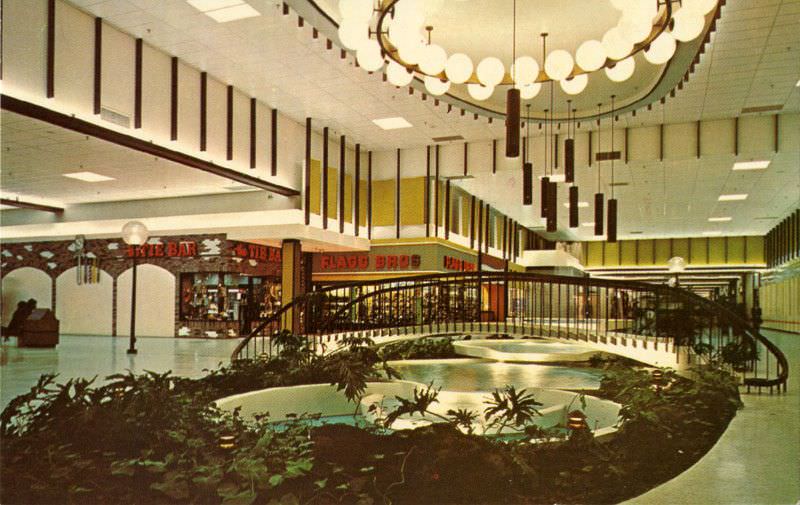
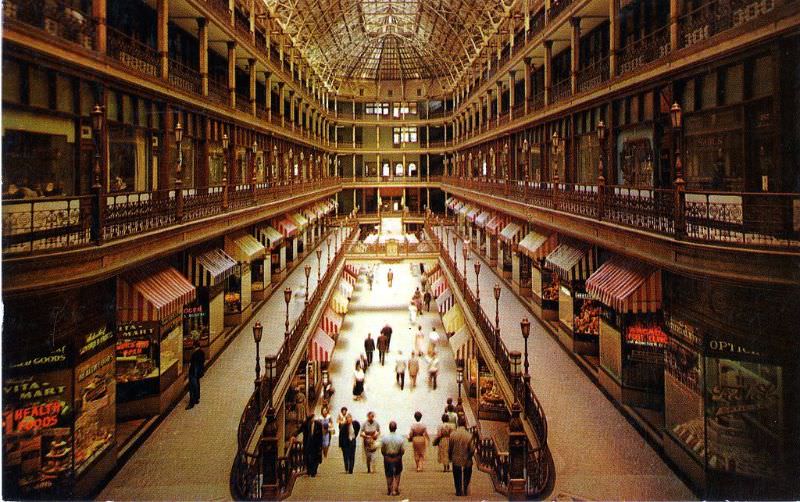
Ohio’s malls ranged from the historic arcade-style galleries of Cleveland to modern suburban centers built specifically to serve the state’s growing car-owning population. Wide corridors, comfortable seating, and a mix of retail and dining defined the Ohio mall experience, just as it did across the rest of the country.
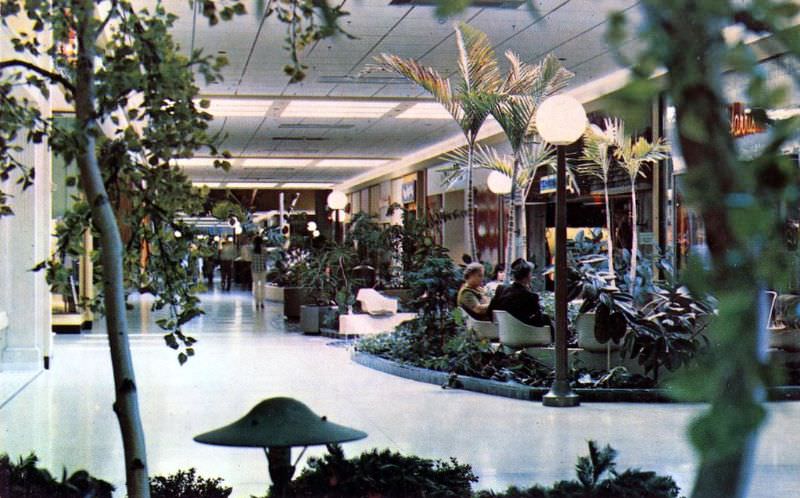
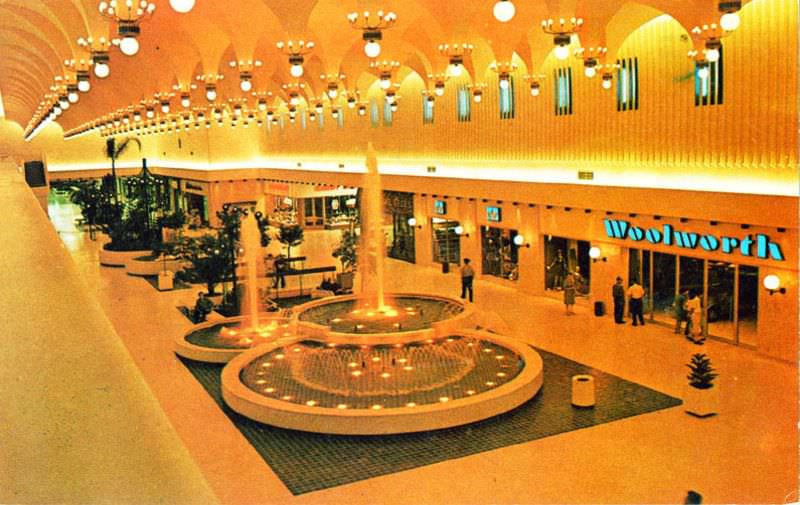
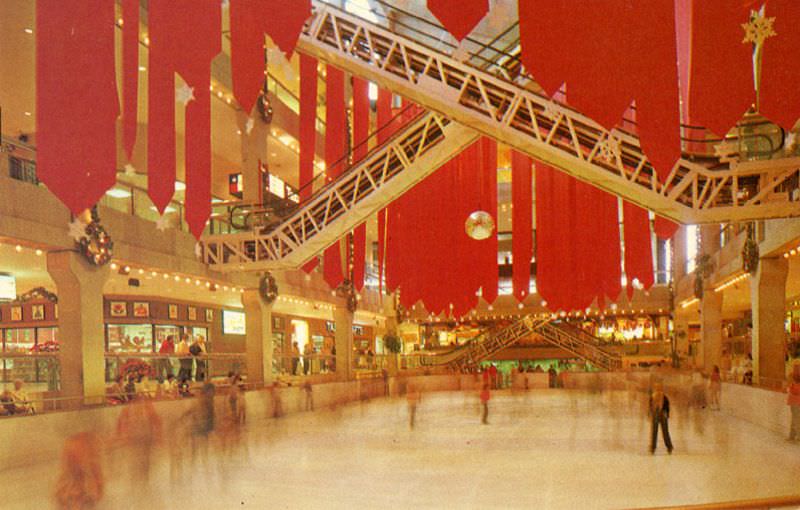
The West Coast developed its own strong mall culture. Lloyd Center in Portland, Oregon, opened in 1960 and included an ice-skating rink — one of the more dramatic amenity features any early mall offered. It drew shoppers who had no intention of buying anything, and that foot traffic benefited every store in the building. Amenities like skating rinks, carousels, and movie theaters turned malls into destinations, not just errand stops.
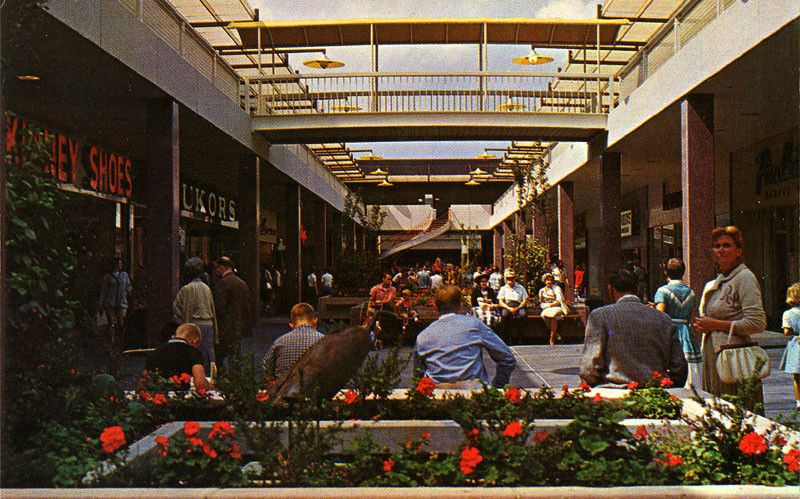
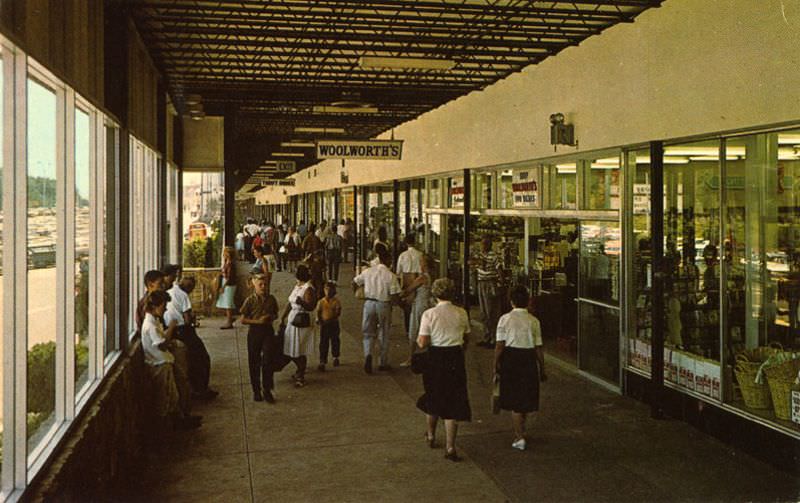
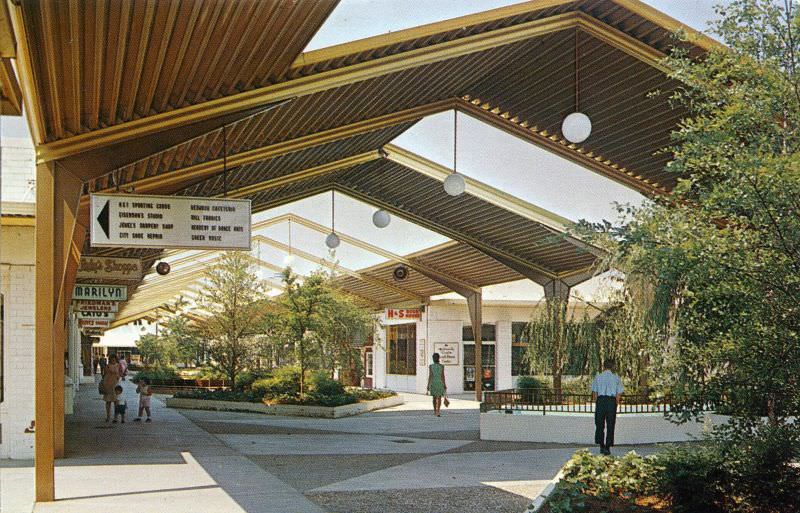
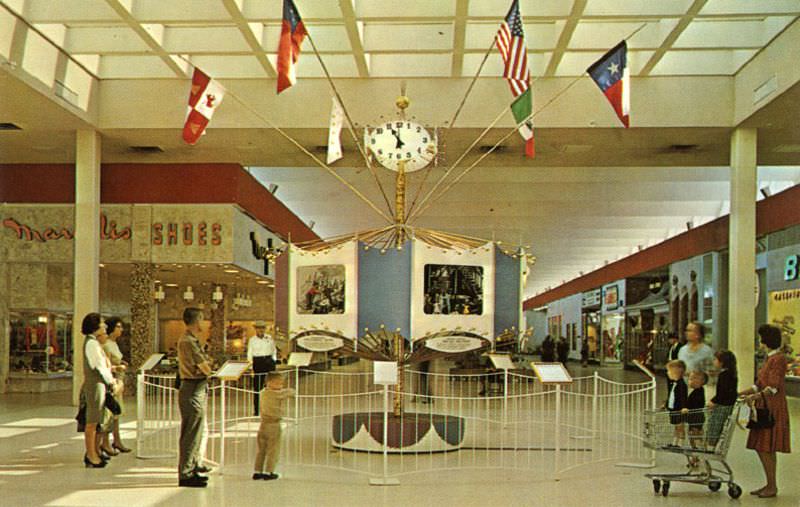
Texas embraced the mall in a big way. The state’s wide-open spaces and car-dependent cities made it a natural fit for large-scale retail centers. NorthPark Center in Dallas, which opened in 1965, became known for its fine art installations and upscale tenants. Sharpstown Mall in Houston was one of the first fully enclosed malls in the South when it opened in 1961. Both set the tone for Texas retail for years.
The Pacific Northwest added its own entries to the national mall story. Northgate Shopping Mall in Seattle, which opened in 1950, is widely considered one of the earliest modern shopping centers in the United States. Its design predated Southdale’s enclosed format but helped establish the multi-store, parking-centered retail model that Gruen would later perfect. Tacoma Mall, with its famously wide corridors, reflected a later evolution of that same idea — more space, more light, more comfort.