Long before email or overnight shipping, the United States was experimenting with something radical: delivering mail by airplane. The idea took its first real steps in 1911, when pilot Earle Ovington was sworn in as the country’s first airmail pilot during an aviation meet on Long Island. He flew a bag of mail from Garden City to Mineola, New York — a short hop, but a historic one. These early flights were one-off experiments, not part of any organized system.
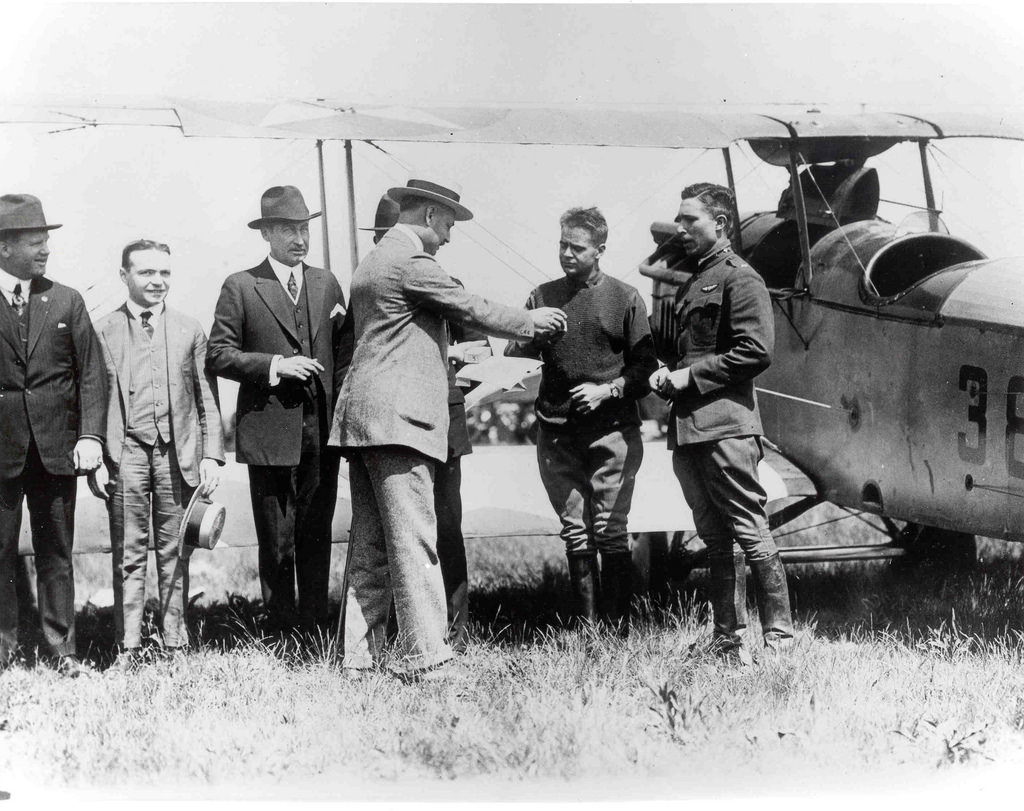
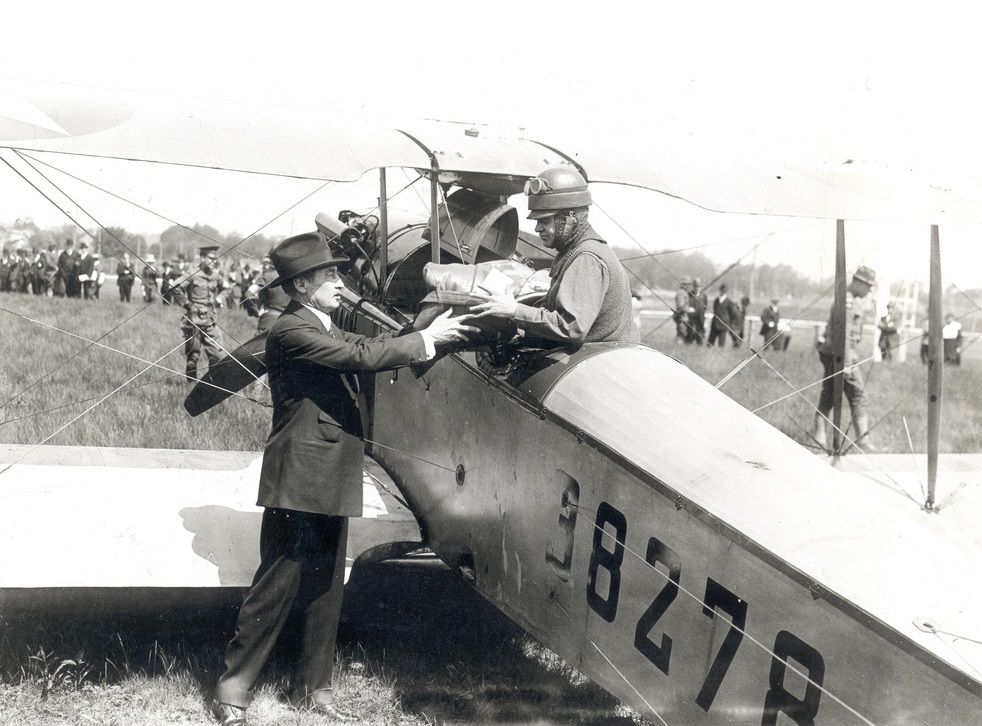
The first regular airmail service launched on May 15, 1918, connecting Washington, D.C., and New York City with a stop in Philadelphia. Army pilots flew the routes in collaboration with the U.S. Post Office. The planes used were basic by any standard, and the flights were far from routine. Weather, mechanical failures, and navigation challenges made every trip a risk.
The men who flew these routes became a distinct and celebrated group. Pilots like Eddie Gardner, Lt. James Edgerton, and Edward Killgore were among the earliest faces of American airmail — young, skilled, and operating at the edge of what aviation could do at the time.
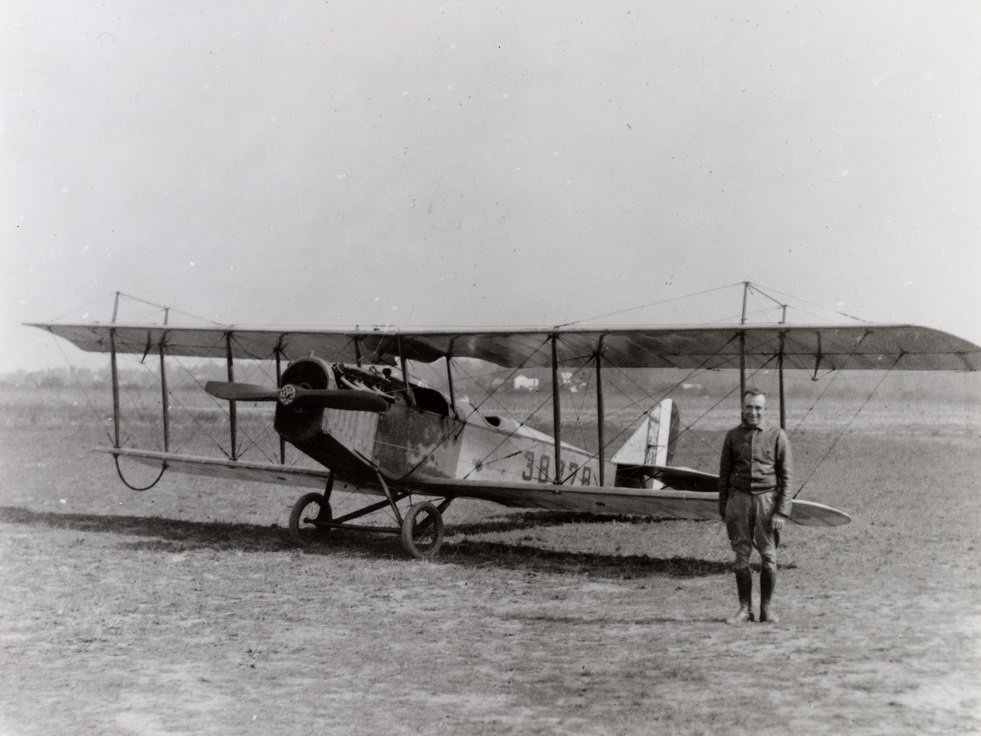
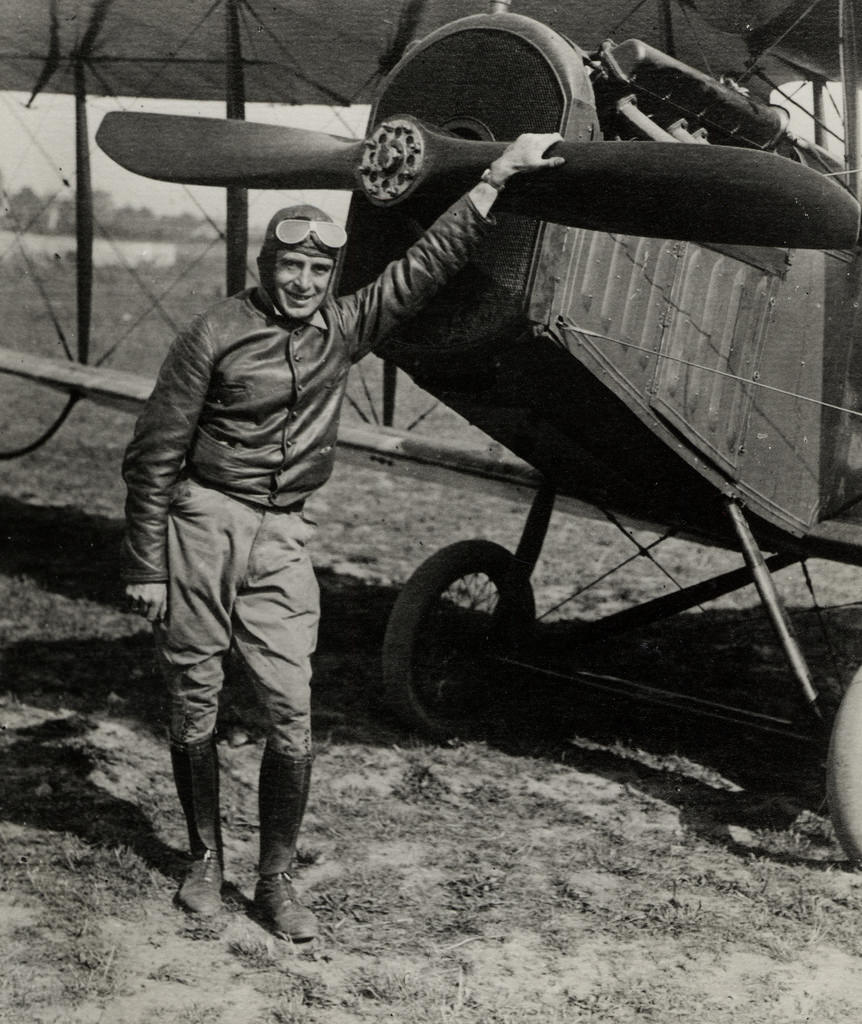
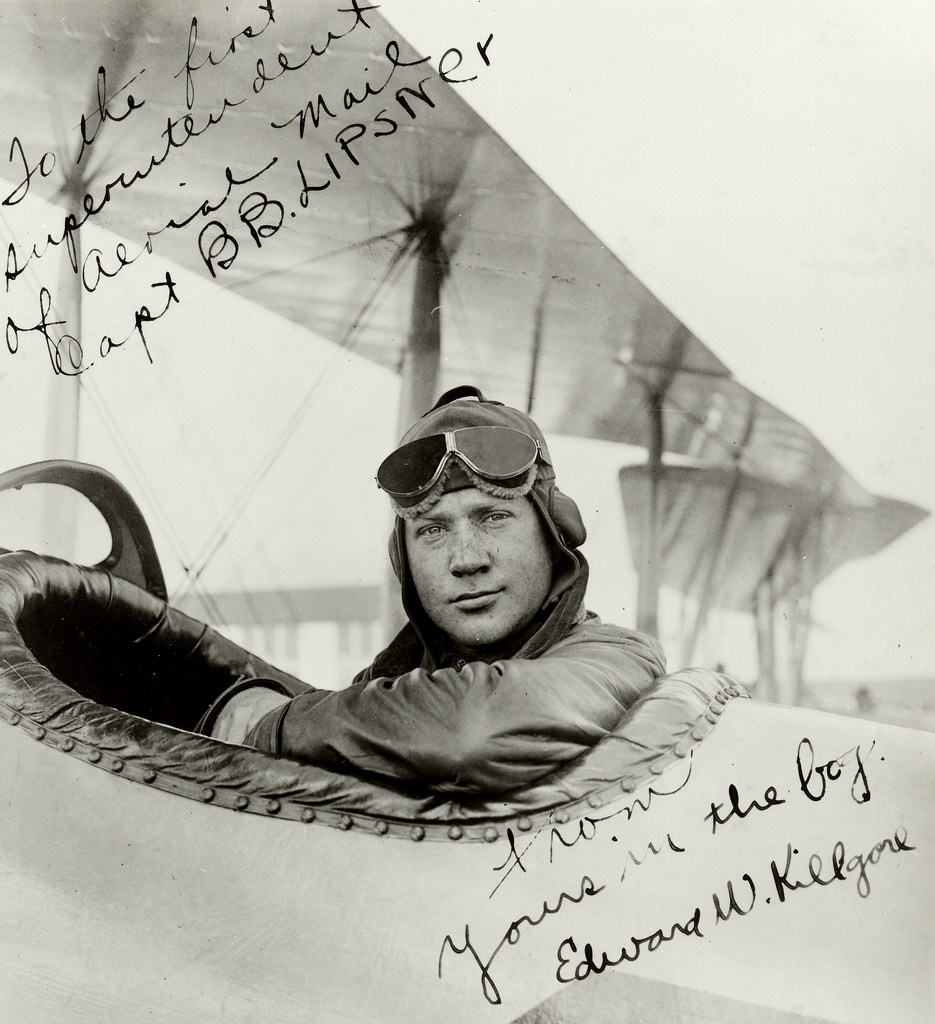
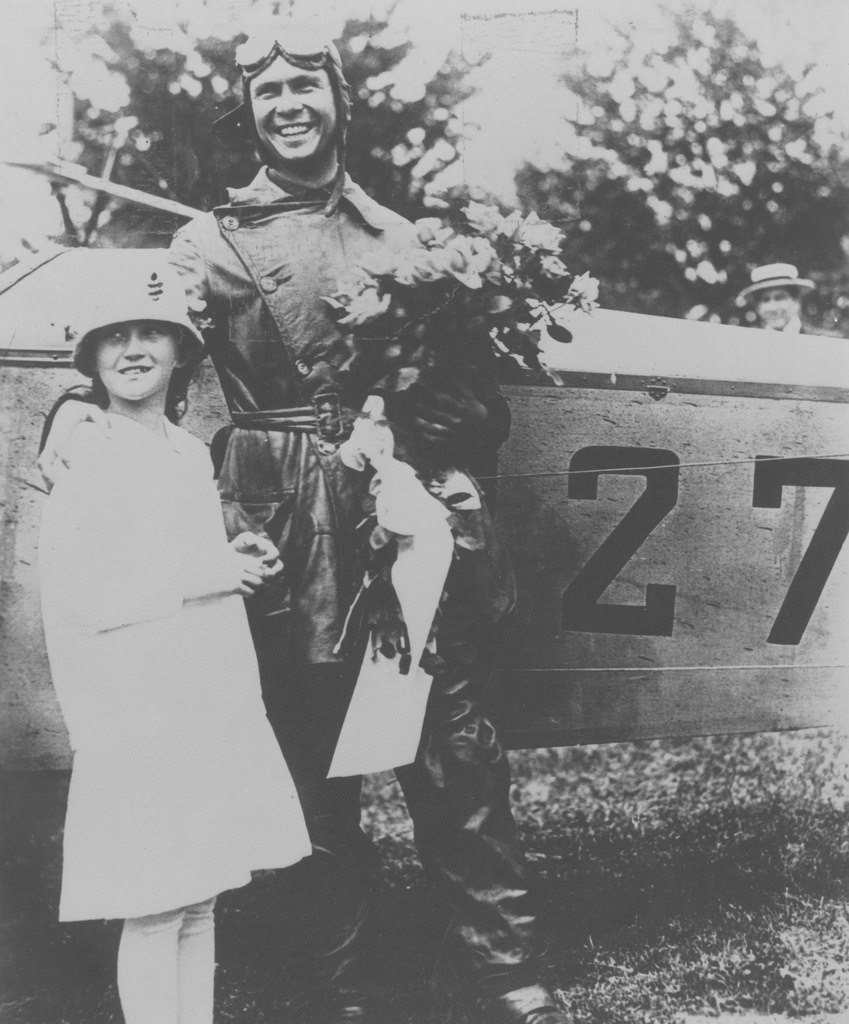
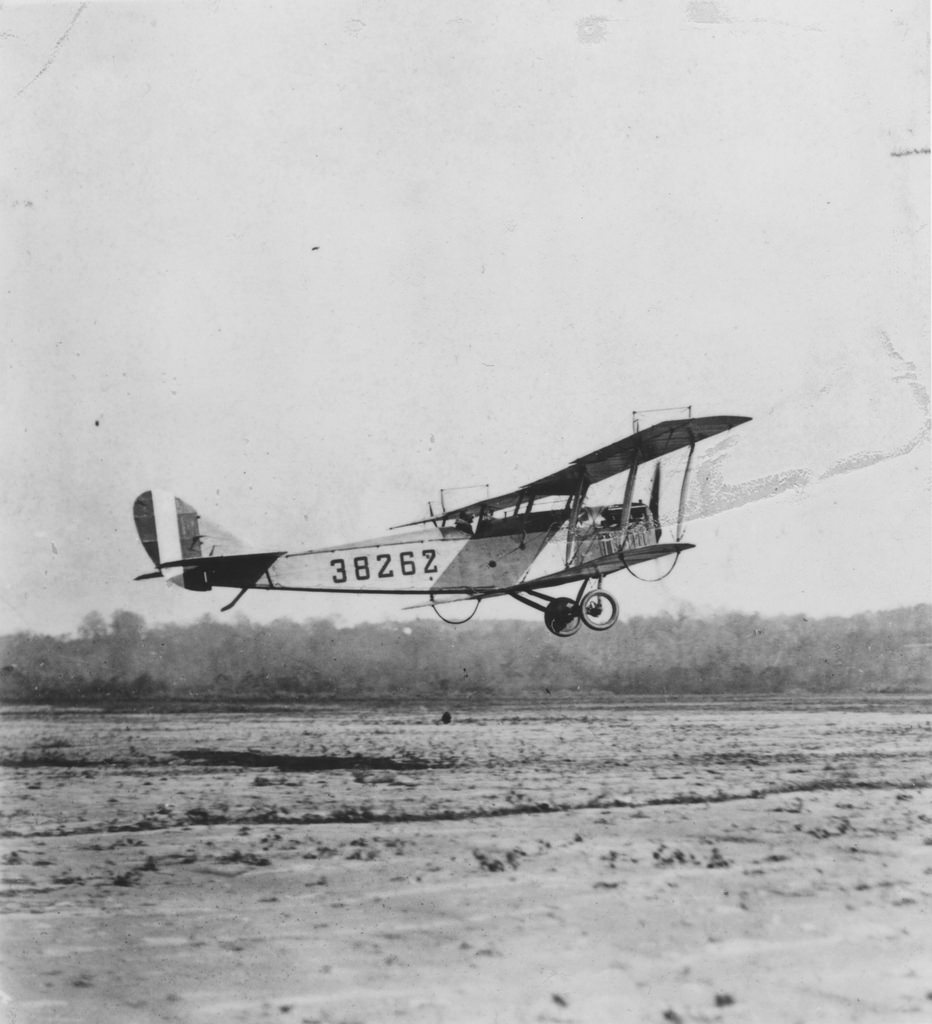
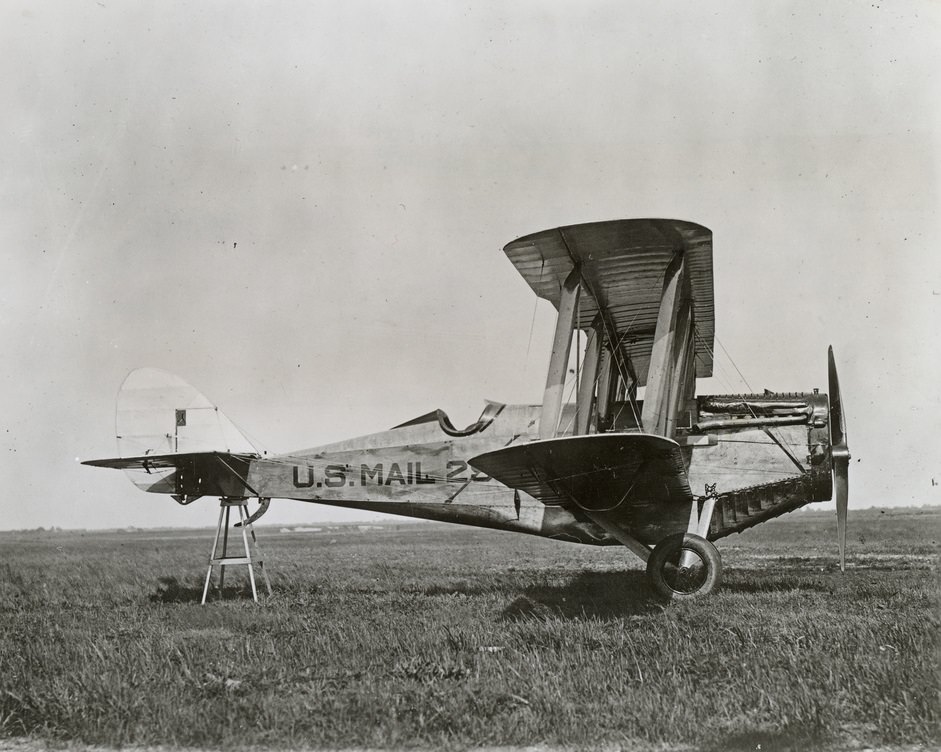
The aircraft themselves evolved quickly during this period. The Curtis JN-4H and the Standard Aircraft Corporation’s JR-1B were among the planes pressed into early mail service. Both types reflected the limits of aviation technology in 1918 — open cockpits, modest range, and engines that demanded constant attention.
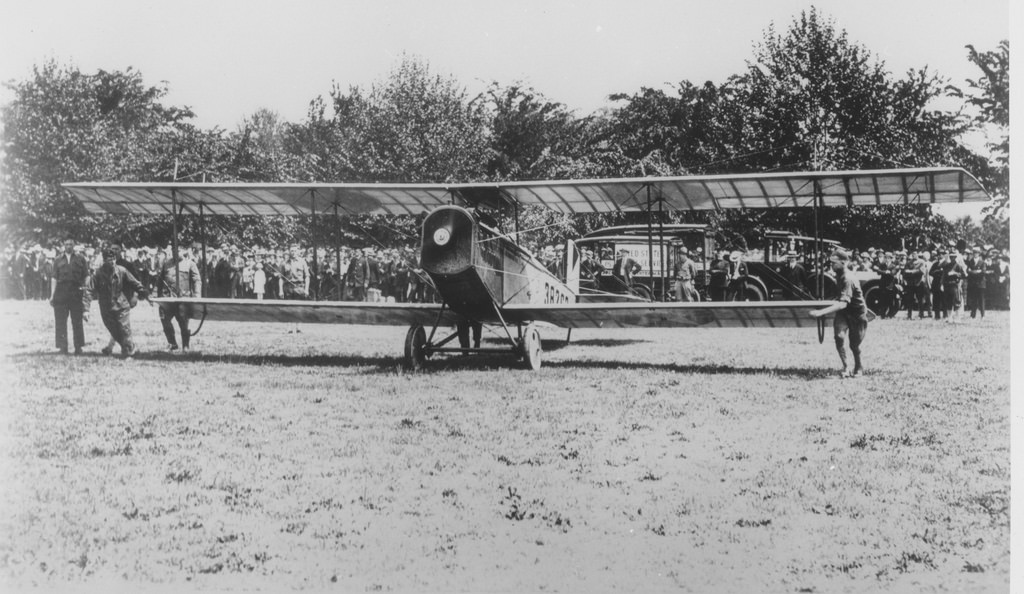
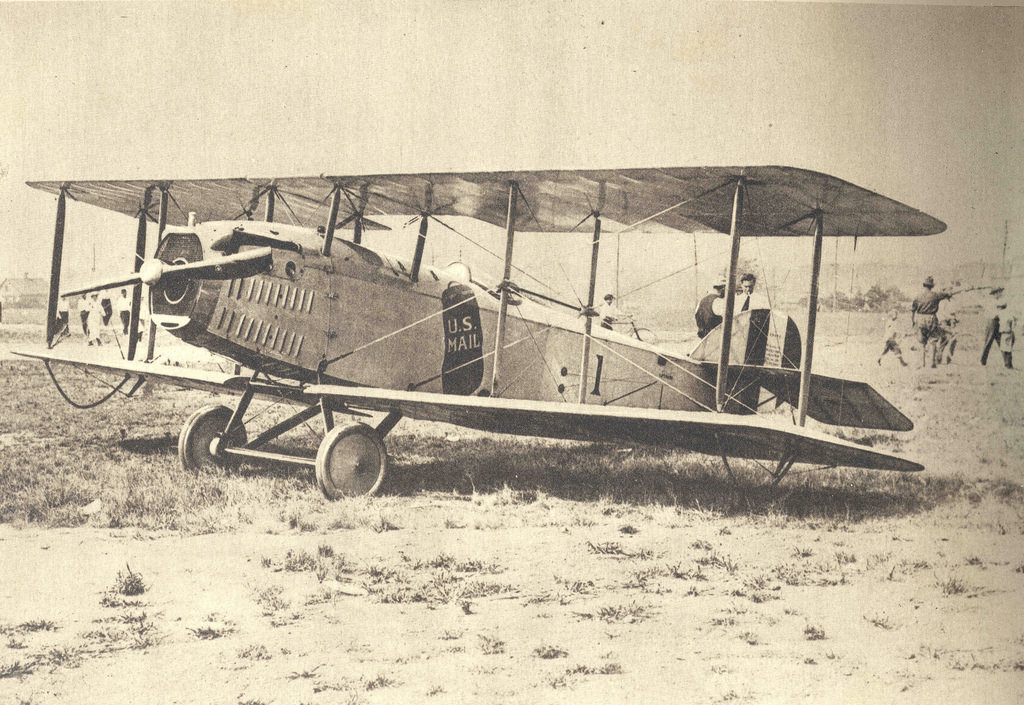
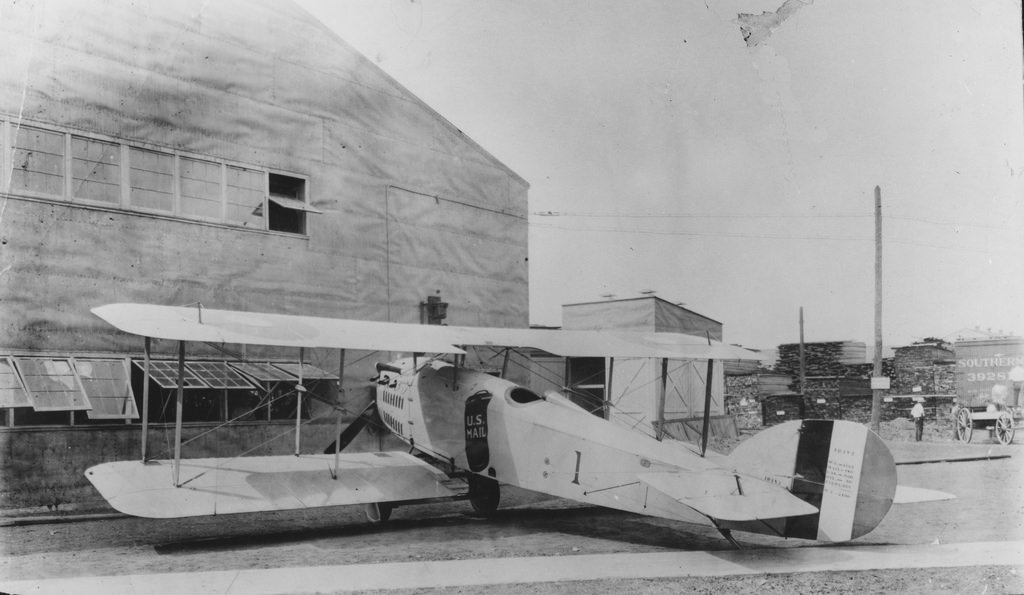
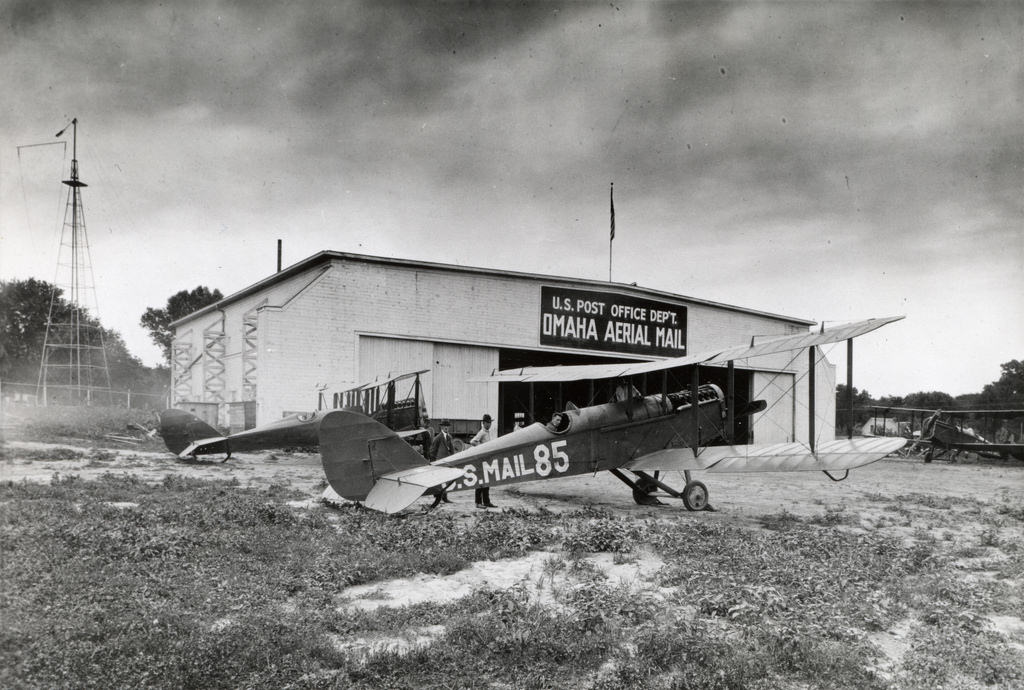
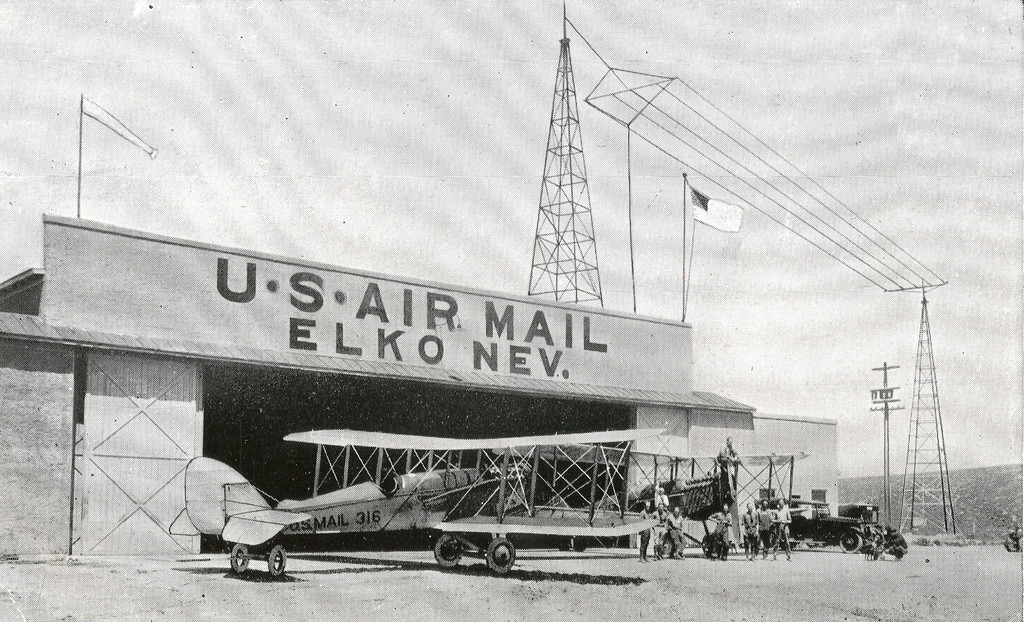
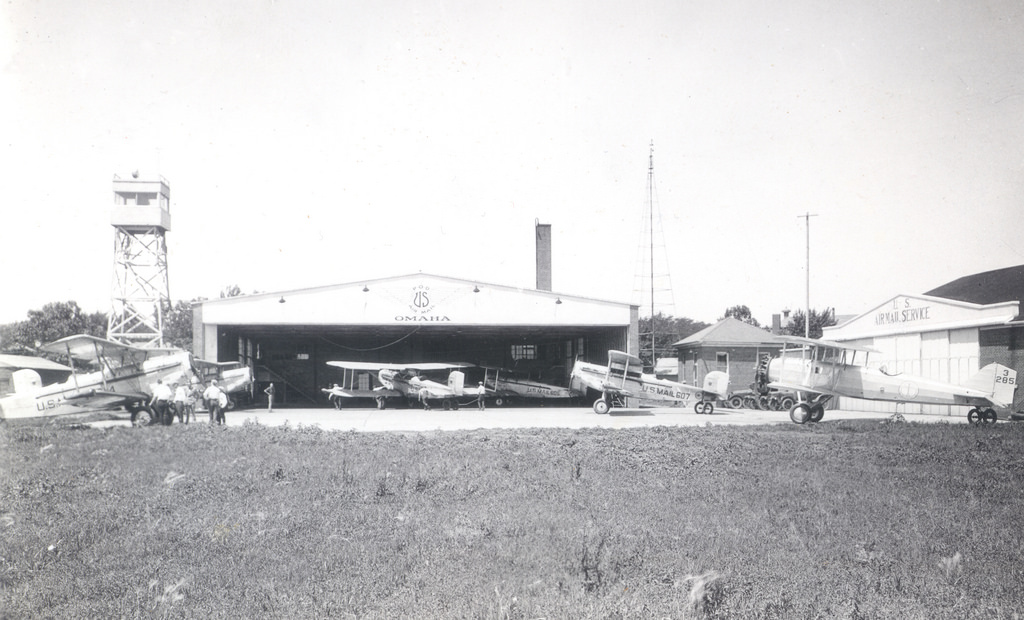
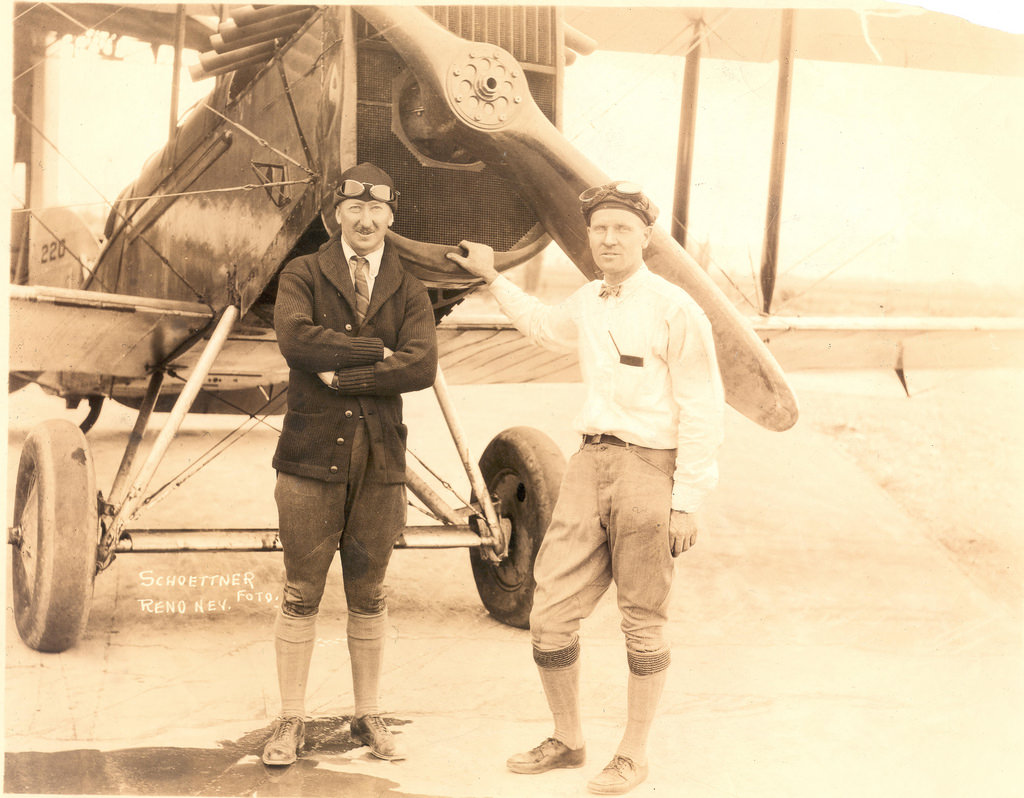
Through the early 1920s, airmail routes pushed steadily westward. By 1920, transcontinental mail flights were operating, slashing the time needed to send a letter from coast to coast. Stops at cities like Omaha, Elko, and Reno became essential links in the growing national network.
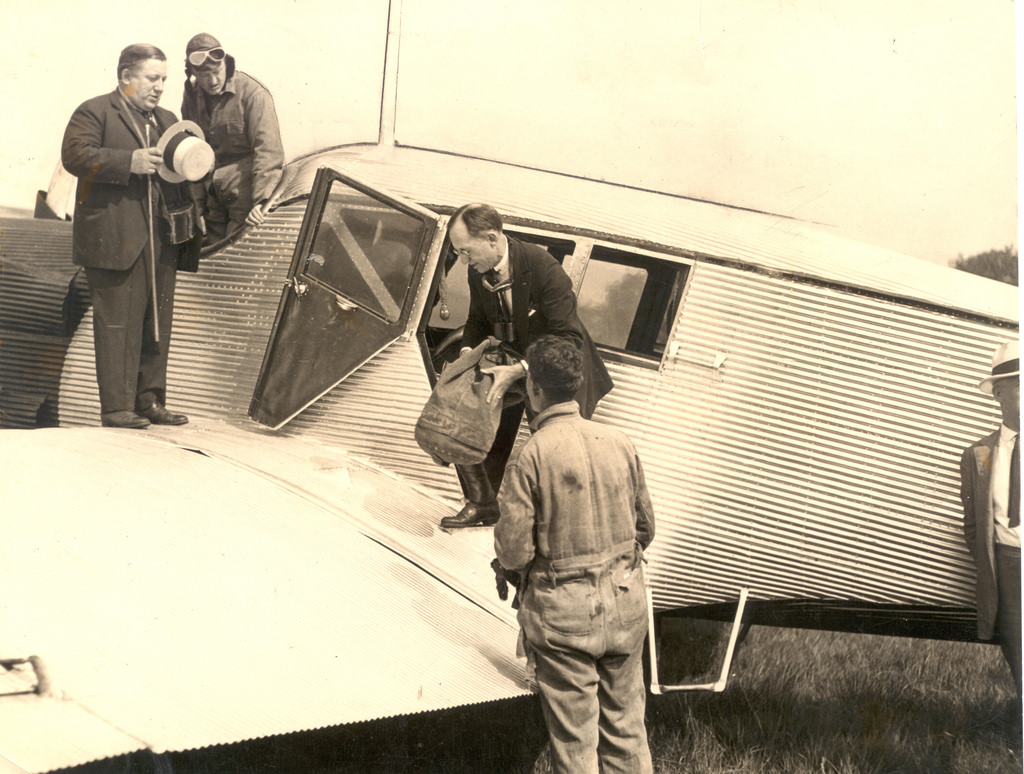
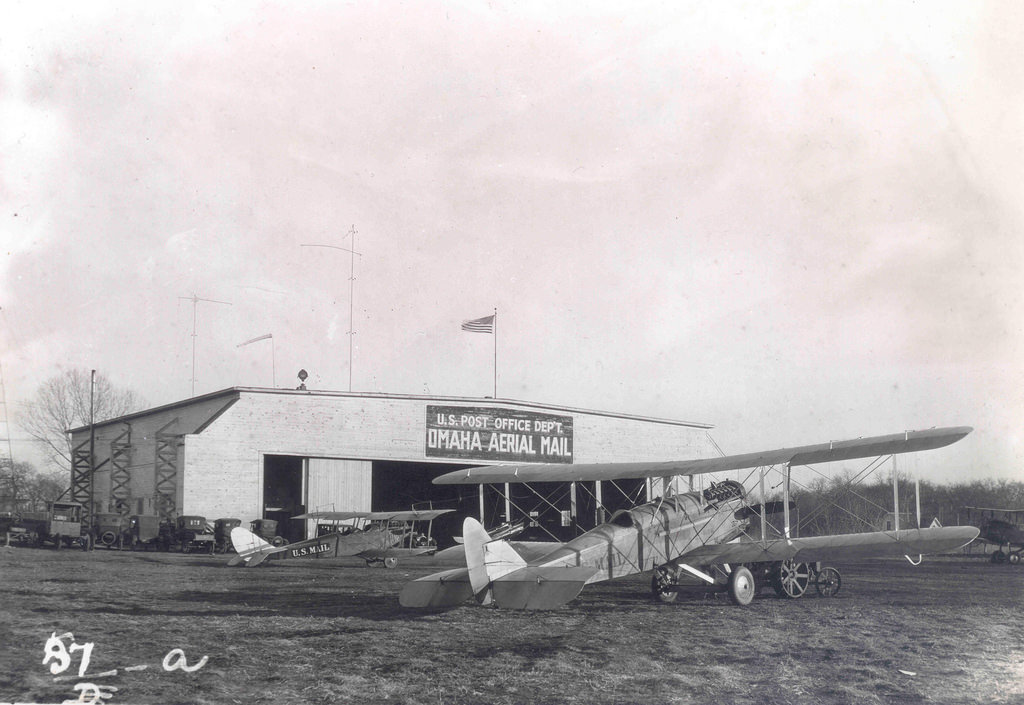
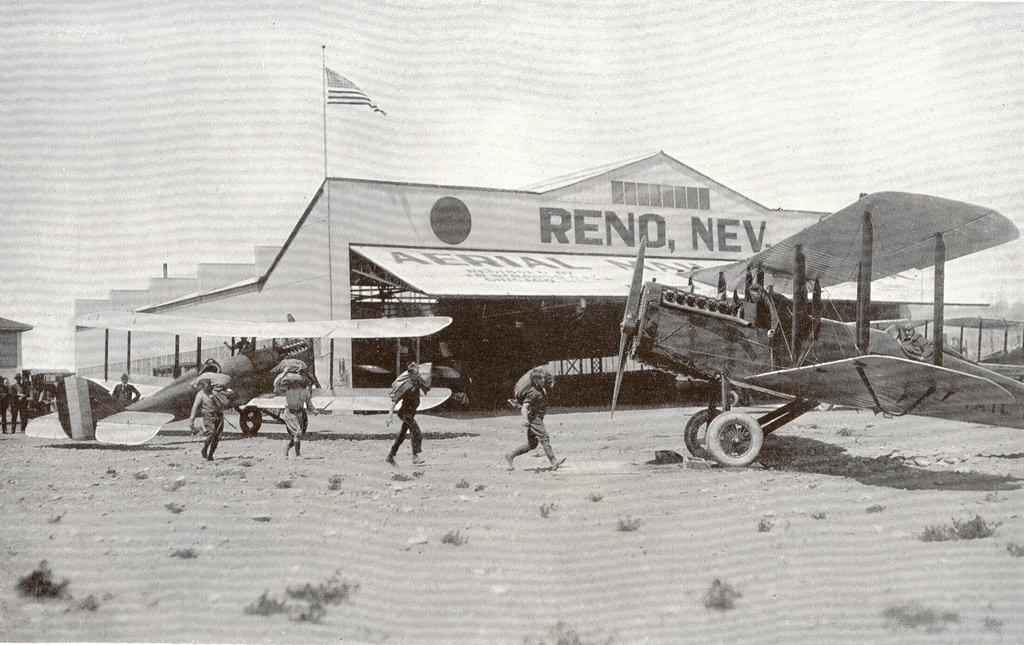
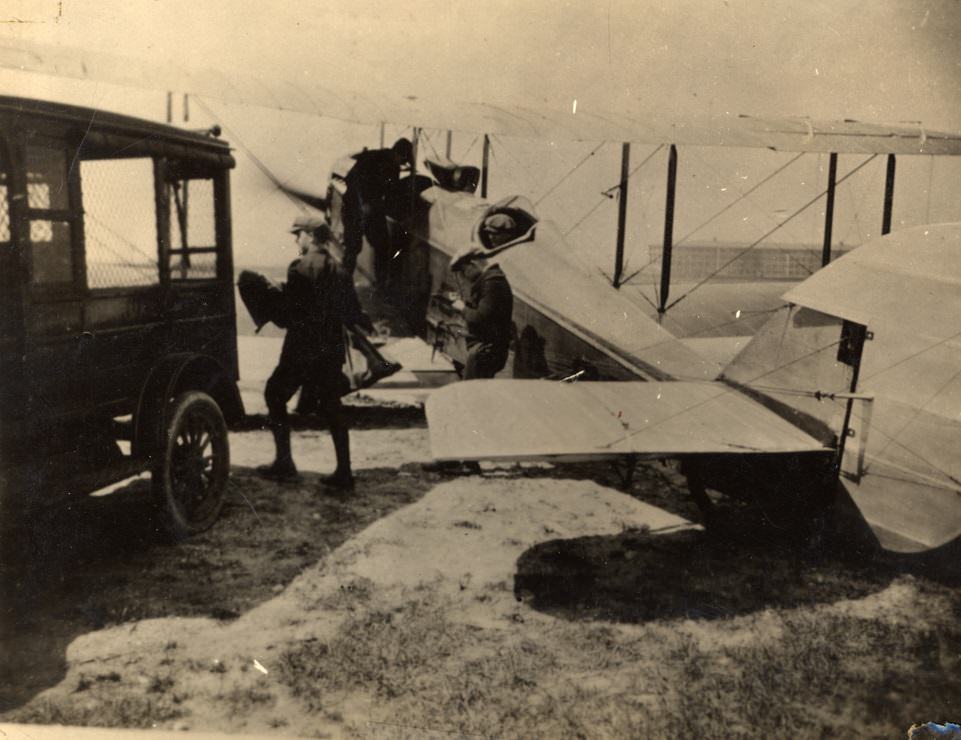
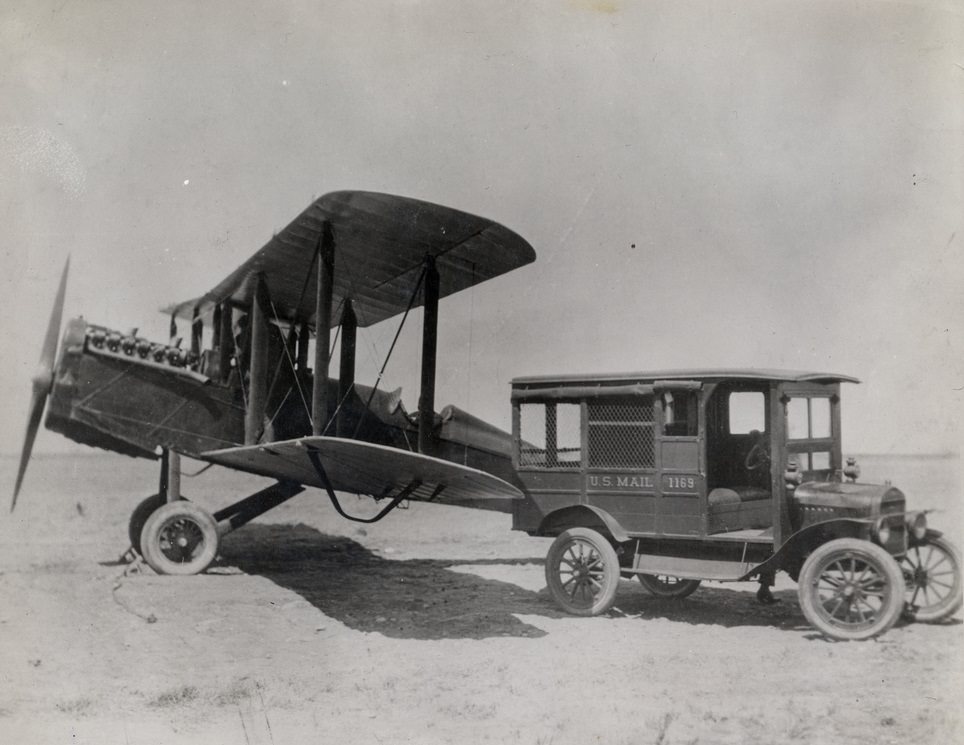
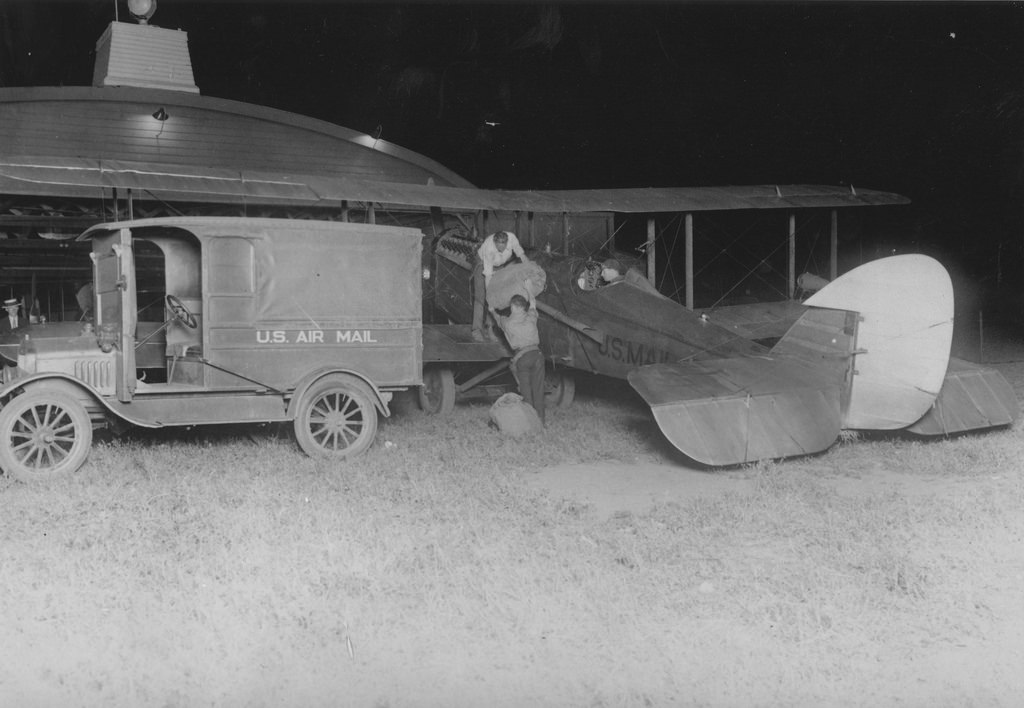
Ground operations expanded alongside the flight routes. Loading and unloading mail at stops like New Brunswick, Chicago, and Omaha required organized crews and tight schedules. The de Havilland DH-4 became a workhorse of the airmail fleet during this period, often seen paired with U.S. mail trucks for direct transfers.
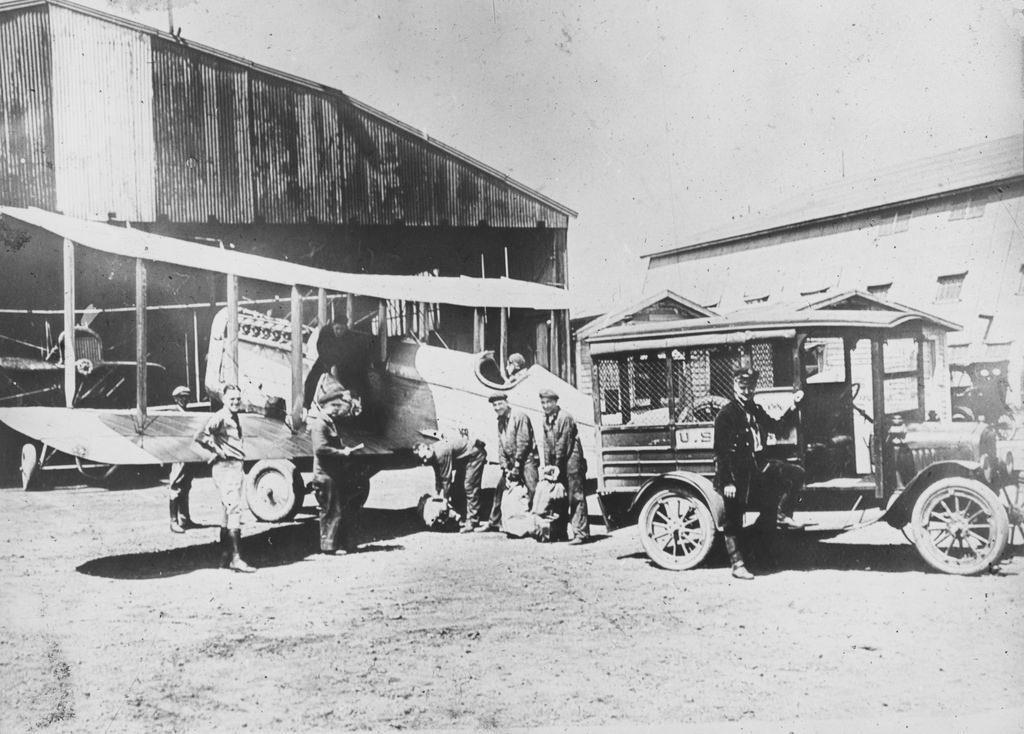
A turning point came in 1924 with the introduction of 24-hour transcontinental airmail service. To make night flying possible, the government built a chain of lighted beacons and illuminated airfields stretching across the country. Pilots could now navigate after dark, keeping mail moving around the clock. July 1, 1924, marked the official start of this nighttime operation.
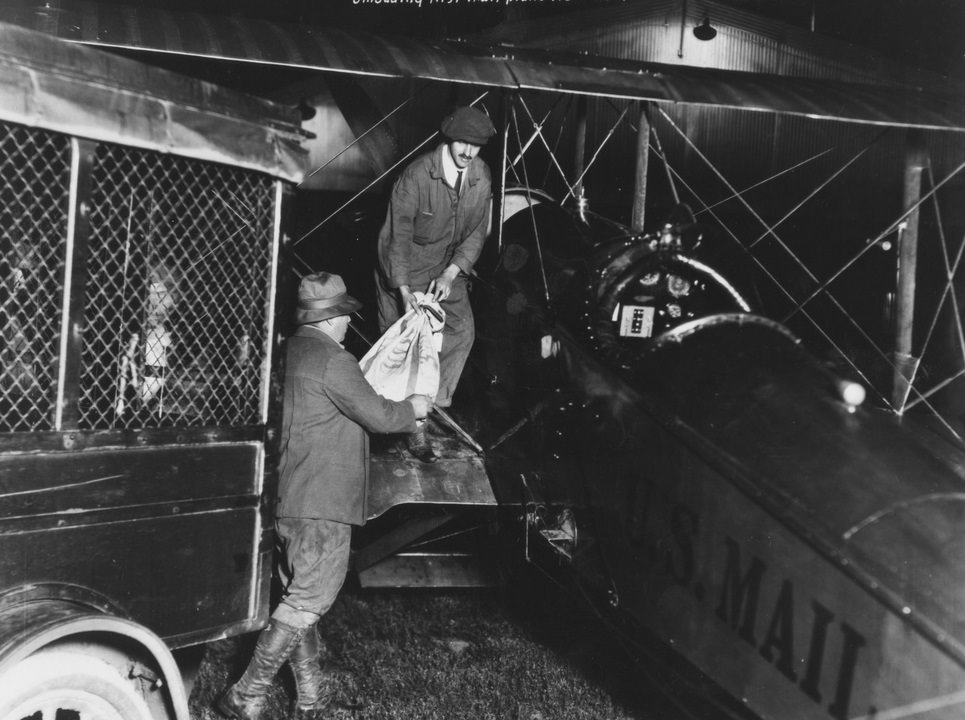
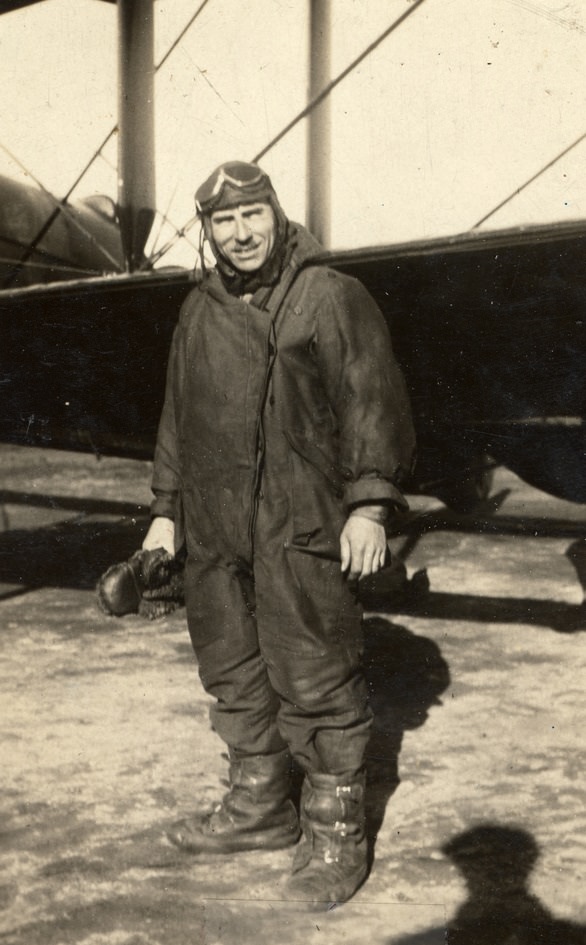
By 1925, the Kelly Act — formally the Contract Air Mail Act — allowed the Post Office to hand airmail routes over to private airlines. This opened the door for commercial aviation in America. The same year, pilots like Paul Collins and James Hill were flying the first overnight mail runs, carrying bags that represented a new standard of speed in communication.
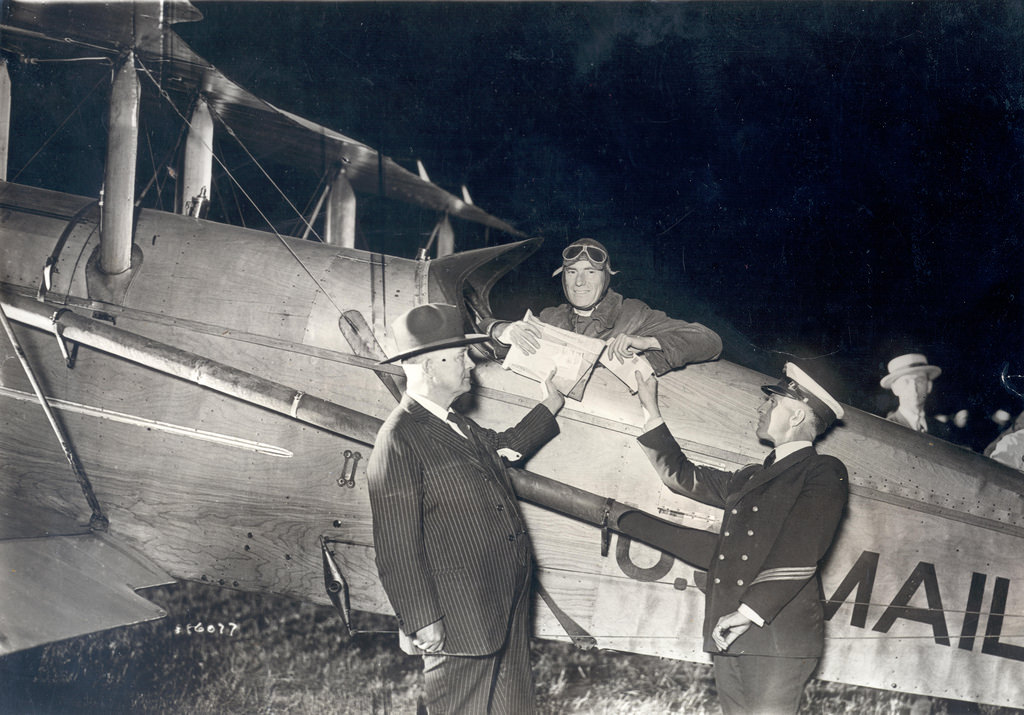
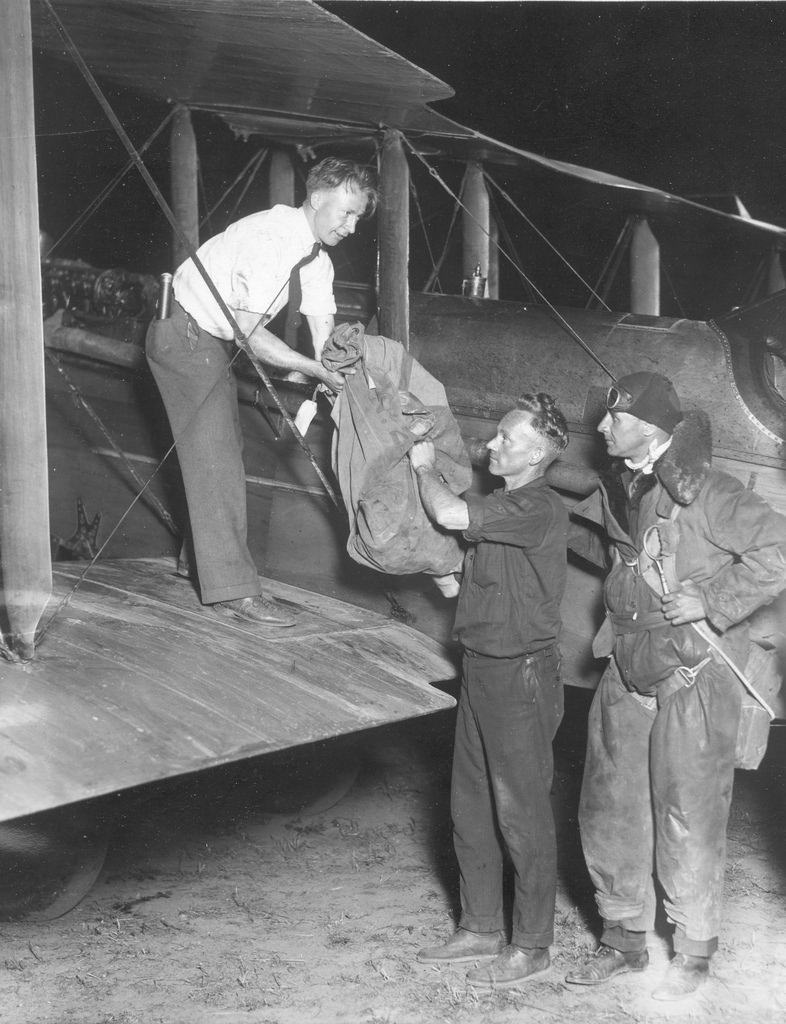
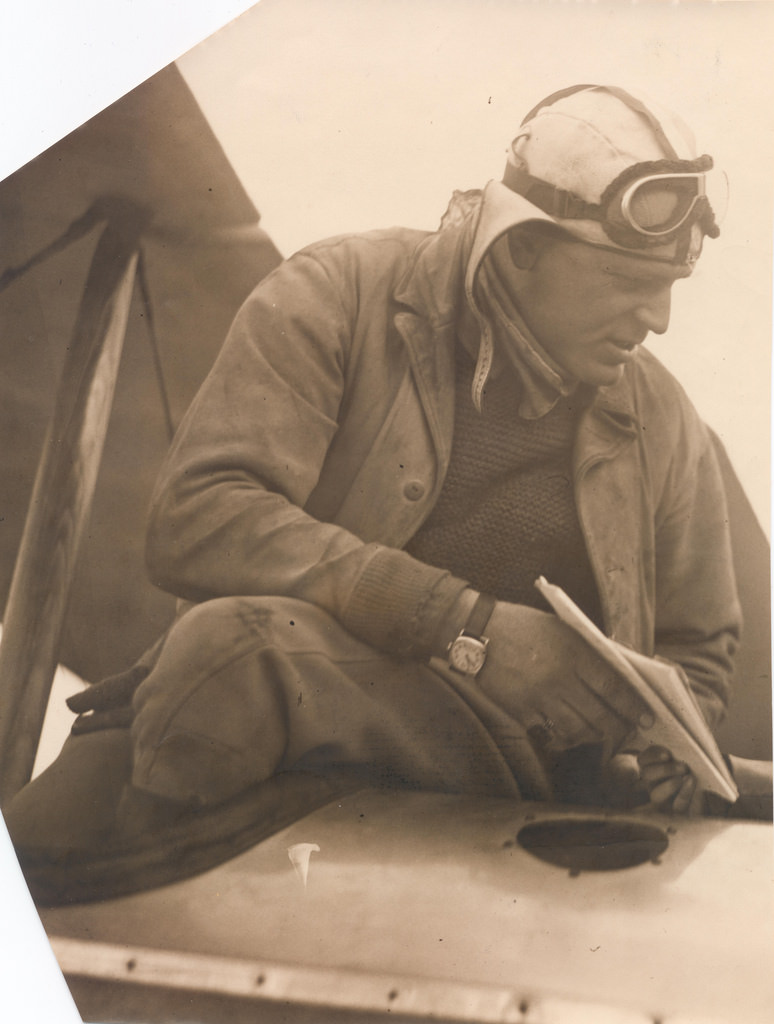
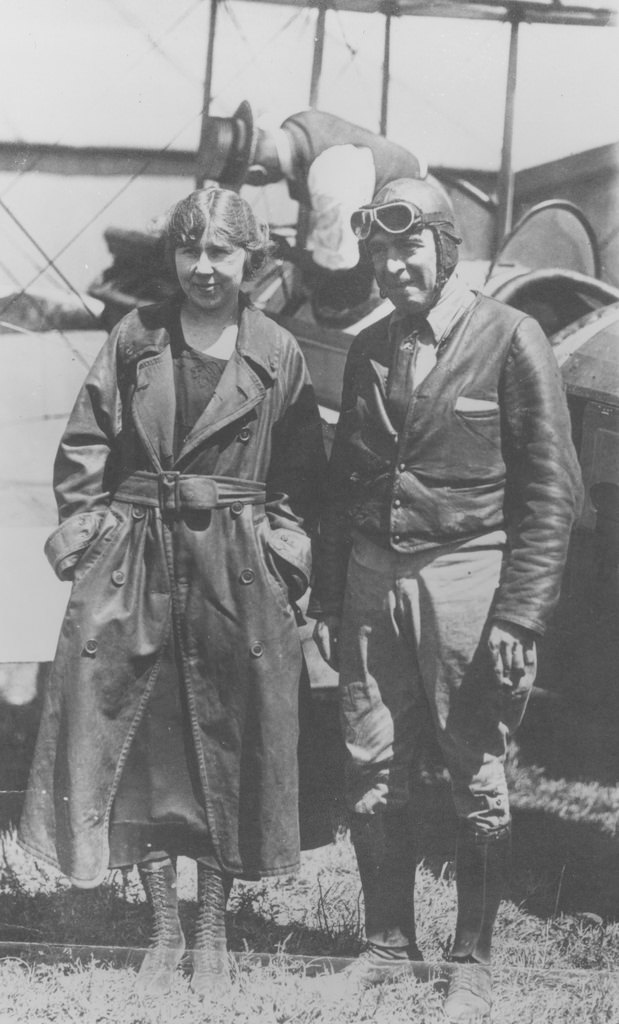
The pilots of the 1920s came from all corners of the country. Figures like Edison Mouton, Rexford Levisee, and Lloyd Bertaud joined veterans like Eddie Gardner, who was still flying years after the 1918 inaugural routes. Gardner was even photographed in 1920 alongside reporter Muriel Kelly, a sign of the public interest these airmail flights attracted.
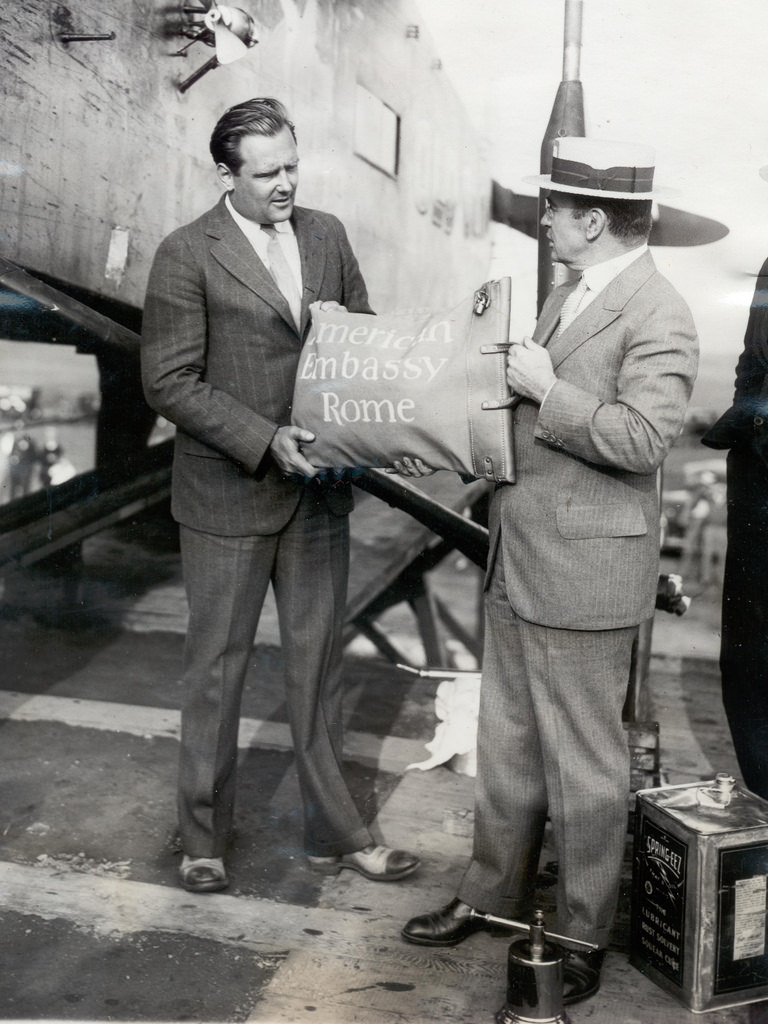
As the 1930s arrived, all-metal aircraft replaced the older fabric-and-wood designs. Planes became faster, more reliable, and able to carry heavier loads. Even as the Great Depression put pressure on federal budgets, airmail service continued to grow. The need for fast communication across a vast country made it too important to scale back.