
Bruce Gilden grew up in Brooklyn, New York, and the city never left him. He picked up his first camera in 1967 and, aside from evening classes at the School of Visual Arts in New York, taught himself how to shoot. He had briefly considered acting before photography took over. That background — the instinct for performance, for reading a room — carried over into his work on the street.
Gilden is best known for his flash photography: close-range, confrontational portraits that land with the force of a shout. But his ‘Lost and Found’ series tells a different story. Nearly every image in the collection was taken without flash, exposing a quieter — though no less electric — side of his eye. These are the pictures that predate the trademark, made when Gilden was in his thirties and attacking New York with full intensity.
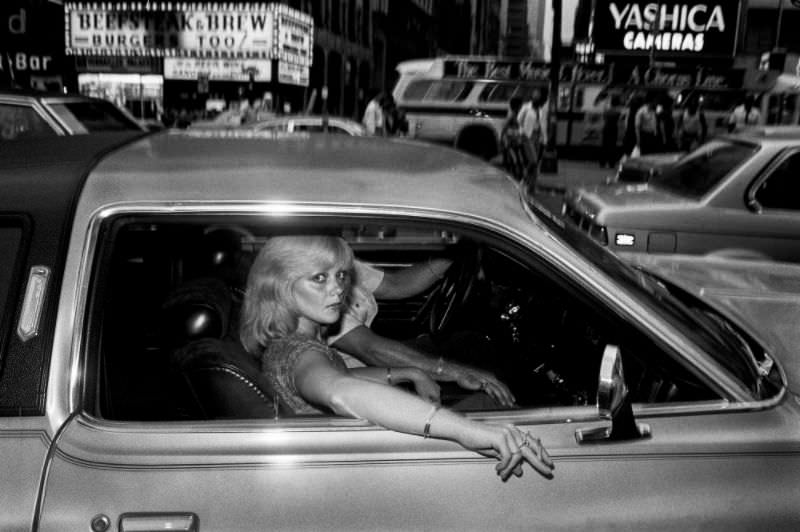
In 1978, New York City was still deep in a fiscal and social crisis that had been building since the mid-1970s. The city had nearly gone bankrupt in 1975. Unemployment was high, neighborhoods in the Bronx and Brooklyn were hollowing out, and crime was a daily reality for most residents. Gilden walked straight into that atmosphere with a camera.
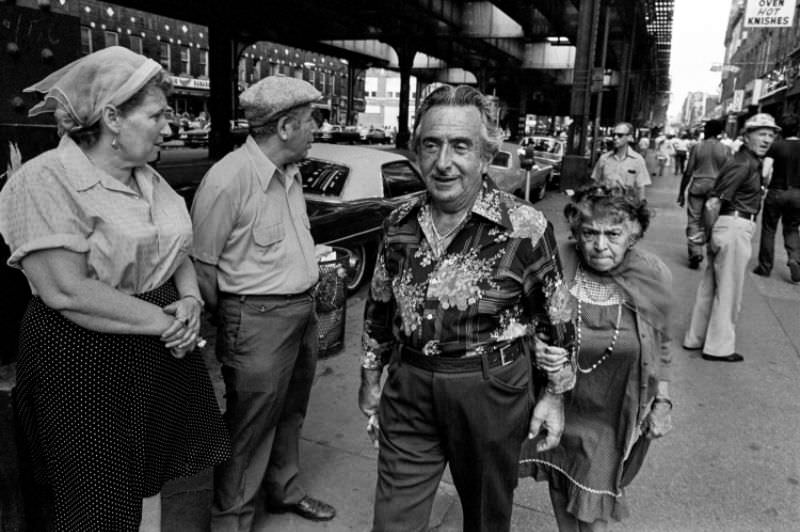
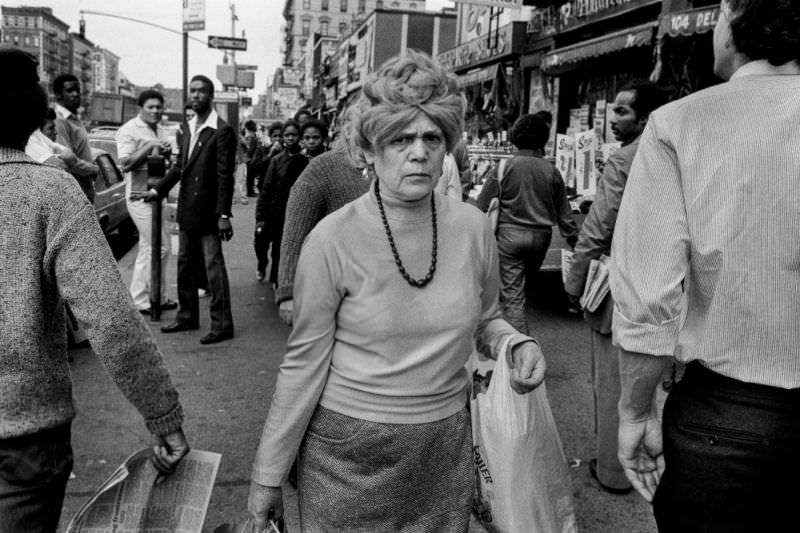
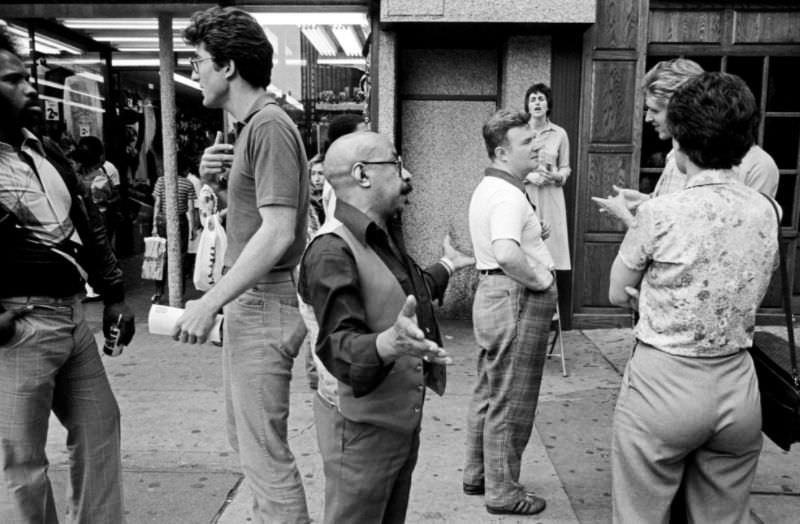
His compositions from this period are mostly horizontal — wide frames that pull in the full width of a sidewalk, a stoop, or a crowded corner. The framing is deliberate. Rather than isolating a single subject, Gilden let the surrounding crowd breathe into the shot. The result is a portrait of a city, not just its people.
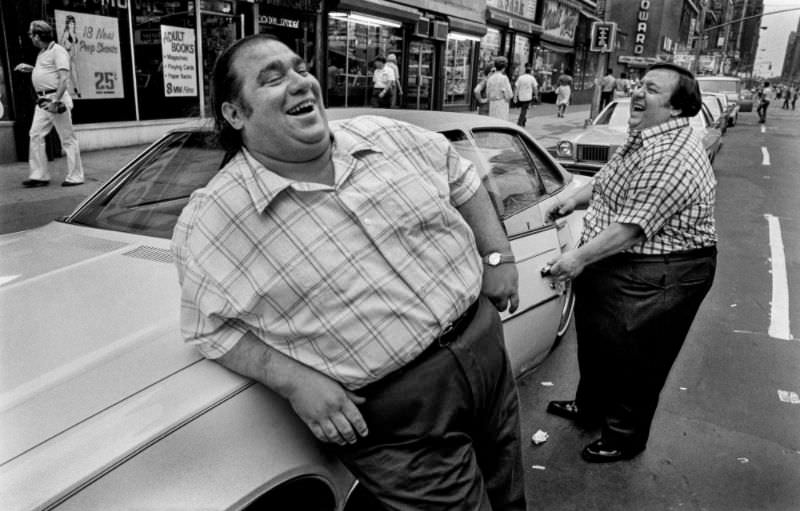
By 1979, Gilden was shooting constantly. The streets gave him an endless cast of characters — workers, vendors, drifters, children, and everyone in between. He moved through all of it without a preset agenda, responding to what he saw as it happened.
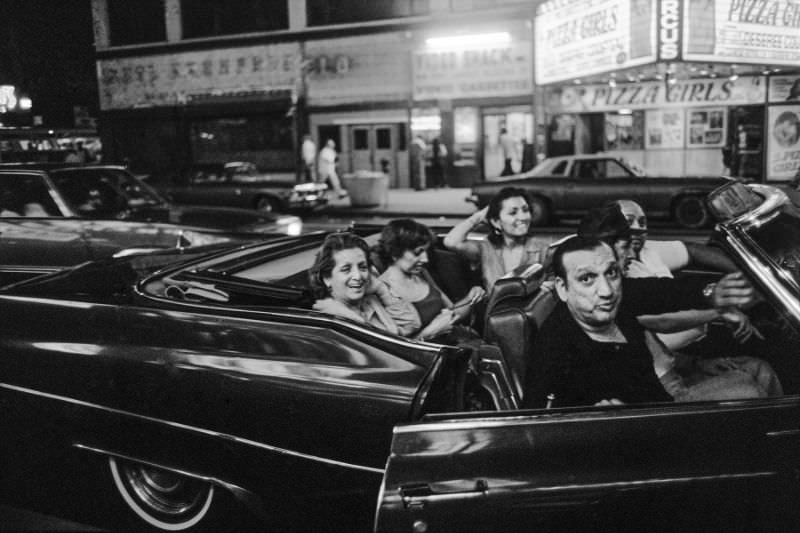
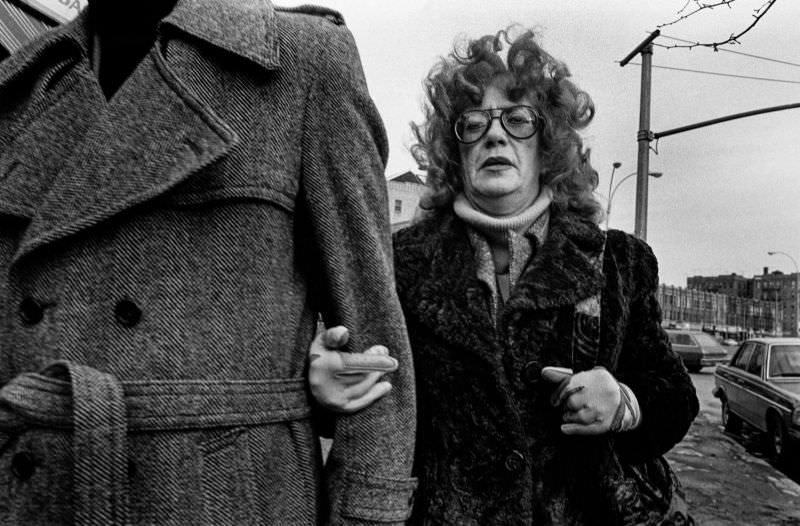
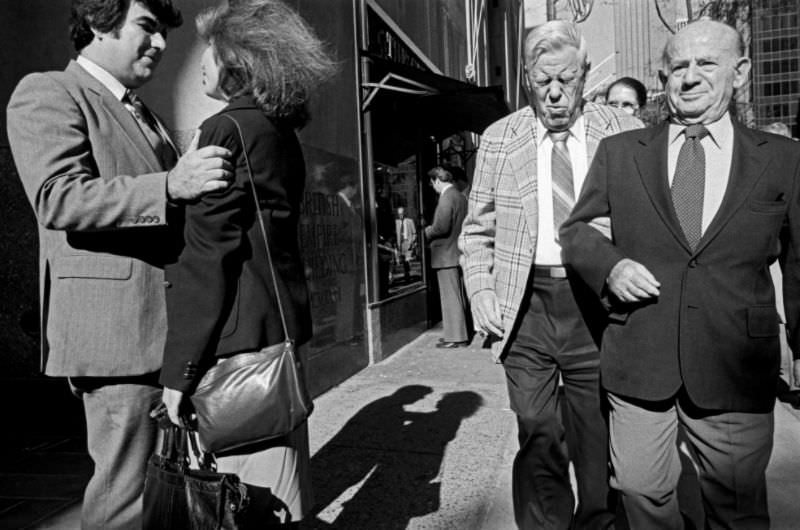
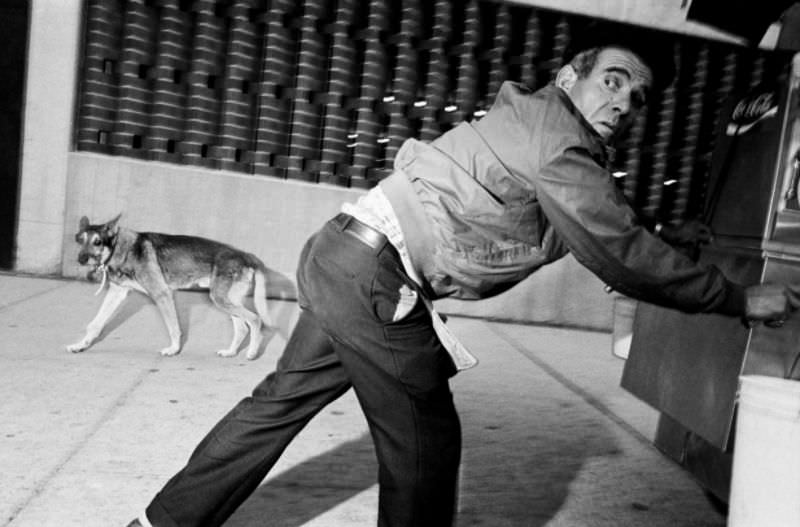
Without flash, the images carry a different texture. Ambient light — whether the flat grey of a cloudy afternoon or the sharp contrast of direct sun on pavement — shapes the mood of each frame. Shadows fall hard. Faces catch light unevenly. Nothing is smoothed out.
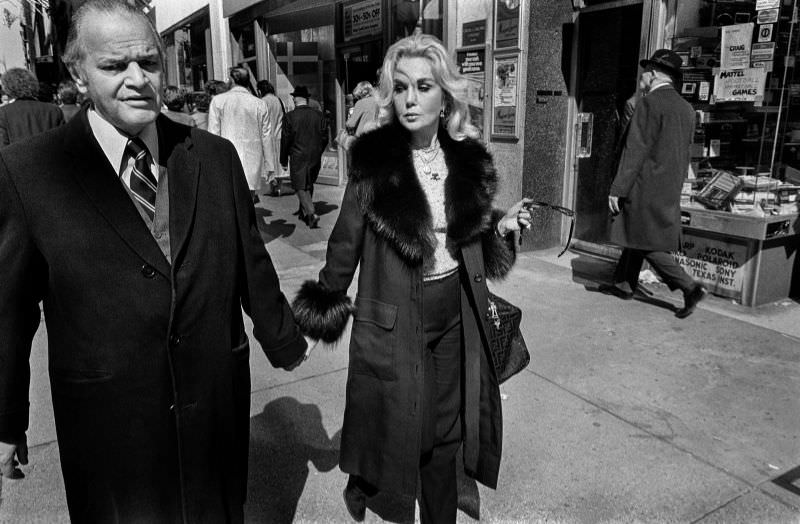
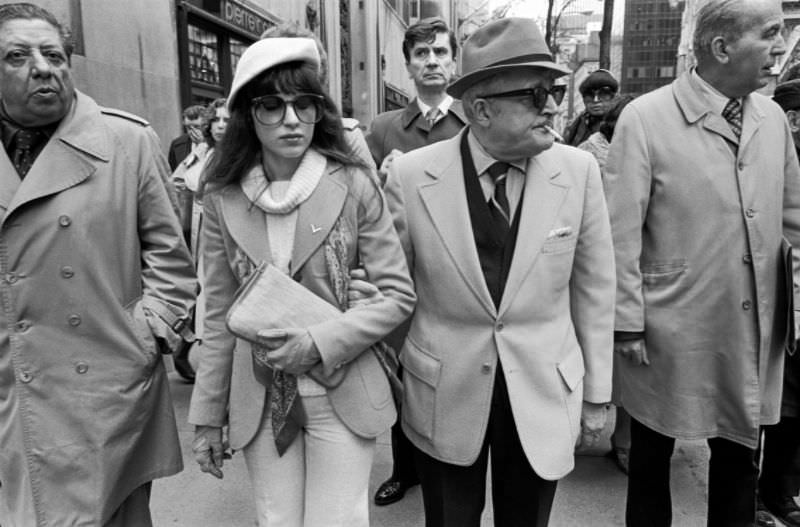
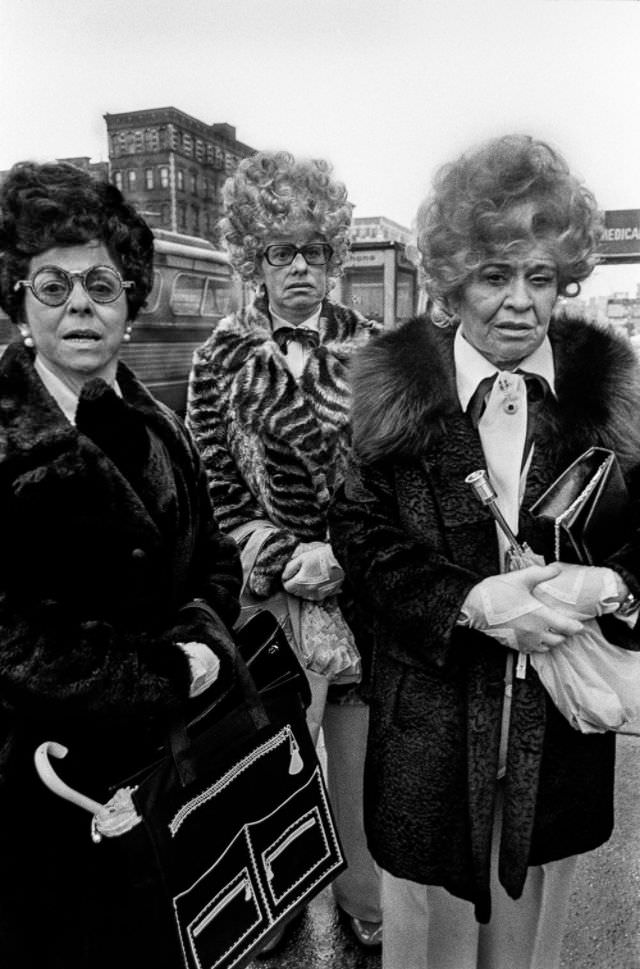
Gilden’s work from this period reads as an ongoing survey of the city’s energy. He wasn’t documenting poverty or crisis specifically — he was documenting life as it played out in public, in real time, across every block he walked.
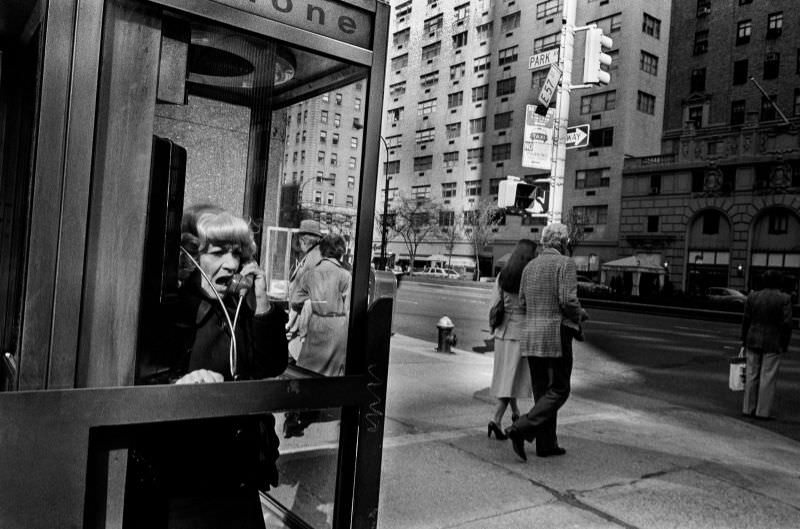
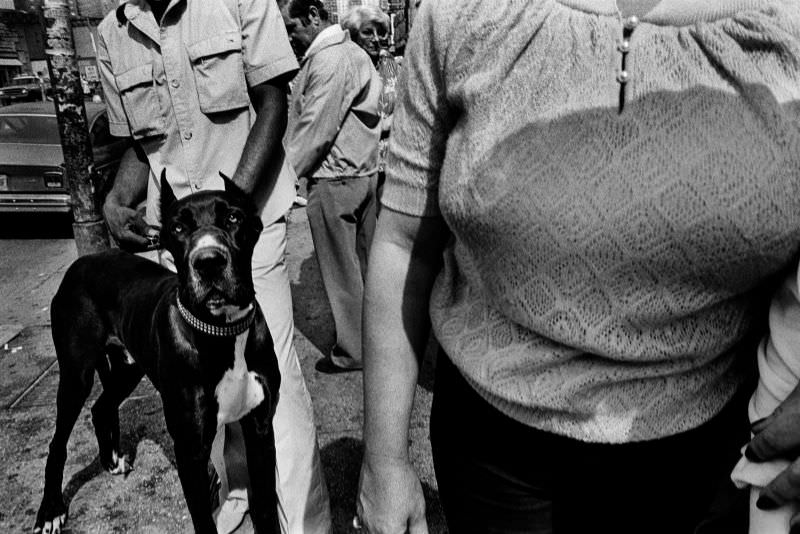
The early 1980s brought a shift in tone. The city’s streets felt tenser. Crime rates climbed toward their peak, which they would hit later in the decade. Graffiti covered the subway cars. Times Square was thick with activity that the city’s administration struggled to control. Gilden kept shooting.
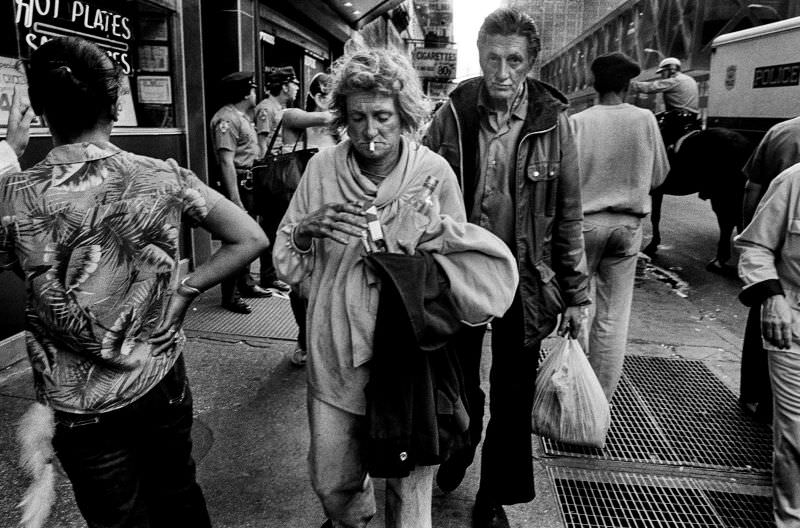
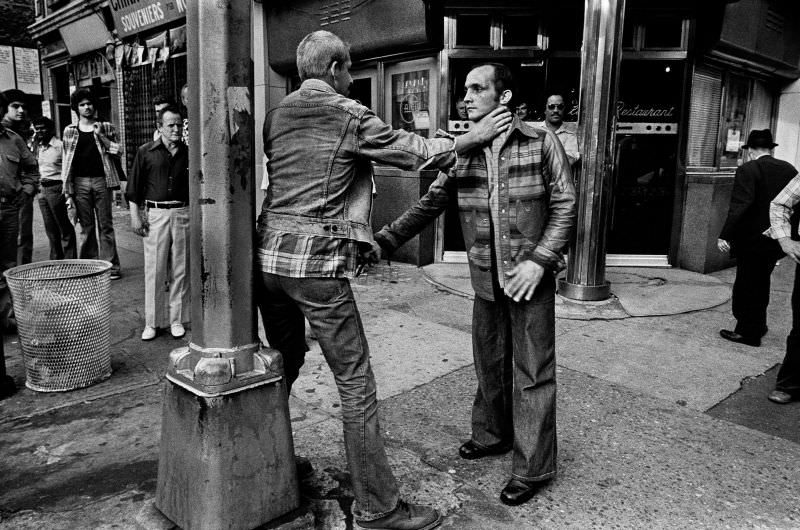
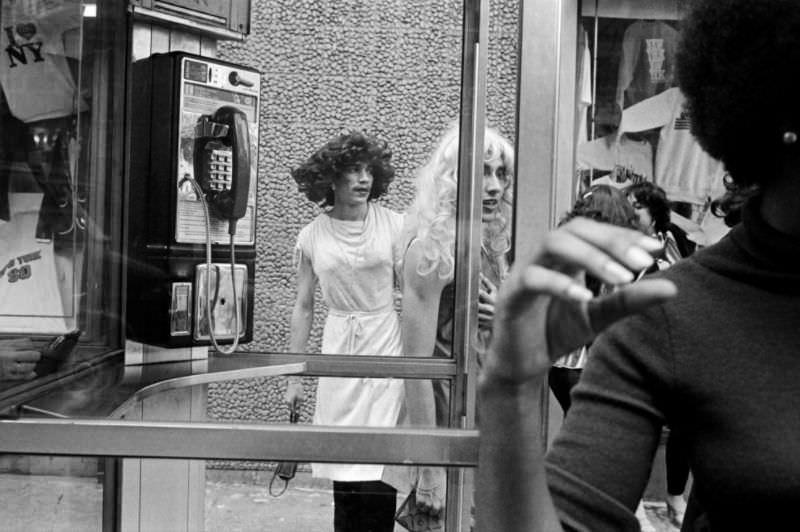
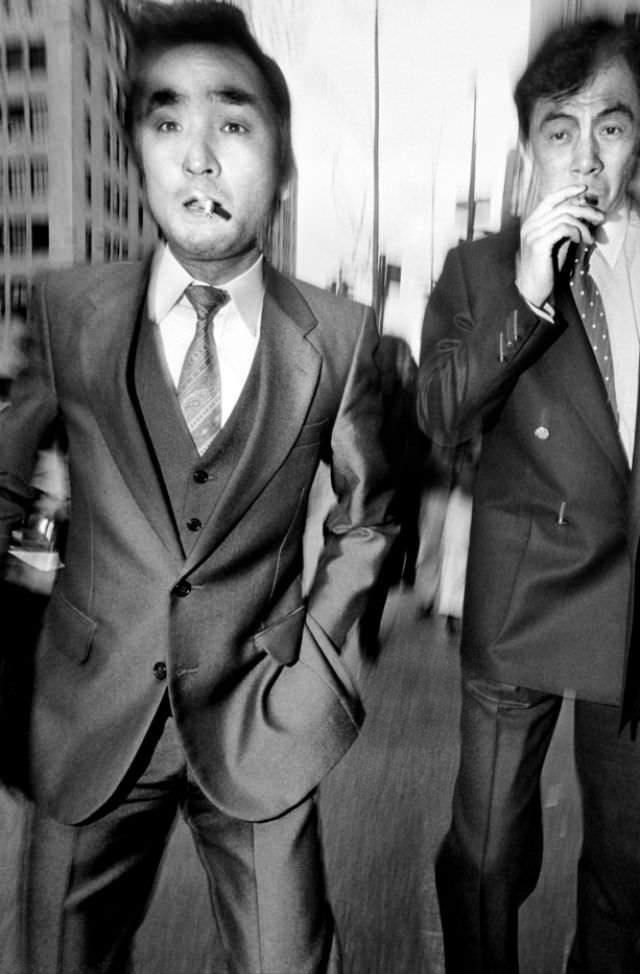
What stands out across the 1980 and 1981 frames is Gilden’s consistency of access. He shot close. People were aware of the camera — some stared directly into it — yet the moments feel unguarded. That closeness without confrontation is a different skill from the flash work he would later become known for.
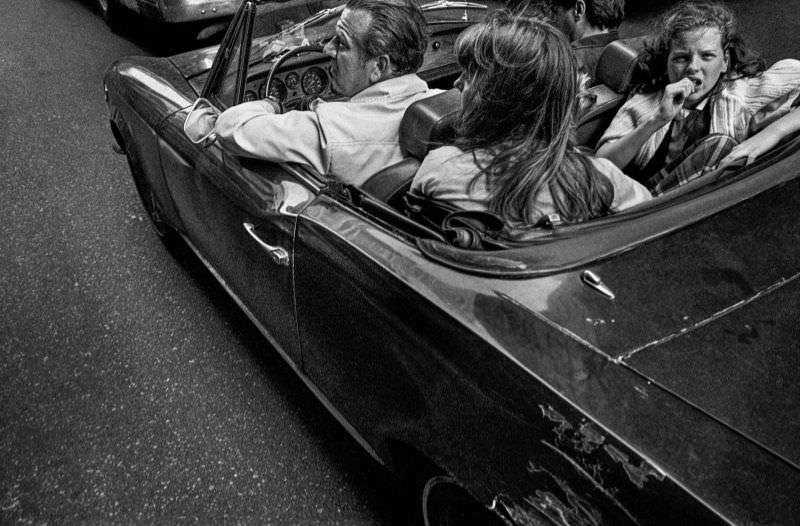
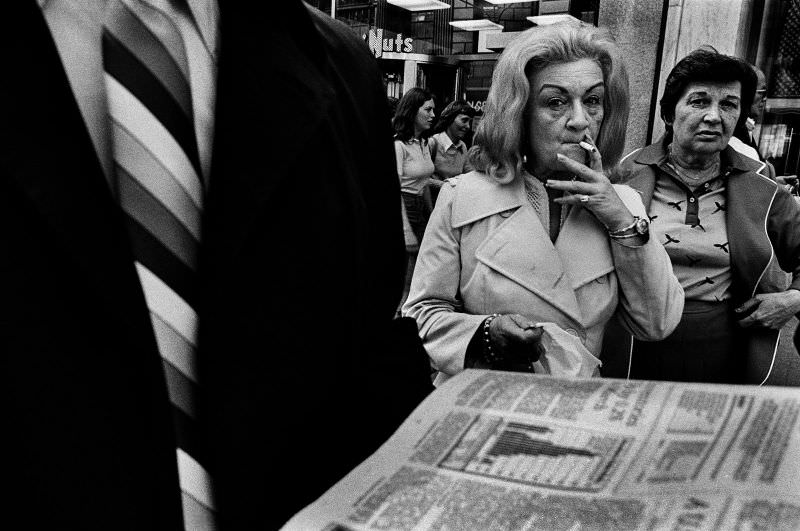
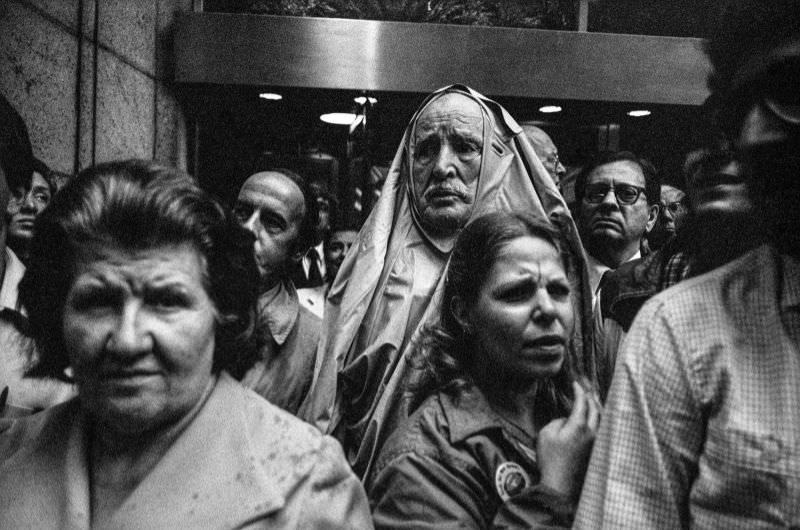
By 1982 and into 1984, Gilden’s eye for the street was fully formed. The ‘Lost and Found’ images from these years show a photographer who knew exactly when to press the shutter — not after composing carefully, but at the precise second a face, a gesture, or a collision of bodies made the frame worth keeping.
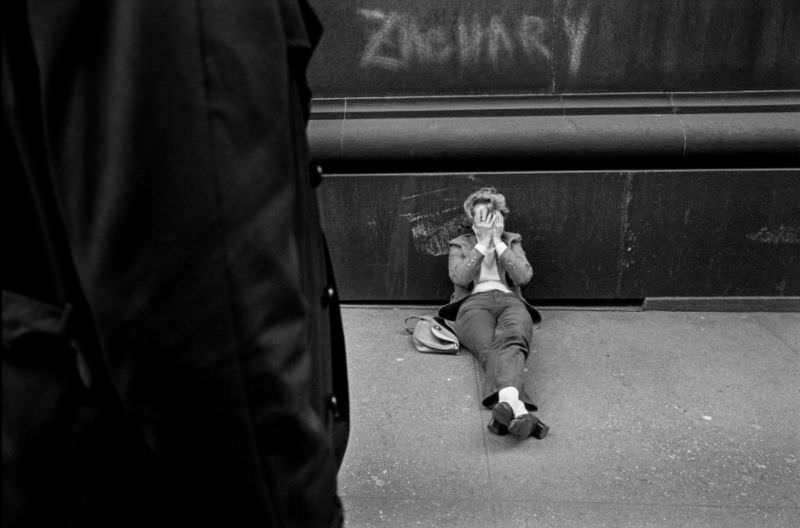
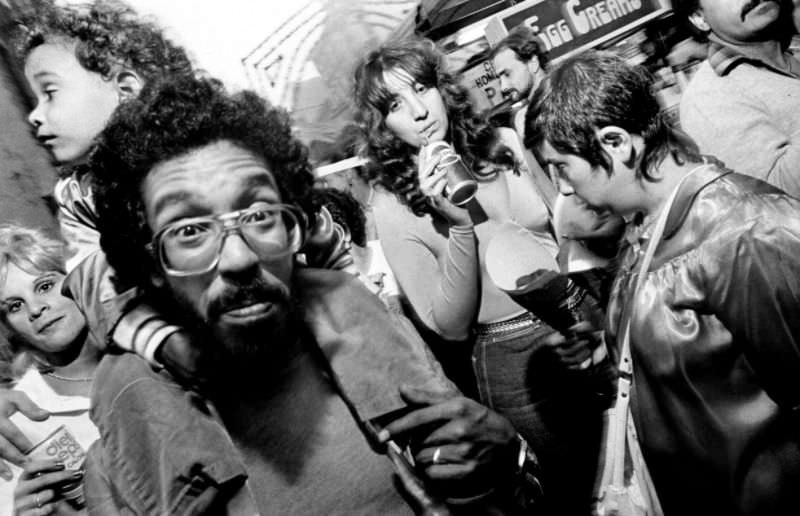
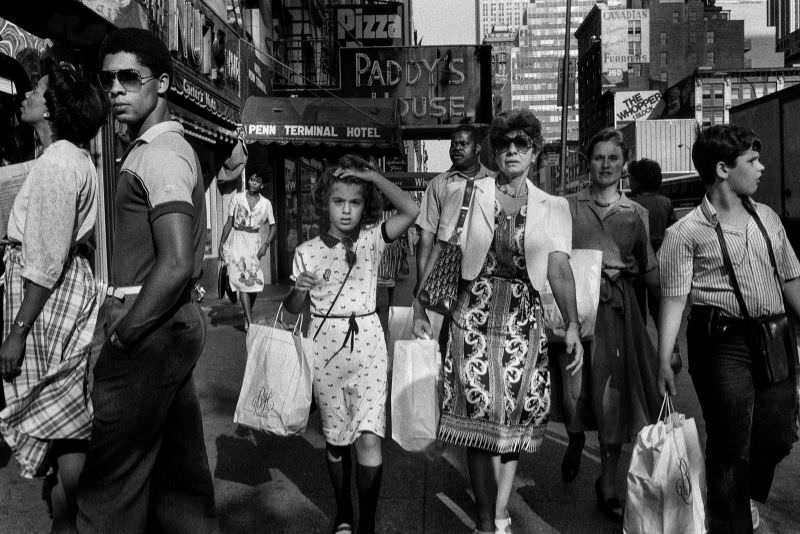
New York in 1984 was a city of sharp contrasts. Wealth was beginning to return to parts of Manhattan while other neighborhoods remained neglected. That tension shows up in the photographs — not through any single dramatic image, but in the accumulation of faces and scenes across dozens of frames.
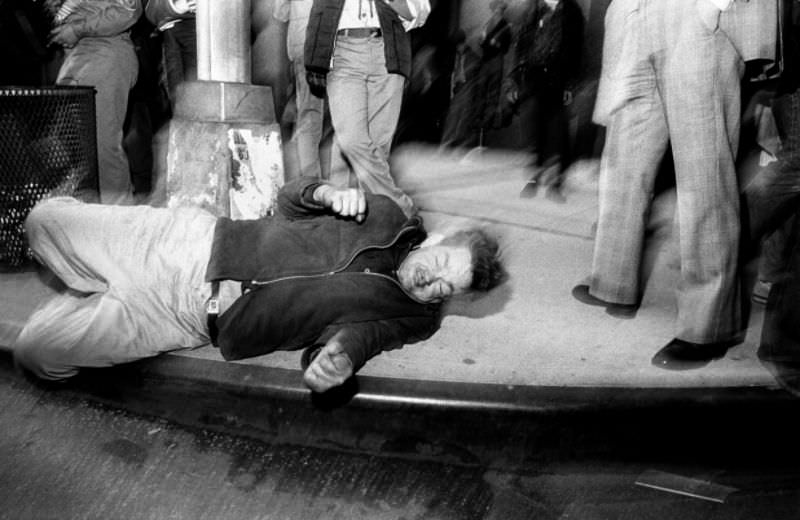
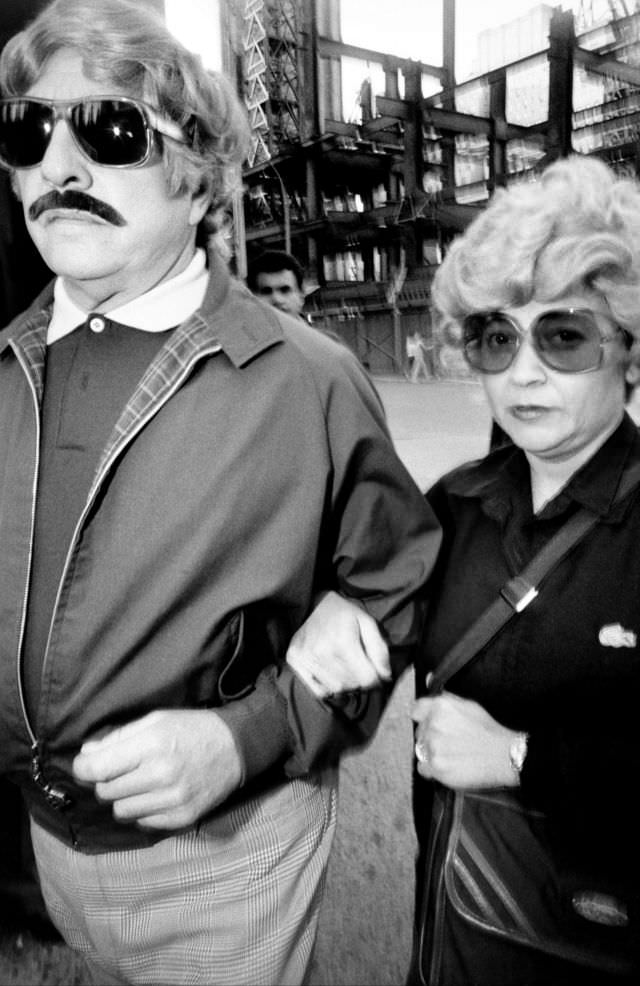
The 1986 photographs come from a city still working through its contradictions. Wall Street was booming. Crack cocaine was devastating neighborhoods just miles away. Gilden’s lens didn’t editorialize — it recorded.
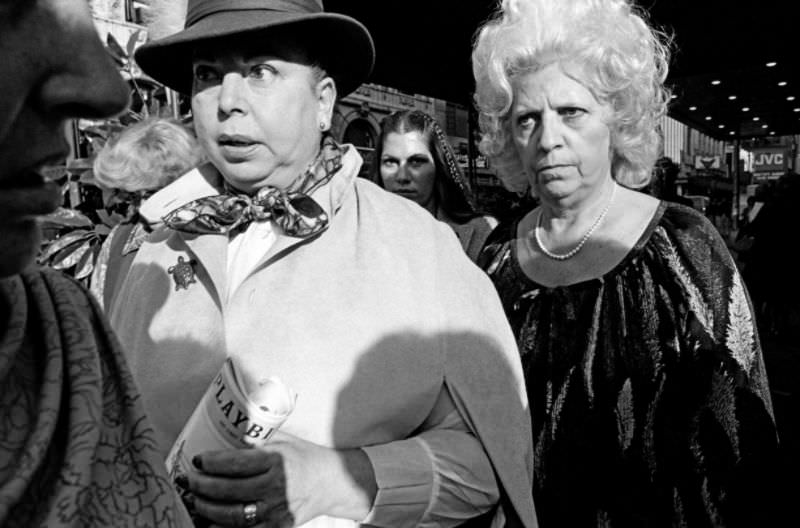
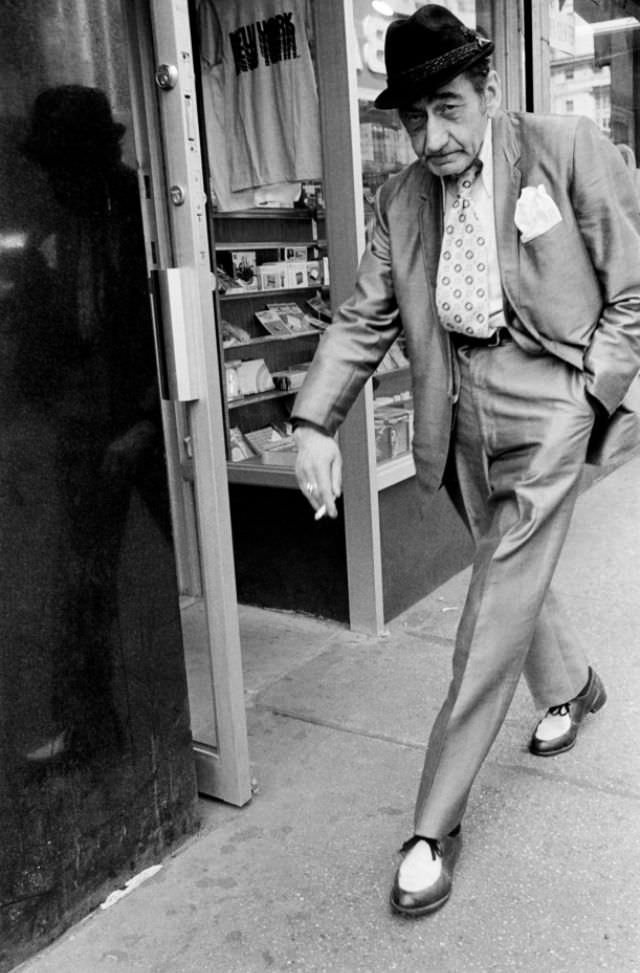
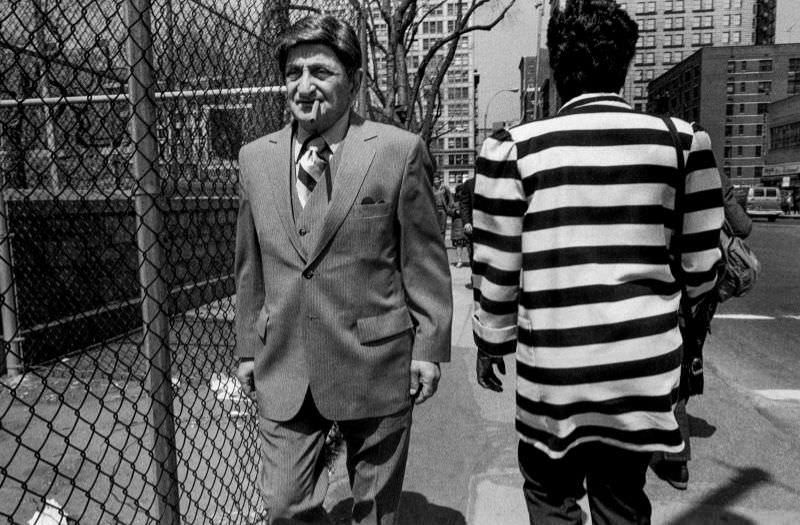
By 1988, Gilden had been working these streets for two decades. The images from that year show no sign of fatigue. The framing is still tight and purposeful. The subjects are still varied — no type of person or neighborhood dominates. The city remained, for Gilden, an inexhaustible subject.
The ‘Lost and Found’ series as a whole fills in a chapter of Gilden’s career that his flash work had overshadowed. These photographs — taken without the dramatic burst of artificial light, in the available grit of New York’s actual daylight — show the full range of what he saw and how carefully he looked.





it seems like every other pic was somebody wearing a bad hairpiece or wig (or mustache in one pic). i love the black and white. it adds to the grittiness of the scenes
This reminds me of the “Mr. Curious” segments Letterman would do on the old NBC show. It always seemed like the segments were teetering on chaos as he bothered passerbys in NYC
I feel like this style of photography is unfair to the people portrayed
Love the 1980 shots of the Bowery here.
Great stuff