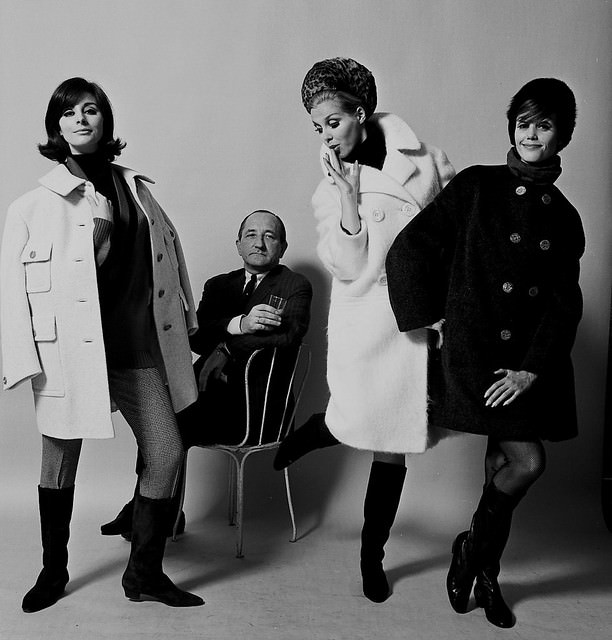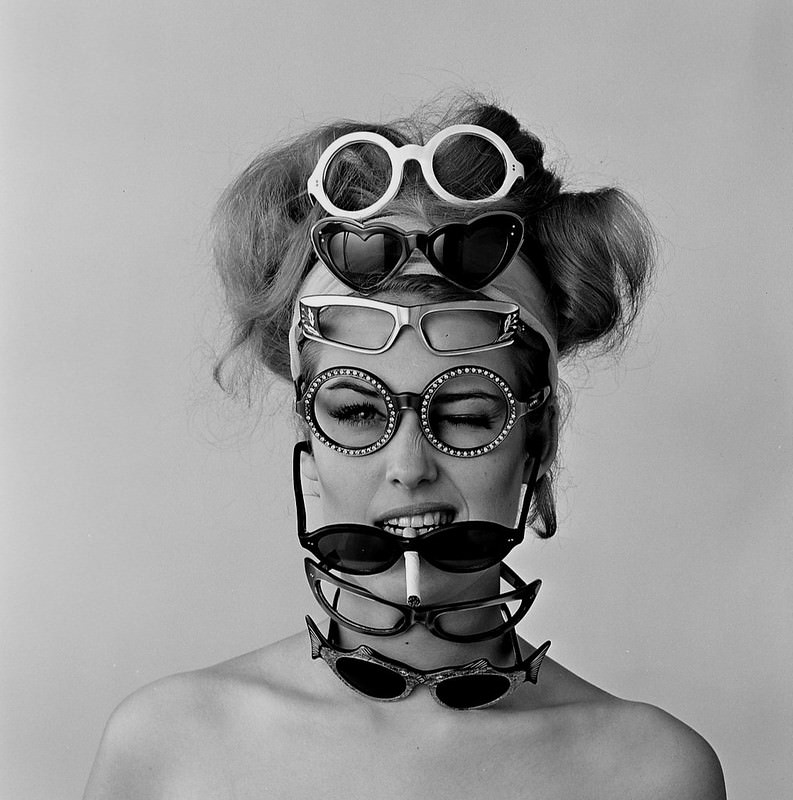
The 1960s was one of the most visually explosive decades in fashion history. Women’s clothing shifted dramatically from the structured, formal styles of the 1950s into something far bolder and more experimental. No single look defined the era — instead, several distinct movements ran side by side, each pushing against the conventions of what women were expected to wear.
Early in the decade, tailored silhouettes still held sway, but by the mid-1960s, youth culture had taken over the conversation. Small groups of young people in cities like London, Paris, and Amsterdam were setting trends that quickly caught the attention of the international press. What began on the streets and in boutiques soon reached the runways of haute couture and the floors of mass-market retailers.
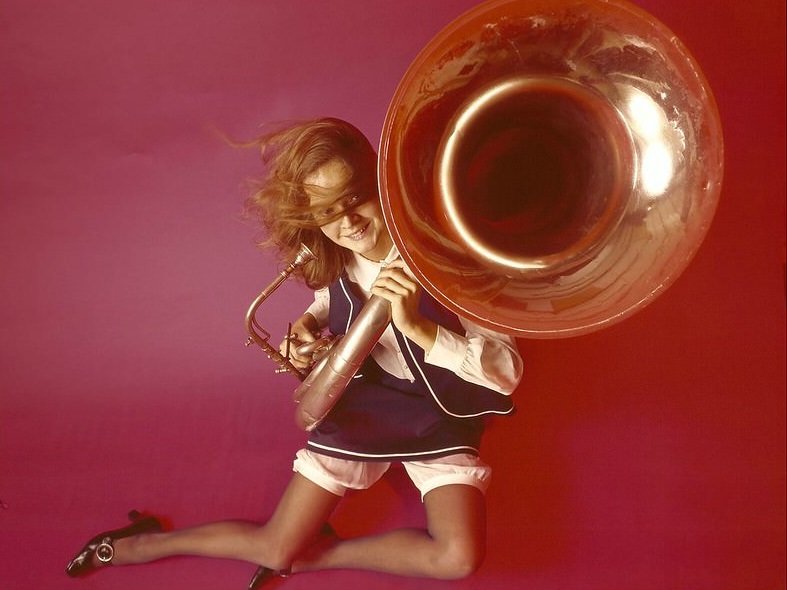
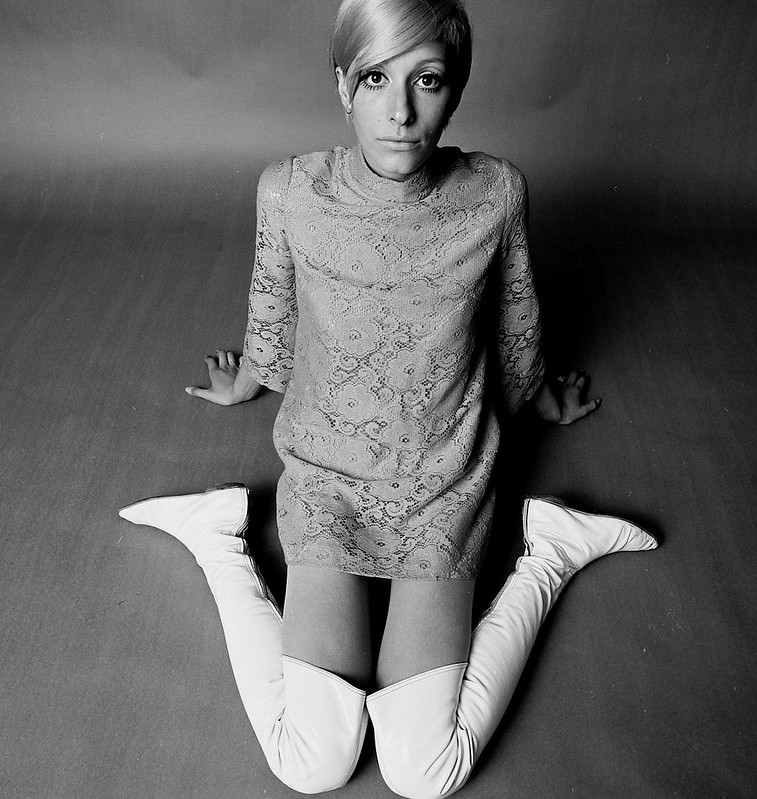
Mini skirts, culottes, and go-go boots became symbols of the decade’s youthful energy. More avant-garde designers pushed further, producing curved PVC dresses and other plastic-based clothing that would have seemed like science fiction just ten years earlier. Fashion was no longer just about elegance — it was about attitude, youth, and breaking rules.
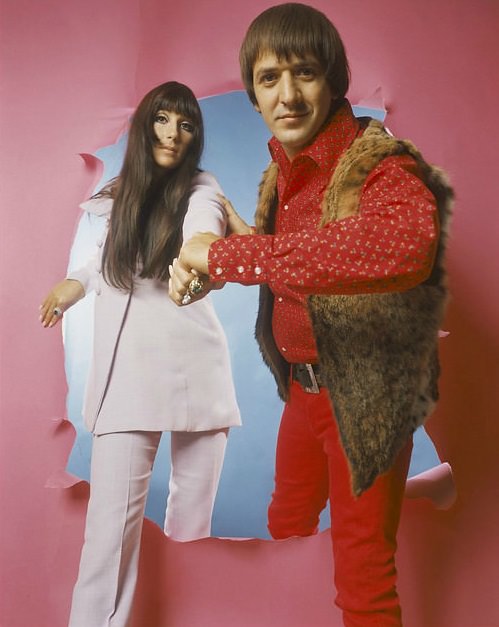
By the late 1960s, the hippie movement added another layer to women’s fashion. Bell-bottom jeans, tie-dye prints, batik fabrics, and paisley patterns flooded the market. These styles carried a political weight — they rejected mainstream consumer culture and aligned fashion with broader social movements happening across the Western world.
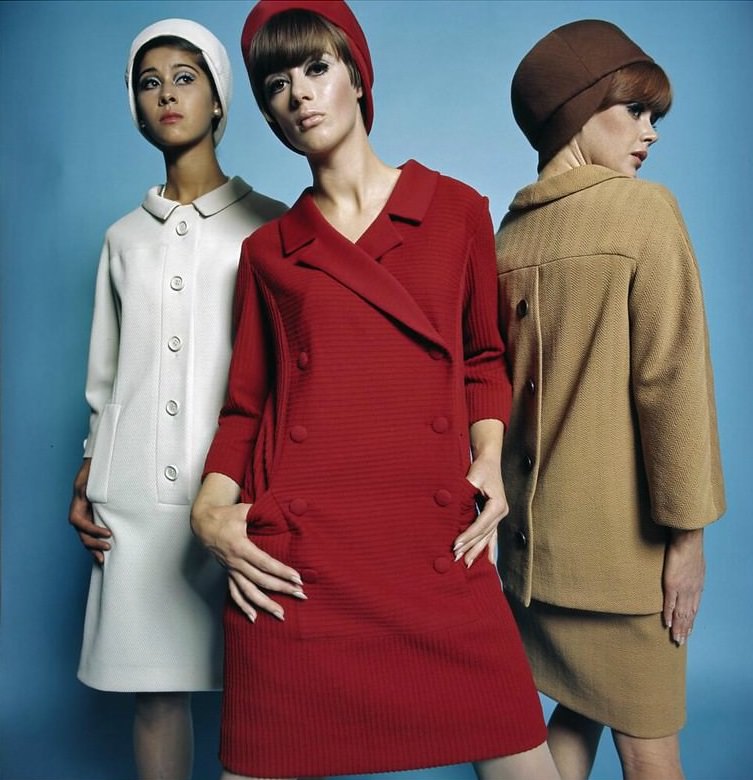
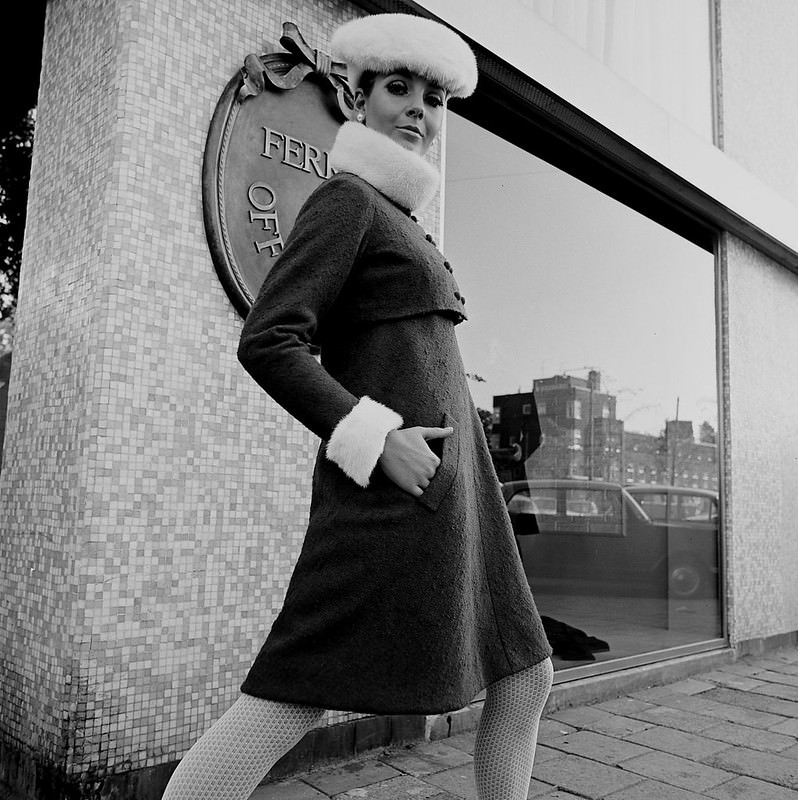
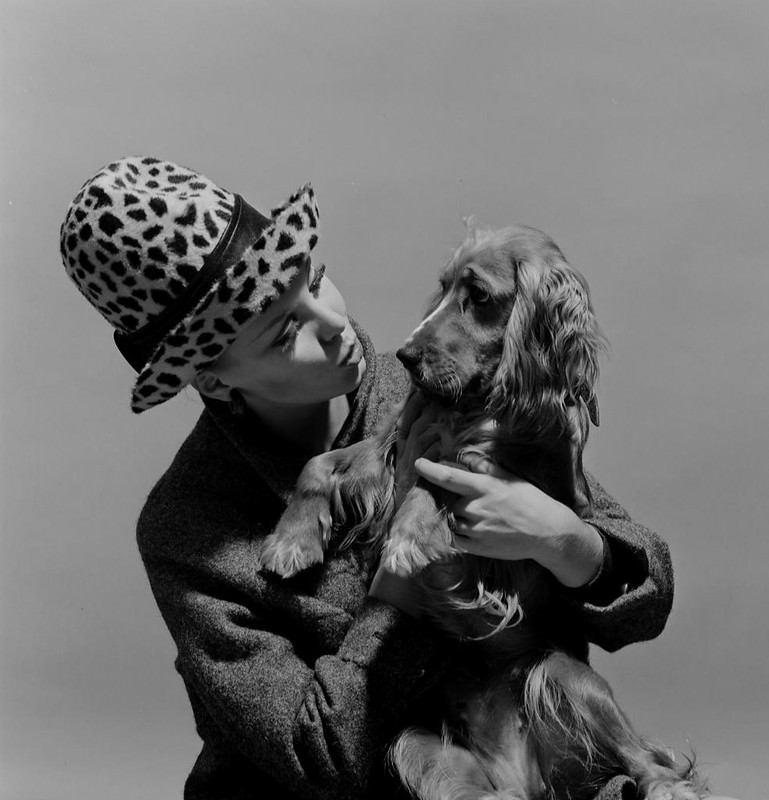
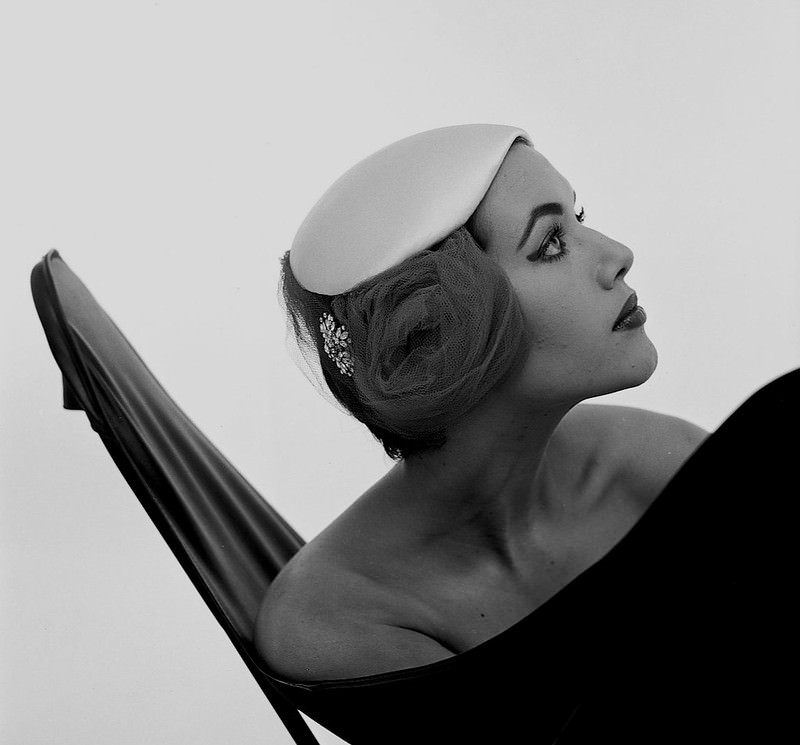
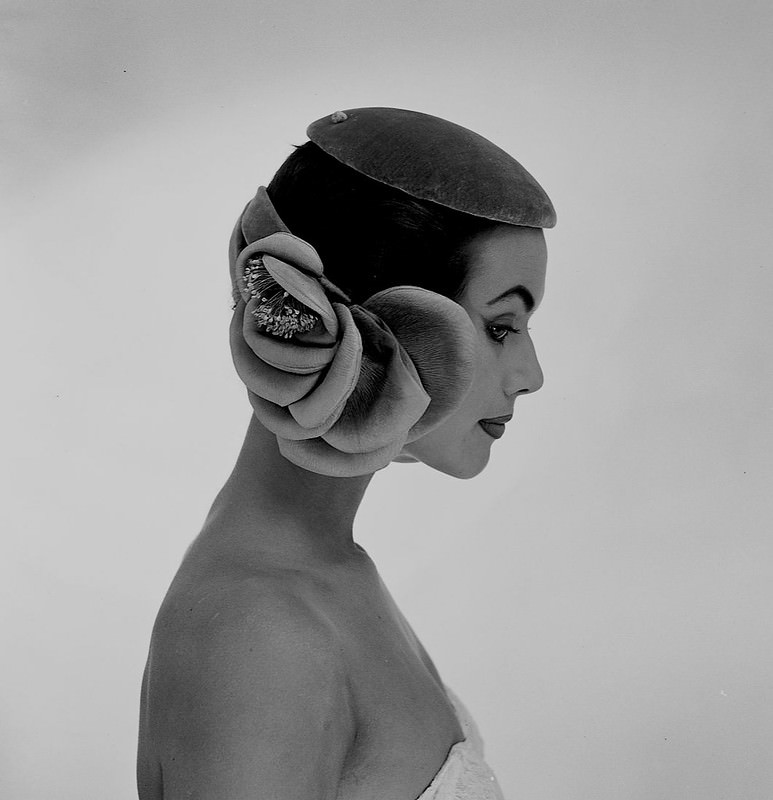
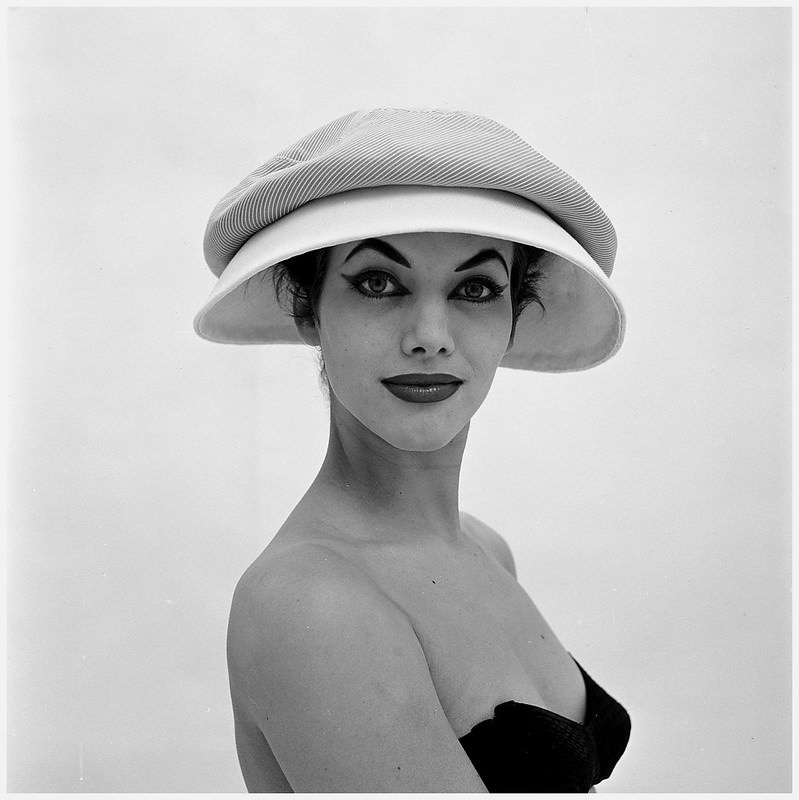
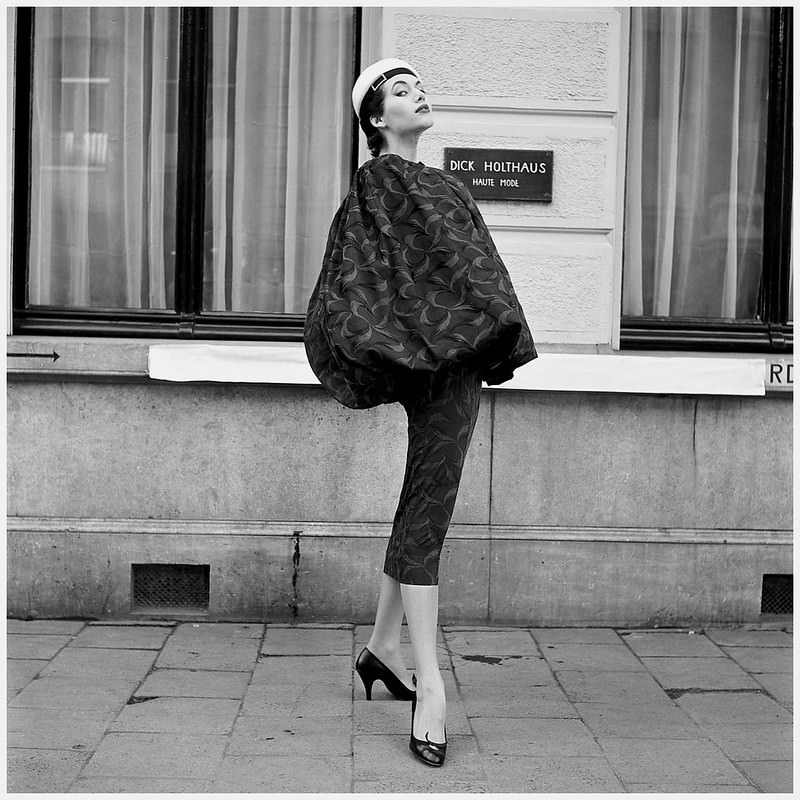
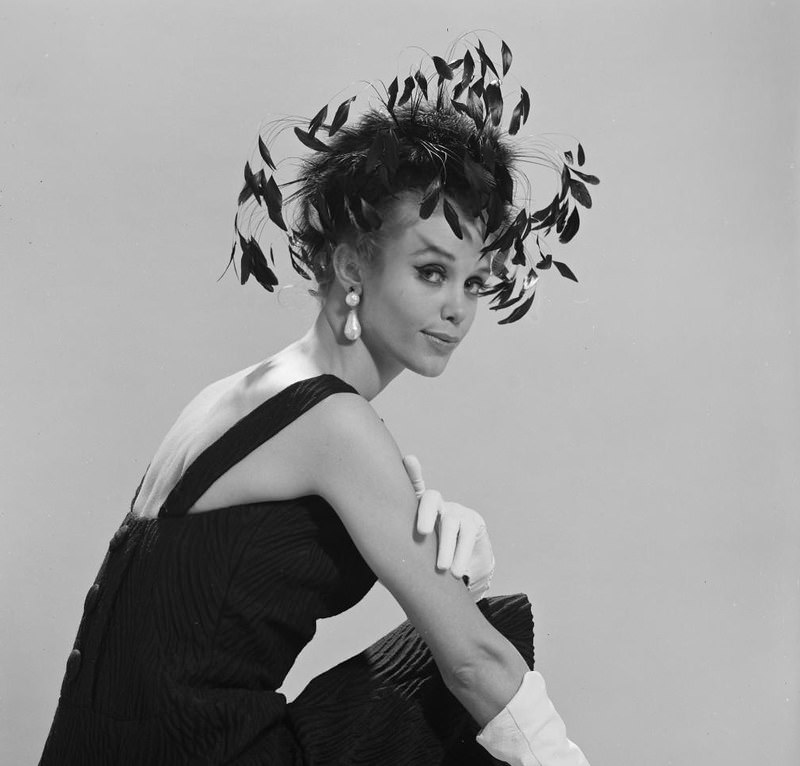
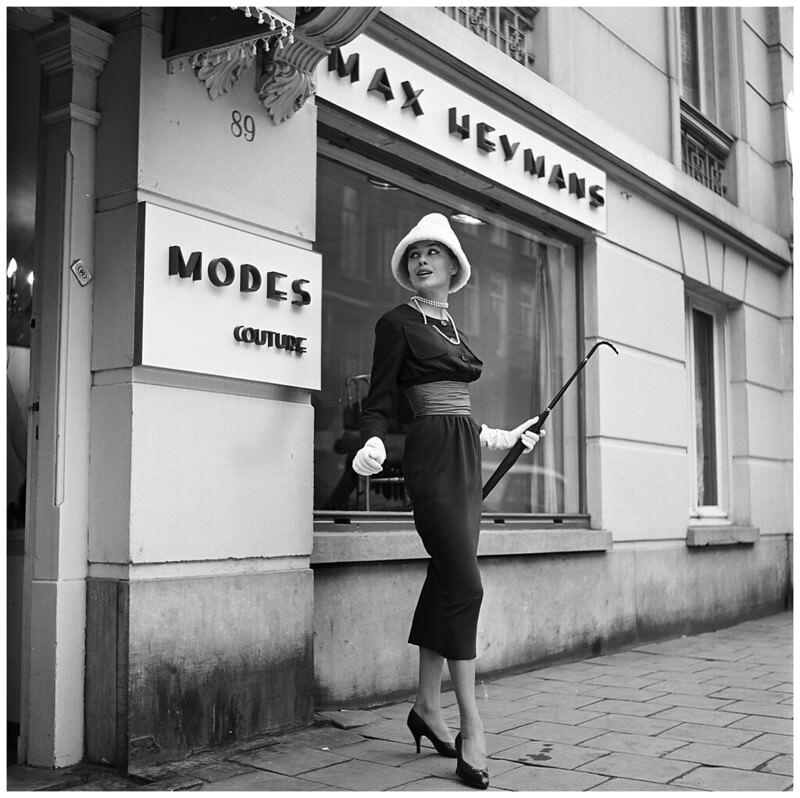
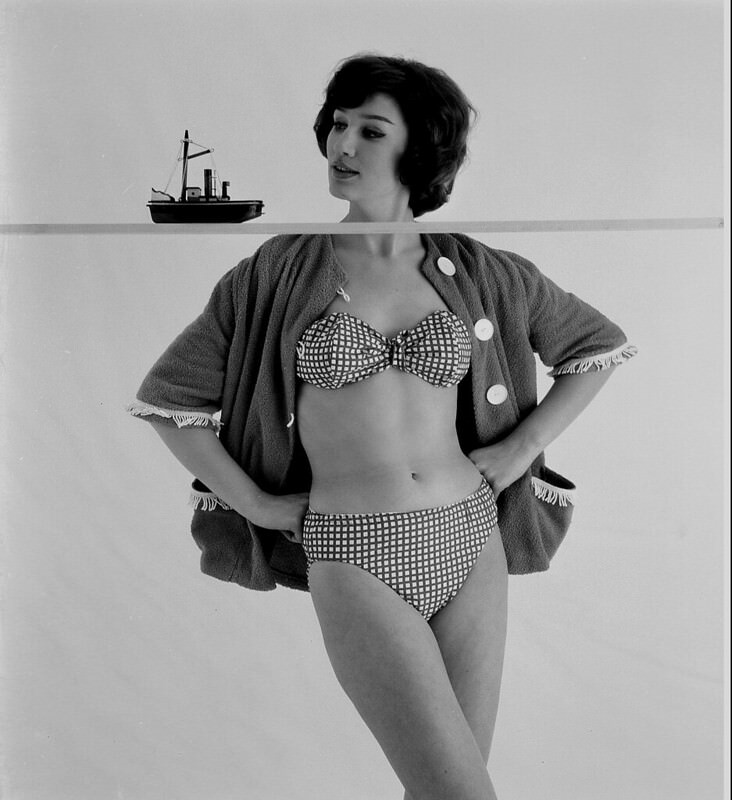
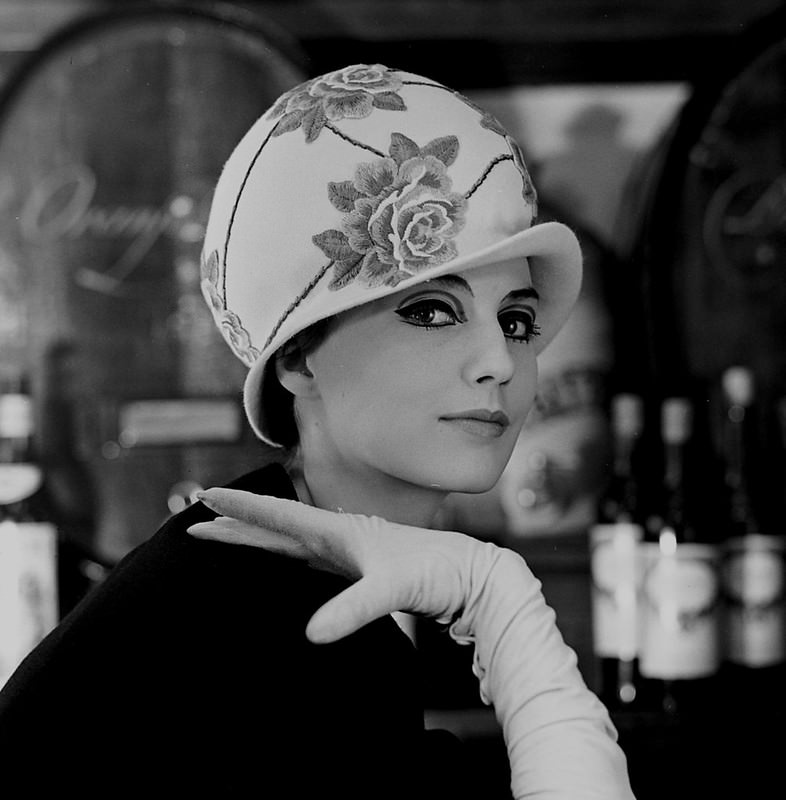
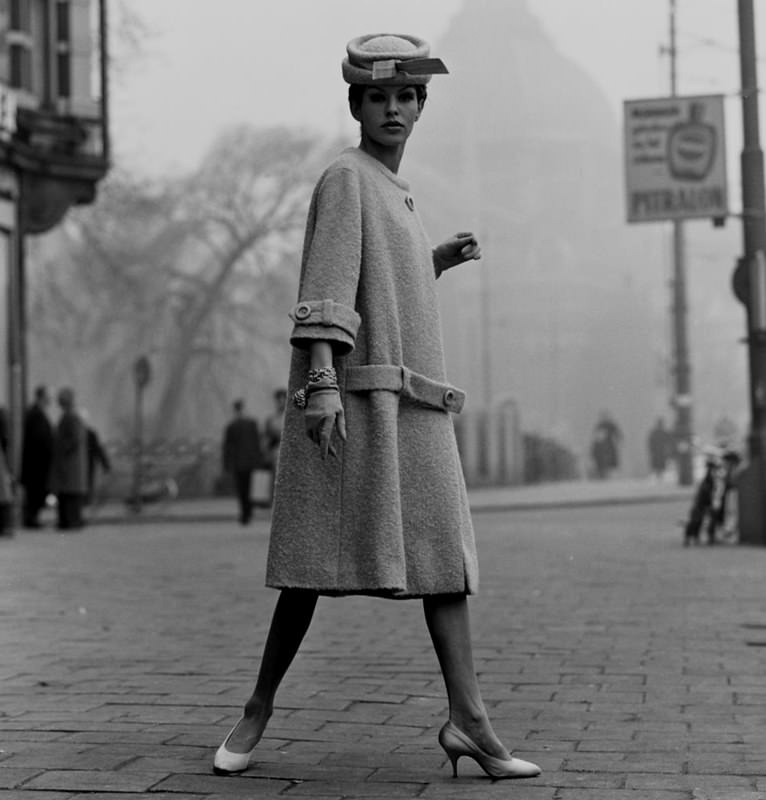
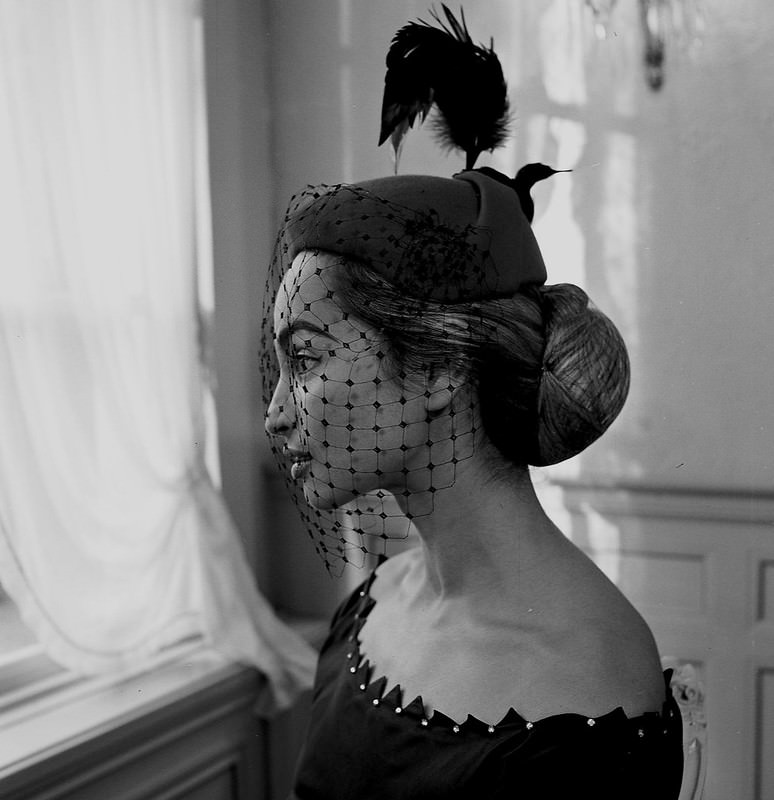
Capturing much of this energy through his lens was Dutch photographer Hans Dukkers. Based in the Netherlands, Dukkers began his professional career in 1952, working with Amsterdam’s leading couturiers. His client list included some of the most respected names in Dutch fashion: Dick Holthaus, Max Heijmans, Frank Govers, and especially Ferry Offerman.
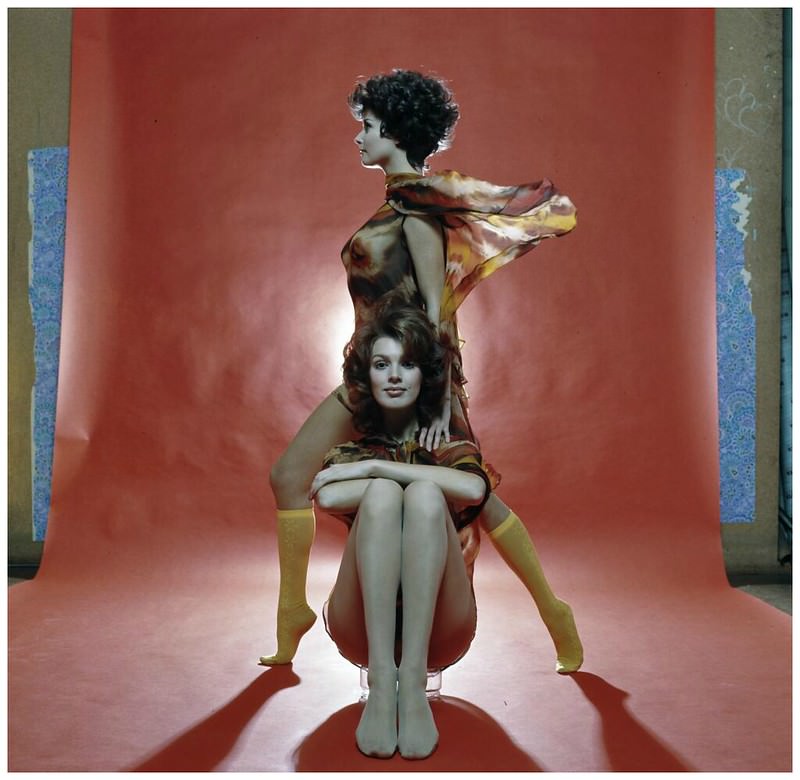
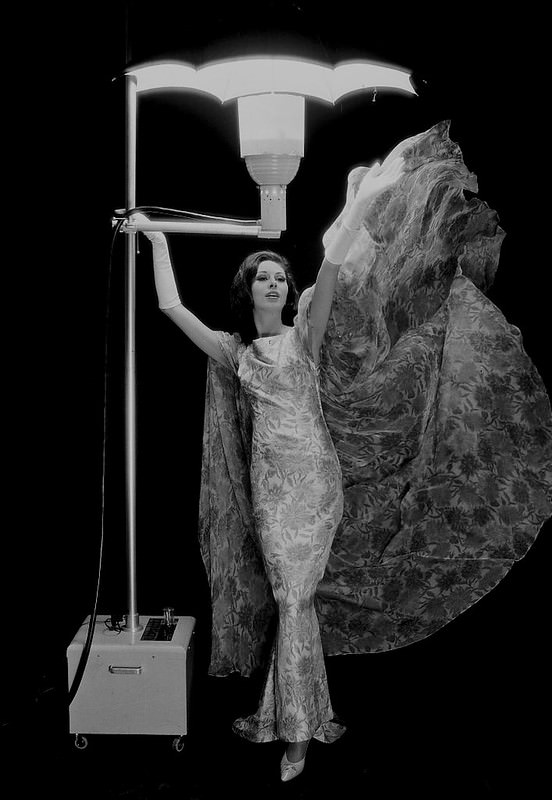
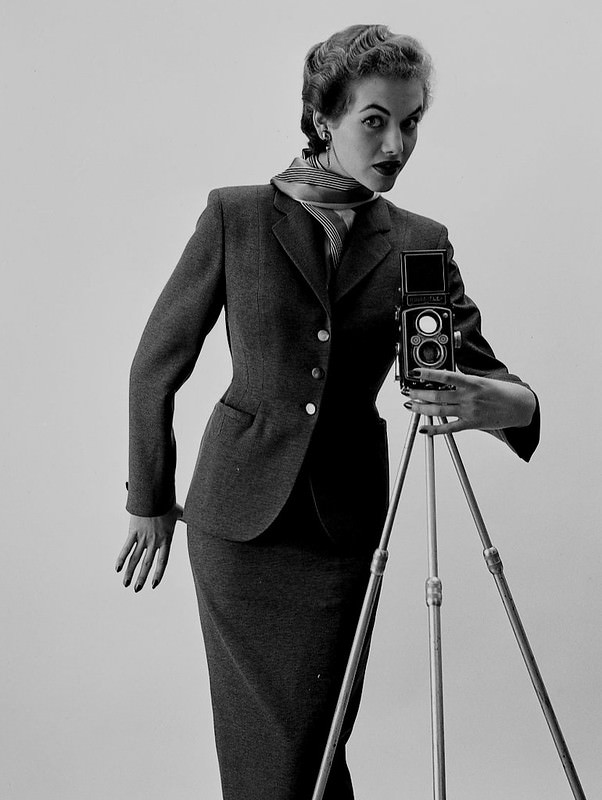
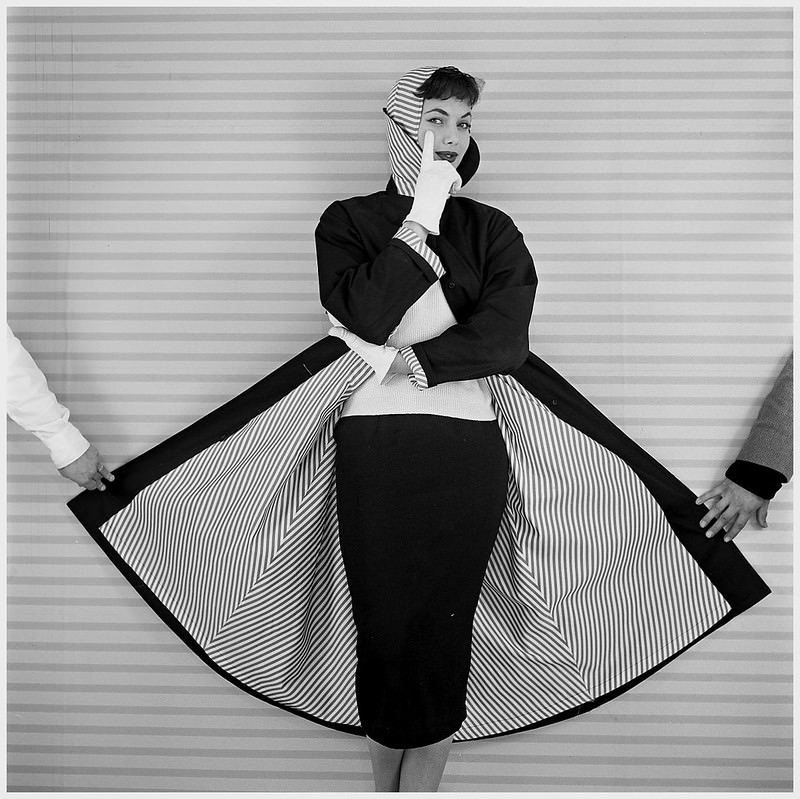
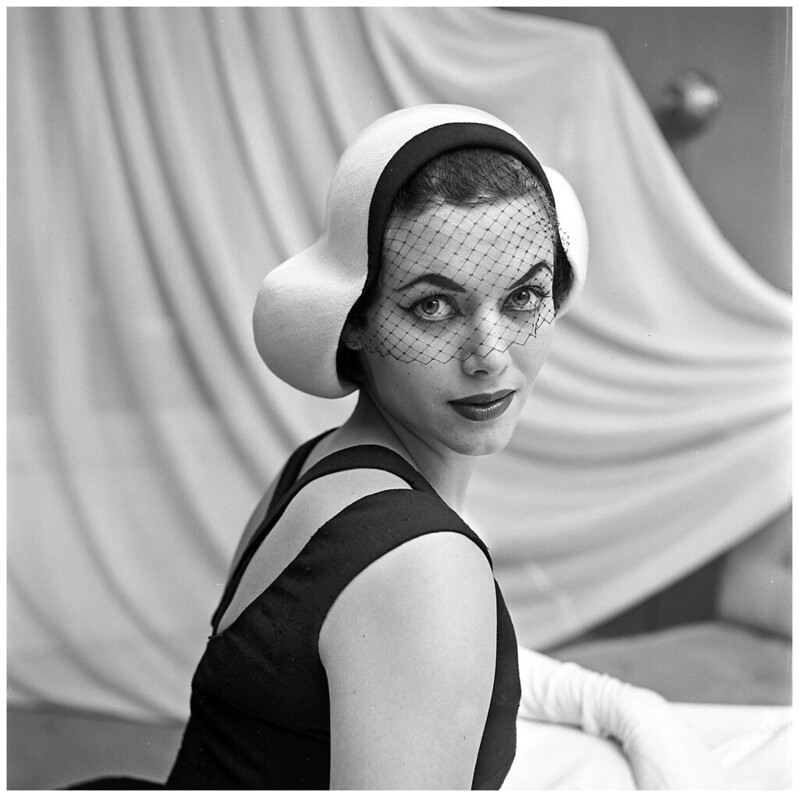
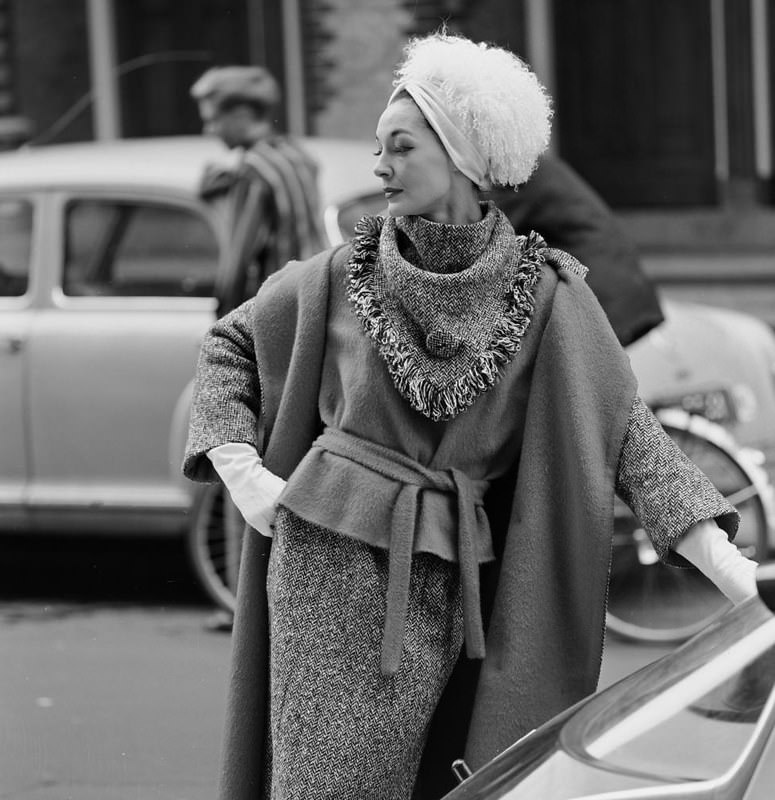
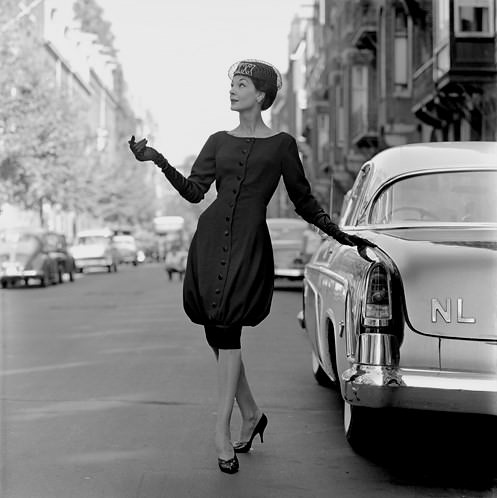
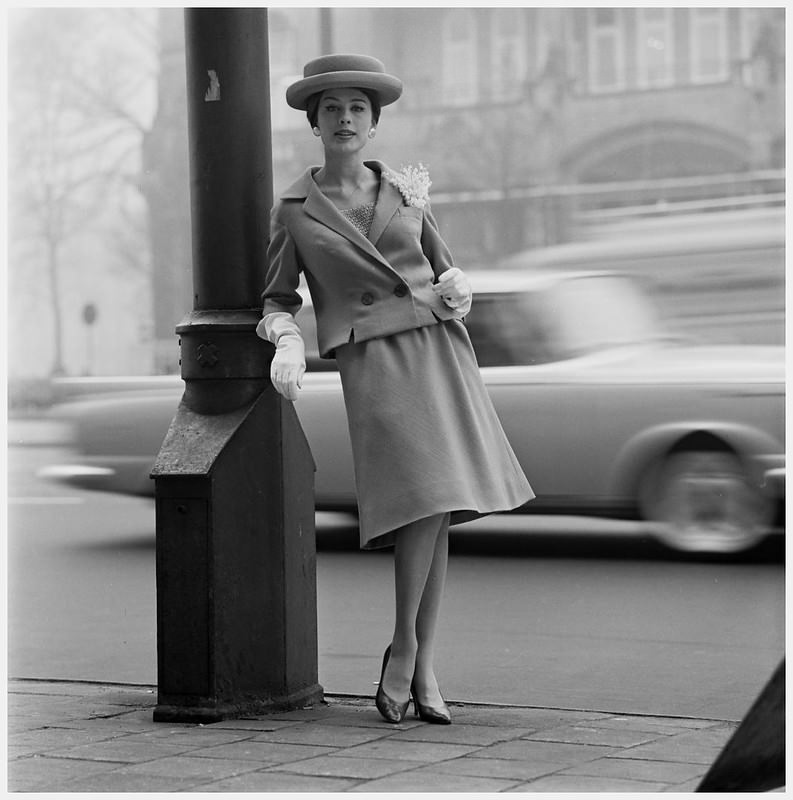
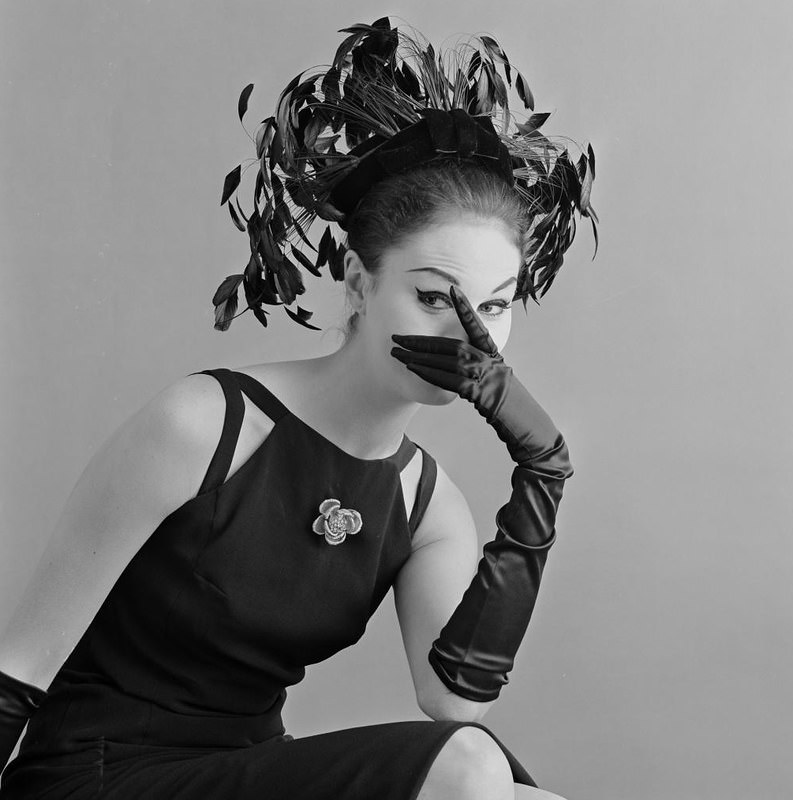
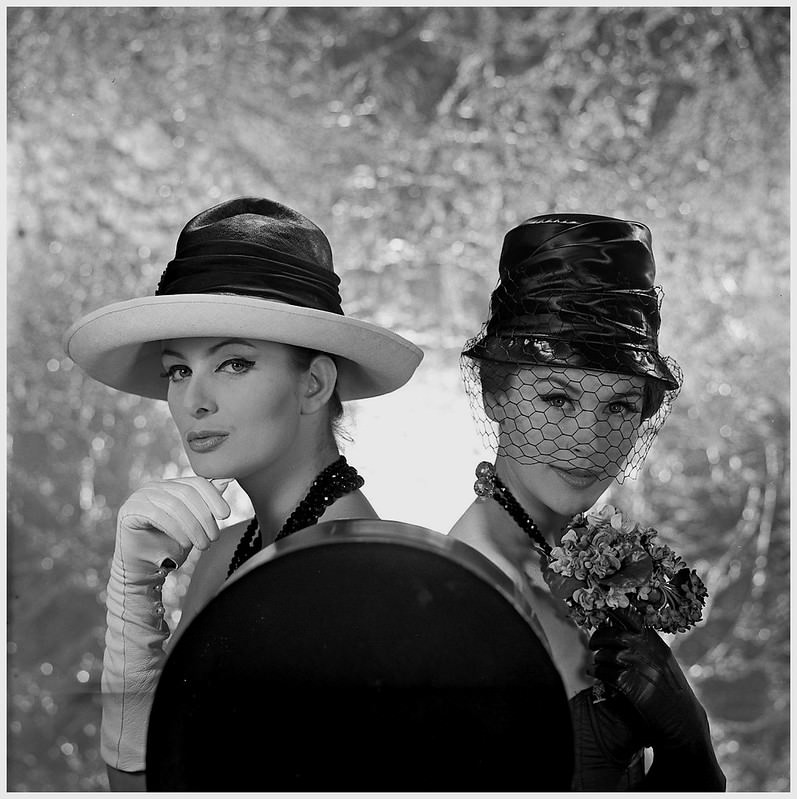
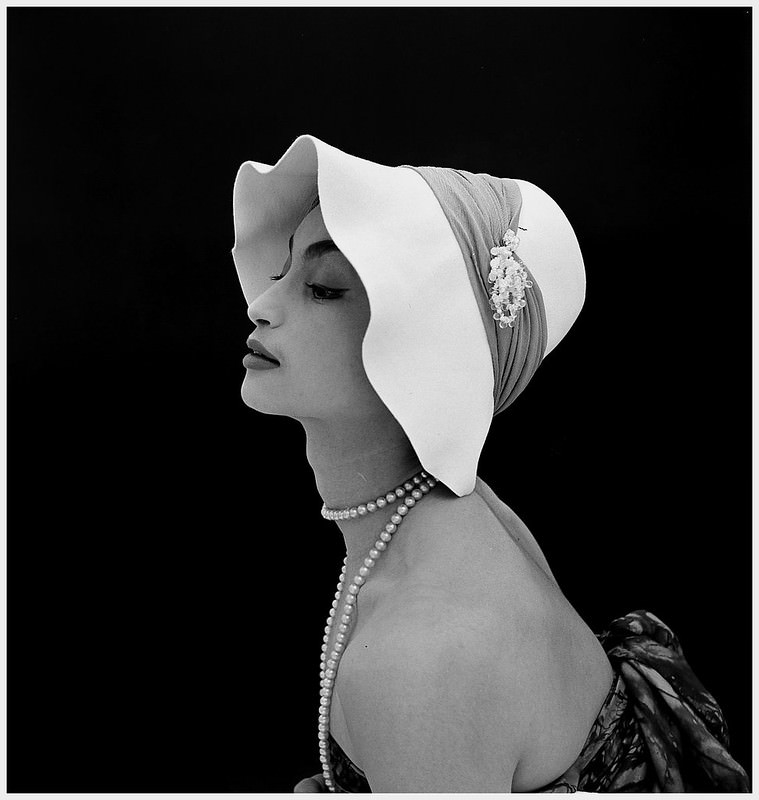
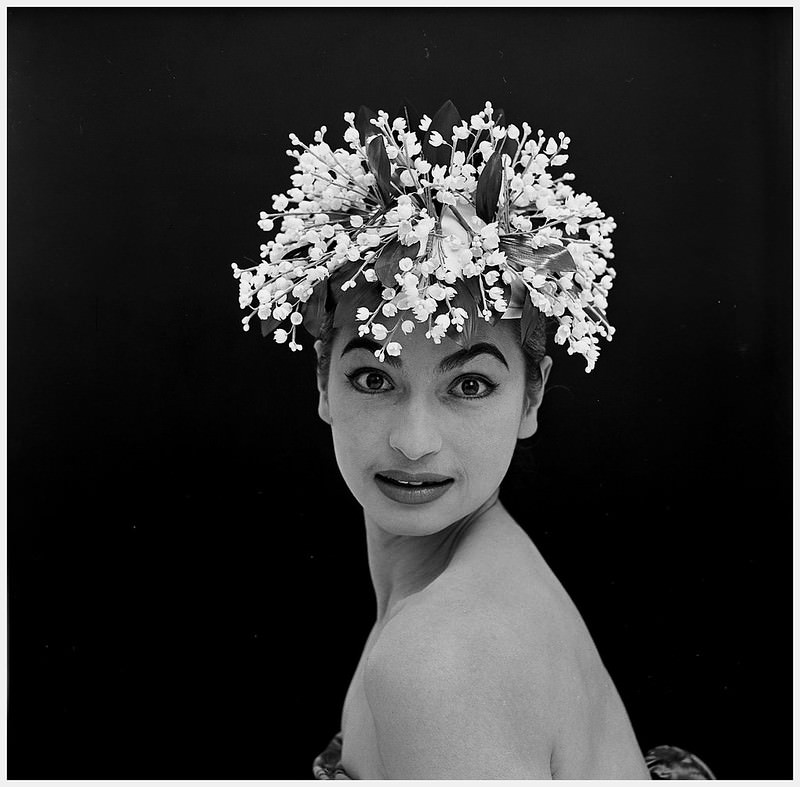
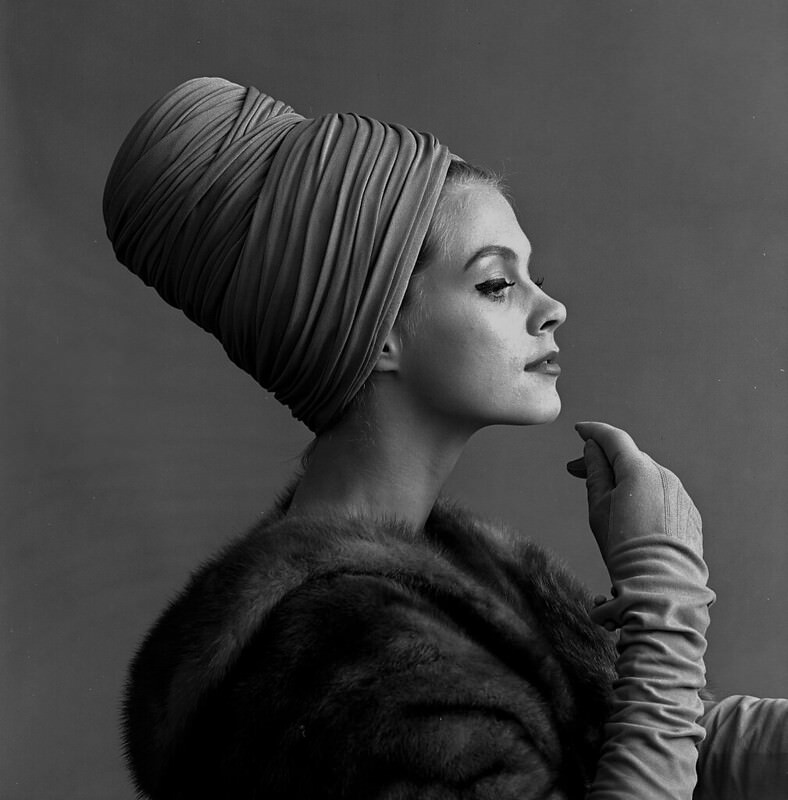
Dukkers had a sharp eye for how clothing moved and how a model carried a garment. His early work in the 1950s documented a more restrained, classical style of Dutch couture — structured gowns, refined tailoring, and polished presentation. These photographs serve as a clear record of where Dutch fashion stood before the decade of change arrived.
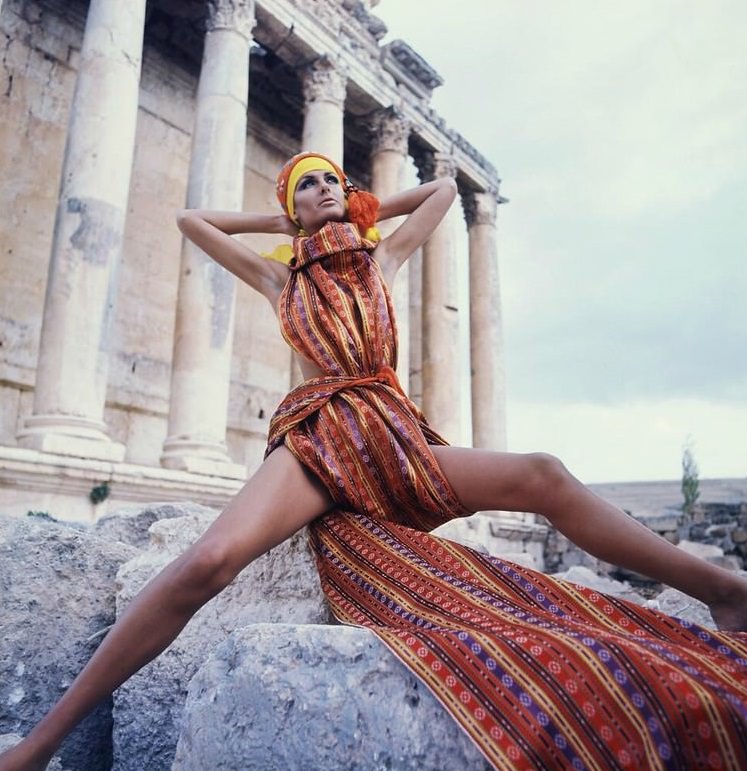
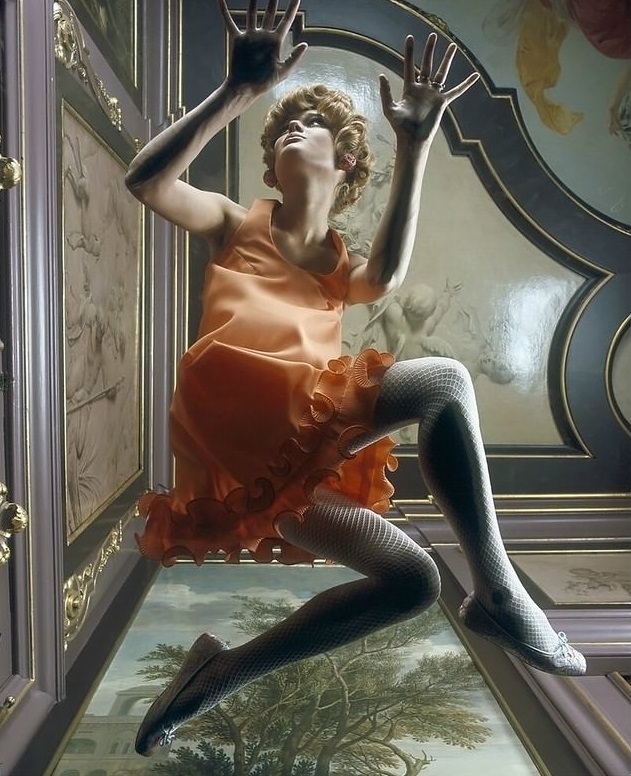
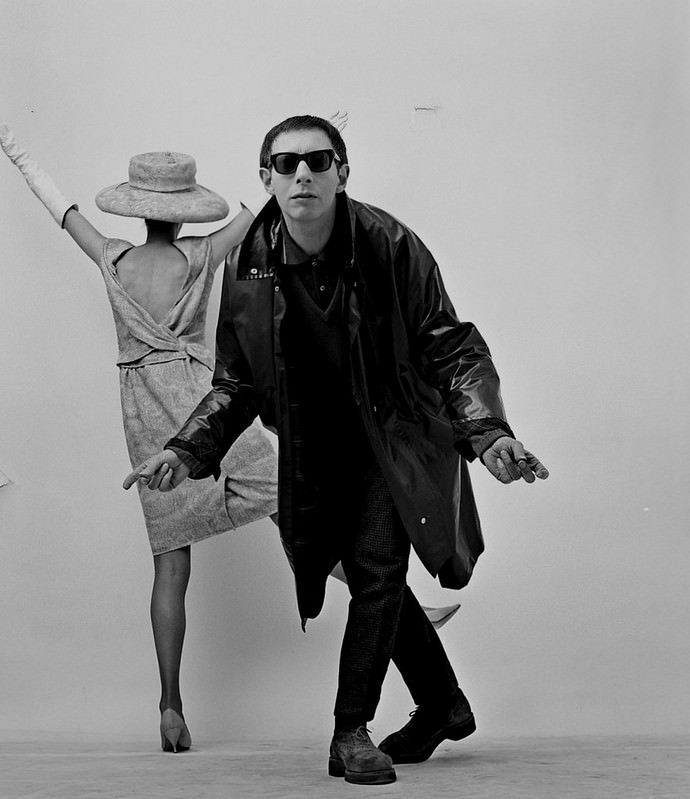
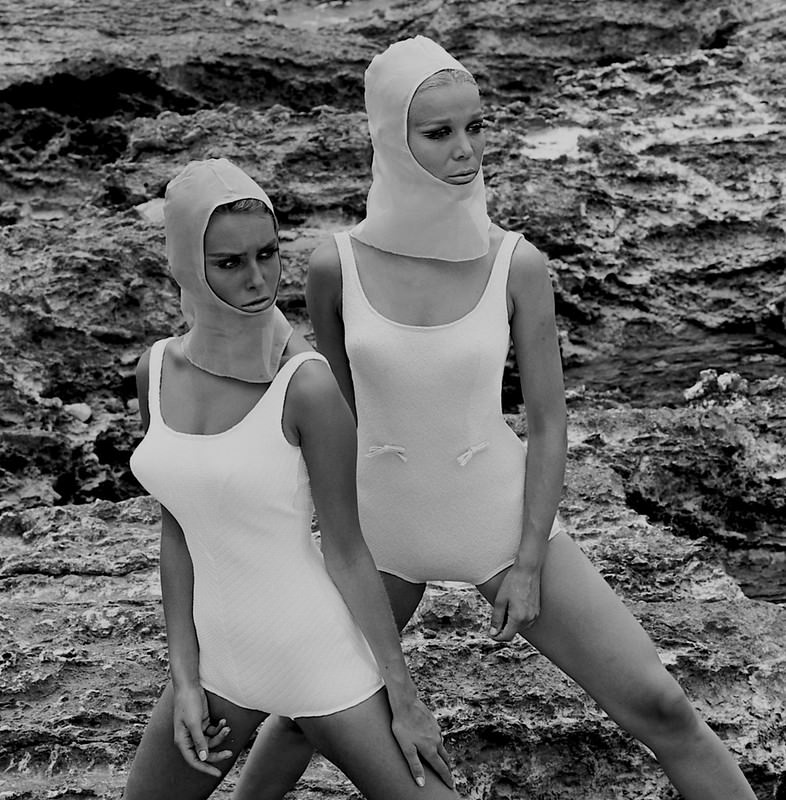
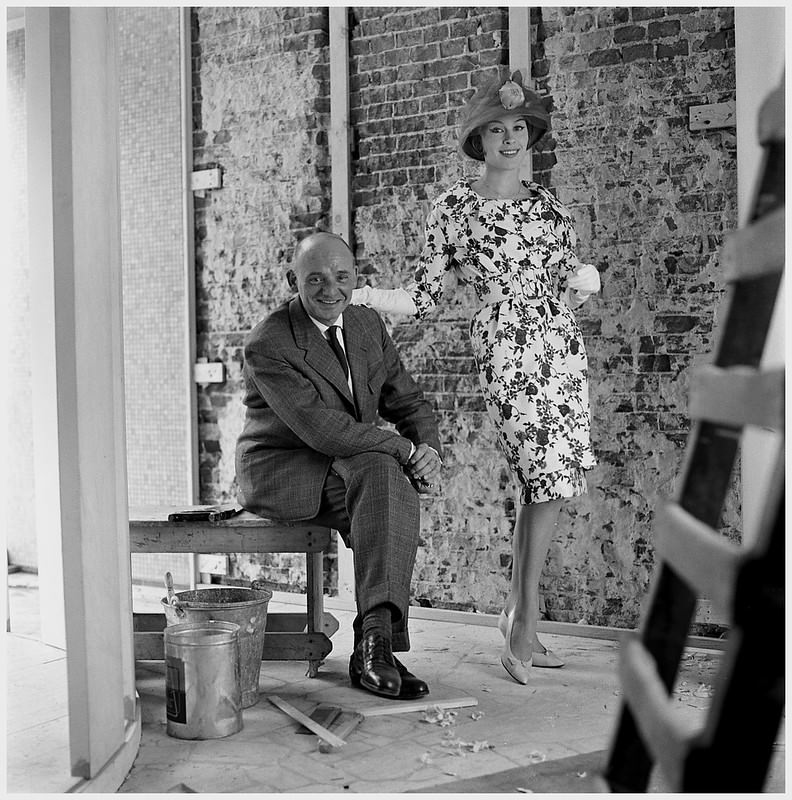
As the 1960s progressed, Dukkers’ photographs reflected the shifting landscape of women’s fashion in real time. His work for Ferry Offerman, in particular, produced some of his most striking images — pairing strong design with confident, modern presentation. Offerman was known for bold creative choices, and Dukkers’ photography matched that ambition.
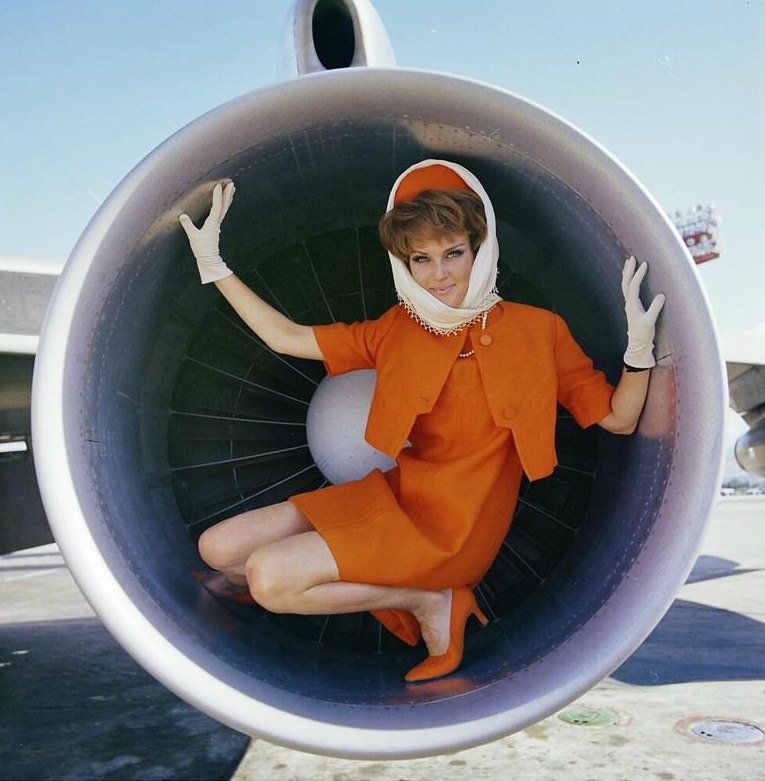
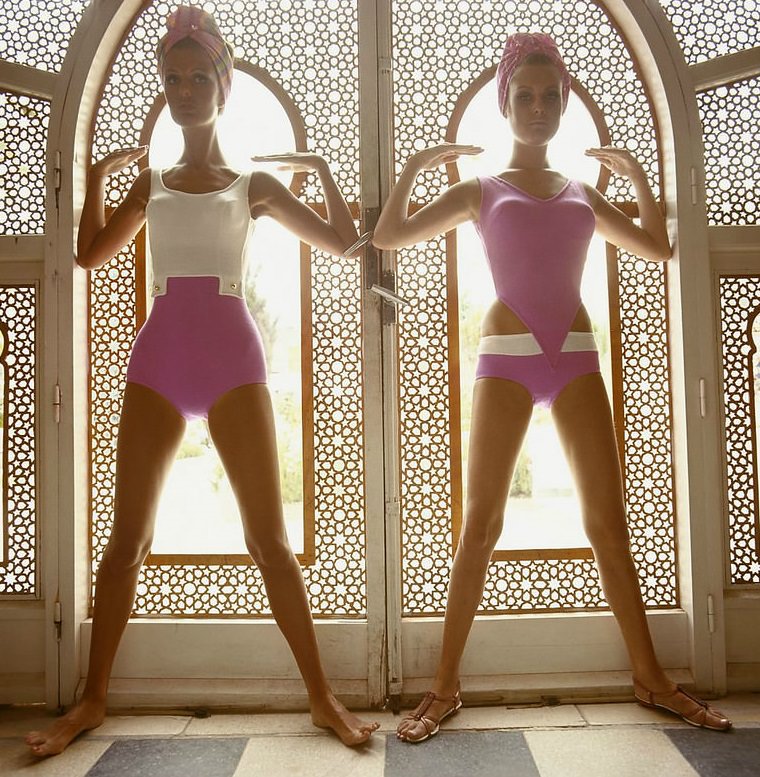
Among the models Dukkers worked with regularly were Marijke Klein and Els Kaptijn, both prominent figures in Dutch fashion during the mid-1960s. Klein was photographed wearing pieces by British designer Mary Quant — one of the central figures behind the mini skirt revolution. Kaptijn appeared frequently in Dukkers’ work throughout the decade, captured at different stages of the era’s evolving aesthetic.
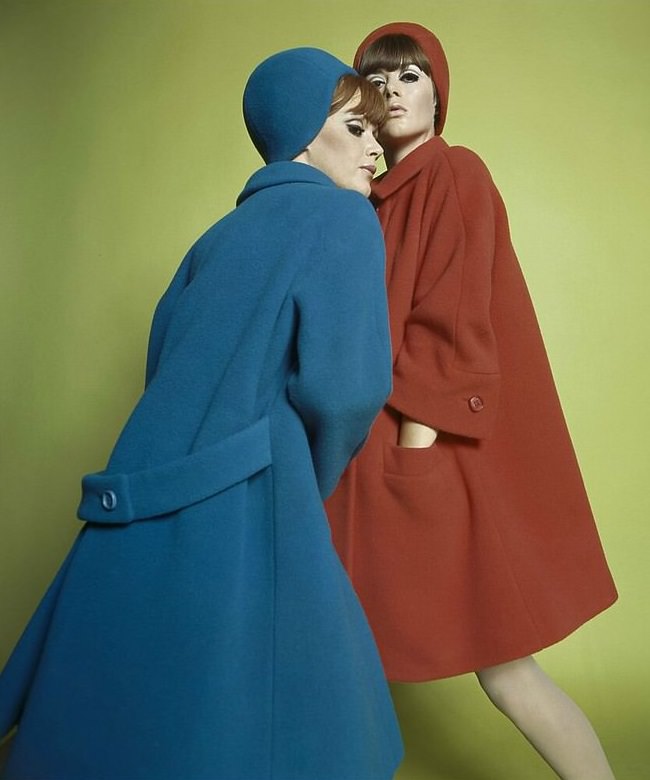
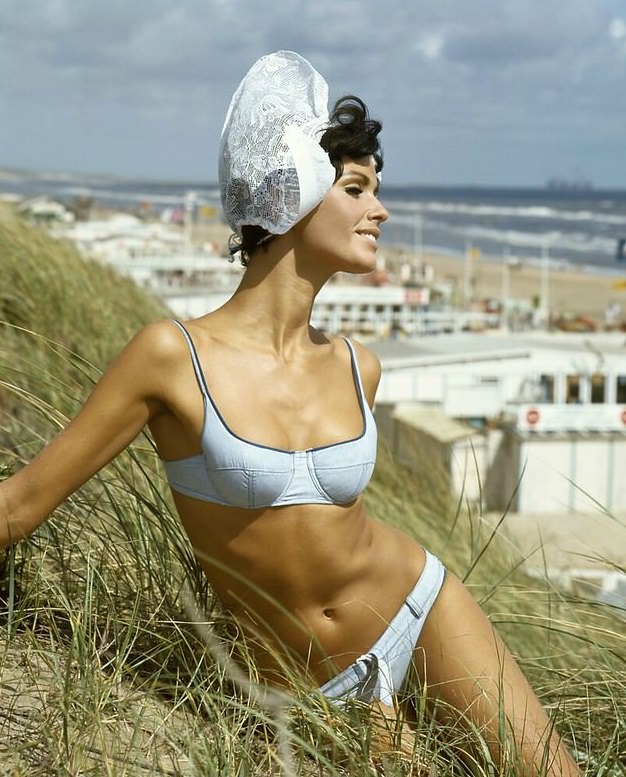
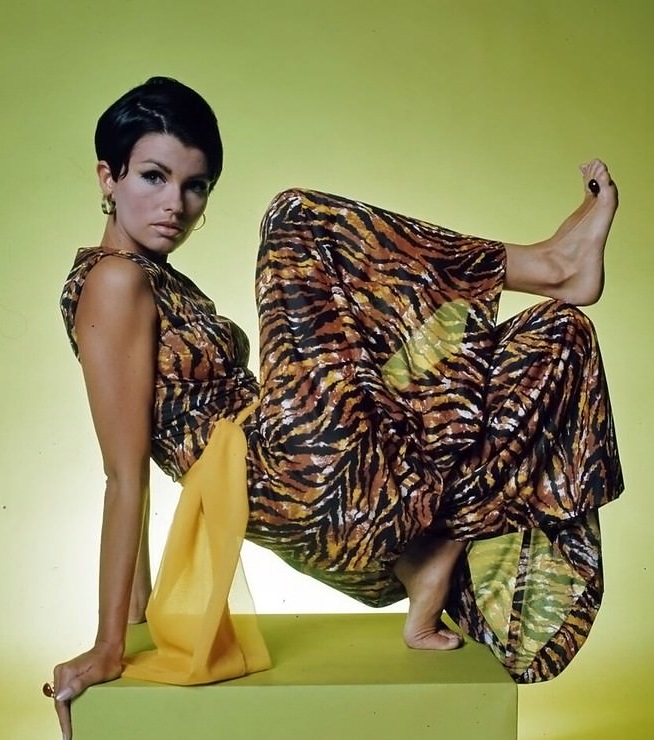
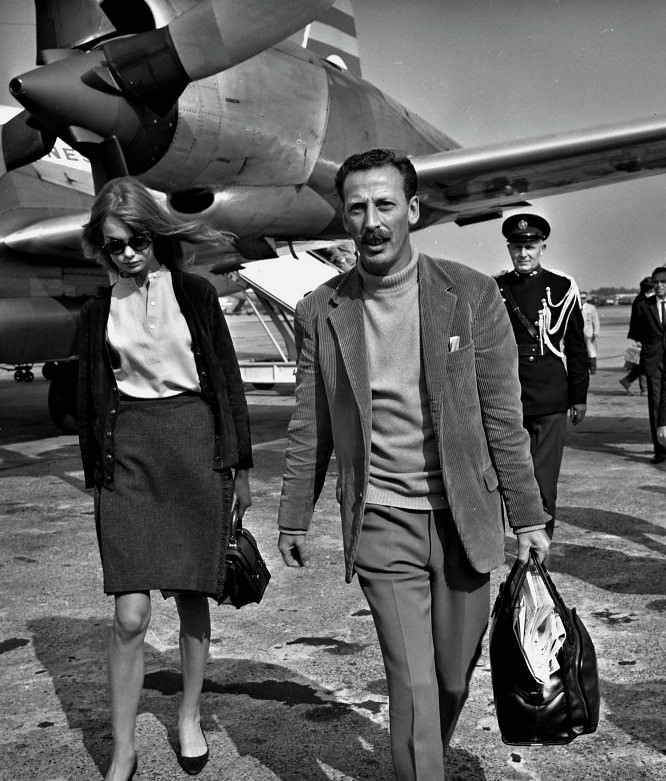
Dukkers also had connections to the international fashion world. In 1965, he picked up British supermodel Jean Shrimpton at Amsterdam’s Schiphol Airport — a moment captured on camera and indicative of his standing within the broader European fashion scene. Shrimpton was one of the most recognized faces in 1960s fashion, and her presence in Amsterdam underscored the city’s growing relevance as a fashion hub.
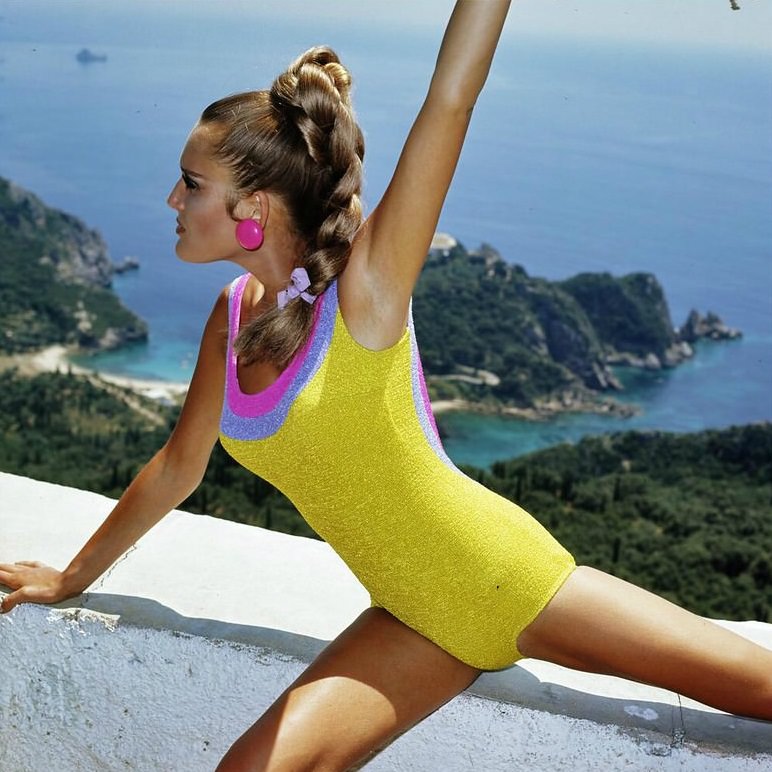
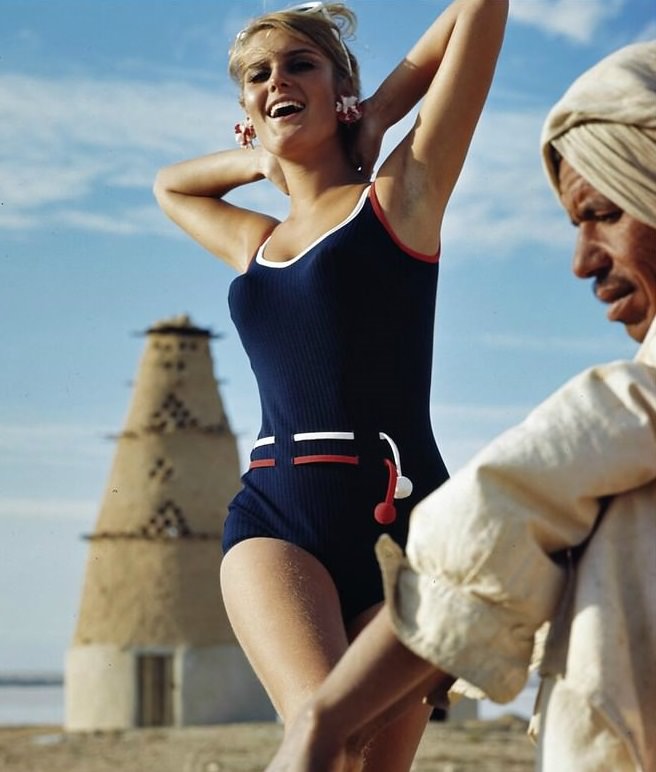
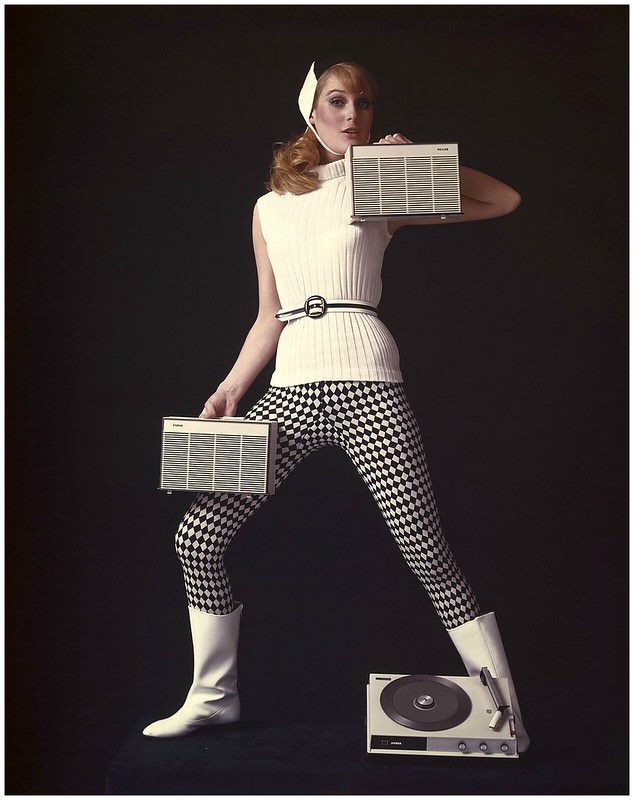
His archive stretches back well before the 1960s began. Photographs from the early 1950s show models like Wiet Palar and Evelyn Orcel in the polished, carefully composed style typical of postwar Dutch couture. These earlier images provide essential context — they show the world Dukkers worked in before mini skirts and PVC changed everything.
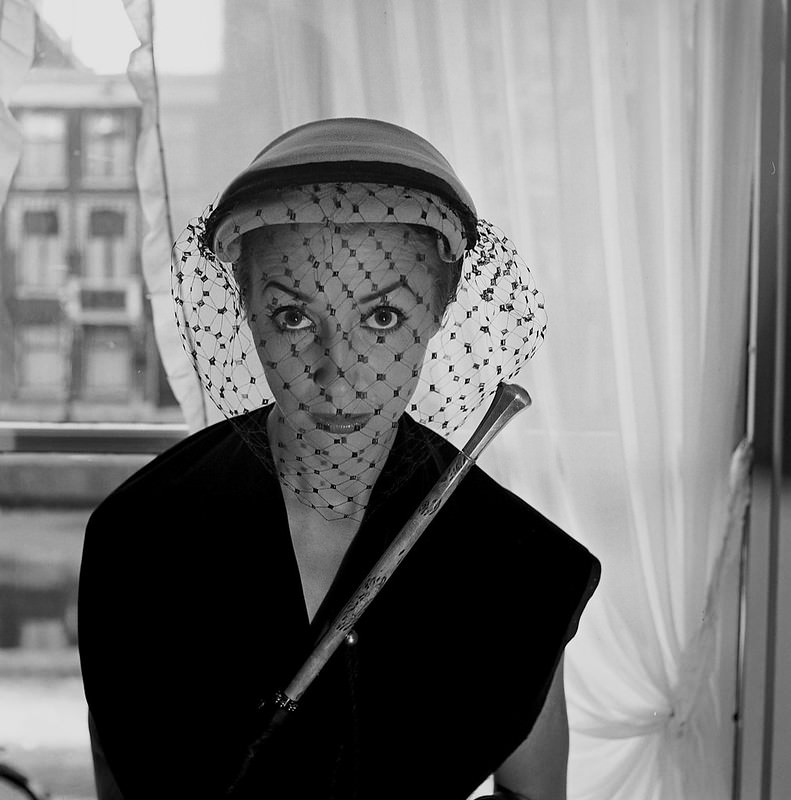
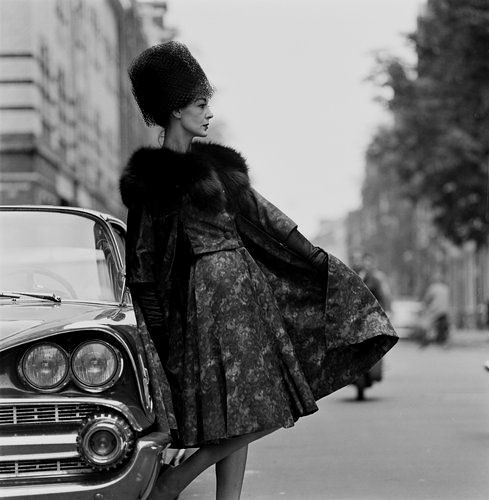
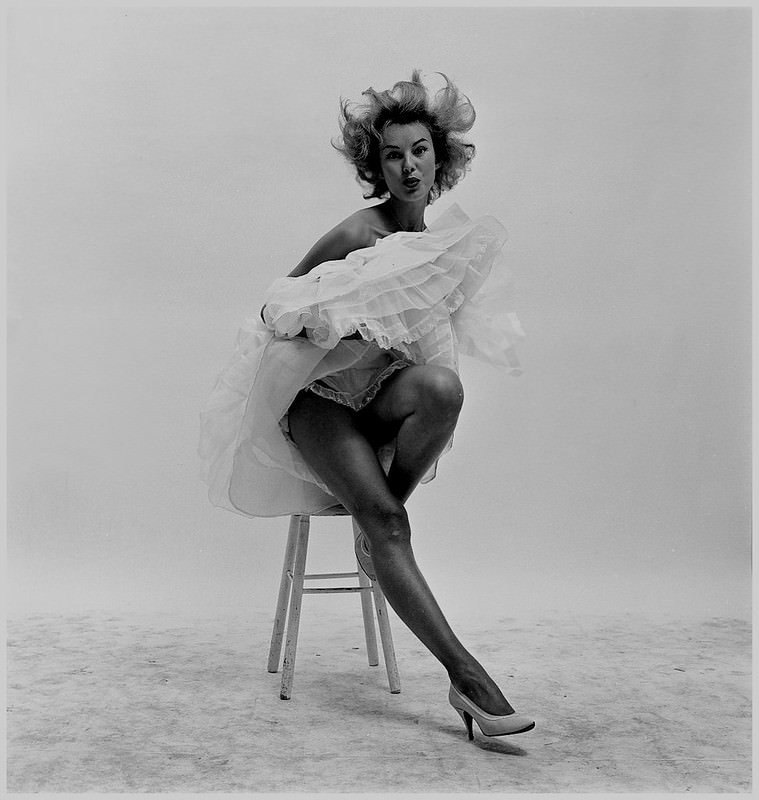
Couturier Max Heijmans was another key figure in Dukkers’ body of work. Heijmans represented a strand of Amsterdam fashion that prized craftsmanship and precision. Dukkers’ photographs of Heijmans’ collections — stretching from the mid-1950s through the early 1960s — document a designer at the height of his influence within the Netherlands.
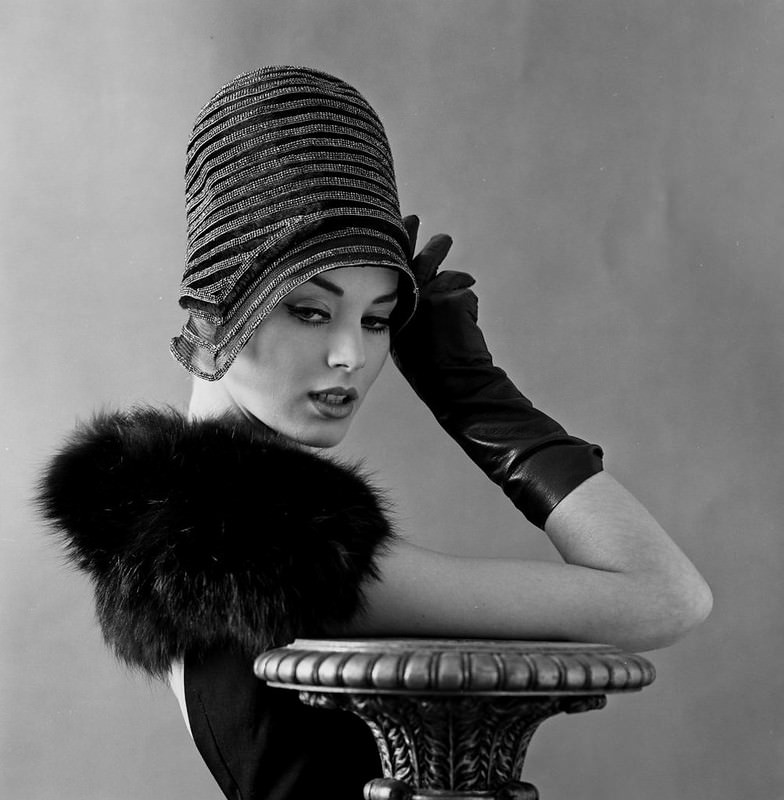
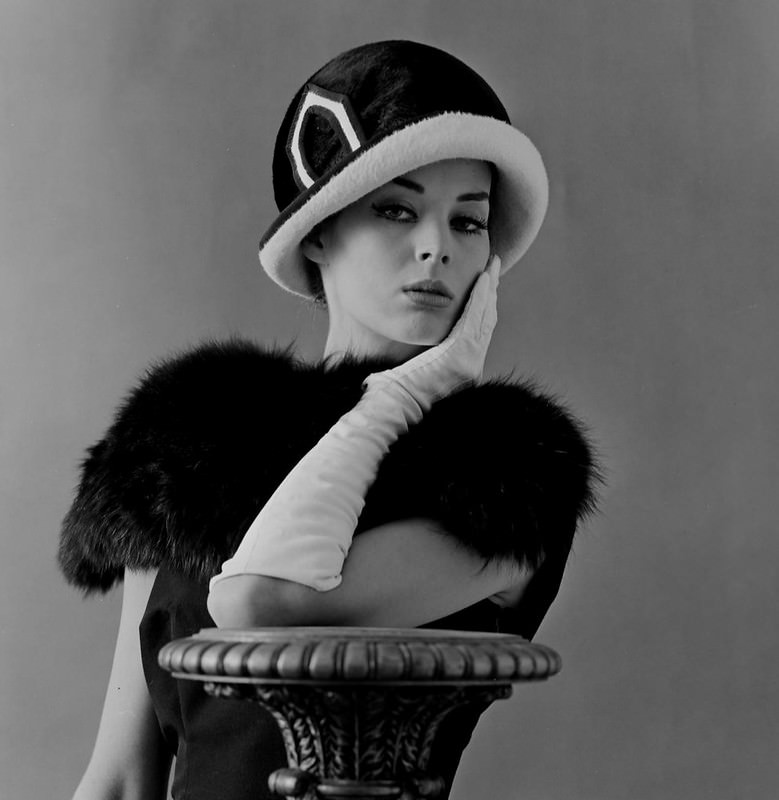
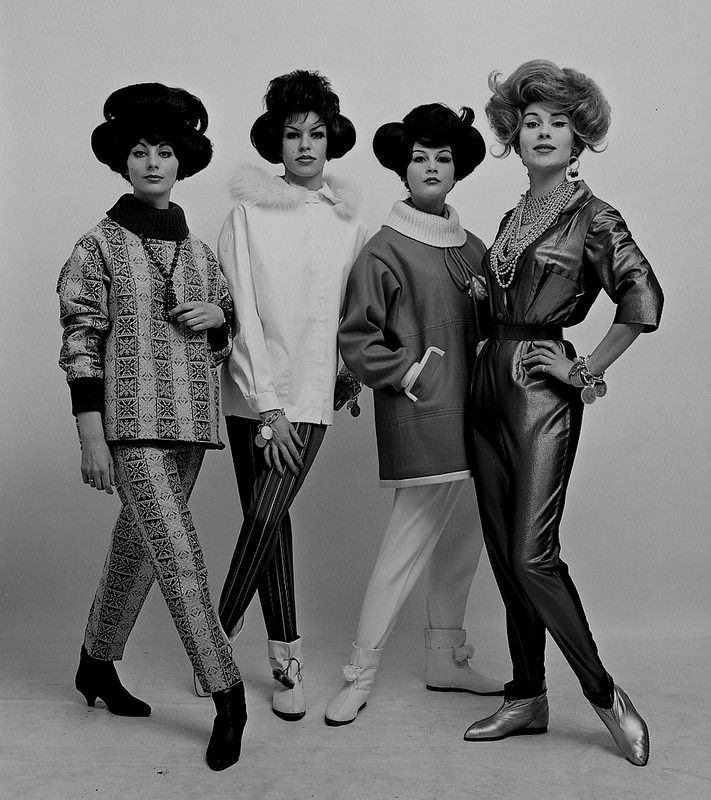
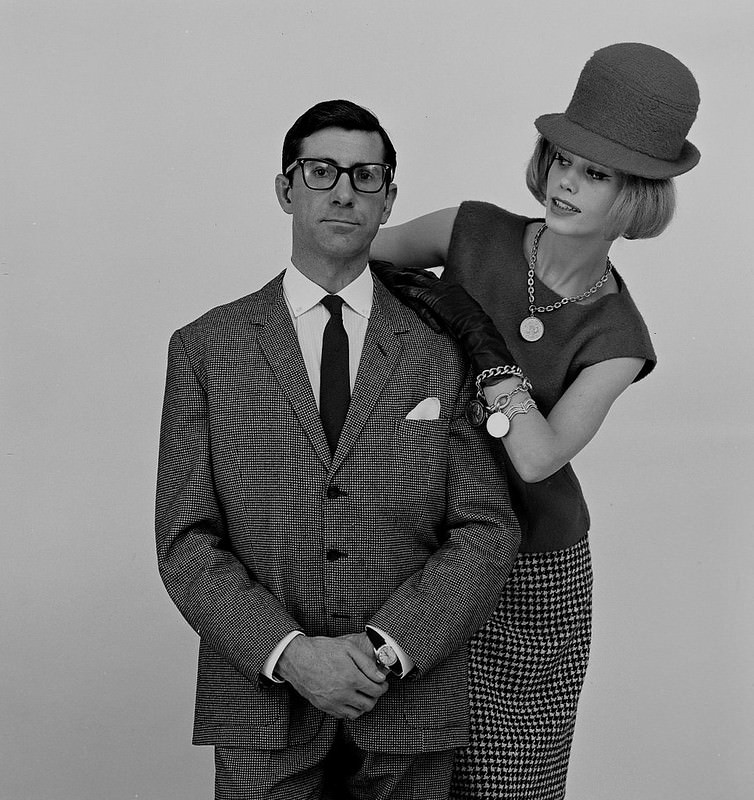
Other models who appeared throughout Dukkers’ long career include Anne Traylen, Corine Rottschaefer, Sophie van Kleef, Tanja Trijbels, Loeki Brugman, Sonny Gaasen, Rita Loonen, and Rik de Nijs. De Nijs appeared alongside designer Ferry Offerman in a 1959 photograph, and again with model Katinka Bleeker in 1960 — two images that sit at the cusp of the decade’s great fashion transformation.