By 1957, Ford had already made a name for itself with the Thunderbird. The two-seat personal luxury car had turned heads since its debut in 1955, but Ford wasn’t done pushing limits. That year, the company introduced a variant that stood apart from every other Thunderbird on the road — the F-Code. It wasn’t just a trim level or a cosmetic upgrade. It was a purpose-built performance machine, and it announced itself through its engine before anything else.
At the heart of the F-Code was a supercharged 312 cubic inch V8 engine. Ford fitted it with a McCulloch/Paxton supercharger, which forced more air into the combustion chamber and dramatically increased power output. The result was 300 horsepower — a number that was genuinely extraordinary for a production car in 1957. To put that in context, most American cars of the era produced far less, and few came anywhere close to that figure without significant modifications.
The supercharger alone didn’t account for all of that output. Ford also equipped the F-Code with a Holley four-barrel carburetor and a special high-performance camshaft. These two components worked in tandem with the supercharger to optimize fuel delivery and valve timing, squeezing every bit of performance from the 312-cubic-inch block. Together, they formed an engine package that made the F-Code one of the most powerful factory-built cars in America at the time.
Buyers had a choice when it came to how they controlled all that power. The F-Code came standard with a three-speed manual transmission that included overdrive, giving drivers more control over gear selection and highway cruising efficiency. For those who preferred a more relaxed driving experience, Ford offered the Ford-O-Matic automatic transmission as an optional alternative. Both setups delivered the engine’s output to the rear wheels effectively, though the manual gave drivers a more direct connection to the car’s performance.
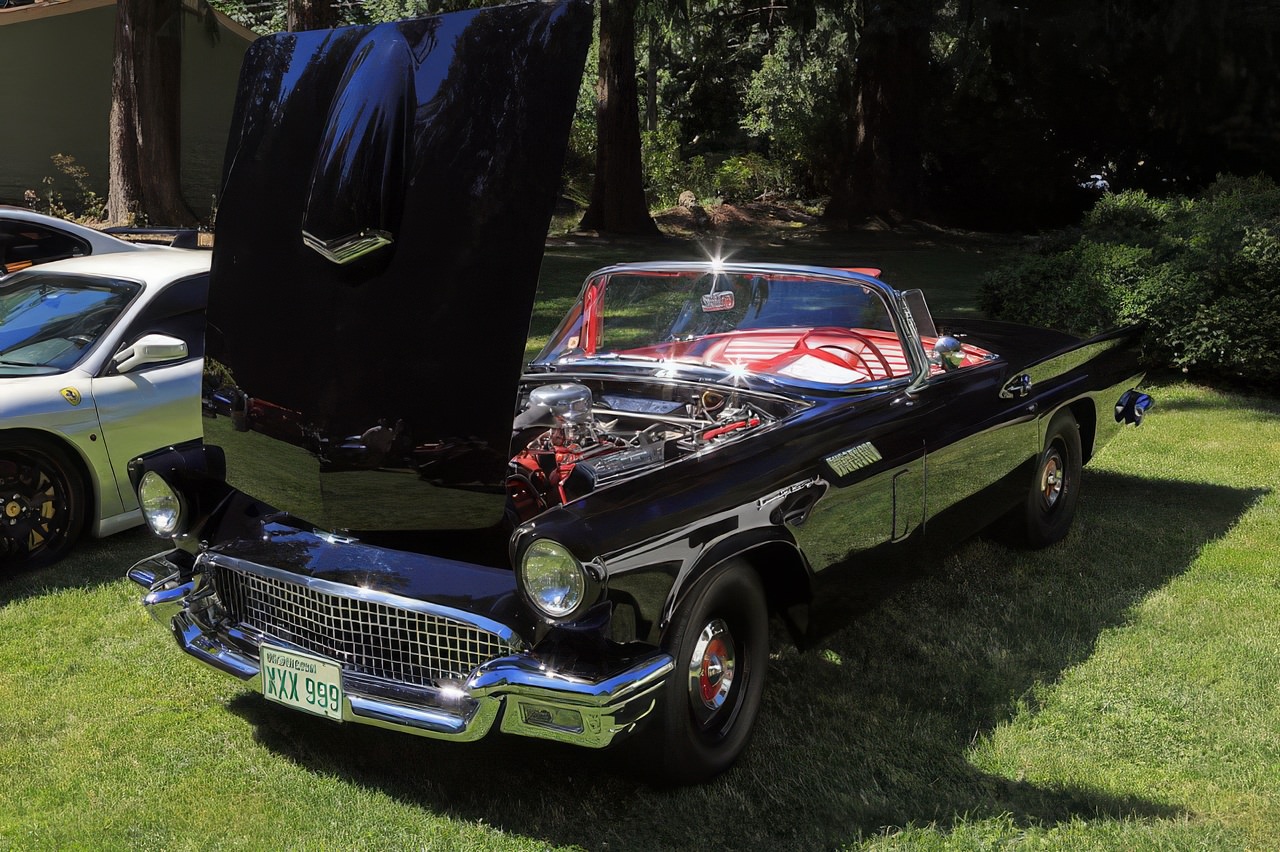
The F-Code’s performance on the track backed up everything Ford claimed about it. It posted acceleration and top speed numbers that very few production cars of the era could match. Race drivers and automotive journalists who tested the car came away with the same conclusion — this was a genuine high-performance vehicle, not a marketing exercise dressed up with badges and trim.
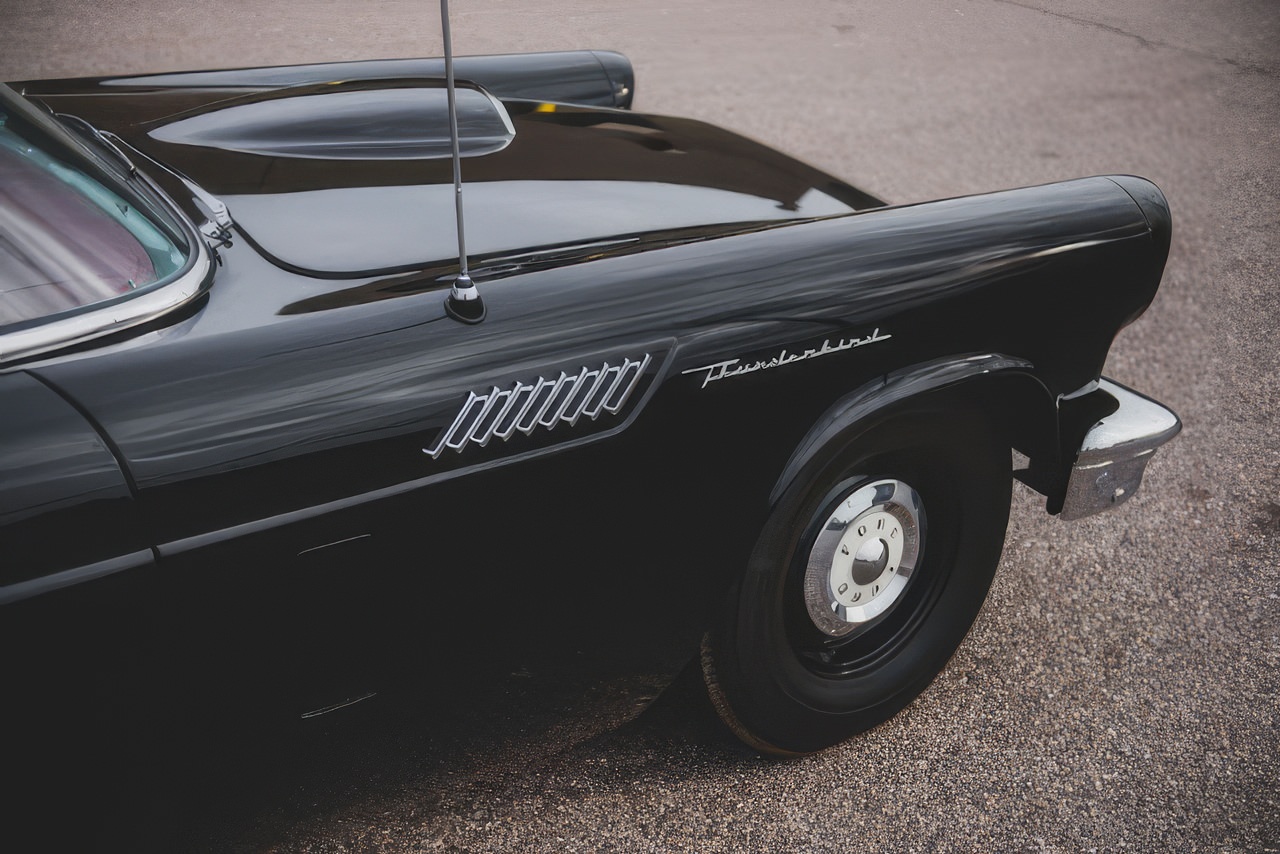
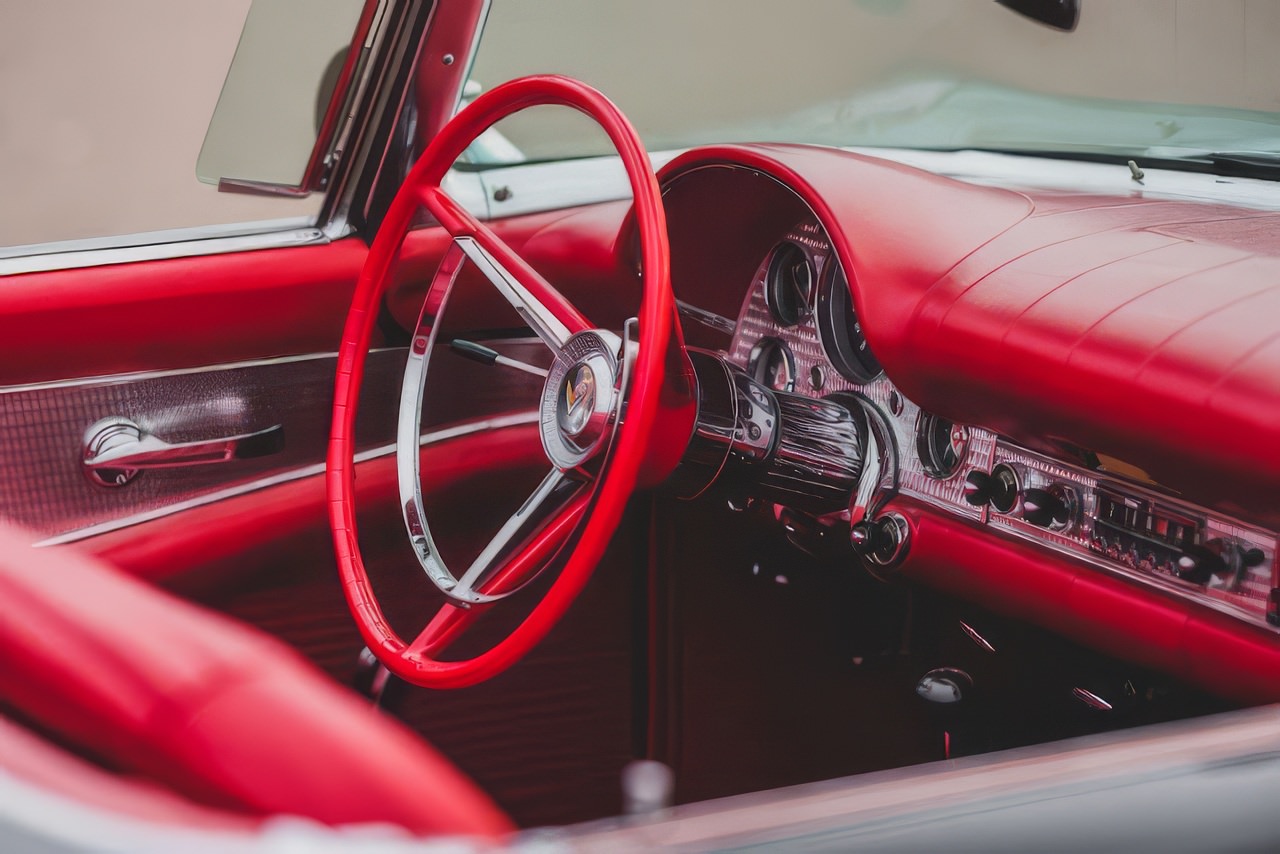
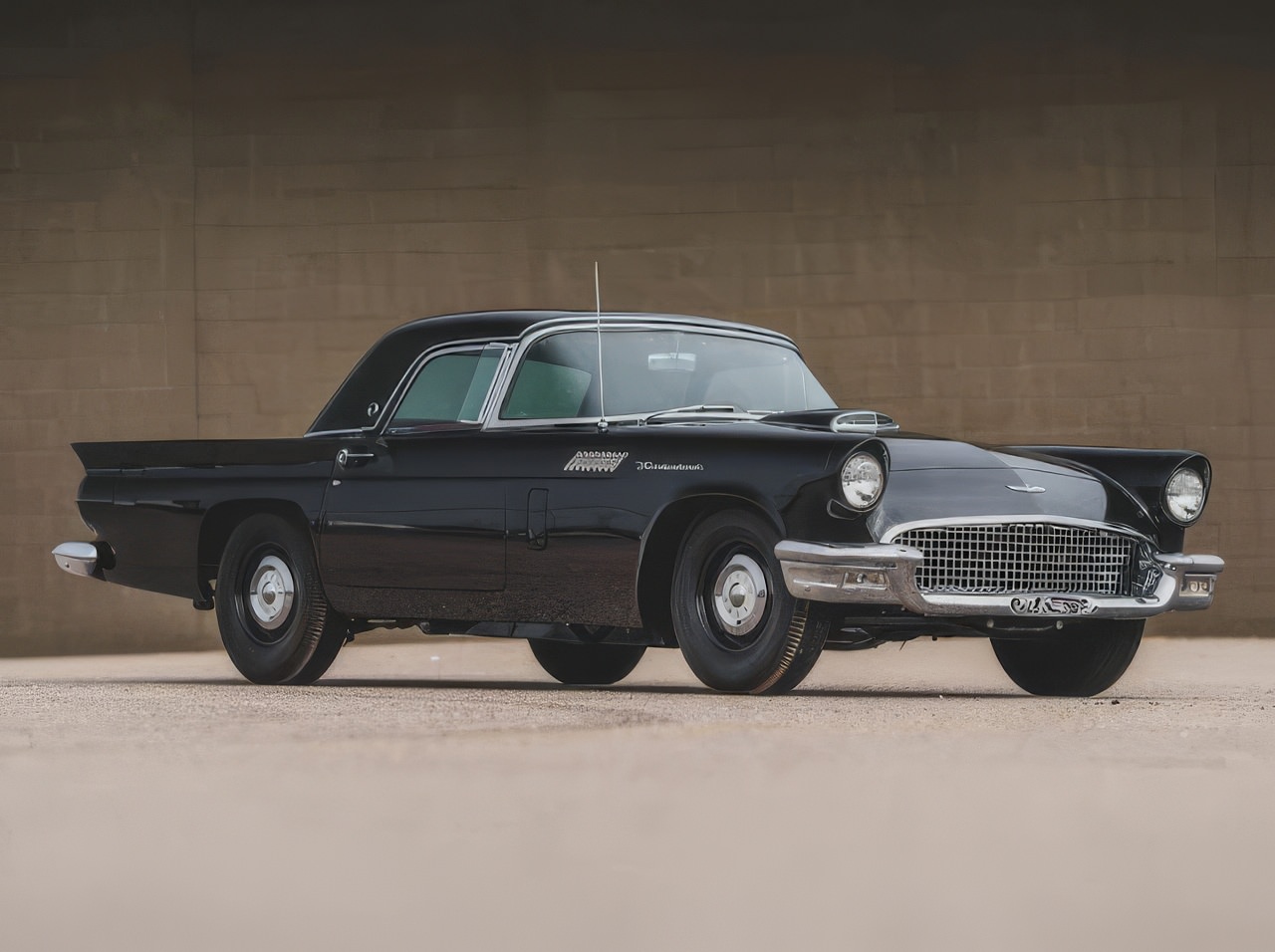
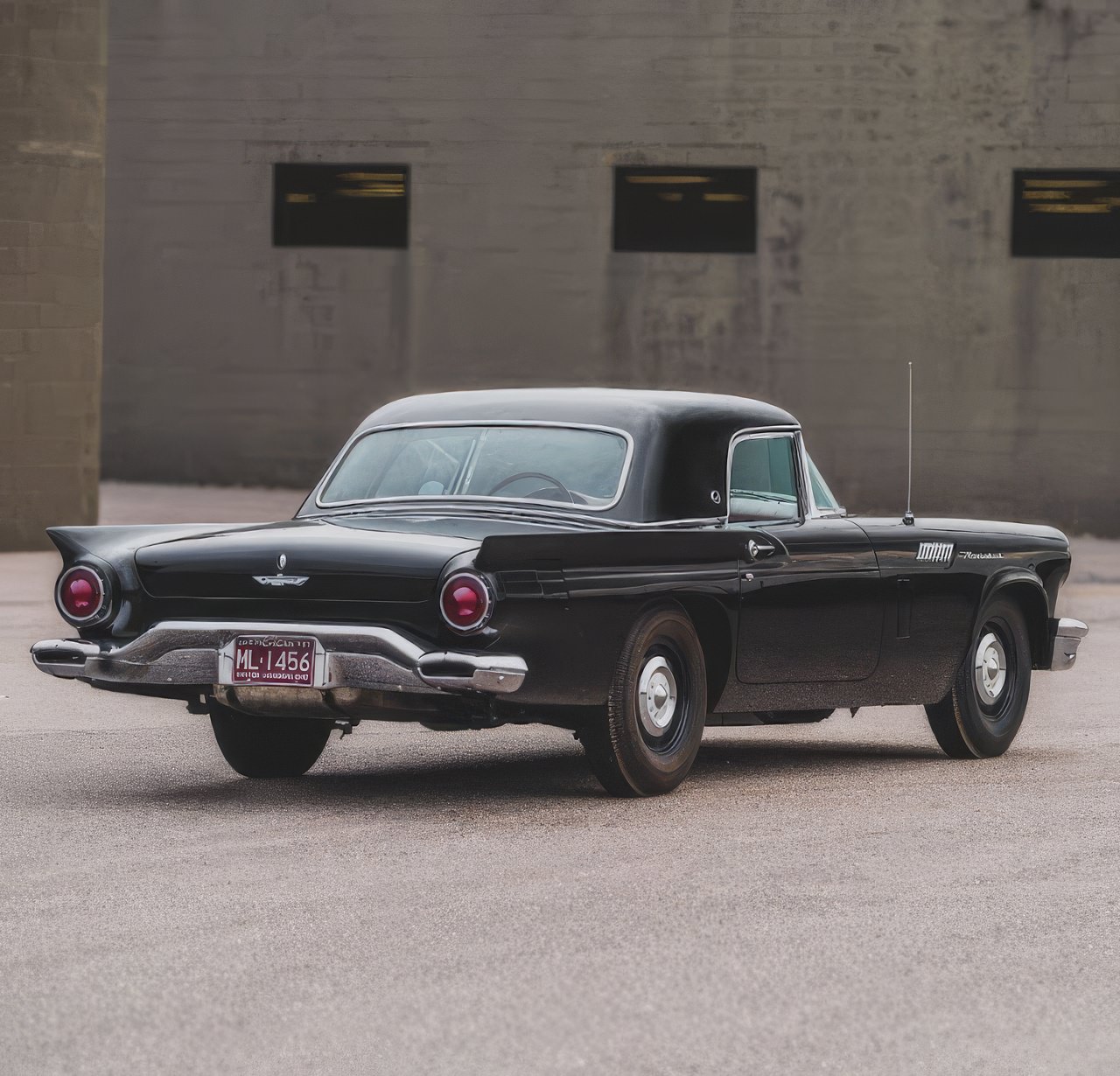
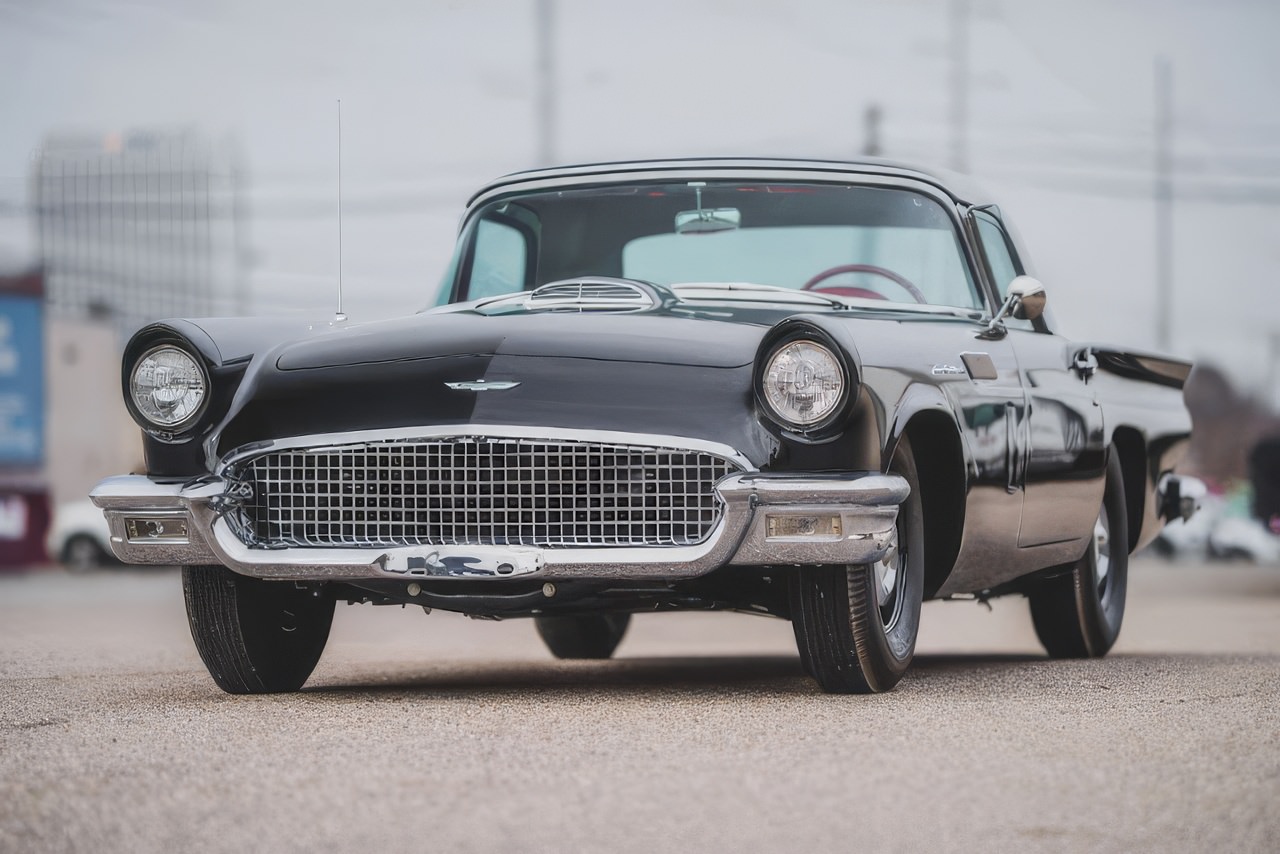
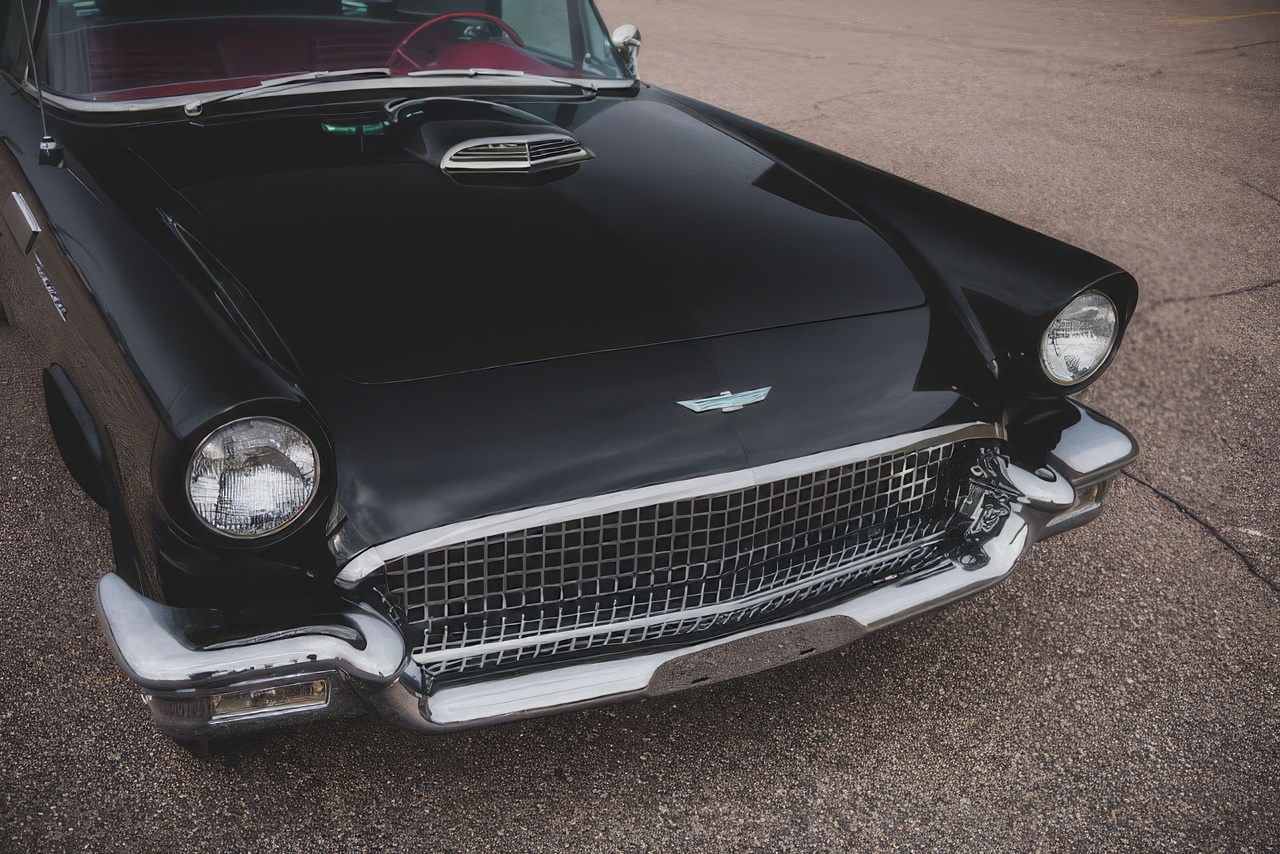
As impressive as the F-Code’s mechanical specifications were, the car’s appearance was equally striking. The 1957 Thunderbird wore its era well. Sleek, low body lines gave it an athletic stance, while the iconic tailfins rising from the rear quarters added a sense of drama that was very much in step with late-1950s American automotive design. The front grille was bold and distinctive, framing the car’s face with a confidence that matched its performance credentials.
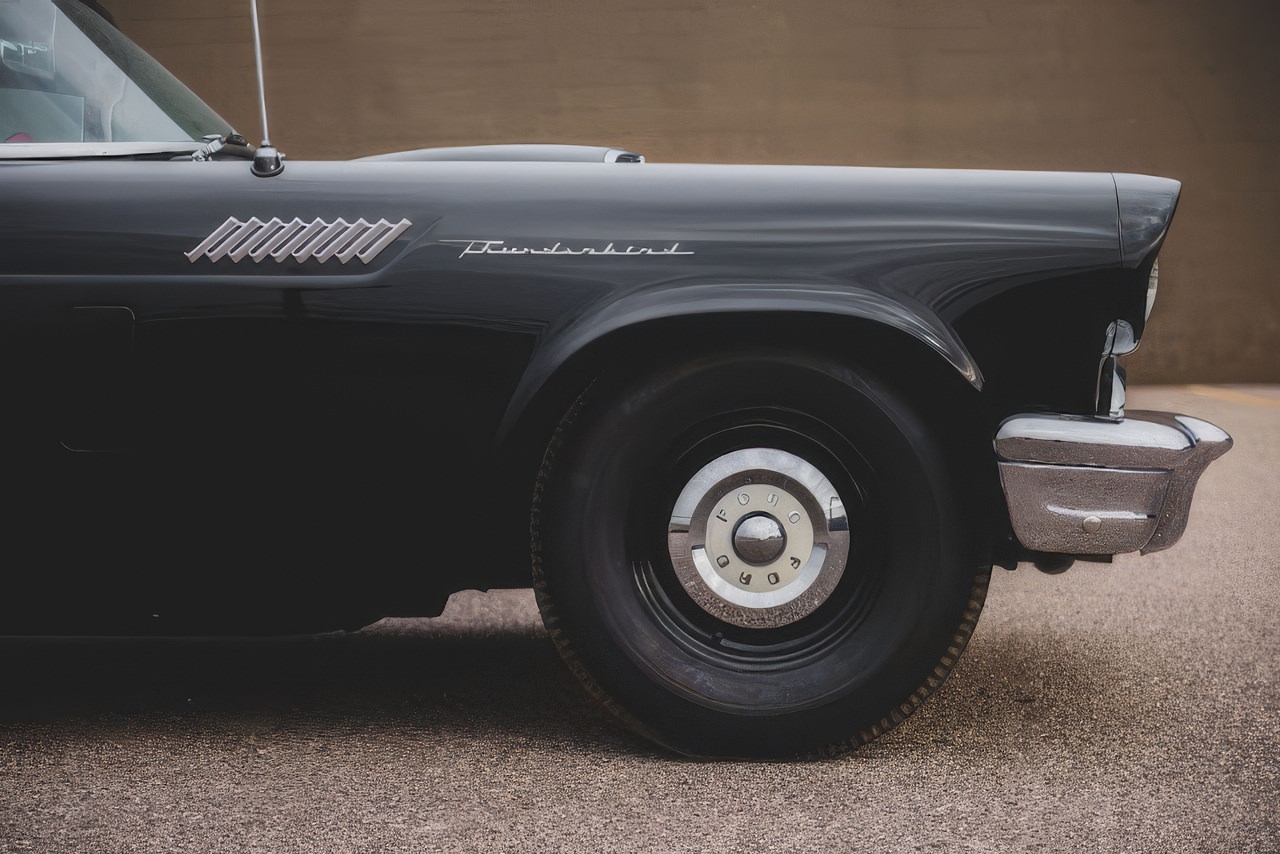
Ford’s design team paid close attention to ensuring that the Thunderbird’s looks weren’t at odds with its engineering. The body was shaped to suggest speed even when standing still. The proportions were balanced — long hood, short rear deck — and the overall silhouette was clean without being plain. Every styling detail reinforced the idea that this was a car built for people who wanted both elegance and aggression in equal measure.
What truly separated the F-Code from the rest of the 1957 Thunderbird lineup was how few were made. Ford produced only 212 units of the F-Code variant. That number wasn’t the result of poor sales or a canceled program — it reflected the specialized nature of the car. The supercharged engine, the high-performance internals, and the premium components required to build one made mass production impractical. Ford built them for buyers who specifically wanted the most powerful Thunderbird available, and those buyers were a select group.
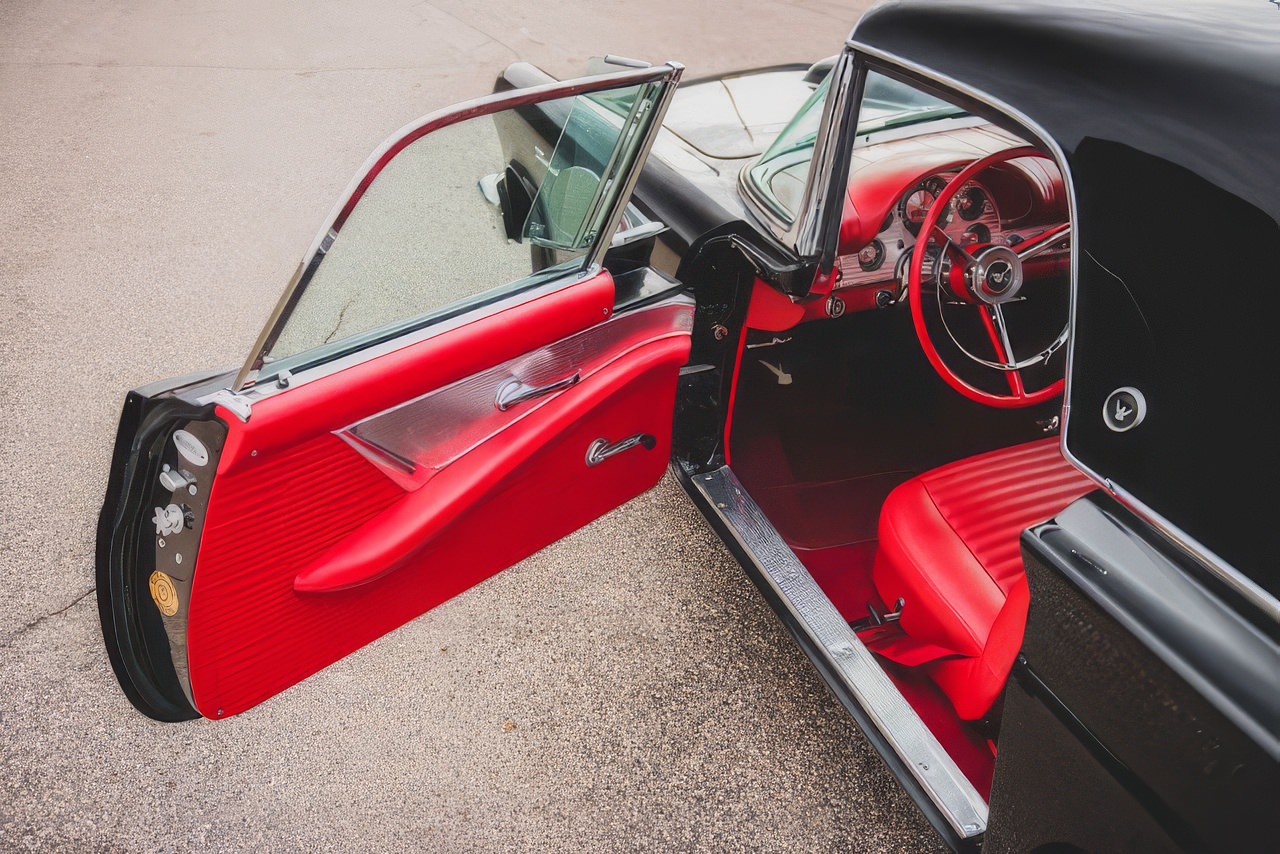
That production figure of 212 units has defined the F-Code’s reputation ever since. Among classic car collectors, rarity drives desirability, and few American cars from the 1950s are rarer than a genuine F-Code Thunderbird. Authenticating one requires matching numbers — engine, transmission, and body — along with documentation tracing the car back to its original build sheet. When a verified F-Code surfaces at auction or in a private collection, it draws serious attention from serious buyers. The combination of documented rarity, factory supercharging, and iconic styling makes the 1957 Ford Thunderbird F-Code one of the most significant production cars of its decade.