
Norway in the 1950s was a country rebuilding itself from the ground up. After World War II left deep scars across Europe, Norway joined NATO and launched an ambitious national recovery program. The government invested heavily in new railroads, hydroelectricity plants, aluminum works, and a major steel mill. These weren’t small projects — they reshaped the country’s economy and its landscape.
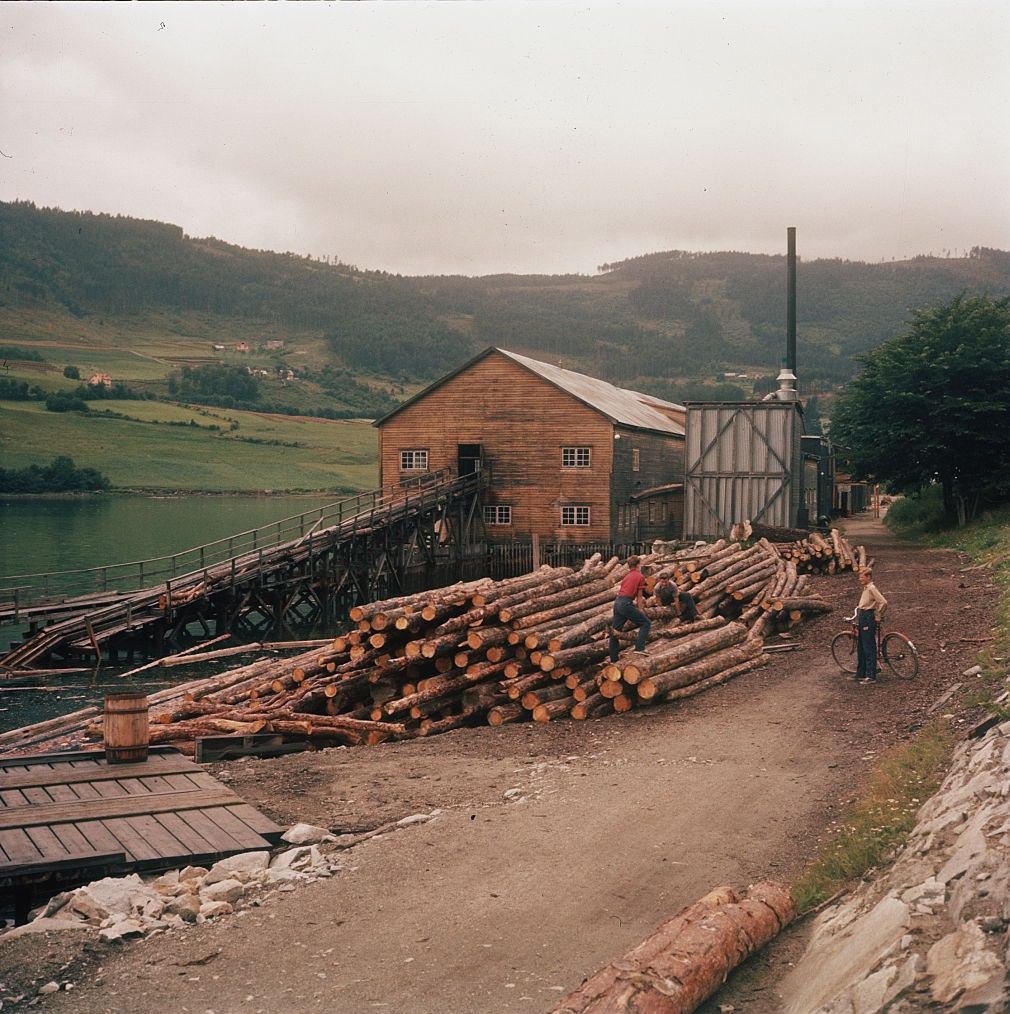
Timber remained a cornerstone of Norway’s rural economy at the start of the decade. Lumberyards operated across the country’s forested provinces, supplying raw material for construction and industry alike.
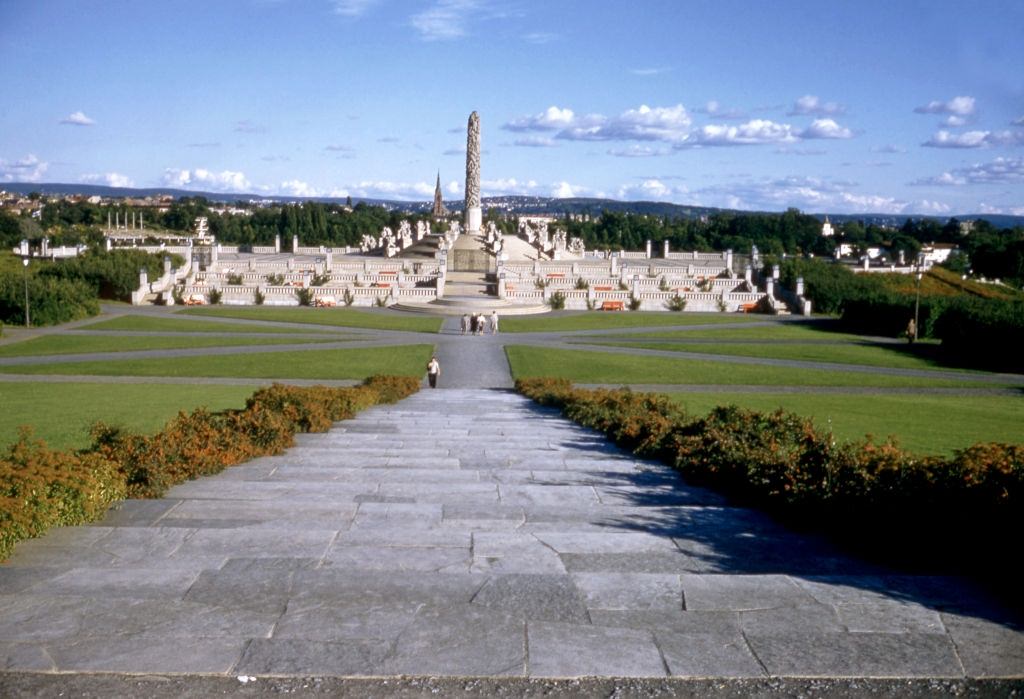
Oslo, the capital, was the cultural and political heart of this transformation. Its parks, monuments, and public spaces reflected a city proud of its identity. Frogner Park, home to sculptor Gustav Vigeland’s enormous installation, drew visitors from across the country.
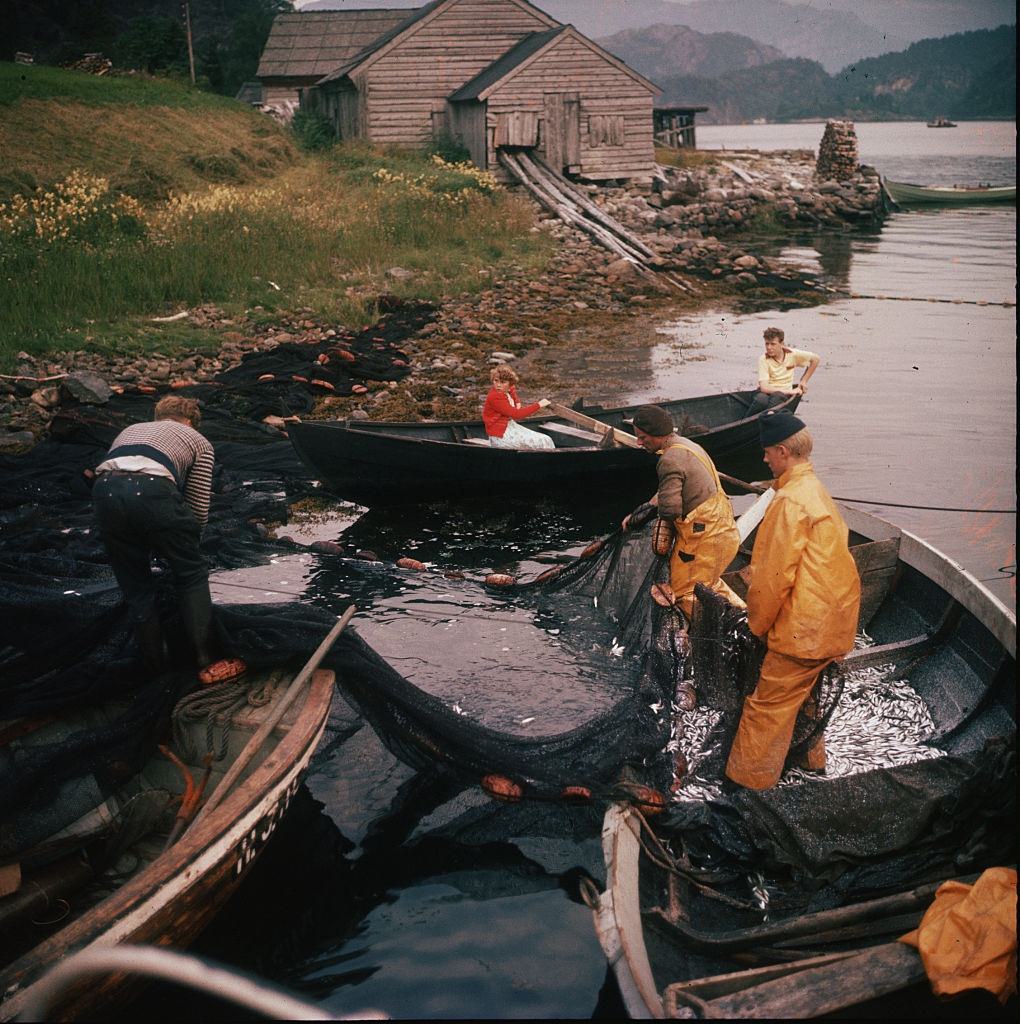
Fishing remained one of Norway’s most vital industries throughout the decade. Crews worked the fjords and coastal waters with nets hauled by hand, though mechanization was beginning to creep in. The catch fed both domestic markets and a growing export trade.
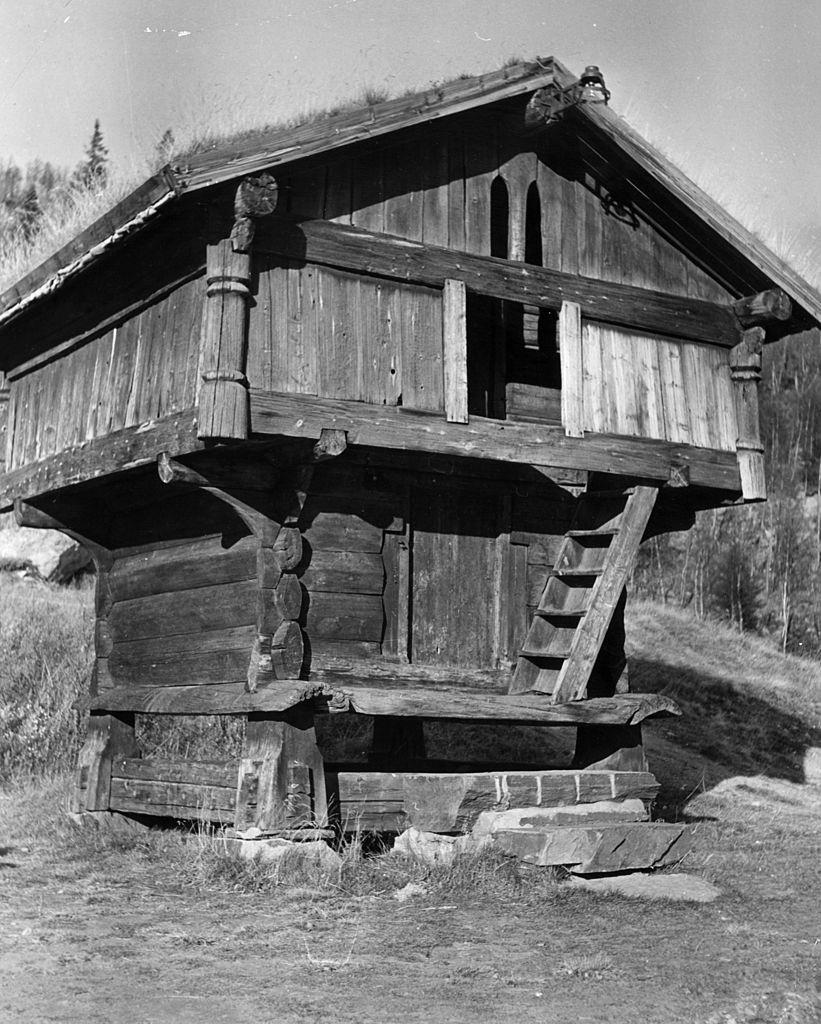
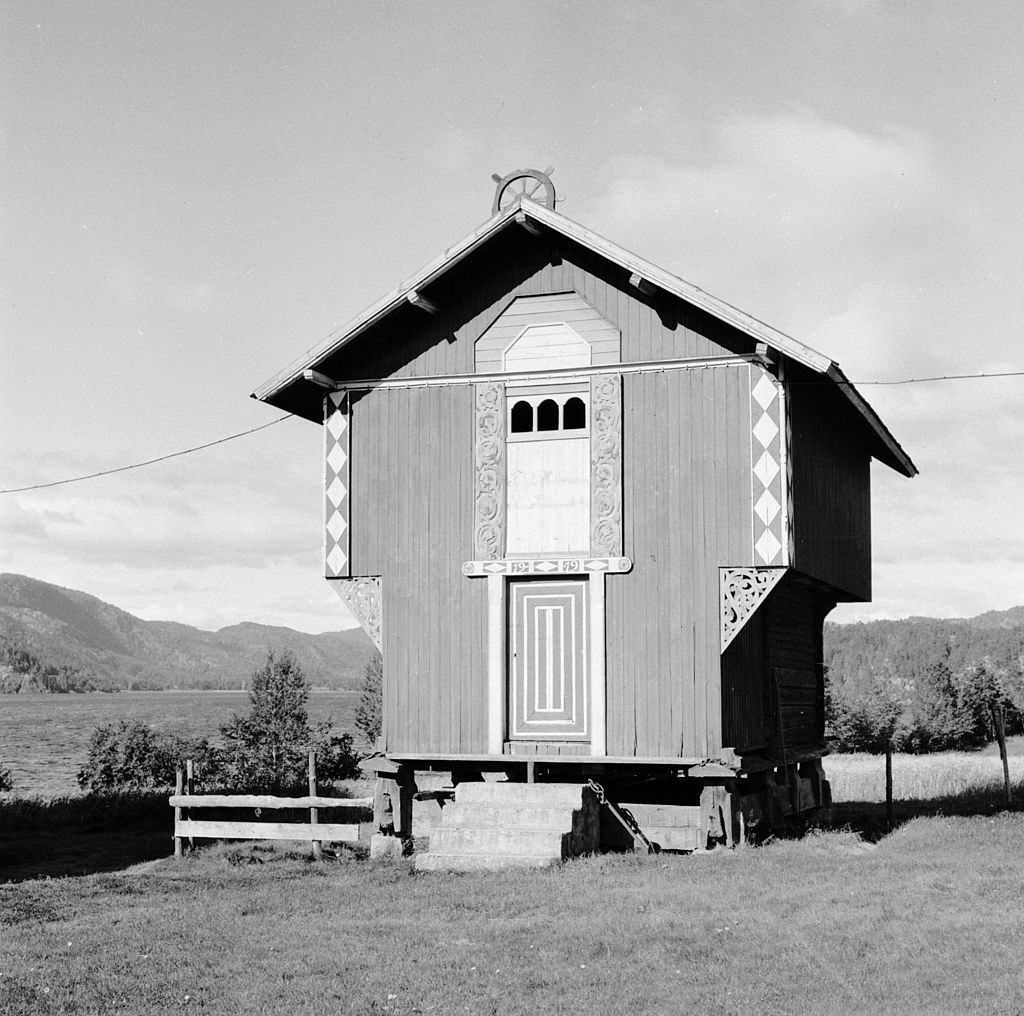
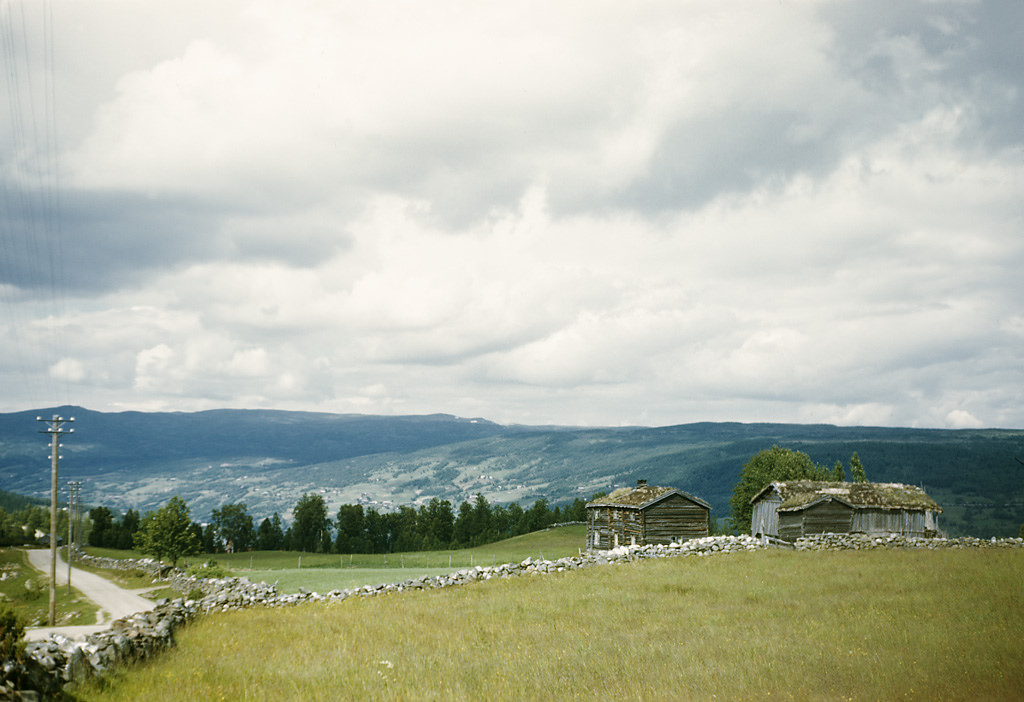
Rural life in Norway’s mountain regions followed traditions that stretched back centuries. The stabbur — a raised wooden storehouse found on Norwegian farms — was still a common sight in the early 1950s, used to store grain and preserved food safe from pests and moisture.
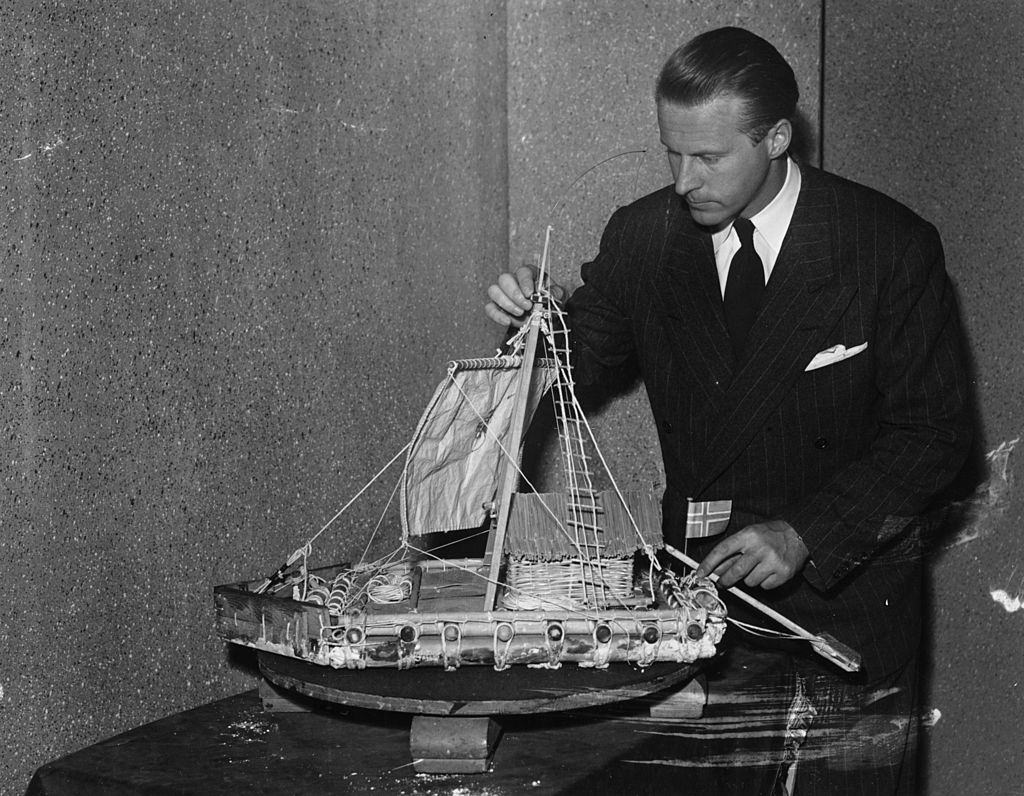
Norway also had its share of international celebrities in the 1950s. Anthropologist Thor Heyerdahl had sailed a balsa wood raft called the Kon-Tiki from Peru to Polynesia in 1947, proving that ancient South Americans could have made the journey. By 1950, he was a global figure.
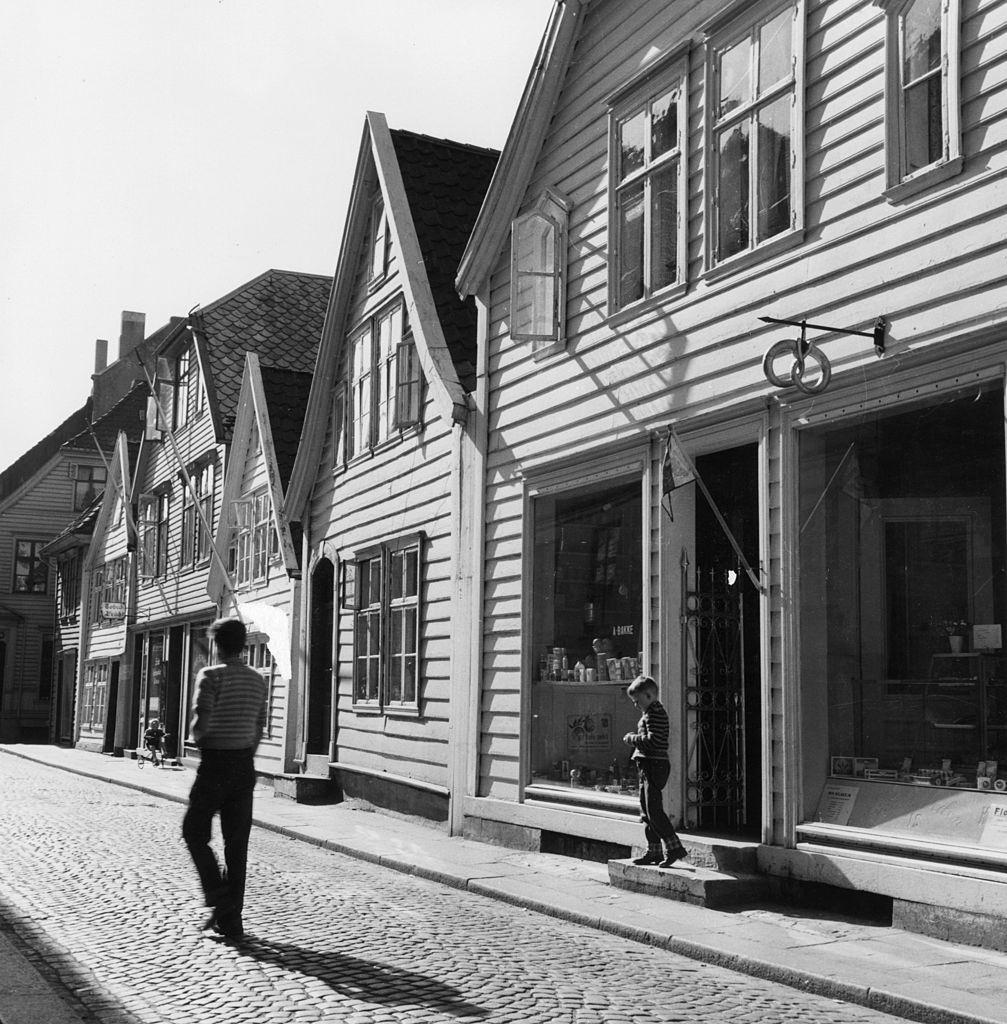
Bergen, Norway’s second-largest city, held onto its medieval character in its older neighborhoods. The narrow lanes of the Old Town offered a glimpse of how the city looked before modern development took hold.
The Sogn district in western Norway showcased the dramatic scenery the country is known for — steep valley walls, deep fjords, and small farming communities tucked along the water’s edge.
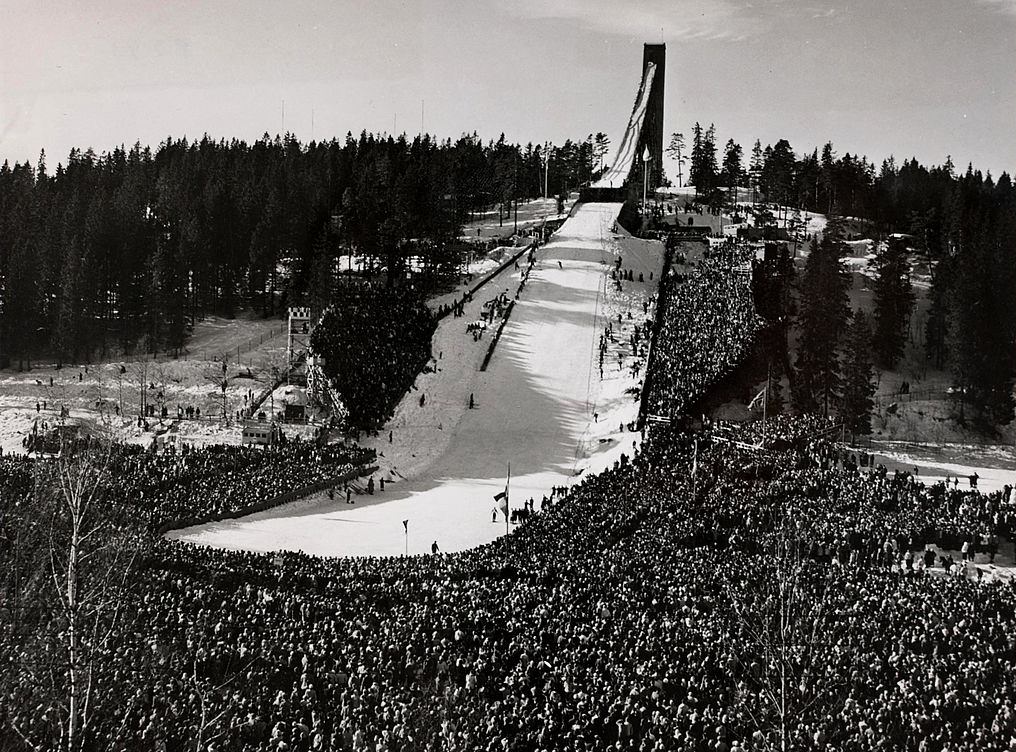
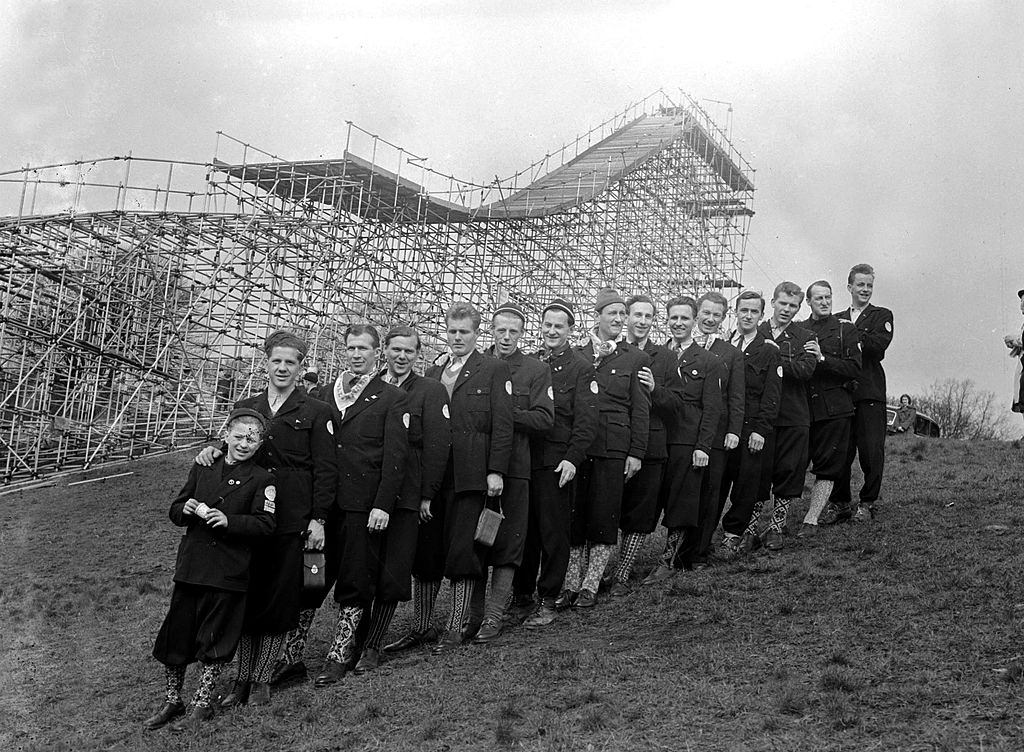
Skiing was not just a sport in Norway — it was a national institution. The Holmenkollen ski festival in Oslo drew enormous crowds each year, with spectators lining the slopes to watch competitors launch off the massive jump.
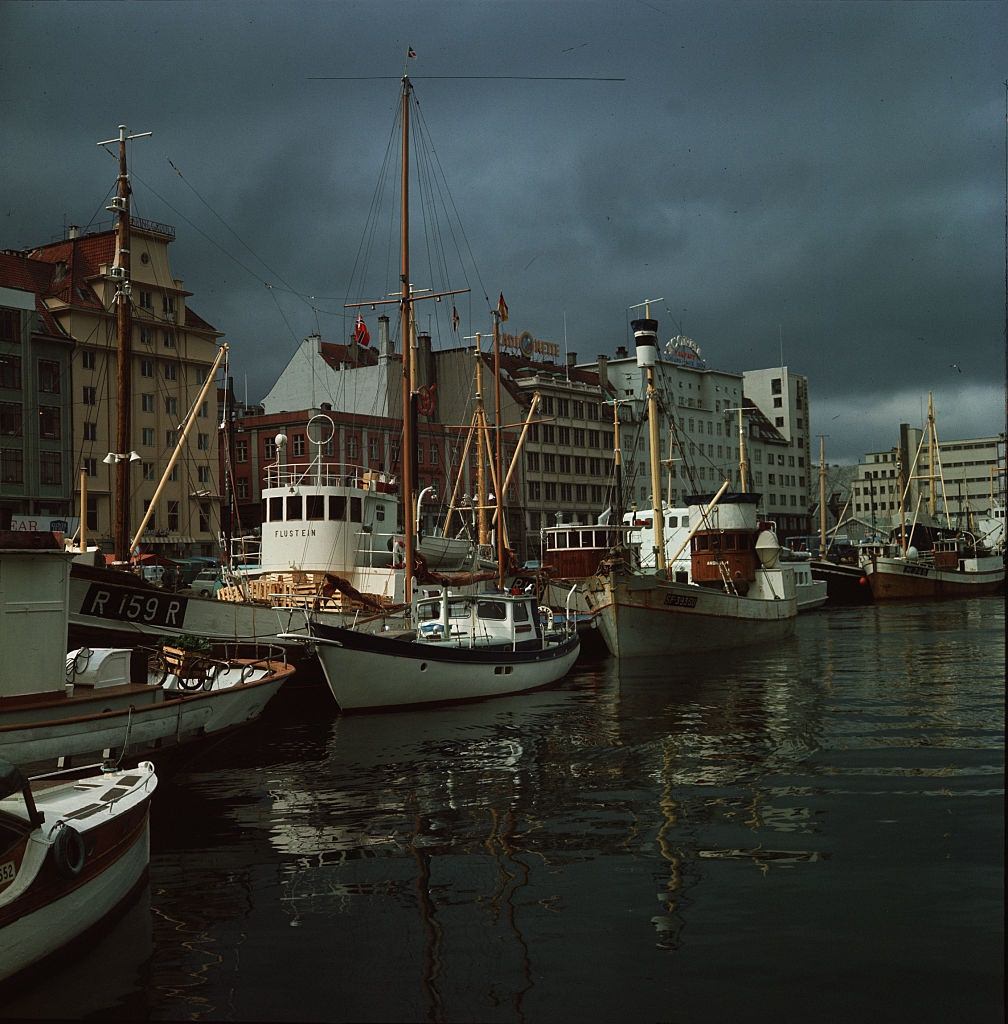
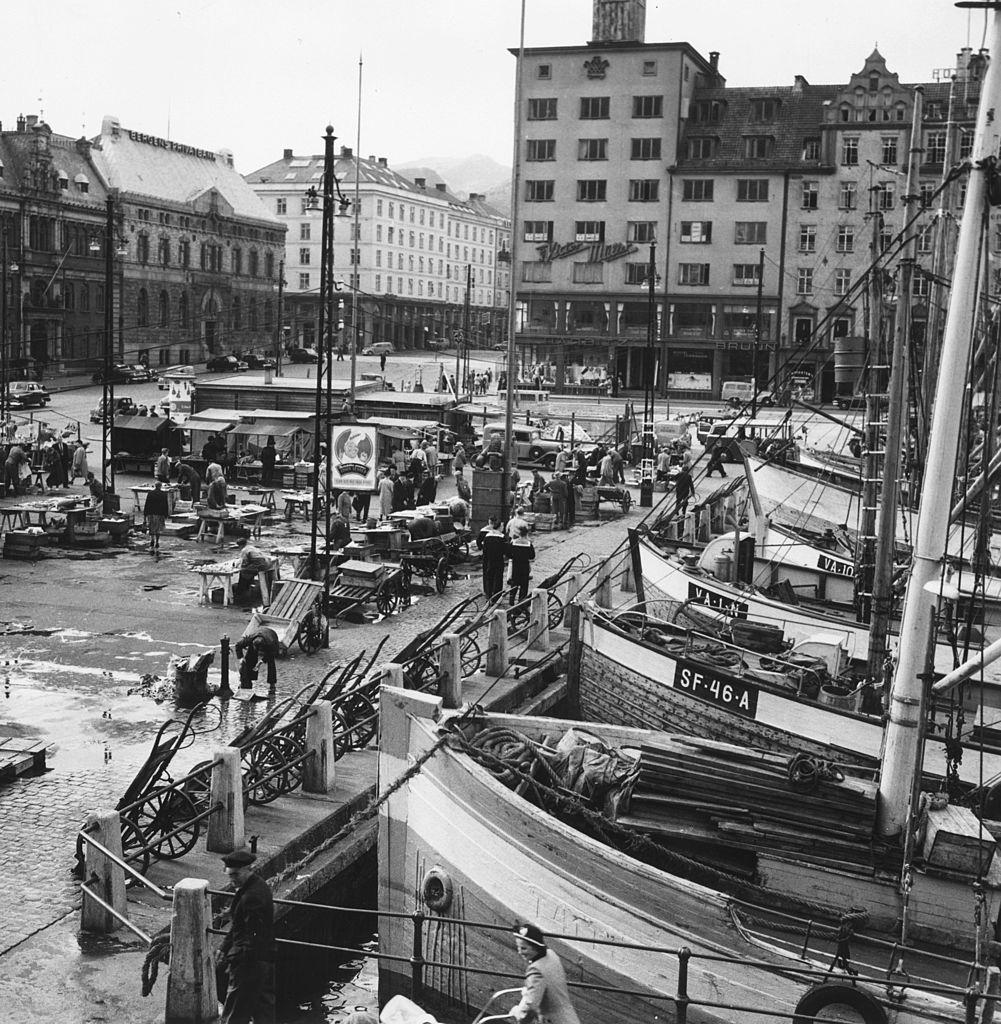
Bergen’s harbor was always busy. Fishing boats packed the docks, and the city’s fish market drew buyers every morning. The smell of salt water and fresh catch was part of daily life for Bergen’s residents.
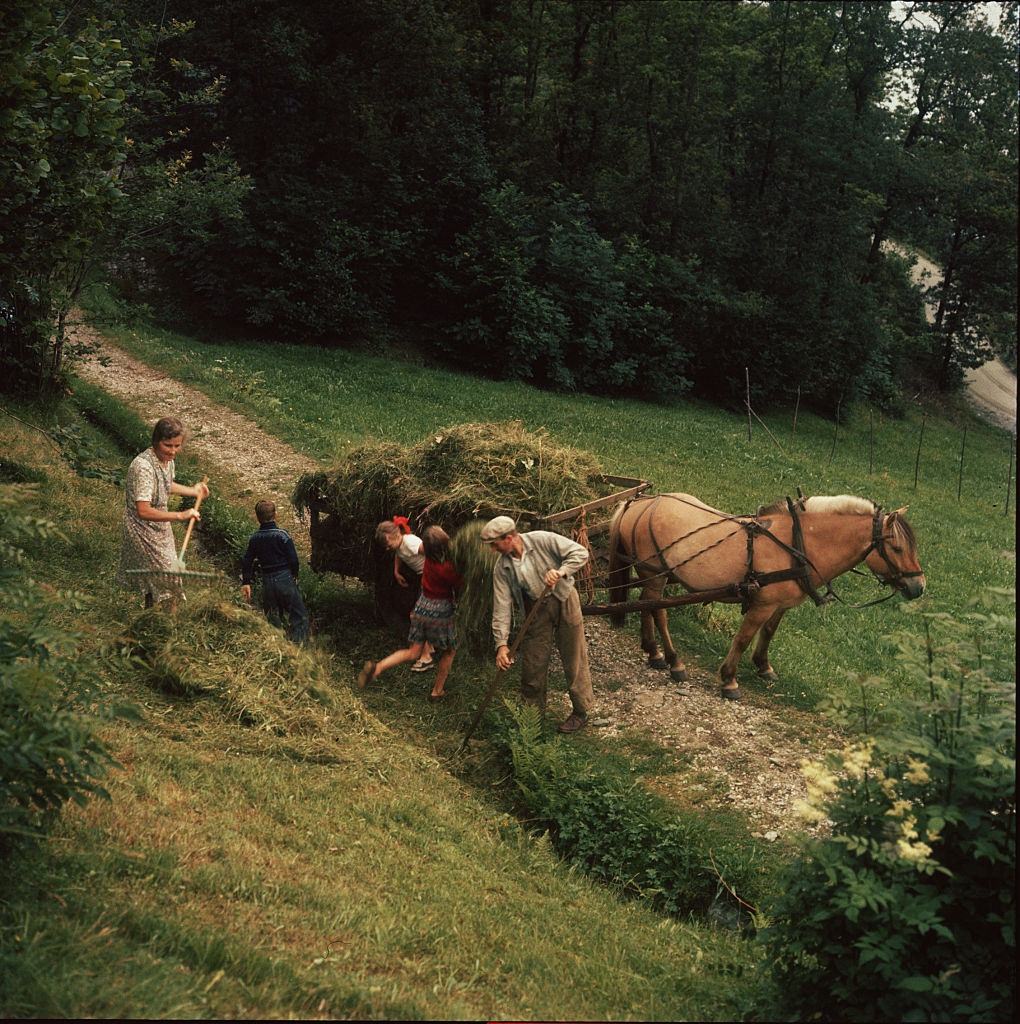
Agriculture was still heavily manual in many parts of the country in the early 1950s, even as mechanization increased. Farm families worked long days during the summer harvest season, bringing in hay from the fields before the weather turned.
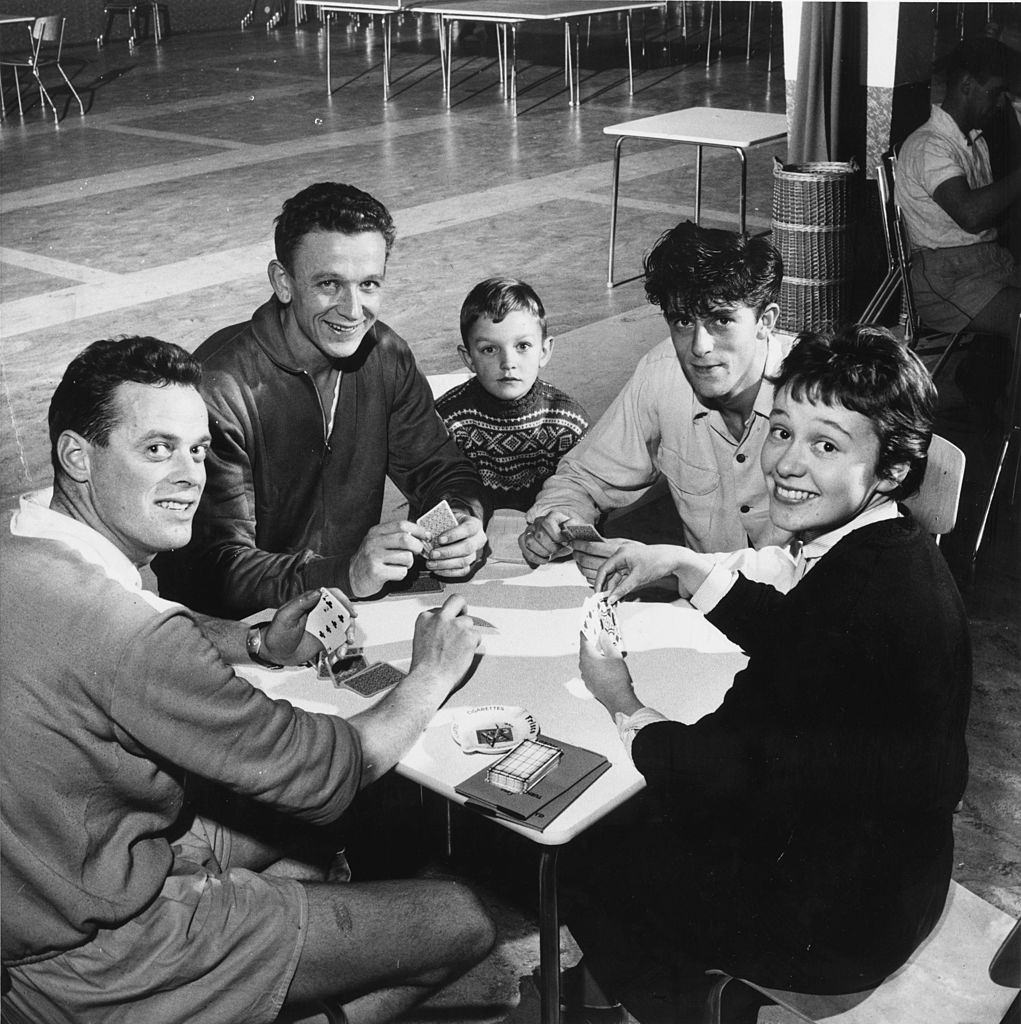
Industrial workers in Norway’s growing factory sector had access to recreation facilities that many Europeans at the time did not. Companies like KPS in Sarpsborg provided spaces where employees and their families could socialize after work.
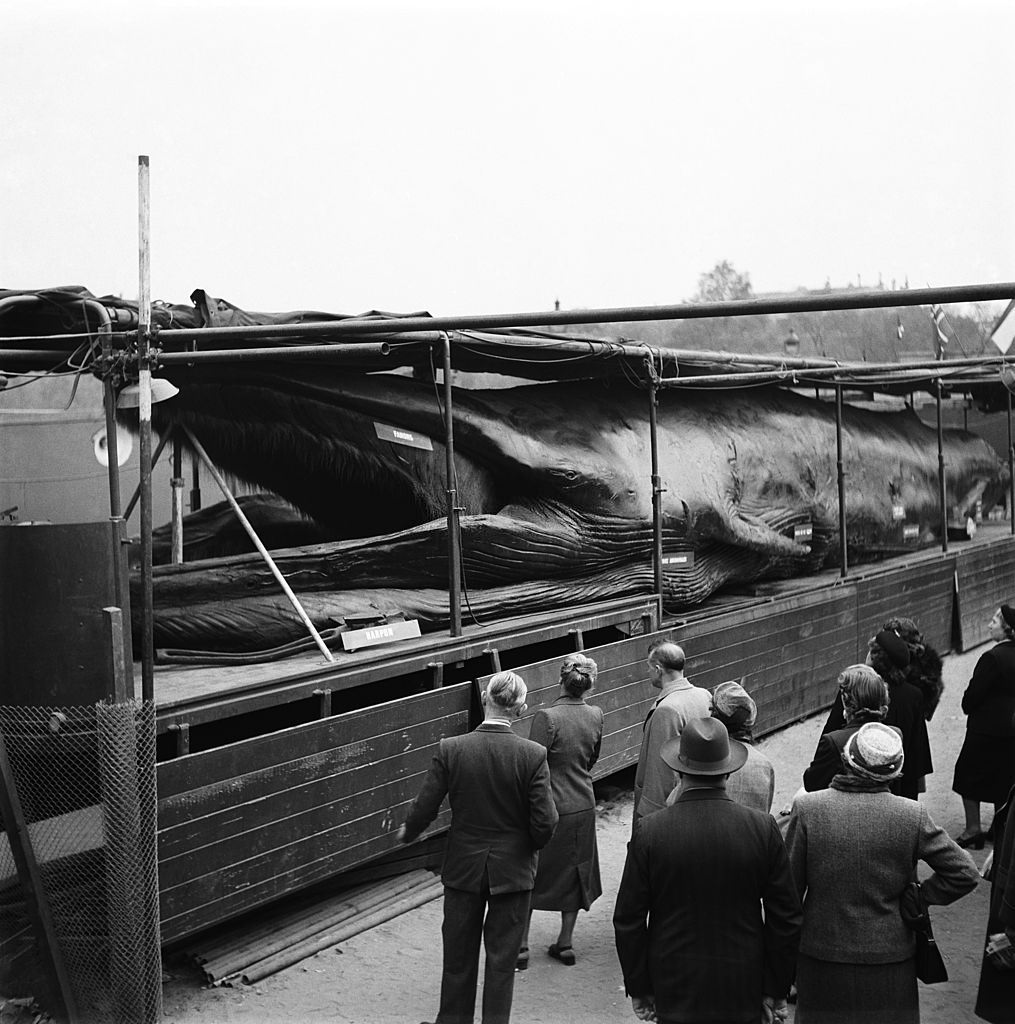
Whaling was still practiced in Norway during this period, and a beached or captured whale drew significant public attention. The industry would later face growing international opposition, but in 1950 it remained an accepted part of the Norwegian coastal economy.
Norway’s national ski team was among the best in the world during the 1950s. The country produced elite cross-country and Alpine skiers who competed — and won — at the highest international levels.
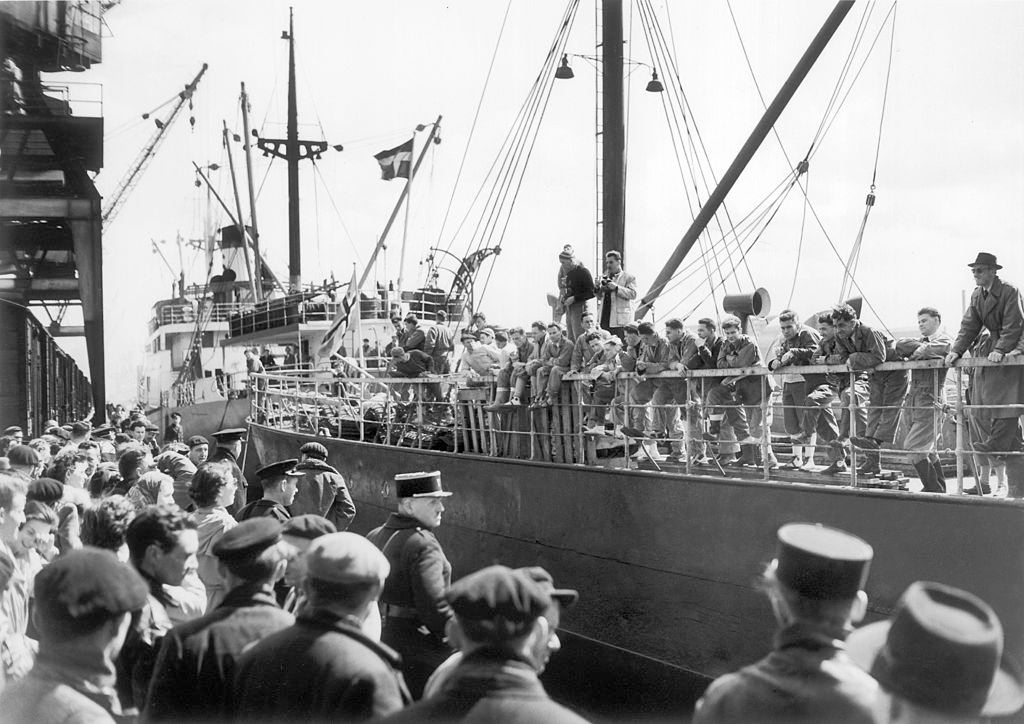
Norway maintained active maritime connections to the North Atlantic throughout the decade, with vessels departing for destinations as remote as Greenland. These voyages supported trade, research, and supply missions to far northern communities.
The Norwegian royal family was a visible presence in public life. Princess Astrid, daughter of Crown Prince Olav, was a popular figure who appeared frequently at public events throughout Oslo.
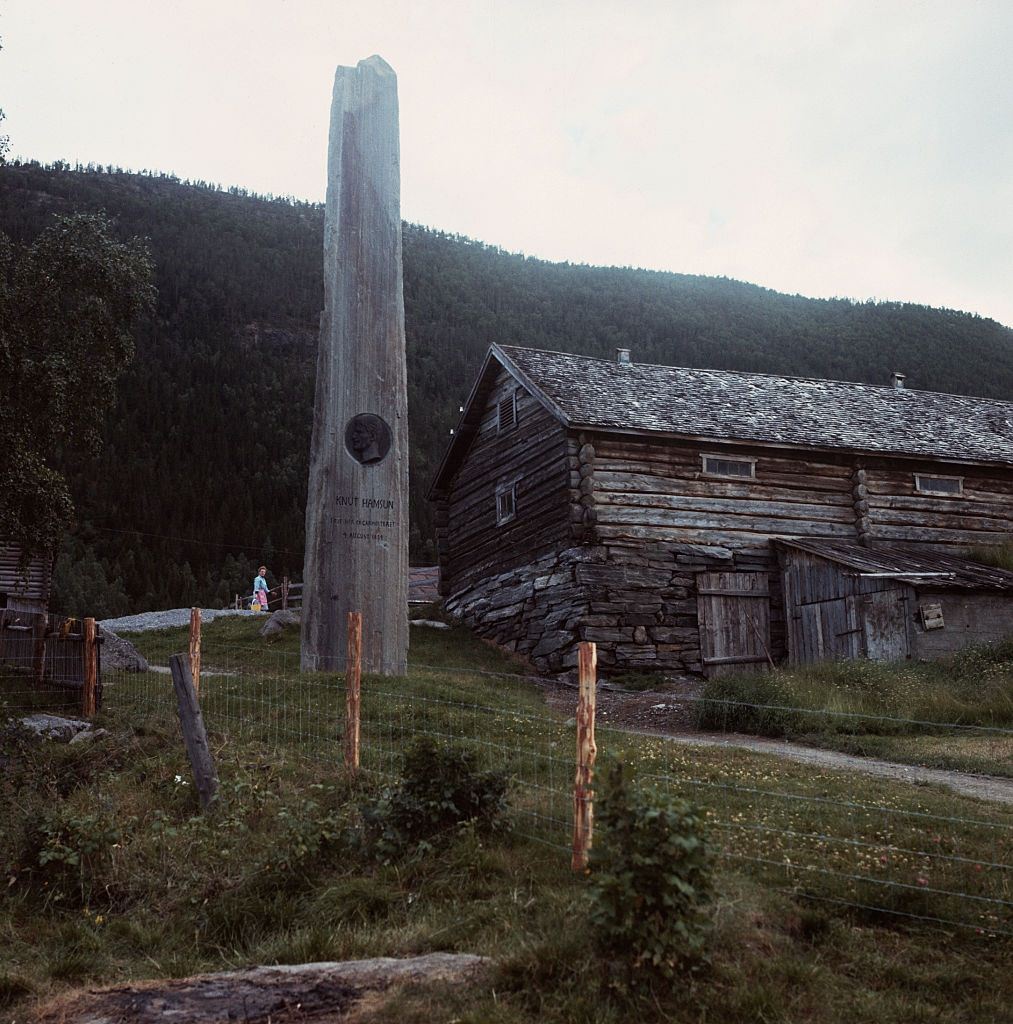
By the late 1950s, a monument to writer Knut Hamsun stood in Oslo, honoring one of Norway’s most celebrated — and controversial — literary figures. Hamsun had won the Nobel Prize in Literature in 1920 but had collaborated with Nazi occupiers during the war, a fact that complicated his legacy.
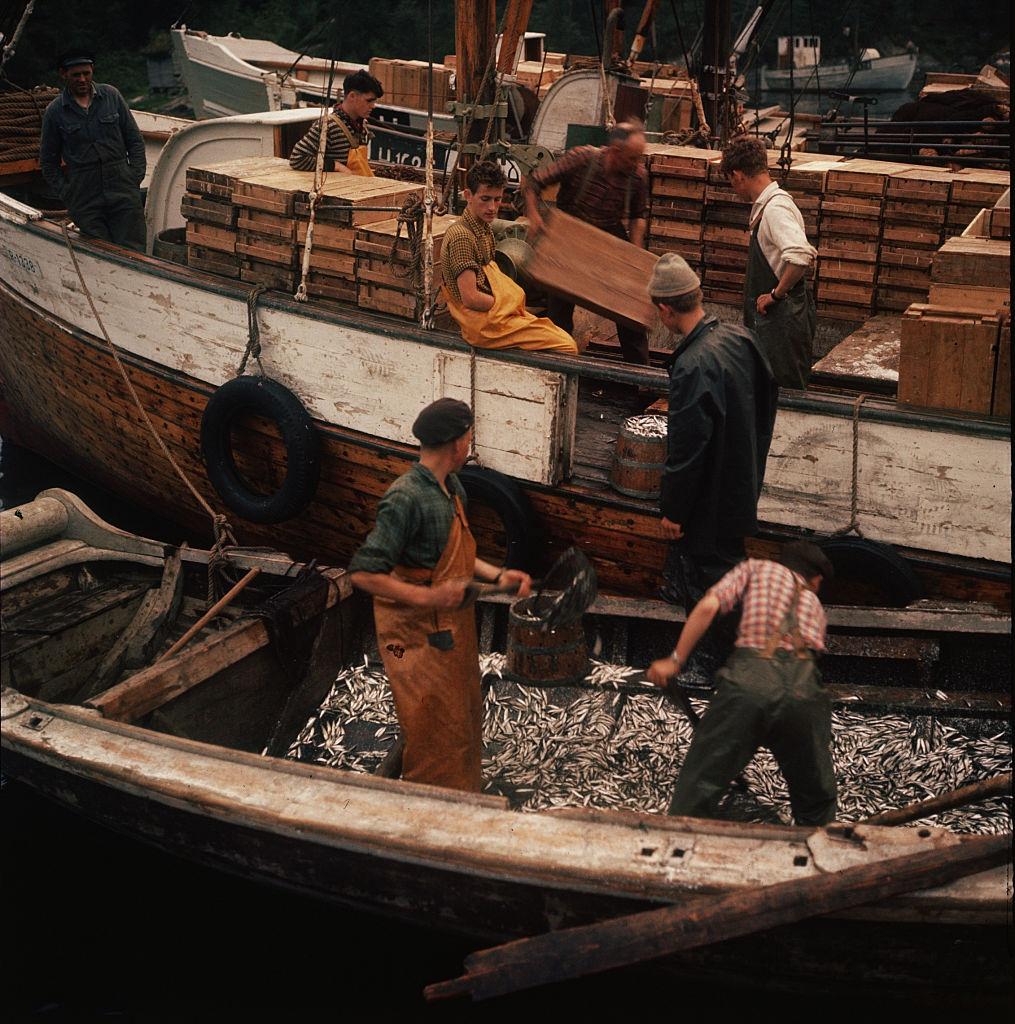
Norwegian fishermen remained a common sight along the coast throughout the decade. By 1959, the industry had grown more mechanized, but the work was still physically demanding and carried out in some of the coldest, roughest waters in the world.
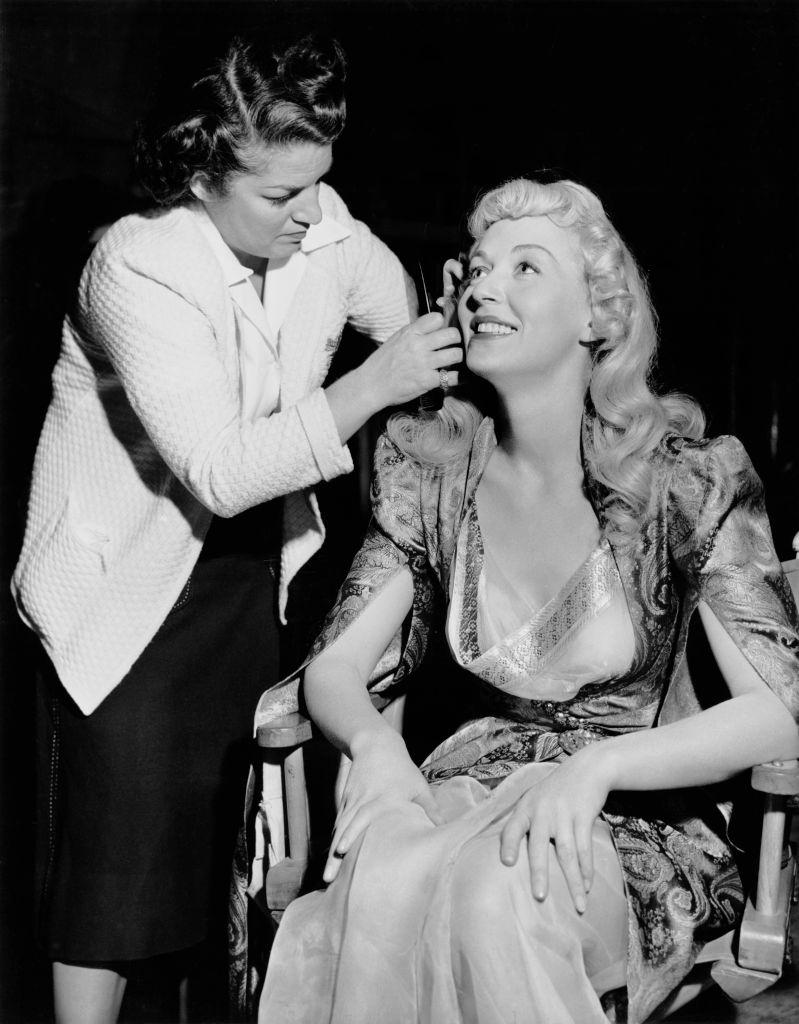
Norway also produced entertainers who found fame internationally. Actress and singer Greta Gynt built a successful career in British film during the 1940s and early 1950s, becoming one of the most recognizable Norwegian faces in European cinema.
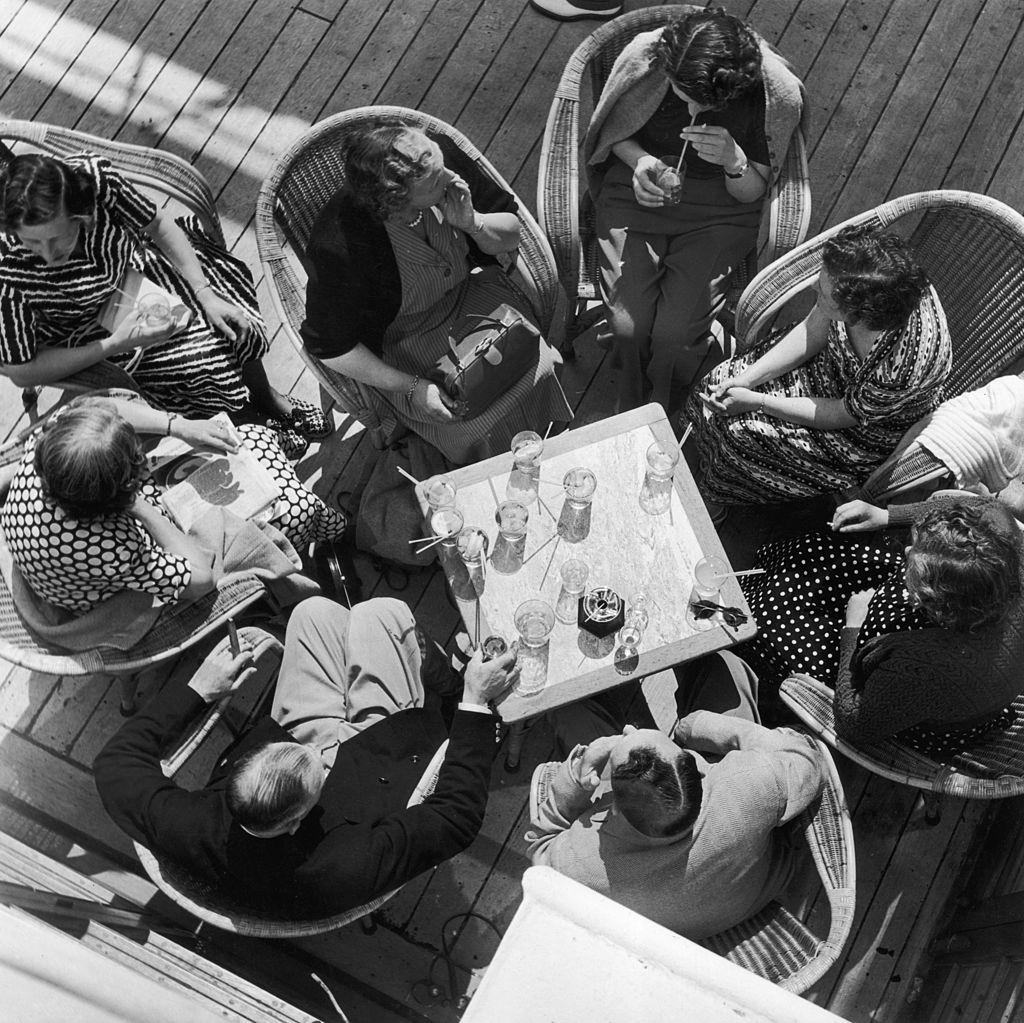
Norway’s dramatic coastline and fjords made it a popular destination for cruise ships in the summer months. Wealthy travelers from Britain and the United States came to see the scenery, enjoying the luxury of ocean liners as their backdrop.
The biggest event of the decade for Oslo came in February 1952, when the city hosted the Winter Olympics. Athletes from across the world competed in speed skating, ski jumping, alpine events, and more. The games were a major statement of national recovery and confidence.
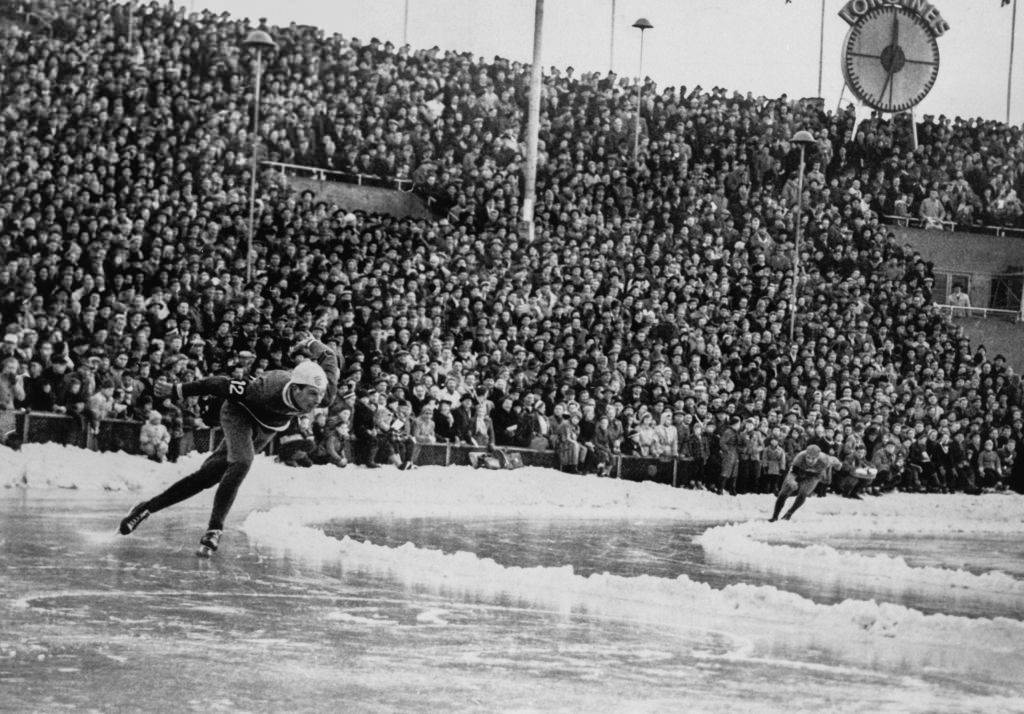
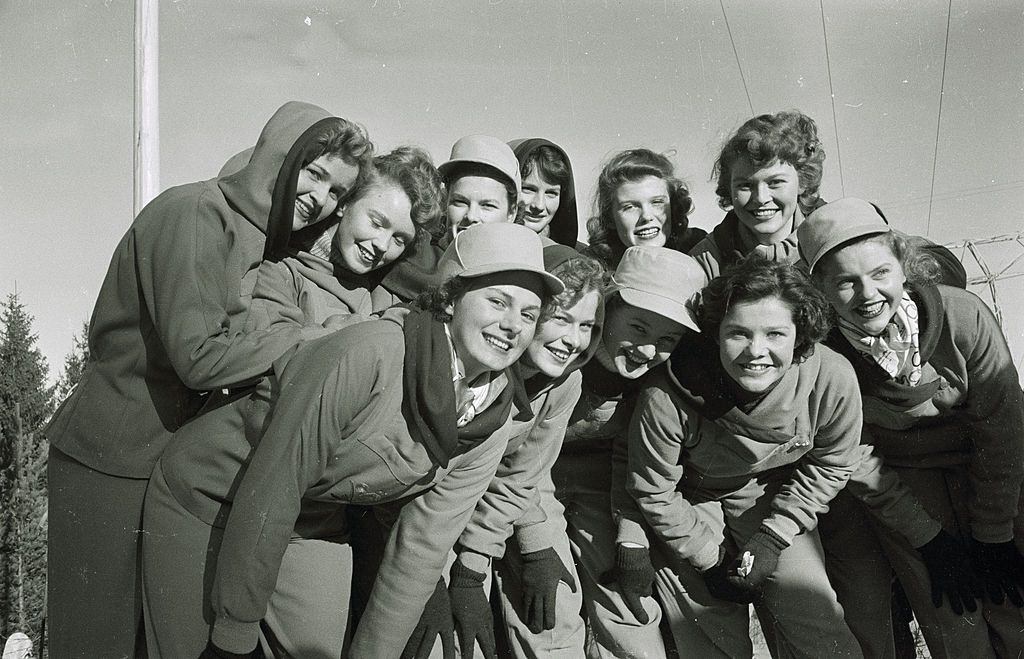
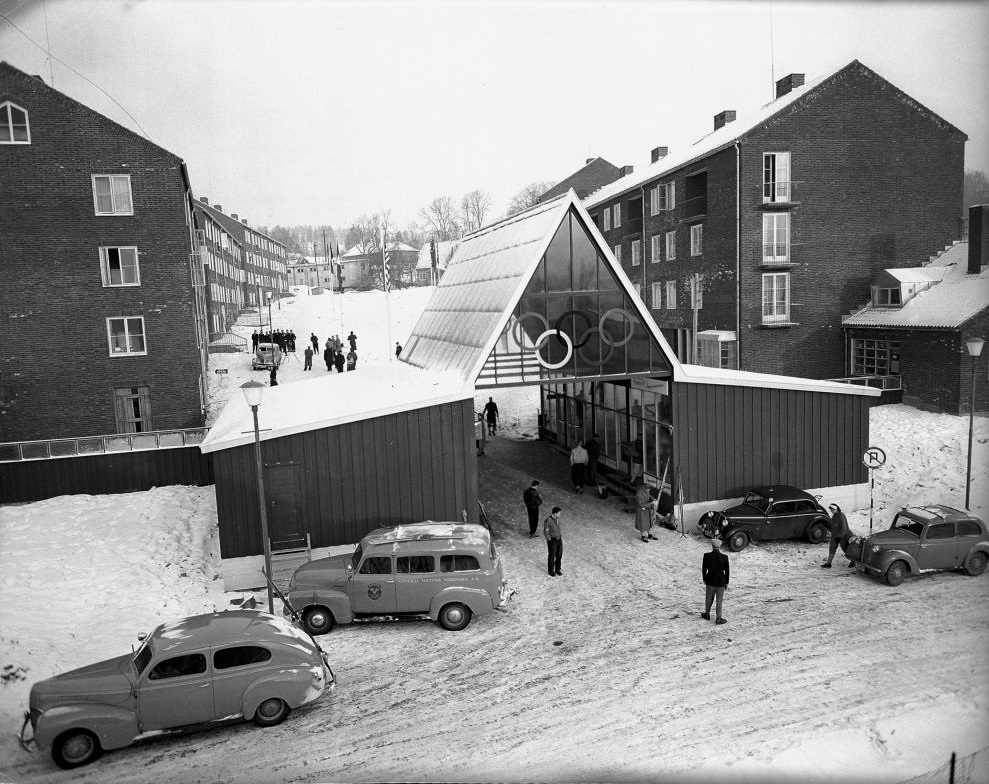
The royal family provided further moments of national celebration. In 1953, Princess Ragnhild married Erling Sven Lorentzen in a ceremony that drew large crowds to Oslo’s cathedral. It was the first royal wedding in Norway in decades.
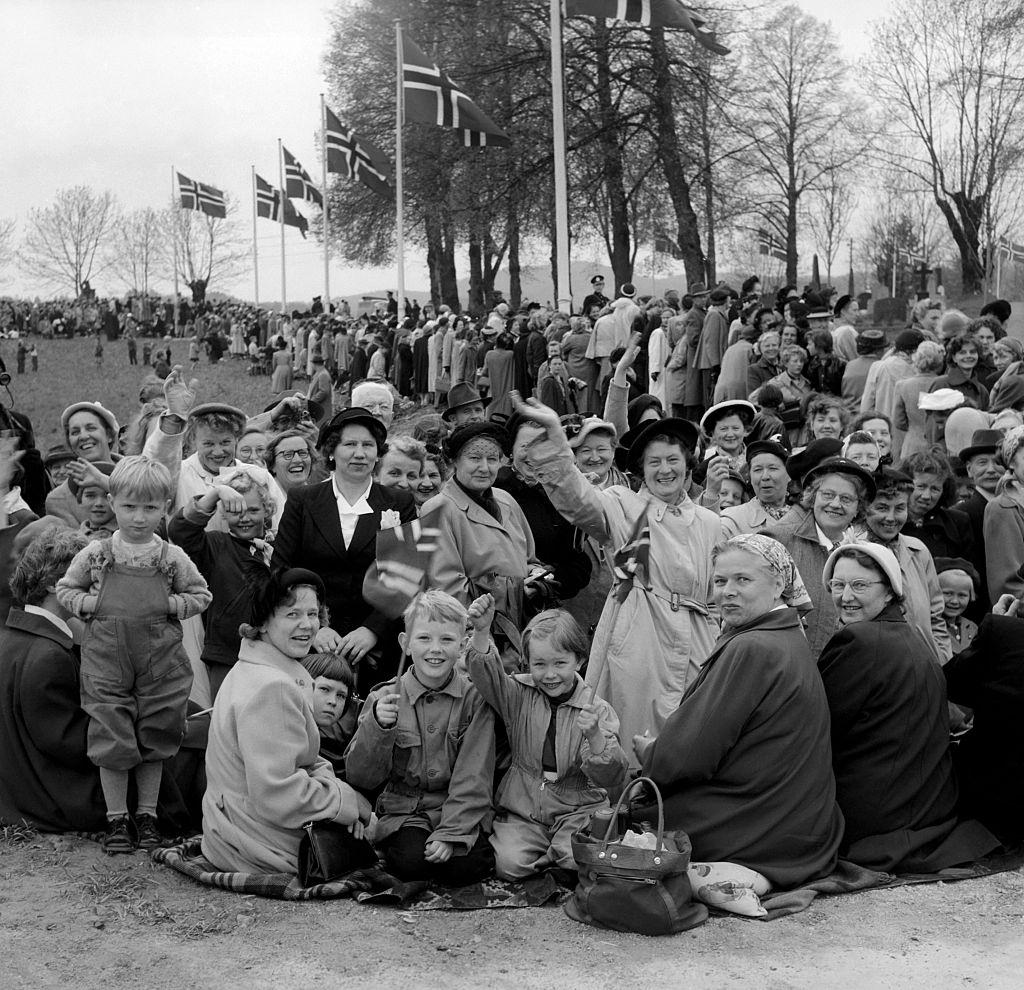
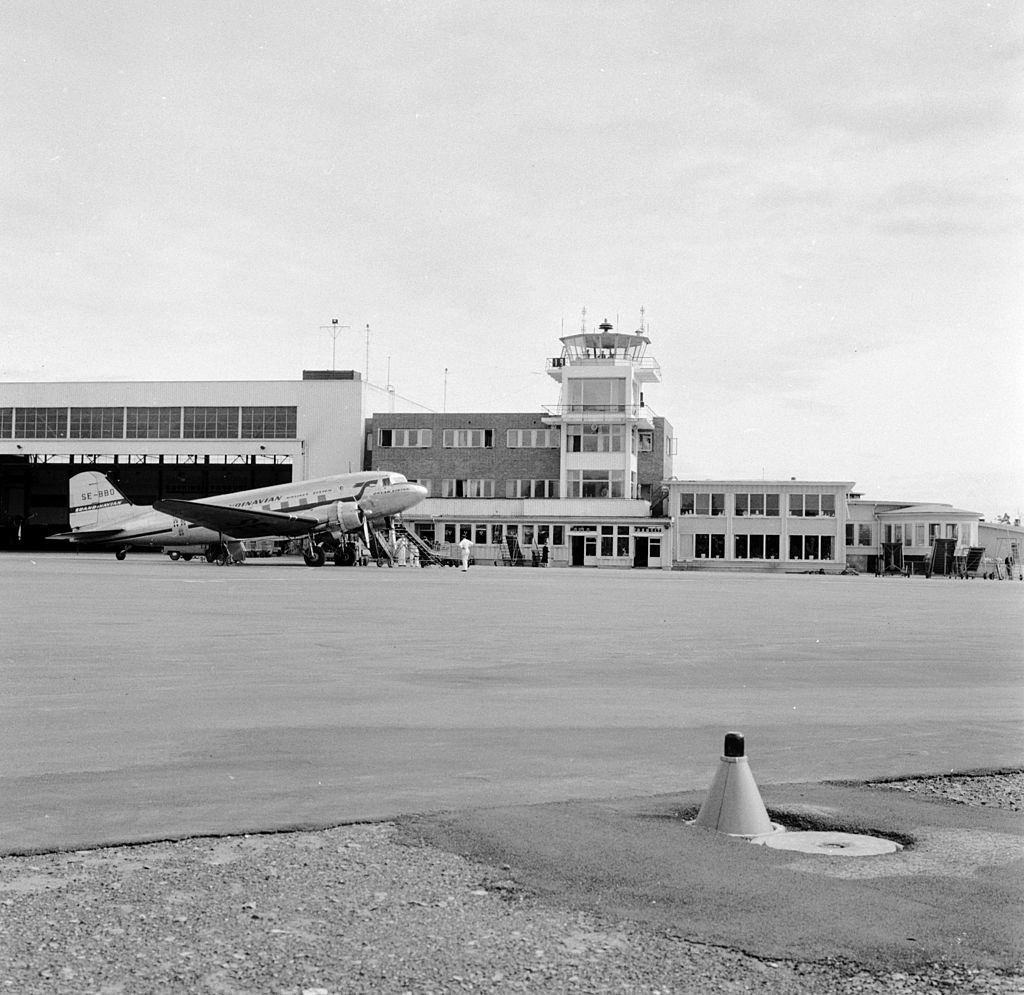
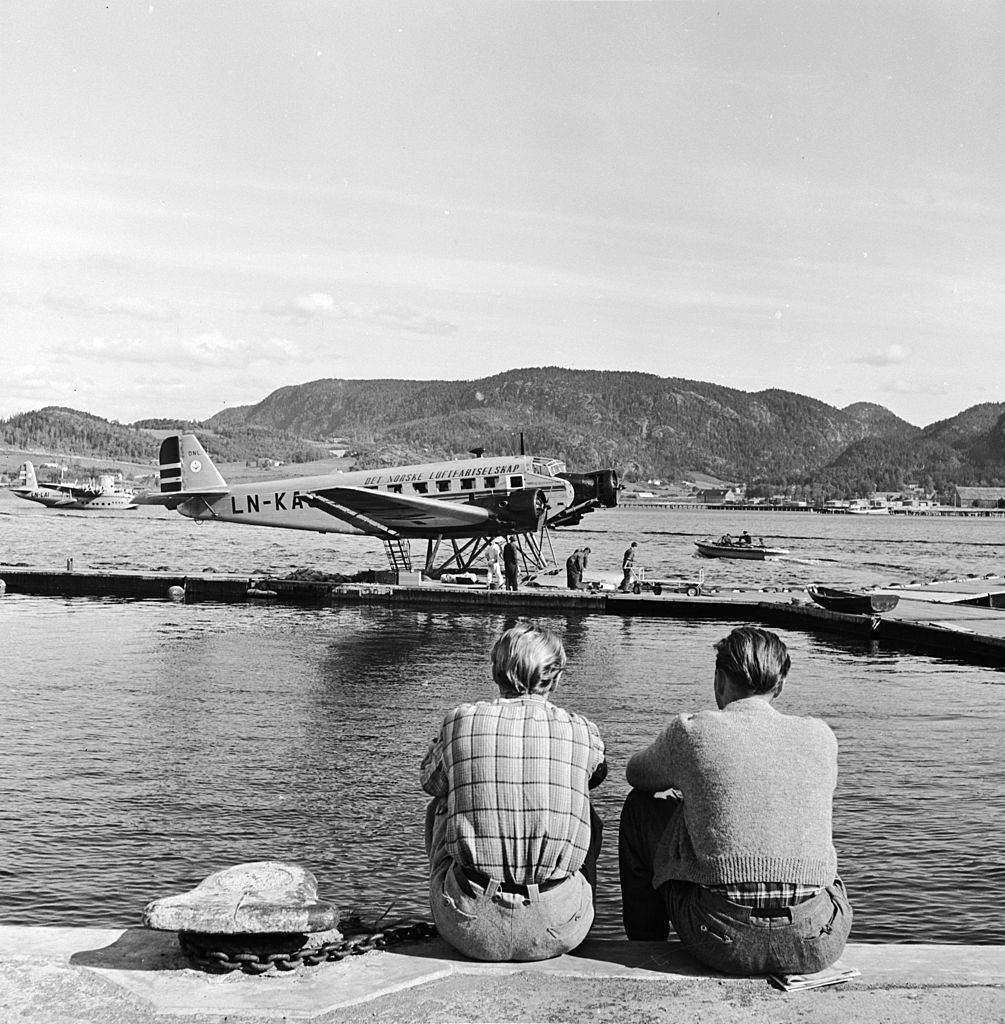
As Norway modernized, its transportation network expanded. Fornebu Airport outside Oslo handled growing passenger traffic, while seaplane ports at cities like Trondheim linked communities that roads and railroads couldn’t easily reach.
Traditional farm structures like the stabbur were still in use across rural Norway mid-decade. These raised storehouses, often intricately carved, were a direct link to centuries of Norwegian agricultural practice.
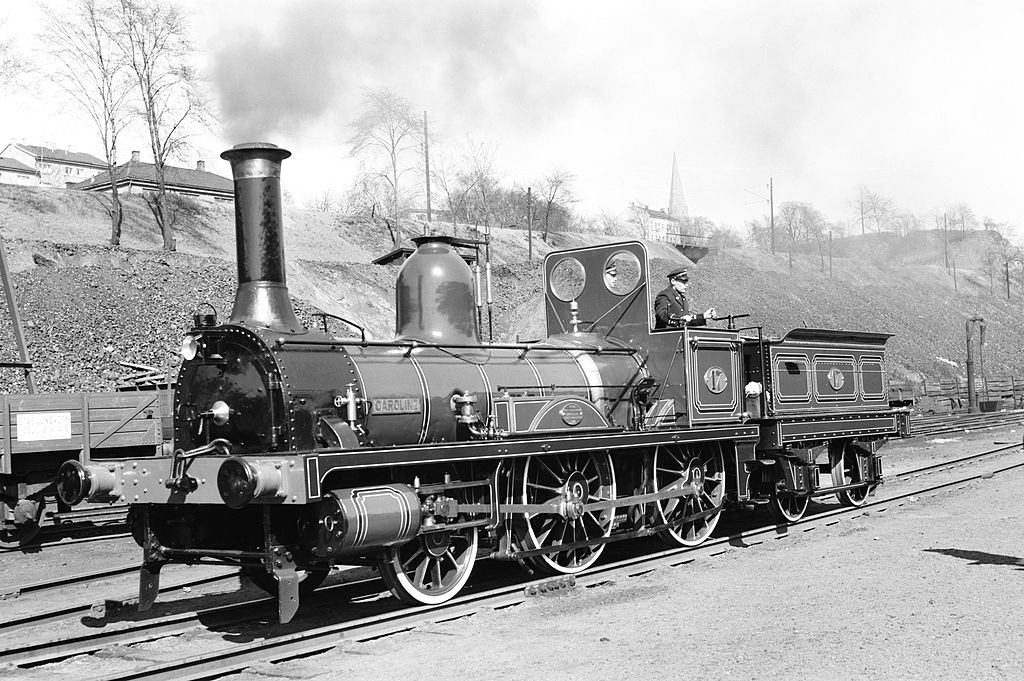
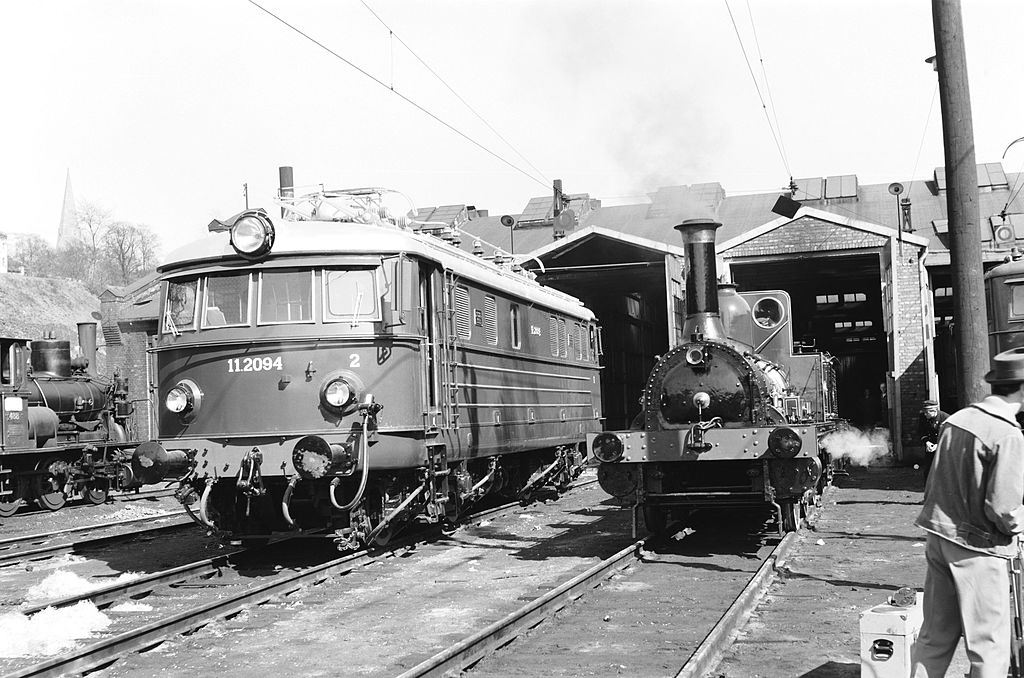
Rail transport was central to Norway’s recovery strategy. By the mid-1950s, Oslo’s rail yards ran both steam and electric locomotives side by side — a visible sign of a country in transition between old industrial methods and modern technology.
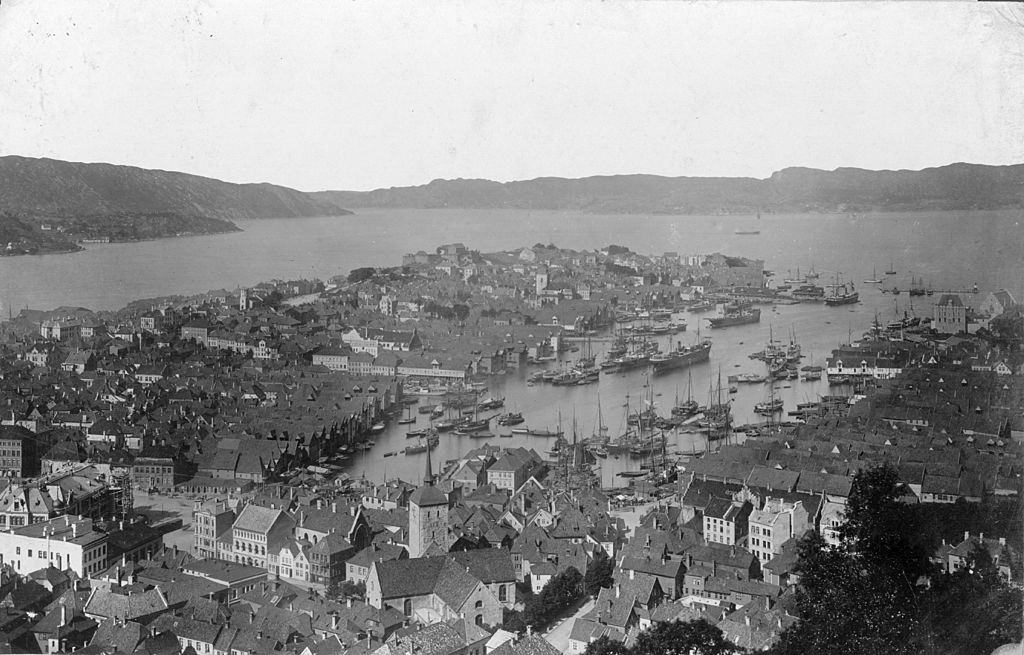
Bergen in the mid-1950s was a thriving port city with a distinctive skyline of wooden buildings and church steeples. The city’s fish market remained one of the busiest in the country, and its harbor handled traffic from across the North Sea.
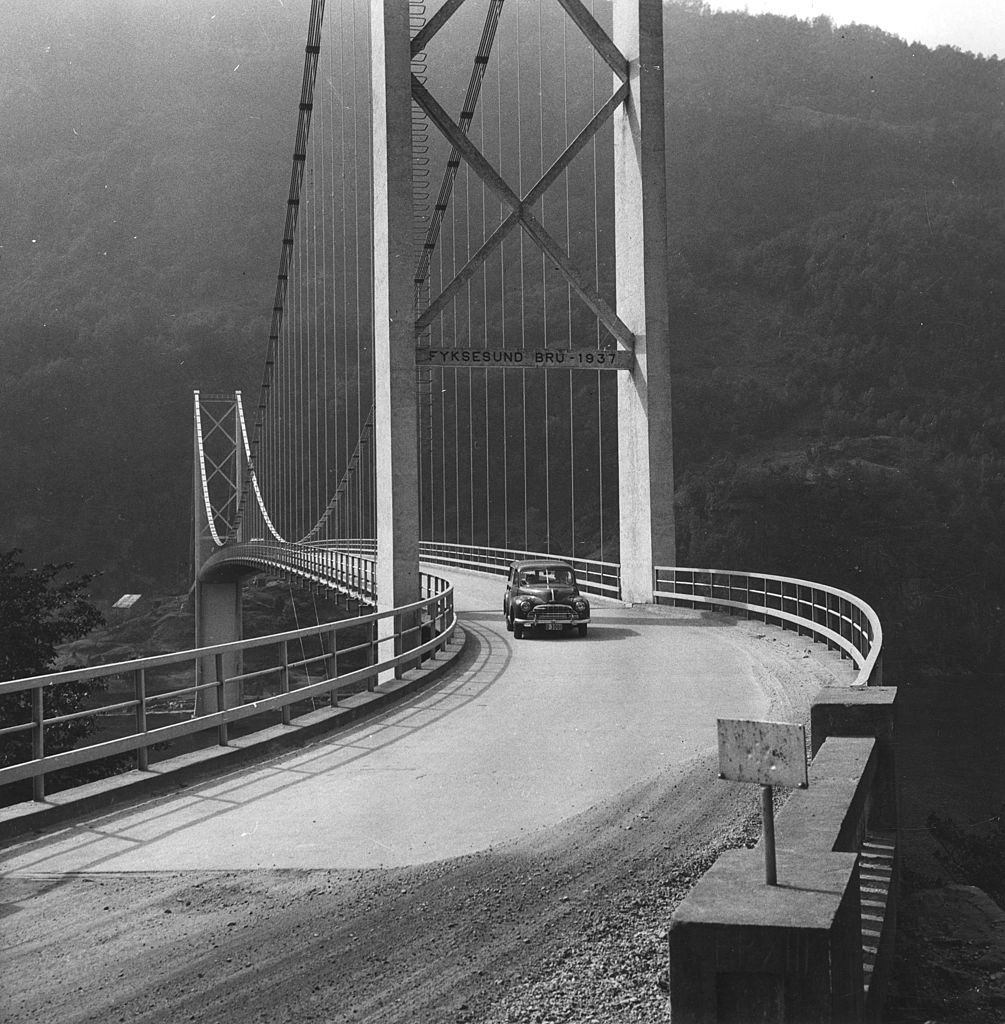
Infrastructure investment in the 1950s produced landmarks like the Fyksesund Bridge, which crossed a branch of the Hardangerfjord and carried the main highway between Oslo and Bergen. Roads like this were vital for connecting Norway’s separated communities.
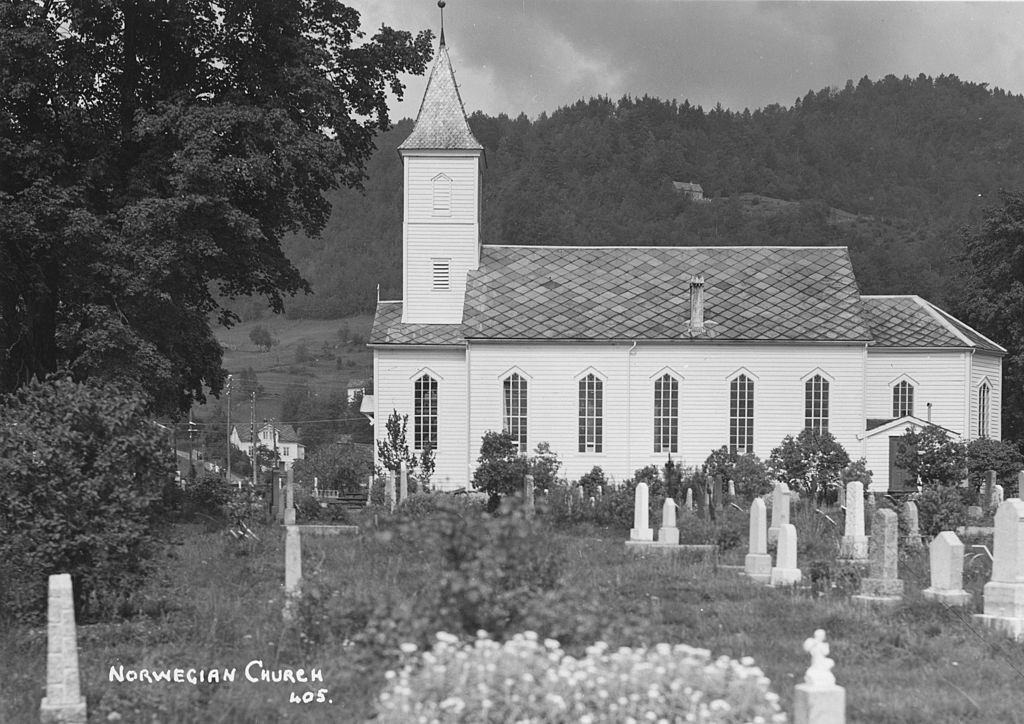
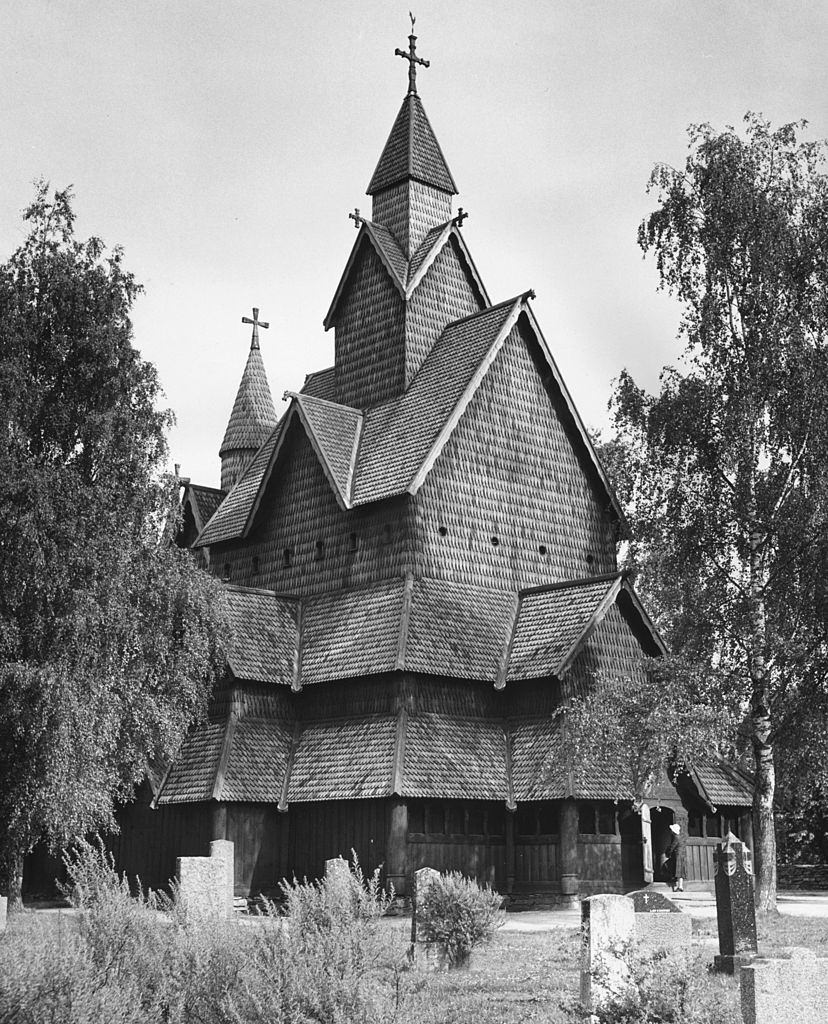
Norway’s religious heritage was visible throughout the countryside. The stave church at Heddal in southern Norway was the largest surviving example of its kind — a medieval wooden structure built without nails, still standing after more than 800 years.
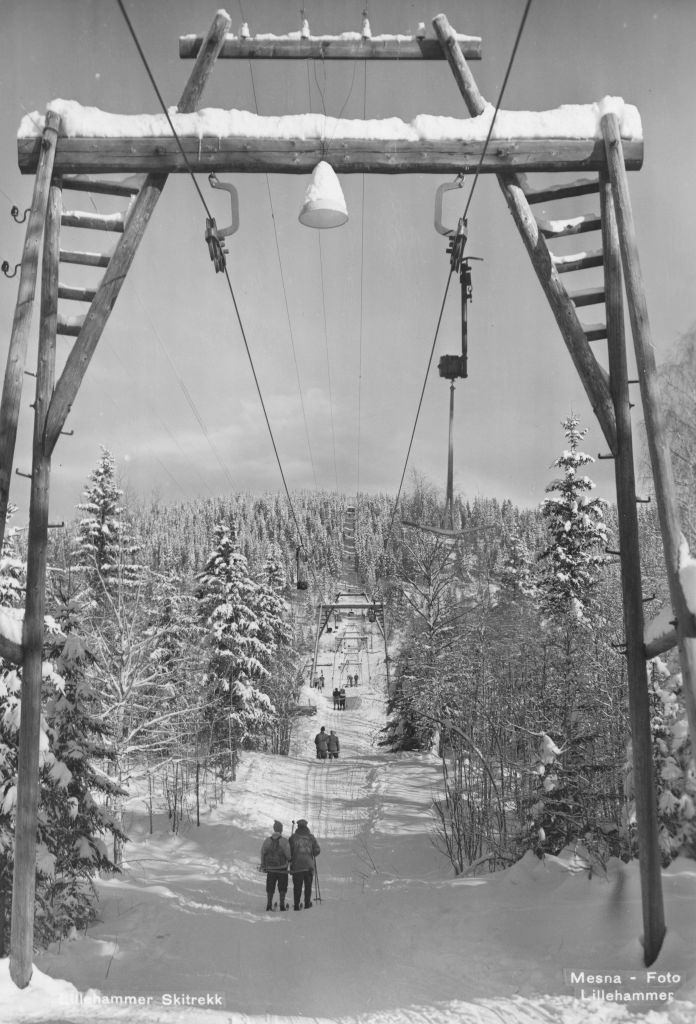
Winter sports infrastructure expanded alongside the country’s growing tourism sector. Ski lifts appeared in mountain towns like Lillehammer, making slopes accessible to recreational skiers rather than just competitive athletes.
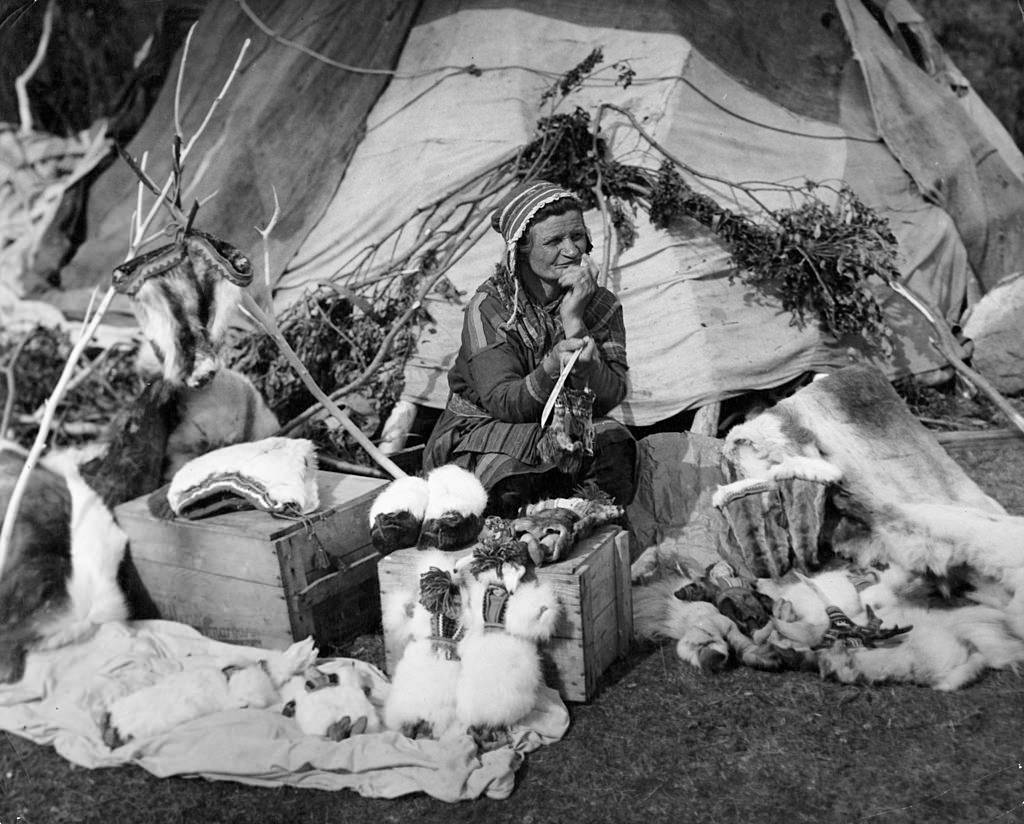
The Sámi people — indigenous to northern Scandinavia — maintained their own traditions and trade practices in the far north. In places like Lyngseidet, Sámi vendors sold handmade goods, continuing centuries-old commerce in a modernizing Norway.
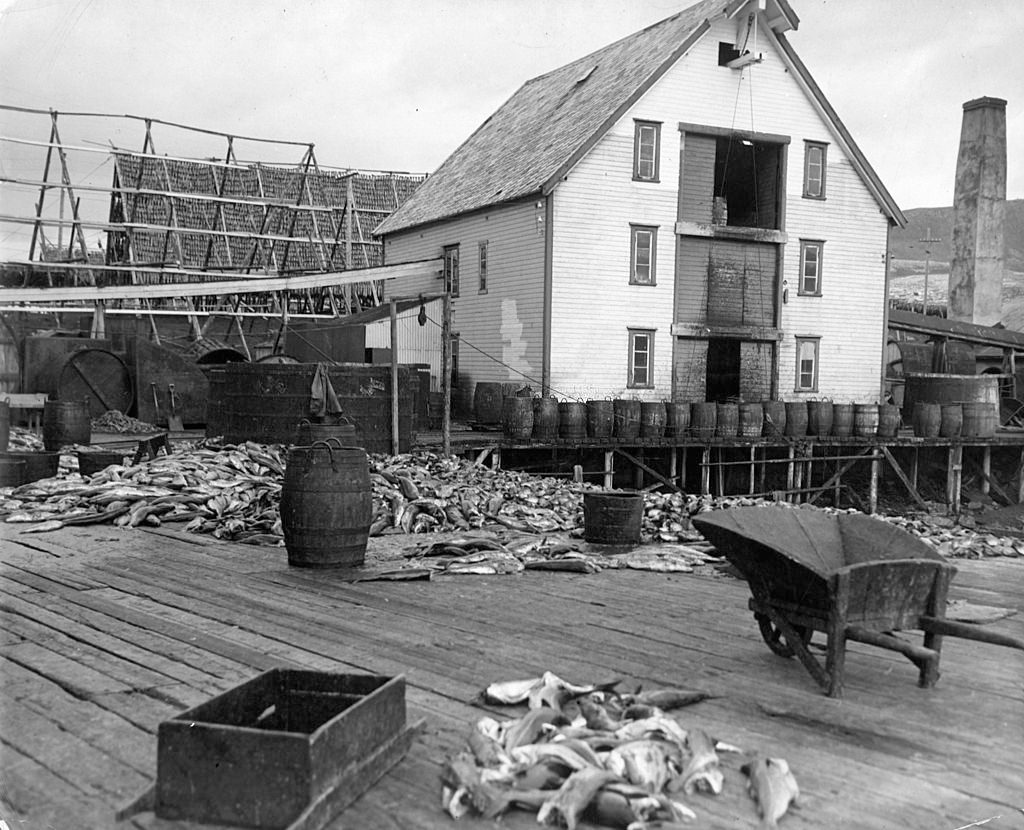
Hammerfest, one of the world’s northernmost towns, was an important fishing hub. Cod caught in the Arctic waters arrived at the docks in large quantities, waiting to be processed and shipped to markets across Europe.
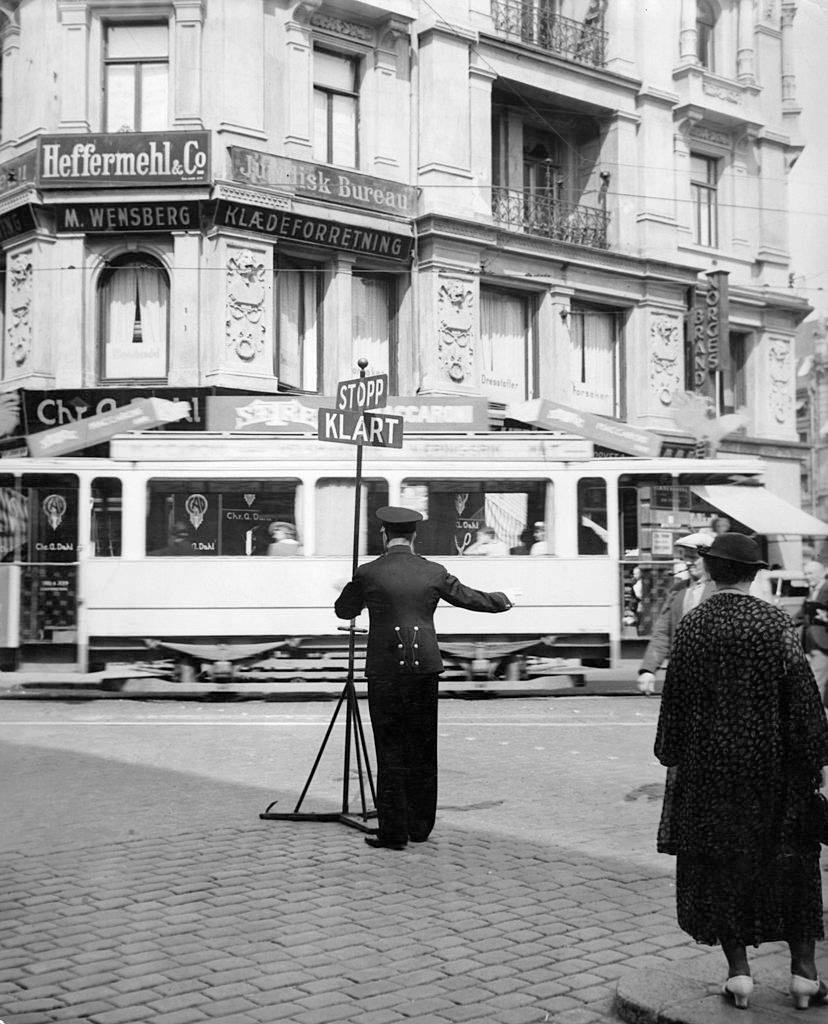
Oslo’s streets in the mid-1950s showed a city adjusting to growing traffic. Traffic police were stationed at busy intersections to manage the increasing flow of cars, trucks, and trams moving through the capital.
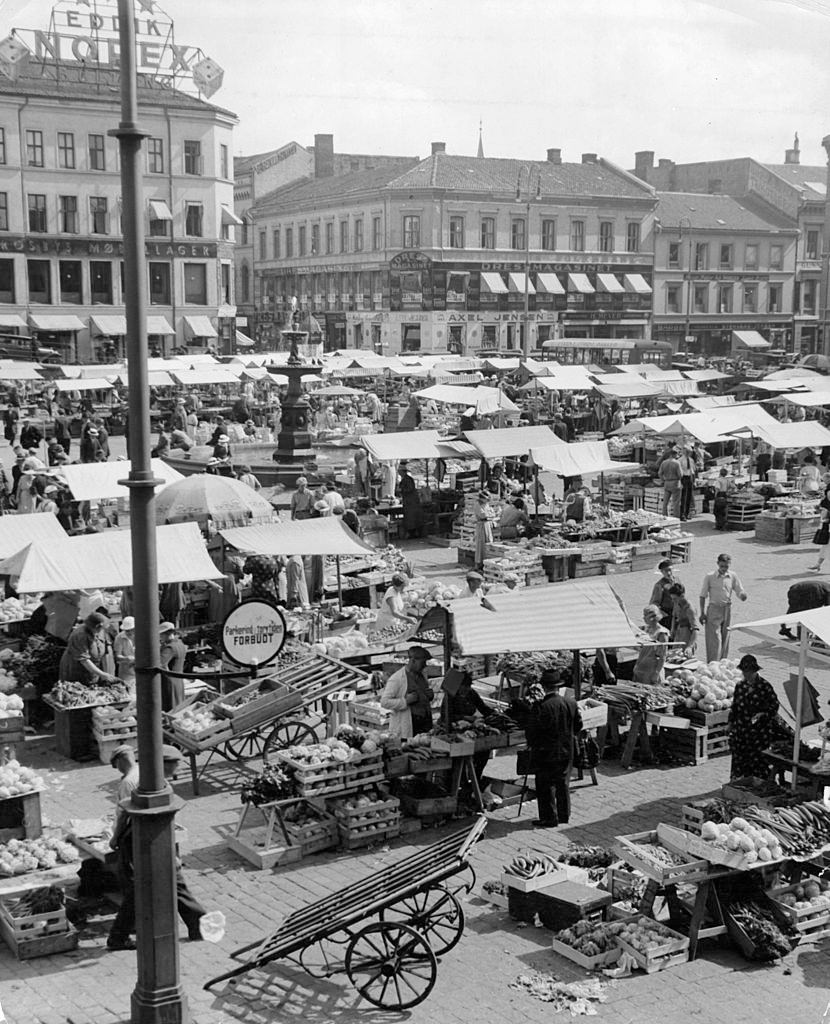
Open-air markets in Oslo sold fresh fruit and vegetables to city residents, providing a daily gathering point for shoppers. These markets were an important part of urban food supply before supermarkets became widespread.
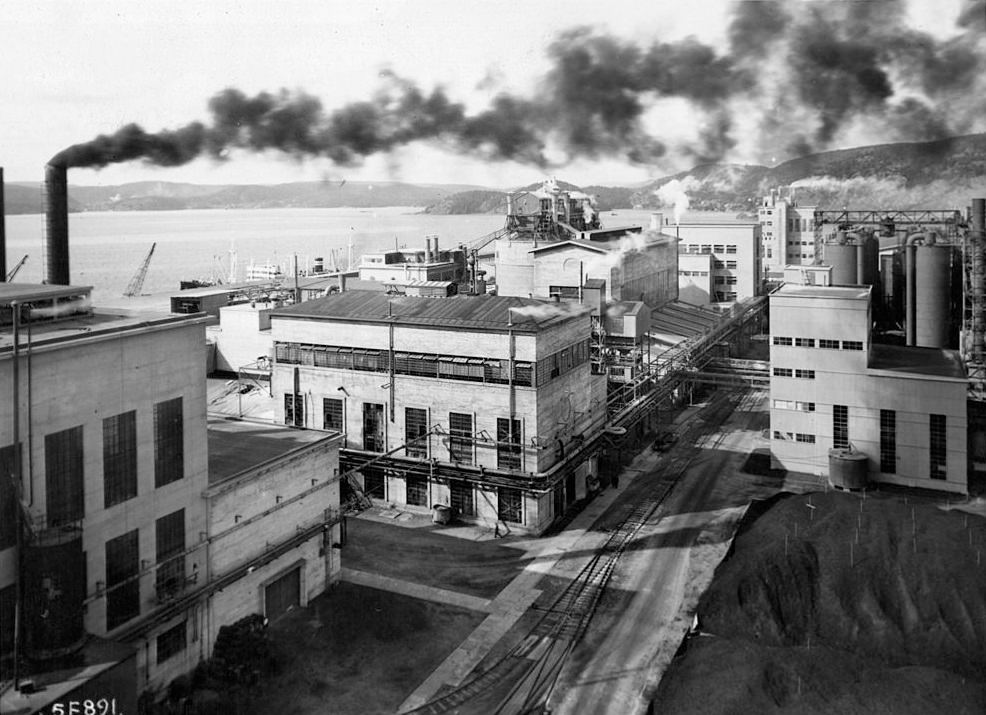
Heavy industry was the backbone of Norway’s postwar economy. Chemical and saltpeter factories operated alongside the country’s aluminum and steel plants, all powered by the vast hydroelectric capacity Norway had built across its river systems.
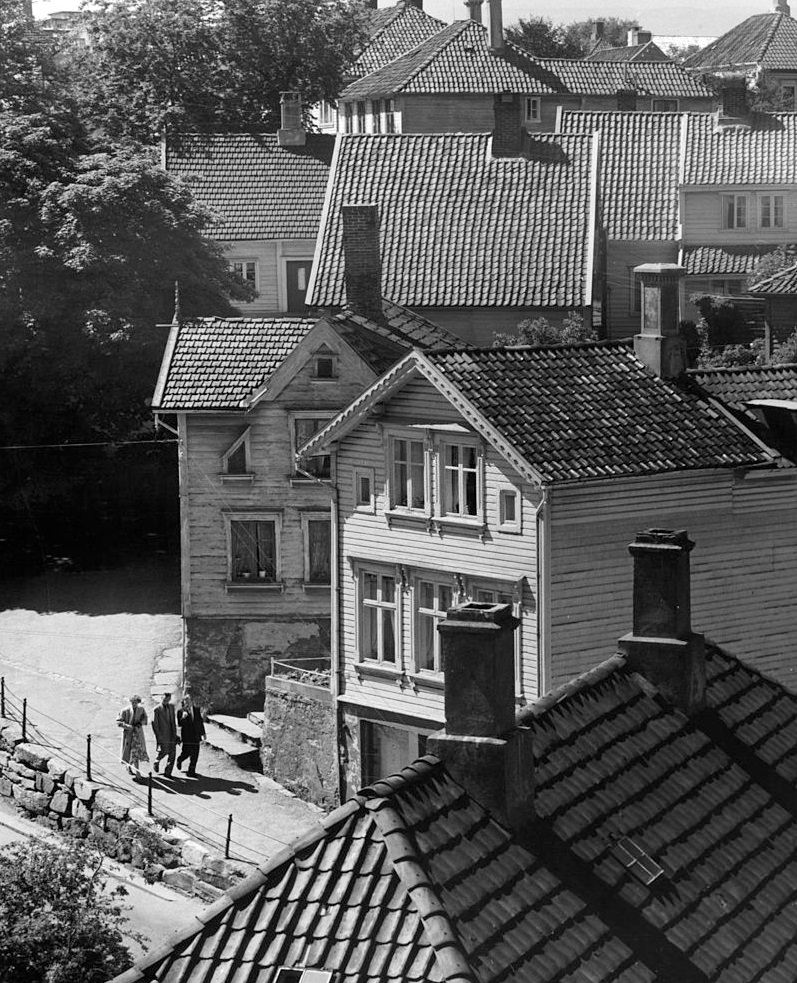
Stavanger in the southwest was a city of closely packed wooden homes, many dating back to the 19th century. In the 1950s it was still primarily a fishing and canning town, decades before North Sea oil would transform it entirely.
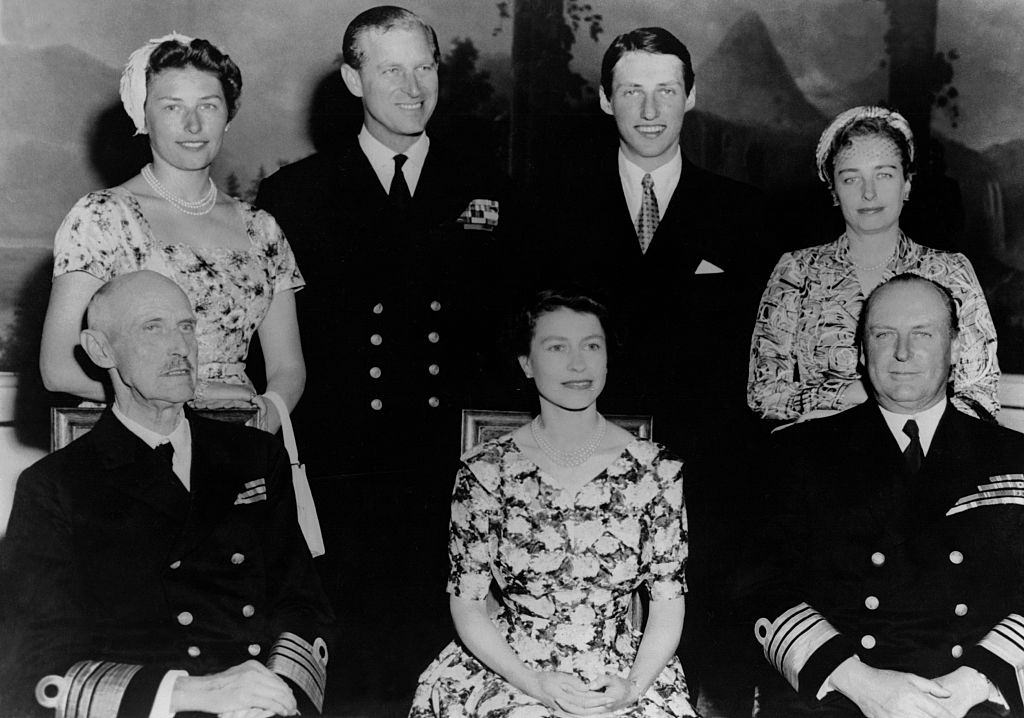
Norway’s international standing was confirmed by royal visits from allied nations. Queen Elizabeth II visited in 1955, meeting King Haakon VII. The visit underscored Norway’s close relationship with Britain and its place in the postwar Western alliance.
Jazz was hugely popular in Oslo during the 1950s. When Louis Armstrong performed in the city in 1955, crowds packed the venue to see one of America’s greatest musicians play live. Norway’s cultural scene was closely connected to broader Western trends.
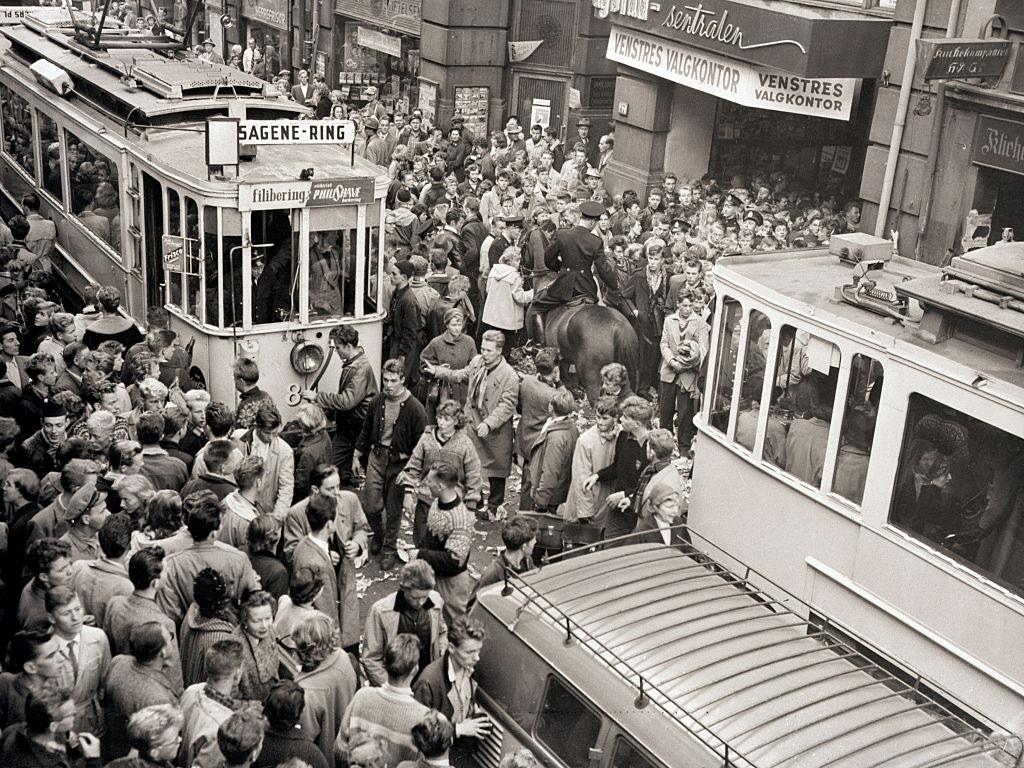
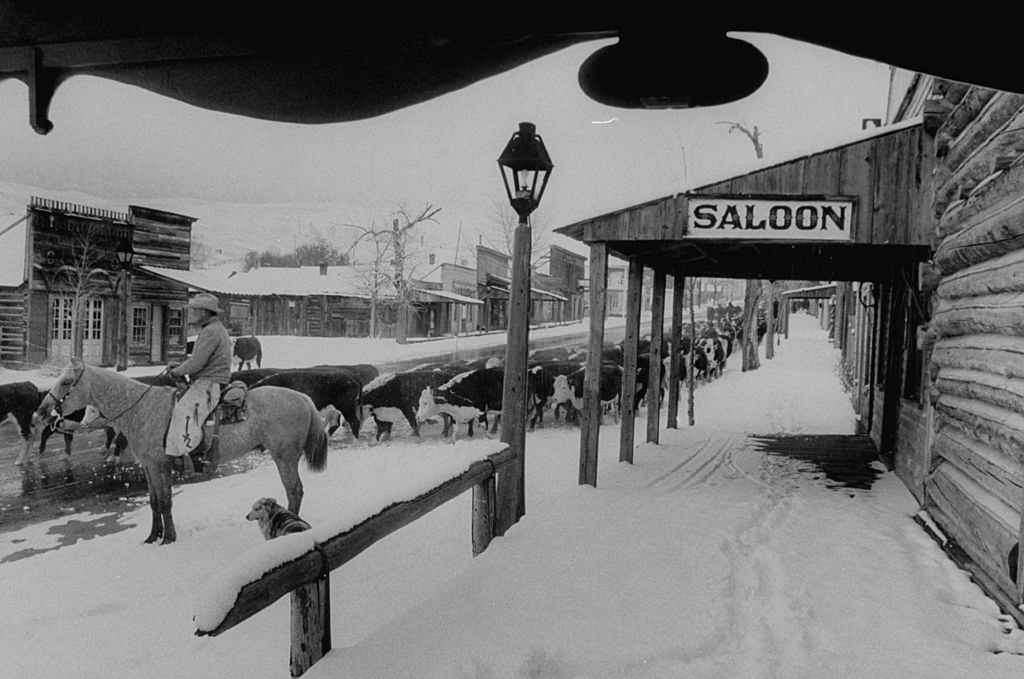
Oslo continued to grow and modernize through the late 1950s. New buildings rose alongside older architecture, and the city’s streets reflected a population that was becoming more urban, more mobile, and more connected to the wider world.
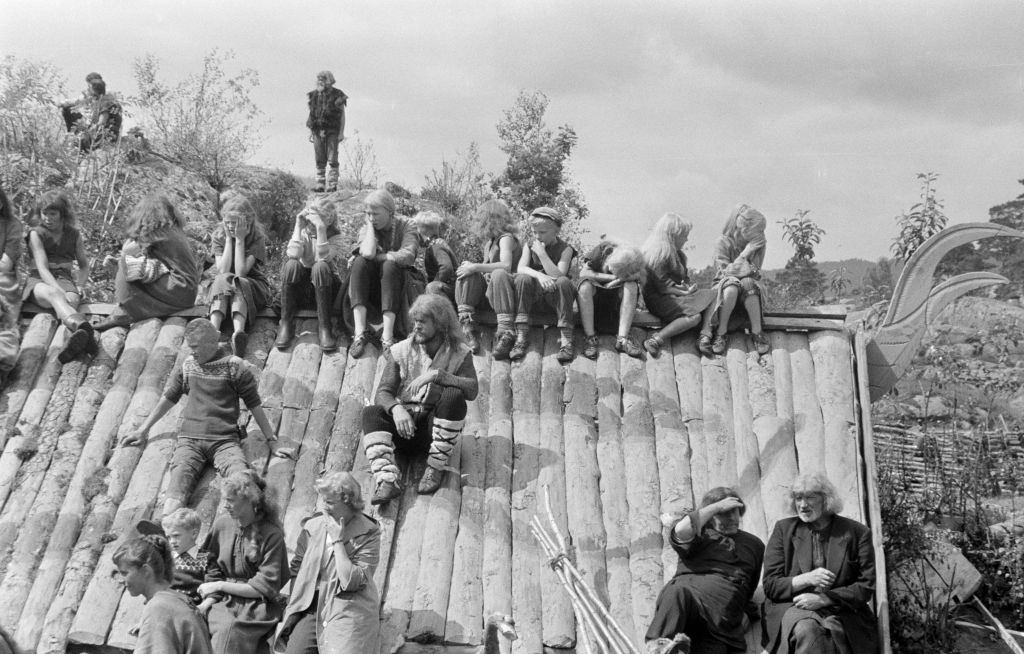
Hollywood came to Norway in 1957 when the film ‘The Vikings’ was shot along the country’s fjords and coastline. Starring Kirk Douglas and Tony Curtis, the production used Norway’s dramatic scenery as its backdrop and brought international attention to the region.
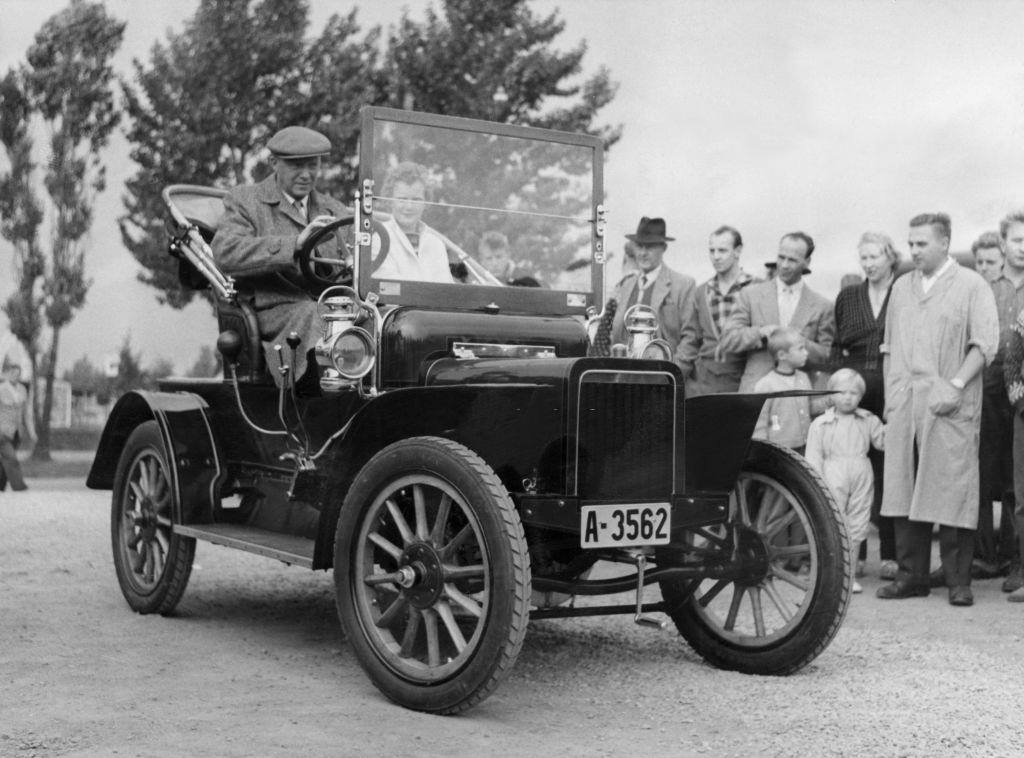
Automobile culture was growing in Norway, and vintage car enthusiasts found a following as well. Events like the veteran car race in Hamar brought out classic vehicles and drew curious spectators eager to see machines from an earlier era of motoring.
King Haakon VII died on September 21, 1957, at the age of 85. He had led Norway through the Nazi occupation — refusing to surrender to German demands — and had become a symbol of national resistance. His state funeral in Oslo drew solemn crowds and marked the end of a defining era in Norwegian history.
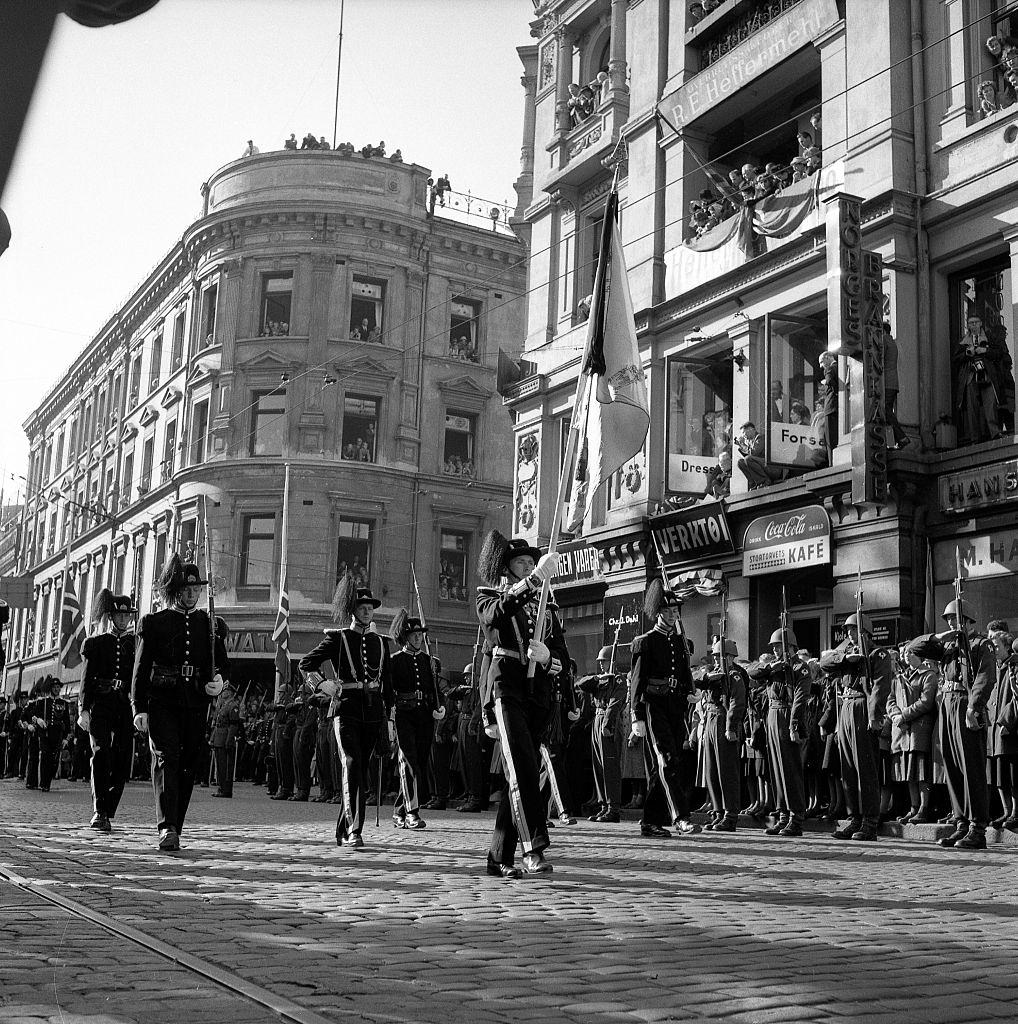
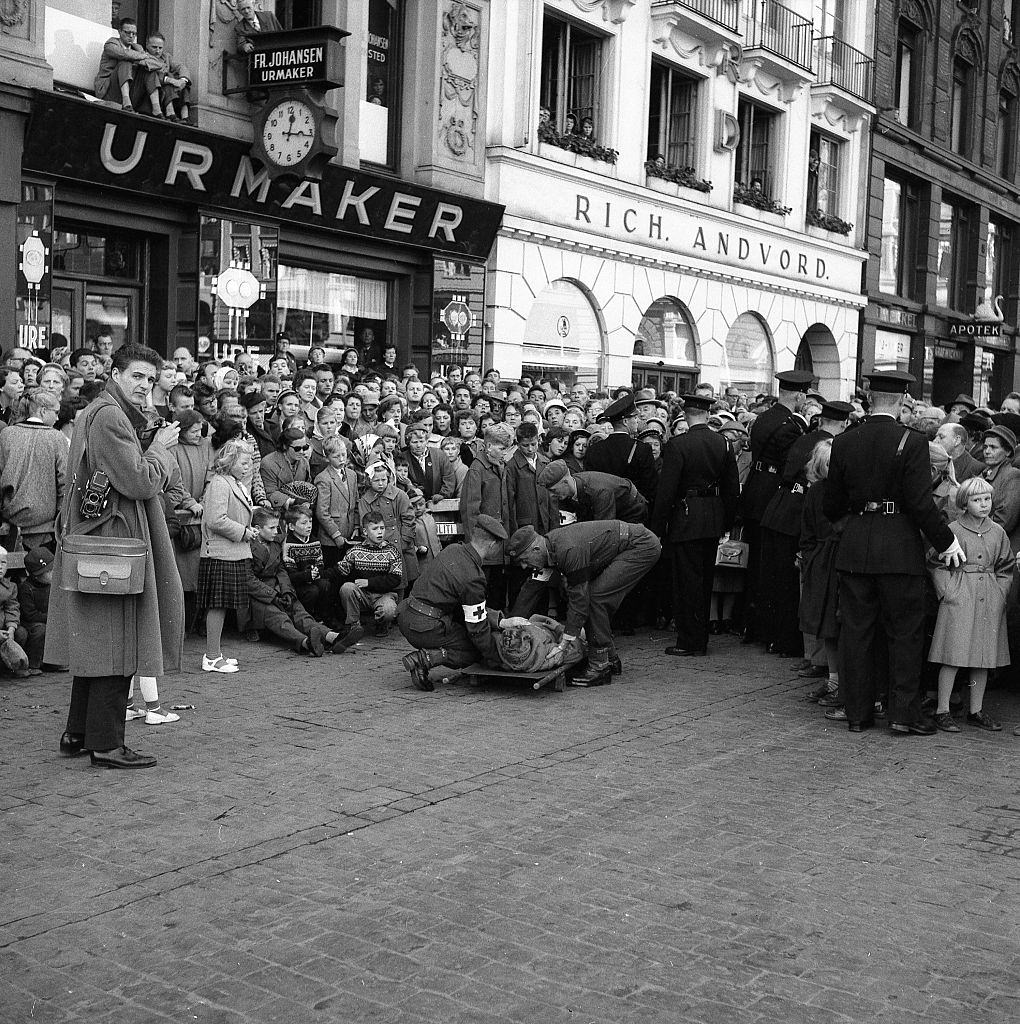
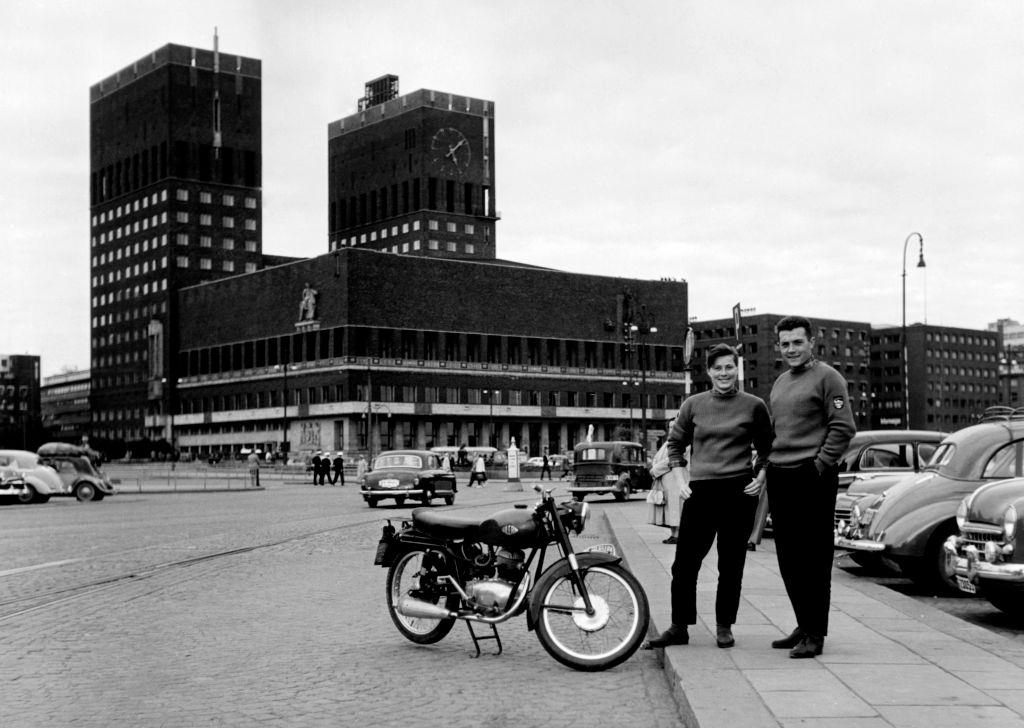
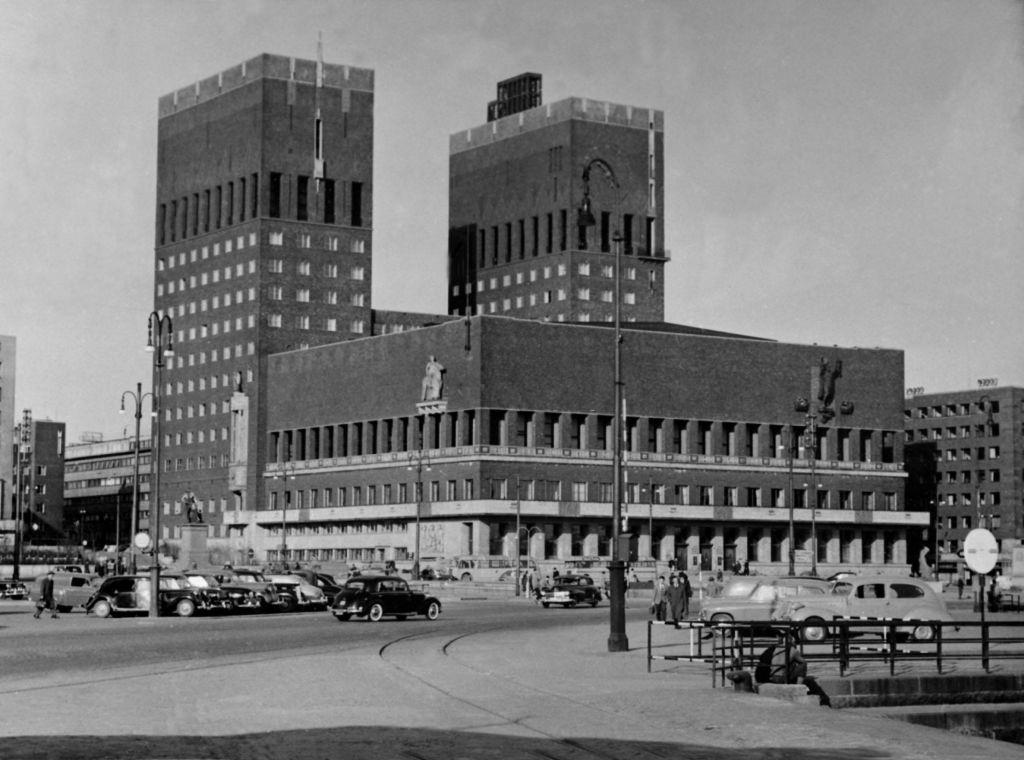
Oslo’s City Hall, completed in 1950 after nearly two decades of construction, became one of the capital’s defining landmarks. Its twin brick towers and large murals depicting Norwegian history made it both a civic building and a monument to national identity.
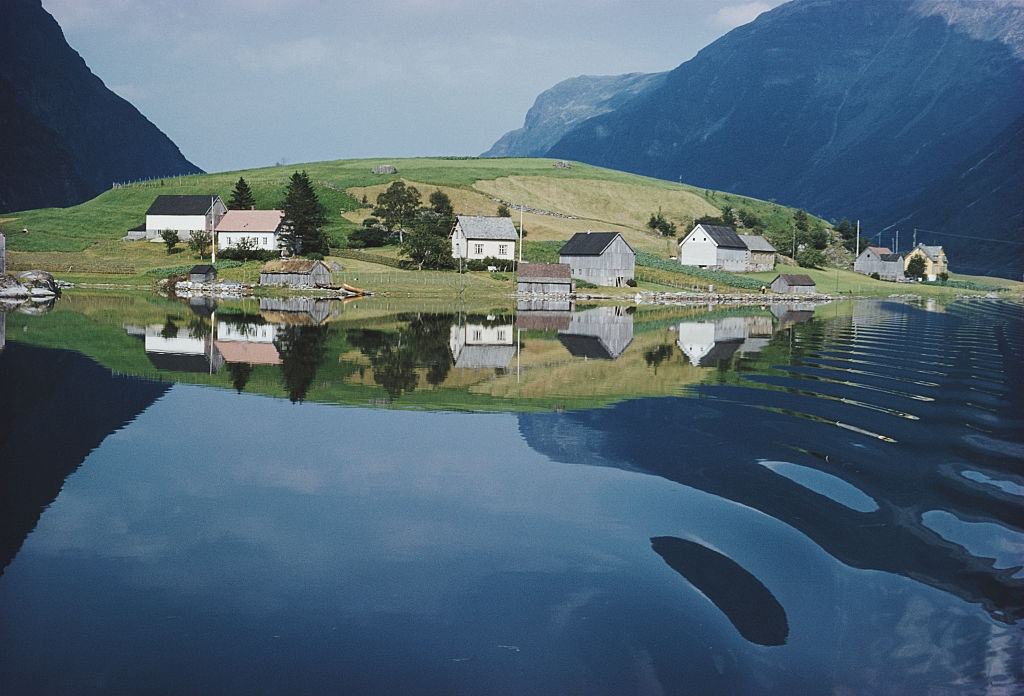
By the end of the decade, Norway’s fjord communities remained largely unchanged in appearance, even as the country around them modernized rapidly. Small villages sat at the water’s edge, their reflections caught in the calm surface of the fjord.
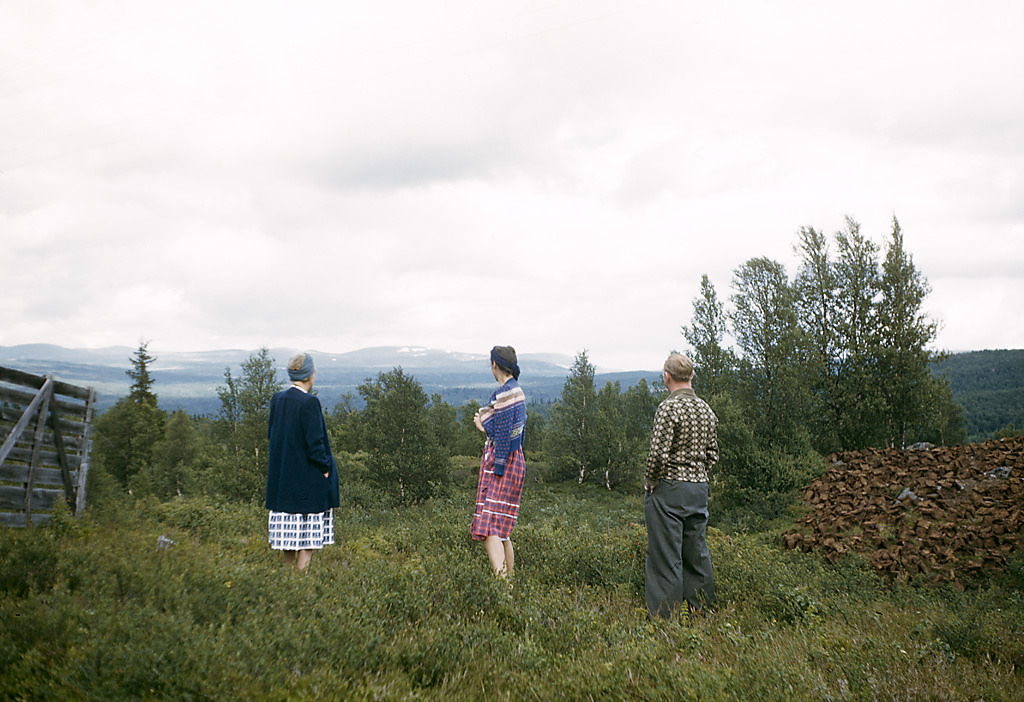
Travelers passing through Norway’s interior encountered mountain terrain unlike anything in the rest of Europe. The Kjølingefjell range in the north offered sweeping views that drew hikers, photographers, and sightseers throughout the summer season.
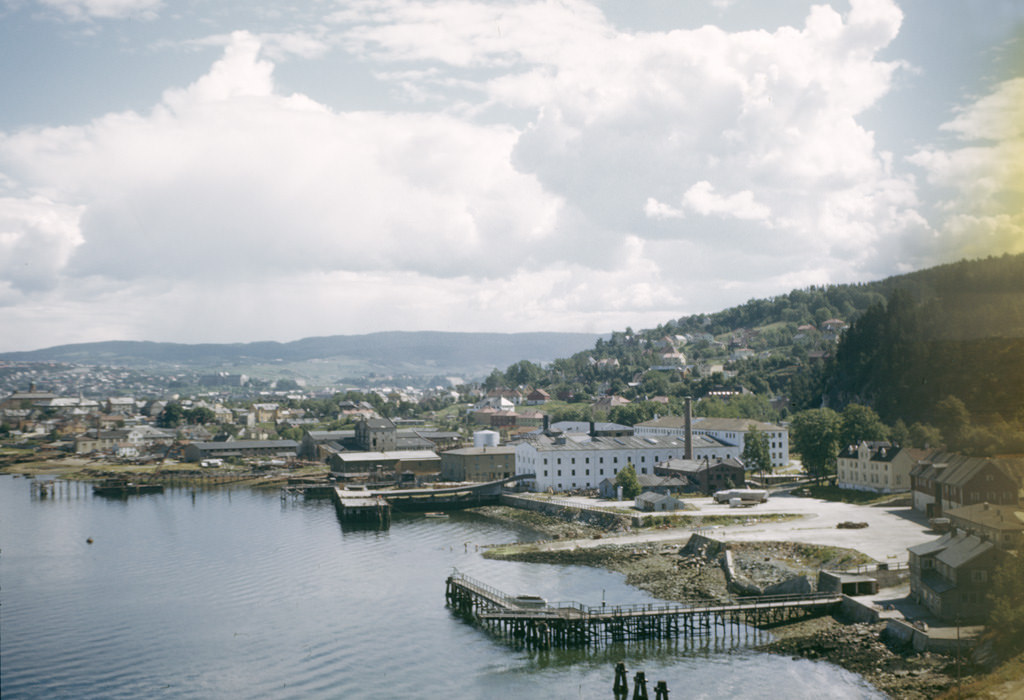
Trondheim, Norway’s third-largest city and its historic medieval capital, had a busy harbor that served both commercial and passenger traffic. The city’s position along the Trondheim Fjord made it a natural hub for coastal shipping.
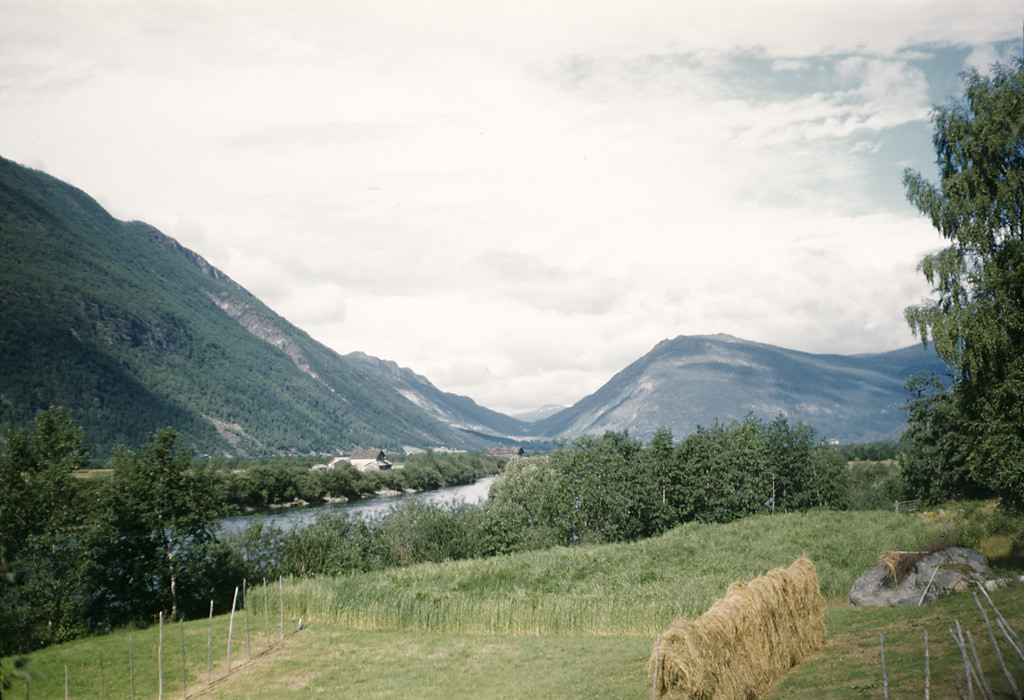
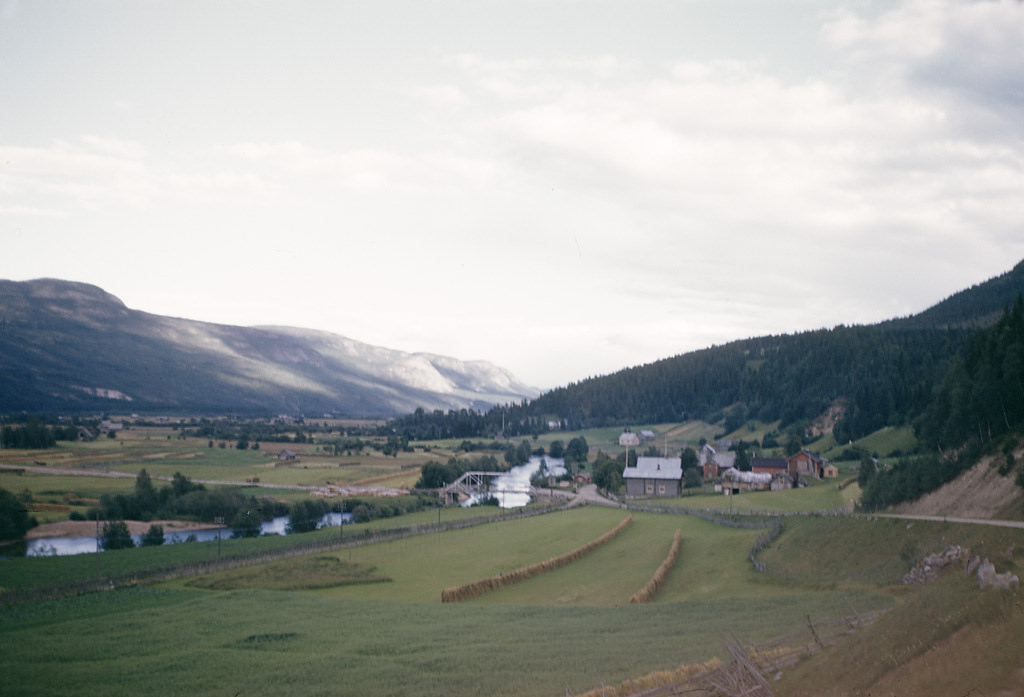
The Gudbrandsdalen Valley runs nearly 400 kilometers from Lake Mjøsa in the south to the Dovre mountain plateau in the north. It was one of Norway’s most fertile agricultural valleys and a key route through the country’s interior.
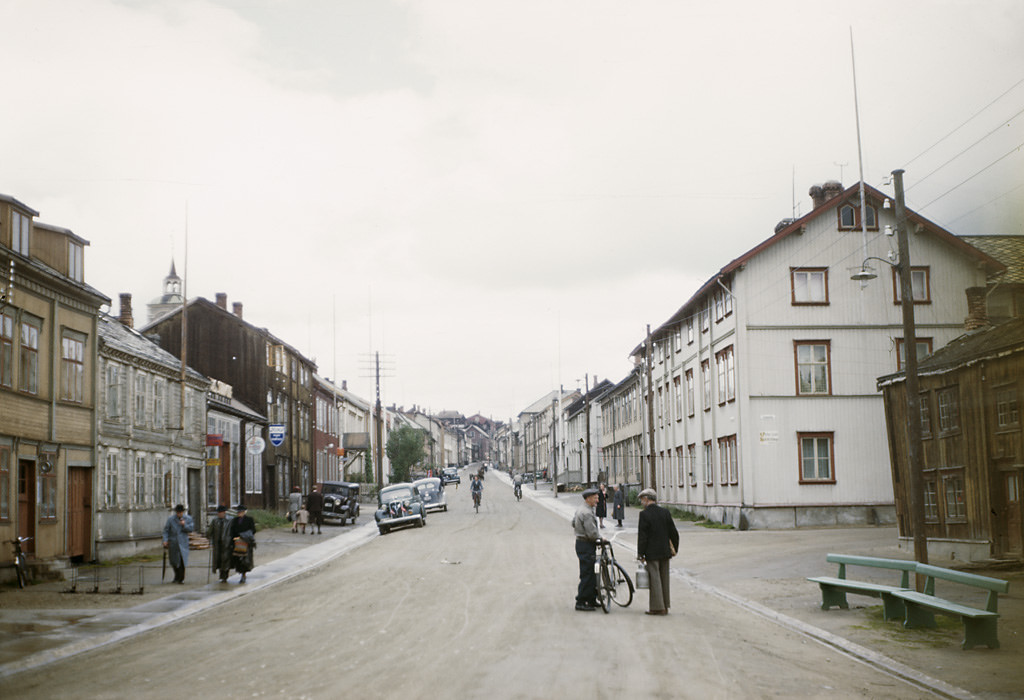
The old mining town of Røros in central Norway preserved its 18th-century character through the 1950s. Its wooden buildings and cobblestone streets looked much as they had when the town was a thriving copper-mining center centuries earlier.
The Gauldalen Valley, stretching south from Trondheim, was farming country — a broad river valley flanked by forested hills that provided timber and grazing land for the communities along its banks.
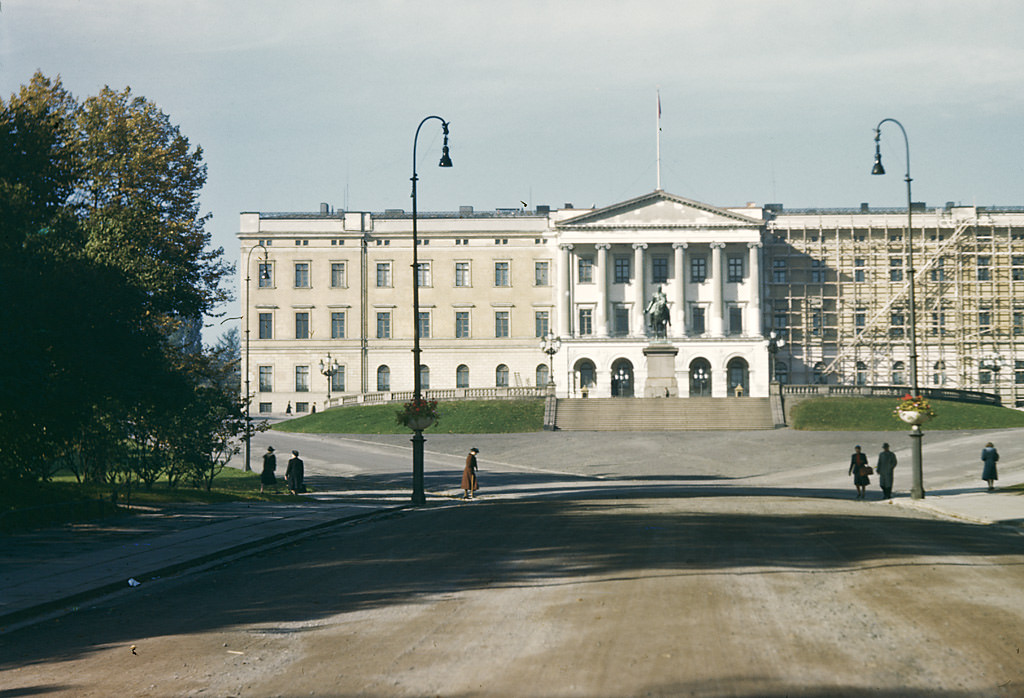
Even the Royal Palace in Oslo did not escape the decade’s widespread building and renovation work. Scaffolding went up around the neoclassical structure as workers carried out repairs and maintenance on one of the country’s most recognized buildings.
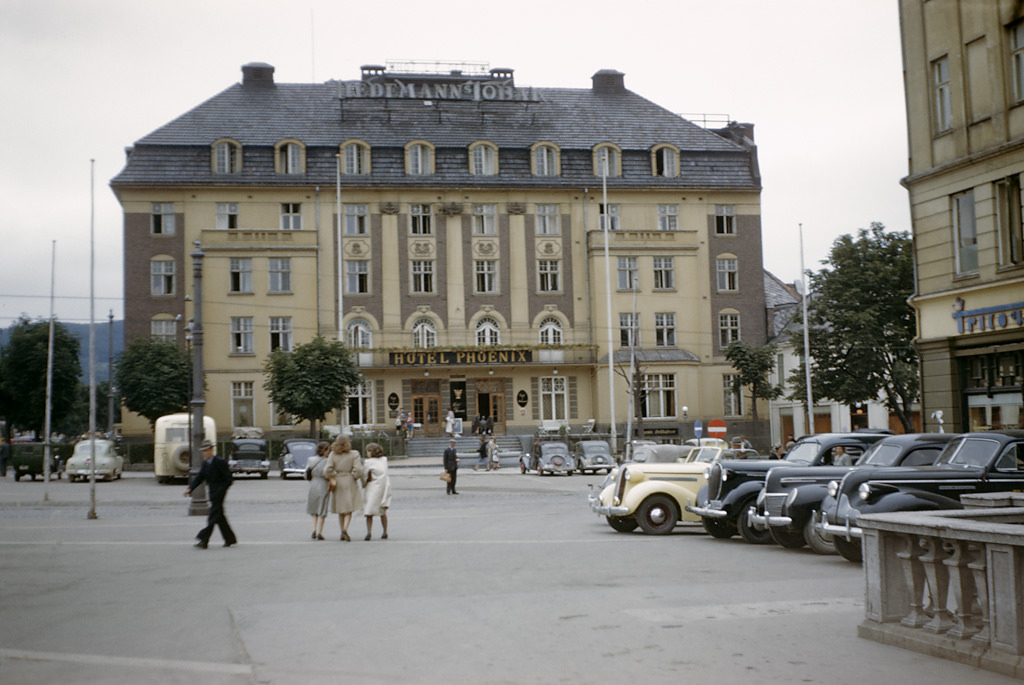
Trondheim’s Hotel Phoenix was a landmark of the city’s commercial district, catering to business travelers, government officials, and visitors passing through this historic northern city.
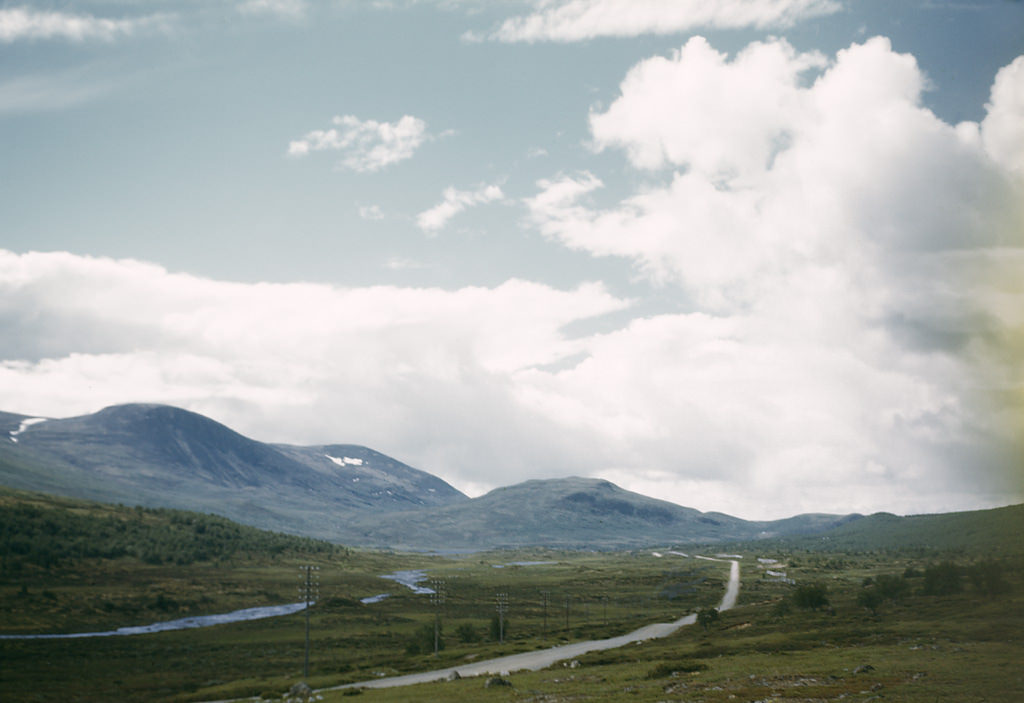
The Dovrefjell mountain plateau in central Norway was a formidable stretch of high, open terrain between Dombås and Hjerkinn. The main railway and road north both crossed this plateau, making it a landscape that nearly every traveler moving between Oslo and Trondheim passed through.
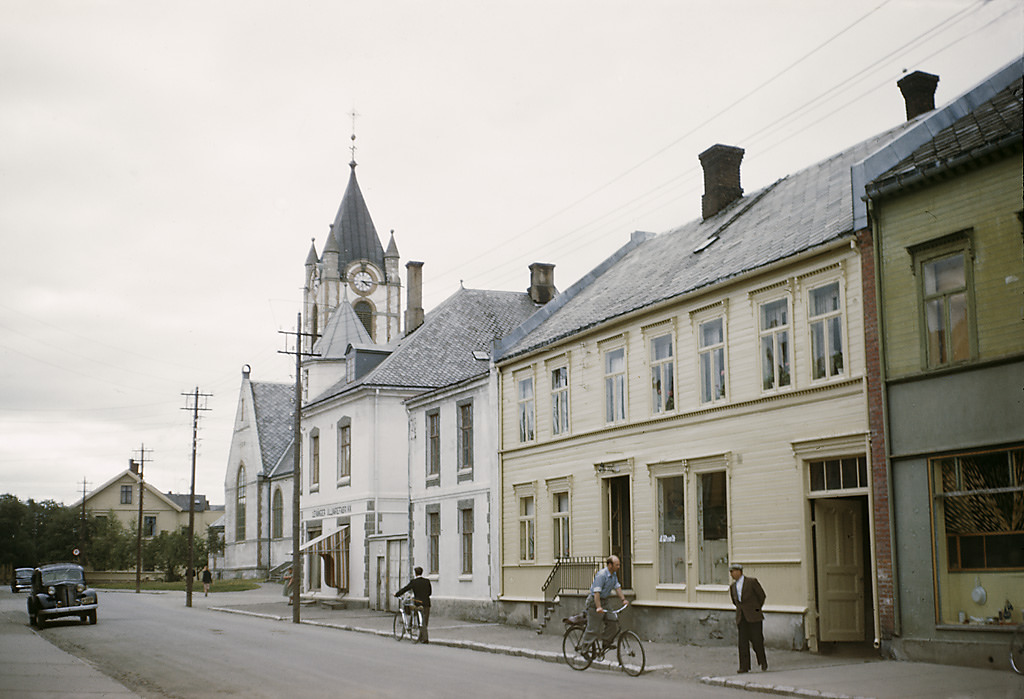
Levanger, a small town along the Trondheim Fjord, showed what everyday Norwegian street life looked like outside the major cities — quiet, ordered, and closely tied to local commerce and the rhythms of the seasons.
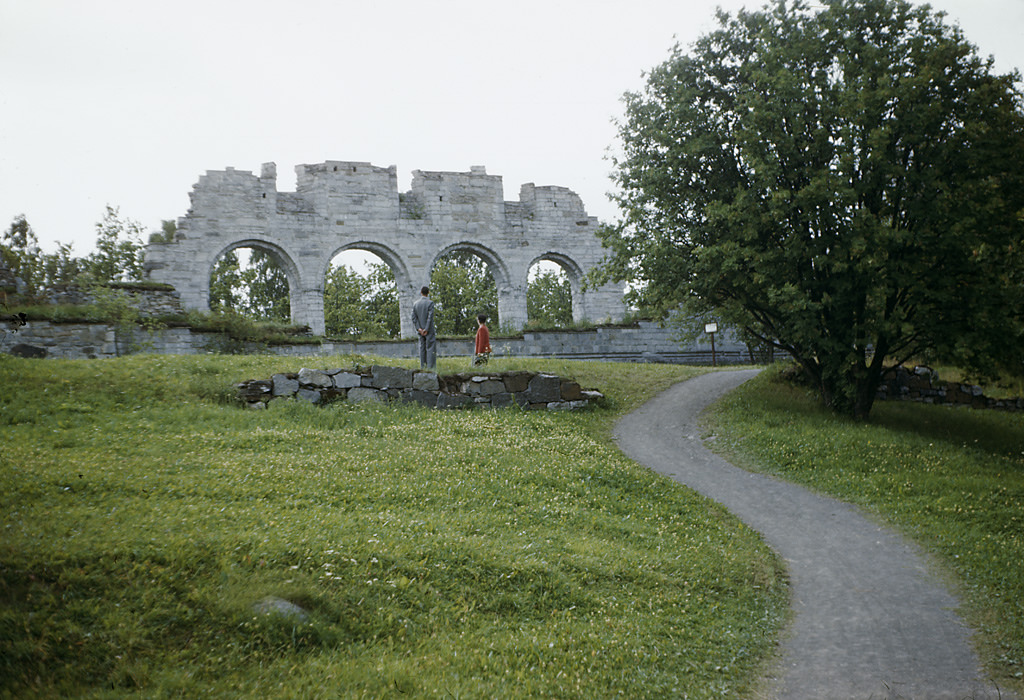
The ruins of Hamar Cathedral stood as a reminder of Norway’s medieval past. The 12th-century cathedral had been destroyed during the Swedish wars in the 1500s, and its remaining stone arches had become one of the country’s most visited historical sites.
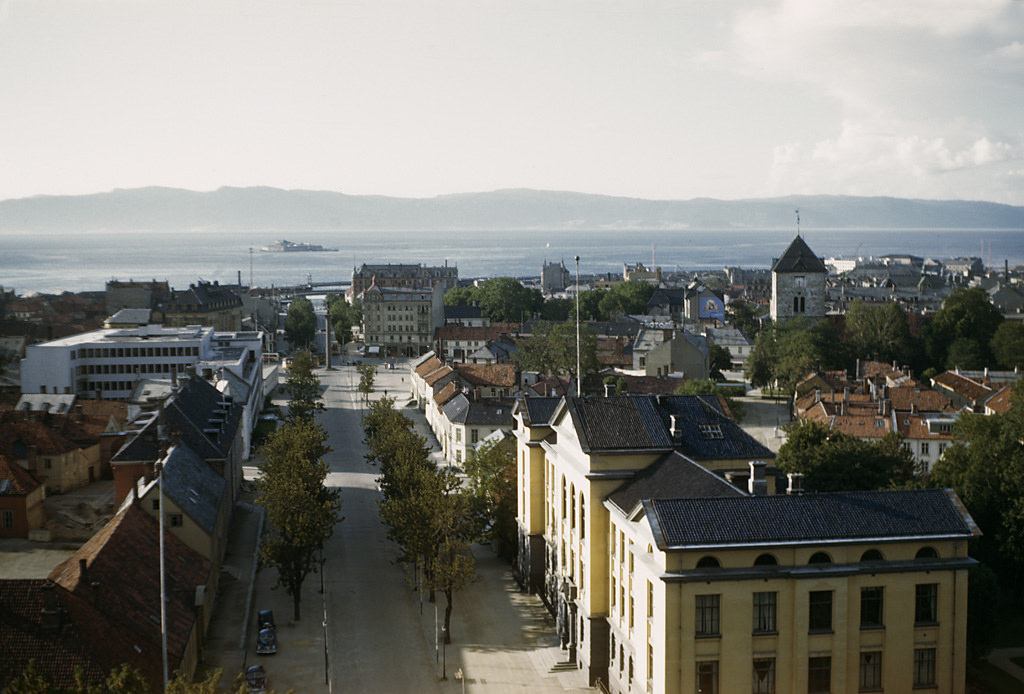
From the tower of Nidaros Cathedral in Trondheim, the city spread out in all directions — rooftops, church spires, the river Nidelva, and the fjord beyond. It was a view that captured a city balancing its ancient foundations with mid-century growth.
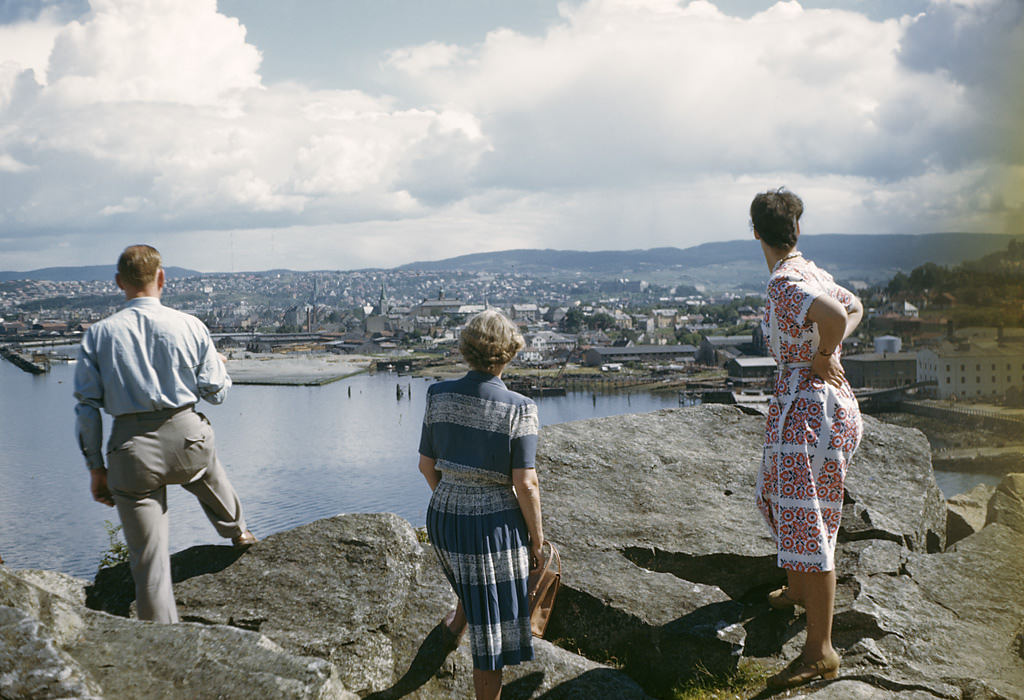





A lot of cool photos, but also a lot of weird mistakes with spelling and pictures clearly not from Norway that makes me doubt any picture I cannot personally identify as where/who it says it is
This is when Norway peaked.
It was absolutely not. For starters, women were massively suppressed back then. The 1950s were the heyday of the housewife/female servant. Most women had virtually no way to be independent and earn a decent living on their own.
There was also lower average life span, 6 day work weeks, huge class differences, relatively widespread poverty, and zero weeks paid holiday for the average worker.
Educate yourself before glorifying the past, little one. 🙂