In 1902, a Chicago phrenologist named L.A. Vaught published a book that claimed to decode human personality — not through behavior, conversation, or history, but through the shape of a person’s skull and facial features. The book was presented as a serious scientific reference. Its preface stated that the purpose was to introduce readers to the “elements of human nature” and help them understand their own behavior and the behavior of others. Vaught backed up his claims with numbers: over fifty thousand personal examinations had been conducted, and more than a million observations had been recorded to support the findings. The facts, he wrote, could be proven by anyone willing to approach them without bias.
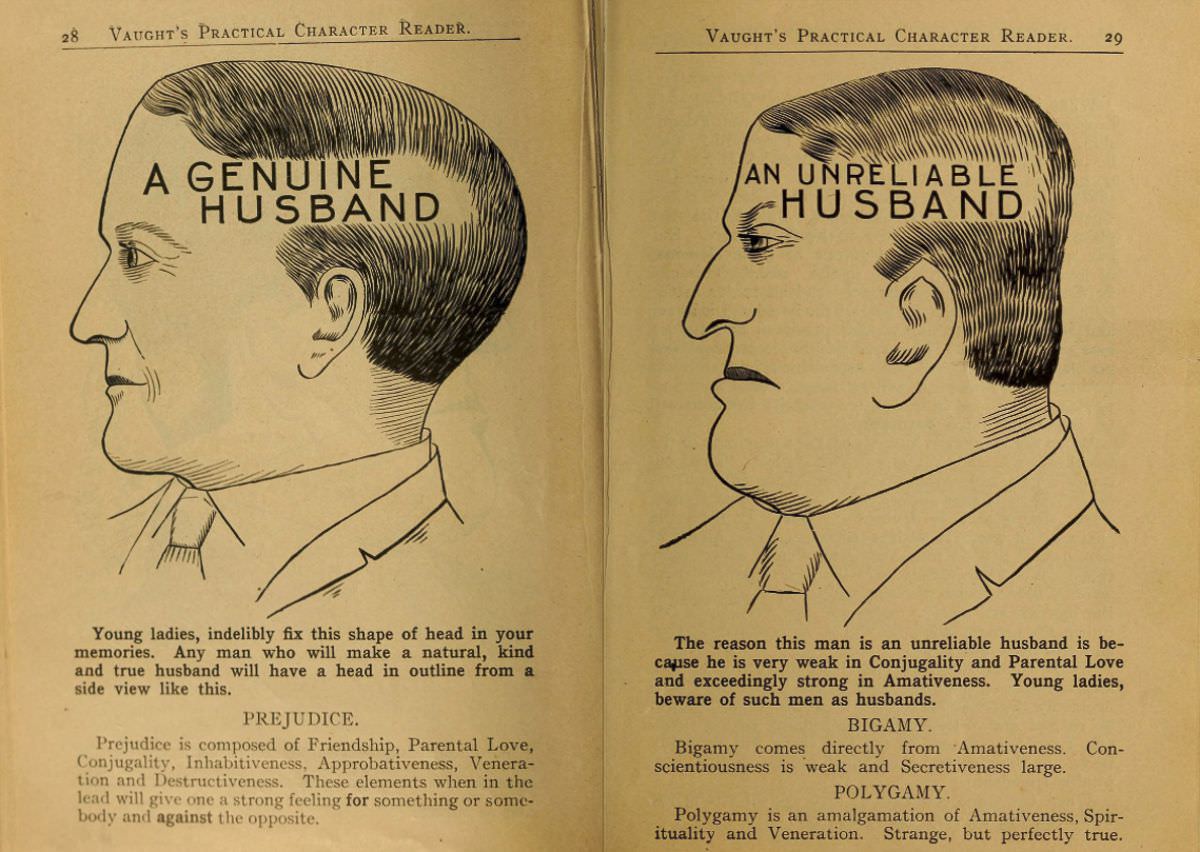
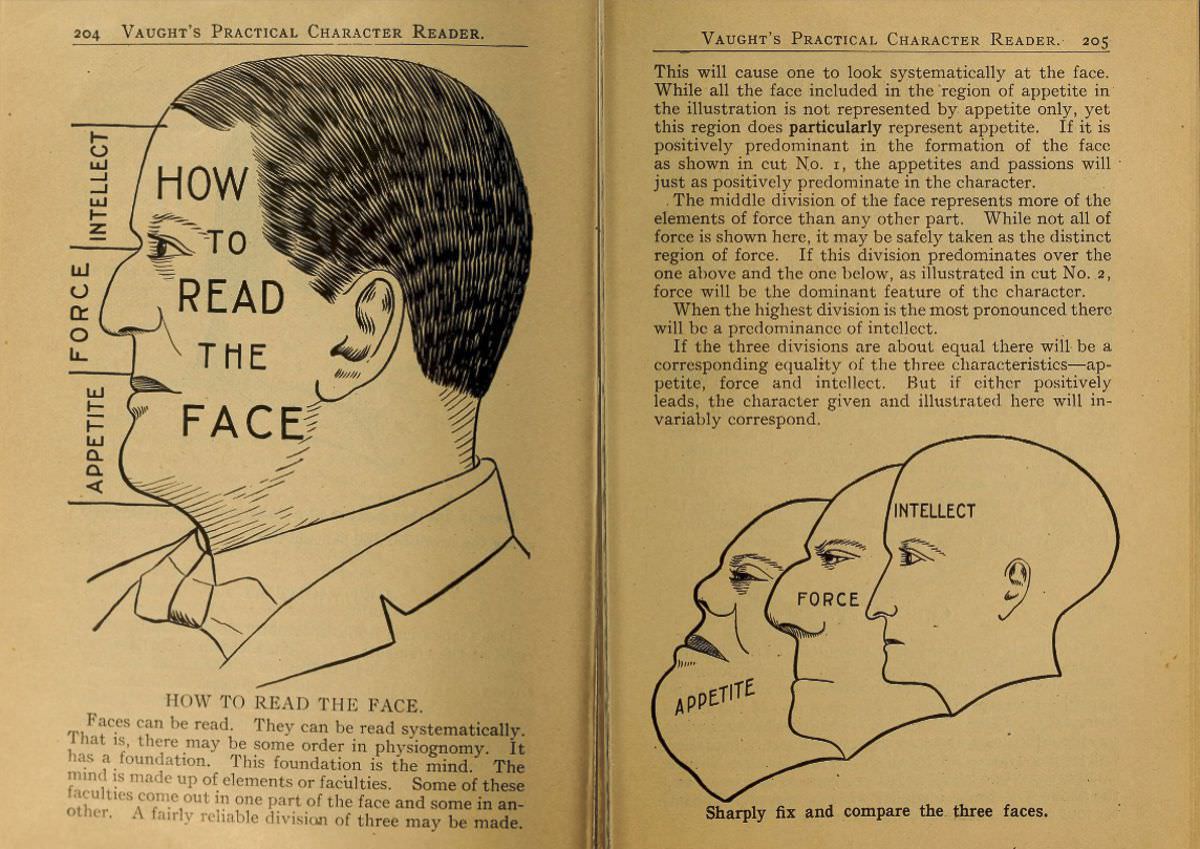
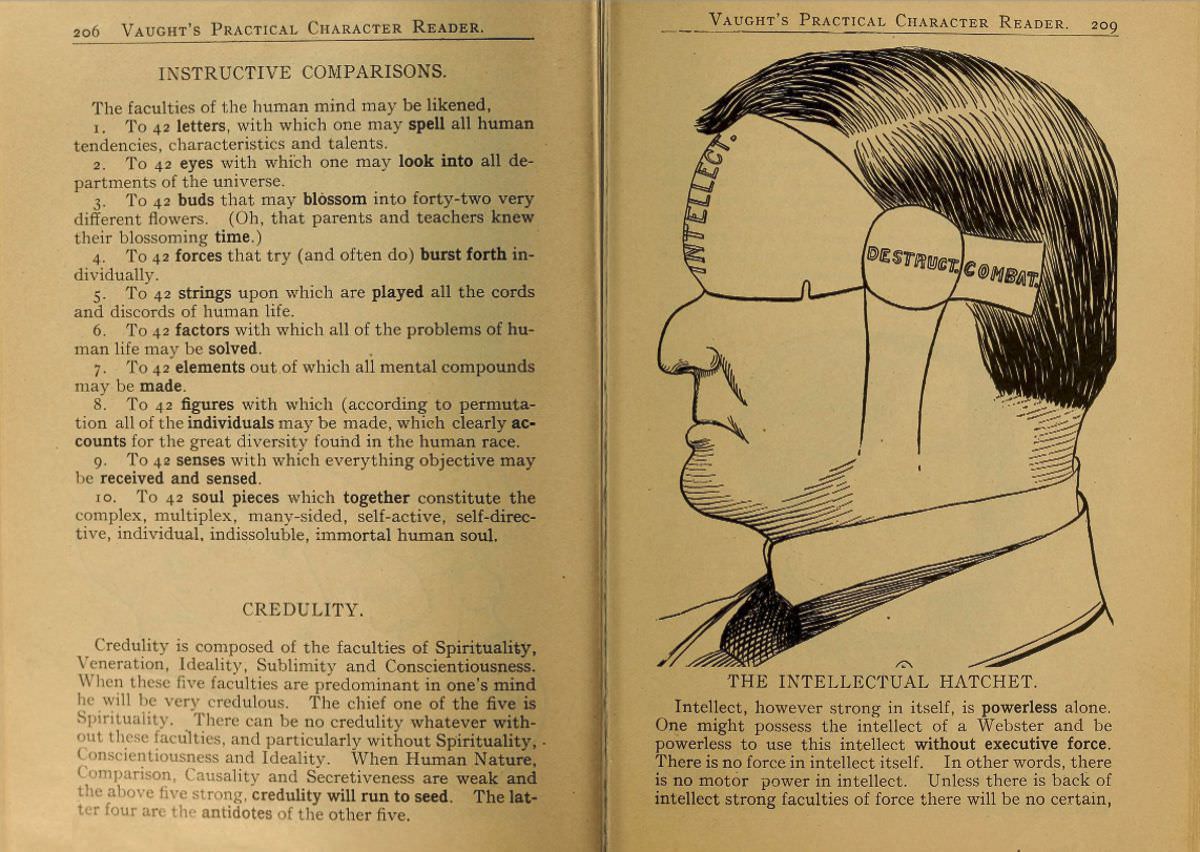
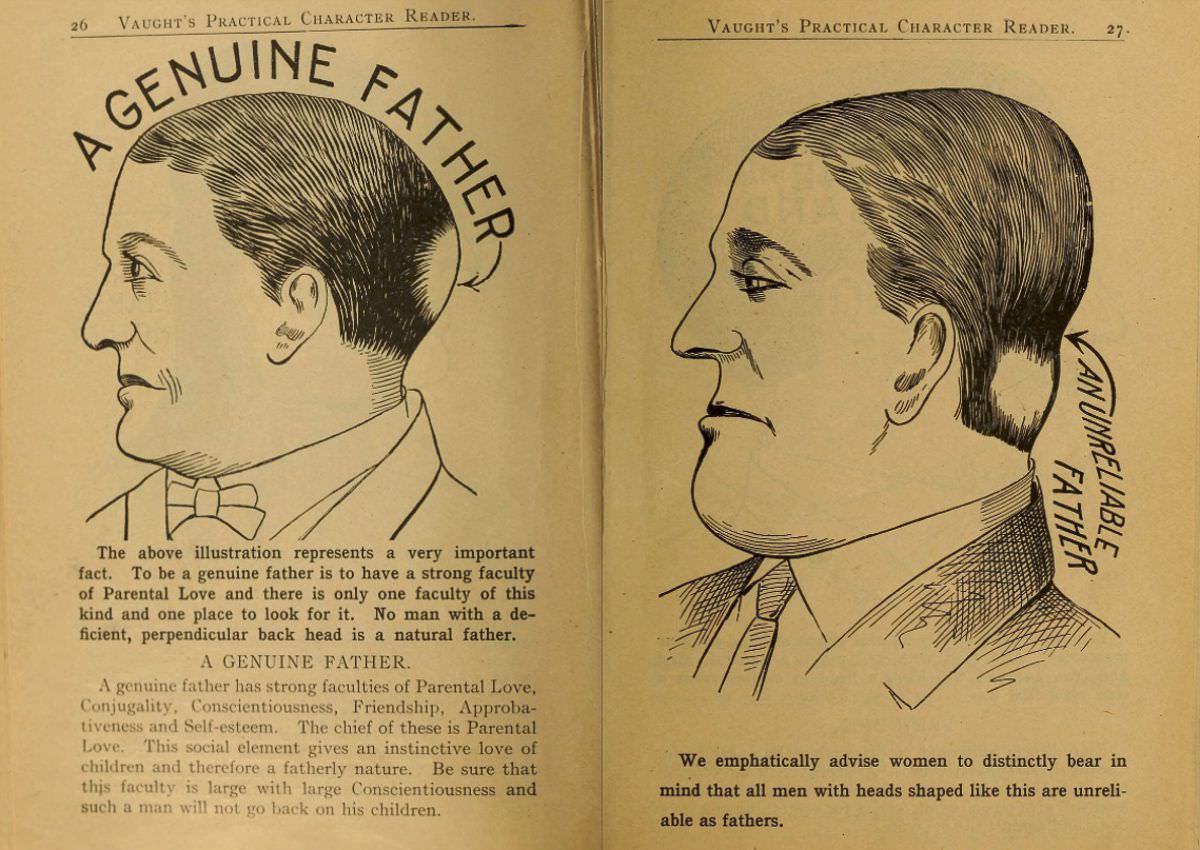
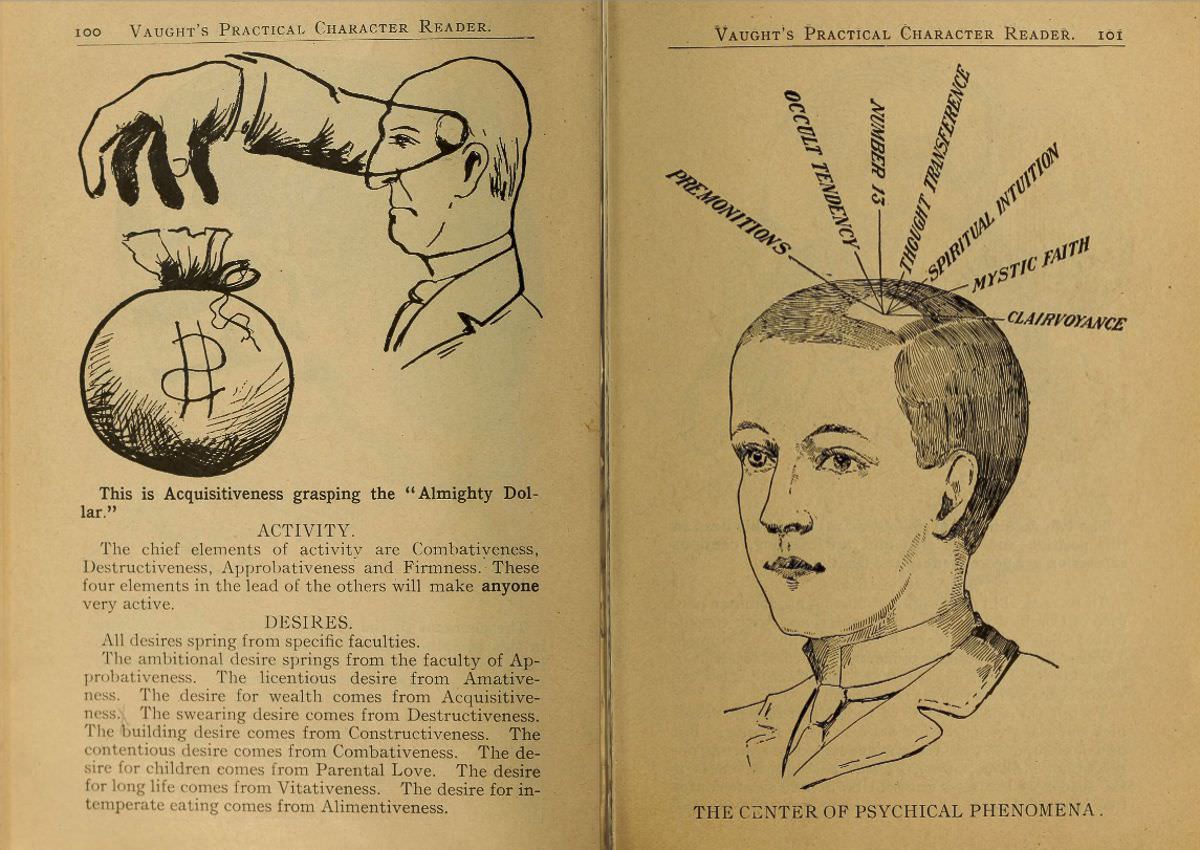
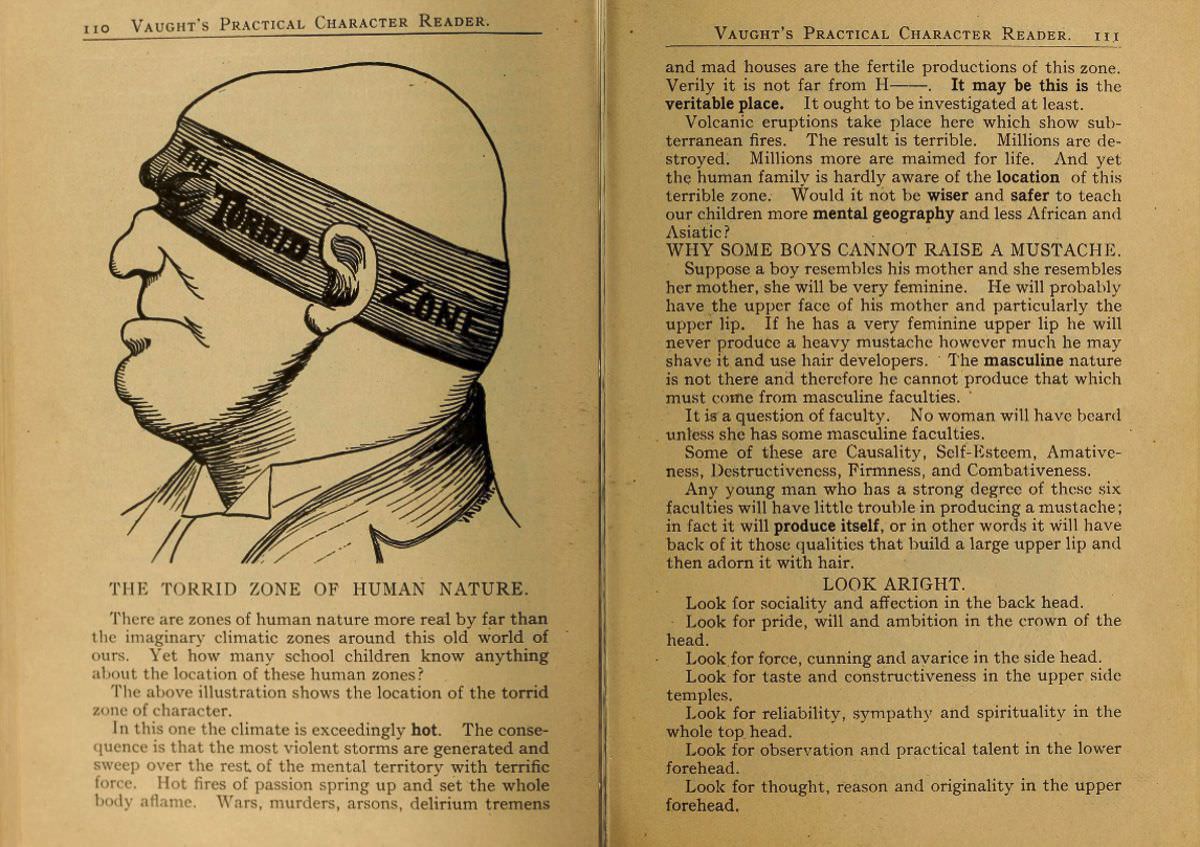
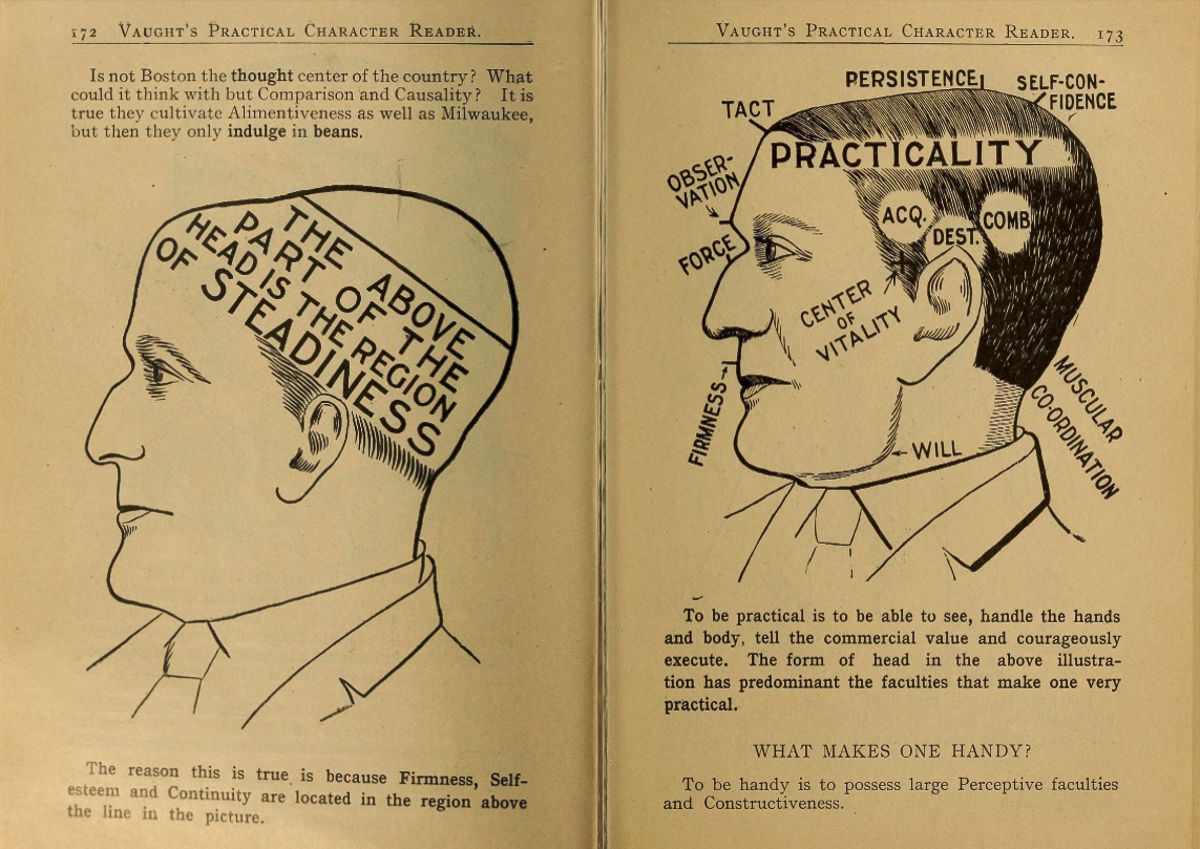
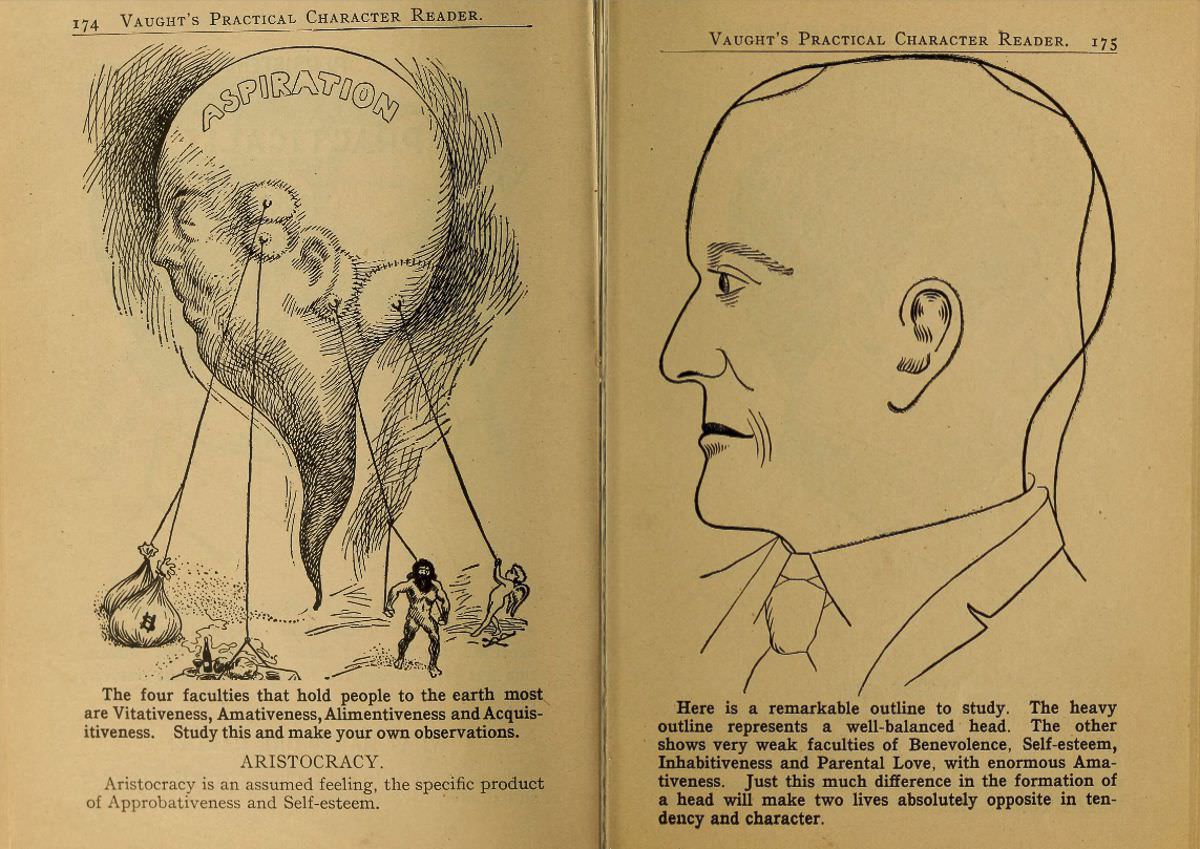
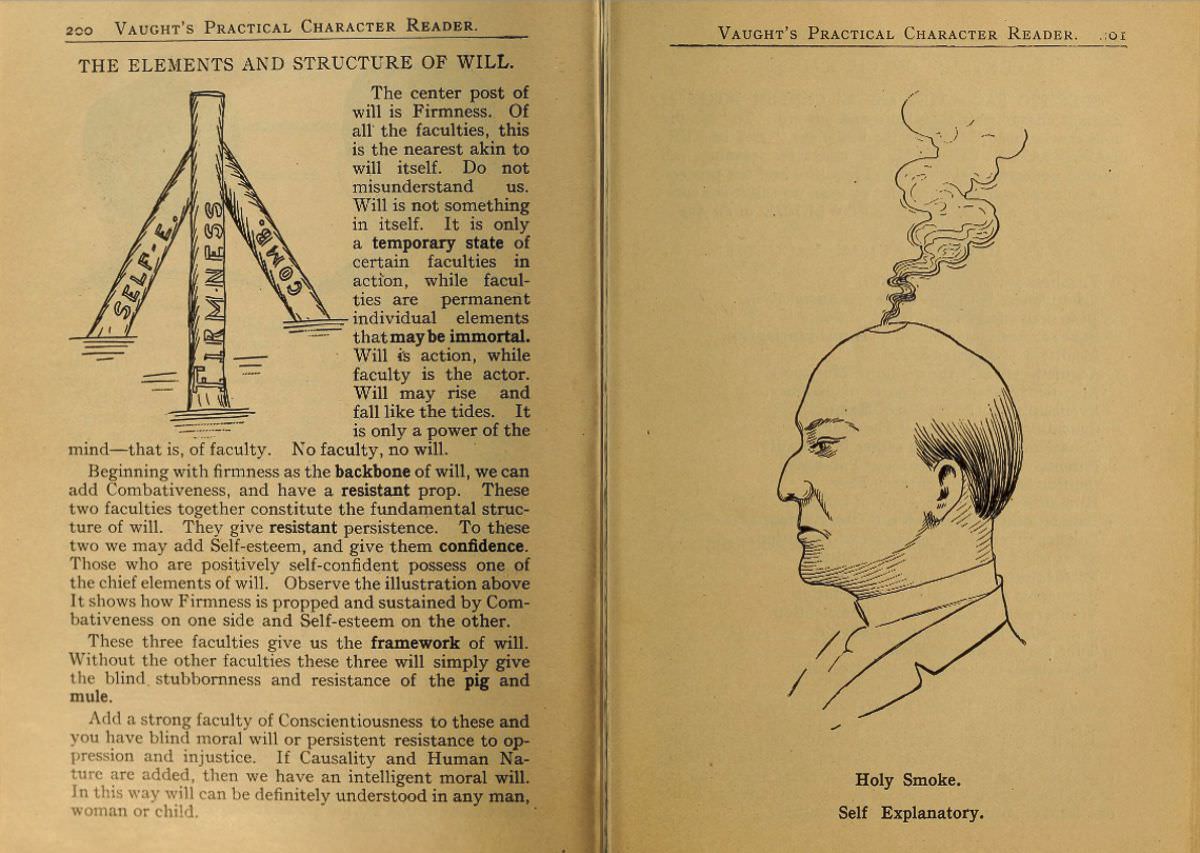
The book covered 42 distinct elements of human nature. These ranged from traits like acquisitiveness and generosity to amativeness — a term used to describe the capacity for romantic love — and even physical characteristics like weight. Each element was mapped to a specific region of the skull or a visible feature of the face. Diagrams and illustrations appeared throughout the book, showing readers exactly which bumps and contours supposedly revealed which personality traits. The visual style was thorough and confident, presenting fringe theory as established fact.
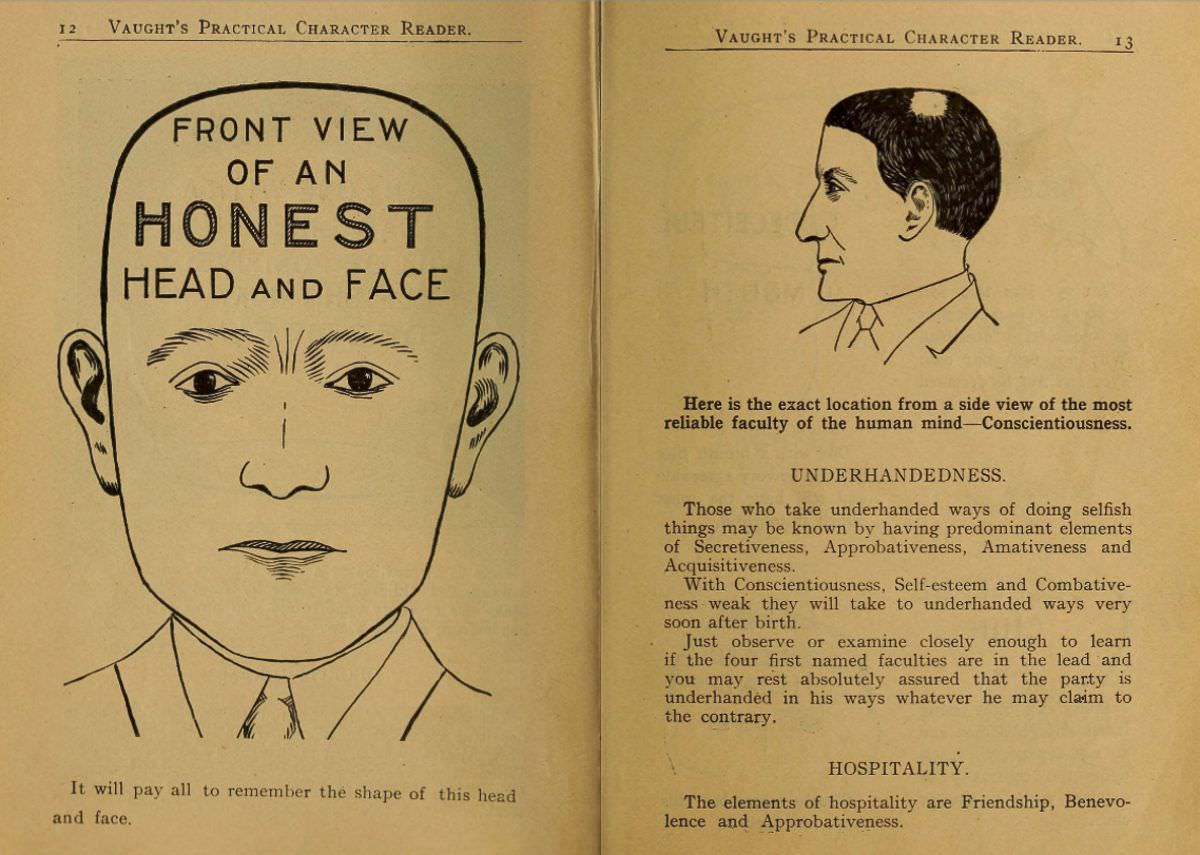
Phrenology itself was not new by 1902. German physician Franz Joseph Gall developed the discipline in 1796, and it reached peak popularity in the early 19th century, particularly between 1810 and 1840. Gall believed the brain was made up of 27 distinct organs, each one responsible for a specific personality trait or mental ability. He argued that 19 of these organs also existed in other animal species. The core idea was that the brain is the organ of the mind, and that different regions of the brain handle different functions — a concept that has genuine scientific grounding. The problem was what phrenologists built on top of that foundation.
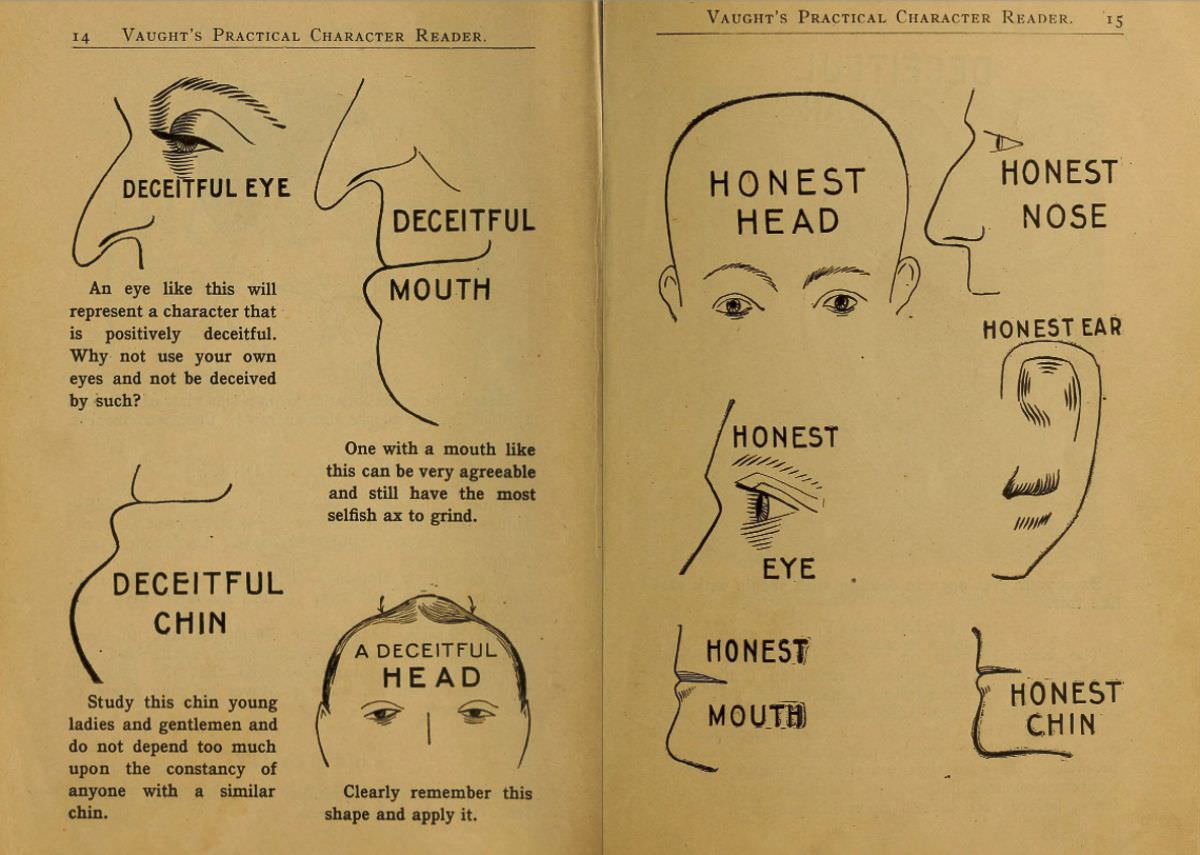
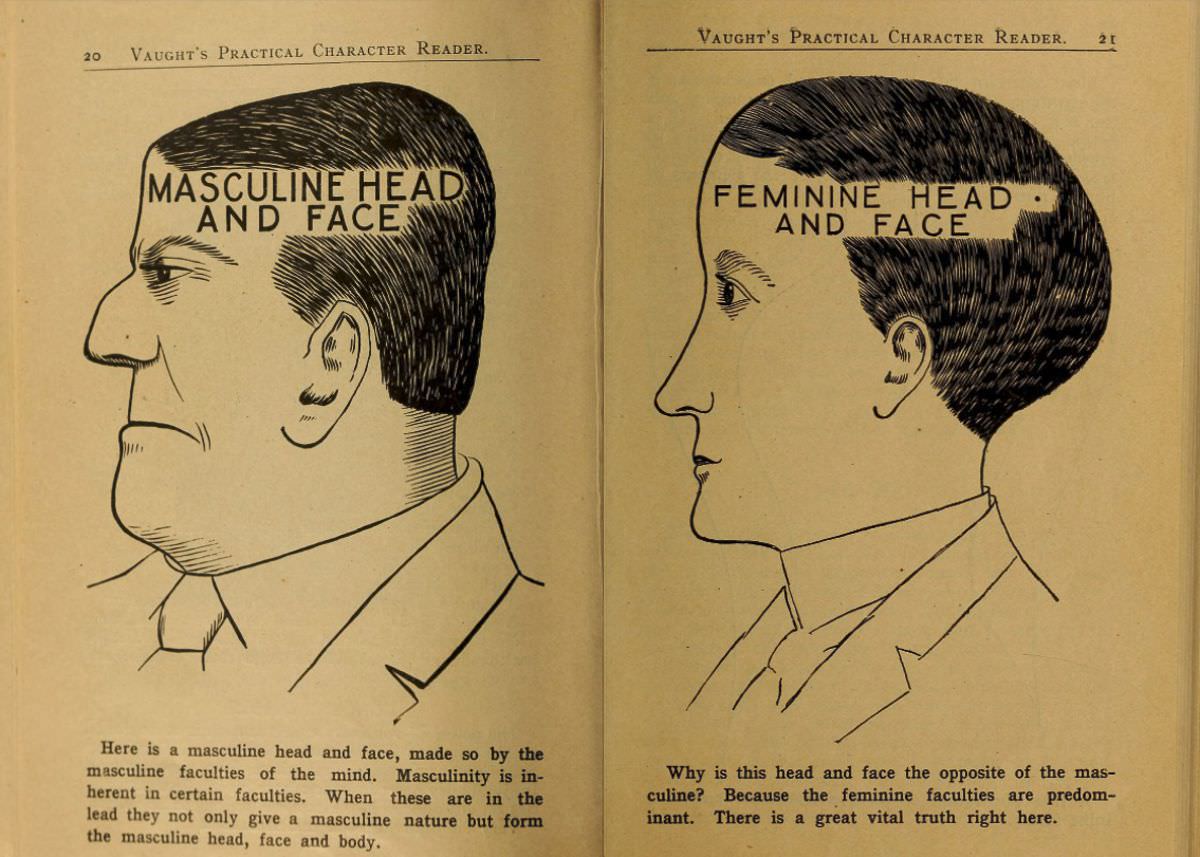
The leap phrenologists made was this: if a particular brain region is used more often, it grows larger — much like a muscle. A larger brain region, they argued, creates a visible bump on the outside of the skull directly above it. Conversely, an underused region stays small, leaving a flat or indented surface. From this, phrenologists concluded that a trained examiner could assess a person’s entire personality simply by running their hands over their skull and mapping what they felt. In practice, a phrenologist would use their fingertips and palms to feel for enlargements and indentations across the cranium.
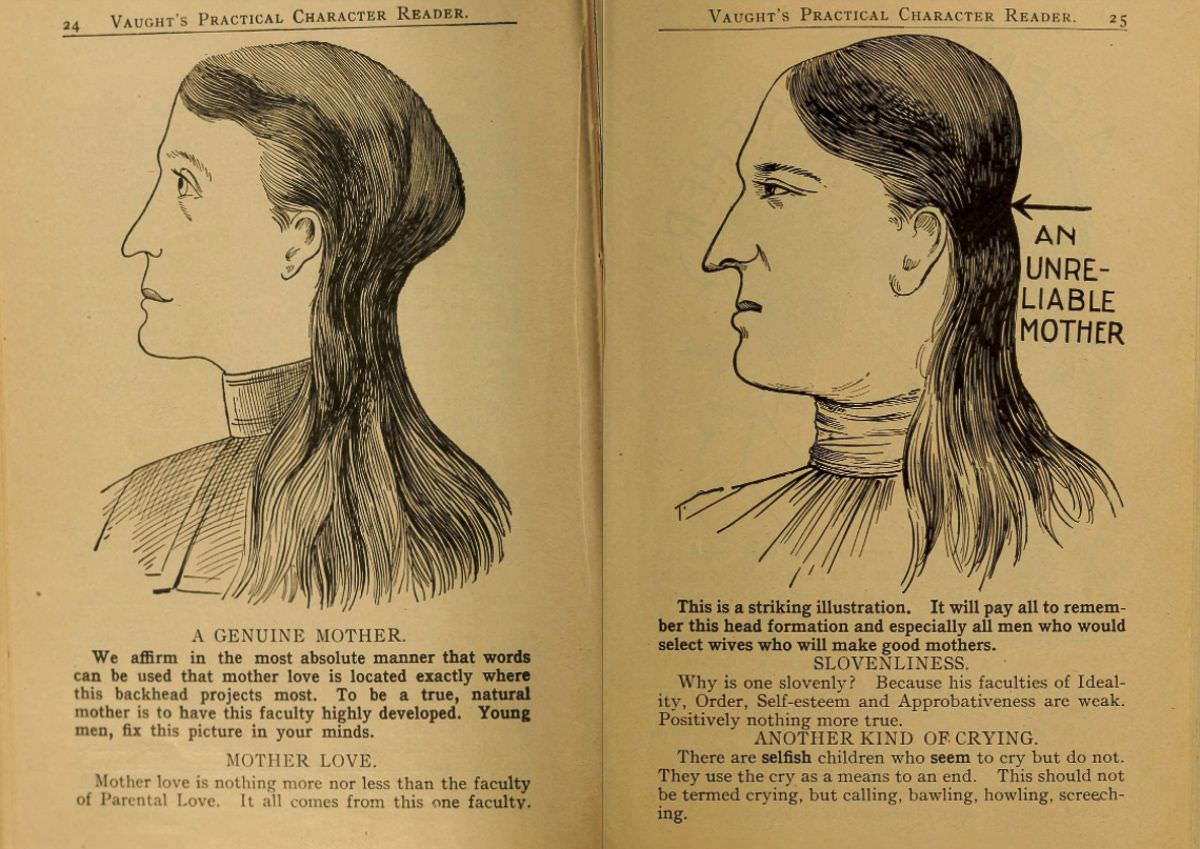
For a more formal examination, practitioners used a tape measure to record the overall size of the head. In some cases, they used a craniometer — a specialized type of caliper designed to take precise measurements of the skull’s dimensions. These tools gave the process an air of scientific rigor. In 1820, the Edinburgh Phrenological Society was established as the leading British center for the field, further lending it institutional credibility. Phrenology had its own journals, societies, and lecture circuits on both sides of the Atlantic.
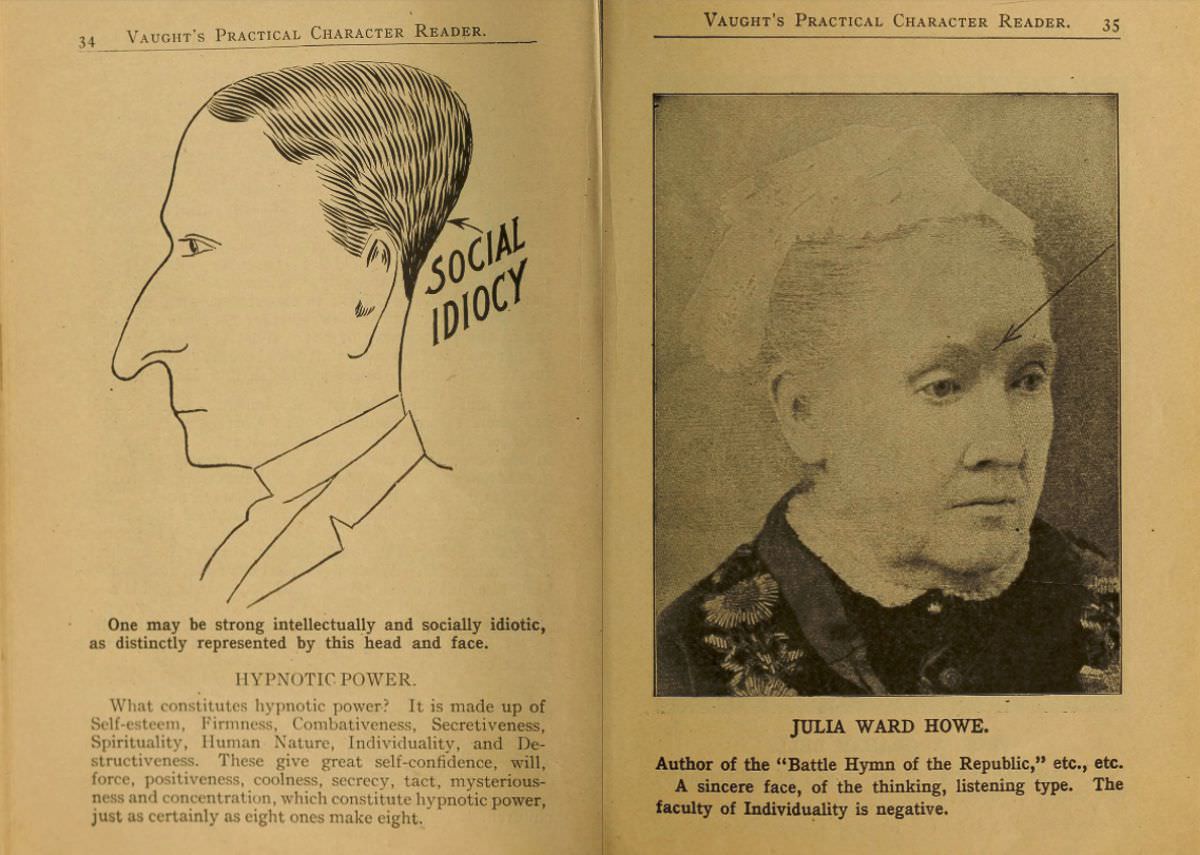
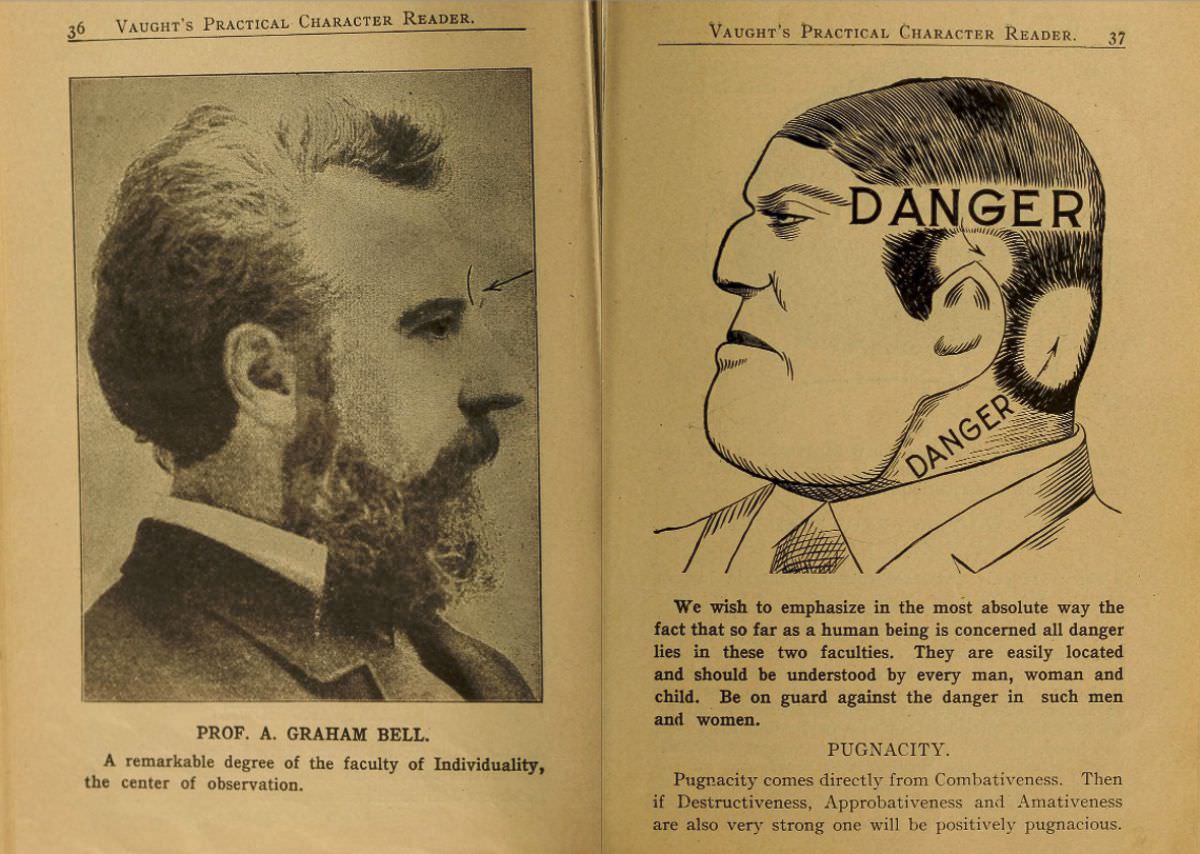
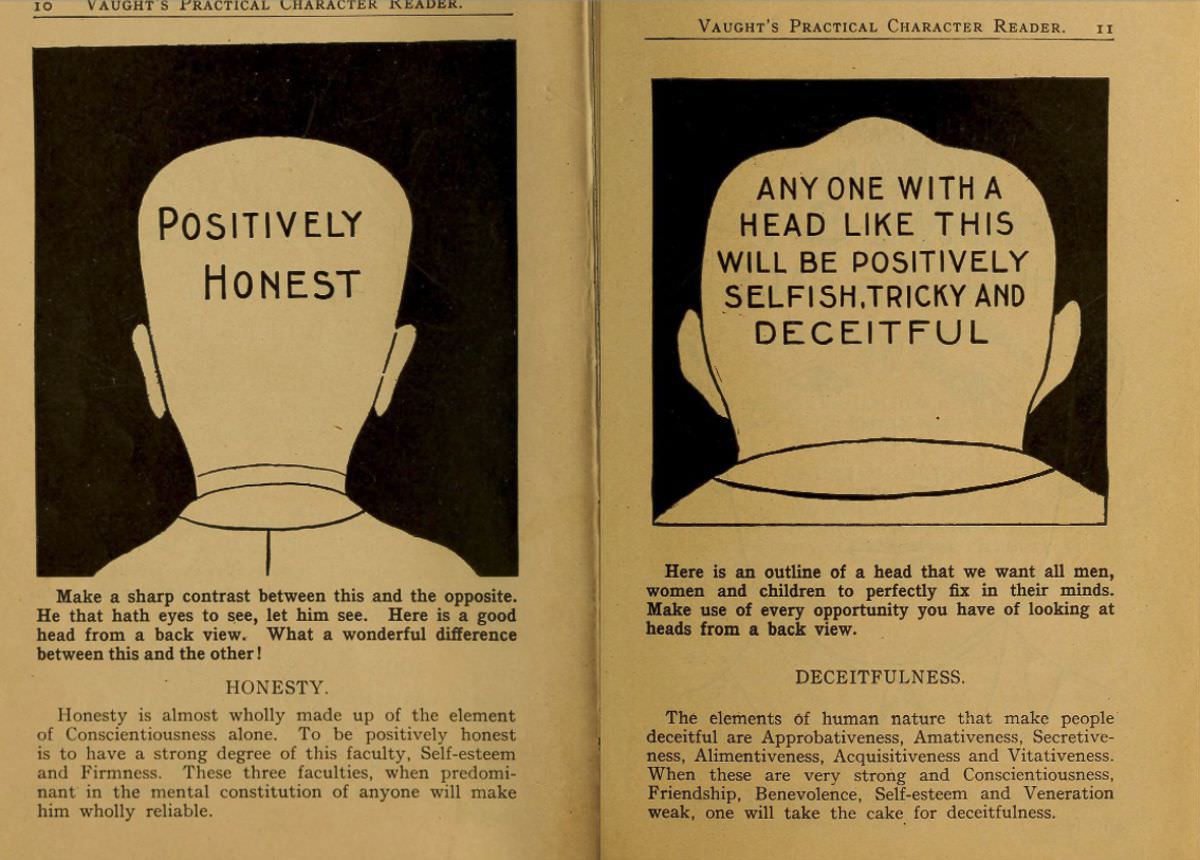
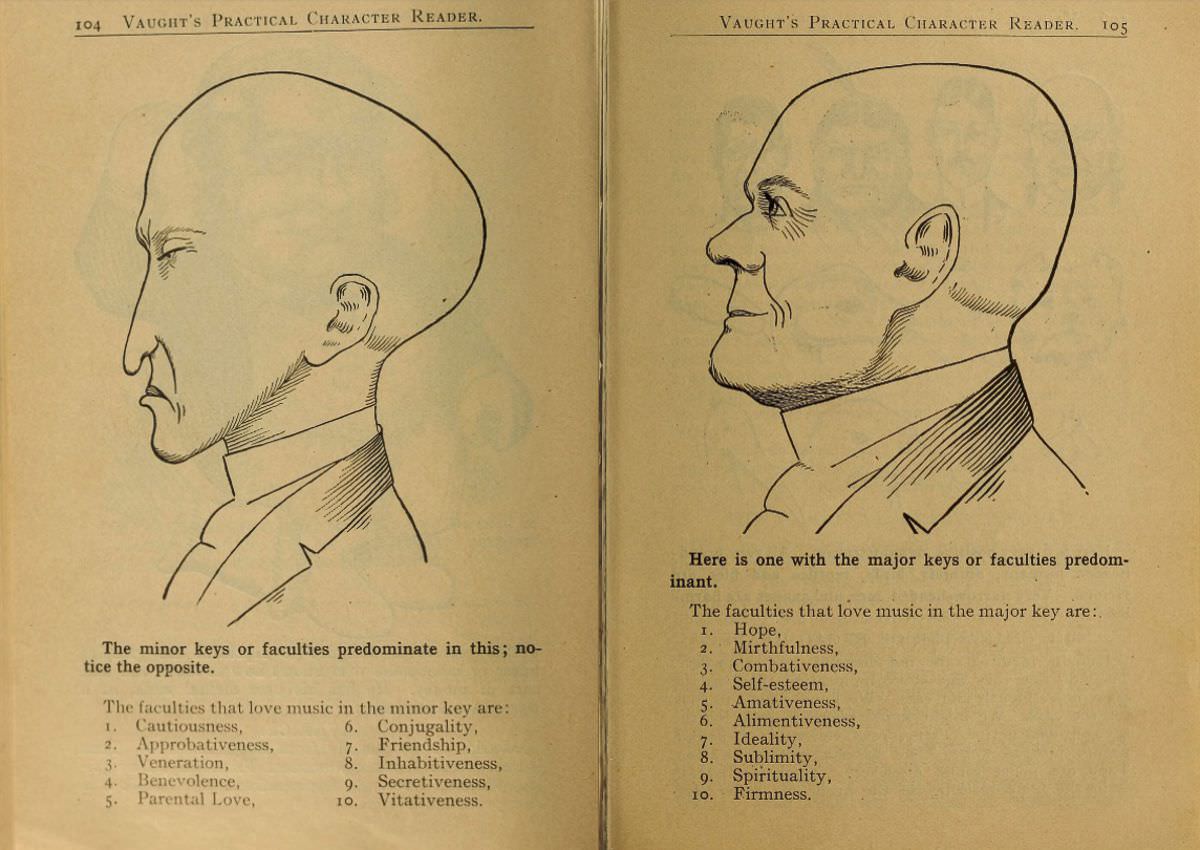
Vaught’s 1902 book was part of a broader tradition within phrenology of using photographs and drawings of real individuals to illustrate specific traits. A person photographed as an example of high acquisitiveness would be shown alongside annotations pointing to the relevant region of their skull or face. This method was standard in phrenology publications. The theory held that the skull fits around the brain’s shape the way a glove fits a hand — so measuring the outside of the skull was considered just as informative as examining the brain directly.
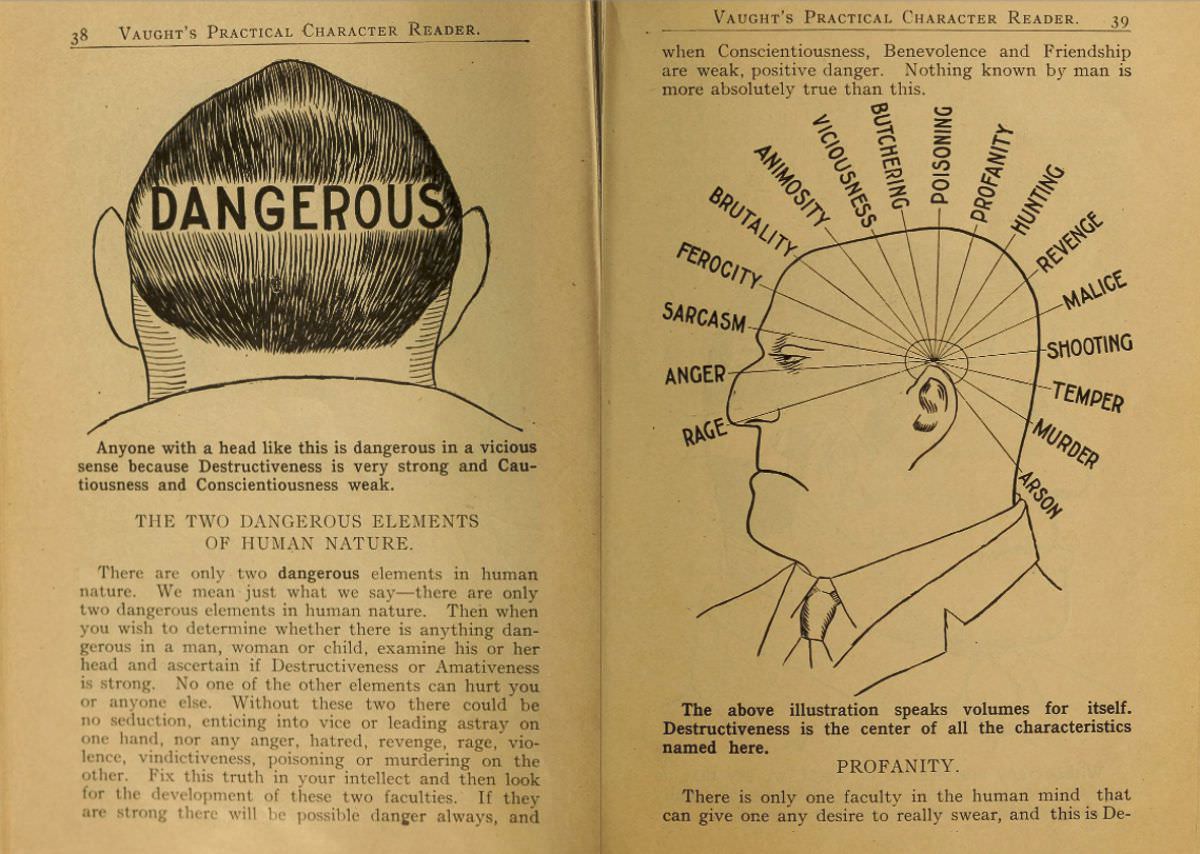
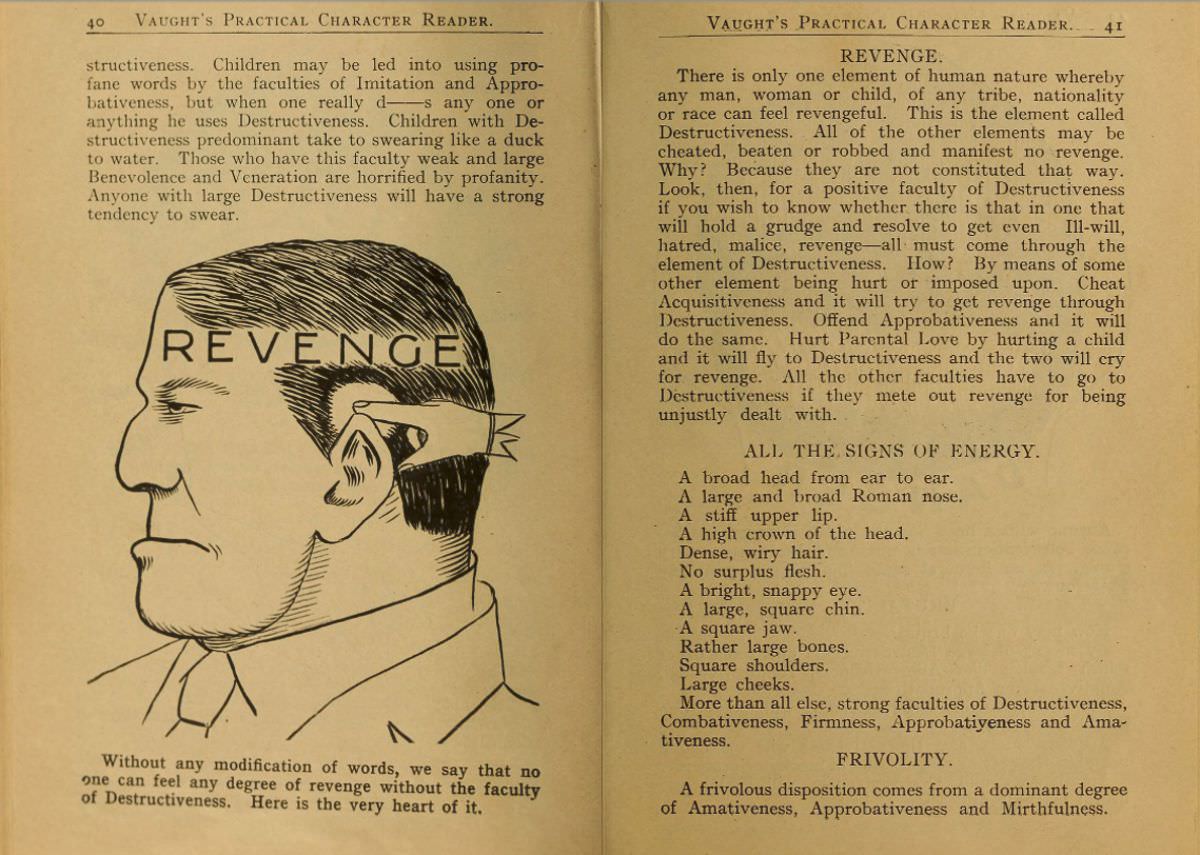
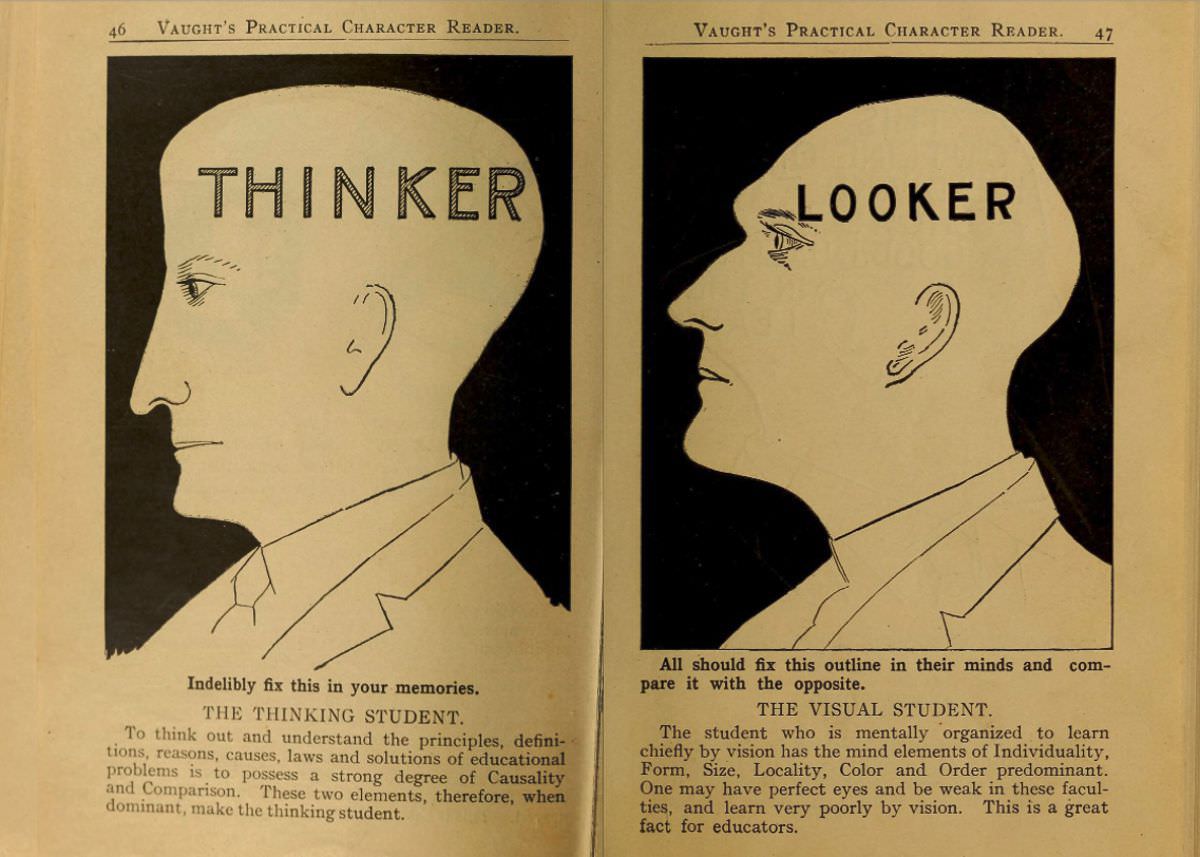
Phrenology is distinct from physiognomy, though the two are often confused. Physiognomy focuses on facial features — the shape of the nose, the set of the eyes, the jawline — as indicators of character and intelligence. Phrenology focuses specifically on the skull’s contours. Vaught’s book drew on both traditions, treating the face and head together as a readable map of the inner person. Each element of nature discussed in the book had its own corresponding physical marker, and readers were guided on how to find and interpret these markers in themselves and others.
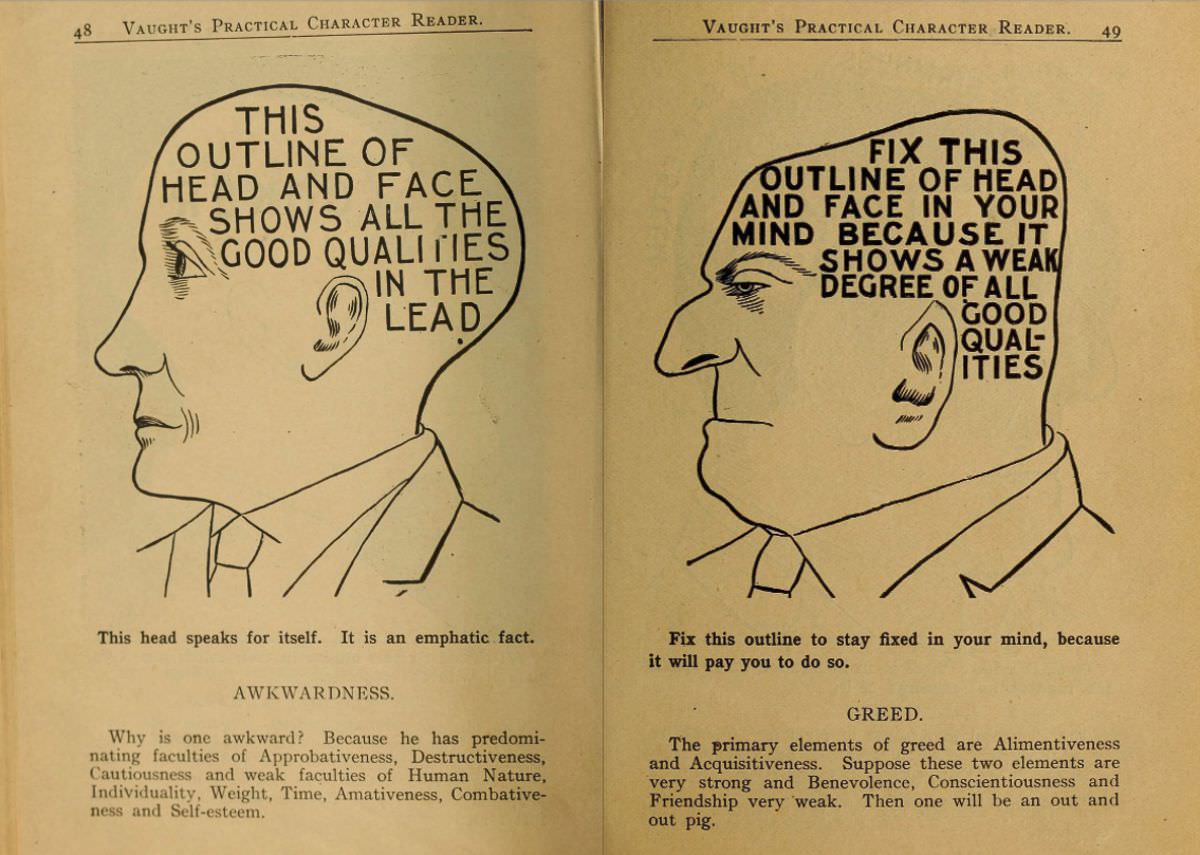
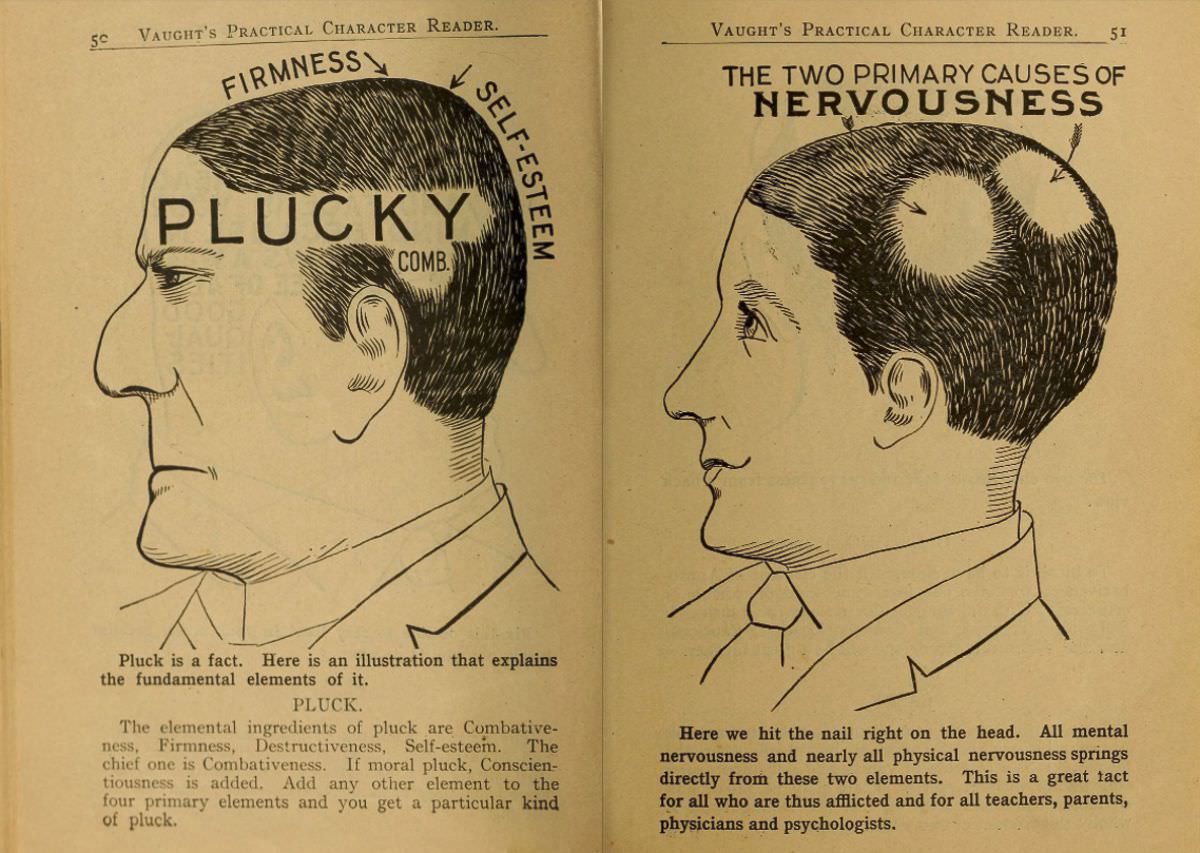
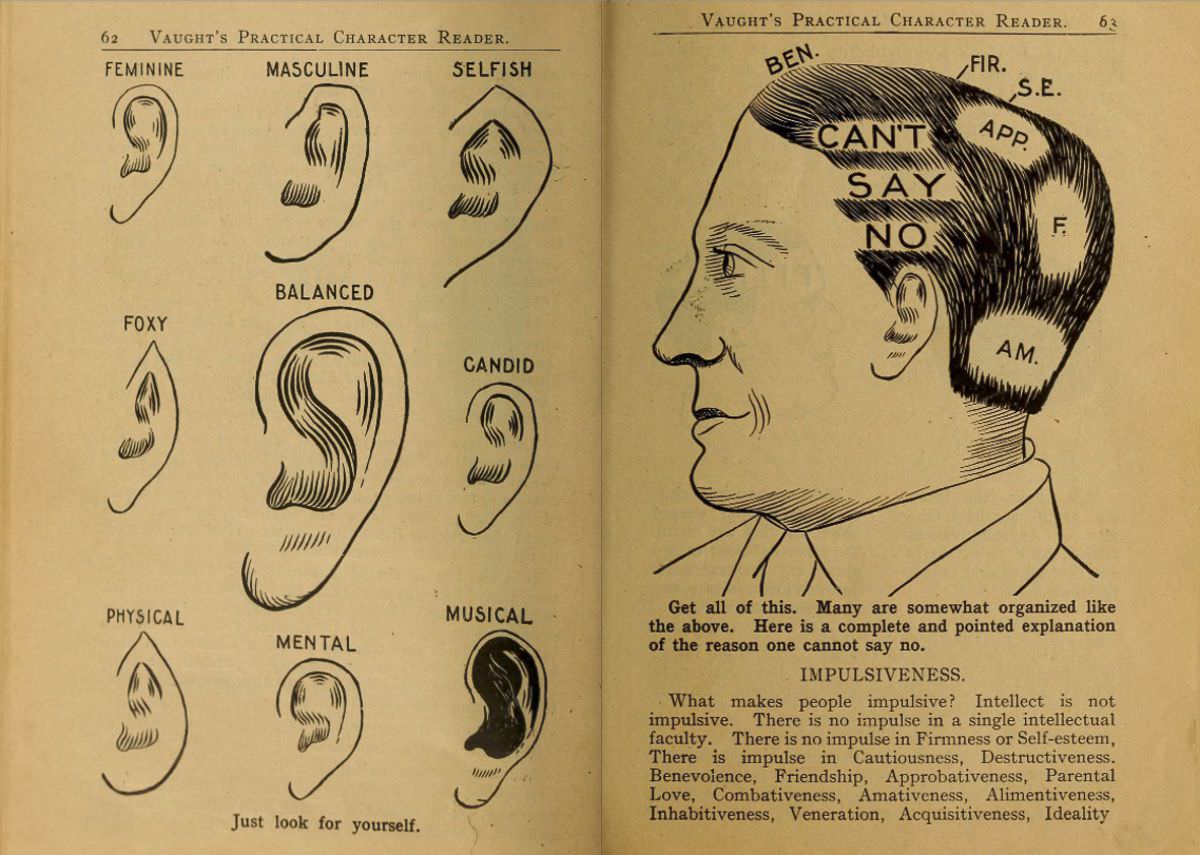
By the time Vaught published his book, mainstream science had already begun moving away from phrenology. Empirical research had repeatedly failed to confirm the link between skull shape and personality. The brain does not press outward on the skull in a way that creates readable bumps tied to mental traits. The skull’s shape is determined by bone development, not by the particular use of brain regions. Despite this, phrenology books continued to be printed and sold well into the 20th century, and Vaught’s publication found a wide enough audience to sustain it.
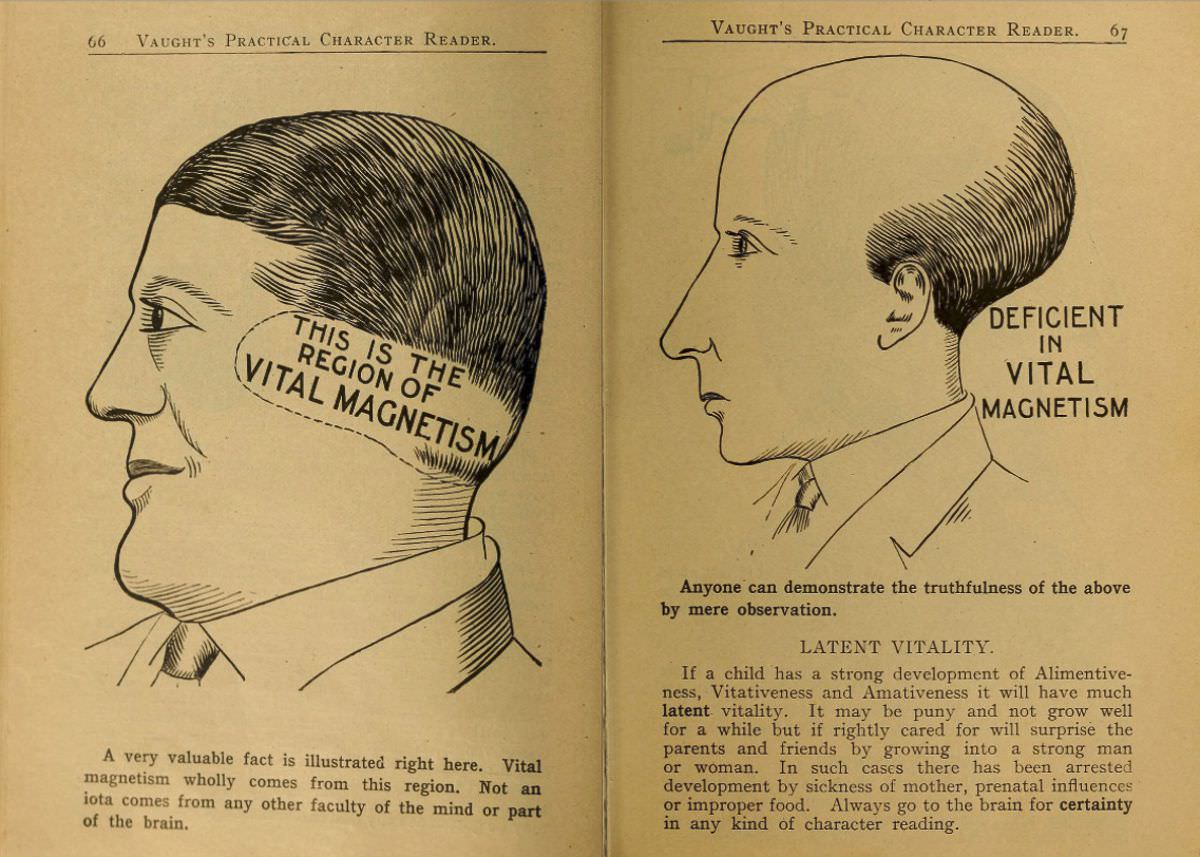
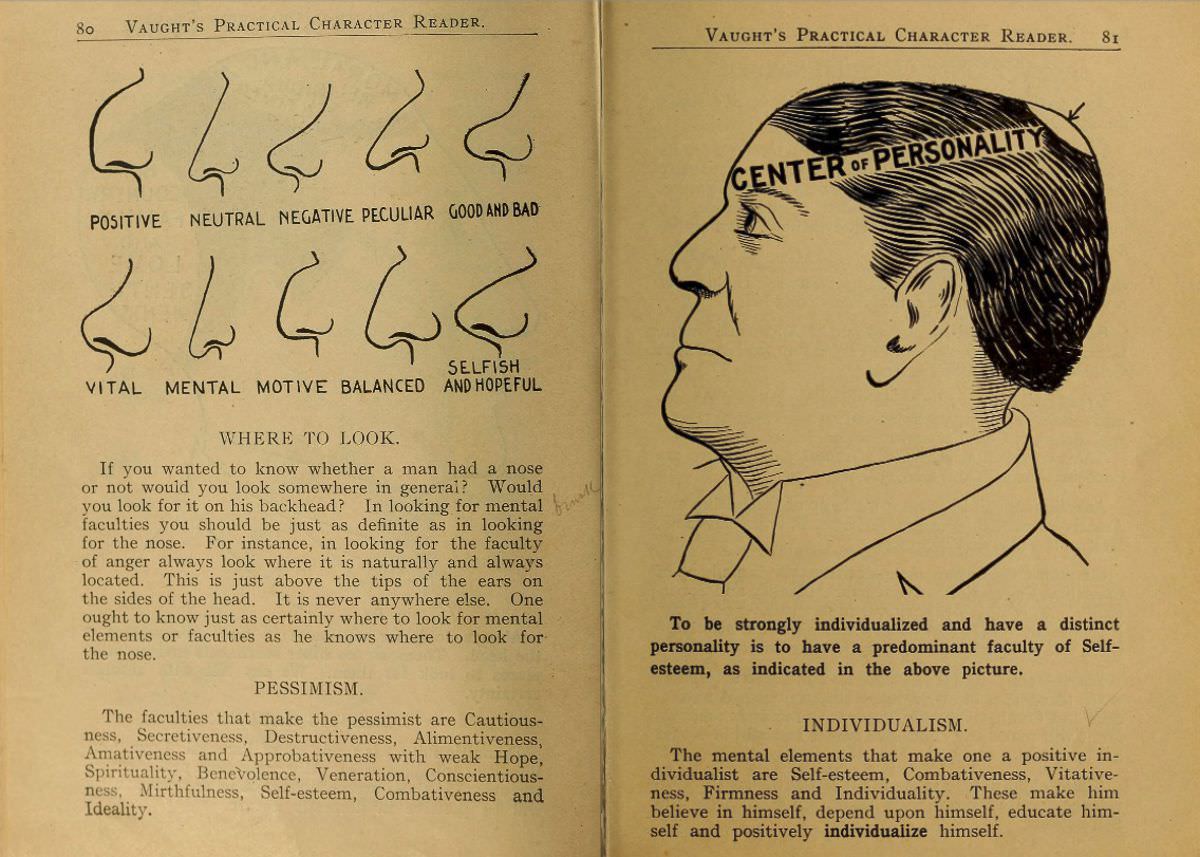
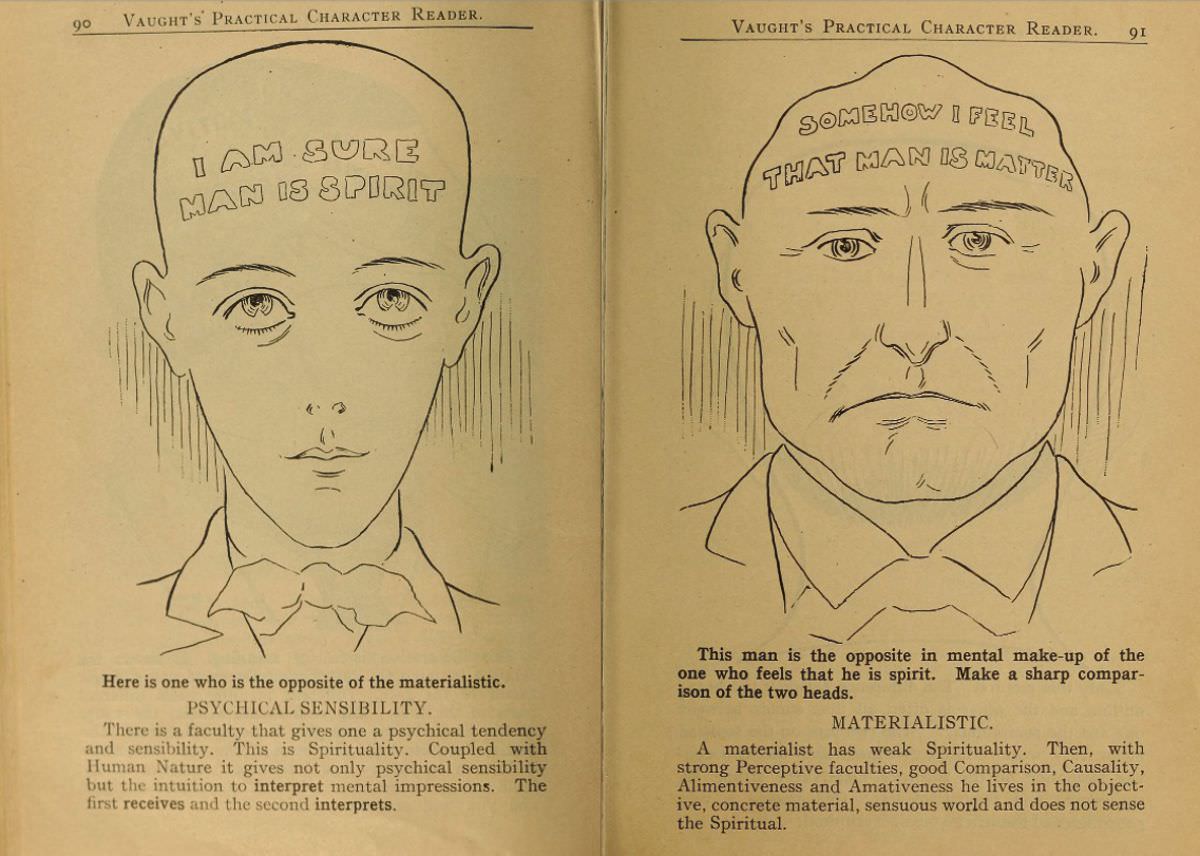
The book’s confidence is striking when read today. There is no hedging, no acknowledgment of uncertainty. The examinations have been done, the observations tallied, the conclusions drawn. Readers are invited to verify the claims themselves, with the assurance that any honest, unbiased person will arrive at the same results. This framing was common in pseudoscientific literature of the era — presenting subjective interpretation as objective, repeatable fact.
The craniometer and tape measure continued to be used in anthropology and medicine even after phrenology itself fell out of favor — though stripped of the personality-reading claims. What remained of the practice in legitimate science was purely physical measurement, detached from any theory about brain function or character. The tools outlasted the theory that drove their original use.
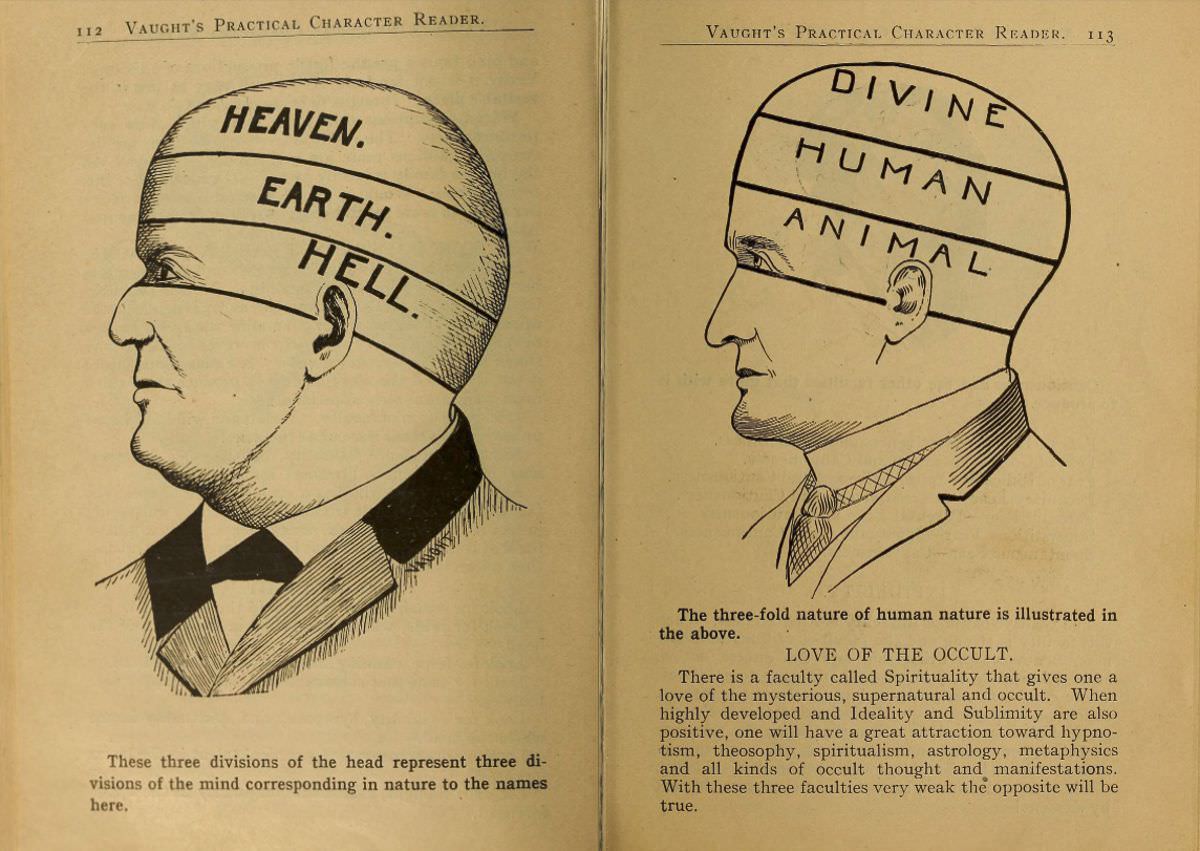
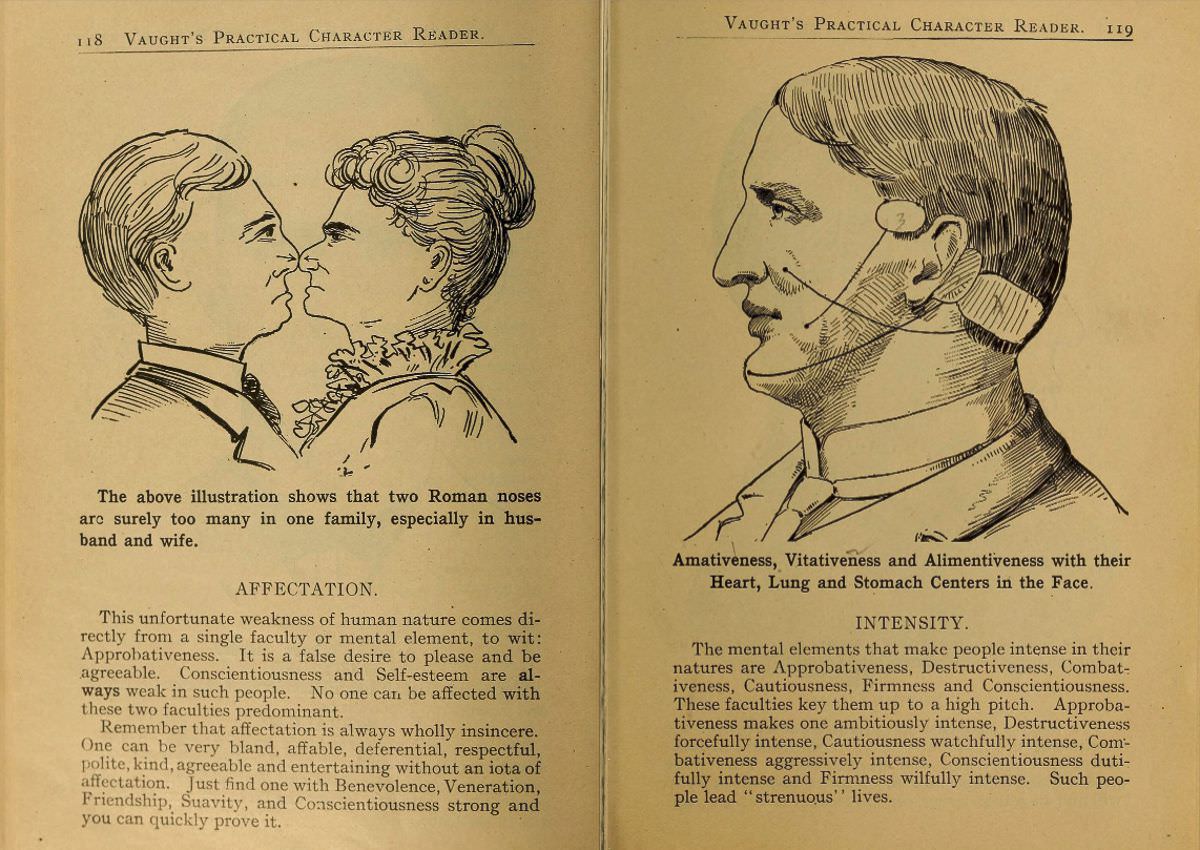
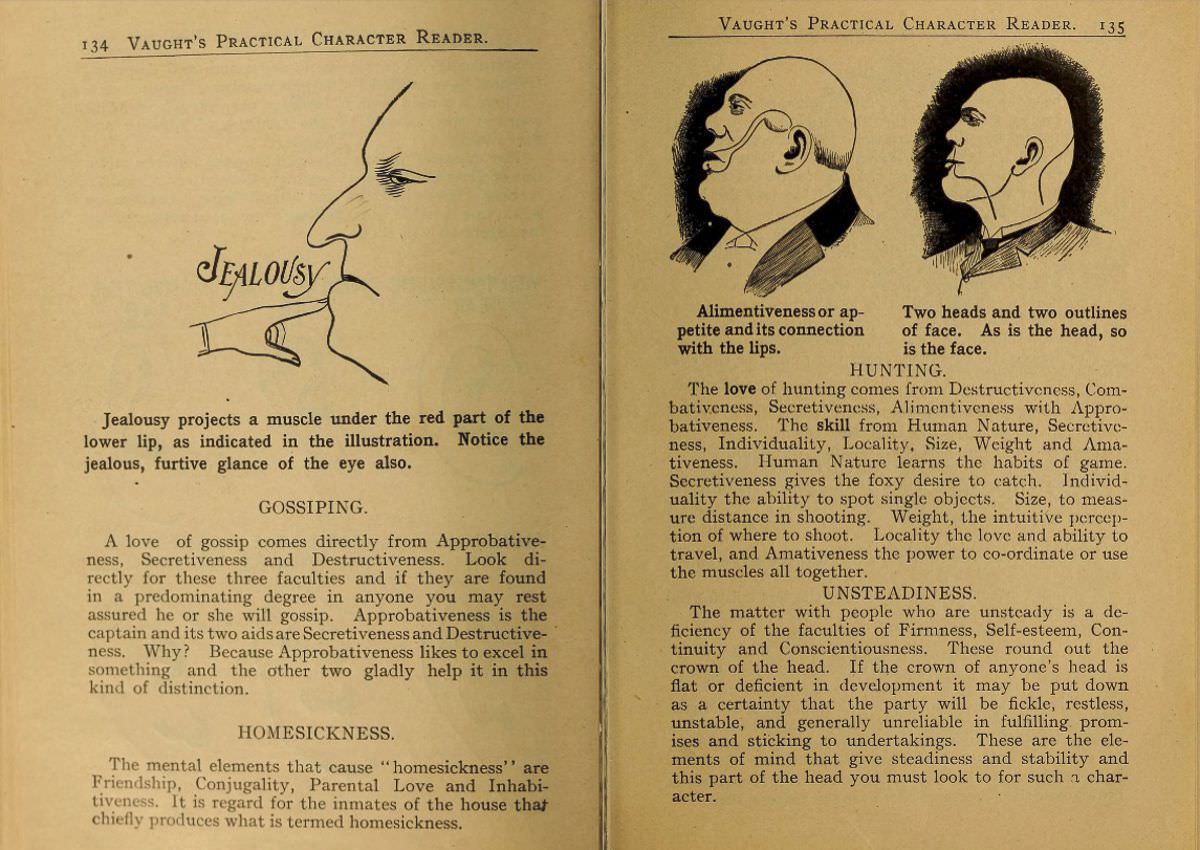
The illustrations in Vaught’s book are detailed and plentiful. Each depicted person was chosen to represent a specific trait or combination of traits, and the illustrations were arranged to make the theory look visually obvious. A face labeled as showing high generosity sits alongside one labeled as showing low generosity, with annotations pointing to the specific features that supposedly set them apart. The approach was designed to make the reader feel they were learning something they could apply immediately in daily life.
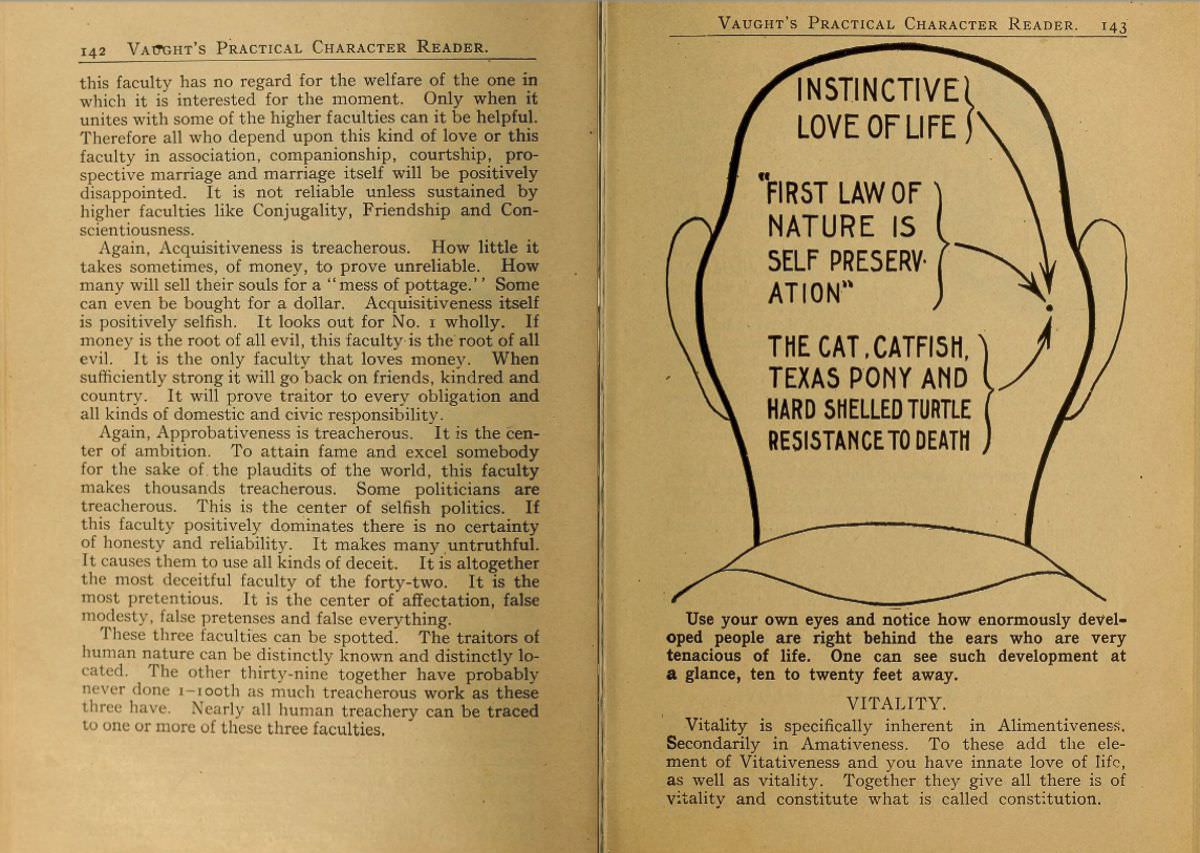
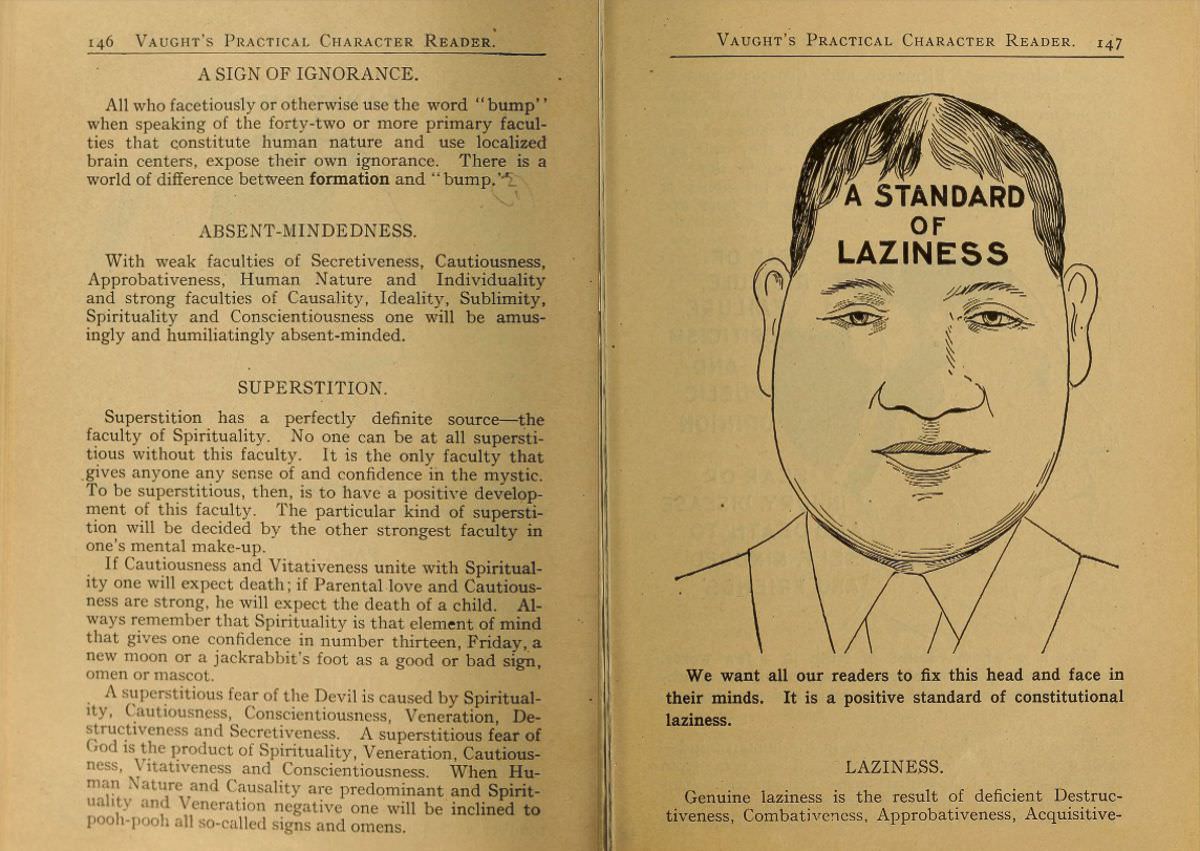
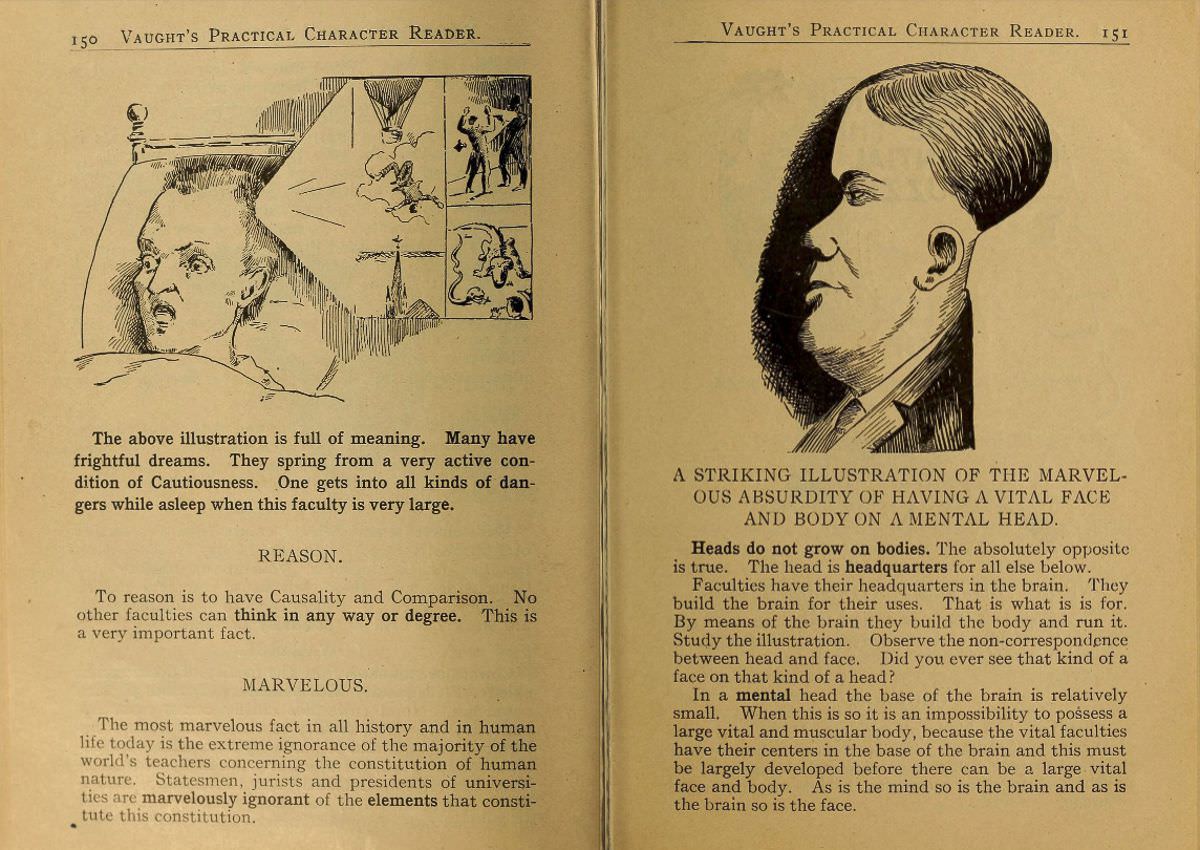
Each of the 42 elements of human nature in the book had its own section, its own diagrams, and its own set of physical indicators. Readers could work through the material systematically, learning first what each trait meant in behavioral terms, then how to identify it physically. The structure made the book feel like a practical manual rather than an abstract theory text. This format — accessible, illustrated, and action-oriented — helped phrenology books reach a broad popular audience well beyond academic circles.
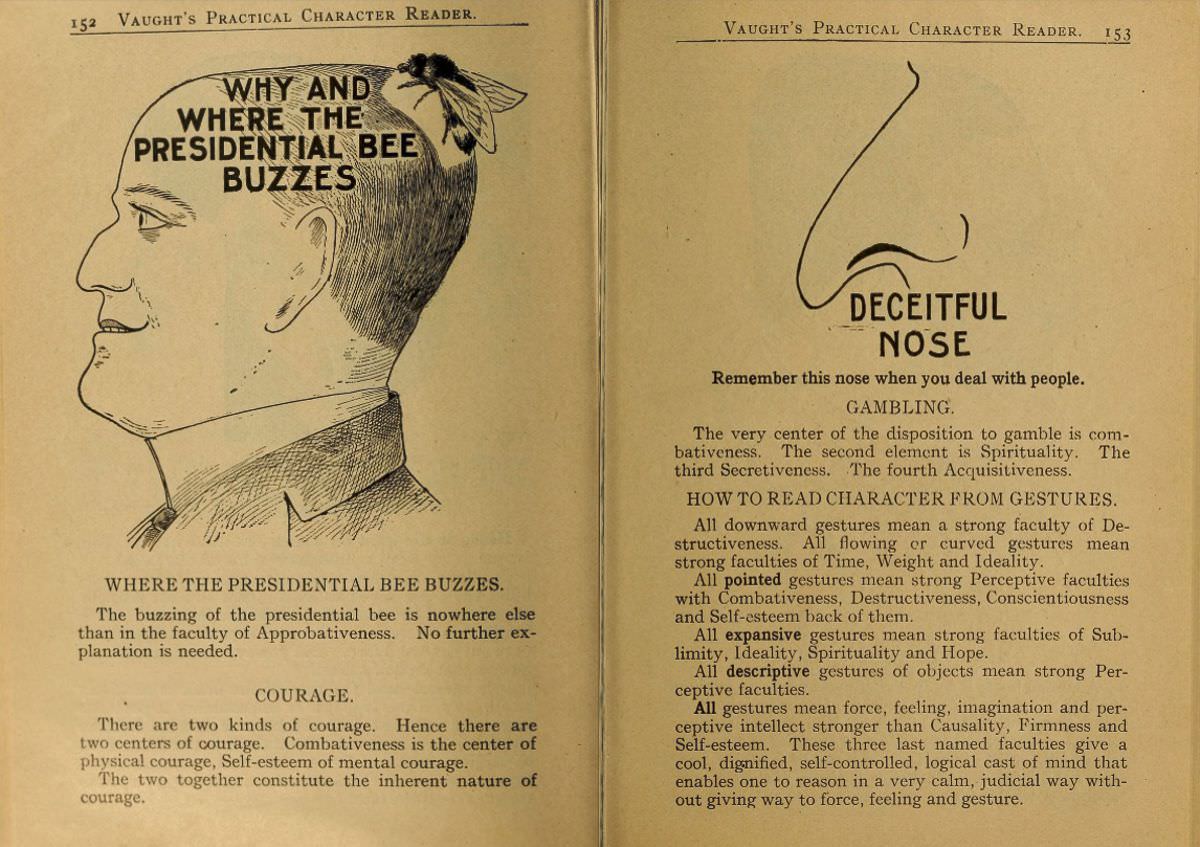
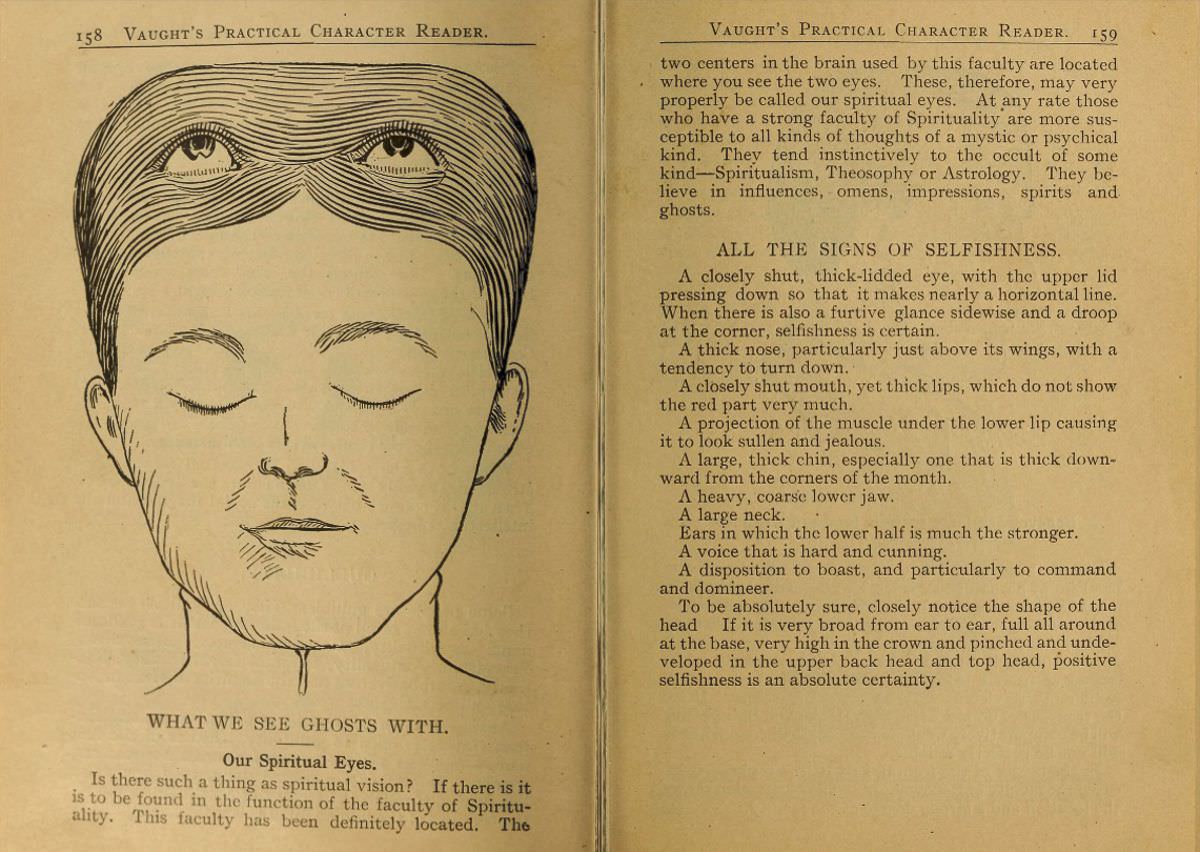
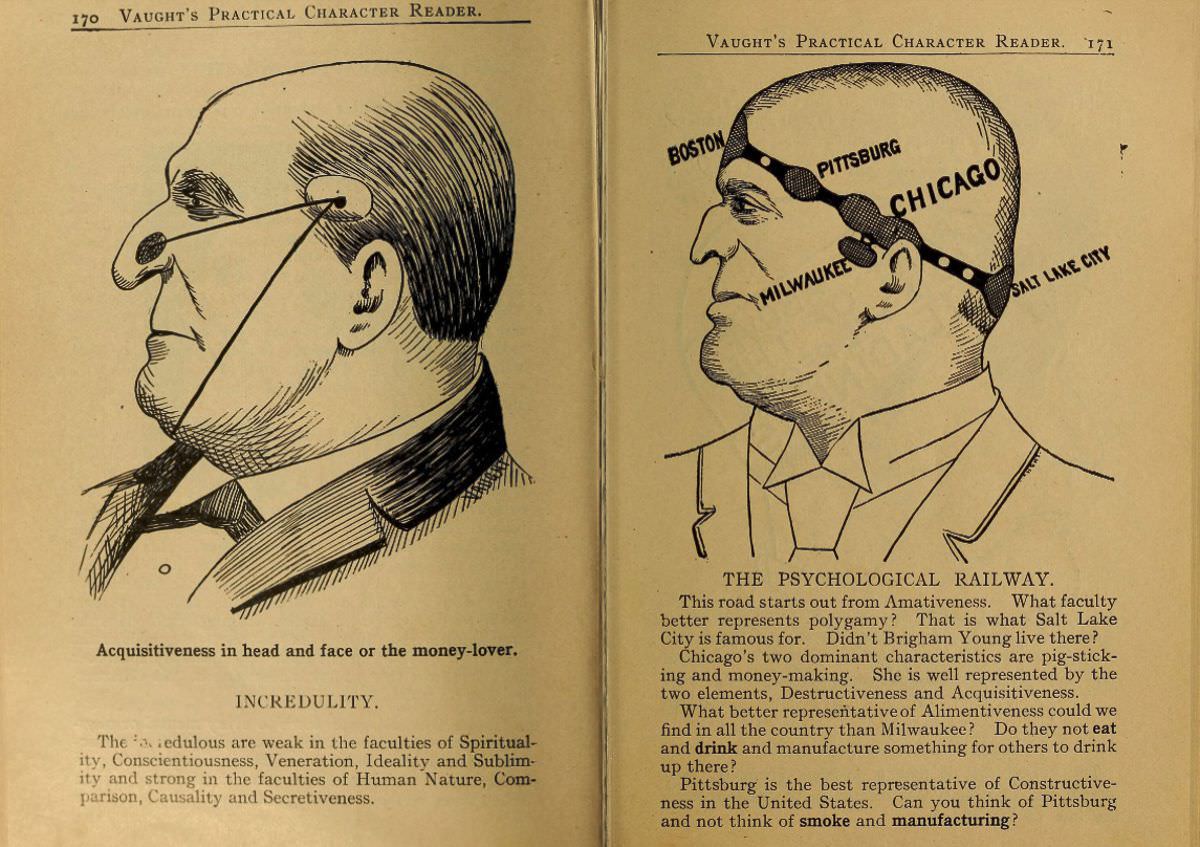
Vaught’s work sits at an interesting point in history — published more than a century after Gall first outlined the theory, yet decades before phrenology fully disappeared from public life. By 1902, the scientific community largely dismissed it, but popular interest remained strong. Books like Vaught’s kept the practice alive in parlors, lecture halls, and self-help circles. People used them to analyze friends, employers, and strangers on the street, convinced that the shape of a forehead or the position of a bump behind the ear told them something true and useful about the person in front of them.
The photographs and diagrams spread throughout the book serve as its primary evidence. They were not ornamental — they were the argument. Each image was meant to show the reader that the theory worked in practice, that real human faces and skulls bore out the predictions the text made. This reliance on visual proof, combined with the claim of tens of thousands of examinations, gave the book a persuasive structure that was hard to argue against without scientific training. For most readers in 1902, the combination of numbers, images, and confident prose was enough.