Hey There! Before You Go. 😧
Get the best vintage content straight into your inbox!

Don't worry, we don't spam

Celebrating Winter in Italy: A Cultural Journey Through Time, 1930s-1970s

From the 1930s to the 1970s, winter in Italy looked very different depending on where you lived and what decade it was. For rural families in the 1930s and 1940s, the cold months brought real hardship. Heating was scarce, food was limited, and survival shaped daily life more than leisure did. City dwellers faced their own struggles — cramped housing, little fuel, and long gray days with few comforts.
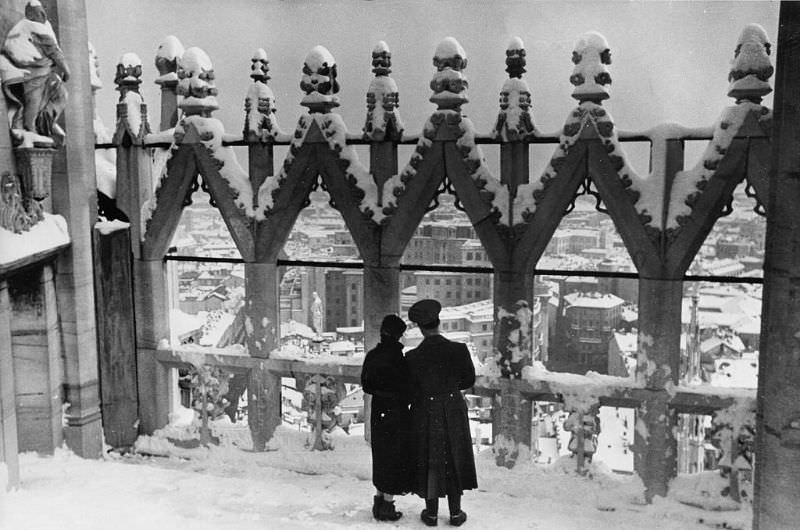
View from Cathedral in the winter, Milan, 1934.

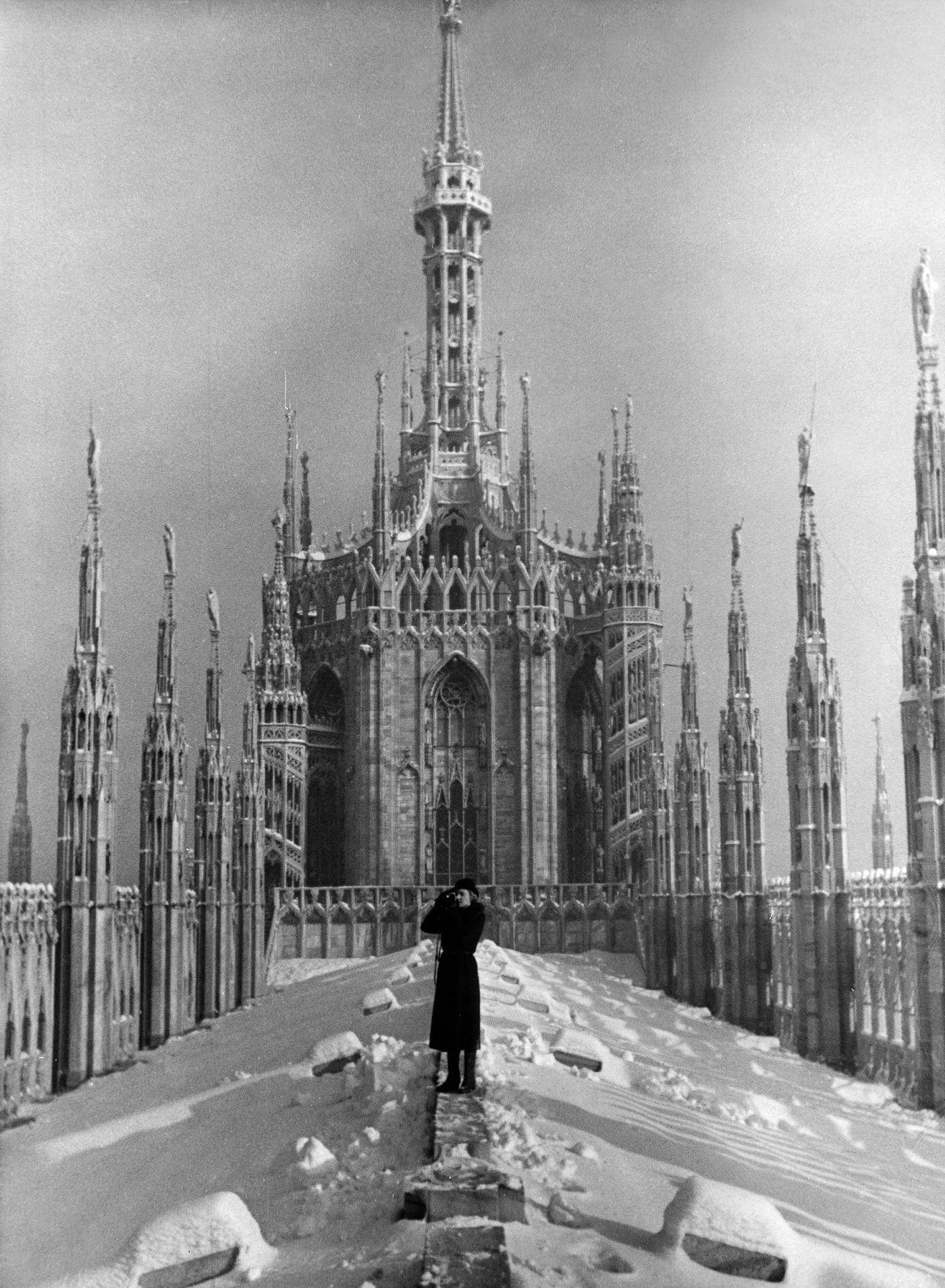
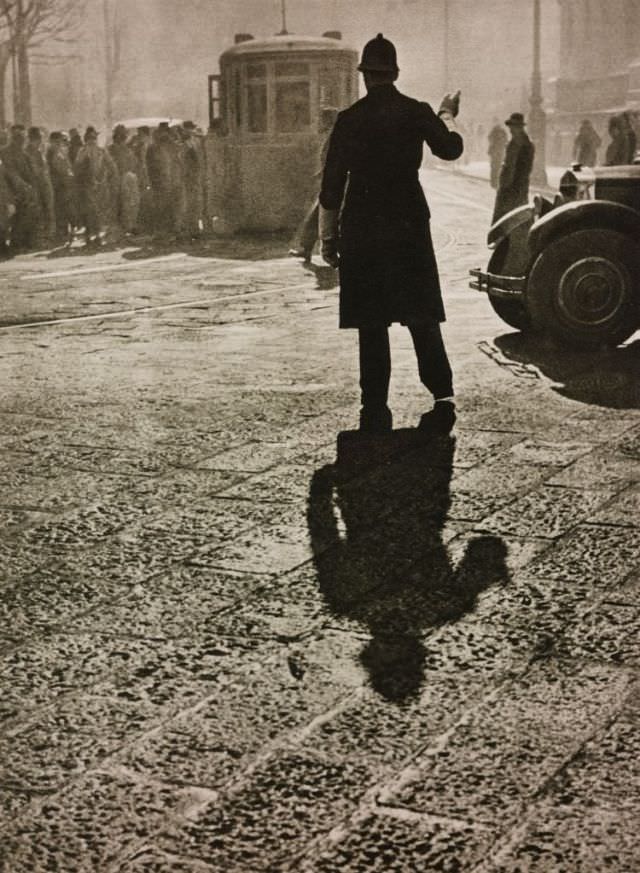
Milan in the 1930s carried a particular winter mood. The city’s Gothic cathedral, with its famous rooftop spires and flying buttresses, stood sharp against cold skies. Below, fog often settled over the piazzas, softening the outlines of trams and pedestrians. Milan’s winters were damp and grey, the kind that settled into the bones.
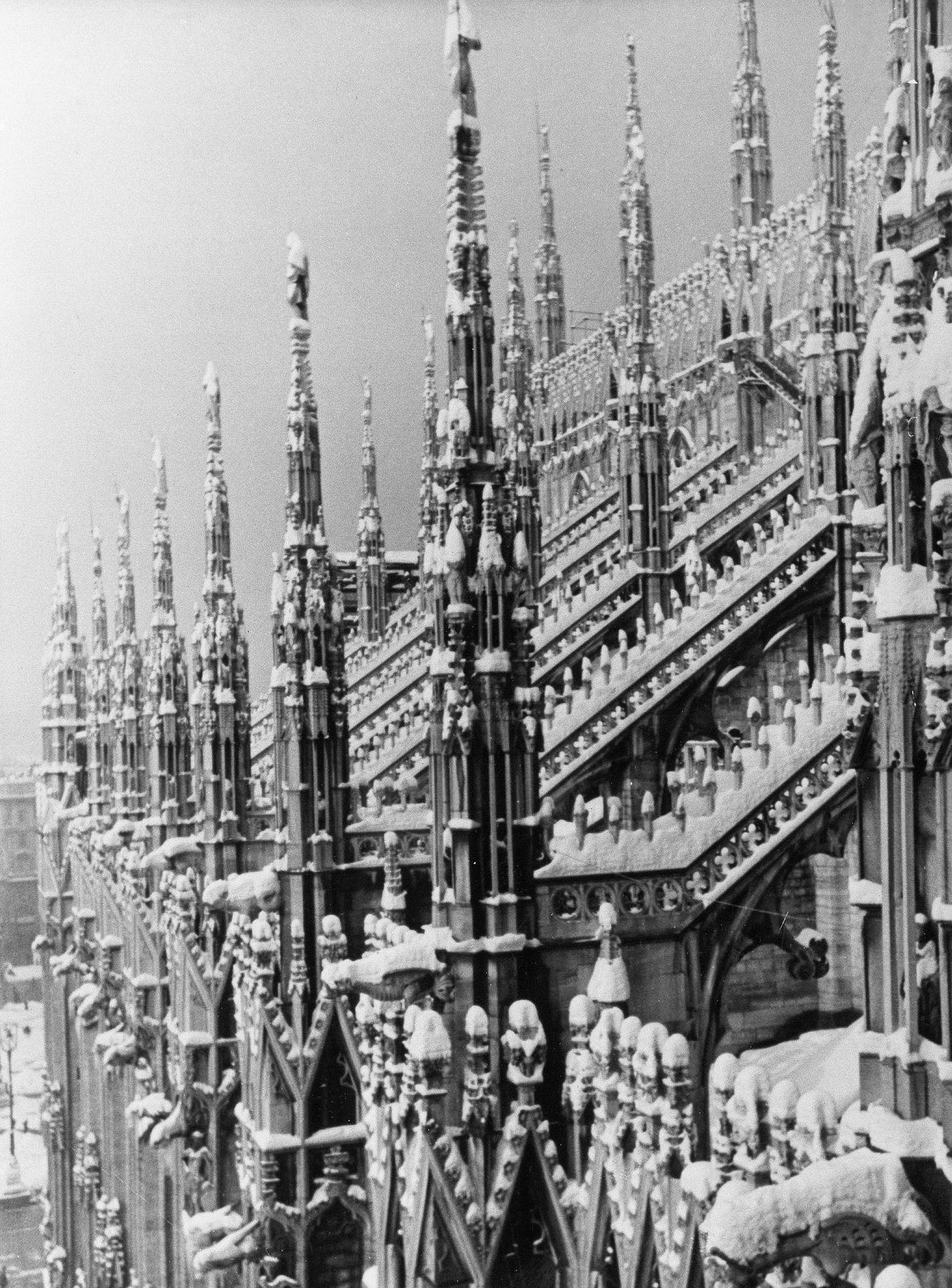
Pinnacles and flying buttresses of Milan Cathedral in the winter in Italy, 1934
Roof of Milan Cathedral in the winter, 1934
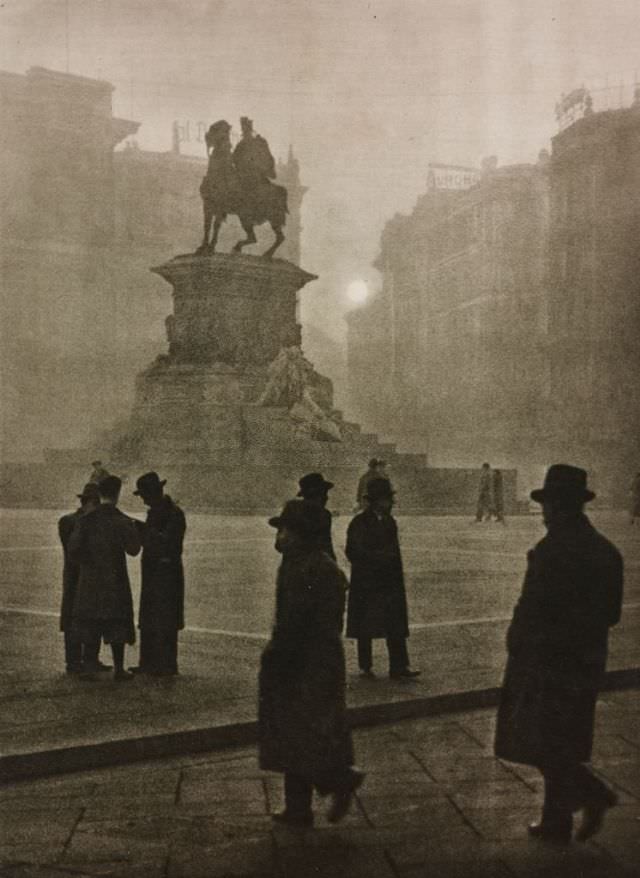
People in Piazza del Duomo in a misty winter afternoon, Milan, 1934.

Venice told a different story that same decade. When snowmelt combined with the city’s notorious flooding, the result was a surreal landscape — water pushing across ancient stone squares, lapping at cathedral doors. The famous Piazza San Marco was especially vulnerable, transforming from a grand public space into a shallow lake within hours.
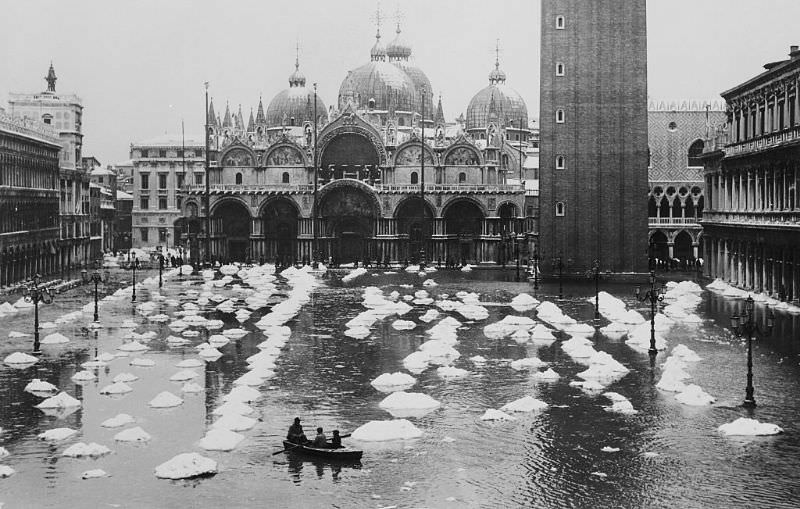
Snow thawing created a flood in front of the Piazza San Marco in Venice, 1933.
A watchman runs the traffic on a sunny winter morning, Milan, 1934.

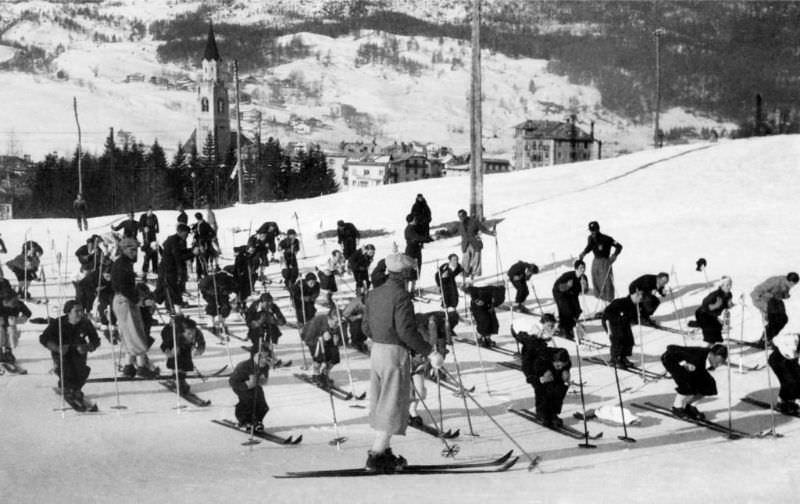
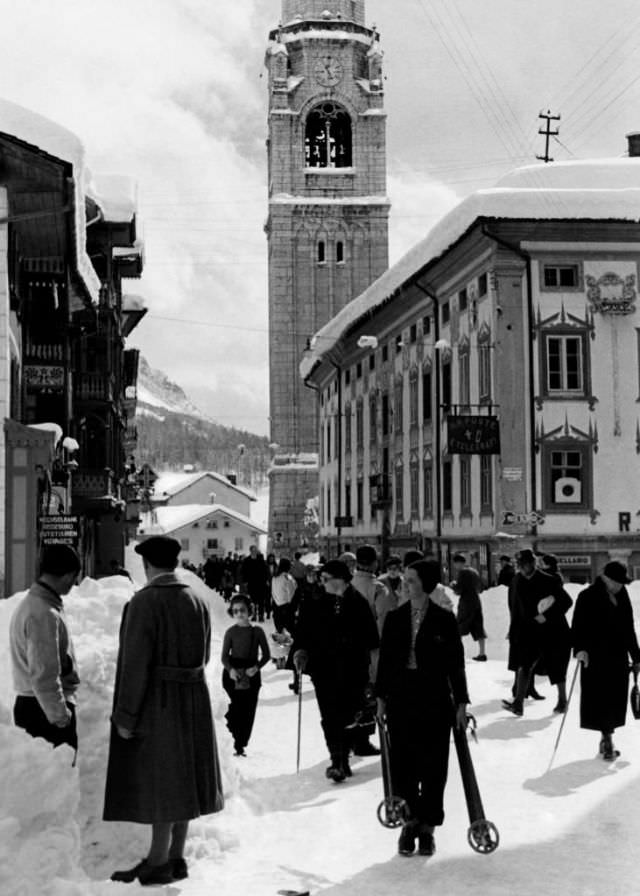
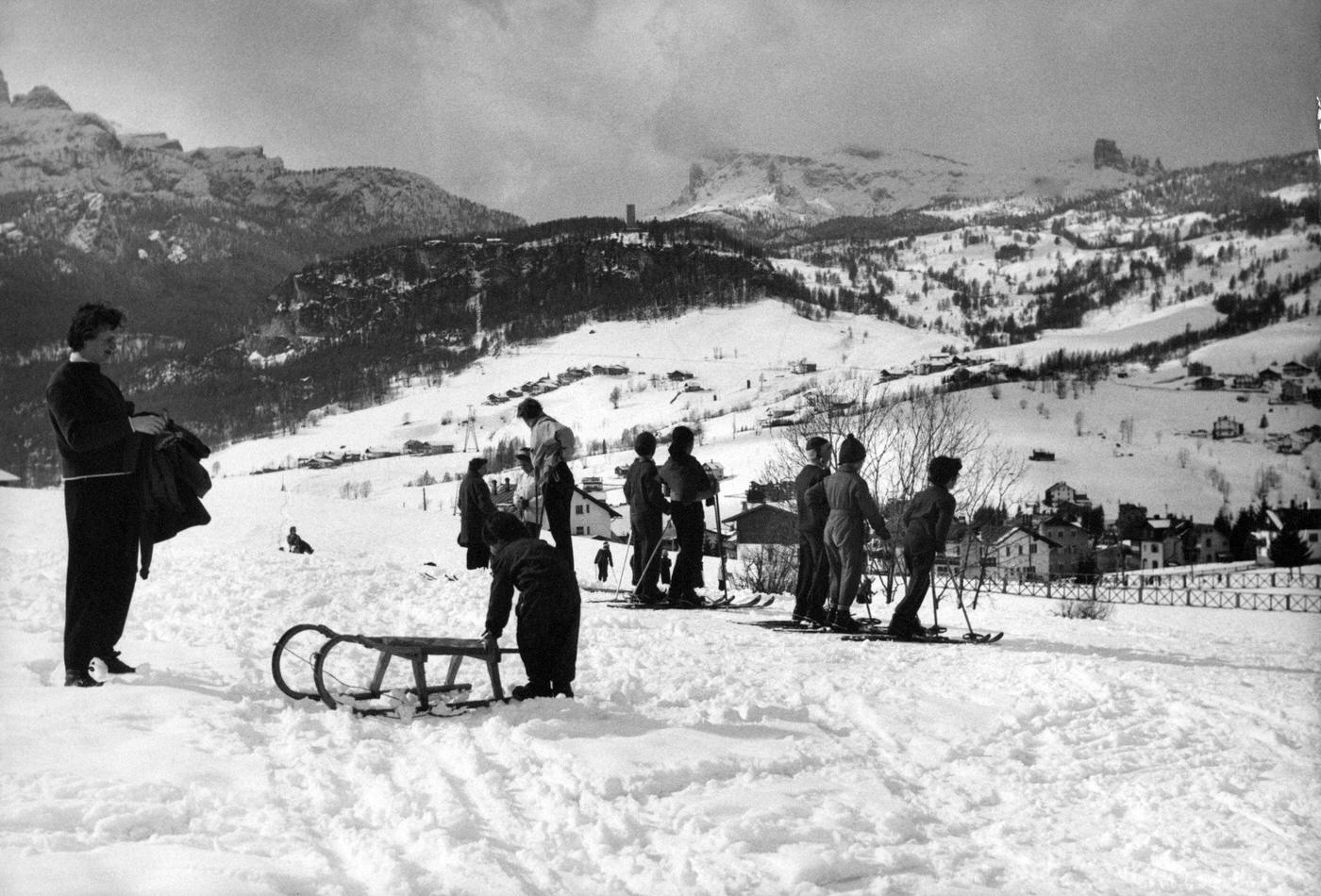
Despite the hardships, winter also had its pleasures. Italy’s northern lakes and mountain towns attracted skaters and skiers even in the 1930s. Lake Spinone in Lombardy froze solidly enough to skate on, drawing locals out onto the ice. Further north, the alpine resort of Cortina d’Ampezzo was already a destination for winter sports, with ski classes drawing both locals and visitors.
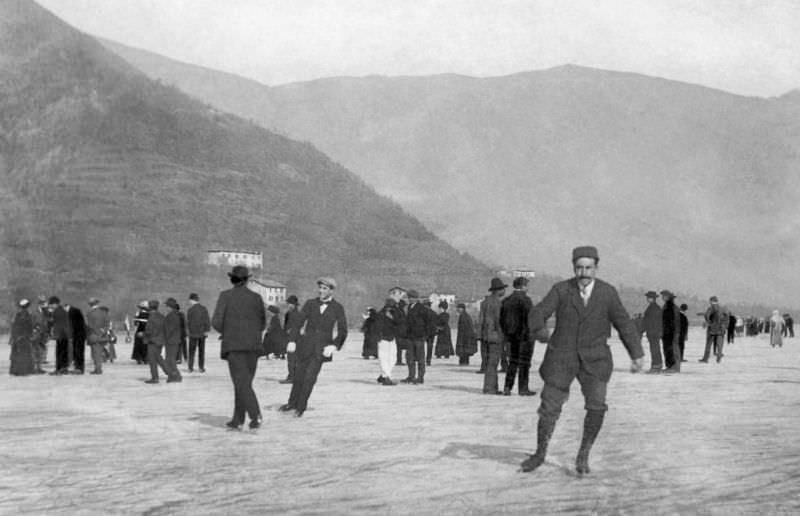
Ice skaters on Spinone lake, Lombardy, 1930s.
Cortina d'Ampezzo, 1930.
Cortina d’Ampezzo, 1930.
A ski class in Cortina, 1920s-30s.

The Fascist government of the 1930s recognized the popularity of skiing and deliberately used it for political purposes — organizing mass ski events to project national strength and discipline. Meanwhile, ordinary families still found ways to enjoy the season together, whether sledding through a village or sharing a Sunday afternoon in the cold.
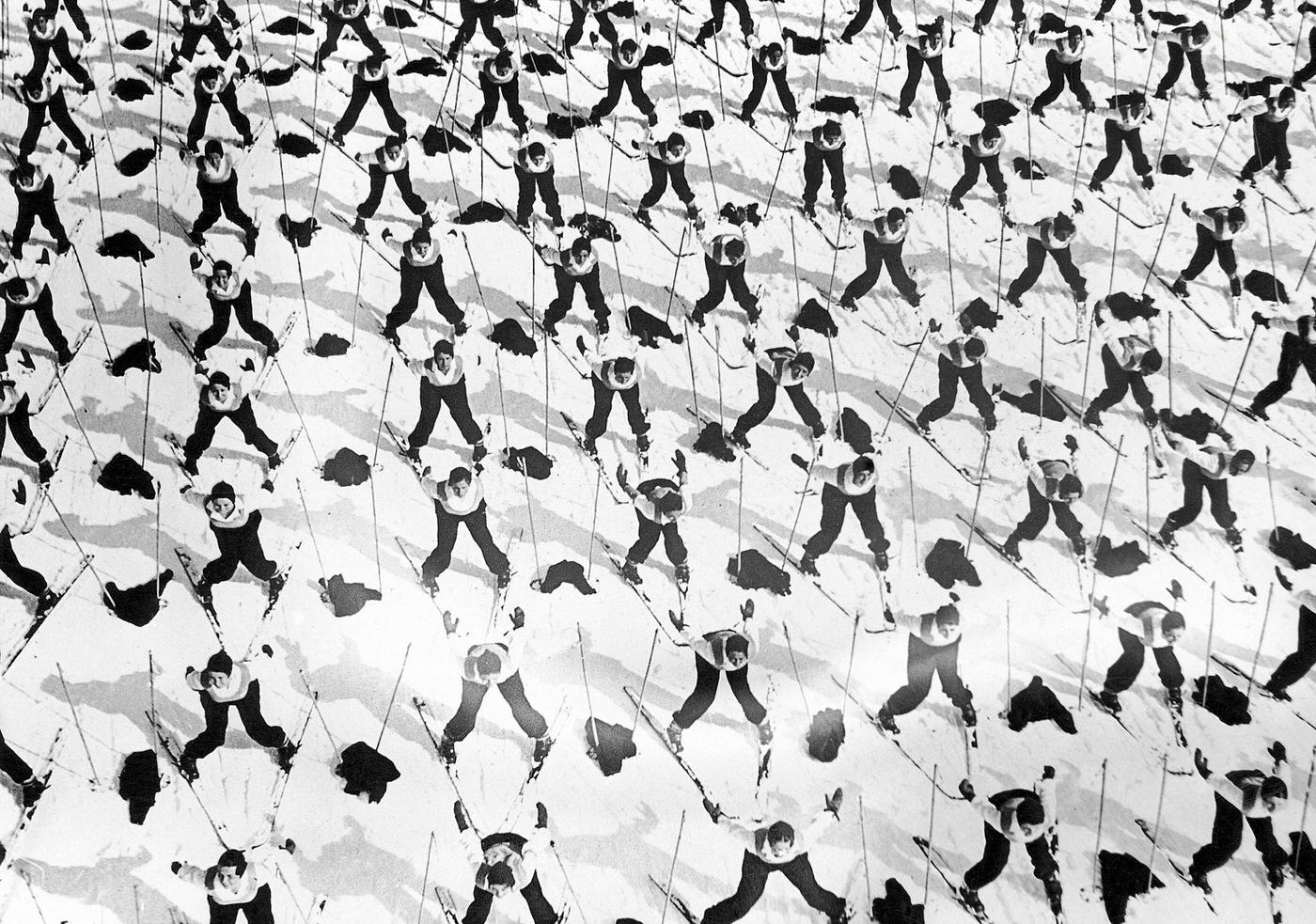
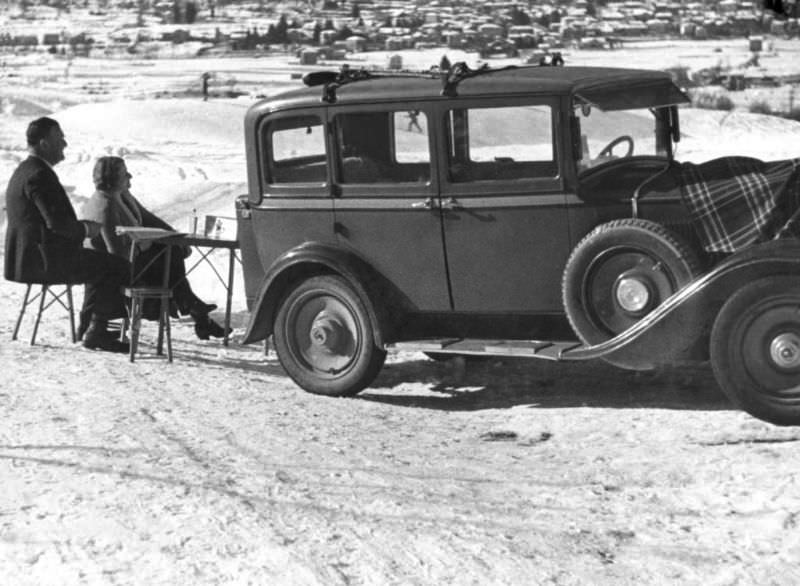
Fascism took advantage of the people's verve for ski-sport for their own purpose, like here in Italy, 1935
Fascism took advantage of the people’s verve for ski-sport for their own purpose, like here in Italy, 1935
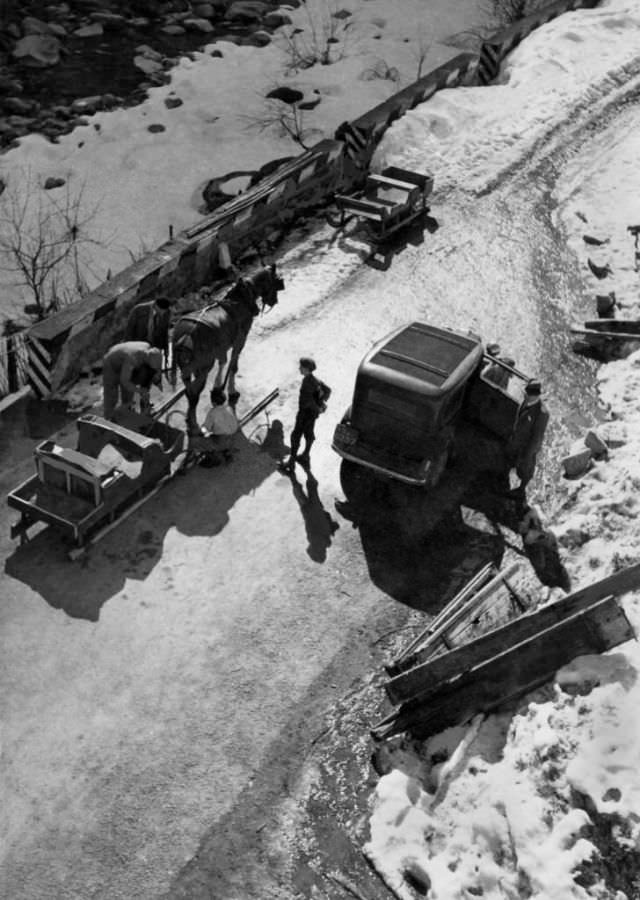
A family enjoying their Sunday, 1930s.
Piemonte, 1930s-40s.
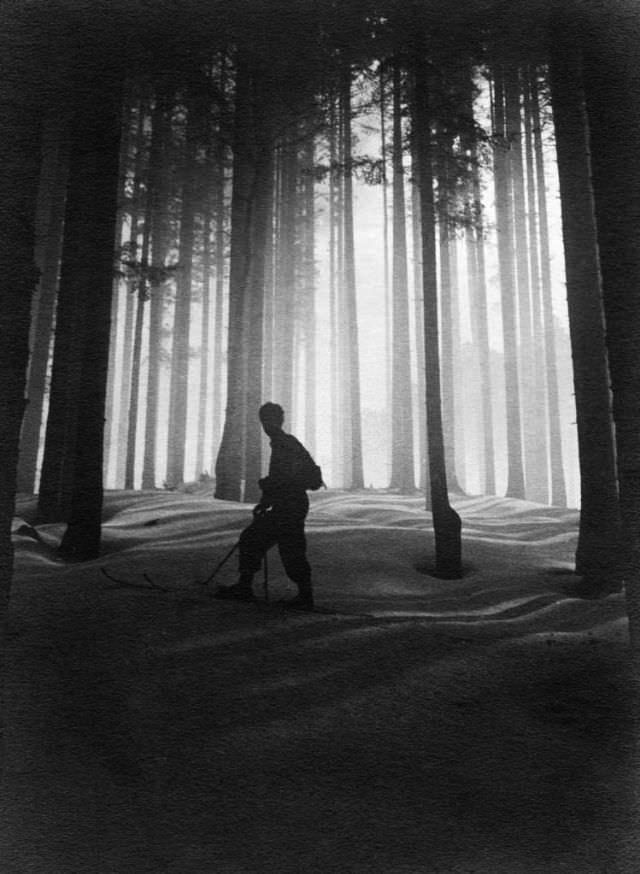
Fir forest, Valleambrosia, Tuscany, 1930s-40s.

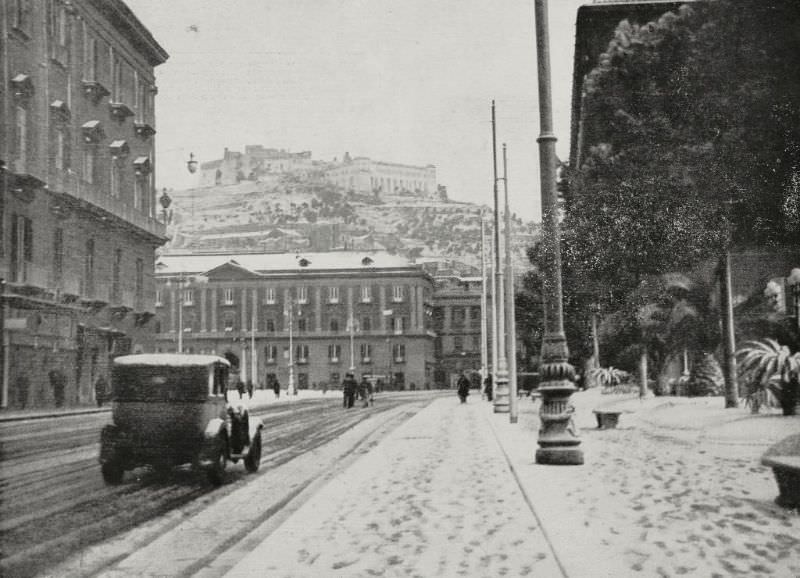
Winter snowfall occasionally reached cities not used to it. Naples, a southern city known for mild weather, was blanketed in snow in 1940 — a rare and startling sight. Milan’s Piazza Oberdan was similarly transformed in 1939, its familiar streets turned white and quiet.
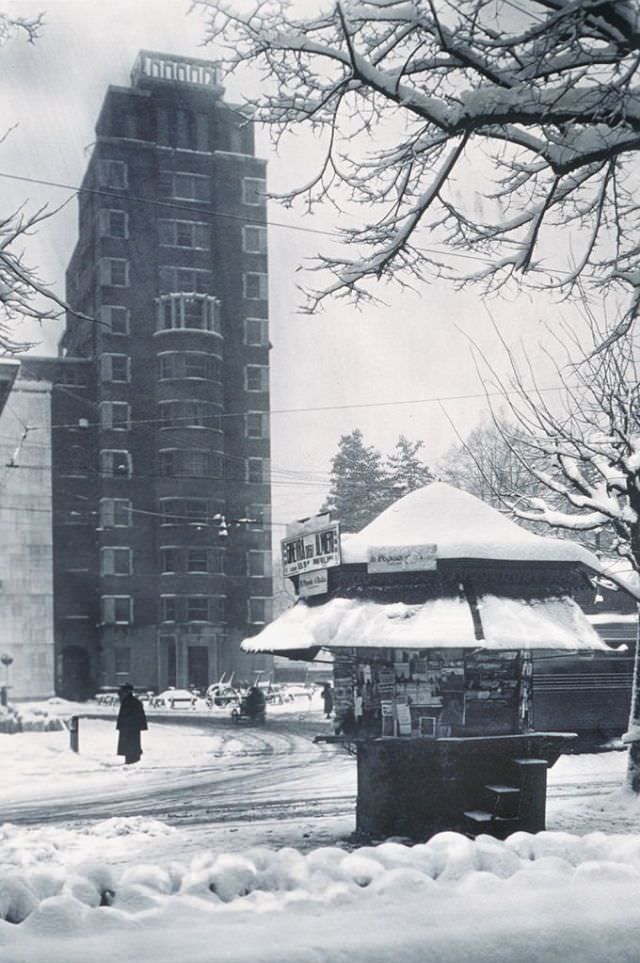
Piazza Oberdan in the snow, Milan, 1939. (Fototeca Gilardi)
Naples covered with snow, 1940.
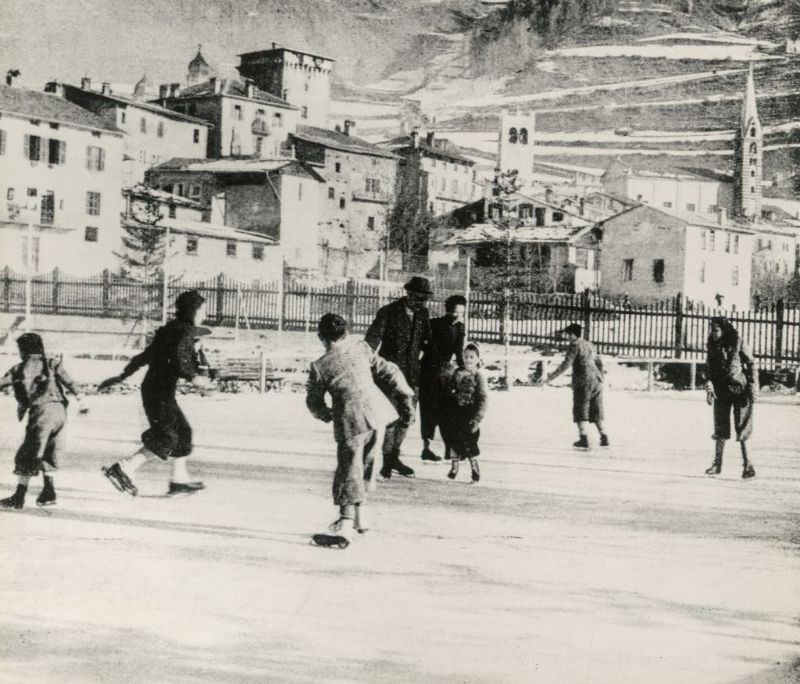
Skaters in Bormio, 1940.

The postwar years brought a dramatic shift. By the early 1950s, Italy’s economy began to recover and then boom. Turin, an industrial center in Piedmont, showed this change clearly — snow-covered streets now ran alongside growing factories and filling apartment blocks. The 1950s marked the beginning of what Italians later called the ā€œEconomic Miracle.ā€

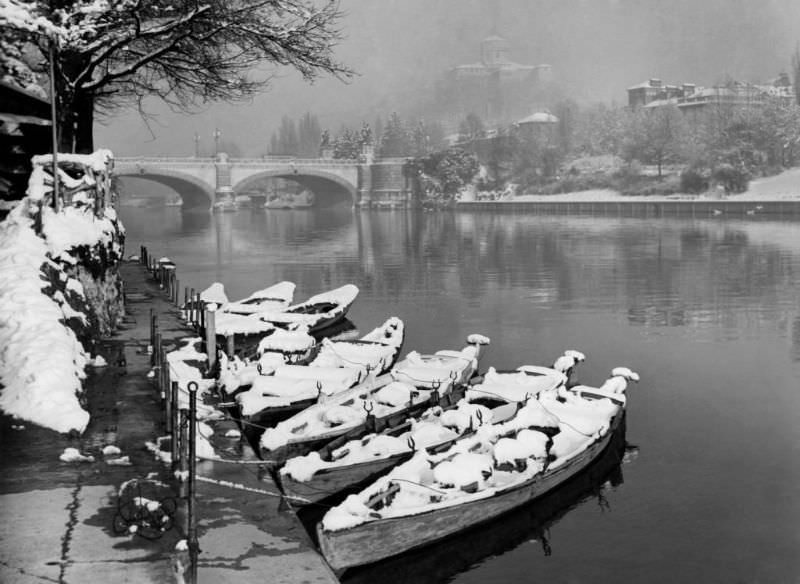
Turin under the snow, Piemonte, 1950.

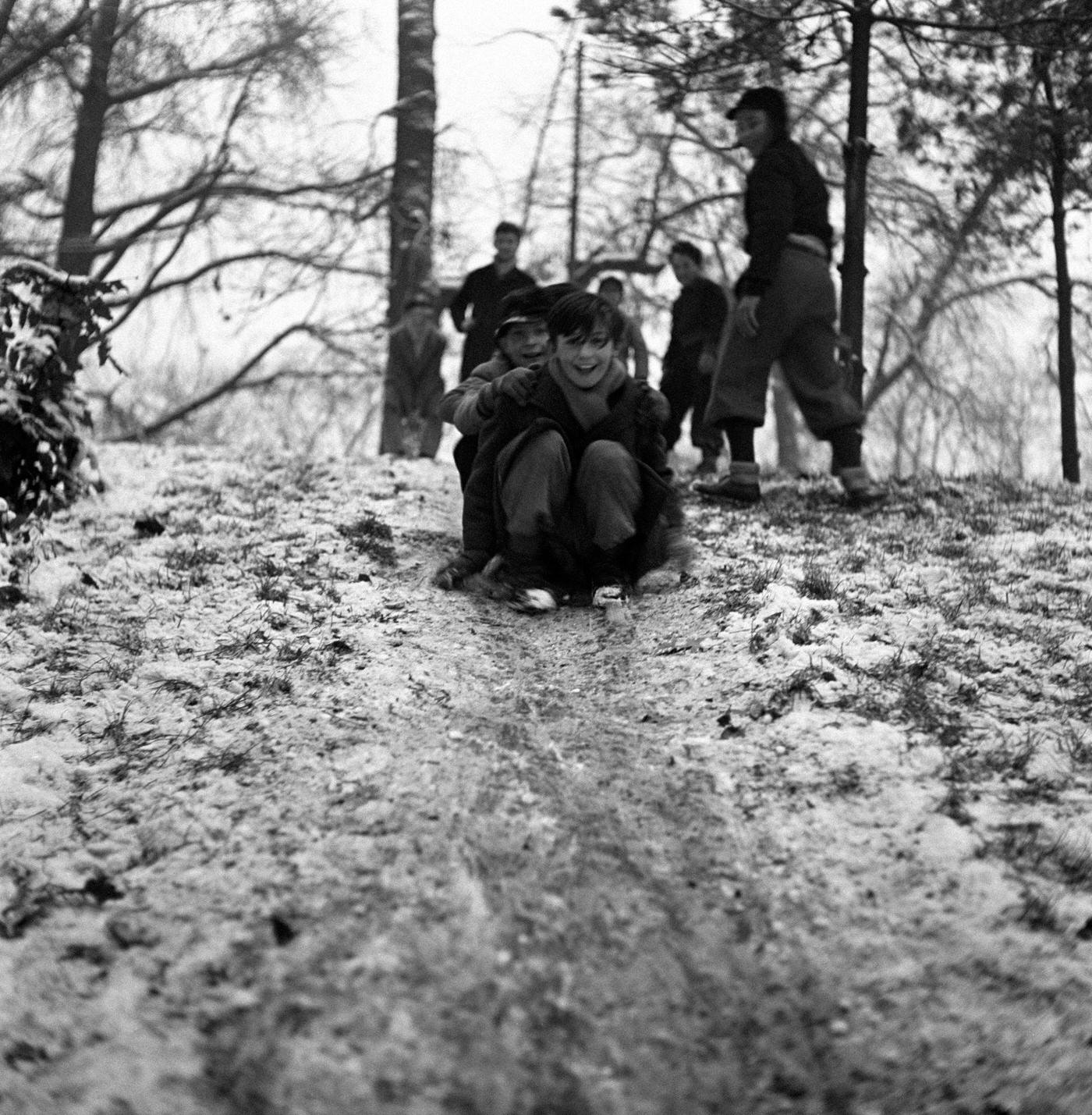
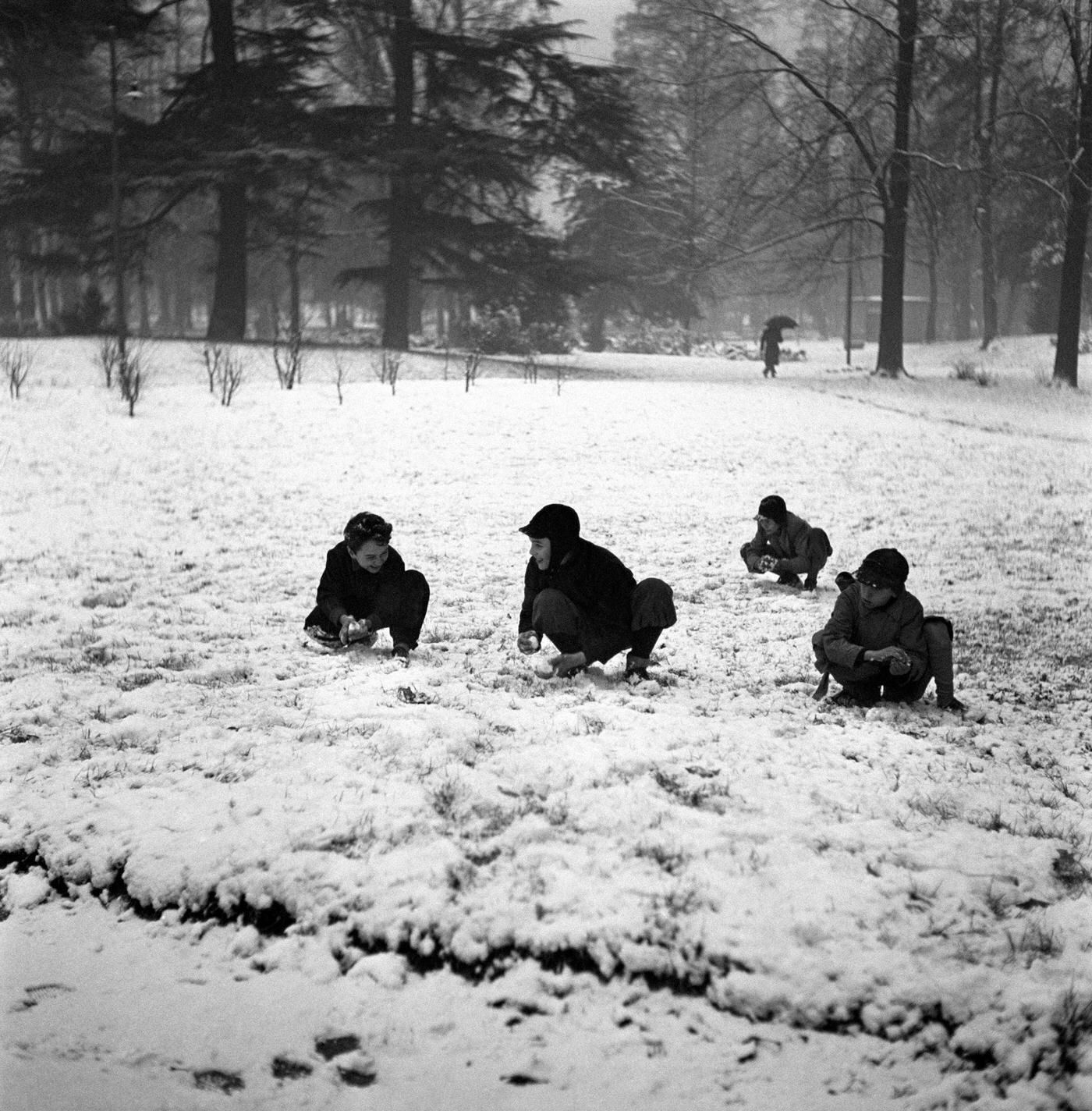
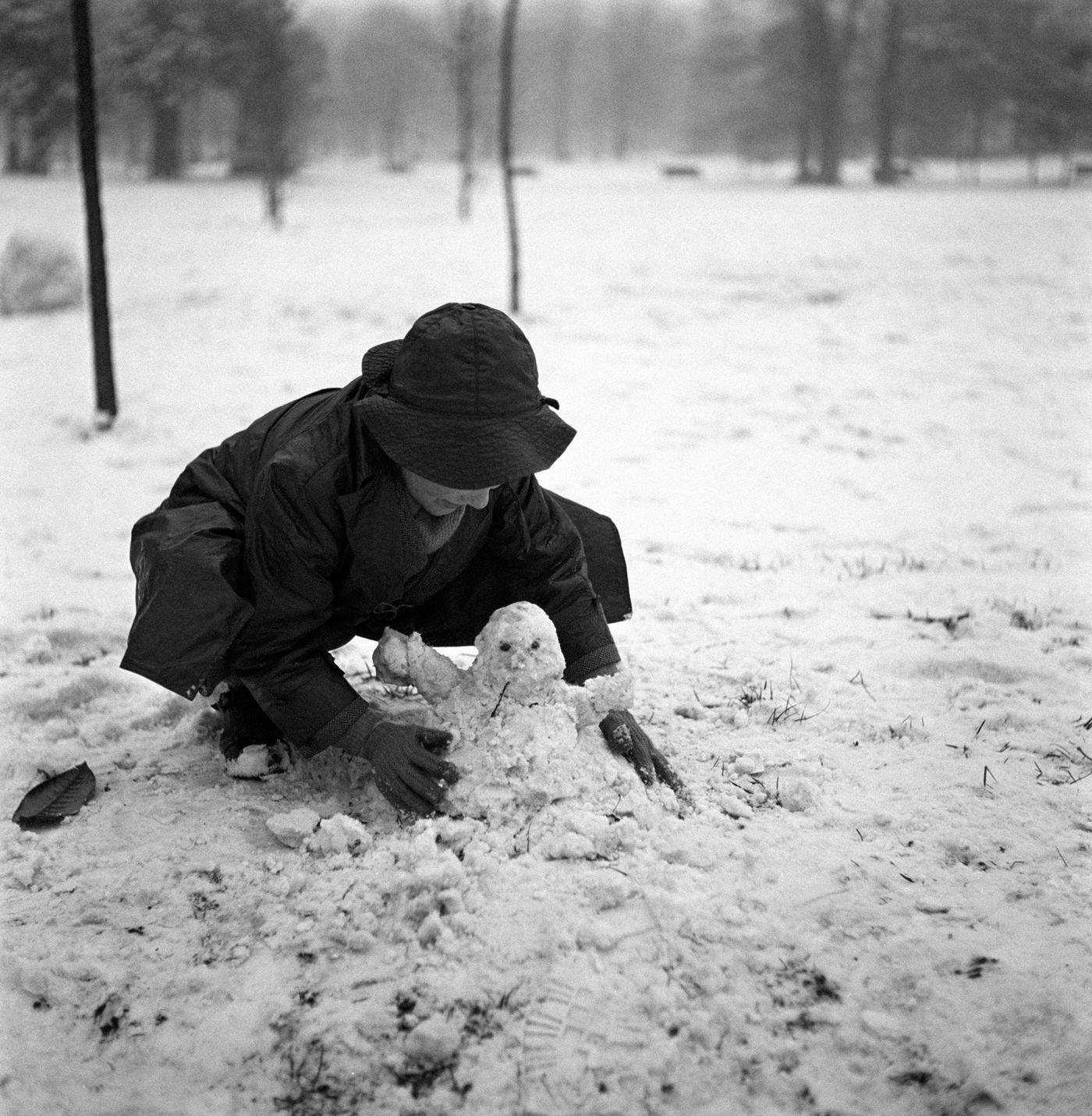
Children in Milan took full advantage of winter snowfall. Parks across the city filled with kids building snowmen and sliding down slopes on makeshift sleds. These scenes, captured repeatedly by photographers like Mario De Biasi, show a generation growing up with more freedom and more joy than the war years had allowed.
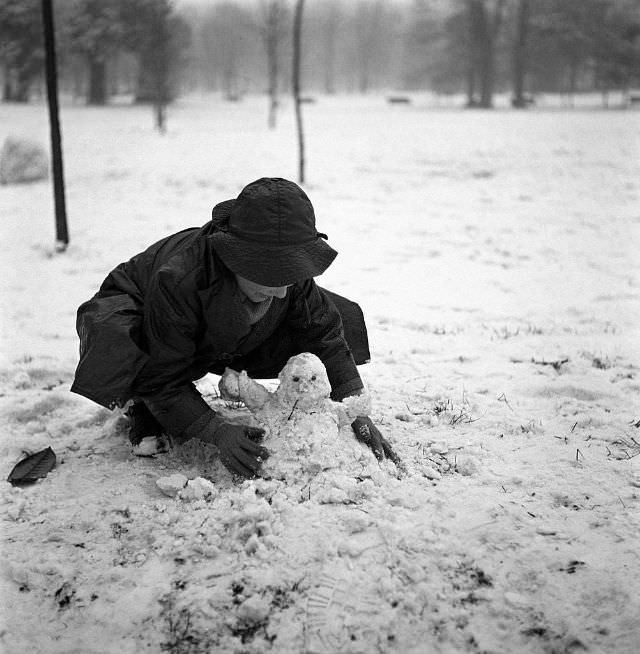
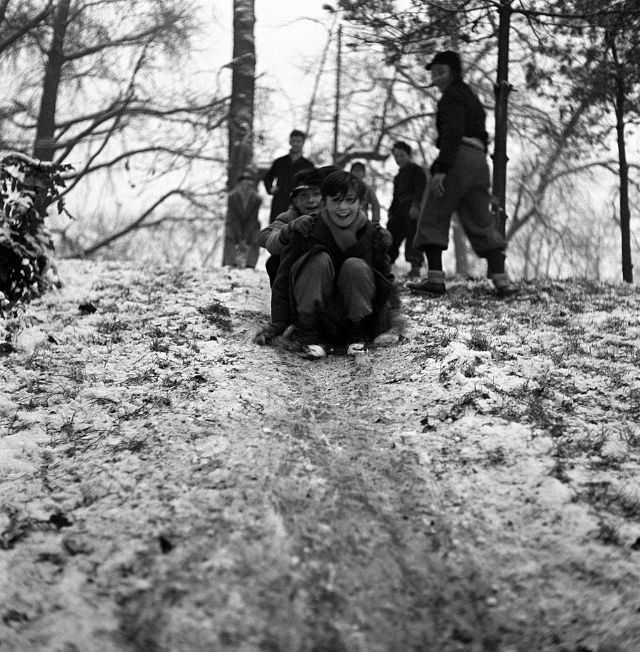
Little boy crouching and making a snowman in a park after a snowfall, Milan, 1950s. (Mario De Biasi)
Children playing on a slope covered with snow in a park after a snowfall, Milan, 1950s. (Mario De Biasi)
Children playing on a slope covered with snow in a park after a snowfall. Milan, 1950s.
Children playing with snow in a park after a snowfall. Milan, 1950s.
Little boy crouching and making a snowman in a park after a snowfall. Milan, 1950s.

In 1956, Cortina d’Ampezzo hosted the 7th Winter Olympic Games, putting Italy squarely on the global stage for winter sport. Teams from across the world arrived in the alpine town for the opening ceremony, marking a proud moment for a country still rebuilding its international reputation after World War II.
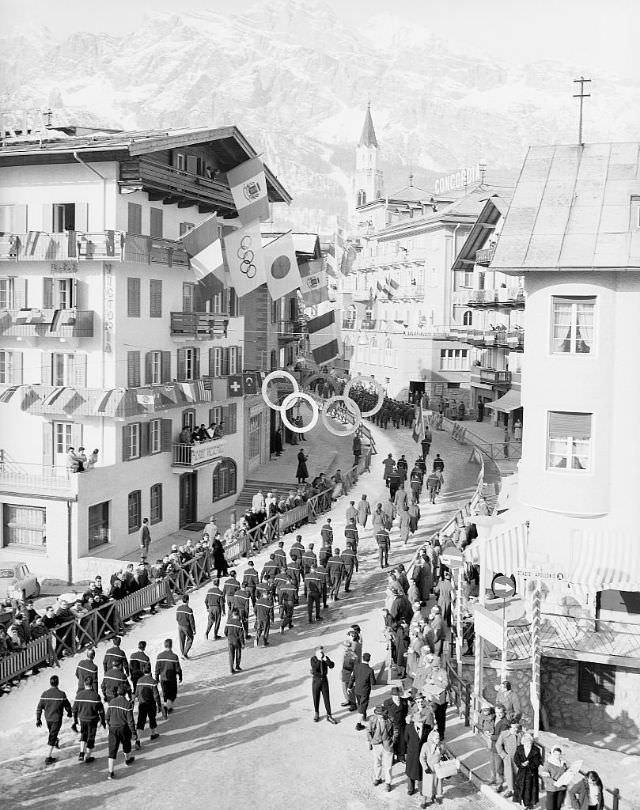
The French team heading to the Ice Stadium for the opening ceremony of the 7th Olympic Winter Games, Cortina, 1956.
Some children learn to ski. Cortina d'Ampezzo, March 1954
Some children learn to ski. Cortina d’Ampezzo, March 1954

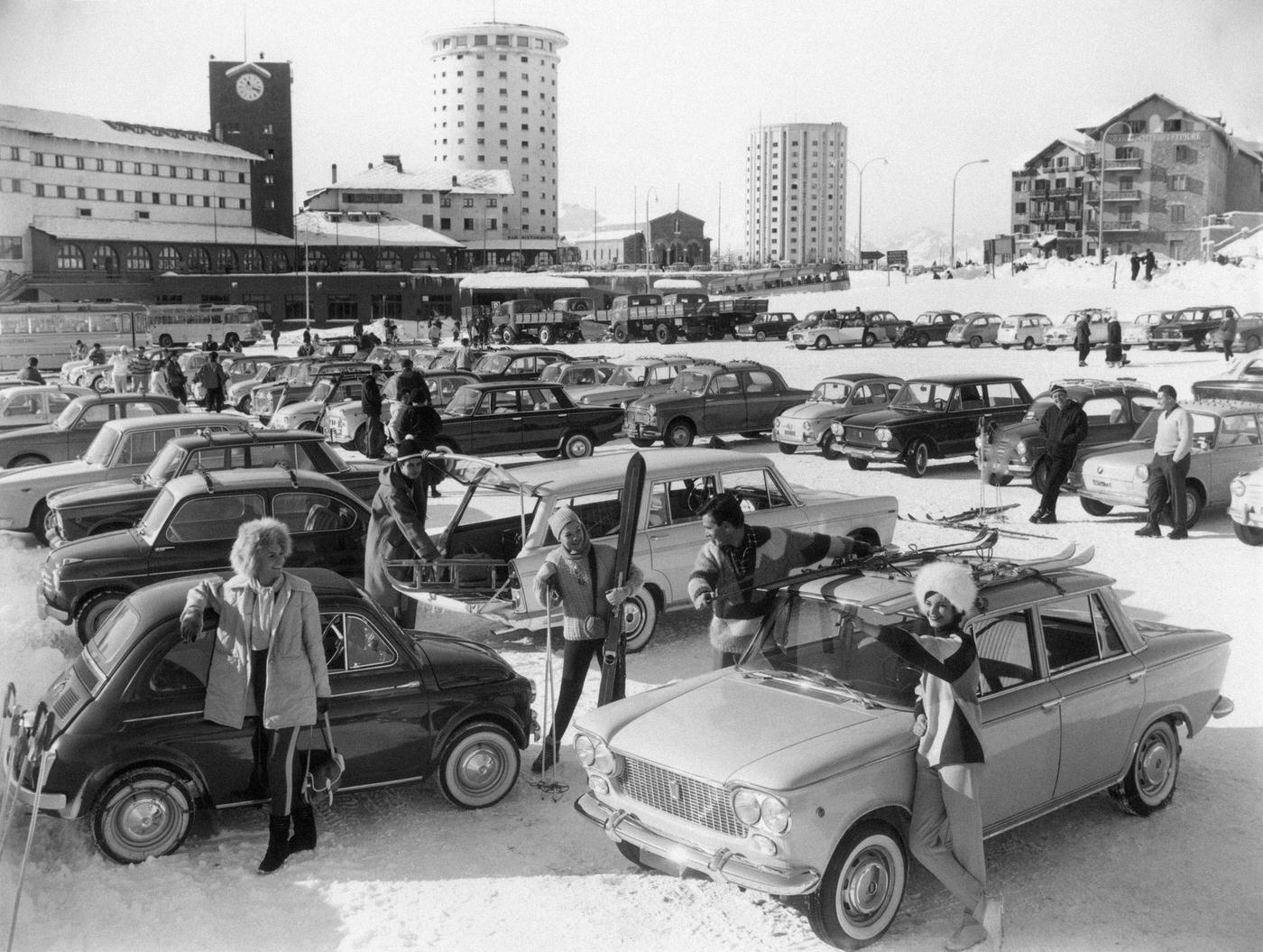
Ski culture spread well beyond elite resorts. By the late 1950s and into the 1960s, middle-class families were heading to the mountains for weekend trips. Skiers could be seen walking through alpine villages with equipment on their shoulders, past new churches and lodges that signaled the growth of mountain tourism.
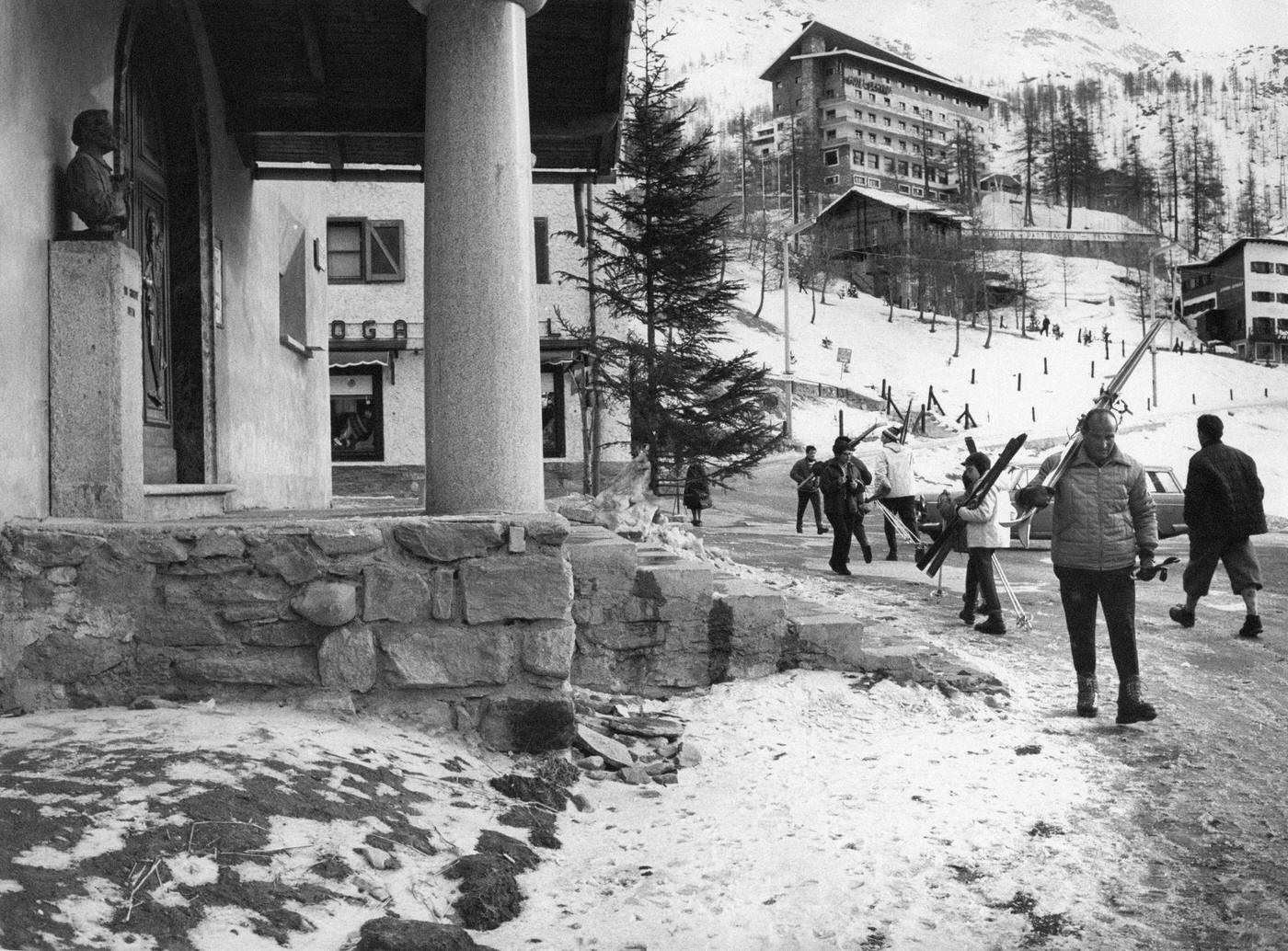
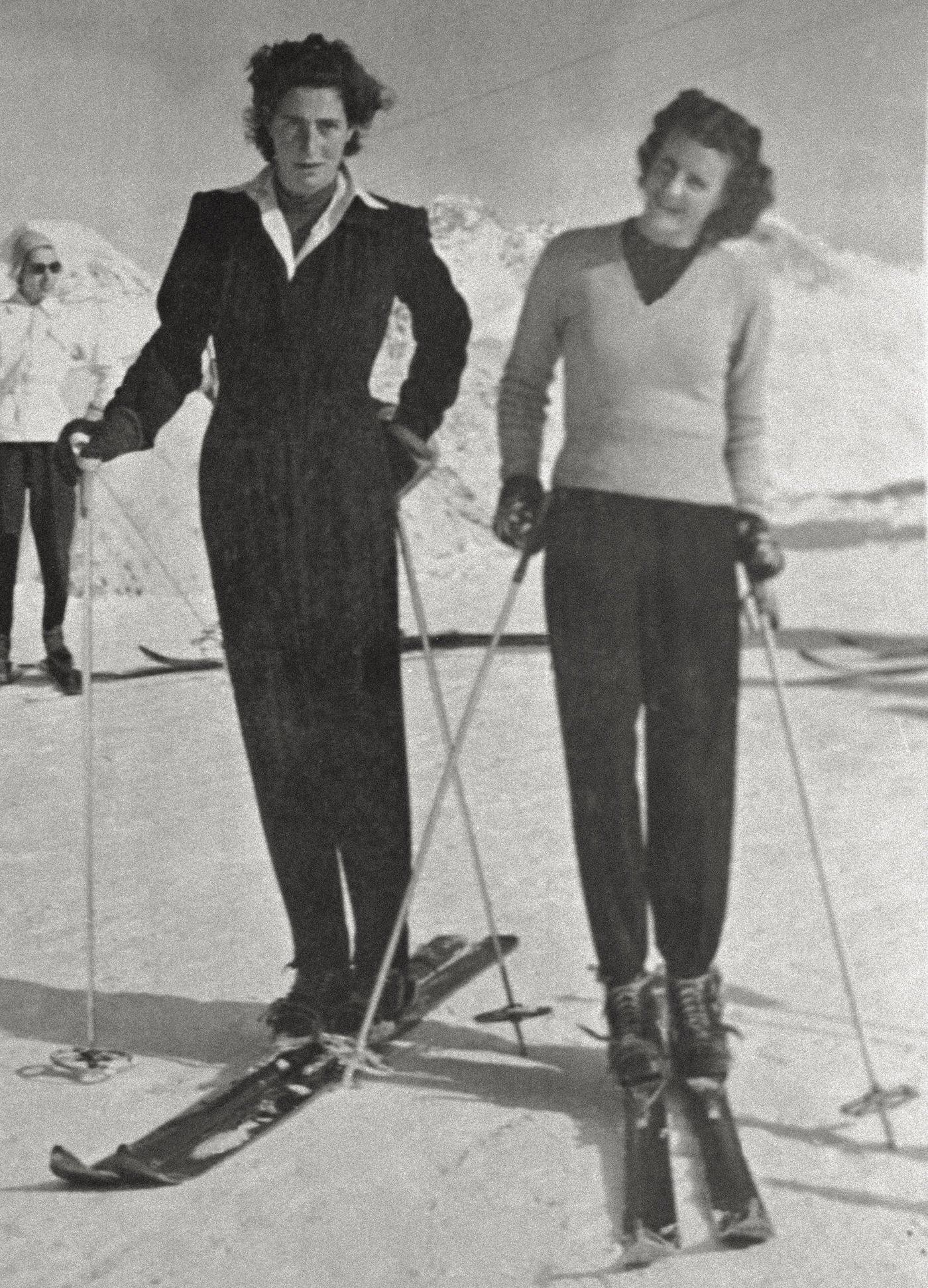
Some skiers, with the skis on their shoulders. walking in front of the new church founded by Don Giuseppe Vietto, the odd priest of Cervino. Valtournenche, 1964
Susanna Agnelli herself on the skis, together with her youngher sister Cristina Agnelli
People going to spend a day on the snow after they parked their car

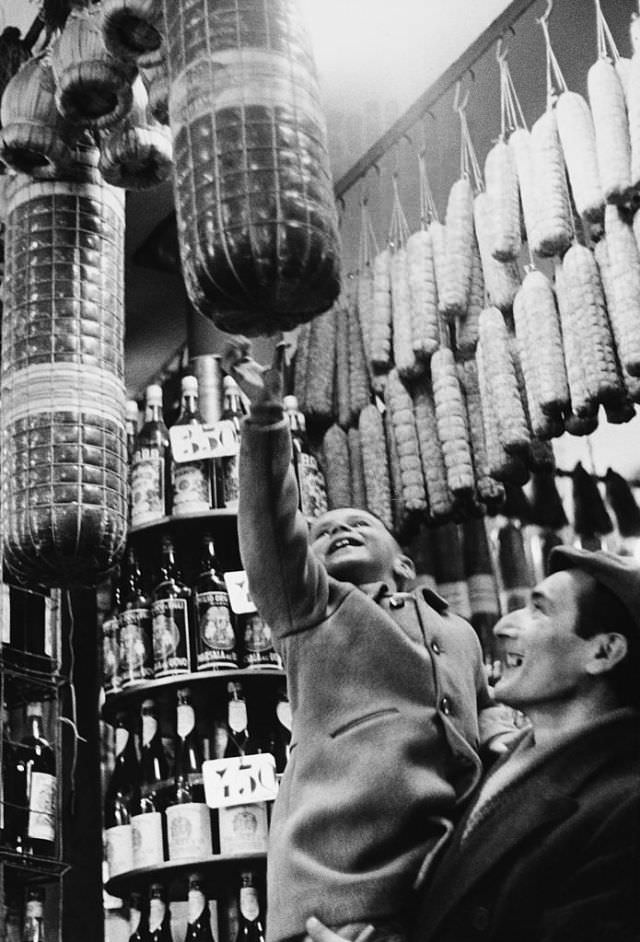
Christmas in the 1950s and 1960s became increasingly commercial and festive. Shop windows in Rome drew wide-eyed children, and fathers and sons browsed holiday markets in Milan together. The Epiphany — celebrated on January 6th — remained one of the most important days in the Italian religious calendar, especially for children expecting gifts from La Befana.
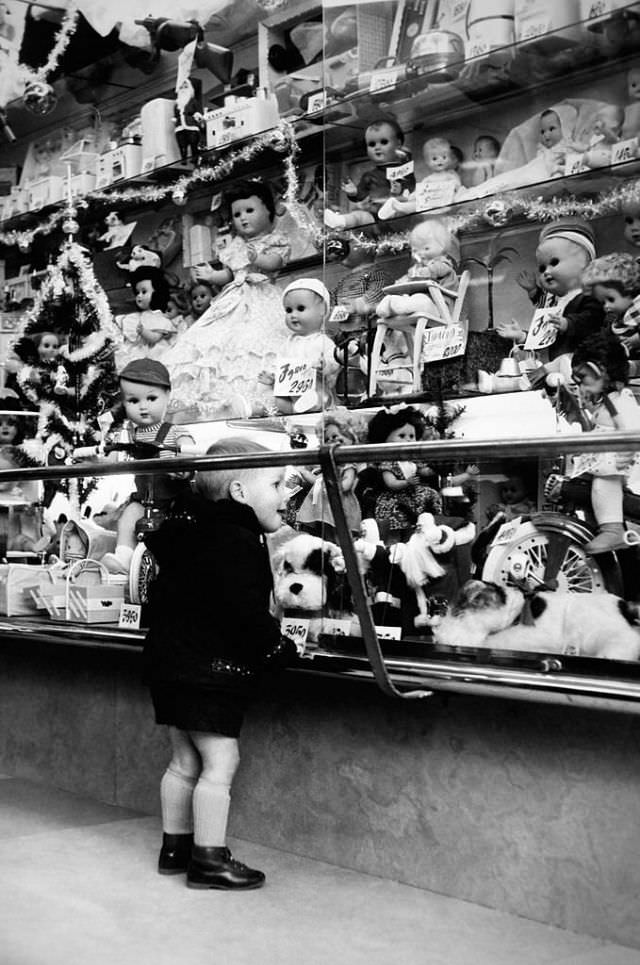
A little boy looking at a Christmas shop window display in Rome, 1957.
Father and son shopping for Christmas, Milan, 1958.

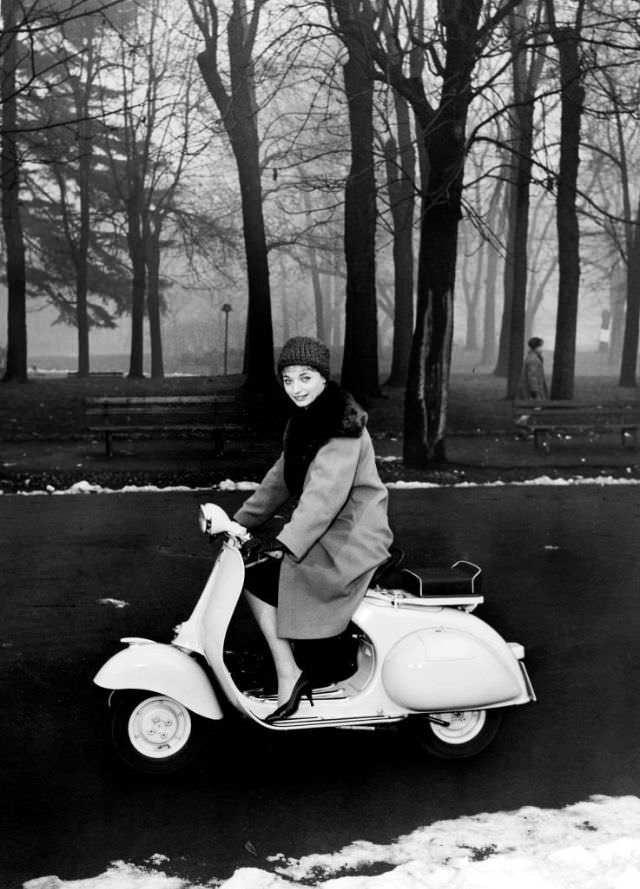
Milan’s canals — the Navigli — took on a different character in winter. The Naviglio Grande, usually busy with barge traffic and workers, lay quiet under a blanket of snow in 1958. The city’s famous Vespa scooters, icons of postwar Italian style, were parked along frost-covered paths in public parks, their riders momentarily stopped by the season.
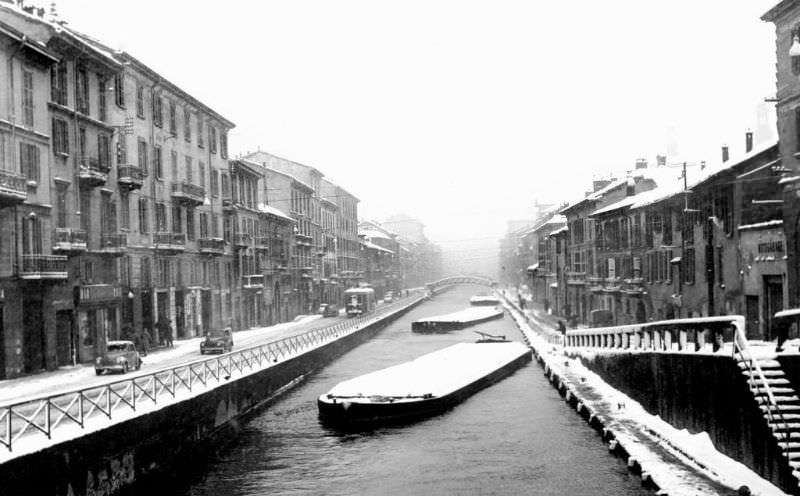
The Naviglio Grande under the snow, Milan, 1958.
Vespa at the park during winter, Milan, 1958.

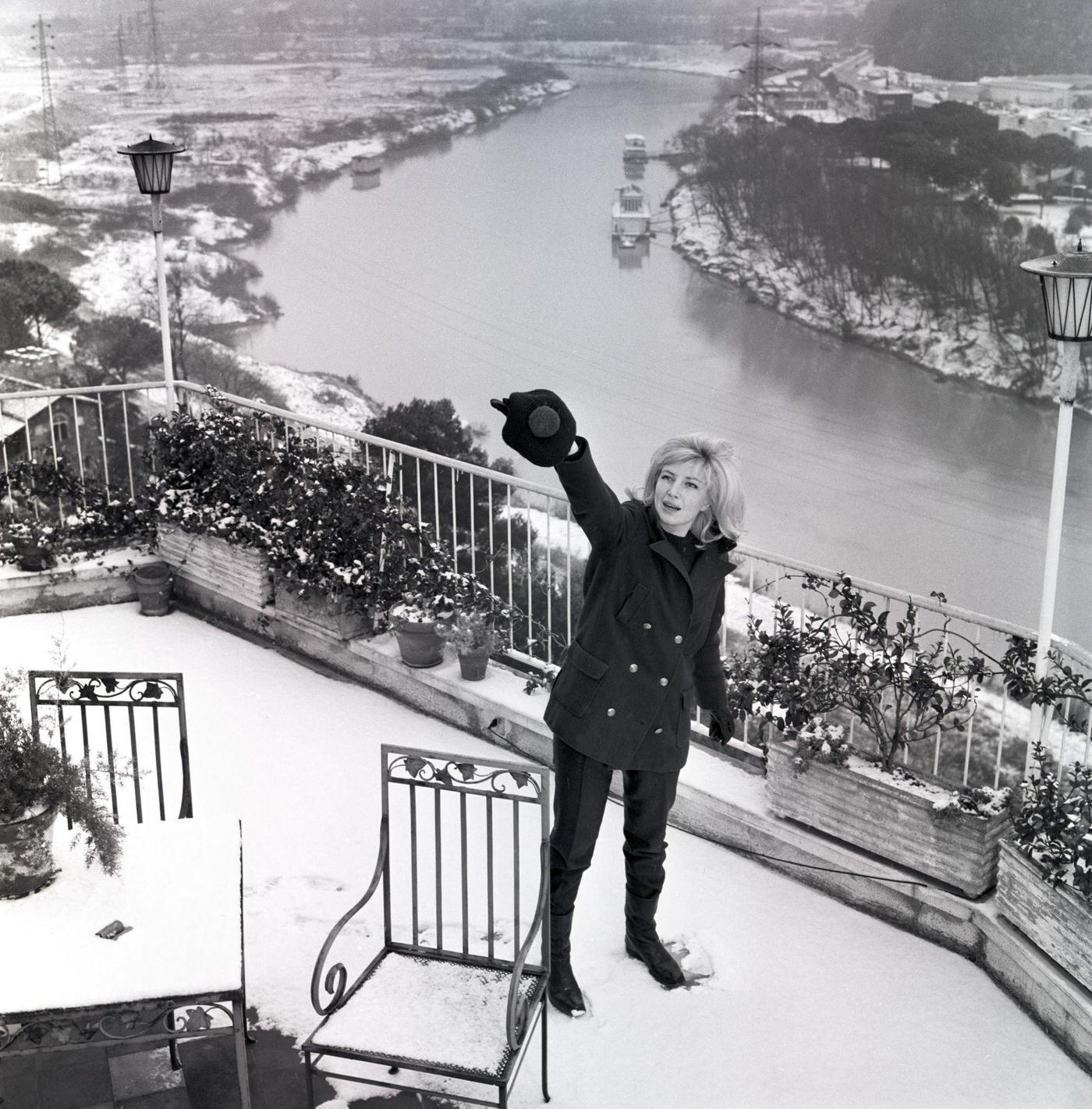
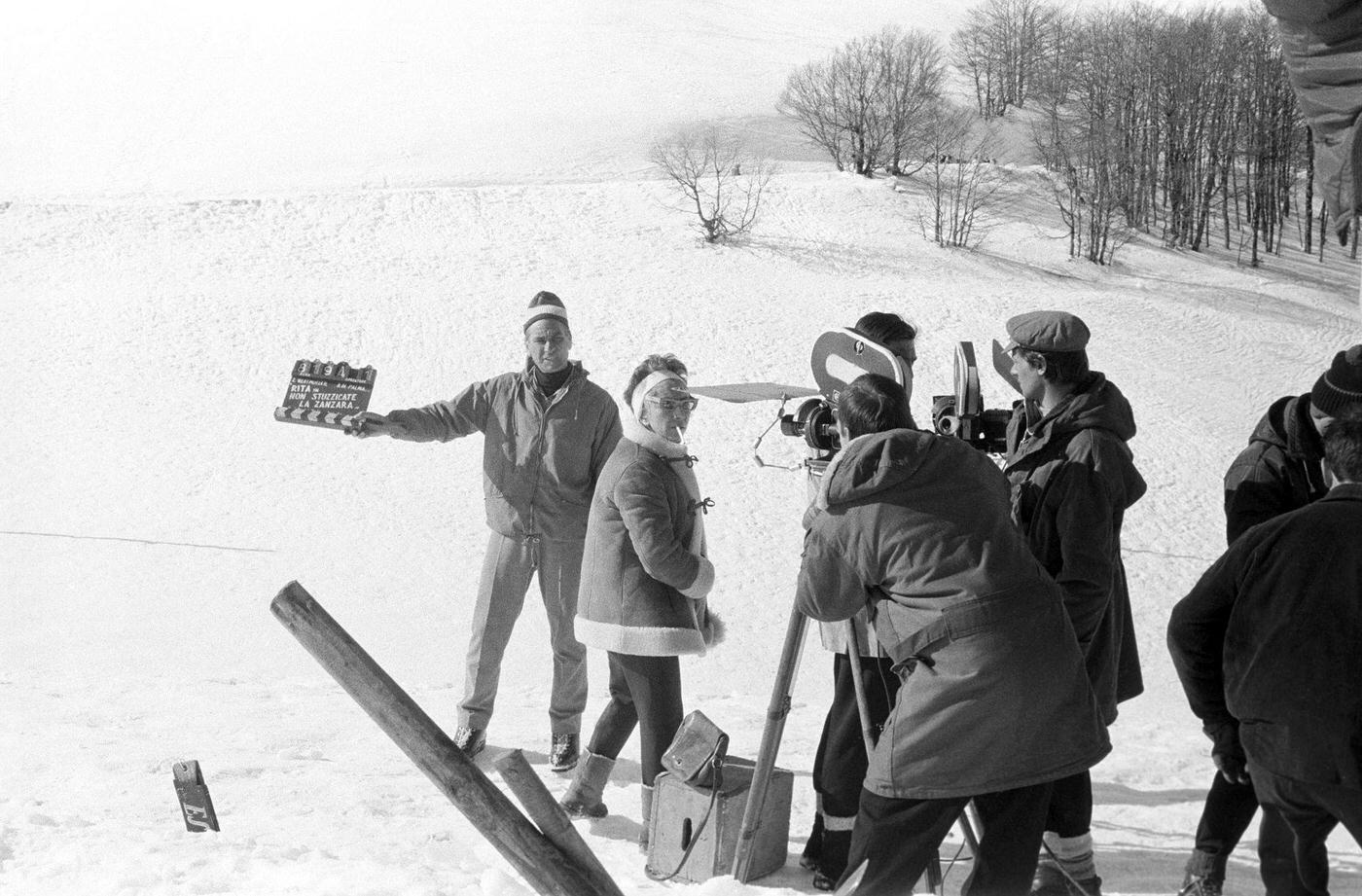
Italy’s film and arts scene thrived in winter, too. Directors, actors, and musicians regularly worked and socialized outdoors even in the cold. Lina Wertmüller directed scenes on snow-covered sets. Carlo Cabrini and Anna Canzi filmed Ermanno Olmi’s The FiancĆ©s in the frost of Sant’Angelo Lodigiano. Monica Vitti posed on her Rome terrace in the chill of 1963.
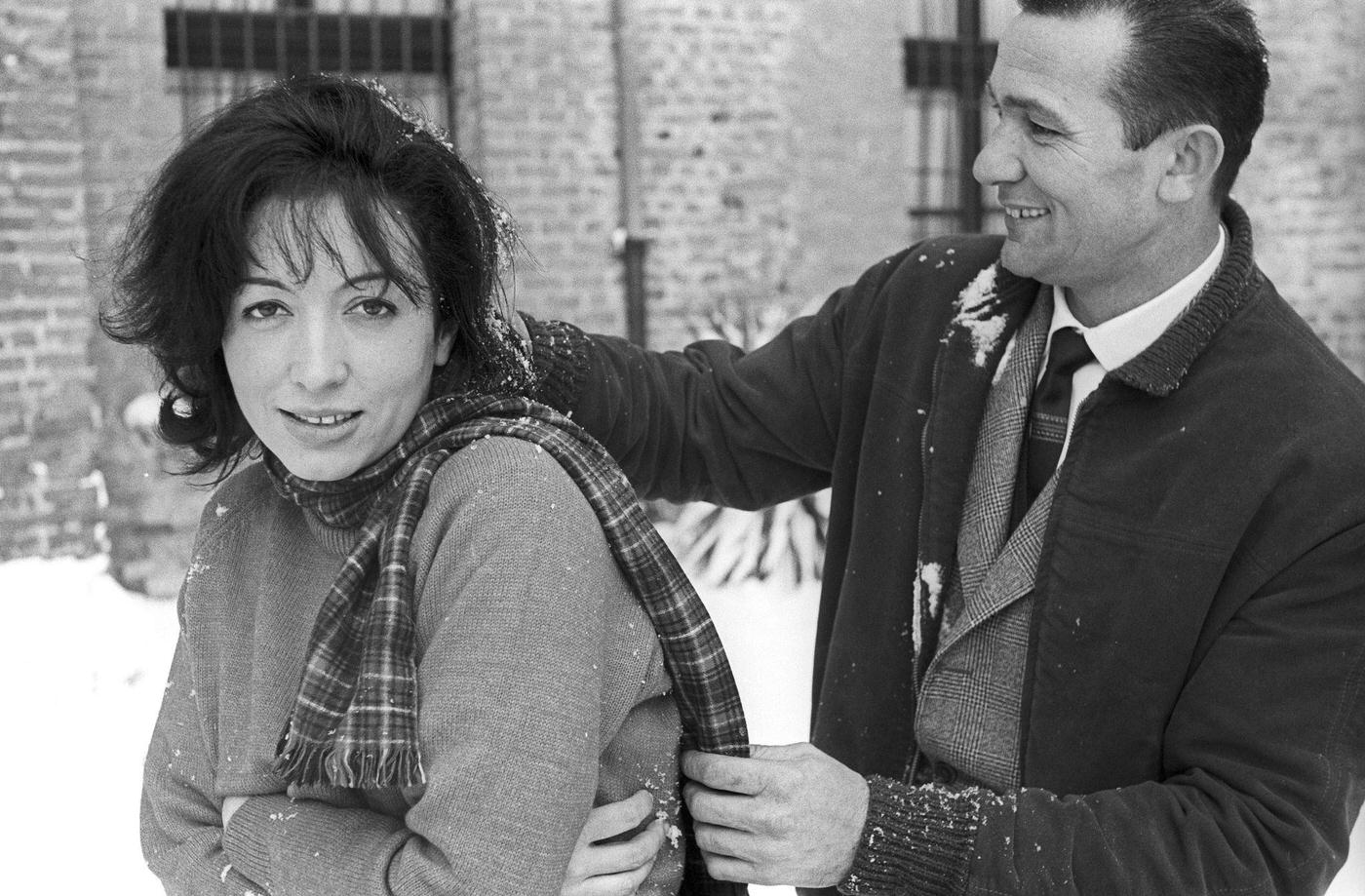
Italian actor Carlo Cabrini joking with Italian actress Anna Canzi. The two actors play the leading characters of the film The Fiances I fidanzati by Ermanno Olmi. Sant'Angelo Lodigiano, 1963
Italian actor Carlo Cabrini joking with Italian actress Anna Canzi. The two actors play the leading characters of the film The Fiances I fidanzati by Ermanno Olmi. Sant’Angelo Lodigiano, 1963
Italian director Lina Wertmuller (Arcangela Felice Assunta Wertmuller von Elgg Spanol von Braueich) preparing a scene on the set of Don't Sting the Mosquito. Italy, 1967
Italian director Lina Wertmuller (Arcangela Felice Assunta Wertmuller von Elgg Spanol von Braueich) preparing a scene on the set of Don’t Sting the Mosquito. Italy, 1967
Italian actress Monica Vitti (Maria Luisa Ceccarelli) posing for a photoshooting on her own terrace. Rome, 1963

Hollywood also found Italy’s winter landscape irresistible. Rock Hudson and Jennifer Jones filmed A Farewell to Arms on location in Italy in 1957, embracing in the snow for one of the film’s most iconic scenes. The Venice International Film Festival, held every August, drew American stars like Shelley Winters and Anthony Franciosa to the city’s canals — where the contrast between Hollywood glamour and Italian winter architecture was always striking.
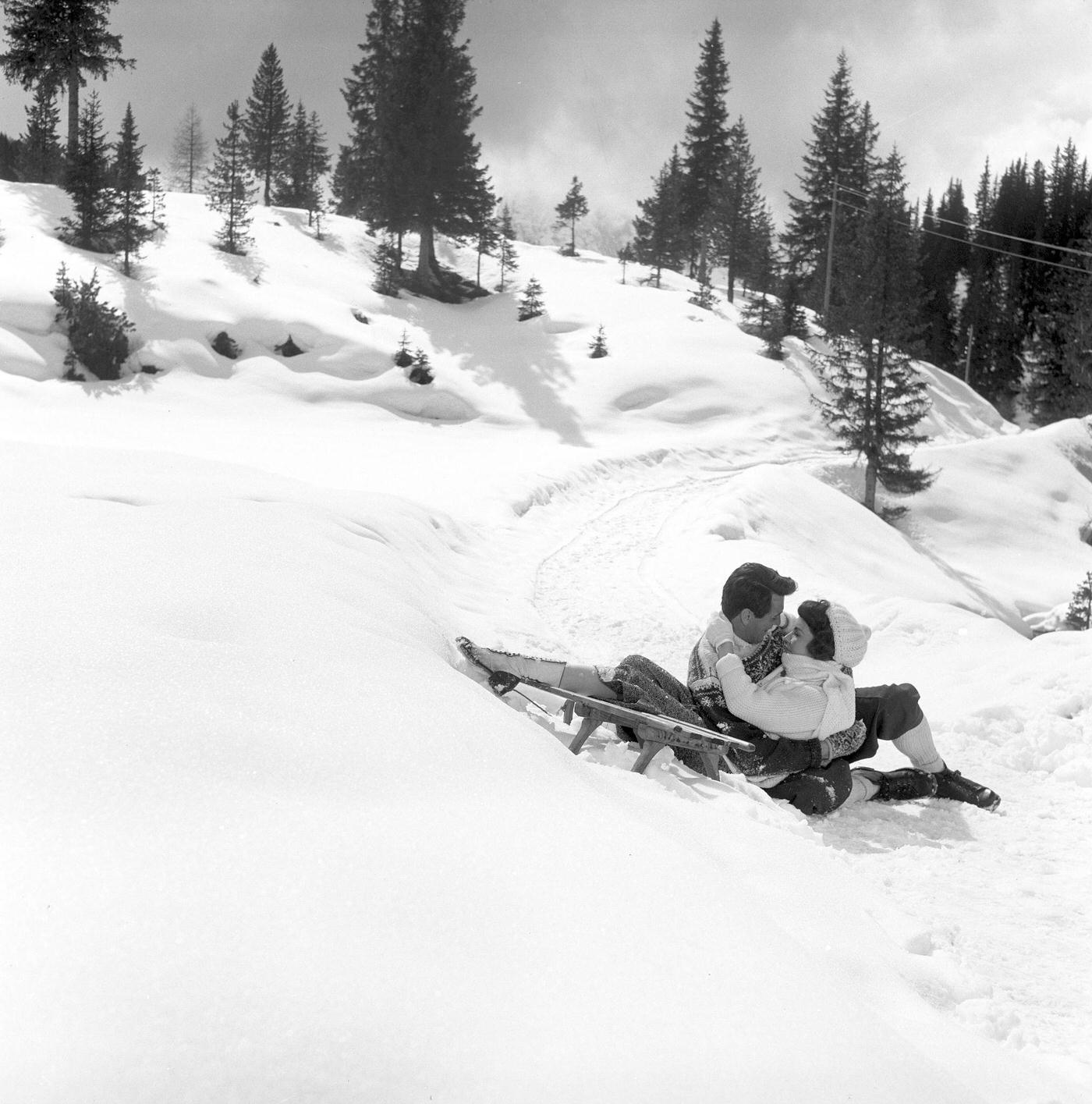
American actor Rock Hudson (Roy Harold Scherer Jr) and American actress Jennifer Jones (Phylis Lee Isley) hugging each other on the snow in a scene from the film A farewell to arms. Italy, 1957
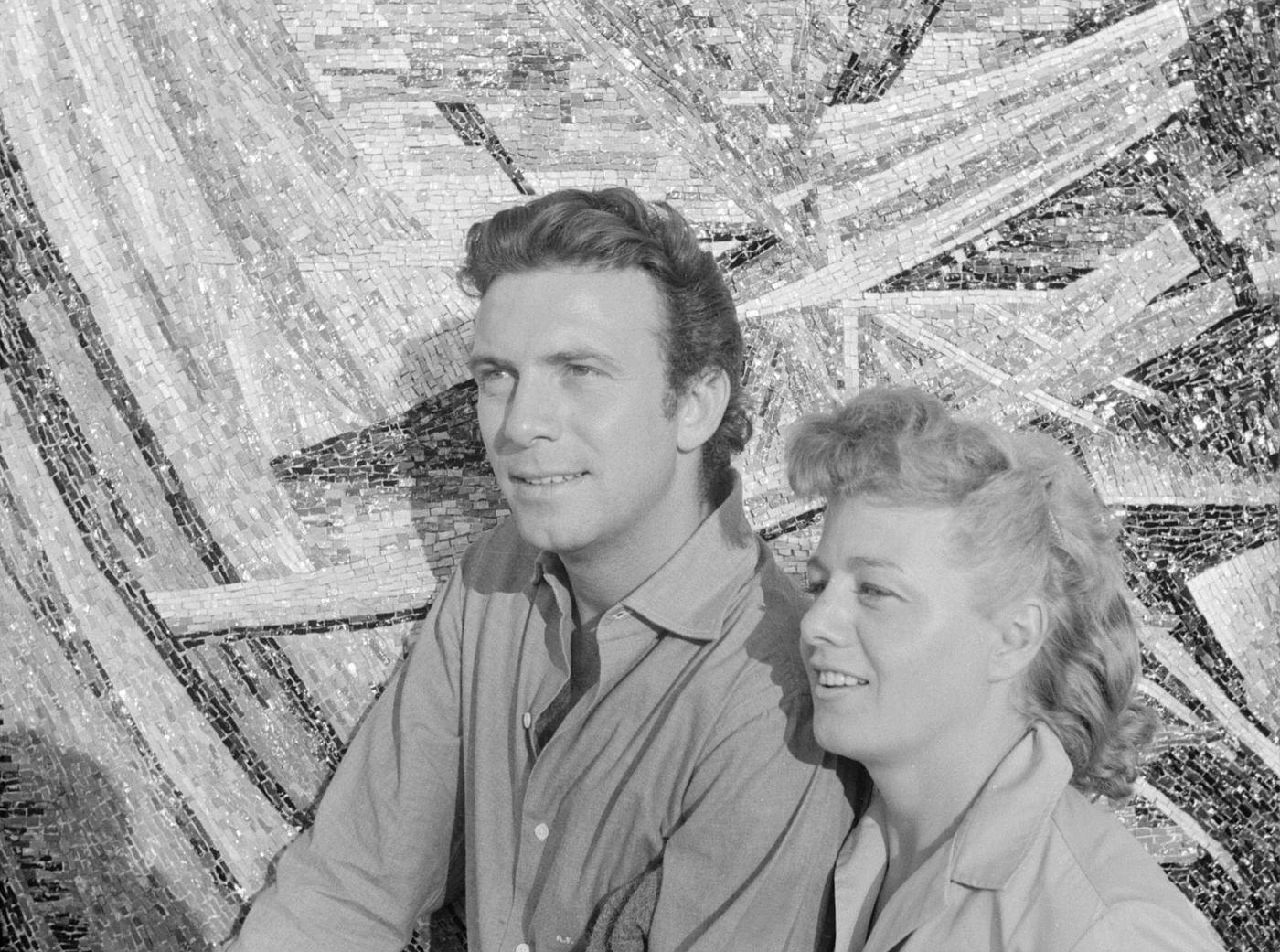
Shelley Winters (Shirley Schrift) and her husband and American actor Anthony Franciosa (Anthony George Papaleo, Jr.) beside a mosaic during the 19th Venice International Film Festival. Venice, August 1958

Small mountain villages like Carcoforo in Piedmont experienced winter differently from the cities. Life there moved slowly. Villagers gathered in the square, bundled against the cold, maintaining the same rhythms their grandparents had kept. These communities sat far from Italy’s booming industrial centers, and winter reinforced their isolation.
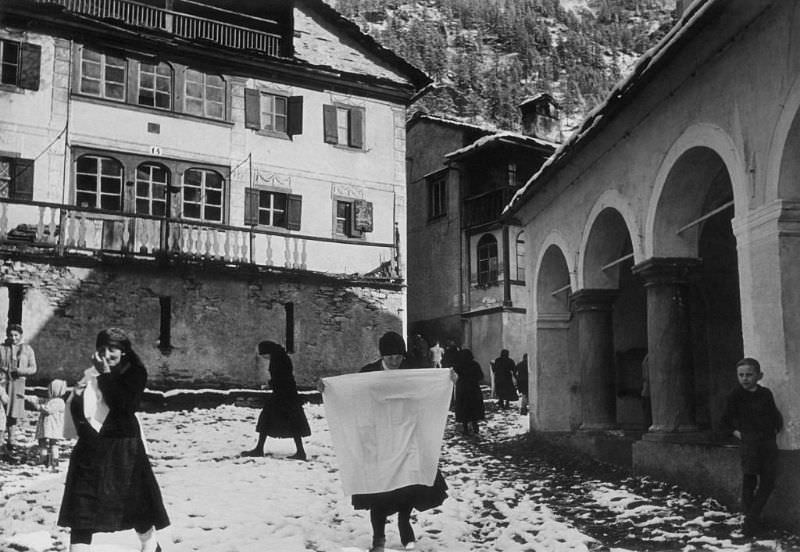
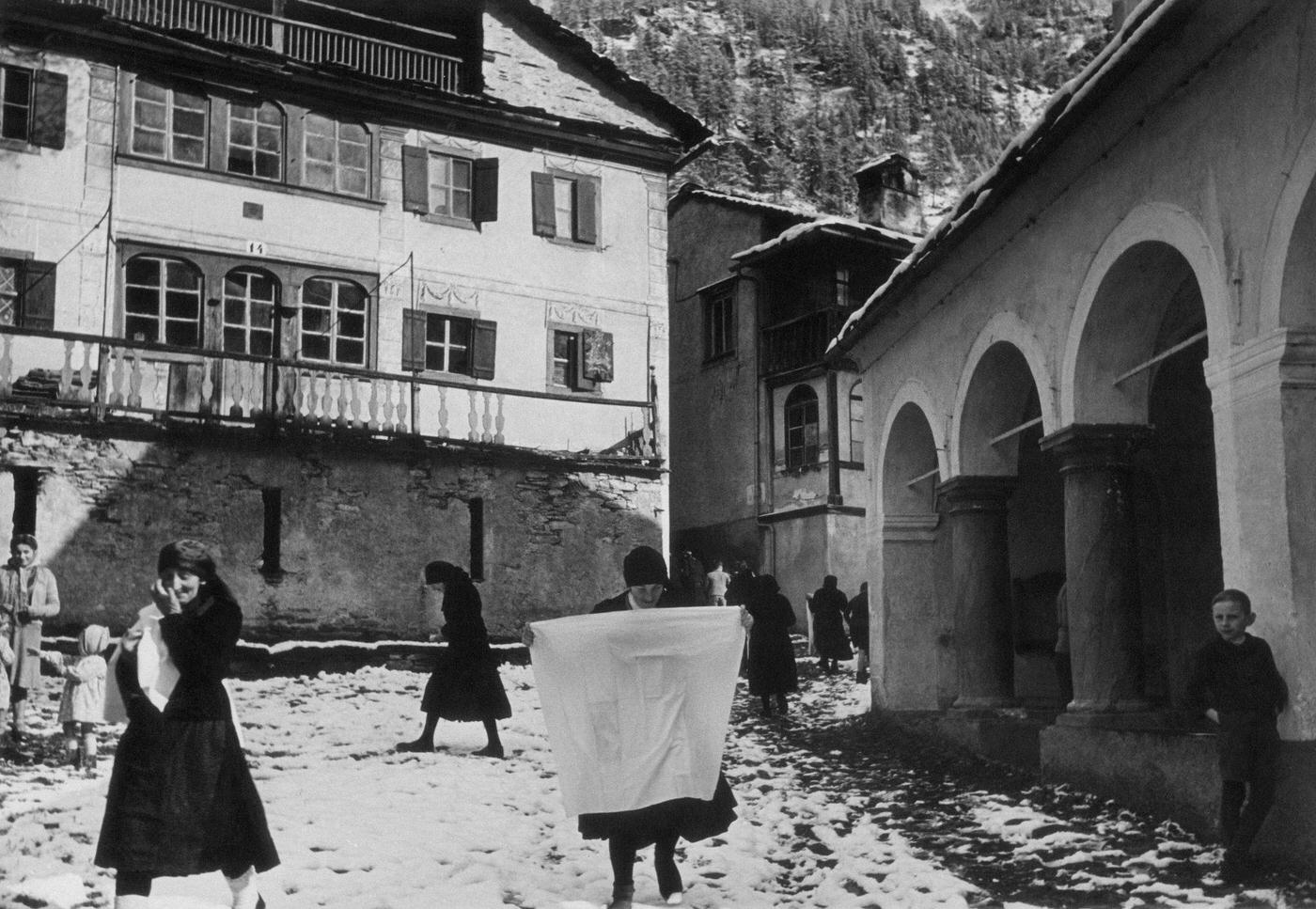
Carcoforo inhabitants at a square of the village, 1960s.
The inhabitants of Carcoforo walking in a square of the village. Carcoforo, 1960s
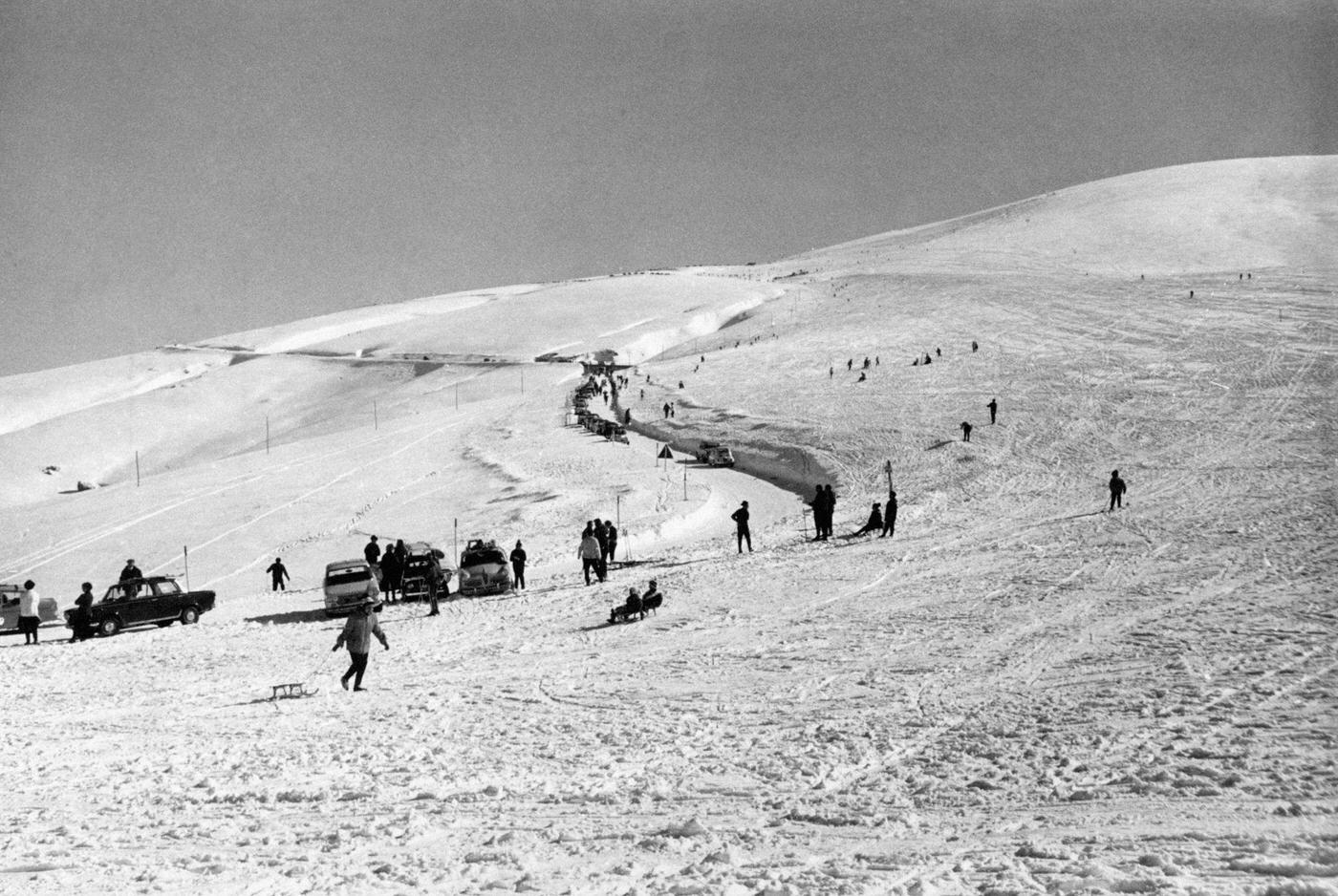
Children and adults having fun on the snow in Maielletta. Pennapiedimonte, 1960s

Italian mountaineer Achille Compagnoni, who had become the first person to summit K2 in 1954, remained a symbol of Italian winter ambition throughout the 1960s. His achievement was a point of national pride — proof that Italians could conquer the harshest conditions on earth.
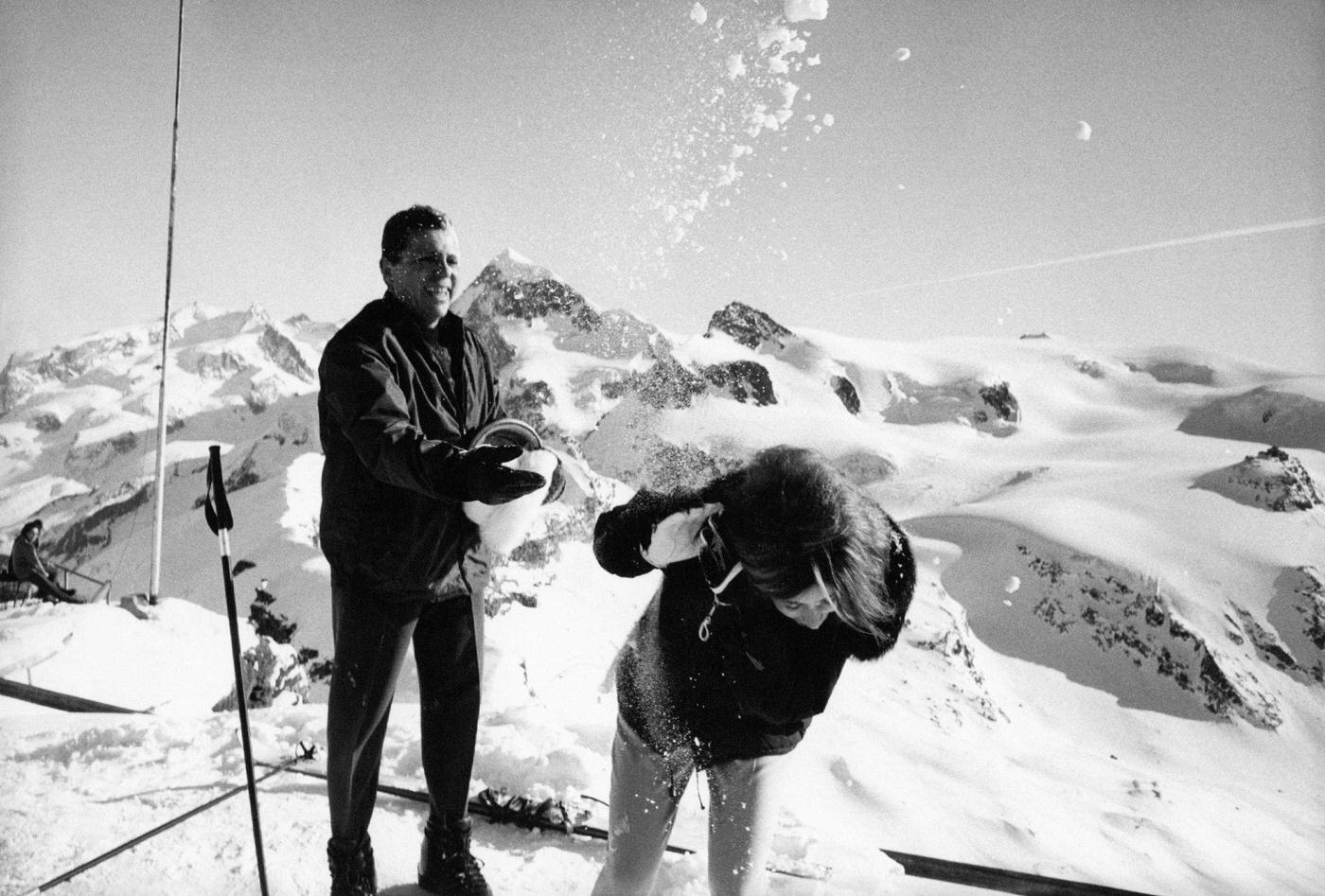
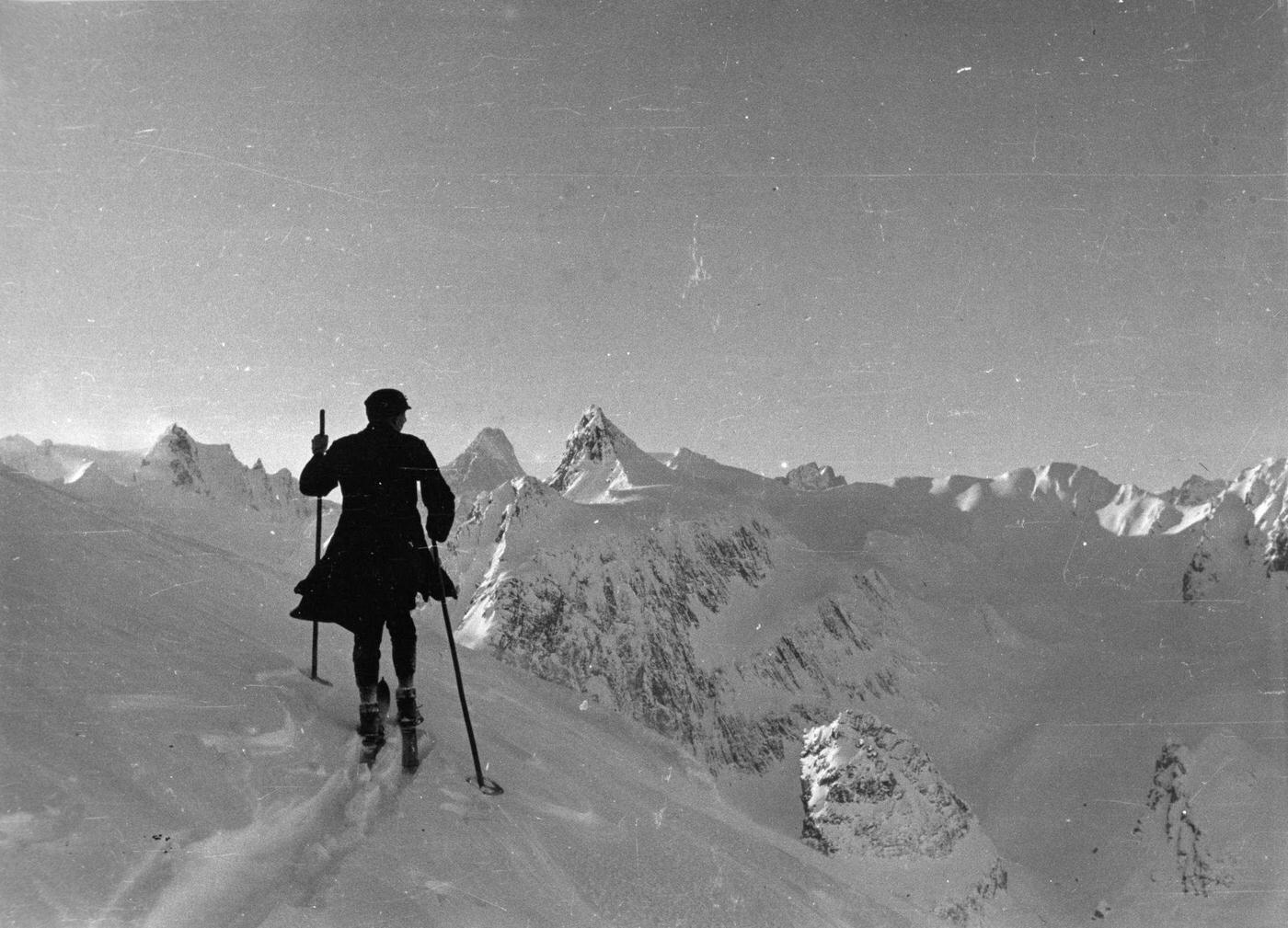
Italian mountaineer Achille Compagnoni, first man in the world to gain the top of the K2 Mountain, 1964
The prior of the hospice ascends the Mont Mort with skis. The Mont Mort is the frontier between Italy and Switzerland.

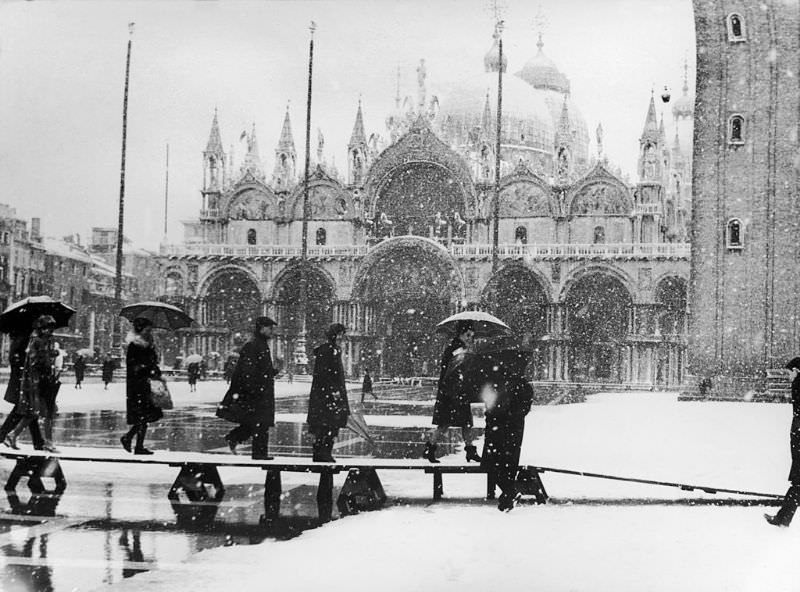
In Rome, winter could occasionally turn dramatic. A cold wave in 1969 brought enough snow to TrinitĆ  dei Monti — the famous steps above the Spanish Steps — for a full snowball fight among locals. Piazza San Marco in Venice was blanketed white in 1963, its Byzantine basilica framed by a rare and striking snowfall.
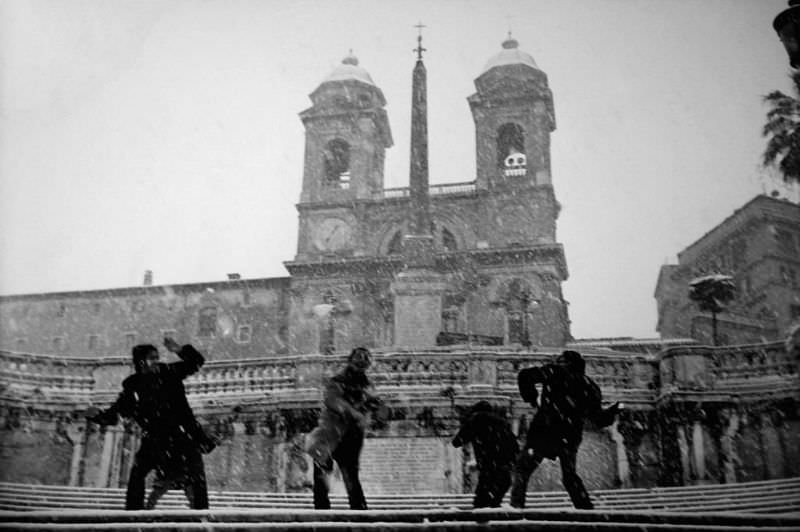
Snowball fight at Trinita Dei Monti during a cold wave in Rome, 1969.
Piazza San Marco covered in snow, 1963.

Couples found their own winter routines. A young pair sat on a bench in Florence’s Piazza Donatello in the 1950s. Another couple rested together in Rome in 1960. A young woman braced against the wind in 1961, pulling her coat tight. These quiet, everyday images capture something the grand events don’t — what winter actually felt like for most Italians.
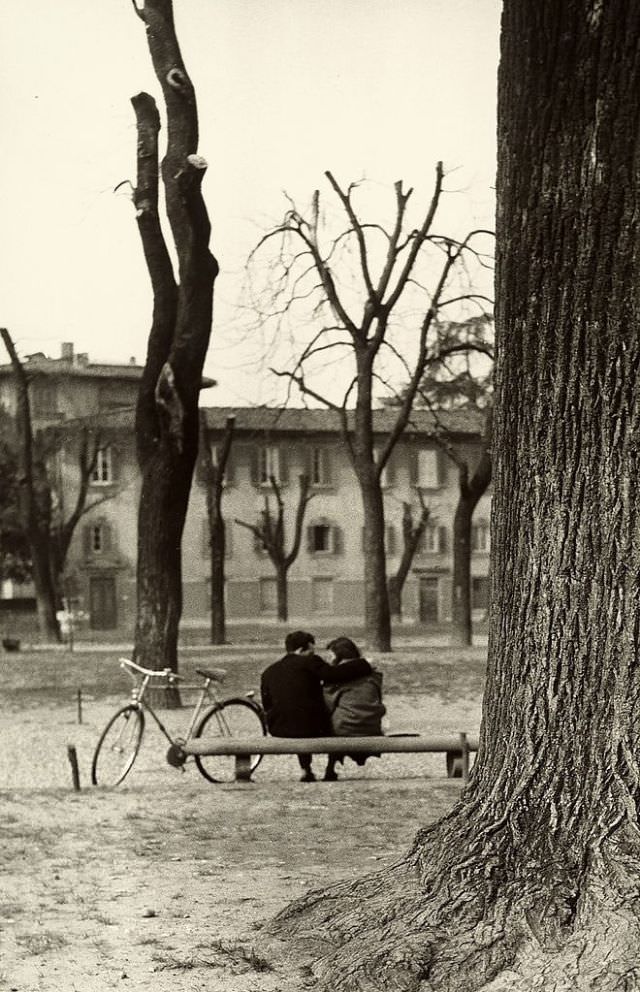
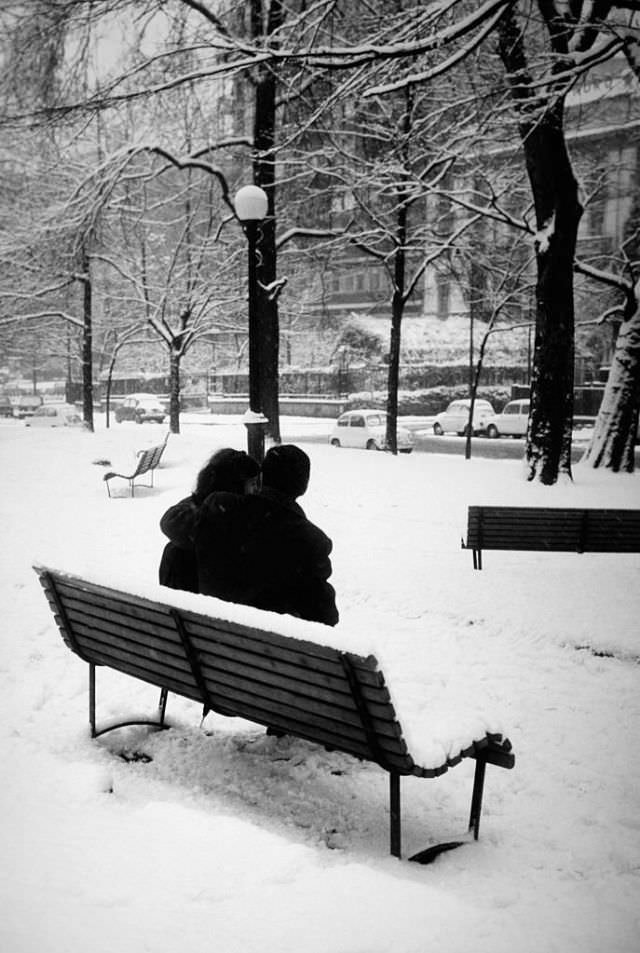
A young couple sitting on a bench in Piazza Donatello, Florence, 1950s. (Vincenzo Balocchi)
A couple sitting on a bench during the winter in Rome, 1960.
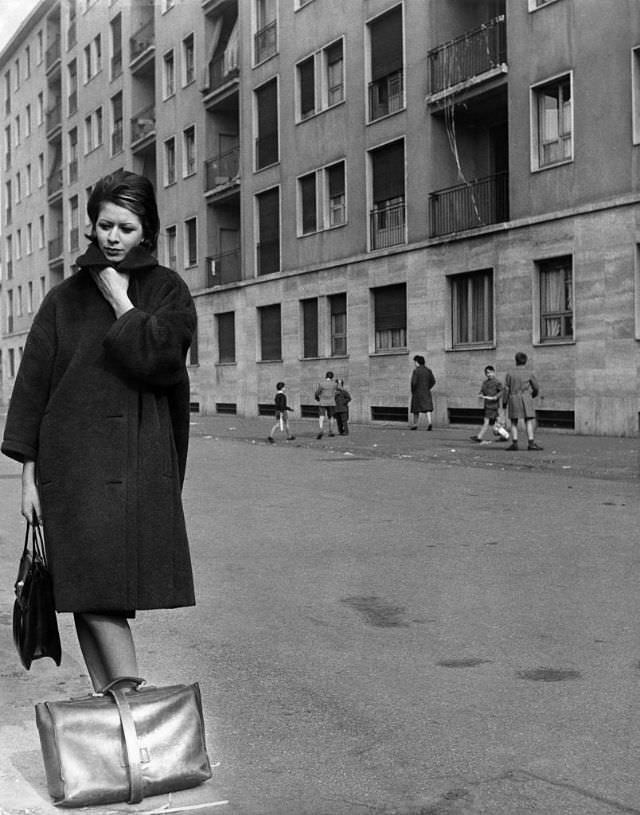
A young woman trying to protect herself from the cold during winter, 1961. (Walter Mori)

Sicily celebrated winter with fireworks rather than snow. In the 1950s, men set off elaborate displays as part of local festivals — a vivid contrast to the frozen lakes and ski slopes of the north. Italy’s geography guaranteed that winter meant something entirely different depending on which region you called home.
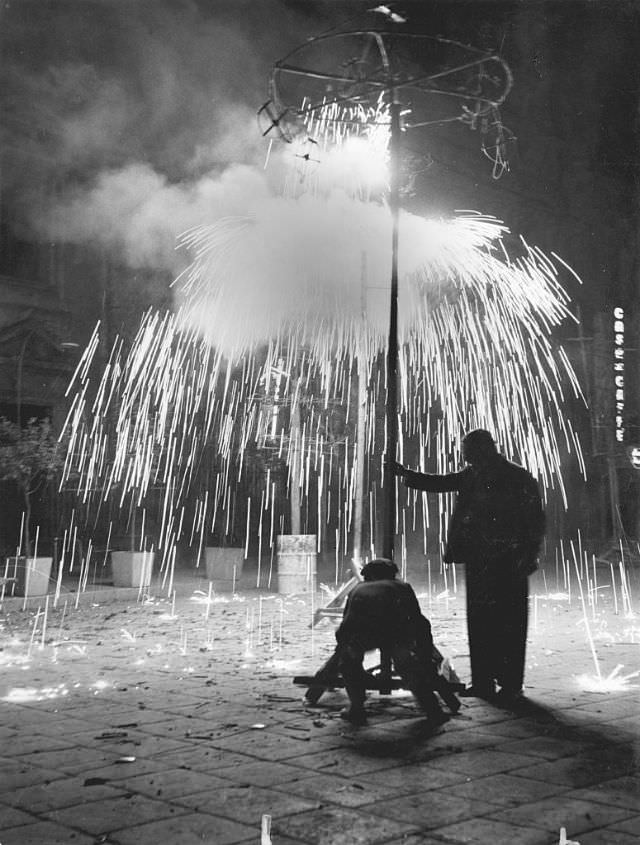
Men lighting fireworks, Sicily, 1950s. (Mario De Biasi)
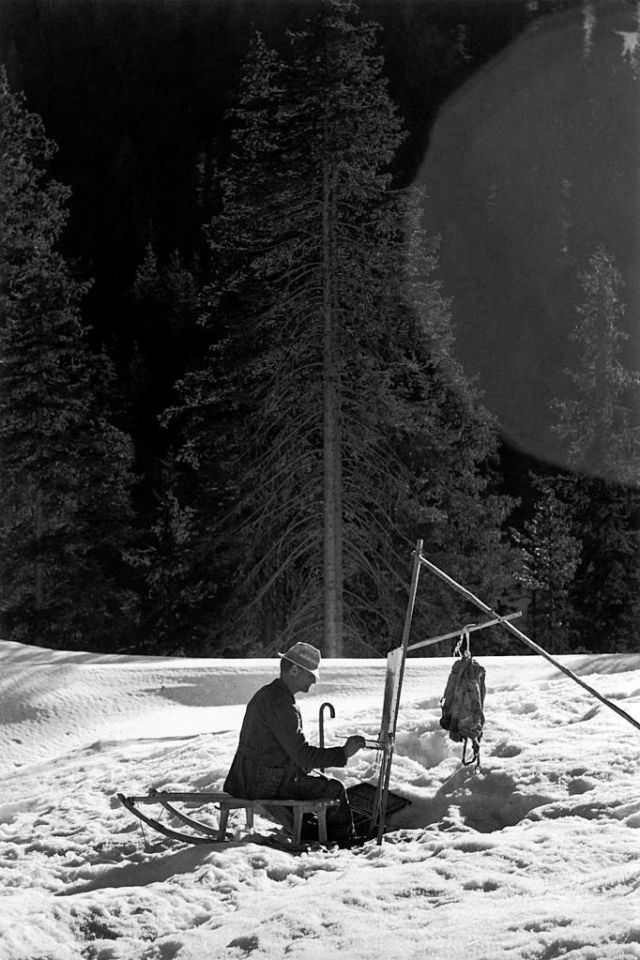
A painter in the winter, Dolomites, 1959. (Jean-Philippe Charbonnier)

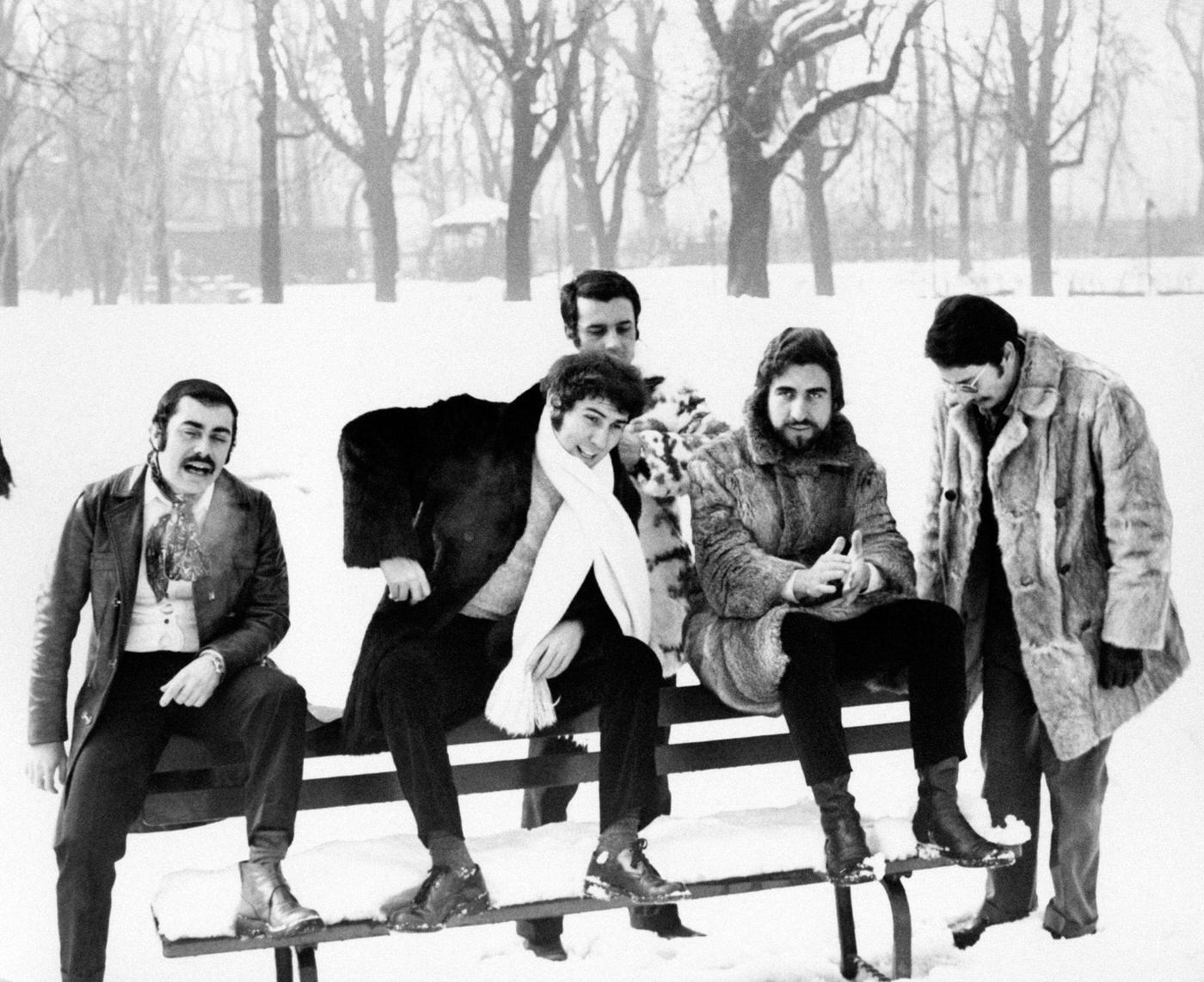
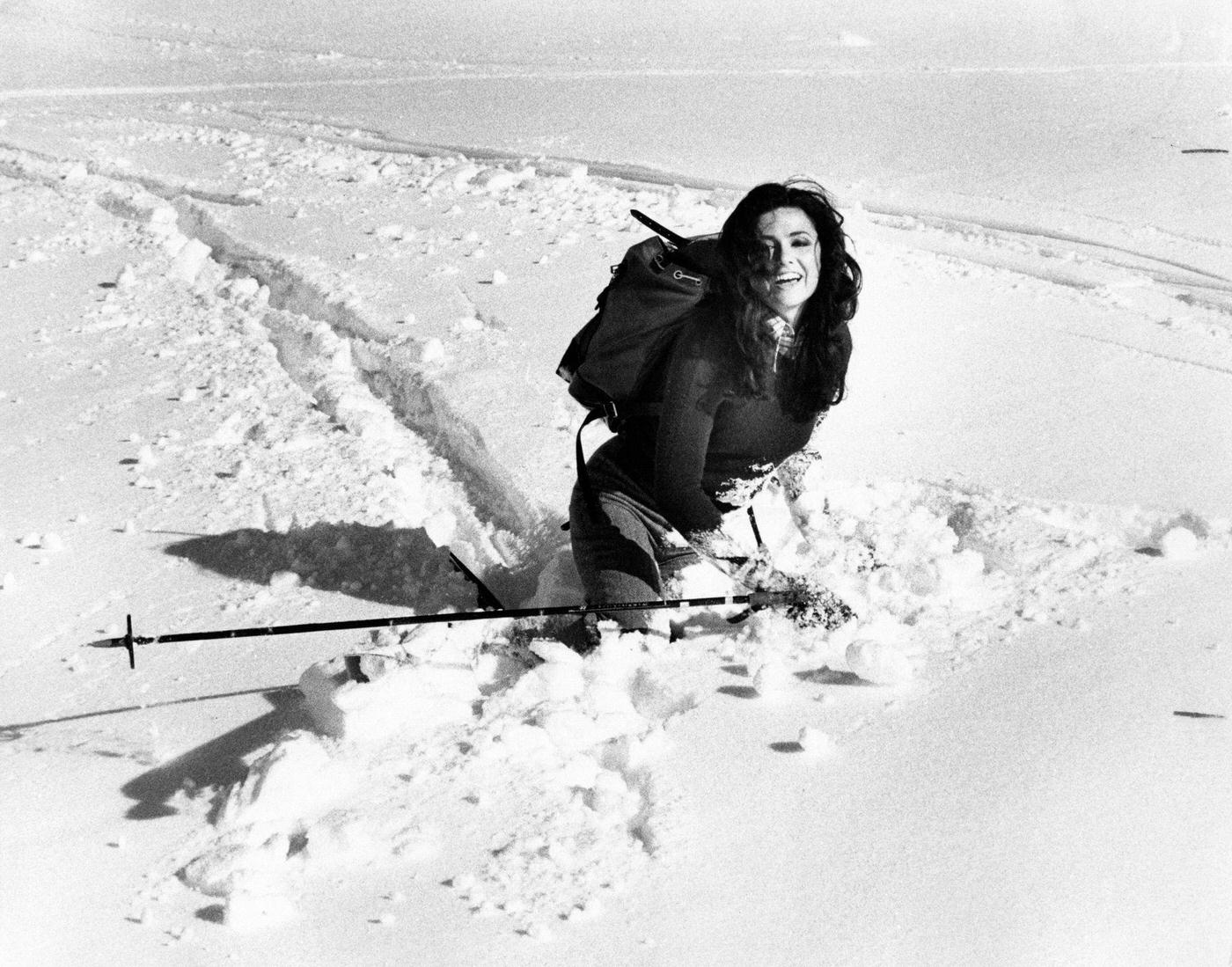
By the 1970s, winter had become a season of popular culture as much as sport or religion. Italian pop stars embraced the season openly. Singer Mia Martini rode a horse-drawn sleigh through Livigno in 1973. Gigliola Cinquetti played in the snow with a ski stick in 1974. The Dik Dik band posed on a snowy bench, wrapped in winter gear. Italy’s pop scene had fully claimed the cold.
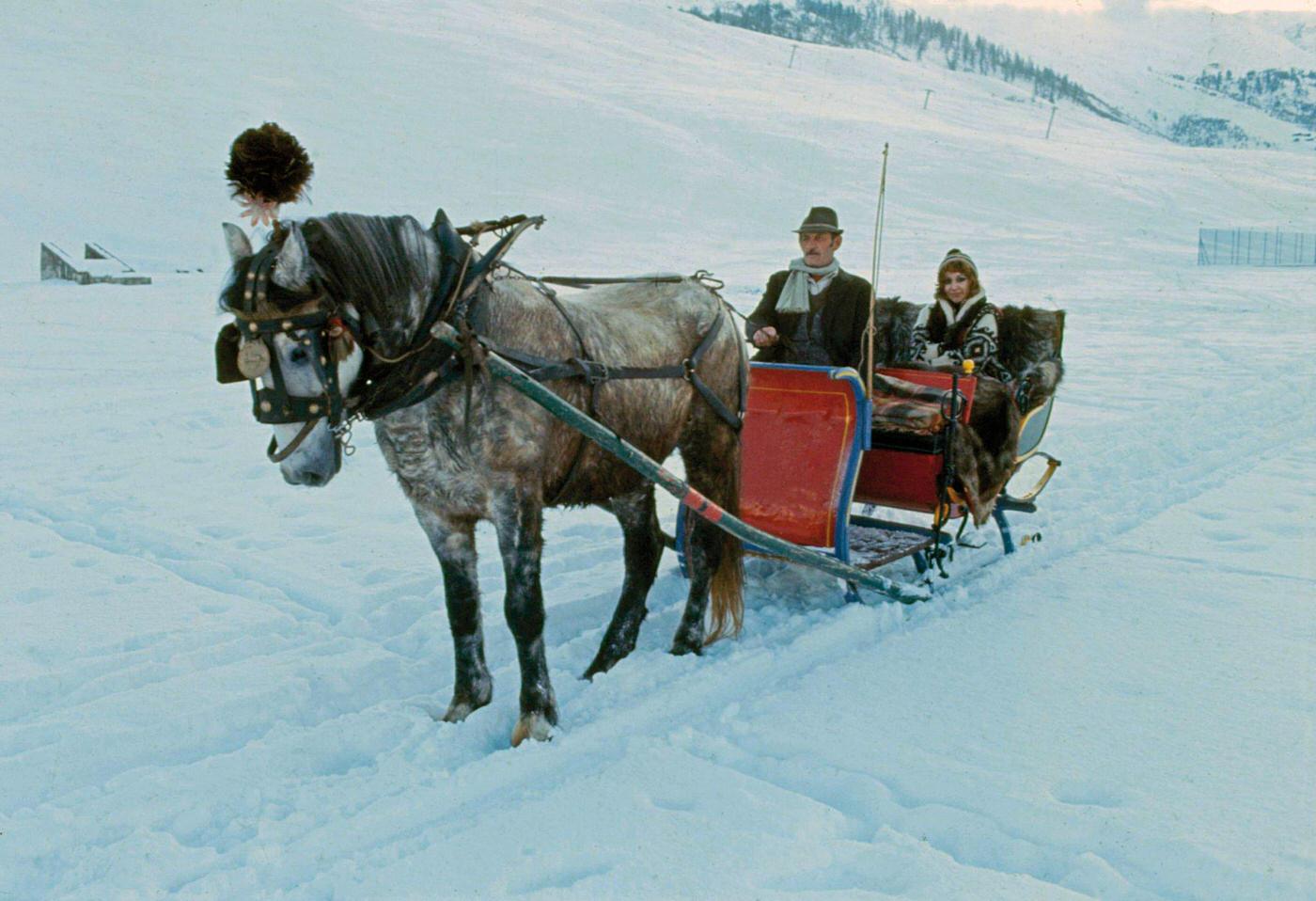
The singer Mia Martini (Domenica Rita Adriana BertƩ) on a horse-drawn sleigh. Livigno, Italy. 1973
Italian singer Gigliola Cinquetti playing on the snow with a ski stick in her hand. San Giorgio, 1974.
Italian band Dik Dik sitting on a snowy bench.

Milan’s Oh Bej! Oh Bej! fair — held each December around the Feast of Sant’Ambrogio — was one of the city’s oldest winter traditions. By the 1970s it drew massive crowds to browse stalls selling toys, food, and crafts, filling the streets around the Castello Sforzesco with color and noise in the middle of the cold.
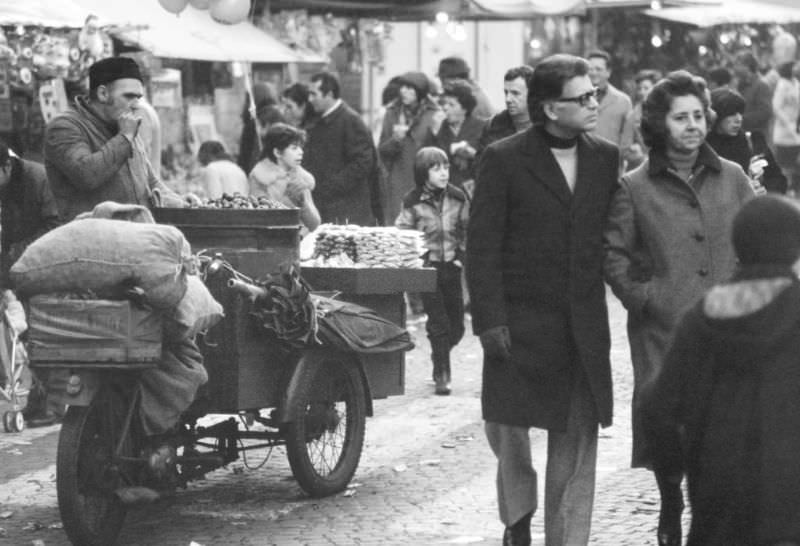
Oh Bej! Oh Bej! Fair, Milan, 1970s.
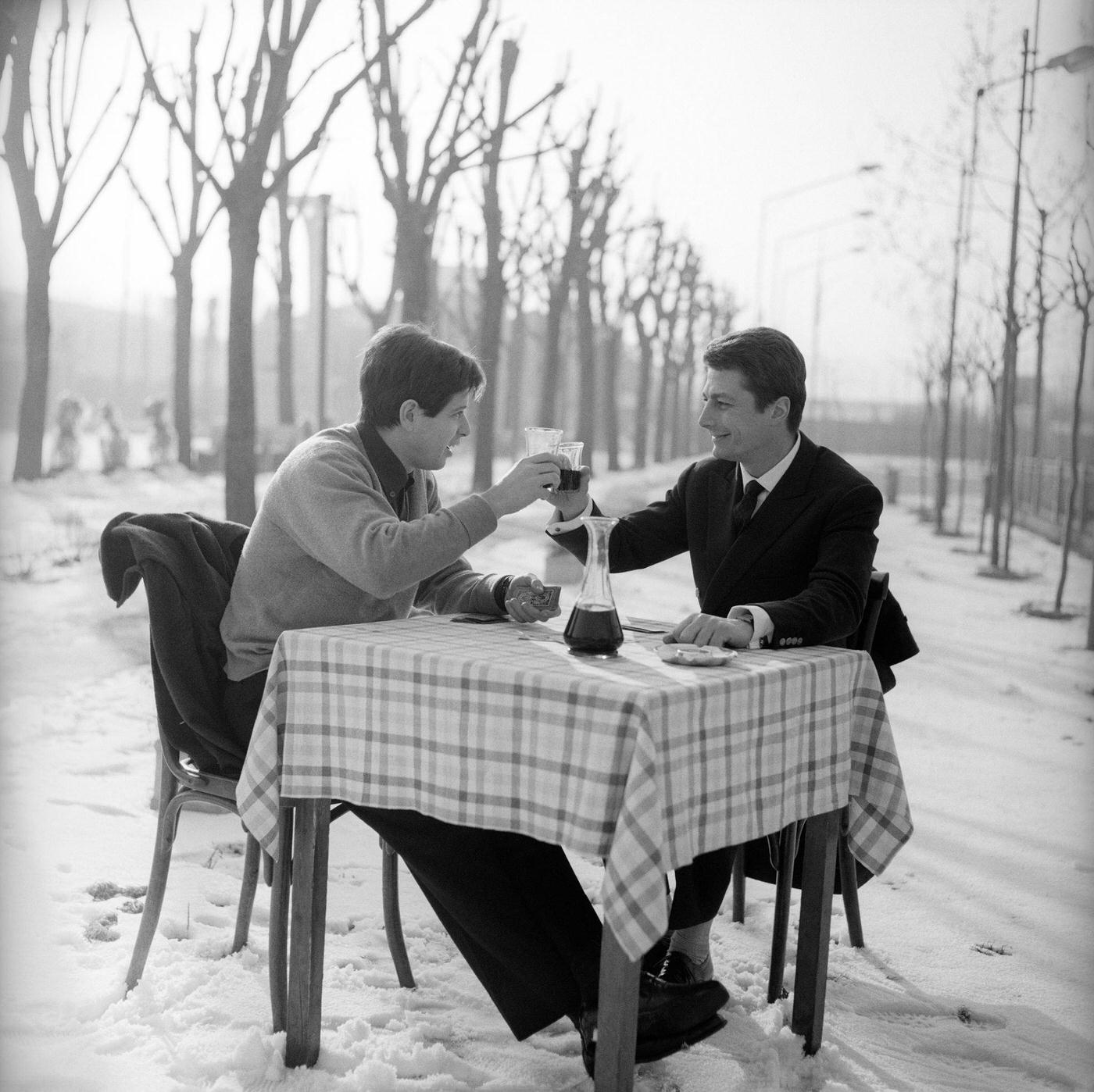
The Italian voice artist and film actor Corrado Pani and the US actor Joseph Walsh are chatting around a square table in the open air, in a snow covered landscape; they are toasting with red wine. Italy, 1963.
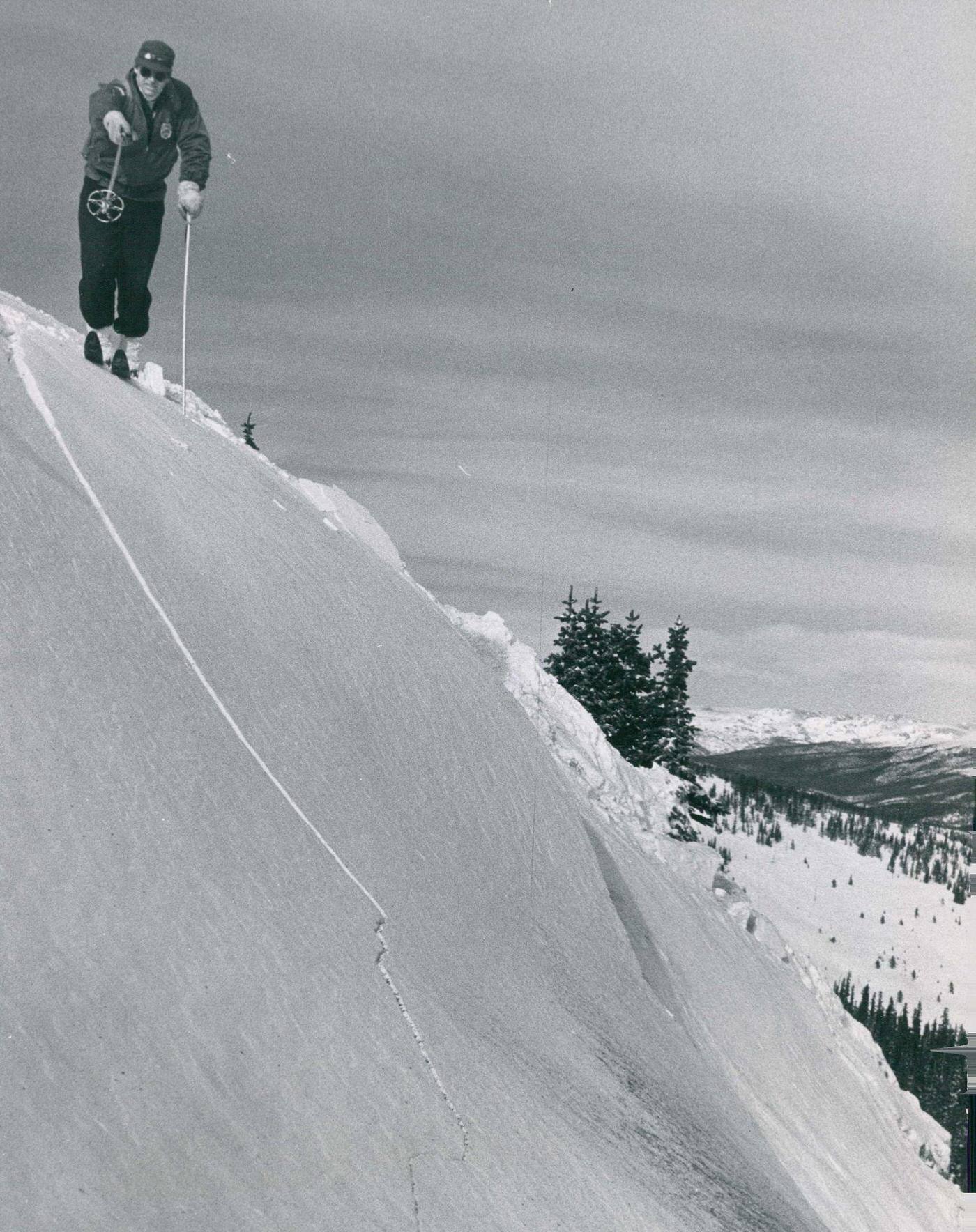
Dick Stillman, "avalanche buster" for the U.S. forest service atop Berthoud Pass, points out jagged fracture line in the snow.
Dick Stillman, ā€œavalanche busterā€ for the U.S. forest service atop Berthoud Pass, points out jagged fracture line in the snow.
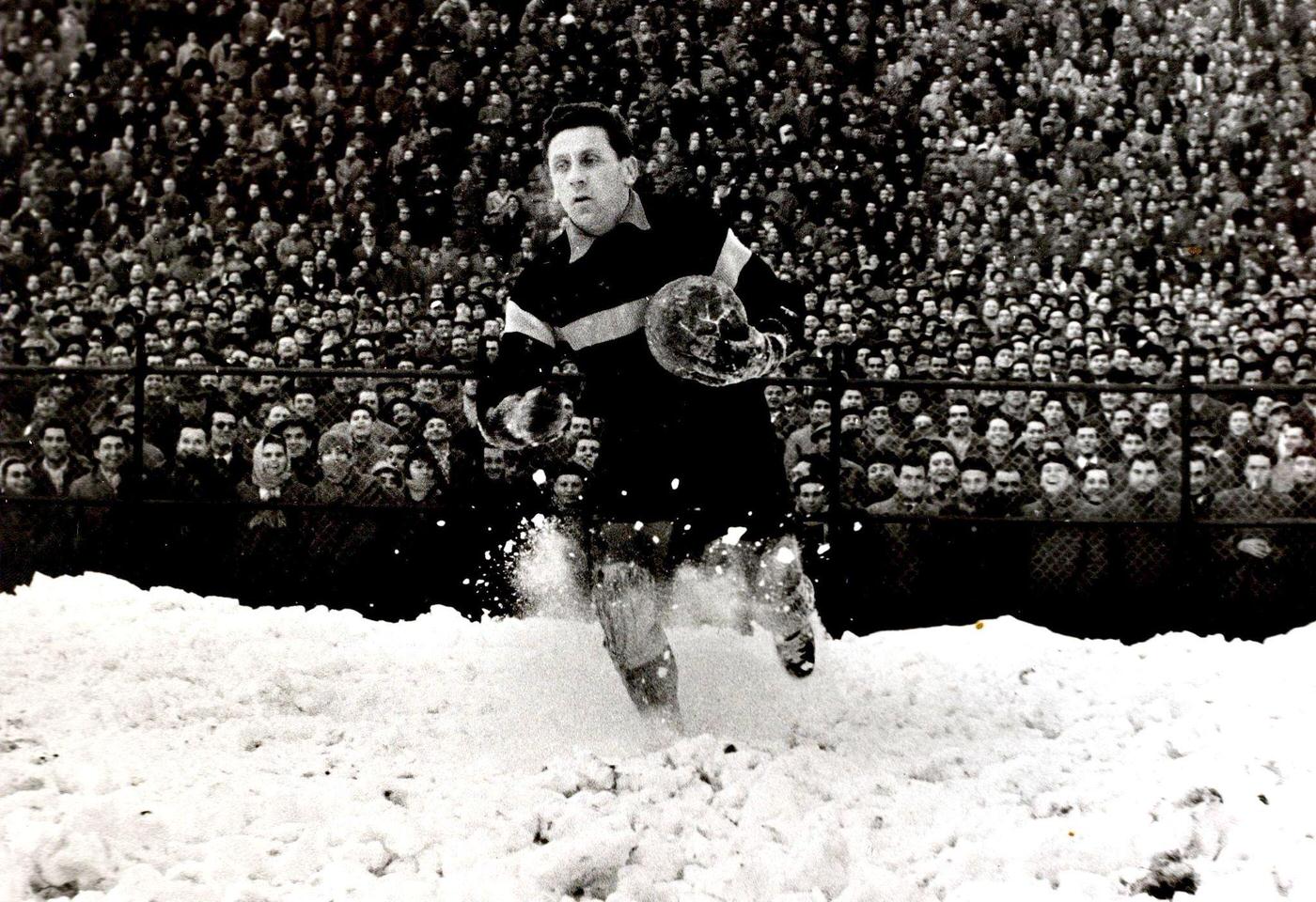
Italy v France, A picture of the French goalkeeper Remetter as he retrieves the ball from the snow behind his goal
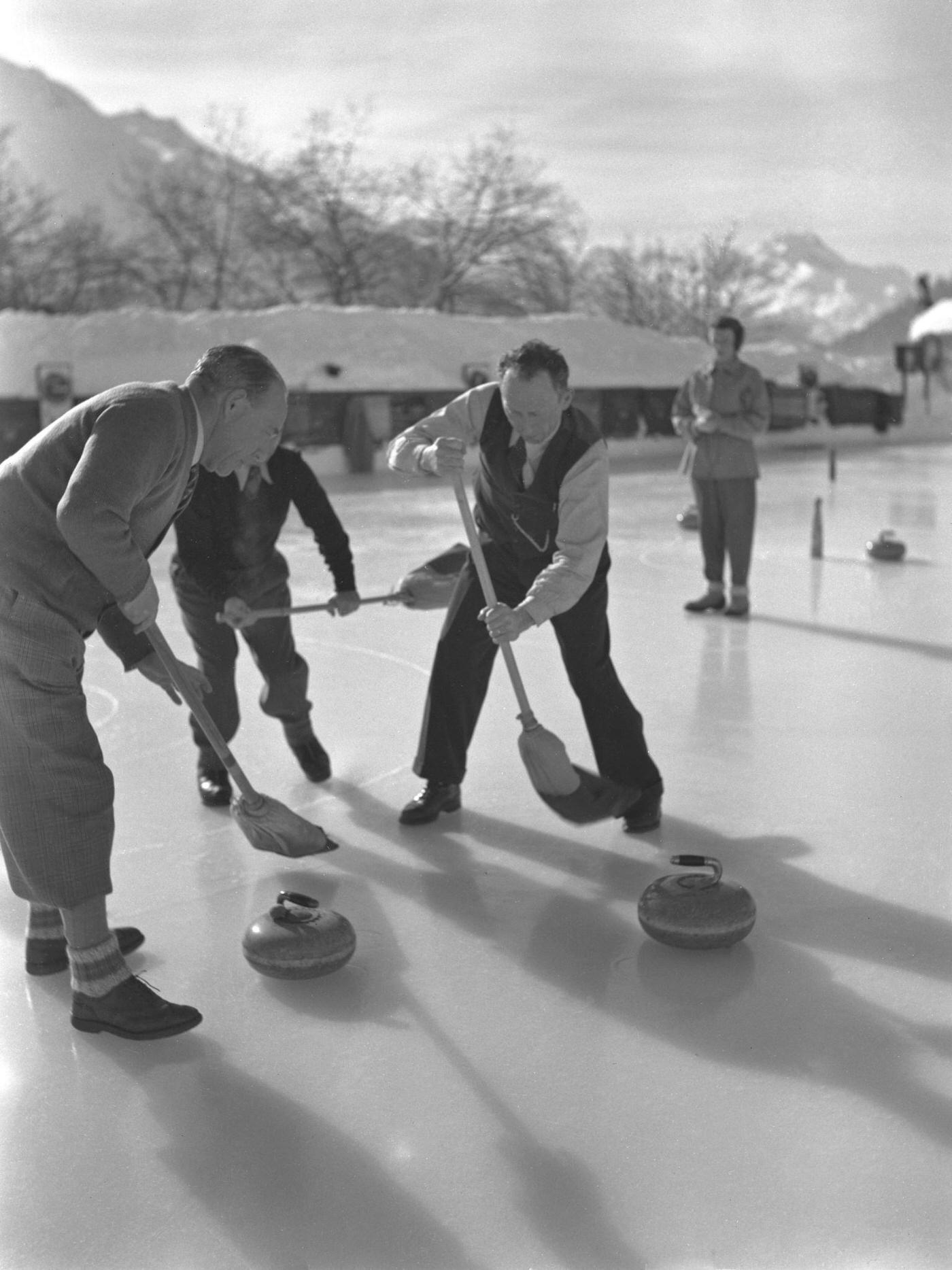
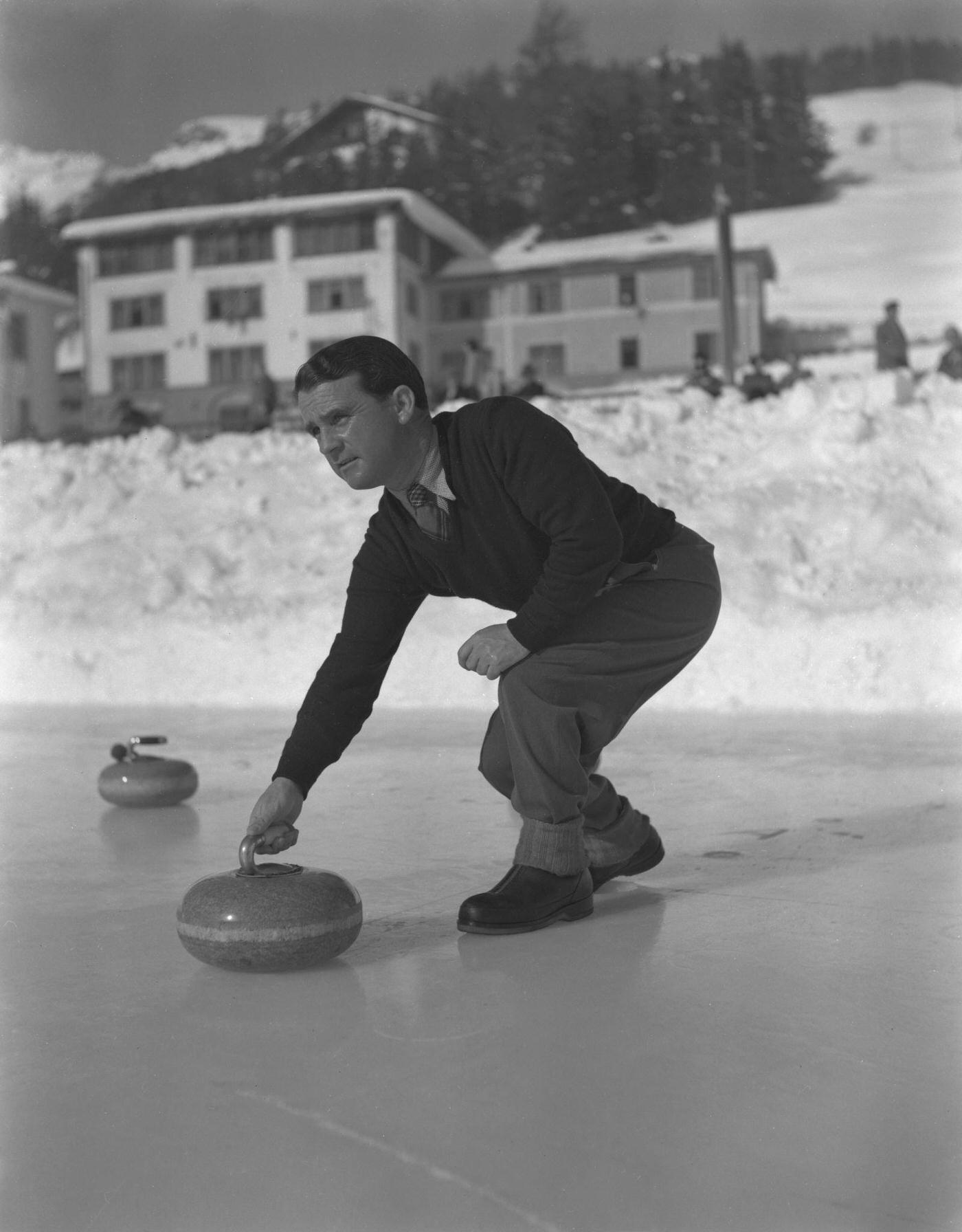
Curling Game on ice in St Moritz fot the Winter Olympics Games, 1950s.
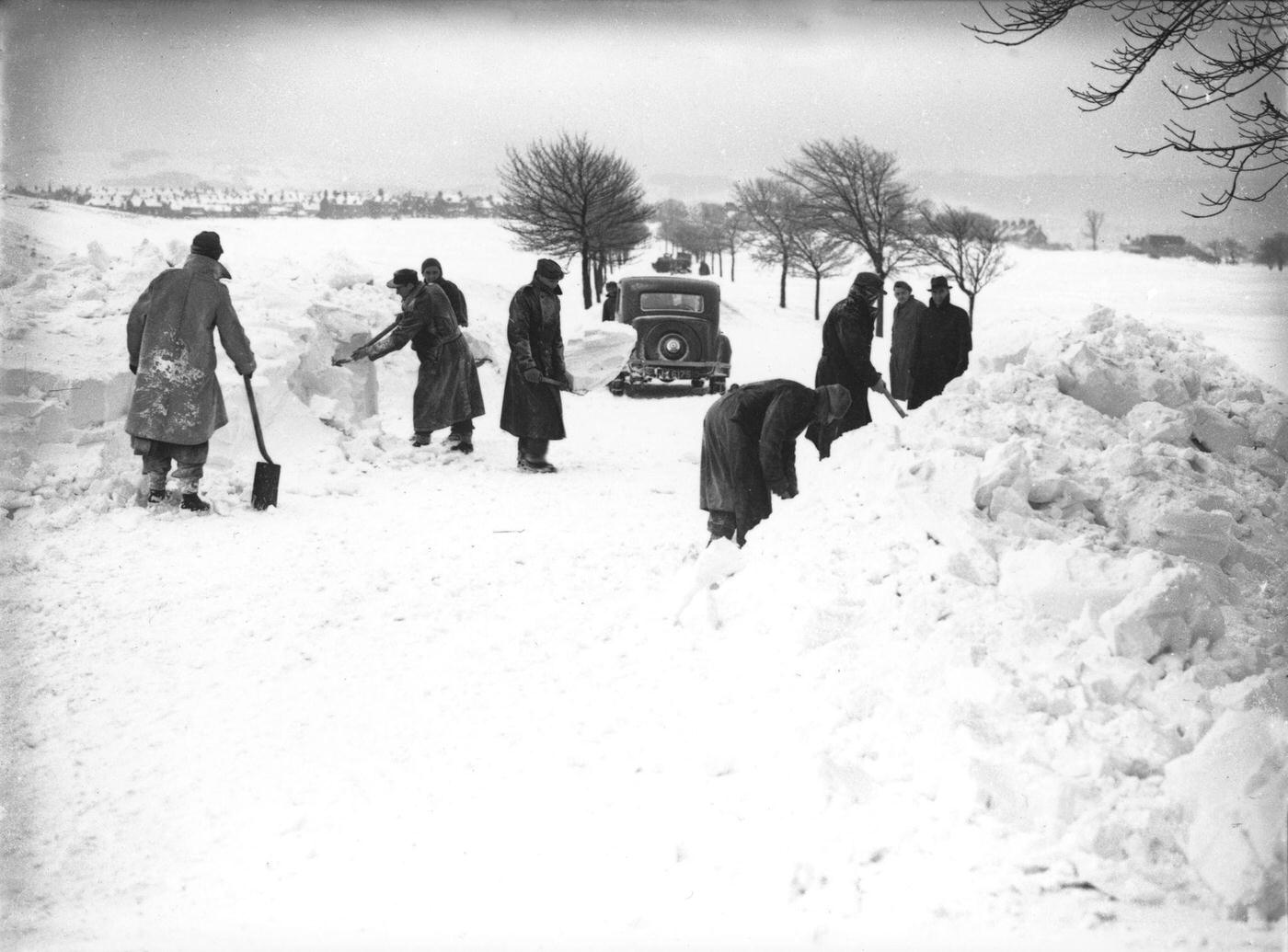
German/Italian prisoners of war clearing snow on Fairfield Common, Buxton, Derbyshire, 1947.
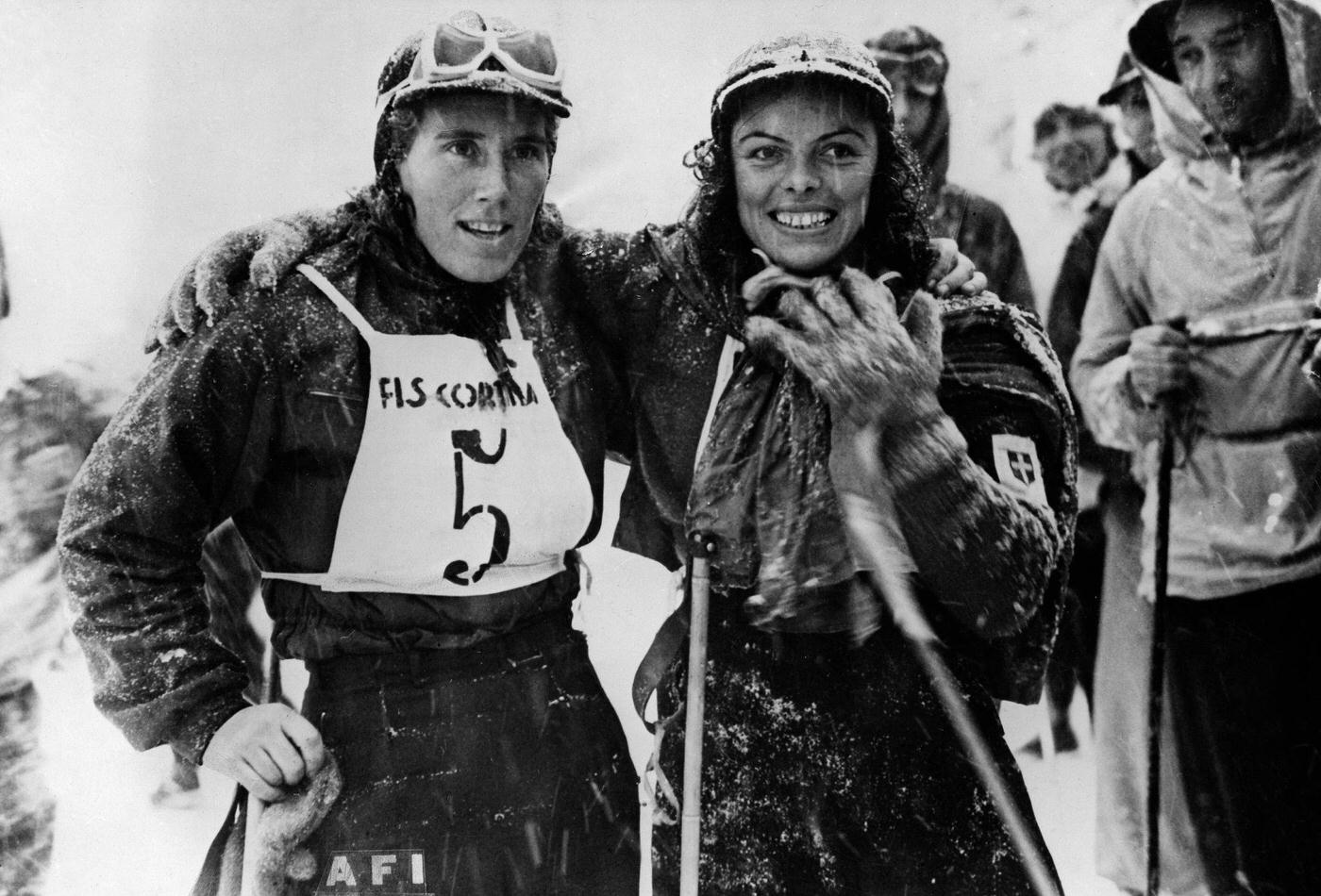
Cranz, Christl
Cranz, Christl
Enjoyed this post? Get new ones in your inbox.

Leave a Comment

Your email address will not be published. Required fields are marked *

Share this Post 🄺

Please take a moment to share this content. Your support is greatly appreciated! šŸ™ŒšŸ™

Share this Post 🄺

Please take a moment to share this content. Your support is greatly appreciated! šŸ™ŒšŸ™
Scroll to Top
 
Hey Friend, Before You Go.. Please like & follow for more interesting content