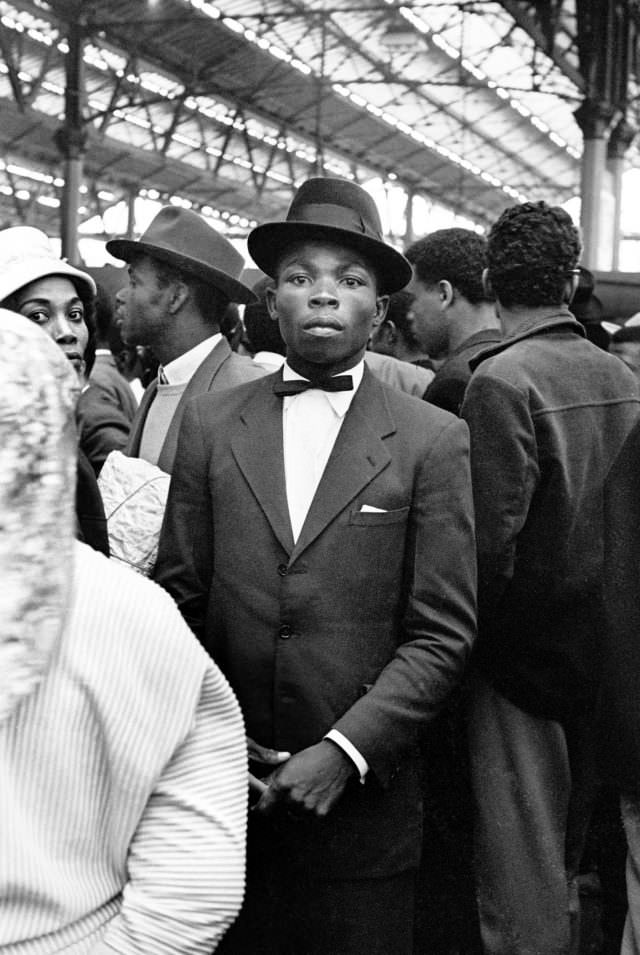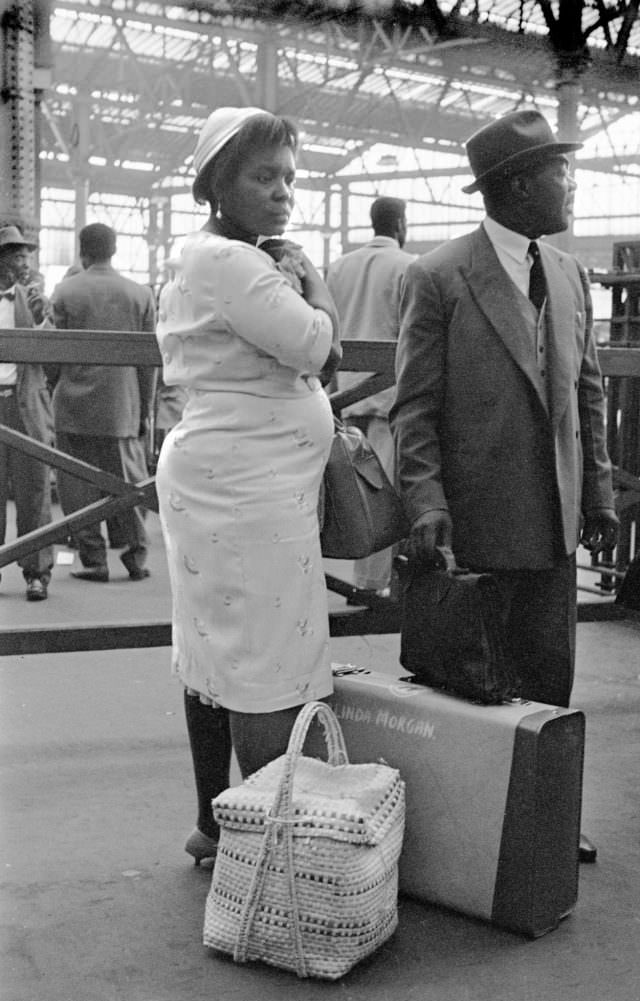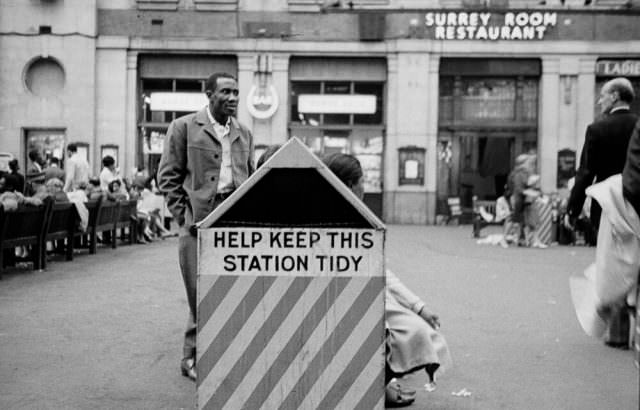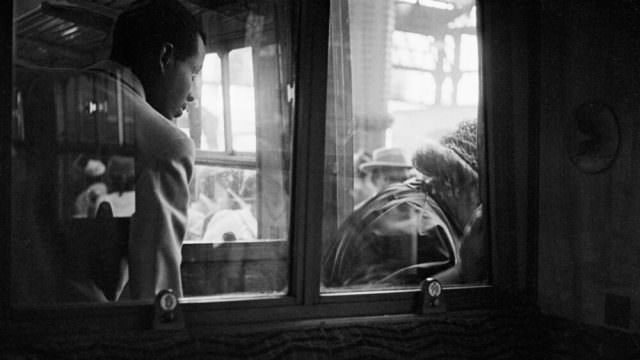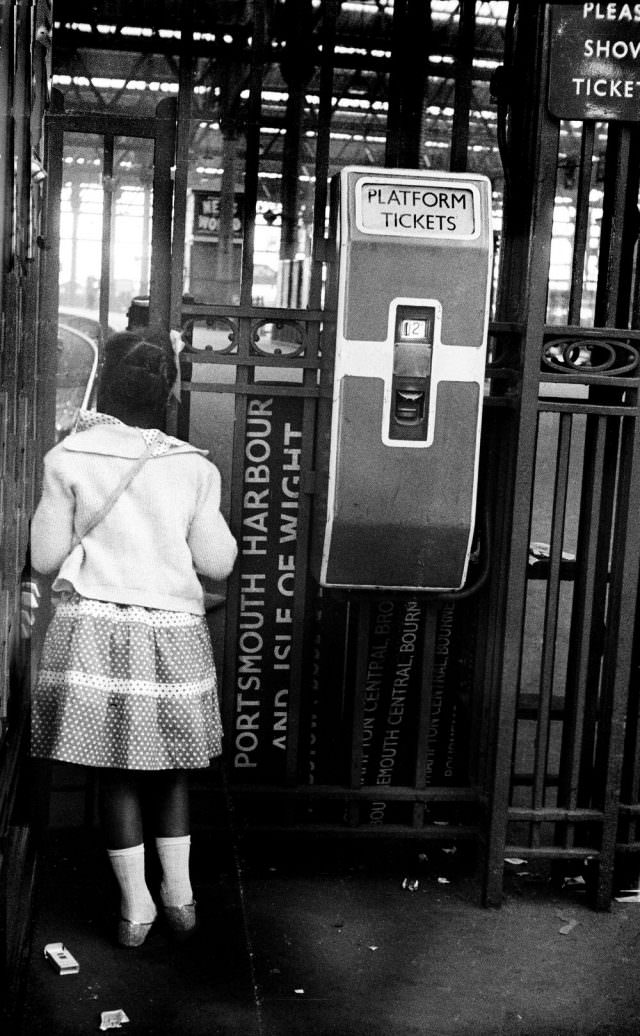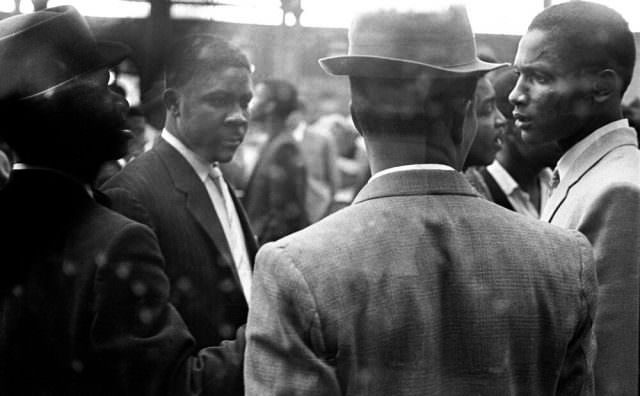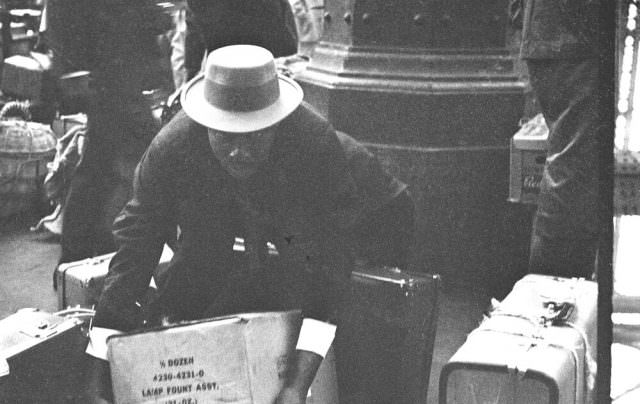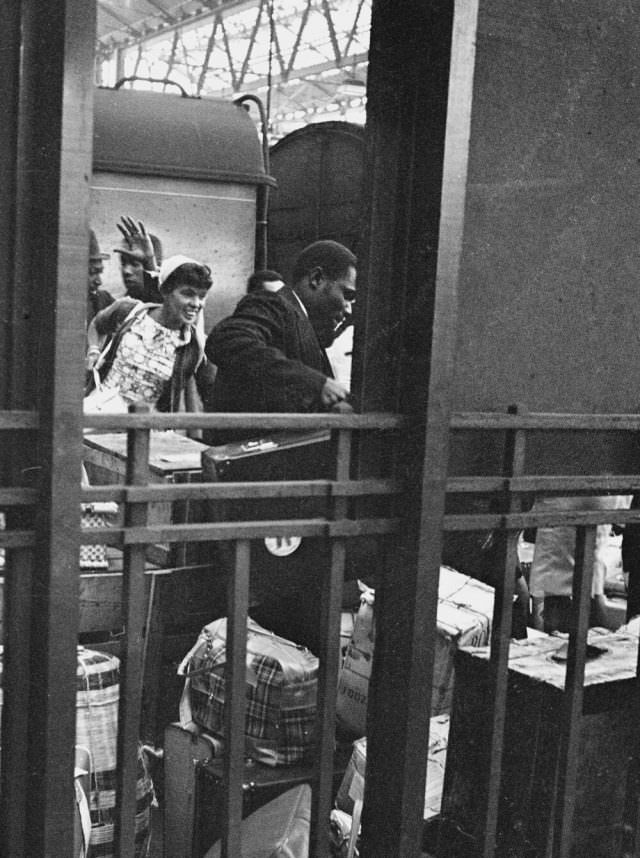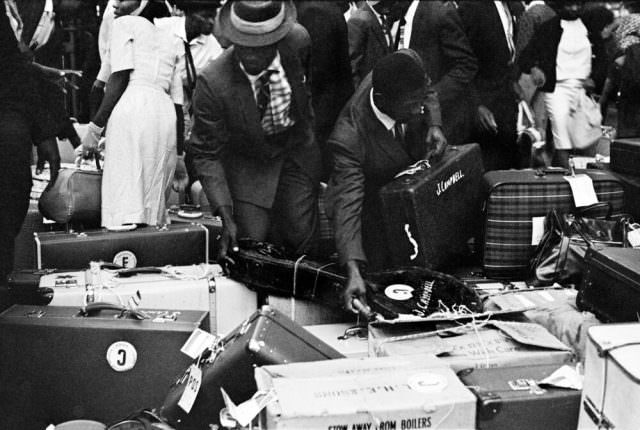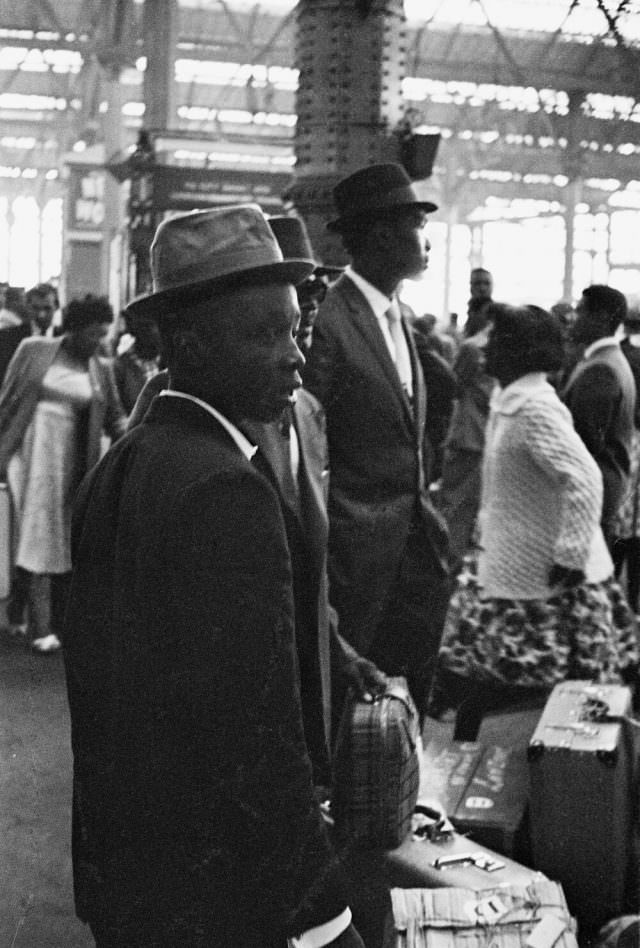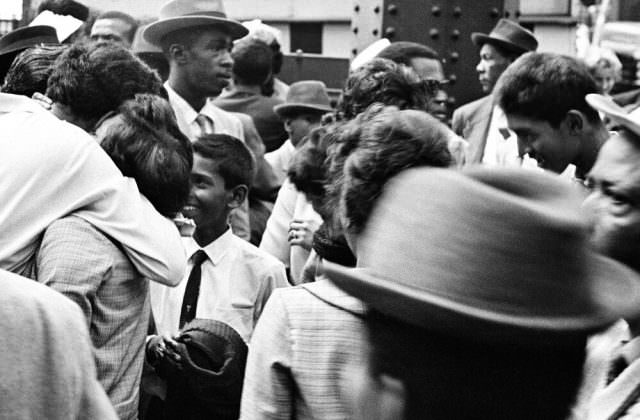
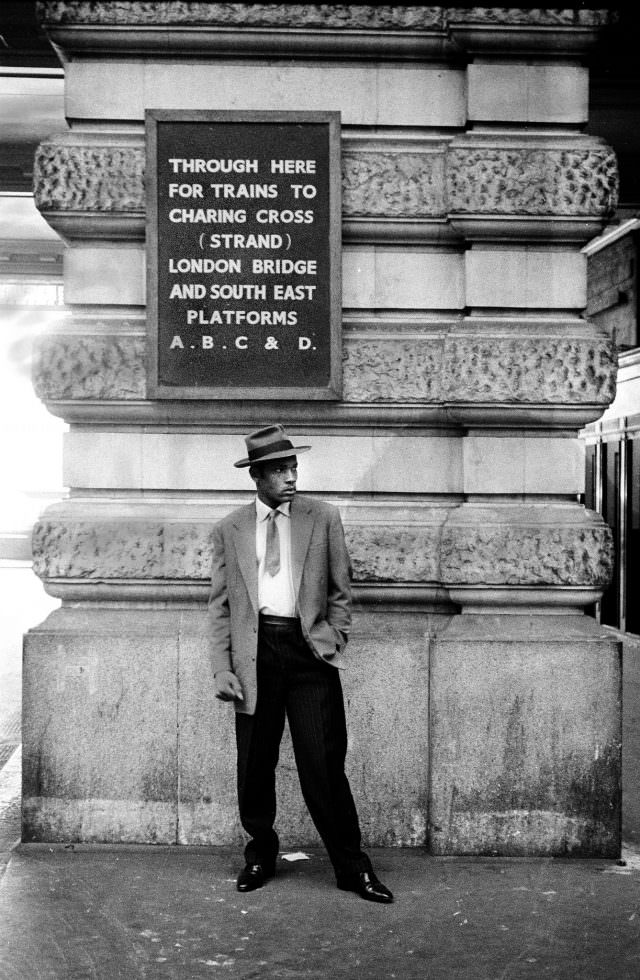
In the spring of 1962, a 20-year-old photographer named Howard Grey made his way to Waterloo Station in London with a camera and a simple goal: photograph everyday life. What he captured that day turned out to be something far more significant. The majority of his subjects were members of the Windrush Generation — Caribbean migrants who had come to Britain in the years following World War II, answering the call to help rebuild the country.
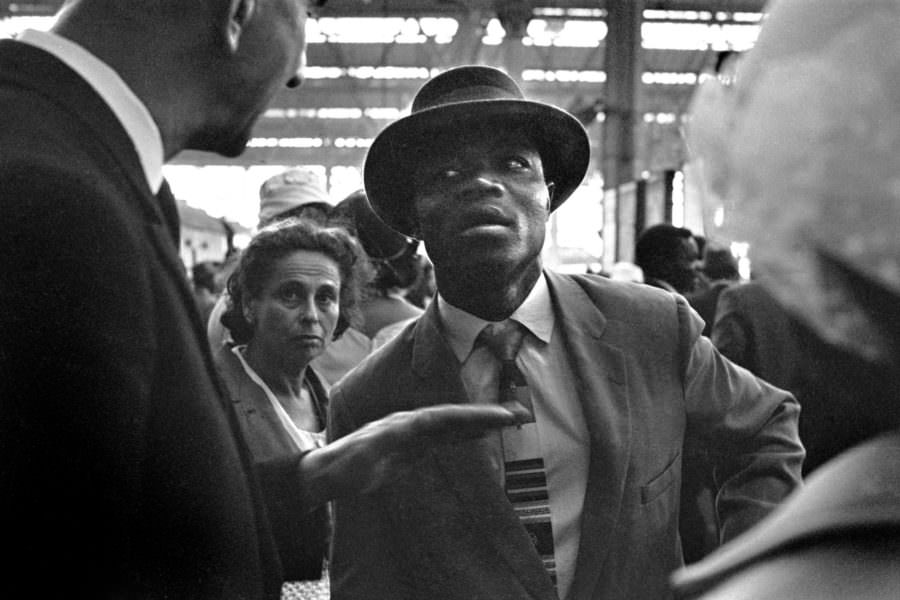
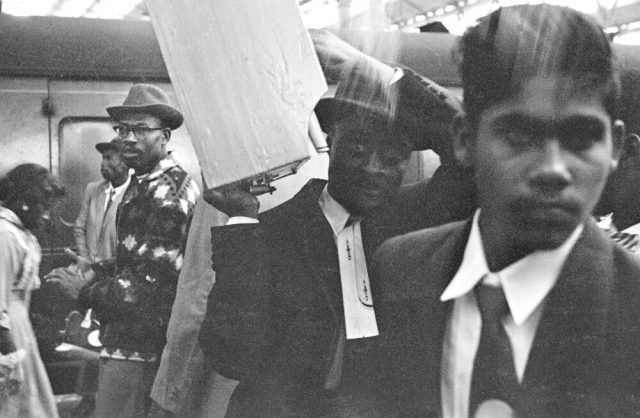
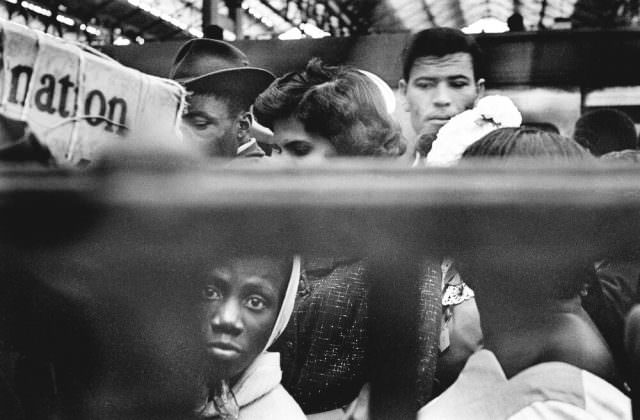
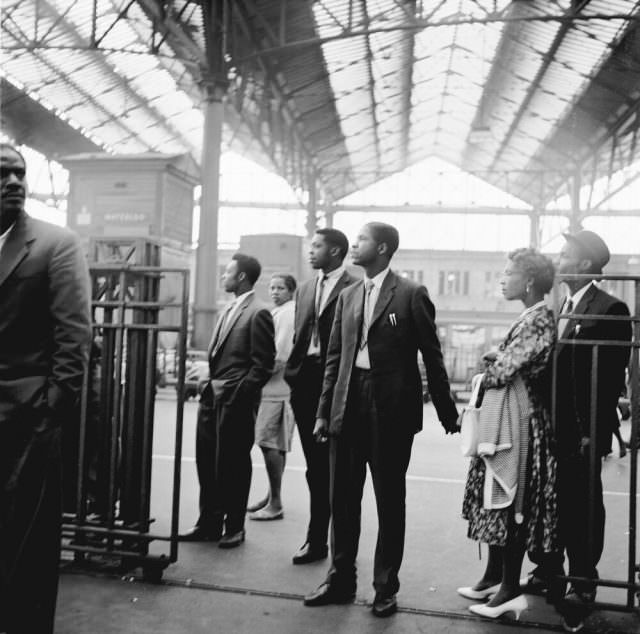
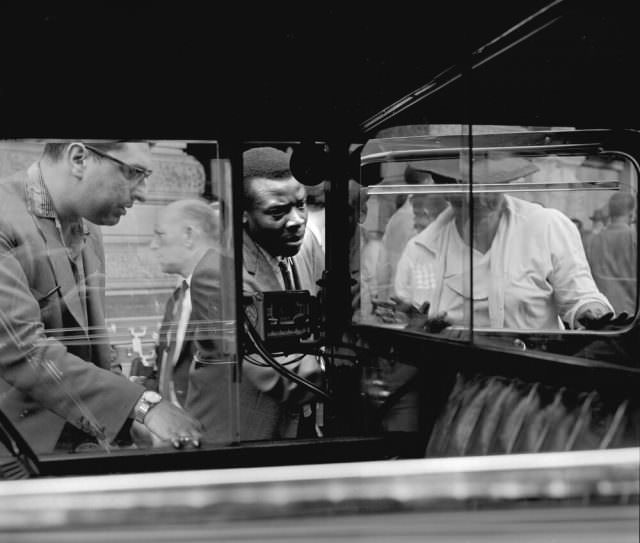
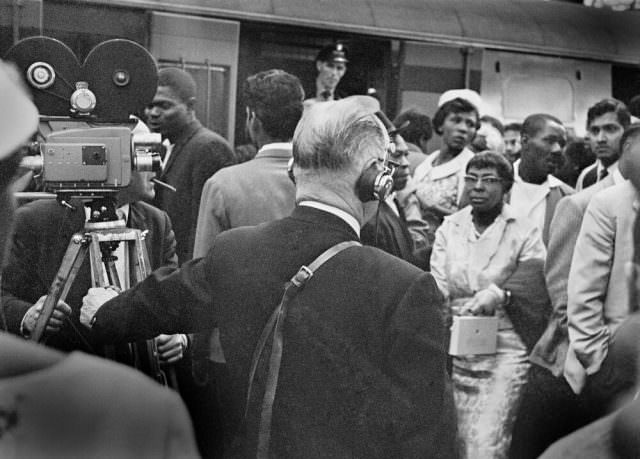
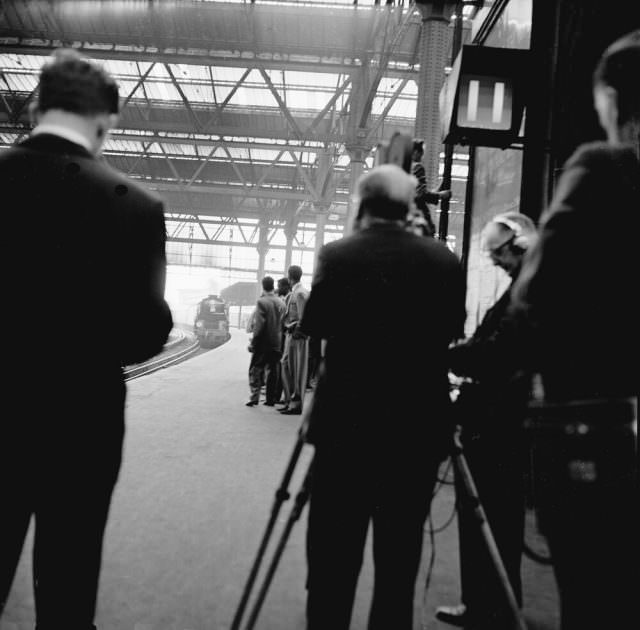
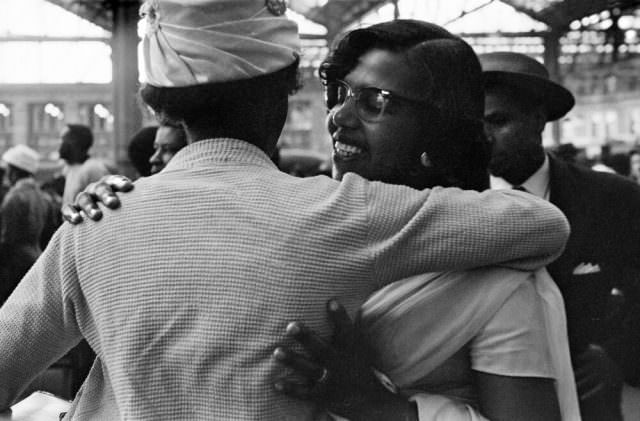
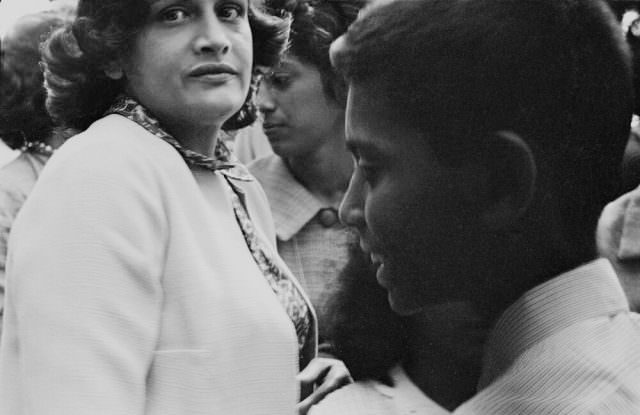
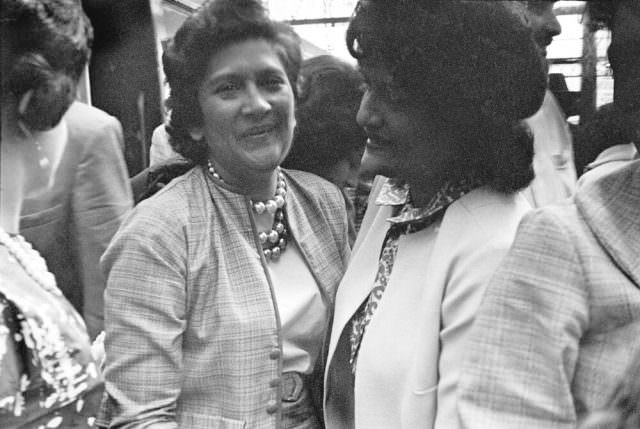
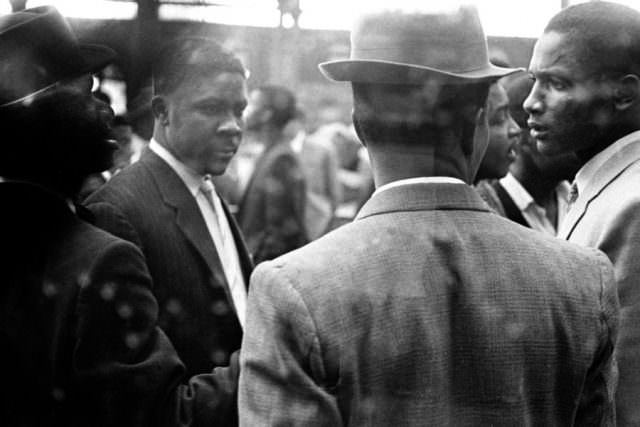
Grey paid two pennies for a platform ticket to get onto the station floor. When he arrived, a crowd had already gathered, waiting for an incoming train. A news crew was present too, but Grey worked differently. Rather than setting up at a distance, he stood among the people. He spun around, shooting in every direction, catching faces and moments as they unfolded naturally around him.
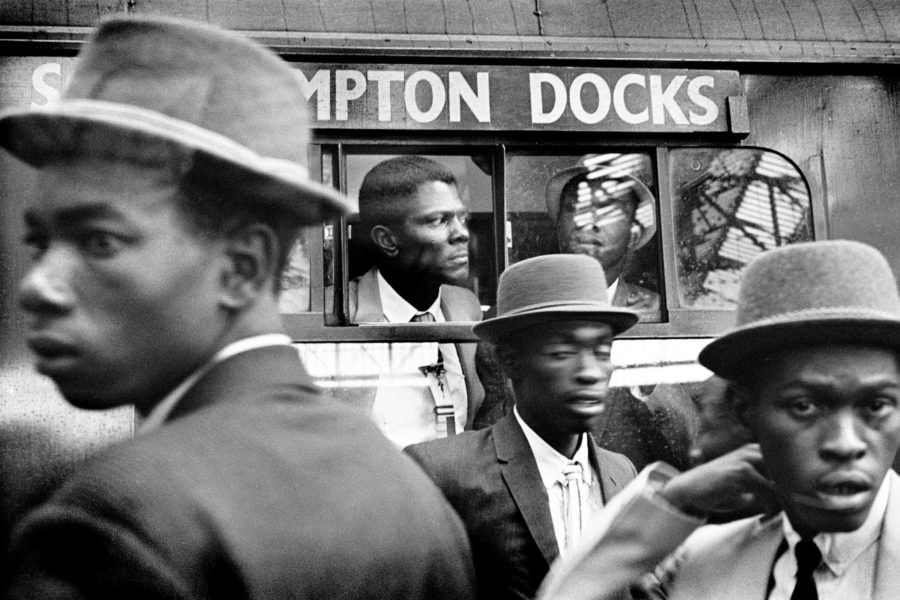
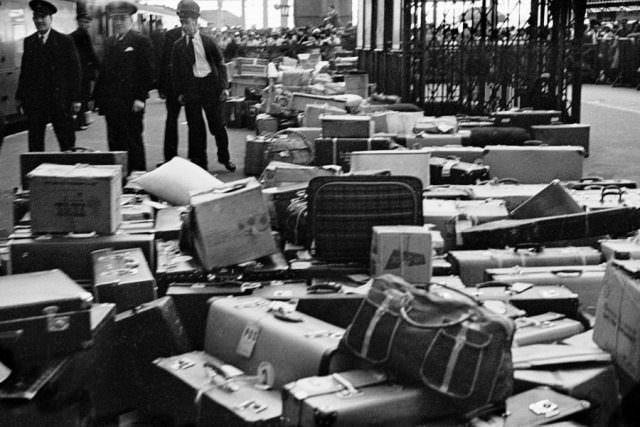
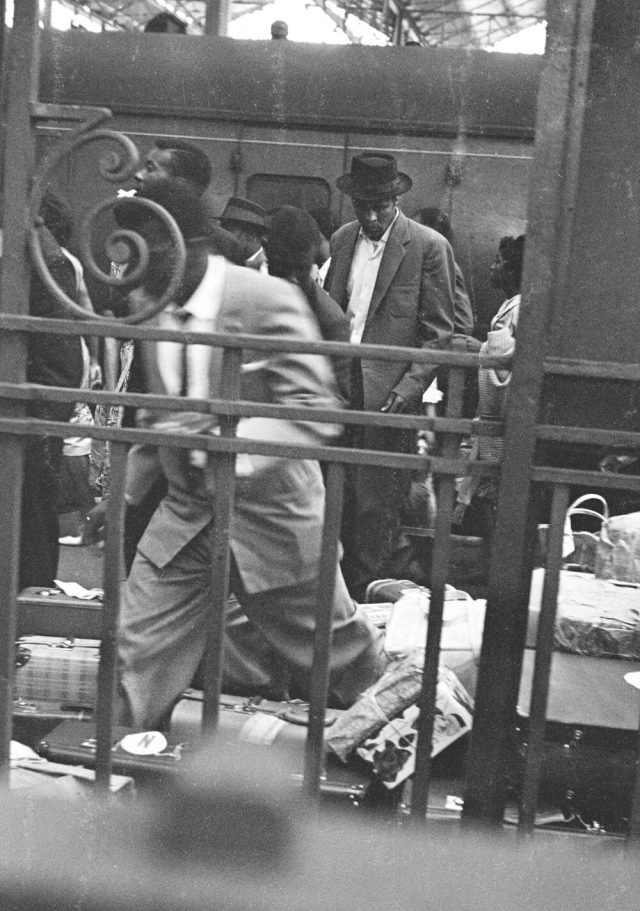
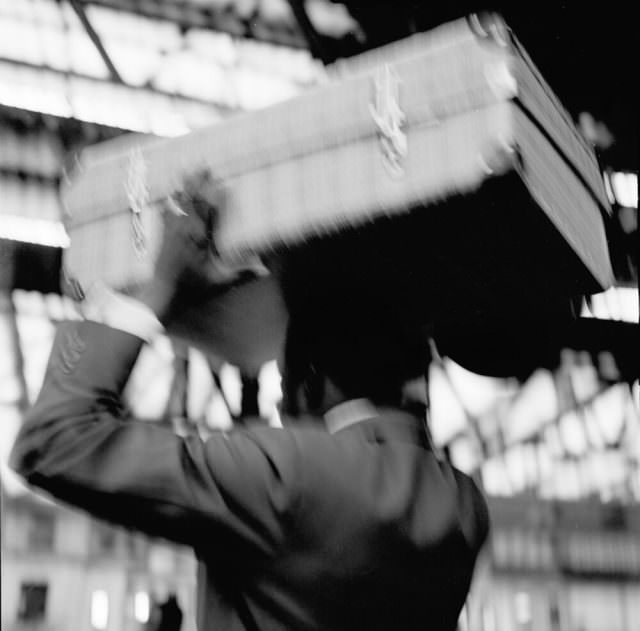
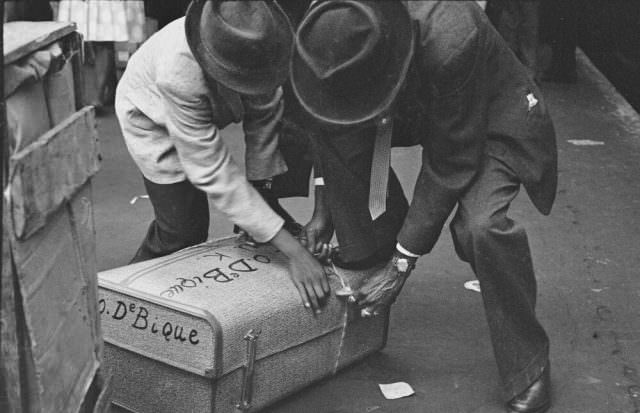
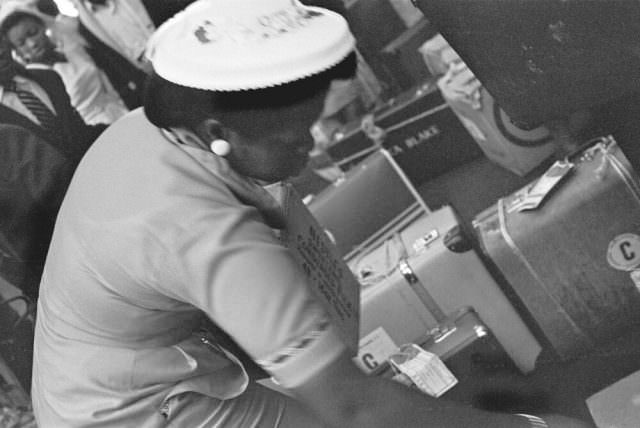
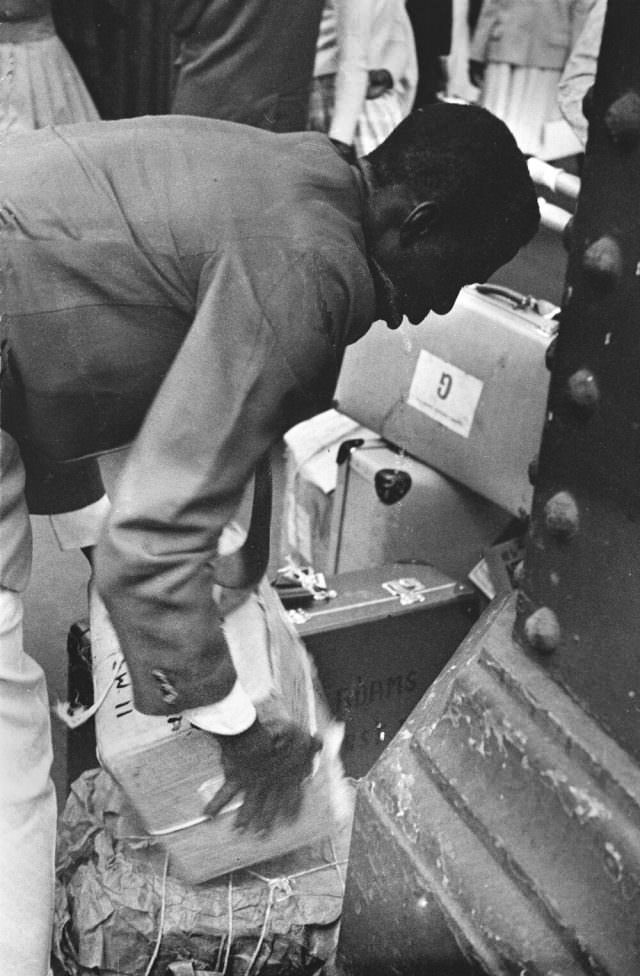
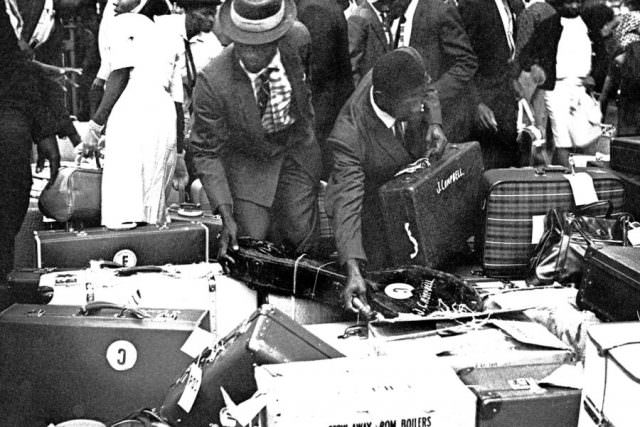
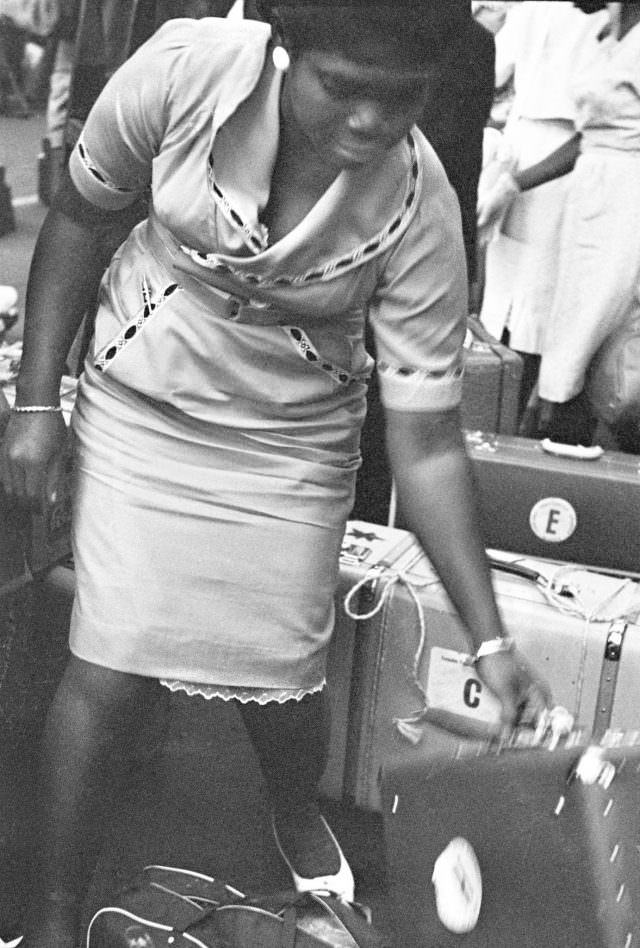
The atmosphere on the platform was tense and quiet. People could see their relatives arriving, but physical barriers kept them back while luggage was unloaded from the goods van and placed along the platform. Grey described it as apprehensive. There was laughter, yes — the joy of reunion was real — but it was restrained, held in check by the logistics of the moment and the weight of what these arrivals meant.
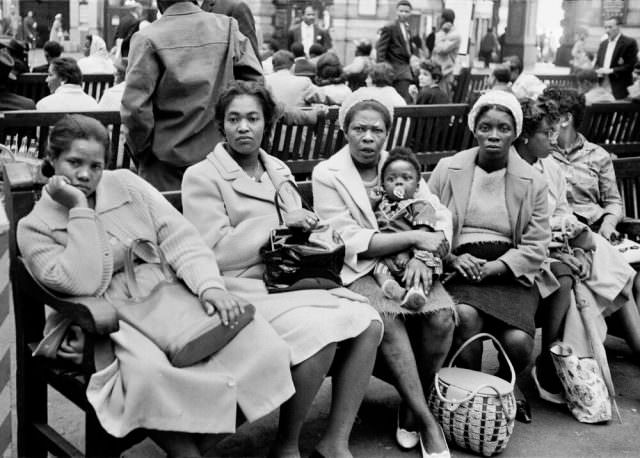
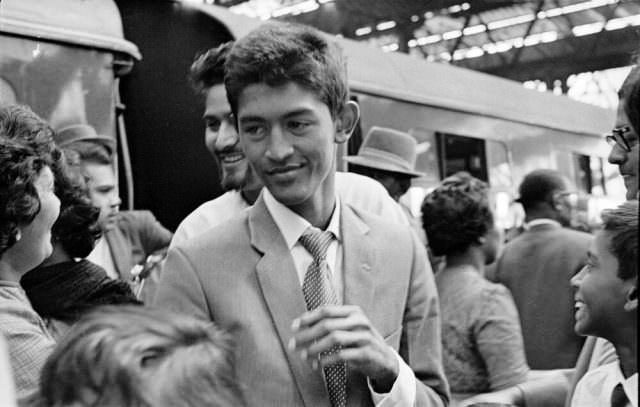
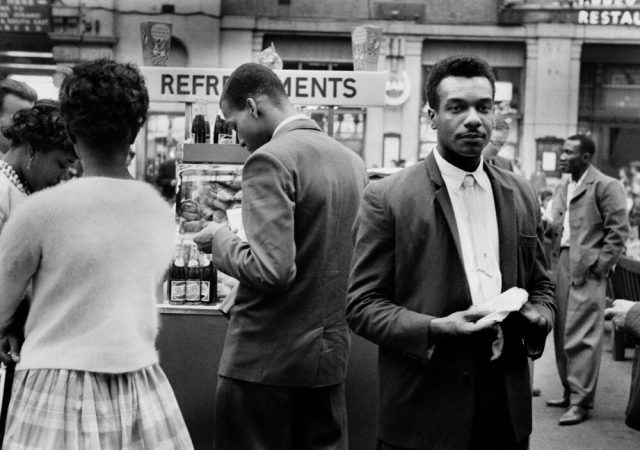
Grey never collected the names of the people he photographed. At the time, he had no way of knowing that these images would one day matter to historians, families, or the subjects themselves. The photos sat undeveloped and largely unknown for decades. Poor lighting conditions meant the original negatives were difficult to work with, and it wasn’t until digital scanning technology became available — roughly 50 years later — that the collection could be properly restored.
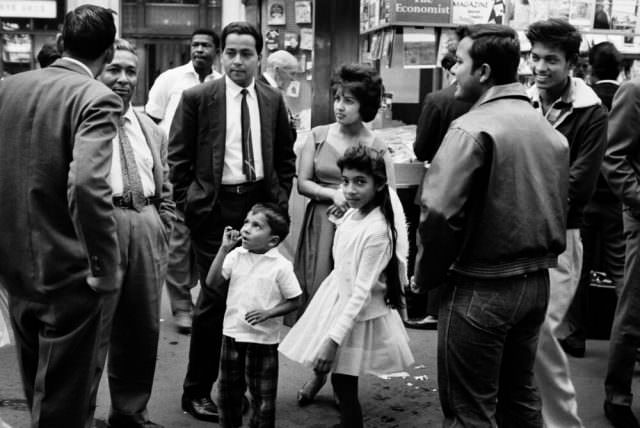
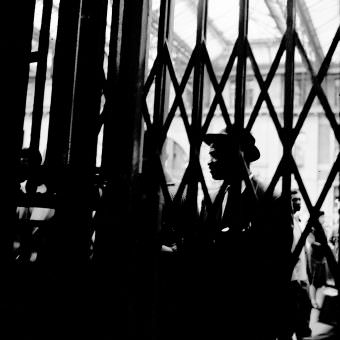
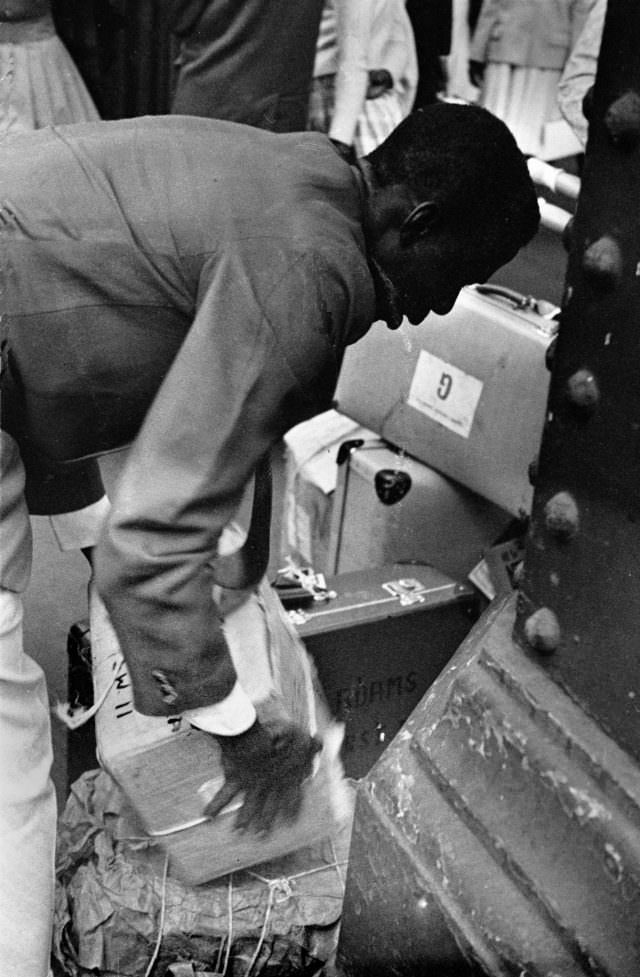
Once restored, the photographs found a home at the Autograph gallery in east London, where they are now on display. The collection is also available to view online. For Grey, revisiting the images was its own kind of discovery — not just of the strangers he had photographed, but of himself as a young man, still figuring out his craft on a busy train platform in 1962.
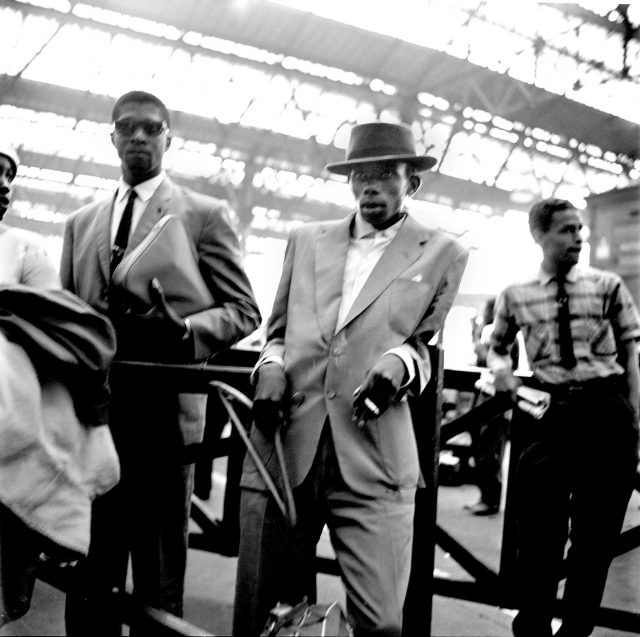
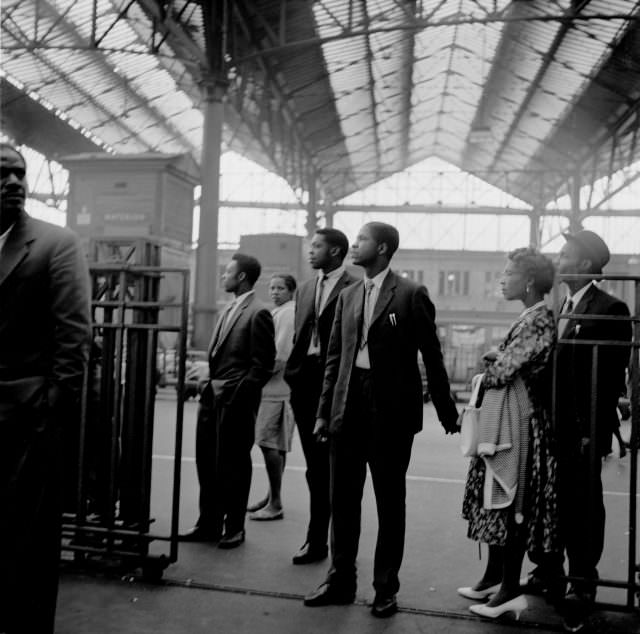
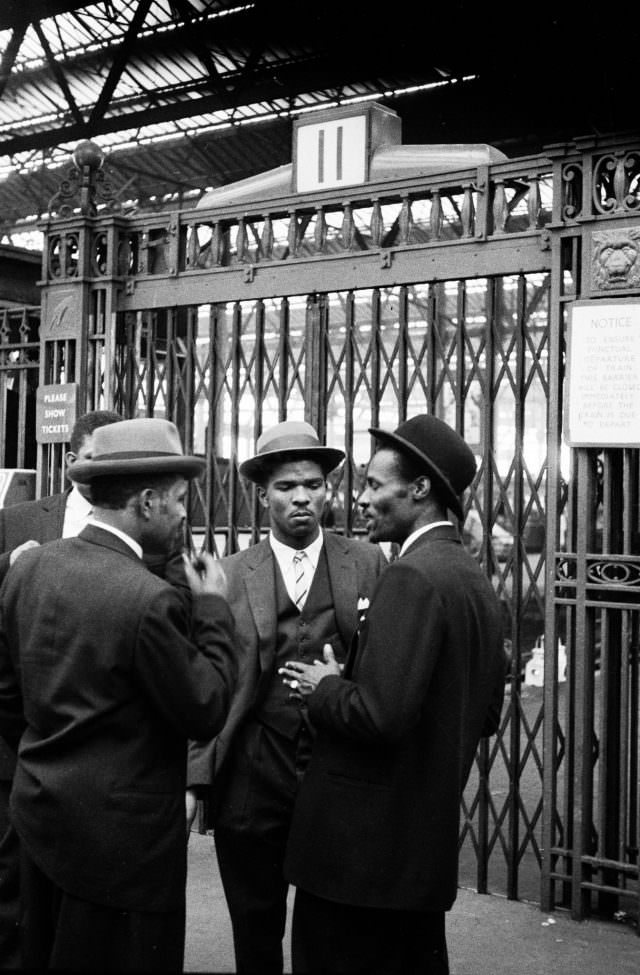
The Windrush Generation takes its name from the HMT Empire Windrush, the ship that brought one of the first large groups of Caribbean migrants to Britain in 1948. Through the late 1940s and into the 1960s, hundreds of thousands of people from Jamaica, Barbados, Trinidad, and other Caribbean islands settled in Britain. They came as British subjects, with full legal right to do so. They worked in hospitals, on buses, in factories — roles that were essential to postwar Britain’s recovery.
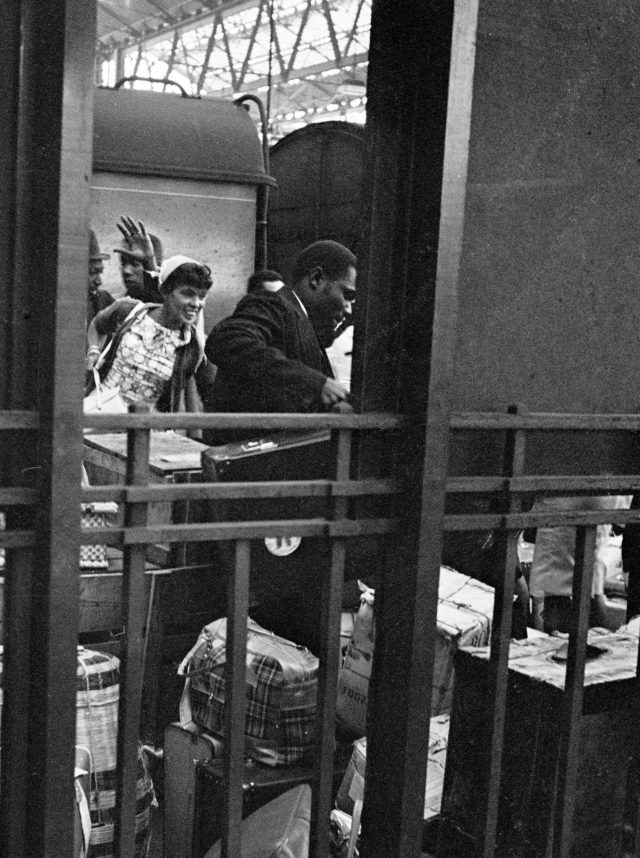
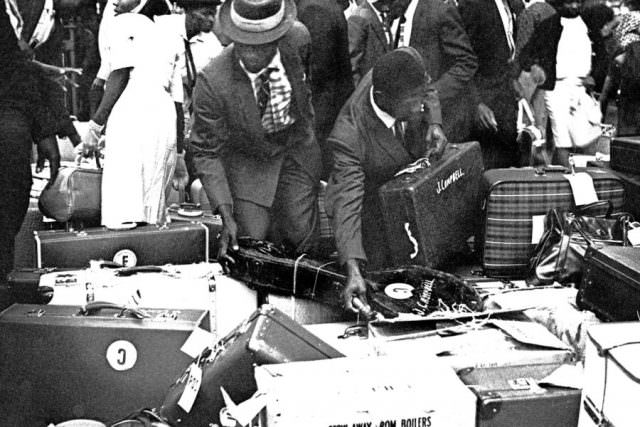
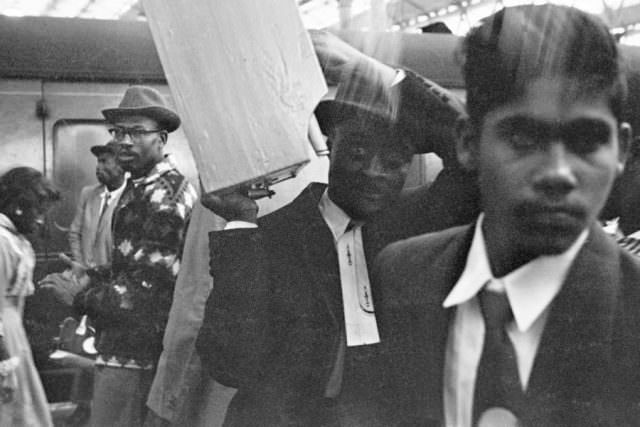
Grey’s photographs freeze a single spring day within that much larger story. Each face on the platform belongs to someone with a full life behind and ahead of them — someone who made a crossing, arrived in a new country, and stood waiting for luggage on a London platform while a young man with a camera turned quietly among them.
Grey has expressed that he still wonders about the people in the frames. He never knew their names, never learned where they went after leaving the station. The photographs raise those questions cleanly and leave them open. If you recognize yourself or someone you know in this collection, the Autograph gallery welcomes contact.