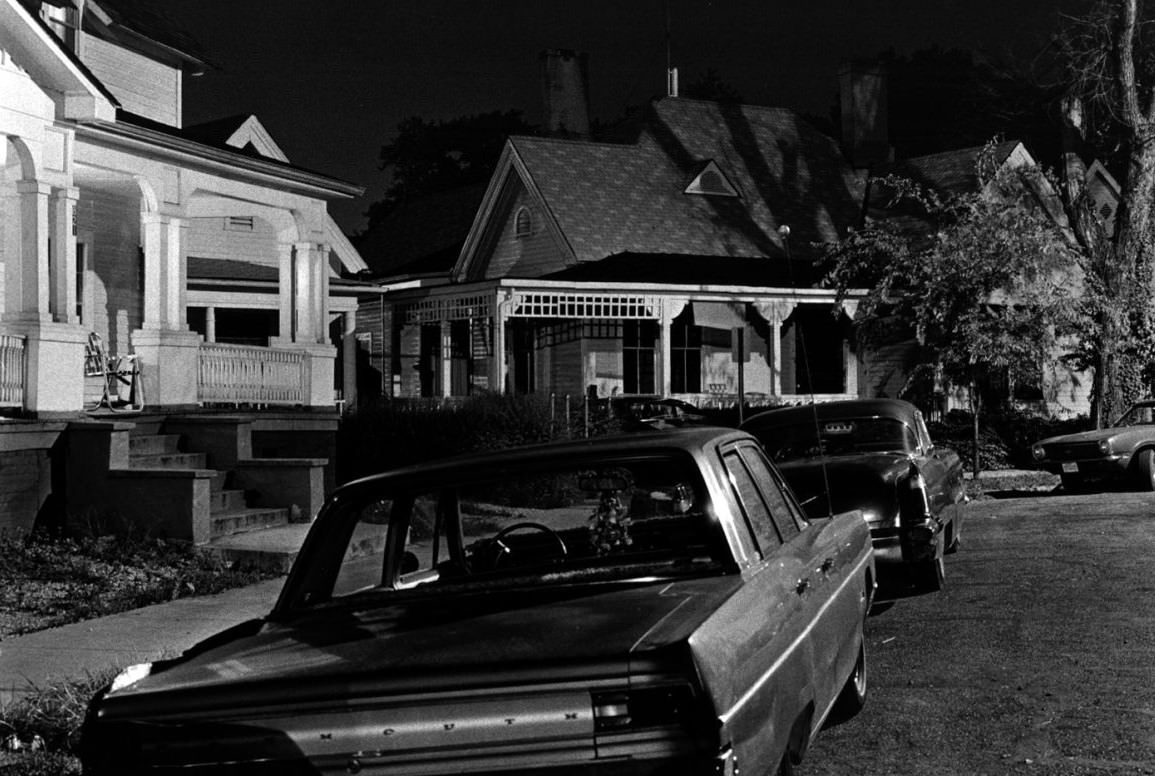
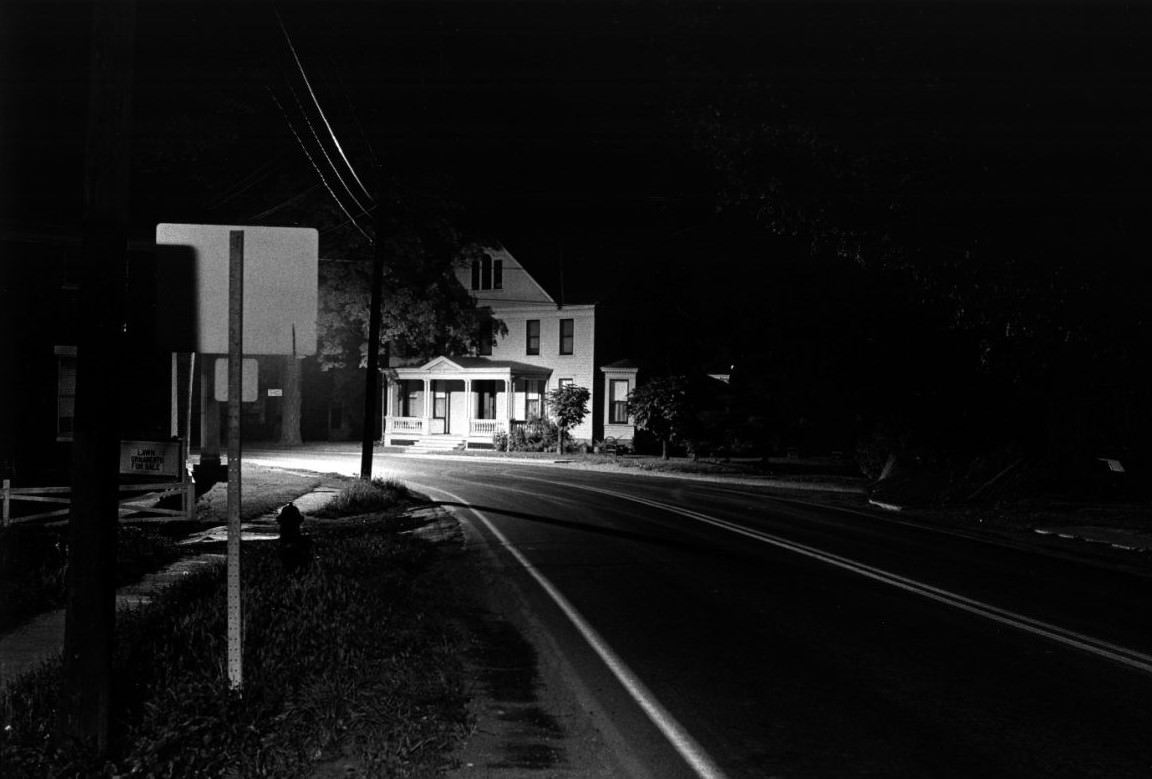
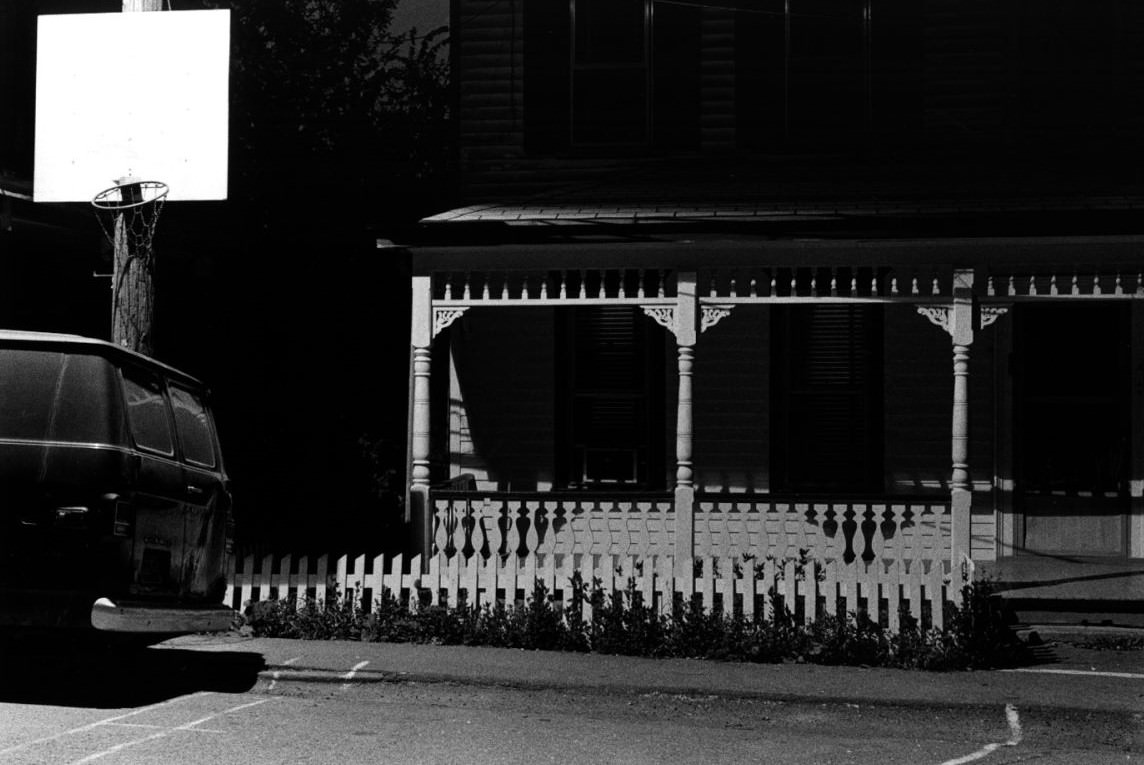
William Gedney was an American photographer who turned his lens away from the loud, obvious parts of the country. He was drawn to something quieter — American homes at night. From the early 1960s through the early 1970s, he traveled across the United States photographing houses after dark, building a body of work that feels both personal and vast.
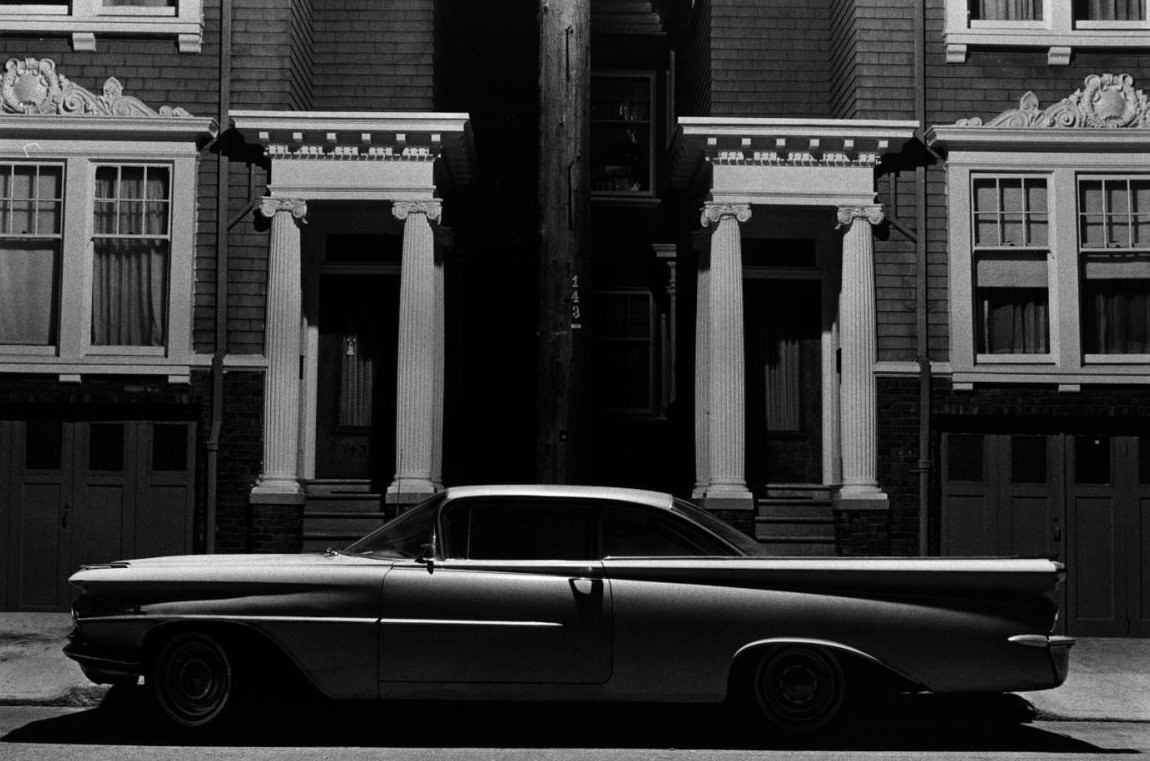
Gedney moved through small towns and large cities alike, pointing his camera at wooden houses, brick apartments, and everything in between. Each stop gave him a new slice of American life.
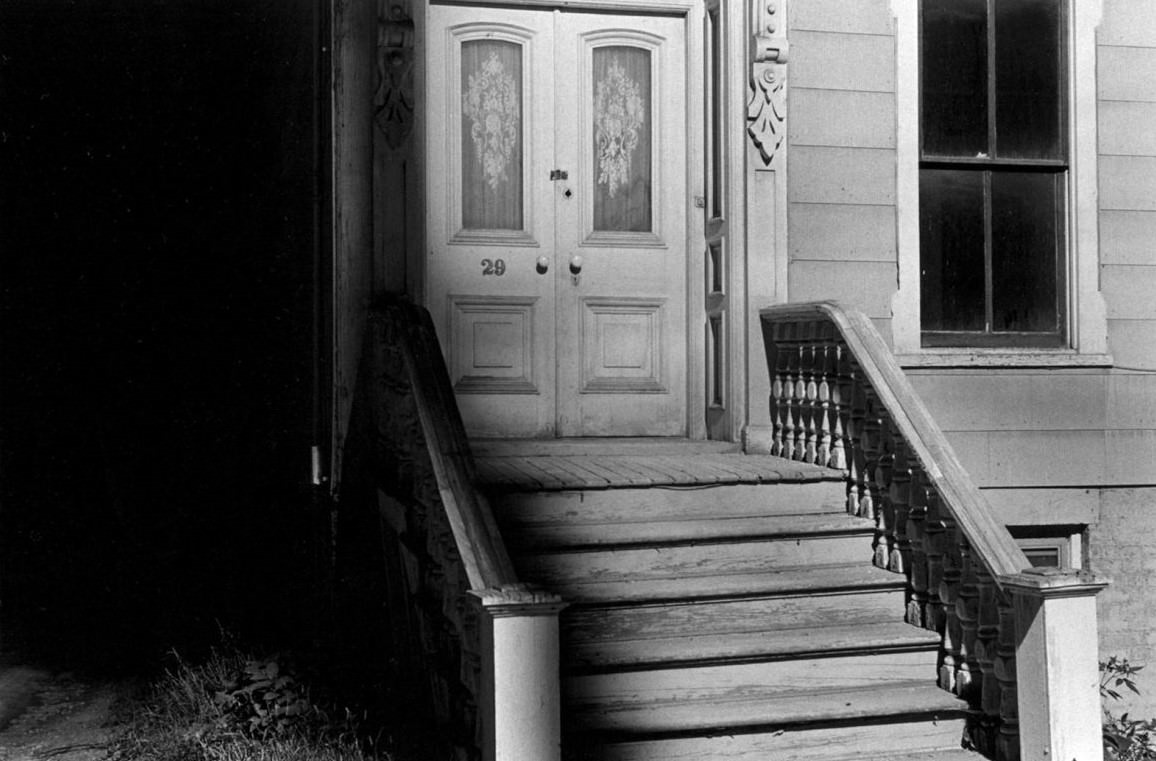
At night, ordinary details become striking. The shape of a roofline, the curve of a porch railing, a tree silhouetted against the dark sky — Gedney recorded all of it. His photographs show how darkness sharpens the edges of things rather than hiding them.
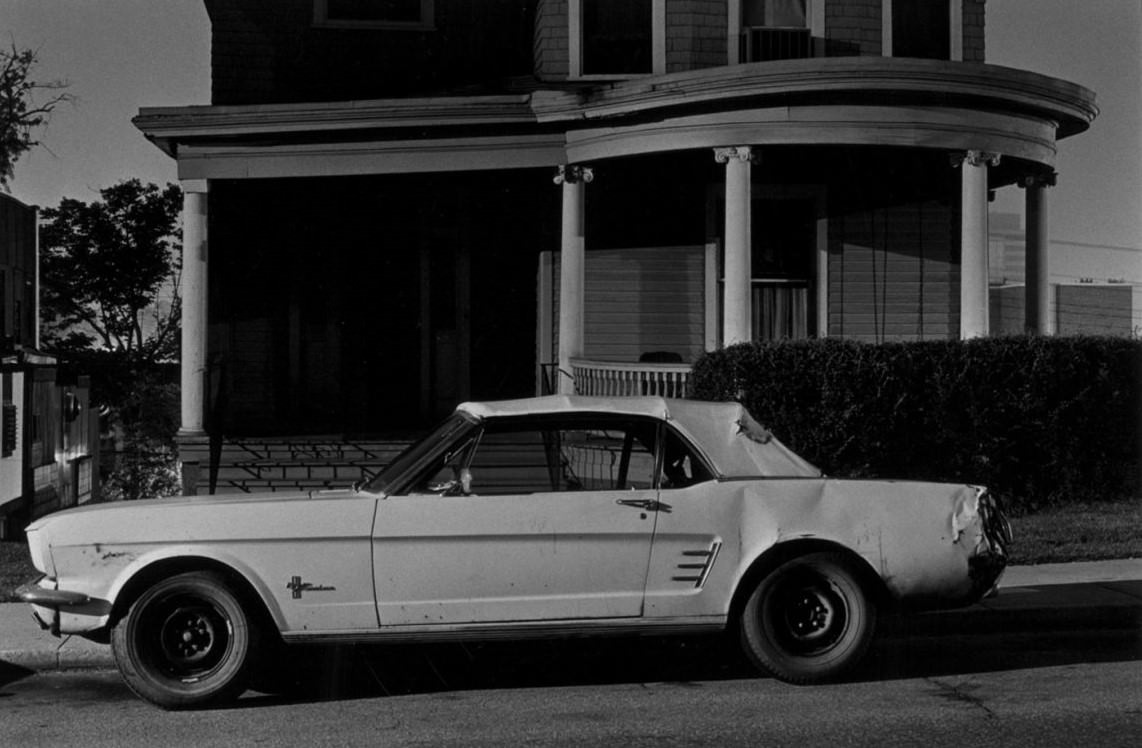
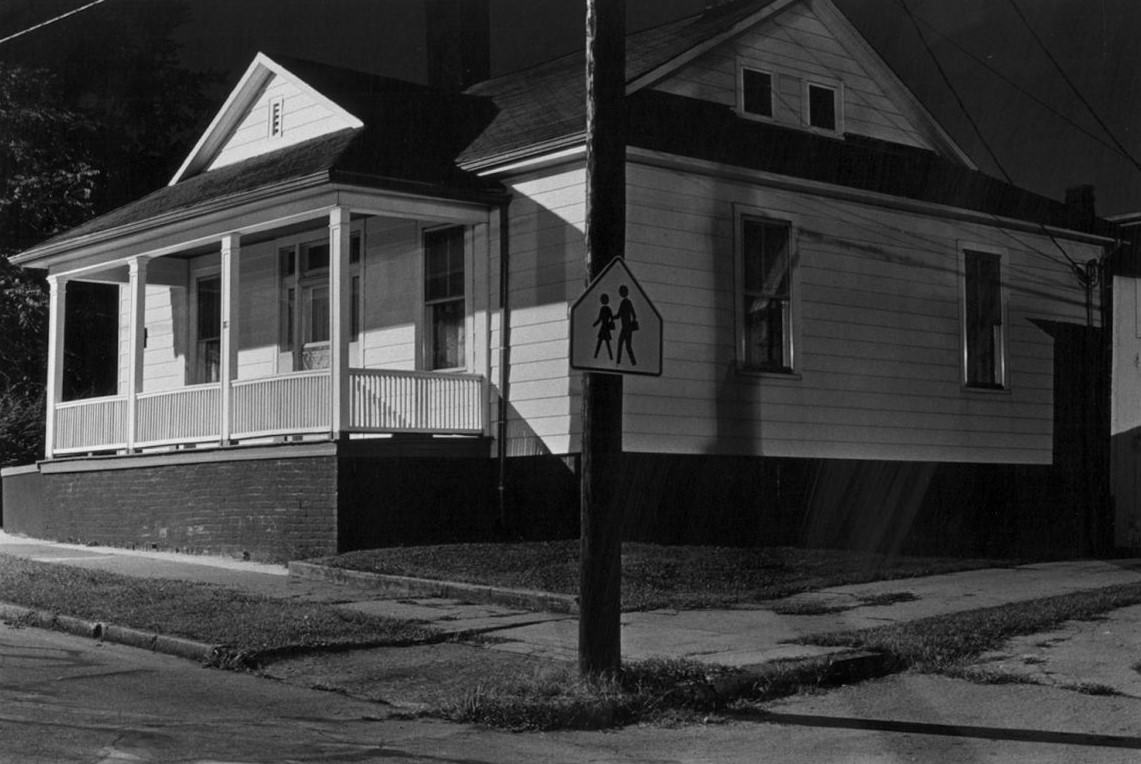
Houses glow softly in his frames, each one sitting like a small island of light against the surrounding dark. A porch light left burning, a curtain slightly parted, a television flickering somewhere deep inside a room — these small details carry weight.
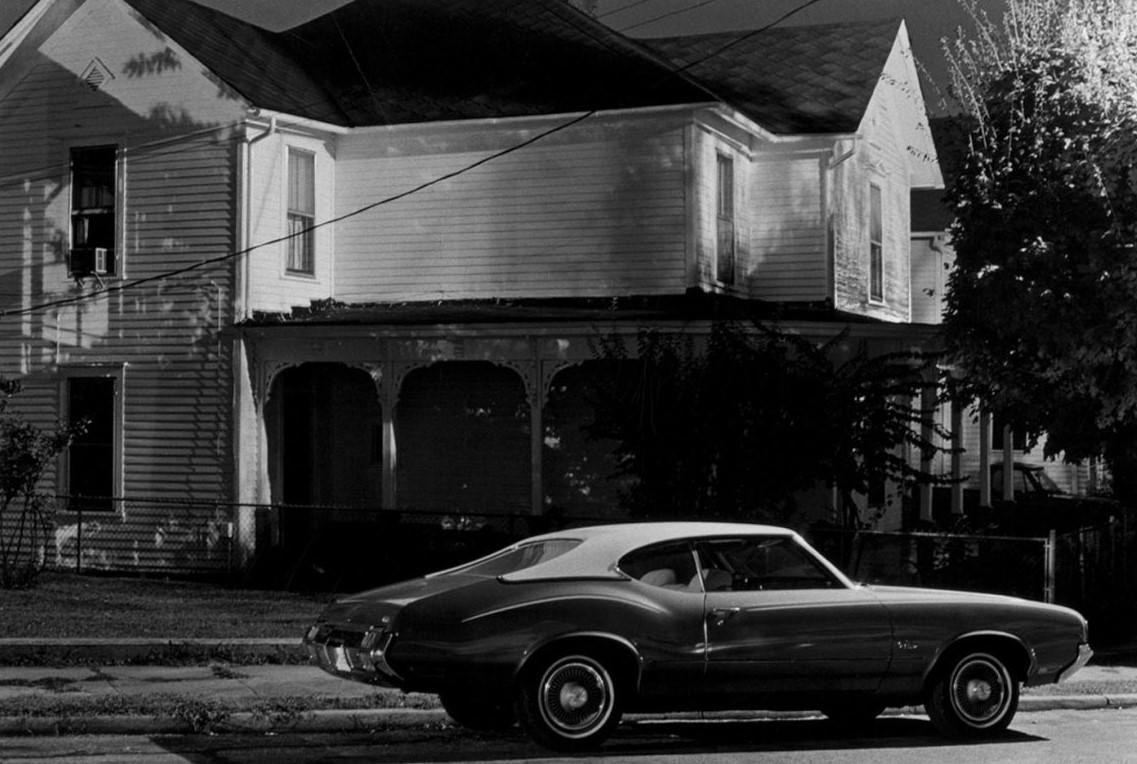
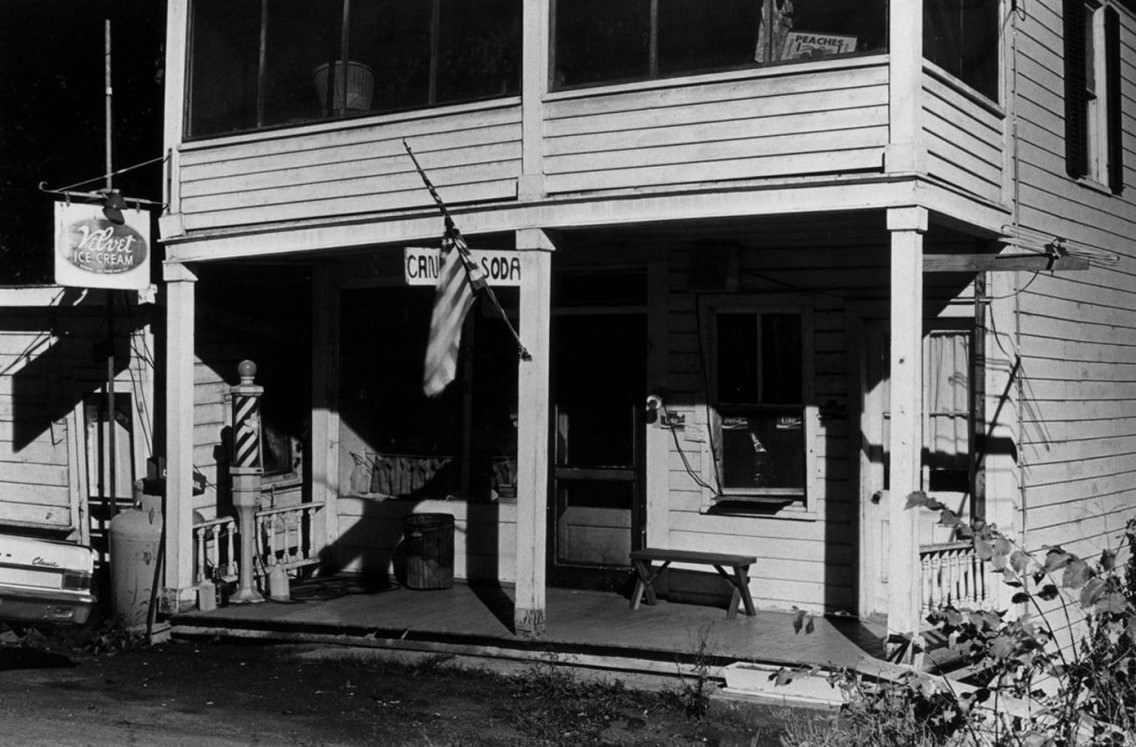
The people inside are never visible, yet their presence fills every frame. A single-story house sits under a streetlight with dark windows, but a faint glow bleeds through a curtained doorway. Someone is home, or someone has just left. The photograph doesn’t explain — it simply shows.
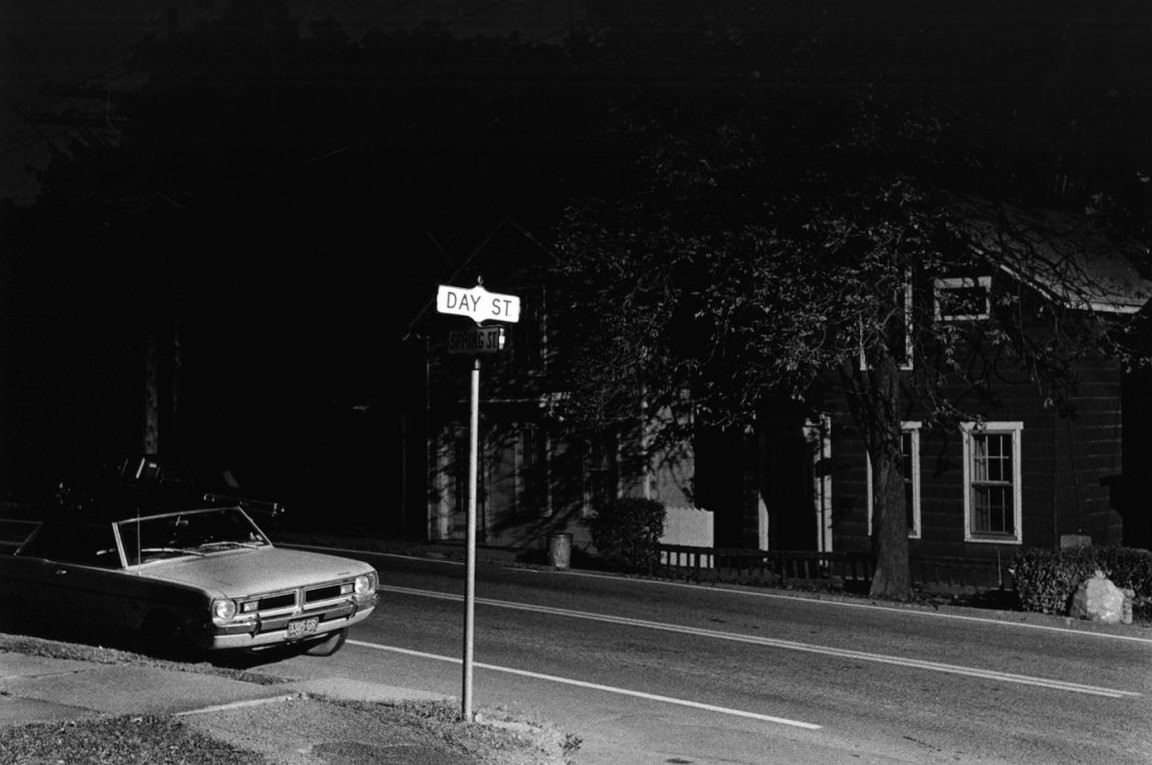
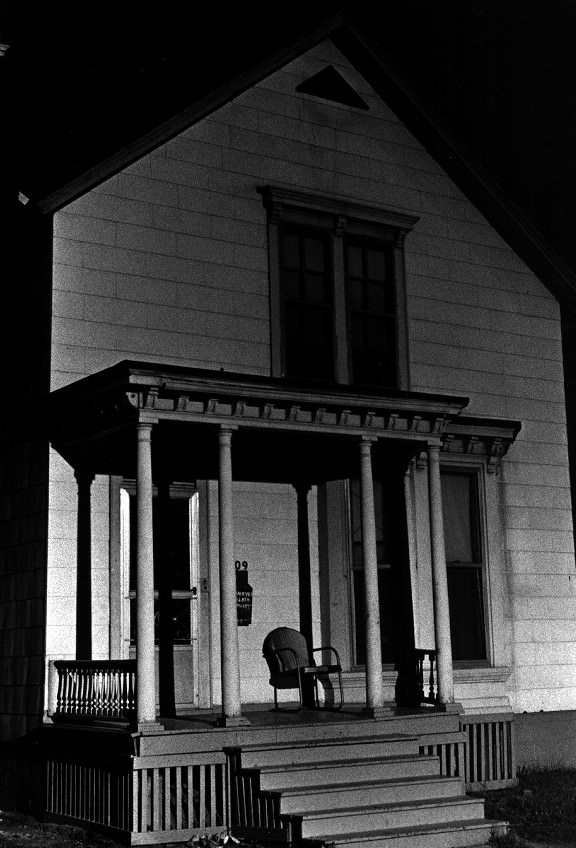
In other images, a row of houses lines up with distinct personalities. One has a Christmas tree blinking in the front window. Another has a porch swing moving in a breeze. These details are specific, not accidental — Gedney chose them because they speak to the rhythms of everyday American domestic life.
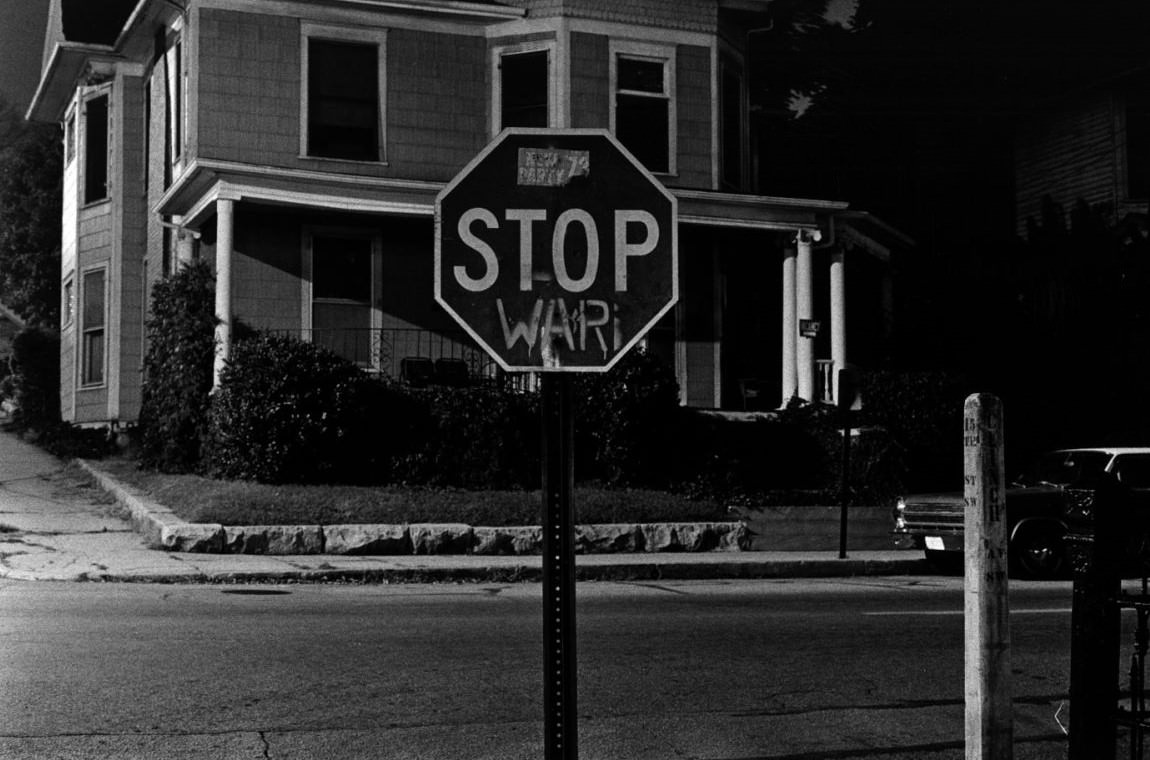
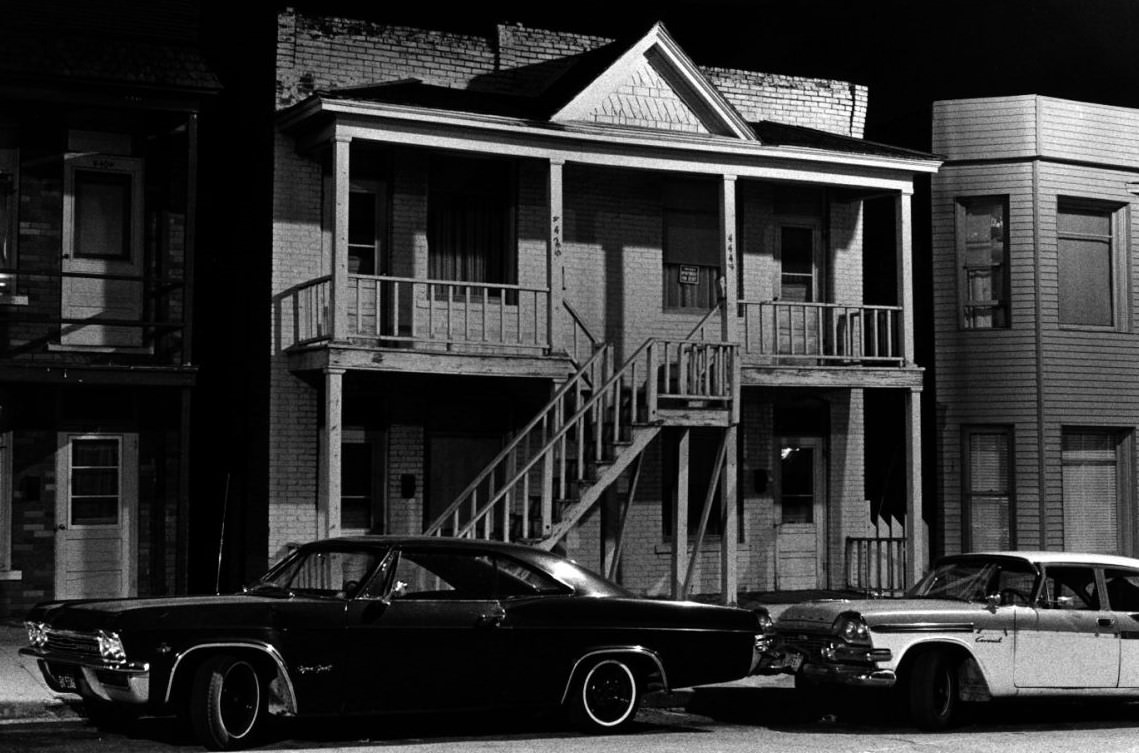
Gedney’s approach was disciplined. He worked in black and white, letting tone and shadow carry the visual load. The absence of color forces the viewer to focus on structure, light, and texture.
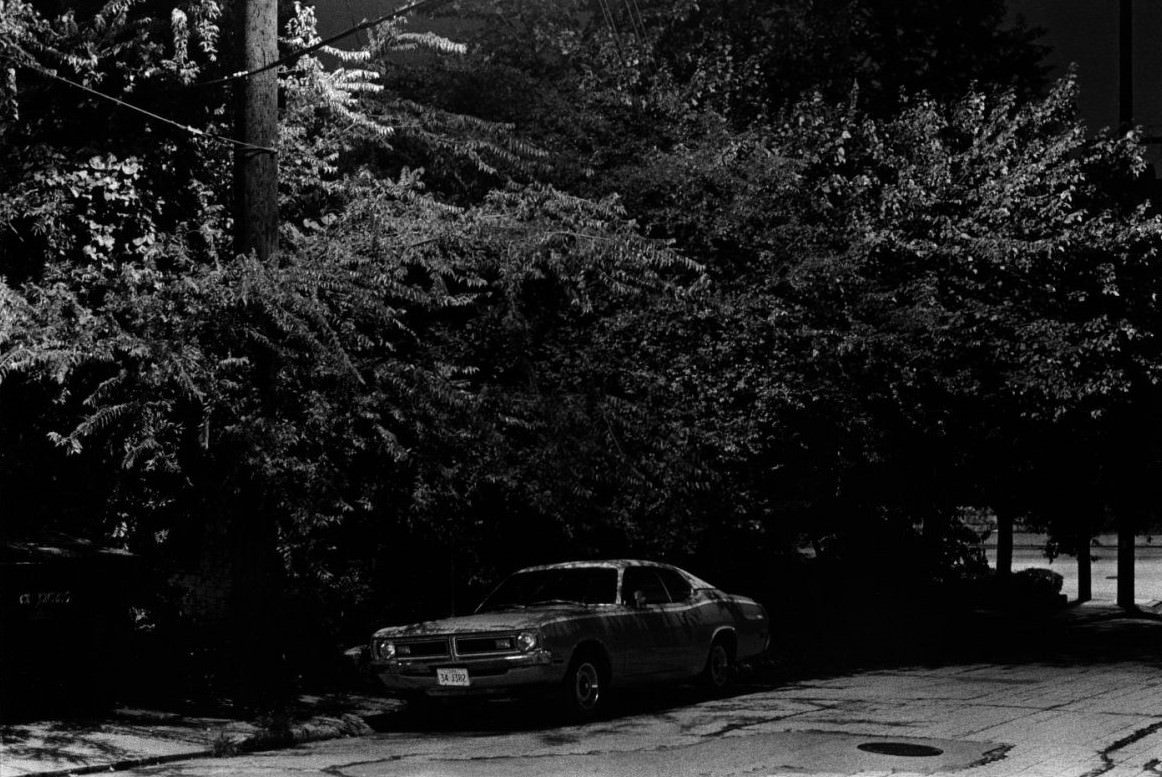
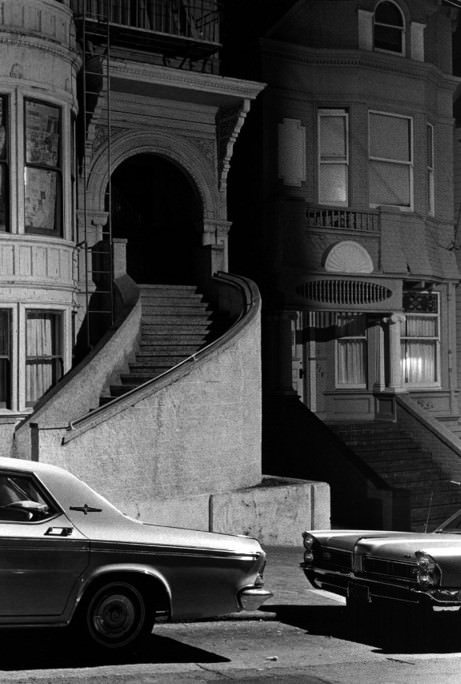
His night photographs document a particular era of American housing — the modest, unadorned homes of working and middle-class families during the postwar decades. These were not glamorous subjects, but Gedney treated them with precision and care.
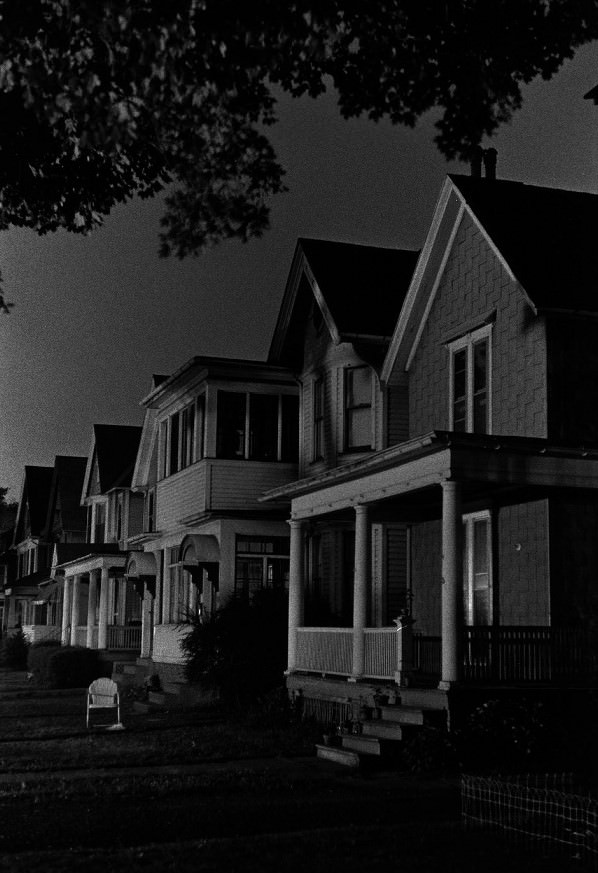
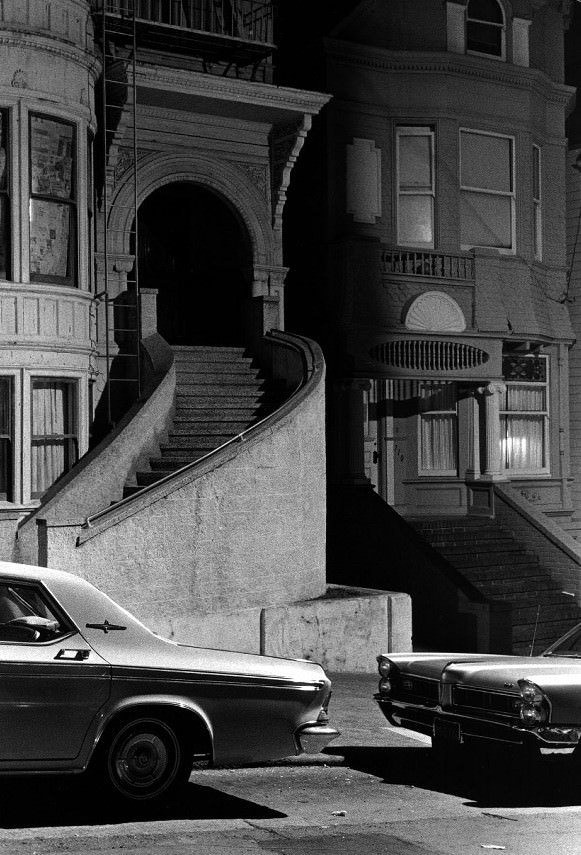
The quiet hum of life that continues after sundown runs through every image. Night shifts, late returns home, a light left on for someone — Gedney captured the evidence of lives in motion even when the streets were empty.
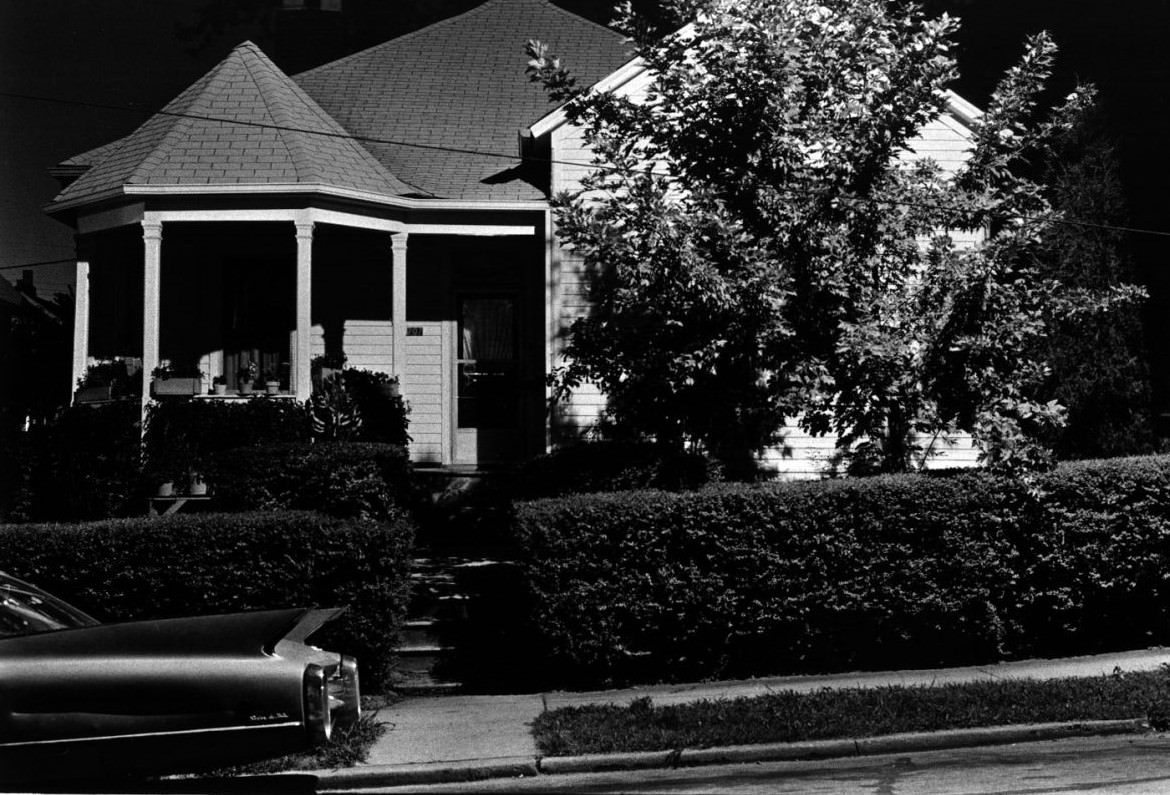
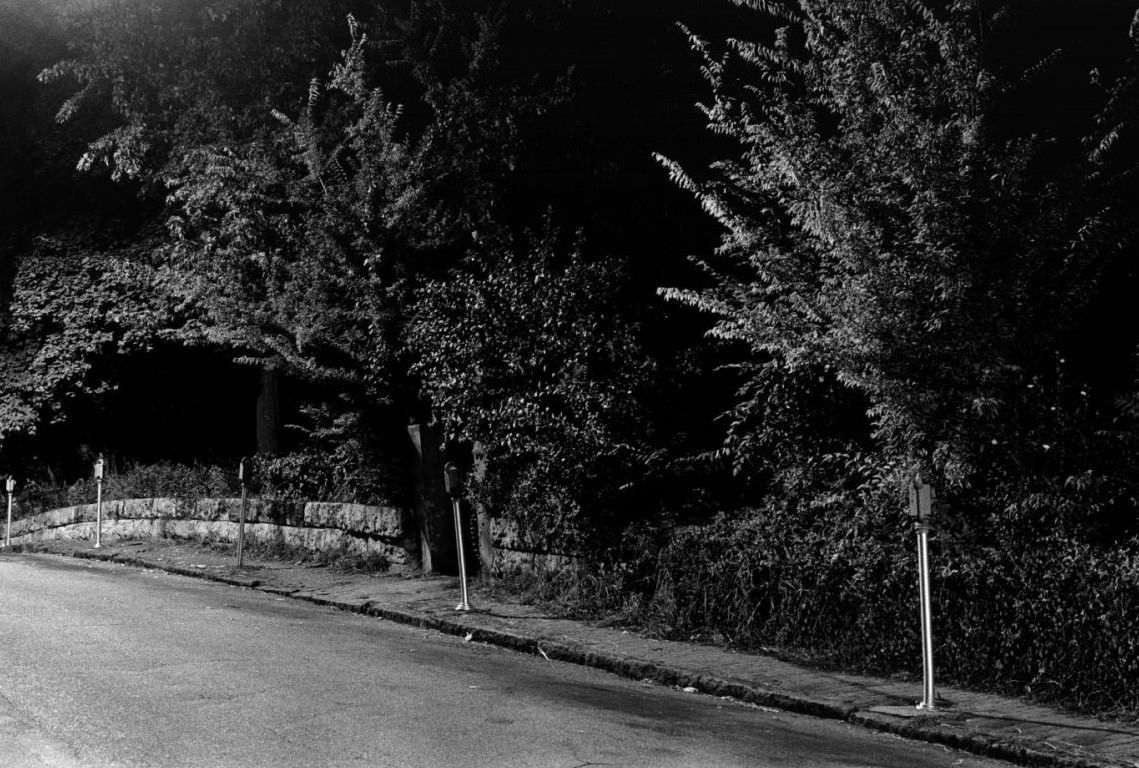
Across decades of work, Gedney built a portrait of the country that most photographers ignored. Not its landmarks or its spectacle, but its lit windows and dark yards — the private side of a nation at rest.