
Wildwood, New Jersey has always been more than just a beach town. Sitting in Cape May County along the southern Jersey Shore, it was first incorporated as a borough on May 1, 1895, by an act of the New Jersey Legislature. On January 1, 1912, it officially became a city, absorbing both Wildwood borough and Holly Beach City. By the close of the 19th century, the Wildwoods were already taking shape as a resort destination, and that momentum never stopped.
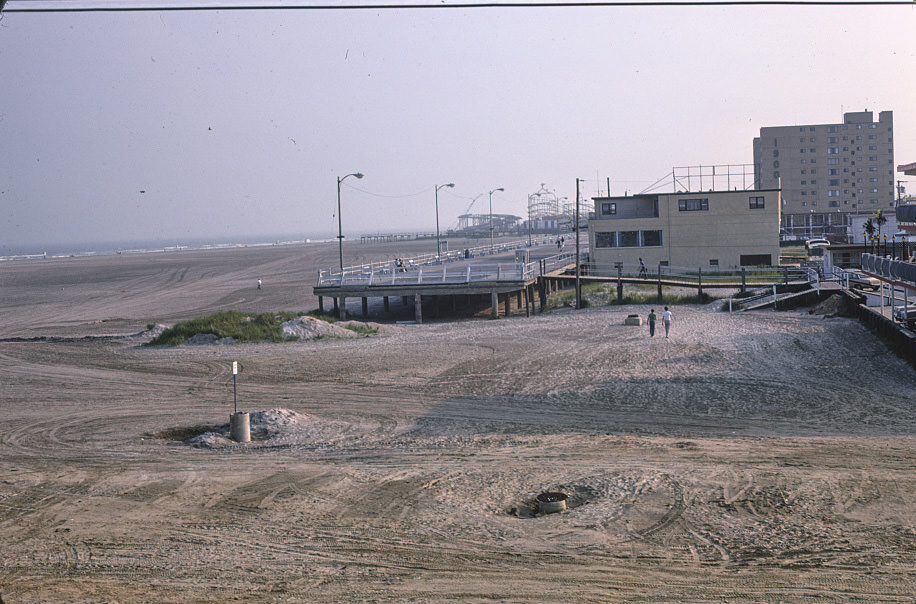
The single biggest turning point for Wildwood’s growth came in the 1950s. The construction of the Garden State Parkway made the town far easier to reach, and a building boom followed almost immediately. More than 200 motels went up during the Doo-Wop era of the 1950s and 1960s, filling the streets with bold colors, neon signs, and futuristic shapes. That stretch of the city is now officially recognized by the state of New Jersey as the Wildwoods Shore Resort Historic District.
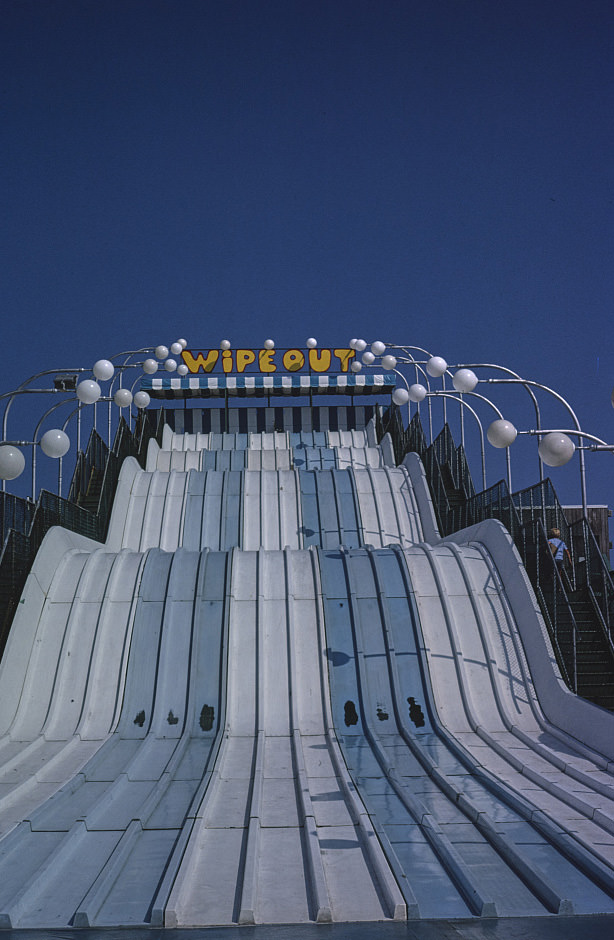
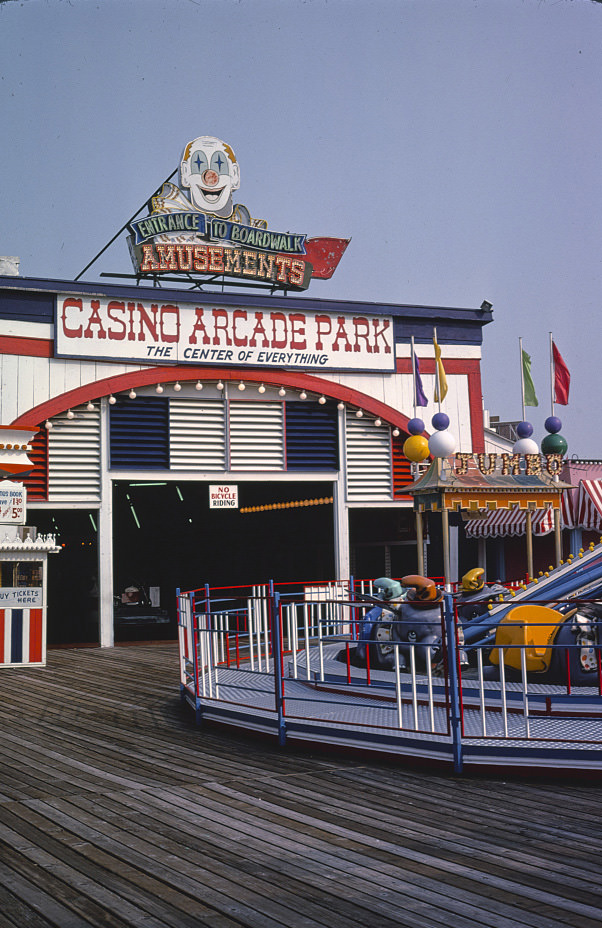
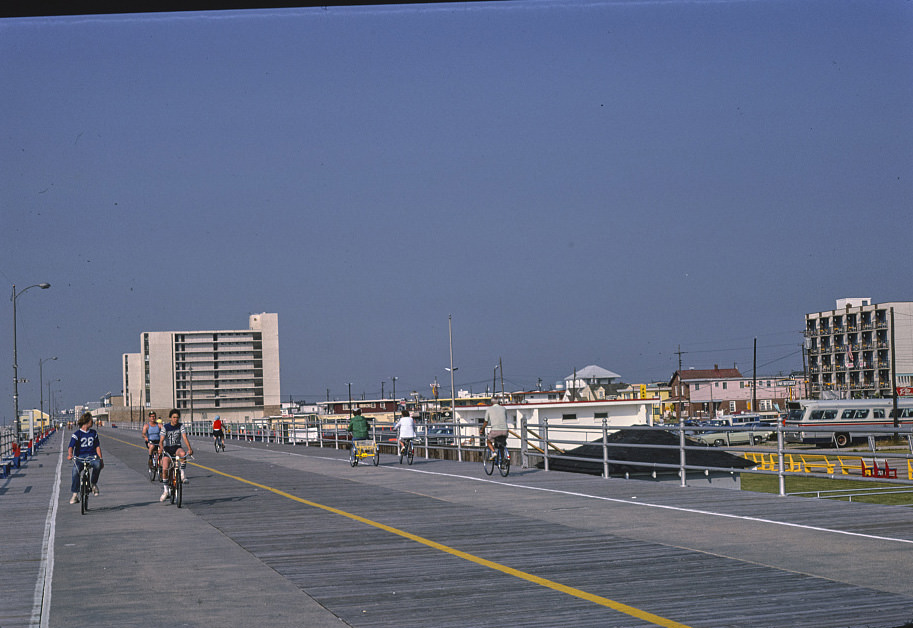
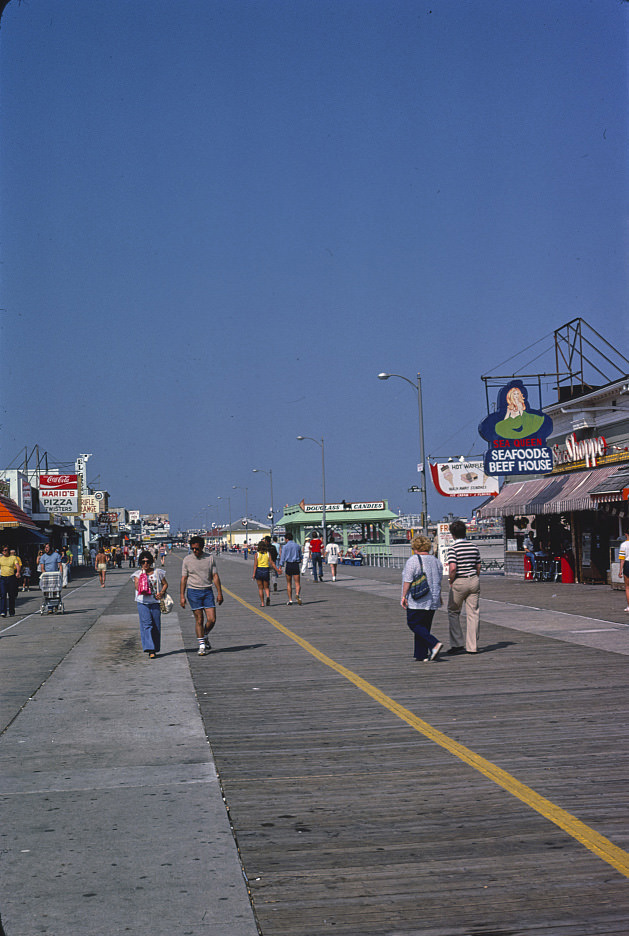
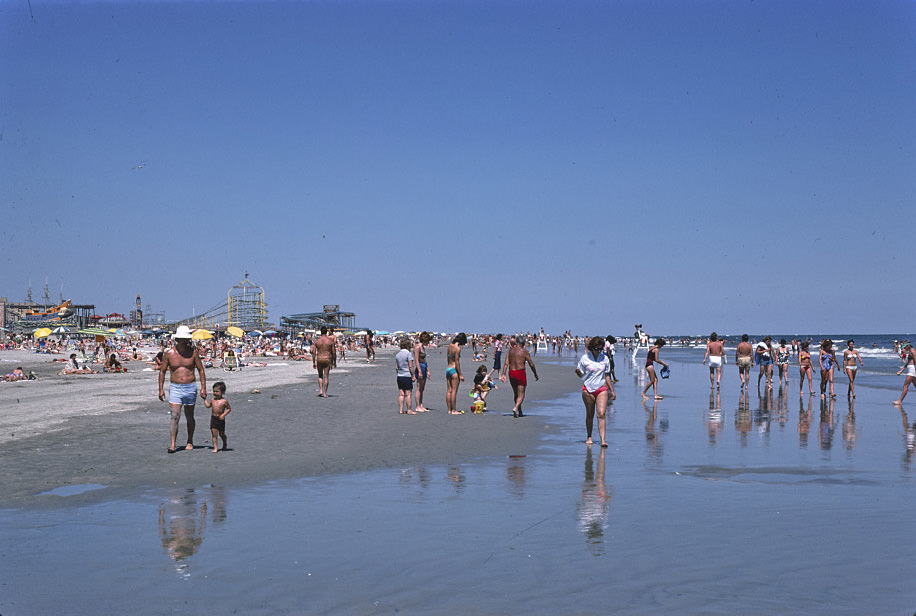
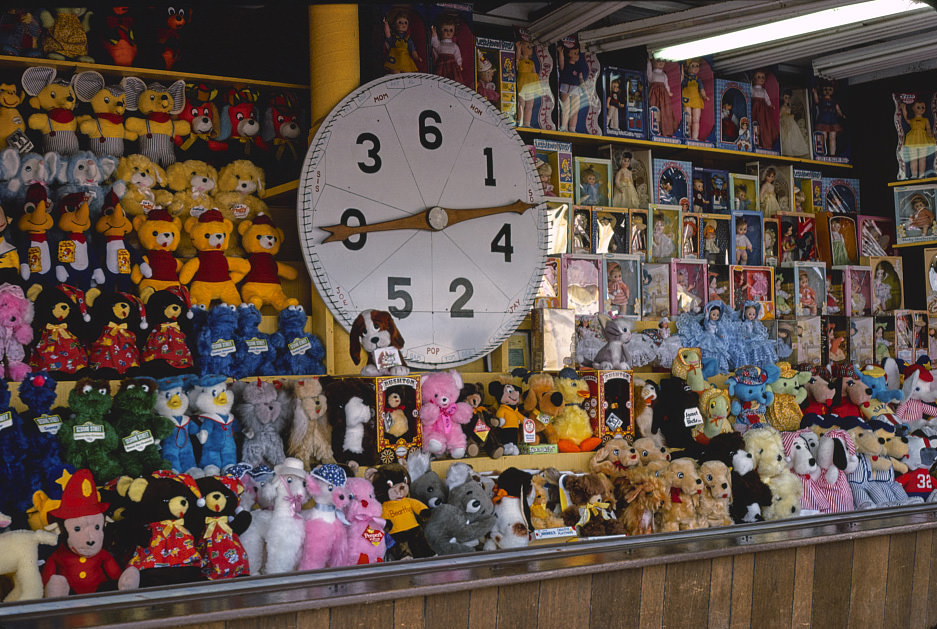
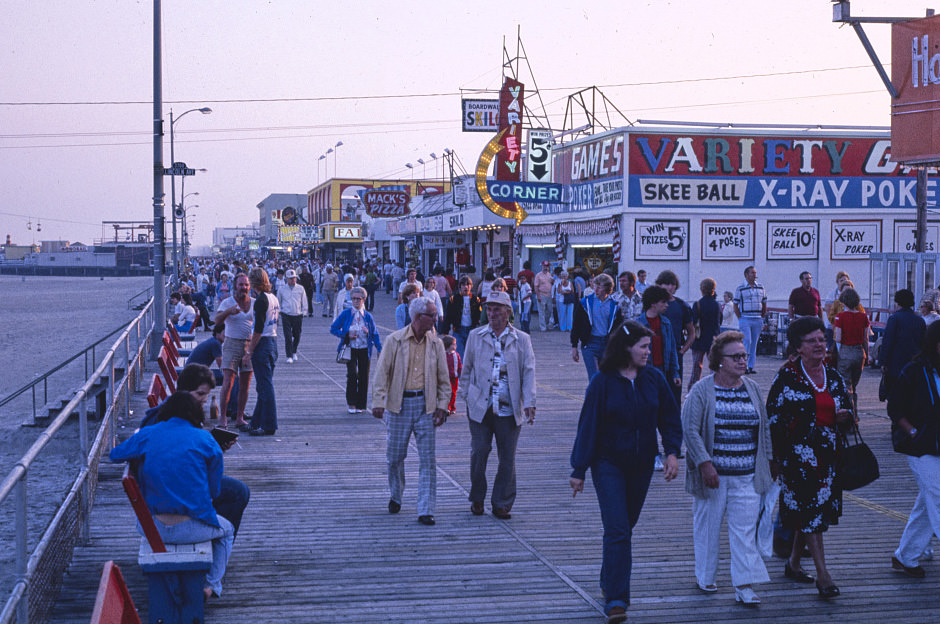
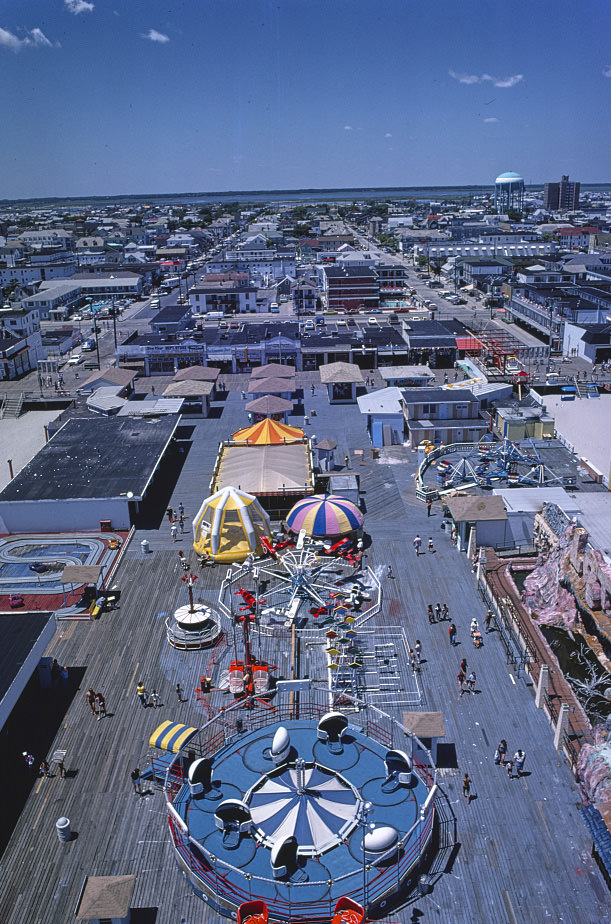
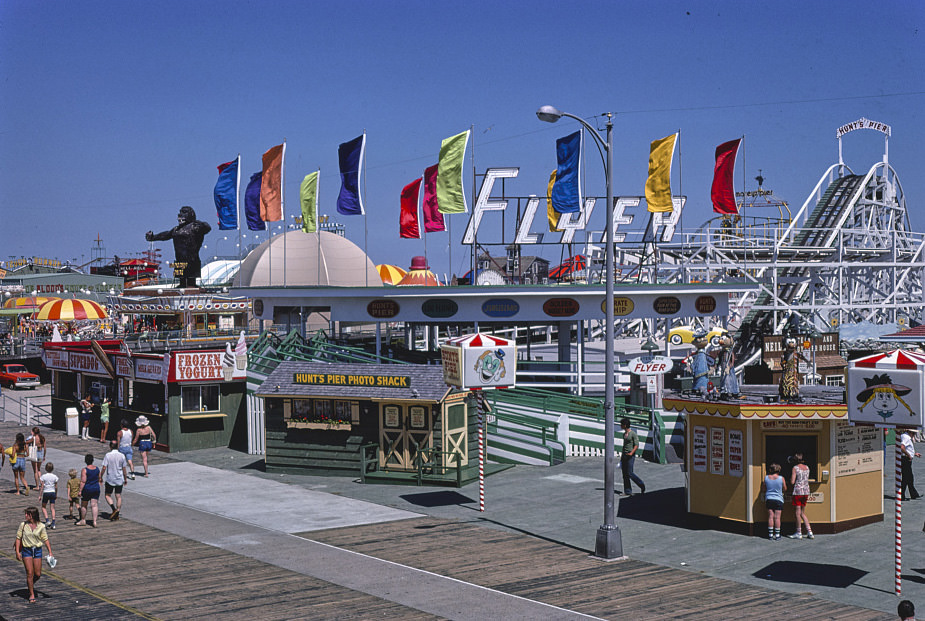
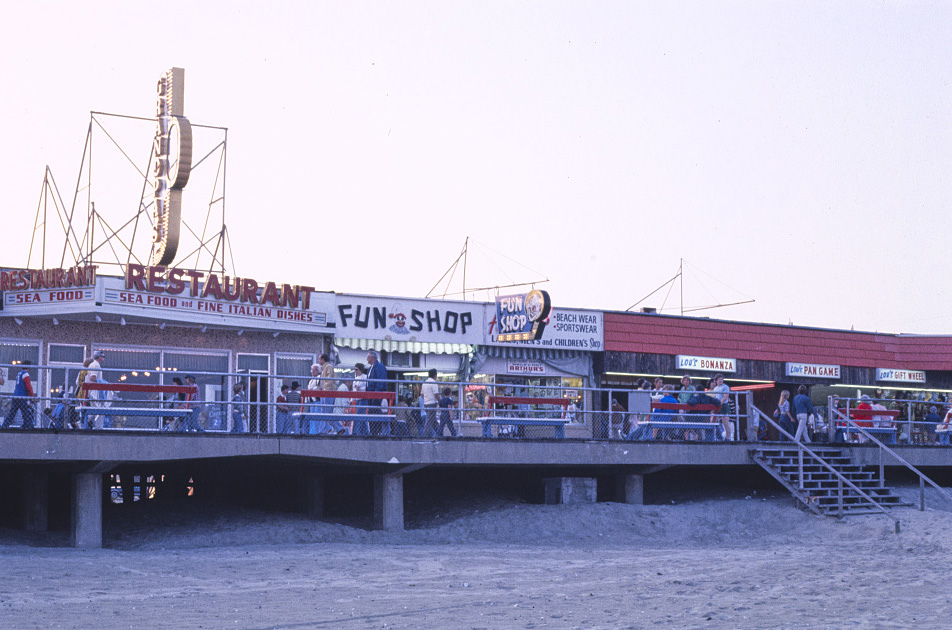
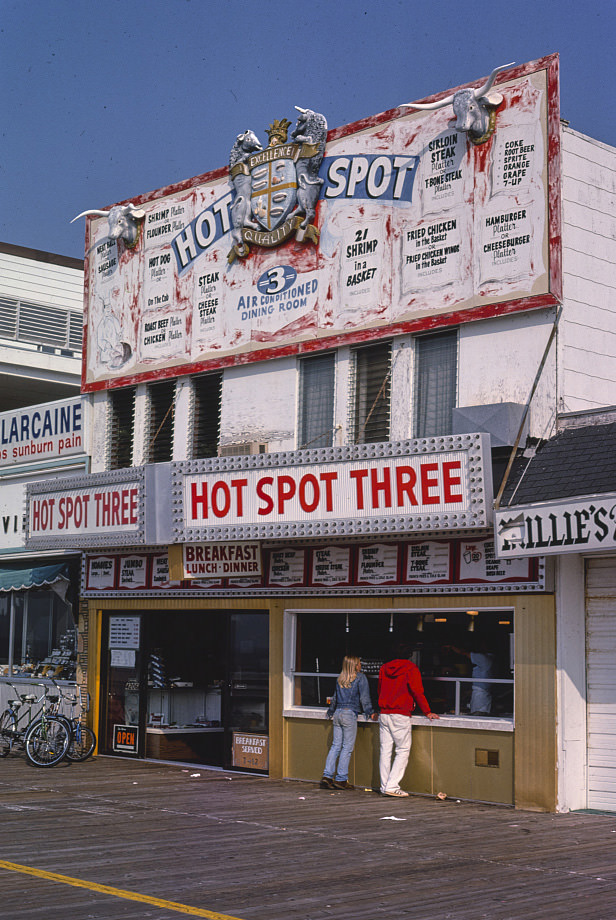
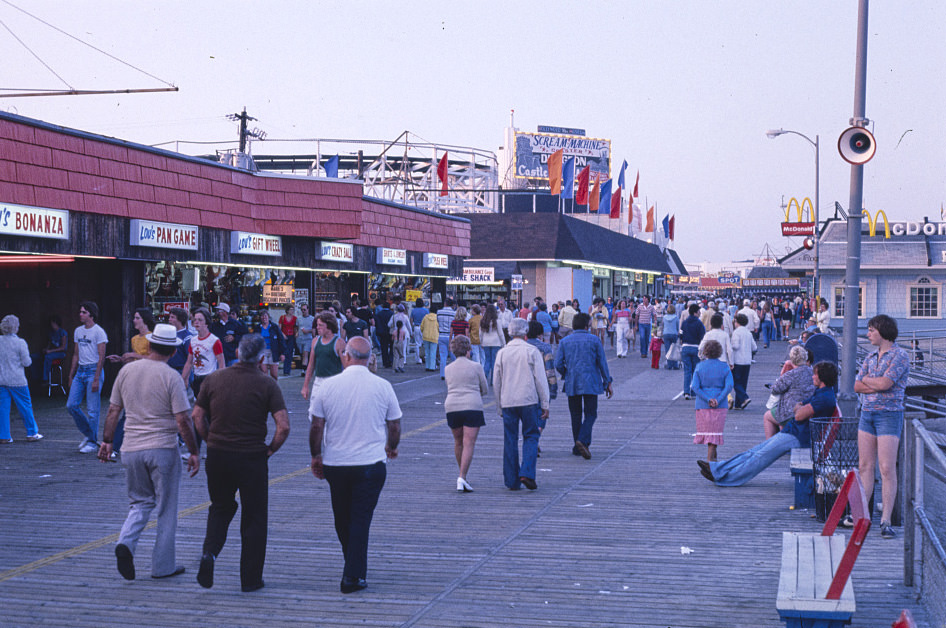
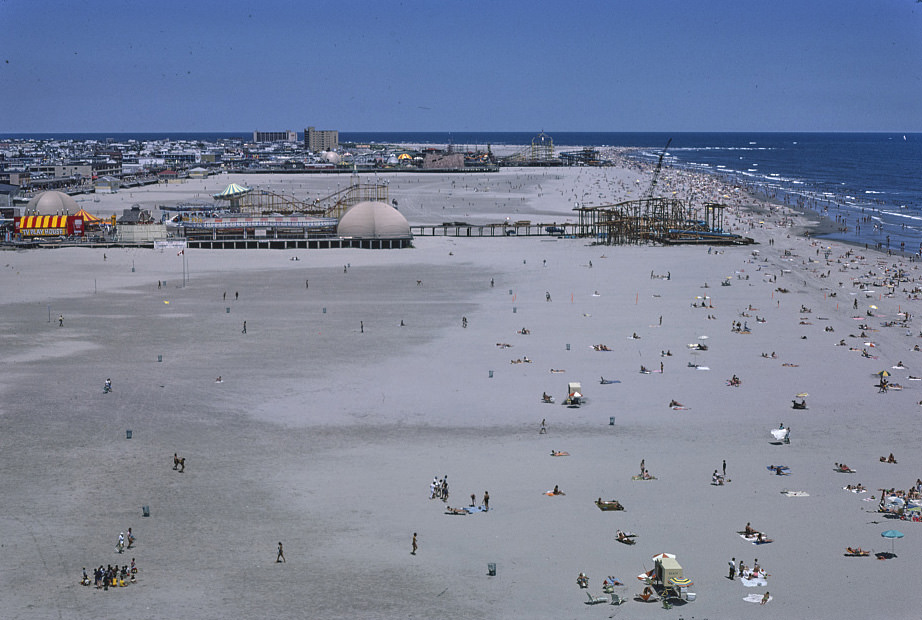
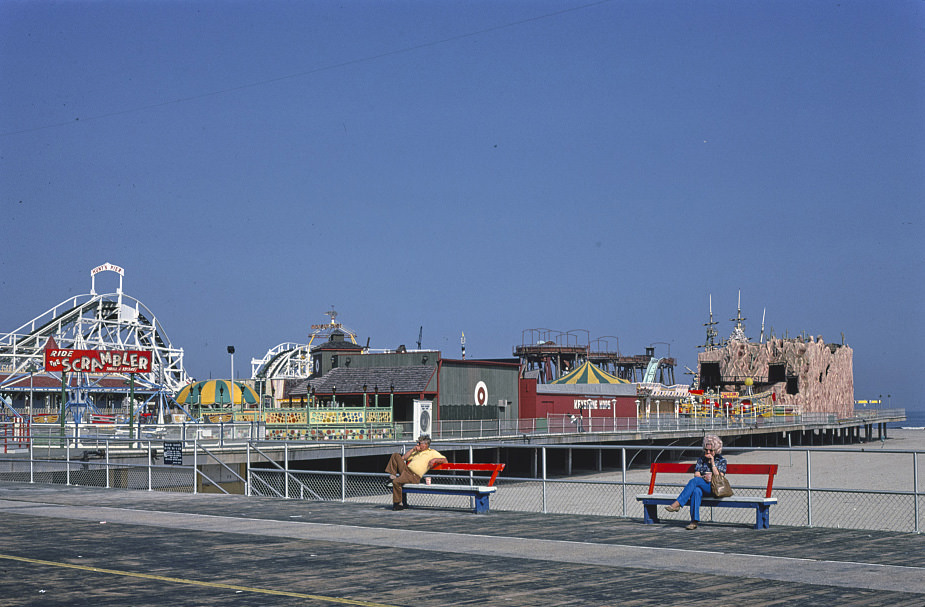
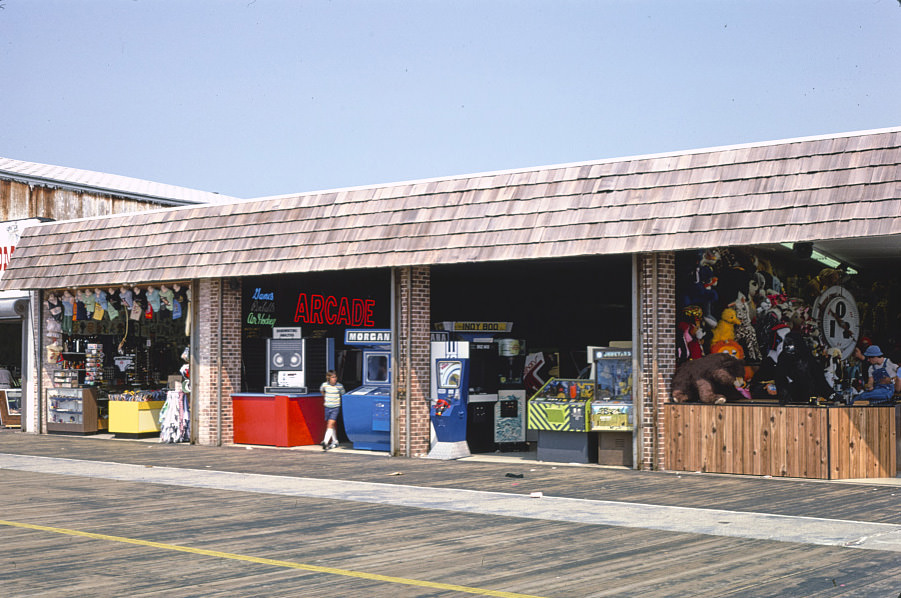
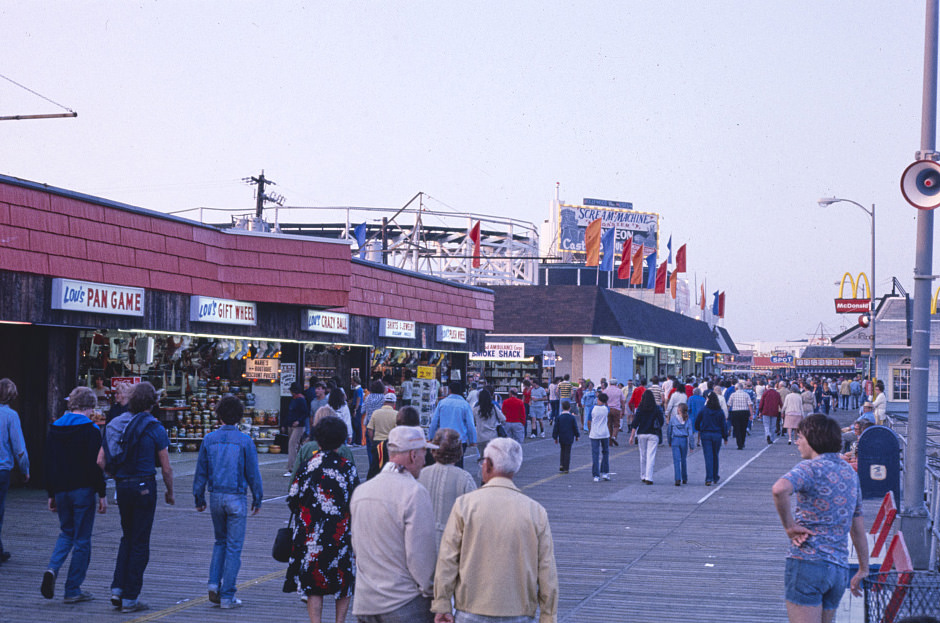
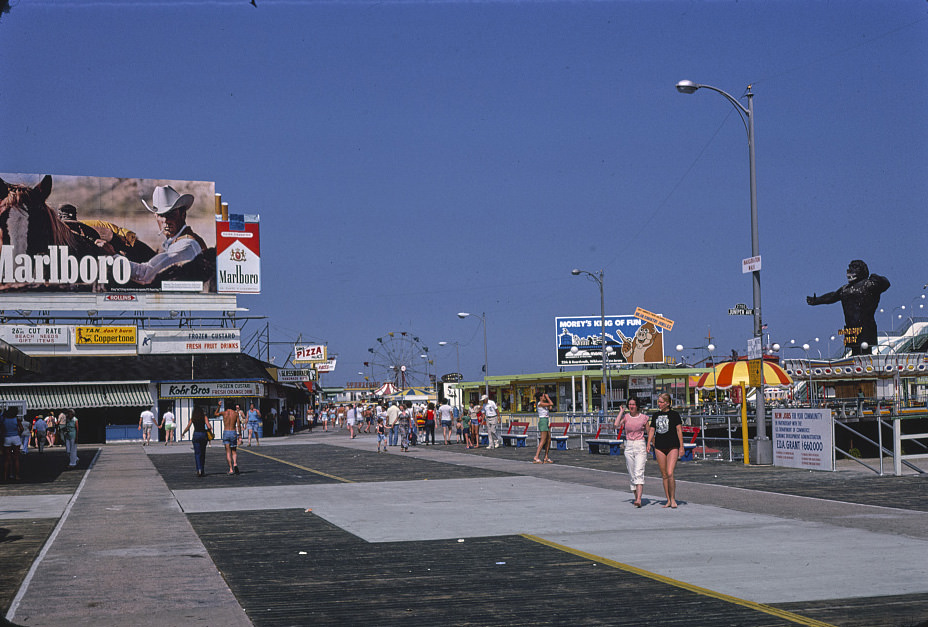
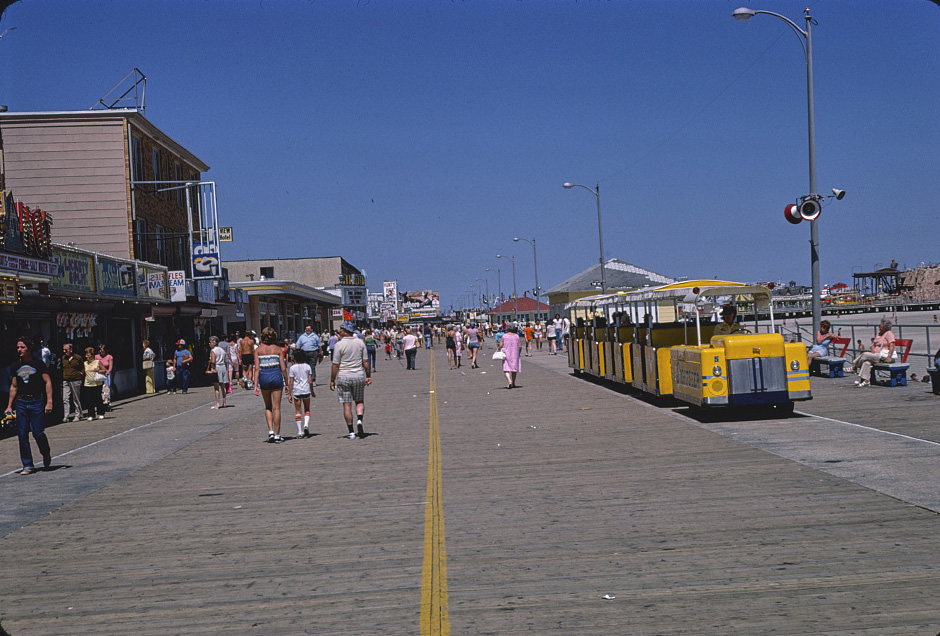
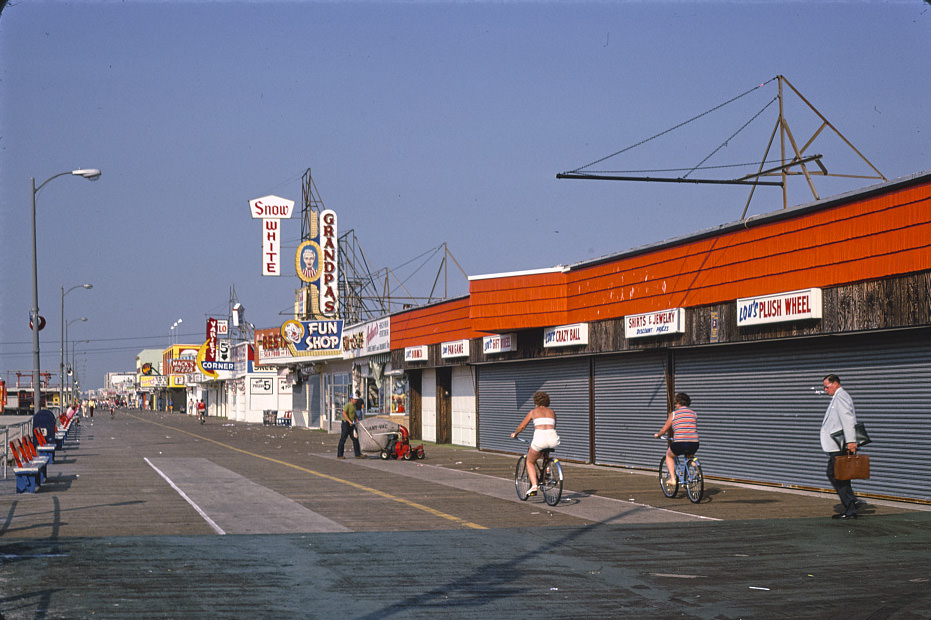
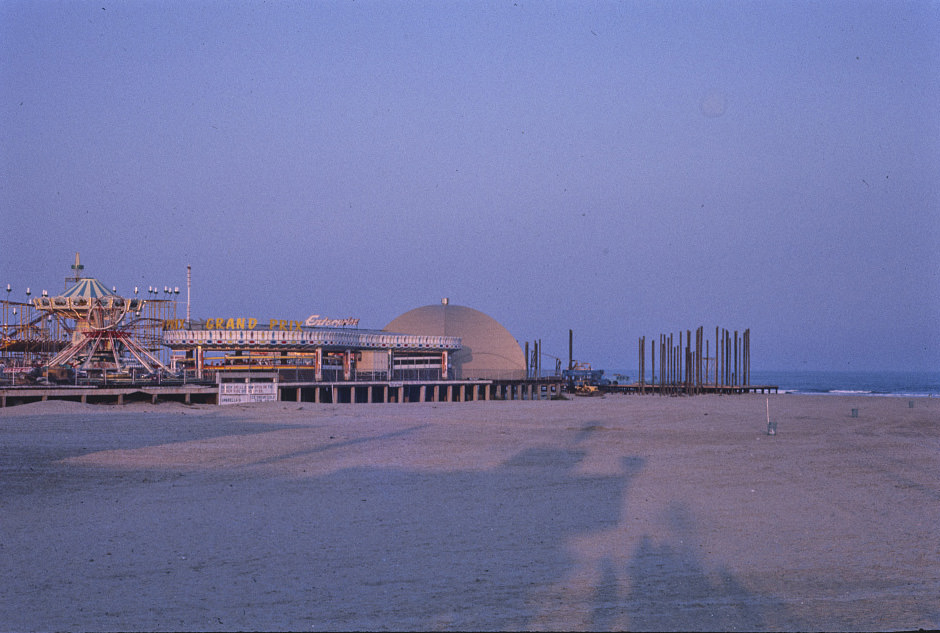
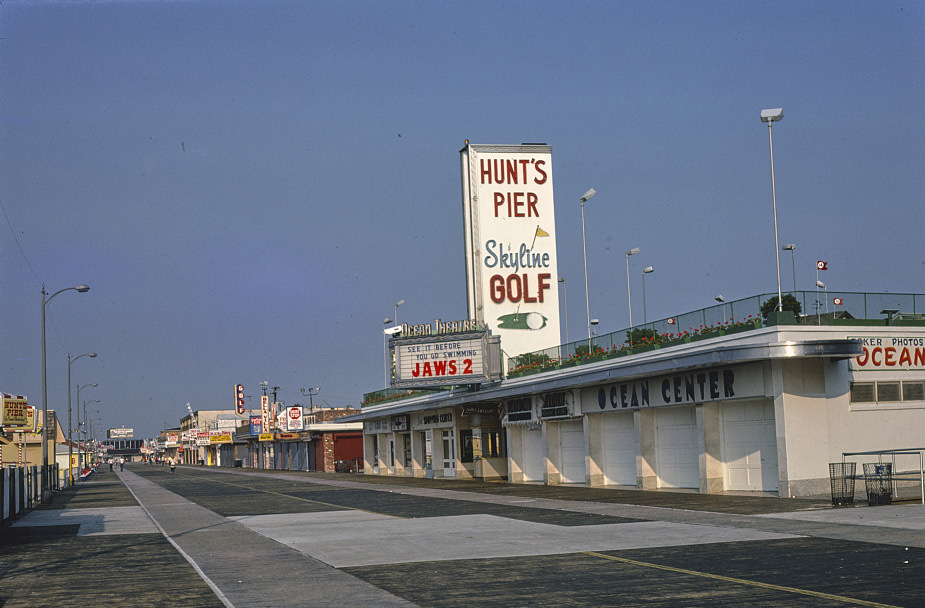
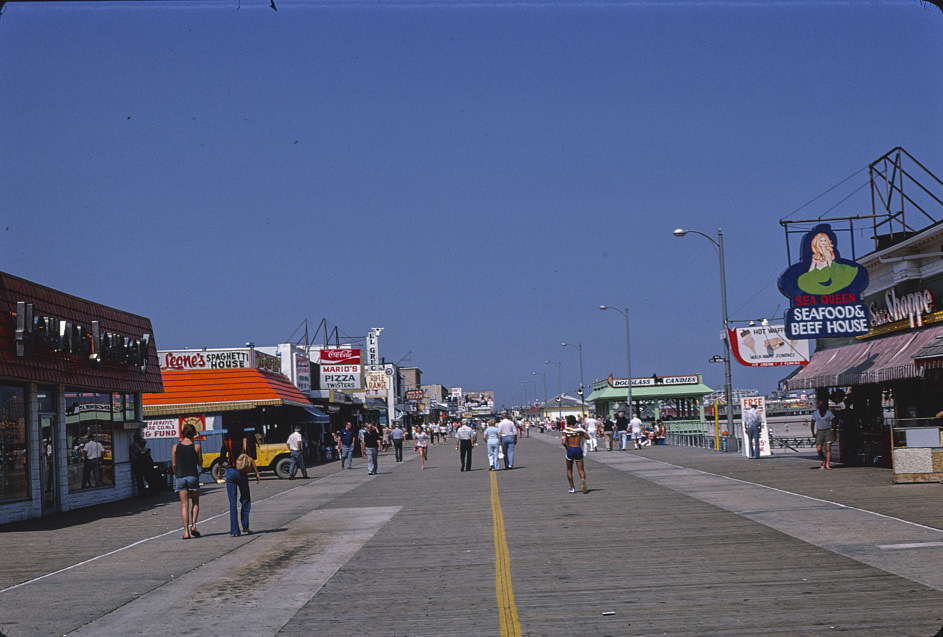
By 1978, Wildwood was in full swing as one of the East Coast’s premier summer destinations. The town’s year-round population sat at just over 5,300 people, but every summer that number exploded to around 250,000. The boardwalk was the heart of it all — a dense strip of food stands, game stores, arcades, and amusement piers stretching along the oceanfront.
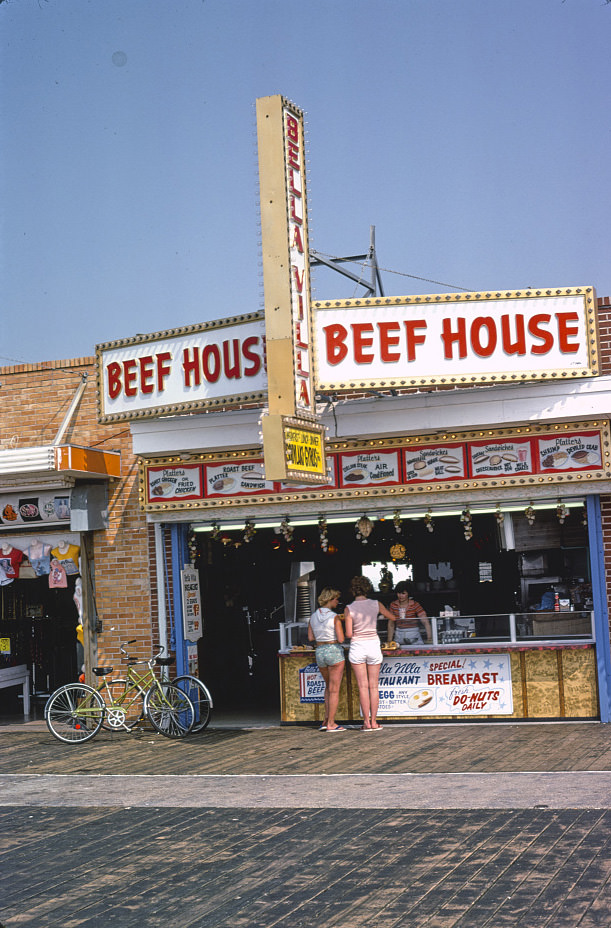
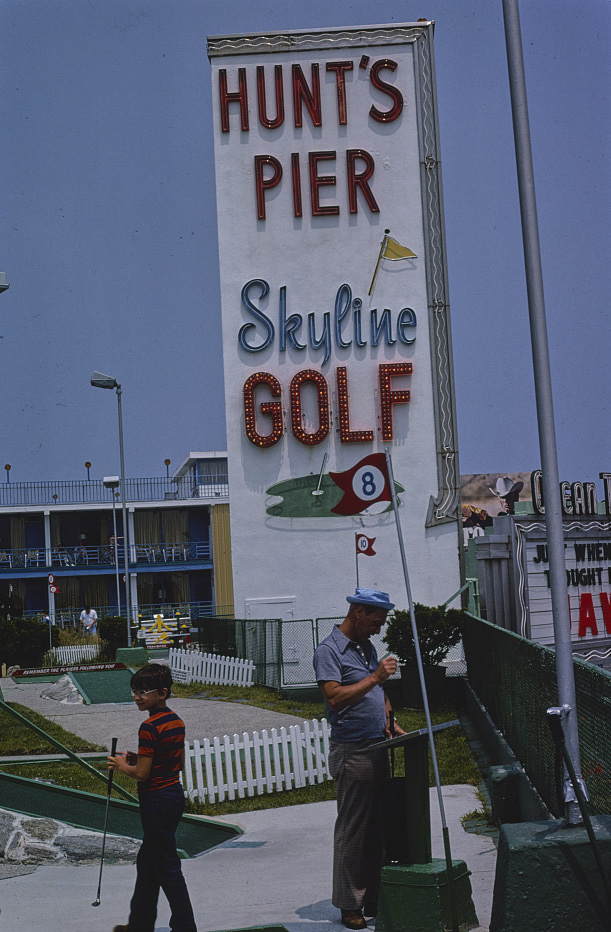
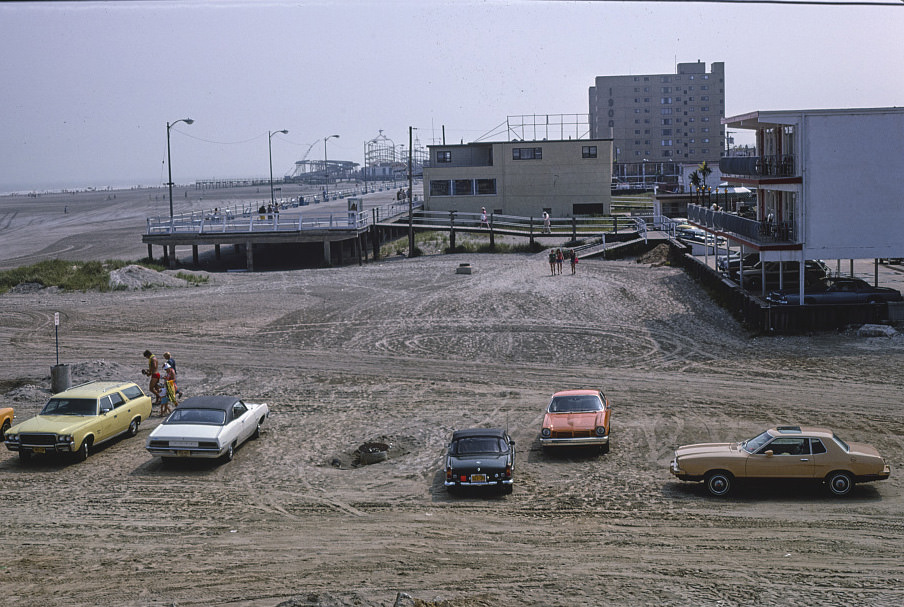
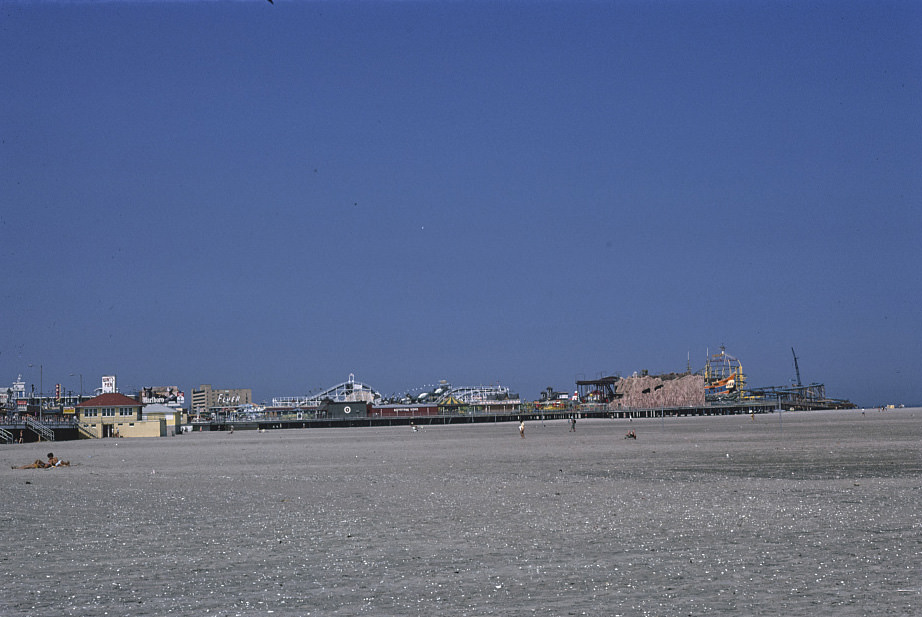
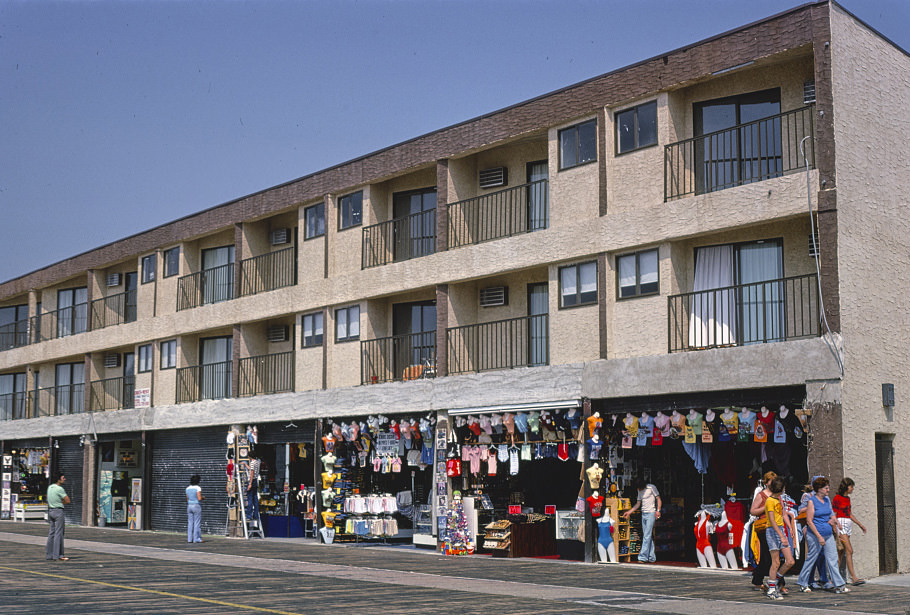
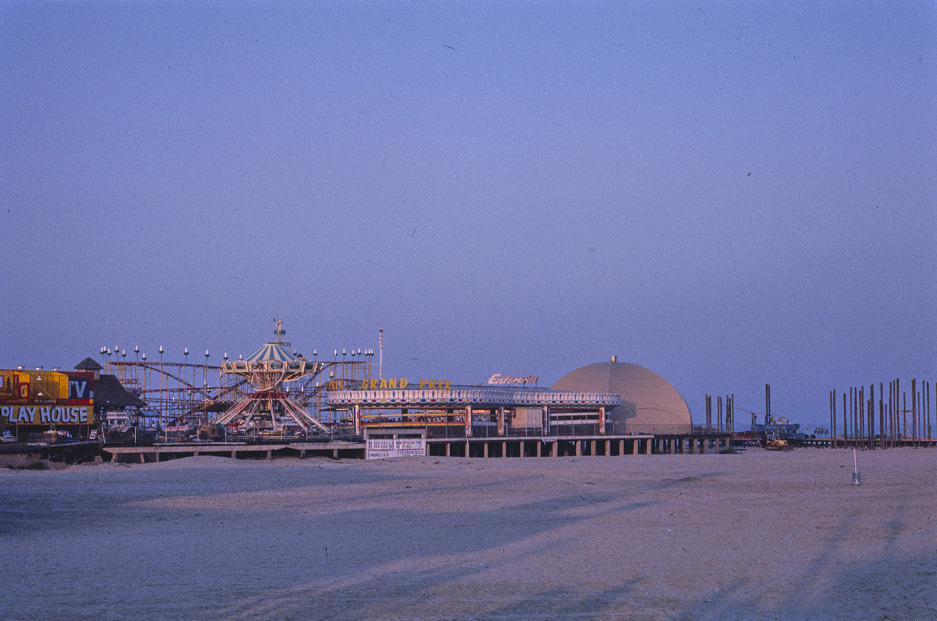
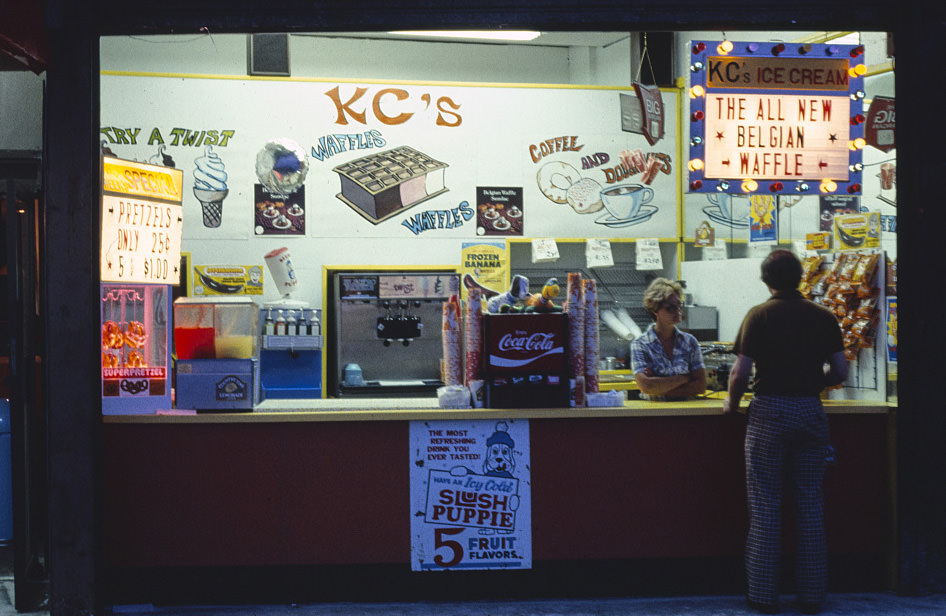
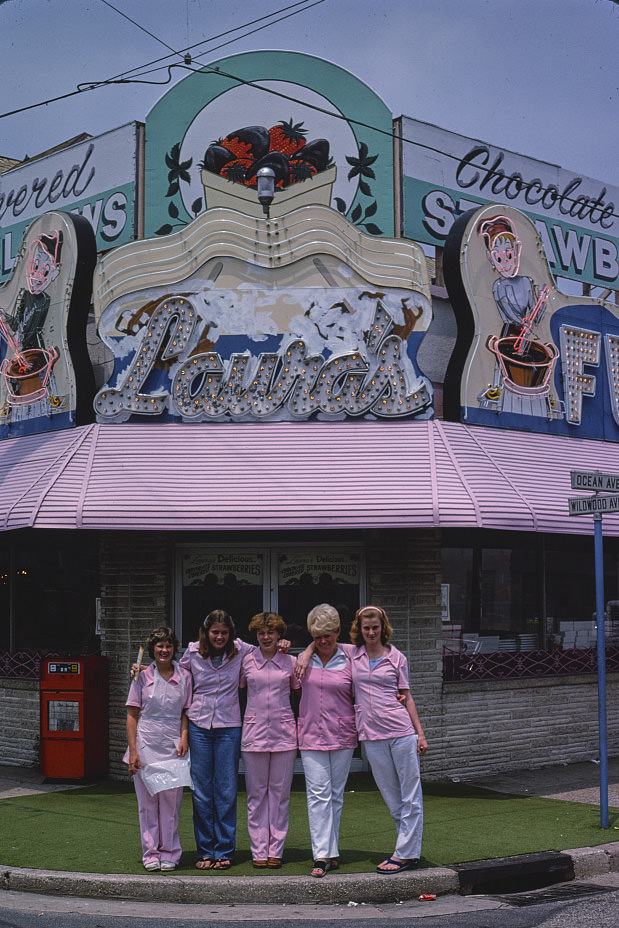
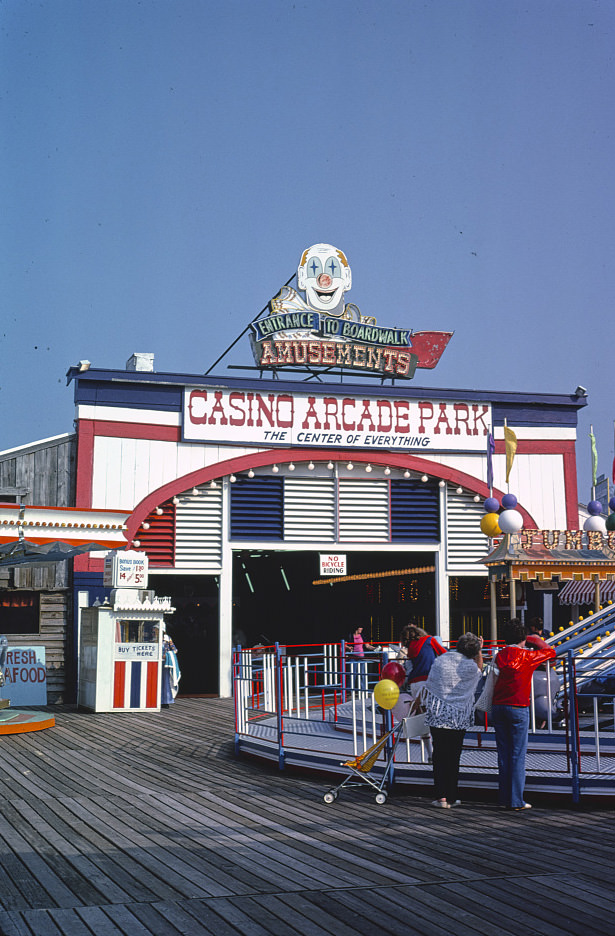
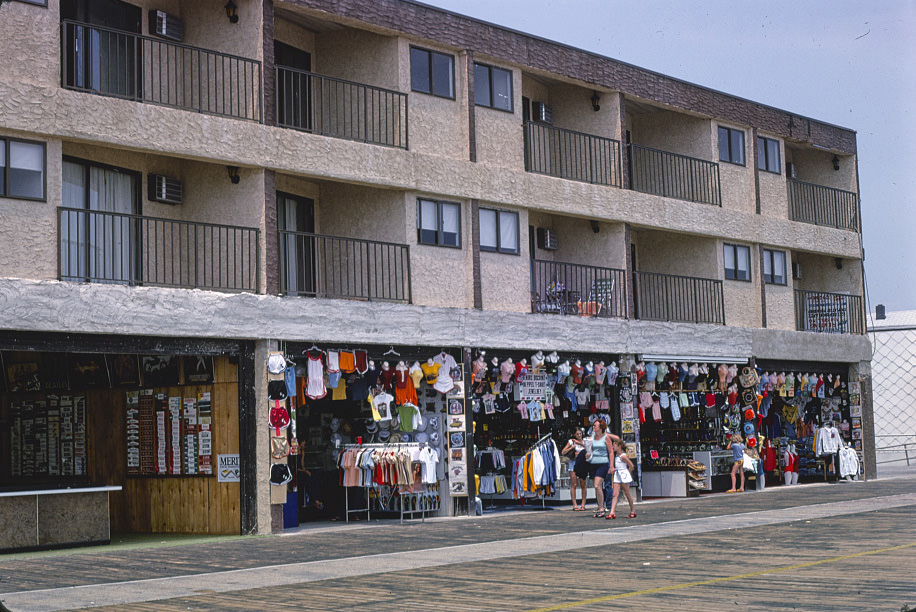
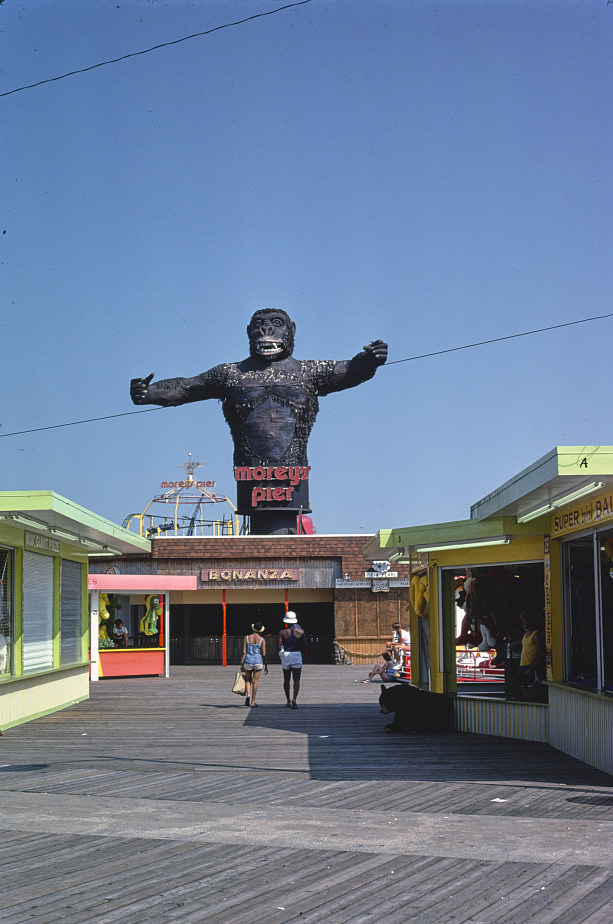
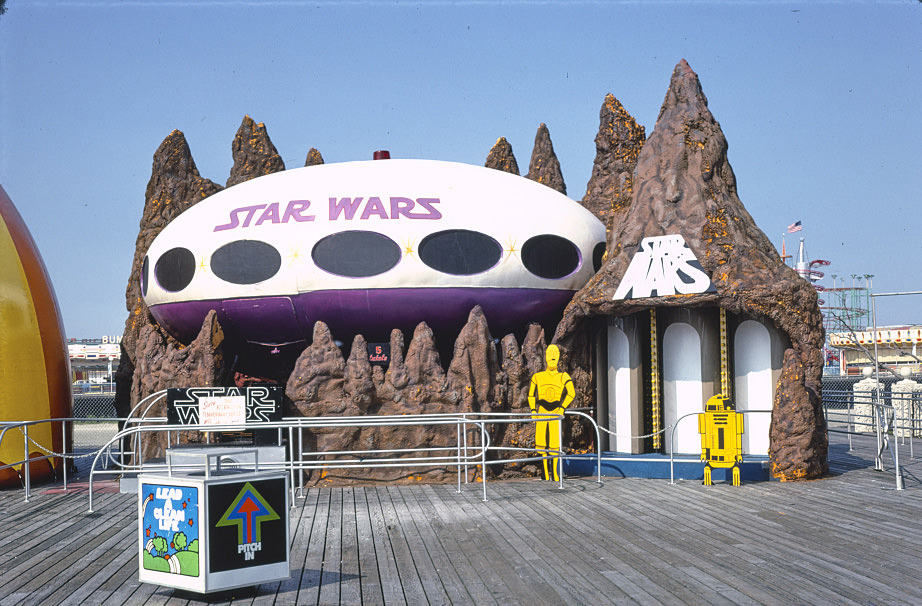
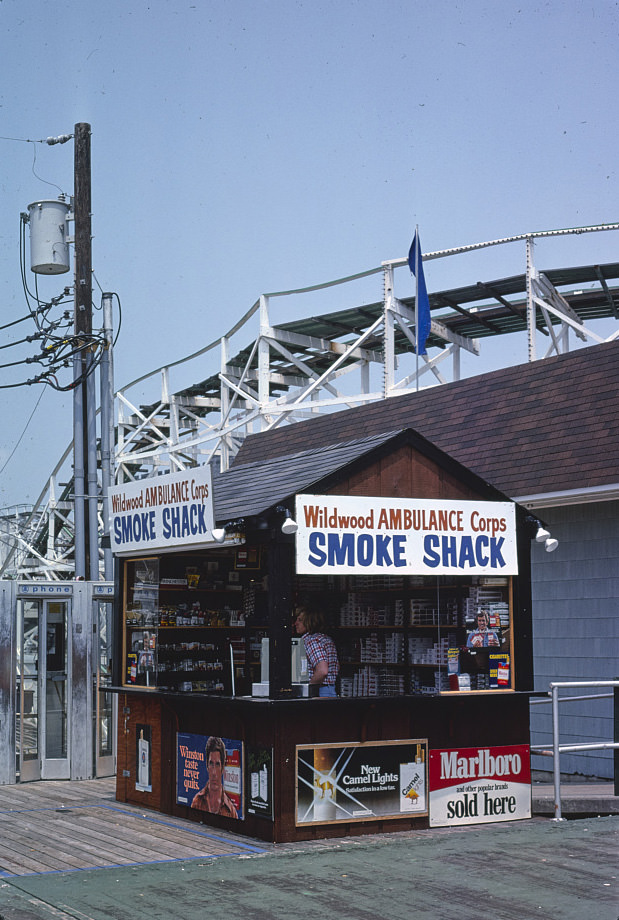
Photographer John Margolies visited Wildwood in 1978 and captured the city in extraordinary detail. Margolies was known for documenting American roadside culture, and Wildwood gave him plenty to work with. His photos show every corner of the boardwalk scene — from the tram cars rolling past crowded storefronts to the neon-lit piers lit up after dark.
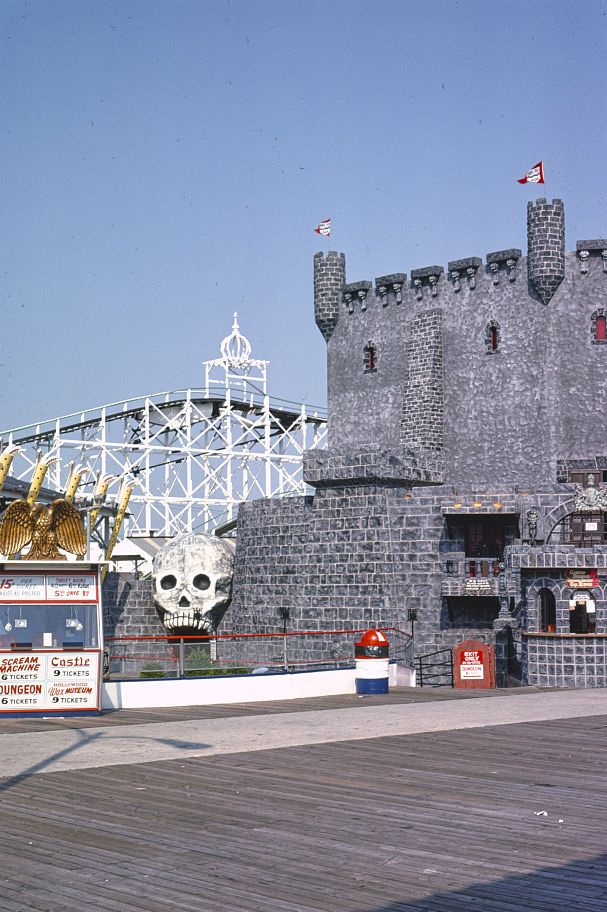
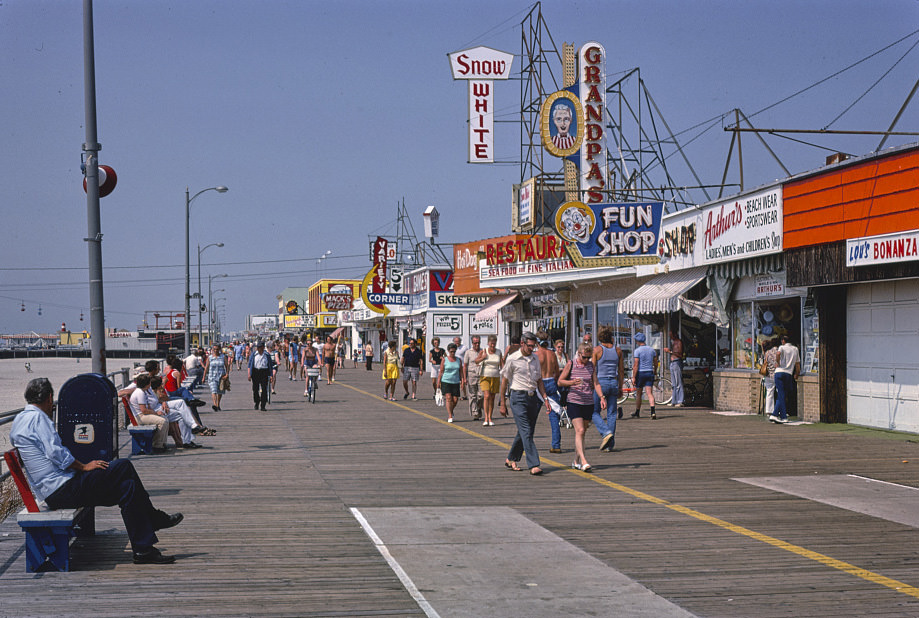
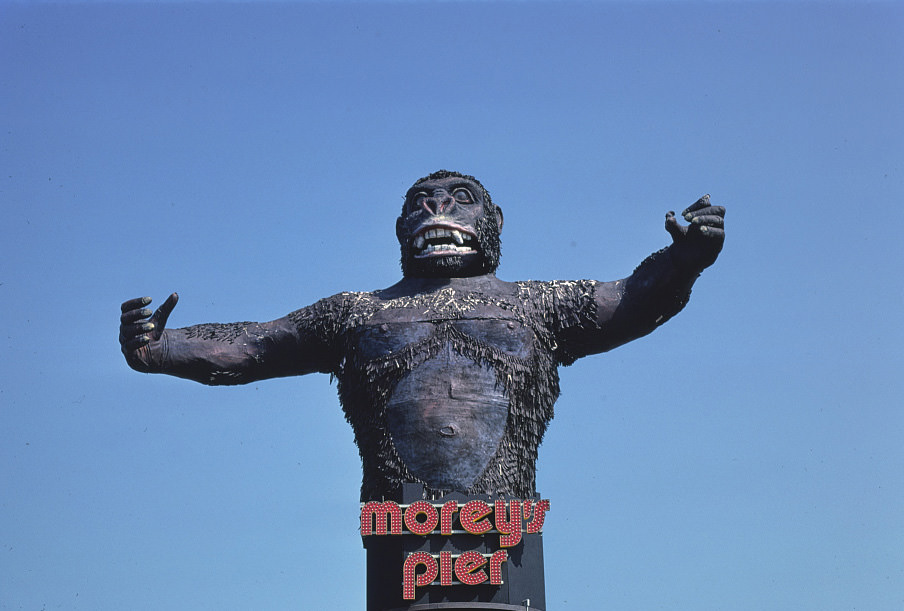
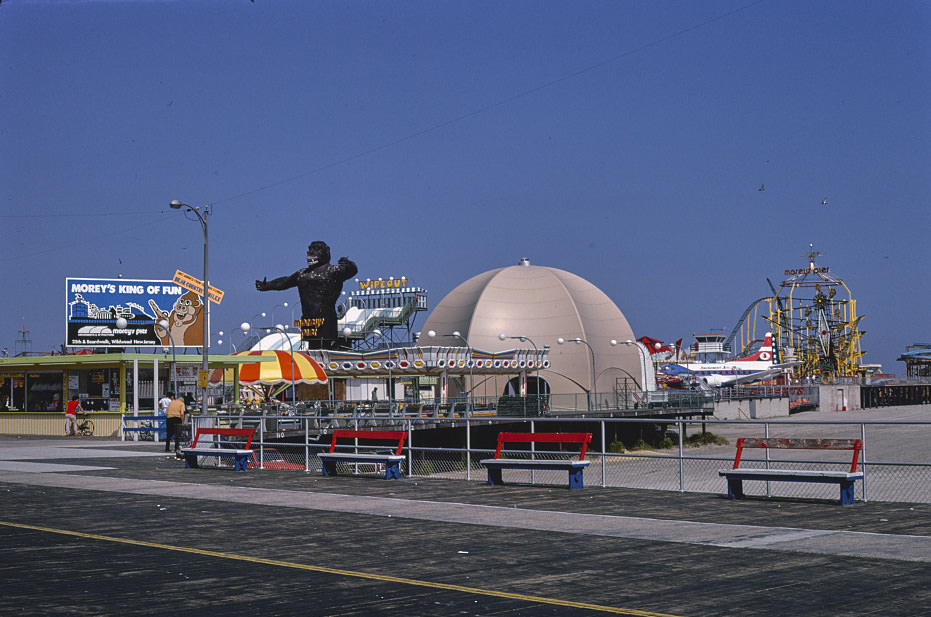
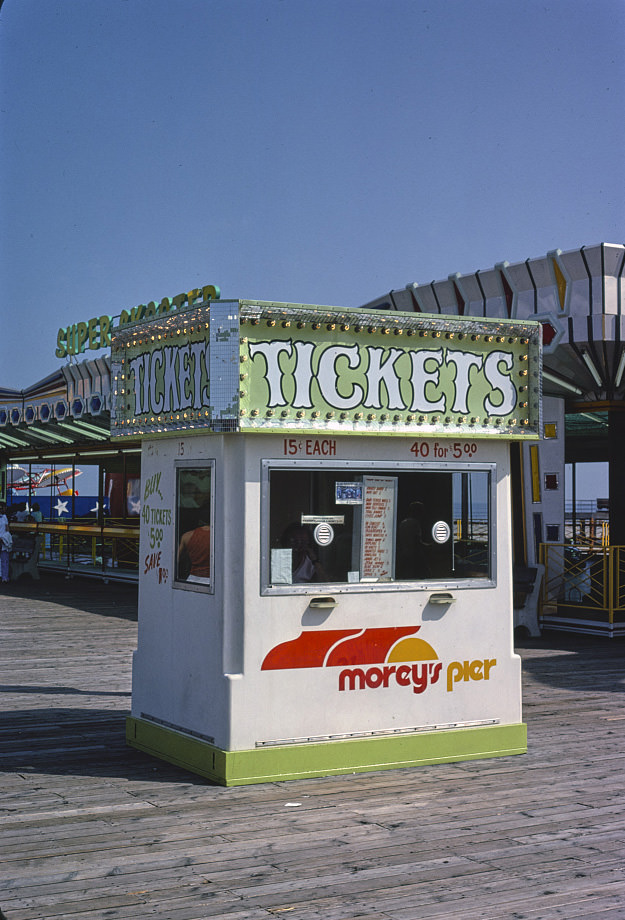
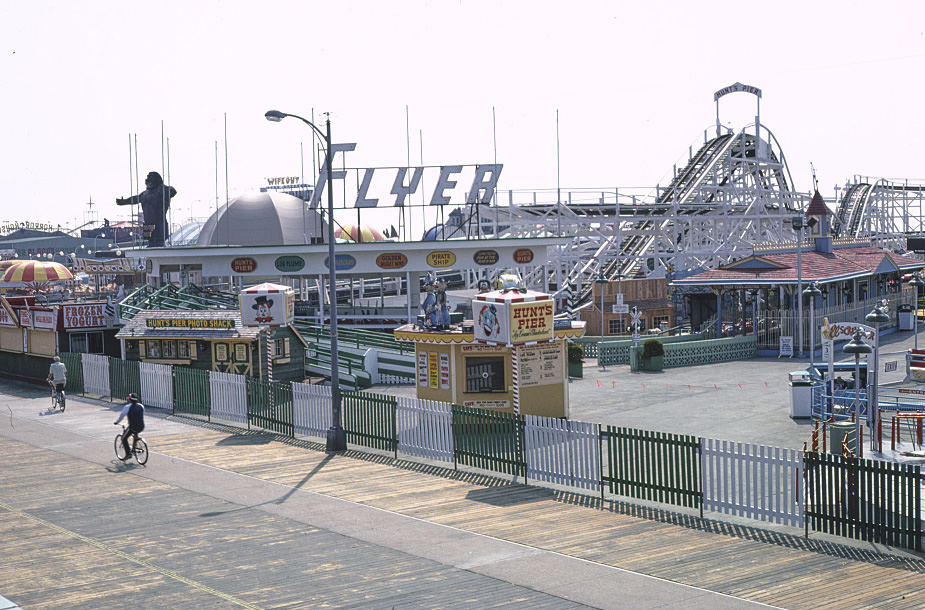
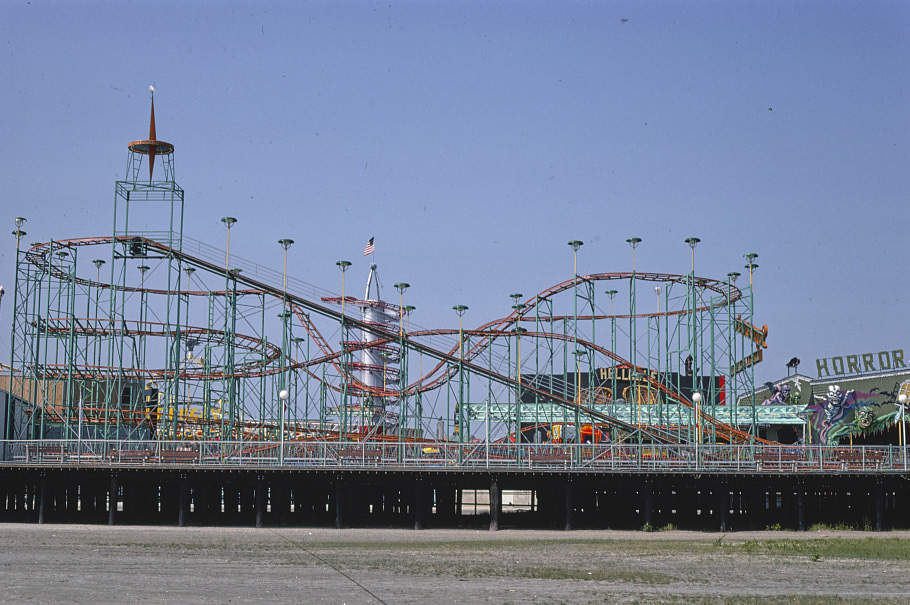
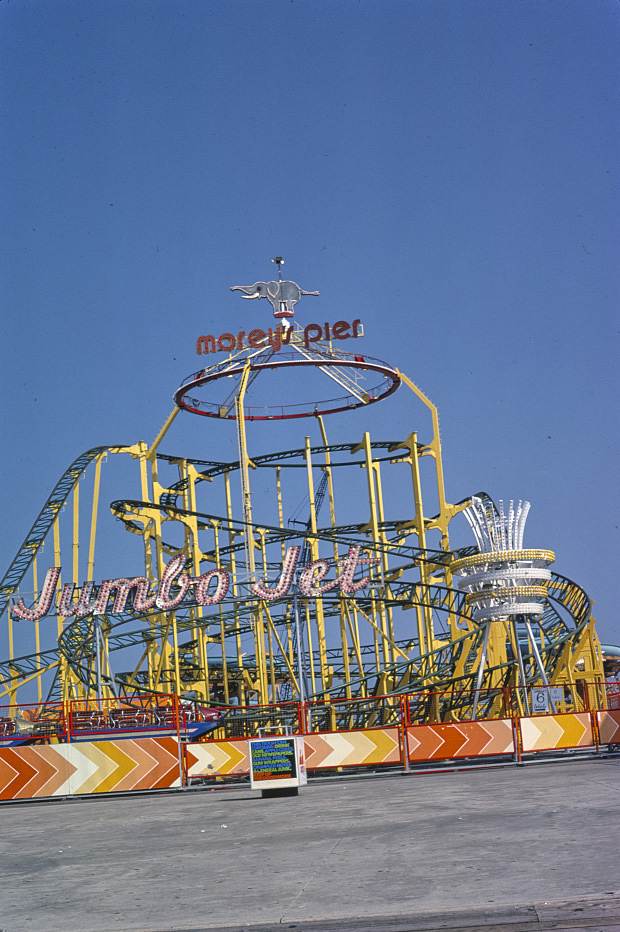
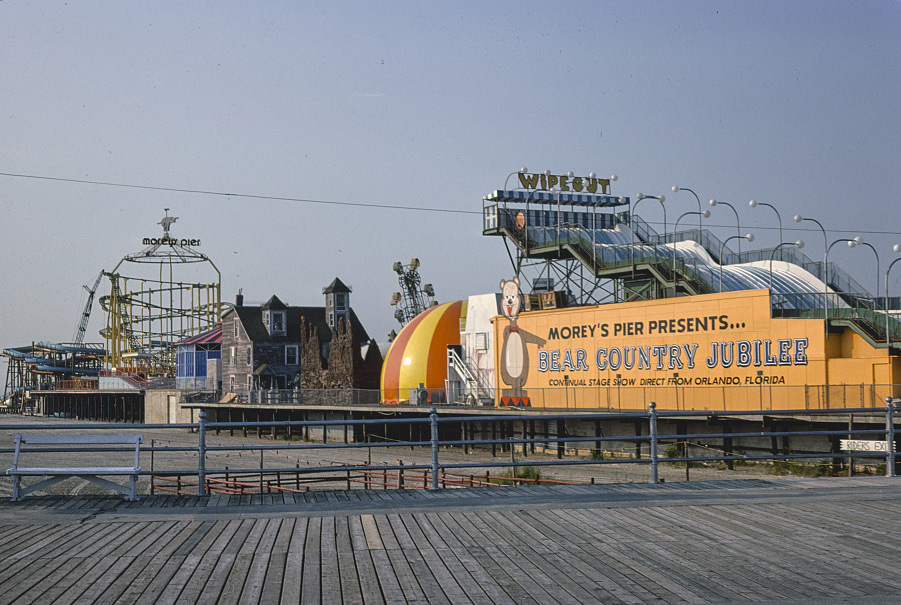
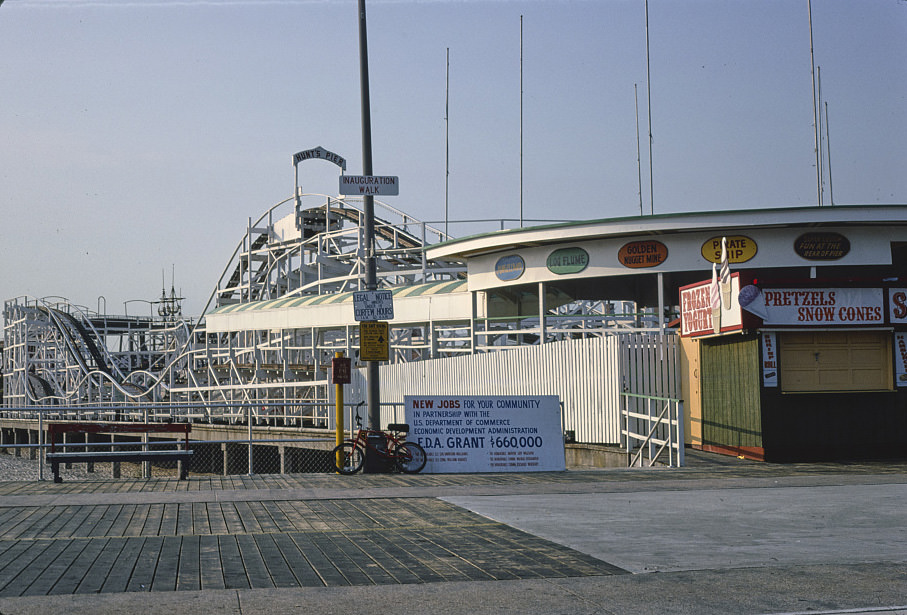
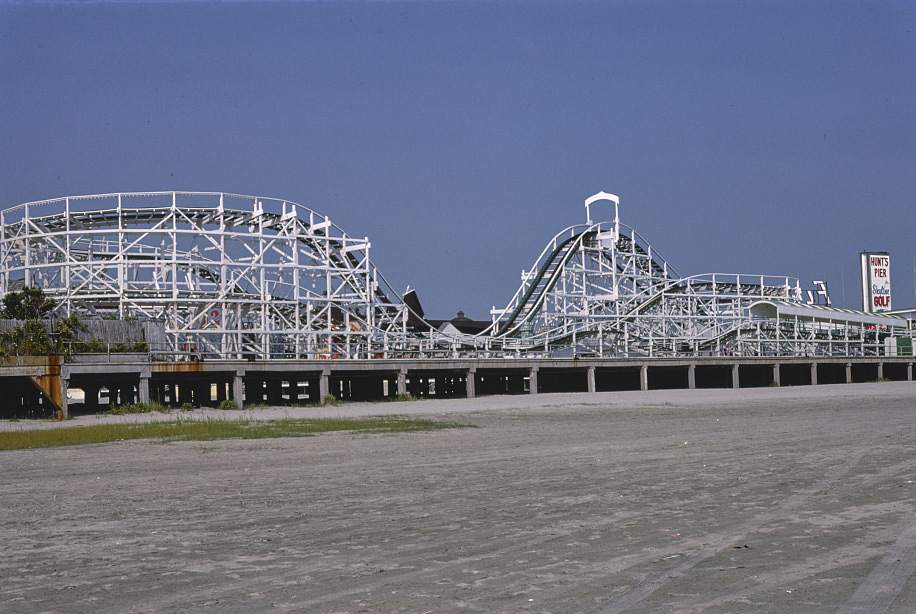
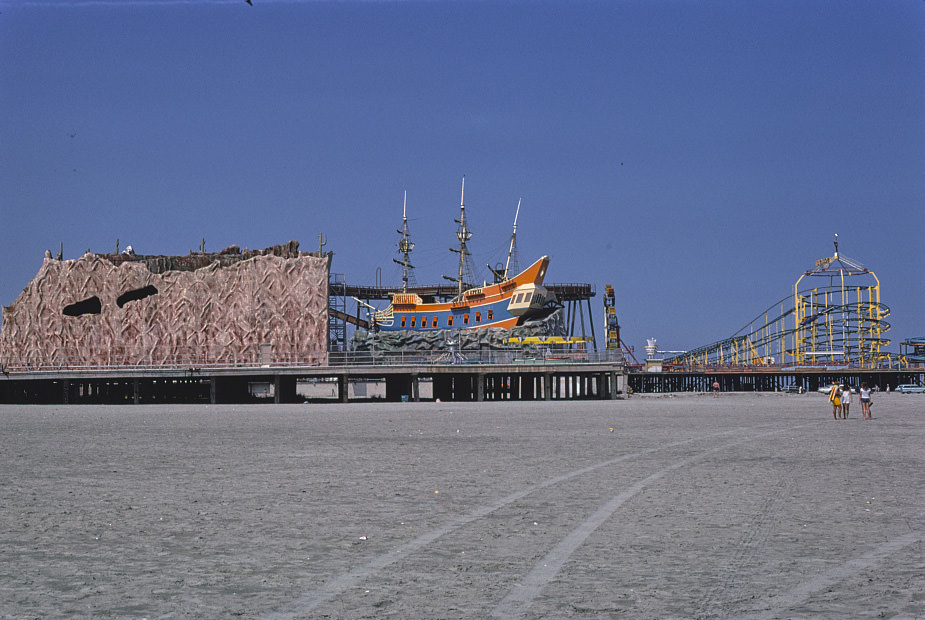
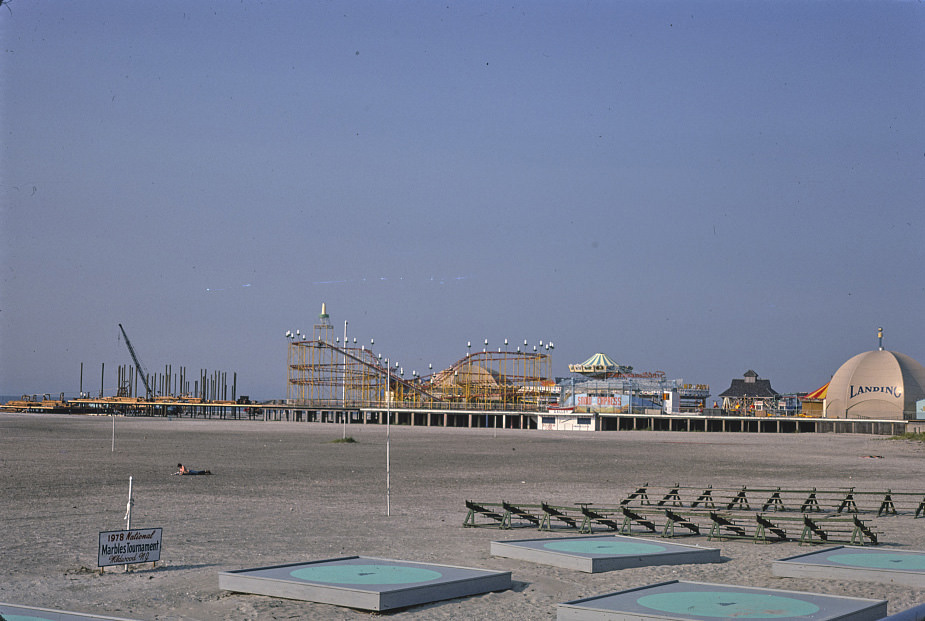
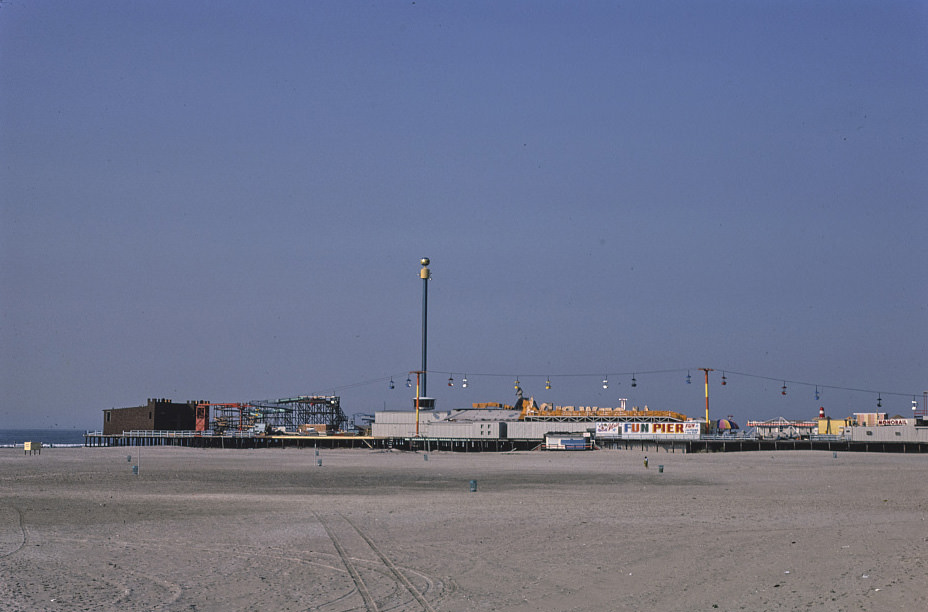
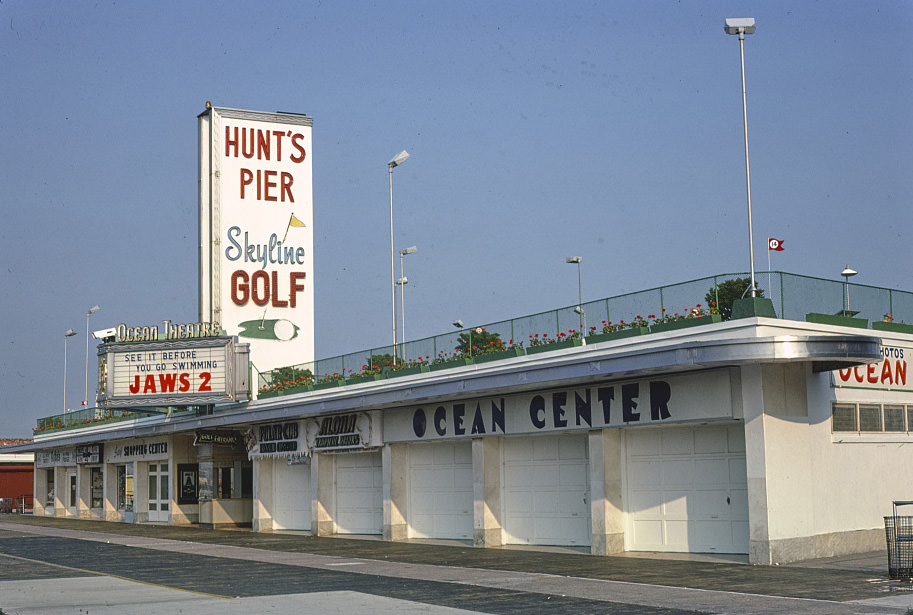
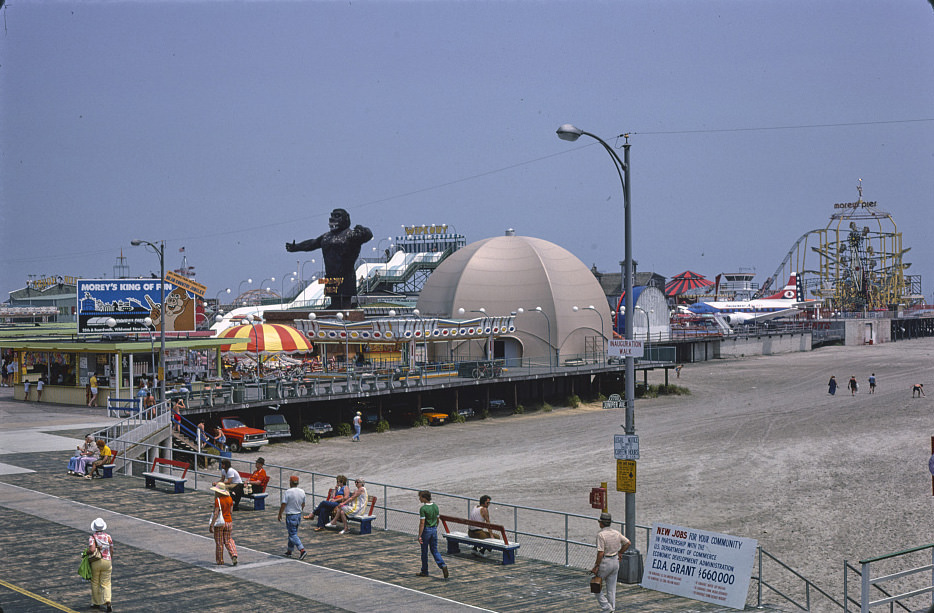
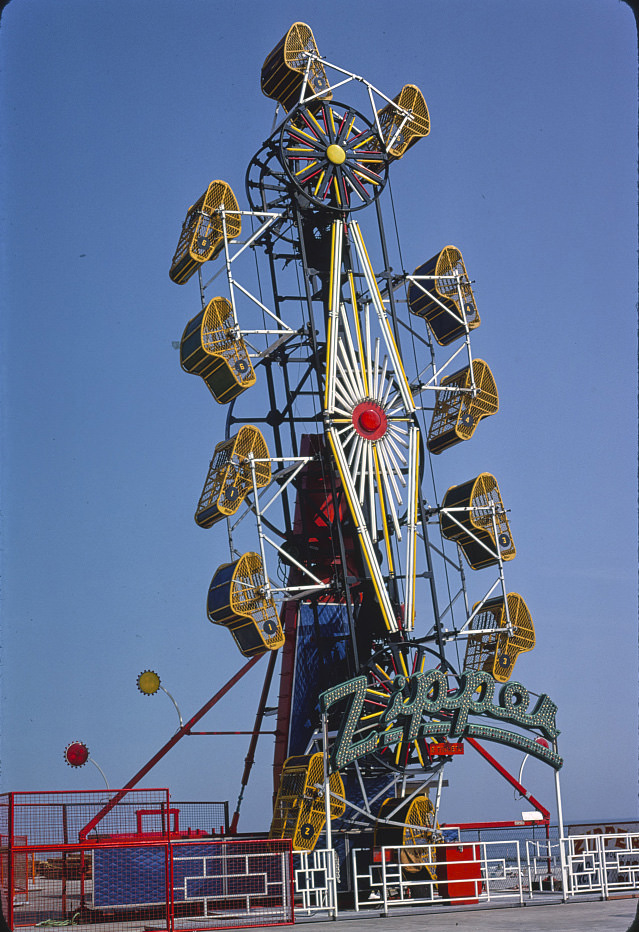
Hunt’s Pier was one of the most popular spots on the boardwalk. It featured roller coasters, a casino arcade, miniature golf, and a theater — all packed onto a single pier jutting out over the Atlantic. Morey’s Pier sat nearby and offered its own lineup of thrill rides, including roller coasters and the Zipper, a spinning cage ride that was a staple of American amusement parks in the 1970s.
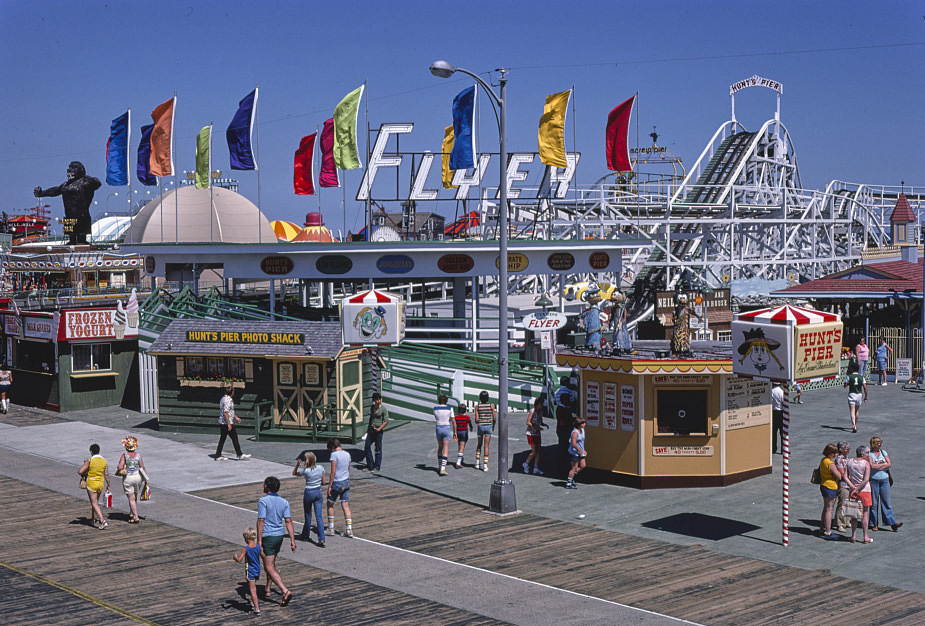
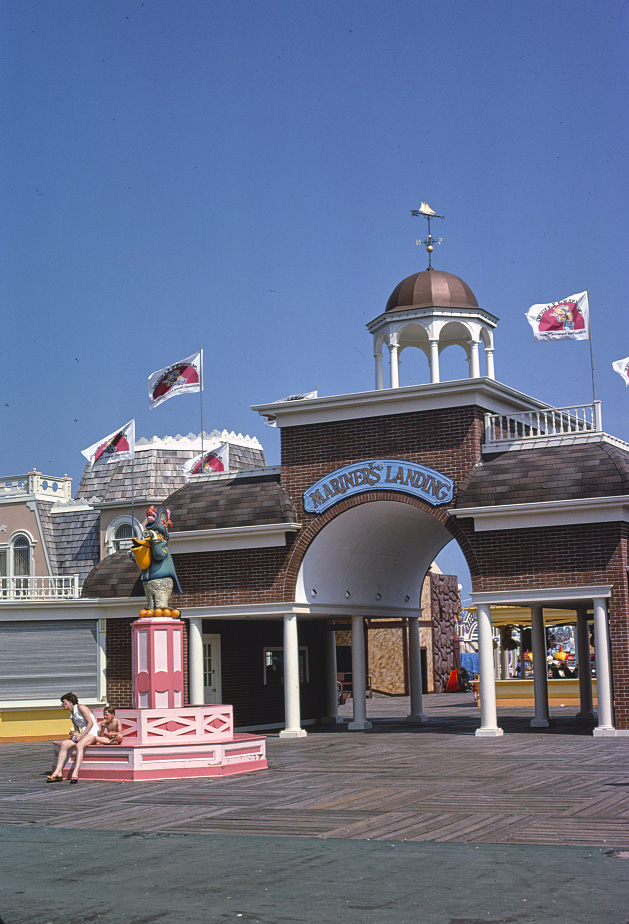
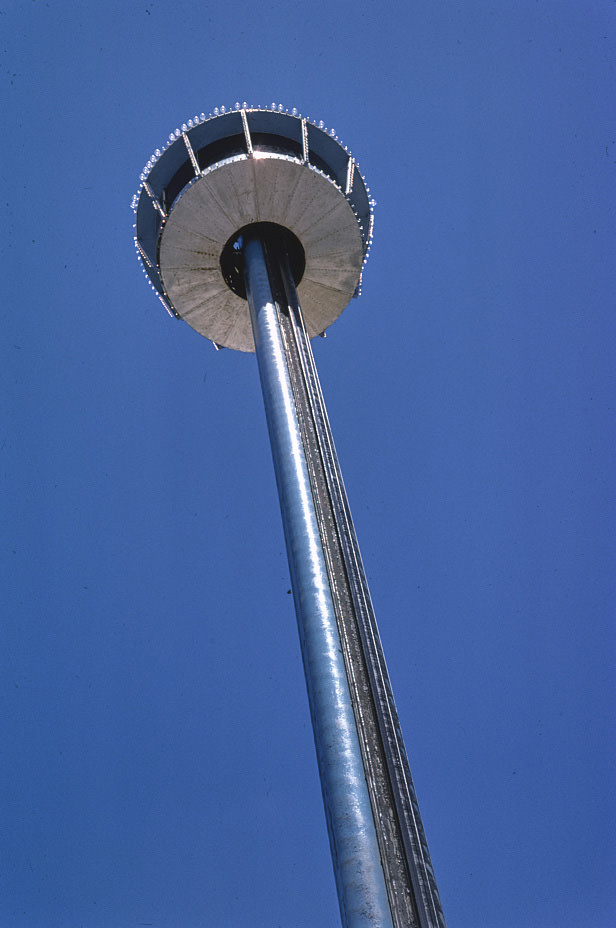
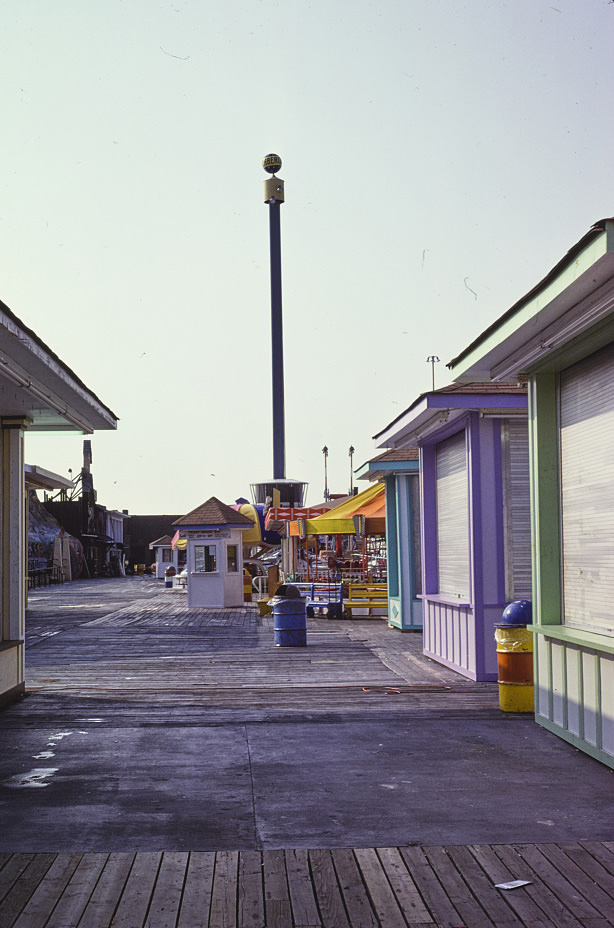
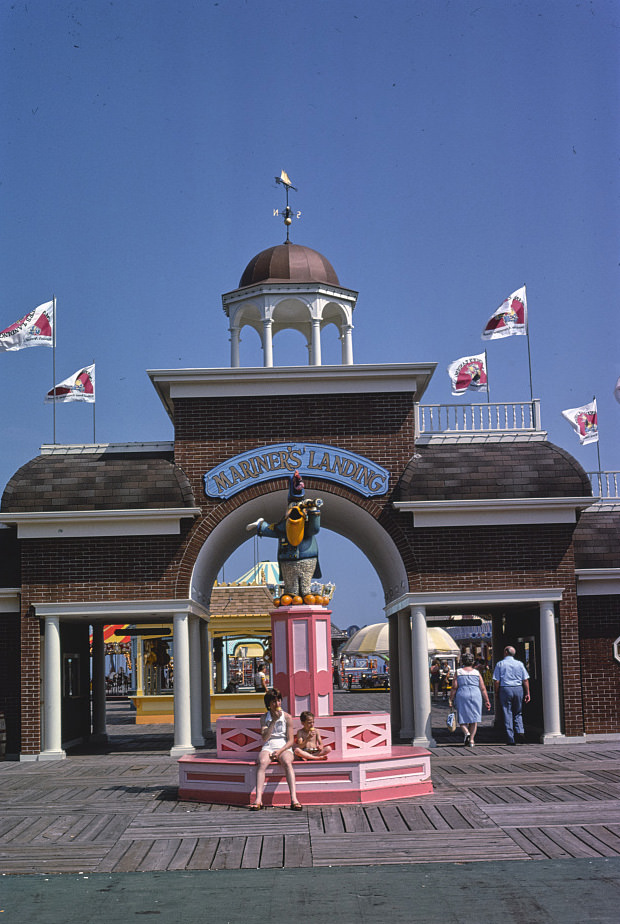
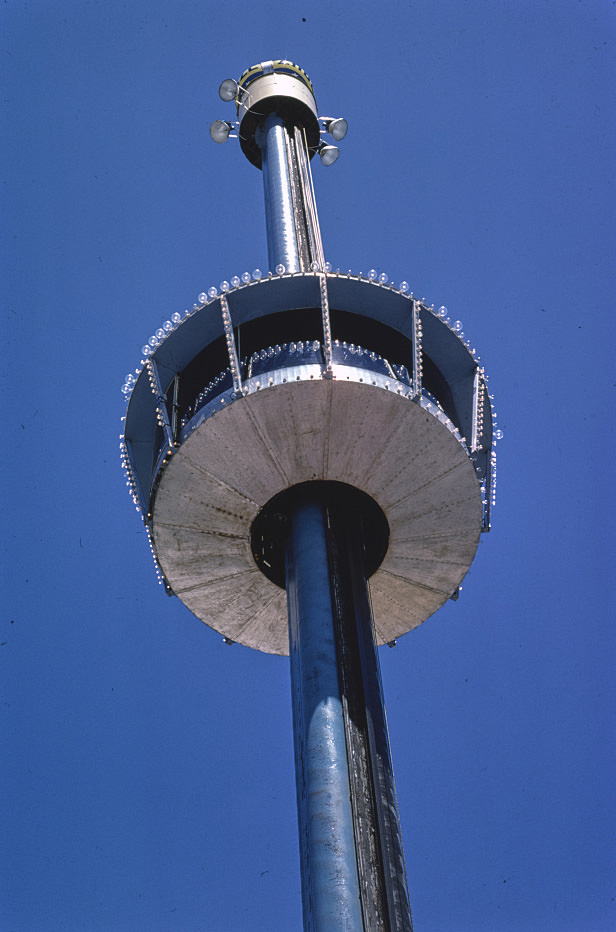
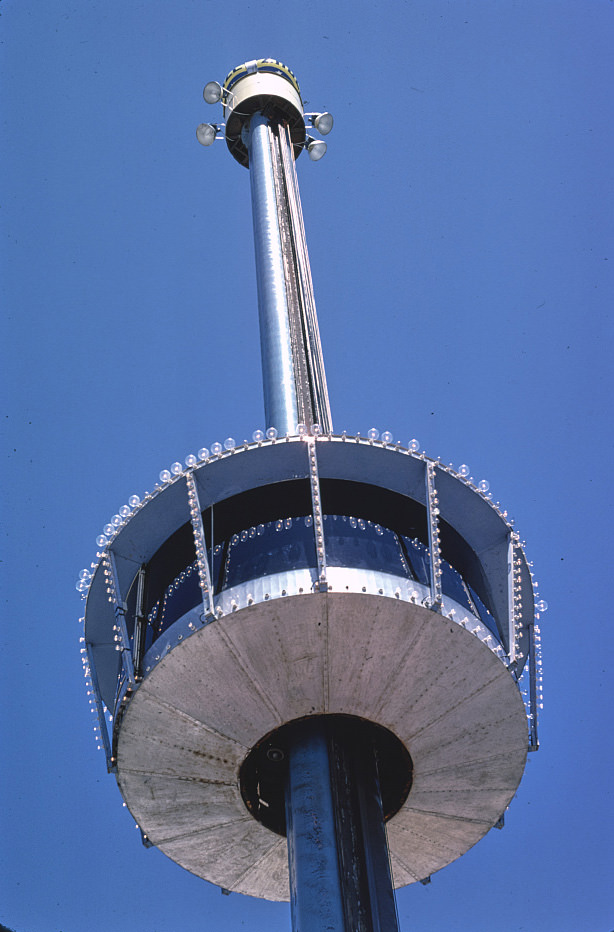
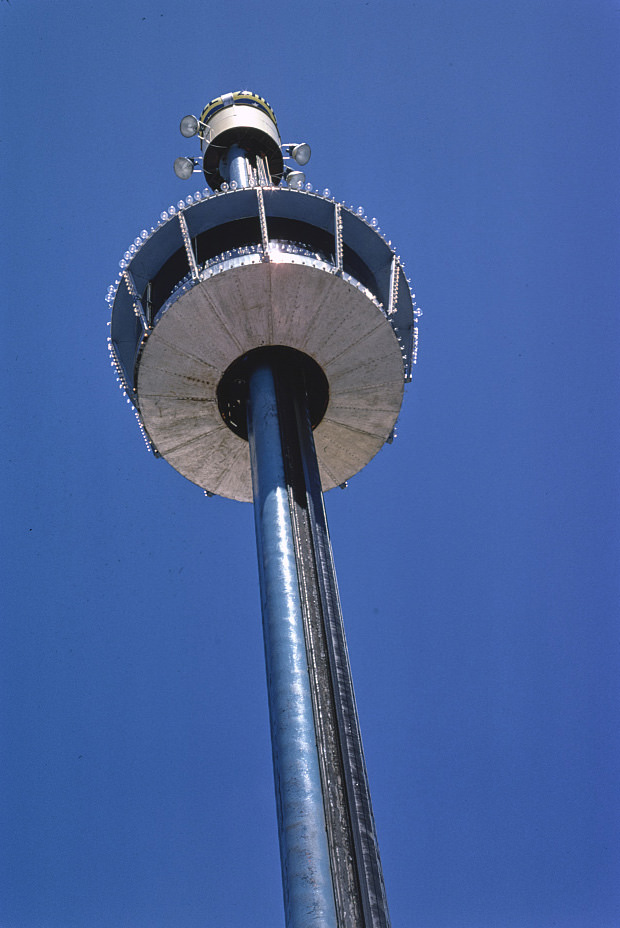
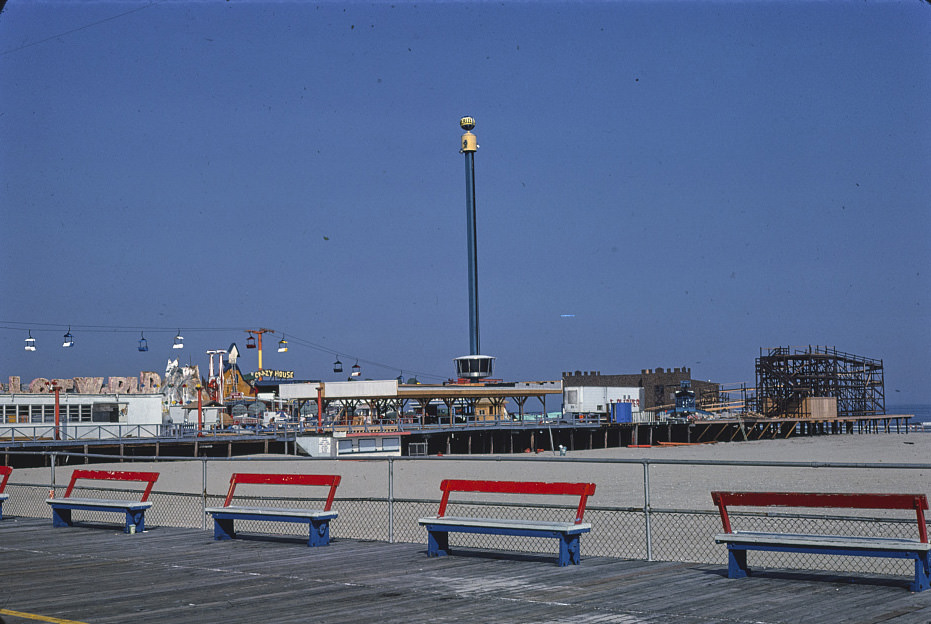
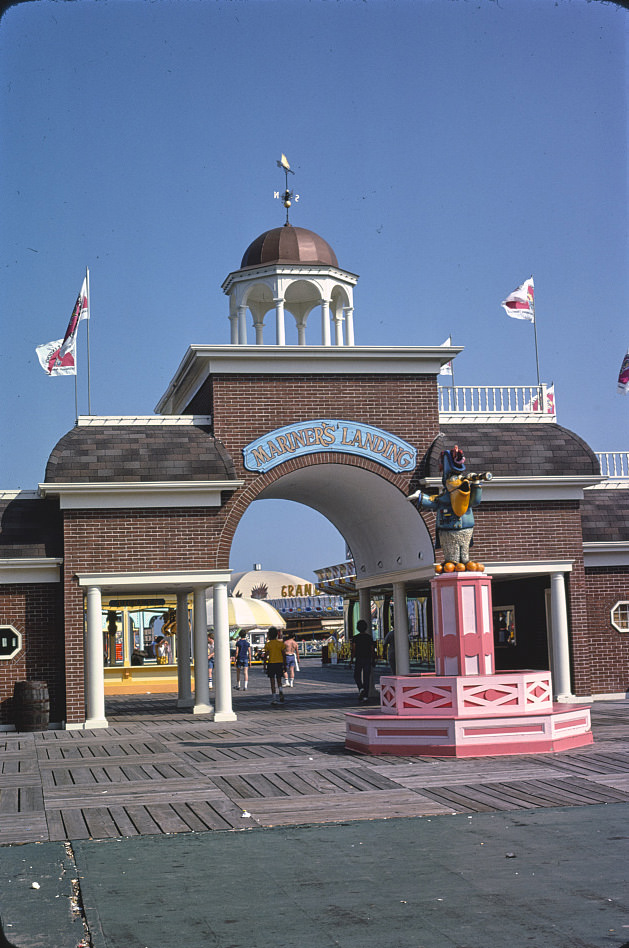
Mariner’s Landing Pier rounded out the trio of major amusement piers. It sat at the southern end of the boardwalk and featured its own rides, water attractions, and the towering Sky Tower, which gave riders a sweeping aerial view of the shore. The piers competed fiercely with each other for visitors, which kept the attractions fresh and the energy high every season.
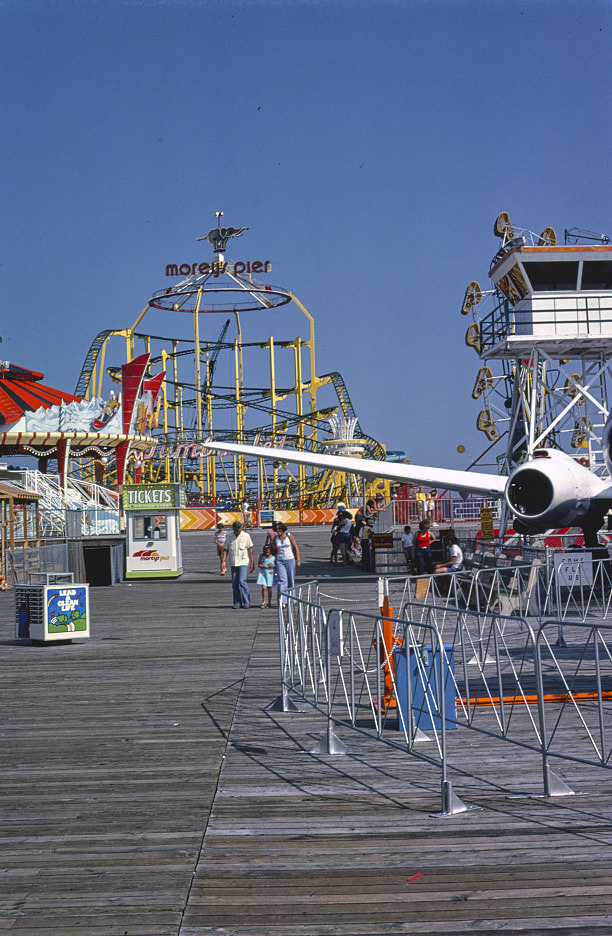
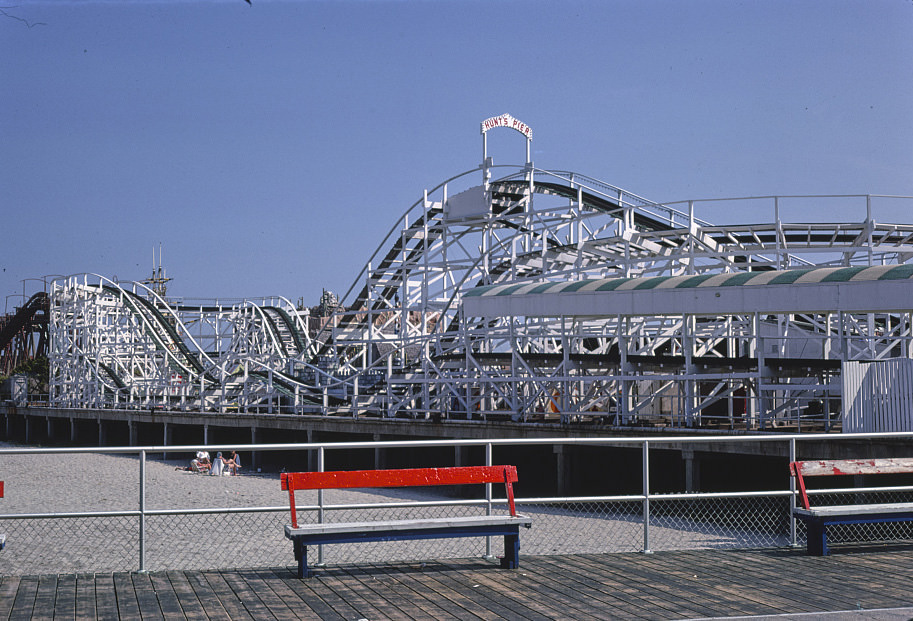
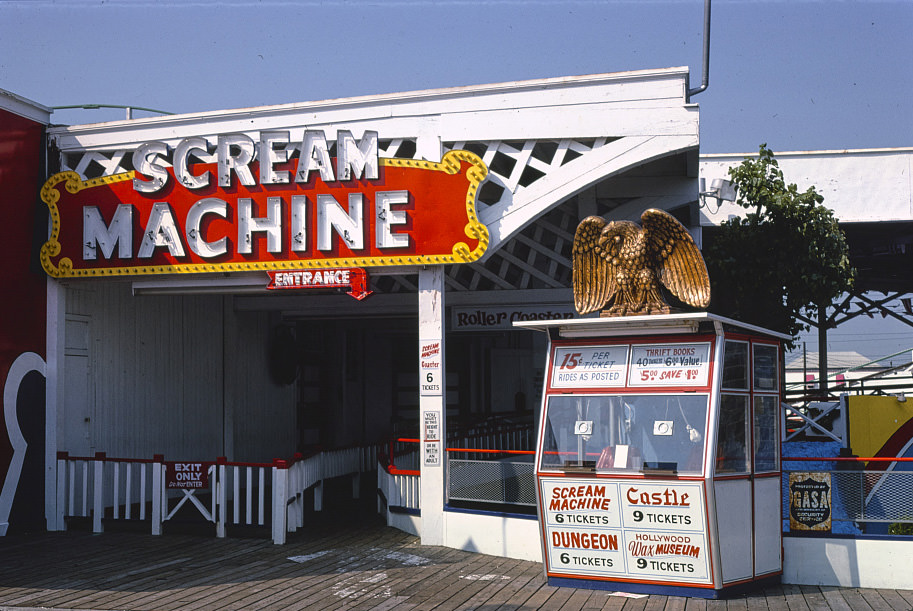
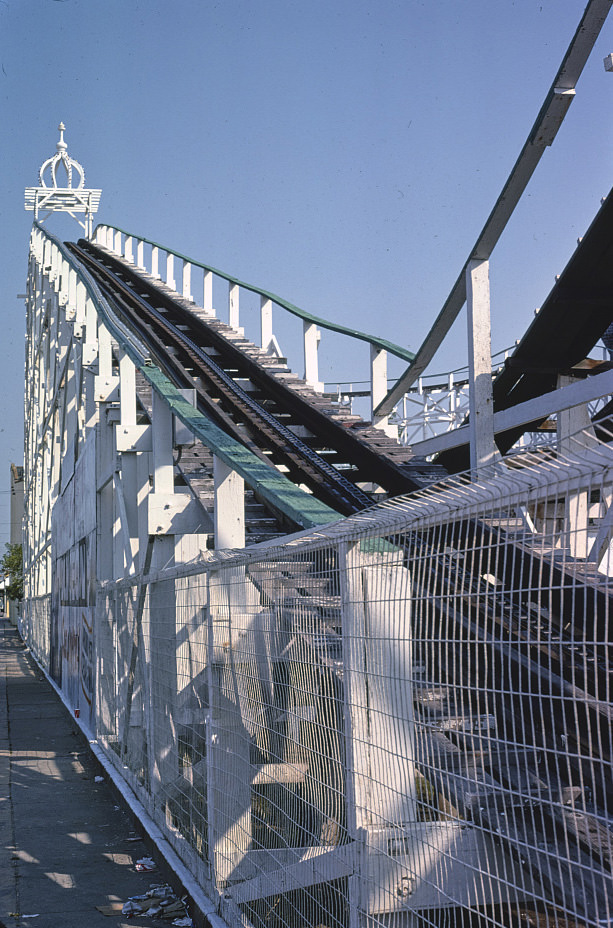
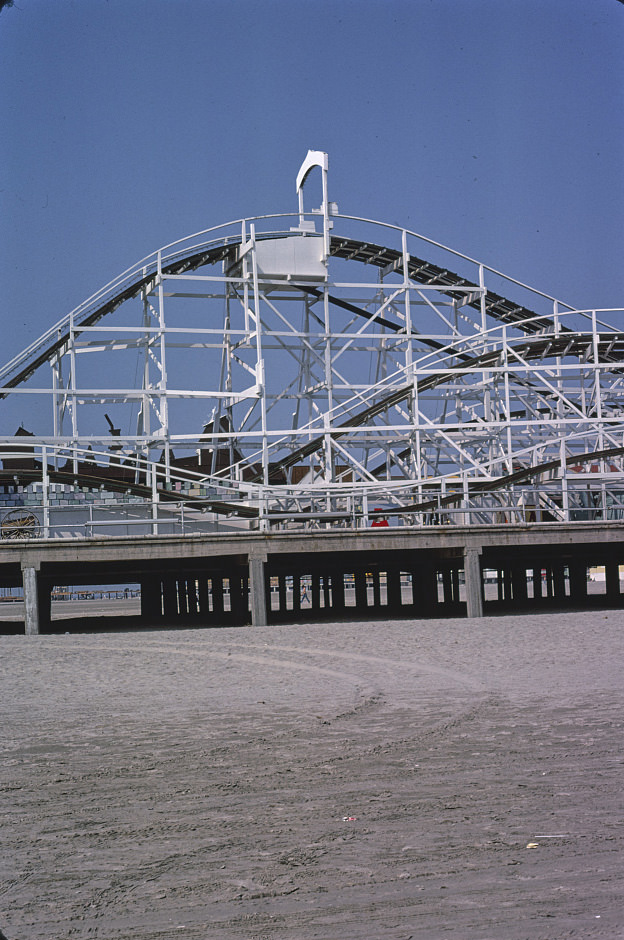
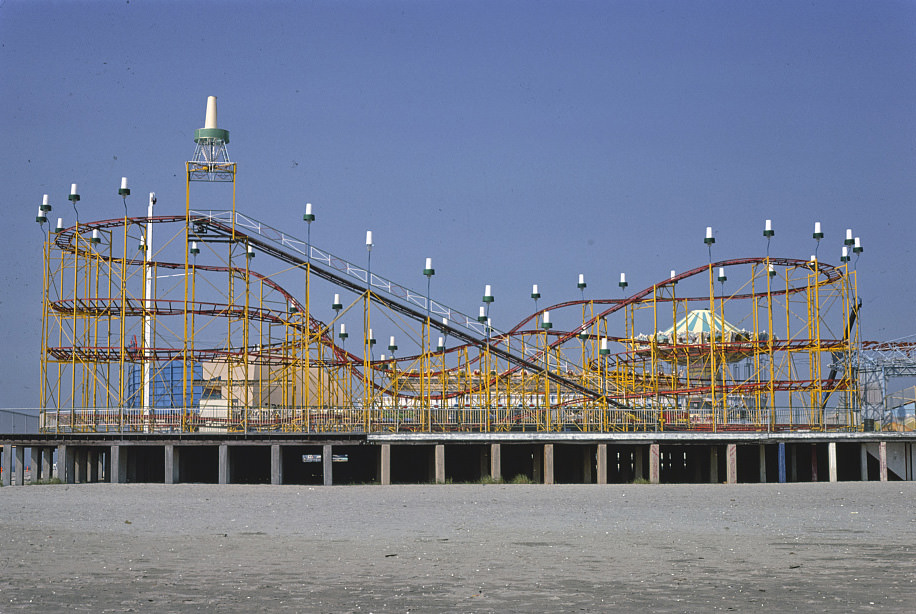
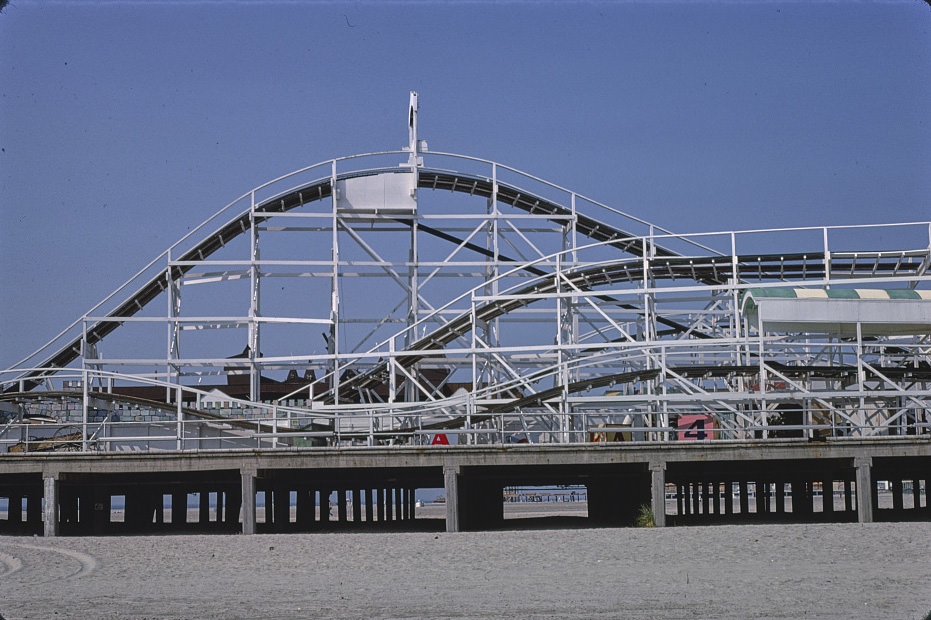
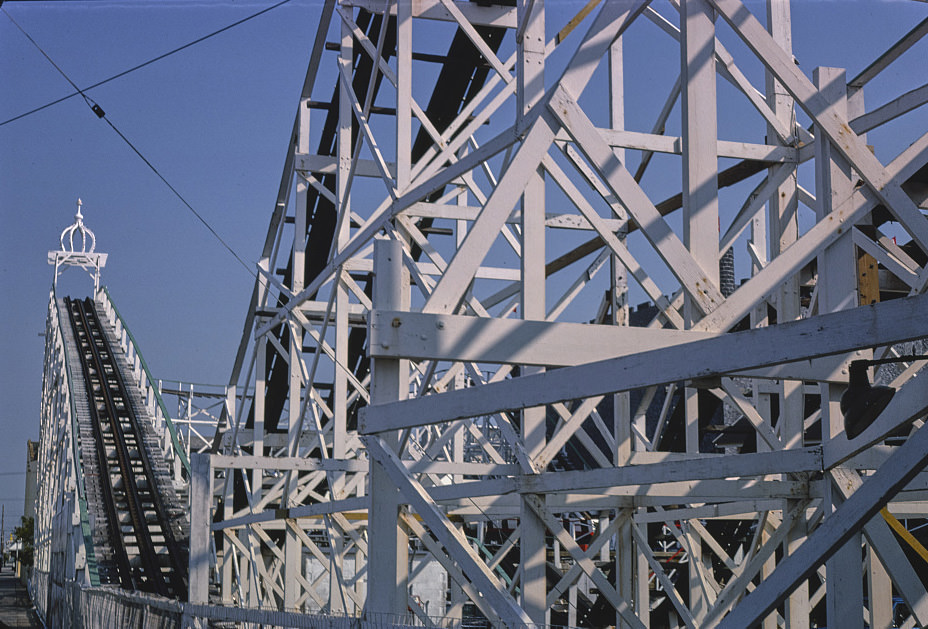
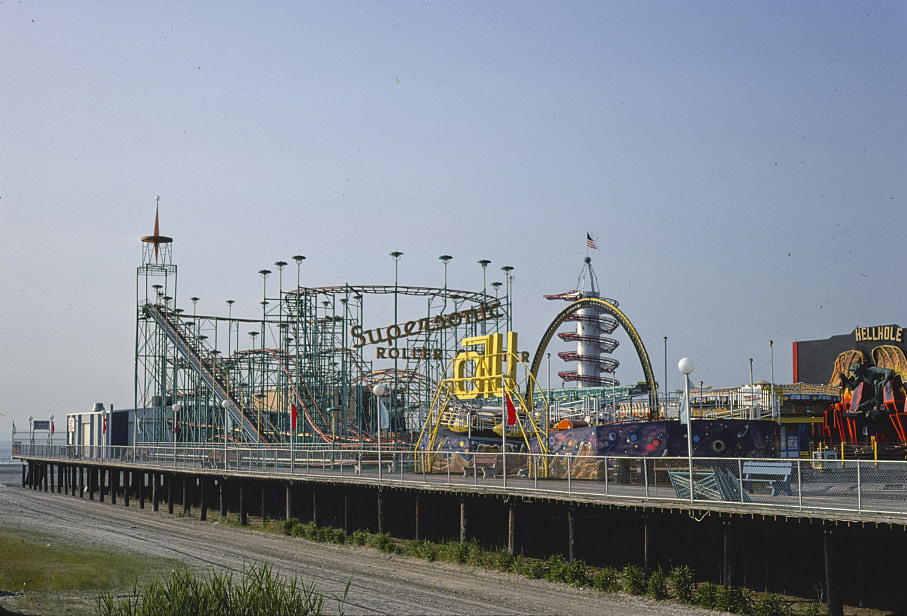
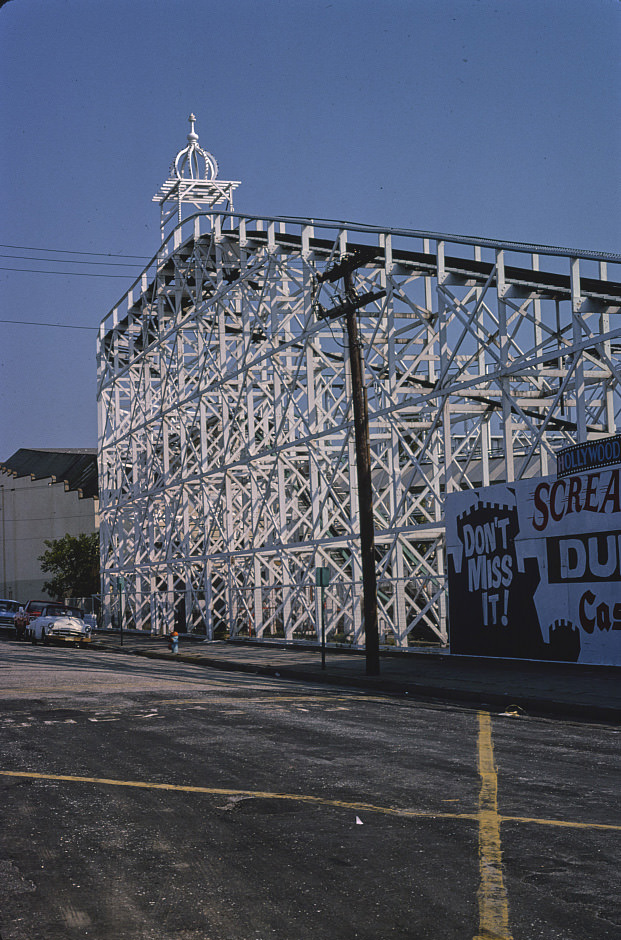
Roller coasters were everywhere in 1978 Wildwood. Hunt’s Pier had its own coaster winding above the boardwalk crowds, and Morey’s Pier featured another. Sportland Pier added the Supersonic roller coaster to the mix, giving thrill-seekers multiple options within walking distance of each other. The Scream coaster, with its own dedicated ticket booth, was another well-known draw.
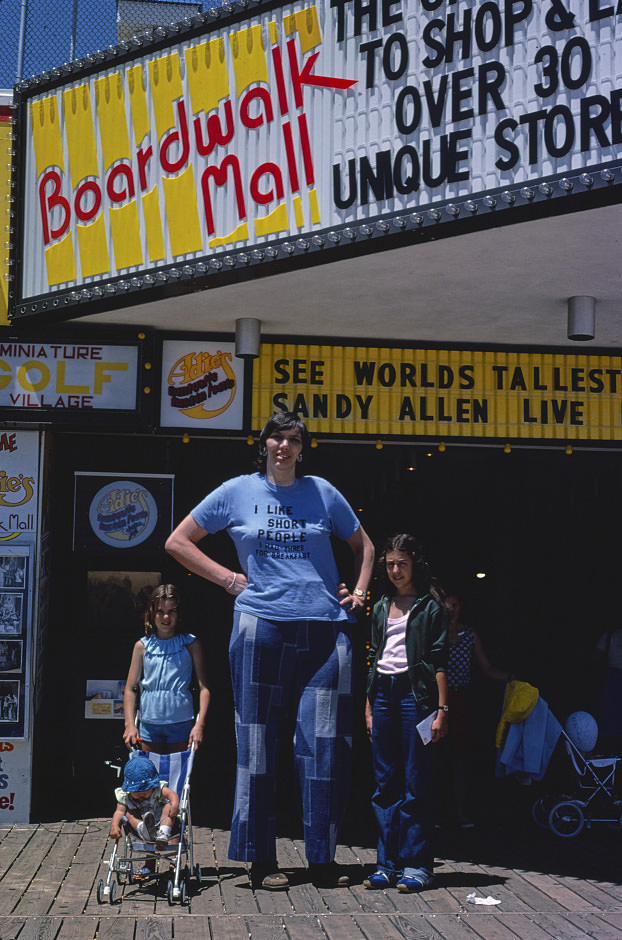
Not all of the boardwalk’s appeal was tied to thrill rides. Sandy Allen, recognized at the time as the world’s tallest woman at 7 feet 7.25 inches, made an appearance on the Wildwood boardwalk in 1978. Margolies photographed the attraction, which drew curious crowds eager to see her in person. It was the kind of sideshow spectacle that had been a fixture of American boardwalk culture for decades.
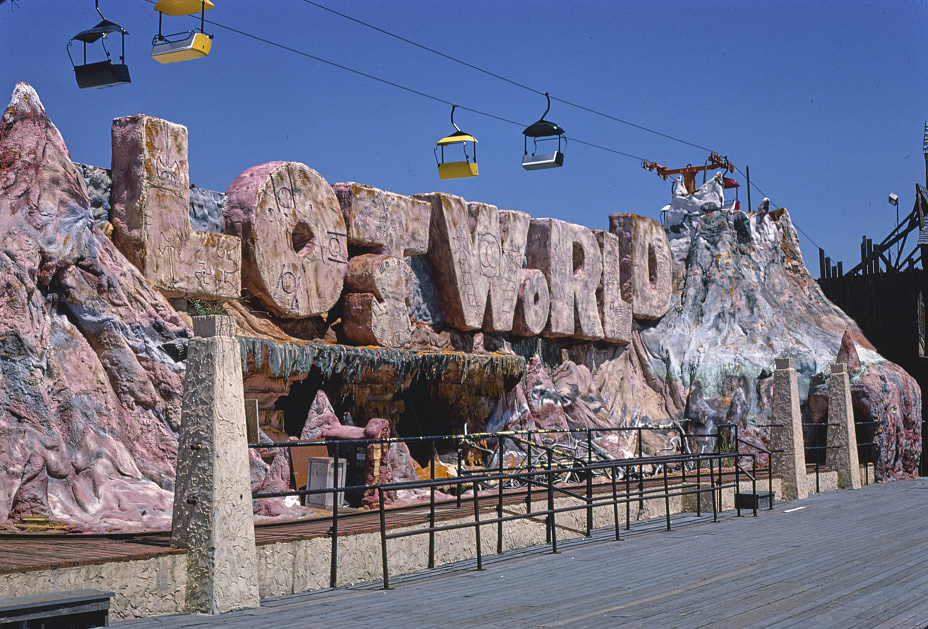
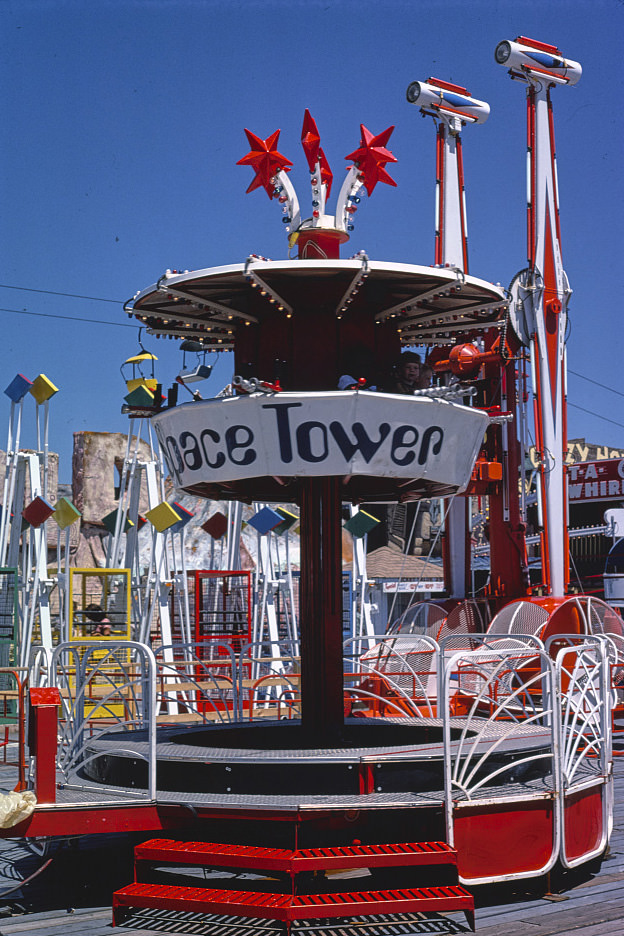
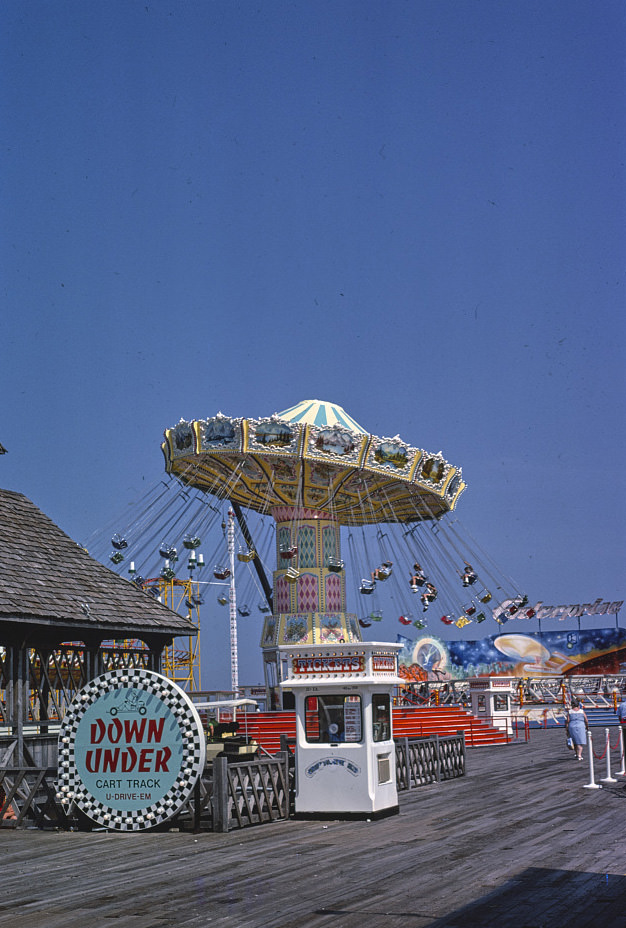
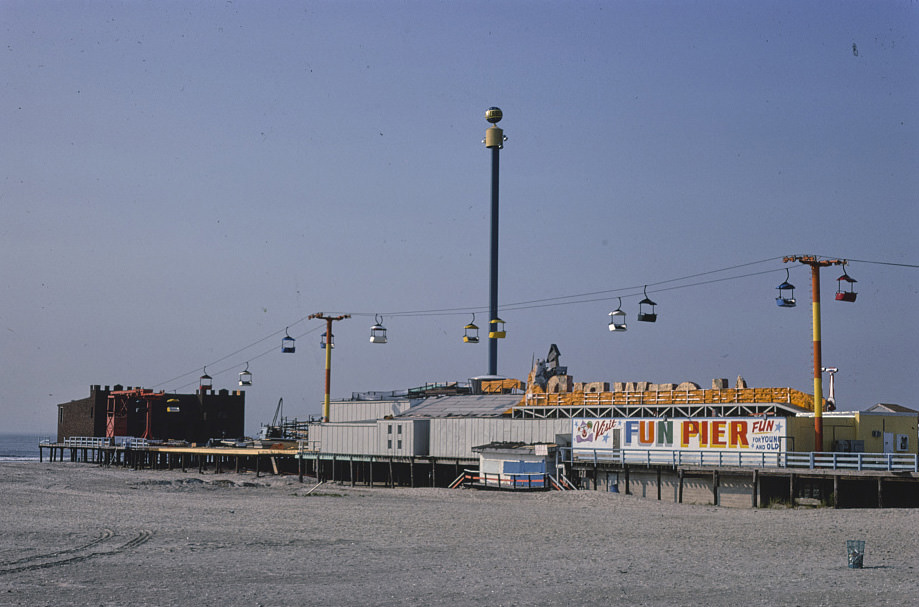
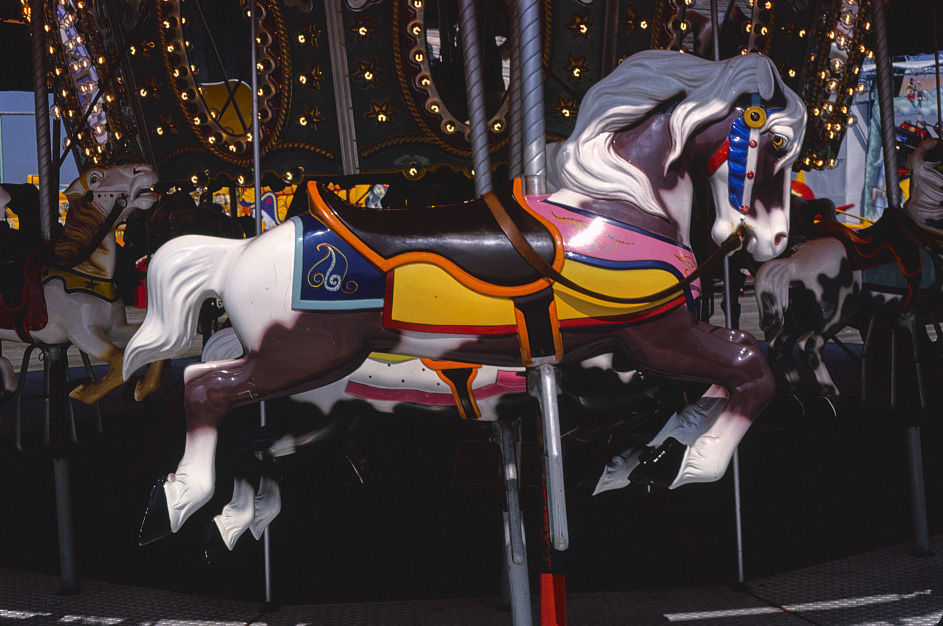
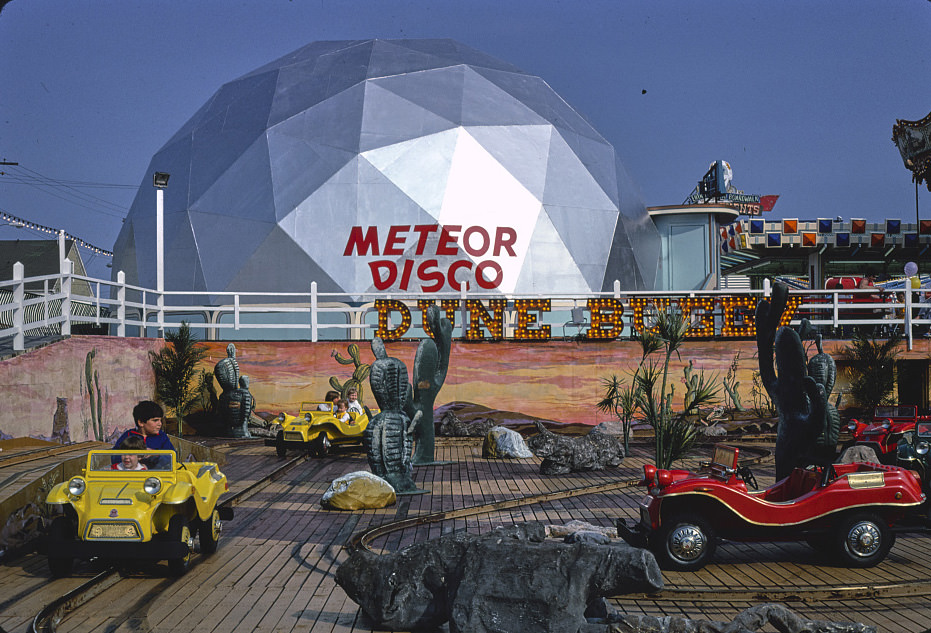
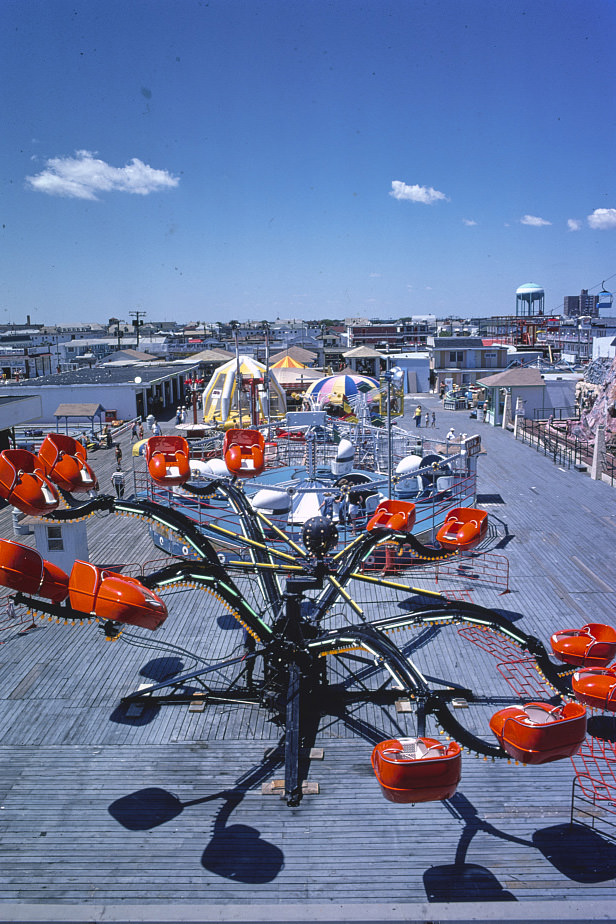
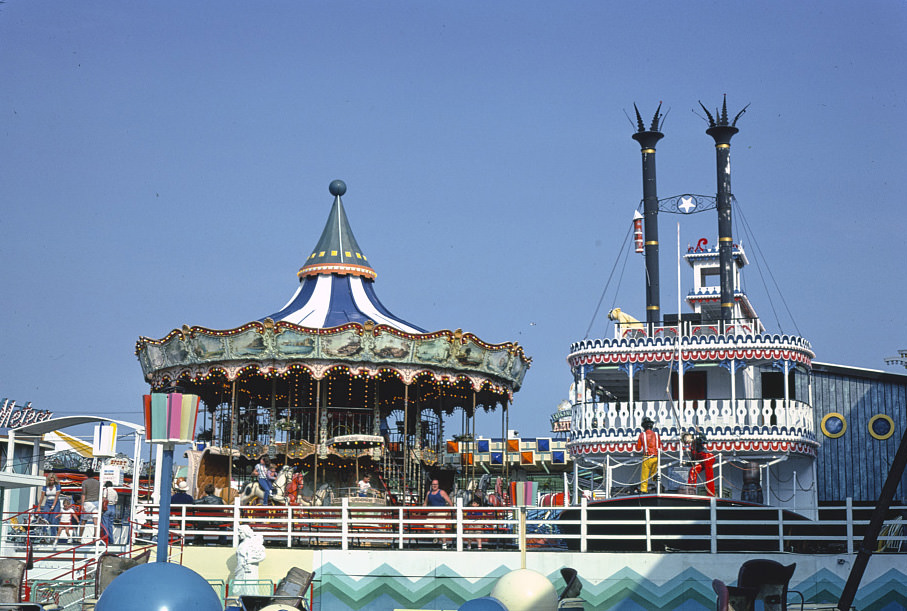
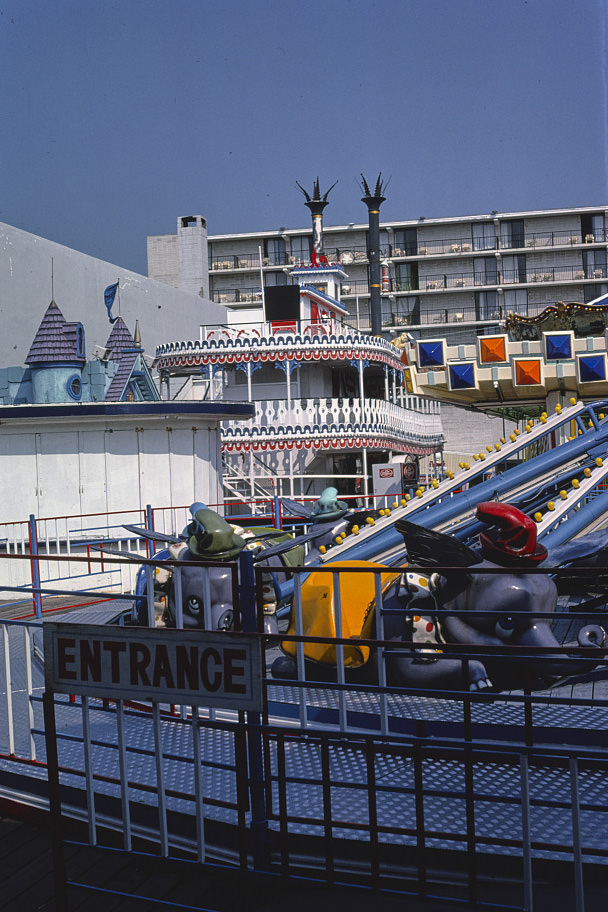
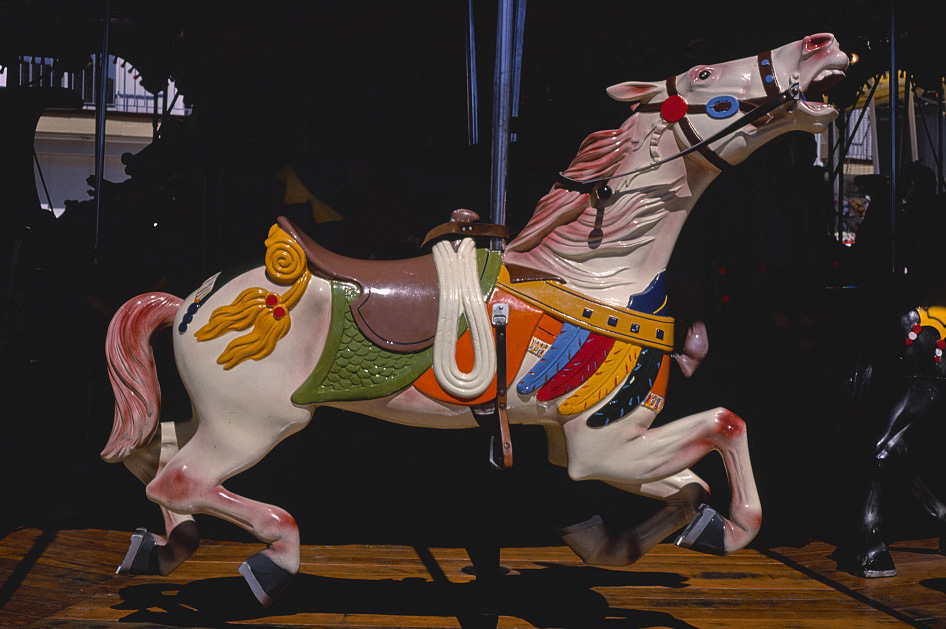
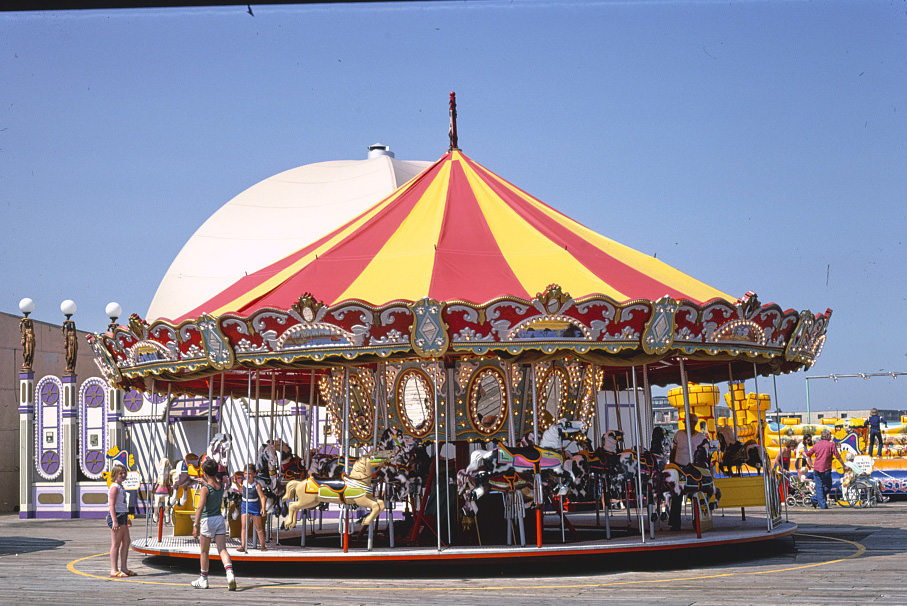
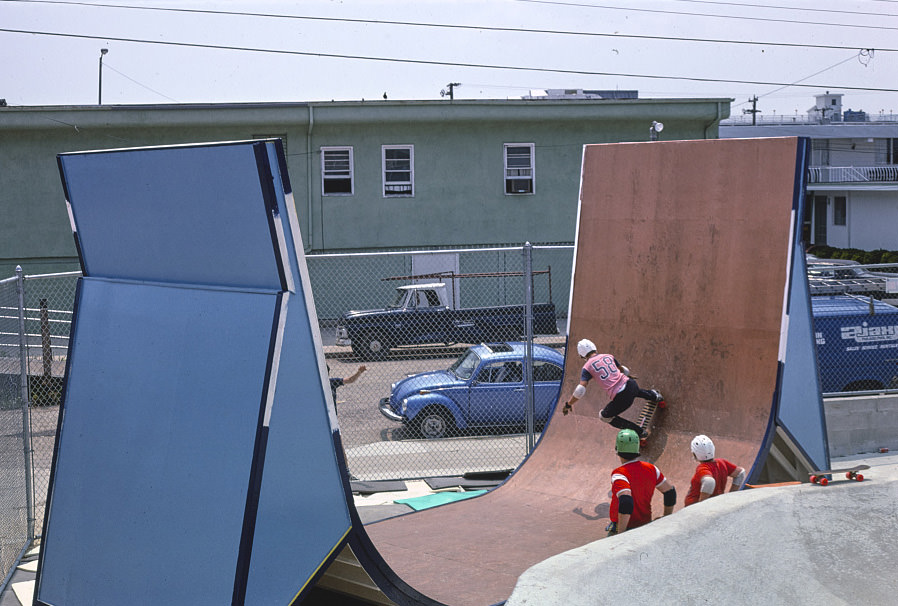
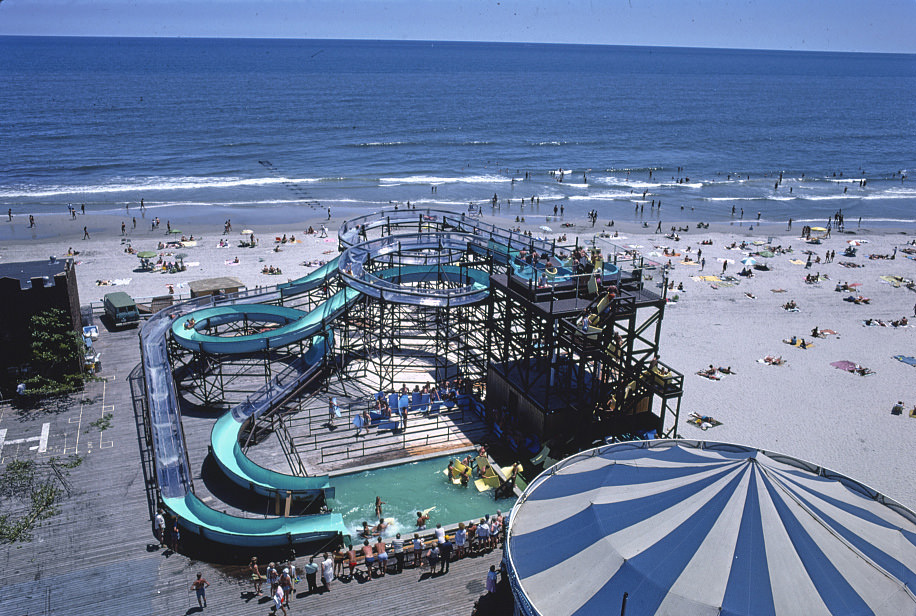
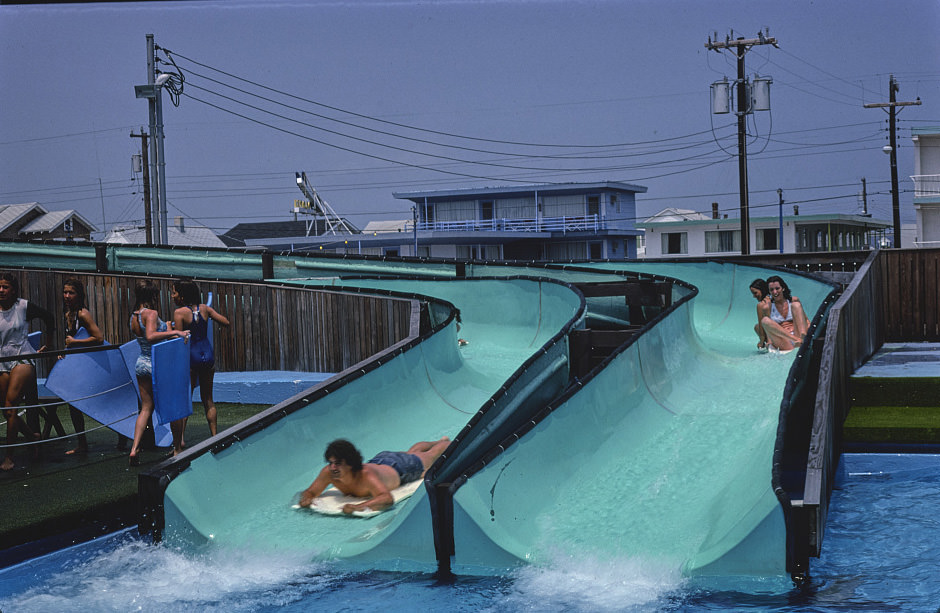
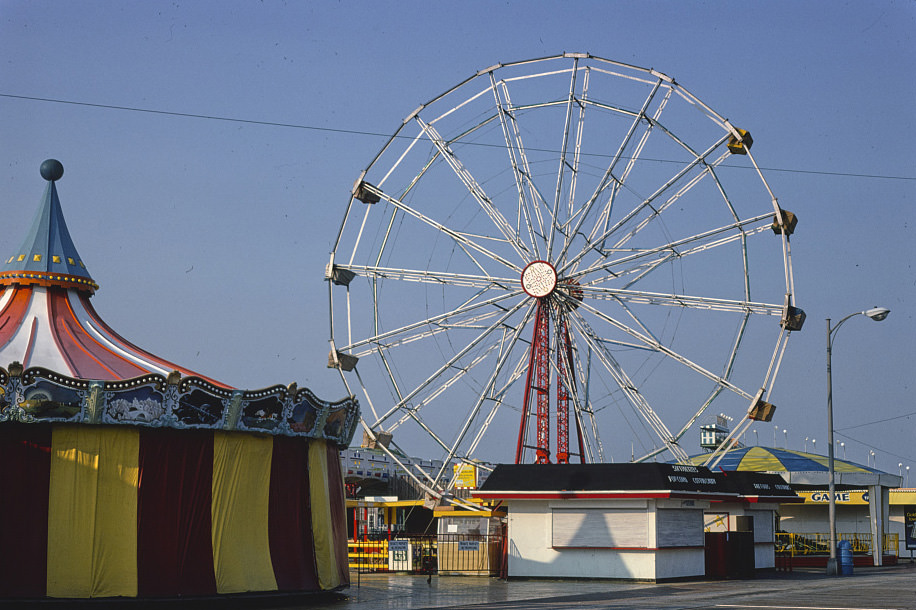
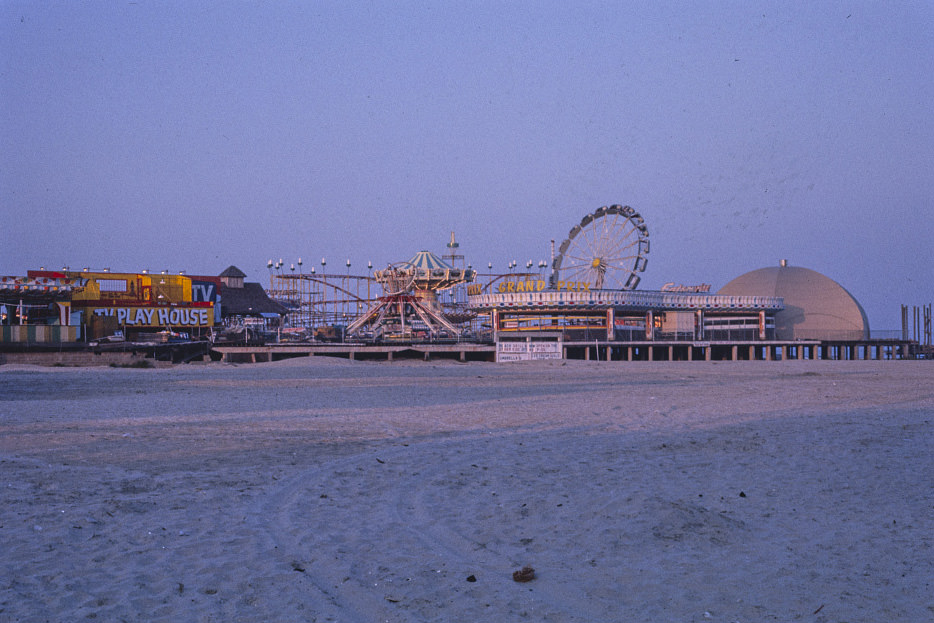
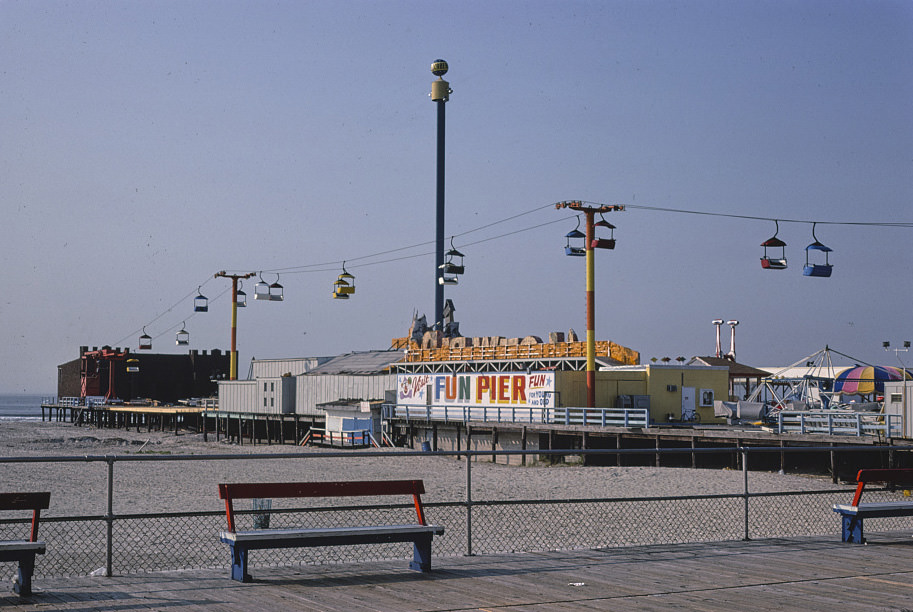
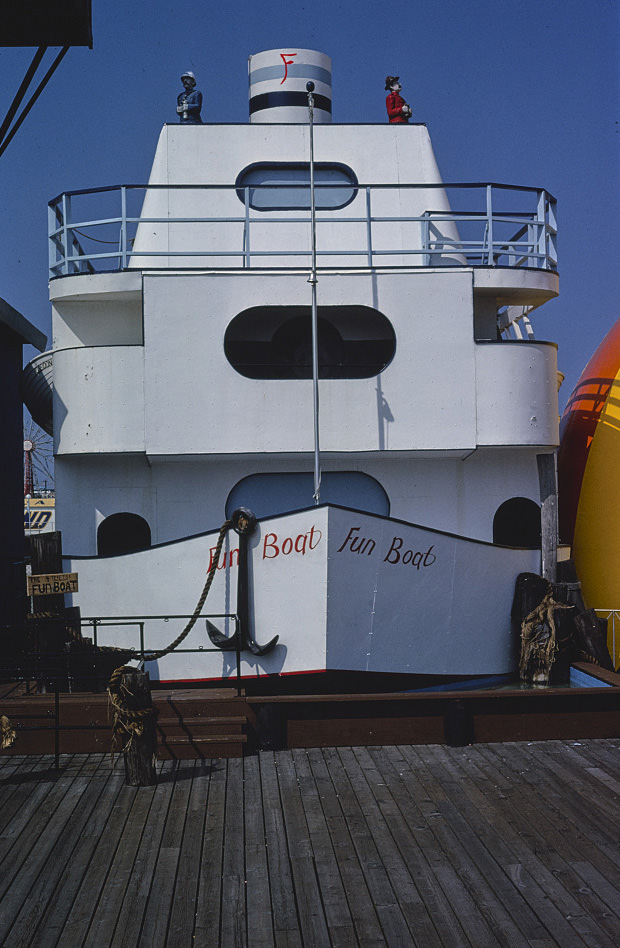
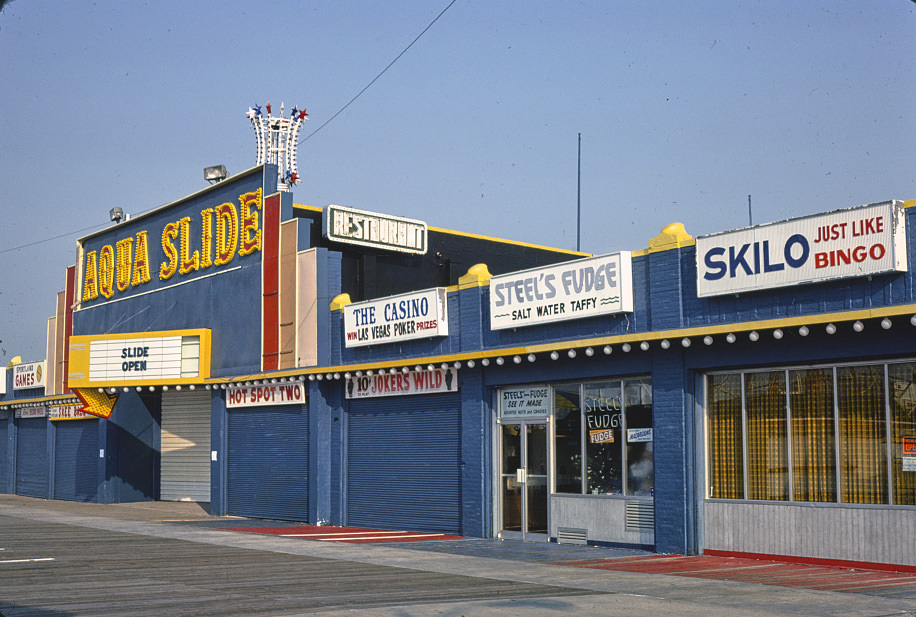
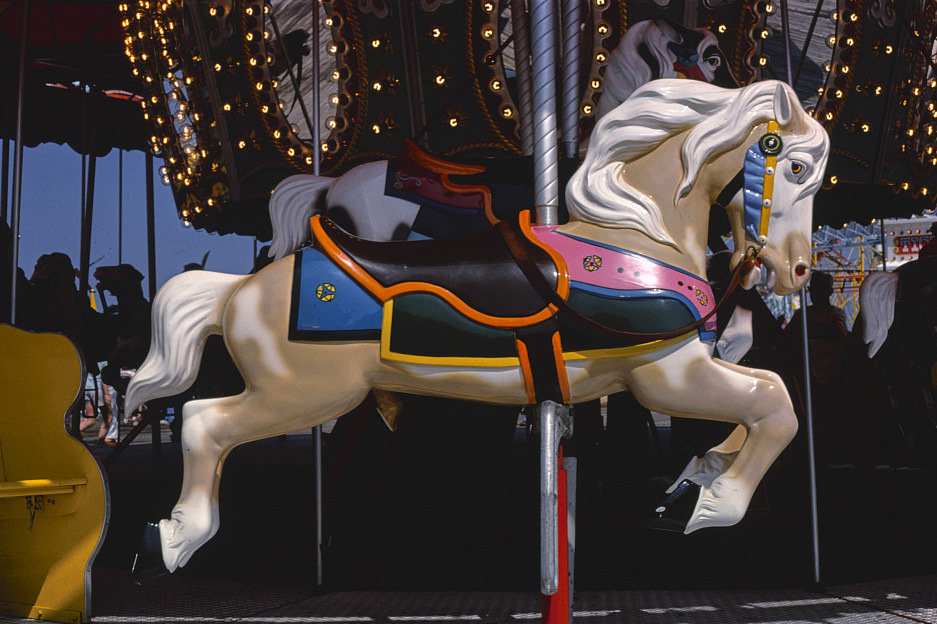
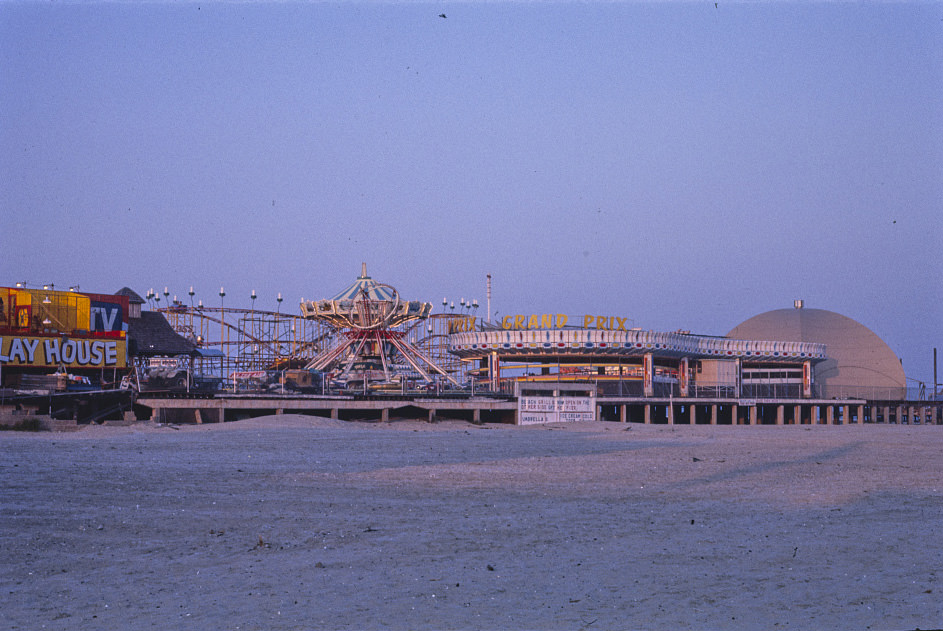
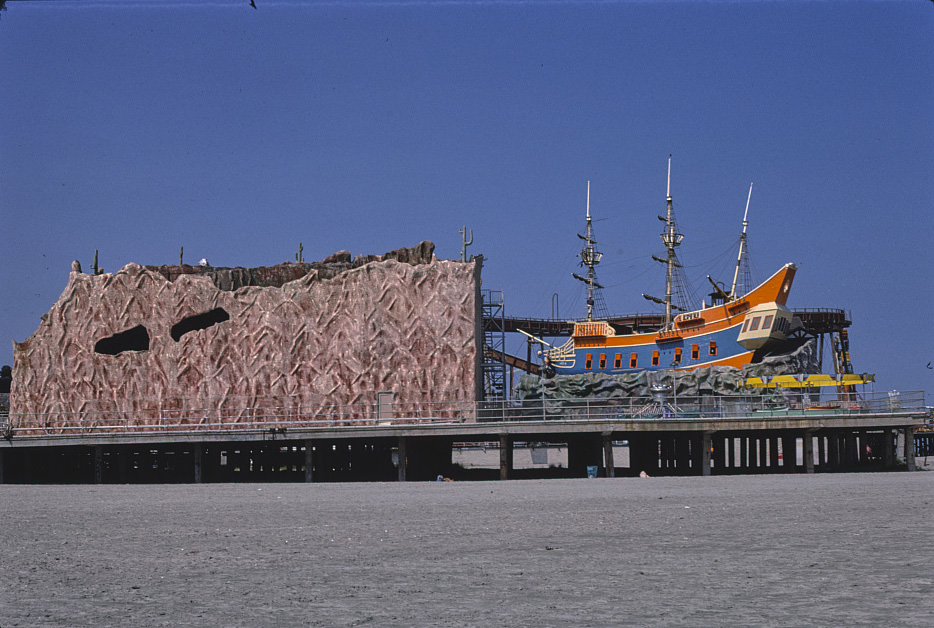
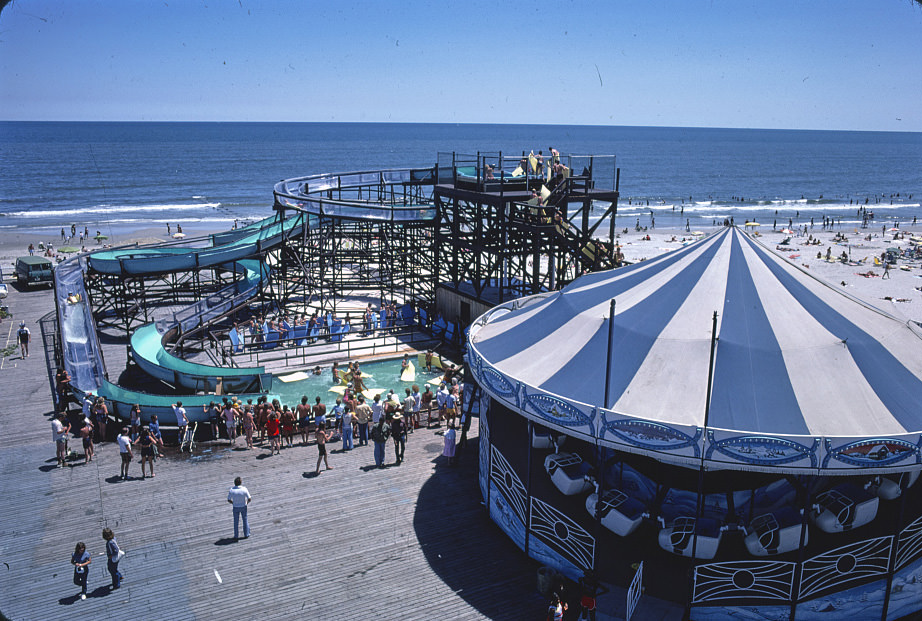
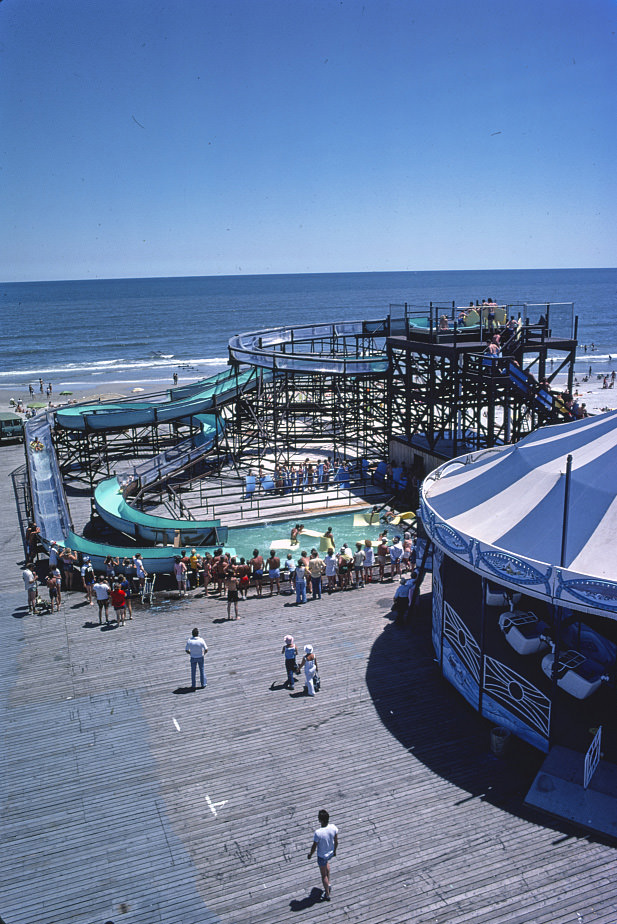
Fun Pier brought its own unique flavor to the boardwalk. The Lost World attraction sat above the pier alongside water slides and other rides. Margolies photographed it from multiple angles, including elevated shots that showed the rides rising high above the pier deck, with the ocean stretching out behind them. Sportland Pier, another fixture, featured a carousel, an aqua slide, and even a skateboard area — a nod to the skateboarding craze gripping America in the late 1970s.
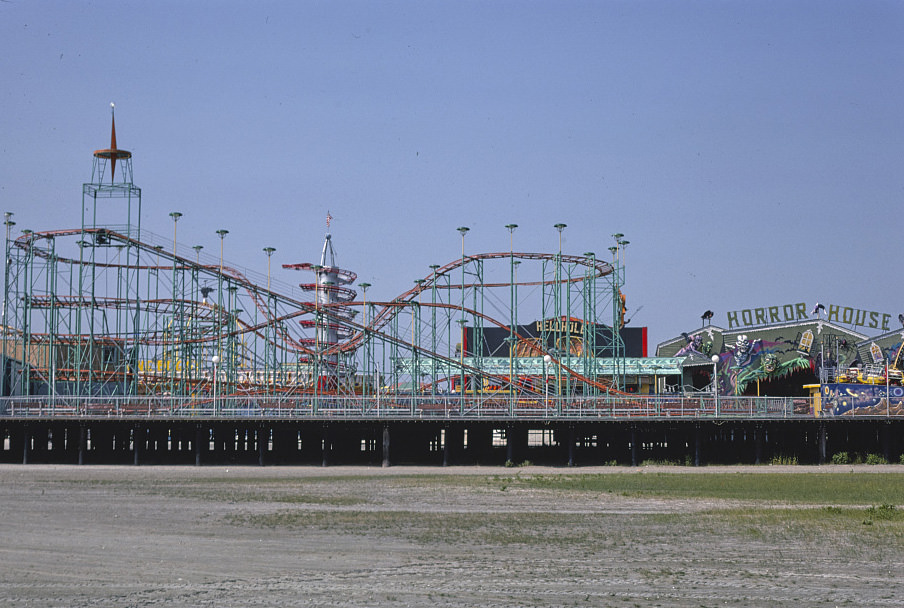
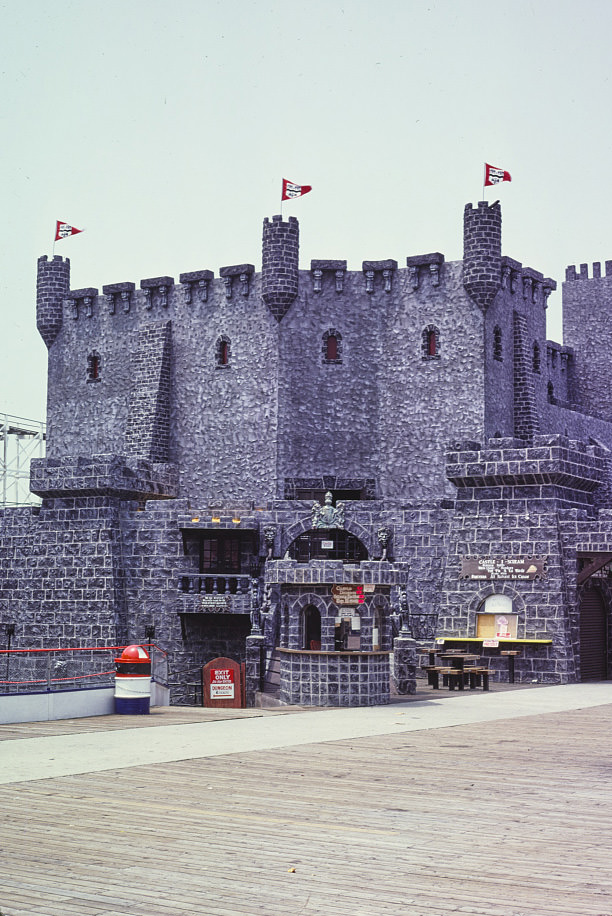
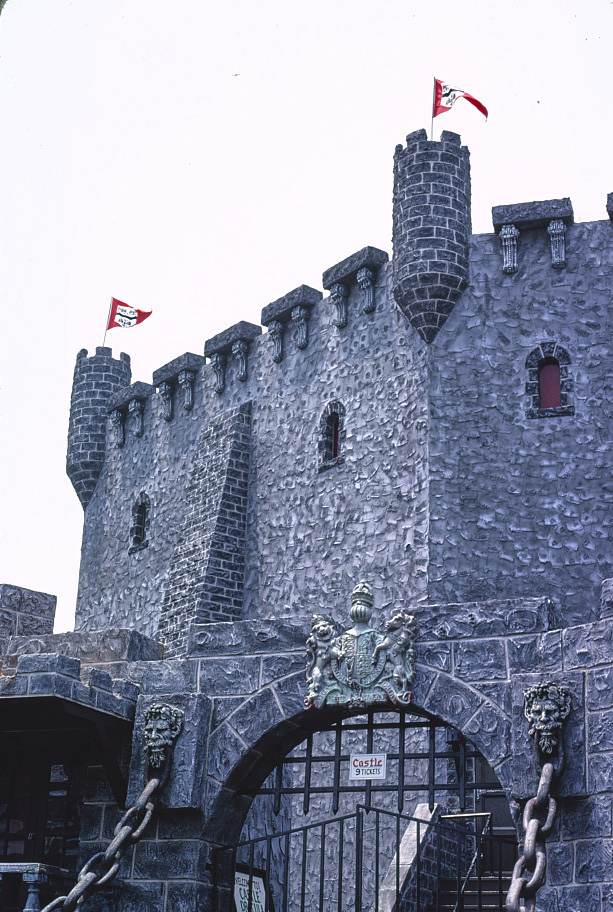
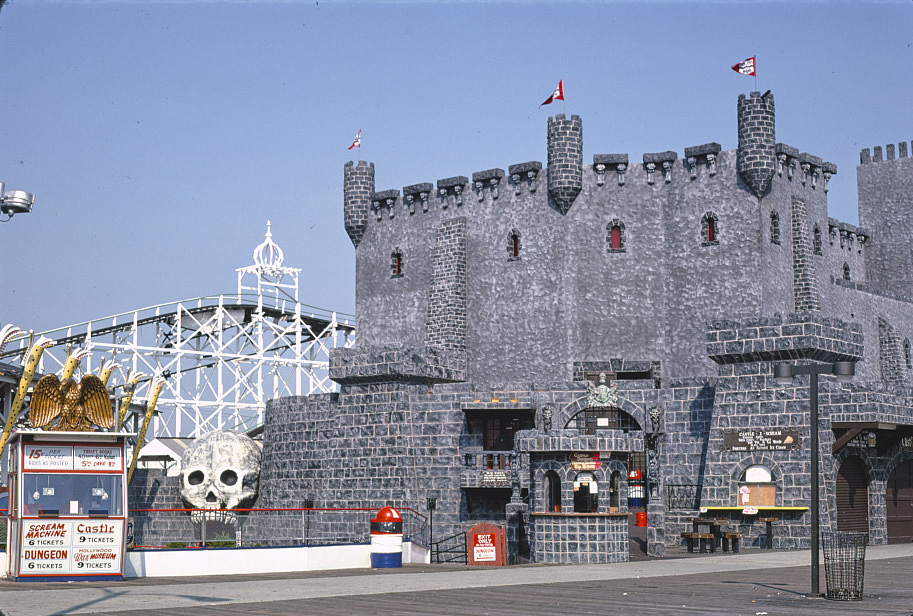
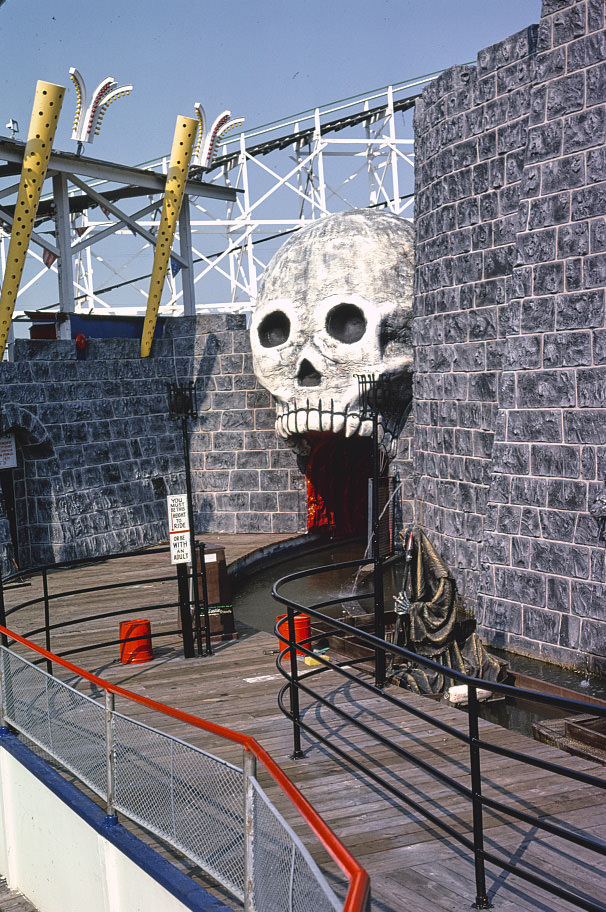
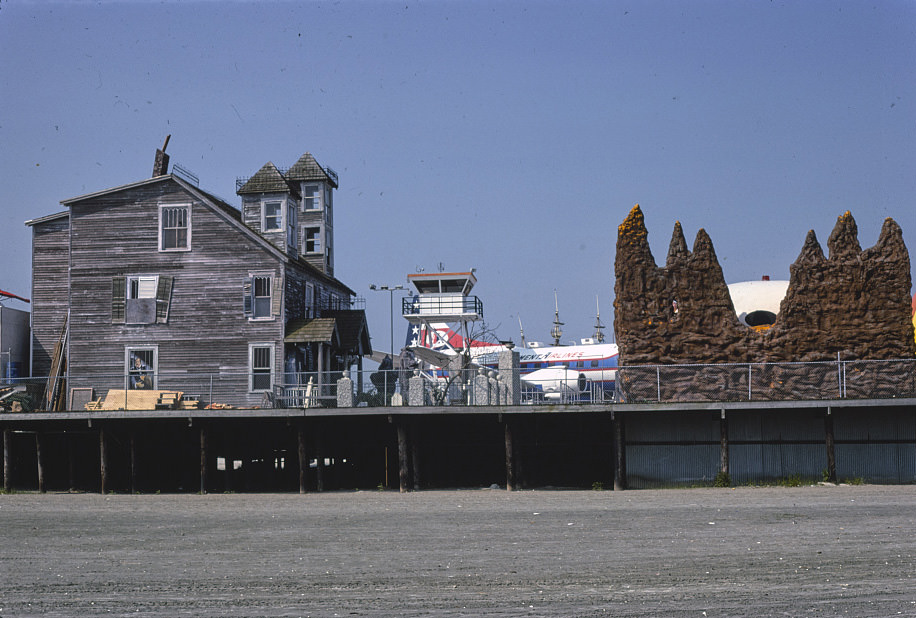
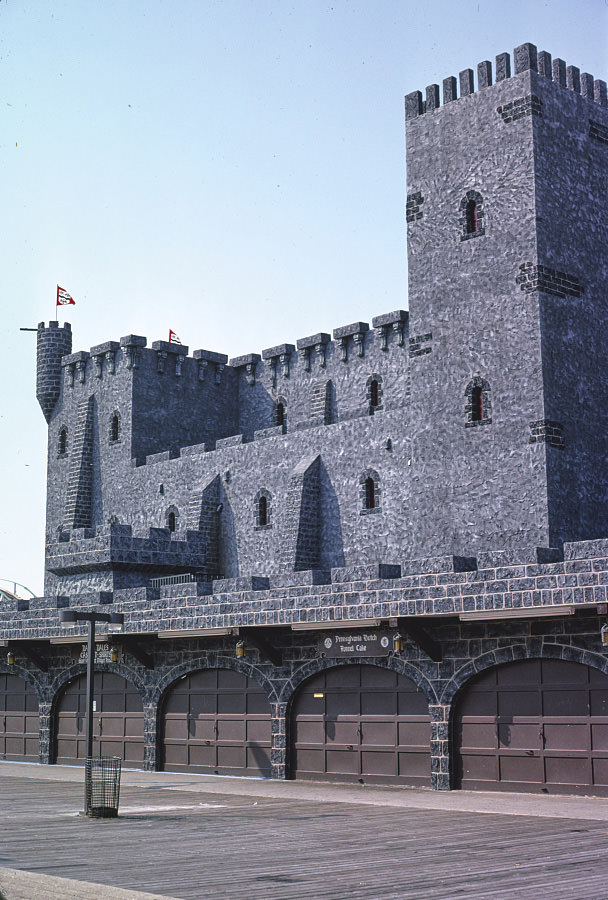
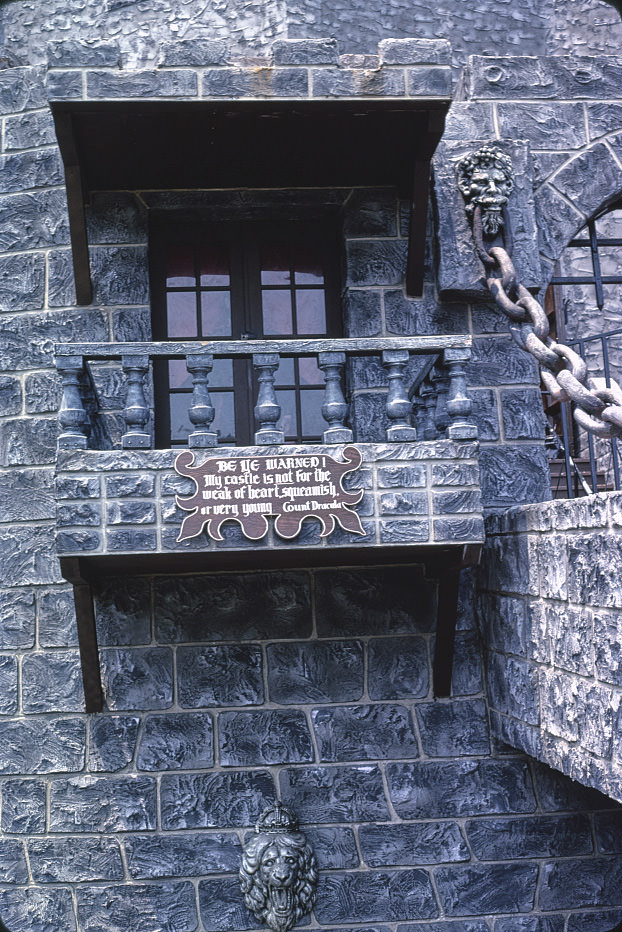
Dracula’s Castle was one of the most photographed dark ride attractions on the boardwalk. Margolies returned to it several times, capturing its entrance facade, exterior signage, and the overall structure from different angles and lighting conditions. Dark rides like this one had been a staple of American amusement parks since the early 20th century, and Wildwood’s version was a well-known stop for families walking the boards.
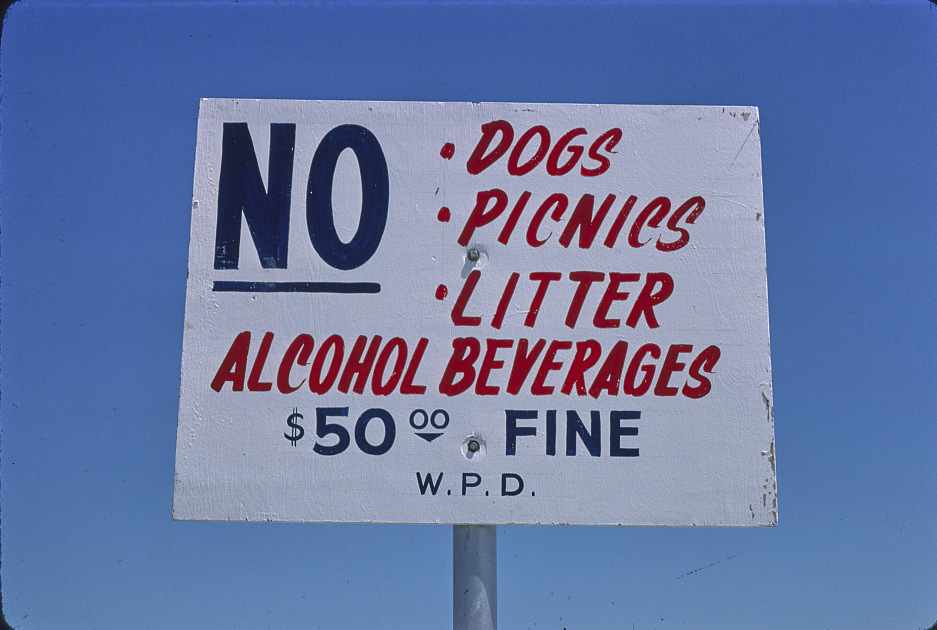
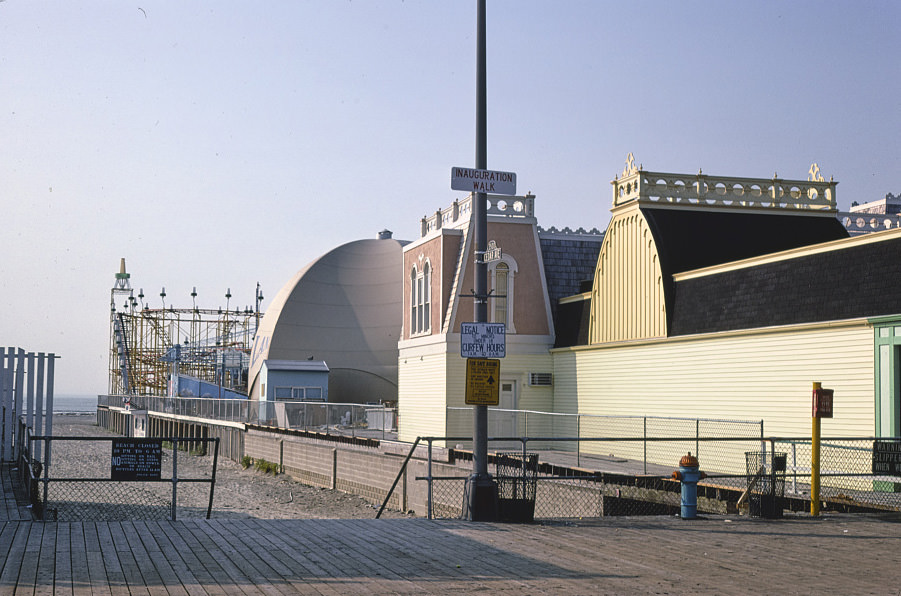
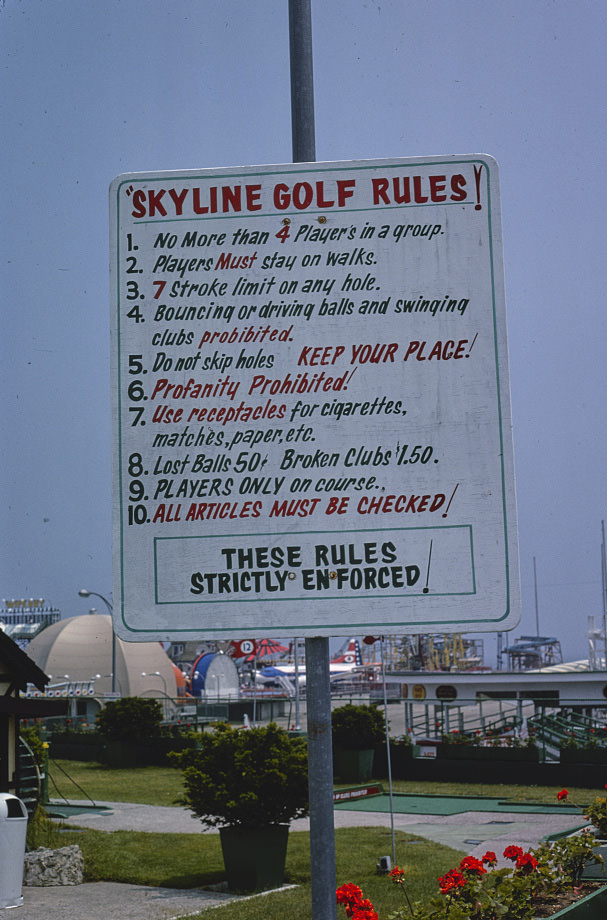
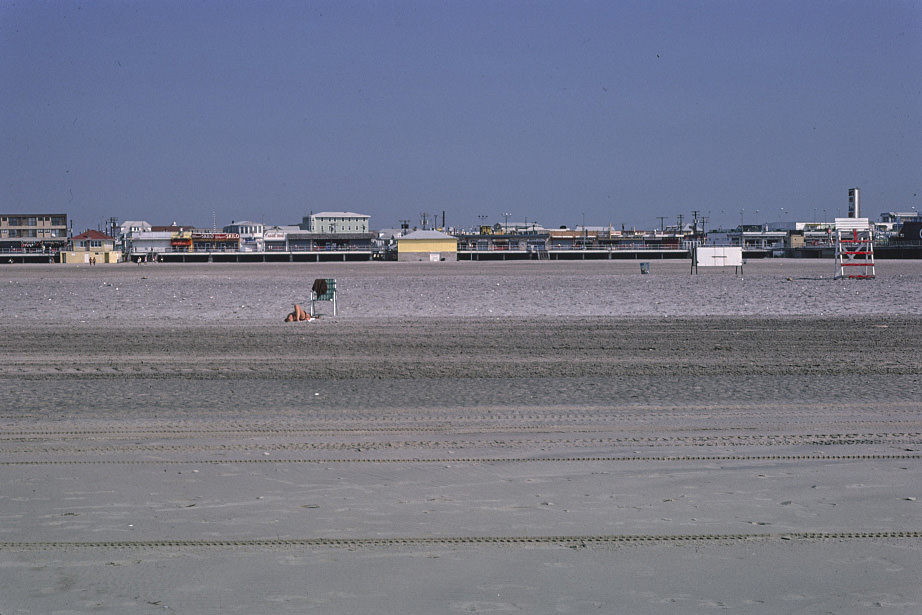
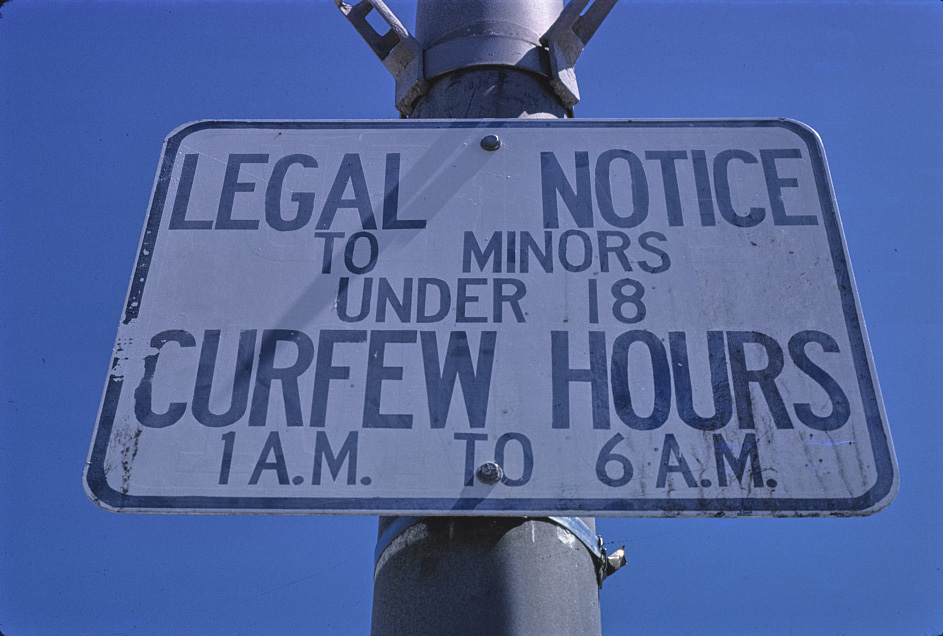
The beach itself was tightly managed. Posted signs spelled out the rules clearly, and a curfew sign ensured younger visitors knew exactly when they needed to clear the boardwalk. These small details in Margolies’ photos paint an accurate picture of how the city balanced a massive influx of summer visitors with the need to maintain order in a relatively small town.
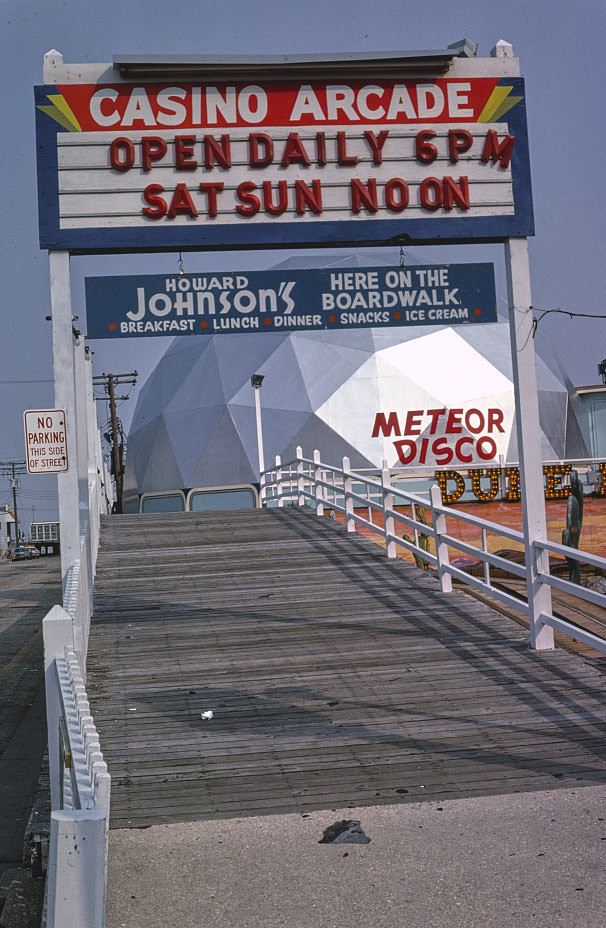
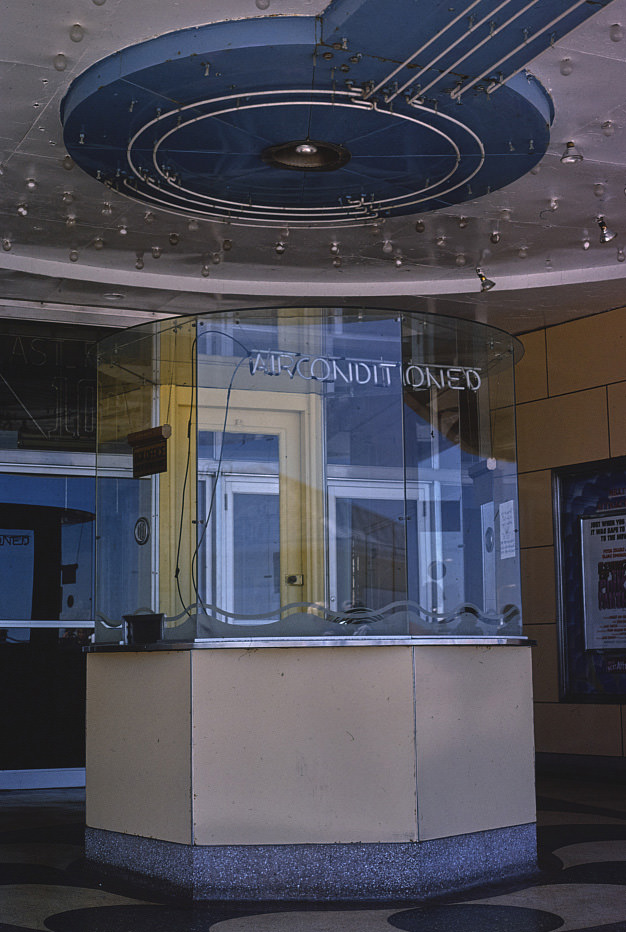
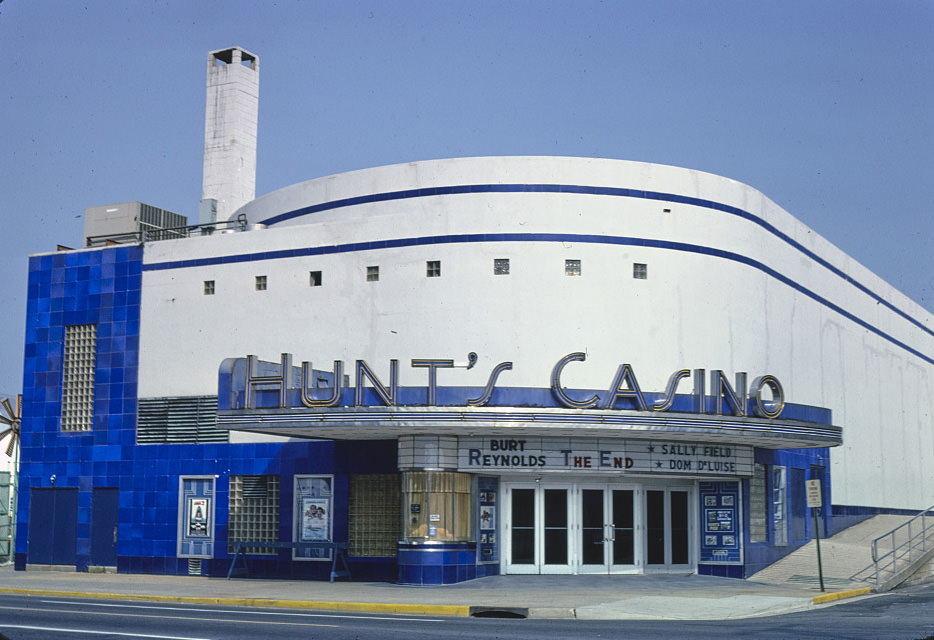
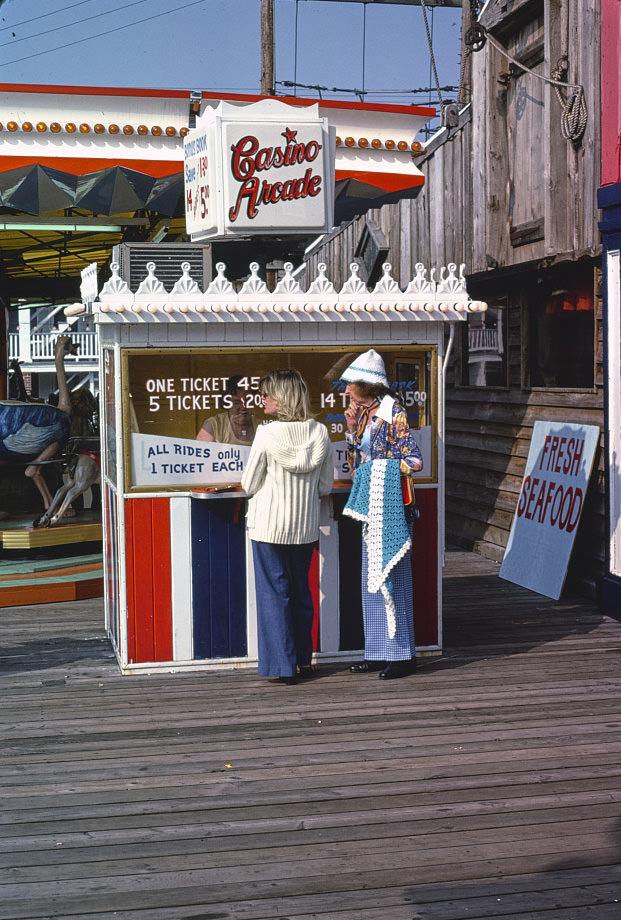
Hunt’s Casino arcade was a landmark in its own right. Margolies photographed it from multiple perspectives, documenting the signage, the interior atmosphere, and the steady flow of visitors. In the 1970s, arcades were transitioning from mechanical games to early electronic ones, and Hunt’s was right in the middle of that shift. The space was large enough to have its own theater attached, making it a destination rather than just a stop.
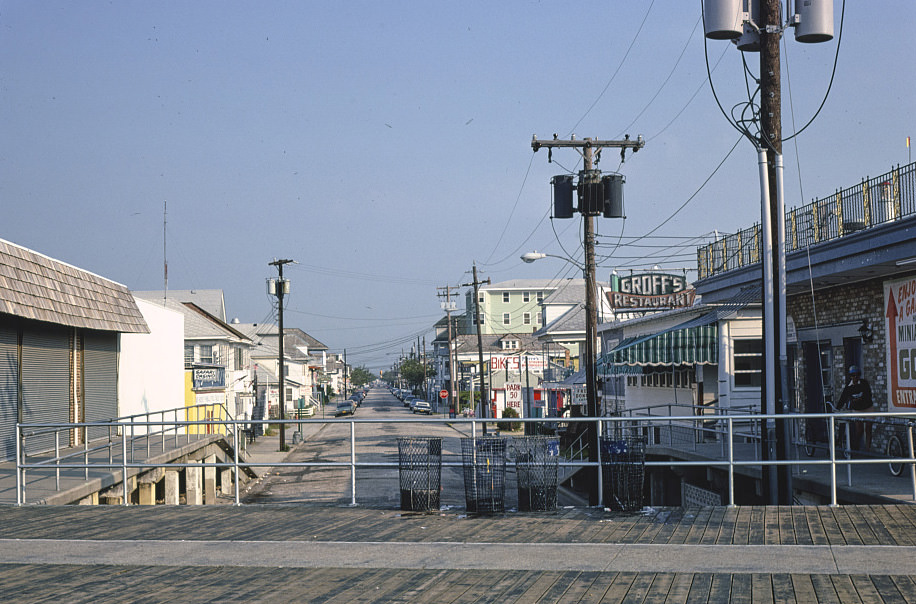
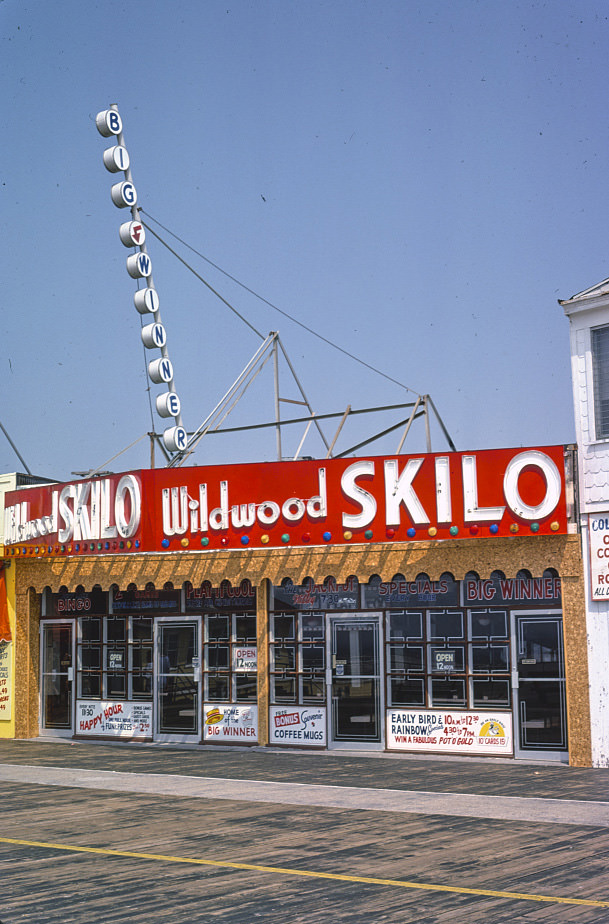
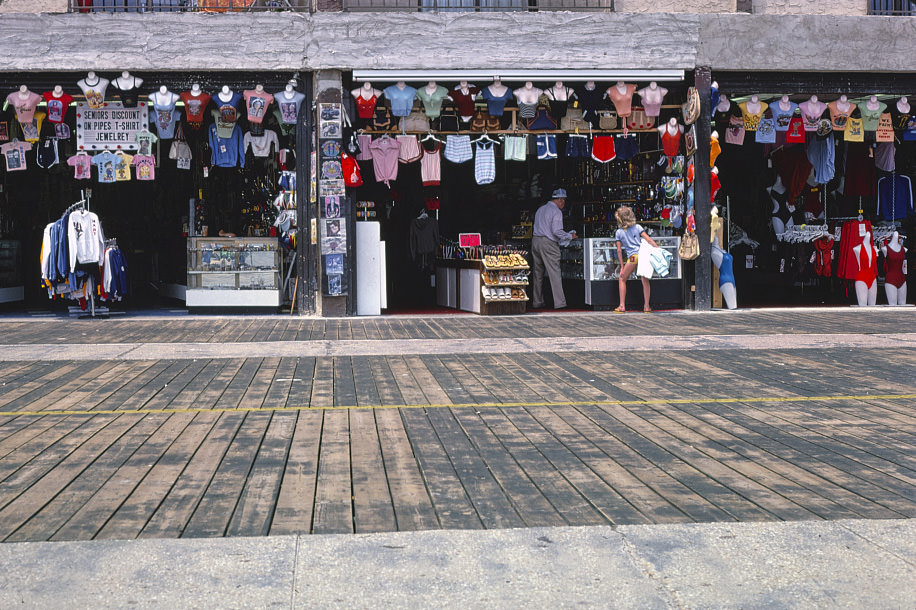
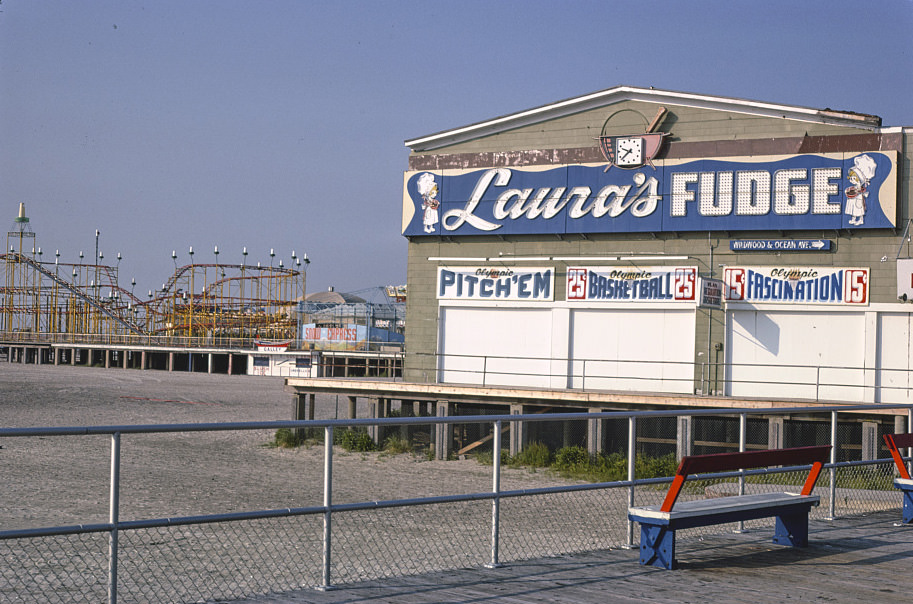
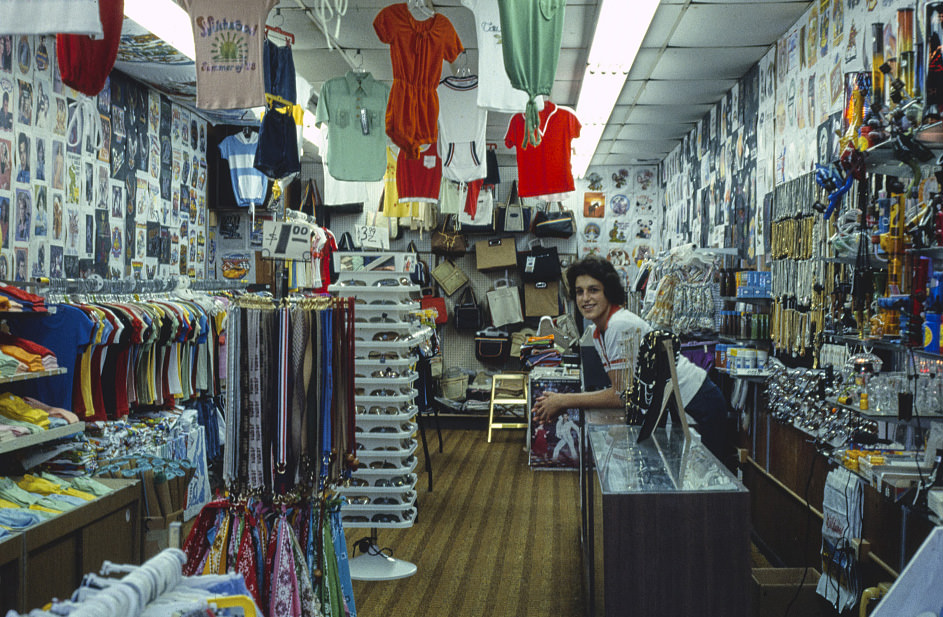
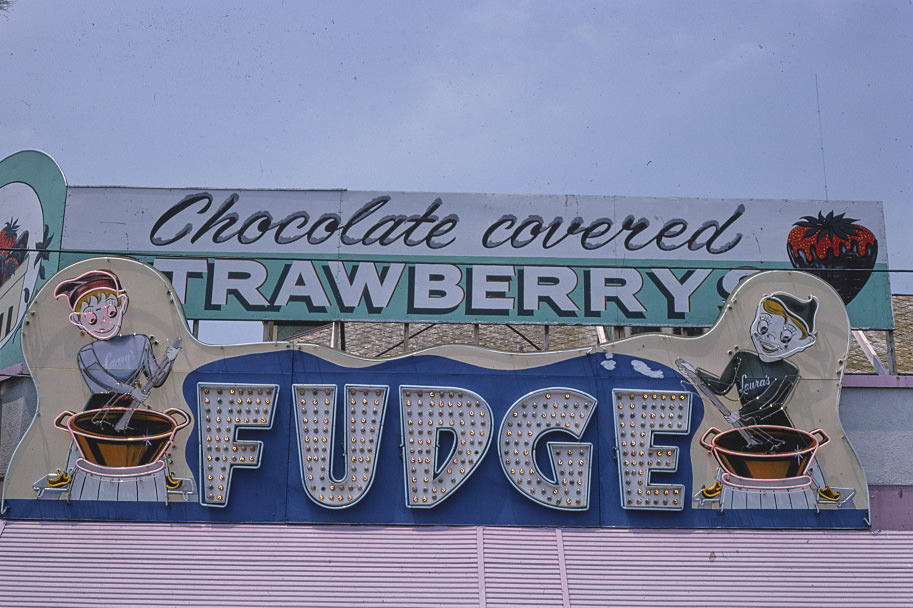
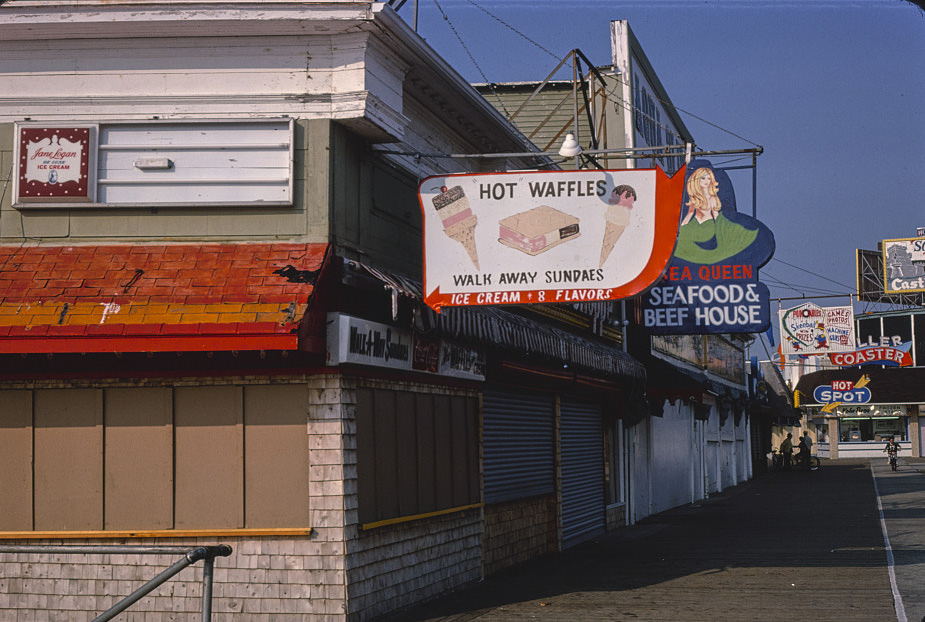
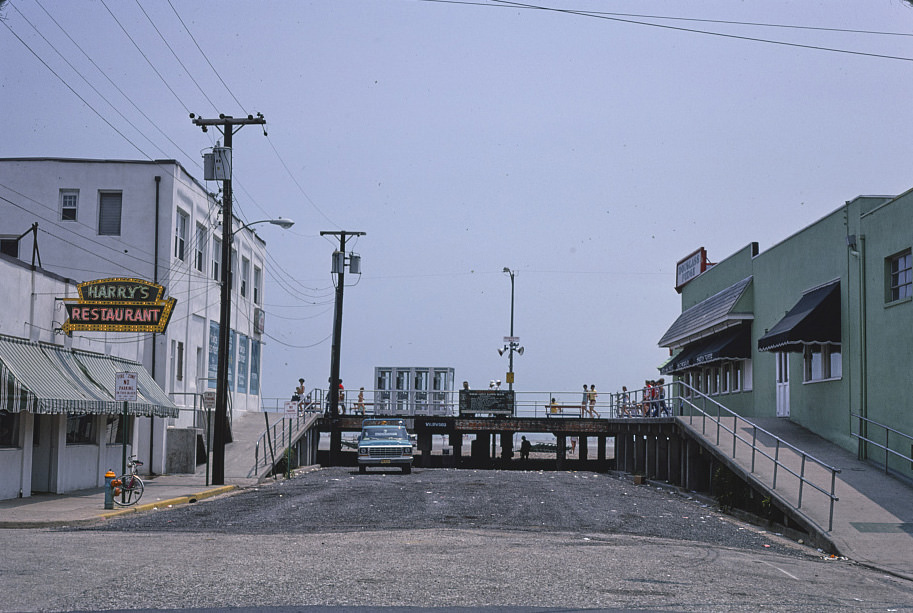
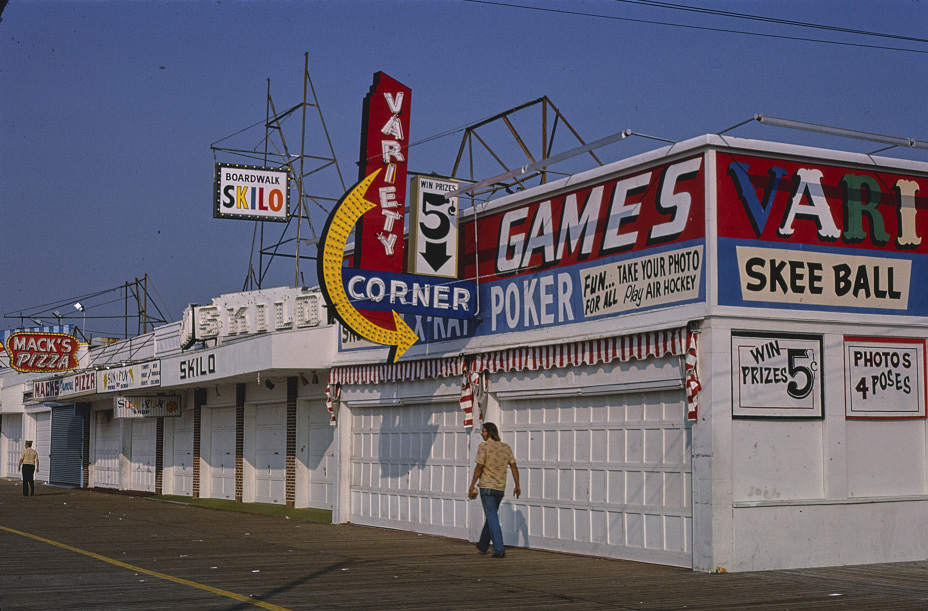
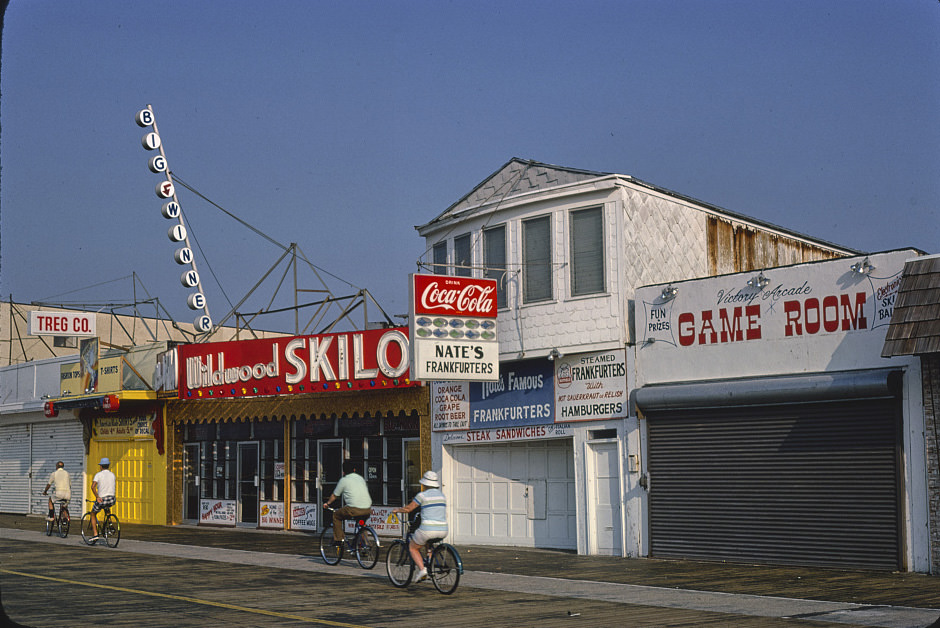
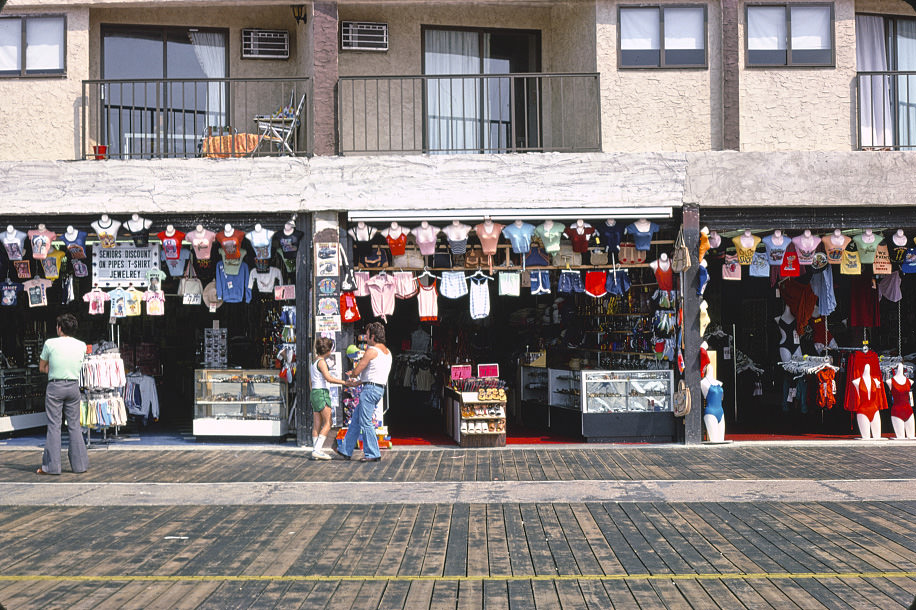
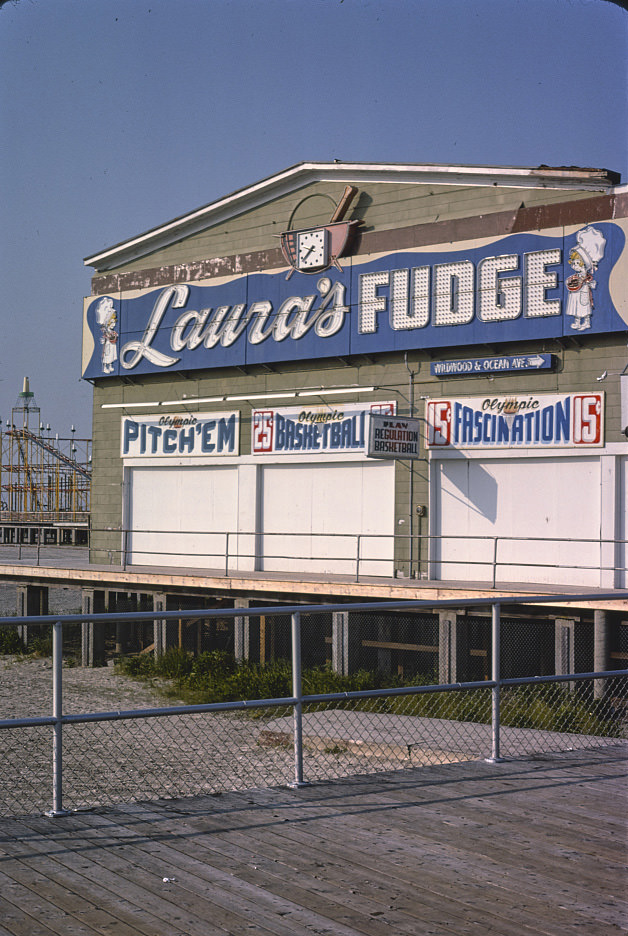
The boardwalk’s cross streets gave Margolies a chance to document Wildwood beyond the piers. Motel signs, T-shirt shops, food stands, and game stores lined the streets leading away from the ocean. Stores selling Skilo, a popular boardwalk game, sat alongside fudge shops like Laura’s Fudge — a long-running Wildwood institution known for its hand-pulled candy and saltwater taffy.
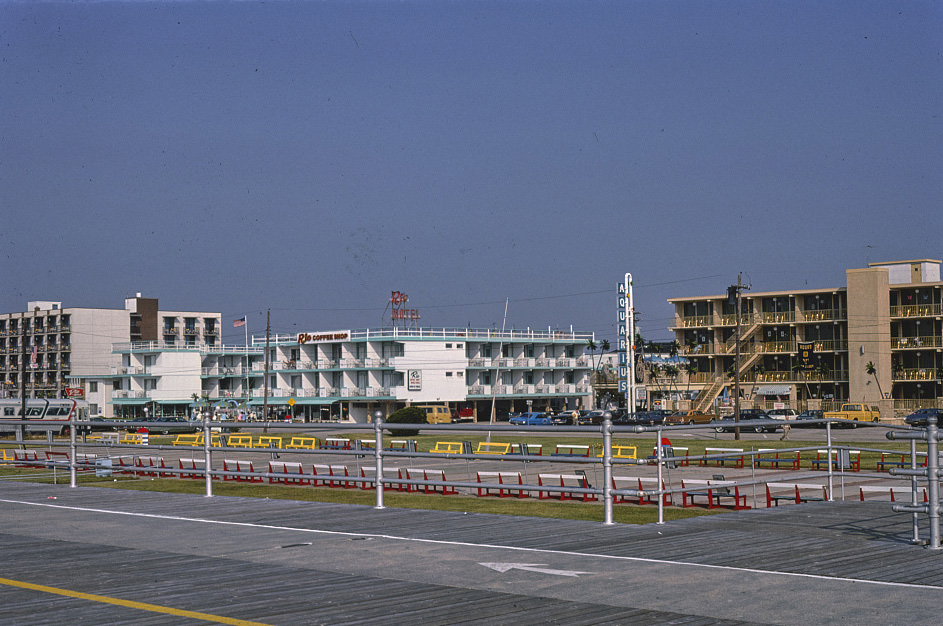
The Doo-Wop motels that lined the streets near the boardwalk were a defining feature of Wildwood’s look in 1978. Built during the 1950s and 1960s, they featured names, shapes, and decorations that reflected the postwar optimism of their era — atomic-age styling, bold fonts, and sweeping rooflines. By 1978 they were already vintage, though still very much in use, filling up with families every summer weekend.
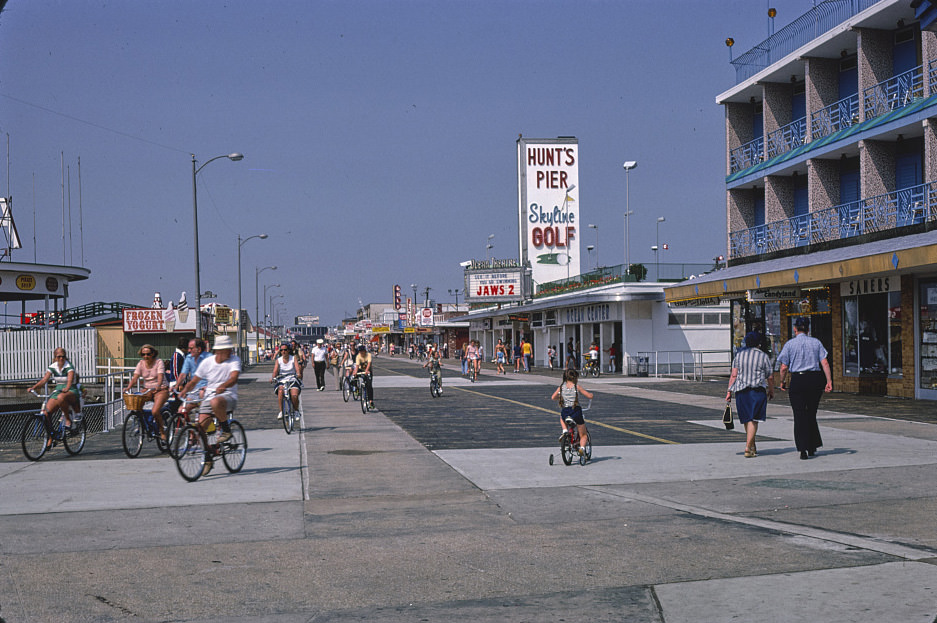
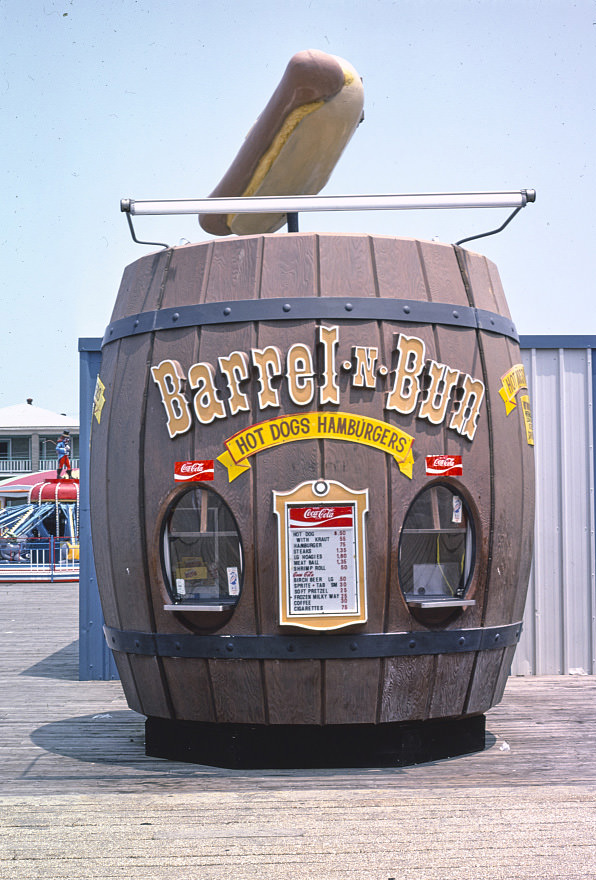
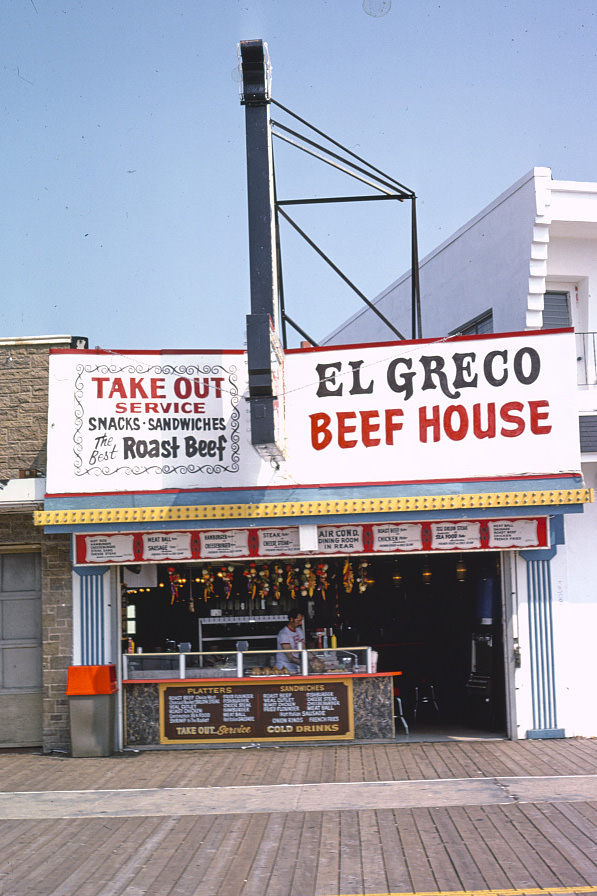
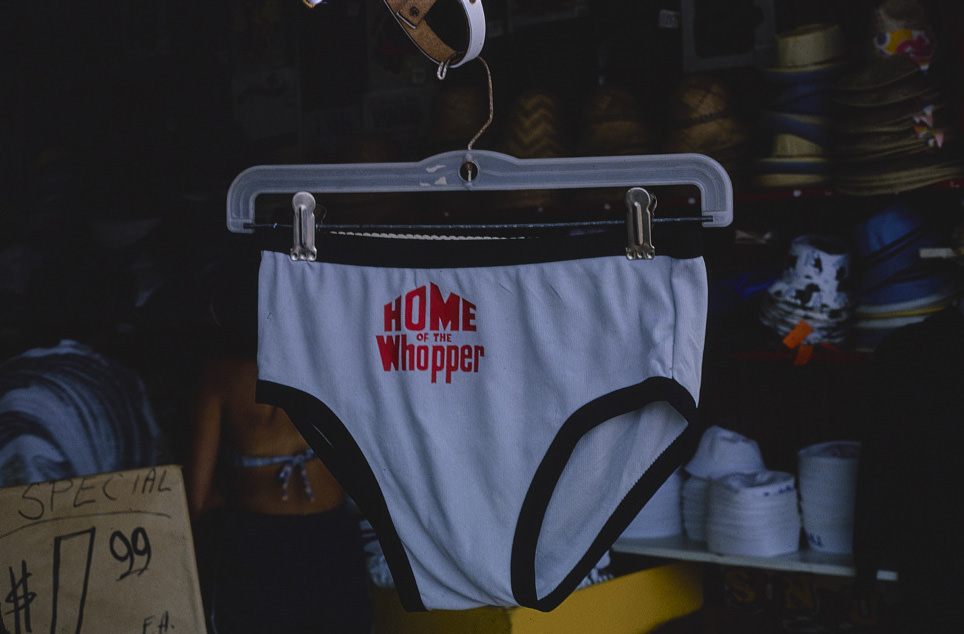
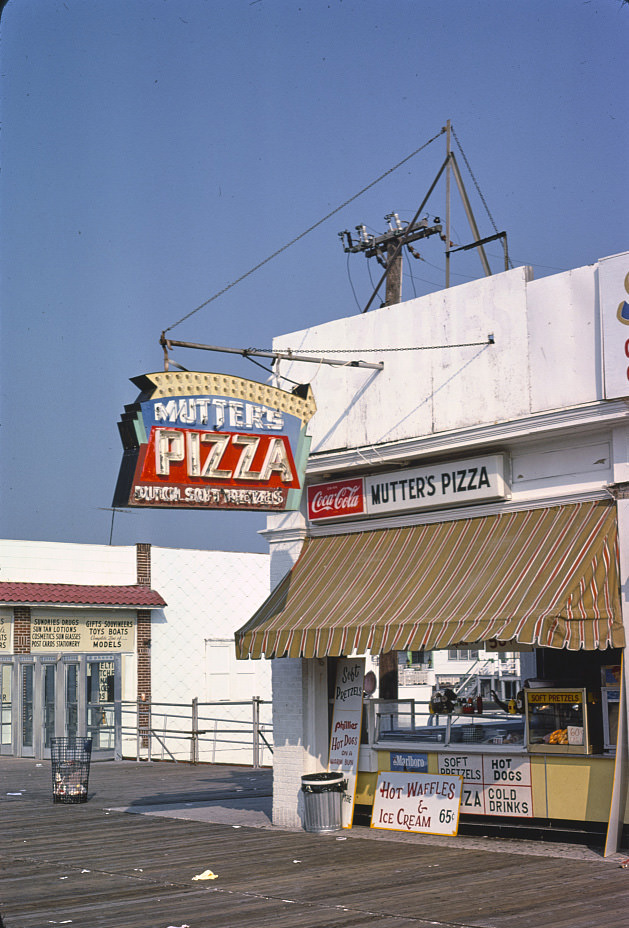
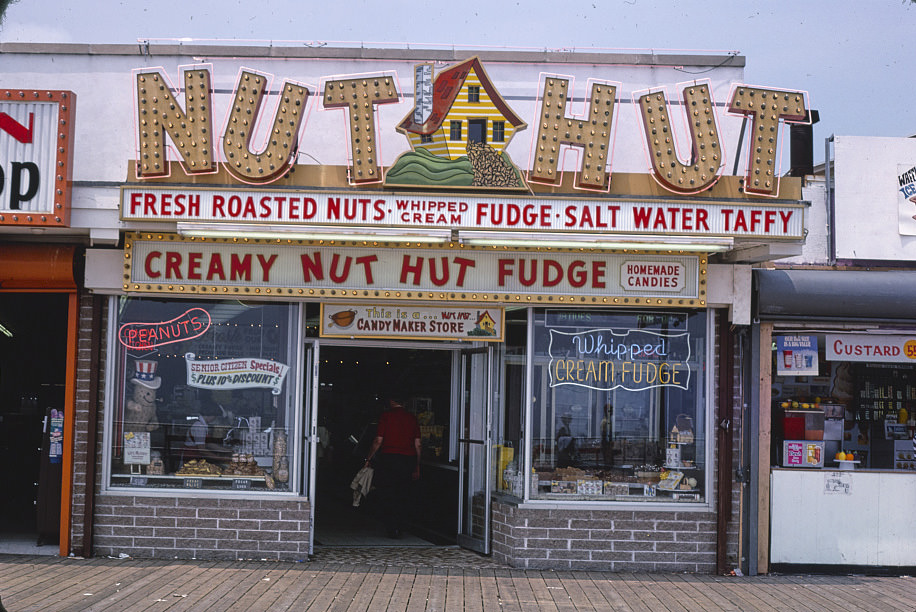
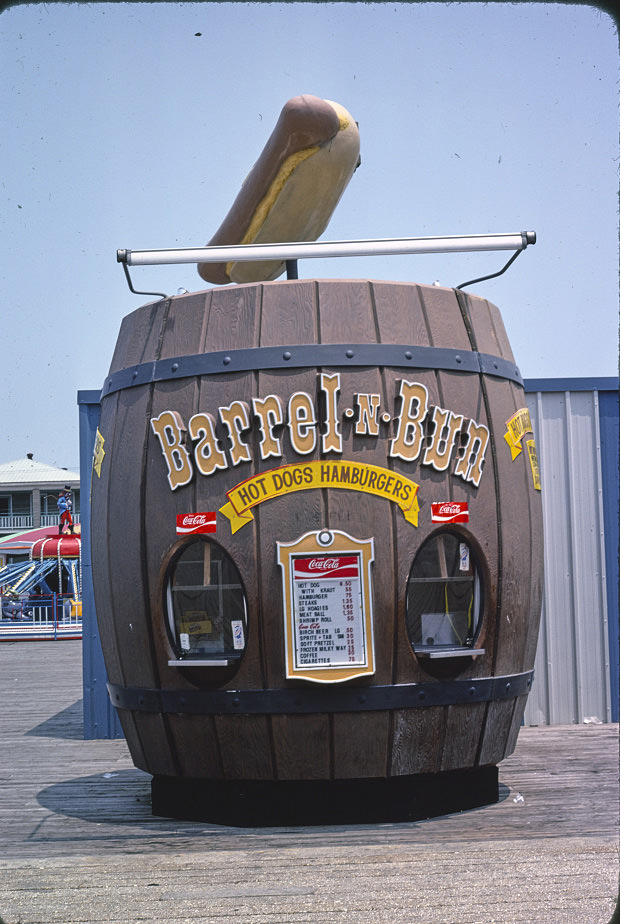
Food was a major part of the boardwalk experience. Pizza, fudge, and Boardwalk-style snacks were sold at dozens of stands and storefronts. A Whopper stand, boardwalk pizza shops, and the Nut Hut all appear in Margolies’ photos, showing how varied the food options were. The tram cars running the length of the boardwalk gave visitors who had walked too much a way to ride from one end to the other without missing a thing.
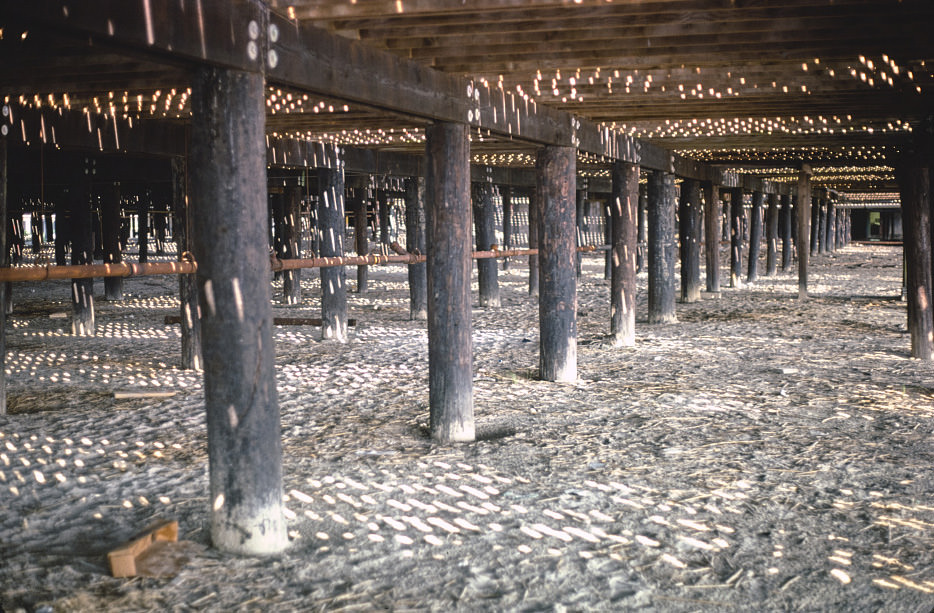
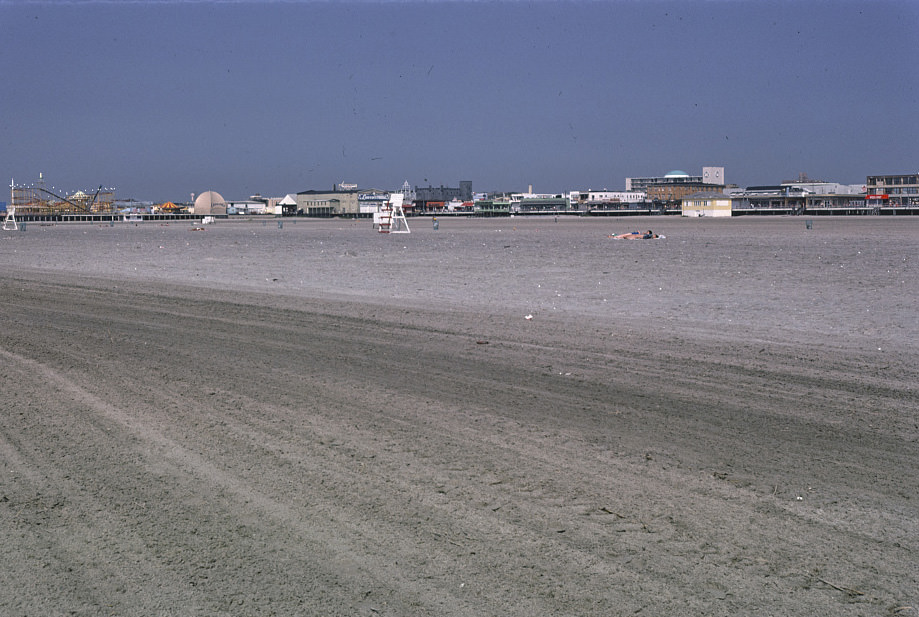
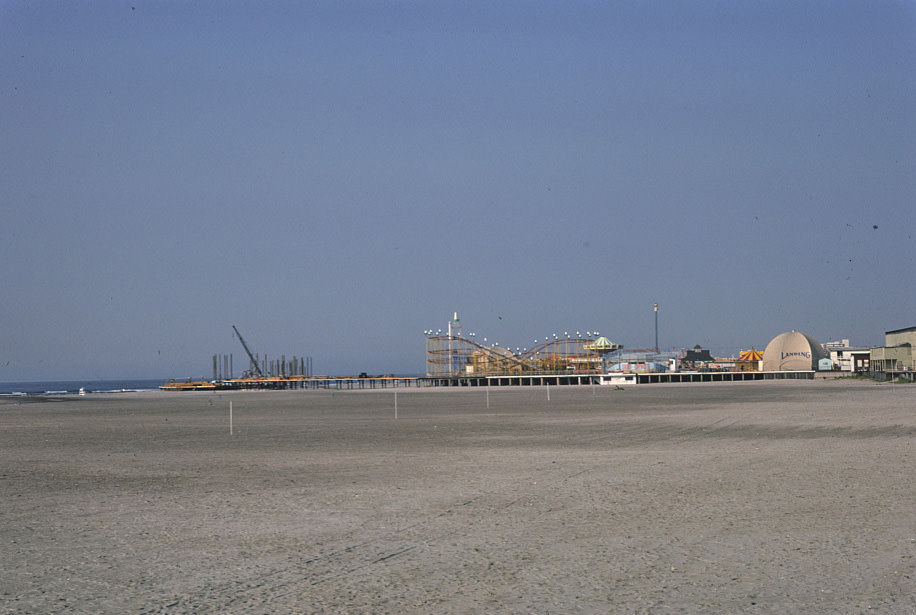
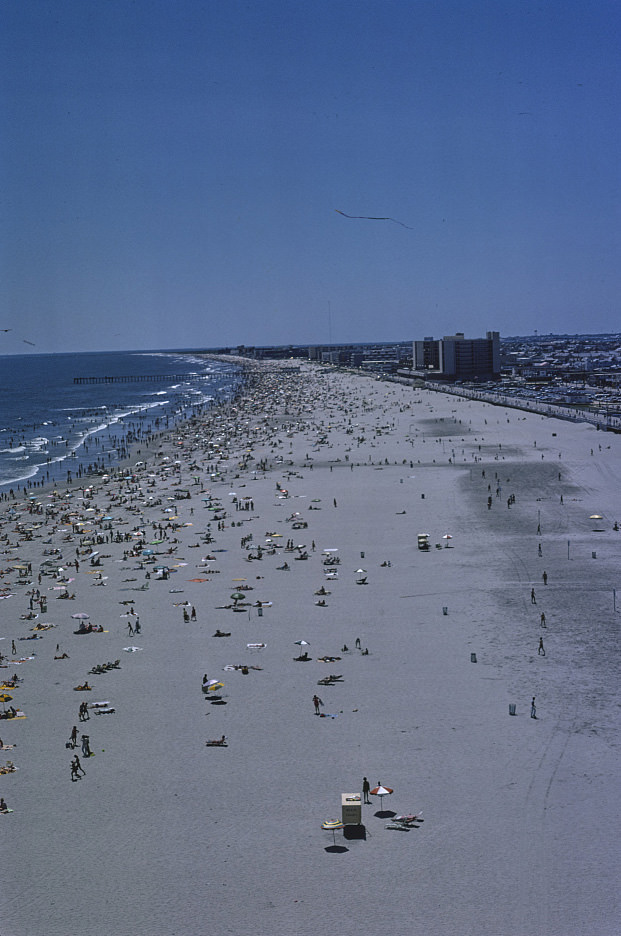
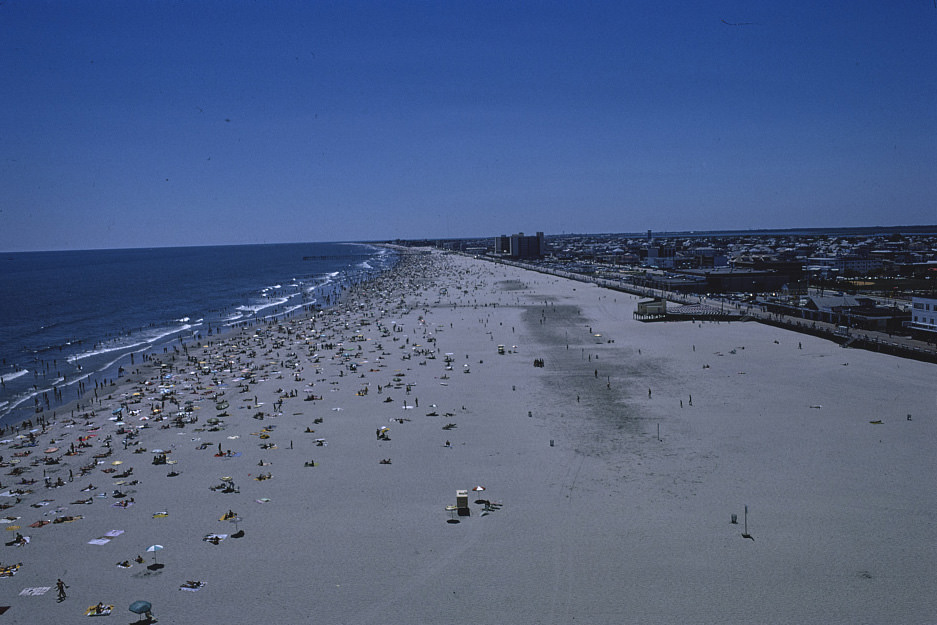
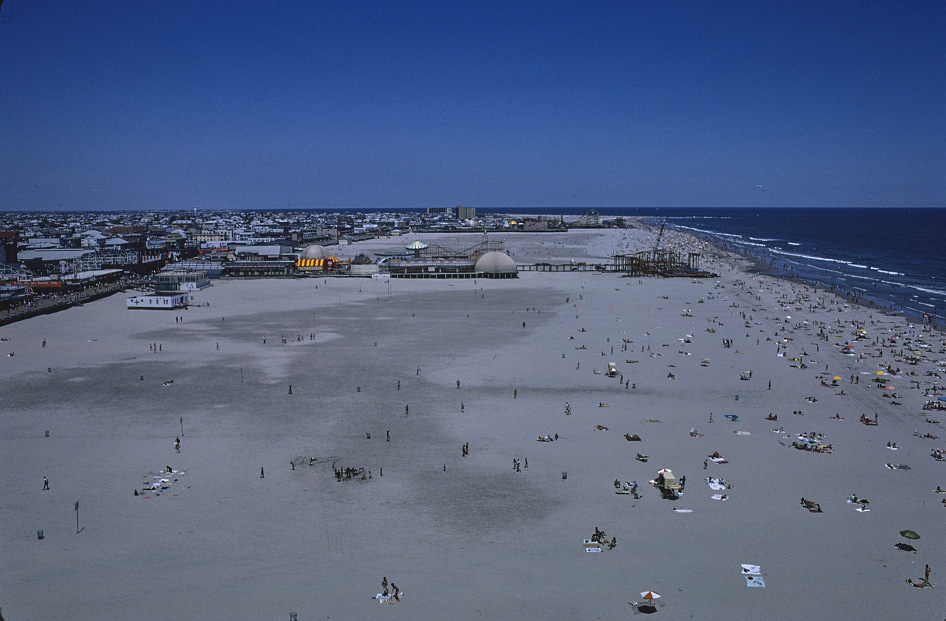
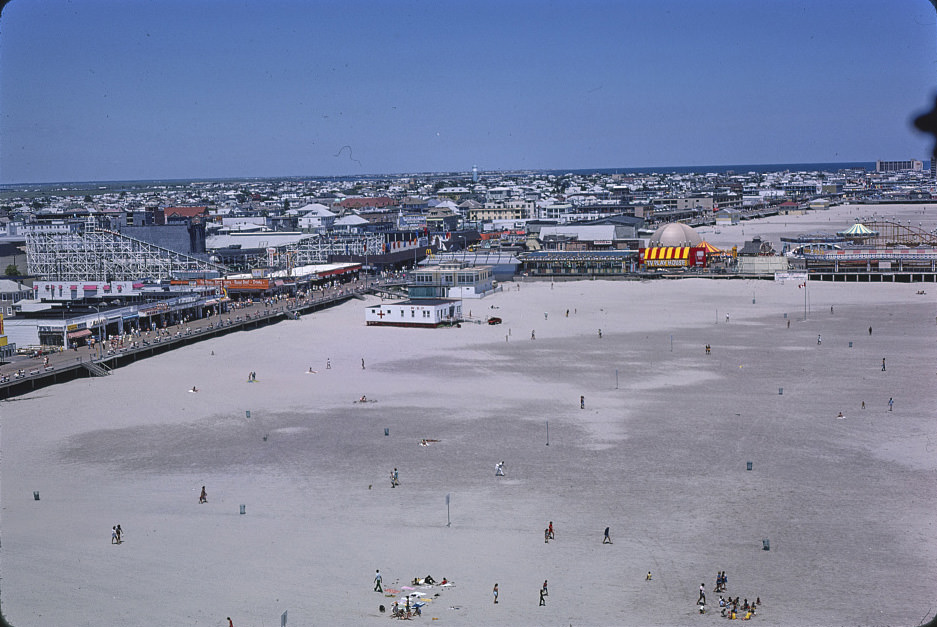
Margolies also photographed Wildwood from above, capturing wide aerial shots looking north and south along the coastline. These overhead views showed just how packed the beachfront was — piers extending out over the water, the wide sandy beach stretching alongside the boardwalk, and the dense grid of motel and commercial streets behind it all. The scale of summer Wildwood was impossible to fully appreciate from ground level alone.
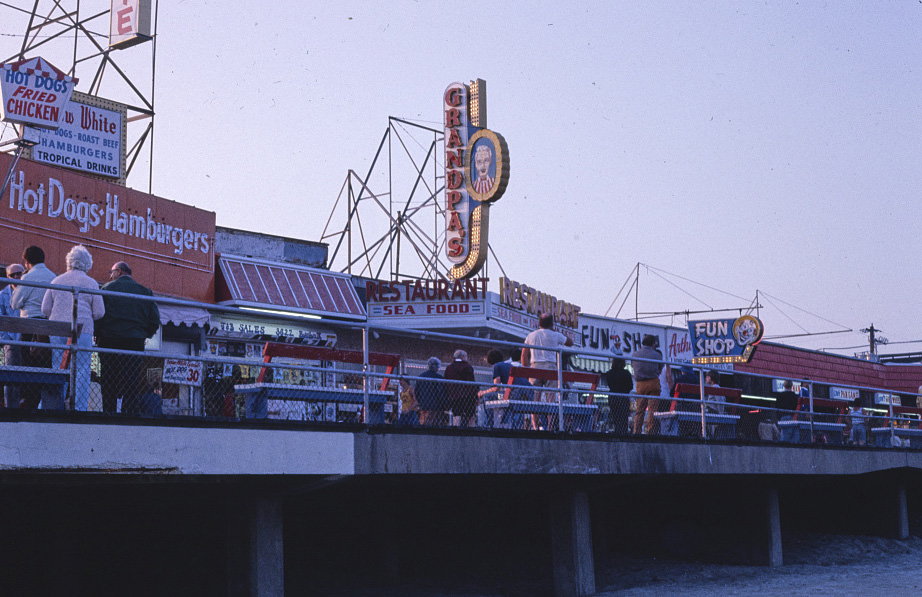
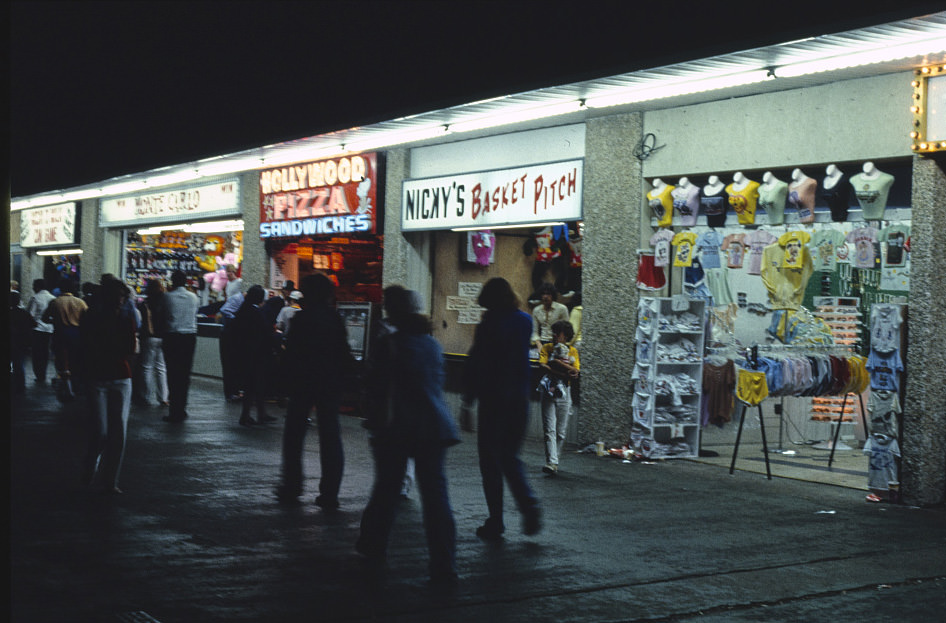
Dusk and nighttime photos reveal a completely different side of Wildwood. As the sun dropped, the neon kicked in — arcade signs, ride lights, and storefronts all blazing against the darkening sky. The boardwalk stayed busy well into the night, with crowds of visitors moving between attractions. Margolies captured these evening and night scenes with the same careful eye he applied to his daytime work.
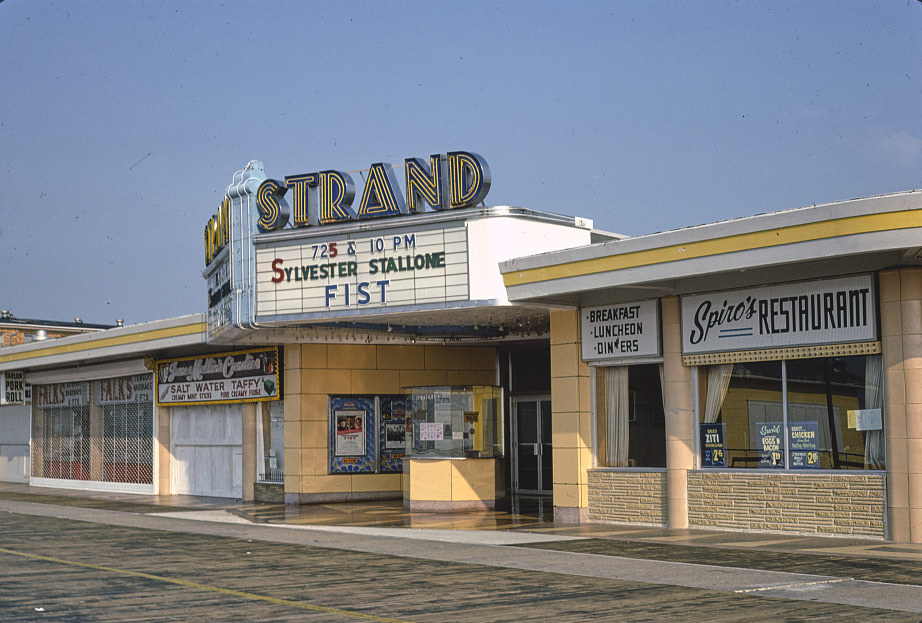
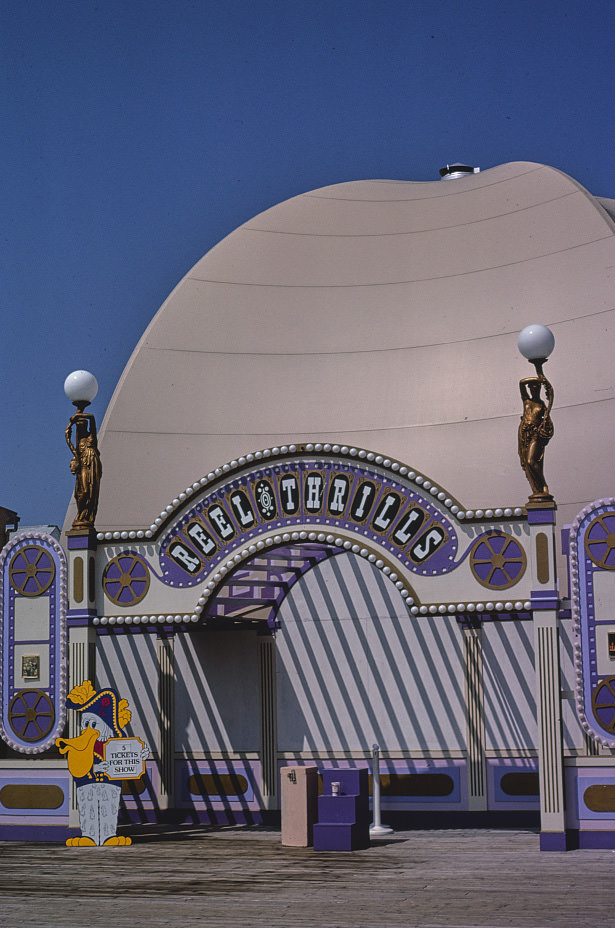
The Convention Hall stood as one of Wildwood’s more formal public buildings near the boardwalk. It served as an events venue during the summer season, hosting shows and gatherings that drew visitors who wanted something beyond the pier attractions. The Strand Theater on the boardwalk served a similar purpose, offering a movie-house experience steps from the ocean. Margolies photographed the Strand from two different angles, documenting its facade in full.
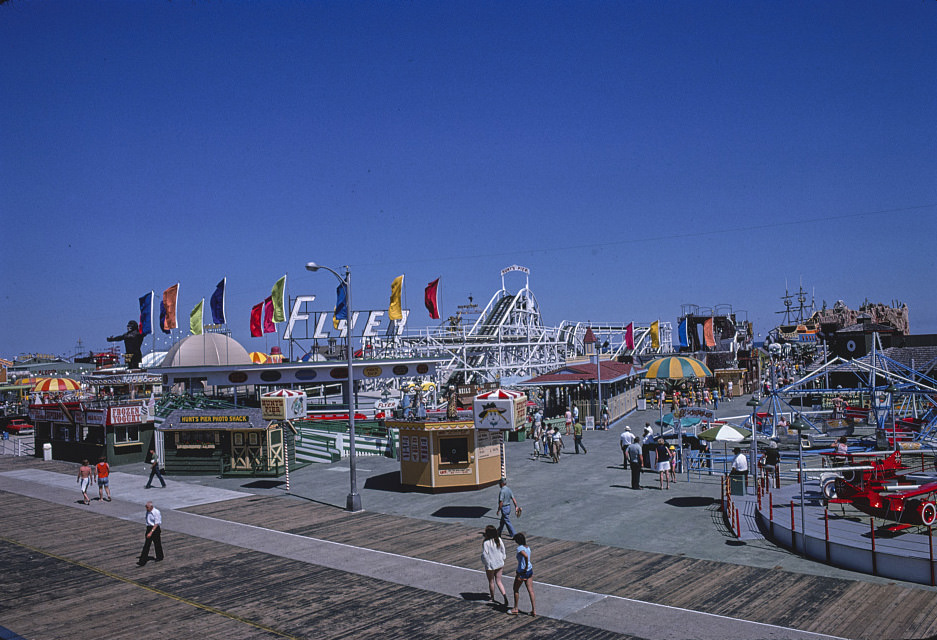
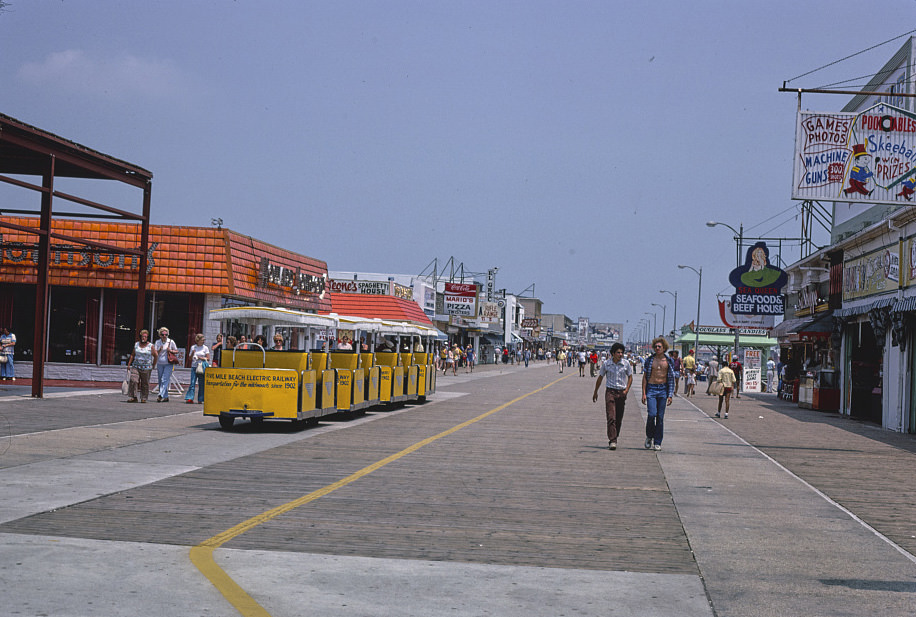
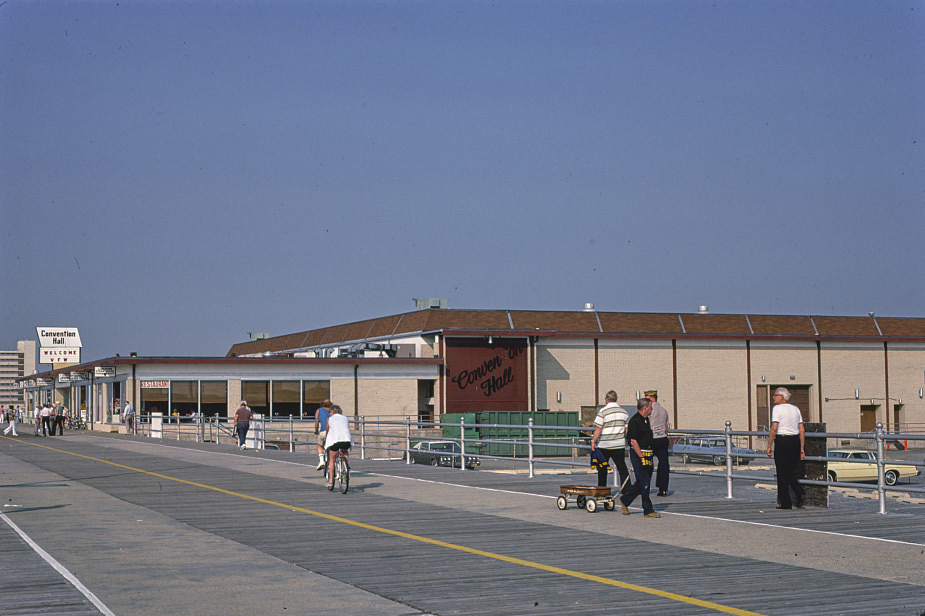
These 1978 photos by John Margolies document Wildwood at a specific moment — after its Doo-Wop peak but before the broader changes of the following decades. The piers were fully operational, the crowds were large, and the boardwalk economy was running at full capacity. Every frame Margolies shot tells part of a larger story about American resort culture at the tail end of the 1970s.





So many fond memories.
Does anyone remember the HellHole Ride in WW ? I was to young/scared to go 🙂
Dracula’s Castle was awesome.
I’ve seen people selling copies of some of these on eBay. Does anyone know where the original photos came from?
I enjoyed sifting through this! I wasn’t born in ’78, but I’ve been there a lot since the late 1980s. Thank you for sharing this